חיפוש

בבא מציעא קו

רוצה להקדיש לימוד?

podcast placeholder

0:00
0:00


תקציר

הדף היום מוקדש ע”י ג’יל וג’ף שיימס לע”נ זאב וולוול בן ראובן וחנה.

מי שחכר קרקע מחברו וארבה או שדפון הרסו את היבול – באלו מקרים יכול החכר לשלם פחות ממה שסוכם? יש מספר חישובים תיאולוגיים, שרובם מגנים על בעל הקרקע. למשל, במקרה שהחוכר נטעע דבר אחר ממה שסוכם, בעל הקרקע יכול לטען שמאחר שהתפלל על מה שסוכם ולא על מה שנטע, אולי הגדלים היו נשמרים. דינים של גאולת שדה אחוזה מובאים כדי להקשות על הדינים הבסיסיים הדינים לגבי שדפון, אך הקושי נפתר. שמואל פסק שהפטור לחוכר הוא רק אם הוא זרע בשדה, כי אפילו אם יש מכת מדינה, בעל הקרקע יכול לטעון שאילו היה זורע, אולי שדה שלו היה ניצול בגלל זכויותיו. איך שונה זה מהמקרה של רועה שעזב את העדר והעדר נתקף על ידי אריה או זאב, שבית דין בודקים אם הרועה היה מסוגל להציל העדר? במקרה של הרועה, אין חישוב שאולי היה קורה נס בזכות הבעלים. כמה פעמים חוכר חיב לנטוע מחדש את השדה באותו עונה אם ארבה או אסון אחר החריבו? זה תלוי במחלוקת בין רבי לרבן שמעון בן גמליאל לגבי חזקה, אם היא בשתים או בשלש פעמים? אם הצמחים כלל לא צמחו צריך לנטוע שוב, עד סוף העונה. מתי סוף העונה? רבי יהודה סבר שחוכר שהתחייב לשלם בכסף ולא בתבואה, אינו מנכה גם אם יש מכת מדינה. אך רבא אמר שאין פוסקים כרבי יהודה. החוכר משלם מן היבול של אותה שדה גם אם יותר טובים או גרועים ממה שיש  בשוק.

בבא מציעא קו

מַאי? זֶרַע אַחֵר, מַאי? חִיטֵּי לְגַבֵּי (שְׂעוֹרִים) [שְׂעָרֵי] כְּזֶרַע אַחֵר דָּמֵי, אוֹ לָא? כָּל הָעוֹלָם כּוּלּוֹ בְּשִׁדָּפוֹן, וְשֶׁלּוֹ בְּיֵרָקוֹן, אִי נָמֵי: כָּל הָעוֹלָם כּוּלּוֹ בְּיֵרָקוֹן, וְשֶׁלּוֹ בְּשִׁדָּפוֹן, מַאי? תֵּיקוּ.

what is the halakha? If the surrounding fields were planted with a different type of seed, what is the halakha? Likewise, is wheat, in relation to barley, considered like a different type of seed or not? Furthermore, if the entire world, i.e., all the surrounding fields, were blighted by windblasts and his was affected by mildew; or alternatively, if the fields of the entire world were struck by mildew, and his were blighted with windblasts, what is the halakha? The Gemara responds: No resolution is found to any of these dilemmas, and the dilemmas shall stand unresolved.

אֲמַר לֵיהּ: זִרְעַהּ חִיטֵּי, וַאֲזַל הוּא וְזַרְעַהּ שְׂעָרֵי, וְאִשְׁתְּדוּף רוּבָּא דְבָאגָא, וְאִשְׁתְּדוּף נָמֵי הָנָךְ שְׂעָרֵי דִּילֵיהּ, מַאי? מִי אָמְרִינַן דְּאָמַר לֵיהּ: אִילּוּ זְרַעְתַּהּ חִיטֵּי הֲוָה נָמֵי מִשְׁתַּדְפָא, אוֹ דִלְמָא מָצֵי אֲמַר לֵיהּ: אִילּוּ זְרַעְתַּהּ חִיטֵּי הֲוָה מִקַּיַּים בִּי ״וְתִגְזַר אֹמֶר וְיָקׇם לָךְ״?

The Gemara poses another question: If the owner said to the tenant farmer: Plant the field with wheat, and he went and planted it with barley, and most of the valley was wind blasted, and these fields with barley of his were also wind blasted, what is the halakha? Do we say that the tenant farmer can say to him: Even if I had planted it with wheat it would likewise have been wind blasted, as all the surrounding fields suffered the same fate, or perhaps the owner can say to him: Had you planted it with wheat, the following verse would have been fulfilled for me: “And you shall decree a matter and it will be established for you, and the light shall shine upon your ways” (Job 22:28), since you might have merited greater success by following my wishes.

מִסְתַּבְּרָא דְּאָמַר לֵיהּ: אִי זְרַעְתַּהּ חִיטֵּי הֲוָה מִקַּיַּים בִּי ״וְתִגְזַר אֹמֶר וְיָקׇם לָךְ וְעַל דְּרָכֶיךָ נָגַהּ אוֹר״.

The Gemara responds: It stands to reason that the owner can say to him: Had you planted it with wheat it would have fulfilled for me: “And you shall decree a matter and it will be established for you, and the light shall shine upon your ways.”

נִשְׁתַּדְפוּ כׇּל שְׂדוֹתָיו שֶׁל מַחְכִּיר, וְאִשְׁתְּדוּף נָמֵי הָא בַּהֲדַיְיהוּ, וְלָא אִשְׁתְּדוּף רוּבָּא דְבָאגָא, מַאי? מִי אָמְרִינַן כֵּיוָן דְּלָא אִשְׁתְּדוּף רוּבָּא דְבָאגָא – לָא מְנַכֵּי לֵיהּ, אוֹ דִלְמָא כֵּיוָן דְּאִשְׁתְּדוּף כּוּלְּהוּ אַרְעָתֵיהּ, מָצֵי אֲמַר לֵיהּ: הַאי מִשּׁוּם לַתָּךְ דִּידָךְ הוּא, דְּהָא (מִשְׁתַּדְפוּ) [נִשְׁתַּדְפוּ] כָּל שְׂדוֹתֶיךָ.

The Gemara presents another question: If all the fields of the owner of the land were wind blasted and this one was also wind blasted with them, but the majority of the valley was not wind blasted, what is the halakha? Do we say that since the majority of the valley was not wind blasted the tenant farmer does not subtract for the owner the amount owed for his tenancy, as this is not a regional disaster, or perhaps could one claim that since all the lands of the owner were wind blasted the tenant can say to the owner: This happened due to your bad fortune, as all your fields were wind blasted?

מִסְתַּבְּרָא דְּאָמַר לֵיהּ: אִי מִשּׁוּם לַתַּאי דִּידִי – הֲוָה מִשְׁתַּיַּיר לִי פּוּרְתָּא, כְּדִכְתִיב: ״כִּי נִשְׁאַרְנוּ מְעַט מֵהַרְבֵּה״.

The Gemara responds: It stands to reason that the owner can say to the tenant: If it was due to my bad fortune, a little would have been left for me, as it is written: “For we are left but a few from many” (Jeremiah 42:2), which indicates that even one suffering from misfortune does not lose all he has.

נִשְׁתַּדְפוּ כׇּל שְׂדוֹתָיו שֶׁל חוֹכֵר וְאִשְׁתְּדוּף רוּבָּא דְבָאגָא, וְאִשְׁתְּדוּף נָמֵי הָא בַּהֲדַיְיהוּ, מַאי? מִי אָמְרִינַן כֵּיוָן דְּאִשְׁתְּדוּף רוּבָּא דְבָאגָא מְנַכֵּי לֵיהּ, אוֹ דִלְמָא כֵּיוָן דְּאִשְׁתְּדוּף כּוּלְּהוּ אַרְעָתֵיהּ, מָצֵי אֲמַר לֵיהּ: מִשּׁוּם לַתָּךְ דִּידָךְ הוּא, דְּהָא (מִשְׁתַּדְפוּ) [נִשְׁתַּדְפוּ] כָּל שְׂדוֹתֶיךָ. מִסְתַּבְּרָא דְּאָמַר לֵיהּ: מִשּׁוּם לַתָּאךְ הוּא.

The Gemara discusses a similar case: If all the fields of the tenant farmer were wind blasted and most of the valley was wind blasted and this field was also wind blasted with them, what is the halakha? Do we say that since most of the valley was wind blasted the tenant farmer subtracts for the owner the amount owed for his tenancy and does not pay, or perhaps, since all the tenant’s lands were wind blasted, the owner can say to the tenant: The damage is due to your bad fortune, as all your fields were wind blasted. The Gemara responds: It stands to reason that the owner can say to him: It occurred due to your bad fortune.

אַמַּאי? הָכָא נָמֵי נֵימָא לֵיהּ: אִי מִשּׁוּם לַתַּאי דִּידִי הוּא – הֲוָה מִשְׁ[תַּ]יַּיר לִי פּוּרְתָּא, דַּהֲוָה מִקַּיַּים בִּי ״כִּי נִשְׁאַרְנוּ מְעַט מֵהַרְבֵּה״. מִשּׁוּם דַּאֲמַר לֵיהּ: אִי הֲוָה חֲזֵית לְאִישְׁתַּיּוֹרֵי לָךְ מִידֵּי – הֲוָה מִשְׁתַּיַּיר לָךְ מִדְּנַפְשָׁךְ.

The Gemara asks: Why should this be so? Here too, let us say to the owner: If it was due to my bad fortune, a little would have been left for me, as the following verse would have been fulfilled for me: “For we are left but a few from many.” The Gemara answers: This is not a valid claim because the owner can say to the tenant: Had you been worthy of something being left for you, it would have been left from your own private land, not the field you paid to cultivate.

מֵיתִיבִי: הָיְתָה שְׁנַת שִׁדָּפוֹן וְיֵרָקוֹן, אוֹ שְׁבִיעִית, אוֹ שֶׁהָיוּ שָׁנִים כִּשְׁנֵי אֵלִיָּהוּ – אֵינוֹ עוֹלֶה לוֹ מִן הַמִּנְיָן.

The Gemara raises an objection from a mishna to the ruling that if there is a regional disaster the cultivator subtracts from the produce he owes as part of his tenancy. The halakha is that if one sells his field in Eretz Yisrael in a time when the halakhot of the Jubilee Year are in effect, he does not have the right to purchase it from the buyer until two years have passed. The mishna teaches (Arakhin 29b): If it was a year of wind-blasted crops or mildew or it was the Sabbatical Year, or if those years were like the years of Elijah in which no rain fell (see I Kings 17:1, 18:1–2), they do not count as part of his tally of years before he may repurchase his land.

קָתָנֵי: שִׁדָּפוֹן וְיֵרָקוֹן דּוּמְיָא דְּשָׁנִים כִּשְׁנֵי אֵלִיָּהוּ, מָה שְׁנֵי אֵלִיָּהוּ – דְּלָא הֲוַי תְּבוּאָה כְּלָל, אַף הָכָא נָמֵי – דְּלָא הֲוַי תְּבוּאָה כְּלָל. אֲבָל דְּאִיכָּא תְּבוּאָה – סָלְקָא לֵיהּ, וְלָא קָאָמְרִינַן מַכַּת מְדִינָה הִיא!

The Gemara analyzes the mishna: This tanna teaches that the cases of windblasts and mildew are similar to the case where the years were like the years of Elijah. Just as the years of Elijah is referring to a time when there was no produce at all, so too, here, windblasts and mildew are referring to cases when there was no produce at all. But by inference, one can learn that if there was some produce, it counts toward his tally of years before he may repurchase his land, and we do not say that it is a regional disaster.

אָמַר רַב נַחְמָן בַּר יִצְחָק: שָׁאנֵי הָתָם, דְּאָמַר קְרָא: ״בְּמִסְפַּר שְׁנֵי תְבוּאֹת יִמְכׇּר לָךְ״, שָׁנִים שֶׁיֵּשׁ בָּהֶן תְּבוּאָה בָּעוֹלָם.

The Gemara answers: Rav Naḥman bar Yitzḥak said: There, the case with regard to the sold field is different, as the verse states with regard to the sale and leasing of fields: “According to the numbers of years of the crops he shall sell to you” (Leviticus 25:15), which is referring to years in which there is produce harvested in the world.

אֲמַר לֵיהּ רַב אָשֵׁי לְרַב כָּהֲנָא: אֶלָּא מֵעַתָּה שְׁבִיעִית תַּעֲלֶה לוֹ מִן הַמִּנְיָן, דְּהָא אִיכָּא תְּבוּאָה בְּחוּצָה לָאָרֶץ! אֲמַר לֵיהּ: שְׁבִיעִית אַפְקַעְתָּא דְמַלְכָּא הִיא.

Rav Ashi said to Rav Kahana: If that is so, the Sabbatical Year should count for him as part of his tally of years, as at least there is produce outside of Eretz Yisrael. Rav Kahana said to him: The Sabbatical Year is an abrogation of the King, i.e., God. Therefore, it should not be included in the number of the years before land is repurchased.

אֲמַר לֵיהּ מָר זוּטְרָא בְּרֵיהּ דְּרַב מָרִי לְרָבִינָא: אֶלָּא מֵעַתָּה, שְׁבִיעִית לֹא תַּעֲלֶה לוֹ מִן הַגֵּירוּעַ! אַלְּמָה תְּנַן: נוֹתֵן סֶלַע וּפוּנְדְּיוֹן לְשָׁנָה! אֲמַר לֵיהּ: שָׁאנֵי הָתָם דְּחַזְיָא לְמִישְׁטַחא בַּהּ פֵּירֵי.

Mar Zutra, son of Rav Mari, said to Ravina: If that is so, that the Sabbatical Year is entirely disregarded, then in the case of one who consecrates his field and wants to redeem it, the Sabbatical Year should not count for him for the deduction of the price of the field when it is redeemed. Why did we learn in a mishna (Arakhin 25a) that the one who consecrated his field gives a sela and a pundeyon coin, which is worth 16 perutot, to the Temple treasury for each year remaining until the Jubilee Year, including the Sabbatical Year, in accordance with the payment prescribed by the Torah (see Leviticus 27:16–19)? The amount to be paid per year, which is fifty shekels divided by the years remaining until the Jubilee Year, should not take the upcoming Sabbatical Years into account. Ravina said to him: There it is different, as it is suitable for laying out produce on it. Although one may not plant the field during the Sabbatical Year, one may use it for other purposes.

אָמַר שְׁמוּאֵל: לֹא שָׁנוּ, אֶלָּא שֶׁזְּרָעָהּ וְצִמְּחָה וַאֲכָלָהּ חָגָב. אֲבָל לֹא זְרָעָהּ כְּלָל – לָא, דְּאָמַר לֵיהּ: אִילּוּ זְרַעְתַּהּ הֲוָה מִקַּיַּים בִּי ״לֹא יֵבֹשׁוּ בְּעֵת רָעָה וּבִימֵי רְעָבוֹן יִשְׂבָּעוּ״.

Shmuel said: They taught the halakha that if there is a regional disaster the cultivator subtracts from the produce he owes as part of his tenancy only if the tenant planted the field and it sprouted and then grasshoppers consumed it, or if he planted it with a different seed, but if he did not plant it at all, the tenant is not entitled to subtract from the amount he owes even if there was a regional disaster. This is because the owner can say to him: Had you planted it, perhaps my merit would have prevented the field from being affected by the epidemic, and the following verse would have been fulfilled for me: “They will not be shamed in the time of evil, and in the days of famine they shall be satisfied” (Psalms 37:19).

מֵתִיב רַב שֵׁשֶׁת: רוֹעֶה שֶׁהָיָה רוֹעֶה וְהִנִּיחַ עֶדְרוֹ וּבָא לָעִיר, וּבָא זְאֵב וְטָרַף, וּבָא אֲרִי וְדָרַס – אֵין אוֹמְרִים: אִילּוּ הָיָה שָׁם הָיָה מַצִּיל, אֶלָּא אוֹמְדִין אוֹתוֹ אִם יָכוֹל לְהַצִּיל – חַיָּיב, וְאִם לָאו – פָּטוּר. וְאַמַּאי? נֵימָא לֵיהּ: אִי הֲוֵית הָתָם הֲוָה מִקַּיַּים בִּי ״גַּם אֶת הָאֲרִי גַּם הַדּוֹב הִכָּה עַבְדֶּךָ״!

Rav Sheshet raises an objection from a baraita: In the case of a shepherd who was herding the animals of others, and he left his flock and came to the town, and in the meantime a wolf came and tore an animal to pieces, or a lion came and trampled one of the flock, we do not say definitively that had he been there he would have rescued them and therefore he is liable due to his absence. Rather, the court estimates with regard to him: If he could have rescued his animal by chasing a beast of this kind away, he is liable, as his departure from the scene was certainly a contributing factor to the damage. If not, he is exempt from liability. According to Shmuel’s opinion, why is the shepherd exempt from liability? Let the owner say to him: Had you been there, the following verse would have been fulfilled for me: “Your servant smote both the lion and the bear” (I Samuel 17:36).

מִשּׁוּם דַּאֲמַר לֵיהּ: אִי הֲוֵית חֲזֵית לְאִיתְרְחוֹשֵׁי לָךְ נִיסָּא, הֲוָה (אִיתְרְחִישׁ) [מִיתְרְחִישׁ] לָךְ נִיסָּא כְּרַבִּי חֲנִינָא בֶּן דּוֹסָא דְּמֵתְיָין עִיזֵּי דּוּבֵּי בְּקַרְנַיְיהוּ. וְנֵימָא לֵיהּ: נְהִי דִּלְנִיסָּא רַבָּה לָא הֲוָה חֲזֵינָא – לְנִיסָּא זוּטָא

The Gemara answers: This is because the shepherd could say to the owner: If you were worthy of a miracle occurring to you, a miracle would have indeed occurred to you as it did to Rabbi Ḥanina ben Dosa, when his goats brought bears impaled on their horns without any assistance on the part of a shepherd (see Ta’anit 25a). The Gemara asks: And let the owner say to him: Granted that I was not worthy of a great miracle, but of a small miracle

חֲזֵינָא? קַשְׁיָא.

I was worthy. The Gemara concludes: Indeed, this is difficult.

תָּנֵי חֲדָא: פַּעַם רִאשׁוֹנָה וּשְׁנִיָּה זוֹרְעָהּ, וּשְׁלִישִׁית אֵינוֹ זוֹרְעָהּ. וְתַנְיָא אִידַּךְ: שְׁלִישִׁית זוֹרְעָהּ, רְבִיעִית אֵינוֹ זוֹרְעָהּ. לָא קַשְׁיָא: הָא כְּרַבִּי, הָא כְּרַבָּן שִׁמְעוֹן בֶּן גַּמְלִיאֵל.

§ It is taught in one baraita: With regard to one who cultivates a field, the first and second time he plants the field again if the crops were destroyed by some mishap, but the third time he is not required to plant it again. And it is taught in another baraita that on the third occasion, he must plant it the field again, but after the fourth time the crops are destroyed, he is not required to plant it again. These two baraitot appear to contradict one another. The Gemara explains: That is not difficult, as this baraita is in accordance with the opinion of Rabbi Yehuda HaNasi, whereas that baraita is in accordance with the opinion of Rabban Shimon ben Gamliel.

הָא כְּרַבִּי, דְּאָמַר: בִּתְרֵי זִימְנֵי הָוְיָ[א] חֲזָקָה. הָא כְּרַבָּן שִׁמְעוֹן בֶּן גַּמְלִיאֵל, דְּאָמַר: בִּתְלָת זִימְנֵי הָוְיָ[א] חֲזָקָה.

The Gemara clarifies: This baraita is in accordance with the opinion of Rabbi Yehuda HaNasi who says that presumptive status is established by two occasions, while that baraita is in accordance with the opinion of Rabban Shimon ben Gamliel, who says that presumptive status is established by three occasions.

אָמַר רֵישׁ לָקִישׁ: לֹא שָׁנוּ אֶלָּא שֶׁזְּרָעָהּ וְצִמְּחָה וַאֲכָלָהּ חָגָב. אֲבָל זְרָעָהּ וְלֹא צִמְּחָה – מָצֵי אֲמַר לֵיהּ בַּעַל הַקַּרְקַע: כׇּל יְמֵי זֶרַע זְרַעא לַהּ וֶאֱזִיל. וְעַד אֵימַת? אָמַר רַב פָּפָּא: עַד דְּאָתוּ אֲרִיסֵי מִדַּבְרָא וְקָיְימָא כִּימָה אַרֵישַׁיְיהוּ.

Reish Lakish said: They taught that a cultivator plants a limited number of times only if he planted the field and it sprouted and locusts consumed the crops, but if he planted it and the crops did not sprout at all, the landowner can say to him: You should continue planting it on all the days that are fit for planting. The Gemara asks: And until when does the period of planting last? The Gemara answers: Rav Pappa said: Until such time that the sharecroppers come in from the field and the stars of Pleiades are stationed over their heads, which occurs roughly during the month of Shevat.

מֵיתִיבִי: רַבָּן שִׁמְעוֹן בֶּן גַּמְלִיאֵל מִשּׁוּם רַבִּי מֵאִיר אוֹמֵר, וְכֵן הָיָה רַבִּי שִׁמְעוֹן בֶּן מְנַסְיָא אוֹמֵר כִּדְבָרָיו: חֲצִי תִשְׁרֵי, מְרַחְשְׁוָן, וַחֲצִי כִסְלֵיו – זֶרַע.

The Gemara raises an objection to this from a baraita that discusses the verse: “While the earth remains, planting and harvest, and cold and heat, and summer and winter, and day and night shall not cease” (Genesis 8:22). The baraita interprets this verse as referring to six seasons of the year: Rabban Shimon ben Gamliel says in the name of Rabbi Meir, and similarly, Rabbi Shimon ben Menasya would say in accordance with his statement: The second half of Tishrei, all of Marḥeshvan, and the first half of Kislev are the days of planting.

חֲצִי כִסְלֵיו, טֵבֵת, וַחֲצִי שְׁבָט – חוֹרֶף. חֲצִי שְׁבָט, אֲדָר, וַחֲצִי נִיסָן – קוֹר. חֲצִי נִיסָן, אִיָּיר, וַחֲצִי סִיוָן – קָצִיר. חֲצִי סִיוָן, תַּמּוּז, וַחֲצִי אָב – קַיִץ. חֲצִי אָב, אֱלוּל, וַחֲצִי תִּשְׁרֵי – חוֹם.

The second half of Kislev, all of Tevet, and the first half of Shevat are the winter days. The second half of Shevat, all of Adar, and the first half of Nisan are the period of cold; the second half of Nisan, all of Iyar, and the first half of Sivan are the harvest period. The second half of Sivan, all of Tammuz, and half of Av are the summer season, while the second half of Av, all of Elul, and the first half of Tishrei are the season of heat.

רַבִּי יְהוּדָה מוֹנֶה מִתִּשְׁרִי, רַבִּי שִׁמְעוֹן מוֹנֶה מִמְּרַחְשְׁוָן.

The baraita adds: Rabbi Yehuda also would divide the year into these six seasons, but he counts from the beginning of Tishrei rather than from the middle. Rabbi Shimon counts from Marḥeshvan, so that Marḥeshvan and Kislev constitute the season of planting, and so on.

מַאן מֵיקֵל בְּכוּלְּהוּ – רַבִּי שִׁמְעוֹן, וְכוּלֵּי הַאי לָא קָאָמַר! לָא קַשְׁיָא: הָא דְּקַבְּלַהּ מִינֵּיהּ בְּחָרְפֵי, הָא דְּקַבְּלֵהּ מִינֵּיהּ בְּאַפְלֵי.

The Gemara states its objection: Who is the most lenient of all of them in that the period of planting occurs at the latest time of the year? It is Rabbi Shimon, and even he did not say that the planting season extends that far to the time when Pleiades is above their heads. The Gemara responds: That is not difficult, as this is referring to a cultivator who accepted from the owner the planting of early crops, while that case involves a cultivator who accepted from the owner the planting of late crops, performed at a much later date.

רַבִּי יְהוּדָה אוֹמֵר: אִם קִבְּלָה מִמֶּנּוּ בְּמָעוֹת. הָהוּא גַּבְרָא דְּקַבֵּיל אַרְעָא לְמִיזְרַעה בַּהּו תּוּמֵי אַגּוּדָּא דִּנְהַר מַלְכָּא סָבָא בְּזוּזֵי. אִיסְתְּכַר נְהַר מַלְכָּא סָבָא. אֲתָא לְקַמֵּיהּ דְּרָבָא, אֲמַר לֵיהּ: נְהַר מַלְכָּא סָבָא לָא עֲבִיד דְּמִיסְתְּכַר, מַכַּת מְדִינָה הִיא, זִיל נַכֵּי לֵיהּ.

§ The mishna teaches: Rabbi Yehuda says: If the cultivator received it from the owner for a fixed sum of money, whether a regional disaster occurred or not, he does not subtract the produce he owes as part of his tenancy. The Gemara relates: There was a certain man who received land to plant garlic on it on the bank of the river Malka Sava in exchange for a specified sum of money. The bank of the river Malka Sava became dammed up. The case came before Rava, who said to the cultivator: The river Malka Sava does not usually dam up. Therefore, it is classified as a regional disaster; go subtract this loss from the payment you owe to the owner.

אֲמַרוּ לֵיהּ רַבָּנַן לְרָבָא: הָא אֲנַן תְּנַן, רַבִּי יְהוּדָה אוֹמֵר: אִם קִבְּלָה הֵימֶנּוּ בְּמָעוֹת – בֵּין כָּךְ וּבֵין כָּךְ אֵינוֹ מְנַכָּה לוֹ מִן חֲכוֹרוֹ! אֲמַר לְהוּ: לֵית דְּחָשׁ לַהּ לִדְרַבִּי יְהוּדָה.

The Gemara continues the story: The Rabbis said to Rava: Didn’t we learn in the mishna here: If the cultivator received it from the owner for a fixed sum of money, whether this way or whether that way, i.e., whether a regional disaster occurred or not, he does not subtract the produce he owes as part of his tenancy. Rava said to them: There is no one who is concerned for the ruling of Rabbi Yehuda since it is a minority opinion that is rejected.

מַתְנִי׳ הַמְקַבֵּל שָׂדֶה מֵחֲבֵירוֹ בַּעֲשָׂרָה כּוֹר חִטִּים לְשָׁנָה וְלָקְתָה – נוֹתֵן לוֹ מִתּוֹכָהּ. הָיוּ חִטֶּיהָ יָפוֹת, לֹא יֹאמַר לוֹ: הֲרֵינִי לוֹקֵחַ מִן הַשּׁוּק, אֶלָּא נוֹתֵן לוֹ מִתּוֹכָהּ.

MISHNA: In the case of one who receives a field from another to cultivate in return for the payment of ten kor of wheat per year, and its produce was blighted by a crop disease or the like, the cultivator gives the owner the ten kor of wheat from it but does not have to provide him with high quality wheat. If the wheat stalks produced by the field were particularly good stalks of wheat, the cultivator may not say to the owner: I will buy regular wheat from the market; rather, he gives him from inside the field itself.

גְּמָ׳ הָהוּא גַּבְרָא דְּקַבֵּיל אַרְעָא לְאַסְפַּסְתָּא בְּכוֹרֵי דִשְׂעָרֵי, עֲבַדָא אַסְפַּסְתָּא, וְחַרְשַׁהּ וְזַרְעַהּ שְׂעָרֵי, וּלְקוֹ הָנֵי שְׂעָרֵי. שַׁלְחַהּ רַב חֲבִיבָא מִסּוּרָא דִפְרָת לְקַמֵּיהּ דְּרָבִינָא, כִּי הַאי גַּוְנָא מַאי: כִּי ״לָקְתָה נוֹתֵן לוֹ מִתּוֹכָהּ״ דָּמֵי, אוֹ לָא?

GEMARA: The Gemara relates: There was a certain man who received land to grow hay in exchange for paying the owner several kor of barley. After the field produced hay, the recipient plowed and sowed it with barley, and that barley was blighted. The worker sought to pay the owner from the damaged barley he had cultivated. Rav Ḥaviva from Sura in the Euphrates sent the following question before Ravina: What is the halakha with regard to a case of this kind? Is it considered similar to an instance of: If it was blighted, he gives him from inside the field, or not?

אֲמַר לֵיהּ: מִי דָּמֵי? הָתָם לָא עֲבַדָא אַרְעָא שְׁלִיחוּתָא דְּמָרַהּ, הָכָא עֲבַדָא אַרְעָא שְׁלִיחוּתָא דְּמָרַהּ.

Ravina said to him: Is it comparable? There, in the mishna, the land did not perform its owner’s mission, and the cultivator also received blighted produce, whereas here, the land did perform its owner’s mission, as the cultivator took the land for the purpose of growing hay, which it produced. His additional crop of barley was not part of their agreement and therefore he cannot pay his debt with blighted barley.

הָהוּא גַּבְרָא דְּקַבֵּל פַּרְדֵּס מֵחַבְרֵיהּ בַּעֲשַׂר דַּנֵּי חַמְרָא, תְּקֵיף הָהוּא חַמְרָא. סְבַר רַב כָּהֲנָא לְמֵימַר: הַיְינוּ מַתְנִיתִין – לָקְתָה נוֹתֵן לוֹ מִתּוֹכָהּ. אָמַר לֵיהּ רַב אָשֵׁי: מִי דָּמֵי? הָתָם לָא עֲבַדָא אַרְעָא שְׁלִיחוּתָא, הָכָא עֲבַדָא אַרְעָא שְׁלִיחוּתָא.

The Gemara relates: There was a certain man who received an orchard from another to cultivate in exchange for paying the owner ten barrels of wine, but that wine produced from the orchard’s grapes turned sour. Rav Kahana thought to say that this is an example of the ruling of the mishna that if it was blighted he may give him from inside the field. Rav Ashi said to him: Is it comparable? There, in the mishna, the land did not perform its owner’s mission, as the crop was blighted, whereas here, the land did perform its owner’s mission, as there was nothing wrong with the grapes themselves, and the wine turned sour in the cultivator’s possession.

וּמוֹדֶה רַב אָשֵׁי בְּעִינְּבֵי דִּכְדוּם וּבְשָׂדֶה שֶׁלָּקְתָה בָּעוֹמָרֶיהָ.

The Gemara comments: And Rav Ashi concedes with regard to grapes that shrunk over the course of their growth and with regard to a field whose sheaves were blighted that since the damage occurred to the crop itself, the cultivator can pay his debt from the produce of the field.

מַתְנִי׳ הַמְקַבֵּל שָׂדֶה מֵחֲבֵירוֹ לְזׇרְעָהּ שְׂעוֹרִים – לֹא יִזְרָעֶנָּה חִטִּים. חִטִּים – יִזְרָעֶנָּה שְׂעוֹרִים, רַבָּן שִׁמְעוֹן בֶּן גַּמְלִיאֵל אוֹסֵר. תְּבוּאָה – לֹא יִזְרָעֶנָּה קִטְנִית. קִטְנִית – יִזְרָעֶנָּה תְּבוּאָה, וְרַבָּן שִׁמְעוֹן בֶּן גַּמְלִיאֵל אוֹסֵר.

MISHNA: With regard to one who receives a field from another in order to plant it with barley, he may not plant it with wheat, as wheat weakens the field more than barley does. But if he receives it in order to plant wheat, he may plant it with barley if he wishes, but Rabban Shimon ben Gamliel forbids it. Similarly, if he receives it to plant it with grain he may not plant it with legumes, as they weaken the field more than grains do, but if he receives it in order to plant legumes he may plant it with grain, but Rabban Shimon ben Gamliel forbids it.

גְּמָ׳ אָמַר רַב חִסְדָּא: מַאי טַעְמָא דְּרַבָּן שִׁמְעוֹן בֶּן גַּמְלִיאֵל, דִּכְתִיב: ״שְׁאֵרִית יִשְׂרָאֵל לֹא יַעֲשׂוּ עַוְלָה וְלֹא יְדַבְּרוּ כָזָב וְלֹא יִמָּצֵא בְּפִיהֶם לְשׁוֹן תַּרְמִית״.

GEMARA: Rav Ḥisda said: What is the reason of the ruling of Rabban Shimon ben Gamliel? The landowner has apparently suffered no loss from the cultivator’s actions. His reasoning is as it is written: “The remnant of Israel shall not do iniquity, nor speak lies, neither shall a deceitful tongue be found in their mouth” (Zephaniah 3:13). In other words, one may not retract from an obligation accepted upon oneself, even if no one suffers as a result.

מֵיתִיבִי: מִגְבַּת פּוּרִים לְפוּרִים, וְאֵין מְדַקְדְּקִין בַּדָּבָר. וְאֵין הֶעָנִי רַשַּׁאי לִיקַּח מֵהֶן רְצוּעָה לְסַנְדָּלוֹ, אֶלָּא אִם כֵּן הִתְנָה בְּמַעֲמַד אַנְשֵׁי הָעִיר, דִּבְרֵי רַבִּי יַעֲקֹב שֶׁאָמַר מִשּׁוּם רַבִּי מֵאִיר. רַבָּן שִׁמְעוֹן בֶּן גַּמְלִיאֵל

The Gemara raises an objection to this from a baraita: The Purim collection is only for the Purim feast, but one does not scrutinize the matter by limiting the allocation for the poor to the exact costs of the meal and no more. And it is not permitted for a poor person to purchase even a strap for his sandal from it unless he stipulated in the presence of the people of the city that he may do as he wishes with the money he receives. This is the statement of Rabbi Ya’akov, who said it in the name of Rabbi Meir. Rabban Shimon ben Gamliel

חדשה בלימוד הגמרא?

זה הדף הראשון שלך? איזו התרגשות עצומה! יש לנו בדיוק את התכנים והכלים שיעזרו לך לעשות את הצעדים הראשונים ללמידה בקצב וברמה שלך, כך תוכלי להרגיש בנוח גם בתוך הסוגיות המורכבות ומאתגרות.

פסיפס הלומדות שלנו

גלי את קהילת הלומדות שלנו, מגוון נשים, רקעים וסיפורים. כולן חלק מתנועה ומסע מרגש ועוצמתי.

My explorations into Gemara started a few days into the present cycle. I binged learnt and become addicted. I’m fascinated by the rich "tapestry” of intertwined themes, connections between Masechtot, conversations between generations of Rabbanim and learners past and present all over the world. My life has acquired a golden thread, linking generations with our amazing heritage.
Thank you.

Susan Kasdan
סוזן כשדן

חשמונאים, Israel

בסוף הסבב הקודם ראיתי את השמחה הגדולה שבסיום הלימוד, בעלי סיים כבר בפעם השלישית וכמובן הסיום הנשי בבנייני האומה וחשבתי שאולי זו הזדמנות עבורי למשהו חדש.
למרות שאני שונה בסביבה שלי, מי ששומע על הלימוד שלי מפרגן מאוד.
אני מנסה ללמוד קצת בכל יום, גם אם לא את כל הדף ובסך הכל אני בדרך כלל עומדת בקצב.
הלימוד מעניק המון משמעות ליום יום ועושה סדר בלמוד תורה, שתמיד היה (ועדיין) שאיפה. אבל אין כמו קביעות

Racheli-Mendelson
רחלי מנדלסון

טל מנשה, ישראל

התחלתי כשהייתי בחופש, עם הפרסומים על תחילת המחזור, הסביבה קיבלה את זה כמשהו מתמיד ומשמעותי ובהערכה, הלימוד זה עוגן יציב ביום יום, יש שבועות יותר ויש שפחות אבל זה משהו שנמצא שם אמין ובעל משמעות בחיים שלי….

Adi Diamant
עדי דיאמנט

גמזו, ישראל

למדתי גמרא מכיתה ז- ט ב Maimonides School ואחרי העליה שלי בגיל 14 לימוד הגמרא, שלא היה כל כך מקובל בימים אלה, היה די ספוראדי. אחרי "ההתגלות” בבנייני האומה התחלתי ללמוד בעיקר בדרך הביתה למדתי מפוקקטסים שונים. לאט לאט ראיתי שאני תמיד חוזרת לרבנית מישל פרבר. באיזה שהוא שלב התחלתי ללמוד בזום בשעה 7:10 .
היום "אין מצב” שאני אתחיל את היום שלי ללא לימוד עם הרבנית מישל עם כוס הקפה שלי!!

selfie-scaled
דבי גביר

חשמונאים, ישראל

התחלתי ללמוד דף יומי שהתחילו מסכת כתובות, לפני 7 שנים, במסגרת קבוצת לימוד שהתפרקה די מהר, ומשם המשכתי לבד בתמיכת האיש שלי. נעזרתי בגמרת שטיינזלץ ובשיעורים מוקלטים.
הסביבה מאד תומכת ואני מקבלת המון מילים טובות לאורך כל הדרך. מאז הסיום הגדול יש תחושה שאני חלק מדבר גדול יותר.
אני לומדת בשיטת ה”7 דפים בשבוע” של הרבנית תרצה קלמן – כלומר, לא נורא אם לא הצלחת ללמוד כל יום, העיקר שגמרת ארבעה דפים בשבוע

Rachel Goldstein
רחל גולדשטיין

עתניאל, ישראל

הצטרפתי ללומדות בתחילת מסכת תענית. ההתרגשות שלי ושל המשפחה היתה גדולה מאוד, והיא הולכת וגוברת עם כל סיום שאני זוכה לו. במשך שנים רבות רציתי להצטרף ומשום מה זה לא קרה… ב”ה מצאתי לפני מספר חודשים פרסום של הדרן, ומיד הצטרפתי והתאהבתי. הדף היומי שינה את חיי ממש והפך כל יום- ליום של תורה. מודה לכן מקרב ליבי ומאחלת לכולנו לימוד פורה מתוך אהבת התורה ולומדיה.

Noa Rosen
נעה רוזן

חיספין רמת הגולן, ישראל

בתחילת הסבב הנוכחי הצטברו אצלי תחושות שאני לא מבינה מספיק מהי ההלכה אותה אני מקיימת בכל יום. כמו כן, כאמא לבנות רציתי לתת להן מודל נשי של לימוד תורה
שתי הסיבות האלו הובילו אותי להתחיל ללמוד. נתקלתי בתגובות מפרגנות וסקרניות איך אישה לומדת גמרא..
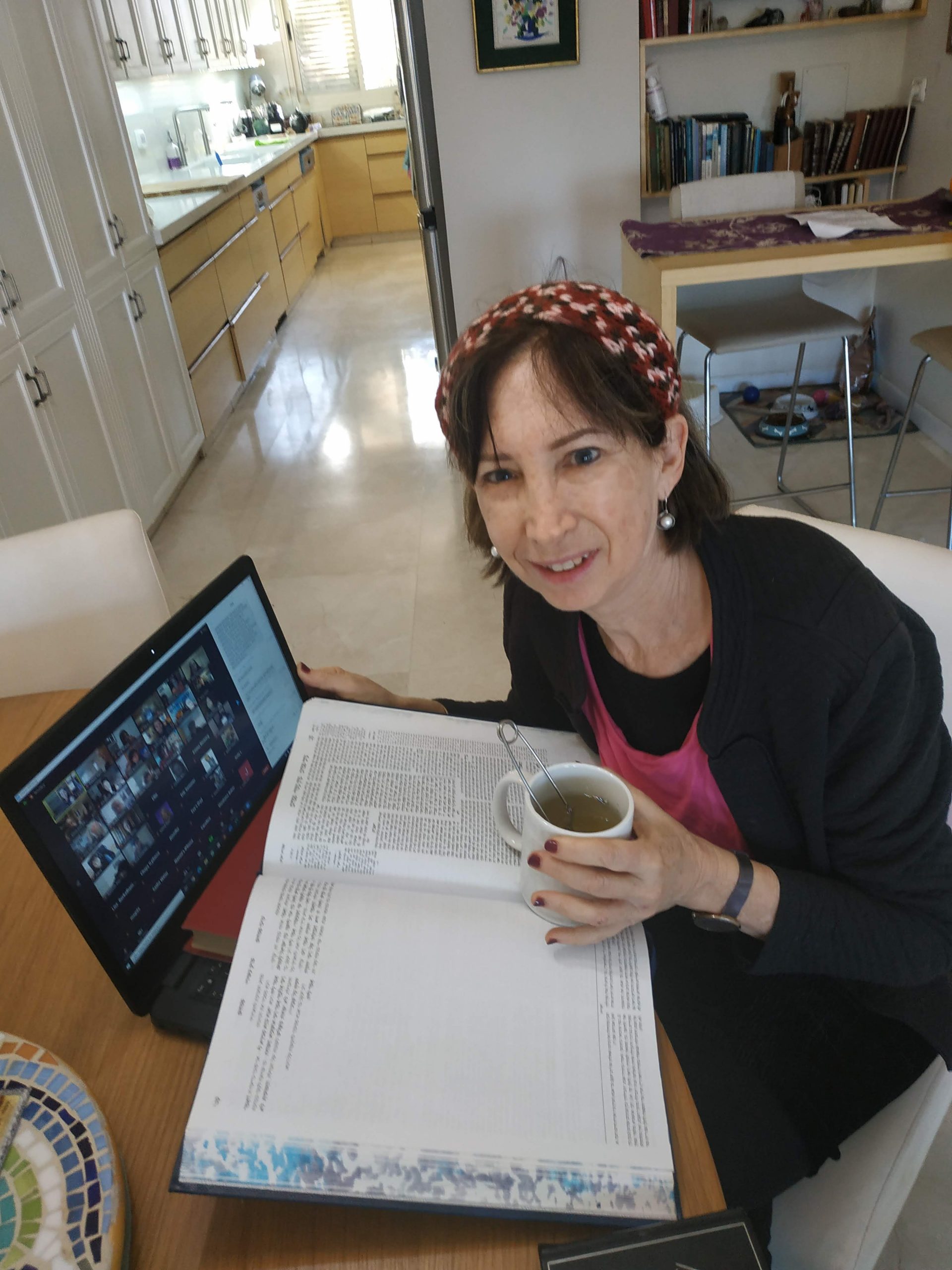
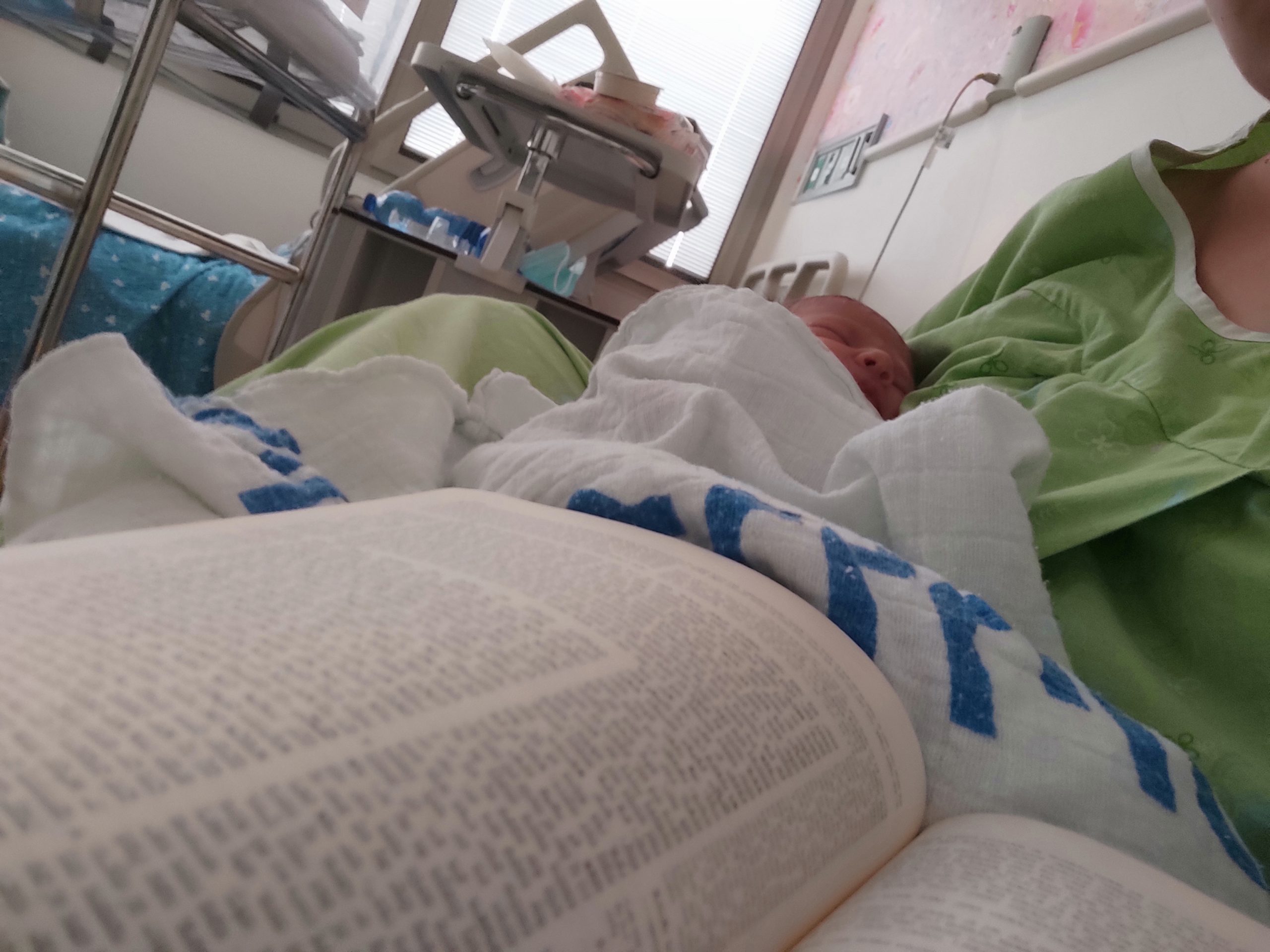
כמו שרואים בתמונה אני ממשיכה ללמוד גם היום ואפילו במחלקת יולדות אחרי לידת ביתי השלישית.

Noa Shiloh
נועה שילה

רבבה, ישראל

התחלתי ללמוד את הדף היומי מעט אחרי שבני הקטן נולד. בהתחלה בשמיעה ולימוד באמצעות השיעור של הרבנית שפרבר. ובהמשך העזתי וקניתי לעצמי גמרא. מאז ממשיכה יום יום ללמוד עצמאית, ולפעמים בעזרת השיעור של הרבנית, כל יום. כל סיום של מסכת מביא לאושר גדול וסיפוק. הילדים בבית נהיו חלק מהלימוד, אני משתפת בסוגיות מעניינות ונהנית לשמוע את דעתם.

Eliraz Blau
אלירז בלאו

מעלה מכמש, ישראל

התחלתי לפני 8 שנים במדרשה. לאחרונה סיימתי מסכת תענית בלמידה עצמית ועכשיו לקראת סיום מסכת מגילה.

Daniela Baruchim
דניאלה ברוכים

רעננה, ישראל

שמעתי על הסיום הענק של הדף היומי ע”י נשים בבנייני האומה. רציתי גם.
החלטתי להצטרף. התחלתי ושיכנעתי את בעלי ועוד שתי חברות להצטרף. עכשיו יש לי לימוד משותף איתו בשבת ומפגש חודשי איתן בנושא (והתכתבויות תדירות על דברים מיוחדים שקראנו). הצטרפנו לקבוצות שונות בווטסאפ. אנחנו ממש נהנות. אני שומעת את השיעור מידי יום (בד”כ מהרב יוני גוטמן) וקוראת ומצטרפת לסיומים של הדרן. גם מקפידה על דף משלהן (ונהנית מאד).

Liat Citron
ליאת סיטרון

אפרת, ישראל

ראיתי את הסיום הגדול בבנייני האומה וכל כך התרשמתי ורציתי לקחת חלק.. אבל לקח לי עוד כשנה וחצי )באמצע מסיכת שבת להצטרף..
הלימוד חשוב לי מאוד.. אני תמיד במרדף אחרי הדף וגונבת כל פעם חצי דף כשהילדים עסוקים ומשלימה אח”כ אחרי שכולם הלכו לישון..

Olga Mizrahi
אולגה מזרחי

ירושלים, ישראל

. לא תמיד נהניתי מלימוד גמרא כילדה.,בל כהתבגרתי התחלתי לאהוב את זה שוב. התחלתי ללמוד מסכת סוטה בדף היומי לפני כחמש עשרה שנה ואז הפסקתי.הגעתי לסיום הגדול של הדרן לפני שנתיים וזה נתן לי השראה. והתחלתי ללמוד למשך כמה ימים ואז היתה לי פריצת דיסק והפסקתי…עד אלול השנה. אז התחלתי עם מסכת ביצה וב”ה אני מצליחה לעמוד בקצב. המשפחה מאוד תומכת בי ויש כמה שגם לומדים את זה במקביל. אני אוהבת שיש עוגן כל יום.

Rebecca Darshan
רבקה דרשן

בית שמש, ישראל

למדתי גמרא מכיתה ז- ט ב Maimonides School ואחרי העליה שלי בגיל 14 לימוד הגמרא, שלא היה כל כך מקובל בימים אלה, היה די ספוראדי. אחרי "ההתגלות” בבנייני האומה התחלתי ללמוד בעיקר בדרך הביתה למדתי מפוקקטסים שונים. לאט לאט ראיתי שאני תמיד חוזרת לרבנית מישל פרבר. באיזה שהוא שלב התחלתי ללמוד בזום בשעה 7:10 .
היום "אין מצב” שאני אתחיל את היום שלי ללא לימוד עם הרבנית מישל עם כוס הקפה שלי!!

selfie-scaled
דבי גביר

חשמונאים, ישראל

התחלתי ללמוד לפני כשנתיים בשאיפה לסיים לראשונה מסכת אחת במהלך חופשת הלידה.
אחרי מסכת אחת כבר היה קשה להפסיק…

Noa Gallant
נעה גלנט

ירוחם, ישראל

My explorations into Gemara started a few days into the present cycle. I binged learnt and become addicted. I’m fascinated by the rich "tapestry” of intertwined themes, connections between Masechtot, conversations between generations of Rabbanim and learners past and present all over the world. My life has acquired a golden thread, linking generations with our amazing heritage.
Thank you.

Susan Kasdan
סוזן כשדן

חשמונאים, Israel

התחלתי להשתתף בשיעור נשים פעם בשבוע, תכננתי ללמוד רק דפים בודדים, לא האמנתי שאצליח יותר מכך.
לאט לאט נשאבתי פנימה לעולם הלימוד .משתדלת ללמוד כל בוקר ומתחילה את היום בתחושה של מלאות ומתוך התכווננות נכונה יותר.
הלימוד של הדף היומי ממלא אותי בתחושה של חיבור עמוק לעם היהודי ולכל הלומדים בעבר ובהווה.

Neely Hayon
נילי חיון

אפרת, ישראל

התחלתי ללמוד דף יומי באמצע תקופת הקורונה, שאבא שלי סיפר לי על קבוצה של בנות שתיפתח ביישוב שלנו ותלמד דף יומי כל יום. הרבה זמן רציתי להצטרף לזה וזאת הייתה ההזדמנות בשבילי. הצטרפתי במסכת שקלים ובאמצע הייתה הפסקה קצרה. כיום אני כבר לומדת באולפנה ולומדת דף יומי לבד מתוך גמרא של טיינזלץ.

Saturdays in Raleigh
שבות בראלי

עתניאל, ישראל

התחלתי כשהייתי בחופש, עם הפרסומים על תחילת המחזור, הסביבה קיבלה את זה כמשהו מתמיד ומשמעותי ובהערכה, הלימוד זה עוגן יציב ביום יום, יש שבועות יותר ויש שפחות אבל זה משהו שנמצא שם אמין ובעל משמעות בחיים שלי….

Adi Diamant
עדי דיאמנט

גמזו, ישראל

אמא שלי למדה איתי ש”ס משנה, והתחילה ללמוד דף יומי. אני החלטתי שאני רוצה ללמוד גם. בהתחלה למדתי איתה, אח”כ הצטרפתי ללימוד דף יומי שהרב דני וינט מעביר לנוער בנים בעתניאל. במסכת עירובין עוד חברה הצטרפה אלי וכשהתחלנו פסחים הרב דני פתח לנו שעור דף יומי לבנות. מאז אנחנו לומדות איתו קבוע כל יום את הדף היומי (ובשבת אבא שלי מחליף אותו). אני נהנית מהלימוד, הוא מאתגר ומעניין

Renana Hellman
רננה הלמן

עתניאל, ישראל

A life-changing journey started with a Chanukah family tiyul to Zippori, home of the Sanhedrin 2 years ago and continued with the Syum in Binanei Hauma where I was awed by the energy of 3000 women dedicated to learning daf Yomi. Opening my morning daily with a fresh daf, I am excited with the new insights I find enriching my life and opening new and deeper horizons for me.

Becky Goldstein
בקי גולדשטיין

Elazar gush etzion, Israel

בבא מציעא קו

מַאי? זֶרַע אַחֵר, מַאי? חִיטֵּי לְגַבֵּי (שְׂעוֹרִים) [שְׂעָרֵי] כְּזֶרַע אַחֵר דָּמֵי, אוֹ לָא? כָּל הָעוֹלָם כּוּלּוֹ בְּשִׁדָּפוֹן, וְשֶׁלּוֹ בְּיֵרָקוֹן, אִי נָמֵי: כָּל הָעוֹלָם כּוּלּוֹ בְּיֵרָקוֹן, וְשֶׁלּוֹ בְּשִׁדָּפוֹן, מַאי? תֵּיקוּ.

what is the halakha? If the surrounding fields were planted with a different type of seed, what is the halakha? Likewise, is wheat, in relation to barley, considered like a different type of seed or not? Furthermore, if the entire world, i.e., all the surrounding fields, were blighted by windblasts and his was affected by mildew; or alternatively, if the fields of the entire world were struck by mildew, and his were blighted with windblasts, what is the halakha? The Gemara responds: No resolution is found to any of these dilemmas, and the dilemmas shall stand unresolved.

אֲמַר לֵיהּ: זִרְעַהּ חִיטֵּי, וַאֲזַל הוּא וְזַרְעַהּ שְׂעָרֵי, וְאִשְׁתְּדוּף רוּבָּא דְבָאגָא, וְאִשְׁתְּדוּף נָמֵי הָנָךְ שְׂעָרֵי דִּילֵיהּ, מַאי? מִי אָמְרִינַן דְּאָמַר לֵיהּ: אִילּוּ זְרַעְתַּהּ חִיטֵּי הֲוָה נָמֵי מִשְׁתַּדְפָא, אוֹ דִלְמָא מָצֵי אֲמַר לֵיהּ: אִילּוּ זְרַעְתַּהּ חִיטֵּי הֲוָה מִקַּיַּים בִּי ״וְתִגְזַר אֹמֶר וְיָקׇם לָךְ״?

The Gemara poses another question: If the owner said to the tenant farmer: Plant the field with wheat, and he went and planted it with barley, and most of the valley was wind blasted, and these fields with barley of his were also wind blasted, what is the halakha? Do we say that the tenant farmer can say to him: Even if I had planted it with wheat it would likewise have been wind blasted, as all the surrounding fields suffered the same fate, or perhaps the owner can say to him: Had you planted it with wheat, the following verse would have been fulfilled for me: “And you shall decree a matter and it will be established for you, and the light shall shine upon your ways” (Job 22:28), since you might have merited greater success by following my wishes.

מִסְתַּבְּרָא דְּאָמַר לֵיהּ: אִי זְרַעְתַּהּ חִיטֵּי הֲוָה מִקַּיַּים בִּי ״וְתִגְזַר אֹמֶר וְיָקׇם לָךְ וְעַל דְּרָכֶיךָ נָגַהּ אוֹר״.

The Gemara responds: It stands to reason that the owner can say to him: Had you planted it with wheat it would have fulfilled for me: “And you shall decree a matter and it will be established for you, and the light shall shine upon your ways.”

נִשְׁתַּדְפוּ כׇּל שְׂדוֹתָיו שֶׁל מַחְכִּיר, וְאִשְׁתְּדוּף נָמֵי הָא בַּהֲדַיְיהוּ, וְלָא אִשְׁתְּדוּף רוּבָּא דְבָאגָא, מַאי? מִי אָמְרִינַן כֵּיוָן דְּלָא אִשְׁתְּדוּף רוּבָּא דְבָאגָא – לָא מְנַכֵּי לֵיהּ, אוֹ דִלְמָא כֵּיוָן דְּאִשְׁתְּדוּף כּוּלְּהוּ אַרְעָתֵיהּ, מָצֵי אֲמַר לֵיהּ: הַאי מִשּׁוּם לַתָּךְ דִּידָךְ הוּא, דְּהָא (מִשְׁתַּדְפוּ) [נִשְׁתַּדְפוּ] כָּל שְׂדוֹתֶיךָ.

The Gemara presents another question: If all the fields of the owner of the land were wind blasted and this one was also wind blasted with them, but the majority of the valley was not wind blasted, what is the halakha? Do we say that since the majority of the valley was not wind blasted the tenant farmer does not subtract for the owner the amount owed for his tenancy, as this is not a regional disaster, or perhaps could one claim that since all the lands of the owner were wind blasted the tenant can say to the owner: This happened due to your bad fortune, as all your fields were wind blasted?

מִסְתַּבְּרָא דְּאָמַר לֵיהּ: אִי מִשּׁוּם לַתַּאי דִּידִי – הֲוָה מִשְׁתַּיַּיר לִי פּוּרְתָּא, כְּדִכְתִיב: ״כִּי נִשְׁאַרְנוּ מְעַט מֵהַרְבֵּה״.

The Gemara responds: It stands to reason that the owner can say to the tenant: If it was due to my bad fortune, a little would have been left for me, as it is written: “For we are left but a few from many” (Jeremiah 42:2), which indicates that even one suffering from misfortune does not lose all he has.

נִשְׁתַּדְפוּ כׇּל שְׂדוֹתָיו שֶׁל חוֹכֵר וְאִשְׁתְּדוּף רוּבָּא דְבָאגָא, וְאִשְׁתְּדוּף נָמֵי הָא בַּהֲדַיְיהוּ, מַאי? מִי אָמְרִינַן כֵּיוָן דְּאִשְׁתְּדוּף רוּבָּא דְבָאגָא מְנַכֵּי לֵיהּ, אוֹ דִלְמָא כֵּיוָן דְּאִשְׁתְּדוּף כּוּלְּהוּ אַרְעָתֵיהּ, מָצֵי אֲמַר לֵיהּ: מִשּׁוּם לַתָּךְ דִּידָךְ הוּא, דְּהָא (מִשְׁתַּדְפוּ) [נִשְׁתַּדְפוּ] כָּל שְׂדוֹתֶיךָ. מִסְתַּבְּרָא דְּאָמַר לֵיהּ: מִשּׁוּם לַתָּאךְ הוּא.

The Gemara discusses a similar case: If all the fields of the tenant farmer were wind blasted and most of the valley was wind blasted and this field was also wind blasted with them, what is the halakha? Do we say that since most of the valley was wind blasted the tenant farmer subtracts for the owner the amount owed for his tenancy and does not pay, or perhaps, since all the tenant’s lands were wind blasted, the owner can say to the tenant: The damage is due to your bad fortune, as all your fields were wind blasted. The Gemara responds: It stands to reason that the owner can say to him: It occurred due to your bad fortune.

אַמַּאי? הָכָא נָמֵי נֵימָא לֵיהּ: אִי מִשּׁוּם לַתַּאי דִּידִי הוּא – הֲוָה מִשְׁ[תַּ]יַּיר לִי פּוּרְתָּא, דַּהֲוָה מִקַּיַּים בִּי ״כִּי נִשְׁאַרְנוּ מְעַט מֵהַרְבֵּה״. מִשּׁוּם דַּאֲמַר לֵיהּ: אִי הֲוָה חֲזֵית לְאִישְׁתַּיּוֹרֵי לָךְ מִידֵּי – הֲוָה מִשְׁתַּיַּיר לָךְ מִדְּנַפְשָׁךְ.

The Gemara asks: Why should this be so? Here too, let us say to the owner: If it was due to my bad fortune, a little would have been left for me, as the following verse would have been fulfilled for me: “For we are left but a few from many.” The Gemara answers: This is not a valid claim because the owner can say to the tenant: Had you been worthy of something being left for you, it would have been left from your own private land, not the field you paid to cultivate.

מֵיתִיבִי: הָיְתָה שְׁנַת שִׁדָּפוֹן וְיֵרָקוֹן, אוֹ שְׁבִיעִית, אוֹ שֶׁהָיוּ שָׁנִים כִּשְׁנֵי אֵלִיָּהוּ – אֵינוֹ עוֹלֶה לוֹ מִן הַמִּנְיָן.

The Gemara raises an objection from a mishna to the ruling that if there is a regional disaster the cultivator subtracts from the produce he owes as part of his tenancy. The halakha is that if one sells his field in Eretz Yisrael in a time when the halakhot of the Jubilee Year are in effect, he does not have the right to purchase it from the buyer until two years have passed. The mishna teaches (Arakhin 29b): If it was a year of wind-blasted crops or mildew or it was the Sabbatical Year, or if those years were like the years of Elijah in which no rain fell (see I Kings 17:1, 18:1–2), they do not count as part of his tally of years before he may repurchase his land.

קָתָנֵי: שִׁדָּפוֹן וְיֵרָקוֹן דּוּמְיָא דְּשָׁנִים כִּשְׁנֵי אֵלִיָּהוּ, מָה שְׁנֵי אֵלִיָּהוּ – דְּלָא הֲוַי תְּבוּאָה כְּלָל, אַף הָכָא נָמֵי – דְּלָא הֲוַי תְּבוּאָה כְּלָל. אֲבָל דְּאִיכָּא תְּבוּאָה – סָלְקָא לֵיהּ, וְלָא קָאָמְרִינַן מַכַּת מְדִינָה הִיא!

The Gemara analyzes the mishna: This tanna teaches that the cases of windblasts and mildew are similar to the case where the years were like the years of Elijah. Just as the years of Elijah is referring to a time when there was no produce at all, so too, here, windblasts and mildew are referring to cases when there was no produce at all. But by inference, one can learn that if there was some produce, it counts toward his tally of years before he may repurchase his land, and we do not say that it is a regional disaster.

אָמַר רַב נַחְמָן בַּר יִצְחָק: שָׁאנֵי הָתָם, דְּאָמַר קְרָא: ״בְּמִסְפַּר שְׁנֵי תְבוּאֹת יִמְכׇּר לָךְ״, שָׁנִים שֶׁיֵּשׁ בָּהֶן תְּבוּאָה בָּעוֹלָם.

The Gemara answers: Rav Naḥman bar Yitzḥak said: There, the case with regard to the sold field is different, as the verse states with regard to the sale and leasing of fields: “According to the numbers of years of the crops he shall sell to you” (Leviticus 25:15), which is referring to years in which there is produce harvested in the world.

אֲמַר לֵיהּ רַב אָשֵׁי לְרַב כָּהֲנָא: אֶלָּא מֵעַתָּה שְׁבִיעִית תַּעֲלֶה לוֹ מִן הַמִּנְיָן, דְּהָא אִיכָּא תְּבוּאָה בְּחוּצָה לָאָרֶץ! אֲמַר לֵיהּ: שְׁבִיעִית אַפְקַעְתָּא דְמַלְכָּא הִיא.

Rav Ashi said to Rav Kahana: If that is so, the Sabbatical Year should count for him as part of his tally of years, as at least there is produce outside of Eretz Yisrael. Rav Kahana said to him: The Sabbatical Year is an abrogation of the King, i.e., God. Therefore, it should not be included in the number of the years before land is repurchased.

אֲמַר לֵיהּ מָר זוּטְרָא בְּרֵיהּ דְּרַב מָרִי לְרָבִינָא: אֶלָּא מֵעַתָּה, שְׁבִיעִית לֹא תַּעֲלֶה לוֹ מִן הַגֵּירוּעַ! אַלְּמָה תְּנַן: נוֹתֵן סֶלַע וּפוּנְדְּיוֹן לְשָׁנָה! אֲמַר לֵיהּ: שָׁאנֵי הָתָם דְּחַזְיָא לְמִישְׁטַחא בַּהּ פֵּירֵי.

Mar Zutra, son of Rav Mari, said to Ravina: If that is so, that the Sabbatical Year is entirely disregarded, then in the case of one who consecrates his field and wants to redeem it, the Sabbatical Year should not count for him for the deduction of the price of the field when it is redeemed. Why did we learn in a mishna (Arakhin 25a) that the one who consecrated his field gives a sela and a pundeyon coin, which is worth 16 perutot, to the Temple treasury for each year remaining until the Jubilee Year, including the Sabbatical Year, in accordance with the payment prescribed by the Torah (see Leviticus 27:16–19)? The amount to be paid per year, which is fifty shekels divided by the years remaining until the Jubilee Year, should not take the upcoming Sabbatical Years into account. Ravina said to him: There it is different, as it is suitable for laying out produce on it. Although one may not plant the field during the Sabbatical Year, one may use it for other purposes.

אָמַר שְׁמוּאֵל: לֹא שָׁנוּ, אֶלָּא שֶׁזְּרָעָהּ וְצִמְּחָה וַאֲכָלָהּ חָגָב. אֲבָל לֹא זְרָעָהּ כְּלָל – לָא, דְּאָמַר לֵיהּ: אִילּוּ זְרַעְתַּהּ הֲוָה מִקַּיַּים בִּי ״לֹא יֵבֹשׁוּ בְּעֵת רָעָה וּבִימֵי רְעָבוֹן יִשְׂבָּעוּ״.

Shmuel said: They taught the halakha that if there is a regional disaster the cultivator subtracts from the produce he owes as part of his tenancy only if the tenant planted the field and it sprouted and then grasshoppers consumed it, or if he planted it with a different seed, but if he did not plant it at all, the tenant is not entitled to subtract from the amount he owes even if there was a regional disaster. This is because the owner can say to him: Had you planted it, perhaps my merit would have prevented the field from being affected by the epidemic, and the following verse would have been fulfilled for me: “They will not be shamed in the time of evil, and in the days of famine they shall be satisfied” (Psalms 37:19).

מֵתִיב רַב שֵׁשֶׁת: רוֹעֶה שֶׁהָיָה רוֹעֶה וְהִנִּיחַ עֶדְרוֹ וּבָא לָעִיר, וּבָא זְאֵב וְטָרַף, וּבָא אֲרִי וְדָרַס – אֵין אוֹמְרִים: אִילּוּ הָיָה שָׁם הָיָה מַצִּיל, אֶלָּא אוֹמְדִין אוֹתוֹ אִם יָכוֹל לְהַצִּיל – חַיָּיב, וְאִם לָאו – פָּטוּר. וְאַמַּאי? נֵימָא לֵיהּ: אִי הֲוֵית הָתָם הֲוָה מִקַּיַּים בִּי ״גַּם אֶת הָאֲרִי גַּם הַדּוֹב הִכָּה עַבְדֶּךָ״!

Rav Sheshet raises an objection from a baraita: In the case of a shepherd who was herding the animals of others, and he left his flock and came to the town, and in the meantime a wolf came and tore an animal to pieces, or a lion came and trampled one of the flock, we do not say definitively that had he been there he would have rescued them and therefore he is liable due to his absence. Rather, the court estimates with regard to him: If he could have rescued his animal by chasing a beast of this kind away, he is liable, as his departure from the scene was certainly a contributing factor to the damage. If not, he is exempt from liability. According to Shmuel’s opinion, why is the shepherd exempt from liability? Let the owner say to him: Had you been there, the following verse would have been fulfilled for me: “Your servant smote both the lion and the bear” (I Samuel 17:36).

מִשּׁוּם דַּאֲמַר לֵיהּ: אִי הֲוֵית חֲזֵית לְאִיתְרְחוֹשֵׁי לָךְ נִיסָּא, הֲוָה (אִיתְרְחִישׁ) [מִיתְרְחִישׁ] לָךְ נִיסָּא כְּרַבִּי חֲנִינָא בֶּן דּוֹסָא דְּמֵתְיָין עִיזֵּי דּוּבֵּי בְּקַרְנַיְיהוּ. וְנֵימָא לֵיהּ: נְהִי דִּלְנִיסָּא רַבָּה לָא הֲוָה חֲזֵינָא – לְנִיסָּא זוּטָא

The Gemara answers: This is because the shepherd could say to the owner: If you were worthy of a miracle occurring to you, a miracle would have indeed occurred to you as it did to Rabbi Ḥanina ben Dosa, when his goats brought bears impaled on their horns without any assistance on the part of a shepherd (see Ta’anit 25a). The Gemara asks: And let the owner say to him: Granted that I was not worthy of a great miracle, but of a small miracle

חֲזֵינָא? קַשְׁיָא.

I was worthy. The Gemara concludes: Indeed, this is difficult.

תָּנֵי חֲדָא: פַּעַם רִאשׁוֹנָה וּשְׁנִיָּה זוֹרְעָהּ, וּשְׁלִישִׁית אֵינוֹ זוֹרְעָהּ. וְתַנְיָא אִידַּךְ: שְׁלִישִׁית זוֹרְעָהּ, רְבִיעִית אֵינוֹ זוֹרְעָהּ. לָא קַשְׁיָא: הָא כְּרַבִּי, הָא כְּרַבָּן שִׁמְעוֹן בֶּן גַּמְלִיאֵל.

§ It is taught in one baraita: With regard to one who cultivates a field, the first and second time he plants the field again if the crops were destroyed by some mishap, but the third time he is not required to plant it again. And it is taught in another baraita that on the third occasion, he must plant it the field again, but after the fourth time the crops are destroyed, he is not required to plant it again. These two baraitot appear to contradict one another. The Gemara explains: That is not difficult, as this baraita is in accordance with the opinion of Rabbi Yehuda HaNasi, whereas that baraita is in accordance with the opinion of Rabban Shimon ben Gamliel.

הָא כְּרַבִּי, דְּאָמַר: בִּתְרֵי זִימְנֵי הָוְיָ[א] חֲזָקָה. הָא כְּרַבָּן שִׁמְעוֹן בֶּן גַּמְלִיאֵל, דְּאָמַר: בִּתְלָת זִימְנֵי הָוְיָ[א] חֲזָקָה.

The Gemara clarifies: This baraita is in accordance with the opinion of Rabbi Yehuda HaNasi who says that presumptive status is established by two occasions, while that baraita is in accordance with the opinion of Rabban Shimon ben Gamliel, who says that presumptive status is established by three occasions.

אָמַר רֵישׁ לָקִישׁ: לֹא שָׁנוּ אֶלָּא שֶׁזְּרָעָהּ וְצִמְּחָה וַאֲכָלָהּ חָגָב. אֲבָל זְרָעָהּ וְלֹא צִמְּחָה – מָצֵי אֲמַר לֵיהּ בַּעַל הַקַּרְקַע: כׇּל יְמֵי זֶרַע זְרַעא לַהּ וֶאֱזִיל. וְעַד אֵימַת? אָמַר רַב פָּפָּא: עַד דְּאָתוּ אֲרִיסֵי מִדַּבְרָא וְקָיְימָא כִּימָה אַרֵישַׁיְיהוּ.

Reish Lakish said: They taught that a cultivator plants a limited number of times only if he planted the field and it sprouted and locusts consumed the crops, but if he planted it and the crops did not sprout at all, the landowner can say to him: You should continue planting it on all the days that are fit for planting. The Gemara asks: And until when does the period of planting last? The Gemara answers: Rav Pappa said: Until such time that the sharecroppers come in from the field and the stars of Pleiades are stationed over their heads, which occurs roughly during the month of Shevat.

מֵיתִיבִי: רַבָּן שִׁמְעוֹן בֶּן גַּמְלִיאֵל מִשּׁוּם רַבִּי מֵאִיר אוֹמֵר, וְכֵן הָיָה רַבִּי שִׁמְעוֹן בֶּן מְנַסְיָא אוֹמֵר כִּדְבָרָיו: חֲצִי תִשְׁרֵי, מְרַחְשְׁוָן, וַחֲצִי כִסְלֵיו – זֶרַע.

The Gemara raises an objection to this from a baraita that discusses the verse: “While the earth remains, planting and harvest, and cold and heat, and summer and winter, and day and night shall not cease” (Genesis 8:22). The baraita interprets this verse as referring to six seasons of the year: Rabban Shimon ben Gamliel says in the name of Rabbi Meir, and similarly, Rabbi Shimon ben Menasya would say in accordance with his statement: The second half of Tishrei, all of Marḥeshvan, and the first half of Kislev are the days of planting.

חֲצִי כִסְלֵיו, טֵבֵת, וַחֲצִי שְׁבָט – חוֹרֶף. חֲצִי שְׁבָט, אֲדָר, וַחֲצִי נִיסָן – קוֹר. חֲצִי נִיסָן, אִיָּיר, וַחֲצִי סִיוָן – קָצִיר. חֲצִי סִיוָן, תַּמּוּז, וַחֲצִי אָב – קַיִץ. חֲצִי אָב, אֱלוּל, וַחֲצִי תִּשְׁרֵי – חוֹם.

The second half of Kislev, all of Tevet, and the first half of Shevat are the winter days. The second half of Shevat, all of Adar, and the first half of Nisan are the period of cold; the second half of Nisan, all of Iyar, and the first half of Sivan are the harvest period. The second half of Sivan, all of Tammuz, and half of Av are the summer season, while the second half of Av, all of Elul, and the first half of Tishrei are the season of heat.

רַבִּי יְהוּדָה מוֹנֶה מִתִּשְׁרִי, רַבִּי שִׁמְעוֹן מוֹנֶה מִמְּרַחְשְׁוָן.

The baraita adds: Rabbi Yehuda also would divide the year into these six seasons, but he counts from the beginning of Tishrei rather than from the middle. Rabbi Shimon counts from Marḥeshvan, so that Marḥeshvan and Kislev constitute the season of planting, and so on.

מַאן מֵיקֵל בְּכוּלְּהוּ – רַבִּי שִׁמְעוֹן, וְכוּלֵּי הַאי לָא קָאָמַר! לָא קַשְׁיָא: הָא דְּקַבְּלַהּ מִינֵּיהּ בְּחָרְפֵי, הָא דְּקַבְּלֵהּ מִינֵּיהּ בְּאַפְלֵי.

The Gemara states its objection: Who is the most lenient of all of them in that the period of planting occurs at the latest time of the year? It is Rabbi Shimon, and even he did not say that the planting season extends that far to the time when Pleiades is above their heads. The Gemara responds: That is not difficult, as this is referring to a cultivator who accepted from the owner the planting of early crops, while that case involves a cultivator who accepted from the owner the planting of late crops, performed at a much later date.

רַבִּי יְהוּדָה אוֹמֵר: אִם קִבְּלָה מִמֶּנּוּ בְּמָעוֹת. הָהוּא גַּבְרָא דְּקַבֵּיל אַרְעָא לְמִיזְרַעה בַּהּו תּוּמֵי אַגּוּדָּא דִּנְהַר מַלְכָּא סָבָא בְּזוּזֵי. אִיסְתְּכַר נְהַר מַלְכָּא סָבָא. אֲתָא לְקַמֵּיהּ דְּרָבָא, אֲמַר לֵיהּ: נְהַר מַלְכָּא סָבָא לָא עֲבִיד דְּמִיסְתְּכַר, מַכַּת מְדִינָה הִיא, זִיל נַכֵּי לֵיהּ.

§ The mishna teaches: Rabbi Yehuda says: If the cultivator received it from the owner for a fixed sum of money, whether a regional disaster occurred or not, he does not subtract the produce he owes as part of his tenancy. The Gemara relates: There was a certain man who received land to plant garlic on it on the bank of the river Malka Sava in exchange for a specified sum of money. The bank of the river Malka Sava became dammed up. The case came before Rava, who said to the cultivator: The river Malka Sava does not usually dam up. Therefore, it is classified as a regional disaster; go subtract this loss from the payment you owe to the owner.

אֲמַרוּ לֵיהּ רַבָּנַן לְרָבָא: הָא אֲנַן תְּנַן, רַבִּי יְהוּדָה אוֹמֵר: אִם קִבְּלָה הֵימֶנּוּ בְּמָעוֹת – בֵּין כָּךְ וּבֵין כָּךְ אֵינוֹ מְנַכָּה לוֹ מִן חֲכוֹרוֹ! אֲמַר לְהוּ: לֵית דְּחָשׁ לַהּ לִדְרַבִּי יְהוּדָה.

The Gemara continues the story: The Rabbis said to Rava: Didn’t we learn in the mishna here: If the cultivator received it from the owner for a fixed sum of money, whether this way or whether that way, i.e., whether a regional disaster occurred or not, he does not subtract the produce he owes as part of his tenancy. Rava said to them: There is no one who is concerned for the ruling of Rabbi Yehuda since it is a minority opinion that is rejected.

מַתְנִי׳ הַמְקַבֵּל שָׂדֶה מֵחֲבֵירוֹ בַּעֲשָׂרָה כּוֹר חִטִּים לְשָׁנָה וְלָקְתָה – נוֹתֵן לוֹ מִתּוֹכָהּ. הָיוּ חִטֶּיהָ יָפוֹת, לֹא יֹאמַר לוֹ: הֲרֵינִי לוֹקֵחַ מִן הַשּׁוּק, אֶלָּא נוֹתֵן לוֹ מִתּוֹכָהּ.

MISHNA: In the case of one who receives a field from another to cultivate in return for the payment of ten kor of wheat per year, and its produce was blighted by a crop disease or the like, the cultivator gives the owner the ten kor of wheat from it but does not have to provide him with high quality wheat. If the wheat stalks produced by the field were particularly good stalks of wheat, the cultivator may not say to the owner: I will buy regular wheat from the market; rather, he gives him from inside the field itself.

גְּמָ׳ הָהוּא גַּבְרָא דְּקַבֵּיל אַרְעָא לְאַסְפַּסְתָּא בְּכוֹרֵי דִשְׂעָרֵי, עֲבַדָא אַסְפַּסְתָּא, וְחַרְשַׁהּ וְזַרְעַהּ שְׂעָרֵי, וּלְקוֹ הָנֵי שְׂעָרֵי. שַׁלְחַהּ רַב חֲבִיבָא מִסּוּרָא דִפְרָת לְקַמֵּיהּ דְּרָבִינָא, כִּי הַאי גַּוְנָא מַאי: כִּי ״לָקְתָה נוֹתֵן לוֹ מִתּוֹכָהּ״ דָּמֵי, אוֹ לָא?

GEMARA: The Gemara relates: There was a certain man who received land to grow hay in exchange for paying the owner several kor of barley. After the field produced hay, the recipient plowed and sowed it with barley, and that barley was blighted. The worker sought to pay the owner from the damaged barley he had cultivated. Rav Ḥaviva from Sura in the Euphrates sent the following question before Ravina: What is the halakha with regard to a case of this kind? Is it considered similar to an instance of: If it was blighted, he gives him from inside the field, or not?

אֲמַר לֵיהּ: מִי דָּמֵי? הָתָם לָא עֲבַדָא אַרְעָא שְׁלִיחוּתָא דְּמָרַהּ, הָכָא עֲבַדָא אַרְעָא שְׁלִיחוּתָא דְּמָרַהּ.

Ravina said to him: Is it comparable? There, in the mishna, the land did not perform its owner’s mission, and the cultivator also received blighted produce, whereas here, the land did perform its owner’s mission, as the cultivator took the land for the purpose of growing hay, which it produced. His additional crop of barley was not part of their agreement and therefore he cannot pay his debt with blighted barley.

הָהוּא גַּבְרָא דְּקַבֵּל פַּרְדֵּס מֵחַבְרֵיהּ בַּעֲשַׂר דַּנֵּי חַמְרָא, תְּקֵיף הָהוּא חַמְרָא. סְבַר רַב כָּהֲנָא לְמֵימַר: הַיְינוּ מַתְנִיתִין – לָקְתָה נוֹתֵן לוֹ מִתּוֹכָהּ. אָמַר לֵיהּ רַב אָשֵׁי: מִי דָּמֵי? הָתָם לָא עֲבַדָא אַרְעָא שְׁלִיחוּתָא, הָכָא עֲבַדָא אַרְעָא שְׁלִיחוּתָא.

The Gemara relates: There was a certain man who received an orchard from another to cultivate in exchange for paying the owner ten barrels of wine, but that wine produced from the orchard’s grapes turned sour. Rav Kahana thought to say that this is an example of the ruling of the mishna that if it was blighted he may give him from inside the field. Rav Ashi said to him: Is it comparable? There, in the mishna, the land did not perform its owner’s mission, as the crop was blighted, whereas here, the land did perform its owner’s mission, as there was nothing wrong with the grapes themselves, and the wine turned sour in the cultivator’s possession.

וּמוֹדֶה רַב אָשֵׁי בְּעִינְּבֵי דִּכְדוּם וּבְשָׂדֶה שֶׁלָּקְתָה בָּעוֹמָרֶיהָ.

The Gemara comments: And Rav Ashi concedes with regard to grapes that shrunk over the course of their growth and with regard to a field whose sheaves were blighted that since the damage occurred to the crop itself, the cultivator can pay his debt from the produce of the field.

מַתְנִי׳ הַמְקַבֵּל שָׂדֶה מֵחֲבֵירוֹ לְזׇרְעָהּ שְׂעוֹרִים – לֹא יִזְרָעֶנָּה חִטִּים. חִטִּים – יִזְרָעֶנָּה שְׂעוֹרִים, רַבָּן שִׁמְעוֹן בֶּן גַּמְלִיאֵל אוֹסֵר. תְּבוּאָה – לֹא יִזְרָעֶנָּה קִטְנִית. קִטְנִית – יִזְרָעֶנָּה תְּבוּאָה, וְרַבָּן שִׁמְעוֹן בֶּן גַּמְלִיאֵל אוֹסֵר.

MISHNA: With regard to one who receives a field from another in order to plant it with barley, he may not plant it with wheat, as wheat weakens the field more than barley does. But if he receives it in order to plant wheat, he may plant it with barley if he wishes, but Rabban Shimon ben Gamliel forbids it. Similarly, if he receives it to plant it with grain he may not plant it with legumes, as they weaken the field more than grains do, but if he receives it in order to plant legumes he may plant it with grain, but Rabban Shimon ben Gamliel forbids it.

גְּמָ׳ אָמַר רַב חִסְדָּא: מַאי טַעְמָא דְּרַבָּן שִׁמְעוֹן בֶּן גַּמְלִיאֵל, דִּכְתִיב: ״שְׁאֵרִית יִשְׂרָאֵל לֹא יַעֲשׂוּ עַוְלָה וְלֹא יְדַבְּרוּ כָזָב וְלֹא יִמָּצֵא בְּפִיהֶם לְשׁוֹן תַּרְמִית״.

GEMARA: Rav Ḥisda said: What is the reason of the ruling of Rabban Shimon ben Gamliel? The landowner has apparently suffered no loss from the cultivator’s actions. His reasoning is as it is written: “The remnant of Israel shall not do iniquity, nor speak lies, neither shall a deceitful tongue be found in their mouth” (Zephaniah 3:13). In other words, one may not retract from an obligation accepted upon oneself, even if no one suffers as a result.

מֵיתִיבִי: מִגְבַּת פּוּרִים לְפוּרִים, וְאֵין מְדַקְדְּקִין בַּדָּבָר. וְאֵין הֶעָנִי רַשַּׁאי לִיקַּח מֵהֶן רְצוּעָה לְסַנְדָּלוֹ, אֶלָּא אִם כֵּן הִתְנָה בְּמַעֲמַד אַנְשֵׁי הָעִיר, דִּבְרֵי רַבִּי יַעֲקֹב שֶׁאָמַר מִשּׁוּם רַבִּי מֵאִיר. רַבָּן שִׁמְעוֹן בֶּן גַּמְלִיאֵל

The Gemara raises an objection to this from a baraita: The Purim collection is only for the Purim feast, but one does not scrutinize the matter by limiting the allocation for the poor to the exact costs of the meal and no more. And it is not permitted for a poor person to purchase even a strap for his sandal from it unless he stipulated in the presence of the people of the city that he may do as he wishes with the money he receives. This is the statement of Rabbi Ya’akov, who said it in the name of Rabbi Meir. Rabban Shimon ben Gamliel

רוצה לעקוב אחרי התכנים ולהמשיך ללמוד?

ביצירת חשבון עוד היום ניתן לעקוב אחרי ההתקדמות שלך, לסמן מה למדת, ולעקוב אחרי השיעורים שמעניינים אותך.

לנקות את כל הפריטים מהרשימה?

פעולה זו תסיר את כל הפריטים בחלק זה כולל ההתקדמות וההיסטוריה. שימי לב: לא ניתן לשחזר פעולה זו.

ביטול
מחיקה

האם את/ה בטוח/ה שברצונך למחוק פריט זה?

תאבד/י את כל ההתקדמות או ההיסטוריה הקשורות לפריט זה.

ביטול
מחיקה