








יש ברייתא הדורשת את המילים בפסוק בדברים כד:טו "ואליו הוא נושא את נפשו” שהלנת שכר נחשבת כלקיחת נפש. נפשו של מי – הפועל או המעסיק? רב חסדא ורב הונא מביאים תשובות והסברים שונים, המבוססים על פסוקים במשלי. מהמילים "אתך” בויקרא יט:יג, דורשים שלושה מקרים שבהם האיסור לעכב את המשכורת אינו חל. אחד מהם הוא אם המעסיק העביר את האחריות לתשלום לחנווני או שולחני. אם החנווני אינו משלם לפועל, האם הפועל יכול לדרוש תשלום מהמעסיק או שהמעסיק אינו אחראי עוד? רב ששת ורבה חלוקים בסוגיה זו. האם איסור עיכוב התשלום חל גם על קבלן – מי שמשולם עבור העבודה ולא לפי שעה/יום? זה תלוי במחלוקת אחרת, אם קבלן רוכש בעלות על הפריט שהוא מתקן או לא. אם יש חילוקי דעות בין המעסיק לעובד לגבי תשלום לעובד, אם זה היה לפני היום הצפוי לתשלום, העובד נשבע שלא קיבל תשלום וגובה את משכורתו. זה נוגד את העיקרון הכללי שהשבועה היא בדרך כלל לפטור מתשלום (לשמור על הסטטוס קוו – המוציא מחבירו עליו הראיה). מדוע מקרה זה הוא חריג לכלל זה? האם יש סיבה להגן על העובד יותר מאשר על המעסיק? מוצגים טיעונים שונים ונדחים כי הסוגיה מורכבת. המסקנה היא שמעסיק עסוק בעבודה/עובדים ואינו זוכר אם שילם לעבוד או לא ועלול לטעות ולחשוב ששילמו כבר ולכן לא מאפשרים לו להישבע.
רוצה להקדיש לימוד?
בבא מציעא קיב
וְאִידַּךְ: הַהוּא מִיבְּעֵי לֵיהּ לְכִדְתַנְיָא: ״וְאֵלָיו הוּא נֹשֵׂא אֶת נַפְשׁוֹ״, מִפְּנֵי מָה עָלָה זֶה בַּכֶּבֶשׁ וְנִתְלָה בָּאִילָן וּמָסַר אֶת עַצְמוֹ לְמִיתָה – לֹא עַל שְׂכָרוֹ?
The Gemara asks: And what does the other Sage, the second tanna, derive from this verse? The Gemara responds: That verse is necessary for that which is taught in a baraita: The expression “for he sets his soul upon it” explains why one must be so precise when paying a laborer his wages: For what reason did this laborer ascend on a tall ramp or suspend himself from a tree and risk death to himself? Was it not for his wages? How, then, can his employer delay his payment?
דָּבָר אַחֵר: ״וְאֵלָיו הוּא נֹשֵׂא אֶת נַפְשׁוֹ״, כָּל הַכּוֹבֵשׁ שְׂכַר שָׂכִיר – כְּאִילּוּ נוֹטֵל נַפְשׁוֹ מִמֶּנּוּ. רַב הוּנָא וְרַב חִסְדָּא, חַד אָמַר: נַפְשׁוֹ שֶׁל גַּזְלָן, וְחַד אָמַר: נַפְשׁוֹ שֶׁל נִגְזָל.
Alternatively, the words “for he sets his soul upon it” teach that concerning one who withholds the wages of a hired laborer, it is as though he takes his soul from him. Rav Huna and Rav Ḥisda disagreed over the meaning of this statement. One says it is referring to the soul of the robber, meaning that one who steals from a hired laborer by delaying payment of his wages causes Heaven to remove his own soul, and one says that he takes the soul of the robbery victim, meaning that one who steals from a hired worker causes the death of the worker.
מַאן דְּאָמַר נַפְשׁוֹ שֶׁל גַּזְלָן, דִּכְתִיב: ״אַל תִּגְזׇל דַּל כִּי דַל הוּא וְאַל תְּדַכֵּא עָנִי בַשָּׁעַר״, וּכְתִיב: ״כִּי ה׳ יָרִיב רִיבָם וְקָבַע אֶת קֹבְעֵיהֶם נָפֶשׁ״. וּמַאן דְּאָמַר נַפְשׁוֹ שֶׁל נִגְזָל, דִּכְתִיב: ״כֵּן אׇרְחוֹת כׇּל בּוֹצֵעַ בָּצַע אֶת נֶפֶשׁ בְּעָלָיו יִקָּח״.
The Gemara cites proof for these two opinions. The one who says it is referring to the soul of the robber bases his opinion on a verse, as it is written: “Do not rob from the weak because he is weak, nor crush the poor in the gate” (Proverbs 22:22), and it is written immediately afterward: “For the Lord will plead their cause, and spoil the soul of those who spoil them” (Proverbs 22:23). This indicates that God will take the soul of one who steals from a poor person. And the one who says it is referring to the soul of the robbery victim bases his opinion on a verse, as it is written: “So are the ways of everyone who is greedy for gain; it takes away the life of its owners” (Proverbs 1:19). A robber is considered as if he removed the very soul of his victim.
וְאִידַּךְ נָמֵי, הָכְתִיב ״אֶת נֶפֶשׁ בְּעָלָיו יִקָּח״! בְּעָלָיו דְּהַשְׁתָּא. וְאִידַּךְ נָמֵי, הָכְתִיב: ״וְקָבַע אֶת קֹבְעֵיהֶם נָפֶשׁ״! מָה טַעַם קָאָמַר: מָה טַעַם ״קָבַע אֶת קֹבְעֵיהֶם״ – מִשּׁוּם דְּנָטְלוּ נָפֶשׁ.
The Gemara asks: And according to the other Sage too, isn’t it written: “It takes away the life of its owners”? How does he interpret this verse? The Gemara answers: This is referring to its current owner, i.e., the robber, who took the money and now owns it. The Gemara asks: And according to the other Sage too, isn’t it written: “And spoil the soul of those who spoil them”? How does he interpret this verse? The Gemara answers: This verse employs the style known as: What is the reason, as follows: What is the reason that God will spoil those who spoil them? Because they took someone’s soul, for which He will exact retribution.
אֵימָתַי – בִּזְמַן שֶׁתְּבָעוֹ, לֹא תְּבָעוֹ – אֵינוֹ עוֹבֵר עָלָיו. תָּנוּ רַבָּנַן: ״לֹא תָלִין פְּעֻלַּת שָׂכִיר״ יָכוֹל אֲפִילּוּ לֹא תְּבָעוֹ – תַּלְמוּד לוֹמַר: ״אִתְּךָ״, לְדַעְתְּךָ.
§ The mishna teaches: When does he transgress these prohibitions? He transgresses them when the one owed the money claimed the payment from him. If he did not claim his payment from him, the other does not transgress the prohibitions. The Sages taught: With regard to the verse: “The wages of a hired laborer shall not remain with you all night until the morning” (Leviticus 19:13), one might have thought that he should be liable even if the laborer did not claim his wages from him. The verse states “with you,” meaning the prohibition is not transgressed unless it is with your knowledge and consent that you have not paid him. But if he did not even request his wages yet, the prohibition has not been violated.
יָכוֹל אֲפִילּוּ אֵין לוֹ – תַּלְמוּד לוֹמַר: ״אִתְּךָ״. שֶׁיֵּשׁ אִתְּךָ. יָכוֹל אֲפִילּוּ הִמְחָהוּ אֵצֶל חֶנְוָנִי וְאֵצֶל שׁוּלְחָנִי, תַּלְמוּד לוֹמַר: ״אִתְּךָ״ וְלֹא שֶׁהִמְחָהוּ אֵצֶל חֶנְוָנִי וְאֵצֶל שׁוּלְחָנִי.
Furthermore, one might have thought that the employer is liable even if he does not have the money to pay him. Therefore, the verse states “with you,” indicating that there is money with you. One might have thought that even if the employer transferred his payment to a storekeeper or to a money changer, he still violates the prohibition of delaying payment of wages. Therefore, the verse states “with you,” indicating that it applies only if the payment is your obligation, but not if he transferred it to a storekeeper or to a money changer, as then the payment of the laborer’s wages is no longer his responsibility.
הִמְחָהוּ אֵצֶל חֶנְוָנִי וְאֵצֶל שׁוּלְחָנִי – אֵינוֹ עוֹבֵר. אִיבַּעְיָא לְהוּ: חוֹזֵר, אוֹ אֵינוֹ חוֹזֵר? רַב שֵׁשֶׁת אָמַר: אֵינוֹ חוֹזֵר, וְרַבָּה אָמַר: חוֹזֵר.
§ The mishna teaches: If the one who owes the money transferred his payment by leaving instructions with a storekeeper or with a money changer to pay him, he does not transgress the prohibitions. A dilemma was raised before the Sages: If the storekeeper or money changer neglected to pay the wages, may the laborer return to the employer and claim his money from him, or may he not return, as the storekeeper or money changer is now his exclusive address for complaints? Rav Sheshet says he may not return, and Rabba says he may return.
אָמַר רַבָּה: מְנָא אָמֵינָא לַהּ – מִדְּקָתָנֵי: אֵינוֹ עוֹבֵר עָלָיו, מִעְבָּר הוּא דְּלָא עָבַר, הָא מִיהְדָּר הָדַר. וְרַב שֵׁשֶׁת אָמַר: מַאי אֵינוֹ עוֹבֵר – אֵינוֹ בְּתוֹרַת לַעֲבוֹר.
Rabba said: From where do I state my opinion? From the fact that the mishna teaches: He does not transgress the prohibition, from which it may be inferred: He does not transgress the prohibition, but the laborer may still return to him to collect his wages. And Rav Sheshet said: What is the meaning of the ruling that he does not transgress the prohibition? It means that he is not included in the category of transgressing, as his transfer of the payment exempts him from all responsibility.
בְּעוֹ מִינֵּיהּ מֵרַב שֵׁשֶׁת: קַבְּלָנוּת, עוֹבֵר עָלָיו מִשּׁוּם ״בַּל תָּלִין״, אוֹ אֵין עוֹבֵר מִשּׁוּם ״בַּל תָּלִין״?
§ The Sages inquired of Rav Sheshet: If the laborer worked as a contractor, who is paid for a completed job rather than by the hour, does the employer violate the prohibition of delaying payment of wages or does he not violate the prohibition of delaying payment of wages?
אוּמָּן קוֹנֶה בִּשְׁבַח כְּלִי, וְהַלְוָאָה הִיא? אוֹ אֵין אוּמָּן קוֹנֶה בִּשְׁבַח כְּלִי, וּשְׂכִירוּת הִיא?
The resolution to this inquiry depends on how a craftsman’s wages are classified. Does a craftsman, who is a type of contractor, acquire ownership rights through enhancement of the vessel? This would mean that the craftsman is considered to have acquired the vessel through his work, which enhances its value, and it remains in his possession until he returns it to the owners, who are then considered to have purchased the enhanced item from him. And accordingly, his payment is akin to a loan in that it will not be subject to the prohibition of delaying the payment of wages. Or perhaps a craftsman does not acquire ownership rights through enhancement of the vessel,and the obligation of the owner to pay him is similar to the obligation to pay wages to any laborer, in which case the money is classified as a wage, and is subject to the prohibition of delaying wages.
אֲמַר לְהוּ רַב שֵׁשֶׁת: עוֹבֵר! וְהָתַנְיָא: אֵינוֹ עוֹבֵר! הָתָם שֶׁהִמְחָהוּ אֵצֶל חֶנְוָנִי וְאֵצֶל שׁוּלְחָנִי.
Rav Sheshet said to them: He does violate the prohibition. They asked Rav Sheshet: But isn’t it taught in a baraita that a contractor does not violate the prohibition? Rav Sheshet replied: There it is referring to a case where he transferred the wages to a storekeeper or to a money changer.
נֵימָא מְסַיְּיעָא לֵיהּ: הַנּוֹתֵן טַלִּיתוֹ לְאוּמָּן, גְּמָרָהּ וְהוֹדִיעוֹ, אֲפִילּוּ מִכָּאן וְעַד עֲשָׂרָה יָמִים, אֵינוֹ עוֹבֵר מִשּׁוּם ״בַּל תָּלִין״. נְתָנָהּ לוֹ בַּחֲצִי הַיּוֹם – מִשֶּׁשָּׁקְעָה עָלָיו חַמָּה עוֹבֵר מִשּׁוּם ״בַּל תָּלִין״.
The Gemara suggests: Let us say that the following baraita supports the opinion of Rav Sheshet: With regard to one who gave his garment to a craftsman, and the craftsman concluded the work and notified the owner that the work was complete, even if the owner delays paying the craftsman from now until ten days henceforth, he does not violate the prohibition of delaying the payment of wages. If the craftsman gave the garment to him at midday, then once the sun has set and the owner has not paid him, the owner does violate the prohibition of delaying the payment of wages.
וְאִי אָמְרַתְּ אוּמָּן קוֹנֶה בִּשְׁבַח כְּלִי – אַמַּאי עוֹבֵר?
The Gemara concludes: And if it enters your mind to say that a craftsman acquires ownership rights through the enhancement of the vessel, why does the owner violate the prohibition of delaying the payment of wages? It is as if the craftsman acquired the garment, and the payment is considered to be a purchase of the garment by the owner, rather than a wage.
אָמַר רַב מָרִי בְּרֵיהּ דְּרַב כָּהֲנָא: בִּגְרָדָא דְּסַרְבָּלָא. לְמַאי יַהֲבֵהּ נִיהֲלֵיהּ – לְרַכּוֹכֵי, הַיְינוּ שְׁבָחֵיהּ.
Rav Mari, son of Rav Kahana, said: There is no proof from here, as the baraita is stating the halakha with regard to the laundering of a thick garment, where there is no enhancement of the garment. Therefore, the craftsman does not acquire it. The Gemara asks: Ultimately, to what end did the owner of the garment give it to the craftsman? He gave it to him in order to soften it. Once he has softened it, that is its enhancement, and the craftsman has therefore acquired it.
לָא צְרִיכָא, דְּקָא אַגְרֵיהּ (מִינֵּיהּ) לְבַטּוֹשֵׁי בִּטְשָׁא וּבִטְשָׁא בְּמָעֲתָא.
The Gemara responds: No, it is necessary to teach this halakha in a case where the owner hired the craftsman for treading, i.e., to forcefully tread on the garment in water until it softens, with the owner paying the craftsman a ma’a coin for each tread. Accordingly, this is considered hired labor, where the craftsman is paid based on the amount of times he performed an action, and not contractual labor, where he is paid based on the outcome, in this case, a softened garment, and the prohibition of delaying payment of wages does apply to this case.
שָׂכִיר בִּזְמַנּוֹ נִשְׁבָּע וְנוֹטֵל וְכוּ׳. שָׂכִיר אַמַּאי תַּקִּינוּ לֵיה רַבָּנַן (לְמִשְׁתְּבַע) [דְּמִשְׁתְּבַע] וְשָׁקֵיל?
§ The mishna teaches: If a hired laborer requests payment at the proper time and the employer claims he already paid him, the laborer takes an oath that he did not receive his wages and then receives the wages from the employer. The Gemara asks: Why did the Sages institute for a hired laborer, who is the plaintiff, to take an oath and receive his wages, in opposition to the principle that in the case of a monetary dispute between two parties, the defendant takes an oath that he is not liable and thereby exempts himself from payment?
אָמַר רַב יְהוּדָה אָמַר שְׁמוּאֵל: הֲלָכוֹת גְּדוֹלוֹת שָׁנוּ כָּאן. הָנֵי הִלְכְתָא נִינְהוּ? הָנֵי תַּקָּנוֹת נִינְהוּ! אֶלָּא אָמַר רַב יְהוּדָה אָמַר שְׁמוּאֵל: תַּקָּנוֹת גְּדוֹלוֹת שָׁנוּ כָּאן. ״גְּדוֹלוֹת״, מִכְּלָל דְּאִיכָּא קְטַנּוֹת?
Rav Yehuda says that Shmuel says: They taught great halakhot here. The Gemara is puzzled by this choice of words: Are these halakhot? They are ordinances designed for the proper running of business transactions, not halakhot that apply to everyone at all times. The Gemara emends the above statement: Rather, Rav Yehuda says that Shmuel says: They taught great ordinances here. The Gemara is still unsatisfied with the terminology: Does the word great indicate by inference that there are minor ordinances? Which ordinances are considered of minor importance?
אֶלָּא אָמַר רַב נַחְמָן אָמַר שְׁמוּאֵל: תַּקָּנוֹת קְבוּעוֹת שָׁנוּ כָּאן. שְׁבוּעָה דְּבַעַל הַבַּיִת הִיא, וְעַקְרוּהָ רַבָּנַן לִשְׁבוּעָה דְּבַעַל הַבַּיִת וְשַׁדְיוּהָ אַשָּׂכִיר, מִשּׁוּם כְּדֵי חַיָּיו דְּשָׂכִיר. וּמִשּׁוּם כְּדֵי חַיָּיו דְּשָׂכִיר (מַפְסֵדְנָא) [מַפְסְדִינַן] לֵיהּ לְבַעַל הַבַּיִת?
Rather, Rav Naḥman says that Shmuel says: They taught fixed ordinances here that are necessary for practical life. The reason is that taking the oath is actually the duty of the employer, but the Sages transferred the oath of the employer and imposed it upon the hired laborer due to the livelihood of the hired laborer. The laborer requires his wages to survive, and therefore if the employer is allowed to exempt himself by taking an oath, the laborer will be left with nothing. The Gemara asks: And simply due to the livelihood of the hired laborer should we cause the employer to lose out? If the employer is entitled to take an oath to exempt himself, why should he suffer due to the laborer’s needs?
בַּעַל הַבַּיִת גּוּפֵיהּ נִיחָא לֵיהּ דְּמִשְׁתְּבַע שָׂכִיר וְשָׁקֵיל, כִּי הֵיכִי דְּלִיתַּגְרוּ לֵיהּ פּוֹעֲלִים. שָׂכִיר גּוּפֵיהּ נִיחָא לֵיהּ דְּמִשְׁתְּבַע בַּעַל הַבַּיִת וְנִפְקַע, כִּי הֵיכִי דְּלִיגְרוּהּ בַּעַל הַבַּיִת? עַל כֻּרְחֵיהּ אָגַר. שָׂכִיר נָמֵי בְּעַל כֻּרְחֵיהּ (אִיתְּגַר)!
The Gemara answers: It is preferable for the employer himself that the hired laborer should take an oath and receive his wages so that laborers will hire themselves out to him with the knowledge that their wages are secure. The Gemara asks: Why not argue the reverse, that it is preferable for the hired laborer himself that the employer should take an oath and be exempt so that he should be hired? If the terms of labor are too imposing, people will not hire laborers. The Gemara responds: The employer must perforce find a laborer to hire. The Gemara retorts: A hired laborer, too, must perforce allow himself to be hired out.
אֶלָּא בַּעַל הַבַּיִת טָרוּד בְּפוֹעֲלִים הוּא. אִי הָכִי נִיתֵּב לֵיהּ בְּלָא שְׁבוּעָה! כְּדֵי לְהָפִיס דַּעְתּוֹ שֶׁל בַּעַל הַבַּיִת.
The Gemara now retracts the previous explanation: Rather, the employer is preoccupied with many laborers, and it is more likely that he forgot and mistakenly believed that he already paid this laborer’s wages. The Gemara asks: If so, i.e., if it is reasonable that the employer forgot, we should give the laborer his wages without him taking an oath, as there are grounds to presume that the employer erred. The Gemara responds: The laborer takes an oath in order to alleviate the concerns of the employer, as, if he is not required to take an oath, the employer will feel that he has been cheated.
וְנִיתֵּב לֵיהּ בְּעֵדִים? טְרִיחָא לְהוּ מִילְּתָא. וְנִיתֵּב לֵיהּ מֵעִיקָּרָא? שְׁנֵיהֶם רוֹצִים בְּהַקָּפָה.
The Gemara asks: But why not have the employer instead give him his wages in the presence of witnesses each time, which would remove any uncertainty? The Gemara answers: The matter would be an inconvenience to them both if they needed to find witnesses before each payment. The Gemara asks: But why not have the employer give him the wages at the outset, before he starts working, when he is less preoccupied? The Gemara answers: Both of them want the payment to be in the form of credit, i.e., that the wages not be paid in advance. The employer prefers this arrangement in case he has no ready cash at his disposal, while the laborer also prefers to be paid at the end of the day so that he does not lose his money in the meantime.
אִי הָכִי, אֲפִילּוּ קָצַץ נָמֵי! אַלְּמָה תַּנְיָא, אוּמָּן אוֹמֵר: שְׁתַּיִם קָצַצְתָּ לִי, וְהַלָּה אוֹמֵר: לֹא קָצַצְתִּי לְךָ אֶלָּא אַחַת – הַמּוֹצִיא מֵחֲבֵירוֹ עָלָיו הָרְאָיָה. קְצִיצָה וַדַּאי מִידְכָּר דְּכִירִי לַהּ אִינָשֵׁי.
The Gemara asks: If so, then even if the dispute between them concerns a fixed amount of payment as well, the laborer should take an oath. Why did we learn in a baraita: If the craftsman says: You fixed two coins for me as my payment, and the other, i.e., the employer, says: I fixed only one coin for you, then the burden of proof rests upon the claimant. Why is it not assumed that the employer was preoccupied and forgot, as in the previous case? The Gemara answers: The fixing of wages is certainly an event that people remember, and there is no concern that the employer forgot how much he stipulated.
אִי הָכִי, אֲפִילּוּ עָבַר זְמַנּוֹ נָמֵי, אַלְּמָה תְּנַן: עָבַר זְמַנּוֹ – אֵינוֹ נִשְׁבָּע וְנוֹטֵל? חֲזָקָה: אֵין בַּעַל הַבַּיִת עוֹבֵר מִשּׁוּם ״בַּל תָּלִין״.
The Gemara asks: If so, i.e., if the concern exists that the employer might have forgotten, then even if his time had passed for claiming his wages, the laborer should be entitled to take an oath and claim his wages. Why did we learn in the mishna: If the time had passed he does not take an oath and receive the wages? The Gemara answers: The reason in that case is that a presumption exists that an employer does not generally violate the prohibition of delaying payment of wages.
וְהָא אָמְרַתְּ בַּעַל הַבַּיִת טָרוּד בְּפוֹעֲלָיו הוּא! הָנֵי מִילֵּי – מִקַּמֵּי דְּלִימְטְיֵיהּ זְמַן חִיּוּבֵיהּ,
The Gemara asks: But didn’t you say that the employer is preoccupied with his laborers? The Gemara answers: This statement applies only before the time of his obligation to pay arrives, as it is possible that his preoccupation with other matters caused him to forget whether he had already paid him,

חדשה בלימוד הגמרא?
זה הדף הראשון שלך? איזו התרגשות עצומה! יש לנו בדיוק את התכנים והכלים שיעזרו לך לעשות את הצעדים הראשונים ללמידה בקצב וברמה שלך, כך תוכלי להרגיש בנוח גם בתוך הסוגיות המורכבות ומאתגרות.
פסיפס הלומדות שלנו
גלי את קהילת הלומדות שלנו, מגוון נשים, רקעים וסיפורים. כולן חלק מתנועה ומסע מרגש ועוצמתי.
ראיתי את הסיום הגדול בבנייני האומה וכל כך התרשמתי ורציתי לקחת חלק.. אבל לקח לי עוד כשנה וחצי )באמצע מסיכת שבת להצטרף..
הלימוד חשוב לי מאוד.. אני תמיד במרדף אחרי הדף וגונבת כל פעם חצי דף כשהילדים עסוקים ומשלימה אח”כ אחרי שכולם הלכו לישון..

ירושלים, ישראל
התחלתי ללמוד דף יומי כאשר קיבלתי במייל ממכון שטיינזלץ את הדפים הראשונים של מסכת ברכות במייל. קודם לא ידעתי איך לקרוא אותם עד שנתתי להם להדריך אותי. הסביבה שלי לא מודעת לעניין כי אני לא מדברת על כך בפומבי. למדתי מהדפים דברים חדשים, כמו הקשר בין המבנה של בית המקדש והמשכן לגופו של האדם (יומא מה, ע”א) והקשר שלו למשפט מפורסם שמופיע בספר ההינדי "בהגוד-גיתא”. מתברר שזה רעיון כלל עולמי ולא רק יהודי

נשר, ישראל
. לא תמיד נהניתי מלימוד גמרא כילדה.,בל כהתבגרתי התחלתי לאהוב את זה שוב. התחלתי ללמוד מסכת סוטה בדף היומי לפני כחמש עשרה שנה ואז הפסקתי.הגעתי לסיום הגדול של הדרן לפני שנתיים וזה נתן לי השראה. והתחלתי ללמוד למשך כמה ימים ואז היתה לי פריצת דיסק והפסקתי…עד אלול השנה. אז התחלתי עם מסכת ביצה וב”ה אני מצליחה לעמוד בקצב. המשפחה מאוד תומכת בי ויש כמה שגם לומדים את זה במקביל. אני אוהבת שיש עוגן כל יום.

בית שמש, ישראל
A life-changing journey started with a Chanukah family tiyul to Zippori, home of the Sanhedrin 2 years ago and continued with the Syum in Binanei Hauma where I was awed by the energy of 3000 women dedicated to learning daf Yomi. Opening my morning daily with a fresh daf, I am excited with the new insights I find enriching my life and opening new and deeper horizons for me.

Elazar gush etzion, Israel
בתחילת הסבב הנוכחי הצטברו אצלי תחושות שאני לא מבינה מספיק מהי ההלכה אותה אני מקיימת בכל יום. כמו כן, כאמא לבנות רציתי לתת להן מודל נשי של לימוד תורה
שתי הסיבות האלו הובילו אותי להתחיל ללמוד. נתקלתי בתגובות מפרגנות וסקרניות איך אישה לומדת גמרא..
כמו שרואים בתמונה אני ממשיכה ללמוד גם היום ואפילו במחלקת יולדות אחרי לידת ביתי השלישית.
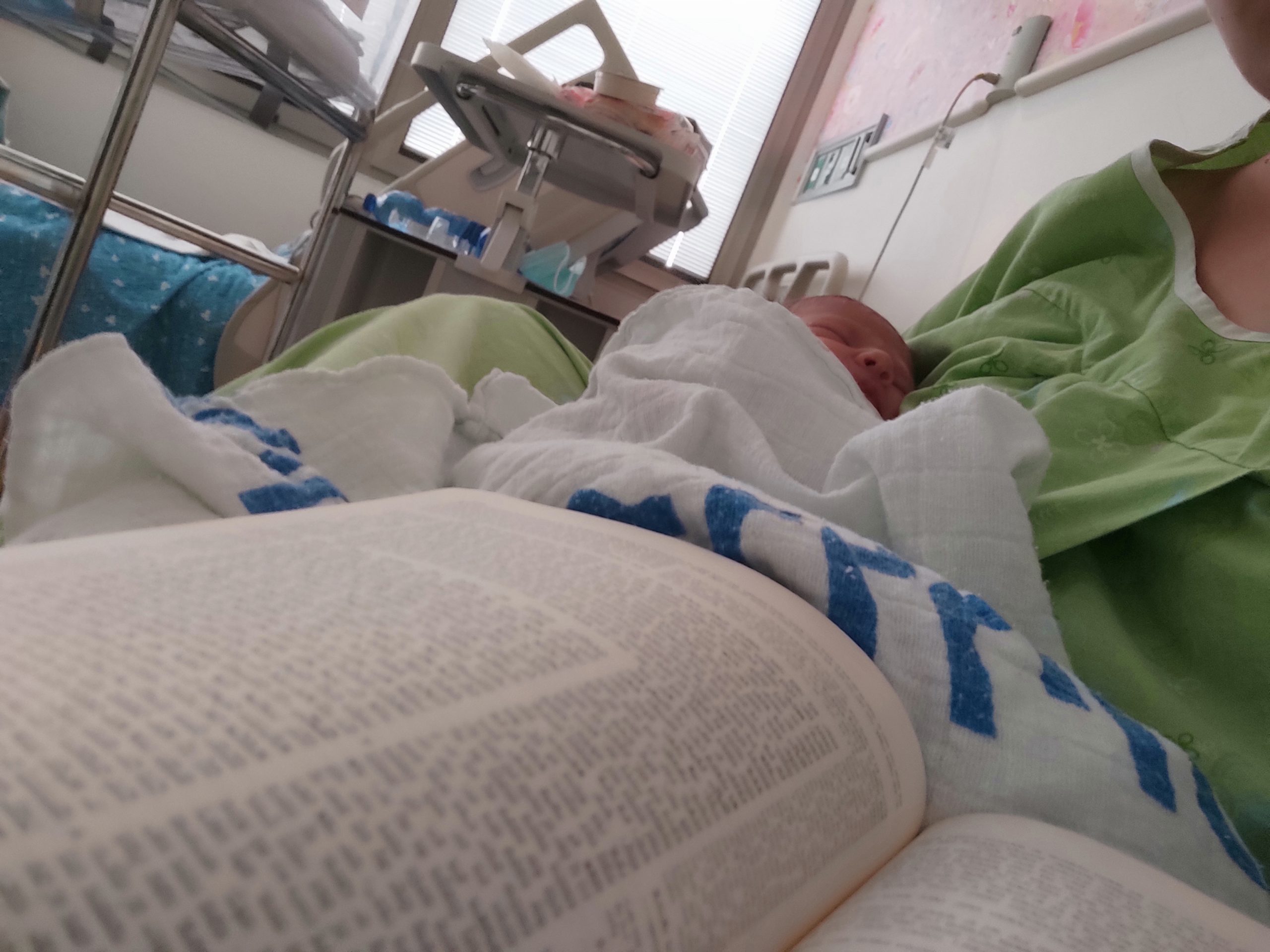
רבבה, ישראל
התחלתי לפני 8 שנים במדרשה. לאחרונה סיימתי מסכת תענית בלמידה עצמית ועכשיו לקראת סיום מסכת מגילה.

רעננה, ישראל
"התחלתי ללמוד דף יומי במחזור הזה, בח’ בטבת תש””ף. לקחתי על עצמי את הלימוד כדי ליצור תחום של התמדה יומיומית בחיים, והצטרפתי לקבוצת הלומדים בבית הכנסת בכפר אדומים. המשפחה והסביבה מתפעלים ותומכים.
בלימוד שלי אני מתפעלת בעיקר מכך שכדי ללמוד גמרא יש לדעת ולהכיר את כל הגמרא. זו מעין צבת בצבת עשויה שהיא עצומה בהיקפה.”

כפר אדומים, ישראל
התחלתי ללמוד גמרא בבית הספר בגיל צעיר והתאהבתי. המשכתי בכך כל חיי ואף היייתי מורה לגמרא בבית הספר שקד בשדה אליהו (בית הספר בו למדתי בילדותי)בתחילת מחזור דף יומי הנוכחי החלטתי להצטרף ובע”ה מקווה להתמיד ולהמשיך. אני אוהבת את המפגש עם הדף את "דרישות השלום ” שמקבלת מקשרים עם דפים אחרים שלמדתי את הסנכרון שמתחולל בין התכנים.

מעלה גלבוע, ישראל
התחלתי ללמוד בשנת המדרשה במגדל עוז, בינתיים נהנית מאוד מהלימוד ומהגמרא, מעניין ומשמח מאוד!
משתדלת להצליח לעקוב כל יום, לפעמים משלימה קצת בהמשך השבוע.. מרגישה שיש עוגן מקובע ביום שלי והוא משמח מאוד!

חיפה , ישראל
לצערי גדלתי בדור שבו לימוד גמרא לנשים לא היה דבר שבשגרה ושנים שאני חולמת להשלים את הפער הזה.. עד שלפני מספר שבועות, כמעט במקרה, נתקלתי במודעת פרסומת הקוראת להצטרף ללימוד מסכת תענית. כשקראתי את המודעה הרגשתי שהיא כאילו נכתבה עבורי – "תמיד חלמת ללמוד גמרא ולא ידעת איך להתחיל”, "בואי להתנסות במסכת קצרה וקלה” (רק היה חסר שהמודעה תיפתח במילים "מיכי שלום”..). קפצתי למים ו- ב”ה אני בדרך להגשמת החלום:)

מורשת, ישראל
התחלתי מעט לפני תחילת הסבב הנוכחי. אני נהנית מהאתגר של להמשיך להתמיד, מרגעים של "אהה, מפה זה הגיע!” ומהאתגר האינטלקטואלי

לוד, ישראל
My explorations into Gemara started a few days into the present cycle. I binged learnt and become addicted. I’m fascinated by the rich "tapestry” of intertwined themes, connections between Masechtot, conversations between generations of Rabbanim and learners past and present all over the world. My life has acquired a golden thread, linking generations with our amazing heritage.
Thank you.

חשמונאים, Israel
התחלתי ללמוד דף יומי לפני שנתיים, עם מסכת שבת. בהתחלה ההתמדה היתה קשה אבל בזכות הקורונה והסגרים הצלחתי להדביק את הפערים בשבתות הארוכות, לסיים את מסכת שבת ולהמשיך עם המסכתות הבאות. עכשיו אני מסיימת בהתרגשות רבה את מסכת חגיגה וסדר מועד ומחכה לסדר הבא!

מודיעין, ישראל
התחלתי ללמוד דף יומי בסבב הקודם. זכיתי לסיים אותו במעמד המרגש של הדרן. בסבב הראשון ליווה אותי הספק, שאולי לא אצליח לעמוד בקצב ולהתמיד. בסבב השני אני לומדת ברוגע, מתוך אמונה ביכולתי ללמוד ולסיים. בסבב הלימוד הראשון ליוותה אותי חוויה מסויימת של בדידות. הדרן העניקה לי קהילת לימוד ואחוות נשים. החוויה של סיום הש”ס במעמד כה גדול כשנשים שאינן מכירות אותי, שמחות ומתרגשות עבורי , היתה חוויה מרוממת נפש

קיבוץ מגדל עוז, ישראל
התחלתי ללמוד בסבב הנוכחי לפני כשנתיים .הסביבה מתפעלת ותומכת מאוד. אני משתדלת ללמוד מכל ההסכתים הנוספים שיש באתר הדרן. אני עורכת כל סיום מסכת שיעור בביתי לכ20 נשים שמחכות בקוצר רוח למפגשים האלו.

יהוד, ישראל
"
גם אני התחלתי בסבב הנוכחי וב””ה הצלחתי לסיים את רוב המסכתות . בזכות הרבנית מישל משתדלת לפתוח את היום בשיעור הזום בשעה 6:20 .הלימוד הפך להיות חלק משמעותי בחיי ויש ימים בהם אני מצליחה לחזור על הדף עם מלמדים נוספים ששיעוריהם נמצאים במרשתת. שמחה להיות חלק מקהילת לומדות ברחבי העולם. ובמיוחד לשמש דוגמה לנכדותיי שאי””ה יגדלו לדור שלימוד תורה לנשים יהיה משהו שבשגרה. "

נתניה, ישראל
לצערי גדלתי בדור שבו לימוד גמרא לנשים לא היה דבר שבשגרה ושנים שאני חולמת להשלים את הפער הזה.. עד שלפני מספר שבועות, כמעט במקרה, נתקלתי במודעת פרסומת הקוראת להצטרף ללימוד מסכת תענית. כשקראתי את המודעה הרגשתי שהיא כאילו נכתבה עבורי – "תמיד חלמת ללמוד גמרא ולא ידעת איך להתחיל”, "בואי להתנסות במסכת קצרה וקלה” (רק היה חסר שהמודעה תיפתח במילים "מיכי שלום”..). קפצתי למים ו- ב”ה אני בדרך להגשמת החלום:)
מורשת, ישראל
שמעתי על הסיום הענק של הדף היומי ע”י נשים בבנייני האומה. רציתי גם.
החלטתי להצטרף. התחלתי ושיכנעתי את בעלי ועוד שתי חברות להצטרף. עכשיו יש לי לימוד משותף איתו בשבת ומפגש חודשי איתן בנושא (והתכתבויות תדירות על דברים מיוחדים שקראנו). הצטרפנו לקבוצות שונות בווטסאפ. אנחנו ממש נהנות. אני שומעת את השיעור מידי יום (בד”כ מהרב יוני גוטמן) וקוראת ומצטרפת לסיומים של הדרן. גם מקפידה על דף משלהן (ונהנית מאד).

אפרת, ישראל
התחלתי בסיום הש”ס, יצאתי באורות. נשברתי פעמיים, ובשתיהם הרבנית מישל עודדה להמשיך איפה שכולם בסבב ולהשלים כשאוכל, וכך עשיתי וכיום השלמתי הכל. מדהים אותי שאני לומדת כל יום קצת, אפילו בחדר הלידה, בבידוד או בחו”ל. לאט לאט יותר נינוחה בסוגיות. לא כולם מבינים את הרצון, בפרט כפמניסטית. חשה סיפוק גדול להכיר את המושגים וצורת החשיבה. החלום זה להמשיך ולהתמיד ובמקביל ללמוד איך מהסוגיות נוצרה והתפתחה ההלכה.

מודיעין, ישראל
סיום השס לנשים נתן לי מוטביציה להתחיל ללמוד דף יומי. עד אז למדתי גמרא בשבתות ועשיתי כמה סיומים. אבל לימוד יומיומי זה שונה לגמרי ופתאום כל דבר שקורה בחיים מתקשר לדף היומי.

רתמים, ישראל
בבא מציעא קיב
וְאִידַּךְ: הַהוּא מִיבְּעֵי לֵיהּ לְכִדְתַנְיָא: ״וְאֵלָיו הוּא נֹשֵׂא אֶת נַפְשׁוֹ״, מִפְּנֵי מָה עָלָה זֶה בַּכֶּבֶשׁ וְנִתְלָה בָּאִילָן וּמָסַר אֶת עַצְמוֹ לְמִיתָה – לֹא עַל שְׂכָרוֹ?
The Gemara asks: And what does the other Sage, the second tanna, derive from this verse? The Gemara responds: That verse is necessary for that which is taught in a baraita: The expression “for he sets his soul upon it” explains why one must be so precise when paying a laborer his wages: For what reason did this laborer ascend on a tall ramp or suspend himself from a tree and risk death to himself? Was it not for his wages? How, then, can his employer delay his payment?
דָּבָר אַחֵר: ״וְאֵלָיו הוּא נֹשֵׂא אֶת נַפְשׁוֹ״, כָּל הַכּוֹבֵשׁ שְׂכַר שָׂכִיר – כְּאִילּוּ נוֹטֵל נַפְשׁוֹ מִמֶּנּוּ. רַב הוּנָא וְרַב חִסְדָּא, חַד אָמַר: נַפְשׁוֹ שֶׁל גַּזְלָן, וְחַד אָמַר: נַפְשׁוֹ שֶׁל נִגְזָל.
Alternatively, the words “for he sets his soul upon it” teach that concerning one who withholds the wages of a hired laborer, it is as though he takes his soul from him. Rav Huna and Rav Ḥisda disagreed over the meaning of this statement. One says it is referring to the soul of the robber, meaning that one who steals from a hired laborer by delaying payment of his wages causes Heaven to remove his own soul, and one says that he takes the soul of the robbery victim, meaning that one who steals from a hired worker causes the death of the worker.
מַאן דְּאָמַר נַפְשׁוֹ שֶׁל גַּזְלָן, דִּכְתִיב: ״אַל תִּגְזׇל דַּל כִּי דַל הוּא וְאַל תְּדַכֵּא עָנִי בַשָּׁעַר״, וּכְתִיב: ״כִּי ה׳ יָרִיב רִיבָם וְקָבַע אֶת קֹבְעֵיהֶם נָפֶשׁ״. וּמַאן דְּאָמַר נַפְשׁוֹ שֶׁל נִגְזָל, דִּכְתִיב: ״כֵּן אׇרְחוֹת כׇּל בּוֹצֵעַ בָּצַע אֶת נֶפֶשׁ בְּעָלָיו יִקָּח״.
The Gemara cites proof for these two opinions. The one who says it is referring to the soul of the robber bases his opinion on a verse, as it is written: “Do not rob from the weak because he is weak, nor crush the poor in the gate” (Proverbs 22:22), and it is written immediately afterward: “For the Lord will plead their cause, and spoil the soul of those who spoil them” (Proverbs 22:23). This indicates that God will take the soul of one who steals from a poor person. And the one who says it is referring to the soul of the robbery victim bases his opinion on a verse, as it is written: “So are the ways of everyone who is greedy for gain; it takes away the life of its owners” (Proverbs 1:19). A robber is considered as if he removed the very soul of his victim.
וְאִידַּךְ נָמֵי, הָכְתִיב ״אֶת נֶפֶשׁ בְּעָלָיו יִקָּח״! בְּעָלָיו דְּהַשְׁתָּא. וְאִידַּךְ נָמֵי, הָכְתִיב: ״וְקָבַע אֶת קֹבְעֵיהֶם נָפֶשׁ״! מָה טַעַם קָאָמַר: מָה טַעַם ״קָבַע אֶת קֹבְעֵיהֶם״ – מִשּׁוּם דְּנָטְלוּ נָפֶשׁ.
The Gemara asks: And according to the other Sage too, isn’t it written: “It takes away the life of its owners”? How does he interpret this verse? The Gemara answers: This is referring to its current owner, i.e., the robber, who took the money and now owns it. The Gemara asks: And according to the other Sage too, isn’t it written: “And spoil the soul of those who spoil them”? How does he interpret this verse? The Gemara answers: This verse employs the style known as: What is the reason, as follows: What is the reason that God will spoil those who spoil them? Because they took someone’s soul, for which He will exact retribution.
אֵימָתַי – בִּזְמַן שֶׁתְּבָעוֹ, לֹא תְּבָעוֹ – אֵינוֹ עוֹבֵר עָלָיו. תָּנוּ רַבָּנַן: ״לֹא תָלִין פְּעֻלַּת שָׂכִיר״ יָכוֹל אֲפִילּוּ לֹא תְּבָעוֹ – תַּלְמוּד לוֹמַר: ״אִתְּךָ״, לְדַעְתְּךָ.
§ The mishna teaches: When does he transgress these prohibitions? He transgresses them when the one owed the money claimed the payment from him. If he did not claim his payment from him, the other does not transgress the prohibitions. The Sages taught: With regard to the verse: “The wages of a hired laborer shall not remain with you all night until the morning” (Leviticus 19:13), one might have thought that he should be liable even if the laborer did not claim his wages from him. The verse states “with you,” meaning the prohibition is not transgressed unless it is with your knowledge and consent that you have not paid him. But if he did not even request his wages yet, the prohibition has not been violated.
יָכוֹל אֲפִילּוּ אֵין לוֹ – תַּלְמוּד לוֹמַר: ״אִתְּךָ״. שֶׁיֵּשׁ אִתְּךָ. יָכוֹל אֲפִילּוּ הִמְחָהוּ אֵצֶל חֶנְוָנִי וְאֵצֶל שׁוּלְחָנִי, תַּלְמוּד לוֹמַר: ״אִתְּךָ״ וְלֹא שֶׁהִמְחָהוּ אֵצֶל חֶנְוָנִי וְאֵצֶל שׁוּלְחָנִי.
Furthermore, one might have thought that the employer is liable even if he does not have the money to pay him. Therefore, the verse states “with you,” indicating that there is money with you. One might have thought that even if the employer transferred his payment to a storekeeper or to a money changer, he still violates the prohibition of delaying payment of wages. Therefore, the verse states “with you,” indicating that it applies only if the payment is your obligation, but not if he transferred it to a storekeeper or to a money changer, as then the payment of the laborer’s wages is no longer his responsibility.
הִמְחָהוּ אֵצֶל חֶנְוָנִי וְאֵצֶל שׁוּלְחָנִי – אֵינוֹ עוֹבֵר. אִיבַּעְיָא לְהוּ: חוֹזֵר, אוֹ אֵינוֹ חוֹזֵר? רַב שֵׁשֶׁת אָמַר: אֵינוֹ חוֹזֵר, וְרַבָּה אָמַר: חוֹזֵר.
§ The mishna teaches: If the one who owes the money transferred his payment by leaving instructions with a storekeeper or with a money changer to pay him, he does not transgress the prohibitions. A dilemma was raised before the Sages: If the storekeeper or money changer neglected to pay the wages, may the laborer return to the employer and claim his money from him, or may he not return, as the storekeeper or money changer is now his exclusive address for complaints? Rav Sheshet says he may not return, and Rabba says he may return.
אָמַר רַבָּה: מְנָא אָמֵינָא לַהּ – מִדְּקָתָנֵי: אֵינוֹ עוֹבֵר עָלָיו, מִעְבָּר הוּא דְּלָא עָבַר, הָא מִיהְדָּר הָדַר. וְרַב שֵׁשֶׁת אָמַר: מַאי אֵינוֹ עוֹבֵר – אֵינוֹ בְּתוֹרַת לַעֲבוֹר.
Rabba said: From where do I state my opinion? From the fact that the mishna teaches: He does not transgress the prohibition, from which it may be inferred: He does not transgress the prohibition, but the laborer may still return to him to collect his wages. And Rav Sheshet said: What is the meaning of the ruling that he does not transgress the prohibition? It means that he is not included in the category of transgressing, as his transfer of the payment exempts him from all responsibility.
בְּעוֹ מִינֵּיהּ מֵרַב שֵׁשֶׁת: קַבְּלָנוּת, עוֹבֵר עָלָיו מִשּׁוּם ״בַּל תָּלִין״, אוֹ אֵין עוֹבֵר מִשּׁוּם ״בַּל תָּלִין״?
§ The Sages inquired of Rav Sheshet: If the laborer worked as a contractor, who is paid for a completed job rather than by the hour, does the employer violate the prohibition of delaying payment of wages or does he not violate the prohibition of delaying payment of wages?
אוּמָּן קוֹנֶה בִּשְׁבַח כְּלִי, וְהַלְוָאָה הִיא? אוֹ אֵין אוּמָּן קוֹנֶה בִּשְׁבַח כְּלִי, וּשְׂכִירוּת הִיא?
The resolution to this inquiry depends on how a craftsman’s wages are classified. Does a craftsman, who is a type of contractor, acquire ownership rights through enhancement of the vessel? This would mean that the craftsman is considered to have acquired the vessel through his work, which enhances its value, and it remains in his possession until he returns it to the owners, who are then considered to have purchased the enhanced item from him. And accordingly, his payment is akin to a loan in that it will not be subject to the prohibition of delaying the payment of wages. Or perhaps a craftsman does not acquire ownership rights through enhancement of the vessel,and the obligation of the owner to pay him is similar to the obligation to pay wages to any laborer, in which case the money is classified as a wage, and is subject to the prohibition of delaying wages.
אֲמַר לְהוּ רַב שֵׁשֶׁת: עוֹבֵר! וְהָתַנְיָא: אֵינוֹ עוֹבֵר! הָתָם שֶׁהִמְחָהוּ אֵצֶל חֶנְוָנִי וְאֵצֶל שׁוּלְחָנִי.
Rav Sheshet said to them: He does violate the prohibition. They asked Rav Sheshet: But isn’t it taught in a baraita that a contractor does not violate the prohibition? Rav Sheshet replied: There it is referring to a case where he transferred the wages to a storekeeper or to a money changer.
נֵימָא מְסַיְּיעָא לֵיהּ: הַנּוֹתֵן טַלִּיתוֹ לְאוּמָּן, גְּמָרָהּ וְהוֹדִיעוֹ, אֲפִילּוּ מִכָּאן וְעַד עֲשָׂרָה יָמִים, אֵינוֹ עוֹבֵר מִשּׁוּם ״בַּל תָּלִין״. נְתָנָהּ לוֹ בַּחֲצִי הַיּוֹם – מִשֶּׁשָּׁקְעָה עָלָיו חַמָּה עוֹבֵר מִשּׁוּם ״בַּל תָּלִין״.
The Gemara suggests: Let us say that the following baraita supports the opinion of Rav Sheshet: With regard to one who gave his garment to a craftsman, and the craftsman concluded the work and notified the owner that the work was complete, even if the owner delays paying the craftsman from now until ten days henceforth, he does not violate the prohibition of delaying the payment of wages. If the craftsman gave the garment to him at midday, then once the sun has set and the owner has not paid him, the owner does violate the prohibition of delaying the payment of wages.
וְאִי אָמְרַתְּ אוּמָּן קוֹנֶה בִּשְׁבַח כְּלִי – אַמַּאי עוֹבֵר?
The Gemara concludes: And if it enters your mind to say that a craftsman acquires ownership rights through the enhancement of the vessel, why does the owner violate the prohibition of delaying the payment of wages? It is as if the craftsman acquired the garment, and the payment is considered to be a purchase of the garment by the owner, rather than a wage.
אָמַר רַב מָרִי בְּרֵיהּ דְּרַב כָּהֲנָא: בִּגְרָדָא דְּסַרְבָּלָא. לְמַאי יַהֲבֵהּ נִיהֲלֵיהּ – לְרַכּוֹכֵי, הַיְינוּ שְׁבָחֵיהּ.
Rav Mari, son of Rav Kahana, said: There is no proof from here, as the baraita is stating the halakha with regard to the laundering of a thick garment, where there is no enhancement of the garment. Therefore, the craftsman does not acquire it. The Gemara asks: Ultimately, to what end did the owner of the garment give it to the craftsman? He gave it to him in order to soften it. Once he has softened it, that is its enhancement, and the craftsman has therefore acquired it.
לָא צְרִיכָא, דְּקָא אַגְרֵיהּ (מִינֵּיהּ) לְבַטּוֹשֵׁי בִּטְשָׁא וּבִטְשָׁא בְּמָעֲתָא.
The Gemara responds: No, it is necessary to teach this halakha in a case where the owner hired the craftsman for treading, i.e., to forcefully tread on the garment in water until it softens, with the owner paying the craftsman a ma’a coin for each tread. Accordingly, this is considered hired labor, where the craftsman is paid based on the amount of times he performed an action, and not contractual labor, where he is paid based on the outcome, in this case, a softened garment, and the prohibition of delaying payment of wages does apply to this case.
שָׂכִיר בִּזְמַנּוֹ נִשְׁבָּע וְנוֹטֵל וְכוּ׳. שָׂכִיר אַמַּאי תַּקִּינוּ לֵיה רַבָּנַן (לְמִשְׁתְּבַע) [דְּמִשְׁתְּבַע] וְשָׁקֵיל?
§ The mishna teaches: If a hired laborer requests payment at the proper time and the employer claims he already paid him, the laborer takes an oath that he did not receive his wages and then receives the wages from the employer. The Gemara asks: Why did the Sages institute for a hired laborer, who is the plaintiff, to take an oath and receive his wages, in opposition to the principle that in the case of a monetary dispute between two parties, the defendant takes an oath that he is not liable and thereby exempts himself from payment?
אָמַר רַב יְהוּדָה אָמַר שְׁמוּאֵל: הֲלָכוֹת גְּדוֹלוֹת שָׁנוּ כָּאן. הָנֵי הִלְכְתָא נִינְהוּ? הָנֵי תַּקָּנוֹת נִינְהוּ! אֶלָּא אָמַר רַב יְהוּדָה אָמַר שְׁמוּאֵל: תַּקָּנוֹת גְּדוֹלוֹת שָׁנוּ כָּאן. ״גְּדוֹלוֹת״, מִכְּלָל דְּאִיכָּא קְטַנּוֹת?
Rav Yehuda says that Shmuel says: They taught great halakhot here. The Gemara is puzzled by this choice of words: Are these halakhot? They are ordinances designed for the proper running of business transactions, not halakhot that apply to everyone at all times. The Gemara emends the above statement: Rather, Rav Yehuda says that Shmuel says: They taught great ordinances here. The Gemara is still unsatisfied with the terminology: Does the word great indicate by inference that there are minor ordinances? Which ordinances are considered of minor importance?
אֶלָּא אָמַר רַב נַחְמָן אָמַר שְׁמוּאֵל: תַּקָּנוֹת קְבוּעוֹת שָׁנוּ כָּאן. שְׁבוּעָה דְּבַעַל הַבַּיִת הִיא, וְעַקְרוּהָ רַבָּנַן לִשְׁבוּעָה דְּבַעַל הַבַּיִת וְשַׁדְיוּהָ אַשָּׂכִיר, מִשּׁוּם כְּדֵי חַיָּיו דְּשָׂכִיר. וּמִשּׁוּם כְּדֵי חַיָּיו דְּשָׂכִיר (מַפְסֵדְנָא) [מַפְסְדִינַן] לֵיהּ לְבַעַל הַבַּיִת?
Rather, Rav Naḥman says that Shmuel says: They taught fixed ordinances here that are necessary for practical life. The reason is that taking the oath is actually the duty of the employer, but the Sages transferred the oath of the employer and imposed it upon the hired laborer due to the livelihood of the hired laborer. The laborer requires his wages to survive, and therefore if the employer is allowed to exempt himself by taking an oath, the laborer will be left with nothing. The Gemara asks: And simply due to the livelihood of the hired laborer should we cause the employer to lose out? If the employer is entitled to take an oath to exempt himself, why should he suffer due to the laborer’s needs?
בַּעַל הַבַּיִת גּוּפֵיהּ נִיחָא לֵיהּ דְּמִשְׁתְּבַע שָׂכִיר וְשָׁקֵיל, כִּי הֵיכִי דְּלִיתַּגְרוּ לֵיהּ פּוֹעֲלִים. שָׂכִיר גּוּפֵיהּ נִיחָא לֵיהּ דְּמִשְׁתְּבַע בַּעַל הַבַּיִת וְנִפְקַע, כִּי הֵיכִי דְּלִיגְרוּהּ בַּעַל הַבַּיִת? עַל כֻּרְחֵיהּ אָגַר. שָׂכִיר נָמֵי בְּעַל כֻּרְחֵיהּ (אִיתְּגַר)!
The Gemara answers: It is preferable for the employer himself that the hired laborer should take an oath and receive his wages so that laborers will hire themselves out to him with the knowledge that their wages are secure. The Gemara asks: Why not argue the reverse, that it is preferable for the hired laborer himself that the employer should take an oath and be exempt so that he should be hired? If the terms of labor are too imposing, people will not hire laborers. The Gemara responds: The employer must perforce find a laborer to hire. The Gemara retorts: A hired laborer, too, must perforce allow himself to be hired out.
אֶלָּא בַּעַל הַבַּיִת טָרוּד בְּפוֹעֲלִים הוּא. אִי הָכִי נִיתֵּב לֵיהּ בְּלָא שְׁבוּעָה! כְּדֵי לְהָפִיס דַּעְתּוֹ שֶׁל בַּעַל הַבַּיִת.
The Gemara now retracts the previous explanation: Rather, the employer is preoccupied with many laborers, and it is more likely that he forgot and mistakenly believed that he already paid this laborer’s wages. The Gemara asks: If so, i.e., if it is reasonable that the employer forgot, we should give the laborer his wages without him taking an oath, as there are grounds to presume that the employer erred. The Gemara responds: The laborer takes an oath in order to alleviate the concerns of the employer, as, if he is not required to take an oath, the employer will feel that he has been cheated.
וְנִיתֵּב לֵיהּ בְּעֵדִים? טְרִיחָא לְהוּ מִילְּתָא. וְנִיתֵּב לֵיהּ מֵעִיקָּרָא? שְׁנֵיהֶם רוֹצִים בְּהַקָּפָה.
The Gemara asks: But why not have the employer instead give him his wages in the presence of witnesses each time, which would remove any uncertainty? The Gemara answers: The matter would be an inconvenience to them both if they needed to find witnesses before each payment. The Gemara asks: But why not have the employer give him the wages at the outset, before he starts working, when he is less preoccupied? The Gemara answers: Both of them want the payment to be in the form of credit, i.e., that the wages not be paid in advance. The employer prefers this arrangement in case he has no ready cash at his disposal, while the laborer also prefers to be paid at the end of the day so that he does not lose his money in the meantime.
אִי הָכִי, אֲפִילּוּ קָצַץ נָמֵי! אַלְּמָה תַּנְיָא, אוּמָּן אוֹמֵר: שְׁתַּיִם קָצַצְתָּ לִי, וְהַלָּה אוֹמֵר: לֹא קָצַצְתִּי לְךָ אֶלָּא אַחַת – הַמּוֹצִיא מֵחֲבֵירוֹ עָלָיו הָרְאָיָה. קְצִיצָה וַדַּאי מִידְכָּר דְּכִירִי לַהּ אִינָשֵׁי.
The Gemara asks: If so, then even if the dispute between them concerns a fixed amount of payment as well, the laborer should take an oath. Why did we learn in a baraita: If the craftsman says: You fixed two coins for me as my payment, and the other, i.e., the employer, says: I fixed only one coin for you, then the burden of proof rests upon the claimant. Why is it not assumed that the employer was preoccupied and forgot, as in the previous case? The Gemara answers: The fixing of wages is certainly an event that people remember, and there is no concern that the employer forgot how much he stipulated.
אִי הָכִי, אֲפִילּוּ עָבַר זְמַנּוֹ נָמֵי, אַלְּמָה תְּנַן: עָבַר זְמַנּוֹ – אֵינוֹ נִשְׁבָּע וְנוֹטֵל? חֲזָקָה: אֵין בַּעַל הַבַּיִת עוֹבֵר מִשּׁוּם ״בַּל תָּלִין״.
The Gemara asks: If so, i.e., if the concern exists that the employer might have forgotten, then even if his time had passed for claiming his wages, the laborer should be entitled to take an oath and claim his wages. Why did we learn in the mishna: If the time had passed he does not take an oath and receive the wages? The Gemara answers: The reason in that case is that a presumption exists that an employer does not generally violate the prohibition of delaying payment of wages.
וְהָא אָמְרַתְּ בַּעַל הַבַּיִת טָרוּד בְּפוֹעֲלָיו הוּא! הָנֵי מִילֵּי – מִקַּמֵּי דְּלִימְטְיֵיהּ זְמַן חִיּוּבֵיהּ,
The Gemara asks: But didn’t you say that the employer is preoccupied with his laborers? The Gemara answers: This statement applies only before the time of his obligation to pay arrives, as it is possible that his preoccupation with other matters caused him to forget whether he had already paid him,

