








אם לווה נותן חפץ כמשכון להבטחת החזר ההלוואה, אם משתמשים בו לפירעון ההלוואה והלווה זקוק לפריט לצרכים בסיסיים, האם על הנושה למכור את החפץ ולהשאיר ללווה צורה בסיסית יותר של החפץ? דין זה נקרא "מסדרין”, מושג שחל בדיני ערכין כאשר אדם מבטיח את ערכו של אדם למקדש. האם הדין הזה חל גם על בעל חוב? האם הדין יחול גם על הקדש (מקרה שבו אדם מבטיח את ערכו של חפץ למקדש)? הדמיון וההבדלים בין שלושת המקרים הללו נדונים ומובאות דעות שונות לגבי הלוואות והקדש. רבה בר אבוה פגש את אליהו בבית קברות של עובדי כוכבים ושאל אותו מספר שאלות, כולל דין מסדרין לבעל חוב ומדוע הותר לאליהו שהיה כהן להיות בבית קברות של עובדי כוכבים. מספר הלכות לגבי משכון נלמדות מהפסוקים בתורה.
רוצה להקדיש לימוד?
בבא מציעא קיד
אִיבְרָא עֲלֵיהּ קָרְמֵי, מִשּׁוּם שֶׁנֶּאֱמַר: ״וּלְךָ תִּהְיֶה צְדָקָה״.
Indeed, the debtor’s needs are cast upon him, because it is stated in connection with this same issue of returning the collateral: “And it shall be righteousness to you” (Deuteronomy 24:13), which indicates that there is an obligation for the creditor to act toward the debtor with righteousness.
אִיבַּעְיָא לְהוּ: מַהוּ שֶׁיְּסַדְּרוּ בְּבַעַל חוֹב? מִי גָמַר ״מִיכָה״ ״מִיכָה״ מֵעֲרָכִין, אוֹ לָא?
§ A dilemma was raised before the Sages: What is the halakha with regard to making arrangements for the debtor so that he will retain some of his possessions so that he may continue living as before, albeit at a slightly lower standard? The issue on which this is based is whether or not a verbal analogy is derived from the usage of the term “poor” written in the context of a debtor (Leviticus 25:35) and the term “poor” written in the context of valuations (Leviticus 27:8), as the Gemara will discuss further at the end of the amud.
תָּא שְׁמַע, דִּשְׁלַח רָבִין בְּאִגַּרְתֵּיהּ: דָּבָר זֶה שָׁאַלְתִּי לְכׇל רַבּוֹתַי, וְלֹא אָמְרוּ לִי דָּבָר. בְּרַם כָּךְ הָיְתָה שְׁאֵלָה: הָאוֹמֵר ״הֲרֵי עָלַי מָנֶה לְבֶדֶק הַבַּיִת״, מַהוּ שֶׁיְּסַדְּרוּ?
The Gemara suggests: Come and hear a proof, as Ravin sent a message in his letter from Eretz Yisrael: I asked all my teachers concerning this matter, but they did not tell me anything. But there was this question concerning a similar matter that I heard them discuss: With regard to one who says: It is incumbent upon me to bring one hundred dinars for the Temple maintenance, what is the halakha as to whether they make arrangements for him? Although an arrangement is explicitly taught only with regard to the specific type of donation of valuations, is it applicable here as well?
רַבִּי יַעֲקֹב מִשְּׁמֵיהּ דְּבַר פַּדָּא, וְרַבִּי יִרְמְיָה מִשְּׁמֵיהּ דְּאִילְפָא אָמְרִי: קַל וָחוֹמֶר מִבַּעַל חוֹב. וּמָה בַּעַל חוֹב שֶׁמַּחְזִירִין – אֵין מְסַדְּרִין, הֶקְדֵּשׁ שֶׁאֵין מַחְזִירִין – אֵינוֹ דִּין שֶׁאֵין מְסַדְּרִין! וְרַבִּי יוֹחָנָן אָמַר: ״נֶדֶר בְּעֶרְכְּךָ״ כְּתִיב, מָה עֲרָכִין מְסַדְּרִין – אַף הֶקְדֵּשׁ מְסַדְּרִין.
Rabbi Ya’akov in the name of bar Padda, and Rabbi Yirmeya in the name of Ilfa, each say: It is an a fortiori inference from the halakhot of a debtor: And if for a debtor, to whom one returns his collateral, they do not make arrangements for the payment of his debt, then in the case of consecration, where they do not return his collateral, is it not logical that they should not make arrangements for the payment of his debt? And Rabbi Yoḥanan says: It is written: “When a man shall clearly utter a vow according to your valuation” (Leviticus 27:2). In this verse, all vows of consecrated property are juxtaposed to valuations, teaching that just as they make arrangements for the payment of a debt with regard to valuations, so too they make arrangements for the payment of a debt with regard to any vow of consecration.
וְאִידַּךְ: הַהוּא לְנִידּוֹן בִּכְבוֹדוֹ הוּא דַּאֲתָא. מָה עֲרָכִין נִידּוֹן בִּכְבוֹדוֹ – אַף הֶקְדֵּשׁ נִידּוֹן בִּכְבוֹדוֹ.
The Gemara asks: And what do the other Sages, i.e., Rabbi Ya’akov and Rabbi Yirmeya, derive from this juxtaposition between vows and valuations? The Gemara replies: They maintain that this juxtaposition comes to teach the halakha that a vow of consecration is judged by its significance. If one stated a vow of valuation concerning a vital part of his body, e.g., that he will donate the value of his heart, he is obligated to pay not only the value of that organ, but the valuation of his entire self. Consequently, the phrase “a vow according to your valuation” indicates that just as valuations are judged by their significance, so too consecrated property is judged by its significance.
וִיסַדְּרוּ בְּבַעַל חוֹב קַל וָחוֹמֶר מֵעֲרָכִין: וּמָה עֲרָכִין שֶׁאֵין מַחְזִירִין – מְסַדְּרִין, בַּעַל חוֹב שֶׁמַּחְזִירִין – אֵינוֹ דִּין שֶׁמְּסַדְּרִין? אָמַר קְרָא: ״וְאִם מָךְ הוּא מֵעֶרְכֶּךָ״ – ״הוּא״ וְלֹא בַּעַל חוֹב.
The Gemara asks: But they should make arrangements for a debtor based on an a fortiori inference from the halakhot of valuations, as follows: And if in the case of valuations the halakha is that they do not return his collateral and yet they do make arrangements for the payment of his debt, then with regard to a debtor, where the halakha is that one does return his collateral, is it not logical that they should make arrangements for the payment of his debt? The Gemara responds: The verse states: “But if he is too poor for your valuation…and the priest shall value him, according to the means of the one that vowed shall the priest value him” (Leviticus 27:8). The Torah emphasizes that this halakha is applicable only to “he” who makes a valuation, but not to a debtor.
וְאִידַּךְ: הַאי, עַד שֶׁיְּהֵא בְּמָכוּתוֹ מִתְּחִילָּתוֹ וְעַד סוֹפוֹ.
The Gemara asks: And according to the other opinion, which maintains that they do make arrangements for a debtor, how is the word “he” interpreted? The Gemara answers: This word teaches that the halakha does not apply unless he remains in his state of poverty from the beginning to the end. If he was rich at the outset, or grew wealthy at some later stage, arrangements are not made for him.
וְיַחְזִירוּ בְּהֶקְדֵּשׁ קַל וָחוֹמֶר מִבַּעַל חוֹב: וּמָה בַּעַל חוֹב שֶׁאֵין מְסַדְּרִין – מַחְזִירִין, הֶקְדֵּשׁ שֶׁמְּסַדְּרִין – אֵינוֹ דִּין שֶׁמַּחְזִירִין? אָמַר קְרָא: ״וְשָׁכַב בְּשַׂלְמָתוֹ וּבֵרְכֶךָּ״, יָצָא הֶקְדֵּשׁ, שֶׁאֵין צָרִיךְ בְּרָכָה.
The Gemara asks an additional question: And once it is established that arrangements are not made for a debtor, they should return the collateral in the case of consecration based on an a fortiori inference from the halakhot of a debtor: And if in the case of a debtor, where they do not make arrangements for him, the creditor nevertheless returns his collateral, with regard to consecration, where they do make arrangements for the payment of his debt, is it not logical that they should return his collateral to him? The Gemara answers: The verse states with regard to a regular loan: “You shall restore to him the collateral…and he will sleep in his garment and he will bless you” (Deuteronomy 24:13), excluding consecration, where there is no need for a blessing, and therefore it is not included in the halakha of returning the collateral.
וְלָא? וְהָכְתִיב: ״וְאָכַלְתָּ וְשָׂבָעְתָּ וּבֵרַכְתָּ וְגוֹ׳״! אֶלָּא אָמַר קְרָא: ״וּלְךָ תִּהְיֶה צְדָקָה״, מִי שֶׁצָּרִיךְ צְדָקָה, יָצָא הֶקְדֵּשׁ שֶׁאֵין צָרִיךְ צְדָקָה.
The Gemara is puzzled by this claim: And is consecrated property not in need of a blessing? But isn’t it written: “And you shall eat and be satisfied, and bless the Lord your God” (Deuteronomy 8:10), indicating that consecrated property also requires a blessing? Rather, the reason is that the verse states with regard to the restoration of collateral: “And it shall be righteousness [tzedaka] for you” (Deuteronomy 24:13), which is referring to caring for one who requires charity [tzedaka], excluding consecrated property, which does not require charity.
אַשְׁכְּחֵיהּ רַבָּה בַּר אֲבוּהּ לְאֵלִיָּהוּ דְּקָאֵי בְּבֵית הַקְּבָרוֹת שֶׁל גּוֹיִם, אֲמַר לֵיהּ: מַהוּ שֶׁיְּסַדְּרוּ בְּבַעַל חוֹב? אֲמַר לֵיהּ: גָּמַר ״מִיכָה״ ״מִיכָה״ מֵעֲרָכִין. גַּבֵּי עֲרָכִין כְּתִיב ״וְאִם מָךְ הוּא מֵעֶרְכֶּךָ״, גַּבֵּי בַּעַל חוֹב כְּתִיב ״וְכִי יָמוּךְ אָחִיךָ״.
§ The Gemara relates: Rabba bar Avuh found Elijah standing in a graveyard of gentiles. Rabba bar Avuh said to him: What is the halakha with regard to making arrangements for the debtor? Elijah said to him: A verbal analogy is derived from the usage of the term “poor” written in the context of a debtor and the term “poor” written in the context of valuations. With regard to valuations, it is written: “But if he is too poor [makh] for your valuation” (Leviticus 27:8), and with regard to a creditor, it is written: “But if your brother be poor [yamukh]” (Leviticus 25:35).
מִנַּיִן לְעָרוֹם שֶׁלֹּא יִתְרוֹם? דִּכְתִיב: ״וְלֹא יִרְאֶה בְךָ עֶרְוַת דָּבָר״.
Rabba bar Avuh now asks Elijah another question: From where is it derived with regard to a naked person that he may not separate teruma? He replied: As it is written: “And He see no unseemly thing in you” (Deuteronomy 23:15). This verse indicates that one may not recite any words of sanctity, including the blessing upon separating teruma, in front of one who is naked.
אֲמַר לֵיהּ: לָאו כֹּהֵן הוּא מָר? מַאי טַעְמָא קָאֵי מָר בְּבֵית הַקְּבָרוֹת! אֲמַר לֵיהּ: לָא מַתְנֵי מָר טְהָרוֹת? דְּתַנְיָא, רַבִּי שִׁמְעוֹן בֶּן יוֹחַי אוֹמֵר: קִבְרֵיהֶן שֶׁל נׇכְרִים אֵין מְטַמְּאִין, שֶׁנֶּאֱמַר: ״וְאַתֵּן צֹאנִי צֹאן מַרְעִיתִי אָדָם אַתֶּם״. אַתֶּם קְרוּיִין ״אָדָם״, וְאֵין נׇכְרִים קְרוּיִין ״אָדָם״.
The amora proceeded to ask Elijah a different question and said to him: Is not the Master a priest? What is the reason that the Master is standing in a cemetery? Elijah said to him: Has the Master not studied the mishnaic order of Teharot? As it is taught in a baraita: Rabbi Shimon ben Yoḥai says that the graves of gentiles do not render one impure, as it is stated: “And you, My sheep, the sheep of My pasture, are man” (Ezekiel 34:31), which teaches that you, i.e., the Jewish people, are called “man,” but gentiles are not called “man.” Since the Torah states with regard to ritual impurity imparted in a tent: “If a man dies in a tent” (Numbers 19:14), evidently impurity imparted by a tent does not apply to gentiles.
אֲמַר לֵיהּ: בְּאַרְבְּעָה לָא מָצֵינָא, בְּשִׁיתָּא מָצֵינָא? אֲמַר לֵיהּ: וְאַמַּאי? אֲמַר לֵיהּ: דְּחִיקָא לִי מִילְּתָא. דַּבְרֵיהּ וְעַיְּילֵיהּ לְגַן עֵדֶן. אֲמַר לֵיהּ: פְּשׁוֹט גְּלִימָךְ, סְפִי שְׁקוֹל מֵהָנֵי טַרְפֵי. סְפָא שְׁקַל.
Rabba bar Avuh said to him: How could I be familiar with that baraita? If I cannot be proficient in the more commonly studied four orders of the Mishna, can I be knowledgeable in all six? Elijah said to him: Why are you not learned in them all? Rabba bar Avuh said to him: The matter of a livelihood is pressing for me, and I am therefore unable to study properly. Elijah led him and brought him into the Garden of Eden and said to him: Remove your cloak, gather up and take some of these leaves lying around. Rabba Bar Avuh gathered them up and took them.
כִּי הֲוָה נָפֵיק, שְׁמַע דְּקָאָמַר: מַאן קָא אָכֵיל לְעָלְמֵיהּ כְּרַבָּה בַּר אֲבוּהּ. נְפַץ שְׁדָנְהוּ. אֲפִילּוּ הָכִי אַתְיֵיהּ לִגְלִימֵיהּ, סְחַט גְּלִימָא רֵיחָא. זַבְּנֵיהּ בִּתְרֵיסַר אַלְפֵי דִּינָרֵי, פַּלְגִינְהוּ לְחַתְנָווֹתֵיהּ.
When he was exiting, he heard a voice that declared: Who else consumes his World-to-Come like Rabba bar Avuh, who takes his merit of the next world for his use in the present one? He spread out his cloak and threw away the leaves. Even so, when he brought his cloak back, he discovered that the cloak had absorbed such a good scent from those leaves that he sold it for twelve thousand dinars. Since he knew that this was taken from his portion in the World-to-Come, he did not want to benefit from it himself, and he therefore divided the sum among his sons-in-law.
תָּנוּ רַבָּנַן: ״וְאִם אִישׁ עָנִי הוּא לֹא תִשְׁכַּב בַּעֲבֹטוֹ״, הָא עָשִׁיר – שְׁכַיב. מַאי קָאָמַר? אָמַר רַב שֵׁשֶׁת: הָכִי קָאָמַר: ״וְאִם אִישׁ עָנִי הוּא״ – לֹא תִשְׁכַּב וַעֲבוֹטוֹ אֶצְלְךָ. הָא עָשִׁיר – שְׁכַב וַעֲבוֹטוֹ אֶצְלְךָ.
§ The Sages taught with regard to the verse: “If he be a poor man, you shall not sleep with his collateral” (Deuteronomy 24:12), but if he is wealthy, one may lie down. The Gemara asks: What is the tanna saying? Rav Sheshet said that this is what he is saying: And if he be a poor man, you shall not sleep while his collateral is with you; rather, you must restore it to him before the sun sets. But if he is a wealthy man, you may lie down while his collateral is with you.
תָּנוּ רַבָּנַן: הַמַּלְוֶה אֶת חֲבֵירוֹ אֵינוֹ רַשַּׁאי לְמַשְׁכְּנוֹ, וְאֵינוֹ חַיָּיב לְהַחְזִיר לוֹ, וְעוֹבֵר בְּכׇל הַשֵּׁמוֹת הַלָּלוּ. מַאי קָאָמַר? אָמַר רַב שֵׁשֶׁת: הָכִי קָאָמַר, הַמַּלְוֶה אֶת חֲבֵירוֹ אֵינוֹ רַשַּׁאי לְמַשְׁכְּנוֹ, וְאִם מִשְׁכְּנוֹ – חַיָּיב לְהַחְזִיר לוֹ. וְעוֹבֵר בְּכׇל הַשֵּׁמוֹת הַלָּלוּ – אַסֵּיפָא.
The Sages taught: One who lends money to another is not permitted to take collateral from him, and is not obligated to return it to him, and transgresses all of these labels [shemot] of prohibitions. The meaning of this baraita is unclear, and the Gemara asks: What is the tanna saying? Rav Sheshet said: This is what he is saying: One who lends money to another is not permitted to take collateral from him, and if he did take collateral from him, he is obligated to return it to him. As for the clause: And he transgresses all of these labels of prohibitions, this is referring to the latter clause, i.e., the case implicit in the baraita, where the creditor took collateral from the debtor and did not return it, and the baraita explains that such a person violates all of the Torah prohibitions that apply to this situation.
רָבָא אָמַר: הָכִי קָאָמַר: הַמַּלְוֶה אֶת חֲבֵירוֹ אֵינוֹ רַשַּׁאי לְמַשְׁכְּנוֹ, וְאִם מִשְׁכְּנוֹ – חַיָּיב לְהַחְזִיר לוֹ. בַּמֶּה דְּבָרִים אֲמוּרִים – שֶׁמִּשְׁכְּנוֹ שֶׁלֹּא בִּשְׁעַת הַלְוָאָתוֹ, אֲבָל מִשְׁכְּנוֹ בִּשְׁעַת הַלְוָאָתוֹ – אֵינוֹ חַיָּיב לְהַחְזִיר לוֹ. וְעוֹבֵר בְּכׇל הַשֵּׁמוֹת הַלָּלוּ – אַרֵישָׁא.
Rava said: This is what the tanna is saying: One who lends money to another is not permitted to take collateral from him, and if he did take collateral from him, he is obligated to return it to him. In what case is this statement said? It is referring to where he took collateral from him when it was not at the time of the loan, but rather as a means of ensuring payment. But if he took collateral from him at the time of the loan, in which case the collateral serves as a guarantee of the loan, he is not obligated to return it to him. According to this interpretation, the statement: And he transgresses of all these labels of prohibitions, is referring to the first clause of the baraita, concerning the prohibition against taking collateral.
תָּנֵי רַב שֵׁיזְבִי קַמֵּיהּ דְּרָבָא: ״עַד בֹּא הַשֶּׁמֶשׁ תְּשִׁיבֶנּוּ לוֹ״ – זוֹ כְּסוּת לַיְלָה, ״הָשֵׁב תָּשִׁיב לוֹ אֶת הַעֲבוֹט כְּבוֹא הַשֶּׁמֶשׁ״ – זוֹ כְּסוּת יוֹם. אֲמַר לֵיהּ: דִּימָמָא בְּלֵילְיָא לְמָה לִי, וּדְלֵילְיָא בִּימָמָא לְמָה לִי?
Rav Sheizevi taught the following baraita before Rava: With regard to the verse: “And if you take as collateral your neighbor’s garment, you shall restore it to him until the sun goes down” (Exodus 22:25), this is referring to a garment worn at night and teaches that the garment is returned during the day; and with regard to the verse: “You shall restore to him the collateral when the sun goes down” (Deuteronomy 24:13), this is referring to a garment worn during the day. Rava said to him: This statement is puzzling, as with regard to a garment worn in the day, why do I need it at night, and as for a garment worn at night, why do I need it in the day? What purpose is served by giving back the garments at such times?
אֲמַר לֵיהּ: אִיסְמְיַיהּ? אֲמַר לֵיהּ: לָא, הָכִי קָאָמַר: ״עַד בֹּא הַשֶּׁמֶשׁ תְּשִׁיבֶנּוּ לוֹ״ – זוֹ כְּסוּת יוֹם שֶׁנִּיתְּנָה לַחֲבוֹל בַּלַּיְלָה, ״הָשֵׁב תָּשִׁיב לוֹ אֶת הַעֲבוֹט כְּבוֹא הַשֶּׁמֶשׁ״ – זוֹ כְּסוּת לַיְלָה שֶׁנִּיתְּנָה לַחֲבוֹל בַּיּוֹם.
Rav Sheizevi said to him: Do you think this baraita is so corrupt that I should erase it, i.e., no longer teach it? Rava said to him: No, do not erase it, because this is what it is saying: With regard to the verse “You shall restore it to him until when the sun goes down,” this is referring to a garment worn during the day, which may be taken as collateral by night but must be returned to the debtor for the day. With regard to the verse “You shall restore to him the collateral when the sun goes down,” this is referring to a garment worn at night, which may be taken as collateral by day.
אָמַר רַבִּי יוֹחָנָן: מִשְׁכְּנוֹ וּמֵת, שׁוֹמְטוֹ מֵעַל גַּבֵּי בָנָיו. מֵיתִיבִי, אָמַר רַבִּי מֵאִיר: וְכִי מֵאַחַר שֶׁמְּמַשְׁכְּנִין לָמָּה מַחְזִירִין? לָמָּה מַחְזִירִין?! רַחֲמָנָא אָמַר אַהְדַּר! אֶלָּא: מֵאַחַר שֶׁמַּחְזִירִין,
§ Rabbi Yoḥanan said: If he took collateral from him, returned it, and then the debtor died, the creditor may take the collateral from the debtor’s children and is under no obligation to leave it with them. The Gemara raises an objection to this from a baraita: Rabbi Meir said: But since one takes collateral, why does he return it? The Gemara expresses surprise at this question: Why does he return it? The Merciful One states to return it. Rather, the question is as follows: Since he must return it,
לעקוב 
חדשה בלימוד הגמרא?
זה הדף הראשון שלך? איזו התרגשות עצומה! יש לנו בדיוק את התכנים והכלים שיעזרו לך לעשות את הצעדים הראשונים ללמידה בקצב וברמה שלך, כך תוכלי להרגיש בנוח גם בתוך הסוגיות המורכבות ומאתגרות.
פסיפס הלומדות שלנו
גלי את קהילת הלומדות שלנו, מגוון נשים, רקעים וסיפורים. כולן חלק מתנועה ומסע מרגש ועוצמתי.
התחלתי להשתתף בשיעור נשים פעם בשבוע, תכננתי ללמוד רק דפים בודדים, לא האמנתי שאצליח יותר מכך.
לאט לאט נשאבתי פנימה לעולם הלימוד .משתדלת ללמוד כל בוקר ומתחילה את היום בתחושה של מלאות ומתוך התכווננות נכונה יותר.
הלימוד של הדף היומי ממלא אותי בתחושה של חיבור עמוק לעם היהודי ולכל הלומדים בעבר ובהווה.

נילי חיון
אפרת, ישראל
התחלתי בסיום הש”ס, יצאתי באורות. נשברתי פעמיים, ובשתיהם הרבנית מישל עודדה להמשיך איפה שכולם בסבב ולהשלים כשאוכל, וכך עשיתי וכיום השלמתי הכל. מדהים אותי שאני לומדת כל יום קצת, אפילו בחדר הלידה, בבידוד או בחו”ל. לאט לאט יותר נינוחה בסוגיות. לא כולם מבינים את הרצון, בפרט כפמניסטית. חשה סיפוק גדול להכיר את המושגים וצורת החשיבה. החלום זה להמשיך ולהתמיד ובמקביל ללמוד איך מהסוגיות נוצרה והתפתחה ההלכה.

קרן וינגרטן שרינגטון
מודיעין, ישראל
התחלתי ללמוד דף יומי אחרי שחזרתי בתשובה ולמדתי במדרשה במגדל עוז. הלימוד טוב ומספק חומר למחשבה על נושאים הלכתיים ”קטנים” ועד לערכים גדולים ביהדות. חשוב לי להכיר את הגמרא לעומק. והצעד הקטן היום הוא ללמוד אותה בבקיאות, בעזרת השם, ומי יודע אולי גם אגיע לעיון בנושאים מעניינים. נושאים בגמרא מתחברים לחגים, לתפילה, ליחסים שבין אדם לחברו ולמקום ולשאר הדברים שמלווים באורח חיים דתי 🙂

גאיה דיבו
מצפה יריחו, ישראל
My explorations into Gemara started a few days into the present cycle. I binged learnt and become addicted. I’m fascinated by the rich "tapestry” of intertwined themes, connections between Masechtot, conversations between generations of Rabbanim and learners past and present all over the world. My life has acquired a golden thread, linking generations with our amazing heritage.
Thank you.

סוזן כשדן
חשמונאים, Israel
התחלתי ללמוד לפני כשנתיים בשאיפה לסיים לראשונה מסכת אחת במהלך חופשת הלידה.
אחרי מסכת אחת כבר היה קשה להפסיק…

נעה גלנט
ירוחם, ישראל
התחלתי ללמוד בשנת המדרשה במגדל עוז, בינתיים נהנית מאוד מהלימוד ומהגמרא, מעניין ומשמח מאוד!
משתדלת להצליח לעקוב כל יום, לפעמים משלימה קצת בהמשך השבוע.. מרגישה שיש עוגן מקובע ביום שלי והוא משמח מאוד!

אוריה קסנר
חיפה , ישראל
התחלתי מעט לפני תחילת הסבב הנוכחי. אני נהנית מהאתגר של להמשיך להתמיד, מרגעים של "אהה, מפה זה הגיע!” ומהאתגר האינטלקטואלי

אילת-חן ודלר
לוד, ישראל
התחלתי ללמוד לפני 4.5 שנים, כשהודיה חברה שלי פתחה קבוצת ווטסאפ ללימוד דף יומי בתחילת מסכת סנהדרין. מאז לימוד הדף נכנס לתוך היום-יום שלי והפך לאחד ממגדירי הזהות שלי ממש.

קרן רוזנברג
ירושלים, ישראל
ראיתי את הסיום הגדול בבנייני האומה וכל כך התרשמתי ורציתי לקחת חלק.. אבל לקח לי עוד כשנה וחצי )באמצע מסיכת שבת להצטרף..
הלימוד חשוב לי מאוד.. אני תמיד במרדף אחרי הדף וגונבת כל פעם חצי דף כשהילדים עסוקים ומשלימה אח”כ אחרי שכולם הלכו לישון..

אולגה מזרחי
ירושלים, ישראל
A friend in the SF Bay Area said in Dec 2019 that she might start listening on her morning drive to work. I mentioned to my husband and we decided to try the Daf when it began in Jan 2020 as part of our preparing to make Aliyah in the summer.
חנה פיוטרקובסקי
ירושלים, Israel
התחלתי להשתתף בשיעור נשים פעם בשבוע, תכננתי ללמוד רק דפים בודדים, לא האמנתי שאצליח יותר מכך.
לאט לאט נשאבתי פנימה לעולם הלימוד .משתדלת ללמוד כל בוקר ומתחילה את היום בתחושה של מלאות ומתוך התכווננות נכונה יותר.
הלימוד של הדף היומי ממלא אותי בתחושה של חיבור עמוק לעם היהודי ולכל הלומדים בעבר ובהווה.
נילי חיון
אפרת, ישראל
התחלתי ללמוד בשנת המדרשה במגדל עוז, בינתיים נהנית מאוד מהלימוד ומהגמרא, מעניין ומשמח מאוד!
משתדלת להצליח לעקוב כל יום, לפעמים משלימה קצת בהמשך השבוע.. מרגישה שיש עוגן מקובע ביום שלי והוא משמח מאוד!
אוריה קסנר
חיפה , ישראל
בתחילת הסבב הנוכחי של לימוד הדף היומי, נחשפתי לחגיגות המרגשות באירועי הסיום ברחבי העולם. והבטחתי לעצמי שבקרוב אצטרף גם למעגל הלומדות. הסבב התחיל כאשר הייתי בתחילת דרכי בתוכנית קרן אריאל להכשרת יועצות הלכה של נשמ”ת. לא הצלחתי להוסיף את ההתחייבות לדף היומי על הלימוד האינטנסיבי של תוכנית היועצות. בבוקר למחרת המבחן הסופי בנשמ”ת, התחלתי את לימוד הדף במסכת סוכה ומאז לא הפסקתי.

חנה שחם-רוזבי (ד”ר)
קרית גת, ישראל
אמא שלי למדה איתי ש”ס משנה, והתחילה ללמוד דף יומי. אני החלטתי שאני רוצה ללמוד גם. בהתחלה למדתי איתה, אח”כ הצטרפתי ללימוד דף יומי שהרב דני וינט מעביר לנוער בנים בעתניאל. במסכת עירובין עוד חברה הצטרפה אלי וכשהתחלנו פסחים הרב דני פתח לנו שעור דף יומי לבנות. מאז אנחנו לומדות איתו קבוע כל יום את הדף היומי (ובשבת אבא שלי מחליף אותו). אני נהנית מהלימוד, הוא מאתגר ומעניין

רננה הלמן
עתניאל, ישראל
הצטרפתי ללומדות בתחילת מסכת תענית. ההתרגשות שלי ושל המשפחה היתה גדולה מאוד, והיא הולכת וגוברת עם כל סיום שאני זוכה לו. במשך שנים רבות רציתי להצטרף ומשום מה זה לא קרה… ב”ה מצאתי לפני מספר חודשים פרסום של הדרן, ומיד הצטרפתי והתאהבתי. הדף היומי שינה את חיי ממש והפך כל יום- ליום של תורה. מודה לכן מקרב ליבי ומאחלת לכולנו לימוד פורה מתוך אהבת התורה ולומדיה.
נעה רוזן
חיספין רמת הגולן, ישראל
בתחילת הסבב הנוכחי הצטברו אצלי תחושות שאני לא מבינה מספיק מהי ההלכה אותה אני מקיימת בכל יום. כמו כן, כאמא לבנות רציתי לתת להן מודל נשי של לימוד תורה
שתי הסיבות האלו הובילו אותי להתחיל ללמוד. נתקלתי בתגובות מפרגנות וסקרניות איך אישה לומדת גמרא..
כמו שרואים בתמונה אני ממשיכה ללמוד גם היום ואפילו במחלקת יולדות אחרי לידת ביתי השלישית.
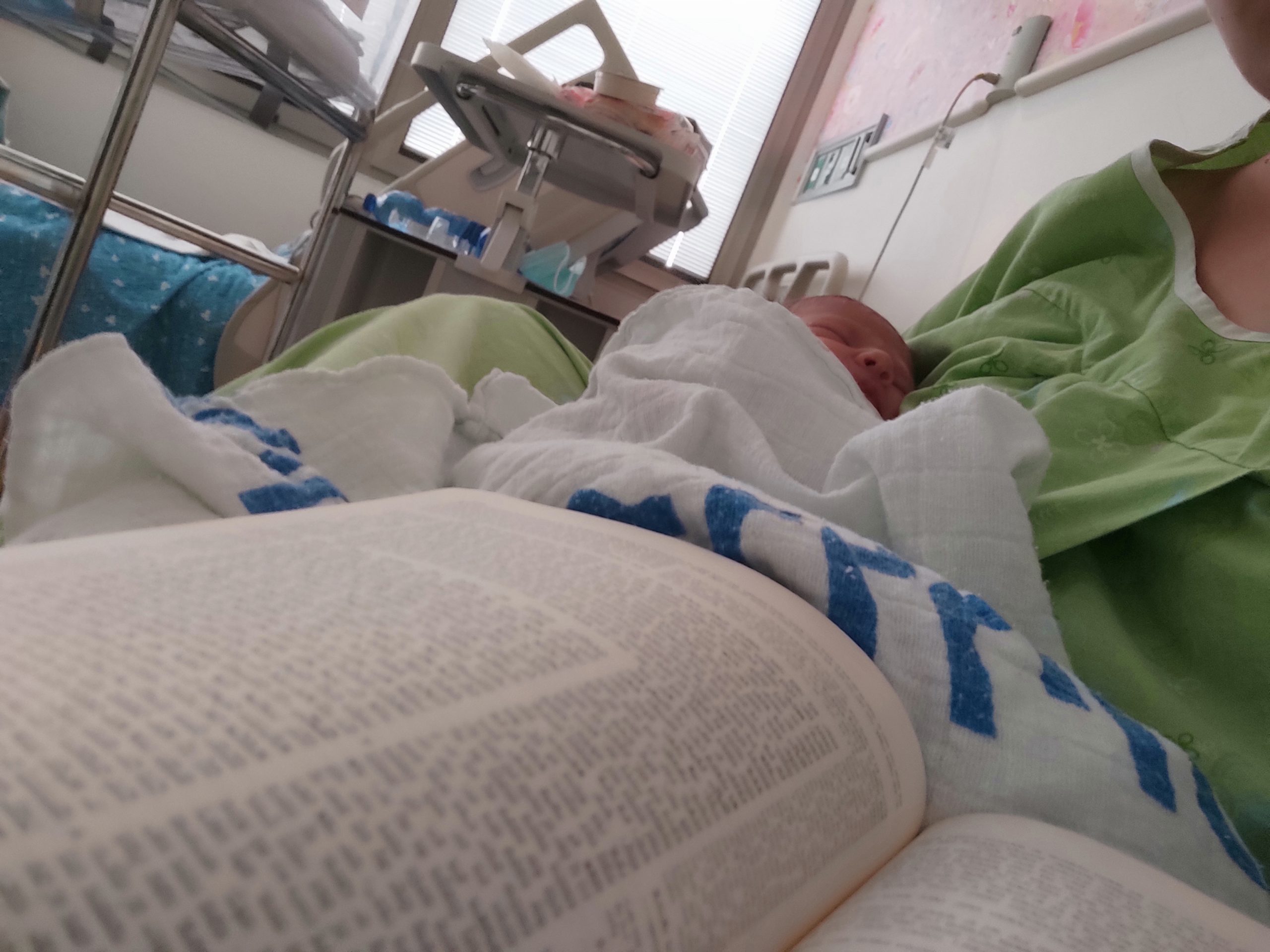
נועה שילה
רבבה, ישראל
התחלתי ללמוד דף יומי שהתחילו מסכת כתובות, לפני 7 שנים, במסגרת קבוצת לימוד שהתפרקה די מהר, ומשם המשכתי לבד בתמיכת האיש שלי. נעזרתי בגמרת שטיינזלץ ובשיעורים מוקלטים.
הסביבה מאד תומכת ואני מקבלת המון מילים טובות לאורך כל הדרך. מאז הסיום הגדול יש תחושה שאני חלק מדבר גדול יותר.
אני לומדת בשיטת ה”7 דפים בשבוע” של הרבנית תרצה קלמן – כלומר, לא נורא אם לא הצלחת ללמוד כל יום, העיקר שגמרת ארבעה דפים בשבוע

רחל גולדשטיין
עתניאל, ישראל
רציתי לקבל ידע בתחום שהרגשתי שהוא גדול וחשוב אך נעלם ממני. הלימוד מעניק אתגר וסיפוק ומעמיק את תחושת השייכות שלי לתורה וליהדות
רות עגיב
עלי זהב – לשם, ישראל
באירוע של הדרן בנייני האומה. בהשראתה של אמי שלי שסיימה את הש”ס בסבב הקודם ובעידוד מאיר , אישי, וילדיי וחברותיי ללימוד במכון למנהיגות הלכתית של רשת אור תורה סטון ומורתיי הרבנית ענת נובוסלסקי והרבנית דבורה עברון, ראש המכון למנהיגות הלכתית.
הלימוד מעשיר את יומי, מחזיר אותי גם למסכתות שכבר סיימתי וידוע שאינו דומה מי ששונה פרקו מאה לשונה פרקו מאה ואחת במיוחד מרתקים אותי החיבורים בין המסכתות
רוית קלך
מודיעין, ישראל
התחלתי בסיום הש”ס, יצאתי באורות. נשברתי פעמיים, ובשתיהם הרבנית מישל עודדה להמשיך איפה שכולם בסבב ולהשלים כשאוכל, וכך עשיתי וכיום השלמתי הכל. מדהים אותי שאני לומדת כל יום קצת, אפילו בחדר הלידה, בבידוד או בחו”ל. לאט לאט יותר נינוחה בסוגיות. לא כולם מבינים את הרצון, בפרט כפמניסטית. חשה סיפוק גדול להכיר את המושגים וצורת החשיבה. החלום זה להמשיך ולהתמיד ובמקביל ללמוד איך מהסוגיות נוצרה והתפתחה ההלכה.
קרן וינגרטן שרינגטון
מודיעין, ישראל
בבא מציעא קיד
אִיבְרָא עֲלֵיהּ קָרְמֵי, מִשּׁוּם שֶׁנֶּאֱמַר: ״וּלְךָ תִּהְיֶה צְדָקָה״.
Indeed, the debtor’s needs are cast upon him, because it is stated in connection with this same issue of returning the collateral: “And it shall be righteousness to you” (Deuteronomy 24:13), which indicates that there is an obligation for the creditor to act toward the debtor with righteousness.
אִיבַּעְיָא לְהוּ: מַהוּ שֶׁיְּסַדְּרוּ בְּבַעַל חוֹב? מִי גָמַר ״מִיכָה״ ״מִיכָה״ מֵעֲרָכִין, אוֹ לָא?
§ A dilemma was raised before the Sages: What is the halakha with regard to making arrangements for the debtor so that he will retain some of his possessions so that he may continue living as before, albeit at a slightly lower standard? The issue on which this is based is whether or not a verbal analogy is derived from the usage of the term “poor” written in the context of a debtor (Leviticus 25:35) and the term “poor” written in the context of valuations (Leviticus 27:8), as the Gemara will discuss further at the end of the amud.
תָּא שְׁמַע, דִּשְׁלַח רָבִין בְּאִגַּרְתֵּיהּ: דָּבָר זֶה שָׁאַלְתִּי לְכׇל רַבּוֹתַי, וְלֹא אָמְרוּ לִי דָּבָר. בְּרַם כָּךְ הָיְתָה שְׁאֵלָה: הָאוֹמֵר ״הֲרֵי עָלַי מָנֶה לְבֶדֶק הַבַּיִת״, מַהוּ שֶׁיְּסַדְּרוּ?
The Gemara suggests: Come and hear a proof, as Ravin sent a message in his letter from Eretz Yisrael: I asked all my teachers concerning this matter, but they did not tell me anything. But there was this question concerning a similar matter that I heard them discuss: With regard to one who says: It is incumbent upon me to bring one hundred dinars for the Temple maintenance, what is the halakha as to whether they make arrangements for him? Although an arrangement is explicitly taught only with regard to the specific type of donation of valuations, is it applicable here as well?
רַבִּי יַעֲקֹב מִשְּׁמֵיהּ דְּבַר פַּדָּא, וְרַבִּי יִרְמְיָה מִשְּׁמֵיהּ דְּאִילְפָא אָמְרִי: קַל וָחוֹמֶר מִבַּעַל חוֹב. וּמָה בַּעַל חוֹב שֶׁמַּחְזִירִין – אֵין מְסַדְּרִין, הֶקְדֵּשׁ שֶׁאֵין מַחְזִירִין – אֵינוֹ דִּין שֶׁאֵין מְסַדְּרִין! וְרַבִּי יוֹחָנָן אָמַר: ״נֶדֶר בְּעֶרְכְּךָ״ כְּתִיב, מָה עֲרָכִין מְסַדְּרִין – אַף הֶקְדֵּשׁ מְסַדְּרִין.
Rabbi Ya’akov in the name of bar Padda, and Rabbi Yirmeya in the name of Ilfa, each say: It is an a fortiori inference from the halakhot of a debtor: And if for a debtor, to whom one returns his collateral, they do not make arrangements for the payment of his debt, then in the case of consecration, where they do not return his collateral, is it not logical that they should not make arrangements for the payment of his debt? And Rabbi Yoḥanan says: It is written: “When a man shall clearly utter a vow according to your valuation” (Leviticus 27:2). In this verse, all vows of consecrated property are juxtaposed to valuations, teaching that just as they make arrangements for the payment of a debt with regard to valuations, so too they make arrangements for the payment of a debt with regard to any vow of consecration.
וְאִידַּךְ: הַהוּא לְנִידּוֹן בִּכְבוֹדוֹ הוּא דַּאֲתָא. מָה עֲרָכִין נִידּוֹן בִּכְבוֹדוֹ – אַף הֶקְדֵּשׁ נִידּוֹן בִּכְבוֹדוֹ.
The Gemara asks: And what do the other Sages, i.e., Rabbi Ya’akov and Rabbi Yirmeya, derive from this juxtaposition between vows and valuations? The Gemara replies: They maintain that this juxtaposition comes to teach the halakha that a vow of consecration is judged by its significance. If one stated a vow of valuation concerning a vital part of his body, e.g., that he will donate the value of his heart, he is obligated to pay not only the value of that organ, but the valuation of his entire self. Consequently, the phrase “a vow according to your valuation” indicates that just as valuations are judged by their significance, so too consecrated property is judged by its significance.
וִיסַדְּרוּ בְּבַעַל חוֹב קַל וָחוֹמֶר מֵעֲרָכִין: וּמָה עֲרָכִין שֶׁאֵין מַחְזִירִין – מְסַדְּרִין, בַּעַל חוֹב שֶׁמַּחְזִירִין – אֵינוֹ דִּין שֶׁמְּסַדְּרִין? אָמַר קְרָא: ״וְאִם מָךְ הוּא מֵעֶרְכֶּךָ״ – ״הוּא״ וְלֹא בַּעַל חוֹב.
The Gemara asks: But they should make arrangements for a debtor based on an a fortiori inference from the halakhot of valuations, as follows: And if in the case of valuations the halakha is that they do not return his collateral and yet they do make arrangements for the payment of his debt, then with regard to a debtor, where the halakha is that one does return his collateral, is it not logical that they should make arrangements for the payment of his debt? The Gemara responds: The verse states: “But if he is too poor for your valuation…and the priest shall value him, according to the means of the one that vowed shall the priest value him” (Leviticus 27:8). The Torah emphasizes that this halakha is applicable only to “he” who makes a valuation, but not to a debtor.
וְאִידַּךְ: הַאי, עַד שֶׁיְּהֵא בְּמָכוּתוֹ מִתְּחִילָּתוֹ וְעַד סוֹפוֹ.
The Gemara asks: And according to the other opinion, which maintains that they do make arrangements for a debtor, how is the word “he” interpreted? The Gemara answers: This word teaches that the halakha does not apply unless he remains in his state of poverty from the beginning to the end. If he was rich at the outset, or grew wealthy at some later stage, arrangements are not made for him.
וְיַחְזִירוּ בְּהֶקְדֵּשׁ קַל וָחוֹמֶר מִבַּעַל חוֹב: וּמָה בַּעַל חוֹב שֶׁאֵין מְסַדְּרִין – מַחְזִירִין, הֶקְדֵּשׁ שֶׁמְּסַדְּרִין – אֵינוֹ דִּין שֶׁמַּחְזִירִין? אָמַר קְרָא: ״וְשָׁכַב בְּשַׂלְמָתוֹ וּבֵרְכֶךָּ״, יָצָא הֶקְדֵּשׁ, שֶׁאֵין צָרִיךְ בְּרָכָה.
The Gemara asks an additional question: And once it is established that arrangements are not made for a debtor, they should return the collateral in the case of consecration based on an a fortiori inference from the halakhot of a debtor: And if in the case of a debtor, where they do not make arrangements for him, the creditor nevertheless returns his collateral, with regard to consecration, where they do make arrangements for the payment of his debt, is it not logical that they should return his collateral to him? The Gemara answers: The verse states with regard to a regular loan: “You shall restore to him the collateral…and he will sleep in his garment and he will bless you” (Deuteronomy 24:13), excluding consecration, where there is no need for a blessing, and therefore it is not included in the halakha of returning the collateral.
וְלָא? וְהָכְתִיב: ״וְאָכַלְתָּ וְשָׂבָעְתָּ וּבֵרַכְתָּ וְגוֹ׳״! אֶלָּא אָמַר קְרָא: ״וּלְךָ תִּהְיֶה צְדָקָה״, מִי שֶׁצָּרִיךְ צְדָקָה, יָצָא הֶקְדֵּשׁ שֶׁאֵין צָרִיךְ צְדָקָה.
The Gemara is puzzled by this claim: And is consecrated property not in need of a blessing? But isn’t it written: “And you shall eat and be satisfied, and bless the Lord your God” (Deuteronomy 8:10), indicating that consecrated property also requires a blessing? Rather, the reason is that the verse states with regard to the restoration of collateral: “And it shall be righteousness [tzedaka] for you” (Deuteronomy 24:13), which is referring to caring for one who requires charity [tzedaka], excluding consecrated property, which does not require charity.
אַשְׁכְּחֵיהּ רַבָּה בַּר אֲבוּהּ לְאֵלִיָּהוּ דְּקָאֵי בְּבֵית הַקְּבָרוֹת שֶׁל גּוֹיִם, אֲמַר לֵיהּ: מַהוּ שֶׁיְּסַדְּרוּ בְּבַעַל חוֹב? אֲמַר לֵיהּ: גָּמַר ״מִיכָה״ ״מִיכָה״ מֵעֲרָכִין. גַּבֵּי עֲרָכִין כְּתִיב ״וְאִם מָךְ הוּא מֵעֶרְכֶּךָ״, גַּבֵּי בַּעַל חוֹב כְּתִיב ״וְכִי יָמוּךְ אָחִיךָ״.
§ The Gemara relates: Rabba bar Avuh found Elijah standing in a graveyard of gentiles. Rabba bar Avuh said to him: What is the halakha with regard to making arrangements for the debtor? Elijah said to him: A verbal analogy is derived from the usage of the term “poor” written in the context of a debtor and the term “poor” written in the context of valuations. With regard to valuations, it is written: “But if he is too poor [makh] for your valuation” (Leviticus 27:8), and with regard to a creditor, it is written: “But if your brother be poor [yamukh]” (Leviticus 25:35).
מִנַּיִן לְעָרוֹם שֶׁלֹּא יִתְרוֹם? דִּכְתִיב: ״וְלֹא יִרְאֶה בְךָ עֶרְוַת דָּבָר״.
Rabba bar Avuh now asks Elijah another question: From where is it derived with regard to a naked person that he may not separate teruma? He replied: As it is written: “And He see no unseemly thing in you” (Deuteronomy 23:15). This verse indicates that one may not recite any words of sanctity, including the blessing upon separating teruma, in front of one who is naked.
אֲמַר לֵיהּ: לָאו כֹּהֵן הוּא מָר? מַאי טַעְמָא קָאֵי מָר בְּבֵית הַקְּבָרוֹת! אֲמַר לֵיהּ: לָא מַתְנֵי מָר טְהָרוֹת? דְּתַנְיָא, רַבִּי שִׁמְעוֹן בֶּן יוֹחַי אוֹמֵר: קִבְרֵיהֶן שֶׁל נׇכְרִים אֵין מְטַמְּאִין, שֶׁנֶּאֱמַר: ״וְאַתֵּן צֹאנִי צֹאן מַרְעִיתִי אָדָם אַתֶּם״. אַתֶּם קְרוּיִין ״אָדָם״, וְאֵין נׇכְרִים קְרוּיִין ״אָדָם״.
The amora proceeded to ask Elijah a different question and said to him: Is not the Master a priest? What is the reason that the Master is standing in a cemetery? Elijah said to him: Has the Master not studied the mishnaic order of Teharot? As it is taught in a baraita: Rabbi Shimon ben Yoḥai says that the graves of gentiles do not render one impure, as it is stated: “And you, My sheep, the sheep of My pasture, are man” (Ezekiel 34:31), which teaches that you, i.e., the Jewish people, are called “man,” but gentiles are not called “man.” Since the Torah states with regard to ritual impurity imparted in a tent: “If a man dies in a tent” (Numbers 19:14), evidently impurity imparted by a tent does not apply to gentiles.
אֲמַר לֵיהּ: בְּאַרְבְּעָה לָא מָצֵינָא, בְּשִׁיתָּא מָצֵינָא? אֲמַר לֵיהּ: וְאַמַּאי? אֲמַר לֵיהּ: דְּחִיקָא לִי מִילְּתָא. דַּבְרֵיהּ וְעַיְּילֵיהּ לְגַן עֵדֶן. אֲמַר לֵיהּ: פְּשׁוֹט גְּלִימָךְ, סְפִי שְׁקוֹל מֵהָנֵי טַרְפֵי. סְפָא שְׁקַל.
Rabba bar Avuh said to him: How could I be familiar with that baraita? If I cannot be proficient in the more commonly studied four orders of the Mishna, can I be knowledgeable in all six? Elijah said to him: Why are you not learned in them all? Rabba bar Avuh said to him: The matter of a livelihood is pressing for me, and I am therefore unable to study properly. Elijah led him and brought him into the Garden of Eden and said to him: Remove your cloak, gather up and take some of these leaves lying around. Rabba Bar Avuh gathered them up and took them.
כִּי הֲוָה נָפֵיק, שְׁמַע דְּקָאָמַר: מַאן קָא אָכֵיל לְעָלְמֵיהּ כְּרַבָּה בַּר אֲבוּהּ. נְפַץ שְׁדָנְהוּ. אֲפִילּוּ הָכִי אַתְיֵיהּ לִגְלִימֵיהּ, סְחַט גְּלִימָא רֵיחָא. זַבְּנֵיהּ בִּתְרֵיסַר אַלְפֵי דִּינָרֵי, פַּלְגִינְהוּ לְחַתְנָווֹתֵיהּ.
When he was exiting, he heard a voice that declared: Who else consumes his World-to-Come like Rabba bar Avuh, who takes his merit of the next world for his use in the present one? He spread out his cloak and threw away the leaves. Even so, when he brought his cloak back, he discovered that the cloak had absorbed such a good scent from those leaves that he sold it for twelve thousand dinars. Since he knew that this was taken from his portion in the World-to-Come, he did not want to benefit from it himself, and he therefore divided the sum among his sons-in-law.
תָּנוּ רַבָּנַן: ״וְאִם אִישׁ עָנִי הוּא לֹא תִשְׁכַּב בַּעֲבֹטוֹ״, הָא עָשִׁיר – שְׁכַיב. מַאי קָאָמַר? אָמַר רַב שֵׁשֶׁת: הָכִי קָאָמַר: ״וְאִם אִישׁ עָנִי הוּא״ – לֹא תִשְׁכַּב וַעֲבוֹטוֹ אֶצְלְךָ. הָא עָשִׁיר – שְׁכַב וַעֲבוֹטוֹ אֶצְלְךָ.
§ The Sages taught with regard to the verse: “If he be a poor man, you shall not sleep with his collateral” (Deuteronomy 24:12), but if he is wealthy, one may lie down. The Gemara asks: What is the tanna saying? Rav Sheshet said that this is what he is saying: And if he be a poor man, you shall not sleep while his collateral is with you; rather, you must restore it to him before the sun sets. But if he is a wealthy man, you may lie down while his collateral is with you.
תָּנוּ רַבָּנַן: הַמַּלְוֶה אֶת חֲבֵירוֹ אֵינוֹ רַשַּׁאי לְמַשְׁכְּנוֹ, וְאֵינוֹ חַיָּיב לְהַחְזִיר לוֹ, וְעוֹבֵר בְּכׇל הַשֵּׁמוֹת הַלָּלוּ. מַאי קָאָמַר? אָמַר רַב שֵׁשֶׁת: הָכִי קָאָמַר, הַמַּלְוֶה אֶת חֲבֵירוֹ אֵינוֹ רַשַּׁאי לְמַשְׁכְּנוֹ, וְאִם מִשְׁכְּנוֹ – חַיָּיב לְהַחְזִיר לוֹ. וְעוֹבֵר בְּכׇל הַשֵּׁמוֹת הַלָּלוּ – אַסֵּיפָא.
The Sages taught: One who lends money to another is not permitted to take collateral from him, and is not obligated to return it to him, and transgresses all of these labels [shemot] of prohibitions. The meaning of this baraita is unclear, and the Gemara asks: What is the tanna saying? Rav Sheshet said: This is what he is saying: One who lends money to another is not permitted to take collateral from him, and if he did take collateral from him, he is obligated to return it to him. As for the clause: And he transgresses all of these labels of prohibitions, this is referring to the latter clause, i.e., the case implicit in the baraita, where the creditor took collateral from the debtor and did not return it, and the baraita explains that such a person violates all of the Torah prohibitions that apply to this situation.
רָבָא אָמַר: הָכִי קָאָמַר: הַמַּלְוֶה אֶת חֲבֵירוֹ אֵינוֹ רַשַּׁאי לְמַשְׁכְּנוֹ, וְאִם מִשְׁכְּנוֹ – חַיָּיב לְהַחְזִיר לוֹ. בַּמֶּה דְּבָרִים אֲמוּרִים – שֶׁמִּשְׁכְּנוֹ שֶׁלֹּא בִּשְׁעַת הַלְוָאָתוֹ, אֲבָל מִשְׁכְּנוֹ בִּשְׁעַת הַלְוָאָתוֹ – אֵינוֹ חַיָּיב לְהַחְזִיר לוֹ. וְעוֹבֵר בְּכׇל הַשֵּׁמוֹת הַלָּלוּ – אַרֵישָׁא.
Rava said: This is what the tanna is saying: One who lends money to another is not permitted to take collateral from him, and if he did take collateral from him, he is obligated to return it to him. In what case is this statement said? It is referring to where he took collateral from him when it was not at the time of the loan, but rather as a means of ensuring payment. But if he took collateral from him at the time of the loan, in which case the collateral serves as a guarantee of the loan, he is not obligated to return it to him. According to this interpretation, the statement: And he transgresses of all these labels of prohibitions, is referring to the first clause of the baraita, concerning the prohibition against taking collateral.
תָּנֵי רַב שֵׁיזְבִי קַמֵּיהּ דְּרָבָא: ״עַד בֹּא הַשֶּׁמֶשׁ תְּשִׁיבֶנּוּ לוֹ״ – זוֹ כְּסוּת לַיְלָה, ״הָשֵׁב תָּשִׁיב לוֹ אֶת הַעֲבוֹט כְּבוֹא הַשֶּׁמֶשׁ״ – זוֹ כְּסוּת יוֹם. אֲמַר לֵיהּ: דִּימָמָא בְּלֵילְיָא לְמָה לִי, וּדְלֵילְיָא בִּימָמָא לְמָה לִי?
Rav Sheizevi taught the following baraita before Rava: With regard to the verse: “And if you take as collateral your neighbor’s garment, you shall restore it to him until the sun goes down” (Exodus 22:25), this is referring to a garment worn at night and teaches that the garment is returned during the day; and with regard to the verse: “You shall restore to him the collateral when the sun goes down” (Deuteronomy 24:13), this is referring to a garment worn during the day. Rava said to him: This statement is puzzling, as with regard to a garment worn in the day, why do I need it at night, and as for a garment worn at night, why do I need it in the day? What purpose is served by giving back the garments at such times?
אֲמַר לֵיהּ: אִיסְמְיַיהּ? אֲמַר לֵיהּ: לָא, הָכִי קָאָמַר: ״עַד בֹּא הַשֶּׁמֶשׁ תְּשִׁיבֶנּוּ לוֹ״ – זוֹ כְּסוּת יוֹם שֶׁנִּיתְּנָה לַחֲבוֹל בַּלַּיְלָה, ״הָשֵׁב תָּשִׁיב לוֹ אֶת הַעֲבוֹט כְּבוֹא הַשֶּׁמֶשׁ״ – זוֹ כְּסוּת לַיְלָה שֶׁנִּיתְּנָה לַחֲבוֹל בַּיּוֹם.
Rav Sheizevi said to him: Do you think this baraita is so corrupt that I should erase it, i.e., no longer teach it? Rava said to him: No, do not erase it, because this is what it is saying: With regard to the verse “You shall restore it to him until when the sun goes down,” this is referring to a garment worn during the day, which may be taken as collateral by night but must be returned to the debtor for the day. With regard to the verse “You shall restore to him the collateral when the sun goes down,” this is referring to a garment worn at night, which may be taken as collateral by day.
אָמַר רַבִּי יוֹחָנָן: מִשְׁכְּנוֹ וּמֵת, שׁוֹמְטוֹ מֵעַל גַּבֵּי בָנָיו. מֵיתִיבִי, אָמַר רַבִּי מֵאִיר: וְכִי מֵאַחַר שֶׁמְּמַשְׁכְּנִין לָמָּה מַחְזִירִין? לָמָּה מַחְזִירִין?! רַחֲמָנָא אָמַר אַהְדַּר! אֶלָּא: מֵאַחַר שֶׁמַּחְזִירִין,
§ Rabbi Yoḥanan said: If he took collateral from him, returned it, and then the debtor died, the creditor may take the collateral from the debtor’s children and is under no obligation to leave it with them. The Gemara raises an objection to this from a baraita: Rabbi Meir said: But since one takes collateral, why does he return it? The Gemara expresses surprise at this question: Why does he return it? The Merciful One states to return it. Rather, the question is as follows: Since he must return it,
לעקוב

