חיפוש

בבא מציעא כו

רוצה להקדיש לימוד?

תקציר

הדף היום מוקדש לע”נ הרב חיים קנייבסקי, הרב שמריהו יוסף חיים בן יעקב ישראל זצ”ל.

כשמוצאים חפץ בכותל, איזה רמזים יש בהנחת החפץ שיכולים להעיד על שייכות החפץ? אם החפץ היה מונח בחלק הקרוב לבית, אך הבית היה מושכר לאחרים, אין חיוב להשיב את החפץ. איך מסתדרת הלכה זו עם משנה בשקלים יט ששם אנחנו מניחים שכסף שמוצאים ברחובות בירושלים בזמן הרגל בא מכספי מעשר שני ולא מכסף שאולי הונח שם על ידי אחרים בשבוע שלפני הרגל ואינו מעשר שני? ריש לקיש בשם בר קפרא ורב מנשיא בר יעקב מתרצים שמדובר במקרה שהחדר היה מושכר לשלושה אנשים – אבל לאחד ישראלים ולשני כנענעים. איך אפשר להסביר את התירות של בר קפרא שמדובר בישראלים לאור הסוגיה בבא מציעא כד ושיטת ר’ שמעון בן אלעזר שלא ידענו אם אמר שיש ייאוש כשיש רוב ישראלים או רק רוב כנענים – איך המקרה כאן שונה מהמקרה המדובר שם? רב נחמן מסביר את ההבדל ודבריו תואמים מימרה אחרת שלו. רבא מגביל את המימרה של רב נחמן. רבא מתאר שלושה מקרים שונים שבהם יש שילוב בין גזל להשבת אבידה ומסביר איזה עבירות עבר עליהם המוצא אבידה זו בכל אחת מהמקרים. אם מוצאים כסף בחנות או אצל שולחני, מהן ההנחיות למוצא האם יכול לקחת או שחייב להחזיר? ר’ אלעזר קובע לגבי מקרה שלא הוזכר במשנה. האם אפשר להקשות עליו מהמשנה? איך הוא הגיע לשיטתו מלשון המשנה?

בבא מציעא כו

דִּשְׁתִיךְ טְפֵי.

where the item is extremely rusted, indicating that it had been left there for a long time.

בְּכוֹתֶל חָדָשׁ, מֵחֶצְיוֹ וְלַחוּץ – שֶׁלּוֹ, מֵחֶצְיוֹ וְלִפְנִים – שֶׁל בַּעַל הַבַּיִת.

§ The mishna teaches: If one found lost items in a new wall from its midpoint and outward, they belong to him. But if he found the items from its midpoint and inward, they belong to the homeowner.

אָמַר רַב אָשֵׁי: סַכִּינָא בָּתַר קַתָּא, וְכִיסָא בָּתַר שִׁנְצֵיהּ.

Rav Ashi said: The determination of ownership with regard to a knife found in a wall follows the handle, and the determination of ownership with regard to a money pouch follows the laces at the opening of the pouch. If the handle or laces face inward, they belong to the homeowner. If the handle or laces face outward, they belong to the finder.

וְאֶלָּא מַתְנִיתִין דְּקָתָנֵי: מֵחֶצְיוֹ וְלַחוּץ – שֶׁלּוֹ, מֵחֶצְיוֹ וְלִפְנִים – שֶׁל בַּעַל הַבַּיִת. וְלֶחְזֵי, אִי קַתָּא לְגָאו אִי קַתָּא לְבַר! אִי שִׁנְצֵיהּ לְגָאו אִי שִׁנְצֵיהּ לְבַר! מַתְנִיתִין בְּאוּדְרָא וּנְסָכָא.

The Gemara asks: But if so, what is the applicability of the ruling of the mishna, which teaches: If one found lost items in a new wall from its midpoint and outward, they belong to him, and from its midpoint and inward, they belong to the homeowner? But instead, to determine ownership, let us see if its handle faces inward or if its handle faces outward, or if its straps face inward or if its straps face outward. The Gemara answers: The mishna is referring to a case where one found rags or metal strips.

תָּנָא: אִם הָיָה כּוֹתֶל מְמוּלָּא מֵהֶן – חוֹלְקִין. פְּשִׁיטָא! לָא צְרִיכָא, דִּמְשַׁפַּע בְּחַד גִּיסָא, מַהוּ דְּתֵימָא: אִשְׁתְּפוֹכֵי אִישְׁתְּפוּךְ, קָא מַשְׁמַע לַן.

It is taught: If the hollow in the wall was filled with lost items, e.g., coins, the homeowner and the finder divide them. The Gemara asks: Isn’t that obvious? The Gemara answers: No, it is necessary to teach this only in a case where the hollow in the wall is inclined toward one side of the wall. Lest you say that all the items were initially on the elevated side, and due to the incline they slipped and filled the entire space, the tanna teaches us that the homeowner and the finder divide them.

אִם הָיָה מַשְׂכִּירוֹ לַאֲחֵרִים, אֲפִילּוּ מָצָא בְּתוֹךְ הַבַּיִת – הֲרֵי אֵלּוּ שֶׁלּוֹ. וְאַמַּאי? לֵיזִיל בָּתַר בָּתְרָא.

§ The mishna teaches: If the homeowner would rent the house to others on a regular basis and there was a steady turnover of residents, even if one found lost items inside the house, these belong to him. The Gemara asks: And why do they belong to the finder? Let us follow the last renter and determine that he is the owner of the items.

מִי לָא תְּנַן: מָעוֹת שֶׁנִּמְצְאוּ לִפְנֵי סוֹחֲרֵי בְּהֵמָה – לְעוֹלָם מַעֲשֵׂר, בְּהַר הַבַּיִת – חוּלִּין;

Didn’t we learn in a mishna (Shekalim 7:2): With regard to money that was found before animal merchants in Jerusalem, it is always assumed to be money of the second tithe, as most of the animals purchased in Jerusalem were bought with second-tithe money. This halakha applies both during a Festival and throughout the year, as people would typically purchase animals for meat with their second-tithe money. If the money was found on the Temple Mount it is considered non-sacred money. This halakha applies even during a Festival, when people would come to Jerusalem with second-tithe money in hand, as it can be assumed that one who entered the Temple Mount had already spent that money and only non-sacred money is left in his possession.

וּבִירוּשָׁלַיִם, בִּשְׁאָר יְמוֹת הַשָּׁנָה – חוּלִּין. בִּשְׁעַת הָרֶגֶל – הַכֹּל מַעֲשֵׂר.

The mishna continues: And if the coins were found elsewhere in Jerusalem, the following distinction applies: If it was found during the rest of the days of the year, it is considered non-sacred money. But if the money was found during the Festival, when many people would come to Jerusalem with their second-tithe money, all money is presumed to be second-tithe money.

וְאָמַר רַב שְׁמַעְיָה בַּר זְעֵירָא: מַאי טַעְמָא? הוֹאִיל וְשׁוּקֵי יְרוּשָׁלַיִם עֲשׂוּיִן לְהִתְכַּבֵּד בְּכׇל יוֹם. אַלְמָא אָמְרִינַן קַמָּאֵי קַמָּאֵי אֲזַלוּ, וְהָנֵי אַחֲרִינֵי נִינְהוּ. הָכָא נָמֵי: קַמָּא קַמָּא אֲזַל, וְהָנֵי דְּבָתְרָא הוּא!

And Rav Shemaya bar Ze’eira says in explanation of the mishna: What is the reason that during the rest of the year the money is considered non-sacred, even on the day after the Festival? Since the markets of Jerusalem tend to be cleaned every day, any money left there would already have been found by the street cleaners. Consequently, any money found there must have been left there recently. Apparently, we say that each of the first coins is gone, and these coins are other ones, i.e., they were left there after the conclusion of the Festival. Here too, with regard to lost items found in a rented house, why not say that the items belonging to each of the first renters are gone and these items belong to the last renter?

אָמַר רֵישׁ לָקִישׁ מִשּׁוּם בַּר קַפָּרָא: כְּגוֹן שֶׁעֲשָׂאוֹ פּוּנְדָּק לִשְׁלֹשָׁה יִשְׂרָאֵל.

Reish Lakish said in the name of bar Kappara: The mishna that states that the item belongs to the finder is referring to a case where the homeowner rendered his house an inn [pundak] for three Jews. Since it is unclear to which of them the item belonged, the owner despairs of its recovery.

שְׁמַע מִינַּהּ הֲלָכָה כְּרַבִּי שִׁמְעוֹן בֶּן אֶלְעָזָר אֲפִילּוּ בְּרוֹב יִשְׂרָאֵל!

The Gemara previously (see 24a) raised a dilemma with regard to the halakha stated by Rabbi Shimon ben Elazar that a lost item found in a location frequented by the multitudes belongs to the finder. Is the halakha in accordance with his ruling? Moreover, is his ruling specifically with regard to a location with a gentile majority, or is it even applicable in a location with a Jewish majority? Based on the opinion of bar Kappara, the Gemara suggests: Conclude from it that the halakha is in accordance with the opinion of Rabbi Shimon ben Elazar even in a location with a Jewish majority.

אֶלָּא אָמַר רַב מְנַשְּׁיָא בַּר יַעֲקֹב: כְּגוֹן שֶׁעֲשָׂאוֹ פּוּנְדָּק לִשְׁלֹשָׁה נָכְרִים.

The Gemara rejects this conclusion, and presents an alternative explanation of the latter clause of the mishna. Rather, Rav Menashya bar Ya’akov said: The mishna is referring to a case where he rendered his house an inn for three gentiles. According to that explanation, perhaps Rabbi Shimon ben Elazar issued his ruling specifically in a location with a gentile majority.

רַב נַחְמָן אָמַר רַבָּה בַּר אֲבוּהּ: אֲפִילּוּ תֵּימָא לִשְׁלֹשָׁה יִשְׂרָאֵל, מַאי טַעְמָא? הָהוּא דִּנְפַל מִינֵּיהּ מִיָּאַשׁ, מֵימָר אָמַר: מִכְּדֵי אִינִישׁ אַחֲרִינָא לָא הֲוָה בַּהֲדַי אֶלָּא הָנֵי, אֲמַרִי קַמַּיְיהוּ כַּמָּה זִמְנֵי לַיהְדְּרוּ לִי, וְלָא [אַ]הְדַּרוּ לִי, וְהַשְׁתָּא לַיהְדְּרוּ?! אִי דַּעְתַּיְיהוּ לְאַהְדּוֹרַהּ אַהְדְּרוּהָ נִיהֲלִי, וְהַאי דְּלָא אַהְדְּרוּהָ לִי בְּדַעְתַּיְיהוּ לְמִיגְזְלַהּ.

Rav Naḥman said that Rabba bar Avuh said: Even if you say that the owner rendered his house an inn for three Jews, one cannot conclude that Rabbi Shimon ben Elazar issued his ruling even in an area with a Jewish majority. What is the reason that the item belongs to the finder? It is because the person from whom the item fell despairs of its recovery. The one who lost the item says: Now, no other person was with me here, only these residents of the inn. I said in their presence several times to return the item to me, and they did not return it to me; and is it likely that now they are going to return it? If their intention was to return the item, they would have already returned it to me, and the fact that they did not yet return it to me indicates that it is their intention to rob me of the item.

וְאַזְדָּא רַב נַחְמָן לְטַעְמֵיהּ, דְּאָמַר רַב נַחְמָן: רָאָה סֶלַע

And Rav Naḥman follows his standard line of reasoning, as Rav Naḥman says: If one saw a sela coin

שֶׁנָּפַל מִשְּׁנַיִם חַיָּיב לְהַחְזִיר. מַאי טַעְמָא? הָהוּא דִּנְפַל מִינֵּיהּ לָא מִיָּאַשׁ, מֵימָר אָמַר: מִכְּדֵי אִינִישׁ אַחֲרִינָא לָא הֲוָה בַּהֲדַאי אֶלָּא הַאי, נָקֵיטְנָא לֵיהּ וְאָמֵינָא לֵיהּ: אַנְתְּ הוּא דִּשְׁקַלְתֵּיהּ.

that fell from one of two people, he is obligated to return it. What is the reason? The person from whom the sela fell does not despair of recovering it. He says: After all, no other person was with me, only this one who was with me, as he is unaware that the sela was found by a third party. He therefore thinks: I will seize him and say to him: It is you who took it.

בִּשְׁלֹשָׁה אֵינוֹ חַיָּיב לְהַחְזִיר. מַאי טַעְמָא? הָהוּא דִּנְפַל מִינֵּיהּ וַדַּאי מִיָּאַשׁ, מֵימָר אָמַר: מִכְּדֵי תְּרֵי הֲווֹ בַּהֲדַאי, אִי נָקֵיטְנָא לְהַאי אָמַר: ״לָא שְׁקַלְתֵּיהּ״, וְאִי נָקֵיטְנָא לְהַאי אָמַר: ״לָא שְׁקַלְתֵּיהּ״.

In a case where the coin fell from one of three people, the finder is not obligated to return it. What is the reason? The person from whom the sela fell certainly despairs of recovering it. He says: After all, two other people were with me. If I seize this one, he will say: I did not take it. And if I seize that one, he will say: I did not take it. Since he cannot make a definitive claim, he despairs of recovering his coin.

אָמַר רָבָא: הַאי דְּאָמְרַתְּ בִּשְׁלֹשָׁה אֵינוֹ חַיָּיב לְהַחְזִיר – לָא אֲמַרַן אֶלָּא דְּלֵית בֵּיהּ שָׁוֶה פְּרוּטָה לְכׇל חַד וְחַד, אֲבָל אִית בֵּיהּ שָׁוֶה פְּרוּטָה לְכׇל חַד וְחַד – חַיָּיב לְהַחְזִיר. מַאי טַעְמָא? אֵימוֹר שׁוּתָּפֵי נִינְהוּ וְלָא מִיָּאֲשׁוּ.

Based on the fact that by Torah law, one must return a lost item to its owner only if it is worth one peruta, Rava said: With regard to that which you said, that in a case where the coin fell from one of three people the finder is not obligated to return it, we said this only in a case where the total value of the lost coin, when divided by three, does not amount to the value of one peruta for each and every one of them; but if it amounts to the value of one peruta for each and every one of them, he is obligated to return it. What is the reason? Say that perhaps they are partners, i.e., they own the coin jointly; consequently, they do not despair, as each assumes that one of the other two found it and is holding it for the three of them.

אִיכָּא דְּאָמְרִי, אָמַר רָבָא: אַף עַל גַּב דְּלֵית בֵּיהּ אֶלָּא שָׁוֶה שְׁתֵּי פְרוּטוֹת – חַיָּיב לְהַחְזִיר, מַאי טַעְמָא? אֵימוֹר שׁוּתָּפֵי נִינְהוּ וְחַד מִנַּיְיהוּ אַחוֹלֵי אַחֲלֵיהּ לִמְנָתֵיהּ גַּבֵּי חַבְרֵיהּ.

There are those who say that Rava said: Even if its total value is only two perutot, which is insufficient to provide each of the three partners with one peruta, one is obligated to return it. What is the reason? Say that perhaps they are partners and one relinquishes his share to another. In that case, the remaining two partners each have a one peruta share, rendering the finder liable to return it.

וְאָמַר רָבָא: רָאָה סֶלַע שֶׁנָּפְלָה, נְטָלָהּ לִפְנֵי יֵאוּשׁ עַל מְנָת לְגוֹזְלָהּ – עוֹבֵר בְּכוּלָּן: מִשּׁוּם ״לֹא תִגְזוֹל״, וּמִשּׁוּם ״הָשֵׁב תְּשִׁיבֵם״, וּמִשּׁוּם ״לֹא תוּכַל לְהִתְעַלֵּם״. וְאַף עַל גַּב (דַּחֲזָרָה) [דְּאַהְדְּרַהּ] לְאַחַר יֵאוּשׁ, מַתָּנָה הוּא דְּיָהֵיב לֵיהּ, וְאִיסּוּרָא דַּעֲבַד – עֲבַד.

§ And Rava says: In a case where one saw a sela coin that fell from another, if he took the coin in order to steal it, before the despair of the owner, he violates all of the following mitzvot: He is liable due to the prohibition: “You shall not…rob” (Leviticus 19:13); and due to the positive mitzva, stated with regard to found items, of: “You shall return them to your brother” (Deuteronomy 22:1), and due to the prohibition, stated with regard to one who finds an item: “You may not disregard” (Deuteronomy 22:3). And even if he returned it after the despair of the owner, it is merely a gift that he gave him; and the transgression that he performed, he performed, and he remains in violation of these mitzvot.

נְטָלָהּ לִפְנֵי יֵאוּשׁ עַל מְנָת לְהַחְזִירָהּ, וּלְאַחַר יֵאוּשׁ נִתְכַּוֵּין לְגוֹזְלָהּ – עוֹבֵר מִשּׁוּם ״הָשֵׁב תְּשִׁיבֵם״.

Rava continues: If he took the coin in order to return it, before the despair of the owner, and then, after the despair of the owner, he intended to steal it; he violates a commandment, due to his failure to fulfill the positive mitzva of: “You shall return them to your brother.” He does not violate the prohibition: “You shall not…rob,” because at the time he took the coin he did not intend to keep it. And he does not violate the prohibition: “You may not disregard,” because he did not disregard the lost item. He took it with the intention of returning it.

הִמְתִּין לָהּ עַד שֶׁנִּתְיָאֲשׁוּ הַבְּעָלִים וּנְטָלָהּ, אֵינוֹ עוֹבֵר אֶלָּא מִשּׁוּם ״לֹא תוּכַל לְהִתְעַלֵּם״ בִּלְבָד.

If he waited until the owner despaired of recovering the lost item and only then took it, he violates a commandment, but only due to his failure to fulfill the positive mitzva of: “You may not disregard,” as he took no action to return the lost item to its owner.

אָמַר רָבָא: הַאי מַאן דְּחָזֵי דִּנְפוּל זוּזֵי מֵחַבְרֵיהּ בֵּי חָלָתָא וְאַשְׁכְּחֵיהּ וְשַׁקְלֵיהּ – לָא מִיחַיַּיב לְאַהְדּוֹרֵי לֵיהּ, מַאי טַעְמָא? הָהוּא דִּנְפַל מִינֵּיהּ מִיָּאַשׁ הוּא. אַף עַל גַּב דְּחַזְיֵיהּ דְּאַיְיתִי אַרְבְּלָא וְקָא מְרַבֵּל, מֵימָר אָמַר: כִּי הֵיכִי דִּנְפוּל מִינַּאי דִּידִי הָכִי נְפוּל מֵאִינִישׁ אַחֲרִינָא וּמַשְׁכַּחְנָא מִידֵּי.

Rava says: In the case of this person who saw that a dinar coin fell from another into the sand, and then he found it and took it, he is not obligated to return it to its owner. What is the reason? The reason is that the one from whom the money fell despairs of finding it. Even if the finder sees that the owner brought a sifter and is sifting through the sand, ostensibly indicating that he did not despair of finding his coin, perhaps the owner is saying: Just as a coin fell from me in the sand, so too, a coin fell from another person and I will find some item to offset my loss.

מַתְנִי׳ מָצָא בַּחֲנוּת – הֲרֵי אֵלּוּ שֶׁלּוֹ. בֵּין הַתֵּיבָה וְלַחֶנְוָנִי – שֶׁל חֶנְוָנִי. לִפְנֵי שׁוּלְחָנִי – הֲרֵי אֵלּוּ שֶׁלּוֹ. בֵּין הַכִּסֵּא וְלַשּׁוּלְחָנִי – הֲרֵי אֵלּוּ שֶׁל שׁוּלְחָנִי.

MISHNA: If one found items without a distinguishing mark in a store, those items belong to him, as, since the store is frequented by the multitudes, the owner despairs of its recovery. If the items were found between the storekeeper’s counter and the storekeeper, the items belong to the storekeeper; since his customers do not typically have access to that area, presumably the items are his. If one found coins before a money changer, those coins belong to him. If the coins were found between the money changer’s chair and the money changer, those coins belong to the money changer, because his clients do not typically have access to that area.

הַלּוֹקֵחַ פֵּירוֹת מֵחֲבֵירוֹ, אוֹ שֶׁשִּׁילַּח לוֹ חֲבֵירוֹ פֵּירוֹת, וּמָצָא בָּהֶן מָעוֹת – הֲרֵי אֵלּוּ שֶׁלּוֹ. אִם הָיוּ צְרוּרִין – נוֹטֵל וּמַכְרִיז.

In the case of one who purchases produce from another or in a case where another sent him produce as a gift, and he found coins intermingled with the produce, those coins belong to him. If the coins were bundled, this serves as a distinguishing mark and the finder takes the coins and proclaims his find.

גְּמָ׳ אָמַר רַבִּי אֶלְעָזָר: אֲפִילּוּ מוּנָּחִין עַל גַּבֵּי שׁוּלְחָן.

GEMARA: The mishna teaches that if one found coins before a money changer, those coins belong to him. Rabbi Elazar says: Even if the coins were found placed upon the table itself they belong to the finder.

תְּנַן: לִפְנֵי שׁוּלְחָנִי – הֲרֵי אֵלּוּ שֶׁלּוֹ. הָא, עַל גַּבֵּי שׁוּלְחָן – דְּשׁוּלְחָנִי! אֵימָא סֵיפָא: בֵּין הַכִּסֵּא וְלַשּׁוּלְחָנִי – שֶׁל שׁוּלְחָנִי! הָא, עַל גַּבֵּי שׁוּלְחָן שֶׁלּוֹ. אֶלָּא מֵהָא לֵיכָּא לְמִשְׁמַע מִינַּהּ.

The Gemara challenges: We learned in the mishna: If one found coins before a money changer, those coins belong to him; this indicates by inference that if they were found upon the table, the coins belong to the money changer. The Gemara responds: Say the latter clause of the mishna: If the coins were found between the money changer’s chair and the money changer, those coins belong to the money changer; this indicates by inference that if they were found upon the table, the coins belong to the finder. The Gemara concludes: Rather, due to the contradictory inferences from the first and the latter clauses, no inference is to be learned from this mishna.

וְרַבִּי אֶלְעָזָר, הָא מְנָא לֵיהּ? אָמַר רָבָא: מַתְנִיתִין קְשִׁיתֵיהּ. מַאי אִרְיָא דְּתָנֵי ״בֵּין הַכִּסֵּא לַשּׁוּלְחָנִי שֶׁל שׁוּלְחָנִי״? לִיתְנֵי ״עַל שׁוּלְחָן״, אִי נָמֵי: ״מָצָא בַּשּׁוּלְחָנוּת״ כִּדְקָתָנֵי רֵישָׁא ״מָצָא בַּחֲנוּת שֶׁלּוֹ״. אֶלָּא שְׁמַע מִינַּהּ: אֲפִילּוּ מוּנָּחִין עַל גַּבֵּי שׁוּלְחָן – הֲרֵי אֵלּוּ שֶׁלּוֹ.

The Gemara asks: And Rabbi Elazar himself, from where does he derive this halakha that coins found on the table belong to the finder, given that apparently one cannot infer this ruling from the mishna? Rava said: The mishna is difficult for him: Why did the tanna teach specifically that when the coins are found between the money changer’s chair and the money changer, those coins belong to the money changer? Let the tanna teach instead: If the coins were found on the table, or: If the coins were found in the money-changing establishment, as it is taught in the first clause of the mishna: If one found items without a distinguishing mark in a store, those items belong to him. Rather, learn from it that since the money changer typically places his money in his drawer, even if the coins were found placed upon the table itself these coins belong to him.

הַלּוֹקֵחַ פֵּירוֹת מֵחֲבֵירוֹ וְכוּ׳. אָמַר רֵישׁ לָקִישׁ מִשּׁוּם רַבִּי יַנַּאי: לֹא שָׁנוּ אֶלָּא

§ The mishna teaches: In the case of one who purchases produce from another, and he found coins intermingled with the produce, those coins belong to him. Reish Lakish says in the name of Rabbi Yannai: The Sages taught this only

חדשה בלימוד הגמרא?

זה הדף הראשון שלך? איזו התרגשות עצומה! יש לנו בדיוק את התכנים והכלים שיעזרו לך לעשות את הצעדים הראשונים ללמידה בקצב וברמה שלך, כך תוכלי להרגיש בנוח גם בתוך הסוגיות המורכבות ומאתגרות.

פסיפס הלומדות שלנו

גלי את קהילת הלומדות שלנו, מגוון נשים, רקעים וסיפורים. כולן חלק מתנועה ומסע מרגש ועוצמתי.

התחלתי ללמוד דף יומי בסבב הקודם. זכיתי לסיים אותו במעמד המרגש של הדרן. בסבב הראשון ליווה אותי הספק, שאולי לא אצליח לעמוד בקצב ולהתמיד. בסבב השני אני לומדת ברוגע, מתוך אמונה ביכולתי ללמוד ולסיים. בסבב הלימוד הראשון ליוותה אותי חוויה מסויימת של בדידות. הדרן העניקה לי קהילת לימוד ואחוות נשים. החוויה של סיום הש”ס במעמד כה גדול כשנשים שאינן מכירות אותי, שמחות ומתרגשות עבורי , היתה חוויה מרוממת נפש

Ilanit Weil
אילנית ווייל

קיבוץ מגדל עוז, ישראל

התחלתי ללמוד דף יומי כאשר קיבלתי במייל ממכון שטיינזלץ את הדפים הראשונים של מסכת ברכות במייל. קודם לא ידעתי איך לקרוא אותם עד שנתתי להם להדריך אותי. הסביבה שלי לא מודעת לעניין כי אני לא מדברת על כך בפומבי. למדתי מהדפים דברים חדשים, כמו הקשר בין המבנה של בית המקדש והמשכן לגופו של האדם (יומא מה, ע”א) והקשר שלו למשפט מפורסם שמופיע בספר ההינדי "בהגוד-גיתא”. מתברר שזה רעיון כלל עולמי ולא רק יהודי

Elena Arenburg
אלנה ארנבורג

נשר, ישראל

למדתי גמרא מכיתה ז- ט ב Maimonides School ואחרי העליה שלי בגיל 14 לימוד הגמרא, שלא היה כל כך מקובל בימים אלה, היה די ספוראדי. אחרי "ההתגלות” בבנייני האומה התחלתי ללמוד בעיקר בדרך הביתה למדתי מפוקקטסים שונים. לאט לאט ראיתי שאני תמיד חוזרת לרבנית מישל פרבר. באיזה שהוא שלב התחלתי ללמוד בזום בשעה 7:10 .
היום "אין מצב” שאני אתחיל את היום שלי ללא לימוד עם הרבנית מישל עם כוס הקפה שלי!!

selfie-scaled
דבי גביר

חשמונאים, ישראל

My explorations into Gemara started a few days into the present cycle. I binged learnt and become addicted. I’m fascinated by the rich "tapestry” of intertwined themes, connections between Masechtot, conversations between generations of Rabbanim and learners past and present all over the world. My life has acquired a golden thread, linking generations with our amazing heritage.
Thank you.

Susan Kasdan
סוזן כשדן

חשמונאים, Israel

התחלתי ללמוד לפני כשנתיים בשאיפה לסיים לראשונה מסכת אחת במהלך חופשת הלידה.
אחרי מסכת אחת כבר היה קשה להפסיק…

Noa Gallant
נעה גלנט

ירוחם, ישראל

לפני 15 שנה, אחרי עשרות שנים של "ג’ינגול” בין משפחה לקריירה תובענית בהייטק, הצטרפתי לשיעורי גמרא במתן רעננה. הלימוד המעמיק והייחודי של הרבנית אושרה קורן יחד עם קבוצת הנשים המגוונת הייתה חוויה מאלפת ומעשירה. לפני כשמונה שנים כאשר מחזור הדף היומי הגיע למסכת תענית הצטרפתי כ”חברותא” לבעלי. זו השעה היומית שלנו ביחד כאשר דפי הגמרא משתלבים בחיי היום יום, משפיעים ומושפעים, וכשלא מספיקים תמיד משלימים בשבת

Yodi Askoff
יודי אסקוף

רעננה, ישראל

A friend in the SF Bay Area said in Dec 2019 that she might start listening on her morning drive to work. I mentioned to my husband and we decided to try the Daf when it began in Jan 2020 as part of our preparing to make Aliyah in the summer.

Hana Piotrkovsky
חנה פיוטרקובסקי

ירושלים, Israel

אני לומדת גמרא כעשור במסגרות שונות, ואת הדף היומי התחלתי כשחברה הציעה שאצטרף אליה לסיום בבנייני האומה. מאז אני לומדת עם פודקסט הדרן, משתדלת באופן יומי אך אם לא מספיקה, מדביקה פערים עד ערב שבת. בסבב הזה הלימוד הוא "ממעוף הציפור”, מקשיבה במהירות מוגברת תוך כדי פעילויות כמו בישול או נהיגה, וכך רוכשת היכרות עם הסוגיות ואופן ניתוחם על ידי חז”ל. בע”ה בסבב הבא, ואולי לפני, אצלול לתוכו באופן מעמיק יותר.

Yael Bir
יעל ביר

רמת גן, ישראל

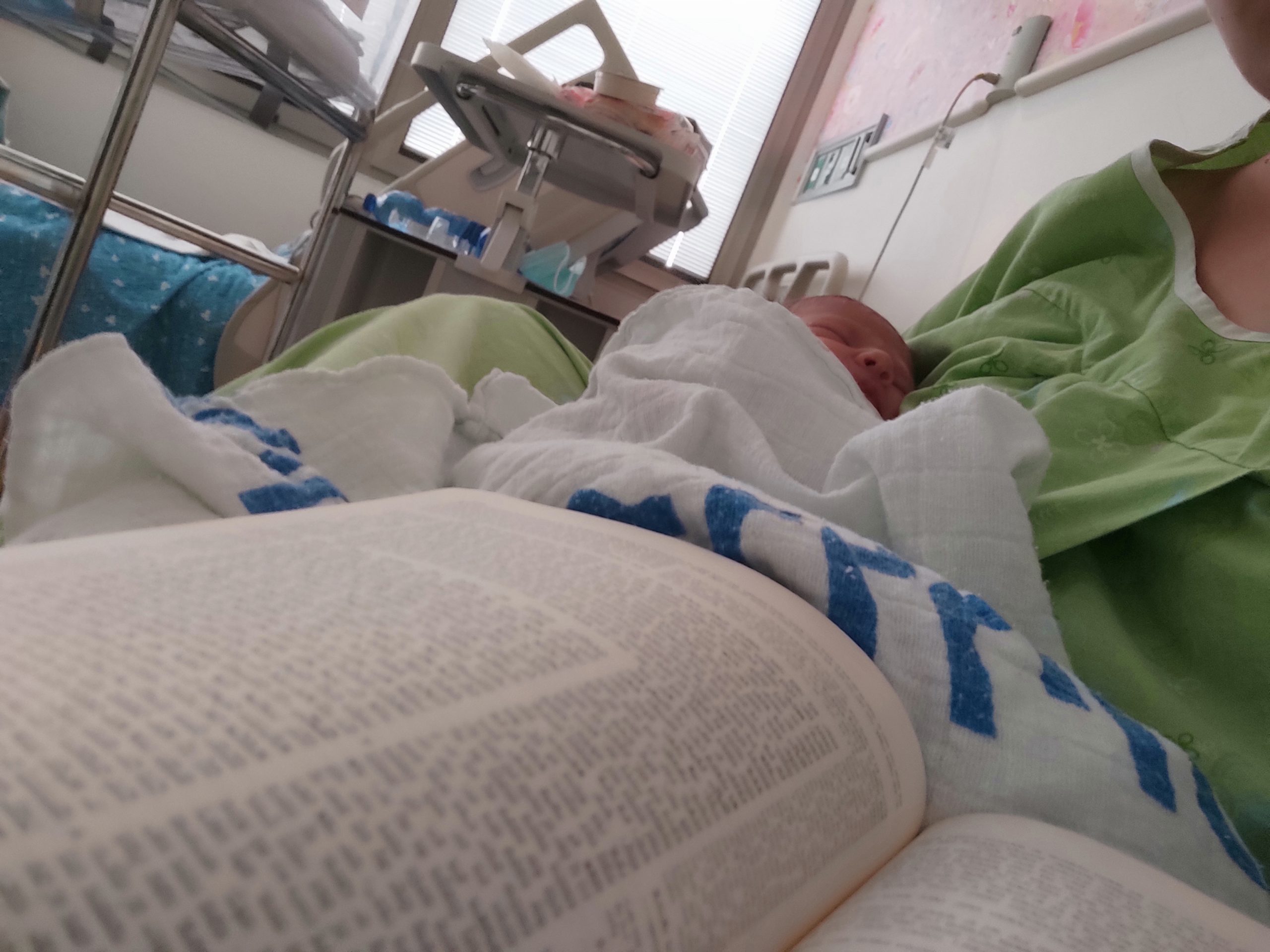
בתחילת הסבב הנוכחי הצטברו אצלי תחושות שאני לא מבינה מספיק מהי ההלכה אותה אני מקיימת בכל יום. כמו כן, כאמא לבנות רציתי לתת להן מודל נשי של לימוד תורה
שתי הסיבות האלו הובילו אותי להתחיל ללמוד. נתקלתי בתגובות מפרגנות וסקרניות איך אישה לומדת גמרא..
כמו שרואים בתמונה אני ממשיכה ללמוד גם היום ואפילו במחלקת יולדות אחרי לידת ביתי השלישית.

Noa Shiloh
נועה שילה

רבבה, ישראל

ראיתי את הסיום הגדול בבנייני האומה וכל כך התרשמתי ורציתי לקחת חלק.. אבל לקח לי עוד כשנה וחצי )באמצע מסיכת שבת להצטרף..
הלימוד חשוב לי מאוד.. אני תמיד במרדף אחרי הדף וגונבת כל פעם חצי דף כשהילדים עסוקים ומשלימה אח”כ אחרי שכולם הלכו לישון..

Olga Mizrahi
אולגה מזרחי

ירושלים, ישראל

אמא שלי למדה איתי ש”ס משנה, והתחילה ללמוד דף יומי. אני החלטתי שאני רוצה ללמוד גם. בהתחלה למדתי איתה, אח”כ הצטרפתי ללימוד דף יומי שהרב דני וינט מעביר לנוער בנים בעתניאל. במסכת עירובין עוד חברה הצטרפה אלי וכשהתחלנו פסחים הרב דני פתח לנו שעור דף יומי לבנות. מאז אנחנו לומדות איתו קבוע כל יום את הדף היומי (ובשבת אבא שלי מחליף אותו). אני נהנית מהלימוד, הוא מאתגר ומעניין

Renana Hellman
רננה הלמן

עתניאל, ישראל

בתחילת הסבב הנוכחי של לימוד הדף היומי, נחשפתי לחגיגות המרגשות באירועי הסיום ברחבי העולם. והבטחתי לעצמי שבקרוב אצטרף גם למעגל הלומדות. הסבב התחיל כאשר הייתי בתחילת דרכי בתוכנית קרן אריאל להכשרת יועצות הלכה של נשמ”ת. לא הצלחתי להוסיף את ההתחייבות לדף היומי על הלימוד האינטנסיבי של תוכנית היועצות. בבוקר למחרת המבחן הסופי בנשמ”ת, התחלתי את לימוד הדף במסכת סוכה ומאז לא הפסקתי.

Hana Shaham-Rozby (Dr.)
חנה שחם-רוזבי (ד”ר)

קרית גת, ישראל

כבר סיפרתי בסיום של מועד קטן.
הלימוד מאוד משפיעה על היום שלי כי אני לומדת עם רבנית מישל על הבוקר בזום. זה נותן טון לכל היום – בסיס למחשבות שלי .זה זכות גדול להתחיל את היום בלימוד ובתפילה. תודה רבה !

שרה-ברלוביץ
שרה ברלוביץ

ירושלים, ישראל

ראיתי את הסיום הגדול בבנייני האומה וכל כך התרשמתי ורציתי לקחת חלק.. אבל לקח לי עוד כשנה וחצי )באמצע מסיכת שבת להצטרף..
הלימוד חשוב לי מאוד.. אני תמיד במרדף אחרי הדף וגונבת כל פעם חצי דף כשהילדים עסוקים ומשלימה אח”כ אחרי שכולם הלכו לישון..

Olga Mizrahi
אולגה מזרחי

ירושלים, ישראל

אחרי שראיתי את הסיום הנשי של הדף היומי בבנייני האומה זה ריגש אותי ועורר בי את הרצון להצטרף. לא למדתי גמרא קודם לכן בכלל, אז הכל היה לי חדש, ולכן אני לומדת בעיקר מהשיעורים פה בהדרן, בשוטנשטיין או בחוברות ושיננתם.

Rebecca Schloss
רבקה שלוס

בית שמש, ישראל

אחי, שלומד דף יומי ממסכת ברכות, חיפש חברותא ללימוד מסכת ראש השנה והציע לי. החברותא היתה מאתגרת טכנית ורוב הזמן נעשתה דרך הטלפון, כך שבסיום המסכת נפרדו דרכינו. אחי חזר ללמוד לבד, אבל אני כבר נכבשתי בקסם הגמרא ושכנעתי את האיש שלי להצטרף אלי למסכת ביצה. מאז המשכנו הלאה, ועכשיו אנחנו מתרגשים לקראתו של סדר נשים!

Shulamit Saban
שולמית סבן

נוקדים, ישראל

רבנית מישל הציתה אש התלמוד בלבבות בביניני האומה ואני נדלקתי. היא פתחה פתח ותמכה במתחילות כמוני ואפשרה לנו להתקדם בצעדים נכונים וטובים. הקימה מערך שלם שמסובב את הלומדות בסביבה תומכת וכך נכנסתי למסלול לימוד מעשיר שאין כמוה. הדרן יצר קהילה גדולה וחזקה שמאפשרת התקדמות מכל נקודת מוצא. יש דיבוק לומדות שמחזק את ההתמדה של כולנו. כל פניה ושאלה נענית בזריזות ויסודיות. תודה גם למגי על כל העזרה.

Sarah Aber
שרה אבר

נתניה, ישראל

לפני 15 שנה, אחרי עשרות שנים של "ג’ינגול” בין משפחה לקריירה תובענית בהייטק, הצטרפתי לשיעורי גמרא במתן רעננה. הלימוד המעמיק והייחודי של הרבנית אושרה קורן יחד עם קבוצת הנשים המגוונת הייתה חוויה מאלפת ומעשירה. לפני כשמונה שנים כאשר מחזור הדף היומי הגיע למסכת תענית הצטרפתי כ”חברותא” לבעלי. זו השעה היומית שלנו ביחד כאשר דפי הגמרא משתלבים בחיי היום יום, משפיעים ומושפעים, וכשלא מספיקים תמיד משלימים בשבת

Yodi Askoff
יודי אסקוף

רעננה, ישראל

התחלתי מעט לפני תחילת הסבב הנוכחי. אני נהנית מהאתגר של להמשיך להתמיד, מרגעים של "אהה, מפה זה הגיע!” ומהאתגר האינטלקטואלי

Eilat-Chen and Deller
אילת-חן ודלר

לוד, ישראל

התחלתי ללמוד דף יומי בסבב הקודם. זכיתי לסיים אותו במעמד המרגש של הדרן. בסבב הראשון ליווה אותי הספק, שאולי לא אצליח לעמוד בקצב ולהתמיד. בסבב השני אני לומדת ברוגע, מתוך אמונה ביכולתי ללמוד ולסיים. בסבב הלימוד הראשון ליוותה אותי חוויה מסויימת של בדידות. הדרן העניקה לי קהילת לימוד ואחוות נשים. החוויה של סיום הש”ס במעמד כה גדול כשנשים שאינן מכירות אותי, שמחות ומתרגשות עבורי , היתה חוויה מרוממת נפש

Ilanit Weil
אילנית ווייל

קיבוץ מגדל עוז, ישראל

בבא מציעא כו

דִּשְׁתִיךְ טְפֵי.

where the item is extremely rusted, indicating that it had been left there for a long time.

בְּכוֹתֶל חָדָשׁ, מֵחֶצְיוֹ וְלַחוּץ – שֶׁלּוֹ, מֵחֶצְיוֹ וְלִפְנִים – שֶׁל בַּעַל הַבַּיִת.

§ The mishna teaches: If one found lost items in a new wall from its midpoint and outward, they belong to him. But if he found the items from its midpoint and inward, they belong to the homeowner.

אָמַר רַב אָשֵׁי: סַכִּינָא בָּתַר קַתָּא, וְכִיסָא בָּתַר שִׁנְצֵיהּ.

Rav Ashi said: The determination of ownership with regard to a knife found in a wall follows the handle, and the determination of ownership with regard to a money pouch follows the laces at the opening of the pouch. If the handle or laces face inward, they belong to the homeowner. If the handle or laces face outward, they belong to the finder.

וְאֶלָּא מַתְנִיתִין דְּקָתָנֵי: מֵחֶצְיוֹ וְלַחוּץ – שֶׁלּוֹ, מֵחֶצְיוֹ וְלִפְנִים – שֶׁל בַּעַל הַבַּיִת. וְלֶחְזֵי, אִי קַתָּא לְגָאו אִי קַתָּא לְבַר! אִי שִׁנְצֵיהּ לְגָאו אִי שִׁנְצֵיהּ לְבַר! מַתְנִיתִין בְּאוּדְרָא וּנְסָכָא.

The Gemara asks: But if so, what is the applicability of the ruling of the mishna, which teaches: If one found lost items in a new wall from its midpoint and outward, they belong to him, and from its midpoint and inward, they belong to the homeowner? But instead, to determine ownership, let us see if its handle faces inward or if its handle faces outward, or if its straps face inward or if its straps face outward. The Gemara answers: The mishna is referring to a case where one found rags or metal strips.

תָּנָא: אִם הָיָה כּוֹתֶל מְמוּלָּא מֵהֶן – חוֹלְקִין. פְּשִׁיטָא! לָא צְרִיכָא, דִּמְשַׁפַּע בְּחַד גִּיסָא, מַהוּ דְּתֵימָא: אִשְׁתְּפוֹכֵי אִישְׁתְּפוּךְ, קָא מַשְׁמַע לַן.

It is taught: If the hollow in the wall was filled with lost items, e.g., coins, the homeowner and the finder divide them. The Gemara asks: Isn’t that obvious? The Gemara answers: No, it is necessary to teach this only in a case where the hollow in the wall is inclined toward one side of the wall. Lest you say that all the items were initially on the elevated side, and due to the incline they slipped and filled the entire space, the tanna teaches us that the homeowner and the finder divide them.

אִם הָיָה מַשְׂכִּירוֹ לַאֲחֵרִים, אֲפִילּוּ מָצָא בְּתוֹךְ הַבַּיִת – הֲרֵי אֵלּוּ שֶׁלּוֹ. וְאַמַּאי? לֵיזִיל בָּתַר בָּתְרָא.

§ The mishna teaches: If the homeowner would rent the house to others on a regular basis and there was a steady turnover of residents, even if one found lost items inside the house, these belong to him. The Gemara asks: And why do they belong to the finder? Let us follow the last renter and determine that he is the owner of the items.

מִי לָא תְּנַן: מָעוֹת שֶׁנִּמְצְאוּ לִפְנֵי סוֹחֲרֵי בְּהֵמָה – לְעוֹלָם מַעֲשֵׂר, בְּהַר הַבַּיִת – חוּלִּין;

Didn’t we learn in a mishna (Shekalim 7:2): With regard to money that was found before animal merchants in Jerusalem, it is always assumed to be money of the second tithe, as most of the animals purchased in Jerusalem were bought with second-tithe money. This halakha applies both during a Festival and throughout the year, as people would typically purchase animals for meat with their second-tithe money. If the money was found on the Temple Mount it is considered non-sacred money. This halakha applies even during a Festival, when people would come to Jerusalem with second-tithe money in hand, as it can be assumed that one who entered the Temple Mount had already spent that money and only non-sacred money is left in his possession.

וּבִירוּשָׁלַיִם, בִּשְׁאָר יְמוֹת הַשָּׁנָה – חוּלִּין. בִּשְׁעַת הָרֶגֶל – הַכֹּל מַעֲשֵׂר.

The mishna continues: And if the coins were found elsewhere in Jerusalem, the following distinction applies: If it was found during the rest of the days of the year, it is considered non-sacred money. But if the money was found during the Festival, when many people would come to Jerusalem with their second-tithe money, all money is presumed to be second-tithe money.

וְאָמַר רַב שְׁמַעְיָה בַּר זְעֵירָא: מַאי טַעְמָא? הוֹאִיל וְשׁוּקֵי יְרוּשָׁלַיִם עֲשׂוּיִן לְהִתְכַּבֵּד בְּכׇל יוֹם. אַלְמָא אָמְרִינַן קַמָּאֵי קַמָּאֵי אֲזַלוּ, וְהָנֵי אַחֲרִינֵי נִינְהוּ. הָכָא נָמֵי: קַמָּא קַמָּא אֲזַל, וְהָנֵי דְּבָתְרָא הוּא!

And Rav Shemaya bar Ze’eira says in explanation of the mishna: What is the reason that during the rest of the year the money is considered non-sacred, even on the day after the Festival? Since the markets of Jerusalem tend to be cleaned every day, any money left there would already have been found by the street cleaners. Consequently, any money found there must have been left there recently. Apparently, we say that each of the first coins is gone, and these coins are other ones, i.e., they were left there after the conclusion of the Festival. Here too, with regard to lost items found in a rented house, why not say that the items belonging to each of the first renters are gone and these items belong to the last renter?

אָמַר רֵישׁ לָקִישׁ מִשּׁוּם בַּר קַפָּרָא: כְּגוֹן שֶׁעֲשָׂאוֹ פּוּנְדָּק לִשְׁלֹשָׁה יִשְׂרָאֵל.

Reish Lakish said in the name of bar Kappara: The mishna that states that the item belongs to the finder is referring to a case where the homeowner rendered his house an inn [pundak] for three Jews. Since it is unclear to which of them the item belonged, the owner despairs of its recovery.

שְׁמַע מִינַּהּ הֲלָכָה כְּרַבִּי שִׁמְעוֹן בֶּן אֶלְעָזָר אֲפִילּוּ בְּרוֹב יִשְׂרָאֵל!

The Gemara previously (see 24a) raised a dilemma with regard to the halakha stated by Rabbi Shimon ben Elazar that a lost item found in a location frequented by the multitudes belongs to the finder. Is the halakha in accordance with his ruling? Moreover, is his ruling specifically with regard to a location with a gentile majority, or is it even applicable in a location with a Jewish majority? Based on the opinion of bar Kappara, the Gemara suggests: Conclude from it that the halakha is in accordance with the opinion of Rabbi Shimon ben Elazar even in a location with a Jewish majority.

אֶלָּא אָמַר רַב מְנַשְּׁיָא בַּר יַעֲקֹב: כְּגוֹן שֶׁעֲשָׂאוֹ פּוּנְדָּק לִשְׁלֹשָׁה נָכְרִים.

The Gemara rejects this conclusion, and presents an alternative explanation of the latter clause of the mishna. Rather, Rav Menashya bar Ya’akov said: The mishna is referring to a case where he rendered his house an inn for three gentiles. According to that explanation, perhaps Rabbi Shimon ben Elazar issued his ruling specifically in a location with a gentile majority.

רַב נַחְמָן אָמַר רַבָּה בַּר אֲבוּהּ: אֲפִילּוּ תֵּימָא לִשְׁלֹשָׁה יִשְׂרָאֵל, מַאי טַעְמָא? הָהוּא דִּנְפַל מִינֵּיהּ מִיָּאַשׁ, מֵימָר אָמַר: מִכְּדֵי אִינִישׁ אַחֲרִינָא לָא הֲוָה בַּהֲדַי אֶלָּא הָנֵי, אֲמַרִי קַמַּיְיהוּ כַּמָּה זִמְנֵי לַיהְדְּרוּ לִי, וְלָא [אַ]הְדַּרוּ לִי, וְהַשְׁתָּא לַיהְדְּרוּ?! אִי דַּעְתַּיְיהוּ לְאַהְדּוֹרַהּ אַהְדְּרוּהָ נִיהֲלִי, וְהַאי דְּלָא אַהְדְּרוּהָ לִי בְּדַעְתַּיְיהוּ לְמִיגְזְלַהּ.

Rav Naḥman said that Rabba bar Avuh said: Even if you say that the owner rendered his house an inn for three Jews, one cannot conclude that Rabbi Shimon ben Elazar issued his ruling even in an area with a Jewish majority. What is the reason that the item belongs to the finder? It is because the person from whom the item fell despairs of its recovery. The one who lost the item says: Now, no other person was with me here, only these residents of the inn. I said in their presence several times to return the item to me, and they did not return it to me; and is it likely that now they are going to return it? If their intention was to return the item, they would have already returned it to me, and the fact that they did not yet return it to me indicates that it is their intention to rob me of the item.

וְאַזְדָּא רַב נַחְמָן לְטַעְמֵיהּ, דְּאָמַר רַב נַחְמָן: רָאָה סֶלַע

And Rav Naḥman follows his standard line of reasoning, as Rav Naḥman says: If one saw a sela coin

שֶׁנָּפַל מִשְּׁנַיִם חַיָּיב לְהַחְזִיר. מַאי טַעְמָא? הָהוּא דִּנְפַל מִינֵּיהּ לָא מִיָּאַשׁ, מֵימָר אָמַר: מִכְּדֵי אִינִישׁ אַחֲרִינָא לָא הֲוָה בַּהֲדַאי אֶלָּא הַאי, נָקֵיטְנָא לֵיהּ וְאָמֵינָא לֵיהּ: אַנְתְּ הוּא דִּשְׁקַלְתֵּיהּ.

that fell from one of two people, he is obligated to return it. What is the reason? The person from whom the sela fell does not despair of recovering it. He says: After all, no other person was with me, only this one who was with me, as he is unaware that the sela was found by a third party. He therefore thinks: I will seize him and say to him: It is you who took it.

בִּשְׁלֹשָׁה אֵינוֹ חַיָּיב לְהַחְזִיר. מַאי טַעְמָא? הָהוּא דִּנְפַל מִינֵּיהּ וַדַּאי מִיָּאַשׁ, מֵימָר אָמַר: מִכְּדֵי תְּרֵי הֲווֹ בַּהֲדַאי, אִי נָקֵיטְנָא לְהַאי אָמַר: ״לָא שְׁקַלְתֵּיהּ״, וְאִי נָקֵיטְנָא לְהַאי אָמַר: ״לָא שְׁקַלְתֵּיהּ״.

In a case where the coin fell from one of three people, the finder is not obligated to return it. What is the reason? The person from whom the sela fell certainly despairs of recovering it. He says: After all, two other people were with me. If I seize this one, he will say: I did not take it. And if I seize that one, he will say: I did not take it. Since he cannot make a definitive claim, he despairs of recovering his coin.

אָמַר רָבָא: הַאי דְּאָמְרַתְּ בִּשְׁלֹשָׁה אֵינוֹ חַיָּיב לְהַחְזִיר – לָא אֲמַרַן אֶלָּא דְּלֵית בֵּיהּ שָׁוֶה פְּרוּטָה לְכׇל חַד וְחַד, אֲבָל אִית בֵּיהּ שָׁוֶה פְּרוּטָה לְכׇל חַד וְחַד – חַיָּיב לְהַחְזִיר. מַאי טַעְמָא? אֵימוֹר שׁוּתָּפֵי נִינְהוּ וְלָא מִיָּאֲשׁוּ.

Based on the fact that by Torah law, one must return a lost item to its owner only if it is worth one peruta, Rava said: With regard to that which you said, that in a case where the coin fell from one of three people the finder is not obligated to return it, we said this only in a case where the total value of the lost coin, when divided by three, does not amount to the value of one peruta for each and every one of them; but if it amounts to the value of one peruta for each and every one of them, he is obligated to return it. What is the reason? Say that perhaps they are partners, i.e., they own the coin jointly; consequently, they do not despair, as each assumes that one of the other two found it and is holding it for the three of them.

אִיכָּא דְּאָמְרִי, אָמַר רָבָא: אַף עַל גַּב דְּלֵית בֵּיהּ אֶלָּא שָׁוֶה שְׁתֵּי פְרוּטוֹת – חַיָּיב לְהַחְזִיר, מַאי טַעְמָא? אֵימוֹר שׁוּתָּפֵי נִינְהוּ וְחַד מִנַּיְיהוּ אַחוֹלֵי אַחֲלֵיהּ לִמְנָתֵיהּ גַּבֵּי חַבְרֵיהּ.

There are those who say that Rava said: Even if its total value is only two perutot, which is insufficient to provide each of the three partners with one peruta, one is obligated to return it. What is the reason? Say that perhaps they are partners and one relinquishes his share to another. In that case, the remaining two partners each have a one peruta share, rendering the finder liable to return it.

וְאָמַר רָבָא: רָאָה סֶלַע שֶׁנָּפְלָה, נְטָלָהּ לִפְנֵי יֵאוּשׁ עַל מְנָת לְגוֹזְלָהּ – עוֹבֵר בְּכוּלָּן: מִשּׁוּם ״לֹא תִגְזוֹל״, וּמִשּׁוּם ״הָשֵׁב תְּשִׁיבֵם״, וּמִשּׁוּם ״לֹא תוּכַל לְהִתְעַלֵּם״. וְאַף עַל גַּב (דַּחֲזָרָה) [דְּאַהְדְּרַהּ] לְאַחַר יֵאוּשׁ, מַתָּנָה הוּא דְּיָהֵיב לֵיהּ, וְאִיסּוּרָא דַּעֲבַד – עֲבַד.

§ And Rava says: In a case where one saw a sela coin that fell from another, if he took the coin in order to steal it, before the despair of the owner, he violates all of the following mitzvot: He is liable due to the prohibition: “You shall not…rob” (Leviticus 19:13); and due to the positive mitzva, stated with regard to found items, of: “You shall return them to your brother” (Deuteronomy 22:1), and due to the prohibition, stated with regard to one who finds an item: “You may not disregard” (Deuteronomy 22:3). And even if he returned it after the despair of the owner, it is merely a gift that he gave him; and the transgression that he performed, he performed, and he remains in violation of these mitzvot.

נְטָלָהּ לִפְנֵי יֵאוּשׁ עַל מְנָת לְהַחְזִירָהּ, וּלְאַחַר יֵאוּשׁ נִתְכַּוֵּין לְגוֹזְלָהּ – עוֹבֵר מִשּׁוּם ״הָשֵׁב תְּשִׁיבֵם״.

Rava continues: If he took the coin in order to return it, before the despair of the owner, and then, after the despair of the owner, he intended to steal it; he violates a commandment, due to his failure to fulfill the positive mitzva of: “You shall return them to your brother.” He does not violate the prohibition: “You shall not…rob,” because at the time he took the coin he did not intend to keep it. And he does not violate the prohibition: “You may not disregard,” because he did not disregard the lost item. He took it with the intention of returning it.

הִמְתִּין לָהּ עַד שֶׁנִּתְיָאֲשׁוּ הַבְּעָלִים וּנְטָלָהּ, אֵינוֹ עוֹבֵר אֶלָּא מִשּׁוּם ״לֹא תוּכַל לְהִתְעַלֵּם״ בִּלְבָד.

If he waited until the owner despaired of recovering the lost item and only then took it, he violates a commandment, but only due to his failure to fulfill the positive mitzva of: “You may not disregard,” as he took no action to return the lost item to its owner.

אָמַר רָבָא: הַאי מַאן דְּחָזֵי דִּנְפוּל זוּזֵי מֵחַבְרֵיהּ בֵּי חָלָתָא וְאַשְׁכְּחֵיהּ וְשַׁקְלֵיהּ – לָא מִיחַיַּיב לְאַהְדּוֹרֵי לֵיהּ, מַאי טַעְמָא? הָהוּא דִּנְפַל מִינֵּיהּ מִיָּאַשׁ הוּא. אַף עַל גַּב דְּחַזְיֵיהּ דְּאַיְיתִי אַרְבְּלָא וְקָא מְרַבֵּל, מֵימָר אָמַר: כִּי הֵיכִי דִּנְפוּל מִינַּאי דִּידִי הָכִי נְפוּל מֵאִינִישׁ אַחֲרִינָא וּמַשְׁכַּחְנָא מִידֵּי.

Rava says: In the case of this person who saw that a dinar coin fell from another into the sand, and then he found it and took it, he is not obligated to return it to its owner. What is the reason? The reason is that the one from whom the money fell despairs of finding it. Even if the finder sees that the owner brought a sifter and is sifting through the sand, ostensibly indicating that he did not despair of finding his coin, perhaps the owner is saying: Just as a coin fell from me in the sand, so too, a coin fell from another person and I will find some item to offset my loss.

מַתְנִי׳ מָצָא בַּחֲנוּת – הֲרֵי אֵלּוּ שֶׁלּוֹ. בֵּין הַתֵּיבָה וְלַחֶנְוָנִי – שֶׁל חֶנְוָנִי. לִפְנֵי שׁוּלְחָנִי – הֲרֵי אֵלּוּ שֶׁלּוֹ. בֵּין הַכִּסֵּא וְלַשּׁוּלְחָנִי – הֲרֵי אֵלּוּ שֶׁל שׁוּלְחָנִי.

MISHNA: If one found items without a distinguishing mark in a store, those items belong to him, as, since the store is frequented by the multitudes, the owner despairs of its recovery. If the items were found between the storekeeper’s counter and the storekeeper, the items belong to the storekeeper; since his customers do not typically have access to that area, presumably the items are his. If one found coins before a money changer, those coins belong to him. If the coins were found between the money changer’s chair and the money changer, those coins belong to the money changer, because his clients do not typically have access to that area.

הַלּוֹקֵחַ פֵּירוֹת מֵחֲבֵירוֹ, אוֹ שֶׁשִּׁילַּח לוֹ חֲבֵירוֹ פֵּירוֹת, וּמָצָא בָּהֶן מָעוֹת – הֲרֵי אֵלּוּ שֶׁלּוֹ. אִם הָיוּ צְרוּרִין – נוֹטֵל וּמַכְרִיז.

In the case of one who purchases produce from another or in a case where another sent him produce as a gift, and he found coins intermingled with the produce, those coins belong to him. If the coins were bundled, this serves as a distinguishing mark and the finder takes the coins and proclaims his find.

גְּמָ׳ אָמַר רַבִּי אֶלְעָזָר: אֲפִילּוּ מוּנָּחִין עַל גַּבֵּי שׁוּלְחָן.

GEMARA: The mishna teaches that if one found coins before a money changer, those coins belong to him. Rabbi Elazar says: Even if the coins were found placed upon the table itself they belong to the finder.

תְּנַן: לִפְנֵי שׁוּלְחָנִי – הֲרֵי אֵלּוּ שֶׁלּוֹ. הָא, עַל גַּבֵּי שׁוּלְחָן – דְּשׁוּלְחָנִי! אֵימָא סֵיפָא: בֵּין הַכִּסֵּא וְלַשּׁוּלְחָנִי – שֶׁל שׁוּלְחָנִי! הָא, עַל גַּבֵּי שׁוּלְחָן שֶׁלּוֹ. אֶלָּא מֵהָא לֵיכָּא לְמִשְׁמַע מִינַּהּ.

The Gemara challenges: We learned in the mishna: If one found coins before a money changer, those coins belong to him; this indicates by inference that if they were found upon the table, the coins belong to the money changer. The Gemara responds: Say the latter clause of the mishna: If the coins were found between the money changer’s chair and the money changer, those coins belong to the money changer; this indicates by inference that if they were found upon the table, the coins belong to the finder. The Gemara concludes: Rather, due to the contradictory inferences from the first and the latter clauses, no inference is to be learned from this mishna.

וְרַבִּי אֶלְעָזָר, הָא מְנָא לֵיהּ? אָמַר רָבָא: מַתְנִיתִין קְשִׁיתֵיהּ. מַאי אִרְיָא דְּתָנֵי ״בֵּין הַכִּסֵּא לַשּׁוּלְחָנִי שֶׁל שׁוּלְחָנִי״? לִיתְנֵי ״עַל שׁוּלְחָן״, אִי נָמֵי: ״מָצָא בַּשּׁוּלְחָנוּת״ כִּדְקָתָנֵי רֵישָׁא ״מָצָא בַּחֲנוּת שֶׁלּוֹ״. אֶלָּא שְׁמַע מִינַּהּ: אֲפִילּוּ מוּנָּחִין עַל גַּבֵּי שׁוּלְחָן – הֲרֵי אֵלּוּ שֶׁלּוֹ.

The Gemara asks: And Rabbi Elazar himself, from where does he derive this halakha that coins found on the table belong to the finder, given that apparently one cannot infer this ruling from the mishna? Rava said: The mishna is difficult for him: Why did the tanna teach specifically that when the coins are found between the money changer’s chair and the money changer, those coins belong to the money changer? Let the tanna teach instead: If the coins were found on the table, or: If the coins were found in the money-changing establishment, as it is taught in the first clause of the mishna: If one found items without a distinguishing mark in a store, those items belong to him. Rather, learn from it that since the money changer typically places his money in his drawer, even if the coins were found placed upon the table itself these coins belong to him.

הַלּוֹקֵחַ פֵּירוֹת מֵחֲבֵירוֹ וְכוּ׳. אָמַר רֵישׁ לָקִישׁ מִשּׁוּם רַבִּי יַנַּאי: לֹא שָׁנוּ אֶלָּא

§ The mishna teaches: In the case of one who purchases produce from another, and he found coins intermingled with the produce, those coins belong to him. Reish Lakish says in the name of Rabbi Yannai: The Sages taught this only

רוצה לעקוב אחרי התכנים ולהמשיך ללמוד?

ביצירת חשבון עוד היום ניתן לעקוב אחרי ההתקדמות שלך, לסמן מה למדת, ולעקוב אחרי השיעורים שמעניינים אותך.

לנקות את כל הפריטים מהרשימה?

פעולה זו תסיר את כל הפריטים בחלק זה כולל ההתקדמות וההיסטוריה. שימי לב: לא ניתן לשחזר פעולה זו.

ביטול
מחיקה

האם את/ה בטוח/ה שברצונך למחוק פריט זה?

תאבד/י את כל ההתקדמות או ההיסטוריה הקשורות לפריט זה.

ביטול
מחיקה