חיפוש

בבא מציעא מב

רוצה להקדיש לימוד?

תקציר

הדף היום מוקדש ע”י שרה ברלוביץ לכבוד האירוסין של בתה אסתי ברואנר לג’ייסון אסט, אחיין של טינה לם!

מהי רמת השמירה הדרושה לפריטים שונים? איך אנשים אמורים לשמור כסף? איך זה השתנה עם הזמן? מובאים מקרים שונים המתייחסים לנושאים שונים – תחילתו בפשיעה וסופו באונס, שומר שמסר לבן משפחתו לשמור ולא אמר לו שזה פריט של מישהו אחר, או אפוטרופוס שקנה שור ללא שיניים ונתן אותו לרועה לשמור מבלי להודיעו שלבעל החיים אין שיניים ואינו יכול לאכול. על מי אפשר להטיל את האחריות?

בבא מציעא מב

מַתְנִי׳ הַמַּפְקִיד מָעוֹת אֵצֶל חֲבֵרוֹ, צְרָרָן וְהִפְשִׁילָן לַאֲחוֹרָיו, אוֹ שֶׁמְּסָרָם לִבְנוֹ וּלְבִתּוֹ הַקְּטַנִּים, וְנָעַל בִּפְנֵיהֶם שֶׁלֹּא כָּרָאוּי – חַיָּיב, שֶׁלֹּא שִׁימֵּר כְּדֶרֶךְ הַשּׁוֹמְרִים. וְאִם שִׁימֵּר כְּדֶרֶךְ הַשּׁוֹמְרִים – פָּטוּר.

MISHNA: In the case of one who deposited coins with another, and that bailee bound it in a cloth and slung it behind him, or conveyed them to his minor son or daughter for safeguarding, or locked the door before them in an inappropriate, i.e., insufficient, manner to secure them, the bailee is liable to pay for the coins, as he did not safeguard the coins in the manner typical of bailees. But if he safeguarded the money in the manner that bailees safeguard items and it was nevertheless stolen, he is exempt.

גְּמָ׳ בִּשְׁלָמָא כּוּלְּהוּ שֶׁלֹּא שִׁימֵּר כְּדֶרֶךְ הַשּׁוֹמְרִים. אֶלָּא צְרָרָן וְהִפְשִׁילָן לַאֲחוֹרָיו, מַאי הֲוָה לֵיהּ לְמִיעְבַּד? אָמַר רָבָא אָמַר רַבִּי יִצְחָק אָמַר קְרָא: ״וְצַרְתָּ הַכֶּסֶף בְּיָדְךָ״, אַף עַל פִּי שֶׁצְּרוּרִין – יִהְיוּ בְּיָדְךָ.

GEMARA: Granted, for all the other cases, the bailee is liable to pay, as he did not safeguard the money in the manner that bailees safeguard items. But if the bailee bound it in a cloth and slung it behind him, what more was he to do? Rava says that Rabbi Yitzḥak said: The verse states: “And you shall bind up the money in your hand” (Deuteronomy 14:25), from which it is derived: Although it is bound, in order to safeguard the money, it must be in your hand.

וְאָמַר רַבִּי יִצְחָק: לְעוֹלָם יְהֵא כַּסְפּוֹ שֶׁל אָדָם מָצוּי בְּיָדוֹ, שֶׁנֶּאֱמַר: ״וְצַרְתָּ הַכֶּסֶף בְּיָדְךָ״. וְאָמַר רַבִּי יִצְחָק: לְעוֹלָם יַשְׁלִישׁ אָדָם אֶת מְעוֹתָיו, שְׁלִישׁ בְּקַרְקַע, וּשְׁלִישׁ בִּפְרַקְמַטְיָא, וּשְׁלִישׁ תַּחַת יָדוֹ.

And apropos that verse, Rabbi Yitzḥak says: A person’s money should always be found in his possession. He should not invest all of his money, leaving him with no money available for expenditures, as it is stated: “And you shall bind up the money in your hand.” And Rabbi Yitzḥak says: A person should always divide his money into three; he should bury one-third in the ground, and invest one-third in business [bifrakmatya], and keep one-third in his possession.

וְאָמַר רַבִּי יִצְחָק: אֵין הַבְּרָכָה מְצוּיָה אֶלָּא בְּדָבָר הַסָּמוּי מִן הָעַיִן, שֶׁנֶּאֱמַר: ״יְצַו ה׳ אִתְּךָ אֶת הַבְּרָכָה בַּאֲסָמֶיךָ״. תָּנָא דְּבֵי רַבִּי יִשְׁמָעֵאל: אֵין הַבְּרָכָה מְצוּיָה אֶלָּא בְּדָבָר שֶׁאֵין הָעַיִן שׁוֹלֶטֶת בּוֹ, שֶׁנֶּאֱמַר: ״יְצַו ה׳ אִתְּךָ אֶת הַבְּרָכָה בַּאֲסָמֶיךָ״.

And Rabbi Yitzḥak says: Blessing is found only in a matter concealed from the eye, as it is stated: “The Lord will command blessing with you in your storehouses” (Deuteronomy 28:8), where the grain is concealed. The school of Rabbi Yishmael taught: Blessing is found only in a matter over which the eye has no dominion, as it is stated: “The Lord will command blessing with you in your storehouses.”

תָּנוּ רַבָּנַן: הַהוֹלֵךְ לָמוֹד אֶת גּוֹרְנוֹ, אוֹמֵר: ״יְהִי רָצוֹן מִלְּפָנֶיךָ ה׳ אֱלֹהֵינוּ שֶׁתִּשְׁלַח בְּרָכָה בְּמַעֲשֵׂה יָדֵינוּ״. הִתְחִיל לָמוֹד, אוֹמֵר: ״בָּרוּךְ הַשּׁוֹלֵחַ בְּרָכָה בַּכְּרִי הַזֶּה״. מָדַד וְאַחַר כָּךְ בֵּירַךְ – הֲרֵי זֶה תְּפִילַּת שָׁוְא, לְפִי שֶׁאֵין הַבְּרָכָה מְצוּיָה לֹא בְּדָבָר הַשָּׁקוּל וְלֹא בְּדָבָר הַמָּדוּד וְלֹא בְּדָבָר הַמָּנוּי, אֶלָּא בְּדָבָר הַסָּמוּי מִן הָעַיִן, שֶׁנֶּאֱמַר: ״יְצַו ה׳ אִתְּךָ אֶת הַבְּרָכָה בַּאֲסָמֶיךָ״.

The Sages taught: One who goes to measure the grain on his threshing floor recites: May it be Your will, O Lord, our God, that You send blessing upon the product of our hands. If one began to measure the grain he says: Blessed is He Who sends blessing upon this pile of grain. If one measured and afterward recited this blessing, this is a prayer made in vain, because blessing is found neither in a matter that is weighed, nor in a matter that is measured, nor in a matter that is counted. Rather, it is found in a matter concealed from the eye, as it is stated: “The Lord will command blessing with you in your storehouses.”

אָמַר שְׁמוּאֵל: כְּסָפִים אֵין לָהֶם שְׁמִירָה אֶלָּא בַּקַּרְקַע. אָמַר רָבָא: וּמוֹדֵי שְׁמוּאֵל בְּעֶרֶב שַׁבָּת בֵּין הַשְּׁמָשׁוֹת, דְּלָא אַטְרְחוּהּ רַבָּנַן. וְאִי שְׁהָא לְמוֹצָאֵי שַׁבָּת שִׁעוּר לְמִקְבְּרִינְהוּ וְלָא קַבְרִינְהוּ – מְחַיַּיב. וְאִי צוּרְבָּא מֵרַבָּנַן הוּא סָבַר: דִּלְמָא מִיבְּעֵי לֵיהּ זוּזֵי לְאַבְדַּלְתָּא.

§ Shmuel says: There is safeguarding for money only in the ground. Rava said: And Shmuel concedes if one received a deposit on Shabbat eve at twilight, that the Rabbis did not impose upon him to bury it in the ground immediately. And if, at the conclusion of Shabbat, he delayed and did not bury the money within the period of time needed to bury it, he is liable to pay the owner if it is stolen. And if the one who deposited the money is a Torah scholar and the bailee thought: Perhaps he requires money for havdala, and that is the reason that he did not bury the money immediately, then he may delay burying the money a bit longer.

וְהָאִידָּנָא דִּשְׁכִיחִי גָּשׁוֹשָׁאֵי – אֵין לָהֶן שְׁמִירָה אֶלָּא בִּשְׁמֵי קוֹרָה. וְהָאִידָּנָא דִּשְׁכִיחִי פָּרוֹמָאֵי – אֵין לָהֶם שְׁמִירָה אֶלָּא בֵּינֵי אוּרְבֵי. אָמַר רָבָא: וּמוֹדֶה שְׁמוּאֵל בְּכוֹתֶל, אִי נָמֵי בֵּין הַקְּרָנוֹת. וְהָאִידָּנָא דִּשְׁכִיחִי טָפוֹחָאֵי – אֵין לָהֶן שְׁמִירָה אֶלָּא בְּטֶפַח הַסָּמוּךְ לַקַּרְקַע, אוֹ בְּטֶפַח הַסָּמוּךְ לִשְׁמֵי קוֹרָה.

The Gemara comments: And now that rummagers, who dig to find and steal buried property, are commonplace, there is safeguarding for money only in the beams of the roof of a house. The Gemara comments: And now that dismantlers, who attempt to find and steal property hidden in beams, are commonplace, there is safeguarding for money only between the bricks of a wall. Rava said: And Shmuel concedes that money can be safeguarded in the wall or, alternatively, between the corners of the house. And now that tappers, who tap on walls to find and steal property hidden there, are commonplace, there is safeguarding for money only in the handbreadth of the wall adjacent to the ground or in the handbreadth of the wall adjacent to the ceiling, as tapping on the wall will not reveal their existence.

אֲמַר לֵיהּ רַב אַחָא בְּרֵיהּ דְּרַב יוֹסֵף לְרַב אָשֵׁי: הָתָם תְּנַן: חָמֵץ שֶׁנָּפְלָה עָלָיו מַפּוֹלֶת – הֲרֵי הוּא כִּמְבוֹעָר. רַבָּן שִׁמְעוֹן בֶּן גַּמְלִיאֵל אוֹמֵר: כֹּל שֶׁאֵין הַכֶּלֶב יָכוֹל לְחַפֵּשׂ אַחֲרָיו. וְתָנָא: כַּמָּה חֲפִישַׂת הַכֶּלֶב – שְׁלֹשָׁה טְפָחִים. הָכָא מַאי? מִי בָּעֵינַן שְׁלֹשָׁה טְפָחִים אוֹ לָא?

Rav Aḥa, son of Rav Yosef, said to Rav Ashi: We learned in a mishna there (Pesaḥim 31b): The legal status of leavened bread upon which a rockslide fell is like that of leavened bread that was eliminated, as it will remain there forever. Rabban Shimon ben Gamliel says: This ruling applies in any case where the leavened bread is covered to the extent that a dog is unable to detect it. And it is taught: How much is the measure of detection of a dog? It is three handbreadths. The question is: Here, what is the halakha? Do we require the money to be buried at a depth of three handbreadths or not?

אֲמַר לֵיהּ: הָתָם מִשּׁוּם רֵיחָא – בָּעֵינַן שְׁלֹשָׁה טְפָחִים. הָכָא מִשּׁוּם אִיכַּסּוֹיֵי מֵעֵינָא – לָא בָּעֵינַן שְׁלֹשָׁה טְפָחִים. וְכַמָּה? אָמַר רַפְרָם מִסִּיכְרָא: טֶפַח.

Rav Ashi said to Rav Aḥa: There, with regard to bread, it is due to the scent that we require three handbreadths to obscure it from the dog. Here, with regard to money, it is because it must be obscured from the eye that we bury it. Scent is not relevant, and therefore we do not need three handbreadths. The Gemara asks: And how deep must the money be buried? Rafram from Sikhera said: One handbreadth.

הָהוּא גַּבְרָא דְּאַפְקֵיד זוּזֵי גַּבֵּי חַבְרֵיהּ, אוֹתְבִינְהוּ בִּצְרִיפָא דְאוּרְבָּנֵי, אִיגְּנוּב. אָמַר רַב יוֹסֵף: אַף עַל גַּב דִּלְעִנְיַן גַּנָּבֵי – נְטִירוּתָא הִיא, לְעִנְיַן נוּרָא – פְּשִׁיעוּתָא הִיא, הָוֵה תְּחִילָּתוֹ בִּפְשִׁיעָה וְסוֹפוֹ בְּאוֹנֶס – חַיָּיב. וְאִיכָּא דְּאָמְרִי: אַף עַל גַּב דִּלְעִנְיַן נוּרָא – פְּשִׁיעוּתָא הִיא, לְעִנְיַן גַּנָּבֵי – נְטִירוּתָא הִיא, וּתְחִלָּתוֹ בִּפְשִׁיעָה וְסוֹפוֹ בְּאוֹנֶס – פָּטוּר. וְהִילְכְתָא: תְּחִילָּתוֹ בִּפְשִׁיעָה וְסוֹפוֹ בְּאוֹנֶס – חַיָּיב.

The Gemara relates: There was a certain man who deposited money with another, and the bailee placed it in a willow hut from which the money was stolen. Rav Yosef said: Although with regard to thieves, placing the money in the hut is effective safeguarding, with regard to fire it is negligence, as it is likely to burn. Therefore, it is a case where the incident was initially through negligence and ultimately by accident, and the bailee is liable to pay. And some say: Although with regard to fire it is negligence, with regard to thieves it is effective safeguarding. Therefore, it is a case where the beginning of the incident was negligence and ultimately the damage was caused by accident, and the bailee is exempt. The Gemara concludes: And the halakha is: In a case where the incident was initially through negligence and ultimately by accident, the bailee is liable to pay.

הָהוּא גַּבְרָא דְּאַפְקֵיד זוּזֵי גַּבֵּי חַבְרֵיהּ, אֲמַר לֵיהּ: הַב לִי זוּזַאי! אֲמַר לֵיהּ: לָא יָדַעְנָא הֵיכָא אוֹתְבִינְהוּ. אֲתָא לְקַמֵּיהּ דְּרָבָא, אֲמַר לֵיהּ: כֹּל ״לָא יָדַעְנָא״ פְּשִׁיעוּתָא הִיא, זִיל שַׁלֵּם.

The Gemara relates: There was a certain man who deposited money with another. Eventually, the owner of the money said to the bailee: Give me my money. The bailee said to him: I do not know where I placed it. The matter came before Rava, who said to the bailee: Every circumstance where a bailee claims: I do not know, is in and of itself negligence; go pay.

הָהוּא גַּבְרָא דְּאַפְקֵיד זוּזֵי גַּבֵּי חַבְרֵיהּ, אַשְׁלְמִינְהוּ לְאִימֵּיהּ, וְאוֹתְבִינְהוּ בְּקַרְטְלִיתָא, וְאִיגְּנוּב. אָמַר רָבָא: הֵיכִי נְדַיְינוּ דַּיָּינֵי לְהַאי דִּינָא?

The Gemara relates: There was a certain man who deposited money with another. The bailee gave the money to his mother, and she placed the money in a chest [bekartalita], and it was stolen. Rava said: How should judges rule in this case?

נֵימָא לֵיהּ לְדִידֵיהּ: זִיל שַׁלֵּים, אָמַר:

Let us say to the bailee: Go pay. But he can say: There is a principle:

כׇּל הַמַּפְקִיד, עַל דַּעַת אִשְׁתּוֹ וּבָנָיו הוּא מַפְקִיד.

With regard to anyone who deposits an item with another, it is with the awareness that at times, the bailee’s wife and his children will safeguard the item that he deposits it. Therefore, I was within my rights to give the deposit to my mother.

נֵימָא לַהּ לְאִימֵּיהּ: זִילִי שַׁלִּימִי, אָמְרָה: לָא אֲמַר לִי דְּלָאו דִּידֵיהּ נִינְהוּ דְּאֶקְבְּרִינְהוּ.

Let us say to his mother: Go and pay. She can say: My son did not tell me that the money is not his so that I should bury it, which is the optimal method to safeguard money.

נֵימָא לֵיהּ: אַמַּאי לָא אֲמַרְתְּ לַהּ? אָמַר: כׇּל שֶׁכֵּן, דְּכִי אָמֵינָא לַהּ דְּדִידִי נִינְהוּ – טְפֵי מִזְדַּהֲרָא בְּהוּ.

Let us say to the bailee: Why did you not say to her that the money is not yours? He can say: All the more so that my omission of this information was preferable, as when I say to her that the money is mine, she is even more careful with it.

אֶלָּא אָמַר רָבָא: מִשְׁתְּבַע אִיהוּ דְּהָנְהוּ זוּזֵי אַשְׁלְמִינְהוּ לְאִימֵּיהּ, וּמִשְׁתַּבְעָא אִימֵּיהּ דְּהָנְהוּ זוּזֵי אוֹתְבִינְהוּ בְּקַרְטְלִיתָא וְאִיגְּנוּב – וּפָטוּר.

Rather, Rava said: The bailee takes an oath that he gave the money to his mother, and his mother takes an oath that she placed the money in the chest and it was stolen, and the bailee is exempt from payment.

הָהוּא אַפּוֹטְרוֹפָּא דְיַתְמֵי דִּזְבַן לְהוּ תּוֹרָא לְיַתְמֵי וּמַסְרֵיהּ לְבַקָּרָא. לָא הֲווֹ לֵיהּ כַּכֵּי וְשִׁינֵּי לְמֵיכַל, וּמִית. אָמַר רָמֵי בַּר חָמָא: הֵיכִי נְדַיְינוּ דַּיָּינֵי לְהַאי דִּינָא?

The Gemara relates: There was a certain steward who acted on behalf of orphans, who purchased an ox for the orphans and passed it to the cowherd. This ox did not have molars and other teeth with which to eat, and the ox died because it was unable to eat the standard food of oxen. Rami bar Ḥama said: How should judges rule in this case?

נֵימָא לֵיהּ לְאַפּוֹטְרוֹפָּא: זִיל שַׁלֵּים, אָמַר: אֲנָא לְבַקָּרָא מְסַרְתֵּיהּ.

Let them say to the steward: Go pay for the dead ox. But he can say: I gave it to the cowherd with the expectation that he would care for it.

נֵימָא לֵיהּ לְבַקָּרָא: זִיל שַׁלֵּים, אָמַר: אֲנָא בַּהֲדֵי תּוֹרֵי אוֹקֵימְתֵּיהּ, אוּכְלָא שְׁדַאי לֵיהּ, לָא הֲוָה יָדַעְינָא דְּלָא אֲכַל.

Let us say to the cowherd: Go pay for the dead ox. He can say: I placed the ox with other oxen and I threw food before it. We did not know that it did not eat.

מִכְּדֵי בַּקָּרָא שׁוֹמֵר שָׂכָר דְּיַתְמֵי הוּא! אִיבְּעִי לֵיהּ לְעַיּוֹנֵי אִי אִיכָּא פְּסֵידָא דְיַתְמֵי. הָכִי נָמֵי, וְהָכָא בְּמַאי עָסְקִינַן – דְּלֵיכָּא פְּסֵידָא דְיַתְמֵי, דְּאַשְׁכְּחוּהּ לְמָרֵיהּ דְּתוֹרָא וּשְׁקוּל יַתְמֵי זוּזֵי מִינֵּיהּ.

The Gemara asks: After all, the cowherd is a paid bailee of the orphans. Therefore, he was required to examine the situation and ascertain if the ox was eating. The Gemara answers: If there was loss for the orphans, indeed, the cowherd would be liable to pay. And with what are we dealing here? It is a case where there is no loss incurred by the orphans, as they found the previous owner of the ox, who sold it to them, and the orphans took their money back from him after discovering that the ox had this deficiency.

אֶלָּא מַאן קָא טָעֵין? מָרֵיהּ דְּתוֹרָא קָטָעֵין. אִיבְּעִי לֵיהּ לְאוֹדוֹעַן! מַאי מוֹדְעִינַן לֵיהּ? מִידָּע יָדַע דְּמִקָּח טָעוּת הָוֵי. בְּסַפְסֵירָא דְּזָבֵן מֵהָכָא וּמְזַבֵּין לְהָכָא, הִלְכָּךְ מִישְׁתְּבַע אִיהוּ דְּלָא הֲוָה יָדַע, וּמְשַׁלֵּם בַּקָּרָא דְּמֵי בָשָׂר בְּזוֹל.

The Gemara asks: Rather, who then claims compensation from the cowherd? The previous owner of the ox claims compensation from the steward: He should have informed us that the ox was not eating. The Gemara answers: What would we inform the previous owner? He knows that it is a mistaken transaction, as he would be aware that the ox had no teeth. The Gemara explains: This is a case with regard to a trader who buys from here and sells to there and does not know the condition of the ox. Therefore, the trader takes an oath that he did not know about the ox’s defect, and the cowherd pays the value of the meat of the ox based on the cheapest price available in the market.

הָהוּא גַּבְרָא דְּאַפְקֵיד כְּשׁוּתָא גַּבֵּי חַבְרֵיהּ, הֲוָה לֵיהּ לְדִידֵיהּ נָמֵי כַּרְיָא דִכְשׁוּתָא. אֲמַר לֵיהּ לְסַרְסְיֵהּ: מֵהַאי רְמֵי. אֲזַל רְמָא מֵאִידַּךְ. אָמַר רַב עַמְרָם: הֵיכִי נְדַיְינוּ דַּיָּינֵי לְהַאי דִּינָא?

The Gemara relates: There was a certain man who deposited hops, used in the production of beer, with another. The bailee himself had a pile of hops. The bailee said to his brewer: Cast hops in the beer from this pile. The brewer went and cast from the other pile, the pile of the one who deposited the hops, into the beer. Rav Amram said: How should judges rule in this case?

נֵימָא לֵיהּ לְדִידֵיהּ: זִיל שַׁלֵּים, אָמַר: אֲנָא אָמְרִי לֵיהּ מֵהַאי רְמִי.

Let us say to the bailee: Go pay. But he can say: I said to him, i.e., the brewer: Cast hops from this pile, and I am not at fault.

נֵימָא לֵיהּ לְסַרְסְיֵהּ: זִיל שַׁלֵּים, אָמַר: לָא אֲמַר לִי מֵהַאי רְמִי וּמֵהַאי לָא תִּרְמֵי.

Let us say to the brewer: Go pay. He can say: The bailee did not say to me: Cast hops from this pile and do not cast hops from that pile. I thought he was merely giving advice, and I did not know that he was insistent that I refrain from using the other hops.

וְאִי דִּשְׁהָא שִׁיעוּר לְאֵיתוֹיֵי לֵיהּ וְלָא אַיְיתִי לֵיהּ – גַּלִּי אַדַּעְתֵּיהּ דְּנִיחָא לֵיהּ! בִּדְלָא שְׁהָא.

The Gemara comments: And if the hops of the bailee were closer to where he and the brewer were located than those that were deposited with him, the bailee should be liable. As, if the brewer delayed bringing the hops for the period of time that it would take to bring the bailee hops from his own pile and he did not yet bring them to him, it is assumed that the bailee understood that the brewer had gone to bring the more distant, deposited, hops. By not objecting, the bailee revealed that he was amenable to brewing the beer from the deposited hops. The Gemara answers: This is a case where he did not delay bringing the hops, or alternatively, the two piles were equidistant from him.

סוֹף סוֹף, מַאי פְּסֵידָא אִיכָּא? וְהָא קָא מִשְׁתָּרְשִׁי לֵיהּ! אָמַר רַב סַמָּא בְּרֵיהּ דְּרָבָא: דַּהֲוָה שִׁיכְרָא חַלָּא. רַב אָשֵׁי אָמַר: בְּכִיסֵי,

The Gemara asks: Ultimately, what loss is there? But doesn’t the bailee profit in this case? Let the bailee give the owner beer equal to the value of the hops that he took from the deposit and no one loses. Rav Sama, son of Rava, said: The Gemara is referring to a case where the beer ferments and becomes vinegar. Therefore, it is impossible to take the value of the hops from the beer. Rav Ashi said: It is referring to a case where the hops were mixed with thorns and did not enhance the beer.

חדשה בלימוד הגמרא?

זה הדף הראשון שלך? איזו התרגשות עצומה! יש לנו בדיוק את התכנים והכלים שיעזרו לך לעשות את הצעדים הראשונים ללמידה בקצב וברמה שלך, כך תוכלי להרגיש בנוח גם בתוך הסוגיות המורכבות ומאתגרות.

פסיפס הלומדות שלנו

גלי את קהילת הלומדות שלנו, מגוון נשים, רקעים וסיפורים. כולן חלק מתנועה ומסע מרגש ועוצמתי.

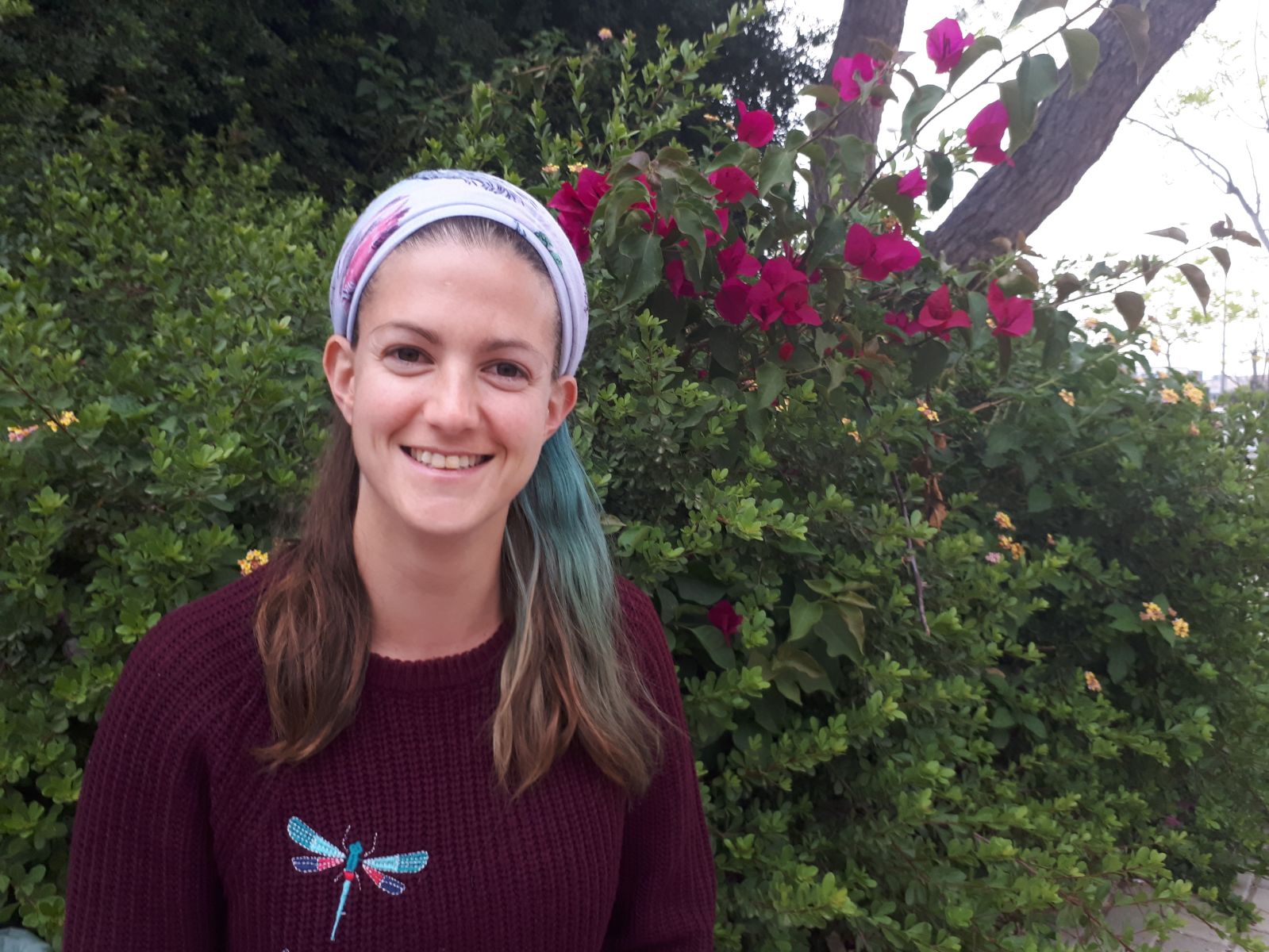
התחלתי מעט לפני תחילת הסבב הנוכחי. אני נהנית מהאתגר של להמשיך להתמיד, מרגעים של "אהה, מפה זה הגיע!” ומהאתגר האינטלקטואלי

Eilat-Chen and Deller
אילת-חן ודלר

לוד, ישראל

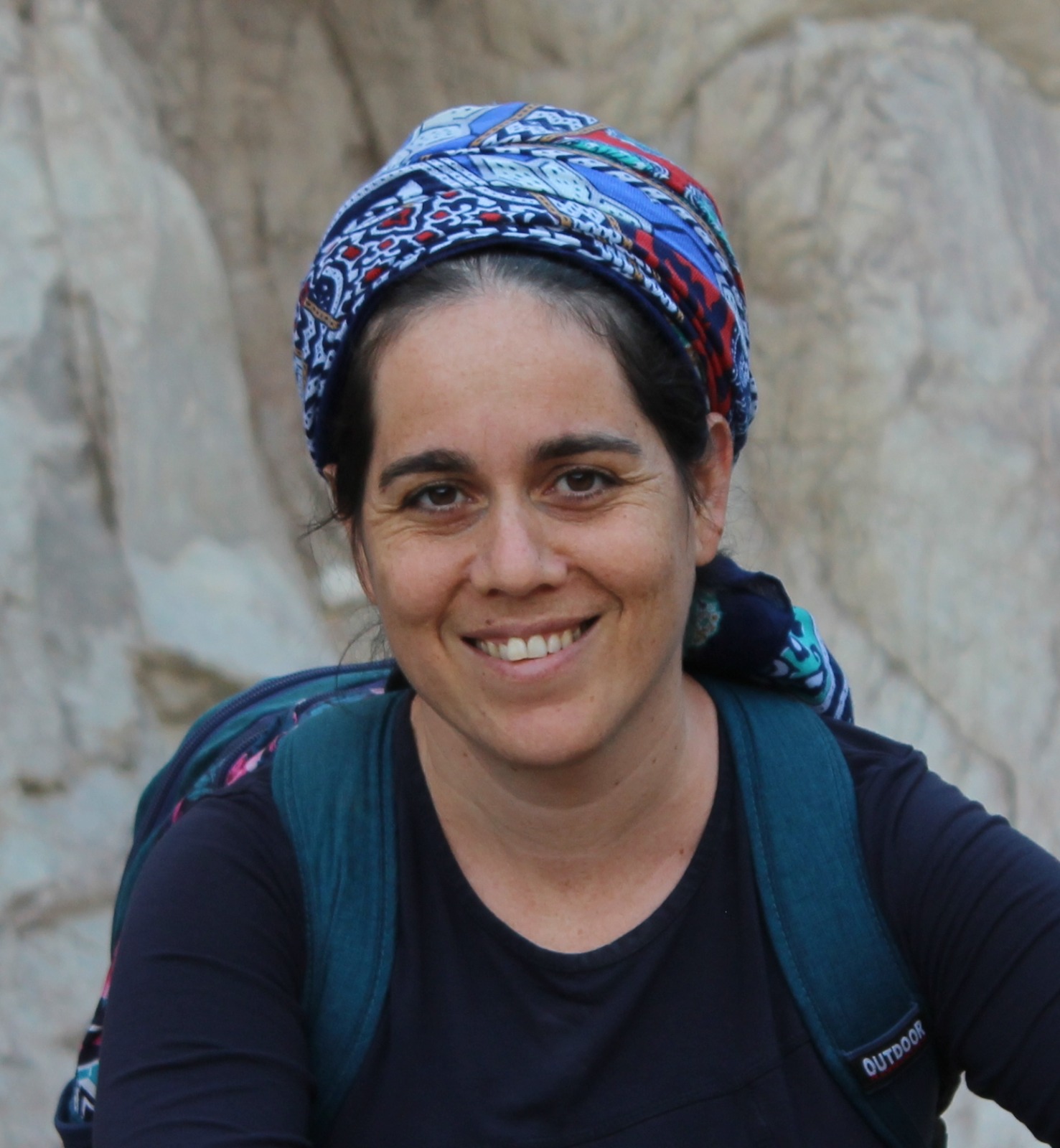
התחלתי ללמוד את הדף היומי מעט אחרי שבני הקטן נולד. בהתחלה בשמיעה ולימוד באמצעות השיעור של הרבנית שפרבר. ובהמשך העזתי וקניתי לעצמי גמרא. מאז ממשיכה יום יום ללמוד עצמאית, ולפעמים בעזרת השיעור של הרבנית, כל יום. כל סיום של מסכת מביא לאושר גדול וסיפוק. הילדים בבית נהיו חלק מהלימוד, אני משתפת בסוגיות מעניינות ונהנית לשמוע את דעתם.

Eliraz Blau
אלירז בלאו

מעלה מכמש, ישראל

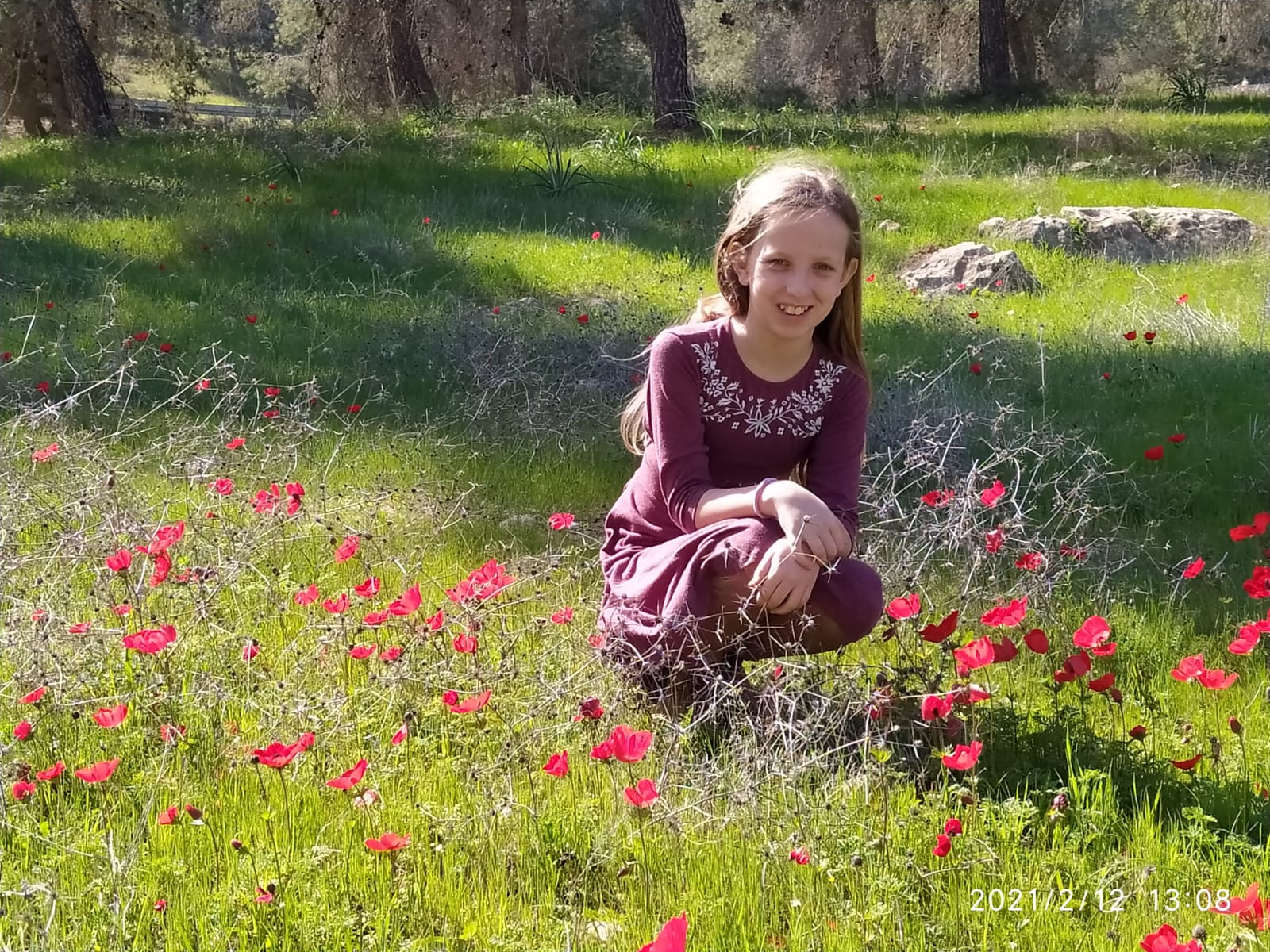
התחלתי ללמוד דף יומי שהתחילו מסכת כתובות, לפני 7 שנים, במסגרת קבוצת לימוד שהתפרקה די מהר, ומשם המשכתי לבד בתמיכת האיש שלי. נעזרתי בגמרת שטיינזלץ ובשיעורים מוקלטים.
הסביבה מאד תומכת ואני מקבלת המון מילים טובות לאורך כל הדרך. מאז הסיום הגדול יש תחושה שאני חלק מדבר גדול יותר.
אני לומדת בשיטת ה”7 דפים בשבוע” של הרבנית תרצה קלמן – כלומר, לא נורא אם לא הצלחת ללמוד כל יום, העיקר שגמרת ארבעה דפים בשבוע

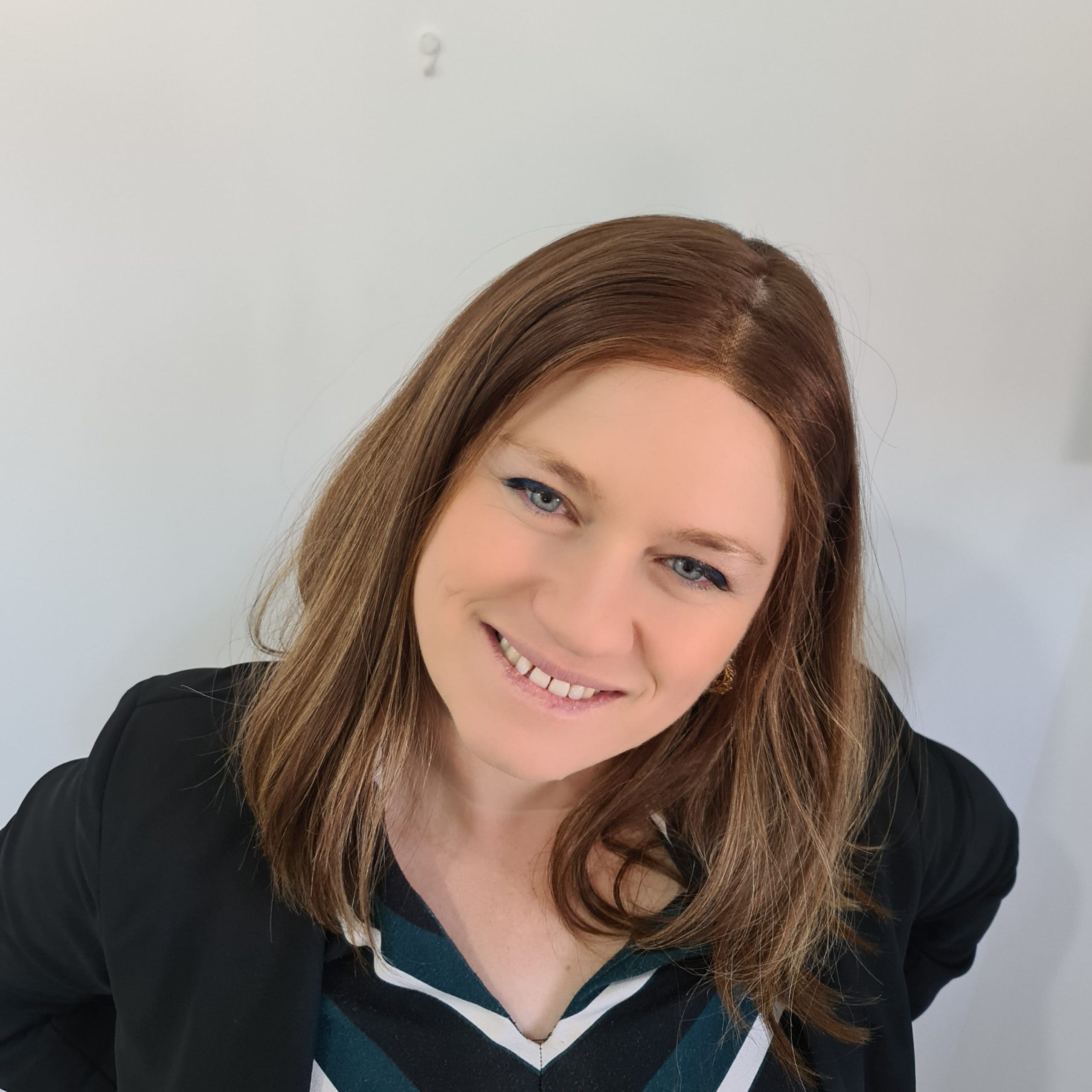
Rachel Goldstein
רחל גולדשטיין

עתניאל, ישראל

אמא שלי למדה איתי ש”ס משנה, והתחילה ללמוד דף יומי. אני החלטתי שאני רוצה ללמוד גם. בהתחלה למדתי איתה, אח”כ הצטרפתי ללימוד דף יומי שהרב דני וינט מעביר לנוער בנים בעתניאל. במסכת עירובין עוד חברה הצטרפה אלי וכשהתחלנו פסחים הרב דני פתח לנו שעור דף יומי לבנות. מאז אנחנו לומדות איתו קבוע כל יום את הדף היומי (ובשבת אבא שלי מחליף אותו). אני נהנית מהלימוד, הוא מאתגר ומעניין

Renana Hellman
רננה הלמן

עתניאל, ישראל

התחלתי להשתתף בשיעור נשים פעם בשבוע, תכננתי ללמוד רק דפים בודדים, לא האמנתי שאצליח יותר מכך.
לאט לאט נשאבתי פנימה לעולם הלימוד .משתדלת ללמוד כל בוקר ומתחילה את היום בתחושה של מלאות ומתוך התכווננות נכונה יותר.
הלימוד של הדף היומי ממלא אותי בתחושה של חיבור עמוק לעם היהודי ולכל הלומדים בעבר ובהווה.

Neely Hayon
נילי חיון

אפרת, ישראל

A life-changing journey started with a Chanukah family tiyul to Zippori, home of the Sanhedrin 2 years ago and continued with the Syum in Binanei Hauma where I was awed by the energy of 3000 women dedicated to learning daf Yomi. Opening my morning daily with a fresh daf, I am excited with the new insights I find enriching my life and opening new and deeper horizons for me.

Becky Goldstein
בקי גולדשטיין

Elazar gush etzion, Israel

. לא תמיד נהניתי מלימוד גמרא כילדה.,בל כהתבגרתי התחלתי לאהוב את זה שוב. התחלתי ללמוד מסכת סוטה בדף היומי לפני כחמש עשרה שנה ואז הפסקתי.הגעתי לסיום הגדול של הדרן לפני שנתיים וזה נתן לי השראה. והתחלתי ללמוד למשך כמה ימים ואז היתה לי פריצת דיסק והפסקתי…עד אלול השנה. אז התחלתי עם מסכת ביצה וב”ה אני מצליחה לעמוד בקצב. המשפחה מאוד תומכת בי ויש כמה שגם לומדים את זה במקביל. אני אוהבת שיש עוגן כל יום.

Rebecca Darshan
רבקה דרשן

בית שמש, ישראל

התחלתי ללמוד דף לפני קצת יותר מ-5 שנים, כשלמדתי רבנות בישיבת מהר”ת בניו יורק. בדיעבד, עד אז, הייתי בלימוד הגמרא שלי כמו מישהו שאוסף חרוזים משרשרת שהתפזרה, פה משהו ושם משהו, ומאז נפתח עולם ומלואו…. הדף נותן לי לימוד בצורה מאורגנת, שיטתית, יום-יומית, ומלמד אותי לא רק ידע אלא את השפה ודרך החשיבה שלנו. לשמחתי, יש לי סביבה תומכת וההרגשה שלי היא כמו בציטוט שבחרתי: הדף משפיע לטובה על כל היום שלי.

Michal Kahana
מיכל כהנא

חיפה, ישראל

באירוע של הדרן בנייני האומה. בהשראתה של אמי שלי שסיימה את הש”ס בסבב הקודם ובעידוד מאיר , אישי, וילדיי וחברותיי ללימוד במכון למנהיגות הלכתית של רשת אור תורה סטון ומורתיי הרבנית ענת נובוסלסקי והרבנית דבורה עברון, ראש המכון למנהיגות הלכתית.
הלימוד מעשיר את יומי, מחזיר אותי גם למסכתות שכבר סיימתי וידוע שאינו דומה מי ששונה פרקו מאה לשונה פרקו מאה ואחת במיוחד מרתקים אותי החיבורים בין המסכתות

Roit Kalech
רוית קלך

מודיעין, ישראל

הייתי לפני שנתיים בסיום הדרן נשים בבנייני האומה והחלטתי להתחיל. אפילו רק כמה דפים, אולי רק פרק, אולי רק מסכת… בינתיים סיימתי רבע שס ותכף את כל סדר מועד בה.
הסביבה תומכת ומפרגנת. אני בת יחידה עם ארבעה אחים שכולם לומדים דף יומי. מדי פעם אנחנו עושים סיומים יחד באירועים משפחתיים. ממש מרגש. מסכת שבת סיימנו כולנו יחד עם אבא שלנו!
אני שומעת כל יום פודקאסט בהליכה או בנסיעה ואחכ לומדת את הגמרא.

Edna Gross
עדנה גרוס

מרכז שפירא, ישראל

בתחילת הסבב הנוכחי של לימוד הדף היומי, נחשפתי לחגיגות המרגשות באירועי הסיום ברחבי העולם. והבטחתי לעצמי שבקרוב אצטרף גם למעגל הלומדות. הסבב התחיל כאשר הייתי בתחילת דרכי בתוכנית קרן אריאל להכשרת יועצות הלכה של נשמ”ת. לא הצלחתי להוסיף את ההתחייבות לדף היומי על הלימוד האינטנסיבי של תוכנית היועצות. בבוקר למחרת המבחן הסופי בנשמ”ת, התחלתי את לימוד הדף במסכת סוכה ומאז לא הפסקתי.

Hana Shaham-Rozby (Dr.)
חנה שחם-רוזבי (ד”ר)

קרית גת, ישראל

התחלתי ללמוד את הדף היומי מעט אחרי שבני הקטן נולד. בהתחלה בשמיעה ולימוד באמצעות השיעור של הרבנית שפרבר. ובהמשך העזתי וקניתי לעצמי גמרא. מאז ממשיכה יום יום ללמוד עצמאית, ולפעמים בעזרת השיעור של הרבנית, כל יום. כל סיום של מסכת מביא לאושר גדול וסיפוק. הילדים בבית נהיו חלק מהלימוד, אני משתפת בסוגיות מעניינות ונהנית לשמוע את דעתם.

Eliraz Blau
אלירז בלאו

מעלה מכמש, ישראל

אחרי שראיתי את הסיום הנשי של הדף היומי בבנייני האומה זה ריגש אותי ועורר בי את הרצון להצטרף. לא למדתי גמרא קודם לכן בכלל, אז הכל היה לי חדש, ולכן אני לומדת בעיקר מהשיעורים פה בהדרן, בשוטנשטיין או בחוברות ושיננתם.

Rebecca Schloss
רבקה שלוס

בית שמש, ישראל

התחלתי ללמוד גמרא בבית הספר בגיל צעיר והתאהבתי. המשכתי בכך כל חיי ואף היייתי מורה לגמרא בבית הספר שקד בשדה אליהו (בית הספר בו למדתי בילדותי)בתחילת מחזור דף יומי הנוכחי החלטתי להצטרף ובע”ה מקווה להתמיד ולהמשיך. אני אוהבת את המפגש עם הדף את "דרישות השלום ” שמקבלת מקשרים עם דפים אחרים שלמדתי את הסנכרון שמתחולל בין התכנים.

Ariela Bigman
אריאלה ביגמן

מעלה גלבוע, ישראל

. לא תמיד נהניתי מלימוד גמרא כילדה.,בל כהתבגרתי התחלתי לאהוב את זה שוב. התחלתי ללמוד מסכת סוטה בדף היומי לפני כחמש עשרה שנה ואז הפסקתי.הגעתי לסיום הגדול של הדרן לפני שנתיים וזה נתן לי השראה. והתחלתי ללמוד למשך כמה ימים ואז היתה לי פריצת דיסק והפסקתי…עד אלול השנה. אז התחלתי עם מסכת ביצה וב”ה אני מצליחה לעמוד בקצב. המשפחה מאוד תומכת בי ויש כמה שגם לומדים את זה במקביל. אני אוהבת שיש עוגן כל יום.

Rebecca Darshan
רבקה דרשן

בית שמש, ישראל

התחלתי ללמוד דף יומי באמצע תקופת הקורונה, שאבא שלי סיפר לי על קבוצה של בנות שתיפתח ביישוב שלנו ותלמד דף יומי כל יום. הרבה זמן רציתי להצטרף לזה וזאת הייתה ההזדמנות בשבילי. הצטרפתי במסכת שקלים ובאמצע הייתה הפסקה קצרה. כיום אני כבר לומדת באולפנה ולומדת דף יומי לבד מתוך גמרא של טיינזלץ.

Saturdays in Raleigh
שבות בראלי

עתניאל, ישראל

אני לומדת גמרא כעשור במסגרות שונות, ואת הדף היומי התחלתי כשחברה הציעה שאצטרף אליה לסיום בבנייני האומה. מאז אני לומדת עם פודקסט הדרן, משתדלת באופן יומי אך אם לא מספיקה, מדביקה פערים עד ערב שבת. בסבב הזה הלימוד הוא "ממעוף הציפור”, מקשיבה במהירות מוגברת תוך כדי פעילויות כמו בישול או נהיגה, וכך רוכשת היכרות עם הסוגיות ואופן ניתוחם על ידי חז”ל. בע”ה בסבב הבא, ואולי לפני, אצלול לתוכו באופן מעמיק יותר.

Yael Bir
יעל ביר

רמת גן, ישראל

ראיתי את הסיום הגדול בבנייני האומה וכל כך התרשמתי ורציתי לקחת חלק.. אבל לקח לי עוד כשנה וחצי )באמצע מסיכת שבת להצטרף..
הלימוד חשוב לי מאוד.. אני תמיד במרדף אחרי הדף וגונבת כל פעם חצי דף כשהילדים עסוקים ומשלימה אח”כ אחרי שכולם הלכו לישון..

Olga Mizrahi
אולגה מזרחי

ירושלים, ישראל

התחלתי ללמוד דף יומי ממסכת נידה כי זה היה חומר הלימוד שלי אז. לאחר הסיום הגדול בבנייני האומה החלטתי להמשיך. וב”ה מאז עם הפסקות קטנות של קורונה ולידה אני משתדלת להמשיך ולהיות חלק.

זה משפיע מאוד על היום יום שלי ועל אף שאני עסוקה בלימודי הלכה ותורה כל יום, זאת המסגרת הקבועה והמחייבת ביותר שיש לי.

Moriah Taesan Michaeli
מוריה תעסן מיכאלי

גבעת הראל, ישראל

לצערי גדלתי בדור שבו לימוד גמרא לנשים לא היה דבר שבשגרה ושנים שאני חולמת להשלים את הפער הזה.. עד שלפני מספר שבועות, כמעט במקרה, נתקלתי במודעת פרסומת הקוראת להצטרף ללימוד מסכת תענית. כשקראתי את המודעה הרגשתי שהיא כאילו נכתבה עבורי – "תמיד חלמת ללמוד גמרא ולא ידעת איך להתחיל”, "בואי להתנסות במסכת קצרה וקלה” (רק היה חסר שהמודעה תיפתח במילים "מיכי שלום”..). קפצתי למים ו- ב”ה אני בדרך להגשמת החלום:)

Micah Kadosh
מיכי קדוש

מורשת, ישראל

בבא מציעא מב

מַתְנִי׳ הַמַּפְקִיד מָעוֹת אֵצֶל חֲבֵרוֹ, צְרָרָן וְהִפְשִׁילָן לַאֲחוֹרָיו, אוֹ שֶׁמְּסָרָם לִבְנוֹ וּלְבִתּוֹ הַקְּטַנִּים, וְנָעַל בִּפְנֵיהֶם שֶׁלֹּא כָּרָאוּי – חַיָּיב, שֶׁלֹּא שִׁימֵּר כְּדֶרֶךְ הַשּׁוֹמְרִים. וְאִם שִׁימֵּר כְּדֶרֶךְ הַשּׁוֹמְרִים – פָּטוּר.

MISHNA: In the case of one who deposited coins with another, and that bailee bound it in a cloth and slung it behind him, or conveyed them to his minor son or daughter for safeguarding, or locked the door before them in an inappropriate, i.e., insufficient, manner to secure them, the bailee is liable to pay for the coins, as he did not safeguard the coins in the manner typical of bailees. But if he safeguarded the money in the manner that bailees safeguard items and it was nevertheless stolen, he is exempt.

גְּמָ׳ בִּשְׁלָמָא כּוּלְּהוּ שֶׁלֹּא שִׁימֵּר כְּדֶרֶךְ הַשּׁוֹמְרִים. אֶלָּא צְרָרָן וְהִפְשִׁילָן לַאֲחוֹרָיו, מַאי הֲוָה לֵיהּ לְמִיעְבַּד? אָמַר רָבָא אָמַר רַבִּי יִצְחָק אָמַר קְרָא: ״וְצַרְתָּ הַכֶּסֶף בְּיָדְךָ״, אַף עַל פִּי שֶׁצְּרוּרִין – יִהְיוּ בְּיָדְךָ.

GEMARA: Granted, for all the other cases, the bailee is liable to pay, as he did not safeguard the money in the manner that bailees safeguard items. But if the bailee bound it in a cloth and slung it behind him, what more was he to do? Rava says that Rabbi Yitzḥak said: The verse states: “And you shall bind up the money in your hand” (Deuteronomy 14:25), from which it is derived: Although it is bound, in order to safeguard the money, it must be in your hand.

וְאָמַר רַבִּי יִצְחָק: לְעוֹלָם יְהֵא כַּסְפּוֹ שֶׁל אָדָם מָצוּי בְּיָדוֹ, שֶׁנֶּאֱמַר: ״וְצַרְתָּ הַכֶּסֶף בְּיָדְךָ״. וְאָמַר רַבִּי יִצְחָק: לְעוֹלָם יַשְׁלִישׁ אָדָם אֶת מְעוֹתָיו, שְׁלִישׁ בְּקַרְקַע, וּשְׁלִישׁ בִּפְרַקְמַטְיָא, וּשְׁלִישׁ תַּחַת יָדוֹ.

And apropos that verse, Rabbi Yitzḥak says: A person’s money should always be found in his possession. He should not invest all of his money, leaving him with no money available for expenditures, as it is stated: “And you shall bind up the money in your hand.” And Rabbi Yitzḥak says: A person should always divide his money into three; he should bury one-third in the ground, and invest one-third in business [bifrakmatya], and keep one-third in his possession.

וְאָמַר רַבִּי יִצְחָק: אֵין הַבְּרָכָה מְצוּיָה אֶלָּא בְּדָבָר הַסָּמוּי מִן הָעַיִן, שֶׁנֶּאֱמַר: ״יְצַו ה׳ אִתְּךָ אֶת הַבְּרָכָה בַּאֲסָמֶיךָ״. תָּנָא דְּבֵי רַבִּי יִשְׁמָעֵאל: אֵין הַבְּרָכָה מְצוּיָה אֶלָּא בְּדָבָר שֶׁאֵין הָעַיִן שׁוֹלֶטֶת בּוֹ, שֶׁנֶּאֱמַר: ״יְצַו ה׳ אִתְּךָ אֶת הַבְּרָכָה בַּאֲסָמֶיךָ״.

And Rabbi Yitzḥak says: Blessing is found only in a matter concealed from the eye, as it is stated: “The Lord will command blessing with you in your storehouses” (Deuteronomy 28:8), where the grain is concealed. The school of Rabbi Yishmael taught: Blessing is found only in a matter over which the eye has no dominion, as it is stated: “The Lord will command blessing with you in your storehouses.”

תָּנוּ רַבָּנַן: הַהוֹלֵךְ לָמוֹד אֶת גּוֹרְנוֹ, אוֹמֵר: ״יְהִי רָצוֹן מִלְּפָנֶיךָ ה׳ אֱלֹהֵינוּ שֶׁתִּשְׁלַח בְּרָכָה בְּמַעֲשֵׂה יָדֵינוּ״. הִתְחִיל לָמוֹד, אוֹמֵר: ״בָּרוּךְ הַשּׁוֹלֵחַ בְּרָכָה בַּכְּרִי הַזֶּה״. מָדַד וְאַחַר כָּךְ בֵּירַךְ – הֲרֵי זֶה תְּפִילַּת שָׁוְא, לְפִי שֶׁאֵין הַבְּרָכָה מְצוּיָה לֹא בְּדָבָר הַשָּׁקוּל וְלֹא בְּדָבָר הַמָּדוּד וְלֹא בְּדָבָר הַמָּנוּי, אֶלָּא בְּדָבָר הַסָּמוּי מִן הָעַיִן, שֶׁנֶּאֱמַר: ״יְצַו ה׳ אִתְּךָ אֶת הַבְּרָכָה בַּאֲסָמֶיךָ״.

The Sages taught: One who goes to measure the grain on his threshing floor recites: May it be Your will, O Lord, our God, that You send blessing upon the product of our hands. If one began to measure the grain he says: Blessed is He Who sends blessing upon this pile of grain. If one measured and afterward recited this blessing, this is a prayer made in vain, because blessing is found neither in a matter that is weighed, nor in a matter that is measured, nor in a matter that is counted. Rather, it is found in a matter concealed from the eye, as it is stated: “The Lord will command blessing with you in your storehouses.”

אָמַר שְׁמוּאֵל: כְּסָפִים אֵין לָהֶם שְׁמִירָה אֶלָּא בַּקַּרְקַע. אָמַר רָבָא: וּמוֹדֵי שְׁמוּאֵל בְּעֶרֶב שַׁבָּת בֵּין הַשְּׁמָשׁוֹת, דְּלָא אַטְרְחוּהּ רַבָּנַן. וְאִי שְׁהָא לְמוֹצָאֵי שַׁבָּת שִׁעוּר לְמִקְבְּרִינְהוּ וְלָא קַבְרִינְהוּ – מְחַיַּיב. וְאִי צוּרְבָּא מֵרַבָּנַן הוּא סָבַר: דִּלְמָא מִיבְּעֵי לֵיהּ זוּזֵי לְאַבְדַּלְתָּא.

§ Shmuel says: There is safeguarding for money only in the ground. Rava said: And Shmuel concedes if one received a deposit on Shabbat eve at twilight, that the Rabbis did not impose upon him to bury it in the ground immediately. And if, at the conclusion of Shabbat, he delayed and did not bury the money within the period of time needed to bury it, he is liable to pay the owner if it is stolen. And if the one who deposited the money is a Torah scholar and the bailee thought: Perhaps he requires money for havdala, and that is the reason that he did not bury the money immediately, then he may delay burying the money a bit longer.

וְהָאִידָּנָא דִּשְׁכִיחִי גָּשׁוֹשָׁאֵי – אֵין לָהֶן שְׁמִירָה אֶלָּא בִּשְׁמֵי קוֹרָה. וְהָאִידָּנָא דִּשְׁכִיחִי פָּרוֹמָאֵי – אֵין לָהֶם שְׁמִירָה אֶלָּא בֵּינֵי אוּרְבֵי. אָמַר רָבָא: וּמוֹדֶה שְׁמוּאֵל בְּכוֹתֶל, אִי נָמֵי בֵּין הַקְּרָנוֹת. וְהָאִידָּנָא דִּשְׁכִיחִי טָפוֹחָאֵי – אֵין לָהֶן שְׁמִירָה אֶלָּא בְּטֶפַח הַסָּמוּךְ לַקַּרְקַע, אוֹ בְּטֶפַח הַסָּמוּךְ לִשְׁמֵי קוֹרָה.

The Gemara comments: And now that rummagers, who dig to find and steal buried property, are commonplace, there is safeguarding for money only in the beams of the roof of a house. The Gemara comments: And now that dismantlers, who attempt to find and steal property hidden in beams, are commonplace, there is safeguarding for money only between the bricks of a wall. Rava said: And Shmuel concedes that money can be safeguarded in the wall or, alternatively, between the corners of the house. And now that tappers, who tap on walls to find and steal property hidden there, are commonplace, there is safeguarding for money only in the handbreadth of the wall adjacent to the ground or in the handbreadth of the wall adjacent to the ceiling, as tapping on the wall will not reveal their existence.

אֲמַר לֵיהּ רַב אַחָא בְּרֵיהּ דְּרַב יוֹסֵף לְרַב אָשֵׁי: הָתָם תְּנַן: חָמֵץ שֶׁנָּפְלָה עָלָיו מַפּוֹלֶת – הֲרֵי הוּא כִּמְבוֹעָר. רַבָּן שִׁמְעוֹן בֶּן גַּמְלִיאֵל אוֹמֵר: כֹּל שֶׁאֵין הַכֶּלֶב יָכוֹל לְחַפֵּשׂ אַחֲרָיו. וְתָנָא: כַּמָּה חֲפִישַׂת הַכֶּלֶב – שְׁלֹשָׁה טְפָחִים. הָכָא מַאי? מִי בָּעֵינַן שְׁלֹשָׁה טְפָחִים אוֹ לָא?

Rav Aḥa, son of Rav Yosef, said to Rav Ashi: We learned in a mishna there (Pesaḥim 31b): The legal status of leavened bread upon which a rockslide fell is like that of leavened bread that was eliminated, as it will remain there forever. Rabban Shimon ben Gamliel says: This ruling applies in any case where the leavened bread is covered to the extent that a dog is unable to detect it. And it is taught: How much is the measure of detection of a dog? It is three handbreadths. The question is: Here, what is the halakha? Do we require the money to be buried at a depth of three handbreadths or not?

אֲמַר לֵיהּ: הָתָם מִשּׁוּם רֵיחָא – בָּעֵינַן שְׁלֹשָׁה טְפָחִים. הָכָא מִשּׁוּם אִיכַּסּוֹיֵי מֵעֵינָא – לָא בָּעֵינַן שְׁלֹשָׁה טְפָחִים. וְכַמָּה? אָמַר רַפְרָם מִסִּיכְרָא: טֶפַח.

Rav Ashi said to Rav Aḥa: There, with regard to bread, it is due to the scent that we require three handbreadths to obscure it from the dog. Here, with regard to money, it is because it must be obscured from the eye that we bury it. Scent is not relevant, and therefore we do not need three handbreadths. The Gemara asks: And how deep must the money be buried? Rafram from Sikhera said: One handbreadth.

הָהוּא גַּבְרָא דְּאַפְקֵיד זוּזֵי גַּבֵּי חַבְרֵיהּ, אוֹתְבִינְהוּ בִּצְרִיפָא דְאוּרְבָּנֵי, אִיגְּנוּב. אָמַר רַב יוֹסֵף: אַף עַל גַּב דִּלְעִנְיַן גַּנָּבֵי – נְטִירוּתָא הִיא, לְעִנְיַן נוּרָא – פְּשִׁיעוּתָא הִיא, הָוֵה תְּחִילָּתוֹ בִּפְשִׁיעָה וְסוֹפוֹ בְּאוֹנֶס – חַיָּיב. וְאִיכָּא דְּאָמְרִי: אַף עַל גַּב דִּלְעִנְיַן נוּרָא – פְּשִׁיעוּתָא הִיא, לְעִנְיַן גַּנָּבֵי – נְטִירוּתָא הִיא, וּתְחִלָּתוֹ בִּפְשִׁיעָה וְסוֹפוֹ בְּאוֹנֶס – פָּטוּר. וְהִילְכְתָא: תְּחִילָּתוֹ בִּפְשִׁיעָה וְסוֹפוֹ בְּאוֹנֶס – חַיָּיב.

The Gemara relates: There was a certain man who deposited money with another, and the bailee placed it in a willow hut from which the money was stolen. Rav Yosef said: Although with regard to thieves, placing the money in the hut is effective safeguarding, with regard to fire it is negligence, as it is likely to burn. Therefore, it is a case where the incident was initially through negligence and ultimately by accident, and the bailee is liable to pay. And some say: Although with regard to fire it is negligence, with regard to thieves it is effective safeguarding. Therefore, it is a case where the beginning of the incident was negligence and ultimately the damage was caused by accident, and the bailee is exempt. The Gemara concludes: And the halakha is: In a case where the incident was initially through negligence and ultimately by accident, the bailee is liable to pay.

הָהוּא גַּבְרָא דְּאַפְקֵיד זוּזֵי גַּבֵּי חַבְרֵיהּ, אֲמַר לֵיהּ: הַב לִי זוּזַאי! אֲמַר לֵיהּ: לָא יָדַעְנָא הֵיכָא אוֹתְבִינְהוּ. אֲתָא לְקַמֵּיהּ דְּרָבָא, אֲמַר לֵיהּ: כֹּל ״לָא יָדַעְנָא״ פְּשִׁיעוּתָא הִיא, זִיל שַׁלֵּם.

The Gemara relates: There was a certain man who deposited money with another. Eventually, the owner of the money said to the bailee: Give me my money. The bailee said to him: I do not know where I placed it. The matter came before Rava, who said to the bailee: Every circumstance where a bailee claims: I do not know, is in and of itself negligence; go pay.

הָהוּא גַּבְרָא דְּאַפְקֵיד זוּזֵי גַּבֵּי חַבְרֵיהּ, אַשְׁלְמִינְהוּ לְאִימֵּיהּ, וְאוֹתְבִינְהוּ בְּקַרְטְלִיתָא, וְאִיגְּנוּב. אָמַר רָבָא: הֵיכִי נְדַיְינוּ דַּיָּינֵי לְהַאי דִּינָא?

The Gemara relates: There was a certain man who deposited money with another. The bailee gave the money to his mother, and she placed the money in a chest [bekartalita], and it was stolen. Rava said: How should judges rule in this case?

נֵימָא לֵיהּ לְדִידֵיהּ: זִיל שַׁלֵּים, אָמַר:

Let us say to the bailee: Go pay. But he can say: There is a principle:

כׇּל הַמַּפְקִיד, עַל דַּעַת אִשְׁתּוֹ וּבָנָיו הוּא מַפְקִיד.

With regard to anyone who deposits an item with another, it is with the awareness that at times, the bailee’s wife and his children will safeguard the item that he deposits it. Therefore, I was within my rights to give the deposit to my mother.

נֵימָא לַהּ לְאִימֵּיהּ: זִילִי שַׁלִּימִי, אָמְרָה: לָא אֲמַר לִי דְּלָאו דִּידֵיהּ נִינְהוּ דְּאֶקְבְּרִינְהוּ.

Let us say to his mother: Go and pay. She can say: My son did not tell me that the money is not his so that I should bury it, which is the optimal method to safeguard money.

נֵימָא לֵיהּ: אַמַּאי לָא אֲמַרְתְּ לַהּ? אָמַר: כׇּל שֶׁכֵּן, דְּכִי אָמֵינָא לַהּ דְּדִידִי נִינְהוּ – טְפֵי מִזְדַּהֲרָא בְּהוּ.

Let us say to the bailee: Why did you not say to her that the money is not yours? He can say: All the more so that my omission of this information was preferable, as when I say to her that the money is mine, she is even more careful with it.

אֶלָּא אָמַר רָבָא: מִשְׁתְּבַע אִיהוּ דְּהָנְהוּ זוּזֵי אַשְׁלְמִינְהוּ לְאִימֵּיהּ, וּמִשְׁתַּבְעָא אִימֵּיהּ דְּהָנְהוּ זוּזֵי אוֹתְבִינְהוּ בְּקַרְטְלִיתָא וְאִיגְּנוּב – וּפָטוּר.

Rather, Rava said: The bailee takes an oath that he gave the money to his mother, and his mother takes an oath that she placed the money in the chest and it was stolen, and the bailee is exempt from payment.

הָהוּא אַפּוֹטְרוֹפָּא דְיַתְמֵי דִּזְבַן לְהוּ תּוֹרָא לְיַתְמֵי וּמַסְרֵיהּ לְבַקָּרָא. לָא הֲווֹ לֵיהּ כַּכֵּי וְשִׁינֵּי לְמֵיכַל, וּמִית. אָמַר רָמֵי בַּר חָמָא: הֵיכִי נְדַיְינוּ דַּיָּינֵי לְהַאי דִּינָא?

The Gemara relates: There was a certain steward who acted on behalf of orphans, who purchased an ox for the orphans and passed it to the cowherd. This ox did not have molars and other teeth with which to eat, and the ox died because it was unable to eat the standard food of oxen. Rami bar Ḥama said: How should judges rule in this case?

נֵימָא לֵיהּ לְאַפּוֹטְרוֹפָּא: זִיל שַׁלֵּים, אָמַר: אֲנָא לְבַקָּרָא מְסַרְתֵּיהּ.

Let them say to the steward: Go pay for the dead ox. But he can say: I gave it to the cowherd with the expectation that he would care for it.

נֵימָא לֵיהּ לְבַקָּרָא: זִיל שַׁלֵּים, אָמַר: אֲנָא בַּהֲדֵי תּוֹרֵי אוֹקֵימְתֵּיהּ, אוּכְלָא שְׁדַאי לֵיהּ, לָא הֲוָה יָדַעְינָא דְּלָא אֲכַל.

Let us say to the cowherd: Go pay for the dead ox. He can say: I placed the ox with other oxen and I threw food before it. We did not know that it did not eat.

מִכְּדֵי בַּקָּרָא שׁוֹמֵר שָׂכָר דְּיַתְמֵי הוּא! אִיבְּעִי לֵיהּ לְעַיּוֹנֵי אִי אִיכָּא פְּסֵידָא דְיַתְמֵי. הָכִי נָמֵי, וְהָכָא בְּמַאי עָסְקִינַן – דְּלֵיכָּא פְּסֵידָא דְיַתְמֵי, דְּאַשְׁכְּחוּהּ לְמָרֵיהּ דְּתוֹרָא וּשְׁקוּל יַתְמֵי זוּזֵי מִינֵּיהּ.

The Gemara asks: After all, the cowherd is a paid bailee of the orphans. Therefore, he was required to examine the situation and ascertain if the ox was eating. The Gemara answers: If there was loss for the orphans, indeed, the cowherd would be liable to pay. And with what are we dealing here? It is a case where there is no loss incurred by the orphans, as they found the previous owner of the ox, who sold it to them, and the orphans took their money back from him after discovering that the ox had this deficiency.

אֶלָּא מַאן קָא טָעֵין? מָרֵיהּ דְּתוֹרָא קָטָעֵין. אִיבְּעִי לֵיהּ לְאוֹדוֹעַן! מַאי מוֹדְעִינַן לֵיהּ? מִידָּע יָדַע דְּמִקָּח טָעוּת הָוֵי. בְּסַפְסֵירָא דְּזָבֵן מֵהָכָא וּמְזַבֵּין לְהָכָא, הִלְכָּךְ מִישְׁתְּבַע אִיהוּ דְּלָא הֲוָה יָדַע, וּמְשַׁלֵּם בַּקָּרָא דְּמֵי בָשָׂר בְּזוֹל.

The Gemara asks: Rather, who then claims compensation from the cowherd? The previous owner of the ox claims compensation from the steward: He should have informed us that the ox was not eating. The Gemara answers: What would we inform the previous owner? He knows that it is a mistaken transaction, as he would be aware that the ox had no teeth. The Gemara explains: This is a case with regard to a trader who buys from here and sells to there and does not know the condition of the ox. Therefore, the trader takes an oath that he did not know about the ox’s defect, and the cowherd pays the value of the meat of the ox based on the cheapest price available in the market.

הָהוּא גַּבְרָא דְּאַפְקֵיד כְּשׁוּתָא גַּבֵּי חַבְרֵיהּ, הֲוָה לֵיהּ לְדִידֵיהּ נָמֵי כַּרְיָא דִכְשׁוּתָא. אֲמַר לֵיהּ לְסַרְסְיֵהּ: מֵהַאי רְמֵי. אֲזַל רְמָא מֵאִידַּךְ. אָמַר רַב עַמְרָם: הֵיכִי נְדַיְינוּ דַּיָּינֵי לְהַאי דִּינָא?

The Gemara relates: There was a certain man who deposited hops, used in the production of beer, with another. The bailee himself had a pile of hops. The bailee said to his brewer: Cast hops in the beer from this pile. The brewer went and cast from the other pile, the pile of the one who deposited the hops, into the beer. Rav Amram said: How should judges rule in this case?

נֵימָא לֵיהּ לְדִידֵיהּ: זִיל שַׁלֵּים, אָמַר: אֲנָא אָמְרִי לֵיהּ מֵהַאי רְמִי.

Let us say to the bailee: Go pay. But he can say: I said to him, i.e., the brewer: Cast hops from this pile, and I am not at fault.

נֵימָא לֵיהּ לְסַרְסְיֵהּ: זִיל שַׁלֵּים, אָמַר: לָא אֲמַר לִי מֵהַאי רְמִי וּמֵהַאי לָא תִּרְמֵי.

Let us say to the brewer: Go pay. He can say: The bailee did not say to me: Cast hops from this pile and do not cast hops from that pile. I thought he was merely giving advice, and I did not know that he was insistent that I refrain from using the other hops.

וְאִי דִּשְׁהָא שִׁיעוּר לְאֵיתוֹיֵי לֵיהּ וְלָא אַיְיתִי לֵיהּ – גַּלִּי אַדַּעְתֵּיהּ דְּנִיחָא לֵיהּ! בִּדְלָא שְׁהָא.

The Gemara comments: And if the hops of the bailee were closer to where he and the brewer were located than those that were deposited with him, the bailee should be liable. As, if the brewer delayed bringing the hops for the period of time that it would take to bring the bailee hops from his own pile and he did not yet bring them to him, it is assumed that the bailee understood that the brewer had gone to bring the more distant, deposited, hops. By not objecting, the bailee revealed that he was amenable to brewing the beer from the deposited hops. The Gemara answers: This is a case where he did not delay bringing the hops, or alternatively, the two piles were equidistant from him.

סוֹף סוֹף, מַאי פְּסֵידָא אִיכָּא? וְהָא קָא מִשְׁתָּרְשִׁי לֵיהּ! אָמַר רַב סַמָּא בְּרֵיהּ דְּרָבָא: דַּהֲוָה שִׁיכְרָא חַלָּא. רַב אָשֵׁי אָמַר: בְּכִיסֵי,

The Gemara asks: Ultimately, what loss is there? But doesn’t the bailee profit in this case? Let the bailee give the owner beer equal to the value of the hops that he took from the deposit and no one loses. Rav Sama, son of Rava, said: The Gemara is referring to a case where the beer ferments and becomes vinegar. Therefore, it is impossible to take the value of the hops from the beer. Rav Ashi said: It is referring to a case where the hops were mixed with thorns and did not enhance the beer.

רוצה לעקוב אחרי התכנים ולהמשיך ללמוד?

ביצירת חשבון עוד היום ניתן לעקוב אחרי ההתקדמות שלך, לסמן מה למדת, ולעקוב אחרי השיעורים שמעניינים אותך.

לנקות את כל הפריטים מהרשימה?

פעולה זו תסיר את כל הפריטים בחלק זה כולל ההתקדמות וההיסטוריה. שימי לב: לא ניתן לשחזר פעולה זו.

ביטול
מחיקה

האם את/ה בטוח/ה שברצונך למחוק פריט זה?

תאבד/י את כל ההתקדמות או ההיסטוריה הקשורות לפריט זה.

ביטול
מחיקה