חיפוש

בבא מציעא מו

רוצה להקדיש לימוד?

תקציר

הדף היום מוקדש לבטחונה של ישראל מפני ההתקפה האירנית.

הדף היום מוקדש ע”י דויד ומיצי גפן לע”נ רות בת מרים ואברהם.

רב פפא סובר שאפילו אם נגיד שאין מטבע נעשה חליפין, אפשר לקנות את זה דרך קניין חליפין. אך, מקשים על שיטתו ממשנה במעשר שני וגם הוא בעצמו חזר בו כפי שרואים ממעשה שקרה איתו. ריש לקיש, רבי אסי ור’ יוחנן כולם סוברים שאין מטבע מעשה חליפין. הגמרא מביאה שלוש קושיות עליהם אך מתרצת אותם.

בבא מציעא מו

וְחוֹזֵר וְאוֹמֵר: הֲרֵי הֵן מְחוּלָּלִין עַל מְעוֹת שֶׁיֵּשׁ לִי בַּבַּיִת. טַעְמָא דְּאֵין בְּיָדוֹ מָעוֹת, הָא אִם יֵשׁ בְּיָדוֹ מָעוֹת – לַיקְנֵי לְהוּ לְאִידַּךְ בִּמְשִׁיכָה וּפָרֵיק, דְּהָכִי עֲדִיף, דְּהָוֵה לֵיהּ נֻכְרַאי.

and then he says: This second-tithe produce that now belongs to you is hereby desacralized on coins that I have at home. The Gemara infers: The reason that it is necessary to employ this artifice is that he does not have coins in his hand. But if he has coins in his hand let him transfer ownership of the coins to the other person by means of the transaction of pulling, and then that other person will desacralize the second-tithe produce. The reason for this is that this procedure is preferable, as the one who desacralizes the produce is a stranger, not the owner of the produce. Therefore, it appears less like artifice designed to circumvent paying the additional one-fifth.

וְאִי אָמְרַתְּ מַטְבֵּעַ נִקְנֶה בַּחֲלִיפִין: נִיקְּנוֹ לֵיהּ מָעוֹת לְהַיְאךְ אַגַּב סוּדָר, וְלִפְרוֹק! דְּלֵית לֵיהּ סוּדָר. וְנַקְנִינְהוּ נִהֲלֵיהּ אַגַּב קַרְקַע! דְּלֵית לֵיהּ קַרְקַע.

The Gemara continues to state its objection to the opinion of Rav Pappa. And if you say a coin is acquired by means of a transaction of exchange, then even if the owner of produce has no money in his hand, let the owner transfer ownership of the coins, wherever they are, to the other person by means of a cloth, as he can perform a transaction of symbolic exchange with a cloth; and then let the other person desacralize the produce. The Gemara answers: The case in the baraita is one in which he does not have a cloth. The Gemara challenges: And let the owner transfer ownership of the coins to the other person by means of land, i.e., perform an act of transaction concerning the land and include the coins in the transaction. The Gemara answers: The case in the baraita is one in which he does not have land.

וְהָא עוֹמֵד בַּגּוֹרֶן קָתָנֵי! בְּגוֹרֶן שֶׁאֵינוֹ שֶׁלּוֹ. וְאִיכְּפַל תַּנָּא לְאַשְׁמוֹעִינַן גַּבְרָא עַרְטִילַאי דְּלֵית לֵיהּ וְלָא כְּלוּם? אֶלָּא לָאו, שְׁמַע מִינַּהּ: אֵין מַטְבֵּעַ נִקְנֶה בַּחֲלִיפִין. שְׁמַע מִינַּהּ.

The Gemara asks: But isn’t it taught in the baraita that he is standing on the threshing floor? The Gemara answers: He is standing on a threshing floor that is not his. The Gemara asks: And did the tanna go to all that trouble just to teach us the case of a naked man, i.e., one who has nothing at all? It is unlikely that a baraita would be devoted to so remote a case. Rather, must one not conclude from it that money is not acquired by means of a transaction of exchange? The Gemara affirms: Learn from it that this is the halakha.

וְאַף רַב פָּפָּא הֲדַר בֵּיהּ. כִּי הָא דְּרַב פָּפָּא הֲווֹ לֵיהּ תְּרֵיסַר אַלְפֵי דִּינָרֵי בֵּי חוֹזָאֵי, אַקְנִינְהוּ לְרַב שְׁמוּאֵל בַּר אַחָא אַגַּב אַסִּיפָּא דְּבֵיתֵיהּ. כִּי אֲתָא, נְפַק לְאַפֵּיהּ עַד תְּווֹךְ.

The Gemara relates: And even Rav Pappa retracted his previous statement that coins are acquired by means of a transaction of exchange, as in this incident in which Rav Pappa had twelve thousand dinars that he lent to another in Bei Ḥozai. He transferred ownership of the dinars to his agent, Rav Shmuel bar Aḥa, by means of granting acquisition of the threshold of his house to him, to enable the agent to demand repayment of the loan on his own behalf. This obviated the need for him to consult Rav Pappa in the case of every contingency, which would complicate matters. It is apparent from the fact that the transaction was effected by means of granting acquisition of the threshold that Rav Pappa concedes that coins are not acquired by means of a transaction of exchange. When Rav Shmuel bar Aḥa came after repayment of the loan, Rav Pappa was so pleased that he went out as far as Tevakh to meet him.

וְכֵן אָמַר עוּלָּא: אֵין מַטְבֵּעַ נַעֲשֶׂה חֲלִיפִין. וְכֵן אָמַר רַב אַסִּי: אֵין מַטְבֵּעַ נַעֲשֶׂה חֲלִיפִין, וְכֵן אָמַר רַבָּה בַּר בַּר חָנָה אָמַר רַבִּי יוֹחָנָן: אֵין מַטְבֵּעַ נַעֲשֶׂה חֲלִיפִין.

The Gemara adds: And likewise, Ulla says: Money cannot be the item used to effect a transaction by means of exchange. And likewise, Rav Asi says: Money cannot be the item used to effect a transaction by means of exchange. And likewise, Rabba bar bar Ḥana says that Rabbi Yoḥanan says: Money cannot be the item used to effect a transaction by means of exchange.

אֵיתִיבֵיהּ רַבִּי אַבָּא לְעוּלָּא: הֲרֵי שֶׁהָיוּ חֲמָרָיו וּפוֹעֲלָיו תּוֹבְעִין אוֹתוֹ בַּשּׁוּק, וְאָמַר לַשּׁוּלְחָנִי: תֵּן לִי בְּדִינָר מָעוֹת וַאֲפַרְנְסֵם, וַאֲנִי אַעֲלֶה לְךָ יָפֶה דִּינָר וּטְרֵיסִית מִמָּעוֹת שֶׁיֵּשׁ לִי בְּבֵיתִי. אִם יֵשׁ לוֹ מָעוֹת – מוּתָּר, וְאִם לָאו – אָסוּר. וְאִי סָלְקָא דַעְתָּךְ אֵין מַטְבֵּעַ נַעֲשֶׂה חֲלִיפִין, הָוְיָא לֵיהּ הַלְוָאָה, וְאָסוּר! אִשְׁתִּיק.

Rabbi Abba raised an objection to the opinion of Ulla from a baraita: With regard to one whose donkey drivers or laborers were demanding payment of their wages from him in the marketplace, and he said to the money changer: Give me coins worth a dinar and I will provide for them, and later I will give you coins worth a dinar and a tereisit, a coin of lesser value, from money that I have at home, then if he has money at home at that time it is permitted, as it is not considered a loan and therefore the additional payment is not interest. But if he does not have money at home at that time, it is a loan and the additional payment is forbidden as interest. And if it enters your mind that money cannot be the item used to effect a transaction by means of exchange, then even in the case where the employer had money at home, since the money changer does not acquire the employer’s money at home by means of exchange, it is a loan and the additional payment is forbidden as interest. Ulla was silent.

אֲמַר לֵיהּ: דִּלְמָא אִידֵּי וְאִידֵּי בִּפְרוּטָטוֹת שָׁנוּ, דְּלֵיכָּא עֲלַיְיהוּ טִבְעָא. וְאִידֵּי וְאִידֵּי פֵּירָא הָווּ, וּמִשּׁוּם הָכִי נִקְּנוֹ בַּחֲלִיפִין. אֲמַר לֵיהּ: אִין, דַּיְקָא נָמֵי, דְּקָתָנֵי: יָפֶה דִּינָר וּטְרֵיסִית, וְלָא קָתָנֵי: דִּינָר יָפֶה וּטְרֵיסִית. שְׁמַע מִינַּהּ.

Rabbi Abba then said the following suggestion to Ulla: Perhaps the Sages taught this halakha in a case where both these coins that are in his house and those coins that he took from the money changer are perotetot, small perutot that are unminted, and the legal status of both these coins and those coins is that of a commodity; and due to that status they are acquired by means of a transaction of exchange. Ulla said to him: Yes, that is the case in the baraita, and the language of the baraita is also precise, as it teaches: I will give you coins worth a dinar and a tereisit, and it does not teach: I will give you an unflawed dinar and a tereisit. Evidently, the baraita is not referring to his giving an actual dinar coin but to other coins of lesser value that equal that value. The Gemara affirms: Learn from it that this is the case.

רַב אָשֵׁי אָמַר: לְעוֹלָם בְּדָמִים וּבִפְרוּטָטוֹת, כֵּיוָן דְּאִית לֵיהּ, נַעֲשֶׂה כְּאוֹמֵר: הַלְוֵינִי עַד שֶׁיָּבֹא בְּנִי אוֹ עַד שֶׁאֶמְצָא מַפְתֵּחַ.

Rav Ashi said: Actually, it can be explained that there is no transaction by means of exchange in this case. Rather, it is a purchase with money and the tanna is referring to perotetot, and nevertheless there is no violation of the prohibition against interest. Since he has money at home, it is tantamount to saying: Lend me money until my son comes or until I find the key. That is not a loan, and the halakhot of interest do not apply.

תָּא שְׁמַע: כׇּל הַנַּעֲשֶׂה דָּמִים בְּאַחֵר, כֵּיוָן שֶׁזָּכָה זֶה – נִתְחַיֵּיב זֶה בַּחֲלִיפִין. כׇּל הַנַּעֲשֶׂה דָּמִים בְּאַחֵר, מַאי נִיהוּ – מַטְבֵּעַ, וּשְׁמַע מִינַּהּ מַטְבֵּעַ נַעֲשֶׂה חֲלִיפִין!

The Gemara suggests: Come and hear proof from a mishna (Kiddushin 28a): With regard to all items used as monetary value for another item, i.e., instead of a buyer paying money to the seller, they exchange items of value with each other, once one party in the transaction acquires the item he is receiving, this party is obligated with regard to the item being exchanged for it. The Gemara analyzes this mishna: With regard to all items used as monetary value for another item, what does the mishna mean in this phrase? It means a coin, and learn from the mishna that a coin can be an item used to effect exchange.

אָמַר רַב יְהוּדָה, הָכִי קָאָמַר:

Rav Yehuda said: This is what the mishna is saying:

כׇּל הַנִּישּׁוֹם דָּמִים בְּאַחֵר, כֵּיוָן שֶׁזָּכָה זֶה נִתְחַיֵּיב זֶה בַּחֲלִיפִין.

With regard to all items that can be appraised when used as monetary value for another item, i.e., their value can be appraised relative to the value of another item, excluding a coin, whose value is apparent, once one party in the transaction acquires the item he is receiving, this party is obligated with regard to the item being exchanged for it. The novelty of the mishna is that all items, not only vessels, can be used to perform the act of acquisition of exchange. Therefore, one should not infer that the halakha is the same with regard to coins.

הָכִי נָמֵי מִסְתַּבְּרָא, מִדְּקָתָנֵי סֵיפָא: כֵּיצַד? הֶחְלִיף שׁוֹר בְּפָרָה אוֹ חֲמוֹר בְּשׁוֹר. שְׁמַע מִינַּהּ.

The Gemara comments: So too, it is reasonable to interpret the mishna in that manner, from the fact that the latter clause of that mishna teaches: How so? If one exchanges an ox for a cow, or a donkey for an ox, once this party acquires the animal that he is receiving, this party is obligated with regard to the item being exchanged for it. This clause apparently explains the previous clause, and employs the example of animals, not coins. The Gemara concludes: Learn from it that the reference in the mishna is to movable property, not to coins.

וּלְמַאי דִּסְלֵיק אַדַּעְתֵּיהּ מֵעִיקָּרָא – מַטְבֵּעַ, מַאי ״כֵּיצַד״? הָכִי קָאָמַר, וּפֵירֵי נָמֵי עָבְדִי חֲלִיפִין, כֵּיצַד – הֶחְלִיף שׁוֹר בְּפָרָה אוֹ חֲמוֹר בְּשׁוֹר.

The Gemara asks: And with regard to what entered our minds initially, that a coin effects symbolic exchange, what is the meaning of the clause: How so; if one exchanges an ox for a cow, once this party acquires the animal that he is receiving, this party is obligated with regard to the item being exchanged for it? This example does not involve a coin. The Gemara explains that it was assumed that this is what the mishna is saying: Not only can a coin be used in the act of acquisition of exchange, but produce, i.e., movable property, can also effect exchange. How so? If one exchanged the meat of an ox for a cow, or the meat of a donkey for an ox, once this party acquires the item that he is receiving, this party is obligated with regard to the item being exchanged for it.

הָנִיחָא לְרַב שֵׁשֶׁת, דְּאָמַר פֵּירֵי עָבְדִי חֲלִיפִין, אֶלָּא לְרַב נַחְמָן, דְּאָמַר: כְּלִי – אִין, אֲבָל פֵּירֵי לָא עָבְדִי חֲלִיפִין, מַאי ״כֵּיצַד״?

The Gemara comments: This works out well according to the opinion of Rav Sheshet, who said: Produce effects a transaction of exchange. But according to the opinion of Rav Naḥman, who said: A vessel, yes, it effects a transaction of exchange, but produce does not effect a transaction of exchange, what is the meaning of the continuation of the mishna beginning with the question: How so?

הָכִי קָאָמַר: יֵשׁ דָּמִים שֶׁהֵן כַּחֲלִיפִין, כֵּיצַד? הֶחְלִיף דְּמֵי שׁוֹר בְּפָרָה אוֹ דְמֵי חֲמוֹר בְּשׁוֹר.

The Gemara answers that this is what the mishna is saying: There is a purchase with money where one acquires the purchase item without pulling it that is like a transaction of exchange. How so? It is in a case where one exchanged the monetary value of an ox for a cow, or the monetary value of a donkey for an ox. In this case, one sold his ox to another for an agreed sum of money, and after the buyer acquired the ox by pulling it, he then offered to give the seller his cow in exchange for the money that he owes him. In this case the cow is acquired without the seller having to pull it. Although this acquisition initially was to be an exchange, it is ultimately a purchase for money, as the second animal is acquired as a result of the forgiving of the monetary debt.

מַאי טַעְמֵיהּ דְּרַב נַחְמָן? סָבַר לַהּ כְּרַבִּי יוֹחָנָן. דְּאָמַר: דְּבַר תּוֹרָה מָעוֹת קוֹנוֹת. וּמִפְּנֵי מָה אָמְרוּ מְשִׁיכָה קוֹנָה – גְּזֵירָה שֶׁמָּא יֹאמַר לוֹ: נִשְׂרְפוּ חִטֶּיךָ בָּעֲלִיָּיה.

The Gemara inquires: What is the reason for the opinion of Rav Naḥman? The Gemara explains: Rav Naḥman holds in accordance with the opinion of Rabbi Yoḥanan, who says: By Torah law money effects acquisition, i.e., when one pays money he acquires the item, even if he has not yet performed another act of acquisition. And for what reason did the Sages say that pulling acquires an item and money does not? This is a rabbinic decree lest the seller say to the buyer after receiving the money: Your wheat was burned in the upper story. If a fire breaks out or some other mishap occurs after a seller receives the money, he will not bother to save the goods in his house because they no longer belong to him, and the buyer may incur a loss.

וּמִלְּתָא דִּשְׁכִיחָא – גְּזַרוּ בֵּיהּ רַבָּנַן. מִלְּתָא דְּלָא שְׁכִיחָא – לָא גְּזַרוּ בֵּיהּ רַבָּנַן.

The Sages therefore decreed that acquisition takes effect only when a buyer pulls the item. The mishna allows a transaction that indicates that one can effect acquisition using only money because that case of the mishna as explained by Rav Naḥman is an uncommon occurrence. It is rare for one who has sold his animal in exchange for money to change his mind and request an animal from the purchaser instead. And it is only with regard to a common matter that the Sages issued a decree, whereas with regard to an uncommon matter, the Sages did not issue a decree. Consequently, the Sages did not apply their decree to this situation.

וּלְרֵישׁ לָקִישׁ דְּאָמַר מְשִׁיכָה מְפוֹרֶשֶׁת מִן הַתּוֹרָה, הָנִיחָא אִי סָבַר לַהּ כְּרַב שֵׁשֶׁת, מְתָרֵץ לַהּ כְּרַב שֵׁשֶׁת.

The Gemara asks: And how is the mishna explained according to the opinion of Reish Lakish, who disagrees with Rabbi Yoḥanan and says that pulling is explicitly stated in the Torah? Reish Lakish maintains that the acquisition of movable property cannot be performed with money by Torah law, and therefore there can be no distinction between common and uncommon cases. This works out well if Reish Lakish holds in accordance with the opinion of Rav Sheshet, who says that produce effects exchange. If so, he can explain the mishna in accordance with the opinion of Rav Sheshet.

אֶלָּא אִי סָבַר לַהּ כְּרַב נַחְמָן, דְּאָמַר: פֵּירֵי לָא עָבְדִי חֲלִיפִין וּמַטְבֵּעַ לָא קָנֵי, הֵיכִי מְתָרֵץ לַהּ? עַל כֻּרְחָךְ כְּרַב שֵׁשֶׁת מְתָרֵץ לַהּ.

But if he holds in accordance with the opinion of Rav Naḥman, who says that produce does not effect exchange and a coin does not effect acquisition by Torah law or by rabbinic law, how does he explain the mishna? The Gemara answers: Perforce Reish Lakish explains the mishna in accordance with the opinion of Rav Sheshet.

תְּנַן: כׇּל הַמִּטַּלְטְלִין קוֹנִין זֶה אֶת זֶה. וְאָמַר רֵישׁ לָקִישׁ: וַאֲפִילּוּ כִּיס מָלֵא מָעוֹת בְּכִיס מָלֵא מָעוֹת! תַּרְגְּמָא רַב אַחָא: בְּדִינָר אַנְ[יָ]קָא וַאֲנִיגְרָא, אֶחָד שֶׁפְּסָלַתּוּ מַלְכוּת, וְאֶחָד שֶׁפְּסָלַתּוּ מְדִינָה.

We learned in the mishna: With regard to those who exchange all forms of movable property, each acquires the property of the other. And Reish Lakish says: The expression: All forms of movable property, includes even a case where they exchange a money pouch full of coins for a money pouch full of coins. Apparently, coins effect exchange and are acquired by means of a transaction of exchange. The Gemara rejects this: Rav Aḥa interpreted that the exchange of coins is referring to the exchange of a money pouch filled with anka dinars and a money pouch filled with anigera dinars. One is a coin that the kingdom invalidated, as the king decreed that the coin will no longer be used, and one is a coin that the residents of a province invalidated, as they no longer use it as currency.

וּצְרִיכָא, דְּאִי אַשְׁמְעִינַן פְּסָלַתּוּ מַלְכוּת – מִשּׁוּם דְּלָא סָגֵי כְּלָל. אֲבָל פְּסָלַתּוּ מְדִינָה, דְּסָגֵי לֵיהּ בִּמְדִינָה אַחֲרִיתִי – אֵימָא אַכַּתִּי מַטְבֵּעַ הוּא וְאֵין מַטְבֵּעַ נִקְנֶה בַּחֲלִיפִין.

And it is necessary to teach the halakha in both cases, as, if the tanna taught us this halakha only with regard to a coin that the kingdom invalidated, I would have said it is not a coin due to the fact that it does not circulate at all, as the king banned its use. But with regard to a coin that the residents of a province invalidated, which circulates in a different state, say that its legal status is still that of a coin, and money cannot be acquired by means of a transaction of exchange.

וְאִי אַשְׁמְעִינַן פְּסָלַתּוּ מְדִינָה – מִשּׁוּם דְּלָא סָגֵי לֵיהּ לָא בְּצִנְעָא וְלָא בְּפַרְהֶסְיָא. אֲבָל פְּסָלַתּוּ מַלְכוּת, דְּסָגֵי לֵיהּ בְּצִנְעָא – אֵימָא אַכַּתִּי מַטְבֵּעַ הוּא, וְאֵין מַטְבֵּעַ נִקְנֶה בַּחֲלִיפִין. צְרִיכָא.

And if the tanna taught us this halakha only with regard to a coin that the residents of a province invalidated, I would have said it is not a coin due to the fact that in that place it neither circulates in private nor in public, as the local residents do not use it as currency. But with regard to a coin that the kingdom invalidated, which could circulate in private, say that its legal status is still that of a coin, and money cannot be acquired by means of a transaction of exchange. Therefore, it was necessary to teach the halakha in both cases.

אָמַר רַבָּה אָמַר רַב הוּנָא: ״מְכוֹר לִי בְּאֵלּוּ״, קָנָה,

§ Rabba says that Rav Huna says: If one said to another: Sell me your item for these coins that are in my hand, and when taking the money the owner of the item did not determine the sum, the buyer acquired the article and the transaction is complete, and neither can renege on the deal.

חדשה בלימוד הגמרא?

זה הדף הראשון שלך? איזו התרגשות עצומה! יש לנו בדיוק את התכנים והכלים שיעזרו לך לעשות את הצעדים הראשונים ללמידה בקצב וברמה שלך, כך תוכלי להרגיש בנוח גם בתוך הסוגיות המורכבות ומאתגרות.

פסיפס הלומדות שלנו

גלי את קהילת הלומדות שלנו, מגוון נשים, רקעים וסיפורים. כולן חלק מתנועה ומסע מרגש ועוצמתי.

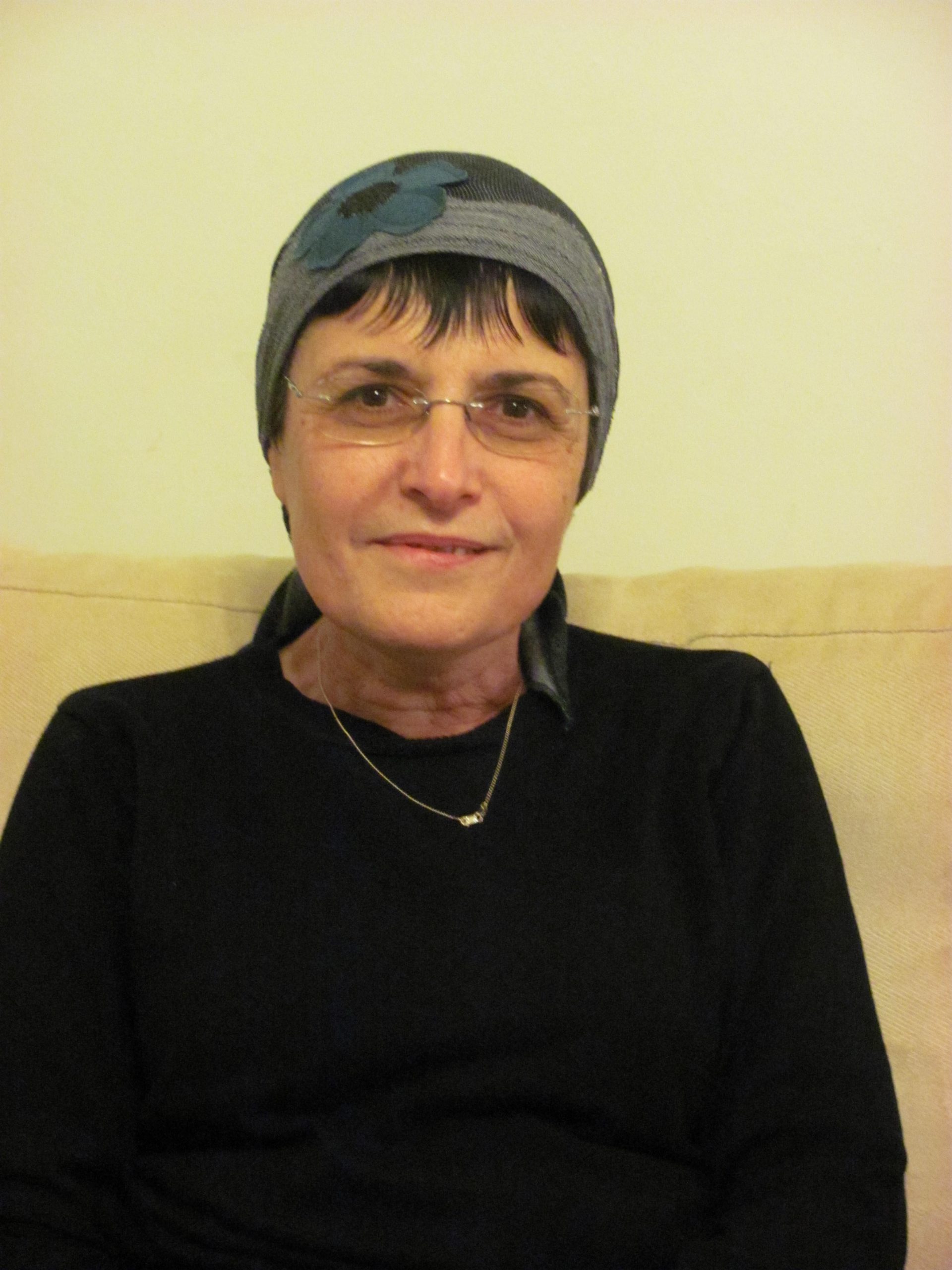
התחלתי ללמוד דף יומי ממסכת נידה כי זה היה חומר הלימוד שלי אז. לאחר הסיום הגדול בבנייני האומה החלטתי להמשיך. וב”ה מאז עם הפסקות קטנות של קורונה ולידה אני משתדלת להמשיך ולהיות חלק.

זה משפיע מאוד על היום יום שלי ועל אף שאני עסוקה בלימודי הלכה ותורה כל יום, זאת המסגרת הקבועה והמחייבת ביותר שיש לי.

Moriah Taesan Michaeli
מוריה תעסן מיכאלי

גבעת הראל, ישראל

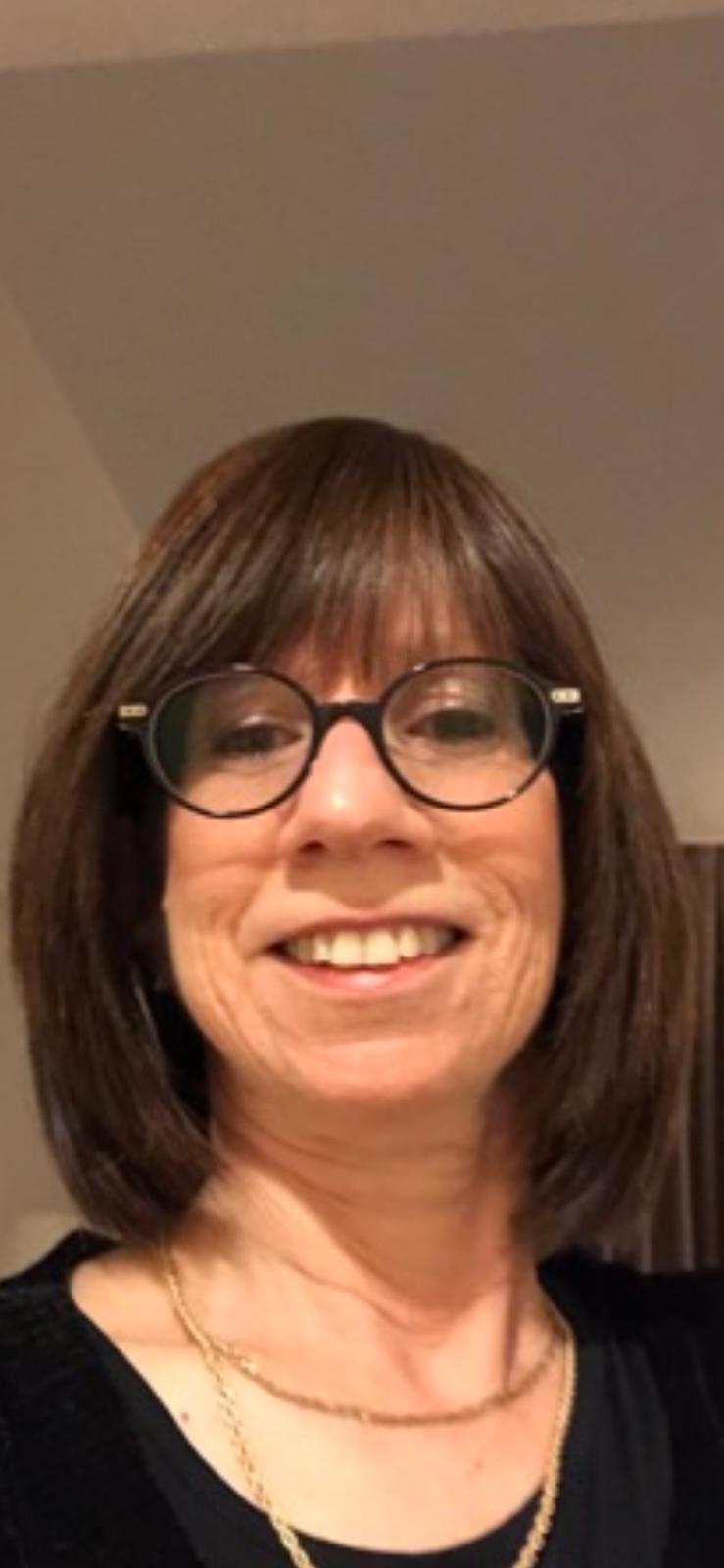
התחלתי ללמוד בסבב הנוכחי לפני כשנתיים .הסביבה מתפעלת ותומכת מאוד. אני משתדלת ללמוד מכל ההסכתים הנוספים שיש באתר הדרן. אני עורכת כל סיום מסכת שיעור בביתי לכ20 נשים שמחכות בקוצר רוח למפגשים האלו.

Yael Asher
יעל אשר

יהוד, ישראל

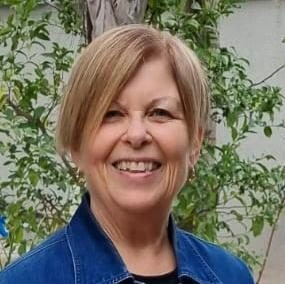
התחלתי ללמוד לפני כשנתיים בשאיפה לסיים לראשונה מסכת אחת במהלך חופשת הלידה.
אחרי מסכת אחת כבר היה קשה להפסיק…

Noa Gallant
נעה גלנט

ירוחם, ישראל

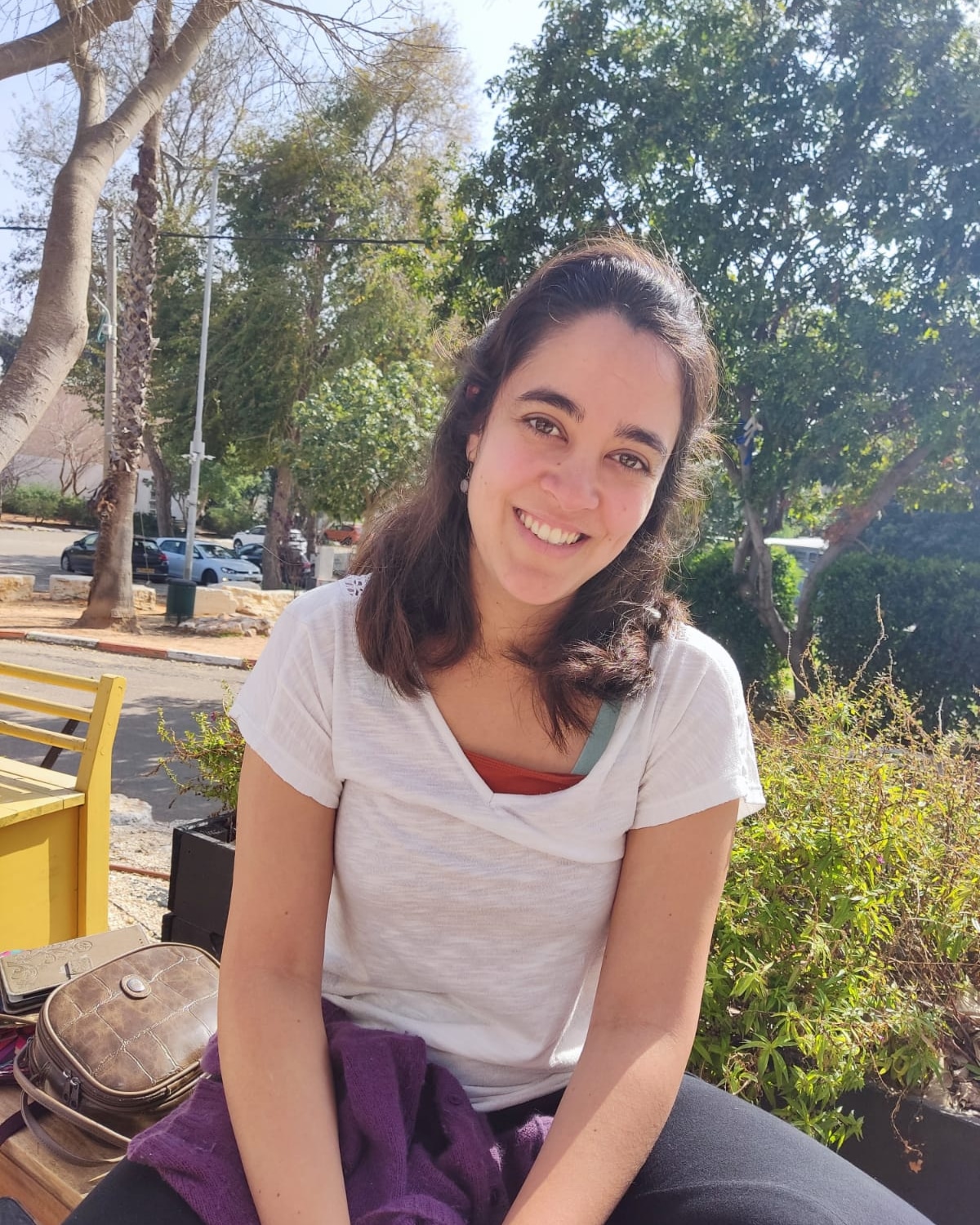
התחלתי ללמוד גמרא בבית הספר בגיל צעיר והתאהבתי. המשכתי בכך כל חיי ואף היייתי מורה לגמרא בבית הספר שקד בשדה אליהו (בית הספר בו למדתי בילדותי)בתחילת מחזור דף יומי הנוכחי החלטתי להצטרף ובע”ה מקווה להתמיד ולהמשיך. אני אוהבת את המפגש עם הדף את "דרישות השלום ” שמקבלת מקשרים עם דפים אחרים שלמדתי את הסנכרון שמתחולל בין התכנים.

Ariela Bigman
אריאלה ביגמן

מעלה גלבוע, ישראל

כבר סיפרתי בסיום של מועד קטן.
הלימוד מאוד משפיעה על היום שלי כי אני לומדת עם רבנית מישל על הבוקר בזום. זה נותן טון לכל היום – בסיס למחשבות שלי .זה זכות גדול להתחיל את היום בלימוד ובתפילה. תודה רבה !

שרה-ברלוביץ
שרה ברלוביץ

ירושלים, ישראל

לפני 15 שנה, אחרי עשרות שנים של "ג’ינגול” בין משפחה לקריירה תובענית בהייטק, הצטרפתי לשיעורי גמרא במתן רעננה. הלימוד המעמיק והייחודי של הרבנית אושרה קורן יחד עם קבוצת הנשים המגוונת הייתה חוויה מאלפת ומעשירה. לפני כשמונה שנים כאשר מחזור הדף היומי הגיע למסכת תענית הצטרפתי כ”חברותא” לבעלי. זו השעה היומית שלנו ביחד כאשר דפי הגמרא משתלבים בחיי היום יום, משפיעים ומושפעים, וכשלא מספיקים תמיד משלימים בשבת

Yodi Askoff
יודי אסקוף

רעננה, ישראל

התחלתי לפני 8 שנים במדרשה. לאחרונה סיימתי מסכת תענית בלמידה עצמית ועכשיו לקראת סיום מסכת מגילה.

Daniela Baruchim
דניאלה ברוכים

רעננה, ישראל

התחלתי כשהייתי בחופש, עם הפרסומים על תחילת המחזור, הסביבה קיבלה את זה כמשהו מתמיד ומשמעותי ובהערכה, הלימוד זה עוגן יציב ביום יום, יש שבועות יותר ויש שפחות אבל זה משהו שנמצא שם אמין ובעל משמעות בחיים שלי….

Adi Diamant
עדי דיאמנט

גמזו, ישראל

התחלתי בסיום הש”ס, יצאתי באורות. נשברתי פעמיים, ובשתיהם הרבנית מישל עודדה להמשיך איפה שכולם בסבב ולהשלים כשאוכל, וכך עשיתי וכיום השלמתי הכל. מדהים אותי שאני לומדת כל יום קצת, אפילו בחדר הלידה, בבידוד או בחו”ל. לאט לאט יותר נינוחה בסוגיות. לא כולם מבינים את הרצון, בפרט כפמניסטית. חשה סיפוק גדול להכיר את המושגים וצורת החשיבה. החלום זה להמשיך ולהתמיד ובמקביל ללמוד איך מהסוגיות נוצרה והתפתחה ההלכה.

Weingarten Sherrington Foundation
קרן וינגרטן שרינגטון

מודיעין, ישראל

התחלתי בתחילת הסבב, והתמכרתי. זה נותן משמעות נוספת ליומיום ומאוד מחזק לתת לזה מקום בתוך כל שגרת הבית-עבודה השוטפת.

Reut Abrahami
רעות אברהמי

בית שמש, ישראל

סיום השס לנשים נתן לי מוטביציה להתחיל ללמוד דף יומי. עד אז למדתי גמרא בשבתות ועשיתי כמה סיומים. אבל לימוד יומיומי זה שונה לגמרי ופתאום כל דבר שקורה בחיים מתקשר לדף היומי.

Fogel Foundation
קרן פוגל

רתמים, ישראל

באירוע של הדרן בנייני האומה. בהשראתה של אמי שלי שסיימה את הש”ס בסבב הקודם ובעידוד מאיר , אישי, וילדיי וחברותיי ללימוד במכון למנהיגות הלכתית של רשת אור תורה סטון ומורתיי הרבנית ענת נובוסלסקי והרבנית דבורה עברון, ראש המכון למנהיגות הלכתית.
הלימוד מעשיר את יומי, מחזיר אותי גם למסכתות שכבר סיימתי וידוע שאינו דומה מי ששונה פרקו מאה לשונה פרקו מאה ואחת במיוחד מרתקים אותי החיבורים בין המסכתות

Roit Kalech
רוית קלך

מודיעין, ישראל

התחלתי ללמוד לפני כשנתיים בשאיפה לסיים לראשונה מסכת אחת במהלך חופשת הלידה.
אחרי מסכת אחת כבר היה קשה להפסיק…

Noa Gallant
נעה גלנט

ירוחם, ישראל

הייתי לפני שנתיים בסיום הדרן נשים בבנייני האומה והחלטתי להתחיל. אפילו רק כמה דפים, אולי רק פרק, אולי רק מסכת… בינתיים סיימתי רבע שס ותכף את כל סדר מועד בה.
הסביבה תומכת ומפרגנת. אני בת יחידה עם ארבעה אחים שכולם לומדים דף יומי. מדי פעם אנחנו עושים סיומים יחד באירועים משפחתיים. ממש מרגש. מסכת שבת סיימנו כולנו יחד עם אבא שלנו!
אני שומעת כל יום פודקאסט בהליכה או בנסיעה ואחכ לומדת את הגמרא.

Edna Gross
עדנה גרוס

מרכז שפירא, ישראל

התחלתי ללמוד דף יומי לפני שנתיים, עם מסכת שבת. בהתחלה ההתמדה היתה קשה אבל בזכות הקורונה והסגרים הצלחתי להדביק את הפערים בשבתות הארוכות, לסיים את מסכת שבת ולהמשיך עם המסכתות הבאות. עכשיו אני מסיימת בהתרגשות רבה את מסכת חגיגה וסדר מועד ומחכה לסדר הבא!

Ilana-Shachnowitz
אילנה שכנוביץ

מודיעין, ישראל

לפני 15 שנה, אחרי עשרות שנים של "ג’ינגול” בין משפחה לקריירה תובענית בהייטק, הצטרפתי לשיעורי גמרא במתן רעננה. הלימוד המעמיק והייחודי של הרבנית אושרה קורן יחד עם קבוצת הנשים המגוונת הייתה חוויה מאלפת ומעשירה. לפני כשמונה שנים כאשר מחזור הדף היומי הגיע למסכת תענית הצטרפתי כ”חברותא” לבעלי. זו השעה היומית שלנו ביחד כאשר דפי הגמרא משתלבים בחיי היום יום, משפיעים ומושפעים, וכשלא מספיקים תמיד משלימים בשבת

Yodi Askoff
יודי אסקוף

רעננה, ישראל

שמעתי על הסיום הענק של הדף היומי ע”י נשים בבנייני האומה. רציתי גם.
החלטתי להצטרף. התחלתי ושיכנעתי את בעלי ועוד שתי חברות להצטרף. עכשיו יש לי לימוד משותף איתו בשבת ומפגש חודשי איתן בנושא (והתכתבויות תדירות על דברים מיוחדים שקראנו). הצטרפנו לקבוצות שונות בווטסאפ. אנחנו ממש נהנות. אני שומעת את השיעור מידי יום (בד”כ מהרב יוני גוטמן) וקוראת ומצטרפת לסיומים של הדרן. גם מקפידה על דף משלהן (ונהנית מאד).

Liat Citron
ליאת סיטרון

אפרת, ישראל

. לא תמיד נהניתי מלימוד גמרא כילדה.,בל כהתבגרתי התחלתי לאהוב את זה שוב. התחלתי ללמוד מסכת סוטה בדף היומי לפני כחמש עשרה שנה ואז הפסקתי.הגעתי לסיום הגדול של הדרן לפני שנתיים וזה נתן לי השראה. והתחלתי ללמוד למשך כמה ימים ואז היתה לי פריצת דיסק והפסקתי…עד אלול השנה. אז התחלתי עם מסכת ביצה וב”ה אני מצליחה לעמוד בקצב. המשפחה מאוד תומכת בי ויש כמה שגם לומדים את זה במקביל. אני אוהבת שיש עוגן כל יום.

Rebecca Darshan
רבקה דרשן

בית שמש, ישראל

התחלתי ללמוד דף יומי אחרי שחזרתי בתשובה ולמדתי במדרשה במגדל עוז. הלימוד טוב ומספק חומר למחשבה על נושאים הלכתיים ”קטנים” ועד לערכים גדולים ביהדות. חשוב לי להכיר את הגמרא לעומק. והצעד הקטן היום הוא ללמוד אותה בבקיאות, בעזרת השם, ומי יודע אולי גם אגיע לעיון בנושאים מעניינים. נושאים בגמרא מתחברים לחגים, לתפילה, ליחסים שבין אדם לחברו ולמקום ולשאר הדברים שמלווים באורח חיים דתי 🙂

Gaia Divo
גאיה דיבו

מצפה יריחו, ישראל

A life-changing journey started with a Chanukah family tiyul to Zippori, home of the Sanhedrin 2 years ago and continued with the Syum in Binanei Hauma where I was awed by the energy of 3000 women dedicated to learning daf Yomi. Opening my morning daily with a fresh daf, I am excited with the new insights I find enriching my life and opening new and deeper horizons for me.

Becky Goldstein
בקי גולדשטיין

Elazar gush etzion, Israel

בבא מציעא מו

וְחוֹזֵר וְאוֹמֵר: הֲרֵי הֵן מְחוּלָּלִין עַל מְעוֹת שֶׁיֵּשׁ לִי בַּבַּיִת. טַעְמָא דְּאֵין בְּיָדוֹ מָעוֹת, הָא אִם יֵשׁ בְּיָדוֹ מָעוֹת – לַיקְנֵי לְהוּ לְאִידַּךְ בִּמְשִׁיכָה וּפָרֵיק, דְּהָכִי עֲדִיף, דְּהָוֵה לֵיהּ נֻכְרַאי.

and then he says: This second-tithe produce that now belongs to you is hereby desacralized on coins that I have at home. The Gemara infers: The reason that it is necessary to employ this artifice is that he does not have coins in his hand. But if he has coins in his hand let him transfer ownership of the coins to the other person by means of the transaction of pulling, and then that other person will desacralize the second-tithe produce. The reason for this is that this procedure is preferable, as the one who desacralizes the produce is a stranger, not the owner of the produce. Therefore, it appears less like artifice designed to circumvent paying the additional one-fifth.

וְאִי אָמְרַתְּ מַטְבֵּעַ נִקְנֶה בַּחֲלִיפִין: נִיקְּנוֹ לֵיהּ מָעוֹת לְהַיְאךְ אַגַּב סוּדָר, וְלִפְרוֹק! דְּלֵית לֵיהּ סוּדָר. וְנַקְנִינְהוּ נִהֲלֵיהּ אַגַּב קַרְקַע! דְּלֵית לֵיהּ קַרְקַע.

The Gemara continues to state its objection to the opinion of Rav Pappa. And if you say a coin is acquired by means of a transaction of exchange, then even if the owner of produce has no money in his hand, let the owner transfer ownership of the coins, wherever they are, to the other person by means of a cloth, as he can perform a transaction of symbolic exchange with a cloth; and then let the other person desacralize the produce. The Gemara answers: The case in the baraita is one in which he does not have a cloth. The Gemara challenges: And let the owner transfer ownership of the coins to the other person by means of land, i.e., perform an act of transaction concerning the land and include the coins in the transaction. The Gemara answers: The case in the baraita is one in which he does not have land.

וְהָא עוֹמֵד בַּגּוֹרֶן קָתָנֵי! בְּגוֹרֶן שֶׁאֵינוֹ שֶׁלּוֹ. וְאִיכְּפַל תַּנָּא לְאַשְׁמוֹעִינַן גַּבְרָא עַרְטִילַאי דְּלֵית לֵיהּ וְלָא כְּלוּם? אֶלָּא לָאו, שְׁמַע מִינַּהּ: אֵין מַטְבֵּעַ נִקְנֶה בַּחֲלִיפִין. שְׁמַע מִינַּהּ.

The Gemara asks: But isn’t it taught in the baraita that he is standing on the threshing floor? The Gemara answers: He is standing on a threshing floor that is not his. The Gemara asks: And did the tanna go to all that trouble just to teach us the case of a naked man, i.e., one who has nothing at all? It is unlikely that a baraita would be devoted to so remote a case. Rather, must one not conclude from it that money is not acquired by means of a transaction of exchange? The Gemara affirms: Learn from it that this is the halakha.

וְאַף רַב פָּפָּא הֲדַר בֵּיהּ. כִּי הָא דְּרַב פָּפָּא הֲווֹ לֵיהּ תְּרֵיסַר אַלְפֵי דִּינָרֵי בֵּי חוֹזָאֵי, אַקְנִינְהוּ לְרַב שְׁמוּאֵל בַּר אַחָא אַגַּב אַסִּיפָּא דְּבֵיתֵיהּ. כִּי אֲתָא, נְפַק לְאַפֵּיהּ עַד תְּווֹךְ.

The Gemara relates: And even Rav Pappa retracted his previous statement that coins are acquired by means of a transaction of exchange, as in this incident in which Rav Pappa had twelve thousand dinars that he lent to another in Bei Ḥozai. He transferred ownership of the dinars to his agent, Rav Shmuel bar Aḥa, by means of granting acquisition of the threshold of his house to him, to enable the agent to demand repayment of the loan on his own behalf. This obviated the need for him to consult Rav Pappa in the case of every contingency, which would complicate matters. It is apparent from the fact that the transaction was effected by means of granting acquisition of the threshold that Rav Pappa concedes that coins are not acquired by means of a transaction of exchange. When Rav Shmuel bar Aḥa came after repayment of the loan, Rav Pappa was so pleased that he went out as far as Tevakh to meet him.

וְכֵן אָמַר עוּלָּא: אֵין מַטְבֵּעַ נַעֲשֶׂה חֲלִיפִין. וְכֵן אָמַר רַב אַסִּי: אֵין מַטְבֵּעַ נַעֲשֶׂה חֲלִיפִין, וְכֵן אָמַר רַבָּה בַּר בַּר חָנָה אָמַר רַבִּי יוֹחָנָן: אֵין מַטְבֵּעַ נַעֲשֶׂה חֲלִיפִין.

The Gemara adds: And likewise, Ulla says: Money cannot be the item used to effect a transaction by means of exchange. And likewise, Rav Asi says: Money cannot be the item used to effect a transaction by means of exchange. And likewise, Rabba bar bar Ḥana says that Rabbi Yoḥanan says: Money cannot be the item used to effect a transaction by means of exchange.

אֵיתִיבֵיהּ רַבִּי אַבָּא לְעוּלָּא: הֲרֵי שֶׁהָיוּ חֲמָרָיו וּפוֹעֲלָיו תּוֹבְעִין אוֹתוֹ בַּשּׁוּק, וְאָמַר לַשּׁוּלְחָנִי: תֵּן לִי בְּדִינָר מָעוֹת וַאֲפַרְנְסֵם, וַאֲנִי אַעֲלֶה לְךָ יָפֶה דִּינָר וּטְרֵיסִית מִמָּעוֹת שֶׁיֵּשׁ לִי בְּבֵיתִי. אִם יֵשׁ לוֹ מָעוֹת – מוּתָּר, וְאִם לָאו – אָסוּר. וְאִי סָלְקָא דַעְתָּךְ אֵין מַטְבֵּעַ נַעֲשֶׂה חֲלִיפִין, הָוְיָא לֵיהּ הַלְוָאָה, וְאָסוּר! אִשְׁתִּיק.

Rabbi Abba raised an objection to the opinion of Ulla from a baraita: With regard to one whose donkey drivers or laborers were demanding payment of their wages from him in the marketplace, and he said to the money changer: Give me coins worth a dinar and I will provide for them, and later I will give you coins worth a dinar and a tereisit, a coin of lesser value, from money that I have at home, then if he has money at home at that time it is permitted, as it is not considered a loan and therefore the additional payment is not interest. But if he does not have money at home at that time, it is a loan and the additional payment is forbidden as interest. And if it enters your mind that money cannot be the item used to effect a transaction by means of exchange, then even in the case where the employer had money at home, since the money changer does not acquire the employer’s money at home by means of exchange, it is a loan and the additional payment is forbidden as interest. Ulla was silent.

אֲמַר לֵיהּ: דִּלְמָא אִידֵּי וְאִידֵּי בִּפְרוּטָטוֹת שָׁנוּ, דְּלֵיכָּא עֲלַיְיהוּ טִבְעָא. וְאִידֵּי וְאִידֵּי פֵּירָא הָווּ, וּמִשּׁוּם הָכִי נִקְּנוֹ בַּחֲלִיפִין. אֲמַר לֵיהּ: אִין, דַּיְקָא נָמֵי, דְּקָתָנֵי: יָפֶה דִּינָר וּטְרֵיסִית, וְלָא קָתָנֵי: דִּינָר יָפֶה וּטְרֵיסִית. שְׁמַע מִינַּהּ.

Rabbi Abba then said the following suggestion to Ulla: Perhaps the Sages taught this halakha in a case where both these coins that are in his house and those coins that he took from the money changer are perotetot, small perutot that are unminted, and the legal status of both these coins and those coins is that of a commodity; and due to that status they are acquired by means of a transaction of exchange. Ulla said to him: Yes, that is the case in the baraita, and the language of the baraita is also precise, as it teaches: I will give you coins worth a dinar and a tereisit, and it does not teach: I will give you an unflawed dinar and a tereisit. Evidently, the baraita is not referring to his giving an actual dinar coin but to other coins of lesser value that equal that value. The Gemara affirms: Learn from it that this is the case.

רַב אָשֵׁי אָמַר: לְעוֹלָם בְּדָמִים וּבִפְרוּטָטוֹת, כֵּיוָן דְּאִית לֵיהּ, נַעֲשֶׂה כְּאוֹמֵר: הַלְוֵינִי עַד שֶׁיָּבֹא בְּנִי אוֹ עַד שֶׁאֶמְצָא מַפְתֵּחַ.

Rav Ashi said: Actually, it can be explained that there is no transaction by means of exchange in this case. Rather, it is a purchase with money and the tanna is referring to perotetot, and nevertheless there is no violation of the prohibition against interest. Since he has money at home, it is tantamount to saying: Lend me money until my son comes or until I find the key. That is not a loan, and the halakhot of interest do not apply.

תָּא שְׁמַע: כׇּל הַנַּעֲשֶׂה דָּמִים בְּאַחֵר, כֵּיוָן שֶׁזָּכָה זֶה – נִתְחַיֵּיב זֶה בַּחֲלִיפִין. כׇּל הַנַּעֲשֶׂה דָּמִים בְּאַחֵר, מַאי נִיהוּ – מַטְבֵּעַ, וּשְׁמַע מִינַּהּ מַטְבֵּעַ נַעֲשֶׂה חֲלִיפִין!

The Gemara suggests: Come and hear proof from a mishna (Kiddushin 28a): With regard to all items used as monetary value for another item, i.e., instead of a buyer paying money to the seller, they exchange items of value with each other, once one party in the transaction acquires the item he is receiving, this party is obligated with regard to the item being exchanged for it. The Gemara analyzes this mishna: With regard to all items used as monetary value for another item, what does the mishna mean in this phrase? It means a coin, and learn from the mishna that a coin can be an item used to effect exchange.

אָמַר רַב יְהוּדָה, הָכִי קָאָמַר:

Rav Yehuda said: This is what the mishna is saying:

כׇּל הַנִּישּׁוֹם דָּמִים בְּאַחֵר, כֵּיוָן שֶׁזָּכָה זֶה נִתְחַיֵּיב זֶה בַּחֲלִיפִין.

With regard to all items that can be appraised when used as monetary value for another item, i.e., their value can be appraised relative to the value of another item, excluding a coin, whose value is apparent, once one party in the transaction acquires the item he is receiving, this party is obligated with regard to the item being exchanged for it. The novelty of the mishna is that all items, not only vessels, can be used to perform the act of acquisition of exchange. Therefore, one should not infer that the halakha is the same with regard to coins.

הָכִי נָמֵי מִסְתַּבְּרָא, מִדְּקָתָנֵי סֵיפָא: כֵּיצַד? הֶחְלִיף שׁוֹר בְּפָרָה אוֹ חֲמוֹר בְּשׁוֹר. שְׁמַע מִינַּהּ.

The Gemara comments: So too, it is reasonable to interpret the mishna in that manner, from the fact that the latter clause of that mishna teaches: How so? If one exchanges an ox for a cow, or a donkey for an ox, once this party acquires the animal that he is receiving, this party is obligated with regard to the item being exchanged for it. This clause apparently explains the previous clause, and employs the example of animals, not coins. The Gemara concludes: Learn from it that the reference in the mishna is to movable property, not to coins.

וּלְמַאי דִּסְלֵיק אַדַּעְתֵּיהּ מֵעִיקָּרָא – מַטְבֵּעַ, מַאי ״כֵּיצַד״? הָכִי קָאָמַר, וּפֵירֵי נָמֵי עָבְדִי חֲלִיפִין, כֵּיצַד – הֶחְלִיף שׁוֹר בְּפָרָה אוֹ חֲמוֹר בְּשׁוֹר.

The Gemara asks: And with regard to what entered our minds initially, that a coin effects symbolic exchange, what is the meaning of the clause: How so; if one exchanges an ox for a cow, once this party acquires the animal that he is receiving, this party is obligated with regard to the item being exchanged for it? This example does not involve a coin. The Gemara explains that it was assumed that this is what the mishna is saying: Not only can a coin be used in the act of acquisition of exchange, but produce, i.e., movable property, can also effect exchange. How so? If one exchanged the meat of an ox for a cow, or the meat of a donkey for an ox, once this party acquires the item that he is receiving, this party is obligated with regard to the item being exchanged for it.

הָנִיחָא לְרַב שֵׁשֶׁת, דְּאָמַר פֵּירֵי עָבְדִי חֲלִיפִין, אֶלָּא לְרַב נַחְמָן, דְּאָמַר: כְּלִי – אִין, אֲבָל פֵּירֵי לָא עָבְדִי חֲלִיפִין, מַאי ״כֵּיצַד״?

The Gemara comments: This works out well according to the opinion of Rav Sheshet, who said: Produce effects a transaction of exchange. But according to the opinion of Rav Naḥman, who said: A vessel, yes, it effects a transaction of exchange, but produce does not effect a transaction of exchange, what is the meaning of the continuation of the mishna beginning with the question: How so?

הָכִי קָאָמַר: יֵשׁ דָּמִים שֶׁהֵן כַּחֲלִיפִין, כֵּיצַד? הֶחְלִיף דְּמֵי שׁוֹר בְּפָרָה אוֹ דְמֵי חֲמוֹר בְּשׁוֹר.

The Gemara answers that this is what the mishna is saying: There is a purchase with money where one acquires the purchase item without pulling it that is like a transaction of exchange. How so? It is in a case where one exchanged the monetary value of an ox for a cow, or the monetary value of a donkey for an ox. In this case, one sold his ox to another for an agreed sum of money, and after the buyer acquired the ox by pulling it, he then offered to give the seller his cow in exchange for the money that he owes him. In this case the cow is acquired without the seller having to pull it. Although this acquisition initially was to be an exchange, it is ultimately a purchase for money, as the second animal is acquired as a result of the forgiving of the monetary debt.

מַאי טַעְמֵיהּ דְּרַב נַחְמָן? סָבַר לַהּ כְּרַבִּי יוֹחָנָן. דְּאָמַר: דְּבַר תּוֹרָה מָעוֹת קוֹנוֹת. וּמִפְּנֵי מָה אָמְרוּ מְשִׁיכָה קוֹנָה – גְּזֵירָה שֶׁמָּא יֹאמַר לוֹ: נִשְׂרְפוּ חִטֶּיךָ בָּעֲלִיָּיה.

The Gemara inquires: What is the reason for the opinion of Rav Naḥman? The Gemara explains: Rav Naḥman holds in accordance with the opinion of Rabbi Yoḥanan, who says: By Torah law money effects acquisition, i.e., when one pays money he acquires the item, even if he has not yet performed another act of acquisition. And for what reason did the Sages say that pulling acquires an item and money does not? This is a rabbinic decree lest the seller say to the buyer after receiving the money: Your wheat was burned in the upper story. If a fire breaks out or some other mishap occurs after a seller receives the money, he will not bother to save the goods in his house because they no longer belong to him, and the buyer may incur a loss.

וּמִלְּתָא דִּשְׁכִיחָא – גְּזַרוּ בֵּיהּ רַבָּנַן. מִלְּתָא דְּלָא שְׁכִיחָא – לָא גְּזַרוּ בֵּיהּ רַבָּנַן.

The Sages therefore decreed that acquisition takes effect only when a buyer pulls the item. The mishna allows a transaction that indicates that one can effect acquisition using only money because that case of the mishna as explained by Rav Naḥman is an uncommon occurrence. It is rare for one who has sold his animal in exchange for money to change his mind and request an animal from the purchaser instead. And it is only with regard to a common matter that the Sages issued a decree, whereas with regard to an uncommon matter, the Sages did not issue a decree. Consequently, the Sages did not apply their decree to this situation.

וּלְרֵישׁ לָקִישׁ דְּאָמַר מְשִׁיכָה מְפוֹרֶשֶׁת מִן הַתּוֹרָה, הָנִיחָא אִי סָבַר לַהּ כְּרַב שֵׁשֶׁת, מְתָרֵץ לַהּ כְּרַב שֵׁשֶׁת.

The Gemara asks: And how is the mishna explained according to the opinion of Reish Lakish, who disagrees with Rabbi Yoḥanan and says that pulling is explicitly stated in the Torah? Reish Lakish maintains that the acquisition of movable property cannot be performed with money by Torah law, and therefore there can be no distinction between common and uncommon cases. This works out well if Reish Lakish holds in accordance with the opinion of Rav Sheshet, who says that produce effects exchange. If so, he can explain the mishna in accordance with the opinion of Rav Sheshet.

אֶלָּא אִי סָבַר לַהּ כְּרַב נַחְמָן, דְּאָמַר: פֵּירֵי לָא עָבְדִי חֲלִיפִין וּמַטְבֵּעַ לָא קָנֵי, הֵיכִי מְתָרֵץ לַהּ? עַל כֻּרְחָךְ כְּרַב שֵׁשֶׁת מְתָרֵץ לַהּ.

But if he holds in accordance with the opinion of Rav Naḥman, who says that produce does not effect exchange and a coin does not effect acquisition by Torah law or by rabbinic law, how does he explain the mishna? The Gemara answers: Perforce Reish Lakish explains the mishna in accordance with the opinion of Rav Sheshet.

תְּנַן: כׇּל הַמִּטַּלְטְלִין קוֹנִין זֶה אֶת זֶה. וְאָמַר רֵישׁ לָקִישׁ: וַאֲפִילּוּ כִּיס מָלֵא מָעוֹת בְּכִיס מָלֵא מָעוֹת! תַּרְגְּמָא רַב אַחָא: בְּדִינָר אַנְ[יָ]קָא וַאֲנִיגְרָא, אֶחָד שֶׁפְּסָלַתּוּ מַלְכוּת, וְאֶחָד שֶׁפְּסָלַתּוּ מְדִינָה.

We learned in the mishna: With regard to those who exchange all forms of movable property, each acquires the property of the other. And Reish Lakish says: The expression: All forms of movable property, includes even a case where they exchange a money pouch full of coins for a money pouch full of coins. Apparently, coins effect exchange and are acquired by means of a transaction of exchange. The Gemara rejects this: Rav Aḥa interpreted that the exchange of coins is referring to the exchange of a money pouch filled with anka dinars and a money pouch filled with anigera dinars. One is a coin that the kingdom invalidated, as the king decreed that the coin will no longer be used, and one is a coin that the residents of a province invalidated, as they no longer use it as currency.

וּצְרִיכָא, דְּאִי אַשְׁמְעִינַן פְּסָלַתּוּ מַלְכוּת – מִשּׁוּם דְּלָא סָגֵי כְּלָל. אֲבָל פְּסָלַתּוּ מְדִינָה, דְּסָגֵי לֵיהּ בִּמְדִינָה אַחֲרִיתִי – אֵימָא אַכַּתִּי מַטְבֵּעַ הוּא וְאֵין מַטְבֵּעַ נִקְנֶה בַּחֲלִיפִין.

And it is necessary to teach the halakha in both cases, as, if the tanna taught us this halakha only with regard to a coin that the kingdom invalidated, I would have said it is not a coin due to the fact that it does not circulate at all, as the king banned its use. But with regard to a coin that the residents of a province invalidated, which circulates in a different state, say that its legal status is still that of a coin, and money cannot be acquired by means of a transaction of exchange.

וְאִי אַשְׁמְעִינַן פְּסָלַתּוּ מְדִינָה – מִשּׁוּם דְּלָא סָגֵי לֵיהּ לָא בְּצִנְעָא וְלָא בְּפַרְהֶסְיָא. אֲבָל פְּסָלַתּוּ מַלְכוּת, דְּסָגֵי לֵיהּ בְּצִנְעָא – אֵימָא אַכַּתִּי מַטְבֵּעַ הוּא, וְאֵין מַטְבֵּעַ נִקְנֶה בַּחֲלִיפִין. צְרִיכָא.

And if the tanna taught us this halakha only with regard to a coin that the residents of a province invalidated, I would have said it is not a coin due to the fact that in that place it neither circulates in private nor in public, as the local residents do not use it as currency. But with regard to a coin that the kingdom invalidated, which could circulate in private, say that its legal status is still that of a coin, and money cannot be acquired by means of a transaction of exchange. Therefore, it was necessary to teach the halakha in both cases.

אָמַר רַבָּה אָמַר רַב הוּנָא: ״מְכוֹר לִי בְּאֵלּוּ״, קָנָה,

§ Rabba says that Rav Huna says: If one said to another: Sell me your item for these coins that are in my hand, and when taking the money the owner of the item did not determine the sum, the buyer acquired the article and the transaction is complete, and neither can renege on the deal.

רוצה לעקוב אחרי התכנים ולהמשיך ללמוד?

ביצירת חשבון עוד היום ניתן לעקוב אחרי ההתקדמות שלך, לסמן מה למדת, ולעקוב אחרי השיעורים שמעניינים אותך.

לנקות את כל הפריטים מהרשימה?

פעולה זו תסיר את כל הפריטים בחלק זה כולל ההתקדמות וההיסטוריה. שימי לב: לא ניתן לשחזר פעולה זו.

ביטול
מחיקה

האם את/ה בטוח/ה שברצונך למחוק פריט זה?

תאבד/י את כל ההתקדמות או ההיסטוריה הקשורות לפריט זה.

ביטול
מחיקה