חיפוש

בבא מציעא עד

רוצה להקדיש לימוד?

podcast placeholder

0:00
0:00


תקציר

הלימוד השבוע מוקדש לרפואת פשע אטל בת שרה שעוברת ניתוח השבוע.

הלימוד השבוע מוקדש ע”י אודרי מנדרו לע”נ בשה לאה בת צביה חיה ומאיר יהודה.

הלימוד השבוע מוקדש ע”י רונה פינק לכבוד הולדת הנכד הראשון, עזרא לב.

מהי "סיטומתא” והאם לאחר שנעשה "סיטומתא” אי אפשר לחזור בו מהעסק? רב ושמואל חלוקים במקרה שבו מוכר מקבל את הכסף לפני שהמוצר הושלם: כמה ואיזה סוגי צעדים יכולים להישאר בתהליך לפני שהמוצר הסופי יהיה מוכן וזה עדיין ייחשב כאילו הפריט נמצא בחזקת המוכר, ובכך נמנעת בעיית ריבית (נחשב כ’יש לו’). מביאים קושיות על שתי הדעות על סמך הפרטים שהובאו במשנתנו אך פותרים אותם. מה המחלוקת במשנה לגבי זבל שמשמש כדשן – כמה דעות שונות יש? כאשר הקונה משלם מראש בשיעור מסוים, אם המחיר יורד, האם הקונה יכול לחזור בו מהעסקה כדי לא להפסיד? במשנה יש מחלוקת בנושא זה – תנא קמא קובע שזה יכול להיעשות רק אם הקונה התנה זאת מראש ורבי יהודה חולק ומתיר לקונה לחזור בו. מקרה הגיע לפני רב פפא שם חתן נשלח על ידי חמיו לקנות תכשיטים לנדוניה ושילם מראש, אך המחירים אז ירדו. רב פפא לא איפשר לחתן לחזור בו אם הוא לא התנה זאת מלכתחילה. למרות שכסף אינו קונה, הקונה שחוזר בו מקבל קללה "מי שפרע”, קללה הניתנת למי שאינו שומר על דבריו. הרבנים ורב אחא העלו קושיות על פסיקתו של רב פפא, אך מביאים תשובות לקושיות. המשנה קובעת שניתן להלוות גרעינים לחוכר על מנת לשתול אותם בשדה ולקבל אותם בחזרה מאוחר יותר, אף על פי שהמחיר עלול לעלות. ברייתא קובעת באופן דומה, אך מתירה זאת רק כאשר החוכר עדיין לא התחיל לעבוד בשדה. רבא מסביר את ההבדל בין המקורות – המשנה היא במקום שבו החוכר בדרך כלל מספק את הזרעים ולכן כל הסדר שנעשה לפני שהזרעים נזרעים הוא רק חלק מההסכמים שנערכים בין הבעלים והחוכר ואינם נחשבים כהלוואה. הברייתא דנה במקרה שבו הבעלים בדרך כלל מספקים את הזרעים ולכן ברגע שהחוכר מתחיל לעבוד, ההסדרים הם סופיים ואם הבעלים מחליטים לאחר מכן לספק את הזרעים רק כהלוואה, זו נחשבת להלוואה.

בבא מציעא עד

הָכָא לָאו בְּיָדוֹ.

By contrast, here, the matter is not in his power to determine whether or not to buy the wine, as perhaps the owner will not sell it to him.

אָמַר רָבָא: הָנֵי בֵּי תְלָתָא דְּיָהֲבִי זוּזֵי לְחַד לְמִזְבַּן לְהוּ מִידֵּי וּזְבַן לְחַד מִינַּיְיהוּ – זְבַן לְכוּלְּהוּ. וְלָא אֲמַרַן אֶלָּא דְּלָא צָר וַחֲתֵים אִינִישׁ אִינִישׁ לְחוֹדֵיהּ. אֲבָל צָר וַחֲתֵים אִינִישׁ אִינִישׁ לְחוֹדֵיהּ, לְמַאן דִּזְבַן – זְבַן, וּלְמַאן דְּלָא זְבַן – לָא זְבַן.

§ Rava said: In the case of these three people who gave money to one individual in order for him to purchase an item for them and he purchased the item for only one of them, he has actually purchased it for all of them. All three share ownership of that which was purchased, and the one for whom the item was purchased does not have any additional claim on the merchandise. And we said this ruling only when the agent did not wrap up and seal each person’s money separately but rather put all of the money in one bundle. But if he wrapped up and sealed each person’s money separately and spent the money of only one of them, he purchased the item only for the one for whom he purchased it, and he did not purchase the item for those for whom he did not purchase it.

אָמַר רַב פַּפִּי מִשְּׁמֵיהּ דְּרָבָא: הַאי סִיטוּמְתָּא – קָנְיָא. לְמַאי הִלְכְתָא? רַב חֲבִיבָא אֲמַר: לְמִקְנֵיא מַמָּשׁ.

Rav Pappi said in the name of Rava: In this case of labeling an item with a marker [situmta], which was commonly used to indicate that specific merchandise had been sold, even though the buyer had not yet paid and the item was still located in the seller’s warehouse, the labeling effects acquisition of the merchandise for the buyer. The Gemara asks: With regard to what halakha was this said? What is the significance of this acquisition? Rav Ḥaviva said: It means to actually effect acquisition, in other words, that the merchandise belongs to the buyer for all intents and purposes.

רַבָּנַן אָמְרִי: לְקַבּוֹלֵי עֲלֵיהּ מִי שֶׁפָּרַע.

But the Rabbis said: It effects acquisition only concerning a case where one of the parties withdraws from the transaction and is required to accept upon himself the curse of: He Who exacted payment from the people of the generation of the flood, and from the people of the generation of the dispersion, i.e., that of the Tower of Babel, will in the future exact payment from whoever does not stand by his statement (see 44a). The court does not force the parties to complete the transaction but applies the curse to the one who withdraws for his lack of integrity.

וְהִלְכְתָא לְקַבּוֹלֵי עֲלֵיהּ ״מִי שֶׁפָּרַע״. וּבְאַתְרָא דִּנְהִיגוּ לְמִקְנֵי מַמָּשׁ – קָנוּ.

The Gemara concludes: And the halakha is that a marker effects the acquisition of the item only in that one who withdraws from the transaction is required to accept upon himself the curse: He Who exacted payment. But in a place where the custom is that it actually effects the acquisition of the item, it actually effects acquisition of it, as the halakha recognizes the legitimacy of the local custom.

הָיָה הוּא תְּחִלָּה לַקּוֹצְרִים. אָמַר רַב: מְחוּסָּר שְׁתַּיִם – פּוֹסֵק. שָׁלֹשׁ – אֵינוֹ פּוֹסֵק. וּשְׁמוּאֵל אָמַר: בִּידֵי אָדָם – אֲפִילּוּ מֵאָה פּוֹסֵק. בִּידֵי שָׁמַיִם – אֲפִילּוּ אַחַת אֵינוֹ פּוֹסֵק.

§ The mishna teaches that if the seller was first among the reapers, he may set a price with the buyer only when the produce he has is ready for delivery. Rav says: If only two actions needed to complete the labor to prepare the produce were lacking, he may set a price, as the produce is viewed as if it had already been prepared. But if three actions were lacking, he may not set a price, as the item is still not considered prepared, and the setting of a price in advance creates a concern of interest. And Shmuel says: If the actions needed to complete the labor are to be performed by human hands, then even if one hundred actions were lacking, he may set a price, but if the necessary actions must be accomplished by the hand of Heaven, then even if one action is lacking, he may not set a price.

תְּנַן: פּוֹסֵק עִמּוֹ עַל הַגָּדִישׁ, וְהָא מְחוּסָּר מִשְׁדֵּא בְּחַמָּה לְמֵיבַשׁ וּלְמֵידַשׁ וּמִידְרֵא! כְּגוֹן דִּשְׁדָא בְּחַמָּה וִיבַשׁ.

The Gemara challenges Rav’s opinion. We learned in the mishna that he may set a price on a stack of grain. But there are still several actions that are lacking: Placing it in the sun to dry, and threshing, and winnowing. There are three actions that are lacking, and yet the mishna rules that he may set a price. The Gemara responds: The mishna is discussing a case where he already placed it in the sun and it dried. Consequently, there are only two actions that are lacking.

וְלִשְׁמוּאֵל, דְּאָמַר: בִּידֵי שָׁמַיִם אֲפִילּוּ אַחַת אֵינוֹ פּוֹסֵק, וְהָא מְחוּסָּר מִידְרֵא, דְּבִידֵי שָׁמַיִם הִיא – אֶפְשָׁר בְּנָפְווֹתָא.

The Gemara asks: And according to Shmuel, who says: If the actions remaining are to be accomplished by the hand of Heaven even if only one action is lacking he may not set a price, how does he explain the mishna? In the case of the mishna the produce is lacking winnowing, which is done by the hand of Heaven, since winnowing can be done only when there is wind. The Gemara answers: It is possible to winnow with sieves when the wind is not blowing. Although this is done only in exigent circumstances, since it is possible to perform the action entirely by human hands, it is permitted to set a price.

וְעַל הֶעָבִיט שֶׁל עֲנָבִים. וְהָא מְחוּסָּר מִכְמַר, וְעַיּוֹלֵי לְבֵי מַעְצַרְתָּא, לְמֵידַשׁ וּלְמִנְגַּד! כִּדְתָנֵי רַבִּי חִיָּיא: עַל הַכּוֹמֶר שֶׁל זֵיתִים, הָכָא נָמֵי עַל הַכּוֹמֶר שֶׁל עֲנָבִים.

The mishna teaches that one may set a price for a large basket of grapes. Based on this, the Gemara challenges the opinion of Rav: But there are still several actions that are lacking: Warming in a stack, bringing the grapes to the winepress, treading upon them, and drawing the wine out into the pit where it is stored. The Gemara answers: This can be explained as Rabbi Ḥiyya teaches, concerning a difficulty raised from the next clause of the mishna, that the mishna is not discussing setting a price on olives immediately after they were picked but rather for a stack [hakomer] of warmed olives, and here also, it is speaking about a price for a stack of warmed grapes.

וְהָא מְחוּסְּרֵי תְּלָת! בְּאַתְרָא דְּהָהוּא דְּזָבֵין הוּא דְּנָגֵיד.

The Gemara challenges: But there are three actions that are lacking. The Gemara explains: The mishna is discussing a place where the local custom is that the one who purchases the grapes is the one who draws the wine out of the winepress. Consequently, there are only two actions remaining to complete the labor before the merchandise will be ready for purchase.

וְעַל הַמַּעֲטָן שֶׁל זֵיתִים. וְהָא מְחוּסָּר מִכְמַר וְעַיּוֹלֵי לְבֵי דַפֵּי לְמֵידַשׁ וּלְמִנְגַּד! תָּנֵי רַבִּי חִיָּיא: עַל כּוֹמֶר שֶׁל זֵיתִים. הָא אִיכָּא תְּלָת! בְּאַתְרָא דְּהָהוּא דְּזָבֵין הָהוּא (מְנַגֵּיד).

The mishna teaches that one may set a price for a vat of olives. Based on this, the Gemara challenges the opinion of Rav: But there are still several actions that are lacking: Warming the olives in a stack, bringing the olives to the olive press, pressing them, and drawing the oil out into the pit where it is stored. The Gemara answers: Rabbi Ḥiyya teaches a baraita with a different version of the statement, which reads: For a stack of olives that has already been warmed. The Gemara challenges: But there are three actions that are lacking: Bringing the olives to the olive press, pressing them, and drawing the oil. The Gemara explains: The mishna is discussing a place where the local custom is that the one who purchases the olives is the one who draws the oil.

וְעַל הַבֵּיצִים שֶׁל יוֹצֵר. אַמַּאי? וְהָא מְחוּסָּר לָפוֹפֵי וְיַבּוֹשֵׁי, עַיּוֹלֵי לְאַתּוּנָא לְמִשְׂרַף וּלְמִיפַּק! כְּגוֹן דִּמְלָפְפָה וִיבִישׁוּ. וְהָא אִיכָּא תְּלָת! בְּאַתְרָא דְּהָהוּא דְּזָבֵין הוּא דְּמַפֵּיק.

The mishna teaches that one may set a price for the clumps of clay prepared for use by a potter. Based on this, the Gemara challenges the opinion of Rav: Why is this permitted? But there are still several actions that are lacking: Rolling them out to the proper size, drying them, putting them into the kiln, burning them, and removing them from the kiln. The Gemara answers: The mishna is discussing a case where they were already rolled and dried. The Gemara challenges: But there are three actions that are lacking. The Gemara explains: The mishna is discussing a place where the local custom is that the one who purchases the clumps of clay is the one who removes them from the kiln.

וְעַל הַסִּיד מִשֶּׁיְּשַׁקְּעֶנּוּ בַּכִּבְשָׁן. וְהָא מְחוּסָּר מִקְלֵה וְאַפּוֹקֵי וּמֵידַק! בְּאַתְרָא דְּהָהוּא דְּזָבֵין הָהוּא דָּיֵיק. וְלִשְׁמוּאֵל דְּאָמַר: בִּידֵי אָדָם אֲפִילּוּ מֵאָה פּוֹסֵק, לְמָה לִי מִשֶּׁיְּשַׁקְּעֶנּוּ בַּכִּבְשָׁן? אֵימָא ״מִשֶּׁרָאוּי לְשַׁקְּעוֹ בַּכִּבְשָׁן״.

The mishna teaches that one may set a price for plaster after he has sunk it in the kiln. Based on this, the Gemara challenges the opinion of Rav: Why is this permitted? But there are still several actions that are lacking: Burning it, and removing it from the kiln, and grinding it. The Gemara answers: The mishna is discussing a place where the local custom is that the one who purchases the plaster is the one who grinds it. The Gemara asks: And according to the opinion of Shmuel, who says that if all actions that remain are to be done by human hands even if one hundred actions are lacking one may set a price, why do I need the statement that this applies only after he has sunk it in the kiln? The Gemara answers: Say: When it is fit to be sunk in the kiln.

וְעַל הַבֵּיצִים שֶׁל יוֹצֵר. תָּנוּ רַבָּנַן: אֵין פּוֹסְקִים עַל הַבֵּיצִים שֶׁל יוֹצֵר עַד שֶׁיֵּעָשׂוּ, דִּבְרֵי רַבִּי מֵאִיר. אָמַר רַבִּי יוֹסֵי: בַּמֶּה דְּבָרִים אֲמוּרִים – בְּעָפָר לָבָן, אֲבָל בְּעָפָר שָׁחוֹר, כְּגוֹן כְּפַר חֲנַנְיָא וְחַבְרוֹתֶיהָ, כְּפַר שִׁיחִין וְחַבְרוֹתֶיהָ – פּוֹסְקִין, אַף עַל פִּי שֶׁאֵין לְזֶה יֵשׁ לְזֶה.

§ The mishna teaches that one may set a price for the clumps of clay prepared for use by a potter. The Sages taught: One may not set a price for the clumps of clay prepared for use by a potter until they are fully formed; this is the statement of Rabbi Meir. Rabbi Yosei says: In what case is this statement said? It is said with regard to white earth from which superior clay pottery is made, but with regard to the simple and inexpensive black earth, from which ordinary clay pottery is made, such as that of Kefar Ḥananya and its environs, or that of Kefar Shiḥin and its environs, one may set a price immediately, since even if this one does not have any in his possession, that one does have it, as black earth is a common commodity.

אַמֵּימָר יָהֵיב זוּזֵי מִכִּי מְעַיְּילִי עַפְרָא. כְּמַאן? אִי כְּרַבִּי מֵאִיר, הָאָמַר: עַד שֶׁיֵּעָשׂוּ. אִי כְּרַבִּי יוֹסֵי, הָאָמַר: אַף עַל פִּי שֶׁאֵין לְזֶה יֵשׁ לְזֶה! לְעוֹלָם כְּרַבִּי יוֹסֵי, וּבְאַתְרֵיהּ דְּאַמֵּימָר עֲשִׁיק עַפְרָא: אִי דִּמְעַיְּילִי עַפְרָא סָמְכָא דַּעְתֵּיהּ וְיָהֵיב לְהוּ זוּזֵי, וְאִי לָא – לָא סָמְכָא דַּעְתֵּיהּ.

The Gemara relates: Ameimar gave money to a seller of clumps of clay only from the time that the clay was brought into his house. In accordance with whose opinion did he act? If he acted in accordance with the opinion of Rabbi Meir, doesn’t Rabbi Meir say that one may not set a price until they are fully formed, but there is no need to wait until the merchandise is delivered to his house? And if he acted in accordance with the opinion of Rabbi Yosei, doesn’t Rabbi Yosei say that one may set a price at any time, as even though this one does not have any, that one does have it? The Gemara answers: Actually, he ruled in accordance with the opinion of Rabbi Yosei, but in Ameimar’s locale earth suitable for making clay was scarce, so much so that even black clay was not common. Consequently, if the clay was brought into his house, he relied on this and gave the seller the money, but if not, he did not rely on it.

וּפוֹסֵק עִמּוֹ עַל הַזֶּבֶל כׇּל יְמוֹת הַשָּׁנָה. חֲכָמִים הַיְינוּ תַּנָּא קַמָּא? אָמַר רָבָא:

§ The mishna teaches that one may set a price with him for manure on any of the days of the year, and that Rabbi Yosei permitted this only if he already had a pile of manure in his dunghill, whereas the Rabbis permitted it in all cases. The Gemara asks: The statement of the Rabbis is identical to the statement of the first tanna, so what is the reason to repeat it? Rava said:

יְמוֹת הַגְּשָׁמִים – אִיכָּא בֵּינַיְיהוּ.

The practical difference between them is with regard to the rainy season. According to the first tanna one may set a price for the future delivery of manure at any point in the year, including the rainy season, but according to the Rabbis one may not arrange for the delivery during the rainy season, because manure is not commonly available then.

וּפוֹסֵק עִמּוֹ כְּשַׁעַר הַגָּבוֹהַּ.

§ The mishna teaches: One may set a price at the highest rate, meaning he may set a price for the future delivery of produce and stipulate that if the market rate falls below the agreed-upon price, he will purchase the product according to the lowest price in effect in the market at any point during the year, which is the price that will provide the highest amount of merchandise for the amount he agreed to pay.

הָהוּא גַּבְרָא דִּיהַיב זוּזֵי לִנְדוּנְיָא דְּבֵי חֲמוּהּ, לְסוֹף זַל נְדוּנְיָא. אֲתוֹ לְקַמֵּיהּ דְּרַב פָּפָּא. אֲמַר לֵיהּ: אִי פְּסַקְתְּ (עִמּוֹ) כְּשַׁעַר הַגָּבוֹהַּ – שְׁקֹל כִּהַשְׁתָּא. וְאִי לָא – שְׁקֹל כִּי מֵעִיקָּרָא.

The Gemara relates: There was a certain man who gave money to sellers to buy jewelry for his betrothed’s dowry [linduneya] on behalf of his father-in-law, as his intended father-in-law made him an agent to buy the jewelry for part of the dowry. The betrothed man stipulated with the sellers that they would provide the jewelry in time for the wedding. Ultimately, the jewelry for the dowry became less expensive, as the price fell. The betrothed man wanted to retract his commitment to buy the jewelry at the higher price. The parties came before Rav Pappa for a ruling. Rav Pappa said to the betrothed man: If you set a price with the seller to buy the jewelry at the highest rate, i.e., the largest amount of jewelry for the price you are willing to pay, then take the jewelry at the present price. But if not, take it at the price that you set initially.

אֲמַרוּ לֵיהּ רַבָּנַן לְרַב פָּפָּא: וְאִי לָא פְּסַק – שָׁקֵיל כְּמֵעִיקָּרָא? מָעוֹת נִינְהוּ, וּמָעוֹת לָא קָנוּ! אֲמַר לְהוּ: אֲנָא נָמֵי לְקַבּוֹלֵי עֲלֵיהּ ״מִי שֶׁפָּרַע״ קָא אָמֵינָא. אִי פְּסַק כְּשַׁעַר הַגָּבוֹהַּ, מוֹכֵר קָא הָדַר בֵּיהּ, מְקַבֵּל עֲלֵיהּ מוֹכֵר ״מִי שֶׁפָּרַע״. אִי לָא פְּסַק – לוֹקֵחַ קָא הָדַר בֵּיהּ, מְקַבֵּל עֲלֵיהּ לוֹקֵחַ ״מִי שֶׁפָּרַע״.

The Sages said to Rav Pappa: And if he did not set a price at the highest rate, must he take the merchandise at the price he set initially? This is a case where he paid money, and giving money alone does not effect acquisition. Rav Pappa said to them: I did not mean that it was an actual acquisition; rather, I also agree that giving money does not effect acquisition. What I said was with regard to accepting upon himself the curse: He Who exacted payment. If the betrothed man set a price at the highest rate the buyer is in the right, and if so, the seller is the one who retracted, and therefore the seller accepts upon himself the curse: He Who exacted payment. But if the betrothed man did not set a price at the highest rate, then the betrothed man, i.e., the buyer, is the one who retracted, and therefore the buyer accepts upon himself the curse: He Who exacted payment.

אֲמַר לֵיהּ רָבִינָא לְרַב פָּפָּא: וּמִמַּאי דְּרַבָּנַן הִיא דִּפְלִיגִי עֲלֵיהּ דְּרַבִּי שִׁמְעוֹן דְּאָמְרִי מָעוֹת לָא קָנוּ, וַאֲפִילּוּ הָכִי: אִי פְּסַק כְּשַׁעַר הַגָּבוֹהַּ – שָׁקֵיל כִּדְהַשְׁתָּא, אִי לָא פְּסַק – שָׁקֵיל כִּדְמֵעִיקָּרָא,

Ravina said to Rav Pappa: From where do you know that the ruling of the mishna, i.e., that if he did not set a price according to the highest rate he must acquire the merchandise at the price he set initially, is in accordance with the opinion of the Rabbis who disagree with Rabbi Shimon and who say that giving money does not effect acquisition? And even so, they hold that if he set a price at the highest rate, he takes it at the current price, and if he did not set a price at the highest rate, he takes it at the price he set initially.

דִּלְמָא רַבִּי שִׁמְעוֹן הִיא, דְּאָמַר מָעוֹת קוֹנוֹת: וְכִי פְּסַק כְּשַׁעַר הַגָּבוֹהַּ – שָׁקֵיל כִּי הַשְׁתָּא, אִי לָא פְּסַק – שָׁקֵיל כְּמֵעִיקָּרָא, מִשּׁוּם דְּקָנֵי לְהוּ זוּזֵי. אֲבָל לְרַבָּנַן, בֵּין פְּסַק בֵּין לָא פְּסַק – שָׁקֵיל כִּי הַשְׁתָּא, דְּדַעְתֵּיהּ דְּאִינִישׁ אַתַּרְעָא זִילָא!

Perhaps the ruling of the mishna is in accordance with the opinion of Rabbi Shimon, who says that giving money effects acquisition, and therefore if he set a price at the highest rate, he takes it at the current price, and if he did not set a price at the highest rate, he takes it at the price he set initially, since giving money effects acquisition. But according to the opinion of the Rabbis, whether he set a price at the highest rate or did not set a price at the highest rate, he takes it at the current price, because a person’s intention is always to acquire merchandise at the least expensive price.

אֲמַר לֵיהּ: אֵימוֹר דְּאָמַר רַבִּי שִׁמְעוֹן בְּחַד תַּרְעָא, בִּתְרֵי תַּרְעֵי מִי אָמַר? דְּאִי לָא תֵּימָא הָכִי, ״מִי שֶׁפָּרַע״ בְּלוֹקֵחַ – לְרַבִּי שִׁמְעוֹן לֵית לֵיהּ!

Rav Pappa said to him: Say that Rabbi Shimon said his ruling that giving money effects acquisition in a case where there was one price, i.e., the price did not change in the meantime. Did he say his ruling where there were two prices? Certainly Rabbi Shimon will concede that the buyer can withdraw from the sale if the market price changes. As, if you do not say so, then the curse: He Who exacted payment, will not apply to the buyer under any circumstances according to the opinion of Rabbi Shimon.

וְכִי תֵּימָא: הָכִי נָמֵי, וְהָתַנְיָא: מִכׇּל מָקוֹם כָּךְ הֲלָכָה, אֲבָל אָמְרוּ חֲכָמִים ״מִי שֶׁפָּרַע״ כּוּ׳.

And if you would say: Indeed, the curse: He Who exacted payment, never applies to a buyer according to the opinion of Rabbi Shimon, isn’t it taught in a baraita: Rabbi Shimon says: Even though the Sages said that when one party takes possession of a garment, the other party acquires a gold dinar, but when one party takes possession of a gold dinar, the other party does not acquire a garment, in any case, that is what the halakha would be. But the Sages said with regard to one who withdraws from a transaction where one party performed an act of acquisition by pulling the gold dinar into his possession: He Who exacted payment from the people of the generation of the flood, and from the people of the generation of the dispersion, and from the inhabitants of Sodom and Gomorrah, and from the Egyptians in the Red Sea, will in the future exact payment from whoever does not stand by his statement.

מַאי מִכׇּל מָקוֹם? לָאו דְּלָא שְׁנָא לוֹקֵחַ וְלָא שְׁנָא מוֹכֵר מְקַבֵּל עֲלֵיהּ ״מִי שֶׁפָּרַע״? אֶלָּא כִּי קָאָמַר רַבִּי שִׁמְעוֹן: בְּחַד תַּרְעָא, בִּתְרֵי תַּרְעֵי לָא אָמַר.

Rav Pappa clarifies: What is the meaning of: In any case? Does it not mean that there is no difference whether it is the buyer and there is no difference whether it is the seller who withdraws from the sale, that either way he accepts upon himself the curse: He Who exacted payment? Rather, it must be that when Rabbi Shimon is saying that giving money effects acquisition, he is referring to a case where there was one price, but in a case where there were two prices he did not say it.

אֲמַר לֵיהּ רַב אַחָא בְּרֵיהּ דְּרָבָא לְרַב אָשֵׁי: וְתִיפּוֹק לֵיהּ דְּשָׁלִיחַ שַׁוְּיֵיהּ מֵעִיקָּרָא! אֲמַר לֵיהּ: בְּתַגָּרָא דְּזָבֵין וּמְזַבֵּין.

Rav Aḥa, son of Rava, said to Rav Ashi: But let Rav Pappa derive this halakha in the case of the dowry employing a more straightforward reasoning: The father-in-law initially made the betrothed man an agent, and since he was an agent, the father-in-law could say to him: I sent you to act for my benefit, not to my detriment. Purchasing the jewels at a more expensive price is to the detriment of the father-in-law, and therefore the agency and the sale itself are nullified. Rav Ashi said to him: It is speaking here about a case where the father-in-law did not actually make him an agent. Rather, the betrothed man was a merchant who buys and sells merchandise. The father-in-law understands that he engages in commerce and that he will not always profit from his trading.

מַתְנִי׳ מַלְוֶה אָדָם אֶת אֲרִיסָיו חִטִּין בְּחִטִּין לְזֶרַע, אֲבָל לֹא לֶאֱכוֹל. שֶׁהָיָה רַבָּן גַּמְלִיאֵל מַלְוֶה אֶת אֲרִיסָיו חִטִּין בְּחִטִּין לְזֶרַע, בְּיוֹקֶר וְהוּזְלוּ, אוֹ בְּזוֹל וְהוּקְרוּ – נוֹטֵל מֵהֶן כְּשַׁעַר הַזּוֹל. וְלֹא מִפְּנֵי שֶׁהֲלָכָה כֵּן, אֶלָּא שֶׁרָצָה לְהַחְמִיר עַל עַצְמוֹ.

MISHNA: A person may lend wheat to his sharecroppers in exchange for wheat, for the purpose of seeding, meaning that he may lend them a quantity of wheat with which to seed the field, and at harvest time the sharecropper will add the amount of grain that he borrowed to the landowner’s portion of the yield. But he may not lend wheat for the sharecroppers to eat and be paid back with an equivalent quantity because this creates a concern about interest, as the price of wheat may rise. As Rabban Gamliel would lend wheat to his sharecroppers in exchange for wheat, for purposes of seeding, and if he lent it at a high price and the price then fell, or if he lent it at an inexpensive price and the price subsequently rose, in all cases he would take it back from them at the inexpensive price. But this was not because this is the halakha; rather, he wanted to be stringent with himself.

גְּמָ׳ תָּנוּ רַבָּנַן: מַלְוֶה אָדָם אֶת אֲרִיסָיו חִטִּים בְּחִטִּים לְזֶרַע. בַּמֶּה דְּבָרִים אֲמוּרִים – שֶׁלֹּא יָרַד, אֲבָל יָרַד אָסוּר. מַאי שְׁנָא תַּנָּא דִּידַן דְּלָא קָא מְפַלֵּיג בֵּין יָרַד וּבֵין לֹא יָרַד, וּמַאי שְׁנָא תַּנָּא בָּרָא דְּקָא מְפַלֵּיג בֵּין יָרַד וּבֵין לֹא יָרַד?

GEMARA: The Sages taught in a baraita: A person may lend wheat to his sharecroppers in exchange for wheat, for the purpose of seeding. In what case is this statement said? It is said when the sharecropper has not yet gone down into the field to begin to work, but if he had already gone down into the field to begin to work, lending him wheat under these terms is prohibited. The Gemara asks: What is different about the tanna of our mishna, who does not differentiate between whether the sharecropper went down or did not go down, and what is different about the tanna of the baraita, who does differentiate between whether he went down or he did not go down?

אָמַר רָבָא, רַבִּי אִידִי אַסְבְּרַהּ נִיהֲלִי: בְּאַתְרָא דְּתַנָּא דִּידַן, אֲרִיסָא יָהֵיב בִּיזְרָא, בֵּין יָרַד וּבֵין לֹא יָרַד – כַּמָּה דְּלָא יָהֵיב בִּיזְרָא מָצֵי מְסַלֵּיק לֵיהּ, וְכִי קָא נָחֵית – לִבְצִיר מֵהָכִי קָא נָחֵית.

Rava said: Rabbi Idi explained the matter to me: In the locale of the tanna of our mishna, the local custom was that the sharecropper would provide the seeds, and therefore, whether he went down or did not go down, as long as the sharecropper has not put the seeds into the field the landowner can remove him from the field. Consequently, in a case where the landowner gives the sharecropper the seeds, he sets the terms of the sharecropping tenancy, and when the sharecropper goes down into the field, he goes down into the field for less than this, under the agreement that he will reduce his share of the crop in order to return the seed to the landowner.

בְּאַתְרָא דְּתַנָּא בָּרָא, מָרֵי אַרְעָא יָהֵיב בִּיזְרָא, אִי לֹא יָרַד דְּמָצֵי מְסַלֵּיק לֵיהּ, כִּי קָא נָחֵית – לִבְצִיר מֵהָכִי קָא נָחֵית, אִי יָרַד דְּלָא מָצֵי מְסַלֵּיק לֵיהּ – אָסוּר.

By contrast, in the locale of the tanna of the baraita, the landowner is the one who would provide the seeds, so if he has not yet gone down into the field the landowner can remove him, and therefore, when he goes down into the field, he goes down for less than this. But if he went down, and therefore the landowner can no longer remove him, lending him wheat under these terms is prohibited, because he took upon himself in advance to work the field without receiving seeds from the owner of the field. Consequently, these seeds that he then receives are like a loan and the prohibition of interest applies.

תָּנוּ רַבָּנַן, אוֹמֵר אָדָם לַחֲבֵירוֹ:

§ The Sages taught: A person may say to another:

חדשה בלימוד הגמרא?

זה הדף הראשון שלך? איזו התרגשות עצומה! יש לנו בדיוק את התכנים והכלים שיעזרו לך לעשות את הצעדים הראשונים ללמידה בקצב וברמה שלך, כך תוכלי להרגיש בנוח גם בתוך הסוגיות המורכבות ומאתגרות.

פסיפס הלומדות שלנו

גלי את קהילת הלומדות שלנו, מגוון נשים, רקעים וסיפורים. כולן חלק מתנועה ומסע מרגש ועוצמתי.

התחלתי ללמוד בשנת המדרשה במגדל עוז, בינתיים נהנית מאוד מהלימוד ומהגמרא, מעניין ומשמח מאוד!
משתדלת להצליח לעקוב כל יום, לפעמים משלימה קצת בהמשך השבוע.. מרגישה שיש עוגן מקובע ביום שלי והוא משמח מאוד!

Uriah Kesner
אוריה קסנר

חיפה , ישראל

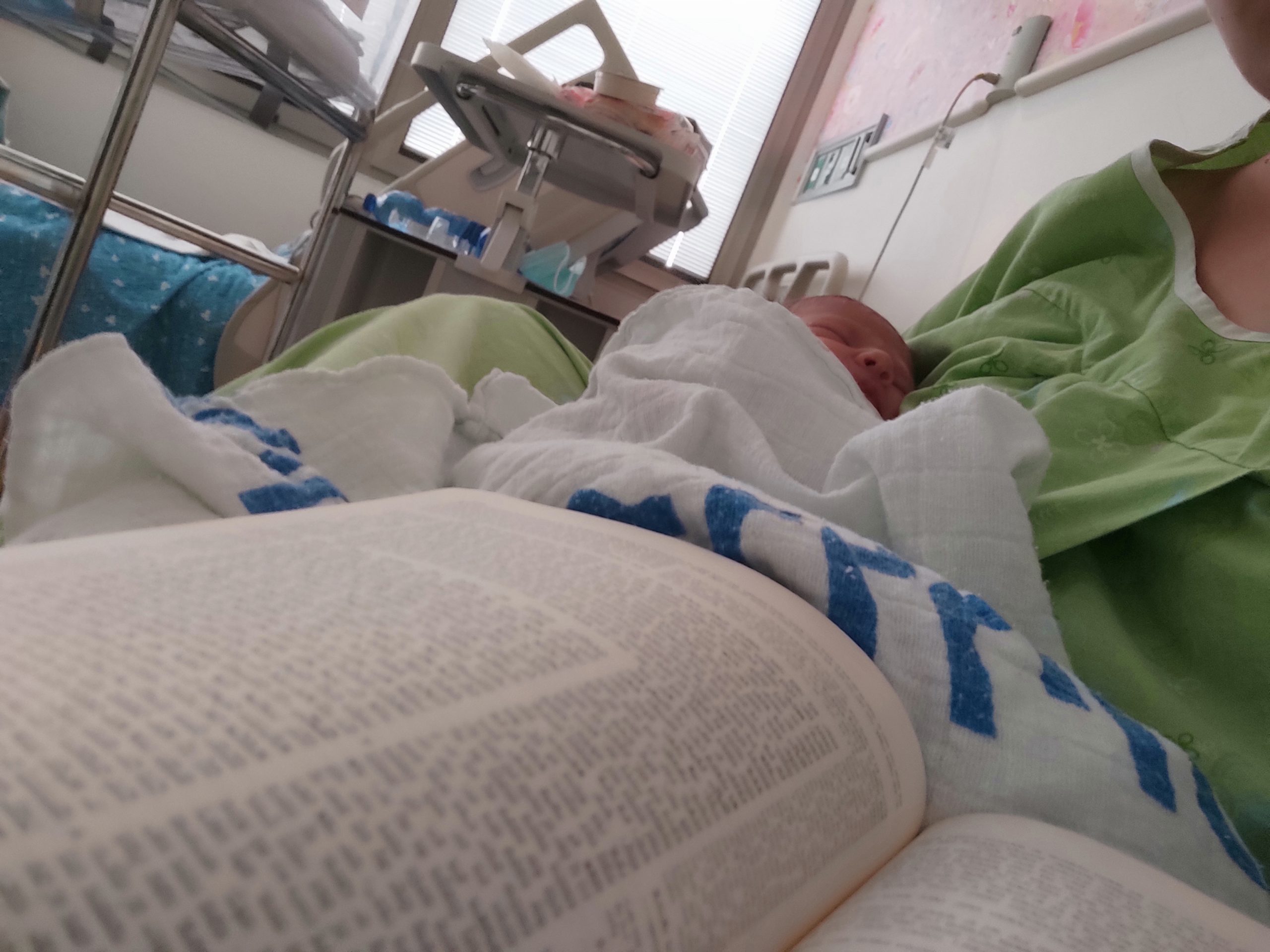
בתחילת הסבב הנוכחי הצטברו אצלי תחושות שאני לא מבינה מספיק מהי ההלכה אותה אני מקיימת בכל יום. כמו כן, כאמא לבנות רציתי לתת להן מודל נשי של לימוד תורה
שתי הסיבות האלו הובילו אותי להתחיל ללמוד. נתקלתי בתגובות מפרגנות וסקרניות איך אישה לומדת גמרא..
כמו שרואים בתמונה אני ממשיכה ללמוד גם היום ואפילו במחלקת יולדות אחרי לידת ביתי השלישית.

Noa Shiloh
נועה שילה

רבבה, ישראל

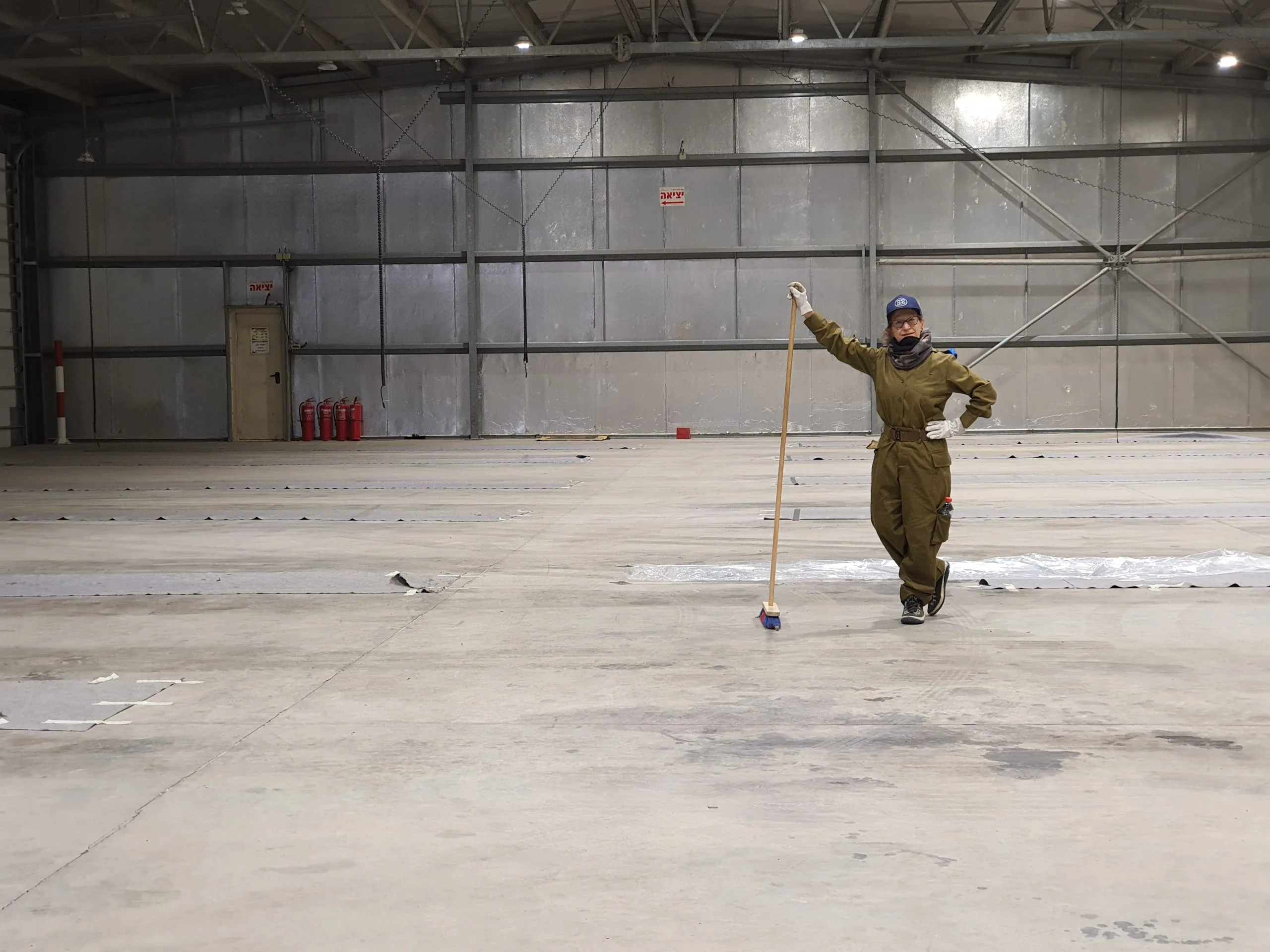
לצערי גדלתי בדור שבו לימוד גמרא לנשים לא היה דבר שבשגרה ושנים שאני חולמת להשלים את הפער הזה.. עד שלפני מספר שבועות, כמעט במקרה, נתקלתי במודעת פרסומת הקוראת להצטרף ללימוד מסכת תענית. כשקראתי את המודעה הרגשתי שהיא כאילו נכתבה עבורי – "תמיד חלמת ללמוד גמרא ולא ידעת איך להתחיל”, "בואי להתנסות במסכת קצרה וקלה” (רק היה חסר שהמודעה תיפתח במילים "מיכי שלום”..). קפצתי למים ו- ב”ה אני בדרך להגשמת החלום:)

Micah Kadosh
מיכי קדוש

מורשת, ישראל

אחי, שלומד דף יומי ממסכת ברכות, חיפש חברותא ללימוד מסכת ראש השנה והציע לי. החברותא היתה מאתגרת טכנית ורוב הזמן נעשתה דרך הטלפון, כך שבסיום המסכת נפרדו דרכינו. אחי חזר ללמוד לבד, אבל אני כבר נכבשתי בקסם הגמרא ושכנעתי את האיש שלי להצטרף אלי למסכת ביצה. מאז המשכנו הלאה, ועכשיו אנחנו מתרגשים לקראתו של סדר נשים!

Shulamit Saban
שולמית סבן

נוקדים, ישראל

ראיתי את הסיום הגדול בבנייני האומה וכל כך התרשמתי ורציתי לקחת חלק.. אבל לקח לי עוד כשנה וחצי )באמצע מסיכת שבת להצטרף..
הלימוד חשוב לי מאוד.. אני תמיד במרדף אחרי הדף וגונבת כל פעם חצי דף כשהילדים עסוקים ומשלימה אח”כ אחרי שכולם הלכו לישון..

Olga Mizrahi
אולגה מזרחי

ירושלים, ישראל

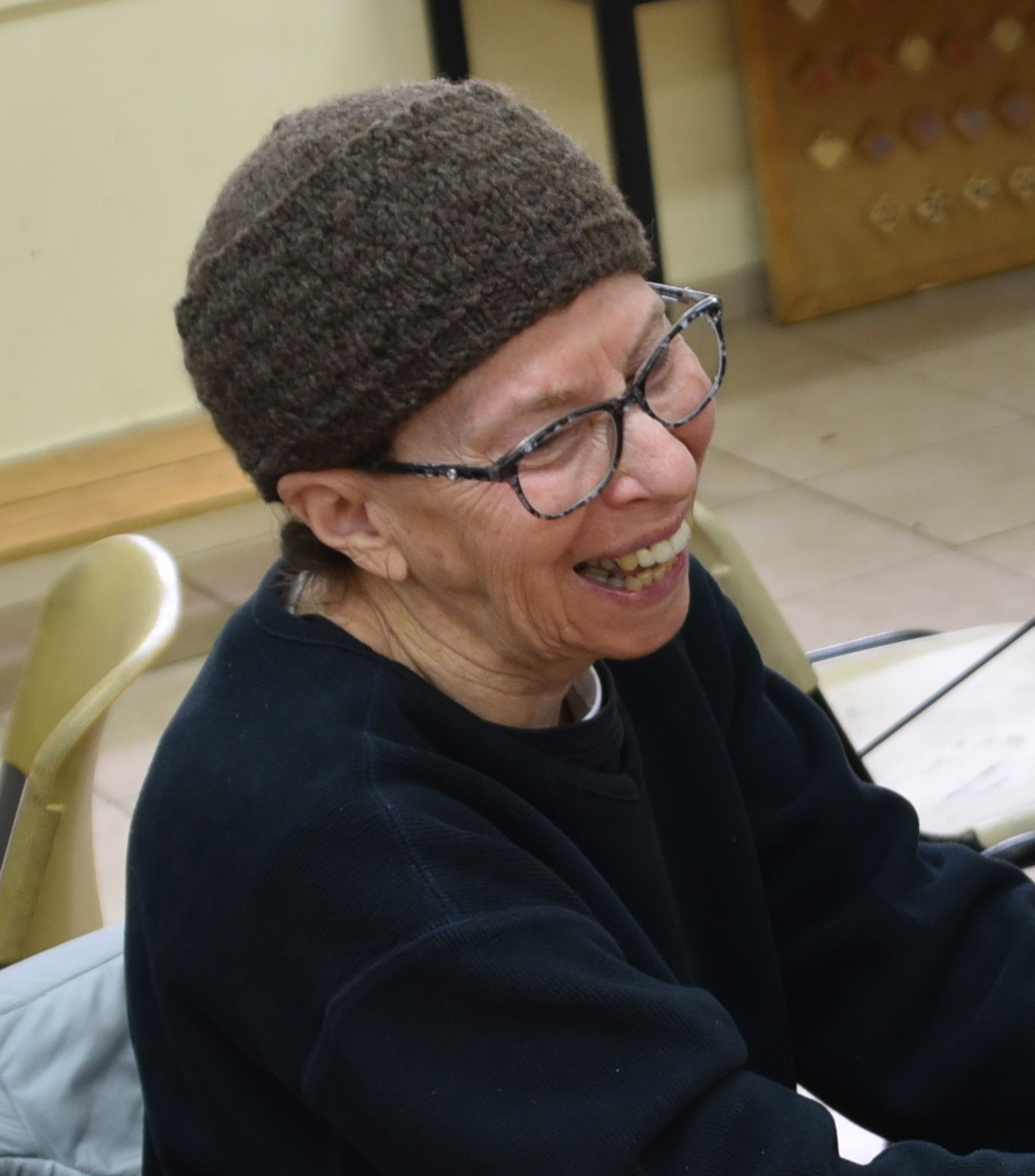
התחלתי ללמוד דף יומי ממסכת נידה כי זה היה חומר הלימוד שלי אז. לאחר הסיום הגדול בבנייני האומה החלטתי להמשיך. וב”ה מאז עם הפסקות קטנות של קורונה ולידה אני משתדלת להמשיך ולהיות חלק.

זה משפיע מאוד על היום יום שלי ועל אף שאני עסוקה בלימודי הלכה ותורה כל יום, זאת המסגרת הקבועה והמחייבת ביותר שיש לי.

Moriah Taesan Michaeli
מוריה תעסן מיכאלי

גבעת הראל, ישראל

A friend in the SF Bay Area said in Dec 2019 that she might start listening on her morning drive to work. I mentioned to my husband and we decided to try the Daf when it began in Jan 2020 as part of our preparing to make Aliyah in the summer.

Hana Piotrkovsky
חנה פיוטרקובסקי

ירושלים, Israel

אמא שלי למדה איתי ש”ס משנה, והתחילה ללמוד דף יומי. אני החלטתי שאני רוצה ללמוד גם. בהתחלה למדתי איתה, אח”כ הצטרפתי ללימוד דף יומי שהרב דני וינט מעביר לנוער בנים בעתניאל. במסכת עירובין עוד חברה הצטרפה אלי וכשהתחלנו פסחים הרב דני פתח לנו שעור דף יומי לבנות. מאז אנחנו לומדות איתו קבוע כל יום את הדף היומי (ובשבת אבא שלי מחליף אותו). אני נהנית מהלימוד, הוא מאתגר ומעניין

Renana Hellman
רננה הלמן

עתניאל, ישראל

התחלתי לפני 8 שנים במדרשה. לאחרונה סיימתי מסכת תענית בלמידה עצמית ועכשיו לקראת סיום מסכת מגילה.

Daniela Baruchim
דניאלה ברוכים

רעננה, ישראל

התחלתי בסיום הש”ס, יצאתי באורות. נשברתי פעמיים, ובשתיהם הרבנית מישל עודדה להמשיך איפה שכולם בסבב ולהשלים כשאוכל, וכך עשיתי וכיום השלמתי הכל. מדהים אותי שאני לומדת כל יום קצת, אפילו בחדר הלידה, בבידוד או בחו”ל. לאט לאט יותר נינוחה בסוגיות. לא כולם מבינים את הרצון, בפרט כפמניסטית. חשה סיפוק גדול להכיר את המושגים וצורת החשיבה. החלום זה להמשיך ולהתמיד ובמקביל ללמוד איך מהסוגיות נוצרה והתפתחה ההלכה.

Weingarten Sherrington Foundation
קרן וינגרטן שרינגטון

מודיעין, ישראל

התחלתי ללמוד דף יומי בסבב הקודם. זכיתי לסיים אותו במעמד המרגש של הדרן. בסבב הראשון ליווה אותי הספק, שאולי לא אצליח לעמוד בקצב ולהתמיד. בסבב השני אני לומדת ברוגע, מתוך אמונה ביכולתי ללמוד ולסיים. בסבב הלימוד הראשון ליוותה אותי חוויה מסויימת של בדידות. הדרן העניקה לי קהילת לימוד ואחוות נשים. החוויה של סיום הש”ס במעמד כה גדול כשנשים שאינן מכירות אותי, שמחות ומתרגשות עבורי , היתה חוויה מרוממת נפש

Ilanit Weil
אילנית ווייל

קיבוץ מגדל עוז, ישראל

התחלתי ללמוד דף יומי אחרי שחזרתי בתשובה ולמדתי במדרשה במגדל עוז. הלימוד טוב ומספק חומר למחשבה על נושאים הלכתיים ”קטנים” ועד לערכים גדולים ביהדות. חשוב לי להכיר את הגמרא לעומק. והצעד הקטן היום הוא ללמוד אותה בבקיאות, בעזרת השם, ומי יודע אולי גם אגיע לעיון בנושאים מעניינים. נושאים בגמרא מתחברים לחגים, לתפילה, ליחסים שבין אדם לחברו ולמקום ולשאר הדברים שמלווים באורח חיים דתי 🙂

Gaia Divo
גאיה דיבו

מצפה יריחו, ישראל

. לא תמיד נהניתי מלימוד גמרא כילדה.,בל כהתבגרתי התחלתי לאהוב את זה שוב. התחלתי ללמוד מסכת סוטה בדף היומי לפני כחמש עשרה שנה ואז הפסקתי.הגעתי לסיום הגדול של הדרן לפני שנתיים וזה נתן לי השראה. והתחלתי ללמוד למשך כמה ימים ואז היתה לי פריצת דיסק והפסקתי…עד אלול השנה. אז התחלתי עם מסכת ביצה וב”ה אני מצליחה לעמוד בקצב. המשפחה מאוד תומכת בי ויש כמה שגם לומדים את זה במקביל. אני אוהבת שיש עוגן כל יום.

Rebecca Darshan
רבקה דרשן

בית שמש, ישראל

הייתי לפני שנתיים בסיום הדרן נשים בבנייני האומה והחלטתי להתחיל. אפילו רק כמה דפים, אולי רק פרק, אולי רק מסכת… בינתיים סיימתי רבע שס ותכף את כל סדר מועד בה.
הסביבה תומכת ומפרגנת. אני בת יחידה עם ארבעה אחים שכולם לומדים דף יומי. מדי פעם אנחנו עושים סיומים יחד באירועים משפחתיים. ממש מרגש. מסכת שבת סיימנו כולנו יחד עם אבא שלנו!
אני שומעת כל יום פודקאסט בהליכה או בנסיעה ואחכ לומדת את הגמרא.

Edna Gross
עדנה גרוס

מרכז שפירא, ישראל

רבנית מישל הציתה אש התלמוד בלבבות בביניני האומה ואני נדלקתי. היא פתחה פתח ותמכה במתחילות כמוני ואפשרה לנו להתקדם בצעדים נכונים וטובים. הקימה מערך שלם שמסובב את הלומדות בסביבה תומכת וכך נכנסתי למסלול לימוד מעשיר שאין כמוה. הדרן יצר קהילה גדולה וחזקה שמאפשרת התקדמות מכל נקודת מוצא. יש דיבוק לומדות שמחזק את ההתמדה של כולנו. כל פניה ושאלה נענית בזריזות ויסודיות. תודה גם למגי על כל העזרה.

Sarah Aber
שרה אבר

נתניה, ישראל

התחלתי ללמוד דף יומי באמצע תקופת הקורונה, שאבא שלי סיפר לי על קבוצה של בנות שתיפתח ביישוב שלנו ותלמד דף יומי כל יום. הרבה זמן רציתי להצטרף לזה וזאת הייתה ההזדמנות בשבילי. הצטרפתי במסכת שקלים ובאמצע הייתה הפסקה קצרה. כיום אני כבר לומדת באולפנה ולומדת דף יומי לבד מתוך גמרא של טיינזלץ.

Saturdays in Raleigh
שבות בראלי

עתניאל, ישראל

התחלתי ללמוד לפני כשנתיים בשאיפה לסיים לראשונה מסכת אחת במהלך חופשת הלידה.
אחרי מסכת אחת כבר היה קשה להפסיק…

Noa Gallant
נעה גלנט

ירוחם, ישראל

לפני 15 שנה, אחרי עשרות שנים של "ג’ינגול” בין משפחה לקריירה תובענית בהייטק, הצטרפתי לשיעורי גמרא במתן רעננה. הלימוד המעמיק והייחודי של הרבנית אושרה קורן יחד עם קבוצת הנשים המגוונת הייתה חוויה מאלפת ומעשירה. לפני כשמונה שנים כאשר מחזור הדף היומי הגיע למסכת תענית הצטרפתי כ”חברותא” לבעלי. זו השעה היומית שלנו ביחד כאשר דפי הגמרא משתלבים בחיי היום יום, משפיעים ומושפעים, וכשלא מספיקים תמיד משלימים בשבת

Yodi Askoff
יודי אסקוף

רעננה, ישראל

התחלתי ללמוד גמרא בבית הספר בגיל צעיר והתאהבתי. המשכתי בכך כל חיי ואף היייתי מורה לגמרא בבית הספר שקד בשדה אליהו (בית הספר בו למדתי בילדותי)בתחילת מחזור דף יומי הנוכחי החלטתי להצטרף ובע”ה מקווה להתמיד ולהמשיך. אני אוהבת את המפגש עם הדף את "דרישות השלום ” שמקבלת מקשרים עם דפים אחרים שלמדתי את הסנכרון שמתחולל בין התכנים.

Ariela Bigman
אריאלה ביגמן

מעלה גלבוע, ישראל

התחלתי ללמוד דף יומי ממסכת נידה כי זה היה חומר הלימוד שלי אז. לאחר הסיום הגדול בבנייני האומה החלטתי להמשיך. וב”ה מאז עם הפסקות קטנות של קורונה ולידה אני משתדלת להמשיך ולהיות חלק.

זה משפיע מאוד על היום יום שלי ועל אף שאני עסוקה בלימודי הלכה ותורה כל יום, זאת המסגרת הקבועה והמחייבת ביותר שיש לי.

Moriah Taesan Michaeli
מוריה תעסן מיכאלי

גבעת הראל, ישראל

בבא מציעא עד

הָכָא לָאו בְּיָדוֹ.

By contrast, here, the matter is not in his power to determine whether or not to buy the wine, as perhaps the owner will not sell it to him.

אָמַר רָבָא: הָנֵי בֵּי תְלָתָא דְּיָהֲבִי זוּזֵי לְחַד לְמִזְבַּן לְהוּ מִידֵּי וּזְבַן לְחַד מִינַּיְיהוּ – זְבַן לְכוּלְּהוּ. וְלָא אֲמַרַן אֶלָּא דְּלָא צָר וַחֲתֵים אִינִישׁ אִינִישׁ לְחוֹדֵיהּ. אֲבָל צָר וַחֲתֵים אִינִישׁ אִינִישׁ לְחוֹדֵיהּ, לְמַאן דִּזְבַן – זְבַן, וּלְמַאן דְּלָא זְבַן – לָא זְבַן.

§ Rava said: In the case of these three people who gave money to one individual in order for him to purchase an item for them and he purchased the item for only one of them, he has actually purchased it for all of them. All three share ownership of that which was purchased, and the one for whom the item was purchased does not have any additional claim on the merchandise. And we said this ruling only when the agent did not wrap up and seal each person’s money separately but rather put all of the money in one bundle. But if he wrapped up and sealed each person’s money separately and spent the money of only one of them, he purchased the item only for the one for whom he purchased it, and he did not purchase the item for those for whom he did not purchase it.

אָמַר רַב פַּפִּי מִשְּׁמֵיהּ דְּרָבָא: הַאי סִיטוּמְתָּא – קָנְיָא. לְמַאי הִלְכְתָא? רַב חֲבִיבָא אֲמַר: לְמִקְנֵיא מַמָּשׁ.

Rav Pappi said in the name of Rava: In this case of labeling an item with a marker [situmta], which was commonly used to indicate that specific merchandise had been sold, even though the buyer had not yet paid and the item was still located in the seller’s warehouse, the labeling effects acquisition of the merchandise for the buyer. The Gemara asks: With regard to what halakha was this said? What is the significance of this acquisition? Rav Ḥaviva said: It means to actually effect acquisition, in other words, that the merchandise belongs to the buyer for all intents and purposes.

רַבָּנַן אָמְרִי: לְקַבּוֹלֵי עֲלֵיהּ מִי שֶׁפָּרַע.

But the Rabbis said: It effects acquisition only concerning a case where one of the parties withdraws from the transaction and is required to accept upon himself the curse of: He Who exacted payment from the people of the generation of the flood, and from the people of the generation of the dispersion, i.e., that of the Tower of Babel, will in the future exact payment from whoever does not stand by his statement (see 44a). The court does not force the parties to complete the transaction but applies the curse to the one who withdraws for his lack of integrity.

וְהִלְכְתָא לְקַבּוֹלֵי עֲלֵיהּ ״מִי שֶׁפָּרַע״. וּבְאַתְרָא דִּנְהִיגוּ לְמִקְנֵי מַמָּשׁ – קָנוּ.

The Gemara concludes: And the halakha is that a marker effects the acquisition of the item only in that one who withdraws from the transaction is required to accept upon himself the curse: He Who exacted payment. But in a place where the custom is that it actually effects the acquisition of the item, it actually effects acquisition of it, as the halakha recognizes the legitimacy of the local custom.

הָיָה הוּא תְּחִלָּה לַקּוֹצְרִים. אָמַר רַב: מְחוּסָּר שְׁתַּיִם – פּוֹסֵק. שָׁלֹשׁ – אֵינוֹ פּוֹסֵק. וּשְׁמוּאֵל אָמַר: בִּידֵי אָדָם – אֲפִילּוּ מֵאָה פּוֹסֵק. בִּידֵי שָׁמַיִם – אֲפִילּוּ אַחַת אֵינוֹ פּוֹסֵק.

§ The mishna teaches that if the seller was first among the reapers, he may set a price with the buyer only when the produce he has is ready for delivery. Rav says: If only two actions needed to complete the labor to prepare the produce were lacking, he may set a price, as the produce is viewed as if it had already been prepared. But if three actions were lacking, he may not set a price, as the item is still not considered prepared, and the setting of a price in advance creates a concern of interest. And Shmuel says: If the actions needed to complete the labor are to be performed by human hands, then even if one hundred actions were lacking, he may set a price, but if the necessary actions must be accomplished by the hand of Heaven, then even if one action is lacking, he may not set a price.

תְּנַן: פּוֹסֵק עִמּוֹ עַל הַגָּדִישׁ, וְהָא מְחוּסָּר מִשְׁדֵּא בְּחַמָּה לְמֵיבַשׁ וּלְמֵידַשׁ וּמִידְרֵא! כְּגוֹן דִּשְׁדָא בְּחַמָּה וִיבַשׁ.

The Gemara challenges Rav’s opinion. We learned in the mishna that he may set a price on a stack of grain. But there are still several actions that are lacking: Placing it in the sun to dry, and threshing, and winnowing. There are three actions that are lacking, and yet the mishna rules that he may set a price. The Gemara responds: The mishna is discussing a case where he already placed it in the sun and it dried. Consequently, there are only two actions that are lacking.

וְלִשְׁמוּאֵל, דְּאָמַר: בִּידֵי שָׁמַיִם אֲפִילּוּ אַחַת אֵינוֹ פּוֹסֵק, וְהָא מְחוּסָּר מִידְרֵא, דְּבִידֵי שָׁמַיִם הִיא – אֶפְשָׁר בְּנָפְווֹתָא.

The Gemara asks: And according to Shmuel, who says: If the actions remaining are to be accomplished by the hand of Heaven even if only one action is lacking he may not set a price, how does he explain the mishna? In the case of the mishna the produce is lacking winnowing, which is done by the hand of Heaven, since winnowing can be done only when there is wind. The Gemara answers: It is possible to winnow with sieves when the wind is not blowing. Although this is done only in exigent circumstances, since it is possible to perform the action entirely by human hands, it is permitted to set a price.

וְעַל הֶעָבִיט שֶׁל עֲנָבִים. וְהָא מְחוּסָּר מִכְמַר, וְעַיּוֹלֵי לְבֵי מַעְצַרְתָּא, לְמֵידַשׁ וּלְמִנְגַּד! כִּדְתָנֵי רַבִּי חִיָּיא: עַל הַכּוֹמֶר שֶׁל זֵיתִים, הָכָא נָמֵי עַל הַכּוֹמֶר שֶׁל עֲנָבִים.

The mishna teaches that one may set a price for a large basket of grapes. Based on this, the Gemara challenges the opinion of Rav: But there are still several actions that are lacking: Warming in a stack, bringing the grapes to the winepress, treading upon them, and drawing the wine out into the pit where it is stored. The Gemara answers: This can be explained as Rabbi Ḥiyya teaches, concerning a difficulty raised from the next clause of the mishna, that the mishna is not discussing setting a price on olives immediately after they were picked but rather for a stack [hakomer] of warmed olives, and here also, it is speaking about a price for a stack of warmed grapes.

וְהָא מְחוּסְּרֵי תְּלָת! בְּאַתְרָא דְּהָהוּא דְּזָבֵין הוּא דְּנָגֵיד.

The Gemara challenges: But there are three actions that are lacking. The Gemara explains: The mishna is discussing a place where the local custom is that the one who purchases the grapes is the one who draws the wine out of the winepress. Consequently, there are only two actions remaining to complete the labor before the merchandise will be ready for purchase.

וְעַל הַמַּעֲטָן שֶׁל זֵיתִים. וְהָא מְחוּסָּר מִכְמַר וְעַיּוֹלֵי לְבֵי דַפֵּי לְמֵידַשׁ וּלְמִנְגַּד! תָּנֵי רַבִּי חִיָּיא: עַל כּוֹמֶר שֶׁל זֵיתִים. הָא אִיכָּא תְּלָת! בְּאַתְרָא דְּהָהוּא דְּזָבֵין הָהוּא (מְנַגֵּיד).

The mishna teaches that one may set a price for a vat of olives. Based on this, the Gemara challenges the opinion of Rav: But there are still several actions that are lacking: Warming the olives in a stack, bringing the olives to the olive press, pressing them, and drawing the oil out into the pit where it is stored. The Gemara answers: Rabbi Ḥiyya teaches a baraita with a different version of the statement, which reads: For a stack of olives that has already been warmed. The Gemara challenges: But there are three actions that are lacking: Bringing the olives to the olive press, pressing them, and drawing the oil. The Gemara explains: The mishna is discussing a place where the local custom is that the one who purchases the olives is the one who draws the oil.

וְעַל הַבֵּיצִים שֶׁל יוֹצֵר. אַמַּאי? וְהָא מְחוּסָּר לָפוֹפֵי וְיַבּוֹשֵׁי, עַיּוֹלֵי לְאַתּוּנָא לְמִשְׂרַף וּלְמִיפַּק! כְּגוֹן דִּמְלָפְפָה וִיבִישׁוּ. וְהָא אִיכָּא תְּלָת! בְּאַתְרָא דְּהָהוּא דְּזָבֵין הוּא דְּמַפֵּיק.

The mishna teaches that one may set a price for the clumps of clay prepared for use by a potter. Based on this, the Gemara challenges the opinion of Rav: Why is this permitted? But there are still several actions that are lacking: Rolling them out to the proper size, drying them, putting them into the kiln, burning them, and removing them from the kiln. The Gemara answers: The mishna is discussing a case where they were already rolled and dried. The Gemara challenges: But there are three actions that are lacking. The Gemara explains: The mishna is discussing a place where the local custom is that the one who purchases the clumps of clay is the one who removes them from the kiln.

וְעַל הַסִּיד מִשֶּׁיְּשַׁקְּעֶנּוּ בַּכִּבְשָׁן. וְהָא מְחוּסָּר מִקְלֵה וְאַפּוֹקֵי וּמֵידַק! בְּאַתְרָא דְּהָהוּא דְּזָבֵין הָהוּא דָּיֵיק. וְלִשְׁמוּאֵל דְּאָמַר: בִּידֵי אָדָם אֲפִילּוּ מֵאָה פּוֹסֵק, לְמָה לִי מִשֶּׁיְּשַׁקְּעֶנּוּ בַּכִּבְשָׁן? אֵימָא ״מִשֶּׁרָאוּי לְשַׁקְּעוֹ בַּכִּבְשָׁן״.

The mishna teaches that one may set a price for plaster after he has sunk it in the kiln. Based on this, the Gemara challenges the opinion of Rav: Why is this permitted? But there are still several actions that are lacking: Burning it, and removing it from the kiln, and grinding it. The Gemara answers: The mishna is discussing a place where the local custom is that the one who purchases the plaster is the one who grinds it. The Gemara asks: And according to the opinion of Shmuel, who says that if all actions that remain are to be done by human hands even if one hundred actions are lacking one may set a price, why do I need the statement that this applies only after he has sunk it in the kiln? The Gemara answers: Say: When it is fit to be sunk in the kiln.

וְעַל הַבֵּיצִים שֶׁל יוֹצֵר. תָּנוּ רַבָּנַן: אֵין פּוֹסְקִים עַל הַבֵּיצִים שֶׁל יוֹצֵר עַד שֶׁיֵּעָשׂוּ, דִּבְרֵי רַבִּי מֵאִיר. אָמַר רַבִּי יוֹסֵי: בַּמֶּה דְּבָרִים אֲמוּרִים – בְּעָפָר לָבָן, אֲבָל בְּעָפָר שָׁחוֹר, כְּגוֹן כְּפַר חֲנַנְיָא וְחַבְרוֹתֶיהָ, כְּפַר שִׁיחִין וְחַבְרוֹתֶיהָ – פּוֹסְקִין, אַף עַל פִּי שֶׁאֵין לְזֶה יֵשׁ לְזֶה.

§ The mishna teaches that one may set a price for the clumps of clay prepared for use by a potter. The Sages taught: One may not set a price for the clumps of clay prepared for use by a potter until they are fully formed; this is the statement of Rabbi Meir. Rabbi Yosei says: In what case is this statement said? It is said with regard to white earth from which superior clay pottery is made, but with regard to the simple and inexpensive black earth, from which ordinary clay pottery is made, such as that of Kefar Ḥananya and its environs, or that of Kefar Shiḥin and its environs, one may set a price immediately, since even if this one does not have any in his possession, that one does have it, as black earth is a common commodity.

אַמֵּימָר יָהֵיב זוּזֵי מִכִּי מְעַיְּילִי עַפְרָא. כְּמַאן? אִי כְּרַבִּי מֵאִיר, הָאָמַר: עַד שֶׁיֵּעָשׂוּ. אִי כְּרַבִּי יוֹסֵי, הָאָמַר: אַף עַל פִּי שֶׁאֵין לְזֶה יֵשׁ לְזֶה! לְעוֹלָם כְּרַבִּי יוֹסֵי, וּבְאַתְרֵיהּ דְּאַמֵּימָר עֲשִׁיק עַפְרָא: אִי דִּמְעַיְּילִי עַפְרָא סָמְכָא דַּעְתֵּיהּ וְיָהֵיב לְהוּ זוּזֵי, וְאִי לָא – לָא סָמְכָא דַּעְתֵּיהּ.

The Gemara relates: Ameimar gave money to a seller of clumps of clay only from the time that the clay was brought into his house. In accordance with whose opinion did he act? If he acted in accordance with the opinion of Rabbi Meir, doesn’t Rabbi Meir say that one may not set a price until they are fully formed, but there is no need to wait until the merchandise is delivered to his house? And if he acted in accordance with the opinion of Rabbi Yosei, doesn’t Rabbi Yosei say that one may set a price at any time, as even though this one does not have any, that one does have it? The Gemara answers: Actually, he ruled in accordance with the opinion of Rabbi Yosei, but in Ameimar’s locale earth suitable for making clay was scarce, so much so that even black clay was not common. Consequently, if the clay was brought into his house, he relied on this and gave the seller the money, but if not, he did not rely on it.

וּפוֹסֵק עִמּוֹ עַל הַזֶּבֶל כׇּל יְמוֹת הַשָּׁנָה. חֲכָמִים הַיְינוּ תַּנָּא קַמָּא? אָמַר רָבָא:

§ The mishna teaches that one may set a price with him for manure on any of the days of the year, and that Rabbi Yosei permitted this only if he already had a pile of manure in his dunghill, whereas the Rabbis permitted it in all cases. The Gemara asks: The statement of the Rabbis is identical to the statement of the first tanna, so what is the reason to repeat it? Rava said:

יְמוֹת הַגְּשָׁמִים – אִיכָּא בֵּינַיְיהוּ.

The practical difference between them is with regard to the rainy season. According to the first tanna one may set a price for the future delivery of manure at any point in the year, including the rainy season, but according to the Rabbis one may not arrange for the delivery during the rainy season, because manure is not commonly available then.

וּפוֹסֵק עִמּוֹ כְּשַׁעַר הַגָּבוֹהַּ.

§ The mishna teaches: One may set a price at the highest rate, meaning he may set a price for the future delivery of produce and stipulate that if the market rate falls below the agreed-upon price, he will purchase the product according to the lowest price in effect in the market at any point during the year, which is the price that will provide the highest amount of merchandise for the amount he agreed to pay.

הָהוּא גַּבְרָא דִּיהַיב זוּזֵי לִנְדוּנְיָא דְּבֵי חֲמוּהּ, לְסוֹף זַל נְדוּנְיָא. אֲתוֹ לְקַמֵּיהּ דְּרַב פָּפָּא. אֲמַר לֵיהּ: אִי פְּסַקְתְּ (עִמּוֹ) כְּשַׁעַר הַגָּבוֹהַּ – שְׁקֹל כִּהַשְׁתָּא. וְאִי לָא – שְׁקֹל כִּי מֵעִיקָּרָא.

The Gemara relates: There was a certain man who gave money to sellers to buy jewelry for his betrothed’s dowry [linduneya] on behalf of his father-in-law, as his intended father-in-law made him an agent to buy the jewelry for part of the dowry. The betrothed man stipulated with the sellers that they would provide the jewelry in time for the wedding. Ultimately, the jewelry for the dowry became less expensive, as the price fell. The betrothed man wanted to retract his commitment to buy the jewelry at the higher price. The parties came before Rav Pappa for a ruling. Rav Pappa said to the betrothed man: If you set a price with the seller to buy the jewelry at the highest rate, i.e., the largest amount of jewelry for the price you are willing to pay, then take the jewelry at the present price. But if not, take it at the price that you set initially.

אֲמַרוּ לֵיהּ רַבָּנַן לְרַב פָּפָּא: וְאִי לָא פְּסַק – שָׁקֵיל כְּמֵעִיקָּרָא? מָעוֹת נִינְהוּ, וּמָעוֹת לָא קָנוּ! אֲמַר לְהוּ: אֲנָא נָמֵי לְקַבּוֹלֵי עֲלֵיהּ ״מִי שֶׁפָּרַע״ קָא אָמֵינָא. אִי פְּסַק כְּשַׁעַר הַגָּבוֹהַּ, מוֹכֵר קָא הָדַר בֵּיהּ, מְקַבֵּל עֲלֵיהּ מוֹכֵר ״מִי שֶׁפָּרַע״. אִי לָא פְּסַק – לוֹקֵחַ קָא הָדַר בֵּיהּ, מְקַבֵּל עֲלֵיהּ לוֹקֵחַ ״מִי שֶׁפָּרַע״.

The Sages said to Rav Pappa: And if he did not set a price at the highest rate, must he take the merchandise at the price he set initially? This is a case where he paid money, and giving money alone does not effect acquisition. Rav Pappa said to them: I did not mean that it was an actual acquisition; rather, I also agree that giving money does not effect acquisition. What I said was with regard to accepting upon himself the curse: He Who exacted payment. If the betrothed man set a price at the highest rate the buyer is in the right, and if so, the seller is the one who retracted, and therefore the seller accepts upon himself the curse: He Who exacted payment. But if the betrothed man did not set a price at the highest rate, then the betrothed man, i.e., the buyer, is the one who retracted, and therefore the buyer accepts upon himself the curse: He Who exacted payment.

אֲמַר לֵיהּ רָבִינָא לְרַב פָּפָּא: וּמִמַּאי דְּרַבָּנַן הִיא דִּפְלִיגִי עֲלֵיהּ דְּרַבִּי שִׁמְעוֹן דְּאָמְרִי מָעוֹת לָא קָנוּ, וַאֲפִילּוּ הָכִי: אִי פְּסַק כְּשַׁעַר הַגָּבוֹהַּ – שָׁקֵיל כִּדְהַשְׁתָּא, אִי לָא פְּסַק – שָׁקֵיל כִּדְמֵעִיקָּרָא,

Ravina said to Rav Pappa: From where do you know that the ruling of the mishna, i.e., that if he did not set a price according to the highest rate he must acquire the merchandise at the price he set initially, is in accordance with the opinion of the Rabbis who disagree with Rabbi Shimon and who say that giving money does not effect acquisition? And even so, they hold that if he set a price at the highest rate, he takes it at the current price, and if he did not set a price at the highest rate, he takes it at the price he set initially.

דִּלְמָא רַבִּי שִׁמְעוֹן הִיא, דְּאָמַר מָעוֹת קוֹנוֹת: וְכִי פְּסַק כְּשַׁעַר הַגָּבוֹהַּ – שָׁקֵיל כִּי הַשְׁתָּא, אִי לָא פְּסַק – שָׁקֵיל כְּמֵעִיקָּרָא, מִשּׁוּם דְּקָנֵי לְהוּ זוּזֵי. אֲבָל לְרַבָּנַן, בֵּין פְּסַק בֵּין לָא פְּסַק – שָׁקֵיל כִּי הַשְׁתָּא, דְּדַעְתֵּיהּ דְּאִינִישׁ אַתַּרְעָא זִילָא!

Perhaps the ruling of the mishna is in accordance with the opinion of Rabbi Shimon, who says that giving money effects acquisition, and therefore if he set a price at the highest rate, he takes it at the current price, and if he did not set a price at the highest rate, he takes it at the price he set initially, since giving money effects acquisition. But according to the opinion of the Rabbis, whether he set a price at the highest rate or did not set a price at the highest rate, he takes it at the current price, because a person’s intention is always to acquire merchandise at the least expensive price.

אֲמַר לֵיהּ: אֵימוֹר דְּאָמַר רַבִּי שִׁמְעוֹן בְּחַד תַּרְעָא, בִּתְרֵי תַּרְעֵי מִי אָמַר? דְּאִי לָא תֵּימָא הָכִי, ״מִי שֶׁפָּרַע״ בְּלוֹקֵחַ – לְרַבִּי שִׁמְעוֹן לֵית לֵיהּ!

Rav Pappa said to him: Say that Rabbi Shimon said his ruling that giving money effects acquisition in a case where there was one price, i.e., the price did not change in the meantime. Did he say his ruling where there were two prices? Certainly Rabbi Shimon will concede that the buyer can withdraw from the sale if the market price changes. As, if you do not say so, then the curse: He Who exacted payment, will not apply to the buyer under any circumstances according to the opinion of Rabbi Shimon.

וְכִי תֵּימָא: הָכִי נָמֵי, וְהָתַנְיָא: מִכׇּל מָקוֹם כָּךְ הֲלָכָה, אֲבָל אָמְרוּ חֲכָמִים ״מִי שֶׁפָּרַע״ כּוּ׳.

And if you would say: Indeed, the curse: He Who exacted payment, never applies to a buyer according to the opinion of Rabbi Shimon, isn’t it taught in a baraita: Rabbi Shimon says: Even though the Sages said that when one party takes possession of a garment, the other party acquires a gold dinar, but when one party takes possession of a gold dinar, the other party does not acquire a garment, in any case, that is what the halakha would be. But the Sages said with regard to one who withdraws from a transaction where one party performed an act of acquisition by pulling the gold dinar into his possession: He Who exacted payment from the people of the generation of the flood, and from the people of the generation of the dispersion, and from the inhabitants of Sodom and Gomorrah, and from the Egyptians in the Red Sea, will in the future exact payment from whoever does not stand by his statement.

מַאי מִכׇּל מָקוֹם? לָאו דְּלָא שְׁנָא לוֹקֵחַ וְלָא שְׁנָא מוֹכֵר מְקַבֵּל עֲלֵיהּ ״מִי שֶׁפָּרַע״? אֶלָּא כִּי קָאָמַר רַבִּי שִׁמְעוֹן: בְּחַד תַּרְעָא, בִּתְרֵי תַּרְעֵי לָא אָמַר.

Rav Pappa clarifies: What is the meaning of: In any case? Does it not mean that there is no difference whether it is the buyer and there is no difference whether it is the seller who withdraws from the sale, that either way he accepts upon himself the curse: He Who exacted payment? Rather, it must be that when Rabbi Shimon is saying that giving money effects acquisition, he is referring to a case where there was one price, but in a case where there were two prices he did not say it.

אֲמַר לֵיהּ רַב אַחָא בְּרֵיהּ דְּרָבָא לְרַב אָשֵׁי: וְתִיפּוֹק לֵיהּ דְּשָׁלִיחַ שַׁוְּיֵיהּ מֵעִיקָּרָא! אֲמַר לֵיהּ: בְּתַגָּרָא דְּזָבֵין וּמְזַבֵּין.

Rav Aḥa, son of Rava, said to Rav Ashi: But let Rav Pappa derive this halakha in the case of the dowry employing a more straightforward reasoning: The father-in-law initially made the betrothed man an agent, and since he was an agent, the father-in-law could say to him: I sent you to act for my benefit, not to my detriment. Purchasing the jewels at a more expensive price is to the detriment of the father-in-law, and therefore the agency and the sale itself are nullified. Rav Ashi said to him: It is speaking here about a case where the father-in-law did not actually make him an agent. Rather, the betrothed man was a merchant who buys and sells merchandise. The father-in-law understands that he engages in commerce and that he will not always profit from his trading.

מַתְנִי׳ מַלְוֶה אָדָם אֶת אֲרִיסָיו חִטִּין בְּחִטִּין לְזֶרַע, אֲבָל לֹא לֶאֱכוֹל. שֶׁהָיָה רַבָּן גַּמְלִיאֵל מַלְוֶה אֶת אֲרִיסָיו חִטִּין בְּחִטִּין לְזֶרַע, בְּיוֹקֶר וְהוּזְלוּ, אוֹ בְּזוֹל וְהוּקְרוּ – נוֹטֵל מֵהֶן כְּשַׁעַר הַזּוֹל. וְלֹא מִפְּנֵי שֶׁהֲלָכָה כֵּן, אֶלָּא שֶׁרָצָה לְהַחְמִיר עַל עַצְמוֹ.

MISHNA: A person may lend wheat to his sharecroppers in exchange for wheat, for the purpose of seeding, meaning that he may lend them a quantity of wheat with which to seed the field, and at harvest time the sharecropper will add the amount of grain that he borrowed to the landowner’s portion of the yield. But he may not lend wheat for the sharecroppers to eat and be paid back with an equivalent quantity because this creates a concern about interest, as the price of wheat may rise. As Rabban Gamliel would lend wheat to his sharecroppers in exchange for wheat, for purposes of seeding, and if he lent it at a high price and the price then fell, or if he lent it at an inexpensive price and the price subsequently rose, in all cases he would take it back from them at the inexpensive price. But this was not because this is the halakha; rather, he wanted to be stringent with himself.

גְּמָ׳ תָּנוּ רַבָּנַן: מַלְוֶה אָדָם אֶת אֲרִיסָיו חִטִּים בְּחִטִּים לְזֶרַע. בַּמֶּה דְּבָרִים אֲמוּרִים – שֶׁלֹּא יָרַד, אֲבָל יָרַד אָסוּר. מַאי שְׁנָא תַּנָּא דִּידַן דְּלָא קָא מְפַלֵּיג בֵּין יָרַד וּבֵין לֹא יָרַד, וּמַאי שְׁנָא תַּנָּא בָּרָא דְּקָא מְפַלֵּיג בֵּין יָרַד וּבֵין לֹא יָרַד?

GEMARA: The Sages taught in a baraita: A person may lend wheat to his sharecroppers in exchange for wheat, for the purpose of seeding. In what case is this statement said? It is said when the sharecropper has not yet gone down into the field to begin to work, but if he had already gone down into the field to begin to work, lending him wheat under these terms is prohibited. The Gemara asks: What is different about the tanna of our mishna, who does not differentiate between whether the sharecropper went down or did not go down, and what is different about the tanna of the baraita, who does differentiate between whether he went down or he did not go down?

אָמַר רָבָא, רַבִּי אִידִי אַסְבְּרַהּ נִיהֲלִי: בְּאַתְרָא דְּתַנָּא דִּידַן, אֲרִיסָא יָהֵיב בִּיזְרָא, בֵּין יָרַד וּבֵין לֹא יָרַד – כַּמָּה דְּלָא יָהֵיב בִּיזְרָא מָצֵי מְסַלֵּיק לֵיהּ, וְכִי קָא נָחֵית – לִבְצִיר מֵהָכִי קָא נָחֵית.

Rava said: Rabbi Idi explained the matter to me: In the locale of the tanna of our mishna, the local custom was that the sharecropper would provide the seeds, and therefore, whether he went down or did not go down, as long as the sharecropper has not put the seeds into the field the landowner can remove him from the field. Consequently, in a case where the landowner gives the sharecropper the seeds, he sets the terms of the sharecropping tenancy, and when the sharecropper goes down into the field, he goes down into the field for less than this, under the agreement that he will reduce his share of the crop in order to return the seed to the landowner.

בְּאַתְרָא דְּתַנָּא בָּרָא, מָרֵי אַרְעָא יָהֵיב בִּיזְרָא, אִי לֹא יָרַד דְּמָצֵי מְסַלֵּיק לֵיהּ, כִּי קָא נָחֵית – לִבְצִיר מֵהָכִי קָא נָחֵית, אִי יָרַד דְּלָא מָצֵי מְסַלֵּיק לֵיהּ – אָסוּר.

By contrast, in the locale of the tanna of the baraita, the landowner is the one who would provide the seeds, so if he has not yet gone down into the field the landowner can remove him, and therefore, when he goes down into the field, he goes down for less than this. But if he went down, and therefore the landowner can no longer remove him, lending him wheat under these terms is prohibited, because he took upon himself in advance to work the field without receiving seeds from the owner of the field. Consequently, these seeds that he then receives are like a loan and the prohibition of interest applies.

תָּנוּ רַבָּנַן, אוֹמֵר אָדָם לַחֲבֵירוֹ:

§ The Sages taught: A person may say to another:

רוצה לעקוב אחרי התכנים ולהמשיך ללמוד?

ביצירת חשבון עוד היום ניתן לעקוב אחרי ההתקדמות שלך, לסמן מה למדת, ולעקוב אחרי השיעורים שמעניינים אותך.

לנקות את כל הפריטים מהרשימה?

פעולה זו תסיר את כל הפריטים בחלק זה כולל ההתקדמות וההיסטוריה. שימי לב: לא ניתן לשחזר פעולה זו.

ביטול
מחיקה

האם את/ה בטוח/ה שברצונך למחוק פריט זה?

תאבד/י את כל ההתקדמות או ההיסטוריה הקשורות לפריט זה.

ביטול
מחיקה