








שתי מקורות סותרים מובאים בנוגע לאיסור חסימת בהמה הדשה בתרומה ובמעשר. מקור אחד אומר שזה לא אסור והשני אומר שזה אסור. מספר תשובות מובאות כדי ליישב את הסתירה, כשכל מקור יכול להתייחס לסוג שונה של תרומה/מעשר או לדעה שונה. אם המזון בגורן גורם לבהמה להיות חולה, האם עדיין אסור לחסום אותה? האם אסור להגיד לאינו יהודי לחסום את הבהמה ולדוש איתה כמו בדיני שבת (אמירה לנכרי שבות), או שזה אסור רק בשבת בשל חומרת השבת? שני מקורות מובאים לענות על שאלה זו, אך בסופו של דבר הם לא מכריעים. רמי בר חמא שואל סדרה של שאלות על האם יש איסור לחסום במקרה שיש גורם חיצוני שנמצא (לא הוצב על ידי הבעלים) שעלול למנוע מהבמה לאכול. שאלותיו נותרות ללא מענה. רבי יונתן שואל אם אדם חוסם בהמה בחוץ ואז והביא אותה לגורן, האם זה אסור. רבי סימאי ענה מהמקרה של כוהנים שנכנסו למקדש שיכורים ששם ברור שהפסוק לא התכוון רק כשהם שותים בכניסה למקדש. אם אדם אחד חוסם ואדם אחר מביא אותה לדוש, השני מקבל מלקות. רבי יוחנן ורבי לקיש חולקים אם אדם מקבל מלקות רק על חסימה בפועל או גם על הוראה בעל פה (דיבור) לבהמה שלא לאכול.
רוצה להקדיש לימוד?
בבא מציעא צ
וְהַדָּשׁוֹת בִּתְרוּמָה וּמַעֲשֵׂר, אֵינוֹ עוֹבֵר מִשּׁוּם ״בַּל תַּחְסוֹם״, אֲבָל מִפְּנֵי מַרְאִית הָעַיִן – מֵבִיא בּוּל מֵאוֹתוֹ הַמִּין וְתוֹלֶה לָהּ בַּטְּרַסְקָלִין שֶׁבְּפִיהָ. רַבִּי שִׁמְעוֹן בֶּן יוֹחַאי אוֹמֵר: מֵבִיא כַּרְשִׁינִים וְתוֹלֶה לָהּ, שֶׁהַכַּרְשִׁינִים יָפוֹת לָהּ מִן הַכֹּל.
or that thresh teruma and tithe, which one may not allow his cows to eat, if he muzzles them he does not violate the prohibition of: Do not muzzle, but due to the appearance of prohibition, as observers are unaware that he is acting in a permitted manner, he should bring a piece of that species of produce and hang it in the basket [bateraskalin] that is by the animal’s mouth. Rabbi Shimon ben Yoḥai says: He does not have to use the same food that the animal is threshing, as he may bring vetches and hang them for it, as vetches are better for it than anything.
וּרְמִינְהִי: פָּרוֹת הַמְרַכְּסוֹת בִּתְבוּאָה – אֵינוֹ עוֹבֵר מִשּׁוּם ״בַּל תַּחְסוֹם״. וְהַדָּשׁוֹת בִּתְרוּמָה וּמַעֲשֵׂר – עוֹבֵר מִשּׁוּם ״בַּל תַּחְסוֹם״. וְנׇכְרִי הַדָּשׁ בְּפָרָתוֹ שֶׁל יִשְׂרָאֵל – אֵינוֹ עוֹבֵר מִשּׁוּם ״בַּל תַּחְסוֹם״. וְיִשְׂרָאֵל הַדָּשׁ בְּפָרָתוֹ שֶׁל נׇכְרִי – עוֹבֵר מִשּׁוּם ״בַּל תַּחְסוֹם״. קַשְׁיָא תְּרוּמָה אַתְּרוּמָה, קַשְׁיָא מַעֲשֵׂר אַמַּעֲשֵׂר!
And the Gemara raises a contradiction against this from a baraita: In the case of cows that tread on produce, one does not violate the prohibition of: Do not muzzle, but with regard to those which thresh teruma and tithes, he does violate the prohibition of: Do not muzzle. And in the case of a gentile who threshes with the cow of a Jew, he does not violate the prohibition of: Do not muzzle, but a Jew who threshes with the cow of a gentile does violate the prohibition of: Do not muzzle, as it depends on the person who performs the action, not the identity of the animal’s owner. This presents a difficulty with regard to the ruling concerning teruma in one baraita and the ruling concerning teruma in the other baraita, and there is similarly a difficulty with regard to the ruling concerning tithe in one baraita and the ruling concerning tithe in the other baraita.
בִּשְׁלָמָא תְּרוּמָה אַתְּרוּמָה לָא קַשְׁיָא – כָּאן בִּתְרוּמָה, כָּאן בְּגִידּוּלֵי תְרוּמָה. אֶלָּא מַעֲשֵׂר אַמַּעֲשֵׂר קַשְׁיָא!
The Gemara comments: Granted, the contradiction between the ruling concerning teruma in one baraita and the ruling concerning teruma in the other baraita is not difficult, as here, the ruling in this baraita is stated with regard to actual teruma, which may not be fed to a cow, and there, the ruling in that baraita is stated with regard to growths of teruma, which have the status of teruma by rabbinic law, and therefore it is permitted to feed them to one’s animal so as not to violate the prohibition against muzzling. But as for the contradiction between the ruling concerning tithe in one baraita and the ruling concerning tithe in the other baraita, this is difficult.
וְכִי תֵּימָא מַעֲשֵׂר אַמַּעֲשֵׂר נָמֵי לָא קַשְׁיָא: כָּאן – בְּמַעֲשֵׂר, כָּאן – בְּגִידּוּלֵי מַעֲשֵׂר. בִּשְׁלָמָא גִּידּוּלֵי תְרוּמָה – תְּרוּמָה! אֶלָּא גִּידּוּלֵי מַעֲשֵׂר – חוּלִּין נִינְהוּ. דִּתְנַן: גִּידּוּלֵי טֶבֶל וְגִידּוּלֵי מַעֲשֵׂר שֵׁנִי – חוּלִּין!
And if you would say that the contradiction between the ruling concerning tithe in one baraita and the ruling concerning tithe in the other baraita is also not difficult, as here, the ruling in this baraita is stated with regard to actual tithe, which may not be fed to a cow, and there, the ruling in that baraita is stated with regard to growths of tithe, which have the status of tithe by rabbinic law, and therefore it is permitted to feed them to one’s animal in order not to violate the prohibition against muzzling, this answer cannot be accepted. The reason is that granted, the growths of teruma are considered like teruma by rabbinic law, but the growths of tithe are non-sacred foods. As we learned in a mishna (Terumot 9:4): The growths of untithed produce and the growths of second tithe are non-sacred.
אֶלָּא לָא קַשְׁיָא: הָא בְּמַעֲשֵׂר רִאשׁוֹן, הָא בְּמַעֲשֵׂר שֵׁנִי. וְאִיבָּעֵית אֵימָא: הָא וְהָא בְּמַעֲשֵׂר שֵׁנִי, וְלָא קַשְׁיָא: הָא רַבִּי מֵאִיר, הָא רַבִּי יְהוּדָה.
The Gemara suggests a different answer: Rather, this is not difficult. The ruling of this baraita is stated with regard to first tithe, which is considered the owner’s property, whereas the ruling of that baraita is stated with regard to second tithe, which is property of the Temple treasury. And if you wish, say that both this ruling and that ruling are stated with regard to second tithe, and it is not difficult, as the ruling of this baraita, according to which it is prohibited to feed it to the animal, is in accordance with the opinion of Rabbi Meir, while the ruling of that baraita, which says that one may feed it to the animal, is in accordance with the opinion of Rabbi Yehuda.
הָא רַבִּי מֵאִיר, דְּאָמַר: מַעֲשֵׂר מָמוֹן גָּבוֹהַּ הוּא, הָא רַבִּי יְהוּדָה דְּאָמַר: מַעֲשֵׂר שֵׁנִי מָמוֹן הֶדְיוֹט הוּא.
The Gemara elaborates: This baraita is in accordance with the opinion of Rabbi Meir, who says that second tithe is property belonging to the Most High, i.e., the owner has only the right to eat the food, and therefore he may not let his cow consume it, whereas that baraita is in accordance with the opinion of Rabbi Yehuda, who says that second tithe is non-sacred property.
הֵיכִי דָּמֵי? כְּגוֹן שֶׁהִקְדִּימוֹ בְּשִׁבֳּלִין.
The Gemara asks: What are the circumstances of a cow that threshes tithes? Tithes are usually separated only after the produce has been threshed and collected into a pile. The Gemara answers: This is referring to a case where the separation of tithes performed by the owner preceded the separation of teruma at the stage when the produce was still on the stalks.
וּלְרַבִּי יְהוּדָה? וְהָא בָּעֵי חוֹמָה! כְּגוֹן שֶׁדָּשׁ לִפְנִים מֵחוֹמַת בֵּית פָּאגֵי.
The Gemara further asks: And according to the explanation that the baraita that permits feeding this produce to one’s animal is in accordance with the opinion of Rabbi Yehuda, i.e., that this is referring to second tithe, how is the consumption of this tithe permitted before it enters Jerusalem? But one is required to bring second tithe within the city wall. The Gemara answers: This is referring to a case where he threshed inside the wall of Beit Pagei, the outer wall of Jerusalem, which enclosed a semi-rural suburb.
אִיבָּעֵית אֵימָא: לָא קַשְׁיָא. כָּאן – בְּמַעֲשֵׂר וַדַּאי, כָּאן – בְּמַעֲשֵׂר דְּמַאי. הַשְׁתָּא דְּאָתֵית לְהָכִי, תְּרוּמָה אַתְּרוּמָה נָמֵי לָא קַשְׁיָא: כָּאן – בִּתְרוּמַת וַדַּאי, כָּאן – בִּתְרוּמַת דְּמַאי.
If you wish, say a different answer to the original contradiction between the baraitot: This is not difficult; here, the ruling in this baraita is stated with regard to definite tithe, which may not be fed to a cow, whereas there, the ruling in that baraita is stated with regard to doubtfully tithed produce [demai], from which one is required to separate tithes by rabbinic law. The Gemara comments: Now that you have arrived at this answer, i.e., that this baraita is referring to demai, the contradiction between the ruling of this baraita concerning teruma and the ruling of that baraita concerning teruma is also not difficult, as one can likewise say that here, the ruling in this baraita is stated with regard to definite teruma, and there, the ruling in that baraita is stated with regard to teruma of demai.
בִּשְׁלָמָא מַעֲשֵׂר דְּמַאי אִיכָּא, אֶלָּא תְּרוּמַת דְּמַאי מִי אִיכָּא? וְהָתַנְיָא: אַף הוּא בִּיטֵּל אֶת הַוִּידּוּי וְגָזַר עַל הַדְּמַאי – לְפִי שֶׁשָּׁלַח בְּכֹל גְּבוּל יִשְׂרָאֵל וְרָאָה שֶׁלֹּא הָיוּ מַפְרִישִׁין אֶלָּא תְּרוּמָה גְּדוֹלָה בִּלְבָד!
The Gemara asks: Granted, with regard to demai of tithe, there is such a concept, as the Sages decreed that one must separate tithe from doubtfully tithed produce. But with regard to demai of teruma, is there teruma of this kind? But isn’t it taught in a baraita: He, Yoḥanan the High Priest, also annulled the declaration of tithes (Deuteronomy 26:12–19), due to fear that the agricultural halakhot were not being properly observed and the declaration that one has separated his tithe in accordance with Torah law would therefore be false, and he decreed that one must separate demai of tithe from the produce of one who is unreliable with regard to tithes. He issued this decree because he sent messengers throughout all the borders of Eretz Yisrael and saw that they would separate only the great teruma alone, not tithes. It is clear from here that Jews were not suspected of neglecting the mitzva of teruma, and therefore was no need to separate teruma from demai.
אֶלָּא לָא קַשְׁיָא: כָּאן – בִּתְרוּמַת מַעֲשֵׂר וַדַּאי, כָּאן – בִּתְרוּמַת מַעֲשֵׂר דְּמַאי.
Rather, the Gemara offers a slightly different answer: It is not difficult; here, the ruling in this baraita is stated with regard to definite teruma of the tithe, separated by a Levite from his tithe and given to a priest; there, the ruling in that baraita is stated with regard to teruma of the tithe from demai.
בְּעוֹ מִינֵּיהּ מֵרַב שֵׁשֶׁת: הָיְתָה אוֹכֶלֶת וּמַתְרֶזֶת, מַהוּ? מִשּׁוּם דִּמְעַלֵּי לַהּ הוּא, וְהָא לָא מְעַלֵּי לַהּ? אוֹ דִלְמָא דְּחָזְיָא וּמִצְטַעֲרָא, וְהָא חָזְיָא וּמִצְטַעֲרָא?
§ The Sages raised a dilemma before Rav Sheshet: If the animal was eating from the produce it was threshing, and it was excreting diarrhea [matrezet], what is the halakha? The Gemara explains the sides of the dilemma: Is the reason that one must let the animal eat because the food is good for it, and this produce is evidently not good for it, and therefore the animal should be muzzled to prevent it from harm? Or perhaps the reason for the prohibition against muzzling is that it sees food and suffers when it cannot eat, and this one also sees food and suffers when it cannot eat.
אֲמַר לְהוּ רַב שֵׁשֶׁת: תְּנֵיתוּהָ, רַבִּי שִׁמְעוֹן בֶּן יוֹחַי אוֹמֵר: מֵבִיא כַּרְשִׁינִים וְתוֹלֶה לָהּ, שֶׁהַכַּרְשִׁינִים יָפוֹת לָהּ מִן הַכֹּל. שְׁמַע מִינַּהּ מִשּׁוּם דִּמְעַלֵּי לַהּ הוּא. שְׁמַע מִינַּהּ.
Rav Sheshet said to them: You learned a baraita that provides the answer to your question. Rabbi Shimon ben Yoḥai says: One can bring vetches and hang them for it, as vetches are better for it than anything. One can learn from the baraita that the reason is because the food is good for it. The Gemara affirms: Learn from the baraita that it is so.
אִיבַּעְיָא לְהוּ: מַהוּ שֶׁיֹּאמַר אָדָם לְנׇכְרִי ״חֲסוֹם פָּרָתִי וְדוּשׁ בָּהּ״? מִי אָמְרִינַן: כִּי אָמְרִינַן אֲמִירָה לְנׇכְרִי שְׁבוּת, הָנֵי מִילֵּי לְעִנְיַן שַׁבָּת – דְּאִיסּוּר סְקִילָה, אֲבָל חֲסִימָה, דְּאִיסּוּר לָאו – לָא, אוֹ דִלְמָא לָא שְׁנָא?
§ A dilemma was raised before the Sages: What is the halakha with regard to the possibility that a person can say to a gentile: Muzzle my cow and thresh with it? Do we say that when we state the principle that speaking to a gentile and requesting of him to perform for oneself a task forbidden to a Jew is prohibited by a rabbinic decree, this matter applies only to Shabbat, when the performance of labor is a prohibition that entails stoning, but with regard to muzzling, which is merely a regular prohibition, giving an instruction of this kind to a gentile is not prohibited; or perhaps there is no difference between the prohibitions of Shabbat and other prohibitions in this regard?
תָּא שְׁמַע: נׇכְרִי הַדָּשׁ בְּפָרָתוֹ שֶׁל יִשְׂרָאֵל – אֵינוֹ עוֹבֵר מִשּׁוּם ״בַּל תַּחְסוֹם״. מִעְבָּר הוּא דְּלָא עָבַר, הָא אִיסּוּרָא אִיכָּא. בְּדִין הוּא דְּאִיסּוּרָא נָמֵי לֵיכָּא, וְאַיְּידֵי דִּתְנָא סֵיפָא דְּיִשְׂרָאֵל הַדָּשׁ בְּפָרָתוֹ שֶׁל נׇכְרִי עוֹבֵר, תְּנָא רֵישָׁא: אֵינוֹ עוֹבֵר.
The Gemara suggests: Come and hear a proof from the aforementioned baraita. A gentile who threshes with the cow of a Jew does not violate the prohibition of: Do not muzzle. One can infer as follows: It is a transgression by Torah law that he does not transgress, but there is a prohibition here by rabbinic law. The Gemara refutes this argument: This is no proof, as by right the baraita should have stated that there is no prohibition here either, but since the tanna of the baraita taught in the latter clause that a Jew who threshes with the cow of a gentile does violate the prohibition, he taught the first clause in a similar style, with the phrase: He does not violate the prohibition. If so, one cannot reach any conclusions from the wording of the baraita.
תָּא שְׁמַע דִּשְׁלַחוּ לֵיהּ לַאֲבוּהּ דִּשְׁמוּאֵל: הָלֵין תּוֹרֵי
The Gemara suggests: Come and hear, as they sent to Shmuel’s father a halakhic inquiry with regard to these oxen
דְּגָנְבִין אַרְמָאֵי וּמְגַנְּחִין יָתְהוֹן, מַהוּ? שְׁלַח לְהוּ: הַעֲרָמָה אִתְעֲבִיד בְּהוּ, אַעֲרִימוּ עֲלַיְיהוּ וְיִזְדַּבְּנוּן.
which gentiles steal and castrate. Since it is prohibited for Jews to castrate animals, they would sometimes arrange for a gentile to pretend to steal the animal and subsequently return it after castrating it, as it is easier to handle a castrated animal. What is the halakha with regard to a case of this kind? Shmuel’s father sent to him: They used artifice; therefore, you should use artifice with them and make them sell it as a punishment. This shows that it is prohibited to instruct a gentile to perform a prohibition on one’s behalf.
אָמַר רַב פָּפָּא: בְּנֵי מַעְרְבָא סָבְרִי לַהּ כְּרַבִּי חִידְקָא, דְּאָמַר: בְּנֵי נֹחַ מְצֻוִּוין עַל הַסֵּירוּס, וְקָא עָבְרִי מִשּׁוּם ״וְלִפְנֵי עִוֵּר לֹא תִתֵּן מִכְשֹׁל״.
Rav Pappa said: This provides no conclusive proof, as the inhabitants of the West, i.e., Eretz Yisrael, who are the ones who raised this question, hold in accordance with the opinion of Rabbi Ḥideka, who says: The descendants of Noah are commanded with regard to castration. They too are prohibited from performing this practice. And consequently, those Jews who cause them to do it transgress the prohibition of: “Nor put a stumbling block before the blind” (Leviticus 19:14).
סְבַר רָבָא לְמֵימַר יִמָּכְרוּ לִשְׁחִיטָה. אָמַר לוֹ אַבָּיֵי דַּיָּין שֶׁקָּנַסְתָּ עֲלֵיהֶם מְכִירָה.
Rava thought to say that it is not enough that the owners may not use these animals castrated for them by gentiles, but they must even sell the animals for slaughter, but not for plowing, so that they would derive no benefit at all from the increase in the value of their property that resulted from a transgression. A castrated animal is worth more if it is sold for plowing, but not if it is sold for slaughter. Abaye said to him: It is enough for them that you penalized them by requiring them to sell the animals.
פְּשִׁיטָא: בְּנוֹ גָּדוֹל – כִּי אַחֵר דָּמֵי. בְּנוֹ קָטָן מַאי? רַב אַחַי אָסַר, וְרַב אָשֵׁי שָׁרֵי. מָרִימָר וּמָר זוּטְרָא, וְאָמְרִי לַהּ הָנְהוּ תְּרֵי חֲסִידֵי, מְחַלְּפִי אַהֲדָדֵי.
With regard to the same issue, the Gemara comments: It is obvious that if one sold the castrated animal to his adult son, the son is considered like another person, i.e., there is no need to sell to a complete stranger. If the buyer was his minor son, what is the halakha? Rav Aḥai prohibited this, and Rav Ashi permitted it. Mareimar and Mar Zutra, and some say it was a certain pair of unknown pious men, would exchange such oxen with each other.
בָּעֵי רָמֵי בַּר חָמָא: הוֹשִׁיב לָהּ קוֹץ בְּפִיהָ, מַהוּ? הוֹשִׁיב לָהּ?! חֲסִימָה מְעַלַּיְיתָא הִיא! אֶלָּא יָשַׁב לָהּ קוֹץ בְּפִיהָ, מַהוּ?
§ Rami bar Ḥama raises a dilemma: If one placed a thorn in the mouth of a threshing animal, what is the halakha? The Gemara is puzzled by this question: If he placed the thorn in its mouth, this is certainly considered proper muzzling. Rather, the dilemma should be formulated as follows: If a thorn settled in its mouth and one did not remove it, what is the halakha?
הִרְבִּיץ לָהּ אֲרִי מִבַּחוּץ, מַהוּ? הִרְבִּיץ לָהּ?! חֲסִימָה מְעַלַּיְיתָא הִיא! אֶלָּא רָבַץ לָהּ אֲרִי מִבַּחוּץ, מַהוּ? הֶעֱמִיד בְּנָהּ מִבַּחוּץ, מַהוּ? הָיְתָה צְמֵאָה לְמַיִם, מַהוּ? פָּרַס לָהּ קַטְבֻלְיָא עַל גַּבֵּי דִּישָׁה, מַהוּ?
The Gemara poses a similar question: If one made a lion crouch over it from outside, to frighten the animal and stop it from eating, what is the halakha? The Gemara responds as it did before: If he made the lion crouch over it, this is considered proper muzzling. Rather, if a lion was crouching over it and he did not get rid of it, what is the halakha? Similarly, if he placed its young on the outside, so that the animal looks toward its young and does not eat, what is the halakha? Or, if it was thirsty for water, what is the halakha? If he spread a leather blanket [katavliya] for it over the produce it was threshing, so that the animal cannot see the food, what is the halakha?
פְּשׁוֹט מִיהָא חֲדָא, דְּתַנְיָא: רַשַּׁאי בַּעַל פָּרָה לְהַרְעִיב פָּרָתוֹ כְּדֵי שֶׁתֹּאכַל מִן הַדִּישָׁה הַרְבֵּה, וְרַשַּׁאי בַּעַל הַבַּיִת לְהַתִּיר פְּקִיעַ עָמִיר לִפְנֵי הַבְּהֵמָה כְּדֵי שֶׁלֹּא תֹּאכַל מִן הַדִּישָׁה הַרְבֵּה!
The Gemara comments: Resolve at least one of the abovementioned dilemmas, as it is taught in a baraita: The owner of a cow who lent his animal to thresh the field of another is permitted to starve his cow so that it will eat plenty of the crop it is threshing, and a homeowner is permitted to untie a bundle of straw before an animal so that it will not eat plenty of the produce it is threshing. This is similar to spreading a blanket over the produce.
שָׁאנֵי הָתָם דְּקָא אָכְלָה. אִיבָּעֵית אֵימָא: רַשַּׁאי בַּעַל הַבַּיִת לְהַתִּיר פְּקִיעַ עָמִיר לִפְנֵי בְּהֵמָה מֵעִיקָּרָא כְּדֵי שֶׁלֹּא תֹּאכַל הַרְבֵּה מִן הַדִּישָׁה.
The Gemara refutes this comparison: No proof can be brought from here, because there it is different, as it at least gets to eat the produce. If you wish, say instead that the baraita should be explained as follows: A homeowner is permitted to untie a bundle of straw before an animal at the outset, before the threshing begins, so that it will fill itself with straw beforehand and will not eat plenty of the crop it is threshing.
בְּעָא מִינֵּיהּ רַבִּי יוֹנָתָן מֵרַבִּי סִימַאי: חֲסָמָהּ מִבַּחוּץ, מַהוּ? ״שׁוֹר בְּדִישׁוֹ״ אָמַר רַחֲמָנָא, וְהָא לָאו בְּדִישׁוֹ הוּא, אוֹ דִלְמָא לֹא תָּדוּשׁ בַּחֲסִימָה אָמַר רַחֲמָנָא?
§ Rabbi Yonatan raised a dilemma before Rabbi Simai: If one muzzled the animal from the outside, i.e., before it began to thresh, what is the halakha? The Gemara clarifies the sides of the dilemma: One can argue that the Merciful One states: “An ox in its threshing” (Deuteronomy 25:4), and this animal is not in its threshing, as it was muzzled before it was taken to thresh. Or perhaps the Merciful One states that one may not have the animal thresh while it is muzzled.
אָמַר לוֹ: מִבֵּית אָבִיךָ אַתָּה לָמֵד: ״יַיִן וְשֵׁכָר אַל תֵּשְׁתְּ אַתָּה וּבָנֶיךָ אִתָּךְ בְּבֹאֲכֶם״. בְּבוֹאֲכֶם הוּא דְּאָסוּר, הָא מִישְׁתָּא וּמֵיעַל שְׁרֵי.
Rabbi Simai said to him: You can learn from your father’s house, i.e., you can derive this halakha from the case of priests, being a priest yourself. As the Torah states: “Drink no wine nor strong drink, you nor your sons with you, when you come into the Tent of Meeting” (Leviticus 10:9). Doesn’t a straightforward reading of this verse lead to the conclusion that it is only when you come into the Sanctuary that it is prohibited, whereas to drink wine and then enter is permitted?
״וּלְהַבְדִּיל בֵּין הַקֹּדֶשׁ וּבֵין הַחֹל״ אָמַר רַחֲמָנָא. אֶלָּא, מָה הָתָם: בִּשְׁעַת בִּיאָה לֹא תְּהֵא שִׁכְרוּת, הָכָא נָמֵי: בִּשְׁעַת דִּישָׁה לֹא תְּהֵא חֲסִימָה.
This interpretation is not tenable, as with regard to the same matter the Merciful One states: “That you may make a difference between the sacred and the non-sacred” (Leviticus 10:10), which indicates that the priest must be capable of making these distinctions when he enters the Temple. Rather, just as there, with regard to the prohibition against drinking wine in the Sanctuary, the Torah means that at the time of entry there must be no drunkenness, whether the wine was drunk inside or outside the Sanctuary, here too it means that at the time of threshing there must be no muzzling.
תָּנוּ רַבָּנַן: הַחוֹסֵם אֶת הַפָּרָה וְהַמְזַוֵּוג בְּכִלְאַיִם – פָּטוּר, וְאֵינוֹ לוֹקֶה אֶלָּא דָּשׁ וּמַנְהִיג בִּלְבָד.
§ The Sages taught: With regard to one who muzzles a cow that someone else is using for threshing, and similarly, one who plows with animals of diverse kinds together, e.g., with an ox and a donkey on the same plow, he is exempt, as only one who threshes a muzzled animal and one who leads diverse kinds of animals together are flogged.
אִיתְּמַר: חֲסָמָהּ בְּקוֹל וְהִנְהִיגָהּ בְּקוֹל? רַבִּי יוֹחָנָן אָמַר: חַיָּיב, רֵישׁ לָקִישׁ אָמַר: פָּטוּר. רַבִּי יוֹחָנָן אָמַר: חַיָּיב, עֲקִימַת פִּיו הָוְיָא מַעֲשֶׂה. רֵישׁ לָקִישׁ אָמַר: פָּטוּר, קָלָא לָא הָוֵי מַעֲשֶׂה.
§ It was stated that the amora’im disagreed about the following case: If one muzzled an animal with his voice, by berating it whenever it tried to eat, and similarly, if he led diverse kinds of animals together by means of his voice, without performing any action, what is the halakha? Rabbi Yoḥanan says he is liable; Reish Lakish says he is exempt. The Gemara explains the reasoning behind their opinions: Rabbi Yoḥanan says he is liable, as he maintains that the twisting of one’s mouth to speak is considered an action, albeit a slight one, whereas Reish Lakish says he is exempt, because a mere voice is not considered an action.
אֵיתִיבֵיהּ רַבִּי יוֹחָנָן לְרֵישׁ לָקִישׁ:
Rabbi Yoḥanan raised an objection to the opinion of Reish Lakish:

חדשה בלימוד הגמרא?
זה הדף הראשון שלך? איזו התרגשות עצומה! יש לנו בדיוק את התכנים והכלים שיעזרו לך לעשות את הצעדים הראשונים ללמידה בקצב וברמה שלך, כך תוכלי להרגיש בנוח גם בתוך הסוגיות המורכבות ומאתגרות.
פסיפס הלומדות שלנו
גלי את קהילת הלומדות שלנו, מגוון נשים, רקעים וסיפורים. כולן חלק מתנועה ומסע מרגש ועוצמתי.
התחלתי מעט לפני תחילת הסבב הנוכחי. אני נהנית מהאתגר של להמשיך להתמיד, מרגעים של "אהה, מפה זה הגיע!” ומהאתגר האינטלקטואלי

לוד, ישראל
התחלתי ללמוד דף יומי כאשר קיבלתי במייל ממכון שטיינזלץ את הדפים הראשונים של מסכת ברכות במייל. קודם לא ידעתי איך לקרוא אותם עד שנתתי להם להדריך אותי. הסביבה שלי לא מודעת לעניין כי אני לא מדברת על כך בפומבי. למדתי מהדפים דברים חדשים, כמו הקשר בין המבנה של בית המקדש והמשכן לגופו של האדם (יומא מה, ע”א) והקשר שלו למשפט מפורסם שמופיע בספר ההינדי "בהגוד-גיתא”. מתברר שזה רעיון כלל עולמי ולא רק יהודי

נשר, ישראל
התחלתי בסיום הש”ס, יצאתי באורות. נשברתי פעמיים, ובשתיהם הרבנית מישל עודדה להמשיך איפה שכולם בסבב ולהשלים כשאוכל, וכך עשיתי וכיום השלמתי הכל. מדהים אותי שאני לומדת כל יום קצת, אפילו בחדר הלידה, בבידוד או בחו”ל. לאט לאט יותר נינוחה בסוגיות. לא כולם מבינים את הרצון, בפרט כפמניסטית. חשה סיפוק גדול להכיר את המושגים וצורת החשיבה. החלום זה להמשיך ולהתמיד ובמקביל ללמוד איך מהסוגיות נוצרה והתפתחה ההלכה.

מודיעין, ישראל
התחלתי ללמוד בשנת המדרשה במגדל עוז, בינתיים נהנית מאוד מהלימוד ומהגמרא, מעניין ומשמח מאוד!
משתדלת להצליח לעקוב כל יום, לפעמים משלימה קצת בהמשך השבוע.. מרגישה שיש עוגן מקובע ביום שלי והוא משמח מאוד!

חיפה , ישראל
הייתי לפני שנתיים בסיום הדרן נשים בבנייני האומה והחלטתי להתחיל. אפילו רק כמה דפים, אולי רק פרק, אולי רק מסכת… בינתיים סיימתי רבע שס ותכף את כל סדר מועד בה.
הסביבה תומכת ומפרגנת. אני בת יחידה עם ארבעה אחים שכולם לומדים דף יומי. מדי פעם אנחנו עושים סיומים יחד באירועים משפחתיים. ממש מרגש. מסכת שבת סיימנו כולנו יחד עם אבא שלנו!
אני שומעת כל יום פודקאסט בהליכה או בנסיעה ואחכ לומדת את הגמרא.

מרכז שפירא, ישראל
באירוע של הדרן בנייני האומה. בהשראתה של אמי שלי שסיימה את הש”ס בסבב הקודם ובעידוד מאיר , אישי, וילדיי וחברותיי ללימוד במכון למנהיגות הלכתית של רשת אור תורה סטון ומורתיי הרבנית ענת נובוסלסקי והרבנית דבורה עברון, ראש המכון למנהיגות הלכתית.
הלימוד מעשיר את יומי, מחזיר אותי גם למסכתות שכבר סיימתי וידוע שאינו דומה מי ששונה פרקו מאה לשונה פרקו מאה ואחת במיוחד מרתקים אותי החיבורים בין המסכתות

מודיעין, ישראל
התחלתי להשתתף בשיעור נשים פעם בשבוע, תכננתי ללמוד רק דפים בודדים, לא האמנתי שאצליח יותר מכך.
לאט לאט נשאבתי פנימה לעולם הלימוד .משתדלת ללמוד כל בוקר ומתחילה את היום בתחושה של מלאות ומתוך התכווננות נכונה יותר.
הלימוד של הדף היומי ממלא אותי בתחושה של חיבור עמוק לעם היהודי ולכל הלומדים בעבר ובהווה.

אפרת, ישראל
בתחילת הסבב הנוכחי של לימוד הדף היומי, נחשפתי לחגיגות המרגשות באירועי הסיום ברחבי העולם. והבטחתי לעצמי שבקרוב אצטרף גם למעגל הלומדות. הסבב התחיל כאשר הייתי בתחילת דרכי בתוכנית קרן אריאל להכשרת יועצות הלכה של נשמ”ת. לא הצלחתי להוסיף את ההתחייבות לדף היומי על הלימוד האינטנסיבי של תוכנית היועצות. בבוקר למחרת המבחן הסופי בנשמ”ת, התחלתי את לימוד הדף במסכת סוכה ומאז לא הפסקתי.

קרית גת, ישראל
התחלתי כשהייתי בחופש, עם הפרסומים על תחילת המחזור, הסביבה קיבלה את זה כמשהו מתמיד ומשמעותי ובהערכה, הלימוד זה עוגן יציב ביום יום, יש שבועות יותר ויש שפחות אבל זה משהו שנמצא שם אמין ובעל משמעות בחיים שלי….

גמזו, ישראל
בתחילת הסבב הנוכחי הצטברו אצלי תחושות שאני לא מבינה מספיק מהי ההלכה אותה אני מקיימת בכל יום. כמו כן, כאמא לבנות רציתי לתת להן מודל נשי של לימוד תורה
שתי הסיבות האלו הובילו אותי להתחיל ללמוד. נתקלתי בתגובות מפרגנות וסקרניות איך אישה לומדת גמרא..
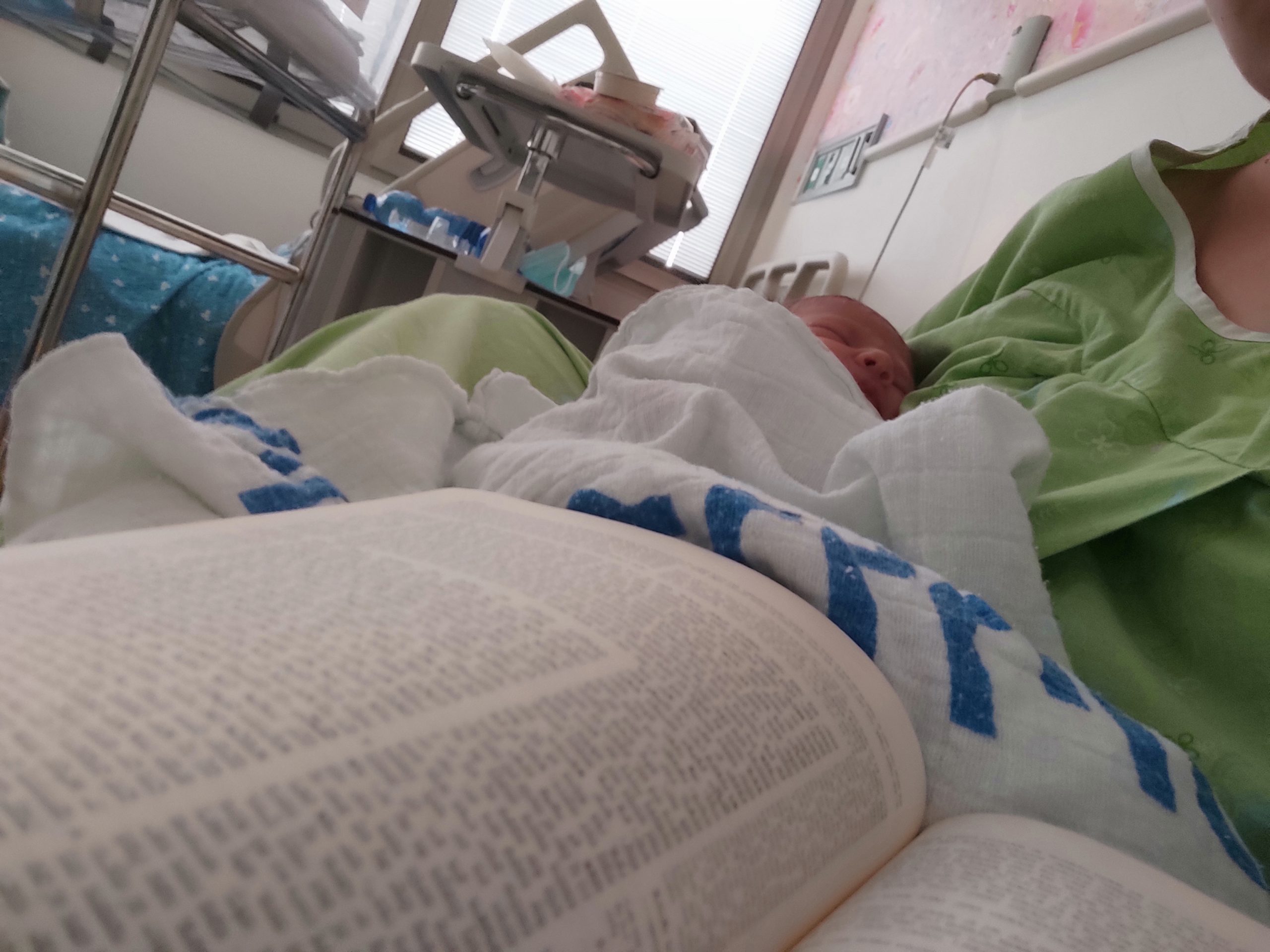
כמו שרואים בתמונה אני ממשיכה ללמוד גם היום ואפילו במחלקת יולדות אחרי לידת ביתי השלישית.
רבבה, ישראל
אמא שלי למדה איתי ש”ס משנה, והתחילה ללמוד דף יומי. אני החלטתי שאני רוצה ללמוד גם. בהתחלה למדתי איתה, אח”כ הצטרפתי ללימוד דף יומי שהרב דני וינט מעביר לנוער בנים בעתניאל. במסכת עירובין עוד חברה הצטרפה אלי וכשהתחלנו פסחים הרב דני פתח לנו שעור דף יומי לבנות. מאז אנחנו לומדות איתו קבוע כל יום את הדף היומי (ובשבת אבא שלי מחליף אותו). אני נהנית מהלימוד, הוא מאתגר ומעניין

עתניאל, ישראל
ראיתי את הסיום הגדול בבנייני האומה וכל כך התרשמתי ורציתי לקחת חלק.. אבל לקח לי עוד כשנה וחצי )באמצע מסיכת שבת להצטרף..
הלימוד חשוב לי מאוד.. אני תמיד במרדף אחרי הדף וגונבת כל פעם חצי דף כשהילדים עסוקים ומשלימה אח”כ אחרי שכולם הלכו לישון..

ירושלים, ישראל
אני לומדת גמרא כעשור במסגרות שונות, ואת הדף היומי התחלתי כשחברה הציעה שאצטרף אליה לסיום בבנייני האומה. מאז אני לומדת עם פודקסט הדרן, משתדלת באופן יומי אך אם לא מספיקה, מדביקה פערים עד ערב שבת. בסבב הזה הלימוד הוא "ממעוף הציפור”, מקשיבה במהירות מוגברת תוך כדי פעילויות כמו בישול או נהיגה, וכך רוכשת היכרות עם הסוגיות ואופן ניתוחם על ידי חז”ל. בע”ה בסבב הבא, ואולי לפני, אצלול לתוכו באופן מעמיק יותר.

רמת גן, ישראל
התחלתי מעט לפני תחילת הסבב הנוכחי. אני נהנית מהאתגר של להמשיך להתמיד, מרגעים של "אהה, מפה זה הגיע!” ומהאתגר האינטלקטואלי
לוד, ישראל
התחלתי כשהייתי בחופש, עם הפרסומים על תחילת המחזור, הסביבה קיבלה את זה כמשהו מתמיד ומשמעותי ובהערכה, הלימוד זה עוגן יציב ביום יום, יש שבועות יותר ויש שפחות אבל זה משהו שנמצא שם אמין ובעל משמעות בחיים שלי….
גמזו, ישראל
באירוע של הדרן בנייני האומה. בהשראתה של אמי שלי שסיימה את הש”ס בסבב הקודם ובעידוד מאיר , אישי, וילדיי וחברותיי ללימוד במכון למנהיגות הלכתית של רשת אור תורה סטון ומורתיי הרבנית ענת נובוסלסקי והרבנית דבורה עברון, ראש המכון למנהיגות הלכתית.
הלימוד מעשיר את יומי, מחזיר אותי גם למסכתות שכבר סיימתי וידוע שאינו דומה מי ששונה פרקו מאה לשונה פרקו מאה ואחת במיוחד מרתקים אותי החיבורים בין המסכתות
מודיעין, ישראל
הצטרפתי ללומדות בתחילת מסכת תענית. ההתרגשות שלי ושל המשפחה היתה גדולה מאוד, והיא הולכת וגוברת עם כל סיום שאני זוכה לו. במשך שנים רבות רציתי להצטרף ומשום מה זה לא קרה… ב”ה מצאתי לפני מספר חודשים פרסום של הדרן, ומיד הצטרפתי והתאהבתי. הדף היומי שינה את חיי ממש והפך כל יום- ליום של תורה. מודה לכן מקרב ליבי ומאחלת לכולנו לימוד פורה מתוך אהבת התורה ולומדיה.

חיספין רמת הגולן, ישראל
התחלתי ללמוד את הדף היומי מעט אחרי שבני הקטן נולד. בהתחלה בשמיעה ולימוד באמצעות השיעור של הרבנית שפרבר. ובהמשך העזתי וקניתי לעצמי גמרא. מאז ממשיכה יום יום ללמוד עצמאית, ולפעמים בעזרת השיעור של הרבנית, כל יום. כל סיום של מסכת מביא לאושר גדול וסיפוק. הילדים בבית נהיו חלק מהלימוד, אני משתפת בסוגיות מעניינות ונהנית לשמוע את דעתם.

מעלה מכמש, ישראל
התחלתי ללמוד דף יומי ממסכת נידה כי זה היה חומר הלימוד שלי אז. לאחר הסיום הגדול בבנייני האומה החלטתי להמשיך. וב”ה מאז עם הפסקות קטנות של קורונה ולידה אני משתדלת להמשיך ולהיות חלק.
זה משפיע מאוד על היום יום שלי ועל אף שאני עסוקה בלימודי הלכה ותורה כל יום, זאת המסגרת הקבועה והמחייבת ביותר שיש לי.

גבעת הראל, ישראל
רבנית מישל הציתה אש התלמוד בלבבות בביניני האומה ואני נדלקתי. היא פתחה פתח ותמכה במתחילות כמוני ואפשרה לנו להתקדם בצעדים נכונים וטובים. הקימה מערך שלם שמסובב את הלומדות בסביבה תומכת וכך נכנסתי למסלול לימוד מעשיר שאין כמוה. הדרן יצר קהילה גדולה וחזקה שמאפשרת התקדמות מכל נקודת מוצא. יש דיבוק לומדות שמחזק את ההתמדה של כולנו. כל פניה ושאלה נענית בזריזות ויסודיות. תודה גם למגי על כל העזרה.

נתניה, ישראל
בבא מציעא צ
וְהַדָּשׁוֹת בִּתְרוּמָה וּמַעֲשֵׂר, אֵינוֹ עוֹבֵר מִשּׁוּם ״בַּל תַּחְסוֹם״, אֲבָל מִפְּנֵי מַרְאִית הָעַיִן – מֵבִיא בּוּל מֵאוֹתוֹ הַמִּין וְתוֹלֶה לָהּ בַּטְּרַסְקָלִין שֶׁבְּפִיהָ. רַבִּי שִׁמְעוֹן בֶּן יוֹחַאי אוֹמֵר: מֵבִיא כַּרְשִׁינִים וְתוֹלֶה לָהּ, שֶׁהַכַּרְשִׁינִים יָפוֹת לָהּ מִן הַכֹּל.
or that thresh teruma and tithe, which one may not allow his cows to eat, if he muzzles them he does not violate the prohibition of: Do not muzzle, but due to the appearance of prohibition, as observers are unaware that he is acting in a permitted manner, he should bring a piece of that species of produce and hang it in the basket [bateraskalin] that is by the animal’s mouth. Rabbi Shimon ben Yoḥai says: He does not have to use the same food that the animal is threshing, as he may bring vetches and hang them for it, as vetches are better for it than anything.
וּרְמִינְהִי: פָּרוֹת הַמְרַכְּסוֹת בִּתְבוּאָה – אֵינוֹ עוֹבֵר מִשּׁוּם ״בַּל תַּחְסוֹם״. וְהַדָּשׁוֹת בִּתְרוּמָה וּמַעֲשֵׂר – עוֹבֵר מִשּׁוּם ״בַּל תַּחְסוֹם״. וְנׇכְרִי הַדָּשׁ בְּפָרָתוֹ שֶׁל יִשְׂרָאֵל – אֵינוֹ עוֹבֵר מִשּׁוּם ״בַּל תַּחְסוֹם״. וְיִשְׂרָאֵל הַדָּשׁ בְּפָרָתוֹ שֶׁל נׇכְרִי – עוֹבֵר מִשּׁוּם ״בַּל תַּחְסוֹם״. קַשְׁיָא תְּרוּמָה אַתְּרוּמָה, קַשְׁיָא מַעֲשֵׂר אַמַּעֲשֵׂר!
And the Gemara raises a contradiction against this from a baraita: In the case of cows that tread on produce, one does not violate the prohibition of: Do not muzzle, but with regard to those which thresh teruma and tithes, he does violate the prohibition of: Do not muzzle. And in the case of a gentile who threshes with the cow of a Jew, he does not violate the prohibition of: Do not muzzle, but a Jew who threshes with the cow of a gentile does violate the prohibition of: Do not muzzle, as it depends on the person who performs the action, not the identity of the animal’s owner. This presents a difficulty with regard to the ruling concerning teruma in one baraita and the ruling concerning teruma in the other baraita, and there is similarly a difficulty with regard to the ruling concerning tithe in one baraita and the ruling concerning tithe in the other baraita.
בִּשְׁלָמָא תְּרוּמָה אַתְּרוּמָה לָא קַשְׁיָא – כָּאן בִּתְרוּמָה, כָּאן בְּגִידּוּלֵי תְרוּמָה. אֶלָּא מַעֲשֵׂר אַמַּעֲשֵׂר קַשְׁיָא!
The Gemara comments: Granted, the contradiction between the ruling concerning teruma in one baraita and the ruling concerning teruma in the other baraita is not difficult, as here, the ruling in this baraita is stated with regard to actual teruma, which may not be fed to a cow, and there, the ruling in that baraita is stated with regard to growths of teruma, which have the status of teruma by rabbinic law, and therefore it is permitted to feed them to one’s animal so as not to violate the prohibition against muzzling. But as for the contradiction between the ruling concerning tithe in one baraita and the ruling concerning tithe in the other baraita, this is difficult.
וְכִי תֵּימָא מַעֲשֵׂר אַמַּעֲשֵׂר נָמֵי לָא קַשְׁיָא: כָּאן – בְּמַעֲשֵׂר, כָּאן – בְּגִידּוּלֵי מַעֲשֵׂר. בִּשְׁלָמָא גִּידּוּלֵי תְרוּמָה – תְּרוּמָה! אֶלָּא גִּידּוּלֵי מַעֲשֵׂר – חוּלִּין נִינְהוּ. דִּתְנַן: גִּידּוּלֵי טֶבֶל וְגִידּוּלֵי מַעֲשֵׂר שֵׁנִי – חוּלִּין!
And if you would say that the contradiction between the ruling concerning tithe in one baraita and the ruling concerning tithe in the other baraita is also not difficult, as here, the ruling in this baraita is stated with regard to actual tithe, which may not be fed to a cow, and there, the ruling in that baraita is stated with regard to growths of tithe, which have the status of tithe by rabbinic law, and therefore it is permitted to feed them to one’s animal in order not to violate the prohibition against muzzling, this answer cannot be accepted. The reason is that granted, the growths of teruma are considered like teruma by rabbinic law, but the growths of tithe are non-sacred foods. As we learned in a mishna (Terumot 9:4): The growths of untithed produce and the growths of second tithe are non-sacred.
אֶלָּא לָא קַשְׁיָא: הָא בְּמַעֲשֵׂר רִאשׁוֹן, הָא בְּמַעֲשֵׂר שֵׁנִי. וְאִיבָּעֵית אֵימָא: הָא וְהָא בְּמַעֲשֵׂר שֵׁנִי, וְלָא קַשְׁיָא: הָא רַבִּי מֵאִיר, הָא רַבִּי יְהוּדָה.
The Gemara suggests a different answer: Rather, this is not difficult. The ruling of this baraita is stated with regard to first tithe, which is considered the owner’s property, whereas the ruling of that baraita is stated with regard to second tithe, which is property of the Temple treasury. And if you wish, say that both this ruling and that ruling are stated with regard to second tithe, and it is not difficult, as the ruling of this baraita, according to which it is prohibited to feed it to the animal, is in accordance with the opinion of Rabbi Meir, while the ruling of that baraita, which says that one may feed it to the animal, is in accordance with the opinion of Rabbi Yehuda.
הָא רַבִּי מֵאִיר, דְּאָמַר: מַעֲשֵׂר מָמוֹן גָּבוֹהַּ הוּא, הָא רַבִּי יְהוּדָה דְּאָמַר: מַעֲשֵׂר שֵׁנִי מָמוֹן הֶדְיוֹט הוּא.
The Gemara elaborates: This baraita is in accordance with the opinion of Rabbi Meir, who says that second tithe is property belonging to the Most High, i.e., the owner has only the right to eat the food, and therefore he may not let his cow consume it, whereas that baraita is in accordance with the opinion of Rabbi Yehuda, who says that second tithe is non-sacred property.
הֵיכִי דָּמֵי? כְּגוֹן שֶׁהִקְדִּימוֹ בְּשִׁבֳּלִין.
The Gemara asks: What are the circumstances of a cow that threshes tithes? Tithes are usually separated only after the produce has been threshed and collected into a pile. The Gemara answers: This is referring to a case where the separation of tithes performed by the owner preceded the separation of teruma at the stage when the produce was still on the stalks.
וּלְרַבִּי יְהוּדָה? וְהָא בָּעֵי חוֹמָה! כְּגוֹן שֶׁדָּשׁ לִפְנִים מֵחוֹמַת בֵּית פָּאגֵי.
The Gemara further asks: And according to the explanation that the baraita that permits feeding this produce to one’s animal is in accordance with the opinion of Rabbi Yehuda, i.e., that this is referring to second tithe, how is the consumption of this tithe permitted before it enters Jerusalem? But one is required to bring second tithe within the city wall. The Gemara answers: This is referring to a case where he threshed inside the wall of Beit Pagei, the outer wall of Jerusalem, which enclosed a semi-rural suburb.
אִיבָּעֵית אֵימָא: לָא קַשְׁיָא. כָּאן – בְּמַעֲשֵׂר וַדַּאי, כָּאן – בְּמַעֲשֵׂר דְּמַאי. הַשְׁתָּא דְּאָתֵית לְהָכִי, תְּרוּמָה אַתְּרוּמָה נָמֵי לָא קַשְׁיָא: כָּאן – בִּתְרוּמַת וַדַּאי, כָּאן – בִּתְרוּמַת דְּמַאי.
If you wish, say a different answer to the original contradiction between the baraitot: This is not difficult; here, the ruling in this baraita is stated with regard to definite tithe, which may not be fed to a cow, whereas there, the ruling in that baraita is stated with regard to doubtfully tithed produce [demai], from which one is required to separate tithes by rabbinic law. The Gemara comments: Now that you have arrived at this answer, i.e., that this baraita is referring to demai, the contradiction between the ruling of this baraita concerning teruma and the ruling of that baraita concerning teruma is also not difficult, as one can likewise say that here, the ruling in this baraita is stated with regard to definite teruma, and there, the ruling in that baraita is stated with regard to teruma of demai.
בִּשְׁלָמָא מַעֲשֵׂר דְּמַאי אִיכָּא, אֶלָּא תְּרוּמַת דְּמַאי מִי אִיכָּא? וְהָתַנְיָא: אַף הוּא בִּיטֵּל אֶת הַוִּידּוּי וְגָזַר עַל הַדְּמַאי – לְפִי שֶׁשָּׁלַח בְּכֹל גְּבוּל יִשְׂרָאֵל וְרָאָה שֶׁלֹּא הָיוּ מַפְרִישִׁין אֶלָּא תְּרוּמָה גְּדוֹלָה בִּלְבָד!
The Gemara asks: Granted, with regard to demai of tithe, there is such a concept, as the Sages decreed that one must separate tithe from doubtfully tithed produce. But with regard to demai of teruma, is there teruma of this kind? But isn’t it taught in a baraita: He, Yoḥanan the High Priest, also annulled the declaration of tithes (Deuteronomy 26:12–19), due to fear that the agricultural halakhot were not being properly observed and the declaration that one has separated his tithe in accordance with Torah law would therefore be false, and he decreed that one must separate demai of tithe from the produce of one who is unreliable with regard to tithes. He issued this decree because he sent messengers throughout all the borders of Eretz Yisrael and saw that they would separate only the great teruma alone, not tithes. It is clear from here that Jews were not suspected of neglecting the mitzva of teruma, and therefore was no need to separate teruma from demai.
אֶלָּא לָא קַשְׁיָא: כָּאן – בִּתְרוּמַת מַעֲשֵׂר וַדַּאי, כָּאן – בִּתְרוּמַת מַעֲשֵׂר דְּמַאי.
Rather, the Gemara offers a slightly different answer: It is not difficult; here, the ruling in this baraita is stated with regard to definite teruma of the tithe, separated by a Levite from his tithe and given to a priest; there, the ruling in that baraita is stated with regard to teruma of the tithe from demai.
בְּעוֹ מִינֵּיהּ מֵרַב שֵׁשֶׁת: הָיְתָה אוֹכֶלֶת וּמַתְרֶזֶת, מַהוּ? מִשּׁוּם דִּמְעַלֵּי לַהּ הוּא, וְהָא לָא מְעַלֵּי לַהּ? אוֹ דִלְמָא דְּחָזְיָא וּמִצְטַעֲרָא, וְהָא חָזְיָא וּמִצְטַעֲרָא?
§ The Sages raised a dilemma before Rav Sheshet: If the animal was eating from the produce it was threshing, and it was excreting diarrhea [matrezet], what is the halakha? The Gemara explains the sides of the dilemma: Is the reason that one must let the animal eat because the food is good for it, and this produce is evidently not good for it, and therefore the animal should be muzzled to prevent it from harm? Or perhaps the reason for the prohibition against muzzling is that it sees food and suffers when it cannot eat, and this one also sees food and suffers when it cannot eat.
אֲמַר לְהוּ רַב שֵׁשֶׁת: תְּנֵיתוּהָ, רַבִּי שִׁמְעוֹן בֶּן יוֹחַי אוֹמֵר: מֵבִיא כַּרְשִׁינִים וְתוֹלֶה לָהּ, שֶׁהַכַּרְשִׁינִים יָפוֹת לָהּ מִן הַכֹּל. שְׁמַע מִינַּהּ מִשּׁוּם דִּמְעַלֵּי לַהּ הוּא. שְׁמַע מִינַּהּ.
Rav Sheshet said to them: You learned a baraita that provides the answer to your question. Rabbi Shimon ben Yoḥai says: One can bring vetches and hang them for it, as vetches are better for it than anything. One can learn from the baraita that the reason is because the food is good for it. The Gemara affirms: Learn from the baraita that it is so.
אִיבַּעְיָא לְהוּ: מַהוּ שֶׁיֹּאמַר אָדָם לְנׇכְרִי ״חֲסוֹם פָּרָתִי וְדוּשׁ בָּהּ״? מִי אָמְרִינַן: כִּי אָמְרִינַן אֲמִירָה לְנׇכְרִי שְׁבוּת, הָנֵי מִילֵּי לְעִנְיַן שַׁבָּת – דְּאִיסּוּר סְקִילָה, אֲבָל חֲסִימָה, דְּאִיסּוּר לָאו – לָא, אוֹ דִלְמָא לָא שְׁנָא?
§ A dilemma was raised before the Sages: What is the halakha with regard to the possibility that a person can say to a gentile: Muzzle my cow and thresh with it? Do we say that when we state the principle that speaking to a gentile and requesting of him to perform for oneself a task forbidden to a Jew is prohibited by a rabbinic decree, this matter applies only to Shabbat, when the performance of labor is a prohibition that entails stoning, but with regard to muzzling, which is merely a regular prohibition, giving an instruction of this kind to a gentile is not prohibited; or perhaps there is no difference between the prohibitions of Shabbat and other prohibitions in this regard?
תָּא שְׁמַע: נׇכְרִי הַדָּשׁ בְּפָרָתוֹ שֶׁל יִשְׂרָאֵל – אֵינוֹ עוֹבֵר מִשּׁוּם ״בַּל תַּחְסוֹם״. מִעְבָּר הוּא דְּלָא עָבַר, הָא אִיסּוּרָא אִיכָּא. בְּדִין הוּא דְּאִיסּוּרָא נָמֵי לֵיכָּא, וְאַיְּידֵי דִּתְנָא סֵיפָא דְּיִשְׂרָאֵל הַדָּשׁ בְּפָרָתוֹ שֶׁל נׇכְרִי עוֹבֵר, תְּנָא רֵישָׁא: אֵינוֹ עוֹבֵר.
The Gemara suggests: Come and hear a proof from the aforementioned baraita. A gentile who threshes with the cow of a Jew does not violate the prohibition of: Do not muzzle. One can infer as follows: It is a transgression by Torah law that he does not transgress, but there is a prohibition here by rabbinic law. The Gemara refutes this argument: This is no proof, as by right the baraita should have stated that there is no prohibition here either, but since the tanna of the baraita taught in the latter clause that a Jew who threshes with the cow of a gentile does violate the prohibition, he taught the first clause in a similar style, with the phrase: He does not violate the prohibition. If so, one cannot reach any conclusions from the wording of the baraita.
תָּא שְׁמַע דִּשְׁלַחוּ לֵיהּ לַאֲבוּהּ דִּשְׁמוּאֵל: הָלֵין תּוֹרֵי
The Gemara suggests: Come and hear, as they sent to Shmuel’s father a halakhic inquiry with regard to these oxen
דְּגָנְבִין אַרְמָאֵי וּמְגַנְּחִין יָתְהוֹן, מַהוּ? שְׁלַח לְהוּ: הַעֲרָמָה אִתְעֲבִיד בְּהוּ, אַעֲרִימוּ עֲלַיְיהוּ וְיִזְדַּבְּנוּן.
which gentiles steal and castrate. Since it is prohibited for Jews to castrate animals, they would sometimes arrange for a gentile to pretend to steal the animal and subsequently return it after castrating it, as it is easier to handle a castrated animal. What is the halakha with regard to a case of this kind? Shmuel’s father sent to him: They used artifice; therefore, you should use artifice with them and make them sell it as a punishment. This shows that it is prohibited to instruct a gentile to perform a prohibition on one’s behalf.
אָמַר רַב פָּפָּא: בְּנֵי מַעְרְבָא סָבְרִי לַהּ כְּרַבִּי חִידְקָא, דְּאָמַר: בְּנֵי נֹחַ מְצֻוִּוין עַל הַסֵּירוּס, וְקָא עָבְרִי מִשּׁוּם ״וְלִפְנֵי עִוֵּר לֹא תִתֵּן מִכְשֹׁל״.
Rav Pappa said: This provides no conclusive proof, as the inhabitants of the West, i.e., Eretz Yisrael, who are the ones who raised this question, hold in accordance with the opinion of Rabbi Ḥideka, who says: The descendants of Noah are commanded with regard to castration. They too are prohibited from performing this practice. And consequently, those Jews who cause them to do it transgress the prohibition of: “Nor put a stumbling block before the blind” (Leviticus 19:14).
סְבַר רָבָא לְמֵימַר יִמָּכְרוּ לִשְׁחִיטָה. אָמַר לוֹ אַבָּיֵי דַּיָּין שֶׁקָּנַסְתָּ עֲלֵיהֶם מְכִירָה.
Rava thought to say that it is not enough that the owners may not use these animals castrated for them by gentiles, but they must even sell the animals for slaughter, but not for plowing, so that they would derive no benefit at all from the increase in the value of their property that resulted from a transgression. A castrated animal is worth more if it is sold for plowing, but not if it is sold for slaughter. Abaye said to him: It is enough for them that you penalized them by requiring them to sell the animals.
פְּשִׁיטָא: בְּנוֹ גָּדוֹל – כִּי אַחֵר דָּמֵי. בְּנוֹ קָטָן מַאי? רַב אַחַי אָסַר, וְרַב אָשֵׁי שָׁרֵי. מָרִימָר וּמָר זוּטְרָא, וְאָמְרִי לַהּ הָנְהוּ תְּרֵי חֲסִידֵי, מְחַלְּפִי אַהֲדָדֵי.
With regard to the same issue, the Gemara comments: It is obvious that if one sold the castrated animal to his adult son, the son is considered like another person, i.e., there is no need to sell to a complete stranger. If the buyer was his minor son, what is the halakha? Rav Aḥai prohibited this, and Rav Ashi permitted it. Mareimar and Mar Zutra, and some say it was a certain pair of unknown pious men, would exchange such oxen with each other.
בָּעֵי רָמֵי בַּר חָמָא: הוֹשִׁיב לָהּ קוֹץ בְּפִיהָ, מַהוּ? הוֹשִׁיב לָהּ?! חֲסִימָה מְעַלַּיְיתָא הִיא! אֶלָּא יָשַׁב לָהּ קוֹץ בְּפִיהָ, מַהוּ?
§ Rami bar Ḥama raises a dilemma: If one placed a thorn in the mouth of a threshing animal, what is the halakha? The Gemara is puzzled by this question: If he placed the thorn in its mouth, this is certainly considered proper muzzling. Rather, the dilemma should be formulated as follows: If a thorn settled in its mouth and one did not remove it, what is the halakha?
הִרְבִּיץ לָהּ אֲרִי מִבַּחוּץ, מַהוּ? הִרְבִּיץ לָהּ?! חֲסִימָה מְעַלַּיְיתָא הִיא! אֶלָּא רָבַץ לָהּ אֲרִי מִבַּחוּץ, מַהוּ? הֶעֱמִיד בְּנָהּ מִבַּחוּץ, מַהוּ? הָיְתָה צְמֵאָה לְמַיִם, מַהוּ? פָּרַס לָהּ קַטְבֻלְיָא עַל גַּבֵּי דִּישָׁה, מַהוּ?
The Gemara poses a similar question: If one made a lion crouch over it from outside, to frighten the animal and stop it from eating, what is the halakha? The Gemara responds as it did before: If he made the lion crouch over it, this is considered proper muzzling. Rather, if a lion was crouching over it and he did not get rid of it, what is the halakha? Similarly, if he placed its young on the outside, so that the animal looks toward its young and does not eat, what is the halakha? Or, if it was thirsty for water, what is the halakha? If he spread a leather blanket [katavliya] for it over the produce it was threshing, so that the animal cannot see the food, what is the halakha?
פְּשׁוֹט מִיהָא חֲדָא, דְּתַנְיָא: רַשַּׁאי בַּעַל פָּרָה לְהַרְעִיב פָּרָתוֹ כְּדֵי שֶׁתֹּאכַל מִן הַדִּישָׁה הַרְבֵּה, וְרַשַּׁאי בַּעַל הַבַּיִת לְהַתִּיר פְּקִיעַ עָמִיר לִפְנֵי הַבְּהֵמָה כְּדֵי שֶׁלֹּא תֹּאכַל מִן הַדִּישָׁה הַרְבֵּה!
The Gemara comments: Resolve at least one of the abovementioned dilemmas, as it is taught in a baraita: The owner of a cow who lent his animal to thresh the field of another is permitted to starve his cow so that it will eat plenty of the crop it is threshing, and a homeowner is permitted to untie a bundle of straw before an animal so that it will not eat plenty of the produce it is threshing. This is similar to spreading a blanket over the produce.
שָׁאנֵי הָתָם דְּקָא אָכְלָה. אִיבָּעֵית אֵימָא: רַשַּׁאי בַּעַל הַבַּיִת לְהַתִּיר פְּקִיעַ עָמִיר לִפְנֵי בְּהֵמָה מֵעִיקָּרָא כְּדֵי שֶׁלֹּא תֹּאכַל הַרְבֵּה מִן הַדִּישָׁה.
The Gemara refutes this comparison: No proof can be brought from here, because there it is different, as it at least gets to eat the produce. If you wish, say instead that the baraita should be explained as follows: A homeowner is permitted to untie a bundle of straw before an animal at the outset, before the threshing begins, so that it will fill itself with straw beforehand and will not eat plenty of the crop it is threshing.
בְּעָא מִינֵּיהּ רַבִּי יוֹנָתָן מֵרַבִּי סִימַאי: חֲסָמָהּ מִבַּחוּץ, מַהוּ? ״שׁוֹר בְּדִישׁוֹ״ אָמַר רַחֲמָנָא, וְהָא לָאו בְּדִישׁוֹ הוּא, אוֹ דִלְמָא לֹא תָּדוּשׁ בַּחֲסִימָה אָמַר רַחֲמָנָא?
§ Rabbi Yonatan raised a dilemma before Rabbi Simai: If one muzzled the animal from the outside, i.e., before it began to thresh, what is the halakha? The Gemara clarifies the sides of the dilemma: One can argue that the Merciful One states: “An ox in its threshing” (Deuteronomy 25:4), and this animal is not in its threshing, as it was muzzled before it was taken to thresh. Or perhaps the Merciful One states that one may not have the animal thresh while it is muzzled.
אָמַר לוֹ: מִבֵּית אָבִיךָ אַתָּה לָמֵד: ״יַיִן וְשֵׁכָר אַל תֵּשְׁתְּ אַתָּה וּבָנֶיךָ אִתָּךְ בְּבֹאֲכֶם״. בְּבוֹאֲכֶם הוּא דְּאָסוּר, הָא מִישְׁתָּא וּמֵיעַל שְׁרֵי.
Rabbi Simai said to him: You can learn from your father’s house, i.e., you can derive this halakha from the case of priests, being a priest yourself. As the Torah states: “Drink no wine nor strong drink, you nor your sons with you, when you come into the Tent of Meeting” (Leviticus 10:9). Doesn’t a straightforward reading of this verse lead to the conclusion that it is only when you come into the Sanctuary that it is prohibited, whereas to drink wine and then enter is permitted?
״וּלְהַבְדִּיל בֵּין הַקֹּדֶשׁ וּבֵין הַחֹל״ אָמַר רַחֲמָנָא. אֶלָּא, מָה הָתָם: בִּשְׁעַת בִּיאָה לֹא תְּהֵא שִׁכְרוּת, הָכָא נָמֵי: בִּשְׁעַת דִּישָׁה לֹא תְּהֵא חֲסִימָה.
This interpretation is not tenable, as with regard to the same matter the Merciful One states: “That you may make a difference between the sacred and the non-sacred” (Leviticus 10:10), which indicates that the priest must be capable of making these distinctions when he enters the Temple. Rather, just as there, with regard to the prohibition against drinking wine in the Sanctuary, the Torah means that at the time of entry there must be no drunkenness, whether the wine was drunk inside or outside the Sanctuary, here too it means that at the time of threshing there must be no muzzling.
תָּנוּ רַבָּנַן: הַחוֹסֵם אֶת הַפָּרָה וְהַמְזַוֵּוג בְּכִלְאַיִם – פָּטוּר, וְאֵינוֹ לוֹקֶה אֶלָּא דָּשׁ וּמַנְהִיג בִּלְבָד.
§ The Sages taught: With regard to one who muzzles a cow that someone else is using for threshing, and similarly, one who plows with animals of diverse kinds together, e.g., with an ox and a donkey on the same plow, he is exempt, as only one who threshes a muzzled animal and one who leads diverse kinds of animals together are flogged.
אִיתְּמַר: חֲסָמָהּ בְּקוֹל וְהִנְהִיגָהּ בְּקוֹל? רַבִּי יוֹחָנָן אָמַר: חַיָּיב, רֵישׁ לָקִישׁ אָמַר: פָּטוּר. רַבִּי יוֹחָנָן אָמַר: חַיָּיב, עֲקִימַת פִּיו הָוְיָא מַעֲשֶׂה. רֵישׁ לָקִישׁ אָמַר: פָּטוּר, קָלָא לָא הָוֵי מַעֲשֶׂה.
§ It was stated that the amora’im disagreed about the following case: If one muzzled an animal with his voice, by berating it whenever it tried to eat, and similarly, if he led diverse kinds of animals together by means of his voice, without performing any action, what is the halakha? Rabbi Yoḥanan says he is liable; Reish Lakish says he is exempt. The Gemara explains the reasoning behind their opinions: Rabbi Yoḥanan says he is liable, as he maintains that the twisting of one’s mouth to speak is considered an action, albeit a slight one, whereas Reish Lakish says he is exempt, because a mere voice is not considered an action.
אֵיתִיבֵיהּ רַבִּי יוֹחָנָן לְרֵישׁ לָקִישׁ:
Rabbi Yoḥanan raised an objection to the opinion of Reish Lakish:

