חיפוש

בבא מציעא צט

רוצה להקדיש לימוד?

podcast placeholder

0:00
0:00


תקציר

הדף היום מוקדש ע”י לורי שולדינר שור לכבוד יום הולדתה ה65!

הדף היום מוקדש ע”י דיאן קושר לע”נ בעלה, דניס.

מאיזה שלב השואל לוקח אחריות לנזקי אונס? המשנה קובעת שאם השואל מסכים שהמשאיל יכול לשלוח את החפץ אליהם עם מישהו אחר, השואל כבר אחראי, אפילו אם המשאיל שולח אותו עם עבדו. רב ושמואל חלוקים אם הלכה זו מתייחסת לעבד עברי או עבד כנעני. הגמרא מקשה על עמדתו של רב, שהיא מתייחסת לעבד כנעני, כיוון שעבד כנעני נחשב כמו הבעלים (יד עבד כיד רבו). עם זאת, הבעיה נפטרת על ידי אוקימתא, הקמת המשנה בסיטואציה מסוימת. קיימות דעות שונות לגבי השלב בו הבעלים יכול לשנות את דעתו ולהחליט לא להשאיל את החפץ. שמואל מכריע בסוגיה אחרת: אם אחד גונב חפץ שיכול להימכר במחיר נמוך יותר (אם מוכרים הכל ביחד) או להימכר ביחידות במחיר גבוה יותר, לפי איזה מחיר הגנב צריך לפצות את הבעלים? הוא טוען שגנב ישלם את הסכום הגבוה יותר אם זה הקדש והסכום הנמוך יותר אם זה לאדם פרטי. אך, מתעוררת קושי כיוון ששמואל במקרה אחר משווה בין הקדש ללא הקדש. כדי לפתור את הקושי, הם אומרים ששמואל שינה את דעתו לגבי המקור שממנו הקשו עליו.

בבא מציעא צט

גְּמָ׳ בְּיַד עַבְדּוֹ – חַיָּיב, יַד עֶבֶד כְּיַד רַבּוֹ!

GEMARA: The mishna states that if the borrower agrees to have the lender send the cow by the hand of the lender’s slave, and it died on the way, then the borrower is liable. The Gemara asks: But isn’t the hand of a slave legally like the hand of his master; as long as the cow is in the possession of the lender’s slave, it is not considered to have left the lender’s possession. Why, then, is the borrower liable?

אָמַר שְׁמוּאֵל: בְּעֶבֶד עִבְרִי, דְּלָא קְנֵי לֵיהּ גּוּפֵיהּ. רַב אָמַר: אֲפִילּוּ תֵּימָא בְּעֶבֶד כְּנַעֲנִי, נַעֲשֶׂה כְּאוֹמֵר לֵיהּ: הַכִּישָׁהּ בְּמַקֵּל וְהִיא תָּבֹא.

The Gemara presents two resolutions: Shmuel said: The mishna is referring to a Hebrew slave, whose master does not acquire his person. Therefore, property in the slave’s possession is not considered to be in his master’s possession. Rav said: You may even say that the mishna is referring to a Canaanite slave, as this case may be considered like one in which the borrower said to the lender: Hit the cow with a stick and then it will come on its own to me. Just as in that case the borrower is liable once the cow leaves the lender’s domain, so too in this case he is liable once the cow leaves the lender’s domain, irrespective of the fact it was brought by the lender’s slave.

מֵיתִיבִי: הַשּׁוֹאֵל הַפָּרָה וְשִׁלְּחָהּ לוֹ בְּיַד בְּנוֹ, בְּיַד שְׁלוּחוֹ – חַיָּיב. בְּיַד עַבְדּוֹ – פָּטוּר.

The Gemara raises an objection from a baraita: If one borrows a cow; and, with the agreement of the borrower, the lender sends it to him by the hand of his son or by the hand of his agent; and it dies on the way, then the borrower is liable. If the lender sent it by the hand of his slave, then the borrower is exempt. The final clause appears to contradict the mishna’s ruling.

בִּשְׁלָמָא לִשְׁמוּאֵל: מַתְנִיתִין בְּעֶבֶד עִבְרִי, בָּרַיְיתָא בְּעֶבֶד כְּנַעֲנִי. אֶלָּא לְרַב קַשְׁיָא!

The Gemara elaborates: Granted, according to the resolution of Shmuel, one can explain that the mishna is referring to a Hebrew slave, whereas the baraita is referring to a Canaanite slave. But according to the resolution of Rav, who maintained that the mishna is referring to a Canaanite slave, the contradiction is difficult.

אָמַר לְךָ רַב: לָא תֵּימָא נַעֲשָׂה כְּאָמַר לוֹ, אֶלָּא אֵימָא: בְּאָמַר לוֹ הַכִּישָׁהּ בְּמַקֵּל וְהִיא תָּבֹא.

The Gemara presents a modified version of Rav’s resolution: Rav could say to you: Do not say in explanation of the mishna that the case may be considered like one in which the borrower said to the lender: Hit the cow with a stick and then it will come on its own. Rather, say that it is referring to a case where the borrower actually said to the lender: Hit the cow with a stick and then it will come to me on its own. Accordingly, one can explain that the baraita is referring to a case where he did not say this, and therefore, as long as the cow is still in the possession of the slave, the borrower is not liable.

דְּאִיתְּמַר: הַשְׁאִילֵנִי פָּרָתְךָ, וְאָמַר לוֹ: בְּיַד מִי? וְאָמַר לוֹ: הַכִּישָׁהּ בְּמַקֵּל וְתָבֹא. אָמַר רַב נַחְמָן אָמַר רַבָּה בַּר אֲבוּהּ אָמַר רַב: כֵּיוָן שֶׁיָּצָאת מֵרְשׁוּת מַשְׁאִיל וּמֵתָה – חַיָּיב.

As it was stated: One said to another: Lend me your cow. And the lender said to the borrower: By whose hand shall I send it? And the borrower said to him: Hit the cow with a stick and then it will come on its own to me. Rav Naḥman says that Rabba bar Avuh says that Rav says: In this case, the halakha is that once the cow left the domain of the lender and then it died, the borrower is liable.

נֵימָא מְסַיַּיע לֵיהּ: הַשְׁאִילֵנִי פָּרָתְךָ, וְאָמַר לוֹ: בְּיַד מִי? וְאָמַר לוֹ: הַכִּישָׁהּ בְּמַקֵּל וְהִיא תָּבֹא. כֵּיוָן שֶׁיָּצָאת מֵרְשׁוּת מַשְׁאִיל וּמֵתָה – חַיָּיב.

The Gemara suggests: Let us say that the following baraita supports this opinion of Rav: One said to another: Lend me your cow. And the lender said to the borrower: By whose hand shall I send it? And the borrower said to him: Hit the cow with a stick and then it will come on its own to me. The halakha is that once the cow left the domain of the lender and then it died, the borrower is liable.

אָמַר רַב אָשֵׁי: הָכָא בְּמַאי עָסְקִינַן – כְּגוֹן שֶׁהָיְתָה חֲצֵרוֹ שֶׁל שׁוֹאֵל לִפְנִים מֵחֲצֵרוֹ שֶׁל מַשְׁאִיל, דְּכִי מְשַׁלְּחָהּ לַהּ – וַדַּאי לְהָתָם אָזְלָא.

Rav Ashi said that the baraita is not a conclusive proof of Rav’s opinion. It is possible to say: With what are we dealing here; with a case where the courtyard of the borrower is situated further in from the public domain than the courtyard of the lender, such that when the lender sends the cow to him, it will certainly go to there. Consequently, the borrower is willing to accept liability from the moment the lender sends it.

אִי הָכִי, מַאי לְמֵימְרָא?! לָא צְרִיכָא דְּאִיכָּא גַּזְיָיתָא. מַהוּ דְּתֵימָא: לָא סָמְכָא דַּעְתֵּיהּ דִּלְמָא קָיְימָא הָתָם וְלָא אָתְיָא אָזְלָא לְהֶדְיָא, קָא מַשְׁמַע לַן דְּסָמְכָא דַּעְתֵּיהּ.

The Gemara asks: If so, if that is the case addressed in the baraita, what is the purpose of stating this halakha? It is obvious. The Gemara explains: No, it is necessary for the case of a courtyard in which there are corners. Lest you say: The borrower does not rely on the possibility that the animal will come to him, as perhaps the animal will go and stand there in one of the corners and not come straight to the borrower’s courtyard, the baraita therefore teaches us that even in such a case he relies on the assumption that the cow will nevertheless come to him, and so he accepts liability.

אָמַר רַב הוּנָא: הַשּׁוֹאֵל קַרְדּוֹם מֵחֲבֵירוֹ, בִּקַּע בּוֹ – קְנָאוֹ, לֹא בִּקַּע בּוֹ – לֹא קְנָאוֹ.

§ Rav Huna says: In the case of one who borrows an ax from another, once he has chopped wood with it, he has acquired it, but as long as he has not chopped wood with it, he has not acquired it.

לְמַאי? אִילֵימָא לׇאוֹנָסִין – מַאי שְׁנָא פָּרָה דְּמִשְּׁעַת שְׁאֵילָה? אֶלָּא לַחֲזָרָה, בִּקַּע בּוֹ – לָא מָצֵי הָדַר בֵּיהּ מַשְׁאִיל, לֹא בִּקַּע בּוֹ – מָצֵי מַשְׁאִיל הָדַר בֵּיהּ.

The Gemara clarifies: With regard to what matter does one acquire the ax? If we say he has acquired it for the purpose of being liable for unavoidable mishaps, i.e., his liability as a borrower begins once he uses the ax, then one could ask: What is different when one borrows a cow, that one is liable as a borrower from the moment of borrowing, even before one makes use of it? Rather, Rav Huna refers to one’s right of retraction, as follows: Once the borrower has chopped wood with it, the lender cannot renege on his commitment to lend the item, but as long as the borrower has not chopped wood with it, the lender can renege on his commitment to lend the item and prevent the borrower from borrowing the item.

וּפְלִיגָא דְּרַבִּי אַמֵּי, דְּאָמַר רַבִּי אַמֵּי: הַמַּשְׁאִיל קַרְדּוֹם שֶׁל הֶקְדֵּשׁ – מָעַל לְפִי טוֹבַת הֲנָאָה שֶׁבּוֹ, וַחֲבֵירוֹ מוּתָּר לְבַקֵּעַ בּוֹ לְכַתְּחִילָּה.

And with this opinion, Rav Huna disagrees with the opinion of Rabbi Ami, as Rabbi Ami says: One who lends another an ax that is of property consecrated to the Temple treasury has there by misused consecrated property. He is liable to pay the Temple treasury according to the financial advantage he received from lending the ax. And despite this, that other person, i.e., the borrower, is permitted to chop wood with it ab initio.

וְאִי לֹא קְנָאוֹ – אַמַּאי מָעַל? וְאַמַּאי חֲבֵירוֹ מוּתָּר לְבַקֵּעַ בּוֹ לְכַתְּחִילָּה? נַיהְדְּרֵיהּ וְלֹא לִיקְנְיֵיהּ וְלָא לִימְעוֹל.

The Gemara explains how it is apparent that Rabbi Ami disagrees with Rav Huna: And if one holds that the borrower does not acquire the ax from the moment of borrowing, why has the lender misused consecrated property? To be liable for misuse of consecrated property, one must acquire the item, thereby removing it from the Temple treasury. And furthermore, why is that other person permitted to chop wood with it ab initio? If the borrower does not acquire the ax from the moment of borrowing, let the borrower return the ax and not acquire it, and consequently the lender will not have misused consecrated property, as it will have turned out that nothing significant occurred. Rather, it is evident that Rabbi Ami holds that the act of lending is fully completed as soon as the borrower takes the ax, even before he has used it.

וּפְלִיגָא דְּרַבִּי אֶלְעָזָר, דְּאָמַר רַבִּי אֶלְעָזָר: כְּדֶרֶךְ שֶׁתִּקְּנוּ מְשִׁיכָה בַּלָּקוֹחוֹת, כָּךְ תִּקְנוּ מְשִׁיכָה בַּשּׁוֹמְרִים.

And furthermore, with this opinion, Rav Huna disagrees with the opinion of Rabbi Elazar, as Rabbi Elazar says: In the same way in which the Sages instituted for buyers that they can acquire an item by pulling it, and from that point the transaction is completed, so too they instituted for bailees that their rights and responsibilities are initiated by their pulling the item they agreed to safeguard, and from that point the transfer of the item to the bailee is completed.

תַּנְיָא נָמֵי הָכִי: כְּשֵׁם שֶׁתִּקְּנוּ מְשִׁיכָה בַּלָּקוֹחוֹת – כָּךְ תִּקְנוּ מְשִׁיכָה בַּשּׁוֹמְרִים, וּכְשֵׁם

This opinion of Rabbi Elazar is also taught in a baraita: Just as the Sages instituted for buyers that they can acquire an item by pulling it, so too they instituted for bailees that their rights and responsibilities are initiated by them pulling the item they agreed to safeguard. And just as

שֶׁקַּרְקַע נִקְנֵית בְּכֶסֶף וּבִשְׁטָר וּבַחֲזָקָה – כָּךְ שְׂכִירוּת נִקְנֵית בְּכֶסֶף וּבִשְׁטָר וּבַחֲזָקָה. שְׂכִירוּת מַאי עֲבִידְתַּיהּ? אָמַר רַב חִסְדָּא: שְׂכִירוּת קַרְקַע.

land is acquired either through the buyer giving money to the seller, or by the seller giving the buyer a bill of sale, or by the buyer performing an act of taking possession, so too, a rental is acquired either through the renter giving money to the owner, or by the owner giving the renter a rental document, or by the renter performing an act of taking possession. Based on the assumption that the baraita is referring to rental of movable property, the Gemara asks: With regard to the case of renting in the baraita, what is its purpose, i.e., why is it mentioned in connection with acts of acquisition that are effective with regard to land? Rav Ḥisda said: The baraita is referring to the rental of land.

אָמַר שְׁמוּאֵל: הַאי מַאן דְּגָזֵיל חֲבִיצָא דְתַמְרֵי מֵחַבְרֵיהּ וְאִית בַּהּ חַמְשִׁין תַּמְרֵי, אַגַּב הֲדָדֵי מִזְדַּבְּנָן בְּחַמְשִׁין נְכֵי חֲדָא, חֲדָא חֲדָא מִזְדַּבְּנָן בְּחַמְשִׁין.

§ Apropos the mention in the previous discussion of one who misuses consecrated property, the Gemara cites a related matter. Shmuel says: In the case of one who robs another of a cake [ḥavitza] of pressed dates, and in the cake there are fifty dates, which, when sold together, sell for fifty-less-one perutot and when they are sold one by one, they sell for fifty perutot, the sum that the robber is liable to pay as compensation to the robbery victim depends on who the robbery victim is.

לְהֶדְיוֹט – מְשַׁלֵּם חַמְשִׁין נְכֵי חֲדָא, לְהֶקְדֵּשׁ – מְשַׁלֵּם חַמְשִׁין וְחוּמְשַׁיְיהוּ, מַה שֶּׁאֵין כֵּן בְּמַזִּיק – דְּלָא מְשַׁלֵּם חוּמְשָׁא. דְּאָמַר מָר: ״וְאִישׁ כִּי יֹאכַל קֹדֶשׁ״ – פְּרָט לְמַזִּיק.

If one robbed, and is paying compensation to, a common person [hedyot], he pays fifty-less-one perutot. If one robbed another of a cake that was consecrated to the Temple treasury and he is paying compensation to the Temple treasury, he pays fifty perutot and an additional one-fifth of the value as a fine for having misused consecrated property for each one of the cakes. This is not so with regard to one liable for causing damage to consecrated property, who does not pay the additional one-fifth payment, as the Master says: The verse states: “And a man, if he eats sacrificial food in error, he should add its fifth on it” (Leviticus 22:14). By specifying that one who eats consecrated property is liable to pay the one-fifth payment, the verse excludes one who is liable for causing damage from that requirement.

מַתְקֵיף לַהּ רַב בִּיבִי בַּר אַבָּיֵי: לְהֶדְיוֹט אַמַּאי מְשַׁלֵּם חַמְשִׁין נְכֵי חֲדָא? נֵימָא לֵיהּ: אֲנָא חֲדָא חֲדָא הֲוָה מְזַבְּנִינָא לְהוּ?

Rav Beivai bar Abaye objects to this: Why, when he pays compensation to a common person, does he pay fifty-less-one? Let the victim say to the robber: I would have sold them one by one and received fifty perutot for them; you should therefore compensate me for that entire amount.

אָמַר רַב הוּנָא בְּרֵיהּ דְּרַב יְהוֹשֻׁעַ: ״שָׁמִין בֵּית סְאָה בְּאוֹתָהּ שָׂדֶה״ תְּנַן.

Rav Huna, son of Rav Yehoshua, said: We learned in a mishna (Bava Kamma 55b): If an animal causes damage to another’s field, the court appraises a large piece of land with an area required for sowing one se’a of seed [beit se’a] in that field, including the garden bed in which the damage took place. The court appraises how much it was worth before the animal damaged it and how much is it worth now, and the owner must pay the difference. The court appraises not only the garden bed that was eaten or trampled, but rather the depreciation in value of the bed as part of the surrounding area. This results in a smaller payment, as the damage appears less significant in the context of a larger area. In this case as well, the value of the entire cake is evaluated, not what it would be worth were one to divide it into smaller units.

לְמֵימְרָא דְּסָבַר שְׁמוּאֵל דִּין הֶדְיוֹט לָאו כְּדִין גָּבוֹהַּ דָּמֵי? וְהָתְנַן: נָטַל אֶבֶן אוֹ קוֹרָה מֵהֶקְדֵּשׁ – לֹא מָעַל, נְתָנָהּ לַחֲבֵירוֹ – הוּא מָעַל, וַחֲבֵירוֹ לֹא מָעַל. בְּנָאָהּ בְּתוֹךְ בֵּיתוֹ – לֹא מָעַל עַד שֶׁיָּדוּר תַּחְתֶּיהָ בְּשָׁוֶה פְּרוּטָה.

The Gemara asks: Is this to say that Shmuel holds that the halakha of compensation paid to a common person is not like the halakha of compensation paid to the Most High, i.e., to the Temple treasury? But didn’t we learn in a mishna (Me’ila 19b): One who physically took a stone or a cross beam from among items consecrated to the Temple treasury is not considered to have misused consecrated property. If he gave it to another, he is considered to have misused consecrated property, but that other person is not considered to have misused consecrated property. If, after taking a stone or cross beam that was consecrated property one built it into the structure of his house, he is not considered to have misused consecrated property until he resides underneath it, thereby deriving benefit of the value of one peruta.

וִיתֵיב רַבִּי אֲבָהוּ קַמֵּיהּ דְּרַבִּי יוֹחָנָן, וְיָתֵיב וְקָאָמַר מִשְּׁמֵיהּ דִּשְׁמוּאֵל: זֹאת אוֹמֶרֶת, הַדָּר בַּחֲצַר חֲבֵירוֹ שֶׁלֹּא מִדַּעְתּוֹ צָרִיךְ לְהַעֲלוֹת לוֹ שָׂכָר. אֲמַר לֵיהּ רַבִּי יוֹחָנָן, הֲדַר בֵּיהּ שְׁמוּאֵל מֵהַהִיא.

And Rabbi Abbahu was sitting before Rabbi Yoḥanan, and he was sitting and saying in the name of Shmuel, in reference to that mishna: That is to say: One who resides in another’s courtyard without his knowledge must pay him rent. Just as one is considered to derive benefit from a cross beam by residing underneath it and must pay for that benefit, so too, one is considered to derive benefit from the courtyard by residing in it, and he must pay for that benefit. It is apparent from this statement of Shmuel that the halakhot of compensating a common person are similar to and can be derived from those of the Temple treasury. This contradicts Shmuel’s previous statement in the Gemara. Rabbi Yoḥanan said to him in resolution of this difficulty: Shmuel retracted that statement of his.

וּמִמַּאי דְּמֵהַהִיא הֲדַר בֵּיהּ, דִּלְמָא מֵהָא הֲדַר? לָא, מֵהַהִיא הֲדַר בֵּיהּ כִּדְרָבָא. דְּאָמַר רָבָא: הֶקְדֵּשׁ שֶׁלֹּא מִדַּעַת – כְּהֶדְיוֹט מִדַּעַת דָּמֵי.

The Gemara asks: But from where is it apparent that he retracted that statement concerning residing in another’s courtyard; perhaps he retracted this ruling, concerning one who stole a cake of pressed dates? The Gemara answers: No, it must be that statement, concerning residing in another’s courtyard, that he retracted, in accordance with the statement of Rava. As Rava says: Using consecrated property without the Temple treasurer’s knowledge is like using property belonging to a common person with his knowledge. Since, ultimately, the true owner of consecrated property is God, benefit from it is always considered to be have been derived with the owner’s knowledge. Consequently, one cannot derive an inference from the halakha of deriving benefit from consecrated property to a case of deriving benefit from a common person’s property without his knowledge. Accordingly, it is more reasonable that Shmuel retracted his ruling about residing in another’s courtyard.

אָמַר רָבָא: הָנֵי שָׁקוֹלָאֵי דִּתְבַרוּ חָבִיתָא דְּחַמְרָא לְחַנְווֹאָה, בְּיוֹמָא דְשׁוּקָא מִיזְדַּבְּנָא בְּחָמֵשׁ, בִּשְׁאָר יוֹמֵי מִיזְדַּבְּנָא בְּאַרְבַּע. אַהְדַּרוּ לֵיהּ בְּיוֹמָא דְשׁוּקָא – מַהְדְּרוּ לֵיהּ חָבִיתָא דְחַמְרָא, בִּשְׁאָר יוֹמֵי – מַהְדְּרוּ לֵיהּ חָמֵשׁ.

The Gemara cites another ruling concerning differing rates of compensation: Rava says: With regard to these porters who broke a shopkeeper’s barrel of wine, which on market day sells for five dinars and on other days sells for four dinars, if they restore its value to him on market day, then it is sufficient if they compensate him with a barrel of wine, which he could then sell for five dinars. If they wish to repay him on other days, i.e., on a non-market day, they must compensate him with five dinars. They cannot discharge their debt by giving him a barrel of wine, as on those days it is worth only four dinars.

וְלָא אֲמַרַן אֶלָּא דְּלָא הֲוָה לֵיהּ חַמְרָא לְזַבּוֹנֵי, אֲבָל הֲוָה לֵיהּ חַמְרָא לְזַבּוֹנֵי – הָא אִיבְּעִי לֵיהּ לְזַבּוֹנֵי.

The Gemara qualifies Rava’s ruling: And we said that the porters must pay five dinars on a non-market day only in a case in which the shopkeeper did not have other barrels of wine to sell on that market day and consequently lost out on a potential sale worth five dinars. But if he had another barrel of wine to sell, then he should have sold it. The fact he did not sell the wine he had demonstrates that the porters did not cause him to lose out on a sale worth five dinars.

וּמְנַכֵּי לֵיהּ אֲגַר טִירְחֵיהּ וּדְמֵי בַּרְזַנְיָיתָא.

The Gemara further qualifies Rava’s ruling: And when the porters pay the five dinars, they deduct from it the usual value of the shopkeeper’s effort in selling a barrel and the usual cost of tapping a barrel, as the shopkeeper was spared these costs.

חדשה בלימוד הגמרא?

זה הדף הראשון שלך? איזו התרגשות עצומה! יש לנו בדיוק את התכנים והכלים שיעזרו לך לעשות את הצעדים הראשונים ללמידה בקצב וברמה שלך, כך תוכלי להרגיש בנוח גם בתוך הסוגיות המורכבות ומאתגרות.

פסיפס הלומדות שלנו

גלי את קהילת הלומדות שלנו, מגוון נשים, רקעים וסיפורים. כולן חלק מתנועה ומסע מרגש ועוצמתי.

אחרי שראיתי את הסיום הנשי של הדף היומי בבנייני האומה זה ריגש אותי ועורר בי את הרצון להצטרף. לא למדתי גמרא קודם לכן בכלל, אז הכל היה לי חדש, ולכן אני לומדת בעיקר מהשיעורים פה בהדרן, בשוטנשטיין או בחוברות ושיננתם.

Rebecca Schloss
רבקה שלוס

בית שמש, ישראל

התחלתי מעט לפני תחילת הסבב הנוכחי. אני נהנית מהאתגר של להמשיך להתמיד, מרגעים של "אהה, מפה זה הגיע!” ומהאתגר האינטלקטואלי

Eilat-Chen and Deller
אילת-חן ודלר

לוד, ישראל

התחלתי להשתתף בשיעור נשים פעם בשבוע, תכננתי ללמוד רק דפים בודדים, לא האמנתי שאצליח יותר מכך.
לאט לאט נשאבתי פנימה לעולם הלימוד .משתדלת ללמוד כל בוקר ומתחילה את היום בתחושה של מלאות ומתוך התכווננות נכונה יותר.
הלימוד של הדף היומי ממלא אותי בתחושה של חיבור עמוק לעם היהודי ולכל הלומדים בעבר ובהווה.

Neely Hayon
נילי חיון

אפרת, ישראל

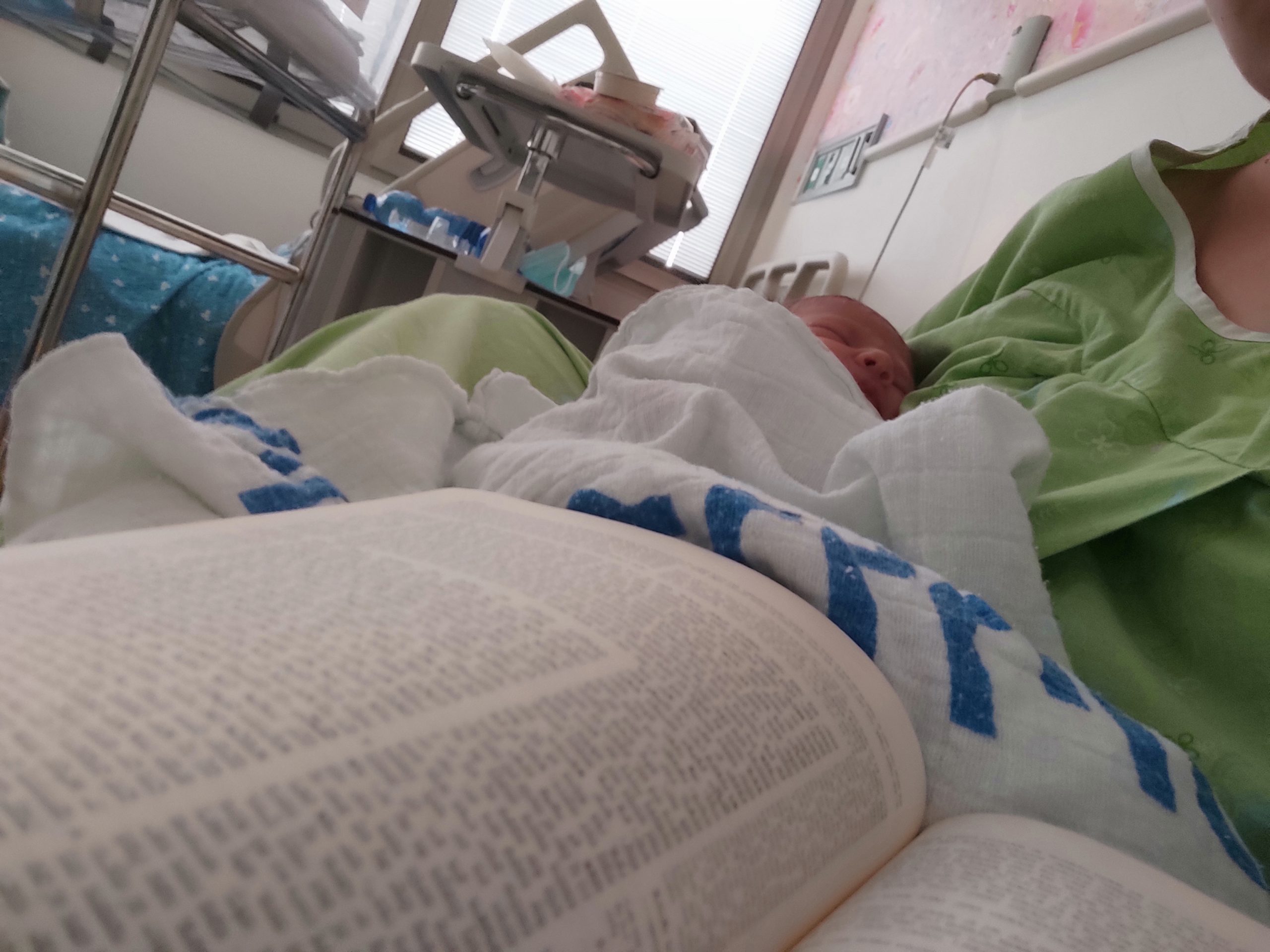
בתחילת הסבב הנוכחי הצטברו אצלי תחושות שאני לא מבינה מספיק מהי ההלכה אותה אני מקיימת בכל יום. כמו כן, כאמא לבנות רציתי לתת להן מודל נשי של לימוד תורה
שתי הסיבות האלו הובילו אותי להתחיל ללמוד. נתקלתי בתגובות מפרגנות וסקרניות איך אישה לומדת גמרא..
כמו שרואים בתמונה אני ממשיכה ללמוד גם היום ואפילו במחלקת יולדות אחרי לידת ביתי השלישית.

Noa Shiloh
נועה שילה

רבבה, ישראל

התחלתי בתחילת הסבב, והתמכרתי. זה נותן משמעות נוספת ליומיום ומאוד מחזק לתת לזה מקום בתוך כל שגרת הבית-עבודה השוטפת.

Reut Abrahami
רעות אברהמי

בית שמש, ישראל

התחלתי ללמוד דף יומי לפני שנתיים, עם מסכת שבת. בהתחלה ההתמדה היתה קשה אבל בזכות הקורונה והסגרים הצלחתי להדביק את הפערים בשבתות הארוכות, לסיים את מסכת שבת ולהמשיך עם המסכתות הבאות. עכשיו אני מסיימת בהתרגשות רבה את מסכת חגיגה וסדר מועד ומחכה לסדר הבא!

Ilana-Shachnowitz
אילנה שכנוביץ

מודיעין, ישראל

התחלתי ללמוד בשנת המדרשה במגדל עוז, בינתיים נהנית מאוד מהלימוד ומהגמרא, מעניין ומשמח מאוד!
משתדלת להצליח לעקוב כל יום, לפעמים משלימה קצת בהמשך השבוע.. מרגישה שיש עוגן מקובע ביום שלי והוא משמח מאוד!

Uriah Kesner
אוריה קסנר

חיפה , ישראל

התחלתי ללמוד דף יומי שהתחילו מסכת כתובות, לפני 7 שנים, במסגרת קבוצת לימוד שהתפרקה די מהר, ומשם המשכתי לבד בתמיכת האיש שלי. נעזרתי בגמרת שטיינזלץ ובשיעורים מוקלטים.
הסביבה מאד תומכת ואני מקבלת המון מילים טובות לאורך כל הדרך. מאז הסיום הגדול יש תחושה שאני חלק מדבר גדול יותר.
אני לומדת בשיטת ה”7 דפים בשבוע” של הרבנית תרצה קלמן – כלומר, לא נורא אם לא הצלחת ללמוד כל יום, העיקר שגמרת ארבעה דפים בשבוע

Rachel Goldstein
רחל גולדשטיין

עתניאל, ישראל

A friend in the SF Bay Area said in Dec 2019 that she might start listening on her morning drive to work. I mentioned to my husband and we decided to try the Daf when it began in Jan 2020 as part of our preparing to make Aliyah in the summer.

Hana Piotrkovsky
חנה פיוטרקובסקי

ירושלים, Israel

לצערי גדלתי בדור שבו לימוד גמרא לנשים לא היה דבר שבשגרה ושנים שאני חולמת להשלים את הפער הזה.. עד שלפני מספר שבועות, כמעט במקרה, נתקלתי במודעת פרסומת הקוראת להצטרף ללימוד מסכת תענית. כשקראתי את המודעה הרגשתי שהיא כאילו נכתבה עבורי – "תמיד חלמת ללמוד גמרא ולא ידעת איך להתחיל”, "בואי להתנסות במסכת קצרה וקלה” (רק היה חסר שהמודעה תיפתח במילים "מיכי שלום”..). קפצתי למים ו- ב”ה אני בדרך להגשמת החלום:)

Micah Kadosh
מיכי קדוש

מורשת, ישראל

"
גם אני התחלתי בסבב הנוכחי וב””ה הצלחתי לסיים את רוב המסכתות . בזכות הרבנית מישל משתדלת לפתוח את היום בשיעור הזום בשעה 6:20 .הלימוד הפך להיות חלק משמעותי בחיי ויש ימים בהם אני מצליחה לחזור על הדף עם מלמדים נוספים ששיעוריהם נמצאים במרשתת. שמחה להיות חלק מקהילת לומדות ברחבי העולם. ובמיוחד לשמש דוגמה לנכדותיי שאי””ה יגדלו לדור שלימוד תורה לנשים יהיה משהו שבשגרה. "

Ronit Shavit
רונית שביט

נתניה, ישראל

בתחילת הסבב הנוכחי של לימוד הדף היומי, נחשפתי לחגיגות המרגשות באירועי הסיום ברחבי העולם. והבטחתי לעצמי שבקרוב אצטרף גם למעגל הלומדות. הסבב התחיל כאשר הייתי בתחילת דרכי בתוכנית קרן אריאל להכשרת יועצות הלכה של נשמ”ת. לא הצלחתי להוסיף את ההתחייבות לדף היומי על הלימוד האינטנסיבי של תוכנית היועצות. בבוקר למחרת המבחן הסופי בנשמ”ת, התחלתי את לימוד הדף במסכת סוכה ומאז לא הפסקתי.

Hana Shaham-Rozby (Dr.)
חנה שחם-רוזבי (ד”ר)

קרית גת, ישראל

סיום השס לנשים נתן לי מוטביציה להתחיל ללמוד דף יומי. עד אז למדתי גמרא בשבתות ועשיתי כמה סיומים. אבל לימוד יומיומי זה שונה לגמרי ופתאום כל דבר שקורה בחיים מתקשר לדף היומי.

Fogel Foundation
קרן פוגל

רתמים, ישראל

בתחילת הסבב הנוכחי הצטברו אצלי תחושות שאני לא מבינה מספיק מהי ההלכה אותה אני מקיימת בכל יום. כמו כן, כאמא לבנות רציתי לתת להן מודל נשי של לימוד תורה
שתי הסיבות האלו הובילו אותי להתחיל ללמוד. נתקלתי בתגובות מפרגנות וסקרניות איך אישה לומדת גמרא..
כמו שרואים בתמונה אני ממשיכה ללמוד גם היום ואפילו במחלקת יולדות אחרי לידת ביתי השלישית.

Noa Shiloh
נועה שילה

רבבה, ישראל

A friend in the SF Bay Area said in Dec 2019 that she might start listening on her morning drive to work. I mentioned to my husband and we decided to try the Daf when it began in Jan 2020 as part of our preparing to make Aliyah in the summer.

Hana Piotrkovsky
חנה פיוטרקובסקי

ירושלים, Israel

הצטרפתי ללומדות בתחילת מסכת תענית. ההתרגשות שלי ושל המשפחה היתה גדולה מאוד, והיא הולכת וגוברת עם כל סיום שאני זוכה לו. במשך שנים רבות רציתי להצטרף ומשום מה זה לא קרה… ב”ה מצאתי לפני מספר חודשים פרסום של הדרן, ומיד הצטרפתי והתאהבתי. הדף היומי שינה את חיי ממש והפך כל יום- ליום של תורה. מודה לכן מקרב ליבי ומאחלת לכולנו לימוד פורה מתוך אהבת התורה ולומדיה.

Noa Rosen
נעה רוזן

חיספין רמת הגולן, ישראל

באירוע של הדרן בנייני האומה. בהשראתה של אמי שלי שסיימה את הש”ס בסבב הקודם ובעידוד מאיר , אישי, וילדיי וחברותיי ללימוד במכון למנהיגות הלכתית של רשת אור תורה סטון ומורתיי הרבנית ענת נובוסלסקי והרבנית דבורה עברון, ראש המכון למנהיגות הלכתית.
הלימוד מעשיר את יומי, מחזיר אותי גם למסכתות שכבר סיימתי וידוע שאינו דומה מי ששונה פרקו מאה לשונה פרקו מאה ואחת במיוחד מרתקים אותי החיבורים בין המסכתות

Roit Kalech
רוית קלך

מודיעין, ישראל

ראיתי את הסיום הגדול בבנייני האומה וכל כך התרשמתי ורציתי לקחת חלק.. אבל לקח לי עוד כשנה וחצי )באמצע מסיכת שבת להצטרף..
הלימוד חשוב לי מאוד.. אני תמיד במרדף אחרי הדף וגונבת כל פעם חצי דף כשהילדים עסוקים ומשלימה אח”כ אחרי שכולם הלכו לישון..

Olga Mizrahi
אולגה מזרחי

ירושלים, ישראל

My explorations into Gemara started a few days into the present cycle. I binged learnt and become addicted. I’m fascinated by the rich "tapestry” of intertwined themes, connections between Masechtot, conversations between generations of Rabbanim and learners past and present all over the world. My life has acquired a golden thread, linking generations with our amazing heritage.
Thank you.

Susan Kasdan
סוזן כשדן

חשמונאים, Israel

בסוף הסבב הקודם ראיתי את השמחה הגדולה שבסיום הלימוד, בעלי סיים כבר בפעם השלישית וכמובן הסיום הנשי בבנייני האומה וחשבתי שאולי זו הזדמנות עבורי למשהו חדש.
למרות שאני שונה בסביבה שלי, מי ששומע על הלימוד שלי מפרגן מאוד.
אני מנסה ללמוד קצת בכל יום, גם אם לא את כל הדף ובסך הכל אני בדרך כלל עומדת בקצב.
הלימוד מעניק המון משמעות ליום יום ועושה סדר בלמוד תורה, שתמיד היה (ועדיין) שאיפה. אבל אין כמו קביעות

Racheli-Mendelson
רחלי מנדלסון

טל מנשה, ישראל

בבא מציעא צט

גְּמָ׳ בְּיַד עַבְדּוֹ – חַיָּיב, יַד עֶבֶד כְּיַד רַבּוֹ!

GEMARA: The mishna states that if the borrower agrees to have the lender send the cow by the hand of the lender’s slave, and it died on the way, then the borrower is liable. The Gemara asks: But isn’t the hand of a slave legally like the hand of his master; as long as the cow is in the possession of the lender’s slave, it is not considered to have left the lender’s possession. Why, then, is the borrower liable?

אָמַר שְׁמוּאֵל: בְּעֶבֶד עִבְרִי, דְּלָא קְנֵי לֵיהּ גּוּפֵיהּ. רַב אָמַר: אֲפִילּוּ תֵּימָא בְּעֶבֶד כְּנַעֲנִי, נַעֲשֶׂה כְּאוֹמֵר לֵיהּ: הַכִּישָׁהּ בְּמַקֵּל וְהִיא תָּבֹא.

The Gemara presents two resolutions: Shmuel said: The mishna is referring to a Hebrew slave, whose master does not acquire his person. Therefore, property in the slave’s possession is not considered to be in his master’s possession. Rav said: You may even say that the mishna is referring to a Canaanite slave, as this case may be considered like one in which the borrower said to the lender: Hit the cow with a stick and then it will come on its own to me. Just as in that case the borrower is liable once the cow leaves the lender’s domain, so too in this case he is liable once the cow leaves the lender’s domain, irrespective of the fact it was brought by the lender’s slave.

מֵיתִיבִי: הַשּׁוֹאֵל הַפָּרָה וְשִׁלְּחָהּ לוֹ בְּיַד בְּנוֹ, בְּיַד שְׁלוּחוֹ – חַיָּיב. בְּיַד עַבְדּוֹ – פָּטוּר.

The Gemara raises an objection from a baraita: If one borrows a cow; and, with the agreement of the borrower, the lender sends it to him by the hand of his son or by the hand of his agent; and it dies on the way, then the borrower is liable. If the lender sent it by the hand of his slave, then the borrower is exempt. The final clause appears to contradict the mishna’s ruling.

בִּשְׁלָמָא לִשְׁמוּאֵל: מַתְנִיתִין בְּעֶבֶד עִבְרִי, בָּרַיְיתָא בְּעֶבֶד כְּנַעֲנִי. אֶלָּא לְרַב קַשְׁיָא!

The Gemara elaborates: Granted, according to the resolution of Shmuel, one can explain that the mishna is referring to a Hebrew slave, whereas the baraita is referring to a Canaanite slave. But according to the resolution of Rav, who maintained that the mishna is referring to a Canaanite slave, the contradiction is difficult.

אָמַר לְךָ רַב: לָא תֵּימָא נַעֲשָׂה כְּאָמַר לוֹ, אֶלָּא אֵימָא: בְּאָמַר לוֹ הַכִּישָׁהּ בְּמַקֵּל וְהִיא תָּבֹא.

The Gemara presents a modified version of Rav’s resolution: Rav could say to you: Do not say in explanation of the mishna that the case may be considered like one in which the borrower said to the lender: Hit the cow with a stick and then it will come on its own. Rather, say that it is referring to a case where the borrower actually said to the lender: Hit the cow with a stick and then it will come to me on its own. Accordingly, one can explain that the baraita is referring to a case where he did not say this, and therefore, as long as the cow is still in the possession of the slave, the borrower is not liable.

דְּאִיתְּמַר: הַשְׁאִילֵנִי פָּרָתְךָ, וְאָמַר לוֹ: בְּיַד מִי? וְאָמַר לוֹ: הַכִּישָׁהּ בְּמַקֵּל וְתָבֹא. אָמַר רַב נַחְמָן אָמַר רַבָּה בַּר אֲבוּהּ אָמַר רַב: כֵּיוָן שֶׁיָּצָאת מֵרְשׁוּת מַשְׁאִיל וּמֵתָה – חַיָּיב.

As it was stated: One said to another: Lend me your cow. And the lender said to the borrower: By whose hand shall I send it? And the borrower said to him: Hit the cow with a stick and then it will come on its own to me. Rav Naḥman says that Rabba bar Avuh says that Rav says: In this case, the halakha is that once the cow left the domain of the lender and then it died, the borrower is liable.

נֵימָא מְסַיַּיע לֵיהּ: הַשְׁאִילֵנִי פָּרָתְךָ, וְאָמַר לוֹ: בְּיַד מִי? וְאָמַר לוֹ: הַכִּישָׁהּ בְּמַקֵּל וְהִיא תָּבֹא. כֵּיוָן שֶׁיָּצָאת מֵרְשׁוּת מַשְׁאִיל וּמֵתָה – חַיָּיב.

The Gemara suggests: Let us say that the following baraita supports this opinion of Rav: One said to another: Lend me your cow. And the lender said to the borrower: By whose hand shall I send it? And the borrower said to him: Hit the cow with a stick and then it will come on its own to me. The halakha is that once the cow left the domain of the lender and then it died, the borrower is liable.

אָמַר רַב אָשֵׁי: הָכָא בְּמַאי עָסְקִינַן – כְּגוֹן שֶׁהָיְתָה חֲצֵרוֹ שֶׁל שׁוֹאֵל לִפְנִים מֵחֲצֵרוֹ שֶׁל מַשְׁאִיל, דְּכִי מְשַׁלְּחָהּ לַהּ – וַדַּאי לְהָתָם אָזְלָא.

Rav Ashi said that the baraita is not a conclusive proof of Rav’s opinion. It is possible to say: With what are we dealing here; with a case where the courtyard of the borrower is situated further in from the public domain than the courtyard of the lender, such that when the lender sends the cow to him, it will certainly go to there. Consequently, the borrower is willing to accept liability from the moment the lender sends it.

אִי הָכִי, מַאי לְמֵימְרָא?! לָא צְרִיכָא דְּאִיכָּא גַּזְיָיתָא. מַהוּ דְּתֵימָא: לָא סָמְכָא דַּעְתֵּיהּ דִּלְמָא קָיְימָא הָתָם וְלָא אָתְיָא אָזְלָא לְהֶדְיָא, קָא מַשְׁמַע לַן דְּסָמְכָא דַּעְתֵּיהּ.

The Gemara asks: If so, if that is the case addressed in the baraita, what is the purpose of stating this halakha? It is obvious. The Gemara explains: No, it is necessary for the case of a courtyard in which there are corners. Lest you say: The borrower does not rely on the possibility that the animal will come to him, as perhaps the animal will go and stand there in one of the corners and not come straight to the borrower’s courtyard, the baraita therefore teaches us that even in such a case he relies on the assumption that the cow will nevertheless come to him, and so he accepts liability.

אָמַר רַב הוּנָא: הַשּׁוֹאֵל קַרְדּוֹם מֵחֲבֵירוֹ, בִּקַּע בּוֹ – קְנָאוֹ, לֹא בִּקַּע בּוֹ – לֹא קְנָאוֹ.

§ Rav Huna says: In the case of one who borrows an ax from another, once he has chopped wood with it, he has acquired it, but as long as he has not chopped wood with it, he has not acquired it.

לְמַאי? אִילֵימָא לׇאוֹנָסִין – מַאי שְׁנָא פָּרָה דְּמִשְּׁעַת שְׁאֵילָה? אֶלָּא לַחֲזָרָה, בִּקַּע בּוֹ – לָא מָצֵי הָדַר בֵּיהּ מַשְׁאִיל, לֹא בִּקַּע בּוֹ – מָצֵי מַשְׁאִיל הָדַר בֵּיהּ.

The Gemara clarifies: With regard to what matter does one acquire the ax? If we say he has acquired it for the purpose of being liable for unavoidable mishaps, i.e., his liability as a borrower begins once he uses the ax, then one could ask: What is different when one borrows a cow, that one is liable as a borrower from the moment of borrowing, even before one makes use of it? Rather, Rav Huna refers to one’s right of retraction, as follows: Once the borrower has chopped wood with it, the lender cannot renege on his commitment to lend the item, but as long as the borrower has not chopped wood with it, the lender can renege on his commitment to lend the item and prevent the borrower from borrowing the item.

וּפְלִיגָא דְּרַבִּי אַמֵּי, דְּאָמַר רַבִּי אַמֵּי: הַמַּשְׁאִיל קַרְדּוֹם שֶׁל הֶקְדֵּשׁ – מָעַל לְפִי טוֹבַת הֲנָאָה שֶׁבּוֹ, וַחֲבֵירוֹ מוּתָּר לְבַקֵּעַ בּוֹ לְכַתְּחִילָּה.

And with this opinion, Rav Huna disagrees with the opinion of Rabbi Ami, as Rabbi Ami says: One who lends another an ax that is of property consecrated to the Temple treasury has there by misused consecrated property. He is liable to pay the Temple treasury according to the financial advantage he received from lending the ax. And despite this, that other person, i.e., the borrower, is permitted to chop wood with it ab initio.

וְאִי לֹא קְנָאוֹ – אַמַּאי מָעַל? וְאַמַּאי חֲבֵירוֹ מוּתָּר לְבַקֵּעַ בּוֹ לְכַתְּחִילָּה? נַיהְדְּרֵיהּ וְלֹא לִיקְנְיֵיהּ וְלָא לִימְעוֹל.

The Gemara explains how it is apparent that Rabbi Ami disagrees with Rav Huna: And if one holds that the borrower does not acquire the ax from the moment of borrowing, why has the lender misused consecrated property? To be liable for misuse of consecrated property, one must acquire the item, thereby removing it from the Temple treasury. And furthermore, why is that other person permitted to chop wood with it ab initio? If the borrower does not acquire the ax from the moment of borrowing, let the borrower return the ax and not acquire it, and consequently the lender will not have misused consecrated property, as it will have turned out that nothing significant occurred. Rather, it is evident that Rabbi Ami holds that the act of lending is fully completed as soon as the borrower takes the ax, even before he has used it.

וּפְלִיגָא דְּרַבִּי אֶלְעָזָר, דְּאָמַר רַבִּי אֶלְעָזָר: כְּדֶרֶךְ שֶׁתִּקְּנוּ מְשִׁיכָה בַּלָּקוֹחוֹת, כָּךְ תִּקְנוּ מְשִׁיכָה בַּשּׁוֹמְרִים.

And furthermore, with this opinion, Rav Huna disagrees with the opinion of Rabbi Elazar, as Rabbi Elazar says: In the same way in which the Sages instituted for buyers that they can acquire an item by pulling it, and from that point the transaction is completed, so too they instituted for bailees that their rights and responsibilities are initiated by their pulling the item they agreed to safeguard, and from that point the transfer of the item to the bailee is completed.

תַּנְיָא נָמֵי הָכִי: כְּשֵׁם שֶׁתִּקְּנוּ מְשִׁיכָה בַּלָּקוֹחוֹת – כָּךְ תִּקְנוּ מְשִׁיכָה בַּשּׁוֹמְרִים, וּכְשֵׁם

This opinion of Rabbi Elazar is also taught in a baraita: Just as the Sages instituted for buyers that they can acquire an item by pulling it, so too they instituted for bailees that their rights and responsibilities are initiated by them pulling the item they agreed to safeguard. And just as

שֶׁקַּרְקַע נִקְנֵית בְּכֶסֶף וּבִשְׁטָר וּבַחֲזָקָה – כָּךְ שְׂכִירוּת נִקְנֵית בְּכֶסֶף וּבִשְׁטָר וּבַחֲזָקָה. שְׂכִירוּת מַאי עֲבִידְתַּיהּ? אָמַר רַב חִסְדָּא: שְׂכִירוּת קַרְקַע.

land is acquired either through the buyer giving money to the seller, or by the seller giving the buyer a bill of sale, or by the buyer performing an act of taking possession, so too, a rental is acquired either through the renter giving money to the owner, or by the owner giving the renter a rental document, or by the renter performing an act of taking possession. Based on the assumption that the baraita is referring to rental of movable property, the Gemara asks: With regard to the case of renting in the baraita, what is its purpose, i.e., why is it mentioned in connection with acts of acquisition that are effective with regard to land? Rav Ḥisda said: The baraita is referring to the rental of land.

אָמַר שְׁמוּאֵל: הַאי מַאן דְּגָזֵיל חֲבִיצָא דְתַמְרֵי מֵחַבְרֵיהּ וְאִית בַּהּ חַמְשִׁין תַּמְרֵי, אַגַּב הֲדָדֵי מִזְדַּבְּנָן בְּחַמְשִׁין נְכֵי חֲדָא, חֲדָא חֲדָא מִזְדַּבְּנָן בְּחַמְשִׁין.

§ Apropos the mention in the previous discussion of one who misuses consecrated property, the Gemara cites a related matter. Shmuel says: In the case of one who robs another of a cake [ḥavitza] of pressed dates, and in the cake there are fifty dates, which, when sold together, sell for fifty-less-one perutot and when they are sold one by one, they sell for fifty perutot, the sum that the robber is liable to pay as compensation to the robbery victim depends on who the robbery victim is.

לְהֶדְיוֹט – מְשַׁלֵּם חַמְשִׁין נְכֵי חֲדָא, לְהֶקְדֵּשׁ – מְשַׁלֵּם חַמְשִׁין וְחוּמְשַׁיְיהוּ, מַה שֶּׁאֵין כֵּן בְּמַזִּיק – דְּלָא מְשַׁלֵּם חוּמְשָׁא. דְּאָמַר מָר: ״וְאִישׁ כִּי יֹאכַל קֹדֶשׁ״ – פְּרָט לְמַזִּיק.

If one robbed, and is paying compensation to, a common person [hedyot], he pays fifty-less-one perutot. If one robbed another of a cake that was consecrated to the Temple treasury and he is paying compensation to the Temple treasury, he pays fifty perutot and an additional one-fifth of the value as a fine for having misused consecrated property for each one of the cakes. This is not so with regard to one liable for causing damage to consecrated property, who does not pay the additional one-fifth payment, as the Master says: The verse states: “And a man, if he eats sacrificial food in error, he should add its fifth on it” (Leviticus 22:14). By specifying that one who eats consecrated property is liable to pay the one-fifth payment, the verse excludes one who is liable for causing damage from that requirement.

מַתְקֵיף לַהּ רַב בִּיבִי בַּר אַבָּיֵי: לְהֶדְיוֹט אַמַּאי מְשַׁלֵּם חַמְשִׁין נְכֵי חֲדָא? נֵימָא לֵיהּ: אֲנָא חֲדָא חֲדָא הֲוָה מְזַבְּנִינָא לְהוּ?

Rav Beivai bar Abaye objects to this: Why, when he pays compensation to a common person, does he pay fifty-less-one? Let the victim say to the robber: I would have sold them one by one and received fifty perutot for them; you should therefore compensate me for that entire amount.

אָמַר רַב הוּנָא בְּרֵיהּ דְּרַב יְהוֹשֻׁעַ: ״שָׁמִין בֵּית סְאָה בְּאוֹתָהּ שָׂדֶה״ תְּנַן.

Rav Huna, son of Rav Yehoshua, said: We learned in a mishna (Bava Kamma 55b): If an animal causes damage to another’s field, the court appraises a large piece of land with an area required for sowing one se’a of seed [beit se’a] in that field, including the garden bed in which the damage took place. The court appraises how much it was worth before the animal damaged it and how much is it worth now, and the owner must pay the difference. The court appraises not only the garden bed that was eaten or trampled, but rather the depreciation in value of the bed as part of the surrounding area. This results in a smaller payment, as the damage appears less significant in the context of a larger area. In this case as well, the value of the entire cake is evaluated, not what it would be worth were one to divide it into smaller units.

לְמֵימְרָא דְּסָבַר שְׁמוּאֵל דִּין הֶדְיוֹט לָאו כְּדִין גָּבוֹהַּ דָּמֵי? וְהָתְנַן: נָטַל אֶבֶן אוֹ קוֹרָה מֵהֶקְדֵּשׁ – לֹא מָעַל, נְתָנָהּ לַחֲבֵירוֹ – הוּא מָעַל, וַחֲבֵירוֹ לֹא מָעַל. בְּנָאָהּ בְּתוֹךְ בֵּיתוֹ – לֹא מָעַל עַד שֶׁיָּדוּר תַּחְתֶּיהָ בְּשָׁוֶה פְּרוּטָה.

The Gemara asks: Is this to say that Shmuel holds that the halakha of compensation paid to a common person is not like the halakha of compensation paid to the Most High, i.e., to the Temple treasury? But didn’t we learn in a mishna (Me’ila 19b): One who physically took a stone or a cross beam from among items consecrated to the Temple treasury is not considered to have misused consecrated property. If he gave it to another, he is considered to have misused consecrated property, but that other person is not considered to have misused consecrated property. If, after taking a stone or cross beam that was consecrated property one built it into the structure of his house, he is not considered to have misused consecrated property until he resides underneath it, thereby deriving benefit of the value of one peruta.

וִיתֵיב רַבִּי אֲבָהוּ קַמֵּיהּ דְּרַבִּי יוֹחָנָן, וְיָתֵיב וְקָאָמַר מִשְּׁמֵיהּ דִּשְׁמוּאֵל: זֹאת אוֹמֶרֶת, הַדָּר בַּחֲצַר חֲבֵירוֹ שֶׁלֹּא מִדַּעְתּוֹ צָרִיךְ לְהַעֲלוֹת לוֹ שָׂכָר. אֲמַר לֵיהּ רַבִּי יוֹחָנָן, הֲדַר בֵּיהּ שְׁמוּאֵל מֵהַהִיא.

And Rabbi Abbahu was sitting before Rabbi Yoḥanan, and he was sitting and saying in the name of Shmuel, in reference to that mishna: That is to say: One who resides in another’s courtyard without his knowledge must pay him rent. Just as one is considered to derive benefit from a cross beam by residing underneath it and must pay for that benefit, so too, one is considered to derive benefit from the courtyard by residing in it, and he must pay for that benefit. It is apparent from this statement of Shmuel that the halakhot of compensating a common person are similar to and can be derived from those of the Temple treasury. This contradicts Shmuel’s previous statement in the Gemara. Rabbi Yoḥanan said to him in resolution of this difficulty: Shmuel retracted that statement of his.

וּמִמַּאי דְּמֵהַהִיא הֲדַר בֵּיהּ, דִּלְמָא מֵהָא הֲדַר? לָא, מֵהַהִיא הֲדַר בֵּיהּ כִּדְרָבָא. דְּאָמַר רָבָא: הֶקְדֵּשׁ שֶׁלֹּא מִדַּעַת – כְּהֶדְיוֹט מִדַּעַת דָּמֵי.

The Gemara asks: But from where is it apparent that he retracted that statement concerning residing in another’s courtyard; perhaps he retracted this ruling, concerning one who stole a cake of pressed dates? The Gemara answers: No, it must be that statement, concerning residing in another’s courtyard, that he retracted, in accordance with the statement of Rava. As Rava says: Using consecrated property without the Temple treasurer’s knowledge is like using property belonging to a common person with his knowledge. Since, ultimately, the true owner of consecrated property is God, benefit from it is always considered to be have been derived with the owner’s knowledge. Consequently, one cannot derive an inference from the halakha of deriving benefit from consecrated property to a case of deriving benefit from a common person’s property without his knowledge. Accordingly, it is more reasonable that Shmuel retracted his ruling about residing in another’s courtyard.

אָמַר רָבָא: הָנֵי שָׁקוֹלָאֵי דִּתְבַרוּ חָבִיתָא דְּחַמְרָא לְחַנְווֹאָה, בְּיוֹמָא דְשׁוּקָא מִיזְדַּבְּנָא בְּחָמֵשׁ, בִּשְׁאָר יוֹמֵי מִיזְדַּבְּנָא בְּאַרְבַּע. אַהְדַּרוּ לֵיהּ בְּיוֹמָא דְשׁוּקָא – מַהְדְּרוּ לֵיהּ חָבִיתָא דְחַמְרָא, בִּשְׁאָר יוֹמֵי – מַהְדְּרוּ לֵיהּ חָמֵשׁ.

The Gemara cites another ruling concerning differing rates of compensation: Rava says: With regard to these porters who broke a shopkeeper’s barrel of wine, which on market day sells for five dinars and on other days sells for four dinars, if they restore its value to him on market day, then it is sufficient if they compensate him with a barrel of wine, which he could then sell for five dinars. If they wish to repay him on other days, i.e., on a non-market day, they must compensate him with five dinars. They cannot discharge their debt by giving him a barrel of wine, as on those days it is worth only four dinars.

וְלָא אֲמַרַן אֶלָּא דְּלָא הֲוָה לֵיהּ חַמְרָא לְזַבּוֹנֵי, אֲבָל הֲוָה לֵיהּ חַמְרָא לְזַבּוֹנֵי – הָא אִיבְּעִי לֵיהּ לְזַבּוֹנֵי.

The Gemara qualifies Rava’s ruling: And we said that the porters must pay five dinars on a non-market day only in a case in which the shopkeeper did not have other barrels of wine to sell on that market day and consequently lost out on a potential sale worth five dinars. But if he had another barrel of wine to sell, then he should have sold it. The fact he did not sell the wine he had demonstrates that the porters did not cause him to lose out on a sale worth five dinars.

וּמְנַכֵּי לֵיהּ אֲגַר טִירְחֵיהּ וּדְמֵי בַּרְזַנְיָיתָא.

The Gemara further qualifies Rava’s ruling: And when the porters pay the five dinars, they deduct from it the usual value of the shopkeeper’s effort in selling a barrel and the usual cost of tapping a barrel, as the shopkeeper was spared these costs.

רוצה לעקוב אחרי התכנים ולהמשיך ללמוד?

ביצירת חשבון עוד היום ניתן לעקוב אחרי ההתקדמות שלך, לסמן מה למדת, ולעקוב אחרי השיעורים שמעניינים אותך.

לנקות את כל הפריטים מהרשימה?

פעולה זו תסיר את כל הפריטים בחלק זה כולל ההתקדמות וההיסטוריה. שימי לב: לא ניתן לשחזר פעולה זו.

ביטול
מחיקה

האם את/ה בטוח/ה שברצונך למחוק פריט זה?

תאבד/י את כל ההתקדמות או ההיסטוריה הקשורות לפריט זה.

ביטול
מחיקה