חיפוש

ביצה כג

רוצה להקדיש לימוד?

podcast placeholder

0:00
0:00


תקציר

הדף היום מוקדש על ידי תורם אנונימי לזכרה של בת שבע אסתר בת יוסף שלום, הרבנית בת שבע קנייבסקי.

הגמרא דנה בדעות שונות ודינים שונים הקשורים לעשיית ריח ביום טוב. רב גביהא התיר קטורא. אמימר מנסה לברר מהו קטורא ורב אשי עונה לו שמדובר בעישון פירות ומתיר כי זה דומה לבשר על גבי גחלים. חכמים אסרו לאכול גדי מקולס בליל פסח כי זה נראה שמותר לאכול קדשים מחוץ לירושלים בזמן שאין בית המקדש קיים. המשנה מונה שלושה דברים שהתיר ר’ אלעזר בן עזריה נגד חכמים – לפרה לצאת בשבת עם רצועה בין קרניה ולא אסר משום שביתת בהמתו, לקרד (לסרוק) בהמה ביום טוב ולשחוק פלפלין בריחיים ביום טוב. ר’ יהודה אסר לקרד בהמה אף לא לקרצף – מה ההבדל ביניהם? וחכמים אסרו גם וגם. מה הבסיס למחלוקת בין שלושתם? המשנה מסבירה דיני טומאה לשלושת חלקי הריחיים – ולמה כל חלק ראוי לקבל טומאה. המשנה מדברת על דינים הקשורים לעגלה של קטן גם בענייני טומאה – שמטמא מדרס, גם בענייני טלטול בשבת – שנחשב כלי וראוי לטלטלה, וגם לעניין גרירתו בשבת – האם אפשר לגררו או האם צריך לדאוג שמא יעשה חריץ באדמה? הפרק השלישי מתחיל עם דיון בדיני צידה – מתי אפשר/אי אפשר דגים/עופות/חיות ביום טוב.


ביצה כג

עַל גַּבֵּי חֶרֶס — מוּתָּר.

However, placing them on a scalding fragment of earthenware is permitted, as there is no concern of extinguishing or kindling.

וְרַבָּה אָמַר: עַל גַּבֵּי חֶרֶס נָמֵי אָסוּר, מִשּׁוּם דְּקָא מוֹלֵיד רֵיחָא. רַבָּה וְרַב יוֹסֵף דְּאָמְרִי תַּרְוַיְיהוּ: סַחוֹפֵי כָּסָא אַשִּׁירָאֵי בְּיוֹמָא טָבָא — אָסוּר, מַאי טַעְמָא — מִשּׁוּם דְּקָמוֹלֵיד רֵיחָא.

And Rabba said: Placing the spices on a hot piece of earthenware is also prohibited, because it produces a new scent in the earthenware, and one may not create new things on a Festival. The Gemara notes that similarly, Rabba and Rav Yosef both said the following: It is prohibited to overturn a cup containing perfume onto silk garments on a Festival. What is the reason for this prohibition? It is because it produces a new scent in the garment.

וּמַאי שְׁנָא מִמּוֹלְלוֹ וּמֵרִיחַ בּוֹ וְקוֹטְמוֹ וּמֵרֵיחַ בּוֹ? הָתָם — רֵיחָא מִיהָא אִיתָא, וְאוֹסוֹפֵי הוּא דְּקָא מוֹסִיף רֵיחָא. הָכָא — אוֹלוֹדֵי הוּא דְּקָמוֹלֵיד רֵיחָא. רָבָא אָמַר: עַל גַּבֵּי גַּחֶלֶת נָמֵי מוּתָּר, מִידֵּי דְּהָוֵה אַבִּשְׂרָא אַגּוּמְרֵי.

The Gemara asks: And in what way is this case different from the case discussed in the following baraita: One may press a piece of aromatic wood between his fingers and smell it, and one may also snip off a piece of it in order to release its fragrance and smell it? In those cases too he produces a scent. The Gemara answers: There, the scent exists in any case, and he merely adds to the fragrance, as his pressing or snipping causes the smell to be stronger. Here, on the other hand, where he overturns a cup of perfume on clothing, he produces a new scent. Rava, however, said: It is even permitted to sprinkle the aromatic spices on the coals themselves, just as it is permitted to place meat on coals for roasting.

דָּרֵשׁ רַב גְּבִיהָא מִבֵּי כְתִיל אַפִּתְחָא דְּבֵי רֵישׁ גָּלוּתָא: קִטּוּרָא שְׁרֵי. אֲמַר לֵיהּ אַמֵּימָר: מַאי ״קִטּוּרָא״? אִי קִטּוּרָא בִּידֵי — מַעֲשֵׂה אוּמָּן הוּא, וְאִי לְעַשֵּׁן — אָסוּר, דְּהָא קָא מְכַבֶּה! אֲמַר לֵיהּ רַב אָשֵׁי: לְעוֹלָם לְעַשֵּׁן, מִידֵּי דְּהָוֵה אַבִּשְׂרָא אַגּוּמְרֵי.

The Gemara relates that Rav Geviha from Bei Katil once taught at the entrance to the house of the Exilarch that ketura is permitted on a Festival; but he did not add any further clarification. Ameimar said to him: What is the meaning of ketura? If it means tying [ketura] ornamental knots by hand, this is the act of a craftsman and is therefore certainly prohibited on a Festival. And if it is referring to burning incense [ketoret], this too is prohibited, as he extinguishes some of the coals when he sprinkles the aromatic powder on them. Rav Ashi said to him: Actually, it is referring to burning incense, which is permitted, just as it is permitted to place meat on coals for roasting.

אִיכָּא דְאָמְרִי. אֲמַר לֵיהּ אַמֵּימָר: מַאי ״קִטּוּרָא״? אִי קִטּוּרָא בִּידֵי — מַעֲשֵׂה אוּמָּן הוּא. אִי לְעַשֵּׁן — אָסוּר דְּקָא מוֹלֵיד רֵיחָא! אָמַר רַב אָשֵׁי: אֲנָא אַמְרִיתַהּ נִהֲלֵיהּ, וּמִשְּׁמֵיהּ דְּגַבְרָא רַבָּה אַמְרִיתַהּ נִהֲלֵיהּ: לְעוֹלָם לְעַשֵּׁן, וּמִידֵּי דְּהָוֵה אַבִּשְׂרָא אַגּוּמְרֵי.

Some say a slightly different version of this story, in which Ameimar said to Rav Geviha: What is the meaning of ketura? If it means tying ornamental knots by hand, this is the act of a craftsman, which is prohibited. If it is referring to burning incense, this too is prohibited, as he produces a new scent. Rav Ashi said: I said this halakha to Rav Geviha, and I said it in the name of a great man, Rava, that actually it is referring to burning incense, which is permitted, just as it is permitted to place meat on coals for roasting.

וְעוֹשִׂין גְּדִי מְקוּלָּס. תַּנְיָא רַבִּי יוֹסֵי אוֹמֵר: תּוֹדוֹס אִישׁ רוֹמִי הִנְהִיג אֶת בְּנֵי רוֹמִי לֶאֱכוֹל גְּדִי מְקוּלָּס בְּלֵילֵי פְּסָחִים. שְׁלַחוּ לֵיהּ: אִלְמָלֵא תּוֹדוֹס אַתָּה, גּוֹזְרָנוּ עָלֶיךָ נִדּוּי, שֶׁאַתָּה מַאֲכִיל אֶת בְּנֵי יִשְׂרָאֵל קָדָשִׁים בַּחוּץ.

§ It is taught in the mishna that one of Rabban Gamliel’s three leniencies was that one may prepare a whole [mekulas] kid goat, meaning a goat roasted whole, with its entrails over its head, on the night of Passover. It is taught in a baraita in this regard that Rabbi Yosei says: Theodosius [Todos] of Rome, leader of the Jewish community there, instituted the custom for the Roman Jews to eat whole kids on the night of Passover, in commemoration of the practice followed in the Temple. The Sages sent a message to him: Were you not Theodosius, an important person, we would have decreed ostracism upon you, as you are feeding the Jewish people consecrated food, which may be eaten only in and around the Temple itself, outside the Temple.

קָדָשִׁים סָלְקָא דַּעְתָּךְ?! אֶלָּא אֵימָא: כְּעֵין קָדָשִׁים.

The Gemara expresses surprise: Can it enter your mind that the Sages really meant that Theodosius was feeding the Jewish people consecrated food outside the Temple? These goats are certainly not consecrated animals. Rather, say that he was feeding the Jewish people something similar to consecrated food, which people might mistake for a Paschal offering.

מַתְנִי׳ שְׁלֹשָׁה דְּבָרִים רַבִּי אֶלְעָזָר בֶּן עֲזַרְיָה מַתִּיר וַחֲכָמִים אוֹסְרִים: פָּרָתוֹ יוֹצְאָה בִּרְצוּעָה שֶׁבֵּין קַרְנֶיהָ.

MISHNA: There are three things that Rabbi Elazar ben Azarya permits and the Rabbis prohibit: His cow would go out on Shabbat with a decorative strap between its horns. Rabbi Elazar holds that such a strap is considered an ornament for the cow rather than a burden, whereas the Sages view it as a burden.

וּמְקָרְדִין אֶת הַבְּהֵמָה בְּיוֹם טוֹב. וְשׁוֹחֲקִין אֶת הַפִּלְפְּלִין בָּרֵחַיִם שֶׁלָּהֶן.

And one may comb [mekardin] an animal with a fine comb on a Festival in order to remove ticks and dirt from its hair; the Rabbis prohibit this due to a concern that he might thereby come to wound or bruise the animal. And one may grind pepper needed on the Festival even in its own mill, although this appears similar to a weekday labor.

רַבִּי יְהוּדָה אוֹמֵר: אֵין מְקָרְדִין אֶת הַבְּהֵמָה בְּיוֹם טוֹב, מִפְּנֵי שֶׁעוֹשֶׂה חַבּוּרָה, אֲבָל מְקַרְצְפִין. וַחֲכָמִים אוֹמְרִים: אֵין מְקָרְדִין, אַף לֹא מְקַרְצְפִין.

Rabbi Yehuda says: One may not comb an animal to remove ticks and dirt from its hair on a Festival because this certainly creates a wound, but one may brush it with a wooden comb, as its blunt teeth do not wound the animal. But the Rabbis say: One may not comb, nor may one even brush.

גְּמָ׳ לְמֵימְרָא דְּרַבִּי אֶלְעָזָר בֶּן עֲזַרְיָה חֲדָא פָּרָה הַוְיָא לֵיהּ? וְהָאָמַר רַב, וְאָמְרִי לַהּ אָמַר רַב יְהוּדָה אָמַר רַב: תְּלֵיסַר אַלְפֵי עִגְלֵי הֲוָה מְעַשַּׂר רַבִּי אֶלְעָזָר בֶּן עֲזַרְיָה מֵעֶדְרֵיהּ כׇּל שַׁתָּא וְשַׁתָּא. תָּנָא: לֹא שֶׁלּוֹ הָיְתָה, אֶלָּא שֶׁל שְׁכֶנְתּוֹ הָיְתָה, וּמִתּוֹךְ שֶׁלֹּא מִיחָה בָּהּ — נִקְרֵאת עַל שְׁמוֹ.

GEMARA: With regard to the mishna’s statement that Rabbi Elazar ben Azarya’s cow would go out on Shabbat with a strap between its horns, the Gemara asks: Is that to say that Rabbi Elazar ben Azarya had only one cow? But didn’t Rav say, and some say that Rav Yehuda said that Rav said: Rabbi Elazar ben Azarya would tithe from his herds thirteen thousand calves each and every year, which means that he had ten times that number of calves alone. Why, then, does the mishna speak of his cow? The Gemara answers that it is taught in the Tosefta: This cow was not his; rather, it was his neighbor’s. And because he did not protest her conduct and tell her that it is prohibited to do so, the cow was called by his name to his discredit, as if it were his.

וּמְקָרְדִין אֶת הַבְּהֵמָה בְּיוֹם טוֹב. תָּנוּ רַבָּנַן: אֵיזֶהוּ קֵרוּד וְאֵיזֶהוּ קִרְצוּף? קֵרוּד — קְטַנִּים וְעוֹשִׂין חַבּוּרָה, קִרְצוּף — גְּדוֹלִים וְאֵין עוֹשִׂין חַבּוּרָה.

§ It is taught in the mishna that Rabbi Elazar ben Azarya holds that one may comb an animal on a Festival. The Sages taught in a baraita: What is considered combing and what is brushing? Combing is performed with a small-toothed comb and makes a wound; brushing is done with a large-toothed comb and does not make a wound.

וְשָׁלֹשׁ מַחְלוֹקוֹת בַּדָּבָר, רַבִּי יְהוּדָה סָבַר: דָּבָר שֶׁאֵינוֹ מִתְכַּוֵּין — אָסוּר. מִיהוּ: קֵרוּד — קְטַנִּים, וְעוֹשִׂין חַבּוּרָה. קִרְצוּף — גְּדוֹלִים, וְאֵין עוֹשִׂין חַבּוּרָה. וְלָא גָּזְרִינַן קִרְצוּף אַטּוּ קֵרוּד.

And there are three disputes with regard to this matter. Rabbi Yehuda holds that an unintentional act, a permitted action from which an unintended prohibited labor ensues on Shabbat, is prohibited, as in his opinion it is prohibited to perform an action that involves a prohibited labor on Shabbat even if one has a permitted action in mind and does not intend to perform the labor in question. Therefore, one may not comb an animal in a manner that will cause a wound, even unintentionally. However, he differentiates between the cases: Although he prohibits combing with a small-toothed comb that makes a wound, he permits brushing with a large-toothed comb that does not make a wound, and we do not issue a decree and prohibit brushing due to combing, as there is no concern that people will err and come to permit even combing in the prohibited manner.

וְרַבָּנַן סָבְרִי נָמֵי כְּרַבִּי יְהוּדָה, דָּבָר שֶׁאֵינוֹ מִתְכַּוֵּין — אָסוּר, וְגָזְרִינַן קִרְצוּף אַטּוּ קֵרוּד. וְרַבִּי אֶלְעָזָר בֶּן עֲזַרְיָה סָבַר לַהּ כְּרַבִּי שִׁמְעוֹן דְּאָמַר: דָּבָר שֶׁאֵינוֹ מִתְכַּוֵּין — מוּתָּר, וּבֵין קֵרוּד וּבֵין קִרְצוּף שְׁרֵי.

And the Rabbis also hold in accordance with the opinion of Rabbi Yehuda with regard to the fundamental issue that an unintentional act is prohibited. However, they maintain that we issue a decree and prohibit brushing due to combing. On the other hand, Rabbi Elazar ben Azarya holds in accordance with the dissenting opinion of Rabbi Shimon, who said that an unintentional act is permitted. Therefore, both combing and brushing are permitted, as even if the combing or brushing bruises the animal, there is no transgression of a prohibition, as there was certainly no intention to cause the animal a wound.

אָמַר רָבָא אָמַר רַב נַחְמָן אָמַר שְׁמוּאֵל, וְאָמְרִי לַהּ אָמַר רַב נַחְמָן לְחוֹדֵיהּ: הֲלָכָה כְּרַבִּי שִׁמְעוֹן, שֶׁהֲרֵי רַבִּי אֶלְעָזָר בֶּן עֲזַרְיָה מוֹדֶה לוֹ. אֲמַר לֵיהּ רָבָא לְרַב נַחְמָן: וְלֵימָא מָר, הֲלָכָה כְּרַבִּי יְהוּדָה שֶׁהֲרֵי חֲכָמִים מוֹדִים לוֹ! אֲמַר לֵיהּ: אֲנָא כְּרַבִּי שִׁמְעוֹן סְבִירָא לִי, וְעוֹד שֶׁהֲרֵי רַבִּי אֶלְעָזָר בֶּן עֲזַרְיָה מוֹדֶה לוֹ.

Rava said that Rav Naḥman said that Shmuel said, and some say that Rav Naḥman said this teaching himself: The halakha is in accordance with the opinion of Rabbi Shimon, that an unintentional act is permitted on Shabbat, as Rabbi Elazar ben Azarya agrees with him. Rava said to Rav Naḥman: And let the Master say the opposite, that the halakha is in accordance with the opinion of Rabbi Yehuda, as the Rabbis agree with him. Rav Naḥman said to him: Fundamentally I hold in accordance with the opinion of Rabbi Shimon; I am merely adding another reason for doing so, which is that Rabbi Elazar ben Azarya agrees with him.

מַתְנִי׳ הָרֵחַיִם שֶׁל פִּלְפְּלִין, טְמֵאָה מִשּׁוּם שְׁלֹשָׁה כֵּלִים: מִשּׁוּם כְּלִי קִבּוּל, וּמִשּׁוּם כְּלִי מַתֶּכֶת, וּמִשּׁוּם כְּלִי כְּבָרָה.

MISHNA: The aforementioned pepper mill is a composite vessel, and each of its parts must be considered independently with respect to ritual impurity. It is susceptible to ritual impurity because of each of the three vessels of which it is comprised: It is susceptible to impurity because it is a wooden receptacle, it is susceptible to impurity because it is a metal vessel, and it is susceptible to impurity because it is a sieve.

גְּמָ׳ תָּנָא: תַּחְתּוֹנָה — מִשּׁוּם כְּלִי קִבּוּל, אֶמְצָעִית — מִשּׁוּם כְּלִי כְּבָרָה, עֶלְיוֹנָה — מִשּׁוּם כְּלִי מַתֶּכֶת.

GEMARA: A Sage taught: The lower section of the mill is susceptible to impurity because it is viewed as a receptacle, since the ground pepper descends into it. The middle section is susceptible to impurity because it is a sieve, as it serves to filter the pepper. Finally, the upper part, in which the pepper is actually ground, is susceptible to impurity because it is a metal vessel. Although it is not a receptacle, it is nevertheless susceptible to impurity, since it is made of metal.

מַתְנִי׳ עֲגָלָה שֶׁל קָטָן — טְמֵאָה מִדְרָס, וְנִטֶּלֶת בְּשַׁבָּת, וְאֵינָהּ נִגְרֶרֶת אֶלָּא עַל גַּבֵּי כֵלִים.

MISHNA: A child’s wagon, with which he plays and upon which he also sits, is susceptible to ritual impurity imparted by treading. It is considered a fixed seat of the child, so that if the child is a zav and he sits on the wagon, it contracts the ritual impurity imparted by the treading of a zav. And this wagon may be handled on Shabbat, as it is considered a vessel. And it may be dragged on the ground on Shabbat only upon cloth, a stone pavement, or the like, as otherwise it would create a furrow when dragged, and one would be liable due to the prohibited labor of plowing.

רַבִּי יְהוּדָה אוֹמֵר: כׇּל הַכֵּלִים אֵין נִגְרָרִין, חוּץ מִן הָעֲגָלָה, מִפְּנֵי שֶׁהִיא כּוֹבֶשֶׁת.

Rabbi Yehuda says: For this reason, no vessels may be dragged on the ground on Shabbat except for a wagon, which is permitted because its wheels do not make a furrow in the ground but merely press the earth down. Since no earth is moved from its place, this is not considered digging or plowing on Shabbat.

גְּמָ׳ עֲגָלָה שֶׁל קָטָן — טְמֵאָה מִדְרָס, דְּהָא סָמֵיךְ עִלָּוַיהּ. וְנִטֶּלֶת בְּשַׁבָּת, מִשּׁוּם דְּאִיכָּא תּוֹרַת כְּלִי עֲלַהּ.

GEMARA: It is taught in the mishna that a child’s wagon is susceptible to ritual impurity imparted by treading. Why? It is because he leans on it. The mishna also teaches that this wagon may be handled on Shabbat. Why? It is because it has the status of a vessel, and one may handle a vessel on Shabbat.

וְאֵינָהּ נִגְרֶרֶת אֶלָּא עַל גַּבֵּי כֵלִים. עַל גַּבֵּי כֵלִים — אִין, עַל גַּבֵּי קַרְקַע — לָא. מַאי טַעְמָא, דְּקָא עָבֵיד חָרִיץ. מַנִּי? רַבִּי יְהוּדָה הִיא, דְּאָמַר: דָּבָר שֶׁאֵין מִתְכַּוֵּין — אָסוּר.

The mishna further teaches that a child’s wagon may be dragged on Shabbat only upon cloth. The Gemara infers: Upon cloth, yes, it is permitted; but directly on the ground, no, it is not permitted. What is the reason for this halakha? It is because he creates a furrow in the ground when he drags the wagon across it. The Gemara asks: In accordance with whose opinion is this mishna? It is in accordance with the opinion of Rabbi Yehuda, who said: An unintentional act, i.e., a permitted action from which an unintended prohibited labor ensues on Shabbat, is prohibited, even though the person performing it does not have the prohibited labor in mind.

דְּאִי רַבִּי שִׁמְעוֹן, הָאָמַר: דָּבָר שֶׁאֵין מִתְכַּוֵּין — מוּתָּר. (דִּתְנַן) רַבִּי שִׁמְעוֹן אוֹמֵר: גּוֹרֵר אָדָם מִטָּה כִּסֵּא וְסַפְסָל, וּבִלְבַד שֶׁלֹּא יִתְכַּוֵּין לַעֲשׂוֹת חָרִיץ.

As, if it were in accordance with the opinion of Rabbi Shimon, didn’t he say: An unintentional act is permitted, since there was no intention to perform the prohibited action? As we learned explicitly in a mishna that Rabbi Shimon says: A person may drag a bed, a chair, or a bench on the ground, provided that he does not intend to make a furrow. Even if one forms a furrow unwittingly, one need not be concerned, as this was not his intention.

אֵימָא סֵיפָא, רַבִּי יְהוּדָה אוֹמֵר: אֵין הַכֹּל נִגְרָרִין בְּשַׁבָּת, חוּץ מִן הָעֲגָלָה, מִפְּנֵי שֶׁהִיא כּוֹבֶשֶׁת. מִפְּנֵי שֶׁכּוֹבֶשֶׁת — אִין, אֲבָל חָרִיץ — לָא עָבְדָא?

The Gemara raises a difficulty: If so, say the latter clause of the mishna as follows: Rabbi Yehuda says: No vessels may be dragged on the ground on Shabbat except for a wagon, because it merely presses the earth down. This is not prohibited as plowing because it does not create a furrow. This indicates that a wagon may be dragged on the ground on Shabbat because, yes, it presses the earth down, but it does not make a furrow. Since it has already been established that the first section of the mishna is also in accordance with the opinion of Rabbi Yehuda, and there it appears that a wagon dragged along the ground makes a furrow, Rabbi Yehuda seems to contradict himself.

תְּרֵי תַנָּאֵי, וְאַלִּיבָּא דְּרַבִּי יְהוּדָה.

The Gemara answers: It must be explained that this is a dispute between two tanna’im who hold in accordance with the opinion of Rabbi Yehuda but differ with regard to the content of that opinion. The first tanna holds that even a wagon makes a furrow, whereas the other tanna maintains in the name of Rabbi Yehuda that a wagon does not make a furrow.


הֲדַרַן עֲלָךְ יוֹם טוֹב

אֵין צָדִין דָּגִים מִן הַבִּיבָרִים בְּיוֹם טוֹב, וְאֵין נוֹתְנִין לִפְנֵיהֶם מְזוֹנוֹת.

MISHNA: One may not trap fish from their ponds on a Festival even with the intention of eating them, as this falls into the category of hunting, a type of labor that is not permitted on a Festival. Nor may one place food before them, as it is not his duty to feed them; rather, they maintain themselves by eating smaller fish or different types of algae that grow in the water.

אֲבָל צָדִין חַיָּה וְעוֹף מִן הַבִּיבָרִין, וְנוֹתְנִין לִפְנֵיהֶם מְזוֹנוֹת.

However, one may trap an animal or a bird from their enclosures [beivarim], as they are viewed as already captured, and therefore the action is not considered an act of hunting. And one may also place food before them as one does for other household animals.

רַבָּן שִׁמְעוֹן בֶּן גַּמְלִיאֵל אוֹמֵר: לֹא כָּל הַבִּיבָרִין שָׁוִין. זֶה הַכְּלָל: כׇּל

Rabban Shimon ben Gamliel says: Not all enclosures are identical with respect to the halakhot of hunting. This is the principle: With regard to any animal

חדשה בלימוד הגמרא?

זה הדף הראשון שלך? איזו התרגשות עצומה! יש לנו בדיוק את התכנים והכלים שיעזרו לך לעשות את הצעדים הראשונים ללמידה בקצב וברמה שלך, כך תוכלי להרגיש בנוח גם בתוך הסוגיות המורכבות ומאתגרות.

פסיפס הלומדות שלנו

גלי את קהילת הלומדות שלנו, מגוון נשים, רקעים וסיפורים. כולן חלק מתנועה ומסע מרגש ועוצמתי.

בתחילת הסבב הנוכחי של לימוד הדף היומי, נחשפתי לחגיגות המרגשות באירועי הסיום ברחבי העולם. והבטחתי לעצמי שבקרוב אצטרף גם למעגל הלומדות. הסבב התחיל כאשר הייתי בתחילת דרכי בתוכנית קרן אריאל להכשרת יועצות הלכה של נשמ”ת. לא הצלחתי להוסיף את ההתחייבות לדף היומי על הלימוד האינטנסיבי של תוכנית היועצות. בבוקר למחרת המבחן הסופי בנשמ”ת, התחלתי את לימוד הדף במסכת סוכה ומאז לא הפסקתי.

Hana Shaham-Rozby (Dr.)
חנה שחם-רוזבי (ד”ר)

קרית גת, ישראל

התחלתי ללמוד דף יומי כאשר קיבלתי במייל ממכון שטיינזלץ את הדפים הראשונים של מסכת ברכות במייל. קודם לא ידעתי איך לקרוא אותם עד שנתתי להם להדריך אותי. הסביבה שלי לא מודעת לעניין כי אני לא מדברת על כך בפומבי. למדתי מהדפים דברים חדשים, כמו הקשר בין המבנה של בית המקדש והמשכן לגופו של האדם (יומא מה, ע”א) והקשר שלו למשפט מפורסם שמופיע בספר ההינדי "בהגוד-גיתא”. מתברר שזה רעיון כלל עולמי ולא רק יהודי

Elena Arenburg
אלנה ארנבורג

נשר, ישראל

התחלתי ללמוד דף יומי אחרי שחזרתי בתשובה ולמדתי במדרשה במגדל עוז. הלימוד טוב ומספק חומר למחשבה על נושאים הלכתיים ”קטנים” ועד לערכים גדולים ביהדות. חשוב לי להכיר את הגמרא לעומק. והצעד הקטן היום הוא ללמוד אותה בבקיאות, בעזרת השם, ומי יודע אולי גם אגיע לעיון בנושאים מעניינים. נושאים בגמרא מתחברים לחגים, לתפילה, ליחסים שבין אדם לחברו ולמקום ולשאר הדברים שמלווים באורח חיים דתי 🙂

Gaia Divo
גאיה דיבו

מצפה יריחו, ישראל

A life-changing journey started with a Chanukah family tiyul to Zippori, home of the Sanhedrin 2 years ago and continued with the Syum in Binanei Hauma where I was awed by the energy of 3000 women dedicated to learning daf Yomi. Opening my morning daily with a fresh daf, I am excited with the new insights I find enriching my life and opening new and deeper horizons for me.

Becky Goldstein
בקי גולדשטיין

Elazar gush etzion, Israel

אחרי שראיתי את הסיום הנשי של הדף היומי בבנייני האומה זה ריגש אותי ועורר בי את הרצון להצטרף. לא למדתי גמרא קודם לכן בכלל, אז הכל היה לי חדש, ולכן אני לומדת בעיקר מהשיעורים פה בהדרן, בשוטנשטיין או בחוברות ושיננתם.

Rebecca Schloss
רבקה שלוס

בית שמש, ישראל

התחלתי ללמוד את הדף היומי מעט אחרי שבני הקטן נולד. בהתחלה בשמיעה ולימוד באמצעות השיעור של הרבנית שפרבר. ובהמשך העזתי וקניתי לעצמי גמרא. מאז ממשיכה יום יום ללמוד עצמאית, ולפעמים בעזרת השיעור של הרבנית, כל יום. כל סיום של מסכת מביא לאושר גדול וסיפוק. הילדים בבית נהיו חלק מהלימוד, אני משתפת בסוגיות מעניינות ונהנית לשמוע את דעתם.

Eliraz Blau
אלירז בלאו

מעלה מכמש, ישראל

לפני 15 שנה, אחרי עשרות שנים של "ג’ינגול” בין משפחה לקריירה תובענית בהייטק, הצטרפתי לשיעורי גמרא במתן רעננה. הלימוד המעמיק והייחודי של הרבנית אושרה קורן יחד עם קבוצת הנשים המגוונת הייתה חוויה מאלפת ומעשירה. לפני כשמונה שנים כאשר מחזור הדף היומי הגיע למסכת תענית הצטרפתי כ”חברותא” לבעלי. זו השעה היומית שלנו ביחד כאשר דפי הגמרא משתלבים בחיי היום יום, משפיעים ומושפעים, וכשלא מספיקים תמיד משלימים בשבת

Yodi Askoff
יודי אסקוף

רעננה, ישראל

רבנית מישל הציתה אש התלמוד בלבבות בביניני האומה ואני נדלקתי. היא פתחה פתח ותמכה במתחילות כמוני ואפשרה לנו להתקדם בצעדים נכונים וטובים. הקימה מערך שלם שמסובב את הלומדות בסביבה תומכת וכך נכנסתי למסלול לימוד מעשיר שאין כמוה. הדרן יצר קהילה גדולה וחזקה שמאפשרת התקדמות מכל נקודת מוצא. יש דיבוק לומדות שמחזק את ההתמדה של כולנו. כל פניה ושאלה נענית בזריזות ויסודיות. תודה גם למגי על כל העזרה.

Sarah Aber
שרה אבר

נתניה, ישראל

התחלתי בתחילת הסבב, והתמכרתי. זה נותן משמעות נוספת ליומיום ומאוד מחזק לתת לזה מקום בתוך כל שגרת הבית-עבודה השוטפת.

Reut Abrahami
רעות אברהמי

בית שמש, ישראל

התחלתי להשתתף בשיעור נשים פעם בשבוע, תכננתי ללמוד רק דפים בודדים, לא האמנתי שאצליח יותר מכך.
לאט לאט נשאבתי פנימה לעולם הלימוד .משתדלת ללמוד כל בוקר ומתחילה את היום בתחושה של מלאות ומתוך התכווננות נכונה יותר.
הלימוד של הדף היומי ממלא אותי בתחושה של חיבור עמוק לעם היהודי ולכל הלומדים בעבר ובהווה.

Neely Hayon
נילי חיון

אפרת, ישראל

הצטרפתי ללומדות בתחילת מסכת תענית. ההתרגשות שלי ושל המשפחה היתה גדולה מאוד, והיא הולכת וגוברת עם כל סיום שאני זוכה לו. במשך שנים רבות רציתי להצטרף ומשום מה זה לא קרה… ב”ה מצאתי לפני מספר חודשים פרסום של הדרן, ומיד הצטרפתי והתאהבתי. הדף היומי שינה את חיי ממש והפך כל יום- ליום של תורה. מודה לכן מקרב ליבי ומאחלת לכולנו לימוד פורה מתוך אהבת התורה ולומדיה.

Noa Rosen
נעה רוזן

חיספין רמת הגולן, ישראל

התחלתי ללמוד בעידוד שתי חברות אתן למדתי בעבר את הפרק היומי במסגרת 929.
בבית מתלהבים מאוד ובשבת אני לומדת את הדף עם בעלי שזה מפתיע ומשמח מאוד! לימוד הדף הוא חלק בלתי נפרד מהיום שלי. לומדת בצהריים ומחכה לזמן הזה מידי יום…

Miriam Wengerover
מרים ונגרובר

אפרת, ישראל

אני לומדת גמרא כעשור במסגרות שונות, ואת הדף היומי התחלתי כשחברה הציעה שאצטרף אליה לסיום בבנייני האומה. מאז אני לומדת עם פודקסט הדרן, משתדלת באופן יומי אך אם לא מספיקה, מדביקה פערים עד ערב שבת. בסבב הזה הלימוד הוא "ממעוף הציפור”, מקשיבה במהירות מוגברת תוך כדי פעילויות כמו בישול או נהיגה, וכך רוכשת היכרות עם הסוגיות ואופן ניתוחם על ידי חז”ל. בע”ה בסבב הבא, ואולי לפני, אצלול לתוכו באופן מעמיק יותר.

Yael Bir
יעל ביר

רמת גן, ישראל

אחי, שלומד דף יומי ממסכת ברכות, חיפש חברותא ללימוד מסכת ראש השנה והציע לי. החברותא היתה מאתגרת טכנית ורוב הזמן נעשתה דרך הטלפון, כך שבסיום המסכת נפרדו דרכינו. אחי חזר ללמוד לבד, אבל אני כבר נכבשתי בקסם הגמרא ושכנעתי את האיש שלי להצטרף אלי למסכת ביצה. מאז המשכנו הלאה, ועכשיו אנחנו מתרגשים לקראתו של סדר נשים!

Shulamit Saban
שולמית סבן

נוקדים, ישראל

רבנית מישל הציתה אש התלמוד בלבבות בביניני האומה ואני נדלקתי. היא פתחה פתח ותמכה במתחילות כמוני ואפשרה לנו להתקדם בצעדים נכונים וטובים. הקימה מערך שלם שמסובב את הלומדות בסביבה תומכת וכך נכנסתי למסלול לימוד מעשיר שאין כמוה. הדרן יצר קהילה גדולה וחזקה שמאפשרת התקדמות מכל נקודת מוצא. יש דיבוק לומדות שמחזק את ההתמדה של כולנו. כל פניה ושאלה נענית בזריזות ויסודיות. תודה גם למגי על כל העזרה.

Sarah Aber
שרה אבר

נתניה, ישראל

התחלתי ללמוד דף יומי בתחילת מסכת ברכות, עוד לא ידעתי כלום. נחשפתי לסיום הש״ס, ובעצם להתחלה מחדש בתקשורת, הפתיע אותי לטובה שהיה מקום לעיסוק בתורה.
את המסכתות הראשונות למדתי, אבל לא סיימתי (חוץ מעירובין איכשהו). השנה כשהגעתי למדרשה, נכנסתי ללופ, ואני מצליחה להיות חלק, סיימתי עם החברותא שלי את כל המסכתות הקצרות, גם כשהיינו חולות קורונה ובבידודים, למדנו לבד, העיקר לא לצבור פער, ומחכות ליבמות 🙂

Eden Yeshuron
עדן ישורון

מזכרת בתיה, ישראל

התחלתי לפני 8 שנים במדרשה. לאחרונה סיימתי מסכת תענית בלמידה עצמית ועכשיו לקראת סיום מסכת מגילה.

Daniela Baruchim
דניאלה ברוכים

רעננה, ישראל

באירוע של הדרן בנייני האומה. בהשראתה של אמי שלי שסיימה את הש”ס בסבב הקודם ובעידוד מאיר , אישי, וילדיי וחברותיי ללימוד במכון למנהיגות הלכתית של רשת אור תורה סטון ומורתיי הרבנית ענת נובוסלסקי והרבנית דבורה עברון, ראש המכון למנהיגות הלכתית.
הלימוד מעשיר את יומי, מחזיר אותי גם למסכתות שכבר סיימתי וידוע שאינו דומה מי ששונה פרקו מאה לשונה פרקו מאה ואחת במיוחד מרתקים אותי החיבורים בין המסכתות

Roit Kalech
רוית קלך

מודיעין, ישראל

התחלתי מחוג במסכת קידושין שהעבירה הרבנית רייסנר במסגרת בית המדרש כלנה בגבעת שמואל; לאחר מכן התחיל סבב הדף היומי אז הצטרפתי. לסביבה לקח זמן לעכל אבל היום כולם תומכים ומשתתפים איתי. הלימוד לעתים מעניין ומעשיר ולעתים קשה ואף הזוי… אך אני ממשיכה קדימה. הוא משפיע על היומיום שלי קודם כל במרדף אחרי הדף, וגם במושגים הרבים שלמדתי ובידע שהועשרתי בו, חלקו ממש מעשי

Abigail Chrissy
אביגיל כריסי

ראש העין, ישראל

למדתי גמרא מכיתה ז- ט ב Maimonides School ואחרי העליה שלי בגיל 14 לימוד הגמרא, שלא היה כל כך מקובל בימים אלה, היה די ספוראדי. אחרי "ההתגלות” בבנייני האומה התחלתי ללמוד בעיקר בדרך הביתה למדתי מפוקקטסים שונים. לאט לאט ראיתי שאני תמיד חוזרת לרבנית מישל פרבר. באיזה שהוא שלב התחלתי ללמוד בזום בשעה 7:10 .
היום "אין מצב” שאני אתחיל את היום שלי ללא לימוד עם הרבנית מישל עם כוס הקפה שלי!!

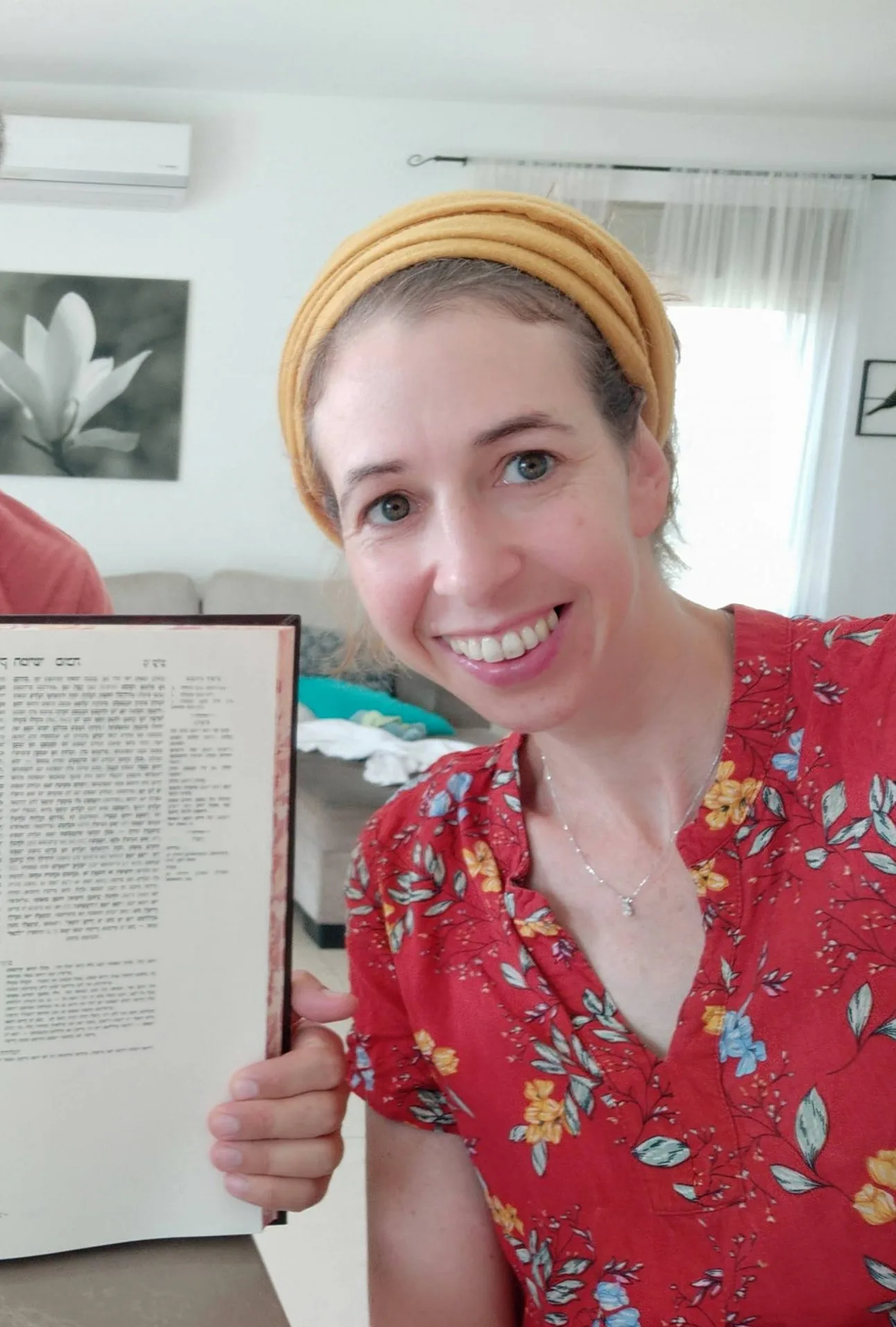
selfie-scaled
דבי גביר

חשמונאים, ישראל

ביצה כג

עַל גַּבֵּי חֶרֶס — מוּתָּר.

However, placing them on a scalding fragment of earthenware is permitted, as there is no concern of extinguishing or kindling.

וְרַבָּה אָמַר: עַל גַּבֵּי חֶרֶס נָמֵי אָסוּר, מִשּׁוּם דְּקָא מוֹלֵיד רֵיחָא. רַבָּה וְרַב יוֹסֵף דְּאָמְרִי תַּרְוַיְיהוּ: סַחוֹפֵי כָּסָא אַשִּׁירָאֵי בְּיוֹמָא טָבָא — אָסוּר, מַאי טַעְמָא — מִשּׁוּם דְּקָמוֹלֵיד רֵיחָא.

And Rabba said: Placing the spices on a hot piece of earthenware is also prohibited, because it produces a new scent in the earthenware, and one may not create new things on a Festival. The Gemara notes that similarly, Rabba and Rav Yosef both said the following: It is prohibited to overturn a cup containing perfume onto silk garments on a Festival. What is the reason for this prohibition? It is because it produces a new scent in the garment.

וּמַאי שְׁנָא מִמּוֹלְלוֹ וּמֵרִיחַ בּוֹ וְקוֹטְמוֹ וּמֵרֵיחַ בּוֹ? הָתָם — רֵיחָא מִיהָא אִיתָא, וְאוֹסוֹפֵי הוּא דְּקָא מוֹסִיף רֵיחָא. הָכָא — אוֹלוֹדֵי הוּא דְּקָמוֹלֵיד רֵיחָא. רָבָא אָמַר: עַל גַּבֵּי גַּחֶלֶת נָמֵי מוּתָּר, מִידֵּי דְּהָוֵה אַבִּשְׂרָא אַגּוּמְרֵי.

The Gemara asks: And in what way is this case different from the case discussed in the following baraita: One may press a piece of aromatic wood between his fingers and smell it, and one may also snip off a piece of it in order to release its fragrance and smell it? In those cases too he produces a scent. The Gemara answers: There, the scent exists in any case, and he merely adds to the fragrance, as his pressing or snipping causes the smell to be stronger. Here, on the other hand, where he overturns a cup of perfume on clothing, he produces a new scent. Rava, however, said: It is even permitted to sprinkle the aromatic spices on the coals themselves, just as it is permitted to place meat on coals for roasting.

דָּרֵשׁ רַב גְּבִיהָא מִבֵּי כְתִיל אַפִּתְחָא דְּבֵי רֵישׁ גָּלוּתָא: קִטּוּרָא שְׁרֵי. אֲמַר לֵיהּ אַמֵּימָר: מַאי ״קִטּוּרָא״? אִי קִטּוּרָא בִּידֵי — מַעֲשֵׂה אוּמָּן הוּא, וְאִי לְעַשֵּׁן — אָסוּר, דְּהָא קָא מְכַבֶּה! אֲמַר לֵיהּ רַב אָשֵׁי: לְעוֹלָם לְעַשֵּׁן, מִידֵּי דְּהָוֵה אַבִּשְׂרָא אַגּוּמְרֵי.

The Gemara relates that Rav Geviha from Bei Katil once taught at the entrance to the house of the Exilarch that ketura is permitted on a Festival; but he did not add any further clarification. Ameimar said to him: What is the meaning of ketura? If it means tying [ketura] ornamental knots by hand, this is the act of a craftsman and is therefore certainly prohibited on a Festival. And if it is referring to burning incense [ketoret], this too is prohibited, as he extinguishes some of the coals when he sprinkles the aromatic powder on them. Rav Ashi said to him: Actually, it is referring to burning incense, which is permitted, just as it is permitted to place meat on coals for roasting.

אִיכָּא דְאָמְרִי. אֲמַר לֵיהּ אַמֵּימָר: מַאי ״קִטּוּרָא״? אִי קִטּוּרָא בִּידֵי — מַעֲשֵׂה אוּמָּן הוּא. אִי לְעַשֵּׁן — אָסוּר דְּקָא מוֹלֵיד רֵיחָא! אָמַר רַב אָשֵׁי: אֲנָא אַמְרִיתַהּ נִהֲלֵיהּ, וּמִשְּׁמֵיהּ דְּגַבְרָא רַבָּה אַמְרִיתַהּ נִהֲלֵיהּ: לְעוֹלָם לְעַשֵּׁן, וּמִידֵּי דְּהָוֵה אַבִּשְׂרָא אַגּוּמְרֵי.

Some say a slightly different version of this story, in which Ameimar said to Rav Geviha: What is the meaning of ketura? If it means tying ornamental knots by hand, this is the act of a craftsman, which is prohibited. If it is referring to burning incense, this too is prohibited, as he produces a new scent. Rav Ashi said: I said this halakha to Rav Geviha, and I said it in the name of a great man, Rava, that actually it is referring to burning incense, which is permitted, just as it is permitted to place meat on coals for roasting.

וְעוֹשִׂין גְּדִי מְקוּלָּס. תַּנְיָא רַבִּי יוֹסֵי אוֹמֵר: תּוֹדוֹס אִישׁ רוֹמִי הִנְהִיג אֶת בְּנֵי רוֹמִי לֶאֱכוֹל גְּדִי מְקוּלָּס בְּלֵילֵי פְּסָחִים. שְׁלַחוּ לֵיהּ: אִלְמָלֵא תּוֹדוֹס אַתָּה, גּוֹזְרָנוּ עָלֶיךָ נִדּוּי, שֶׁאַתָּה מַאֲכִיל אֶת בְּנֵי יִשְׂרָאֵל קָדָשִׁים בַּחוּץ.

§ It is taught in the mishna that one of Rabban Gamliel’s three leniencies was that one may prepare a whole [mekulas] kid goat, meaning a goat roasted whole, with its entrails over its head, on the night of Passover. It is taught in a baraita in this regard that Rabbi Yosei says: Theodosius [Todos] of Rome, leader of the Jewish community there, instituted the custom for the Roman Jews to eat whole kids on the night of Passover, in commemoration of the practice followed in the Temple. The Sages sent a message to him: Were you not Theodosius, an important person, we would have decreed ostracism upon you, as you are feeding the Jewish people consecrated food, which may be eaten only in and around the Temple itself, outside the Temple.

קָדָשִׁים סָלְקָא דַּעְתָּךְ?! אֶלָּא אֵימָא: כְּעֵין קָדָשִׁים.

The Gemara expresses surprise: Can it enter your mind that the Sages really meant that Theodosius was feeding the Jewish people consecrated food outside the Temple? These goats are certainly not consecrated animals. Rather, say that he was feeding the Jewish people something similar to consecrated food, which people might mistake for a Paschal offering.

מַתְנִי׳ שְׁלֹשָׁה דְּבָרִים רַבִּי אֶלְעָזָר בֶּן עֲזַרְיָה מַתִּיר וַחֲכָמִים אוֹסְרִים: פָּרָתוֹ יוֹצְאָה בִּרְצוּעָה שֶׁבֵּין קַרְנֶיהָ.

MISHNA: There are three things that Rabbi Elazar ben Azarya permits and the Rabbis prohibit: His cow would go out on Shabbat with a decorative strap between its horns. Rabbi Elazar holds that such a strap is considered an ornament for the cow rather than a burden, whereas the Sages view it as a burden.

וּמְקָרְדִין אֶת הַבְּהֵמָה בְּיוֹם טוֹב. וְשׁוֹחֲקִין אֶת הַפִּלְפְּלִין בָּרֵחַיִם שֶׁלָּהֶן.

And one may comb [mekardin] an animal with a fine comb on a Festival in order to remove ticks and dirt from its hair; the Rabbis prohibit this due to a concern that he might thereby come to wound or bruise the animal. And one may grind pepper needed on the Festival even in its own mill, although this appears similar to a weekday labor.

רַבִּי יְהוּדָה אוֹמֵר: אֵין מְקָרְדִין אֶת הַבְּהֵמָה בְּיוֹם טוֹב, מִפְּנֵי שֶׁעוֹשֶׂה חַבּוּרָה, אֲבָל מְקַרְצְפִין. וַחֲכָמִים אוֹמְרִים: אֵין מְקָרְדִין, אַף לֹא מְקַרְצְפִין.

Rabbi Yehuda says: One may not comb an animal to remove ticks and dirt from its hair on a Festival because this certainly creates a wound, but one may brush it with a wooden comb, as its blunt teeth do not wound the animal. But the Rabbis say: One may not comb, nor may one even brush.

גְּמָ׳ לְמֵימְרָא דְּרַבִּי אֶלְעָזָר בֶּן עֲזַרְיָה חֲדָא פָּרָה הַוְיָא לֵיהּ? וְהָאָמַר רַב, וְאָמְרִי לַהּ אָמַר רַב יְהוּדָה אָמַר רַב: תְּלֵיסַר אַלְפֵי עִגְלֵי הֲוָה מְעַשַּׂר רַבִּי אֶלְעָזָר בֶּן עֲזַרְיָה מֵעֶדְרֵיהּ כׇּל שַׁתָּא וְשַׁתָּא. תָּנָא: לֹא שֶׁלּוֹ הָיְתָה, אֶלָּא שֶׁל שְׁכֶנְתּוֹ הָיְתָה, וּמִתּוֹךְ שֶׁלֹּא מִיחָה בָּהּ — נִקְרֵאת עַל שְׁמוֹ.

GEMARA: With regard to the mishna’s statement that Rabbi Elazar ben Azarya’s cow would go out on Shabbat with a strap between its horns, the Gemara asks: Is that to say that Rabbi Elazar ben Azarya had only one cow? But didn’t Rav say, and some say that Rav Yehuda said that Rav said: Rabbi Elazar ben Azarya would tithe from his herds thirteen thousand calves each and every year, which means that he had ten times that number of calves alone. Why, then, does the mishna speak of his cow? The Gemara answers that it is taught in the Tosefta: This cow was not his; rather, it was his neighbor’s. And because he did not protest her conduct and tell her that it is prohibited to do so, the cow was called by his name to his discredit, as if it were his.

וּמְקָרְדִין אֶת הַבְּהֵמָה בְּיוֹם טוֹב. תָּנוּ רַבָּנַן: אֵיזֶהוּ קֵרוּד וְאֵיזֶהוּ קִרְצוּף? קֵרוּד — קְטַנִּים וְעוֹשִׂין חַבּוּרָה, קִרְצוּף — גְּדוֹלִים וְאֵין עוֹשִׂין חַבּוּרָה.

§ It is taught in the mishna that Rabbi Elazar ben Azarya holds that one may comb an animal on a Festival. The Sages taught in a baraita: What is considered combing and what is brushing? Combing is performed with a small-toothed comb and makes a wound; brushing is done with a large-toothed comb and does not make a wound.

וְשָׁלֹשׁ מַחְלוֹקוֹת בַּדָּבָר, רַבִּי יְהוּדָה סָבַר: דָּבָר שֶׁאֵינוֹ מִתְכַּוֵּין — אָסוּר. מִיהוּ: קֵרוּד — קְטַנִּים, וְעוֹשִׂין חַבּוּרָה. קִרְצוּף — גְּדוֹלִים, וְאֵין עוֹשִׂין חַבּוּרָה. וְלָא גָּזְרִינַן קִרְצוּף אַטּוּ קֵרוּד.

And there are three disputes with regard to this matter. Rabbi Yehuda holds that an unintentional act, a permitted action from which an unintended prohibited labor ensues on Shabbat, is prohibited, as in his opinion it is prohibited to perform an action that involves a prohibited labor on Shabbat even if one has a permitted action in mind and does not intend to perform the labor in question. Therefore, one may not comb an animal in a manner that will cause a wound, even unintentionally. However, he differentiates between the cases: Although he prohibits combing with a small-toothed comb that makes a wound, he permits brushing with a large-toothed comb that does not make a wound, and we do not issue a decree and prohibit brushing due to combing, as there is no concern that people will err and come to permit even combing in the prohibited manner.

וְרַבָּנַן סָבְרִי נָמֵי כְּרַבִּי יְהוּדָה, דָּבָר שֶׁאֵינוֹ מִתְכַּוֵּין — אָסוּר, וְגָזְרִינַן קִרְצוּף אַטּוּ קֵרוּד. וְרַבִּי אֶלְעָזָר בֶּן עֲזַרְיָה סָבַר לַהּ כְּרַבִּי שִׁמְעוֹן דְּאָמַר: דָּבָר שֶׁאֵינוֹ מִתְכַּוֵּין — מוּתָּר, וּבֵין קֵרוּד וּבֵין קִרְצוּף שְׁרֵי.

And the Rabbis also hold in accordance with the opinion of Rabbi Yehuda with regard to the fundamental issue that an unintentional act is prohibited. However, they maintain that we issue a decree and prohibit brushing due to combing. On the other hand, Rabbi Elazar ben Azarya holds in accordance with the dissenting opinion of Rabbi Shimon, who said that an unintentional act is permitted. Therefore, both combing and brushing are permitted, as even if the combing or brushing bruises the animal, there is no transgression of a prohibition, as there was certainly no intention to cause the animal a wound.

אָמַר רָבָא אָמַר רַב נַחְמָן אָמַר שְׁמוּאֵל, וְאָמְרִי לַהּ אָמַר רַב נַחְמָן לְחוֹדֵיהּ: הֲלָכָה כְּרַבִּי שִׁמְעוֹן, שֶׁהֲרֵי רַבִּי אֶלְעָזָר בֶּן עֲזַרְיָה מוֹדֶה לוֹ. אֲמַר לֵיהּ רָבָא לְרַב נַחְמָן: וְלֵימָא מָר, הֲלָכָה כְּרַבִּי יְהוּדָה שֶׁהֲרֵי חֲכָמִים מוֹדִים לוֹ! אֲמַר לֵיהּ: אֲנָא כְּרַבִּי שִׁמְעוֹן סְבִירָא לִי, וְעוֹד שֶׁהֲרֵי רַבִּי אֶלְעָזָר בֶּן עֲזַרְיָה מוֹדֶה לוֹ.

Rava said that Rav Naḥman said that Shmuel said, and some say that Rav Naḥman said this teaching himself: The halakha is in accordance with the opinion of Rabbi Shimon, that an unintentional act is permitted on Shabbat, as Rabbi Elazar ben Azarya agrees with him. Rava said to Rav Naḥman: And let the Master say the opposite, that the halakha is in accordance with the opinion of Rabbi Yehuda, as the Rabbis agree with him. Rav Naḥman said to him: Fundamentally I hold in accordance with the opinion of Rabbi Shimon; I am merely adding another reason for doing so, which is that Rabbi Elazar ben Azarya agrees with him.

מַתְנִי׳ הָרֵחַיִם שֶׁל פִּלְפְּלִין, טְמֵאָה מִשּׁוּם שְׁלֹשָׁה כֵּלִים: מִשּׁוּם כְּלִי קִבּוּל, וּמִשּׁוּם כְּלִי מַתֶּכֶת, וּמִשּׁוּם כְּלִי כְּבָרָה.

MISHNA: The aforementioned pepper mill is a composite vessel, and each of its parts must be considered independently with respect to ritual impurity. It is susceptible to ritual impurity because of each of the three vessels of which it is comprised: It is susceptible to impurity because it is a wooden receptacle, it is susceptible to impurity because it is a metal vessel, and it is susceptible to impurity because it is a sieve.

גְּמָ׳ תָּנָא: תַּחְתּוֹנָה — מִשּׁוּם כְּלִי קִבּוּל, אֶמְצָעִית — מִשּׁוּם כְּלִי כְּבָרָה, עֶלְיוֹנָה — מִשּׁוּם כְּלִי מַתֶּכֶת.

GEMARA: A Sage taught: The lower section of the mill is susceptible to impurity because it is viewed as a receptacle, since the ground pepper descends into it. The middle section is susceptible to impurity because it is a sieve, as it serves to filter the pepper. Finally, the upper part, in which the pepper is actually ground, is susceptible to impurity because it is a metal vessel. Although it is not a receptacle, it is nevertheless susceptible to impurity, since it is made of metal.

מַתְנִי׳ עֲגָלָה שֶׁל קָטָן — טְמֵאָה מִדְרָס, וְנִטֶּלֶת בְּשַׁבָּת, וְאֵינָהּ נִגְרֶרֶת אֶלָּא עַל גַּבֵּי כֵלִים.

MISHNA: A child’s wagon, with which he plays and upon which he also sits, is susceptible to ritual impurity imparted by treading. It is considered a fixed seat of the child, so that if the child is a zav and he sits on the wagon, it contracts the ritual impurity imparted by the treading of a zav. And this wagon may be handled on Shabbat, as it is considered a vessel. And it may be dragged on the ground on Shabbat only upon cloth, a stone pavement, or the like, as otherwise it would create a furrow when dragged, and one would be liable due to the prohibited labor of plowing.

רַבִּי יְהוּדָה אוֹמֵר: כׇּל הַכֵּלִים אֵין נִגְרָרִין, חוּץ מִן הָעֲגָלָה, מִפְּנֵי שֶׁהִיא כּוֹבֶשֶׁת.

Rabbi Yehuda says: For this reason, no vessels may be dragged on the ground on Shabbat except for a wagon, which is permitted because its wheels do not make a furrow in the ground but merely press the earth down. Since no earth is moved from its place, this is not considered digging or plowing on Shabbat.

גְּמָ׳ עֲגָלָה שֶׁל קָטָן — טְמֵאָה מִדְרָס, דְּהָא סָמֵיךְ עִלָּוַיהּ. וְנִטֶּלֶת בְּשַׁבָּת, מִשּׁוּם דְּאִיכָּא תּוֹרַת כְּלִי עֲלַהּ.

GEMARA: It is taught in the mishna that a child’s wagon is susceptible to ritual impurity imparted by treading. Why? It is because he leans on it. The mishna also teaches that this wagon may be handled on Shabbat. Why? It is because it has the status of a vessel, and one may handle a vessel on Shabbat.

וְאֵינָהּ נִגְרֶרֶת אֶלָּא עַל גַּבֵּי כֵלִים. עַל גַּבֵּי כֵלִים — אִין, עַל גַּבֵּי קַרְקַע — לָא. מַאי טַעְמָא, דְּקָא עָבֵיד חָרִיץ. מַנִּי? רַבִּי יְהוּדָה הִיא, דְּאָמַר: דָּבָר שֶׁאֵין מִתְכַּוֵּין — אָסוּר.

The mishna further teaches that a child’s wagon may be dragged on Shabbat only upon cloth. The Gemara infers: Upon cloth, yes, it is permitted; but directly on the ground, no, it is not permitted. What is the reason for this halakha? It is because he creates a furrow in the ground when he drags the wagon across it. The Gemara asks: In accordance with whose opinion is this mishna? It is in accordance with the opinion of Rabbi Yehuda, who said: An unintentional act, i.e., a permitted action from which an unintended prohibited labor ensues on Shabbat, is prohibited, even though the person performing it does not have the prohibited labor in mind.

דְּאִי רַבִּי שִׁמְעוֹן, הָאָמַר: דָּבָר שֶׁאֵין מִתְכַּוֵּין — מוּתָּר. (דִּתְנַן) רַבִּי שִׁמְעוֹן אוֹמֵר: גּוֹרֵר אָדָם מִטָּה כִּסֵּא וְסַפְסָל, וּבִלְבַד שֶׁלֹּא יִתְכַּוֵּין לַעֲשׂוֹת חָרִיץ.

As, if it were in accordance with the opinion of Rabbi Shimon, didn’t he say: An unintentional act is permitted, since there was no intention to perform the prohibited action? As we learned explicitly in a mishna that Rabbi Shimon says: A person may drag a bed, a chair, or a bench on the ground, provided that he does not intend to make a furrow. Even if one forms a furrow unwittingly, one need not be concerned, as this was not his intention.

אֵימָא סֵיפָא, רַבִּי יְהוּדָה אוֹמֵר: אֵין הַכֹּל נִגְרָרִין בְּשַׁבָּת, חוּץ מִן הָעֲגָלָה, מִפְּנֵי שֶׁהִיא כּוֹבֶשֶׁת. מִפְּנֵי שֶׁכּוֹבֶשֶׁת — אִין, אֲבָל חָרִיץ — לָא עָבְדָא?

The Gemara raises a difficulty: If so, say the latter clause of the mishna as follows: Rabbi Yehuda says: No vessels may be dragged on the ground on Shabbat except for a wagon, because it merely presses the earth down. This is not prohibited as plowing because it does not create a furrow. This indicates that a wagon may be dragged on the ground on Shabbat because, yes, it presses the earth down, but it does not make a furrow. Since it has already been established that the first section of the mishna is also in accordance with the opinion of Rabbi Yehuda, and there it appears that a wagon dragged along the ground makes a furrow, Rabbi Yehuda seems to contradict himself.

תְּרֵי תַנָּאֵי, וְאַלִּיבָּא דְּרַבִּי יְהוּדָה.

The Gemara answers: It must be explained that this is a dispute between two tanna’im who hold in accordance with the opinion of Rabbi Yehuda but differ with regard to the content of that opinion. The first tanna holds that even a wagon makes a furrow, whereas the other tanna maintains in the name of Rabbi Yehuda that a wagon does not make a furrow.

הֲדַרַן עֲלָךְ יוֹם טוֹב

אֵין צָדִין דָּגִים מִן הַבִּיבָרִים בְּיוֹם טוֹב, וְאֵין נוֹתְנִין לִפְנֵיהֶם מְזוֹנוֹת.

MISHNA: One may not trap fish from their ponds on a Festival even with the intention of eating them, as this falls into the category of hunting, a type of labor that is not permitted on a Festival. Nor may one place food before them, as it is not his duty to feed them; rather, they maintain themselves by eating smaller fish or different types of algae that grow in the water.

אֲבָל צָדִין חַיָּה וְעוֹף מִן הַבִּיבָרִין, וְנוֹתְנִין לִפְנֵיהֶם מְזוֹנוֹת.

However, one may trap an animal or a bird from their enclosures [beivarim], as they are viewed as already captured, and therefore the action is not considered an act of hunting. And one may also place food before them as one does for other household animals.

רַבָּן שִׁמְעוֹן בֶּן גַּמְלִיאֵל אוֹמֵר: לֹא כָּל הַבִּיבָרִין שָׁוִין. זֶה הַכְּלָל: כׇּל

Rabban Shimon ben Gamliel says: Not all enclosures are identical with respect to the halakhot of hunting. This is the principle: With regard to any animal

רוצה לעקוב אחרי התכנים ולהמשיך ללמוד?

ביצירת חשבון עוד היום ניתן לעקוב אחרי ההתקדמות שלך, לסמן מה למדת, ולעקוב אחרי השיעורים שמעניינים אותך.

לנקות את כל הפריטים מהרשימה?

פעולה זו תסיר את כל הפריטים בחלק זה כולל ההתקדמות וההיסטוריה. שימי לב: לא ניתן לשחזר פעולה זו.

ביטול
מחיקה

האם את/ה בטוח/ה שברצונך למחוק פריט זה?

תאבד/י את כל ההתקדמות או ההיסטוריה הקשורות לפריט זה.

ביטול
מחיקה