חיפוש

ביצה לה

רוצה להקדיש לימוד?

podcast placeholder

0:00
0:00


תקציר

הלימוד השבוע מוקדש ע”י אליענה גורפינקל לעילוי נשמת סבתה, אליסה ונטורה בת משה ולאה. והשיעור היום מוקדש לרפואת חיה שרה בת רייצא.

כדחייה להוכחת מר זוטרא ממשנתינו ששבת קובעת למעשר בדבר שאין בן גמר מלאכה, הגמרא הבינה מדברי ר’ אליעזר שאמירתו שהוא יאכל מפירות אלו קובע למעשר אפילו אם לא נגמרה מלאכתן ולכן כל הפירות שבמוקצה במקרה הנדון (שאמר לפני שבת שיאכל מאלו בשבת) חייבים לעשרם לפני שאוכלם. הגמרא מקשה על זה מדברי ר’ אליעזר במקום אחר ששם קבע שזיתים שהוציא מן המעטן והחזיר, פטורים מלעשרם – כך גם פירות שנשארו במוקצה אמורים להיות פטורים אם קבעם למעשר על ידי אמירה "מכאן אני אוכל”. ובכך דוחים את הקושי נגד מר זוטרא והוכחתו מהמשנה חוזרת, ששבת קובעת למעשר גם בדבר שאין בו גמר מלאכה. רב שימי בר אשי דוחה את ראייתו של מר זוטרא בדרך אחרת כי הוא טוען ששיטת ר’ אליעזר ששבת קובעת למעשר גם בדבר שאין בו גמר מלאכה הוא דעת יחיד כדעתו נגד חכמים במי שמפריש תרומה מפירות שאין בהם גמר מלאכה שגם קובעת למעשר. הגמרא מנסה להוכיח מדברי חכמים במשנה ששבת קובעת למעשר גם בדבר שאין בו גמר מלאכה אך גם את זה דוחים. הגמרא מביאה סתירה לדברי ר’ אליעזר במשנה (לפי הבנת מר זוטרא ששבת קובעת למעשר גם בדבר שאין בו גמר מלאכה) לבין דבריו בברייתא. הגמרא פותרת את הסתירה. רבין מביא דעת ר’ יוחנן שחולק על רב נחמן ואומר ששבת, תרומה, חצר, ומקח אינם קובעים למעשר בדבר שאין בו גמר מלאכה. הגמרא מסבירה למה ר’ יוחנן היה צריך להתייחס לכל קטגוריה – בכל עניין בא לחלוק דעה מסוימת. הגמרא מביאה את הדעה שעליה הוא חולק בכל נושא. פרק חמישי מתחיל עם דברים שמותרים לעשות ביום טוב למרות שזה טורח, התירו משום הפסד כגון להוריד פירות דרך הארובה מפני הגשמים. אבל התירו בצורה שממעטים בטורח. הגמרא דנה בנוסחאות שונות של המילה הראשונה במשנה ומוכיחה שכל האפשרויות יכולות להתאים. איזה כמות אפשר להוריד דרך ארובה? ר’ יוחנן לומד מהלכה בשבת שמפנין ארבע או חמש קופות. אך מעלים כמה קושיות עליו מתוך סברה – או שיש להחמיר יותר כאן או להקל יותר.

ביצה לה

וַהֲלֹא מוֹתָרוֹ חוֹזֵר, וְשָׁמְעִינַן לֵיהּ לְרַבִּי אֱלִיעֶזֶר דְּאָמַר: כׇּל הֵיכָא דְּמוֹתָרוֹ חוֹזֵר — לָא קָבַע!

The Gemara challenges: How can one say that the very decision to partake of the fruit establishes it as fixed with regard to tithes? But isn’t it true that even if one declared his intention to eat it the following day, it can nevertheless be assumed that the remaining fruit is restored to the pile? And we have heard that Rabbi Eliezer explicitly said: Anywhere that its leftovers are restored, it is not established with regard to liability for tithes at all.

דִּתְנַן: הַנּוֹטֵל זֵיתִים מִן הַמַּעֲטָן — טוֹבֵל אַחַת אַחַת בְּמֶלַח וְאוֹכֵל. וְאִם טָבַל וְנָתַן לְפָנָיו עֲשָׂרָה — חַיָּיב. רַבִּי אֱלִיעֶזֶר אוֹמֵר: מִן הַמַּעֲטָן טָהוֹר — חַיָּיב, מִן הַמַּעֲטָן טָמֵא — פָּטוּר, מִפְּנֵי שֶׁהוּא מַחֲזִיר אֶת הַמּוֹתָר.

This is as we learned in a mishna in tractate Ma’asrot: One who removes olives from a vat [ma’atan] where they are temporarily stored before being pressed may dip them one by one in salt and eat without tithing them first, since he is eating them one at a time. Although he is eating them with salt, it is not considered a fixed meal. And if he dipped and placed several olives before him, such as ten, they are liable in tithes. However, Rabbi Eliezer says: One who eats from a ritually pure vat is liable to separate tithes; one who eats from a ritually impure vat is exempt because he returns the surplus to the vat.

וְהָוֵינַן בַּהּ: מַאי שְׁנָא רֵישָׁא וּמַאי שְׁנָא סֵיפָא? וְאָמַר רַבִּי אֲבָהוּ: רֵישָׁא בְּמַעֲטָן טָהוֹר וְגַבְרָא טָמֵא, דְּלָא מָצֵי מַהְדַּר לֵיהּ.

And we discussed it: What is different in the first clause of the mishna and what is different in the latter clause; why is the issue of purity relevant to this case? And Rabbi Abbahu said: The first case is referring to a ritually pure vat and a ritually impure person, who transfers his impurity to the olives he touches. He may not return the olives to the vat because he would thereby render all the remaining olives ritually impure. Therefore, from the outset he takes only the amount he wishes to eat. This is enough to consider it a fixed meal, and he must tithe them.

סֵיפָא בְּמַעֲטָן טָמֵא וְגַבְרָא טָמֵא, דְּמָצֵי מַהְדַּר לֵיהּ.

However, the latter clause is referring to a ritually impure vat and a person who is ritually impure, who may return the olives to the vat, as the olives it contains are already ritually impure. He is not particular to take the exact amount he wants to eat, since he knows he may return the remaining olives, and they are therefore not considered fixed for tithes. For the purposes of this discussion, it can be seen from here that Rabbi Eliezer maintains that whenever one may restore the food, it is not considered fixed until its work is complete.

מַתְנִיתִין נָמֵי בְּמוּקְצֶה טָהוֹר וְגַבְרָא טָמֵא, דְּלָא מָצֵי מַהְדַּר לֵיהּ. וַהֲלֹא מוּחְזָרִין וְעוֹמְדִין הֵן!

The Gemara answers: The mishna also deals with the case of a ritually pure storage area, containing pure food, and a ritually impure person, who may not return them to the vat. The Gemara challenges this answer: But aren’t they already returned? This is not a case where a person takes all the fruit and replaces what remains after his meal; rather, he takes the amount he explicitly designated the day before, while the rest remains in place.

אֶלָּא, אָמַר רַב שִׁימִי בַּר אָשֵׁי: רַבִּי אֱלִיעֶזֶר קָא אָמְרַתְּ? רַבִּי אֱלִיעֶזֶר לְטַעְמֵיהּ, דְּאָמַר: תְּרוּמָה קָבְעָה, וְכׇל שֶׁכֵּן שַׁבָּת. דִּתְנַן: פֵּירוֹת שֶׁתְּרָמָן עַד שֶׁלֹּא נִגְמְרָה מְלַאכְתָּן, רַבִּי אֱלִיעֶזֶר אוֹסֵר לֶאֱכוֹל מֵהֶן עֲרַאי, וַחֲכָמִים מַתִּירִין.

Rather, Rav Shimi bar Ashi said: The previous explanation is to be rejected, and it should be understood as follows: Rabbi Eliezer, you said? There is no difficulty according to his approach. Rabbi Eliezer conforms to his standard line of reasoning, as he said that the separation of teruma itself establishes the work of fruit as completed, so that one may not eat it even in a casual manner without first separating the other tithes. And, all the more so, Shabbat itself establishes food as fixed with regard to tithes, as we learned in a mishna: Fruits from which teruma has been separated before their work was completed, Rabbi Eliezer prohibits eating from them in a casual manner without separating the rest of the tithes, as the teruma establishes the food as fixed; but the Rabbis permit it.

תָּא שְׁמַע מִסֵּיפָא, וַחֲכָמִים אוֹמְרִים: עַד שֶׁיִּרְשׁוֹם וְיֹאמַר ״מִכָּאן וְעַד כָּאן״. טַעְמָא דְּעֶרֶב שַׁבָּת בַּשְּׁבִיעִית — דְּלָאו בַּר עַשּׂוֹרֵי הוּא, הָא בִּשְׁאָר שְׁנֵי שָׁבוּעַ, דִּבְנֵי עַשּׂוֹרֵי נִינְהוּ — אֲסוּרִים. מַאי טַעְמָא, לָאו מִשּׁוּם דְּשַׁבָּת קָבְעָה?

The Gemara suggests a different answer to Rava’s question as to whether Shabbat establishes an obligation to tithe food whose labor is incomplete: Come and hear a resolution from the latter clause of the mishna, which states: And the Rabbis say: Even in the Sabbatical Year, when teruma and tithes are not separated from fruit, a declaration from the day before is not enough to render the food prepared for Shabbat, unless one marks the fruit he is preparing and says explicitly: From here to there. The Gemara infers from this: The reason is that the eve of Shabbat during the Sabbatical Year is not fit for tithes; but during the other years of the Sabbatical cycle, which are fit for and obligated in tithes, the fruits are prohibited. What is the reason? Is it not because Shabbat itself establishes them as fixed? If this is the view of the Rabbis, one may not reject it in favor of a minority opinion such as Rabbi Eliezer’s.

לָא, שָׁאנֵי הָתָם, כֵּיוָן דְּאָמַר: ״מִכָּאן וְעַד כָּאן אֲנִי אוֹכֵל לְמָחָר״ — קָבַע לֵיהּ. אִי הָכִי, מַאי אִרְיָא שַׁבָּת? אֲפִילּוּ בְּחוֹל נָמֵי! הָא קָא מַשְׁמַע לַן דְּטֶבֶל מוּכָן הוּא אֵצֶל שַׁבָּת, שֶׁאִם עָבַר וְתִקְּנוֹ — מְתוּקָּן.

The Gemara refutes this: No, this is no proof; there it is different. Since he said: From here to there I will eat tomorrow, he has thereby established his meal, and the reason is not due to Shabbat. The Gemara asks: If so, why discuss particularly Shabbat; even on a weekday as well the same law applies? The Gemara answers: This comes to teach us, as stated above, that untithed produce is not fundamentally muktze because it is prohibited to remove the dues and tithes on Shabbat; rather, it is considered prepared with regard to Shabbat, in that if one transgressed the words of the Sages and tithed it, it is tithed.

וּרְמִינְהִי: הָיָה אוֹכֵל בָּאֶשְׁכּוֹל, וְנִכְנַס מִגִּנָּה לֶחָצֵר, רַבִּי אֱלִיעֶזֶר אוֹמֵר: יִגְמוֹר, רַבִּי יְהוֹשֻׁעַ אוֹמֵר: לֹא יִגְמוֹר.

And we raise a contradiction from a different source, in which it is taught: If one was eating from a cluster of grapes, whose work is not completed, as grapes are designated for juice extraction, and came in from a garden, where one may eat fruit in a casual manner without separating tithes, to a courtyard, Rabbi Eliezer says: He may finish eating the cluster, as the courtyard itself does not establish the fruit with regard to tithes, if their work was not completed beforehand. Rabbi Yehoshua says: He may not finish. He maintains that a courtyard does establish the fruit as fixed for tithes, even if their work has not been completed.

חָשְׁכָה בְּלֵילֵי שַׁבָּת, רַבִּי אֱלִיעֶזֶר אוֹמֵר: יִגְמוֹר, רַבִּי יְהוֹשֻׁעַ אוֹמֵר: לֹא יִגְמוֹר!

Similarly, if it grew dark on Friday evening, the night of Shabbat, while one was eating the cluster, and eating on Shabbat is considered a fixed meal, Rabbi Eliezer says: He may finish, as not even Shabbat establishes fruit as fixed if its work was not completed. And Rabbi Yehoshua says: He may not finish. He holds that Shabbat does indeed establish fruit as fixed for tithes even if its work has not been completed. This indicates that Rabbi Eliezer maintains that Shabbat does not establish food with regard to tithes, whereas the mishna here indicates that he agrees that the beginning of Shabbat does establish them as fixed.

הָתָם כִּדְקָתָנֵי טַעְמָא, רַבִּי נָתָן אוֹמֵר: לֹא כְּשֶׁאָמַר רַבִּי אֱלִיעֶזֶר ״יִגְמוֹר״ — בֶּחָצֵר יִגְמוֹר, אֶלָּא: יוֹצֵא חוּץ לֶחָצֵר וְיִגְמוֹר. וְלֹא כְּשֶׁאָמַר רַבִּי אֱלִיעֶזֶר ״יִגְמוֹר״ — בְּשַׁבָּת יִגְמוֹר, אֶלָּא מַמְתִּין לְמוֹצָאֵי שַׁבָּת וְיִגְמוֹר.

The Gemara answers: There, the reason is as he taught explicitly that Rabbi Natan says: It is not that when Rabbi Eliezer said: He may finish, he meant that he may finish in the courtyard itself; but rather he meant: He may exit the courtyard and finish. And similarly, it is not that when Rabbi Eliezer said: He may finish, he meant that he may finish on Shabbat itself; but rather, he meant that he may wait until the conclusion of Shabbat and finish. If so, this source does not contradict the mishna here.

כִּי אֲתָא רָבִין, אָמַר רַבִּי יוֹחָנָן: אֶחָד שַׁבָּת, וְאֶחָד תְּרוּמָה, וְאֶחָד חָצֵר, וְאֶחָד מִקָּח — כּוּלָּן אֵין קוֹבְעִין, אֶלָּא בְּדָבָר שֶׁנִּגְמְרָה מְלַאכְתָּן.

With regard to the halakhic ruling in this case, when Ravin came from Eretz Yisrael to Babylonia, he said that Rabbi Yoḥanan said: Whether with regard to Shabbat; or with regard to the separation of teruma from fruit; or with regard to a courtyard into which the fruit is brought; or with regard to a transaction; all of these cases establish a requirement for tithes only for items whose labor is completed.

שַׁבָּת — לְאַפּוֹקֵי מִדְּהִלֵּל, דְּתַנְיָא: הַמְעַמֵּר פֵּירוֹת מִמָּקוֹם לְמָקוֹם לִקְצוֹר, וְקִדֵּשׁ עֲלֵיהֶן הַיּוֹם, אָמַר רַבִּי יְהוּדָה: הִלֵּל לְעַצְמוֹ אוֹסֵר.

The Gemara notes that each of these details teaches a novel halakha. How so? Shabbat comes to exclude the opinion of Hillel, as it is taught in a baraita: One who gathers fruits from one place to another in order to reap them, and the day sanctified upon them, i.e., Shabbat commenced, Rabbi Yehuda said: Hillel prohibits the food from the gatherer himself. In other words, Hillel alone prohibits eating the fruit in that case until its tithes have been separated, for he believes that the beginning of Shabbat itself causes the fruit to be considered completed. Rabbi Yoḥanan teaches that the halakha in this case is not in accordance with the opinion of Hillel.

חָצֵר — לְאַפּוֹקֵי מִדְּרַבִּי יַעֲקֹב. דִּתְנַן: הַמַּעֲבִיר תְּאֵנִים בַּחֲצֵרוֹ לְקַצּוֹת — בָּנָיו וּבְנֵי בֵּיתוֹ אוֹכְלִין מֵהֶן עֲרַאי, וּפְטוּרִים מִן הַמַּעֲשֵׂר. וְתָנֵי עֲלַהּ: רַבִּי יַעֲקֹב מְחַיֵּיב, וְרַבִּי יוֹסֵי בְּרַבִּי יְהוּדָה פּוֹטֵר.

In addition, it was necessary for Rabbi Yoḥanan to teach the law that a courtyard does not establish fruit for tithes unless its work is completed, to exclude the opinion of Rabbi Ya’akov. As we learned in a mishna: One who was transporting figs in his courtyard to make them into dried figs, his children and the members of his household may eat from them in a casual manner, and they are exempt from tithes. And a baraita is taught in that regard: Rabbi Ya’akov obligates him, and Rabbi Yosei, son of Rabbi Yehuda, exempts him.

תְּרוּמָה — לְאַפּוֹקֵי מִדְּרַבִּי אֱלִיעֶזֶר. דִּתְנַן: פֵּירוֹת שֶׁתְּרָמָן עַד שֶׁלֹּא נִגְמְרָה מְלַאכְתָּן, רַבִּי אֱלִיעֶזֶר אוֹסֵר לֶאֱכוֹל מֵהֶן עֲרַאי, וַחֲכָמִים מַתִּירִין.

With regard to the law that the separation of teruma does not establish fruit as fixed for tithes, this comes to exclude the opinion of Rabbi Eliezer. As we learned in a mishna: Fruits from which teruma had been separated before their work was completed, Rabbi Eliezer prohibits eating from them in a casual manner, and the Rabbis permit it.

מִקָּח — (כְּדִתְנַן) הַלּוֹקֵחַ תְּאֵנִים מֵעַם הָאָרֶץ, בִּמְקוֹם שֶׁרוֹב בְּנֵי אָדָם דּוֹרְסִין, אוֹכֵל מֵהֶן עֲרַאי, וּמְעַשְּׂרָן דְּמַאי.

With regard to the statement that a transaction does not fix fruit for tithes, this is as we learned in a baraita: In the case of one who acquires figs from an am ha’aretz in a place where most people press and dry their figs in order to make them into cakes, the work of the figs is not completed before this stage, and he may therefore partake of them in a casual manner. And when their work is completed, he need only tithe them as doubtfully tithed produce, in accordance with the law with regard to all produce bought from an uneducated person.

שְׁמַע מִינַּהּ תְּלָת. שְׁמַע מִינַּהּ: מִקָּח אֵינָהּ קוֹבַעַת אֶלָּא בְּדָבָר שֶׁנִּגְמְרָה מְלַאכְתּוֹ, וּשְׁמַע מִינַּהּ: רוֹב עַמֵּי הָאָרֶץ מְעַשְּׂרִין הֵן, וּשְׁמַע מִינַּהּ: מְעַשְּׂרִין דְּמַאי מֵעַמֵּי הָאָרֶץ אֲפִילּוּ בְּדָבָר שֶׁלֹּא נִגְמְרָה מְלַאכְתּוֹ.

The Gemara comments: One can learn from this baraita three halakhot: Learn from here that a transaction establishes produce as fixed only with regard to an item whose work is completed, but if its work has not been completed, even selling it does not obligate it in tithes. And learn from here that most people who are in the category of am ha’aretz separate tithes, and therefore one need only separate tithes as doubtfully tithed produce, rather than definitively untithed produce. And one can learn from here another law: One may tithe doubtfully tithed produce purchased from an am ha’aretz, even with regard to something whose work is not completed.

וּלְאַפּוֹקֵי מֵהָא דִּתְנַן: הַמַּחֲלִיף פֵּירוֹת עִם חֲבֵירוֹ, זֶה לֶאֱכוֹל וְזֶה לֶאֱכוֹל, זֶה לְקַצּוֹת וְזֶה לְקַצּוֹת, זֶה לֶאֱכוֹל וְזֶה לְקַצּוֹת — חַיָּיב. רַבִּי יְהוּדָה אוֹמֵר: לֶאֱכוֹל — חַיָּיב, לְקַצּוֹת — פָּטוּר.

Rabbi Yoḥanan rules in accordance with this opinion to exclude that which we learned in a mishna: One who exchanges fruits with his friend, which is considered a commercial transaction, if their intention was for this one to eat and that one to eat, or for this one to make them into dried fruit and for that one to make them into dried fruit, this one to eat and that one to make them into dried fruit, they are both obligated in tithes. Rabbi Yehuda, however, says: The one who took the fruits in order to eat is obligated, as for him their labor is completed, but the one who intended to make them into dried fruit is exempt and may partake of the fruit in a casual manner, as for him their work has not yet been completed. Rabbi Yoḥanan rules in opposition to the first tanna. He maintains that the transaction itself does not make the fruit liable to tithes unless its work has been completed.


הֲדַרַן עֲלָךְ הַמֵּבִיא

מַשִּׁילִין פֵּירוֹת דֶּרֶךְ אֲרוּבָּה בְּיוֹם טוֹב, אֲבָל לֹא בְּשַׁבָּת. וּמְכַסִּים פֵּירוֹת בְּכֵלִים מִפְּנֵי הַדֶּלֶף, וְכֵן כַּדֵּי יַיִן וְכַדֵּי שֶׁמֶן. וְנוֹתְנִין כְּלִי תַּחַת הַדֶּלֶף בְּשַׁבָּת.

MISHNA: One may lower produce, which had been laid out on a roof to dry, into the house through a skylight on a Festival, in order to prevent it from becoming ruined in the rain. Although it is a strenuous activity, it is permitted do to so on a Festival in order to prevent a financial loss; however, one may not do so on Shabbat. And one may cover produce inside a building with cloths to prevent damage due to a leak in the ceiling over it, and similarly one may cover jugs of wine and jugs of oil for the same reason. And one may place a vessel beneath a leak in order to catch the water on Shabbat, to prevent it from dirtying the house.

גְּמָ׳ אִתְּמַר: רַב יְהוּדָה וְרַב נָתָן, חַד תָּנֵי ״מַשִּׁילִין״, וְחַד תָּנֵי ״מַשְׁחִילִין״.

GEMARA: The Gemara discusses the first word of the mishna from a linguistic standpoint. It was said: Rav Yehuda and Rav Natan recited differing versions of the mishna’s opening word, which is in all versions a verb meaning to lower. One of them taught mashilin, as in the text of this mishna, and the other one taught mashḥilin.

אָמַר מָר זוּטְרָא: מַאן דְּתָנֵי ״מַשִּׁילִין״ לָא מִשְׁתַּבַּשׁ, וּמַאן דְּתָנֵי ״מַשְׁחִילִין״ לָא מִשְׁתַּבַּשׁ. מַאן דְּתָנֵי ״מַשִּׁילִין״ לָא מִשְׁתַּבַּשׁ, דִּכְתִיב: ״כִּי יִשַּׁל זֵיתֶךָ״. וּמַאן דְּתָנֵי ״מַשְׁחִילִין״ לָא מִשְׁתַּבַּשׁ, דִּתְנַן: הַשָּׁחוּל וְהַכָּסוּל. שָׁחוּל — שֶׁנִּשְׁמְטָה יְרֵכוֹ, כָּסוּל — שֶׁאֶחָד מִיַּרְכוֹתָיו גְּבוֹהָה מֵחֲבֶרְתָּהּ.

Mar Zutra said: The one who teaches mashilin is not mistaken, and the one who teaches mashḥilin is not mistaken, as support can be found for both versions. He elaborates: The one who teaches mashilin is not mistaken, as it is written: “For your olives will fall [yishal]” (Deuteronomy 28:40). Mashilin would therefore mean: To cause to fall. And he who teaches mashḥilin is not mistaken, as we learned the following cases in a mishna that lists blemishes that invalidate an animal for sacrifice: The shaḥul and the kasul. The mishna explains these terms: Shaḥul is referring to an animal whose thigh is dislocated, i.e., it has slipped out of place; kasul is referring to an animal one of whose thighs is higher than the other. This shows that the root sh-ḥ-l- is referring to something that has slipped down from its place.

אָמַר רַב נַחְמָן בַּר יִצְחָק: מַאן דְּתָנֵי ״מַשִּׁירִין״ לָא מִשְׁתַּבַּשׁ, וּמַאן דְּתָנֵי ״מַשְׁחִירִין״ לָא מִשְׁתַּבַּשׁ, וּמַאן דְּתָנֵי ״מַנְשִׁירִין״ לָא מִשְׁתַּבַּשׁ.

Rav Naḥman bar Yitzḥak said that there are other possible variations of this word as well. One who teaches mashirin is not mistaken, and one who teaches mashḥirin is not mistaken, and one who teaches manshirin is not mistaken.

מַאן דְּתָנֵי ״מַשִּׁירִין״ לָא מִשְׁתַּבַּשׁ, דִּתְנַן, רַבִּי יִשְׁמָעֵאל אוֹמֵר: נָזִיר לֹא יָחוֹף רֹאשׁוֹ בַּאֲדָמָה, מִפְּנֵי שֶׁמַּשִּׁיר אֶת הַשֵּׂעָר. וּמַאן דְּתָנֵי ״מַשְׁחִירִין״ לָא מִשְׁתַּבַּשׁ, דִּתְנַן: הַשְּׁחוֹר וְהַזּוּג שֶׁל סַפָּרִים, אַף עַל פִּי שֶׁנֶּחְלְקוּ — טְמֵאִין.

He elaborates: One who teaches mashirin is not mistaken, as we learned in a mishna: Rabbi Yishmael says: A nazirite may not wash the hair of his head with clay as a kind of shampoo, because it causes hair to fall off [mashir], and a nazirite is prohibited to remove the hairs of his head. This shows that mashir indicates causing something to fall. And one who teaches mashḥirin is also not mistaken, as we learned in a mishna: The sheḥor, a type of razor, and a barber’s scissors, even if their blades are detached, are subject to ritual impurity. The fact that a razor is called sheḥor implies that the root sh-ḥ-r indicates causing to fall down.

וּמַאן דְּתָנֵי ״מַנְשִׁירִין״ לָא מִשְׁתַּבַּשׁ, דִּתְנַן: מִי שֶׁנָּשְׁרוּ כֵּלָיו בַּמַּיִם — מְהַלֵּךְ בָּהֶם וְאֵינוֹ חוֹשֵׁשׁ. אִי נָמֵי מֵהָא דִּתְנַן: אֵיזֶהוּ לֶקֶט — הַנּוֹשֵׁר בִּשְׁעַת קְצִירָה.

And one who teaches manshirin is not mistaken either, as we learned in a mishna: One whose clothes fell down [nashru] into water on Shabbat may continue to walk in them while they dry of their own accord, and he need not be concerned that people might suspect him of having washed them on Shabbat. Alternatively, another support can be found from that which we learned in the following mishna: What is gleaning [leket], which must be left for the poor as commanded in Leviticus 19:9? That which falls [nosher] during reaping. These sources show that the root n-sh-r means: To fall down, and manshirin would consequently mean: To cause to fall down.

תְּנַן: מַשִּׁילִין פֵּירוֹת דֶּרֶךְ אֲרוּבָּה בְּיוֹם טוֹב. עַד כַּמָּה? אָמַר רַבִּי זֵירָא אָמַר רַבִּי אַסִּי, וְאָמְרִי לַהּ אָמַר רַבִּי אַסִּי אָמַר רַבִּי יוֹחָנָן: כְּאוֹתָהּ שֶׁשָּׁנִינוּ: מְפַנִּין אַרְבַּע וְחָמֵשׁ קוּפּוֹת שֶׁל תֶּבֶן וְשֶׁל תְּבוּאָה מִפְּנֵי הָאוֹרְחִים, וּמִפְּנֵי בִּטּוּל בֵּית הַמִּדְרָשׁ.

§ The Gemara discusses the halakha in the mishna: We learned that one may lower produce through a skylight on a Festival. The Gemara asks: Up to how much produce may be lowered in this manner? At what point is it considered to be too strenuous an activity to be performed on the Festival? Rabbi Zeira said that Rav Asi said, and some say that Rav Asi said that Rabbi Yoḥanan said: It is like that which we learned in a mishna with regard to a different case: One may clear out four or five sacks of hay or grain from a room on Shabbat due to visitors, to clear a place for them to sit, or due to suspension of study in the study hall, i.e., to make room there for more people, who would not be able to study Torah otherwise. Here too, only four or five sacks’ worth of produce may be lowered from the roof.

וְדִלְמָא שָׁאנֵי הָתָם, דְּאִיכָּא בִּטּוּל בֵּית הַמִּדְרָשׁ, אֲבָל הָכָא דְּלֵיכָּא בִּטּוּל בֵּית הַמִּדְרָשׁ — לָא. אִי נָמֵי: הָתָם הַיְינוּ טַעְמָא, דְּאַרְבַּע וְחָמֵשׁ קוּפּוֹת שְׁרֵי מִשּׁוּם שַׁבָּת דַּחֲמִירָא וְלָא אָתֵי לְזַלְזוֹלֵי בַּיהּ, אֲבָל יוֹם טוֹב דְּקִיל וְאָתֵי לְזַלְזוֹלֵי בֵּיהּ — כְּלָל כְּלָל לָא.

The Gemara raises an objection to the comparison of the two cases. But perhaps there it is different, since there is the matter of preventing suspension of study in the study hall or of providing hospitality to guests, i.e., moving those items is permitted in order to facilitate a mitzva. But here, where there is no suspension of study in the study hall, i.e., no facilitation of any mitzva, they did not permit one to move such a large amount. Alternatively: There, this is the reasoning that four or five sacks are permitted: Because Shabbat is severe in people’s eyes and they will not come to belittle it; but on a Festival, which is regarded more lightly and which people might come to belittle, one may not move the items at all.

אִי נָמֵי לְאִידַּךְ גִּיסָא: הָתָם הַיְינוּ טַעְמָא, דְּלֵיכָּא הֶפְסֵד מָמוֹן, אֲבָל הָכָא דְּאִיכָּא הֶפְסֵד מָמוֹן, אֲפִילּוּ טוּבָא נָמֵי.

Alternatively, a claim can be made from the other perspective: There, this is the reasoning that it is permitted to carry only four or five sacks: Because there is no monetary loss involved. But here, where there is monetary loss if the produce is not moved, one may carry even a larger amount than four or five sacks.

חדשה בלימוד הגמרא?

זה הדף הראשון שלך? איזו התרגשות עצומה! יש לנו בדיוק את התכנים והכלים שיעזרו לך לעשות את הצעדים הראשונים ללמידה בקצב וברמה שלך, כך תוכלי להרגיש בנוח גם בתוך הסוגיות המורכבות ומאתגרות.

פסיפס הלומדות שלנו

גלי את קהילת הלומדות שלנו, מגוון נשים, רקעים וסיפורים. כולן חלק מתנועה ומסע מרגש ועוצמתי.

כבר סיפרתי בסיום של מועד קטן.
הלימוד מאוד משפיעה על היום שלי כי אני לומדת עם רבנית מישל על הבוקר בזום. זה נותן טון לכל היום – בסיס למחשבות שלי .זה זכות גדול להתחיל את היום בלימוד ובתפילה. תודה רבה !

שרה-ברלוביץ
שרה ברלוביץ

ירושלים, ישראל

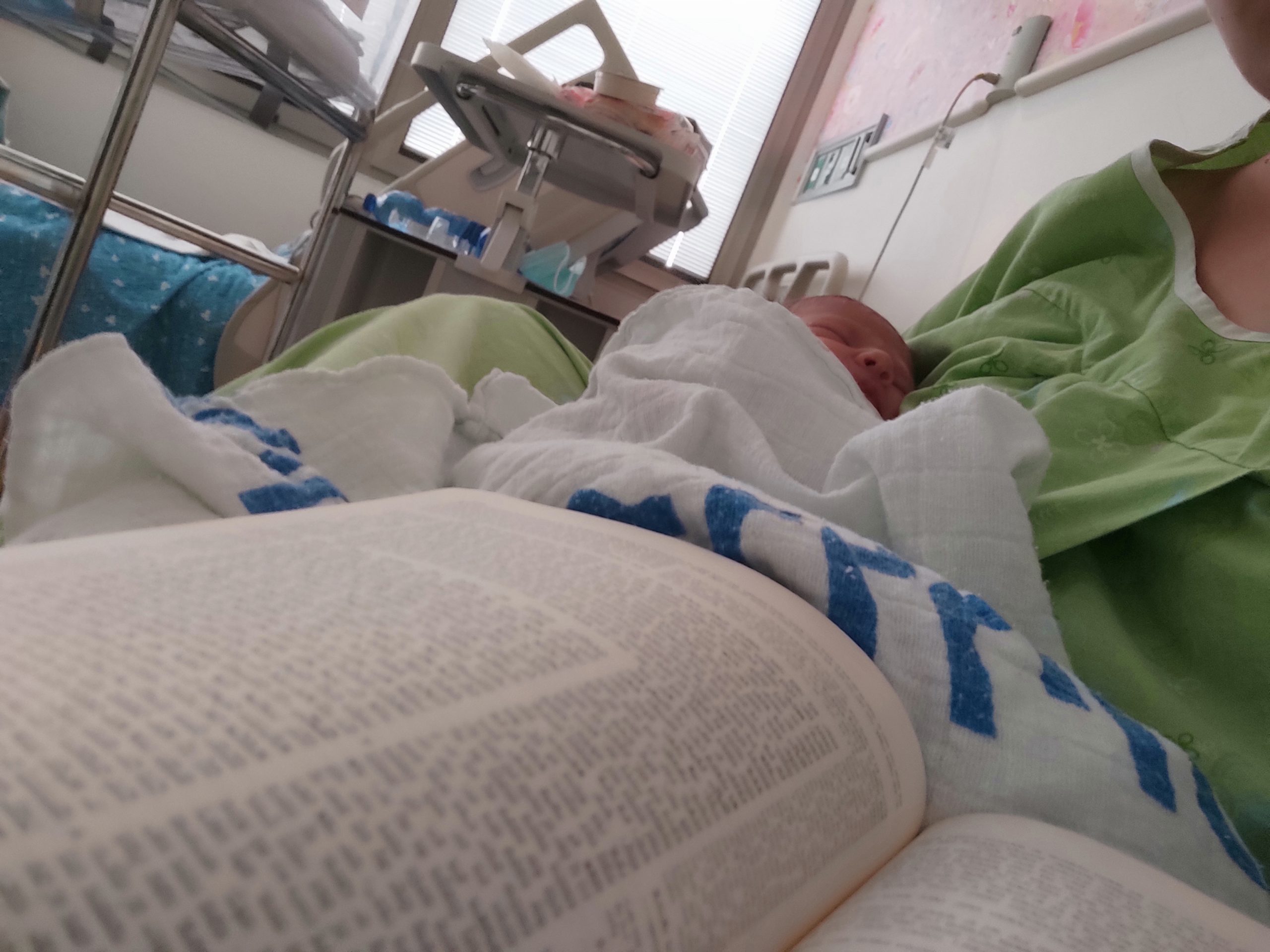
בתחילת הסבב הנוכחי הצטברו אצלי תחושות שאני לא מבינה מספיק מהי ההלכה אותה אני מקיימת בכל יום. כמו כן, כאמא לבנות רציתי לתת להן מודל נשי של לימוד תורה
שתי הסיבות האלו הובילו אותי להתחיל ללמוד. נתקלתי בתגובות מפרגנות וסקרניות איך אישה לומדת גמרא..
כמו שרואים בתמונה אני ממשיכה ללמוד גם היום ואפילו במחלקת יולדות אחרי לידת ביתי השלישית.

Noa Shiloh
נועה שילה

רבבה, ישראל

התחלתי מחוג במסכת קידושין שהעבירה הרבנית רייסנר במסגרת בית המדרש כלנה בגבעת שמואל; לאחר מכן התחיל סבב הדף היומי אז הצטרפתי. לסביבה לקח זמן לעכל אבל היום כולם תומכים ומשתתפים איתי. הלימוד לעתים מעניין ומעשיר ולעתים קשה ואף הזוי… אך אני ממשיכה קדימה. הוא משפיע על היומיום שלי קודם כל במרדף אחרי הדף, וגם במושגים הרבים שלמדתי ובידע שהועשרתי בו, חלקו ממש מעשי

Abigail Chrissy
אביגיל כריסי

ראש העין, ישראל

התחלתי ללמוד בסבב הנוכחי לפני כשנתיים .הסביבה מתפעלת ותומכת מאוד. אני משתדלת ללמוד מכל ההסכתים הנוספים שיש באתר הדרן. אני עורכת כל סיום מסכת שיעור בביתי לכ20 נשים שמחכות בקוצר רוח למפגשים האלו.

Yael Asher
יעל אשר

יהוד, ישראל

התחלתי לפני 8 שנים במדרשה. לאחרונה סיימתי מסכת תענית בלמידה עצמית ועכשיו לקראת סיום מסכת מגילה.

Daniela Baruchim
דניאלה ברוכים

רעננה, ישראל

התחלתי ללמוד דף לפני קצת יותר מ-5 שנים, כשלמדתי רבנות בישיבת מהר”ת בניו יורק. בדיעבד, עד אז, הייתי בלימוד הגמרא שלי כמו מישהו שאוסף חרוזים משרשרת שהתפזרה, פה משהו ושם משהו, ומאז נפתח עולם ומלואו…. הדף נותן לי לימוד בצורה מאורגנת, שיטתית, יום-יומית, ומלמד אותי לא רק ידע אלא את השפה ודרך החשיבה שלנו. לשמחתי, יש לי סביבה תומכת וההרגשה שלי היא כמו בציטוט שבחרתי: הדף משפיע לטובה על כל היום שלי.

Michal Kahana
מיכל כהנא

חיפה, ישראל

התחלתי ללמוד דף יומי בסבב הקודם. זכיתי לסיים אותו במעמד המרגש של הדרן. בסבב הראשון ליווה אותי הספק, שאולי לא אצליח לעמוד בקצב ולהתמיד. בסבב השני אני לומדת ברוגע, מתוך אמונה ביכולתי ללמוד ולסיים. בסבב הלימוד הראשון ליוותה אותי חוויה מסויימת של בדידות. הדרן העניקה לי קהילת לימוד ואחוות נשים. החוויה של סיום הש”ס במעמד כה גדול כשנשים שאינן מכירות אותי, שמחות ומתרגשות עבורי , היתה חוויה מרוממת נפש

Ilanit Weil
אילנית ווייל

קיבוץ מגדל עוז, ישראל

הצטרפתי ללומדות בתחילת מסכת תענית. ההתרגשות שלי ושל המשפחה היתה גדולה מאוד, והיא הולכת וגוברת עם כל סיום שאני זוכה לו. במשך שנים רבות רציתי להצטרף ומשום מה זה לא קרה… ב”ה מצאתי לפני מספר חודשים פרסום של הדרן, ומיד הצטרפתי והתאהבתי. הדף היומי שינה את חיי ממש והפך כל יום- ליום של תורה. מודה לכן מקרב ליבי ומאחלת לכולנו לימוד פורה מתוך אהבת התורה ולומדיה.

Noa Rosen
נעה רוזן

חיספין רמת הגולן, ישראל

התחלתי ללמוד לפני 4.5 שנים, כשהודיה חברה שלי פתחה קבוצת ווטסאפ ללימוד דף יומי בתחילת מסכת סנהדרין. מאז לימוד הדף נכנס לתוך היום-יום שלי והפך לאחד ממגדירי הזהות שלי ממש.

Rosenberg Foundation
קרן רוזנברג

ירושלים, ישראל

. לא תמיד נהניתי מלימוד גמרא כילדה.,בל כהתבגרתי התחלתי לאהוב את זה שוב. התחלתי ללמוד מסכת סוטה בדף היומי לפני כחמש עשרה שנה ואז הפסקתי.הגעתי לסיום הגדול של הדרן לפני שנתיים וזה נתן לי השראה. והתחלתי ללמוד למשך כמה ימים ואז היתה לי פריצת דיסק והפסקתי…עד אלול השנה. אז התחלתי עם מסכת ביצה וב”ה אני מצליחה לעמוד בקצב. המשפחה מאוד תומכת בי ויש כמה שגם לומדים את זה במקביל. אני אוהבת שיש עוגן כל יום.

Rebecca Darshan
רבקה דרשן

בית שמש, ישראל

A life-changing journey started with a Chanukah family tiyul to Zippori, home of the Sanhedrin 2 years ago and continued with the Syum in Binanei Hauma where I was awed by the energy of 3000 women dedicated to learning daf Yomi. Opening my morning daily with a fresh daf, I am excited with the new insights I find enriching my life and opening new and deeper horizons for me.

Becky Goldstein
בקי גולדשטיין

Elazar gush etzion, Israel

באירוע של הדרן בנייני האומה. בהשראתה של אמי שלי שסיימה את הש”ס בסבב הקודם ובעידוד מאיר , אישי, וילדיי וחברותיי ללימוד במכון למנהיגות הלכתית של רשת אור תורה סטון ומורתיי הרבנית ענת נובוסלסקי והרבנית דבורה עברון, ראש המכון למנהיגות הלכתית.
הלימוד מעשיר את יומי, מחזיר אותי גם למסכתות שכבר סיימתי וידוע שאינו דומה מי ששונה פרקו מאה לשונה פרקו מאה ואחת במיוחד מרתקים אותי החיבורים בין המסכתות

Roit Kalech
רוית קלך

מודיעין, ישראל

התחלתי מעט לפני תחילת הסבב הנוכחי. אני נהנית מהאתגר של להמשיך להתמיד, מרגעים של "אהה, מפה זה הגיע!” ומהאתגר האינטלקטואלי

Eilat-Chen and Deller
אילת-חן ודלר

לוד, ישראל

"
גם אני התחלתי בסבב הנוכחי וב””ה הצלחתי לסיים את רוב המסכתות . בזכות הרבנית מישל משתדלת לפתוח את היום בשיעור הזום בשעה 6:20 .הלימוד הפך להיות חלק משמעותי בחיי ויש ימים בהם אני מצליחה לחזור על הדף עם מלמדים נוספים ששיעוריהם נמצאים במרשתת. שמחה להיות חלק מקהילת לומדות ברחבי העולם. ובמיוחד לשמש דוגמה לנכדותיי שאי””ה יגדלו לדור שלימוד תורה לנשים יהיה משהו שבשגרה. "

Ronit Shavit
רונית שביט

נתניה, ישראל

התחלתי ללמוד דף יומי אחרי שחזרתי בתשובה ולמדתי במדרשה במגדל עוז. הלימוד טוב ומספק חומר למחשבה על נושאים הלכתיים ”קטנים” ועד לערכים גדולים ביהדות. חשוב לי להכיר את הגמרא לעומק. והצעד הקטן היום הוא ללמוד אותה בבקיאות, בעזרת השם, ומי יודע אולי גם אגיע לעיון בנושאים מעניינים. נושאים בגמרא מתחברים לחגים, לתפילה, ליחסים שבין אדם לחברו ולמקום ולשאר הדברים שמלווים באורח חיים דתי 🙂

Gaia Divo
גאיה דיבו

מצפה יריחו, ישראל

רציתי לקבל ידע בתחום שהרגשתי שהוא גדול וחשוב אך נעלם ממני. הלימוד מעניק אתגר וסיפוק ומעמיק את תחושת השייכות שלי לתורה וליהדות

Ruth Agiv
רות עגיב

עלי זהב – לשם, ישראל

סיום השס לנשים נתן לי מוטביציה להתחיל ללמוד דף יומי. עד אז למדתי גמרא בשבתות ועשיתי כמה סיומים. אבל לימוד יומיומי זה שונה לגמרי ופתאום כל דבר שקורה בחיים מתקשר לדף היומי.

Fogel Foundation
קרן פוגל

רתמים, ישראל

אמא שלי למדה איתי ש”ס משנה, והתחילה ללמוד דף יומי. אני החלטתי שאני רוצה ללמוד גם. בהתחלה למדתי איתה, אח”כ הצטרפתי ללימוד דף יומי שהרב דני וינט מעביר לנוער בנים בעתניאל. במסכת עירובין עוד חברה הצטרפה אלי וכשהתחלנו פסחים הרב דני פתח לנו שעור דף יומי לבנות. מאז אנחנו לומדות איתו קבוע כל יום את הדף היומי (ובשבת אבא שלי מחליף אותו). אני נהנית מהלימוד, הוא מאתגר ומעניין

Renana Hellman
רננה הלמן

עתניאל, ישראל

התחלתי ללמוד דף יומי שהתחילו מסכת כתובות, לפני 7 שנים, במסגרת קבוצת לימוד שהתפרקה די מהר, ומשם המשכתי לבד בתמיכת האיש שלי. נעזרתי בגמרת שטיינזלץ ובשיעורים מוקלטים.
הסביבה מאד תומכת ואני מקבלת המון מילים טובות לאורך כל הדרך. מאז הסיום הגדול יש תחושה שאני חלק מדבר גדול יותר.
אני לומדת בשיטת ה”7 דפים בשבוע” של הרבנית תרצה קלמן – כלומר, לא נורא אם לא הצלחת ללמוד כל יום, העיקר שגמרת ארבעה דפים בשבוע

Rachel Goldstein
רחל גולדשטיין

עתניאל, ישראל

הייתי לפני שנתיים בסיום הדרן נשים בבנייני האומה והחלטתי להתחיל. אפילו רק כמה דפים, אולי רק פרק, אולי רק מסכת… בינתיים סיימתי רבע שס ותכף את כל סדר מועד בה.
הסביבה תומכת ומפרגנת. אני בת יחידה עם ארבעה אחים שכולם לומדים דף יומי. מדי פעם אנחנו עושים סיומים יחד באירועים משפחתיים. ממש מרגש. מסכת שבת סיימנו כולנו יחד עם אבא שלנו!
אני שומעת כל יום פודקאסט בהליכה או בנסיעה ואחכ לומדת את הגמרא.

Edna Gross
עדנה גרוס

מרכז שפירא, ישראל

ביצה לה

וַהֲלֹא מוֹתָרוֹ חוֹזֵר, וְשָׁמְעִינַן לֵיהּ לְרַבִּי אֱלִיעֶזֶר דְּאָמַר: כׇּל הֵיכָא דְּמוֹתָרוֹ חוֹזֵר — לָא קָבַע!

The Gemara challenges: How can one say that the very decision to partake of the fruit establishes it as fixed with regard to tithes? But isn’t it true that even if one declared his intention to eat it the following day, it can nevertheless be assumed that the remaining fruit is restored to the pile? And we have heard that Rabbi Eliezer explicitly said: Anywhere that its leftovers are restored, it is not established with regard to liability for tithes at all.

דִּתְנַן: הַנּוֹטֵל זֵיתִים מִן הַמַּעֲטָן — טוֹבֵל אַחַת אַחַת בְּמֶלַח וְאוֹכֵל. וְאִם טָבַל וְנָתַן לְפָנָיו עֲשָׂרָה — חַיָּיב. רַבִּי אֱלִיעֶזֶר אוֹמֵר: מִן הַמַּעֲטָן טָהוֹר — חַיָּיב, מִן הַמַּעֲטָן טָמֵא — פָּטוּר, מִפְּנֵי שֶׁהוּא מַחֲזִיר אֶת הַמּוֹתָר.

This is as we learned in a mishna in tractate Ma’asrot: One who removes olives from a vat [ma’atan] where they are temporarily stored before being pressed may dip them one by one in salt and eat without tithing them first, since he is eating them one at a time. Although he is eating them with salt, it is not considered a fixed meal. And if he dipped and placed several olives before him, such as ten, they are liable in tithes. However, Rabbi Eliezer says: One who eats from a ritually pure vat is liable to separate tithes; one who eats from a ritually impure vat is exempt because he returns the surplus to the vat.

וְהָוֵינַן בַּהּ: מַאי שְׁנָא רֵישָׁא וּמַאי שְׁנָא סֵיפָא? וְאָמַר רַבִּי אֲבָהוּ: רֵישָׁא בְּמַעֲטָן טָהוֹר וְגַבְרָא טָמֵא, דְּלָא מָצֵי מַהְדַּר לֵיהּ.

And we discussed it: What is different in the first clause of the mishna and what is different in the latter clause; why is the issue of purity relevant to this case? And Rabbi Abbahu said: The first case is referring to a ritually pure vat and a ritually impure person, who transfers his impurity to the olives he touches. He may not return the olives to the vat because he would thereby render all the remaining olives ritually impure. Therefore, from the outset he takes only the amount he wishes to eat. This is enough to consider it a fixed meal, and he must tithe them.

סֵיפָא בְּמַעֲטָן טָמֵא וְגַבְרָא טָמֵא, דְּמָצֵי מַהְדַּר לֵיהּ.

However, the latter clause is referring to a ritually impure vat and a person who is ritually impure, who may return the olives to the vat, as the olives it contains are already ritually impure. He is not particular to take the exact amount he wants to eat, since he knows he may return the remaining olives, and they are therefore not considered fixed for tithes. For the purposes of this discussion, it can be seen from here that Rabbi Eliezer maintains that whenever one may restore the food, it is not considered fixed until its work is complete.

מַתְנִיתִין נָמֵי בְּמוּקְצֶה טָהוֹר וְגַבְרָא טָמֵא, דְּלָא מָצֵי מַהְדַּר לֵיהּ. וַהֲלֹא מוּחְזָרִין וְעוֹמְדִין הֵן!

The Gemara answers: The mishna also deals with the case of a ritually pure storage area, containing pure food, and a ritually impure person, who may not return them to the vat. The Gemara challenges this answer: But aren’t they already returned? This is not a case where a person takes all the fruit and replaces what remains after his meal; rather, he takes the amount he explicitly designated the day before, while the rest remains in place.

אֶלָּא, אָמַר רַב שִׁימִי בַּר אָשֵׁי: רַבִּי אֱלִיעֶזֶר קָא אָמְרַתְּ? רַבִּי אֱלִיעֶזֶר לְטַעְמֵיהּ, דְּאָמַר: תְּרוּמָה קָבְעָה, וְכׇל שֶׁכֵּן שַׁבָּת. דִּתְנַן: פֵּירוֹת שֶׁתְּרָמָן עַד שֶׁלֹּא נִגְמְרָה מְלַאכְתָּן, רַבִּי אֱלִיעֶזֶר אוֹסֵר לֶאֱכוֹל מֵהֶן עֲרַאי, וַחֲכָמִים מַתִּירִין.

Rather, Rav Shimi bar Ashi said: The previous explanation is to be rejected, and it should be understood as follows: Rabbi Eliezer, you said? There is no difficulty according to his approach. Rabbi Eliezer conforms to his standard line of reasoning, as he said that the separation of teruma itself establishes the work of fruit as completed, so that one may not eat it even in a casual manner without first separating the other tithes. And, all the more so, Shabbat itself establishes food as fixed with regard to tithes, as we learned in a mishna: Fruits from which teruma has been separated before their work was completed, Rabbi Eliezer prohibits eating from them in a casual manner without separating the rest of the tithes, as the teruma establishes the food as fixed; but the Rabbis permit it.

תָּא שְׁמַע מִסֵּיפָא, וַחֲכָמִים אוֹמְרִים: עַד שֶׁיִּרְשׁוֹם וְיֹאמַר ״מִכָּאן וְעַד כָּאן״. טַעְמָא דְּעֶרֶב שַׁבָּת בַּשְּׁבִיעִית — דְּלָאו בַּר עַשּׂוֹרֵי הוּא, הָא בִּשְׁאָר שְׁנֵי שָׁבוּעַ, דִּבְנֵי עַשּׂוֹרֵי נִינְהוּ — אֲסוּרִים. מַאי טַעְמָא, לָאו מִשּׁוּם דְּשַׁבָּת קָבְעָה?

The Gemara suggests a different answer to Rava’s question as to whether Shabbat establishes an obligation to tithe food whose labor is incomplete: Come and hear a resolution from the latter clause of the mishna, which states: And the Rabbis say: Even in the Sabbatical Year, when teruma and tithes are not separated from fruit, a declaration from the day before is not enough to render the food prepared for Shabbat, unless one marks the fruit he is preparing and says explicitly: From here to there. The Gemara infers from this: The reason is that the eve of Shabbat during the Sabbatical Year is not fit for tithes; but during the other years of the Sabbatical cycle, which are fit for and obligated in tithes, the fruits are prohibited. What is the reason? Is it not because Shabbat itself establishes them as fixed? If this is the view of the Rabbis, one may not reject it in favor of a minority opinion such as Rabbi Eliezer’s.

לָא, שָׁאנֵי הָתָם, כֵּיוָן דְּאָמַר: ״מִכָּאן וְעַד כָּאן אֲנִי אוֹכֵל לְמָחָר״ — קָבַע לֵיהּ. אִי הָכִי, מַאי אִרְיָא שַׁבָּת? אֲפִילּוּ בְּחוֹל נָמֵי! הָא קָא מַשְׁמַע לַן דְּטֶבֶל מוּכָן הוּא אֵצֶל שַׁבָּת, שֶׁאִם עָבַר וְתִקְּנוֹ — מְתוּקָּן.

The Gemara refutes this: No, this is no proof; there it is different. Since he said: From here to there I will eat tomorrow, he has thereby established his meal, and the reason is not due to Shabbat. The Gemara asks: If so, why discuss particularly Shabbat; even on a weekday as well the same law applies? The Gemara answers: This comes to teach us, as stated above, that untithed produce is not fundamentally muktze because it is prohibited to remove the dues and tithes on Shabbat; rather, it is considered prepared with regard to Shabbat, in that if one transgressed the words of the Sages and tithed it, it is tithed.

וּרְמִינְהִי: הָיָה אוֹכֵל בָּאֶשְׁכּוֹל, וְנִכְנַס מִגִּנָּה לֶחָצֵר, רַבִּי אֱלִיעֶזֶר אוֹמֵר: יִגְמוֹר, רַבִּי יְהוֹשֻׁעַ אוֹמֵר: לֹא יִגְמוֹר.

And we raise a contradiction from a different source, in which it is taught: If one was eating from a cluster of grapes, whose work is not completed, as grapes are designated for juice extraction, and came in from a garden, where one may eat fruit in a casual manner without separating tithes, to a courtyard, Rabbi Eliezer says: He may finish eating the cluster, as the courtyard itself does not establish the fruit with regard to tithes, if their work was not completed beforehand. Rabbi Yehoshua says: He may not finish. He maintains that a courtyard does establish the fruit as fixed for tithes, even if their work has not been completed.

חָשְׁכָה בְּלֵילֵי שַׁבָּת, רַבִּי אֱלִיעֶזֶר אוֹמֵר: יִגְמוֹר, רַבִּי יְהוֹשֻׁעַ אוֹמֵר: לֹא יִגְמוֹר!

Similarly, if it grew dark on Friday evening, the night of Shabbat, while one was eating the cluster, and eating on Shabbat is considered a fixed meal, Rabbi Eliezer says: He may finish, as not even Shabbat establishes fruit as fixed if its work was not completed. And Rabbi Yehoshua says: He may not finish. He holds that Shabbat does indeed establish fruit as fixed for tithes even if its work has not been completed. This indicates that Rabbi Eliezer maintains that Shabbat does not establish food with regard to tithes, whereas the mishna here indicates that he agrees that the beginning of Shabbat does establish them as fixed.

הָתָם כִּדְקָתָנֵי טַעְמָא, רַבִּי נָתָן אוֹמֵר: לֹא כְּשֶׁאָמַר רַבִּי אֱלִיעֶזֶר ״יִגְמוֹר״ — בֶּחָצֵר יִגְמוֹר, אֶלָּא: יוֹצֵא חוּץ לֶחָצֵר וְיִגְמוֹר. וְלֹא כְּשֶׁאָמַר רַבִּי אֱלִיעֶזֶר ״יִגְמוֹר״ — בְּשַׁבָּת יִגְמוֹר, אֶלָּא מַמְתִּין לְמוֹצָאֵי שַׁבָּת וְיִגְמוֹר.

The Gemara answers: There, the reason is as he taught explicitly that Rabbi Natan says: It is not that when Rabbi Eliezer said: He may finish, he meant that he may finish in the courtyard itself; but rather he meant: He may exit the courtyard and finish. And similarly, it is not that when Rabbi Eliezer said: He may finish, he meant that he may finish on Shabbat itself; but rather, he meant that he may wait until the conclusion of Shabbat and finish. If so, this source does not contradict the mishna here.

כִּי אֲתָא רָבִין, אָמַר רַבִּי יוֹחָנָן: אֶחָד שַׁבָּת, וְאֶחָד תְּרוּמָה, וְאֶחָד חָצֵר, וְאֶחָד מִקָּח — כּוּלָּן אֵין קוֹבְעִין, אֶלָּא בְּדָבָר שֶׁנִּגְמְרָה מְלַאכְתָּן.

With regard to the halakhic ruling in this case, when Ravin came from Eretz Yisrael to Babylonia, he said that Rabbi Yoḥanan said: Whether with regard to Shabbat; or with regard to the separation of teruma from fruit; or with regard to a courtyard into which the fruit is brought; or with regard to a transaction; all of these cases establish a requirement for tithes only for items whose labor is completed.

שַׁבָּת — לְאַפּוֹקֵי מִדְּהִלֵּל, דְּתַנְיָא: הַמְעַמֵּר פֵּירוֹת מִמָּקוֹם לְמָקוֹם לִקְצוֹר, וְקִדֵּשׁ עֲלֵיהֶן הַיּוֹם, אָמַר רַבִּי יְהוּדָה: הִלֵּל לְעַצְמוֹ אוֹסֵר.

The Gemara notes that each of these details teaches a novel halakha. How so? Shabbat comes to exclude the opinion of Hillel, as it is taught in a baraita: One who gathers fruits from one place to another in order to reap them, and the day sanctified upon them, i.e., Shabbat commenced, Rabbi Yehuda said: Hillel prohibits the food from the gatherer himself. In other words, Hillel alone prohibits eating the fruit in that case until its tithes have been separated, for he believes that the beginning of Shabbat itself causes the fruit to be considered completed. Rabbi Yoḥanan teaches that the halakha in this case is not in accordance with the opinion of Hillel.

חָצֵר — לְאַפּוֹקֵי מִדְּרַבִּי יַעֲקֹב. דִּתְנַן: הַמַּעֲבִיר תְּאֵנִים בַּחֲצֵרוֹ לְקַצּוֹת — בָּנָיו וּבְנֵי בֵּיתוֹ אוֹכְלִין מֵהֶן עֲרַאי, וּפְטוּרִים מִן הַמַּעֲשֵׂר. וְתָנֵי עֲלַהּ: רַבִּי יַעֲקֹב מְחַיֵּיב, וְרַבִּי יוֹסֵי בְּרַבִּי יְהוּדָה פּוֹטֵר.

In addition, it was necessary for Rabbi Yoḥanan to teach the law that a courtyard does not establish fruit for tithes unless its work is completed, to exclude the opinion of Rabbi Ya’akov. As we learned in a mishna: One who was transporting figs in his courtyard to make them into dried figs, his children and the members of his household may eat from them in a casual manner, and they are exempt from tithes. And a baraita is taught in that regard: Rabbi Ya’akov obligates him, and Rabbi Yosei, son of Rabbi Yehuda, exempts him.

תְּרוּמָה — לְאַפּוֹקֵי מִדְּרַבִּי אֱלִיעֶזֶר. דִּתְנַן: פֵּירוֹת שֶׁתְּרָמָן עַד שֶׁלֹּא נִגְמְרָה מְלַאכְתָּן, רַבִּי אֱלִיעֶזֶר אוֹסֵר לֶאֱכוֹל מֵהֶן עֲרַאי, וַחֲכָמִים מַתִּירִין.

With regard to the law that the separation of teruma does not establish fruit as fixed for tithes, this comes to exclude the opinion of Rabbi Eliezer. As we learned in a mishna: Fruits from which teruma had been separated before their work was completed, Rabbi Eliezer prohibits eating from them in a casual manner, and the Rabbis permit it.

מִקָּח — (כְּדִתְנַן) הַלּוֹקֵחַ תְּאֵנִים מֵעַם הָאָרֶץ, בִּמְקוֹם שֶׁרוֹב בְּנֵי אָדָם דּוֹרְסִין, אוֹכֵל מֵהֶן עֲרַאי, וּמְעַשְּׂרָן דְּמַאי.

With regard to the statement that a transaction does not fix fruit for tithes, this is as we learned in a baraita: In the case of one who acquires figs from an am ha’aretz in a place where most people press and dry their figs in order to make them into cakes, the work of the figs is not completed before this stage, and he may therefore partake of them in a casual manner. And when their work is completed, he need only tithe them as doubtfully tithed produce, in accordance with the law with regard to all produce bought from an uneducated person.

שְׁמַע מִינַּהּ תְּלָת. שְׁמַע מִינַּהּ: מִקָּח אֵינָהּ קוֹבַעַת אֶלָּא בְּדָבָר שֶׁנִּגְמְרָה מְלַאכְתּוֹ, וּשְׁמַע מִינַּהּ: רוֹב עַמֵּי הָאָרֶץ מְעַשְּׂרִין הֵן, וּשְׁמַע מִינַּהּ: מְעַשְּׂרִין דְּמַאי מֵעַמֵּי הָאָרֶץ אֲפִילּוּ בְּדָבָר שֶׁלֹּא נִגְמְרָה מְלַאכְתּוֹ.

The Gemara comments: One can learn from this baraita three halakhot: Learn from here that a transaction establishes produce as fixed only with regard to an item whose work is completed, but if its work has not been completed, even selling it does not obligate it in tithes. And learn from here that most people who are in the category of am ha’aretz separate tithes, and therefore one need only separate tithes as doubtfully tithed produce, rather than definitively untithed produce. And one can learn from here another law: One may tithe doubtfully tithed produce purchased from an am ha’aretz, even with regard to something whose work is not completed.

וּלְאַפּוֹקֵי מֵהָא דִּתְנַן: הַמַּחֲלִיף פֵּירוֹת עִם חֲבֵירוֹ, זֶה לֶאֱכוֹל וְזֶה לֶאֱכוֹל, זֶה לְקַצּוֹת וְזֶה לְקַצּוֹת, זֶה לֶאֱכוֹל וְזֶה לְקַצּוֹת — חַיָּיב. רַבִּי יְהוּדָה אוֹמֵר: לֶאֱכוֹל — חַיָּיב, לְקַצּוֹת — פָּטוּר.

Rabbi Yoḥanan rules in accordance with this opinion to exclude that which we learned in a mishna: One who exchanges fruits with his friend, which is considered a commercial transaction, if their intention was for this one to eat and that one to eat, or for this one to make them into dried fruit and for that one to make them into dried fruit, this one to eat and that one to make them into dried fruit, they are both obligated in tithes. Rabbi Yehuda, however, says: The one who took the fruits in order to eat is obligated, as for him their labor is completed, but the one who intended to make them into dried fruit is exempt and may partake of the fruit in a casual manner, as for him their work has not yet been completed. Rabbi Yoḥanan rules in opposition to the first tanna. He maintains that the transaction itself does not make the fruit liable to tithes unless its work has been completed.

הֲדַרַן עֲלָךְ הַמֵּבִיא

מַשִּׁילִין פֵּירוֹת דֶּרֶךְ אֲרוּבָּה בְּיוֹם טוֹב, אֲבָל לֹא בְּשַׁבָּת. וּמְכַסִּים פֵּירוֹת בְּכֵלִים מִפְּנֵי הַדֶּלֶף, וְכֵן כַּדֵּי יַיִן וְכַדֵּי שֶׁמֶן. וְנוֹתְנִין כְּלִי תַּחַת הַדֶּלֶף בְּשַׁבָּת.

MISHNA: One may lower produce, which had been laid out on a roof to dry, into the house through a skylight on a Festival, in order to prevent it from becoming ruined in the rain. Although it is a strenuous activity, it is permitted do to so on a Festival in order to prevent a financial loss; however, one may not do so on Shabbat. And one may cover produce inside a building with cloths to prevent damage due to a leak in the ceiling over it, and similarly one may cover jugs of wine and jugs of oil for the same reason. And one may place a vessel beneath a leak in order to catch the water on Shabbat, to prevent it from dirtying the house.

גְּמָ׳ אִתְּמַר: רַב יְהוּדָה וְרַב נָתָן, חַד תָּנֵי ״מַשִּׁילִין״, וְחַד תָּנֵי ״מַשְׁחִילִין״.

GEMARA: The Gemara discusses the first word of the mishna from a linguistic standpoint. It was said: Rav Yehuda and Rav Natan recited differing versions of the mishna’s opening word, which is in all versions a verb meaning to lower. One of them taught mashilin, as in the text of this mishna, and the other one taught mashḥilin.

אָמַר מָר זוּטְרָא: מַאן דְּתָנֵי ״מַשִּׁילִין״ לָא מִשְׁתַּבַּשׁ, וּמַאן דְּתָנֵי ״מַשְׁחִילִין״ לָא מִשְׁתַּבַּשׁ. מַאן דְּתָנֵי ״מַשִּׁילִין״ לָא מִשְׁתַּבַּשׁ, דִּכְתִיב: ״כִּי יִשַּׁל זֵיתֶךָ״. וּמַאן דְּתָנֵי ״מַשְׁחִילִין״ לָא מִשְׁתַּבַּשׁ, דִּתְנַן: הַשָּׁחוּל וְהַכָּסוּל. שָׁחוּל — שֶׁנִּשְׁמְטָה יְרֵכוֹ, כָּסוּל — שֶׁאֶחָד מִיַּרְכוֹתָיו גְּבוֹהָה מֵחֲבֶרְתָּהּ.

Mar Zutra said: The one who teaches mashilin is not mistaken, and the one who teaches mashḥilin is not mistaken, as support can be found for both versions. He elaborates: The one who teaches mashilin is not mistaken, as it is written: “For your olives will fall [yishal]” (Deuteronomy 28:40). Mashilin would therefore mean: To cause to fall. And he who teaches mashḥilin is not mistaken, as we learned the following cases in a mishna that lists blemishes that invalidate an animal for sacrifice: The shaḥul and the kasul. The mishna explains these terms: Shaḥul is referring to an animal whose thigh is dislocated, i.e., it has slipped out of place; kasul is referring to an animal one of whose thighs is higher than the other. This shows that the root sh-ḥ-l- is referring to something that has slipped down from its place.

אָמַר רַב נַחְמָן בַּר יִצְחָק: מַאן דְּתָנֵי ״מַשִּׁירִין״ לָא מִשְׁתַּבַּשׁ, וּמַאן דְּתָנֵי ״מַשְׁחִירִין״ לָא מִשְׁתַּבַּשׁ, וּמַאן דְּתָנֵי ״מַנְשִׁירִין״ לָא מִשְׁתַּבַּשׁ.

Rav Naḥman bar Yitzḥak said that there are other possible variations of this word as well. One who teaches mashirin is not mistaken, and one who teaches mashḥirin is not mistaken, and one who teaches manshirin is not mistaken.

מַאן דְּתָנֵי ״מַשִּׁירִין״ לָא מִשְׁתַּבַּשׁ, דִּתְנַן, רַבִּי יִשְׁמָעֵאל אוֹמֵר: נָזִיר לֹא יָחוֹף רֹאשׁוֹ בַּאֲדָמָה, מִפְּנֵי שֶׁמַּשִּׁיר אֶת הַשֵּׂעָר. וּמַאן דְּתָנֵי ״מַשְׁחִירִין״ לָא מִשְׁתַּבַּשׁ, דִּתְנַן: הַשְּׁחוֹר וְהַזּוּג שֶׁל סַפָּרִים, אַף עַל פִּי שֶׁנֶּחְלְקוּ — טְמֵאִין.

He elaborates: One who teaches mashirin is not mistaken, as we learned in a mishna: Rabbi Yishmael says: A nazirite may not wash the hair of his head with clay as a kind of shampoo, because it causes hair to fall off [mashir], and a nazirite is prohibited to remove the hairs of his head. This shows that mashir indicates causing something to fall. And one who teaches mashḥirin is also not mistaken, as we learned in a mishna: The sheḥor, a type of razor, and a barber’s scissors, even if their blades are detached, are subject to ritual impurity. The fact that a razor is called sheḥor implies that the root sh-ḥ-r indicates causing to fall down.

וּמַאן דְּתָנֵי ״מַנְשִׁירִין״ לָא מִשְׁתַּבַּשׁ, דִּתְנַן: מִי שֶׁנָּשְׁרוּ כֵּלָיו בַּמַּיִם — מְהַלֵּךְ בָּהֶם וְאֵינוֹ חוֹשֵׁשׁ. אִי נָמֵי מֵהָא דִּתְנַן: אֵיזֶהוּ לֶקֶט — הַנּוֹשֵׁר בִּשְׁעַת קְצִירָה.

And one who teaches manshirin is not mistaken either, as we learned in a mishna: One whose clothes fell down [nashru] into water on Shabbat may continue to walk in them while they dry of their own accord, and he need not be concerned that people might suspect him of having washed them on Shabbat. Alternatively, another support can be found from that which we learned in the following mishna: What is gleaning [leket], which must be left for the poor as commanded in Leviticus 19:9? That which falls [nosher] during reaping. These sources show that the root n-sh-r means: To fall down, and manshirin would consequently mean: To cause to fall down.

תְּנַן: מַשִּׁילִין פֵּירוֹת דֶּרֶךְ אֲרוּבָּה בְּיוֹם טוֹב. עַד כַּמָּה? אָמַר רַבִּי זֵירָא אָמַר רַבִּי אַסִּי, וְאָמְרִי לַהּ אָמַר רַבִּי אַסִּי אָמַר רַבִּי יוֹחָנָן: כְּאוֹתָהּ שֶׁשָּׁנִינוּ: מְפַנִּין אַרְבַּע וְחָמֵשׁ קוּפּוֹת שֶׁל תֶּבֶן וְשֶׁל תְּבוּאָה מִפְּנֵי הָאוֹרְחִים, וּמִפְּנֵי בִּטּוּל בֵּית הַמִּדְרָשׁ.

§ The Gemara discusses the halakha in the mishna: We learned that one may lower produce through a skylight on a Festival. The Gemara asks: Up to how much produce may be lowered in this manner? At what point is it considered to be too strenuous an activity to be performed on the Festival? Rabbi Zeira said that Rav Asi said, and some say that Rav Asi said that Rabbi Yoḥanan said: It is like that which we learned in a mishna with regard to a different case: One may clear out four or five sacks of hay or grain from a room on Shabbat due to visitors, to clear a place for them to sit, or due to suspension of study in the study hall, i.e., to make room there for more people, who would not be able to study Torah otherwise. Here too, only four or five sacks’ worth of produce may be lowered from the roof.

וְדִלְמָא שָׁאנֵי הָתָם, דְּאִיכָּא בִּטּוּל בֵּית הַמִּדְרָשׁ, אֲבָל הָכָא דְּלֵיכָּא בִּטּוּל בֵּית הַמִּדְרָשׁ — לָא. אִי נָמֵי: הָתָם הַיְינוּ טַעְמָא, דְּאַרְבַּע וְחָמֵשׁ קוּפּוֹת שְׁרֵי מִשּׁוּם שַׁבָּת דַּחֲמִירָא וְלָא אָתֵי לְזַלְזוֹלֵי בַּיהּ, אֲבָל יוֹם טוֹב דְּקִיל וְאָתֵי לְזַלְזוֹלֵי בֵּיהּ — כְּלָל כְּלָל לָא.

The Gemara raises an objection to the comparison of the two cases. But perhaps there it is different, since there is the matter of preventing suspension of study in the study hall or of providing hospitality to guests, i.e., moving those items is permitted in order to facilitate a mitzva. But here, where there is no suspension of study in the study hall, i.e., no facilitation of any mitzva, they did not permit one to move such a large amount. Alternatively: There, this is the reasoning that four or five sacks are permitted: Because Shabbat is severe in people’s eyes and they will not come to belittle it; but on a Festival, which is regarded more lightly and which people might come to belittle, one may not move the items at all.

אִי נָמֵי לְאִידַּךְ גִּיסָא: הָתָם הַיְינוּ טַעְמָא, דְּלֵיכָּא הֶפְסֵד מָמוֹן, אֲבָל הָכָא דְּאִיכָּא הֶפְסֵד מָמוֹן, אֲפִילּוּ טוּבָא נָמֵי.

Alternatively, a claim can be made from the other perspective: There, this is the reasoning that it is permitted to carry only four or five sacks: Because there is no monetary loss involved. But here, where there is monetary loss if the produce is not moved, one may carry even a larger amount than four or five sacks.

רוצה לעקוב אחרי התכנים ולהמשיך ללמוד?

ביצירת חשבון עוד היום ניתן לעקוב אחרי ההתקדמות שלך, לסמן מה למדת, ולעקוב אחרי השיעורים שמעניינים אותך.

לנקות את כל הפריטים מהרשימה?

פעולה זו תסיר את כל הפריטים בחלק זה כולל ההתקדמות וההיסטוריה. שימי לב: לא ניתן לשחזר פעולה זו.

ביטול
מחיקה

האם את/ה בטוח/ה שברצונך למחוק פריט זה?

תאבד/י את כל ההתקדמות או ההיסטוריה הקשורות לפריט זה.

ביטול
מחיקה