חיפוש

ביצה לט

רוצה להקדיש לימוד?

podcast placeholder

0:00
0:00


תקציר

הדף היום מוקדש לעילוי נשמת הרב עובדיה יוסף, עובדיה יוסף בן יעקב זצ”ל.

לר’ יהודה, אם משאילים רק מים לבצק, אין צורך להגביל את האוכל בתוך התחום של בעל המים. עם זאת, מלח כן יגביל את האוכל. כיצד דבריו מסתדרים עם מקורות תנאיים אחרים – אחד אומר שמלח מתבטל ולכן לא מוגבל ואחר אומר שמים אינם מבוטלים, ושניהם נאמרים בשמו של רבי יהודה. הגמרא פותרת סתירות אלו בכך שהיא מסבירה כי המלח בכל מקור מתייחס לסוג שונה של מלח והתבשיל המבושל במים מתייחס לסוגים שונים של רטבים (פחות או יותר נוזלי). ישנם חמישה מקרים שבהם מבדילים בין גחלים לשלהבת כי גחלת יש בו ממש ושלהבת אין בו ממש. נשוא המקרים הם: גבולות התחום, מעילה בהקדש, שימוש בחפץ שעבדו אתו עבודה זרה, הוצאה לרשות הרבים ומודר הנאה מחברו. עניין הוצאה המוזכרת במשנה סותר מקורות שאומרים כי אדם חייב על הוצאת שלהבת. התגובה היא שאדם אחראי אם השלהבת מחוברת לשבב עץ או כלי. אם לוקחים מים מהבור, כמה רחוק אפשר לקחת את המים? הדין שונה בסוגים שונים של בורות – פרטי, ציבורי, אלה שנבנו על הכביש מבבל לישראל לאלה שנוסעים בדרך זו כדי להגיע לישראל (עולי בבל). הגמרא מבחינה בין מים המכונסים למים הזורמים. אם היו שואבים מים של עולי בבל למישהו אחר, רב נחמן ורב ששת חולקים על השאלה אם זה יוגבל על ידי האדם ששאב את המים או האדם שבעבורו הם נשאבו. הגמרא מציעה תחילה שהוויכוח מבוסס על האם בור עולי בבל הוא נחשב כהפקר או כבור של שותפות בין כולם. לפי זה, שיטת רב נחמן מבוססת על בור של שותפות. אך זה נדחה על ידי מקורות תנאיים אחרים שמתוכם אפשר להוכיח שבור עולי בבל נידונים בו כהפקר ולא כבורות של שותפות. לכן מסבירים את המחלוקת בצורה אחרת – אם מוצאים מציאה ולוקחים לחבר, מכיוון שלא מועיל קנין בעד האחר (לפי הדין זה ככה – אי אפשר לזכות מישהו אחר במציאה), האם הוא קונה אותו לעצמו או לא. אם פירותיו היו בעיר אחרת, באילו נסיבות היה אפשר להכניס אותם לעיר?

ביצה לט

וְרַב אָשֵׁי אָמַר: מִשּׁוּם דְּהָוֵי לֵיהּ דָּבָר שֶׁיֵּשׁ לוֹ מַתִּירִין, וְכׇל דָּבָר שֶׁיֵּשׁ לוֹ מַתִּירִין — אֲפִילּוּ בְּאֶלֶף לֹא בָּטֵיל.

And Rav Ashi said a different explanation as to why the spices, water, and salt are not subject to nullification: It is because any one of these ingredients is an object whose prohibition is temporary, as the prohibition against their being taken out of the Shabbat limits lapses once the Festival has passed, and the general principle is that anything whose prohibition is temporary cannot become nullified, even by one part in one thousand.

רַבִּי יְהוּדָה פּוֹטֵר בַּמַּיִם. מַיִם אִין, מֶלַח לָא? וְהָא תַּנְיָא, רַבִּי יְהוּדָה אוֹמֵר: מַיִם וָמֶלַח בְּטֵלִין בֵּין בָּעִיסָּה בֵּין בַּקְּדֵרָה! לָא קַשְׁיָא: הָא — בְּמֶלַח סְדוֹמִית, הָא — בְּמֶלַח אִסְתְּרוֹקָנִית.

§ It is taught in a mishna: Rabbi Yehuda exempts one from travel limitations in the case of water. The Gemara asks: Does this mean to imply that water, yes, it is exempted by Rabbi Yehuda, but salt, no, it is not? But isn’t it taught in a baraita: Rabbi Yehuda says: Water and salt are both nullified, whether in a dough or in a pot of cooked food. The Gemara answers: This is not difficult. In this case of the mishna, the reference is to salt of Sodom, which is quite coarse and does not blend in easily with the dough, and, being noticeable in the final product, is not nullified. In that case of the baraita, the reference is to a type of fine salt known as isterokanit salt. Consequently, it is not noticeable in the final product and can be nullified.

וְהָתַנְיָא, רַבִּי יְהוּדָה אוֹמֵר: מַיִם וָמֶלַח בְּטֵלִין בָּעִיסָּה, וְאֵין בְּטֵלִין בַּקְּדֵרָה מִפְּנֵי רוֹטְבָּהּ! לָא קַשְׁיָא: הָא — בְּעָבָה, הָא — בְּרַכָּה.

The mishna states that according to Rabbi Yehuda water mixed into dough, and presumably into a cooked dish as well, is considered nullified. The Gemara challenges this: But isn’t it taught in a baraita that Rabbi Yehuda says: Water and salt are nullified in dough but not in a pot, due to its sauce. The pot, unlike bread, ends up with liquid in it, so the borrowed water is still recognizable. The Gemara replies: This is not difficult. This case of the mishna, where Rabbi Yehuda says that the water is nullified in the cooked food, is referring to a thick dish that has no liquid sauce. That case of the baraita, in which Rabbi Yehuda said the water is not nullified, is referring to a thin dish with liquid sauce.

מַתְנִי׳ הַגַּחֶלֶת כְּרַגְלֵי הַבְּעָלִים, וְשַׁלְהֶבֶת בְּכׇל מָקוֹם. גַּחֶלֶת שֶׁל הֶקְדֵּשׁ — מוֹעֲלִין בָּהּ, וְשַׁלְהֶבֶת — לֹא נֶהֱנִין, וְלֹא מוֹעֲלִין. הַמּוֹצִיא גַּחֶלֶת לִרְשׁוּת הָרַבִּים — חַיָּיב, וְשַׁלְהֶבֶת — פָּטוּר.

MISHNA: A coal that one borrowed from another on the Festival is as the feet of the owner, and it may be carried on the Festival to any place where its owner may walk. Since it has substance, it is associated with its owner. But a flame that one lit from another’s flame may be taken anywhere, as it has no substance. This essential difference between a coal and a flame has additional halakhic ramifications: If one uses a coal of consecrated property for a non-consecrated purpose, he is liable for misuse of consecrated property, since it has substance. But if one uses a consecrated flame, although according to rabbinic law one may not derive benefit from it ab initio, if one did benefit from it, he is not liable for misuse, since it does not have substance. Similarly, one who takes out a coal from a private domain to the public domain on Shabbat is liable for the prohibited labor of carrying, but one who takes out a flame is exempt.

גְּמָ׳ תָּנוּ רַבָּנַן: חֲמִשָּׁה דְּבָרִים נֶאֶמְרוּ בַּגַּחֶלֶת: הַגַּחֶלֶת כְּרַגְלֵי הַבְּעָלִים, וְשַׁלְהֶבֶת בְּכׇל מָקוֹם. גַּחֶלֶת שֶׁל הֶקְדֵּשׁ — מוֹעֲלִין בָּהּ, וְשַׁלְהֶבֶת — לֹא נֶהֱנִין וְלֹא מוֹעֲלִין. גַּחֶלֶת שֶׁל עֲבוֹדָה זָרָה — אֲסוּרָה, וְשַׁלְהֶבֶת — מוּתֶּרֶת. הַמּוֹצִיא גַּחֶלֶת לִרְשׁוּת הָרַבִּים — חַיָּיב, וְשַׁלְהֶבֶת — פָּטוּר. הַמּוּדָּר הֲנָאָה מֵחֲבֵירוֹ — אָסוּר בְּגַחַלְתּוֹ, וּמוּתָּר בְּשַׁלְהַבְתּוֹ.

GEMARA: The Sages taught in a Tosefta (Beitza 4:7): Five things were stated with regard to a coal, in relation to the practical halakhic differences between a coal and a flame: (1) Coal is as the feet of the owner with regard to its Festival resting place, whereas a flame may be carried anywhere. (2) One is liable for misusing property consecrated to the Temple with a consecrated coal, whereas with regard to a flame, according to rabbinic law one may not benefit from it, but he is not liable for misusing property consecrated to the Temple. (3) Coal used for idol worship is prohibited for one to benefit from it, whereas from a flame of this sort it is permitted to benefit. (4) One who carries out a coal to the public domain is liable, whereas one who carries out a flame is exempt. (5) One who is prohibited by a vow from deriving benefit from another is prohibited from using his coal, but he is permitted to derive benefit from his flame.

מַאי שְׁנָא שַׁלְהֶבֶת עֲבוֹדָה זָרָה דְּשַׁרְיָא, וּמַאי שְׁנָא דְּהֶקְדֵּשׁ דַּאֲסִירָא? עֲבוֹדָה זָרָה, דִּמְאִיסָה וּבְדִילִי אִינָשֵׁי מִינַּהּ — לָא גְּזַרוּ בַּהּ רַבָּנַן. הֶקְדֵּשׁ, דְּלָא מְאִיס וְלָא בְּדִילִי אִינָשֵׁי מִינֵּיהּ — גְּזַרוּ בֵּיהּ רַבָּנַן.

With regard to the halakhot cited in the baraita above, the Gemara asks: What is different in the case of a flame of idol worship, that one is permitted to use it even ab initio, as the baraita uses the term permitted in that case; and what is different in the case of a consecrated flame, in that it is prohibited to be used ab initio, as the baraita states: One may not benefit from it, but he is not liable for misuse? The Gemara explains: In the case of idol worship, which is repulsive to Jews and from which Jewish people inherently maintain separation, the Sages did not decree additional restrictions with regard to it. However, concerning consecrated property, which is not repulsive and from which people do not inherently maintain separation, in order to prevent its misuse, the Sages did decree with regard to it that it is prohibited to use the flame.

הַמּוֹצִיא גַּחֶלֶת לִרְשׁוּת הָרַבִּים — חַיָּיב, וְשַׁלְהֶבֶת — פָּטוּר. וְהָא תַּנְיָא: הַמּוֹצִיא שַׁלְהֶבֶת כׇּל שֶׁהוּא — חַיָּיב! אָמַר רַב שֵׁשֶׁת: כְּגוֹן שֶׁהוֹצִיאוֹ בְּקֵיסָם.

§ It is taught in the baraita that one who carries out a coal to the public domain is liable, whereas one who carries out a flame is exempt. The Gemara asks: But isn’t it taught in another baraita: One who carries out a flame of any size on Shabbat is liable? Rav Sheshet said: The second baraita is referring to a case where one carried out the flame along with a wooden chip. Since the flame is attached to a physical object, it is considered significant.

וְתִיפּוֹק לֵיהּ מִשּׁוּם קֵיסָם! בִּדְלֵית לֵיהּ שִׁעוּרָא. דִּתְנַן: הַמּוֹצִיא עֵצִים — כְּדֵי לְבַשֵּׁל בֵּיצָה קַלָּה.

The Gemara raises an objection: But if so, let it derive that one is liable for carrying out in this case due to the wooden chip, and the presence of the flame is irrelevant. The Gemara responds: That baraita speaks of a chip that does not have the minimum measure that determines liability for carrying out, as we learned in a mishna (Shabbat 89b): In the case of one who carries out wood on Shabbat, the measure that determines liability is enough wood to cook an egg of the kind that is the easiest to cook, which is the egg of a chicken. Because the chip is too small to cook an egg, one is not liable for carrying it out, but one is liable for carrying out the flame attached to it.

אַבָּיֵי אָמַר: כְּגוֹן דְּשַׁיְיפֵיהּ [לְ]מָנָא מִשְׁחָא וְאַתְלִי בֵּיהּ נוּרָא. וְתִיפּוֹק לֵיהּ מִשּׁוּם מָנָא? בְּחַסְפָּא.

Abaye said a different scenario: The mishna is referring to a case where one smeared a vessel with oil, and lit a fire on it, and carried out that flame. The Gemara asks: If so, let it derive that one is liable for carrying out in this case due to the vessel itself, and the flame is irrelevant. The Gemara replies: The mishna is referring to a fire lit in an earthenware shard, not in a whole vessel.

וְתִיפּוֹק לֵיהּ מִשּׁוּם חַסְפָּא! בִּדְלֵית לֵיהּ שִׁעוּרָא. דִּתְנַן: חֶרֶס — כְּדֵי לִיתֵּן בֵּין פַּצִּים לַחֲבֵירוֹ, דִּבְרֵי רַבִּי יְהוּדָה.

The Gemara challenges: And nevertheless, let it derive that one is liable for carrying due to the earthenware shard itself. The Gemara answers: It deals with a shard that is not of the minimum measure that determines liability for carrying out, as we learned in a mishna (Shabbat 82a): The measure that determines liability for carrying out earthenware is enough to place between one window frame and another, as small shards of earthenware were sometimes placed between window frames during construction. This is the statement of Rabbi Yehuda.

אֶלָּא הָא דִּתְנַן: הַמּוֹצִיא שַׁלְהֶבֶת פָּטוּר, הֵיכִי מַשְׁכַּחַתְּ לַהּ? כְּגוֹן דְּאַדְּיֵיהּ אַדּוֹיֵי לִרְשׁוּת הָרַבִּים.

The Gemara asks: But if so, if one is liable for carrying it out whenever the flame is attached to an object of substance, that which we learned in the mishna here: One who carries out a flame is exempt, under what circumstances can this case be found? The Gemara answers: The mishna is speaking of a case where one fanned the fire with his hand so that it spread into the public domain without its being attached to any vessel.

מַתְנִי׳ בּוֹר שֶׁל יָחִיד — כְּרַגְלֵי הַיָּחִיד, וְשֶׁל אַנְשֵׁי אוֹתָהּ הָעִיר — כְּרַגְלֵי אַנְשֵׁי אוֹתָהּ הָעִיר, וְשֶׁל עוֹלֵי בָבֶל — כְּרַגְלֵי הַמְמַלֵּא.

MISHNA: With regard to a cistern of an individual, water drawn from it is as the feet of the individual who owns the cistern, and the water may be carried only to those places where its owner is permitted to walk. And water drawn from a cistern belonging jointly to all the people dwelling in a particular town is as the feet of the people of that town. And water drawn from a cistern of those who come up to Eretz Yisrael from Babylonia, i.e., a public cistern, is as the feet of whoever fills his vessel with its water; the water has no defined boundary of its own since it is made available to all.

גְּמָ׳ רָמֵי לֵיהּ רָבָא לְרַב נַחְמָן, תְּנַן: בּוֹר שֶׁל יָחִיד — כְּרַגְלֵי הַיָּחִיד, וּרְמִינְהוּ: נְהָרוֹת הַמּוֹשְׁכִין וּמַעֲיָנוֹת הַנּוֹבְעִין — הֲרֵי הֵן כְּרַגְלֵי כׇּל אָדָם! אָמַר (רָבָא): הָכָא בְּמַאי עָסְקִינַן — בִּמְכוּנָּסִין. וְאִתְּמַר נָמֵי, אָמַר רַבִּי חִיָּיא בַּר אָבִין אָמַר שְׁמוּאֵל: בִּמְכוּנָּסִין.

GEMARA: Rava raised a contradiction to Rav Naḥman: We learned in the mishna that the water of a cistern of an individual is as the feet of the individual; and Rava raised a contradiction from the Tosefta (Beitza 4:8): Water drawn from flowing rivers and flowing springs are as the feet of all people. Rava said: With what are we dealing here in the mishna? With cisterns that contain collected water, not flowing water. And it was also said that Rabbi Ḥiyya bar Avin said that Shmuel said: The mishna applies only to collected water.

וְשֶׁל עוֹלֵי בָבֶל — כְּרַגְלֵי הַמְמַלֵּא. אִתְּמַר: מִילֵּא וְנָתַן לַחֲבֵירוֹ, רַב נַחְמָן אָמַר: כְּרַגְלֵי מִי שֶׁנִּתְמַלְּאוּ לוֹ, רַב שֵׁשֶׁת אָמַר: כְּרַגְלֵי הַמְמַלֵּא.

§ The mishna states: And water drawn from a cistern of those who come up to Eretz Yisrael from Babylonia, i.e., a public cistern, is as the feet of whoever fills his vessel with its water. It was stated that amora’im disagreed with regard to this issue: In the case of one who filled a vessel with water from a public cistern on behalf of another and gave the water to him, Rav Naḥman said: The water is as the feet of the one for whom they were filled; Rav Sheshet said: It is as the feet of the one who filled it.

בְּמַאי קָא מִיפַּלְגִי? מָר סָבַר: בֵּירָא דְהֶפְקֵרָא הוּא, וּמָר סָבַר: בֵּירָא דְשׁוּתָּפֵי הוּא.

The Gemara asks: With regard to what principle do they disagree? The Gemara explains: One Sage, Rav Sheshet, holds that a public cistern is ownerless, and the halakha is that one cannot take possession of ownerless property on behalf of someone else. Therefore, the water belongs to the one who drew it; it is as his feet, and this status does not change even if he subsequently gave it to anyone else. And one Sage, Rav Naḥman, holds that a public cistern is considered jointly owned by all its partners, namely, all of the Jewish people. Therefore, it is possible for one partner to draw water on behalf of another partner, and the drawn water immediately belongs to the person for whom it was drawn.

אֵיתִיבֵיהּ רָבָא לְרַב נַחְמָן: הֲרֵינִי עָלֶיךָ חֵרֶם — הַמּוּדָּר אָסוּר.

Rava raised a challenge to Rav Naḥman from a mishna (Nedarim 47b): One who says to another: I am hereby prohibited to you by force of ḥerem, a kind of vow of prohibition, as objects declared as ḥerem are generally consecrated to the Temple, the one prohibited by the vow, the addressee, is prohibited to derive benefit from the person who made the vow or from his property, as the point of the vow was to prohibit the addressee from deriving any benefit from the one who made the vow.

הֲרֵי אַתָּה עָלַי חֵרֶם — הַנּוֹדֵר אָסוּר. הֲרֵינִי עָלֶיךָ וְאַתָּה עָלַי — שְׁנֵיהֶם אֲסוּרִים זֶה בָּזֶה, וּמוּתָּרִין בְּשֶׁל עוֹלֵי בָבֶל, וַאֲסוּרִין בְּשֶׁל אוֹתָהּ הָעִיר.

If he said to him: You are hereby prohibited to me by force of ḥerem, the one making the vow is himself prohibited to derive benefit from the addressee or from his property. If he said to him: I am hereby prohibited to you and you to me by force of ḥerem, they are both prohibited to benefit from one another. And they are permitted to benefit from anything belonging to those who come up from Babylonia, i.e., public property that is not owned by any person or group, but they are prohibited to benefit from property that is jointly owned by the inhabitants of that city, as both parties have a share in such items.

וְאֵלּוּ הֵן דְּבָרִים שֶׁל עוֹלֵי בָבֶל: הַר הַבַּיִת, הַלְּשָׁכוֹת וְהָעֲזָרוֹת, וּבוֹר שֶׁל אֶמְצַע הַדֶּרֶךְ. וְאֵלּוּ הֵן שֶׁל אוֹתָהּ הָעִיר: הָרְחוֹב, וּבֵית הַכְּנֶסֶת, וּבֵית הַמֶּרְחָץ.

That mishna provides examples: And the following are items of those coming up from Babylonia, i.e., publicly owned items: The Temple Mount, the chambers, and the courtyards on the Temple Mount, and a cistern situated in the middle of the road. And these are items jointly owned by the inhabitants of that city: The street, and the synagogue, and the bathhouse.

וְאִי אָמְרַתְּ בֵּירָא דְשׁוּתָּפֵי הוּא, אַמַּאי מוּתָּר? וְהָתְנַן: הַשּׁוּתָּפִין שֶׁנָּדְרוּ הֲנָאָה זֶה מִזֶּה — אֲסוּרִים לִיכָּנֵס לֶחָצֵר לִרְחוֹץ בַּבּוֹר!

Rava, having cited the mishna in full, concludes his challenge to the opinion of Rav Naḥman: And if you say that a cistern of those who come up from Babylonia, a public cistern, is owned jointly by partners, i.e., by all Jews, why should it be permitted for the one who made the vow and the addressee to use it? But didn’t we learn in a mishna (Nedarim 45b): Two partners who took a vow not to derive benefit from one another are prohibited to enter a joint courtyard in which they both have a share to wash themselves in a cistern. According to you, the same should apply to a cistern in which the two of them have a share, such as the cisterns of those who come up from Babylonia.

לִרְחוֹץ הָכִי נָמֵי, וְהָכָא בְּמַאי עָסְקִינַן — לְמַלּאוֹת, מָר מִדִּידֵיהּ קָא מְמַלֵּא וּמַר מִדִּידֵיהּ קָא מְמַלֵּא.

Rav Naḥman answered: Indeed that is the case. So too, they are prohibited to wash themselves in a cistern because when bathing one uses of all the water of the cistern, part of which belongs to the forbidden partner. But when the baraita says that a cistern of those who come up from Babylonia is permitted to both parties, with what are we dealing here? The baraita is referring only to filling water from the cistern. This is permitted because it is considered that this one fills from his portion, and that one fills from his portion. The water that each of them draws is considered retroactively designated exclusively for him, so that the partner has no share in it at all.

וְסָבַר רַב נַחְמָן יֵשׁ בְּרֵירָה? וְהָתְנַן: הָאַחִין הַשּׁוּתָּפִין, כְּשֶׁחַיָּיבִין בַּקָּלְבּוֹן — פְּטוּרִין מִמַּעְשַׂר בְּהֵמָה.

The Gemara asks: And does Rav Naḥman hold that there is retroactive designation? But didn’t we learn in a mishna (Shekalim 1:7): If brothers divided up inherited property among themselves and subsequently joined their property again and became partners, they are obligated to add a kalbon, a small coin, to the obligatory half-shekel yearly Temple donation. The kalbon covered both the cost to the Temple of exchanging half-shekels into larger coins and the depreciation of the donated coin. Although a whole shekel given by two partners does not need to be changed into a larger coin, the Sages imposed the same kalbon fee on the partners as on everyone else. However, these partners are exempt from the animal tithe, in accordance with the standard halakha that people who own animals in partnership are exempt from the animal tithe.

וּכְשֶׁחַיָּיבִין בְּמַעְשַׂר בְּהֵמָה — פְּטוּרִין מִן הַקָּלְבּוֹן.

The quote from the mishna continues: And in a situation in which the brothers are liable for the animal tithe, as when they have not yet divided up their inheritance, and all the deceased’s estate is therefore still considered a single unit and not a partnership, they are exempt from the kalbon, in accordance with the halakha that a father who contributes a single shekel for his two dependent sons does not need to add the kalbon.

וְאָמַר רַב עָנָן: לֹא שָׁנוּ אֶלָּא שֶׁחָלְקוּ גְּדָיִם כְּנֶגֶד טְלָאִים וּטְלָאִים כְּנֶגֶד גְּדָיִם.

And Rav Anan said: The Sages taught that the inherited property is no longer considered a single unit after the brothers divided it and then rejoined in a partnership only when they divided kids against lambs or lambs against kids, i.e., if one brother took kids and the other took a corresponding value of lambs. This kind of division is considered a commercial transaction, with one brother purchasing goats and paying for them with lambs and vice versa. Therefore, when they join their animals again as partners, it is considered an entirely new partnership.

אֲבָל חָלְקוּ גְּדָיִם כְּנֶגֶד גְּדָיִם וּטְלָאִים כְּנֶגֶד טְלָאִים, אוֹמֵר: זֶהוּ חֶלְקוֹ הַמַּגִּיעוֹ מִשָּׁעָה רִאשׁוֹנָה לְכָךְ.

However, if they divided kids against kids and lambs against lambs, meaning that each brother took an equal portion of each of the items they inherited, one can say of each brother’s portion: This is his portion destined to reach him from the first moment, from the time of the death of the deceased. If the brothers form their partnership again, the inheritance becomes a single unit again, and they are therefore obligated in the animal tithe and exempt from the kalbon.

וְרַב נַחְמָן אָמַר: אֲפִילּוּ חָלְקוּ גְּדָיִם כְּנֶגֶד גְּדָיִם וּטְלָאִים כְּנֶגֶד טְלָאִים — אֵין אוֹמֵר: זֶה חֶלְקוֹ הַמַּגִּיעוֹ מִשָּׁעָה רִאשׁוֹנָה לְכָךְ.

But Rav Naḥman said: Even if they divided kids against kids and lambs against lambs, one does not say that this is his portion destined to reach him from the first moment. This is because Rav Naḥman does not accept the principle of retroactive designation. Consequently, the resolution proposed previously for the issue of filling water from the cistern of those who come up from Babylonia is invalid.

אֶלָּא דְּכוּלֵּי עָלְמָא בֵּירָא דְהֶפְקֵרָא הִיא, אֶלָּא הָכָא בְּמַגְבִּיהַּ מְצִיאָה לַחֲבֵירוֹ קָא מִיפַּלְגִי. מָר סָבַר: קָנָה, וּמָר סָבַר: לָא קָנָה.

The Gemara retracts its previous explanation of the disagreement between Rava and Rav Naḥman: Rather, everyone agrees that a cistern of those who come up from Babylonia, i.e., a public cistern, is an ownerless cistern, but here they disagree over a different issue: One who picks up a found article intending to acquire it on behalf of his friend. One Sage, Rav Naḥman, holds that if one picks up a found object on behalf of his friend, his friend acquires it through this act as though he had picked it up himself. The water of the ownerless cistern is like a found object. Therefore, if one draws water on behalf of another, the latter acquires it, and consequently the water is as his feet. And one Sage, Rav Sheshet, holds that when one picks up a found object for another, the latter does not acquire it. Rather, it belongs to the one who actually picked it up, and consequently the water is as the feet of the one who draws it.

מַתְנִי׳ מִי שֶׁהָיוּ פֵּירוֹתָיו בְּעִיר אַחֶרֶת וְעֵרְבוּ בְּנֵי אוֹתָהּ הָעִיר לְהָבִיא אֶצְלוֹ מִפֵּירוֹתָיו — לֹא יָבִיאוּ לוֹ. וְאִם עֵרַב הוּא — פֵּירוֹתָיו כָּמוֹהוּ.

MISHNA: With regard to one who had produce in a different city beyond the Shabbat limit, and the residents of that city where the produce was located joined the Shabbat boundaries, enabling them to reach the owner’s home on the Festival, and they wish to bring him some of his produce, they may not bring it to him. His produce is as his feet; since it is outside of his Shabbat limit, it may not be taken from its place. However, if the owner placed an eiruv to enable travel to that city, the legal status of his produce is like his status with regard to the Shabbat limit. People from that city who also placed an eiruv may bring the produce to him, since he himself may walk to the produce and take it.

חדשה בלימוד הגמרא?

זה הדף הראשון שלך? איזו התרגשות עצומה! יש לנו בדיוק את התכנים והכלים שיעזרו לך לעשות את הצעדים הראשונים ללמידה בקצב וברמה שלך, כך תוכלי להרגיש בנוח גם בתוך הסוגיות המורכבות ומאתגרות.

פסיפס הלומדות שלנו

גלי את קהילת הלומדות שלנו, מגוון נשים, רקעים וסיפורים. כולן חלק מתנועה ומסע מרגש ועוצמתי.

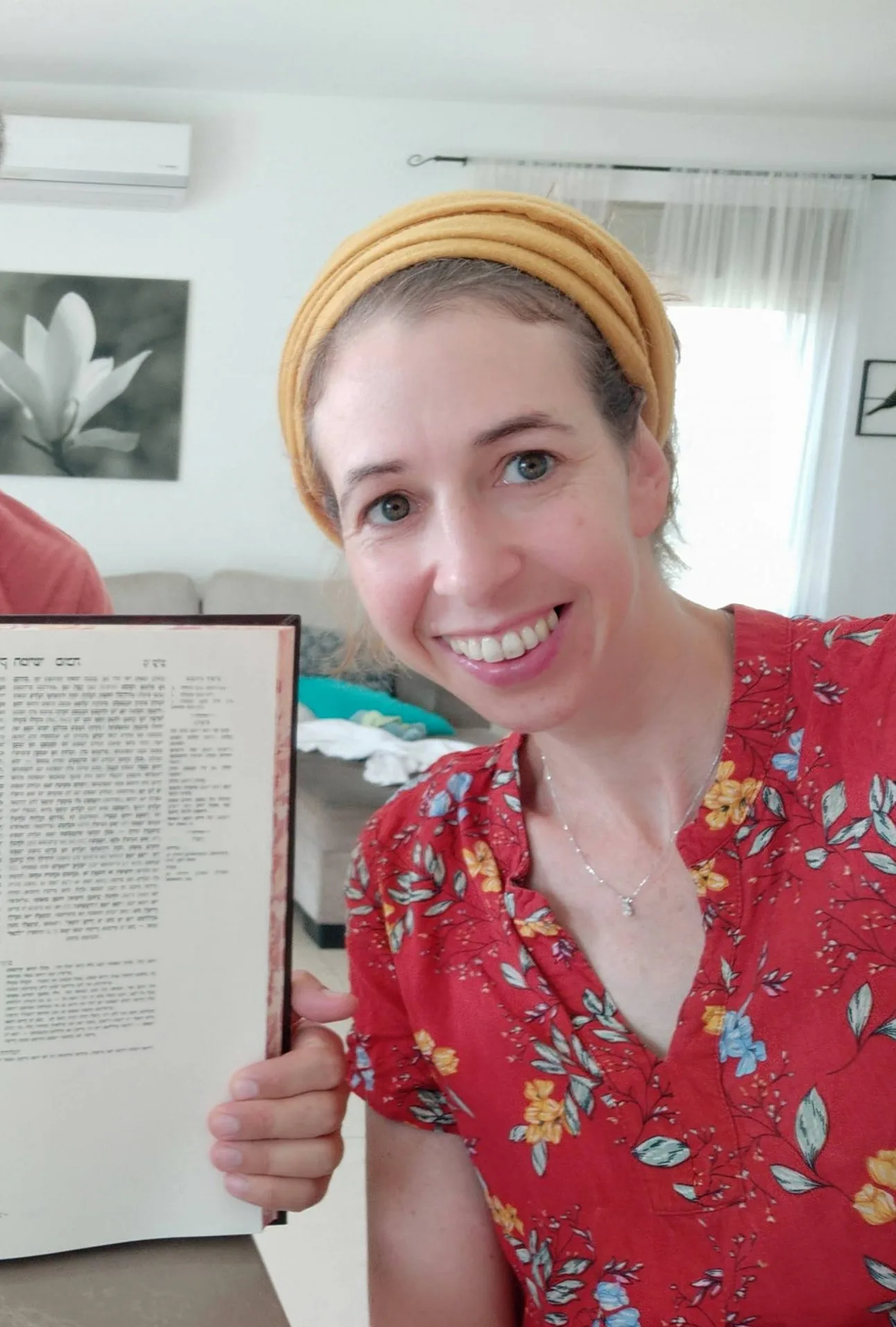
בתחילת הסבב הנוכחי הצטברו אצלי תחושות שאני לא מבינה מספיק מהי ההלכה אותה אני מקיימת בכל יום. כמו כן, כאמא לבנות רציתי לתת להן מודל נשי של לימוד תורה
שתי הסיבות האלו הובילו אותי להתחיל ללמוד. נתקלתי בתגובות מפרגנות וסקרניות איך אישה לומדת גמרא..
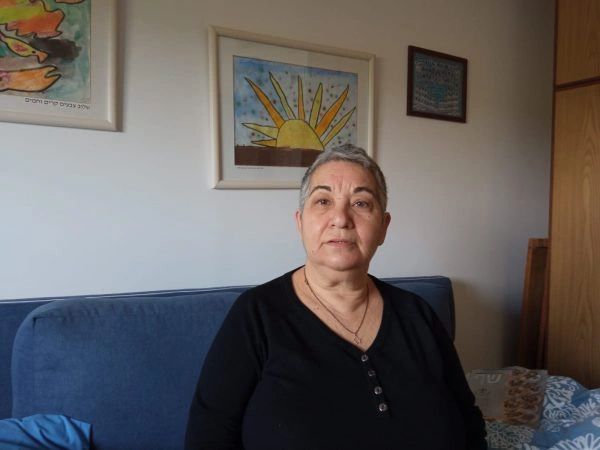
כמו שרואים בתמונה אני ממשיכה ללמוד גם היום ואפילו במחלקת יולדות אחרי לידת ביתי השלישית.

Noa Shiloh
נועה שילה

רבבה, ישראל

הייתי לפני שנתיים בסיום הדרן נשים בבנייני האומה והחלטתי להתחיל. אפילו רק כמה דפים, אולי רק פרק, אולי רק מסכת… בינתיים סיימתי רבע שס ותכף את כל סדר מועד בה.
הסביבה תומכת ומפרגנת. אני בת יחידה עם ארבעה אחים שכולם לומדים דף יומי. מדי פעם אנחנו עושים סיומים יחד באירועים משפחתיים. ממש מרגש. מסכת שבת סיימנו כולנו יחד עם אבא שלנו!
אני שומעת כל יום פודקאסט בהליכה או בנסיעה ואחכ לומדת את הגמרא.

Edna Gross
עדנה גרוס

מרכז שפירא, ישראל

התחלתי לפני 8 שנים במדרשה. לאחרונה סיימתי מסכת תענית בלמידה עצמית ועכשיו לקראת סיום מסכת מגילה.

Daniela Baruchim
דניאלה ברוכים

רעננה, ישראל

הצטרפתי ללומדות בתחילת מסכת תענית. ההתרגשות שלי ושל המשפחה היתה גדולה מאוד, והיא הולכת וגוברת עם כל סיום שאני זוכה לו. במשך שנים רבות רציתי להצטרף ומשום מה זה לא קרה… ב”ה מצאתי לפני מספר חודשים פרסום של הדרן, ומיד הצטרפתי והתאהבתי. הדף היומי שינה את חיי ממש והפך כל יום- ליום של תורה. מודה לכן מקרב ליבי ומאחלת לכולנו לימוד פורה מתוך אהבת התורה ולומדיה.

Noa Rosen
נעה רוזן

חיספין רמת הגולן, ישראל

רציתי לקבל ידע בתחום שהרגשתי שהוא גדול וחשוב אך נעלם ממני. הלימוד מעניק אתגר וסיפוק ומעמיק את תחושת השייכות שלי לתורה וליהדות

Ruth Agiv
רות עגיב

עלי זהב – לשם, ישראל

התחלתי מעט לפני תחילת הסבב הנוכחי. אני נהנית מהאתגר של להמשיך להתמיד, מרגעים של "אהה, מפה זה הגיע!” ומהאתגר האינטלקטואלי

Eilat-Chen and Deller
אילת-חן ודלר

לוד, ישראל

התחלתי ללמוד את הדף היומי מעט אחרי שבני הקטן נולד. בהתחלה בשמיעה ולימוד באמצעות השיעור של הרבנית שפרבר. ובהמשך העזתי וקניתי לעצמי גמרא. מאז ממשיכה יום יום ללמוד עצמאית, ולפעמים בעזרת השיעור של הרבנית, כל יום. כל סיום של מסכת מביא לאושר גדול וסיפוק. הילדים בבית נהיו חלק מהלימוד, אני משתפת בסוגיות מעניינות ונהנית לשמוע את דעתם.

Eliraz Blau
אלירז בלאו

מעלה מכמש, ישראל

התחלתי ללמוד בעידוד שתי חברות אתן למדתי בעבר את הפרק היומי במסגרת 929.
בבית מתלהבים מאוד ובשבת אני לומדת את הדף עם בעלי שזה מפתיע ומשמח מאוד! לימוד הדף הוא חלק בלתי נפרד מהיום שלי. לומדת בצהריים ומחכה לזמן הזה מידי יום…

Miriam Wengerover
מרים ונגרובר

אפרת, ישראל

התחלתי ללמוד לפני כשנתיים בשאיפה לסיים לראשונה מסכת אחת במהלך חופשת הלידה.
אחרי מסכת אחת כבר היה קשה להפסיק…

Noa Gallant
נעה גלנט

ירוחם, ישראל

התחלתי ללמוד דף יומי לפני שנתיים, עם מסכת שבת. בהתחלה ההתמדה היתה קשה אבל בזכות הקורונה והסגרים הצלחתי להדביק את הפערים בשבתות הארוכות, לסיים את מסכת שבת ולהמשיך עם המסכתות הבאות. עכשיו אני מסיימת בהתרגשות רבה את מסכת חגיגה וסדר מועד ומחכה לסדר הבא!

Ilana-Shachnowitz
אילנה שכנוביץ

מודיעין, ישראל

התחלתי ללמוד דף לפני קצת יותר מ-5 שנים, כשלמדתי רבנות בישיבת מהר”ת בניו יורק. בדיעבד, עד אז, הייתי בלימוד הגמרא שלי כמו מישהו שאוסף חרוזים משרשרת שהתפזרה, פה משהו ושם משהו, ומאז נפתח עולם ומלואו…. הדף נותן לי לימוד בצורה מאורגנת, שיטתית, יום-יומית, ומלמד אותי לא רק ידע אלא את השפה ודרך החשיבה שלנו. לשמחתי, יש לי סביבה תומכת וההרגשה שלי היא כמו בציטוט שבחרתי: הדף משפיע לטובה על כל היום שלי.

Michal Kahana
מיכל כהנא

חיפה, ישראל

My explorations into Gemara started a few days into the present cycle. I binged learnt and become addicted. I’m fascinated by the rich "tapestry” of intertwined themes, connections between Masechtot, conversations between generations of Rabbanim and learners past and present all over the world. My life has acquired a golden thread, linking generations with our amazing heritage.
Thank you.

Susan Kasdan
סוזן כשדן

חשמונאים, Israel

לצערי גדלתי בדור שבו לימוד גמרא לנשים לא היה דבר שבשגרה ושנים שאני חולמת להשלים את הפער הזה.. עד שלפני מספר שבועות, כמעט במקרה, נתקלתי במודעת פרסומת הקוראת להצטרף ללימוד מסכת תענית. כשקראתי את המודעה הרגשתי שהיא כאילו נכתבה עבורי – "תמיד חלמת ללמוד גמרא ולא ידעת איך להתחיל”, "בואי להתנסות במסכת קצרה וקלה” (רק היה חסר שהמודעה תיפתח במילים "מיכי שלום”..). קפצתי למים ו- ב”ה אני בדרך להגשמת החלום:)

Micah Kadosh
מיכי קדוש

מורשת, ישראל

התחלתי ללמוד דף יומי באמצע תקופת הקורונה, שאבא שלי סיפר לי על קבוצה של בנות שתיפתח ביישוב שלנו ותלמד דף יומי כל יום. הרבה זמן רציתי להצטרף לזה וזאת הייתה ההזדמנות בשבילי. הצטרפתי במסכת שקלים ובאמצע הייתה הפסקה קצרה. כיום אני כבר לומדת באולפנה ולומדת דף יומי לבד מתוך גמרא של טיינזלץ.

Saturdays in Raleigh
שבות בראלי

עתניאל, ישראל

התחלתי ללמוד דף יומי בתחילת מסכת ברכות, עוד לא ידעתי כלום. נחשפתי לסיום הש״ס, ובעצם להתחלה מחדש בתקשורת, הפתיע אותי לטובה שהיה מקום לעיסוק בתורה.
את המסכתות הראשונות למדתי, אבל לא סיימתי (חוץ מעירובין איכשהו). השנה כשהגעתי למדרשה, נכנסתי ללופ, ואני מצליחה להיות חלק, סיימתי עם החברותא שלי את כל המסכתות הקצרות, גם כשהיינו חולות קורונה ובבידודים, למדנו לבד, העיקר לא לצבור פער, ומחכות ליבמות 🙂

Eden Yeshuron
עדן ישורון

מזכרת בתיה, ישראל

אמא שלי למדה איתי ש”ס משנה, והתחילה ללמוד דף יומי. אני החלטתי שאני רוצה ללמוד גם. בהתחלה למדתי איתה, אח”כ הצטרפתי ללימוד דף יומי שהרב דני וינט מעביר לנוער בנים בעתניאל. במסכת עירובין עוד חברה הצטרפה אלי וכשהתחלנו פסחים הרב דני פתח לנו שעור דף יומי לבנות. מאז אנחנו לומדות איתו קבוע כל יום את הדף היומי (ובשבת אבא שלי מחליף אותו). אני נהנית מהלימוד, הוא מאתגר ומעניין

Renana Hellman
רננה הלמן

עתניאל, ישראל

"
גם אני התחלתי בסבב הנוכחי וב””ה הצלחתי לסיים את רוב המסכתות . בזכות הרבנית מישל משתדלת לפתוח את היום בשיעור הזום בשעה 6:20 .הלימוד הפך להיות חלק משמעותי בחיי ויש ימים בהם אני מצליחה לחזור על הדף עם מלמדים נוספים ששיעוריהם נמצאים במרשתת. שמחה להיות חלק מקהילת לומדות ברחבי העולם. ובמיוחד לשמש דוגמה לנכדותיי שאי””ה יגדלו לדור שלימוד תורה לנשים יהיה משהו שבשגרה. "

Ronit Shavit
רונית שביט

נתניה, ישראל

התחלתי לפני כמה שנים אבל רק בסבב הזה זכיתי ללמוד יום יום ולסיים מסכתות

Sigal Tel
סיגל טל

רעננה, ישראל

כבר סיפרתי בסיום של מועד קטן.
הלימוד מאוד משפיעה על היום שלי כי אני לומדת עם רבנית מישל על הבוקר בזום. זה נותן טון לכל היום – בסיס למחשבות שלי .זה זכות גדול להתחיל את היום בלימוד ובתפילה. תודה רבה !

שרה-ברלוביץ
שרה ברלוביץ

ירושלים, ישראל

התחלתי ללמוד דף יומי ממסכת נידה כי זה היה חומר הלימוד שלי אז. לאחר הסיום הגדול בבנייני האומה החלטתי להמשיך. וב”ה מאז עם הפסקות קטנות של קורונה ולידה אני משתדלת להמשיך ולהיות חלק.

זה משפיע מאוד על היום יום שלי ועל אף שאני עסוקה בלימודי הלכה ותורה כל יום, זאת המסגרת הקבועה והמחייבת ביותר שיש לי.

Moriah Taesan Michaeli
מוריה תעסן מיכאלי

גבעת הראל, ישראל

ביצה לט

וְרַב אָשֵׁי אָמַר: מִשּׁוּם דְּהָוֵי לֵיהּ דָּבָר שֶׁיֵּשׁ לוֹ מַתִּירִין, וְכׇל דָּבָר שֶׁיֵּשׁ לוֹ מַתִּירִין — אֲפִילּוּ בְּאֶלֶף לֹא בָּטֵיל.

And Rav Ashi said a different explanation as to why the spices, water, and salt are not subject to nullification: It is because any one of these ingredients is an object whose prohibition is temporary, as the prohibition against their being taken out of the Shabbat limits lapses once the Festival has passed, and the general principle is that anything whose prohibition is temporary cannot become nullified, even by one part in one thousand.

רַבִּי יְהוּדָה פּוֹטֵר בַּמַּיִם. מַיִם אִין, מֶלַח לָא? וְהָא תַּנְיָא, רַבִּי יְהוּדָה אוֹמֵר: מַיִם וָמֶלַח בְּטֵלִין בֵּין בָּעִיסָּה בֵּין בַּקְּדֵרָה! לָא קַשְׁיָא: הָא — בְּמֶלַח סְדוֹמִית, הָא — בְּמֶלַח אִסְתְּרוֹקָנִית.

§ It is taught in a mishna: Rabbi Yehuda exempts one from travel limitations in the case of water. The Gemara asks: Does this mean to imply that water, yes, it is exempted by Rabbi Yehuda, but salt, no, it is not? But isn’t it taught in a baraita: Rabbi Yehuda says: Water and salt are both nullified, whether in a dough or in a pot of cooked food. The Gemara answers: This is not difficult. In this case of the mishna, the reference is to salt of Sodom, which is quite coarse and does not blend in easily with the dough, and, being noticeable in the final product, is not nullified. In that case of the baraita, the reference is to a type of fine salt known as isterokanit salt. Consequently, it is not noticeable in the final product and can be nullified.

וְהָתַנְיָא, רַבִּי יְהוּדָה אוֹמֵר: מַיִם וָמֶלַח בְּטֵלִין בָּעִיסָּה, וְאֵין בְּטֵלִין בַּקְּדֵרָה מִפְּנֵי רוֹטְבָּהּ! לָא קַשְׁיָא: הָא — בְּעָבָה, הָא — בְּרַכָּה.

The mishna states that according to Rabbi Yehuda water mixed into dough, and presumably into a cooked dish as well, is considered nullified. The Gemara challenges this: But isn’t it taught in a baraita that Rabbi Yehuda says: Water and salt are nullified in dough but not in a pot, due to its sauce. The pot, unlike bread, ends up with liquid in it, so the borrowed water is still recognizable. The Gemara replies: This is not difficult. This case of the mishna, where Rabbi Yehuda says that the water is nullified in the cooked food, is referring to a thick dish that has no liquid sauce. That case of the baraita, in which Rabbi Yehuda said the water is not nullified, is referring to a thin dish with liquid sauce.

מַתְנִי׳ הַגַּחֶלֶת כְּרַגְלֵי הַבְּעָלִים, וְשַׁלְהֶבֶת בְּכׇל מָקוֹם. גַּחֶלֶת שֶׁל הֶקְדֵּשׁ — מוֹעֲלִין בָּהּ, וְשַׁלְהֶבֶת — לֹא נֶהֱנִין, וְלֹא מוֹעֲלִין. הַמּוֹצִיא גַּחֶלֶת לִרְשׁוּת הָרַבִּים — חַיָּיב, וְשַׁלְהֶבֶת — פָּטוּר.

MISHNA: A coal that one borrowed from another on the Festival is as the feet of the owner, and it may be carried on the Festival to any place where its owner may walk. Since it has substance, it is associated with its owner. But a flame that one lit from another’s flame may be taken anywhere, as it has no substance. This essential difference between a coal and a flame has additional halakhic ramifications: If one uses a coal of consecrated property for a non-consecrated purpose, he is liable for misuse of consecrated property, since it has substance. But if one uses a consecrated flame, although according to rabbinic law one may not derive benefit from it ab initio, if one did benefit from it, he is not liable for misuse, since it does not have substance. Similarly, one who takes out a coal from a private domain to the public domain on Shabbat is liable for the prohibited labor of carrying, but one who takes out a flame is exempt.

גְּמָ׳ תָּנוּ רַבָּנַן: חֲמִשָּׁה דְּבָרִים נֶאֶמְרוּ בַּגַּחֶלֶת: הַגַּחֶלֶת כְּרַגְלֵי הַבְּעָלִים, וְשַׁלְהֶבֶת בְּכׇל מָקוֹם. גַּחֶלֶת שֶׁל הֶקְדֵּשׁ — מוֹעֲלִין בָּהּ, וְשַׁלְהֶבֶת — לֹא נֶהֱנִין וְלֹא מוֹעֲלִין. גַּחֶלֶת שֶׁל עֲבוֹדָה זָרָה — אֲסוּרָה, וְשַׁלְהֶבֶת — מוּתֶּרֶת. הַמּוֹצִיא גַּחֶלֶת לִרְשׁוּת הָרַבִּים — חַיָּיב, וְשַׁלְהֶבֶת — פָּטוּר. הַמּוּדָּר הֲנָאָה מֵחֲבֵירוֹ — אָסוּר בְּגַחַלְתּוֹ, וּמוּתָּר בְּשַׁלְהַבְתּוֹ.

GEMARA: The Sages taught in a Tosefta (Beitza 4:7): Five things were stated with regard to a coal, in relation to the practical halakhic differences between a coal and a flame: (1) Coal is as the feet of the owner with regard to its Festival resting place, whereas a flame may be carried anywhere. (2) One is liable for misusing property consecrated to the Temple with a consecrated coal, whereas with regard to a flame, according to rabbinic law one may not benefit from it, but he is not liable for misusing property consecrated to the Temple. (3) Coal used for idol worship is prohibited for one to benefit from it, whereas from a flame of this sort it is permitted to benefit. (4) One who carries out a coal to the public domain is liable, whereas one who carries out a flame is exempt. (5) One who is prohibited by a vow from deriving benefit from another is prohibited from using his coal, but he is permitted to derive benefit from his flame.

מַאי שְׁנָא שַׁלְהֶבֶת עֲבוֹדָה זָרָה דְּשַׁרְיָא, וּמַאי שְׁנָא דְּהֶקְדֵּשׁ דַּאֲסִירָא? עֲבוֹדָה זָרָה, דִּמְאִיסָה וּבְדִילִי אִינָשֵׁי מִינַּהּ — לָא גְּזַרוּ בַּהּ רַבָּנַן. הֶקְדֵּשׁ, דְּלָא מְאִיס וְלָא בְּדִילִי אִינָשֵׁי מִינֵּיהּ — גְּזַרוּ בֵּיהּ רַבָּנַן.

With regard to the halakhot cited in the baraita above, the Gemara asks: What is different in the case of a flame of idol worship, that one is permitted to use it even ab initio, as the baraita uses the term permitted in that case; and what is different in the case of a consecrated flame, in that it is prohibited to be used ab initio, as the baraita states: One may not benefit from it, but he is not liable for misuse? The Gemara explains: In the case of idol worship, which is repulsive to Jews and from which Jewish people inherently maintain separation, the Sages did not decree additional restrictions with regard to it. However, concerning consecrated property, which is not repulsive and from which people do not inherently maintain separation, in order to prevent its misuse, the Sages did decree with regard to it that it is prohibited to use the flame.

הַמּוֹצִיא גַּחֶלֶת לִרְשׁוּת הָרַבִּים — חַיָּיב, וְשַׁלְהֶבֶת — פָּטוּר. וְהָא תַּנְיָא: הַמּוֹצִיא שַׁלְהֶבֶת כׇּל שֶׁהוּא — חַיָּיב! אָמַר רַב שֵׁשֶׁת: כְּגוֹן שֶׁהוֹצִיאוֹ בְּקֵיסָם.

§ It is taught in the baraita that one who carries out a coal to the public domain is liable, whereas one who carries out a flame is exempt. The Gemara asks: But isn’t it taught in another baraita: One who carries out a flame of any size on Shabbat is liable? Rav Sheshet said: The second baraita is referring to a case where one carried out the flame along with a wooden chip. Since the flame is attached to a physical object, it is considered significant.

וְתִיפּוֹק לֵיהּ מִשּׁוּם קֵיסָם! בִּדְלֵית לֵיהּ שִׁעוּרָא. דִּתְנַן: הַמּוֹצִיא עֵצִים — כְּדֵי לְבַשֵּׁל בֵּיצָה קַלָּה.

The Gemara raises an objection: But if so, let it derive that one is liable for carrying out in this case due to the wooden chip, and the presence of the flame is irrelevant. The Gemara responds: That baraita speaks of a chip that does not have the minimum measure that determines liability for carrying out, as we learned in a mishna (Shabbat 89b): In the case of one who carries out wood on Shabbat, the measure that determines liability is enough wood to cook an egg of the kind that is the easiest to cook, which is the egg of a chicken. Because the chip is too small to cook an egg, one is not liable for carrying it out, but one is liable for carrying out the flame attached to it.

אַבָּיֵי אָמַר: כְּגוֹן דְּשַׁיְיפֵיהּ [לְ]מָנָא מִשְׁחָא וְאַתְלִי בֵּיהּ נוּרָא. וְתִיפּוֹק לֵיהּ מִשּׁוּם מָנָא? בְּחַסְפָּא.

Abaye said a different scenario: The mishna is referring to a case where one smeared a vessel with oil, and lit a fire on it, and carried out that flame. The Gemara asks: If so, let it derive that one is liable for carrying out in this case due to the vessel itself, and the flame is irrelevant. The Gemara replies: The mishna is referring to a fire lit in an earthenware shard, not in a whole vessel.

וְתִיפּוֹק לֵיהּ מִשּׁוּם חַסְפָּא! בִּדְלֵית לֵיהּ שִׁעוּרָא. דִּתְנַן: חֶרֶס — כְּדֵי לִיתֵּן בֵּין פַּצִּים לַחֲבֵירוֹ, דִּבְרֵי רַבִּי יְהוּדָה.

The Gemara challenges: And nevertheless, let it derive that one is liable for carrying due to the earthenware shard itself. The Gemara answers: It deals with a shard that is not of the minimum measure that determines liability for carrying out, as we learned in a mishna (Shabbat 82a): The measure that determines liability for carrying out earthenware is enough to place between one window frame and another, as small shards of earthenware were sometimes placed between window frames during construction. This is the statement of Rabbi Yehuda.

אֶלָּא הָא דִּתְנַן: הַמּוֹצִיא שַׁלְהֶבֶת פָּטוּר, הֵיכִי מַשְׁכַּחַתְּ לַהּ? כְּגוֹן דְּאַדְּיֵיהּ אַדּוֹיֵי לִרְשׁוּת הָרַבִּים.

The Gemara asks: But if so, if one is liable for carrying it out whenever the flame is attached to an object of substance, that which we learned in the mishna here: One who carries out a flame is exempt, under what circumstances can this case be found? The Gemara answers: The mishna is speaking of a case where one fanned the fire with his hand so that it spread into the public domain without its being attached to any vessel.

מַתְנִי׳ בּוֹר שֶׁל יָחִיד — כְּרַגְלֵי הַיָּחִיד, וְשֶׁל אַנְשֵׁי אוֹתָהּ הָעִיר — כְּרַגְלֵי אַנְשֵׁי אוֹתָהּ הָעִיר, וְשֶׁל עוֹלֵי בָבֶל — כְּרַגְלֵי הַמְמַלֵּא.

MISHNA: With regard to a cistern of an individual, water drawn from it is as the feet of the individual who owns the cistern, and the water may be carried only to those places where its owner is permitted to walk. And water drawn from a cistern belonging jointly to all the people dwelling in a particular town is as the feet of the people of that town. And water drawn from a cistern of those who come up to Eretz Yisrael from Babylonia, i.e., a public cistern, is as the feet of whoever fills his vessel with its water; the water has no defined boundary of its own since it is made available to all.

גְּמָ׳ רָמֵי לֵיהּ רָבָא לְרַב נַחְמָן, תְּנַן: בּוֹר שֶׁל יָחִיד — כְּרַגְלֵי הַיָּחִיד, וּרְמִינְהוּ: נְהָרוֹת הַמּוֹשְׁכִין וּמַעֲיָנוֹת הַנּוֹבְעִין — הֲרֵי הֵן כְּרַגְלֵי כׇּל אָדָם! אָמַר (רָבָא): הָכָא בְּמַאי עָסְקִינַן — בִּמְכוּנָּסִין. וְאִתְּמַר נָמֵי, אָמַר רַבִּי חִיָּיא בַּר אָבִין אָמַר שְׁמוּאֵל: בִּמְכוּנָּסִין.

GEMARA: Rava raised a contradiction to Rav Naḥman: We learned in the mishna that the water of a cistern of an individual is as the feet of the individual; and Rava raised a contradiction from the Tosefta (Beitza 4:8): Water drawn from flowing rivers and flowing springs are as the feet of all people. Rava said: With what are we dealing here in the mishna? With cisterns that contain collected water, not flowing water. And it was also said that Rabbi Ḥiyya bar Avin said that Shmuel said: The mishna applies only to collected water.

וְשֶׁל עוֹלֵי בָבֶל — כְּרַגְלֵי הַמְמַלֵּא. אִתְּמַר: מִילֵּא וְנָתַן לַחֲבֵירוֹ, רַב נַחְמָן אָמַר: כְּרַגְלֵי מִי שֶׁנִּתְמַלְּאוּ לוֹ, רַב שֵׁשֶׁת אָמַר: כְּרַגְלֵי הַמְמַלֵּא.

§ The mishna states: And water drawn from a cistern of those who come up to Eretz Yisrael from Babylonia, i.e., a public cistern, is as the feet of whoever fills his vessel with its water. It was stated that amora’im disagreed with regard to this issue: In the case of one who filled a vessel with water from a public cistern on behalf of another and gave the water to him, Rav Naḥman said: The water is as the feet of the one for whom they were filled; Rav Sheshet said: It is as the feet of the one who filled it.

בְּמַאי קָא מִיפַּלְגִי? מָר סָבַר: בֵּירָא דְהֶפְקֵרָא הוּא, וּמָר סָבַר: בֵּירָא דְשׁוּתָּפֵי הוּא.

The Gemara asks: With regard to what principle do they disagree? The Gemara explains: One Sage, Rav Sheshet, holds that a public cistern is ownerless, and the halakha is that one cannot take possession of ownerless property on behalf of someone else. Therefore, the water belongs to the one who drew it; it is as his feet, and this status does not change even if he subsequently gave it to anyone else. And one Sage, Rav Naḥman, holds that a public cistern is considered jointly owned by all its partners, namely, all of the Jewish people. Therefore, it is possible for one partner to draw water on behalf of another partner, and the drawn water immediately belongs to the person for whom it was drawn.

אֵיתִיבֵיהּ רָבָא לְרַב נַחְמָן: הֲרֵינִי עָלֶיךָ חֵרֶם — הַמּוּדָּר אָסוּר.

Rava raised a challenge to Rav Naḥman from a mishna (Nedarim 47b): One who says to another: I am hereby prohibited to you by force of ḥerem, a kind of vow of prohibition, as objects declared as ḥerem are generally consecrated to the Temple, the one prohibited by the vow, the addressee, is prohibited to derive benefit from the person who made the vow or from his property, as the point of the vow was to prohibit the addressee from deriving any benefit from the one who made the vow.

הֲרֵי אַתָּה עָלַי חֵרֶם — הַנּוֹדֵר אָסוּר. הֲרֵינִי עָלֶיךָ וְאַתָּה עָלַי — שְׁנֵיהֶם אֲסוּרִים זֶה בָּזֶה, וּמוּתָּרִין בְּשֶׁל עוֹלֵי בָבֶל, וַאֲסוּרִין בְּשֶׁל אוֹתָהּ הָעִיר.

If he said to him: You are hereby prohibited to me by force of ḥerem, the one making the vow is himself prohibited to derive benefit from the addressee or from his property. If he said to him: I am hereby prohibited to you and you to me by force of ḥerem, they are both prohibited to benefit from one another. And they are permitted to benefit from anything belonging to those who come up from Babylonia, i.e., public property that is not owned by any person or group, but they are prohibited to benefit from property that is jointly owned by the inhabitants of that city, as both parties have a share in such items.

וְאֵלּוּ הֵן דְּבָרִים שֶׁל עוֹלֵי בָבֶל: הַר הַבַּיִת, הַלְּשָׁכוֹת וְהָעֲזָרוֹת, וּבוֹר שֶׁל אֶמְצַע הַדֶּרֶךְ. וְאֵלּוּ הֵן שֶׁל אוֹתָהּ הָעִיר: הָרְחוֹב, וּבֵית הַכְּנֶסֶת, וּבֵית הַמֶּרְחָץ.

That mishna provides examples: And the following are items of those coming up from Babylonia, i.e., publicly owned items: The Temple Mount, the chambers, and the courtyards on the Temple Mount, and a cistern situated in the middle of the road. And these are items jointly owned by the inhabitants of that city: The street, and the synagogue, and the bathhouse.

וְאִי אָמְרַתְּ בֵּירָא דְשׁוּתָּפֵי הוּא, אַמַּאי מוּתָּר? וְהָתְנַן: הַשּׁוּתָּפִין שֶׁנָּדְרוּ הֲנָאָה זֶה מִזֶּה — אֲסוּרִים לִיכָּנֵס לֶחָצֵר לִרְחוֹץ בַּבּוֹר!

Rava, having cited the mishna in full, concludes his challenge to the opinion of Rav Naḥman: And if you say that a cistern of those who come up from Babylonia, a public cistern, is owned jointly by partners, i.e., by all Jews, why should it be permitted for the one who made the vow and the addressee to use it? But didn’t we learn in a mishna (Nedarim 45b): Two partners who took a vow not to derive benefit from one another are prohibited to enter a joint courtyard in which they both have a share to wash themselves in a cistern. According to you, the same should apply to a cistern in which the two of them have a share, such as the cisterns of those who come up from Babylonia.

לִרְחוֹץ הָכִי נָמֵי, וְהָכָא בְּמַאי עָסְקִינַן — לְמַלּאוֹת, מָר מִדִּידֵיהּ קָא מְמַלֵּא וּמַר מִדִּידֵיהּ קָא מְמַלֵּא.

Rav Naḥman answered: Indeed that is the case. So too, they are prohibited to wash themselves in a cistern because when bathing one uses of all the water of the cistern, part of which belongs to the forbidden partner. But when the baraita says that a cistern of those who come up from Babylonia is permitted to both parties, with what are we dealing here? The baraita is referring only to filling water from the cistern. This is permitted because it is considered that this one fills from his portion, and that one fills from his portion. The water that each of them draws is considered retroactively designated exclusively for him, so that the partner has no share in it at all.

וְסָבַר רַב נַחְמָן יֵשׁ בְּרֵירָה? וְהָתְנַן: הָאַחִין הַשּׁוּתָּפִין, כְּשֶׁחַיָּיבִין בַּקָּלְבּוֹן — פְּטוּרִין מִמַּעְשַׂר בְּהֵמָה.

The Gemara asks: And does Rav Naḥman hold that there is retroactive designation? But didn’t we learn in a mishna (Shekalim 1:7): If brothers divided up inherited property among themselves and subsequently joined their property again and became partners, they are obligated to add a kalbon, a small coin, to the obligatory half-shekel yearly Temple donation. The kalbon covered both the cost to the Temple of exchanging half-shekels into larger coins and the depreciation of the donated coin. Although a whole shekel given by two partners does not need to be changed into a larger coin, the Sages imposed the same kalbon fee on the partners as on everyone else. However, these partners are exempt from the animal tithe, in accordance with the standard halakha that people who own animals in partnership are exempt from the animal tithe.

וּכְשֶׁחַיָּיבִין בְּמַעְשַׂר בְּהֵמָה — פְּטוּרִין מִן הַקָּלְבּוֹן.

The quote from the mishna continues: And in a situation in which the brothers are liable for the animal tithe, as when they have not yet divided up their inheritance, and all the deceased’s estate is therefore still considered a single unit and not a partnership, they are exempt from the kalbon, in accordance with the halakha that a father who contributes a single shekel for his two dependent sons does not need to add the kalbon.

וְאָמַר רַב עָנָן: לֹא שָׁנוּ אֶלָּא שֶׁחָלְקוּ גְּדָיִם כְּנֶגֶד טְלָאִים וּטְלָאִים כְּנֶגֶד גְּדָיִם.

And Rav Anan said: The Sages taught that the inherited property is no longer considered a single unit after the brothers divided it and then rejoined in a partnership only when they divided kids against lambs or lambs against kids, i.e., if one brother took kids and the other took a corresponding value of lambs. This kind of division is considered a commercial transaction, with one brother purchasing goats and paying for them with lambs and vice versa. Therefore, when they join their animals again as partners, it is considered an entirely new partnership.

אֲבָל חָלְקוּ גְּדָיִם כְּנֶגֶד גְּדָיִם וּטְלָאִים כְּנֶגֶד טְלָאִים, אוֹמֵר: זֶהוּ חֶלְקוֹ הַמַּגִּיעוֹ מִשָּׁעָה רִאשׁוֹנָה לְכָךְ.

However, if they divided kids against kids and lambs against lambs, meaning that each brother took an equal portion of each of the items they inherited, one can say of each brother’s portion: This is his portion destined to reach him from the first moment, from the time of the death of the deceased. If the brothers form their partnership again, the inheritance becomes a single unit again, and they are therefore obligated in the animal tithe and exempt from the kalbon.

וְרַב נַחְמָן אָמַר: אֲפִילּוּ חָלְקוּ גְּדָיִם כְּנֶגֶד גְּדָיִם וּטְלָאִים כְּנֶגֶד טְלָאִים — אֵין אוֹמֵר: זֶה חֶלְקוֹ הַמַּגִּיעוֹ מִשָּׁעָה רִאשׁוֹנָה לְכָךְ.

But Rav Naḥman said: Even if they divided kids against kids and lambs against lambs, one does not say that this is his portion destined to reach him from the first moment. This is because Rav Naḥman does not accept the principle of retroactive designation. Consequently, the resolution proposed previously for the issue of filling water from the cistern of those who come up from Babylonia is invalid.

אֶלָּא דְּכוּלֵּי עָלְמָא בֵּירָא דְהֶפְקֵרָא הִיא, אֶלָּא הָכָא בְּמַגְבִּיהַּ מְצִיאָה לַחֲבֵירוֹ קָא מִיפַּלְגִי. מָר סָבַר: קָנָה, וּמָר סָבַר: לָא קָנָה.

The Gemara retracts its previous explanation of the disagreement between Rava and Rav Naḥman: Rather, everyone agrees that a cistern of those who come up from Babylonia, i.e., a public cistern, is an ownerless cistern, but here they disagree over a different issue: One who picks up a found article intending to acquire it on behalf of his friend. One Sage, Rav Naḥman, holds that if one picks up a found object on behalf of his friend, his friend acquires it through this act as though he had picked it up himself. The water of the ownerless cistern is like a found object. Therefore, if one draws water on behalf of another, the latter acquires it, and consequently the water is as his feet. And one Sage, Rav Sheshet, holds that when one picks up a found object for another, the latter does not acquire it. Rather, it belongs to the one who actually picked it up, and consequently the water is as the feet of the one who draws it.

מַתְנִי׳ מִי שֶׁהָיוּ פֵּירוֹתָיו בְּעִיר אַחֶרֶת וְעֵרְבוּ בְּנֵי אוֹתָהּ הָעִיר לְהָבִיא אֶצְלוֹ מִפֵּירוֹתָיו — לֹא יָבִיאוּ לוֹ. וְאִם עֵרַב הוּא — פֵּירוֹתָיו כָּמוֹהוּ.

MISHNA: With regard to one who had produce in a different city beyond the Shabbat limit, and the residents of that city where the produce was located joined the Shabbat boundaries, enabling them to reach the owner’s home on the Festival, and they wish to bring him some of his produce, they may not bring it to him. His produce is as his feet; since it is outside of his Shabbat limit, it may not be taken from its place. However, if the owner placed an eiruv to enable travel to that city, the legal status of his produce is like his status with regard to the Shabbat limit. People from that city who also placed an eiruv may bring the produce to him, since he himself may walk to the produce and take it.

רוצה לעקוב אחרי התכנים ולהמשיך ללמוד?

ביצירת חשבון עוד היום ניתן לעקוב אחרי ההתקדמות שלך, לסמן מה למדת, ולעקוב אחרי השיעורים שמעניינים אותך.

לנקות את כל הפריטים מהרשימה?

פעולה זו תסיר את כל הפריטים בחלק זה כולל ההתקדמות וההיסטוריה. שימי לב: לא ניתן לשחזר פעולה זו.

ביטול
מחיקה

האם את/ה בטוח/ה שברצונך למחוק פריט זה?

תאבד/י את כל ההתקדמות או ההיסטוריה הקשורות לפריט זה.

ביטול
מחיקה