








הגמרא רושמת תפילות פרטניות שחכמים אמרו בסוף תפילתם או בזמנים מסויימים. מה נקודת המחלוקת בין רשב”ג לחכמים האם מותר לחתן לקרות קריאת שמע? האם קשור לעניין יוהרא? ואם כן, איך זה מתקשר למחלוקת שלהם בעניין מלאכה בתשעה באב – ששם השיטות נראים הפוכות? אונן פטור ממצוות. אלו שנושאים את המיטה – האם הם פטורים מקריאת שמע ומתפילה? האם יש הבדל בין קריאת שמע לתפילה?
רוצה להקדיש לימוד?
ברכות יז
בְּפָמַלְיָא שֶׁל מַעְלָה. וּבְפָמַלְיָא שֶׁל מַטָּה, וּבֵין הַתַּלְמִידִים הָעוֹסְקִים בְּתוֹרָתֶךָ בֵּין עוֹסְקִין לִשְׁמָהּ בֵּין עוֹסְקִין שֶׁלֹּא לִשְׁמָהּ. וְכָל הָעוֹסְקִין שֶׁלֹּא לִשְׁמָהּ יְהִי רָצוֹן שֶׁיְּהוּ עוֹסְקִין לִשְׁמָהּ״.
in the heavenly entourage [pamalia] of angels each of whom ministers to a specific nation (see Daniel 10), and whose infighting causes war on earth;
and in the earthly entourage, the Sages,
and among the disciples engaged in the study of Your Torah,
whether they engage in its study for its own sake or not for its own sake.
And all those engaged in Torah study not for its own sake,
may it be Your will that they will come to engage in its study for its own sake.
רַבִּי אָלֶכְּסַנְדְרִי בָּתַר צְלוֹתֵיהּ אָמַר הָכִי: ״יְהִי רָצוֹן מִלְּפָנֶיךָ ה׳ אֱלֹהֵינוּ, שֶׁתַּעֲמִידֵנוּ בְּקֶרֶן אוֹרָה, וְאַל תַּעֲמִידֵנוּ בְּקֶרֶן חֲשֵׁכָה, וְאַל יִדְוֶה לִבֵּנוּ, וְאַל יֶחְשְׁכוּ עֵינֵינוּ״. אִיכָּא דְאָמְרִי, הָא רַב הַמְנוּנָא מְצַלֵּי לַהּ. וְרַבִּי אָלֶכְּסַנְדְרִי בָּתַר דִּמְצַלֵּי אָמַר הָכִי: ״רִבּוֹן הָעוֹלָמִים, גָּלוּי וְיָדוּעַ לְפָנֶיךָ שֶׁרְצוֹנֵנוּ לַעֲשׂוֹת רְצוֹנֶךָ, וּמִי מְעַכֵּב? — שְׂאוֹר שֶׁבָּעִיסָּה וְשִׁעְבּוּד מַלְכֻיוֹת. יְהִי רָצוֹן מִלְּפָנֶיךָ שֶׁתַּצִּילֵנוּ מִיָּדָם, וְנָשׁוּב לַעֲשׂוֹת חוּקֵּי רְצוֹנְךָ בְּלֵבָב שָׁלֵם״.
After his prayer, Rabbi Alexandri said the following:
May it be Your will, Lord our God,
that You station us in a lighted corner and not in a darkened corner,
and do not let our hearts become faint nor our eyes dim.
Some say that this was the prayer that Rav Hamnuna would recite, and that after Rabbi Alexandri prayed, he would say the following:
Master of the Universe, it is revealed and known before You
that our will is to perform Your will, and what prevents us?
On the one hand, the yeast in the dough, the evil inclination that is within every person;
and the subjugation to the kingdoms on the other.
May it be Your will
that You will deliver us from their hands, of both the evil inclination and the foreign kingdoms,
so that we may return to perform the edicts of Your will with a perfect heart.
רָבָא בָּתַר צְלוֹתֵיהּ אָמַר הָכִי: ״אֱלֹהַי, עַד שֶׁלֹּא נוֹצַרְתִּי אֵינִי כְּדַאי, וְעַכְשָׁיו שֶׁנּוֹצַרְתִּי כְּאִלּוּ לֹא נוֹצַרְתִּי. עָפָר אֲנִי בְּחַיַּי, קַל וָחוֹמֶר בְּמִיתָתִי, הֲרֵי אֲנִי לְפָנֶיךָ כִּכְלִי מָלֵא בּוּשָׁה וּכְלִימָּה. יְהִי רָצוֹן מִלְּפָנֶיךָ ה׳ אֱלֹהַי, שֶׁלֹּא אֶחֱטָא עוֹד, וּמַה שֶּׁחָטָאתִי לְפָנֶיךָ מָרֵק בְּרַחֲמֶיךָ הָרַבִּים, אֲבָל לֹא עַל יְדֵי יִסּוּרִין וָחֳלָאִים רָעִים״. וְהַיְינוּ וִידּוּי דְרַב הַמְנוּנָא זוּטֵי בְּיוֹמָא דְכִפּוּרֵי.
After his prayer, Rava said the following:
My God, before I was created I was worthless,
and now that I have been created it is as if I had not been created, I am no more significant.
I am dust in life, all the more so in my death.
I am before You as a vessel filled with shame and humiliation.
Therefore, may it be Your will, Lord my God, that I will sin no more,
and that those transgressions that I have committed,
cleanse in Your abundant mercy;
but may this cleansing not be by means of suffering and serious illness, but rather in a manner I will be able to easily endure.
And this is the confession of Rav Hamnuna Zuti on Yom Kippur.
מָר בְּרֵיהּ דְּרָבִינָא כִּי הֲוָה מְסַיֵּים צְלוֹתֵיהּ אָמַר הָכִי: ״אֱלֹהַי, נְצוֹר לְשׁוֹנִי מֵרָע וְשִׂפְתוֹתַי מִדַּבֵּר מִרְמָה, וְלִמְקַלְּלַי נַפְשִׁי תִדּוֹם, וְנַפְשִׁי כֶּעָפָר לַכֹּל תִּהְיֶה. פְּתַח לִבִּי בְּתוֹרָתֶךָ, וּבְמִצְוֹתֶיךָ תִּרְדּוֹף נַפְשִׁי. וְתַצִּילֵנִי מִפֶּגַע רָע, מִיֵּצֶר הָרָע, וּמֵאִשָּׁה רָעָה, וּמִכָּל רָעוֹת הַמִּתְרַגְּשׁוֹת לָבֹא בָּעוֹלָם. וְכָל הַחוֹשְׁבִים עָלַי רָעָה מְהֵרָה הָפֵר עֲצָתָם וְקַלְקֵל מַחְשְׁבוֹתָם. יִהְיוּ לְרָצוֹן אִמְרֵי פִי וְהֶגְיוֹן לִבִּי לְפָנֶיךָ ה׳ צוּרִי וְגוֹאֲלִי״.
When Mar, son of Ravina, would conclude his prayer, he said the following:
My God, guard my tongue from evil and my lips from speaking deceit.
To those who curse me let my soul be silent
and may my soul be like dust to all.
Open my heart to Your Torah,
and may my soul pursue your mitzvot.
And save me from a bad mishap, from the evil inclination,
from a bad woman, and from all evils that suddenly come upon the world.
And all who plan evil against me,
swiftly thwart their counsel, and frustrate their plans.
May the words of my mouth and the meditation of my heart find favor before You,
Lord, my Rock and my Redeemer.
רַב שֵׁשֶׁת כִּי הֲוָה יָתֵיב בְּתַעֲנִיתָא, בָּתַר דִּמְצַלֵּי אָמַר הָכִי: ״רִבּוֹן הָעוֹלָמִים, גָּלוּי לְפָנֶיךָ בִּזְמַן שֶׁבֵּית הַמִּקְדָּשׁ קַיָּים, אָדָם חוֹטֵא — וּמַקְרִיב קָרְבָּן. וְאֵין מַקְרִיבִין מִמֶּנּוּ, אֶלָּא חֶלְבּוֹ וְדָמוֹ, וּמִתְכַּפֵּר לוֹ. וְעַכְשָׁיו יָשַׁבְתִּי בְּתַעֲנִית וְנִתְמַעֵט חֶלְבִּי וְדָמִי, יְהִי רָצוֹן מִלְּפָנֶיךָ שֶׁיְּהֵא חֶלְבִּי וְדָמִי שֶׁנִּתְמַעֵט כְּאִילּוּ הִקְרַבְתִּיו לְפָנֶיךָ עַל גַּבֵּי הַמִּזְבֵּחַ, וְתִרְצֵנִי״.
The Gemara recounts that when Rav Sheshet would sit in observance of a fast, after he prayed he said as follows:
Master of the Universe, it is revealed before You
that when the Temple is standing, one sins and offers a sacrifice.
And although only its fat and blood were offered from that sacrifice on the altar, his transgression is atoned for him.
And now, I sat in observance of a fast and my fat and blood diminished.
May it be Your will that my fat and blood that diminished be considered as if I offered a sacrifice before You on the altar,
and may I find favor in Your eyes.
Having cited statements that various Sages would recite after their prayers, the Gemara cites additional passages recited by the Sages on different occasions.
רַבִּי יוֹחָנָן כִּי הֲוָה מְסַיֵּים סִפְרָא דְאִיּוֹב, אָמַר הָכִי: ״סוֹף אָדָם לָמוּת וְסוֹף בְּהֵמָה לִשְׁחִיטָה, וְהַכֹּל לְמִיתָה הֵם עוֹמְדִים. אַשְׁרֵי מִי שֶׁגָּדֵל בַּתּוֹרָה וַעֲמָלוֹ בַּתּוֹרָה, וְעוֹשֶׂה נַחַת רוּחַ לְיוֹצְרוֹ, וְגָדֵל בְּשֵׁם טוֹב וְנִפְטָר בְּשֵׁם טוֹב מִן הָעוֹלָם, וְעָלָיו אָמַר שְׁלֹמֹה: ‘טוֹב שֵׁם מִשֶּׁמֶן טוֹב וְיוֹם הַמָּוֶת מִיּוֹם הִוָּלְדוֹ’״.
When Rabbi Yoḥanan would conclude study of the book of Job, he said the following:
A person will ultimately die and an animal will ultimately be slaughtered, and all are destined for death. Therefore, death itself is not a cause for great anguish.
Rather, happy is he who grew up in Torah, whose labor is in Torah,
who gives pleasure to his Creator,
who grew up with a good name and who took leave of the world with a good name.
Such a person lived his life fully, and about him, Solomon said:
“A good name is better than fine oil, and the day of death than the day of one’s birth” (Ecclesiastes 7:1); one who was faultless in life reaches the day of his death on a higher level than he was at the outset.
מַרְגְּלָא בְּפוּמֵּיהּ דְּרַבִּי מֵאִיר: ״גְּמוֹר בְּכָל לְבָבְךָ וּבְכָל נַפְשְׁךָ לָדַעַת אֶת דְּרָכַי, וְלִשְׁקוֹד עַל דַּלְתֵי תוֹרָתִי. נְצוֹר תּוֹרָתִי בְּלִבְּךָ, וְנֶגֶד עֵינֶיךָ תִּהְיֶה יִרְאָתִי. שְׁמוֹר פִּיךְ מִכָּל חֵטְא, וְטַהֵר וְקַדֵּשׁ עַצְמְךָ מִכָּל אַשְׁמָה וְעָוֹן. וַאֲנִי אֶהְיֶה עִמְּךָ בְּכָל מָקוֹם״.
Rabbi Meir was wont to say the following idiom:
Study with all your heart and with all your soul to know My ways
and to be diligent at the doors of My Torah.
Keep My Torah in your heart,
and fear of Me should be before your eyes.
Guard your mouth from all transgression,
and purify and sanctify yourself from all fault and iniquity.
And if you do so, I, God, will be with you everywhere.
מַרְגְּלָא בְּפוּמַּיְיהוּ דְּרַבָּנַן דְּיַבְנֶה: ״אֲנִי בְּרִיָּה, וַחֲבֵרִי בְּרִיָּה. אֲנִי מְלַאכְתִּי בָּעִיר וְהוּא מְלַאכְתּוֹ בַּשָּׂדֶה. אֲנִי מַשְׁכִּים לִמְלַאכְתִּי, וְהוּא מַשְׁכִּים לִמְלַאכְתּוֹ. כְּשֵׁם שֶׁהוּא אֵינוֹ מִתְגַּדֵּר בִּמְלַאכְתִּי, כָּךְ אֲנִי אֵינִי מִתְגַּדֵּר בִּמְלַאכְתּוֹ. וְשֶׁמָּא תֹּאמַר: אֲנִי מַרְבֶּה, וְהוּא מַמְעִיט — שָׁנִינוּ: אֶחָד הַמַּרְבֶּה וְאֶחָד הַמַּמְעִיט וּבִלְבַד שֶׁיְּכַוֵּין לִבּוֹ לַשָּׁמַיִם״.
The Sages in Yavne were wont to say:
I who learn Torah am God’s creature and my counterpart who engages in other labor is God’s creature.
My work is in the city and his work is in the field.
I rise early for my work and he rises early for his work.
And just as he does not presume to perform my work, so I do not presume to perform his work.
Lest you say: I engage in Torah study a lot, while he only engages in Torah study a little, so I am better than he,
it has already been taught:
One who brings a substantial sacrifice and one who brings a meager sacrifice have equal merit,
as long as he directs his heart towards Heaven (Rav Hai Gaon, Arukh).
מַרְגְּלָא בְּפוּמֵּיהּ דְּאַבָּיֵּי: לְעוֹלָם יְהֵא אָדָם עָרוּם בְּיִרְאָה. ״מַעֲנֶה רַךְ מֵשִׁיב חֵמָה״. וּמַרְבֶּה שָׁלוֹם עִם אֶחָיו וְעִם קְרוֹבָיו וְעִם כָּל אָדָם וַאֲפִילּוּ עִם גּוֹי בַּשּׁוּק, כְּדֵי שֶׁיְּהֵא אָהוּב לְמַעְלָה וְנֶחְמָד לְמַטָּה, וִיהֵא מְקוּבָּל עַל הַבְּרִיּוֹת.
Abaye was wont to say: One must always be shrewd and utilize every strategy in order to achieve fear of Heaven and performance of mitzvot. One must fulfill the verse: “A soft answer turns away wrath” (Proverbs 15:1) and take steps to increase peace with one’s brethren and with one’s relatives, and with all people, even with a non-Jew in the marketplace, despite the fact that he is of no importance to him and does not know him at all (Me’iri), so that he will be loved above in God’s eyes, pleasant below in the eyes of the people, and acceptable to all of God’s creatures.
אָמְרוּ עָלָיו עַל רַבָּן יוֹחָנָן בֶּן זַכַּאי שֶׁלֹּא הִקְדִּימוֹ אָדָם שָׁלוֹם מֵעוֹלָם, וַאֲפִילּוּ גּוֹי בַּשּׁוּק.
Tangentially, the Gemara mentions that they said about Rabban Yoḥanan ben Zakkai that no one ever preceded him in issuing a greeting, not even a non-Jew in the marketplace, as Rabban Yoḥanan would always greet him first.
מַרְגְּלָא בְּפוּמֵּיהּ דְּרָבָא: תַּכְלִית חָכְמָה — תְּשׁוּבָה וּמַעֲשִׂים טוֹבִים, שֶׁלֹּא יְהֵא אָדָם קוֹרֵא וְשׁוֹנֶה וּבוֹעֵט בְּאָבִיו וּבְאִמּוֹ וּבְרַבּוֹ וּבְמִי שֶׁהוּא גָּדוֹל מִמֶּנּוּ בְּחָכְמָה וּבְמִנְיָן, שֶׁנֶּאֱמַר: ״רֵאשִׁית חָכְמָה יִרְאַת ה׳ שֵׂכֶל טוֹב לְכָל עוֹשֵׂיהֶם״. ״לָעוֹשִׂים״ לֹא נֶאֱמַר, אֶלָּא ״לְעוֹשֵׂיהֶם״ — לָעוֹשִׂים לִשְׁמָהּ וְלֹא לָעוֹשִׂים שֶׁלֹּא לִשְׁמָהּ. וְכָל הָעוֹשֶׂה שֶׁלֹּא לִשְׁמָהּ, נוֹחַ לוֹ שֶׁלֹּא נִבְרָא.
Rava was wont to say:
The objective of Torah wisdom is to achieve repentance and good deeds;
that one should not read the Torah and study mishna and become arrogant
and spurn his father and his mother and his teacher
and one who is greater than he in wisdom or in the number of students who study before him,
as it is stated: “The beginning of wisdom is fear of the Lord, a good understanding have all who fulfill them” (Psalms 111:10).
It is not stated simply: All who fulfill, but rather: All who fulfill them, those who perform these actions as they ought to be performed, meaning those who do such deeds for their own sake, for the sake of the deeds themselves, not those who do them not for their own sake.
Rava continued: One who does them not for their own sake, it would have been preferable for him had he not been created.
מַרְגְּלָא בְּפוּמֵּיהּ דְּרַב: לֹא כָּעוֹלָם הַזֶּה הָעוֹלָם הַבָּא. הָעוֹלָם הַבָּא אֵין בּוֹ לֹא אֲכִילָה וְלֹא שְׁתִיָּהּ וְלֹא פְּרִיָּה וּרְבִיָּה וְלֹא מַשָּׂא וּמַתָּן וְלֹא קִנְאָה וְלֹא שִׂנְאָה וְלֹא תַּחֲרוּת, אֶלָּא צַדִּיקִים יוֹשְׁבִין וְעַטְרוֹתֵיהֶם בְּרָאשֵׁיהֶם וְנֶהֱנִים מִזִּיו הַשְּׁכִינָה, שֶׁנֶּאֱמַר: ״וַיֶּחֱזוּ אֶת הָאֱלֹהִים וַיֹּאכְלוּ וַיִּשְׁתּוּ״.
Rav was wont to say:
The World-to-Come is not like this world.
In the World-to-Come there is no eating, no drinking,
no procreation, no business negotiations,
no jealousy, no hatred, and no competition.
Rather, the righteous sit with their crowns upon their heads, enjoying the splendor of the Divine Presence, as it is stated:
“And they beheld God, and they ate and drank” (Exodus 24:11), meaning that beholding God’s countenance is tantamount to eating and drinking.
גְּדוֹלָה הַבְטָחָה שֶׁהִבְטִיחָן הַקָּדוֹשׁ בָּרוּךְ הוּא לְנָשִׁים יוֹתֵר מִן הָאֲנָשִׁים, שֶׁנֶּאֱמַר: ״נָשִׁים שַׁאֲנַנּוֹת קֹמְנָה שְׁמַעְנָה קוֹלִי בָּנוֹת בֹּטְחוֹת הַאְזֵנָּה אִמְרָתִי״.
The Gemara states: Greater is the promise for the future made by the Holy One, Blessed be He, to women than to men, as it is stated: “Rise up, women at ease; hear My voice, confident daughters, listen to what I say” (Isaiah 32:9). This promise of ease and confidence is not given to men.
אֲמַר לֵיהּ רַב לְרַבִּי חִיָּיא: נָשִׁים בְּמַאי זָכְיָין? בְּאַקְרוֹיֵי בְּנַיְיהוּ לְבֵי כְנִישְׁתָּא, וּבְאַתְנוֹיֵי גַּבְרַיְיהוּ בֵּי רַבָּנַן, וְנָטְרִין לְגַבְרַיְיהוּ עַד דְּאָתוּ מִבֵּי רַבָּנַן.
Rav said to Rabbi Ḥiyya: By what virtue do women merit to receive this reward? Rabbi Ḥiyya answered: They merit this reward for bringing their children to read the Torah in the synagogue, and for sending their husbands to study mishna in the study hall, and for waiting for their husbands until they return from the study hall.
כִּי הֲווֹ מִפַּטְרִי רַבָּנַן מִבֵּי רַבִּי אַמֵּי, וְאָמְרִי לַהּ מִבֵּי רַבִּי חֲנִינָא, אָמְרִי לֵיהּ הָכִי: ״עוֹלָמְךָ תִּרְאֶה בְּחַיֶּיךָ, וְאַחֲרִיתְךָ לְחַיֵּי הָעוֹלָם הַבָּא, וְתִקְוָתְךָ לְדוֹר דּוֹרִים. לִבְּךָ יֶהְגֶּה תְּבוּנָה, פִּיךָ יְדַבֵּר חָכְמוֹת וּלְשׁוֹנְךָ יַרְחִישׁ רְנָנוֹת, עַפְעַפֶּיךָ יַיְשִׁירוּ נֶגְדְּךָ, עֵינֶיךָ יָאִירוּ בִּמְאוֹר תּוֹרָה, וּפָנֶיךָ יַזְהִירוּ כְּזוֹהַר הָרָקִיעַ, שִׂפְתוֹתֶיךָ יַבִּיעוּ דַּעַת, וְכִלְיוֹתֶיךָ תַּעֲלוֹזְנָה מֵישָׁרִים, וּפְעָמֶיךָ יָרוּצוּ לִשְׁמוֹעַ דִּבְרֵי עַתִּיק יוֹמִין״.
When the Sages who had been studying there took leave of the study hall of Rabbi Ami, and some say it was the study hall of Rabbi Ḥanina, they would say to him the following blessing:
May you see your world, may you benefit from all of the good in the world, in your lifetime,
and may your end be to life in the World-to-Come,
and may your hope be sustained for many generations.
May your heart meditate understanding,
your mouth speak wisdom, and your tongue whisper with praise.
May your eyelids look directly before you,
your eyes shine in the light of Torah,
and your face radiate like the brightness of the firmament.
May your lips express knowledge,
your kidneys rejoice in the upright,
and your feet run to hear the words of the Ancient of Days, God (see Daniel 7).
כִּי הֲווֹ מִפַּטְרִי רַבָּנַן מִבֵּי רַב חִסְדָּא, וְאָמְרִי לַהּ מִבֵּי רַבִּי שְׁמוּאֵל בַּר נַחְמָנִי, אָמְרוּ לֵיהּ הָכִי: ״אַלּוּפֵינוּ מְסֻבָּלִים וְגוֹ׳״.
When the Sages took leave of the study hall of Rav Ḥisda, and some say it was the study hall of Rabbi Shmuel bar Naḥmani, they would say to him the following, in accordance with the verse: “Our leaders are laden, there is no breach and no going forth and no outcry in our open places” (Psalms 144:14).
״אַלּוּפֵינוּ מְסֻבָּלִים״ — רַב וּשְׁמוּאֵל, וְאָמְרִי לַהּ רַבִּי יוֹחָנָן וְרַבִּי אֶלְעָזָר, חַד אָמַר: ״אַלּוּפֵינוּ״ — בַּתּוֹרָה, וּ״מְסֻבָּלִים״ — בְּמִצְוֹת. וְחַד אָמַר: ״אַלּוּפֵינוּ״ — בַּתּוֹרָה וּבְמִצְוֹת, וּ״מְסֻבָּלִים״ — בְּיִסּוּרִים.
Our leaders are laden. Rav and Shmuel, and some say Rabbi Yoḥanan and Rabbi Elazar, disputed the proper understanding of this verse. One said: Our leaders in Torah are laden with mitzvot. And one said: Our leaders in Torah and mitzvot are laden with suffering.
״אֵין פֶּרֶץ״ — שֶׁלֹּא תְּהֵא סִיעָתֵנוּ כְּסִיעָתוֹ שֶׁל דָּוִד שֶׁיָּצָא מִמֶּנּוּ אֲחִיתוֹפֶל. ״וְאֵין יוֹצֵאת״ — שֶׁלֹּא תְּהֵא סִיעָתֵנוּ כְּסִיעָתוֹ שֶׁל שָׁאוּל שֶׁיָּצָא מִמֶּנּוּ דּוֹאֵג הָאֲדוֹמִי. ״וְאֵין צְוָחָה״ — שֶׁלֹּא תְּהֵא סִיעָתֵנוּ כְּסִיעָתוֹ שֶׁל אֱלִישָׁע שֶׁיָּצָא מִמֶּנּוּ גֵּחֲזִי. ״בִּרְחוֹבוֹתֵינוּ״ — שֶׁלֹּא יְהֵא לָנוּ בֵּן אוֹ תַּלְמִיד שֶׁמַּקְדִּיחַ תַּבְשִׁילוֹ בָּרַבִּים, כְּגוֹן יֵשׁוּ הַנּוֹצְרִי.
“There is no breach”; that our faction of Sages should not be like the faction of David, from which Ahitophel emerged, who caused a breach in the kingdom of David.
“And no going forth”; that our faction should not be like the faction of Saul, from which Doeg the Edomite emerged, who set forth on an evil path.
“And no outcry”; that our faction should not be like the faction of Elisha, from which Geihazi emerged.
“In our open places”; that we should not have a child or student who overcooks his food in public, i.e., who sins in public and causes others to sin, as in the well-known case of Jesus the Nazarene.
״שִׁמְעוּ אֵלַי אַבִּירֵי לֵב הָרְחוֹקִים מִצְּדָקָה״, רַב וּשְׁמוּאֵל, וְאָמְרִי לַהּ רַבִּי יוֹחָנָן וְרַבִּי אֶלְעָזָר. חַד אָמַר: כָּל הָעוֹלָם כּוּלּוֹ נִזּוֹנִין בִּצְדָקָה, וְהֵם נִזּוֹנִין בִּזְרוֹעַ. וְחַד אָמַר: כָּל הָעוֹלָם כּוּלּוֹ נִזּוֹנִין בִּזְכוּתָם, וְהֵם אֲפִילּוּ בִּזְכוּת עַצְמָן אֵין נִזּוֹנִין. כִּדְרַב יְהוּדָה אָמַר רַב.
Having cited a dispute with regard to the interpretation of a verse where we are uncertain whether the dispute is between Rav and Shmuel or Rabbi Yoḥanan and Rabbi Elazar, the Gemara cites another verse with regard to which there is a similar dispute. It is said: “Hear Me, stubborn-hearted who are far from charity” (Isaiah 46:12). While both agree that the verse refers to the righteous, Rav and Shmuel, and some say Rabbi Yoḥanan and Rabbi Elazar, disagreed as to how to interpret the verse. One said: The entire world is sustained by God’s charity, not because it deserves to exist, while the righteous who are far from God’s charity are sustained by force, as due to their own good deeds they have the right to demand their sustenance. And one said: The entire world is sustained by the merit of their righteousness, while they are not sustained at all, not even by their own merit, in accordance with the statement that Rav Yehuda said that Rav said.
דְּאָמַר רַב יְהוּדָה אָמַר רַב: בְּכָל יוֹם וְיוֹם בַּת קוֹל יוֹצֵאת מֵהַר חוֹרֵב וְאוֹמֶרֶת: כָּל הָעוֹלָם כּוּלּוֹ נִזּוֹנִין בִּשְׁבִיל חֲנִינָא בְּנִי, וַחֲנִינָא בְּנִי דַּי לוֹ בְּקַב חָרוּבִין מֵעֶרֶב שַׁבָּת לְעֶרֶב שַׁבָּת.
As Rav Yehuda said that Rav said: Every day a Divine Voice emerges from Mount Horeb and says: The entire world is sustained by the merit of Ḥanina ben Dosa, my son, and for Ḥanina, my son, a kav of carobs is sufficient to sustain him for an entire week, from one Shabbat eve to the next Shabbat eve.
וּפְלִיגָא דְּרַב יְהוּדָה. דְּאָמַר רַב יְהוּדָה מַאן ״אַבִּירֵי לֵב״ — גּוֹבָאֵי טַפְשָׁאֵי. אָמַר רַב יוֹסֵף: תִּדַּע, דְּהָא לָא אִיגַּיַּיר גִּיּוֹרָא מִינַּיְיהוּ.
And this exegesis disagrees with the opinion of Rav Yehuda, as Rav Yehuda said, who are the stubborn-hearted? They are the foolish heathens of Gova’ei. Rav Yosef said: Know that this is so, as no convert has ever converted from their ranks.
אָמַר רַב אָשֵׁי: בְּנֵי מָתָא מַחְסֵיָא ״אַבִּירֵי לֵב״ נִינְהוּ, דְּקָא חָזוּ יְקָרָא דְאוֹרָיְיתָא תְּרֵי זִמְנֵי בְּשַׁתָּא, וְלָא קָמִגַּיַּיר גִּיּוֹרָא מִינַּיְיהוּ.
Similarly, Rav Ashi said: The heathen residents of the city Mata Meḥasya are the stubborn-hearted, as they witness the glory of the Torah twice a year at the kalla gatherings in Adar and Elul, when thousands of people congregate and study Torah en masse, yet no convert has ever converted from their ranks.
חָתָן אִם רוֹצֶה לִקְרוֹת וְכוּ׳.
We learned in our mishna that if a groom wishes to recite Shema on the first night of his marriage, he may do so, and Rabban Shimon ben Gamliel prohibited doing so because of the appearance of presumptuousness.
לְמֵימְרָא דְּרַבָּן שִׁמְעוֹן בֶּן גַּמְלִיאֵל חָיֵישׁ לְיוּהֲרָא וְרַבָּנַן לָא חָיְישִׁי לְיוּהֲרָא, וְהָא אִיפְּכָא שָׁמְעִינַן לְהוּ! דִּתְנַן: מָקוֹם שֶׁנָּהֲגוּ לַעֲשׂוֹת מְלָאכָה בְּתִשְׁעָה בְּאָב — עוֹשִׂין. מָקוֹם שֶׁנָּהֲגוּ שֶׁלֹּא לַעֲשׂוֹת — אֵין עוֹשִׂין. וְכָל מָקוֹם תַּלְמִידֵי חֲכָמִים בְּטֵלִים. רַבָּן שִׁמְעוֹן בֶּן גַּמְלִיאֵל אוֹמֵר: לְעוֹלָם יַעֲשֶׂה כָּל אָדָם אֶת עַצְמוֹ כְּתַלְמִיד חָכָם.
The Gemara asks: Is that to say that Rabban Shimon ben Gamliel is concerned about presumptuousness and the Rabbis are not concerned about presumptuousness? Didn’t we learn that they say the opposite? As we learned in a mishna: A place where they were accustomed to perform labor on Ninth of Av, one may perform labor. A place where they were accustomed not to perform labor on Ninth of Av, one may not perform labor. And everywhere, Torah scholars are idle and do not perform labor. Rabban Shimon ben Gamliel says: With regard to performing labor on the Ninth of Av, one should always conduct himself as a Torah scholar.
קַשְׁיָא דְּרַבָּנַן אַדְּרַבָּנַן, קַשְׁיָא דְּרַבָּן שִׁמְעוֹן בֶּן גַּמְלִיאֵל אַדְּרַבָּן שִׁמְעוֹן בֶּן גַּמְלִיאֵל!
If so, there is a contradiction between the statement of the Rabbis here and the statement of the Rabbis there. And, there is a contradiction between the statement of Rabban Shimon ben Gamliel here and the statement of Rabban Shimon ben Gamliel there.
אָמַר רַבִּי יוֹחָנָן: מוּחְלֶפֶת הַשִּׁיטָה. רַב שִׁישָׁא בְּרֵיהּ דְּרַב אִידִי אָמַר: לְעוֹלָם לֹא תַּחְלִיף. דְּרַבָּנַן אַדְּרַבָּנַן לָא קַשְׁיָא: קְרִיאַת שְׁמַע, כֵּיוָן דְּכוּלֵּי עָלְמָא קָא קָרוּ וְאִיהוּ נָמֵי קָרֵי — לָא מִיחְזֵי כְּיוּהֲרָא. הָכָא, כֵּיוָן דְּכוּלֵּי עָלְמָא עָבְדִי מְלָאכָה וְאִיהוּ לָא קָא עָבֵיד — מִיחְזֵי כְּיוּהֲרָא.
Rabbi Yoḥanan said: The attribution of the opinions is reversed in one of the sources in the interest of avoiding contradiction. Rav Sheisha, son of Rav Idi, said: Actually, you need not reverse the opinions, as the contradiction between the statement of the Rabbis here and the statement of the Rabbis there is not difficult. In the case of the recitation of Shema on his wedding night, since everyone is reciting Shema and he is also reciting Shema, he is not conspicuous and it does not appear as presumptuousness. Here, in the case of the Ninth of Av, however, since everyone is performing labor and he is not performing labor, his idleness is conspicuous and appears as presumptuousness.
דְּרַבָּן שִׁמְעוֹן בֶּן גַּמְלִיאֵל אַדְּרַבָּן שִׁמְעוֹן בֶּן גַּמְלִיאֵל לָא קַשְׁיָא: הָתָם בְּכַוָּנָה תַלְיָא מִילְּתָא, וַאֲנַן סָהֲדֵי דְּלָא מָצֵי לְכַוּוֹנֵי דַּעְתֵּיהּ. אֲבָל הָכָא, הָרוֹאֶה אוֹמֵר: מְלָאכָה הוּא דְּאֵין לוֹ. פּוּק חֲזִי כַּמָּה בַּטְלָנֵי אִיכָּא בְּשׁוּקָא.
So too, the contradiction between the statement of Rabban Shimon ben Gamliel here and the statement of Rabban Shimon ben Gamliel there is not difficult. There, in the case of the recitation of Shema on his wedding night, the matter is dependent upon his capacity to concentrate, and it is clear to all that he is unable to concentrate. Reciting Shema under those circumstances is a display of presumptuousness. But here, in the case of the Ninth of Av, one who sees him idle says: It is because he has no labor to perform. Go out and see how many idle people there are in the marketplace, even on days when one is permitted to work. Consequently, his idleness is not conspicuous.
הדרן עלך היה קורא
מַתְנִי׳ מִי שֶׁמֵּתוֹ מוּטָּל לְפָנָיו — פָּטוּר מִקְּרִיאַת שְׁמַע וּמִן הַתְּפִלָּה וּמִן הַתְּפִילִּין, וּמִכָּל מִצְוֹת הָאֲמוּרוֹת בַּתּוֹרָה.
MISHNA: One whose deceased relative is laid out unburied before him is exempt from the recitation of Shema, from the Amida prayer, and from the mitzva to don phylacteries, as well as all positive mitzvot mentioned in the Torah, until the deceased has been buried.
נוֹשְׂאֵי הַמִּטָּה וְחִלּוּפֵיהֶן, וְחִלּוּפֵי חִלּוּפֵיהֶן, אֶת שֶׁלִּפְנֵי הַמִּטָּה, וְאֶת שֶׁלְּאַחַר הַמִּטָּה. אֶת שֶׁלִּפְנֵי הַמִּטָּה צוֹרֶךְ בָּהֶם — פְּטוּרִין, וְאֶת שֶׁלְּאַחַר הַמִּטָּה צוֹרֶךְ בָּהֶם — חַיָּיבִין. וְאֵלּוּ וָאֵלּוּ פְּטוּרִים מִן הַתְּפִלָּה.
With regard to the pallbearers and their replacements and the replacements of their replacements, those located before the bier who have not yet carried the deceased and those located after the bier. Those before the bier who are needed to carry the bier are exempt from reciting Shema; while those after the bier, even if they are still needed to carry it, since they have already carried the deceased, they are obligated to recite Shema. However, both these and those are exempt from reciting the Amida prayer, since they are preoccupied and are unable to focus and pray with the appropriate intent.
קָבְרוּ אֶת הַמֵּת וְחָזְרוּ, אִם יְכוֹלִין לְהַתְחִיל וְלִגְמוֹר עַד שֶׁלֹּא יַגִּיעוּ לַשּׁוּרָה — יַתְחִילוּ. וְאִם לָאו — לֹא יַתְחִילוּ.
After they buried the deceased and returned, if they have sufficient time to begin to recite Shema and conclude before they arrive at the row, formed by those who attended the burial, through which the bereaved family will pass in order to receive consolation, they should begin. If they do not have sufficient time to conclude reciting the entire Shema, then they should not begin.
הָעוֹמְדִים בַּשּׁוּרָה, הַפְּנִימִיִּים — פְּטוּרִים, וְהַחִיצוֹנִים — חַיָּיבִים. נָשִׁים וַעֲבָדִים וּקְטַנִּים פְּטוּרִים מִקְּרִיאַת שְׁמַע וּמִן הַתְּפִילִּין, וְחַיָּיבִין בִּתְפִלָּה וּבִמְזוּזָה וּבְבִרְכַּת הַמָּזוֹן.
And those standing in the row, those in the interior row, directly before whom the mourners will pass and who will console them, are exempt from reciting Shema, while those in the exterior row, who stand there only to show their respect, are obligated to recite Shema. Women, slaves and minors are exempt from the recitation of Shema and from phylacteries, but are obligated in prayer, mezuza and Grace after Meals.
גְּמָ׳ מוּטָּל לְפָנָיו — אִין, וְשֶׁאֵינוֹ מוּטָּל לְפָנָיו — לָא.
GEMARA: We learned in the mishna that one whose deceased relative is laid out before him is exempt from the recitation of Shema and other positive mitzvot. The Gemara deduces: When the corpse is laid out before him, yes, he is exempt, but when the corpse is not physically laid out before him, no, he is not exempt from these mitzvot.
וּרְמִינְהִי: מִי שֶׁמֵּתוֹ מוּטָּל לְפָנָיו — אוֹכֵל בְּבַיִת אַחֵר, וְאִם אֵין לוֹ בַּיִת אַחֵר — אוֹכֵל בְּבֵית חֲבֵירוֹ, וְאִם אֵין לוֹ בֵּית חֲבֵירוֹ — עוֹשֶׂה מְחִיצָה וְאוֹכֵל, וְאִם אֵין לוֹ דָּבָר לַעֲשׂוֹת מְחִיצָּה — מַחֲזִיר פָּנָיו וְאוֹכֵל. וְאֵינוֹ מֵיסֵב וְאוֹכֵל. וְאֵינוֹ אוֹכֵל בָּשָׂר וְאֵינוֹ שׁוֹתֶה יַיִן, וְאֵינוֹ מְבָרֵךְ, וְאֵינוֹ מְזַמֵּן.
The Gemara raises a contradiction from a baraita: One whose deceased relative is laid out before him eats in another room. If he does not have another room, he eats in the house of a friend. If he does not have a friend’s house available, he makes a partition between him and the deceased and eats. If he does not have material with which to make a partition, he averts his face from the dead and eats. And in any case, he does not recline while he eats, as reclining is characteristic of a festive meal. Furthermore, he neither eats meat nor drinks wine, and does not recite a blessing before eating, and does not recite the formula to invite the participants in the meal to join together in the Grace after Meals [zimmun], i.e., he is exempt from the obligation of Grace after Meals.
לעקוב 
חדשה בלימוד הגמרא?
זה הדף הראשון שלך? איזו התרגשות עצומה! יש לנו בדיוק את התכנים והכלים שיעזרו לך לעשות את הצעדים הראשונים ללמידה בקצב וברמה שלך, כך תוכלי להרגיש בנוח גם בתוך הסוגיות המורכבות ומאתגרות.
פסיפס הלומדות שלנו
גלי את קהילת הלומדות שלנו, מגוון נשים, רקעים וסיפורים. כולן חלק מתנועה ומסע מרגש ועוצמתי.
התחלתי בתחילת הסבב, והתמכרתי. זה נותן משמעות נוספת ליומיום ומאוד מחזק לתת לזה מקום בתוך כל שגרת הבית-עבודה השוטפת.
רעות אברהמי
בית שמש, ישראל
התחלתי ללמוד דף יומי שהתחילו מסכת כתובות, לפני 7 שנים, במסגרת קבוצת לימוד שהתפרקה די מהר, ומשם המשכתי לבד בתמיכת האיש שלי. נעזרתי בגמרת שטיינזלץ ובשיעורים מוקלטים.
הסביבה מאד תומכת ואני מקבלת המון מילים טובות לאורך כל הדרך. מאז הסיום הגדול יש תחושה שאני חלק מדבר גדול יותר.
אני לומדת בשיטת ה”7 דפים בשבוע” של הרבנית תרצה קלמן – כלומר, לא נורא אם לא הצלחת ללמוד כל יום, העיקר שגמרת ארבעה דפים בשבוע

רחל גולדשטיין
עתניאל, ישראל
התחלתי ללמוד דף יומי בתחילת מסכת ברכות, עוד לא ידעתי כלום. נחשפתי לסיום הש״ס, ובעצם להתחלה מחדש בתקשורת, הפתיע אותי לטובה שהיה מקום לעיסוק בתורה.
את המסכתות הראשונות למדתי, אבל לא סיימתי (חוץ מעירובין איכשהו). השנה כשהגעתי למדרשה, נכנסתי ללופ, ואני מצליחה להיות חלק, סיימתי עם החברותא שלי את כל המסכתות הקצרות, גם כשהיינו חולות קורונה ובבידודים, למדנו לבד, העיקר לא לצבור פער, ומחכות ליבמות 🙂

עדן ישורון
מזכרת בתיה, ישראל
בתחילת הסבב הנוכחי הצטברו אצלי תחושות שאני לא מבינה מספיק מהי ההלכה אותה אני מקיימת בכל יום. כמו כן, כאמא לבנות רציתי לתת להן מודל נשי של לימוד תורה
שתי הסיבות האלו הובילו אותי להתחיל ללמוד. נתקלתי בתגובות מפרגנות וסקרניות איך אישה לומדת גמרא..
כמו שרואים בתמונה אני ממשיכה ללמוד גם היום ואפילו במחלקת יולדות אחרי לידת ביתי השלישית.
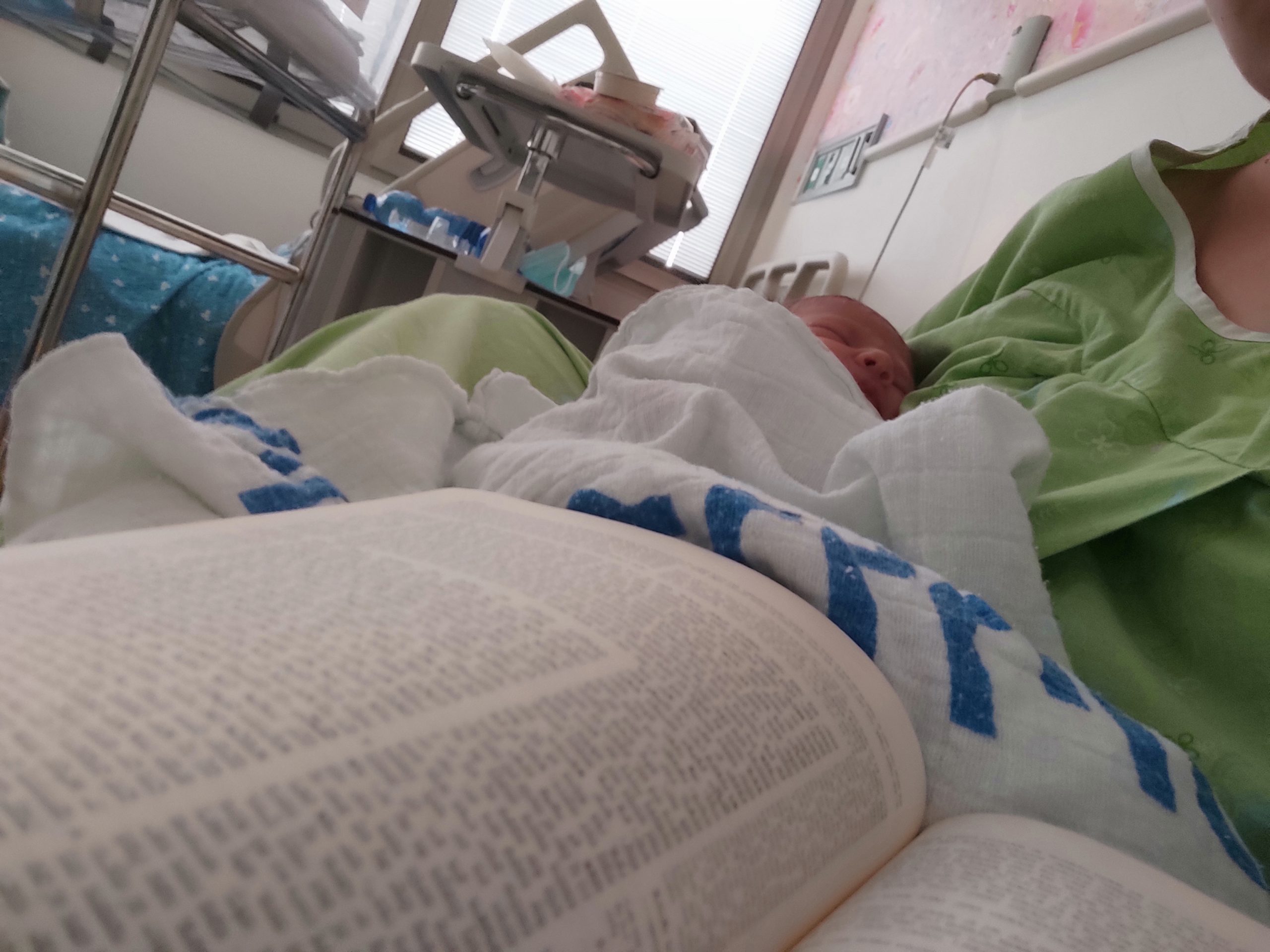
נועה שילה
רבבה, ישראל
My explorations into Gemara started a few days into the present cycle. I binged learnt and become addicted. I’m fascinated by the rich "tapestry” of intertwined themes, connections between Masechtot, conversations between generations of Rabbanim and learners past and present all over the world. My life has acquired a golden thread, linking generations with our amazing heritage.
Thank you.

סוזן כשדן
חשמונאים, Israel
התחלתי ללמוד בעידוד שתי חברות אתן למדתי בעבר את הפרק היומי במסגרת 929.
בבית מתלהבים מאוד ובשבת אני לומדת את הדף עם בעלי שזה מפתיע ומשמח מאוד! לימוד הדף הוא חלק בלתי נפרד מהיום שלי. לומדת בצהריים ומחכה לזמן הזה מידי יום…

מרים ונגרובר
אפרת, ישראל
התחלתי ללמוד דף יומי באמצע תקופת הקורונה, שאבא שלי סיפר לי על קבוצה של בנות שתיפתח ביישוב שלנו ותלמד דף יומי כל יום. הרבה זמן רציתי להצטרף לזה וזאת הייתה ההזדמנות בשבילי. הצטרפתי במסכת שקלים ובאמצע הייתה הפסקה קצרה. כיום אני כבר לומדת באולפנה ולומדת דף יומי לבד מתוך גמרא של טיינזלץ.
שבות בראלי
עתניאל, ישראל
אמא שלי למדה איתי ש”ס משנה, והתחילה ללמוד דף יומי. אני החלטתי שאני רוצה ללמוד גם. בהתחלה למדתי איתה, אח”כ הצטרפתי ללימוד דף יומי שהרב דני וינט מעביר לנוער בנים בעתניאל. במסכת עירובין עוד חברה הצטרפה אלי וכשהתחלנו פסחים הרב דני פתח לנו שעור דף יומי לבנות. מאז אנחנו לומדות איתו קבוע כל יום את הדף היומי (ובשבת אבא שלי מחליף אותו). אני נהנית מהלימוד, הוא מאתגר ומעניין
רננה הלמן
עתניאל, ישראל
התחלתי ללמוד דף יומי ממסכת נידה כי זה היה חומר הלימוד שלי אז. לאחר הסיום הגדול בבנייני האומה החלטתי להמשיך. וב”ה מאז עם הפסקות קטנות של קורונה ולידה אני משתדלת להמשיך ולהיות חלק.
זה משפיע מאוד על היום יום שלי ועל אף שאני עסוקה בלימודי הלכה ותורה כל יום, זאת המסגרת הקבועה והמחייבת ביותר שיש לי.

מוריה תעסן מיכאלי
גבעת הראל, ישראל
"התחלתי ללמוד דף יומי במחזור הזה, בח’ בטבת תש””ף. לקחתי על עצמי את הלימוד כדי ליצור תחום של התמדה יומיומית בחיים, והצטרפתי לקבוצת הלומדים בבית הכנסת בכפר אדומים. המשפחה והסביבה מתפעלים ותומכים.
בלימוד שלי אני מתפעלת בעיקר מכך שכדי ללמוד גמרא יש לדעת ולהכיר את כל הגמרא. זו מעין צבת בצבת עשויה שהיא עצומה בהיקפה.”
שרה פוּקס
כפר אדומים, ישראל
רציתי לקבל ידע בתחום שהרגשתי שהוא גדול וחשוב אך נעלם ממני. הלימוד מעניק אתגר וסיפוק ומעמיק את תחושת השייכות שלי לתורה וליהדות
רות עגיב
עלי זהב – לשם, ישראל
כבר סיפרתי בסיום של מועד קטן.
הלימוד מאוד משפיעה על היום שלי כי אני לומדת עם רבנית מישל על הבוקר בזום. זה נותן טון לכל היום – בסיס למחשבות שלי .זה זכות גדול להתחיל את היום בלימוד ובתפילה. תודה רבה !

שרה ברלוביץ
ירושלים, ישראל
סיום השס לנשים נתן לי מוטביציה להתחיל ללמוד דף יומי. עד אז למדתי גמרא בשבתות ועשיתי כמה סיומים. אבל לימוד יומיומי זה שונה לגמרי ופתאום כל דבר שקורה בחיים מתקשר לדף היומי.
קרן פוגל
רתמים, ישראל
בתחילת הסבב הנוכחי הצטברו אצלי תחושות שאני לא מבינה מספיק מהי ההלכה אותה אני מקיימת בכל יום. כמו כן, כאמא לבנות רציתי לתת להן מודל נשי של לימוד תורה
שתי הסיבות האלו הובילו אותי להתחיל ללמוד. נתקלתי בתגובות מפרגנות וסקרניות איך אישה לומדת גמרא..
כמו שרואים בתמונה אני ממשיכה ללמוד גם היום ואפילו במחלקת יולדות אחרי לידת ביתי השלישית.
נועה שילה
רבבה, ישראל
התחלתי ללמוד דף יומי אחרי שחזרתי בתשובה ולמדתי במדרשה במגדל עוז. הלימוד טוב ומספק חומר למחשבה על נושאים הלכתיים ”קטנים” ועד לערכים גדולים ביהדות. חשוב לי להכיר את הגמרא לעומק. והצעד הקטן היום הוא ללמוד אותה בבקיאות, בעזרת השם, ומי יודע אולי גם אגיע לעיון בנושאים מעניינים. נושאים בגמרא מתחברים לחגים, לתפילה, ליחסים שבין אדם לחברו ולמקום ולשאר הדברים שמלווים באורח חיים דתי 🙂

גאיה דיבו
מצפה יריחו, ישראל
ראיתי את הסיום הגדול בבנייני האומה וכל כך התרשמתי ורציתי לקחת חלק.. אבל לקח לי עוד כשנה וחצי )באמצע מסיכת שבת להצטרף..
הלימוד חשוב לי מאוד.. אני תמיד במרדף אחרי הדף וגונבת כל פעם חצי דף כשהילדים עסוקים ומשלימה אח”כ אחרי שכולם הלכו לישון..

אולגה מזרחי
ירושלים, ישראל
התחלתי ללמוד גמרא בבית הספר בגיל צעיר והתאהבתי. המשכתי בכך כל חיי ואף היייתי מורה לגמרא בבית הספר שקד בשדה אליהו (בית הספר בו למדתי בילדותי)בתחילת מחזור דף יומי הנוכחי החלטתי להצטרף ובע”ה מקווה להתמיד ולהמשיך. אני אוהבת את המפגש עם הדף את "דרישות השלום ” שמקבלת מקשרים עם דפים אחרים שלמדתי את הסנכרון שמתחולל בין התכנים.
אריאלה ביגמן
מעלה גלבוע, ישראל
התחלתי מעט לפני תחילת הסבב הנוכחי. אני נהנית מהאתגר של להמשיך להתמיד, מרגעים של "אהה, מפה זה הגיע!” ומהאתגר האינטלקטואלי

אילת-חן ודלר
לוד, ישראל
אחי, שלומד דף יומי ממסכת ברכות, חיפש חברותא ללימוד מסכת ראש השנה והציע לי. החברותא היתה מאתגרת טכנית ורוב הזמן נעשתה דרך הטלפון, כך שבסיום המסכת נפרדו דרכינו. אחי חזר ללמוד לבד, אבל אני כבר נכבשתי בקסם הגמרא ושכנעתי את האיש שלי להצטרף אלי למסכת ביצה. מאז המשכנו הלאה, ועכשיו אנחנו מתרגשים לקראתו של סדר נשים!

שולמית סבן
נוקדים, ישראל
התחלתי ללמוד דף יומי ממסכת נידה כי זה היה חומר הלימוד שלי אז. לאחר הסיום הגדול בבנייני האומה החלטתי להמשיך. וב”ה מאז עם הפסקות קטנות של קורונה ולידה אני משתדלת להמשיך ולהיות חלק.
זה משפיע מאוד על היום יום שלי ועל אף שאני עסוקה בלימודי הלכה ותורה כל יום, זאת המסגרת הקבועה והמחייבת ביותר שיש לי.
מוריה תעסן מיכאלי
גבעת הראל, ישראל
ברכות יז
בְּפָמַלְיָא שֶׁל מַעְלָה. וּבְפָמַלְיָא שֶׁל מַטָּה, וּבֵין הַתַּלְמִידִים הָעוֹסְקִים בְּתוֹרָתֶךָ בֵּין עוֹסְקִין לִשְׁמָהּ בֵּין עוֹסְקִין שֶׁלֹּא לִשְׁמָהּ. וְכָל הָעוֹסְקִין שֶׁלֹּא לִשְׁמָהּ יְהִי רָצוֹן שֶׁיְּהוּ עוֹסְקִין לִשְׁמָהּ״.
in the heavenly entourage [pamalia] of angels each of whom ministers to a specific nation (see Daniel 10), and whose infighting causes war on earth;
and in the earthly entourage, the Sages,
and among the disciples engaged in the study of Your Torah,
whether they engage in its study for its own sake or not for its own sake.
And all those engaged in Torah study not for its own sake,
may it be Your will that they will come to engage in its study for its own sake.
רַבִּי אָלֶכְּסַנְדְרִי בָּתַר צְלוֹתֵיהּ אָמַר הָכִי: ״יְהִי רָצוֹן מִלְּפָנֶיךָ ה׳ אֱלֹהֵינוּ, שֶׁתַּעֲמִידֵנוּ בְּקֶרֶן אוֹרָה, וְאַל תַּעֲמִידֵנוּ בְּקֶרֶן חֲשֵׁכָה, וְאַל יִדְוֶה לִבֵּנוּ, וְאַל יֶחְשְׁכוּ עֵינֵינוּ״. אִיכָּא דְאָמְרִי, הָא רַב הַמְנוּנָא מְצַלֵּי לַהּ. וְרַבִּי אָלֶכְּסַנְדְרִי בָּתַר דִּמְצַלֵּי אָמַר הָכִי: ״רִבּוֹן הָעוֹלָמִים, גָּלוּי וְיָדוּעַ לְפָנֶיךָ שֶׁרְצוֹנֵנוּ לַעֲשׂוֹת רְצוֹנֶךָ, וּמִי מְעַכֵּב? — שְׂאוֹר שֶׁבָּעִיסָּה וְשִׁעְבּוּד מַלְכֻיוֹת. יְהִי רָצוֹן מִלְּפָנֶיךָ שֶׁתַּצִּילֵנוּ מִיָּדָם, וְנָשׁוּב לַעֲשׂוֹת חוּקֵּי רְצוֹנְךָ בְּלֵבָב שָׁלֵם״.
After his prayer, Rabbi Alexandri said the following:
May it be Your will, Lord our God,
that You station us in a lighted corner and not in a darkened corner,
and do not let our hearts become faint nor our eyes dim.
Some say that this was the prayer that Rav Hamnuna would recite, and that after Rabbi Alexandri prayed, he would say the following:
Master of the Universe, it is revealed and known before You
that our will is to perform Your will, and what prevents us?
On the one hand, the yeast in the dough, the evil inclination that is within every person;
and the subjugation to the kingdoms on the other.
May it be Your will
that You will deliver us from their hands, of both the evil inclination and the foreign kingdoms,
so that we may return to perform the edicts of Your will with a perfect heart.
רָבָא בָּתַר צְלוֹתֵיהּ אָמַר הָכִי: ״אֱלֹהַי, עַד שֶׁלֹּא נוֹצַרְתִּי אֵינִי כְּדַאי, וְעַכְשָׁיו שֶׁנּוֹצַרְתִּי כְּאִלּוּ לֹא נוֹצַרְתִּי. עָפָר אֲנִי בְּחַיַּי, קַל וָחוֹמֶר בְּמִיתָתִי, הֲרֵי אֲנִי לְפָנֶיךָ כִּכְלִי מָלֵא בּוּשָׁה וּכְלִימָּה. יְהִי רָצוֹן מִלְּפָנֶיךָ ה׳ אֱלֹהַי, שֶׁלֹּא אֶחֱטָא עוֹד, וּמַה שֶּׁחָטָאתִי לְפָנֶיךָ מָרֵק בְּרַחֲמֶיךָ הָרַבִּים, אֲבָל לֹא עַל יְדֵי יִסּוּרִין וָחֳלָאִים רָעִים״. וְהַיְינוּ וִידּוּי דְרַב הַמְנוּנָא זוּטֵי בְּיוֹמָא דְכִפּוּרֵי.
After his prayer, Rava said the following:
My God, before I was created I was worthless,
and now that I have been created it is as if I had not been created, I am no more significant.
I am dust in life, all the more so in my death.
I am before You as a vessel filled with shame and humiliation.
Therefore, may it be Your will, Lord my God, that I will sin no more,
and that those transgressions that I have committed,
cleanse in Your abundant mercy;
but may this cleansing not be by means of suffering and serious illness, but rather in a manner I will be able to easily endure.
And this is the confession of Rav Hamnuna Zuti on Yom Kippur.
מָר בְּרֵיהּ דְּרָבִינָא כִּי הֲוָה מְסַיֵּים צְלוֹתֵיהּ אָמַר הָכִי: ״אֱלֹהַי, נְצוֹר לְשׁוֹנִי מֵרָע וְשִׂפְתוֹתַי מִדַּבֵּר מִרְמָה, וְלִמְקַלְּלַי נַפְשִׁי תִדּוֹם, וְנַפְשִׁי כֶּעָפָר לַכֹּל תִּהְיֶה. פְּתַח לִבִּי בְּתוֹרָתֶךָ, וּבְמִצְוֹתֶיךָ תִּרְדּוֹף נַפְשִׁי. וְתַצִּילֵנִי מִפֶּגַע רָע, מִיֵּצֶר הָרָע, וּמֵאִשָּׁה רָעָה, וּמִכָּל רָעוֹת הַמִּתְרַגְּשׁוֹת לָבֹא בָּעוֹלָם. וְכָל הַחוֹשְׁבִים עָלַי רָעָה מְהֵרָה הָפֵר עֲצָתָם וְקַלְקֵל מַחְשְׁבוֹתָם. יִהְיוּ לְרָצוֹן אִמְרֵי פִי וְהֶגְיוֹן לִבִּי לְפָנֶיךָ ה׳ צוּרִי וְגוֹאֲלִי״.
When Mar, son of Ravina, would conclude his prayer, he said the following:
My God, guard my tongue from evil and my lips from speaking deceit.
To those who curse me let my soul be silent
and may my soul be like dust to all.
Open my heart to Your Torah,
and may my soul pursue your mitzvot.
And save me from a bad mishap, from the evil inclination,
from a bad woman, and from all evils that suddenly come upon the world.
And all who plan evil against me,
swiftly thwart their counsel, and frustrate their plans.
May the words of my mouth and the meditation of my heart find favor before You,
Lord, my Rock and my Redeemer.
רַב שֵׁשֶׁת כִּי הֲוָה יָתֵיב בְּתַעֲנִיתָא, בָּתַר דִּמְצַלֵּי אָמַר הָכִי: ״רִבּוֹן הָעוֹלָמִים, גָּלוּי לְפָנֶיךָ בִּזְמַן שֶׁבֵּית הַמִּקְדָּשׁ קַיָּים, אָדָם חוֹטֵא — וּמַקְרִיב קָרְבָּן. וְאֵין מַקְרִיבִין מִמֶּנּוּ, אֶלָּא חֶלְבּוֹ וְדָמוֹ, וּמִתְכַּפֵּר לוֹ. וְעַכְשָׁיו יָשַׁבְתִּי בְּתַעֲנִית וְנִתְמַעֵט חֶלְבִּי וְדָמִי, יְהִי רָצוֹן מִלְּפָנֶיךָ שֶׁיְּהֵא חֶלְבִּי וְדָמִי שֶׁנִּתְמַעֵט כְּאִילּוּ הִקְרַבְתִּיו לְפָנֶיךָ עַל גַּבֵּי הַמִּזְבֵּחַ, וְתִרְצֵנִי״.
The Gemara recounts that when Rav Sheshet would sit in observance of a fast, after he prayed he said as follows:
Master of the Universe, it is revealed before You
that when the Temple is standing, one sins and offers a sacrifice.
And although only its fat and blood were offered from that sacrifice on the altar, his transgression is atoned for him.
And now, I sat in observance of a fast and my fat and blood diminished.
May it be Your will that my fat and blood that diminished be considered as if I offered a sacrifice before You on the altar,
and may I find favor in Your eyes.
Having cited statements that various Sages would recite after their prayers, the Gemara cites additional passages recited by the Sages on different occasions.
רַבִּי יוֹחָנָן כִּי הֲוָה מְסַיֵּים סִפְרָא דְאִיּוֹב, אָמַר הָכִי: ״סוֹף אָדָם לָמוּת וְסוֹף בְּהֵמָה לִשְׁחִיטָה, וְהַכֹּל לְמִיתָה הֵם עוֹמְדִים. אַשְׁרֵי מִי שֶׁגָּדֵל בַּתּוֹרָה וַעֲמָלוֹ בַּתּוֹרָה, וְעוֹשֶׂה נַחַת רוּחַ לְיוֹצְרוֹ, וְגָדֵל בְּשֵׁם טוֹב וְנִפְטָר בְּשֵׁם טוֹב מִן הָעוֹלָם, וְעָלָיו אָמַר שְׁלֹמֹה: ‘טוֹב שֵׁם מִשֶּׁמֶן טוֹב וְיוֹם הַמָּוֶת מִיּוֹם הִוָּלְדוֹ’״.
When Rabbi Yoḥanan would conclude study of the book of Job, he said the following:
A person will ultimately die and an animal will ultimately be slaughtered, and all are destined for death. Therefore, death itself is not a cause for great anguish.
Rather, happy is he who grew up in Torah, whose labor is in Torah,
who gives pleasure to his Creator,
who grew up with a good name and who took leave of the world with a good name.
Such a person lived his life fully, and about him, Solomon said:
“A good name is better than fine oil, and the day of death than the day of one’s birth” (Ecclesiastes 7:1); one who was faultless in life reaches the day of his death on a higher level than he was at the outset.
מַרְגְּלָא בְּפוּמֵּיהּ דְּרַבִּי מֵאִיר: ״גְּמוֹר בְּכָל לְבָבְךָ וּבְכָל נַפְשְׁךָ לָדַעַת אֶת דְּרָכַי, וְלִשְׁקוֹד עַל דַּלְתֵי תוֹרָתִי. נְצוֹר תּוֹרָתִי בְּלִבְּךָ, וְנֶגֶד עֵינֶיךָ תִּהְיֶה יִרְאָתִי. שְׁמוֹר פִּיךְ מִכָּל חֵטְא, וְטַהֵר וְקַדֵּשׁ עַצְמְךָ מִכָּל אַשְׁמָה וְעָוֹן. וַאֲנִי אֶהְיֶה עִמְּךָ בְּכָל מָקוֹם״.
Rabbi Meir was wont to say the following idiom:
Study with all your heart and with all your soul to know My ways
and to be diligent at the doors of My Torah.
Keep My Torah in your heart,
and fear of Me should be before your eyes.
Guard your mouth from all transgression,
and purify and sanctify yourself from all fault and iniquity.
And if you do so, I, God, will be with you everywhere.
מַרְגְּלָא בְּפוּמַּיְיהוּ דְּרַבָּנַן דְּיַבְנֶה: ״אֲנִי בְּרִיָּה, וַחֲבֵרִי בְּרִיָּה. אֲנִי מְלַאכְתִּי בָּעִיר וְהוּא מְלַאכְתּוֹ בַּשָּׂדֶה. אֲנִי מַשְׁכִּים לִמְלַאכְתִּי, וְהוּא מַשְׁכִּים לִמְלַאכְתּוֹ. כְּשֵׁם שֶׁהוּא אֵינוֹ מִתְגַּדֵּר בִּמְלַאכְתִּי, כָּךְ אֲנִי אֵינִי מִתְגַּדֵּר בִּמְלַאכְתּוֹ. וְשֶׁמָּא תֹּאמַר: אֲנִי מַרְבֶּה, וְהוּא מַמְעִיט — שָׁנִינוּ: אֶחָד הַמַּרְבֶּה וְאֶחָד הַמַּמְעִיט וּבִלְבַד שֶׁיְּכַוֵּין לִבּוֹ לַשָּׁמַיִם״.
The Sages in Yavne were wont to say:
I who learn Torah am God’s creature and my counterpart who engages in other labor is God’s creature.
My work is in the city and his work is in the field.
I rise early for my work and he rises early for his work.
And just as he does not presume to perform my work, so I do not presume to perform his work.
Lest you say: I engage in Torah study a lot, while he only engages in Torah study a little, so I am better than he,
it has already been taught:
One who brings a substantial sacrifice and one who brings a meager sacrifice have equal merit,
as long as he directs his heart towards Heaven (Rav Hai Gaon, Arukh).
מַרְגְּלָא בְּפוּמֵּיהּ דְּאַבָּיֵּי: לְעוֹלָם יְהֵא אָדָם עָרוּם בְּיִרְאָה. ״מַעֲנֶה רַךְ מֵשִׁיב חֵמָה״. וּמַרְבֶּה שָׁלוֹם עִם אֶחָיו וְעִם קְרוֹבָיו וְעִם כָּל אָדָם וַאֲפִילּוּ עִם גּוֹי בַּשּׁוּק, כְּדֵי שֶׁיְּהֵא אָהוּב לְמַעְלָה וְנֶחְמָד לְמַטָּה, וִיהֵא מְקוּבָּל עַל הַבְּרִיּוֹת.
Abaye was wont to say: One must always be shrewd and utilize every strategy in order to achieve fear of Heaven and performance of mitzvot. One must fulfill the verse: “A soft answer turns away wrath” (Proverbs 15:1) and take steps to increase peace with one’s brethren and with one’s relatives, and with all people, even with a non-Jew in the marketplace, despite the fact that he is of no importance to him and does not know him at all (Me’iri), so that he will be loved above in God’s eyes, pleasant below in the eyes of the people, and acceptable to all of God’s creatures.
אָמְרוּ עָלָיו עַל רַבָּן יוֹחָנָן בֶּן זַכַּאי שֶׁלֹּא הִקְדִּימוֹ אָדָם שָׁלוֹם מֵעוֹלָם, וַאֲפִילּוּ גּוֹי בַּשּׁוּק.
Tangentially, the Gemara mentions that they said about Rabban Yoḥanan ben Zakkai that no one ever preceded him in issuing a greeting, not even a non-Jew in the marketplace, as Rabban Yoḥanan would always greet him first.
מַרְגְּלָא בְּפוּמֵּיהּ דְּרָבָא: תַּכְלִית חָכְמָה — תְּשׁוּבָה וּמַעֲשִׂים טוֹבִים, שֶׁלֹּא יְהֵא אָדָם קוֹרֵא וְשׁוֹנֶה וּבוֹעֵט בְּאָבִיו וּבְאִמּוֹ וּבְרַבּוֹ וּבְמִי שֶׁהוּא גָּדוֹל מִמֶּנּוּ בְּחָכְמָה וּבְמִנְיָן, שֶׁנֶּאֱמַר: ״רֵאשִׁית חָכְמָה יִרְאַת ה׳ שֵׂכֶל טוֹב לְכָל עוֹשֵׂיהֶם״. ״לָעוֹשִׂים״ לֹא נֶאֱמַר, אֶלָּא ״לְעוֹשֵׂיהֶם״ — לָעוֹשִׂים לִשְׁמָהּ וְלֹא לָעוֹשִׂים שֶׁלֹּא לִשְׁמָהּ. וְכָל הָעוֹשֶׂה שֶׁלֹּא לִשְׁמָהּ, נוֹחַ לוֹ שֶׁלֹּא נִבְרָא.
Rava was wont to say:
The objective of Torah wisdom is to achieve repentance and good deeds;
that one should not read the Torah and study mishna and become arrogant
and spurn his father and his mother and his teacher
and one who is greater than he in wisdom or in the number of students who study before him,
as it is stated: “The beginning of wisdom is fear of the Lord, a good understanding have all who fulfill them” (Psalms 111:10).
It is not stated simply: All who fulfill, but rather: All who fulfill them, those who perform these actions as they ought to be performed, meaning those who do such deeds for their own sake, for the sake of the deeds themselves, not those who do them not for their own sake.
Rava continued: One who does them not for their own sake, it would have been preferable for him had he not been created.
מַרְגְּלָא בְּפוּמֵּיהּ דְּרַב: לֹא כָּעוֹלָם הַזֶּה הָעוֹלָם הַבָּא. הָעוֹלָם הַבָּא אֵין בּוֹ לֹא אֲכִילָה וְלֹא שְׁתִיָּהּ וְלֹא פְּרִיָּה וּרְבִיָּה וְלֹא מַשָּׂא וּמַתָּן וְלֹא קִנְאָה וְלֹא שִׂנְאָה וְלֹא תַּחֲרוּת, אֶלָּא צַדִּיקִים יוֹשְׁבִין וְעַטְרוֹתֵיהֶם בְּרָאשֵׁיהֶם וְנֶהֱנִים מִזִּיו הַשְּׁכִינָה, שֶׁנֶּאֱמַר: ״וַיֶּחֱזוּ אֶת הָאֱלֹהִים וַיֹּאכְלוּ וַיִּשְׁתּוּ״.
Rav was wont to say:
The World-to-Come is not like this world.
In the World-to-Come there is no eating, no drinking,
no procreation, no business negotiations,
no jealousy, no hatred, and no competition.
Rather, the righteous sit with their crowns upon their heads, enjoying the splendor of the Divine Presence, as it is stated:
“And they beheld God, and they ate and drank” (Exodus 24:11), meaning that beholding God’s countenance is tantamount to eating and drinking.
גְּדוֹלָה הַבְטָחָה שֶׁהִבְטִיחָן הַקָּדוֹשׁ בָּרוּךְ הוּא לְנָשִׁים יוֹתֵר מִן הָאֲנָשִׁים, שֶׁנֶּאֱמַר: ״נָשִׁים שַׁאֲנַנּוֹת קֹמְנָה שְׁמַעְנָה קוֹלִי בָּנוֹת בֹּטְחוֹת הַאְזֵנָּה אִמְרָתִי״.
The Gemara states: Greater is the promise for the future made by the Holy One, Blessed be He, to women than to men, as it is stated: “Rise up, women at ease; hear My voice, confident daughters, listen to what I say” (Isaiah 32:9). This promise of ease and confidence is not given to men.
אֲמַר לֵיהּ רַב לְרַבִּי חִיָּיא: נָשִׁים בְּמַאי זָכְיָין? בְּאַקְרוֹיֵי בְּנַיְיהוּ לְבֵי כְנִישְׁתָּא, וּבְאַתְנוֹיֵי גַּבְרַיְיהוּ בֵּי רַבָּנַן, וְנָטְרִין לְגַבְרַיְיהוּ עַד דְּאָתוּ מִבֵּי רַבָּנַן.
Rav said to Rabbi Ḥiyya: By what virtue do women merit to receive this reward? Rabbi Ḥiyya answered: They merit this reward for bringing their children to read the Torah in the synagogue, and for sending their husbands to study mishna in the study hall, and for waiting for their husbands until they return from the study hall.
כִּי הֲווֹ מִפַּטְרִי רַבָּנַן מִבֵּי רַבִּי אַמֵּי, וְאָמְרִי לַהּ מִבֵּי רַבִּי חֲנִינָא, אָמְרִי לֵיהּ הָכִי: ״עוֹלָמְךָ תִּרְאֶה בְּחַיֶּיךָ, וְאַחֲרִיתְךָ לְחַיֵּי הָעוֹלָם הַבָּא, וְתִקְוָתְךָ לְדוֹר דּוֹרִים. לִבְּךָ יֶהְגֶּה תְּבוּנָה, פִּיךָ יְדַבֵּר חָכְמוֹת וּלְשׁוֹנְךָ יַרְחִישׁ רְנָנוֹת, עַפְעַפֶּיךָ יַיְשִׁירוּ נֶגְדְּךָ, עֵינֶיךָ יָאִירוּ בִּמְאוֹר תּוֹרָה, וּפָנֶיךָ יַזְהִירוּ כְּזוֹהַר הָרָקִיעַ, שִׂפְתוֹתֶיךָ יַבִּיעוּ דַּעַת, וְכִלְיוֹתֶיךָ תַּעֲלוֹזְנָה מֵישָׁרִים, וּפְעָמֶיךָ יָרוּצוּ לִשְׁמוֹעַ דִּבְרֵי עַתִּיק יוֹמִין״.
When the Sages who had been studying there took leave of the study hall of Rabbi Ami, and some say it was the study hall of Rabbi Ḥanina, they would say to him the following blessing:
May you see your world, may you benefit from all of the good in the world, in your lifetime,
and may your end be to life in the World-to-Come,
and may your hope be sustained for many generations.
May your heart meditate understanding,
your mouth speak wisdom, and your tongue whisper with praise.
May your eyelids look directly before you,
your eyes shine in the light of Torah,
and your face radiate like the brightness of the firmament.
May your lips express knowledge,
your kidneys rejoice in the upright,
and your feet run to hear the words of the Ancient of Days, God (see Daniel 7).
כִּי הֲווֹ מִפַּטְרִי רַבָּנַן מִבֵּי רַב חִסְדָּא, וְאָמְרִי לַהּ מִבֵּי רַבִּי שְׁמוּאֵל בַּר נַחְמָנִי, אָמְרוּ לֵיהּ הָכִי: ״אַלּוּפֵינוּ מְסֻבָּלִים וְגוֹ׳״.
When the Sages took leave of the study hall of Rav Ḥisda, and some say it was the study hall of Rabbi Shmuel bar Naḥmani, they would say to him the following, in accordance with the verse: “Our leaders are laden, there is no breach and no going forth and no outcry in our open places” (Psalms 144:14).
״אַלּוּפֵינוּ מְסֻבָּלִים״ — רַב וּשְׁמוּאֵל, וְאָמְרִי לַהּ רַבִּי יוֹחָנָן וְרַבִּי אֶלְעָזָר, חַד אָמַר: ״אַלּוּפֵינוּ״ — בַּתּוֹרָה, וּ״מְסֻבָּלִים״ — בְּמִצְוֹת. וְחַד אָמַר: ״אַלּוּפֵינוּ״ — בַּתּוֹרָה וּבְמִצְוֹת, וּ״מְסֻבָּלִים״ — בְּיִסּוּרִים.
Our leaders are laden. Rav and Shmuel, and some say Rabbi Yoḥanan and Rabbi Elazar, disputed the proper understanding of this verse. One said: Our leaders in Torah are laden with mitzvot. And one said: Our leaders in Torah and mitzvot are laden with suffering.
״אֵין פֶּרֶץ״ — שֶׁלֹּא תְּהֵא סִיעָתֵנוּ כְּסִיעָתוֹ שֶׁל דָּוִד שֶׁיָּצָא מִמֶּנּוּ אֲחִיתוֹפֶל. ״וְאֵין יוֹצֵאת״ — שֶׁלֹּא תְּהֵא סִיעָתֵנוּ כְּסִיעָתוֹ שֶׁל שָׁאוּל שֶׁיָּצָא מִמֶּנּוּ דּוֹאֵג הָאֲדוֹמִי. ״וְאֵין צְוָחָה״ — שֶׁלֹּא תְּהֵא סִיעָתֵנוּ כְּסִיעָתוֹ שֶׁל אֱלִישָׁע שֶׁיָּצָא מִמֶּנּוּ גֵּחֲזִי. ״בִּרְחוֹבוֹתֵינוּ״ — שֶׁלֹּא יְהֵא לָנוּ בֵּן אוֹ תַּלְמִיד שֶׁמַּקְדִּיחַ תַּבְשִׁילוֹ בָּרַבִּים, כְּגוֹן יֵשׁוּ הַנּוֹצְרִי.
“There is no breach”; that our faction of Sages should not be like the faction of David, from which Ahitophel emerged, who caused a breach in the kingdom of David.
“And no going forth”; that our faction should not be like the faction of Saul, from which Doeg the Edomite emerged, who set forth on an evil path.
“And no outcry”; that our faction should not be like the faction of Elisha, from which Geihazi emerged.
“In our open places”; that we should not have a child or student who overcooks his food in public, i.e., who sins in public and causes others to sin, as in the well-known case of Jesus the Nazarene.
״שִׁמְעוּ אֵלַי אַבִּירֵי לֵב הָרְחוֹקִים מִצְּדָקָה״, רַב וּשְׁמוּאֵל, וְאָמְרִי לַהּ רַבִּי יוֹחָנָן וְרַבִּי אֶלְעָזָר. חַד אָמַר: כָּל הָעוֹלָם כּוּלּוֹ נִזּוֹנִין בִּצְדָקָה, וְהֵם נִזּוֹנִין בִּזְרוֹעַ. וְחַד אָמַר: כָּל הָעוֹלָם כּוּלּוֹ נִזּוֹנִין בִּזְכוּתָם, וְהֵם אֲפִילּוּ בִּזְכוּת עַצְמָן אֵין נִזּוֹנִין. כִּדְרַב יְהוּדָה אָמַר רַב.
Having cited a dispute with regard to the interpretation of a verse where we are uncertain whether the dispute is between Rav and Shmuel or Rabbi Yoḥanan and Rabbi Elazar, the Gemara cites another verse with regard to which there is a similar dispute. It is said: “Hear Me, stubborn-hearted who are far from charity” (Isaiah 46:12). While both agree that the verse refers to the righteous, Rav and Shmuel, and some say Rabbi Yoḥanan and Rabbi Elazar, disagreed as to how to interpret the verse. One said: The entire world is sustained by God’s charity, not because it deserves to exist, while the righteous who are far from God’s charity are sustained by force, as due to their own good deeds they have the right to demand their sustenance. And one said: The entire world is sustained by the merit of their righteousness, while they are not sustained at all, not even by their own merit, in accordance with the statement that Rav Yehuda said that Rav said.
דְּאָמַר רַב יְהוּדָה אָמַר רַב: בְּכָל יוֹם וְיוֹם בַּת קוֹל יוֹצֵאת מֵהַר חוֹרֵב וְאוֹמֶרֶת: כָּל הָעוֹלָם כּוּלּוֹ נִזּוֹנִין בִּשְׁבִיל חֲנִינָא בְּנִי, וַחֲנִינָא בְּנִי דַּי לוֹ בְּקַב חָרוּבִין מֵעֶרֶב שַׁבָּת לְעֶרֶב שַׁבָּת.
As Rav Yehuda said that Rav said: Every day a Divine Voice emerges from Mount Horeb and says: The entire world is sustained by the merit of Ḥanina ben Dosa, my son, and for Ḥanina, my son, a kav of carobs is sufficient to sustain him for an entire week, from one Shabbat eve to the next Shabbat eve.
וּפְלִיגָא דְּרַב יְהוּדָה. דְּאָמַר רַב יְהוּדָה מַאן ״אַבִּירֵי לֵב״ — גּוֹבָאֵי טַפְשָׁאֵי. אָמַר רַב יוֹסֵף: תִּדַּע, דְּהָא לָא אִיגַּיַּיר גִּיּוֹרָא מִינַּיְיהוּ.
And this exegesis disagrees with the opinion of Rav Yehuda, as Rav Yehuda said, who are the stubborn-hearted? They are the foolish heathens of Gova’ei. Rav Yosef said: Know that this is so, as no convert has ever converted from their ranks.
אָמַר רַב אָשֵׁי: בְּנֵי מָתָא מַחְסֵיָא ״אַבִּירֵי לֵב״ נִינְהוּ, דְּקָא חָזוּ יְקָרָא דְאוֹרָיְיתָא תְּרֵי זִמְנֵי בְּשַׁתָּא, וְלָא קָמִגַּיַּיר גִּיּוֹרָא מִינַּיְיהוּ.
Similarly, Rav Ashi said: The heathen residents of the city Mata Meḥasya are the stubborn-hearted, as they witness the glory of the Torah twice a year at the kalla gatherings in Adar and Elul, when thousands of people congregate and study Torah en masse, yet no convert has ever converted from their ranks.
חָתָן אִם רוֹצֶה לִקְרוֹת וְכוּ׳.
We learned in our mishna that if a groom wishes to recite Shema on the first night of his marriage, he may do so, and Rabban Shimon ben Gamliel prohibited doing so because of the appearance of presumptuousness.
לְמֵימְרָא דְּרַבָּן שִׁמְעוֹן בֶּן גַּמְלִיאֵל חָיֵישׁ לְיוּהֲרָא וְרַבָּנַן לָא חָיְישִׁי לְיוּהֲרָא, וְהָא אִיפְּכָא שָׁמְעִינַן לְהוּ! דִּתְנַן: מָקוֹם שֶׁנָּהֲגוּ לַעֲשׂוֹת מְלָאכָה בְּתִשְׁעָה בְּאָב — עוֹשִׂין. מָקוֹם שֶׁנָּהֲגוּ שֶׁלֹּא לַעֲשׂוֹת — אֵין עוֹשִׂין. וְכָל מָקוֹם תַּלְמִידֵי חֲכָמִים בְּטֵלִים. רַבָּן שִׁמְעוֹן בֶּן גַּמְלִיאֵל אוֹמֵר: לְעוֹלָם יַעֲשֶׂה כָּל אָדָם אֶת עַצְמוֹ כְּתַלְמִיד חָכָם.
The Gemara asks: Is that to say that Rabban Shimon ben Gamliel is concerned about presumptuousness and the Rabbis are not concerned about presumptuousness? Didn’t we learn that they say the opposite? As we learned in a mishna: A place where they were accustomed to perform labor on Ninth of Av, one may perform labor. A place where they were accustomed not to perform labor on Ninth of Av, one may not perform labor. And everywhere, Torah scholars are idle and do not perform labor. Rabban Shimon ben Gamliel says: With regard to performing labor on the Ninth of Av, one should always conduct himself as a Torah scholar.
קַשְׁיָא דְּרַבָּנַן אַדְּרַבָּנַן, קַשְׁיָא דְּרַבָּן שִׁמְעוֹן בֶּן גַּמְלִיאֵל אַדְּרַבָּן שִׁמְעוֹן בֶּן גַּמְלִיאֵל!
If so, there is a contradiction between the statement of the Rabbis here and the statement of the Rabbis there. And, there is a contradiction between the statement of Rabban Shimon ben Gamliel here and the statement of Rabban Shimon ben Gamliel there.
אָמַר רַבִּי יוֹחָנָן: מוּחְלֶפֶת הַשִּׁיטָה. רַב שִׁישָׁא בְּרֵיהּ דְּרַב אִידִי אָמַר: לְעוֹלָם לֹא תַּחְלִיף. דְּרַבָּנַן אַדְּרַבָּנַן לָא קַשְׁיָא: קְרִיאַת שְׁמַע, כֵּיוָן דְּכוּלֵּי עָלְמָא קָא קָרוּ וְאִיהוּ נָמֵי קָרֵי — לָא מִיחְזֵי כְּיוּהֲרָא. הָכָא, כֵּיוָן דְּכוּלֵּי עָלְמָא עָבְדִי מְלָאכָה וְאִיהוּ לָא קָא עָבֵיד — מִיחְזֵי כְּיוּהֲרָא.
Rabbi Yoḥanan said: The attribution of the opinions is reversed in one of the sources in the interest of avoiding contradiction. Rav Sheisha, son of Rav Idi, said: Actually, you need not reverse the opinions, as the contradiction between the statement of the Rabbis here and the statement of the Rabbis there is not difficult. In the case of the recitation of Shema on his wedding night, since everyone is reciting Shema and he is also reciting Shema, he is not conspicuous and it does not appear as presumptuousness. Here, in the case of the Ninth of Av, however, since everyone is performing labor and he is not performing labor, his idleness is conspicuous and appears as presumptuousness.
דְּרַבָּן שִׁמְעוֹן בֶּן גַּמְלִיאֵל אַדְּרַבָּן שִׁמְעוֹן בֶּן גַּמְלִיאֵל לָא קַשְׁיָא: הָתָם בְּכַוָּנָה תַלְיָא מִילְּתָא, וַאֲנַן סָהֲדֵי דְּלָא מָצֵי לְכַוּוֹנֵי דַּעְתֵּיהּ. אֲבָל הָכָא, הָרוֹאֶה אוֹמֵר: מְלָאכָה הוּא דְּאֵין לוֹ. פּוּק חֲזִי כַּמָּה בַּטְלָנֵי אִיכָּא בְּשׁוּקָא.
So too, the contradiction between the statement of Rabban Shimon ben Gamliel here and the statement of Rabban Shimon ben Gamliel there is not difficult. There, in the case of the recitation of Shema on his wedding night, the matter is dependent upon his capacity to concentrate, and it is clear to all that he is unable to concentrate. Reciting Shema under those circumstances is a display of presumptuousness. But here, in the case of the Ninth of Av, one who sees him idle says: It is because he has no labor to perform. Go out and see how many idle people there are in the marketplace, even on days when one is permitted to work. Consequently, his idleness is not conspicuous.
הדרן עלך היה קורא
מַתְנִי׳ מִי שֶׁמֵּתוֹ מוּטָּל לְפָנָיו — פָּטוּר מִקְּרִיאַת שְׁמַע וּמִן הַתְּפִלָּה וּמִן הַתְּפִילִּין, וּמִכָּל מִצְוֹת הָאֲמוּרוֹת בַּתּוֹרָה.
MISHNA: One whose deceased relative is laid out unburied before him is exempt from the recitation of Shema, from the Amida prayer, and from the mitzva to don phylacteries, as well as all positive mitzvot mentioned in the Torah, until the deceased has been buried.
נוֹשְׂאֵי הַמִּטָּה וְחִלּוּפֵיהֶן, וְחִלּוּפֵי חִלּוּפֵיהֶן, אֶת שֶׁלִּפְנֵי הַמִּטָּה, וְאֶת שֶׁלְּאַחַר הַמִּטָּה. אֶת שֶׁלִּפְנֵי הַמִּטָּה צוֹרֶךְ בָּהֶם — פְּטוּרִין, וְאֶת שֶׁלְּאַחַר הַמִּטָּה צוֹרֶךְ בָּהֶם — חַיָּיבִין. וְאֵלּוּ וָאֵלּוּ פְּטוּרִים מִן הַתְּפִלָּה.
With regard to the pallbearers and their replacements and the replacements of their replacements, those located before the bier who have not yet carried the deceased and those located after the bier. Those before the bier who are needed to carry the bier are exempt from reciting Shema; while those after the bier, even if they are still needed to carry it, since they have already carried the deceased, they are obligated to recite Shema. However, both these and those are exempt from reciting the Amida prayer, since they are preoccupied and are unable to focus and pray with the appropriate intent.
קָבְרוּ אֶת הַמֵּת וְחָזְרוּ, אִם יְכוֹלִין לְהַתְחִיל וְלִגְמוֹר עַד שֶׁלֹּא יַגִּיעוּ לַשּׁוּרָה — יַתְחִילוּ. וְאִם לָאו — לֹא יַתְחִילוּ.
After they buried the deceased and returned, if they have sufficient time to begin to recite Shema and conclude before they arrive at the row, formed by those who attended the burial, through which the bereaved family will pass in order to receive consolation, they should begin. If they do not have sufficient time to conclude reciting the entire Shema, then they should not begin.
הָעוֹמְדִים בַּשּׁוּרָה, הַפְּנִימִיִּים — פְּטוּרִים, וְהַחִיצוֹנִים — חַיָּיבִים. נָשִׁים וַעֲבָדִים וּקְטַנִּים פְּטוּרִים מִקְּרִיאַת שְׁמַע וּמִן הַתְּפִילִּין, וְחַיָּיבִין בִּתְפִלָּה וּבִמְזוּזָה וּבְבִרְכַּת הַמָּזוֹן.
And those standing in the row, those in the interior row, directly before whom the mourners will pass and who will console them, are exempt from reciting Shema, while those in the exterior row, who stand there only to show their respect, are obligated to recite Shema. Women, slaves and minors are exempt from the recitation of Shema and from phylacteries, but are obligated in prayer, mezuza and Grace after Meals.
גְּמָ׳ מוּטָּל לְפָנָיו — אִין, וְשֶׁאֵינוֹ מוּטָּל לְפָנָיו — לָא.
GEMARA: We learned in the mishna that one whose deceased relative is laid out before him is exempt from the recitation of Shema and other positive mitzvot. The Gemara deduces: When the corpse is laid out before him, yes, he is exempt, but when the corpse is not physically laid out before him, no, he is not exempt from these mitzvot.
וּרְמִינְהִי: מִי שֶׁמֵּתוֹ מוּטָּל לְפָנָיו — אוֹכֵל בְּבַיִת אַחֵר, וְאִם אֵין לוֹ בַּיִת אַחֵר — אוֹכֵל בְּבֵית חֲבֵירוֹ, וְאִם אֵין לוֹ בֵּית חֲבֵירוֹ — עוֹשֶׂה מְחִיצָה וְאוֹכֵל, וְאִם אֵין לוֹ דָּבָר לַעֲשׂוֹת מְחִיצָּה — מַחֲזִיר פָּנָיו וְאוֹכֵל. וְאֵינוֹ מֵיסֵב וְאוֹכֵל. וְאֵינוֹ אוֹכֵל בָּשָׂר וְאֵינוֹ שׁוֹתֶה יַיִן, וְאֵינוֹ מְבָרֵךְ, וְאֵינוֹ מְזַמֵּן.
The Gemara raises a contradiction from a baraita: One whose deceased relative is laid out before him eats in another room. If he does not have another room, he eats in the house of a friend. If he does not have a friend’s house available, he makes a partition between him and the deceased and eats. If he does not have material with which to make a partition, he averts his face from the dead and eats. And in any case, he does not recline while he eats, as reclining is characteristic of a festive meal. Furthermore, he neither eats meat nor drinks wine, and does not recite a blessing before eating, and does not recite the formula to invite the participants in the meal to join together in the Grace after Meals [zimmun], i.e., he is exempt from the obligation of Grace after Meals.
לעקוב

