








מתי נתקן ברכת הצדוקים – על פי מי ולמה? פעם אחד שכח את הנוסח כשהתפלל כשליח ציבור וחיכו לו כמה שעות – למה? למה לא חששו שהפך להיות מין? האם אנשים טובים לא יכולים להפוך לרשעים? מספר הברכות בכל התפילות כנגד מה? מה זה מעין שמונה עשרה? האם יש ימים שאי אפשר להגיד הביננו? למה? מה זה עושה תפילתו קבע שלפי ר’ אליעזר "העושה תפילתו קבע אין תפילתו תחנונים”? מי שבסכנה יכול להתפלל תפילה קצרה – מה הנוסח? מי שהולך בדרך מתפלל תפילת הדרך. מה הנוסח?
רוצה להקדיש לימוד?
ברכות כט
וְהִשְׁקִיף בָּהּ שְׁתַּיִם וְשָׁלֹשׁ שָׁעוֹת, וְלֹא הֶעֱלוּהוּ.
and scrutinized it, in an attempt to remember the blessing for two or three hours, and they did not remove him from serving as prayer leader.
אַמַּאי לֹא הֶעֱלוּהוּ? וְהָאָמַר רַב יְהוּדָה אָמַר רַב: טָעָה בְּכָל הַבְּרָכוֹת כֻּלָּן — אֵין מַעֲלִין אוֹתוֹ, בְּבִרְכַּת הַמִּינִים — מַעֲלִין אוֹתוֹ. חָיְישִׁינַן שֶׁמָּא מִין הוּא?
The Gemara asks: Why did they not remove him? Didn’t Rav Yehuda say that Rav said: One who was serving as the prayer leader before the congregation and erred in reciting any of the blessings, they do not remove him from serving as the prayer leader. However, one who erred while reciting the blessing of the heretics they remove him, as we suspect that perhaps he is a heretic and intentionally omitted the blessing to avoid cursing himself. Why, then, did they not remove Shmuel HaKatan?
שָׁאנֵי שְׁמוּאֵל הַקָּטָן דְּאִיהוּ תַּקְּנַהּ.
The Gemara answers: Shmuel HaKatan is different because he instituted this blessing and there is no suspicion of him.
וְנֵיחוּשׁ דִּלְמָא הֲדַר בֵּיהּ. אָמַר אַבָּיֵי: גְּמִירִי, טָבָא לָא הָוֵי בִּישָׁא.
The Gemara continues: Let us suspect that perhaps he reconsidered and, although he had been righteous, he had a change of heart? Abaye said: We learned through tradition that a good person does not become wicked.
וְלָא?! וְהָכְתִיב: ״וּבְשׁוּב צַדִּיק מִצִּדְקָתוֹ וְעָשָׂה עָוֶל״. הָהוּא רָשָׁע מֵעִיקָּרוֹ, אֲבָל צַדִּיק מֵעִיקָּרוֹ — לָא.
The Gemara challenges this: And does he not become wicked? Isn’t it explicitly written: “And when the righteous one returns from his righteousness and does wicked like all of the abominations that the wicked one has done, will he live? All of the righteous deeds that he has done will not be remembered given the treachery that he has carried out, and in his sin that he has transgressed, for these he shall die” (Ezekiel 18:24)? Abaye responds: That verse refers to a righteous individual who was initially wicked and repented, but ultimately returned to his evil ways. However, one who is initially righteous does not become wicked.
וְלָא?! וְהָא תְּנַן: אַל תַּאֲמִין בְּעַצְמְךָ עַד יוֹם מוֹתְךָ, שֶׁהֲרֵי יוֹחָנָן כֹּהֵן גָּדוֹל שִׁמֵּשׁ בִּכְהוּנָּה גְּדוֹלָה שְׁמֹנִים שָׁנָה וּלְבַסּוֹף נַעֲשָׂה צָדוֹקִי.
The Gemara asks: And does he not become wicked? Didn’t we learn in a mishna: Do not be sure of yourself until the day you die, as Yoḥanan the High Priest served in the High Priesthood for eighty years and ultimately became a Sadducee. Even one who is outstanding in his righteousness can become a heretic.
אָמַר אַבָּיֵי: הוּא יַנַּאי, הוּא יוֹחָנָן. רָבָא אָמַר: יַנַּאי לְחוּד וְיוֹחָנָן לְחוּד, יַנַּאי — רָשָׁע מֵעִיקָּרוֹ, וְיוֹחָנָן — צַדִּיק מֵעִיקָּרוֹ. הַנִּיחָא לְאַבָּיֵי, אֶלָּא לְרָבָא קַשְׁיָא.
Abaye responded: He is Yannai he is Yoḥanan. In other words, from its inception, the entire Hasmonean dynasty had the same positive attitude toward the Sadducees, and there was no distinction between Yoḥanan Hyrcanus and Alexander Yannai. Yoḥanan the High Priest had Sadducee leanings from the outset. Rava said: Yannai is distinct and Yoḥanan is distinct. They did not share the same position in this regard. Yannai was wicked from the outset and Yoḥanan was righteous from the outset. If so, it works out well according to Abaye’s opinion; however, according to Rava’s opinion, it is difficult. How could Yoḥanan, a righteous individual, have changed and turned wicked?
אָמַר לָךְ רָבָא: צַדִּיק מֵעִיקָּרוֹ נָמֵי דִּלְמָא הָדַר בֵּיהּ. אִי הָכִי, אַמַּאי לָא אַסְּקוּהוּ?
The Gemara responds: Rava could have said to you: There is also room for concern that one who is righteous from the outset will perhaps reconsider and turn wicked, as was the case with Yoḥanan the High Priest. If so, the original question is difficult: Why did they not remove Shmuel HaKatan from serving as the prayer leader?
שָׁאנֵי שְׁמוּאֵל הַקָּטָן דְּאַתְחֵיל בַּהּ. דְּאָמַר רַב יְהוּדָה אָמַר רַב, וְאִיתֵּימָא רַבִּי יְהוֹשֻׁעַ בֶּן לֵוִי: לֹא שָׁנוּ, אֶלָּא שֶׁלֹּא הִתְחִיל בָּהּ, אֲבָל הִתְחִיל בָּהּ — גּוֹמְרָהּ.
The Gemara answers: The case of Shmuel HaKatan is different, as he began reciting the blessing of the heretics and while reciting it he became confused and forgot the end of the blessing. Consequently, he was not suspected of heretical leanings. Indeed, Rav Yehuda said that Rav, and some say that Rabbi Yehoshua ben Levi, said: They only taught that one who errs while reciting the blessing of the heretics is removed in a case where he did not begin reciting it. But if he began reciting it, then we allow him to collect his thoughts and finish reciting it.
הָנֵי שֶׁבַע דְּשַׁבְּתָא כְּנֶגֶד מִי? אָמַר רַבִּי חֲלַפְתָּא בֶּן שָׁאוּל: כְּנֶגֶד שִׁבְעָה ״קוֹלוֹת״ שֶׁאָמַר דָּוִד עַל הַמַּיִם.
To this point, the Gemara discussed allusions to the nineteen blessings that constitute the weekday Amida prayer. The Gemara asks: Corresponding to what were these seven blessings of the Shabbat Amida prayer instituted? The Gemara answers: Rabbi Ḥalafta ben Shaul said: Corresponding to the seven “voices” which David mentioned on the waters; in other words, the seven times that “the voice of God” is mentioned in Psalms 29, which served as the source for the weekday prayer.
הָנֵי תֵּשַׁע דְּרֹאשׁ הַשָּׁנָה כְּנֶגֶד מִי? אָמַר רַבִּי יִצְחָק דְּמִן קַרְטִיגְנִין: כְּנֶגֶד תִּשְׁעָה אַזְכָּרוֹת שֶׁאָמְרָה חַנָּה בִּתְפִלָּתָהּ, דְּאָמַר מָר: בְּרֹאשׁ הַשָּׁנָה נִפְקְדָה שָׂרָה רָחֵל וְחַנָּה.
The Gemara asks further: Corresponding to what were these nine blessings of the Rosh HaShana additional prayer instituted? Rabbi Yitzḥak of Kartignin said: They correspond to the nine mentions of God’s name that Hannah said in her prayer (I Samuel 2:10). The connection between Hannah’s prayer and Rosh HaShana is based on what the Master said: On Rosh HaShana, Sarah, Rachel, and Hannah were remembered and the divine decree that they would conceive their sons was issued.
הָנֵי עֶשְׂרִים וְאַרְבַּע דְּתַעֲנִיתָא כְּנֶגֶד מִי? אָמַר רַבִּי חֶלְבּוֹ: כְּנֶגֶד עֶשְׂרִים וְאַרְבַּע ״רְנָנוֹת״ שֶׁאָמַר שְׁלֹמֹה בְּשָׁעָה שֶׁהִכְנִיס אָרוֹן לְבֵית קׇדְשֵׁי הַקׇּדָשִׁים: אִי הָכִי, כׇּל יוֹמָא נָמֵי נֵמְרִינְהוּ! אֵימַת אַמְרִינְהוּ שְׁלֹמֹה — בְּיוֹמָא דְרַחֲמֵי, אֲנַן נָמֵי בְּיוֹמָא דְרַחֲמֵי אָמְרִינַן לְהוּ.
The Gemara continues: Corresponding to what were these twenty-four blessings of the Amida prayer of the fast days instituted? Rabbi Ḥelbo said: They correspond to the twenty-four “songs” that Solomon said when he brought the ark into the Holy of Holies during the dedication of the Temple, as there are twenty-four expressions of song, prayer, and supplication there (I Kings 8). The Gemara asks: If so, then let us say these twenty-four blessing every day. The Gemara answers: When did Solomon say them? On a day of supplication for mercy. We, too, say them on a day of supplication for mercy.
רַבִּי יְהוֹשֻׁעַ אוֹמֵר: מֵעֵין שְׁמֹנֶה עֶשְׂרֵה. מַאי ״מֵעֵין שְׁמוֹנֶה עֶשְׂרֵה״? רַב אָמַר: מֵעֵין כׇּל בְּרָכָה וּבְרָכָה. וּשְׁמוּאֵל אָמַר: ״הֲבִינֵנוּ ה׳ אֱלֹהֵינוּ לָדַעַת דְּרָכֶיךָ, וּמוֹל אֶת לְבָבֵנוּ לְיִרְאָתֶךָ, וְתִסְלַח לָנוּ לִהְיוֹת גְּאוּלִים, וְרַחֲקֵנוּ מִמַּכְאוֹבֵינוּ, וְדַשְּׁנֵנוּ בִּנְאוֹת אַרְצֶךָ, וּנְפוּצוֹתֵינוּ מֵאַרְבַּע תְּקַבֵּץ, וְהַתּוֹעִים עַל דַּעְתְּךָ יִשְׁפְּטוּ, וְעַל הָרְשָׁעִים תָּנִיף יָדֶיךָ, וְיִשְׂמְחוּ צַדִּיקִים בְּבִנְיַן עִירֶךָ וּבְתִקּוּן הֵיכָלֶךָ, וּבִצְמִיחַת קֶרֶן לְדָוִד עַבְדֶּךָ וּבַעֲרִיכַת נֵר לְבֶן יִשַׁי מְשִׁיחֶךָ, טֶרֶם נִקְרָא אַתָּה תַעֲנֶה. בָּרוּךְ אַתָּה ה׳ שׁוֹמֵעַ תְּפִלָּה״.
We learned in the mishna that Rabbi Yehoshua says that each day one recites an abridged version of the prayer of eighteen blessings. The Gemara asks: What is the abridged version of the prayer of eighteen blessings? There are different opinions. Rav said: One recites an abridged version of each and every blessing. Shmuel said: An abridged version of the prayer of eighteen blessings refers to a blessing composed specifically to be recited in place of the thirteen middle blessings. It contains references to each of the thirteen middle blessings. The formula for that blessing is: Grant us understanding, Lord our God, to know Your ways, and sensitize our hearts so that we may revere You, and forgive us so that we may be redeemed, and keep us far from our suffering, and satisfy us with the pastures of Your land, and gather our scattered people from the four corners of the earth, and those who go astray shall be judged according to Your will, and raise Your hand against the wicked, and may the righteous rejoice in the rebuilding of Your city, and the restoration of Your Sanctuary, and in the flourishing of Your servant David, and in establishing a light for Your Messiah, son of Yishai. Before we call, may You answer. Blessed are You, Lord, Who listens to prayer.”
לָיֵיט עֲלַהּ אַבָּיֵי אַמַּאן דִּמְצַלֵּי ״הֲבִינֵנוּ״.
Although Shmuel mentioned this abridged prayer, Abaye would curse anyone who recited the prayer: Grant us understanding, as he held that one may recite it only in exigent circumstances (Rabbi Ḥananel, Me’iri).
אָמַר רַב נַחְמָן אָמַר שְׁמוּאֵל: כׇּל הַשָּׁנָה כּוּלָּהּ מִתְפַּלֵּל אָדָם ״הֲבִינֵנוּ״, חוּץ מִמּוֹצָאֵי שַׁבָּת וּמִמּוֹצָאֵי יָמִים טוֹבִים, מִפְּנֵי שֶׁצָּרִיךְ לוֹמַר הַבְדָּלָה בְּ״חוֹנֵן הַדָּעַת״.
The Gemara further restricts the occasions when one may recite the abridged prayer. Rav Naḥman said that Shmuel said: One may recite: Grant us understanding throughout the entire year, except for in the evening prayer at the conclusion of Shabbat and at the conclusion of Festivals, because he must recite the prayer of distinction [havdala] in the blessing: Who graciously grants knowledge.
מַתְקִיף לַהּ רַבָּה בַּר שְׁמוּאֵל: וְנֵימְרַהּ בְּרָכָה רְבִיעִית בִּפְנֵי עַצְמָהּ! מִי לָא תְּנַן רַבִּי עֲקִיבָא אוֹמֵר: אוֹמְרָהּ בְּרָכָה רְבִיעִית בִּפְנֵי עַצְמָהּ. רַבִּי אֱלִיעֶזֶר אוֹמֵר: בַּהוֹדָאָה.
Rabba bar Shmuel strongly objects to this: After reciting the three initial blessings, let us say havdala as an independent fourth blessing, and afterwards recite the prayer of Grant us understanding. This is feasible. Didn’t we learn in a mishna that Rabbi Akiva says: He says havdala as an independent fourth blessing? Rabbi Eliezer says: He says havdala in the blessing of thanksgiving.
אַטּוּ כׇּל הַשָּׁנָה כּוּלָּהּ מִי עָבְדִינַן כְּרַבִּי עֲקִיבָא, דְּהַשְׁתָּא נָמֵי נַעֲבֵיד?! כׇּל הַשָּׁנָה כּוּלָּהּ מַאי טַעְמָא לָא עָבְדִינַן כְּרַבִּי עֲקִיבָא תַּמְנֵי סְרֵי תַּקּוּן, תְּשַׁסְרֵי לָא תַּקּוּן, הָכָא נָמֵי שֶׁבַע תַּקּוּן תַּמְנֵי לָא תַּקּוּן.
The Gemara responds: Do we practice in accordance with the opinion of Rabbi Akiva throughout the entire year regarding this issue, that we will also practice this way now? Throughout the entire year, what is the reason that we do not practice in accordance with the opinion of Rabbi Akiva? Because they instituted eighteen blessings, they did not institute nineteen. Here too, they instituted seven blessings, they did not institute eight. Therefore, the possibility to recite havdala as an independent fourth blessing is rejected.
מַתְקִיף לַהּ מָר זוּטְרָא: וְנִכְלְלָה מִכְלָל: ״הֲבִינֵנוּ ה׳ אֱלֹהֵינוּ הַמַּבְדִּיל בֵּין קֹדֶשׁ לְחוֹל״! קַשְׁיָא.
Mar Zutra strongly objects to this: Let us include havdala in the framework of the abridged blessing: Grant us understanding, Lord our God, Who distinguishes between sacred and profane. No response was offered to this objection, and it remains difficult.
אָמַר רַב בִּיבִי בַּר אַבָּיֵי: כׇּל הַשָּׁנָה כּוּלָּהּ מִתְפַּלֵּל אָדָם ״הֲבִינֵנוּ״, חוּץ מִימוֹת הַגְּשָׁמִים, מִפְּנֵי שֶׁצָּרִיךְ לוֹמַר שְׁאֵלָה בְּבִרְכַּת ״הַשָּׁנִים״. מַתְקִיף לַהּ מָר זוּטְרָא: וְנִכְלְלָה מִכְלָל: ״וְדַשְּׁנֵנוּ בִּנְאוֹת אַרְצֶךָ, וְתֵן טַל וּמָטָר״!
Rav Beivai bar Abaye said: There is an additional restriction that applies to the abridged prayer. One may recite Grant us understanding throughout the entire year, except during the rainy season, because he must recite the request for rain in the blessing of the years. Mar Zutra strongly objects to this: Let us include the request for rain in the framework of the abridged blessing: And satisfy us with the pastures of Your land, and grant dew and rain.
אָתֵי לְאִטְּרוֹדֵי. אִי הָכִי, הַבְדָּלָה בְּ״חוֹנֵן הַדָּעַת״, נָמֵי אָתֵי לְאִטְּרוֹדֵי!
The Gemara responds: That is unfeasible, as he will become confused by introducing a new element to the standard formula of the blessing. The Gemara asks: If so, by introducing havdala in the framework of the abridged blessing in the section alluding to the blessing, Who graciously grants knowledge, he will also become confused. Why did the Gemara fail to respond to Mar Zutra’s strong objection with regard to havdala in that manner?
אָמְרִי: הָתָם כֵּיוָן דְּאָתְיָא בִּתְחִלַּת צְלוֹתָא — לָא מִטְּרִיד, הָכָא כֵּיוָן דְּאָתְיָא בְּאֶמְצַע צְלוֹתָא — מִטְּרִיד.
The Gemara answers: They say that these cases are different: There, regarding havdala, since the introduction of the new element comes at the beginning of the prayer, he will not become confused. Here, since the request for rain comes in the middle of the prayer, he will become confused.
מַתְקִיף לַהּ רַב אָשֵׁי: וְנֵימְרַהּ בְּ״שׁוֹמֵעַ תְּפִלָּה״, דְּאָמַר רַבִּי תַּנְחוּם אָמַר רַב אַסִּי: טָעָה וְלֹא הִזְכִּיר גְּבוּרוֹת גְּשָׁמִים בִּ״תְחִיַּית הַמֵּתִים״ — מַחֲזִירִין אוֹתוֹ. שְׁאֵלָה בְּבִרְכַּת הַשָּׁנִים — אֵין מַחֲזִירִין אוֹתוֹ, מִפְּנֵי שֶׁיָּכוֹל לְאוֹמְרָהּ בְּ”שׁוֹמֵעַ תְּפִלָּה”. וְהַבְדָּלָה בְּ״חוֹנֵן הַדָּעַת״ — אֵין מַחֲזִירִין אוֹתוֹ, מִפְּנֵי שֶׁיָּכוֹל לְאוֹמְרָהּ עַל הַכּוֹס. טָעָה שָׁאנֵי.
Rav Ashi strongly objects to this: If so, let us say the request for rain in the framework of the abridged blessing in the section alluding to the blessing Who listens to prayer. As Rabbi Tanḥum said that Rav Asi said: One who erred and did not mention the might of the rains in the blessing on the revival of the dead, we require him to return to the beginning of the prayer and repeat it. However, one who erred and failed to recite the request for rain in the ninth blessing of the Amida, the blessing of the years, we do not require him to return to the beginning of the prayer and repeat it because he can recite it in the blessing Who listens to prayer. And one who erred and failed to recite havdala in the blessing Who graciously grants knowledge, we do not require him to return to the beginning of the prayer and repeat it, as he can recite havdala over the cup of wine. One can ask for rain in the blessing Who listens to prayer, and, consequently, can introduce it at the end of the abridged blessing without becoming confused. The Gemara responds: One who erred is different, and only then does he have the option to ask for rain in the blessing Who listens to prayer. Ab initio, the request for rain may not be inserted there.
גּוּפָא, אָמַר רַבִּי תַּנְחוּם אָמַר רַב אַסִּי: טָעָה וְלֹא הִזְכִּיר גְּבוּרוֹת גְּשָׁמִים בִּ״תְחִיַּית הַמֵּתִים״ — מַחֲזִירִין אוֹתוֹ. שְׁאֵלָה בְּבִרְכַּת ״הַשָּׁנִים״ — אֵין מַחֲזִירִין אוֹתוֹ, מִפְּנֵי שֶׁיָּכוֹל לְאוֹמְרָהּ בְּ״שׁוֹמֵעַ תְּפִלָּה״. וְהַבְדָּלָה בְּ״חוֹנֵן הַדָּעַת״ — אֵין מַחֲזִירִין אוֹתוֹ, מִפְּנֵי שֶׁיָּכוֹל לְאוֹמְרָהּ עַל הַכּוֹס.
The statement that Rabbi Tanḥum said that Rav Asi said was incidental to the previous discussion. The Gemara attempts to understand the matter itself. Rabbi Tanḥum said that Rav Asi said: One who erred and did not mention the might of the rains in the blessing on the revival of the dead, we require him to return to the beginning of the prayer and repeat it. However, one who erred and failed to recite the request for rain in the blessing of the years, we do not require him to return to the beginning of the prayer and repeat it because he can recite it in the blessing Who listens to prayer. And one who erred and failed to recite havdala in the blessing Who graciously grants knowledge, we do not require him to return to the beginning of the prayer and repeat it, as he can recite havdala over the cup of wine.
מֵיתִיבִי: טָעָה וְלֹא הִזְכִּיר גְּבוּרוֹת גְּשָׁמִים בִּ״תְחִיַּית הַמֵּתִים״ — מַחֲזִירִין אוֹתוֹ. שְׁאֵלָה בְּבִרְכַּת ״הַשָּׁנִים״ — מַחֲזִירִין אוֹתוֹ, וְהַבְדָּלָה בְּ״חוֹנֵן הַדָּעַת״ — אֵין מַחֲזִירִין אוֹתוֹ, מִפְּנֵי שֶׁיָּכוֹל לְאוֹמְרָהּ עַל הַכּוֹס.
The Gemara raised an objection based on what was taught in the Tosefta: One who erred and did not mention the might of the rains in the blessing on the revival of the dead, we require him to return to the beginning of the prayer and repeat it. One who erred and failed to recite the request for rain in the blessing of the years, we require him to return to the beginning of the prayer and repeat it. However, one who erred and failed to recite havdala in the blessing Who graciously grants knowledge, we do not require him to return to the beginning of the prayer and repeat it, as he can recite havdala over the cup of wine. The Tosefta contradicts the statement of Rabbi Tanḥum with regard to one who erred and failed to recite the request for rain in the blessing of the years.
לָא קַשְׁיָא, הָא בְּיָחִיד, הָא בְּצִבּוּר.
The Gemara responds: This is not difficult. This case, where we require him to return to the beginning of the prayer and repeat it, refers to a situation where he is praying as an individual. While that case, where we do not require him to return to the beginning of the prayer and repeat it, refers to a situation where he is praying as part of a congregation.
בְּצִבּוּר מַאי טַעְמָא לָא — מִשּׁוּם דְּשַׁמְעַהּ מִשְּׁלִיחַ צִבּוּר, אִי הָכִי, הַאי ״מִפְּנֵי שֶׁיָּכוֹל לְאוֹמְרָהּ בְּשׁוֹמֵעַ תְּפִילָּה״, ״מִפְּנֵי שֶׁשּׁוֹמֵעַ מִשְּׁלִיחַ צִיבּוּר״ מִיבְּעֵי לֵיהּ.
The Gemara raises a difficulty: When praying as part of a congregation, what is the reason that he need not need return to the beginning of the prayer and repeat it? Because he can fulfill his obligation when he hears it from the communal prayer leader in the repetition of the Amida prayer. If so, Rabbi Tanḥum’s formulation is imprecise. That which he said that he need not return to the beginning of the prayer and repeat it because he can recite it in the blessing: Who listens to prayer, should have been: Because he hears it from the communal prayer leader. This proves that the attempt to rebuff the challenge from the Tosefta to Rabbi Tanḥum was incorrect.
אֶלָּא אִידֵּי וְאִידֵּי בְּיָחִיד, וְלָא קַשְׁיָא: הָא דְּאִדְּכַר קוֹדֶם ״שׁוֹמֵעַ תְּפִלָּה״,
Rather, both this statement of Rabbi Tanḥum and that statement in the Tosefta refer to one praying as an individual, and it is, nevertheless, not difficult. This case, where we do not require him to return to the beginning of the prayer and repeat it, refers to a case where he recalls his error before he reaches the blessing: Who listens to prayer, in which case he can ask for rain in that blessing.
הָא דְּאִדְּכַר בָּתַר ״שׁוֹמֵעַ תְּפִלָּה״.
This case, where we require him to return to the beginning of the prayer and repeat it, refers to a situation where he recalls his error after he reaches the blessing: Who listens to prayer, in which case the option of asking for rain in that blessing no longer exists and he must return to the beginning of the prayer.
אָמַר רַבִּי תַּנְחוּם אָמַר רַב אַסִּי אָמַר רַבִּי יְהוֹשֻׁעַ בֶּן לֵוִי: טָעָה וְלֹא הִזְכִּיר שֶׁל רֹאשׁ חֹדֶשׁ בָּ״עֲבוֹדָה״ — חוֹזֵר לָ״עֲבוֹדָה״. נִזְכַּר בַּ״הוֹדָאָה״ — חוֹזֵר לָ״עֲבוֹדָה״. בְּ״שִׂים שָׁלוֹם״ — חוֹזֵר לָ״עֲבוֹדָה״. וְאִם סִייֵּם — חוֹזֵר לָרֹאשׁ.
On a similar note, the Gemara cites an additional statement of Rabbi Tanḥum. Rabbi Tanḥum said that Rav Asi said that Rabbi Yehoshua ben Levi said: One who erred and did not mention the New Moon, the addition: May there rise and come [ya’aleh veyavo] in the blessing of Temple service, the seventeenth blessing in the Amida prayer, he returns to the blessing of Temple service. So too, if he remembers during the blessing of thanksgiving, he returns to the blessing of Temple service. If he remembers in the blessing: Grant peace, he returns to the blessing of Temple service. If he remembers after he completed the Amida prayer, he returns to the beginning of the prayer.
אָמַר רַב פָּפָּא בְּרֵיהּ דְּרַב אַחָא בַּר אַדָּא: הָא דַּאֲמַרַן סִייֵּם — חוֹזֵר לָרֹאשׁ, לָא אֲמַרַן אֶלָּא שֶׁעָקַר רַגְלָיו, אֲבָל לֹא עָקַר רַגְלָיו — חוֹזֵר לָעֲבוֹדָה.
Rav Pappa son of Rav Aḥa bar Adda said: That which we said that if he already finished the Amida prayer he returns to the beginning, we only said that in a case where he already moved his feet from where he stood in prayer. However, if he did not yet move his feet, he need only return to the blessing of Temple service, and include the addition for the New Moon therein.
אֲמַר לֵיהּ: מְנָא לָךְ הָא? אֲמַר לֵיהּ: מֵאַבָּא מָרִי שְׁמִיעַ לִי, וְאַבָּא מָרִי מֵרַב.
He said to him: From where do you derive this halakha? He said to him: My father my teacher told it to me and my father my teacher heard it from Rav.
אָמַר רַב נַחְמָן בַּר יִצְחָק: הָא דַּאֲמַרַן עָקַר רַגְלָיו חוֹזֵר לָרֹאשׁ לָא אֲמַרַן אֶלָּא שֶׁאֵינוֹ רָגִיל לוֹמַר תַּחֲנוּנִים אַחַר תְּפִלָּתוֹ, אֲבָל רָגִיל לוֹמַר תַּחֲנוּנִים אַחַר תְּפִלָּתוֹ — חוֹזֵר לַעֲבוֹדָה.
On a similar note, Rav Naḥman bar Yitzḥak said: That which we said that if he already moved his feet he returns to the beginning, we only said that in a case where he is unaccustomed to reciting additional supplications after his prayer. However, if he is accustomed to reciting supplications after his prayer, and while reciting them he remembers that he omitted mention of the New Moon from his prayer, he need only return to the blessing of Temple service, and he includes the addition for the New Moon therein.
אִיכָּא דְאָמְרִי אָמַר רַב נַחְמָן בַּר יִצְחָק: הָא דַּאֲמַרַן כִּי לֹא עָקַר רַגְלָיו חוֹזֵר לַעֲבוֹדָה לָא אֲמַרַן אֶלָּא שֶׁרָגִיל לוֹמַר תַּחֲנוּנִים אַחַר תְּפִלָּתוֹ, אֲבָל אִם אֵינוֹ רָגִיל לוֹמַר תַּחֲנוּנִים אַחַר תְּפִלָּתוֹ — חוֹזֵר לָרֹאשׁ.
Some say, Rav Naḥman bar Yitzḥak said: That which we said that if he did not yet move his feet, he need only return to the blessing of Temple service, we only said that in a case where he is accustomed to reciting additional supplications after his prayer. However, if he is unaccustomed to reciting supplications after his prayer, he must return to the beginning of the prayer, as it is considered as if he already completed it.
רַבִּי אֱלִיעֶזֶר אוֹמֵר כׇּל הָעוֹשֶׂה תְּפִלָּתוֹ קֶבַע וְכוּ׳: מַאי ״קֶבַע״? אָמַר רַבִּי יַעֲקֹב בַּר אִידֵּי אָמַר רַבִּי אוֹשַׁעְיָא: כֹּל שֶׁתְּפִלָּתוֹ דּוֹמָה עָלָיו כְּמַשּׂוֹי. וְרַבָּנַן אָמְרִי: כׇּל מִי שֶׁאֵינוֹ אוֹמְרָהּ בִּלְשׁוֹן תַּחֲנוּנִים. רַבָּה וְרַב יוֹסֵף דְאָמְרִי תַּרְוַיְיהוּ: כֹּל שֶׁאֵינוֹ יָכוֹל לְחַדֵּשׁ בָּהּ דָּבָר.
We learned in the mishna that Rabbi Eliezer says: One whose prayer is fixed, his prayer is not supplication. The Gemara asks: What is the meaning of fixed in this context? Rabbi Ya’akov bar Idi said that Rabbi Oshaya said: It means anyone for whom his prayer is like a burden upon him, from which he seeks to be quickly unburdened. The Rabbis say: This refers to anyone who does not recite prayer in the language of supplication, but as a standardized recitation without emotion. Rabba and Rav Yosef both said: It refers to anyone unable to introduce a novel element, i.e., something personal reflecting his personal needs, to his prayer, and only recites the standard formula.
אָמַר רַבִּי זֵירָא: אֲנָא יָכֵילְנָא לְחַדּוֹשֵׁי בַּהּ מִילְּתָא, וּמִסְתְּפֵינָא דִּלְמָא מִטְּרִידְנָא.
Rabbi Zeira said: I could introduce a novel element in every prayer, but I am afraid that perhaps I will become confused. Consequently, there is no room to require the masses to introduce a novel element into their prayers.
אַבָּיֵי בַּר אָבִין וְרַבִּי חֲנִינָא בַּר אָבִין דְאָמְרִי תַּרְוַיְיהוּ: כֹּל שֶׁאֵין מִתְפַּלֵּל עִם דִּמְדּוּמֵי חַמָּה. דְּאָמַר רַבִּי חִיָּיא בַּר אַבָּא אָמַר רַבִּי יוֹחָנָן: מִצְוָה לְהִתְפַּלֵּל עִם דִּמְדּוּמֵי חַמָּה. וְאָמַר רַבִּי זֵירָא: מַאי קְרָאָה — ״יִירָאוּךָ עִם שָׁמֶשׁ וְלִפְנֵי יָרֵחַ דּוֹר דּוֹרִים״. לָיְיטִי עֲלַהּ בְּמַעְרְבָא אַמַּאן דִּמְצַלֵּי עִם דִּמְדּוּמֵי חַמָּה. מַאי טַעְמָא — דִּלְמָא מִיטַּרְפָא לֵיהּ שַׁעְתָּא.
The brothers, Abaye bar Avin and Rabbi Ḥanina bar Avin, both said: One whose prayer is fixed refers to anyone who does not make the effort to pray with the reddening of the sun, just after sunrise and just before sunset, which are auspicious times for prayer. As Rabbi Ḥiyya bar Abba said that Rabbi Yoḥanan said: It is a mitzva to pray with the reddening of the sun. And Rabbi Zeira said: What is the verse that alludes to this? “Let them fear You with the sun and before the moon, generation after generation” (Psalms 72:5). Prayer, the manifestation of the fear of God, should be undertaken adjacent to sunrise and sunset. Nevertheless, in the West, Eretz Yisrael, they cursed one who prays with the reddening of the sun, adjacent to sunset. What is the reason? Perhaps, due to preoccupation, he will become confused about the hour and the time for prayer will pass.
רַבִּי יְהוֹשֻׁעַ אוֹמֵר הַמְהַלֵּךְ בִּמְקוֹם סַכָּנָה מִתְפַּלֵּל תְּפִלָּה קְצָרָה וְכוּ׳ בְּכָל פָּרָשַׁת הָעִבּוּר: מַאי ״פָּרָשַׁת הָעִבּוּר״? אָמַר רַב חִסְדָּא אָמַר מָר עוּקְבָא: אֲפִילּוּ בְּשָׁעָה שֶׁאַתָּה מִתְמַלֵּא עֲלֵיהֶם עֶבְרָה כְּאִשָּׁה עוּבָּרָהּ — יִהְיוּ כׇּל צׇרְכֵיהֶם לְפָנֶיךָ. אִיכָּא דְאָמְרִי אָמַר רַב חִסְדָּא אָמַר מָר עוּקְבָא: אֲפִילּוּ בְּשָׁעָה שֶׁהֵם עוֹבְרִים עַל דִּבְרֵי תוֹרָה — יִהְיוּ כׇּל צׇרְכֵיהֶם לְפָנֶיךָ.
We learned in the mishna that Rabbi Yehoshua says: One who is walking in a place of danger, recites a brief prayer…at parashat ha’ibur. The Gemara asks: What is the meaning of parashat ha’ibur? Rav Ḥisda said that Mar Ukva said: This can be interpreted in a manner underscoring two connotations of the term ibur: Even at a time when You are as filled with anger [evra], towards them, as a pregnant woman [ubara], may all of their needs be before You. Some say a different version of what Rav Ḥisda said that Mar Ukva said: Even when they violate [ovrim] the commandments of the Torah, may all of their needs be before You.
תָּנוּ רַבָּנַן: הַמְהַלֵּךְ בִּמְקוֹם גְּדוּדֵי חַיָּה וְלִסְטִים מִתְפַּלֵּל תְּפִלָּה קְצָרָה, וְאֵיזֶה הִיא תְּפִלָּה קְצָרָה — רַבִּי אֱלִיעֶזֶר אוֹמֵר: ״עֲשֵׂה רְצוֹנְךָ בַּשָּׁמַיִם מִמַּעַל, וְתֵן נַחַת רוּחַ לִירֵאֶיךָ מִתַּחַת, וְהַטּוֹב בְּעֵינֶיךָ עֲשֵׂה, בָּרוּךְ אַתָּה ה׳ שׁוֹמֵעַ תְּפִלָּה״.
One formula for the prayer recited in places of danger is cited in the mishna. Additional formulas are cited in the Tosefta. The Sages taught: One who walks in a place where there are groups of wild beasts and robbers recites an abbreviated prayer. Which is an abbreviated prayer? Rabbi Eliezer says, “Carry out Your will in the heavens above, and give peace of mind to those who fear You below, and perform that which is good in Your eyes. Blessed are You, Lord, Who listens to prayer.”
רַבִּי יְהוֹשֻׁעַ אוֹמֵר: ״שְׁמַע שַׁוְעַת עַמְּךָ יִשְׂרָאֵל, וַעֲשֵׂה מְהֵרָה בַּקָּשָׁתָם, בָּרוּךְ אַתָּה ה׳ שׁוֹמֵעַ תְּפִלָּה״.
Rabbi Yehoshua says that he recites: Hear the cry of Your nation, Israel, and quickly fulfill their request. Blessed are You, Lord, Who listens to prayer.
רַבִּי אֶלְעָזָר בְּרַבִּי צָדוֹק אוֹמֵר: ״שְׁמַע צַעֲקַת עַמְּךָ יִשְׂרָאֵל, וַעֲשֵׂה מְהֵרָה בַּקָּשָׁתָם, בָּרוּךְ אַתָּה ה׳ שׁוֹמֵעַ תְּפִלָּה״.
Rabbi Elazar, son of Rabbi Tzadok says that he recites: Hear the shout of Your nation, Israel, and quickly fulfill their request. Blessed are You, Lord, Who listens to prayer.
אֲחֵרִים אוֹמְרִים: ״צׇרְכֵי עַמְּךָ יִשְׂרָאֵל מְרוּבִּין וְדַעְתָּם קְצָרָה. יְהִי רָצוֹן מִלְּפָנֶיךָ ה׳ אֱלֹהֵינוּ שֶׁתִּתֵּן לְכׇל אֶחָד וְאֶחָד כְּדֵי פַרְנָסָתוֹ, וּלְכׇל גְּוִיָּה וּגְוִיָּה דֵּי מַחְסוֹרָהּ, בָּרוּךְ אַתָּה ה׳ שׁוֹמֵעַ תְּפִלָּה״.
Aḥerim say that he recites: The needs of Your nation, Israel, are many and their intelligence is limited, and, consequently, they are unable to effectively articulate their thoughts in prayer (Maharsha). So may it be Your will, Lord our God, to provide each and every one with his necessary sustenance, and to each and every body all that it lacks. Blessed are You, Lord, Who listens to prayer.
אָמַר רַב הוּנָא: הֲלָכָה כַּאֲחֵרִים.
Rav Huna said: The halakha with regard to the version of the prayer recited in a place of danger is in accordance with the opinion of Aḥerim.
אֲמַר לֵיהּ אֵלִיָּהוּ לְרַב יְהוּדָה אֲחוּהּ דְּרַב סַלָּא חֲסִידָא: לָא תִּרְתַּח וְלָא תִּחְטֵי. לָא תִּרְוֵי וְלָא תִּחְטֵי. וּכְשֶׁאַתָּה יוֹצֵא לַדֶּרֶךְ, הִמָּלֵךְ בְּקוֹנְךָ וָצֵא. מַאי הִמָּלֵךְ בְּקוֹנְךָ וָצֵא? אָמַר רַבִּי יַעֲקֹב אָמַר רַב חִסְדָּא: זוֹ תְּפִלַּת הַדֶּרֶךְ. וְאָמַר רַבִּי יַעֲקֹב אָמַר רַב חִסְדָּא: כׇּל הַיּוֹצֵא לַדֶּרֶךְ צָרִיךְ לְהִתְפַּלֵּל תְּפִלַּת הַדֶּרֶךְ.
On the topic of prayers recited while traveling and in times of danger, the Gemara discusses the traveler’s prayer. When he appeared to him, Elijah the Prophet said to Rav Yehuda brother of Rav Sala Ḥasida: Do not get angry and you will not sin. Do not get drunk and you will not sin. And when you set out on a journey, consult with your Creator, and then set out. The Gemara asks: What is the meaning of: Consult with your Creator, and then set out? Rabbi Ya’akov said that Rav Ḥisda said: That is the traveler’s prayer. And Rabbi Ya’akov said that Rav Ḥisda said: It is not only good advice, but established halakha that anyone who sets out on a journey must recite the traveler’s prayer prior to embarking on his journey.
מַאי תְּפִלַּת הַדֶּרֶךְ? ״יְהִי רָצוֹן מִלְּפָנֶיךָ ה׳ אֱלֹהַי, שֶׁתּוֹלִיכֵנִי לְשָׁלוֹם, וְתַצְעִידֵנִי לְשָׁלוֹם, וְתִסְמְכֵנִי לְשָׁלוֹם, וְתַצִּילֵנִי מִכַּף כׇּל אוֹיֵב וְאוֹרֵב בַּדֶּרֶךְ, וְתִשְׁלַח בְּרָכָה בְּמַעֲשֵׂי יָדַי, וְתִתְּנֵנִי לְחֵן לְחֶסֶד וּלְרַחֲמִים בְּעֵינֶיךָ וּבְעֵינֵי כׇּל רוֹאַי, בָּרוּךְ אַתָּה ה׳ שׁוֹמֵעַ תְּפִלָּה״.
The Gemara asks: What is the formula for the traveler’s prayer? The Gemara answers: May it be Your will, Lord my God, to lead me to peace, direct my steps to peace, and guide me to peace, and rescue me from the hands of any enemy or ambush along the way, and send blessing to the work of my hands, and let me find grace, kindness, and compassion in Your eyes and in the eyes of all who see me. Blessed are You, Lord, Who hears prayer.
אָמַר אַבָּיֵי: לְעוֹלָם
Abaye said: At all times
לעקוב 
חדשה בלימוד הגמרא?
זה הדף הראשון שלך? איזו התרגשות עצומה! יש לנו בדיוק את התכנים והכלים שיעזרו לך לעשות את הצעדים הראשונים ללמידה בקצב וברמה שלך, כך תוכלי להרגיש בנוח גם בתוך הסוגיות המורכבות ומאתגרות.
פסיפס הלומדות שלנו
גלי את קהילת הלומדות שלנו, מגוון נשים, רקעים וסיפורים. כולן חלק מתנועה ומסע מרגש ועוצמתי.
התחלתי ללמוד דף לפני קצת יותר מ-5 שנים, כשלמדתי רבנות בישיבת מהר”ת בניו יורק. בדיעבד, עד אז, הייתי בלימוד הגמרא שלי כמו מישהו שאוסף חרוזים משרשרת שהתפזרה, פה משהו ושם משהו, ומאז נפתח עולם ומלואו…. הדף נותן לי לימוד בצורה מאורגנת, שיטתית, יום-יומית, ומלמד אותי לא רק ידע אלא את השפה ודרך החשיבה שלנו. לשמחתי, יש לי סביבה תומכת וההרגשה שלי היא כמו בציטוט שבחרתי: הדף משפיע לטובה על כל היום שלי.
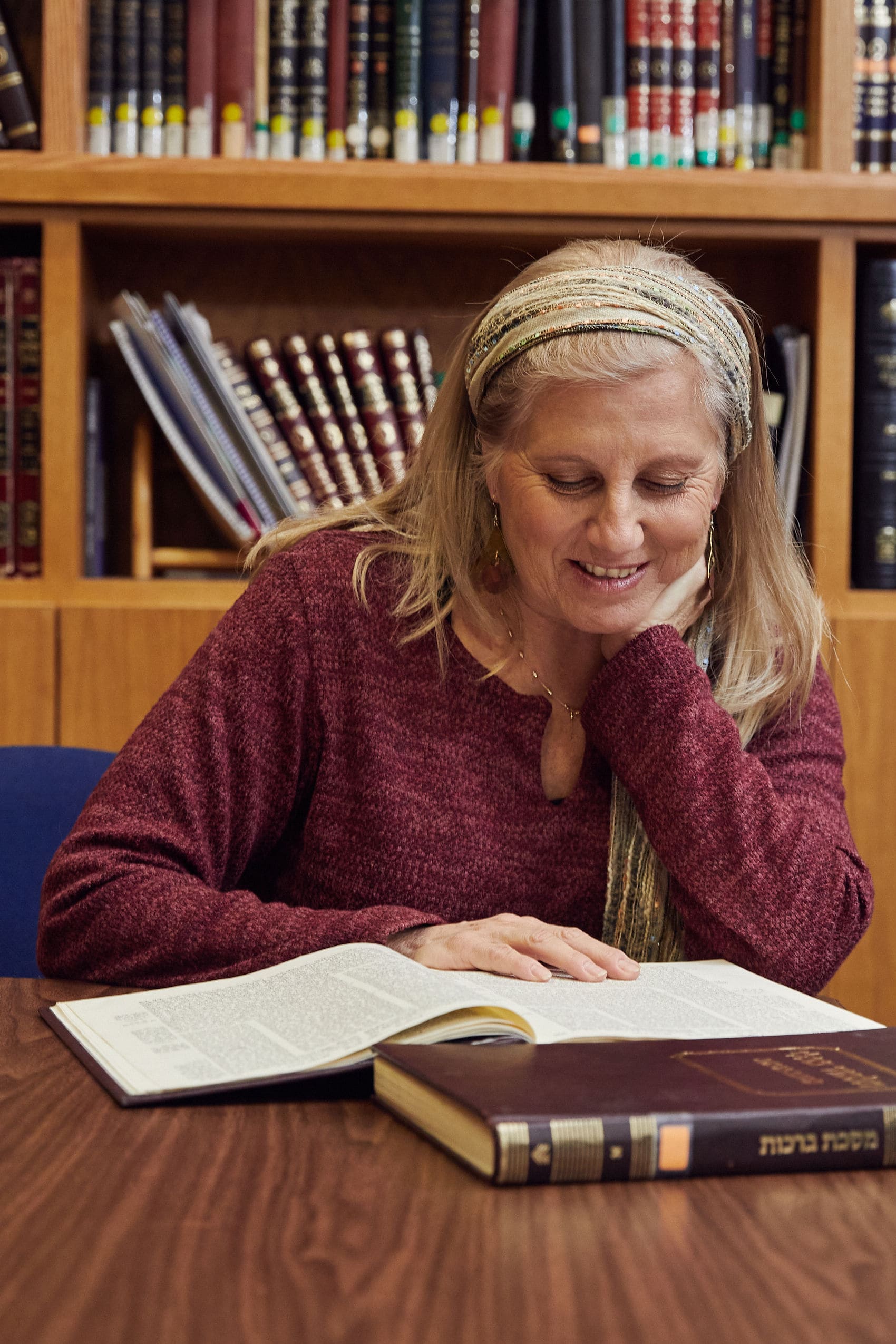
מיכל כהנא
חיפה, ישראל
בתחילת הסבב הנוכחי הצטברו אצלי תחושות שאני לא מבינה מספיק מהי ההלכה אותה אני מקיימת בכל יום. כמו כן, כאמא לבנות רציתי לתת להן מודל נשי של לימוד תורה
שתי הסיבות האלו הובילו אותי להתחיל ללמוד. נתקלתי בתגובות מפרגנות וסקרניות איך אישה לומדת גמרא..
כמו שרואים בתמונה אני ממשיכה ללמוד גם היום ואפילו במחלקת יולדות אחרי לידת ביתי השלישית.
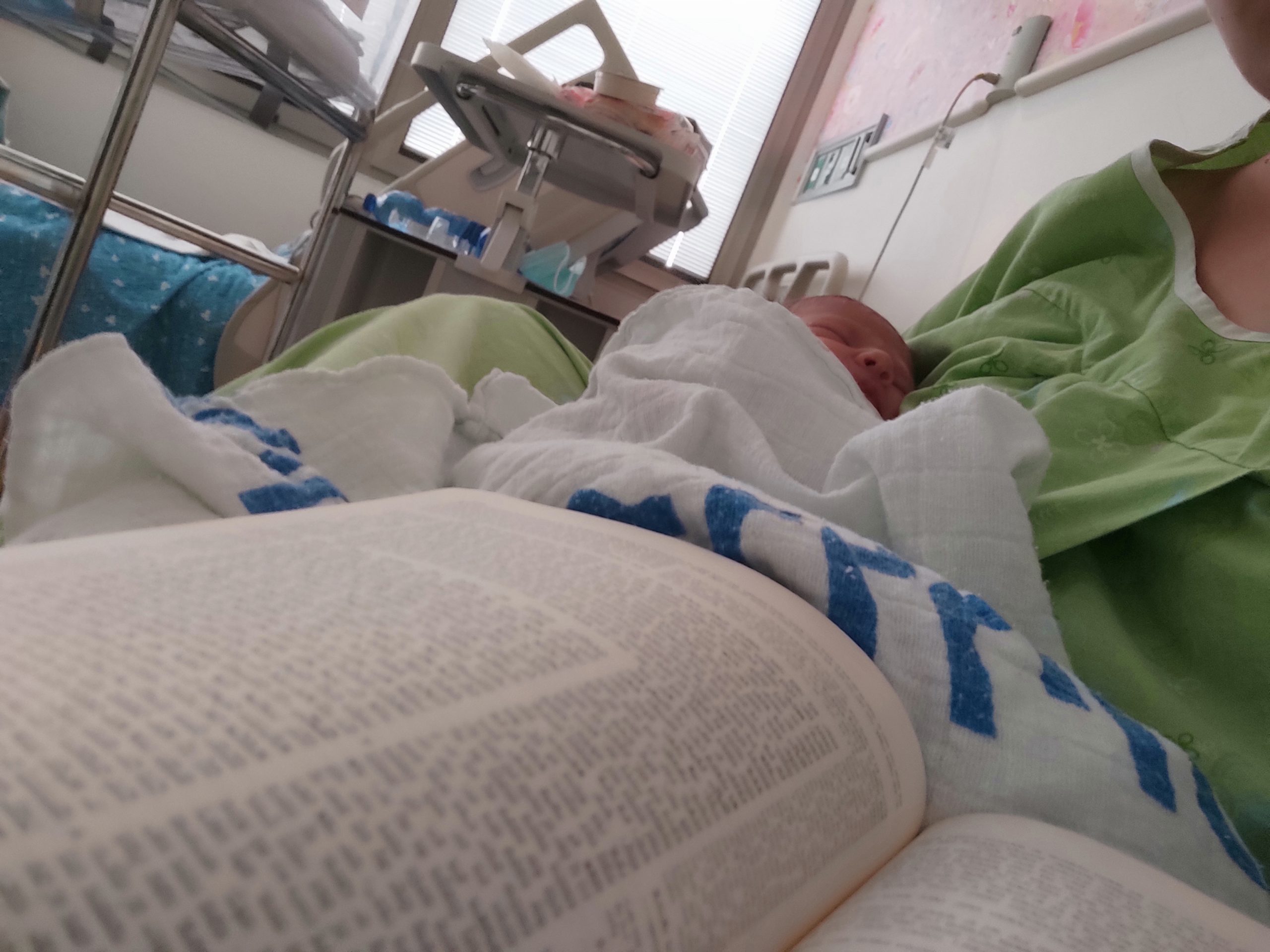
נועה שילה
רבבה, ישראל
הייתי לפני שנתיים בסיום הדרן נשים בבנייני האומה והחלטתי להתחיל. אפילו רק כמה דפים, אולי רק פרק, אולי רק מסכת… בינתיים סיימתי רבע שס ותכף את כל סדר מועד בה.
הסביבה תומכת ומפרגנת. אני בת יחידה עם ארבעה אחים שכולם לומדים דף יומי. מדי פעם אנחנו עושים סיומים יחד באירועים משפחתיים. ממש מרגש. מסכת שבת סיימנו כולנו יחד עם אבא שלנו!
אני שומעת כל יום פודקאסט בהליכה או בנסיעה ואחכ לומדת את הגמרא.
עדנה גרוס
מרכז שפירא, ישראל
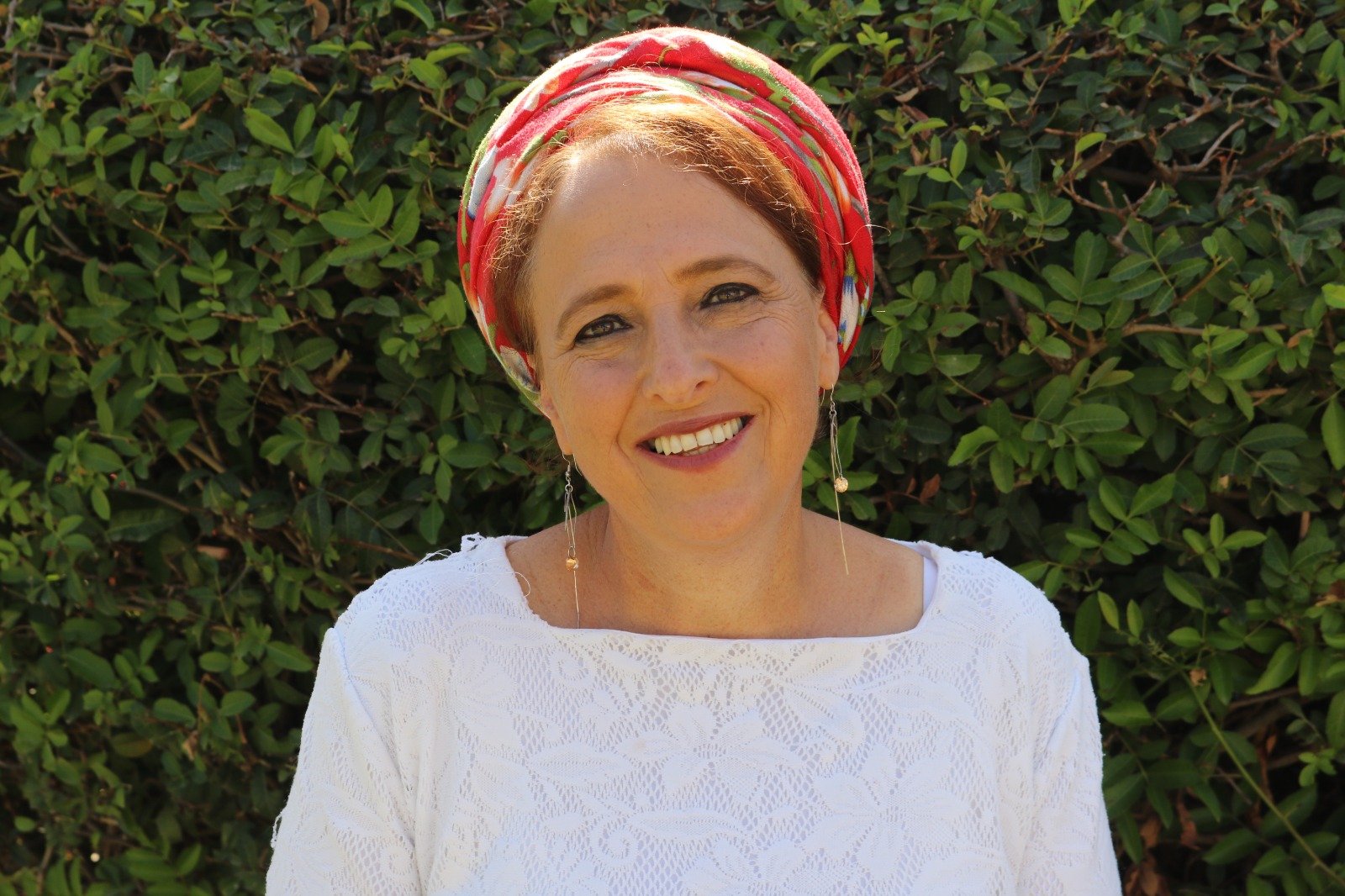
התחלתי בסיום הש”ס, יצאתי באורות. נשברתי פעמיים, ובשתיהם הרבנית מישל עודדה להמשיך איפה שכולם בסבב ולהשלים כשאוכל, וכך עשיתי וכיום השלמתי הכל. מדהים אותי שאני לומדת כל יום קצת, אפילו בחדר הלידה, בבידוד או בחו”ל. לאט לאט יותר נינוחה בסוגיות. לא כולם מבינים את הרצון, בפרט כפמניסטית. חשה סיפוק גדול להכיר את המושגים וצורת החשיבה. החלום זה להמשיך ולהתמיד ובמקביל ללמוד איך מהסוגיות נוצרה והתפתחה ההלכה.
קרן וינגרטן שרינגטון
מודיעין, ישראל
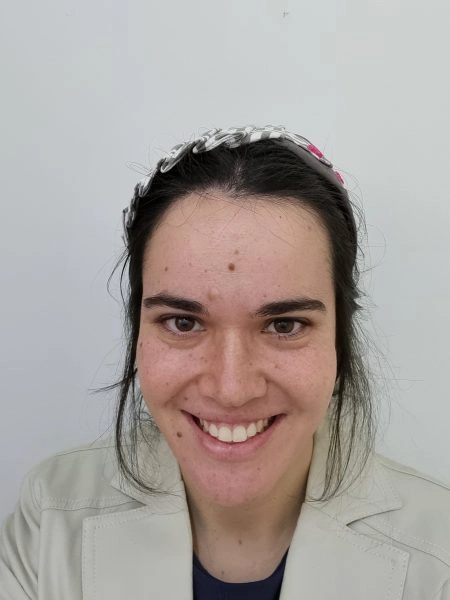
למדתי גמרא מכיתה ז- ט ב Maimonides School ואחרי העליה שלי בגיל 14 לימוד הגמרא, שלא היה כל כך מקובל בימים אלה, היה די ספוראדי. אחרי "ההתגלות” בבנייני האומה התחלתי ללמוד בעיקר בדרך הביתה למדתי מפוקקטסים שונים. לאט לאט ראיתי שאני תמיד חוזרת לרבנית מישל פרבר. באיזה שהוא שלב התחלתי ללמוד בזום בשעה 7:10 .
היום "אין מצב” שאני אתחיל את היום שלי ללא לימוד עם הרבנית מישל עם כוס הקפה שלי!!
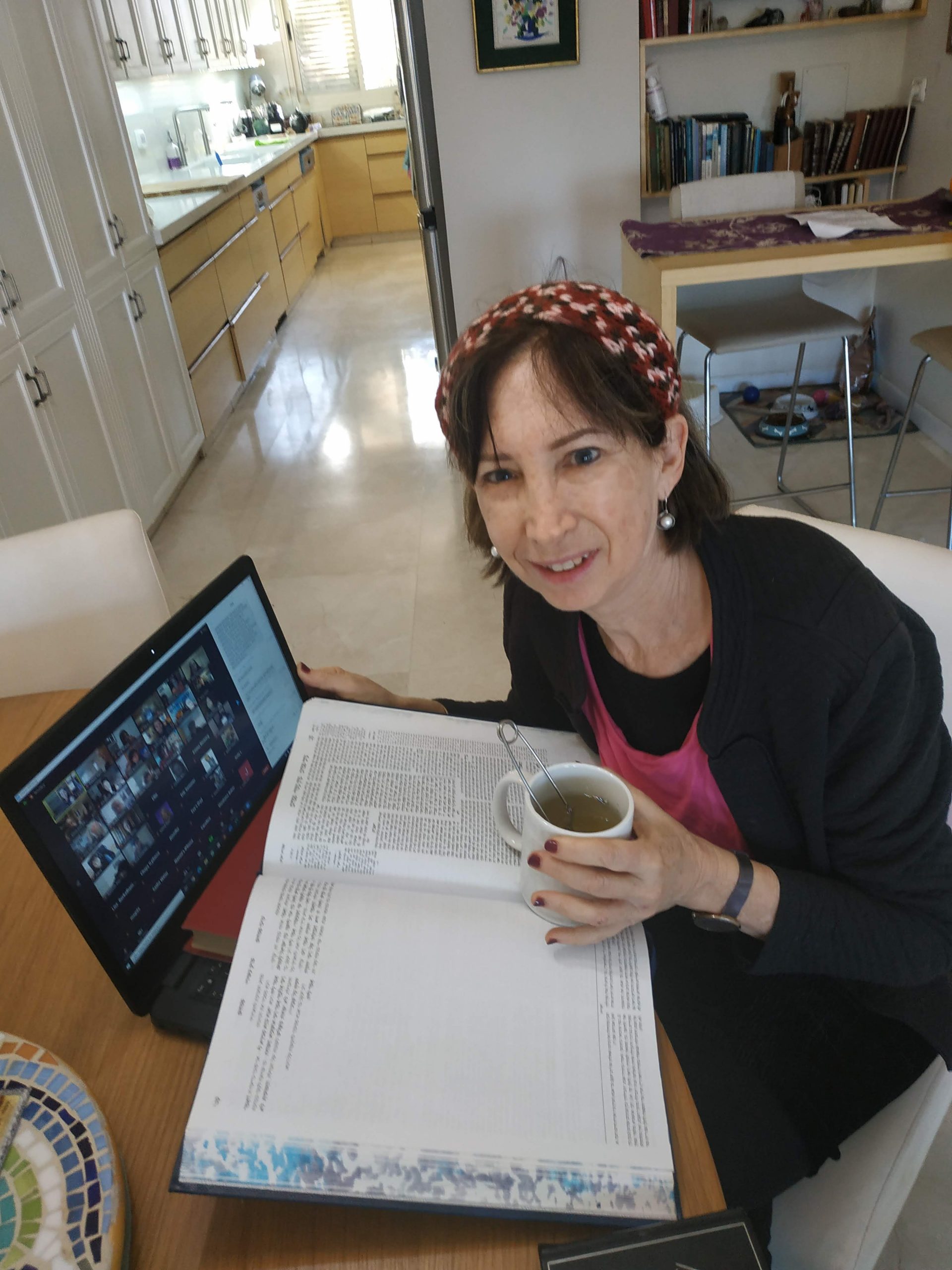
דבי גביר
חשמונאים, ישראל
אחרי שראיתי את הסיום הנשי של הדף היומי בבנייני האומה זה ריגש אותי ועורר בי את הרצון להצטרף. לא למדתי גמרא קודם לכן בכלל, אז הכל היה לי חדש, ולכן אני לומדת בעיקר מהשיעורים פה בהדרן, בשוטנשטיין או בחוברות ושיננתם.

רבקה שלוס
בית שמש, ישראל
אני לומדת גמרא כעשור במסגרות שונות, ואת הדף היומי התחלתי כשחברה הציעה שאצטרף אליה לסיום בבנייני האומה. מאז אני לומדת עם פודקסט הדרן, משתדלת באופן יומי אך אם לא מספיקה, מדביקה פערים עד ערב שבת. בסבב הזה הלימוד הוא "ממעוף הציפור”, מקשיבה במהירות מוגברת תוך כדי פעילויות כמו בישול או נהיגה, וכך רוכשת היכרות עם הסוגיות ואופן ניתוחם על ידי חז”ל. בע”ה בסבב הבא, ואולי לפני, אצלול לתוכו באופן מעמיק יותר.
יעל ביר
רמת גן, ישראל
לפני 15 שנה, אחרי עשרות שנים של "ג’ינגול” בין משפחה לקריירה תובענית בהייטק, הצטרפתי לשיעורי גמרא במתן רעננה. הלימוד המעמיק והייחודי של הרבנית אושרה קורן יחד עם קבוצת הנשים המגוונת הייתה חוויה מאלפת ומעשירה. לפני כשמונה שנים כאשר מחזור הדף היומי הגיע למסכת תענית הצטרפתי כ”חברותא” לבעלי. זו השעה היומית שלנו ביחד כאשר דפי הגמרא משתלבים בחיי היום יום, משפיעים ומושפעים, וכשלא מספיקים תמיד משלימים בשבת
יודי אסקוף
רעננה, ישראל
התחלתי ללמוד דף יומי כאשר קיבלתי במייל ממכון שטיינזלץ את הדפים הראשונים של מסכת ברכות במייל. קודם לא ידעתי איך לקרוא אותם עד שנתתי להם להדריך אותי. הסביבה שלי לא מודעת לעניין כי אני לא מדברת על כך בפומבי. למדתי מהדפים דברים חדשים, כמו הקשר בין המבנה של בית המקדש והמשכן לגופו של האדם (יומא מה, ע”א) והקשר שלו למשפט מפורסם שמופיע בספר ההינדי "בהגוד-גיתא”. מתברר שזה רעיון כלל עולמי ולא רק יהודי
אלנה ארנבורג
נשר, ישראל
. לא תמיד נהניתי מלימוד גמרא כילדה.,בל כהתבגרתי התחלתי לאהוב את זה שוב. התחלתי ללמוד מסכת סוטה בדף היומי לפני כחמש עשרה שנה ואז הפסקתי.הגעתי לסיום הגדול של הדרן לפני שנתיים וזה נתן לי השראה. והתחלתי ללמוד למשך כמה ימים ואז היתה לי פריצת דיסק והפסקתי…עד אלול השנה. אז התחלתי עם מסכת ביצה וב”ה אני מצליחה לעמוד בקצב. המשפחה מאוד תומכת בי ויש כמה שגם לומדים את זה במקביל. אני אוהבת שיש עוגן כל יום.
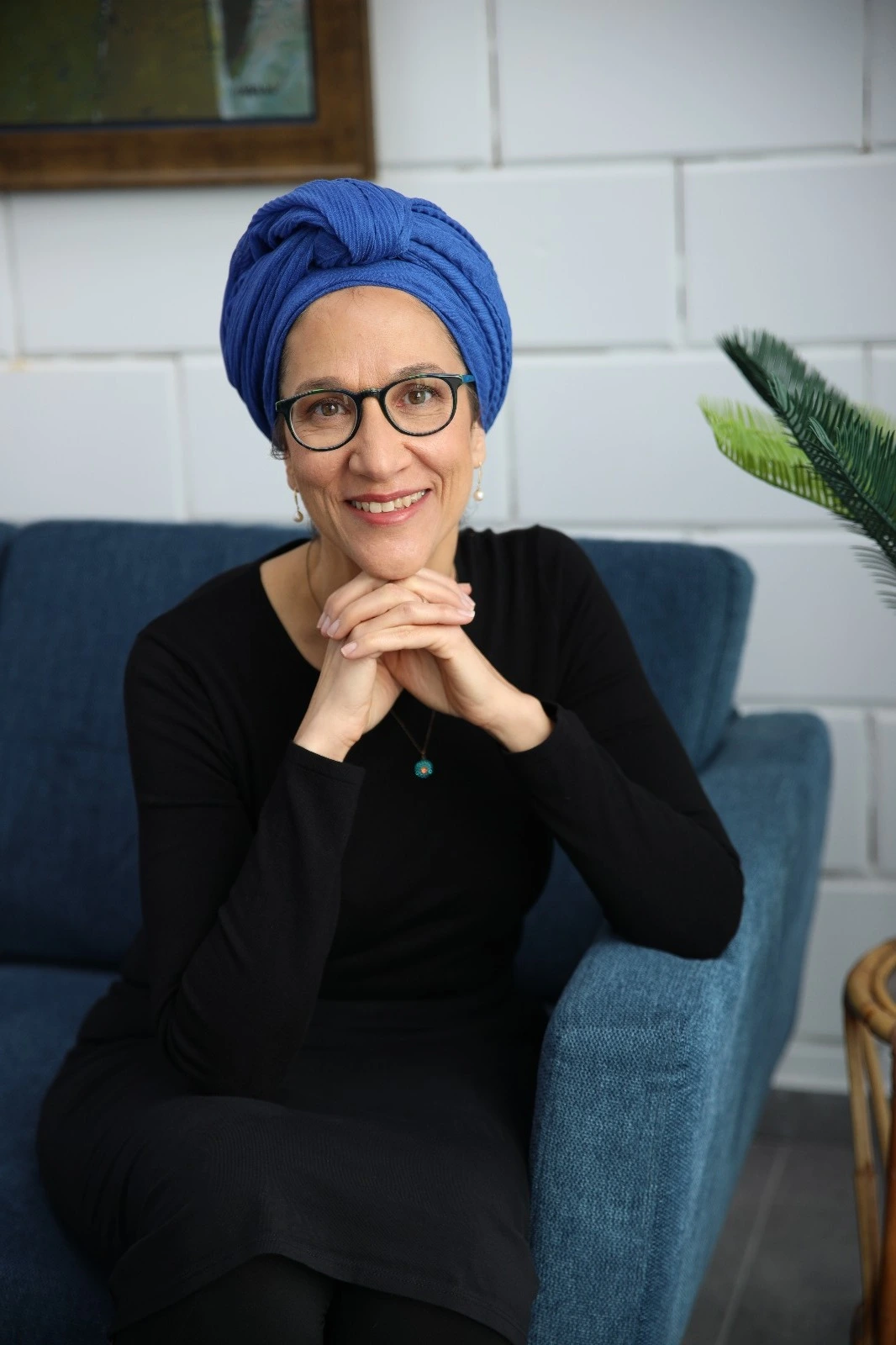
רבקה דרשן
בית שמש, ישראל
בתחילת הסבב הנוכחי הצטברו אצלי תחושות שאני לא מבינה מספיק מהי ההלכה אותה אני מקיימת בכל יום. כמו כן, כאמא לבנות רציתי לתת להן מודל נשי של לימוד תורה
שתי הסיבות האלו הובילו אותי להתחיל ללמוד. נתקלתי בתגובות מפרגנות וסקרניות איך אישה לומדת גמרא..
כמו שרואים בתמונה אני ממשיכה ללמוד גם היום ואפילו במחלקת יולדות אחרי לידת ביתי השלישית.
נועה שילה
רבבה, ישראל
. לא תמיד נהניתי מלימוד גמרא כילדה.,בל כהתבגרתי התחלתי לאהוב את זה שוב. התחלתי ללמוד מסכת סוטה בדף היומי לפני כחמש עשרה שנה ואז הפסקתי.הגעתי לסיום הגדול של הדרן לפני שנתיים וזה נתן לי השראה. והתחלתי ללמוד למשך כמה ימים ואז היתה לי פריצת דיסק והפסקתי…עד אלול השנה. אז התחלתי עם מסכת ביצה וב”ה אני מצליחה לעמוד בקצב. המשפחה מאוד תומכת בי ויש כמה שגם לומדים את זה במקביל. אני אוהבת שיש עוגן כל יום.
רבקה דרשן
בית שמש, ישראל
התחלתי ללמוד דף יומי לפני שנתיים, עם מסכת שבת. בהתחלה ההתמדה היתה קשה אבל בזכות הקורונה והסגרים הצלחתי להדביק את הפערים בשבתות הארוכות, לסיים את מסכת שבת ולהמשיך עם המסכתות הבאות. עכשיו אני מסיימת בהתרגשות רבה את מסכת חגיגה וסדר מועד ומחכה לסדר הבא!
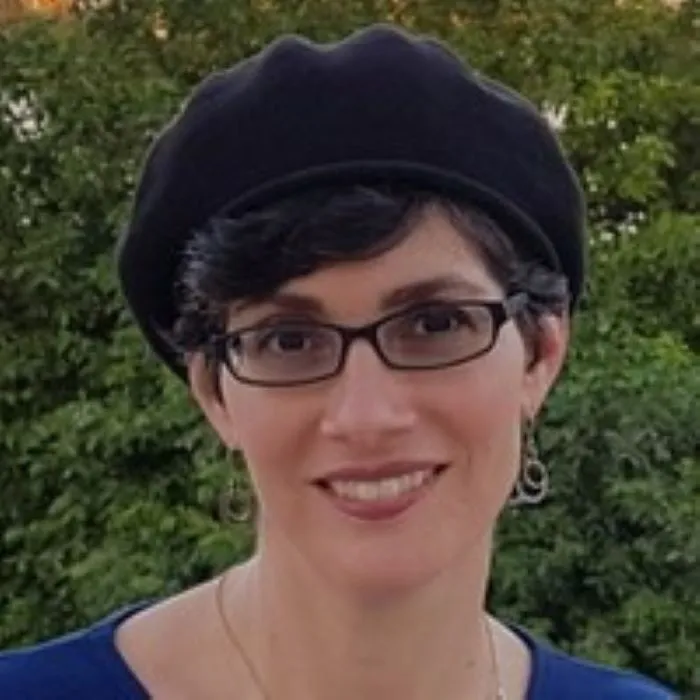
אילנה שכנוביץ
מודיעין, ישראל
התחלתי ללמוד דף לפני קצת יותר מ-5 שנים, כשלמדתי רבנות בישיבת מהר”ת בניו יורק. בדיעבד, עד אז, הייתי בלימוד הגמרא שלי כמו מישהו שאוסף חרוזים משרשרת שהתפזרה, פה משהו ושם משהו, ומאז נפתח עולם ומלואו…. הדף נותן לי לימוד בצורה מאורגנת, שיטתית, יום-יומית, ומלמד אותי לא רק ידע אלא את השפה ודרך החשיבה שלנו. לשמחתי, יש לי סביבה תומכת וההרגשה שלי היא כמו בציטוט שבחרתי: הדף משפיע לטובה על כל היום שלי.
מיכל כהנא
חיפה, ישראל
התחלתי ללמוד גמרא בבית הספר בגיל צעיר והתאהבתי. המשכתי בכך כל חיי ואף היייתי מורה לגמרא בבית הספר שקד בשדה אליהו (בית הספר בו למדתי בילדותי)בתחילת מחזור דף יומי הנוכחי החלטתי להצטרף ובע”ה מקווה להתמיד ולהמשיך. אני אוהבת את המפגש עם הדף את "דרישות השלום ” שמקבלת מקשרים עם דפים אחרים שלמדתי את הסנכרון שמתחולל בין התכנים.
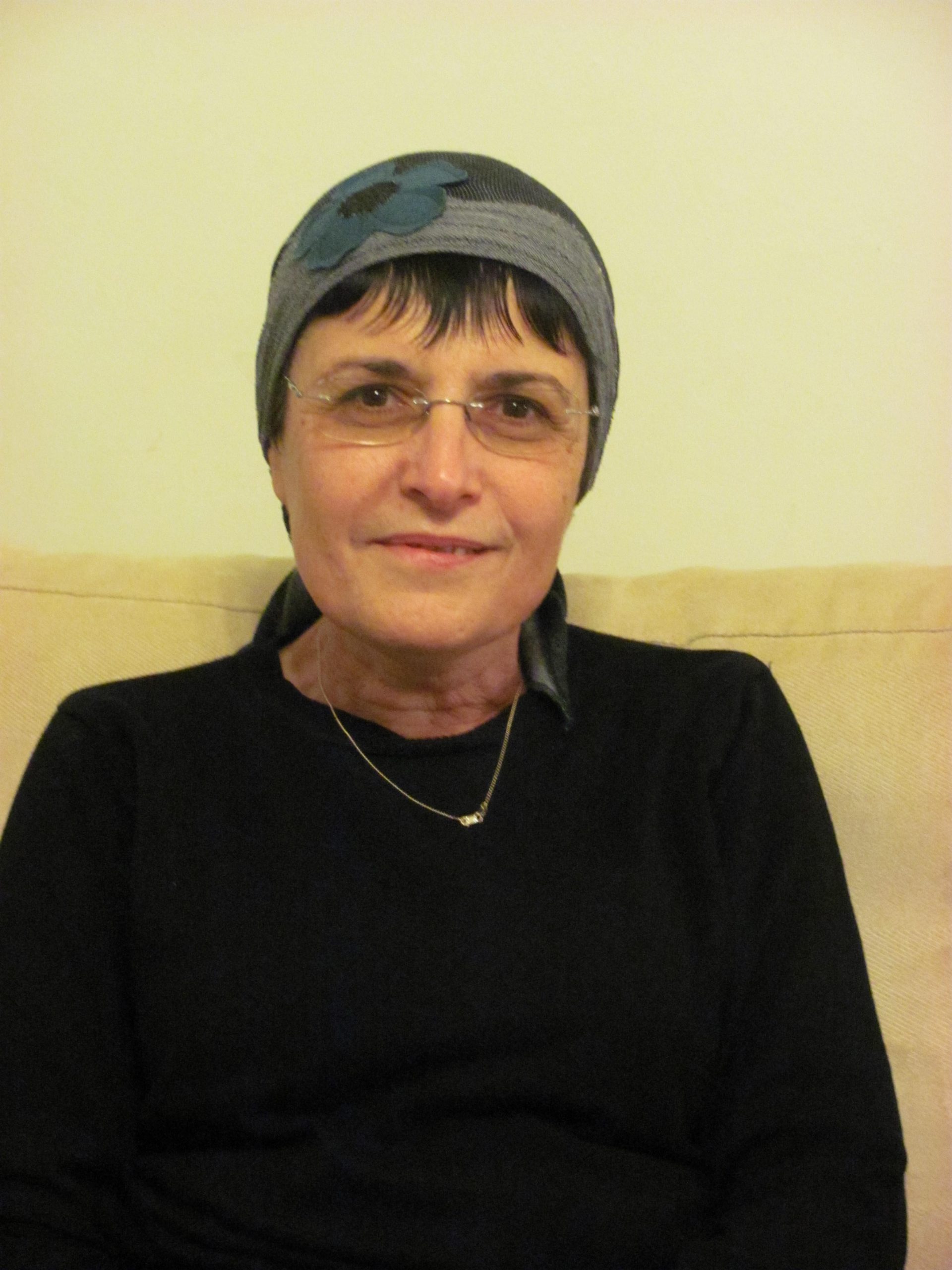
אריאלה ביגמן
מעלה גלבוע, ישראל
סיום השס לנשים נתן לי מוטביציה להתחיל ללמוד דף יומי. עד אז למדתי גמרא בשבתות ועשיתי כמה סיומים. אבל לימוד יומיומי זה שונה לגמרי ופתאום כל דבר שקורה בחיים מתקשר לדף היומי.
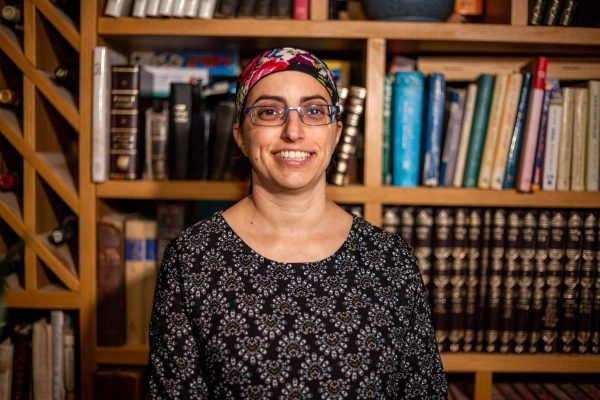
קרן פוגל
רתמים, ישראל
הייתי לפני שנתיים בסיום הדרן נשים בבנייני האומה והחלטתי להתחיל. אפילו רק כמה דפים, אולי רק פרק, אולי רק מסכת… בינתיים סיימתי רבע שס ותכף את כל סדר מועד בה.
הסביבה תומכת ומפרגנת. אני בת יחידה עם ארבעה אחים שכולם לומדים דף יומי. מדי פעם אנחנו עושים סיומים יחד באירועים משפחתיים. ממש מרגש. מסכת שבת סיימנו כולנו יחד עם אבא שלנו!
אני שומעת כל יום פודקאסט בהליכה או בנסיעה ואחכ לומדת את הגמרא.
עדנה גרוס
מרכז שפירא, ישראל
A life-changing journey started with a Chanukah family tiyul to Zippori, home of the Sanhedrin 2 years ago and continued with the Syum in Binanei Hauma where I was awed by the energy of 3000 women dedicated to learning daf Yomi. Opening my morning daily with a fresh daf, I am excited with the new insights I find enriching my life and opening new and deeper horizons for me.
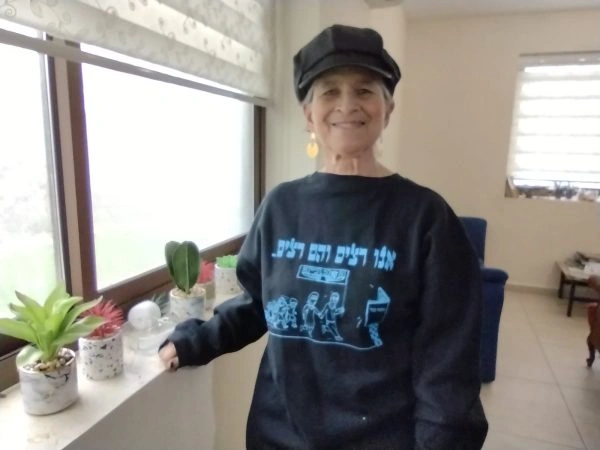
בקי גולדשטיין
Elazar gush etzion, Israel
למדתי גמרא מכיתה ז- ט ב Maimonides School ואחרי העליה שלי בגיל 14 לימוד הגמרא, שלא היה כל כך מקובל בימים אלה, היה די ספוראדי. אחרי "ההתגלות” בבנייני האומה התחלתי ללמוד בעיקר בדרך הביתה למדתי מפוקקטסים שונים. לאט לאט ראיתי שאני תמיד חוזרת לרבנית מישל פרבר. באיזה שהוא שלב התחלתי ללמוד בזום בשעה 7:10 .
היום "אין מצב” שאני אתחיל את היום שלי ללא לימוד עם הרבנית מישל עם כוס הקפה שלי!!
דבי גביר
חשמונאים, ישראל
רבנית מישל הציתה אש התלמוד בלבבות בביניני האומה ואני נדלקתי. היא פתחה פתח ותמכה במתחילות כמוני ואפשרה לנו להתקדם בצעדים נכונים וטובים. הקימה מערך שלם שמסובב את הלומדות בסביבה תומכת וכך נכנסתי למסלול לימוד מעשיר שאין כמוה. הדרן יצר קהילה גדולה וחזקה שמאפשרת התקדמות מכל נקודת מוצא. יש דיבוק לומדות שמחזק את ההתמדה של כולנו. כל פניה ושאלה נענית בזריזות ויסודיות. תודה גם למגי על כל העזרה.
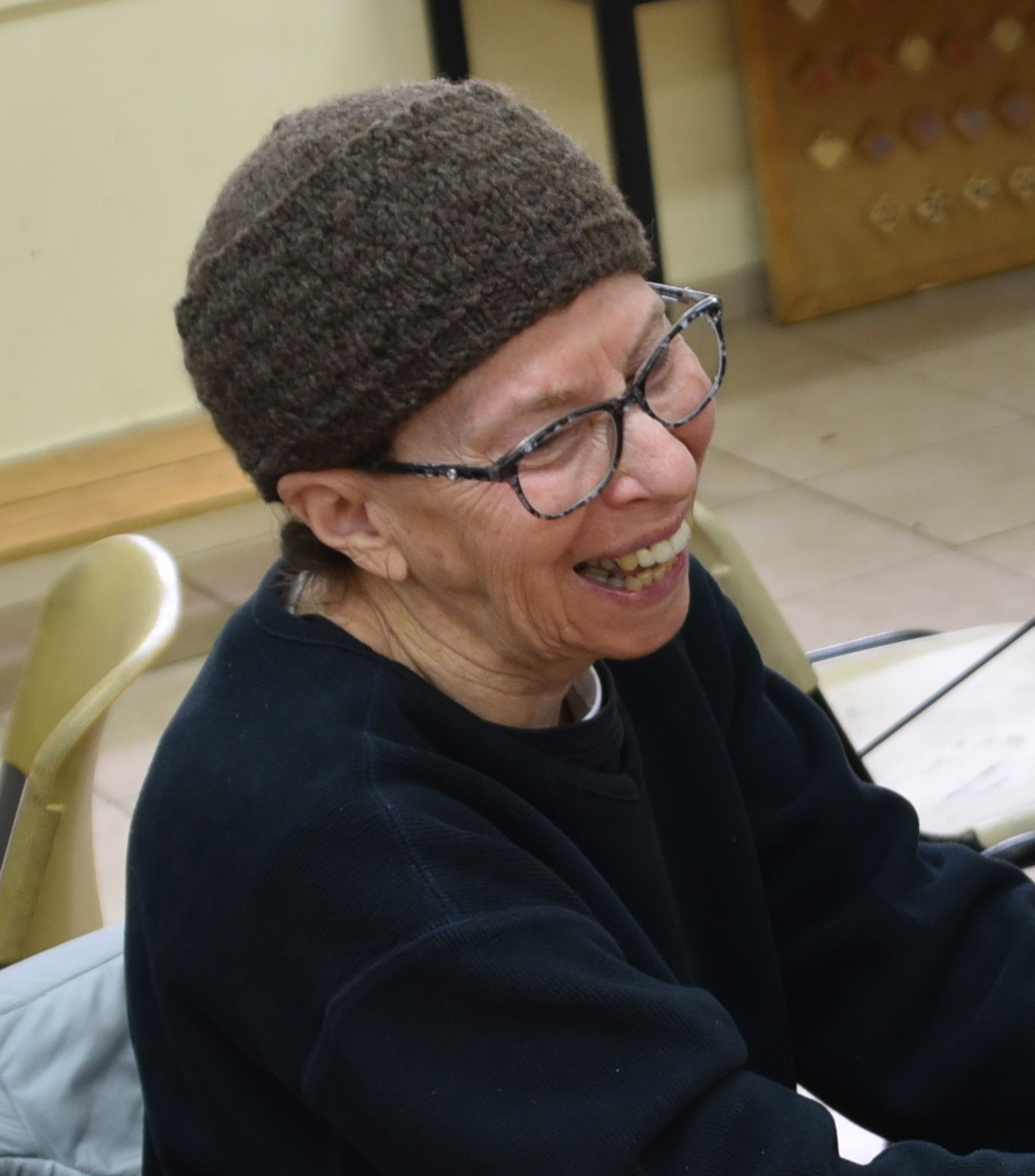
שרה אבר
נתניה, ישראל
ברכות כט
וְהִשְׁקִיף בָּהּ שְׁתַּיִם וְשָׁלֹשׁ שָׁעוֹת, וְלֹא הֶעֱלוּהוּ.
and scrutinized it, in an attempt to remember the blessing for two or three hours, and they did not remove him from serving as prayer leader.
אַמַּאי לֹא הֶעֱלוּהוּ? וְהָאָמַר רַב יְהוּדָה אָמַר רַב: טָעָה בְּכָל הַבְּרָכוֹת כֻּלָּן — אֵין מַעֲלִין אוֹתוֹ, בְּבִרְכַּת הַמִּינִים — מַעֲלִין אוֹתוֹ. חָיְישִׁינַן שֶׁמָּא מִין הוּא?
The Gemara asks: Why did they not remove him? Didn’t Rav Yehuda say that Rav said: One who was serving as the prayer leader before the congregation and erred in reciting any of the blessings, they do not remove him from serving as the prayer leader. However, one who erred while reciting the blessing of the heretics they remove him, as we suspect that perhaps he is a heretic and intentionally omitted the blessing to avoid cursing himself. Why, then, did they not remove Shmuel HaKatan?
שָׁאנֵי שְׁמוּאֵל הַקָּטָן דְּאִיהוּ תַּקְּנַהּ.
The Gemara answers: Shmuel HaKatan is different because he instituted this blessing and there is no suspicion of him.
וְנֵיחוּשׁ דִּלְמָא הֲדַר בֵּיהּ. אָמַר אַבָּיֵי: גְּמִירִי, טָבָא לָא הָוֵי בִּישָׁא.
The Gemara continues: Let us suspect that perhaps he reconsidered and, although he had been righteous, he had a change of heart? Abaye said: We learned through tradition that a good person does not become wicked.
וְלָא?! וְהָכְתִיב: ״וּבְשׁוּב צַדִּיק מִצִּדְקָתוֹ וְעָשָׂה עָוֶל״. הָהוּא רָשָׁע מֵעִיקָּרוֹ, אֲבָל צַדִּיק מֵעִיקָּרוֹ — לָא.
The Gemara challenges this: And does he not become wicked? Isn’t it explicitly written: “And when the righteous one returns from his righteousness and does wicked like all of the abominations that the wicked one has done, will he live? All of the righteous deeds that he has done will not be remembered given the treachery that he has carried out, and in his sin that he has transgressed, for these he shall die” (Ezekiel 18:24)? Abaye responds: That verse refers to a righteous individual who was initially wicked and repented, but ultimately returned to his evil ways. However, one who is initially righteous does not become wicked.
וְלָא?! וְהָא תְּנַן: אַל תַּאֲמִין בְּעַצְמְךָ עַד יוֹם מוֹתְךָ, שֶׁהֲרֵי יוֹחָנָן כֹּהֵן גָּדוֹל שִׁמֵּשׁ בִּכְהוּנָּה גְּדוֹלָה שְׁמֹנִים שָׁנָה וּלְבַסּוֹף נַעֲשָׂה צָדוֹקִי.
The Gemara asks: And does he not become wicked? Didn’t we learn in a mishna: Do not be sure of yourself until the day you die, as Yoḥanan the High Priest served in the High Priesthood for eighty years and ultimately became a Sadducee. Even one who is outstanding in his righteousness can become a heretic.
אָמַר אַבָּיֵי: הוּא יַנַּאי, הוּא יוֹחָנָן. רָבָא אָמַר: יַנַּאי לְחוּד וְיוֹחָנָן לְחוּד, יַנַּאי — רָשָׁע מֵעִיקָּרוֹ, וְיוֹחָנָן — צַדִּיק מֵעִיקָּרוֹ. הַנִּיחָא לְאַבָּיֵי, אֶלָּא לְרָבָא קַשְׁיָא.
Abaye responded: He is Yannai he is Yoḥanan. In other words, from its inception, the entire Hasmonean dynasty had the same positive attitude toward the Sadducees, and there was no distinction between Yoḥanan Hyrcanus and Alexander Yannai. Yoḥanan the High Priest had Sadducee leanings from the outset. Rava said: Yannai is distinct and Yoḥanan is distinct. They did not share the same position in this regard. Yannai was wicked from the outset and Yoḥanan was righteous from the outset. If so, it works out well according to Abaye’s opinion; however, according to Rava’s opinion, it is difficult. How could Yoḥanan, a righteous individual, have changed and turned wicked?
אָמַר לָךְ רָבָא: צַדִּיק מֵעִיקָּרוֹ נָמֵי דִּלְמָא הָדַר בֵּיהּ. אִי הָכִי, אַמַּאי לָא אַסְּקוּהוּ?
The Gemara responds: Rava could have said to you: There is also room for concern that one who is righteous from the outset will perhaps reconsider and turn wicked, as was the case with Yoḥanan the High Priest. If so, the original question is difficult: Why did they not remove Shmuel HaKatan from serving as the prayer leader?
שָׁאנֵי שְׁמוּאֵל הַקָּטָן דְּאַתְחֵיל בַּהּ. דְּאָמַר רַב יְהוּדָה אָמַר רַב, וְאִיתֵּימָא רַבִּי יְהוֹשֻׁעַ בֶּן לֵוִי: לֹא שָׁנוּ, אֶלָּא שֶׁלֹּא הִתְחִיל בָּהּ, אֲבָל הִתְחִיל בָּהּ — גּוֹמְרָהּ.
The Gemara answers: The case of Shmuel HaKatan is different, as he began reciting the blessing of the heretics and while reciting it he became confused and forgot the end of the blessing. Consequently, he was not suspected of heretical leanings. Indeed, Rav Yehuda said that Rav, and some say that Rabbi Yehoshua ben Levi, said: They only taught that one who errs while reciting the blessing of the heretics is removed in a case where he did not begin reciting it. But if he began reciting it, then we allow him to collect his thoughts and finish reciting it.
הָנֵי שֶׁבַע דְּשַׁבְּתָא כְּנֶגֶד מִי? אָמַר רַבִּי חֲלַפְתָּא בֶּן שָׁאוּל: כְּנֶגֶד שִׁבְעָה ״קוֹלוֹת״ שֶׁאָמַר דָּוִד עַל הַמַּיִם.
To this point, the Gemara discussed allusions to the nineteen blessings that constitute the weekday Amida prayer. The Gemara asks: Corresponding to what were these seven blessings of the Shabbat Amida prayer instituted? The Gemara answers: Rabbi Ḥalafta ben Shaul said: Corresponding to the seven “voices” which David mentioned on the waters; in other words, the seven times that “the voice of God” is mentioned in Psalms 29, which served as the source for the weekday prayer.
הָנֵי תֵּשַׁע דְּרֹאשׁ הַשָּׁנָה כְּנֶגֶד מִי? אָמַר רַבִּי יִצְחָק דְּמִן קַרְטִיגְנִין: כְּנֶגֶד תִּשְׁעָה אַזְכָּרוֹת שֶׁאָמְרָה חַנָּה בִּתְפִלָּתָהּ, דְּאָמַר מָר: בְּרֹאשׁ הַשָּׁנָה נִפְקְדָה שָׂרָה רָחֵל וְחַנָּה.
The Gemara asks further: Corresponding to what were these nine blessings of the Rosh HaShana additional prayer instituted? Rabbi Yitzḥak of Kartignin said: They correspond to the nine mentions of God’s name that Hannah said in her prayer (I Samuel 2:10). The connection between Hannah’s prayer and Rosh HaShana is based on what the Master said: On Rosh HaShana, Sarah, Rachel, and Hannah were remembered and the divine decree that they would conceive their sons was issued.
הָנֵי עֶשְׂרִים וְאַרְבַּע דְּתַעֲנִיתָא כְּנֶגֶד מִי? אָמַר רַבִּי חֶלְבּוֹ: כְּנֶגֶד עֶשְׂרִים וְאַרְבַּע ״רְנָנוֹת״ שֶׁאָמַר שְׁלֹמֹה בְּשָׁעָה שֶׁהִכְנִיס אָרוֹן לְבֵית קׇדְשֵׁי הַקׇּדָשִׁים: אִי הָכִי, כׇּל יוֹמָא נָמֵי נֵמְרִינְהוּ! אֵימַת אַמְרִינְהוּ שְׁלֹמֹה — בְּיוֹמָא דְרַחֲמֵי, אֲנַן נָמֵי בְּיוֹמָא דְרַחֲמֵי אָמְרִינַן לְהוּ.
The Gemara continues: Corresponding to what were these twenty-four blessings of the Amida prayer of the fast days instituted? Rabbi Ḥelbo said: They correspond to the twenty-four “songs” that Solomon said when he brought the ark into the Holy of Holies during the dedication of the Temple, as there are twenty-four expressions of song, prayer, and supplication there (I Kings 8). The Gemara asks: If so, then let us say these twenty-four blessing every day. The Gemara answers: When did Solomon say them? On a day of supplication for mercy. We, too, say them on a day of supplication for mercy.
רַבִּי יְהוֹשֻׁעַ אוֹמֵר: מֵעֵין שְׁמֹנֶה עֶשְׂרֵה. מַאי ״מֵעֵין שְׁמוֹנֶה עֶשְׂרֵה״? רַב אָמַר: מֵעֵין כׇּל בְּרָכָה וּבְרָכָה. וּשְׁמוּאֵל אָמַר: ״הֲבִינֵנוּ ה׳ אֱלֹהֵינוּ לָדַעַת דְּרָכֶיךָ, וּמוֹל אֶת לְבָבֵנוּ לְיִרְאָתֶךָ, וְתִסְלַח לָנוּ לִהְיוֹת גְּאוּלִים, וְרַחֲקֵנוּ מִמַּכְאוֹבֵינוּ, וְדַשְּׁנֵנוּ בִּנְאוֹת אַרְצֶךָ, וּנְפוּצוֹתֵינוּ מֵאַרְבַּע תְּקַבֵּץ, וְהַתּוֹעִים עַל דַּעְתְּךָ יִשְׁפְּטוּ, וְעַל הָרְשָׁעִים תָּנִיף יָדֶיךָ, וְיִשְׂמְחוּ צַדִּיקִים בְּבִנְיַן עִירֶךָ וּבְתִקּוּן הֵיכָלֶךָ, וּבִצְמִיחַת קֶרֶן לְדָוִד עַבְדֶּךָ וּבַעֲרִיכַת נֵר לְבֶן יִשַׁי מְשִׁיחֶךָ, טֶרֶם נִקְרָא אַתָּה תַעֲנֶה. בָּרוּךְ אַתָּה ה׳ שׁוֹמֵעַ תְּפִלָּה״.
We learned in the mishna that Rabbi Yehoshua says that each day one recites an abridged version of the prayer of eighteen blessings. The Gemara asks: What is the abridged version of the prayer of eighteen blessings? There are different opinions. Rav said: One recites an abridged version of each and every blessing. Shmuel said: An abridged version of the prayer of eighteen blessings refers to a blessing composed specifically to be recited in place of the thirteen middle blessings. It contains references to each of the thirteen middle blessings. The formula for that blessing is: Grant us understanding, Lord our God, to know Your ways, and sensitize our hearts so that we may revere You, and forgive us so that we may be redeemed, and keep us far from our suffering, and satisfy us with the pastures of Your land, and gather our scattered people from the four corners of the earth, and those who go astray shall be judged according to Your will, and raise Your hand against the wicked, and may the righteous rejoice in the rebuilding of Your city, and the restoration of Your Sanctuary, and in the flourishing of Your servant David, and in establishing a light for Your Messiah, son of Yishai. Before we call, may You answer. Blessed are You, Lord, Who listens to prayer.”
לָיֵיט עֲלַהּ אַבָּיֵי אַמַּאן דִּמְצַלֵּי ״הֲבִינֵנוּ״.
Although Shmuel mentioned this abridged prayer, Abaye would curse anyone who recited the prayer: Grant us understanding, as he held that one may recite it only in exigent circumstances (Rabbi Ḥananel, Me’iri).
אָמַר רַב נַחְמָן אָמַר שְׁמוּאֵל: כׇּל הַשָּׁנָה כּוּלָּהּ מִתְפַּלֵּל אָדָם ״הֲבִינֵנוּ״, חוּץ מִמּוֹצָאֵי שַׁבָּת וּמִמּוֹצָאֵי יָמִים טוֹבִים, מִפְּנֵי שֶׁצָּרִיךְ לוֹמַר הַבְדָּלָה בְּ״חוֹנֵן הַדָּעַת״.
The Gemara further restricts the occasions when one may recite the abridged prayer. Rav Naḥman said that Shmuel said: One may recite: Grant us understanding throughout the entire year, except for in the evening prayer at the conclusion of Shabbat and at the conclusion of Festivals, because he must recite the prayer of distinction [havdala] in the blessing: Who graciously grants knowledge.
מַתְקִיף לַהּ רַבָּה בַּר שְׁמוּאֵל: וְנֵימְרַהּ בְּרָכָה רְבִיעִית בִּפְנֵי עַצְמָהּ! מִי לָא תְּנַן רַבִּי עֲקִיבָא אוֹמֵר: אוֹמְרָהּ בְּרָכָה רְבִיעִית בִּפְנֵי עַצְמָהּ. רַבִּי אֱלִיעֶזֶר אוֹמֵר: בַּהוֹדָאָה.
Rabba bar Shmuel strongly objects to this: After reciting the three initial blessings, let us say havdala as an independent fourth blessing, and afterwards recite the prayer of Grant us understanding. This is feasible. Didn’t we learn in a mishna that Rabbi Akiva says: He says havdala as an independent fourth blessing? Rabbi Eliezer says: He says havdala in the blessing of thanksgiving.
אַטּוּ כׇּל הַשָּׁנָה כּוּלָּהּ מִי עָבְדִינַן כְּרַבִּי עֲקִיבָא, דְּהַשְׁתָּא נָמֵי נַעֲבֵיד?! כׇּל הַשָּׁנָה כּוּלָּהּ מַאי טַעְמָא לָא עָבְדִינַן כְּרַבִּי עֲקִיבָא תַּמְנֵי סְרֵי תַּקּוּן, תְּשַׁסְרֵי לָא תַּקּוּן, הָכָא נָמֵי שֶׁבַע תַּקּוּן תַּמְנֵי לָא תַּקּוּן.
The Gemara responds: Do we practice in accordance with the opinion of Rabbi Akiva throughout the entire year regarding this issue, that we will also practice this way now? Throughout the entire year, what is the reason that we do not practice in accordance with the opinion of Rabbi Akiva? Because they instituted eighteen blessings, they did not institute nineteen. Here too, they instituted seven blessings, they did not institute eight. Therefore, the possibility to recite havdala as an independent fourth blessing is rejected.
מַתְקִיף לַהּ מָר זוּטְרָא: וְנִכְלְלָה מִכְלָל: ״הֲבִינֵנוּ ה׳ אֱלֹהֵינוּ הַמַּבְדִּיל בֵּין קֹדֶשׁ לְחוֹל״! קַשְׁיָא.
Mar Zutra strongly objects to this: Let us include havdala in the framework of the abridged blessing: Grant us understanding, Lord our God, Who distinguishes between sacred and profane. No response was offered to this objection, and it remains difficult.
אָמַר רַב בִּיבִי בַּר אַבָּיֵי: כׇּל הַשָּׁנָה כּוּלָּהּ מִתְפַּלֵּל אָדָם ״הֲבִינֵנוּ״, חוּץ מִימוֹת הַגְּשָׁמִים, מִפְּנֵי שֶׁצָּרִיךְ לוֹמַר שְׁאֵלָה בְּבִרְכַּת ״הַשָּׁנִים״. מַתְקִיף לַהּ מָר זוּטְרָא: וְנִכְלְלָה מִכְלָל: ״וְדַשְּׁנֵנוּ בִּנְאוֹת אַרְצֶךָ, וְתֵן טַל וּמָטָר״!
Rav Beivai bar Abaye said: There is an additional restriction that applies to the abridged prayer. One may recite Grant us understanding throughout the entire year, except during the rainy season, because he must recite the request for rain in the blessing of the years. Mar Zutra strongly objects to this: Let us include the request for rain in the framework of the abridged blessing: And satisfy us with the pastures of Your land, and grant dew and rain.
אָתֵי לְאִטְּרוֹדֵי. אִי הָכִי, הַבְדָּלָה בְּ״חוֹנֵן הַדָּעַת״, נָמֵי אָתֵי לְאִטְּרוֹדֵי!
The Gemara responds: That is unfeasible, as he will become confused by introducing a new element to the standard formula of the blessing. The Gemara asks: If so, by introducing havdala in the framework of the abridged blessing in the section alluding to the blessing, Who graciously grants knowledge, he will also become confused. Why did the Gemara fail to respond to Mar Zutra’s strong objection with regard to havdala in that manner?
אָמְרִי: הָתָם כֵּיוָן דְּאָתְיָא בִּתְחִלַּת צְלוֹתָא — לָא מִטְּרִיד, הָכָא כֵּיוָן דְּאָתְיָא בְּאֶמְצַע צְלוֹתָא — מִטְּרִיד.
The Gemara answers: They say that these cases are different: There, regarding havdala, since the introduction of the new element comes at the beginning of the prayer, he will not become confused. Here, since the request for rain comes in the middle of the prayer, he will become confused.
מַתְקִיף לַהּ רַב אָשֵׁי: וְנֵימְרַהּ בְּ״שׁוֹמֵעַ תְּפִלָּה״, דְּאָמַר רַבִּי תַּנְחוּם אָמַר רַב אַסִּי: טָעָה וְלֹא הִזְכִּיר גְּבוּרוֹת גְּשָׁמִים בִּ״תְחִיַּית הַמֵּתִים״ — מַחֲזִירִין אוֹתוֹ. שְׁאֵלָה בְּבִרְכַּת הַשָּׁנִים — אֵין מַחֲזִירִין אוֹתוֹ, מִפְּנֵי שֶׁיָּכוֹל לְאוֹמְרָהּ בְּ”שׁוֹמֵעַ תְּפִלָּה”. וְהַבְדָּלָה בְּ״חוֹנֵן הַדָּעַת״ — אֵין מַחֲזִירִין אוֹתוֹ, מִפְּנֵי שֶׁיָּכוֹל לְאוֹמְרָהּ עַל הַכּוֹס. טָעָה שָׁאנֵי.
Rav Ashi strongly objects to this: If so, let us say the request for rain in the framework of the abridged blessing in the section alluding to the blessing Who listens to prayer. As Rabbi Tanḥum said that Rav Asi said: One who erred and did not mention the might of the rains in the blessing on the revival of the dead, we require him to return to the beginning of the prayer and repeat it. However, one who erred and failed to recite the request for rain in the ninth blessing of the Amida, the blessing of the years, we do not require him to return to the beginning of the prayer and repeat it because he can recite it in the blessing Who listens to prayer. And one who erred and failed to recite havdala in the blessing Who graciously grants knowledge, we do not require him to return to the beginning of the prayer and repeat it, as he can recite havdala over the cup of wine. One can ask for rain in the blessing Who listens to prayer, and, consequently, can introduce it at the end of the abridged blessing without becoming confused. The Gemara responds: One who erred is different, and only then does he have the option to ask for rain in the blessing Who listens to prayer. Ab initio, the request for rain may not be inserted there.
גּוּפָא, אָמַר רַבִּי תַּנְחוּם אָמַר רַב אַסִּי: טָעָה וְלֹא הִזְכִּיר גְּבוּרוֹת גְּשָׁמִים בִּ״תְחִיַּית הַמֵּתִים״ — מַחֲזִירִין אוֹתוֹ. שְׁאֵלָה בְּבִרְכַּת ״הַשָּׁנִים״ — אֵין מַחֲזִירִין אוֹתוֹ, מִפְּנֵי שֶׁיָּכוֹל לְאוֹמְרָהּ בְּ״שׁוֹמֵעַ תְּפִלָּה״. וְהַבְדָּלָה בְּ״חוֹנֵן הַדָּעַת״ — אֵין מַחֲזִירִין אוֹתוֹ, מִפְּנֵי שֶׁיָּכוֹל לְאוֹמְרָהּ עַל הַכּוֹס.
The statement that Rabbi Tanḥum said that Rav Asi said was incidental to the previous discussion. The Gemara attempts to understand the matter itself. Rabbi Tanḥum said that Rav Asi said: One who erred and did not mention the might of the rains in the blessing on the revival of the dead, we require him to return to the beginning of the prayer and repeat it. However, one who erred and failed to recite the request for rain in the blessing of the years, we do not require him to return to the beginning of the prayer and repeat it because he can recite it in the blessing Who listens to prayer. And one who erred and failed to recite havdala in the blessing Who graciously grants knowledge, we do not require him to return to the beginning of the prayer and repeat it, as he can recite havdala over the cup of wine.
מֵיתִיבִי: טָעָה וְלֹא הִזְכִּיר גְּבוּרוֹת גְּשָׁמִים בִּ״תְחִיַּית הַמֵּתִים״ — מַחֲזִירִין אוֹתוֹ. שְׁאֵלָה בְּבִרְכַּת ״הַשָּׁנִים״ — מַחֲזִירִין אוֹתוֹ, וְהַבְדָּלָה בְּ״חוֹנֵן הַדָּעַת״ — אֵין מַחֲזִירִין אוֹתוֹ, מִפְּנֵי שֶׁיָּכוֹל לְאוֹמְרָהּ עַל הַכּוֹס.
The Gemara raised an objection based on what was taught in the Tosefta: One who erred and did not mention the might of the rains in the blessing on the revival of the dead, we require him to return to the beginning of the prayer and repeat it. One who erred and failed to recite the request for rain in the blessing of the years, we require him to return to the beginning of the prayer and repeat it. However, one who erred and failed to recite havdala in the blessing Who graciously grants knowledge, we do not require him to return to the beginning of the prayer and repeat it, as he can recite havdala over the cup of wine. The Tosefta contradicts the statement of Rabbi Tanḥum with regard to one who erred and failed to recite the request for rain in the blessing of the years.
לָא קַשְׁיָא, הָא בְּיָחִיד, הָא בְּצִבּוּר.
The Gemara responds: This is not difficult. This case, where we require him to return to the beginning of the prayer and repeat it, refers to a situation where he is praying as an individual. While that case, where we do not require him to return to the beginning of the prayer and repeat it, refers to a situation where he is praying as part of a congregation.
בְּצִבּוּר מַאי טַעְמָא לָא — מִשּׁוּם דְּשַׁמְעַהּ מִשְּׁלִיחַ צִבּוּר, אִי הָכִי, הַאי ״מִפְּנֵי שֶׁיָּכוֹל לְאוֹמְרָהּ בְּשׁוֹמֵעַ תְּפִילָּה״, ״מִפְּנֵי שֶׁשּׁוֹמֵעַ מִשְּׁלִיחַ צִיבּוּר״ מִיבְּעֵי לֵיהּ.
The Gemara raises a difficulty: When praying as part of a congregation, what is the reason that he need not need return to the beginning of the prayer and repeat it? Because he can fulfill his obligation when he hears it from the communal prayer leader in the repetition of the Amida prayer. If so, Rabbi Tanḥum’s formulation is imprecise. That which he said that he need not return to the beginning of the prayer and repeat it because he can recite it in the blessing: Who listens to prayer, should have been: Because he hears it from the communal prayer leader. This proves that the attempt to rebuff the challenge from the Tosefta to Rabbi Tanḥum was incorrect.
אֶלָּא אִידֵּי וְאִידֵּי בְּיָחִיד, וְלָא קַשְׁיָא: הָא דְּאִדְּכַר קוֹדֶם ״שׁוֹמֵעַ תְּפִלָּה״,
Rather, both this statement of Rabbi Tanḥum and that statement in the Tosefta refer to one praying as an individual, and it is, nevertheless, not difficult. This case, where we do not require him to return to the beginning of the prayer and repeat it, refers to a case where he recalls his error before he reaches the blessing: Who listens to prayer, in which case he can ask for rain in that blessing.
הָא דְּאִדְּכַר בָּתַר ״שׁוֹמֵעַ תְּפִלָּה״.
This case, where we require him to return to the beginning of the prayer and repeat it, refers to a situation where he recalls his error after he reaches the blessing: Who listens to prayer, in which case the option of asking for rain in that blessing no longer exists and he must return to the beginning of the prayer.
אָמַר רַבִּי תַּנְחוּם אָמַר רַב אַסִּי אָמַר רַבִּי יְהוֹשֻׁעַ בֶּן לֵוִי: טָעָה וְלֹא הִזְכִּיר שֶׁל רֹאשׁ חֹדֶשׁ בָּ״עֲבוֹדָה״ — חוֹזֵר לָ״עֲבוֹדָה״. נִזְכַּר בַּ״הוֹדָאָה״ — חוֹזֵר לָ״עֲבוֹדָה״. בְּ״שִׂים שָׁלוֹם״ — חוֹזֵר לָ״עֲבוֹדָה״. וְאִם סִייֵּם — חוֹזֵר לָרֹאשׁ.
On a similar note, the Gemara cites an additional statement of Rabbi Tanḥum. Rabbi Tanḥum said that Rav Asi said that Rabbi Yehoshua ben Levi said: One who erred and did not mention the New Moon, the addition: May there rise and come [ya’aleh veyavo] in the blessing of Temple service, the seventeenth blessing in the Amida prayer, he returns to the blessing of Temple service. So too, if he remembers during the blessing of thanksgiving, he returns to the blessing of Temple service. If he remembers in the blessing: Grant peace, he returns to the blessing of Temple service. If he remembers after he completed the Amida prayer, he returns to the beginning of the prayer.
אָמַר רַב פָּפָּא בְּרֵיהּ דְּרַב אַחָא בַּר אַדָּא: הָא דַּאֲמַרַן סִייֵּם — חוֹזֵר לָרֹאשׁ, לָא אֲמַרַן אֶלָּא שֶׁעָקַר רַגְלָיו, אֲבָל לֹא עָקַר רַגְלָיו — חוֹזֵר לָעֲבוֹדָה.
Rav Pappa son of Rav Aḥa bar Adda said: That which we said that if he already finished the Amida prayer he returns to the beginning, we only said that in a case where he already moved his feet from where he stood in prayer. However, if he did not yet move his feet, he need only return to the blessing of Temple service, and include the addition for the New Moon therein.
אֲמַר לֵיהּ: מְנָא לָךְ הָא? אֲמַר לֵיהּ: מֵאַבָּא מָרִי שְׁמִיעַ לִי, וְאַבָּא מָרִי מֵרַב.
He said to him: From where do you derive this halakha? He said to him: My father my teacher told it to me and my father my teacher heard it from Rav.
אָמַר רַב נַחְמָן בַּר יִצְחָק: הָא דַּאֲמַרַן עָקַר רַגְלָיו חוֹזֵר לָרֹאשׁ לָא אֲמַרַן אֶלָּא שֶׁאֵינוֹ רָגִיל לוֹמַר תַּחֲנוּנִים אַחַר תְּפִלָּתוֹ, אֲבָל רָגִיל לוֹמַר תַּחֲנוּנִים אַחַר תְּפִלָּתוֹ — חוֹזֵר לַעֲבוֹדָה.
On a similar note, Rav Naḥman bar Yitzḥak said: That which we said that if he already moved his feet he returns to the beginning, we only said that in a case where he is unaccustomed to reciting additional supplications after his prayer. However, if he is accustomed to reciting supplications after his prayer, and while reciting them he remembers that he omitted mention of the New Moon from his prayer, he need only return to the blessing of Temple service, and he includes the addition for the New Moon therein.
אִיכָּא דְאָמְרִי אָמַר רַב נַחְמָן בַּר יִצְחָק: הָא דַּאֲמַרַן כִּי לֹא עָקַר רַגְלָיו חוֹזֵר לַעֲבוֹדָה לָא אֲמַרַן אֶלָּא שֶׁרָגִיל לוֹמַר תַּחֲנוּנִים אַחַר תְּפִלָּתוֹ, אֲבָל אִם אֵינוֹ רָגִיל לוֹמַר תַּחֲנוּנִים אַחַר תְּפִלָּתוֹ — חוֹזֵר לָרֹאשׁ.
Some say, Rav Naḥman bar Yitzḥak said: That which we said that if he did not yet move his feet, he need only return to the blessing of Temple service, we only said that in a case where he is accustomed to reciting additional supplications after his prayer. However, if he is unaccustomed to reciting supplications after his prayer, he must return to the beginning of the prayer, as it is considered as if he already completed it.
רַבִּי אֱלִיעֶזֶר אוֹמֵר כׇּל הָעוֹשֶׂה תְּפִלָּתוֹ קֶבַע וְכוּ׳: מַאי ״קֶבַע״? אָמַר רַבִּי יַעֲקֹב בַּר אִידֵּי אָמַר רַבִּי אוֹשַׁעְיָא: כֹּל שֶׁתְּפִלָּתוֹ דּוֹמָה עָלָיו כְּמַשּׂוֹי. וְרַבָּנַן אָמְרִי: כׇּל מִי שֶׁאֵינוֹ אוֹמְרָהּ בִּלְשׁוֹן תַּחֲנוּנִים. רַבָּה וְרַב יוֹסֵף דְאָמְרִי תַּרְוַיְיהוּ: כֹּל שֶׁאֵינוֹ יָכוֹל לְחַדֵּשׁ בָּהּ דָּבָר.
We learned in the mishna that Rabbi Eliezer says: One whose prayer is fixed, his prayer is not supplication. The Gemara asks: What is the meaning of fixed in this context? Rabbi Ya’akov bar Idi said that Rabbi Oshaya said: It means anyone for whom his prayer is like a burden upon him, from which he seeks to be quickly unburdened. The Rabbis say: This refers to anyone who does not recite prayer in the language of supplication, but as a standardized recitation without emotion. Rabba and Rav Yosef both said: It refers to anyone unable to introduce a novel element, i.e., something personal reflecting his personal needs, to his prayer, and only recites the standard formula.
אָמַר רַבִּי זֵירָא: אֲנָא יָכֵילְנָא לְחַדּוֹשֵׁי בַּהּ מִילְּתָא, וּמִסְתְּפֵינָא דִּלְמָא מִטְּרִידְנָא.
Rabbi Zeira said: I could introduce a novel element in every prayer, but I am afraid that perhaps I will become confused. Consequently, there is no room to require the masses to introduce a novel element into their prayers.
אַבָּיֵי בַּר אָבִין וְרַבִּי חֲנִינָא בַּר אָבִין דְאָמְרִי תַּרְוַיְיהוּ: כֹּל שֶׁאֵין מִתְפַּלֵּל עִם דִּמְדּוּמֵי חַמָּה. דְּאָמַר רַבִּי חִיָּיא בַּר אַבָּא אָמַר רַבִּי יוֹחָנָן: מִצְוָה לְהִתְפַּלֵּל עִם דִּמְדּוּמֵי חַמָּה. וְאָמַר רַבִּי זֵירָא: מַאי קְרָאָה — ״יִירָאוּךָ עִם שָׁמֶשׁ וְלִפְנֵי יָרֵחַ דּוֹר דּוֹרִים״. לָיְיטִי עֲלַהּ בְּמַעְרְבָא אַמַּאן דִּמְצַלֵּי עִם דִּמְדּוּמֵי חַמָּה. מַאי טַעְמָא — דִּלְמָא מִיטַּרְפָא לֵיהּ שַׁעְתָּא.
The brothers, Abaye bar Avin and Rabbi Ḥanina bar Avin, both said: One whose prayer is fixed refers to anyone who does not make the effort to pray with the reddening of the sun, just after sunrise and just before sunset, which are auspicious times for prayer. As Rabbi Ḥiyya bar Abba said that Rabbi Yoḥanan said: It is a mitzva to pray with the reddening of the sun. And Rabbi Zeira said: What is the verse that alludes to this? “Let them fear You with the sun and before the moon, generation after generation” (Psalms 72:5). Prayer, the manifestation of the fear of God, should be undertaken adjacent to sunrise and sunset. Nevertheless, in the West, Eretz Yisrael, they cursed one who prays with the reddening of the sun, adjacent to sunset. What is the reason? Perhaps, due to preoccupation, he will become confused about the hour and the time for prayer will pass.
רַבִּי יְהוֹשֻׁעַ אוֹמֵר הַמְהַלֵּךְ בִּמְקוֹם סַכָּנָה מִתְפַּלֵּל תְּפִלָּה קְצָרָה וְכוּ׳ בְּכָל פָּרָשַׁת הָעִבּוּר: מַאי ״פָּרָשַׁת הָעִבּוּר״? אָמַר רַב חִסְדָּא אָמַר מָר עוּקְבָא: אֲפִילּוּ בְּשָׁעָה שֶׁאַתָּה מִתְמַלֵּא עֲלֵיהֶם עֶבְרָה כְּאִשָּׁה עוּבָּרָהּ — יִהְיוּ כׇּל צׇרְכֵיהֶם לְפָנֶיךָ. אִיכָּא דְאָמְרִי אָמַר רַב חִסְדָּא אָמַר מָר עוּקְבָא: אֲפִילּוּ בְּשָׁעָה שֶׁהֵם עוֹבְרִים עַל דִּבְרֵי תוֹרָה — יִהְיוּ כׇּל צׇרְכֵיהֶם לְפָנֶיךָ.
We learned in the mishna that Rabbi Yehoshua says: One who is walking in a place of danger, recites a brief prayer…at parashat ha’ibur. The Gemara asks: What is the meaning of parashat ha’ibur? Rav Ḥisda said that Mar Ukva said: This can be interpreted in a manner underscoring two connotations of the term ibur: Even at a time when You are as filled with anger [evra], towards them, as a pregnant woman [ubara], may all of their needs be before You. Some say a different version of what Rav Ḥisda said that Mar Ukva said: Even when they violate [ovrim] the commandments of the Torah, may all of their needs be before You.
תָּנוּ רַבָּנַן: הַמְהַלֵּךְ בִּמְקוֹם גְּדוּדֵי חַיָּה וְלִסְטִים מִתְפַּלֵּל תְּפִלָּה קְצָרָה, וְאֵיזֶה הִיא תְּפִלָּה קְצָרָה — רַבִּי אֱלִיעֶזֶר אוֹמֵר: ״עֲשֵׂה רְצוֹנְךָ בַּשָּׁמַיִם מִמַּעַל, וְתֵן נַחַת רוּחַ לִירֵאֶיךָ מִתַּחַת, וְהַטּוֹב בְּעֵינֶיךָ עֲשֵׂה, בָּרוּךְ אַתָּה ה׳ שׁוֹמֵעַ תְּפִלָּה״.
One formula for the prayer recited in places of danger is cited in the mishna. Additional formulas are cited in the Tosefta. The Sages taught: One who walks in a place where there are groups of wild beasts and robbers recites an abbreviated prayer. Which is an abbreviated prayer? Rabbi Eliezer says, “Carry out Your will in the heavens above, and give peace of mind to those who fear You below, and perform that which is good in Your eyes. Blessed are You, Lord, Who listens to prayer.”
רַבִּי יְהוֹשֻׁעַ אוֹמֵר: ״שְׁמַע שַׁוְעַת עַמְּךָ יִשְׂרָאֵל, וַעֲשֵׂה מְהֵרָה בַּקָּשָׁתָם, בָּרוּךְ אַתָּה ה׳ שׁוֹמֵעַ תְּפִלָּה״.
Rabbi Yehoshua says that he recites: Hear the cry of Your nation, Israel, and quickly fulfill their request. Blessed are You, Lord, Who listens to prayer.
רַבִּי אֶלְעָזָר בְּרַבִּי צָדוֹק אוֹמֵר: ״שְׁמַע צַעֲקַת עַמְּךָ יִשְׂרָאֵל, וַעֲשֵׂה מְהֵרָה בַּקָּשָׁתָם, בָּרוּךְ אַתָּה ה׳ שׁוֹמֵעַ תְּפִלָּה״.
Rabbi Elazar, son of Rabbi Tzadok says that he recites: Hear the shout of Your nation, Israel, and quickly fulfill their request. Blessed are You, Lord, Who listens to prayer.
אֲחֵרִים אוֹמְרִים: ״צׇרְכֵי עַמְּךָ יִשְׂרָאֵל מְרוּבִּין וְדַעְתָּם קְצָרָה. יְהִי רָצוֹן מִלְּפָנֶיךָ ה׳ אֱלֹהֵינוּ שֶׁתִּתֵּן לְכׇל אֶחָד וְאֶחָד כְּדֵי פַרְנָסָתוֹ, וּלְכׇל גְּוִיָּה וּגְוִיָּה דֵּי מַחְסוֹרָהּ, בָּרוּךְ אַתָּה ה׳ שׁוֹמֵעַ תְּפִלָּה״.
Aḥerim say that he recites: The needs of Your nation, Israel, are many and their intelligence is limited, and, consequently, they are unable to effectively articulate their thoughts in prayer (Maharsha). So may it be Your will, Lord our God, to provide each and every one with his necessary sustenance, and to each and every body all that it lacks. Blessed are You, Lord, Who listens to prayer.
אָמַר רַב הוּנָא: הֲלָכָה כַּאֲחֵרִים.
Rav Huna said: The halakha with regard to the version of the prayer recited in a place of danger is in accordance with the opinion of Aḥerim.
אֲמַר לֵיהּ אֵלִיָּהוּ לְרַב יְהוּדָה אֲחוּהּ דְּרַב סַלָּא חֲסִידָא: לָא תִּרְתַּח וְלָא תִּחְטֵי. לָא תִּרְוֵי וְלָא תִּחְטֵי. וּכְשֶׁאַתָּה יוֹצֵא לַדֶּרֶךְ, הִמָּלֵךְ בְּקוֹנְךָ וָצֵא. מַאי הִמָּלֵךְ בְּקוֹנְךָ וָצֵא? אָמַר רַבִּי יַעֲקֹב אָמַר רַב חִסְדָּא: זוֹ תְּפִלַּת הַדֶּרֶךְ. וְאָמַר רַבִּי יַעֲקֹב אָמַר רַב חִסְדָּא: כׇּל הַיּוֹצֵא לַדֶּרֶךְ צָרִיךְ לְהִתְפַּלֵּל תְּפִלַּת הַדֶּרֶךְ.
On the topic of prayers recited while traveling and in times of danger, the Gemara discusses the traveler’s prayer. When he appeared to him, Elijah the Prophet said to Rav Yehuda brother of Rav Sala Ḥasida: Do not get angry and you will not sin. Do not get drunk and you will not sin. And when you set out on a journey, consult with your Creator, and then set out. The Gemara asks: What is the meaning of: Consult with your Creator, and then set out? Rabbi Ya’akov said that Rav Ḥisda said: That is the traveler’s prayer. And Rabbi Ya’akov said that Rav Ḥisda said: It is not only good advice, but established halakha that anyone who sets out on a journey must recite the traveler’s prayer prior to embarking on his journey.
מַאי תְּפִלַּת הַדֶּרֶךְ? ״יְהִי רָצוֹן מִלְּפָנֶיךָ ה׳ אֱלֹהַי, שֶׁתּוֹלִיכֵנִי לְשָׁלוֹם, וְתַצְעִידֵנִי לְשָׁלוֹם, וְתִסְמְכֵנִי לְשָׁלוֹם, וְתַצִּילֵנִי מִכַּף כׇּל אוֹיֵב וְאוֹרֵב בַּדֶּרֶךְ, וְתִשְׁלַח בְּרָכָה בְּמַעֲשֵׂי יָדַי, וְתִתְּנֵנִי לְחֵן לְחֶסֶד וּלְרַחֲמִים בְּעֵינֶיךָ וּבְעֵינֵי כׇּל רוֹאַי, בָּרוּךְ אַתָּה ה׳ שׁוֹמֵעַ תְּפִלָּה״.
The Gemara asks: What is the formula for the traveler’s prayer? The Gemara answers: May it be Your will, Lord my God, to lead me to peace, direct my steps to peace, and guide me to peace, and rescue me from the hands of any enemy or ambush along the way, and send blessing to the work of my hands, and let me find grace, kindness, and compassion in Your eyes and in the eyes of all who see me. Blessed are You, Lord, Who hears prayer.
אָמַר אַבָּיֵי: לְעוֹלָם
Abaye said: At all times
לעקוב

