חיפוש

חגיגה ב

רוצה להקדיש לימוד?

podcast placeholder

0:00
0:00


תקציר

מסכת חגיגה מוקדש לדבורה רפפורט רוזן לכבוד סיום הש”ס שלה שיהיה בסוף מסכת חגיגה.

הדף היום מוקדש ע”י מרגלית פרידמן לכבוד הוריה, חמה וחמותה. "תודה על האהבה והתמיכה, הרבה בריאות ושמחה!”. 

הדף היום מוקדש ע”י שרה גלסקו לרפואת פסל ביילה בת גיטל.

מי חייב במצוות ראייה ברגל (ראיית פני ה’, עלייה לרגל)? ומי פטור? קטן מופיע ברשימת הפטורים – מי נחשב לקטן לצורך דין זה? בית שמאי ובית הלל חולקים בעניין וגם בסכום הכסף המינימלי הנדרש לקרבן עולת ראייה וקרבן חגיגה. המשנה תחילה קובעת שכולם חייבים ואחר כך מפרטת את היוצאים מן הכלל. מה המילה "הכל” באה לכלול? מוצעות מספר תשובות והגמרא מעלה קשיים בכל אופציה ואז חוזרת לתשובה הראשונה שהובאה, שהיא באה לכלול עבד כנעני שחצי עבד/חצי בן חורין (היה עבד לשני אדונים ואדון אחד שחררו ואדון שני לא). עוד מי שפטור הוא מי שחרש. האם הכוונה היא למי שאינו שומע ואינו יכול לדבר או שהפטור חל גם על מי שאינו שומע, אך יכול לדבר או אינו יכול לדבר, אך שומע.

חגיגה ב

הַכֹּל חַיָּיבִין בִּרְאִיָּיה, חוּץ מֵחֵרֵשׁ שׁוֹטֶה וְקָטָן, וְטוּמְטוּם וְאַנְדְּרוֹגִינוֹס, וְנָשִׁים, וַעֲבָדִים שֶׁאֵינָם מְשׁוּחְרָרִים, הַחִיגֵּר וְהַסּוֹמֵא, וְהַחוֹלֶה וְהַזָּקֵן, וּמִי שֶׁאֵינוֹ יָכוֹל לַעֲלוֹת בְּרַגְלָיו.

MISHNA: All are obligated on the three pilgrim Festivals in the mitzva of appearance, i.e., to appear in the Temple as well as to sacrifice an offering, except for a deaf-mute, an imbecile, and a minor; and a tumtum, and a hermaphrodite, and women, and slaves who are not emancipated; and the lame, and the blind, and the sick, and the old, and one who is unable to ascend to Jerusalem on his own legs.

אֵיזֶהוּ קָטָן — כֹּל שֶׁאֵינוֹ יָכוֹל לִרְכּוֹב עַל כְּתֵפָיו שֶׁל אָבִיו וְלַעֲלוֹת מִירוּשָׁלַיִם לְהַר הַבַּיִת, דִּבְרֵי בֵּית שַׁמַּאי. וּבֵית הִלֵּל אוֹמְרִים: כֹּל שֶׁאֵינוֹ יָכוֹל לֶאֱחוֹז בְּיָדוֹ שֶׁל אָבִיו וְלַעֲלוֹת מִירוּשָׁלַיִם לְהַר הַבַּיִת, שֶׁנֶּאֱמַר: ״שָׁלֹשׁ רְגָלִים״.

Who has the status of a minor with regard to this halakha? Any child who is unable to ride on his father’s shoulders and ascend from Jerusalem to the Temple Mount; this is the statement of Beit Shammai. And Beit Hillel say: Any child who is unable to hold his father’s hand and ascend on foot from Jerusalem to the Temple Mount, as it is stated: “Three times [regalim]” (Exodus 23:14). Since the term for feet is raglayim, Beit Hillel infer from here that the obligation to ascend involves the use of one’s legs.

בֵּית שַׁמַּאי אוֹמְרִים: הָרְאִיָּיה — שְׁתֵּי כֶסֶף, וְהַחֲגִיגָה — מָעָה כֶּסֶף. וּבֵית הִלֵּל אוֹמְרִים: הָרְאִיָּיה מָעָה כֶּסֶף, וְהַחֲגִיגָה שְׁתֵּי כֶסֶף.

Beit Shammai say: The burnt-offering of appearance brought on a pilgrim Festival must be worth at least two silver coins, and the Festival peace-offering must be worth at least one silver ma’a coin. And Beit Hillel say: The burnt-offering of appearance must be worth at least one silver ma’a and the Festival peace-offering at least two silver coins.

גְּמָ׳ ״הַכֹּל״ לְאֵתוֹיֵי מַאי? לְאֵתוֹיֵי מִי שֶׁחֶצְיוֹ עֶבֶד וְחֶצְיוֹ בֶּן חוֹרִין. וּלְרָבִינָא דְּאָמַר מִי שֶׁחֶצְיוֹ עֶבֶד וְחֶצְיוֹ בֶּן חוֹרִין פָּטוּר מִן הָרְאִיָּיה, ״הַכֹּל״ לְאֵתוֹיֵי מַאי? לְאֵתוֹיֵי חִיגֵּר בְּיוֹם רִאשׁוֹן וְנִתְפַּשֵּׁט בְּיוֹם שֵׁנִי.

GEMARA: The Gemara asks: When the mishna states that all are obligated in the mitzva of appearance in the Temple, the term: All, comes to add what in the mishna’s ruling? The Gemara answers: It serves to add one who is half-slave half-freeman. The Gemara asks: And according to the opinion of Ravina, who said: One who is half-slave half-freeman is exempt from the appearance in the Temple, the term: All, comes to add what? The Gemara answers: It comes to add one who was lame on the first day of the Festival and was unable to travel, and was healed on the second day of the Festival. This man is obligated to appear before the end of the Festival.

הָנִיחָא לְמַאן דְּאָמַר כּוּלָּן תַּשְׁלוּמִין זֶה לָזֶה. אֶלָּא לְמַאן דְּאָמַר כּוּלָּן תַּשְׁלוּמִין דְּרִאשׁוֹן, ״הַכֹּל״ לְאֵתוֹיֵי מַאי? לְאֵתוֹיֵי סוֹמֵא בְּאַחַת מֵעֵינָיו.

The Gemara asks: This works out well according to the one who said that all seven days of the Festival redress one another, i.e., the obligation to appear applies equally on all days of the Festival. Consequently, one who was unable to travel on the first day may do so on the second day. However, according to the one who said that the main obligation is on the first day and all the remaining days merely redress the first day, and therefore one who was exempt from appearing on the first day of the Festival remains exempt throughout the rest of the Festival, the term: All, comes to add what? The Gemara answers: It comes to add one who is blind in one of his eyes.

וּדְלָא כִּי הַאי תַּנָּא, דְּתַנְיָא: יוֹחָנָן בֶּן דַּהֲבַאי אוֹמֵר מִשּׁוּם רַבִּי יְהוּדָה: סוֹמֵא בְּאַחַת מֵעֵינָיו פָּטוּר מִן הָרְאִיָּיה, שֶׁנֶּאֱמַר: ״יִרְאֶה״, ״יֵרָאֶה״ — כְּדֶרֶךְ שֶׁבָּא לִרְאוֹת כָּךְ בָּא לֵירָאוֹת. מָה לִרְאוֹת בִּשְׁתֵּי עֵינָיו, אַף לֵירָאוֹת בִּשְׁתֵּי עֵינָיו.

The Gemara notes: And this is not in accordance with the opinion of this tanna, as it is taught in a baraita that Yoḥanan ben Dehavai says in the name of Rabbi Yehuda: One who is blind in one of his eyes is exempt from the mitzva of appearance, as it is stated: “Three occasions in the year all your males will appear [yera’e] before the Lord God” (Exodus 23:17). Since there are no vowels in the text, this can be read as: All your males will see [yireh] the Lord God. This teaches that in the same manner that one comes to see, so he comes to be seen: Just as the usual way to see is with both one’s eyes, so too the obligation to be seen applies only to one who comes with the sight of both his eyes. Therefore, one who is blind in one eye is not obligated in the mitzva of appearance in the Temple.

וְאִיבָּעֵית אֵימָא: לְעוֹלָם כִּדְאָמְרִי מֵעִיקָּרָא, וּדְקָא קַשְׁיָא לָךְ הָא דְּרָבִינָא — לָא קַשְׁיָא: כָּאן כְּמִשְׁנָה רִאשׁוֹנָה, כָּאן כְּמִשְׁנָה אַחֲרוֹנָה. דִּתְנַן: מִי שֶׁחֶצְיוֹ עֶבֶד וְחֶצְיוֹ בֶּן חוֹרִין — עוֹבֵד אֶת רַבּוֹ יוֹם אֶחָד וְאֶת עַצְמוֹ יוֹם אֶחָד, דִּבְרֵי בֵּית הִלֵּל.

And if you wish, say instead: Actually, it is as we said initially, that it comes to include one who is half-slave and half-freeman. And as for that which poses a difficulty to the opinion of Ravina, it is not difficult: Here it is in accordance with the initial version of the mishna, whereas there, Ravina’s statement, is in accordance with the ultimate version of the mishna. As we learned in a mishna (Pesaḥim 88a): One who is half-slave half-freeman serves his master one day and works for himself one day. This is the statement of Beit Hillel.

אָמְרוּ לָהֶם בֵּית שַׁמַּאי:

Beit Shammai said to them:

תִּקַּנְתֶּם אֶת רַבּוֹ, וְאֶת עַצְמוֹ לֹא תִּקַּנְתֶּם. לִישָּׂא שִׁפְחָה אֵינוֹ יָכוֹל, בַּת חוֹרִין אֵינוֹ יָכוֹל.

You have remedied the situation of his master, who benefits fully from all his rights to the slave, but his own situation you have not remedied. How so? He is unable to marry a maidservant, as half of him is already free, and a free Jew may not marry a Canaanite maidservant. He is likewise unable to marry a free woman, as half of him is still a slave.

לִיבְטֵּיל — וַהֲלֹא לֹא נִבְרָא הָעוֹלָם אֶלָּא לִפְרִיָּה וּרְבִיָּה, שֶׁנֶּאֱמַר: ״לֹא תֹהוּ בְרָאָהּ לָשֶׁבֶת יְצָרָהּ״. אֶלָּא מִפְּנֵי תִּיקּוּן הָעוֹלָם, כּוֹפִין אֶת רַבּוֹ וְעוֹשֶׂה אוֹתוֹ בֶּן חוֹרִין, וְכוֹתֵב לוֹ שְׁטָר עַל חֲצִי דָּמָיו. וְחָזְרוּ בֵּית הִלֵּל לְהוֹרוֹת כְּדִבְרֵי בֵּית שַׁמַּאי.

And if you say he should be idle and not marry, but isn’t it true that the world was created only for procreation, as it is stated: “He did not create it to be a waste; He formed it to be inhabited” (Isaiah 45:18)? Rather, for the betterment of the world we force his master to make him a freeman, and the slave writes a bill to his master accepting his responsibility to pay half his value to him. And Beit Hillel ultimately retracted their opinion, to rule in accordance with the statement of Beit Shammai that a half-slave must be set free.

חוּץ מֵחֵרֵשׁ שׁוֹטֶה וְקָטָן כּוּ׳. קָתָנֵי חֵרֵשׁ דּוּמְיָא דְּשׁוֹטֶה וְקָטָן: מָה שׁוֹטֶה וְקָטָן — דְּלָאו בְּנֵי דֵעָה, אַף חֵרֵשׁ — דְּלָאו בַּר דֵּעָה הוּא. וְקָא מַשְׁמַע לַן כְּדִתְנַן: חֵרֵשׁ שֶׁדִּיבְּרוּ חֲכָמִים בְּכׇל מָקוֹם, שֶׁאֵינוֹ שׁוֹמֵעַ וְאֵינוֹ מְדַבֵּר. הָא מְדַבֵּר וְאֵינוֹ שׁוֹמֵעַ, שׁוֹמֵעַ וְאֵינוֹ מְדַבֵּר — חַיָּיב.

§ The mishna taught: Except for a deaf-mute, an imbecile, and a minor. The Gemara notes: By listing these three cases together the mishna is teaching that a deaf-mute is similar to an imbecile and a minor: Just as an imbecile and a minor are among those who are not of sound mind, so too the deaf-mute [ḥeresh] mentioned here is one who is not of sound mind. And this teaches us as we learned in a mishna (Terumot 1:2): The ḥeresh, whom the Sages discussed everywhere, is one who does not hear and does not speak, and therefore his mind is not lucid. It can be inferred from this that one who speaks but does not hear and one who hears but does not speak are obligated in mitzvot like any other person.

תְּנֵינָא לְהָא, דְּתָנוּ רַבָּנַן: הַמְדַבֵּר וְאֵינוֹ שׁוֹמֵעַ — זֶהוּ חֵרֵשׁ, שׁוֹמֵעַ וְאֵינוֹ מְדַבֵּר — זֶהוּ אִלֵּם, זֶה וָזֶה — הֲרֵי הֵן כְּפִקְחִין לְכׇל דִּבְרֵיהֶם.

The Gemara notes: We already learned this, as the Sages taught in the Tosefta (Terumot 1:2): One who speaks but does not hear, this is a deaf person. One who hears but does not speak, this is a mute. Both this one and that one are in the same legal category as those who can see and hear with regard to all matters. This shows that the ḥeresh exempted by the Sages is one who neither hears nor speaks.

וּמִמַּאי דִּמְדַבֵּר וְאֵינוֹ שׁוֹמֵעַ זֶהוּ חֵרֵשׁ, שׁוֹמֵעַ וְאֵינוֹ מְדַבֵּר זֶהוּ אִלֵּם? דִּכְתִיב: ״וַאֲנִי כְחֵרֵשׁ לֹא אֶשְׁמָע וּכְאִלֵּם לֹא יִפְתַּח פִּיו״. וְאִיבָּעֵית אֵימָא, כִּדְאָמְרִי אִינָשֵׁי: אִישְׁתְּקִיל מִילּוּלֵיהּ.

The Gemara asks: And from where is it derived that one who speaks but does not hear is a deaf person, and one who hears but does not speak is a mute? As it is written: “But I am as a deaf man, I hear not; and I am as a dumb man [illem] who does not open his mouth” (Psalms 38:14). If you wish, say instead that this is as people say: His speech has been taken [Ishtakeil Milulei]; the term illem is an acronym for this phrase.

מְדַבֵּר וְאֵינוֹ שׁוֹמֵעַ, שׁוֹמֵעַ וְאֵינוֹ מְדַבֵּר — חַיָּיב. וְהָתַנְיָא: מְדַבֵּר וְאֵינוֹ שׁוֹמֵעַ, שׁוֹמֵעַ וְאֵינוֹ מְדַבֵּר — פָּטוּר!

The Tosefta taught that one who speaks but does not hear and one who hears but does not speak are obligated in mitzvot. The Gemara asks: Isn’t it taught in a baraita that one who speaks but does not hear and one who hears but does not speak are exempt?

אָמַר רָבִינָא, וְאִיתֵּימָא רָבָא: חַסּוֹרֵי מִיחַסְּרָא וְהָכִי קָתָנֵי: הַכֹּל חַיָּיבִין בִּרְאִיָּיה וּבְשִׂמְחָה, חוּץ מֵחֵרֵשׁ הַמְדַבֵּר וְאֵינוֹ שׁוֹמֵעַ, שׁוֹמֵעַ וְאֵינוֹ מְדַבֵּר, שֶׁפָּטוּר מִן הָרְאִיָּיה. וְאַף עַל פִּי שֶׁפָּטוּר מִן הָרְאִיָּיה, חַיָּיב בְּשִׂמְחָה. וְאֶת שֶׁאֵינוֹ לֹא שׁוֹמֵעַ וְלֹא מְדַבֵּר, וְשׁוֹטֶה וְקָטָן — פָּטוּר אַף מִן הַשִּׂמְחָה, הוֹאִיל וּפְטוּרִים מִכׇּל מִצְוֹת הָאֲמוּרוֹת בַּתּוֹרָה.

Ravina said, and some say it was Rava who said: The mishna is incomplete and is teaching the following: All are obligated in the mitzvot of appearance in the Temple and rejoicing during the pilgrim Festival by eating the sacrificial meat, except for a deaf person who speaks but does not hear and a mute person who hears but does not speak, each of whom is exempt from the mitzva of appearance. And even though he is exempt from the mitzva of appearance, he is obligated in the mitzva of rejoicing. But one who does not hear and does not speak, and an imbecile and a minor, each of these is exempt even from rejoicing, since they are exempt from all the mitzvot mentioned in the Torah, as they are not of sound mind.

תַּנְיָא נָמֵי הָכִי: הַכֹּל חַיָּיבִין בִּרְאִיָּיה וּבְשִׂמְחָה, חוּץ מֵחֵרֵשׁ הַמְדַבֵּר וְאֵינוֹ שׁוֹמֵעַ, שׁוֹמֵעַ וְאֵינוֹ מְדַבֵּר, שֶׁפְּטוּרִין מִן הָרְאִיָּיה. וְאַף עַל פִּי שֶׁפָּטוּר מִן הָרְאִיָּיה —

That opinion is also taught in a baraita: All are obligated in the mitzva of appearance and in rejoicing, except for a deaf person who speaks but does not hear and one who hears but does not speak, as they are exempt from the mitzva of appearance. And even though they are exempt from the mitzva of appearance,

חדשה בלימוד הגמרא?

זה הדף הראשון שלך? איזו התרגשות עצומה! יש לנו בדיוק את התכנים והכלים שיעזרו לך לעשות את הצעדים הראשונים ללמידה בקצב וברמה שלך, כך תוכלי להרגיש בנוח גם בתוך הסוגיות המורכבות ומאתגרות.

פסיפס הלומדות שלנו

גלי את קהילת הלומדות שלנו, מגוון נשים, רקעים וסיפורים. כולן חלק מתנועה ומסע מרגש ועוצמתי.

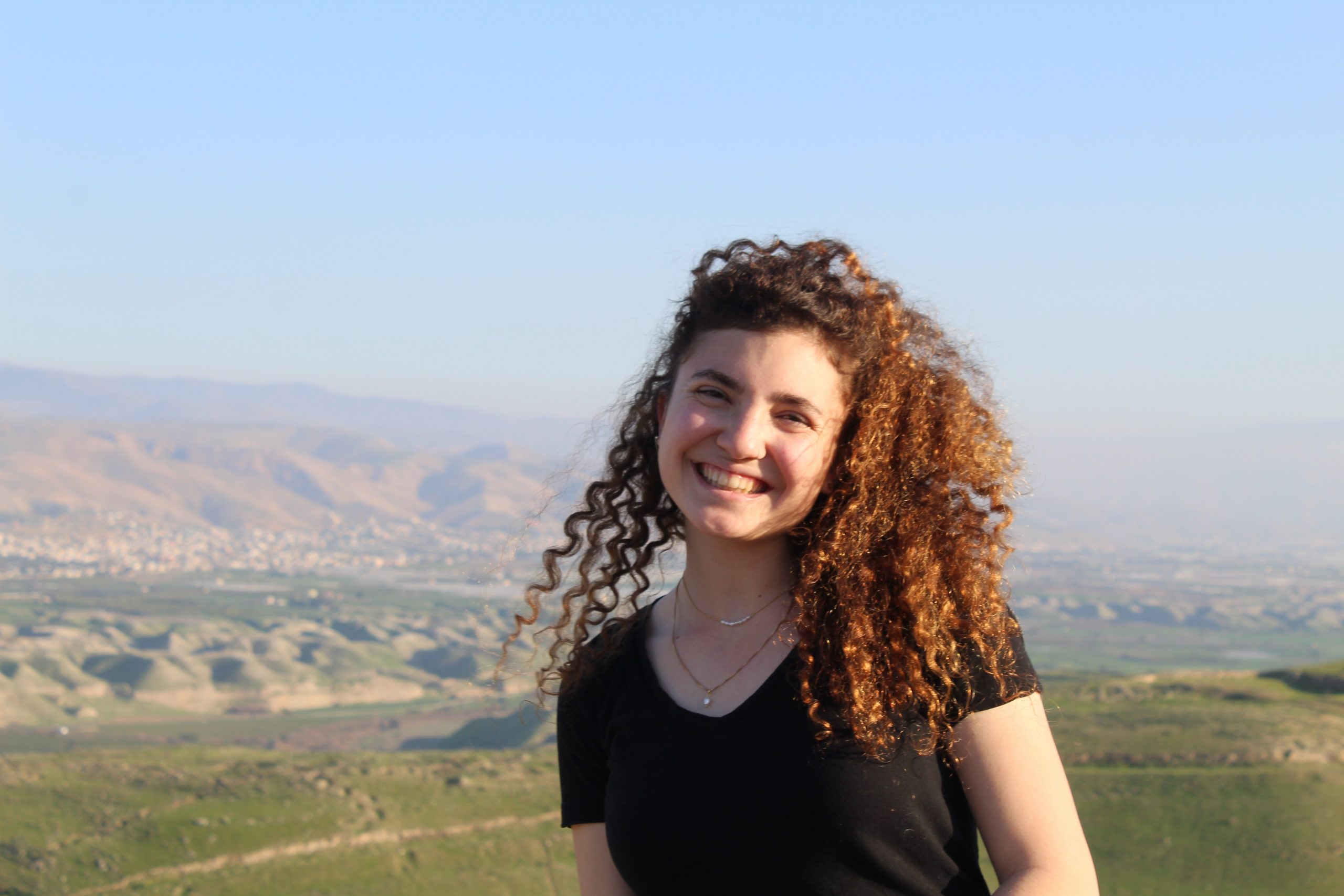
התחלתי ללמוד דף יומי באמצע תקופת הקורונה, שאבא שלי סיפר לי על קבוצה של בנות שתיפתח ביישוב שלנו ותלמד דף יומי כל יום. הרבה זמן רציתי להצטרף לזה וזאת הייתה ההזדמנות בשבילי. הצטרפתי במסכת שקלים ובאמצע הייתה הפסקה קצרה. כיום אני כבר לומדת באולפנה ולומדת דף יומי לבד מתוך גמרא של טיינזלץ.

Saturdays in Raleigh
שבות בראלי

עתניאל, ישראל

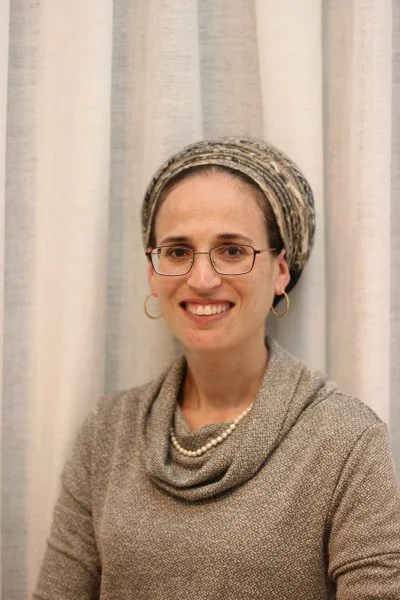
התחלתי ללמוד גמרא בבית הספר בגיל צעיר והתאהבתי. המשכתי בכך כל חיי ואף היייתי מורה לגמרא בבית הספר שקד בשדה אליהו (בית הספר בו למדתי בילדותי)בתחילת מחזור דף יומי הנוכחי החלטתי להצטרף ובע”ה מקווה להתמיד ולהמשיך. אני אוהבת את המפגש עם הדף את "דרישות השלום ” שמקבלת מקשרים עם דפים אחרים שלמדתי את הסנכרון שמתחולל בין התכנים.

Ariela Bigman
אריאלה ביגמן

מעלה גלבוע, ישראל

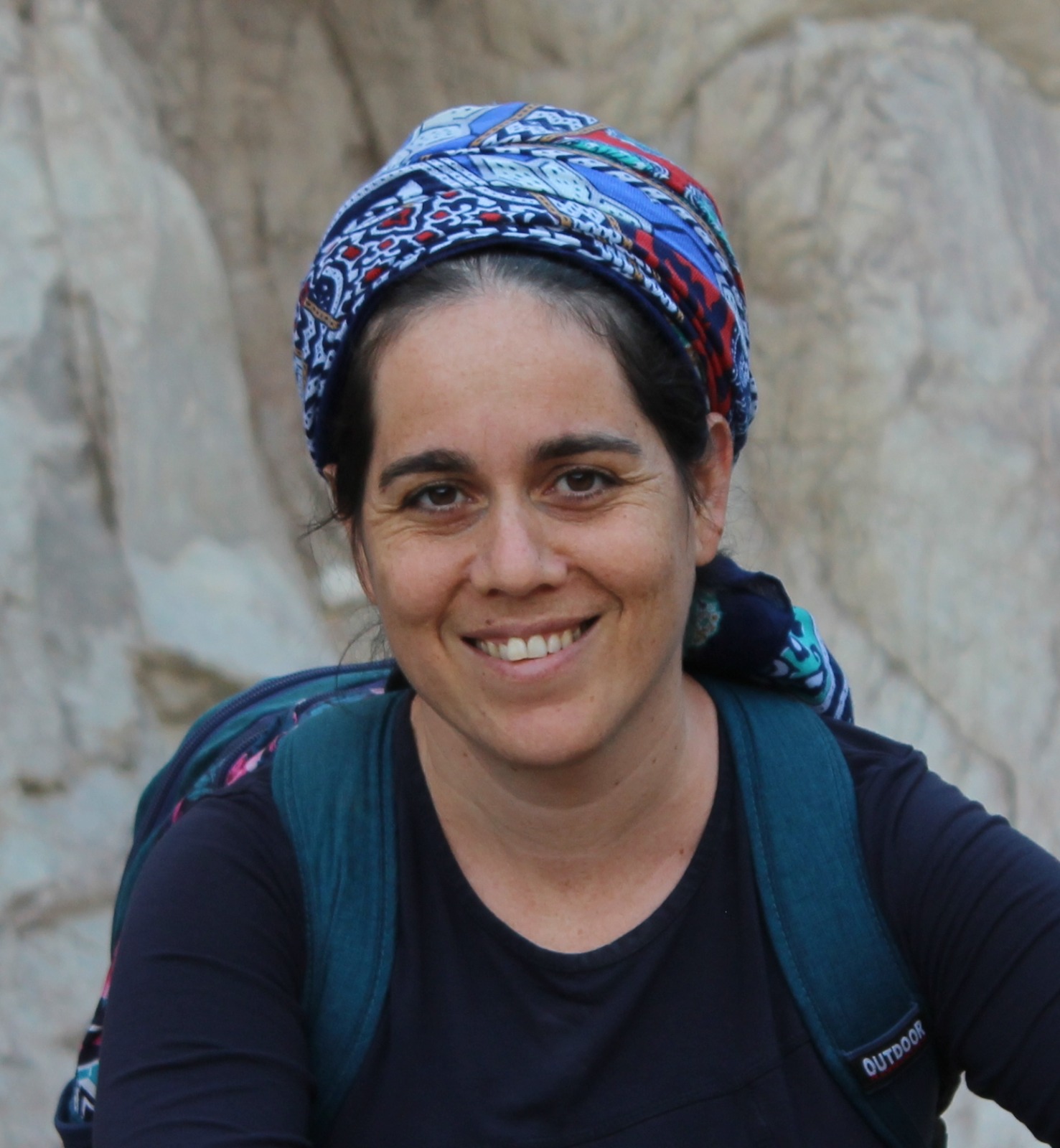
אני לומדת גמרא כעשור במסגרות שונות, ואת הדף היומי התחלתי כשחברה הציעה שאצטרף אליה לסיום בבנייני האומה. מאז אני לומדת עם פודקסט הדרן, משתדלת באופן יומי אך אם לא מספיקה, מדביקה פערים עד ערב שבת. בסבב הזה הלימוד הוא "ממעוף הציפור”, מקשיבה במהירות מוגברת תוך כדי פעילויות כמו בישול או נהיגה, וכך רוכשת היכרות עם הסוגיות ואופן ניתוחם על ידי חז”ל. בע”ה בסבב הבא, ואולי לפני, אצלול לתוכו באופן מעמיק יותר.

Yael Bir
יעל ביר

רמת גן, ישראל

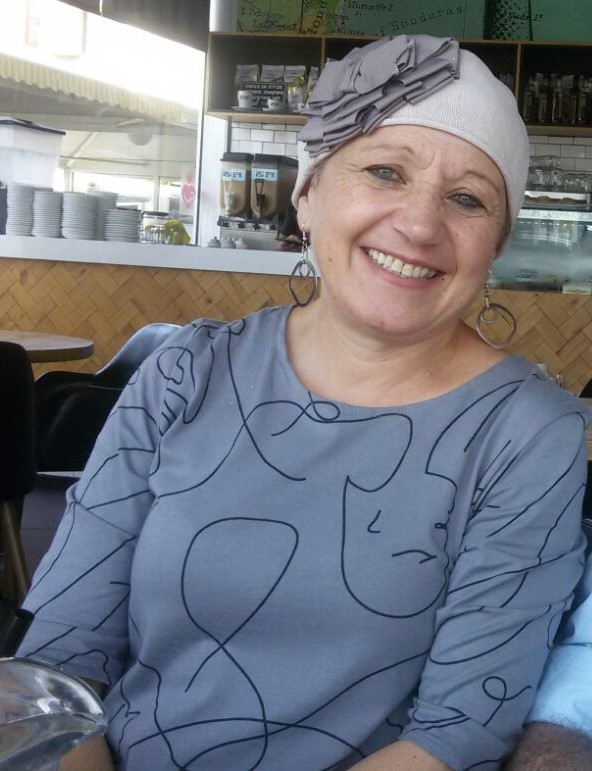
התחלתי ללמוד בעידוד שתי חברות אתן למדתי בעבר את הפרק היומי במסגרת 929.
בבית מתלהבים מאוד ובשבת אני לומדת את הדף עם בעלי שזה מפתיע ומשמח מאוד! לימוד הדף הוא חלק בלתי נפרד מהיום שלי. לומדת בצהריים ומחכה לזמן הזה מידי יום…

Miriam Wengerover
מרים ונגרובר

אפרת, ישראל

"
גם אני התחלתי בסבב הנוכחי וב””ה הצלחתי לסיים את רוב המסכתות . בזכות הרבנית מישל משתדלת לפתוח את היום בשיעור הזום בשעה 6:20 .הלימוד הפך להיות חלק משמעותי בחיי ויש ימים בהם אני מצליחה לחזור על הדף עם מלמדים נוספים ששיעוריהם נמצאים במרשתת. שמחה להיות חלק מקהילת לומדות ברחבי העולם. ובמיוחד לשמש דוגמה לנכדותיי שאי””ה יגדלו לדור שלימוד תורה לנשים יהיה משהו שבשגרה. "

Ronit Shavit
רונית שביט

נתניה, ישראל

התחלתי ללמוד בסבב הנוכחי לפני כשנתיים .הסביבה מתפעלת ותומכת מאוד. אני משתדלת ללמוד מכל ההסכתים הנוספים שיש באתר הדרן. אני עורכת כל סיום מסכת שיעור בביתי לכ20 נשים שמחכות בקוצר רוח למפגשים האלו.

Yael Asher
יעל אשר

יהוד, ישראל

התחלתי ללמוד בשנת המדרשה במגדל עוז, בינתיים נהנית מאוד מהלימוד ומהגמרא, מעניין ומשמח מאוד!
משתדלת להצליח לעקוב כל יום, לפעמים משלימה קצת בהמשך השבוע.. מרגישה שיש עוגן מקובע ביום שלי והוא משמח מאוד!

Uriah Kesner
אוריה קסנר

חיפה , ישראל

התחלתי בסיום הש”ס, יצאתי באורות. נשברתי פעמיים, ובשתיהם הרבנית מישל עודדה להמשיך איפה שכולם בסבב ולהשלים כשאוכל, וכך עשיתי וכיום השלמתי הכל. מדהים אותי שאני לומדת כל יום קצת, אפילו בחדר הלידה, בבידוד או בחו”ל. לאט לאט יותר נינוחה בסוגיות. לא כולם מבינים את הרצון, בפרט כפמניסטית. חשה סיפוק גדול להכיר את המושגים וצורת החשיבה. החלום זה להמשיך ולהתמיד ובמקביל ללמוד איך מהסוגיות נוצרה והתפתחה ההלכה.

Weingarten Sherrington Foundation
קרן וינגרטן שרינגטון

מודיעין, ישראל

בתחילת הסבב הנוכחי של לימוד הדף היומי, נחשפתי לחגיגות המרגשות באירועי הסיום ברחבי העולם. והבטחתי לעצמי שבקרוב אצטרף גם למעגל הלומדות. הסבב התחיל כאשר הייתי בתחילת דרכי בתוכנית קרן אריאל להכשרת יועצות הלכה של נשמ”ת. לא הצלחתי להוסיף את ההתחייבות לדף היומי על הלימוד האינטנסיבי של תוכנית היועצות. בבוקר למחרת המבחן הסופי בנשמ”ת, התחלתי את לימוד הדף במסכת סוכה ומאז לא הפסקתי.

Hana Shaham-Rozby (Dr.)
חנה שחם-רוזבי (ד”ר)

קרית גת, ישראל

סיום השס לנשים נתן לי מוטביציה להתחיל ללמוד דף יומי. עד אז למדתי גמרא בשבתות ועשיתי כמה סיומים. אבל לימוד יומיומי זה שונה לגמרי ופתאום כל דבר שקורה בחיים מתקשר לדף היומי.

Fogel Foundation
קרן פוגל

רתמים, ישראל

אחי, שלומד דף יומי ממסכת ברכות, חיפש חברותא ללימוד מסכת ראש השנה והציע לי. החברותא היתה מאתגרת טכנית ורוב הזמן נעשתה דרך הטלפון, כך שבסיום המסכת נפרדו דרכינו. אחי חזר ללמוד לבד, אבל אני כבר נכבשתי בקסם הגמרא ושכנעתי את האיש שלי להצטרף אלי למסכת ביצה. מאז המשכנו הלאה, ועכשיו אנחנו מתרגשים לקראתו של סדר נשים!

Shulamit Saban
שולמית סבן

נוקדים, ישראל

אמא שלי למדה איתי ש”ס משנה, והתחילה ללמוד דף יומי. אני החלטתי שאני רוצה ללמוד גם. בהתחלה למדתי איתה, אח”כ הצטרפתי ללימוד דף יומי שהרב דני וינט מעביר לנוער בנים בעתניאל. במסכת עירובין עוד חברה הצטרפה אלי וכשהתחלנו פסחים הרב דני פתח לנו שעור דף יומי לבנות. מאז אנחנו לומדות איתו קבוע כל יום את הדף היומי (ובשבת אבא שלי מחליף אותו). אני נהנית מהלימוד, הוא מאתגר ומעניין

Renana Hellman
רננה הלמן

עתניאל, ישראל

בתחילת הסבב הנוכחי של לימוד הדף היומי, נחשפתי לחגיגות המרגשות באירועי הסיום ברחבי העולם. והבטחתי לעצמי שבקרוב אצטרף גם למעגל הלומדות. הסבב התחיל כאשר הייתי בתחילת דרכי בתוכנית קרן אריאל להכשרת יועצות הלכה של נשמ”ת. לא הצלחתי להוסיף את ההתחייבות לדף היומי על הלימוד האינטנסיבי של תוכנית היועצות. בבוקר למחרת המבחן הסופי בנשמ”ת, התחלתי את לימוד הדף במסכת סוכה ומאז לא הפסקתי.

Hana Shaham-Rozby (Dr.)
חנה שחם-רוזבי (ד”ר)

קרית גת, ישראל

. לא תמיד נהניתי מלימוד גמרא כילדה.,בל כהתבגרתי התחלתי לאהוב את זה שוב. התחלתי ללמוד מסכת סוטה בדף היומי לפני כחמש עשרה שנה ואז הפסקתי.הגעתי לסיום הגדול של הדרן לפני שנתיים וזה נתן לי השראה. והתחלתי ללמוד למשך כמה ימים ואז היתה לי פריצת דיסק והפסקתי…עד אלול השנה. אז התחלתי עם מסכת ביצה וב”ה אני מצליחה לעמוד בקצב. המשפחה מאוד תומכת בי ויש כמה שגם לומדים את זה במקביל. אני אוהבת שיש עוגן כל יום.

Rebecca Darshan
רבקה דרשן

בית שמש, ישראל

בסוף הסבב הקודם ראיתי את השמחה הגדולה שבסיום הלימוד, בעלי סיים כבר בפעם השלישית וכמובן הסיום הנשי בבנייני האומה וחשבתי שאולי זו הזדמנות עבורי למשהו חדש.
למרות שאני שונה בסביבה שלי, מי ששומע על הלימוד שלי מפרגן מאוד.
אני מנסה ללמוד קצת בכל יום, גם אם לא את כל הדף ובסך הכל אני בדרך כלל עומדת בקצב.
הלימוד מעניק המון משמעות ליום יום ועושה סדר בלמוד תורה, שתמיד היה (ועדיין) שאיפה. אבל אין כמו קביעות

Racheli-Mendelson
רחלי מנדלסון

טל מנשה, ישראל

לצערי גדלתי בדור שבו לימוד גמרא לנשים לא היה דבר שבשגרה ושנים שאני חולמת להשלים את הפער הזה.. עד שלפני מספר שבועות, כמעט במקרה, נתקלתי במודעת פרסומת הקוראת להצטרף ללימוד מסכת תענית. כשקראתי את המודעה הרגשתי שהיא כאילו נכתבה עבורי – "תמיד חלמת ללמוד גמרא ולא ידעת איך להתחיל”, "בואי להתנסות במסכת קצרה וקלה” (רק היה חסר שהמודעה תיפתח במילים "מיכי שלום”..). קפצתי למים ו- ב”ה אני בדרך להגשמת החלום:)

Micah Kadosh
מיכי קדוש

מורשת, ישראל

התחלתי לפני כמה שנים אבל רק בסבב הזה זכיתי ללמוד יום יום ולסיים מסכתות

Sigal Tel
סיגל טל

רעננה, ישראל

התחלתי מעט לפני תחילת הסבב הנוכחי. אני נהנית מהאתגר של להמשיך להתמיד, מרגעים של "אהה, מפה זה הגיע!” ומהאתגר האינטלקטואלי

Eilat-Chen and Deller
אילת-חן ודלר

לוד, ישראל

התחלתי ללמוד בשנת המדרשה במגדל עוז, בינתיים נהנית מאוד מהלימוד ומהגמרא, מעניין ומשמח מאוד!
משתדלת להצליח לעקוב כל יום, לפעמים משלימה קצת בהמשך השבוע.. מרגישה שיש עוגן מקובע ביום שלי והוא משמח מאוד!

Uriah Kesner
אוריה קסנר

חיפה , ישראל

ראיתי את הסיום הגדול בבנייני האומה וכל כך התרשמתי ורציתי לקחת חלק.. אבל לקח לי עוד כשנה וחצי )באמצע מסיכת שבת להצטרף..
הלימוד חשוב לי מאוד.. אני תמיד במרדף אחרי הדף וגונבת כל פעם חצי דף כשהילדים עסוקים ומשלימה אח”כ אחרי שכולם הלכו לישון..

Olga Mizrahi
אולגה מזרחי

ירושלים, ישראל

חגיגה ב

הַכֹּל חַיָּיבִין בִּרְאִיָּיה, חוּץ מֵחֵרֵשׁ שׁוֹטֶה וְקָטָן, וְטוּמְטוּם וְאַנְדְּרוֹגִינוֹס, וְנָשִׁים, וַעֲבָדִים שֶׁאֵינָם מְשׁוּחְרָרִים, הַחִיגֵּר וְהַסּוֹמֵא, וְהַחוֹלֶה וְהַזָּקֵן, וּמִי שֶׁאֵינוֹ יָכוֹל לַעֲלוֹת בְּרַגְלָיו.

MISHNA: All are obligated on the three pilgrim Festivals in the mitzva of appearance, i.e., to appear in the Temple as well as to sacrifice an offering, except for a deaf-mute, an imbecile, and a minor; and a tumtum, and a hermaphrodite, and women, and slaves who are not emancipated; and the lame, and the blind, and the sick, and the old, and one who is unable to ascend to Jerusalem on his own legs.

אֵיזֶהוּ קָטָן — כֹּל שֶׁאֵינוֹ יָכוֹל לִרְכּוֹב עַל כְּתֵפָיו שֶׁל אָבִיו וְלַעֲלוֹת מִירוּשָׁלַיִם לְהַר הַבַּיִת, דִּבְרֵי בֵּית שַׁמַּאי. וּבֵית הִלֵּל אוֹמְרִים: כֹּל שֶׁאֵינוֹ יָכוֹל לֶאֱחוֹז בְּיָדוֹ שֶׁל אָבִיו וְלַעֲלוֹת מִירוּשָׁלַיִם לְהַר הַבַּיִת, שֶׁנֶּאֱמַר: ״שָׁלֹשׁ רְגָלִים״.

Who has the status of a minor with regard to this halakha? Any child who is unable to ride on his father’s shoulders and ascend from Jerusalem to the Temple Mount; this is the statement of Beit Shammai. And Beit Hillel say: Any child who is unable to hold his father’s hand and ascend on foot from Jerusalem to the Temple Mount, as it is stated: “Three times [regalim]” (Exodus 23:14). Since the term for feet is raglayim, Beit Hillel infer from here that the obligation to ascend involves the use of one’s legs.

בֵּית שַׁמַּאי אוֹמְרִים: הָרְאִיָּיה — שְׁתֵּי כֶסֶף, וְהַחֲגִיגָה — מָעָה כֶּסֶף. וּבֵית הִלֵּל אוֹמְרִים: הָרְאִיָּיה מָעָה כֶּסֶף, וְהַחֲגִיגָה שְׁתֵּי כֶסֶף.

Beit Shammai say: The burnt-offering of appearance brought on a pilgrim Festival must be worth at least two silver coins, and the Festival peace-offering must be worth at least one silver ma’a coin. And Beit Hillel say: The burnt-offering of appearance must be worth at least one silver ma’a and the Festival peace-offering at least two silver coins.

גְּמָ׳ ״הַכֹּל״ לְאֵתוֹיֵי מַאי? לְאֵתוֹיֵי מִי שֶׁחֶצְיוֹ עֶבֶד וְחֶצְיוֹ בֶּן חוֹרִין. וּלְרָבִינָא דְּאָמַר מִי שֶׁחֶצְיוֹ עֶבֶד וְחֶצְיוֹ בֶּן חוֹרִין פָּטוּר מִן הָרְאִיָּיה, ״הַכֹּל״ לְאֵתוֹיֵי מַאי? לְאֵתוֹיֵי חִיגֵּר בְּיוֹם רִאשׁוֹן וְנִתְפַּשֵּׁט בְּיוֹם שֵׁנִי.

GEMARA: The Gemara asks: When the mishna states that all are obligated in the mitzva of appearance in the Temple, the term: All, comes to add what in the mishna’s ruling? The Gemara answers: It serves to add one who is half-slave half-freeman. The Gemara asks: And according to the opinion of Ravina, who said: One who is half-slave half-freeman is exempt from the appearance in the Temple, the term: All, comes to add what? The Gemara answers: It comes to add one who was lame on the first day of the Festival and was unable to travel, and was healed on the second day of the Festival. This man is obligated to appear before the end of the Festival.

הָנִיחָא לְמַאן דְּאָמַר כּוּלָּן תַּשְׁלוּמִין זֶה לָזֶה. אֶלָּא לְמַאן דְּאָמַר כּוּלָּן תַּשְׁלוּמִין דְּרִאשׁוֹן, ״הַכֹּל״ לְאֵתוֹיֵי מַאי? לְאֵתוֹיֵי סוֹמֵא בְּאַחַת מֵעֵינָיו.

The Gemara asks: This works out well according to the one who said that all seven days of the Festival redress one another, i.e., the obligation to appear applies equally on all days of the Festival. Consequently, one who was unable to travel on the first day may do so on the second day. However, according to the one who said that the main obligation is on the first day and all the remaining days merely redress the first day, and therefore one who was exempt from appearing on the first day of the Festival remains exempt throughout the rest of the Festival, the term: All, comes to add what? The Gemara answers: It comes to add one who is blind in one of his eyes.

וּדְלָא כִּי הַאי תַּנָּא, דְּתַנְיָא: יוֹחָנָן בֶּן דַּהֲבַאי אוֹמֵר מִשּׁוּם רַבִּי יְהוּדָה: סוֹמֵא בְּאַחַת מֵעֵינָיו פָּטוּר מִן הָרְאִיָּיה, שֶׁנֶּאֱמַר: ״יִרְאֶה״, ״יֵרָאֶה״ — כְּדֶרֶךְ שֶׁבָּא לִרְאוֹת כָּךְ בָּא לֵירָאוֹת. מָה לִרְאוֹת בִּשְׁתֵּי עֵינָיו, אַף לֵירָאוֹת בִּשְׁתֵּי עֵינָיו.

The Gemara notes: And this is not in accordance with the opinion of this tanna, as it is taught in a baraita that Yoḥanan ben Dehavai says in the name of Rabbi Yehuda: One who is blind in one of his eyes is exempt from the mitzva of appearance, as it is stated: “Three occasions in the year all your males will appear [yera’e] before the Lord God” (Exodus 23:17). Since there are no vowels in the text, this can be read as: All your males will see [yireh] the Lord God. This teaches that in the same manner that one comes to see, so he comes to be seen: Just as the usual way to see is with both one’s eyes, so too the obligation to be seen applies only to one who comes with the sight of both his eyes. Therefore, one who is blind in one eye is not obligated in the mitzva of appearance in the Temple.

וְאִיבָּעֵית אֵימָא: לְעוֹלָם כִּדְאָמְרִי מֵעִיקָּרָא, וּדְקָא קַשְׁיָא לָךְ הָא דְּרָבִינָא — לָא קַשְׁיָא: כָּאן כְּמִשְׁנָה רִאשׁוֹנָה, כָּאן כְּמִשְׁנָה אַחֲרוֹנָה. דִּתְנַן: מִי שֶׁחֶצְיוֹ עֶבֶד וְחֶצְיוֹ בֶּן חוֹרִין — עוֹבֵד אֶת רַבּוֹ יוֹם אֶחָד וְאֶת עַצְמוֹ יוֹם אֶחָד, דִּבְרֵי בֵּית הִלֵּל.

And if you wish, say instead: Actually, it is as we said initially, that it comes to include one who is half-slave and half-freeman. And as for that which poses a difficulty to the opinion of Ravina, it is not difficult: Here it is in accordance with the initial version of the mishna, whereas there, Ravina’s statement, is in accordance with the ultimate version of the mishna. As we learned in a mishna (Pesaḥim 88a): One who is half-slave half-freeman serves his master one day and works for himself one day. This is the statement of Beit Hillel.

אָמְרוּ לָהֶם בֵּית שַׁמַּאי:

Beit Shammai said to them:

תִּקַּנְתֶּם אֶת רַבּוֹ, וְאֶת עַצְמוֹ לֹא תִּקַּנְתֶּם. לִישָּׂא שִׁפְחָה אֵינוֹ יָכוֹל, בַּת חוֹרִין אֵינוֹ יָכוֹל.

You have remedied the situation of his master, who benefits fully from all his rights to the slave, but his own situation you have not remedied. How so? He is unable to marry a maidservant, as half of him is already free, and a free Jew may not marry a Canaanite maidservant. He is likewise unable to marry a free woman, as half of him is still a slave.

לִיבְטֵּיל — וַהֲלֹא לֹא נִבְרָא הָעוֹלָם אֶלָּא לִפְרִיָּה וּרְבִיָּה, שֶׁנֶּאֱמַר: ״לֹא תֹהוּ בְרָאָהּ לָשֶׁבֶת יְצָרָהּ״. אֶלָּא מִפְּנֵי תִּיקּוּן הָעוֹלָם, כּוֹפִין אֶת רַבּוֹ וְעוֹשֶׂה אוֹתוֹ בֶּן חוֹרִין, וְכוֹתֵב לוֹ שְׁטָר עַל חֲצִי דָּמָיו. וְחָזְרוּ בֵּית הִלֵּל לְהוֹרוֹת כְּדִבְרֵי בֵּית שַׁמַּאי.

And if you say he should be idle and not marry, but isn’t it true that the world was created only for procreation, as it is stated: “He did not create it to be a waste; He formed it to be inhabited” (Isaiah 45:18)? Rather, for the betterment of the world we force his master to make him a freeman, and the slave writes a bill to his master accepting his responsibility to pay half his value to him. And Beit Hillel ultimately retracted their opinion, to rule in accordance with the statement of Beit Shammai that a half-slave must be set free.

חוּץ מֵחֵרֵשׁ שׁוֹטֶה וְקָטָן כּוּ׳. קָתָנֵי חֵרֵשׁ דּוּמְיָא דְּשׁוֹטֶה וְקָטָן: מָה שׁוֹטֶה וְקָטָן — דְּלָאו בְּנֵי דֵעָה, אַף חֵרֵשׁ — דְּלָאו בַּר דֵּעָה הוּא. וְקָא מַשְׁמַע לַן כְּדִתְנַן: חֵרֵשׁ שֶׁדִּיבְּרוּ חֲכָמִים בְּכׇל מָקוֹם, שֶׁאֵינוֹ שׁוֹמֵעַ וְאֵינוֹ מְדַבֵּר. הָא מְדַבֵּר וְאֵינוֹ שׁוֹמֵעַ, שׁוֹמֵעַ וְאֵינוֹ מְדַבֵּר — חַיָּיב.

§ The mishna taught: Except for a deaf-mute, an imbecile, and a minor. The Gemara notes: By listing these three cases together the mishna is teaching that a deaf-mute is similar to an imbecile and a minor: Just as an imbecile and a minor are among those who are not of sound mind, so too the deaf-mute [ḥeresh] mentioned here is one who is not of sound mind. And this teaches us as we learned in a mishna (Terumot 1:2): The ḥeresh, whom the Sages discussed everywhere, is one who does not hear and does not speak, and therefore his mind is not lucid. It can be inferred from this that one who speaks but does not hear and one who hears but does not speak are obligated in mitzvot like any other person.

תְּנֵינָא לְהָא, דְּתָנוּ רַבָּנַן: הַמְדַבֵּר וְאֵינוֹ שׁוֹמֵעַ — זֶהוּ חֵרֵשׁ, שׁוֹמֵעַ וְאֵינוֹ מְדַבֵּר — זֶהוּ אִלֵּם, זֶה וָזֶה — הֲרֵי הֵן כְּפִקְחִין לְכׇל דִּבְרֵיהֶם.

The Gemara notes: We already learned this, as the Sages taught in the Tosefta (Terumot 1:2): One who speaks but does not hear, this is a deaf person. One who hears but does not speak, this is a mute. Both this one and that one are in the same legal category as those who can see and hear with regard to all matters. This shows that the ḥeresh exempted by the Sages is one who neither hears nor speaks.

וּמִמַּאי דִּמְדַבֵּר וְאֵינוֹ שׁוֹמֵעַ זֶהוּ חֵרֵשׁ, שׁוֹמֵעַ וְאֵינוֹ מְדַבֵּר זֶהוּ אִלֵּם? דִּכְתִיב: ״וַאֲנִי כְחֵרֵשׁ לֹא אֶשְׁמָע וּכְאִלֵּם לֹא יִפְתַּח פִּיו״. וְאִיבָּעֵית אֵימָא, כִּדְאָמְרִי אִינָשֵׁי: אִישְׁתְּקִיל מִילּוּלֵיהּ.

The Gemara asks: And from where is it derived that one who speaks but does not hear is a deaf person, and one who hears but does not speak is a mute? As it is written: “But I am as a deaf man, I hear not; and I am as a dumb man [illem] who does not open his mouth” (Psalms 38:14). If you wish, say instead that this is as people say: His speech has been taken [Ishtakeil Milulei]; the term illem is an acronym for this phrase.

מְדַבֵּר וְאֵינוֹ שׁוֹמֵעַ, שׁוֹמֵעַ וְאֵינוֹ מְדַבֵּר — חַיָּיב. וְהָתַנְיָא: מְדַבֵּר וְאֵינוֹ שׁוֹמֵעַ, שׁוֹמֵעַ וְאֵינוֹ מְדַבֵּר — פָּטוּר!

The Tosefta taught that one who speaks but does not hear and one who hears but does not speak are obligated in mitzvot. The Gemara asks: Isn’t it taught in a baraita that one who speaks but does not hear and one who hears but does not speak are exempt?

אָמַר רָבִינָא, וְאִיתֵּימָא רָבָא: חַסּוֹרֵי מִיחַסְּרָא וְהָכִי קָתָנֵי: הַכֹּל חַיָּיבִין בִּרְאִיָּיה וּבְשִׂמְחָה, חוּץ מֵחֵרֵשׁ הַמְדַבֵּר וְאֵינוֹ שׁוֹמֵעַ, שׁוֹמֵעַ וְאֵינוֹ מְדַבֵּר, שֶׁפָּטוּר מִן הָרְאִיָּיה. וְאַף עַל פִּי שֶׁפָּטוּר מִן הָרְאִיָּיה, חַיָּיב בְּשִׂמְחָה. וְאֶת שֶׁאֵינוֹ לֹא שׁוֹמֵעַ וְלֹא מְדַבֵּר, וְשׁוֹטֶה וְקָטָן — פָּטוּר אַף מִן הַשִּׂמְחָה, הוֹאִיל וּפְטוּרִים מִכׇּל מִצְוֹת הָאֲמוּרוֹת בַּתּוֹרָה.

Ravina said, and some say it was Rava who said: The mishna is incomplete and is teaching the following: All are obligated in the mitzvot of appearance in the Temple and rejoicing during the pilgrim Festival by eating the sacrificial meat, except for a deaf person who speaks but does not hear and a mute person who hears but does not speak, each of whom is exempt from the mitzva of appearance. And even though he is exempt from the mitzva of appearance, he is obligated in the mitzva of rejoicing. But one who does not hear and does not speak, and an imbecile and a minor, each of these is exempt even from rejoicing, since they are exempt from all the mitzvot mentioned in the Torah, as they are not of sound mind.

תַּנְיָא נָמֵי הָכִי: הַכֹּל חַיָּיבִין בִּרְאִיָּיה וּבְשִׂמְחָה, חוּץ מֵחֵרֵשׁ הַמְדַבֵּר וְאֵינוֹ שׁוֹמֵעַ, שׁוֹמֵעַ וְאֵינוֹ מְדַבֵּר, שֶׁפְּטוּרִין מִן הָרְאִיָּיה. וְאַף עַל פִּי שֶׁפָּטוּר מִן הָרְאִיָּיה —

That opinion is also taught in a baraita: All are obligated in the mitzva of appearance and in rejoicing, except for a deaf person who speaks but does not hear and one who hears but does not speak, as they are exempt from the mitzva of appearance. And even though they are exempt from the mitzva of appearance,

רוצה לעקוב אחרי התכנים ולהמשיך ללמוד?

ביצירת חשבון עוד היום ניתן לעקוב אחרי ההתקדמות שלך, לסמן מה למדת, ולעקוב אחרי השיעורים שמעניינים אותך.

לנקות את כל הפריטים מהרשימה?

פעולה זו תסיר את כל הפריטים בחלק זה כולל ההתקדמות וההיסטוריה. שימי לב: לא ניתן לשחזר פעולה זו.

ביטול
מחיקה

האם את/ה בטוח/ה שברצונך למחוק פריט זה?

תאבד/י את כל ההתקדמות או ההיסטוריה הקשורות לפריט זה.

ביטול
מחיקה