








האם אפשר ליטול ידיים עם חמי האור? עם מי טבריה? האם אפשר לטבול ידיים בחמי טבריה? למה נוטלים ידיים לפני אכילת לחם? עד איפה ביד נוטלים ידיים?
רוצה להקדיש לימוד?
חולין קו
חֲזָנְהוּ דְּקָא שָׁדוּ מַיָּא מִפּוּמָּא דְּחַצְבָּא, אָמַר: אִי הֲוָה יָדַעְנָא דִּרְגִילִיתוּ לְמִיעְבַּד הָכִי, לָא אִיעַכַּבִי.
the demon saw the members of Rav Pappa’s household pouring water from the mouth of the pitcher before drinking from it. The demon said to them: If I had known that you regularly do this, I would not have delayed. I would have brought the water straight from the river, knowing you would pour out the foul waters.
כִּי אֲתָא רַב דִּימִי אָמַר: מַיִם הָרִאשׁוֹנִים הֶאֱכִילוּ בְּשַׂר חֲזִיר,
§ When Rav Dimi came from Eretz Yisrael he said: Due to the failure to wash with the first waters, they ultimately fed a Jew pig meat. This case involved a storekeeper who would sell different meat to his Jewish and gentile customers. When a Jew who came to eat with him neglected to wash before eating, the storekeeper assumed he was a gentile and fed him pig meat.
אַחֲרוֹנִים הוֹצִיאוּ אֶת הָאִשָּׁה מִבַּעְלָהּ.
And due to the failure to wash with final waters a woman was ultimately divorced from her husband. In this incident, a host who had stolen his guests’ money had lentils on his mustache from a previous meal because he had not washed his hands and mouth after eating. Realizing he had eaten lentils that day, his victims approached the man’s wife and said that her husband had instructed them to tell her to return their money. They then claimed that the man told them to tell her that he had eaten lentils that day as proof that they were telling the truth. They thereby fooled his wife into thinking he wanted her to give their money back. Out of anger, the host divorced his wife.
כִּי אֲתָא רָבִין אָמַר: רִאשׁוֹנִים הֶאֱכִילוּ בְּשַׂר נְבֵלָה, אַחֲרוֹנִים הָרְגוּ אֶת הַנֶּפֶשׁ. אָמַר רַב נַחְמָן בַּר יִצְחָק: וְסִימָנָיךְ – אֲתָא רַב דִּימִי אַפְּקַהּ, אֲתָא רָבִין קַטְלַהּ.
When Ravin came from Eretz Yisrael he said the statement slightly differently: Due to the failure to wash with first waters, they fed a Jew meat from an animal carcass, and the failure to wash with final waters killed a person, as in the second incident the host was so angry with his wife that he killed her. Rav Naḥman bar Yitzḥak said: And your mnemonic to remember which Sage said which version is: Rav Dimi came and divorced her from her husband, i.e., according to his version she was divorced, and Ravin came and killed her, since in his version the husband killed his wife.
רַבִּי אַבָּא מַתְנֵי חֲדָא מֵהָנֵי, וַחֲדָא מֵהָנֵי, לְחוּמְרָא.
Rabbi Abba would teach one of these versions involving first waters and one of them with regard to final waters, and in both cases he taught the more severe version, i.e., he specified the meat of a pig and that the husband killed his wife.
אִיתְּמַר, חַמֵּי הָאוּר: חִזְקִיָּה אָמַר אֵין נוֹטְלִים מֵהֶן לַיָּדַיִם, וְרַבִּי יוֹחָנָן אָמַר נוֹטְלִין מֵהֶם לַיָּדַיִם. אָמַר רַבִּי יוֹחָנָן: שָׁאַלְתִּי אֶת רַבָּן גַּמְלִיאֵל בְּנוֹ שֶׁל רַבִּי, וְאוֹכֵל טְהָרוֹת, וְאָמַר לִי כׇּל גְּדוֹלֵי גָּלִיל עוֹשִׂין כֵּן.
A disagreement was stated with regard to water heated by fire: Ḥizkiyya says that one may not wash his hands with such water, and Rabbi Yoḥanan says that one may wash his hands with it. Rabbi Yoḥanan said: I asked Rabban Gamliel, son of Rabbi Yehuda HaNasi, about this halakha, and he was one who would eat only in a state of ritual purity and was therefore careful about washing his hands; and he said to me that all the great men of the Galilee would do so, i.e., wash their hands in heated water.
חַמֵּי טְבֶרְיָא, חִזְקִיָּה אָמַר: אֵין נוֹטְלִין מֵהֶם לַיָּדַיִם, אֲבָל מַטְבִּילִין בָּהֶם הַיָּדַיִם. וְרַבִּי יוֹחָנָן אָמַר: כׇּל גּוּפוֹ טוֹבֵל בָּהֶן, אֲבָל לֹא פָּנָיו יָדָיו וְרַגְלָיו.
Likewise, with regard to the hot springs of Tiberias, Ḥizkiyya says that one may not wash his hands with water from them before eating, but if there are forty se’a, the requisite size of a ritual bath, then one may immerse the hands directly in them, and this is effective for the ritual of washing the hands before a meal. And Rabbi Yoḥanan says that an impure person may immerse his entire body in such water to become pure, but one may still not use it for the immersion of part of his body, such as his face, hands, and feet, as this immersion is not considered equivalent to washing the hands.
הַשְׁתָּא כׇּל גּוּפוֹ טוֹבֵל בָּהֶם, פָּנָיו יָדָיו וְרַגְלָיו לֹא כׇּל שֶׁכֵּן? אָמַר רַב פָּפָּא: בִּמְקוֹמָן – דְּכוּלֵּי עָלְמָא לָא פְּלִיגִי דִּשְׁרֵי, מִשְׁקַל מִינַּיְיהוּ בְּמָנָא – דְּכוּלֵּי עָלְמָא לָא פְּלִיגִי דַּאֲסִיר. כִּי פְּלִיגִי – דְּפַסְקִינְהוּ בְּבַת בִּירְתָּא: מָר סָבַר גָּזְרִינַן בַּת בִּירְתָּא אַטּוּ מָנָא, וּמָר סָבַר לָא גָּזְרִינַן.
The Gemara asks: Now that it has been said that one may immerse his entire body in the hot springs of Tiberias, is it not all the more so permitted for his face, hands, and feet? Rav Pappa said: When the water in the hot springs stands in place, everyone, both Ḥizkiyya and Rabbi Yoḥanan, agrees that it is permitted to immerse one’s hands in it. Likewise, everyone agrees that to take from these waters in a vessel and wash one’s hands from it is prohibited. They disagree when one draws the waters through a ditch. One Sage, Rabbi Yoḥanan, holds that we decree against the use of ditch water due to the concern that one might come to use water in a vessel, and one Sage, Ḥizkiyya, holds that we do not decree against it.
כְּתַנָּאֵי: מַיִם שֶׁנִּפְסְלוּ מִשְּׁתִיַּית בְּהֵמָה, בְּכֵלִים – פְּסוּלִים, בַּקַּרְקַע – כְּשֵׁרִין. רַבִּי שִׁמְעוֹן בֶּן אֶלְעָזָר אוֹמֵר: אַף בַּקַּרְקַע, טוֹבֵל בָּהֶן כׇּל גּוּפוֹ, אֲבָל לֹא פָּנָיו יָדָיו וְרַגְלָיו.
The Gemara comments: This dispute is like a dispute between tanna’im, as it was taught: When water that has ceased to be fit for drinking even by an animal is in vessels, it is unfit for washing the hands, but when it is in the ground it is fit for immersion, like a ritual bath. Rabbi Shimon ben Elazar says: Even when the water is in the ground, one may immerse his entire body in it, but he may not immerse his face, hands, and feet.
הַשְׁתָּא, כׇּל גּוּפוֹ טוֹבֵל בָּהֶן, יָדָיו וְרַגְלָיו לֹא כׇּל שֶׁכֵּן? אֶלָּא לָאו דְּפַסְקִינְהוּ בְּבַת בִּירְתָּא, וּבְהָא פְּלִיגִי: דְּמָר סָבַר גָּזְרִינַן בַּת בִּירְתָּא אַטּוּ מָנָא, וּמָר סָבַר לָא גָּזְרִינַן.
As above, one might ask: Now that one may immerse his entire body in the water, is it not all the more so the case that one may immerse his hands and feet in it? Rather, must it not be referring to a case when one draws the waters through a ditch? And if so, they disagree about this: One Sage, Rabbi Shimon ben Elazar, holds that we decree against the use of ditch water due to concern that one may come to use a vessel, and one Sage, the first tanna of that baraita, holds that we do not decree against it.
אָמַר רַב אִידִי בַּר אָבִין, אָמַר רַב יִצְחָק בַּר אַשְׁיָאן: נְטִילַת יָדַיִם לְחוּלִּין, מִפְּנֵי סֶרֶךְ תְּרוּמָה.
§ Rav Idi bar Avin says that Rav Yitzḥak bar Ashiyan says: The obligation of washing hands before eating non-sacred food is due to an ancillary decree on account of teruma, the portion of produce designated for the priest, which must be consumed in a state of ritual purity. By rabbinic decree, one’s hands are considered impure with second-degree ritual impurity, as they may have touched impure items. Therefore, they render teruma impure. Consequently, priests who partake of teruma are obligated to wash their hands first. The Sages therefore decreed that all must wash their hands even before eating non-sacred food, so that people not become accustomed to eating without washing their hands, which would in turn lead the priests to partake of teruma without washing their hands.
וְעוֹד מִשּׁוּם מִצְוָה. מַאי מִצְוָה? אֲמַר אַבָּיֵי: מִצְוָה לִשְׁמוֹעַ דִּבְרֵי חֲכָמִים. רָבָא אָמַר: מִצְוָה לִשְׁמוֹעַ דִּבְרֵי רַבִּי אֶלְעָזָר בֶּן עֲרָךְ, דִּכְתִיב: ״וְכֹל אֲשֶׁר יִגַּע בּוֹ הַזָּב וְיָדָיו לֹא שָׁטַף בַּמָּיִם״. אָמַר רַבִּי אֶלְעָזָר בֶּן עֲרָךְ: מִכָּאן סָמְכוּ חֲכָמִים לִנְטִילַת יָדַיִם מִן הַתּוֹרָה.
And the obligation is further due to its being a mitzva. The Gemara asks: What mitzva does it involve? Abaye says: It is a mitzva to listen to and obey the statements of the Sages, who instituted this washing of the hands. Rava says: It is a mitzva to listen to the statement of Rabbi Elazar ben Arakh, as it is written with regard to a man who experiences a gonorrhea-like discharge [zav]: “And whomever he that has the issue touches, without having rinsed his hands in water,” he contracts ritual impurity (Leviticus 15:11), and Rabbi Elazar ben Arakh says: From here the Sages based washing of the hands upon a verse from the Torah.
אֲמַר לֵיהּ רָבָא לְרַב נַחְמָן: מַאי מַשְׁמַע? דִּכְתִיב ״וְיָדָיו לֹא שָׁטַף בְּמַיִם״, הָא שָׁטַף – טָהוֹר? הָא טְבִילָה בָּעֵי! אֶלָּא הָכִי קָאָמַר: וְאַחֵר שֶׁלֹּא שָׁטַף – טָמֵא.
Rava said to Rav Naḥman: From where is this inferred? How can this verse, which concerns a zav, be interpreted as referring to washing the hands before a meal? Rava explains: As it is written: “Without having rinsed his hands in water.” Consequently, one could infer that if he rinsed his hands the zav becomes ritually pure. But this cannot be correct, as verses elsewhere prove that a zav requires the immersion of his entire body. Rather, this is what the verse is saying: And there is another type of person who, if he has not rinsed his hands in water, is considered like one who is impure. The verse thereby serves as the basis for washing the hands.
אָמַר רַבִּי אֶלְעָזָר אָמַר רַבִּי אוֹשַׁעְיָא: לֹא אָמְרוּ נְטִילַת יָדַיִם לְפֵירוֹת אֶלָּא מִשּׁוּם נְקִיּוּת. סְבוּר מִינָּה: חוֹבָה הוּא דְּלֵיכָּא, הָא מִצְוָה אִיכָּא. אֲמַר לְהוּ רָבָא: לֹא חוֹבָה וְלֹא מִצְוָה, אֶלָּא רְשׁוּת. וּפְלִיגָא דְּרַב נַחְמָן, דְּאָמַר רַב נַחְמָן: הַנּוֹטֵל יָדָיו לְפֵירוֹת אֵינוֹ אֶלָּא מִגַּסֵּי הָרוּחַ.
Rabbi Elazar says that Rabbi Oshaya says: The Sages said that washing of the hands before eating fruit is mandatory only due to cleanliness. The Gemara comments: They understood from this statement that there is no true obligation to wash the hands before eating fruit, but there is a mitzva to do so. Rava said to them: This practice is not an obligation nor a mitzva, but merely optional. And the Gemara notes that Rava disagrees with Rav Naḥman in this regard, as Rav Naḥman said: One who washes his hands before eating fruit is nothing other than one of the arrogant, i.e., it is actually prohibited to do so.
אָמַר רַבָּה בַּר בַּר חָנָה: הֲוָה קָאֵימְנָא קַמֵּיהּ דְּרַבִּי אַמֵּי וְרַבִּי אַסִּי, אַיְיתוֹ לְקַמַּיְיהוּ כַּלְכַּלָּה דְּפֵירֵי, וַאֲכַלוּ וְלָא מָשׁוּ יְדַיְיהוּ, וְלָא יְהַבוּ לִי מִידֵּי, וּבָרֵיךְ חַד חַד לְחוֹדֵיהּ. שְׁמַע מִינַּהּ תְּלָת: שְׁמַע מִינַּהּ אֵין נְטִילַת יָדַיִם לְפֵירוֹת, וּשְׁמַע מִינַּהּ אֵין מְזַמְּנִין עַל הַפֵּירוֹת, וּשְׁמַע מִינַּהּ שְׁנַיִם שֶׁאָכְלוּ – מִצְוָה לֵיחָלֵק.
Rabba bar bar Ḥana said: I was standing before Rabbi Ami and Rabbi Asi when attendants brought a basket of fruit before them, and they ate and did not wash their hands. And they did not give me anything to eat, to enable me to join the zimmun, the quorum required for communal Grace after Meals, and they each recited a blessing after eating, separately. One may learn three halakhot from this incident. Learn from it that there is no washing of the hands before fruit. And learn from it that one does not issue a zimmun on fruit, i.e., the halakha that when three people eat together, one leads the Grace after Meals does not apply when they ate fruit. And finally, learn from it that if only two people ate, it is a mitzva for them to separate, i.e., each should recite the blessing after eating for himself.
תַּנְיָא נָמֵי הָכִי: שְׁנַיִם שֶׁאָכְלוּ – מִצְוָה לֵיחָלֵק. בַּמֶּה דְּבָרִים אֲמוּרִים? שֶׁהָיוּ שְׁנֵיהֶם סוֹפְרִים, אֲבָל אֶחָד סוֹפֵר וְאֶחָד בּוּר – סוֹפֵר מְבָרֵךְ וּבוּר יוֹצֵא.
The Gemara notes: This halakha is also taught in a baraita: If only two individuals ate, it is a mitzva for them to separate. In what case is this statement said? It is said when they were both scribes, i.e., Torah scholars, who know how to recite Grace after Meals properly. But if one of them was a scribe and one was an ignoramus, the scribe recites Grace after Meals and the ignoramus fulfills his obligation by listening to the scribe.
תָּנוּ רַבָּנַן: נְטִילַת יָדַיִם לְחוּלִּין – עַד הַפֶּרֶק, לִתְרוּמָה –
The Sages taught in a baraita: In washing of the hands for consumption of non-sacred food, one must pour the water on the area that extends until the joint of the fingers. In washing hands for consumption of teruma,
עַד הַפֶּרֶק. קִידּוּשׁ יָדַיִם וְרַגְלַיִם בַּמִּקְדָּשׁ – עַד הַפֶּרֶק, וְכׇל דָּבָר שֶׁחוֹצֵץ בִּטְבִילָה בַּגּוּף – חוֹצֵץ בִּנְטִילַת יָדַיִם לְחוּלִּין, וּבְקִידּוּשׁ יָדַיִם וְרַגְלַיִם בַּמִּקְדָּשׁ.
he must pour on the area extending until the joint. In sanctifying the hands and feet in the Temple before the service, he must pour the water until another joint, where the palm meets the wrist. And any item that is considered to interpose between one’s skin and the water with regard to immersion of the body in a ritual bath, disqualifying the immersion, likewise interposes with regard to washing the hands for eating non-sacred food and with regard to sanctification of the hands and feet in the Temple.
אָמַר רַב: עַד כָּאן לְחוּלִּין, עַד כָּאן לִתְרוּמָה. וּשְׁמוּאֵל אָמַר: עַד כָּאן בֵּין לְחוּלִּין בֵּין לִתְרוּמָה, לְחוּמְרָא. וְרַב שֵׁשֶׁת אָמַר: עַד כָּאן בֵּין לְחוּלִּין בֵּין לִתְרוּמָה, לְקוּלָּא.
Rav said this halakha to his students while indicating with his hand the joints to which the baraita is referring: One washes until here, the second joint of the fingers, for non-sacred food, and until there, the third joint, where the fingers join the palm, for teruma. And Shmuel disagreed and said: One washes until here both for eating non-sacred food and for teruma, indicating the more stringent location, the third joint where the fingers join the palm. And Rav Sheshet said: Until here both for the consumption of non-sacred food and for teruma, indicating the more lenient location, the second joint.
אָמַר בַּר הֶדְיָא: הֲוָה קָאֵימְנָא קַמֵּיהּ דְּרַבִּי אַמֵּי, וְאָמַר: עַד כָּאן בֵּין לְחוּלִּין בֵּין לִתְרוּמָה לְחוּמְרָא, וְלָא תֵּימָא רַבִּי אַמֵּי מִשּׁוּם דְּכֹהֵן הוּא, דְּהָא רַבִּי מְיָישָׁא בַּר בְּרֵיהּ דְּרַבִּי יְהוֹשֻׁעַ בֶּן לֵוִי הוּא לֵיוַאי, וְאָמַר: עַד כָּאן בֵּין לְחוּלִּין בֵּין לִתְרוּמָה לְחוּמְרָא.
Bar Hedya said: I was standing before Rabbi Ami, and he said: One washes until here both for non-sacred food and for teruma, indicating the more stringent location, the third joint. And do not say that Rabbi Ami acted this way only because he is a priest and acted stringently to avoid confusing teruma and non-sacred food. This cannot be, as Rabbi Meyasha, son of the son of Rabbi Yehoshua ben Levi, is a Levite, and yet he too said: Until here both for non-sacred food and for teruma, indicating the more stringent location.
אָמַר רַב: נוֹטֵל אָדָם אֶת שְׁתֵּי יָדָיו שַׁחֲרִית, וּמַתְנֶה עֲלֵיהֶן כׇּל הַיּוֹם כּוּלּוֹ. אֲמַר לְהוּ רַבִּי אֲבִינָא לִבְנֵי
§ Rav says: A person may wash both of his hands in the morning and stipulate with regard to them that he may eat on the basis of that washing throughout the entire day, provided he guards his hands from dirt and ritual impurity. It is likewise related that Rabbi Avina said to the inhabitants of
לעקוב 
חדשה בלימוד הגמרא?
זה הדף הראשון שלך? איזו התרגשות עצומה! יש לנו בדיוק את התכנים והכלים שיעזרו לך לעשות את הצעדים הראשונים ללמידה בקצב וברמה שלך, כך תוכלי להרגיש בנוח גם בתוך הסוגיות המורכבות ומאתגרות.
פסיפס הלומדות שלנו
גלי את קהילת הלומדות שלנו, מגוון נשים, רקעים וסיפורים. כולן חלק מתנועה ומסע מרגש ועוצמתי.
הצטרפתי ללומדות בתחילת מסכת תענית. ההתרגשות שלי ושל המשפחה היתה גדולה מאוד, והיא הולכת וגוברת עם כל סיום שאני זוכה לו. במשך שנים רבות רציתי להצטרף ומשום מה זה לא קרה… ב”ה מצאתי לפני מספר חודשים פרסום של הדרן, ומיד הצטרפתי והתאהבתי. הדף היומי שינה את חיי ממש והפך כל יום- ליום של תורה. מודה לכן מקרב ליבי ומאחלת לכולנו לימוד פורה מתוך אהבת התורה ולומדיה.

נעה רוזן
חיספין רמת הגולן, ישראל
התחלתי ללמוד לפני 4.5 שנים, כשהודיה חברה שלי פתחה קבוצת ווטסאפ ללימוד דף יומי בתחילת מסכת סנהדרין. מאז לימוד הדף נכנס לתוך היום-יום שלי והפך לאחד ממגדירי הזהות שלי ממש.

קרן רוזנברג
ירושלים, ישראל
התחלתי ללמוד בסבב הנוכחי לפני כשנתיים .הסביבה מתפעלת ותומכת מאוד. אני משתדלת ללמוד מכל ההסכתים הנוספים שיש באתר הדרן. אני עורכת כל סיום מסכת שיעור בביתי לכ20 נשים שמחכות בקוצר רוח למפגשים האלו.
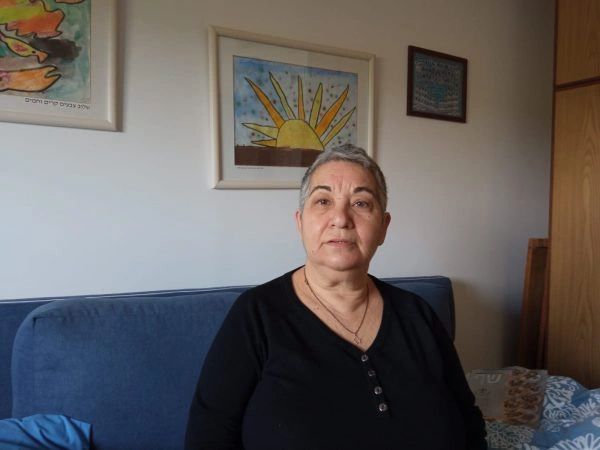
יעל אשר
יהוד, ישראל
הייתי לפני שנתיים בסיום הדרן נשים בבנייני האומה והחלטתי להתחיל. אפילו רק כמה דפים, אולי רק פרק, אולי רק מסכת… בינתיים סיימתי רבע שס ותכף את כל סדר מועד בה.
הסביבה תומכת ומפרגנת. אני בת יחידה עם ארבעה אחים שכולם לומדים דף יומי. מדי פעם אנחנו עושים סיומים יחד באירועים משפחתיים. ממש מרגש. מסכת שבת סיימנו כולנו יחד עם אבא שלנו!
אני שומעת כל יום פודקאסט בהליכה או בנסיעה ואחכ לומדת את הגמרא.
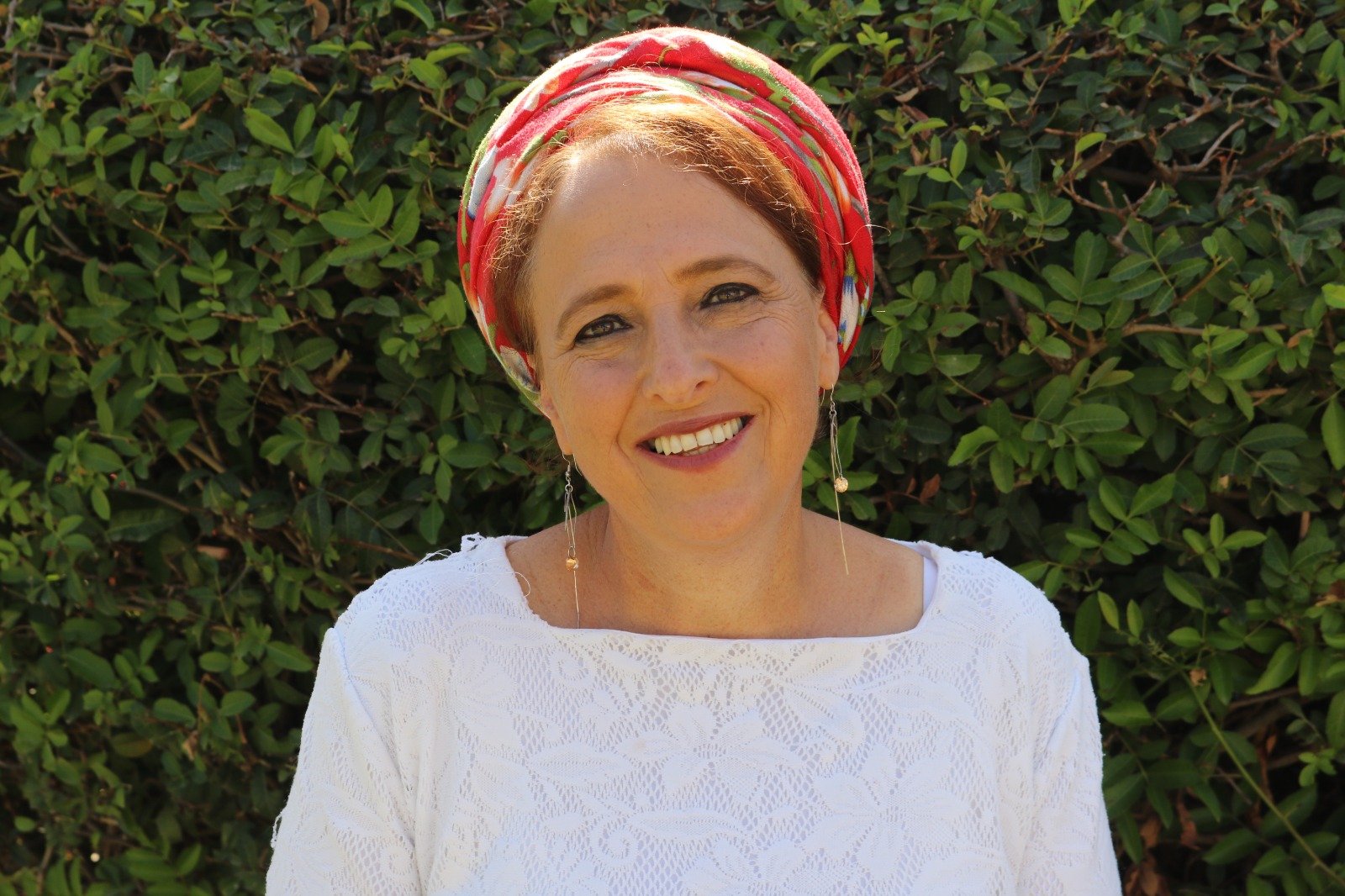
עדנה גרוס
מרכז שפירא, ישראל
. לא תמיד נהניתי מלימוד גמרא כילדה.,בל כהתבגרתי התחלתי לאהוב את זה שוב. התחלתי ללמוד מסכת סוטה בדף היומי לפני כחמש עשרה שנה ואז הפסקתי.הגעתי לסיום הגדול של הדרן לפני שנתיים וזה נתן לי השראה. והתחלתי ללמוד למשך כמה ימים ואז היתה לי פריצת דיסק והפסקתי…עד אלול השנה. אז התחלתי עם מסכת ביצה וב”ה אני מצליחה לעמוד בקצב. המשפחה מאוד תומכת בי ויש כמה שגם לומדים את זה במקביל. אני אוהבת שיש עוגן כל יום.

רבקה דרשן
בית שמש, ישראל
שמעתי על הסיום הענק של הדף היומי ע”י נשים בבנייני האומה. רציתי גם.
החלטתי להצטרף. התחלתי ושיכנעתי את בעלי ועוד שתי חברות להצטרף. עכשיו יש לי לימוד משותף איתו בשבת ומפגש חודשי איתן בנושא (והתכתבויות תדירות על דברים מיוחדים שקראנו). הצטרפנו לקבוצות שונות בווטסאפ. אנחנו ממש נהנות. אני שומעת את השיעור מידי יום (בד”כ מהרב יוני גוטמן) וקוראת ומצטרפת לסיומים של הדרן. גם מקפידה על דף משלהן (ונהנית מאד).
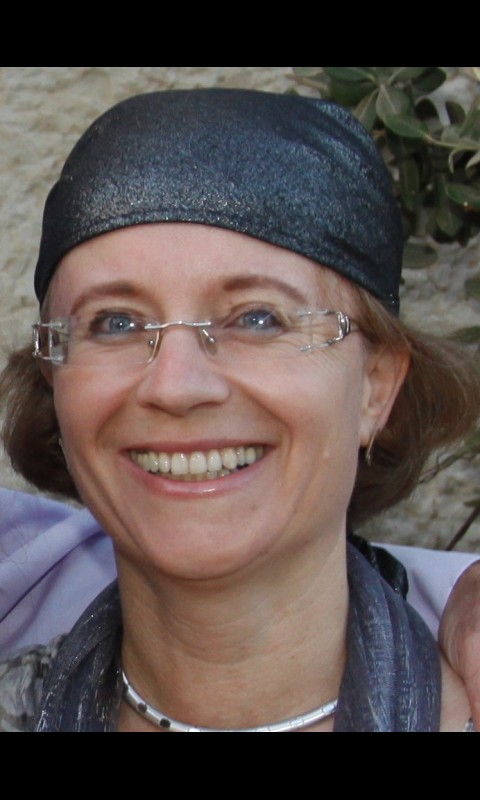
ליאת סיטרון
אפרת, ישראל
לפני 15 שנה, אחרי עשרות שנים של "ג’ינגול” בין משפחה לקריירה תובענית בהייטק, הצטרפתי לשיעורי גמרא במתן רעננה. הלימוד המעמיק והייחודי של הרבנית אושרה קורן יחד עם קבוצת הנשים המגוונת הייתה חוויה מאלפת ומעשירה. לפני כשמונה שנים כאשר מחזור הדף היומי הגיע למסכת תענית הצטרפתי כ”חברותא” לבעלי. זו השעה היומית שלנו ביחד כאשר דפי הגמרא משתלבים בחיי היום יום, משפיעים ומושפעים, וכשלא מספיקים תמיד משלימים בשבת
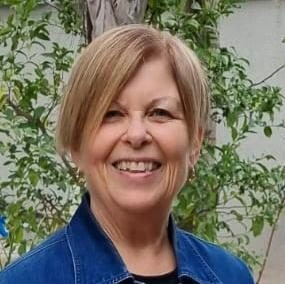
יודי אסקוף
רעננה, ישראל
התחלתי מעט לפני תחילת הסבב הנוכחי. אני נהנית מהאתגר של להמשיך להתמיד, מרגעים של "אהה, מפה זה הגיע!” ומהאתגר האינטלקטואלי

אילת-חן ודלר
לוד, ישראל
אני לומדת גמרא כעשור במסגרות שונות, ואת הדף היומי התחלתי כשחברה הציעה שאצטרף אליה לסיום בבנייני האומה. מאז אני לומדת עם פודקסט הדרן, משתדלת באופן יומי אך אם לא מספיקה, מדביקה פערים עד ערב שבת. בסבב הזה הלימוד הוא "ממעוף הציפור”, מקשיבה במהירות מוגברת תוך כדי פעילויות כמו בישול או נהיגה, וכך רוכשת היכרות עם הסוגיות ואופן ניתוחם על ידי חז”ל. בע”ה בסבב הבא, ואולי לפני, אצלול לתוכו באופן מעמיק יותר.

יעל ביר
רמת גן, ישראל
בסוף הסבב הקודם ראיתי את השמחה הגדולה שבסיום הלימוד, בעלי סיים כבר בפעם השלישית וכמובן הסיום הנשי בבנייני האומה וחשבתי שאולי זו הזדמנות עבורי למשהו חדש.
למרות שאני שונה בסביבה שלי, מי ששומע על הלימוד שלי מפרגן מאוד.
אני מנסה ללמוד קצת בכל יום, גם אם לא את כל הדף ובסך הכל אני בדרך כלל עומדת בקצב.
הלימוד מעניק המון משמעות ליום יום ועושה סדר בלמוד תורה, שתמיד היה (ועדיין) שאיפה. אבל אין כמו קביעות

רחלי מנדלסון
טל מנשה, ישראל
אחרי שראיתי את הסיום הנשי של הדף היומי בבנייני האומה זה ריגש אותי ועורר בי את הרצון להצטרף. לא למדתי גמרא קודם לכן בכלל, אז הכל היה לי חדש, ולכן אני לומדת בעיקר מהשיעורים פה בהדרן, בשוטנשטיין או בחוברות ושיננתם.

רבקה שלוס
בית שמש, ישראל
לצערי גדלתי בדור שבו לימוד גמרא לנשים לא היה דבר שבשגרה ושנים שאני חולמת להשלים את הפער הזה.. עד שלפני מספר שבועות, כמעט במקרה, נתקלתי במודעת פרסומת הקוראת להצטרף ללימוד מסכת תענית. כשקראתי את המודעה הרגשתי שהיא כאילו נכתבה עבורי – "תמיד חלמת ללמוד גמרא ולא ידעת איך להתחיל”, "בואי להתנסות במסכת קצרה וקלה” (רק היה חסר שהמודעה תיפתח במילים "מיכי שלום”..). קפצתי למים ו- ב”ה אני בדרך להגשמת החלום:)
מיכי קדוש
מורשת, ישראל
באירוע של הדרן בנייני האומה. בהשראתה של אמי שלי שסיימה את הש”ס בסבב הקודם ובעידוד מאיר , אישי, וילדיי וחברותיי ללימוד במכון למנהיגות הלכתית של רשת אור תורה סטון ומורתיי הרבנית ענת נובוסלסקי והרבנית דבורה עברון, ראש המכון למנהיגות הלכתית.
הלימוד מעשיר את יומי, מחזיר אותי גם למסכתות שכבר סיימתי וידוע שאינו דומה מי ששונה פרקו מאה לשונה פרקו מאה ואחת במיוחד מרתקים אותי החיבורים בין המסכתות
רוית קלך
מודיעין, ישראל
התחלתי ללמוד דף לפני קצת יותר מ-5 שנים, כשלמדתי רבנות בישיבת מהר”ת בניו יורק. בדיעבד, עד אז, הייתי בלימוד הגמרא שלי כמו מישהו שאוסף חרוזים משרשרת שהתפזרה, פה משהו ושם משהו, ומאז נפתח עולם ומלואו…. הדף נותן לי לימוד בצורה מאורגנת, שיטתית, יום-יומית, ומלמד אותי לא רק ידע אלא את השפה ודרך החשיבה שלנו. לשמחתי, יש לי סביבה תומכת וההרגשה שלי היא כמו בציטוט שבחרתי: הדף משפיע לטובה על כל היום שלי.
מיכל כהנא
חיפה, ישראל
אמא שלי למדה איתי ש”ס משנה, והתחילה ללמוד דף יומי. אני החלטתי שאני רוצה ללמוד גם. בהתחלה למדתי איתה, אח”כ הצטרפתי ללימוד דף יומי שהרב דני וינט מעביר לנוער בנים בעתניאל. במסכת עירובין עוד חברה הצטרפה אלי וכשהתחלנו פסחים הרב דני פתח לנו שעור דף יומי לבנות. מאז אנחנו לומדות איתו קבוע כל יום את הדף היומי (ובשבת אבא שלי מחליף אותו). אני נהנית מהלימוד, הוא מאתגר ומעניין

רננה הלמן
עתניאל, ישראל
התחלתי ללמוד דף יומי בתחילת מסכת ברכות, עוד לא ידעתי כלום. נחשפתי לסיום הש״ס, ובעצם להתחלה מחדש בתקשורת, הפתיע אותי לטובה שהיה מקום לעיסוק בתורה.
את המסכתות הראשונות למדתי, אבל לא סיימתי (חוץ מעירובין איכשהו). השנה כשהגעתי למדרשה, נכנסתי ללופ, ואני מצליחה להיות חלק, סיימתי עם החברותא שלי את כל המסכתות הקצרות, גם כשהיינו חולות קורונה ובבידודים, למדנו לבד, העיקר לא לצבור פער, ומחכות ליבמות 🙂

עדן ישורון
מזכרת בתיה, ישראל
התחלתי ללמוד בסבב הנוכחי לפני כשנתיים .הסביבה מתפעלת ותומכת מאוד. אני משתדלת ללמוד מכל ההסכתים הנוספים שיש באתר הדרן. אני עורכת כל סיום מסכת שיעור בביתי לכ20 נשים שמחכות בקוצר רוח למפגשים האלו.
יעל אשר
יהוד, ישראל
"התחלתי ללמוד דף יומי במחזור הזה, בח’ בטבת תש””ף. לקחתי על עצמי את הלימוד כדי ליצור תחום של התמדה יומיומית בחיים, והצטרפתי לקבוצת הלומדים בבית הכנסת בכפר אדומים. המשפחה והסביבה מתפעלים ותומכים.
בלימוד שלי אני מתפעלת בעיקר מכך שכדי ללמוד גמרא יש לדעת ולהכיר את כל הגמרא. זו מעין צבת בצבת עשויה שהיא עצומה בהיקפה.”
שרה פוּקס
כפר אדומים, ישראל
התחלתי ללמוד דף יומי לפני שנתיים, עם מסכת שבת. בהתחלה ההתמדה היתה קשה אבל בזכות הקורונה והסגרים הצלחתי להדביק את הפערים בשבתות הארוכות, לסיים את מסכת שבת ולהמשיך עם המסכתות הבאות. עכשיו אני מסיימת בהתרגשות רבה את מסכת חגיגה וסדר מועד ומחכה לסדר הבא!

אילנה שכנוביץ
מודיעין, ישראל
לפני 15 שנה, אחרי עשרות שנים של "ג’ינגול” בין משפחה לקריירה תובענית בהייטק, הצטרפתי לשיעורי גמרא במתן רעננה. הלימוד המעמיק והייחודי של הרבנית אושרה קורן יחד עם קבוצת הנשים המגוונת הייתה חוויה מאלפת ומעשירה. לפני כשמונה שנים כאשר מחזור הדף היומי הגיע למסכת תענית הצטרפתי כ”חברותא” לבעלי. זו השעה היומית שלנו ביחד כאשר דפי הגמרא משתלבים בחיי היום יום, משפיעים ומושפעים, וכשלא מספיקים תמיד משלימים בשבת
יודי אסקוף
רעננה, ישראל
חולין קו
חֲזָנְהוּ דְּקָא שָׁדוּ מַיָּא מִפּוּמָּא דְּחַצְבָּא, אָמַר: אִי הֲוָה יָדַעְנָא דִּרְגִילִיתוּ לְמִיעְבַּד הָכִי, לָא אִיעַכַּבִי.
the demon saw the members of Rav Pappa’s household pouring water from the mouth of the pitcher before drinking from it. The demon said to them: If I had known that you regularly do this, I would not have delayed. I would have brought the water straight from the river, knowing you would pour out the foul waters.
כִּי אֲתָא רַב דִּימִי אָמַר: מַיִם הָרִאשׁוֹנִים הֶאֱכִילוּ בְּשַׂר חֲזִיר,
§ When Rav Dimi came from Eretz Yisrael he said: Due to the failure to wash with the first waters, they ultimately fed a Jew pig meat. This case involved a storekeeper who would sell different meat to his Jewish and gentile customers. When a Jew who came to eat with him neglected to wash before eating, the storekeeper assumed he was a gentile and fed him pig meat.
אַחֲרוֹנִים הוֹצִיאוּ אֶת הָאִשָּׁה מִבַּעְלָהּ.
And due to the failure to wash with final waters a woman was ultimately divorced from her husband. In this incident, a host who had stolen his guests’ money had lentils on his mustache from a previous meal because he had not washed his hands and mouth after eating. Realizing he had eaten lentils that day, his victims approached the man’s wife and said that her husband had instructed them to tell her to return their money. They then claimed that the man told them to tell her that he had eaten lentils that day as proof that they were telling the truth. They thereby fooled his wife into thinking he wanted her to give their money back. Out of anger, the host divorced his wife.
כִּי אֲתָא רָבִין אָמַר: רִאשׁוֹנִים הֶאֱכִילוּ בְּשַׂר נְבֵלָה, אַחֲרוֹנִים הָרְגוּ אֶת הַנֶּפֶשׁ. אָמַר רַב נַחְמָן בַּר יִצְחָק: וְסִימָנָיךְ – אֲתָא רַב דִּימִי אַפְּקַהּ, אֲתָא רָבִין קַטְלַהּ.
When Ravin came from Eretz Yisrael he said the statement slightly differently: Due to the failure to wash with first waters, they fed a Jew meat from an animal carcass, and the failure to wash with final waters killed a person, as in the second incident the host was so angry with his wife that he killed her. Rav Naḥman bar Yitzḥak said: And your mnemonic to remember which Sage said which version is: Rav Dimi came and divorced her from her husband, i.e., according to his version she was divorced, and Ravin came and killed her, since in his version the husband killed his wife.
רַבִּי אַבָּא מַתְנֵי חֲדָא מֵהָנֵי, וַחֲדָא מֵהָנֵי, לְחוּמְרָא.
Rabbi Abba would teach one of these versions involving first waters and one of them with regard to final waters, and in both cases he taught the more severe version, i.e., he specified the meat of a pig and that the husband killed his wife.
אִיתְּמַר, חַמֵּי הָאוּר: חִזְקִיָּה אָמַר אֵין נוֹטְלִים מֵהֶן לַיָּדַיִם, וְרַבִּי יוֹחָנָן אָמַר נוֹטְלִין מֵהֶם לַיָּדַיִם. אָמַר רַבִּי יוֹחָנָן: שָׁאַלְתִּי אֶת רַבָּן גַּמְלִיאֵל בְּנוֹ שֶׁל רַבִּי, וְאוֹכֵל טְהָרוֹת, וְאָמַר לִי כׇּל גְּדוֹלֵי גָּלִיל עוֹשִׂין כֵּן.
A disagreement was stated with regard to water heated by fire: Ḥizkiyya says that one may not wash his hands with such water, and Rabbi Yoḥanan says that one may wash his hands with it. Rabbi Yoḥanan said: I asked Rabban Gamliel, son of Rabbi Yehuda HaNasi, about this halakha, and he was one who would eat only in a state of ritual purity and was therefore careful about washing his hands; and he said to me that all the great men of the Galilee would do so, i.e., wash their hands in heated water.
חַמֵּי טְבֶרְיָא, חִזְקִיָּה אָמַר: אֵין נוֹטְלִין מֵהֶם לַיָּדַיִם, אֲבָל מַטְבִּילִין בָּהֶם הַיָּדַיִם. וְרַבִּי יוֹחָנָן אָמַר: כׇּל גּוּפוֹ טוֹבֵל בָּהֶן, אֲבָל לֹא פָּנָיו יָדָיו וְרַגְלָיו.
Likewise, with regard to the hot springs of Tiberias, Ḥizkiyya says that one may not wash his hands with water from them before eating, but if there are forty se’a, the requisite size of a ritual bath, then one may immerse the hands directly in them, and this is effective for the ritual of washing the hands before a meal. And Rabbi Yoḥanan says that an impure person may immerse his entire body in such water to become pure, but one may still not use it for the immersion of part of his body, such as his face, hands, and feet, as this immersion is not considered equivalent to washing the hands.
הַשְׁתָּא כׇּל גּוּפוֹ טוֹבֵל בָּהֶם, פָּנָיו יָדָיו וְרַגְלָיו לֹא כׇּל שֶׁכֵּן? אָמַר רַב פָּפָּא: בִּמְקוֹמָן – דְּכוּלֵּי עָלְמָא לָא פְּלִיגִי דִּשְׁרֵי, מִשְׁקַל מִינַּיְיהוּ בְּמָנָא – דְּכוּלֵּי עָלְמָא לָא פְּלִיגִי דַּאֲסִיר. כִּי פְּלִיגִי – דְּפַסְקִינְהוּ בְּבַת בִּירְתָּא: מָר סָבַר גָּזְרִינַן בַּת בִּירְתָּא אַטּוּ מָנָא, וּמָר סָבַר לָא גָּזְרִינַן.
The Gemara asks: Now that it has been said that one may immerse his entire body in the hot springs of Tiberias, is it not all the more so permitted for his face, hands, and feet? Rav Pappa said: When the water in the hot springs stands in place, everyone, both Ḥizkiyya and Rabbi Yoḥanan, agrees that it is permitted to immerse one’s hands in it. Likewise, everyone agrees that to take from these waters in a vessel and wash one’s hands from it is prohibited. They disagree when one draws the waters through a ditch. One Sage, Rabbi Yoḥanan, holds that we decree against the use of ditch water due to the concern that one might come to use water in a vessel, and one Sage, Ḥizkiyya, holds that we do not decree against it.
כְּתַנָּאֵי: מַיִם שֶׁנִּפְסְלוּ מִשְּׁתִיַּית בְּהֵמָה, בְּכֵלִים – פְּסוּלִים, בַּקַּרְקַע – כְּשֵׁרִין. רַבִּי שִׁמְעוֹן בֶּן אֶלְעָזָר אוֹמֵר: אַף בַּקַּרְקַע, טוֹבֵל בָּהֶן כׇּל גּוּפוֹ, אֲבָל לֹא פָּנָיו יָדָיו וְרַגְלָיו.
The Gemara comments: This dispute is like a dispute between tanna’im, as it was taught: When water that has ceased to be fit for drinking even by an animal is in vessels, it is unfit for washing the hands, but when it is in the ground it is fit for immersion, like a ritual bath. Rabbi Shimon ben Elazar says: Even when the water is in the ground, one may immerse his entire body in it, but he may not immerse his face, hands, and feet.
הַשְׁתָּא, כׇּל גּוּפוֹ טוֹבֵל בָּהֶן, יָדָיו וְרַגְלָיו לֹא כׇּל שֶׁכֵּן? אֶלָּא לָאו דְּפַסְקִינְהוּ בְּבַת בִּירְתָּא, וּבְהָא פְּלִיגִי: דְּמָר סָבַר גָּזְרִינַן בַּת בִּירְתָּא אַטּוּ מָנָא, וּמָר סָבַר לָא גָּזְרִינַן.
As above, one might ask: Now that one may immerse his entire body in the water, is it not all the more so the case that one may immerse his hands and feet in it? Rather, must it not be referring to a case when one draws the waters through a ditch? And if so, they disagree about this: One Sage, Rabbi Shimon ben Elazar, holds that we decree against the use of ditch water due to concern that one may come to use a vessel, and one Sage, the first tanna of that baraita, holds that we do not decree against it.
אָמַר רַב אִידִי בַּר אָבִין, אָמַר רַב יִצְחָק בַּר אַשְׁיָאן: נְטִילַת יָדַיִם לְחוּלִּין, מִפְּנֵי סֶרֶךְ תְּרוּמָה.
§ Rav Idi bar Avin says that Rav Yitzḥak bar Ashiyan says: The obligation of washing hands before eating non-sacred food is due to an ancillary decree on account of teruma, the portion of produce designated for the priest, which must be consumed in a state of ritual purity. By rabbinic decree, one’s hands are considered impure with second-degree ritual impurity, as they may have touched impure items. Therefore, they render teruma impure. Consequently, priests who partake of teruma are obligated to wash their hands first. The Sages therefore decreed that all must wash their hands even before eating non-sacred food, so that people not become accustomed to eating without washing their hands, which would in turn lead the priests to partake of teruma without washing their hands.
וְעוֹד מִשּׁוּם מִצְוָה. מַאי מִצְוָה? אֲמַר אַבָּיֵי: מִצְוָה לִשְׁמוֹעַ דִּבְרֵי חֲכָמִים. רָבָא אָמַר: מִצְוָה לִשְׁמוֹעַ דִּבְרֵי רַבִּי אֶלְעָזָר בֶּן עֲרָךְ, דִּכְתִיב: ״וְכֹל אֲשֶׁר יִגַּע בּוֹ הַזָּב וְיָדָיו לֹא שָׁטַף בַּמָּיִם״. אָמַר רַבִּי אֶלְעָזָר בֶּן עֲרָךְ: מִכָּאן סָמְכוּ חֲכָמִים לִנְטִילַת יָדַיִם מִן הַתּוֹרָה.
And the obligation is further due to its being a mitzva. The Gemara asks: What mitzva does it involve? Abaye says: It is a mitzva to listen to and obey the statements of the Sages, who instituted this washing of the hands. Rava says: It is a mitzva to listen to the statement of Rabbi Elazar ben Arakh, as it is written with regard to a man who experiences a gonorrhea-like discharge [zav]: “And whomever he that has the issue touches, without having rinsed his hands in water,” he contracts ritual impurity (Leviticus 15:11), and Rabbi Elazar ben Arakh says: From here the Sages based washing of the hands upon a verse from the Torah.
אֲמַר לֵיהּ רָבָא לְרַב נַחְמָן: מַאי מַשְׁמַע? דִּכְתִיב ״וְיָדָיו לֹא שָׁטַף בְּמַיִם״, הָא שָׁטַף – טָהוֹר? הָא טְבִילָה בָּעֵי! אֶלָּא הָכִי קָאָמַר: וְאַחֵר שֶׁלֹּא שָׁטַף – טָמֵא.
Rava said to Rav Naḥman: From where is this inferred? How can this verse, which concerns a zav, be interpreted as referring to washing the hands before a meal? Rava explains: As it is written: “Without having rinsed his hands in water.” Consequently, one could infer that if he rinsed his hands the zav becomes ritually pure. But this cannot be correct, as verses elsewhere prove that a zav requires the immersion of his entire body. Rather, this is what the verse is saying: And there is another type of person who, if he has not rinsed his hands in water, is considered like one who is impure. The verse thereby serves as the basis for washing the hands.
אָמַר רַבִּי אֶלְעָזָר אָמַר רַבִּי אוֹשַׁעְיָא: לֹא אָמְרוּ נְטִילַת יָדַיִם לְפֵירוֹת אֶלָּא מִשּׁוּם נְקִיּוּת. סְבוּר מִינָּה: חוֹבָה הוּא דְּלֵיכָּא, הָא מִצְוָה אִיכָּא. אֲמַר לְהוּ רָבָא: לֹא חוֹבָה וְלֹא מִצְוָה, אֶלָּא רְשׁוּת. וּפְלִיגָא דְּרַב נַחְמָן, דְּאָמַר רַב נַחְמָן: הַנּוֹטֵל יָדָיו לְפֵירוֹת אֵינוֹ אֶלָּא מִגַּסֵּי הָרוּחַ.
Rabbi Elazar says that Rabbi Oshaya says: The Sages said that washing of the hands before eating fruit is mandatory only due to cleanliness. The Gemara comments: They understood from this statement that there is no true obligation to wash the hands before eating fruit, but there is a mitzva to do so. Rava said to them: This practice is not an obligation nor a mitzva, but merely optional. And the Gemara notes that Rava disagrees with Rav Naḥman in this regard, as Rav Naḥman said: One who washes his hands before eating fruit is nothing other than one of the arrogant, i.e., it is actually prohibited to do so.
אָמַר רַבָּה בַּר בַּר חָנָה: הֲוָה קָאֵימְנָא קַמֵּיהּ דְּרַבִּי אַמֵּי וְרַבִּי אַסִּי, אַיְיתוֹ לְקַמַּיְיהוּ כַּלְכַּלָּה דְּפֵירֵי, וַאֲכַלוּ וְלָא מָשׁוּ יְדַיְיהוּ, וְלָא יְהַבוּ לִי מִידֵּי, וּבָרֵיךְ חַד חַד לְחוֹדֵיהּ. שְׁמַע מִינַּהּ תְּלָת: שְׁמַע מִינַּהּ אֵין נְטִילַת יָדַיִם לְפֵירוֹת, וּשְׁמַע מִינַּהּ אֵין מְזַמְּנִין עַל הַפֵּירוֹת, וּשְׁמַע מִינַּהּ שְׁנַיִם שֶׁאָכְלוּ – מִצְוָה לֵיחָלֵק.
Rabba bar bar Ḥana said: I was standing before Rabbi Ami and Rabbi Asi when attendants brought a basket of fruit before them, and they ate and did not wash their hands. And they did not give me anything to eat, to enable me to join the zimmun, the quorum required for communal Grace after Meals, and they each recited a blessing after eating, separately. One may learn three halakhot from this incident. Learn from it that there is no washing of the hands before fruit. And learn from it that one does not issue a zimmun on fruit, i.e., the halakha that when three people eat together, one leads the Grace after Meals does not apply when they ate fruit. And finally, learn from it that if only two people ate, it is a mitzva for them to separate, i.e., each should recite the blessing after eating for himself.
תַּנְיָא נָמֵי הָכִי: שְׁנַיִם שֶׁאָכְלוּ – מִצְוָה לֵיחָלֵק. בַּמֶּה דְּבָרִים אֲמוּרִים? שֶׁהָיוּ שְׁנֵיהֶם סוֹפְרִים, אֲבָל אֶחָד סוֹפֵר וְאֶחָד בּוּר – סוֹפֵר מְבָרֵךְ וּבוּר יוֹצֵא.
The Gemara notes: This halakha is also taught in a baraita: If only two individuals ate, it is a mitzva for them to separate. In what case is this statement said? It is said when they were both scribes, i.e., Torah scholars, who know how to recite Grace after Meals properly. But if one of them was a scribe and one was an ignoramus, the scribe recites Grace after Meals and the ignoramus fulfills his obligation by listening to the scribe.
תָּנוּ רַבָּנַן: נְטִילַת יָדַיִם לְחוּלִּין – עַד הַפֶּרֶק, לִתְרוּמָה –
The Sages taught in a baraita: In washing of the hands for consumption of non-sacred food, one must pour the water on the area that extends until the joint of the fingers. In washing hands for consumption of teruma,
עַד הַפֶּרֶק. קִידּוּשׁ יָדַיִם וְרַגְלַיִם בַּמִּקְדָּשׁ – עַד הַפֶּרֶק, וְכׇל דָּבָר שֶׁחוֹצֵץ בִּטְבִילָה בַּגּוּף – חוֹצֵץ בִּנְטִילַת יָדַיִם לְחוּלִּין, וּבְקִידּוּשׁ יָדַיִם וְרַגְלַיִם בַּמִּקְדָּשׁ.
he must pour on the area extending until the joint. In sanctifying the hands and feet in the Temple before the service, he must pour the water until another joint, where the palm meets the wrist. And any item that is considered to interpose between one’s skin and the water with regard to immersion of the body in a ritual bath, disqualifying the immersion, likewise interposes with regard to washing the hands for eating non-sacred food and with regard to sanctification of the hands and feet in the Temple.
אָמַר רַב: עַד כָּאן לְחוּלִּין, עַד כָּאן לִתְרוּמָה. וּשְׁמוּאֵל אָמַר: עַד כָּאן בֵּין לְחוּלִּין בֵּין לִתְרוּמָה, לְחוּמְרָא. וְרַב שֵׁשֶׁת אָמַר: עַד כָּאן בֵּין לְחוּלִּין בֵּין לִתְרוּמָה, לְקוּלָּא.
Rav said this halakha to his students while indicating with his hand the joints to which the baraita is referring: One washes until here, the second joint of the fingers, for non-sacred food, and until there, the third joint, where the fingers join the palm, for teruma. And Shmuel disagreed and said: One washes until here both for eating non-sacred food and for teruma, indicating the more stringent location, the third joint where the fingers join the palm. And Rav Sheshet said: Until here both for the consumption of non-sacred food and for teruma, indicating the more lenient location, the second joint.
אָמַר בַּר הֶדְיָא: הֲוָה קָאֵימְנָא קַמֵּיהּ דְּרַבִּי אַמֵּי, וְאָמַר: עַד כָּאן בֵּין לְחוּלִּין בֵּין לִתְרוּמָה לְחוּמְרָא, וְלָא תֵּימָא רַבִּי אַמֵּי מִשּׁוּם דְּכֹהֵן הוּא, דְּהָא רַבִּי מְיָישָׁא בַּר בְּרֵיהּ דְּרַבִּי יְהוֹשֻׁעַ בֶּן לֵוִי הוּא לֵיוַאי, וְאָמַר: עַד כָּאן בֵּין לְחוּלִּין בֵּין לִתְרוּמָה לְחוּמְרָא.
Bar Hedya said: I was standing before Rabbi Ami, and he said: One washes until here both for non-sacred food and for teruma, indicating the more stringent location, the third joint. And do not say that Rabbi Ami acted this way only because he is a priest and acted stringently to avoid confusing teruma and non-sacred food. This cannot be, as Rabbi Meyasha, son of the son of Rabbi Yehoshua ben Levi, is a Levite, and yet he too said: Until here both for non-sacred food and for teruma, indicating the more stringent location.
אָמַר רַב: נוֹטֵל אָדָם אֶת שְׁתֵּי יָדָיו שַׁחֲרִית, וּמַתְנֶה עֲלֵיהֶן כׇּל הַיּוֹם כּוּלּוֹ. אֲמַר לְהוּ רַבִּי אֲבִינָא לִבְנֵי
§ Rav says: A person may wash both of his hands in the morning and stipulate with regard to them that he may eat on the basis of that washing throughout the entire day, provided he guards his hands from dirt and ritual impurity. It is likewise related that Rabbi Avina said to the inhabitants of
לעקוב

