








מי שמוצא לאחר השחיטה הסכין פגום, מה ההלכה? האם מניחים שנפגם תוך כדי להשחיטה לפני שחיטת הסימנים (על ידי העור) והשחיטה פסולה או לאחר שחיטת הסימנים והשחיטה כשרה? יש דיון השתי הגישות. דיון במושג – עד אחד נאמן באיסורים והרלוונטיות לשחיטה. מניין לנו שדבר עומד בחזקתו עד שייודע לנו שלא?
רוצה להקדיש לימוד?
חולין י
מִפְּנֵי שֶׁדַּרְכָּן שֶׁל שְׁרָצִים לְגַלּוֹת, וְאֵין דַּרְכָּן לְכַסּוֹת.
It is due to the fact that it is the typical manner of creeping animals to expose the contents of a vessel so that they may drink. Therefore, the exposure of the water is attributed to a creeping animal or to a ritually pure person. By contrast, in a case where he left the vessel exposed and found it covered, the concern is that it was an impure man who covered it, since it is not the typical manner of creeping animals to cover exposed vessels. Evidently, with regard to prohibition or ritual impurity, there are circumstances of uncertainty when the ruling is lenient.
אִי נָמֵי, טַעְמָא דְּהִנִּיחָהּ מְגוּלָּה וּבָא וּמְצָאָהּ מְכוּסָּה, מְכוּסָּה וּבָא וּמְצָאָהּ מְגוּלָּה, הָא מְצָאָהּ כְּמָה שֶׁהִנִּיחָהּ – לָא טוּמְאָה אִיכָּא וְלָא פְּסוּלָא אִיכָּא.
Alternatively, it can be inferred from the baraita that the reason the contents of the vessel are impure or disqualified, respectively, is that he left it exposed and came back and found it covered or that he left it covered and came back and found it exposed. But if he found the vessel just as he left it, there is neither impurity nor disqualification.
וְאִילּוּ סְפֵק מַיִם מְגוּלִּים אֲסוּרִין, שְׁמַע מִינַּהּ: חֲמִירָא סַכַּנְתָּא מֵאִיסּוּרָא, שְׁמַע מִינַּהּ.
But in a situation of uncertainty where he left exposed water and then came and found the vessel exposed, the water is forbidden under all circumstances. Learn from it that danger is more severe than prohibition. The Gemara affirms: Indeed, learn from it.
תְּנַן הָתָם: שְׁלֹשָׁה מַשְׁקִין אֲסוּרִין מִשּׁוּם גִּלּוּי – מַיִם, וְיַיִן, וְחָלָב. כַּמָּה יִשְׁהוּ וְיִהְיוּ אֲסוּרִין? כְּדֵי שֶׁיֵּצֵא הָרַחַשׁ מִמָּקוֹם קָרוֹב וְיִשְׁתֶּה. וְכַמָּה מָקוֹם קָרוֹב? אָמַר רַב יִצְחָק בְּרֵיהּ דְּרַב יְהוּדָה: כְּדֵי שֶׁיֵּצֵא מִתַּחַת אוֹזֶן כְּלִי וְיִשְׁתֶּה.
We learned in a mishna there (Terumot 8:4): Three liquids are forbidden due to exposure: Water, wine, and milk. How long shall they remain exposed and their contents will be forbidden? It is a period equivalent to the time necessary so that a snake could emerge from a proximate place and drink. And how far away is considered a proximate place? Rav Yitzḥak, son of Rav Yehuda, said: Even a period equivalent to the time necessary so that a snake could emerge from beneath the handle of the vessel and drink.
יִשְׁתֶּה? הָא קָא חָזֵי לֵיהּ! אֶלָּא, יִשְׁתֶּה וְיַחֲזוֹר לְחוֹרוֹ.
The Gemara asks: If it is only the time necessary for the snake to emerge and drink, doesn’t one see the snake drink, in which case there is no uncertainty? Rather, it is a period equivalent to the time necessary for a snake to emerge from a proximate place, drink, and return to its hole. If one left exposed liquid unattended for that interval, it is possible that the snake drank the liquid unseen by the owner of the liquid.
אִיתְּמַר: הַשּׁוֹחֵט בְּסַכִּין וְנִמְצֵאת פְּגוּמָה, אָמַר רַב הוּנָא: אֲפִילּוּ שִׁיבֵּר בָּהּ עֲצָמוֹת כׇּל הַיּוֹם – פְּסוּלָה, חָיְישִׁינַן שֶׁמָּא בָּעוֹר נִפְגְּמָה. וְרַב חִסְדָּא אָמַר: כְּשֵׁרָה, שֶׁמָּא בְּעֶצֶם נִפְגְּמָה.
§ It was stated: With regard to one who slaughters an animal with a knife that was afterward found to be notched, Rav Huna says: Even if, after the slaughter and before the knife was examined, he broke bones with the knife all day, the slaughter is not valid, as we are concerned that perhaps the knife became notched on the hide of the neck. And Rav Ḥisda says: The slaughter is valid, as perhaps it was on the bone that he broke with the knife after the slaughter that it became notched.
בִּשְׁלָמָא רַב הוּנָא כִּשְׁמַעְתֵּיהּ, אֶלָּא רַב חִסְדָּא מַאי טַעְמָא? אָמַר לָךְ: עֶצֶם – וַדַּאי פּוֹגֵם, עוֹר – סָפֵק פּוֹגֵם סָפֵק לָא פּוֹגֵם, הָוֵי סָפֵק וּוַדַּאי, וְאֵין סָפֵק מוֹצִיא מִידֵי וַדַּאי.
The Gemara asks: Granted, Rav Huna stated his opinion in accordance with his halakha cited earlier (9a): An animal during its lifetime exists with the presumptive status of prohibition until it becomes known in what manner it was slaughtered. But as for Rav Ḥisda, what is the reason for his ruling that the slaughter is valid? The Gemara answers that Rav Ḥisda could have said to you: A bone certainly notches the knife, but with regard to hide, it is uncertain whether it notches the knife and uncertain whether it does not notch it. This is a case of certainty and uncertainty, and the principle is that an uncertainty does not override a certainty.
מֵתִיב רָבָא לְסַיּוֹעֵיהּ לְרַב הוּנָא: טָבַל וְעָלָה, וְנִמְצָא עָלָיו דָּבָר חוֹצֵץ, אַף עַל פִּי שֶׁנִּתְעַסֵּק בְּאוֹתוֹ הַמִּין כׇּל הַיּוֹם כּוּלּוֹ – לֹא עָלְתָה לוֹ טְבִילָה, עַד שֶׁיֹּאמַר: ״בָּרִי לִי שֶׁלֹּא הָיָה עָלַי קוֹדֶם לָכֵן״. וְהָא הָכָא, דְּוַדַּאי טָבַל, סָפֵק הֲוָה עֲלֵיהּ סָפֵק לָא הֲוָה עֲלֵיהּ, וְקָאָתֵי סָפֵק וּמוֹצִיא מִידֵי וַדַּאי!
Rava raises an objection to the opinion of Rav Ḥisda to support the opinion of Rav Huna, from a baraita: If one immersed and emerged from the ritual bath and an interposing item was later found on him, then even if he had been engaged in handling that same type of item for the entire day after his immersion, the immersion does not fulfill his obligation. This is so until he will say: It is clear to me that this interposition was not on me beforehand. And here it is a case where he certainly immersed, and it is uncertain whether the interposition was on him at that time and uncertain whether it was not on him, and nevertheless, contrary to the opinion of Rav Ḥisda, the uncertainty overrides the certainty.
שָׁאנֵי הָתָם, דְּאִיכָּא לְמֵימַר: הַעֲמֵד טָמֵא עַל חֶזְקָתוֹ, וְאֵימַר לֹא טָבַל.
The Gemara rejects that proof: It is different there, as it can be said: Establish the status of the impure person on the basis of his presumptive status of impurity, and say that he did not immerse properly.
הָכָא נָמֵי, הַעֲמֵד בְּהֵמָה עַל חֶזְקָתָהּ, וְאֵימַר לֹא נִשְׁחֲטָה! הֲרֵי שְׁחוּטָה לְפָנֶיךָ.
The Gemara challenges: Here too, establish the status of the animal on the basis of its presumptive status of prohibition and say that it was not slaughtered properly. Why does Rav Ḥisda rule that it is permitted? The Gemara explains: That status has been undermined, as the slaughtered animal is before you. There is no indication that the slaughter was not valid, and most slaughtered animals are slaughtered properly.
הָכָא נָמֵי, הֲרֵי טָבַל לְפָנֶיךָ! הָא אִיתְיְלִידָא בֵּיהּ רֵיעוּתָא.
The Gemara challenges: Here too, in the case of immersion, the status of impurity is undermined, as the person who has immersed is before you. The Gemara explains: The case of immersion is different, as a flaw developed in the presumptive validity of the immersion, since there is an interposition.
הָכָא נָמֵי אִיתְיְלִידָא בַּהּ רֵיעוּתָא! סַכִּין אִיתְרְעַאי, בְּהֵמָה לָא אִיתְרְעַאי.
The Gemara challenges: Here too, a flaw developed in the presumptive validity of slaughter, as the knife is notched. The Gemara explains: In the case of slaughter, the knife became flawed, but the animal did not become flawed. Therefore, the animal assumes the presumptive status of permissibility. By contrast, in the case of immersion, the interposition was found on the person, thereby nullifying his presumptive status of purity.
מֵיתִיבִי: שָׁחַט אֶת הַוֶּשֶׁט וְאַחַר כָּךְ נִשְׁמְטָה הַגַּרְגֶּרֶת – כְּשֵׁרָה, נִשְׁמְטָה הַגַּרְגֶּרֶת וְאַחַר כָּךְ שָׁחַט אֶת הַוֶּשֶׁט – פְּסוּלָה.
The Gemara raises an objection to the opinion of Rav Ḥisda from a baraita: The slaughter of a bird is valid with the cutting of one siman, the windpipe or the gullet. Therefore, if one cut the gullet, and the windpipe was displaced thereafter, the slaughter is valid. If the windpipe was displaced and one cut the gullet thereafter, the slaughter is not valid.
שָׁחַט אֶת הַוֶּשֶׁט (ונמצא) [וְנִמְצֵאת] הַגַּרְגֶּרֶת שְׁמוּטָה, וְאֵינוֹ יוֹדֵעַ אִם קוֹדֶם שְׁחִיטָה נִשְׁמְטָה אִם לְאַחַר שְׁחִיטָה נִשְׁמְטָה, זֶה הָיָה מַעֲשֶׂה, וְאָמְרוּ: כׇּל סְפֵק בִּשְׁחִיטָה פָּסוּל.
If one cut the gullet, and the windpipe was found displaced, and he does not know whether the windpipe was displaced before the slaughter or whether it was displaced after the slaughter; that was the incident that came before the Sages, and they said: In any case of uncertainty with regard to slaughter, the slaughter is not valid.
כׇּל סָפֵק בִּשְׁחִיטָה לְאֵתוֹיֵי מַאי? לָאו לְאֵתוֹיֵי כְּהַאי גַוְונָא? לָא, לְאֵתוֹיֵי סָפֵק שָׁהָה, סָפֵק דָּרַס.
The Gemara asks: With regard to the expansive formulation: With regard to any case of uncertainty with regard to slaughter, what does it serve to add? Does it not serve to add a case like this one where there is uncertainty whether the knife was notched before or after the slaughter? The Gemara answers: No, it serves to add a case of uncertainty whether he interrupted the slaughter in the middle, or uncertainty whether he pressed the knife on the simanim. If he did either, it invalidates the slaughter.
וּמַאי שְׁנָא? הָתָם אִיתְיְלִידָא בַּהּ רֵיעוּתָא בִּבְהֵמָה, הָכָא סַכִּין אִיתְרְעַאי, בְּהֵמָה לָא אִיתְרְעַאי.
The Gemara asks: And in what way is uncertainty whether he interrupted the slaughter or pressed the knife different from uncertainty whether the knife became notched before or after the slaughter? The Gemara answers: There, in the case of uncertainty with regard to interruption or pressing, the flaw developed in the animal, and the slaughter is not valid. Here, in the case of uncertainty whether the knife became notched before or after the slaughter, a flaw developed in the knife but a flaw did not develop in the animal, and the slaughter is valid.
וְהִילְכְתָא כְּוָותֵיהּ דְּרַב הוּנָא, כְּשֶׁלֹּא שִׁיבֵּר בָּהּ עֶצֶם. וְהִילְכְתָא כְּוָותֵיהּ דְּרַב חִסְדָּא, כְּשֶׁשִּׁיבֵּר בָּהּ עֶצֶם. מִכְּלָל דְּרַב חִסְדָּא אַף עַל גַּב דְּלָא שִׁיבֵּר בָּהּ עֶצֶם? אֶלָּא בְּמַאי אִיפְּגִים? אֵימָא: בְּעֶצֶם דְּמַפְרֶקֶת אִיפְּגִים.
And the halakha is in accordance with the opinion of Rav Huna that the slaughter is not valid in a case where he did not break a bone with the knife. And the halakha is in accordance with the opinion of Rav Ḥisda that the slaughter is valid in a case where he broke a bone with the knife. Learn by inference that Rav Ḥisda rules that the slaughter is valid even if he did not break a bone with the knife. The Gemara asks: But if he did not break bones, on what was the knife notched? It must have been on the hide. Why, then, is the slaughter valid? The Gemara answers: Say that it was notched on the neck bone after he completed slaughtering the animal.
הֲוָה עוֹבָדָא וְטָרַף רַב יוֹסֵף עַד תְּלֵיסַר חֵיוָתָא, כְּמַאן? כְּרַב הוּנָא, וַאֲפִילּוּ בְּקַמַּיְיתָא? לָא, כְּרַב חִסְדָּא, וּלְבַר מִקַּמַּיְיתָא.
The Gemara relates: There was an incident, and Rav Yosef deemed as many as thirteen animals tereifot when he discovered the knife was notched after slaughtering the final animal. The Gemara asks: In accordance with whose opinion did Rav Yosef issue his ruling? Is it in accordance with the opinion of Rav Huna, who holds that the concern is that the knife was notched by the animal’s hide, and he ruled that even the first animal is forbidden? The Gemara answers: No, perhaps it is in accordance with the opinion of Rav Ḥisda, who holds that the notch is attributed to the neck bone, and they are all forbidden except for the first animal.
וְאִיבָּעֵית אֵימָא: לְעוֹלָם כְּרַב הוּנָא, דְּאִי כְּרַב חִסְדָּא, מִכְּדֵי מִתְלָא תָּלֵינַן, מִמַּאי דִּבְעֶצֶם דְּמַפְרֶקֶת דְּקַמַּיְיתָא אִיפְּגִים? דִּלְמָא בְּעֶצֶם דְּמַפְרֶקֶת דְּבָתְרָיְיתָא אִיפְּגִים!
And if you wish, say instead: Actually, it is in accordance with the opinion of Rav Huna, as, if it were in accordance with the opinion of Rav Ḥisda, since we attribute the notch to the neck bone as a leniency, from where is it ascertained that it is on the neck bone of the first animal that it was notched? Perhaps it is on the neck bone of the last animal that it was notched, and all of the animals are permitted.
אֲמַר לֵיהּ רַב אַחָא בְּרֵיהּ דְּרָבָא לְרַב אָשֵׁי: רַב כָּהֲנָא מַצְרֵיךְ בְּדִיקוּתָא בֵּין כֹּל חֲדָא וַחֲדָא. כְּמַאן? כְּרַב הוּנָא, וּלְמִיפְסַל קַמַּיְיתָא? לָא, כְּרַב חִסְדָּא, וּלְאַכְשׁוֹרֵי בָּתְרָיְיתָא.
Rav Aḥa, son of Rava, said to Rav Ashi: Rav Kahana requires an examination of the knife between each and every act of slaughter. The Gemara asks: In accordance with whose opinion did Rav Kahana issue his ruling? Is it in accordance with the opinion of Rav Huna, and he stated the halakha to invalidate the slaughter of the first animal that he slaughtered if he discovers a notch in the knife? The Gemara answers: No, perhaps it is in accordance with the opinion of Rav Ḥisda, according to the first of the two explanations of the ruling of Rav Yosef, who holds that if a notch is found it is attributed to the neck bone, and examination of the knife is required to validate the slaughter of the next animal.
אִי הָכִי, תִּיבְעֵי נָמֵי בְּדִיקַת חָכָם! עֵד אֶחָד נֶאֱמָן בְּאִיסּוּרִין. אִי הָכִי, מֵעִיקָּרָא נָמֵי לָא! הָאָמַר רַבִּי יוֹחָנָן: לֹא אָמְרוּ לְהַרְאוֹת סַכִּין לְחָכָם אֶלָּא מִפְּנֵי כְּבוֹדוֹ שֶׁל חָכָם.
The Gemara raises an objection: If so, and the reference is to the examination before slaughter, the knife should require the examination of a Torah scholar that was required by the Sages. The Gemara explains: There is no need for a Sage to examine the knife, based on the principle: The testimony of one witness, in this case the slaughterer, is deemed credible with regard to ritual matters. The Gemara challenges: If so, even from the outset, examination of the knife by a Torah scholar should also not be required. The Gemara explains: Didn’t Rabbi Yoḥanan say that the Sages said to show the knife to a Torah scholar only due to the requirement to show deference to the Sage? Once deference was shown before the initial slaughter, it is no longer necessary to do so.
מְנַָא הָא מִלְּתָא דַאֲמוּר רַבָּנַן: אוֹקֵי מִילְּתָא אַחֶזְקֵיהּ?
§ Apropos the statement of Rav Huna that an animal during its lifetime exists with the presumptive status of prohibition, and therefore in cases of uncertainty whether the animal was properly slaughtered, one rules stringently and it is prohibited to eat its flesh, the Gemara asks: From where is this matter that the Sages said: Establish the status of the matter on the basis of its presumptive status, derived?
אָמַר רַבִּי שְׁמוּאֵל בַּר נַחְמָנִי אָמַר רַבִּי יוֹנָתָן, אָמַר קְרָא ״וְיָצָא הַכֹּהֵן מִן הַבַּיִת אֶל פֶּתַח הַבָּיִת וְהִסְגִּיר אֶת הַבַּיִת שִׁבְעַת יָמִים״, דִּלְמָא אַדְּנָפֵיק וְאָתֵא בְּצַר לֵיהּ שִׁיעוּרָא! אֶלָּא לָאו מִשּׁוּם דְּאָמְרִינַן אוֹקֵי אַחֶזְקֵיהּ.
Rabbi Shmuel bar Naḥmani said that Rabbi Yonatan said that the verse states with regard to leprosy of houses that after a priest views a leprous mark: “And the priest shall emerge from the house to the entrance of the house, and quarantine the house seven days” (Leviticus 14:38). The Gemara asks: How can the priest quarantine the house based on his viewing the leprous mark? Perhaps as he was emerging and coming out of the house, the size of the leprous mark diminished and it lacks the requisite measure for leprosy. Rather, is it not due to the fact that we say: Establish the status of the matter on the basis of its presumptive status?
מַתְקֵיף לַהּ רַב אַחָא בַּר יַעֲקֹב: וְדִילְמָא כְּגוֹן שֶׁיָּצָא דֶּרֶךְ אֲחוֹרָיו, דְּקָא חָזֵי לֵיהּ כִּי נָפֵק!
Rav Aḥa bar Ya’akov objects to that proof: And perhaps the verse is referring to a case where the priest emerged backward, as in that case, the priest sees the leprous mark as he emerges.
אֲמַר לֵיהּ אַבָּיֵי: שְׁתֵּי תְּשׁוּבוֹת בַּדָּבָר, חֲדָא, דִּיצִיאָה דֶּרֶךְ אֲחוֹרָיו לֹא שְׁמָהּ יְצִיאָה, וְעוֹד, אֲחוֹרֵי הַדֶּלֶת מַאי אִיכָּא לְמֵימַר? וְכִי תֵּימָא דְּפָתַח בֵּיהּ כַּוְּותָא – וְהָתְנַן: בַּיִת אָפֵל אֵין פּוֹתְחִין בּוֹ חַלּוֹנוֹת לִרְאוֹת אֶת נִגְעוֹ!
Abaye said to him that there are two refutations of that statement. One is that emerging backward is not called emerging, and the priest would not fulfill the verse “And the priest shall emerge from the house” by doing so. And furthermore, in a case where the leprous mark is behind the door, what is there to say? Even walking backward would not enable the priest to see it. And if you would say that the priest can open a window in the wall to enable him to see the leprous mark, but didn’t we learn in a mishna (Nega’im 2:3): In a dark house one may not open windows to enable him to see his leprous mark?
אֲמַר לֵיהּ רָבָא: דְּקָאָמְרַתְּ יְצִיאָה דֶּרֶךְ אֲחוֹרָיו לֹא שְׁמָהּ יְצִיאָה – כֹּהֵן גָּדוֹל בְּיוֹם הַכִּפּוּרִים יוֹכִיחַ, דִּכְתִיב בֵּיהּ יְצִיאָה, וּתְנַן: יָצָא וּבָא לוֹ דֶּרֶךְ כְּנִיסָתוֹ. וּדְקָאָמְרַתְּ בַּיִת אָפֵל אֵין פּוֹתְחִין בּוֹ חַלּוֹנוֹת לִרְאוֹת אֶת נִגְעוֹ – הָנֵי מִילֵּי הֵיכָא דְּלָא אִיתַּחְזַק, אֲבָל הֵיכָא דְּאִיתַּחְזַק – אִיתַּחְזַק.
Rava said to Abaye: With regard to that which you say: Emerging backward is not called emerging, the case of the High Priest on Yom Kippur will prove that this is not so, as emerging is written in his regard (see Leviticus 16:18), and we learned in a mishna (Yoma 52b): The High Priest emerged and came out backward in the manner of his entry, facing the Ark in the Holy of Holies. And with regard to that which you say: In a dark house, one may not open windows to enable him to see his leprous mark, this statement applies only in a case where the existence of a leprous mark in the house was not yet established; but in a case where the existence of a leprous mark in the house was already established, it was established, and the priest may open a window to view it.
תַּנְיָא דְּלָא כְּרַב אַחָא בַּר יַעֲקֹב, ״וְיָצָא הַכֹּהֵן מִן הַבַּיִת״ – יָכוֹל יֵלֵךְ לְתוֹךְ בֵּיתוֹ וְיַסְגִּיר? תַּלְמוּד לוֹמַר: ״אֶל פֶּתַח הַבָּיִת״.
It is taught in a baraita not in accordance with the opinion of Rav Aḥa bar Ya’akov, who suggested that the verse is referring to a case where the priest emerged from the house backward and therefore there is no proof that one lets the matter remain in its presumptive status. It is written: “And the priest shall emerge from the house to the entrance of the house and quarantine the house.” One might have thought that he may go into his own house and quarantine the house from there; therefore, the verse states: “To the entrance of the house,” referring to the house that is being quarantined.
אִי ״פֶּתַח הַבָּיִת״, יָכוֹל יַעֲמוֹד תַּחַת הַמַּשְׁקוֹף וְיַסְגִּיר? תַּלְמוּד לוֹמַר: ״מִן הַבַּיִת״ – עַד שֶׁיֵּצֵא מִן הַבַּיִת כּוּלּוֹ. הָא כֵּיצַד? עוֹמֵד בְּצַד הַמַּשְׁקוֹף וּמַסְגִּיר.
If he must emerge to the entrance of the house, one might have thought that he may stand beneath the lintel and quarantine the house; therefore, the verse states: “From the house,” indicating that he does not quarantine the house until he emerges from the house in its entirety. How so? He stands alongside the lintel and quarantines the house.
וּמִנַּיִן שֶׁאִם הָלַךְ לְתוֹךְ בֵּיתוֹ וְהִסְגִּיר, אוֹ שֶׁעָמַד בְּתוֹךְ הַבַּיִת וְהִסְגִּיר, שֶׁהֶסְגֵּרוֹ מוּסְגָּר? תַּלְמוּד לוֹמַר: ״וְהִסְגִּיר אֶת הַבַּיִת״, מִכׇּל מָקוֹם.
The baraita concludes: And from where is it derived that if he went inside his own house and quarantined the leprous house, or that if he stood inside the leprous house and quarantined it, that his quarantine is a valid quarantine? It is derived from that which the verse states: “And quarantine the house,” meaning in any case. Apparently, the quarantine is valid even if he is unable to see the leprous mark, as the mark remains in its previous presumptive status.
וְרַב אַחָא בַּר יַעֲקֹב,
And Rav Aḥa bar Ya’akov interprets the baraita in accordance with his opinion
לעקוב 
חדשה בלימוד הגמרא?
זה הדף הראשון שלך? איזו התרגשות עצומה! יש לנו בדיוק את התכנים והכלים שיעזרו לך לעשות את הצעדים הראשונים ללמידה בקצב וברמה שלך, כך תוכלי להרגיש בנוח גם בתוך הסוגיות המורכבות ומאתגרות.
פסיפס הלומדות שלנו
גלי את קהילת הלומדות שלנו, מגוון נשים, רקעים וסיפורים. כולן חלק מתנועה ומסע מרגש ועוצמתי.
הצטרפתי ללומדות בתחילת מסכת תענית. ההתרגשות שלי ושל המשפחה היתה גדולה מאוד, והיא הולכת וגוברת עם כל סיום שאני זוכה לו. במשך שנים רבות רציתי להצטרף ומשום מה זה לא קרה… ב”ה מצאתי לפני מספר חודשים פרסום של הדרן, ומיד הצטרפתי והתאהבתי. הדף היומי שינה את חיי ממש והפך כל יום- ליום של תורה. מודה לכן מקרב ליבי ומאחלת לכולנו לימוד פורה מתוך אהבת התורה ולומדיה.

נעה רוזן
חיספין רמת הגולן, ישראל
התחלתי ללמוד את הדף היומי מעט אחרי שבני הקטן נולד. בהתחלה בשמיעה ולימוד באמצעות השיעור של הרבנית שפרבר. ובהמשך העזתי וקניתי לעצמי גמרא. מאז ממשיכה יום יום ללמוד עצמאית, ולפעמים בעזרת השיעור של הרבנית, כל יום. כל סיום של מסכת מביא לאושר גדול וסיפוק. הילדים בבית נהיו חלק מהלימוד, אני משתפת בסוגיות מעניינות ונהנית לשמוע את דעתם.

אלירז בלאו
מעלה מכמש, ישראל
לצערי גדלתי בדור שבו לימוד גמרא לנשים לא היה דבר שבשגרה ושנים שאני חולמת להשלים את הפער הזה.. עד שלפני מספר שבועות, כמעט במקרה, נתקלתי במודעת פרסומת הקוראת להצטרף ללימוד מסכת תענית. כשקראתי את המודעה הרגשתי שהיא כאילו נכתבה עבורי – "תמיד חלמת ללמוד גמרא ולא ידעת איך להתחיל”, "בואי להתנסות במסכת קצרה וקלה” (רק היה חסר שהמודעה תיפתח במילים "מיכי שלום”..). קפצתי למים ו- ב”ה אני בדרך להגשמת החלום:)

מיכי קדוש
מורשת, ישראל
התחלתי מעט לפני תחילת הסבב הנוכחי. אני נהנית מהאתגר של להמשיך להתמיד, מרגעים של "אהה, מפה זה הגיע!” ומהאתגר האינטלקטואלי

אילת-חן ודלר
לוד, ישראל
אני לומדת גמרא כעשור במסגרות שונות, ואת הדף היומי התחלתי כשחברה הציעה שאצטרף אליה לסיום בבנייני האומה. מאז אני לומדת עם פודקסט הדרן, משתדלת באופן יומי אך אם לא מספיקה, מדביקה פערים עד ערב שבת. בסבב הזה הלימוד הוא "ממעוף הציפור”, מקשיבה במהירות מוגברת תוך כדי פעילויות כמו בישול או נהיגה, וכך רוכשת היכרות עם הסוגיות ואופן ניתוחם על ידי חז”ל. בע”ה בסבב הבא, ואולי לפני, אצלול לתוכו באופן מעמיק יותר.

יעל ביר
רמת גן, ישראל
בתחילת הסבב הנוכחי הצטברו אצלי תחושות שאני לא מבינה מספיק מהי ההלכה אותה אני מקיימת בכל יום. כמו כן, כאמא לבנות רציתי לתת להן מודל נשי של לימוד תורה
שתי הסיבות האלו הובילו אותי להתחיל ללמוד. נתקלתי בתגובות מפרגנות וסקרניות איך אישה לומדת גמרא..
כמו שרואים בתמונה אני ממשיכה ללמוד גם היום ואפילו במחלקת יולדות אחרי לידת ביתי השלישית.
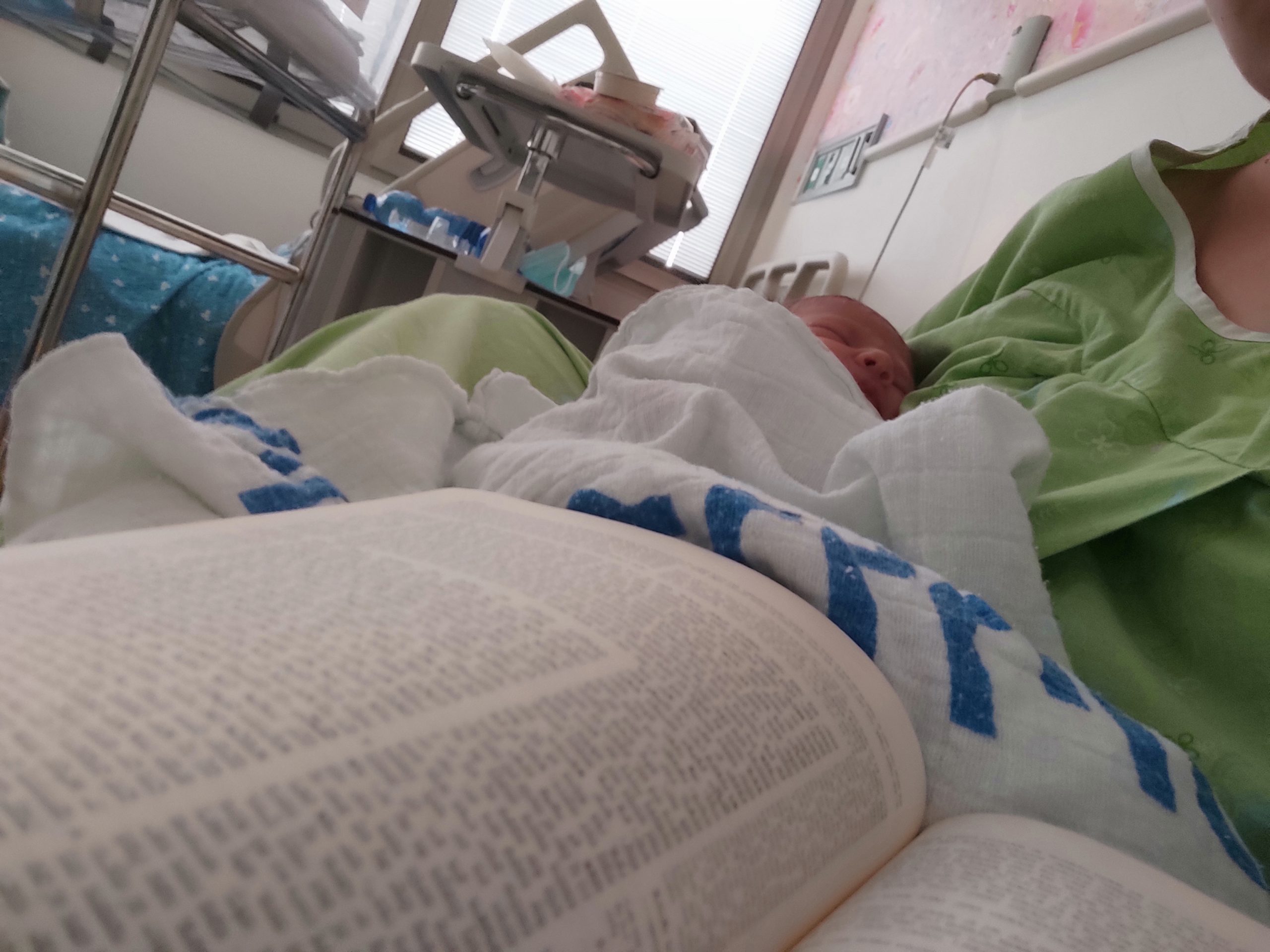
נועה שילה
רבבה, ישראל
סיום השס לנשים נתן לי מוטביציה להתחיל ללמוד דף יומי. עד אז למדתי גמרא בשבתות ועשיתי כמה סיומים. אבל לימוד יומיומי זה שונה לגמרי ופתאום כל דבר שקורה בחיים מתקשר לדף היומי.

קרן פוגל
רתמים, ישראל
הייתי לפני שנתיים בסיום הדרן נשים בבנייני האומה והחלטתי להתחיל. אפילו רק כמה דפים, אולי רק פרק, אולי רק מסכת… בינתיים סיימתי רבע שס ותכף את כל סדר מועד בה.
הסביבה תומכת ומפרגנת. אני בת יחידה עם ארבעה אחים שכולם לומדים דף יומי. מדי פעם אנחנו עושים סיומים יחד באירועים משפחתיים. ממש מרגש. מסכת שבת סיימנו כולנו יחד עם אבא שלנו!
אני שומעת כל יום פודקאסט בהליכה או בנסיעה ואחכ לומדת את הגמרא.

עדנה גרוס
מרכז שפירא, ישראל
התחלתי ללמוד דף יומי כאשר קיבלתי במייל ממכון שטיינזלץ את הדפים הראשונים של מסכת ברכות במייל. קודם לא ידעתי איך לקרוא אותם עד שנתתי להם להדריך אותי. הסביבה שלי לא מודעת לעניין כי אני לא מדברת על כך בפומבי. למדתי מהדפים דברים חדשים, כמו הקשר בין המבנה של בית המקדש והמשכן לגופו של האדם (יומא מה, ע”א) והקשר שלו למשפט מפורסם שמופיע בספר ההינדי "בהגוד-גיתא”. מתברר שזה רעיון כלל עולמי ולא רק יהודי

אלנה ארנבורג
נשר, ישראל
התחלתי בתחילת הסבב, והתמכרתי. זה נותן משמעות נוספת ליומיום ומאוד מחזק לתת לזה מקום בתוך כל שגרת הבית-עבודה השוטפת.

רעות אברהמי
בית שמש, ישראל
התחלתי ללמוד בעידוד שתי חברות אתן למדתי בעבר את הפרק היומי במסגרת 929.
בבית מתלהבים מאוד ובשבת אני לומדת את הדף עם בעלי שזה מפתיע ומשמח מאוד! לימוד הדף הוא חלק בלתי נפרד מהיום שלי. לומדת בצהריים ומחכה לזמן הזה מידי יום…

מרים ונגרובר
אפרת, ישראל
התחלתי ללמוד לפני כשנתיים בשאיפה לסיים לראשונה מסכת אחת במהלך חופשת הלידה.
אחרי מסכת אחת כבר היה קשה להפסיק…

נעה גלנט
ירוחם, ישראל
התחלתי כשהייתי בחופש, עם הפרסומים על תחילת המחזור, הסביבה קיבלה את זה כמשהו מתמיד ומשמעותי ובהערכה, הלימוד זה עוגן יציב ביום יום, יש שבועות יותר ויש שפחות אבל זה משהו שנמצא שם אמין ובעל משמעות בחיים שלי….

עדי דיאמנט
גמזו, ישראל
באירוע של הדרן בנייני האומה. בהשראתה של אמי שלי שסיימה את הש”ס בסבב הקודם ובעידוד מאיר , אישי, וילדיי וחברותיי ללימוד במכון למנהיגות הלכתית של רשת אור תורה סטון ומורתיי הרבנית ענת נובוסלסקי והרבנית דבורה עברון, ראש המכון למנהיגות הלכתית.
הלימוד מעשיר את יומי, מחזיר אותי גם למסכתות שכבר סיימתי וידוע שאינו דומה מי ששונה פרקו מאה לשונה פרקו מאה ואחת במיוחד מרתקים אותי החיבורים בין המסכתות
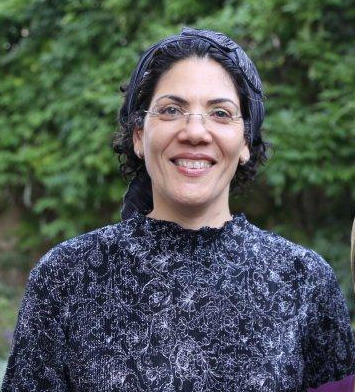
רוית קלך
מודיעין, ישראל
התחלתי ללמוד את הדף היומי מעט אחרי שבני הקטן נולד. בהתחלה בשמיעה ולימוד באמצעות השיעור של הרבנית שפרבר. ובהמשך העזתי וקניתי לעצמי גמרא. מאז ממשיכה יום יום ללמוד עצמאית, ולפעמים בעזרת השיעור של הרבנית, כל יום. כל סיום של מסכת מביא לאושר גדול וסיפוק. הילדים בבית נהיו חלק מהלימוד, אני משתפת בסוגיות מעניינות ונהנית לשמוע את דעתם.
אלירז בלאו
מעלה מכמש, ישראל
הייתי לפני שנתיים בסיום הדרן נשים בבנייני האומה והחלטתי להתחיל. אפילו רק כמה דפים, אולי רק פרק, אולי רק מסכת… בינתיים סיימתי רבע שס ותכף את כל סדר מועד בה.
הסביבה תומכת ומפרגנת. אני בת יחידה עם ארבעה אחים שכולם לומדים דף יומי. מדי פעם אנחנו עושים סיומים יחד באירועים משפחתיים. ממש מרגש. מסכת שבת סיימנו כולנו יחד עם אבא שלנו!
אני שומעת כל יום פודקאסט בהליכה או בנסיעה ואחכ לומדת את הגמרא.
עדנה גרוס
מרכז שפירא, ישראל
בסוף הסבב הקודם ראיתי את השמחה הגדולה שבסיום הלימוד, בעלי סיים כבר בפעם השלישית וכמובן הסיום הנשי בבנייני האומה וחשבתי שאולי זו הזדמנות עבורי למשהו חדש.
למרות שאני שונה בסביבה שלי, מי ששומע על הלימוד שלי מפרגן מאוד.
אני מנסה ללמוד קצת בכל יום, גם אם לא את כל הדף ובסך הכל אני בדרך כלל עומדת בקצב.
הלימוד מעניק המון משמעות ליום יום ועושה סדר בלמוד תורה, שתמיד היה (ועדיין) שאיפה. אבל אין כמו קביעות

רחלי מנדלסון
טל מנשה, ישראל
אחי, שלומד דף יומי ממסכת ברכות, חיפש חברותא ללימוד מסכת ראש השנה והציע לי. החברותא היתה מאתגרת טכנית ורוב הזמן נעשתה דרך הטלפון, כך שבסיום המסכת נפרדו דרכינו. אחי חזר ללמוד לבד, אבל אני כבר נכבשתי בקסם הגמרא ושכנעתי את האיש שלי להצטרף אלי למסכת ביצה. מאז המשכנו הלאה, ועכשיו אנחנו מתרגשים לקראתו של סדר נשים!

שולמית סבן
נוקדים, ישראל
. לא תמיד נהניתי מלימוד גמרא כילדה.,בל כהתבגרתי התחלתי לאהוב את זה שוב. התחלתי ללמוד מסכת סוטה בדף היומי לפני כחמש עשרה שנה ואז הפסקתי.הגעתי לסיום הגדול של הדרן לפני שנתיים וזה נתן לי השראה. והתחלתי ללמוד למשך כמה ימים ואז היתה לי פריצת דיסק והפסקתי…עד אלול השנה. אז התחלתי עם מסכת ביצה וב”ה אני מצליחה לעמוד בקצב. המשפחה מאוד תומכת בי ויש כמה שגם לומדים את זה במקביל. אני אוהבת שיש עוגן כל יום.

רבקה דרשן
בית שמש, ישראל
לפני 15 שנה, אחרי עשרות שנים של "ג’ינגול” בין משפחה לקריירה תובענית בהייטק, הצטרפתי לשיעורי גמרא במתן רעננה. הלימוד המעמיק והייחודי של הרבנית אושרה קורן יחד עם קבוצת הנשים המגוונת הייתה חוויה מאלפת ומעשירה. לפני כשמונה שנים כאשר מחזור הדף היומי הגיע למסכת תענית הצטרפתי כ”חברותא” לבעלי. זו השעה היומית שלנו ביחד כאשר דפי הגמרא משתלבים בחיי היום יום, משפיעים ומושפעים, וכשלא מספיקים תמיד משלימים בשבת

יודי אסקוף
רעננה, ישראל
חולין י
מִפְּנֵי שֶׁדַּרְכָּן שֶׁל שְׁרָצִים לְגַלּוֹת, וְאֵין דַּרְכָּן לְכַסּוֹת.
It is due to the fact that it is the typical manner of creeping animals to expose the contents of a vessel so that they may drink. Therefore, the exposure of the water is attributed to a creeping animal or to a ritually pure person. By contrast, in a case where he left the vessel exposed and found it covered, the concern is that it was an impure man who covered it, since it is not the typical manner of creeping animals to cover exposed vessels. Evidently, with regard to prohibition or ritual impurity, there are circumstances of uncertainty when the ruling is lenient.
אִי נָמֵי, טַעְמָא דְּהִנִּיחָהּ מְגוּלָּה וּבָא וּמְצָאָהּ מְכוּסָּה, מְכוּסָּה וּבָא וּמְצָאָהּ מְגוּלָּה, הָא מְצָאָהּ כְּמָה שֶׁהִנִּיחָהּ – לָא טוּמְאָה אִיכָּא וְלָא פְּסוּלָא אִיכָּא.
Alternatively, it can be inferred from the baraita that the reason the contents of the vessel are impure or disqualified, respectively, is that he left it exposed and came back and found it covered or that he left it covered and came back and found it exposed. But if he found the vessel just as he left it, there is neither impurity nor disqualification.
וְאִילּוּ סְפֵק מַיִם מְגוּלִּים אֲסוּרִין, שְׁמַע מִינַּהּ: חֲמִירָא סַכַּנְתָּא מֵאִיסּוּרָא, שְׁמַע מִינַּהּ.
But in a situation of uncertainty where he left exposed water and then came and found the vessel exposed, the water is forbidden under all circumstances. Learn from it that danger is more severe than prohibition. The Gemara affirms: Indeed, learn from it.
תְּנַן הָתָם: שְׁלֹשָׁה מַשְׁקִין אֲסוּרִין מִשּׁוּם גִּלּוּי – מַיִם, וְיַיִן, וְחָלָב. כַּמָּה יִשְׁהוּ וְיִהְיוּ אֲסוּרִין? כְּדֵי שֶׁיֵּצֵא הָרַחַשׁ מִמָּקוֹם קָרוֹב וְיִשְׁתֶּה. וְכַמָּה מָקוֹם קָרוֹב? אָמַר רַב יִצְחָק בְּרֵיהּ דְּרַב יְהוּדָה: כְּדֵי שֶׁיֵּצֵא מִתַּחַת אוֹזֶן כְּלִי וְיִשְׁתֶּה.
We learned in a mishna there (Terumot 8:4): Three liquids are forbidden due to exposure: Water, wine, and milk. How long shall they remain exposed and their contents will be forbidden? It is a period equivalent to the time necessary so that a snake could emerge from a proximate place and drink. And how far away is considered a proximate place? Rav Yitzḥak, son of Rav Yehuda, said: Even a period equivalent to the time necessary so that a snake could emerge from beneath the handle of the vessel and drink.
יִשְׁתֶּה? הָא קָא חָזֵי לֵיהּ! אֶלָּא, יִשְׁתֶּה וְיַחֲזוֹר לְחוֹרוֹ.
The Gemara asks: If it is only the time necessary for the snake to emerge and drink, doesn’t one see the snake drink, in which case there is no uncertainty? Rather, it is a period equivalent to the time necessary for a snake to emerge from a proximate place, drink, and return to its hole. If one left exposed liquid unattended for that interval, it is possible that the snake drank the liquid unseen by the owner of the liquid.
אִיתְּמַר: הַשּׁוֹחֵט בְּסַכִּין וְנִמְצֵאת פְּגוּמָה, אָמַר רַב הוּנָא: אֲפִילּוּ שִׁיבֵּר בָּהּ עֲצָמוֹת כׇּל הַיּוֹם – פְּסוּלָה, חָיְישִׁינַן שֶׁמָּא בָּעוֹר נִפְגְּמָה. וְרַב חִסְדָּא אָמַר: כְּשֵׁרָה, שֶׁמָּא בְּעֶצֶם נִפְגְּמָה.
§ It was stated: With regard to one who slaughters an animal with a knife that was afterward found to be notched, Rav Huna says: Even if, after the slaughter and before the knife was examined, he broke bones with the knife all day, the slaughter is not valid, as we are concerned that perhaps the knife became notched on the hide of the neck. And Rav Ḥisda says: The slaughter is valid, as perhaps it was on the bone that he broke with the knife after the slaughter that it became notched.
בִּשְׁלָמָא רַב הוּנָא כִּשְׁמַעְתֵּיהּ, אֶלָּא רַב חִסְדָּא מַאי טַעְמָא? אָמַר לָךְ: עֶצֶם – וַדַּאי פּוֹגֵם, עוֹר – סָפֵק פּוֹגֵם סָפֵק לָא פּוֹגֵם, הָוֵי סָפֵק וּוַדַּאי, וְאֵין סָפֵק מוֹצִיא מִידֵי וַדַּאי.
The Gemara asks: Granted, Rav Huna stated his opinion in accordance with his halakha cited earlier (9a): An animal during its lifetime exists with the presumptive status of prohibition until it becomes known in what manner it was slaughtered. But as for Rav Ḥisda, what is the reason for his ruling that the slaughter is valid? The Gemara answers that Rav Ḥisda could have said to you: A bone certainly notches the knife, but with regard to hide, it is uncertain whether it notches the knife and uncertain whether it does not notch it. This is a case of certainty and uncertainty, and the principle is that an uncertainty does not override a certainty.
מֵתִיב רָבָא לְסַיּוֹעֵיהּ לְרַב הוּנָא: טָבַל וְעָלָה, וְנִמְצָא עָלָיו דָּבָר חוֹצֵץ, אַף עַל פִּי שֶׁנִּתְעַסֵּק בְּאוֹתוֹ הַמִּין כׇּל הַיּוֹם כּוּלּוֹ – לֹא עָלְתָה לוֹ טְבִילָה, עַד שֶׁיֹּאמַר: ״בָּרִי לִי שֶׁלֹּא הָיָה עָלַי קוֹדֶם לָכֵן״. וְהָא הָכָא, דְּוַדַּאי טָבַל, סָפֵק הֲוָה עֲלֵיהּ סָפֵק לָא הֲוָה עֲלֵיהּ, וְקָאָתֵי סָפֵק וּמוֹצִיא מִידֵי וַדַּאי!
Rava raises an objection to the opinion of Rav Ḥisda to support the opinion of Rav Huna, from a baraita: If one immersed and emerged from the ritual bath and an interposing item was later found on him, then even if he had been engaged in handling that same type of item for the entire day after his immersion, the immersion does not fulfill his obligation. This is so until he will say: It is clear to me that this interposition was not on me beforehand. And here it is a case where he certainly immersed, and it is uncertain whether the interposition was on him at that time and uncertain whether it was not on him, and nevertheless, contrary to the opinion of Rav Ḥisda, the uncertainty overrides the certainty.
שָׁאנֵי הָתָם, דְּאִיכָּא לְמֵימַר: הַעֲמֵד טָמֵא עַל חֶזְקָתוֹ, וְאֵימַר לֹא טָבַל.
The Gemara rejects that proof: It is different there, as it can be said: Establish the status of the impure person on the basis of his presumptive status of impurity, and say that he did not immerse properly.
הָכָא נָמֵי, הַעֲמֵד בְּהֵמָה עַל חֶזְקָתָהּ, וְאֵימַר לֹא נִשְׁחֲטָה! הֲרֵי שְׁחוּטָה לְפָנֶיךָ.
The Gemara challenges: Here too, establish the status of the animal on the basis of its presumptive status of prohibition and say that it was not slaughtered properly. Why does Rav Ḥisda rule that it is permitted? The Gemara explains: That status has been undermined, as the slaughtered animal is before you. There is no indication that the slaughter was not valid, and most slaughtered animals are slaughtered properly.
הָכָא נָמֵי, הֲרֵי טָבַל לְפָנֶיךָ! הָא אִיתְיְלִידָא בֵּיהּ רֵיעוּתָא.
The Gemara challenges: Here too, in the case of immersion, the status of impurity is undermined, as the person who has immersed is before you. The Gemara explains: The case of immersion is different, as a flaw developed in the presumptive validity of the immersion, since there is an interposition.
הָכָא נָמֵי אִיתְיְלִידָא בַּהּ רֵיעוּתָא! סַכִּין אִיתְרְעַאי, בְּהֵמָה לָא אִיתְרְעַאי.
The Gemara challenges: Here too, a flaw developed in the presumptive validity of slaughter, as the knife is notched. The Gemara explains: In the case of slaughter, the knife became flawed, but the animal did not become flawed. Therefore, the animal assumes the presumptive status of permissibility. By contrast, in the case of immersion, the interposition was found on the person, thereby nullifying his presumptive status of purity.
מֵיתִיבִי: שָׁחַט אֶת הַוֶּשֶׁט וְאַחַר כָּךְ נִשְׁמְטָה הַגַּרְגֶּרֶת – כְּשֵׁרָה, נִשְׁמְטָה הַגַּרְגֶּרֶת וְאַחַר כָּךְ שָׁחַט אֶת הַוֶּשֶׁט – פְּסוּלָה.
The Gemara raises an objection to the opinion of Rav Ḥisda from a baraita: The slaughter of a bird is valid with the cutting of one siman, the windpipe or the gullet. Therefore, if one cut the gullet, and the windpipe was displaced thereafter, the slaughter is valid. If the windpipe was displaced and one cut the gullet thereafter, the slaughter is not valid.
שָׁחַט אֶת הַוֶּשֶׁט (ונמצא) [וְנִמְצֵאת] הַגַּרְגֶּרֶת שְׁמוּטָה, וְאֵינוֹ יוֹדֵעַ אִם קוֹדֶם שְׁחִיטָה נִשְׁמְטָה אִם לְאַחַר שְׁחִיטָה נִשְׁמְטָה, זֶה הָיָה מַעֲשֶׂה, וְאָמְרוּ: כׇּל סְפֵק בִּשְׁחִיטָה פָּסוּל.
If one cut the gullet, and the windpipe was found displaced, and he does not know whether the windpipe was displaced before the slaughter or whether it was displaced after the slaughter; that was the incident that came before the Sages, and they said: In any case of uncertainty with regard to slaughter, the slaughter is not valid.
כׇּל סָפֵק בִּשְׁחִיטָה לְאֵתוֹיֵי מַאי? לָאו לְאֵתוֹיֵי כְּהַאי גַוְונָא? לָא, לְאֵתוֹיֵי סָפֵק שָׁהָה, סָפֵק דָּרַס.
The Gemara asks: With regard to the expansive formulation: With regard to any case of uncertainty with regard to slaughter, what does it serve to add? Does it not serve to add a case like this one where there is uncertainty whether the knife was notched before or after the slaughter? The Gemara answers: No, it serves to add a case of uncertainty whether he interrupted the slaughter in the middle, or uncertainty whether he pressed the knife on the simanim. If he did either, it invalidates the slaughter.
וּמַאי שְׁנָא? הָתָם אִיתְיְלִידָא בַּהּ רֵיעוּתָא בִּבְהֵמָה, הָכָא סַכִּין אִיתְרְעַאי, בְּהֵמָה לָא אִיתְרְעַאי.
The Gemara asks: And in what way is uncertainty whether he interrupted the slaughter or pressed the knife different from uncertainty whether the knife became notched before or after the slaughter? The Gemara answers: There, in the case of uncertainty with regard to interruption or pressing, the flaw developed in the animal, and the slaughter is not valid. Here, in the case of uncertainty whether the knife became notched before or after the slaughter, a flaw developed in the knife but a flaw did not develop in the animal, and the slaughter is valid.
וְהִילְכְתָא כְּוָותֵיהּ דְּרַב הוּנָא, כְּשֶׁלֹּא שִׁיבֵּר בָּהּ עֶצֶם. וְהִילְכְתָא כְּוָותֵיהּ דְּרַב חִסְדָּא, כְּשֶׁשִּׁיבֵּר בָּהּ עֶצֶם. מִכְּלָל דְּרַב חִסְדָּא אַף עַל גַּב דְּלָא שִׁיבֵּר בָּהּ עֶצֶם? אֶלָּא בְּמַאי אִיפְּגִים? אֵימָא: בְּעֶצֶם דְּמַפְרֶקֶת אִיפְּגִים.
And the halakha is in accordance with the opinion of Rav Huna that the slaughter is not valid in a case where he did not break a bone with the knife. And the halakha is in accordance with the opinion of Rav Ḥisda that the slaughter is valid in a case where he broke a bone with the knife. Learn by inference that Rav Ḥisda rules that the slaughter is valid even if he did not break a bone with the knife. The Gemara asks: But if he did not break bones, on what was the knife notched? It must have been on the hide. Why, then, is the slaughter valid? The Gemara answers: Say that it was notched on the neck bone after he completed slaughtering the animal.
הֲוָה עוֹבָדָא וְטָרַף רַב יוֹסֵף עַד תְּלֵיסַר חֵיוָתָא, כְּמַאן? כְּרַב הוּנָא, וַאֲפִילּוּ בְּקַמַּיְיתָא? לָא, כְּרַב חִסְדָּא, וּלְבַר מִקַּמַּיְיתָא.
The Gemara relates: There was an incident, and Rav Yosef deemed as many as thirteen animals tereifot when he discovered the knife was notched after slaughtering the final animal. The Gemara asks: In accordance with whose opinion did Rav Yosef issue his ruling? Is it in accordance with the opinion of Rav Huna, who holds that the concern is that the knife was notched by the animal’s hide, and he ruled that even the first animal is forbidden? The Gemara answers: No, perhaps it is in accordance with the opinion of Rav Ḥisda, who holds that the notch is attributed to the neck bone, and they are all forbidden except for the first animal.
וְאִיבָּעֵית אֵימָא: לְעוֹלָם כְּרַב הוּנָא, דְּאִי כְּרַב חִסְדָּא, מִכְּדֵי מִתְלָא תָּלֵינַן, מִמַּאי דִּבְעֶצֶם דְּמַפְרֶקֶת דְּקַמַּיְיתָא אִיפְּגִים? דִּלְמָא בְּעֶצֶם דְּמַפְרֶקֶת דְּבָתְרָיְיתָא אִיפְּגִים!
And if you wish, say instead: Actually, it is in accordance with the opinion of Rav Huna, as, if it were in accordance with the opinion of Rav Ḥisda, since we attribute the notch to the neck bone as a leniency, from where is it ascertained that it is on the neck bone of the first animal that it was notched? Perhaps it is on the neck bone of the last animal that it was notched, and all of the animals are permitted.
אֲמַר לֵיהּ רַב אַחָא בְּרֵיהּ דְּרָבָא לְרַב אָשֵׁי: רַב כָּהֲנָא מַצְרֵיךְ בְּדִיקוּתָא בֵּין כֹּל חֲדָא וַחֲדָא. כְּמַאן? כְּרַב הוּנָא, וּלְמִיפְסַל קַמַּיְיתָא? לָא, כְּרַב חִסְדָּא, וּלְאַכְשׁוֹרֵי בָּתְרָיְיתָא.
Rav Aḥa, son of Rava, said to Rav Ashi: Rav Kahana requires an examination of the knife between each and every act of slaughter. The Gemara asks: In accordance with whose opinion did Rav Kahana issue his ruling? Is it in accordance with the opinion of Rav Huna, and he stated the halakha to invalidate the slaughter of the first animal that he slaughtered if he discovers a notch in the knife? The Gemara answers: No, perhaps it is in accordance with the opinion of Rav Ḥisda, according to the first of the two explanations of the ruling of Rav Yosef, who holds that if a notch is found it is attributed to the neck bone, and examination of the knife is required to validate the slaughter of the next animal.
אִי הָכִי, תִּיבְעֵי נָמֵי בְּדִיקַת חָכָם! עֵד אֶחָד נֶאֱמָן בְּאִיסּוּרִין. אִי הָכִי, מֵעִיקָּרָא נָמֵי לָא! הָאָמַר רַבִּי יוֹחָנָן: לֹא אָמְרוּ לְהַרְאוֹת סַכִּין לְחָכָם אֶלָּא מִפְּנֵי כְּבוֹדוֹ שֶׁל חָכָם.
The Gemara raises an objection: If so, and the reference is to the examination before slaughter, the knife should require the examination of a Torah scholar that was required by the Sages. The Gemara explains: There is no need for a Sage to examine the knife, based on the principle: The testimony of one witness, in this case the slaughterer, is deemed credible with regard to ritual matters. The Gemara challenges: If so, even from the outset, examination of the knife by a Torah scholar should also not be required. The Gemara explains: Didn’t Rabbi Yoḥanan say that the Sages said to show the knife to a Torah scholar only due to the requirement to show deference to the Sage? Once deference was shown before the initial slaughter, it is no longer necessary to do so.
מְנַָא הָא מִלְּתָא דַאֲמוּר רַבָּנַן: אוֹקֵי מִילְּתָא אַחֶזְקֵיהּ?
§ Apropos the statement of Rav Huna that an animal during its lifetime exists with the presumptive status of prohibition, and therefore in cases of uncertainty whether the animal was properly slaughtered, one rules stringently and it is prohibited to eat its flesh, the Gemara asks: From where is this matter that the Sages said: Establish the status of the matter on the basis of its presumptive status, derived?
אָמַר רַבִּי שְׁמוּאֵל בַּר נַחְמָנִי אָמַר רַבִּי יוֹנָתָן, אָמַר קְרָא ״וְיָצָא הַכֹּהֵן מִן הַבַּיִת אֶל פֶּתַח הַבָּיִת וְהִסְגִּיר אֶת הַבַּיִת שִׁבְעַת יָמִים״, דִּלְמָא אַדְּנָפֵיק וְאָתֵא בְּצַר לֵיהּ שִׁיעוּרָא! אֶלָּא לָאו מִשּׁוּם דְּאָמְרִינַן אוֹקֵי אַחֶזְקֵיהּ.
Rabbi Shmuel bar Naḥmani said that Rabbi Yonatan said that the verse states with regard to leprosy of houses that after a priest views a leprous mark: “And the priest shall emerge from the house to the entrance of the house, and quarantine the house seven days” (Leviticus 14:38). The Gemara asks: How can the priest quarantine the house based on his viewing the leprous mark? Perhaps as he was emerging and coming out of the house, the size of the leprous mark diminished and it lacks the requisite measure for leprosy. Rather, is it not due to the fact that we say: Establish the status of the matter on the basis of its presumptive status?
מַתְקֵיף לַהּ רַב אַחָא בַּר יַעֲקֹב: וְדִילְמָא כְּגוֹן שֶׁיָּצָא דֶּרֶךְ אֲחוֹרָיו, דְּקָא חָזֵי לֵיהּ כִּי נָפֵק!
Rav Aḥa bar Ya’akov objects to that proof: And perhaps the verse is referring to a case where the priest emerged backward, as in that case, the priest sees the leprous mark as he emerges.
אֲמַר לֵיהּ אַבָּיֵי: שְׁתֵּי תְּשׁוּבוֹת בַּדָּבָר, חֲדָא, דִּיצִיאָה דֶּרֶךְ אֲחוֹרָיו לֹא שְׁמָהּ יְצִיאָה, וְעוֹד, אֲחוֹרֵי הַדֶּלֶת מַאי אִיכָּא לְמֵימַר? וְכִי תֵּימָא דְּפָתַח בֵּיהּ כַּוְּותָא – וְהָתְנַן: בַּיִת אָפֵל אֵין פּוֹתְחִין בּוֹ חַלּוֹנוֹת לִרְאוֹת אֶת נִגְעוֹ!
Abaye said to him that there are two refutations of that statement. One is that emerging backward is not called emerging, and the priest would not fulfill the verse “And the priest shall emerge from the house” by doing so. And furthermore, in a case where the leprous mark is behind the door, what is there to say? Even walking backward would not enable the priest to see it. And if you would say that the priest can open a window in the wall to enable him to see the leprous mark, but didn’t we learn in a mishna (Nega’im 2:3): In a dark house one may not open windows to enable him to see his leprous mark?
אֲמַר לֵיהּ רָבָא: דְּקָאָמְרַתְּ יְצִיאָה דֶּרֶךְ אֲחוֹרָיו לֹא שְׁמָהּ יְצִיאָה – כֹּהֵן גָּדוֹל בְּיוֹם הַכִּפּוּרִים יוֹכִיחַ, דִּכְתִיב בֵּיהּ יְצִיאָה, וּתְנַן: יָצָא וּבָא לוֹ דֶּרֶךְ כְּנִיסָתוֹ. וּדְקָאָמְרַתְּ בַּיִת אָפֵל אֵין פּוֹתְחִין בּוֹ חַלּוֹנוֹת לִרְאוֹת אֶת נִגְעוֹ – הָנֵי מִילֵּי הֵיכָא דְּלָא אִיתַּחְזַק, אֲבָל הֵיכָא דְּאִיתַּחְזַק – אִיתַּחְזַק.
Rava said to Abaye: With regard to that which you say: Emerging backward is not called emerging, the case of the High Priest on Yom Kippur will prove that this is not so, as emerging is written in his regard (see Leviticus 16:18), and we learned in a mishna (Yoma 52b): The High Priest emerged and came out backward in the manner of his entry, facing the Ark in the Holy of Holies. And with regard to that which you say: In a dark house, one may not open windows to enable him to see his leprous mark, this statement applies only in a case where the existence of a leprous mark in the house was not yet established; but in a case where the existence of a leprous mark in the house was already established, it was established, and the priest may open a window to view it.
תַּנְיָא דְּלָא כְּרַב אַחָא בַּר יַעֲקֹב, ״וְיָצָא הַכֹּהֵן מִן הַבַּיִת״ – יָכוֹל יֵלֵךְ לְתוֹךְ בֵּיתוֹ וְיַסְגִּיר? תַּלְמוּד לוֹמַר: ״אֶל פֶּתַח הַבָּיִת״.
It is taught in a baraita not in accordance with the opinion of Rav Aḥa bar Ya’akov, who suggested that the verse is referring to a case where the priest emerged from the house backward and therefore there is no proof that one lets the matter remain in its presumptive status. It is written: “And the priest shall emerge from the house to the entrance of the house and quarantine the house.” One might have thought that he may go into his own house and quarantine the house from there; therefore, the verse states: “To the entrance of the house,” referring to the house that is being quarantined.
אִי ״פֶּתַח הַבָּיִת״, יָכוֹל יַעֲמוֹד תַּחַת הַמַּשְׁקוֹף וְיַסְגִּיר? תַּלְמוּד לוֹמַר: ״מִן הַבַּיִת״ – עַד שֶׁיֵּצֵא מִן הַבַּיִת כּוּלּוֹ. הָא כֵּיצַד? עוֹמֵד בְּצַד הַמַּשְׁקוֹף וּמַסְגִּיר.
If he must emerge to the entrance of the house, one might have thought that he may stand beneath the lintel and quarantine the house; therefore, the verse states: “From the house,” indicating that he does not quarantine the house until he emerges from the house in its entirety. How so? He stands alongside the lintel and quarantines the house.
וּמִנַּיִן שֶׁאִם הָלַךְ לְתוֹךְ בֵּיתוֹ וְהִסְגִּיר, אוֹ שֶׁעָמַד בְּתוֹךְ הַבַּיִת וְהִסְגִּיר, שֶׁהֶסְגֵּרוֹ מוּסְגָּר? תַּלְמוּד לוֹמַר: ״וְהִסְגִּיר אֶת הַבַּיִת״, מִכׇּל מָקוֹם.
The baraita concludes: And from where is it derived that if he went inside his own house and quarantined the leprous house, or that if he stood inside the leprous house and quarantined it, that his quarantine is a valid quarantine? It is derived from that which the verse states: “And quarantine the house,” meaning in any case. Apparently, the quarantine is valid even if he is unable to see the leprous mark, as the mark remains in its previous presumptive status.
וְרַב אַחָא בַּר יַעֲקֹב,
And Rav Aḥa bar Ya’akov interprets the baraita in accordance with his opinion
לעקוב

