







יש שש דעות שונות לגבי המקור לכך שבשר בחלב אסור גם בהנאה וגם באכילה ולא רק בבישול כפי שכתוב בפשט הכתוב.
רוצה להקדיש לימוד?
חולין קטו
מַעֲשֵׂה שַׁבָּת לִיתַּסְרוּ, דְּהָא ״תִּיעַבְתִּי לְךָ״ הוּא.
then let the product of an action that desecrates Shabbat, e.g., food cooked on Shabbat, be prohibited for consumption, as desecration of Shabbat is a practice of which God states: I have made it abominable to you, in that it is prohibited to cook on Shabbat. How can this food be prohibited only to the one who cooked it as a penalty by rabbinic law, but be permitted to others (see 15a)?
אָמַר קְרָא: ״כִּי קֹדֶשׁ הִיא לָכֶם״ – הִיא קֹדֶשׁ, וְאֵין מַעֲשֶׂיהָ קֹדֶשׁ.
The Gemara answers: A product of the desecration of Shabbat is an exception to the rule, as the verse states with regard to Shabbat: “For it is sacred to you” (Exodus 31:14). One may infer: It, Shabbat itself, is sacred, but the products of actions that desecrate it are not sacred, i.e., not prohibited.
חוֹרֵשׁ בְּשׁוֹר וּבַחֲמוֹר, וְחוֹסֵם פִּי פָרָה וְדָשׁ בָּהּ, לִיתַּסְרוּ, דְּהָא ״תִּיעַבְתִּי לְךָ״ הוּא!
The Gemara raises another difficulty: If one plows with an ox and with a donkey together, thereby violating the prohibition in Deuteronomy 22:10, or if one muzzles the mouth of a cow and threshes with it, thereby violating the prohibition in Deuteronomy 25:4, the seeds or threshed grain should be prohibited for consumption according to the above principle, as these are both practices I have made abominable to you.
הַשְׁתָּא, וּמָה שַׁבָּת דַּחֲמִירָא, מַעֲשֶׂיהָ מוּתָּרִים; הָנֵי, לֹא כׇּל שֶׁכֵּן?
The Gemara responds: Now that it has been established that products of desecration of Shabbat are permitted, one can derive the following using an a fortiori inference: Just as with regard to Shabbat, which is treated more stringently, the products of prohibited actions are permitted; is it not all the more so with regard to these prohibitions of plowing with an ox and a donkey and threshing with a muzzled animal, which are treated less stringently, that the products of prohibited actions should be permitted?
כִּלְאֵי זְרָעִים לִיתַּסְרוּ, דְּהָא ״תִּיעַבְתִּי לְךָ״ הוּא! מִדְּגַלִּי רַחֲמָנָא גַּבֵּי כִּלְאֵי הַכֶּרֶם ״פֶּן תִּקְדַּשׁ״ – ״פֶּן תּוּקַד אֵשׁ״, מִכְּלָל דְּכִלְאֵי זְרָעִים שְׁרוּ.
The Gemara challenges: Diverse kinds of seeds sown together should be prohibited for consumption, as this is a matter whose practice I have made abominable to you. The Gemara explains: One learns otherwise from the fact that the Merciful One revealed with regard to diverse kinds in a vineyard: “You shall not sow your vineyard with two kinds of seed; lest the growth of the seed that you will sow be forfeited [pen tikdash]” (Deuteronomy 22:9). The Sages read the phrase “be forfeited [pen tikdash]” as though it states: Lest it be burned [pen tukad esh], indicating that diverse kinds in a vineyard must be destroyed so that no benefit is derived from them. Since this is stated specifically with regard to a vineyard, one can conclude by inference that other diverse kinds of seeds are permitted.
וְאֵימָא: כִּלְאֵי כֶרֶם אֲסוּרִין בֵּין בַּאֲכִילָה בֵּין בַּהֲנָאָה, כִּלְאֵי זְרָעִים בַּאֲכִילָה אֲסִירִי, בַּהֲנָאָה שְׁרוּ. אִיתַּקּוּשׁ לְכִלְאֵי בְהֵמָה, דִּכְתִיב: ״בְּהֶמְתְּךָ לֹא תַרְבִּיעַ כִּלְאַיִם שָׂדְךָ לֹא תִזְרַע כִּלְאָיִם״, מָה בְּהֶמְתְּךָ – הַיּוֹצֵא מִמֶּנָּה מוּתֶּרֶת, אַף שָׂדְךָ – הַיּוֹצֵא מִמֶּנּוּ מוּתָּר.
The Gemara objects: But say instead that the uniqueness of diverse kinds in a vineyard is that they are prohibited both for consumption and for benefit, whereas diverse kinds of seeds are prohibited for consumption but are permitted for benefit. The Gemara responds: One cannot say that diverse kinds of seeds are prohibited for consumption, as they are juxtaposed in the Torah to diverse kinds of animals, whose offspring are permitted. As it is written: “You shall not let your cattle mate with a diverse kind; you shall not sow your field with two kinds of seed” (Leviticus 19:19). The juxtaposition teaches that just as with regard to your cattle, the animal that comes from diverse species is permitted, so too, with regard to your field, that produce that comes from diverse seeds is permitted.
וְכִלְאֵי בְהֵמָה גּוּפַיְיהוּ מְנָא לַן? מִדַּאֲסַר רַחֲמָנָא כִּלְאַיִם לַגָּבוֹהַּ, מִכְּלָל דִּלְהֶדְיוֹט שְׁרֵי.
The Gemara asks: And with regard to diverse kinds of animals themselves, from where do we derive that their offspring is permitted? The Gemara answers: From the fact that the Merciful One prohibits the offspring of diverse kinds of animals for sacrifice to the Most High upon the altar (see 38b), learn by inference that they are permitted to ordinary people for consumption.
אוֹתוֹ וְאֶת בְּנוֹ לִיתְּסַר! מִדַּאֲסַר רַחֲמָנָא מְחוּסַּר זְמַן לַגָּבוֹהַּ, מִכְּלָל דִּלְהֶדְיוֹט שְׁרֵי.
The Gemara raises another difficulty: A mother and its offspring slaughtered on the same day should be prohibited for consumption, as this too is a practice made abominable. The Gemara answers: From the fact that the Merciful One prohibits an animal whose time has not yet arrived, i.e., that is less than eight days old, as an offering to the Most High (Leviticus 22:27), learn by inference that such animals are permitted to ordinary people for consumption. The offspring of a mother slaughtered that day is also considered an animal whose time has not yet arrived, since the prohibition against slaughtering it is limited to that day.
שִׁילּוּחַ הַקֵּן לִיתְּסַר! לֹא אָמְרָה תּוֹרָה ״שַׁלַּח״ לְתַקָּלָה.
The Gemara raises a final difficulty: If one violated the mitzva that mandates sending away the mother bird from the nest, as it is stated: “You shall not take the mother with the young. You shall in any way let the mother go” (Deuteronomy 22:6–7), and the court instructed him to set the mother bird free, that mother bird should be prohibited to all, as this practice is also abominable. The Gemara responds: The Torah did not say: Send it away, if doing so could lead to a mishap. If the bird were prohibited, the Torah would not have commanded one to send it away, as others might eat it unwittingly.
אָמַר רֵישׁ לָקִישׁ: מִנַּיִן לְבָשָׂר בְּחָלָב שֶׁאָסוּר? תַּלְמוּד לוֹמַר ״אַל תֹּאכְלוּ מִמֶּנּוּ נָא וּבָשֵׁל מְבֻשָּׁל״, שֶׁאֵין תַּלְמוּד לוֹמַר ״מְבֻשָּׁל״. מָה תַּלְמוּד לוֹמַר ״מְבֻשָּׁל״? לוֹמַר לְךָ יֵשׁ לְךָ בִּשּׁוּל אַחֵר שֶׁהוּא כָּזֶה, וְאֵי זֶה – זֶה בָּשָׂר בְּחָלָב.
§ Reish Lakish says: From where is it derived that meat cooked in milk is prohibited for consumption? The verse states with regard to the Paschal offering: “You shall not eat it partially roasted, nor boiled in any way” (Exodus 12:9). As there is no need for the verse to state: “Boiled in any way,” since it could simply have stated: “Boiled.” What is the meaning when the verse states: “Boiled in any way?” It is included to tell you that there is another manner of cooking, the product of which is prohibited like this one. And which cooking is this? This is meat cooked in milk.
אָמַר לוֹ רַבִּי יוֹחָנָן:
Rabbi Yoḥanan said to Reish Lakish:
כְּעוּרָה זוֹ שֶׁשָּׁנָה רַבִּי? ״לֹא תֹּאכְלֶנּוּ״ – בְּבָשָׂר בְּחָלָב הַכָּתוּב מְדַבֵּר.
Is that derivation that Rabbi Yehuda HaNasi taught ugly, that you derive a new one? The verse states with regard to an animal’s blood: “You shall not eat it; you shall pour it upon the earth as water” (Deuteronomy 12:24), and the next verse adds: “You shall not eat it; that it may go well with you, and with your children after you.” Rabbi Yehuda HaNasi teaches that the redundant second verse is not referring to the prohibition of blood. Rather, the verse is speaking of the prohibition of meat cooked in milk, teaching that it is prohibited for consumption.
אַתָּה אוֹמֵר בְּבָשָׂר בְּחָלָב הַכָּתוּב מְדַבֵּר, אוֹ אֵינוֹ אֶלָּא בְּאֶחָד מִכׇּל הָאִיסּוּרִין שֶׁבַּתּוֹרָה? אָמַרְתָּ: צֵא וּלְמַד מִשְּׁלֹשׁ עֶשְׂרֵה מִדּוֹת שֶׁהַתּוֹרָה נִדְרֶשֶׁת בָּהֶן, דָּבָר הַלָּמֵד מֵעִנְיָנוֹ. בַּמֶּה הַכָּתוּב מְדַבֵּר? בִּשְׁנֵי מִינִין, אַף כָּאן בִּשְׁנֵי מִינִין.
Do you say that the verse is speaking of the prohibition of meat cooked in milk? Or perhaps it is only referring to one of the other prohibitions in the Torah? You say: Go out and learn from the thirteen hermeneutical principles, one of which is: A matter that is derived from its context. To what are the adjacent verses referring? They are referring to consecrated animals that were redeemed, which are a combination of two types: They are non-sacred in that they may be eaten, but they are prohibited for shearing and work, like consecrated animals. Here too, one may conclude that the verse is referring to a prohibition that involves two types of food, i.e., the prohibition of meat cooked in milk.
אִי מֵהַהִיא – הֲוָה אָמֵינָא: הָנֵי מִילֵּי בַּאֲכִילָה, אֲבָל בַּהֲנָאָה – לָא; קָמַשְׁמַע לַן.
Reish Lakish replied to Rabbi Yoḥanan: My exposition is still necessary, since if the source for the prohibition of eating meat cooked in milk were from that verse cited by Rabbi Yehuda HaNasi alone, I would say that this statement applies only to the prohibition of eating meat cooked in milk, but not to that of deriving benefit from it. The verse cited with regard to the Paschal offering teaches us that even deriving benefit is prohibited, just as it is prohibited to derive benefit from a disqualified Paschal offering.
וְרַבִּי, בַּהֲנָאָה מְנָא לֵיהּ? נָפְקָא לֵיהּ מֵהָכָא: נֶאֱמַר כָּאן ״כִּי עַם קָדוֹשׁ אַתָּה לַה׳״, וְנֶאֱמַר לְהַלָּן ״וְלֹא יִהְיֶה קָדֵשׁ בִּבְנֵי יִשְׂרָאֵל״, מָה לְהַלָּן בַּהֲנָאָה, אַף כָּאן בַּהֲנָאָה.
The Gemara asks: And Rabbi Yehuda HaNasi, from where does he derive that meat cooked in milk is prohibited for benefit? The Gemara responds: He derives it from here, as it is stated here: “For you are a sacred [kadosh] people unto the Lord your God. You shall not cook a kid in its mother’s milk” (Deuteronomy 14:21). And it is stated below: “Neither shall there be a sodomite [kadesh] of the sons of Israel” (Deuteronomy 23:18). The similar expressions teach that just as below, the prohibition of sodomy is a prohibition that involves enjoyment, i.e., deriving benefit, not eating, so too here, meat cooked in milk is prohibited with regard to deriving benefit.
דְּבֵי רַבִּי אֱלִיעֶזֶר תָּנָא: ״לֹא תֹאכְלוּ כׇל נְבֵלָה [וְגוֹ׳]״, אָמְרָה תּוֹרָה: כְּשֶׁתִּמְכְּרֶנָּה – לֹא תְּבַשְּׁלֶנָּה וְתִמְכְּרֶנָּה.
The school of Rabbi Eliezer taught: The verse states: “You shall not eat of any animal carcass; you may give it to the stranger who is within your gates, that he may eat it; or you may sell it to a foreigner; for you are a sacred people to the Lord your God; you shall not cook a kid in its mother’s milk” (Deuteronomy 14:21). The Torah stated the prohibition of meat cooked in milk after the halakha of an animal carcass to teach that when you sell a carcass to a gentile, you shall not cook it in milk and then sell it, i.e., meat cooked in milk is prohibited for benefit and may not be sold.
דְּבֵי רַבִּי יִשְׁמָעֵאל תָּנָא: ״לֹא תְבַשֵּׁל גְּדִי בַּחֲלֵב אִמּוֹ״ שָׁלֹשׁ פְּעָמִים, אֶחָד לְאִיסּוּר אֲכִילָה, וְאֶחָד לְאִיסּוּר הֲנָאָה, וְאֶחָד לְאִיסּוּר בִּשּׁוּל.
The school of Rabbi Yishmael taught: The Torah states three times: “You shall not cook a kid in its mother’s milk” (Exodus 23:19, 34:26; Deuteronomy 14:21). One verse serves to teach the prohibition against eating meat cooked in milk, and one serves to teach the prohibition against deriving benefit from it, and one serves to teach the prohibition against cooking meat in milk.
תַּנְיָא, אִיסִי בֶּן יְהוּדָה אוֹמֵר: מִנַּיִן לְבָשָׂר בְּחָלָב שֶׁאָסוּר? נֶאֱמַר כָּאן ״כִּי עַם קָדוֹשׁ אַתָּה״, וְנֶאֱמַר לְהַלָּן ״וְאַנְשֵׁי קֹדֶשׁ תִּהְיוּן לִי וּבָשָׂר בַּשָּׂדֶה טְרֵפָה לֹא תֹאכֵלוּ״, מָה לְהַלָּן אָסוּר, אַף כָּאן אָסוּר.
It is taught in a baraita: Isi ben Yehuda says: From where is it derived that it is prohibited to eat meat cooked in milk? It is stated here: “For you are a sacred people unto the Lord your God. You shall not cook a kid in its mother’s milk” (Deuteronomy 14:21). And it is stated below: “And you shall be sacred men unto Me; therefore you shall not eat any flesh that is torn of animals in the field [tereifa]; you shall cast it to the dogs” (Exodus 22:30). Just as below it is prohibited to eat a tereifa, so too here it is prohibited to eat meat cooked in milk.
וְאֵין לִי אֶלָּא בַּאֲכִילָה, בַּהֲנָאָה מִנַּיִן? אָמַרְתָּ קַל וְחוֹמֶר: וּמָה עׇרְלָה שֶׁלֹּא נֶעֶבְדָה בָּהּ עֲבֵירָה – אֲסוּרָה בַּהֲנָאָה, בָּשָׂר בְּחָלָב שֶׁנֶּעֶבְדָה בּוֹ עֲבֵירָה – אֵינוֹ דִּין שֶׁאָסוּר בַּהֲנָאָה!
And from this I have derived only that it is prohibited for consumption. From where do I derive that it is prohibited for benefit as well? You can say it can be derived by an a fortiori inference: Just as with regard to the prohibition against eating the fruit of a tree during the first three years after its planting [orla], which is treated less stringently as no sin has been committed in the planting of the tree and its production of fruit, it is prohibited for benefit, is it not right that meat cooked in milk, with regard to which a sin has been committed, should be prohibited for benefit?
מָה לְעׇרְלָה, שֶׁכֵּן לֹא הָיְתָה לָהּ שְׁעַת הַכּוֹשֶׁר.
The Gemara rejects this, as orla exhibits a unique stringency: What is unique about orla? It is unique in that it never had a time when it was fit. The same cannot be said about meat and milk, which were each permitted on their own before being cooked together.
חָמֵץ בַּפֶּסַח יוֹכִיחַ, שֶׁהָיְתָה לוֹ שְׁעַת הַכּוֹשֶׁר, וְאָסוּר בַּהֲנָאָה. מָה לְחָמֵץ בַּפֶּסַח, שֶׁכֵּן עָנוּשׁ כָּרֵת.
The Gemara suggests: Let leavened bread on Passover prove the point, as it had a time when it was fit, before Passover, and yet it is prohibited for benefit. The Gemara rejects this inference as well: What is unique about consumption of leavened bread on Passover? It is unique in that it is punishable by karet, unlike the prohibition of meat cooked in milk.
כִּלְאֵי הַכֶּרֶם יוֹכִיחוּ, שֶׁאֵין עָנוּשׁ כָּרֵת, וְאָסוּר בַּהֲנָאָה.
The Gemara comments: Let the prohibition of diverse kinds in a vineyard prove the point, as it is not punishable by karet, and yet it is prohibited to derive benefit from the product.
לְמָה לִי גְּזֵירָה שָׁוָה? לַיְיתֵי כּוּלַּהּ בְּקַל וָחוֹמֶר מֵעׇרְלָה: וּמָה עׇרְלָה, שֶׁלֹּא נֶעֶבְדָה בָּהּ עֲבֵירָה, אֲסוּרָה בֵּין בַּאֲכִילָה בֵּין בַּהֲנָאָה; בָּשָׂר בְּחָלָב, שֶׁנֶּעֶבְדָה בּוֹ עֲבֵירָה, אֵינוֹ דִּין שֶׁאָסוּר בֵּין בַּאֲכִילָה בֵּין בַּהֲנָאָה!
The Gemara asks: Why do I need both Isi ben Yehuda’s verbal analogy to teach the prohibition of consumption and the a fortiori inference to teach the prohibition of benefit? Let all of it, both the prohibition of consumption and the prohibition against deriving benefit, be derived by an a fortiori inference from orla: Just as orla, which is treated less stringently, as no sin has been committed in the tree’s planting, is nevertheless prohibited both for consumption and for benefit; is it not right that meat cooked in milk, with regard to which a sin has been committed, should be prohibited both for consumption and for benefit?
מִשּׁוּם דְּאִיכָּא לְמֵימַר: חוֹרֵשׁ בְּשׁוֹר וּבַחֲמוֹר, וְחוֹסֵם פִּי פָרָה וְדָשׁ בָּהּ יוֹכִיחַ, שֶׁנֶּעֶבְדָה בָּהֶם עֲבֵירָה וּשְׁרוּ.
The Gemara responds: That inference would be invalid because one could say: The cases of one who plows with an ox and with a donkey, and one who muzzles the mouth of a cow and threshes with it prove it invalid. As in those cases, a sin has been committed through them, and yet benefit from the products of these actions is permitted. One cannot refute a verbal analogy with logical reasoning.
לְמָה לִי לְמֵימַר ״כִּלְאֵי הַכֶּרֶם יוֹכִיחוּ״, לֵימָא ״עׇרְלָה תּוֹכִיחַ״, וְלִיהְדַּר דִּינָא וְלֵיתֵי בְּמָה הַצַּד.
The Gemara asks further: Why do I need to say, as was stated above, that the case of diverse kinds in a vineyard proves that benefit from meat and milk is prohibited? At that point, two other cases, orla and leavened bread on Passover, had already been offered as proof. Although they were rejected because they both possess a unique stringency, each lacks the stringency possessed by the other. Therefore, let us say that the case of orla proves that the stringency for consumption of leavened bread on Passover, i.e., the penalty of karet, is irrelevant, and vice versa. And let the inference revert to its starting point, and let the halakha with regard to meat cooked in milk be derived by analogy from the common element of the two sources, i.e., the prohibition against both consumption and benefit.
אָמַר רַב אָשֵׁי: מִשּׁוּם דְּאִיכָּא לְמֵימַר, נְבֵלָה תּוֹכִיחַ, שֶׁאֲסוּרָה בַּאֲכִילָה וּמוּתֶּרֶת בַּהֲנָאָה.
Rav Ashi said: Such a derivation cannot be suggested, because one can say that the case of an unslaughtered animal carcass proves it invalid, as an animal carcass is prohibited for consumption and yet it is permitted for benefit.
אֲמַר לֵיהּ רַב מָרְדֳּכַי לְרַב אָשֵׁי: הָכִי אָמְרִינַן מִשְּׁמֵיהּ דְּרֵישׁ לָקִישׁ: כֹּל ״מָה הַצַּד״ – מִגּוּפוֹ פָּרְכִינַן, מֵעָלְמָא לָא פָּרְכִינַן.
Rav Mordekhai said to Rav Ashi: We say in the name of Reish Lakish as follows: For any analogy derived from the common element of two sources, one can refute the analogy only by invoking conflicting details of the two sources themselves, e.g., here, some stringency shared by orla and leavened bread, but not by meat cooked in milk. One cannot refute the analogy from an external case, as you do.
אִי הָכִי, תֵּיתֵי בְּמָה הַצַּד? מִשּׁוּם דְּאִיכָּא לְמִיפְרַךְ: מָה לְהַצַּד הַשָּׁוֶה שֶׁבָּהֶן – שֶׁכֵּן גִּדּוּלֵי קַרְקַע.
The Gemara asks: If so, then the question remains: Why not let the halakha be derived by analogy from the common element of orla and leavened bread on Passover? The Gemara responds: Because the analogy can be refuted as follows: What is unique about the common element of orla and leavened bread? It is unique in that they both involve produce that grows from the ground, whereas meat and milk do not grow from the ground.
אִי הָכִי, הַשְׁתָּא נָמֵי אִיכָּא לְמִיפְרַךְ: מָה לְכִלְאֵי הַכֶּרֶם, שֶׁכֵּן גִּדּוּלֵי קַרְקַע?
The Gemara counters: If so, then even now that the Gemara has invoked diverse kinds in a vineyard to prove the point, the derivation can be refuted in the same manner: What is unique about the prohibition of diverse kinds in a vineyard? It is unique in that it involves produce that grows from the ground.
אֲמַר לֵיהּ רַב מָרְדֳּכַי לְרַב אָשֵׁי: הָכִי אָמְרִינַן מִשְּׁמֵיהּ דְּרֵישׁ לָקִישׁ: כֹּל מָה הַצַּד פָּרְכִינַן כֹּל דְּהוּ, לֹא אִם אָמַרְתָּ חֲדָא מֵחֲדָא – קַל וָחוֹמֶר פָּרְכִינַן, כֹּל דְּהוּ – לָא פָּרְכִינַן.
Rav Mordekhai said to Rav Ashi: We say in the name of Reish Lakish as follows: For any analogy derived from the common element of two sources, one can refute the analogy by invoking any factor shared by the two source cases but not by the target case. But this is insufficient to refute an analogy to a single source from a single source using the standard formulation: No, if you say the halakha applies to the source case, which possesses a unique factor X, must you say the same of the target case, which does not? One can refute such analogies using this formulation only by way of an a fortiori inference, i.e., if the unique factor X is a stringency. But one cannot refute it by simply mentioning any unique factor, e.g., that diverse kinds in a vineyard grow from the ground.
וְלִיפְרוֹךְ לְכוּלְּהוּ, מָה לְכוּלְּהוּ שֶׁכֵּן גִּדּוּלֵי קַרְקַע!
The Gemara counters: But one need not invoke the case of diverse kinds in a vineyard by itself, since it is invoked in addition to the cases of orla and leavened bread. Consequently, this is effectively a derivation from the common element of all three sources, not from one single case to another. If so, let us refute the derivation from all of them: What is unique about all of the cases? They are unique in that they involve produce that grows from the ground.
אֶלָּא, אֲמַר לֵיהּ רַב מָרְדֳּכַי לְרַב אָשֵׁי, הָכִי אָמְרִינַן מִשְּׁמֵיהּ דְּרֵישׁ לָקִישׁ:
Rather, Rav Mordekhai said to Rav Ashi: We say in the name of Reish Lakish as follows:
לעקוב 
חדשה בלימוד הגמרא?
זה הדף הראשון שלך? איזו התרגשות עצומה! יש לנו בדיוק את התכנים והכלים שיעזרו לך לעשות את הצעדים הראשונים ללמידה בקצב וברמה שלך, כך תוכלי להרגיש בנוח גם בתוך הסוגיות המורכבות ומאתגרות.
פסיפס הלומדות שלנו
גלי את קהילת הלומדות שלנו, מגוון נשים, רקעים וסיפורים. כולן חלק מתנועה ומסע מרגש ועוצמתי.
אמא שלי למדה איתי ש”ס משנה, והתחילה ללמוד דף יומי. אני החלטתי שאני רוצה ללמוד גם. בהתחלה למדתי איתה, אח”כ הצטרפתי ללימוד דף יומי שהרב דני וינט מעביר לנוער בנים בעתניאל. במסכת עירובין עוד חברה הצטרפה אלי וכשהתחלנו פסחים הרב דני פתח לנו שעור דף יומי לבנות. מאז אנחנו לומדות איתו קבוע כל יום את הדף היומי (ובשבת אבא שלי מחליף אותו). אני נהנית מהלימוד, הוא מאתגר ומעניין

רננה הלמן
עתניאל, ישראל
התחלתי ללמוד דף לפני קצת יותר מ-5 שנים, כשלמדתי רבנות בישיבת מהר”ת בניו יורק. בדיעבד, עד אז, הייתי בלימוד הגמרא שלי כמו מישהו שאוסף חרוזים משרשרת שהתפזרה, פה משהו ושם משהו, ומאז נפתח עולם ומלואו…. הדף נותן לי לימוד בצורה מאורגנת, שיטתית, יום-יומית, ומלמד אותי לא רק ידע אלא את השפה ודרך החשיבה שלנו. לשמחתי, יש לי סביבה תומכת וההרגשה שלי היא כמו בציטוט שבחרתי: הדף משפיע לטובה על כל היום שלי.

מיכל כהנא
חיפה, ישראל
"
גם אני התחלתי בסבב הנוכחי וב””ה הצלחתי לסיים את רוב המסכתות . בזכות הרבנית מישל משתדלת לפתוח את היום בשיעור הזום בשעה 6:20 .הלימוד הפך להיות חלק משמעותי בחיי ויש ימים בהם אני מצליחה לחזור על הדף עם מלמדים נוספים ששיעוריהם נמצאים במרשתת. שמחה להיות חלק מקהילת לומדות ברחבי העולם. ובמיוחד לשמש דוגמה לנכדותיי שאי””ה יגדלו לדור שלימוד תורה לנשים יהיה משהו שבשגרה. "

רונית שביט
נתניה, ישראל
התחלתי ללמוד בעידוד שתי חברות אתן למדתי בעבר את הפרק היומי במסגרת 929.
בבית מתלהבים מאוד ובשבת אני לומדת את הדף עם בעלי שזה מפתיע ומשמח מאוד! לימוד הדף הוא חלק בלתי נפרד מהיום שלי. לומדת בצהריים ומחכה לזמן הזה מידי יום…

מרים ונגרובר
אפרת, ישראל
בתחילת הסבב הנוכחי של לימוד הדף היומי, נחשפתי לחגיגות המרגשות באירועי הסיום ברחבי העולם. והבטחתי לעצמי שבקרוב אצטרף גם למעגל הלומדות. הסבב התחיל כאשר הייתי בתחילת דרכי בתוכנית קרן אריאל להכשרת יועצות הלכה של נשמ”ת. לא הצלחתי להוסיף את ההתחייבות לדף היומי על הלימוד האינטנסיבי של תוכנית היועצות. בבוקר למחרת המבחן הסופי בנשמ”ת, התחלתי את לימוד הדף במסכת סוכה ומאז לא הפסקתי.

חנה שחם-רוזבי (ד”ר)
קרית גת, ישראל
ראיתי את הסיום הגדול בבנייני האומה וכל כך התרשמתי ורציתי לקחת חלק.. אבל לקח לי עוד כשנה וחצי )באמצע מסיכת שבת להצטרף..
הלימוד חשוב לי מאוד.. אני תמיד במרדף אחרי הדף וגונבת כל פעם חצי דף כשהילדים עסוקים ומשלימה אח”כ אחרי שכולם הלכו לישון..
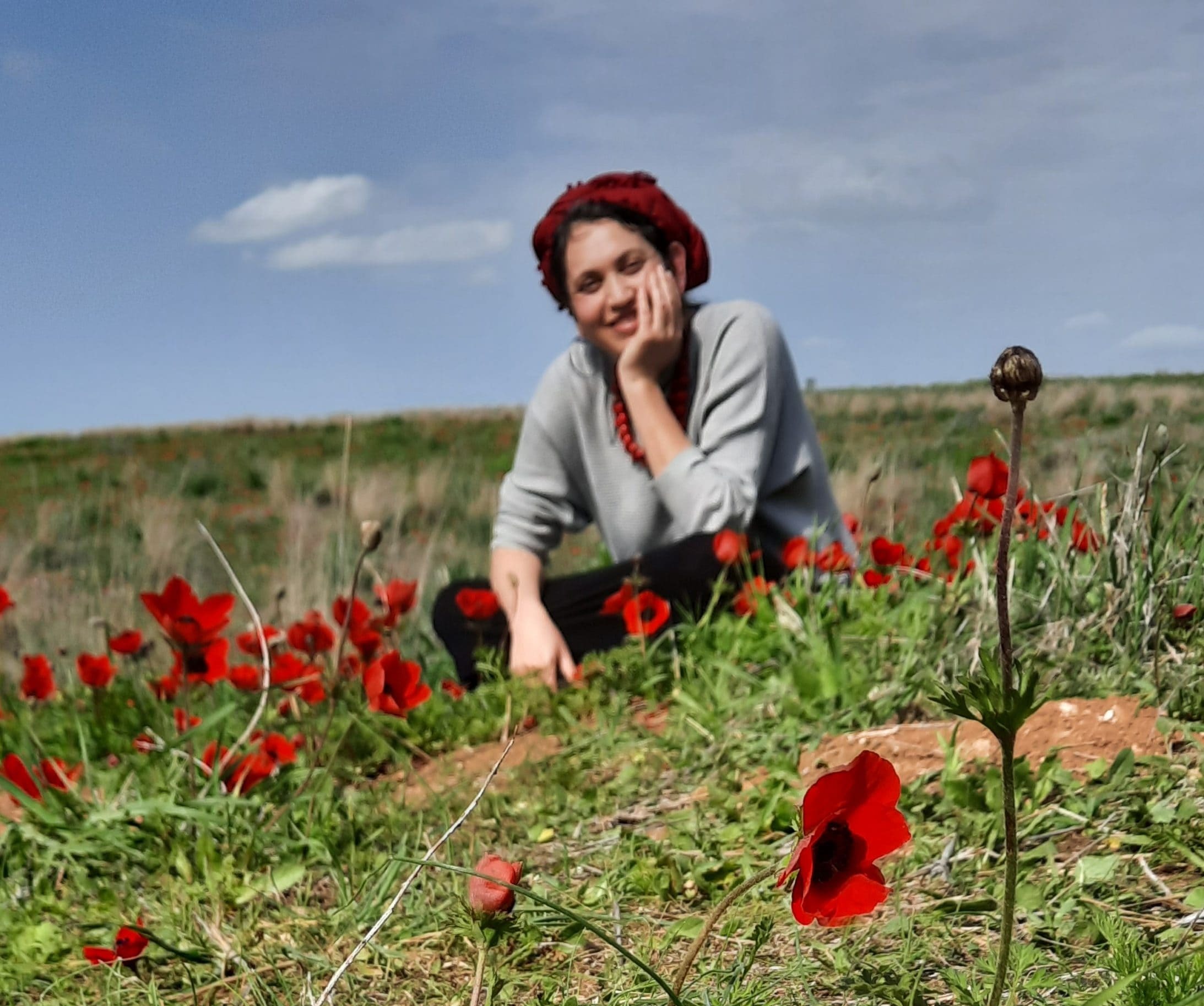
אולגה מזרחי
ירושלים, ישראל
באירוע של הדרן בנייני האומה. בהשראתה של אמי שלי שסיימה את הש”ס בסבב הקודם ובעידוד מאיר , אישי, וילדיי וחברותיי ללימוד במכון למנהיגות הלכתית של רשת אור תורה סטון ומורתיי הרבנית ענת נובוסלסקי והרבנית דבורה עברון, ראש המכון למנהיגות הלכתית.
הלימוד מעשיר את יומי, מחזיר אותי גם למסכתות שכבר סיימתי וידוע שאינו דומה מי ששונה פרקו מאה לשונה פרקו מאה ואחת במיוחד מרתקים אותי החיבורים בין המסכתות

רוית קלך
מודיעין, ישראל
התחלתי ללמוד דף יומי לפני שנתיים, עם מסכת שבת. בהתחלה ההתמדה היתה קשה אבל בזכות הקורונה והסגרים הצלחתי להדביק את הפערים בשבתות הארוכות, לסיים את מסכת שבת ולהמשיך עם המסכתות הבאות. עכשיו אני מסיימת בהתרגשות רבה את מסכת חגיגה וסדר מועד ומחכה לסדר הבא!

אילנה שכנוביץ
מודיעין, ישראל
התחלתי ללמוד דף יומי כאשר קיבלתי במייל ממכון שטיינזלץ את הדפים הראשונים של מסכת ברכות במייל. קודם לא ידעתי איך לקרוא אותם עד שנתתי להם להדריך אותי. הסביבה שלי לא מודעת לעניין כי אני לא מדברת על כך בפומבי. למדתי מהדפים דברים חדשים, כמו הקשר בין המבנה של בית המקדש והמשכן לגופו של האדם (יומא מה, ע”א) והקשר שלו למשפט מפורסם שמופיע בספר ההינדי "בהגוד-גיתא”. מתברר שזה רעיון כלל עולמי ולא רק יהודי

אלנה ארנבורג
נשר, ישראל
התחלתי ללמוד דף יומי ממסכת נידה כי זה היה חומר הלימוד שלי אז. לאחר הסיום הגדול בבנייני האומה החלטתי להמשיך. וב”ה מאז עם הפסקות קטנות של קורונה ולידה אני משתדלת להמשיך ולהיות חלק.
זה משפיע מאוד על היום יום שלי ועל אף שאני עסוקה בלימודי הלכה ותורה כל יום, זאת המסגרת הקבועה והמחייבת ביותר שיש לי.

מוריה תעסן מיכאלי
גבעת הראל, ישראל
בתחילת הסבב הנוכחי הצטברו אצלי תחושות שאני לא מבינה מספיק מהי ההלכה אותה אני מקיימת בכל יום. כמו כן, כאמא לבנות רציתי לתת להן מודל נשי של לימוד תורה
שתי הסיבות האלו הובילו אותי להתחיל ללמוד. נתקלתי בתגובות מפרגנות וסקרניות איך אישה לומדת גמרא..
כמו שרואים בתמונה אני ממשיכה ללמוד גם היום ואפילו במחלקת יולדות אחרי לידת ביתי השלישית.
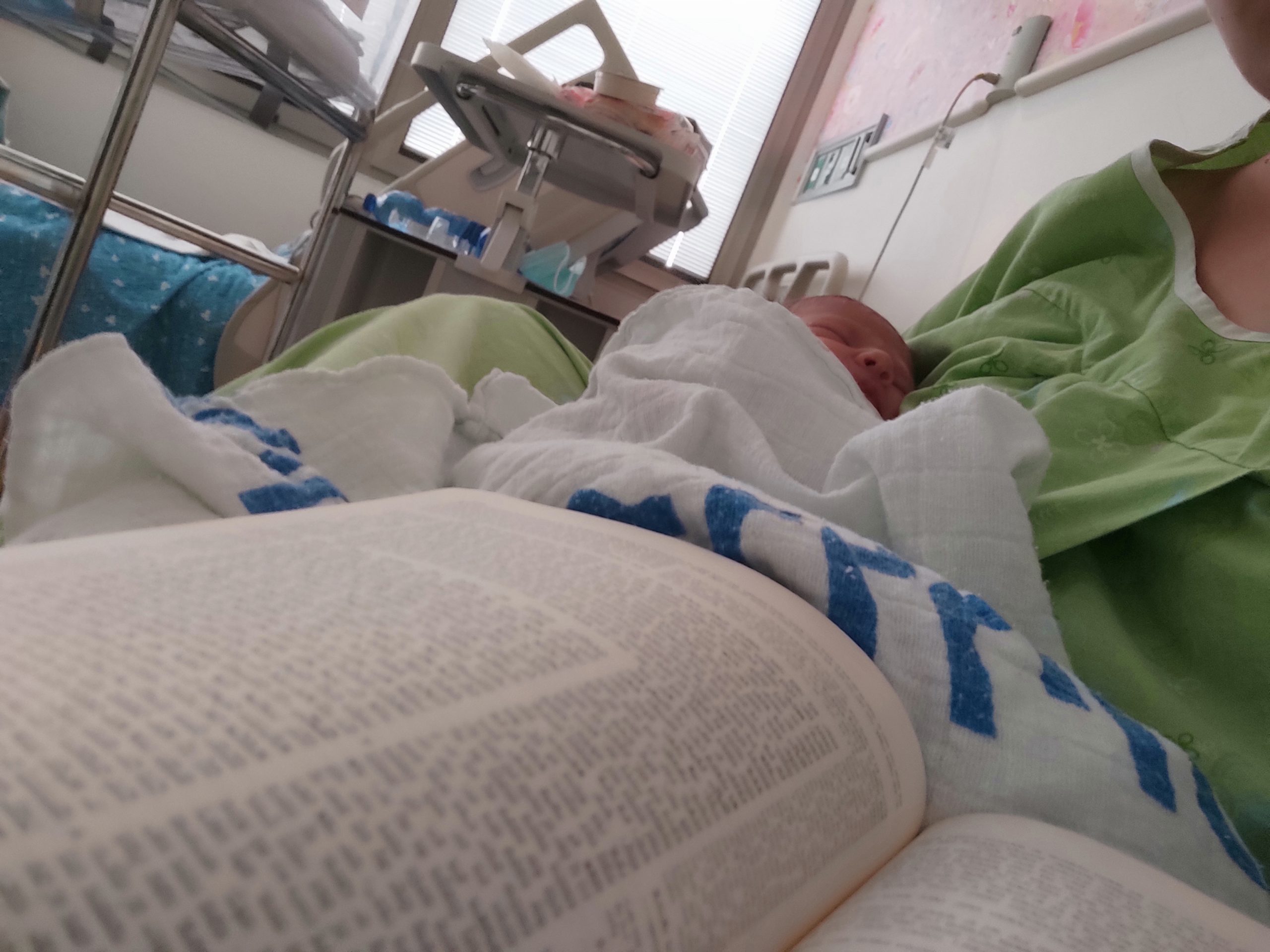
נועה שילה
רבבה, ישראל
התחלתי מחוג במסכת קידושין שהעבירה הרבנית רייסנר במסגרת בית המדרש כלנה בגבעת שמואל; לאחר מכן התחיל סבב הדף היומי אז הצטרפתי. לסביבה לקח זמן לעכל אבל היום כולם תומכים ומשתתפים איתי. הלימוד לעתים מעניין ומעשיר ולעתים קשה ואף הזוי… אך אני ממשיכה קדימה. הוא משפיע על היומיום שלי קודם כל במרדף אחרי הדף, וגם במושגים הרבים שלמדתי ובידע שהועשרתי בו, חלקו ממש מעשי

אביגיל כריסי
ראש העין, ישראל
באירוע של הדרן בנייני האומה. בהשראתה של אמי שלי שסיימה את הש”ס בסבב הקודם ובעידוד מאיר , אישי, וילדיי וחברותיי ללימוד במכון למנהיגות הלכתית של רשת אור תורה סטון ומורתיי הרבנית ענת נובוסלסקי והרבנית דבורה עברון, ראש המכון למנהיגות הלכתית.
הלימוד מעשיר את יומי, מחזיר אותי גם למסכתות שכבר סיימתי וידוע שאינו דומה מי ששונה פרקו מאה לשונה פרקו מאה ואחת במיוחד מרתקים אותי החיבורים בין המסכתות
רוית קלך
מודיעין, ישראל
My explorations into Gemara started a few days into the present cycle. I binged learnt and become addicted. I’m fascinated by the rich "tapestry” of intertwined themes, connections between Masechtot, conversations between generations of Rabbanim and learners past and present all over the world. My life has acquired a golden thread, linking generations with our amazing heritage.
Thank you.

סוזן כשדן
חשמונאים, Israel
סיום השס לנשים נתן לי מוטביציה להתחיל ללמוד דף יומי. עד אז למדתי גמרא בשבתות ועשיתי כמה סיומים. אבל לימוד יומיומי זה שונה לגמרי ופתאום כל דבר שקורה בחיים מתקשר לדף היומי.
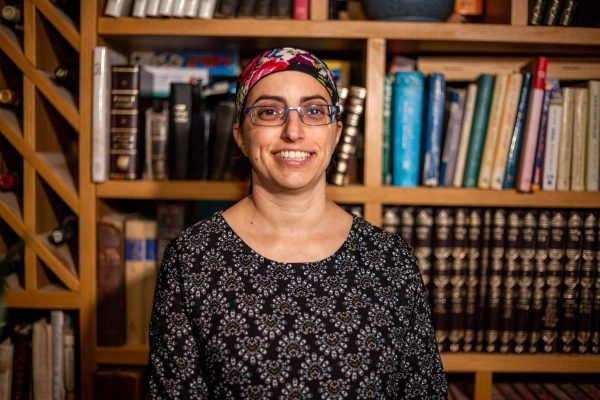
קרן פוגל
רתמים, ישראל
התחלתי ללמוד דף יומי כאשר קיבלתי במייל ממכון שטיינזלץ את הדפים הראשונים של מסכת ברכות במייל. קודם לא ידעתי איך לקרוא אותם עד שנתתי להם להדריך אותי. הסביבה שלי לא מודעת לעניין כי אני לא מדברת על כך בפומבי. למדתי מהדפים דברים חדשים, כמו הקשר בין המבנה של בית המקדש והמשכן לגופו של האדם (יומא מה, ע”א) והקשר שלו למשפט מפורסם שמופיע בספר ההינדי "בהגוד-גיתא”. מתברר שזה רעיון כלל עולמי ולא רק יהודי
אלנה ארנבורג
נשר, ישראל
אחרי שראיתי את הסיום הנשי של הדף היומי בבנייני האומה זה ריגש אותי ועורר בי את הרצון להצטרף. לא למדתי גמרא קודם לכן בכלל, אז הכל היה לי חדש, ולכן אני לומדת בעיקר מהשיעורים פה בהדרן, בשוטנשטיין או בחוברות ושיננתם.

רבקה שלוס
בית שמש, ישראל
התחלתי בתחילת הסבב, והתמכרתי. זה נותן משמעות נוספת ליומיום ומאוד מחזק לתת לזה מקום בתוך כל שגרת הבית-עבודה השוטפת.

רעות אברהמי
בית שמש, ישראל
התחלתי להשתתף בשיעור נשים פעם בשבוע, תכננתי ללמוד רק דפים בודדים, לא האמנתי שאצליח יותר מכך.
לאט לאט נשאבתי פנימה לעולם הלימוד .משתדלת ללמוד כל בוקר ומתחילה את היום בתחושה של מלאות ומתוך התכווננות נכונה יותר.
הלימוד של הדף היומי ממלא אותי בתחושה של חיבור עמוק לעם היהודי ולכל הלומדים בעבר ובהווה.

נילי חיון
אפרת, ישראל
אחי, שלומד דף יומי ממסכת ברכות, חיפש חברותא ללימוד מסכת ראש השנה והציע לי. החברותא היתה מאתגרת טכנית ורוב הזמן נעשתה דרך הטלפון, כך שבסיום המסכת נפרדו דרכינו. אחי חזר ללמוד לבד, אבל אני כבר נכבשתי בקסם הגמרא ושכנעתי את האיש שלי להצטרף אלי למסכת ביצה. מאז המשכנו הלאה, ועכשיו אנחנו מתרגשים לקראתו של סדר נשים!

שולמית סבן
נוקדים, ישראל
חולין קטו
מַעֲשֵׂה שַׁבָּת לִיתַּסְרוּ, דְּהָא ״תִּיעַבְתִּי לְךָ״ הוּא.
then let the product of an action that desecrates Shabbat, e.g., food cooked on Shabbat, be prohibited for consumption, as desecration of Shabbat is a practice of which God states: I have made it abominable to you, in that it is prohibited to cook on Shabbat. How can this food be prohibited only to the one who cooked it as a penalty by rabbinic law, but be permitted to others (see 15a)?
אָמַר קְרָא: ״כִּי קֹדֶשׁ הִיא לָכֶם״ – הִיא קֹדֶשׁ, וְאֵין מַעֲשֶׂיהָ קֹדֶשׁ.
The Gemara answers: A product of the desecration of Shabbat is an exception to the rule, as the verse states with regard to Shabbat: “For it is sacred to you” (Exodus 31:14). One may infer: It, Shabbat itself, is sacred, but the products of actions that desecrate it are not sacred, i.e., not prohibited.
חוֹרֵשׁ בְּשׁוֹר וּבַחֲמוֹר, וְחוֹסֵם פִּי פָרָה וְדָשׁ בָּהּ, לִיתַּסְרוּ, דְּהָא ״תִּיעַבְתִּי לְךָ״ הוּא!
The Gemara raises another difficulty: If one plows with an ox and with a donkey together, thereby violating the prohibition in Deuteronomy 22:10, or if one muzzles the mouth of a cow and threshes with it, thereby violating the prohibition in Deuteronomy 25:4, the seeds or threshed grain should be prohibited for consumption according to the above principle, as these are both practices I have made abominable to you.
הַשְׁתָּא, וּמָה שַׁבָּת דַּחֲמִירָא, מַעֲשֶׂיהָ מוּתָּרִים; הָנֵי, לֹא כׇּל שֶׁכֵּן?
The Gemara responds: Now that it has been established that products of desecration of Shabbat are permitted, one can derive the following using an a fortiori inference: Just as with regard to Shabbat, which is treated more stringently, the products of prohibited actions are permitted; is it not all the more so with regard to these prohibitions of plowing with an ox and a donkey and threshing with a muzzled animal, which are treated less stringently, that the products of prohibited actions should be permitted?
כִּלְאֵי זְרָעִים לִיתַּסְרוּ, דְּהָא ״תִּיעַבְתִּי לְךָ״ הוּא! מִדְּגַלִּי רַחֲמָנָא גַּבֵּי כִּלְאֵי הַכֶּרֶם ״פֶּן תִּקְדַּשׁ״ – ״פֶּן תּוּקַד אֵשׁ״, מִכְּלָל דְּכִלְאֵי זְרָעִים שְׁרוּ.
The Gemara challenges: Diverse kinds of seeds sown together should be prohibited for consumption, as this is a matter whose practice I have made abominable to you. The Gemara explains: One learns otherwise from the fact that the Merciful One revealed with regard to diverse kinds in a vineyard: “You shall not sow your vineyard with two kinds of seed; lest the growth of the seed that you will sow be forfeited [pen tikdash]” (Deuteronomy 22:9). The Sages read the phrase “be forfeited [pen tikdash]” as though it states: Lest it be burned [pen tukad esh], indicating that diverse kinds in a vineyard must be destroyed so that no benefit is derived from them. Since this is stated specifically with regard to a vineyard, one can conclude by inference that other diverse kinds of seeds are permitted.
וְאֵימָא: כִּלְאֵי כֶרֶם אֲסוּרִין בֵּין בַּאֲכִילָה בֵּין בַּהֲנָאָה, כִּלְאֵי זְרָעִים בַּאֲכִילָה אֲסִירִי, בַּהֲנָאָה שְׁרוּ. אִיתַּקּוּשׁ לְכִלְאֵי בְהֵמָה, דִּכְתִיב: ״בְּהֶמְתְּךָ לֹא תַרְבִּיעַ כִּלְאַיִם שָׂדְךָ לֹא תִזְרַע כִּלְאָיִם״, מָה בְּהֶמְתְּךָ – הַיּוֹצֵא מִמֶּנָּה מוּתֶּרֶת, אַף שָׂדְךָ – הַיּוֹצֵא מִמֶּנּוּ מוּתָּר.
The Gemara objects: But say instead that the uniqueness of diverse kinds in a vineyard is that they are prohibited both for consumption and for benefit, whereas diverse kinds of seeds are prohibited for consumption but are permitted for benefit. The Gemara responds: One cannot say that diverse kinds of seeds are prohibited for consumption, as they are juxtaposed in the Torah to diverse kinds of animals, whose offspring are permitted. As it is written: “You shall not let your cattle mate with a diverse kind; you shall not sow your field with two kinds of seed” (Leviticus 19:19). The juxtaposition teaches that just as with regard to your cattle, the animal that comes from diverse species is permitted, so too, with regard to your field, that produce that comes from diverse seeds is permitted.
וְכִלְאֵי בְהֵמָה גּוּפַיְיהוּ מְנָא לַן? מִדַּאֲסַר רַחֲמָנָא כִּלְאַיִם לַגָּבוֹהַּ, מִכְּלָל דִּלְהֶדְיוֹט שְׁרֵי.
The Gemara asks: And with regard to diverse kinds of animals themselves, from where do we derive that their offspring is permitted? The Gemara answers: From the fact that the Merciful One prohibits the offspring of diverse kinds of animals for sacrifice to the Most High upon the altar (see 38b), learn by inference that they are permitted to ordinary people for consumption.
אוֹתוֹ וְאֶת בְּנוֹ לִיתְּסַר! מִדַּאֲסַר רַחֲמָנָא מְחוּסַּר זְמַן לַגָּבוֹהַּ, מִכְּלָל דִּלְהֶדְיוֹט שְׁרֵי.
The Gemara raises another difficulty: A mother and its offspring slaughtered on the same day should be prohibited for consumption, as this too is a practice made abominable. The Gemara answers: From the fact that the Merciful One prohibits an animal whose time has not yet arrived, i.e., that is less than eight days old, as an offering to the Most High (Leviticus 22:27), learn by inference that such animals are permitted to ordinary people for consumption. The offspring of a mother slaughtered that day is also considered an animal whose time has not yet arrived, since the prohibition against slaughtering it is limited to that day.
שִׁילּוּחַ הַקֵּן לִיתְּסַר! לֹא אָמְרָה תּוֹרָה ״שַׁלַּח״ לְתַקָּלָה.
The Gemara raises a final difficulty: If one violated the mitzva that mandates sending away the mother bird from the nest, as it is stated: “You shall not take the mother with the young. You shall in any way let the mother go” (Deuteronomy 22:6–7), and the court instructed him to set the mother bird free, that mother bird should be prohibited to all, as this practice is also abominable. The Gemara responds: The Torah did not say: Send it away, if doing so could lead to a mishap. If the bird were prohibited, the Torah would not have commanded one to send it away, as others might eat it unwittingly.
אָמַר רֵישׁ לָקִישׁ: מִנַּיִן לְבָשָׂר בְּחָלָב שֶׁאָסוּר? תַּלְמוּד לוֹמַר ״אַל תֹּאכְלוּ מִמֶּנּוּ נָא וּבָשֵׁל מְבֻשָּׁל״, שֶׁאֵין תַּלְמוּד לוֹמַר ״מְבֻשָּׁל״. מָה תַּלְמוּד לוֹמַר ״מְבֻשָּׁל״? לוֹמַר לְךָ יֵשׁ לְךָ בִּשּׁוּל אַחֵר שֶׁהוּא כָּזֶה, וְאֵי זֶה – זֶה בָּשָׂר בְּחָלָב.
§ Reish Lakish says: From where is it derived that meat cooked in milk is prohibited for consumption? The verse states with regard to the Paschal offering: “You shall not eat it partially roasted, nor boiled in any way” (Exodus 12:9). As there is no need for the verse to state: “Boiled in any way,” since it could simply have stated: “Boiled.” What is the meaning when the verse states: “Boiled in any way?” It is included to tell you that there is another manner of cooking, the product of which is prohibited like this one. And which cooking is this? This is meat cooked in milk.
אָמַר לוֹ רַבִּי יוֹחָנָן:
Rabbi Yoḥanan said to Reish Lakish:
כְּעוּרָה זוֹ שֶׁשָּׁנָה רַבִּי? ״לֹא תֹּאכְלֶנּוּ״ – בְּבָשָׂר בְּחָלָב הַכָּתוּב מְדַבֵּר.
Is that derivation that Rabbi Yehuda HaNasi taught ugly, that you derive a new one? The verse states with regard to an animal’s blood: “You shall not eat it; you shall pour it upon the earth as water” (Deuteronomy 12:24), and the next verse adds: “You shall not eat it; that it may go well with you, and with your children after you.” Rabbi Yehuda HaNasi teaches that the redundant second verse is not referring to the prohibition of blood. Rather, the verse is speaking of the prohibition of meat cooked in milk, teaching that it is prohibited for consumption.
אַתָּה אוֹמֵר בְּבָשָׂר בְּחָלָב הַכָּתוּב מְדַבֵּר, אוֹ אֵינוֹ אֶלָּא בְּאֶחָד מִכׇּל הָאִיסּוּרִין שֶׁבַּתּוֹרָה? אָמַרְתָּ: צֵא וּלְמַד מִשְּׁלֹשׁ עֶשְׂרֵה מִדּוֹת שֶׁהַתּוֹרָה נִדְרֶשֶׁת בָּהֶן, דָּבָר הַלָּמֵד מֵעִנְיָנוֹ. בַּמֶּה הַכָּתוּב מְדַבֵּר? בִּשְׁנֵי מִינִין, אַף כָּאן בִּשְׁנֵי מִינִין.
Do you say that the verse is speaking of the prohibition of meat cooked in milk? Or perhaps it is only referring to one of the other prohibitions in the Torah? You say: Go out and learn from the thirteen hermeneutical principles, one of which is: A matter that is derived from its context. To what are the adjacent verses referring? They are referring to consecrated animals that were redeemed, which are a combination of two types: They are non-sacred in that they may be eaten, but they are prohibited for shearing and work, like consecrated animals. Here too, one may conclude that the verse is referring to a prohibition that involves two types of food, i.e., the prohibition of meat cooked in milk.
אִי מֵהַהִיא – הֲוָה אָמֵינָא: הָנֵי מִילֵּי בַּאֲכִילָה, אֲבָל בַּהֲנָאָה – לָא; קָמַשְׁמַע לַן.
Reish Lakish replied to Rabbi Yoḥanan: My exposition is still necessary, since if the source for the prohibition of eating meat cooked in milk were from that verse cited by Rabbi Yehuda HaNasi alone, I would say that this statement applies only to the prohibition of eating meat cooked in milk, but not to that of deriving benefit from it. The verse cited with regard to the Paschal offering teaches us that even deriving benefit is prohibited, just as it is prohibited to derive benefit from a disqualified Paschal offering.
וְרַבִּי, בַּהֲנָאָה מְנָא לֵיהּ? נָפְקָא לֵיהּ מֵהָכָא: נֶאֱמַר כָּאן ״כִּי עַם קָדוֹשׁ אַתָּה לַה׳״, וְנֶאֱמַר לְהַלָּן ״וְלֹא יִהְיֶה קָדֵשׁ בִּבְנֵי יִשְׂרָאֵל״, מָה לְהַלָּן בַּהֲנָאָה, אַף כָּאן בַּהֲנָאָה.
The Gemara asks: And Rabbi Yehuda HaNasi, from where does he derive that meat cooked in milk is prohibited for benefit? The Gemara responds: He derives it from here, as it is stated here: “For you are a sacred [kadosh] people unto the Lord your God. You shall not cook a kid in its mother’s milk” (Deuteronomy 14:21). And it is stated below: “Neither shall there be a sodomite [kadesh] of the sons of Israel” (Deuteronomy 23:18). The similar expressions teach that just as below, the prohibition of sodomy is a prohibition that involves enjoyment, i.e., deriving benefit, not eating, so too here, meat cooked in milk is prohibited with regard to deriving benefit.
דְּבֵי רַבִּי אֱלִיעֶזֶר תָּנָא: ״לֹא תֹאכְלוּ כׇל נְבֵלָה [וְגוֹ׳]״, אָמְרָה תּוֹרָה: כְּשֶׁתִּמְכְּרֶנָּה – לֹא תְּבַשְּׁלֶנָּה וְתִמְכְּרֶנָּה.
The school of Rabbi Eliezer taught: The verse states: “You shall not eat of any animal carcass; you may give it to the stranger who is within your gates, that he may eat it; or you may sell it to a foreigner; for you are a sacred people to the Lord your God; you shall not cook a kid in its mother’s milk” (Deuteronomy 14:21). The Torah stated the prohibition of meat cooked in milk after the halakha of an animal carcass to teach that when you sell a carcass to a gentile, you shall not cook it in milk and then sell it, i.e., meat cooked in milk is prohibited for benefit and may not be sold.
דְּבֵי רַבִּי יִשְׁמָעֵאל תָּנָא: ״לֹא תְבַשֵּׁל גְּדִי בַּחֲלֵב אִמּוֹ״ שָׁלֹשׁ פְּעָמִים, אֶחָד לְאִיסּוּר אֲכִילָה, וְאֶחָד לְאִיסּוּר הֲנָאָה, וְאֶחָד לְאִיסּוּר בִּשּׁוּל.
The school of Rabbi Yishmael taught: The Torah states three times: “You shall not cook a kid in its mother’s milk” (Exodus 23:19, 34:26; Deuteronomy 14:21). One verse serves to teach the prohibition against eating meat cooked in milk, and one serves to teach the prohibition against deriving benefit from it, and one serves to teach the prohibition against cooking meat in milk.
תַּנְיָא, אִיסִי בֶּן יְהוּדָה אוֹמֵר: מִנַּיִן לְבָשָׂר בְּחָלָב שֶׁאָסוּר? נֶאֱמַר כָּאן ״כִּי עַם קָדוֹשׁ אַתָּה״, וְנֶאֱמַר לְהַלָּן ״וְאַנְשֵׁי קֹדֶשׁ תִּהְיוּן לִי וּבָשָׂר בַּשָּׂדֶה טְרֵפָה לֹא תֹאכֵלוּ״, מָה לְהַלָּן אָסוּר, אַף כָּאן אָסוּר.
It is taught in a baraita: Isi ben Yehuda says: From where is it derived that it is prohibited to eat meat cooked in milk? It is stated here: “For you are a sacred people unto the Lord your God. You shall not cook a kid in its mother’s milk” (Deuteronomy 14:21). And it is stated below: “And you shall be sacred men unto Me; therefore you shall not eat any flesh that is torn of animals in the field [tereifa]; you shall cast it to the dogs” (Exodus 22:30). Just as below it is prohibited to eat a tereifa, so too here it is prohibited to eat meat cooked in milk.
וְאֵין לִי אֶלָּא בַּאֲכִילָה, בַּהֲנָאָה מִנַּיִן? אָמַרְתָּ קַל וְחוֹמֶר: וּמָה עׇרְלָה שֶׁלֹּא נֶעֶבְדָה בָּהּ עֲבֵירָה – אֲסוּרָה בַּהֲנָאָה, בָּשָׂר בְּחָלָב שֶׁנֶּעֶבְדָה בּוֹ עֲבֵירָה – אֵינוֹ דִּין שֶׁאָסוּר בַּהֲנָאָה!
And from this I have derived only that it is prohibited for consumption. From where do I derive that it is prohibited for benefit as well? You can say it can be derived by an a fortiori inference: Just as with regard to the prohibition against eating the fruit of a tree during the first three years after its planting [orla], which is treated less stringently as no sin has been committed in the planting of the tree and its production of fruit, it is prohibited for benefit, is it not right that meat cooked in milk, with regard to which a sin has been committed, should be prohibited for benefit?
מָה לְעׇרְלָה, שֶׁכֵּן לֹא הָיְתָה לָהּ שְׁעַת הַכּוֹשֶׁר.
The Gemara rejects this, as orla exhibits a unique stringency: What is unique about orla? It is unique in that it never had a time when it was fit. The same cannot be said about meat and milk, which were each permitted on their own before being cooked together.
חָמֵץ בַּפֶּסַח יוֹכִיחַ, שֶׁהָיְתָה לוֹ שְׁעַת הַכּוֹשֶׁר, וְאָסוּר בַּהֲנָאָה. מָה לְחָמֵץ בַּפֶּסַח, שֶׁכֵּן עָנוּשׁ כָּרֵת.
The Gemara suggests: Let leavened bread on Passover prove the point, as it had a time when it was fit, before Passover, and yet it is prohibited for benefit. The Gemara rejects this inference as well: What is unique about consumption of leavened bread on Passover? It is unique in that it is punishable by karet, unlike the prohibition of meat cooked in milk.
כִּלְאֵי הַכֶּרֶם יוֹכִיחוּ, שֶׁאֵין עָנוּשׁ כָּרֵת, וְאָסוּר בַּהֲנָאָה.
The Gemara comments: Let the prohibition of diverse kinds in a vineyard prove the point, as it is not punishable by karet, and yet it is prohibited to derive benefit from the product.
לְמָה לִי גְּזֵירָה שָׁוָה? לַיְיתֵי כּוּלַּהּ בְּקַל וָחוֹמֶר מֵעׇרְלָה: וּמָה עׇרְלָה, שֶׁלֹּא נֶעֶבְדָה בָּהּ עֲבֵירָה, אֲסוּרָה בֵּין בַּאֲכִילָה בֵּין בַּהֲנָאָה; בָּשָׂר בְּחָלָב, שֶׁנֶּעֶבְדָה בּוֹ עֲבֵירָה, אֵינוֹ דִּין שֶׁאָסוּר בֵּין בַּאֲכִילָה בֵּין בַּהֲנָאָה!
The Gemara asks: Why do I need both Isi ben Yehuda’s verbal analogy to teach the prohibition of consumption and the a fortiori inference to teach the prohibition of benefit? Let all of it, both the prohibition of consumption and the prohibition against deriving benefit, be derived by an a fortiori inference from orla: Just as orla, which is treated less stringently, as no sin has been committed in the tree’s planting, is nevertheless prohibited both for consumption and for benefit; is it not right that meat cooked in milk, with regard to which a sin has been committed, should be prohibited both for consumption and for benefit?
מִשּׁוּם דְּאִיכָּא לְמֵימַר: חוֹרֵשׁ בְּשׁוֹר וּבַחֲמוֹר, וְחוֹסֵם פִּי פָרָה וְדָשׁ בָּהּ יוֹכִיחַ, שֶׁנֶּעֶבְדָה בָּהֶם עֲבֵירָה וּשְׁרוּ.
The Gemara responds: That inference would be invalid because one could say: The cases of one who plows with an ox and with a donkey, and one who muzzles the mouth of a cow and threshes with it prove it invalid. As in those cases, a sin has been committed through them, and yet benefit from the products of these actions is permitted. One cannot refute a verbal analogy with logical reasoning.
לְמָה לִי לְמֵימַר ״כִּלְאֵי הַכֶּרֶם יוֹכִיחוּ״, לֵימָא ״עׇרְלָה תּוֹכִיחַ״, וְלִיהְדַּר דִּינָא וְלֵיתֵי בְּמָה הַצַּד.
The Gemara asks further: Why do I need to say, as was stated above, that the case of diverse kinds in a vineyard proves that benefit from meat and milk is prohibited? At that point, two other cases, orla and leavened bread on Passover, had already been offered as proof. Although they were rejected because they both possess a unique stringency, each lacks the stringency possessed by the other. Therefore, let us say that the case of orla proves that the stringency for consumption of leavened bread on Passover, i.e., the penalty of karet, is irrelevant, and vice versa. And let the inference revert to its starting point, and let the halakha with regard to meat cooked in milk be derived by analogy from the common element of the two sources, i.e., the prohibition against both consumption and benefit.
אָמַר רַב אָשֵׁי: מִשּׁוּם דְּאִיכָּא לְמֵימַר, נְבֵלָה תּוֹכִיחַ, שֶׁאֲסוּרָה בַּאֲכִילָה וּמוּתֶּרֶת בַּהֲנָאָה.
Rav Ashi said: Such a derivation cannot be suggested, because one can say that the case of an unslaughtered animal carcass proves it invalid, as an animal carcass is prohibited for consumption and yet it is permitted for benefit.
אֲמַר לֵיהּ רַב מָרְדֳּכַי לְרַב אָשֵׁי: הָכִי אָמְרִינַן מִשְּׁמֵיהּ דְּרֵישׁ לָקִישׁ: כֹּל ״מָה הַצַּד״ – מִגּוּפוֹ פָּרְכִינַן, מֵעָלְמָא לָא פָּרְכִינַן.
Rav Mordekhai said to Rav Ashi: We say in the name of Reish Lakish as follows: For any analogy derived from the common element of two sources, one can refute the analogy only by invoking conflicting details of the two sources themselves, e.g., here, some stringency shared by orla and leavened bread, but not by meat cooked in milk. One cannot refute the analogy from an external case, as you do.
אִי הָכִי, תֵּיתֵי בְּמָה הַצַּד? מִשּׁוּם דְּאִיכָּא לְמִיפְרַךְ: מָה לְהַצַּד הַשָּׁוֶה שֶׁבָּהֶן – שֶׁכֵּן גִּדּוּלֵי קַרְקַע.
The Gemara asks: If so, then the question remains: Why not let the halakha be derived by analogy from the common element of orla and leavened bread on Passover? The Gemara responds: Because the analogy can be refuted as follows: What is unique about the common element of orla and leavened bread? It is unique in that they both involve produce that grows from the ground, whereas meat and milk do not grow from the ground.
אִי הָכִי, הַשְׁתָּא נָמֵי אִיכָּא לְמִיפְרַךְ: מָה לְכִלְאֵי הַכֶּרֶם, שֶׁכֵּן גִּדּוּלֵי קַרְקַע?
The Gemara counters: If so, then even now that the Gemara has invoked diverse kinds in a vineyard to prove the point, the derivation can be refuted in the same manner: What is unique about the prohibition of diverse kinds in a vineyard? It is unique in that it involves produce that grows from the ground.
אֲמַר לֵיהּ רַב מָרְדֳּכַי לְרַב אָשֵׁי: הָכִי אָמְרִינַן מִשְּׁמֵיהּ דְּרֵישׁ לָקִישׁ: כֹּל מָה הַצַּד פָּרְכִינַן כֹּל דְּהוּ, לֹא אִם אָמַרְתָּ חֲדָא מֵחֲדָא – קַל וָחוֹמֶר פָּרְכִינַן, כֹּל דְּהוּ – לָא פָּרְכִינַן.
Rav Mordekhai said to Rav Ashi: We say in the name of Reish Lakish as follows: For any analogy derived from the common element of two sources, one can refute the analogy by invoking any factor shared by the two source cases but not by the target case. But this is insufficient to refute an analogy to a single source from a single source using the standard formulation: No, if you say the halakha applies to the source case, which possesses a unique factor X, must you say the same of the target case, which does not? One can refute such analogies using this formulation only by way of an a fortiori inference, i.e., if the unique factor X is a stringency. But one cannot refute it by simply mentioning any unique factor, e.g., that diverse kinds in a vineyard grow from the ground.
וְלִיפְרוֹךְ לְכוּלְּהוּ, מָה לְכוּלְּהוּ שֶׁכֵּן גִּדּוּלֵי קַרְקַע!
The Gemara counters: But one need not invoke the case of diverse kinds in a vineyard by itself, since it is invoked in addition to the cases of orla and leavened bread. Consequently, this is effectively a derivation from the common element of all three sources, not from one single case to another. If so, let us refute the derivation from all of them: What is unique about all of the cases? They are unique in that they involve produce that grows from the ground.
אֶלָּא, אֲמַר לֵיהּ רַב מָרְדֳּכַי לְרַב אָשֵׁי, הָכִי אָמְרִינַן מִשְּׁמֵיהּ דְּרֵישׁ לָקִישׁ:
Rather, Rav Mordekhai said to Rav Ashi: We say in the name of Reish Lakish as follows:
לעקוב

