








האם ר’ יוסי באמת סובר שטומאה טמונה אינה בוקעת ועולה? לפי ר’ יוחנן המשנה סוברת כר’ יוסי שסובר שנגיעה=מאהיל. מי התנא שחולק עליו? האם ביצת שרץ מטמא? האם עכבר (אחד משמונה שרצים) כולל גם עכבר שחציו בשר וחציו אדמה? האם ואיך הם מטמאים?
רוצה להקדיש לימוד?
חולין קכו
וְתָנֵי עֲלַהּ: רַבִּי יוֹסֵי מְטַהֵר. אַהֵיָיא? אִילֵּימָא אַסֵּיפָא – תַּנָּא קַמָּא נָמֵי טַהוֹרֵי קָא מְטַהַר!
And it is taught with regard to that halakha in the mishna that Rabbi Yosei deems it pure. To which halakha in the mishna is this referring? If we say that it is referring to the latter clause of the mishna, which discusses a chest placed in the entrance of the house, the first tanna also deems it pure in that case.
אֶלָּא, דְּקָאָמַר תַּנָּא קַמָּא: טוּמְאָה בְּתוֹכָהּ – הַבַּיִת טָמֵא, אִי מִשּׁוּם דְּדֶרֶךְ טוּמְאָה לָצֵאת, וְאִי מִשּׁוּם דְּטוּמְאָה טְמוּנָה בּוֹקַעַת. וְקָאָמַר לֵיהּ רַבִּי יוֹסֵי: וּדְקָאָמְרַתְּ דֶּרֶךְ טוּמְאָה לָצֵאת – יָכוֹל הוּא לְהוֹצִיאָהּ לַחֲצָאִין אוֹ לְשׂוֹרְפָהּ בִּמְקוֹמָהּ, וּדְקָאָמְרַתְּ טוּמְאָה טְמוּנָה בּוֹקַעַת – טוּמְאָה טְמוּנָה אֵינָהּ בּוֹקַעַת.
Rather, it is clear that the first tanna says that if a source of impurity is inside the compartment of a chest that is inside the house, the house is impure, either because it is typical for a source of impurity to exit its location, or because he holds that a hidden source of impurity breaks through and ascends. And Rabbi Yosei disagrees and says to him: With regard to that which you say that it is typical for a source of impurity to exit its location, it is not necessarily so. One can remove the impure item in halves or burn it in its place inside the compartment. And with regard to that which you say that a hidden source of impurity breaks through and ascends, a hidden source of impurity does not break through. Consequently, Rabbi Yosei must hold that a hidden source of impurity does not break through and ascend.
וְרָמֵי דְּרַבִּי יוֹסֵי אַדְּרַבִּי יוֹסֵי.
§Based on the previous statement of Rabbi Yosei, the Gemara established that Rabbi Yosei holds that a hidden source of impurity does not break through and ascend. And the Gemara raises a contradiction between that previous statement of Rabbi Yosei and another statement of Rabbi Yosei.
דִּתְנַן: הַכֶּלֶב שֶׁאָכַל בָּשָׂר מֵת, וּמֵת הַכֶּלֶב, וּמוּטָּל עַל הָאִסְקוּפָּה – רַבִּי מֵאִיר אוֹמֵר: אִם יֵשׁ בְּצַוָּארוֹ פּוֹתֵחַ טֶפַח – מֵבִיא אֶת הַטּוּמְאָה, וְאִם לָאו – אֵינוֹ מֵבִיא אֶת הַטּוּמְאָה.
As we learned in a mishna (Oholot 11:7): In the case of a dog that ate the flesh of a corpse, and the dog then died and is lying on the threshold in such a manner that its neck and mouth are facing toward the inside of the house, Rabbi Meir says: If there is an opening the size of one cubic handbreadth inside the neck of the dog, i.e., the neck itself constitutes this measure, the dog imports impurity into the house because the upper portion of the dog’s body overlies the impure item inside the dog and the impurity is transmitted through the neck and mouth of the dog into the house. But if there is not such a large cavity in the neck of the dog, then there is no halakha of a tent, and the dog does not import the impurity into the house.
רַבִּי יוֹסֵי אוֹמֵר: רוֹאִין מִכְּנֶגֶד הַשָּׁקוֹף וְלִפְנִים – הַבַּיִת טָמֵא, מִכְּנֶגֶד הַשְּׁקוֹף וְלַחוּץ – הַבַּיִת טָהוֹר.
Rabbi Yosei says: One looks to determine exactly where on the threshold the dog is located. If the impure item inside the dog is located anywhere from opposite, i.e., under, the lintel and toward the inside of the house, the house is impure. If the dog is located anywhere from opposite the lintel and toward the outside of the house, the house remains pure.
רַבִּי אֶלְעָזָר אוֹמֵר: פִּיו לִפְנִים הַבַּיִת – טָהוֹר, פִּיו לַחוּץ הַבַּיִת – טָמֵא, מִפְּנֵי שֶׁטּוּמְאָה יוֹצְאָה דֶּרֶךְ שׁוּלָיו.
Rabbi Elazar says: One must determine the exact manner in which the dog is lying on the threshold. If its mouth is located inside the house, but its rear is located outside the house, the house remains pure. If its mouth is located outside the house but its rear is located inside the house, the house is impure. This is because the source of impurity exits the dog’s body through its edge, i.e., its rear.
רַבִּי יְהוּדָה בֶּן בְּתִירָא אוֹמֵר: בֵּין כָּךְ וּבֵין כָּךְ, הַבַּיִת טָמֵא.
Rabbi Yehuda ben Beteira says: In both this case and that case, i.e., whether the dog is lying such that its mouth is inside the house or outside the house, the house is impure. The reason is that the impure item can exit through either the mouth or the rear.
מַאי לָאו, אַאֵין בְּצַוָּארוֹ פּוֹתֵחַ טֶפַח קָאֵי רַבִּי יוֹסֵי?
The Gemara analyzes the statement of Rabbi Yosei that if the dog is located anywhere from under the lintel and toward the inside of the house, the house is impure. What, is the statement of Rabbi Yosei not referring to a case where there is not an opening the size of one cubic handbreadth inside the dog’s neck, with regard to which Rabbi Meir says that the house remains pure? Accordingly, Rabbi Yosei is responding to Rabbi Meir and saying: Even if the neck of the dog is not the size of one cubic handbreadth, as long as the impure item inside the dog is located from under the lintel and toward the house, the house is impure because it overlies the impure item.
וּשְׁמַע מִינַּהּ: טוּמְאָה טְמוּנָה בּוֹקַעַת!
And therefore learn from it that Rabbi Yosei holds that a hidden source of impurity breaks through and ascends, contrary to Rabbi Yosei’s opinion as understood from his previous statement.
אָמַר רָבָא: רוֹאִין אֶת חֲלַל הַטּוּמְאָה קָתָנֵי, וְרַבִּי יוֹסֵי בְּתַרְתֵּי פְּלִיג, וְקָאָמַר לֵיהּ לְרַבִּי מֵאִיר: דְּקָאָמְרַתְּ כִּי יֵשׁ בְּצַוָּארוֹ פּוֹתֵחַ טֶפַח מֵבִיא אֶת הַטּוּמְאָה – אֲנַן בָּתַר חֲלָלַהּ אָזְלִינַן.
Rava said: Rabbi Yosei holds that a hidden source of impurity does not break through and ascend. As for that which Rabbi Yosei teaches: One looks whether the impure item inside the dog is located opposite the lintel and toward the inside of the house, Rabbi Yosei actually teaches: One looks at the empty space adjacent to the source of impurity. And Rabbi Yosei disagrees with Rabbi Meir with regard to two matters, and says to Rabbi Meir: As for that which you say that if there is the width of one cubic handbreadth in the neck of the dog, it imports the impurity into the house, that is not so. Rather, we follow the measure of the empty space, i.e., the neck of the dog imports impurity into the house only if it contains a cubic handbreadth of space in addition to the thickness of the flesh of the neck itself.
וּדְקָא אָמְרַתְּ הַבַּיִת כּוּלּוֹ טָמֵא – מִכְּנֶגֶד הַשְּׁקוֹף וְלִפְנִים הַבַּיִת טָמֵא, מִכְּנֶגֶד הַשְּׁקוֹף וְלַחוּץ הַבַּיִת טָהוֹר.
And with regard to that which you say that even if the dog is located on the outer portion of the threshold of the house, the entire house is impure, that is not so. Rather, if the impurity inside the dog is located anywhere from opposite the lintel and toward the inside of the house, the house is impure. If the impurity inside the dog is located anywhere from opposite the lintel and toward the outside of the house, the house remains pure.
רַב אַחָא בְּרֵיהּ דְּרָבָא מַתְנֵי לַהּ בְּהֶדְיָא: רַבִּי יוֹסֵי אוֹמֵר: רוֹאִין אֶת חֲלַל הַטּוּמְאָה.
Rav Aḥa, son of Rava, teaches that Rava’s explanation is explicit in the mishna itself, as follows: Rabbi Yosei says: One looks at the empty space adjacent to the source of impurity.
וּמַאן תַּנָּא דִּפְלִיג עֲלֵיהּ? רַבִּי שִׁמְעוֹן הוּא, דְּתַנְיָא: רַבִּי שִׁמְעוֹן אוֹמֵר:
§Previously the Gemara established that Rabbi Yosei holds that with regard to the halakhot of impurity, overlying is referred to as touching, as the transmission of impurity via contact and via overlying are considered one category. But the mishna (Oholot 3:1) cited earlier (125b) states that in the case of one who touches half an olive-bulk of flesh of a corpse, if a tent simultaneously overlies him and another half an olive-bulk of flesh he remains pure. Evidently, there is a tanna who disagrees with Rabbi Yosei and holds that these two methods of transmitting impurity are not the same category. The Gemara asks: Who is the tanna who disagrees with Rabbi Yosei? The Gemara answers: It is Rabbi Shimon, as it is taught in a baraita: Rabbi Shimon says:
שָׁלֹשׁ טוּמְאוֹת פּוֹרְשׁוֹת מִן הַמֵּת, שְׁתַּיִם בְּכׇל אַחַת וּשְׁלִישִׁית אֵין בָּהֶן, וְאֵלּוּ הֵן: מְלֹא תַרְוָוד רָקָב, וְעֶצֶם כִּשְׂעוֹרָה, וְגוֹלֵל וְדוֹפֵק.
Parts of a corpse that impart impurity include an olive-bulk of flesh, a complete limb, the majority of a corpse’s bones, and the majority of the essential bones of its skeleton, namely, its legs, spine, and ribs. All of these impart impurity via contact, carrying, and in a tent. There are also three sources of impurity that derive from a corpse, each one of which imparts impurity in two ways but does not impart impurity in a third way. And they are the following: A full ladle of dust from a corpse, and a bone the size of a barley grain, and a grave cover [golel] and a grave wall [dofek] upon which the cover rests.
מְלֹא תַרְוָוד רָקָב – מְטַמֵּא בְּמַשָּׂא וּבְאֹהֶל, וְאֵינוֹ מְטַמֵּא בְּמַגָּע, וְהֵיכָן מַגָּעוֹ? עִם אַחַת מֵהֶן.
A full ladle of dust imparts impurity via carrying and in a tent, but it does not impart impurity via contact, as it is impossible for one to touch all of the particles of dust simultaneously. And where among these sources of impurity is the imparting of impurity via contact applicable? It is applicable with one of those other two sources of impurity, i.e., a bone the size of a barley grain and the cover or wall of a grave.
עֶצֶם כִּשְׂעוֹרָה – מְטַמֵּא בְּמַשָּׂא וּבְמַגָּע, וְאֵינוֹ מְטַמֵּא בְּאֹהֶל, וְהֵיכָן אׇהֳלוֹ? עִם אַחַת מֵהֶן.
A bone the size of a barley grain imparts impurity via carrying and contact, but it does not impart impurity in a tent. This halakha was transmitted to Moses from Sinai. And where among these sources of impurity is impurity imparted in a tent? It is with one of those other two sources of impurity.
הַגּוֹלֵל וְדוֹפֵק – מְטַמֵּא בְּמַגָּע וּבְאֹהֶל, וְאֵינוֹ מְטַמֵּא בְּמַשָּׂא, וְהֵיכָן מַשָּׂאוֹ? עִם אֶחָד מֵהֶן.
A grave cover and a grave wall impart impurity via contact and in a tent, but they do not impart impurity via carrying. This halakha too was transmitted to Moses from Sinai. And where among these sources of impurity is impurity transmitted via carrying? It is with one of those other two sources of impurity. It may be inferred from Rabbi Shimon’s statement that a full ladle of dust imparts impurity in a tent but not via contact that he disagrees with Rabbi Yosei and holds that overlying is not the same category as touching.
קוּלִית נְבֵלָה וְקוּלִית הַשֶּׁרֶץ וְכוּ׳. תָּנוּ רַבָּנַן: ״בְּנִבְלָתָהּ״ – וְלֹא בְּקוּלִית סְתוּמָה.
§The mishna teaches: With regard to the thigh bone of an unslaughtered carcass and the thigh bone of a creeping animal, one who touches them when they are sealed remains ritually pure, because the bone itself does not impart impurity. With regard to this topic, the Sages taught in a baraita: The verse states: “One who touches the carcass thereof shall be impure until the evening” (Leviticus 11:39). The word “carcass” indicates that one who touches the carcass is impure, but one who touches a sealed thigh bone is not.
יָכוֹל אֲפִילּוּ נִיקְּבָה? תַּלְמוּד לוֹמַר ״הַנּוֹגֵעַ … יִטְמָא״, אֶת שֶׁאֶפְשָׁר לִיגַּע – טָמֵא, וְאֶת שֶׁאִי אֶפְשָׁר לִיגַּע – טָהוֹר.
One might have thought that even one who touches a perforated thigh bone remains pure. Therefore, the verse states: “One who touches the carcass thereof [benivlatah] shall be impure,” indicating that one who touches a part of the animal through which it is possible to touch the flesh, which has the halakhic status of an unslaughtered carcass [neveila], is impure, but one who touches a part of the animal through which it is impossible to touch the flesh remains pure. Therefore, one who touches a protective layer such as the outside of a sealed thigh bone does not become impure, as it is impossible to touch the marrow.
אֲמַר לֵיהּ רַבִּי זֵירָא לְאַבָּיֵי: אֶלָּא מֵעַתָּה, בְּהֵמָה בְּעוֹרָהּ לֹא תְּטַמֵּא? פּוֹק חֲזִי כַּמָּה נְקָבִים יֵשׁ בָּהּ!
Rabbi Zeira said to Abaye: If that is so, that one who touches the protective layer of a carcass via which it is impossible to touch the flesh of the carcass itself does not become impure, an animal still in its hide should not impart impurity, as one can touch the hide, which constitutes a protective layer, but not the flesh. Abaye answered: Go out and see how many orifices there are in the body of an animal via which one can touch the flesh, e.g., the eyes, the nostrils, and the mouth.
אֲמַר לֵיהּ רַב פָּפָּא לְרָבָא: אֶלָּא מֵעַתָּה, כּוּלְיָא בְּחֶלְבָּהּ לֹא תְּטַמֵּא? תָּא חֲזִי כַּמָּה חוּטִין נִמְשָׁכִין הֵימֶנָּה.
Similarly, Rav Pappa said to Rava: If that is so, that one who touches the protective layer of a carcass via which it is impossible to touch the flesh of the carcass itself does not become impure, the kidney of a carcass that is completely covered in its fat should not impart impurity via contact. Rava answered: Come and see how many sinews emerge from the kidney that one is able to touch.
בָּעֵי רַב אוֹשַׁעְיָא: חִישֵּׁב עָלֶיהָ לְנוֹקְבָהּ וְלֹא נִיקְּבָה, מַהוּ? מְחוּסַּר נְקִיבָה כִּמְחוּסַּר מַעֲשֶׂה דָּמֵי, אוֹ לָא?
§The mishna taught that the halakha distinguishes between a sealed and a perforated thigh bone of a carcass or a creeping animal. With regard to this topic, Rav Oshaya raises a dilemma: What is the halakha if one intended to perforate the thigh bone but did not yet perforate it? This is the dilemma: Is a thigh bone lacking perforation considered to be lacking the necessary action for it to impart impurity, and it therefore retains its status as a sealed thigh bone, or not?
הֲדַר פַּשְׁטַהּ: מְחוּסַּר נְקִיבָה לָאו כִּמְחוּסַּר מַעֲשֶׂה דָּמֵי.
Rabbi Oshaya then resolves the dilemma: A thigh bone lacking perforation is not considered to be lacking the necessary action for it to impart impurity. If one intends to perforate it, it imparts impurity immediately.
מַתְנִי׳ בֵּיצַת הַשֶּׁרֶץ הַמְרוּקֶּמֶת טְהוֹרָה, נִיקְּבָה כׇּל שֶׁהוּא – טָמֵא. עַכְבָּר שֶׁחֶצְיוֹ בָּשָׂר וְחֶצְיוֹ אֲדָמָה – הַנּוֹגֵעַ בַּבָּשָׂר טָמֵא, בָּאֲדָמָה טָהוֹר. רַבִּי יְהוּדָה אוֹמֵר: אַף הַנּוֹגֵעַ בָּאֲדָמָה שֶׁכְּנֶגֶד הַבָּשָׂר טָמֵא.
MISHNA: The egg of a creeping animal in which tissue of an embryo developed and one who comes into contact with the egg are ritually pure, as the impure creeping animal is hermetically sealed. But if one perforated the egg with a hole of any size, one who comes in contact with the egg is ritually impure. In the case of a mouse that grows from the ground and is half-flesh half-earth, one who touches the half that is flesh is impure; one who touches the half that is earth is pure. Rabbi Yehuda says: Even one who touches the half that is earth where it is adjacent to the flesh is ritually impure.
גְּמָ׳ תָּנוּ רַבָּנַן: ״הַטְּמֵאִים״ – לְרַבּוֹת בֵּיצַת הַשֶּׁרֶץ וְקוּלִית הַשֶּׁרֶץ.
GEMARA: The mishna states that in the case of an egg of a creeping animal in which tissue of an embryo developed, if it is perforated then one who touches it is ritually impure. With regard to this matter the Sages taught in a baraita: The verse states: “These are the impure ones to you among all that creep; whoever touches them when they are dead shall be impure until the evening” (Leviticus 11:31). The term “the impure ones” is interpreted as including the egg of a creeping animal and the thigh bone of a creeping animal in the category of sources of impurity.
יָכוֹל אֲפִילּוּ לֹא רִיקְּמָה? תַּלְמוּד לוֹמַר ״הַשֶּׁרֶץ״ – מָה שֶׁרֶץ שֶׁרִקֵּם, אַף בֵּיצַת הַשֶּׁרֶץ שֶׁרִקְּמָה.
One might have thought that even an egg in which tissue of an embryo has not developed imparts impurity. Therefore, the verse states: “That creep,” indicating that just as a creeping animal has developed tissue, so too only the egg of a creeping animal in which tissue of an embryo has developed imparts impurity.
יָכוֹל אֲפִילּוּ לֹא נִיקְּבוּ? תַּלְמוּד לוֹמַר ״הַנּוֹגֵעַ … יִטְמָא״, אֶת שֶׁאֶפְשָׁר לִיגַּע – טָמֵא, וְאֶת שֶׁאִי אֶפְשָׁר לִיגַּע – טָהוֹר.
One might have thought that in the case of an egg in which tissue of an embryo has developed, it imparts impurity even if it was not perforated. Therefore, the verse states: “Whoever touches them when they are dead shall be impure,” indicating that when it is possible to touch the flesh, contact renders one impure; but when it is impossible to touch the flesh, one remains pure.
וְכַמָּה נְקִיבָתָהּ? כְּחוּט הַשַּׂעֲרָה, שֶׁאֶפְשָׁר לִיגַּע כְּחוּט הַשַּׂעֲרָה.
And how large must its perforation be to render one touching the egg or thigh bone impure? Its width must be the size of a strand of hair, as it is possible for one to touch the inside of an egg or thigh bone with a strand of his hair.
עַכְבָּר שֶׁחֶצְיוֹ [וְכוּ׳]. אָמַר רַבִּי יְהוֹשֻׁעַ בֶּן לֵוִי: וְהוּא שֶׁהִשְׁרִיץ עַל פְּנֵי כּוּלּוֹ. אִיכָּא דְּמַתְנֵי לַהּ אַסֵּיפָא – רַבִּי יְהוּדָה אוֹמֵר: אַף הַנּוֹגֵעַ בָּאֲדָמָה שֶׁכְּנֶגֶד בָּשָׂר טָמֵא, אָמַר רַבִּי יְהוֹשֻׁעַ בֶּן לֵוִי: וְהוּא שֶׁהִשְׁרִיץ עַל פְּנֵי כּוּלּוֹ.
§The mishna teaches: In the case of a mouse that grows from the ground and is half-flesh half-earth, one who touches the half that is flesh is impure. Rabbi Yehoshua ben Levi says in this regard: One becomes impure in such a case only if the flesh of the mouse has developed along the entire length of the mouse, from head to foot. Some teach the statement of Rabbi Yehoshua ben Levi with regard to the latter clause of the mishna: Rabbi Yehuda says: Even one who touches the half that is earth where it is adjacent to the flesh is ritually impure. Rabbi Yehoshua ben Levi says: One becomes impure in such a case only if the flesh of the mouse has developed along the entire length of the mouse.
מַאן דְּמַתְנֵי לַהּ אַרֵישָׁא, כׇּל שֶׁכֵּן אַסֵּיפָא, וּמַאן דְּמַתְנֵי לַהּ אַסֵּיפָא – אֲבָל רֵישָׁא, אַף עַל גַּב דְּלָא הִשְׁרִיץ.
The one who teaches the statement of Rabbi Yehoshua ben Levi with regard to the first clause of the mishna, all the more so he teaches this same halakha with regard to the latter clause of the mishna. But the one who teaches the statement of Rabbi Yehoshua ben Levi with regard to the latter clause of the mishna holds that it applies only to that clause, with regard to one who touches the half that is earth where it is adjacent to the flesh according to Rabbi Yehuda. But according to the opinion of the first tanna, stated in the first clause of the mishna, even if the flesh of the mouse has not developed along the entire length of the mouse, one who touches the half of the mouse that is flesh is impure.
תָּנוּ רַבָּנַן: מִתּוֹךְ שֶׁנֶּאֱמַר ״עַכְבָּר״, שׁוֹמֵעַ אֲנִי אֲפִילּוּ עַכְבָּר שֶׁבַּיָּם, שֶׁשְּׁמוֹ עַכְבָּר. וְדִין הוּא: טִימֵּא בְּחוּלְדָּה וְטִימֵּא בְּעַכְבָּר, מָה חוּלְדָּה מִין הַגָּדֵל עַל הָאָרֶץ, אַף עַכְבָּר מִין הַגָּדֵל עַל הָאָרֶץ.
§The Sages taught in a baraita concerning the following verse: “And these are they which are impure to you among the creeping animals that creep upon the earth: The weasel, and the mouse, and the great lizard after its kinds” (Leviticus 11:29). Since “mouse” is stated among the creeping animals that impart impurity, I would derive that even a sea mouse, i.e., a sea creature that has an appearance similar to a mouse, imparts impurity because its name is also mouse. But ostensibly, the opposite conclusion could be derived through logical inference: The verse deems a weasel impure and deems a mouse impure. Therefore, just as a weasel is a species that grows on land, so too the mouse to which the verse is referring is a species that grows on land; a sea mouse does not impart impurity.
אוֹ כְּלָךְ לְדֶרֶךְ זוֹ: טִימֵּא בְּחוּלְדָּה וְטִימֵּא בְּעַכְבָּר, מָה חוּלְדָּה כֹּל שֶׁשְּׁמָהּ ״חוּלְדָּה״, אַף עַכְבָּר כֹּל שֶׁשְּׁמוֹ ״עַכְבָּר״, אֲפִילּוּ עַכְבָּר שֶׁבַּיָּם שֶׁשְּׁמוֹ ״עַכְבָּר״. תַּלְמוּד לוֹמַר ״עַל הָאָרֶץ״.
Or, perhaps go this way: The verse deems a weasel impure and deems a mouse impure; accordingly, just as “weasel” is referring to any animal whose name is weasel, so too, “mouse” is referring to any animal whose name is mouse, even a sea mouse, as its name is also mouse. Therefore, the verse states: “Upon the earth,” indicating that a land mouse imparts impurity, but a sea mouse does not.
אִי ״עַל הָאָרֶץ״, יָכוֹל עַל הָאָרֶץ – יְטַמֵּא, יָרַד לְיָם – לֹא יְטַמֵּא,
If this halakha is derived only from the phrase “upon the earth,” one might have thought that the verse means that any mouse, whether a land mouse or a sea mouse, imparts impurity when it is upon the earth, but if it descended to the sea it does not impart impurity.
לעקוב 
חדשה בלימוד הגמרא?
זה הדף הראשון שלך? איזו התרגשות עצומה! יש לנו בדיוק את התכנים והכלים שיעזרו לך לעשות את הצעדים הראשונים ללמידה בקצב וברמה שלך, כך תוכלי להרגיש בנוח גם בתוך הסוגיות המורכבות ומאתגרות.
פסיפס הלומדות שלנו
גלי את קהילת הלומדות שלנו, מגוון נשים, רקעים וסיפורים. כולן חלק מתנועה ומסע מרגש ועוצמתי.
התחלתי ללמוד דף יומי באמצע תקופת הקורונה, שאבא שלי סיפר לי על קבוצה של בנות שתיפתח ביישוב שלנו ותלמד דף יומי כל יום. הרבה זמן רציתי להצטרף לזה וזאת הייתה ההזדמנות בשבילי. הצטרפתי במסכת שקלים ובאמצע הייתה הפסקה קצרה. כיום אני כבר לומדת באולפנה ולומדת דף יומי לבד מתוך גמרא של טיינזלץ.
שבות בראלי
עתניאל, ישראל
התחלתי ללמוד דף יומי בסבב הקודם. זכיתי לסיים אותו במעמד המרגש של הדרן. בסבב הראשון ליווה אותי הספק, שאולי לא אצליח לעמוד בקצב ולהתמיד. בסבב השני אני לומדת ברוגע, מתוך אמונה ביכולתי ללמוד ולסיים. בסבב הלימוד הראשון ליוותה אותי חוויה מסויימת של בדידות. הדרן העניקה לי קהילת לימוד ואחוות נשים. החוויה של סיום הש”ס במעמד כה גדול כשנשים שאינן מכירות אותי, שמחות ומתרגשות עבורי , היתה חוויה מרוממת נפש

אילנית ווייל
קיבוץ מגדל עוז, ישראל
התחלתי ללמוד לפני כשנתיים בשאיפה לסיים לראשונה מסכת אחת במהלך חופשת הלידה.
אחרי מסכת אחת כבר היה קשה להפסיק…

נעה גלנט
ירוחם, ישראל
התחלתי ללמוד לפני 4.5 שנים, כשהודיה חברה שלי פתחה קבוצת ווטסאפ ללימוד דף יומי בתחילת מסכת סנהדרין. מאז לימוד הדף נכנס לתוך היום-יום שלי והפך לאחד ממגדירי הזהות שלי ממש.

קרן רוזנברג
ירושלים, ישראל
התחלתי לפני 8 שנים במדרשה. לאחרונה סיימתי מסכת תענית בלמידה עצמית ועכשיו לקראת סיום מסכת מגילה.

דניאלה ברוכים
רעננה, ישראל
אחי, שלומד דף יומי ממסכת ברכות, חיפש חברותא ללימוד מסכת ראש השנה והציע לי. החברותא היתה מאתגרת טכנית ורוב הזמן נעשתה דרך הטלפון, כך שבסיום המסכת נפרדו דרכינו. אחי חזר ללמוד לבד, אבל אני כבר נכבשתי בקסם הגמרא ושכנעתי את האיש שלי להצטרף אלי למסכת ביצה. מאז המשכנו הלאה, ועכשיו אנחנו מתרגשים לקראתו של סדר נשים!

שולמית סבן
נוקדים, ישראל
בתחילת הסבב הנוכחי הצטברו אצלי תחושות שאני לא מבינה מספיק מהי ההלכה אותה אני מקיימת בכל יום. כמו כן, כאמא לבנות רציתי לתת להן מודל נשי של לימוד תורה
שתי הסיבות האלו הובילו אותי להתחיל ללמוד. נתקלתי בתגובות מפרגנות וסקרניות איך אישה לומדת גמרא..
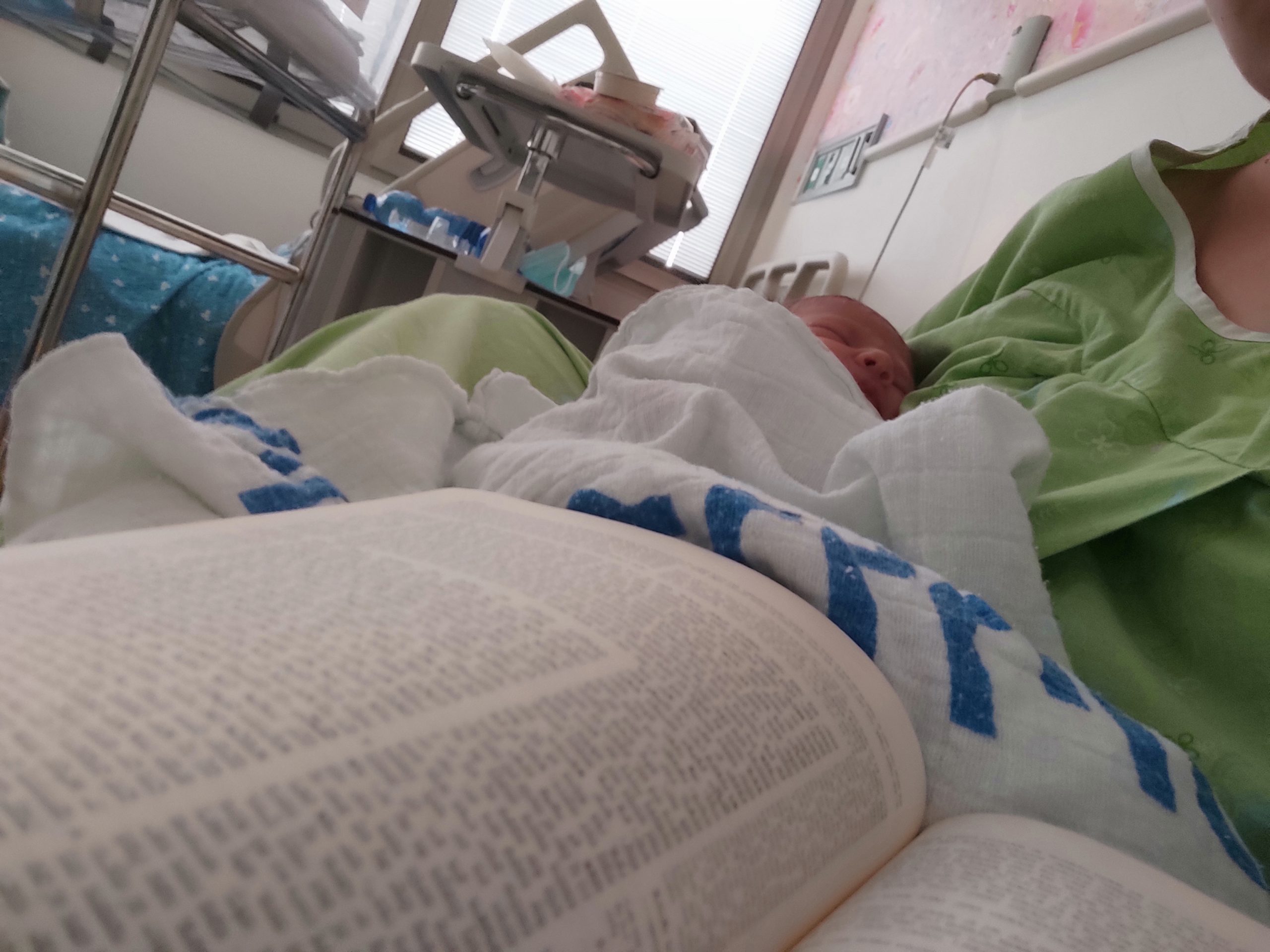
כמו שרואים בתמונה אני ממשיכה ללמוד גם היום ואפילו במחלקת יולדות אחרי לידת ביתי השלישית.
נועה שילה
רבבה, ישראל
שמעתי על הסיום הענק של הדף היומי ע”י נשים בבנייני האומה. רציתי גם.
החלטתי להצטרף. התחלתי ושיכנעתי את בעלי ועוד שתי חברות להצטרף. עכשיו יש לי לימוד משותף איתו בשבת ומפגש חודשי איתן בנושא (והתכתבויות תדירות על דברים מיוחדים שקראנו). הצטרפנו לקבוצות שונות בווטסאפ. אנחנו ממש נהנות. אני שומעת את השיעור מידי יום (בד”כ מהרב יוני גוטמן) וקוראת ומצטרפת לסיומים של הדרן. גם מקפידה על דף משלהן (ונהנית מאד).

ליאת סיטרון
אפרת, ישראל
My explorations into Gemara started a few days into the present cycle. I binged learnt and become addicted. I’m fascinated by the rich "tapestry” of intertwined themes, connections between Masechtot, conversations between generations of Rabbanim and learners past and present all over the world. My life has acquired a golden thread, linking generations with our amazing heritage.
Thank you.

סוזן כשדן
חשמונאים, Israel
התחלתי ללמוד דף יומי אחרי שחזרתי בתשובה ולמדתי במדרשה במגדל עוז. הלימוד טוב ומספק חומר למחשבה על נושאים הלכתיים ”קטנים” ועד לערכים גדולים ביהדות. חשוב לי להכיר את הגמרא לעומק. והצעד הקטן היום הוא ללמוד אותה בבקיאות, בעזרת השם, ומי יודע אולי גם אגיע לעיון בנושאים מעניינים. נושאים בגמרא מתחברים לחגים, לתפילה, ליחסים שבין אדם לחברו ולמקום ולשאר הדברים שמלווים באורח חיים דתי 🙂
גאיה דיבו
מצפה יריחו, ישראל
אחרי שראיתי את הסיום הנשי של הדף היומי בבנייני האומה זה ריגש אותי ועורר בי את הרצון להצטרף. לא למדתי גמרא קודם לכן בכלל, אז הכל היה לי חדש, ולכן אני לומדת בעיקר מהשיעורים פה בהדרן, בשוטנשטיין או בחוברות ושיננתם.

רבקה שלוס
בית שמש, ישראל
התחלתי ללמוד לפני כשנתיים בשאיפה לסיים לראשונה מסכת אחת במהלך חופשת הלידה.
אחרי מסכת אחת כבר היה קשה להפסיק…
נעה גלנט
ירוחם, ישראל
שמעתי על הסיום הענק של הדף היומי ע”י נשים בבנייני האומה. רציתי גם.
החלטתי להצטרף. התחלתי ושיכנעתי את בעלי ועוד שתי חברות להצטרף. עכשיו יש לי לימוד משותף איתו בשבת ומפגש חודשי איתן בנושא (והתכתבויות תדירות על דברים מיוחדים שקראנו). הצטרפנו לקבוצות שונות בווטסאפ. אנחנו ממש נהנות. אני שומעת את השיעור מידי יום (בד”כ מהרב יוני גוטמן) וקוראת ומצטרפת לסיומים של הדרן. גם מקפידה על דף משלהן (ונהנית מאד).
ליאת סיטרון
אפרת, ישראל
התחלתי ללמוד דף יומי בתחילת מסכת ברכות, עוד לא ידעתי כלום. נחשפתי לסיום הש״ס, ובעצם להתחלה מחדש בתקשורת, הפתיע אותי לטובה שהיה מקום לעיסוק בתורה.
את המסכתות הראשונות למדתי, אבל לא סיימתי (חוץ מעירובין איכשהו). השנה כשהגעתי למדרשה, נכנסתי ללופ, ואני מצליחה להיות חלק, סיימתי עם החברותא שלי את כל המסכתות הקצרות, גם כשהיינו חולות קורונה ובבידודים, למדנו לבד, העיקר לא לצבור פער, ומחכות ליבמות 🙂

עדן ישורון
מזכרת בתיה, ישראל
לפני 15 שנה, אחרי עשרות שנים של "ג’ינגול” בין משפחה לקריירה תובענית בהייטק, הצטרפתי לשיעורי גמרא במתן רעננה. הלימוד המעמיק והייחודי של הרבנית אושרה קורן יחד עם קבוצת הנשים המגוונת הייתה חוויה מאלפת ומעשירה. לפני כשמונה שנים כאשר מחזור הדף היומי הגיע למסכת תענית הצטרפתי כ”חברותא” לבעלי. זו השעה היומית שלנו ביחד כאשר דפי הגמרא משתלבים בחיי היום יום, משפיעים ומושפעים, וכשלא מספיקים תמיד משלימים בשבת

יודי אסקוף
רעננה, ישראל
התחלתי מחוג במסכת קידושין שהעבירה הרבנית רייסנר במסגרת בית המדרש כלנה בגבעת שמואל; לאחר מכן התחיל סבב הדף היומי אז הצטרפתי. לסביבה לקח זמן לעכל אבל היום כולם תומכים ומשתתפים איתי. הלימוד לעתים מעניין ומעשיר ולעתים קשה ואף הזוי… אך אני ממשיכה קדימה. הוא משפיע על היומיום שלי קודם כל במרדף אחרי הדף, וגם במושגים הרבים שלמדתי ובידע שהועשרתי בו, חלקו ממש מעשי

אביגיל כריסי
ראש העין, ישראל
הצטרפתי ללומדות בתחילת מסכת תענית. ההתרגשות שלי ושל המשפחה היתה גדולה מאוד, והיא הולכת וגוברת עם כל סיום שאני זוכה לו. במשך שנים רבות רציתי להצטרף ומשום מה זה לא קרה… ב”ה מצאתי לפני מספר חודשים פרסום של הדרן, ומיד הצטרפתי והתאהבתי. הדף היומי שינה את חיי ממש והפך כל יום- ליום של תורה. מודה לכן מקרב ליבי ומאחלת לכולנו לימוד פורה מתוך אהבת התורה ולומדיה.
נעה רוזן
חיספין רמת הגולן, ישראל
התחלתי ללמוד דף לפני קצת יותר מ-5 שנים, כשלמדתי רבנות בישיבת מהר”ת בניו יורק. בדיעבד, עד אז, הייתי בלימוד הגמרא שלי כמו מישהו שאוסף חרוזים משרשרת שהתפזרה, פה משהו ושם משהו, ומאז נפתח עולם ומלואו…. הדף נותן לי לימוד בצורה מאורגנת, שיטתית, יום-יומית, ומלמד אותי לא רק ידע אלא את השפה ודרך החשיבה שלנו. לשמחתי, יש לי סביבה תומכת וההרגשה שלי היא כמו בציטוט שבחרתי: הדף משפיע לטובה על כל היום שלי.

מיכל כהנא
חיפה, ישראל
למדתי גמרא מכיתה ז- ט ב Maimonides School ואחרי העליה שלי בגיל 14 לימוד הגמרא, שלא היה כל כך מקובל בימים אלה, היה די ספוראדי. אחרי "ההתגלות” בבנייני האומה התחלתי ללמוד בעיקר בדרך הביתה למדתי מפוקקטסים שונים. לאט לאט ראיתי שאני תמיד חוזרת לרבנית מישל פרבר. באיזה שהוא שלב התחלתי ללמוד בזום בשעה 7:10 .
היום "אין מצב” שאני אתחיל את היום שלי ללא לימוד עם הרבנית מישל עם כוס הקפה שלי!!

דבי גביר
חשמונאים, ישראל
A friend in the SF Bay Area said in Dec 2019 that she might start listening on her morning drive to work. I mentioned to my husband and we decided to try the Daf when it began in Jan 2020 as part of our preparing to make Aliyah in the summer.
חנה פיוטרקובסקי
ירושלים, Israel
חולין קכו
וְתָנֵי עֲלַהּ: רַבִּי יוֹסֵי מְטַהֵר. אַהֵיָיא? אִילֵּימָא אַסֵּיפָא – תַּנָּא קַמָּא נָמֵי טַהוֹרֵי קָא מְטַהַר!
And it is taught with regard to that halakha in the mishna that Rabbi Yosei deems it pure. To which halakha in the mishna is this referring? If we say that it is referring to the latter clause of the mishna, which discusses a chest placed in the entrance of the house, the first tanna also deems it pure in that case.
אֶלָּא, דְּקָאָמַר תַּנָּא קַמָּא: טוּמְאָה בְּתוֹכָהּ – הַבַּיִת טָמֵא, אִי מִשּׁוּם דְּדֶרֶךְ טוּמְאָה לָצֵאת, וְאִי מִשּׁוּם דְּטוּמְאָה טְמוּנָה בּוֹקַעַת. וְקָאָמַר לֵיהּ רַבִּי יוֹסֵי: וּדְקָאָמְרַתְּ דֶּרֶךְ טוּמְאָה לָצֵאת – יָכוֹל הוּא לְהוֹצִיאָהּ לַחֲצָאִין אוֹ לְשׂוֹרְפָהּ בִּמְקוֹמָהּ, וּדְקָאָמְרַתְּ טוּמְאָה טְמוּנָה בּוֹקַעַת – טוּמְאָה טְמוּנָה אֵינָהּ בּוֹקַעַת.
Rather, it is clear that the first tanna says that if a source of impurity is inside the compartment of a chest that is inside the house, the house is impure, either because it is typical for a source of impurity to exit its location, or because he holds that a hidden source of impurity breaks through and ascends. And Rabbi Yosei disagrees and says to him: With regard to that which you say that it is typical for a source of impurity to exit its location, it is not necessarily so. One can remove the impure item in halves or burn it in its place inside the compartment. And with regard to that which you say that a hidden source of impurity breaks through and ascends, a hidden source of impurity does not break through. Consequently, Rabbi Yosei must hold that a hidden source of impurity does not break through and ascend.
וְרָמֵי דְּרַבִּי יוֹסֵי אַדְּרַבִּי יוֹסֵי.
§Based on the previous statement of Rabbi Yosei, the Gemara established that Rabbi Yosei holds that a hidden source of impurity does not break through and ascend. And the Gemara raises a contradiction between that previous statement of Rabbi Yosei and another statement of Rabbi Yosei.
דִּתְנַן: הַכֶּלֶב שֶׁאָכַל בָּשָׂר מֵת, וּמֵת הַכֶּלֶב, וּמוּטָּל עַל הָאִסְקוּפָּה – רַבִּי מֵאִיר אוֹמֵר: אִם יֵשׁ בְּצַוָּארוֹ פּוֹתֵחַ טֶפַח – מֵבִיא אֶת הַטּוּמְאָה, וְאִם לָאו – אֵינוֹ מֵבִיא אֶת הַטּוּמְאָה.
As we learned in a mishna (Oholot 11:7): In the case of a dog that ate the flesh of a corpse, and the dog then died and is lying on the threshold in such a manner that its neck and mouth are facing toward the inside of the house, Rabbi Meir says: If there is an opening the size of one cubic handbreadth inside the neck of the dog, i.e., the neck itself constitutes this measure, the dog imports impurity into the house because the upper portion of the dog’s body overlies the impure item inside the dog and the impurity is transmitted through the neck and mouth of the dog into the house. But if there is not such a large cavity in the neck of the dog, then there is no halakha of a tent, and the dog does not import the impurity into the house.
רַבִּי יוֹסֵי אוֹמֵר: רוֹאִין מִכְּנֶגֶד הַשָּׁקוֹף וְלִפְנִים – הַבַּיִת טָמֵא, מִכְּנֶגֶד הַשְּׁקוֹף וְלַחוּץ – הַבַּיִת טָהוֹר.
Rabbi Yosei says: One looks to determine exactly where on the threshold the dog is located. If the impure item inside the dog is located anywhere from opposite, i.e., under, the lintel and toward the inside of the house, the house is impure. If the dog is located anywhere from opposite the lintel and toward the outside of the house, the house remains pure.
רַבִּי אֶלְעָזָר אוֹמֵר: פִּיו לִפְנִים הַבַּיִת – טָהוֹר, פִּיו לַחוּץ הַבַּיִת – טָמֵא, מִפְּנֵי שֶׁטּוּמְאָה יוֹצְאָה דֶּרֶךְ שׁוּלָיו.
Rabbi Elazar says: One must determine the exact manner in which the dog is lying on the threshold. If its mouth is located inside the house, but its rear is located outside the house, the house remains pure. If its mouth is located outside the house but its rear is located inside the house, the house is impure. This is because the source of impurity exits the dog’s body through its edge, i.e., its rear.
רַבִּי יְהוּדָה בֶּן בְּתִירָא אוֹמֵר: בֵּין כָּךְ וּבֵין כָּךְ, הַבַּיִת טָמֵא.
Rabbi Yehuda ben Beteira says: In both this case and that case, i.e., whether the dog is lying such that its mouth is inside the house or outside the house, the house is impure. The reason is that the impure item can exit through either the mouth or the rear.
מַאי לָאו, אַאֵין בְּצַוָּארוֹ פּוֹתֵחַ טֶפַח קָאֵי רַבִּי יוֹסֵי?
The Gemara analyzes the statement of Rabbi Yosei that if the dog is located anywhere from under the lintel and toward the inside of the house, the house is impure. What, is the statement of Rabbi Yosei not referring to a case where there is not an opening the size of one cubic handbreadth inside the dog’s neck, with regard to which Rabbi Meir says that the house remains pure? Accordingly, Rabbi Yosei is responding to Rabbi Meir and saying: Even if the neck of the dog is not the size of one cubic handbreadth, as long as the impure item inside the dog is located from under the lintel and toward the house, the house is impure because it overlies the impure item.
וּשְׁמַע מִינַּהּ: טוּמְאָה טְמוּנָה בּוֹקַעַת!
And therefore learn from it that Rabbi Yosei holds that a hidden source of impurity breaks through and ascends, contrary to Rabbi Yosei’s opinion as understood from his previous statement.
אָמַר רָבָא: רוֹאִין אֶת חֲלַל הַטּוּמְאָה קָתָנֵי, וְרַבִּי יוֹסֵי בְּתַרְתֵּי פְּלִיג, וְקָאָמַר לֵיהּ לְרַבִּי מֵאִיר: דְּקָאָמְרַתְּ כִּי יֵשׁ בְּצַוָּארוֹ פּוֹתֵחַ טֶפַח מֵבִיא אֶת הַטּוּמְאָה – אֲנַן בָּתַר חֲלָלַהּ אָזְלִינַן.
Rava said: Rabbi Yosei holds that a hidden source of impurity does not break through and ascend. As for that which Rabbi Yosei teaches: One looks whether the impure item inside the dog is located opposite the lintel and toward the inside of the house, Rabbi Yosei actually teaches: One looks at the empty space adjacent to the source of impurity. And Rabbi Yosei disagrees with Rabbi Meir with regard to two matters, and says to Rabbi Meir: As for that which you say that if there is the width of one cubic handbreadth in the neck of the dog, it imports the impurity into the house, that is not so. Rather, we follow the measure of the empty space, i.e., the neck of the dog imports impurity into the house only if it contains a cubic handbreadth of space in addition to the thickness of the flesh of the neck itself.
וּדְקָא אָמְרַתְּ הַבַּיִת כּוּלּוֹ טָמֵא – מִכְּנֶגֶד הַשְּׁקוֹף וְלִפְנִים הַבַּיִת טָמֵא, מִכְּנֶגֶד הַשְּׁקוֹף וְלַחוּץ הַבַּיִת טָהוֹר.
And with regard to that which you say that even if the dog is located on the outer portion of the threshold of the house, the entire house is impure, that is not so. Rather, if the impurity inside the dog is located anywhere from opposite the lintel and toward the inside of the house, the house is impure. If the impurity inside the dog is located anywhere from opposite the lintel and toward the outside of the house, the house remains pure.
רַב אַחָא בְּרֵיהּ דְּרָבָא מַתְנֵי לַהּ בְּהֶדְיָא: רַבִּי יוֹסֵי אוֹמֵר: רוֹאִין אֶת חֲלַל הַטּוּמְאָה.
Rav Aḥa, son of Rava, teaches that Rava’s explanation is explicit in the mishna itself, as follows: Rabbi Yosei says: One looks at the empty space adjacent to the source of impurity.
וּמַאן תַּנָּא דִּפְלִיג עֲלֵיהּ? רַבִּי שִׁמְעוֹן הוּא, דְּתַנְיָא: רַבִּי שִׁמְעוֹן אוֹמֵר:
§Previously the Gemara established that Rabbi Yosei holds that with regard to the halakhot of impurity, overlying is referred to as touching, as the transmission of impurity via contact and via overlying are considered one category. But the mishna (Oholot 3:1) cited earlier (125b) states that in the case of one who touches half an olive-bulk of flesh of a corpse, if a tent simultaneously overlies him and another half an olive-bulk of flesh he remains pure. Evidently, there is a tanna who disagrees with Rabbi Yosei and holds that these two methods of transmitting impurity are not the same category. The Gemara asks: Who is the tanna who disagrees with Rabbi Yosei? The Gemara answers: It is Rabbi Shimon, as it is taught in a baraita: Rabbi Shimon says:
שָׁלֹשׁ טוּמְאוֹת פּוֹרְשׁוֹת מִן הַמֵּת, שְׁתַּיִם בְּכׇל אַחַת וּשְׁלִישִׁית אֵין בָּהֶן, וְאֵלּוּ הֵן: מְלֹא תַרְוָוד רָקָב, וְעֶצֶם כִּשְׂעוֹרָה, וְגוֹלֵל וְדוֹפֵק.
Parts of a corpse that impart impurity include an olive-bulk of flesh, a complete limb, the majority of a corpse’s bones, and the majority of the essential bones of its skeleton, namely, its legs, spine, and ribs. All of these impart impurity via contact, carrying, and in a tent. There are also three sources of impurity that derive from a corpse, each one of which imparts impurity in two ways but does not impart impurity in a third way. And they are the following: A full ladle of dust from a corpse, and a bone the size of a barley grain, and a grave cover [golel] and a grave wall [dofek] upon which the cover rests.
מְלֹא תַרְוָוד רָקָב – מְטַמֵּא בְּמַשָּׂא וּבְאֹהֶל, וְאֵינוֹ מְטַמֵּא בְּמַגָּע, וְהֵיכָן מַגָּעוֹ? עִם אַחַת מֵהֶן.
A full ladle of dust imparts impurity via carrying and in a tent, but it does not impart impurity via contact, as it is impossible for one to touch all of the particles of dust simultaneously. And where among these sources of impurity is the imparting of impurity via contact applicable? It is applicable with one of those other two sources of impurity, i.e., a bone the size of a barley grain and the cover or wall of a grave.
עֶצֶם כִּשְׂעוֹרָה – מְטַמֵּא בְּמַשָּׂא וּבְמַגָּע, וְאֵינוֹ מְטַמֵּא בְּאֹהֶל, וְהֵיכָן אׇהֳלוֹ? עִם אַחַת מֵהֶן.
A bone the size of a barley grain imparts impurity via carrying and contact, but it does not impart impurity in a tent. This halakha was transmitted to Moses from Sinai. And where among these sources of impurity is impurity imparted in a tent? It is with one of those other two sources of impurity.
הַגּוֹלֵל וְדוֹפֵק – מְטַמֵּא בְּמַגָּע וּבְאֹהֶל, וְאֵינוֹ מְטַמֵּא בְּמַשָּׂא, וְהֵיכָן מַשָּׂאוֹ? עִם אֶחָד מֵהֶן.
A grave cover and a grave wall impart impurity via contact and in a tent, but they do not impart impurity via carrying. This halakha too was transmitted to Moses from Sinai. And where among these sources of impurity is impurity transmitted via carrying? It is with one of those other two sources of impurity. It may be inferred from Rabbi Shimon’s statement that a full ladle of dust imparts impurity in a tent but not via contact that he disagrees with Rabbi Yosei and holds that overlying is not the same category as touching.
קוּלִית נְבֵלָה וְקוּלִית הַשֶּׁרֶץ וְכוּ׳. תָּנוּ רַבָּנַן: ״בְּנִבְלָתָהּ״ – וְלֹא בְּקוּלִית סְתוּמָה.
§The mishna teaches: With regard to the thigh bone of an unslaughtered carcass and the thigh bone of a creeping animal, one who touches them when they are sealed remains ritually pure, because the bone itself does not impart impurity. With regard to this topic, the Sages taught in a baraita: The verse states: “One who touches the carcass thereof shall be impure until the evening” (Leviticus 11:39). The word “carcass” indicates that one who touches the carcass is impure, but one who touches a sealed thigh bone is not.
יָכוֹל אֲפִילּוּ נִיקְּבָה? תַּלְמוּד לוֹמַר ״הַנּוֹגֵעַ … יִטְמָא״, אֶת שֶׁאֶפְשָׁר לִיגַּע – טָמֵא, וְאֶת שֶׁאִי אֶפְשָׁר לִיגַּע – טָהוֹר.
One might have thought that even one who touches a perforated thigh bone remains pure. Therefore, the verse states: “One who touches the carcass thereof [benivlatah] shall be impure,” indicating that one who touches a part of the animal through which it is possible to touch the flesh, which has the halakhic status of an unslaughtered carcass [neveila], is impure, but one who touches a part of the animal through which it is impossible to touch the flesh remains pure. Therefore, one who touches a protective layer such as the outside of a sealed thigh bone does not become impure, as it is impossible to touch the marrow.
אֲמַר לֵיהּ רַבִּי זֵירָא לְאַבָּיֵי: אֶלָּא מֵעַתָּה, בְּהֵמָה בְּעוֹרָהּ לֹא תְּטַמֵּא? פּוֹק חֲזִי כַּמָּה נְקָבִים יֵשׁ בָּהּ!
Rabbi Zeira said to Abaye: If that is so, that one who touches the protective layer of a carcass via which it is impossible to touch the flesh of the carcass itself does not become impure, an animal still in its hide should not impart impurity, as one can touch the hide, which constitutes a protective layer, but not the flesh. Abaye answered: Go out and see how many orifices there are in the body of an animal via which one can touch the flesh, e.g., the eyes, the nostrils, and the mouth.
אֲמַר לֵיהּ רַב פָּפָּא לְרָבָא: אֶלָּא מֵעַתָּה, כּוּלְיָא בְּחֶלְבָּהּ לֹא תְּטַמֵּא? תָּא חֲזִי כַּמָּה חוּטִין נִמְשָׁכִין הֵימֶנָּה.
Similarly, Rav Pappa said to Rava: If that is so, that one who touches the protective layer of a carcass via which it is impossible to touch the flesh of the carcass itself does not become impure, the kidney of a carcass that is completely covered in its fat should not impart impurity via contact. Rava answered: Come and see how many sinews emerge from the kidney that one is able to touch.
בָּעֵי רַב אוֹשַׁעְיָא: חִישֵּׁב עָלֶיהָ לְנוֹקְבָהּ וְלֹא נִיקְּבָה, מַהוּ? מְחוּסַּר נְקִיבָה כִּמְחוּסַּר מַעֲשֶׂה דָּמֵי, אוֹ לָא?
§The mishna taught that the halakha distinguishes between a sealed and a perforated thigh bone of a carcass or a creeping animal. With regard to this topic, Rav Oshaya raises a dilemma: What is the halakha if one intended to perforate the thigh bone but did not yet perforate it? This is the dilemma: Is a thigh bone lacking perforation considered to be lacking the necessary action for it to impart impurity, and it therefore retains its status as a sealed thigh bone, or not?
הֲדַר פַּשְׁטַהּ: מְחוּסַּר נְקִיבָה לָאו כִּמְחוּסַּר מַעֲשֶׂה דָּמֵי.
Rabbi Oshaya then resolves the dilemma: A thigh bone lacking perforation is not considered to be lacking the necessary action for it to impart impurity. If one intends to perforate it, it imparts impurity immediately.
מַתְנִי׳ בֵּיצַת הַשֶּׁרֶץ הַמְרוּקֶּמֶת טְהוֹרָה, נִיקְּבָה כׇּל שֶׁהוּא – טָמֵא. עַכְבָּר שֶׁחֶצְיוֹ בָּשָׂר וְחֶצְיוֹ אֲדָמָה – הַנּוֹגֵעַ בַּבָּשָׂר טָמֵא, בָּאֲדָמָה טָהוֹר. רַבִּי יְהוּדָה אוֹמֵר: אַף הַנּוֹגֵעַ בָּאֲדָמָה שֶׁכְּנֶגֶד הַבָּשָׂר טָמֵא.
MISHNA: The egg of a creeping animal in which tissue of an embryo developed and one who comes into contact with the egg are ritually pure, as the impure creeping animal is hermetically sealed. But if one perforated the egg with a hole of any size, one who comes in contact with the egg is ritually impure. In the case of a mouse that grows from the ground and is half-flesh half-earth, one who touches the half that is flesh is impure; one who touches the half that is earth is pure. Rabbi Yehuda says: Even one who touches the half that is earth where it is adjacent to the flesh is ritually impure.
גְּמָ׳ תָּנוּ רַבָּנַן: ״הַטְּמֵאִים״ – לְרַבּוֹת בֵּיצַת הַשֶּׁרֶץ וְקוּלִית הַשֶּׁרֶץ.
GEMARA: The mishna states that in the case of an egg of a creeping animal in which tissue of an embryo developed, if it is perforated then one who touches it is ritually impure. With regard to this matter the Sages taught in a baraita: The verse states: “These are the impure ones to you among all that creep; whoever touches them when they are dead shall be impure until the evening” (Leviticus 11:31). The term “the impure ones” is interpreted as including the egg of a creeping animal and the thigh bone of a creeping animal in the category of sources of impurity.
יָכוֹל אֲפִילּוּ לֹא רִיקְּמָה? תַּלְמוּד לוֹמַר ״הַשֶּׁרֶץ״ – מָה שֶׁרֶץ שֶׁרִקֵּם, אַף בֵּיצַת הַשֶּׁרֶץ שֶׁרִקְּמָה.
One might have thought that even an egg in which tissue of an embryo has not developed imparts impurity. Therefore, the verse states: “That creep,” indicating that just as a creeping animal has developed tissue, so too only the egg of a creeping animal in which tissue of an embryo has developed imparts impurity.
יָכוֹל אֲפִילּוּ לֹא נִיקְּבוּ? תַּלְמוּד לוֹמַר ״הַנּוֹגֵעַ … יִטְמָא״, אֶת שֶׁאֶפְשָׁר לִיגַּע – טָמֵא, וְאֶת שֶׁאִי אֶפְשָׁר לִיגַּע – טָהוֹר.
One might have thought that in the case of an egg in which tissue of an embryo has developed, it imparts impurity even if it was not perforated. Therefore, the verse states: “Whoever touches them when they are dead shall be impure,” indicating that when it is possible to touch the flesh, contact renders one impure; but when it is impossible to touch the flesh, one remains pure.
וְכַמָּה נְקִיבָתָהּ? כְּחוּט הַשַּׂעֲרָה, שֶׁאֶפְשָׁר לִיגַּע כְּחוּט הַשַּׂעֲרָה.
And how large must its perforation be to render one touching the egg or thigh bone impure? Its width must be the size of a strand of hair, as it is possible for one to touch the inside of an egg or thigh bone with a strand of his hair.
עַכְבָּר שֶׁחֶצְיוֹ [וְכוּ׳]. אָמַר רַבִּי יְהוֹשֻׁעַ בֶּן לֵוִי: וְהוּא שֶׁהִשְׁרִיץ עַל פְּנֵי כּוּלּוֹ. אִיכָּא דְּמַתְנֵי לַהּ אַסֵּיפָא – רַבִּי יְהוּדָה אוֹמֵר: אַף הַנּוֹגֵעַ בָּאֲדָמָה שֶׁכְּנֶגֶד בָּשָׂר טָמֵא, אָמַר רַבִּי יְהוֹשֻׁעַ בֶּן לֵוִי: וְהוּא שֶׁהִשְׁרִיץ עַל פְּנֵי כּוּלּוֹ.
§The mishna teaches: In the case of a mouse that grows from the ground and is half-flesh half-earth, one who touches the half that is flesh is impure. Rabbi Yehoshua ben Levi says in this regard: One becomes impure in such a case only if the flesh of the mouse has developed along the entire length of the mouse, from head to foot. Some teach the statement of Rabbi Yehoshua ben Levi with regard to the latter clause of the mishna: Rabbi Yehuda says: Even one who touches the half that is earth where it is adjacent to the flesh is ritually impure. Rabbi Yehoshua ben Levi says: One becomes impure in such a case only if the flesh of the mouse has developed along the entire length of the mouse.
מַאן דְּמַתְנֵי לַהּ אַרֵישָׁא, כׇּל שֶׁכֵּן אַסֵּיפָא, וּמַאן דְּמַתְנֵי לַהּ אַסֵּיפָא – אֲבָל רֵישָׁא, אַף עַל גַּב דְּלָא הִשְׁרִיץ.
The one who teaches the statement of Rabbi Yehoshua ben Levi with regard to the first clause of the mishna, all the more so he teaches this same halakha with regard to the latter clause of the mishna. But the one who teaches the statement of Rabbi Yehoshua ben Levi with regard to the latter clause of the mishna holds that it applies only to that clause, with regard to one who touches the half that is earth where it is adjacent to the flesh according to Rabbi Yehuda. But according to the opinion of the first tanna, stated in the first clause of the mishna, even if the flesh of the mouse has not developed along the entire length of the mouse, one who touches the half of the mouse that is flesh is impure.
תָּנוּ רַבָּנַן: מִתּוֹךְ שֶׁנֶּאֱמַר ״עַכְבָּר״, שׁוֹמֵעַ אֲנִי אֲפִילּוּ עַכְבָּר שֶׁבַּיָּם, שֶׁשְּׁמוֹ עַכְבָּר. וְדִין הוּא: טִימֵּא בְּחוּלְדָּה וְטִימֵּא בְּעַכְבָּר, מָה חוּלְדָּה מִין הַגָּדֵל עַל הָאָרֶץ, אַף עַכְבָּר מִין הַגָּדֵל עַל הָאָרֶץ.
§The Sages taught in a baraita concerning the following verse: “And these are they which are impure to you among the creeping animals that creep upon the earth: The weasel, and the mouse, and the great lizard after its kinds” (Leviticus 11:29). Since “mouse” is stated among the creeping animals that impart impurity, I would derive that even a sea mouse, i.e., a sea creature that has an appearance similar to a mouse, imparts impurity because its name is also mouse. But ostensibly, the opposite conclusion could be derived through logical inference: The verse deems a weasel impure and deems a mouse impure. Therefore, just as a weasel is a species that grows on land, so too the mouse to which the verse is referring is a species that grows on land; a sea mouse does not impart impurity.
אוֹ כְּלָךְ לְדֶרֶךְ זוֹ: טִימֵּא בְּחוּלְדָּה וְטִימֵּא בְּעַכְבָּר, מָה חוּלְדָּה כֹּל שֶׁשְּׁמָהּ ״חוּלְדָּה״, אַף עַכְבָּר כֹּל שֶׁשְּׁמוֹ ״עַכְבָּר״, אֲפִילּוּ עַכְבָּר שֶׁבַּיָּם שֶׁשְּׁמוֹ ״עַכְבָּר״. תַּלְמוּד לוֹמַר ״עַל הָאָרֶץ״.
Or, perhaps go this way: The verse deems a weasel impure and deems a mouse impure; accordingly, just as “weasel” is referring to any animal whose name is weasel, so too, “mouse” is referring to any animal whose name is mouse, even a sea mouse, as its name is also mouse. Therefore, the verse states: “Upon the earth,” indicating that a land mouse imparts impurity, but a sea mouse does not.
אִי ״עַל הָאָרֶץ״, יָכוֹל עַל הָאָרֶץ – יְטַמֵּא, יָרַד לְיָם – לֹא יְטַמֵּא,
If this halakha is derived only from the phrase “upon the earth,” one might have thought that the verse means that any mouse, whether a land mouse or a sea mouse, imparts impurity when it is upon the earth, but if it descended to the sea it does not impart impurity.
לעקוב

