








האם המחשבה של קטן נחשבת? מעשה שלו? מחשבתו ניכרת מתוך מעשיו? האם רק להחמיר או גם להקל? מה הסטטוס של בשר שנשחט על ידי עובד כוכבים? מין? האם צריך לדאוג לכך ששחטו לשם עבודת כוכבים? מה ההבדל להלכה בין מין לעובד כוכבים?
רוצה להקדיש לימוד?
חולין יג
וְאֵין לָהֶן מַחְשָׁבָה.
but they do not have the capacity to effect a halakhic status by means of thought.
אֲמַר לֵיהּ: מַחְשָׁבָה גְּרֵידְתָּא לָא קָא מִיבַּעְיָא לֵיהּ, כִּי קָא מִיבַּעְיָא לֵיהּ – מַחְשַׁבְתּוֹ נִיכֶּרֶת מִתּוֹךְ מַעֲשָׂיו.
Rabbi Ḥiyya bar Abba said to Rabbi Ami: With regard to a case of effecting a halakhic status by means of thought alone, Rabbi Yoḥanan does not raise a dilemma. When he raises a dilemma, it is with regard to a case where his thought is discernible from his actions.
כְּגוֹן דַּהֲוָה קָיְימָא עוֹלָה בַּדָּרוֹם, וְאַתְיַיהּ בַּצָּפוֹן וְשַׁחְטַהּ, מַאי? מִדְּאַתְיַיהּ בַּצָּפוֹן וְשַׁחְטַהּ אִיכַּוֵּין לַהּ, אוֹ דִילְמָא מָקוֹם הוּא דְּלָא אִיתְרְמִי לֵיהּ?
For example, in a case where an animal that is brought as a burnt offering was standing in the south of the Temple courtyard and a minor took it to the north of the courtyard, the designated place for its slaughter, and slaughtered it there, what is the halakha? Can one conclude from the fact that he took it to the north and slaughtered it there that he had the intent to slaughter the animal for the sake of a burnt offering; or perhaps he moved the animal to the north because a place did not happen to be available for him in the south?
הָא נָמֵי אַמְרַהּ רַבִּי יוֹחָנָן חֲדָא זִימְנָא, דִּתְנַן: הַמַּעֲלֶה פֵּירוֹתָיו לַגַּג מִפְּנֵי הַכְּנִימָה, וְיָרַד עֲלֵיהֶם טַל – אֵינָן בְּ״כִי יוּתַּן״, וְאִם נִתְכַּוֵּין לְכָךְ – הֲרֵי הֵן בְּ״כִי יוּתַּן״.
Rabbi Ami asked: But with regard to this matter, too, Rabbi Yoḥanan already said a conclusive resolution one time, as we learned in a mishna (Makhshirin 6:1): In the case of one who takes his produce up to the roof to protect it from insects, and dew fell upon it, the produce is not in the category of the verse: “But when water is placed upon the seed” (Leviticus 11:38), from which it is derived that produce becomes susceptible to ritual impurity only if it is dampened by one of seven liquids and its owner was agreeable to its dampening. And if after taking the produce up to the roof he intended that the produce would be dampened by dew, the produce is in the category of the verse “But when water is placed upon the seed.”
הֶעֱלוּם חֵרֵשׁ שׁוֹטֶה וְקָטָן, אַף עַל פִּי שֶׁנִּתְכַּוְּונוּ לְכָךְ, אֵינָן בְּ״כִי יוּתַּן״, מִפְּנֵי שֶׁיֵּשׁ לָהֶן מַעֲשֶׂה וְאֵין לָהֶן מַחְשָׁבָה.
That mishna continues: In a case where a deaf-mute, an imbecile, or a minor took the produce up to the roof, even if they intended that the produce would be dampened by dew, the produce is not in the category of the verse “But when water is placed upon the seed” due to the fact that they have the capacity to perform an action but they do not have the capacity for halakhically effective thought.
וְאָמַר רַבִּי יוֹחָנָן: לֹא שָׁנוּ אֶלָּא שֶׁלֹּא הִיפֵּךְ בָּהֶן, אֲבָל הִיפֵּךְ בָּהֶן – הֲרֵי זֶה בְּ״כִי יוּתַּן״.
And Rabbi Yoḥanan says: The tanna taught this halakha only in a case where the minor did not turn them over. But if he turned them over, indicating that he wants them to be dampened by the dew, the produce is in the category of the verse “But when water is placed upon the seed.” Evidently, Rabbi Yoḥanan rules that when the intention of a minor is apparent from his actions, it is halakhically effective.
הָכִי קָא מִיבַּעְיָא לֵיהּ: דְּאוֹרָיְיתָא אוֹ דְּרַבָּנַן?
Rabbi Ḥiyya bar Abba said to Rabbi Ami that this is the dilemma that Rabbi Yoḥanan raises: In a case where the intent of a minor is clear from his actions, is the fact that his thought is effective by Torah law or by rabbinic law? That is one version of the exchange between Rabbi Ḥiyya bar Abba and Rabbi Ami.
רַב נַחְמָן בַּר יִצְחָק מַתְנֵי הָכִי: אָמַר רַבִּי חִיָּיא בַּר אַבָּא, בָּעֵי רַבִּי יוֹחָנָן: קָטָן יֵשׁ לוֹ מַעֲשֶׂה אוֹ אֵין לוֹ מַעֲשֶׂה?
Rav Naḥman bar Yitzḥak teaches their exchange in this manner. Rabbi Ḥiyya bar Abba says that Rabbi Yoḥanan raises a dilemma: With regard to a minor, does he have the capacity to perform an action that is halakhically effective or does he not have the capacity to perform such an action?
אֲמַר לֵיהּ רַבִּי אַמֵּי: וְתִיבְּעֵי לֵיהּ מַחְשָׁבָה! מַאי שְׁנָא מַחְשָׁבָה דְּלָא קָא מִיבַּעְיָא לֵיהּ? דִּתְנַן: אֵין לָהֶן מַחְשָׁבָה. מַעֲשֶׂה נָמֵי לָא תִּיבְּעֵי לֵיהּ, דִּתְנַן: יֵשׁ לָהֶן מַעֲשֶׂה.
Rabbi Ami said to Rabbi Ḥiyya bar Abba: And let Rabbi Yoḥanan raise this dilemma with regard to the thought of a minor. What is different about the thought of a minor that Rabbi Yoḥanan does not raise a dilemma? Is it due to the fact that we learned in a mishna (Kelim 17:15): A deaf-mute, an imbecile, and a minor do not have the capacity for effective thought? With regard to action as well let him not raise this dilemma, as we learned in the same mishna: They have the capacity to perform an action.
הָכִי קָא מִיבַּעְיָא לֵיהּ: דְּאוֹרָיְיתָא אוֹ דְּרַבָּנַן? וּפָשֵׁיט: יֵשׁ לָהֶן מַעֲשֶׂה, וַאֲפִילּוּ מִדְּאוֹרָיְיתָא, אֵין לָהֶן מַחְשָׁבָה, וַאֲפִילּוּ מִדְּרַבָּנַן. מַחְשַׁבְתּוֹ נִיכֶּרֶת מִתּוֹךְ מַעֲשָׂיו – מִדְּאוֹרָיְיתָא אֵין לוֹ, מִדְּרַבָּנַן יֵשׁ לוֹ.
Rabbi Ḥiyya bar Abba said to Rabbi Ami that this is the dilemma that Rabbi Yoḥanan raises: Is the fact that their actions are effective and their thought is ineffective by Torah law, and a minor’s action would consequently be effective even with regard to the sacrifice of a burnt offering, or is this fact by rabbinic law and it is merely a stringency? And Rabbi Yoḥanan resolves the dilemma: They have the capacity to perform an action and it is effective, even by Torah law. But they do not have the capacity for effective thought, even by rabbinic law. Nevertheless, in a case where his thought is apparent from his actions, by Torah law he does not have effective thought, and by rabbinic law he has effective thought.
בְּעָא מִינֵּיהּ שְׁמוּאֵל מֵרַב הוּנָא: מִנַּיִן לַמִּתְעַסֵּק בְּקָדָשִׁים שֶׁהוּא פָּסוּל? שֶׁנֶּאֱמַר: ״וְשָׁחַט אֶת בֶּן הַבָּקָר״, שֶׁתְּהֵא שְׁחִיטָה לְשֵׁם בֶּן בָּקָר. אָמַר לוֹ: זוֹ בְּיָדֵינוּ הִיא, לְעַכֵּב מִנַּיִן? תַּלְמוּד לוֹמַר: ״לִרְצוֹנְכֶם תִּזְבָּחֻהוּ״, לְדַעְתְּכֶם זְבוּחוּ.
§ Shmuel asked Rav Huna: From where is it derived with regard to one who acts unawares in the slaughter of sacrificial animals, i.e., he slaughtered without intending to perform the act of slaughter at all, that the offering is disqualified? Rav Huna said to him that it is derived from a verse, as it is stated: “And he shall slaughter the young bull” (Leviticus 1:5), indicating that the slaughter must be for the sake of a young bull, i.e., knowing that he is performing an act of slaughter. Shmuel said to him: we received this as an established halakha already that one must have intent to slaughter the animal ab initio. But from where is it derived that intent to slaughter is indispensable even after the fact? It is derived from a verse, as the verse states: “You shall slaughter it to your will” (Leviticus 19:5), indicating: Slaughter the animal with your intent, i.e., in the form of a purposeful action.
מַתְנִי׳ שְׁחִיטַת נׇכְרִי נְבֵלָה, וּמְטַמְּאָה בְּמַשָּׂא.
MISHNA: Slaughter performed by a gentile renders the animal an unslaughtered carcass, and the carcass imparts ritual impurity through carrying.
גְּמָ׳ נְבֵלָה – אִין, אִיסּוּר הֲנָאָה – לָא. מַאן תַּנָּא? אָמַר רַבִּי חִיָּיא בְּרַבִּי אַבָּא אָמַר רַבִּי יוֹחָנָן: דְּלָא כְּרַבִּי אֱלִיעֶזֶר, דְּאִי רַבִּי אֱלִיעֶזֶר – הָאָמַר: סְתָם מַחְשֶׁבֶת נׇכְרִי לַעֲבוֹדָה זָרָה.
GEMARA: The slaughter renders the animal an unslaughtered carcass, yes; an item from which deriving benefit is prohibited, no. Who is the tanna who taught the mishna? Rabbi Ḥiyya, son of Rabbi Abba, said that Rabbi Yoḥanan said: It is not in accordance with the opinion of Rabbi Eliezer, as, if it were in accordance with the opinion of Rabbi Eliezer, doesn’t he say: The unspecified thought of a gentile is for idol worship.
רַבִּי אַמֵּי אָמַר: הָכִי קָתָנֵי, שְׁחִיטַת נׇכְרִי – נְבֵלָה, הָא דְּמִין – לַעֲבוֹדָה זָרָה. תְּנֵינָא לְהָא דְּתָנוּ רַבָּנַן: שְׁחִיטַת מִין לַעֲבוֹדָה זָרָה, פִּיתּוֹ – פַּת כּוּתִי, יֵינוֹ – יֵין נֶסֶךְ, סְפָרָיו – סִפְרֵי קוֹסְמִין, פֵּירוֹתָיו – טְבָלִין, וְיֵשׁ אוֹמְרִים: אַף
Rabbi Ami said that this is what the mishna is teaching: Slaughter performed by a gentile renders the animal an unslaughtered carcass, but slaughter performed by a heretic is for the sake of idol worship. The Gemara notes: We learn from an inference in the mishna that which the Sages taught explictly in a baraita: Slaughter performed by a heretic is for the sake of idol worship and deriving benefit from it is prohibited, the halakhic status of his bread is that of the bread of a Samaritan, the status of his wine is that of wine used for a libation in idol worship, his sacred scrolls that he writes are the scrolls of sorcerers and it is a mitzva to burn them, his produce is untithed produce even if he separated teruma and tithes, and some say: Even
בָּנָיו מַמְזֵרִין.
his sons are mamzerim, as he is indifferent to his wife’s engaging in adultery.
וְתַנָּא קַמָּא, אִשְׁתּוֹ לָא מַפְקַר.
The Gemara asks: And the first tanna, why did he not include the ruling that the sons of a heretic are mamzerim? The Gemara answers: In his opinion, a heretic does not release his wife and allow her to engage in adultery.
אָמַר מָר: שְׁחִיטַת נׇכְרִי נְבֵלָה, וְנֵיחוּשׁ שֶׁמָּא מִין הוּא? אָמַר רַב נַחְמָן אָמַר רַבָּה בַּר אֲבוּהּ: אֵין מִינִין בָּאוּמּוֹת.
The Master said in the mishna: Slaughter performed by a gentile renders the animal an unslaughtered carcass. The Gemara challenges this: And let us be concerned that perhaps he is a heretic who is a devout idolater and deriving benefit from his slaughter is prohibited. Rav Naḥman said that Rabba bar Avuh says: There are no such heretics among the nations of the world.
וְהָא קָאחָזֵינַן דְּאִיכָּא? אֵימָא: אֵין רוֹב אוּמּוֹת מִינִין, סָבַר לַהּ כִּי הָא דְּאָמַר רַבִּי חִיָּיא בַּר אַבָּא אָמַר רַבִּי יוֹחָנָן: גּוֹיִם שֶׁבְּחוּצָה לְאָרֶץ לָאו עוֹבְדֵי עֲבוֹדָה זָרָה הֵן, אֶלָּא מִנְהַג אֲבוֹתֵיהֶן בִּידֵיהֶן.
The Gemara asks: But don’t we see that there are? The Gemara answers: Say the majority of the people of the nations of the world are not heretics, and with regard to slaughter one follows the majority. The Gemara notes: Rabba bar Avuh holds in accordance with that which Rabbi Ḥiyya bar Abba says that Rabbi Yoḥanan says: The status of gentiles outside of Eretz Yisrael is not that of idol worshippers, as their worship is not motivated by faith and devotion. Rather, it is a traditional custom of their ancestors that was transmitted to them.
אָמַר רַב יוֹסֵף בַּר מִנְיוֹמֵי אָמַר רַב נַחְמָן: אֵין מִינִין בָּאוּמּוֹת. לְמַאי? אִילֵימָא לִשְׁחִיטָה, הַשְׁתָּא שְׁחִיטַת מִין דְּיִשְׂרָאֵל אָמְרַתְּ אֲסִירָא, דְּגוֹי מִבַּעְיָא? אֶלָּא לְמוֹרִידִין, הַשְׁתָּא דְּיִשְׂרָאֵל מוֹרִידִין, דְּגוֹיִם מִבַּעְיָא?
Rav Yosef bar Minyumi says that Rav Naḥman says: There are no heretics among the nations of the world, i.e., gentile heretics do not have the halakhic status of actual heretics. The Gemara asks: With regard to what matter did Rav Naḥman state the halakha? If we say that it is with regard to slaughter, now that you said the slaughter of a Jewish heretic is forbidden, is it necessary to say the slaughter of a gentile heretic is forbidden? Rather, it is with regard to the halakha that one lowers them into a pit, i.e., one may kill a heretic, and Rav Naḥman holds that one may not kill them. But this too is difficult, as now if one lowers a Jewish heretic into a pit, is it necessary to say that one lowers a gentile heretic?
אָמַר רַב עוּקְבָא בַּר חָמָא: לְקַבֵּל מֵהֶן קׇרְבָּן, דְּתַנְיָא: ״מִכֶּם״ וְלֹא כּוּלְּכֶם, לְהוֹצִיא אֶת הַמְשׁוּמָּד, ״מִכֶּם״ – בָּכֶם חִלַּקְתִּי וְלֹא בָּאוּמּוֹת.
Rav Ukva bar Ḥama said: It is stated with regard to accepting an offering from them, as it is taught in a baraita with regard to the verse: “When any person of you shall bring an offering” (Leviticus 1:2): The verse states: “Of you,” and not: Of all of you, to exclude the Jewish transgressor who regularly violates a prohibition. Furthermore, God states: “Of you,” to mean that among you, the Jews, I distinguished between a transgressor and other Jews, but not among the nations. One accepts an offering from all gentiles, even a heretic.
מִמַּאי? דִּלְמָא הָכִי קָאָמַר: מִיִּשְׂרָאֵל – מִצַּדִּיקֵי קַבֵּל, מֵרַשִּׁיעֵי לָא תְּקַבֵּל, אֲבָל בְּאוּמּוֹת הָעוֹלָם – כְּלָל כְּלָל לָא! לָא סָלְקָא דַּעְתָּךְ, דְּתַנְיָא: ״אִישׁ״ – מָה תַּלְמוּד לוֹמַר ״אִישׁ אִישׁ״? לְרַבּוֹת הַגּוֹיִם, שֶׁנּוֹדְרִים נְדָרִים וּנְדָבוֹת כְּיִשְׂרָאֵל.
The Gemara asks: From where do you draw that conclusion? Perhaps this is what the verse is saying: With regard to offerings from Jews, from righteous Jews accept the offering and from wicked Jews do not accept the offering; but with regard to the nations of the world, do not accept their offerings at all. The Gemara rejects that possibility: That should not enter your mind, as it is taught in a baraita with regard to the verse: “Any man [ish ish] from the house of Israel…who shall sacrifice his offering” (Leviticus 22:18): Since it would have been sufficient to write: A man [ish], what is the meaning when the verse states: “Any man [ish ish]”? It serves to include the gentiles, who may vow to bring vow offerings and gift offerings like a Jew.
וּמְטַמְּאָה בְּמַשָּׂא. פְּשִׁיטָא, כֵּיוָן דִּנְבֵלָה הִיא מְטַמְּאָה בְּמַשָּׂא! אָמַר רָבָא: הָכִי קָתָנֵי, זוֹ מְטַמְּאָה בְּמַשָּׂא, וְיֵשׁ לְךָ אַחֶרֶת שֶׁהִיא מְטַמְּאָה אֲפִילּוּ בְּאֹהֶל, וְאֵיזוֹ זוֹ? תִּקְרוֹבֶת עֲבוֹדָה זָרָה, וּכְרַבִּי יְהוּדָה בֶּן בְּתִירָא.
§ The mishna states with regard to an animal slaughtered by a gentile: And the carcass imparts ritual impurity through carrying. The Gemara asks: Isn’t it obvious? Since it is considered an unslaughtered carcass it imparts ritual impurity through carrying. Rava said that this is what the tanna is teaching: This slaughtered animal imparts ritual impurity through carrying, and you have another animal that imparts impurity even in a tent, i.e., if one is beneath the same roof with this animal he becomes impure even though he neither touched it nor carried it. And which animal is that? That animal is an idolatrous offering, and this statement is in accordance with the opinion of Rabbi Yehuda ben Beteira cited below.
אִיכָּא דְּאָמְרִי, אָמַר רָבָא: הָכִי קָתָנֵי, זוֹ מְטַמְּאָה בְּמַשָּׂא, וְיֵשׁ לְךָ אַחֶרֶת שֶׁהִיא כָּזוֹ שֶׁמְּטַמְּאָה בְּמַשָּׂא וְאֵינָהּ מְטַמְּאָה בְּאֹהֶל, וְאֵיזוֹ זוֹ? תִּקְרוֹבֶת עֲבוֹדָה זָרָה, וּדְלָא כְּרַבִּי יְהוּדָה בֶּן בְּתִירָא.
There are those who say an alternative version of Rava’s statement: Rava said that this is what the tanna is teaching: This slaughtered animal imparts ritual impurity through carrying, and you have another animal that is like this one in that it imparts ritual impurity through carrying and does not impart impurity in a tent. And which animal is this? This animal is an idolatrous offering, and this statement is not in accordance with the opinion of Rabbi Yehuda ben Beteira.
דְּתַנְיָא, רַבִּי יְהוּדָה בֶּן בְּתִירָא אוֹמֵר: מִנַּיִן לְתִקְרוֹבֶת עֲבוֹדָה זָרָה שֶׁהִיא מְטַמְּאָה בְּאֹהֶל? שֶׁנֶּאֱמַר: ״וַיִּצָּמְדוּ לְבַעַל פְּעוֹר וַיֹּאכְלוּ זִבְחֵי מֵתִים״, מָה מֵת מְטַמֵּא בְּאֹהֶל, אַף תִּקְרוֹבֶת עֲבוֹדָה זָרָה מְטַמְּאָה בְּאֹהֶל.
As it is taught in a baraita that Rabbi Yehuda ben Beteira says: From where is it derived with regard to an idolatrous offering that it imparts impurity in a tent? It is derived from a verse, as it is stated: “They adhered to Ba’al-Peor and ate the offerings to the dead” (Psalms 106:28). Just as a corpse imparts impurity in a tent, so too an idolatrous offering imparts impurity in a tent.
מַתְנִי׳ הַשּׁוֹחֵט בַּלַּיְלָה, וְכֵן הַסּוֹמֵא שֶׁשָּׁחַט – שְׁחִיטָתוֹ כְּשֵׁרָה.
MISHNA: In the case of one who slaughters an animal at night, and likewise in the case of the blind person who slaughters an animal, his slaughter is valid.
גְּמָ׳ הַשּׁוֹחֵט דִּיעֲבַד – אִין, לְכַתְּחִלָּה – לָא. וּרְמִינְהִי: לְעוֹלָם שׁוֹחֲטִין, בֵּין בַּיּוֹם וּבֵין בַּלַּיְלָה, בֵּין בְּרֹאשׁ הַגָּג בֵּין בְּרֹאשׁ הַסְּפִינָה!
GEMARA: The Gemara infers from the formulation of the mishna: One who slaughters, and not: One may slaughter, that with regard to the slaughter of one who slaughters at night, after the fact, yes, it is valid, but ab initio, one may not do so. The Gemara raises a contradiction from a baraita (Tosefta 1:4): One may always slaughter, both during the day and at night, both on the rooftop and atop a ship, indicating that slaughter at night is permitted ab initio.
אָמַר רַב פָּפָּא: בְּשֶׁאֲבוּקָה כְּנֶגְדּוֹ. אָמַר רַב אָשֵׁי: דַּיְקָא נָמֵי, דְּקָתָנֵי הָתָם דּוּמְיָא דְּיוֹם, וְהָכָא דּוּמְיָא דְּסוֹמֵא, שְׁמַע מִינַּהּ.
Rav Pappa said: The tanna of the baraita is referring to a case where there is a torch opposite the slaughterer; therefore, it is permitted ab initio. Rav Ashi said: The language of the baraita is also precise, as slaughter at night is taught there in the baraita similar to slaughter during the day, based on the juxtaposition: Both during the day and at night. And here slaughter at night is taught similar to the slaughter performed by a blind person, with no light, based on the juxtaposition: One who slaughters at night, and likewise the blind person who slaughters. Therefore, the slaughter is valid only after the fact. The Gemara concludes: Learn from it.
לעקוב 
חדשה בלימוד הגמרא?
זה הדף הראשון שלך? איזו התרגשות עצומה! יש לנו בדיוק את התכנים והכלים שיעזרו לך לעשות את הצעדים הראשונים ללמידה בקצב וברמה שלך, כך תוכלי להרגיש בנוח גם בתוך הסוגיות המורכבות ומאתגרות.
פסיפס הלומדות שלנו
גלי את קהילת הלומדות שלנו, מגוון נשים, רקעים וסיפורים. כולן חלק מתנועה ומסע מרגש ועוצמתי.
A friend in the SF Bay Area said in Dec 2019 that she might start listening on her morning drive to work. I mentioned to my husband and we decided to try the Daf when it began in Jan 2020 as part of our preparing to make Aliyah in the summer.

חנה פיוטרקובסקי
ירושלים, Israel
התחלתי ללמוד לפני 4.5 שנים, כשהודיה חברה שלי פתחה קבוצת ווטסאפ ללימוד דף יומי בתחילת מסכת סנהדרין. מאז לימוד הדף נכנס לתוך היום-יום שלי והפך לאחד ממגדירי הזהות שלי ממש.

קרן רוזנברג
ירושלים, ישראל
התחלתי ללמוד דף יומי אחרי שחזרתי בתשובה ולמדתי במדרשה במגדל עוז. הלימוד טוב ומספק חומר למחשבה על נושאים הלכתיים ”קטנים” ועד לערכים גדולים ביהדות. חשוב לי להכיר את הגמרא לעומק. והצעד הקטן היום הוא ללמוד אותה בבקיאות, בעזרת השם, ומי יודע אולי גם אגיע לעיון בנושאים מעניינים. נושאים בגמרא מתחברים לחגים, לתפילה, ליחסים שבין אדם לחברו ולמקום ולשאר הדברים שמלווים באורח חיים דתי 🙂

גאיה דיבו
מצפה יריחו, ישראל
התחלתי ללמוד דף יומי ממסכת נידה כי זה היה חומר הלימוד שלי אז. לאחר הסיום הגדול בבנייני האומה החלטתי להמשיך. וב”ה מאז עם הפסקות קטנות של קורונה ולידה אני משתדלת להמשיך ולהיות חלק.
זה משפיע מאוד על היום יום שלי ועל אף שאני עסוקה בלימודי הלכה ותורה כל יום, זאת המסגרת הקבועה והמחייבת ביותר שיש לי.

מוריה תעסן מיכאלי
גבעת הראל, ישראל
לפני 15 שנה, אחרי עשרות שנים של "ג’ינגול” בין משפחה לקריירה תובענית בהייטק, הצטרפתי לשיעורי גמרא במתן רעננה. הלימוד המעמיק והייחודי של הרבנית אושרה קורן יחד עם קבוצת הנשים המגוונת הייתה חוויה מאלפת ומעשירה. לפני כשמונה שנים כאשר מחזור הדף היומי הגיע למסכת תענית הצטרפתי כ”חברותא” לבעלי. זו השעה היומית שלנו ביחד כאשר דפי הגמרא משתלבים בחיי היום יום, משפיעים ומושפעים, וכשלא מספיקים תמיד משלימים בשבת

יודי אסקוף
רעננה, ישראל
התחלתי להשתתף בשיעור נשים פעם בשבוע, תכננתי ללמוד רק דפים בודדים, לא האמנתי שאצליח יותר מכך.
לאט לאט נשאבתי פנימה לעולם הלימוד .משתדלת ללמוד כל בוקר ומתחילה את היום בתחושה של מלאות ומתוך התכווננות נכונה יותר.
הלימוד של הדף היומי ממלא אותי בתחושה של חיבור עמוק לעם היהודי ולכל הלומדים בעבר ובהווה.

נילי חיון
אפרת, ישראל
אחי, שלומד דף יומי ממסכת ברכות, חיפש חברותא ללימוד מסכת ראש השנה והציע לי. החברותא היתה מאתגרת טכנית ורוב הזמן נעשתה דרך הטלפון, כך שבסיום המסכת נפרדו דרכינו. אחי חזר ללמוד לבד, אבל אני כבר נכבשתי בקסם הגמרא ושכנעתי את האיש שלי להצטרף אלי למסכת ביצה. מאז המשכנו הלאה, ועכשיו אנחנו מתרגשים לקראתו של סדר נשים!

שולמית סבן
נוקדים, ישראל
התחלתי לפני כמה שנים אבל רק בסבב הזה זכיתי ללמוד יום יום ולסיים מסכתות

סיגל טל
רעננה, ישראל
התחלתי ללמוד בסבב הנוכחי לפני כשנתיים .הסביבה מתפעלת ותומכת מאוד. אני משתדלת ללמוד מכל ההסכתים הנוספים שיש באתר הדרן. אני עורכת כל סיום מסכת שיעור בביתי לכ20 נשים שמחכות בקוצר רוח למפגשים האלו.

יעל אשר
יהוד, ישראל
למדתי גמרא מכיתה ז- ט ב Maimonides School ואחרי העליה שלי בגיל 14 לימוד הגמרא, שלא היה כל כך מקובל בימים אלה, היה די ספוראדי. אחרי "ההתגלות” בבנייני האומה התחלתי ללמוד בעיקר בדרך הביתה למדתי מפוקקטסים שונים. לאט לאט ראיתי שאני תמיד חוזרת לרבנית מישל פרבר. באיזה שהוא שלב התחלתי ללמוד בזום בשעה 7:10 .
היום "אין מצב” שאני אתחיל את היום שלי ללא לימוד עם הרבנית מישל עם כוס הקפה שלי!!

דבי גביר
חשמונאים, ישראל
התחלתי ללמוד דף יומי ממסכת נידה כי זה היה חומר הלימוד שלי אז. לאחר הסיום הגדול בבנייני האומה החלטתי להמשיך. וב”ה מאז עם הפסקות קטנות של קורונה ולידה אני משתדלת להמשיך ולהיות חלק.
זה משפיע מאוד על היום יום שלי ועל אף שאני עסוקה בלימודי הלכה ותורה כל יום, זאת המסגרת הקבועה והמחייבת ביותר שיש לי.
מוריה תעסן מיכאלי
גבעת הראל, ישראל
אני לומדת גמרא כעשור במסגרות שונות, ואת הדף היומי התחלתי כשחברה הציעה שאצטרף אליה לסיום בבנייני האומה. מאז אני לומדת עם פודקסט הדרן, משתדלת באופן יומי אך אם לא מספיקה, מדביקה פערים עד ערב שבת. בסבב הזה הלימוד הוא "ממעוף הציפור”, מקשיבה במהירות מוגברת תוך כדי פעילויות כמו בישול או נהיגה, וכך רוכשת היכרות עם הסוגיות ואופן ניתוחם על ידי חז”ל. בע”ה בסבב הבא, ואולי לפני, אצלול לתוכו באופן מעמיק יותר.

יעל ביר
רמת גן, ישראל
בתחילת הסבב הנוכחי הצטברו אצלי תחושות שאני לא מבינה מספיק מהי ההלכה אותה אני מקיימת בכל יום. כמו כן, כאמא לבנות רציתי לתת להן מודל נשי של לימוד תורה
שתי הסיבות האלו הובילו אותי להתחיל ללמוד. נתקלתי בתגובות מפרגנות וסקרניות איך אישה לומדת גמרא..
כמו שרואים בתמונה אני ממשיכה ללמוד גם היום ואפילו במחלקת יולדות אחרי לידת ביתי השלישית.

נועה שילה
רבבה, ישראל
בסוף הסבב הקודם ראיתי את השמחה הגדולה שבסיום הלימוד, בעלי סיים כבר בפעם השלישית וכמובן הסיום הנשי בבנייני האומה וחשבתי שאולי זו הזדמנות עבורי למשהו חדש.
למרות שאני שונה בסביבה שלי, מי ששומע על הלימוד שלי מפרגן מאוד.
אני מנסה ללמוד קצת בכל יום, גם אם לא את כל הדף ובסך הכל אני בדרך כלל עומדת בקצב.
הלימוד מעניק המון משמעות ליום יום ועושה סדר בלמוד תורה, שתמיד היה (ועדיין) שאיפה. אבל אין כמו קביעות

רחלי מנדלסון
טל מנשה, ישראל
התחלתי ללמוד בשנת המדרשה במגדל עוז, בינתיים נהנית מאוד מהלימוד ומהגמרא, מעניין ומשמח מאוד!
משתדלת להצליח לעקוב כל יום, לפעמים משלימה קצת בהמשך השבוע.. מרגישה שיש עוגן מקובע ביום שלי והוא משמח מאוד!

אוריה קסנר
חיפה , ישראל
הצטרפתי ללומדות בתחילת מסכת תענית. ההתרגשות שלי ושל המשפחה היתה גדולה מאוד, והיא הולכת וגוברת עם כל סיום שאני זוכה לו. במשך שנים רבות רציתי להצטרף ומשום מה זה לא קרה… ב”ה מצאתי לפני מספר חודשים פרסום של הדרן, ומיד הצטרפתי והתאהבתי. הדף היומי שינה את חיי ממש והפך כל יום- ליום של תורה. מודה לכן מקרב ליבי ומאחלת לכולנו לימוד פורה מתוך אהבת התורה ולומדיה.

נעה רוזן
חיספין רמת הגולן, ישראל
התחלתי לפני כמה שנים אבל רק בסבב הזה זכיתי ללמוד יום יום ולסיים מסכתות
סיגל טל
רעננה, ישראל
אחי, שלומד דף יומי ממסכת ברכות, חיפש חברותא ללימוד מסכת ראש השנה והציע לי. החברותא היתה מאתגרת טכנית ורוב הזמן נעשתה דרך הטלפון, כך שבסיום המסכת נפרדו דרכינו. אחי חזר ללמוד לבד, אבל אני כבר נכבשתי בקסם הגמרא ושכנעתי את האיש שלי להצטרף אלי למסכת ביצה. מאז המשכנו הלאה, ועכשיו אנחנו מתרגשים לקראתו של סדר נשים!
שולמית סבן
נוקדים, ישראל
שמעתי על הסיום הענק של הדף היומי ע”י נשים בבנייני האומה. רציתי גם.
החלטתי להצטרף. התחלתי ושיכנעתי את בעלי ועוד שתי חברות להצטרף. עכשיו יש לי לימוד משותף איתו בשבת ומפגש חודשי איתן בנושא (והתכתבויות תדירות על דברים מיוחדים שקראנו). הצטרפנו לקבוצות שונות בווטסאפ. אנחנו ממש נהנות. אני שומעת את השיעור מידי יום (בד”כ מהרב יוני גוטמן) וקוראת ומצטרפת לסיומים של הדרן. גם מקפידה על דף משלהן (ונהנית מאד).

ליאת סיטרון
אפרת, ישראל
רציתי לקבל ידע בתחום שהרגשתי שהוא גדול וחשוב אך נעלם ממני. הלימוד מעניק אתגר וסיפוק ומעמיק את תחושת השייכות שלי לתורה וליהדות
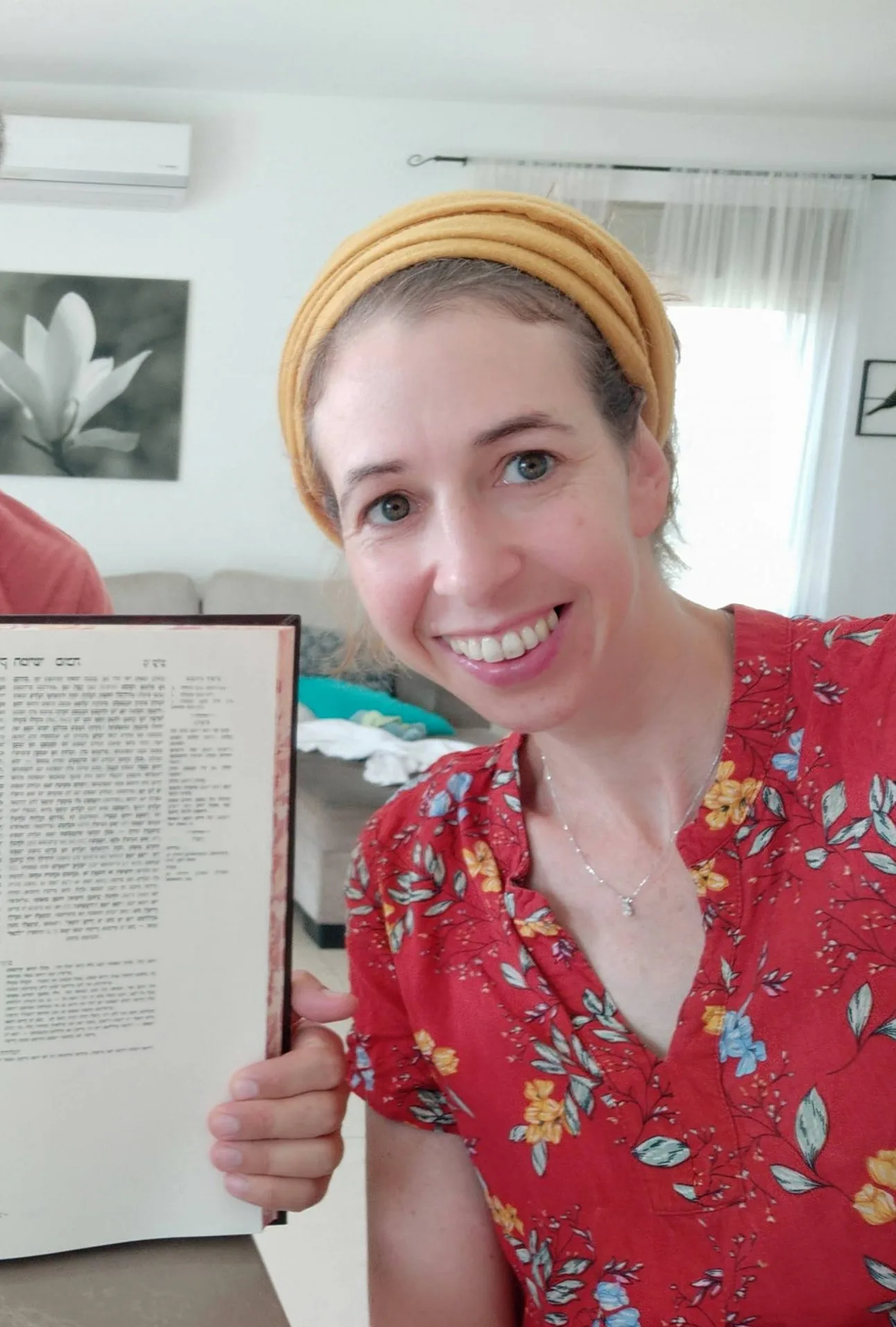
רות עגיב
עלי זהב – לשם, ישראל
חולין יג
וְאֵין לָהֶן מַחְשָׁבָה.
but they do not have the capacity to effect a halakhic status by means of thought.
אֲמַר לֵיהּ: מַחְשָׁבָה גְּרֵידְתָּא לָא קָא מִיבַּעְיָא לֵיהּ, כִּי קָא מִיבַּעְיָא לֵיהּ – מַחְשַׁבְתּוֹ נִיכֶּרֶת מִתּוֹךְ מַעֲשָׂיו.
Rabbi Ḥiyya bar Abba said to Rabbi Ami: With regard to a case of effecting a halakhic status by means of thought alone, Rabbi Yoḥanan does not raise a dilemma. When he raises a dilemma, it is with regard to a case where his thought is discernible from his actions.
כְּגוֹן דַּהֲוָה קָיְימָא עוֹלָה בַּדָּרוֹם, וְאַתְיַיהּ בַּצָּפוֹן וְשַׁחְטַהּ, מַאי? מִדְּאַתְיַיהּ בַּצָּפוֹן וְשַׁחְטַהּ אִיכַּוֵּין לַהּ, אוֹ דִילְמָא מָקוֹם הוּא דְּלָא אִיתְרְמִי לֵיהּ?
For example, in a case where an animal that is brought as a burnt offering was standing in the south of the Temple courtyard and a minor took it to the north of the courtyard, the designated place for its slaughter, and slaughtered it there, what is the halakha? Can one conclude from the fact that he took it to the north and slaughtered it there that he had the intent to slaughter the animal for the sake of a burnt offering; or perhaps he moved the animal to the north because a place did not happen to be available for him in the south?
הָא נָמֵי אַמְרַהּ רַבִּי יוֹחָנָן חֲדָא זִימְנָא, דִּתְנַן: הַמַּעֲלֶה פֵּירוֹתָיו לַגַּג מִפְּנֵי הַכְּנִימָה, וְיָרַד עֲלֵיהֶם טַל – אֵינָן בְּ״כִי יוּתַּן״, וְאִם נִתְכַּוֵּין לְכָךְ – הֲרֵי הֵן בְּ״כִי יוּתַּן״.
Rabbi Ami asked: But with regard to this matter, too, Rabbi Yoḥanan already said a conclusive resolution one time, as we learned in a mishna (Makhshirin 6:1): In the case of one who takes his produce up to the roof to protect it from insects, and dew fell upon it, the produce is not in the category of the verse: “But when water is placed upon the seed” (Leviticus 11:38), from which it is derived that produce becomes susceptible to ritual impurity only if it is dampened by one of seven liquids and its owner was agreeable to its dampening. And if after taking the produce up to the roof he intended that the produce would be dampened by dew, the produce is in the category of the verse “But when water is placed upon the seed.”
הֶעֱלוּם חֵרֵשׁ שׁוֹטֶה וְקָטָן, אַף עַל פִּי שֶׁנִּתְכַּוְּונוּ לְכָךְ, אֵינָן בְּ״כִי יוּתַּן״, מִפְּנֵי שֶׁיֵּשׁ לָהֶן מַעֲשֶׂה וְאֵין לָהֶן מַחְשָׁבָה.
That mishna continues: In a case where a deaf-mute, an imbecile, or a minor took the produce up to the roof, even if they intended that the produce would be dampened by dew, the produce is not in the category of the verse “But when water is placed upon the seed” due to the fact that they have the capacity to perform an action but they do not have the capacity for halakhically effective thought.
וְאָמַר רַבִּי יוֹחָנָן: לֹא שָׁנוּ אֶלָּא שֶׁלֹּא הִיפֵּךְ בָּהֶן, אֲבָל הִיפֵּךְ בָּהֶן – הֲרֵי זֶה בְּ״כִי יוּתַּן״.
And Rabbi Yoḥanan says: The tanna taught this halakha only in a case where the minor did not turn them over. But if he turned them over, indicating that he wants them to be dampened by the dew, the produce is in the category of the verse “But when water is placed upon the seed.” Evidently, Rabbi Yoḥanan rules that when the intention of a minor is apparent from his actions, it is halakhically effective.
הָכִי קָא מִיבַּעְיָא לֵיהּ: דְּאוֹרָיְיתָא אוֹ דְּרַבָּנַן?
Rabbi Ḥiyya bar Abba said to Rabbi Ami that this is the dilemma that Rabbi Yoḥanan raises: In a case where the intent of a minor is clear from his actions, is the fact that his thought is effective by Torah law or by rabbinic law? That is one version of the exchange between Rabbi Ḥiyya bar Abba and Rabbi Ami.
רַב נַחְמָן בַּר יִצְחָק מַתְנֵי הָכִי: אָמַר רַבִּי חִיָּיא בַּר אַבָּא, בָּעֵי רַבִּי יוֹחָנָן: קָטָן יֵשׁ לוֹ מַעֲשֶׂה אוֹ אֵין לוֹ מַעֲשֶׂה?
Rav Naḥman bar Yitzḥak teaches their exchange in this manner. Rabbi Ḥiyya bar Abba says that Rabbi Yoḥanan raises a dilemma: With regard to a minor, does he have the capacity to perform an action that is halakhically effective or does he not have the capacity to perform such an action?
אֲמַר לֵיהּ רַבִּי אַמֵּי: וְתִיבְּעֵי לֵיהּ מַחְשָׁבָה! מַאי שְׁנָא מַחְשָׁבָה דְּלָא קָא מִיבַּעְיָא לֵיהּ? דִּתְנַן: אֵין לָהֶן מַחְשָׁבָה. מַעֲשֶׂה נָמֵי לָא תִּיבְּעֵי לֵיהּ, דִּתְנַן: יֵשׁ לָהֶן מַעֲשֶׂה.
Rabbi Ami said to Rabbi Ḥiyya bar Abba: And let Rabbi Yoḥanan raise this dilemma with regard to the thought of a minor. What is different about the thought of a minor that Rabbi Yoḥanan does not raise a dilemma? Is it due to the fact that we learned in a mishna (Kelim 17:15): A deaf-mute, an imbecile, and a minor do not have the capacity for effective thought? With regard to action as well let him not raise this dilemma, as we learned in the same mishna: They have the capacity to perform an action.
הָכִי קָא מִיבַּעְיָא לֵיהּ: דְּאוֹרָיְיתָא אוֹ דְּרַבָּנַן? וּפָשֵׁיט: יֵשׁ לָהֶן מַעֲשֶׂה, וַאֲפִילּוּ מִדְּאוֹרָיְיתָא, אֵין לָהֶן מַחְשָׁבָה, וַאֲפִילּוּ מִדְּרַבָּנַן. מַחְשַׁבְתּוֹ נִיכֶּרֶת מִתּוֹךְ מַעֲשָׂיו – מִדְּאוֹרָיְיתָא אֵין לוֹ, מִדְּרַבָּנַן יֵשׁ לוֹ.
Rabbi Ḥiyya bar Abba said to Rabbi Ami that this is the dilemma that Rabbi Yoḥanan raises: Is the fact that their actions are effective and their thought is ineffective by Torah law, and a minor’s action would consequently be effective even with regard to the sacrifice of a burnt offering, or is this fact by rabbinic law and it is merely a stringency? And Rabbi Yoḥanan resolves the dilemma: They have the capacity to perform an action and it is effective, even by Torah law. But they do not have the capacity for effective thought, even by rabbinic law. Nevertheless, in a case where his thought is apparent from his actions, by Torah law he does not have effective thought, and by rabbinic law he has effective thought.
בְּעָא מִינֵּיהּ שְׁמוּאֵל מֵרַב הוּנָא: מִנַּיִן לַמִּתְעַסֵּק בְּקָדָשִׁים שֶׁהוּא פָּסוּל? שֶׁנֶּאֱמַר: ״וְשָׁחַט אֶת בֶּן הַבָּקָר״, שֶׁתְּהֵא שְׁחִיטָה לְשֵׁם בֶּן בָּקָר. אָמַר לוֹ: זוֹ בְּיָדֵינוּ הִיא, לְעַכֵּב מִנַּיִן? תַּלְמוּד לוֹמַר: ״לִרְצוֹנְכֶם תִּזְבָּחֻהוּ״, לְדַעְתְּכֶם זְבוּחוּ.
§ Shmuel asked Rav Huna: From where is it derived with regard to one who acts unawares in the slaughter of sacrificial animals, i.e., he slaughtered without intending to perform the act of slaughter at all, that the offering is disqualified? Rav Huna said to him that it is derived from a verse, as it is stated: “And he shall slaughter the young bull” (Leviticus 1:5), indicating that the slaughter must be for the sake of a young bull, i.e., knowing that he is performing an act of slaughter. Shmuel said to him: we received this as an established halakha already that one must have intent to slaughter the animal ab initio. But from where is it derived that intent to slaughter is indispensable even after the fact? It is derived from a verse, as the verse states: “You shall slaughter it to your will” (Leviticus 19:5), indicating: Slaughter the animal with your intent, i.e., in the form of a purposeful action.
מַתְנִי׳ שְׁחִיטַת נׇכְרִי נְבֵלָה, וּמְטַמְּאָה בְּמַשָּׂא.
MISHNA: Slaughter performed by a gentile renders the animal an unslaughtered carcass, and the carcass imparts ritual impurity through carrying.
גְּמָ׳ נְבֵלָה – אִין, אִיסּוּר הֲנָאָה – לָא. מַאן תַּנָּא? אָמַר רַבִּי חִיָּיא בְּרַבִּי אַבָּא אָמַר רַבִּי יוֹחָנָן: דְּלָא כְּרַבִּי אֱלִיעֶזֶר, דְּאִי רַבִּי אֱלִיעֶזֶר – הָאָמַר: סְתָם מַחְשֶׁבֶת נׇכְרִי לַעֲבוֹדָה זָרָה.
GEMARA: The slaughter renders the animal an unslaughtered carcass, yes; an item from which deriving benefit is prohibited, no. Who is the tanna who taught the mishna? Rabbi Ḥiyya, son of Rabbi Abba, said that Rabbi Yoḥanan said: It is not in accordance with the opinion of Rabbi Eliezer, as, if it were in accordance with the opinion of Rabbi Eliezer, doesn’t he say: The unspecified thought of a gentile is for idol worship.
רַבִּי אַמֵּי אָמַר: הָכִי קָתָנֵי, שְׁחִיטַת נׇכְרִי – נְבֵלָה, הָא דְּמִין – לַעֲבוֹדָה זָרָה. תְּנֵינָא לְהָא דְּתָנוּ רַבָּנַן: שְׁחִיטַת מִין לַעֲבוֹדָה זָרָה, פִּיתּוֹ – פַּת כּוּתִי, יֵינוֹ – יֵין נֶסֶךְ, סְפָרָיו – סִפְרֵי קוֹסְמִין, פֵּירוֹתָיו – טְבָלִין, וְיֵשׁ אוֹמְרִים: אַף
Rabbi Ami said that this is what the mishna is teaching: Slaughter performed by a gentile renders the animal an unslaughtered carcass, but slaughter performed by a heretic is for the sake of idol worship. The Gemara notes: We learn from an inference in the mishna that which the Sages taught explictly in a baraita: Slaughter performed by a heretic is for the sake of idol worship and deriving benefit from it is prohibited, the halakhic status of his bread is that of the bread of a Samaritan, the status of his wine is that of wine used for a libation in idol worship, his sacred scrolls that he writes are the scrolls of sorcerers and it is a mitzva to burn them, his produce is untithed produce even if he separated teruma and tithes, and some say: Even
בָּנָיו מַמְזֵרִין.
his sons are mamzerim, as he is indifferent to his wife’s engaging in adultery.
וְתַנָּא קַמָּא, אִשְׁתּוֹ לָא מַפְקַר.
The Gemara asks: And the first tanna, why did he not include the ruling that the sons of a heretic are mamzerim? The Gemara answers: In his opinion, a heretic does not release his wife and allow her to engage in adultery.
אָמַר מָר: שְׁחִיטַת נׇכְרִי נְבֵלָה, וְנֵיחוּשׁ שֶׁמָּא מִין הוּא? אָמַר רַב נַחְמָן אָמַר רַבָּה בַּר אֲבוּהּ: אֵין מִינִין בָּאוּמּוֹת.
The Master said in the mishna: Slaughter performed by a gentile renders the animal an unslaughtered carcass. The Gemara challenges this: And let us be concerned that perhaps he is a heretic who is a devout idolater and deriving benefit from his slaughter is prohibited. Rav Naḥman said that Rabba bar Avuh says: There are no such heretics among the nations of the world.
וְהָא קָאחָזֵינַן דְּאִיכָּא? אֵימָא: אֵין רוֹב אוּמּוֹת מִינִין, סָבַר לַהּ כִּי הָא דְּאָמַר רַבִּי חִיָּיא בַּר אַבָּא אָמַר רַבִּי יוֹחָנָן: גּוֹיִם שֶׁבְּחוּצָה לְאָרֶץ לָאו עוֹבְדֵי עֲבוֹדָה זָרָה הֵן, אֶלָּא מִנְהַג אֲבוֹתֵיהֶן בִּידֵיהֶן.
The Gemara asks: But don’t we see that there are? The Gemara answers: Say the majority of the people of the nations of the world are not heretics, and with regard to slaughter one follows the majority. The Gemara notes: Rabba bar Avuh holds in accordance with that which Rabbi Ḥiyya bar Abba says that Rabbi Yoḥanan says: The status of gentiles outside of Eretz Yisrael is not that of idol worshippers, as their worship is not motivated by faith and devotion. Rather, it is a traditional custom of their ancestors that was transmitted to them.
אָמַר רַב יוֹסֵף בַּר מִנְיוֹמֵי אָמַר רַב נַחְמָן: אֵין מִינִין בָּאוּמּוֹת. לְמַאי? אִילֵימָא לִשְׁחִיטָה, הַשְׁתָּא שְׁחִיטַת מִין דְּיִשְׂרָאֵל אָמְרַתְּ אֲסִירָא, דְּגוֹי מִבַּעְיָא? אֶלָּא לְמוֹרִידִין, הַשְׁתָּא דְּיִשְׂרָאֵל מוֹרִידִין, דְּגוֹיִם מִבַּעְיָא?
Rav Yosef bar Minyumi says that Rav Naḥman says: There are no heretics among the nations of the world, i.e., gentile heretics do not have the halakhic status of actual heretics. The Gemara asks: With regard to what matter did Rav Naḥman state the halakha? If we say that it is with regard to slaughter, now that you said the slaughter of a Jewish heretic is forbidden, is it necessary to say the slaughter of a gentile heretic is forbidden? Rather, it is with regard to the halakha that one lowers them into a pit, i.e., one may kill a heretic, and Rav Naḥman holds that one may not kill them. But this too is difficult, as now if one lowers a Jewish heretic into a pit, is it necessary to say that one lowers a gentile heretic?
אָמַר רַב עוּקְבָא בַּר חָמָא: לְקַבֵּל מֵהֶן קׇרְבָּן, דְּתַנְיָא: ״מִכֶּם״ וְלֹא כּוּלְּכֶם, לְהוֹצִיא אֶת הַמְשׁוּמָּד, ״מִכֶּם״ – בָּכֶם חִלַּקְתִּי וְלֹא בָּאוּמּוֹת.
Rav Ukva bar Ḥama said: It is stated with regard to accepting an offering from them, as it is taught in a baraita with regard to the verse: “When any person of you shall bring an offering” (Leviticus 1:2): The verse states: “Of you,” and not: Of all of you, to exclude the Jewish transgressor who regularly violates a prohibition. Furthermore, God states: “Of you,” to mean that among you, the Jews, I distinguished between a transgressor and other Jews, but not among the nations. One accepts an offering from all gentiles, even a heretic.
מִמַּאי? דִּלְמָא הָכִי קָאָמַר: מִיִּשְׂרָאֵל – מִצַּדִּיקֵי קַבֵּל, מֵרַשִּׁיעֵי לָא תְּקַבֵּל, אֲבָל בְּאוּמּוֹת הָעוֹלָם – כְּלָל כְּלָל לָא! לָא סָלְקָא דַּעְתָּךְ, דְּתַנְיָא: ״אִישׁ״ – מָה תַּלְמוּד לוֹמַר ״אִישׁ אִישׁ״? לְרַבּוֹת הַגּוֹיִם, שֶׁנּוֹדְרִים נְדָרִים וּנְדָבוֹת כְּיִשְׂרָאֵל.
The Gemara asks: From where do you draw that conclusion? Perhaps this is what the verse is saying: With regard to offerings from Jews, from righteous Jews accept the offering and from wicked Jews do not accept the offering; but with regard to the nations of the world, do not accept their offerings at all. The Gemara rejects that possibility: That should not enter your mind, as it is taught in a baraita with regard to the verse: “Any man [ish ish] from the house of Israel…who shall sacrifice his offering” (Leviticus 22:18): Since it would have been sufficient to write: A man [ish], what is the meaning when the verse states: “Any man [ish ish]”? It serves to include the gentiles, who may vow to bring vow offerings and gift offerings like a Jew.
וּמְטַמְּאָה בְּמַשָּׂא. פְּשִׁיטָא, כֵּיוָן דִּנְבֵלָה הִיא מְטַמְּאָה בְּמַשָּׂא! אָמַר רָבָא: הָכִי קָתָנֵי, זוֹ מְטַמְּאָה בְּמַשָּׂא, וְיֵשׁ לְךָ אַחֶרֶת שֶׁהִיא מְטַמְּאָה אֲפִילּוּ בְּאֹהֶל, וְאֵיזוֹ זוֹ? תִּקְרוֹבֶת עֲבוֹדָה זָרָה, וּכְרַבִּי יְהוּדָה בֶּן בְּתִירָא.
§ The mishna states with regard to an animal slaughtered by a gentile: And the carcass imparts ritual impurity through carrying. The Gemara asks: Isn’t it obvious? Since it is considered an unslaughtered carcass it imparts ritual impurity through carrying. Rava said that this is what the tanna is teaching: This slaughtered animal imparts ritual impurity through carrying, and you have another animal that imparts impurity even in a tent, i.e., if one is beneath the same roof with this animal he becomes impure even though he neither touched it nor carried it. And which animal is that? That animal is an idolatrous offering, and this statement is in accordance with the opinion of Rabbi Yehuda ben Beteira cited below.
אִיכָּא דְּאָמְרִי, אָמַר רָבָא: הָכִי קָתָנֵי, זוֹ מְטַמְּאָה בְּמַשָּׂא, וְיֵשׁ לְךָ אַחֶרֶת שֶׁהִיא כָּזוֹ שֶׁמְּטַמְּאָה בְּמַשָּׂא וְאֵינָהּ מְטַמְּאָה בְּאֹהֶל, וְאֵיזוֹ זוֹ? תִּקְרוֹבֶת עֲבוֹדָה זָרָה, וּדְלָא כְּרַבִּי יְהוּדָה בֶּן בְּתִירָא.
There are those who say an alternative version of Rava’s statement: Rava said that this is what the tanna is teaching: This slaughtered animal imparts ritual impurity through carrying, and you have another animal that is like this one in that it imparts ritual impurity through carrying and does not impart impurity in a tent. And which animal is this? This animal is an idolatrous offering, and this statement is not in accordance with the opinion of Rabbi Yehuda ben Beteira.
דְּתַנְיָא, רַבִּי יְהוּדָה בֶּן בְּתִירָא אוֹמֵר: מִנַּיִן לְתִקְרוֹבֶת עֲבוֹדָה זָרָה שֶׁהִיא מְטַמְּאָה בְּאֹהֶל? שֶׁנֶּאֱמַר: ״וַיִּצָּמְדוּ לְבַעַל פְּעוֹר וַיֹּאכְלוּ זִבְחֵי מֵתִים״, מָה מֵת מְטַמֵּא בְּאֹהֶל, אַף תִּקְרוֹבֶת עֲבוֹדָה זָרָה מְטַמְּאָה בְּאֹהֶל.
As it is taught in a baraita that Rabbi Yehuda ben Beteira says: From where is it derived with regard to an idolatrous offering that it imparts impurity in a tent? It is derived from a verse, as it is stated: “They adhered to Ba’al-Peor and ate the offerings to the dead” (Psalms 106:28). Just as a corpse imparts impurity in a tent, so too an idolatrous offering imparts impurity in a tent.
מַתְנִי׳ הַשּׁוֹחֵט בַּלַּיְלָה, וְכֵן הַסּוֹמֵא שֶׁשָּׁחַט – שְׁחִיטָתוֹ כְּשֵׁרָה.
MISHNA: In the case of one who slaughters an animal at night, and likewise in the case of the blind person who slaughters an animal, his slaughter is valid.
גְּמָ׳ הַשּׁוֹחֵט דִּיעֲבַד – אִין, לְכַתְּחִלָּה – לָא. וּרְמִינְהִי: לְעוֹלָם שׁוֹחֲטִין, בֵּין בַּיּוֹם וּבֵין בַּלַּיְלָה, בֵּין בְּרֹאשׁ הַגָּג בֵּין בְּרֹאשׁ הַסְּפִינָה!
GEMARA: The Gemara infers from the formulation of the mishna: One who slaughters, and not: One may slaughter, that with regard to the slaughter of one who slaughters at night, after the fact, yes, it is valid, but ab initio, one may not do so. The Gemara raises a contradiction from a baraita (Tosefta 1:4): One may always slaughter, both during the day and at night, both on the rooftop and atop a ship, indicating that slaughter at night is permitted ab initio.
אָמַר רַב פָּפָּא: בְּשֶׁאֲבוּקָה כְּנֶגְדּוֹ. אָמַר רַב אָשֵׁי: דַּיְקָא נָמֵי, דְּקָתָנֵי הָתָם דּוּמְיָא דְּיוֹם, וְהָכָא דּוּמְיָא דְּסוֹמֵא, שְׁמַע מִינַּהּ.
Rav Pappa said: The tanna of the baraita is referring to a case where there is a torch opposite the slaughterer; therefore, it is permitted ab initio. Rav Ashi said: The language of the baraita is also precise, as slaughter at night is taught there in the baraita similar to slaughter during the day, based on the juxtaposition: Both during the day and at night. And here slaughter at night is taught similar to the slaughter performed by a blind person, with no light, based on the juxtaposition: One who slaughters at night, and likewise the blind person who slaughters. Therefore, the slaughter is valid only after the fact. The Gemara concludes: Learn from it.
לעקוב

