







השיעור מוקדש לרפואה שלמה לנתנאל אילן בן שיינע ציפורה דינים הקושרים לפגימות בסכין.
רוצה להקדיש לימוד?
חולין יז
וְכׇל שֶׁכֵּן הַשְׁתָּא דְּאַרְחִיקוּ לְהוּ טְפֵי.
And, if so, all the more so now, in exile, when they are even more distant from the Temple, the meat of desire should be permitted. Consequently, it is unnecessary for the mishna to teach this halakha.
אֶלָּא אָמַר רַב יוֹסֵף: רַבִּי עֲקִיבָא הִיא, דְּתַנְיָא: ״כִּי יִרְחַק מִמְּךָ הַמָּקוֹם אֲשֶׁר יִבְחַר ה׳ אֱלֹהֶיךָ לָשׂוּם שְׁמוֹ שָׁם וְזָבַחְתָּ מִבְּקָרְךָ וּמִצֹּאנְךָ״, רַבִּי עֲקִיבָא אוֹמֵר: לֹא בָּא הַכָּתוּב אֶלָּא לֶאֱסוֹר לָהֶן בְּשַׂר נְחִירָה, שֶׁבַּתְּחִלָּה הוּתַּר לָהֶן בְּשַׂר נְחִירָה, מִשֶּׁנִּכְנְסוּ לָאָרֶץ נֶאֱסַר לָהֶן בְּשַׂר נְחִירָה.
Rather, Rav Yosef said: The tanna who teaches this halakha is Rabbi Akiva, as it is taught in a baraita with regard to the verse: “If the place that the Lord your God shall choose to put His name there be too far from you, then you shall slaughter of your herd and of your flock” (Deuteronomy 12:21), Rabbi Akiva says: The verse comes only to prohibit for them consumption of meat of an animal killed by means of stabbing rather than valid slaughter, as, initially, the meat of stabbing was permitted for them. When they entered into Eretz Yisrael, the meat of stabbing was forbidden to them, and it was permitted to eat the meat of an animal only after valid slaughter.
וְעַכְשָׁיו שֶׁגָּלוּ, יָכוֹל יַחְזְרוּ לְהֶתֵּירָן הָרִאשׁוֹן? לְכָךְ שָׁנִינוּ: לְעוֹלָם שׁוֹחֲטִין.
Rav Yosef added: And now that the Jewish people were exiled, might one have thought that stabbed animals are restored to their initial permitted state? Therefore, we learned in the mishna: One must always slaughter the animal to eat its meat.
בְּמַאי קָמִיפַּלְגִי? רַבִּי עֲקִיבָא סָבַר: בְּשַׂר תַּאֲוָה לָא אִיתְּסַר כְּלָל, רַבִּי יִשְׁמָעֵאל סָבַר: בְּשַׂר נְחִירָה לָא אִישְׁתְּרִי כְּלָל.
The Gemara asks: With regard to what principle do they disagree? The Gemara answers that Rabbi Akiva holds: The meat of desire was not forbidden at all, and Rabbi Yishmael holds: The meat of stabbing was not permitted at all.
בִּשְׁלָמָא לְרַבִּי יִשְׁמָעֵאל, הַיְינוּ דִּכְתִיב ״וְשָׁחַט אֶת בֶּן הַבָּקָר״, אֶלָּא לְרַבִּי עֲקִיבָא מַאי ״וְשָׁחַט״? קָדָשִׁים שָׁאנֵי.
The Gemara asks a series of questions: Granted, according to Rabbi Yishmael, who holds that the meat of stabbing was forbidden in the wilderness, that is the meaning of that which is written with regard to the burnt offerings sacrificed in the Tabernacle: “And he shall slaughter the young bull” (Leviticus 1:5). But according to Rabbi Akiva, what is the meaning of: “And he shall slaughter”? Why would he slaughter it if stabbing is permitted? The Gemara answers: Sacrificial animals are different, as slaughter is required in that case. By contrast, there was no obligation to slaughter non-sacrificial animals to eat their meat.
בִּשְׁלָמָא לְרַבִּי יִשְׁמָעֵאל, הַיְינוּ דִּכְתִיב ״הֲצֹאן וּבָקָר יִשָּׁחֵט לָהֶם״, אֶלָּא לְרַבִּי עֲקִיבָא מַאי ״הֲצֹאן וּבָקָר יִשָּׁחֵט לָהֶם״? ״יִנָּחֵר לָהֶם״ מִיבְּעֵי לֵיהּ! נְחִירָה שֶׁלָּהֶן זוֹ הִיא שְׁחִיטָתָן.
Granted, according to Rabbi Yishmael, who holds that the meat of stabbing was forbidden in the wilderness, that is the meaning of that which is written: “Will flocks and herds be slaughtered for them” (Numbers 11:22), indicating that they slaughtered the animals in the wilderness. But according to Rabbi Akiva, what is the meaning of: “Will flocks and herds be slaughtered for them”? Ostensibly, the words: Be stabbed for them, should have been written. The Gemara answers: In the wilderness, their stabbing is their slaughter.
בִּשְׁלָמָא לְרַבִּי יִשְׁמָעֵאל – הַיְינוּ דִּתְנַן: הַשּׁוֹחֵט וְנִתְנַבְּלָה בְּיָדוֹ, וְהַנּוֹחֵר וְהַמְעַקֵּר – פָּטוּר מִלְּכַסּוֹת, אֶלָּא לְרַבִּי עֲקִיבָא אַמַּאי פָּטוּר מִלְּכַסּוֹת?
Granted, according to Rabbi Yishmael, that is the meaning of that which we learned in a mishna (85a) with regard to the mitzva of covering the blood of an undomesticated animal or a bird: One who slaughters an undomesticated animal and the slaughter is not valid and it became an unslaughtered carcass by his hand, and one who stabs an animal, and one who rips the simanim from their place before cutting them, invalidating the slaughter, is exempt from covering the blood. One must cover the blood of only an animal whose slaughter was valid. But according to Rabbi Akiva, why is one exempt from covering the blood of an animal that was stabbed, since in his opinion when they were commanded to cover blood, animals that were stabbed were permitted?
הוֹאִיל וְאִיתְּסַר, אִיתְּסַר.
The Gemara answers: Since the meat of stabbing was forbidden, it was forbidden, and the halakhic status of stabbing is no longer that of slaughtering.
בִּשְׁלָמָא לְרַבִּי עֲקִיבָא, דְּאָמַר בְּשַׂר תַּאֲוָה לָא אִיתְּסַר כְּלָל – הַיְינוּ דִּכְתִיב: ״אַךְ כַּאֲשֶׁר יֵאָכֵל אֶת הַצְּבִי וְאֶת הָאַיָּל כֵּן תֹּאכְלֶנּוּ״, אֶלָּא לְרַבִּי יִשְׁמָעֵאל, צְבִי וְאַיָּל גּוּפֵיהּ מִי הֲוֵי שְׁרֵי?
Granted, according to Rabbi Akiva, who says that the meat of desire was not forbidden at all, that is the meaning of that which is written before they entered Eretz Yisrael: “However, as the gazelle and as the deer is eaten, so shall you eat of it, the pure and the impure may eat of it alike” (Deuteronomy 12:22). This means that just as it is permitted to eat the meat of a gazelle and a deer in the wilderness in a state of ritual impurity, so may you eat them when you enter Eretz Yisrael, although at that point it will be prohibited to stab them and eat their meat, as their meat will be permitted only through slaughter. But according to Rabbi Yishmael, who holds that the meat of desire was forbidden in the wilderness, were the gazelle and the deer themselves permitted in the wilderness? They are not brought as offerings.
כִּי אֲסַר רַחֲמָנָא – בְּהֵמָה דְּחַזְיָא לְהַקְרָבָה, אֲבָל חַיָּה דְּלָא חַזְיָא לְהַקְרָבָה – לָא אֲסַר רַחֲמָנָא.
The Gemara answers: When the Merciful One rendered the meat of desire forbidden, that was specifically the meat of a domesticated animal that is fit for sacrifice. But the Merciful One did not render forbidden undomesticated animals that are not fit for sacrifice.
בָּעֵי רַבִּי יִרְמְיָה: אֵבְרֵי בְּשַׂר נְחִירָה שֶׁהִכְנִיסוּ יִשְׂרָאֵל עִמָּהֶן לָאָרֶץ, מַהוּ?
§ Rabbi Yirmeya raises a dilemma according to the opinion of Rabbi Akiva, who says that the meat of stabbing was permitted in the wilderness: With regard to the limbs of the meat of stabbing that the Jewish people took with them into Eretz Yisrael, what is their halakhic status?
אֵימַת? אִילֵּימָא בְּשֶׁבַע שֶׁכִּבְּשׁוּ – הַשְׁתָּא דָּבָר טָמֵא אִישְׁתְּרִי לְהוּ, דִּכְתִיב: ״וּבָתִּים מְלֵאִים כׇּל טוּב״, וְאָמַר רַבִּי יִרְמְיָה בַּר אַבָּא אָמַר רַב: כֻּתְלֵי דַּחֲזִירֵי – בְּשַׂר נְחִירָה מִבַּעְיָא?
The Gemara asks: When? With regard to what period does Rabbi Yirmeya raise his dilemma? If we say that the dilemma is with regard to the seven years during which they conquered the land, now, non-kosher items were permitted for them during that period, as it is written: “And it shall be, when the Lord your God shall bring you into the land that He swore to your fathers, and houses full of all good things…and you shall eat and be satisfied” (Deuteronomy 6:10–11), and Rabbi Yirmeya bar Abba says that Rav says: Cuts of pig meat [kotlei daḥazirei] that they found in the houses were permitted for them; is it necessary to say that the meat from the stabbing of a kosher animal was permitted?
אֶלָּא, לְאַחַר מִכָּאן. וְאִיבָּעֵית אֵימָא: לְעוֹלָם בְּשֶׁבַע שֶׁכִּבְּשׁוּ, כִּי אִשְׁתְּרִי לְהוּ שָׁלָל שֶׁל גּוֹיִם – דִּידְהוּ לָא אִישְׁתְּרִי. תֵּיקוּ.
Rather, Rabbi Yirmeya’s dilemma is with regard to the period thereafter. And if you wish, say instead: Actually, his dilemma is with regard to the seven years during which they conquered the land, as perhaps when the forbidden food was permitted for them, it was specifically food from the spoils of gentiles, but their own forbidden food was not permitted. The Gemara concludes: The dilemma shall stand unresolved.
אָמַר רַבָּה: שַׁנֵּית ״הַכֹּל שׁוֹחֲטִין״ וּ״לְעוֹלָם שׁוֹחֲטִין״, ״בַּכֹּל שׁוֹחֲטִים״ – מַאי מְשַׁנֵּית לֵיהּ?
§ Rabba says: You explained the phrases in the mishna: All slaughter, and: One may always slaughter. In what way do you explain the phrase: One may slaughter with any item that cuts?
וְכִי תֵּימָא, בֵּין בְּצוֹר בֵּין בִּזְכוּכִית בֵּין בִּקְרוּמִית שֶׁל קָנֶה, הָא דּוּמְיָא דְּהָנָךְ קָתָנֵי; אִי הָנָךְ בְּשׁוֹחֲטִין – הַאי נָמֵי בְּשׁוֹחֲטִין, וְאִי הָנָךְ בְּנִשְׁחָטִין – הַאי נָמֵי בְּנִשְׁחָטִין.
And if you would say that it means: Whether with a flint, or with glass shards, or with the stalk of a reed, but isn’t this phrase taught in a manner similar to those other phrases in the mishna? If these phrases: All slaughter, and: One may always slaughter, are referring to those that slaughter, this phrase too is referring to those that slaughter; and if those phrases are referring to those that are slaughtered, this phrase too is referring to those that are slaughtered. The first two phrases in the mishna were explained as referring to the animals that are slaughtered. The first phrase was interpreted to include birds, and the second phrase was interpreted as referring to the halakha that meat may be eaten only through slaughter of the animal.
אֶלָּא אָמַר רָבָא: ״הַכֹּל שׁוֹחֲטִין״, חֲדָא לְאֵתוֹיֵי כּוּתִי, וַחֲדָא לְאֵתוֹיֵי יִשְׂרָאֵל מְשׁוּמָּד. ״לְעוֹלָם שׁוֹחֲטִין״ – בֵּין בַּיּוֹם בֵּין בַּלַּיְלָה, בֵּין בְּרֹאשׁ הַגָּג בֵּין בְּרֹאשׁ הַסְּפִינָה. ״בַּכֹּל שׁוֹחֲטִין״ – בֵּין בְּצוֹר, בֵּין בִּזְכוּכִית, בֵּין בִּקְרוּמִית שֶׁל קָנֶה.
Rather, Rava said that the entire mishna is referring to those that slaughter. The initial phrase means everyone [hakkol] slaughters. Although an identical phrase was used in the first mishna (2a), both are necessary: One is to include a Samaritan and one is to include a Jewish transgressor. The second phrase: One may always slaughter, means both during the day and at night, both on a rooftop and atop a ship, and there is no concern that it will appear that he is slaughtering in an idolatrous manner to the hosts of heaven or to the god of the sea. The phrase: One may slaughter with any item that cuts, means: Whether with a flint, or with glass shards, or with the stalk of a reed.
חוּץ מִמַּגַּל קָצִיר וְהַמְּגֵירָה. אֲבוּהּ דִּשְׁמוּאֵל פְּגַם וְשַׁדַּר, פְּגַם וְשַׁדַּר. שְׁלַחוּ לֵיהּ: כִּמְגֵירָה שָׁנִינוּ.
The mishna states: Except for the serrated side of the harvest sickle, and the saw. Shmuel’s father would notch a knife and send it to Eretz Yisrael to ask if it is fit for slaughter, and would notch a knife in a different manner and send it to Eretz Yisrael in order to determine the type of notch that invalidates slaughter. They sent to him from Eretz Yisrael that the principle is: We learned that the notch that invalidates slaughter is like a saw, whose teeth point upward, as it rips the simanim with every draw of the knife back and forth.
תָּנוּ רַבָּנַן:
The Sages taught in a baraita:
סַכִּין שֶׁיֵּשׁ בָּהּ פְּגִימוֹת הַרְבֵּה – תִּידּוֹן כִּמְגֵירָה, וְשֶׁאֵין בָּהּ אֶלָּא פְּגִימָה אַחַת: אוֹגֶרֶת – פְּסוּלָה, מְסוּכְסֶכֶת – כְּשֵׁרָה. הֵיכִי דָּמְיָא אוֹגֶרֶת? הֵיכִי דָּמְיָא מְסוּכְסֶכֶת? אָמַר רַבִּי אֱלִיעֶזֶר: אוֹגֶרֶת – מִשְׁתֵּי רוּחוֹת, מְסוּכְסֶכֶת – מֵרוּחַ אַחַת.
The status of a knife in which there are several notches is considered like that of a saw; and with regard to a knife in which there is only one notch, if it catches, the slaughter is unfit, but if it entangles [mesukhsekhet], the slaughter is fit. What are the circumstances of a notch that catches, and what are the circumstances of a notch that entangles? Rabbi Eliezer said: A notch that catches is one that has a sharp edge on two sides, while a notch that entangles is one that has a sharp edge on one side.
מַאי שְׁנָא מִשְׁתֵּי רוּחוֹת, דְּמוּרְשָׁא קַמָּא מַחְלֵישׁ וּמוּרְשָׁא בָּתְרָא בָּזַע? מֵרוּחַ אַחַת נָמֵי, חוּרְפָּא דְּסַכִּינָא מַחְלֵישׁ, מוּרְשָׁא בָּזַע! דְּקָאֵים אַרֵישָׁא דְּסַכִּינָא. סוֹף סוֹף, כִּי אָזְלָא מַחְלְשָׁא, כִּי (אתא בזע) [אָתְיָא בָּזְעָה]! כְּגוֹן שֶׁהוֹלִיךְ וְלֹא הֵבִיא.
The Gemara challenges this explanation: What is different about a notch with a sharp edge on two sides, where the first edge [moresha] compromises the neck by removing the hide and the flesh, and the latter edge rips the simanim; in the case of a notch with a sharp edge on one side too, the sharp tip of the knife compromises the neck and the edge of the notch rips the simanim. The Gemara explains: The reference is to a notch that stands at the top of the knife, which begins the slaughter. The Gemara objects: Ultimately, when the knife goes in one direction it compromises the neck and when it comes back in the other direction it rips the simanim. The Gemara explains: The reference is to a case where he drew the knife backward and did not draw it forward.
אָמַר רָבָא: שָׁלֹשׁ מִדּוֹת בְּסַכִּין – אוֹגֶרֶת – לֹא יִשְׁחוֹט, וְאִם שָׁחַט – שְׁחִיטָתוֹ פְּסוּלָה. מְסוּכְסֶכֶת – לֹא יִשְׁחוֹט בָּהּ לְכִתְחִלָּה, וְאִם שָׁחַט – שְׁחִיטָתוֹ כְּשֵׁרָה. עוֹלֶה וְיוֹרֵד בְּסַכִּין – שׁוֹחֵט בָּהּ לְכַתְּחִלָּה.
Rava says: There are three types of notches in a knife. If the notch catches, one may not slaughter with it, and if he slaughtered, his slaughter is not valid. If the notch entangles, one may not slaughter with it ab initio; and if he slaughtered with it, his slaughter is valid after the fact. If the notch rises and falls in the knife and has no sharp edges, one may slaughter with it ab initio.
אֲמַר לֵיהּ רַב הוּנָא בְּרֵיהּ דְּרַב נְחֶמְיָה לְרַב אָשֵׁי: אֲמַרְתְּ לַן מִשְּׁמֵיהּ דְּרָבָא: מְסוּכְסֶכֶת פְּסוּלָה, וְהָא אָמַר רָבָא: מְסוּכְסֶכֶת כְּשֵׁרָה! לָא קַשְׁיָא: כָּאן שֶׁהוֹלִיךְ וְהֵבִיא, כָּאן שֶׁהוֹלִיךְ וְלֹא הֵבִיא.
Rav Huna, son of Rav Neḥemya, said to Rav Ashi: You said to us in the name of Rava that if the notch entangles, the slaughter is not valid. But doesn’t Rava say: If the notch entangles, the slaughter is valid? Rav Ashi answers: This is not difficult. Here, where Rava says that the slaughter is not valid, is in a case where he drew the knife back and forth. There, where Rava says that the slaughter is valid, is in a case where he drew the knife backward and did not draw it forward.
אֲמַר לֵיהּ רַב אַחָא בְּרֵיהּ דְּרַב אַוְיָא לְרַב אָשֵׁי: דָּמְיָא לְסָאסָא, מַאי? אֲמַר לֵיהּ: מַאן יָהֵיב לַן מִבִּשְׂרֵיהּ וְאָכְלִינַן.
Rav Aḥa, son of Rav Avya, said to Rav Ashi: If the knife was similar to an awn of grain [sasa], which is not perfectly smooth but does not have actual notches, what is the halakha? Rav Ashi said to him: Who will give us from the meat of an animal slaughtered with that knife, and we will eat it.
אָמַר רַב חִסְדָּא: מִנַּיִן לִבְדִיקַת סַכִּין מִן הַתּוֹרָה? שֶׁנֶּאֱמַר: ״וּשְׁחַטְתֶּם בָּזֶה וַאֲכַלְתֶּם״.
§ Rav Ḥisda says: From where is it derived that examination of a knife is an obligation by Torah law? It is derived from a verse, as it is stated with regard to Saul’s instructions to the people: “And slaughter with this and eat” (I Samuel 14:34), indicating that Saul gave them the knife only after ensuring that it was fit to slaughter their animals.
פְּשִׁיטָא, כֵּיוָן דְּכִי נְקַב טְרֵיפָה, בָּעֲיָא בְּדִיקָה לְחָכָם קָאָמְרִינַן! וְהָאָמַר רַבִּי יוֹחָנָן: לֹא אָמְרוּ לְהַרְאוֹת סַכִּין לְחָכָם אֶלָּא מִפְּנֵי כְּבוֹדוֹ שֶׁל חָכָם! מִדְּרַבָּנַן, וּקְרָא אַסְמַכְתָּא בְּעָלְמָא הוּא.
The Gemara asks: Isn’t it obvious that a knife must be examined before slaughter? Since were one to create a perforation in the gullet, the animal would be a tereifa, therefore the knife requires examination to prevent that situation. The Gemara answers: We are saying that a source for the halakha that one must show the knife to a Torah scholar for examination is needed. The Gemara asks: Is that an obligation by Torah law? But doesn’t Rabbi Yoḥanan say that the Sages said to show the knife to a Torah scholar only due to the requirement to show deference to the Torah scholar? The Gemara answers: Indeed, it is a requirement by rabbinic law, and the verse is cited as a mere support for that practice, not as a source.
בְּמַעְרְבָא בָּדְקִי לַהּ בְּשִׁימְשָׁא, בִּנְהַרְדְּעָא בָּדְקוּ לַהּ בְּמַיָּא, רַב שֵׁשֶׁת בָּדֵק לַהּ בְּרֵישׁ לִישָּׁנֵיהּ, רַב אַחָא בַּר יַעֲקֹב בָּדֵק לַהּ בְּחוּט הַשַּׂעֲרָה.
The Gemara notes: In the West, Eretz Yisrael, they examine the knife in the sun to determine whether there is a notch. In Neharde’a they examine the knife with water. They would place the blade on the surface of the water, and if there was a notch, it would noticeably alter the surface of the water. Rav Sheshet would examine it with the tip of his tongue. Rav Aḥa bar Ya’akov would examine it with a strand of hair. He would pass the strand over the blade of the knife and if there was a notch, it would be caught in that notch.
בְּסוּרָא אָמְרִי: בִּישְׂרָא אָכְלָה, בִּישְׂרָא לִבְדְּקַהּ. אָמַר רַב פָּפָּא: צְרִיכָא בְּדִיקָה אַבִּישְׂרָא, וְאַטּוּפְרָא, וְאַתְּלָתָא רוּחָתָא.
In Sura they say: The knife consumes the flesh; let the flesh examine the knife. Since the concern is that the knife will rip the flesh during the slaughter, it should be examined by passing it on the tongue or the fingertip. Rav Pappa said: The knife requires examination on the flesh, and on the fingernail, and on the three sides of the knife, i.e., the blade and the two sides of the knife.
אֲמַר לֵיהּ רָבִינָא לְרַב אָשֵׁי: אָמַר לַן רַב סַמָּא בְּרֵיהּ דְּרַב מְשַׁרְשְׁיָא מִשְּׁמָךְ, דַּאֲמַרְתְּ לֵיהּ מִשְּׁמֵיהּ דְּרָבָא: צְרִיכָא בְּדִיקָה אַבִּישְׂרָא וְאַטּוּפְרָא וְאַתְּלָתָא רוּחָתָא. אֲמַר לֵיהּ: אַבִּישְׂרָא וְאַטּוּפְרָא אֲמַרִי, וְאַתְּלָתָא רוּחָתָא לָא אֲמַרִי. אִיכָּא דְּאָמְרִי: אַבִּישְׂרָא וְאַטּוּפְרָא וְאַתְּלָתָא רוּחָתָא אֲמַרִי, מִשְּׁמֵיהּ דְּרָבָא לָא אֲמַרִי.
Ravina said to Rav Ashi: Rav Sama, son of Rav Mesharshiyya, said to us in your name that which you said to him in the name of Rava: The knife requires examination on the flesh, and on the fingernail, and on the three sides. Rav Ashi said to Ravina: On the flesh and on the fingernail I said, and on the three sides I did not say. There are those who say that Rav Ashi said to him: On the flesh and on the fingernail and on the three sides I said, and in the name of Rava I did not say.
רָבִינָא וְרַב אַחָא בְּרֵיהּ דְּרָבָא הֲווֹ יָתְבִי קַמֵּיהּ דְּרַב אָשֵׁי, אַיְיתוֹ סַכִּין לְקַמֵּיהּ דְּרַב אָשֵׁי לִבְדְּקַהּ. אֲמַר לֵיהּ לְרַב אַחָא בְּרֵיהּ דְּרָבָא: בִּידְקַהּ. בַּדְקַהּ אַטּוּפְרָא וְאַבִּישְׂרָא וְאַתְּלָתָא רוּחָתָא. אֲמַר לֵיהּ: יִישַׁר, וְכֵן אָמַר רַב כָּהֲנָא.
Ravina and Rav Aḥa, son of Rava, were sitting before Rav Ashi. People brought a knife before Rav Ashi to examine it. Rav Ashi said to Rav Aḥa, son of Rava: Examine it. He examined it on the fingernail, and on the flesh, and on the three sides. Rav Ashi said to him: Well done, and Rav Kahana likewise said that this is the way to examine a knife.
רַב יֵימַר אֲמַר: אַטֻּופְרָא וְאַבִּישְׂרָא צְרִיכָא, אַתְּלָתָא רוּחָתָא לָא צְרִיכָא. מִי לָא אָמַר רַבִּי זֵירָא אָמַר שְׁמוּאֵל: לִיבֵּן סַכִּין וְשָׁחַט בָּהּ – שְׁחִיטָתוֹ כְּשֵׁרָה, שֶׁחִידּוּדָהּ קוֹדֶם לְלִיבּוּנָהּ; וְקַשְׁיָא לַן: הָאִיכָּא צְדָדִין! וְאָמְרִינַן: בֵּית הַשְּׁחִיטָה מִרְוָוח רָוַוח. הָכָא נָמֵי, בֵּית הַשְּׁחִיטָה מִרְוָוח רָוַוח.
Rav Yeimar said: Examination on the fingernail and on the flesh is necessary, and examination on the three sides is not necessary. Doesn’t Rabbi Zeira say that Shmuel says: If one heated a knife until it became white hot and slaughtered an animal with it, his slaughter is valid, as its sharp blade preceded the effect of its white heat; and it is difficult for us: But aren’t there the sides of the knife, which burn the throat and render the animal a tereifa? And we say: The area of the slaughter in the throat separates quickly after the incision, and the tissue on either side of the incision is not seared by the white hot blade. Here too, the area of slaughter separates quickly, and notches on the side of the knife do not come in contact with the simanim.
אָמַר רַב הוּנָא בַּר רַב קַטִּינָא אָמַר רַבִּי שִׁמְעוֹן בֶּן לָקִישׁ, שָׁלֹשׁ פְּגִימוֹת הֵן: פְּגִימַת עֶצֶם בַּפֶּסַח, פְּגִימַת אוֹזֶן בִּבְכוֹר, פְּגִימַת מוּם בְּקָדָשִׁים.
§ Rav Huna bar Rav Ketina says that Rabbi Shimon ben Lakish says that there are three deficiencies with the same measure, as follows: The deficiency of a bone in the Paschal offering, with regard to which it is written: “Neither shall you break a bone therein” (Exodus 12:46); the deficiency of an ear in a firstborn animal that renders it blemished and unfit for sacrifice, in which case a priest may slaughter it anywhere and eat it; and the deficiency that constitutes a blemish in other forms of sacrificial animals.
וְרַב חִסְדָּא אָמַר: אַף פְּגִימַת סַכִּין. וְאִידַּךְ בְּחוּלִּין לָא קָא מַיְירֵי.
And Rav Ḥisda says: There is the deficiency of a knife as well. The Gemara asks: And the other amora, Rabbi Shimon ben Lakish, why does he not include the knife? The Gemara answers: He does not include it because he is not speaking with regard to non-sacred animals.
וְכוּלָּן, פְּגִימָתָן כְּדֵי פְּגִימַת הַמִּזְבֵּחַ.
Rav Ḥisda continues: And with regard to all of these deficiencies, the measure of their deficiency is equivalent to the measure of deficiency that renders the altar unfit.
לעקוב 
חדשה בלימוד הגמרא?
זה הדף הראשון שלך? איזו התרגשות עצומה! יש לנו בדיוק את התכנים והכלים שיעזרו לך לעשות את הצעדים הראשונים ללמידה בקצב וברמה שלך, כך תוכלי להרגיש בנוח גם בתוך הסוגיות המורכבות ומאתגרות.
פסיפס הלומדות שלנו
גלי את קהילת הלומדות שלנו, מגוון נשים, רקעים וסיפורים. כולן חלק מתנועה ומסע מרגש ועוצמתי.
סיום השס לנשים נתן לי מוטביציה להתחיל ללמוד דף יומי. עד אז למדתי גמרא בשבתות ועשיתי כמה סיומים. אבל לימוד יומיומי זה שונה לגמרי ופתאום כל דבר שקורה בחיים מתקשר לדף היומי.
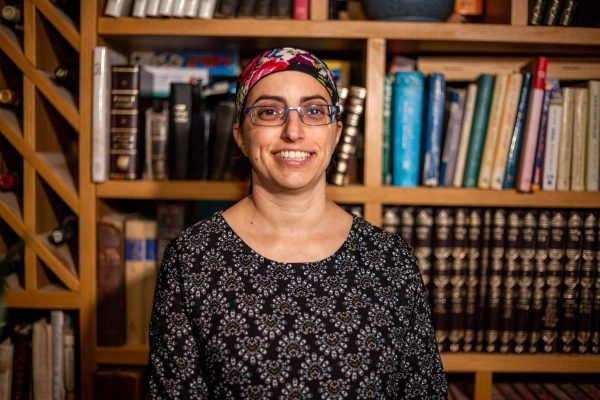
קרן פוגל
רתמים, ישראל
התחלתי ללמוד דף לפני קצת יותר מ-5 שנים, כשלמדתי רבנות בישיבת מהר”ת בניו יורק. בדיעבד, עד אז, הייתי בלימוד הגמרא שלי כמו מישהו שאוסף חרוזים משרשרת שהתפזרה, פה משהו ושם משהו, ומאז נפתח עולם ומלואו…. הדף נותן לי לימוד בצורה מאורגנת, שיטתית, יום-יומית, ומלמד אותי לא רק ידע אלא את השפה ודרך החשיבה שלנו. לשמחתי, יש לי סביבה תומכת וההרגשה שלי היא כמו בציטוט שבחרתי: הדף משפיע לטובה על כל היום שלי.

מיכל כהנא
חיפה, ישראל
התחלתי לפני כמה שנים אבל רק בסבב הזה זכיתי ללמוד יום יום ולסיים מסכתות

סיגל טל
רעננה, ישראל
התחלתי ללמוד גמרא בבית הספר בגיל צעיר והתאהבתי. המשכתי בכך כל חיי ואף היייתי מורה לגמרא בבית הספר שקד בשדה אליהו (בית הספר בו למדתי בילדותי)בתחילת מחזור דף יומי הנוכחי החלטתי להצטרף ובע”ה מקווה להתמיד ולהמשיך. אני אוהבת את המפגש עם הדף את "דרישות השלום ” שמקבלת מקשרים עם דפים אחרים שלמדתי את הסנכרון שמתחולל בין התכנים.

אריאלה ביגמן
מעלה גלבוע, ישראל
A life-changing journey started with a Chanukah family tiyul to Zippori, home of the Sanhedrin 2 years ago and continued with the Syum in Binanei Hauma where I was awed by the energy of 3000 women dedicated to learning daf Yomi. Opening my morning daily with a fresh daf, I am excited with the new insights I find enriching my life and opening new and deeper horizons for me.

בקי גולדשטיין
Elazar gush etzion, Israel
התחלתי ללמוד לפני 4.5 שנים, כשהודיה חברה שלי פתחה קבוצת ווטסאפ ללימוד דף יומי בתחילת מסכת סנהדרין. מאז לימוד הדף נכנס לתוך היום-יום שלי והפך לאחד ממגדירי הזהות שלי ממש.

קרן רוזנברג
ירושלים, ישראל
אני לומדת גמרא כעשור במסגרות שונות, ואת הדף היומי התחלתי כשחברה הציעה שאצטרף אליה לסיום בבנייני האומה. מאז אני לומדת עם פודקסט הדרן, משתדלת באופן יומי אך אם לא מספיקה, מדביקה פערים עד ערב שבת. בסבב הזה הלימוד הוא "ממעוף הציפור”, מקשיבה במהירות מוגברת תוך כדי פעילויות כמו בישול או נהיגה, וכך רוכשת היכרות עם הסוגיות ואופן ניתוחם על ידי חז”ל. בע”ה בסבב הבא, ואולי לפני, אצלול לתוכו באופן מעמיק יותר.

יעל ביר
רמת גן, ישראל
התחלתי ללמוד דף יומי בתחילת מסכת ברכות, עוד לא ידעתי כלום. נחשפתי לסיום הש״ס, ובעצם להתחלה מחדש בתקשורת, הפתיע אותי לטובה שהיה מקום לעיסוק בתורה.
את המסכתות הראשונות למדתי, אבל לא סיימתי (חוץ מעירובין איכשהו). השנה כשהגעתי למדרשה, נכנסתי ללופ, ואני מצליחה להיות חלק, סיימתי עם החברותא שלי את כל המסכתות הקצרות, גם כשהיינו חולות קורונה ובבידודים, למדנו לבד, העיקר לא לצבור פער, ומחכות ליבמות 🙂

עדן ישורון
מזכרת בתיה, ישראל
התחלתי לפני 8 שנים במדרשה. לאחרונה סיימתי מסכת תענית בלמידה עצמית ועכשיו לקראת סיום מסכת מגילה.

דניאלה ברוכים
רעננה, ישראל
התחלתי ללמוד דף יומי בסבב הקודם. זכיתי לסיים אותו במעמד המרגש של הדרן. בסבב הראשון ליווה אותי הספק, שאולי לא אצליח לעמוד בקצב ולהתמיד. בסבב השני אני לומדת ברוגע, מתוך אמונה ביכולתי ללמוד ולסיים. בסבב הלימוד הראשון ליוותה אותי חוויה מסויימת של בדידות. הדרן העניקה לי קהילת לימוד ואחוות נשים. החוויה של סיום הש”ס במעמד כה גדול כשנשים שאינן מכירות אותי, שמחות ומתרגשות עבורי , היתה חוויה מרוממת נפש

אילנית ווייל
קיבוץ מגדל עוז, ישראל
התחלתי ללמוד דף לפני קצת יותר מ-5 שנים, כשלמדתי רבנות בישיבת מהר”ת בניו יורק. בדיעבד, עד אז, הייתי בלימוד הגמרא שלי כמו מישהו שאוסף חרוזים משרשרת שהתפזרה, פה משהו ושם משהו, ומאז נפתח עולם ומלואו…. הדף נותן לי לימוד בצורה מאורגנת, שיטתית, יום-יומית, ומלמד אותי לא רק ידע אלא את השפה ודרך החשיבה שלנו. לשמחתי, יש לי סביבה תומכת וההרגשה שלי היא כמו בציטוט שבחרתי: הדף משפיע לטובה על כל היום שלי.
מיכל כהנא
חיפה, ישראל
התחלתי מעט לפני תחילת הסבב הנוכחי. אני נהנית מהאתגר של להמשיך להתמיד, מרגעים של "אהה, מפה זה הגיע!” ומהאתגר האינטלקטואלי

אילת-חן ודלר
לוד, ישראל
באירוע של הדרן בנייני האומה. בהשראתה של אמי שלי שסיימה את הש”ס בסבב הקודם ובעידוד מאיר , אישי, וילדיי וחברותיי ללימוד במכון למנהיגות הלכתית של רשת אור תורה סטון ומורתיי הרבנית ענת נובוסלסקי והרבנית דבורה עברון, ראש המכון למנהיגות הלכתית.
הלימוד מעשיר את יומי, מחזיר אותי גם למסכתות שכבר סיימתי וידוע שאינו דומה מי ששונה פרקו מאה לשונה פרקו מאה ואחת במיוחד מרתקים אותי החיבורים בין המסכתות
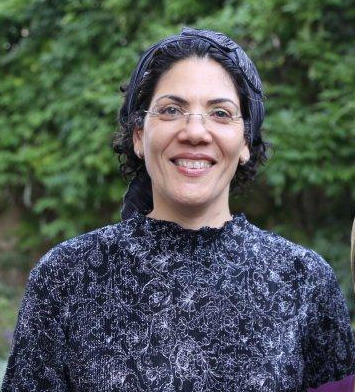
רוית קלך
מודיעין, ישראל
שמעתי על הסיום הענק של הדף היומי ע”י נשים בבנייני האומה. רציתי גם.
החלטתי להצטרף. התחלתי ושיכנעתי את בעלי ועוד שתי חברות להצטרף. עכשיו יש לי לימוד משותף איתו בשבת ומפגש חודשי איתן בנושא (והתכתבויות תדירות על דברים מיוחדים שקראנו). הצטרפנו לקבוצות שונות בווטסאפ. אנחנו ממש נהנות. אני שומעת את השיעור מידי יום (בד”כ מהרב יוני גוטמן) וקוראת ומצטרפת לסיומים של הדרן. גם מקפידה על דף משלהן (ונהנית מאד).

ליאת סיטרון
אפרת, ישראל
הצטרפתי ללומדות בתחילת מסכת תענית. ההתרגשות שלי ושל המשפחה היתה גדולה מאוד, והיא הולכת וגוברת עם כל סיום שאני זוכה לו. במשך שנים רבות רציתי להצטרף ומשום מה זה לא קרה… ב”ה מצאתי לפני מספר חודשים פרסום של הדרן, ומיד הצטרפתי והתאהבתי. הדף היומי שינה את חיי ממש והפך כל יום- ליום של תורה. מודה לכן מקרב ליבי ומאחלת לכולנו לימוד פורה מתוך אהבת התורה ולומדיה.

נעה רוזן
חיספין רמת הגולן, ישראל
התחלתי ללמוד דף יומי בסבב הקודם. זכיתי לסיים אותו במעמד המרגש של הדרן. בסבב הראשון ליווה אותי הספק, שאולי לא אצליח לעמוד בקצב ולהתמיד. בסבב השני אני לומדת ברוגע, מתוך אמונה ביכולתי ללמוד ולסיים. בסבב הלימוד הראשון ליוותה אותי חוויה מסויימת של בדידות. הדרן העניקה לי קהילת לימוד ואחוות נשים. החוויה של סיום הש”ס במעמד כה גדול כשנשים שאינן מכירות אותי, שמחות ומתרגשות עבורי , היתה חוויה מרוממת נפש
אילנית ווייל
קיבוץ מגדל עוז, ישראל
כבר סיפרתי בסיום של מועד קטן.
הלימוד מאוד משפיעה על היום שלי כי אני לומדת עם רבנית מישל על הבוקר בזום. זה נותן טון לכל היום – בסיס למחשבות שלי .זה זכות גדול להתחיל את היום בלימוד ובתפילה. תודה רבה !

שרה ברלוביץ
ירושלים, ישראל
אחי, שלומד דף יומי ממסכת ברכות, חיפש חברותא ללימוד מסכת ראש השנה והציע לי. החברותא היתה מאתגרת טכנית ורוב הזמן נעשתה דרך הטלפון, כך שבסיום המסכת נפרדו דרכינו. אחי חזר ללמוד לבד, אבל אני כבר נכבשתי בקסם הגמרא ושכנעתי את האיש שלי להצטרף אלי למסכת ביצה. מאז המשכנו הלאה, ועכשיו אנחנו מתרגשים לקראתו של סדר נשים!

שולמית סבן
נוקדים, ישראל
התחלתי ללמוד לפני כשנתיים בשאיפה לסיים לראשונה מסכת אחת במהלך חופשת הלידה.
אחרי מסכת אחת כבר היה קשה להפסיק…

נעה גלנט
ירוחם, ישראל
התחלתי ללמוד בסבב הנוכחי לפני כשנתיים .הסביבה מתפעלת ותומכת מאוד. אני משתדלת ללמוד מכל ההסכתים הנוספים שיש באתר הדרן. אני עורכת כל סיום מסכת שיעור בביתי לכ20 נשים שמחכות בקוצר רוח למפגשים האלו.
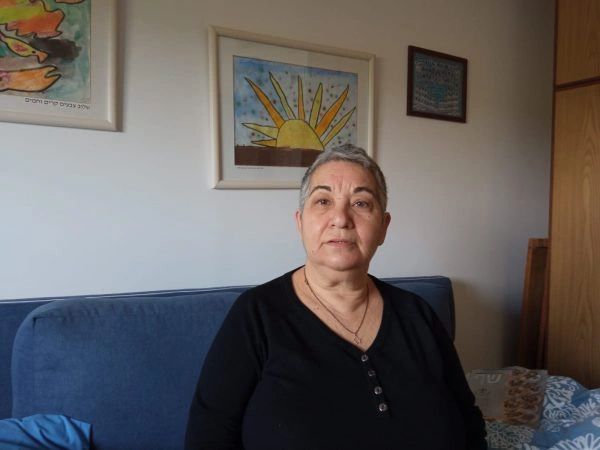
יעל אשר
יהוד, ישראל
חולין יז
וְכׇל שֶׁכֵּן הַשְׁתָּא דְּאַרְחִיקוּ לְהוּ טְפֵי.
And, if so, all the more so now, in exile, when they are even more distant from the Temple, the meat of desire should be permitted. Consequently, it is unnecessary for the mishna to teach this halakha.
אֶלָּא אָמַר רַב יוֹסֵף: רַבִּי עֲקִיבָא הִיא, דְּתַנְיָא: ״כִּי יִרְחַק מִמְּךָ הַמָּקוֹם אֲשֶׁר יִבְחַר ה׳ אֱלֹהֶיךָ לָשׂוּם שְׁמוֹ שָׁם וְזָבַחְתָּ מִבְּקָרְךָ וּמִצֹּאנְךָ״, רַבִּי עֲקִיבָא אוֹמֵר: לֹא בָּא הַכָּתוּב אֶלָּא לֶאֱסוֹר לָהֶן בְּשַׂר נְחִירָה, שֶׁבַּתְּחִלָּה הוּתַּר לָהֶן בְּשַׂר נְחִירָה, מִשֶּׁנִּכְנְסוּ לָאָרֶץ נֶאֱסַר לָהֶן בְּשַׂר נְחִירָה.
Rather, Rav Yosef said: The tanna who teaches this halakha is Rabbi Akiva, as it is taught in a baraita with regard to the verse: “If the place that the Lord your God shall choose to put His name there be too far from you, then you shall slaughter of your herd and of your flock” (Deuteronomy 12:21), Rabbi Akiva says: The verse comes only to prohibit for them consumption of meat of an animal killed by means of stabbing rather than valid slaughter, as, initially, the meat of stabbing was permitted for them. When they entered into Eretz Yisrael, the meat of stabbing was forbidden to them, and it was permitted to eat the meat of an animal only after valid slaughter.
וְעַכְשָׁיו שֶׁגָּלוּ, יָכוֹל יַחְזְרוּ לְהֶתֵּירָן הָרִאשׁוֹן? לְכָךְ שָׁנִינוּ: לְעוֹלָם שׁוֹחֲטִין.
Rav Yosef added: And now that the Jewish people were exiled, might one have thought that stabbed animals are restored to their initial permitted state? Therefore, we learned in the mishna: One must always slaughter the animal to eat its meat.
בְּמַאי קָמִיפַּלְגִי? רַבִּי עֲקִיבָא סָבַר: בְּשַׂר תַּאֲוָה לָא אִיתְּסַר כְּלָל, רַבִּי יִשְׁמָעֵאל סָבַר: בְּשַׂר נְחִירָה לָא אִישְׁתְּרִי כְּלָל.
The Gemara asks: With regard to what principle do they disagree? The Gemara answers that Rabbi Akiva holds: The meat of desire was not forbidden at all, and Rabbi Yishmael holds: The meat of stabbing was not permitted at all.
בִּשְׁלָמָא לְרַבִּי יִשְׁמָעֵאל, הַיְינוּ דִּכְתִיב ״וְשָׁחַט אֶת בֶּן הַבָּקָר״, אֶלָּא לְרַבִּי עֲקִיבָא מַאי ״וְשָׁחַט״? קָדָשִׁים שָׁאנֵי.
The Gemara asks a series of questions: Granted, according to Rabbi Yishmael, who holds that the meat of stabbing was forbidden in the wilderness, that is the meaning of that which is written with regard to the burnt offerings sacrificed in the Tabernacle: “And he shall slaughter the young bull” (Leviticus 1:5). But according to Rabbi Akiva, what is the meaning of: “And he shall slaughter”? Why would he slaughter it if stabbing is permitted? The Gemara answers: Sacrificial animals are different, as slaughter is required in that case. By contrast, there was no obligation to slaughter non-sacrificial animals to eat their meat.
בִּשְׁלָמָא לְרַבִּי יִשְׁמָעֵאל, הַיְינוּ דִּכְתִיב ״הֲצֹאן וּבָקָר יִשָּׁחֵט לָהֶם״, אֶלָּא לְרַבִּי עֲקִיבָא מַאי ״הֲצֹאן וּבָקָר יִשָּׁחֵט לָהֶם״? ״יִנָּחֵר לָהֶם״ מִיבְּעֵי לֵיהּ! נְחִירָה שֶׁלָּהֶן זוֹ הִיא שְׁחִיטָתָן.
Granted, according to Rabbi Yishmael, who holds that the meat of stabbing was forbidden in the wilderness, that is the meaning of that which is written: “Will flocks and herds be slaughtered for them” (Numbers 11:22), indicating that they slaughtered the animals in the wilderness. But according to Rabbi Akiva, what is the meaning of: “Will flocks and herds be slaughtered for them”? Ostensibly, the words: Be stabbed for them, should have been written. The Gemara answers: In the wilderness, their stabbing is their slaughter.
בִּשְׁלָמָא לְרַבִּי יִשְׁמָעֵאל – הַיְינוּ דִּתְנַן: הַשּׁוֹחֵט וְנִתְנַבְּלָה בְּיָדוֹ, וְהַנּוֹחֵר וְהַמְעַקֵּר – פָּטוּר מִלְּכַסּוֹת, אֶלָּא לְרַבִּי עֲקִיבָא אַמַּאי פָּטוּר מִלְּכַסּוֹת?
Granted, according to Rabbi Yishmael, that is the meaning of that which we learned in a mishna (85a) with regard to the mitzva of covering the blood of an undomesticated animal or a bird: One who slaughters an undomesticated animal and the slaughter is not valid and it became an unslaughtered carcass by his hand, and one who stabs an animal, and one who rips the simanim from their place before cutting them, invalidating the slaughter, is exempt from covering the blood. One must cover the blood of only an animal whose slaughter was valid. But according to Rabbi Akiva, why is one exempt from covering the blood of an animal that was stabbed, since in his opinion when they were commanded to cover blood, animals that were stabbed were permitted?
הוֹאִיל וְאִיתְּסַר, אִיתְּסַר.
The Gemara answers: Since the meat of stabbing was forbidden, it was forbidden, and the halakhic status of stabbing is no longer that of slaughtering.
בִּשְׁלָמָא לְרַבִּי עֲקִיבָא, דְּאָמַר בְּשַׂר תַּאֲוָה לָא אִיתְּסַר כְּלָל – הַיְינוּ דִּכְתִיב: ״אַךְ כַּאֲשֶׁר יֵאָכֵל אֶת הַצְּבִי וְאֶת הָאַיָּל כֵּן תֹּאכְלֶנּוּ״, אֶלָּא לְרַבִּי יִשְׁמָעֵאל, צְבִי וְאַיָּל גּוּפֵיהּ מִי הֲוֵי שְׁרֵי?
Granted, according to Rabbi Akiva, who says that the meat of desire was not forbidden at all, that is the meaning of that which is written before they entered Eretz Yisrael: “However, as the gazelle and as the deer is eaten, so shall you eat of it, the pure and the impure may eat of it alike” (Deuteronomy 12:22). This means that just as it is permitted to eat the meat of a gazelle and a deer in the wilderness in a state of ritual impurity, so may you eat them when you enter Eretz Yisrael, although at that point it will be prohibited to stab them and eat their meat, as their meat will be permitted only through slaughter. But according to Rabbi Yishmael, who holds that the meat of desire was forbidden in the wilderness, were the gazelle and the deer themselves permitted in the wilderness? They are not brought as offerings.
כִּי אֲסַר רַחֲמָנָא – בְּהֵמָה דְּחַזְיָא לְהַקְרָבָה, אֲבָל חַיָּה דְּלָא חַזְיָא לְהַקְרָבָה – לָא אֲסַר רַחֲמָנָא.
The Gemara answers: When the Merciful One rendered the meat of desire forbidden, that was specifically the meat of a domesticated animal that is fit for sacrifice. But the Merciful One did not render forbidden undomesticated animals that are not fit for sacrifice.
בָּעֵי רַבִּי יִרְמְיָה: אֵבְרֵי בְּשַׂר נְחִירָה שֶׁהִכְנִיסוּ יִשְׂרָאֵל עִמָּהֶן לָאָרֶץ, מַהוּ?
§ Rabbi Yirmeya raises a dilemma according to the opinion of Rabbi Akiva, who says that the meat of stabbing was permitted in the wilderness: With regard to the limbs of the meat of stabbing that the Jewish people took with them into Eretz Yisrael, what is their halakhic status?
אֵימַת? אִילֵּימָא בְּשֶׁבַע שֶׁכִּבְּשׁוּ – הַשְׁתָּא דָּבָר טָמֵא אִישְׁתְּרִי לְהוּ, דִּכְתִיב: ״וּבָתִּים מְלֵאִים כׇּל טוּב״, וְאָמַר רַבִּי יִרְמְיָה בַּר אַבָּא אָמַר רַב: כֻּתְלֵי דַּחֲזִירֵי – בְּשַׂר נְחִירָה מִבַּעְיָא?
The Gemara asks: When? With regard to what period does Rabbi Yirmeya raise his dilemma? If we say that the dilemma is with regard to the seven years during which they conquered the land, now, non-kosher items were permitted for them during that period, as it is written: “And it shall be, when the Lord your God shall bring you into the land that He swore to your fathers, and houses full of all good things…and you shall eat and be satisfied” (Deuteronomy 6:10–11), and Rabbi Yirmeya bar Abba says that Rav says: Cuts of pig meat [kotlei daḥazirei] that they found in the houses were permitted for them; is it necessary to say that the meat from the stabbing of a kosher animal was permitted?
אֶלָּא, לְאַחַר מִכָּאן. וְאִיבָּעֵית אֵימָא: לְעוֹלָם בְּשֶׁבַע שֶׁכִּבְּשׁוּ, כִּי אִשְׁתְּרִי לְהוּ שָׁלָל שֶׁל גּוֹיִם – דִּידְהוּ לָא אִישְׁתְּרִי. תֵּיקוּ.
Rather, Rabbi Yirmeya’s dilemma is with regard to the period thereafter. And if you wish, say instead: Actually, his dilemma is with regard to the seven years during which they conquered the land, as perhaps when the forbidden food was permitted for them, it was specifically food from the spoils of gentiles, but their own forbidden food was not permitted. The Gemara concludes: The dilemma shall stand unresolved.
אָמַר רַבָּה: שַׁנֵּית ״הַכֹּל שׁוֹחֲטִין״ וּ״לְעוֹלָם שׁוֹחֲטִין״, ״בַּכֹּל שׁוֹחֲטִים״ – מַאי מְשַׁנֵּית לֵיהּ?
§ Rabba says: You explained the phrases in the mishna: All slaughter, and: One may always slaughter. In what way do you explain the phrase: One may slaughter with any item that cuts?
וְכִי תֵּימָא, בֵּין בְּצוֹר בֵּין בִּזְכוּכִית בֵּין בִּקְרוּמִית שֶׁל קָנֶה, הָא דּוּמְיָא דְּהָנָךְ קָתָנֵי; אִי הָנָךְ בְּשׁוֹחֲטִין – הַאי נָמֵי בְּשׁוֹחֲטִין, וְאִי הָנָךְ בְּנִשְׁחָטִין – הַאי נָמֵי בְּנִשְׁחָטִין.
And if you would say that it means: Whether with a flint, or with glass shards, or with the stalk of a reed, but isn’t this phrase taught in a manner similar to those other phrases in the mishna? If these phrases: All slaughter, and: One may always slaughter, are referring to those that slaughter, this phrase too is referring to those that slaughter; and if those phrases are referring to those that are slaughtered, this phrase too is referring to those that are slaughtered. The first two phrases in the mishna were explained as referring to the animals that are slaughtered. The first phrase was interpreted to include birds, and the second phrase was interpreted as referring to the halakha that meat may be eaten only through slaughter of the animal.
אֶלָּא אָמַר רָבָא: ״הַכֹּל שׁוֹחֲטִין״, חֲדָא לְאֵתוֹיֵי כּוּתִי, וַחֲדָא לְאֵתוֹיֵי יִשְׂרָאֵל מְשׁוּמָּד. ״לְעוֹלָם שׁוֹחֲטִין״ – בֵּין בַּיּוֹם בֵּין בַּלַּיְלָה, בֵּין בְּרֹאשׁ הַגָּג בֵּין בְּרֹאשׁ הַסְּפִינָה. ״בַּכֹּל שׁוֹחֲטִין״ – בֵּין בְּצוֹר, בֵּין בִּזְכוּכִית, בֵּין בִּקְרוּמִית שֶׁל קָנֶה.
Rather, Rava said that the entire mishna is referring to those that slaughter. The initial phrase means everyone [hakkol] slaughters. Although an identical phrase was used in the first mishna (2a), both are necessary: One is to include a Samaritan and one is to include a Jewish transgressor. The second phrase: One may always slaughter, means both during the day and at night, both on a rooftop and atop a ship, and there is no concern that it will appear that he is slaughtering in an idolatrous manner to the hosts of heaven or to the god of the sea. The phrase: One may slaughter with any item that cuts, means: Whether with a flint, or with glass shards, or with the stalk of a reed.
חוּץ מִמַּגַּל קָצִיר וְהַמְּגֵירָה. אֲבוּהּ דִּשְׁמוּאֵל פְּגַם וְשַׁדַּר, פְּגַם וְשַׁדַּר. שְׁלַחוּ לֵיהּ: כִּמְגֵירָה שָׁנִינוּ.
The mishna states: Except for the serrated side of the harvest sickle, and the saw. Shmuel’s father would notch a knife and send it to Eretz Yisrael to ask if it is fit for slaughter, and would notch a knife in a different manner and send it to Eretz Yisrael in order to determine the type of notch that invalidates slaughter. They sent to him from Eretz Yisrael that the principle is: We learned that the notch that invalidates slaughter is like a saw, whose teeth point upward, as it rips the simanim with every draw of the knife back and forth.
תָּנוּ רַבָּנַן:
The Sages taught in a baraita:
סַכִּין שֶׁיֵּשׁ בָּהּ פְּגִימוֹת הַרְבֵּה – תִּידּוֹן כִּמְגֵירָה, וְשֶׁאֵין בָּהּ אֶלָּא פְּגִימָה אַחַת: אוֹגֶרֶת – פְּסוּלָה, מְסוּכְסֶכֶת – כְּשֵׁרָה. הֵיכִי דָּמְיָא אוֹגֶרֶת? הֵיכִי דָּמְיָא מְסוּכְסֶכֶת? אָמַר רַבִּי אֱלִיעֶזֶר: אוֹגֶרֶת – מִשְׁתֵּי רוּחוֹת, מְסוּכְסֶכֶת – מֵרוּחַ אַחַת.
The status of a knife in which there are several notches is considered like that of a saw; and with regard to a knife in which there is only one notch, if it catches, the slaughter is unfit, but if it entangles [mesukhsekhet], the slaughter is fit. What are the circumstances of a notch that catches, and what are the circumstances of a notch that entangles? Rabbi Eliezer said: A notch that catches is one that has a sharp edge on two sides, while a notch that entangles is one that has a sharp edge on one side.
מַאי שְׁנָא מִשְׁתֵּי רוּחוֹת, דְּמוּרְשָׁא קַמָּא מַחְלֵישׁ וּמוּרְשָׁא בָּתְרָא בָּזַע? מֵרוּחַ אַחַת נָמֵי, חוּרְפָּא דְּסַכִּינָא מַחְלֵישׁ, מוּרְשָׁא בָּזַע! דְּקָאֵים אַרֵישָׁא דְּסַכִּינָא. סוֹף סוֹף, כִּי אָזְלָא מַחְלְשָׁא, כִּי (אתא בזע) [אָתְיָא בָּזְעָה]! כְּגוֹן שֶׁהוֹלִיךְ וְלֹא הֵבִיא.
The Gemara challenges this explanation: What is different about a notch with a sharp edge on two sides, where the first edge [moresha] compromises the neck by removing the hide and the flesh, and the latter edge rips the simanim; in the case of a notch with a sharp edge on one side too, the sharp tip of the knife compromises the neck and the edge of the notch rips the simanim. The Gemara explains: The reference is to a notch that stands at the top of the knife, which begins the slaughter. The Gemara objects: Ultimately, when the knife goes in one direction it compromises the neck and when it comes back in the other direction it rips the simanim. The Gemara explains: The reference is to a case where he drew the knife backward and did not draw it forward.
אָמַר רָבָא: שָׁלֹשׁ מִדּוֹת בְּסַכִּין – אוֹגֶרֶת – לֹא יִשְׁחוֹט, וְאִם שָׁחַט – שְׁחִיטָתוֹ פְּסוּלָה. מְסוּכְסֶכֶת – לֹא יִשְׁחוֹט בָּהּ לְכִתְחִלָּה, וְאִם שָׁחַט – שְׁחִיטָתוֹ כְּשֵׁרָה. עוֹלֶה וְיוֹרֵד בְּסַכִּין – שׁוֹחֵט בָּהּ לְכַתְּחִלָּה.
Rava says: There are three types of notches in a knife. If the notch catches, one may not slaughter with it, and if he slaughtered, his slaughter is not valid. If the notch entangles, one may not slaughter with it ab initio; and if he slaughtered with it, his slaughter is valid after the fact. If the notch rises and falls in the knife and has no sharp edges, one may slaughter with it ab initio.
אֲמַר לֵיהּ רַב הוּנָא בְּרֵיהּ דְּרַב נְחֶמְיָה לְרַב אָשֵׁי: אֲמַרְתְּ לַן מִשְּׁמֵיהּ דְּרָבָא: מְסוּכְסֶכֶת פְּסוּלָה, וְהָא אָמַר רָבָא: מְסוּכְסֶכֶת כְּשֵׁרָה! לָא קַשְׁיָא: כָּאן שֶׁהוֹלִיךְ וְהֵבִיא, כָּאן שֶׁהוֹלִיךְ וְלֹא הֵבִיא.
Rav Huna, son of Rav Neḥemya, said to Rav Ashi: You said to us in the name of Rava that if the notch entangles, the slaughter is not valid. But doesn’t Rava say: If the notch entangles, the slaughter is valid? Rav Ashi answers: This is not difficult. Here, where Rava says that the slaughter is not valid, is in a case where he drew the knife back and forth. There, where Rava says that the slaughter is valid, is in a case where he drew the knife backward and did not draw it forward.
אֲמַר לֵיהּ רַב אַחָא בְּרֵיהּ דְּרַב אַוְיָא לְרַב אָשֵׁי: דָּמְיָא לְסָאסָא, מַאי? אֲמַר לֵיהּ: מַאן יָהֵיב לַן מִבִּשְׂרֵיהּ וְאָכְלִינַן.
Rav Aḥa, son of Rav Avya, said to Rav Ashi: If the knife was similar to an awn of grain [sasa], which is not perfectly smooth but does not have actual notches, what is the halakha? Rav Ashi said to him: Who will give us from the meat of an animal slaughtered with that knife, and we will eat it.
אָמַר רַב חִסְדָּא: מִנַּיִן לִבְדִיקַת סַכִּין מִן הַתּוֹרָה? שֶׁנֶּאֱמַר: ״וּשְׁחַטְתֶּם בָּזֶה וַאֲכַלְתֶּם״.
§ Rav Ḥisda says: From where is it derived that examination of a knife is an obligation by Torah law? It is derived from a verse, as it is stated with regard to Saul’s instructions to the people: “And slaughter with this and eat” (I Samuel 14:34), indicating that Saul gave them the knife only after ensuring that it was fit to slaughter their animals.
פְּשִׁיטָא, כֵּיוָן דְּכִי נְקַב טְרֵיפָה, בָּעֲיָא בְּדִיקָה לְחָכָם קָאָמְרִינַן! וְהָאָמַר רַבִּי יוֹחָנָן: לֹא אָמְרוּ לְהַרְאוֹת סַכִּין לְחָכָם אֶלָּא מִפְּנֵי כְּבוֹדוֹ שֶׁל חָכָם! מִדְּרַבָּנַן, וּקְרָא אַסְמַכְתָּא בְּעָלְמָא הוּא.
The Gemara asks: Isn’t it obvious that a knife must be examined before slaughter? Since were one to create a perforation in the gullet, the animal would be a tereifa, therefore the knife requires examination to prevent that situation. The Gemara answers: We are saying that a source for the halakha that one must show the knife to a Torah scholar for examination is needed. The Gemara asks: Is that an obligation by Torah law? But doesn’t Rabbi Yoḥanan say that the Sages said to show the knife to a Torah scholar only due to the requirement to show deference to the Torah scholar? The Gemara answers: Indeed, it is a requirement by rabbinic law, and the verse is cited as a mere support for that practice, not as a source.
בְּמַעְרְבָא בָּדְקִי לַהּ בְּשִׁימְשָׁא, בִּנְהַרְדְּעָא בָּדְקוּ לַהּ בְּמַיָּא, רַב שֵׁשֶׁת בָּדֵק לַהּ בְּרֵישׁ לִישָּׁנֵיהּ, רַב אַחָא בַּר יַעֲקֹב בָּדֵק לַהּ בְּחוּט הַשַּׂעֲרָה.
The Gemara notes: In the West, Eretz Yisrael, they examine the knife in the sun to determine whether there is a notch. In Neharde’a they examine the knife with water. They would place the blade on the surface of the water, and if there was a notch, it would noticeably alter the surface of the water. Rav Sheshet would examine it with the tip of his tongue. Rav Aḥa bar Ya’akov would examine it with a strand of hair. He would pass the strand over the blade of the knife and if there was a notch, it would be caught in that notch.
בְּסוּרָא אָמְרִי: בִּישְׂרָא אָכְלָה, בִּישְׂרָא לִבְדְּקַהּ. אָמַר רַב פָּפָּא: צְרִיכָא בְּדִיקָה אַבִּישְׂרָא, וְאַטּוּפְרָא, וְאַתְּלָתָא רוּחָתָא.
In Sura they say: The knife consumes the flesh; let the flesh examine the knife. Since the concern is that the knife will rip the flesh during the slaughter, it should be examined by passing it on the tongue or the fingertip. Rav Pappa said: The knife requires examination on the flesh, and on the fingernail, and on the three sides of the knife, i.e., the blade and the two sides of the knife.
אֲמַר לֵיהּ רָבִינָא לְרַב אָשֵׁי: אָמַר לַן רַב סַמָּא בְּרֵיהּ דְּרַב מְשַׁרְשְׁיָא מִשְּׁמָךְ, דַּאֲמַרְתְּ לֵיהּ מִשְּׁמֵיהּ דְּרָבָא: צְרִיכָא בְּדִיקָה אַבִּישְׂרָא וְאַטּוּפְרָא וְאַתְּלָתָא רוּחָתָא. אֲמַר לֵיהּ: אַבִּישְׂרָא וְאַטּוּפְרָא אֲמַרִי, וְאַתְּלָתָא רוּחָתָא לָא אֲמַרִי. אִיכָּא דְּאָמְרִי: אַבִּישְׂרָא וְאַטּוּפְרָא וְאַתְּלָתָא רוּחָתָא אֲמַרִי, מִשְּׁמֵיהּ דְּרָבָא לָא אֲמַרִי.
Ravina said to Rav Ashi: Rav Sama, son of Rav Mesharshiyya, said to us in your name that which you said to him in the name of Rava: The knife requires examination on the flesh, and on the fingernail, and on the three sides. Rav Ashi said to Ravina: On the flesh and on the fingernail I said, and on the three sides I did not say. There are those who say that Rav Ashi said to him: On the flesh and on the fingernail and on the three sides I said, and in the name of Rava I did not say.
רָבִינָא וְרַב אַחָא בְּרֵיהּ דְּרָבָא הֲווֹ יָתְבִי קַמֵּיהּ דְּרַב אָשֵׁי, אַיְיתוֹ סַכִּין לְקַמֵּיהּ דְּרַב אָשֵׁי לִבְדְּקַהּ. אֲמַר לֵיהּ לְרַב אַחָא בְּרֵיהּ דְּרָבָא: בִּידְקַהּ. בַּדְקַהּ אַטּוּפְרָא וְאַבִּישְׂרָא וְאַתְּלָתָא רוּחָתָא. אֲמַר לֵיהּ: יִישַׁר, וְכֵן אָמַר רַב כָּהֲנָא.
Ravina and Rav Aḥa, son of Rava, were sitting before Rav Ashi. People brought a knife before Rav Ashi to examine it. Rav Ashi said to Rav Aḥa, son of Rava: Examine it. He examined it on the fingernail, and on the flesh, and on the three sides. Rav Ashi said to him: Well done, and Rav Kahana likewise said that this is the way to examine a knife.
רַב יֵימַר אֲמַר: אַטֻּופְרָא וְאַבִּישְׂרָא צְרִיכָא, אַתְּלָתָא רוּחָתָא לָא צְרִיכָא. מִי לָא אָמַר רַבִּי זֵירָא אָמַר שְׁמוּאֵל: לִיבֵּן סַכִּין וְשָׁחַט בָּהּ – שְׁחִיטָתוֹ כְּשֵׁרָה, שֶׁחִידּוּדָהּ קוֹדֶם לְלִיבּוּנָהּ; וְקַשְׁיָא לַן: הָאִיכָּא צְדָדִין! וְאָמְרִינַן: בֵּית הַשְּׁחִיטָה מִרְוָוח רָוַוח. הָכָא נָמֵי, בֵּית הַשְּׁחִיטָה מִרְוָוח רָוַוח.
Rav Yeimar said: Examination on the fingernail and on the flesh is necessary, and examination on the three sides is not necessary. Doesn’t Rabbi Zeira say that Shmuel says: If one heated a knife until it became white hot and slaughtered an animal with it, his slaughter is valid, as its sharp blade preceded the effect of its white heat; and it is difficult for us: But aren’t there the sides of the knife, which burn the throat and render the animal a tereifa? And we say: The area of the slaughter in the throat separates quickly after the incision, and the tissue on either side of the incision is not seared by the white hot blade. Here too, the area of slaughter separates quickly, and notches on the side of the knife do not come in contact with the simanim.
אָמַר רַב הוּנָא בַּר רַב קַטִּינָא אָמַר רַבִּי שִׁמְעוֹן בֶּן לָקִישׁ, שָׁלֹשׁ פְּגִימוֹת הֵן: פְּגִימַת עֶצֶם בַּפֶּסַח, פְּגִימַת אוֹזֶן בִּבְכוֹר, פְּגִימַת מוּם בְּקָדָשִׁים.
§ Rav Huna bar Rav Ketina says that Rabbi Shimon ben Lakish says that there are three deficiencies with the same measure, as follows: The deficiency of a bone in the Paschal offering, with regard to which it is written: “Neither shall you break a bone therein” (Exodus 12:46); the deficiency of an ear in a firstborn animal that renders it blemished and unfit for sacrifice, in which case a priest may slaughter it anywhere and eat it; and the deficiency that constitutes a blemish in other forms of sacrificial animals.
וְרַב חִסְדָּא אָמַר: אַף פְּגִימַת סַכִּין. וְאִידַּךְ בְּחוּלִּין לָא קָא מַיְירֵי.
And Rav Ḥisda says: There is the deficiency of a knife as well. The Gemara asks: And the other amora, Rabbi Shimon ben Lakish, why does he not include the knife? The Gemara answers: He does not include it because he is not speaking with regard to non-sacred animals.
וְכוּלָּן, פְּגִימָתָן כְּדֵי פְּגִימַת הַמִּזְבֵּחַ.
Rav Ḥisda continues: And with regard to all of these deficiencies, the measure of their deficiency is equivalent to the measure of deficiency that renders the altar unfit.
לעקוב

