








דף-נלווה-חולין-כא. דף נלווה חולין כא מה קובע שהבהמה נחשבת נבלה או שהאדם מטמא טומאת אוהל? מהי מחלוקת חכמים ור’ אלעזר בר’ שמעון לגבי שחיטת הסימנים בעולת העוף – האם צריך לשחוט את הכל או רק רוב? מאיפה לומדים את זה מהתורה?
רוצה להקדיש לימוד?
חולין כא
מִכׇּל מָקוֹם קַשְׁיָא! אָמַר רָבָא, אֵימָא: וְכֵן הוּא עוֹשֶׂה – חוֹתֵךְ שִׁדְרָה וּמַפְרֶקֶת בְּלֹא רוֹב בָּשָׂר.
In any case, the statement of Ze’eiri remains difficult. What is the significance of pinching a dead bird? Rava said: Say in explanation: And likewise he does when he pinches, he cuts the spinal column and the neck bone without a majority of the surrounding flesh and then he pinches the simanim.
כִּי סָלֵיק רַבִּי זֵירָא, אַשְׁכְּחֵיהּ לְרַבִּי אַמֵּי דְּיָתֵיב וְקָאָמַר לַהּ לְהָא שְׁמַעְתָּא. אֲמַר לֵיהּ: וְכִי מֵתָה עוֹמֵד וּמוֹלֵק? אֶשְׁתּוֹמַם כְּשָׁעָה חֲדָא, אֲמַר לֵיהּ: אֵימָא, כָּךְ הוּא עוֹשֶׂה: חוֹתֵךְ שִׁדְרָה וּמַפְרֶקֶת בְּלֹא רוֹב בָּשָׂר.
The Gemara relates: When Rabbi Zeira ascended from Babylonia to Eretz Yisrael, he found Rabbi Ami sitting and saying this halakha that Ze’eiri said, and Rabbi Zeira said to him: And does one stand and pinch a dead bird? Rabbi Ami was astonished [eshtomam] for a moment (see Daniel 4:16), and thought about it and said to Rabbi Ami: Say that this is what he does: He cuts the spinal column and the neck bone without a majority of the surrounding flesh.
תַּנְיָא נָמֵי הָכִי: כֵּיצַד מוֹלְקִין חַטַּאת הָעוֹף? חוֹתֵךְ שִׁדְרָה וּמַפְרֶקֶת בְּלֹא רוֹב בָּשָׂר עַד שֶׁמַּגִּיעַ לַוֶּושֶׁט אוֹ לַקָּנֶה; הִגִּיעַ לַוֶּושֶׁט אוֹ לַקָּנֶה, חוֹתֵךְ סִימָן אֶחָד אוֹ רוּבּוֹ וְרוֹב בָּשָׂר עִמּוֹ, וּבְעוֹלָה שְׁנַיִם אוֹ רוֹב שְׁנַיִם.
That is also taught in a baraita: How does one pinch the nape of a bird sin offering? He cuts the spinal column and the neck bone without a majority of the surrounding flesh until he reaches the gullet or the windpipe. Once he has reached the gullet or the windpipe, he cuts one siman or its majority and a majority of the surrounding flesh with it; and in a burnt offering he cuts two simanim or the majority of two simanim.
מַנִּי? אִי רַבָּנַן – הָא אָמְרִי: שְׁנַיִם דַּוְקָא! אִי כְּרַבִּי אֶלְעָזָר בְּרַבִּי שִׁמְעוֹן – הָאָמַר: רוֹב שְׁנַיִם!
The Gemara asks: Who is the tanna whose opinion is cited in the baraita? If you say it is the Rabbis, don’t they say that one must cut specifically two simanim and not their majority? If it is in accordance with the opinion of Rabbi Elazar, son of Rabbi Shimon, doesn’t he say that one must cut only a majority of the two simanim and no more, in which case why does the baraita specify two simanim or the majority of two simanim?
אֵימָא: שְׁנַיִם – לְרַבָּנַן, רוֹב שְׁנַיִם – לְרַבִּי אֶלְעָזָר בְּרַבִּי שִׁמְעוֹן, וְאִיבָּעֵית אֵימָא: הָא וְהָא רַבִּי אֶלְעָזָר בְּרַבִּי שִׁמְעוֹן, וּמַאי שְׁנַיִם – שֶׁדּוֹמִין לִשְׁנַיִם.
The Gemara answers: Say that when the baraita says two, it is according to the Rabbis; when it says a majority of two, it is according to Rabbi Elazar, son of Rabbi Shimon. And if you wish, say instead: Both this, two, and that, a majority of two, are in accordance with the opinion of Rabbi Elazar, son of Rabbi Shimon, and what is the meaning of two? It does not mean two simanim in their entirety; rather, it means that one must cut a significant majority of the simanim that is similar to two entire simanim.
אָמַר רַב יְהוּדָה אָמַר שְׁמוּאֵל: נִשְׁבְּרָה מַפְרֶקֶת וְרוֹב בָּשָׂר עִמָּהּ – מְטַמֵּא בְּאֹהֶל.
§ Rav Yehuda says that Shmuel says: If the neck bone of a person was broken and a majority of the surrounding flesh with it was cut, that person imparts impurity in a tent, i.e., if one is beneath the same roof with him he becomes impure, as his halakhic status is that of a corpse even though he is still twitching.
וְאִם תֹּאמַר: אוֹתוֹ מַעֲשֶׂה דְּעֵלִי, מַפְרֶקֶת בְּלֹא רוֹב בָּשָׂר הֲוַאי! זִקְנָה שָׁאנֵי, דִּכְתִיב: ״וַיְהִי כְּהַזְכִּירוֹ אֶת אֲרוֹן הָאֱלֹהִים וַיִּפֹּל מֵעַל הַכִּסֵּא אֲחֹרַנִּית בְּעַד יַד הַשַּׁעַר וַתִּשָּׁבֵר מַפְרַקְתּוֹ וַיָּמֹת כִּי זָקֵן הָאִישׁ וְכָבֵד וְגוֹ׳״.
And if you say that the incident of the death of Eli, the High Priest, whose death is described: “And his neck bone broke, and he died” (I Samuel 4:18), was one where the neck bone broke without the majority of the surrounding flesh being cut, and nevertheless he died immediately, the Gemara responds: Old age is different, as it is written: “And it came to pass, when he made mention of the Ark of God, that he fell from off his seat backward by the side of the gate, and his neck broke, and he died; for he was an old man, and heavy; and he had judged Israel forty years” (I Samuel 4:18).
אָמַר רַבִּי שְׁמוּאֵל בַּר נַחְמָנִי אָמַר רַבִּי יוֹחָנָן: קְרָעוֹ כַּדָּג – מְטַמֵּא בְּאֹהֶל. אָמַר רַבִּי שְׁמוּאֵל בַּר יִצְחָק: וּמִגַּבּוֹ.
Rabbi Shmuel bar Naḥmani says that Rabbi Yoḥanan says: If one ripped a person like one cuts a fish, lengthwise, the halakhic status of the ripped person is that of a corpse even though he is still convulsing, and he imparts impurity in a tent. Rabbi Shmuel bar Yitzḥak says: And that is specifically if he was ripped from his back.
אָמַר שְׁמוּאֵל: עֲשָׂאָהּ גִּיסְטְרָא – נְבֵלָה. אָמַר רַבִּי אֶלְעָזָר: נִיטַּל הַיָּרֵךְ וְחָלָל שֶׁלָּהּ (נִיכָּר) – נְבֵלָה. הֵיכִי דָּמֵי חָלָל שֶׁלָּהּ (נִיכָּר)? אָמַר רָבָא: כֹּל שֶׁרְבוּצָה וְנִרְאֵית חֲסֵרָה.
§ The Gemara resumes discussions of the halakhot of an animal. Shmuel says: If one rendered the animal like a shard [gistera] by cutting it in two widthwise, its halakhic status is that of an unslaughtered carcass even though it is still convulsing. Rabbi Elazar says: If the thigh, the hind leg of the animal, was removed and its recess is obvious, it is an unslaughtered carcass and it imparts impurity even if it remains alive. The Gemara asks: What are the circumstances of its recess being obvious? Rava said: It is any situation where the animal is collapsed and even so its hind leg is visibly lacking.
תְּנַן הָתָם: הוּתְּזוּ רָאשֵׁיהֶן, אַף עַל פִּי שֶׁמְּפַרְכְּסִין – טְמֵאִים, כִּזְנַב הַלְּטָאָה שֶׁמְּפַרְכֶּסֶת.
We learned in a mishna there (Oholot 1:6) with regard to creeping animals whose carcasses are ritually impure: If their heads were removed, even if they are convulsing, they are impure like the tail of a lizard that was severed that convulses even though it is not alive.
מַאי הוּתְּזוּ? רֵישׁ לָקִישׁ אָמַר: הוּתְּזוּ מַמָּשׁ, רַבִּי אַסִּי אָמַר רַבִּי מָנִי: כְּהַבְדָּלַת עוֹלַת הָעוֹף.
The Gemara asks: What is the meaning of the term: Were removed? Reish Lakish said: They were actually removed. Rabbi Asi said that Rabbi Mani said: It is like the separation of the head of the bird burnt offering.
אֲמַר לֵיהּ רַבִּי יִרְמְיָה לְרַבִּי אַסִּי: כְּהַבְדָּלַת עוֹלַת הָעוֹף לְרַבָּנַן, וְלָא פְּלִיגִיתוּ, אוֹ דִלְמָא כְּהַבְדָּלַת עוֹלַת הָעוֹף לְרַבִּי אֶלְעָזָר בְּרַבִּי שִׁמְעוֹן, וּפְלִגִיתוּ?
Rabbi Yirmeya said to Rabbi Asi: Do you mean like the separation of the head of the bird burnt offering according to the Rabbis, who hold that in addition to the neck bone and the surrounding flesh, one also completely severs the simanim, and then you and Reish Lakish do not disagree, as it is just like breaking the neck of the animal, since nothing remains other than the skin? Or perhaps you mean like the separation of the head of the bird burnt offering according to Rabbi Elazar, son of Rabbi Shimon, who says that one cuts the majority of two simanim, and you and Reish Lakish disagree, as Reish Lakish holds that the animal imparts impurity only when it is completely beheaded.
אֲמַר לֵיהּ: כְּהַבְדָּלַת עוֹלַת הָעוֹף לְרַבִּי אֶלְעָזָר בְּרַבִּי שִׁמְעוֹן, וּפְלִיגִינַן.
Rabbi Asi said to Rabbi Yirmeya: I mean like the separation of the head of the bird burnt offering according to Rabbi Elazar, son of Rabbi Shimon, who says that one cuts the majority of two simanim, and we disagree.
אִיכָּא דְּאָמְרִי: רַבִּי שִׁמְעוֹן בֶּן לָקִישׁ אָמַר: הוּתְּזוּ מַמָּשׁ, רַבִּי אַסִּי אָמַר רַבִּי מָנִי: כְּהַבְדָּלַת עוֹלַת הָעוֹף לְרַבִּי אֶלְעָזָר בְּרַבִּי שִׁמְעוֹן בְּרוֹב שְׁנַיִם.
There are those who say that Rabbi Shimon ben Lakish said: They were actually removed. Rabbi Asi said that Rabbi Mani said: It is like the separation of the head of the bird burnt offering according to Rabbi Elazar, son of Rabbi Shimon, who holds that one suffices with cutting a majority of two simanim.
מַאי רַבָּנַן וּמַאי רַבִּי אֶלְעָזָר בְּרַבִּי שִׁמְעוֹן? דְּתַנְיָא: ״וְאֶת הַשֵּׁנִי יַעֲשֶׂה עֹלָה כַּמִּשְׁפָּט״ – כְּמִשְׁפַּט חַטַּאת בְּהֵמָה.
§ The Gemara asks: What is the opinion of the Rabbis, and what is the opinion of Rabbi Elazar, son of Rabbi Shimon? The dispute is as it is taught in a baraita: With regard to a sliding-scale offering, in which a poor person who cannot afford an animal sin offering brings two doves or two pigeons, one as a sin offering and one as a burnt offering, it is written: “And he shall prepare the second as a burnt offering, according to the ordinance” (Leviticus 5:10), which means according to the ordinance of an animal sin offering in whose stead the offering was brought.
אַתָּה אוֹמֵר כְּמִשְׁפַּט חַטַּאת בְּהֵמָה, אוֹ אֵינוֹ אֶלָּא כְּמִשְׁפַּט חַטַּאת הָעוֹף? כְּשֶׁהוּא אוֹמֵר ״וְהִקְרִיבוֹ״, חִלֵּק הַכָּתוּב בֵּין חַטַּאת הָעוֹף לְעוֹלַת הָעוֹף, וּמָה אֲנִי מְקַיֵּים ״כַּמִּשְׁפָּט״ – כְּמִשְׁפַּט חַטַּאת בְּהֵמָה. מָה חַטַּאת בְּהֵמָה אֵינָהּ בָּאָה
Do you say that it is according to the ordinance of an animal sin offering, or perhaps it is only according to the ordinance of a bird sin offering? The Gemara answers: When it says with regard to the bird burnt offering brought as a gift offering: “And the priest shall bring it to the altar” (Leviticus 1:15), meaning that it shall be sacrificed in a unique manner, the verse distinguished between a bird sin offering and a bird burnt offering. And if so, how do I realize the meaning of the term “according to the ordinance”? It means according to the ordinance of an animal sin offering; just as an animal sin offering comes only
אֶלָּא מִן הַחוּלִּין, וּבַיּוֹם, וּבְיָדוֹ הַיְמָנִית, אַף עוֹלַת הָעוֹף אֵינָהּ בָּאָה אֶלָּא מִן הַחוּלִּין וּבַיּוֹם וּבְיָדוֹ הַיְמָנִית.
from non-sacred animals and not from an animal purchased with second-tithe money, and it is sacrificed only during the day, and with the right hand of the priest, so too, a bird burnt offering comes only from non-sacred animals, and it is sacrificed only during the day, and with the right hand of the priest.
אִי מָה לְהַלָּן בְּרוֹב שְׁנַיִם, אַף כָּאן בְּרוֹב שְׁנַיִם? תַּלְמוּד לוֹמַר ״וּמָלַק וְהִקְטִיר״ – מָה הַקְטָרָה הָרֹאשׁ בְּעַצְמוֹ וְהַגּוּף בְּעַצְמוֹ, אַף מְלִיקָה הָרֹאשׁ בְּעַצְמוֹ וְהַגּוּף בְּעַצְמוֹ.
The baraita asks: If so, perhaps just as there, with regard to an animal sin offering, slaughter is valid with the cutting of the majority of two simanim, the windpipe and the gullet, so too here, with regard to a bird burnt offering, the pinching is valid with the cutting of the majority of two simanim. Therefore, the verse states: “And pinched off its head…and burned it on the altar” (Leviticus 1:15). This indicates that just as with regard to burning, the head is burned by itself and the body is burned by itself, so too with regard to pinching, the head remains by itself and the body remains by itself.
רַבִּי יִשְׁמָעֵאל אוֹמֵר: ״כְּמִשְׁפָּט״ – כְּמִשְׁפַּט חַטַּאת הָעוֹף, מָה חַטַּאת הָעוֹף מִמּוּל עוֹרֶף, אַף עוֹלַת הָעוֹף מִמּוּל עוֹרֶף.
Rabbi Yishmael says: “According to the ordinance” (Leviticus 5:10), which is written with regard to the sliding-scale bird sin offering, means according to the ordinance of the bird sin offering mentioned in the previous verse. Just as a bird sin offering is pinched adjacent to its nape (Leviticus 5:8), beneath the occipital bone, so too a bird burnt offering is pinched adjacent to its nape, beneath the occipital bone.
אִי מָה לְהַלָּן, מוֹלֵק וְאֵינוֹ מַבְדִּיל בְּסִימָן אֶחָד, אַף כָּאן מוֹלֵק וְאֵינוֹ מַבְדִּיל בְּסִימָן אֶחָד? תַּלְמוּד לוֹמַר ״וְהִקְרִיבוֹ״.
If so, perhaps just as there, with regard to the bird sin offering, he pinches and does not separate between the head and the body and leaves one siman uncut, so too here, with regard to the burnt offering, he pinches and does not separate between the head and the body and leaves one siman uncut. Therefore, the verse states: “And the priest shall bring it,” meaning that a bird burnt offering shall be sacrificed in a unique manner, not like the sin offering.
רַבִּי אֶלְעָזָר בְּרַבִּי שִׁמְעוֹן אוֹמֵר: ״כַּמִּשְׁפָּט״ – ״כְּמִשְׁפַּט חַטַּאת הָעוֹף״, מָה לְהַלָּן
Rabbi Elazar, son of Rabbi Shimon, says: “According to the ordinance” means according to the ordinance that is written with regard to a bird sin offering. Just as there,
לעקוב 
חדשה בלימוד הגמרא?
זה הדף הראשון שלך? איזו התרגשות עצומה! יש לנו בדיוק את התכנים והכלים שיעזרו לך לעשות את הצעדים הראשונים ללמידה בקצב וברמה שלך, כך תוכלי להרגיש בנוח גם בתוך הסוגיות המורכבות ומאתגרות.
פסיפס הלומדות שלנו
גלי את קהילת הלומדות שלנו, מגוון נשים, רקעים וסיפורים. כולן חלק מתנועה ומסע מרגש ועוצמתי.
התחלתי ללמוד דף יומי לפני שנתיים, עם מסכת שבת. בהתחלה ההתמדה היתה קשה אבל בזכות הקורונה והסגרים הצלחתי להדביק את הפערים בשבתות הארוכות, לסיים את מסכת שבת ולהמשיך עם המסכתות הבאות. עכשיו אני מסיימת בהתרגשות רבה את מסכת חגיגה וסדר מועד ומחכה לסדר הבא!

אילנה שכנוביץ
מודיעין, ישראל
אחרי שראיתי את הסיום הנשי של הדף היומי בבנייני האומה זה ריגש אותי ועורר בי את הרצון להצטרף. לא למדתי גמרא קודם לכן בכלל, אז הכל היה לי חדש, ולכן אני לומדת בעיקר מהשיעורים פה בהדרן, בשוטנשטיין או בחוברות ושיננתם.

רבקה שלוס
בית שמש, ישראל
התחלתי מחוג במסכת קידושין שהעבירה הרבנית רייסנר במסגרת בית המדרש כלנה בגבעת שמואל; לאחר מכן התחיל סבב הדף היומי אז הצטרפתי. לסביבה לקח זמן לעכל אבל היום כולם תומכים ומשתתפים איתי. הלימוד לעתים מעניין ומעשיר ולעתים קשה ואף הזוי… אך אני ממשיכה קדימה. הוא משפיע על היומיום שלי קודם כל במרדף אחרי הדף, וגם במושגים הרבים שלמדתי ובידע שהועשרתי בו, חלקו ממש מעשי

אביגיל כריסי
ראש העין, ישראל
התחלתי ללמוד בסבב הנוכחי לפני כשנתיים .הסביבה מתפעלת ותומכת מאוד. אני משתדלת ללמוד מכל ההסכתים הנוספים שיש באתר הדרן. אני עורכת כל סיום מסכת שיעור בביתי לכ20 נשים שמחכות בקוצר רוח למפגשים האלו.
יעל אשר
יהוד, ישראל
הצטרפתי ללומדות בתחילת מסכת תענית. ההתרגשות שלי ושל המשפחה היתה גדולה מאוד, והיא הולכת וגוברת עם כל סיום שאני זוכה לו. במשך שנים רבות רציתי להצטרף ומשום מה זה לא קרה… ב”ה מצאתי לפני מספר חודשים פרסום של הדרן, ומיד הצטרפתי והתאהבתי. הדף היומי שינה את חיי ממש והפך כל יום- ליום של תורה. מודה לכן מקרב ליבי ומאחלת לכולנו לימוד פורה מתוך אהבת התורה ולומדיה.

נעה רוזן
חיספין רמת הגולן, ישראל
בתחילת הסבב הנוכחי של לימוד הדף היומי, נחשפתי לחגיגות המרגשות באירועי הסיום ברחבי העולם. והבטחתי לעצמי שבקרוב אצטרף גם למעגל הלומדות. הסבב התחיל כאשר הייתי בתחילת דרכי בתוכנית קרן אריאל להכשרת יועצות הלכה של נשמ”ת. לא הצלחתי להוסיף את ההתחייבות לדף היומי על הלימוד האינטנסיבי של תוכנית היועצות. בבוקר למחרת המבחן הסופי בנשמ”ת, התחלתי את לימוד הדף במסכת סוכה ומאז לא הפסקתי.

חנה שחם-רוזבי (ד”ר)
קרית גת, ישראל
שמעתי על הסיום הענק של הדף היומי ע”י נשים בבנייני האומה. רציתי גם.
החלטתי להצטרף. התחלתי ושיכנעתי את בעלי ועוד שתי חברות להצטרף. עכשיו יש לי לימוד משותף איתו בשבת ומפגש חודשי איתן בנושא (והתכתבויות תדירות על דברים מיוחדים שקראנו). הצטרפנו לקבוצות שונות בווטסאפ. אנחנו ממש נהנות. אני שומעת את השיעור מידי יום (בד”כ מהרב יוני גוטמן) וקוראת ומצטרפת לסיומים של הדרן. גם מקפידה על דף משלהן (ונהנית מאד).
ליאת סיטרון
אפרת, ישראל
A friend in the SF Bay Area said in Dec 2019 that she might start listening on her morning drive to work. I mentioned to my husband and we decided to try the Daf when it began in Jan 2020 as part of our preparing to make Aliyah in the summer.
חנה פיוטרקובסקי
ירושלים, Israel
כבר סיפרתי בסיום של מועד קטן.
הלימוד מאוד משפיעה על היום שלי כי אני לומדת עם רבנית מישל על הבוקר בזום. זה נותן טון לכל היום – בסיס למחשבות שלי .זה זכות גדול להתחיל את היום בלימוד ובתפילה. תודה רבה !

שרה ברלוביץ
ירושלים, ישראל
התחלתי ללמוד בשנת המדרשה במגדל עוז, בינתיים נהנית מאוד מהלימוד ומהגמרא, מעניין ומשמח מאוד!
משתדלת להצליח לעקוב כל יום, לפעמים משלימה קצת בהמשך השבוע.. מרגישה שיש עוגן מקובע ביום שלי והוא משמח מאוד!

אוריה קסנר
חיפה , ישראל
התחלתי ללמוד דף יומי לפני שנתיים, עם מסכת שבת. בהתחלה ההתמדה היתה קשה אבל בזכות הקורונה והסגרים הצלחתי להדביק את הפערים בשבתות הארוכות, לסיים את מסכת שבת ולהמשיך עם המסכתות הבאות. עכשיו אני מסיימת בהתרגשות רבה את מסכת חגיגה וסדר מועד ומחכה לסדר הבא!
אילנה שכנוביץ
מודיעין, ישראל
התחלתי ללמוד בסבב הנוכחי לפני כשנתיים .הסביבה מתפעלת ותומכת מאוד. אני משתדלת ללמוד מכל ההסכתים הנוספים שיש באתר הדרן. אני עורכת כל סיום מסכת שיעור בביתי לכ20 נשים שמחכות בקוצר רוח למפגשים האלו.
יעל אשר
יהוד, ישראל
התחלתי כשהייתי בחופש, עם הפרסומים על תחילת המחזור, הסביבה קיבלה את זה כמשהו מתמיד ומשמעותי ובהערכה, הלימוד זה עוגן יציב ביום יום, יש שבועות יותר ויש שפחות אבל זה משהו שנמצא שם אמין ובעל משמעות בחיים שלי….

עדי דיאמנט
גמזו, ישראל
בתחילת הסבב הנוכחי הצטברו אצלי תחושות שאני לא מבינה מספיק מהי ההלכה אותה אני מקיימת בכל יום. כמו כן, כאמא לבנות רציתי לתת להן מודל נשי של לימוד תורה
שתי הסיבות האלו הובילו אותי להתחיל ללמוד. נתקלתי בתגובות מפרגנות וסקרניות איך אישה לומדת גמרא..
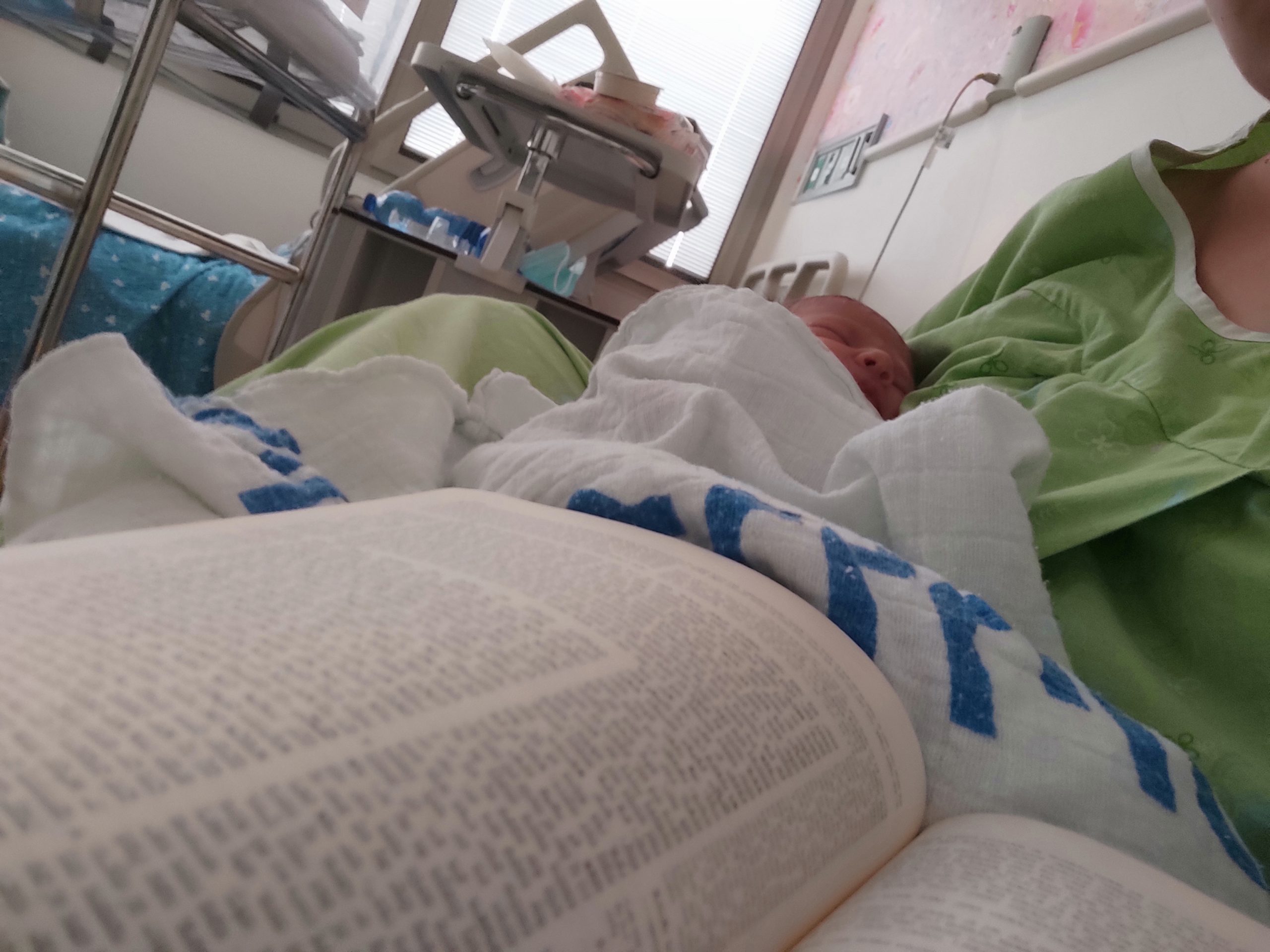
כמו שרואים בתמונה אני ממשיכה ללמוד גם היום ואפילו במחלקת יולדות אחרי לידת ביתי השלישית.
נועה שילה
רבבה, ישראל
התחלתי ללמוד דף יומי באמצע תקופת הקורונה, שאבא שלי סיפר לי על קבוצה של בנות שתיפתח ביישוב שלנו ותלמד דף יומי כל יום. הרבה זמן רציתי להצטרף לזה וזאת הייתה ההזדמנות בשבילי. הצטרפתי במסכת שקלים ובאמצע הייתה הפסקה קצרה. כיום אני כבר לומדת באולפנה ולומדת דף יומי לבד מתוך גמרא של טיינזלץ.
שבות בראלי
עתניאל, ישראל
למדתי גמרא מכיתה ז- ט ב Maimonides School ואחרי העליה שלי בגיל 14 לימוד הגמרא, שלא היה כל כך מקובל בימים אלה, היה די ספוראדי. אחרי "ההתגלות” בבנייני האומה התחלתי ללמוד בעיקר בדרך הביתה למדתי מפוקקטסים שונים. לאט לאט ראיתי שאני תמיד חוזרת לרבנית מישל פרבר. באיזה שהוא שלב התחלתי ללמוד בזום בשעה 7:10 .
היום "אין מצב” שאני אתחיל את היום שלי ללא לימוד עם הרבנית מישל עם כוס הקפה שלי!!

דבי גביר
חשמונאים, ישראל
התחלתי ללמוד בשנת המדרשה במגדל עוז, בינתיים נהנית מאוד מהלימוד ומהגמרא, מעניין ומשמח מאוד!
משתדלת להצליח לעקוב כל יום, לפעמים משלימה קצת בהמשך השבוע.. מרגישה שיש עוגן מקובע ביום שלי והוא משמח מאוד!
אוריה קסנר
חיפה , ישראל
לפני 15 שנה, אחרי עשרות שנים של "ג’ינגול” בין משפחה לקריירה תובענית בהייטק, הצטרפתי לשיעורי גמרא במתן רעננה. הלימוד המעמיק והייחודי של הרבנית אושרה קורן יחד עם קבוצת הנשים המגוונת הייתה חוויה מאלפת ומעשירה. לפני כשמונה שנים כאשר מחזור הדף היומי הגיע למסכת תענית הצטרפתי כ”חברותא” לבעלי. זו השעה היומית שלנו ביחד כאשר דפי הגמרא משתלבים בחיי היום יום, משפיעים ומושפעים, וכשלא מספיקים תמיד משלימים בשבת

יודי אסקוף
רעננה, ישראל
אמא שלי למדה איתי ש”ס משנה, והתחילה ללמוד דף יומי. אני החלטתי שאני רוצה ללמוד גם. בהתחלה למדתי איתה, אח”כ הצטרפתי ללימוד דף יומי שהרב דני וינט מעביר לנוער בנים בעתניאל. במסכת עירובין עוד חברה הצטרפה אלי וכשהתחלנו פסחים הרב דני פתח לנו שעור דף יומי לבנות. מאז אנחנו לומדות איתו קבוע כל יום את הדף היומי (ובשבת אבא שלי מחליף אותו). אני נהנית מהלימוד, הוא מאתגר ומעניין

רננה הלמן
עתניאל, ישראל
רציתי לקבל ידע בתחום שהרגשתי שהוא גדול וחשוב אך נעלם ממני. הלימוד מעניק אתגר וסיפוק ומעמיק את תחושת השייכות שלי לתורה וליהדות
רות עגיב
עלי זהב – לשם, ישראל
חולין כא
מִכׇּל מָקוֹם קַשְׁיָא! אָמַר רָבָא, אֵימָא: וְכֵן הוּא עוֹשֶׂה – חוֹתֵךְ שִׁדְרָה וּמַפְרֶקֶת בְּלֹא רוֹב בָּשָׂר.
In any case, the statement of Ze’eiri remains difficult. What is the significance of pinching a dead bird? Rava said: Say in explanation: And likewise he does when he pinches, he cuts the spinal column and the neck bone without a majority of the surrounding flesh and then he pinches the simanim.
כִּי סָלֵיק רַבִּי זֵירָא, אַשְׁכְּחֵיהּ לְרַבִּי אַמֵּי דְּיָתֵיב וְקָאָמַר לַהּ לְהָא שְׁמַעְתָּא. אֲמַר לֵיהּ: וְכִי מֵתָה עוֹמֵד וּמוֹלֵק? אֶשְׁתּוֹמַם כְּשָׁעָה חֲדָא, אֲמַר לֵיהּ: אֵימָא, כָּךְ הוּא עוֹשֶׂה: חוֹתֵךְ שִׁדְרָה וּמַפְרֶקֶת בְּלֹא רוֹב בָּשָׂר.
The Gemara relates: When Rabbi Zeira ascended from Babylonia to Eretz Yisrael, he found Rabbi Ami sitting and saying this halakha that Ze’eiri said, and Rabbi Zeira said to him: And does one stand and pinch a dead bird? Rabbi Ami was astonished [eshtomam] for a moment (see Daniel 4:16), and thought about it and said to Rabbi Ami: Say that this is what he does: He cuts the spinal column and the neck bone without a majority of the surrounding flesh.
תַּנְיָא נָמֵי הָכִי: כֵּיצַד מוֹלְקִין חַטַּאת הָעוֹף? חוֹתֵךְ שִׁדְרָה וּמַפְרֶקֶת בְּלֹא רוֹב בָּשָׂר עַד שֶׁמַּגִּיעַ לַוֶּושֶׁט אוֹ לַקָּנֶה; הִגִּיעַ לַוֶּושֶׁט אוֹ לַקָּנֶה, חוֹתֵךְ סִימָן אֶחָד אוֹ רוּבּוֹ וְרוֹב בָּשָׂר עִמּוֹ, וּבְעוֹלָה שְׁנַיִם אוֹ רוֹב שְׁנַיִם.
That is also taught in a baraita: How does one pinch the nape of a bird sin offering? He cuts the spinal column and the neck bone without a majority of the surrounding flesh until he reaches the gullet or the windpipe. Once he has reached the gullet or the windpipe, he cuts one siman or its majority and a majority of the surrounding flesh with it; and in a burnt offering he cuts two simanim or the majority of two simanim.
מַנִּי? אִי רַבָּנַן – הָא אָמְרִי: שְׁנַיִם דַּוְקָא! אִי כְּרַבִּי אֶלְעָזָר בְּרַבִּי שִׁמְעוֹן – הָאָמַר: רוֹב שְׁנַיִם!
The Gemara asks: Who is the tanna whose opinion is cited in the baraita? If you say it is the Rabbis, don’t they say that one must cut specifically two simanim and not their majority? If it is in accordance with the opinion of Rabbi Elazar, son of Rabbi Shimon, doesn’t he say that one must cut only a majority of the two simanim and no more, in which case why does the baraita specify two simanim or the majority of two simanim?
אֵימָא: שְׁנַיִם – לְרַבָּנַן, רוֹב שְׁנַיִם – לְרַבִּי אֶלְעָזָר בְּרַבִּי שִׁמְעוֹן, וְאִיבָּעֵית אֵימָא: הָא וְהָא רַבִּי אֶלְעָזָר בְּרַבִּי שִׁמְעוֹן, וּמַאי שְׁנַיִם – שֶׁדּוֹמִין לִשְׁנַיִם.
The Gemara answers: Say that when the baraita says two, it is according to the Rabbis; when it says a majority of two, it is according to Rabbi Elazar, son of Rabbi Shimon. And if you wish, say instead: Both this, two, and that, a majority of two, are in accordance with the opinion of Rabbi Elazar, son of Rabbi Shimon, and what is the meaning of two? It does not mean two simanim in their entirety; rather, it means that one must cut a significant majority of the simanim that is similar to two entire simanim.
אָמַר רַב יְהוּדָה אָמַר שְׁמוּאֵל: נִשְׁבְּרָה מַפְרֶקֶת וְרוֹב בָּשָׂר עִמָּהּ – מְטַמֵּא בְּאֹהֶל.
§ Rav Yehuda says that Shmuel says: If the neck bone of a person was broken and a majority of the surrounding flesh with it was cut, that person imparts impurity in a tent, i.e., if one is beneath the same roof with him he becomes impure, as his halakhic status is that of a corpse even though he is still twitching.
וְאִם תֹּאמַר: אוֹתוֹ מַעֲשֶׂה דְּעֵלִי, מַפְרֶקֶת בְּלֹא רוֹב בָּשָׂר הֲוַאי! זִקְנָה שָׁאנֵי, דִּכְתִיב: ״וַיְהִי כְּהַזְכִּירוֹ אֶת אֲרוֹן הָאֱלֹהִים וַיִּפֹּל מֵעַל הַכִּסֵּא אֲחֹרַנִּית בְּעַד יַד הַשַּׁעַר וַתִּשָּׁבֵר מַפְרַקְתּוֹ וַיָּמֹת כִּי זָקֵן הָאִישׁ וְכָבֵד וְגוֹ׳״.
And if you say that the incident of the death of Eli, the High Priest, whose death is described: “And his neck bone broke, and he died” (I Samuel 4:18), was one where the neck bone broke without the majority of the surrounding flesh being cut, and nevertheless he died immediately, the Gemara responds: Old age is different, as it is written: “And it came to pass, when he made mention of the Ark of God, that he fell from off his seat backward by the side of the gate, and his neck broke, and he died; for he was an old man, and heavy; and he had judged Israel forty years” (I Samuel 4:18).
אָמַר רַבִּי שְׁמוּאֵל בַּר נַחְמָנִי אָמַר רַבִּי יוֹחָנָן: קְרָעוֹ כַּדָּג – מְטַמֵּא בְּאֹהֶל. אָמַר רַבִּי שְׁמוּאֵל בַּר יִצְחָק: וּמִגַּבּוֹ.
Rabbi Shmuel bar Naḥmani says that Rabbi Yoḥanan says: If one ripped a person like one cuts a fish, lengthwise, the halakhic status of the ripped person is that of a corpse even though he is still convulsing, and he imparts impurity in a tent. Rabbi Shmuel bar Yitzḥak says: And that is specifically if he was ripped from his back.
אָמַר שְׁמוּאֵל: עֲשָׂאָהּ גִּיסְטְרָא – נְבֵלָה. אָמַר רַבִּי אֶלְעָזָר: נִיטַּל הַיָּרֵךְ וְחָלָל שֶׁלָּהּ (נִיכָּר) – נְבֵלָה. הֵיכִי דָּמֵי חָלָל שֶׁלָּהּ (נִיכָּר)? אָמַר רָבָא: כֹּל שֶׁרְבוּצָה וְנִרְאֵית חֲסֵרָה.
§ The Gemara resumes discussions of the halakhot of an animal. Shmuel says: If one rendered the animal like a shard [gistera] by cutting it in two widthwise, its halakhic status is that of an unslaughtered carcass even though it is still convulsing. Rabbi Elazar says: If the thigh, the hind leg of the animal, was removed and its recess is obvious, it is an unslaughtered carcass and it imparts impurity even if it remains alive. The Gemara asks: What are the circumstances of its recess being obvious? Rava said: It is any situation where the animal is collapsed and even so its hind leg is visibly lacking.
תְּנַן הָתָם: הוּתְּזוּ רָאשֵׁיהֶן, אַף עַל פִּי שֶׁמְּפַרְכְּסִין – טְמֵאִים, כִּזְנַב הַלְּטָאָה שֶׁמְּפַרְכֶּסֶת.
We learned in a mishna there (Oholot 1:6) with regard to creeping animals whose carcasses are ritually impure: If their heads were removed, even if they are convulsing, they are impure like the tail of a lizard that was severed that convulses even though it is not alive.
מַאי הוּתְּזוּ? רֵישׁ לָקִישׁ אָמַר: הוּתְּזוּ מַמָּשׁ, רַבִּי אַסִּי אָמַר רַבִּי מָנִי: כְּהַבְדָּלַת עוֹלַת הָעוֹף.
The Gemara asks: What is the meaning of the term: Were removed? Reish Lakish said: They were actually removed. Rabbi Asi said that Rabbi Mani said: It is like the separation of the head of the bird burnt offering.
אֲמַר לֵיהּ רַבִּי יִרְמְיָה לְרַבִּי אַסִּי: כְּהַבְדָּלַת עוֹלַת הָעוֹף לְרַבָּנַן, וְלָא פְּלִיגִיתוּ, אוֹ דִלְמָא כְּהַבְדָּלַת עוֹלַת הָעוֹף לְרַבִּי אֶלְעָזָר בְּרַבִּי שִׁמְעוֹן, וּפְלִגִיתוּ?
Rabbi Yirmeya said to Rabbi Asi: Do you mean like the separation of the head of the bird burnt offering according to the Rabbis, who hold that in addition to the neck bone and the surrounding flesh, one also completely severs the simanim, and then you and Reish Lakish do not disagree, as it is just like breaking the neck of the animal, since nothing remains other than the skin? Or perhaps you mean like the separation of the head of the bird burnt offering according to Rabbi Elazar, son of Rabbi Shimon, who says that one cuts the majority of two simanim, and you and Reish Lakish disagree, as Reish Lakish holds that the animal imparts impurity only when it is completely beheaded.
אֲמַר לֵיהּ: כְּהַבְדָּלַת עוֹלַת הָעוֹף לְרַבִּי אֶלְעָזָר בְּרַבִּי שִׁמְעוֹן, וּפְלִיגִינַן.
Rabbi Asi said to Rabbi Yirmeya: I mean like the separation of the head of the bird burnt offering according to Rabbi Elazar, son of Rabbi Shimon, who says that one cuts the majority of two simanim, and we disagree.
אִיכָּא דְּאָמְרִי: רַבִּי שִׁמְעוֹן בֶּן לָקִישׁ אָמַר: הוּתְּזוּ מַמָּשׁ, רַבִּי אַסִּי אָמַר רַבִּי מָנִי: כְּהַבְדָּלַת עוֹלַת הָעוֹף לְרַבִּי אֶלְעָזָר בְּרַבִּי שִׁמְעוֹן בְּרוֹב שְׁנַיִם.
There are those who say that Rabbi Shimon ben Lakish said: They were actually removed. Rabbi Asi said that Rabbi Mani said: It is like the separation of the head of the bird burnt offering according to Rabbi Elazar, son of Rabbi Shimon, who holds that one suffices with cutting a majority of two simanim.
מַאי רַבָּנַן וּמַאי רַבִּי אֶלְעָזָר בְּרַבִּי שִׁמְעוֹן? דְּתַנְיָא: ״וְאֶת הַשֵּׁנִי יַעֲשֶׂה עֹלָה כַּמִּשְׁפָּט״ – כְּמִשְׁפַּט חַטַּאת בְּהֵמָה.
§ The Gemara asks: What is the opinion of the Rabbis, and what is the opinion of Rabbi Elazar, son of Rabbi Shimon? The dispute is as it is taught in a baraita: With regard to a sliding-scale offering, in which a poor person who cannot afford an animal sin offering brings two doves or two pigeons, one as a sin offering and one as a burnt offering, it is written: “And he shall prepare the second as a burnt offering, according to the ordinance” (Leviticus 5:10), which means according to the ordinance of an animal sin offering in whose stead the offering was brought.
אַתָּה אוֹמֵר כְּמִשְׁפַּט חַטַּאת בְּהֵמָה, אוֹ אֵינוֹ אֶלָּא כְּמִשְׁפַּט חַטַּאת הָעוֹף? כְּשֶׁהוּא אוֹמֵר ״וְהִקְרִיבוֹ״, חִלֵּק הַכָּתוּב בֵּין חַטַּאת הָעוֹף לְעוֹלַת הָעוֹף, וּמָה אֲנִי מְקַיֵּים ״כַּמִּשְׁפָּט״ – כְּמִשְׁפַּט חַטַּאת בְּהֵמָה. מָה חַטַּאת בְּהֵמָה אֵינָהּ בָּאָה
Do you say that it is according to the ordinance of an animal sin offering, or perhaps it is only according to the ordinance of a bird sin offering? The Gemara answers: When it says with regard to the bird burnt offering brought as a gift offering: “And the priest shall bring it to the altar” (Leviticus 1:15), meaning that it shall be sacrificed in a unique manner, the verse distinguished between a bird sin offering and a bird burnt offering. And if so, how do I realize the meaning of the term “according to the ordinance”? It means according to the ordinance of an animal sin offering; just as an animal sin offering comes only
אֶלָּא מִן הַחוּלִּין, וּבַיּוֹם, וּבְיָדוֹ הַיְמָנִית, אַף עוֹלַת הָעוֹף אֵינָהּ בָּאָה אֶלָּא מִן הַחוּלִּין וּבַיּוֹם וּבְיָדוֹ הַיְמָנִית.
from non-sacred animals and not from an animal purchased with second-tithe money, and it is sacrificed only during the day, and with the right hand of the priest, so too, a bird burnt offering comes only from non-sacred animals, and it is sacrificed only during the day, and with the right hand of the priest.
אִי מָה לְהַלָּן בְּרוֹב שְׁנַיִם, אַף כָּאן בְּרוֹב שְׁנַיִם? תַּלְמוּד לוֹמַר ״וּמָלַק וְהִקְטִיר״ – מָה הַקְטָרָה הָרֹאשׁ בְּעַצְמוֹ וְהַגּוּף בְּעַצְמוֹ, אַף מְלִיקָה הָרֹאשׁ בְּעַצְמוֹ וְהַגּוּף בְּעַצְמוֹ.
The baraita asks: If so, perhaps just as there, with regard to an animal sin offering, slaughter is valid with the cutting of the majority of two simanim, the windpipe and the gullet, so too here, with regard to a bird burnt offering, the pinching is valid with the cutting of the majority of two simanim. Therefore, the verse states: “And pinched off its head…and burned it on the altar” (Leviticus 1:15). This indicates that just as with regard to burning, the head is burned by itself and the body is burned by itself, so too with regard to pinching, the head remains by itself and the body remains by itself.
רַבִּי יִשְׁמָעֵאל אוֹמֵר: ״כְּמִשְׁפָּט״ – כְּמִשְׁפַּט חַטַּאת הָעוֹף, מָה חַטַּאת הָעוֹף מִמּוּל עוֹרֶף, אַף עוֹלַת הָעוֹף מִמּוּל עוֹרֶף.
Rabbi Yishmael says: “According to the ordinance” (Leviticus 5:10), which is written with regard to the sliding-scale bird sin offering, means according to the ordinance of the bird sin offering mentioned in the previous verse. Just as a bird sin offering is pinched adjacent to its nape (Leviticus 5:8), beneath the occipital bone, so too a bird burnt offering is pinched adjacent to its nape, beneath the occipital bone.
אִי מָה לְהַלָּן, מוֹלֵק וְאֵינוֹ מַבְדִּיל בְּסִימָן אֶחָד, אַף כָּאן מוֹלֵק וְאֵינוֹ מַבְדִּיל בְּסִימָן אֶחָד? תַּלְמוּד לוֹמַר ״וְהִקְרִיבוֹ״.
If so, perhaps just as there, with regard to the bird sin offering, he pinches and does not separate between the head and the body and leaves one siman uncut, so too here, with regard to the burnt offering, he pinches and does not separate between the head and the body and leaves one siman uncut. Therefore, the verse states: “And the priest shall bring it,” meaning that a bird burnt offering shall be sacrificed in a unique manner, not like the sin offering.
רַבִּי אֶלְעָזָר בְּרַבִּי שִׁמְעוֹן אוֹמֵר: ״כַּמִּשְׁפָּט״ – ״כְּמִשְׁפַּט חַטַּאת הָעוֹף״, מָה לְהַלָּן
Rabbi Elazar, son of Rabbi Shimon, says: “According to the ordinance” means according to the ordinance that is written with regard to a bird sin offering. Just as there,
לעקוב

