








מהם סימנים של עופות? האם צריך כל ארבעת הסימנים כדי להיות עוף כשר או מספיק אחד, שניים או שלושה מתוכם?
רוצה להקדיש לימוד?
חולין סא
מָה נֶשֶׁר מְיוּחָד שֶׁאֵין לוֹ אֶצְבַּע יְתֵרָה וְזֶפֶק וְאֵין קוּרְקְבָנוֹ נִקְלָף וְדוֹרֵס וְאוֹכֵל – טָמֵא, אַף כׇּל כַּיּוֹצֵא בּוֹ – טָמֵא. תּוֹרִין שֶׁיֵּשׁ לָהֶן אֶצְבַּע יְתֵרָה וְזֶפֶק וְקוּרְקְבָן נִקְלָף וְאֵין דּוֹרְסִין וְאוֹכְלִין – טְהוֹרִין, אַף כׇּל כַּיּוֹצֵא בָּהֶן – טְהוֹרִין. אָמַר אַבָּיֵי: לֹא נֶאֱמַר פֵּירוּשָׁן מִדִּבְרֵי תוֹרָה אֶלָּא מִדִּבְרֵי סוֹפְרִים.
Just as a nesher is unique in that it has no extra digit or crop, and its gizzard cannot be peeled, and it claws its prey and eats it, and it is non-kosher, so too, all like birds with these four signs are non-kosher. And just as doves and pigeons, which have an extra digit and a crop, and whose gizzard can be peeled, and do not claw their food and eat it, are kosher, as they are fit for sacrifice on the altar (see Leviticus 1:14), so too, all like birds with these four signs are kosher. If so, why does the mishna state that the signs were not stated in the Torah? Abaye said: The mishna means that the explanation of the signs of a kosher bird was not stated in the Torah. Rather, one learns it from the statements of the Sages, i.e., the baraita.
תָּנֵי רַבִּי חִיָּיא: עוֹף הַבָּא בְּסִימָן אֶחָד טָהוֹר, לְפִי שֶׁאֵין דּוֹמֶה לְנֶשֶׁר. נֶשֶׁר דְּלֵית לֵיהּ כְּלָל – הוּא דְּלָא תֵּיכוֹל, הָא אִיכָּא דְּאִית לֵיהּ חַד – תֵּיכוֹל.
Rabbi Ḥiyya teaches: A bird that comes before a person with one sign of a kosher bird, and which is not listed in the Torah as non-kosher, is kosher, since it is unlike a nesher. The verse did not need to state that the nesher is non-kosher, since one could have inferred this from the list of other non-kosher birds. Rather, the verse mentions the nesher specifically to indicate that it is only a bird like a nesher, which has none of the signs of a kosher bird, that you shall not eat. But if there is a bird that has even one of the signs, you may eat it.
וְלֵילַף מִתּוֹרִין: מָה תּוֹרִין דְּאִיכָּא כּוּלְּהוּ אַרְבְּעָה, אַף הָכָא נָמֵי עַד דְּאִיכָּא כּוּלְּהוּ אַרְבְּעָה?
The Gemara asks: But why learn specifically from the case of a nesher? Let one derive the opposite from the case of doves: Just as doves, which the Torah mentions explicitly as kosher, have all four signs, so too here, no other bird is kosher unless it has all four signs.
אִם כֵּן, שְׁאָר עוֹפוֹת טְמֵאִין דִּכְתַב רַחֲמָנָא לְמָה לִי?
The Gemara responds: If it is so that one learns from the case of a dove, why do I need the rest of the non-kosher birds that the Merciful One wrote? Since none of them has all four signs of a kosher bird, their non-kosher status could simply be inferred from the case of a dove. Rather, since the Torah states explicitly that they are non-kosher, it follows that one does not learn from the case of a dove.
וְנֵילַף מִינַּיְיהוּ: מָה הָתָם תְּלָתָא וְלָא אָכְלִינַן, אַף כֹּל תְּלָתָא וְלָא נֵיכוֹל, וְכׇל שֶׁכֵּן תְּרֵי וְחַד?
The Gemara objects: But let us derive instead from them, i.e., the rest of the non-kosher birds, which each have only three signs, the following: Just as there, those birds have three of the signs of a kosher bird mentioned in the mishna, and we still do not eat them, so too, all other birds that have three signs should have the same halakhic status, and we will not eat them. And all the more so should this apply to a bird that has only two signs or one.
אִם כֵּן, עוֹרֵב, דִּכְתַב רַחֲמָנָא, לְמָה לִי? הַשְׁתָּא דְּאִית לֵיהּ תְּלָתָא לָא אָכְלִינַן, דְּאִית לֵיהּ תְּרֵי מִיבַּעְיָא?
The Gemara responds: If so, why do I need the crow that the Merciful One wrote among the non-kosher birds? Now that it is established that we do not eat any bird that has three signs, is it necessary to mention the crow, which has only two? Rather, those birds explicitly listed as non-kosher are prohibited, and all other birds with any number of signs are kosher.
וְלֵילַף מֵעוֹרֵב: מָה הָתָם תְּרֵי לָא, אַף כֹּל תְּרֵי לָא? אִם כֵּן, פֶּרֶס וְעׇזְנִיָּה דִּכְתַב רַחֲמָנָא לְמָה לִי? הַשְׁתָּא דְּאִית לֵיהּ תְּרֵי לָא אָכְלִינַן, דְּאִית לֵיהּ חַד מִיבַּעְיָא!
The Gemara objects: But one should derive instead from a crow: Just as there, a bird with two signs is not kosher, so too any other bird that has only two signs is not kosher. The Gemara responds: If so, why do I need the peres and the ozniyya that the Merciful One wrote among the non-kosher birds? Now that it is established that we do not eat any bird that has two signs, is it necessary to mention these birds, which have only one? Rather, even birds that have only one sign are kosher, save those mentioned explicitly in the Torah as non-kosher.
וְנִיגְמַר מִפֶּרֶס וְעׇזְנִיָּה? אִם כֵּן, נֶשֶׁר דִּכְתַב רַחֲמָנָא לְמָה לִי? הַשְׁתָּא דְּאִית לֵיהּ חַד לָא אָכְלִינַן, דְּלֵית לֵיהּ כְּלָל מִיבַּעְיָא! אֶלָּא נֶשֶׁר דְּלֵית לֵיהּ כְּלָל – הוּא דְּלָא תֵּיכוֹל, הָא דְּאִית לֵיהּ חַד – אֱכוֹל.
The Gemara objects: But let us learn instead from the peres and ozniyya themselves that all other birds with only one sign are non-kosher. The Gemara responds: If so, why do I need the nesher that the Merciful One wrote? Now that it is established that we do not eat any bird that has one sign, is it necessary to mention the nesher, which has none? Rather, the Torah mentions the nesher to indicate that it is a nesher, which has none of the signs of a kosher bird, that you shall not eat. But if you find any bird that has even one of the signs, you may eat it.
וְאֶלָּא, טַעְמָא דִּכְתַב רַחֲמָנָא נֶשֶׁר, הָא לָאו הָכִי הֲוָה אָמֵינָא: לֵילַף מִפֶּרֶס וְעׇזְנִיָּה? הָוֵה לֵיהּ פֶּרֶס וְעׇזְנִיָּה שְׁנֵי כְתוּבִין הַבָּאִין כְּאֶחָד, וּשְׁנֵי כְּתוּבִין הַבָּאִין כְּאֶחָד אֵין מְלַמְּדִין.
The Gemara objects: But if so, the reason for eating birds with even one sign is only that the Merciful One wrote: “Nesher.” One can infer, then, that if not for this, I would say: Derive from the peres and ozniyya that any bird with one sign is non-kosher. But that cannot be, since the peres and ozniyya are two verses that come as one, i.e., that teach the same matter, and as a rule, two verses that come as one do not teach a principle.
גְּמִירִי, דְּאִיכָּא בְּהַאי לֵיכָּא בְּהַאי, וּדְאִיכָּא בְּהַאי לֵיכָּא בְּהַאי.
The Gemara responds: It is learned as a tradition that the sign present in this, the peres, is absent in that, the ozniyya, and that which is present in that is absent in this. Accordingly, this is not a case of two verses that come as one, since each case would teach only that any other bird with only its respective sign is non-kosher. Consequently, it would have been possible to derive from them that any bird with only one sign is non-kosher. The verse therefore states: “Nesher,” to indicate otherwise.
מִכְּדֵי עֶשְׂרִים וְאַרְבָּעָה עוֹפוֹת טְמֵאִים הָווּ, אִי אֶפְשָׁר דְּחַד דְּאִיכָּא בְּהָנָךְ לֵיכָּא בְּהָנֵי, וְהָווּ לְהוּ שְׁנֵי כְּתוּבִים הַבָּאִים כְּאֶחָד.
The Gemara persists: Now, there are twenty-four non-kosher birds mentioned in the verses. It is impossible that the one sign present in these, the peres and ozniyya, respectively, is absent in all those other birds. Consequently, the mentioning of the peres, ozniyya, and the other birds constitutes two verses that come as one. If so, one could not have derived from the cases of the peres and ozniyya that a bird with one sign is not kosher, and the inclusion of the nesher is unnecessary.
גְּמִירִי: עֶשְׂרִים וְאַרְבָּעָה עוֹפוֹת טְמֵאִים הָווּ, וְאַרְבָּעָה סִימָנִין. תְּלָתָא הָדְרִי בְּכוּלְּהוּ, עֶשְׂרִים מֵהֶם שְׁלֹשָׁה שְׁלֹשָׁה, וּתְרֵי בְּעוֹרֵב, חַד בְּפֶרֶס וְחַד בְּעׇזְנִיָּה, דְּאִיתֵיהּ בְּהָא לֵיתֵיהּ בְּהָא. מַהוּ דְּתֵימָא לֵילַיף מִינֵּיהּ – כְּתַב רַחֲמָנָא ״נֶשֶׁר״, נֶשֶׁר דְּלֵית לֵיהּ כְּלָל הוּא דְּלָא תֵּיכוֹל, הָא אִיכָּא דְּאִית לֵיהּ חַד – אֱכוֹל.
The Gemara responds: It is learned as a tradition that there are twenty-four non-kosher birds, and four signs of a kosher bird. The same three signs can be found in all of them, with the exception of either the peres or the ozniyya. Twenty of them have all three signs, and two of those signs can be found in a crow. One sign is found in a peres and one in an ozniyya, and the sign present in this is absent in that, i.e., one of them has the fourth sign, which is absent from the other twenty-three non-kosher birds. Lest you say: Derive from it that any other bird with only that sign is non-kosher, the Merciful One wrote about the nesher to indicate: It is a nesher, which has none of the signs of a kosher bird, that you shall not eat. But if there is any bird that has even one of the signs, you may eat it.
אֶלָּא, תּוֹרִין דִּכְתַב רַחֲמָנָא לְמָה לִי? אָמַר רַב עוּקְבָא בַּר חָמָא: לְקׇרְבָּן. אָמַר רַב נַחְמָן:
The Gemara asks: But if one learns from nesher that a bird with even one sign is kosher, why do I need the doves that the Merciful One wrote are kosher, which have all four? Rav Ukva bar Ḥama said: The dove was not mentioned to teach that it is kosher, but rather to teach that it is the only bird fit to be sacrificed as an offering. Rav Naḥman says:
לעקוב 
חדשה בלימוד הגמרא?
זה הדף הראשון שלך? איזו התרגשות עצומה! יש לנו בדיוק את התכנים והכלים שיעזרו לך לעשות את הצעדים הראשונים ללמידה בקצב וברמה שלך, כך תוכלי להרגיש בנוח גם בתוך הסוגיות המורכבות ומאתגרות.
פסיפס הלומדות שלנו
גלי את קהילת הלומדות שלנו, מגוון נשים, רקעים וסיפורים. כולן חלק מתנועה ומסע מרגש ועוצמתי.
התחלתי לפני כמה שנים אבל רק בסבב הזה זכיתי ללמוד יום יום ולסיים מסכתות

סיגל טל
רעננה, ישראל
בתחילת הסבב הנוכחי הצטברו אצלי תחושות שאני לא מבינה מספיק מהי ההלכה אותה אני מקיימת בכל יום. כמו כן, כאמא לבנות רציתי לתת להן מודל נשי של לימוד תורה
שתי הסיבות האלו הובילו אותי להתחיל ללמוד. נתקלתי בתגובות מפרגנות וסקרניות איך אישה לומדת גמרא..
כמו שרואים בתמונה אני ממשיכה ללמוד גם היום ואפילו במחלקת יולדות אחרי לידת ביתי השלישית.

נועה שילה
רבבה, ישראל
התחלתי ללמוד לפני כשנתיים בשאיפה לסיים לראשונה מסכת אחת במהלך חופשת הלידה.
אחרי מסכת אחת כבר היה קשה להפסיק…

נעה גלנט
ירוחם, ישראל
רבנית מישל הציתה אש התלמוד בלבבות בביניני האומה ואני נדלקתי. היא פתחה פתח ותמכה במתחילות כמוני ואפשרה לנו להתקדם בצעדים נכונים וטובים. הקימה מערך שלם שמסובב את הלומדות בסביבה תומכת וכך נכנסתי למסלול לימוד מעשיר שאין כמוה. הדרן יצר קהילה גדולה וחזקה שמאפשרת התקדמות מכל נקודת מוצא. יש דיבוק לומדות שמחזק את ההתמדה של כולנו. כל פניה ושאלה נענית בזריזות ויסודיות. תודה גם למגי על כל העזרה.
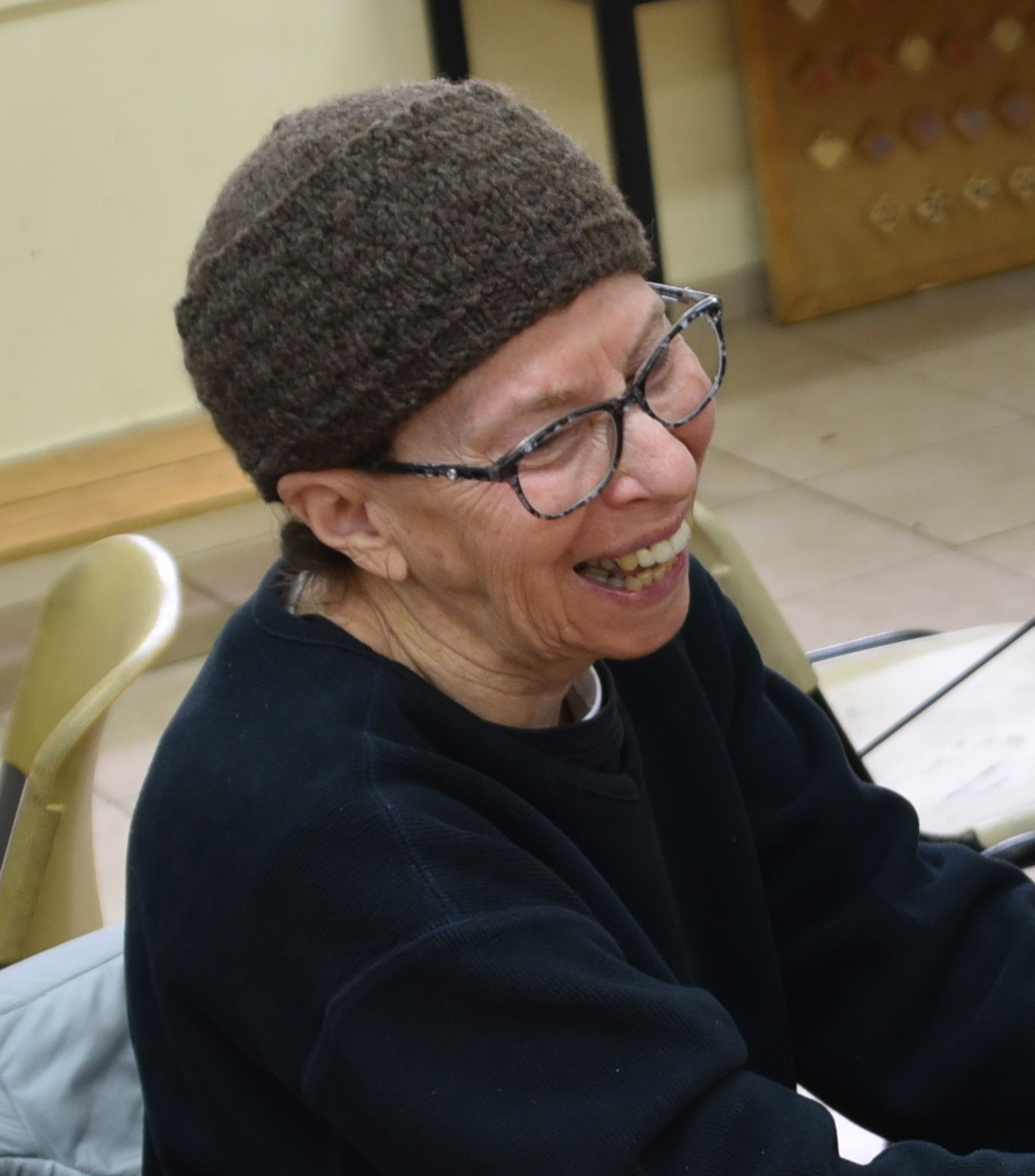
שרה אבר
נתניה, ישראל
A friend in the SF Bay Area said in Dec 2019 that she might start listening on her morning drive to work. I mentioned to my husband and we decided to try the Daf when it began in Jan 2020 as part of our preparing to make Aliyah in the summer.

חנה פיוטרקובסקי
ירושלים, Israel
בסוף הסבב הקודם ראיתי את השמחה הגדולה שבסיום הלימוד, בעלי סיים כבר בפעם השלישית וכמובן הסיום הנשי בבנייני האומה וחשבתי שאולי זו הזדמנות עבורי למשהו חדש.
למרות שאני שונה בסביבה שלי, מי ששומע על הלימוד שלי מפרגן מאוד.
אני מנסה ללמוד קצת בכל יום, גם אם לא את כל הדף ובסך הכל אני בדרך כלל עומדת בקצב.
הלימוד מעניק המון משמעות ליום יום ועושה סדר בלמוד תורה, שתמיד היה (ועדיין) שאיפה. אבל אין כמו קביעות

רחלי מנדלסון
טל מנשה, ישראל
התחלתי ללמוד דף לפני קצת יותר מ-5 שנים, כשלמדתי רבנות בישיבת מהר”ת בניו יורק. בדיעבד, עד אז, הייתי בלימוד הגמרא שלי כמו מישהו שאוסף חרוזים משרשרת שהתפזרה, פה משהו ושם משהו, ומאז נפתח עולם ומלואו…. הדף נותן לי לימוד בצורה מאורגנת, שיטתית, יום-יומית, ומלמד אותי לא רק ידע אלא את השפה ודרך החשיבה שלנו. לשמחתי, יש לי סביבה תומכת וההרגשה שלי היא כמו בציטוט שבחרתי: הדף משפיע לטובה על כל היום שלי.

מיכל כהנא
חיפה, ישראל
התחלתי לפני 8 שנים במדרשה. לאחרונה סיימתי מסכת תענית בלמידה עצמית ועכשיו לקראת סיום מסכת מגילה.

דניאלה ברוכים
רעננה, ישראל
התחלתי ללמוד לפני 4.5 שנים, כשהודיה חברה שלי פתחה קבוצת ווטסאפ ללימוד דף יומי בתחילת מסכת סנהדרין. מאז לימוד הדף נכנס לתוך היום-יום שלי והפך לאחד ממגדירי הזהות שלי ממש.

קרן רוזנברג
ירושלים, ישראל
שמעתי על הסיום הענק של הדף היומי ע”י נשים בבנייני האומה. רציתי גם.
החלטתי להצטרף. התחלתי ושיכנעתי את בעלי ועוד שתי חברות להצטרף. עכשיו יש לי לימוד משותף איתו בשבת ומפגש חודשי איתן בנושא (והתכתבויות תדירות על דברים מיוחדים שקראנו). הצטרפנו לקבוצות שונות בווטסאפ. אנחנו ממש נהנות. אני שומעת את השיעור מידי יום (בד”כ מהרב יוני גוטמן) וקוראת ומצטרפת לסיומים של הדרן. גם מקפידה על דף משלהן (ונהנית מאד).

ליאת סיטרון
אפרת, ישראל
התחלתי ללמוד לפני 4.5 שנים, כשהודיה חברה שלי פתחה קבוצת ווטסאפ ללימוד דף יומי בתחילת מסכת סנהדרין. מאז לימוד הדף נכנס לתוך היום-יום שלי והפך לאחד ממגדירי הזהות שלי ממש.
קרן רוזנברג
ירושלים, ישראל
התחלתי ללמוד בעידוד שתי חברות אתן למדתי בעבר את הפרק היומי במסגרת 929.
בבית מתלהבים מאוד ובשבת אני לומדת את הדף עם בעלי שזה מפתיע ומשמח מאוד! לימוד הדף הוא חלק בלתי נפרד מהיום שלי. לומדת בצהריים ומחכה לזמן הזה מידי יום…

מרים ונגרובר
אפרת, ישראל
סיום השס לנשים נתן לי מוטביציה להתחיל ללמוד דף יומי. עד אז למדתי גמרא בשבתות ועשיתי כמה סיומים. אבל לימוד יומיומי זה שונה לגמרי ופתאום כל דבר שקורה בחיים מתקשר לדף היומי.

קרן פוגל
רתמים, ישראל
התחלתי ללמוד את הדף היומי מעט אחרי שבני הקטן נולד. בהתחלה בשמיעה ולימוד באמצעות השיעור של הרבנית שפרבר. ובהמשך העזתי וקניתי לעצמי גמרא. מאז ממשיכה יום יום ללמוד עצמאית, ולפעמים בעזרת השיעור של הרבנית, כל יום. כל סיום של מסכת מביא לאושר גדול וסיפוק. הילדים בבית נהיו חלק מהלימוד, אני משתפת בסוגיות מעניינות ונהנית לשמוע את דעתם.

אלירז בלאו
מעלה מכמש, ישראל
התחלתי ללמוד דף יומי בסבב הקודם. זכיתי לסיים אותו במעמד המרגש של הדרן. בסבב הראשון ליווה אותי הספק, שאולי לא אצליח לעמוד בקצב ולהתמיד. בסבב השני אני לומדת ברוגע, מתוך אמונה ביכולתי ללמוד ולסיים. בסבב הלימוד הראשון ליוותה אותי חוויה מסויימת של בדידות. הדרן העניקה לי קהילת לימוד ואחוות נשים. החוויה של סיום הש”ס במעמד כה גדול כשנשים שאינן מכירות אותי, שמחות ומתרגשות עבורי , היתה חוויה מרוממת נפש

אילנית ווייל
קיבוץ מגדל עוז, ישראל
התחלתי ללמוד דף יומי בתחילת מסכת ברכות, עוד לא ידעתי כלום. נחשפתי לסיום הש״ס, ובעצם להתחלה מחדש בתקשורת, הפתיע אותי לטובה שהיה מקום לעיסוק בתורה.
את המסכתות הראשונות למדתי, אבל לא סיימתי (חוץ מעירובין איכשהו). השנה כשהגעתי למדרשה, נכנסתי ללופ, ואני מצליחה להיות חלק, סיימתי עם החברותא שלי את כל המסכתות הקצרות, גם כשהיינו חולות קורונה ובבידודים, למדנו לבד, העיקר לא לצבור פער, ומחכות ליבמות 🙂

עדן ישורון
מזכרת בתיה, ישראל
הייתי לפני שנתיים בסיום הדרן נשים בבנייני האומה והחלטתי להתחיל. אפילו רק כמה דפים, אולי רק פרק, אולי רק מסכת… בינתיים סיימתי רבע שס ותכף את כל סדר מועד בה.
הסביבה תומכת ומפרגנת. אני בת יחידה עם ארבעה אחים שכולם לומדים דף יומי. מדי פעם אנחנו עושים סיומים יחד באירועים משפחתיים. ממש מרגש. מסכת שבת סיימנו כולנו יחד עם אבא שלנו!
אני שומעת כל יום פודקאסט בהליכה או בנסיעה ואחכ לומדת את הגמרא.

עדנה גרוס
מרכז שפירא, ישראל
התחלתי לפני 8 שנים במדרשה. לאחרונה סיימתי מסכת תענית בלמידה עצמית ועכשיו לקראת סיום מסכת מגילה.
דניאלה ברוכים
רעננה, ישראל
. לא תמיד נהניתי מלימוד גמרא כילדה.,בל כהתבגרתי התחלתי לאהוב את זה שוב. התחלתי ללמוד מסכת סוטה בדף היומי לפני כחמש עשרה שנה ואז הפסקתי.הגעתי לסיום הגדול של הדרן לפני שנתיים וזה נתן לי השראה. והתחלתי ללמוד למשך כמה ימים ואז היתה לי פריצת דיסק והפסקתי…עד אלול השנה. אז התחלתי עם מסכת ביצה וב”ה אני מצליחה לעמוד בקצב. המשפחה מאוד תומכת בי ויש כמה שגם לומדים את זה במקביל. אני אוהבת שיש עוגן כל יום.

רבקה דרשן
בית שמש, ישראל
בתחילת הסבב הנוכחי הצטברו אצלי תחושות שאני לא מבינה מספיק מהי ההלכה אותה אני מקיימת בכל יום. כמו כן, כאמא לבנות רציתי לתת להן מודל נשי של לימוד תורה
שתי הסיבות האלו הובילו אותי להתחיל ללמוד. נתקלתי בתגובות מפרגנות וסקרניות איך אישה לומדת גמרא..
כמו שרואים בתמונה אני ממשיכה ללמוד גם היום ואפילו במחלקת יולדות אחרי לידת ביתי השלישית.
נועה שילה
רבבה, ישראל
חולין סא
מָה נֶשֶׁר מְיוּחָד שֶׁאֵין לוֹ אֶצְבַּע יְתֵרָה וְזֶפֶק וְאֵין קוּרְקְבָנוֹ נִקְלָף וְדוֹרֵס וְאוֹכֵל – טָמֵא, אַף כׇּל כַּיּוֹצֵא בּוֹ – טָמֵא. תּוֹרִין שֶׁיֵּשׁ לָהֶן אֶצְבַּע יְתֵרָה וְזֶפֶק וְקוּרְקְבָן נִקְלָף וְאֵין דּוֹרְסִין וְאוֹכְלִין – טְהוֹרִין, אַף כׇּל כַּיּוֹצֵא בָּהֶן – טְהוֹרִין. אָמַר אַבָּיֵי: לֹא נֶאֱמַר פֵּירוּשָׁן מִדִּבְרֵי תוֹרָה אֶלָּא מִדִּבְרֵי סוֹפְרִים.
Just as a nesher is unique in that it has no extra digit or crop, and its gizzard cannot be peeled, and it claws its prey and eats it, and it is non-kosher, so too, all like birds with these four signs are non-kosher. And just as doves and pigeons, which have an extra digit and a crop, and whose gizzard can be peeled, and do not claw their food and eat it, are kosher, as they are fit for sacrifice on the altar (see Leviticus 1:14), so too, all like birds with these four signs are kosher. If so, why does the mishna state that the signs were not stated in the Torah? Abaye said: The mishna means that the explanation of the signs of a kosher bird was not stated in the Torah. Rather, one learns it from the statements of the Sages, i.e., the baraita.
תָּנֵי רַבִּי חִיָּיא: עוֹף הַבָּא בְּסִימָן אֶחָד טָהוֹר, לְפִי שֶׁאֵין דּוֹמֶה לְנֶשֶׁר. נֶשֶׁר דְּלֵית לֵיהּ כְּלָל – הוּא דְּלָא תֵּיכוֹל, הָא אִיכָּא דְּאִית לֵיהּ חַד – תֵּיכוֹל.
Rabbi Ḥiyya teaches: A bird that comes before a person with one sign of a kosher bird, and which is not listed in the Torah as non-kosher, is kosher, since it is unlike a nesher. The verse did not need to state that the nesher is non-kosher, since one could have inferred this from the list of other non-kosher birds. Rather, the verse mentions the nesher specifically to indicate that it is only a bird like a nesher, which has none of the signs of a kosher bird, that you shall not eat. But if there is a bird that has even one of the signs, you may eat it.
וְלֵילַף מִתּוֹרִין: מָה תּוֹרִין דְּאִיכָּא כּוּלְּהוּ אַרְבְּעָה, אַף הָכָא נָמֵי עַד דְּאִיכָּא כּוּלְּהוּ אַרְבְּעָה?
The Gemara asks: But why learn specifically from the case of a nesher? Let one derive the opposite from the case of doves: Just as doves, which the Torah mentions explicitly as kosher, have all four signs, so too here, no other bird is kosher unless it has all four signs.
אִם כֵּן, שְׁאָר עוֹפוֹת טְמֵאִין דִּכְתַב רַחֲמָנָא לְמָה לִי?
The Gemara responds: If it is so that one learns from the case of a dove, why do I need the rest of the non-kosher birds that the Merciful One wrote? Since none of them has all four signs of a kosher bird, their non-kosher status could simply be inferred from the case of a dove. Rather, since the Torah states explicitly that they are non-kosher, it follows that one does not learn from the case of a dove.
וְנֵילַף מִינַּיְיהוּ: מָה הָתָם תְּלָתָא וְלָא אָכְלִינַן, אַף כֹּל תְּלָתָא וְלָא נֵיכוֹל, וְכׇל שֶׁכֵּן תְּרֵי וְחַד?
The Gemara objects: But let us derive instead from them, i.e., the rest of the non-kosher birds, which each have only three signs, the following: Just as there, those birds have three of the signs of a kosher bird mentioned in the mishna, and we still do not eat them, so too, all other birds that have three signs should have the same halakhic status, and we will not eat them. And all the more so should this apply to a bird that has only two signs or one.
אִם כֵּן, עוֹרֵב, דִּכְתַב רַחֲמָנָא, לְמָה לִי? הַשְׁתָּא דְּאִית לֵיהּ תְּלָתָא לָא אָכְלִינַן, דְּאִית לֵיהּ תְּרֵי מִיבַּעְיָא?
The Gemara responds: If so, why do I need the crow that the Merciful One wrote among the non-kosher birds? Now that it is established that we do not eat any bird that has three signs, is it necessary to mention the crow, which has only two? Rather, those birds explicitly listed as non-kosher are prohibited, and all other birds with any number of signs are kosher.
וְלֵילַף מֵעוֹרֵב: מָה הָתָם תְּרֵי לָא, אַף כֹּל תְּרֵי לָא? אִם כֵּן, פֶּרֶס וְעׇזְנִיָּה דִּכְתַב רַחֲמָנָא לְמָה לִי? הַשְׁתָּא דְּאִית לֵיהּ תְּרֵי לָא אָכְלִינַן, דְּאִית לֵיהּ חַד מִיבַּעְיָא!
The Gemara objects: But one should derive instead from a crow: Just as there, a bird with two signs is not kosher, so too any other bird that has only two signs is not kosher. The Gemara responds: If so, why do I need the peres and the ozniyya that the Merciful One wrote among the non-kosher birds? Now that it is established that we do not eat any bird that has two signs, is it necessary to mention these birds, which have only one? Rather, even birds that have only one sign are kosher, save those mentioned explicitly in the Torah as non-kosher.
וְנִיגְמַר מִפֶּרֶס וְעׇזְנִיָּה? אִם כֵּן, נֶשֶׁר דִּכְתַב רַחֲמָנָא לְמָה לִי? הַשְׁתָּא דְּאִית לֵיהּ חַד לָא אָכְלִינַן, דְּלֵית לֵיהּ כְּלָל מִיבַּעְיָא! אֶלָּא נֶשֶׁר דְּלֵית לֵיהּ כְּלָל – הוּא דְּלָא תֵּיכוֹל, הָא דְּאִית לֵיהּ חַד – אֱכוֹל.
The Gemara objects: But let us learn instead from the peres and ozniyya themselves that all other birds with only one sign are non-kosher. The Gemara responds: If so, why do I need the nesher that the Merciful One wrote? Now that it is established that we do not eat any bird that has one sign, is it necessary to mention the nesher, which has none? Rather, the Torah mentions the nesher to indicate that it is a nesher, which has none of the signs of a kosher bird, that you shall not eat. But if you find any bird that has even one of the signs, you may eat it.
וְאֶלָּא, טַעְמָא דִּכְתַב רַחֲמָנָא נֶשֶׁר, הָא לָאו הָכִי הֲוָה אָמֵינָא: לֵילַף מִפֶּרֶס וְעׇזְנִיָּה? הָוֵה לֵיהּ פֶּרֶס וְעׇזְנִיָּה שְׁנֵי כְתוּבִין הַבָּאִין כְּאֶחָד, וּשְׁנֵי כְּתוּבִין הַבָּאִין כְּאֶחָד אֵין מְלַמְּדִין.
The Gemara objects: But if so, the reason for eating birds with even one sign is only that the Merciful One wrote: “Nesher.” One can infer, then, that if not for this, I would say: Derive from the peres and ozniyya that any bird with one sign is non-kosher. But that cannot be, since the peres and ozniyya are two verses that come as one, i.e., that teach the same matter, and as a rule, two verses that come as one do not teach a principle.
גְּמִירִי, דְּאִיכָּא בְּהַאי לֵיכָּא בְּהַאי, וּדְאִיכָּא בְּהַאי לֵיכָּא בְּהַאי.
The Gemara responds: It is learned as a tradition that the sign present in this, the peres, is absent in that, the ozniyya, and that which is present in that is absent in this. Accordingly, this is not a case of two verses that come as one, since each case would teach only that any other bird with only its respective sign is non-kosher. Consequently, it would have been possible to derive from them that any bird with only one sign is non-kosher. The verse therefore states: “Nesher,” to indicate otherwise.
מִכְּדֵי עֶשְׂרִים וְאַרְבָּעָה עוֹפוֹת טְמֵאִים הָווּ, אִי אֶפְשָׁר דְּחַד דְּאִיכָּא בְּהָנָךְ לֵיכָּא בְּהָנֵי, וְהָווּ לְהוּ שְׁנֵי כְּתוּבִים הַבָּאִים כְּאֶחָד.
The Gemara persists: Now, there are twenty-four non-kosher birds mentioned in the verses. It is impossible that the one sign present in these, the peres and ozniyya, respectively, is absent in all those other birds. Consequently, the mentioning of the peres, ozniyya, and the other birds constitutes two verses that come as one. If so, one could not have derived from the cases of the peres and ozniyya that a bird with one sign is not kosher, and the inclusion of the nesher is unnecessary.
גְּמִירִי: עֶשְׂרִים וְאַרְבָּעָה עוֹפוֹת טְמֵאִים הָווּ, וְאַרְבָּעָה סִימָנִין. תְּלָתָא הָדְרִי בְּכוּלְּהוּ, עֶשְׂרִים מֵהֶם שְׁלֹשָׁה שְׁלֹשָׁה, וּתְרֵי בְּעוֹרֵב, חַד בְּפֶרֶס וְחַד בְּעׇזְנִיָּה, דְּאִיתֵיהּ בְּהָא לֵיתֵיהּ בְּהָא. מַהוּ דְּתֵימָא לֵילַיף מִינֵּיהּ – כְּתַב רַחֲמָנָא ״נֶשֶׁר״, נֶשֶׁר דְּלֵית לֵיהּ כְּלָל הוּא דְּלָא תֵּיכוֹל, הָא אִיכָּא דְּאִית לֵיהּ חַד – אֱכוֹל.
The Gemara responds: It is learned as a tradition that there are twenty-four non-kosher birds, and four signs of a kosher bird. The same three signs can be found in all of them, with the exception of either the peres or the ozniyya. Twenty of them have all three signs, and two of those signs can be found in a crow. One sign is found in a peres and one in an ozniyya, and the sign present in this is absent in that, i.e., one of them has the fourth sign, which is absent from the other twenty-three non-kosher birds. Lest you say: Derive from it that any other bird with only that sign is non-kosher, the Merciful One wrote about the nesher to indicate: It is a nesher, which has none of the signs of a kosher bird, that you shall not eat. But if there is any bird that has even one of the signs, you may eat it.
אֶלָּא, תּוֹרִין דִּכְתַב רַחֲמָנָא לְמָה לִי? אָמַר רַב עוּקְבָא בַּר חָמָא: לְקׇרְבָּן. אָמַר רַב נַחְמָן:
The Gemara asks: But if one learns from nesher that a bird with even one sign is kosher, why do I need the doves that the Merciful One wrote are kosher, which have all four? Rav Ukva bar Ḥama said: The dove was not mentioned to teach that it is kosher, but rather to teach that it is the only bird fit to be sacrificed as an offering. Rav Naḥman says:
לעקוב

