חיפוש

עירובין יז

רוצה להקדיש לימוד?

podcast placeholder

0:00
0:00


תקציר

השיעור היום מוקדש על ידי רושל חפץ לזכר נשמת בעלה, לאונרד חפץ ז”ל. 

מהן הדעות השונות במשנה בקשר להיתר לבנות מחיצות "גרועות” עם חבלים על בסיס דין לבוד? האם זה רק בשיירא? האם ליחיד מותר אם השטח פחות מבית סאתים? האם מותר יותר אם צריך ליחיד? האם מותר לאנשי שיירא רק בשטח של שש סאין או יותר אם צריך לכך? מה קורה אם אחד מהדיירים מת בשבת ועכשיו אין דין שיירא – האם אסור לטלטל בשטח או מותר כי היה מותר בכניסת שבת? יש מחלוקת בנושא ומנסים לקשר את זה למקרה שלחי או קורה של במבוי או מחיצות של חצר או בית נופלים בשבת – האם מותר או אסור באותה שבת? אבל הגמרא מסבירה שיש הבדל בין שתי מחלוקות אלו. איזה היתרים התריו לחיילים במחנה שלוחמים במלחמת רשות? אפשר לקחת עצים מכל מקום, פטורים מנטילת ידיים, מדמאי ומעירוב. יש שמוסיפים שחונים בכל מקום ונקברים בכל מקום. הגמרא מביאה קושיות או דיונים על כל אחד מהיתרים אלו. למה החייל שמת לא נכלל בקטיגוריה של מת מצווה שגם הוא קונה מקום קבורתו? פרק שני מתחיל עם מחלוקת ר’ יהודה ור’ מאיר לגבי פסי ביראות. כמה פסים צריך ומה במרחק האפשרי בין הפסים בפינות? מה הגובה, רוחב ועובי של הפסים?


עירובין יז

רֵישָׁא רַבִּי יוֹסֵי בְּרַבִּי יְהוּדָה וְסֵיפָא רַבָּנַן?!

The Gemara asks: Is that to say that the first clause of Rav Naḥman’s ruling is in accordance with the opinion of Rabbi Yosei, son of Rabbi Yehuda, and the latter clause is in accordance with the opinion of the Rabbis?

אִין, מִשּׁוּם דְּקָאֵי אֲבוּהּ בְּשִׁיטְתֵיהּ.

The Gemara answers: Yes, because his father, Rabbi Yehuda, holds in accordance with his opinion with regard to areas enclosed for the sake of an individual. This being the case, their opinion on this matter is that of the many.

אָמַר רַב גִּידֵּל אָמַר רַב: שְׁלֹשָׁה בְּחָמֵשׁ — אֲסוּרִין, בְּשֶׁבַע מוּתָּרִין. אֲמַרוּ לֵיהּ: אֲמַר רַב הָכִי? אֲמַר לְהוּ: אוֹרָיְיתָא נְבִיאֵי וּכְתִיבֵי דַּאֲמַר רַב הָכִי!

Rav Giddel said that Rav said: At times, for three people it is prohibited to carry even in an area of five beit se’a; at times, it is permitted for them to carry even in an area of seven beit se’a. These statements appear irreconcilable, and his colleagues said to him: Did Rav actually say that? He said to them: I swear by the Torah, the Prophets, and the Writings, that Rav said so.

אָמַר רַב אָשֵׁי: מַאי קַשְׁיָא? דִּילְמָא הָכִי קָאָמַר: הוּצְרְכוּ לְשֵׁשׁ וְהִקִּיפוּ בְּשֶׁבַע — אֲפִילּוּ בְּשֶׁבַע מוּתָּרִין. לֹא הוּצְרְכוּ אֶלָּא לְחָמֵשׁ וְהִקִּיפוּ בְּשֶׁבַע — אֲפִילּוּ בְּחָמֵשׁ אֲסוּרִין.

Rav Ashi said: What is the difficulty here? Perhaps this is what he is saying: If they needed six beit se’a, and they enclosed seven, they are permitted to carry even in all seven, as one empty beit se’a does not render it prohibited for one to carry in the rest of the area. If, however, they needed only five beit se’a, and they enclosed seven, carrying even in five is prohibited, as there is an unoccupied space of two beit se’a.

וְאֶלָּא הָא דְּקָתָנֵי: ״וּבִלְבַד שֶׁלֹּא יְהֵא בֵּית סָאתַיִם פָּנוּי״ — מַאי לָאו, פָּנוּי מֵאָדָם? לָא, פָּנוּי מִכֵּלִים.

The Gemara asks: However, with regard to that which the baraita is teaching, that the partition renders the area fit for one to carry within it provided that there will not be an unoccupied space of two beit se’a, what, is it not in fact referring to space unoccupied by people? In other words, isn’t the baraita teaching that the enclosed area may not be two beit se’a larger than a measure of two beit se’a per person? Accordingly, if three people enclosed an area of seven beit se’a, it should always be permitted for them to carry there, as they are entitled to six beit se’a and only one beit se’a is unoccupied. The Gemara answers: No, it means unoccupied by utensils. Although they would be entitled to six beit se’a if needed, since they need only five in practice and a space of two beit se’a remains unoccupied, the effectiveness of the partitions is negated and carrying therein is prohibited.

אִיתְּמַר: שְׁלֹשָׁה וּמֵת אֶחָד מֵהֶן, שְׁנַיִם וְנִתּוֹסְפוּ עֲלֵיהֶן — רַב הוּנָא וְרַבִּי יִצְחָק, חַד אָמַר: שַׁבָּת גּוֹרֶמֶת, וְחַד אָמַר: דָּיוֹרִין גּוֹרְמִין.

It is stated: If there were three people in a caravan and one of them died on Shabbat, or if there were two people, and others were added to them on Shabbat, Rav Huna and Rabbi Yitzḥak disagree with regard to the area in which they are permitted to carry on Shabbat. One said: Shabbat determines the status of the area. The halakha is determined in accordance with the prevailing situation at the onset of Shabbat. And one said that the residents, i.e., the actual number of people present at any given moment, determine the status.

תִּסְתַּיֵּים דְּרַב הוּנָא הוּא דְּאָמַר שַׁבָּת גּוֹרֶמֶת. דְּאָמַר רַבָּה: בְּעַאי מֵרַב הוּנָא, וּבְעַאי מֵרַב יְהוּדָה: עֵירַב דֶּרֶךְ הַפֶּתַח וְנִסְתַּם הַפֶּתַח, דֶּרֶךְ הַחַלּוֹן וְנִסְתַּם הַחַלּוֹן, מַהוּ? וְאָמַר לִי: שַׁבָּת הוֹאִיל וְהוּתְרָה — הוּתְּרָה. תִּסְתַּיֵּים.

The Gemara comments: Conclude that it is Rav Huna who said that Shabbat determines the status, as Rabba said: I raised a dilemma before Rav Huna, and I raised a dilemma before Rav Yehuda with regard to the following case: If one established an eiruv to join one courtyard to another via a certain opening and that opening was sealed on Shabbat, or if one established an eiruv via a certain window and that window was sealed on Shabbat, what is the halakha? Can one continue to rely on this eiruv and carry from one courtyard to the other via other entrances? And he said to me: Since it was permitted to carry from courtyard to courtyard at the onset of Shabbat, it was permitted and remains so until Shabbat’s conclusion. The Gemara comments: Indeed, conclude that it is Rav Huna who maintains the determining factor is Shabbat, not the residents.

לֵימָא רַב הוּנָא וְרַבִּי יִצְחָק בִּפְלוּגְתָּא דְּרַבִּי יוֹסֵי וְרַבִּי יְהוּדָה קָמִיפַּלְגִי? דִּתְנַן: חָצֵר שֶׁנִּפְרְצָה מִשְׁתֵּי רוּחוֹתֶיהָ, וְכֵן בַּיִת שֶׁנִּפְרַץ מִשְׁתֵּי רוּחוֹתָיו, וְכֵן מָבוֹי שֶׁנִּיטְּלוּ קוֹרוֹתָיו אוֹ לְחָיָיו — מוּתָּרִין לְאוֹתָהּ שַׁבָּת וַאֲסוּרִין לֶעָתִיד לָבֹא, דִּבְרֵי רַבִּי יְהוּדָה.

The Gemara asks: Let us say that Rav Huna and Rabbi Yitzḥak are disagreeing in the earlier dispute of the tanna’im Rabbi Yosei and Rabbi Yehuda. As we learned in a mishna: If during Shabbat a courtyard was breached from two of its sides, or if a house was breached from two of its sides, or if an alleyway’s cross beams or side posts were removed, it is permitted to carry within them on that Shabbat, but it is prohibited to do so in the future; this is the statement of Rabbi Yehuda.

רַבִּי יוֹסֵי אוֹמֵר: אִם מוּתָּרִין לְאוֹתָהּ שַׁבָּת — מוּתָּרִין לֶעָתִיד לָבֹא, וְאִם אֲסוּרִין לֶעָתִיד לָבֹא — אֲסוּרִין לְאוֹתָהּ שַׁבָּת.

Rabbi Yosei says: If it is permitted to carry there on that Shabbat, it is also permitted to do so in the future. However, if it is prohibited to carry there in the future, it is also prohibited to do so on that Shabbat. Since it is prohibited to carry there in the future, it is also prohibited to carry there on that Shabbat. This opinion disputes the principle that since it is permitted at the onset of Shabbat it remains permitted.

לֵימָא רַב הוּנָא דְּאָמַר כְּרַבִּי יְהוּדָה וְרַבִּי יִצְחָק דְּאָמַר כְּרַבִּי יוֹסֵי?

Let us say that it is Rav Huna who stated his opinion in accordance with the opinion of Rabbi Yehuda, and he held that the situation at the onset of Shabbat determines the halakhic status. And it is Rabbi Yitzḥak who stated his opinion in accordance with the opinion of Rabbi Yosei.

אָמַר לְךָ רַב הוּנָא: אֲנָא דַּאֲמַרִי אֲפִילּוּ לְרַבִּי יוֹסֵי, עַד כָּאן לָא קָאָמַר רַבִּי יוֹסֵי הָתָם — אֶלָּא דְּלֵיתַנְהוּ לִמְחִיצוֹת, הָכָא — אִיתַנְהוּ לִמְחִיצוֹת.

The Gemara rejects this explanation. Rav Huna could have said to you: It is I who stated my opinion even in accordance with the opinion of Rabbi Yosei. Rabbi Yosei stated his opinion only there, in a case where there are no longer partitions intact; however, here there are partitions intact. Since the status of the area is dependent upon the existence of partitions, he would also agree that carrying is permitted in this case.

וְרַבִּי יִצְחָק אָמַר: אֲנָא דַּאֲמַרִי אֲפִילּוּ לְרַבִּי יְהוּדָה, עַד כָּאן לָא קָאָמַר רַבִּי יְהוּדָה הָתָם — אֶלָּא דְּאִיתַנְהוּ לְדָיוֹרִין, הָכָא — לֵיתַנְהוּ לְדָיוֹרִין.

And Rabbi Yitzḥak could have said to you: It is I who stated my opinion even in accordance with the opinion of Rabbi Yehuda. Rabbi Yehuda stated his opinion only there, in a case where there are residents. However, here, there are no remaining residents that are alive, so he too would prohibit carrying.

וַחֲכָמִים אוֹמְרִים אֶחָד מִשְּׁנֵי דְּבָרִים. הַיְינוּ תַּנָּא קַמָּא?

We learned in the mishna: However, the Rabbis say: One of the two elements, either vertical or horizontal, is sufficient. The Gemara asks: This is identical to the opinion of the first tanna of the mishna. What did the Rabbis add?

אִיכָּא בֵּינַיְיהוּ יָחִיד בַּיִּישּׁוּב.

The Gemara answers: There is a practical halakhic difference between them with regard to an individual in a settlement. The first tanna does not allow one to rely on a partition of this type ab initio, whereas the Rabbis permit doing so in all cases.

מַתְנִי׳ אַרְבָּעָה דְּבָרִים פָּטְרוּ בַּמַּחֲנֶה: מְבִיאִין עֵצִים מִכׇּל מָקוֹם, וּפְטוּרִין מֵרְחִיצַת יָדַיִם, וּמִדְּמַאי, וּמִלְּעָרֵב.

MISHNA: The Sages exempted a soldier in a military camp in four matters: One may bring wood for kindling from any place with no concern that he is stealing wood from its owners; and one is exempt from ritual washing of the hands before eating; and one is exempt from the separation of tithes from doubtfully tithed produce [demai], i.e., produce purchased from an am ha’aretz, one who is not diligent in separating tithes; and one is exempt from establishing an eiruv.

גְּמָ׳ תָּנוּ רַבָּנַן: מַחֲנֶה הַיּוֹצֵאת לְמִלְחֶמֶת הָרְשׁוּת מוּתָּרִין בְּגֶזֶל עֵצִים יְבֵשִׁים. רַבִּי יְהוּדָה בֶּן תֵּימָא אוֹמֵר: אַף חוֹנִין בְּכׇל מָקוֹם. וּבִמְקוֹם שֶׁנֶּהֶרְגוּ שָׁם נִקְבָּרִין.

GEMARA: The Sages taught in a Tosefta: With regard to a military camp that goes out to wage an optional war, it is permitted for the soldiers to steal dry wood. Rabbi Yehuda ben Teima says: They may also encamp in any location, even if they damage the field in which they are encamped. And in the place where they were killed, there they are buried and the owner of the site cannot object, as moving the corpse for burial elsewhere dishonors the dead.

מוּתָּרִין בְּגֶזֶל עֵצִים יְבֵשִׁים. הַאי תַּקַּנְתָּא דִּיהוֹשֻׁעַ הֲוָה? דְּאָמַר מָר, עֲשָׂרָה תְּנָאִים הִתְנָה יְהוֹשֻׁעַ: שֶׁיְּהוּ מַרְעִין בָּחוֹרָשִׁין, וּמְלַקְּטִין עֵצִים מִשְּׂדוֹתֵיהֶן!

The Gemara analyzes this Tosefta. What is the novelty in the following statement: They are permitted to steal dry wood? This was an ordinance enacted by Joshua, as the Master said in a baraita: There is a tradition that Joshua stipulated ten conditions with the Jewish people as they entered Eretz Yisrael, among them that one may graze his animals in woods belonging to others without objection, and one may gather wood for his own use from their fields.

הָתָם — בְּהִיזְמֵי וְהִיגֵי, הָכָא — בִּשְׁאָר עֵצִים.

The Gemara answers: There, Joshua’s ordinance permitted gathering various types of shrubs [hizmei] and thorns [higei], with regard to which people are not particular; here, the ordinance in the mishna pertaining to a military camp is referring to other types of wood.

אִי נָמֵי: הָתָם — בִּמְחוּבָּרִין, הָכָא — בִּתְלוּשִׁין.

Alternatively: There, Joshua’s ordinance referred to gathering thorns still attached to the ground, as removing those thorns benefits the field’s owner. Here, however, the mishna is referring to gathering thorns that are already detached.

אִי נָמֵי: הָתָם — בְּלַחִין, הָכָא — בִּיבֵשִׁים.

Alternatively: There, Joshua’s ordinance referred to gathering moist thorns. Owners are not particular about them because they are not immediately suitable for kindling. Here, the mishna is referring even to dry thorns.

רַבִּי יְהוּדָה בֶּן תֵּימָא אוֹמֵר: אַף חוֹנִין בְּכׇל מָקוֹם, וּבִמְקוֹם שֶׁנֶּהֱרָגִים שָׁם נִקְבָּרִים. פְּשִׁיטָא, מֵת מִצְוָה הוּא, וּמֵת מִצְוָה קוֹנֶה מְקוֹמוֹ!

It was taught in the Tosefta that Rabbi Yehuda ben Teima says: They may also encamp in any place, and in the place where they were killed, there they are buried. The Gemara raises a difficulty: This is obvious, as a body of a dead soldier is considered to be a corpse with no one to bury it [met mitzva], and the principle is that a met mitzva acquires its place. In other words, the body must be interred where it is found, and the owner of the field cannot prevent burial.

לָא צְרִיכָא, אַף עַל גַּב

The Gemara answers: No, this ostensibly obvious statement is indeed necessary to teach that this principle applies in the case of a military camp, even though

דְּאִית לֵיהּ קוֹבְרִין, דְּתַנְיָא: אֵיזֶהוּ מֵת מִצְוָה? כֹּל שֶׁאֵין לוֹ קוֹבְרִין. קוֹרֵא וַאֲחֵרִים עוֹנִין אוֹתוֹ — אֵין זֶה מֵת מִצְוָה.

there are people available to bury it. As it was taught in a baraita: Which is the corpse that is considered a met mitzva?Any corpse that has no one available to bury it. If, however, the deceased has friends or relatives to tend to his burial, his corpse is not considered a met mitzva. Likewise, if the body is in a place where if one calls out, others can answer him, this is not a met mitzva. The Tosefta teaches a novel ruling applicable to the case of a military camp: A solider is buried where he was killed, even if the conditions for met mitzva are not met there.

וּמֵת מִצְוָה קָנָה מְקוֹמוֹ? וְהָתַנְיָא: הַמּוֹצֵא מֵת מוּטָל בִּסְרַטְיָא — מְפַנֵּיהוּ לִימִין אִסְרַטְיָא אוֹ לִשְׂמֹאל אִסְרַטְיָא.

With regard to the halakha itself, the Gemara asks: And does a met mitzva actually acquire its place? Wasn’t it taught in a baraita: One who finds a corpse laid out on a main street evacuates it for burial either to the right of the street or to the left of the street, but it may not be buried under the main street itself?

שְׂדֵה בוּר וּשְׂדֵה נִיר — מְפַנֵּיהוּ לִשְׂדֵה בוּר. שְׂדֵה נִיר וּשְׂדֵה זֶרַע — מְפַנֵּיהוּ לִשְׂדֵה נִיר. הָיוּ שְׁתֵּיהֶן נִירוֹת, שְׁתֵּיהֶן זְרוּעוֹת, שְׁתֵּיהֶן בּוּרוֹת — מְפַנֵּהוּ לְכׇל רוּחַ שֶׁיִּרְצֶה!

If one can move the corpse either to an uncultivated field or to a plowed field, he evacuates it to the uncultivated field. If the choice is between a plowed field and a sown field, he evacuates it to the plowed field. If both fields are plowed, or if both are sown, or if both are uncultivated, he evacuates it to any side that he wishes to move it. Apparently, a met mitzva is not necessarily buried where it is found. It may be moved elsewhere.

אָמַר רַב בִּיבִי: הָכָא בְּמֵת מוּטָּל עַל הַמֵּיצַר עָסְקִינַן. מִתּוֹךְ שֶׁנִּיתְּנָה רְשׁוּת לְפַנּוֹתוֹ מִן הַמֵּיצַר — מְפַנֵּיהוּ לְכׇל רוּחַ שֶׁיִּרְצֶה.

Rav Beivai said: Here we are dealing with a corpse laid out across on the side of a public path, and it stretches across the path and reaches the other side. Were the corpse buried there, it would prohibit passage by priests. Since permission was already granted to evacuate it from the side of a public path, one may evacuate it to any side he wishes. If, however, the corpse was in a field, moving it would be prohibited.

וּפְטוּרִין מֵרְחִיצַת יָדַיִם. אָמַר אַבָּיֵי: לֹא שָׁנוּ אֶלָּא מַיִם רִאשׁוֹנִים, אֲבָל מַיִם אַחֲרוֹנִים חוֹבָה.

We learned in the mishna that in a military camp one is exempt from ritual washing of the hands. Abaye said: They taught this exemption only with regard to first waters, i.e., hand-washing before eating. However, final waters, i.e., hand-washing after eating and before reciting Grace after Meals, is an obligation even in a military camp.

אָמַר רַב חִיָּיא בַּר אָשֵׁי: מִפְּנֵי מָה אָמְרוּ מַיִם אַחֲרוֹנִים חוֹבָה? מִפְּנֵי שֶׁמֶּלַח סְדוֹמִית יֵשׁ, שֶׁמְּסַמֵּא אֶת הָעֵינַיִם.

Rav Ḥiyya bar Ashi said: For what reason did the Sages say that the final waters are an obligation? It is due to the fact that there is the presence of Sodomite salt, which blinds the eyes even in a small amount. Since Sodomite salt could remain on one’s hands, one must wash them after eating. This obligation is binding even in a camp because soldiers are also obligated to maintain their health.

אָמַר אַבָּיֵי: וּמִשְׁתַּכְחָא כְּקוּרְטָא בְּכוֹרָא. אֲמַר לֵיהּ רַב אַחָא בְּרֵיהּ דְּרָבָא לְרַב אָשֵׁי: כָּיֵיל מִילְחָא, מַאי? אֲמַר לֵיהּ: [הָא] לָא מִיבַּעְיָא.

Abaye said: And this type of dangerous salt is present in the proportion of a single grain [korta] in an entire kor of innocuous salt. Rav Aḥa, son of Rava, said to Rav Ashi: If one measured salt and came into contact with Sodomite salt not during mealtime, what is the halakha? Is there an obligation to wash his hands afterward? He said to him: It was unnecessary to say this, as he is certainly obligated to do so.

וּמִדְּמַאי. דִּתְנַן: מַאֲכִילִין אֶת הָעֲנִיִּים דְּמַאי וְאֶת אַכְסַנְיָא דְּמַאי. אָמַר רַב הוּנָא: תָּנָא, בֵּית שַׁמַּאי אוֹמְרִים: אֵין מַאֲכִילִין אֶת הָעֲנִיִּים דְּמַאי וְאֶת אַכְסַנְיָא דְּמַאי, וּבֵית הִלֵּל אוֹמְרִים: מַאֲכִילִין אֶת הָעֲנִיִּים דְּמַאי וְאֶת אַכְסַנְיָא דְּמַאי.

The mishna continues: And in a military camp, one is exempt from the separation of tithes from doubtfully tithed produce [demai]. As we learned in a mishna: One may feed the poor demai, and one may also feed quartered soldiers [akhsanya] demai. Rav Huna said: A tanna taught in a baraita: Beit Shammai say that one may neither feed the poor demai, nor may one feed quartered soldiers demai. And Beit Hillel say that one may feed the poor demai, and one may also feed quartered soldiers demai.

וּמִלְּעָרֵב. אָמְרִי דְּבֵי רַבִּי יַנַּאי: לֹא שָׁנוּ אֶלָּא עֵירוּבֵי חֲצֵירוֹת, אֲבָל עֵירוּבֵי תְּחוּמִין חַיָּיבִין.

We learned in the mishna: And in a military camp, one is exempt from establishing an eiruv. The Sages of the school of Rabbi Yannai said: They taught that this exemption applies only with regard to the joining of houses in courtyards. However, even those in a military encampment are obligated to establish an eiruv if they desire to effect a joining of Shabbat boundaries, whereby one extends the Shabbat limits beyond which one may not walk on Shabbat.

דְּתָנֵי רַבִּי חִיָּיא: לוֹקִין עַל עֵירוּבֵי תְּחוּמִין דְּבַר תּוֹרָה.

As Rabbi Ḥiyya taught a baraita: One is flogged by Torah law for going beyond the Shabbat limit if there is no joining of Shabbat boundaries. The Torah states: “No man shall go out [al yetze] of his place on the seventh day” (Exodus 16:29). Since this is a Torah prohibition, leniency is possible only in life-threatening circumstances.

מַתְקֵיף לַהּ רַבִּי יוֹנָתָן: וְכִי לוֹקִין עַל לָאו שֶׁבְּ״אַל״? מַתְקֵיף רַב אַחָא בַּר יַעֲקֹב: אֶלָּא מֵעַתָּה דִּכְתִיב: ״אַל תִּפְנוּ אֶל הָאוֹבוֹת וְאֶל הַיִּדְּעוֹנִים״, הָכִי נָמֵי דְּלָא לָקֵי?!

Rabbi Yonatan strongly objects: Is one flogged for violating a prohibition that is expressed in the Torah with the negative al, rather than the negative lo? Rav Aḥa bar Ya’akov strongly objects to the question: If what you say is so, with regard to that which is written: “Turn you not [al] unto the ghosts, nor unto familiar spirits” (Leviticus 19:31), is the halakha there too that one is not flogged?

רַבִּי יוֹנָתָן הָכִי קַשְׁיָא לֵיהּ: לָאו שֶׁנִּיתַּן לְאַזְהָרַת מִיתַת בֵּית דִּין. וְכׇל לָאו שֶׁנִּיתַּן לְאַזְהָרַת מִיתַת בֵּית דִּין — אֵין לוֹקִין עָלָיו.

Rather, this is the difficulty for Rabbi Yonatan: The prohibition against overstepping the Shabbat limits is a prohibition that was given primarily as a warning of court-imposed capital punishment, i.e., a prohibition which, under certain conditions, is punishable by the death and not merely by lashes, as is the case with most prohibitions. In fact, the prohibition against carrying objects out to the public domain is derived from that same verse, and one who violates that prohibition is liable for execution by the court. And this principle applies: Any prohibition that was given primarily as a warning of court-imposed capital punishment one is not flogged, even if the death penalty does not apply in that particular case.

אָמַר רַב אָשֵׁי: מִי כְּתִיב ״אַל יוֹצִיא״? ״אַל יֵצֵא״ כְּתִיב.

Rav Ashi said: Is it written in the Torah: No man shall carry out [yotzi], indicating a prohibition against carrying objects from one domain to another on Shabbat? “No man shall go out [yetze]” is written. Indeed, according to its plain meaning, the verse deals exclusively with the prohibition of going beyond the Shabbat limits and not with the prohibition of carrying out. Everyone agrees that there is no death penalty administered by the court in overstepping the Shabbat limit.


הֲדַרַן עֲלָךְ מָבוֹי

מַתְנִי׳ עוֹשִׂין פַּסִּין לְבֵירָאוֹת.

MISHNA: One may arrange upright boards [passin] around a well in the public domain in order to permit drawing water from the well on Shabbat. A well is usually at least four handbreadths wide and ten handbreadths deep. Therefore, it is considered a private domain, and it is prohibited to draw water from it on Shabbat, as that would constitute a violation of the prohibition to carry from a private domain into a public one. The Sages therefore instituted that a virtual partition may be built in the area surrounding the well, so that the enclosed area could be considered a private domain, thus permitting use of the well and carrying of the water within the partitioned area.

אַרְבָּעָה דְּיוֹמְדִין נִרְאִין כִּשְׁמוֹנָה, דִּבְרֵי רַבִּי יְהוּדָה. רַבִּי מֵאִיר אוֹמֵר: שְׁמוֹנָה נִרְאִין כִּשְׁנֵים עָשָׂר — אַרְבָּעָה דְּיוֹמְדִים וְאַרְבָּעָה פְּשׁוּטִין.

In this specific instance, the Sages demonstrated special leniency and did not require a proper partition to enclose the entire area. For this purpose, it suffices if there are four double posts [deyomadin] that look like eight single posts, i.e., four corner pieces, each comprised of two posts joined together at right angles; this is the statement of Rabbi Yehuda. Rabbi Meir says: There must be eight posts that look like twelve. How so? There must be four double posts, one in each corner, with four plain posts, one between each pair of double posts.

גּוֹבְהָן עֲשָׂרָה טְפָחִים, וְרוֹחְבָּן שִׁשָּׁה וְעוֹבְיָים כׇּל שֶׁהוּא. וּבֵינֵיהֶן כִּמְלֹא שְׁתֵּי רְבָקוֹת שֶׁל שָׁלֹשׁ שָׁלֹשׁ בָּקָר, דִּבְרֵי רַבִּי מֵאִיר.

The height of the double posts must be at least ten handbreadths, their width must be six handbreadths, and their thickness may be even a minimal amount. And between them, i.e., between the posts, there may be a gap the size of two teams [revakot] of three oxen each; this is the statement of Rabbi Meir.

רַבִּי יְהוּדָה אוֹמֵר: שֶׁל אַרְבַּע, קְשׁוּרוֹת וְלֹא מוּתָּרוֹת, אַחַת נִכְנֶסֶת וְאַחַת יוֹצֵאת.

Rabbi Yehuda disagrees and says: There may be a slightly larger gap, the size of two teams of four oxen each, and this gap is measured with the cows being tied together and not untied, and with the minimal space necessary for one team to be entering while the other one is leaving.

מוּתָּר לְהַקְרִיב לַבְּאֵר, וּבִלְבַד שֶׁתְּהֵא פָּרָה רֹאשָׁהּ וְרוּבָּהּ בִּפְנִים וְשׁוֹתָה.

It is permitted to bring the posts closer to the well, provided that the enclosed area is large enough for a cow to stand with its head and the majority of its body inside the partitioned space while it drinks.

מוּתָּר

It is permitted

חדשה בלימוד הגמרא?

זה הדף הראשון שלך? איזו התרגשות עצומה! יש לנו בדיוק את התכנים והכלים שיעזרו לך לעשות את הצעדים הראשונים ללמידה בקצב וברמה שלך, כך תוכלי להרגיש בנוח גם בתוך הסוגיות המורכבות ומאתגרות.

פסיפס הלומדות שלנו

גלי את קהילת הלומדות שלנו, מגוון נשים, רקעים וסיפורים. כולן חלק מתנועה ומסע מרגש ועוצמתי.

התחלתי ללמוד דף יומי בסבב הקודם. זכיתי לסיים אותו במעמד המרגש של הדרן. בסבב הראשון ליווה אותי הספק, שאולי לא אצליח לעמוד בקצב ולהתמיד. בסבב השני אני לומדת ברוגע, מתוך אמונה ביכולתי ללמוד ולסיים. בסבב הלימוד הראשון ליוותה אותי חוויה מסויימת של בדידות. הדרן העניקה לי קהילת לימוד ואחוות נשים. החוויה של סיום הש”ס במעמד כה גדול כשנשים שאינן מכירות אותי, שמחות ומתרגשות עבורי , היתה חוויה מרוממת נפש

Ilanit Weil
אילנית ווייל

קיבוץ מגדל עוז, ישראל

"התחלתי ללמוד דף יומי במחזור הזה, בח’ בטבת תש””ף. לקחתי על עצמי את הלימוד כדי ליצור תחום של התמדה יומיומית בחיים, והצטרפתי לקבוצת הלומדים בבית הכנסת בכפר אדומים. המשפחה והסביבה מתפעלים ותומכים.
בלימוד שלי אני מתפעלת בעיקר מכך שכדי ללמוד גמרא יש לדעת ולהכיר את כל הגמרא. זו מעין צבת בצבת עשויה שהיא עצומה בהיקפה.”

Sarah Fox
שרה פוּקס

כפר אדומים, ישראל

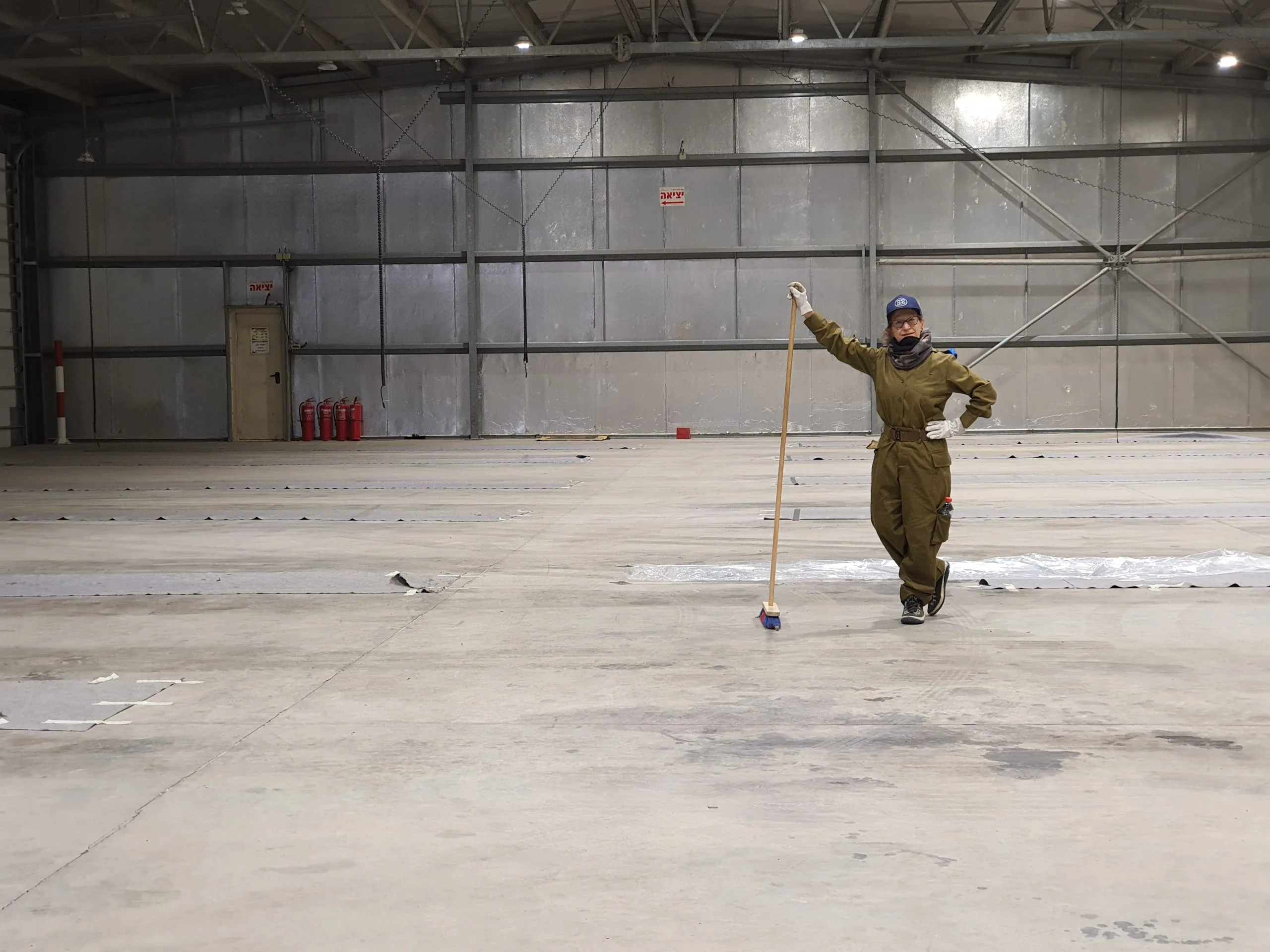
אני לומדת גמרא כעשור במסגרות שונות, ואת הדף היומי התחלתי כשחברה הציעה שאצטרף אליה לסיום בבנייני האומה. מאז אני לומדת עם פודקסט הדרן, משתדלת באופן יומי אך אם לא מספיקה, מדביקה פערים עד ערב שבת. בסבב הזה הלימוד הוא "ממעוף הציפור”, מקשיבה במהירות מוגברת תוך כדי פעילויות כמו בישול או נהיגה, וכך רוכשת היכרות עם הסוגיות ואופן ניתוחם על ידי חז”ל. בע”ה בסבב הבא, ואולי לפני, אצלול לתוכו באופן מעמיק יותר.

Yael Bir
יעל ביר

רמת גן, ישראל

התחלתי ללמוד דף יומי לפני שנתיים, עם מסכת שבת. בהתחלה ההתמדה היתה קשה אבל בזכות הקורונה והסגרים הצלחתי להדביק את הפערים בשבתות הארוכות, לסיים את מסכת שבת ולהמשיך עם המסכתות הבאות. עכשיו אני מסיימת בהתרגשות רבה את מסכת חגיגה וסדר מועד ומחכה לסדר הבא!

Ilana-Shachnowitz
אילנה שכנוביץ

מודיעין, ישראל

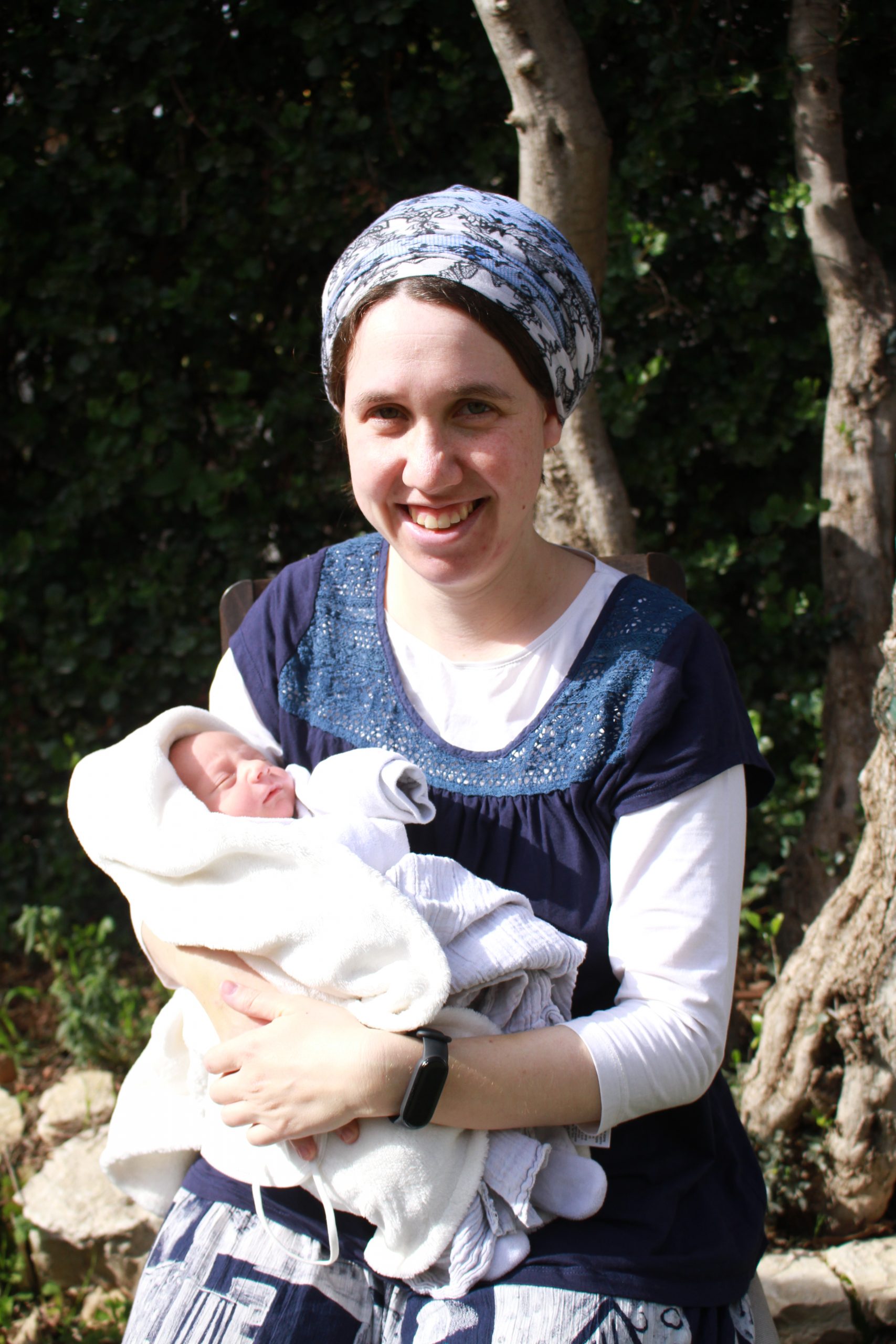
התחלתי ללמוד לפני כשנתיים בשאיפה לסיים לראשונה מסכת אחת במהלך חופשת הלידה.
אחרי מסכת אחת כבר היה קשה להפסיק…

Noa Gallant
נעה גלנט

ירוחם, ישראל

התחלתי ללמוד דף יומי בתחילת מסכת ברכות, עוד לא ידעתי כלום. נחשפתי לסיום הש״ס, ובעצם להתחלה מחדש בתקשורת, הפתיע אותי לטובה שהיה מקום לעיסוק בתורה.
את המסכתות הראשונות למדתי, אבל לא סיימתי (חוץ מעירובין איכשהו). השנה כשהגעתי למדרשה, נכנסתי ללופ, ואני מצליחה להיות חלק, סיימתי עם החברותא שלי את כל המסכתות הקצרות, גם כשהיינו חולות קורונה ובבידודים, למדנו לבד, העיקר לא לצבור פער, ומחכות ליבמות 🙂

Eden Yeshuron
עדן ישורון

מזכרת בתיה, ישראל

"
גם אני התחלתי בסבב הנוכחי וב””ה הצלחתי לסיים את רוב המסכתות . בזכות הרבנית מישל משתדלת לפתוח את היום בשיעור הזום בשעה 6:20 .הלימוד הפך להיות חלק משמעותי בחיי ויש ימים בהם אני מצליחה לחזור על הדף עם מלמדים נוספים ששיעוריהם נמצאים במרשתת. שמחה להיות חלק מקהילת לומדות ברחבי העולם. ובמיוחד לשמש דוגמה לנכדותיי שאי””ה יגדלו לדור שלימוד תורה לנשים יהיה משהו שבשגרה. "

Ronit Shavit
רונית שביט

נתניה, ישראל

התחלתי בתחילת הסבב, והתמכרתי. זה נותן משמעות נוספת ליומיום ומאוד מחזק לתת לזה מקום בתוך כל שגרת הבית-עבודה השוטפת.

Reut Abrahami
רעות אברהמי

בית שמש, ישראל

סיום השס לנשים נתן לי מוטביציה להתחיל ללמוד דף יומי. עד אז למדתי גמרא בשבתות ועשיתי כמה סיומים. אבל לימוד יומיומי זה שונה לגמרי ופתאום כל דבר שקורה בחיים מתקשר לדף היומי.

Fogel Foundation
קרן פוגל

רתמים, ישראל

A life-changing journey started with a Chanukah family tiyul to Zippori, home of the Sanhedrin 2 years ago and continued with the Syum in Binanei Hauma where I was awed by the energy of 3000 women dedicated to learning daf Yomi. Opening my morning daily with a fresh daf, I am excited with the new insights I find enriching my life and opening new and deeper horizons for me.

Becky Goldstein
בקי גולדשטיין

Elazar gush etzion, Israel

כבר סיפרתי בסיום של מועד קטן.
הלימוד מאוד משפיעה על היום שלי כי אני לומדת עם רבנית מישל על הבוקר בזום. זה נותן טון לכל היום – בסיס למחשבות שלי .זה זכות גדול להתחיל את היום בלימוד ובתפילה. תודה רבה !

שרה-ברלוביץ
שרה ברלוביץ

ירושלים, ישראל

התחלתי בסיום הש”ס, יצאתי באורות. נשברתי פעמיים, ובשתיהם הרבנית מישל עודדה להמשיך איפה שכולם בסבב ולהשלים כשאוכל, וכך עשיתי וכיום השלמתי הכל. מדהים אותי שאני לומדת כל יום קצת, אפילו בחדר הלידה, בבידוד או בחו”ל. לאט לאט יותר נינוחה בסוגיות. לא כולם מבינים את הרצון, בפרט כפמניסטית. חשה סיפוק גדול להכיר את המושגים וצורת החשיבה. החלום זה להמשיך ולהתמיד ובמקביל ללמוד איך מהסוגיות נוצרה והתפתחה ההלכה.

Weingarten Sherrington Foundation
קרן וינגרטן שרינגטון

מודיעין, ישראל

לפני 15 שנה, אחרי עשרות שנים של "ג’ינגול” בין משפחה לקריירה תובענית בהייטק, הצטרפתי לשיעורי גמרא במתן רעננה. הלימוד המעמיק והייחודי של הרבנית אושרה קורן יחד עם קבוצת הנשים המגוונת הייתה חוויה מאלפת ומעשירה. לפני כשמונה שנים כאשר מחזור הדף היומי הגיע למסכת תענית הצטרפתי כ”חברותא” לבעלי. זו השעה היומית שלנו ביחד כאשר דפי הגמרא משתלבים בחיי היום יום, משפיעים ומושפעים, וכשלא מספיקים תמיד משלימים בשבת

Yodi Askoff
יודי אסקוף

רעננה, ישראל

התחלתי ללמוד דף יומי לפני שנתיים, עם מסכת שבת. בהתחלה ההתמדה היתה קשה אבל בזכות הקורונה והסגרים הצלחתי להדביק את הפערים בשבתות הארוכות, לסיים את מסכת שבת ולהמשיך עם המסכתות הבאות. עכשיו אני מסיימת בהתרגשות רבה את מסכת חגיגה וסדר מועד ומחכה לסדר הבא!

Ilana-Shachnowitz
אילנה שכנוביץ

מודיעין, ישראל

התחלתי מעט לפני תחילת הסבב הנוכחי. אני נהנית מהאתגר של להמשיך להתמיד, מרגעים של "אהה, מפה זה הגיע!” ומהאתגר האינטלקטואלי

Eilat-Chen and Deller
אילת-חן ודלר

לוד, ישראל

בתחילת הסבב הנוכחי הצטברו אצלי תחושות שאני לא מבינה מספיק מהי ההלכה אותה אני מקיימת בכל יום. כמו כן, כאמא לבנות רציתי לתת להן מודל נשי של לימוד תורה
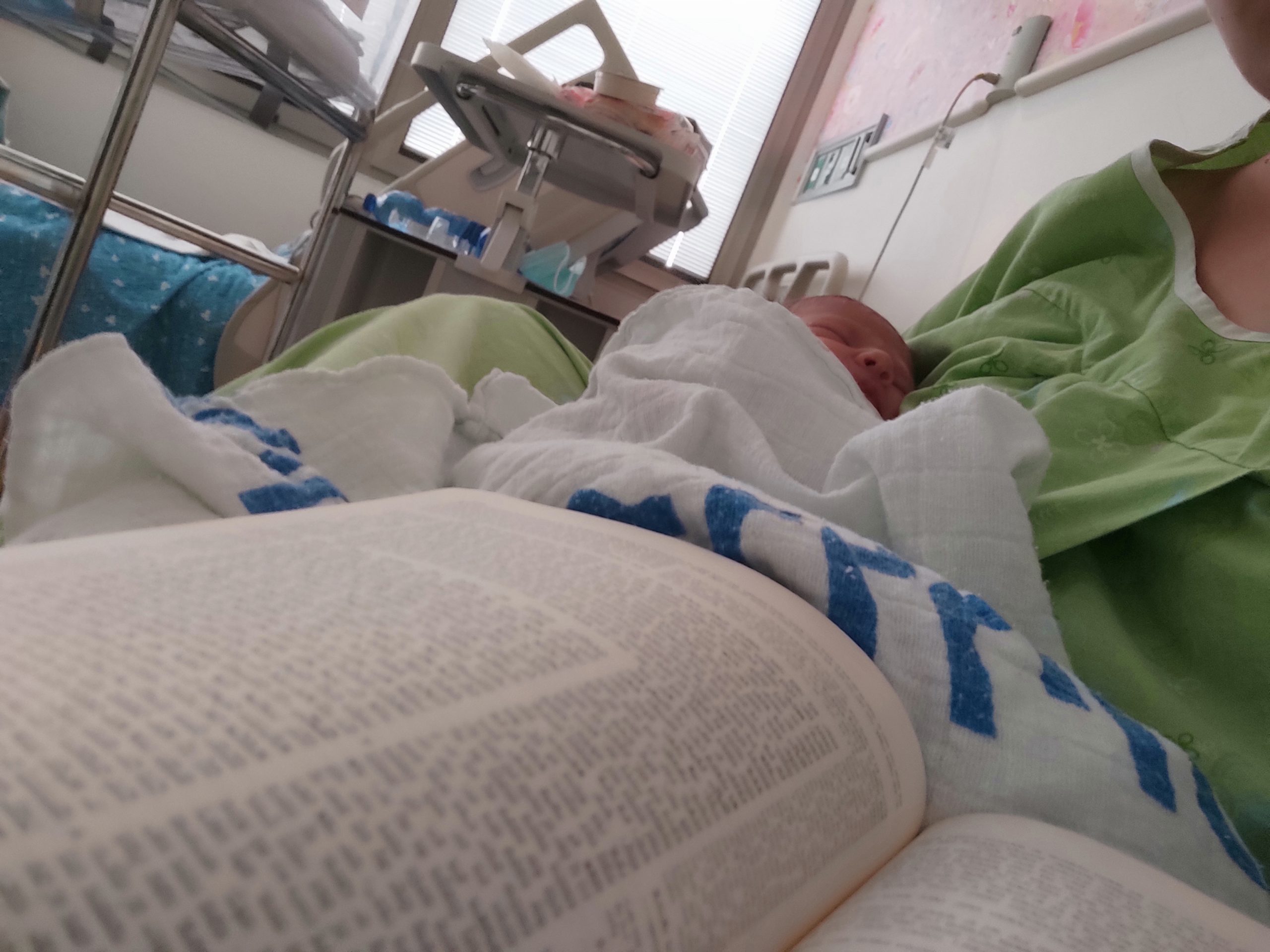
שתי הסיבות האלו הובילו אותי להתחיל ללמוד. נתקלתי בתגובות מפרגנות וסקרניות איך אישה לומדת גמרא..
כמו שרואים בתמונה אני ממשיכה ללמוד גם היום ואפילו במחלקת יולדות אחרי לידת ביתי השלישית.

Noa Shiloh
נועה שילה

רבבה, ישראל

באירוע של הדרן בנייני האומה. בהשראתה של אמי שלי שסיימה את הש”ס בסבב הקודם ובעידוד מאיר , אישי, וילדיי וחברותיי ללימוד במכון למנהיגות הלכתית של רשת אור תורה סטון ומורתיי הרבנית ענת נובוסלסקי והרבנית דבורה עברון, ראש המכון למנהיגות הלכתית.
הלימוד מעשיר את יומי, מחזיר אותי גם למסכתות שכבר סיימתי וידוע שאינו דומה מי ששונה פרקו מאה לשונה פרקו מאה ואחת במיוחד מרתקים אותי החיבורים בין המסכתות

Roit Kalech
רוית קלך

מודיעין, ישראל

My explorations into Gemara started a few days into the present cycle. I binged learnt and become addicted. I’m fascinated by the rich "tapestry” of intertwined themes, connections between Masechtot, conversations between generations of Rabbanim and learners past and present all over the world. My life has acquired a golden thread, linking generations with our amazing heritage.
Thank you.

Susan Kasdan
סוזן כשדן

חשמונאים, Israel

אחי, שלומד דף יומי ממסכת ברכות, חיפש חברותא ללימוד מסכת ראש השנה והציע לי. החברותא היתה מאתגרת טכנית ורוב הזמן נעשתה דרך הטלפון, כך שבסיום המסכת נפרדו דרכינו. אחי חזר ללמוד לבד, אבל אני כבר נכבשתי בקסם הגמרא ושכנעתי את האיש שלי להצטרף אלי למסכת ביצה. מאז המשכנו הלאה, ועכשיו אנחנו מתרגשים לקראתו של סדר נשים!

Shulamit Saban
שולמית סבן

נוקדים, ישראל

התחלתי ללמוד בעידוד שתי חברות אתן למדתי בעבר את הפרק היומי במסגרת 929.
בבית מתלהבים מאוד ובשבת אני לומדת את הדף עם בעלי שזה מפתיע ומשמח מאוד! לימוד הדף הוא חלק בלתי נפרד מהיום שלי. לומדת בצהריים ומחכה לזמן הזה מידי יום…

Miriam Wengerover
מרים ונגרובר

אפרת, ישראל

עירובין יז

רֵישָׁא רַבִּי יוֹסֵי בְּרַבִּי יְהוּדָה וְסֵיפָא רַבָּנַן?!

The Gemara asks: Is that to say that the first clause of Rav Naḥman’s ruling is in accordance with the opinion of Rabbi Yosei, son of Rabbi Yehuda, and the latter clause is in accordance with the opinion of the Rabbis?

אִין, מִשּׁוּם דְּקָאֵי אֲבוּהּ בְּשִׁיטְתֵיהּ.

The Gemara answers: Yes, because his father, Rabbi Yehuda, holds in accordance with his opinion with regard to areas enclosed for the sake of an individual. This being the case, their opinion on this matter is that of the many.

אָמַר רַב גִּידֵּל אָמַר רַב: שְׁלֹשָׁה בְּחָמֵשׁ — אֲסוּרִין, בְּשֶׁבַע מוּתָּרִין. אֲמַרוּ לֵיהּ: אֲמַר רַב הָכִי? אֲמַר לְהוּ: אוֹרָיְיתָא נְבִיאֵי וּכְתִיבֵי דַּאֲמַר רַב הָכִי!

Rav Giddel said that Rav said: At times, for three people it is prohibited to carry even in an area of five beit se’a; at times, it is permitted for them to carry even in an area of seven beit se’a. These statements appear irreconcilable, and his colleagues said to him: Did Rav actually say that? He said to them: I swear by the Torah, the Prophets, and the Writings, that Rav said so.

אָמַר רַב אָשֵׁי: מַאי קַשְׁיָא? דִּילְמָא הָכִי קָאָמַר: הוּצְרְכוּ לְשֵׁשׁ וְהִקִּיפוּ בְּשֶׁבַע — אֲפִילּוּ בְּשֶׁבַע מוּתָּרִין. לֹא הוּצְרְכוּ אֶלָּא לְחָמֵשׁ וְהִקִּיפוּ בְּשֶׁבַע — אֲפִילּוּ בְּחָמֵשׁ אֲסוּרִין.

Rav Ashi said: What is the difficulty here? Perhaps this is what he is saying: If they needed six beit se’a, and they enclosed seven, they are permitted to carry even in all seven, as one empty beit se’a does not render it prohibited for one to carry in the rest of the area. If, however, they needed only five beit se’a, and they enclosed seven, carrying even in five is prohibited, as there is an unoccupied space of two beit se’a.

וְאֶלָּא הָא דְּקָתָנֵי: ״וּבִלְבַד שֶׁלֹּא יְהֵא בֵּית סָאתַיִם פָּנוּי״ — מַאי לָאו, פָּנוּי מֵאָדָם? לָא, פָּנוּי מִכֵּלִים.

The Gemara asks: However, with regard to that which the baraita is teaching, that the partition renders the area fit for one to carry within it provided that there will not be an unoccupied space of two beit se’a, what, is it not in fact referring to space unoccupied by people? In other words, isn’t the baraita teaching that the enclosed area may not be two beit se’a larger than a measure of two beit se’a per person? Accordingly, if three people enclosed an area of seven beit se’a, it should always be permitted for them to carry there, as they are entitled to six beit se’a and only one beit se’a is unoccupied. The Gemara answers: No, it means unoccupied by utensils. Although they would be entitled to six beit se’a if needed, since they need only five in practice and a space of two beit se’a remains unoccupied, the effectiveness of the partitions is negated and carrying therein is prohibited.

אִיתְּמַר: שְׁלֹשָׁה וּמֵת אֶחָד מֵהֶן, שְׁנַיִם וְנִתּוֹסְפוּ עֲלֵיהֶן — רַב הוּנָא וְרַבִּי יִצְחָק, חַד אָמַר: שַׁבָּת גּוֹרֶמֶת, וְחַד אָמַר: דָּיוֹרִין גּוֹרְמִין.

It is stated: If there were three people in a caravan and one of them died on Shabbat, or if there were two people, and others were added to them on Shabbat, Rav Huna and Rabbi Yitzḥak disagree with regard to the area in which they are permitted to carry on Shabbat. One said: Shabbat determines the status of the area. The halakha is determined in accordance with the prevailing situation at the onset of Shabbat. And one said that the residents, i.e., the actual number of people present at any given moment, determine the status.

תִּסְתַּיֵּים דְּרַב הוּנָא הוּא דְּאָמַר שַׁבָּת גּוֹרֶמֶת. דְּאָמַר רַבָּה: בְּעַאי מֵרַב הוּנָא, וּבְעַאי מֵרַב יְהוּדָה: עֵירַב דֶּרֶךְ הַפֶּתַח וְנִסְתַּם הַפֶּתַח, דֶּרֶךְ הַחַלּוֹן וְנִסְתַּם הַחַלּוֹן, מַהוּ? וְאָמַר לִי: שַׁבָּת הוֹאִיל וְהוּתְרָה — הוּתְּרָה. תִּסְתַּיֵּים.

The Gemara comments: Conclude that it is Rav Huna who said that Shabbat determines the status, as Rabba said: I raised a dilemma before Rav Huna, and I raised a dilemma before Rav Yehuda with regard to the following case: If one established an eiruv to join one courtyard to another via a certain opening and that opening was sealed on Shabbat, or if one established an eiruv via a certain window and that window was sealed on Shabbat, what is the halakha? Can one continue to rely on this eiruv and carry from one courtyard to the other via other entrances? And he said to me: Since it was permitted to carry from courtyard to courtyard at the onset of Shabbat, it was permitted and remains so until Shabbat’s conclusion. The Gemara comments: Indeed, conclude that it is Rav Huna who maintains the determining factor is Shabbat, not the residents.

לֵימָא רַב הוּנָא וְרַבִּי יִצְחָק בִּפְלוּגְתָּא דְּרַבִּי יוֹסֵי וְרַבִּי יְהוּדָה קָמִיפַּלְגִי? דִּתְנַן: חָצֵר שֶׁנִּפְרְצָה מִשְׁתֵּי רוּחוֹתֶיהָ, וְכֵן בַּיִת שֶׁנִּפְרַץ מִשְׁתֵּי רוּחוֹתָיו, וְכֵן מָבוֹי שֶׁנִּיטְּלוּ קוֹרוֹתָיו אוֹ לְחָיָיו — מוּתָּרִין לְאוֹתָהּ שַׁבָּת וַאֲסוּרִין לֶעָתִיד לָבֹא, דִּבְרֵי רַבִּי יְהוּדָה.

The Gemara asks: Let us say that Rav Huna and Rabbi Yitzḥak are disagreeing in the earlier dispute of the tanna’im Rabbi Yosei and Rabbi Yehuda. As we learned in a mishna: If during Shabbat a courtyard was breached from two of its sides, or if a house was breached from two of its sides, or if an alleyway’s cross beams or side posts were removed, it is permitted to carry within them on that Shabbat, but it is prohibited to do so in the future; this is the statement of Rabbi Yehuda.

רַבִּי יוֹסֵי אוֹמֵר: אִם מוּתָּרִין לְאוֹתָהּ שַׁבָּת — מוּתָּרִין לֶעָתִיד לָבֹא, וְאִם אֲסוּרִין לֶעָתִיד לָבֹא — אֲסוּרִין לְאוֹתָהּ שַׁבָּת.

Rabbi Yosei says: If it is permitted to carry there on that Shabbat, it is also permitted to do so in the future. However, if it is prohibited to carry there in the future, it is also prohibited to do so on that Shabbat. Since it is prohibited to carry there in the future, it is also prohibited to carry there on that Shabbat. This opinion disputes the principle that since it is permitted at the onset of Shabbat it remains permitted.

לֵימָא רַב הוּנָא דְּאָמַר כְּרַבִּי יְהוּדָה וְרַבִּי יִצְחָק דְּאָמַר כְּרַבִּי יוֹסֵי?

Let us say that it is Rav Huna who stated his opinion in accordance with the opinion of Rabbi Yehuda, and he held that the situation at the onset of Shabbat determines the halakhic status. And it is Rabbi Yitzḥak who stated his opinion in accordance with the opinion of Rabbi Yosei.

אָמַר לְךָ רַב הוּנָא: אֲנָא דַּאֲמַרִי אֲפִילּוּ לְרַבִּי יוֹסֵי, עַד כָּאן לָא קָאָמַר רַבִּי יוֹסֵי הָתָם — אֶלָּא דְּלֵיתַנְהוּ לִמְחִיצוֹת, הָכָא — אִיתַנְהוּ לִמְחִיצוֹת.

The Gemara rejects this explanation. Rav Huna could have said to you: It is I who stated my opinion even in accordance with the opinion of Rabbi Yosei. Rabbi Yosei stated his opinion only there, in a case where there are no longer partitions intact; however, here there are partitions intact. Since the status of the area is dependent upon the existence of partitions, he would also agree that carrying is permitted in this case.

וְרַבִּי יִצְחָק אָמַר: אֲנָא דַּאֲמַרִי אֲפִילּוּ לְרַבִּי יְהוּדָה, עַד כָּאן לָא קָאָמַר רַבִּי יְהוּדָה הָתָם — אֶלָּא דְּאִיתַנְהוּ לְדָיוֹרִין, הָכָא — לֵיתַנְהוּ לְדָיוֹרִין.

And Rabbi Yitzḥak could have said to you: It is I who stated my opinion even in accordance with the opinion of Rabbi Yehuda. Rabbi Yehuda stated his opinion only there, in a case where there are residents. However, here, there are no remaining residents that are alive, so he too would prohibit carrying.

וַחֲכָמִים אוֹמְרִים אֶחָד מִשְּׁנֵי דְּבָרִים. הַיְינוּ תַּנָּא קַמָּא?

We learned in the mishna: However, the Rabbis say: One of the two elements, either vertical or horizontal, is sufficient. The Gemara asks: This is identical to the opinion of the first tanna of the mishna. What did the Rabbis add?

אִיכָּא בֵּינַיְיהוּ יָחִיד בַּיִּישּׁוּב.

The Gemara answers: There is a practical halakhic difference between them with regard to an individual in a settlement. The first tanna does not allow one to rely on a partition of this type ab initio, whereas the Rabbis permit doing so in all cases.

מַתְנִי׳ אַרְבָּעָה דְּבָרִים פָּטְרוּ בַּמַּחֲנֶה: מְבִיאִין עֵצִים מִכׇּל מָקוֹם, וּפְטוּרִין מֵרְחִיצַת יָדַיִם, וּמִדְּמַאי, וּמִלְּעָרֵב.

MISHNA: The Sages exempted a soldier in a military camp in four matters: One may bring wood for kindling from any place with no concern that he is stealing wood from its owners; and one is exempt from ritual washing of the hands before eating; and one is exempt from the separation of tithes from doubtfully tithed produce [demai], i.e., produce purchased from an am ha’aretz, one who is not diligent in separating tithes; and one is exempt from establishing an eiruv.

גְּמָ׳ תָּנוּ רַבָּנַן: מַחֲנֶה הַיּוֹצֵאת לְמִלְחֶמֶת הָרְשׁוּת מוּתָּרִין בְּגֶזֶל עֵצִים יְבֵשִׁים. רַבִּי יְהוּדָה בֶּן תֵּימָא אוֹמֵר: אַף חוֹנִין בְּכׇל מָקוֹם. וּבִמְקוֹם שֶׁנֶּהֶרְגוּ שָׁם נִקְבָּרִין.

GEMARA: The Sages taught in a Tosefta: With regard to a military camp that goes out to wage an optional war, it is permitted for the soldiers to steal dry wood. Rabbi Yehuda ben Teima says: They may also encamp in any location, even if they damage the field in which they are encamped. And in the place where they were killed, there they are buried and the owner of the site cannot object, as moving the corpse for burial elsewhere dishonors the dead.

מוּתָּרִין בְּגֶזֶל עֵצִים יְבֵשִׁים. הַאי תַּקַּנְתָּא דִּיהוֹשֻׁעַ הֲוָה? דְּאָמַר מָר, עֲשָׂרָה תְּנָאִים הִתְנָה יְהוֹשֻׁעַ: שֶׁיְּהוּ מַרְעִין בָּחוֹרָשִׁין, וּמְלַקְּטִין עֵצִים מִשְּׂדוֹתֵיהֶן!

The Gemara analyzes this Tosefta. What is the novelty in the following statement: They are permitted to steal dry wood? This was an ordinance enacted by Joshua, as the Master said in a baraita: There is a tradition that Joshua stipulated ten conditions with the Jewish people as they entered Eretz Yisrael, among them that one may graze his animals in woods belonging to others without objection, and one may gather wood for his own use from their fields.

הָתָם — בְּהִיזְמֵי וְהִיגֵי, הָכָא — בִּשְׁאָר עֵצִים.

The Gemara answers: There, Joshua’s ordinance permitted gathering various types of shrubs [hizmei] and thorns [higei], with regard to which people are not particular; here, the ordinance in the mishna pertaining to a military camp is referring to other types of wood.

אִי נָמֵי: הָתָם — בִּמְחוּבָּרִין, הָכָא — בִּתְלוּשִׁין.

Alternatively: There, Joshua’s ordinance referred to gathering thorns still attached to the ground, as removing those thorns benefits the field’s owner. Here, however, the mishna is referring to gathering thorns that are already detached.

אִי נָמֵי: הָתָם — בְּלַחִין, הָכָא — בִּיבֵשִׁים.

Alternatively: There, Joshua’s ordinance referred to gathering moist thorns. Owners are not particular about them because they are not immediately suitable for kindling. Here, the mishna is referring even to dry thorns.

רַבִּי יְהוּדָה בֶּן תֵּימָא אוֹמֵר: אַף חוֹנִין בְּכׇל מָקוֹם, וּבִמְקוֹם שֶׁנֶּהֱרָגִים שָׁם נִקְבָּרִים. פְּשִׁיטָא, מֵת מִצְוָה הוּא, וּמֵת מִצְוָה קוֹנֶה מְקוֹמוֹ!

It was taught in the Tosefta that Rabbi Yehuda ben Teima says: They may also encamp in any place, and in the place where they were killed, there they are buried. The Gemara raises a difficulty: This is obvious, as a body of a dead soldier is considered to be a corpse with no one to bury it [met mitzva], and the principle is that a met mitzva acquires its place. In other words, the body must be interred where it is found, and the owner of the field cannot prevent burial.

לָא צְרִיכָא, אַף עַל גַּב

The Gemara answers: No, this ostensibly obvious statement is indeed necessary to teach that this principle applies in the case of a military camp, even though

דְּאִית לֵיהּ קוֹבְרִין, דְּתַנְיָא: אֵיזֶהוּ מֵת מִצְוָה? כֹּל שֶׁאֵין לוֹ קוֹבְרִין. קוֹרֵא וַאֲחֵרִים עוֹנִין אוֹתוֹ — אֵין זֶה מֵת מִצְוָה.

there are people available to bury it. As it was taught in a baraita: Which is the corpse that is considered a met mitzva?Any corpse that has no one available to bury it. If, however, the deceased has friends or relatives to tend to his burial, his corpse is not considered a met mitzva. Likewise, if the body is in a place where if one calls out, others can answer him, this is not a met mitzva. The Tosefta teaches a novel ruling applicable to the case of a military camp: A solider is buried where he was killed, even if the conditions for met mitzva are not met there.

וּמֵת מִצְוָה קָנָה מְקוֹמוֹ? וְהָתַנְיָא: הַמּוֹצֵא מֵת מוּטָל בִּסְרַטְיָא — מְפַנֵּיהוּ לִימִין אִסְרַטְיָא אוֹ לִשְׂמֹאל אִסְרַטְיָא.

With regard to the halakha itself, the Gemara asks: And does a met mitzva actually acquire its place? Wasn’t it taught in a baraita: One who finds a corpse laid out on a main street evacuates it for burial either to the right of the street or to the left of the street, but it may not be buried under the main street itself?

שְׂדֵה בוּר וּשְׂדֵה נִיר — מְפַנֵּיהוּ לִשְׂדֵה בוּר. שְׂדֵה נִיר וּשְׂדֵה זֶרַע — מְפַנֵּיהוּ לִשְׂדֵה נִיר. הָיוּ שְׁתֵּיהֶן נִירוֹת, שְׁתֵּיהֶן זְרוּעוֹת, שְׁתֵּיהֶן בּוּרוֹת — מְפַנֵּהוּ לְכׇל רוּחַ שֶׁיִּרְצֶה!

If one can move the corpse either to an uncultivated field or to a plowed field, he evacuates it to the uncultivated field. If the choice is between a plowed field and a sown field, he evacuates it to the plowed field. If both fields are plowed, or if both are sown, or if both are uncultivated, he evacuates it to any side that he wishes to move it. Apparently, a met mitzva is not necessarily buried where it is found. It may be moved elsewhere.

אָמַר רַב בִּיבִי: הָכָא בְּמֵת מוּטָּל עַל הַמֵּיצַר עָסְקִינַן. מִתּוֹךְ שֶׁנִּיתְּנָה רְשׁוּת לְפַנּוֹתוֹ מִן הַמֵּיצַר — מְפַנֵּיהוּ לְכׇל רוּחַ שֶׁיִּרְצֶה.

Rav Beivai said: Here we are dealing with a corpse laid out across on the side of a public path, and it stretches across the path and reaches the other side. Were the corpse buried there, it would prohibit passage by priests. Since permission was already granted to evacuate it from the side of a public path, one may evacuate it to any side he wishes. If, however, the corpse was in a field, moving it would be prohibited.

וּפְטוּרִין מֵרְחִיצַת יָדַיִם. אָמַר אַבָּיֵי: לֹא שָׁנוּ אֶלָּא מַיִם רִאשׁוֹנִים, אֲבָל מַיִם אַחֲרוֹנִים חוֹבָה.

We learned in the mishna that in a military camp one is exempt from ritual washing of the hands. Abaye said: They taught this exemption only with regard to first waters, i.e., hand-washing before eating. However, final waters, i.e., hand-washing after eating and before reciting Grace after Meals, is an obligation even in a military camp.

אָמַר רַב חִיָּיא בַּר אָשֵׁי: מִפְּנֵי מָה אָמְרוּ מַיִם אַחֲרוֹנִים חוֹבָה? מִפְּנֵי שֶׁמֶּלַח סְדוֹמִית יֵשׁ, שֶׁמְּסַמֵּא אֶת הָעֵינַיִם.

Rav Ḥiyya bar Ashi said: For what reason did the Sages say that the final waters are an obligation? It is due to the fact that there is the presence of Sodomite salt, which blinds the eyes even in a small amount. Since Sodomite salt could remain on one’s hands, one must wash them after eating. This obligation is binding even in a camp because soldiers are also obligated to maintain their health.

אָמַר אַבָּיֵי: וּמִשְׁתַּכְחָא כְּקוּרְטָא בְּכוֹרָא. אֲמַר לֵיהּ רַב אַחָא בְּרֵיהּ דְּרָבָא לְרַב אָשֵׁי: כָּיֵיל מִילְחָא, מַאי? אֲמַר לֵיהּ: [הָא] לָא מִיבַּעְיָא.

Abaye said: And this type of dangerous salt is present in the proportion of a single grain [korta] in an entire kor of innocuous salt. Rav Aḥa, son of Rava, said to Rav Ashi: If one measured salt and came into contact with Sodomite salt not during mealtime, what is the halakha? Is there an obligation to wash his hands afterward? He said to him: It was unnecessary to say this, as he is certainly obligated to do so.

וּמִדְּמַאי. דִּתְנַן: מַאֲכִילִין אֶת הָעֲנִיִּים דְּמַאי וְאֶת אַכְסַנְיָא דְּמַאי. אָמַר רַב הוּנָא: תָּנָא, בֵּית שַׁמַּאי אוֹמְרִים: אֵין מַאֲכִילִין אֶת הָעֲנִיִּים דְּמַאי וְאֶת אַכְסַנְיָא דְּמַאי, וּבֵית הִלֵּל אוֹמְרִים: מַאֲכִילִין אֶת הָעֲנִיִּים דְּמַאי וְאֶת אַכְסַנְיָא דְּמַאי.

The mishna continues: And in a military camp, one is exempt from the separation of tithes from doubtfully tithed produce [demai]. As we learned in a mishna: One may feed the poor demai, and one may also feed quartered soldiers [akhsanya] demai. Rav Huna said: A tanna taught in a baraita: Beit Shammai say that one may neither feed the poor demai, nor may one feed quartered soldiers demai. And Beit Hillel say that one may feed the poor demai, and one may also feed quartered soldiers demai.

וּמִלְּעָרֵב. אָמְרִי דְּבֵי רַבִּי יַנַּאי: לֹא שָׁנוּ אֶלָּא עֵירוּבֵי חֲצֵירוֹת, אֲבָל עֵירוּבֵי תְּחוּמִין חַיָּיבִין.

We learned in the mishna: And in a military camp, one is exempt from establishing an eiruv. The Sages of the school of Rabbi Yannai said: They taught that this exemption applies only with regard to the joining of houses in courtyards. However, even those in a military encampment are obligated to establish an eiruv if they desire to effect a joining of Shabbat boundaries, whereby one extends the Shabbat limits beyond which one may not walk on Shabbat.

דְּתָנֵי רַבִּי חִיָּיא: לוֹקִין עַל עֵירוּבֵי תְּחוּמִין דְּבַר תּוֹרָה.

As Rabbi Ḥiyya taught a baraita: One is flogged by Torah law for going beyond the Shabbat limit if there is no joining of Shabbat boundaries. The Torah states: “No man shall go out [al yetze] of his place on the seventh day” (Exodus 16:29). Since this is a Torah prohibition, leniency is possible only in life-threatening circumstances.

מַתְקֵיף לַהּ רַבִּי יוֹנָתָן: וְכִי לוֹקִין עַל לָאו שֶׁבְּ״אַל״? מַתְקֵיף רַב אַחָא בַּר יַעֲקֹב: אֶלָּא מֵעַתָּה דִּכְתִיב: ״אַל תִּפְנוּ אֶל הָאוֹבוֹת וְאֶל הַיִּדְּעוֹנִים״, הָכִי נָמֵי דְּלָא לָקֵי?!

Rabbi Yonatan strongly objects: Is one flogged for violating a prohibition that is expressed in the Torah with the negative al, rather than the negative lo? Rav Aḥa bar Ya’akov strongly objects to the question: If what you say is so, with regard to that which is written: “Turn you not [al] unto the ghosts, nor unto familiar spirits” (Leviticus 19:31), is the halakha there too that one is not flogged?

רַבִּי יוֹנָתָן הָכִי קַשְׁיָא לֵיהּ: לָאו שֶׁנִּיתַּן לְאַזְהָרַת מִיתַת בֵּית דִּין. וְכׇל לָאו שֶׁנִּיתַּן לְאַזְהָרַת מִיתַת בֵּית דִּין — אֵין לוֹקִין עָלָיו.

Rather, this is the difficulty for Rabbi Yonatan: The prohibition against overstepping the Shabbat limits is a prohibition that was given primarily as a warning of court-imposed capital punishment, i.e., a prohibition which, under certain conditions, is punishable by the death and not merely by lashes, as is the case with most prohibitions. In fact, the prohibition against carrying objects out to the public domain is derived from that same verse, and one who violates that prohibition is liable for execution by the court. And this principle applies: Any prohibition that was given primarily as a warning of court-imposed capital punishment one is not flogged, even if the death penalty does not apply in that particular case.

אָמַר רַב אָשֵׁי: מִי כְּתִיב ״אַל יוֹצִיא״? ״אַל יֵצֵא״ כְּתִיב.

Rav Ashi said: Is it written in the Torah: No man shall carry out [yotzi], indicating a prohibition against carrying objects from one domain to another on Shabbat? “No man shall go out [yetze]” is written. Indeed, according to its plain meaning, the verse deals exclusively with the prohibition of going beyond the Shabbat limits and not with the prohibition of carrying out. Everyone agrees that there is no death penalty administered by the court in overstepping the Shabbat limit.

הֲדַרַן עֲלָךְ מָבוֹי

מַתְנִי׳ עוֹשִׂין פַּסִּין לְבֵירָאוֹת.

MISHNA: One may arrange upright boards [passin] around a well in the public domain in order to permit drawing water from the well on Shabbat. A well is usually at least four handbreadths wide and ten handbreadths deep. Therefore, it is considered a private domain, and it is prohibited to draw water from it on Shabbat, as that would constitute a violation of the prohibition to carry from a private domain into a public one. The Sages therefore instituted that a virtual partition may be built in the area surrounding the well, so that the enclosed area could be considered a private domain, thus permitting use of the well and carrying of the water within the partitioned area.

אַרְבָּעָה דְּיוֹמְדִין נִרְאִין כִּשְׁמוֹנָה, דִּבְרֵי רַבִּי יְהוּדָה. רַבִּי מֵאִיר אוֹמֵר: שְׁמוֹנָה נִרְאִין כִּשְׁנֵים עָשָׂר — אַרְבָּעָה דְּיוֹמְדִים וְאַרְבָּעָה פְּשׁוּטִין.

In this specific instance, the Sages demonstrated special leniency and did not require a proper partition to enclose the entire area. For this purpose, it suffices if there are four double posts [deyomadin] that look like eight single posts, i.e., four corner pieces, each comprised of two posts joined together at right angles; this is the statement of Rabbi Yehuda. Rabbi Meir says: There must be eight posts that look like twelve. How so? There must be four double posts, one in each corner, with four plain posts, one between each pair of double posts.

גּוֹבְהָן עֲשָׂרָה טְפָחִים, וְרוֹחְבָּן שִׁשָּׁה וְעוֹבְיָים כׇּל שֶׁהוּא. וּבֵינֵיהֶן כִּמְלֹא שְׁתֵּי רְבָקוֹת שֶׁל שָׁלֹשׁ שָׁלֹשׁ בָּקָר, דִּבְרֵי רַבִּי מֵאִיר.

The height of the double posts must be at least ten handbreadths, their width must be six handbreadths, and their thickness may be even a minimal amount. And between them, i.e., between the posts, there may be a gap the size of two teams [revakot] of three oxen each; this is the statement of Rabbi Meir.

רַבִּי יְהוּדָה אוֹמֵר: שֶׁל אַרְבַּע, קְשׁוּרוֹת וְלֹא מוּתָּרוֹת, אַחַת נִכְנֶסֶת וְאַחַת יוֹצֵאת.

Rabbi Yehuda disagrees and says: There may be a slightly larger gap, the size of two teams of four oxen each, and this gap is measured with the cows being tied together and not untied, and with the minimal space necessary for one team to be entering while the other one is leaving.

מוּתָּר לְהַקְרִיב לַבְּאֵר, וּבִלְבַד שֶׁתְּהֵא פָּרָה רֹאשָׁהּ וְרוּבָּהּ בִּפְנִים וְשׁוֹתָה.

It is permitted to bring the posts closer to the well, provided that the enclosed area is large enough for a cow to stand with its head and the majority of its body inside the partitioned space while it drinks.

מוּתָּר

It is permitted

רוצה לעקוב אחרי התכנים ולהמשיך ללמוד?

ביצירת חשבון עוד היום ניתן לעקוב אחרי ההתקדמות שלך, לסמן מה למדת, ולעקוב אחרי השיעורים שמעניינים אותך.

לנקות את כל הפריטים מהרשימה?

פעולה זו תסיר את כל הפריטים בחלק זה כולל ההתקדמות וההיסטוריה. שימי לב: לא ניתן לשחזר פעולה זו.

ביטול
מחיקה

האם את/ה בטוח/ה שברצונך למחוק פריט זה?

תאבד/י את כל ההתקדמות או ההיסטוריה הקשורות לפריט זה.

ביטול
מחיקה