חיפוש

עירובין כג

רוצה להקדיש לימוד?

podcast placeholder

0:00
0:00


תקציר

תמונות לעירובין כג

השיעור היום מוקדש על ידי מדינה קורן לזכר נשמת אמא, רוזליה קטשין, שושונה רייזל בת אברהם יהושע וביילא טויבה ז”ל בעשרים שנה לפטירתה. היא אהבה ללמוד תורה ולתקשר עם אנשים והיתה מאוד נהנית מעבודתה של הדרן שמסמלת שני ערכים אלו. ובהצלחה לכל המורים ומורות ותלמידים ותלמידות שחוזרים ללימודים היום. שיצליחו להתגבר על כל האתגרים הלא פשוטים של הסיטואציה המורכבת השנה. 

פוסקים כר’ יהודה בן בבא בדיני פסי ביראות שרק עובדים בבאר רבים. המשנה מביאה מחלוקות והרבה דעות שונות בעניין קרפף שהוקף במחיצות – האם צריך היקף לדירה אפילו להתיר בבית סאתים או לא? ואם צריך היקף לדירה, איזה סוג של דירה צריך? האם צריך להיות ריבוע או אפשר מלבן? למה כשהציגו עמדת ר’ יהודה בן בבא במשנה, התחילו עם המילה "ועוד”? מאיפה דרשו את עניין הריבוע? ואיך הגיעו לשיעור של 70 ושני שלישים על שבעים ושני שלישים? אם יש קרפף שהוקף לדירה ואז זרעו בתוכו, מהי ההלכה לגבי טלטול בשטח שנזרע? ואיך צמצם רב הונא בריה דרב יהושע את ההלכה הזאת?


כלי ה-DAF היומיים של היום:

עירובין כג

גְּמָ׳ אָמַר רַב יוֹסֵף אָמַר רַב יְהוּדָה אָמַר שְׁמוּאֵל: הֲלָכָה כְּרַבִּי יְהוּדָה בֶּן בָּבָא. וְאָמַר רַב יוֹסֵף אָמַר רַב יְהוּדָה אָמַר שְׁמוּאֵל: לֹא הוּתְּרוּ פַּסֵּי בֵירָאוֹת אֶלָּא לִבְאֵר מַיִם חַיִּים בִּלְבַד.

GEMARA: Rav Yosef said that Rav Yehuda said that Shmuel said: The halakha is in accordance with the opinion of Rabbi Yehuda ben Bava. And Rav Yosef also said that Rav Yehuda said that Shmuel said: Upright boards surrounding a well were permitted only in the case of a well containing potable, running spring water.

וּצְרִיכָא: דְּאִי אַשְׁמְעִינַן הֲלָכָה כְּרַבִּי יְהוּדָה בֶּן בָּבָא, הֲוָה אָמֵינָא: דְּרַבִּים — וַאֲפִילּוּ מְכוּנָּסִין,

The Gemara comments: And it was necessary to cite both of these statements, even though their content appears to be the same. As had he taught us only that the halakha is in accordance with the opinion of Rabbi Yehuda ben Bava that upright boards may only be set arranged for a well, I would have said that with regard to water belonging to the public, upright boards are permitted not only in the case of spring water, but even in the case of water collected in a cistern.

וְהַאי דְּקָתָנֵי בְּאֵר הָרַבִּים — לְאַפּוֹקֵי מִדְּרַבִּי עֲקִיבָא. קָא מַשְׁמַע לַן דְּלֹא הוּתְּרוּ פַּסֵּי בֵירָאוֹת אֶלָּא לִבְאֵר מַיִם חַיִּים.

And that which was taught: One may only arrange boards for a public well, that was to exclude the opinion of Rabbi Akiva that upright boards may be arranged even for a private well, but not to allow us to infer that boards may not be arranged for a public cistern filled with collected water. Therefore, Shmuel teaches us that boards surrounding a well were permitted only in the case of a well of spring water.

וְאִי אַשְׁמְעִינַן בְּאֵר מַיִם חַיִּים, הֲוָה אָמֵינָא: לָא שְׁנָא דְּרַבִּים וְלָא שְׁנָא דְּיָחִיד, קָא מַשְׁמַע לַן: הֲלָכָה כְּרַבִּי יְהוּדָה בֶּן בָּבָא.

And in the opposite direction, had he taught us that upright boards may only be arranged for a well containing potable, running spring water, I would have said that there is no difference whether it is a public well and there is no difference whether it is a private well. Shmuel therefore teaches us that the halakha is in accordance with the opinion of Rabbi Yehuda ben Bava, who says that upright boards may be arranged only for a public well, but not for one that belongs to an individual.

מַתְנִי׳ וְעוֹד אָמַר רַבִּי יְהוּדָה בֶּן בָּבָא: הַגִּינָּה וְהַקַּרְפֵּף שֶׁהֵן שִׁבְעִים אַמָּה וְשִׁירַיִים עַל שִׁבְעִים אַמָּה וְשִׁירַיִים הַמּוּקָּפוֹת גָּדֵר גָּבוֹהַּ עֲשָׂרָה טְפָחִים — מְטַלְטְלִין בְּתוֹכָהּ, וּבִלְבַד שֶׁיְּהֵא בָּהּ שׁוֹמֵירָה אוֹ בֵּית דִּירָה, אוֹ שֶׁתְּהֵא סְמוּכָה לָעִיר.

MISHNA: And furthermore, Rabbi Yehuda ben Bava said: With regard to a garden or a karpef, an enclosed courtyard used for storage, that is not more than seventy cubits and a remainder, a little more, as will be explained below, by seventy cubits and a remainder, and is surrounded by a wall ten handbreadths high, one may carry inside it, as it constitutes a proper private domain. This is provided that it contains a watchman’s booth or a dwelling place, or it is near the town in which its owner lives, so that he uses it and it is treated like a dwelling.

רַבִּי יְהוּדָה אוֹמֵר: אֲפִילּוּ אֵין בָּהּ אֶלָּא בּוֹר וְשִׁיחַ וּמְעָרָה מְטַלְטְלִין בְּתוֹכָהּ. רַבִּי עֲקִיבָא אוֹמֵר: אֲפִילּוּ אֵין בָּהּ אַחַת מִכׇּל אֵלּוּ מְטַלְטְלִין בְּתוֹכָהּ, וּבִלְבַד שֶׁיְּהֵא בָּהּ שִׁבְעִים אַמָּה וְשִׁירַיִים עַל שִׁבְעִים אַמָּה וְשִׁירַיִים.

Rabbi Yehuda says: This is not necessary, for even if it contains only a water cistern, an elongated water ditch, or a cave, i.e., a covered pit containing water, one may carry inside it, as the water bestows upon it the status of a dwelling. Rabbi Akiva says: Even if it has none of these one may carry inside it, provided that it measures not more than seventy cubits and a remainder by seventy cubits and a remainder.

רַבִּי אֱלִיעֶזֶר אוֹמֵר: אִם הָיְתָה אׇרְכָּהּ יָתֵר עַל רׇחְבָּהּ אֲפִילּוּ אַמָּה אַחַת — אֵין מְטַלְטְלִין בְּתוֹכָהּ. רַבִּי יוֹסֵי אוֹמֵר: אֲפִילּוּ אׇרְכָּהּ פִּי שְׁנַיִם בְּרׇחְבָּהּ — מְטַלְטְלִין בְּתוֹכָהּ.

Rabbi Eliezer says: If its length is greater than its breadth, even by one cubit, one may not carry inside it, even though its total area does not exceed an area of two beit se’a, because in an area that was enclosed not for the purpose of residence, carrying is only permitted if the area is perfectly square. Rabbi Yosei says: Even if its length is double its breadth, one may carry inside it, and there is no need to be particular about a square shape.

אָמַר רַבִּי אִלְעַאי: שָׁמַעְתִּי מֵרַבִּי אֶלְעָזָר, וַאֲפִילּוּ הִיא כְּבֵית כּוֹר.

Rabbi Elai said: I heard from Rabbi Eliezer that one is permitted to carry in a garden or karpef, even if the garden is an area of a beit kor, i.e., thirty times larger than the area of a beit se’a.

וְכֵן שָׁמַעְתִּי מִמֶּנּוּ: אַנְשֵׁי חָצֵר שֶׁשָּׁכַח אֶחָד מֵהֶן וְלֹא עֵירַב — בֵּיתוֹ אָסוּר מִלְּהַכְנִיס וּלְהוֹצִיא לוֹ, אֲבָל לָהֶם מוּתָּר.

Incidentally, he adds: And I also heard from him another halakha: If one of the residents of a courtyard forgot and did not join in an eiruv with the other residents when they established an eiruv, and on Shabbat he ceded ownership of his part in the courtyard to the other residents, then it is prohibited for him, the one who forgot to establish an eiruv, to bring in objects or take them out from his house to the courtyard; however, it is permitted to them, the other residents, to bring objects from their houses to that person’s house via the courtyard, and vice versa. We do not say that the failure of one resident to join in the eiruv nullifies the validity of the eiruv for the entire courtyard.

וְכֵן שָׁמַעְתִּי מִמֶּנּוּ: שֶׁיּוֹצְאִין בְּעַרְקַבָּלִין בַּפֶּסַח. וְחָזַרְתִּי עַל כׇּל תַּלְמִידָיו וּבִקַּשְׁתִּי לִי חָבֵר, וְלֹא מָצָאתִי.

And I also heard from him another halakha, that one may fulfill his obligation to eat bitter herbs on Passover with arkablin, a certain bitter herb. With regard to all three rulings, I circulated among all of Rabbi Eliezer’s disciples, seeking a colleague who had also heard these matters from him, but I could not find one.

גְּמָ׳ מַאי תַּנָּא דְּקָתָנֵי ״וְעוֹד״.

GEMARA: The Gemara first analyzes the wording of this mishna: What was taught previously, that the tanna teaches in this mishna: And furthermore Rabbi Yehuda ben Bava said, which implies a continuation of the previous mishna?

אִילֵּימָא מִשּׁוּם דִּתְנָא לֵיהּ חֲדָא לְחוּמְרָא וְקָתָנֵי אַחֲרִיתִי, מִשּׁוּם הָכִי קָתָנֵי ״וְעוֹד״ — וְהָא רַבִּי יְהוּדָה דִּתְנָא לֵיהּ חֲדָא לְחוּמְרָא וְקָתָנֵי אַחֲרִיתִי, וְלָא קָתָנֵי ״וְעוֹד״!

If you say that because he first taught one stringency concerning the upright boards surrounding a well, and then he teaches another stringency about an enclosure, and for that reason the tanna of the mishna teaches: And furthermore, then there is a difficulty. Didn’t Rabbi Yehuda also teach one stringency and then teach another stringency, and yet the tanna of the mishna does not teach: And furthermore Rabbi Yehuda said?

הָתָם אַפְסְקוּהּ רַבָּנַן, הָכָא לָא אַפְסְקוּהּ רַבָּנַן.

The Gemara answers that the cases are different: There, the Rabbis interrupted Rabbi Yehuda’s statements in order to disagree with him, and hence it is not possible to say: And furthermore Rabbi Yehuda said. Here, however, the Rabbis did not interrupt him, as the two statements of Rabbi Yehuda ben Bava immediately follow one another.

וְכׇל הֵיכָא דְּאַפְסְקוּהּ רַבָּנַן לָא קָתָנֵי ״וְעוֹד״? וְהָא רַבִּי אֱלִיעֶזֶר דְּסוּכָּה, דְּאַפְסְקוּהּ רַבָּנַן, וְקָתָנֵי ״וְעוֹד״?

The Gemara raises a difficulty: Does this mean that wherever the disputing Rabbis interrupt their colleague, the tanna does not teach: And furthermore? But with regard to Rabbi Eliezer in a mishna in tractate Sukka (27a), where the Rabbis interrupted his statements, nonetheless the tanna teaches: And furthermore.

הָתָם, בְּמִילְּתֵיהּ הוּא דְּאַפְסְקוּהּ. הָכָא, בְּמִילְּתָא אַחֲרִיתִי אַפְסְקוּהּ.

The Gemara answers: It is not the same; there, they interrupted Rabbi Eliezer with a ruling with regard to his own topic; here, however, they interrupted Rabbi Yehuda with a ruling with regard to an altogether different matter. Consequently, his first statement had already been forgotten, and it is not the Mishna’s style to join together statements where the sequential link between them has already been severed.

רַבִּי עֲקִיבָא אוֹמֵר: אֲפִילּוּ אֵין בָּהּ אֶחָד מִכׇּל אֵלּוּ מְטַלְטְלִין בְּתוֹכָהּ.

We learned in the mishna: Rabbi Akiva said: Even if the courtyard has none of these elements that indicate dwelling stipulated by the other Rabbis, one may carry inside it, provided that it measures no more than seventy cubits and a remainder by seventy cubits and a remainder.

רַבִּי עֲקִיבָא הַיְינוּ תַּנָּא קַמָּא!

The Gemara asks: But the view of Rabbi Akiva is the same as that of the first tanna, i.e., Rabbi Yehuda ben Bava, who maintains that in the case of a garden that was not enclosed for the purpose of residence, one is only permitted to carry if the area of the enclosed area is no more than two beit se’a. Rabbi Akiva disagrees only about whether we require a watchman’s booth or a dwelling place as well, but the two agree with regard to the size of the garden. Therefore, Rabbi Akiva’s stipulation: Provided that it measures not more than seventy cubits and a remainder by seventy cubits and a remainder, is superfluous.

אִיכָּא בֵּינַיְיהוּ דָּבָר מוּעָט. דְּתַנְיָא, רַבִּי יְהוּדָה אוֹמֵר: דָּבָר מוּעָט יֵשׁ עַל שִׁבְעִים אַמָּה וְשִׁירַיִם, וְלֹא נָתְנוּ חֲכָמִים בּוֹ שִׁיעוּר.

The Gemara answers: There is a practical difference between them with regard to a tiny amount. And what is this tiny amount? It is as it was taught in a baraita: Rabbi Yehuda says: It is by a tiny amount that one of the sides of a square measuring two beit se’a exceeds seventy cubits and a remainder, but the Sages did not give its exact measurement, owing to its small size and because it is impossible to be absolutely precise about the matter.

וְכַמָּה שִׁיעוּר סָאתַיִם? כַּחֲצַר הַמִּשְׁכָּן.

And what is the measure of the area of two beit se’a? It is as large as the courtyard of the Tabernacle, which was fifty cubits by one hundred cubits. The first tanna and Rabbi Akiva dispute this issue: The first tanna maintains that the garden may have an area as large as two beit se’a, whereas Rabbi Akiva says that it must not exceed seventy and two-thirds cubits squared.

מְנָא הָנֵי מִילֵּי?

The Gemara asks: From where are these matters derived? The matters referred to are that we must square the courtyard of the Tabernacle in order to reach the size of garden or similar enclosure in which one is permitted to carry on Shabbat.

אָמַר רַב יְהוּדָה, דְּאָמַר קְרָא: ״אֹרֶךְ הֶחָצֵר מֵאָה בָאַמָּה וְרֹחַב חֲמִשִּׁים בַּחֲמִשִּׁים״. אָמְרָה תּוֹרָה: טוֹל חֲמִשִּׁים, וְסַבֵּב חֲמִשִּׁים.

The Gemara answers: Rav Yehuda said: This is learned from the verse that stated: “The length of the courtyard shall be a hundred cubits, and the breadth fifty by fifty, and the height, five cubits of fine twined linen, and their sockets of brass” (Exodus 27:18). The Torah said: Take a square of fifty cubits by fifty cubits, and surround it with the remaining fifty cubits until they form a square, each side of which measures seventy cubits and a remainder.

פְּשָׁטֵיהּ דִּקְרָא בְּמַאי כְּתִיב?! אָמַר אַבָּיֵי: הַעֲמֵד מִשְׁכָּן עַל שְׂפַת חֲמִשִּׁים, כְּדֵי שֶׁיְּהֵא חֲמִשִּׁים אַמָּה לְפָנָיו וְעֶשְׂרִים אַמָּה לְכׇל רוּחַ וָרוּחַ.

The Gemara asks: But to what does the plain meaning of the verse refer? The plain sense of the text cannot be coming to teach us the laws of carrying. Abaye said that it means as follows: The Tabernacle was thirty cubits long and ten cubits wide. The courtyard was a hundred cubits long and fifty cubits wide. Position the Tabernacle in the middle of the courtyard at the edge of fifty cubits, so that there is a space of fifty cubits in front of it, and a space of twenty cubits in every direction, on each of the two sides and behind it.

רַבִּי אֱלִיעֶזֶר אוֹמֵר: אִם הָיְתָה אׇרְכָּהּ כּוּ׳. וְהָתַנְיָא, רַבִּי אֱלִיעֶזֶר אוֹמֵר: אִם הָיְתָה אׇרְכָּהּ יָתֵר עַל פִּי שְׁנַיִם בְּרׇחְבָּהּ אֲפִילּוּ אַמָּה אַחַת — אֵין מְטַלְטְלִין בְּתוֹכָהּ!

We learned in the mishna that Rabbi Eliezer says: If its length is greater than its breadth, even by one cubit, one may not carry inside it. The Gemara asks: Wasn’t it taught in a baraita that Rabbi Eliezer says: If its length is more than double its breadth, even by one cubit, one may not carry inside it?

אָמַר רַב בִּיבִי בַּר אַבָּיֵי: כִּי תְּנַן נָמֵי מַתְנִיתִין — [יָתֵר עַל] פִּי שְׁנַיִם בְּרׇחְבָּהּ תְּנַן. אִי הָכִי, הַיְינוּ רַבִּי יוֹסֵי?!

Rav Beivai bar Abaye said: When we learned this in the mishna, we also learned that it refers to a case where the length of the enclosure is more than double its breadth. The Gemara raises a difficulty: If so, this is the same as the opinion of Rabbi Yosei, who stated that one is permitted to carry in the garden or karpef even if its length is double its width.

אִיכָּא בֵּינַיְיהוּ רִיבּוּעָא דְּרִיבְּעוּהָ רַבָּנַן.

The Gemara answers: There is a difference between them with regard to the square that the Sages squared it, because the Sages calculated squares with the diagonal. According to the opinion of Rabbi Eliezer, if the diagonal is more than double the breadth, even though the length may not be more than double the breadth, it is prohibited to carry within the enclosure. According to Rabbi Yosei, however, it is permitted (Rabbeinu Ḥananel).

רַבִּי יוֹסֵי אוֹמֵר כּוּ׳. אִיתְּמַר, אָמַר רַב יוֹסֵף אָמַר רַב יְהוּדָה אָמַר שְׁמוּאֵל: הֲלָכָה כְּרַבִּי יוֹסֵי. וְרַב בִּיבִי אָמַר רַב יְהוּדָה אָמַר שְׁמוּאֵל: הֲלָכָה כְּרַבִּי עֲקִיבָא.

We learned in the mishna that Rabbi Yosei says: Even if its length is double its breadth, one may carry inside it. It was stated that the amora’im disagreed on the following matter: Rav Yosef said that Rav Yehuda said that Shmuel said: The halakha is in accordance with the opinion of Rabbi Yosei. And Rav Beivai said that Rav Yehuda said that Shmuel said: The halakha is in accordance with the opinion of Rabbi Akiva.

וְתַרְוַיְיהוּ לְקוּלָּא. וּצְרִיכָא, דְּאִי אַשְׁמְעִינַן הֲלָכָה כְּרַבִּי יוֹסֵי, הֲוָה אָמֵינָא עַד דְּאִיכָּא שׁוֹמֵירָה אוֹ בֵּית דִּירָה. קָא מַשְׁמַע לַן הֲלָכָה כְּרַבִּי עֲקִיבָא.

The Gemara explains that both rulings are stated leniently, and that both were necessary. As had the Gemara taught only that the halakha is in accordance with the opinion of Rabbi Yosei, I would have said that one is not permitted to carry unless the place contains a watchman’s booth or a dwelling place, for Rabbi Yosei did not specify that these are not required. Therefore, the Gemara teaches us that the halakha is in accordance with Rabbi Akiva, who is particular only about the courtyard’s size, but not that it be enclosed for the purpose of residence.

וְאִי אַשְׁמְעִינַן הֲלָכָה כְּרַבִּי עֲקִיבָא, הֲוָה אָמֵינָא דַּאֲרִיךְ וְקַטִּין — לָא. קָא מַשְׁמַע לַן הֲלָכָה כְּרַבִּי יוֹסֵי.

And, on the other hand, had the Gemara taught only that the halakha is in accordance with the opinion of Rabbi Akiva, I would have said that if the courtyard is long and narrow, one is not permitted to carry. Therefore, the Gemara teaches that the halakha is in accordance with the opinion of Rabbi Yosei, who clearly states that the courtyard need not be square.

קַרְפֵּף שֶׁהוּא יוֹתֵר מִבֵּית סָאתַיִם שֶׁהוּקַּף לְדִירָה, נִזְרַע רוּבּוֹ הֲרֵי הוּא כְּגִינָּה, וְאָסוּר.

The Sages taught: Within a karpef that is greater than two beit se’a, but which was enclosed from the outset for the purpose of residence, carrying is permitted regardless of its size; however, if subsequently the greater part of it was sown with seed crops, it is considered like a garden, which is not a place of dwelling, and it is prohibited to carry anything within it.

נָטַע רוּבּוֹ הֲרֵי הוּא כְּחָצֵר, וּמוּתָּר.

However, if the greater part of it was planted with trees, it is considered like a courtyard, which is a place of dwelling, and one is permitted to carry. The reason for this distinction is that the presence of trees does not nullify the status of the karpef as a place of residence, because people normally plant trees even in their courtyards. However, people ordinarily plant seed crops only in gardens at some distance from their houses, in places they do not use for dwelling; therefore, the presence of seed crops does nullify the residential status of the karpef.

נִזְרַע רוּבּוֹ, אָמַר רַב הוּנָא בְּרֵיהּ דְּרַב יְהוֹשֻׁעַ: לָא אֲמַרַן אֶלָּא יוֹתֵר מִבֵּית סָאתַיִם. אֲבָל בֵּית סָאתַיִם — מוּתָּר.

It was stated above that if the greater part of the karpef was sown with seed crops, it is prohibited to carry in it. Rav Huna, son of Rav Yehoshua, said: We only said this in a case where the sown section is greater than two beit se’a, but if it is no more than two beit se’a, it is permitted.

כְּמַאן? כְּרַבִּי שִׁמְעוֹן. דִּתְנַן, רַבִּי שִׁמְעוֹן אוֹמֵר: אֶחָד גַּגּוֹת וְאֶחָד חֲצֵירוֹת וְאֶחָד קַרְפֵּיפוֹת רְשׁוּת אַחַת הֵן לְכֵלִים שֶׁשָּׁבְתוּ בְּתוֹכָן, וְלֹא לְכֵלִים שֶׁשָּׁבְתוּ בְּתוֹךְ הַבַּיִת.

The Gemara comments: In accordance with whose opinion was this stated? It was stated in accordance with the opinion of Rabbi Shimon, as we learned in a mishna: Rabbi Shimon says: Roofs, courtyards, and karpeifot are all one domain with regard to utensils that began Shabbat in them, even if the utensils belong to different people. Since these are not proper dwelling places, setting an eiruv is unnecessary, and objects may be carried from place to place within them. But they are not one domain with regard to utensils that began Shabbat in the house and that were later taken outside. This shows that the unsown part of a karpef and the sown part, which has the status of a garden, are considered a single domain, in which one is permitted to carry, as the garden section does not prohibit the karpef section.

לְרַבִּי שִׁמְעוֹן נָמֵי, כֵּיוָן דְּנִזְרַע רוּבּוֹ — הָוֵי הָהוּא מִעוּטָא

The Gemara rejects this argument: Even according to the opinion of Rabbi Shimon, since the greater part of the karpef is sown, the minor part

כלי ה-DAF היומיים של היום:

חדשה בלימוד הגמרא?

זה הדף הראשון שלך? איזו התרגשות עצומה! יש לנו בדיוק את התכנים והכלים שיעזרו לך לעשות את הצעדים הראשונים ללמידה בקצב וברמה שלך, כך תוכלי להרגיש בנוח גם בתוך הסוגיות המורכבות ומאתגרות.

פסיפס הלומדות שלנו

גלי את קהילת הלומדות שלנו, מגוון נשים, רקעים וסיפורים. כולן חלק מתנועה ומסע מרגש ועוצמתי.

לפני 15 שנה, אחרי עשרות שנים של "ג’ינגול” בין משפחה לקריירה תובענית בהייטק, הצטרפתי לשיעורי גמרא במתן רעננה. הלימוד המעמיק והייחודי של הרבנית אושרה קורן יחד עם קבוצת הנשים המגוונת הייתה חוויה מאלפת ומעשירה. לפני כשמונה שנים כאשר מחזור הדף היומי הגיע למסכת תענית הצטרפתי כ”חברותא” לבעלי. זו השעה היומית שלנו ביחד כאשר דפי הגמרא משתלבים בחיי היום יום, משפיעים ומושפעים, וכשלא מספיקים תמיד משלימים בשבת

Yodi Askoff
יודי אסקוף

רעננה, ישראל

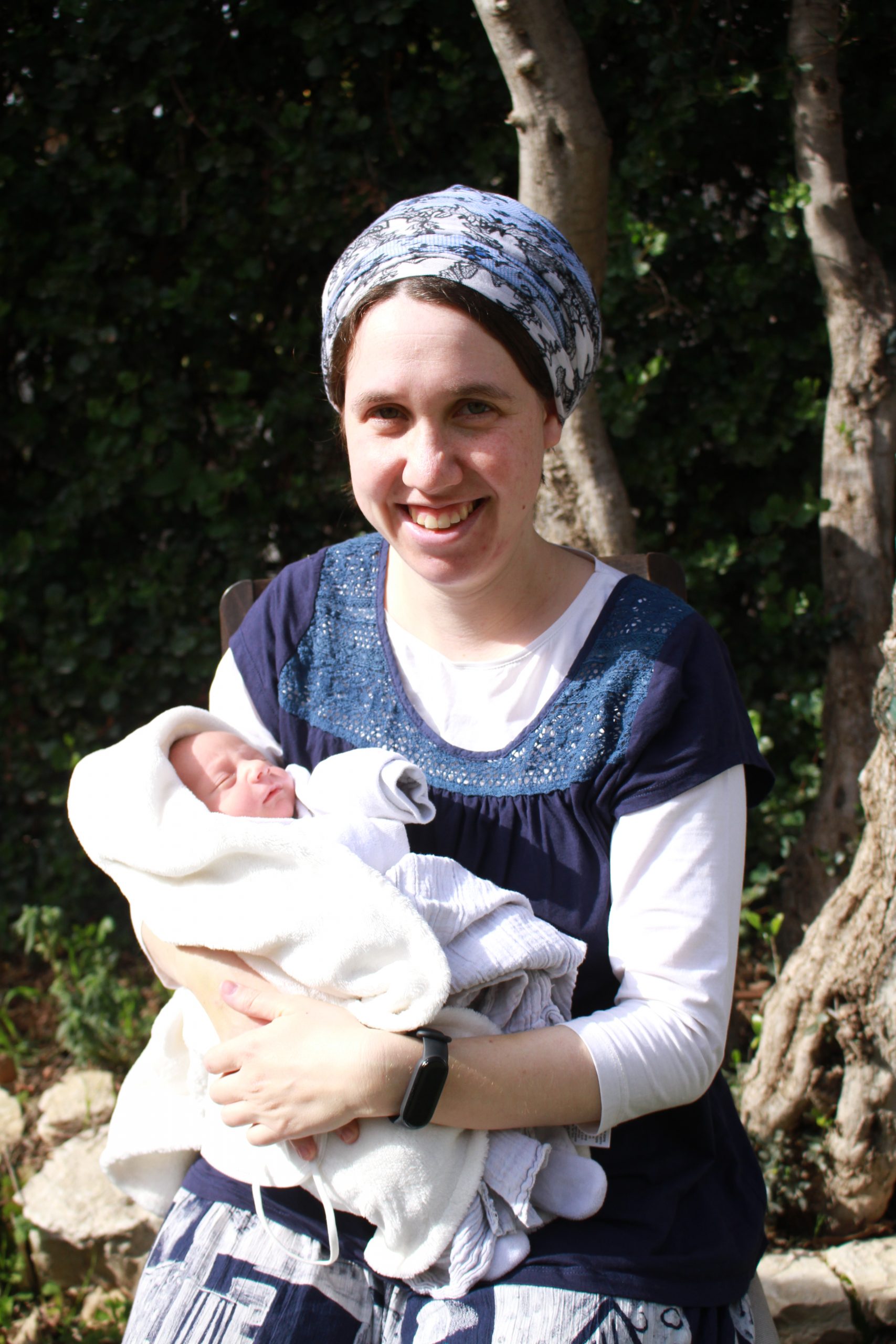
בתחילת הסבב הנוכחי הצטברו אצלי תחושות שאני לא מבינה מספיק מהי ההלכה אותה אני מקיימת בכל יום. כמו כן, כאמא לבנות רציתי לתת להן מודל נשי של לימוד תורה
שתי הסיבות האלו הובילו אותי להתחיל ללמוד. נתקלתי בתגובות מפרגנות וסקרניות איך אישה לומדת גמרא..
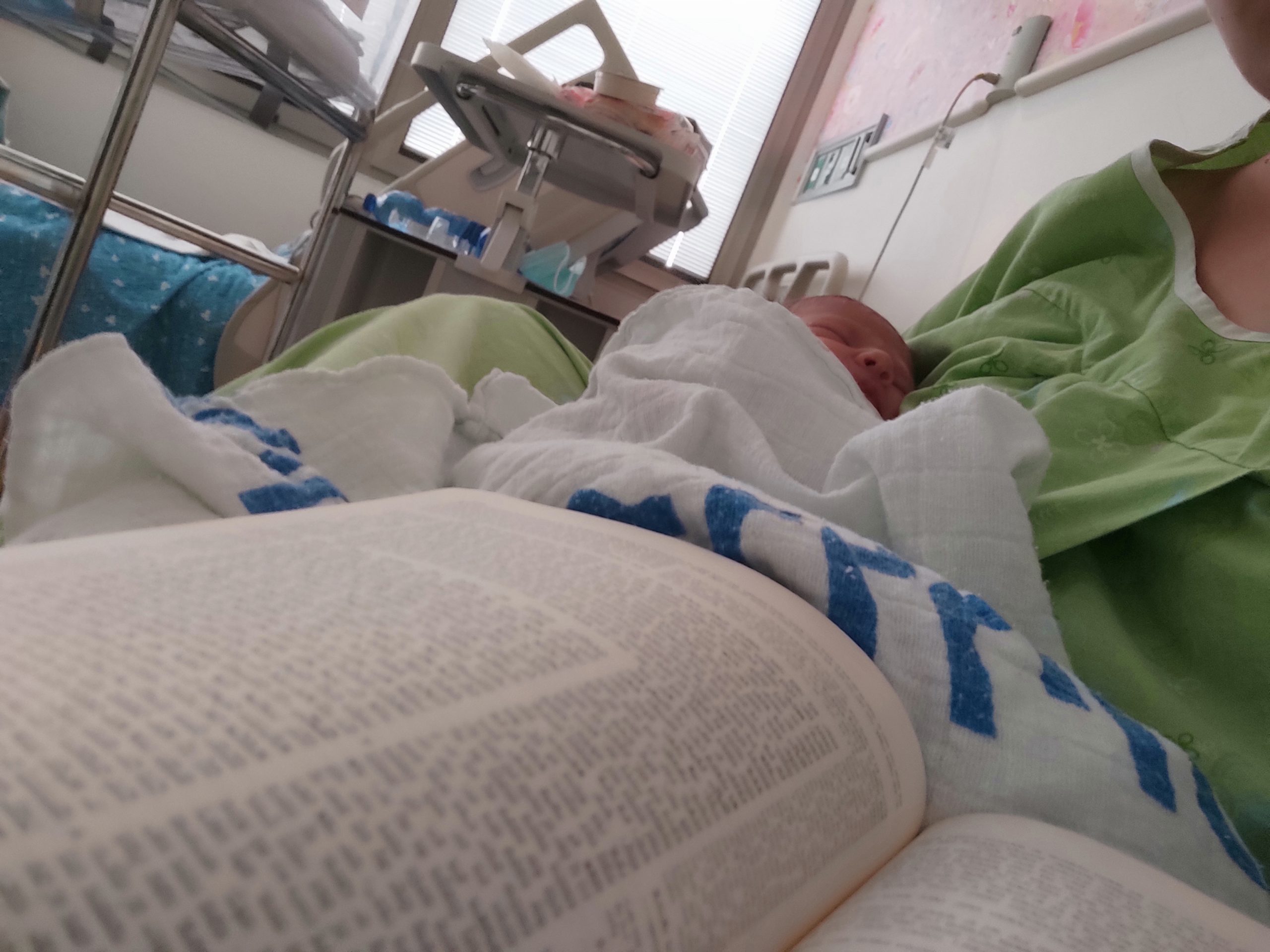
כמו שרואים בתמונה אני ממשיכה ללמוד גם היום ואפילו במחלקת יולדות אחרי לידת ביתי השלישית.

Noa Shiloh
נועה שילה

רבבה, ישראל

התחלתי בסיום הש”ס, יצאתי באורות. נשברתי פעמיים, ובשתיהם הרבנית מישל עודדה להמשיך איפה שכולם בסבב ולהשלים כשאוכל, וכך עשיתי וכיום השלמתי הכל. מדהים אותי שאני לומדת כל יום קצת, אפילו בחדר הלידה, בבידוד או בחו”ל. לאט לאט יותר נינוחה בסוגיות. לא כולם מבינים את הרצון, בפרט כפמניסטית. חשה סיפוק גדול להכיר את המושגים וצורת החשיבה. החלום זה להמשיך ולהתמיד ובמקביל ללמוד איך מהסוגיות נוצרה והתפתחה ההלכה.

Weingarten Sherrington Foundation
קרן וינגרטן שרינגטון

מודיעין, ישראל

התחלתי ללמוד דף יומי שהתחילו מסכת כתובות, לפני 7 שנים, במסגרת קבוצת לימוד שהתפרקה די מהר, ומשם המשכתי לבד בתמיכת האיש שלי. נעזרתי בגמרת שטיינזלץ ובשיעורים מוקלטים.
הסביבה מאד תומכת ואני מקבלת המון מילים טובות לאורך כל הדרך. מאז הסיום הגדול יש תחושה שאני חלק מדבר גדול יותר.
אני לומדת בשיטת ה”7 דפים בשבוע” של הרבנית תרצה קלמן – כלומר, לא נורא אם לא הצלחת ללמוד כל יום, העיקר שגמרת ארבעה דפים בשבוע

Rachel Goldstein
רחל גולדשטיין

עתניאל, ישראל

אחי, שלומד דף יומי ממסכת ברכות, חיפש חברותא ללימוד מסכת ראש השנה והציע לי. החברותא היתה מאתגרת טכנית ורוב הזמן נעשתה דרך הטלפון, כך שבסיום המסכת נפרדו דרכינו. אחי חזר ללמוד לבד, אבל אני כבר נכבשתי בקסם הגמרא ושכנעתי את האיש שלי להצטרף אלי למסכת ביצה. מאז המשכנו הלאה, ועכשיו אנחנו מתרגשים לקראתו של סדר נשים!

Shulamit Saban
שולמית סבן

נוקדים, ישראל

התחלתי בתחילת הסבב, והתמכרתי. זה נותן משמעות נוספת ליומיום ומאוד מחזק לתת לזה מקום בתוך כל שגרת הבית-עבודה השוטפת.

Reut Abrahami
רעות אברהמי

בית שמש, ישראל

ראיתי את הסיום הגדול בבנייני האומה וכל כך התרשמתי ורציתי לקחת חלק.. אבל לקח לי עוד כשנה וחצי )באמצע מסיכת שבת להצטרף..
הלימוד חשוב לי מאוד.. אני תמיד במרדף אחרי הדף וגונבת כל פעם חצי דף כשהילדים עסוקים ומשלימה אח”כ אחרי שכולם הלכו לישון..

Olga Mizrahi
אולגה מזרחי

ירושלים, ישראל

התחלתי ללמוד דף יומי באמצע תקופת הקורונה, שאבא שלי סיפר לי על קבוצה של בנות שתיפתח ביישוב שלנו ותלמד דף יומי כל יום. הרבה זמן רציתי להצטרף לזה וזאת הייתה ההזדמנות בשבילי. הצטרפתי במסכת שקלים ובאמצע הייתה הפסקה קצרה. כיום אני כבר לומדת באולפנה ולומדת דף יומי לבד מתוך גמרא של טיינזלץ.

Saturdays in Raleigh
שבות בראלי

עתניאל, ישראל

התחלתי ללמוד לפני כשנתיים בשאיפה לסיים לראשונה מסכת אחת במהלך חופשת הלידה.
אחרי מסכת אחת כבר היה קשה להפסיק…

Noa Gallant
נעה גלנט

ירוחם, ישראל

הצטרפתי ללומדות בתחילת מסכת תענית. ההתרגשות שלי ושל המשפחה היתה גדולה מאוד, והיא הולכת וגוברת עם כל סיום שאני זוכה לו. במשך שנים רבות רציתי להצטרף ומשום מה זה לא קרה… ב”ה מצאתי לפני מספר חודשים פרסום של הדרן, ומיד הצטרפתי והתאהבתי. הדף היומי שינה את חיי ממש והפך כל יום- ליום של תורה. מודה לכן מקרב ליבי ומאחלת לכולנו לימוד פורה מתוך אהבת התורה ולומדיה.

Noa Rosen
נעה רוזן

חיספין רמת הגולן, ישראל

התחלתי ללמוד דף יומי אחרי שחזרתי בתשובה ולמדתי במדרשה במגדל עוז. הלימוד טוב ומספק חומר למחשבה על נושאים הלכתיים ”קטנים” ועד לערכים גדולים ביהדות. חשוב לי להכיר את הגמרא לעומק. והצעד הקטן היום הוא ללמוד אותה בבקיאות, בעזרת השם, ומי יודע אולי גם אגיע לעיון בנושאים מעניינים. נושאים בגמרא מתחברים לחגים, לתפילה, ליחסים שבין אדם לחברו ולמקום ולשאר הדברים שמלווים באורח חיים דתי 🙂

Gaia Divo
גאיה דיבו

מצפה יריחו, ישראל

"
גם אני התחלתי בסבב הנוכחי וב””ה הצלחתי לסיים את רוב המסכתות . בזכות הרבנית מישל משתדלת לפתוח את היום בשיעור הזום בשעה 6:20 .הלימוד הפך להיות חלק משמעותי בחיי ויש ימים בהם אני מצליחה לחזור על הדף עם מלמדים נוספים ששיעוריהם נמצאים במרשתת. שמחה להיות חלק מקהילת לומדות ברחבי העולם. ובמיוחד לשמש דוגמה לנכדותיי שאי””ה יגדלו לדור שלימוד תורה לנשים יהיה משהו שבשגרה. "

Ronit Shavit
רונית שביט

נתניה, ישראל

התחלתי ללמוד דף יומי בתחילת מסכת ברכות, עוד לא ידעתי כלום. נחשפתי לסיום הש״ס, ובעצם להתחלה מחדש בתקשורת, הפתיע אותי לטובה שהיה מקום לעיסוק בתורה.
את המסכתות הראשונות למדתי, אבל לא סיימתי (חוץ מעירובין איכשהו). השנה כשהגעתי למדרשה, נכנסתי ללופ, ואני מצליחה להיות חלק, סיימתי עם החברותא שלי את כל המסכתות הקצרות, גם כשהיינו חולות קורונה ובבידודים, למדנו לבד, העיקר לא לצבור פער, ומחכות ליבמות 🙂

Eden Yeshuron
עדן ישורון

מזכרת בתיה, ישראל

התחלתי בתחילת הסבב, והתמכרתי. זה נותן משמעות נוספת ליומיום ומאוד מחזק לתת לזה מקום בתוך כל שגרת הבית-עבודה השוטפת.

Reut Abrahami
רעות אברהמי

בית שמש, ישראל

הצטרפתי ללומדות בתחילת מסכת תענית. ההתרגשות שלי ושל המשפחה היתה גדולה מאוד, והיא הולכת וגוברת עם כל סיום שאני זוכה לו. במשך שנים רבות רציתי להצטרף ומשום מה זה לא קרה… ב”ה מצאתי לפני מספר חודשים פרסום של הדרן, ומיד הצטרפתי והתאהבתי. הדף היומי שינה את חיי ממש והפך כל יום- ליום של תורה. מודה לכן מקרב ליבי ומאחלת לכולנו לימוד פורה מתוך אהבת התורה ולומדיה.

Noa Rosen
נעה רוזן

חיספין רמת הגולן, ישראל

ראיתי את הסיום הגדול בבנייני האומה וכל כך התרשמתי ורציתי לקחת חלק.. אבל לקח לי עוד כשנה וחצי )באמצע מסיכת שבת להצטרף..
הלימוד חשוב לי מאוד.. אני תמיד במרדף אחרי הדף וגונבת כל פעם חצי דף כשהילדים עסוקים ומשלימה אח”כ אחרי שכולם הלכו לישון..

Olga Mizrahi
אולגה מזרחי

ירושלים, ישראל

לפני 15 שנה, אחרי עשרות שנים של "ג’ינגול” בין משפחה לקריירה תובענית בהייטק, הצטרפתי לשיעורי גמרא במתן רעננה. הלימוד המעמיק והייחודי של הרבנית אושרה קורן יחד עם קבוצת הנשים המגוונת הייתה חוויה מאלפת ומעשירה. לפני כשמונה שנים כאשר מחזור הדף היומי הגיע למסכת תענית הצטרפתי כ”חברותא” לבעלי. זו השעה היומית שלנו ביחד כאשר דפי הגמרא משתלבים בחיי היום יום, משפיעים ומושפעים, וכשלא מספיקים תמיד משלימים בשבת

Yodi Askoff
יודי אסקוף

רעננה, ישראל

התחלתי בסיום הש”ס, יצאתי באורות. נשברתי פעמיים, ובשתיהם הרבנית מישל עודדה להמשיך איפה שכולם בסבב ולהשלים כשאוכל, וכך עשיתי וכיום השלמתי הכל. מדהים אותי שאני לומדת כל יום קצת, אפילו בחדר הלידה, בבידוד או בחו”ל. לאט לאט יותר נינוחה בסוגיות. לא כולם מבינים את הרצון, בפרט כפמניסטית. חשה סיפוק גדול להכיר את המושגים וצורת החשיבה. החלום זה להמשיך ולהתמיד ובמקביל ללמוד איך מהסוגיות נוצרה והתפתחה ההלכה.

Weingarten Sherrington Foundation
קרן וינגרטן שרינגטון

מודיעין, ישראל

התחלתי להשתתף בשיעור נשים פעם בשבוע, תכננתי ללמוד רק דפים בודדים, לא האמנתי שאצליח יותר מכך.
לאט לאט נשאבתי פנימה לעולם הלימוד .משתדלת ללמוד כל בוקר ומתחילה את היום בתחושה של מלאות ומתוך התכווננות נכונה יותר.
הלימוד של הדף היומי ממלא אותי בתחושה של חיבור עמוק לעם היהודי ולכל הלומדים בעבר ובהווה.

Neely Hayon
נילי חיון

אפרת, ישראל

התחלתי לפני 8 שנים במדרשה. לאחרונה סיימתי מסכת תענית בלמידה עצמית ועכשיו לקראת סיום מסכת מגילה.

Daniela Baruchim
דניאלה ברוכים

רעננה, ישראל

עירובין כג

גְּמָ׳ אָמַר רַב יוֹסֵף אָמַר רַב יְהוּדָה אָמַר שְׁמוּאֵל: הֲלָכָה כְּרַבִּי יְהוּדָה בֶּן בָּבָא. וְאָמַר רַב יוֹסֵף אָמַר רַב יְהוּדָה אָמַר שְׁמוּאֵל: לֹא הוּתְּרוּ פַּסֵּי בֵירָאוֹת אֶלָּא לִבְאֵר מַיִם חַיִּים בִּלְבַד.

GEMARA: Rav Yosef said that Rav Yehuda said that Shmuel said: The halakha is in accordance with the opinion of Rabbi Yehuda ben Bava. And Rav Yosef also said that Rav Yehuda said that Shmuel said: Upright boards surrounding a well were permitted only in the case of a well containing potable, running spring water.

וּצְרִיכָא: דְּאִי אַשְׁמְעִינַן הֲלָכָה כְּרַבִּי יְהוּדָה בֶּן בָּבָא, הֲוָה אָמֵינָא: דְּרַבִּים — וַאֲפִילּוּ מְכוּנָּסִין,

The Gemara comments: And it was necessary to cite both of these statements, even though their content appears to be the same. As had he taught us only that the halakha is in accordance with the opinion of Rabbi Yehuda ben Bava that upright boards may only be set arranged for a well, I would have said that with regard to water belonging to the public, upright boards are permitted not only in the case of spring water, but even in the case of water collected in a cistern.

וְהַאי דְּקָתָנֵי בְּאֵר הָרַבִּים — לְאַפּוֹקֵי מִדְּרַבִּי עֲקִיבָא. קָא מַשְׁמַע לַן דְּלֹא הוּתְּרוּ פַּסֵּי בֵירָאוֹת אֶלָּא לִבְאֵר מַיִם חַיִּים.

And that which was taught: One may only arrange boards for a public well, that was to exclude the opinion of Rabbi Akiva that upright boards may be arranged even for a private well, but not to allow us to infer that boards may not be arranged for a public cistern filled with collected water. Therefore, Shmuel teaches us that boards surrounding a well were permitted only in the case of a well of spring water.

וְאִי אַשְׁמְעִינַן בְּאֵר מַיִם חַיִּים, הֲוָה אָמֵינָא: לָא שְׁנָא דְּרַבִּים וְלָא שְׁנָא דְּיָחִיד, קָא מַשְׁמַע לַן: הֲלָכָה כְּרַבִּי יְהוּדָה בֶּן בָּבָא.

And in the opposite direction, had he taught us that upright boards may only be arranged for a well containing potable, running spring water, I would have said that there is no difference whether it is a public well and there is no difference whether it is a private well. Shmuel therefore teaches us that the halakha is in accordance with the opinion of Rabbi Yehuda ben Bava, who says that upright boards may be arranged only for a public well, but not for one that belongs to an individual.

מַתְנִי׳ וְעוֹד אָמַר רַבִּי יְהוּדָה בֶּן בָּבָא: הַגִּינָּה וְהַקַּרְפֵּף שֶׁהֵן שִׁבְעִים אַמָּה וְשִׁירַיִים עַל שִׁבְעִים אַמָּה וְשִׁירַיִים הַמּוּקָּפוֹת גָּדֵר גָּבוֹהַּ עֲשָׂרָה טְפָחִים — מְטַלְטְלִין בְּתוֹכָהּ, וּבִלְבַד שֶׁיְּהֵא בָּהּ שׁוֹמֵירָה אוֹ בֵּית דִּירָה, אוֹ שֶׁתְּהֵא סְמוּכָה לָעִיר.

MISHNA: And furthermore, Rabbi Yehuda ben Bava said: With regard to a garden or a karpef, an enclosed courtyard used for storage, that is not more than seventy cubits and a remainder, a little more, as will be explained below, by seventy cubits and a remainder, and is surrounded by a wall ten handbreadths high, one may carry inside it, as it constitutes a proper private domain. This is provided that it contains a watchman’s booth or a dwelling place, or it is near the town in which its owner lives, so that he uses it and it is treated like a dwelling.

רַבִּי יְהוּדָה אוֹמֵר: אֲפִילּוּ אֵין בָּהּ אֶלָּא בּוֹר וְשִׁיחַ וּמְעָרָה מְטַלְטְלִין בְּתוֹכָהּ. רַבִּי עֲקִיבָא אוֹמֵר: אֲפִילּוּ אֵין בָּהּ אַחַת מִכׇּל אֵלּוּ מְטַלְטְלִין בְּתוֹכָהּ, וּבִלְבַד שֶׁיְּהֵא בָּהּ שִׁבְעִים אַמָּה וְשִׁירַיִים עַל שִׁבְעִים אַמָּה וְשִׁירַיִים.

Rabbi Yehuda says: This is not necessary, for even if it contains only a water cistern, an elongated water ditch, or a cave, i.e., a covered pit containing water, one may carry inside it, as the water bestows upon it the status of a dwelling. Rabbi Akiva says: Even if it has none of these one may carry inside it, provided that it measures not more than seventy cubits and a remainder by seventy cubits and a remainder.

רַבִּי אֱלִיעֶזֶר אוֹמֵר: אִם הָיְתָה אׇרְכָּהּ יָתֵר עַל רׇחְבָּהּ אֲפִילּוּ אַמָּה אַחַת — אֵין מְטַלְטְלִין בְּתוֹכָהּ. רַבִּי יוֹסֵי אוֹמֵר: אֲפִילּוּ אׇרְכָּהּ פִּי שְׁנַיִם בְּרׇחְבָּהּ — מְטַלְטְלִין בְּתוֹכָהּ.

Rabbi Eliezer says: If its length is greater than its breadth, even by one cubit, one may not carry inside it, even though its total area does not exceed an area of two beit se’a, because in an area that was enclosed not for the purpose of residence, carrying is only permitted if the area is perfectly square. Rabbi Yosei says: Even if its length is double its breadth, one may carry inside it, and there is no need to be particular about a square shape.

אָמַר רַבִּי אִלְעַאי: שָׁמַעְתִּי מֵרַבִּי אֶלְעָזָר, וַאֲפִילּוּ הִיא כְּבֵית כּוֹר.

Rabbi Elai said: I heard from Rabbi Eliezer that one is permitted to carry in a garden or karpef, even if the garden is an area of a beit kor, i.e., thirty times larger than the area of a beit se’a.

וְכֵן שָׁמַעְתִּי מִמֶּנּוּ: אַנְשֵׁי חָצֵר שֶׁשָּׁכַח אֶחָד מֵהֶן וְלֹא עֵירַב — בֵּיתוֹ אָסוּר מִלְּהַכְנִיס וּלְהוֹצִיא לוֹ, אֲבָל לָהֶם מוּתָּר.

Incidentally, he adds: And I also heard from him another halakha: If one of the residents of a courtyard forgot and did not join in an eiruv with the other residents when they established an eiruv, and on Shabbat he ceded ownership of his part in the courtyard to the other residents, then it is prohibited for him, the one who forgot to establish an eiruv, to bring in objects or take them out from his house to the courtyard; however, it is permitted to them, the other residents, to bring objects from their houses to that person’s house via the courtyard, and vice versa. We do not say that the failure of one resident to join in the eiruv nullifies the validity of the eiruv for the entire courtyard.

וְכֵן שָׁמַעְתִּי מִמֶּנּוּ: שֶׁיּוֹצְאִין בְּעַרְקַבָּלִין בַּפֶּסַח. וְחָזַרְתִּי עַל כׇּל תַּלְמִידָיו וּבִקַּשְׁתִּי לִי חָבֵר, וְלֹא מָצָאתִי.

And I also heard from him another halakha, that one may fulfill his obligation to eat bitter herbs on Passover with arkablin, a certain bitter herb. With regard to all three rulings, I circulated among all of Rabbi Eliezer’s disciples, seeking a colleague who had also heard these matters from him, but I could not find one.

גְּמָ׳ מַאי תַּנָּא דְּקָתָנֵי ״וְעוֹד״.

GEMARA: The Gemara first analyzes the wording of this mishna: What was taught previously, that the tanna teaches in this mishna: And furthermore Rabbi Yehuda ben Bava said, which implies a continuation of the previous mishna?

אִילֵּימָא מִשּׁוּם דִּתְנָא לֵיהּ חֲדָא לְחוּמְרָא וְקָתָנֵי אַחֲרִיתִי, מִשּׁוּם הָכִי קָתָנֵי ״וְעוֹד״ — וְהָא רַבִּי יְהוּדָה דִּתְנָא לֵיהּ חֲדָא לְחוּמְרָא וְקָתָנֵי אַחֲרִיתִי, וְלָא קָתָנֵי ״וְעוֹד״!

If you say that because he first taught one stringency concerning the upright boards surrounding a well, and then he teaches another stringency about an enclosure, and for that reason the tanna of the mishna teaches: And furthermore, then there is a difficulty. Didn’t Rabbi Yehuda also teach one stringency and then teach another stringency, and yet the tanna of the mishna does not teach: And furthermore Rabbi Yehuda said?

הָתָם אַפְסְקוּהּ רַבָּנַן, הָכָא לָא אַפְסְקוּהּ רַבָּנַן.

The Gemara answers that the cases are different: There, the Rabbis interrupted Rabbi Yehuda’s statements in order to disagree with him, and hence it is not possible to say: And furthermore Rabbi Yehuda said. Here, however, the Rabbis did not interrupt him, as the two statements of Rabbi Yehuda ben Bava immediately follow one another.

וְכׇל הֵיכָא דְּאַפְסְקוּהּ רַבָּנַן לָא קָתָנֵי ״וְעוֹד״? וְהָא רַבִּי אֱלִיעֶזֶר דְּסוּכָּה, דְּאַפְסְקוּהּ רַבָּנַן, וְקָתָנֵי ״וְעוֹד״?

The Gemara raises a difficulty: Does this mean that wherever the disputing Rabbis interrupt their colleague, the tanna does not teach: And furthermore? But with regard to Rabbi Eliezer in a mishna in tractate Sukka (27a), where the Rabbis interrupted his statements, nonetheless the tanna teaches: And furthermore.

הָתָם, בְּמִילְּתֵיהּ הוּא דְּאַפְסְקוּהּ. הָכָא, בְּמִילְּתָא אַחֲרִיתִי אַפְסְקוּהּ.

The Gemara answers: It is not the same; there, they interrupted Rabbi Eliezer with a ruling with regard to his own topic; here, however, they interrupted Rabbi Yehuda with a ruling with regard to an altogether different matter. Consequently, his first statement had already been forgotten, and it is not the Mishna’s style to join together statements where the sequential link between them has already been severed.

רַבִּי עֲקִיבָא אוֹמֵר: אֲפִילּוּ אֵין בָּהּ אֶחָד מִכׇּל אֵלּוּ מְטַלְטְלִין בְּתוֹכָהּ.

We learned in the mishna: Rabbi Akiva said: Even if the courtyard has none of these elements that indicate dwelling stipulated by the other Rabbis, one may carry inside it, provided that it measures no more than seventy cubits and a remainder by seventy cubits and a remainder.

רַבִּי עֲקִיבָא הַיְינוּ תַּנָּא קַמָּא!

The Gemara asks: But the view of Rabbi Akiva is the same as that of the first tanna, i.e., Rabbi Yehuda ben Bava, who maintains that in the case of a garden that was not enclosed for the purpose of residence, one is only permitted to carry if the area of the enclosed area is no more than two beit se’a. Rabbi Akiva disagrees only about whether we require a watchman’s booth or a dwelling place as well, but the two agree with regard to the size of the garden. Therefore, Rabbi Akiva’s stipulation: Provided that it measures not more than seventy cubits and a remainder by seventy cubits and a remainder, is superfluous.

אִיכָּא בֵּינַיְיהוּ דָּבָר מוּעָט. דְּתַנְיָא, רַבִּי יְהוּדָה אוֹמֵר: דָּבָר מוּעָט יֵשׁ עַל שִׁבְעִים אַמָּה וְשִׁירַיִם, וְלֹא נָתְנוּ חֲכָמִים בּוֹ שִׁיעוּר.

The Gemara answers: There is a practical difference between them with regard to a tiny amount. And what is this tiny amount? It is as it was taught in a baraita: Rabbi Yehuda says: It is by a tiny amount that one of the sides of a square measuring two beit se’a exceeds seventy cubits and a remainder, but the Sages did not give its exact measurement, owing to its small size and because it is impossible to be absolutely precise about the matter.

וְכַמָּה שִׁיעוּר סָאתַיִם? כַּחֲצַר הַמִּשְׁכָּן.

And what is the measure of the area of two beit se’a? It is as large as the courtyard of the Tabernacle, which was fifty cubits by one hundred cubits. The first tanna and Rabbi Akiva dispute this issue: The first tanna maintains that the garden may have an area as large as two beit se’a, whereas Rabbi Akiva says that it must not exceed seventy and two-thirds cubits squared.

מְנָא הָנֵי מִילֵּי?

The Gemara asks: From where are these matters derived? The matters referred to are that we must square the courtyard of the Tabernacle in order to reach the size of garden or similar enclosure in which one is permitted to carry on Shabbat.

אָמַר רַב יְהוּדָה, דְּאָמַר קְרָא: ״אֹרֶךְ הֶחָצֵר מֵאָה בָאַמָּה וְרֹחַב חֲמִשִּׁים בַּחֲמִשִּׁים״. אָמְרָה תּוֹרָה: טוֹל חֲמִשִּׁים, וְסַבֵּב חֲמִשִּׁים.

The Gemara answers: Rav Yehuda said: This is learned from the verse that stated: “The length of the courtyard shall be a hundred cubits, and the breadth fifty by fifty, and the height, five cubits of fine twined linen, and their sockets of brass” (Exodus 27:18). The Torah said: Take a square of fifty cubits by fifty cubits, and surround it with the remaining fifty cubits until they form a square, each side of which measures seventy cubits and a remainder.

פְּשָׁטֵיהּ דִּקְרָא בְּמַאי כְּתִיב?! אָמַר אַבָּיֵי: הַעֲמֵד מִשְׁכָּן עַל שְׂפַת חֲמִשִּׁים, כְּדֵי שֶׁיְּהֵא חֲמִשִּׁים אַמָּה לְפָנָיו וְעֶשְׂרִים אַמָּה לְכׇל רוּחַ וָרוּחַ.

The Gemara asks: But to what does the plain meaning of the verse refer? The plain sense of the text cannot be coming to teach us the laws of carrying. Abaye said that it means as follows: The Tabernacle was thirty cubits long and ten cubits wide. The courtyard was a hundred cubits long and fifty cubits wide. Position the Tabernacle in the middle of the courtyard at the edge of fifty cubits, so that there is a space of fifty cubits in front of it, and a space of twenty cubits in every direction, on each of the two sides and behind it.

רַבִּי אֱלִיעֶזֶר אוֹמֵר: אִם הָיְתָה אׇרְכָּהּ כּוּ׳. וְהָתַנְיָא, רַבִּי אֱלִיעֶזֶר אוֹמֵר: אִם הָיְתָה אׇרְכָּהּ יָתֵר עַל פִּי שְׁנַיִם בְּרׇחְבָּהּ אֲפִילּוּ אַמָּה אַחַת — אֵין מְטַלְטְלִין בְּתוֹכָהּ!

We learned in the mishna that Rabbi Eliezer says: If its length is greater than its breadth, even by one cubit, one may not carry inside it. The Gemara asks: Wasn’t it taught in a baraita that Rabbi Eliezer says: If its length is more than double its breadth, even by one cubit, one may not carry inside it?

אָמַר רַב בִּיבִי בַּר אַבָּיֵי: כִּי תְּנַן נָמֵי מַתְנִיתִין — [יָתֵר עַל] פִּי שְׁנַיִם בְּרׇחְבָּהּ תְּנַן. אִי הָכִי, הַיְינוּ רַבִּי יוֹסֵי?!

Rav Beivai bar Abaye said: When we learned this in the mishna, we also learned that it refers to a case where the length of the enclosure is more than double its breadth. The Gemara raises a difficulty: If so, this is the same as the opinion of Rabbi Yosei, who stated that one is permitted to carry in the garden or karpef even if its length is double its width.

אִיכָּא בֵּינַיְיהוּ רִיבּוּעָא דְּרִיבְּעוּהָ רַבָּנַן.

The Gemara answers: There is a difference between them with regard to the square that the Sages squared it, because the Sages calculated squares with the diagonal. According to the opinion of Rabbi Eliezer, if the diagonal is more than double the breadth, even though the length may not be more than double the breadth, it is prohibited to carry within the enclosure. According to Rabbi Yosei, however, it is permitted (Rabbeinu Ḥananel).

רַבִּי יוֹסֵי אוֹמֵר כּוּ׳. אִיתְּמַר, אָמַר רַב יוֹסֵף אָמַר רַב יְהוּדָה אָמַר שְׁמוּאֵל: הֲלָכָה כְּרַבִּי יוֹסֵי. וְרַב בִּיבִי אָמַר רַב יְהוּדָה אָמַר שְׁמוּאֵל: הֲלָכָה כְּרַבִּי עֲקִיבָא.

We learned in the mishna that Rabbi Yosei says: Even if its length is double its breadth, one may carry inside it. It was stated that the amora’im disagreed on the following matter: Rav Yosef said that Rav Yehuda said that Shmuel said: The halakha is in accordance with the opinion of Rabbi Yosei. And Rav Beivai said that Rav Yehuda said that Shmuel said: The halakha is in accordance with the opinion of Rabbi Akiva.

וְתַרְוַיְיהוּ לְקוּלָּא. וּצְרִיכָא, דְּאִי אַשְׁמְעִינַן הֲלָכָה כְּרַבִּי יוֹסֵי, הֲוָה אָמֵינָא עַד דְּאִיכָּא שׁוֹמֵירָה אוֹ בֵּית דִּירָה. קָא מַשְׁמַע לַן הֲלָכָה כְּרַבִּי עֲקִיבָא.

The Gemara explains that both rulings are stated leniently, and that both were necessary. As had the Gemara taught only that the halakha is in accordance with the opinion of Rabbi Yosei, I would have said that one is not permitted to carry unless the place contains a watchman’s booth or a dwelling place, for Rabbi Yosei did not specify that these are not required. Therefore, the Gemara teaches us that the halakha is in accordance with Rabbi Akiva, who is particular only about the courtyard’s size, but not that it be enclosed for the purpose of residence.

וְאִי אַשְׁמְעִינַן הֲלָכָה כְּרַבִּי עֲקִיבָא, הֲוָה אָמֵינָא דַּאֲרִיךְ וְקַטִּין — לָא. קָא מַשְׁמַע לַן הֲלָכָה כְּרַבִּי יוֹסֵי.

And, on the other hand, had the Gemara taught only that the halakha is in accordance with the opinion of Rabbi Akiva, I would have said that if the courtyard is long and narrow, one is not permitted to carry. Therefore, the Gemara teaches that the halakha is in accordance with the opinion of Rabbi Yosei, who clearly states that the courtyard need not be square.

קַרְפֵּף שֶׁהוּא יוֹתֵר מִבֵּית סָאתַיִם שֶׁהוּקַּף לְדִירָה, נִזְרַע רוּבּוֹ הֲרֵי הוּא כְּגִינָּה, וְאָסוּר.

The Sages taught: Within a karpef that is greater than two beit se’a, but which was enclosed from the outset for the purpose of residence, carrying is permitted regardless of its size; however, if subsequently the greater part of it was sown with seed crops, it is considered like a garden, which is not a place of dwelling, and it is prohibited to carry anything within it.

נָטַע רוּבּוֹ הֲרֵי הוּא כְּחָצֵר, וּמוּתָּר.

However, if the greater part of it was planted with trees, it is considered like a courtyard, which is a place of dwelling, and one is permitted to carry. The reason for this distinction is that the presence of trees does not nullify the status of the karpef as a place of residence, because people normally plant trees even in their courtyards. However, people ordinarily plant seed crops only in gardens at some distance from their houses, in places they do not use for dwelling; therefore, the presence of seed crops does nullify the residential status of the karpef.

נִזְרַע רוּבּוֹ, אָמַר רַב הוּנָא בְּרֵיהּ דְּרַב יְהוֹשֻׁעַ: לָא אֲמַרַן אֶלָּא יוֹתֵר מִבֵּית סָאתַיִם. אֲבָל בֵּית סָאתַיִם — מוּתָּר.

It was stated above that if the greater part of the karpef was sown with seed crops, it is prohibited to carry in it. Rav Huna, son of Rav Yehoshua, said: We only said this in a case where the sown section is greater than two beit se’a, but if it is no more than two beit se’a, it is permitted.

כְּמַאן? כְּרַבִּי שִׁמְעוֹן. דִּתְנַן, רַבִּי שִׁמְעוֹן אוֹמֵר: אֶחָד גַּגּוֹת וְאֶחָד חֲצֵירוֹת וְאֶחָד קַרְפֵּיפוֹת רְשׁוּת אַחַת הֵן לְכֵלִים שֶׁשָּׁבְתוּ בְּתוֹכָן, וְלֹא לְכֵלִים שֶׁשָּׁבְתוּ בְּתוֹךְ הַבַּיִת.

The Gemara comments: In accordance with whose opinion was this stated? It was stated in accordance with the opinion of Rabbi Shimon, as we learned in a mishna: Rabbi Shimon says: Roofs, courtyards, and karpeifot are all one domain with regard to utensils that began Shabbat in them, even if the utensils belong to different people. Since these are not proper dwelling places, setting an eiruv is unnecessary, and objects may be carried from place to place within them. But they are not one domain with regard to utensils that began Shabbat in the house and that were later taken outside. This shows that the unsown part of a karpef and the sown part, which has the status of a garden, are considered a single domain, in which one is permitted to carry, as the garden section does not prohibit the karpef section.

לְרַבִּי שִׁמְעוֹן נָמֵי, כֵּיוָן דְּנִזְרַע רוּבּוֹ — הָוֵי הָהוּא מִעוּטָא

The Gemara rejects this argument: Even according to the opinion of Rabbi Shimon, since the greater part of the karpef is sown, the minor part

רוצה לעקוב אחרי התכנים ולהמשיך ללמוד?

ביצירת חשבון עוד היום ניתן לעקוב אחרי ההתקדמות שלך, לסמן מה למדת, ולעקוב אחרי השיעורים שמעניינים אותך.

לנקות את כל הפריטים מהרשימה?

פעולה זו תסיר את כל הפריטים בחלק זה כולל ההתקדמות וההיסטוריה. שימי לב: לא ניתן לשחזר פעולה זו.

ביטול
מחיקה

האם את/ה בטוח/ה שברצונך למחוק פריט זה?

תאבד/י את כל ההתקדמות או ההיסטוריה הקשורות לפריט זה.

ביטול
מחיקה