חיפוש

עירובין לד

רוצה להקדיש לימוד?

podcast placeholder

0:00
0:00


תקציר

השיעור היום מוקדש על ידי מרים טננבאום לעילוי נשמת אמה, רייזל בת יהושע הלוי וחיה קילא ז”ל. היא קיבלה הכי הרבה נחת הילדיה ונכדיה. ומהעיסוק שלהם בלימוד תורה. יהי זכרה ברוך. 

הגמרא הביאה שתי קושיות על פירוש ר’ ירמיה לגבי דעת רבי בכלכלה. איך המשנה מסבירה את דברי המשנה בעירוב שבתוך בור? האם אפשר לשים עירוב מעל קנה או קורה? באיזה תנאים? אם העירוב מקום נעול ונאבד המפתחות, האם העירוב עובד או האם צריך לדעת איפה המפתח?

עירובין לד

אַמַּאי? נֵימָא: כֵּיוָן דְּאִי בָּעֵי אַמְטוֹיֵי מָצֵי מַמְטֵי לֵיהּ, אַף עַל גַּב דְּלָא אַמְטְיֵיהּ — כְּמַאן דְּאַמְטְיֵיהּ דָּמֵי!

Why must one actually bring the eiruv to the place where he wishes to establish his residence? Let us say: Since if he wished to bring the eiruv there he could bring it, even though he did not bring it, it is considered as though he did bring it there. This follows the same reasoning proposed by Rav Yirmeya in the case of the basket: Since one can tilt it. The fact that this reasoning is not employed here indicates that the potential to do something is insufficient; rather, the deed must actually be done.

אָמַר רַבִּי זֵירָא: גְּזֵירָה מִשּׁוּם יוֹם טוֹב שֶׁחָל לִהְיוֹת אַחַר שַׁבָּת.

Rabbi Zeira said: The fact that one must bring his eiruv the day before to the spot that he wishes to establish as his place of residence, and the potential to bring it there does not suffice, is a decree due to a Festival that occurs after Shabbat. In that case, the eiruv is valid for the Festival only if it was brought there before Shabbat, for it cannot be carried there on Shabbat. Since one cannot actually bring the eiruv there, it cannot be said: It is considered as though he did bring it there because had he wished to bring the eiruv he could have. Consequently, the Sages decreed that in all cases, the eiruv is only valid if it was actually brought to the designated spot, lest one come to think that even on a Festival that occurs after Shabbat it need not be brought there.

אֵיתִיבֵיהּ: נִתְכַּוֵּון לִשְׁבּוֹת בִּרְשׁוּת הָרַבִּים, וְהִנִּיחַ עֵירוּבוֹ בַּכּוֹתֶל, לְמַטָּה מֵעֲשָׂרָה טְפָחִים — עֵירוּבוֹ עֵירוּב, לְמַעְלָה מֵעֲשָׂרָה טְפָחִים — אֵין עֵירוּבוֹ עֵירוּב. נִתְכַּוֵּון לִשְׁבּוֹת בְּרֹאשׁ הַשּׁוֹבָךְ אוֹ בְּרֹאשׁ הַמִּגְדָּל, לְמַעְלָה מֵעֲשָׂרָה טְפָחִים — עֵירוּבוֹ עֵירוּב. לְמַטָּה מֵעֲשָׂרָה טְפָחִים — אֵין עֵירוּבוֹ עֵירוּב.

Rav bar Shabba raised another objection from a different baraita: With regard to one who intended to establish his Shabbat residence in the public domain and placed his eiruv in a wall that is more than four cubits away from that location; if he placed the eiruv below a height of ten handbreadths above the ground, his eiruv is a valid eiruv; but if he placed it above ten handbreadths, his eiruv is not a valid eiruv because he is in a public domain while his eiruv is in a private domain. If one intended to establish his Shabbat residence on top of a dovecote or on top of a large cupboard, if he placed the eiruv in the dovecote or cupboard above ten handbreadths from the ground, his eiruv is a valid eiruv because both he and his eiruv are in a private domain; but if he placed it below ten handbreadths, the area in which he placed his eiruv is considered a karmelit, and his eiruv is not a valid eiruv because he cannot transport his eiruv from there to his own domain on Shabbat.

וְאַמַּאי? הָכִי נָמֵי נֵימָא: הוֹאִיל וְיָכוֹל לִנְטוֹתוֹ וְלַהֲבִיאוֹ לְתוֹךְ עֲשָׂרָה! אָמַר רַבִּי יִרְמְיָה: הָכָא בְּמִגְדָּל מְסוּמָּר עָסְקִינַן.

Why should this be so? Here too, let us say that his eiruv should be valid even if it was placed below ten handbreadths, since one can tilt the cupboard and bring it to within ten handbreadths from the ground, in which case he and his eiruv would be in the same domain. Rabbi Yirmeya said: Here, we are dealing with a cupboard that is nailed to the wall so that it cannot be tilted.

רָבָא אָמַר: אֲפִילּוּ תֵּימָא בְּמִגְדָּל שֶׁאֵינוֹ מְסוּמָּר, וְהָכָא בְּמִגְדָּל אָרוֹךְ עָסְקִינַן, דְּאִי מַמְטֵי לֵיהּ פּוּרְתָּא, אָזֵיל חוּץ לְאַרְבַּע אַמּוֹת.

Rava said: Even if you say that it is referring to a cupboard that is not nailed to the wall, here, we are dealing with a very tall cupboard, such that were one to tilt it a little in order to bring the top of the cupboard within ten handbreadths from the ground, the top of the cupboard would project beyond the four cubits that constitute one’s Shabbat residence.

הֵיכִי דָמֵי? אִי דְּאִיכָּא כַּוְּותָא וּמִתְנָא — לַיְיתֵיהּ בְּכַוְּותָא וּמִתְנָא! דְּלֵית לֵיהּ כַּוְּותָא וּמִתְנָא.

The Gemara asks: What, exactly, are the circumstances? If it is referring to a case where the cupboard has a window, and one has a rope at hand, let him bring it by means of the window and rope. In other words, let him lower the rope through the cupboard’s window and bring the eiruv with it, and he will not have to move the entire cupboard. The Gemara answers: Here we are dealing with a case where it does not have a window, and he does not have a rope at hand.

נְתָנוֹ בְּבוֹר אֲפִילּוּ עָמוֹק מֵאָה אַמָּה וְכוּ׳. הַאי בּוֹר דְּקָאֵי הֵיכָא? אִילֵּימָא דְּקָאֵי בִּרְשׁוּת הַיָּחִיד —

We learned in the mishna: If one placed the eiruv in a pit, even if it is a hundred cubits deep, his eiruv is a valid eiruv. The Gemara asks: This pit, where is it situated? If you say that it is situated in the private domain,

פְּשִׁיטָא! רְשׁוּת הַיָּחִיד עוֹלָה עַד לָרָקִיעַ, וְכִי הֵיכִי דְּסָלְקָא לְעֵיל, הָכִי נָמֵי דְּנָחֲתָא לְתַחַת. וְאֶלָּא דְּקָאֵי בִּרְשׁוּת הָרַבִּים.

it is obvious, for the private domain ascends to the sky, and just as it ascends upward, so too, it descends downward to the bottom of the pit, even if it is more than ten handbreadths deep. Rather, we must say that the pit is situated in the public domain.

דְּנִתְכַּוֵּון לִשְׁבּוֹת הֵיכָא? אִי לְמַעְלָה — הוּא בְּמָקוֹם אֶחָד וְעֵירוּבוֹ בְּמָקוֹם אַחֵר הוּא. אִי לְמַטָּה, פְּשִׁיטָא — הוּא וְעֵירוּבוֹ בִּמְקוֹם אֶחָד!

The Gemara now clarifies: Where did one intend to establish his Shabbat residence? If he intended to establish his residence above the pit in the public domain, this is a case where he is in one place and his eiruv is in another place, i.e., in a private domain, and therefore his eiruv is not valid. Alternatively, if one intended to establish his Shabbat residence below, in the pit, it is also obvious, as he and his eiruv are in one place.

לָא צְרִיכָא, דְּקָאֵי בְּכַרְמְלִית וְנִתְכַּוֵּון לִשְׁבּוֹת לְמַעְלָה, וְרַבִּי הִיא דְּאָמַר: כׇּל דָּבָר שֶׁהוּא מִשּׁוּם שְׁבוּת לֹא גָּזְרוּ עָלָיו בֵּין הַשְּׁמָשׁוֹת.

The Gemara answers: This ruling is necessary only in a case where the pit is situated in a karmelit, and he intended to establish his Shabbat residence above the pit in the karmelit. And with regard to the question of how this eiruv can be valid, as one cannot bring the eiruv from the pit to the karmelit, the answer is that the mishna was taught in accordance with the opinion of Rabbi Yehuda HaNasi, who said: With regard to anything that is prohibited on Shabbat due to rabbinic decree [shevut], they did not issue the decree to apply during twilight. Since carrying from the pit to the karmelit is only prohibited as a shevut, a person may carry from the pit to the karmelit during twilight, the time when the eiruv establishes one’s Shabbat residence.

מַתְנִי׳ נְתָנוֹ בְּרֹאשׁ הַקָּנֶה אוֹ בְּרֹאשׁ הַקּוּנְדָּס, בִּזְמַן שֶׁהוּא תָּלוּשׁ וְנָעוּץ, אֲפִילּוּ גָּבוֹהַּ מֵאָה אַמָּה — הֲרֵי זֶה עֵירוּב.

MISHNA: If one placed his eiruv on top of a reed or on top of a pole [kundas], when the reed or pole is detached from its original place and stuck into the ground, even if it is a hundred cubits high, it is a valid eiruv, as one can remove the reed or pole from the ground and take his eiruv.

גְּמָ׳ רָמֵי לֵיהּ רַב אַדָּא בַּר מַתְנָא לְרָבָא: תָּלוּשׁ וְנָעוּץ — אִין. לֹא תָּלוּשׁ וְנָעוּץ — לָא. מַנִּי? רַבָּנַן הִיא, דְּאָמְרִי: כׇּל דָּבָר שֶׁהוּא מִשּׁוּם שְׁבוּת גָּזְרוּ עָלָיו בֵּין הַשְּׁמָשׁוֹת. וְהָא אָמְרַתְּ רֵישָׁא רַבִּי! רֵישָׁא רַבִּי וְסֵיפָא רַבָּנַן?!

GEMARA: Rav Adda bar Mattana raised a contradiction before Rava concerning two tannaitic rulings: The mishna states that if the reed was detached from its place of growth and then stuck into the ground, yes, the eiruv is valid. That indicates that if it was not detached and then stuck back into the ground, no, the eiruv is not valid. In accordance with whose opinion is this mishna? It is in accordance with the opinion of the Rabbis, who say: Anything that is prohibited on Shabbat due to rabbinic decree [shevut], such as using a tree on Shabbat, they issued the decree to apply even during twilight. Therefore, if the eiruv was on top of a reed that was still attached to the ground in its original place of growth, since it is prohibited by rabbinic decree to make use of trees on Shabbat, one cannot remove the eiruv from its place at the time that he must establish his Shabbat residence, and therefore his eiruv is invalid. But didn’t you say that the first clause, i.e., the previous mishna, is in accordance with the opinion of Rabbi Yehuda HaNasi? How can you say that the first clause is in accordance with the opinion of Rabbi Yehuda HaNasi and the latter clause is in accordance with the opinion of the Rabbis?

אֲמַר לֵיהּ: כְּבָר רָמֵי לֵיהּ רָמֵי בַּר חָמָא לְרַב חִסְדָּא, וְשַׁנִּי לֵיהּ: רֵישָׁא רַבִּי, וְסֵיפָא רַבָּנַן.

Rava said to Rav Adda: Rami bar Ḥama already raised this contradiction before Rav Ḥisda, and Rav Ḥisda answered him: Indeed, the first clause is in accordance with the opinion of Rabbi Yehuda HaNasi, and the latter clause is in accordance with the opinion of the Rabbis.

רָבִינָא אָמַר: כּוּלָּהּ רַבִּי הִיא, וְסֵיפָא גְּזֵירָה שֶׁמָּא יִקְטוֹם.

Ravina said: You can, in fact, say that it is all Rabbi Yehuda HaNasi, and the latter clause, i.e., the mishna that insists that the reed be detached and inserted, is not based upon the prohibition of utilizing trees on Shabbat. Rather, in that case there is a unique decree lest he break it off from the ground if the reed is relatively soft. Therefore, the mishna requires one to use something that has already been detached from the ground and reinserted. However, the previous mishna is referring to someone who placed his eiruv in a tree, where this concern is not relevant.

הָהוּא פּוּלְמוּסָא דַּאֲתָא לִנְהַרְדְּעָא. אֲמַר לְהוּ רַב נַחְמָן: פּוּקוּ עֲבִידוּ כְּבוּשֵׁי כַּבְשֵׁי בְּאַגְמָא, וּלְמָחָר נֵיזִיל וְנִיתֵּיב עִלָּוַיְהוּ.

The Gemara relates that a certain army [pulmosa] once came to Neharde’a and took quarters in the study hall, so that there was not enough room for the students. Rav Naḥman said to the students: Go out and create seats by compressing reeds in the marshes, and tomorrow, on Shabbat, we will go and sit on them and study there.

אֵיתִיבֵיהּ רָמֵי בַּר חָמָא לְרַב נַחְמָן, וְאָמְרִי לַהּ רַב עוּקְבָא בַּר אַבָּא לְרַב נַחְמָן: תָּלוּשׁ וְנָעוּץ אִין, לֹא תָּלוּשׁ וְלֹא נָעוּץ לָא.

Rami bar Ḥama raised an objection to Rav Naḥman, and some say that it was Rav Ukva bar Abba who raised the objection to Rav Naḥman, from the mishna that states that if the reed was detached and then stuck into the ground, yes; but if it was not detached and not stuck into the ground, no. This shows that it is not enough to compress the reeds, and they must actually be detached from the ground before they may be used on Shabbat.

אֲמַר לֵיהּ: הָתָם בְּעוּזְרָדִין. וּמְנָא תֵּימְרָא דְּשָׁנֵי לַן בֵּין עוּזְרָדִין לְשֶׁאֵין עוּזְרָדִין — דְּתַנְיָא: הַקָּנִין וְהָאֲטָדִין וְהַהִגִּין — מִין אִילָן הֵן, וְאֵינָן כִּלְאַיִם בַּכֶּרֶם. וְתַנְיָא אִידַּךְ: הַקָּנִים וְהַקִּידָן וְהָאוּרְבָּנִין — מִין יָרָק הֵן, וְהֵן כִּלְאַיִם בַּכֶּרֶם. קַשְׁיָא אַהֲדָדֵי!

Rav Naḥman said to him: There, in the mishna, we are dealing with hard reeds, which may not be bent and used on Shabbat, unlike soft reeds. He adds: And from where do you say that we distinguish between hard reeds and reeds that are not hard? As it was taught in a baraita: Reeds, boxthorn, and thistles are species of trees, and therefore they are not included in the prohibition of food crops in a vineyard, which applies only to herbs planted among vines. And it was taught in another baraita: Reeds, cassia, and bulrushes are species of herbs, and therefore they are included in the prohibition of food crops in a vineyard. These two baraitot contradict one another, as one states that reeds are trees, while the other says that they are considered herbs.

אֶלָּא שְׁמַע מִינַּהּ: כָּאן בְּעוּזְרָדִין, כָּאן בְּשֶׁאֵין עוּזְרָדִין. שְׁמַע מִינַּהּ.

Rather, conclude from this that we must distinguish between them as follows: Here, in the first baraita, it is referring to hard reeds, which are like trees; whereas there, in the second baraita, it is referring to reeds that are not hard. The Gemara concludes: Indeed, conclude from this that our resolution of the contradiction is correct.

וְקִידָּה מִין יָרָק הוּא?! וְהָתְנַן: אֵין מַרְכִּיבִין פֵּגָם עַל גַּבֵּי קִידָּה לְבָנָה, מִפְּנֵי שֶׁהוּא יָרָק בְּאִילָן! אָמַר רַב פָּפָּא: קִידָּה לְחוּד, וְקִידָּה לְבָנָה לְחוּד.

The Gemara raises a question with regard to the previously cited baraita: Is cassia a type of herb? Didn’t we learn in a mishna: One may not graft rue to white cassia, as this involves the grafting of herbs to a tree? This proves that white cassia is a tree. Rav Pappa said: There is no difficulty, as cassia is distinct and is considered a type of herb, and white cassia is distinct and is considered a type of tree.

מַתְנִי׳ נְתָנוֹ בְּמִגְדָּל וְאָבַד הַמַּפְתֵּחַ — הֲרֵי זֶה עֵירוּב. רַבִּי אֱלִיעֶזֶר אוֹמֵר: אִם אֵינוֹ יוֹדֵעַ שֶׁהַמַּפְתֵּחַ בִּמְקוֹמוֹ — אֵינוֹ עֵירוּב.

MISHNA: If one put the eiruv in a cupboard and locked it, and the key was lost, so that he is now unable to open the cupboard and access the eiruv, it is nonetheless a valid eiruv. Rabbi Eliezer says: If he does not know that the key is in its place, it is not a valid eiruv.

גְּמָ׳ וְאַמַּאי? הוּא בְּמָקוֹם אֶחָד וְעֵירוּבוֹ בְּמָקוֹם אַחֵר הוּא!

GEMARA: The Gemara asks: And why should the eiruv be valid if the key was lost? He is in one place and his eiruv is in a different place, since he cannot access the eiruv.

רַב וּשְׁמוּאֵל דְּאָמְרִי תַּרְוַיְיהוּ: הָכָא בְּמִגְדָּל שֶׁל לְבֵנִים עָסְקִינַן וְרַבִּי מֵאִיר הִיא, דְּאָמַר: פּוֹחֵת לְכַתְּחִילָּה וְנוֹטֵל. דִּתְנַן: בַּיִת שֶׁמִּילְּאָהוּ פֵּירוֹת, סָתוּם וְנִפְחַת — נוֹטֵל מִמְּקוֹם הַפְּחָת, רַבִּי מֵאִיר אוֹמֵר: פּוֹחֵת וְנוֹטֵל לְכַתְּחִילָּה.

It was Rav and Shmuel who both said: Here, we are dealing with a cupboard made of bricks, and the mishna is in accordance with the opinion of Rabbi Meir, who said: One may create a breach in a brick wall on Shabbat ab initio, and take produce from the other side. As we learned in a mishna: If a house filled with produce had been sealed and was then breached, one may take out produce from the place of the breach. Rabbi Meir disagrees and says: One may even create a breach in the wall of the house and take produce ab initio. Consequently, according to Rabbi Meir it is permissible to make a hole in the cupboard in order to remove the produce found inside.

וְהָאָמַר רַב נַחְמָן בַּר אַדָּא אָמַר שְׁמוּאֵל: בְּאַוֵּירָא דְלִיבְנֵי. הָכָא נָמֵי בַּאֲוֵירָא דְלִיבְנֵי.

The Gemara asks: Didn’t Rav Naḥman bar Adda say that Shmuel said that that very mishna cited as a proof is referring to a structure built from layers of bricks piled one atop the other without cement or mortar between them, in which case making a hole cannot be considered dismantling a bona fide structure? The Gemara answers: Here too, we are dealing with a cupboard made from layers of bricks.

וְהָא אָמַר רַבִּי זֵירָא: בְּיוֹם טוֹב אָמְרוּ, אֲבָל לֹא בְּשַׁבָּת! הָכָא נָמֵי בְּיוֹם טוֹב.

The Gemara raises another difficulty: Didn’t Rabbi Zeira say: The Sages in the aforementioned mishna, who discussed the breaching of a wall, spoke only with regard to a Festival, but not with regard to Shabbat? Therefore, it cannot be derived from that mishna that it is permitted to breach the cupboard on Shabbat in order to access the food inside. The Gemara answers: Here too, the mishna is referring to a case where the person needed an eiruv for a Festival but not for Shabbat.

אִי הָכִי, הַיְינוּ דְּקָתָנֵי עֲלַהּ, רַבִּי אֱלִיעֶזֶר אוֹמֵר: אִם בָּעִיר אָבַד — עֵירוּבוֹ עֵירוּב, וְאִם בַּשָּׂדֶה אָבַד — אֵין עֵירוּבוֹ עֵירוּב. וְאִי בְּיוֹם טוֹב, מָה לִי עִיר מָה לִי שָׂדֶה?

The Gemara asks: If it is so that the mishna is referring only to a Festival, there is a difficulty with that which was taught about it in the following Tosefta: Rabbi Eliezer says: If the key was lost in a city, his eiruv is a valid eiruv; and if it was lost in a field, his eiruv is not a valid eiruv, for within a city it is possible to carry the key by way of courtyards that have joined together in an eiruv or the like, but in a field it is impossible to carry it, as the field has the status of a karmelit. And if the mishna is referring to a Festival, what is the difference to me whether the key was lost in a city or a field? On a Festival there is no prohibition against carrying from a private to a public domain, and therefore if the key was lost even in a field, the eiruv should still be valid.

חדשה בלימוד הגמרא?

זה הדף הראשון שלך? איזו התרגשות עצומה! יש לנו בדיוק את התכנים והכלים שיעזרו לך לעשות את הצעדים הראשונים ללמידה בקצב וברמה שלך, כך תוכלי להרגיש בנוח גם בתוך הסוגיות המורכבות ומאתגרות.

פסיפס הלומדות שלנו

גלי את קהילת הלומדות שלנו, מגוון נשים, רקעים וסיפורים. כולן חלק מתנועה ומסע מרגש ועוצמתי.

התחלתי לפני כמה שנים אבל רק בסבב הזה זכיתי ללמוד יום יום ולסיים מסכתות

Sigal Tel
סיגל טל

רעננה, ישראל

התחלתי ללמוד בסבב הנוכחי לפני כשנתיים .הסביבה מתפעלת ותומכת מאוד. אני משתדלת ללמוד מכל ההסכתים הנוספים שיש באתר הדרן. אני עורכת כל סיום מסכת שיעור בביתי לכ20 נשים שמחכות בקוצר רוח למפגשים האלו.

Yael Asher
יעל אשר

יהוד, ישראל

בסוף הסבב הקודם ראיתי את השמחה הגדולה שבסיום הלימוד, בעלי סיים כבר בפעם השלישית וכמובן הסיום הנשי בבנייני האומה וחשבתי שאולי זו הזדמנות עבורי למשהו חדש.
למרות שאני שונה בסביבה שלי, מי ששומע על הלימוד שלי מפרגן מאוד.
אני מנסה ללמוד קצת בכל יום, גם אם לא את כל הדף ובסך הכל אני בדרך כלל עומדת בקצב.
הלימוד מעניק המון משמעות ליום יום ועושה סדר בלמוד תורה, שתמיד היה (ועדיין) שאיפה. אבל אין כמו קביעות

Racheli-Mendelson
רחלי מנדלסון

טל מנשה, ישראל

בתחילת הסבב הנוכחי הצטברו אצלי תחושות שאני לא מבינה מספיק מהי ההלכה אותה אני מקיימת בכל יום. כמו כן, כאמא לבנות רציתי לתת להן מודל נשי של לימוד תורה
שתי הסיבות האלו הובילו אותי להתחיל ללמוד. נתקלתי בתגובות מפרגנות וסקרניות איך אישה לומדת גמרא..
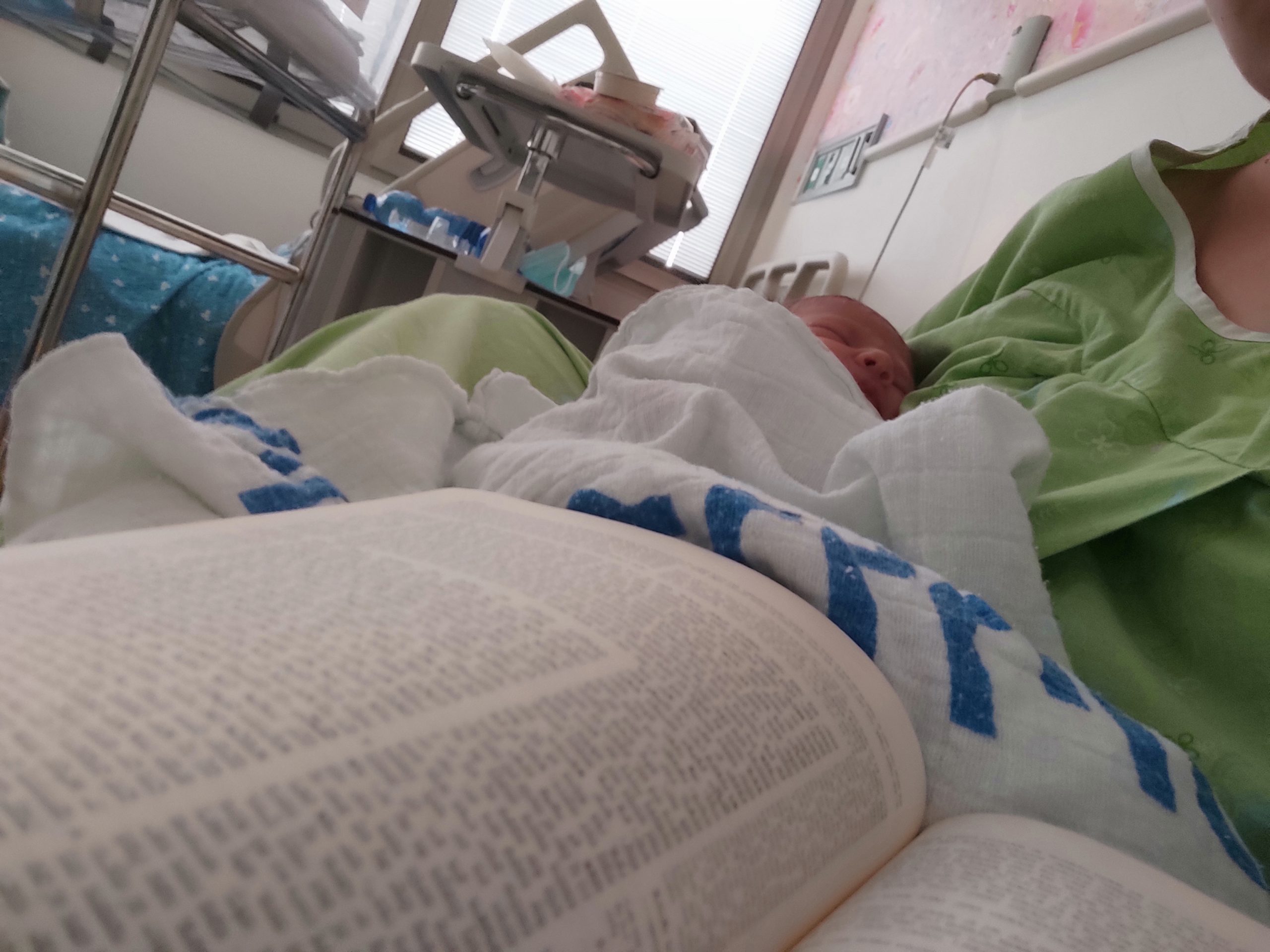
כמו שרואים בתמונה אני ממשיכה ללמוד גם היום ואפילו במחלקת יולדות אחרי לידת ביתי השלישית.

Noa Shiloh
נועה שילה

רבבה, ישראל

בתחילת הסבב הנוכחי של לימוד הדף היומי, נחשפתי לחגיגות המרגשות באירועי הסיום ברחבי העולם. והבטחתי לעצמי שבקרוב אצטרף גם למעגל הלומדות. הסבב התחיל כאשר הייתי בתחילת דרכי בתוכנית קרן אריאל להכשרת יועצות הלכה של נשמ”ת. לא הצלחתי להוסיף את ההתחייבות לדף היומי על הלימוד האינטנסיבי של תוכנית היועצות. בבוקר למחרת המבחן הסופי בנשמ”ת, התחלתי את לימוד הדף במסכת סוכה ומאז לא הפסקתי.

Hana Shaham-Rozby (Dr.)
חנה שחם-רוזבי (ד”ר)

קרית גת, ישראל

סיום השס לנשים נתן לי מוטביציה להתחיל ללמוד דף יומי. עד אז למדתי גמרא בשבתות ועשיתי כמה סיומים. אבל לימוד יומיומי זה שונה לגמרי ופתאום כל דבר שקורה בחיים מתקשר לדף היומי.

Fogel Foundation
קרן פוגל

רתמים, ישראל

באירוע של הדרן בנייני האומה. בהשראתה של אמי שלי שסיימה את הש”ס בסבב הקודם ובעידוד מאיר , אישי, וילדיי וחברותיי ללימוד במכון למנהיגות הלכתית של רשת אור תורה סטון ומורתיי הרבנית ענת נובוסלסקי והרבנית דבורה עברון, ראש המכון למנהיגות הלכתית.
הלימוד מעשיר את יומי, מחזיר אותי גם למסכתות שכבר סיימתי וידוע שאינו דומה מי ששונה פרקו מאה לשונה פרקו מאה ואחת במיוחד מרתקים אותי החיבורים בין המסכתות

Roit Kalech
רוית קלך

מודיעין, ישראל

A friend in the SF Bay Area said in Dec 2019 that she might start listening on her morning drive to work. I mentioned to my husband and we decided to try the Daf when it began in Jan 2020 as part of our preparing to make Aliyah in the summer.

Hana Piotrkovsky
חנה פיוטרקובסקי

ירושלים, Israel

התחלתי מחוג במסכת קידושין שהעבירה הרבנית רייסנר במסגרת בית המדרש כלנה בגבעת שמואל; לאחר מכן התחיל סבב הדף היומי אז הצטרפתי. לסביבה לקח זמן לעכל אבל היום כולם תומכים ומשתתפים איתי. הלימוד לעתים מעניין ומעשיר ולעתים קשה ואף הזוי… אך אני ממשיכה קדימה. הוא משפיע על היומיום שלי קודם כל במרדף אחרי הדף, וגם במושגים הרבים שלמדתי ובידע שהועשרתי בו, חלקו ממש מעשי

Abigail Chrissy
אביגיל כריסי

ראש העין, ישראל

התחלתי בתחילת הסבב, והתמכרתי. זה נותן משמעות נוספת ליומיום ומאוד מחזק לתת לזה מקום בתוך כל שגרת הבית-עבודה השוטפת.

Reut Abrahami
רעות אברהמי

בית שמש, ישראל

שמעתי על הסיום הענק של הדף היומי ע”י נשים בבנייני האומה. רציתי גם.
החלטתי להצטרף. התחלתי ושיכנעתי את בעלי ועוד שתי חברות להצטרף. עכשיו יש לי לימוד משותף איתו בשבת ומפגש חודשי איתן בנושא (והתכתבויות תדירות על דברים מיוחדים שקראנו). הצטרפנו לקבוצות שונות בווטסאפ. אנחנו ממש נהנות. אני שומעת את השיעור מידי יום (בד”כ מהרב יוני גוטמן) וקוראת ומצטרפת לסיומים של הדרן. גם מקפידה על דף משלהן (ונהנית מאד).

Liat Citron
ליאת סיטרון

אפרת, ישראל

התחלתי כשהייתי בחופש, עם הפרסומים על תחילת המחזור, הסביבה קיבלה את זה כמשהו מתמיד ומשמעותי ובהערכה, הלימוד זה עוגן יציב ביום יום, יש שבועות יותר ויש שפחות אבל זה משהו שנמצא שם אמין ובעל משמעות בחיים שלי….

Adi Diamant
עדי דיאמנט

גמזו, ישראל

למדתי גמרא מכיתה ז- ט ב Maimonides School ואחרי העליה שלי בגיל 14 לימוד הגמרא, שלא היה כל כך מקובל בימים אלה, היה די ספוראדי. אחרי "ההתגלות” בבנייני האומה התחלתי ללמוד בעיקר בדרך הביתה למדתי מפוקקטסים שונים. לאט לאט ראיתי שאני תמיד חוזרת לרבנית מישל פרבר. באיזה שהוא שלב התחלתי ללמוד בזום בשעה 7:10 .
היום "אין מצב” שאני אתחיל את היום שלי ללא לימוד עם הרבנית מישל עם כוס הקפה שלי!!

selfie-scaled
דבי גביר

חשמונאים, ישראל

התחלתי ללמוד בשנת המדרשה במגדל עוז, בינתיים נהנית מאוד מהלימוד ומהגמרא, מעניין ומשמח מאוד!
משתדלת להצליח לעקוב כל יום, לפעמים משלימה קצת בהמשך השבוע.. מרגישה שיש עוגן מקובע ביום שלי והוא משמח מאוד!

Uriah Kesner
אוריה קסנר

חיפה , ישראל

לפני 15 שנה, אחרי עשרות שנים של "ג’ינגול” בין משפחה לקריירה תובענית בהייטק, הצטרפתי לשיעורי גמרא במתן רעננה. הלימוד המעמיק והייחודי של הרבנית אושרה קורן יחד עם קבוצת הנשים המגוונת הייתה חוויה מאלפת ומעשירה. לפני כשמונה שנים כאשר מחזור הדף היומי הגיע למסכת תענית הצטרפתי כ”חברותא” לבעלי. זו השעה היומית שלנו ביחד כאשר דפי הגמרא משתלבים בחיי היום יום, משפיעים ומושפעים, וכשלא מספיקים תמיד משלימים בשבת

Yodi Askoff
יודי אסקוף

רעננה, ישראל

בסוף הסבב הקודם ראיתי את השמחה הגדולה שבסיום הלימוד, בעלי סיים כבר בפעם השלישית וכמובן הסיום הנשי בבנייני האומה וחשבתי שאולי זו הזדמנות עבורי למשהו חדש.
למרות שאני שונה בסביבה שלי, מי ששומע על הלימוד שלי מפרגן מאוד.
אני מנסה ללמוד קצת בכל יום, גם אם לא את כל הדף ובסך הכל אני בדרך כלל עומדת בקצב.
הלימוד מעניק המון משמעות ליום יום ועושה סדר בלמוד תורה, שתמיד היה (ועדיין) שאיפה. אבל אין כמו קביעות

Racheli-Mendelson
רחלי מנדלסון

טל מנשה, ישראל

רבנית מישל הציתה אש התלמוד בלבבות בביניני האומה ואני נדלקתי. היא פתחה פתח ותמכה במתחילות כמוני ואפשרה לנו להתקדם בצעדים נכונים וטובים. הקימה מערך שלם שמסובב את הלומדות בסביבה תומכת וכך נכנסתי למסלול לימוד מעשיר שאין כמוה. הדרן יצר קהילה גדולה וחזקה שמאפשרת התקדמות מכל נקודת מוצא. יש דיבוק לומדות שמחזק את ההתמדה של כולנו. כל פניה ושאלה נענית בזריזות ויסודיות. תודה גם למגי על כל העזרה.

Sarah Aber
שרה אבר

נתניה, ישראל

A life-changing journey started with a Chanukah family tiyul to Zippori, home of the Sanhedrin 2 years ago and continued with the Syum in Binanei Hauma where I was awed by the energy of 3000 women dedicated to learning daf Yomi. Opening my morning daily with a fresh daf, I am excited with the new insights I find enriching my life and opening new and deeper horizons for me.

Becky Goldstein
בקי גולדשטיין

Elazar gush etzion, Israel

התחלתי בתחילת הסבב, והתמכרתי. זה נותן משמעות נוספת ליומיום ומאוד מחזק לתת לזה מקום בתוך כל שגרת הבית-עבודה השוטפת.

Reut Abrahami
רעות אברהמי

בית שמש, ישראל

רציתי לקבל ידע בתחום שהרגשתי שהוא גדול וחשוב אך נעלם ממני. הלימוד מעניק אתגר וסיפוק ומעמיק את תחושת השייכות שלי לתורה וליהדות

Ruth Agiv
רות עגיב

עלי זהב – לשם, ישראל

עירובין לד

אַמַּאי? נֵימָא: כֵּיוָן דְּאִי בָּעֵי אַמְטוֹיֵי מָצֵי מַמְטֵי לֵיהּ, אַף עַל גַּב דְּלָא אַמְטְיֵיהּ — כְּמַאן דְּאַמְטְיֵיהּ דָּמֵי!

Why must one actually bring the eiruv to the place where he wishes to establish his residence? Let us say: Since if he wished to bring the eiruv there he could bring it, even though he did not bring it, it is considered as though he did bring it there. This follows the same reasoning proposed by Rav Yirmeya in the case of the basket: Since one can tilt it. The fact that this reasoning is not employed here indicates that the potential to do something is insufficient; rather, the deed must actually be done.

אָמַר רַבִּי זֵירָא: גְּזֵירָה מִשּׁוּם יוֹם טוֹב שֶׁחָל לִהְיוֹת אַחַר שַׁבָּת.

Rabbi Zeira said: The fact that one must bring his eiruv the day before to the spot that he wishes to establish as his place of residence, and the potential to bring it there does not suffice, is a decree due to a Festival that occurs after Shabbat. In that case, the eiruv is valid for the Festival only if it was brought there before Shabbat, for it cannot be carried there on Shabbat. Since one cannot actually bring the eiruv there, it cannot be said: It is considered as though he did bring it there because had he wished to bring the eiruv he could have. Consequently, the Sages decreed that in all cases, the eiruv is only valid if it was actually brought to the designated spot, lest one come to think that even on a Festival that occurs after Shabbat it need not be brought there.

אֵיתִיבֵיהּ: נִתְכַּוֵּון לִשְׁבּוֹת בִּרְשׁוּת הָרַבִּים, וְהִנִּיחַ עֵירוּבוֹ בַּכּוֹתֶל, לְמַטָּה מֵעֲשָׂרָה טְפָחִים — עֵירוּבוֹ עֵירוּב, לְמַעְלָה מֵעֲשָׂרָה טְפָחִים — אֵין עֵירוּבוֹ עֵירוּב. נִתְכַּוֵּון לִשְׁבּוֹת בְּרֹאשׁ הַשּׁוֹבָךְ אוֹ בְּרֹאשׁ הַמִּגְדָּל, לְמַעְלָה מֵעֲשָׂרָה טְפָחִים — עֵירוּבוֹ עֵירוּב. לְמַטָּה מֵעֲשָׂרָה טְפָחִים — אֵין עֵירוּבוֹ עֵירוּב.

Rav bar Shabba raised another objection from a different baraita: With regard to one who intended to establish his Shabbat residence in the public domain and placed his eiruv in a wall that is more than four cubits away from that location; if he placed the eiruv below a height of ten handbreadths above the ground, his eiruv is a valid eiruv; but if he placed it above ten handbreadths, his eiruv is not a valid eiruv because he is in a public domain while his eiruv is in a private domain. If one intended to establish his Shabbat residence on top of a dovecote or on top of a large cupboard, if he placed the eiruv in the dovecote or cupboard above ten handbreadths from the ground, his eiruv is a valid eiruv because both he and his eiruv are in a private domain; but if he placed it below ten handbreadths, the area in which he placed his eiruv is considered a karmelit, and his eiruv is not a valid eiruv because he cannot transport his eiruv from there to his own domain on Shabbat.

וְאַמַּאי? הָכִי נָמֵי נֵימָא: הוֹאִיל וְיָכוֹל לִנְטוֹתוֹ וְלַהֲבִיאוֹ לְתוֹךְ עֲשָׂרָה! אָמַר רַבִּי יִרְמְיָה: הָכָא בְּמִגְדָּל מְסוּמָּר עָסְקִינַן.

Why should this be so? Here too, let us say that his eiruv should be valid even if it was placed below ten handbreadths, since one can tilt the cupboard and bring it to within ten handbreadths from the ground, in which case he and his eiruv would be in the same domain. Rabbi Yirmeya said: Here, we are dealing with a cupboard that is nailed to the wall so that it cannot be tilted.

רָבָא אָמַר: אֲפִילּוּ תֵּימָא בְּמִגְדָּל שֶׁאֵינוֹ מְסוּמָּר, וְהָכָא בְּמִגְדָּל אָרוֹךְ עָסְקִינַן, דְּאִי מַמְטֵי לֵיהּ פּוּרְתָּא, אָזֵיל חוּץ לְאַרְבַּע אַמּוֹת.

Rava said: Even if you say that it is referring to a cupboard that is not nailed to the wall, here, we are dealing with a very tall cupboard, such that were one to tilt it a little in order to bring the top of the cupboard within ten handbreadths from the ground, the top of the cupboard would project beyond the four cubits that constitute one’s Shabbat residence.

הֵיכִי דָמֵי? אִי דְּאִיכָּא כַּוְּותָא וּמִתְנָא — לַיְיתֵיהּ בְּכַוְּותָא וּמִתְנָא! דְּלֵית לֵיהּ כַּוְּותָא וּמִתְנָא.

The Gemara asks: What, exactly, are the circumstances? If it is referring to a case where the cupboard has a window, and one has a rope at hand, let him bring it by means of the window and rope. In other words, let him lower the rope through the cupboard’s window and bring the eiruv with it, and he will not have to move the entire cupboard. The Gemara answers: Here we are dealing with a case where it does not have a window, and he does not have a rope at hand.

נְתָנוֹ בְּבוֹר אֲפִילּוּ עָמוֹק מֵאָה אַמָּה וְכוּ׳. הַאי בּוֹר דְּקָאֵי הֵיכָא? אִילֵּימָא דְּקָאֵי בִּרְשׁוּת הַיָּחִיד —

We learned in the mishna: If one placed the eiruv in a pit, even if it is a hundred cubits deep, his eiruv is a valid eiruv. The Gemara asks: This pit, where is it situated? If you say that it is situated in the private domain,

פְּשִׁיטָא! רְשׁוּת הַיָּחִיד עוֹלָה עַד לָרָקִיעַ, וְכִי הֵיכִי דְּסָלְקָא לְעֵיל, הָכִי נָמֵי דְּנָחֲתָא לְתַחַת. וְאֶלָּא דְּקָאֵי בִּרְשׁוּת הָרַבִּים.

it is obvious, for the private domain ascends to the sky, and just as it ascends upward, so too, it descends downward to the bottom of the pit, even if it is more than ten handbreadths deep. Rather, we must say that the pit is situated in the public domain.

דְּנִתְכַּוֵּון לִשְׁבּוֹת הֵיכָא? אִי לְמַעְלָה — הוּא בְּמָקוֹם אֶחָד וְעֵירוּבוֹ בְּמָקוֹם אַחֵר הוּא. אִי לְמַטָּה, פְּשִׁיטָא — הוּא וְעֵירוּבוֹ בִּמְקוֹם אֶחָד!

The Gemara now clarifies: Where did one intend to establish his Shabbat residence? If he intended to establish his residence above the pit in the public domain, this is a case where he is in one place and his eiruv is in another place, i.e., in a private domain, and therefore his eiruv is not valid. Alternatively, if one intended to establish his Shabbat residence below, in the pit, it is also obvious, as he and his eiruv are in one place.

לָא צְרִיכָא, דְּקָאֵי בְּכַרְמְלִית וְנִתְכַּוֵּון לִשְׁבּוֹת לְמַעְלָה, וְרַבִּי הִיא דְּאָמַר: כׇּל דָּבָר שֶׁהוּא מִשּׁוּם שְׁבוּת לֹא גָּזְרוּ עָלָיו בֵּין הַשְּׁמָשׁוֹת.

The Gemara answers: This ruling is necessary only in a case where the pit is situated in a karmelit, and he intended to establish his Shabbat residence above the pit in the karmelit. And with regard to the question of how this eiruv can be valid, as one cannot bring the eiruv from the pit to the karmelit, the answer is that the mishna was taught in accordance with the opinion of Rabbi Yehuda HaNasi, who said: With regard to anything that is prohibited on Shabbat due to rabbinic decree [shevut], they did not issue the decree to apply during twilight. Since carrying from the pit to the karmelit is only prohibited as a shevut, a person may carry from the pit to the karmelit during twilight, the time when the eiruv establishes one’s Shabbat residence.

מַתְנִי׳ נְתָנוֹ בְּרֹאשׁ הַקָּנֶה אוֹ בְּרֹאשׁ הַקּוּנְדָּס, בִּזְמַן שֶׁהוּא תָּלוּשׁ וְנָעוּץ, אֲפִילּוּ גָּבוֹהַּ מֵאָה אַמָּה — הֲרֵי זֶה עֵירוּב.

MISHNA: If one placed his eiruv on top of a reed or on top of a pole [kundas], when the reed or pole is detached from its original place and stuck into the ground, even if it is a hundred cubits high, it is a valid eiruv, as one can remove the reed or pole from the ground and take his eiruv.

גְּמָ׳ רָמֵי לֵיהּ רַב אַדָּא בַּר מַתְנָא לְרָבָא: תָּלוּשׁ וְנָעוּץ — אִין. לֹא תָּלוּשׁ וְנָעוּץ — לָא. מַנִּי? רַבָּנַן הִיא, דְּאָמְרִי: כׇּל דָּבָר שֶׁהוּא מִשּׁוּם שְׁבוּת גָּזְרוּ עָלָיו בֵּין הַשְּׁמָשׁוֹת. וְהָא אָמְרַתְּ רֵישָׁא רַבִּי! רֵישָׁא רַבִּי וְסֵיפָא רַבָּנַן?!

GEMARA: Rav Adda bar Mattana raised a contradiction before Rava concerning two tannaitic rulings: The mishna states that if the reed was detached from its place of growth and then stuck into the ground, yes, the eiruv is valid. That indicates that if it was not detached and then stuck back into the ground, no, the eiruv is not valid. In accordance with whose opinion is this mishna? It is in accordance with the opinion of the Rabbis, who say: Anything that is prohibited on Shabbat due to rabbinic decree [shevut], such as using a tree on Shabbat, they issued the decree to apply even during twilight. Therefore, if the eiruv was on top of a reed that was still attached to the ground in its original place of growth, since it is prohibited by rabbinic decree to make use of trees on Shabbat, one cannot remove the eiruv from its place at the time that he must establish his Shabbat residence, and therefore his eiruv is invalid. But didn’t you say that the first clause, i.e., the previous mishna, is in accordance with the opinion of Rabbi Yehuda HaNasi? How can you say that the first clause is in accordance with the opinion of Rabbi Yehuda HaNasi and the latter clause is in accordance with the opinion of the Rabbis?

אֲמַר לֵיהּ: כְּבָר רָמֵי לֵיהּ רָמֵי בַּר חָמָא לְרַב חִסְדָּא, וְשַׁנִּי לֵיהּ: רֵישָׁא רַבִּי, וְסֵיפָא רַבָּנַן.

Rava said to Rav Adda: Rami bar Ḥama already raised this contradiction before Rav Ḥisda, and Rav Ḥisda answered him: Indeed, the first clause is in accordance with the opinion of Rabbi Yehuda HaNasi, and the latter clause is in accordance with the opinion of the Rabbis.

רָבִינָא אָמַר: כּוּלָּהּ רַבִּי הִיא, וְסֵיפָא גְּזֵירָה שֶׁמָּא יִקְטוֹם.

Ravina said: You can, in fact, say that it is all Rabbi Yehuda HaNasi, and the latter clause, i.e., the mishna that insists that the reed be detached and inserted, is not based upon the prohibition of utilizing trees on Shabbat. Rather, in that case there is a unique decree lest he break it off from the ground if the reed is relatively soft. Therefore, the mishna requires one to use something that has already been detached from the ground and reinserted. However, the previous mishna is referring to someone who placed his eiruv in a tree, where this concern is not relevant.

הָהוּא פּוּלְמוּסָא דַּאֲתָא לִנְהַרְדְּעָא. אֲמַר לְהוּ רַב נַחְמָן: פּוּקוּ עֲבִידוּ כְּבוּשֵׁי כַּבְשֵׁי בְּאַגְמָא, וּלְמָחָר נֵיזִיל וְנִיתֵּיב עִלָּוַיְהוּ.

The Gemara relates that a certain army [pulmosa] once came to Neharde’a and took quarters in the study hall, so that there was not enough room for the students. Rav Naḥman said to the students: Go out and create seats by compressing reeds in the marshes, and tomorrow, on Shabbat, we will go and sit on them and study there.

אֵיתִיבֵיהּ רָמֵי בַּר חָמָא לְרַב נַחְמָן, וְאָמְרִי לַהּ רַב עוּקְבָא בַּר אַבָּא לְרַב נַחְמָן: תָּלוּשׁ וְנָעוּץ אִין, לֹא תָּלוּשׁ וְלֹא נָעוּץ לָא.

Rami bar Ḥama raised an objection to Rav Naḥman, and some say that it was Rav Ukva bar Abba who raised the objection to Rav Naḥman, from the mishna that states that if the reed was detached and then stuck into the ground, yes; but if it was not detached and not stuck into the ground, no. This shows that it is not enough to compress the reeds, and they must actually be detached from the ground before they may be used on Shabbat.

אֲמַר לֵיהּ: הָתָם בְּעוּזְרָדִין. וּמְנָא תֵּימְרָא דְּשָׁנֵי לַן בֵּין עוּזְרָדִין לְשֶׁאֵין עוּזְרָדִין — דְּתַנְיָא: הַקָּנִין וְהָאֲטָדִין וְהַהִגִּין — מִין אִילָן הֵן, וְאֵינָן כִּלְאַיִם בַּכֶּרֶם. וְתַנְיָא אִידַּךְ: הַקָּנִים וְהַקִּידָן וְהָאוּרְבָּנִין — מִין יָרָק הֵן, וְהֵן כִּלְאַיִם בַּכֶּרֶם. קַשְׁיָא אַהֲדָדֵי!

Rav Naḥman said to him: There, in the mishna, we are dealing with hard reeds, which may not be bent and used on Shabbat, unlike soft reeds. He adds: And from where do you say that we distinguish between hard reeds and reeds that are not hard? As it was taught in a baraita: Reeds, boxthorn, and thistles are species of trees, and therefore they are not included in the prohibition of food crops in a vineyard, which applies only to herbs planted among vines. And it was taught in another baraita: Reeds, cassia, and bulrushes are species of herbs, and therefore they are included in the prohibition of food crops in a vineyard. These two baraitot contradict one another, as one states that reeds are trees, while the other says that they are considered herbs.

אֶלָּא שְׁמַע מִינַּהּ: כָּאן בְּעוּזְרָדִין, כָּאן בְּשֶׁאֵין עוּזְרָדִין. שְׁמַע מִינַּהּ.

Rather, conclude from this that we must distinguish between them as follows: Here, in the first baraita, it is referring to hard reeds, which are like trees; whereas there, in the second baraita, it is referring to reeds that are not hard. The Gemara concludes: Indeed, conclude from this that our resolution of the contradiction is correct.

וְקִידָּה מִין יָרָק הוּא?! וְהָתְנַן: אֵין מַרְכִּיבִין פֵּגָם עַל גַּבֵּי קִידָּה לְבָנָה, מִפְּנֵי שֶׁהוּא יָרָק בְּאִילָן! אָמַר רַב פָּפָּא: קִידָּה לְחוּד, וְקִידָּה לְבָנָה לְחוּד.

The Gemara raises a question with regard to the previously cited baraita: Is cassia a type of herb? Didn’t we learn in a mishna: One may not graft rue to white cassia, as this involves the grafting of herbs to a tree? This proves that white cassia is a tree. Rav Pappa said: There is no difficulty, as cassia is distinct and is considered a type of herb, and white cassia is distinct and is considered a type of tree.

מַתְנִי׳ נְתָנוֹ בְּמִגְדָּל וְאָבַד הַמַּפְתֵּחַ — הֲרֵי זֶה עֵירוּב. רַבִּי אֱלִיעֶזֶר אוֹמֵר: אִם אֵינוֹ יוֹדֵעַ שֶׁהַמַּפְתֵּחַ בִּמְקוֹמוֹ — אֵינוֹ עֵירוּב.

MISHNA: If one put the eiruv in a cupboard and locked it, and the key was lost, so that he is now unable to open the cupboard and access the eiruv, it is nonetheless a valid eiruv. Rabbi Eliezer says: If he does not know that the key is in its place, it is not a valid eiruv.

גְּמָ׳ וְאַמַּאי? הוּא בְּמָקוֹם אֶחָד וְעֵירוּבוֹ בְּמָקוֹם אַחֵר הוּא!

GEMARA: The Gemara asks: And why should the eiruv be valid if the key was lost? He is in one place and his eiruv is in a different place, since he cannot access the eiruv.

רַב וּשְׁמוּאֵל דְּאָמְרִי תַּרְוַיְיהוּ: הָכָא בְּמִגְדָּל שֶׁל לְבֵנִים עָסְקִינַן וְרַבִּי מֵאִיר הִיא, דְּאָמַר: פּוֹחֵת לְכַתְּחִילָּה וְנוֹטֵל. דִּתְנַן: בַּיִת שֶׁמִּילְּאָהוּ פֵּירוֹת, סָתוּם וְנִפְחַת — נוֹטֵל מִמְּקוֹם הַפְּחָת, רַבִּי מֵאִיר אוֹמֵר: פּוֹחֵת וְנוֹטֵל לְכַתְּחִילָּה.

It was Rav and Shmuel who both said: Here, we are dealing with a cupboard made of bricks, and the mishna is in accordance with the opinion of Rabbi Meir, who said: One may create a breach in a brick wall on Shabbat ab initio, and take produce from the other side. As we learned in a mishna: If a house filled with produce had been sealed and was then breached, one may take out produce from the place of the breach. Rabbi Meir disagrees and says: One may even create a breach in the wall of the house and take produce ab initio. Consequently, according to Rabbi Meir it is permissible to make a hole in the cupboard in order to remove the produce found inside.

וְהָאָמַר רַב נַחְמָן בַּר אַדָּא אָמַר שְׁמוּאֵל: בְּאַוֵּירָא דְלִיבְנֵי. הָכָא נָמֵי בַּאֲוֵירָא דְלִיבְנֵי.

The Gemara asks: Didn’t Rav Naḥman bar Adda say that Shmuel said that that very mishna cited as a proof is referring to a structure built from layers of bricks piled one atop the other without cement or mortar between them, in which case making a hole cannot be considered dismantling a bona fide structure? The Gemara answers: Here too, we are dealing with a cupboard made from layers of bricks.

וְהָא אָמַר רַבִּי זֵירָא: בְּיוֹם טוֹב אָמְרוּ, אֲבָל לֹא בְּשַׁבָּת! הָכָא נָמֵי בְּיוֹם טוֹב.

The Gemara raises another difficulty: Didn’t Rabbi Zeira say: The Sages in the aforementioned mishna, who discussed the breaching of a wall, spoke only with regard to a Festival, but not with regard to Shabbat? Therefore, it cannot be derived from that mishna that it is permitted to breach the cupboard on Shabbat in order to access the food inside. The Gemara answers: Here too, the mishna is referring to a case where the person needed an eiruv for a Festival but not for Shabbat.

אִי הָכִי, הַיְינוּ דְּקָתָנֵי עֲלַהּ, רַבִּי אֱלִיעֶזֶר אוֹמֵר: אִם בָּעִיר אָבַד — עֵירוּבוֹ עֵירוּב, וְאִם בַּשָּׂדֶה אָבַד — אֵין עֵירוּבוֹ עֵירוּב. וְאִי בְּיוֹם טוֹב, מָה לִי עִיר מָה לִי שָׂדֶה?

The Gemara asks: If it is so that the mishna is referring only to a Festival, there is a difficulty with that which was taught about it in the following Tosefta: Rabbi Eliezer says: If the key was lost in a city, his eiruv is a valid eiruv; and if it was lost in a field, his eiruv is not a valid eiruv, for within a city it is possible to carry the key by way of courtyards that have joined together in an eiruv or the like, but in a field it is impossible to carry it, as the field has the status of a karmelit. And if the mishna is referring to a Festival, what is the difference to me whether the key was lost in a city or a field? On a Festival there is no prohibition against carrying from a private to a public domain, and therefore if the key was lost even in a field, the eiruv should still be valid.

רוצה לעקוב אחרי התכנים ולהמשיך ללמוד?

ביצירת חשבון עוד היום ניתן לעקוב אחרי ההתקדמות שלך, לסמן מה למדת, ולעקוב אחרי השיעורים שמעניינים אותך.

לנקות את כל הפריטים מהרשימה?

פעולה זו תסיר את כל הפריטים בחלק זה כולל ההתקדמות וההיסטוריה. שימי לב: לא ניתן לשחזר פעולה זו.

ביטול
מחיקה

האם את/ה בטוח/ה שברצונך למחוק פריט זה?

תאבד/י את כל ההתקדמות או ההיסטוריה הקשורות לפריט זה.

ביטול
מחיקה