חיפוש

עירובין עב

רוצה להקדיש לימוד?

podcast placeholder

0:00
0:00


תקציר

הדף היום מוקדש לרפואת הרב יונתן זקס, הרב יעקב צבי בן ליבה. השיעור גם מוקדש ע”י ד”ר רובין זיגר ופרופסור יונתן בן עזרא לכבוד חתונת ביתם נחמה. "נחמה, אינך יכולה לתאר כמה נחת את משרה לאביך כשאת שולחת דף גמרא שאת לומדת ואומרת ‘אבא, אני זוכרת שלמדנו יחד את הסוגיה!’”

יש מחלוקת איך להבין מחלוקת ר’ מאיר וחכמים בעניין האם אפשר לעשות או עירוב חצרות או שיתוף מבואות להתיר טלטול גם בין החצרות וגם בין החרות למבוי. האם הם חולקים במקרה שעשו שיתוף עם יין או האם חולקים במקרה שעשו עם פת? האם פוסקים כר’ מאיר? המשנה מבאיה מקרה של חמשה שגרים בחדר גדול אחד שמחולק במחיצות – האם צריכים לערב כל אחד ואחד או אפשר לערב עם שאר הבתים בחצר כולם ביחד – כאחד? בית שמאי ובית הלל חולקים. הגמרא מביאה בהתחלה ארבע אפשרויות להבין באיזה מקרה הם חולקים – איזה סוג מחיצות. אחר כך הגמרא מביאה גישה אחרת למחלוקת שמדובר במיקום העירוב או בחדר הגדול הזה או אם שמים בתוך בית אחר בחצר. לפי זה יש עוד שתי הבנות להבין באיזה מקרה הם חולקים. אם יש משפחה שכולם גרים בבתים נפרדים בחצר, האם חייבים לערב. במה זה תלוי? אם מישהו/י גר/ה בשטח של הבית של מישהו אחר, באיזה מקרים חייבים לערב? זה אולי תלוי בסוג המקום שגרים בו.

עירובין עב

וְחַד אָמַר: בְּיַיִן דְּכוּלֵּי עָלְמָא לָא פְּלִיגִי דְּבָעֵינַן תַּרְתֵּי, כִּי פְּלִיגִי בְּפַת.

And one said: In the case of wine, everyone agrees that two are required, both a merging of alleyways and a joining of courtyards. When they disagree is in a case where an eiruv was established with bread: Rabbi Meir maintains that both a merging of alleyways and a joining of courtyards are required, whereas the Rabbis say that one is sufficient.

מֵיתִיבִי: וַחֲכָמִים אוֹמְרִים אוֹ מְעָרְבִין אוֹ מִשְׁתַּתְּפִין. מַאי לָאו: אוֹ מְעָרְבִין בְּחָצֵר בְּפַת, אוֹ מִשְׁתַּתְּפִין בְּמָבוֹי בְּיַיִן.

The Gemara raises an objection from the baraita itself. And the Rabbis say: One may either establish an eiruv or a merging of alleyways. What, does it not mean that one either establishes an eiruv in the courtyard with bread or a merging in the alleyway with wine, which indicates that they also disagreed in a case where a merging of alleyways was established with wine?

אָמַר רַב גִּידֵּל אָמַר רַב, הָכִי קָאָמַר: אוֹ מְעָרְבִין בְּחָצֵר בְּפַת — וּמוּתָּרִין כָּאן וְכָאן, אוֹ מִשְׁתַּתְּפִין בְּמָבוֹי בְּפַת — וּמוּתָּרִין כָּאן וְכָאן.

Rav Giddel said that Rav said that the Rabbis were saying as follows: One may either establish an eiruv in the courtyard with bread, and it would be rendered permitted to carry both here, in the courtyard, and there, in the alleyway, or one may establish a merging of alleyways in the alleyway with bread, and it would be rendered permitted to carry both here, in the courtyard, and there, in the alleyway.

אָמַר רַב יְהוּדָה אָמַר רַב: הֲלָכָה כְּרַבִּי מֵאִיר. וְרַב הוּנָא אָמַר: מִנְהָג כְּרַבִּי מֵאִיר. וְרַבִּי יוֹחָנָן אָמַר: נָהֲגוּ הָעָם כְּרַבִּי מֵאִיר.

Rav Yehuda said that Rav said: The halakha is in accordance with the opinion of Rabbi Meir. And Rav Huna said: No clear halakhic ruling was issued in his favor, but the custom is in accordance with the opinion of Rabbi Meir. Therefore, if someone asks, he should be instructed to act accordingly. And Rabbi Yoḥanan said: It is not even a custom established by the Sages. Rather, the people were accustomed to act in accordance with the opinion of Rabbi Meir, and we do not tell them they have acted inappropriately.

מַתְנִי׳ חֲמִשָּׁה חֲבוּרוֹת שֶׁשָּׁבְתוּ בִּטְרַקְלִין אֶחָד, בֵּית שַׁמַּאי אוֹמְרִים: עֵירוּב לְכׇל חֲבוּרָה וַחֲבוּרָה, וּבֵית הִלֵּל אוֹמְרִים: עֵירוּב אֶחָד לְכוּלָּן.

MISHNA: With regard to five groups of people who spent Shabbat in one hall [teraklin] that was subdivided by partitions into separate rooms, each of which had a separate entrance to a courtyard that was shared with other houses, Beit Shammai say: An eiruv is required for each and every group, i.e., each group must contribute separately to the eiruv of the courtyard, as each is considered a different house. And Beit Hillel say: One eiruv suffices for all of them, as the partitions do not render the different sections separate houses.

וּמוֹדִים בִּזְמַן שֶׁמִּקְצָתָן שְׁרוּיִין בַּחֲדָרִים אוֹ בַּעֲלִיּוֹת, שֶׁהֵן צְרִיכִין עֵירוּב לְכׇל חֲבוּרָה וַחֲבוּרָה.

And Beit Hillel concede that when some of them occupy separate rooms or upper stories, they require a separate eiruv for each and every group, and the fact that they are in the same building does not render them one unified group.

גְּמָ׳ אָמַר רַב נַחְמָן: מַחְלוֹקֶת בִּמְסִיפָס, אֲבָל בִּמְחִיצָה עֲשָׂרָה — דִּבְרֵי הַכֹּל עֵירוּב לְכׇל חֲבוּרָה וַחֲבוּרָה. אִיכָּא דְּאָמְרִי, אָמַר רַב נַחְמָן: אַף בִּמְסִיפָס מַחְלוֹקֶת.

GEMARA: Rav Naḥman said: The dispute applies only where they divided the hall with a partition of pegs [mesifas]. However, if they divided it with a sturdy partition ten handbreadths high, all agree that a separate contribution to the eiruv is required for each and every group, as this certainly divides the hall into separate living quarters. Some say a different version of the previous passage, according to which Rav Naḥman said as follows: Even where they merely divided the room with a partition of pegs, there is a dispute about whether this is considered a full-fledged partition.

פְּלִיגִי בַּהּ רַבִּי חִיָּיא וְרַבִּי שִׁמְעוֹן בְּרַבִּי. חַד אָמַר: מַחְלוֹקֶת בִּמְחִיצוֹת הַמַּגִּיעוֹת לַתִּקְרָה, אֲבָל מְחִיצוֹת שֶׁאֵין מַגִּיעוֹת לַתִּקְרָה — דִּבְרֵי הַכֹּל עֵירוּב אֶחָד לְכוּלָּן. וְחַד אָמַר: מַחְלוֹקֶת בִּמְחִיצוֹת שֶׁאֵין מַגִּיעוֹת לַתִּקְרָה, אֲבָל מְחִיצוֹת הַמַּגִּיעוֹת לַתִּקְרָה — דִּבְרֵי הַכֹּל צְרִיכִין עֵירוּב לְכׇל חֲבוּרָה וַחֲבוּרָה.

The Gemara relates that Rabbi Ḥiyya and Rabbi Shimon, son of Rabbi Yehuda HaNasi, disagreed about this issue. One of them said: This dispute is with regard to partitions that reach the ceiling, but with regard to partitions that do not reach the ceiling, all agree that one eiruv suffices for all of them, as the partitions do not turn the compartments into separate houses. And one said: This dispute is with regard to partitions that do not reach the ceiling, but with regard to partitions that reach the ceiling, all agree that the compartments are considered separate living quarters, and they require a separate contribution to the eiruv for each and every group.

מֵיתִיבִי, אָמַר רַבִּי יְהוּדָה הַסַּבָּר: לֹא נֶחְלְקוּ בֵּית שַׁמַּאי וּבֵית הִלֵּל עַל מְחִיצוֹת הַמַּגִּיעוֹת לַתִּקְרָה שֶׁצְּרִיכִין עֵירוּב לְכׇל חֲבוּרָה וַחֲבוּרָה. עַל מָה נֶחְלְקוּ — עַל מְחִיצוֹת שֶׁאֵין מַגִּיעוֹת לַתִּקְרָה, שֶׁבֵּית שַׁמַּאי אוֹמְרִים: עֵירוּב לְכׇל חֲבוּרָה וַחֲבוּרָה, וּבֵית הִלֵּל אוֹמְרִים: עֵירוּב אֶחָד לְכוּלָּן.

The Gemara raises an objection based on the following baraita: Rabbi Yehuda the Keen [hasabbar], who was known by this name due to his sharp mind, said: Beit Shammai and Beit Hillel did not disagree about partitions that reach the ceiling, as all agree that they require a separate contribution to the eiruv for each and every group. With regard to what did they disagree? With regard to partitions that do not reach the ceiling, as Beit Shammai say: A separate contribution to the eiruv is required for each and every group, and Beit Hillel say: One contribution to the eiruv suffices for all of them.

לְמַאן דְּאָמַר בִּמְחִיצוֹת הַמַּגִּיעוֹת לַתִּקְרָה מַחְלוֹקֶת — תְּיוּבְתָּא, וּלְמַאן דְּאָמַר בִּמְחִיצוֹת שֶׁאֵין מַגִּיעוֹת לַתִּקְרָה מַחְלוֹקֶת — סִיַּיעְתָּא. לְהַךְ לִישָּׁנָא דְּאָמַר רַב נַחְמָן: מַחְלוֹקֶת בִּמְסִיפָס — תְּיוּבְתָּא.

According to the one who said that it was with regard to partitions that reach the ceiling that there was a dispute, this baraita offers a conclusive refutation. And according to the one who said that it was with regard to partitions that do not reach the ceiling that there was a dispute, the baraita offers support. With regard to that version which holds that Rav Naḥman said: The dispute applies only where they divided the hall with a mesifas, this baraita is a conclusive refutation.

לְהַךְ לִישָּׁנָא דְּאָמַר רַב נַחְמָן: אַף בִּמְסִיפָס מַחְלוֹקֶת, לֵימָא תִּהְוֵי תְּיוּבְתָּא?

However, the following issue needs further clarification: With regard to that version which holds that Rav Naḥman said: The dispute applies even where the hall was divided with a mesifas, shall we say that Rabbi Yehuda the Keen’s statement is a conclusive refutation? That is to say, does it imply that all agree that in the case of a mesifas, one eiruv suffices for them all?

אָמַר לְךָ רַב נַחְמָן: פְּלִיגִי בִּמְחִיצָה, וְהוּא הַדִּין בִּמְסִיפָס. וְהַאי דְּקָא מִיפַּלְגִי בִּמְחִיצָה — לְהוֹדִיעֲךָ כֹּחָן דְּבֵית הִלֵּל.

Rav Naḥman could have said to you: They explicitly disagreed about a partition, and the same is true of a partition of pegs. And the fact that they disagree with regard to a partition rather than a partition of pegs is to convey to you the far-reaching nature of the opinion of Beit Hillel. Even where the compartments are divided by full-fledged partitions, Beit Hillel remain of the opinion that one contribution to the eiruv suffices for all of them, as the partitions do not turn them into separate residences.

וְלִיפְלְגִי בִּמְסִיפָס לְהוֹדִיעֲךָ כֹּחָן דְּבֵית שַׁמַּאי! כֹּחַ דְּהֶיתֵּרָא עָדִיף.

The Gemara asks: If they disagreed in both cases, let them disagree in the baraita about a mesifas, and thereby inform you of the strength of Beit Shammai. They are stringent and require a separate contribution to the eiruv for each and every group, even in the case of a mesifas. The Gemara answers: It is preferable for the tanna to teach us the strength of a permissive ruling. If a tanna can formulate a dispute in a manner that emphasizes the strength of the more lenient position, he will do so.

אָמַר רַב נַחְמָן אָמַר רַב: הֲלָכָה כְּרַבִּי יְהוּדָה הַסַּבָּר.

Rav Naḥman said that Rav said: The halakha is in accordance with the statement of Rabbi Yehuda the Keen, that all agree that where the partitions reach the ceiling, a separate contribution to the eiruv is required for each group, and that they disagree only about partitions that do not reach the ceiling.

אָמַר רַב נַחְמָן בַּר יִצְחָק: מַתְנִיתִין נָמֵי דַּיְקָא, דְּקָתָנֵי: וּמוֹדִים בִּזְמַן שֶׁמִּקְצָתָן שְׁרוּיִין בַּחֲדָרִים וּבַעֲלִיּוֹת, שֶׁצְּרִיכִין עֵירוּב לְכׇל חֲבוּרָה וַחֲבוּרָה. מַאי חֲדָרִים, וּמַאי עֲלִיּוֹת? אִילֵּימָא חֲדָרִים — חֲדָרִים מַמָּשׁ, וַעֲלִיּוֹת — עֲלִיּוֹת מַמָּשׁ, פְּשִׁיטָא. אֶלָּא לָאו: כְּעֵין חֲדָרִים, כְּעֵין עֲלִיּוֹת. וּמַאי נִיהוּ — מְחִיצוֹת הַמַּגִּיעוֹת לַתִּקְרָה. שְׁמַע מִינַּהּ.

Rav Naḥman bar Yitzḥak said: The mishna is also precise according to this view, as it teaches: And Beit Hillel concede that when some of them occupy separate rooms or upper stories, they require a separate eiruv for each and every group. What is the meaning of the word rooms, and what is the meaning of the term upper stories? If you say that the word rooms refers to actual rooms and the term upper stories refers to actual upper stories, i.e., they were separate from the beginning and are not subdivisions of a larger room, it is obvious, as this is the halakha governing the case of many people residing in the same courtyard. Rather, doesn’t it mean that they are similar to rooms and similar to upper stories? And what are these partitions? They are partitions that reach the ceiling; and even though they are not actual rooms or upper stories, they are considered like rooms and upper stories. The Gemara concludes: Indeed, learn from this that this is the case.

תָּנָא: בַּמֶּה דְּבָרִים אֲמוּרִים, כְּשֶׁמּוֹלִיכִין אֶת עֵירוּבָן לְמָקוֹם אַחֵר. אֲבָל אִם הָיָה עֵירוּבָן בָּא אֶצְלָן — דִּבְרֵי הַכֹּל עֵירוּב אֶחָד לְכוּלָּן.

It was taught in a baraita: In what case is this statement, that Beit Shammai require a separate contribution to the eiruv from each group, said? It is in a case where the groups in the hall bring their eiruv elsewhere in the courtyard, i.e., to a different house. But if their eiruv was coming to them, i.e., if the other members of the courtyard brought their contributions and established the eiruv in that hall, all agree that one contribution to the eiruv suffices for all of them. The fact that the eiruv is placed in this house renders all of its residents members of a single unit.

כְּמַאן אָזְלָא הָא דְּתַנְיָא: חֲמִשָּׁה שֶׁגָּבוּ אֶת עֵירוּבָן, כְּשֶׁמּוֹלִיכִין אֶת עֵירוּבָן לְמָקוֹם אַחֵר — עֵירוּב אֶחָד לְכוּלָּן. כְּמַאן, כְּבֵית הִלֵּל.

The Gemara comments: In accordance with whose opinion is the ruling that was taught in the following baraita: With regard to five people who live in the same courtyard and collected their eiruv, when they take their eiruv elsewhere in the courtyard, one contribution to the eiruv suffices for all of them. In accordance with whose opinion is this ruling? In accordance with the opinion of Beit Hillel.

וְאִיכָּא דְּאָמְרִי: בַּמֶּה דְּבָרִים אֲמוּרִים, כְּשֶׁהָיָה עֵירוּב בָּא אֶצְלָן. אֲבָל אִם הָיוּ מוֹלִיכִין אֶת עֵירוּבָן לְמָקוֹם אַחֵר — דִּבְרֵי הַכֹּל צְרִיכִין עֵירוּב לְכׇל חֲבוּרָה וַחֲבוּרָה.

And some say a different version of the previous passage: In what case is this statement, that Beit Hillel require only one contribution for all the groups together, said? It is in a case where the eiruv was coming to them. But if the groups in the hall were bringing their eiruv elsewhere in the courtyard, all agree that a separate contribution to the eiruv is required for each and every one of them.

כְּמַאן אָזְלָא הָא דְּתַנְיָא: חֲמִשָּׁה שֶׁגָּבוּ אֶת עֵירוּבָן, כְּשֶׁמּוֹלִיכִין אֶת עֵירוּבָן לְמָקוֹם אַחֵר — עֵירוּב אֶחָד לְכוּלָּן, כְּמַאן? דְּלָא כְּחַד.

If so, in accordance with whose opinion is the ruling that was taught in the baraita: With regard to five people who live in the same courtyard and collected their eiruv, when they take their eiruv elsewhere in the courtyard, one contribution to the eiruv suffices for all of them. In accordance with whose opinion is this ruling? It is not in accordance with either one of them.

מַתְנִי׳ הָאַחִין שֶׁהָיוּ אוֹכְלִין עַל שֻׁלְחָן אֲבִיהֶם וִישֵׁנִים בְּבָתֵּיהֶם — צְרִיכִין עֵירוּב לְכׇל אֶחָד וְאֶחָד. לְפִיכָךְ, אִם שָׁכַח אֶחָד מֵהֶם וְלֹא עֵירַב — מְבַטֵּל אֶת רְשׁוּתוֹ.

MISHNA: In the case of brothers who were eating at their father’s table and sleeping in their own houses in the same courtyard, a separate contribution to the eiruv is required for each and every one of them. Therefore, if one of them forgot and did not contribute to the eiruv, he must renounce his rights in the courtyard in order to render carrying in the courtyard permitted to the rest of the courtyard’s residents.

אֵימָתַי, בִּזְמַן שֶׁמּוֹלִיכִין עֵירוּבָן בִּמְקוֹם אַחֵר. אֲבָל אִם הָיָה עֵירוּב בָּא אֶצְלָן, אוֹ שֶׁאֵין עִמָּהֶן דָּיוֹרִין בֶּחָצֵר — אֵינָן צְרִיכִין לְעָרֵב.

When do they state this halakha? They state it when they take their eiruv elsewhere in the courtyard, i.e., to the house of one of the other residents. But if the eiruv was coming to them, i.e., if it was placed in their father’s house, or if there are no other residents with the brothers and their father in the courtyard, they are not required to establish an eiruv, as they are considered like a single individual living in a courtyard.

גְּמָ׳ שְׁמַע מִינַּהּ מְקוֹם לִינָה גּוֹרֵם. אָמַר רַב יְהוּדָה אָמַר רַב: בִּמְקַבְּלֵי פְרָס שָׁנוּ.

GEMARA: The Gemara comments on the statement in the mishna that a separate contribution to the eiruv must be made by each of the brothers if they sleep in their own houses: Learn from it that one’s place of sleep determines the location of his residence. The Gemara rejects this conclusion. Rav Yehuda said that Rav said: They taught this mishna with regard to brothers who receive a portion from their father. The mishna is not referring to brothers who actually eat at their father’s table, but rather to brothers whose father supplies them with food that they eat in their own homes.

תָּנוּ רַבָּנַן: מִי שֶׁיֵּשׁ לוֹ בֵּית שַׁעַר, אַכְסַדְרָה, וּמִרְפֶּסֶת בַּחֲצַר חֲבֵירוֹ — הֲרֵי זֶה אֵין אוֹסֵר עָלָיו. (אֶת) בֵּית הַתֶּבֶן (וְאֶת) בֵּית הַבָּקָר בֵּית הָעֵצִים וּבֵית הָאוֹצָרוֹת — הֲרֵי זֶה אוֹסֵר עָלָיו. רַבִּי יְהוּדָה אוֹמֵר: אֵינוֹ אוֹסֵר אֶלָּא מְקוֹם דִּירָה בִּלְבַד.

The Sages taught in a baraita: One who has a gatehouse, porch, or balcony in his friend’s courtyard does not render the owner of the courtyard prohibited from carrying there without an eiruv, as these locations are not considered residences. However, if he has a storeroom of straw, a cattle shed, a woodshed, or a storehouse in his friend’s courtyard, he renders it prohibited for his friend to carry there without an eiruv. Rabbi Yehuda says: Only a place of actual dwelling renders carrying prohibited, but a building that is not designated for residence does not render carrying without an eiruv prohibited for another resident of the courtyard.

אָמַר רַבִּי יְהוּדָה: מַעֲשֶׂה בְּבֶן נַפָּחָא שֶׁהָיוּ לוֹ חָמֵשׁ חֲצֵרוֹת בְּאוּשָׁא, וּבָא מַעֲשֶׂה לִפְנֵי חֲכָמִים, וְאָמְרוּ: אֵינוֹ אוֹסֵר אֶלָּא בֵּית דִּירָה בִּלְבַד.

Rabbi Yehuda said: There was an incident with ben Nappaḥa, who had houses in five courtyards in Usha, only one of which served as his own residence. And the case came before the Sages to decide whether an eiruv must be made for all of them, and they said: Only a house of residence renders carrying prohibited.

בֵּית דִּירָה סָלְקָא דַּעְתָּךְ? אֶלָּא אֵימָא: מְקוֹם דִּירָה.

The Gemara expresses surprise at the wording of the baraita: Does it enter your mind that the correct reading is a house of residence? He has a house in each of the five courtyards. Rather, say: A place of residence, i.e., it is prohibited to carry in the place where he actually lives, but nowhere else.

מַאי מְקוֹם דִּירָה? רַב אָמַר:

The Gemara asks: What is considered one’s place of residence? Rav said:

חדשה בלימוד הגמרא?

זה הדף הראשון שלך? איזו התרגשות עצומה! יש לנו בדיוק את התכנים והכלים שיעזרו לך לעשות את הצעדים הראשונים ללמידה בקצב וברמה שלך, כך תוכלי להרגיש בנוח גם בתוך הסוגיות המורכבות ומאתגרות.

פסיפס הלומדות שלנו

גלי את קהילת הלומדות שלנו, מגוון נשים, רקעים וסיפורים. כולן חלק מתנועה ומסע מרגש ועוצמתי.

ראיתי את הסיום הגדול בבנייני האומה וכל כך התרשמתי ורציתי לקחת חלק.. אבל לקח לי עוד כשנה וחצי )באמצע מסיכת שבת להצטרף..
הלימוד חשוב לי מאוד.. אני תמיד במרדף אחרי הדף וגונבת כל פעם חצי דף כשהילדים עסוקים ומשלימה אח”כ אחרי שכולם הלכו לישון..

Olga Mizrahi
אולגה מזרחי

ירושלים, ישראל

לצערי גדלתי בדור שבו לימוד גמרא לנשים לא היה דבר שבשגרה ושנים שאני חולמת להשלים את הפער הזה.. עד שלפני מספר שבועות, כמעט במקרה, נתקלתי במודעת פרסומת הקוראת להצטרף ללימוד מסכת תענית. כשקראתי את המודעה הרגשתי שהיא כאילו נכתבה עבורי – "תמיד חלמת ללמוד גמרא ולא ידעת איך להתחיל”, "בואי להתנסות במסכת קצרה וקלה” (רק היה חסר שהמודעה תיפתח במילים "מיכי שלום”..). קפצתי למים ו- ב”ה אני בדרך להגשמת החלום:)

Micah Kadosh
מיכי קדוש

מורשת, ישראל

התחלתי ללמוד בעידוד שתי חברות אתן למדתי בעבר את הפרק היומי במסגרת 929.
בבית מתלהבים מאוד ובשבת אני לומדת את הדף עם בעלי שזה מפתיע ומשמח מאוד! לימוד הדף הוא חלק בלתי נפרד מהיום שלי. לומדת בצהריים ומחכה לזמן הזה מידי יום…

Miriam Wengerover
מרים ונגרובר

אפרת, ישראל

באירוע של הדרן בנייני האומה. בהשראתה של אמי שלי שסיימה את הש”ס בסבב הקודם ובעידוד מאיר , אישי, וילדיי וחברותיי ללימוד במכון למנהיגות הלכתית של רשת אור תורה סטון ומורתיי הרבנית ענת נובוסלסקי והרבנית דבורה עברון, ראש המכון למנהיגות הלכתית.
הלימוד מעשיר את יומי, מחזיר אותי גם למסכתות שכבר סיימתי וידוע שאינו דומה מי ששונה פרקו מאה לשונה פרקו מאה ואחת במיוחד מרתקים אותי החיבורים בין המסכתות

Roit Kalech
רוית קלך

מודיעין, ישראל

התחלתי ללמוד דף לפני קצת יותר מ-5 שנים, כשלמדתי רבנות בישיבת מהר”ת בניו יורק. בדיעבד, עד אז, הייתי בלימוד הגמרא שלי כמו מישהו שאוסף חרוזים משרשרת שהתפזרה, פה משהו ושם משהו, ומאז נפתח עולם ומלואו…. הדף נותן לי לימוד בצורה מאורגנת, שיטתית, יום-יומית, ומלמד אותי לא רק ידע אלא את השפה ודרך החשיבה שלנו. לשמחתי, יש לי סביבה תומכת וההרגשה שלי היא כמו בציטוט שבחרתי: הדף משפיע לטובה על כל היום שלי.

Michal Kahana
מיכל כהנא

חיפה, ישראל

התחלתי כשהייתי בחופש, עם הפרסומים על תחילת המחזור, הסביבה קיבלה את זה כמשהו מתמיד ומשמעותי ובהערכה, הלימוד זה עוגן יציב ביום יום, יש שבועות יותר ויש שפחות אבל זה משהו שנמצא שם אמין ובעל משמעות בחיים שלי….

Adi Diamant
עדי דיאמנט

גמזו, ישראל

אחרי שראיתי את הסיום הנשי של הדף היומי בבנייני האומה זה ריגש אותי ועורר בי את הרצון להצטרף. לא למדתי גמרא קודם לכן בכלל, אז הכל היה לי חדש, ולכן אני לומדת בעיקר מהשיעורים פה בהדרן, בשוטנשטיין או בחוברות ושיננתם.

Rebecca Schloss
רבקה שלוס

בית שמש, ישראל

התחלתי להשתתף בשיעור נשים פעם בשבוע, תכננתי ללמוד רק דפים בודדים, לא האמנתי שאצליח יותר מכך.
לאט לאט נשאבתי פנימה לעולם הלימוד .משתדלת ללמוד כל בוקר ומתחילה את היום בתחושה של מלאות ומתוך התכווננות נכונה יותר.
הלימוד של הדף היומי ממלא אותי בתחושה של חיבור עמוק לעם היהודי ולכל הלומדים בעבר ובהווה.

Neely Hayon
נילי חיון

אפרת, ישראל

התחלתי ללמוד דף יומי שהתחילו מסכת כתובות, לפני 7 שנים, במסגרת קבוצת לימוד שהתפרקה די מהר, ומשם המשכתי לבד בתמיכת האיש שלי. נעזרתי בגמרת שטיינזלץ ובשיעורים מוקלטים.
הסביבה מאד תומכת ואני מקבלת המון מילים טובות לאורך כל הדרך. מאז הסיום הגדול יש תחושה שאני חלק מדבר גדול יותר.
אני לומדת בשיטת ה”7 דפים בשבוע” של הרבנית תרצה קלמן – כלומר, לא נורא אם לא הצלחת ללמוד כל יום, העיקר שגמרת ארבעה דפים בשבוע

Rachel Goldstein
רחל גולדשטיין

עתניאל, ישראל

"
גם אני התחלתי בסבב הנוכחי וב””ה הצלחתי לסיים את רוב המסכתות . בזכות הרבנית מישל משתדלת לפתוח את היום בשיעור הזום בשעה 6:20 .הלימוד הפך להיות חלק משמעותי בחיי ויש ימים בהם אני מצליחה לחזור על הדף עם מלמדים נוספים ששיעוריהם נמצאים במרשתת. שמחה להיות חלק מקהילת לומדות ברחבי העולם. ובמיוחד לשמש דוגמה לנכדותיי שאי””ה יגדלו לדור שלימוד תורה לנשים יהיה משהו שבשגרה. "

Ronit Shavit
רונית שביט

נתניה, ישראל

התחלתי ללמוד דף יומי אחרי שחזרתי בתשובה ולמדתי במדרשה במגדל עוז. הלימוד טוב ומספק חומר למחשבה על נושאים הלכתיים ”קטנים” ועד לערכים גדולים ביהדות. חשוב לי להכיר את הגמרא לעומק. והצעד הקטן היום הוא ללמוד אותה בבקיאות, בעזרת השם, ומי יודע אולי גם אגיע לעיון בנושאים מעניינים. נושאים בגמרא מתחברים לחגים, לתפילה, ליחסים שבין אדם לחברו ולמקום ולשאר הדברים שמלווים באורח חיים דתי 🙂

Gaia Divo
גאיה דיבו

מצפה יריחו, ישראל

שמעתי על הסיום הענק של הדף היומי ע”י נשים בבנייני האומה. רציתי גם.
החלטתי להצטרף. התחלתי ושיכנעתי את בעלי ועוד שתי חברות להצטרף. עכשיו יש לי לימוד משותף איתו בשבת ומפגש חודשי איתן בנושא (והתכתבויות תדירות על דברים מיוחדים שקראנו). הצטרפנו לקבוצות שונות בווטסאפ. אנחנו ממש נהנות. אני שומעת את השיעור מידי יום (בד”כ מהרב יוני גוטמן) וקוראת ומצטרפת לסיומים של הדרן. גם מקפידה על דף משלהן (ונהנית מאד).

Liat Citron
ליאת סיטרון

אפרת, ישראל

התחלתי בתחילת הסבב, והתמכרתי. זה נותן משמעות נוספת ליומיום ומאוד מחזק לתת לזה מקום בתוך כל שגרת הבית-עבודה השוטפת.

Reut Abrahami
רעות אברהמי

בית שמש, ישראל

"התחלתי ללמוד דף יומי במחזור הזה, בח’ בטבת תש””ף. לקחתי על עצמי את הלימוד כדי ליצור תחום של התמדה יומיומית בחיים, והצטרפתי לקבוצת הלומדים בבית הכנסת בכפר אדומים. המשפחה והסביבה מתפעלים ותומכים.
בלימוד שלי אני מתפעלת בעיקר מכך שכדי ללמוד גמרא יש לדעת ולהכיר את כל הגמרא. זו מעין צבת בצבת עשויה שהיא עצומה בהיקפה.”

Sarah Fox
שרה פוּקס

כפר אדומים, ישראל

בתחילת הסבב הנוכחי הצטברו אצלי תחושות שאני לא מבינה מספיק מהי ההלכה אותה אני מקיימת בכל יום. כמו כן, כאמא לבנות רציתי לתת להן מודל נשי של לימוד תורה
שתי הסיבות האלו הובילו אותי להתחיל ללמוד. נתקלתי בתגובות מפרגנות וסקרניות איך אישה לומדת גמרא..
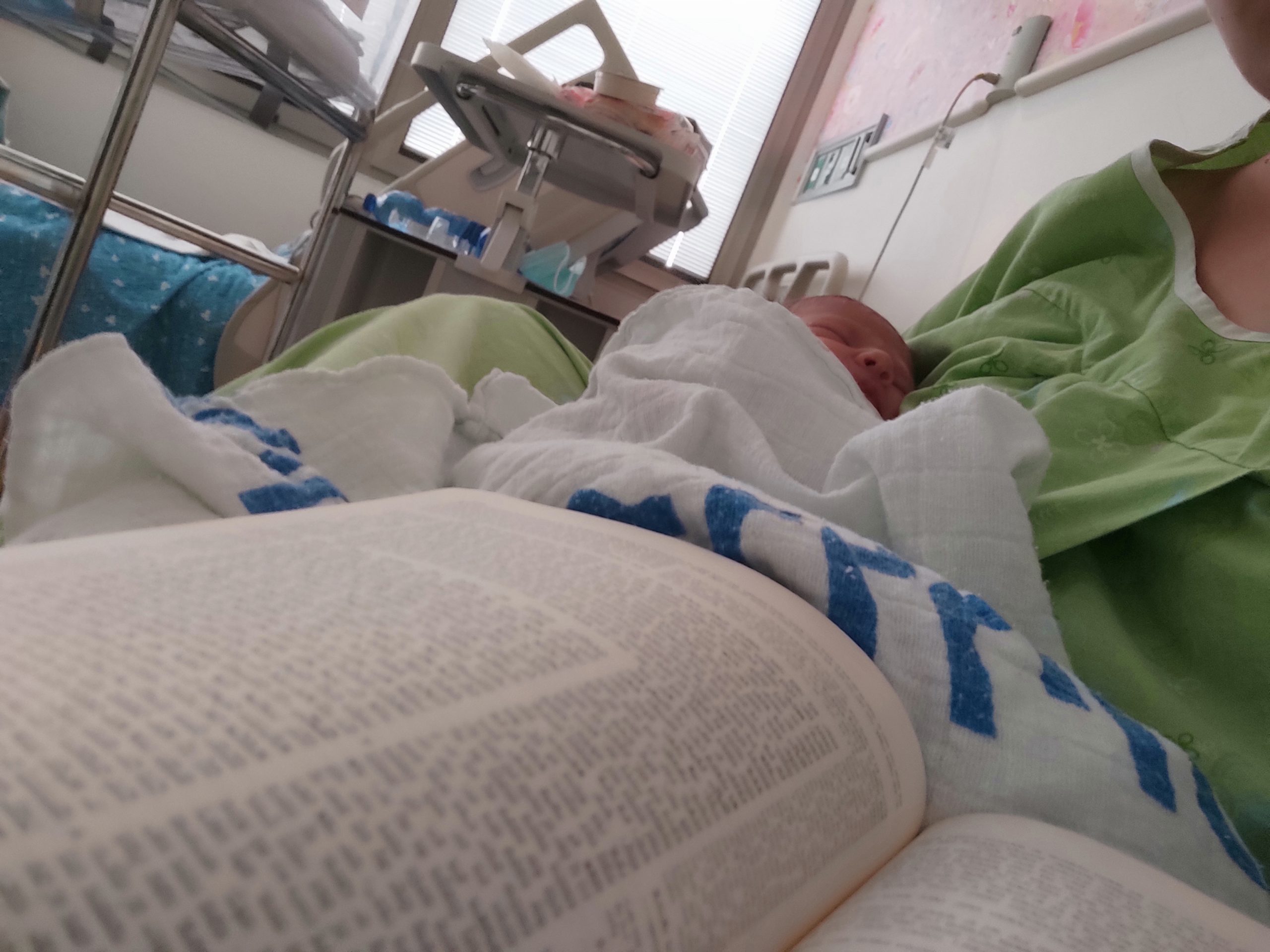
כמו שרואים בתמונה אני ממשיכה ללמוד גם היום ואפילו במחלקת יולדות אחרי לידת ביתי השלישית.

Noa Shiloh
נועה שילה

רבבה, ישראל

אחרי שראיתי את הסיום הנשי של הדף היומי בבנייני האומה זה ריגש אותי ועורר בי את הרצון להצטרף. לא למדתי גמרא קודם לכן בכלל, אז הכל היה לי חדש, ולכן אני לומדת בעיקר מהשיעורים פה בהדרן, בשוטנשטיין או בחוברות ושיננתם.

Rebecca Schloss
רבקה שלוס

בית שמש, ישראל

התחלתי ללמוד דף לפני קצת יותר מ-5 שנים, כשלמדתי רבנות בישיבת מהר”ת בניו יורק. בדיעבד, עד אז, הייתי בלימוד הגמרא שלי כמו מישהו שאוסף חרוזים משרשרת שהתפזרה, פה משהו ושם משהו, ומאז נפתח עולם ומלואו…. הדף נותן לי לימוד בצורה מאורגנת, שיטתית, יום-יומית, ומלמד אותי לא רק ידע אלא את השפה ודרך החשיבה שלנו. לשמחתי, יש לי סביבה תומכת וההרגשה שלי היא כמו בציטוט שבחרתי: הדף משפיע לטובה על כל היום שלי.

Michal Kahana
מיכל כהנא

חיפה, ישראל

התחלתי בסיום הש”ס, יצאתי באורות. נשברתי פעמיים, ובשתיהם הרבנית מישל עודדה להמשיך איפה שכולם בסבב ולהשלים כשאוכל, וכך עשיתי וכיום השלמתי הכל. מדהים אותי שאני לומדת כל יום קצת, אפילו בחדר הלידה, בבידוד או בחו”ל. לאט לאט יותר נינוחה בסוגיות. לא כולם מבינים את הרצון, בפרט כפמניסטית. חשה סיפוק גדול להכיר את המושגים וצורת החשיבה. החלום זה להמשיך ולהתמיד ובמקביל ללמוד איך מהסוגיות נוצרה והתפתחה ההלכה.

Weingarten Sherrington Foundation
קרן וינגרטן שרינגטון

מודיעין, ישראל

התחלתי ללמוד דף יומי ממסכת נידה כי זה היה חומר הלימוד שלי אז. לאחר הסיום הגדול בבנייני האומה החלטתי להמשיך. וב”ה מאז עם הפסקות קטנות של קורונה ולידה אני משתדלת להמשיך ולהיות חלק.

זה משפיע מאוד על היום יום שלי ועל אף שאני עסוקה בלימודי הלכה ותורה כל יום, זאת המסגרת הקבועה והמחייבת ביותר שיש לי.

Moriah Taesan Michaeli
מוריה תעסן מיכאלי

גבעת הראל, ישראל

התחלתי ללמוד את הדף היומי מעט אחרי שבני הקטן נולד. בהתחלה בשמיעה ולימוד באמצעות השיעור של הרבנית שפרבר. ובהמשך העזתי וקניתי לעצמי גמרא. מאז ממשיכה יום יום ללמוד עצמאית, ולפעמים בעזרת השיעור של הרבנית, כל יום. כל סיום של מסכת מביא לאושר גדול וסיפוק. הילדים בבית נהיו חלק מהלימוד, אני משתפת בסוגיות מעניינות ונהנית לשמוע את דעתם.

Eliraz Blau
אלירז בלאו

מעלה מכמש, ישראל

עירובין עב

וְחַד אָמַר: בְּיַיִן דְּכוּלֵּי עָלְמָא לָא פְּלִיגִי דְּבָעֵינַן תַּרְתֵּי, כִּי פְּלִיגִי בְּפַת.

And one said: In the case of wine, everyone agrees that two are required, both a merging of alleyways and a joining of courtyards. When they disagree is in a case where an eiruv was established with bread: Rabbi Meir maintains that both a merging of alleyways and a joining of courtyards are required, whereas the Rabbis say that one is sufficient.

מֵיתִיבִי: וַחֲכָמִים אוֹמְרִים אוֹ מְעָרְבִין אוֹ מִשְׁתַּתְּפִין. מַאי לָאו: אוֹ מְעָרְבִין בְּחָצֵר בְּפַת, אוֹ מִשְׁתַּתְּפִין בְּמָבוֹי בְּיַיִן.

The Gemara raises an objection from the baraita itself. And the Rabbis say: One may either establish an eiruv or a merging of alleyways. What, does it not mean that one either establishes an eiruv in the courtyard with bread or a merging in the alleyway with wine, which indicates that they also disagreed in a case where a merging of alleyways was established with wine?

אָמַר רַב גִּידֵּל אָמַר רַב, הָכִי קָאָמַר: אוֹ מְעָרְבִין בְּחָצֵר בְּפַת — וּמוּתָּרִין כָּאן וְכָאן, אוֹ מִשְׁתַּתְּפִין בְּמָבוֹי בְּפַת — וּמוּתָּרִין כָּאן וְכָאן.

Rav Giddel said that Rav said that the Rabbis were saying as follows: One may either establish an eiruv in the courtyard with bread, and it would be rendered permitted to carry both here, in the courtyard, and there, in the alleyway, or one may establish a merging of alleyways in the alleyway with bread, and it would be rendered permitted to carry both here, in the courtyard, and there, in the alleyway.

אָמַר רַב יְהוּדָה אָמַר רַב: הֲלָכָה כְּרַבִּי מֵאִיר. וְרַב הוּנָא אָמַר: מִנְהָג כְּרַבִּי מֵאִיר. וְרַבִּי יוֹחָנָן אָמַר: נָהֲגוּ הָעָם כְּרַבִּי מֵאִיר.

Rav Yehuda said that Rav said: The halakha is in accordance with the opinion of Rabbi Meir. And Rav Huna said: No clear halakhic ruling was issued in his favor, but the custom is in accordance with the opinion of Rabbi Meir. Therefore, if someone asks, he should be instructed to act accordingly. And Rabbi Yoḥanan said: It is not even a custom established by the Sages. Rather, the people were accustomed to act in accordance with the opinion of Rabbi Meir, and we do not tell them they have acted inappropriately.

מַתְנִי׳ חֲמִשָּׁה חֲבוּרוֹת שֶׁשָּׁבְתוּ בִּטְרַקְלִין אֶחָד, בֵּית שַׁמַּאי אוֹמְרִים: עֵירוּב לְכׇל חֲבוּרָה וַחֲבוּרָה, וּבֵית הִלֵּל אוֹמְרִים: עֵירוּב אֶחָד לְכוּלָּן.

MISHNA: With regard to five groups of people who spent Shabbat in one hall [teraklin] that was subdivided by partitions into separate rooms, each of which had a separate entrance to a courtyard that was shared with other houses, Beit Shammai say: An eiruv is required for each and every group, i.e., each group must contribute separately to the eiruv of the courtyard, as each is considered a different house. And Beit Hillel say: One eiruv suffices for all of them, as the partitions do not render the different sections separate houses.

וּמוֹדִים בִּזְמַן שֶׁמִּקְצָתָן שְׁרוּיִין בַּחֲדָרִים אוֹ בַּעֲלִיּוֹת, שֶׁהֵן צְרִיכִין עֵירוּב לְכׇל חֲבוּרָה וַחֲבוּרָה.

And Beit Hillel concede that when some of them occupy separate rooms or upper stories, they require a separate eiruv for each and every group, and the fact that they are in the same building does not render them one unified group.

גְּמָ׳ אָמַר רַב נַחְמָן: מַחְלוֹקֶת בִּמְסִיפָס, אֲבָל בִּמְחִיצָה עֲשָׂרָה — דִּבְרֵי הַכֹּל עֵירוּב לְכׇל חֲבוּרָה וַחֲבוּרָה. אִיכָּא דְּאָמְרִי, אָמַר רַב נַחְמָן: אַף בִּמְסִיפָס מַחְלוֹקֶת.

GEMARA: Rav Naḥman said: The dispute applies only where they divided the hall with a partition of pegs [mesifas]. However, if they divided it with a sturdy partition ten handbreadths high, all agree that a separate contribution to the eiruv is required for each and every group, as this certainly divides the hall into separate living quarters. Some say a different version of the previous passage, according to which Rav Naḥman said as follows: Even where they merely divided the room with a partition of pegs, there is a dispute about whether this is considered a full-fledged partition.

פְּלִיגִי בַּהּ רַבִּי חִיָּיא וְרַבִּי שִׁמְעוֹן בְּרַבִּי. חַד אָמַר: מַחְלוֹקֶת בִּמְחִיצוֹת הַמַּגִּיעוֹת לַתִּקְרָה, אֲבָל מְחִיצוֹת שֶׁאֵין מַגִּיעוֹת לַתִּקְרָה — דִּבְרֵי הַכֹּל עֵירוּב אֶחָד לְכוּלָּן. וְחַד אָמַר: מַחְלוֹקֶת בִּמְחִיצוֹת שֶׁאֵין מַגִּיעוֹת לַתִּקְרָה, אֲבָל מְחִיצוֹת הַמַּגִּיעוֹת לַתִּקְרָה — דִּבְרֵי הַכֹּל צְרִיכִין עֵירוּב לְכׇל חֲבוּרָה וַחֲבוּרָה.

The Gemara relates that Rabbi Ḥiyya and Rabbi Shimon, son of Rabbi Yehuda HaNasi, disagreed about this issue. One of them said: This dispute is with regard to partitions that reach the ceiling, but with regard to partitions that do not reach the ceiling, all agree that one eiruv suffices for all of them, as the partitions do not turn the compartments into separate houses. And one said: This dispute is with regard to partitions that do not reach the ceiling, but with regard to partitions that reach the ceiling, all agree that the compartments are considered separate living quarters, and they require a separate contribution to the eiruv for each and every group.

מֵיתִיבִי, אָמַר רַבִּי יְהוּדָה הַסַּבָּר: לֹא נֶחְלְקוּ בֵּית שַׁמַּאי וּבֵית הִלֵּל עַל מְחִיצוֹת הַמַּגִּיעוֹת לַתִּקְרָה שֶׁצְּרִיכִין עֵירוּב לְכׇל חֲבוּרָה וַחֲבוּרָה. עַל מָה נֶחְלְקוּ — עַל מְחִיצוֹת שֶׁאֵין מַגִּיעוֹת לַתִּקְרָה, שֶׁבֵּית שַׁמַּאי אוֹמְרִים: עֵירוּב לְכׇל חֲבוּרָה וַחֲבוּרָה, וּבֵית הִלֵּל אוֹמְרִים: עֵירוּב אֶחָד לְכוּלָּן.

The Gemara raises an objection based on the following baraita: Rabbi Yehuda the Keen [hasabbar], who was known by this name due to his sharp mind, said: Beit Shammai and Beit Hillel did not disagree about partitions that reach the ceiling, as all agree that they require a separate contribution to the eiruv for each and every group. With regard to what did they disagree? With regard to partitions that do not reach the ceiling, as Beit Shammai say: A separate contribution to the eiruv is required for each and every group, and Beit Hillel say: One contribution to the eiruv suffices for all of them.

לְמַאן דְּאָמַר בִּמְחִיצוֹת הַמַּגִּיעוֹת לַתִּקְרָה מַחְלוֹקֶת — תְּיוּבְתָּא, וּלְמַאן דְּאָמַר בִּמְחִיצוֹת שֶׁאֵין מַגִּיעוֹת לַתִּקְרָה מַחְלוֹקֶת — סִיַּיעְתָּא. לְהַךְ לִישָּׁנָא דְּאָמַר רַב נַחְמָן: מַחְלוֹקֶת בִּמְסִיפָס — תְּיוּבְתָּא.

According to the one who said that it was with regard to partitions that reach the ceiling that there was a dispute, this baraita offers a conclusive refutation. And according to the one who said that it was with regard to partitions that do not reach the ceiling that there was a dispute, the baraita offers support. With regard to that version which holds that Rav Naḥman said: The dispute applies only where they divided the hall with a mesifas, this baraita is a conclusive refutation.

לְהַךְ לִישָּׁנָא דְּאָמַר רַב נַחְמָן: אַף בִּמְסִיפָס מַחְלוֹקֶת, לֵימָא תִּהְוֵי תְּיוּבְתָּא?

However, the following issue needs further clarification: With regard to that version which holds that Rav Naḥman said: The dispute applies even where the hall was divided with a mesifas, shall we say that Rabbi Yehuda the Keen’s statement is a conclusive refutation? That is to say, does it imply that all agree that in the case of a mesifas, one eiruv suffices for them all?

אָמַר לְךָ רַב נַחְמָן: פְּלִיגִי בִּמְחִיצָה, וְהוּא הַדִּין בִּמְסִיפָס. וְהַאי דְּקָא מִיפַּלְגִי בִּמְחִיצָה — לְהוֹדִיעֲךָ כֹּחָן דְּבֵית הִלֵּל.

Rav Naḥman could have said to you: They explicitly disagreed about a partition, and the same is true of a partition of pegs. And the fact that they disagree with regard to a partition rather than a partition of pegs is to convey to you the far-reaching nature of the opinion of Beit Hillel. Even where the compartments are divided by full-fledged partitions, Beit Hillel remain of the opinion that one contribution to the eiruv suffices for all of them, as the partitions do not turn them into separate residences.

וְלִיפְלְגִי בִּמְסִיפָס לְהוֹדִיעֲךָ כֹּחָן דְּבֵית שַׁמַּאי! כֹּחַ דְּהֶיתֵּרָא עָדִיף.

The Gemara asks: If they disagreed in both cases, let them disagree in the baraita about a mesifas, and thereby inform you of the strength of Beit Shammai. They are stringent and require a separate contribution to the eiruv for each and every group, even in the case of a mesifas. The Gemara answers: It is preferable for the tanna to teach us the strength of a permissive ruling. If a tanna can formulate a dispute in a manner that emphasizes the strength of the more lenient position, he will do so.

אָמַר רַב נַחְמָן אָמַר רַב: הֲלָכָה כְּרַבִּי יְהוּדָה הַסַּבָּר.

Rav Naḥman said that Rav said: The halakha is in accordance with the statement of Rabbi Yehuda the Keen, that all agree that where the partitions reach the ceiling, a separate contribution to the eiruv is required for each group, and that they disagree only about partitions that do not reach the ceiling.

אָמַר רַב נַחְמָן בַּר יִצְחָק: מַתְנִיתִין נָמֵי דַּיְקָא, דְּקָתָנֵי: וּמוֹדִים בִּזְמַן שֶׁמִּקְצָתָן שְׁרוּיִין בַּחֲדָרִים וּבַעֲלִיּוֹת, שֶׁצְּרִיכִין עֵירוּב לְכׇל חֲבוּרָה וַחֲבוּרָה. מַאי חֲדָרִים, וּמַאי עֲלִיּוֹת? אִילֵּימָא חֲדָרִים — חֲדָרִים מַמָּשׁ, וַעֲלִיּוֹת — עֲלִיּוֹת מַמָּשׁ, פְּשִׁיטָא. אֶלָּא לָאו: כְּעֵין חֲדָרִים, כְּעֵין עֲלִיּוֹת. וּמַאי נִיהוּ — מְחִיצוֹת הַמַּגִּיעוֹת לַתִּקְרָה. שְׁמַע מִינַּהּ.

Rav Naḥman bar Yitzḥak said: The mishna is also precise according to this view, as it teaches: And Beit Hillel concede that when some of them occupy separate rooms or upper stories, they require a separate eiruv for each and every group. What is the meaning of the word rooms, and what is the meaning of the term upper stories? If you say that the word rooms refers to actual rooms and the term upper stories refers to actual upper stories, i.e., they were separate from the beginning and are not subdivisions of a larger room, it is obvious, as this is the halakha governing the case of many people residing in the same courtyard. Rather, doesn’t it mean that they are similar to rooms and similar to upper stories? And what are these partitions? They are partitions that reach the ceiling; and even though they are not actual rooms or upper stories, they are considered like rooms and upper stories. The Gemara concludes: Indeed, learn from this that this is the case.

תָּנָא: בַּמֶּה דְּבָרִים אֲמוּרִים, כְּשֶׁמּוֹלִיכִין אֶת עֵירוּבָן לְמָקוֹם אַחֵר. אֲבָל אִם הָיָה עֵירוּבָן בָּא אֶצְלָן — דִּבְרֵי הַכֹּל עֵירוּב אֶחָד לְכוּלָּן.

It was taught in a baraita: In what case is this statement, that Beit Shammai require a separate contribution to the eiruv from each group, said? It is in a case where the groups in the hall bring their eiruv elsewhere in the courtyard, i.e., to a different house. But if their eiruv was coming to them, i.e., if the other members of the courtyard brought their contributions and established the eiruv in that hall, all agree that one contribution to the eiruv suffices for all of them. The fact that the eiruv is placed in this house renders all of its residents members of a single unit.

כְּמַאן אָזְלָא הָא דְּתַנְיָא: חֲמִשָּׁה שֶׁגָּבוּ אֶת עֵירוּבָן, כְּשֶׁמּוֹלִיכִין אֶת עֵירוּבָן לְמָקוֹם אַחֵר — עֵירוּב אֶחָד לְכוּלָּן. כְּמַאן, כְּבֵית הִלֵּל.

The Gemara comments: In accordance with whose opinion is the ruling that was taught in the following baraita: With regard to five people who live in the same courtyard and collected their eiruv, when they take their eiruv elsewhere in the courtyard, one contribution to the eiruv suffices for all of them. In accordance with whose opinion is this ruling? In accordance with the opinion of Beit Hillel.

וְאִיכָּא דְּאָמְרִי: בַּמֶּה דְּבָרִים אֲמוּרִים, כְּשֶׁהָיָה עֵירוּב בָּא אֶצְלָן. אֲבָל אִם הָיוּ מוֹלִיכִין אֶת עֵירוּבָן לְמָקוֹם אַחֵר — דִּבְרֵי הַכֹּל צְרִיכִין עֵירוּב לְכׇל חֲבוּרָה וַחֲבוּרָה.

And some say a different version of the previous passage: In what case is this statement, that Beit Hillel require only one contribution for all the groups together, said? It is in a case where the eiruv was coming to them. But if the groups in the hall were bringing their eiruv elsewhere in the courtyard, all agree that a separate contribution to the eiruv is required for each and every one of them.

כְּמַאן אָזְלָא הָא דְּתַנְיָא: חֲמִשָּׁה שֶׁגָּבוּ אֶת עֵירוּבָן, כְּשֶׁמּוֹלִיכִין אֶת עֵירוּבָן לְמָקוֹם אַחֵר — עֵירוּב אֶחָד לְכוּלָּן, כְּמַאן? דְּלָא כְּחַד.

If so, in accordance with whose opinion is the ruling that was taught in the baraita: With regard to five people who live in the same courtyard and collected their eiruv, when they take their eiruv elsewhere in the courtyard, one contribution to the eiruv suffices for all of them. In accordance with whose opinion is this ruling? It is not in accordance with either one of them.

מַתְנִי׳ הָאַחִין שֶׁהָיוּ אוֹכְלִין עַל שֻׁלְחָן אֲבִיהֶם וִישֵׁנִים בְּבָתֵּיהֶם — צְרִיכִין עֵירוּב לְכׇל אֶחָד וְאֶחָד. לְפִיכָךְ, אִם שָׁכַח אֶחָד מֵהֶם וְלֹא עֵירַב — מְבַטֵּל אֶת רְשׁוּתוֹ.

MISHNA: In the case of brothers who were eating at their father’s table and sleeping in their own houses in the same courtyard, a separate contribution to the eiruv is required for each and every one of them. Therefore, if one of them forgot and did not contribute to the eiruv, he must renounce his rights in the courtyard in order to render carrying in the courtyard permitted to the rest of the courtyard’s residents.

אֵימָתַי, בִּזְמַן שֶׁמּוֹלִיכִין עֵירוּבָן בִּמְקוֹם אַחֵר. אֲבָל אִם הָיָה עֵירוּב בָּא אֶצְלָן, אוֹ שֶׁאֵין עִמָּהֶן דָּיוֹרִין בֶּחָצֵר — אֵינָן צְרִיכִין לְעָרֵב.

When do they state this halakha? They state it when they take their eiruv elsewhere in the courtyard, i.e., to the house of one of the other residents. But if the eiruv was coming to them, i.e., if it was placed in their father’s house, or if there are no other residents with the brothers and their father in the courtyard, they are not required to establish an eiruv, as they are considered like a single individual living in a courtyard.

גְּמָ׳ שְׁמַע מִינַּהּ מְקוֹם לִינָה גּוֹרֵם. אָמַר רַב יְהוּדָה אָמַר רַב: בִּמְקַבְּלֵי פְרָס שָׁנוּ.

GEMARA: The Gemara comments on the statement in the mishna that a separate contribution to the eiruv must be made by each of the brothers if they sleep in their own houses: Learn from it that one’s place of sleep determines the location of his residence. The Gemara rejects this conclusion. Rav Yehuda said that Rav said: They taught this mishna with regard to brothers who receive a portion from their father. The mishna is not referring to brothers who actually eat at their father’s table, but rather to brothers whose father supplies them with food that they eat in their own homes.

תָּנוּ רַבָּנַן: מִי שֶׁיֵּשׁ לוֹ בֵּית שַׁעַר, אַכְסַדְרָה, וּמִרְפֶּסֶת בַּחֲצַר חֲבֵירוֹ — הֲרֵי זֶה אֵין אוֹסֵר עָלָיו. (אֶת) בֵּית הַתֶּבֶן (וְאֶת) בֵּית הַבָּקָר בֵּית הָעֵצִים וּבֵית הָאוֹצָרוֹת — הֲרֵי זֶה אוֹסֵר עָלָיו. רַבִּי יְהוּדָה אוֹמֵר: אֵינוֹ אוֹסֵר אֶלָּא מְקוֹם דִּירָה בִּלְבַד.

The Sages taught in a baraita: One who has a gatehouse, porch, or balcony in his friend’s courtyard does not render the owner of the courtyard prohibited from carrying there without an eiruv, as these locations are not considered residences. However, if he has a storeroom of straw, a cattle shed, a woodshed, or a storehouse in his friend’s courtyard, he renders it prohibited for his friend to carry there without an eiruv. Rabbi Yehuda says: Only a place of actual dwelling renders carrying prohibited, but a building that is not designated for residence does not render carrying without an eiruv prohibited for another resident of the courtyard.

אָמַר רַבִּי יְהוּדָה: מַעֲשֶׂה בְּבֶן נַפָּחָא שֶׁהָיוּ לוֹ חָמֵשׁ חֲצֵרוֹת בְּאוּשָׁא, וּבָא מַעֲשֶׂה לִפְנֵי חֲכָמִים, וְאָמְרוּ: אֵינוֹ אוֹסֵר אֶלָּא בֵּית דִּירָה בִּלְבַד.

Rabbi Yehuda said: There was an incident with ben Nappaḥa, who had houses in five courtyards in Usha, only one of which served as his own residence. And the case came before the Sages to decide whether an eiruv must be made for all of them, and they said: Only a house of residence renders carrying prohibited.

בֵּית דִּירָה סָלְקָא דַּעְתָּךְ? אֶלָּא אֵימָא: מְקוֹם דִּירָה.

The Gemara expresses surprise at the wording of the baraita: Does it enter your mind that the correct reading is a house of residence? He has a house in each of the five courtyards. Rather, say: A place of residence, i.e., it is prohibited to carry in the place where he actually lives, but nowhere else.

מַאי מְקוֹם דִּירָה? רַב אָמַר:

The Gemara asks: What is considered one’s place of residence? Rav said:

רוצה לעקוב אחרי התכנים ולהמשיך ללמוד?

ביצירת חשבון עוד היום ניתן לעקוב אחרי ההתקדמות שלך, לסמן מה למדת, ולעקוב אחרי השיעורים שמעניינים אותך.

לנקות את כל הפריטים מהרשימה?

פעולה זו תסיר את כל הפריטים בחלק זה כולל ההתקדמות וההיסטוריה. שימי לב: לא ניתן לשחזר פעולה זו.

ביטול
מחיקה

האם את/ה בטוח/ה שברצונך למחוק פריט זה?

תאבד/י את כל ההתקדמות או ההיסטוריה הקשורות לפריט זה.

ביטול
מחיקה