חיפוש

עירובין עג

רוצה להקדיש לימוד?

podcast placeholder

0:00
0:00


תקציר

הדף היום מוקדש ע”י ארלין סברינסקי לע”נ אביה, מרדכי בן אברהם ז”ל. "הוא לימד אותנו לאהוב משפחה, תורה, לימוד, ומוזיקה”. וגם ע”י חנה ומיכאל פיוטרקובסקי לע”נ אמה, צינה טובה בת לייב ישראל ז”ל במלאת 50 שנה לפטירתה. "היא העריכה ענוה מעל הכל וזוכרים ואוהבים אותה יותר בחלוף השנים.”

מה קובע מקומו של אדם לעניין עירוב – מקום אכילתו או מקום לינתו? מה קורה כשיש למישהו כמה נשים שגרות כל אחת בבית שלעצמה – האם כל אחת צריכה לערב? ומה לגבי עבדים? תלמיד שלומד אצל רבו? איך דנים אב ובנו או רב ותלמידו לדינים שונים בדיני עירובין – האם לדברים מסויים מחשיבים אותם כאחד ולדברים אחרים מחשיבים כגופים שונים? המשנה מונה כמה פרטי דינים בענייני עירובי חצרות ושיתופי מבואות במקרה של חמש חצירות שפתוחות זו לזו ועשו שיתוף או עירוב או היתה מישהו שלא השתתף בעירוב או חצר שלא השתתפה במבוי. קשה לגמרא כי המשנה נראית על פניו כדוגלת בשיטת ר’ מאיר וגם כחכמים במחלוקת האם סומכים על שיתוף במקום עירוב? בסוף הגמרא מסיקה שהכל כר’ מאיר ומבארת את המשנה כפי הבנה זו. יש גירסה אחרת של רב במשנה שמדובר בחצרות שלא פתוחות זו לזו. למה רב גורס ככה?

עירובין עג

מְקוֹם פִּיתָּא, וּשְׁמוּאֵל אָמַר: מְקוֹם לִינָה.

The place where he eats his bread, and Shmuel said: His place of sleep.

מֵיתִיבִי: הָרוֹעִים, וְהַקַּיָּיצִין וְהַבּוּרְגָּנִין וְשׁוֹמְרֵי פֵירוֹת, בִּזְמַן שֶׁדַּרְכָּן לָלִין בָּעִיר — הֲרֵי הֵן כְּאַנְשֵׁי הָעִיר. בִּזְמַן שֶׁדַּרְכָּן לָלִין בַּשָּׂדֶה — יֵשׁ לָהֶם אַלְפַּיִם לְכׇל רוּחַ!

The Gemara raises an objection to Rav’s opinion from a baraita: With regard to shepherds; fig watchmen, who guard figs spread out in the field; guardsmen who sit in small guardhouses; and produce watchmen; when they customarily sleep in the city in addition to eating there, they are like the residents of the city with regard to their Shabbat limit, even though they were in the field when Shabbat began. However, when they customarily sleep in the field, even though they eat in the town, they have only two thousand cubits in each direction from the places where they sleep. This seems to contradict the opinion of Rav, who maintains that a person’s place of dwelling is determined by where he eats, not by where he sleeps.

הָתָם אֲנַן סָהֲדִי דְּאִי מַמְטוּ לְהוּ רִיפְתָּא הָתָם, טְפֵי נִיחָא לְהוּ.

The Gemara answers: There, in the case of the people in the field, we are witnesses, i.e., it is clearly evident, that if people would bring them bread there, to the place where they sleep, it would be more convenient for them. Fundamentally, however, a person’s dwelling place is determined by where he eats, rather than where he sleeps.

אָמַר רַב יוֹסֵף: לָא שְׁמִיעַ לִי הָא שְׁמַעְתָּא. אֲמַר לֵיהּ אַבָּיֵי: אַתְּ אֲמַרְתְּ נִיהֲלַן, וְאַהָא אֲמַרְתְּ נִיהֲלַן: הָאַחִין שֶׁהָיוּ אוֹכְלִין עַל שֻׁלְחַן אֲבִיהֶן, וִישֵׁנִים בְּבָתֵּיהֶן — צְרִיכִין עֵירוּב לְכׇל אֶחָד וְאֶחָד. וְאָמְרִינַן לָךְ: שְׁמַע מִינַּהּ מְקוֹם לִינָה גּוֹרֵם. וַאֲמַרְתְּ לַן עֲלַהּ, אָמַר רַב יְהוּדָה אָמַר רַב: בִּמְקַבְּלֵי פְרָס שָׁנוּ.

Rav Yosef said: I have not heard this halakha stated by Rav. An illness had caused Rav Yosef to forget his studies. His student, Abaye, said to him: You yourself said it to us, and it was with regard to this that you said it to us: With regard to brothers who were eating at their father’s table and sleeping in their own houses in the same courtyard, a separate contribution to the eiruv is required for each and every one of them. And we said to you: Can one learn from here that a person’s place of sleep determines the location of his Shabbat residence? And you said to us in this regard that Rav Yehuda said that Rav said: They taught this mishna with regard to brothers who receive a portion from their father and are therefore considered as though they eat at his table, whereas in actual fact they eat their meals in their own homes.

תָּנוּ רַבָּנַן: מִי שֶׁיֵּשׁ לוֹ חָמֵשׁ נָשִׁים מְקַבְּלוֹת פְּרָס מִבַּעֲלֵיהֶן, וַחֲמִשָּׁה עֲבָדִים מְקַבְּלִין פְּרָס מֵרַבֵּיהֶן — רַבִּי יְהוּדָה בֶּן בְּתִירָה מַתִּיר בַּנָּשִׁים, וְאוֹסֵר בָּעֲבָדִים.

The Sages taught in a baraita: With regard to one who has five wives who receive a portion from their husband while each living in her own quarters in the courtyard, and five slaves who receive a portion from their master while living in their own lodgings in the courtyard, Rabbi Yehuda ben Beteira permits in the case of the wives, i.e., they do not each have to contribute separately to the eiruv, as they are all considered to be residing with their husband. And he prohibits in the case of the slaves, meaning that he holds that as they live in separate houses, each is considered as residing on his own.

רַבִּי יְהוּדָה בֶּן בָּבָא מַתִּיר בָּעֲבָדִים, וְאוֹסֵר בַּנָּשִׁים.

Rabbi Yehuda ben Bava permits in the case of the slaves, as a slave necessarily follows his master, and he prohibits in the case of the wives, as each woman is significant in her own right, and is not totally dependent on her husband.

אָמַר רַב: מַאי טַעְמָא דְּרַבִּי יְהוּדָה בֶּן בָּבָא, דִּכְתִיב: ״וְדָנִיֵּאל בִּתְרַע מַלְכָּא״.

Rav said: What is the rationale for the opinion of Rabbi Yehuda ben Bava? As it is written: “But Daniel was in the gate of the king” (Daniel 2:49). The verse refers to Daniel’s function rather than to an actual location, indicating that wherever Daniel went, it was as though he was in the king’s gate. The same applies to any slave vis-à-vis his master.

פְּשִׁיטָא, בֵּן אֵצֶל אָבִיו, כְּדַאֲמַרַן. אִשָּׁה אֵצֶל בַּעְלָהּ וְעֶבֶד אֵצֶל רַבּוֹ, פְּלוּגְתָּא דְּרַבִּי יְהוּדָה בֶּן בְּתִירָה וְרַבִּי יְהוּדָה בֶּן בָּבָא. תַּלְמִיד אֵצֶל רַבּוֹ, מַאי?

The Gemara proceeds to clarify various aspects of this issue, starting with a summary of what has already been stated. The halakha is obvious in the case of a son with his father, as we stated it above the mishna. A wife with her husband and a slave with his master are subject to the dispute between Rabbi Yehuda ben Beteira and Rabbi Yehuda ben Bava. With regard to a student who lives with his master in the same courtyard and receives his sustenance from him, what is his status with regard to eiruv?

תָּא שְׁמַע, דְּרַב בֵּי רַבִּי חִיָּיא אָמַר: אֵין אָנוּ צְרִיכִין לְעָרֵב, שֶׁהֲרֵי אָנוּ סוֹמְכִין עַל שׁוּלְחָנוֹ שֶׁל רַבִּי חִיָּיא. וְרַבִּי חִיָּיא בֵּי רַבִּי אָמַר: אֵין אָנוּ צְרִיכִין לְעָרֵב, שֶׁהֲרֵי אָנוּ סוֹמְכִין עַל שׁוּלְחָנוֹ שֶׁל רַבִּי.

Come and hear a resolution to this question: As Rav, when he was in the school of Rabbi Ḥiyya, said: We do not need to establish an eiruv, as we are dependent upon the table of Rabbi Ḥiyya. And similarly, Rabbi Ḥiyya himself, when he was in the school of Rabbi Yehuda HaNasi, said: We do not need to establish an eiruv, as we are dependent upon the table of Rabbi Yehuda HaNasi.

בְּעָא מִינֵּיהּ אַבָּיֵי מֵרַבָּה: חֲמִשָּׁה שֶׁגָּבוּ אֶת עֵירוּבָן, כְּשֶׁמּוֹלִיכִין אֶת עֵירוּבָן לְמָקוֹם אַחֵר, עֵירוּב אֶחָד לְכוּלָּן, אוֹ צְרִיכִין עֵירוּב לְכׇל אֶחָד וְאֶחָד? אֲמַר לֵיהּ: עֵירוּב אֶחָד לְכוּלָּן.

Abaye raised a dilemma before Rabba: With regard to five people who live in the same courtyard and collected their eiruv, when they take their eiruv elsewhere in order to merge their courtyard with a different one, is one contribution to the eiruv sufficient for all of them, or do they need a separate contribution to the eiruv for each and every one of them? Rabba said to him: One contribution to the eiruv suffices for all of them.

וְהָא אַחִין, דְּכִי גָּבוּ דָּמוּ, וְקָתָנֵי: צְרִיכִין עֵירוּב לְכׇל אֶחָד וְאֶחָד! הָכָא בְּמַאי עָסְקִינַן — כְּגוֹן דְּאִיכָּא דָּיוֹרִין בַּהֲדַיְיהוּ. דְּמִגּוֹ דְּהָנֵי אָסְרִי, הָנֵי נָמֵי אָסְרִי.

Abaye asked: But in the case of brothers, who are comparable to people who collected their eiruv, the mishna nonetheless teaches: They require a separate eiruv for each and every one of them. Rabba responded: With what are we dealing here? We are dealing with a case where there are other residents, in addition to the father and his sons, living with them. In that case, since these additional residents render carrying in the same courtyard prohibited unless they join in an eiruv, those brothers also render it prohibited for one another to carry in the other courtyard unless each of them contributes to the eiruv.

הָכִי נָמֵי מִסְתַּבְּרָא, דְּקָתָנֵי: אֵימָתַי? בִּזְמַן שֶׁמּוֹלִיכִין אֶת עֵירוּבָן בְּמָקוֹם אַחֵר, אֲבָל אִם הָיָה עֵירוּבָן בָּא אֶצְלָם, אוֹ שֶׁאֵין דָּיוֹרִין עִמָּהֶן בֶּחָצֵר — אֵין צְרִיכִין לְעָרֵב, שְׁמַע מִינַּהּ.

The Gemara comments: So too, it is reasonable to understand, as the mishna teaches: When do they state this halakha? When they bring their eiruv elsewhere in the courtyard. But if their eiruv was coming to them, or if there are no other residents with them in the courtyard, they do not need to establish an eiruv, as they are considered like a single individual living in a courtyard. Learn from this that the preceding ruling refers to a situation where they shared the courtyard with other residents.

בְּעָא מִינֵּיהּ רַב חִיָּיא בַּר אָבִין מֵרַב שֵׁשֶׁת: בְּנֵי בֵי רַב, דְּאָכְלִי נַהֲמָא בְּבָאגָא, וְאָתוּ וּבָיְיתִי בְּבֵי רַב, כִּי מָשְׁחִינַן לְהוּ תְּחוּמָא, מִבֵּי רַב מָשְׁחִינַן לְהוּ אוֹ מִבָּאגָא מָשְׁחִינַן לְהוּ? אֲמַר לֵיהּ: מָשְׁחִינַן מִבֵּי רַב.

The Gemara addresses a similar issue with regard to a joining of Shabbat boundaries: Rav Ḥiyya bar Avin raised a dilemma before Rav Sheshet: With regard to students in their master’s house who eat their bread in their houses in the field [baga] and then come and sleep in their master’s house, when we measure their Shabbat limit for them, do we measure it for them from their master’s house, where they sleep, or do we measure it for them from the field, where they eat? He said to him: We measure it from their master’s house.

וַהֲרֵי נוֹתֵן אֶת עֵירוּבוֹ בְּתוֹךְ אַלְפַּיִם אַמָּה, וְאָתֵי וּבָיֵית בְּבֵיתֵיהּ, דְּמָשְׁחִינַן לֵיהּ תְּחוּמָא מֵעֵירוּבֵיהּ!

Rav Ḥiyya bar Avin asked: But in the case of one who deposits his eiruv, which establishes the location of his meal, within two thousand cubits, and then goes back and sleeps in his house, we measure his Shabbat limit from his eiruv. This implies that the determining factor is where he eats, rather than where he sleeps.

בְּהָהוּא — אֲנַן סָהֲדִי, וּבְהָדָא — אֲנַן סָהֲדִי. בְּהָהוּא אֲנַן סָהֲדִי — דְּאִי מִיתְּדַר לֵיהּ הָתָם נִיחָא לֵיהּ, וּבַהֲדָא אֲנַן סָהֲדִי — דְּאִי מַיְיתוּ לְהוּ רִיפְתָּא לְבֵי רַב, נִיחָא לְהוּ טְפֵי.

The Gemara answers: In that case we are witnesses, and in this case we are witnesses, i.e., in both cases the person’s intentions regarding his place of residence are clearly evident. In that case, where the person deposits his eiruv, we are witnesses that if he could reside there, at the site of his eiruv, it would be better for him, i.e., if he could spend the night there he would do so, since he wishes to continue from that place onward on the following day. And in this case of the students in their master’s house, we are witnesses that if people would bring them bread in their master’s house, enabling them to eat there, it would be better for them. Consequently, it is considered their place of residence.

בָּעֵי רָמֵי בַּר חָמָא מֵרַב חִסְדָּא: אָב וּבְנוֹ, הָרַב וְתַלְמִידוֹ, כְּרַבִּים דָּמוּ אוֹ כִּיחִידִים דָּמוּ? צְרִיכִין עֵירוּב, אוֹ אֵין צְרִיכִין עֵירוּב? מָבוֹי שֶׁלָּהֶן נִיתָּר בְּלֶחִי וְקוֹרָה, אוֹ אֵין נִיתָּר בְּלֶחִי וְקוֹרָה?

Rami bar Ḥama raised a dilemma before Rav Ḥisda: With regard to a father and his son, or a master and his student, are they considered as many people or as individuals? The practical import of the question is as follows: If they lived together in a courtyard that was within another courtyard, are they considered as many people, who require an eiruv in order to render it permitted to carry in the outer courtyard, or do they not require an eiruv, as they are treated as an individual, who does not render carrying in the outer courtyard prohibited? Is their alleyway rendered permitted for carrying through a side post and a cross beam, like one that has multiple residents, or is it not rendered permitted for carrying through a side post and a cross beam?

אֲמַר לֵיהּ, תְּנֵיתוּהָ: אָב וּבְנוֹ, הָרַב וְתַלְמִידוֹ, בִּזְמַן שֶׁאֵין עִמָּהֶן דָּיוֹרִין הֲרֵי הֵן כִּיחִידִים, וְאֵין צְרִיכִין לְעָרֵב, וּמָבוֹי שֶׁלָּהֶן נִיתָּר בְּלֶחִי וְקוֹרָה.

Rav Ḥisda said to him: You have already learned this in the following baraita: With regard to a father and his son or a master and his student, when there are no other residents with them, they are considered like individuals, and they do not need to establish an eiruv, and their alleyway becomes permitted for carrying through a side post and a cross beam without a merging of alleyways.

מַתְנִי׳ חָמֵשׁ חֲצֵירוֹת פְּתוּחוֹת זוֹ לָזוֹ וּפְתוּחוֹת לְמָבוֹי, עֵירְבוּ בַּחֲצֵירוֹת וְלֹא נִשְׁתַּתְּפוּ בַּמָּבוֹי — מוּתָּרִין בַּחֲצֵירוֹת וַאֲסוּרִין בְּמָבוֹי.

MISHNA: If five courtyards open into one another and also open into an alleyway, the following distinctions apply: If the residents of the courtyard established an eiruv in the courtyards and did not merge the courtyards that open into the alleyway, they are permitted to carry in the courtyards and they are prohibited to carry in the alleyway. The eiruv they established cannot also serve as a merging of the courtyards that open into the alleyway.

וְאִם נִשְׁתַּתְּפוּ בַּמָּבוֹי — מוּתָּרִין כָּאן וְכָאן.

And if they merged the courtyards of the alleyway, they are permitted to carry both here, in the alleyway, and there, in the courtyards.

עֵירְבוּ בַּחֲצֵירוֹת וְנִשְׁתַּתְּפוּ בַּמָּבוֹי, וְשָׁכַח אֶחָד מִבְּנֵי חָצֵר וְלֹא עֵירַב — מוּתָּרִין כָּאן וְכָאן.

If they established an eiruv in the courtyards and also merged the courtyards of the alleyway, and one of the residents of the courtyard forgot and did not contribute to the eiruv in his courtyard, but did participate in the merging of the courtyards in the alleyway, they are permitted both here and there, as the merging of courtyards in the alleyway serves as an effective eiruv for the courtyards as well.

מִבְּנֵי מָבוֹי וְלֹא נִשְׁתַּתֵּף — מוּתָּרִין בַּחֲצֵירוֹת וַאֲסוּרִין בַּמָּבוֹי, שֶׁהַמָּבוֹי לַחֲצֵירוֹת כֶּחָצֵר לַבָּתִּים.

However, if one of the residents of the alleyway forgot and did not participate in the merging of courtyards that open into the alleyway, they are permitted to carry in the courtyards and prohibited from carrying in the alleyway, as the principle is: An alleyway is to its courtyards as a courtyard is to its houses.

גְּמָ׳ מַנִּי? רַבִּי מֵאִיר הִיא, דְּאָמַר: בָּעִינַן עֵירוּב וּבָעִינַן שִׁיתּוּף.

GEMARA: The Gemara asks: In accordance with whose opinion is this mishna? The Gemara answers: It is in accordance with the opinion of Rabbi Meir, who said: We require an eiruv and we also require a merging of the courtyards in an alleyway, and one is not sufficient without the other.

אֵימָא מְצִיעֲתָא: ״וְאִם נִשְׁתַּתְּפוּ בַּמָּבוֹי מוּתָּרִין כָּאן וְכָאן״, אֲתָאן לְרַבָּנַן דְּאָמְרִי בַּחֲדָא סַגִּיא!

The Gemara asks: If so, say the middle clause of the mishna: And if they merged the courtyards in the alleyway, they are permitted to carry both here and there. We have arrived at the opinion of the Rabbis, who say that one is enough, and one does not need both an eiruv and a merging of alleyways.

הָא לָא קַשְׁיָא: וְאִם נִשְׁתַּתְּפוּ נָמֵי קָאָמַר.

The Gemara responds: That is not difficult, as the mishna stated as follows: And if they also merged the courtyards in the alleyway, they are permitted to carry in the courtyards and in the alleyway.

אֵימָא סֵיפָא: עֵירְבוּ בַּחֲצֵירוֹת וְנִשְׁתַּתְּפוּ בַּמָּבוֹי, וְשָׁכַח אֶחָד מִבְּנֵי חָצֵר וְלֹא עֵירַב — מוּתָּרִים כָּאן וְכָאן. הֵיכִי דָמֵי? אִי דְּלָא בַּטֵּיל, אַמַּאי מוּתָּרִים? אֶלָּא פְּשִׁיטָא דְּבַטֵּיל. אֵימָא סֵיפָא: שָׁכַח אֶחָד מִבְּנֵי מָבוֹי וְלֹא נִשְׁתַּתְּפוּ — מוּתָּרִין בַּחֲצֵירוֹת וַאֲסוּרִין בַּמָּבוֹי, וְאִי דְּבַטֵּיל — אַמַּאי אֲסוּרִין בַּמָּבוֹי?

The Gemara asks: Say the latter clause of the mishna: If they established an eiruv in the courtyards and also merged the courtyards in the alleyway, and one of the residents of the courtyard forgot and did not contribute to the eiruv in his courtyard but did participate in the merging of the alleyway, they are permitted to carry both here and there. What are the circumstances? If the person who forgot did not renounce his rights to the courtyard in favor of the others, why are they permitted to carry? Rather, it is obvious that he did renounce those rights. But if so, say the last clause of the mishna: If one of the members of the alleyway forgot and did not participate in the merging of the alleyway, they are permitted to carry in the courtyards and prohibited from carrying in the alleyway. But if he renounced his rights, why are they prohibited from carrying in the alleyway?

וְכִי תֵּימָא קָסָבַר רַבִּי מֵאִיר אֵין בִּיטּוּל רְשׁוּת בְּמָבוֹי. וְהָא תַּנְיָא: שֶׁהֲרֵי בִּיטֵּל לָכֶם רְשׁוּתוֹ, דִּבְרֵי רַבִּי מֵאִיר.

And if you say that Rabbi Meir holds that renunciation of rights is not effective in an alleyway, that answer is insufficient. Wasn’t it taught in a baraita with regard to an alleyway: As he renounced his rights in your favor; this is the statement of Rabbi Meir? This indicates that Rabbi Meir accepts the principle of renunciation of rights in an alleyway.

אֶלָּא פְּשִׁיטָא דְּלָא בַּטֵּיל. וּמִדְּסֵיפָא דְּלָא בַּטֵּיל — רֵישָׁא נָמֵי דְּלָא בַּטֵּיל. רֵישָׁא וְסֵיפָא רַבִּי מֵאִיר, מְצִיעֲתָא רַבָּנַן!

Rather, it is obvious that the person who forgot to participate in the merging of alleyways did not renounce his rights. And from the fact that the last clause of the mishna is referring to a case where he did not renounce his rights, it can be inferred that the first clause is also referring to a case where he did not renounce his rights. This would indicate that if they carried out a merging of alleyways, it also serves as an eiruv, even when one of them forgot to contribute to the eiruv and also failed to renounce his rights in the courtyard. This is in accordance with the opinion of the Rabbis, which leads to the puzzling conclusion that the first and last clauses of the mishna are in accordance with the opinion of Rabbi Meir, while the middle clause is in accordance with the opinion of the Rabbis.

כּוּלַּהּ רַבִּי מֵאִיר הִיא, וְטַעְמָא מַאי אָמַר רַבִּי מֵאִיר בָּעִינַן עֵירוּב וּבָעִינַן שִׁיתּוּף? שֶׁלֹּא לְשַׁכֵּחַ תּוֹרַת עֵירוּב מִן הַתִּינוֹקוֹת, וְהָכָא, כֵּיוָן דְּרוּבַּהּ עֵירְבוּ — לָא מִשְׁתַּכְחָא.

The Gemara answers: In fact, it is all in accordance with the opinion of Rabbi Meir. And what is the reason that Rabbi Meir said we require an eiruv and we also require a merging of alleyways? It was only so as not to cause the halakhic category of eiruv to be forgotten by the children. If people would only merge courtyards, the halakha of establishing an eiruv for a courtyard would gradually be forgotten. And here, where only one person forgot to contribute to the eiruv, since most of them established an eiruv for the courtyards, the halakha of an eiruv will not be forgotten. Therefore, there is room to be lenient after the fact and to permit carrying in both places.

אָמַר רַב יְהוּדָה: רַב לָא תָּנֵי ״פְּתוּחוֹת זוֹ לָזוֹ״. וְכֵן אָמַר רַב כָּהֲנָא: רַב לָא תָּנֵי ״פְּתוּחוֹת זוֹ לָזוֹ״. אִיכָּא דְּאָמְרִי, רַב כָּהֲנָא גּוּפֵיהּ לָא תָּנֵי ״פְּתוּחוֹת זוֹ לָזוֹ״.

Rav Yehuda said: Rav did not teach the mishna as stating that the five courtyards open into one another, but rather that each courtyard opens into the alleyway, and each established its own eiruv. And so too, Rav Kahana said: Rav did not teach the mishna as stating that the courtyards open into one another. Some say that Rav Kahana himself did not teach the mishna as stating that the courtyards open into one another.

אֲמַר לֵיהּ אַבָּיֵי לְרַב יוֹסֵף: מַאי טַעְמָא דְּלָא תָּנֵי פְּתוּחוֹת זוֹ לָזוֹ. קָסָבַר כׇּל שִׁיתּוּף שֶׁאֵין מַכְנִיסוֹ וּמוֹצִיאוֹ דֶּרֶךְ פְּתָחִים בַּמָּבוֹי — לָאו שְׁמֵיהּ שִׁיתּוּף.

Abaye said to Rav Yosef: What is the reason he did not teach the mishna as stating that the five courtyards open into one another? Rav Yosef replied: Because he holds that any merging of alleyways that is not brought in and taken out by way of the entrances that open into the alleyway, i.e., which is not brought from each courtyard into the alleyway and then taken from the alleyway into the courtyard where it will be deposited, is not considered a valid merging of the alleyway. If the food used for the merging of alleyways is transferred directly from one courtyard to another, it seems as though it is being used to establish an eiruv. It is therefore ineffective as a merging of alleyways. Here too, if the courtyards open into one another, the merging of alleyways is invalid, due to a concern that the residents of the courtyard will transfer the food directly from one courtyard to another.

אֵיתִיבֵיהּ: בַּעַל הַבַּיִת שֶׁהָיָה שׁוּתָּף לִשְׁכֵנָיו, לָזֶה בְּיַיִן וְלָזֶה בְּיַיִן, אֵין צְרִיכִין לְעָרֵב. הָתָם, דְּאַפְּקֵיהּ וְעַיְּילֵיהּ.

He raised an objection to him based upon the following mishna: A homeowner who was a partner of his neighbors, with this one in wine and with that one in wine, they do not need to establish an eiruv. This indicates that it is not actually necessary to transfer the food used for the merging of alleyways from one place to another. For example, it is sufficient to have a jointly owned barrel of wine in one courtyard even if it did not pass through the alleyway. The Gemara rejects this proof and explains the mishna as follows: There, it is referring to a case where they took the wine out into the alleyway and subsequently brought it in to the courtyard where it was to be kept.

(אֵיתִיבֵיהּ:) כֵּיצַד מִשְׁתַּתְּפִין בַּמָּבוֹי וְכוּ׳. הָתָם נָמֵי: דְּאַפְּקֵיהּ וְעַיְּילֵיהּ.

He raised another objection to him from a different mishna: How does one merge courtyards that open into alleyways? The mishna continues and says that it is sufficient for one person to acquire the food used for the merging on behalf of all the other residents of the alleyway. This indicates that the food does not need to pass through all the courtyards in the alleyway. The Gemara rejects this proof as well: There too, it is referring to a case where they first took the food out from each of the courtyards into the alleyway and from there brought it into the courtyard where it was to be deposited.

מַתְקֵיף לַהּ רַבָּה בַּר חָנָן: אֶלָּא מֵעַתָּה, הִקְנָה לוֹ פַּת בְּסַלּוֹ הָכִי נָמֵי דְּלָא הָוֵי שִׁיתּוּף?! וְכִי תֵּימָא: הָכִי נָמֵי, וְהָא אָמַר רַב יְהוּדָה אָמַר רַב: בְּנֵי חֲבוּרָה שֶׁהָיוּ מְסוּבִּין וְקִדֵּשׁ עֲלֵיהֶן הַיּוֹם — הַפַּת שֶׁעַל שֻׁלְחָן סוֹמְכִים עָלֶיהָ מִשּׁוּם עֵירוּב, וְאָמְרִי לַהּ מִשּׁוּם שִׁיתּוּף.

Rabba bar Ḥanan strongly objects to this: However, if that is so, if he transferred ownership of bread in his basket to another person, so too, it would not be considered a valid merging. And if you say that this is indeed so, didn’t Rav Yehuda say that Rav said: With regard to members of a group who were dining together on Shabbat eve, and the day became sanctified for them, i.e., Shabbat began while they were eating, they may rely upon the bread on the table as an eiruv for the courtyard, and some say, as a merging of the alleyway.

וְאָמַר רַבָּה, לָא פְּלִיגִי: כָּאן בִּמְסוּבִּין בַּבַּיִת, כָּאן בַּמְסוּבִּין בֶּחָצֵר.

And Rabba said: The two versions do not disagree with each other regarding whether the bread counts as an eiruv or as a merging of the alleyway. Here, where they can use it as an eiruv, it is referring to a case where they were dining in a house, since food deposited inside a house can serve as an eiruv for the courtyard. There, it is referring to a case where they were dining in a courtyard, and therefore they may rely on the bread as a merging of the alleyway. This proves that even Rav agrees that it is not necessary to take the food used to merge an alleyway into the alleyway itself and then bring it back to the courtyard.

אֶלָּא טַעְמָא דְּרַב, דְּקָא סָבַר: אֵין מָבוֹי נִיתָּר בְּלֶחִי וְקוֹרָה עַד שֶׁיְּהוּ בָּתִּים וַחֲצֵירוֹת פְּתוּחִים לְתוֹכוֹ.

Rather, we must retract the previous explanation and say that the reason Rav did not teach the mishna as stating that the courtyards opened into one another is that he holds that an alleyway cannot be rendered permitted for carrying through a side post and a cross beam unless there are houses and courtyards opening into it. If, however, the courtyards open into one another, they are considered like a single courtyard, in which case they cannot be rendered permitted for carrying through a side post or a cross beam, and the merging of the alleyway is ineffective.

גּוּפָא, אָמַר רַב: אֵין מָבוֹי נִיתָּר בְּלֶחִי וְקוֹרָה

The Gemara now examines the matter itself cited in the previous discussion. Rav said: An alleyway cannot become permitted for carrying through a side post and a cross beam,

חדשה בלימוד הגמרא?

זה הדף הראשון שלך? איזו התרגשות עצומה! יש לנו בדיוק את התכנים והכלים שיעזרו לך לעשות את הצעדים הראשונים ללמידה בקצב וברמה שלך, כך תוכלי להרגיש בנוח גם בתוך הסוגיות המורכבות ומאתגרות.

פסיפס הלומדות שלנו

גלי את קהילת הלומדות שלנו, מגוון נשים, רקעים וסיפורים. כולן חלק מתנועה ומסע מרגש ועוצמתי.

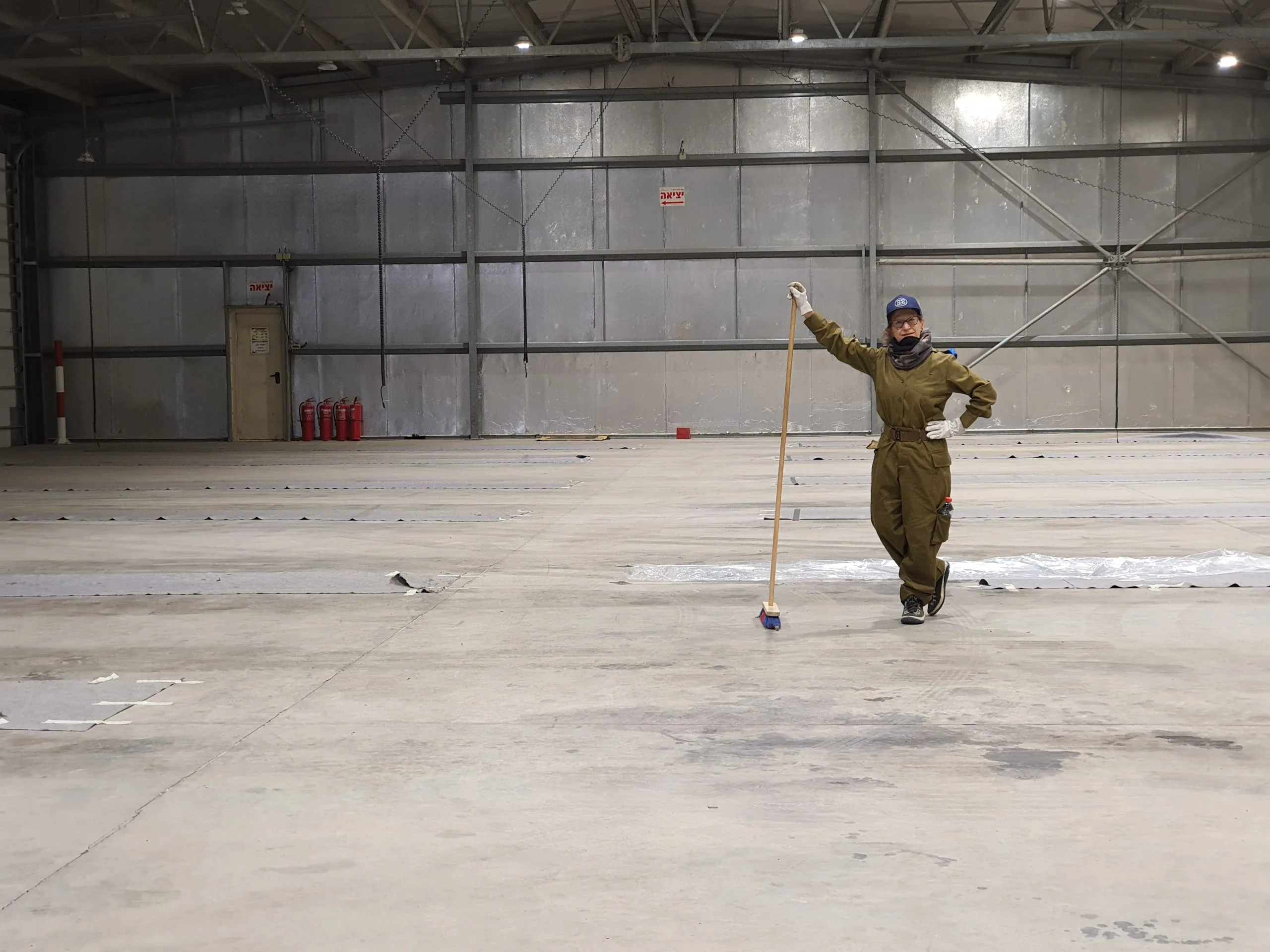
בסוף הסבב הקודם ראיתי את השמחה הגדולה שבסיום הלימוד, בעלי סיים כבר בפעם השלישית וכמובן הסיום הנשי בבנייני האומה וחשבתי שאולי זו הזדמנות עבורי למשהו חדש.
למרות שאני שונה בסביבה שלי, מי ששומע על הלימוד שלי מפרגן מאוד.
אני מנסה ללמוד קצת בכל יום, גם אם לא את כל הדף ובסך הכל אני בדרך כלל עומדת בקצב.
הלימוד מעניק המון משמעות ליום יום ועושה סדר בלמוד תורה, שתמיד היה (ועדיין) שאיפה. אבל אין כמו קביעות

Racheli-Mendelson
רחלי מנדלסון

טל מנשה, ישראל

התחלתי ללמוד דף יומי אחרי שחזרתי בתשובה ולמדתי במדרשה במגדל עוז. הלימוד טוב ומספק חומר למחשבה על נושאים הלכתיים ”קטנים” ועד לערכים גדולים ביהדות. חשוב לי להכיר את הגמרא לעומק. והצעד הקטן היום הוא ללמוד אותה בבקיאות, בעזרת השם, ומי יודע אולי גם אגיע לעיון בנושאים מעניינים. נושאים בגמרא מתחברים לחגים, לתפילה, ליחסים שבין אדם לחברו ולמקום ולשאר הדברים שמלווים באורח חיים דתי 🙂

Gaia Divo
גאיה דיבו

מצפה יריחו, ישראל

אני לומדת גמרא כעשור במסגרות שונות, ואת הדף היומי התחלתי כשחברה הציעה שאצטרף אליה לסיום בבנייני האומה. מאז אני לומדת עם פודקסט הדרן, משתדלת באופן יומי אך אם לא מספיקה, מדביקה פערים עד ערב שבת. בסבב הזה הלימוד הוא "ממעוף הציפור”, מקשיבה במהירות מוגברת תוך כדי פעילויות כמו בישול או נהיגה, וכך רוכשת היכרות עם הסוגיות ואופן ניתוחם על ידי חז”ל. בע”ה בסבב הבא, ואולי לפני, אצלול לתוכו באופן מעמיק יותר.

Yael Bir
יעל ביר

רמת גן, ישראל

התחלתי ללמוד לפני 4.5 שנים, כשהודיה חברה שלי פתחה קבוצת ווטסאפ ללימוד דף יומי בתחילת מסכת סנהדרין. מאז לימוד הדף נכנס לתוך היום-יום שלי והפך לאחד ממגדירי הזהות שלי ממש.

Rosenberg Foundation
קרן רוזנברג

ירושלים, ישראל

למדתי גמרא מכיתה ז- ט ב Maimonides School ואחרי העליה שלי בגיל 14 לימוד הגמרא, שלא היה כל כך מקובל בימים אלה, היה די ספוראדי. אחרי "ההתגלות” בבנייני האומה התחלתי ללמוד בעיקר בדרך הביתה למדתי מפוקקטסים שונים. לאט לאט ראיתי שאני תמיד חוזרת לרבנית מישל פרבר. באיזה שהוא שלב התחלתי ללמוד בזום בשעה 7:10 .
היום "אין מצב” שאני אתחיל את היום שלי ללא לימוד עם הרבנית מישל עם כוס הקפה שלי!!

selfie-scaled
דבי גביר

חשמונאים, ישראל

לפני 15 שנה, אחרי עשרות שנים של "ג’ינגול” בין משפחה לקריירה תובענית בהייטק, הצטרפתי לשיעורי גמרא במתן רעננה. הלימוד המעמיק והייחודי של הרבנית אושרה קורן יחד עם קבוצת הנשים המגוונת הייתה חוויה מאלפת ומעשירה. לפני כשמונה שנים כאשר מחזור הדף היומי הגיע למסכת תענית הצטרפתי כ”חברותא” לבעלי. זו השעה היומית שלנו ביחד כאשר דפי הגמרא משתלבים בחיי היום יום, משפיעים ומושפעים, וכשלא מספיקים תמיד משלימים בשבת

Yodi Askoff
יודי אסקוף

רעננה, ישראל

"
גם אני התחלתי בסבב הנוכחי וב””ה הצלחתי לסיים את רוב המסכתות . בזכות הרבנית מישל משתדלת לפתוח את היום בשיעור הזום בשעה 6:20 .הלימוד הפך להיות חלק משמעותי בחיי ויש ימים בהם אני מצליחה לחזור על הדף עם מלמדים נוספים ששיעוריהם נמצאים במרשתת. שמחה להיות חלק מקהילת לומדות ברחבי העולם. ובמיוחד לשמש דוגמה לנכדותיי שאי””ה יגדלו לדור שלימוד תורה לנשים יהיה משהו שבשגרה. "

Ronit Shavit
רונית שביט

נתניה, ישראל

התחלתי ללמוד בשנת המדרשה במגדל עוז, בינתיים נהנית מאוד מהלימוד ומהגמרא, מעניין ומשמח מאוד!
משתדלת להצליח לעקוב כל יום, לפעמים משלימה קצת בהמשך השבוע.. מרגישה שיש עוגן מקובע ביום שלי והוא משמח מאוד!

Uriah Kesner
אוריה קסנר

חיפה , ישראל

התחלתי ללמוד דף יומי ממסכת נידה כי זה היה חומר הלימוד שלי אז. לאחר הסיום הגדול בבנייני האומה החלטתי להמשיך. וב”ה מאז עם הפסקות קטנות של קורונה ולידה אני משתדלת להמשיך ולהיות חלק.

זה משפיע מאוד על היום יום שלי ועל אף שאני עסוקה בלימודי הלכה ותורה כל יום, זאת המסגרת הקבועה והמחייבת ביותר שיש לי.

Moriah Taesan Michaeli
מוריה תעסן מיכאלי

גבעת הראל, ישראל

הייתי לפני שנתיים בסיום הדרן נשים בבנייני האומה והחלטתי להתחיל. אפילו רק כמה דפים, אולי רק פרק, אולי רק מסכת… בינתיים סיימתי רבע שס ותכף את כל סדר מועד בה.
הסביבה תומכת ומפרגנת. אני בת יחידה עם ארבעה אחים שכולם לומדים דף יומי. מדי פעם אנחנו עושים סיומים יחד באירועים משפחתיים. ממש מרגש. מסכת שבת סיימנו כולנו יחד עם אבא שלנו!
אני שומעת כל יום פודקאסט בהליכה או בנסיעה ואחכ לומדת את הגמרא.

Edna Gross
עדנה גרוס

מרכז שפירא, ישראל

התחלתי בסיום הש”ס, יצאתי באורות. נשברתי פעמיים, ובשתיהם הרבנית מישל עודדה להמשיך איפה שכולם בסבב ולהשלים כשאוכל, וכך עשיתי וכיום השלמתי הכל. מדהים אותי שאני לומדת כל יום קצת, אפילו בחדר הלידה, בבידוד או בחו”ל. לאט לאט יותר נינוחה בסוגיות. לא כולם מבינים את הרצון, בפרט כפמניסטית. חשה סיפוק גדול להכיר את המושגים וצורת החשיבה. החלום זה להמשיך ולהתמיד ובמקביל ללמוד איך מהסוגיות נוצרה והתפתחה ההלכה.

Weingarten Sherrington Foundation
קרן וינגרטן שרינגטון

מודיעין, ישראל

אמא שלי למדה איתי ש”ס משנה, והתחילה ללמוד דף יומי. אני החלטתי שאני רוצה ללמוד גם. בהתחלה למדתי איתה, אח”כ הצטרפתי ללימוד דף יומי שהרב דני וינט מעביר לנוער בנים בעתניאל. במסכת עירובין עוד חברה הצטרפה אלי וכשהתחלנו פסחים הרב דני פתח לנו שעור דף יומי לבנות. מאז אנחנו לומדות איתו קבוע כל יום את הדף היומי (ובשבת אבא שלי מחליף אותו). אני נהנית מהלימוד, הוא מאתגר ומעניין

Renana Hellman
רננה הלמן

עתניאל, ישראל

רציתי לקבל ידע בתחום שהרגשתי שהוא גדול וחשוב אך נעלם ממני. הלימוד מעניק אתגר וסיפוק ומעמיק את תחושת השייכות שלי לתורה וליהדות

Ruth Agiv
רות עגיב

עלי זהב – לשם, ישראל

התחלתי כשהייתי בחופש, עם הפרסומים על תחילת המחזור, הסביבה קיבלה את זה כמשהו מתמיד ומשמעותי ובהערכה, הלימוד זה עוגן יציב ביום יום, יש שבועות יותר ויש שפחות אבל זה משהו שנמצא שם אמין ובעל משמעות בחיים שלי….

Adi Diamant
עדי דיאמנט

גמזו, ישראל

התחלתי בתחילת הסבב, והתמכרתי. זה נותן משמעות נוספת ליומיום ומאוד מחזק לתת לזה מקום בתוך כל שגרת הבית-עבודה השוטפת.

Reut Abrahami
רעות אברהמי

בית שמש, ישראל

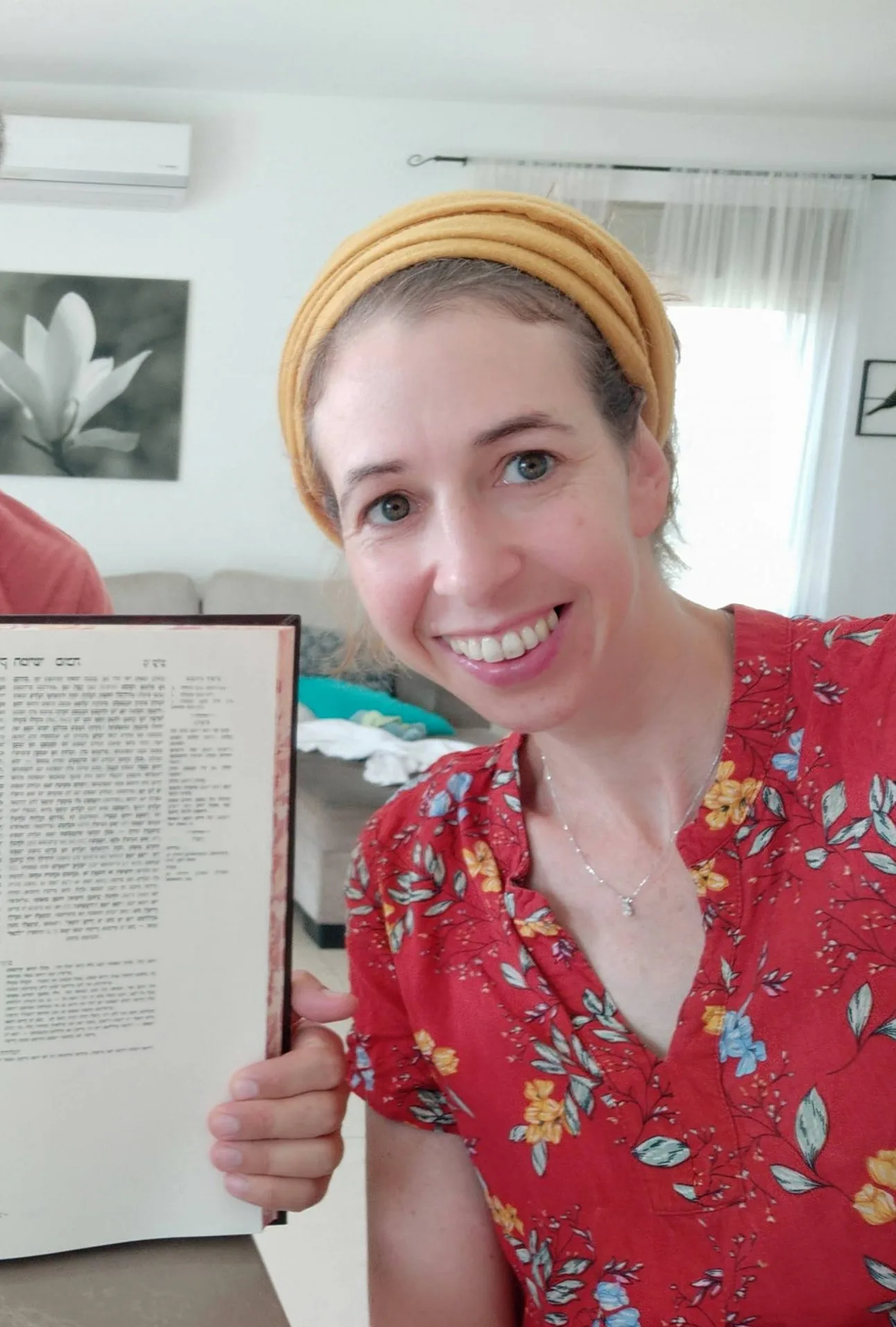
A friend in the SF Bay Area said in Dec 2019 that she might start listening on her morning drive to work. I mentioned to my husband and we decided to try the Daf when it began in Jan 2020 as part of our preparing to make Aliyah in the summer.

Hana Piotrkovsky
חנה פיוטרקובסקי

ירושלים, Israel

התחלתי ללמוד דף יומי לפני שנתיים, עם מסכת שבת. בהתחלה ההתמדה היתה קשה אבל בזכות הקורונה והסגרים הצלחתי להדביק את הפערים בשבתות הארוכות, לסיים את מסכת שבת ולהמשיך עם המסכתות הבאות. עכשיו אני מסיימת בהתרגשות רבה את מסכת חגיגה וסדר מועד ומחכה לסדר הבא!

Ilana-Shachnowitz
אילנה שכנוביץ

מודיעין, ישראל

אחרי שראיתי את הסיום הנשי של הדף היומי בבנייני האומה זה ריגש אותי ועורר בי את הרצון להצטרף. לא למדתי גמרא קודם לכן בכלל, אז הכל היה לי חדש, ולכן אני לומדת בעיקר מהשיעורים פה בהדרן, בשוטנשטיין או בחוברות ושיננתם.

Rebecca Schloss
רבקה שלוס

בית שמש, ישראל

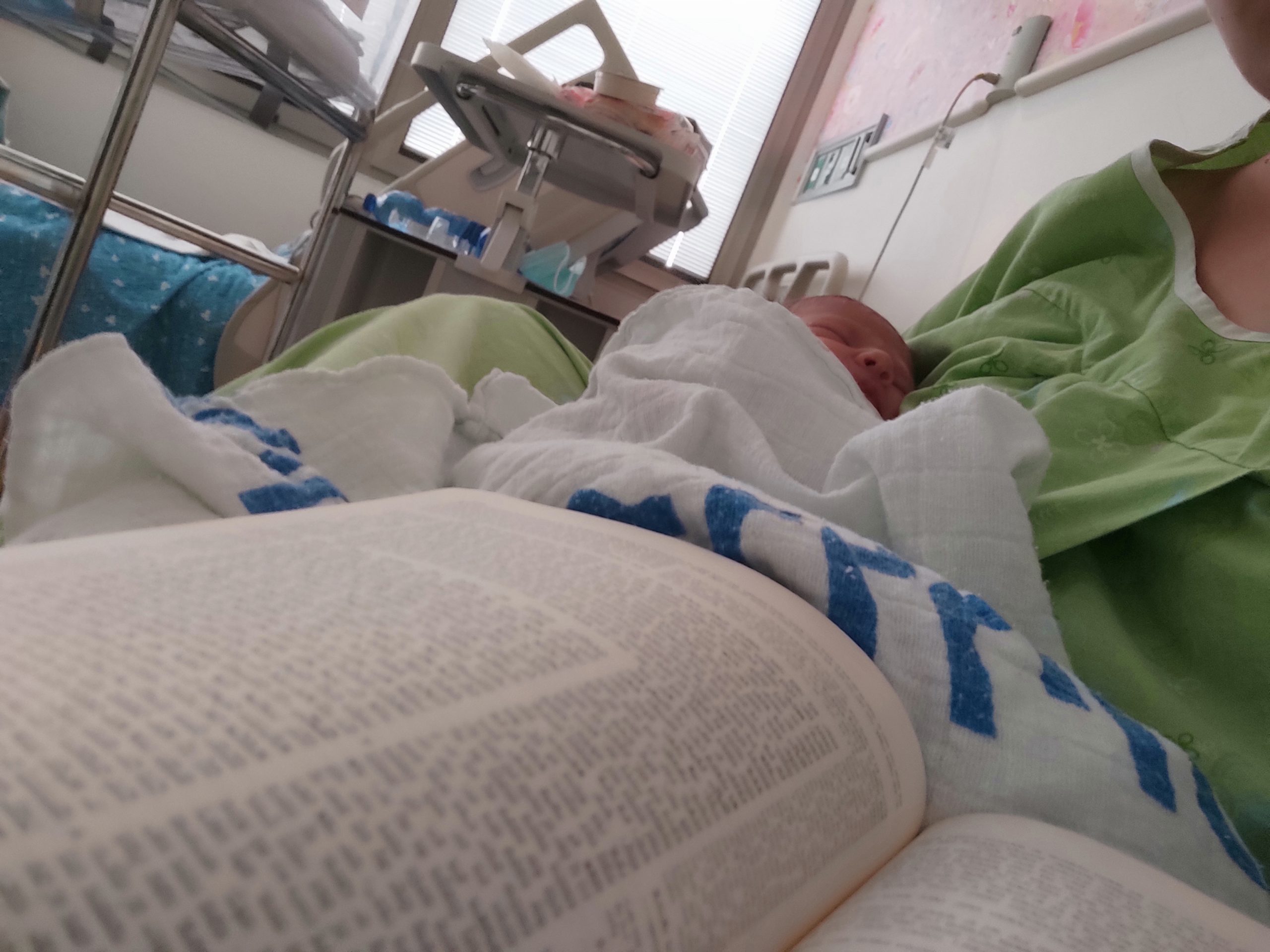
בתחילת הסבב הנוכחי הצטברו אצלי תחושות שאני לא מבינה מספיק מהי ההלכה אותה אני מקיימת בכל יום. כמו כן, כאמא לבנות רציתי לתת להן מודל נשי של לימוד תורה
שתי הסיבות האלו הובילו אותי להתחיל ללמוד. נתקלתי בתגובות מפרגנות וסקרניות איך אישה לומדת גמרא..
כמו שרואים בתמונה אני ממשיכה ללמוד גם היום ואפילו במחלקת יולדות אחרי לידת ביתי השלישית.

Noa Shiloh
נועה שילה

רבבה, ישראל

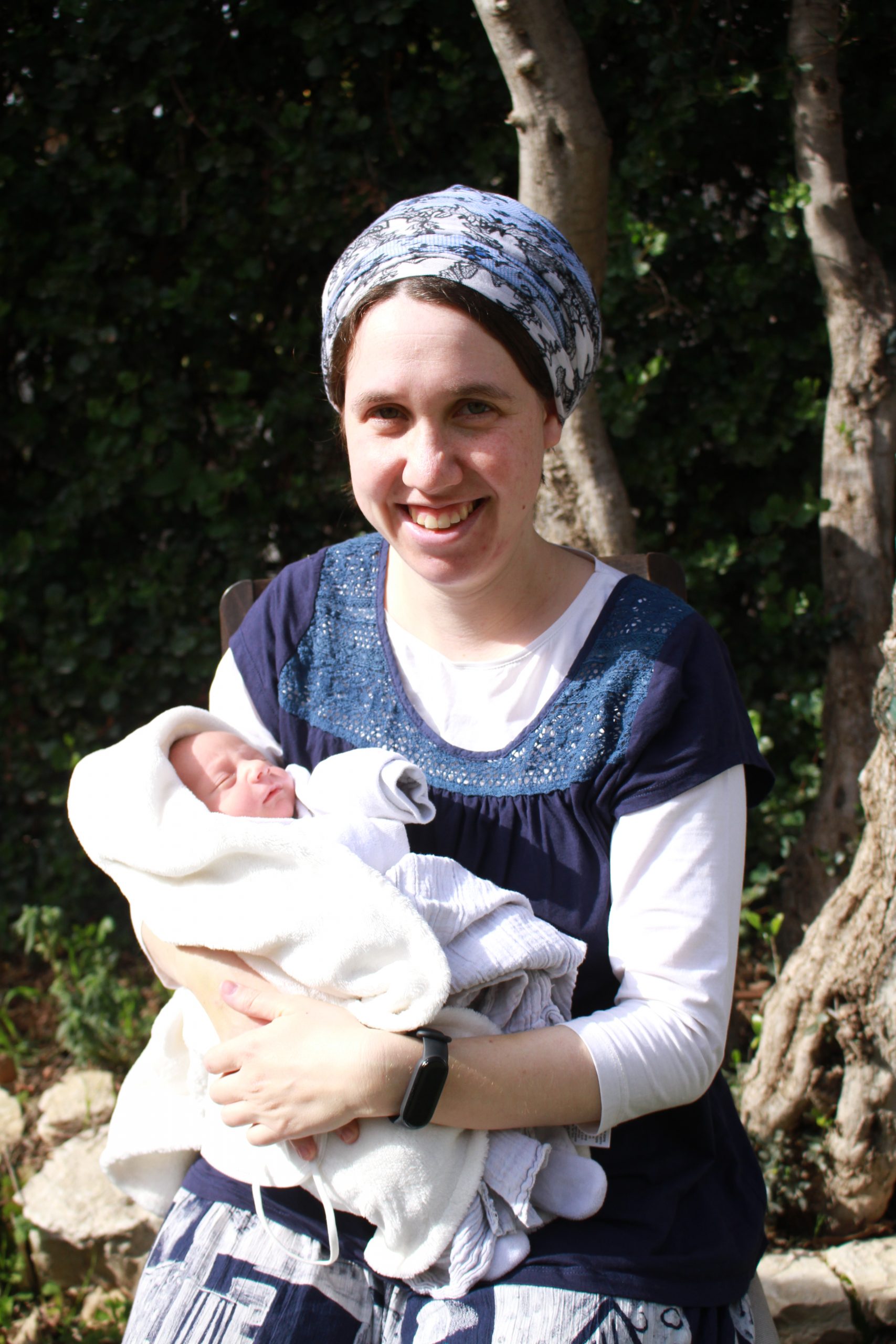
התחלתי ללמוד את הדף היומי מעט אחרי שבני הקטן נולד. בהתחלה בשמיעה ולימוד באמצעות השיעור של הרבנית שפרבר. ובהמשך העזתי וקניתי לעצמי גמרא. מאז ממשיכה יום יום ללמוד עצמאית, ולפעמים בעזרת השיעור של הרבנית, כל יום. כל סיום של מסכת מביא לאושר גדול וסיפוק. הילדים בבית נהיו חלק מהלימוד, אני משתפת בסוגיות מעניינות ונהנית לשמוע את דעתם.

Eliraz Blau
אלירז בלאו

מעלה מכמש, ישראל

עירובין עג

מְקוֹם פִּיתָּא, וּשְׁמוּאֵל אָמַר: מְקוֹם לִינָה.

The place where he eats his bread, and Shmuel said: His place of sleep.

מֵיתִיבִי: הָרוֹעִים, וְהַקַּיָּיצִין וְהַבּוּרְגָּנִין וְשׁוֹמְרֵי פֵירוֹת, בִּזְמַן שֶׁדַּרְכָּן לָלִין בָּעִיר — הֲרֵי הֵן כְּאַנְשֵׁי הָעִיר. בִּזְמַן שֶׁדַּרְכָּן לָלִין בַּשָּׂדֶה — יֵשׁ לָהֶם אַלְפַּיִם לְכׇל רוּחַ!

The Gemara raises an objection to Rav’s opinion from a baraita: With regard to shepherds; fig watchmen, who guard figs spread out in the field; guardsmen who sit in small guardhouses; and produce watchmen; when they customarily sleep in the city in addition to eating there, they are like the residents of the city with regard to their Shabbat limit, even though they were in the field when Shabbat began. However, when they customarily sleep in the field, even though they eat in the town, they have only two thousand cubits in each direction from the places where they sleep. This seems to contradict the opinion of Rav, who maintains that a person’s place of dwelling is determined by where he eats, not by where he sleeps.

הָתָם אֲנַן סָהֲדִי דְּאִי מַמְטוּ לְהוּ רִיפְתָּא הָתָם, טְפֵי נִיחָא לְהוּ.

The Gemara answers: There, in the case of the people in the field, we are witnesses, i.e., it is clearly evident, that if people would bring them bread there, to the place where they sleep, it would be more convenient for them. Fundamentally, however, a person’s dwelling place is determined by where he eats, rather than where he sleeps.

אָמַר רַב יוֹסֵף: לָא שְׁמִיעַ לִי הָא שְׁמַעְתָּא. אֲמַר לֵיהּ אַבָּיֵי: אַתְּ אֲמַרְתְּ נִיהֲלַן, וְאַהָא אֲמַרְתְּ נִיהֲלַן: הָאַחִין שֶׁהָיוּ אוֹכְלִין עַל שֻׁלְחַן אֲבִיהֶן, וִישֵׁנִים בְּבָתֵּיהֶן — צְרִיכִין עֵירוּב לְכׇל אֶחָד וְאֶחָד. וְאָמְרִינַן לָךְ: שְׁמַע מִינַּהּ מְקוֹם לִינָה גּוֹרֵם. וַאֲמַרְתְּ לַן עֲלַהּ, אָמַר רַב יְהוּדָה אָמַר רַב: בִּמְקַבְּלֵי פְרָס שָׁנוּ.

Rav Yosef said: I have not heard this halakha stated by Rav. An illness had caused Rav Yosef to forget his studies. His student, Abaye, said to him: You yourself said it to us, and it was with regard to this that you said it to us: With regard to brothers who were eating at their father’s table and sleeping in their own houses in the same courtyard, a separate contribution to the eiruv is required for each and every one of them. And we said to you: Can one learn from here that a person’s place of sleep determines the location of his Shabbat residence? And you said to us in this regard that Rav Yehuda said that Rav said: They taught this mishna with regard to brothers who receive a portion from their father and are therefore considered as though they eat at his table, whereas in actual fact they eat their meals in their own homes.

תָּנוּ רַבָּנַן: מִי שֶׁיֵּשׁ לוֹ חָמֵשׁ נָשִׁים מְקַבְּלוֹת פְּרָס מִבַּעֲלֵיהֶן, וַחֲמִשָּׁה עֲבָדִים מְקַבְּלִין פְּרָס מֵרַבֵּיהֶן — רַבִּי יְהוּדָה בֶּן בְּתִירָה מַתִּיר בַּנָּשִׁים, וְאוֹסֵר בָּעֲבָדִים.

The Sages taught in a baraita: With regard to one who has five wives who receive a portion from their husband while each living in her own quarters in the courtyard, and five slaves who receive a portion from their master while living in their own lodgings in the courtyard, Rabbi Yehuda ben Beteira permits in the case of the wives, i.e., they do not each have to contribute separately to the eiruv, as they are all considered to be residing with their husband. And he prohibits in the case of the slaves, meaning that he holds that as they live in separate houses, each is considered as residing on his own.

רַבִּי יְהוּדָה בֶּן בָּבָא מַתִּיר בָּעֲבָדִים, וְאוֹסֵר בַּנָּשִׁים.

Rabbi Yehuda ben Bava permits in the case of the slaves, as a slave necessarily follows his master, and he prohibits in the case of the wives, as each woman is significant in her own right, and is not totally dependent on her husband.

אָמַר רַב: מַאי טַעְמָא דְּרַבִּי יְהוּדָה בֶּן בָּבָא, דִּכְתִיב: ״וְדָנִיֵּאל בִּתְרַע מַלְכָּא״.

Rav said: What is the rationale for the opinion of Rabbi Yehuda ben Bava? As it is written: “But Daniel was in the gate of the king” (Daniel 2:49). The verse refers to Daniel’s function rather than to an actual location, indicating that wherever Daniel went, it was as though he was in the king’s gate. The same applies to any slave vis-à-vis his master.

פְּשִׁיטָא, בֵּן אֵצֶל אָבִיו, כְּדַאֲמַרַן. אִשָּׁה אֵצֶל בַּעְלָהּ וְעֶבֶד אֵצֶל רַבּוֹ, פְּלוּגְתָּא דְּרַבִּי יְהוּדָה בֶּן בְּתִירָה וְרַבִּי יְהוּדָה בֶּן בָּבָא. תַּלְמִיד אֵצֶל רַבּוֹ, מַאי?

The Gemara proceeds to clarify various aspects of this issue, starting with a summary of what has already been stated. The halakha is obvious in the case of a son with his father, as we stated it above the mishna. A wife with her husband and a slave with his master are subject to the dispute between Rabbi Yehuda ben Beteira and Rabbi Yehuda ben Bava. With regard to a student who lives with his master in the same courtyard and receives his sustenance from him, what is his status with regard to eiruv?

תָּא שְׁמַע, דְּרַב בֵּי רַבִּי חִיָּיא אָמַר: אֵין אָנוּ צְרִיכִין לְעָרֵב, שֶׁהֲרֵי אָנוּ סוֹמְכִין עַל שׁוּלְחָנוֹ שֶׁל רַבִּי חִיָּיא. וְרַבִּי חִיָּיא בֵּי רַבִּי אָמַר: אֵין אָנוּ צְרִיכִין לְעָרֵב, שֶׁהֲרֵי אָנוּ סוֹמְכִין עַל שׁוּלְחָנוֹ שֶׁל רַבִּי.

Come and hear a resolution to this question: As Rav, when he was in the school of Rabbi Ḥiyya, said: We do not need to establish an eiruv, as we are dependent upon the table of Rabbi Ḥiyya. And similarly, Rabbi Ḥiyya himself, when he was in the school of Rabbi Yehuda HaNasi, said: We do not need to establish an eiruv, as we are dependent upon the table of Rabbi Yehuda HaNasi.

בְּעָא מִינֵּיהּ אַבָּיֵי מֵרַבָּה: חֲמִשָּׁה שֶׁגָּבוּ אֶת עֵירוּבָן, כְּשֶׁמּוֹלִיכִין אֶת עֵירוּבָן לְמָקוֹם אַחֵר, עֵירוּב אֶחָד לְכוּלָּן, אוֹ צְרִיכִין עֵירוּב לְכׇל אֶחָד וְאֶחָד? אֲמַר לֵיהּ: עֵירוּב אֶחָד לְכוּלָּן.

Abaye raised a dilemma before Rabba: With regard to five people who live in the same courtyard and collected their eiruv, when they take their eiruv elsewhere in order to merge their courtyard with a different one, is one contribution to the eiruv sufficient for all of them, or do they need a separate contribution to the eiruv for each and every one of them? Rabba said to him: One contribution to the eiruv suffices for all of them.

וְהָא אַחִין, דְּכִי גָּבוּ דָּמוּ, וְקָתָנֵי: צְרִיכִין עֵירוּב לְכׇל אֶחָד וְאֶחָד! הָכָא בְּמַאי עָסְקִינַן — כְּגוֹן דְּאִיכָּא דָּיוֹרִין בַּהֲדַיְיהוּ. דְּמִגּוֹ דְּהָנֵי אָסְרִי, הָנֵי נָמֵי אָסְרִי.

Abaye asked: But in the case of brothers, who are comparable to people who collected their eiruv, the mishna nonetheless teaches: They require a separate eiruv for each and every one of them. Rabba responded: With what are we dealing here? We are dealing with a case where there are other residents, in addition to the father and his sons, living with them. In that case, since these additional residents render carrying in the same courtyard prohibited unless they join in an eiruv, those brothers also render it prohibited for one another to carry in the other courtyard unless each of them contributes to the eiruv.

הָכִי נָמֵי מִסְתַּבְּרָא, דְּקָתָנֵי: אֵימָתַי? בִּזְמַן שֶׁמּוֹלִיכִין אֶת עֵירוּבָן בְּמָקוֹם אַחֵר, אֲבָל אִם הָיָה עֵירוּבָן בָּא אֶצְלָם, אוֹ שֶׁאֵין דָּיוֹרִין עִמָּהֶן בֶּחָצֵר — אֵין צְרִיכִין לְעָרֵב, שְׁמַע מִינַּהּ.

The Gemara comments: So too, it is reasonable to understand, as the mishna teaches: When do they state this halakha? When they bring their eiruv elsewhere in the courtyard. But if their eiruv was coming to them, or if there are no other residents with them in the courtyard, they do not need to establish an eiruv, as they are considered like a single individual living in a courtyard. Learn from this that the preceding ruling refers to a situation where they shared the courtyard with other residents.

בְּעָא מִינֵּיהּ רַב חִיָּיא בַּר אָבִין מֵרַב שֵׁשֶׁת: בְּנֵי בֵי רַב, דְּאָכְלִי נַהֲמָא בְּבָאגָא, וְאָתוּ וּבָיְיתִי בְּבֵי רַב, כִּי מָשְׁחִינַן לְהוּ תְּחוּמָא, מִבֵּי רַב מָשְׁחִינַן לְהוּ אוֹ מִבָּאגָא מָשְׁחִינַן לְהוּ? אֲמַר לֵיהּ: מָשְׁחִינַן מִבֵּי רַב.

The Gemara addresses a similar issue with regard to a joining of Shabbat boundaries: Rav Ḥiyya bar Avin raised a dilemma before Rav Sheshet: With regard to students in their master’s house who eat their bread in their houses in the field [baga] and then come and sleep in their master’s house, when we measure their Shabbat limit for them, do we measure it for them from their master’s house, where they sleep, or do we measure it for them from the field, where they eat? He said to him: We measure it from their master’s house.

וַהֲרֵי נוֹתֵן אֶת עֵירוּבוֹ בְּתוֹךְ אַלְפַּיִם אַמָּה, וְאָתֵי וּבָיֵית בְּבֵיתֵיהּ, דְּמָשְׁחִינַן לֵיהּ תְּחוּמָא מֵעֵירוּבֵיהּ!

Rav Ḥiyya bar Avin asked: But in the case of one who deposits his eiruv, which establishes the location of his meal, within two thousand cubits, and then goes back and sleeps in his house, we measure his Shabbat limit from his eiruv. This implies that the determining factor is where he eats, rather than where he sleeps.

בְּהָהוּא — אֲנַן סָהֲדִי, וּבְהָדָא — אֲנַן סָהֲדִי. בְּהָהוּא אֲנַן סָהֲדִי — דְּאִי מִיתְּדַר לֵיהּ הָתָם נִיחָא לֵיהּ, וּבַהֲדָא אֲנַן סָהֲדִי — דְּאִי מַיְיתוּ לְהוּ רִיפְתָּא לְבֵי רַב, נִיחָא לְהוּ טְפֵי.

The Gemara answers: In that case we are witnesses, and in this case we are witnesses, i.e., in both cases the person’s intentions regarding his place of residence are clearly evident. In that case, where the person deposits his eiruv, we are witnesses that if he could reside there, at the site of his eiruv, it would be better for him, i.e., if he could spend the night there he would do so, since he wishes to continue from that place onward on the following day. And in this case of the students in their master’s house, we are witnesses that if people would bring them bread in their master’s house, enabling them to eat there, it would be better for them. Consequently, it is considered their place of residence.

בָּעֵי רָמֵי בַּר חָמָא מֵרַב חִסְדָּא: אָב וּבְנוֹ, הָרַב וְתַלְמִידוֹ, כְּרַבִּים דָּמוּ אוֹ כִּיחִידִים דָּמוּ? צְרִיכִין עֵירוּב, אוֹ אֵין צְרִיכִין עֵירוּב? מָבוֹי שֶׁלָּהֶן נִיתָּר בְּלֶחִי וְקוֹרָה, אוֹ אֵין נִיתָּר בְּלֶחִי וְקוֹרָה?

Rami bar Ḥama raised a dilemma before Rav Ḥisda: With regard to a father and his son, or a master and his student, are they considered as many people or as individuals? The practical import of the question is as follows: If they lived together in a courtyard that was within another courtyard, are they considered as many people, who require an eiruv in order to render it permitted to carry in the outer courtyard, or do they not require an eiruv, as they are treated as an individual, who does not render carrying in the outer courtyard prohibited? Is their alleyway rendered permitted for carrying through a side post and a cross beam, like one that has multiple residents, or is it not rendered permitted for carrying through a side post and a cross beam?

אֲמַר לֵיהּ, תְּנֵיתוּהָ: אָב וּבְנוֹ, הָרַב וְתַלְמִידוֹ, בִּזְמַן שֶׁאֵין עִמָּהֶן דָּיוֹרִין הֲרֵי הֵן כִּיחִידִים, וְאֵין צְרִיכִין לְעָרֵב, וּמָבוֹי שֶׁלָּהֶן נִיתָּר בְּלֶחִי וְקוֹרָה.

Rav Ḥisda said to him: You have already learned this in the following baraita: With regard to a father and his son or a master and his student, when there are no other residents with them, they are considered like individuals, and they do not need to establish an eiruv, and their alleyway becomes permitted for carrying through a side post and a cross beam without a merging of alleyways.

מַתְנִי׳ חָמֵשׁ חֲצֵירוֹת פְּתוּחוֹת זוֹ לָזוֹ וּפְתוּחוֹת לְמָבוֹי, עֵירְבוּ בַּחֲצֵירוֹת וְלֹא נִשְׁתַּתְּפוּ בַּמָּבוֹי — מוּתָּרִין בַּחֲצֵירוֹת וַאֲסוּרִין בְּמָבוֹי.

MISHNA: If five courtyards open into one another and also open into an alleyway, the following distinctions apply: If the residents of the courtyard established an eiruv in the courtyards and did not merge the courtyards that open into the alleyway, they are permitted to carry in the courtyards and they are prohibited to carry in the alleyway. The eiruv they established cannot also serve as a merging of the courtyards that open into the alleyway.

וְאִם נִשְׁתַּתְּפוּ בַּמָּבוֹי — מוּתָּרִין כָּאן וְכָאן.

And if they merged the courtyards of the alleyway, they are permitted to carry both here, in the alleyway, and there, in the courtyards.

עֵירְבוּ בַּחֲצֵירוֹת וְנִשְׁתַּתְּפוּ בַּמָּבוֹי, וְשָׁכַח אֶחָד מִבְּנֵי חָצֵר וְלֹא עֵירַב — מוּתָּרִין כָּאן וְכָאן.

If they established an eiruv in the courtyards and also merged the courtyards of the alleyway, and one of the residents of the courtyard forgot and did not contribute to the eiruv in his courtyard, but did participate in the merging of the courtyards in the alleyway, they are permitted both here and there, as the merging of courtyards in the alleyway serves as an effective eiruv for the courtyards as well.

מִבְּנֵי מָבוֹי וְלֹא נִשְׁתַּתֵּף — מוּתָּרִין בַּחֲצֵירוֹת וַאֲסוּרִין בַּמָּבוֹי, שֶׁהַמָּבוֹי לַחֲצֵירוֹת כֶּחָצֵר לַבָּתִּים.

However, if one of the residents of the alleyway forgot and did not participate in the merging of courtyards that open into the alleyway, they are permitted to carry in the courtyards and prohibited from carrying in the alleyway, as the principle is: An alleyway is to its courtyards as a courtyard is to its houses.

גְּמָ׳ מַנִּי? רַבִּי מֵאִיר הִיא, דְּאָמַר: בָּעִינַן עֵירוּב וּבָעִינַן שִׁיתּוּף.

GEMARA: The Gemara asks: In accordance with whose opinion is this mishna? The Gemara answers: It is in accordance with the opinion of Rabbi Meir, who said: We require an eiruv and we also require a merging of the courtyards in an alleyway, and one is not sufficient without the other.

אֵימָא מְצִיעֲתָא: ״וְאִם נִשְׁתַּתְּפוּ בַּמָּבוֹי מוּתָּרִין כָּאן וְכָאן״, אֲתָאן לְרַבָּנַן דְּאָמְרִי בַּחֲדָא סַגִּיא!

The Gemara asks: If so, say the middle clause of the mishna: And if they merged the courtyards in the alleyway, they are permitted to carry both here and there. We have arrived at the opinion of the Rabbis, who say that one is enough, and one does not need both an eiruv and a merging of alleyways.

הָא לָא קַשְׁיָא: וְאִם נִשְׁתַּתְּפוּ נָמֵי קָאָמַר.

The Gemara responds: That is not difficult, as the mishna stated as follows: And if they also merged the courtyards in the alleyway, they are permitted to carry in the courtyards and in the alleyway.

אֵימָא סֵיפָא: עֵירְבוּ בַּחֲצֵירוֹת וְנִשְׁתַּתְּפוּ בַּמָּבוֹי, וְשָׁכַח אֶחָד מִבְּנֵי חָצֵר וְלֹא עֵירַב — מוּתָּרִים כָּאן וְכָאן. הֵיכִי דָמֵי? אִי דְּלָא בַּטֵּיל, אַמַּאי מוּתָּרִים? אֶלָּא פְּשִׁיטָא דְּבַטֵּיל. אֵימָא סֵיפָא: שָׁכַח אֶחָד מִבְּנֵי מָבוֹי וְלֹא נִשְׁתַּתְּפוּ — מוּתָּרִין בַּחֲצֵירוֹת וַאֲסוּרִין בַּמָּבוֹי, וְאִי דְּבַטֵּיל — אַמַּאי אֲסוּרִין בַּמָּבוֹי?

The Gemara asks: Say the latter clause of the mishna: If they established an eiruv in the courtyards and also merged the courtyards in the alleyway, and one of the residents of the courtyard forgot and did not contribute to the eiruv in his courtyard but did participate in the merging of the alleyway, they are permitted to carry both here and there. What are the circumstances? If the person who forgot did not renounce his rights to the courtyard in favor of the others, why are they permitted to carry? Rather, it is obvious that he did renounce those rights. But if so, say the last clause of the mishna: If one of the members of the alleyway forgot and did not participate in the merging of the alleyway, they are permitted to carry in the courtyards and prohibited from carrying in the alleyway. But if he renounced his rights, why are they prohibited from carrying in the alleyway?

וְכִי תֵּימָא קָסָבַר רַבִּי מֵאִיר אֵין בִּיטּוּל רְשׁוּת בְּמָבוֹי. וְהָא תַּנְיָא: שֶׁהֲרֵי בִּיטֵּל לָכֶם רְשׁוּתוֹ, דִּבְרֵי רַבִּי מֵאִיר.

And if you say that Rabbi Meir holds that renunciation of rights is not effective in an alleyway, that answer is insufficient. Wasn’t it taught in a baraita with regard to an alleyway: As he renounced his rights in your favor; this is the statement of Rabbi Meir? This indicates that Rabbi Meir accepts the principle of renunciation of rights in an alleyway.

אֶלָּא פְּשִׁיטָא דְּלָא בַּטֵּיל. וּמִדְּסֵיפָא דְּלָא בַּטֵּיל — רֵישָׁא נָמֵי דְּלָא בַּטֵּיל. רֵישָׁא וְסֵיפָא רַבִּי מֵאִיר, מְצִיעֲתָא רַבָּנַן!

Rather, it is obvious that the person who forgot to participate in the merging of alleyways did not renounce his rights. And from the fact that the last clause of the mishna is referring to a case where he did not renounce his rights, it can be inferred that the first clause is also referring to a case where he did not renounce his rights. This would indicate that if they carried out a merging of alleyways, it also serves as an eiruv, even when one of them forgot to contribute to the eiruv and also failed to renounce his rights in the courtyard. This is in accordance with the opinion of the Rabbis, which leads to the puzzling conclusion that the first and last clauses of the mishna are in accordance with the opinion of Rabbi Meir, while the middle clause is in accordance with the opinion of the Rabbis.

כּוּלַּהּ רַבִּי מֵאִיר הִיא, וְטַעְמָא מַאי אָמַר רַבִּי מֵאִיר בָּעִינַן עֵירוּב וּבָעִינַן שִׁיתּוּף? שֶׁלֹּא לְשַׁכֵּחַ תּוֹרַת עֵירוּב מִן הַתִּינוֹקוֹת, וְהָכָא, כֵּיוָן דְּרוּבַּהּ עֵירְבוּ — לָא מִשְׁתַּכְחָא.

The Gemara answers: In fact, it is all in accordance with the opinion of Rabbi Meir. And what is the reason that Rabbi Meir said we require an eiruv and we also require a merging of alleyways? It was only so as not to cause the halakhic category of eiruv to be forgotten by the children. If people would only merge courtyards, the halakha of establishing an eiruv for a courtyard would gradually be forgotten. And here, where only one person forgot to contribute to the eiruv, since most of them established an eiruv for the courtyards, the halakha of an eiruv will not be forgotten. Therefore, there is room to be lenient after the fact and to permit carrying in both places.

אָמַר רַב יְהוּדָה: רַב לָא תָּנֵי ״פְּתוּחוֹת זוֹ לָזוֹ״. וְכֵן אָמַר רַב כָּהֲנָא: רַב לָא תָּנֵי ״פְּתוּחוֹת זוֹ לָזוֹ״. אִיכָּא דְּאָמְרִי, רַב כָּהֲנָא גּוּפֵיהּ לָא תָּנֵי ״פְּתוּחוֹת זוֹ לָזוֹ״.

Rav Yehuda said: Rav did not teach the mishna as stating that the five courtyards open into one another, but rather that each courtyard opens into the alleyway, and each established its own eiruv. And so too, Rav Kahana said: Rav did not teach the mishna as stating that the courtyards open into one another. Some say that Rav Kahana himself did not teach the mishna as stating that the courtyards open into one another.

אֲמַר לֵיהּ אַבָּיֵי לְרַב יוֹסֵף: מַאי טַעְמָא דְּלָא תָּנֵי פְּתוּחוֹת זוֹ לָזוֹ. קָסָבַר כׇּל שִׁיתּוּף שֶׁאֵין מַכְנִיסוֹ וּמוֹצִיאוֹ דֶּרֶךְ פְּתָחִים בַּמָּבוֹי — לָאו שְׁמֵיהּ שִׁיתּוּף.

Abaye said to Rav Yosef: What is the reason he did not teach the mishna as stating that the five courtyards open into one another? Rav Yosef replied: Because he holds that any merging of alleyways that is not brought in and taken out by way of the entrances that open into the alleyway, i.e., which is not brought from each courtyard into the alleyway and then taken from the alleyway into the courtyard where it will be deposited, is not considered a valid merging of the alleyway. If the food used for the merging of alleyways is transferred directly from one courtyard to another, it seems as though it is being used to establish an eiruv. It is therefore ineffective as a merging of alleyways. Here too, if the courtyards open into one another, the merging of alleyways is invalid, due to a concern that the residents of the courtyard will transfer the food directly from one courtyard to another.

אֵיתִיבֵיהּ: בַּעַל הַבַּיִת שֶׁהָיָה שׁוּתָּף לִשְׁכֵנָיו, לָזֶה בְּיַיִן וְלָזֶה בְּיַיִן, אֵין צְרִיכִין לְעָרֵב. הָתָם, דְּאַפְּקֵיהּ וְעַיְּילֵיהּ.

He raised an objection to him based upon the following mishna: A homeowner who was a partner of his neighbors, with this one in wine and with that one in wine, they do not need to establish an eiruv. This indicates that it is not actually necessary to transfer the food used for the merging of alleyways from one place to another. For example, it is sufficient to have a jointly owned barrel of wine in one courtyard even if it did not pass through the alleyway. The Gemara rejects this proof and explains the mishna as follows: There, it is referring to a case where they took the wine out into the alleyway and subsequently brought it in to the courtyard where it was to be kept.

(אֵיתִיבֵיהּ:) כֵּיצַד מִשְׁתַּתְּפִין בַּמָּבוֹי וְכוּ׳. הָתָם נָמֵי: דְּאַפְּקֵיהּ וְעַיְּילֵיהּ.

He raised another objection to him from a different mishna: How does one merge courtyards that open into alleyways? The mishna continues and says that it is sufficient for one person to acquire the food used for the merging on behalf of all the other residents of the alleyway. This indicates that the food does not need to pass through all the courtyards in the alleyway. The Gemara rejects this proof as well: There too, it is referring to a case where they first took the food out from each of the courtyards into the alleyway and from there brought it into the courtyard where it was to be deposited.

מַתְקֵיף לַהּ רַבָּה בַּר חָנָן: אֶלָּא מֵעַתָּה, הִקְנָה לוֹ פַּת בְּסַלּוֹ הָכִי נָמֵי דְּלָא הָוֵי שִׁיתּוּף?! וְכִי תֵּימָא: הָכִי נָמֵי, וְהָא אָמַר רַב יְהוּדָה אָמַר רַב: בְּנֵי חֲבוּרָה שֶׁהָיוּ מְסוּבִּין וְקִדֵּשׁ עֲלֵיהֶן הַיּוֹם — הַפַּת שֶׁעַל שֻׁלְחָן סוֹמְכִים עָלֶיהָ מִשּׁוּם עֵירוּב, וְאָמְרִי לַהּ מִשּׁוּם שִׁיתּוּף.

Rabba bar Ḥanan strongly objects to this: However, if that is so, if he transferred ownership of bread in his basket to another person, so too, it would not be considered a valid merging. And if you say that this is indeed so, didn’t Rav Yehuda say that Rav said: With regard to members of a group who were dining together on Shabbat eve, and the day became sanctified for them, i.e., Shabbat began while they were eating, they may rely upon the bread on the table as an eiruv for the courtyard, and some say, as a merging of the alleyway.

וְאָמַר רַבָּה, לָא פְּלִיגִי: כָּאן בִּמְסוּבִּין בַּבַּיִת, כָּאן בַּמְסוּבִּין בֶּחָצֵר.

And Rabba said: The two versions do not disagree with each other regarding whether the bread counts as an eiruv or as a merging of the alleyway. Here, where they can use it as an eiruv, it is referring to a case where they were dining in a house, since food deposited inside a house can serve as an eiruv for the courtyard. There, it is referring to a case where they were dining in a courtyard, and therefore they may rely on the bread as a merging of the alleyway. This proves that even Rav agrees that it is not necessary to take the food used to merge an alleyway into the alleyway itself and then bring it back to the courtyard.

אֶלָּא טַעְמָא דְּרַב, דְּקָא סָבַר: אֵין מָבוֹי נִיתָּר בְּלֶחִי וְקוֹרָה עַד שֶׁיְּהוּ בָּתִּים וַחֲצֵירוֹת פְּתוּחִים לְתוֹכוֹ.

Rather, we must retract the previous explanation and say that the reason Rav did not teach the mishna as stating that the courtyards opened into one another is that he holds that an alleyway cannot be rendered permitted for carrying through a side post and a cross beam unless there are houses and courtyards opening into it. If, however, the courtyards open into one another, they are considered like a single courtyard, in which case they cannot be rendered permitted for carrying through a side post or a cross beam, and the merging of the alleyway is ineffective.

גּוּפָא, אָמַר רַב: אֵין מָבוֹי נִיתָּר בְּלֶחִי וְקוֹרָה

The Gemara now examines the matter itself cited in the previous discussion. Rav said: An alleyway cannot become permitted for carrying through a side post and a cross beam,

רוצה לעקוב אחרי התכנים ולהמשיך ללמוד?

ביצירת חשבון עוד היום ניתן לעקוב אחרי ההתקדמות שלך, לסמן מה למדת, ולעקוב אחרי השיעורים שמעניינים אותך.

לנקות את כל הפריטים מהרשימה?

פעולה זו תסיר את כל הפריטים בחלק זה כולל ההתקדמות וההיסטוריה. שימי לב: לא ניתן לשחזר פעולה זו.

ביטול
מחיקה

האם את/ה בטוח/ה שברצונך למחוק פריט זה?

תאבד/י את כל ההתקדמות או ההיסטוריה הקשורות לפריט זה.

ביטול
מחיקה