חיפוש

עירובין עד

רוצה להקדיש לימוד?

podcast placeholder

0:00
0:00


תקציר

השיעור היום מוקדש על ידי יהודית רובינסון לכבוד שרה רובינסון, מורה למשנה ותלמוד במנהטטן דיי סקול. ועל ידי נאוה לוין לכבוד רחל לוי בהערכה רבה לחברותא שלה. "תודה על העזרה להמשיך בדרך לימוד הדף היומי. מזל טוב על יום הולדתך.”

כדי להתיר מבוי על ידי לחי או קורה, מה המינימום הנדרש שיהיה במבוי? אם אין את המינימום הזה, הרי זה נחשב כחצר ודורש יותר כדי להתיר (שני לחיים או לחי אחד רחב ארבעה או צורת הפתח). יש שלוש דעות בעניין – רב, שמואל ור’ יוחנן. דברי ר’ יוחנן תואמים שיטתו בעניין אחר. מקשים על שמואל – ומנסים לברר אם הוא שינה את עמדתו בגלל הקושי. רב מביא מקרה שיש שלוש בתים שבהם שניים פתוחים לשלישי ורק השלישי נפתח למבוי. יש נכרי בצד השני. אי אפשר לערב בין הבתים דרך חלונות – למה? האם זה יהיה אותו דין אם הבית של היהודי והנכרי נפתחים לחצר? למה היינו חושבים להבדיל ביניהם?

עירובין עד

עַד שֶׁיְּהוּ בָּתִּים וַחֲצֵירוֹת פְּתוּחִין לְתוֹכוֹ. וּשְׁמוּאֵל אָמַר: אֲפִילּוּ בַּיִת אֶחָד וְחָצֵר אַחַת. וְרַבִּי יוֹחָנָן אָמַר: אֲפִילּוּ חוּרְבָּה.

unless there are houses and courtyards opening into it. This formulation implies that there must be at least two courtyards, each of which contains at least two houses. In the absence of these conditions, however, it is not considered an alleyway that can be permitted by means of a side post or a cross beam. And Shmuel said: Even one house without a courtyard and one courtyard with just one house is enough. And Rabbi Yoḥanan said: Even a ruin and a courtyard with a house suffice for a side post or a cross beam to render carrying in an alleyway permitted.

אֲמַר לֵיהּ אַבָּיֵי לְרַב יוֹסֵף: אָמַר רַבִּי יוֹחָנָן אֲפִילּוּ בִּשְׁבִיל שֶׁל כְּרָמִים? אֲמַר לֵיהּ: לָא אָמַר רַבִּי יוֹחָנָן אֶלָּא בְּחוּרְבָּה, דַּחֲזֵי לְדִירָה. אֲבָל שְׁבִיל שֶׁל כְּרָמִים, דְּלָא חֲזֵי לְדִירָה — לָא.

Abaye said to Rav Yosef: Did Rabbi Yoḥanan say that even a vineyard path and a courtyard with a house suffice to allow a side post or a cross beam to render carrying in the alleyway permitted? He said to him: Rabbi Yoḥanan said his ruling only in the case of a ruin, which is fit to serve as a residence. However, a vineyard path, which is not fit to serve as a residence, is not sufficient.

אָמַר רַב הוּנָא בַּר חִינָּנָא: וְאַזְדָּא רַבִּי יוֹחָנָן לְטַעְמֵיהּ, דִּתְנַן (אָמַר רַבִּי שִׁמְעוֹן): אֶחָד גַּגּוֹת וְאֶחָד קַרְפֵּיפוֹת וְאֶחָד חֲצֵרוֹת — רְשׁוּת אַחַת הֵן לְכֵלִים שֶׁשָּׁבְתוּ לְתוֹכָן, וְלֹא לְכֵלִים שֶׁשָּׁבְתוּ בְּתוֹךְ הַבַּיִת.

Rav Huna bar Ḥinnana said: And Rabbi Yoḥanan followed his regular line of reasoning in this regard, as we learned in a mishna that Rabbi Shimon said: Roofs, enclosures, and courtyards are all considered one domain with regard to vessels that rested inside them at the beginning of Shabbat. Therefore, it is permitted to carry vessels that were in one of these areas at the beginning of Shabbat to any of the other areas. However, they are not considered the same domain with regard to vessels that rested inside the house at the beginning of Shabbat. If the homeowners did not join the courtyard by means of an eiruv, it is prohibited to carry vessels from their houses to the roof, enclosure, or courtyard.

וְאָמַר רַב: הֲלָכָה כְּרַבִּי שִׁמְעוֹן, וְהוּא שֶׁלֹּא עֵירְבוּ. אֲבָל עֵירְבוּ, גָּזְרִינַן דִּילְמָא אָתֵי לְאַפּוֹקֵי מָאנֵי דְבָתִּים לְחָצֵר.

And Rav said: The halakha is in accordance with the opinion of Rabbi Shimon. And this is only in a case where the residents of the courtyards did not establish an eiruv for each courtyard, so that they may only carry the vessels left in the courtyards, but they may not take out vessels from their houses into their courtyards. However, if they established an eiruv for each courtyard, we decree against carrying even vessels that were in the courtyard when Shabbat began, lest they come to take out objects from their houses to the courtyard. This would lead to the mistake of carrying those objects from one courtyard to another, which is prohibited.

וּשְׁמוּאֵל אָמַר: בֵּין עֵירְבוּ וּבֵין לֹא עֵירְבוּ. וְכֵן אָמַר רַבִּי יוֹחָנָן: הֲלָכָה כְּרַבִּי שִׁמְעוֹן, בֵּין עֵירְבוּ וּבֵין לֹא עֵירְבוּ. אַלְמָא: לָא גָּזְרִינַן דִּילְמָא אָתֵי לְאַפּוֹקֵי מָאנֵי דְבָתִּים לְחָצֵר, הָכָא נָמֵי לָא גָּזְרִינַן דִּילְמָא אָתֵי לְאַפּוֹקֵי מָאנֵי דְחָצֵר לְחוּרְבָּה.

And Shmuel said: The halakha is in accordance with the opinion of Rabbi Shimon, whether the residents of the courtyards established an eiruv for each courtyard or whether they did not establish an eiruv for each courtyard. And so too, Rabbi Yoḥanan said: The halakha is in accordance with the opinion of Rabbi Shimon, whether they established an eiruv for each courtyard or whether they did not establish an eiruv for each courtyard. Apparently, Rabbi Yoḥanan maintains that we do not decree against carrying vessels that began Shabbat in the courtyard lest they come to take out objects from their houses to the courtyard. Here too, with regard to an alleyway that contains a ruin, we do not decree against carrying in the alleyway lest they come to take out objects from the courtyard to the ruin by carrying it through the alleyway. Although the ruin is not included in the eiruv, as it has no residents, and one may not carry objects into it, Rabbi Yoḥanan is not concerned that one might come to carry in this prohibited manner.

יָתֵיב רַב בְּרוֹנָא וְקָאָמַר לְהָא שְׁמַעְתָּא. אֲמַר לֵיהּ רַבִּי אֶלְעָזָר בַּר בֵּי רַב: אָמַר שְׁמוּאֵל הָכִי?! אֲמַר לֵיהּ: אִין, אֲמַר לֵיהּ: אַחְוִי לִי אוּשְׁפִּיזֵיהּ, אַחְוִי לֵיהּ. אֲתָא לְקַמֵּיהּ דִּשְׁמוּאֵל, אֲמַר לֵיהּ: אֲמַר מָר הָכִי? אֲמַר לֵיהּ: אִין.

Rav Beruna sat and recited this halakha stated by Shmuel, that an alleyway containing one house and one courtyard can be rendered permitted for carrying by means of a side post or a cross beam. Rabbi Elazar, a student of a Torah academy, said to him: Did Shmuel really say this? Rav Beruna said to him: Yes, he did. He said to him: Show me his lodging and I will go and ask him myself, and he showed him. Rabbi Elazar came before Shmuel and said to him: Did the Master actually say this? Shmuel said to him: Yes, I did.

וְהָא מָר הוּא דְּאָמַר: אֵין לָנוּ בְּעֵירוּבִין אֶלָּא כִּלְשׁוֹן מִשְׁנָתֵינוּ, שֶׁהַמָּבוֹי לַחֲצֵירוֹת כֶּחָצֵר לַבָּתִּים. אִישְׁתִּיק.

Rabbi Elazar raised the following objection: Wasn’t it the Master himself who said concerning a different issue: With regard to the halakhot of eiruv, we have only the wording of our mishna. The mishna states that an alleyway is to its courtyards like a courtyard is to its houses, which indicates that an alleyway must have at least two courtyards in order to be considered an alleyway and be rendered permitted for carrying through a side post or cross beam. Shmuel was silent and did not answer him.

קַבְּלַהּ מִינֵּיהּ, אוֹ לָא קַבְּלַהּ מִינֵּיהּ? תָּא שְׁמַע, דְּהָהוּא מְבוֹאָה דַּהֲוָה דָּיַיר בֵּיהּ אַיְבוּת בַּר אִיהִי, עֲבַד לֵיהּ לִחְיָיא, וּשְׁרָא לֵיהּ שְׁמוּאֵל,

The Gemara asks: Did Shmuel’s silence indicate that he accepted Rabbi Elazar’s objection and retracted his statement, or did he not accept it from him? The Gemara attempts to bring a proof from the following incident. Come and hear: There was a certain alleyway that Ivut bar Ihi lived in, which contained only one house and one courtyard. He erected a side post for it, and Shmuel permitted him to carry in it.

אֲתָא רַב עָנָן שַׁדְיֵהּ. אָמַר: מְבוֹאָה דְּדָיַירְנָא בֵּיהּ וְאָתֵינָא מִשְּׁמֵיהּ דְּמָר שְׁמוּאֵל, נֵיתֵי רַב עָנָן בַּר רַב נִישְׁדְּיֵיהּ מִן?! שְׁמַע מִינַּהּ לָא קַיבְּלַהּ מִינֵּיהּ.

Following Shmuel’s death, Rav Anan came and threw the side post down, thus indicating to Ivut bar Ihi that it is prohibited to carry in the alleyway, as a side post is effective only for an alleyway that has at least two courtyards containing at least two houses each. Ivut bar Ihi said with resentment: The alleyway in which I have been living and walking based on a ruling in the name of Master Shmuel, shall Rav Anan bar Rav come now and throw its side post away from me? The Gemara comments: Learn from the fact that this side post remained intact throughout Shmuel’s lifetime that he did not accept Rabbi Elazar’s objection.

לְעוֹלָם אֵימָא לָךְ קַיבְּלַהּ מִינֵּהּ, וְהָכָא חַזָּנָא הוּא דַּהֲוָה אָכֵיל נַהֲמָא בְּבֵיתֵיהּ וְאָתֵי בָּיֵית בְּבֵי כְנִישְׁתָּא.

The Gemara rejects this proof. Actually, you can say that Shmuel accepted Rabbi Elazar’s objection and retracted his opinion, and here there was a synagogue attendant [ḥazzana] who would eat bread in his own house that was located elsewhere, but would come and sleep in the synagogue, which was open to the alleyway.

וְאַיְבוּת בַּר אִיהִי סָבַר: מְקוֹם פִּיתָּא גָּרֵים. וּשְׁמוּאֵל לְטַעְמֵיהּ דְּאָמַר: מָקוֹם לִינָה גָּרֵים.

And Ivut bar Ihi holds that the place where a person eats his bread determines his place of residence. Therefore, he did not consider the synagogue a residence, as the attendant would eat elsewhere, and Ivut bar Ihi thought that Shmuel had permitted him to set up a side post for his alleyway even though he lived there by himself. In fact, however, this was not the case, as Shmuel followed his regular line of reasoning, as he said: The place where a person sleeps determines his place of residence. Since the attendant would sleep in the synagogue, it was considered a residence. Consequently, the alleyway contained two houses and courtyards, and could be made permitted for carrying by means of a side post or a cross beam.

אָמַר רַב יְהוּדָה אָמַר רַב: מָבוֹי שֶׁצִּידּוֹ אֶחָד גּוֹי וְצִידּוֹ אֶחָד יִשְׂרָאֵל — אֵין מְעָרְבִין אוֹתוֹ דֶּרֶךְ חַלּוֹנוֹת לְהַתִּירוֹ דֶּרֶךְ פְּתָחִים לַמָּבוֹי.

Rav Yehuda said that Rav said: With regard to an alleyway, one side of which was occupied by a gentile and one side of which was occupied by a Jew, and the house of the Jew was connected to the houses of other Jews via windows but not via doors, and those other houses open directly into the public domain, the residents of the houses on the side of the alleyway where the Jews live may not establish an eiruv through the windows in order to render it permitted for the residents of the other houses to carry through the doors of the house leading to the alleyway.

אֲמַר לֵיהּ אַבָּיֵי לְרַב יוֹסֵף: אָמַר רַב אֲפִילּוּ בְּחָצֵר? אֲמַר לֵיהּ: אִין, דְּאִי לָא אָמַר מַאי?

Abaye said to Rav Yosef: Did Rav say this even with regard to a courtyard, one side of which was occupied by a gentile and the other side of which was occupied by a Jew whose house was connected through windows to the houses of other Jews? He said to him: Yes, as even if he did not say so, what would be the difference? It is the exact same principle.

הֲוָה אָמֵינָא טַעְמָא דְּרַב מִשּׁוּם דְּקָסָבַר: אֵין מָבוֹי נִיתָּר בְּלֶחִי וְקוֹרָה עַד שֶׁיְּהוּ בָּתִּים וַחֲצֵירוֹת פְּתוּחִין לְתוֹכוֹ.

Abaye responded: I would have said that the rationale for the opinion of Rav is because he holds that an alleyway cannot be rendered permitted for carrying within it with a side post and a cross beam unless there are houses and courtyards opening into it.

וְתַרְתֵּי לְמָה לִי! צְרִיכָא, דְּאִי מֵהַהִיא —

Rav Yosef said: If that were the reason, why would I need two rulings regarding the same issue? Rav already stated that an alleyway can be rendered permitted for carrying within it only if it has houses and courtyards opening into it. Abaye explained that both rulings are necessary. As, if Rav had taught this halakha only from that general ruling,

חדשה בלימוד הגמרא?

זה הדף הראשון שלך? איזו התרגשות עצומה! יש לנו בדיוק את התכנים והכלים שיעזרו לך לעשות את הצעדים הראשונים ללמידה בקצב וברמה שלך, כך תוכלי להרגיש בנוח גם בתוך הסוגיות המורכבות ומאתגרות.

פסיפס הלומדות שלנו

גלי את קהילת הלומדות שלנו, מגוון נשים, רקעים וסיפורים. כולן חלק מתנועה ומסע מרגש ועוצמתי.

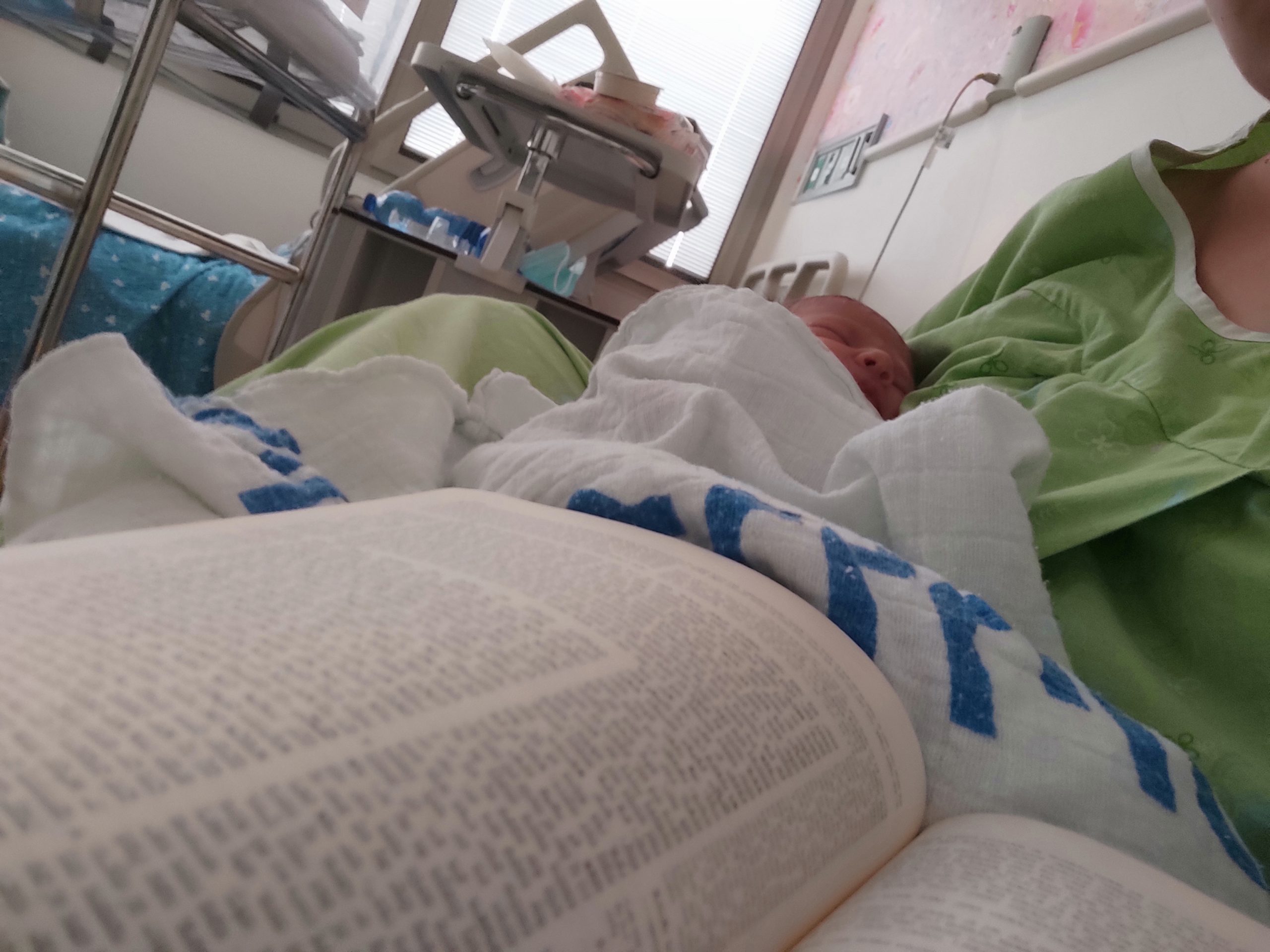
בתחילת הסבב הנוכחי הצטברו אצלי תחושות שאני לא מבינה מספיק מהי ההלכה אותה אני מקיימת בכל יום. כמו כן, כאמא לבנות רציתי לתת להן מודל נשי של לימוד תורה
שתי הסיבות האלו הובילו אותי להתחיל ללמוד. נתקלתי בתגובות מפרגנות וסקרניות איך אישה לומדת גמרא..
כמו שרואים בתמונה אני ממשיכה ללמוד גם היום ואפילו במחלקת יולדות אחרי לידת ביתי השלישית.

Noa Shiloh
נועה שילה

רבבה, ישראל

"
גם אני התחלתי בסבב הנוכחי וב””ה הצלחתי לסיים את רוב המסכתות . בזכות הרבנית מישל משתדלת לפתוח את היום בשיעור הזום בשעה 6:20 .הלימוד הפך להיות חלק משמעותי בחיי ויש ימים בהם אני מצליחה לחזור על הדף עם מלמדים נוספים ששיעוריהם נמצאים במרשתת. שמחה להיות חלק מקהילת לומדות ברחבי העולם. ובמיוחד לשמש דוגמה לנכדותיי שאי””ה יגדלו לדור שלימוד תורה לנשים יהיה משהו שבשגרה. "

Ronit Shavit
רונית שביט

נתניה, ישראל

התחלתי ללמוד לפני כשנתיים בשאיפה לסיים לראשונה מסכת אחת במהלך חופשת הלידה.
אחרי מסכת אחת כבר היה קשה להפסיק…

Noa Gallant
נעה גלנט

ירוחם, ישראל

התחלתי מחוג במסכת קידושין שהעבירה הרבנית רייסנר במסגרת בית המדרש כלנה בגבעת שמואל; לאחר מכן התחיל סבב הדף היומי אז הצטרפתי. לסביבה לקח זמן לעכל אבל היום כולם תומכים ומשתתפים איתי. הלימוד לעתים מעניין ומעשיר ולעתים קשה ואף הזוי… אך אני ממשיכה קדימה. הוא משפיע על היומיום שלי קודם כל במרדף אחרי הדף, וגם במושגים הרבים שלמדתי ובידע שהועשרתי בו, חלקו ממש מעשי

Abigail Chrissy
אביגיל כריסי

ראש העין, ישראל

אחרי שראיתי את הסיום הנשי של הדף היומי בבנייני האומה זה ריגש אותי ועורר בי את הרצון להצטרף. לא למדתי גמרא קודם לכן בכלל, אז הכל היה לי חדש, ולכן אני לומדת בעיקר מהשיעורים פה בהדרן, בשוטנשטיין או בחוברות ושיננתם.

Rebecca Schloss
רבקה שלוס

בית שמש, ישראל

בתחילת הסבב הנוכחי של לימוד הדף היומי, נחשפתי לחגיגות המרגשות באירועי הסיום ברחבי העולם. והבטחתי לעצמי שבקרוב אצטרף גם למעגל הלומדות. הסבב התחיל כאשר הייתי בתחילת דרכי בתוכנית קרן אריאל להכשרת יועצות הלכה של נשמ”ת. לא הצלחתי להוסיף את ההתחייבות לדף היומי על הלימוד האינטנסיבי של תוכנית היועצות. בבוקר למחרת המבחן הסופי בנשמ”ת, התחלתי את לימוד הדף במסכת סוכה ומאז לא הפסקתי.

Hana Shaham-Rozby (Dr.)
חנה שחם-רוזבי (ד”ר)

קרית גת, ישראל

"התחלתי ללמוד דף יומי במחזור הזה, בח’ בטבת תש””ף. לקחתי על עצמי את הלימוד כדי ליצור תחום של התמדה יומיומית בחיים, והצטרפתי לקבוצת הלומדים בבית הכנסת בכפר אדומים. המשפחה והסביבה מתפעלים ותומכים.
בלימוד שלי אני מתפעלת בעיקר מכך שכדי ללמוד גמרא יש לדעת ולהכיר את כל הגמרא. זו מעין צבת בצבת עשויה שהיא עצומה בהיקפה.”

Sarah Fox
שרה פוּקס

כפר אדומים, ישראל

התחלתי ללמוד בשנת המדרשה במגדל עוז, בינתיים נהנית מאוד מהלימוד ומהגמרא, מעניין ומשמח מאוד!
משתדלת להצליח לעקוב כל יום, לפעמים משלימה קצת בהמשך השבוע.. מרגישה שיש עוגן מקובע ביום שלי והוא משמח מאוד!

Uriah Kesner
אוריה קסנר

חיפה , ישראל

הצטרפתי ללומדות בתחילת מסכת תענית. ההתרגשות שלי ושל המשפחה היתה גדולה מאוד, והיא הולכת וגוברת עם כל סיום שאני זוכה לו. במשך שנים רבות רציתי להצטרף ומשום מה זה לא קרה… ב”ה מצאתי לפני מספר חודשים פרסום של הדרן, ומיד הצטרפתי והתאהבתי. הדף היומי שינה את חיי ממש והפך כל יום- ליום של תורה. מודה לכן מקרב ליבי ומאחלת לכולנו לימוד פורה מתוך אהבת התורה ולומדיה.

Noa Rosen
נעה רוזן

חיספין רמת הגולן, ישראל

התחלתי ללמוד דף יומי באמצע תקופת הקורונה, שאבא שלי סיפר לי על קבוצה של בנות שתיפתח ביישוב שלנו ותלמד דף יומי כל יום. הרבה זמן רציתי להצטרף לזה וזאת הייתה ההזדמנות בשבילי. הצטרפתי במסכת שקלים ובאמצע הייתה הפסקה קצרה. כיום אני כבר לומדת באולפנה ולומדת דף יומי לבד מתוך גמרא של טיינזלץ.

Saturdays in Raleigh
שבות בראלי

עתניאל, ישראל

התחלתי ללמוד לפני 4.5 שנים, כשהודיה חברה שלי פתחה קבוצת ווטסאפ ללימוד דף יומי בתחילת מסכת סנהדרין. מאז לימוד הדף נכנס לתוך היום-יום שלי והפך לאחד ממגדירי הזהות שלי ממש.

Rosenberg Foundation
קרן רוזנברג

ירושלים, ישראל

אני לומדת גמרא כעשור במסגרות שונות, ואת הדף היומי התחלתי כשחברה הציעה שאצטרף אליה לסיום בבנייני האומה. מאז אני לומדת עם פודקסט הדרן, משתדלת באופן יומי אך אם לא מספיקה, מדביקה פערים עד ערב שבת. בסבב הזה הלימוד הוא "ממעוף הציפור”, מקשיבה במהירות מוגברת תוך כדי פעילויות כמו בישול או נהיגה, וכך רוכשת היכרות עם הסוגיות ואופן ניתוחם על ידי חז”ל. בע”ה בסבב הבא, ואולי לפני, אצלול לתוכו באופן מעמיק יותר.

Yael Bir
יעל ביר

רמת גן, ישראל

התחלתי מעט לפני תחילת הסבב הנוכחי. אני נהנית מהאתגר של להמשיך להתמיד, מרגעים של "אהה, מפה זה הגיע!” ומהאתגר האינטלקטואלי

Eilat-Chen and Deller
אילת-חן ודלר

לוד, ישראל

אמא שלי למדה איתי ש”ס משנה, והתחילה ללמוד דף יומי. אני החלטתי שאני רוצה ללמוד גם. בהתחלה למדתי איתה, אח”כ הצטרפתי ללימוד דף יומי שהרב דני וינט מעביר לנוער בנים בעתניאל. במסכת עירובין עוד חברה הצטרפה אלי וכשהתחלנו פסחים הרב דני פתח לנו שעור דף יומי לבנות. מאז אנחנו לומדות איתו קבוע כל יום את הדף היומי (ובשבת אבא שלי מחליף אותו). אני נהנית מהלימוד, הוא מאתגר ומעניין

Renana Hellman
רננה הלמן

עתניאל, ישראל

שמעתי על הסיום הענק של הדף היומי ע”י נשים בבנייני האומה. רציתי גם.
החלטתי להצטרף. התחלתי ושיכנעתי את בעלי ועוד שתי חברות להצטרף. עכשיו יש לי לימוד משותף איתו בשבת ומפגש חודשי איתן בנושא (והתכתבויות תדירות על דברים מיוחדים שקראנו). הצטרפנו לקבוצות שונות בווטסאפ. אנחנו ממש נהנות. אני שומעת את השיעור מידי יום (בד”כ מהרב יוני גוטמן) וקוראת ומצטרפת לסיומים של הדרן. גם מקפידה על דף משלהן (ונהנית מאד).

Liat Citron
ליאת סיטרון

אפרת, ישראל

רבנית מישל הציתה אש התלמוד בלבבות בביניני האומה ואני נדלקתי. היא פתחה פתח ותמכה במתחילות כמוני ואפשרה לנו להתקדם בצעדים נכונים וטובים. הקימה מערך שלם שמסובב את הלומדות בסביבה תומכת וכך נכנסתי למסלול לימוד מעשיר שאין כמוה. הדרן יצר קהילה גדולה וחזקה שמאפשרת התקדמות מכל נקודת מוצא. יש דיבוק לומדות שמחזק את ההתמדה של כולנו. כל פניה ושאלה נענית בזריזות ויסודיות. תודה גם למגי על כל העזרה.

Sarah Aber
שרה אבר

נתניה, ישראל

התחלתי ללמוד לפני כשנתיים בשאיפה לסיים לראשונה מסכת אחת במהלך חופשת הלידה.
אחרי מסכת אחת כבר היה קשה להפסיק…

Noa Gallant
נעה גלנט

ירוחם, ישראל

התחלתי ללמוד בסבב הנוכחי לפני כשנתיים .הסביבה מתפעלת ותומכת מאוד. אני משתדלת ללמוד מכל ההסכתים הנוספים שיש באתר הדרן. אני עורכת כל סיום מסכת שיעור בביתי לכ20 נשים שמחכות בקוצר רוח למפגשים האלו.

Yael Asher
יעל אשר

יהוד, ישראל

לפני 15 שנה, אחרי עשרות שנים של "ג’ינגול” בין משפחה לקריירה תובענית בהייטק, הצטרפתי לשיעורי גמרא במתן רעננה. הלימוד המעמיק והייחודי של הרבנית אושרה קורן יחד עם קבוצת הנשים המגוונת הייתה חוויה מאלפת ומעשירה. לפני כשמונה שנים כאשר מחזור הדף היומי הגיע למסכת תענית הצטרפתי כ”חברותא” לבעלי. זו השעה היומית שלנו ביחד כאשר דפי הגמרא משתלבים בחיי היום יום, משפיעים ומושפעים, וכשלא מספיקים תמיד משלימים בשבת

Yodi Askoff
יודי אסקוף

רעננה, ישראל

סיום השס לנשים נתן לי מוטביציה להתחיל ללמוד דף יומי. עד אז למדתי גמרא בשבתות ועשיתי כמה סיומים. אבל לימוד יומיומי זה שונה לגמרי ופתאום כל דבר שקורה בחיים מתקשר לדף היומי.

Fogel Foundation
קרן פוגל

רתמים, ישראל

עירובין עד

עַד שֶׁיְּהוּ בָּתִּים וַחֲצֵירוֹת פְּתוּחִין לְתוֹכוֹ. וּשְׁמוּאֵל אָמַר: אֲפִילּוּ בַּיִת אֶחָד וְחָצֵר אַחַת. וְרַבִּי יוֹחָנָן אָמַר: אֲפִילּוּ חוּרְבָּה.

unless there are houses and courtyards opening into it. This formulation implies that there must be at least two courtyards, each of which contains at least two houses. In the absence of these conditions, however, it is not considered an alleyway that can be permitted by means of a side post or a cross beam. And Shmuel said: Even one house without a courtyard and one courtyard with just one house is enough. And Rabbi Yoḥanan said: Even a ruin and a courtyard with a house suffice for a side post or a cross beam to render carrying in an alleyway permitted.

אֲמַר לֵיהּ אַבָּיֵי לְרַב יוֹסֵף: אָמַר רַבִּי יוֹחָנָן אֲפִילּוּ בִּשְׁבִיל שֶׁל כְּרָמִים? אֲמַר לֵיהּ: לָא אָמַר רַבִּי יוֹחָנָן אֶלָּא בְּחוּרְבָּה, דַּחֲזֵי לְדִירָה. אֲבָל שְׁבִיל שֶׁל כְּרָמִים, דְּלָא חֲזֵי לְדִירָה — לָא.

Abaye said to Rav Yosef: Did Rabbi Yoḥanan say that even a vineyard path and a courtyard with a house suffice to allow a side post or a cross beam to render carrying in the alleyway permitted? He said to him: Rabbi Yoḥanan said his ruling only in the case of a ruin, which is fit to serve as a residence. However, a vineyard path, which is not fit to serve as a residence, is not sufficient.

אָמַר רַב הוּנָא בַּר חִינָּנָא: וְאַזְדָּא רַבִּי יוֹחָנָן לְטַעְמֵיהּ, דִּתְנַן (אָמַר רַבִּי שִׁמְעוֹן): אֶחָד גַּגּוֹת וְאֶחָד קַרְפֵּיפוֹת וְאֶחָד חֲצֵרוֹת — רְשׁוּת אַחַת הֵן לְכֵלִים שֶׁשָּׁבְתוּ לְתוֹכָן, וְלֹא לְכֵלִים שֶׁשָּׁבְתוּ בְּתוֹךְ הַבַּיִת.

Rav Huna bar Ḥinnana said: And Rabbi Yoḥanan followed his regular line of reasoning in this regard, as we learned in a mishna that Rabbi Shimon said: Roofs, enclosures, and courtyards are all considered one domain with regard to vessels that rested inside them at the beginning of Shabbat. Therefore, it is permitted to carry vessels that were in one of these areas at the beginning of Shabbat to any of the other areas. However, they are not considered the same domain with regard to vessels that rested inside the house at the beginning of Shabbat. If the homeowners did not join the courtyard by means of an eiruv, it is prohibited to carry vessels from their houses to the roof, enclosure, or courtyard.

וְאָמַר רַב: הֲלָכָה כְּרַבִּי שִׁמְעוֹן, וְהוּא שֶׁלֹּא עֵירְבוּ. אֲבָל עֵירְבוּ, גָּזְרִינַן דִּילְמָא אָתֵי לְאַפּוֹקֵי מָאנֵי דְבָתִּים לְחָצֵר.

And Rav said: The halakha is in accordance with the opinion of Rabbi Shimon. And this is only in a case where the residents of the courtyards did not establish an eiruv for each courtyard, so that they may only carry the vessels left in the courtyards, but they may not take out vessels from their houses into their courtyards. However, if they established an eiruv for each courtyard, we decree against carrying even vessels that were in the courtyard when Shabbat began, lest they come to take out objects from their houses to the courtyard. This would lead to the mistake of carrying those objects from one courtyard to another, which is prohibited.

וּשְׁמוּאֵל אָמַר: בֵּין עֵירְבוּ וּבֵין לֹא עֵירְבוּ. וְכֵן אָמַר רַבִּי יוֹחָנָן: הֲלָכָה כְּרַבִּי שִׁמְעוֹן, בֵּין עֵירְבוּ וּבֵין לֹא עֵירְבוּ. אַלְמָא: לָא גָּזְרִינַן דִּילְמָא אָתֵי לְאַפּוֹקֵי מָאנֵי דְבָתִּים לְחָצֵר, הָכָא נָמֵי לָא גָּזְרִינַן דִּילְמָא אָתֵי לְאַפּוֹקֵי מָאנֵי דְחָצֵר לְחוּרְבָּה.

And Shmuel said: The halakha is in accordance with the opinion of Rabbi Shimon, whether the residents of the courtyards established an eiruv for each courtyard or whether they did not establish an eiruv for each courtyard. And so too, Rabbi Yoḥanan said: The halakha is in accordance with the opinion of Rabbi Shimon, whether they established an eiruv for each courtyard or whether they did not establish an eiruv for each courtyard. Apparently, Rabbi Yoḥanan maintains that we do not decree against carrying vessels that began Shabbat in the courtyard lest they come to take out objects from their houses to the courtyard. Here too, with regard to an alleyway that contains a ruin, we do not decree against carrying in the alleyway lest they come to take out objects from the courtyard to the ruin by carrying it through the alleyway. Although the ruin is not included in the eiruv, as it has no residents, and one may not carry objects into it, Rabbi Yoḥanan is not concerned that one might come to carry in this prohibited manner.

יָתֵיב רַב בְּרוֹנָא וְקָאָמַר לְהָא שְׁמַעְתָּא. אֲמַר לֵיהּ רַבִּי אֶלְעָזָר בַּר בֵּי רַב: אָמַר שְׁמוּאֵל הָכִי?! אֲמַר לֵיהּ: אִין, אֲמַר לֵיהּ: אַחְוִי לִי אוּשְׁפִּיזֵיהּ, אַחְוִי לֵיהּ. אֲתָא לְקַמֵּיהּ דִּשְׁמוּאֵל, אֲמַר לֵיהּ: אֲמַר מָר הָכִי? אֲמַר לֵיהּ: אִין.

Rav Beruna sat and recited this halakha stated by Shmuel, that an alleyway containing one house and one courtyard can be rendered permitted for carrying by means of a side post or a cross beam. Rabbi Elazar, a student of a Torah academy, said to him: Did Shmuel really say this? Rav Beruna said to him: Yes, he did. He said to him: Show me his lodging and I will go and ask him myself, and he showed him. Rabbi Elazar came before Shmuel and said to him: Did the Master actually say this? Shmuel said to him: Yes, I did.

וְהָא מָר הוּא דְּאָמַר: אֵין לָנוּ בְּעֵירוּבִין אֶלָּא כִּלְשׁוֹן מִשְׁנָתֵינוּ, שֶׁהַמָּבוֹי לַחֲצֵירוֹת כֶּחָצֵר לַבָּתִּים. אִישְׁתִּיק.

Rabbi Elazar raised the following objection: Wasn’t it the Master himself who said concerning a different issue: With regard to the halakhot of eiruv, we have only the wording of our mishna. The mishna states that an alleyway is to its courtyards like a courtyard is to its houses, which indicates that an alleyway must have at least two courtyards in order to be considered an alleyway and be rendered permitted for carrying through a side post or cross beam. Shmuel was silent and did not answer him.

קַבְּלַהּ מִינֵּיהּ, אוֹ לָא קַבְּלַהּ מִינֵּיהּ? תָּא שְׁמַע, דְּהָהוּא מְבוֹאָה דַּהֲוָה דָּיַיר בֵּיהּ אַיְבוּת בַּר אִיהִי, עֲבַד לֵיהּ לִחְיָיא, וּשְׁרָא לֵיהּ שְׁמוּאֵל,

The Gemara asks: Did Shmuel’s silence indicate that he accepted Rabbi Elazar’s objection and retracted his statement, or did he not accept it from him? The Gemara attempts to bring a proof from the following incident. Come and hear: There was a certain alleyway that Ivut bar Ihi lived in, which contained only one house and one courtyard. He erected a side post for it, and Shmuel permitted him to carry in it.

אֲתָא רַב עָנָן שַׁדְיֵהּ. אָמַר: מְבוֹאָה דְּדָיַירְנָא בֵּיהּ וְאָתֵינָא מִשְּׁמֵיהּ דְּמָר שְׁמוּאֵל, נֵיתֵי רַב עָנָן בַּר רַב נִישְׁדְּיֵיהּ מִן?! שְׁמַע מִינַּהּ לָא קַיבְּלַהּ מִינֵּיהּ.

Following Shmuel’s death, Rav Anan came and threw the side post down, thus indicating to Ivut bar Ihi that it is prohibited to carry in the alleyway, as a side post is effective only for an alleyway that has at least two courtyards containing at least two houses each. Ivut bar Ihi said with resentment: The alleyway in which I have been living and walking based on a ruling in the name of Master Shmuel, shall Rav Anan bar Rav come now and throw its side post away from me? The Gemara comments: Learn from the fact that this side post remained intact throughout Shmuel’s lifetime that he did not accept Rabbi Elazar’s objection.

לְעוֹלָם אֵימָא לָךְ קַיבְּלַהּ מִינֵּהּ, וְהָכָא חַזָּנָא הוּא דַּהֲוָה אָכֵיל נַהֲמָא בְּבֵיתֵיהּ וְאָתֵי בָּיֵית בְּבֵי כְנִישְׁתָּא.

The Gemara rejects this proof. Actually, you can say that Shmuel accepted Rabbi Elazar’s objection and retracted his opinion, and here there was a synagogue attendant [ḥazzana] who would eat bread in his own house that was located elsewhere, but would come and sleep in the synagogue, which was open to the alleyway.

וְאַיְבוּת בַּר אִיהִי סָבַר: מְקוֹם פִּיתָּא גָּרֵים. וּשְׁמוּאֵל לְטַעְמֵיהּ דְּאָמַר: מָקוֹם לִינָה גָּרֵים.

And Ivut bar Ihi holds that the place where a person eats his bread determines his place of residence. Therefore, he did not consider the synagogue a residence, as the attendant would eat elsewhere, and Ivut bar Ihi thought that Shmuel had permitted him to set up a side post for his alleyway even though he lived there by himself. In fact, however, this was not the case, as Shmuel followed his regular line of reasoning, as he said: The place where a person sleeps determines his place of residence. Since the attendant would sleep in the synagogue, it was considered a residence. Consequently, the alleyway contained two houses and courtyards, and could be made permitted for carrying by means of a side post or a cross beam.

אָמַר רַב יְהוּדָה אָמַר רַב: מָבוֹי שֶׁצִּידּוֹ אֶחָד גּוֹי וְצִידּוֹ אֶחָד יִשְׂרָאֵל — אֵין מְעָרְבִין אוֹתוֹ דֶּרֶךְ חַלּוֹנוֹת לְהַתִּירוֹ דֶּרֶךְ פְּתָחִים לַמָּבוֹי.

Rav Yehuda said that Rav said: With regard to an alleyway, one side of which was occupied by a gentile and one side of which was occupied by a Jew, and the house of the Jew was connected to the houses of other Jews via windows but not via doors, and those other houses open directly into the public domain, the residents of the houses on the side of the alleyway where the Jews live may not establish an eiruv through the windows in order to render it permitted for the residents of the other houses to carry through the doors of the house leading to the alleyway.

אֲמַר לֵיהּ אַבָּיֵי לְרַב יוֹסֵף: אָמַר רַב אֲפִילּוּ בְּחָצֵר? אֲמַר לֵיהּ: אִין, דְּאִי לָא אָמַר מַאי?

Abaye said to Rav Yosef: Did Rav say this even with regard to a courtyard, one side of which was occupied by a gentile and the other side of which was occupied by a Jew whose house was connected through windows to the houses of other Jews? He said to him: Yes, as even if he did not say so, what would be the difference? It is the exact same principle.

הֲוָה אָמֵינָא טַעְמָא דְּרַב מִשּׁוּם דְּקָסָבַר: אֵין מָבוֹי נִיתָּר בְּלֶחִי וְקוֹרָה עַד שֶׁיְּהוּ בָּתִּים וַחֲצֵירוֹת פְּתוּחִין לְתוֹכוֹ.

Abaye responded: I would have said that the rationale for the opinion of Rav is because he holds that an alleyway cannot be rendered permitted for carrying within it with a side post and a cross beam unless there are houses and courtyards opening into it.

וְתַרְתֵּי לְמָה לִי! צְרִיכָא, דְּאִי מֵהַהִיא —

Rav Yosef said: If that were the reason, why would I need two rulings regarding the same issue? Rav already stated that an alleyway can be rendered permitted for carrying within it only if it has houses and courtyards opening into it. Abaye explained that both rulings are necessary. As, if Rav had taught this halakha only from that general ruling,

רוצה לעקוב אחרי התכנים ולהמשיך ללמוד?

ביצירת חשבון עוד היום ניתן לעקוב אחרי ההתקדמות שלך, לסמן מה למדת, ולעקוב אחרי השיעורים שמעניינים אותך.

לנקות את כל הפריטים מהרשימה?

פעולה זו תסיר את כל הפריטים בחלק זה כולל ההתקדמות וההיסטוריה. שימי לב: לא ניתן לשחזר פעולה זו.

ביטול
מחיקה

האם את/ה בטוח/ה שברצונך למחוק פריט זה?

תאבד/י את כל ההתקדמות או ההיסטוריה הקשורות לפריט זה.

ביטול
מחיקה