








במבוי עקום בנהרדע פסקו כפי החומרה של רב שקובע שזה מבוי מפולש והחומרה של שמואל שצריך דלת מכאן ולחי או קורה מכאן. האם אפשר ללכת כפי החומרה של שתי דעות שונות? הרי בעניין בית שמאי ובית הלל נאמר שאי אפשר ללכת כפי החומרות של שניהם!? הגמרא מביאה שני תירוצים. גם שואלים בכלל על הברייתא של בית שמאי ובית הלל – אם פוסקים הלכה כבית הלל, איך אפשר לעשות כבית שמאי אם רוצים? רב יוסף הביא שתי הלכות – בעניין קביעת מבוי כמפולש או לא- בשם רב יהודה – אחד בשם רב והשני לא בשם אף אחד. הגמרא מנסה לברר האם השני (כשמבוי פתוח לרחבה והרחבה פרוצה לרשות הרבים) – האם נאמר על ידי רב או שמואל?
רוצה להקדיש לימוד?
עירובין ז
וְרַבִּי יְהוֹשֻׁעַ הִיא דְּלָא מַשְׁגַּח בְּבַת קוֹל.
and the latter statement is in accordance with the opinion of Rabbi Yehoshua, who does not pay attention to a Divine Voice that attempts to intervene in matters of halakha, for according to him, the dispute between Beit Shammai and Beit Hillel has not yet been decided.
וְאִיבָּעֵית אֵימָא, הָכִי קָאָמַר: כׇּל הֵיכָא דְּמַשְׁכַּחַתְּ תְּרֵי תַּנָּאֵי וּתְרֵי אָמוֹרָאֵי דִּפְלִיגִי אַהֲדָדֵי כְּעֵין מַחֲלוֹקֶת בֵּית שַׁמַּאי וּבֵית הִלֵּל — לָא לֶיעְבַּד כִּי קוּלֵּיהּ דְּמָר וְכִי קוּלֵּיהּ דְּמָר, וְלָא כְּחוּמְרֵיהּ דְּמָר וְכִי חוּמְרֵיהּ דְּמָר. אֶלָּא, אוֹ כִּי קוּלֵּיהּ דְּמָר וּכְחוּמְרֵיהּ עָבֵיד, אוֹ כְּקוּלֵּיהּ דְּמָר וּכְחוּמְרֵיהּ עָבֵיד.
The Gemara suggests yet another resolution: And if you wish, say instead that this is what the baraita is saying: Wherever you find two tanna’im or two amora’im who disagree with each other in the manner of the disputes between Beit Shammai and Beit Hillel, one should not act either in accordance with the leniency of the one Master and in accordance with the leniency of the other Master, nor should one act in accordance with the stringency of the one Master and in accordance with the stringency of the other Master. Rather, one should act either in accordance with both the leniencies and the stringencies of the one Master, or in accordance with both the leniencies and the stringencies of the other Master.
מִכׇּל מָקוֹם קַשְׁיָא!
All of this is suggested to explain the wording of the baraita. In any case, it is difficult to explain the law with regard to the alleyway in Neharde’a, concerning which they simultaneously adopted the stringencies of both Rav and Shmuel.
אָמַר רַב נַחְמָן בַּר יִצְחָק: כּוּלֵּיהּ כְּרַב עַבְדוּהּ. דְּאָמַר רַב הוּנָא אָמַר רַב: הֲלָכָה וְאֵין מוֹרִין כֵּן.
Rav Naḥman bar Yitzḥak said: In fact, they acted entirely in accordance with the opinion of Rav, and the reason that they required doors and did not rely on the opening in the form of a doorway alone is due to that which Rav Huna said that Rav said: This is the halakha; however, a public ruling is not issued to that effect ab initio. Although Rav maintains that an opening in the form of a doorway is sufficient in an open alleyway, a public ruling is not issued to that effect; rather, the ruling is stringent, in accordance with Ḥananya’s position, and requires doors.
וּלְרַב אַדָּא בַּר אַהֲבָה אָמַר רַב, דְּאָמַר: הֲלָכָה וּמוֹרִין כֵּן, מַאי אִיכָּא לְמֵימַר?
The Gemara asks: And according to the statement of Rav Adda bar Ahava that Rav said, as Rav Adda bar Ahava said that Rav said with regard to the same issue: This is the halakha and a public ruling is issued to that effect, what can be said? Why did the residents of Neharde’a adopt the stringencies of the two authorities?
אָמַר רַב שֵׁיזְבִי: כִּי לָא עָבְדִינַן כְּחוּמְרֵי דְּבֵי תְרֵי — הֵיכָא דְּסָתְרִי אַהֲדָדֵי.
Rav Sheizvi said: The principle of dictating when we do not act in accordance with the stringencies of two authorities applies only in a case where the two stringencies contradict one another. In these types of cases, following both stringencies would result in an internal contradiction.
כְּגוֹן שִׁדְרָה וְגוּלְגּוֹלֶת. דִּתְנַן: הַשִּׁדְרָה וְהַגּוּלְגּוֹלֶת שֶׁחָסְרוּ — וְכַמָּה חֶסְרוֹן? בַּשִּׁדְרָה, בֵּית שַׁמַּאי אוֹמְרִים: שְׁתֵּי חוּלְיוֹת, וּבֵית הִלֵּל אוֹמְרִים: חוּלְיָא אַחַת. וּבַגּוּלְגּוֹלֶת, בֵּית שַׁמַּאי אוֹמְרִים: כִּמְלֹא מַקְדֵּחַ, וּבֵית הִלֵּל אוֹמְרִים: כְּדֵי שֶׁיִּנָּטֵל מִן הַחַי וְיָמוּת.
The Gemara illustrates this principle with an example from the laws governing the spine and skull. As we learned in a mishna: The spine and the skull of a corpse that are incomplete do not impart ritual impurity via a tent as a corpse would; rather, they impart impurity only through contact or if they are carried as individual bones. This basic law was unanimously accepted, but the details were the subject of dispute: How much is considered a deficiency in the spine for this purpose? Beit Shammai say: If it is missing two vertebrae, and Beit Hillel say: Even if it is missing only one vertebra. And similarly, they argued over the deficiency in the skull: Beit Shammai say: It must be missing piece the size of a drill hole, and Beit Hillel say: It must be missing an amount that, when removed from a living person, would cause him to die, which is a larger amount.
וְאָמַר רַב יְהוּדָה אָמַר שְׁמוּאֵל: וְכֵן לְעִנְיַן טְרֵיפָה.
And Rav Yehuda said that Shmuel said: Beit Shammai and Beit Hillel argued likewise with respect to a tereifa, a kosher animal suffering from a wound or illness that will cause it to die within twelve months, and which is prohibited to be eaten even after the required ritual slaughter. Beit Shammai say that an animal is regarded as a tereifa if it is missing two vertebrae, while Beit Hillel hold that it is a tereifa if it lacks even one. In such a situation, a person must not be stringent with regard to the halakhot of tereifa in accordance with the view of Beit Hillel, and at the same time be stringent with regard to the halakhot of ritual impurity of a corpse in accordance with the view of Beit Shammai, for the two disputes relate to the same issue, and one must not act in accordance with two contradictory opinions.
אֲבָל הֵיכָא דְּלָא סָתְרִי אַהֲדָדֵי עָבְדִינַן.
Rav Sheizvi continues: However, in a case where the two stringencies do not contradict one another, we may indeed act in accordance with the stringencies of two authorities. Therefore, the stringencies adopted in the case of the alleyway in Neharde’a were legitimate, for the two stringencies related to two separate issues: Rav’s stringency was that an L-shaped alleyway is regarded like an open alleyway, and Shmuel’s stringency was that an open alleyway requires a door.
וְהֵיכָא דְּסָתְרִי אַהֲדָדֵי לָא עָבְדִינַן?! מֵתִיב רַב מְשַׁרְשְׁיָא: מַעֲשֶׂה בְּרַבִּי עֲקִיבָא שֶׁלִּיקֵּט אֶתְרוֹג בְּאֶחָד בִּשְׁבָט, וְנָהַג בּוֹ שְׁנֵי עִישּׂוּרִין: אֶחָד כְּדִבְרֵי בֵּית שַׁמַּאי, וְאֶחָד כְּדִבְרֵי בֵּית הִלֵּל?!
The Gemara challenges Rav Sheizvi’s assertion: Is it true that we do not act in accordance with the stringencies of two authorities in a case where the two stringencies contradict one another? Rav Mesharshiya raised an objection from a baraita: There was an incident involving Rabbi Akiva, who gathered the fruit of a citron tree on the first of the month of Shevat and applied the laws of two tithes to it. After teruma and the first tithe have been separated, an additional tithe is separated from what is left. During the first, second, fourth, and fifth years of the Sabbatical cycle, second tithe is set aside to be taken to Jerusalem and eaten there by its owner, while during the third and sixth years, poor man’s tithe is set aside to be distributed to the needy. When tithing the fruit picked on the first of Shevat, Rabbi Akiva set aside both additional tithes, second tithe and poor man’s tithe: He set aside one in accordance with the statement of Beit Shammai, who say that the new year for trees begins on the first of Shevat, and as that day belongs to the new year, a tithe must be set aside in accordance with the law of that year; and he set aside one in accordance with the statement of Beit Hillel, that the new year for trees is the fifteenth of Shevat, and any fruit picked prior to that date must be tithed in accordance with the law of the previous year. Apparently, Rabbi Akiva adopted for himself two contradictory stringencies.
רַבִּי עֲקִיבָא גְּמָרֵיהּ אִיסְתַּפֵּיק לֵיהּ, וְלָא יְדַע אִי בֵּית הִלֵּל בְּחַד בִּשְׁבָט אֲמוּר, אִי בַּחֲמֵיסַר בִּשְׁבָט אֲמוּר, וַעֲבַד הָכָא לְחוּמְרָא וְהָכָא לְחוּמְרָא.
The Gemara answers: Rabbi Akiva did not act in this way in order to be stringent in accordance with both opinions, but because he was in doubt with regard to his tradition and did not know whether Beit Hillel said the New Year for trees falls on the first of Shevat or on the fifteenth of Shevat, and therefore he acted stringently here and stringently there.
יָתֵיב רַב יוֹסֵף קַמֵּיהּ דְּרַב הוּנָא, וְיָתֵיב וְקָאָמַר, אָמַר רַב יְהוּדָה אָמַר רַב: מַחֲלוֹקֶת בִּסְרַטְיָא מִכָּאן וּסְרַטְיָא מִכָּאן, וּפְלַטְיָא מִכָּאן וּפְלַטְיָא מִכָּאן.
The Gemara resumes its discussion of alleyways that are open on two opposite sides. Rav Yosef sat before Rav Huna, and he sat and said: Rav Yehuda said that Rav said: The dispute between the anonymous first tanna of the baraita and Ḥananya refers to a case where there is a main street [seratya] from here, on one side of the alleyway, and a main street from here, on the other side. Alternatively, it refers to a case where there is a plaza [pelatya] from here, on one side of the alleyway, and a plaza from here, on the other side.
אֲבָל סְרַטְיָא מִכָּאן וּבִקְעָה מִכָּאן, אוֹ בִּקְעָה מִכָּאן וּבִקְעָה מִכָּאן — עוֹשֶׂה צוּרַת הַפֶּתַח מִכָּאן וְלֶחִי וְקוֹרָה מִכָּאן.
But if there is a main street from here, on one side, and a valley from here, on the other side, a valley being a karmelit, which is neither a public domain nor a private domain, in which carrying is prohibited on Shabbat by rabbinic decree, or if there is a valley from here, on one side, and a valley from here, on the other side, one constructs an opening in the form of a doorway from here, on one side of the alleyway, and places a side post or a cross beam from here, on the other side. One is thereby permitted to carry in the alleyway even according to the opinion of Ḥananya.
הַשְׁתָּא סְרַטְיָא מִכָּאן וּבִקְעָה מִכָּאן, עוֹשֶׂה לוֹ צוּרַת הַפֶּתַח מִכָּאן וְלֶחִי וְקוֹרָה מִכָּאן — בִּקְעָה מִכָּאן וּבִקְעָה מִכָּאן מִיבַּעְיָא?!
The Gemara raises a question about this ruling: Now, if you say that where there is a main street from here, on one side of the alleyway, and a valley from here, on the other side, it is sufficient to construct an opening in the form of a doorway from here, on one side, and a side post or a cross beam from here, on the other side, was it necessary to state that these are sufficient if there is a valley from here, on one side of the alleyway, and a valley from here, on the other side?
הָכִי קָאָמַר: סְרַטְיָא מִכָּאן וּבִקְעָה מִכָּאן — נַעֲשֶׂה כְּבִקְעָה מִכָּאן וּבִקְעָה מִכָּאן.
The Gemara answers: This is what he intended to say: If there is a main street from here, on one side, and a valley from here, on the other side, it is considered as if there were a valley from here, on one side, and a valley from here, on the other side.
וּמְסַיֵּים בַּהּ מִשְּׁמֵיהּ דְּרַב יְהוּדָה: אִם הָיָה מָבוֹי כָּלֶה לִרְחָבָה, אֵין צָרִיךְ כְּלוּם.
The Gemara continues: And when Rav Yosef reported this ruling, he concluded with a statement in the name of Rav Yehuda himself, without attributing it to one of Rav Yehuda’s teachers: If the alleyway terminated in a backyard, i.e., a closed-off area behind a group of houses, then even if there is a breach in the wall between the yard and the public domain beyond it, nothing is needed on this side of the alleyway, as it is considered closed.
אֲמַר לֵיהּ אַבָּיֵי לְרַב יוֹסֵף: הָא דְּרַב יְהוּדָה דִּשְׁמוּאֵל הִיא.
Abaye said to Rav Yosef: This ruling of Rav Yehuda is a ruling of his teacher Shmuel, and not of his other teacher, Rav.
דְּאִי דְּרַב — קַשְׁיָא דְּרַב אַדְּרַב בְּתַרְתֵּי: דְּאָמַר רַב יִרְמְיָה בַּר אַבָּא אָמַר רַב: מָבוֹי שֶׁנִּפְרַץ בִּמְלוֹאוֹ לֶחָצֵר, וְנִפְרְצָה חָצֵר כְּנֶגְדּוֹ — חָצֵר מוּתֶּרֶת וּמָבוֹי אָסוּר. וְאַמַּאי? לֶיהֱוֵי כְּמָבוֹי שֶׁכָּלֶה לִרְחָבָה!
For if it is a ruling of Rav, the apparent contradiction between one statement of Rav and another statement of Rav poses a difficulty in two ways. The first is with regard to the fact that this alleyway opens into the public domain on two opposite sides, and the second is based on that which Rav Yirmeya bar Abba said that Rav said: If an alleyway was breached along the entire length of its back wall into a courtyard, and likewise the courtyard was breached opposite it into the public domain, it is permitted to carry in the courtyard, and it is prohibited to carry in the alleyway, since this alleyway is now open on two opposite sides to the public domain. Why should this be the ruling? In this case, let it be like an alleyway that terminates in a backyard, where Rav Yehuda ruled that nothing further is needed to permit carrying.
אֲמַר לֵיהּ: אֲנָא לָא יָדַעְנָא, עוֹבָדָא הֲוָה בְּדוּרָא דְּרָעֲוָתָא מָבוֹי שֶׁכָּלֶה לִרְחָבָה הֲוָה, וַאֲתָא לְקַמֵּיהּ דְּרַב יְהוּדָה וְלָא אַצְרְכֵיהּ וְלָא מִידֵּי. וְאִי קַשְׁיָא מִשְּׁמֵיהּ דְּרַב — תֶּיהְוֵי מִשְּׁמֵיהּ דִּשְׁמוּאֵל, וְלָא קַשְׁיָא מִידֵּי.
Rav Yosef said to Abaye: I do not know in accordance with which of his teachers Rav Yehuda issued this ruling. All I know is that there was an incident in a shepherds’ village where an alleyway terminated in a backyard, and the matter came before Rav Yehuda for a ruling, and he did not require anything to render it permitted to carry in the alleyway. And if, as you say, it is difficult if we say that he issued his ruling in the name of Rav, let it be suggested that he issued it in the name of his other teacher, Shmuel, and then there will be no difficulty.
הַשְׁתָּא דַּאֲמַר לֵיהּ רַב שֵׁשֶׁת לְרַב שְׁמוּאֵל בַּר אַבָּא, וְאָמְרִי לֵיהּ לְרַב יוֹסֵף בַּר אַבָּא: אַסְבְּרָא לָךְ, כָּאן — שֶׁעֵירְבוּ, כָּאן — שֶׁלֹּא עֵירְבוּ.
The Gemara comments: Now that Rav Sheshet said to Rav Shmuel bar Abba, and some say that he said to Rav Yosef bar Abba: I will explain to you Rav’s statement with regard to an alleyway that was breached along the entire length of its back wall into a courtyard. One must make a distinction based on the nature of the case: Here it is referring to a case where the residents of the courtyard established an eiruv together. In that case, Rav permits carrying in the alleyway and is not concerned with the breach into the courtyard, as the courtyard and the alleyway are treated as a single domain. There it is referring to a case where the residents did not establish an eiruv together. In that case, Rav prohibits carrying in the alleyway, because the alleyway now has new residents, i.e., the residents of the courtyard, who did not participate in the eiruv, and they prevent the residents of the alleyway from carrying.
דְּרַב אַדְּרַב נָמֵי לָא קַשְׁיָא: כָּאן — שֶׁעֵירְבוּ בְּנֵי חָצֵר עִם בְּנֵי מָבוֹי, כָּאן — שֶׁלֹּא עֵירְבוּ.
Consequently, it can be said that Rav Yehuda’s statement with regard to an alleyway that terminates in a backyard is in accordance with the opinion of Rav, as the apparent contradiction between one statement of Rav and another statement of Rav also poses no difficulty. Here, where Rav Yehuda permits carrying in an alleyway that terminates in a backyard, he is referring to a case where the residents of the courtyard and the residents of the alleyway established a joint eiruv, whereas here, where Rav prohibits carrying in an alleyway that was breached along the entire length of its back wall into a courtyard, he is referring to a case where the residents of the courtyard and the residents of the alleyway did not establish a joint eiruv.
לעקוב 
חדשה בלימוד הגמרא?
זה הדף הראשון שלך? איזו התרגשות עצומה! יש לנו בדיוק את התכנים והכלים שיעזרו לך לעשות את הצעדים הראשונים ללמידה בקצב וברמה שלך, כך תוכלי להרגיש בנוח גם בתוך הסוגיות המורכבות ומאתגרות.
פסיפס הלומדות שלנו
גלי את קהילת הלומדות שלנו, מגוון נשים, רקעים וסיפורים. כולן חלק מתנועה ומסע מרגש ועוצמתי.
התחלתי להשתתף בשיעור נשים פעם בשבוע, תכננתי ללמוד רק דפים בודדים, לא האמנתי שאצליח יותר מכך.
לאט לאט נשאבתי פנימה לעולם הלימוד .משתדלת ללמוד כל בוקר ומתחילה את היום בתחושה של מלאות ומתוך התכווננות נכונה יותר.
הלימוד של הדף היומי ממלא אותי בתחושה של חיבור עמוק לעם היהודי ולכל הלומדים בעבר ובהווה.

נילי חיון
אפרת, ישראל
"התחלתי ללמוד דף יומי במחזור הזה, בח’ בטבת תש””ף. לקחתי על עצמי את הלימוד כדי ליצור תחום של התמדה יומיומית בחיים, והצטרפתי לקבוצת הלומדים בבית הכנסת בכפר אדומים. המשפחה והסביבה מתפעלים ותומכים.
בלימוד שלי אני מתפעלת בעיקר מכך שכדי ללמוד גמרא יש לדעת ולהכיר את כל הגמרא. זו מעין צבת בצבת עשויה שהיא עצומה בהיקפה.”

שרה פוּקס
כפר אדומים, ישראל
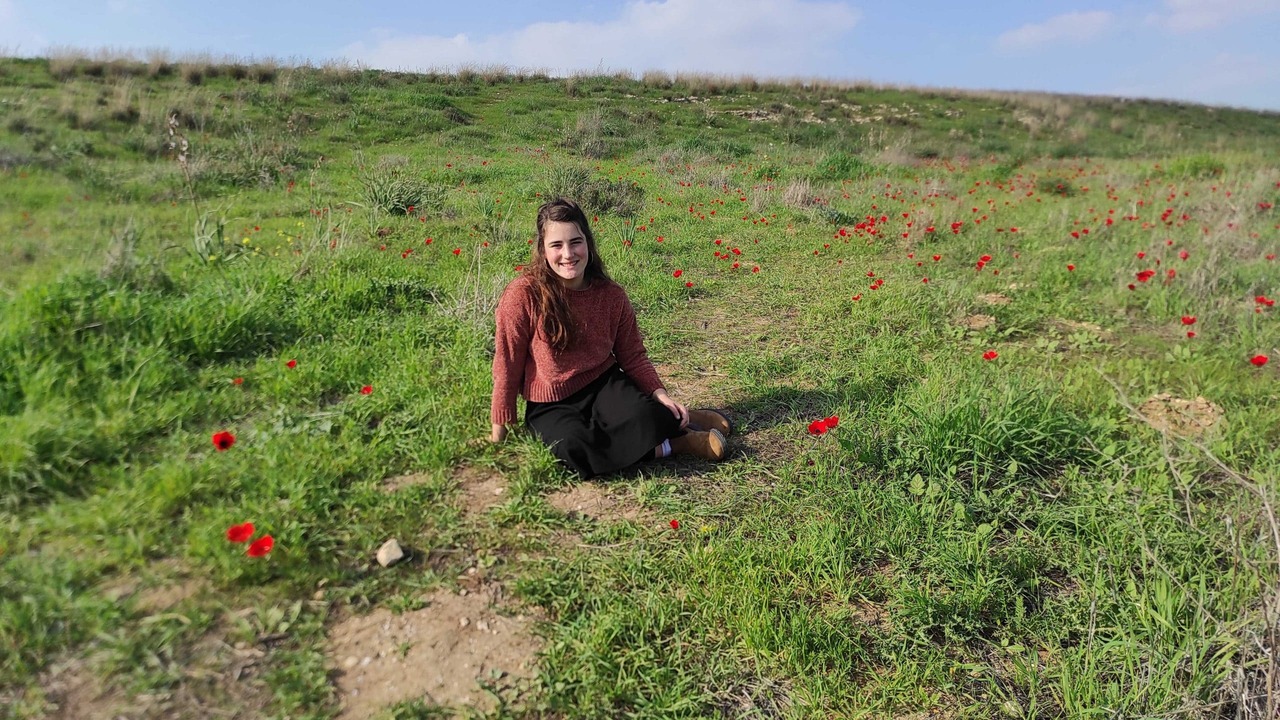
התחלתי ללמוד דף יומי באמצע תקופת הקורונה, שאבא שלי סיפר לי על קבוצה של בנות שתיפתח ביישוב שלנו ותלמד דף יומי כל יום. הרבה זמן רציתי להצטרף לזה וזאת הייתה ההזדמנות בשבילי. הצטרפתי במסכת שקלים ובאמצע הייתה הפסקה קצרה. כיום אני כבר לומדת באולפנה ולומדת דף יומי לבד מתוך גמרא של טיינזלץ.
שבות בראלי
עתניאל, ישראל
בתחילת הסבב הנוכחי הצטברו אצלי תחושות שאני לא מבינה מספיק מהי ההלכה אותה אני מקיימת בכל יום. כמו כן, כאמא לבנות רציתי לתת להן מודל נשי של לימוד תורה
שתי הסיבות האלו הובילו אותי להתחיל ללמוד. נתקלתי בתגובות מפרגנות וסקרניות איך אישה לומדת גמרא..
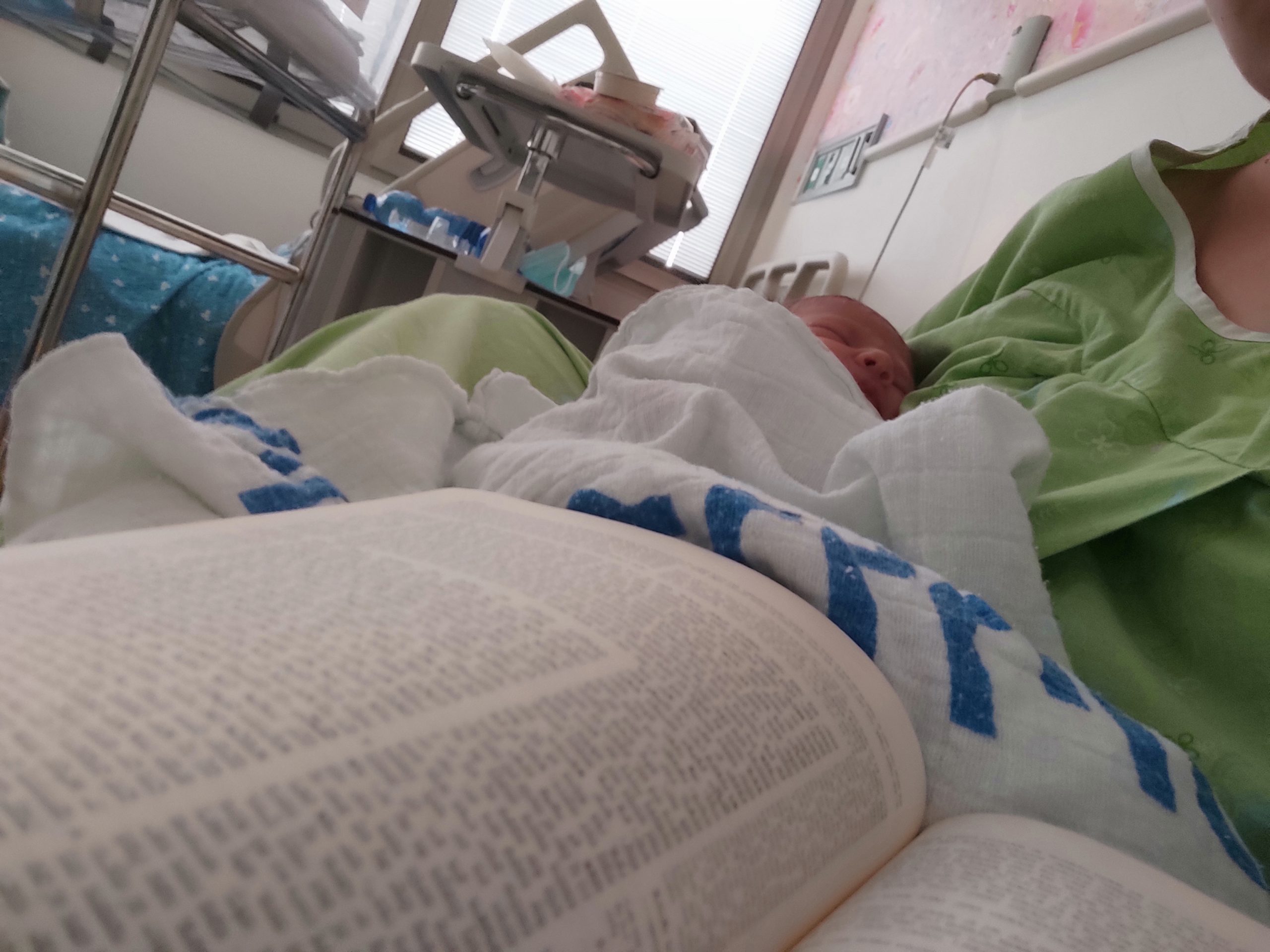
כמו שרואים בתמונה אני ממשיכה ללמוד גם היום ואפילו במחלקת יולדות אחרי לידת ביתי השלישית.
נועה שילה
רבבה, ישראל
בסוף הסבב הקודם ראיתי את השמחה הגדולה שבסיום הלימוד, בעלי סיים כבר בפעם השלישית וכמובן הסיום הנשי בבנייני האומה וחשבתי שאולי זו הזדמנות עבורי למשהו חדש.
למרות שאני שונה בסביבה שלי, מי ששומע על הלימוד שלי מפרגן מאוד.
אני מנסה ללמוד קצת בכל יום, גם אם לא את כל הדף ובסך הכל אני בדרך כלל עומדת בקצב.
הלימוד מעניק המון משמעות ליום יום ועושה סדר בלמוד תורה, שתמיד היה (ועדיין) שאיפה. אבל אין כמו קביעות

רחלי מנדלסון
טל מנשה, ישראל
למדתי גמרא מכיתה ז- ט ב Maimonides School ואחרי העליה שלי בגיל 14 לימוד הגמרא, שלא היה כל כך מקובל בימים אלה, היה די ספוראדי. אחרי "ההתגלות” בבנייני האומה התחלתי ללמוד בעיקר בדרך הביתה למדתי מפוקקטסים שונים. לאט לאט ראיתי שאני תמיד חוזרת לרבנית מישל פרבר. באיזה שהוא שלב התחלתי ללמוד בזום בשעה 7:10 .
היום "אין מצב” שאני אתחיל את היום שלי ללא לימוד עם הרבנית מישל עם כוס הקפה שלי!!

דבי גביר
חשמונאים, ישראל
לפני 15 שנה, אחרי עשרות שנים של "ג’ינגול” בין משפחה לקריירה תובענית בהייטק, הצטרפתי לשיעורי גמרא במתן רעננה. הלימוד המעמיק והייחודי של הרבנית אושרה קורן יחד עם קבוצת הנשים המגוונת הייתה חוויה מאלפת ומעשירה. לפני כשמונה שנים כאשר מחזור הדף היומי הגיע למסכת תענית הצטרפתי כ”חברותא” לבעלי. זו השעה היומית שלנו ביחד כאשר דפי הגמרא משתלבים בחיי היום יום, משפיעים ומושפעים, וכשלא מספיקים תמיד משלימים בשבת

יודי אסקוף
רעננה, ישראל
התחלתי ללמוד גמרא בבית הספר בגיל צעיר והתאהבתי. המשכתי בכך כל חיי ואף היייתי מורה לגמרא בבית הספר שקד בשדה אליהו (בית הספר בו למדתי בילדותי)בתחילת מחזור דף יומי הנוכחי החלטתי להצטרף ובע”ה מקווה להתמיד ולהמשיך. אני אוהבת את המפגש עם הדף את "דרישות השלום ” שמקבלת מקשרים עם דפים אחרים שלמדתי את הסנכרון שמתחולל בין התכנים.

אריאלה ביגמן
מעלה גלבוע, ישראל
התחלתי ללמוד לפני כשנתיים בשאיפה לסיים לראשונה מסכת אחת במהלך חופשת הלידה.
אחרי מסכת אחת כבר היה קשה להפסיק…

נעה גלנט
ירוחם, ישראל
אמא שלי למדה איתי ש”ס משנה, והתחילה ללמוד דף יומי. אני החלטתי שאני רוצה ללמוד גם. בהתחלה למדתי איתה, אח”כ הצטרפתי ללימוד דף יומי שהרב דני וינט מעביר לנוער בנים בעתניאל. במסכת עירובין עוד חברה הצטרפה אלי וכשהתחלנו פסחים הרב דני פתח לנו שעור דף יומי לבנות. מאז אנחנו לומדות איתו קבוע כל יום את הדף היומי (ובשבת אבא שלי מחליף אותו). אני נהנית מהלימוד, הוא מאתגר ומעניין

רננה הלמן
עתניאל, ישראל
התחלתי לפני 8 שנים במדרשה. לאחרונה סיימתי מסכת תענית בלמידה עצמית ועכשיו לקראת סיום מסכת מגילה.

דניאלה ברוכים
רעננה, ישראל
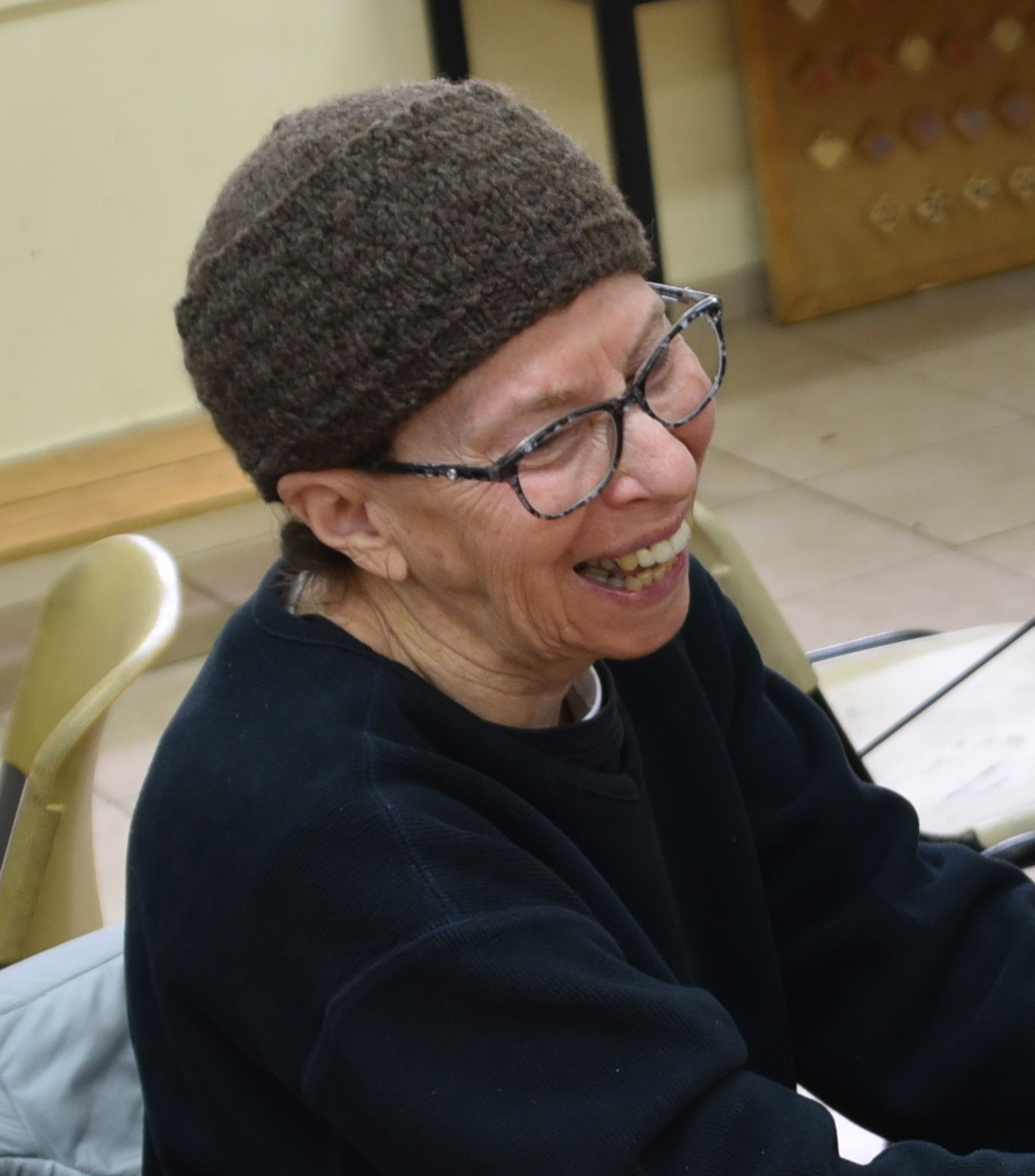
רבנית מישל הציתה אש התלמוד בלבבות בביניני האומה ואני נדלקתי. היא פתחה פתח ותמכה במתחילות כמוני ואפשרה לנו להתקדם בצעדים נכונים וטובים. הקימה מערך שלם שמסובב את הלומדות בסביבה תומכת וכך נכנסתי למסלול לימוד מעשיר שאין כמוה. הדרן יצר קהילה גדולה וחזקה שמאפשרת התקדמות מכל נקודת מוצא. יש דיבוק לומדות שמחזק את ההתמדה של כולנו. כל פניה ושאלה נענית בזריזות ויסודיות. תודה גם למגי על כל העזרה.
שרה אבר
נתניה, ישראל
התחלתי ללמוד גמרא בבית הספר בגיל צעיר והתאהבתי. המשכתי בכך כל חיי ואף היייתי מורה לגמרא בבית הספר שקד בשדה אליהו (בית הספר בו למדתי בילדותי)בתחילת מחזור דף יומי הנוכחי החלטתי להצטרף ובע”ה מקווה להתמיד ולהמשיך. אני אוהבת את המפגש עם הדף את "דרישות השלום ” שמקבלת מקשרים עם דפים אחרים שלמדתי את הסנכרון שמתחולל בין התכנים.
אריאלה ביגמן
מעלה גלבוע, ישראל
התחלתי ללמוד דף יומי אחרי שחזרתי בתשובה ולמדתי במדרשה במגדל עוז. הלימוד טוב ומספק חומר למחשבה על נושאים הלכתיים ”קטנים” ועד לערכים גדולים ביהדות. חשוב לי להכיר את הגמרא לעומק. והצעד הקטן היום הוא ללמוד אותה בבקיאות, בעזרת השם, ומי יודע אולי גם אגיע לעיון בנושאים מעניינים. נושאים בגמרא מתחברים לחגים, לתפילה, ליחסים שבין אדם לחברו ולמקום ולשאר הדברים שמלווים באורח חיים דתי 🙂

גאיה דיבו
מצפה יריחו, ישראל
אחרי שראיתי את הסיום הנשי של הדף היומי בבנייני האומה זה ריגש אותי ועורר בי את הרצון להצטרף. לא למדתי גמרא קודם לכן בכלל, אז הכל היה לי חדש, ולכן אני לומדת בעיקר מהשיעורים פה בהדרן, בשוטנשטיין או בחוברות ושיננתם.

רבקה שלוס
בית שמש, ישראל
בתחילת הסבב הנוכחי הצטברו אצלי תחושות שאני לא מבינה מספיק מהי ההלכה אותה אני מקיימת בכל יום. כמו כן, כאמא לבנות רציתי לתת להן מודל נשי של לימוד תורה
שתי הסיבות האלו הובילו אותי להתחיל ללמוד. נתקלתי בתגובות מפרגנות וסקרניות איך אישה לומדת גמרא..
כמו שרואים בתמונה אני ממשיכה ללמוד גם היום ואפילו במחלקת יולדות אחרי לידת ביתי השלישית.
נועה שילה
רבבה, ישראל
אמא שלי למדה איתי ש”ס משנה, והתחילה ללמוד דף יומי. אני החלטתי שאני רוצה ללמוד גם. בהתחלה למדתי איתה, אח”כ הצטרפתי ללימוד דף יומי שהרב דני וינט מעביר לנוער בנים בעתניאל. במסכת עירובין עוד חברה הצטרפה אלי וכשהתחלנו פסחים הרב דני פתח לנו שעור דף יומי לבנות. מאז אנחנו לומדות איתו קבוע כל יום את הדף היומי (ובשבת אבא שלי מחליף אותו). אני נהנית מהלימוד, הוא מאתגר ומעניין
רננה הלמן
עתניאל, ישראל
בתחילת הסבב הנוכחי של לימוד הדף היומי, נחשפתי לחגיגות המרגשות באירועי הסיום ברחבי העולם. והבטחתי לעצמי שבקרוב אצטרף גם למעגל הלומדות. הסבב התחיל כאשר הייתי בתחילת דרכי בתוכנית קרן אריאל להכשרת יועצות הלכה של נשמ”ת. לא הצלחתי להוסיף את ההתחייבות לדף היומי על הלימוד האינטנסיבי של תוכנית היועצות. בבוקר למחרת המבחן הסופי בנשמ”ת, התחלתי את לימוד הדף במסכת סוכה ומאז לא הפסקתי.

חנה שחם-רוזבי (ד”ר)
קרית גת, ישראל
A life-changing journey started with a Chanukah family tiyul to Zippori, home of the Sanhedrin 2 years ago and continued with the Syum in Binanei Hauma where I was awed by the energy of 3000 women dedicated to learning daf Yomi. Opening my morning daily with a fresh daf, I am excited with the new insights I find enriching my life and opening new and deeper horizons for me.

בקי גולדשטיין
Elazar gush etzion, Israel
לצערי גדלתי בדור שבו לימוד גמרא לנשים לא היה דבר שבשגרה ושנים שאני חולמת להשלים את הפער הזה.. עד שלפני מספר שבועות, כמעט במקרה, נתקלתי במודעת פרסומת הקוראת להצטרף ללימוד מסכת תענית. כשקראתי את המודעה הרגשתי שהיא כאילו נכתבה עבורי – "תמיד חלמת ללמוד גמרא ולא ידעת איך להתחיל”, "בואי להתנסות במסכת קצרה וקלה” (רק היה חסר שהמודעה תיפתח במילים "מיכי שלום”..). קפצתי למים ו- ב”ה אני בדרך להגשמת החלום:)

מיכי קדוש
מורשת, ישראל
עירובין ז
וְרַבִּי יְהוֹשֻׁעַ הִיא דְּלָא מַשְׁגַּח בְּבַת קוֹל.
and the latter statement is in accordance with the opinion of Rabbi Yehoshua, who does not pay attention to a Divine Voice that attempts to intervene in matters of halakha, for according to him, the dispute between Beit Shammai and Beit Hillel has not yet been decided.
וְאִיבָּעֵית אֵימָא, הָכִי קָאָמַר: כׇּל הֵיכָא דְּמַשְׁכַּחַתְּ תְּרֵי תַּנָּאֵי וּתְרֵי אָמוֹרָאֵי דִּפְלִיגִי אַהֲדָדֵי כְּעֵין מַחֲלוֹקֶת בֵּית שַׁמַּאי וּבֵית הִלֵּל — לָא לֶיעְבַּד כִּי קוּלֵּיהּ דְּמָר וְכִי קוּלֵּיהּ דְּמָר, וְלָא כְּחוּמְרֵיהּ דְּמָר וְכִי חוּמְרֵיהּ דְּמָר. אֶלָּא, אוֹ כִּי קוּלֵּיהּ דְּמָר וּכְחוּמְרֵיהּ עָבֵיד, אוֹ כְּקוּלֵּיהּ דְּמָר וּכְחוּמְרֵיהּ עָבֵיד.
The Gemara suggests yet another resolution: And if you wish, say instead that this is what the baraita is saying: Wherever you find two tanna’im or two amora’im who disagree with each other in the manner of the disputes between Beit Shammai and Beit Hillel, one should not act either in accordance with the leniency of the one Master and in accordance with the leniency of the other Master, nor should one act in accordance with the stringency of the one Master and in accordance with the stringency of the other Master. Rather, one should act either in accordance with both the leniencies and the stringencies of the one Master, or in accordance with both the leniencies and the stringencies of the other Master.
מִכׇּל מָקוֹם קַשְׁיָא!
All of this is suggested to explain the wording of the baraita. In any case, it is difficult to explain the law with regard to the alleyway in Neharde’a, concerning which they simultaneously adopted the stringencies of both Rav and Shmuel.
אָמַר רַב נַחְמָן בַּר יִצְחָק: כּוּלֵּיהּ כְּרַב עַבְדוּהּ. דְּאָמַר רַב הוּנָא אָמַר רַב: הֲלָכָה וְאֵין מוֹרִין כֵּן.
Rav Naḥman bar Yitzḥak said: In fact, they acted entirely in accordance with the opinion of Rav, and the reason that they required doors and did not rely on the opening in the form of a doorway alone is due to that which Rav Huna said that Rav said: This is the halakha; however, a public ruling is not issued to that effect ab initio. Although Rav maintains that an opening in the form of a doorway is sufficient in an open alleyway, a public ruling is not issued to that effect; rather, the ruling is stringent, in accordance with Ḥananya’s position, and requires doors.
וּלְרַב אַדָּא בַּר אַהֲבָה אָמַר רַב, דְּאָמַר: הֲלָכָה וּמוֹרִין כֵּן, מַאי אִיכָּא לְמֵימַר?
The Gemara asks: And according to the statement of Rav Adda bar Ahava that Rav said, as Rav Adda bar Ahava said that Rav said with regard to the same issue: This is the halakha and a public ruling is issued to that effect, what can be said? Why did the residents of Neharde’a adopt the stringencies of the two authorities?
אָמַר רַב שֵׁיזְבִי: כִּי לָא עָבְדִינַן כְּחוּמְרֵי דְּבֵי תְרֵי — הֵיכָא דְּסָתְרִי אַהֲדָדֵי.
Rav Sheizvi said: The principle of dictating when we do not act in accordance with the stringencies of two authorities applies only in a case where the two stringencies contradict one another. In these types of cases, following both stringencies would result in an internal contradiction.
כְּגוֹן שִׁדְרָה וְגוּלְגּוֹלֶת. דִּתְנַן: הַשִּׁדְרָה וְהַגּוּלְגּוֹלֶת שֶׁחָסְרוּ — וְכַמָּה חֶסְרוֹן? בַּשִּׁדְרָה, בֵּית שַׁמַּאי אוֹמְרִים: שְׁתֵּי חוּלְיוֹת, וּבֵית הִלֵּל אוֹמְרִים: חוּלְיָא אַחַת. וּבַגּוּלְגּוֹלֶת, בֵּית שַׁמַּאי אוֹמְרִים: כִּמְלֹא מַקְדֵּחַ, וּבֵית הִלֵּל אוֹמְרִים: כְּדֵי שֶׁיִּנָּטֵל מִן הַחַי וְיָמוּת.
The Gemara illustrates this principle with an example from the laws governing the spine and skull. As we learned in a mishna: The spine and the skull of a corpse that are incomplete do not impart ritual impurity via a tent as a corpse would; rather, they impart impurity only through contact or if they are carried as individual bones. This basic law was unanimously accepted, but the details were the subject of dispute: How much is considered a deficiency in the spine for this purpose? Beit Shammai say: If it is missing two vertebrae, and Beit Hillel say: Even if it is missing only one vertebra. And similarly, they argued over the deficiency in the skull: Beit Shammai say: It must be missing piece the size of a drill hole, and Beit Hillel say: It must be missing an amount that, when removed from a living person, would cause him to die, which is a larger amount.
וְאָמַר רַב יְהוּדָה אָמַר שְׁמוּאֵל: וְכֵן לְעִנְיַן טְרֵיפָה.
And Rav Yehuda said that Shmuel said: Beit Shammai and Beit Hillel argued likewise with respect to a tereifa, a kosher animal suffering from a wound or illness that will cause it to die within twelve months, and which is prohibited to be eaten even after the required ritual slaughter. Beit Shammai say that an animal is regarded as a tereifa if it is missing two vertebrae, while Beit Hillel hold that it is a tereifa if it lacks even one. In such a situation, a person must not be stringent with regard to the halakhot of tereifa in accordance with the view of Beit Hillel, and at the same time be stringent with regard to the halakhot of ritual impurity of a corpse in accordance with the view of Beit Shammai, for the two disputes relate to the same issue, and one must not act in accordance with two contradictory opinions.
אֲבָל הֵיכָא דְּלָא סָתְרִי אַהֲדָדֵי עָבְדִינַן.
Rav Sheizvi continues: However, in a case where the two stringencies do not contradict one another, we may indeed act in accordance with the stringencies of two authorities. Therefore, the stringencies adopted in the case of the alleyway in Neharde’a were legitimate, for the two stringencies related to two separate issues: Rav’s stringency was that an L-shaped alleyway is regarded like an open alleyway, and Shmuel’s stringency was that an open alleyway requires a door.
וְהֵיכָא דְּסָתְרִי אַהֲדָדֵי לָא עָבְדִינַן?! מֵתִיב רַב מְשַׁרְשְׁיָא: מַעֲשֶׂה בְּרַבִּי עֲקִיבָא שֶׁלִּיקֵּט אֶתְרוֹג בְּאֶחָד בִּשְׁבָט, וְנָהַג בּוֹ שְׁנֵי עִישּׂוּרִין: אֶחָד כְּדִבְרֵי בֵּית שַׁמַּאי, וְאֶחָד כְּדִבְרֵי בֵּית הִלֵּל?!
The Gemara challenges Rav Sheizvi’s assertion: Is it true that we do not act in accordance with the stringencies of two authorities in a case where the two stringencies contradict one another? Rav Mesharshiya raised an objection from a baraita: There was an incident involving Rabbi Akiva, who gathered the fruit of a citron tree on the first of the month of Shevat and applied the laws of two tithes to it. After teruma and the first tithe have been separated, an additional tithe is separated from what is left. During the first, second, fourth, and fifth years of the Sabbatical cycle, second tithe is set aside to be taken to Jerusalem and eaten there by its owner, while during the third and sixth years, poor man’s tithe is set aside to be distributed to the needy. When tithing the fruit picked on the first of Shevat, Rabbi Akiva set aside both additional tithes, second tithe and poor man’s tithe: He set aside one in accordance with the statement of Beit Shammai, who say that the new year for trees begins on the first of Shevat, and as that day belongs to the new year, a tithe must be set aside in accordance with the law of that year; and he set aside one in accordance with the statement of Beit Hillel, that the new year for trees is the fifteenth of Shevat, and any fruit picked prior to that date must be tithed in accordance with the law of the previous year. Apparently, Rabbi Akiva adopted for himself two contradictory stringencies.
רַבִּי עֲקִיבָא גְּמָרֵיהּ אִיסְתַּפֵּיק לֵיהּ, וְלָא יְדַע אִי בֵּית הִלֵּל בְּחַד בִּשְׁבָט אֲמוּר, אִי בַּחֲמֵיסַר בִּשְׁבָט אֲמוּר, וַעֲבַד הָכָא לְחוּמְרָא וְהָכָא לְחוּמְרָא.
The Gemara answers: Rabbi Akiva did not act in this way in order to be stringent in accordance with both opinions, but because he was in doubt with regard to his tradition and did not know whether Beit Hillel said the New Year for trees falls on the first of Shevat or on the fifteenth of Shevat, and therefore he acted stringently here and stringently there.
יָתֵיב רַב יוֹסֵף קַמֵּיהּ דְּרַב הוּנָא, וְיָתֵיב וְקָאָמַר, אָמַר רַב יְהוּדָה אָמַר רַב: מַחֲלוֹקֶת בִּסְרַטְיָא מִכָּאן וּסְרַטְיָא מִכָּאן, וּפְלַטְיָא מִכָּאן וּפְלַטְיָא מִכָּאן.
The Gemara resumes its discussion of alleyways that are open on two opposite sides. Rav Yosef sat before Rav Huna, and he sat and said: Rav Yehuda said that Rav said: The dispute between the anonymous first tanna of the baraita and Ḥananya refers to a case where there is a main street [seratya] from here, on one side of the alleyway, and a main street from here, on the other side. Alternatively, it refers to a case where there is a plaza [pelatya] from here, on one side of the alleyway, and a plaza from here, on the other side.
אֲבָל סְרַטְיָא מִכָּאן וּבִקְעָה מִכָּאן, אוֹ בִּקְעָה מִכָּאן וּבִקְעָה מִכָּאן — עוֹשֶׂה צוּרַת הַפֶּתַח מִכָּאן וְלֶחִי וְקוֹרָה מִכָּאן.
But if there is a main street from here, on one side, and a valley from here, on the other side, a valley being a karmelit, which is neither a public domain nor a private domain, in which carrying is prohibited on Shabbat by rabbinic decree, or if there is a valley from here, on one side, and a valley from here, on the other side, one constructs an opening in the form of a doorway from here, on one side of the alleyway, and places a side post or a cross beam from here, on the other side. One is thereby permitted to carry in the alleyway even according to the opinion of Ḥananya.
הַשְׁתָּא סְרַטְיָא מִכָּאן וּבִקְעָה מִכָּאן, עוֹשֶׂה לוֹ צוּרַת הַפֶּתַח מִכָּאן וְלֶחִי וְקוֹרָה מִכָּאן — בִּקְעָה מִכָּאן וּבִקְעָה מִכָּאן מִיבַּעְיָא?!
The Gemara raises a question about this ruling: Now, if you say that where there is a main street from here, on one side of the alleyway, and a valley from here, on the other side, it is sufficient to construct an opening in the form of a doorway from here, on one side, and a side post or a cross beam from here, on the other side, was it necessary to state that these are sufficient if there is a valley from here, on one side of the alleyway, and a valley from here, on the other side?
הָכִי קָאָמַר: סְרַטְיָא מִכָּאן וּבִקְעָה מִכָּאן — נַעֲשֶׂה כְּבִקְעָה מִכָּאן וּבִקְעָה מִכָּאן.
The Gemara answers: This is what he intended to say: If there is a main street from here, on one side, and a valley from here, on the other side, it is considered as if there were a valley from here, on one side, and a valley from here, on the other side.
וּמְסַיֵּים בַּהּ מִשְּׁמֵיהּ דְּרַב יְהוּדָה: אִם הָיָה מָבוֹי כָּלֶה לִרְחָבָה, אֵין צָרִיךְ כְּלוּם.
The Gemara continues: And when Rav Yosef reported this ruling, he concluded with a statement in the name of Rav Yehuda himself, without attributing it to one of Rav Yehuda’s teachers: If the alleyway terminated in a backyard, i.e., a closed-off area behind a group of houses, then even if there is a breach in the wall between the yard and the public domain beyond it, nothing is needed on this side of the alleyway, as it is considered closed.
אֲמַר לֵיהּ אַבָּיֵי לְרַב יוֹסֵף: הָא דְּרַב יְהוּדָה דִּשְׁמוּאֵל הִיא.
Abaye said to Rav Yosef: This ruling of Rav Yehuda is a ruling of his teacher Shmuel, and not of his other teacher, Rav.
דְּאִי דְּרַב — קַשְׁיָא דְּרַב אַדְּרַב בְּתַרְתֵּי: דְּאָמַר רַב יִרְמְיָה בַּר אַבָּא אָמַר רַב: מָבוֹי שֶׁנִּפְרַץ בִּמְלוֹאוֹ לֶחָצֵר, וְנִפְרְצָה חָצֵר כְּנֶגְדּוֹ — חָצֵר מוּתֶּרֶת וּמָבוֹי אָסוּר. וְאַמַּאי? לֶיהֱוֵי כְּמָבוֹי שֶׁכָּלֶה לִרְחָבָה!
For if it is a ruling of Rav, the apparent contradiction between one statement of Rav and another statement of Rav poses a difficulty in two ways. The first is with regard to the fact that this alleyway opens into the public domain on two opposite sides, and the second is based on that which Rav Yirmeya bar Abba said that Rav said: If an alleyway was breached along the entire length of its back wall into a courtyard, and likewise the courtyard was breached opposite it into the public domain, it is permitted to carry in the courtyard, and it is prohibited to carry in the alleyway, since this alleyway is now open on two opposite sides to the public domain. Why should this be the ruling? In this case, let it be like an alleyway that terminates in a backyard, where Rav Yehuda ruled that nothing further is needed to permit carrying.
אֲמַר לֵיהּ: אֲנָא לָא יָדַעְנָא, עוֹבָדָא הֲוָה בְּדוּרָא דְּרָעֲוָתָא מָבוֹי שֶׁכָּלֶה לִרְחָבָה הֲוָה, וַאֲתָא לְקַמֵּיהּ דְּרַב יְהוּדָה וְלָא אַצְרְכֵיהּ וְלָא מִידֵּי. וְאִי קַשְׁיָא מִשְּׁמֵיהּ דְּרַב — תֶּיהְוֵי מִשְּׁמֵיהּ דִּשְׁמוּאֵל, וְלָא קַשְׁיָא מִידֵּי.
Rav Yosef said to Abaye: I do not know in accordance with which of his teachers Rav Yehuda issued this ruling. All I know is that there was an incident in a shepherds’ village where an alleyway terminated in a backyard, and the matter came before Rav Yehuda for a ruling, and he did not require anything to render it permitted to carry in the alleyway. And if, as you say, it is difficult if we say that he issued his ruling in the name of Rav, let it be suggested that he issued it in the name of his other teacher, Shmuel, and then there will be no difficulty.
הַשְׁתָּא דַּאֲמַר לֵיהּ רַב שֵׁשֶׁת לְרַב שְׁמוּאֵל בַּר אַבָּא, וְאָמְרִי לֵיהּ לְרַב יוֹסֵף בַּר אַבָּא: אַסְבְּרָא לָךְ, כָּאן — שֶׁעֵירְבוּ, כָּאן — שֶׁלֹּא עֵירְבוּ.
The Gemara comments: Now that Rav Sheshet said to Rav Shmuel bar Abba, and some say that he said to Rav Yosef bar Abba: I will explain to you Rav’s statement with regard to an alleyway that was breached along the entire length of its back wall into a courtyard. One must make a distinction based on the nature of the case: Here it is referring to a case where the residents of the courtyard established an eiruv together. In that case, Rav permits carrying in the alleyway and is not concerned with the breach into the courtyard, as the courtyard and the alleyway are treated as a single domain. There it is referring to a case where the residents did not establish an eiruv together. In that case, Rav prohibits carrying in the alleyway, because the alleyway now has new residents, i.e., the residents of the courtyard, who did not participate in the eiruv, and they prevent the residents of the alleyway from carrying.
דְּרַב אַדְּרַב נָמֵי לָא קַשְׁיָא: כָּאן — שֶׁעֵירְבוּ בְּנֵי חָצֵר עִם בְּנֵי מָבוֹי, כָּאן — שֶׁלֹּא עֵירְבוּ.
Consequently, it can be said that Rav Yehuda’s statement with regard to an alleyway that terminates in a backyard is in accordance with the opinion of Rav, as the apparent contradiction between one statement of Rav and another statement of Rav also poses no difficulty. Here, where Rav Yehuda permits carrying in an alleyway that terminates in a backyard, he is referring to a case where the residents of the courtyard and the residents of the alleyway established a joint eiruv, whereas here, where Rav prohibits carrying in an alleyway that was breached along the entire length of its back wall into a courtyard, he is referring to a case where the residents of the courtyard and the residents of the alleyway did not establish a joint eiruv.
לעקוב

