חיפוש

גיטין מ

רוצה להקדיש לימוד?

podcast placeholder

0:00
0:00


תקציר

הדף היום מוקדש ע”י הרב יואל ושולמית כהן לע”נ רבי ד”ר עקיבא פרדמסקי.

איזה סוג של פעולות יהוו אינדיקציה לכך שהאדון שיחרר את העבד? אם הבעל הפקיר את העבד ובכך ויתר על זכויות כספיות לעבד ומת, האם  הבן יכול לפדות את העבד כדי להתיר נישואים עם יהודיה או שאין להם עוד זכות לעשות זאת מכיוון שהם כבר לא הבעלים של העבד? האם האדון בעצמו יכול לשחרר את העבד לאחר שהפקיר כדי להתיר נישאין? באיזו לשון יש להשתמש בגט שחרור? אם כותבים בלשון עתיד, יש מחלוקת אם זה יעיל או לא.

גיטין מ

יָצָא לְחֵירוּת. אָמַר לוֹ רַבִּי יוֹחָנָן: כָּל כָּךְ יֵשׁ בְּיָדְךָ?! וַאֲנִי שׁוֹנֶה: הַכּוֹתֵב שְׁטַר אֵירוּסִין לְשִׁפְחָתוֹ, רַבִּי מֵאִיר אוֹמֵר: מְקוּדֶּשֶׁת, וַחֲכָמִים אוֹמְרִים: אֵינָהּ מְקוּדֶּשֶׁת!

he is emancipated. Rabbi Yoḥanan said to Rabbi Zeira: You possess such an extreme halakha, but I teach this halakha: With regard to one who writes a document of betrothal for his maidservant, stating: You are hereby betrothed to me, Rabbi Meir says: She is betrothed, and the Rabbis say: She is not betrothed, as even this, when he betroths her directly, does not serve as proof that he emancipates her.

כִּדְאָמַר רַבָּה בַּר רַב שֵׁילָא – כְּשֶׁרַבּוֹ הִנִּיחַ לוֹ תְּפִילִּין; הָכָא נָמֵי – כְּשֶׁרַבּוֹ הִשִּׂיאוֹ אִשָּׁה.

The Gemara answers: Just as that which Rabba bar Rav Sheila says in a different context, that Rabbi Yehoshua ben Levi is referring to a case where a slave’s master placed phylacteries on him, here too, the context of Rabbi Zeira’s statement is not that of a slave who married a woman in his master’s presence but a case where the slave’s master himself provided a wife for him, as this is certainly proof that he had emancipated him.

וּמִי אִיכָּא מִידֵּי דִּלְעַבְדֵּיהּ – לָא מִעֲבַד לֵיהּ אִיסּוּרָא, וְאִיהוּ – עָבֵד אִיסּוּרָא?!

The Gemara questions this answer: Is there anything like this, where for his slave he would not violate a prohibition, and by providing a wife for his slave he indicates that he must have emancipated the slave, but he himself might violate the prohibition, as he is suspected of marrying his maidservant without having freed her?

אָמַר רַב נַחְמָן בַּר יִצְחָק: הָכָא בְּמַאי עָסְקִינַן – דְּאָמַר לָהּ: ״צְאִי בּוֹ וְהִתְקַדְּשִׁי בּוֹ״; רַבִּי מֵאִיר סָבַר: יֵשׁ בַּלָּשׁוֹן הַזֶּה לְשׁוֹן שִׁחְרוּר, וְרַבָּנַן סָבְרִי: אֵין בַּלָּשׁוֹן הַזֶּה לְשׁוֹן שִׁחְרוּר.

Rav Naḥman bar Yitzḥak said: With what are we dealing here? This is a case where he said to the maidservant when he gave her the document of betrothal: Become emancipated with this and become betrothed to me with this. Rabbi Meir holds that this formulation written in the document of betrothal: You are hereby betrothed to me, contains a formulation of emancipation and therefore serves both as a bill of manumission and a document of betrothal. And the Rabbis hold: This formulation is not a formulation of emancipation. That is why the Rabbis hold she is not betrothed in this case. However, according to everyone, a master is not suspected of marrying his maidservant without first freeing her.

אָמַר רַבִּי יְהוֹשֻׁעַ בֶּן לֵוִי: עֶבֶד שֶׁהִנִּיחַ תְּפִילִּין בִּפְנֵי רַבּוֹ – יָצָא לְחֵירוּת. מֵיתִיבִי: לָוָה הֵימֶנּוּ רַבּוֹ, אוֹ שֶׁעֲשָׂאוֹ רַבּוֹ אַפּוֹטְרוֹפּוֹס, אוֹ שֶׁהִנִּיחַ תְּפִילִּין בִּפְנֵי רַבּוֹ, אוֹ שֶׁקָּרָא שְׁלֹשָׁה פְּסוּקִים בְּבֵית הַכְּנֶסֶת בִּפְנֵי רַבּוֹ, הֲרֵי זֶה לֹא יָצָא לְחֵירוּת!

With regard to this issue, Rabbi Yehoshua ben Levi says: A slave who dons phylacteries in the presence of his master is emancipated, as this is unusual behavior for a slave because slaves are not obligated in this mitzva. The Gemara raises an objection from a baraita: If a slave’s master borrowed money from him; or if his master appointed him as a steward over his possessions; or if the slave donned phylacteries in the presence of his master; or if he read three verses of the Torah reading in the synagogue in the presence of his master, although all of these activities are ordinarily performed only by freemen, this slave is not emancipated. This seems to contradict the opinion of Rabbi Yehoshua ben Levi.

אָמַר רַבָּה בַּר רַב שֵׁילָא: כְּשֶׁרַבּוֹ הִנִּיחַ לוֹ תְּפִילִּין.

Rabba bar Rav Sheila says: Rabbi Yehoshua ben Levi was referring to a case where the slave’s master placed phylacteries on him. In that case it is clear that the slave is donning phylacteries with the consent of his master, and a master would not place phylacteries on his slave unless he had already emancipated him.

כִּי אֲתָא רַב דִּימִי, אָמַר רַבִּי יוֹחָנָן: מִי שֶׁאָמַר בִּשְׁעַת מִיתָתוֹ ״פְּלוֹנִית שִׁפְחָתִי אַל יִשְׁתַּעְבְּדוּ בָּהּ לְאַחַר מוֹתִי״ – כּוֹפִין אֶת הַיּוֹרְשִׁים וְכוֹתְבִין לָהּ גֵּט שִׁחְרוּר. אָמְרוּ לְפָנָיו רַבִּי אַמֵּי וְרַבִּי אַסִּי: רַבִּי, אִי אַתָּה מוֹדֶה שֶׁבָּנֶיהָ עֲבָדִים?

§ When Rav Dimi came from Eretz Yisrael to Babylonia he reported that Rabbi Yoḥanan says: In a case of one who says at the moment of his death: With regard to so-and-so, my maidservant, my heirs should not treat her as a slave after my death, the court compels the heirs and they write for her a bill of manumission. Rabbi Ami and Rabbi Asi said before him: My teacher, don’t you admit that her children are slaves? The master meant only that his heirs should not subjugate her excessively. He did not intend to free her, and her children remain slaves. Why, then, are the heirs compelled to free the maidservant?

כִּי אֲתָא רַב שְׁמוּאֵל בַּר יְהוּדָה, אָמַר רַבִּי יוֹחָנָן: מִי שֶׁאָמַר בִּשְׁעַת מִיתָתוֹ ״פְּלוֹנִית שִׁפְחָתִי קוֹרַת רוּחַ עָשְׂתָה לִי; יֵעָשֶׂה לָהּ קוֹרַת רוּחַ״ – כּוֹפִין אֶת הַיּוֹרְשִׁין וְעוֹשִׂין לָהּ קוֹרַת רוּחַ. מַאי טַעְמָא? מִצְוָה לְקַיֵּים דִּבְרֵי הַמֵּת.

When Rav Shmuel bar Yehuda came from Eretz Yisrael to Babylonia, he reported a different version of what Rabbi Yoḥanan says: In a case of one who says at the moment of his death: So-and-so, my maidservant, gave me satisfaction and one should do for her something that gives her satisfaction, the court compels the heirs to give her satisfaction, and if she will be satisfied only by being emancipated, they must do so. What is the reason for this? It is a mitzva to fulfill the statement of the dead.

אָמַר אַמֵּימָר: הַמַּפְקִיר עַבְדּוֹ – אוֹתוֹ עֶבֶד אֵין לוֹ תַּקָּנָה. מַאי טַעְמָא? גּוּפֵיהּ לָא קָנֵי לֵיהּ – אִיסּוּרָא הוּא דְּאִיכָּא גַּבֵּיהּ, וְאִיסּוּרָא לָא מָצֵי מַקְנֵי לֵיהּ.

Ameimar says: With regard to one who renounces ownership of his slave, there is no halakhic remedy for that slave, and he cannot marry a Jewish woman. What is the reason for this? The slave himself does not belong to his master. However, there is the prohibition against marrying a Jewish woman that remains in the master’s possession, and the master cannot transfer ownership of the prohibition to the slave, as this is not something that can be transferred. A bill of manumission is not effective in this case because the slave already does not belong to him.

אֲמַר לֵיהּ רַב אָשֵׁי לְאַמֵּימָר: וְהָאָמַר עוּלָּא אָמַר רַבִּי יוֹחָנָן, וְרַב חִיָּיא בַּר אָבִין אָמַר רַב: אֶחָד זֶה וְאֶחָד זֶה יָצָא לְחֵירוּת, וְצָרִיךְ גֵּט שִׁחְרוּר! אֲמַר לֵיהּ: ״צָרִיךְ״ – וְאֵין לוֹ תַּקָּנָה.

Rav Ashi said to Ameimar: But didn’t Ulla say that Rabbi Yoḥanan says, and similarly Rav Ḥiyya bar Avin says that Rav says: Both in this case of one who betroths his slave, and in that case of one who renounces ownership of his slave, the slave is emancipated but nevertheless requires a bill of manumission? This demonstrates that when one renounces ownership of his slave, the slave is no longer in his possession but can still become a freeman upon receiving a bill of manumission. Ameimar said to him: They meant that he requires a bill of manumission to be considered a freeman and to marry a Jewish woman, but there is no remedy for him, as the master cannot issue one.

אִיכָּא דְּאָמְרִי, אָמַר אַמֵּימָר: הַמַּפְקִיר עַבְדּוֹ וָמֵת – אוֹתוֹ הָעֶבֶד אֵין לוֹ תַּקָּנָה. מַאי טַעְמָא? גּוּפֵיהּ לָא קָנֵי לֵיהּ – אִיסּוּרָא הוּא דְּאִיכָּא גַּבֵּיהּ, וְאִיסּוּרָא לִבְרֵיהּ לָא מוֹרֵית. אֲמַר לֵיהּ רַב אָשֵׁי לְאַמֵּימָר: וְהָא כִּי אֲתָא רַב דִּימִי, אָמַר רַבִּי יוֹחָנָן!

There are those who say a different version of this exchange: Ameimar says: With regard to one who renounces ownership of his slave and dies, there is no halakhic remedy for that slave and he cannot marry a Jewish woman. What is the reason for this? The slave himself does not belong to his master; however, there is the prohibition against marrying a Jewish woman that remains in the master’s possession, and the master cannot bequeath the prohibition to his son. Rav Ashi said to Ameimar: But when Rav Dimi came from Eretz Yisrael, he reported that Rabbi Yoḥanan says that if one says that his heirs should not treat his maidservant as a slave, the heirs are compelled to write a bill of manumission. This demonstrates that the heirs can write a bill of manumission although they do not own the maidservant.

דְּרַב דִּימִי טָעוּתָא הִיא. אֲמַר לֵיהּ: מַאי טָעוּתָא – דְּלָא אַמְרַהּ בִּלְשׁוֹן שִׁחְרוּר; הָא אַמְרַהּ בִּלְשׁוֹן שִׁחְרוּר – הָכִי נָמֵי! אֲמַר לֵיהּ: אֲנָא כִּדְרַב שְׁמוּאֵל בַּר יְהוּדָה סְבִירָא לִי.

Ameimar answered: The report of Rav Dimi quoting Rabbi Yoḥanan is erroneous, and Rabbi Yoḥanan never stated that halakha. He said to him: What is erroneous about Rav Dimi’s statement? The reason it is erroneous is that the master did not state this using a formulation of emancipation, but if he had stated this using a formulation of emancipation, then indeed they would be able to write for her a bill of manumission? Why then do you not concede to his opinion? He said to him: I hold in accordance with the report of Rav Shmuel bar Yehuda, that Rabbi Yoḥanan was discussing a case where the master said that his heirs should give the maidservant satisfaction. Therefore, the master never stated that the heirs would not have ownership over the maidservant, only that they should fulfill his dying instruction to grant her satisfaction.

הָהוּא דִּסְקַרְתָּא דְּעַבְדֵי דְּאִזְדַּבַּן לְגוֹי. כְּלוֹ מָרְווֹתָא בָּתְרָאֵי, אֲתוֹ לְקַמֵּיהּ דְּרָבִינָא, אֲמַר לְהוּ: זִילוּ אַהְדַּרוּ אַבְּנֵי מָרְווֹתָא קַמָּאֵי, וְיִכְתְּבוּ לְכוּ גִּיטָּא דְחֵרוּתָא. אֲמַרוּ לֵיהּ רַבָּנַן לְרָבִינָא, וְהָאָמַר אַמֵּימָר: הַמַּפְקִיר עַבְדּוֹ וָמֵת – אוֹתוֹ הָעֶבֶד אֵין לוֹ תַּקָּנָה!

The Gemara relates: There was an incident involving a certain city [diskarta] of slaves that was sold to gentiles. When their final gentile masters died, the slaves came before Ravina and said that since they had no masters, they wanted to be considered full-fledged Jews. He said to them: Go and return to the children of your first masters and have them write for you bills of manumission so that you will be considered freemen in every respect. The Rabbis said to Ravina: But didn’t Ameimar say that with regard to one who renounces ownership of his slave and dies, there is no remedy for that slave? Similarly, if one sells his slave to a gentile, he no longer has the right to the slave’s labor and can no longer write a bill of manumission for him.

אֲמַר לְהוּ: אֲנָא כְּרַב דִּימִי סְבִירָא לִי. אֲמַרוּ לֵיהּ: דְּרַב דִּימִי טָעוּתָא הִיא! אֲמַר לְהוּ: מַאי טָעוּתָא – דְּלָא אַמְרַהּ בִּלְשׁוֹן שִׁחְרוּר; הָא אַמְרַהּ בִּלְשׁוֹן שִׁחְרוּר – הָכִי נָמֵי! וְהִלְכְתָא כְּרָבִינָא.

Ravina said to them: I hold in accordance with the report of Rav Dimi, who said that Rabbi Yoḥanan says that the heirs can give a bill of manumission. They, the Rabbis, said to him: That which Rav Dimi said is erroneous. He said to them: What is erroneous about Rav Dimi’s statement? The reason it is erroneous is that he did not state this using a formulation of emancipation, but if he had stated this using a formulation of emancipation, then indeed they would be able to write a bill of manumission. The Gemara concludes: And the halakha is in accordance with the opinion of Ravina, that the original masters can write a bill of manumission for the slaves.

הָהוּא עַבְדָּא דְּבֵי תְרֵי, קָם חַד מִינַּיְיהוּ וְשַׁחְרְרֵיהּ לְפַלְגֵיהּ, אֲמַר אִידַּךְ: הַשְׁתָּא שָׁמְעִי בִּי רַבָּנַן וּמַפְסְדוּ לֵיהּ מִינַּאי; אֲזַל אַקְנְיֵיהּ לִבְנוֹ קָטָן.

§ The Gemara relates: There was a certain slave who belonged to two partners. One of them arose and emancipated his half of the slave. The other master said: Now the rabbis of the local court will hear that my slave is half emancipated and they will cause me to lose him, i.e., they will force me to release him, as is stated in the mishna (41b) that the court forces a master to release his slave who has been half emancipated. He went and transferred ownership of the slave to his minor son, who could not be forced by the court to emancipate him, so that the slave would remain in his possession.

שַׁלְחַהּ רַב יוֹסֵף בְּרֵיהּ דְּרָבָא לְקַמֵּיהּ דְּרַב פָּפָּא, שְׁלַח לֵיהּ: ״כַּאֲשֶׁר עָשָׂה כֵּן יֵעָשֶׂה לּוֹ, גְּמוּלוֹ יָשִׁיב לוֹ בְּרֹאשׁוֹ״ – אֲנַן קִים לַן בְּיָנוֹקָא דִּמְקָרְבָא דַּעְתֵּיהּ לְגַבֵּי זוּזֵי; מוֹקְמִינַן לֵיהּ אַפּוֹטְרוֹפּוֹס,

Rav Yosef, son of Rava, sent before Rav Pappa the question of what the halakha is in this circumstance. He sent to him a response that paraphrased biblical verses: As he has done, so shall it be done to him, his dealing shall return upon his own head (see Leviticus 24:19 and Obadiah 1:15). In other words, since the master acted deceitfully to circumvent the ruling of the Sages, one should deal with him deceitfully. We know that a child is attracted to money. We will appoint a steward for the child, who will clarify the slave’s market value,

וּמְקַרְקֵישׁ לֵיהּ זוּזֵי, וְכָתֵב לֵיהּ גִּיטָּא דְחֵירוּתָא עַל שְׁמֵיהּ.

and the slave should jingle the dinars before him. The child will want the money and he will decide to emancipate him, and they should write him a bill of emancipation in his name.

תָּנוּ רַבָּנַן, הָאוֹמֵר: ״עָשִׂיתִי פְּלוֹנִי עַבְדִּי בֶּן חוֹרִין״; ״עָשׂוּי בֶּן חוֹרִין״; ״הֲרֵי הוּא בֶּן חוֹרִין״ – הֲרֵי הוּא בֶּן חוֹרִין.

§ The Sages taught that with regard to one who says: I made so-and-so my slave a freeman, or: My slave was made a freeman, or: Behold he is a freeman, in all of these cases he is a freeman as a result.

״אֶעֱשֶׂנּוּ בֶּן חוֹרִין״ – רַבִּי אוֹמֵר: קָנָה, וַחֲכָמִים אוֹמְרִים: לֹא קָנָה. אָמַר רַבִּי יוֹחָנָן: וְכוּלָּן – בִּשְׁטָר.

If he says: I will make him a freeman, Rabbi Yehuda HaNasi says: The slave has acquired himself, and the Rabbis say: He has not acquired himself. Rabbi Yoḥanan says: And all of these halakhot apply only when the formulation was written in a document that was transferred to the slave. A verbal statement alone is not effective in emancipating the slave.

תָּנוּ רַבָּנַן, הָאוֹמֵר: ״נָתַתִּי שָׂדֶה פְּלוֹנִית לִפְלוֹנִי״; ״נְתוּנָה לִפְלוֹנִי״; ״הֲרֵי הִיא שֶׁלּוֹ״ – הֲרֵי הִיא שֶׁלּוֹ. ״אֶתְּנֶנָּה לִפְלוֹנִי״ – רַבִּי מֵאִיר אוֹמֵר: קָנָה; וַחֲכָמִים אוֹמְרִים: לֹא קָנָה. אָמַר רַבִּי יוֹחָנָן: וְכוּלָּן – בִּשְׁטָר.

Similarly, the Sages taught that with regard to one who says: I gave such and such a field to so-and-so as a gift; or: This field is given to so-and-so; or: Behold it is his, in all of these cases it belongs to the recipient. If he says: I will give it to so-and-so, then Rabbi Meir says: That person has acquired the field. And the Rabbis say: He has not acquired it. With regard to this, Rabbi Yoḥanan also says: And all of these halakhot apply only when the formulation was written in a document that was transferred to the recipient. A verbal statement alone is not effective in transferring the field.

תָּנוּ רַבָּנַן, הָאוֹמֵר: ״עָשִׂיתִי פְּלוֹנִי עַבְדִּי בֶּן חוֹרִין״, וְהוּא אוֹמֵר: ״לֹא עֲשָׂאַנִי״ – חָיְישִׁינַן שֶׁמָּא זִיכָּה לוֹ עַל יְדֵי אַחֵר. ״כָּתַבְתִּי וְנָתַתִּי לוֹ״, וְהוּא אוֹמֵר: ״לֹא כָּתַב לִי וְלֹא נָתַן לִי״ – הוֹדָאַת בַּעַל דִּין כְּמֵאָה עֵדִים דָּמֵי.

The Sages taught that with regard to one who says: I made so-and-so my slave a freeman, and the slave says: He did not make me a freeman, then we are concerned that perhaps the master transferred the slave’s emancipation to him through another person without the slave being aware of this, and the slave is assumed to be emancipated. However, if the master said: I wrote and I gave to him a bill of manumission, and the slave says: He did not write it for me and he did not give me a bill of manumission, then he remains a slave, as the legal status of the admission of a litigant is similar to the testimony of one hundred witnesses. Just as the testimony of witnesses is deemed credible by the court, so is the admission of a litigant deemed credible.

הָאוֹמֵר: ״נָתַתִּי שָׂדֶה פְּלוֹנִית לִפְלוֹנִי״, וְהוּא אוֹמֵר: ״לֹא נָתַן לִי״ – חָיְישִׁינַן שֶׁמָּא זִיכָּה לוֹ עַל יְדֵי אַחֵר. ״כָּתַבְתִּי וְנָתַתִּי לוֹ״, וְהוּא אוֹמֵר: ״לֹא כָּתַב וְלֹא נָתַן לִי״ – הוֹדָאַת בַּעַל דִּין כְּמֵאָה עֵדִים דָּמֵי.

Similarly, with regard to one who says: I gave such and such a field to so-and-so, and the supposed recipient says: He did not give me it, then we are concerned that perhaps he transferred the field to him through another person without the recipient being aware of this, and the field becomes his. However, if one says: I wrote and gave to him a document stating that I am giving him the field, and the supposed recipient says: He did not write it and did not give me a document stating that he is giving me the field, then he does not take possession of the field, as the legal status of the admission of a litigant is similar to the testimony of one hundred witnesses.

מִי אוֹכֵל פֵּירוֹת? רַב חִסְדָּא אָמַר: נוֹתֵן אוֹכֵל פֵּירוֹת; וְרַבָּה אָמַר: מְשַׁלְּשִׁין אֶת הַפֵּירוֹת.

The Gemara asks: In this case, where the original owner states that he gave the field to his friend, and the supposed recipient states that he did not receive it, who consumes the produce of the field? Rav Ḥisda says: The giver consumes the produce, as the field remains in his possession, and Rabba says: The produce is deposited with a third party until it can be determined who the rightful owner is.

וְלָא פְּלִיגִי: הָא בְּאַבָּא, הָא בִּבְרָא.

The Gemara comments: And they do not disagree. Rather, they are referring to different cases: This case pertains to the father, the one who is the supposed recipient of the field. As long as he is alive and states that he did not receive the field, the produce is consumed by the original owner. That case pertains to the son of the supposed recipient of the field, who claims that his father did not receive it. Since it is possible that the father received it without the son’s knowledge, the produce is deposited with a third party until it can be determined who the rightful owner is.

מַתְנִי׳ עֶבֶד שֶׁעֲשָׂאוֹ רַבּוֹ אַפּוֹתֵיקֵי לַאֲחֵרִים, וְשִׁיחְרְרוֹ – שׁוּרַת הַדִּין אֵין הָעֶבֶד חַיָּיב כְּלוּם; אֶלָּא מִפְּנֵי תִּיקּוּן הָעוֹלָם, כּוֹפִין אֶת רַבּוֹ וְעוֹשֶׂה אוֹתוֹ בֶּן חוֹרִין, וְכוֹתֵב שְׁטָר עַל דָּמָיו. רַבָּן שִׁמְעוֹן בֶּן גַּמְלִיאֵל אוֹמֵר: אֵינוֹ כּוֹתֵב, אֶלָּא מְשַׁחְרֵר.

MISHNA: In the case of a slave whose master set him aside as designated repayment [apoteiki] of a debt to other people from whom he borrowed money, and afterward he emancipated him, then according to the letter of the law the slave bears no responsibility for the debt. However, for the betterment of the world, his master is forced to make him a freeman, and the slave writes a promissory note for his value to pay the debt to the creditor. Rabban Shimon ben Gamliel says: He does not write a promissory note; he only emancipates the slave.

גְּמָ׳ עֶבֶד שֶׁעֲשָׂאוֹ רַבּוֹ אַפּוֹתֵיקֵי וְשִׁיחְרְרוֹ: מִי שִׁחְרְרוֹ? אָמַר רַב: רַבּוֹ רִאשׁוֹן. שׁוּרַת הַדִּין אֵין הָעֶבֶד חַיָּיב כְּלוּם לְרַבּוֹ שֵׁנִי –

GEMARA: The mishna taught the case of a slave whose master set him aside as designated repayment of a debt to other people and afterward emancipated him. The Gemara clarifies: Who emancipated him? Rav said: His first master emancipated him, and the mishna is teaching as follows: According to the letter of the law, the slave is not obligated to serve his second master at all.

כִּדְרָבָא, דְּאָמַר רָבָא: הֶקְדֵּשׁ, חָמֵץ וְשִׁחְרוּר – מַפְקִיעִין מִידֵי שִׁיעְבּוּד; אֶלָּא מִפְּנֵי תִּיקּוּן הָעוֹלָם, שֶׁמָּא יִמְצָאֶנּוּ בַּשּׁוּק

Why does he not have to serve the second master? This halakha is in accordance with the statement of Rava, as Rava says: Consecration of an item to the Temple, becoming subject to the prohibition of leavened bread on Passover, and the emancipation of a slave abrogate any lien that exists upon an item. Therefore, in the case of the mishna, the slave should be a freeman after his master emancipates him, and the creditor may not take possession of him. However, for the betterment of the world, lest the creditor will find the slave in the market

חדשה בלימוד הגמרא?

זה הדף הראשון שלך? איזו התרגשות עצומה! יש לנו בדיוק את התכנים והכלים שיעזרו לך לעשות את הצעדים הראשונים ללמידה בקצב וברמה שלך, כך תוכלי להרגיש בנוח גם בתוך הסוגיות המורכבות ומאתגרות.

פסיפס הלומדות שלנו

גלי את קהילת הלומדות שלנו, מגוון נשים, רקעים וסיפורים. כולן חלק מתנועה ומסע מרגש ועוצמתי.

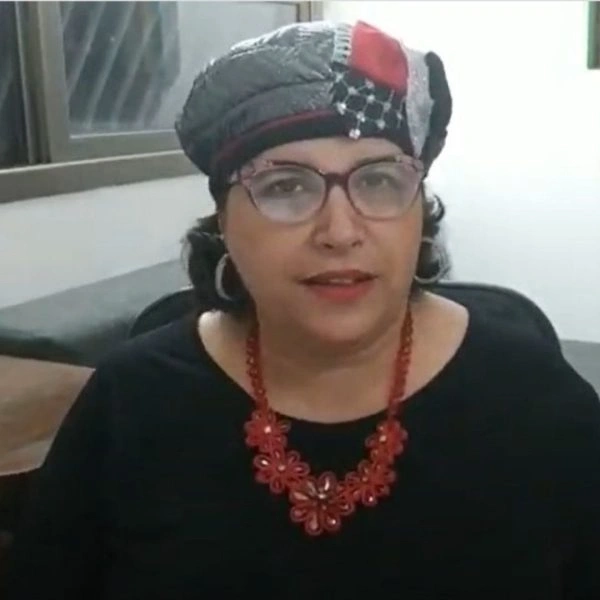
התחלתי ללמוד דף יומי בסבב הקודם. זכיתי לסיים אותו במעמד המרגש של הדרן. בסבב הראשון ליווה אותי הספק, שאולי לא אצליח לעמוד בקצב ולהתמיד. בסבב השני אני לומדת ברוגע, מתוך אמונה ביכולתי ללמוד ולסיים. בסבב הלימוד הראשון ליוותה אותי חוויה מסויימת של בדידות. הדרן העניקה לי קהילת לימוד ואחוות נשים. החוויה של סיום הש”ס במעמד כה גדול כשנשים שאינן מכירות אותי, שמחות ומתרגשות עבורי , היתה חוויה מרוממת נפש

Ilanit Weil
אילנית ווייל

קיבוץ מגדל עוז, ישראל

באירוע של הדרן בנייני האומה. בהשראתה של אמי שלי שסיימה את הש”ס בסבב הקודם ובעידוד מאיר , אישי, וילדיי וחברותיי ללימוד במכון למנהיגות הלכתית של רשת אור תורה סטון ומורתיי הרבנית ענת נובוסלסקי והרבנית דבורה עברון, ראש המכון למנהיגות הלכתית.
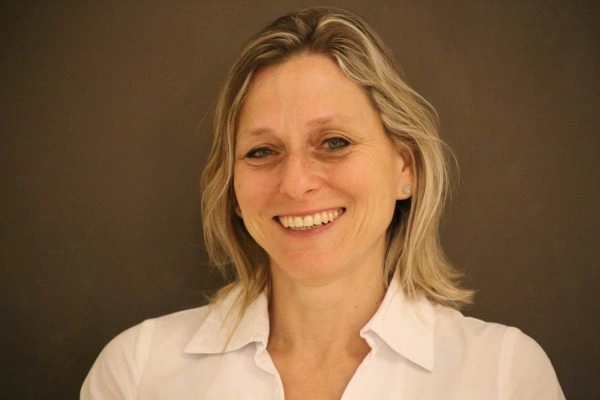
הלימוד מעשיר את יומי, מחזיר אותי גם למסכתות שכבר סיימתי וידוע שאינו דומה מי ששונה פרקו מאה לשונה פרקו מאה ואחת במיוחד מרתקים אותי החיבורים בין המסכתות

Roit Kalech
רוית קלך

מודיעין, ישראל

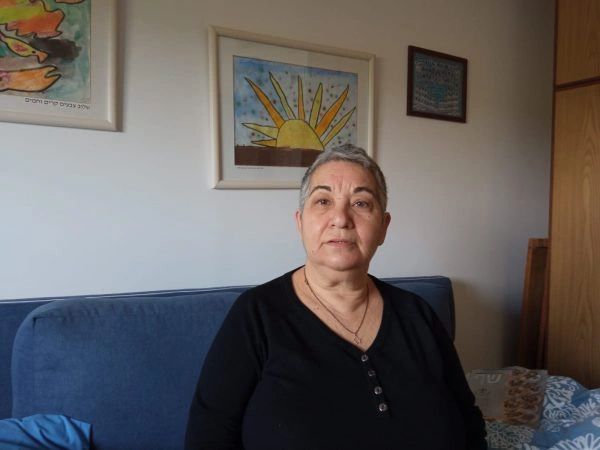
התחלתי בסיום הש”ס, יצאתי באורות. נשברתי פעמיים, ובשתיהם הרבנית מישל עודדה להמשיך איפה שכולם בסבב ולהשלים כשאוכל, וכך עשיתי וכיום השלמתי הכל. מדהים אותי שאני לומדת כל יום קצת, אפילו בחדר הלידה, בבידוד או בחו”ל. לאט לאט יותר נינוחה בסוגיות. לא כולם מבינים את הרצון, בפרט כפמניסטית. חשה סיפוק גדול להכיר את המושגים וצורת החשיבה. החלום זה להמשיך ולהתמיד ובמקביל ללמוד איך מהסוגיות נוצרה והתפתחה ההלכה.

Weingarten Sherrington Foundation
קרן וינגרטן שרינגטון

מודיעין, ישראל

התחלתי ללמוד דף יומי אחרי שחזרתי בתשובה ולמדתי במדרשה במגדל עוז. הלימוד טוב ומספק חומר למחשבה על נושאים הלכתיים ”קטנים” ועד לערכים גדולים ביהדות. חשוב לי להכיר את הגמרא לעומק. והצעד הקטן היום הוא ללמוד אותה בבקיאות, בעזרת השם, ומי יודע אולי גם אגיע לעיון בנושאים מעניינים. נושאים בגמרא מתחברים לחגים, לתפילה, ליחסים שבין אדם לחברו ולמקום ולשאר הדברים שמלווים באורח חיים דתי 🙂

Gaia Divo
גאיה דיבו

מצפה יריחו, ישראל

התחלתי ללמוד דף יומי כאשר קיבלתי במייל ממכון שטיינזלץ את הדפים הראשונים של מסכת ברכות במייל. קודם לא ידעתי איך לקרוא אותם עד שנתתי להם להדריך אותי. הסביבה שלי לא מודעת לעניין כי אני לא מדברת על כך בפומבי. למדתי מהדפים דברים חדשים, כמו הקשר בין המבנה של בית המקדש והמשכן לגופו של האדם (יומא מה, ע”א) והקשר שלו למשפט מפורסם שמופיע בספר ההינדי "בהגוד-גיתא”. מתברר שזה רעיון כלל עולמי ולא רק יהודי

Elena Arenburg
אלנה ארנבורג

נשר, ישראל

הייתי לפני שנתיים בסיום הדרן נשים בבנייני האומה והחלטתי להתחיל. אפילו רק כמה דפים, אולי רק פרק, אולי רק מסכת… בינתיים סיימתי רבע שס ותכף את כל סדר מועד בה.
הסביבה תומכת ומפרגנת. אני בת יחידה עם ארבעה אחים שכולם לומדים דף יומי. מדי פעם אנחנו עושים סיומים יחד באירועים משפחתיים. ממש מרגש. מסכת שבת סיימנו כולנו יחד עם אבא שלנו!
אני שומעת כל יום פודקאסט בהליכה או בנסיעה ואחכ לומדת את הגמרא.

Edna Gross
עדנה גרוס

מרכז שפירא, ישראל

התחלתי ללמוד בסבב הנוכחי לפני כשנתיים .הסביבה מתפעלת ותומכת מאוד. אני משתדלת ללמוד מכל ההסכתים הנוספים שיש באתר הדרן. אני עורכת כל סיום מסכת שיעור בביתי לכ20 נשים שמחכות בקוצר רוח למפגשים האלו.

Yael Asher
יעל אשר

יהוד, ישראל

בתחילת הסבב הנוכחי הצטברו אצלי תחושות שאני לא מבינה מספיק מהי ההלכה אותה אני מקיימת בכל יום. כמו כן, כאמא לבנות רציתי לתת להן מודל נשי של לימוד תורה
שתי הסיבות האלו הובילו אותי להתחיל ללמוד. נתקלתי בתגובות מפרגנות וסקרניות איך אישה לומדת גמרא..
כמו שרואים בתמונה אני ממשיכה ללמוד גם היום ואפילו במחלקת יולדות אחרי לידת ביתי השלישית.

Noa Shiloh
נועה שילה

רבבה, ישראל

בסוף הסבב הקודם ראיתי את השמחה הגדולה שבסיום הלימוד, בעלי סיים כבר בפעם השלישית וכמובן הסיום הנשי בבנייני האומה וחשבתי שאולי זו הזדמנות עבורי למשהו חדש.
למרות שאני שונה בסביבה שלי, מי ששומע על הלימוד שלי מפרגן מאוד.
אני מנסה ללמוד קצת בכל יום, גם אם לא את כל הדף ובסך הכל אני בדרך כלל עומדת בקצב.
הלימוד מעניק המון משמעות ליום יום ועושה סדר בלמוד תורה, שתמיד היה (ועדיין) שאיפה. אבל אין כמו קביעות

Racheli-Mendelson
רחלי מנדלסון

טל מנשה, ישראל

אחרי שראיתי את הסיום הנשי של הדף היומי בבנייני האומה זה ריגש אותי ועורר בי את הרצון להצטרף. לא למדתי גמרא קודם לכן בכלל, אז הכל היה לי חדש, ולכן אני לומדת בעיקר מהשיעורים פה בהדרן, בשוטנשטיין או בחוברות ושיננתם.

Rebecca Schloss
רבקה שלוס

בית שמש, ישראל

התחלתי ללמוד דף יומי בתחילת מסכת ברכות, עוד לא ידעתי כלום. נחשפתי לסיום הש״ס, ובעצם להתחלה מחדש בתקשורת, הפתיע אותי לטובה שהיה מקום לעיסוק בתורה.
את המסכתות הראשונות למדתי, אבל לא סיימתי (חוץ מעירובין איכשהו). השנה כשהגעתי למדרשה, נכנסתי ללופ, ואני מצליחה להיות חלק, סיימתי עם החברותא שלי את כל המסכתות הקצרות, גם כשהיינו חולות קורונה ובבידודים, למדנו לבד, העיקר לא לצבור פער, ומחכות ליבמות 🙂

Eden Yeshuron
עדן ישורון

מזכרת בתיה, ישראל

התחלתי לפני 8 שנים במדרשה. לאחרונה סיימתי מסכת תענית בלמידה עצמית ועכשיו לקראת סיום מסכת מגילה.

Daniela Baruchim
דניאלה ברוכים

רעננה, ישראל

התחלתי להשתתף בשיעור נשים פעם בשבוע, תכננתי ללמוד רק דפים בודדים, לא האמנתי שאצליח יותר מכך.
לאט לאט נשאבתי פנימה לעולם הלימוד .משתדלת ללמוד כל בוקר ומתחילה את היום בתחושה של מלאות ומתוך התכווננות נכונה יותר.
הלימוד של הדף היומי ממלא אותי בתחושה של חיבור עמוק לעם היהודי ולכל הלומדים בעבר ובהווה.

Neely Hayon
נילי חיון

אפרת, ישראל

אחרי שראיתי את הסיום הנשי של הדף היומי בבנייני האומה זה ריגש אותי ועורר בי את הרצון להצטרף. לא למדתי גמרא קודם לכן בכלל, אז הכל היה לי חדש, ולכן אני לומדת בעיקר מהשיעורים פה בהדרן, בשוטנשטיין או בחוברות ושיננתם.

Rebecca Schloss
רבקה שלוס

בית שמש, ישראל

התחלתי ללמוד דף יומי ממסכת נידה כי זה היה חומר הלימוד שלי אז. לאחר הסיום הגדול בבנייני האומה החלטתי להמשיך. וב”ה מאז עם הפסקות קטנות של קורונה ולידה אני משתדלת להמשיך ולהיות חלק.

זה משפיע מאוד על היום יום שלי ועל אף שאני עסוקה בלימודי הלכה ותורה כל יום, זאת המסגרת הקבועה והמחייבת ביותר שיש לי.

Moriah Taesan Michaeli
מוריה תעסן מיכאלי

גבעת הראל, ישראל

My explorations into Gemara started a few days into the present cycle. I binged learnt and become addicted. I’m fascinated by the rich "tapestry” of intertwined themes, connections between Masechtot, conversations between generations of Rabbanim and learners past and present all over the world. My life has acquired a golden thread, linking generations with our amazing heritage.
Thank you.

Susan Kasdan
סוזן כשדן

חשמונאים, Israel

התחלתי ללמוד דף יומי אחרי שחזרתי בתשובה ולמדתי במדרשה במגדל עוז. הלימוד טוב ומספק חומר למחשבה על נושאים הלכתיים ”קטנים” ועד לערכים גדולים ביהדות. חשוב לי להכיר את הגמרא לעומק. והצעד הקטן היום הוא ללמוד אותה בבקיאות, בעזרת השם, ומי יודע אולי גם אגיע לעיון בנושאים מעניינים. נושאים בגמרא מתחברים לחגים, לתפילה, ליחסים שבין אדם לחברו ולמקום ולשאר הדברים שמלווים באורח חיים דתי 🙂

Gaia Divo
גאיה דיבו

מצפה יריחו, ישראל

התחלתי ללמוד דף יומי כאשר קיבלתי במייל ממכון שטיינזלץ את הדפים הראשונים של מסכת ברכות במייל. קודם לא ידעתי איך לקרוא אותם עד שנתתי להם להדריך אותי. הסביבה שלי לא מודעת לעניין כי אני לא מדברת על כך בפומבי. למדתי מהדפים דברים חדשים, כמו הקשר בין המבנה של בית המקדש והמשכן לגופו של האדם (יומא מה, ע”א) והקשר שלו למשפט מפורסם שמופיע בספר ההינדי "בהגוד-גיתא”. מתברר שזה רעיון כלל עולמי ולא רק יהודי

Elena Arenburg
אלנה ארנבורג

נשר, ישראל

התחלתי ללמוד בשנת המדרשה במגדל עוז, בינתיים נהנית מאוד מהלימוד ומהגמרא, מעניין ומשמח מאוד!
משתדלת להצליח לעקוב כל יום, לפעמים משלימה קצת בהמשך השבוע.. מרגישה שיש עוגן מקובע ביום שלי והוא משמח מאוד!

Uriah Kesner
אוריה קסנר

חיפה , ישראל

התחלתי ללמוד דף יומי באמצע תקופת הקורונה, שאבא שלי סיפר לי על קבוצה של בנות שתיפתח ביישוב שלנו ותלמד דף יומי כל יום. הרבה זמן רציתי להצטרף לזה וזאת הייתה ההזדמנות בשבילי. הצטרפתי במסכת שקלים ובאמצע הייתה הפסקה קצרה. כיום אני כבר לומדת באולפנה ולומדת דף יומי לבד מתוך גמרא של טיינזלץ.

Saturdays in Raleigh
שבות בראלי

עתניאל, ישראל

גיטין מ

יָצָא לְחֵירוּת. אָמַר לוֹ רַבִּי יוֹחָנָן: כָּל כָּךְ יֵשׁ בְּיָדְךָ?! וַאֲנִי שׁוֹנֶה: הַכּוֹתֵב שְׁטַר אֵירוּסִין לְשִׁפְחָתוֹ, רַבִּי מֵאִיר אוֹמֵר: מְקוּדֶּשֶׁת, וַחֲכָמִים אוֹמְרִים: אֵינָהּ מְקוּדֶּשֶׁת!

he is emancipated. Rabbi Yoḥanan said to Rabbi Zeira: You possess such an extreme halakha, but I teach this halakha: With regard to one who writes a document of betrothal for his maidservant, stating: You are hereby betrothed to me, Rabbi Meir says: She is betrothed, and the Rabbis say: She is not betrothed, as even this, when he betroths her directly, does not serve as proof that he emancipates her.

כִּדְאָמַר רַבָּה בַּר רַב שֵׁילָא – כְּשֶׁרַבּוֹ הִנִּיחַ לוֹ תְּפִילִּין; הָכָא נָמֵי – כְּשֶׁרַבּוֹ הִשִּׂיאוֹ אִשָּׁה.

The Gemara answers: Just as that which Rabba bar Rav Sheila says in a different context, that Rabbi Yehoshua ben Levi is referring to a case where a slave’s master placed phylacteries on him, here too, the context of Rabbi Zeira’s statement is not that of a slave who married a woman in his master’s presence but a case where the slave’s master himself provided a wife for him, as this is certainly proof that he had emancipated him.

וּמִי אִיכָּא מִידֵּי דִּלְעַבְדֵּיהּ – לָא מִעֲבַד לֵיהּ אִיסּוּרָא, וְאִיהוּ – עָבֵד אִיסּוּרָא?!

The Gemara questions this answer: Is there anything like this, where for his slave he would not violate a prohibition, and by providing a wife for his slave he indicates that he must have emancipated the slave, but he himself might violate the prohibition, as he is suspected of marrying his maidservant without having freed her?

אָמַר רַב נַחְמָן בַּר יִצְחָק: הָכָא בְּמַאי עָסְקִינַן – דְּאָמַר לָהּ: ״צְאִי בּוֹ וְהִתְקַדְּשִׁי בּוֹ״; רַבִּי מֵאִיר סָבַר: יֵשׁ בַּלָּשׁוֹן הַזֶּה לְשׁוֹן שִׁחְרוּר, וְרַבָּנַן סָבְרִי: אֵין בַּלָּשׁוֹן הַזֶּה לְשׁוֹן שִׁחְרוּר.

Rav Naḥman bar Yitzḥak said: With what are we dealing here? This is a case where he said to the maidservant when he gave her the document of betrothal: Become emancipated with this and become betrothed to me with this. Rabbi Meir holds that this formulation written in the document of betrothal: You are hereby betrothed to me, contains a formulation of emancipation and therefore serves both as a bill of manumission and a document of betrothal. And the Rabbis hold: This formulation is not a formulation of emancipation. That is why the Rabbis hold she is not betrothed in this case. However, according to everyone, a master is not suspected of marrying his maidservant without first freeing her.

אָמַר רַבִּי יְהוֹשֻׁעַ בֶּן לֵוִי: עֶבֶד שֶׁהִנִּיחַ תְּפִילִּין בִּפְנֵי רַבּוֹ – יָצָא לְחֵירוּת. מֵיתִיבִי: לָוָה הֵימֶנּוּ רַבּוֹ, אוֹ שֶׁעֲשָׂאוֹ רַבּוֹ אַפּוֹטְרוֹפּוֹס, אוֹ שֶׁהִנִּיחַ תְּפִילִּין בִּפְנֵי רַבּוֹ, אוֹ שֶׁקָּרָא שְׁלֹשָׁה פְּסוּקִים בְּבֵית הַכְּנֶסֶת בִּפְנֵי רַבּוֹ, הֲרֵי זֶה לֹא יָצָא לְחֵירוּת!

With regard to this issue, Rabbi Yehoshua ben Levi says: A slave who dons phylacteries in the presence of his master is emancipated, as this is unusual behavior for a slave because slaves are not obligated in this mitzva. The Gemara raises an objection from a baraita: If a slave’s master borrowed money from him; or if his master appointed him as a steward over his possessions; or if the slave donned phylacteries in the presence of his master; or if he read three verses of the Torah reading in the synagogue in the presence of his master, although all of these activities are ordinarily performed only by freemen, this slave is not emancipated. This seems to contradict the opinion of Rabbi Yehoshua ben Levi.

אָמַר רַבָּה בַּר רַב שֵׁילָא: כְּשֶׁרַבּוֹ הִנִּיחַ לוֹ תְּפִילִּין.

Rabba bar Rav Sheila says: Rabbi Yehoshua ben Levi was referring to a case where the slave’s master placed phylacteries on him. In that case it is clear that the slave is donning phylacteries with the consent of his master, and a master would not place phylacteries on his slave unless he had already emancipated him.

כִּי אֲתָא רַב דִּימִי, אָמַר רַבִּי יוֹחָנָן: מִי שֶׁאָמַר בִּשְׁעַת מִיתָתוֹ ״פְּלוֹנִית שִׁפְחָתִי אַל יִשְׁתַּעְבְּדוּ בָּהּ לְאַחַר מוֹתִי״ – כּוֹפִין אֶת הַיּוֹרְשִׁים וְכוֹתְבִין לָהּ גֵּט שִׁחְרוּר. אָמְרוּ לְפָנָיו רַבִּי אַמֵּי וְרַבִּי אַסִּי: רַבִּי, אִי אַתָּה מוֹדֶה שֶׁבָּנֶיהָ עֲבָדִים?

§ When Rav Dimi came from Eretz Yisrael to Babylonia he reported that Rabbi Yoḥanan says: In a case of one who says at the moment of his death: With regard to so-and-so, my maidservant, my heirs should not treat her as a slave after my death, the court compels the heirs and they write for her a bill of manumission. Rabbi Ami and Rabbi Asi said before him: My teacher, don’t you admit that her children are slaves? The master meant only that his heirs should not subjugate her excessively. He did not intend to free her, and her children remain slaves. Why, then, are the heirs compelled to free the maidservant?

כִּי אֲתָא רַב שְׁמוּאֵל בַּר יְהוּדָה, אָמַר רַבִּי יוֹחָנָן: מִי שֶׁאָמַר בִּשְׁעַת מִיתָתוֹ ״פְּלוֹנִית שִׁפְחָתִי קוֹרַת רוּחַ עָשְׂתָה לִי; יֵעָשֶׂה לָהּ קוֹרַת רוּחַ״ – כּוֹפִין אֶת הַיּוֹרְשִׁין וְעוֹשִׂין לָהּ קוֹרַת רוּחַ. מַאי טַעְמָא? מִצְוָה לְקַיֵּים דִּבְרֵי הַמֵּת.

When Rav Shmuel bar Yehuda came from Eretz Yisrael to Babylonia, he reported a different version of what Rabbi Yoḥanan says: In a case of one who says at the moment of his death: So-and-so, my maidservant, gave me satisfaction and one should do for her something that gives her satisfaction, the court compels the heirs to give her satisfaction, and if she will be satisfied only by being emancipated, they must do so. What is the reason for this? It is a mitzva to fulfill the statement of the dead.

אָמַר אַמֵּימָר: הַמַּפְקִיר עַבְדּוֹ – אוֹתוֹ עֶבֶד אֵין לוֹ תַּקָּנָה. מַאי טַעְמָא? גּוּפֵיהּ לָא קָנֵי לֵיהּ – אִיסּוּרָא הוּא דְּאִיכָּא גַּבֵּיהּ, וְאִיסּוּרָא לָא מָצֵי מַקְנֵי לֵיהּ.

Ameimar says: With regard to one who renounces ownership of his slave, there is no halakhic remedy for that slave, and he cannot marry a Jewish woman. What is the reason for this? The slave himself does not belong to his master. However, there is the prohibition against marrying a Jewish woman that remains in the master’s possession, and the master cannot transfer ownership of the prohibition to the slave, as this is not something that can be transferred. A bill of manumission is not effective in this case because the slave already does not belong to him.

אֲמַר לֵיהּ רַב אָשֵׁי לְאַמֵּימָר: וְהָאָמַר עוּלָּא אָמַר רַבִּי יוֹחָנָן, וְרַב חִיָּיא בַּר אָבִין אָמַר רַב: אֶחָד זֶה וְאֶחָד זֶה יָצָא לְחֵירוּת, וְצָרִיךְ גֵּט שִׁחְרוּר! אֲמַר לֵיהּ: ״צָרִיךְ״ – וְאֵין לוֹ תַּקָּנָה.

Rav Ashi said to Ameimar: But didn’t Ulla say that Rabbi Yoḥanan says, and similarly Rav Ḥiyya bar Avin says that Rav says: Both in this case of one who betroths his slave, and in that case of one who renounces ownership of his slave, the slave is emancipated but nevertheless requires a bill of manumission? This demonstrates that when one renounces ownership of his slave, the slave is no longer in his possession but can still become a freeman upon receiving a bill of manumission. Ameimar said to him: They meant that he requires a bill of manumission to be considered a freeman and to marry a Jewish woman, but there is no remedy for him, as the master cannot issue one.

אִיכָּא דְּאָמְרִי, אָמַר אַמֵּימָר: הַמַּפְקִיר עַבְדּוֹ וָמֵת – אוֹתוֹ הָעֶבֶד אֵין לוֹ תַּקָּנָה. מַאי טַעְמָא? גּוּפֵיהּ לָא קָנֵי לֵיהּ – אִיסּוּרָא הוּא דְּאִיכָּא גַּבֵּיהּ, וְאִיסּוּרָא לִבְרֵיהּ לָא מוֹרֵית. אֲמַר לֵיהּ רַב אָשֵׁי לְאַמֵּימָר: וְהָא כִּי אֲתָא רַב דִּימִי, אָמַר רַבִּי יוֹחָנָן!

There are those who say a different version of this exchange: Ameimar says: With regard to one who renounces ownership of his slave and dies, there is no halakhic remedy for that slave and he cannot marry a Jewish woman. What is the reason for this? The slave himself does not belong to his master; however, there is the prohibition against marrying a Jewish woman that remains in the master’s possession, and the master cannot bequeath the prohibition to his son. Rav Ashi said to Ameimar: But when Rav Dimi came from Eretz Yisrael, he reported that Rabbi Yoḥanan says that if one says that his heirs should not treat his maidservant as a slave, the heirs are compelled to write a bill of manumission. This demonstrates that the heirs can write a bill of manumission although they do not own the maidservant.

דְּרַב דִּימִי טָעוּתָא הִיא. אֲמַר לֵיהּ: מַאי טָעוּתָא – דְּלָא אַמְרַהּ בִּלְשׁוֹן שִׁחְרוּר; הָא אַמְרַהּ בִּלְשׁוֹן שִׁחְרוּר – הָכִי נָמֵי! אֲמַר לֵיהּ: אֲנָא כִּדְרַב שְׁמוּאֵל בַּר יְהוּדָה סְבִירָא לִי.

Ameimar answered: The report of Rav Dimi quoting Rabbi Yoḥanan is erroneous, and Rabbi Yoḥanan never stated that halakha. He said to him: What is erroneous about Rav Dimi’s statement? The reason it is erroneous is that the master did not state this using a formulation of emancipation, but if he had stated this using a formulation of emancipation, then indeed they would be able to write for her a bill of manumission? Why then do you not concede to his opinion? He said to him: I hold in accordance with the report of Rav Shmuel bar Yehuda, that Rabbi Yoḥanan was discussing a case where the master said that his heirs should give the maidservant satisfaction. Therefore, the master never stated that the heirs would not have ownership over the maidservant, only that they should fulfill his dying instruction to grant her satisfaction.

הָהוּא דִּסְקַרְתָּא דְּעַבְדֵי דְּאִזְדַּבַּן לְגוֹי. כְּלוֹ מָרְווֹתָא בָּתְרָאֵי, אֲתוֹ לְקַמֵּיהּ דְּרָבִינָא, אֲמַר לְהוּ: זִילוּ אַהְדַּרוּ אַבְּנֵי מָרְווֹתָא קַמָּאֵי, וְיִכְתְּבוּ לְכוּ גִּיטָּא דְחֵרוּתָא. אֲמַרוּ לֵיהּ רַבָּנַן לְרָבִינָא, וְהָאָמַר אַמֵּימָר: הַמַּפְקִיר עַבְדּוֹ וָמֵת – אוֹתוֹ הָעֶבֶד אֵין לוֹ תַּקָּנָה!

The Gemara relates: There was an incident involving a certain city [diskarta] of slaves that was sold to gentiles. When their final gentile masters died, the slaves came before Ravina and said that since they had no masters, they wanted to be considered full-fledged Jews. He said to them: Go and return to the children of your first masters and have them write for you bills of manumission so that you will be considered freemen in every respect. The Rabbis said to Ravina: But didn’t Ameimar say that with regard to one who renounces ownership of his slave and dies, there is no remedy for that slave? Similarly, if one sells his slave to a gentile, he no longer has the right to the slave’s labor and can no longer write a bill of manumission for him.

אֲמַר לְהוּ: אֲנָא כְּרַב דִּימִי סְבִירָא לִי. אֲמַרוּ לֵיהּ: דְּרַב דִּימִי טָעוּתָא הִיא! אֲמַר לְהוּ: מַאי טָעוּתָא – דְּלָא אַמְרַהּ בִּלְשׁוֹן שִׁחְרוּר; הָא אַמְרַהּ בִּלְשׁוֹן שִׁחְרוּר – הָכִי נָמֵי! וְהִלְכְתָא כְּרָבִינָא.

Ravina said to them: I hold in accordance with the report of Rav Dimi, who said that Rabbi Yoḥanan says that the heirs can give a bill of manumission. They, the Rabbis, said to him: That which Rav Dimi said is erroneous. He said to them: What is erroneous about Rav Dimi’s statement? The reason it is erroneous is that he did not state this using a formulation of emancipation, but if he had stated this using a formulation of emancipation, then indeed they would be able to write a bill of manumission. The Gemara concludes: And the halakha is in accordance with the opinion of Ravina, that the original masters can write a bill of manumission for the slaves.

הָהוּא עַבְדָּא דְּבֵי תְרֵי, קָם חַד מִינַּיְיהוּ וְשַׁחְרְרֵיהּ לְפַלְגֵיהּ, אֲמַר אִידַּךְ: הַשְׁתָּא שָׁמְעִי בִּי רַבָּנַן וּמַפְסְדוּ לֵיהּ מִינַּאי; אֲזַל אַקְנְיֵיהּ לִבְנוֹ קָטָן.

§ The Gemara relates: There was a certain slave who belonged to two partners. One of them arose and emancipated his half of the slave. The other master said: Now the rabbis of the local court will hear that my slave is half emancipated and they will cause me to lose him, i.e., they will force me to release him, as is stated in the mishna (41b) that the court forces a master to release his slave who has been half emancipated. He went and transferred ownership of the slave to his minor son, who could not be forced by the court to emancipate him, so that the slave would remain in his possession.

שַׁלְחַהּ רַב יוֹסֵף בְּרֵיהּ דְּרָבָא לְקַמֵּיהּ דְּרַב פָּפָּא, שְׁלַח לֵיהּ: ״כַּאֲשֶׁר עָשָׂה כֵּן יֵעָשֶׂה לּוֹ, גְּמוּלוֹ יָשִׁיב לוֹ בְּרֹאשׁוֹ״ – אֲנַן קִים לַן בְּיָנוֹקָא דִּמְקָרְבָא דַּעְתֵּיהּ לְגַבֵּי זוּזֵי; מוֹקְמִינַן לֵיהּ אַפּוֹטְרוֹפּוֹס,

Rav Yosef, son of Rava, sent before Rav Pappa the question of what the halakha is in this circumstance. He sent to him a response that paraphrased biblical verses: As he has done, so shall it be done to him, his dealing shall return upon his own head (see Leviticus 24:19 and Obadiah 1:15). In other words, since the master acted deceitfully to circumvent the ruling of the Sages, one should deal with him deceitfully. We know that a child is attracted to money. We will appoint a steward for the child, who will clarify the slave’s market value,

וּמְקַרְקֵישׁ לֵיהּ זוּזֵי, וְכָתֵב לֵיהּ גִּיטָּא דְחֵירוּתָא עַל שְׁמֵיהּ.

and the slave should jingle the dinars before him. The child will want the money and he will decide to emancipate him, and they should write him a bill of emancipation in his name.

תָּנוּ רַבָּנַן, הָאוֹמֵר: ״עָשִׂיתִי פְּלוֹנִי עַבְדִּי בֶּן חוֹרִין״; ״עָשׂוּי בֶּן חוֹרִין״; ״הֲרֵי הוּא בֶּן חוֹרִין״ – הֲרֵי הוּא בֶּן חוֹרִין.

§ The Sages taught that with regard to one who says: I made so-and-so my slave a freeman, or: My slave was made a freeman, or: Behold he is a freeman, in all of these cases he is a freeman as a result.

״אֶעֱשֶׂנּוּ בֶּן חוֹרִין״ – רַבִּי אוֹמֵר: קָנָה, וַחֲכָמִים אוֹמְרִים: לֹא קָנָה. אָמַר רַבִּי יוֹחָנָן: וְכוּלָּן – בִּשְׁטָר.

If he says: I will make him a freeman, Rabbi Yehuda HaNasi says: The slave has acquired himself, and the Rabbis say: He has not acquired himself. Rabbi Yoḥanan says: And all of these halakhot apply only when the formulation was written in a document that was transferred to the slave. A verbal statement alone is not effective in emancipating the slave.

תָּנוּ רַבָּנַן, הָאוֹמֵר: ״נָתַתִּי שָׂדֶה פְּלוֹנִית לִפְלוֹנִי״; ״נְתוּנָה לִפְלוֹנִי״; ״הֲרֵי הִיא שֶׁלּוֹ״ – הֲרֵי הִיא שֶׁלּוֹ. ״אֶתְּנֶנָּה לִפְלוֹנִי״ – רַבִּי מֵאִיר אוֹמֵר: קָנָה; וַחֲכָמִים אוֹמְרִים: לֹא קָנָה. אָמַר רַבִּי יוֹחָנָן: וְכוּלָּן – בִּשְׁטָר.

Similarly, the Sages taught that with regard to one who says: I gave such and such a field to so-and-so as a gift; or: This field is given to so-and-so; or: Behold it is his, in all of these cases it belongs to the recipient. If he says: I will give it to so-and-so, then Rabbi Meir says: That person has acquired the field. And the Rabbis say: He has not acquired it. With regard to this, Rabbi Yoḥanan also says: And all of these halakhot apply only when the formulation was written in a document that was transferred to the recipient. A verbal statement alone is not effective in transferring the field.

תָּנוּ רַבָּנַן, הָאוֹמֵר: ״עָשִׂיתִי פְּלוֹנִי עַבְדִּי בֶּן חוֹרִין״, וְהוּא אוֹמֵר: ״לֹא עֲשָׂאַנִי״ – חָיְישִׁינַן שֶׁמָּא זִיכָּה לוֹ עַל יְדֵי אַחֵר. ״כָּתַבְתִּי וְנָתַתִּי לוֹ״, וְהוּא אוֹמֵר: ״לֹא כָּתַב לִי וְלֹא נָתַן לִי״ – הוֹדָאַת בַּעַל דִּין כְּמֵאָה עֵדִים דָּמֵי.

The Sages taught that with regard to one who says: I made so-and-so my slave a freeman, and the slave says: He did not make me a freeman, then we are concerned that perhaps the master transferred the slave’s emancipation to him through another person without the slave being aware of this, and the slave is assumed to be emancipated. However, if the master said: I wrote and I gave to him a bill of manumission, and the slave says: He did not write it for me and he did not give me a bill of manumission, then he remains a slave, as the legal status of the admission of a litigant is similar to the testimony of one hundred witnesses. Just as the testimony of witnesses is deemed credible by the court, so is the admission of a litigant deemed credible.

הָאוֹמֵר: ״נָתַתִּי שָׂדֶה פְּלוֹנִית לִפְלוֹנִי״, וְהוּא אוֹמֵר: ״לֹא נָתַן לִי״ – חָיְישִׁינַן שֶׁמָּא זִיכָּה לוֹ עַל יְדֵי אַחֵר. ״כָּתַבְתִּי וְנָתַתִּי לוֹ״, וְהוּא אוֹמֵר: ״לֹא כָּתַב וְלֹא נָתַן לִי״ – הוֹדָאַת בַּעַל דִּין כְּמֵאָה עֵדִים דָּמֵי.

Similarly, with regard to one who says: I gave such and such a field to so-and-so, and the supposed recipient says: He did not give me it, then we are concerned that perhaps he transferred the field to him through another person without the recipient being aware of this, and the field becomes his. However, if one says: I wrote and gave to him a document stating that I am giving him the field, and the supposed recipient says: He did not write it and did not give me a document stating that he is giving me the field, then he does not take possession of the field, as the legal status of the admission of a litigant is similar to the testimony of one hundred witnesses.

מִי אוֹכֵל פֵּירוֹת? רַב חִסְדָּא אָמַר: נוֹתֵן אוֹכֵל פֵּירוֹת; וְרַבָּה אָמַר: מְשַׁלְּשִׁין אֶת הַפֵּירוֹת.

The Gemara asks: In this case, where the original owner states that he gave the field to his friend, and the supposed recipient states that he did not receive it, who consumes the produce of the field? Rav Ḥisda says: The giver consumes the produce, as the field remains in his possession, and Rabba says: The produce is deposited with a third party until it can be determined who the rightful owner is.

וְלָא פְּלִיגִי: הָא בְּאַבָּא, הָא בִּבְרָא.

The Gemara comments: And they do not disagree. Rather, they are referring to different cases: This case pertains to the father, the one who is the supposed recipient of the field. As long as he is alive and states that he did not receive the field, the produce is consumed by the original owner. That case pertains to the son of the supposed recipient of the field, who claims that his father did not receive it. Since it is possible that the father received it without the son’s knowledge, the produce is deposited with a third party until it can be determined who the rightful owner is.

מַתְנִי׳ עֶבֶד שֶׁעֲשָׂאוֹ רַבּוֹ אַפּוֹתֵיקֵי לַאֲחֵרִים, וְשִׁיחְרְרוֹ – שׁוּרַת הַדִּין אֵין הָעֶבֶד חַיָּיב כְּלוּם; אֶלָּא מִפְּנֵי תִּיקּוּן הָעוֹלָם, כּוֹפִין אֶת רַבּוֹ וְעוֹשֶׂה אוֹתוֹ בֶּן חוֹרִין, וְכוֹתֵב שְׁטָר עַל דָּמָיו. רַבָּן שִׁמְעוֹן בֶּן גַּמְלִיאֵל אוֹמֵר: אֵינוֹ כּוֹתֵב, אֶלָּא מְשַׁחְרֵר.

MISHNA: In the case of a slave whose master set him aside as designated repayment [apoteiki] of a debt to other people from whom he borrowed money, and afterward he emancipated him, then according to the letter of the law the slave bears no responsibility for the debt. However, for the betterment of the world, his master is forced to make him a freeman, and the slave writes a promissory note for his value to pay the debt to the creditor. Rabban Shimon ben Gamliel says: He does not write a promissory note; he only emancipates the slave.

גְּמָ׳ עֶבֶד שֶׁעֲשָׂאוֹ רַבּוֹ אַפּוֹתֵיקֵי וְשִׁיחְרְרוֹ: מִי שִׁחְרְרוֹ? אָמַר רַב: רַבּוֹ רִאשׁוֹן. שׁוּרַת הַדִּין אֵין הָעֶבֶד חַיָּיב כְּלוּם לְרַבּוֹ שֵׁנִי –

GEMARA: The mishna taught the case of a slave whose master set him aside as designated repayment of a debt to other people and afterward emancipated him. The Gemara clarifies: Who emancipated him? Rav said: His first master emancipated him, and the mishna is teaching as follows: According to the letter of the law, the slave is not obligated to serve his second master at all.

כִּדְרָבָא, דְּאָמַר רָבָא: הֶקְדֵּשׁ, חָמֵץ וְשִׁחְרוּר – מַפְקִיעִין מִידֵי שִׁיעְבּוּד; אֶלָּא מִפְּנֵי תִּיקּוּן הָעוֹלָם, שֶׁמָּא יִמְצָאֶנּוּ בַּשּׁוּק

Why does he not have to serve the second master? This halakha is in accordance with the statement of Rava, as Rava says: Consecration of an item to the Temple, becoming subject to the prohibition of leavened bread on Passover, and the emancipation of a slave abrogate any lien that exists upon an item. Therefore, in the case of the mishna, the slave should be a freeman after his master emancipates him, and the creditor may not take possession of him. However, for the betterment of the world, lest the creditor will find the slave in the market

רוצה לעקוב אחרי התכנים ולהמשיך ללמוד?

ביצירת חשבון עוד היום ניתן לעקוב אחרי ההתקדמות שלך, לסמן מה למדת, ולעקוב אחרי השיעורים שמעניינים אותך.

לנקות את כל הפריטים מהרשימה?

פעולה זו תסיר את כל הפריטים בחלק זה כולל ההתקדמות וההיסטוריה. שימי לב: לא ניתן לשחזר פעולה זו.

ביטול
מחיקה

האם את/ה בטוח/ה שברצונך למחוק פריט זה?

תאבד/י את כל ההתקדמות או ההיסטוריה הקשורות לפריט זה.

ביטול
מחיקה