






רוצה להקדיש לימוד?


גיטין סז
״אִמְרוּ לְסוֹפֵר וְיִכְתּוֹב, וְלִפְלוֹנִי וּפְלוֹנִי וְיַחְתֹּמוּ״; וּמִשּׁוּם כִּיסּוּפָא דְּסוֹפֵר – חָיְישִׁי וּמַחְתְּמִי חַד מֵהָנָךְ סָהֲדִי, וְסוֹפֵר בַּהֲדַיְיהוּ, וּבַעַל לָא אָמַר הָכִי!
Tell a scribe and he will write the document and tell so-and-so and so-and-so and they will sign it. And due to the shame of the scribe, who asks: Don’t you consider me a sufficiently upright person to sign the document as a witness, the agents are concerned to avoid that disgrace and have one of those witnesses and the scribe sign together with him, and the husband did not say to do so. The bill of divorce is invalid because it was signed contrary to the husband’s instructions, and the agents will mistakenly think it is valid.
כֵּיוָן דְּאָמַר מָר: ״כָּשֵׁר, וְלֹא תֵּעָשֶׂה כֵּן בְּיִשְׂרָאֵל״ – לָא שְׁכִיחַ.
The Gemara answers: Since the Master said, as cited later, that such a bill of divorce is valid, however, it shall not be done in Israel, as the husband himself should appoint the scribe and the witnesses, it is an uncommon case for the husband to appoint an agent to arrange the bill of divorce, and the Sages do not issue a decree for cases that are uncommon.
וְלֵיחוּשׁ דִּילְמָא אֲמַר לְהוּ לְבֵי תְרֵי: ״אִמְרוּ לְסוֹפֵר וְיִכְתּוֹב, וְאַתֶּם חֲתוֹמוּ״, וְאָזְלִי הָנָךְ מִשּׁוּם כִּיסּוּפָא דְּסוֹפֵר, וּמַחְתְּמִי לֵיהּ לְסוֹפֵר בַּהֲדֵי חַד מִינַּיְיהוּ, וּבַעַל לָא אָמַר הָכִי! אָמְרִי: הָא נָמֵי ״כָּשֵׁר וְלֹא תֵּעָשֶׂה״ הוּא.
The Gemara asks: And let us be concerned lest the husband say to two people: Tell the scribe and he will write the document and you sign it, and these two, due to the shame of the scribe, go and have the scribe sign the document together with one of them, and the husband did not say to do so. The Sages say: In this case too, it is valid; however, it shall not be done. This too is uncommon, and there is neither concern nor a decree.
הָנִיחָא לְמַאן דְּאָמַר: ״כָּשֵׁר וְלֹא תֵּעָשֶׂה״; אֶלָּא לְמַאן דְּאָמַר ״כָּשֵׁר וְתַעֲשֶׂה״ – מַאי אִיכָּא לְמֵימַר?
The Gemara responds: This works out well according to the one who said in this case as well: It is valid; however, it shall not be done. But according to the one who said: It is valid and it may be done, i.e., it is permitted ab initio, what is there to say?
אֶלָּא רַבִּי יוֹסֵי – תַּרְתֵּי אָמַר; וּשְׁמוּאֵל סָבַר לַהּ כְּווֹתֵיהּ בַּחֲדָא, וּפְלִיג עֲלֵיהּ בַּחֲדָא.
Rather, this is the explanation. Rabbi Yosei stated two halakhot: The first is that verbal directives cannot be delegated to an agent. The second is that even when the husband said: Tell another to write the document, this agency cannot be transferred to another person. And Shmuel holds in accordance with the opinion of Rabbi Yosei in one case, i.e., that verbal directives cannot be delegated to an agent, and he disagrees with him in one case, as Shmuel holds that if the husband explicitly said: Tell another to write the document, this agency can be transferred.
גּוּפָא – אָמַר שְׁמוּאֵל אָמַר רַבִּי: הֲלָכָה כְּרַבִּי יוֹסֵי, דְּאָמַר מִילֵּי לָא מִימַּסְרָן לְשָׁלִיחַ. אָמַר לְפָנָיו רַבִּי שִׁמְעוֹן בְּרַבִּי: מֵאַחַר שֶׁרַבִּי מֵאִיר וַחֲנִינָא אִישׁ אוֹנוֹ חוֹלְקִין עַל רַבִּי יוֹסֵי, מָה רָאָה רַבִּי לוֹמַר הֲלָכָה כְּרַבִּי יוֹסֵי?
§ With regard to the previously cited matter itself, Shmuel says that Rabbi Yehuda HaNasi says: The halakha is in accordance with the opinion of Rabbi Yosei, who says: Verbal directives cannot be delegated to an agent. Rabbi Shimon, son of Rabbi Yehuda HaNasi, said before his father: Since Rabbi Meir and Rabbi Ḥanina of Ono, who hold that verbal directives can be delegated to an agent, disagree with Rabbi Yosei, what led Rabbi Yehuda HaNasi to say that the halakha is in accordance with the opinion of Rabbi Yosei?
אָמַר לוֹ: שְׁתוֹק בְּנִי, שְׁתוֹק, לֹא רָאִיתָ אֶת רַבִּי יוֹסֵי, אִילְמָלֵי רְאִיתוֹ – נִמּוּקוֹ עִמּוֹ.
Rabbi Yehuda HaNasi said to his son: Be silent, my son; be silent. You did not see Rabbi Yosei, as, if you had seen him, you would know that his reasoning [nimmuko] accompanies his statements. Therefore, I deem his opinion most reliable.
דְּתַנְיָא, אִיסִי בֶּן יְהוּדָה הָיָה מוֹנֶה שִׁבְחָן שֶׁל חֲכָמִים: רַבִּי מֵאִיר – חָכָם וְסוֹפֵר; רַבִּי יְהוּדָה – חָכָם לִכְשֶׁיִּרְצֶה; רַבִּי טַרְפוֹן – גַּל שֶׁל אֱגוֹזִין; רַבִּי יִשְׁמָעֵאל – חֲנוּת מְיוּזֶּנֶת; רַבִּי עֲקִיבָא – אוֹצָר בָּלוּם; רַבִּי יוֹחָנָן בֶּן נוּרִי – קוּפַּת הָרוֹכְלִים; רַבִּי אֶלְעָזָר בֶּן עֲזַרְיָה – קוּפָּה שֶׁל בְּשָׂמִים; מִשְׁנַת רַבִּי אֱלִיעֶזֶר בֶּן יַעֲקֹב – קַב וְנָקִי; רַבִּי יוֹסֵי – נִמּוּקוֹ עִמּוֹ; רַבִּי שִׁמְעוֹן – טוֹחֵן הַרְבֵּה וּמוֹצִיא קִימְעָא.
This is as it is taught in a baraita that Isi ben Yehuda would recount the praise of the Sages by characterizing each of them: Rabbi Meir, a scholar and scribe; Rabbi Yehuda, a scholar when he chooses to be one; Rabbi Tarfon, a pile of nuts, as, just as when one removes a nut from a pile all the other nuts fall, so too, when a student would ask Rabbi Tarfon with regard to one matter, he would cite sources from all the disciplines of the Torah; Rabbi Yishmael, a well-stocked store; Rabbi Akiva, a full storehouse; Rabbi Yoḥanan ben Nuri, a peddler’s basket, in which there is a small amount of each product; Rabbi Elazar ben Azarya, a basket of fragrant spices, as everything he says is reasonable; the mishna of Rabbi Eliezer ben Ya’akov is measured [kav] and immaculate; Rabbi Yosei, his reasoning accompanies his statements; Rabbi Shimon grinds much and removes little.
תָּנָא: מְשַׁכֵּחַ קִימְעָא, וּמַה שֶּׁמּוֹצִיא – אֵינוֹ מוֹצִיא אֶלָּא סוּבִּין. וְכֵן אָמַר רַבִּי שִׁמְעוֹן לְתַלְמִידָיו: בָּנַיי, שְׁנוּ מִדּוֹתַי, שֶׁמִּדּוֹתַי תְּרוּמוֹת מִתְּרוּמוֹת מִידּוֹתָיו שֶׁל רַבִּי עֲקִיבָא.
It is taught in explanation: Rabbi Shimon would forget little of his studies, and what he removed from his memory, he removed only chaff. And likewise, Rabbi Shimon said to his students: My sons, accept my halakhic rulings, as my rulings are the finest rulings of the finest rulings of Rabbi Akiva.
גּוּפָא – אָמַר לִשְׁנַיִם: ״אִמְרוּ לְסוֹפֵר וְיִכְתּוֹב, וְלִפְלוֹנִי וּפְלוֹנִי וְיַחְתֹּמוּ״ – אָמַר רַב הוּנָא אָמַר רַב: כָּשֵׁר, וְלֹא תֵּעָשֶׂה זֹאת בְּיִשְׂרָאֵל.
§ With regard to the matter previously cited itself, a case where one who said to two people: Tell a scribe and he will write the document and tell so-and-so and so-and-so and they will sign it, Rav Huna says that Rav says: It is valid; however, it shall not be done in Israel ab initio. The husband himself must appoint the scribe and witnesses.
אֲמַר לֵיהּ עוּלָּא לְרַב נַחְמָן, וְאָמְרִי לַהּ רַב נַחְמָן לְעוּלָּא: מֵאַחַר דְּכָשֵׁר, אַמַּאי לֹא תֵּעָשֶׂה זֹאת בְּיִשְׂרָאֵל? אֲמַר לֵיהּ: חָיְישִׁינַן שֶׁמָּא תִּשְׂכּוֹר עֵדִים.
Ulla said to Rav Naḥman, and some say that Rav Naḥman said to Ulla: Since it is valid, why shall it not be done in Israel? He said to him: We are concerned lest the woman hire witnesses. Since this is permitted by means of an agent, and the witnesses themselves do not know what the husband said, a woman could hire witnesses to tell a scribe to write a bill of divorce on her behalf and hire witnesses to sign it without her husband’s knowledge.
וּמִי חָיְישִׁינַן?! וְהָתַנְיָא: עֵדִים הַחֲתוּמִין עַל שְׂדֵה מִקָּח, וְעַל גֵּט אִשָּׁה – לֹא חָשׁוּ חֲכָמִים לְדָבָר זֶה! מַעֲשֶׂה לָא עָבְדִי, דִּבּוּרָא קָאָמְרִי.
The Gemara asks: But are we concerned about that possibility? But isn’t it taught in a baraita (Tosefta, Yevamot 4:7): With regard to witnesses who are signed on a field of sale and a woman’s bill of divorce, the Sages were not concerned with regard to this matter of forgery, that perhaps these documents were written without consent of the owner and the husband, respectively. The Gemara answers: Although they would not perform an action and forge a bill of divorce, they would utter a statement and tell another to forge a document. The other person acts unknowingly, unaware of the impropriety involved.
אָמַר לִשְׁנַיִם: ״אִמְרוּ לְסוֹפֵר וְיִכְתּוֹב, וְאַתֶּם חֲתוֹמוּ״ – רַב חִסְדָּא אָמַר: ״כָּשֵׁר וְלֹא תֵּעָשֶׂה״, רַבָּה בַּר בַּר חָנָה אָמַר: ״כָּשֵׁר וְתֵעָשֶׂה״;
The Gemara cites another halakha: If one said to two people: Tell the scribe and he will write the document and you sign it, Rav Ḥisda says: This bill of divorce is valid; however, it shall not be done ab initio. Rabba bar bar Ḥana says: It is valid and it may be done ab initio.
רַב נַחְמָן אָמַר: ״כָּשֵׁר וְלֹא תֵּעָשֶׂה״, רַב שֵׁשֶׁת אָמַר: ״כָּשֵׁר וְתֵעָשֶׂה״; רַבָּה אָמַר: ״כָּשֵׁר וְלֹא תֵּעָשֶׂה״, רַב יוֹסֵף אָמַר: ״כָּשֵׁר וְתֵעָשֶׂה״.
Several other amora’im dispute this matter. Rav Naḥman says: It is valid; however, it shall not be done ab initio. Rav Sheshet says: It is valid and it may be done ab initio. Rabba says: It is valid; however, it shall not be done. Rav Yosef says: It is valid and it may be done.
וְאִיכָּא דְּאָפֵיךְ לְהוּ.
And there are those who reverse the attribution of the opinions of Rabba and Rav Yosef with regard to this matter.
אָמַר לַעֲשָׂרָה: ״כִּתְבוּ גֵּט״. תָּנוּ רַבָּנַן, אָמַר לַעֲשָׂרָה: ״כִּתְבוּ גֵּט, וּתְנוּ לְאִשְׁתִּי״ – אֶחָד כּוֹתֵב עַל יְדֵי כּוּלָּם. ״כּוּלְּכֶם כְּתוֹבוּ״ – אֶחָד כּוֹתֵב בְּמַעֲמַד כּוּלָּם. ״הוֹלִיכוּ גֵּט לְאִשְׁתִּי״ – אֶחָד מוֹלִיךְ עַל יְדֵי כּוּלָּם. ״כּוּלְּכֶם הוֹלִיכוּ״ – אֶחָד מוֹלִיךְ בְּמַעֲמַד כּוּלָּם.
The mishna teaches that if a man said to ten people: Write and give a bill of divorce to my wife, one of the ten writes the bill of divorce and two sign it. The Sages taught: If one said to ten people: Write a bill of divorce and give it to my wife, one writes on behalf of them all. If he said: All of you write the document, one writes it in the presence of them all. If he said: Deliver a bill of divorce to my wife, one person brings it on behalf of them all. If he said: All of you deliver a bill of divorce, then one brings it in the presence of them all.
אִיבַּעְיָא לְהוּ: מָנָה אוֹתָן, מַהוּ? רַב הוּנָא אָמַר: מָנָה אֵינוֹ כְּ״כוּלְּכֶם״, רַבִּי יוֹחָנָן מִשּׁוּם רַבִּי אֶלְעָזָר דְּמִן רוֹמָה אָמַר: מָנָה הֲרֵי הוּא כְּ״כוּלְּכֶם״.
A dilemma was raised before the Sages: If he said: Write a bill of divorce, and he enumerated them by name, what is the halakha? Can one of them write the bill of divorce on behalf of them all? Or perhaps it is comparable to a situation where one says: All of you write, when it must be written in the presence of them all. Rav Huna says: If one enumerated them by name, it is not comparable to saying: All of you write. Rabbi Yoḥanan says in the name of Rabbi Elazar of Rome: If one enumerated them by name, it is comparable to saying: All of you write.
אָמַר רַב פָּפָּא: וְלָא פְּלִיגִי; הָא דְּמָנָה כּוּלְּהוּ, וְהָא דְּמָנָה מִקְצָתַיְיהוּ – אָמְרִי לַהּ לְהַאי גִּיסָא, וְאָמְרִי לַהּ לְהַאי גִּיסָא.
Rav Pappa said: And they do not disagree. This is referring to a case where he enumerated them all, and that is referring to a case where he enumerated some of them. Some say that the distinction between the cases should be explained in this manner, and some say it in that manner. Some explain that the distinction is that if he enumerated them all, he insists that they all participate, but if he enumerated some of them, he does not insist that they do so. He enumerated the names that he did only to indicate that he wants the people performing the task to be chosen from those people. Others explain that if he enumerated only some of them, he thereby expressed his intent that they alone participate, but if he enumerated them all but did not say: All of you write, that is not the case.
אַתְקֵין רַב יְהוּדָה בְּגִיטָּא דְּ״כוּלְּכֶם״: כְּתוֹבוּ – אוֹ כּוּלְּכוֹן אוֹ כֹּל חַד וְחַד מִינְּכוֹן; חֲתוֹמוּ – אוֹ כּוּלְּכוֹן אוֹ כֹּל תְּרֵי מִינְּכוֹן; אוֹבִילוּ – אוֹ כּוּלְּכוֹן אוֹ כֹּל חַד וְחַד מִינְּכוֹן.
The Gemara recounts: Rav Yehuda instituted in the case of a bill of divorce with regard to which the husband gave instructions in the presence of many people and the concern is that it will be interpreted that he said: All of you write, and if they do not all sign there will be uncertainty whether or not the woman is divorced, that he should say: Write it, either all of you or each and every one of you; sign it, either all of you or every two of you; deliver it, either all of you or each and every one of you. In that way, there is no concern that the bill of divorce will be invalid if one of them fails to participate.
אָמַר רָבָא: זִימְנִין דְּגָאֵיז לֵיהּ לְדִיבּוּרֵיהּ, וְאָמַר ״כּוּלְּכוֹן״ וְלָא אָמַר ״כֹּל חַד מִינְּכוֹן״, וְאָתֵי לְאִיפְּסוֹלֵי!
Rava said: This ordinance still leaves room for a pitfall. Since Rav Yehuda instituted a formula that is that long and complex, sometimes the husband may truncate his statement and say: All of you, but he will not say: Every one of you. And the bill of divorce will be invalidated as a result.
אֶלָּא אָמַר רָבָא: ״כְּתוֹבוּ – כֹּל חַד מִינְּכוֹן, חֲתוֹמוּ – כֹּל תְּרֵי מִינְּכוֹן, אוֹבִילוּ – כֹּל חַד מִינְּכוֹן״.
Rather, Rava said that he must say: Each of you may write it, every two of you may sign it, each one of you may deliver it. However, he should not say: All of you, so that the bill of divorce will not be invalidated if one fails to do so.
הֲדַרַן עֲלָךְ הָאוֹמֵר
מִי שֶׁאֲחָזוֹ קוּרְדְּיָיקוֹס, וְאָמַר: ״כִּתְבוּ גֵּט לְאִשְׁתִּי״ – לֹא אָמַר כְּלוּם. אָמַר: ״כִּתְבוּ גֵּט לְאִשְׁתִּי״, וַאֲחָזוֹ קוּרְדְּיָיקוֹס, וְחָזַר וְאָמַר: ״לֹא תִּכְתְּבֶנּוּ״ – אֵין דְּבָרָיו הָאַחֲרוֹנִים כְּלוּם.
MISHNA: In the case of one who was afflicted with temporary insanity [kordeyakos] and said: Write a bill of divorce for my wife, he said nothing, because he was not lucid at the time. If he said: Write a bill of divorce for my wife, when he was lucid, and was then afflicted with temporary insanity and he retracted his previous statement and said: Do not write it, his latter statement is considered to be nothing, i.e., it is not halakhically valid.
נִשְׁתַּתֵּק, וְאָמְרוּ לוֹ: ״נִכְתּוֹב גֵּט לְאִשְׁתְּךָ״, וְהִרְכִּין בְּרֹאשׁוֹ – בּוֹדְקִין אוֹתוֹ שְׁלֹשָׁה פְּעָמִים, אִם אָמַר עַל לָאו – ״לָאו״, וְעַל הֵן – ״הֵן״, הֲרֵי אֵלּוּ יִכְתְּבוּ וְיִתְּנוּ.
The mishna continues: In a case where the husband became mute, and two people said to him: Shall we write a bill of divorce for your wife, and he nodded his head indicating his agreement, they examine him with various questions three times. If he responded to questions that have a negative answer: No, and responded to questions that have a positive answer: Yes, indicating his competence, they shall write the bill of divorce and give it to his wife based on the nod of his head.
גְּמָ׳ מַאי קוּרְדְּיָיקוֹס? אָמַר שְׁמוּאֵל: דְּנַכְתֵיהּ חַמְרָא חַדְתָּא דְּמַעְצַרְתָּא. וְלִיתְנֵי: מִי שֶׁנְּשָׁכוֹ יַיִן חָדָשׁ! הָא קָא מַשְׁמַע לַן, דְּהָא רוּחָא – ״קוּרְדְּיָיקוֹס״ שְׁמַהּ.
GEMARA: The Gemara asks: What is the nature of the temporary insanity mentioned in the mishna? Shmuel said: The reference is to one who was afflicted by drinking new wine that came directly from the winepress. The Gemara asks: And let the tanna of the mishna then teach explicitly: With regard to one who was afflicted by drinking new wine. The Gemara answers: This teaches us that the name of the demon that causes this insanity is Kordeyakos.
לְמַאי נָפְקָא מִינַּהּ? לִקְמִיעָא. מַאי אָסוּתֵיהּ? בִּישְׂרָא סוּמָּקָא אַגּוּמְרֵי, וְחַמְרָא מַרְקָא.
The Gemara asks: What difference is there? The Gemara answers: The difference is with regard to writing an amulet to prevent harm caused by the demon. The amulet must include the name of the demon. The Gemara asks: What is the remedy for that illness? The Gemara responds: The afflicted person should eat red meat roasted over coals and drink wine diluted [marka] with a large amount of water.
אָמַר אַבָּיֵי, אֲמַרָה לִי אֵם: לְשִׁימְשָׁא בַּת יוֹמָא – כּוּזָא דְמַיָּא. בַּת תְּרֵי יוֹמֵי – סִיכּוּרֵי. בַּת תְּלָתָא יוֹמֵי – בִּשְׂרָא סוּמָּקָא אַגּוּמְרֵי, וְחַמְרָא מַרְקָא. לְשִׁימְשָׁא עַתִּיקְתָּא – לַיְתֵי תַּרְנְגוֹלְתָּא אוּכַּמְתִּי, וְלִיקְרְעַהּ שְׁתִי וָעֵרֶב, וְלִיגַלְּחֵיהּ לִמְצִיעֲתָא דְרֵישֵׁיהּ – וְלוֹתְבֵיהּ עִילָּוֵיהּ, וְנַנְּחֵיהּ עִילָּוֵיהּ עַד (דְּמִיסְּרַךְ);
Abaye said: My mother told me that the remedy for a day-old fever, i.e., one contracted that day, is drinking a jug [kuza] of water. The remedy for a fever two days old is bloodletting [sikurei]. The remedy for a fever three days old is eating red meat roasted over coals and drinking diluted wine. For an old fever that lasts for an extended period of time, the remedy is to bring a black hen, tear it lengthwise and widthwise, shave the middle of the sufferer’s head, and place the hen upon it, and leave the hen upon him until it adheres to his head due to the blood.
וְלִינְחוֹת וְלֵיקוּם בְּמַיָּא עַד צַוְּארֵיהּ – עַד דְּחָלֵישׁ עָלְמָא עִילָּוֵיהּ, וְלֵימוֹד, וְלִסְלַיק וְלִיתֵיב. וְאִי לָא – לֵיכוֹל כַּרָּתֵי, וְלִינְחוֹת וְלֵיקוּם בְּמַיָּא עַד צַוְּארֵיהּ – עַד דְּחָלֵישׁ עָלְמָא עִילָּוֵיהּ, וְלֵימוֹד, וְלִסְלַיק וְלִיתֵיב.
And let him descend into the water and let him stand in the water up to his neck until the world appears faint for him, i.e., he feels faint. And let him submerge himself in the water, and emerge from the water and sit and rest. And if he is not able to undergo this process, let him eat leeks, and descend into the water, and stand in the water up to his neck until the world appears faint for him. And let him submerge himself in the water, and emerge from the water and sit and rest.
לְשִׁימְשָׁא – בִּישְׂרָא סוּמָּקָא אַגּוּמְרֵי, וְחַמְרָא מַרְקָא. לְתַלְגָא – בִּישְׂרָא שַׁמִּינָא אַגּוּמְרֵי, וְחַמְרָא חַיָּיא.
The remedy for a fever is eating red meat that was roasted over coals and drinking diluted wine. A remedy for the chills is eating fatty meat that was roasted over coals and drinking undiluted wine.
רַב עַמְרָם חֲסִידָא, כִּי הֲוָה מְצַעֲרִין לֵיהּ בֵּי רֵישׁ גָּלוּתָא, הֲווֹ מַגְנוּ לֵיהּ אַתַּלְגָא. לִמְחַר אֲמַרוּ לֵיהּ: מַאי נִיחָא לֵיהּ לְמָר דְּלַיְיתוֹ לֵיהּ? אָמַר: הָנֵי, כֹּל דְּאָמֵינָא לְהוּ – מֵיפָךְ אָפְכִי. אֲמַר לְהוּ: בִּישְׂרָא סוּמָּקָא אַגּוּמְרֵי, וְחַמְרָא מַרְקָא. אַיְיתוֹ לֵיהּ אִינְהוּ: בִּישְׂרָא שַׁמִּינָא אַגּוּמְרֵי, וְחַמְרָא חַיָּיא.
It was related: When the members of the Exilarch’s house would afflict Rav Amram the pious they would make him lie down to sleep all night on the snow. The next day they would say to him: What is preferable for the Master, i.e., Rav Amram, for us to bring him to eat? Rav Amram said to himself: Anything I say to them, they will do the opposite. He said to them: Bring me red meat roasted over coals and diluted wine. They brought him fatty meat roasted over coals and undiluted wine instead, which is what Rav Amram had intended, because this is the remedy for one who suffers from the chills.
שָׁמְעָה יַלְתָּא, וּמְעַיְּילָה לֵיהּ לְבֵי מַסּוּתָא, וּמוֹקְמִי לֵיהּ בְּמַיָּא דְּבֵי מַסּוּתָא – עַד דִּמְהַפְכִי מַיָּא דְּבֵי מַסּוּתָא וְהָווּ דְּמָא, וְקָאֵי בִּישְׂרֵיהּ פְּשִׁיטֵי פְּשִׁיטֵי.
Yalta, Rav Naḥman’s wife, heard what the members of the Exilarch’s house did, and that Rav Amram was suffering from the chills. And she brought him to the bathhouse, and placed him in the water of the bathhouse until the water of the bathhouse turned red like blood. And his flesh became covered with spots that looked like coins [peshitei].
רַב יוֹסֵף אִיעֲסֵק בְּרִיחְיָא. רַב שֵׁשֶׁת אִיעֲסֵק בִּכְשׁוּרֵי, אֲמַר: גְּדוֹלָה מְלָאכָה שֶׁמְּחַמֶּמֶת אֶת בְּעָלֶיהָ.
It is related: When Rav Yosef suffered from the cold he would work by grinding with millstones in order to keep warm. When Rav Sheshet suffered from the cold he would work by lifting beams. He said: Great is labor, as it warms its master.
אֲמַר לֵיהּ רֵישׁ גָּלוּתָא לְרַב שֵׁשֶׁת: מַאי טַעְמָא לָא סָעֵיד מָר גַּבָּן? אֲמַר לֵיהּ: דְּלָא מְעַלּוּ עַבְדֵי, דַּחֲשִׁידִי אַאֵבֶר מִן הַחַי. אֲמַר לֵיהּ: מִי יֵימַר? אֲמַר לֵיהּ: הַשְׁתָּא מַחְוֵינָא לָךְ. אֲמַר לֵיהּ לְשַׁמָּעֵיהּ: זִיל גְּנוֹב, אַיְיתִי לִי חֲדָא כַּרְעָא מֵחֵיוְתָא.
§ The Gemara relates another incident of the house of the Exilarch: The Exilarch said to Rav Sheshet: What is the reason that the Master, i.e., Rav Sheshet, does not eat with us? He said to him: Because the slaves do not act according to a high standard, as they are suspected of transgressing the prohibition against eating a limb severed from a living animal. The Exilarch said to him: Who says that this is so? Rav Sheshet said to him: I will now show you. Rav Sheshet said to his servant: Go steal one leg from the animal that the servants of the Exilarch’s house slaughtered for a meal and bring it to me.
אַיְיתִי לֵיהּ. אֲמַר לְהוּ: אַהְדְּמוּ לִי הַדְמֵי דְּחֵיוְתָא. אַיְיתוֹ תְּלָת כַּרְעֵי, אוֹתִיבוּ קַמֵּיהּ. אֲמַר לְהוּ: הָא בַּעֲלַת שָׁלֹשׁ רַגְלַיִם הֲוַאי? פְּסוּק אַיְיתוֹ חֲדָא מֵעָלְמָא, אוֹתִיבוּ קַמֵּיהּ. אֲמַר לֵיהּ לְשַׁמָּעֵיהּ: אוֹתְבַיהּ נָמֵי לְהָךְ דִּידָךְ. אוֹתְבַהּ. אֲמַר לְהוּ: הַאי בַּת חָמֵשׁ רַגְלַיִם הֲוַאי?!
Rav Sheshet’s servant brought one leg to him and afterward Rav Sheshet said to the servants of the Exilarch’s household: Set out the portions of the animal for me. They brought him only three legs and placed them before him, because the fourth leg had been stolen. Rav Sheshet said to them: Did this animal have only three legs? When the servants heard this they cut one leg from another living animal and they brought it and placed it before Rav Sheshet. Rav Sheshet said to his servant: Bring out this leg of yours, i.e., that you stole, as well. He placed that leg on the table and Rav Sheshet said to them: Did this animal have five legs?
אֲמַר לֵיהּ: אִי הָכִי, לִיעְבְּדוּ קַמֵּיהּ (שַׁמָּעֵיהּ) דְּמָר, וְלֵיכוֹל. אֲמַר לֵיהּ: לְחַיֵּי. קָרִיבוּ תַּכָּא קַמַּיְיהוּ, וְאַיְיתוֹ קַמֵּיהּ בִּישְׂרָא, וְאוֹתִיבוּ קַמֵּיהּ רִיסְתָּנָא דְּחָנְקָא חַמְתָּא. גַּשְּׁשֵׁיהּ וְשַׁקְלַהּ, כַּרְכַהּ בְּסוּדָרֵיהּ.
The Exilarch realized that he could not rely on his servants. He said to Rav Sheshet: If so, they should prepare the meat in the presence of my Master’s servant and then you can eat without concern. Rav Sheshet said to him: Very well. They brought a table before them, and they brought the meat before him. And the servants placed a small bone in the meat before him so that it would cause Rav Sheshet to choke. Since Rav Sheshet was blind, they thought that he would be unable to notice the bone. He felt it, took the entire piece of meat and wrapped it in his scarf [sudarei] out of concern that he would be hurt by the small bones that he could not see.
לְבָתַר דְּאָכֵיל, אָמְרִי לֵיהּ:
After he ate, the servants realized what he had done and they wanted to show the Exilarch that Rav Sheshet did not eat the meat that was given to him. Therefore, the servants said to the Exilarch:

חדשה בלימוד הגמרא?
זה הדף הראשון שלך? איזו התרגשות עצומה! יש לנו בדיוק את התכנים והכלים שיעזרו לך לעשות את הצעדים הראשונים ללמידה בקצב וברמה שלך, כך תוכלי להרגיש בנוח גם בתוך הסוגיות המורכבות ומאתגרות.
פסיפס הלומדות שלנו
גלי את קהילת הלומדות שלנו, מגוון נשים, רקעים וסיפורים. כולן חלק מתנועה ומסע מרגש ועוצמתי.
התחלתי ללמוד דף יומי אחרי שחזרתי בתשובה ולמדתי במדרשה במגדל עוז. הלימוד טוב ומספק חומר למחשבה על נושאים הלכתיים ”קטנים” ועד לערכים גדולים ביהדות. חשוב לי להכיר את הגמרא לעומק. והצעד הקטן היום הוא ללמוד אותה בבקיאות, בעזרת השם, ומי יודע אולי גם אגיע לעיון בנושאים מעניינים. נושאים בגמרא מתחברים לחגים, לתפילה, ליחסים שבין אדם לחברו ולמקום ולשאר הדברים שמלווים באורח חיים דתי 🙂

מצפה יריחו, ישראל
בתחילת הסבב הנוכחי של לימוד הדף היומי, נחשפתי לחגיגות המרגשות באירועי הסיום ברחבי העולם. והבטחתי לעצמי שבקרוב אצטרף גם למעגל הלומדות. הסבב התחיל כאשר הייתי בתחילת דרכי בתוכנית קרן אריאל להכשרת יועצות הלכה של נשמ”ת. לא הצלחתי להוסיף את ההתחייבות לדף היומי על הלימוד האינטנסיבי של תוכנית היועצות. בבוקר למחרת המבחן הסופי בנשמ”ת, התחלתי את לימוד הדף במסכת סוכה ומאז לא הפסקתי.

קרית גת, ישראל
התחלתי מחוג במסכת קידושין שהעבירה הרבנית רייסנר במסגרת בית המדרש כלנה בגבעת שמואל; לאחר מכן התחיל סבב הדף היומי אז הצטרפתי. לסביבה לקח זמן לעכל אבל היום כולם תומכים ומשתתפים איתי. הלימוד לעתים מעניין ומעשיר ולעתים קשה ואף הזוי… אך אני ממשיכה קדימה. הוא משפיע על היומיום שלי קודם כל במרדף אחרי הדף, וגם במושגים הרבים שלמדתי ובידע שהועשרתי בו, חלקו ממש מעשי

ראש העין, ישראל
התחלתי להשתתף בשיעור נשים פעם בשבוע, תכננתי ללמוד רק דפים בודדים, לא האמנתי שאצליח יותר מכך.
לאט לאט נשאבתי פנימה לעולם הלימוד .משתדלת ללמוד כל בוקר ומתחילה את היום בתחושה של מלאות ומתוך התכווננות נכונה יותר.
הלימוד של הדף היומי ממלא אותי בתחושה של חיבור עמוק לעם היהודי ולכל הלומדים בעבר ובהווה.

אפרת, ישראל
A friend in the SF Bay Area said in Dec 2019 that she might start listening on her morning drive to work. I mentioned to my husband and we decided to try the Daf when it began in Jan 2020 as part of our preparing to make Aliyah in the summer.

ירושלים, Israel
התחלתי ללמוד דף יומי ממסכת נידה כי זה היה חומר הלימוד שלי אז. לאחר הסיום הגדול בבנייני האומה החלטתי להמשיך. וב”ה מאז עם הפסקות קטנות של קורונה ולידה אני משתדלת להמשיך ולהיות חלק.
זה משפיע מאוד על היום יום שלי ועל אף שאני עסוקה בלימודי הלכה ותורה כל יום, זאת המסגרת הקבועה והמחייבת ביותר שיש לי.

גבעת הראל, ישראל
סיום השס לנשים נתן לי מוטביציה להתחיל ללמוד דף יומי. עד אז למדתי גמרא בשבתות ועשיתי כמה סיומים. אבל לימוד יומיומי זה שונה לגמרי ופתאום כל דבר שקורה בחיים מתקשר לדף היומי.

רתמים, ישראל
לפני 15 שנה, אחרי עשרות שנים של "ג’ינגול” בין משפחה לקריירה תובענית בהייטק, הצטרפתי לשיעורי גמרא במתן רעננה. הלימוד המעמיק והייחודי של הרבנית אושרה קורן יחד עם קבוצת הנשים המגוונת הייתה חוויה מאלפת ומעשירה. לפני כשמונה שנים כאשר מחזור הדף היומי הגיע למסכת תענית הצטרפתי כ”חברותא” לבעלי. זו השעה היומית שלנו ביחד כאשר דפי הגמרא משתלבים בחיי היום יום, משפיעים ומושפעים, וכשלא מספיקים תמיד משלימים בשבת

רעננה, ישראל
רבנית מישל הציתה אש התלמוד בלבבות בביניני האומה ואני נדלקתי. היא פתחה פתח ותמכה במתחילות כמוני ואפשרה לנו להתקדם בצעדים נכונים וטובים. הקימה מערך שלם שמסובב את הלומדות בסביבה תומכת וכך נכנסתי למסלול לימוד מעשיר שאין כמוה. הדרן יצר קהילה גדולה וחזקה שמאפשרת התקדמות מכל נקודת מוצא. יש דיבוק לומדות שמחזק את ההתמדה של כולנו. כל פניה ושאלה נענית בזריזות ויסודיות. תודה גם למגי על כל העזרה.
נתניה, ישראל
התחלתי ללמוד דף יומי בתחילת מסכת ברכות, עוד לא ידעתי כלום. נחשפתי לסיום הש״ס, ובעצם להתחלה מחדש בתקשורת, הפתיע אותי לטובה שהיה מקום לעיסוק בתורה.
את המסכתות הראשונות למדתי, אבל לא סיימתי (חוץ מעירובין איכשהו). השנה כשהגעתי למדרשה, נכנסתי ללופ, ואני מצליחה להיות חלק, סיימתי עם החברותא שלי את כל המסכתות הקצרות, גם כשהיינו חולות קורונה ובבידודים, למדנו לבד, העיקר לא לצבור פער, ומחכות ליבמות 🙂

מזכרת בתיה, ישראל
למדתי גמרא מכיתה ז- ט ב Maimonides School ואחרי העליה שלי בגיל 14 לימוד הגמרא, שלא היה כל כך מקובל בימים אלה, היה די ספוראדי. אחרי "ההתגלות” בבנייני האומה התחלתי ללמוד בעיקר בדרך הביתה למדתי מפוקקטסים שונים. לאט לאט ראיתי שאני תמיד חוזרת לרבנית מישל פרבר. באיזה שהוא שלב התחלתי ללמוד בזום בשעה 7:10 .
היום "אין מצב” שאני אתחיל את היום שלי ללא לימוד עם הרבנית מישל עם כוס הקפה שלי!!

חשמונאים, ישראל
התחלתי ללמוד דף יומי לפני שנתיים, עם מסכת שבת. בהתחלה ההתמדה היתה קשה אבל בזכות הקורונה והסגרים הצלחתי להדביק את הפערים בשבתות הארוכות, לסיים את מסכת שבת ולהמשיך עם המסכתות הבאות. עכשיו אני מסיימת בהתרגשות רבה את מסכת חגיגה וסדר מועד ומחכה לסדר הבא!

מודיעין, ישראל
התחלתי מחוג במסכת קידושין שהעבירה הרבנית רייסנר במסגרת בית המדרש כלנה בגבעת שמואל; לאחר מכן התחיל סבב הדף היומי אז הצטרפתי. לסביבה לקח זמן לעכל אבל היום כולם תומכים ומשתתפים איתי. הלימוד לעתים מעניין ומעשיר ולעתים קשה ואף הזוי… אך אני ממשיכה קדימה. הוא משפיע על היומיום שלי קודם כל במרדף אחרי הדף, וגם במושגים הרבים שלמדתי ובידע שהועשרתי בו, חלקו ממש מעשי
ראש העין, ישראל
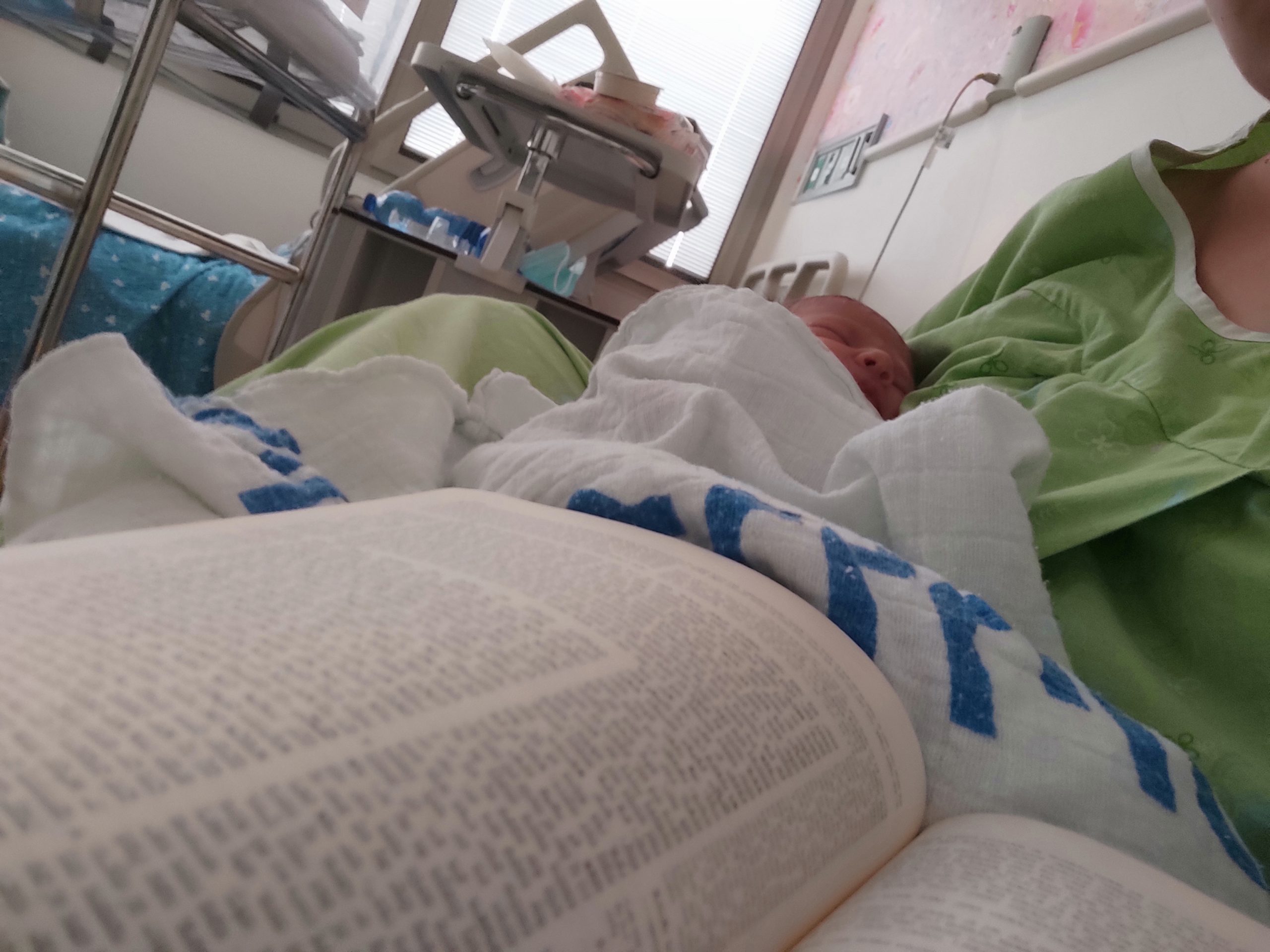
בתחילת הסבב הנוכחי הצטברו אצלי תחושות שאני לא מבינה מספיק מהי ההלכה אותה אני מקיימת בכל יום. כמו כן, כאמא לבנות רציתי לתת להן מודל נשי של לימוד תורה
שתי הסיבות האלו הובילו אותי להתחיל ללמוד. נתקלתי בתגובות מפרגנות וסקרניות איך אישה לומדת גמרא..
כמו שרואים בתמונה אני ממשיכה ללמוד גם היום ואפילו במחלקת יולדות אחרי לידת ביתי השלישית.
רבבה, ישראל
. לא תמיד נהניתי מלימוד גמרא כילדה.,בל כהתבגרתי התחלתי לאהוב את זה שוב. התחלתי ללמוד מסכת סוטה בדף היומי לפני כחמש עשרה שנה ואז הפסקתי.הגעתי לסיום הגדול של הדרן לפני שנתיים וזה נתן לי השראה. והתחלתי ללמוד למשך כמה ימים ואז היתה לי פריצת דיסק והפסקתי…עד אלול השנה. אז התחלתי עם מסכת ביצה וב”ה אני מצליחה לעמוד בקצב. המשפחה מאוד תומכת בי ויש כמה שגם לומדים את זה במקביל. אני אוהבת שיש עוגן כל יום.

בית שמש, ישראל
"
גם אני התחלתי בסבב הנוכחי וב””ה הצלחתי לסיים את רוב המסכתות . בזכות הרבנית מישל משתדלת לפתוח את היום בשיעור הזום בשעה 6:20 .הלימוד הפך להיות חלק משמעותי בחיי ויש ימים בהם אני מצליחה לחזור על הדף עם מלמדים נוספים ששיעוריהם נמצאים במרשתת. שמחה להיות חלק מקהילת לומדות ברחבי העולם. ובמיוחד לשמש דוגמה לנכדותיי שאי””ה יגדלו לדור שלימוד תורה לנשים יהיה משהו שבשגרה. "
נתניה, ישראל
הצטרפתי ללומדות בתחילת מסכת תענית. ההתרגשות שלי ושל המשפחה היתה גדולה מאוד, והיא הולכת וגוברת עם כל סיום שאני זוכה לו. במשך שנים רבות רציתי להצטרף ומשום מה זה לא קרה… ב”ה מצאתי לפני מספר חודשים פרסום של הדרן, ומיד הצטרפתי והתאהבתי. הדף היומי שינה את חיי ממש והפך כל יום- ליום של תורה. מודה לכן מקרב ליבי ומאחלת לכולנו לימוד פורה מתוך אהבת התורה ולומדיה.

חיספין רמת הגולן, ישראל
שמעתי על הסיום הענק של הדף היומי ע”י נשים בבנייני האומה. רציתי גם.
החלטתי להצטרף. התחלתי ושיכנעתי את בעלי ועוד שתי חברות להצטרף. עכשיו יש לי לימוד משותף איתו בשבת ומפגש חודשי איתן בנושא (והתכתבויות תדירות על דברים מיוחדים שקראנו). הצטרפנו לקבוצות שונות בווטסאפ. אנחנו ממש נהנות. אני שומעת את השיעור מידי יום (בד”כ מהרב יוני גוטמן) וקוראת ומצטרפת לסיומים של הדרן. גם מקפידה על דף משלהן (ונהנית מאד).

אפרת, ישראל
My explorations into Gemara started a few days into the present cycle. I binged learnt and become addicted. I’m fascinated by the rich "tapestry” of intertwined themes, connections between Masechtot, conversations between generations of Rabbanim and learners past and present all over the world. My life has acquired a golden thread, linking generations with our amazing heritage.
Thank you.

חשמונאים, Israel
התחלתי ללמוד גמרא בבית הספר בגיל צעיר והתאהבתי. המשכתי בכך כל חיי ואף היייתי מורה לגמרא בבית הספר שקד בשדה אליהו (בית הספר בו למדתי בילדותי)בתחילת מחזור דף יומי הנוכחי החלטתי להצטרף ובע”ה מקווה להתמיד ולהמשיך. אני אוהבת את המפגש עם הדף את "דרישות השלום ” שמקבלת מקשרים עם דפים אחרים שלמדתי את הסנכרון שמתחולל בין התכנים.
מעלה גלבוע, ישראל
גיטין סז
״אִמְרוּ לְסוֹפֵר וְיִכְתּוֹב, וְלִפְלוֹנִי וּפְלוֹנִי וְיַחְתֹּמוּ״; וּמִשּׁוּם כִּיסּוּפָא דְּסוֹפֵר – חָיְישִׁי וּמַחְתְּמִי חַד מֵהָנָךְ סָהֲדִי, וְסוֹפֵר בַּהֲדַיְיהוּ, וּבַעַל לָא אָמַר הָכִי!
Tell a scribe and he will write the document and tell so-and-so and so-and-so and they will sign it. And due to the shame of the scribe, who asks: Don’t you consider me a sufficiently upright person to sign the document as a witness, the agents are concerned to avoid that disgrace and have one of those witnesses and the scribe sign together with him, and the husband did not say to do so. The bill of divorce is invalid because it was signed contrary to the husband’s instructions, and the agents will mistakenly think it is valid.
כֵּיוָן דְּאָמַר מָר: ״כָּשֵׁר, וְלֹא תֵּעָשֶׂה כֵּן בְּיִשְׂרָאֵל״ – לָא שְׁכִיחַ.
The Gemara answers: Since the Master said, as cited later, that such a bill of divorce is valid, however, it shall not be done in Israel, as the husband himself should appoint the scribe and the witnesses, it is an uncommon case for the husband to appoint an agent to arrange the bill of divorce, and the Sages do not issue a decree for cases that are uncommon.
וְלֵיחוּשׁ דִּילְמָא אֲמַר לְהוּ לְבֵי תְרֵי: ״אִמְרוּ לְסוֹפֵר וְיִכְתּוֹב, וְאַתֶּם חֲתוֹמוּ״, וְאָזְלִי הָנָךְ מִשּׁוּם כִּיסּוּפָא דְּסוֹפֵר, וּמַחְתְּמִי לֵיהּ לְסוֹפֵר בַּהֲדֵי חַד מִינַּיְיהוּ, וּבַעַל לָא אָמַר הָכִי! אָמְרִי: הָא נָמֵי ״כָּשֵׁר וְלֹא תֵּעָשֶׂה״ הוּא.
The Gemara asks: And let us be concerned lest the husband say to two people: Tell the scribe and he will write the document and you sign it, and these two, due to the shame of the scribe, go and have the scribe sign the document together with one of them, and the husband did not say to do so. The Sages say: In this case too, it is valid; however, it shall not be done. This too is uncommon, and there is neither concern nor a decree.
הָנִיחָא לְמַאן דְּאָמַר: ״כָּשֵׁר וְלֹא תֵּעָשֶׂה״; אֶלָּא לְמַאן דְּאָמַר ״כָּשֵׁר וְתַעֲשֶׂה״ – מַאי אִיכָּא לְמֵימַר?
The Gemara responds: This works out well according to the one who said in this case as well: It is valid; however, it shall not be done. But according to the one who said: It is valid and it may be done, i.e., it is permitted ab initio, what is there to say?
אֶלָּא רַבִּי יוֹסֵי – תַּרְתֵּי אָמַר; וּשְׁמוּאֵל סָבַר לַהּ כְּווֹתֵיהּ בַּחֲדָא, וּפְלִיג עֲלֵיהּ בַּחֲדָא.
Rather, this is the explanation. Rabbi Yosei stated two halakhot: The first is that verbal directives cannot be delegated to an agent. The second is that even when the husband said: Tell another to write the document, this agency cannot be transferred to another person. And Shmuel holds in accordance with the opinion of Rabbi Yosei in one case, i.e., that verbal directives cannot be delegated to an agent, and he disagrees with him in one case, as Shmuel holds that if the husband explicitly said: Tell another to write the document, this agency can be transferred.
גּוּפָא – אָמַר שְׁמוּאֵל אָמַר רַבִּי: הֲלָכָה כְּרַבִּי יוֹסֵי, דְּאָמַר מִילֵּי לָא מִימַּסְרָן לְשָׁלִיחַ. אָמַר לְפָנָיו רַבִּי שִׁמְעוֹן בְּרַבִּי: מֵאַחַר שֶׁרַבִּי מֵאִיר וַחֲנִינָא אִישׁ אוֹנוֹ חוֹלְקִין עַל רַבִּי יוֹסֵי, מָה רָאָה רַבִּי לוֹמַר הֲלָכָה כְּרַבִּי יוֹסֵי?
§ With regard to the previously cited matter itself, Shmuel says that Rabbi Yehuda HaNasi says: The halakha is in accordance with the opinion of Rabbi Yosei, who says: Verbal directives cannot be delegated to an agent. Rabbi Shimon, son of Rabbi Yehuda HaNasi, said before his father: Since Rabbi Meir and Rabbi Ḥanina of Ono, who hold that verbal directives can be delegated to an agent, disagree with Rabbi Yosei, what led Rabbi Yehuda HaNasi to say that the halakha is in accordance with the opinion of Rabbi Yosei?
אָמַר לוֹ: שְׁתוֹק בְּנִי, שְׁתוֹק, לֹא רָאִיתָ אֶת רַבִּי יוֹסֵי, אִילְמָלֵי רְאִיתוֹ – נִמּוּקוֹ עִמּוֹ.
Rabbi Yehuda HaNasi said to his son: Be silent, my son; be silent. You did not see Rabbi Yosei, as, if you had seen him, you would know that his reasoning [nimmuko] accompanies his statements. Therefore, I deem his opinion most reliable.
דְּתַנְיָא, אִיסִי בֶּן יְהוּדָה הָיָה מוֹנֶה שִׁבְחָן שֶׁל חֲכָמִים: רַבִּי מֵאִיר – חָכָם וְסוֹפֵר; רַבִּי יְהוּדָה – חָכָם לִכְשֶׁיִּרְצֶה; רַבִּי טַרְפוֹן – גַּל שֶׁל אֱגוֹזִין; רַבִּי יִשְׁמָעֵאל – חֲנוּת מְיוּזֶּנֶת; רַבִּי עֲקִיבָא – אוֹצָר בָּלוּם; רַבִּי יוֹחָנָן בֶּן נוּרִי – קוּפַּת הָרוֹכְלִים; רַבִּי אֶלְעָזָר בֶּן עֲזַרְיָה – קוּפָּה שֶׁל בְּשָׂמִים; מִשְׁנַת רַבִּי אֱלִיעֶזֶר בֶּן יַעֲקֹב – קַב וְנָקִי; רַבִּי יוֹסֵי – נִמּוּקוֹ עִמּוֹ; רַבִּי שִׁמְעוֹן – טוֹחֵן הַרְבֵּה וּמוֹצִיא קִימְעָא.
This is as it is taught in a baraita that Isi ben Yehuda would recount the praise of the Sages by characterizing each of them: Rabbi Meir, a scholar and scribe; Rabbi Yehuda, a scholar when he chooses to be one; Rabbi Tarfon, a pile of nuts, as, just as when one removes a nut from a pile all the other nuts fall, so too, when a student would ask Rabbi Tarfon with regard to one matter, he would cite sources from all the disciplines of the Torah; Rabbi Yishmael, a well-stocked store; Rabbi Akiva, a full storehouse; Rabbi Yoḥanan ben Nuri, a peddler’s basket, in which there is a small amount of each product; Rabbi Elazar ben Azarya, a basket of fragrant spices, as everything he says is reasonable; the mishna of Rabbi Eliezer ben Ya’akov is measured [kav] and immaculate; Rabbi Yosei, his reasoning accompanies his statements; Rabbi Shimon grinds much and removes little.
תָּנָא: מְשַׁכֵּחַ קִימְעָא, וּמַה שֶּׁמּוֹצִיא – אֵינוֹ מוֹצִיא אֶלָּא סוּבִּין. וְכֵן אָמַר רַבִּי שִׁמְעוֹן לְתַלְמִידָיו: בָּנַיי, שְׁנוּ מִדּוֹתַי, שֶׁמִּדּוֹתַי תְּרוּמוֹת מִתְּרוּמוֹת מִידּוֹתָיו שֶׁל רַבִּי עֲקִיבָא.
It is taught in explanation: Rabbi Shimon would forget little of his studies, and what he removed from his memory, he removed only chaff. And likewise, Rabbi Shimon said to his students: My sons, accept my halakhic rulings, as my rulings are the finest rulings of the finest rulings of Rabbi Akiva.
גּוּפָא – אָמַר לִשְׁנַיִם: ״אִמְרוּ לְסוֹפֵר וְיִכְתּוֹב, וְלִפְלוֹנִי וּפְלוֹנִי וְיַחְתֹּמוּ״ – אָמַר רַב הוּנָא אָמַר רַב: כָּשֵׁר, וְלֹא תֵּעָשֶׂה זֹאת בְּיִשְׂרָאֵל.
§ With regard to the matter previously cited itself, a case where one who said to two people: Tell a scribe and he will write the document and tell so-and-so and so-and-so and they will sign it, Rav Huna says that Rav says: It is valid; however, it shall not be done in Israel ab initio. The husband himself must appoint the scribe and witnesses.
אֲמַר לֵיהּ עוּלָּא לְרַב נַחְמָן, וְאָמְרִי לַהּ רַב נַחְמָן לְעוּלָּא: מֵאַחַר דְּכָשֵׁר, אַמַּאי לֹא תֵּעָשֶׂה זֹאת בְּיִשְׂרָאֵל? אֲמַר לֵיהּ: חָיְישִׁינַן שֶׁמָּא תִּשְׂכּוֹר עֵדִים.
Ulla said to Rav Naḥman, and some say that Rav Naḥman said to Ulla: Since it is valid, why shall it not be done in Israel? He said to him: We are concerned lest the woman hire witnesses. Since this is permitted by means of an agent, and the witnesses themselves do not know what the husband said, a woman could hire witnesses to tell a scribe to write a bill of divorce on her behalf and hire witnesses to sign it without her husband’s knowledge.
וּמִי חָיְישִׁינַן?! וְהָתַנְיָא: עֵדִים הַחֲתוּמִין עַל שְׂדֵה מִקָּח, וְעַל גֵּט אִשָּׁה – לֹא חָשׁוּ חֲכָמִים לְדָבָר זֶה! מַעֲשֶׂה לָא עָבְדִי, דִּבּוּרָא קָאָמְרִי.
The Gemara asks: But are we concerned about that possibility? But isn’t it taught in a baraita (Tosefta, Yevamot 4:7): With regard to witnesses who are signed on a field of sale and a woman’s bill of divorce, the Sages were not concerned with regard to this matter of forgery, that perhaps these documents were written without consent of the owner and the husband, respectively. The Gemara answers: Although they would not perform an action and forge a bill of divorce, they would utter a statement and tell another to forge a document. The other person acts unknowingly, unaware of the impropriety involved.
אָמַר לִשְׁנַיִם: ״אִמְרוּ לְסוֹפֵר וְיִכְתּוֹב, וְאַתֶּם חֲתוֹמוּ״ – רַב חִסְדָּא אָמַר: ״כָּשֵׁר וְלֹא תֵּעָשֶׂה״, רַבָּה בַּר בַּר חָנָה אָמַר: ״כָּשֵׁר וְתֵעָשֶׂה״;
The Gemara cites another halakha: If one said to two people: Tell the scribe and he will write the document and you sign it, Rav Ḥisda says: This bill of divorce is valid; however, it shall not be done ab initio. Rabba bar bar Ḥana says: It is valid and it may be done ab initio.
רַב נַחְמָן אָמַר: ״כָּשֵׁר וְלֹא תֵּעָשֶׂה״, רַב שֵׁשֶׁת אָמַר: ״כָּשֵׁר וְתֵעָשֶׂה״; רַבָּה אָמַר: ״כָּשֵׁר וְלֹא תֵּעָשֶׂה״, רַב יוֹסֵף אָמַר: ״כָּשֵׁר וְתֵעָשֶׂה״.
Several other amora’im dispute this matter. Rav Naḥman says: It is valid; however, it shall not be done ab initio. Rav Sheshet says: It is valid and it may be done ab initio. Rabba says: It is valid; however, it shall not be done. Rav Yosef says: It is valid and it may be done.
וְאִיכָּא דְּאָפֵיךְ לְהוּ.
And there are those who reverse the attribution of the opinions of Rabba and Rav Yosef with regard to this matter.
אָמַר לַעֲשָׂרָה: ״כִּתְבוּ גֵּט״. תָּנוּ רַבָּנַן, אָמַר לַעֲשָׂרָה: ״כִּתְבוּ גֵּט, וּתְנוּ לְאִשְׁתִּי״ – אֶחָד כּוֹתֵב עַל יְדֵי כּוּלָּם. ״כּוּלְּכֶם כְּתוֹבוּ״ – אֶחָד כּוֹתֵב בְּמַעֲמַד כּוּלָּם. ״הוֹלִיכוּ גֵּט לְאִשְׁתִּי״ – אֶחָד מוֹלִיךְ עַל יְדֵי כּוּלָּם. ״כּוּלְּכֶם הוֹלִיכוּ״ – אֶחָד מוֹלִיךְ בְּמַעֲמַד כּוּלָּם.
The mishna teaches that if a man said to ten people: Write and give a bill of divorce to my wife, one of the ten writes the bill of divorce and two sign it. The Sages taught: If one said to ten people: Write a bill of divorce and give it to my wife, one writes on behalf of them all. If he said: All of you write the document, one writes it in the presence of them all. If he said: Deliver a bill of divorce to my wife, one person brings it on behalf of them all. If he said: All of you deliver a bill of divorce, then one brings it in the presence of them all.
אִיבַּעְיָא לְהוּ: מָנָה אוֹתָן, מַהוּ? רַב הוּנָא אָמַר: מָנָה אֵינוֹ כְּ״כוּלְּכֶם״, רַבִּי יוֹחָנָן מִשּׁוּם רַבִּי אֶלְעָזָר דְּמִן רוֹמָה אָמַר: מָנָה הֲרֵי הוּא כְּ״כוּלְּכֶם״.
A dilemma was raised before the Sages: If he said: Write a bill of divorce, and he enumerated them by name, what is the halakha? Can one of them write the bill of divorce on behalf of them all? Or perhaps it is comparable to a situation where one says: All of you write, when it must be written in the presence of them all. Rav Huna says: If one enumerated them by name, it is not comparable to saying: All of you write. Rabbi Yoḥanan says in the name of Rabbi Elazar of Rome: If one enumerated them by name, it is comparable to saying: All of you write.
אָמַר רַב פָּפָּא: וְלָא פְּלִיגִי; הָא דְּמָנָה כּוּלְּהוּ, וְהָא דְּמָנָה מִקְצָתַיְיהוּ – אָמְרִי לַהּ לְהַאי גִּיסָא, וְאָמְרִי לַהּ לְהַאי גִּיסָא.
Rav Pappa said: And they do not disagree. This is referring to a case where he enumerated them all, and that is referring to a case where he enumerated some of them. Some say that the distinction between the cases should be explained in this manner, and some say it in that manner. Some explain that the distinction is that if he enumerated them all, he insists that they all participate, but if he enumerated some of them, he does not insist that they do so. He enumerated the names that he did only to indicate that he wants the people performing the task to be chosen from those people. Others explain that if he enumerated only some of them, he thereby expressed his intent that they alone participate, but if he enumerated them all but did not say: All of you write, that is not the case.
אַתְקֵין רַב יְהוּדָה בְּגִיטָּא דְּ״כוּלְּכֶם״: כְּתוֹבוּ – אוֹ כּוּלְּכוֹן אוֹ כֹּל חַד וְחַד מִינְּכוֹן; חֲתוֹמוּ – אוֹ כּוּלְּכוֹן אוֹ כֹּל תְּרֵי מִינְּכוֹן; אוֹבִילוּ – אוֹ כּוּלְּכוֹן אוֹ כֹּל חַד וְחַד מִינְּכוֹן.
The Gemara recounts: Rav Yehuda instituted in the case of a bill of divorce with regard to which the husband gave instructions in the presence of many people and the concern is that it will be interpreted that he said: All of you write, and if they do not all sign there will be uncertainty whether or not the woman is divorced, that he should say: Write it, either all of you or each and every one of you; sign it, either all of you or every two of you; deliver it, either all of you or each and every one of you. In that way, there is no concern that the bill of divorce will be invalid if one of them fails to participate.
אָמַר רָבָא: זִימְנִין דְּגָאֵיז לֵיהּ לְדִיבּוּרֵיהּ, וְאָמַר ״כּוּלְּכוֹן״ וְלָא אָמַר ״כֹּל חַד מִינְּכוֹן״, וְאָתֵי לְאִיפְּסוֹלֵי!
Rava said: This ordinance still leaves room for a pitfall. Since Rav Yehuda instituted a formula that is that long and complex, sometimes the husband may truncate his statement and say: All of you, but he will not say: Every one of you. And the bill of divorce will be invalidated as a result.
אֶלָּא אָמַר רָבָא: ״כְּתוֹבוּ – כֹּל חַד מִינְּכוֹן, חֲתוֹמוּ – כֹּל תְּרֵי מִינְּכוֹן, אוֹבִילוּ – כֹּל חַד מִינְּכוֹן״.
Rather, Rava said that he must say: Each of you may write it, every two of you may sign it, each one of you may deliver it. However, he should not say: All of you, so that the bill of divorce will not be invalidated if one fails to do so.
הֲדַרַן עֲלָךְ הָאוֹמֵר
מִי שֶׁאֲחָזוֹ קוּרְדְּיָיקוֹס, וְאָמַר: ״כִּתְבוּ גֵּט לְאִשְׁתִּי״ – לֹא אָמַר כְּלוּם. אָמַר: ״כִּתְבוּ גֵּט לְאִשְׁתִּי״, וַאֲחָזוֹ קוּרְדְּיָיקוֹס, וְחָזַר וְאָמַר: ״לֹא תִּכְתְּבֶנּוּ״ – אֵין דְּבָרָיו הָאַחֲרוֹנִים כְּלוּם.
MISHNA: In the case of one who was afflicted with temporary insanity [kordeyakos] and said: Write a bill of divorce for my wife, he said nothing, because he was not lucid at the time. If he said: Write a bill of divorce for my wife, when he was lucid, and was then afflicted with temporary insanity and he retracted his previous statement and said: Do not write it, his latter statement is considered to be nothing, i.e., it is not halakhically valid.
נִשְׁתַּתֵּק, וְאָמְרוּ לוֹ: ״נִכְתּוֹב גֵּט לְאִשְׁתְּךָ״, וְהִרְכִּין בְּרֹאשׁוֹ – בּוֹדְקִין אוֹתוֹ שְׁלֹשָׁה פְּעָמִים, אִם אָמַר עַל לָאו – ״לָאו״, וְעַל הֵן – ״הֵן״, הֲרֵי אֵלּוּ יִכְתְּבוּ וְיִתְּנוּ.
The mishna continues: In a case where the husband became mute, and two people said to him: Shall we write a bill of divorce for your wife, and he nodded his head indicating his agreement, they examine him with various questions three times. If he responded to questions that have a negative answer: No, and responded to questions that have a positive answer: Yes, indicating his competence, they shall write the bill of divorce and give it to his wife based on the nod of his head.
גְּמָ׳ מַאי קוּרְדְּיָיקוֹס? אָמַר שְׁמוּאֵל: דְּנַכְתֵיהּ חַמְרָא חַדְתָּא דְּמַעְצַרְתָּא. וְלִיתְנֵי: מִי שֶׁנְּשָׁכוֹ יַיִן חָדָשׁ! הָא קָא מַשְׁמַע לַן, דְּהָא רוּחָא – ״קוּרְדְּיָיקוֹס״ שְׁמַהּ.
GEMARA: The Gemara asks: What is the nature of the temporary insanity mentioned in the mishna? Shmuel said: The reference is to one who was afflicted by drinking new wine that came directly from the winepress. The Gemara asks: And let the tanna of the mishna then teach explicitly: With regard to one who was afflicted by drinking new wine. The Gemara answers: This teaches us that the name of the demon that causes this insanity is Kordeyakos.
לְמַאי נָפְקָא מִינַּהּ? לִקְמִיעָא. מַאי אָסוּתֵיהּ? בִּישְׂרָא סוּמָּקָא אַגּוּמְרֵי, וְחַמְרָא מַרְקָא.
The Gemara asks: What difference is there? The Gemara answers: The difference is with regard to writing an amulet to prevent harm caused by the demon. The amulet must include the name of the demon. The Gemara asks: What is the remedy for that illness? The Gemara responds: The afflicted person should eat red meat roasted over coals and drink wine diluted [marka] with a large amount of water.
אָמַר אַבָּיֵי, אֲמַרָה לִי אֵם: לְשִׁימְשָׁא בַּת יוֹמָא – כּוּזָא דְמַיָּא. בַּת תְּרֵי יוֹמֵי – סִיכּוּרֵי. בַּת תְּלָתָא יוֹמֵי – בִּשְׂרָא סוּמָּקָא אַגּוּמְרֵי, וְחַמְרָא מַרְקָא. לְשִׁימְשָׁא עַתִּיקְתָּא – לַיְתֵי תַּרְנְגוֹלְתָּא אוּכַּמְתִּי, וְלִיקְרְעַהּ שְׁתִי וָעֵרֶב, וְלִיגַלְּחֵיהּ לִמְצִיעֲתָא דְרֵישֵׁיהּ – וְלוֹתְבֵיהּ עִילָּוֵיהּ, וְנַנְּחֵיהּ עִילָּוֵיהּ עַד (דְּמִיסְּרַךְ);
Abaye said: My mother told me that the remedy for a day-old fever, i.e., one contracted that day, is drinking a jug [kuza] of water. The remedy for a fever two days old is bloodletting [sikurei]. The remedy for a fever three days old is eating red meat roasted over coals and drinking diluted wine. For an old fever that lasts for an extended period of time, the remedy is to bring a black hen, tear it lengthwise and widthwise, shave the middle of the sufferer’s head, and place the hen upon it, and leave the hen upon him until it adheres to his head due to the blood.
וְלִינְחוֹת וְלֵיקוּם בְּמַיָּא עַד צַוְּארֵיהּ – עַד דְּחָלֵישׁ עָלְמָא עִילָּוֵיהּ, וְלֵימוֹד, וְלִסְלַיק וְלִיתֵיב. וְאִי לָא – לֵיכוֹל כַּרָּתֵי, וְלִינְחוֹת וְלֵיקוּם בְּמַיָּא עַד צַוְּארֵיהּ – עַד דְּחָלֵישׁ עָלְמָא עִילָּוֵיהּ, וְלֵימוֹד, וְלִסְלַיק וְלִיתֵיב.
And let him descend into the water and let him stand in the water up to his neck until the world appears faint for him, i.e., he feels faint. And let him submerge himself in the water, and emerge from the water and sit and rest. And if he is not able to undergo this process, let him eat leeks, and descend into the water, and stand in the water up to his neck until the world appears faint for him. And let him submerge himself in the water, and emerge from the water and sit and rest.
לְשִׁימְשָׁא – בִּישְׂרָא סוּמָּקָא אַגּוּמְרֵי, וְחַמְרָא מַרְקָא. לְתַלְגָא – בִּישְׂרָא שַׁמִּינָא אַגּוּמְרֵי, וְחַמְרָא חַיָּיא.
The remedy for a fever is eating red meat that was roasted over coals and drinking diluted wine. A remedy for the chills is eating fatty meat that was roasted over coals and drinking undiluted wine.
רַב עַמְרָם חֲסִידָא, כִּי הֲוָה מְצַעֲרִין לֵיהּ בֵּי רֵישׁ גָּלוּתָא, הֲווֹ מַגְנוּ לֵיהּ אַתַּלְגָא. לִמְחַר אֲמַרוּ לֵיהּ: מַאי נִיחָא לֵיהּ לְמָר דְּלַיְיתוֹ לֵיהּ? אָמַר: הָנֵי, כֹּל דְּאָמֵינָא לְהוּ – מֵיפָךְ אָפְכִי. אֲמַר לְהוּ: בִּישְׂרָא סוּמָּקָא אַגּוּמְרֵי, וְחַמְרָא מַרְקָא. אַיְיתוֹ לֵיהּ אִינְהוּ: בִּישְׂרָא שַׁמִּינָא אַגּוּמְרֵי, וְחַמְרָא חַיָּיא.
It was related: When the members of the Exilarch’s house would afflict Rav Amram the pious they would make him lie down to sleep all night on the snow. The next day they would say to him: What is preferable for the Master, i.e., Rav Amram, for us to bring him to eat? Rav Amram said to himself: Anything I say to them, they will do the opposite. He said to them: Bring me red meat roasted over coals and diluted wine. They brought him fatty meat roasted over coals and undiluted wine instead, which is what Rav Amram had intended, because this is the remedy for one who suffers from the chills.
שָׁמְעָה יַלְתָּא, וּמְעַיְּילָה לֵיהּ לְבֵי מַסּוּתָא, וּמוֹקְמִי לֵיהּ בְּמַיָּא דְּבֵי מַסּוּתָא – עַד דִּמְהַפְכִי מַיָּא דְּבֵי מַסּוּתָא וְהָווּ דְּמָא, וְקָאֵי בִּישְׂרֵיהּ פְּשִׁיטֵי פְּשִׁיטֵי.
Yalta, Rav Naḥman’s wife, heard what the members of the Exilarch’s house did, and that Rav Amram was suffering from the chills. And she brought him to the bathhouse, and placed him in the water of the bathhouse until the water of the bathhouse turned red like blood. And his flesh became covered with spots that looked like coins [peshitei].
רַב יוֹסֵף אִיעֲסֵק בְּרִיחְיָא. רַב שֵׁשֶׁת אִיעֲסֵק בִּכְשׁוּרֵי, אֲמַר: גְּדוֹלָה מְלָאכָה שֶׁמְּחַמֶּמֶת אֶת בְּעָלֶיהָ.
It is related: When Rav Yosef suffered from the cold he would work by grinding with millstones in order to keep warm. When Rav Sheshet suffered from the cold he would work by lifting beams. He said: Great is labor, as it warms its master.
אֲמַר לֵיהּ רֵישׁ גָּלוּתָא לְרַב שֵׁשֶׁת: מַאי טַעְמָא לָא סָעֵיד מָר גַּבָּן? אֲמַר לֵיהּ: דְּלָא מְעַלּוּ עַבְדֵי, דַּחֲשִׁידִי אַאֵבֶר מִן הַחַי. אֲמַר לֵיהּ: מִי יֵימַר? אֲמַר לֵיהּ: הַשְׁתָּא מַחְוֵינָא לָךְ. אֲמַר לֵיהּ לְשַׁמָּעֵיהּ: זִיל גְּנוֹב, אַיְיתִי לִי חֲדָא כַּרְעָא מֵחֵיוְתָא.
§ The Gemara relates another incident of the house of the Exilarch: The Exilarch said to Rav Sheshet: What is the reason that the Master, i.e., Rav Sheshet, does not eat with us? He said to him: Because the slaves do not act according to a high standard, as they are suspected of transgressing the prohibition against eating a limb severed from a living animal. The Exilarch said to him: Who says that this is so? Rav Sheshet said to him: I will now show you. Rav Sheshet said to his servant: Go steal one leg from the animal that the servants of the Exilarch’s house slaughtered for a meal and bring it to me.
אַיְיתִי לֵיהּ. אֲמַר לְהוּ: אַהְדְּמוּ לִי הַדְמֵי דְּחֵיוְתָא. אַיְיתוֹ תְּלָת כַּרְעֵי, אוֹתִיבוּ קַמֵּיהּ. אֲמַר לְהוּ: הָא בַּעֲלַת שָׁלֹשׁ רַגְלַיִם הֲוַאי? פְּסוּק אַיְיתוֹ חֲדָא מֵעָלְמָא, אוֹתִיבוּ קַמֵּיהּ. אֲמַר לֵיהּ לְשַׁמָּעֵיהּ: אוֹתְבַיהּ נָמֵי לְהָךְ דִּידָךְ. אוֹתְבַהּ. אֲמַר לְהוּ: הַאי בַּת חָמֵשׁ רַגְלַיִם הֲוַאי?!
Rav Sheshet’s servant brought one leg to him and afterward Rav Sheshet said to the servants of the Exilarch’s household: Set out the portions of the animal for me. They brought him only three legs and placed them before him, because the fourth leg had been stolen. Rav Sheshet said to them: Did this animal have only three legs? When the servants heard this they cut one leg from another living animal and they brought it and placed it before Rav Sheshet. Rav Sheshet said to his servant: Bring out this leg of yours, i.e., that you stole, as well. He placed that leg on the table and Rav Sheshet said to them: Did this animal have five legs?
אֲמַר לֵיהּ: אִי הָכִי, לִיעְבְּדוּ קַמֵּיהּ (שַׁמָּעֵיהּ) דְּמָר, וְלֵיכוֹל. אֲמַר לֵיהּ: לְחַיֵּי. קָרִיבוּ תַּכָּא קַמַּיְיהוּ, וְאַיְיתוֹ קַמֵּיהּ בִּישְׂרָא, וְאוֹתִיבוּ קַמֵּיהּ רִיסְתָּנָא דְּחָנְקָא חַמְתָּא. גַּשְּׁשֵׁיהּ וְשַׁקְלַהּ, כַּרְכַהּ בְּסוּדָרֵיהּ.
The Exilarch realized that he could not rely on his servants. He said to Rav Sheshet: If so, they should prepare the meat in the presence of my Master’s servant and then you can eat without concern. Rav Sheshet said to him: Very well. They brought a table before them, and they brought the meat before him. And the servants placed a small bone in the meat before him so that it would cause Rav Sheshet to choke. Since Rav Sheshet was blind, they thought that he would be unable to notice the bone. He felt it, took the entire piece of meat and wrapped it in his scarf [sudarei] out of concern that he would be hurt by the small bones that he could not see.
לְבָתַר דְּאָכֵיל, אָמְרִי לֵיהּ:
After he ate, the servants realized what he had done and they wanted to show the Exilarch that Rav Sheshet did not eat the meat that was given to him. Therefore, the servants said to the Exilarch:

