






רוצה להקדיש לימוד?


גיטין עז
לְכִי נָפְקָא קָאָמַר לָהּ, וְכִי מָיֵית בְּלֵילְיָא – הָוֵי גֵּט לְאַחַר מִיתָה.
he is saying to her that it will be valid once the sun comes out in the morning. And if the husband dies during the night, before sunrise, then this will be a bill of divorce after his death and is therefore invalid.
״עַל מְנָת שֶׁתֵּצֵא חַמָּה מִנַּרְתִּיקָהּ״ – מֵעַכְשָׁיו קָאָמַר לַהּ, דְּאָמַר רַב הוּנָא אָמַר רַב: כׇּל הָאוֹמֵר ״עַל מְנָת״ כְּאוֹמֵר ״מֵעַכְשָׁיו״ דָּמֵי.
But if he said to her: On the condition that the sun will emerge from its sheath, then he is saying to his wife that the bill of divorce will take effect retroactively from now once the sun emerges. As Rav Huna says that Rav says: Anyone who states a condition employing the language: On the condition, is like one who states: The agreement will take effect retroactively from now.
לֹא נֶחְלְקוּ אֶלָּא בְּ״אִם תֵּצֵא״ – מָר סָבַר לַהּ כְּרַבִּי יוֹסֵי, דְּאָמַר: זְמַנּוֹ שֶׁל שְׁטָר מוֹכִיחַ עָלָיו, וְהָוֵה לֵיהּ כְּ״מֵהַיּוֹם אִם מַתִּי״, כְּ״מֵעַכְשָׁיו אִם מַתִּי״; מָר לָא סָבַר כְּרַבִּי יוֹסֵי, וְהָוֵה לֵיהּ כְּ״אִם מַתִּי״ גְּרֵידָא.
The tanna’im disagreed only in the case of one who said to his wife: This will be your bill of divorce if the sun emerges from its sheath, and the husband died during the night. One Sage, referred to as: Our Rabbis, holds in accordance with the opinion of Rabbi Yosei, who says that the date written in a document proves when it takes effect, and it is as if the husband said: From today if I die, or as if he said: From now if I die. And one Sage, the unattributed tanna of the mishna, does not hold in accordance with the opinion of Rabbi Yosei, and it is as if the husband said only: If I die, in which case the bill of divorce is not valid because it cannot take effect after the husband’s death.
״כִּתְבוּ וּתְנוּ גֵּט לְאִשְׁתִּי, אִם לֹא בָּאתִי מִכָּאן וְעַד שְׁנֵים עָשָׂר חֹדֶשׁ״ – כָּתְבוּ כּוּ׳.
§ The mishna states that if a husband says to others: Write and give a bill of divorce to my wife if I do not come back from now until the conclusion of twelve months, and they wrote it within the twelve months but gave it to her after twelve months, it is not a valid bill of divorce. Rabbi Yosei disagrees and says: It is a valid bill of divorce.
אֲמַר לֵיהּ רַב יֵימַר לְרַב אָשֵׁי: לֵימָא קָסָבַר רַבִּי יוֹסֵי כָּתַב גֵּט עַל תְּנַאי – כָּשֵׁר? לָא; לְעוֹלָם אֵימָא לָךְ פָּסוּל, וְשָׁאנֵי הָכָא – מִדַּהֲוָה לֵיהּ לְמֵימַר: ״אִם לֹא בָּאתִי כִּתְבוּ וּתְנוּ״; וְאָמַר: ״כִּתְבוּ וּתְנוּ אִם לֹא בָּאתִי״; הָכִי קָאָמַר: כִּתְבוּ מֵעַכְשָׁיו, וּתְנוּ אִם לֹא בָּאתִי. וְרַבָּנַן – לָא שְׁנָא הָכִי וְלָא שְׁנָא הָכִי.
Rav Yeimar said to Rav Ashi: Shall we say that Rabbi Yosei holds that in general, if he wrote a bill of divorce on condition then it is valid, even if the condition was not fulfilled? Rav Ashi replied: No, actually I could say to you that according to Rabbi Yosei it is invalid if the condition is not fulfilled, and here it is different. Since he could have said: If I do not come back within twelve months, write and give the bill of divorce to my wife, which would emphasize that they may write the document only if he does not come; but instead he said: Write and give a bill of divorce if I do not come back, this is what the husband is saying: Write the bill of divorce from now, and give it to my wife if I do not come back within twelve months. And what do the Rabbis hold? They hold that it is no different whether the husband formulates his instructions like this and it is no different if the husband formulates his instructions like that. The court cannot differentiate based on the minor differences in the formulation.
תָּנוּ רַבָּנַן: ״לְאַחַר שָׁבוּעַ״ – שָׁנָה; ״לְאַחַר שָׁנָה״ – חֹדֶשׁ; ״לְאַחַר חֹדֶשׁ״ – שַׁבָּת.
§ Since the mishna discussed conditions dependent on time, the Gemara cites a baraita on a similar topic. The Sages taught: If the husband said to his wife: This is your bill of divorce if I do not come back after a seven-year Sabbatical cycle, the word after means that the bill of divorce is not valid until a full year after the conclusion of the seven-year cycle. If he said: This is your bill of divorce if I do not come back after one year, it is not valid until one month after the end of that year. If he said: This is your bill of divorce if I do not come back after one month, it is not valid until one week after the end of the month.
״לְאַחַר שַׁבָּת״, מַאי? יָתֵיב רַבִּי זֵירָא קַמֵּיהּ דְּרַבִּי אַסִּי, וְאָמְרִי לַהּ רַבִּי אַסִּי קַמֵּיהּ דְּרַבִּי יוֹחָנָן, וְקָאָמַר: חַד בְּשַׁבָּא, וּתְרֵי, וּתְלָתָא – בָּתַר שַׁבְּתָא. אַרְבְּעָה, וְחַמְשָׁא וּמַעֲלֵי שַׁבְּתָא – קַמֵּי שַׁבְּתָא.
The Gemara clarifies other similar cases not mentioned in the baraita. If the husband said: This is your bill of divorce if I do not come back after a week, then what is the halakha? The Gemara answers: Rabbi Zeira sat before Rabbi Asi, and some say that it was Rabbi Asi who sat before Rabbi Yoḥanan, and he said the following: Sunday and Monday and Tuesday are called after Shabbat. Wednesday and Thursday and Friday are all called prior to Shabbat.
תַּנְיָא, רַבִּי אוֹמֵר: ״לְאַחַר הָרֶגֶל״ – שְׁלֹשִׁים יוֹם. נְפַק רַבִּי חִיָּיא דַּרְשַׁהּ מִשְּׁמֵיהּ דְּרַבִּי – וְקַלְּסוּהּ; מִשְּׁמֵיהּ דְּרַבִּים – וְלָא קַלְּסוּהּ; אַלְמָא לֵית הִילְכְתָא כְּווֹתֵיהּ.
It is taught in a baraita that Rabbi Yehuda HaNasi says: If a man says: This is your bill of divorce if I do not come back after the pilgrimage Festival, then the document is valid only thirty days after the festival. Rabbi Ḥiyya went out and taught this halakha in public in the name of Rabbi Yehuda HaNasi, and they praised it. He then taught it in the name of the majority, as an unattributed opinion, and they did not praise it. Apparently, the halakha is not in accordance with this ruling. Consequently, the Sages did not praise Rabbi Ḥiyya when he taught it as if it were a majority ruling, as that would cause it to be accepted as halakha.
הֲדַרַן עֲלָךְ מִי שֶׁאֲחָזוֹ
הַזּוֹרֵק גֵּט לְאִשְׁתּוֹ, וְהִיא בְּתוֹךְ בֵּיתָהּ אוֹ בְּתוֹךְ חֲצֵרָהּ – הֲרֵי זוֹ מְגוֹרֶשֶׁת. זְרָקוֹ לָהּ בְּתוֹךְ בֵּיתוֹ אוֹ בְּתוֹךְ חֲצֵרוֹ, אֲפִילּוּ הוּא עִמָּהּ בַּמִּטָּה – אֵינָהּ מְגוֹרֶשֶׁת. לְתוֹךְ חֵיקָהּ אוֹ לְתוֹךְ קַלְתָּהּ – הֲרֵי זוֹ מְגוֹרֶשֶׁת.
MISHNA: In a case of one who throws a bill of divorce to his wife, and she is in her house or in her courtyard at the time, then she is divorced as though he placed the bill of divorce in her hand. If he threw it to her in his house or in his courtyard, even if the bill of divorce is with her in the bed, she is not divorced. If he threw the bill of divorce into her lap, or into her basket [kaltah], she is divorced, even if she was in her husband’s house at the time.
גְּמָ׳ מְנָא הָנֵי מִילֵּי? דְּתָנוּ רַבָּנַן: ״וְנָתַן בְּיָדָהּ״ – אֵין לִי אֶלָּא יָדָהּ; גַּגָּהּ, חֲצֵרָהּ וְקַרְפֵּיפָהּ – מִנַּיִן? תַּלְמוּד לוֹמַר: ״וְנָתַן״ – מִכׇּל מָקוֹם.
GEMARA: From where are these matters derived? What is the basis for the halakha that when the husband throws the bill of divorce into his wife’s house or courtyard, the divorce takes effect? The Gemara answers: It is as the Sages taught: The verse states with regard to a bill of divorce: “And gives it in her hand” (Deuteronomy 24:1), from which I have derived that she is divorced only if he actually places it in her hand. But from where do I derive that she is divorced even if he places it on her roof, in her courtyard, or in her enclosure? The verse states: “And gives it,” indicating that she is divorced in any case, regardless of the manner in which he gives her the bill of divorce.
וְתַנְיָא נָמֵי הָכִי גַּבֵּי גַנָּב: ״יָדוֹ״ – אֵין לִי אֶלָּא יָדוֹ; גַּגּוֹ, חֲצֵרוֹ וְקַרְפֵּיפוֹ – מִנַּיִן? תַּלְמוּד לוֹמַר: ״הִמָּצֵא תִמָּצֵא״ – מִכׇּל מָקוֹם.
And that is also taught in a baraita with regard to a thief. It is written: “If the theft be found in his hand” (Exodus 22:3), from which I have derived that one is liable for theft only when the stolen item was found in his hand. But from where do I derive that one is liable for theft even if it was found on his roof, in his courtyard, or in his enclosure, i.e., if the item reached his domain and he secured it with the intent to steal it? The verse states: “If the theft be found,” indicating that he is liable in any case, whether it was found in his hand or in his domain.
וּצְרִיכָא; דְּאִי אַשְׁמוֹעִינַן גֵּט – מִשּׁוּם דִּבְעַל כֻּרְחַהּ מִגָּרְשָׁה; אֲבָל גַּנָּב – דְּלֵיתֵיהּ בְּעַל כּוּרְחֵיהּ, אֵימָא לָא;
The Gemara comments: And it is necessary to teach this halakha in both cases. As if the Torah had taught us only with regard to a bill of divorce, one could have said: Because a husband divorces his wife against her will, the divorce is effective regardless of how the husband places the document in her possession. But a thief, who is not accountable for theft that he performs against his will, say no, he is liable only when he actually steals the item with his hand, and not when it enters his domain by other means.
וְאִי אַשְׁמוֹעִינַן גַּנָּב – מִשּׁוּם דְּקַנְסֵיהּ רַחֲמָנָא; אֲבָל גֵּט – אֵימָא לָא, צְרִיכָא.
And if the Torah had taught us only with regard to a thief, one could have said: Because the Merciful One penalized the thief, obligating him to pay double the value of the item, it is clear that the Torah is strict with a thief. Similarly, the Torah also deemed him responsible for an item that was not actually in his hand. But with regard to a bill of divorce, say no, the divorce is not effective unless the husband places the document in her hand. Therefore, it is necessary to teach this halakha in both cases.
חֲצֵרָהּ?! מָה שֶׁקָּנְתָה אִשָּׁה קָנָה בַּעְלָהּ!
§ It was taught in the mishna that if the husband threw the bill of divorce into his wife’s courtyard, she is divorced. The Gemara asks: How can she own a courtyard of her own? There is a principle: That which a woman acquired is acquired by her husband, which indicates that the husband has the rights to all profits generated by his wife’s property. Therefore, for all intents and purposes, the courtyard belongs to him for the duration of their marriage.
אָמַר רַבִּי אֶלְעָזָר, בְּכוֹתֵב לָהּ: ״דִּין וּדְבָרִים אֵין לִי בִּנְכָסַיִךְ״.
Rabbi Elazar says: The mishna is referring to a case where the husband writes to his wife: I have no legal dealings or involvement in your property, thereby relinquishing any ownership rights to her property.
וְכִי כְּתַב לַהּ הָכִי – מַאי הָוֵי? וְהָתַנְיָא, הָאוֹמֵר לַחֲבֵירוֹ: ״דִּין וּדְבָרִים אֵין לִי עַל שָׂדֶה זוֹ״; וְ״אֵין לִי עֵסֶק בָּהּ״; וְ״יָדִי מְסוּלֶּקֶת הֵימֶנָּה״ – לֹא אָמַר כְּלוּם!
The Gemara asks: And when he writes this to her, what of it? But isn’t it taught in a baraita: One who says to another with whom he owns a field in a partnership: I have no rights and claims to this field, or: I have no involvement with it, or: My hand is removed from it; it is as though he said nothing, since these expressions are not considered to be a withdrawal of his rights to the field.
אָמְרִי דְּבֵי רַבִּי יַנַּאי: בְּכוֹתֵב לָהּ – וְעוֹדָהּ אֲרוּסָה, וְכִדְרַב כָּהֲנָא – דְּאָמַר רַב כָּהֲנָא: נַחֲלָה הַבָּאָה לוֹ לְאָדָם מִמָּקוֹם אַחֵר, אָדָם מַתְנֶה עָלֶיהָ שֶׁלֹּא יִרָשֶׁנָּה;
The Gemara answers: They say in the school of Rabbi Yannai: The case is one where he writes to her and she is still only betrothed; he has yet to obtain ownership of her property, being that his rights to his wife’s property are only actuated at the time of the marriage. And this is in accordance with the statement of Rav Kahana, as Rav Kahana says: With regard to an inheritance that comes to a person from another place, i.e., it is not an inheritance from his father, a person can stipulate about it from the outset that he should not inherit it, and this condition is effective in annulling his rights to the inheritance. This teaches that as long as the property has not yet entered his possession, he can withdraw his rights to it.
וְכִדְרָבָא – דְּאָמַר רָבָא, הָאוֹמֵר:
And this is in accordance with the statement of Rava, as Rava says: One who says:
אִי אֶפְשִׁי בְּתַקָּנַת חֲכָמִים כְּגוֹן זוֹ – שׁוֹמְעִין לוֹ.
I do not want to avail myself of the ordinance of the Sages that was instituted on my behalf, such as in this scenario, we listen to him.
מַאי ״כְּגוֹן זוֹ״? כִּדְרַב הוּנָא אָמַר רַב – דְּאָמַר רַב הוּנָא אָמַר רַב: יְכוֹלָה אִשָּׁה שֶׁתֹּאמַר לְבַעְלָהּ: ״אֵינִי נִיזּוֹנֶית וְאֵינִי עוֹשָׂה״.
The Gemara asks: What is referred to by the words: Such as in this scenario? What case did Rava refer to that he indicated that in similar situations the halakha is the same? The Gemara explains that Rava was referring to that which Rav Huna says that Rav says. As Rav Huna says that Rav says: A woman can say to her husband: I do not wish to be sustained by you, and I will not do work for you. Although the Sages instituted on her behalf that she would be sustained in exchange for her work, she has the choice of waiving that right if she prefers to retain her earnings. Rava adds that in any similar case where the Sages instituted an ordinance for one’s benefit, he can say that he does not wish to accept this rabbinic ordinance if it does not assist him.
רָבָא אָמַר: אַטּוּ יָדָהּ מִי לָא קַנְיָא לֵיהּ לְבַעַל?! אֶלָּא גִּיטָּהּ וְיָדָהּ בָּאִין כְּאֶחָד; הָכָא נָמֵי – גִּיטָּהּ וַחֲצֵרָהּ בָּאִין כְּאֶחָד.
Rava said that one can resolve the question about the wife’s ability to acquire a bill of divorce in a courtyard in a more direct way: Is that to say that her hand is not acquired by her husband? Yet despite the fact that he owns her hand, she is divorced once she receives a bill of divorce in her hand. Rather, one must say that her bill of divorce and her hand, i.e., her complete ownership over her hand, enter her possession simultaneously. Since the bill of divorce releases her from her obligations to her husband, at that moment she acquires full rights to her hand. Here too, in the case of her courtyard, one can say that her bill of divorce and her courtyard enter her possession simultaneously, as her husband’s rights to her property are terminated at the time of divorce.
אֲמַר לֵיהּ רָבִינָא לְרַב אָשֵׁי: רָבָא – יָד דְּאִשָּׁה קָא קַשְׁיָא לֵיהּ?! נְהִי דְּקָנֵי לַהּ לְמַעֲשֵׂה יָדֶיהָ, יָדָהּ גּוּפַהּ מִי קַנְיָ[א] לֵיהּ?!
Ravina said to Rav Ashi: Was it difficult for Rava to understand the halakha that one can effect divorce by placing a bill of divorce in the hand of a woman? Why is this difficult? Though the rights to her earnings belong to the husband, does her hand itself belong to him? Therefore, since a woman owns her hand, she is divorced once she receives the bill of divorce in her hand; and it is not necessary to apply the principle that the bill of divorce and her hand enter her possession simultaneously. Therefore, there is no proof that the bill of divorce and her courtyard enter her possession simultaneously.
אֲמַר לֵיהּ: רָבָא – יַד הָעֶבֶד קָא קַשְׁיָא לֵיהּ; לְמַאן דְּאָמַר: בִּשְׁטָר – עַל יְדֵי עַצְמוֹ, יַד עֶבֶד כְּיַד רַבּוֹ דָּמְיָא! אֶלָּא גִּטּוֹ וְיָדוֹ בָּאִין כְּאֶחָד; הָכִי נָמֵי – גִּיטָּהּ וַחֲצֵירָהּ בָּאִין כְּאֶחָד.
Rav Ashi said to him: It was difficult for Rava to understand the halakha that one can effect emancipation by placing a bill of manumission in the hand of a slave, as follows: According to the one who says that a slave can be emancipated with a bill of manumission by receiving the bill himself, one can ask: How is this effective? Isn’t the hand of a slave like the hand of his master, as the master owns the slave’s body? Therefore, when the master gives the bill of manumission to his slave, it is as though he gave it to himself, and the bill is never considered as having reached the slave’s domain. How can the slave be emancipated in this manner? Rather, one must say that his bill of manumission and his hand enter his possession simultaneously. So too, with regard to a woman’s courtyard, one can explain that her bill of divorce and her courtyard enter her possession simultaneously.
הַהוּא שְׁכִיב מְרַע דִּכְתַב לַהּ גִּיטָּא לִדְבֵיתְהוּ בַּהֲדֵי פַּנְיָא דְּמַעֲלֵי שַׁבְּתָא, וְלֹא הִסְפִּיק לְמִיתְּבֵיהּ לַהּ. לִמְחַר, תְּקַף לֵיהּ עָלְמָא. אֲתוֹ לְקַמֵּיהּ דְּרָבָא, אֲמַר לְהוּ: זִילוּ אֱמַרוּ לֵיהּ, לַיקְנְיֵיהּ נִיהֲלַהּ לְהָהוּא דּוּכְתָּא דְּיָתֵיב בֵּיהּ גִּיטָּא, וְתֵיזִיל אִיהִי וְתֵיחוֹד וְתִפְתַּח וְתַחְזֵיק בֵּיהּ.
§ The Gemara relates that there was a certain person on his deathbed who wrote a bill of divorce for his wife toward the evening of the coming of the Shabbat, but he did not manage to give it to her. The next day his condition intensified and he was unable to give her the bill of divorce. People came before Rava to ask what they should do. He said to them: Go tell him to transfer to her ownership of that place where the bill of divorce is resting, and she should go and close the door and open it and assert ownership over it, thereby acquiring the place together with the bill of divorce that is in it.
דִּתְנַן: נָעַל, גָּדַר, פָּרַץ כׇּל שֶׁהוּא – הֲרֵי זוֹ חֲזָקָה.
As we learned in a mishna (Bava Batra 42a): If one locked, fenced in, or breached any amount, this is a valid act of taking possession through which land is acquired.
אֲמַר לֵיהּ רַב עִילִישׁ לְרָבָא: מָה שֶׁקָּנְתָה אִשָּׁה קָנָה בַּעְלָהּ! אִיכְּסִיף.
Rav Ilish said to Rava: How will it help for her to acquire the place, since that which a woman acquired is acquired by her husband? Rava was embarrassed that he issued an incorrect ruling.
לְסוֹף אִיגַּלַּי מִילְּתָא דַּאֲרוּסָה הֲוַאי. אָמַר רָבָא: אִם אָמְרוּ בִּנְשׂוּאָה, יֹאמְרוּ בַּאֲרוּסָה?! הֲדַר אָמַר רָבָא: לָא שְׁנָא אֲרוּסָה וְלָא שְׁנָא נְשׂוּאָה – גִּיטָּהּ וַחֲצֵירָהּ בָּאִין כְּאֶחָד.
Ultimately, it was revealed that she was a betrothed woman. Rava said: I ruled correctly, as even if they said with regard to a married woman that everything she acquires belongs to her husband, would they say the same with regard to a betrothed woman? A betrothed woman’s hand is not considered to be like the hand of her husband. Rava then said: There is no difference if she is a betrothed woman, and there is no difference if she is a married woman, as her bill of divorce and her courtyard enter her possession simultaneously.
וְהָא אַמְרַהּ רָבָא מֵעִיקָּרָא! כִּי אַמְרַהּ רָבָא – אַהַאי מַעֲשֶׂה אַמְרַהּ.
The Gemara asks: But didn’t Rava already say this halakha, that her bill of divorce and her courtyard enter her possession simultaneously, at the outset? The Gemara answers: When Rava said this halakha, he said it in connection with this very incident.
וְהִיא בְּתוֹךְ בֵּיתָהּ. אָמַר עוּלָּא: וְהוּא שֶׁעוֹמֶדֶת בְּצַד בֵּיתָהּ וּבְצַד חֲצֵרָהּ. רַבִּי אוֹשַׁעְיָא אָמַר: אֲפִילּוּ הִיא בִּטְבֶרְיָא וַחֲצֵרָהּ בְּצִיפּוֹרִי; הִיא בְּצִיפּוֹרִי וַחֲצֵרָהּ בִּטְבֶרְיָא – מְגוֹרֶשֶׁת.
§ It was taught in the mishna that if a husband throws his wife a bill of divorce and she is in her house, then she is divorced. Ulla says: This is only if she is standing next to her house and next to her courtyard, as only then will her house and courtyard acquire it for her. Rabbi Oshaya says: Even if she is in Tiberius and her courtyard is in Tzippori, or if she is in Tzippori and her courtyard is in Tiberius, she is divorced.
וְהָא ״הִיא בְּתוֹךְ בֵּיתָהּ וּבְתוֹךְ חֲצֵרָהּ״ קָתָנֵי! הָכִי קָאָמַר: ״וְהִיא כְּמִי שֶׁבְּתוֹךְ בֵּיתָהּ״; ״וְהִיא כְּמִי שֶׁבְּתוֹךְ חֲצֵרָהּ״ – דְּכֵיוָן דְּחָצֵר מִשְׁתַּמֶּרֶת לְדַעְתָּהּ הִיא, מִתְגָּרֶשֶׁת.
The Gemara challenges this: But isn’t it taught in the mishna that she is in her house and in her courtyard? The Gemara answers: This is what the mishna is saying: And she is considered to be like one who is in her house; and she is considered to be like one who is in her courtyard. This means that since it is a courtyard that is secured with her knowledge, it is as though she is there, and she is divorced.
לֵימָא בְּהָא קָמִיפַּלְגִי – דְּמָר סָבַר: חָצֵר מִשּׁוּם יָדָהּ אִתְרַבַּאי; וּמָר סָבַר: חָצֵר מִשּׁוּם שְׁלִיחוּת אִתְרַבַּאי?
The Gemara suggests: Let us say that they disagree about this issue: One Sage, Ulla, holds that a courtyard is included in the areas where she can obtain ownership of a bill of divorce as an extension of her hand. Consequently, it has the same halakhot as her hand, so that just as her hand is close to her, so too, her courtyard must be close to her in order for her to acquire the bill of divorce through it. And one Sage, Rabbi Oshaya, holds that a courtyard is included in the areas where she can obtain ownership of a bill of divorce as an extension of agency, and therefore, like an agent, her courtyard can acquire the bill of divorce for her when she is far away.
לָא; דְּכוּלֵּי עָלְמָא – חָצֵר מִשּׁוּם יָדָהּ אִיתְרְבַּאי; מָר סָבַר: כְּיָדָהּ – מָה יָדָהּ בִּסְמוּכָה, אַף חֲצֵרָהּ בִּסְמוּכָה.
The Gemara rejects this: No, everyone agrees that a courtyard is included in the areas where she can obtain ownership of a bill of divorce as an extension of her hand. They disagree about how it is compared to her hand. One Sage, Ulla, holds that it is entirely like her hand. Just as her actual hand is next to her, so too, her courtyard, which is an extension of her hand, acquires the bill of divorce when it is next to her.
וְאִידַּךְ – אִי, מָה יָדָהּ בִּדְבוּקָה, אַף חֲצֵרָהּ בִּדְבוּקָה?! אֶלָּא כְּיָדָהּ – מָה יָדָהּ מִשְׁתַּמֶּרֶת לְדַעְתָּהּ, אַף חֲצֵרָהּ הַמִּשְׁתַּמֶּרֶת לְדַעְתָּהּ; לְאַפּוֹקֵי חֲצֵרָהּ הַמִּשְׁתַּמֶּרֶת שֶׁלֹּא לְדַעְתָּהּ.
And the other Sage, Rabbi Oshaya, holds that if you derive matters in this way, you should say that just as her actual hand is attached to her, so too, her courtyard can acquire a bill of divorce only when it is attached to her, which cannot be. Rather, the comparison is as follows: Her courtyard is like her actual hand, and just as her hand is secured with her knowledge, so too, only her courtyard that is consciously secured by her can acquire a bill of divorce for her. This serves to exclude her courtyard that is not consciously secured by her, i.e., that she has no control over, which cannot acquire a bill of divorce for her, since it is not similar to her hand.
הָהוּא גַּבְרָא דִּזְרַק לַהּ גִּיטָּא לִדְבֵיתְהוּ. הֲוָה קָיְימָא בְּחָצֵר. אֲזַל גִּיטָּא, נְפַל בְּפִיסְלָא. אָמַר רַב יוֹסֵף: חָזֵינַן, אִי הָוְיָא אַרְבַּע אַמּוֹת עַל אַרְבַּע אַמּוֹת – פְּלַג לֵיהּ רְשׁוּתָא לְנַפְשֵׁיהּ; וְאִי לָא – חֲדָא רְשׁוּתָא הִיא.
§ The Gemara relates that there was a certain man who threw a bill of divorce to his wife while she was standing in a courtyard. The bill of divorce went and fell onto a board of wood. Rav Yosef said: We see the precise circumstance: If the board encompassed an area of four cubits by four cubits, it thereby is considered to be a separate domain of its own and is not included in the courtyard within which she was standing, and she is consequently not divorced. And if the board was not that large, it is part of the courtyard and it is all one domain, and she is therefore divorced.
בְּמַאי עָסְקִינַן? אִילֵימָא בְּחָצֵר דִּידַהּ, כִּי הָוֵי אַרְבַּע אַמּוֹת מַאי הָוֵי? אֶלָּא בְּחָצֵר דִּידֵיהּ, כִּי לָא הָוֵי אַרְבַּע אַמּוֹת מַאי הָוֵי?
The Gemara clarifies: With what are we dealing here? If we say that the incident occurred in her courtyard, if the board had an area of four cubits, what of it? Since the board belongs to her as well, it should still be an effective divorce. Rather, say that the incident occurred in his courtyard; but then, even if the board did not have an area of four cubits, what of it? Since none of it belongs to her, why would it be an effective divorce?
לָא צְרִיכָא, דְּאוֹשְׁלַהּ מָקוֹם; דְּחַד מָקוֹם מוֹשְׁלִי אִינָשֵׁי, תְּרֵי מְקוֹמוֹת לָא מוֹשְׁלִי אִינָשֵׁי.
The Gemara answers: No, it is necessary in a case where he lent her the place, i.e., the courtyard, as a means to acquire the bill of divorce. And since people lend one place, but people do not lend two places, if the board is considered to be a separate domain then it was not included in the courtyard that was lent to her, and it would therefore not be an effective divorce.
וְלָא אֲמַרַן אֶלָּא דְּלֹא גָּבוֹהַּ עֲשָׂרָה, אֲבָל גָּבוֹהַּ עֲשָׂרָה – אַף עַל גַּב דְּלָא הָוֵי אַרְבַּע אַמּוֹת.
The Gemara notes: And we said that this is the halakha only in a case where the place onto which the bill of divorce fell was not ten handbreadths higher than the courtyard. But if the place onto which the bill of divorce fell was ten handbreadths higher, even though the board did not have an area of four cubits, it is still considered to be a separate domain.
וְלָא אֲמַרַן אֶלָּא דְּלֵית לֵיהּ
And we said that this is the halakha only in a case where the place onto which the bill of divorce fell does not have

חדשה בלימוד הגמרא?
זה הדף הראשון שלך? איזו התרגשות עצומה! יש לנו בדיוק את התכנים והכלים שיעזרו לך לעשות את הצעדים הראשונים ללמידה בקצב וברמה שלך, כך תוכלי להרגיש בנוח גם בתוך הסוגיות המורכבות ומאתגרות.
פסיפס הלומדות שלנו
גלי את קהילת הלומדות שלנו, מגוון נשים, רקעים וסיפורים. כולן חלק מתנועה ומסע מרגש ועוצמתי.
בסוף הסבב הקודם ראיתי את השמחה הגדולה שבסיום הלימוד, בעלי סיים כבר בפעם השלישית וכמובן הסיום הנשי בבנייני האומה וחשבתי שאולי זו הזדמנות עבורי למשהו חדש.
למרות שאני שונה בסביבה שלי, מי ששומע על הלימוד שלי מפרגן מאוד.
אני מנסה ללמוד קצת בכל יום, גם אם לא את כל הדף ובסך הכל אני בדרך כלל עומדת בקצב.
הלימוד מעניק המון משמעות ליום יום ועושה סדר בלמוד תורה, שתמיד היה (ועדיין) שאיפה. אבל אין כמו קביעות

טל מנשה, ישראל
התחלתי להשתתף בשיעור נשים פעם בשבוע, תכננתי ללמוד רק דפים בודדים, לא האמנתי שאצליח יותר מכך.
לאט לאט נשאבתי פנימה לעולם הלימוד .משתדלת ללמוד כל בוקר ומתחילה את היום בתחושה של מלאות ומתוך התכווננות נכונה יותר.
הלימוד של הדף היומי ממלא אותי בתחושה של חיבור עמוק לעם היהודי ולכל הלומדים בעבר ובהווה.

אפרת, ישראל
התחלתי ללמוד את הדף היומי מעט אחרי שבני הקטן נולד. בהתחלה בשמיעה ולימוד באמצעות השיעור של הרבנית שפרבר. ובהמשך העזתי וקניתי לעצמי גמרא. מאז ממשיכה יום יום ללמוד עצמאית, ולפעמים בעזרת השיעור של הרבנית, כל יום. כל סיום של מסכת מביא לאושר גדול וסיפוק. הילדים בבית נהיו חלק מהלימוד, אני משתפת בסוגיות מעניינות ונהנית לשמוע את דעתם.

מעלה מכמש, ישראל
התחלתי ללמוד בעידוד שתי חברות אתן למדתי בעבר את הפרק היומי במסגרת 929.
בבית מתלהבים מאוד ובשבת אני לומדת את הדף עם בעלי שזה מפתיע ומשמח מאוד! לימוד הדף הוא חלק בלתי נפרד מהיום שלי. לומדת בצהריים ומחכה לזמן הזה מידי יום…

אפרת, ישראל
בתחילת הסבב הנוכחי של לימוד הדף היומי, נחשפתי לחגיגות המרגשות באירועי הסיום ברחבי העולם. והבטחתי לעצמי שבקרוב אצטרף גם למעגל הלומדות. הסבב התחיל כאשר הייתי בתחילת דרכי בתוכנית קרן אריאל להכשרת יועצות הלכה של נשמ”ת. לא הצלחתי להוסיף את ההתחייבות לדף היומי על הלימוד האינטנסיבי של תוכנית היועצות. בבוקר למחרת המבחן הסופי בנשמ”ת, התחלתי את לימוד הדף במסכת סוכה ומאז לא הפסקתי.

קרית גת, ישראל
ראיתי את הסיום הגדול בבנייני האומה וכל כך התרשמתי ורציתי לקחת חלק.. אבל לקח לי עוד כשנה וחצי )באמצע מסיכת שבת להצטרף..
הלימוד חשוב לי מאוד.. אני תמיד במרדף אחרי הדף וגונבת כל פעם חצי דף כשהילדים עסוקים ומשלימה אח”כ אחרי שכולם הלכו לישון..

ירושלים, ישראל
כבר סיפרתי בסיום של מועד קטן.
הלימוד מאוד משפיעה על היום שלי כי אני לומדת עם רבנית מישל על הבוקר בזום. זה נותן טון לכל היום – בסיס למחשבות שלי .זה זכות גדול להתחיל את היום בלימוד ובתפילה. תודה רבה !

ירושלים, ישראל
התחלתי ללמוד דף יומי בתחילת מסכת ברכות, עוד לא ידעתי כלום. נחשפתי לסיום הש״ס, ובעצם להתחלה מחדש בתקשורת, הפתיע אותי לטובה שהיה מקום לעיסוק בתורה.
את המסכתות הראשונות למדתי, אבל לא סיימתי (חוץ מעירובין איכשהו). השנה כשהגעתי למדרשה, נכנסתי ללופ, ואני מצליחה להיות חלק, סיימתי עם החברותא שלי את כל המסכתות הקצרות, גם כשהיינו חולות קורונה ובבידודים, למדנו לבד, העיקר לא לצבור פער, ומחכות ליבמות 🙂

מזכרת בתיה, ישראל
התחלתי ללמוד לפני כשנתיים בשאיפה לסיים לראשונה מסכת אחת במהלך חופשת הלידה.
אחרי מסכת אחת כבר היה קשה להפסיק…

ירוחם, ישראל
התחלתי בתחילת הסבב, והתמכרתי. זה נותן משמעות נוספת ליומיום ומאוד מחזק לתת לזה מקום בתוך כל שגרת הבית-עבודה השוטפת.

בית שמש, ישראל
התחלתי ללמוד דף לפני קצת יותר מ-5 שנים, כשלמדתי רבנות בישיבת מהר”ת בניו יורק. בדיעבד, עד אז, הייתי בלימוד הגמרא שלי כמו מישהו שאוסף חרוזים משרשרת שהתפזרה, פה משהו ושם משהו, ומאז נפתח עולם ומלואו…. הדף נותן לי לימוד בצורה מאורגנת, שיטתית, יום-יומית, ומלמד אותי לא רק ידע אלא את השפה ודרך החשיבה שלנו. לשמחתי, יש לי סביבה תומכת וההרגשה שלי היא כמו בציטוט שבחרתי: הדף משפיע לטובה על כל היום שלי.

חיפה, ישראל
רציתי לקבל ידע בתחום שהרגשתי שהוא גדול וחשוב אך נעלם ממני. הלימוד מעניק אתגר וסיפוק ומעמיק את תחושת השייכות שלי לתורה וליהדות
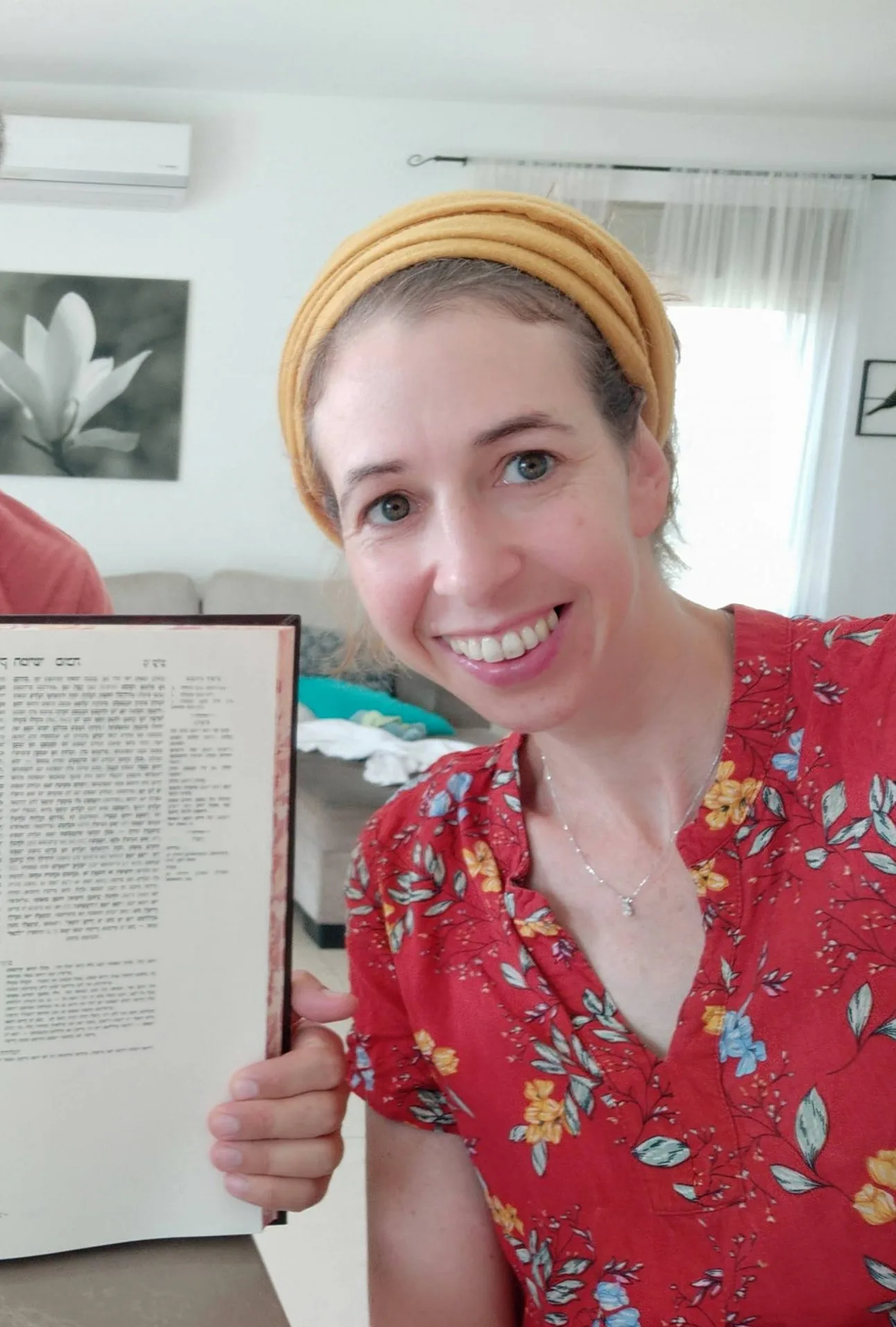
עלי זהב – לשם, ישראל
התחלתי ללמוד גמרא בבית הספר בגיל צעיר והתאהבתי. המשכתי בכך כל חיי ואף היייתי מורה לגמרא בבית הספר שקד בשדה אליהו (בית הספר בו למדתי בילדותי)בתחילת מחזור דף יומי הנוכחי החלטתי להצטרף ובע”ה מקווה להתמיד ולהמשיך. אני אוהבת את המפגש עם הדף את "דרישות השלום ” שמקבלת מקשרים עם דפים אחרים שלמדתי את הסנכרון שמתחולל בין התכנים.

מעלה גלבוע, ישראל
"
גם אני התחלתי בסבב הנוכחי וב””ה הצלחתי לסיים את רוב המסכתות . בזכות הרבנית מישל משתדלת לפתוח את היום בשיעור הזום בשעה 6:20 .הלימוד הפך להיות חלק משמעותי בחיי ויש ימים בהם אני מצליחה לחזור על הדף עם מלמדים נוספים ששיעוריהם נמצאים במרשתת. שמחה להיות חלק מקהילת לומדות ברחבי העולם. ובמיוחד לשמש דוגמה לנכדותיי שאי””ה יגדלו לדור שלימוד תורה לנשים יהיה משהו שבשגרה. "

נתניה, ישראל
למדתי גמרא מכיתה ז- ט ב Maimonides School ואחרי העליה שלי בגיל 14 לימוד הגמרא, שלא היה כל כך מקובל בימים אלה, היה די ספוראדי. אחרי "ההתגלות” בבנייני האומה התחלתי ללמוד בעיקר בדרך הביתה למדתי מפוקקטסים שונים. לאט לאט ראיתי שאני תמיד חוזרת לרבנית מישל פרבר. באיזה שהוא שלב התחלתי ללמוד בזום בשעה 7:10 .
היום "אין מצב” שאני אתחיל את היום שלי ללא לימוד עם הרבנית מישל עם כוס הקפה שלי!!

חשמונאים, ישראל
התחלתי לפני 8 שנים במדרשה. לאחרונה סיימתי מסכת תענית בלמידה עצמית ועכשיו לקראת סיום מסכת מגילה.

רעננה, ישראל
אמא שלי למדה איתי ש”ס משנה, והתחילה ללמוד דף יומי. אני החלטתי שאני רוצה ללמוד גם. בהתחלה למדתי איתה, אח”כ הצטרפתי ללימוד דף יומי שהרב דני וינט מעביר לנוער בנים בעתניאל. במסכת עירובין עוד חברה הצטרפה אלי וכשהתחלנו פסחים הרב דני פתח לנו שעור דף יומי לבנות. מאז אנחנו לומדות איתו קבוע כל יום את הדף היומי (ובשבת אבא שלי מחליף אותו). אני נהנית מהלימוד, הוא מאתגר ומעניין

עתניאל, ישראל
הייתי לפני שנתיים בסיום הדרן נשים בבנייני האומה והחלטתי להתחיל. אפילו רק כמה דפים, אולי רק פרק, אולי רק מסכת… בינתיים סיימתי רבע שס ותכף את כל סדר מועד בה.
הסביבה תומכת ומפרגנת. אני בת יחידה עם ארבעה אחים שכולם לומדים דף יומי. מדי פעם אנחנו עושים סיומים יחד באירועים משפחתיים. ממש מרגש. מסכת שבת סיימנו כולנו יחד עם אבא שלנו!
אני שומעת כל יום פודקאסט בהליכה או בנסיעה ואחכ לומדת את הגמרא.

מרכז שפירא, ישראל
התחלתי ללמוד דף יומי בתחילת מסכת ברכות, עוד לא ידעתי כלום. נחשפתי לסיום הש״ס, ובעצם להתחלה מחדש בתקשורת, הפתיע אותי לטובה שהיה מקום לעיסוק בתורה.
את המסכתות הראשונות למדתי, אבל לא סיימתי (חוץ מעירובין איכשהו). השנה כשהגעתי למדרשה, נכנסתי ללופ, ואני מצליחה להיות חלק, סיימתי עם החברותא שלי את כל המסכתות הקצרות, גם כשהיינו חולות קורונה ובבידודים, למדנו לבד, העיקר לא לצבור פער, ומחכות ליבמות 🙂
מזכרת בתיה, ישראל
התחלתי ללמוד בסבב הנוכחי לפני כשנתיים .הסביבה מתפעלת ותומכת מאוד. אני משתדלת ללמוד מכל ההסכתים הנוספים שיש באתר הדרן. אני עורכת כל סיום מסכת שיעור בביתי לכ20 נשים שמחכות בקוצר רוח למפגשים האלו.
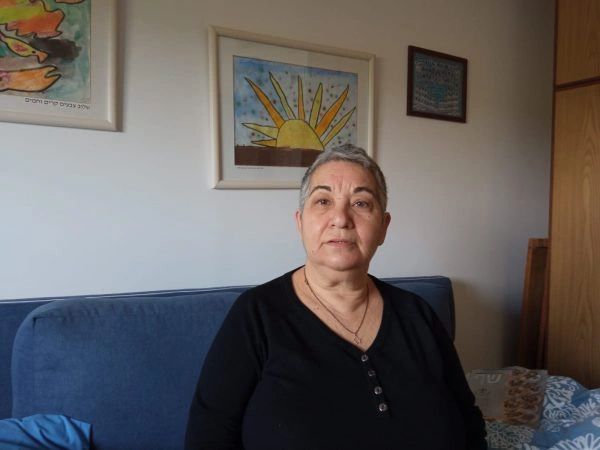
יהוד, ישראל
גיטין עז
לְכִי נָפְקָא קָאָמַר לָהּ, וְכִי מָיֵית בְּלֵילְיָא – הָוֵי גֵּט לְאַחַר מִיתָה.
he is saying to her that it will be valid once the sun comes out in the morning. And if the husband dies during the night, before sunrise, then this will be a bill of divorce after his death and is therefore invalid.
״עַל מְנָת שֶׁתֵּצֵא חַמָּה מִנַּרְתִּיקָהּ״ – מֵעַכְשָׁיו קָאָמַר לַהּ, דְּאָמַר רַב הוּנָא אָמַר רַב: כׇּל הָאוֹמֵר ״עַל מְנָת״ כְּאוֹמֵר ״מֵעַכְשָׁיו״ דָּמֵי.
But if he said to her: On the condition that the sun will emerge from its sheath, then he is saying to his wife that the bill of divorce will take effect retroactively from now once the sun emerges. As Rav Huna says that Rav says: Anyone who states a condition employing the language: On the condition, is like one who states: The agreement will take effect retroactively from now.
לֹא נֶחְלְקוּ אֶלָּא בְּ״אִם תֵּצֵא״ – מָר סָבַר לַהּ כְּרַבִּי יוֹסֵי, דְּאָמַר: זְמַנּוֹ שֶׁל שְׁטָר מוֹכִיחַ עָלָיו, וְהָוֵה לֵיהּ כְּ״מֵהַיּוֹם אִם מַתִּי״, כְּ״מֵעַכְשָׁיו אִם מַתִּי״; מָר לָא סָבַר כְּרַבִּי יוֹסֵי, וְהָוֵה לֵיהּ כְּ״אִם מַתִּי״ גְּרֵידָא.
The tanna’im disagreed only in the case of one who said to his wife: This will be your bill of divorce if the sun emerges from its sheath, and the husband died during the night. One Sage, referred to as: Our Rabbis, holds in accordance with the opinion of Rabbi Yosei, who says that the date written in a document proves when it takes effect, and it is as if the husband said: From today if I die, or as if he said: From now if I die. And one Sage, the unattributed tanna of the mishna, does not hold in accordance with the opinion of Rabbi Yosei, and it is as if the husband said only: If I die, in which case the bill of divorce is not valid because it cannot take effect after the husband’s death.
״כִּתְבוּ וּתְנוּ גֵּט לְאִשְׁתִּי, אִם לֹא בָּאתִי מִכָּאן וְעַד שְׁנֵים עָשָׂר חֹדֶשׁ״ – כָּתְבוּ כּוּ׳.
§ The mishna states that if a husband says to others: Write and give a bill of divorce to my wife if I do not come back from now until the conclusion of twelve months, and they wrote it within the twelve months but gave it to her after twelve months, it is not a valid bill of divorce. Rabbi Yosei disagrees and says: It is a valid bill of divorce.
אֲמַר לֵיהּ רַב יֵימַר לְרַב אָשֵׁי: לֵימָא קָסָבַר רַבִּי יוֹסֵי כָּתַב גֵּט עַל תְּנַאי – כָּשֵׁר? לָא; לְעוֹלָם אֵימָא לָךְ פָּסוּל, וְשָׁאנֵי הָכָא – מִדַּהֲוָה לֵיהּ לְמֵימַר: ״אִם לֹא בָּאתִי כִּתְבוּ וּתְנוּ״; וְאָמַר: ״כִּתְבוּ וּתְנוּ אִם לֹא בָּאתִי״; הָכִי קָאָמַר: כִּתְבוּ מֵעַכְשָׁיו, וּתְנוּ אִם לֹא בָּאתִי. וְרַבָּנַן – לָא שְׁנָא הָכִי וְלָא שְׁנָא הָכִי.
Rav Yeimar said to Rav Ashi: Shall we say that Rabbi Yosei holds that in general, if he wrote a bill of divorce on condition then it is valid, even if the condition was not fulfilled? Rav Ashi replied: No, actually I could say to you that according to Rabbi Yosei it is invalid if the condition is not fulfilled, and here it is different. Since he could have said: If I do not come back within twelve months, write and give the bill of divorce to my wife, which would emphasize that they may write the document only if he does not come; but instead he said: Write and give a bill of divorce if I do not come back, this is what the husband is saying: Write the bill of divorce from now, and give it to my wife if I do not come back within twelve months. And what do the Rabbis hold? They hold that it is no different whether the husband formulates his instructions like this and it is no different if the husband formulates his instructions like that. The court cannot differentiate based on the minor differences in the formulation.
תָּנוּ רַבָּנַן: ״לְאַחַר שָׁבוּעַ״ – שָׁנָה; ״לְאַחַר שָׁנָה״ – חֹדֶשׁ; ״לְאַחַר חֹדֶשׁ״ – שַׁבָּת.
§ Since the mishna discussed conditions dependent on time, the Gemara cites a baraita on a similar topic. The Sages taught: If the husband said to his wife: This is your bill of divorce if I do not come back after a seven-year Sabbatical cycle, the word after means that the bill of divorce is not valid until a full year after the conclusion of the seven-year cycle. If he said: This is your bill of divorce if I do not come back after one year, it is not valid until one month after the end of that year. If he said: This is your bill of divorce if I do not come back after one month, it is not valid until one week after the end of the month.
״לְאַחַר שַׁבָּת״, מַאי? יָתֵיב רַבִּי זֵירָא קַמֵּיהּ דְּרַבִּי אַסִּי, וְאָמְרִי לַהּ רַבִּי אַסִּי קַמֵּיהּ דְּרַבִּי יוֹחָנָן, וְקָאָמַר: חַד בְּשַׁבָּא, וּתְרֵי, וּתְלָתָא – בָּתַר שַׁבְּתָא. אַרְבְּעָה, וְחַמְשָׁא וּמַעֲלֵי שַׁבְּתָא – קַמֵּי שַׁבְּתָא.
The Gemara clarifies other similar cases not mentioned in the baraita. If the husband said: This is your bill of divorce if I do not come back after a week, then what is the halakha? The Gemara answers: Rabbi Zeira sat before Rabbi Asi, and some say that it was Rabbi Asi who sat before Rabbi Yoḥanan, and he said the following: Sunday and Monday and Tuesday are called after Shabbat. Wednesday and Thursday and Friday are all called prior to Shabbat.
תַּנְיָא, רַבִּי אוֹמֵר: ״לְאַחַר הָרֶגֶל״ – שְׁלֹשִׁים יוֹם. נְפַק רַבִּי חִיָּיא דַּרְשַׁהּ מִשְּׁמֵיהּ דְּרַבִּי – וְקַלְּסוּהּ; מִשְּׁמֵיהּ דְּרַבִּים – וְלָא קַלְּסוּהּ; אַלְמָא לֵית הִילְכְתָא כְּווֹתֵיהּ.
It is taught in a baraita that Rabbi Yehuda HaNasi says: If a man says: This is your bill of divorce if I do not come back after the pilgrimage Festival, then the document is valid only thirty days after the festival. Rabbi Ḥiyya went out and taught this halakha in public in the name of Rabbi Yehuda HaNasi, and they praised it. He then taught it in the name of the majority, as an unattributed opinion, and they did not praise it. Apparently, the halakha is not in accordance with this ruling. Consequently, the Sages did not praise Rabbi Ḥiyya when he taught it as if it were a majority ruling, as that would cause it to be accepted as halakha.
הֲדַרַן עֲלָךְ מִי שֶׁאֲחָזוֹ
הַזּוֹרֵק גֵּט לְאִשְׁתּוֹ, וְהִיא בְּתוֹךְ בֵּיתָהּ אוֹ בְּתוֹךְ חֲצֵרָהּ – הֲרֵי זוֹ מְגוֹרֶשֶׁת. זְרָקוֹ לָהּ בְּתוֹךְ בֵּיתוֹ אוֹ בְּתוֹךְ חֲצֵרוֹ, אֲפִילּוּ הוּא עִמָּהּ בַּמִּטָּה – אֵינָהּ מְגוֹרֶשֶׁת. לְתוֹךְ חֵיקָהּ אוֹ לְתוֹךְ קַלְתָּהּ – הֲרֵי זוֹ מְגוֹרֶשֶׁת.
MISHNA: In a case of one who throws a bill of divorce to his wife, and she is in her house or in her courtyard at the time, then she is divorced as though he placed the bill of divorce in her hand. If he threw it to her in his house or in his courtyard, even if the bill of divorce is with her in the bed, she is not divorced. If he threw the bill of divorce into her lap, or into her basket [kaltah], she is divorced, even if she was in her husband’s house at the time.
גְּמָ׳ מְנָא הָנֵי מִילֵּי? דְּתָנוּ רַבָּנַן: ״וְנָתַן בְּיָדָהּ״ – אֵין לִי אֶלָּא יָדָהּ; גַּגָּהּ, חֲצֵרָהּ וְקַרְפֵּיפָהּ – מִנַּיִן? תַּלְמוּד לוֹמַר: ״וְנָתַן״ – מִכׇּל מָקוֹם.
GEMARA: From where are these matters derived? What is the basis for the halakha that when the husband throws the bill of divorce into his wife’s house or courtyard, the divorce takes effect? The Gemara answers: It is as the Sages taught: The verse states with regard to a bill of divorce: “And gives it in her hand” (Deuteronomy 24:1), from which I have derived that she is divorced only if he actually places it in her hand. But from where do I derive that she is divorced even if he places it on her roof, in her courtyard, or in her enclosure? The verse states: “And gives it,” indicating that she is divorced in any case, regardless of the manner in which he gives her the bill of divorce.
וְתַנְיָא נָמֵי הָכִי גַּבֵּי גַנָּב: ״יָדוֹ״ – אֵין לִי אֶלָּא יָדוֹ; גַּגּוֹ, חֲצֵרוֹ וְקַרְפֵּיפוֹ – מִנַּיִן? תַּלְמוּד לוֹמַר: ״הִמָּצֵא תִמָּצֵא״ – מִכׇּל מָקוֹם.
And that is also taught in a baraita with regard to a thief. It is written: “If the theft be found in his hand” (Exodus 22:3), from which I have derived that one is liable for theft only when the stolen item was found in his hand. But from where do I derive that one is liable for theft even if it was found on his roof, in his courtyard, or in his enclosure, i.e., if the item reached his domain and he secured it with the intent to steal it? The verse states: “If the theft be found,” indicating that he is liable in any case, whether it was found in his hand or in his domain.
וּצְרִיכָא; דְּאִי אַשְׁמוֹעִינַן גֵּט – מִשּׁוּם דִּבְעַל כֻּרְחַהּ מִגָּרְשָׁה; אֲבָל גַּנָּב – דְּלֵיתֵיהּ בְּעַל כּוּרְחֵיהּ, אֵימָא לָא;
The Gemara comments: And it is necessary to teach this halakha in both cases. As if the Torah had taught us only with regard to a bill of divorce, one could have said: Because a husband divorces his wife against her will, the divorce is effective regardless of how the husband places the document in her possession. But a thief, who is not accountable for theft that he performs against his will, say no, he is liable only when he actually steals the item with his hand, and not when it enters his domain by other means.
וְאִי אַשְׁמוֹעִינַן גַּנָּב – מִשּׁוּם דְּקַנְסֵיהּ רַחֲמָנָא; אֲבָל גֵּט – אֵימָא לָא, צְרִיכָא.
And if the Torah had taught us only with regard to a thief, one could have said: Because the Merciful One penalized the thief, obligating him to pay double the value of the item, it is clear that the Torah is strict with a thief. Similarly, the Torah also deemed him responsible for an item that was not actually in his hand. But with regard to a bill of divorce, say no, the divorce is not effective unless the husband places the document in her hand. Therefore, it is necessary to teach this halakha in both cases.
חֲצֵרָהּ?! מָה שֶׁקָּנְתָה אִשָּׁה קָנָה בַּעְלָהּ!
§ It was taught in the mishna that if the husband threw the bill of divorce into his wife’s courtyard, she is divorced. The Gemara asks: How can she own a courtyard of her own? There is a principle: That which a woman acquired is acquired by her husband, which indicates that the husband has the rights to all profits generated by his wife’s property. Therefore, for all intents and purposes, the courtyard belongs to him for the duration of their marriage.
אָמַר רַבִּי אֶלְעָזָר, בְּכוֹתֵב לָהּ: ״דִּין וּדְבָרִים אֵין לִי בִּנְכָסַיִךְ״.
Rabbi Elazar says: The mishna is referring to a case where the husband writes to his wife: I have no legal dealings or involvement in your property, thereby relinquishing any ownership rights to her property.
וְכִי כְּתַב לַהּ הָכִי – מַאי הָוֵי? וְהָתַנְיָא, הָאוֹמֵר לַחֲבֵירוֹ: ״דִּין וּדְבָרִים אֵין לִי עַל שָׂדֶה זוֹ״; וְ״אֵין לִי עֵסֶק בָּהּ״; וְ״יָדִי מְסוּלֶּקֶת הֵימֶנָּה״ – לֹא אָמַר כְּלוּם!
The Gemara asks: And when he writes this to her, what of it? But isn’t it taught in a baraita: One who says to another with whom he owns a field in a partnership: I have no rights and claims to this field, or: I have no involvement with it, or: My hand is removed from it; it is as though he said nothing, since these expressions are not considered to be a withdrawal of his rights to the field.
אָמְרִי דְּבֵי רַבִּי יַנַּאי: בְּכוֹתֵב לָהּ – וְעוֹדָהּ אֲרוּסָה, וְכִדְרַב כָּהֲנָא – דְּאָמַר רַב כָּהֲנָא: נַחֲלָה הַבָּאָה לוֹ לְאָדָם מִמָּקוֹם אַחֵר, אָדָם מַתְנֶה עָלֶיהָ שֶׁלֹּא יִרָשֶׁנָּה;
The Gemara answers: They say in the school of Rabbi Yannai: The case is one where he writes to her and she is still only betrothed; he has yet to obtain ownership of her property, being that his rights to his wife’s property are only actuated at the time of the marriage. And this is in accordance with the statement of Rav Kahana, as Rav Kahana says: With regard to an inheritance that comes to a person from another place, i.e., it is not an inheritance from his father, a person can stipulate about it from the outset that he should not inherit it, and this condition is effective in annulling his rights to the inheritance. This teaches that as long as the property has not yet entered his possession, he can withdraw his rights to it.
וְכִדְרָבָא – דְּאָמַר רָבָא, הָאוֹמֵר:
And this is in accordance with the statement of Rava, as Rava says: One who says:
אִי אֶפְשִׁי בְּתַקָּנַת חֲכָמִים כְּגוֹן זוֹ – שׁוֹמְעִין לוֹ.
I do not want to avail myself of the ordinance of the Sages that was instituted on my behalf, such as in this scenario, we listen to him.
מַאי ״כְּגוֹן זוֹ״? כִּדְרַב הוּנָא אָמַר רַב – דְּאָמַר רַב הוּנָא אָמַר רַב: יְכוֹלָה אִשָּׁה שֶׁתֹּאמַר לְבַעְלָהּ: ״אֵינִי נִיזּוֹנֶית וְאֵינִי עוֹשָׂה״.
The Gemara asks: What is referred to by the words: Such as in this scenario? What case did Rava refer to that he indicated that in similar situations the halakha is the same? The Gemara explains that Rava was referring to that which Rav Huna says that Rav says. As Rav Huna says that Rav says: A woman can say to her husband: I do not wish to be sustained by you, and I will not do work for you. Although the Sages instituted on her behalf that she would be sustained in exchange for her work, she has the choice of waiving that right if she prefers to retain her earnings. Rava adds that in any similar case where the Sages instituted an ordinance for one’s benefit, he can say that he does not wish to accept this rabbinic ordinance if it does not assist him.
רָבָא אָמַר: אַטּוּ יָדָהּ מִי לָא קַנְיָא לֵיהּ לְבַעַל?! אֶלָּא גִּיטָּהּ וְיָדָהּ בָּאִין כְּאֶחָד; הָכָא נָמֵי – גִּיטָּהּ וַחֲצֵרָהּ בָּאִין כְּאֶחָד.
Rava said that one can resolve the question about the wife’s ability to acquire a bill of divorce in a courtyard in a more direct way: Is that to say that her hand is not acquired by her husband? Yet despite the fact that he owns her hand, she is divorced once she receives a bill of divorce in her hand. Rather, one must say that her bill of divorce and her hand, i.e., her complete ownership over her hand, enter her possession simultaneously. Since the bill of divorce releases her from her obligations to her husband, at that moment she acquires full rights to her hand. Here too, in the case of her courtyard, one can say that her bill of divorce and her courtyard enter her possession simultaneously, as her husband’s rights to her property are terminated at the time of divorce.
אֲמַר לֵיהּ רָבִינָא לְרַב אָשֵׁי: רָבָא – יָד דְּאִשָּׁה קָא קַשְׁיָא לֵיהּ?! נְהִי דְּקָנֵי לַהּ לְמַעֲשֵׂה יָדֶיהָ, יָדָהּ גּוּפַהּ מִי קַנְיָ[א] לֵיהּ?!
Ravina said to Rav Ashi: Was it difficult for Rava to understand the halakha that one can effect divorce by placing a bill of divorce in the hand of a woman? Why is this difficult? Though the rights to her earnings belong to the husband, does her hand itself belong to him? Therefore, since a woman owns her hand, she is divorced once she receives the bill of divorce in her hand; and it is not necessary to apply the principle that the bill of divorce and her hand enter her possession simultaneously. Therefore, there is no proof that the bill of divorce and her courtyard enter her possession simultaneously.
אֲמַר לֵיהּ: רָבָא – יַד הָעֶבֶד קָא קַשְׁיָא לֵיהּ; לְמַאן דְּאָמַר: בִּשְׁטָר – עַל יְדֵי עַצְמוֹ, יַד עֶבֶד כְּיַד רַבּוֹ דָּמְיָא! אֶלָּא גִּטּוֹ וְיָדוֹ בָּאִין כְּאֶחָד; הָכִי נָמֵי – גִּיטָּהּ וַחֲצֵירָהּ בָּאִין כְּאֶחָד.
Rav Ashi said to him: It was difficult for Rava to understand the halakha that one can effect emancipation by placing a bill of manumission in the hand of a slave, as follows: According to the one who says that a slave can be emancipated with a bill of manumission by receiving the bill himself, one can ask: How is this effective? Isn’t the hand of a slave like the hand of his master, as the master owns the slave’s body? Therefore, when the master gives the bill of manumission to his slave, it is as though he gave it to himself, and the bill is never considered as having reached the slave’s domain. How can the slave be emancipated in this manner? Rather, one must say that his bill of manumission and his hand enter his possession simultaneously. So too, with regard to a woman’s courtyard, one can explain that her bill of divorce and her courtyard enter her possession simultaneously.
הַהוּא שְׁכִיב מְרַע דִּכְתַב לַהּ גִּיטָּא לִדְבֵיתְהוּ בַּהֲדֵי פַּנְיָא דְּמַעֲלֵי שַׁבְּתָא, וְלֹא הִסְפִּיק לְמִיתְּבֵיהּ לַהּ. לִמְחַר, תְּקַף לֵיהּ עָלְמָא. אֲתוֹ לְקַמֵּיהּ דְּרָבָא, אֲמַר לְהוּ: זִילוּ אֱמַרוּ לֵיהּ, לַיקְנְיֵיהּ נִיהֲלַהּ לְהָהוּא דּוּכְתָּא דְּיָתֵיב בֵּיהּ גִּיטָּא, וְתֵיזִיל אִיהִי וְתֵיחוֹד וְתִפְתַּח וְתַחְזֵיק בֵּיהּ.
§ The Gemara relates that there was a certain person on his deathbed who wrote a bill of divorce for his wife toward the evening of the coming of the Shabbat, but he did not manage to give it to her. The next day his condition intensified and he was unable to give her the bill of divorce. People came before Rava to ask what they should do. He said to them: Go tell him to transfer to her ownership of that place where the bill of divorce is resting, and she should go and close the door and open it and assert ownership over it, thereby acquiring the place together with the bill of divorce that is in it.
דִּתְנַן: נָעַל, גָּדַר, פָּרַץ כׇּל שֶׁהוּא – הֲרֵי זוֹ חֲזָקָה.
As we learned in a mishna (Bava Batra 42a): If one locked, fenced in, or breached any amount, this is a valid act of taking possession through which land is acquired.
אֲמַר לֵיהּ רַב עִילִישׁ לְרָבָא: מָה שֶׁקָּנְתָה אִשָּׁה קָנָה בַּעְלָהּ! אִיכְּסִיף.
Rav Ilish said to Rava: How will it help for her to acquire the place, since that which a woman acquired is acquired by her husband? Rava was embarrassed that he issued an incorrect ruling.
לְסוֹף אִיגַּלַּי מִילְּתָא דַּאֲרוּסָה הֲוַאי. אָמַר רָבָא: אִם אָמְרוּ בִּנְשׂוּאָה, יֹאמְרוּ בַּאֲרוּסָה?! הֲדַר אָמַר רָבָא: לָא שְׁנָא אֲרוּסָה וְלָא שְׁנָא נְשׂוּאָה – גִּיטָּהּ וַחֲצֵירָהּ בָּאִין כְּאֶחָד.
Ultimately, it was revealed that she was a betrothed woman. Rava said: I ruled correctly, as even if they said with regard to a married woman that everything she acquires belongs to her husband, would they say the same with regard to a betrothed woman? A betrothed woman’s hand is not considered to be like the hand of her husband. Rava then said: There is no difference if she is a betrothed woman, and there is no difference if she is a married woman, as her bill of divorce and her courtyard enter her possession simultaneously.
וְהָא אַמְרַהּ רָבָא מֵעִיקָּרָא! כִּי אַמְרַהּ רָבָא – אַהַאי מַעֲשֶׂה אַמְרַהּ.
The Gemara asks: But didn’t Rava already say this halakha, that her bill of divorce and her courtyard enter her possession simultaneously, at the outset? The Gemara answers: When Rava said this halakha, he said it in connection with this very incident.
וְהִיא בְּתוֹךְ בֵּיתָהּ. אָמַר עוּלָּא: וְהוּא שֶׁעוֹמֶדֶת בְּצַד בֵּיתָהּ וּבְצַד חֲצֵרָהּ. רַבִּי אוֹשַׁעְיָא אָמַר: אֲפִילּוּ הִיא בִּטְבֶרְיָא וַחֲצֵרָהּ בְּצִיפּוֹרִי; הִיא בְּצִיפּוֹרִי וַחֲצֵרָהּ בִּטְבֶרְיָא – מְגוֹרֶשֶׁת.
§ It was taught in the mishna that if a husband throws his wife a bill of divorce and she is in her house, then she is divorced. Ulla says: This is only if she is standing next to her house and next to her courtyard, as only then will her house and courtyard acquire it for her. Rabbi Oshaya says: Even if she is in Tiberius and her courtyard is in Tzippori, or if she is in Tzippori and her courtyard is in Tiberius, she is divorced.
וְהָא ״הִיא בְּתוֹךְ בֵּיתָהּ וּבְתוֹךְ חֲצֵרָהּ״ קָתָנֵי! הָכִי קָאָמַר: ״וְהִיא כְּמִי שֶׁבְּתוֹךְ בֵּיתָהּ״; ״וְהִיא כְּמִי שֶׁבְּתוֹךְ חֲצֵרָהּ״ – דְּכֵיוָן דְּחָצֵר מִשְׁתַּמֶּרֶת לְדַעְתָּהּ הִיא, מִתְגָּרֶשֶׁת.
The Gemara challenges this: But isn’t it taught in the mishna that she is in her house and in her courtyard? The Gemara answers: This is what the mishna is saying: And she is considered to be like one who is in her house; and she is considered to be like one who is in her courtyard. This means that since it is a courtyard that is secured with her knowledge, it is as though she is there, and she is divorced.
לֵימָא בְּהָא קָמִיפַּלְגִי – דְּמָר סָבַר: חָצֵר מִשּׁוּם יָדָהּ אִתְרַבַּאי; וּמָר סָבַר: חָצֵר מִשּׁוּם שְׁלִיחוּת אִתְרַבַּאי?
The Gemara suggests: Let us say that they disagree about this issue: One Sage, Ulla, holds that a courtyard is included in the areas where she can obtain ownership of a bill of divorce as an extension of her hand. Consequently, it has the same halakhot as her hand, so that just as her hand is close to her, so too, her courtyard must be close to her in order for her to acquire the bill of divorce through it. And one Sage, Rabbi Oshaya, holds that a courtyard is included in the areas where she can obtain ownership of a bill of divorce as an extension of agency, and therefore, like an agent, her courtyard can acquire the bill of divorce for her when she is far away.
לָא; דְּכוּלֵּי עָלְמָא – חָצֵר מִשּׁוּם יָדָהּ אִיתְרְבַּאי; מָר סָבַר: כְּיָדָהּ – מָה יָדָהּ בִּסְמוּכָה, אַף חֲצֵרָהּ בִּסְמוּכָה.
The Gemara rejects this: No, everyone agrees that a courtyard is included in the areas where she can obtain ownership of a bill of divorce as an extension of her hand. They disagree about how it is compared to her hand. One Sage, Ulla, holds that it is entirely like her hand. Just as her actual hand is next to her, so too, her courtyard, which is an extension of her hand, acquires the bill of divorce when it is next to her.
וְאִידַּךְ – אִי, מָה יָדָהּ בִּדְבוּקָה, אַף חֲצֵרָהּ בִּדְבוּקָה?! אֶלָּא כְּיָדָהּ – מָה יָדָהּ מִשְׁתַּמֶּרֶת לְדַעְתָּהּ, אַף חֲצֵרָהּ הַמִּשְׁתַּמֶּרֶת לְדַעְתָּהּ; לְאַפּוֹקֵי חֲצֵרָהּ הַמִּשְׁתַּמֶּרֶת שֶׁלֹּא לְדַעְתָּהּ.
And the other Sage, Rabbi Oshaya, holds that if you derive matters in this way, you should say that just as her actual hand is attached to her, so too, her courtyard can acquire a bill of divorce only when it is attached to her, which cannot be. Rather, the comparison is as follows: Her courtyard is like her actual hand, and just as her hand is secured with her knowledge, so too, only her courtyard that is consciously secured by her can acquire a bill of divorce for her. This serves to exclude her courtyard that is not consciously secured by her, i.e., that she has no control over, which cannot acquire a bill of divorce for her, since it is not similar to her hand.
הָהוּא גַּבְרָא דִּזְרַק לַהּ גִּיטָּא לִדְבֵיתְהוּ. הֲוָה קָיְימָא בְּחָצֵר. אֲזַל גִּיטָּא, נְפַל בְּפִיסְלָא. אָמַר רַב יוֹסֵף: חָזֵינַן, אִי הָוְיָא אַרְבַּע אַמּוֹת עַל אַרְבַּע אַמּוֹת – פְּלַג לֵיהּ רְשׁוּתָא לְנַפְשֵׁיהּ; וְאִי לָא – חֲדָא רְשׁוּתָא הִיא.
§ The Gemara relates that there was a certain man who threw a bill of divorce to his wife while she was standing in a courtyard. The bill of divorce went and fell onto a board of wood. Rav Yosef said: We see the precise circumstance: If the board encompassed an area of four cubits by four cubits, it thereby is considered to be a separate domain of its own and is not included in the courtyard within which she was standing, and she is consequently not divorced. And if the board was not that large, it is part of the courtyard and it is all one domain, and she is therefore divorced.
בְּמַאי עָסְקִינַן? אִילֵימָא בְּחָצֵר דִּידַהּ, כִּי הָוֵי אַרְבַּע אַמּוֹת מַאי הָוֵי? אֶלָּא בְּחָצֵר דִּידֵיהּ, כִּי לָא הָוֵי אַרְבַּע אַמּוֹת מַאי הָוֵי?
The Gemara clarifies: With what are we dealing here? If we say that the incident occurred in her courtyard, if the board had an area of four cubits, what of it? Since the board belongs to her as well, it should still be an effective divorce. Rather, say that the incident occurred in his courtyard; but then, even if the board did not have an area of four cubits, what of it? Since none of it belongs to her, why would it be an effective divorce?
לָא צְרִיכָא, דְּאוֹשְׁלַהּ מָקוֹם; דְּחַד מָקוֹם מוֹשְׁלִי אִינָשֵׁי, תְּרֵי מְקוֹמוֹת לָא מוֹשְׁלִי אִינָשֵׁי.
The Gemara answers: No, it is necessary in a case where he lent her the place, i.e., the courtyard, as a means to acquire the bill of divorce. And since people lend one place, but people do not lend two places, if the board is considered to be a separate domain then it was not included in the courtyard that was lent to her, and it would therefore not be an effective divorce.
וְלָא אֲמַרַן אֶלָּא דְּלֹא גָּבוֹהַּ עֲשָׂרָה, אֲבָל גָּבוֹהַּ עֲשָׂרָה – אַף עַל גַּב דְּלָא הָוֵי אַרְבַּע אַמּוֹת.
The Gemara notes: And we said that this is the halakha only in a case where the place onto which the bill of divorce fell was not ten handbreadths higher than the courtyard. But if the place onto which the bill of divorce fell was ten handbreadths higher, even though the board did not have an area of four cubits, it is still considered to be a separate domain.
וְלָא אֲמַרַן אֶלָּא דְּלֵית לֵיהּ
And we said that this is the halakha only in a case where the place onto which the bill of divorce fell does not have

