







אם מאיימים על מישהו שיחתום על שטר זה או שיהרגוהו, הוא צריך למסור נפשו ולא לחתום על שקר. הגמרא מנסה להשתמש בזה בכדי להסביר את דברי ר’ מאיר בברייתא שאם עדים קיימו את חתימותיהם אך אמרו שהיו אנוסים, הם לא נאמנים כי אין אדם משים עצמו רשע. אך בסוף הם דוחים את זה כי באמת לא צריך למסור נפשו להעיד שקר – רק מוסרים נפש לגילוי עריות, שפיכות דמים ועבודה זרה. מסבירים שיטת ר’ מאיר בדרך אחרת. אם העדים אומרים שהם חתמו אבל זה היה שטר אמנה, לא נאמנים. מה זה שטר אמנה? ועל מי נאמר שהוא לא נאמן אם אמר שזה שטר אמנה – על המלווה, הלווה או העדים?הגמרא מביאה שלושה פירושים שכל אחד מהם פירש את זה על מישהו אחר. למלווה אסור להשהות שטר שנפרע בתוך ביתו כי הוא יכול לקחת את השטר ולטעון שהלוווה טרם החזיר לו את הכסף. אסור לשהות שטר אמנה או שטר פסים בתוך ביתו כי הם שטרות מזוייפים. מה זה שטר פסים? אם העדים אומרים שזה היה שטר אמנה או שמסרו מודעה לאחר שחתמו שמעיד על כך שהיו אנוסים, האם מאמינים להם? אם העידו שהשטר ניתן על תנאי וטרם התקיים התנאי, האם מאמינים להם? מה אם עד אחד אומר שזה ניתן על התנאי והשני אומר שלא?
רוצה להקדיש לימוד?

תקציר
כתובות יט
חֲזָקָה אֵין הָעֵדִים חוֹתְמִין עַל הַשְּׁטָר אֶלָּא אִם כֵּן נַעֲשָׂה בְּגָדוֹל. אֶלָּא אֲנוּסִין, מַאי טַעְמָא?
There is a presumption that witnesses sign on the document only if the transaction was made when both parties to the transaction are adults. A corollary of that presumption is that each party would sign only adult witnesses to the document. However, if their testimony was that they were compelled to sign the document, what is the reason that Rabbi Meir rules that their testimony is not accepted?
אָמַר רַב חִסְדָּא, קָסָבַר רַבִּי מֵאִיר: עֵדִים שֶׁאָמְרוּ לָהֶם ״חִתְמוּ שֶׁקֶר וְאַל תֵּהָרְגוּ״ — יֵהָרְגוּ וְאַל יַחְתְּמוּ שֶׁקֶר.
Rav Ḥisda said that Rabbi Meir maintains: Witnesses that others said to them: Sign a document containing a falsehood and you will not be killed, should allow themselves to be killed and they should not sign a document containing a falsehood. Therefore, even when they testify that they were compelled to sign the document due to a threat to their lives, they are incriminating themselves.
אֲמַר לֵיהּ רָבָא: הַשְׁתָּא אִילּוּ אָתוּ לְקַמַּן לְאִמְּלוֹכֵי, אָמְרִינַן לְהוּ: זִילוּ חֲתוּמוּ וְלָא תִּתְקַטְּלוּן, דְּאָמַר מָר: אֵין לְךָ דָּבָר שֶׁעוֹמֵד בִּפְנֵי פִּיקּוּחַ נֶפֶשׁ אֶלָּא עֲבוֹדָה זָרָה, וְגִלּוּי עֲרָיוֹת, וּשְׁפִיכוּת דָּמִים בִּלְבָד. הַשְׁתָּא דַּחֲתַמוּ, אָמְרִינַן לְהוּ: אַמַּאי חָתְמִיתוּ?
Rava said to him: Now, if the witnesses came before us to consult with the Sages, we say to them: Go sign the document and you should not be killed, as the Master said: You have no matter that stands before saving a life, other than idol worship, forbidden sexual relations, and murder. Now that they signed, do we say to them: Why did you sign? Only in those three cases, when faced with a choice between violating the prohibition and being killed, must one be killed rather than violate the prohibition. Signing a false document does not fall into that category. Why then, according to Rabbi Meir, is their testimony that they were compelled to sign the document not accepted?
אֶלָּא: טַעְמָא דְּרַבִּי מֵאִיר כִּדְרַב הוּנָא אָמַר רַב. דְּאָמַר רַב הוּנָא אָמַר רַב: מוֹדֶה בִּשְׁטָר שֶׁכְּתָבוֹ — אֵין צָרִיךְ לְקַיְּימוֹ.
Rather, the reason for the opinion of Rabbi Meir is in accordance with the statement that Rav Huna said that Rav said, as Rav Huna said that Rav said: In the case of a borrower who admits with regard to a document that he wrote it, the lender need not ratify the document in court. Once the borrower admits that he wrote the document, he cannot then claim that it is forged or that the debt was repaid. Similarly, once the witnesses testify that they signed the document, it is a credible document that they cannot then invalidate (Tosafot).
גּוּפָא. אָמַר רַב הוּנָא אָמַר רַב: מוֹדֶה בִּשְׁטָר שֶׁכְּתָבוֹ — אֵין צָרִיךְ לְקַיְּימוֹ. אֲמַר לֵיהּ רַב נַחְמָן: גַּנּוֹבָא גַּנּוֹבֵי לְמָה לָךְ. אִי סְבִירָא לָךְ כְּרַבִּי מֵאִיר, אֵימָא הֲלָכָה כְּרַבִּי מֵאִיר.
§ With regard to the matter itself, Rav Huna said that Rav said: In the case of a borrower who admits with regard to a document that he wrote it, the lender need not ratify the document in court. Rav Naḥman said to Rav Huna: Why do you need to conceal the reason for your opinion like a thief? If you hold in accordance with the opinion of Rabbi Meir, say: The halakha is in accordance with the opinion of Rabbi Meir. Do not state your opinion in a manner that obscures its connection to a tannaitic dispute.
אֲמַר לֵיהּ: וּמָר הֵיכִי סְבִירָא לֵיהּ? אֲמַר לֵיהּ: כִּי אָתוּ לְקַמַּן לְדִינָא, אָמְרִינַן לְהוּ: ״זִילוּ קַיִּימוּ שְׁטָרַיְיכוּ וְחוּתוּ לְדִינָא״.
Rav Huna said to him: And what does the Master hold in a case where the borrower admits that he wrote the document? Rav Naḥman said to him: When lenders come before us for judgment, we say to them: Go and ratify your documents and descend and stand before us for judgment. If a lender relies solely on the confession of the borrower, the borrower could claim that although he wrote the document, he then repaid the loan. However, if the document was ratified by the court based on the testimony of the witnesses who signed it, the borrower’s claim that he repaid the loan is not accepted.
אָמַר רַב יְהוּדָה אָמַר רַב: הָאוֹמֵר ״שְׁטַר אֲמָנָה הוּא זֶה״ — אֵינוֹ נֶאֱמָן.
§ Rav Yehuda said that Rav said: One who says with regard to a document: This is a document of trust, is not deemed credible. If one claims that the document is a valid document but that no loan actually took place, and instead the borrower trusted the lender and gave him the document in order to borrow money in the future, or as security, he is not deemed credible.
דְּקָאָמַר מַאן? אִילֵימָא דְּקָאָמַר לֹוֶה — פְּשִׁיטָא, כָּל כְּמִינֵּיהּ?! וְאֶלָּא דְּקָאָמַר מַלְוֶה — תָּבוֹא עָלָיו בְּרָכָה. אֶלָּא דְּקָאָמְרִי עֵדִים. אִי דִּכְתַב יָדָם יוֹצֵא מִמָּקוֹם אַחֵר — פְּשִׁיטָא דְּלָא מְהֵימְנִי. וְאִי דְּאֵין כְּתַב יָדָם יוֹצֵא מִמָּקוֹם אַחֵר — אַמַּאי לָא מְהֵימְנִי?
The Gemara asks: In the case to which Rav’s statement is referring, who is saying that the document was a document of trust? If you say that it is the borrower who is saying so, it is obvious that he is not deemed credible. Is it within the power of the borrower to establish that the document is not genuine? But rather, say it is the lender who is saying that it is a document of trust. In that case, not only is he deemed credible, but let a blessing come upon him for admitting that a debt may not be collected with this document. Rather, say it is the witnesses who are saying that it is a document of trust. If so, the question arises: If it is a case where their handwriting emerges from another place, it is obvious that they are not deemed credible, as the document is ratified. And if it is a case where their handwriting does not emerge from another place, and the witnesses themselves testify that it is their signatures on the document, but that it was a document of trust, why are they not deemed credible? This is a clear case of: The mouth that prohibited is the mouth that permitted.
(סִימָן בָּאֵ״שׁ) אָמַר רָבָא: לְעוֹלָם דְּקָאָמַר לֹוֶה, וְכִדְרַב הוּנָא. דְּאָמַר רַב הוּנָא אָמַר רַב: מוֹדֶה בִּשְׁטָר שֶׁכְּתָבוֹ — אֵין צָרִיךְ לְקַיְּימוֹ.
The Gemara provides a mnemonic for the names of the amora’im who seek to explain Rav’s statement and resolve the problem: Beit, the second letter in the name of Rava; alef, the first letter in Abaye; and shin, the second letter in the name of Rav Ashi. Rava said: Actually, it is the borrower who is saying it, and it can be explained in accordance with the statement of Rav Huna, as Rav Huna said that Rav said: In the case of a borrower who admits with regard to a document that he wrote it, the lender need not ratify the document in court. In this case, the borrower admits that he wrote the document and had witnesses sign the document. Rav Yehuda teaches the novel halakha that although the borrower later contends that it was a document of trust, once he admits that he wrote the document, that contention is not accepted.
אַבָּיֵי אָמַר: לְעוֹלָם דְּאָמַר מַלְוֶה, וּכְגוֹן שֶׁחָב לַאֲחֵרִים, וְכִדְרַבִּי נָתָן.
Abaye said: Actually, it is the lender who said it, and it is in a case where he causes loss to others by invalidating the document and relinquishing his debt. If the lender owes money to others and lacks funds to repay his debt, then his invalidation of the document creates a situation where his creditor is unable to collect the debt. This is in accordance with the opinion of Rabbi Natan.
דְּתַנְיָא, רַבִּי נָתָן אוֹמֵר: מִנַּיִן לַנּוֹשֶׁה בַּחֲבֵירוֹ מָנֶה, וַחֲבֵירוֹ בַּחֲבֵירוֹ — מִנַּיִן שֶׁמּוֹצִיאִין מִזֶּה וְנוֹתְנִין לָזֶה — תַּלְמוּד לוֹמַר: ״וְנָתַן לַאֲשֶׁר אָשַׁם לוֹ״.
As it is taught in a baraita that Rabbi Natan says: From where is it derived that in a case where a creditor seeks to collect a debt of one hundred dinars from another, and the other person seeks to collect a debt from another, from where is it derived that one takes money from this second debtor and gives it to the first creditor without the money passing through the debtor of the first, who is the creditor of the third? It is derived as the verse states: “And he shall give to the one to whom he is guilty” (Numbers 5:7). One pays the person to whom the money is owed, even if he did not borrow the money directly from him. When the debtor of the first who is the creditor of the third invalidates the document, he causes a loss to his own creditor.
רַב אָשֵׁי אָמַר: לְעוֹלָם דְּקָאָמְרִי עֵדִים. וּדְאֵין כְּתַב יָדָם יוֹצֵא מִמָּקוֹם אַחֵר. וּדְקָאָמְרַתְּ אַמַּאי לָא מְהֵימְנִי — כִּדְרַב כָּהֲנָא. דְּאָמַר רַב כָּהֲנָא: אָסוּר לוֹ לָאָדָם שֶׁיְּשַׁהֶה שְׁטַר אֲמָנָה בְּתוֹךְ בֵּיתוֹ, מִשּׁוּם שֶׁנֶּאֱמַר: ״אַל תַּשְׁכֵּן בְּאֹהָלֶיךָ עַוְלָה״.
Rav Ashi said: Actually, it is the witnesses who are saying it, and it is a case where their handwriting does not emerge from another place. And with regard to that which you are saying: Why are they not deemed credible, it is in accordance with the opinion of Rav Kahana, as Rav Kahana said: It is prohibited for a person to keep a document of trust in his house, as it is stated: “And let not injustice dwell in your tents” (Job 11:14). This false document is likely to engender injustice when the lender seeks to collect payment with it.
וְאָמַר רַב שֵׁשֶׁת בְּרֵיהּ דְּרַב אִידִי: שְׁמַע מִינַּהּ מִדְּרַב כָּהֲנָא, עֵדִים שֶׁאָמְרוּ ״אֲמָנָה הָיוּ דְּבָרֵינוּ״ — אֵין נֶאֱמָנִין. מַאי טַעְמָא? כֵּיוָן דְּעַוְלָה הוּא — אַעַוְלָה לָא חָתְמִי.
And Rav Sheshet, son of Rav Idi, says: Conclude from the statement of Rav Kahana that witnesses who said: Our statement was a statement of trust, and the document we signed was a document of trust, are not deemed credible. What is the reason? Since that document is an injustice, they would not sign a document of injustice. Their contention that they signed the document would incriminate them and is therefore not accepted.
אָמַר רַבִּי יְהוֹשֻׁעַ בֶּן לֵוִי: אָסוּר לוֹ לָאָדָם שֶׁיְּשַׁהֶה שְׁטָר פָּרוּעַ בְּתוֹךְ בֵּיתוֹ, מִשּׁוּם שֶׁנֶּאֱמַר: ״אַל תַּשְׁכֵּן בְּאֹהָלֶיךָ עַוְלָה״. בְּמַעְרְבָא מִשְּׁמֵיהּ דְּרַב אָמְרִי: ״אִם אָוֶן בְּיָדְךָ הַרְחִיקֵהוּ״ — זֶה שְׁטַר אֲמָנָה וּשְׁטַר פַּסִּים. ״וְאַל תַּשְׁכֵּן בְּאֹהָלֶיךָ עַוְלָה״ — זֶה שְׁטָר פָּרוּעַ.
Rabbi Yehoshua ben Levi said: It is prohibited for a person to keep a repaid document within his house, due to the fact that the verse states: “And let not injustice dwell in your tents” (Job 11:14). Even if he does not use the document to collect payment, the concern is that it might fall into the hands of one who will use it illegally to collect payment. In the West, in Eretz Yisrael, they say in the name of Rav: With regard to the first half of the verse: “If iniquity be in your hand, put it far away” (Job 11:14), this is referring to a document of trust and a document of security [passim]. With regard to the second half of the verse: “And let not injustice dwell in your tents,” this is referring to a repaid document.
מַאן דְּאָמַר שְׁטָר פָּרוּעַ, כׇּל שֶׁכֵּן שְׁטַר אֲמָנָה. וּמַאן דְּאָמַר שְׁטַר אֲמָנָה — אֲבָל שְׁטָר פָּרוּעַ לָא, דְּזִמְנִין דִּמְשַׁהֵי לֵיהּ אַפְּשִׁיטֵי דְסָפְרָא.
They note: With regard to the one who said that a repaid document is the injustice referred to in the verse, all the more so a document of trust is an injustice and may not be kept, as a document of trust is fundamentally false. And with regard to the one who said that a document of trust is the injustice referred to in the verse, however, with regard to a repaid document, perhaps it is permitted to keep it, as, at times people keep it and do not return it to the borrower. This is because in those cases it serves as security for the coins of the scribe, whose fee has not yet been paid by the borrower, who is legally responsible to pay the scribe for writing the document.
אִתְּמַר: סֵפֶר שֶׁאֵינוֹ מוּגָּהּ, אָמַר רַבִּי אַמֵּי: עַד שְׁלֹשִׁים יוֹם מוּתָּר לְשַׁהוֹתוֹ, מִכָּאן וְאֵילָךְ אָסוּר לְשַׁהוֹתוֹ, מִשּׁוּם שֶׁנֶּאֱמַר: ״אַל תַּשְׁכֵּן בְּאֹהָלֶיךָ עַוְלָה״.
On a similar note it is stated, with regard to keeping items with potential to lead to transgression: With regard to a Torah scroll that is not proofread and therefore contains errors, Rabbi Ami says: It is permitted to keep it without emending the mistakes for up to thirty days, and from that time onward it is prohibited to keep it, as it is stated: “And let not injustice dwell in your tents” (Job 11:14).
אָמַר רַב נַחְמָן: עֵדִים שֶׁאָמְרוּ אֲמָנָה הָיוּ דְּבָרֵינוּ — אֵין נֶאֱמָנִין. מוֹדָעָא הָיוּ דְּבָרֵינוּ — אֵין נֶאֱמָנִין. מָר בַּר רַב אָשֵׁי אָמַר: אֲמָנָה הָיוּ דְּבָרֵינוּ — אֵין נֶאֱמָנִין, מוֹדָעָא הָיוּ דְּבָרֵינוּ — נֶאֱמָנִין. מַאי טַעְמָא? הַאי — נִיתַּן לִיכָּתֵב. וְהַאי — לֹא נִיתַּן לִיכָּתֵב.
§ Rav Naḥman said that witnesses who say: Our statement was a statement of trust and we signed a document of trust, are not deemed credible. Similarly, witnesses who said: Our statement was a statement accompanied by a declaration by the person who is rendered a debtor by this document that he was coerced into the agreement, thereby invalidating the document, are not deemed credible. Mar bar Rav Ashi said that witnesses who said: Our statement was a statement of trust, are not deemed credible, but witnesses who said: Our statement was a statement accompanied by a declaration, are deemed credible. What is the reason for the difference between the cases? This document, which was accompanied by a declaration, may be written, as it is written under duress. And this document of trust may not be written, as it is fundamentally unjust.
בְּעָא מִינֵּיהּ רָבָא מֵרַב נַחְמָן: תְּנַאי הָיוּ דְּבָרֵינוּ, מַהוּ? מוֹדָעָא וַאֲמָנָה, הַיְינוּ טַעְמָא — דְּקָא עָקְרִי לֵיהּ לִשְׁטָרָא, וְהַאי נָמֵי קָא עָקַר לִשְׁטָרָא. אוֹ דִלְמָא: תְּנַאי מִילְּתָא אַחֲרִיתִי הִיא? אֲמַר לֵיהּ: כִּי אָתוּ לְקַמַּן לְדִינָא, אָמְרִינַן לְהוּ: זִילוּ קַיִּימוּ תְּנָאַיְיכוּ וְחוּתוּ לְדִינָא.
Rava raised a dilemma before Rav Naḥman: In a case where the witnesses say: Our statement was a conditional statement, i.e., they verify their signatures, but add that the transaction was contingent upon fulfillment of an unwritten condition, what is the ruling? Perhaps it is similar to the cases of a statement accompanied by a declaration and a statement of trust. In those latter cases, this is the reason that their statement is rejected, as in doing so they undermine the document, and in this case too, he undermines the document. Or perhaps a condition is a different matter, as it does not necessarily undermine the document. Rav Naḥman said to him: When people come before us for judgment in this latter case, we say to them: Go and fulfill your conditions, and then descend before us for judgment.
עֵד אוֹמֵר ״תְּנַאי״, וְעֵד אוֹמֵר ״אֵינוֹ תְּנַאי״. אָמַר רַב פָּפָּא: תַּרְוַיְיהוּ בִּשְׁטָרָא מְעַלְּיָא קָא מַסְהֲדִי, וְהַאי דְּקָאָמַר: ״תְּנַאי״ — הָוֵה לֵיהּ חַד, וְאֵין דְּבָרָיו שֶׁל אֶחָד בִּמְקוֹם שְׁנַיִם.
The Gemara asks: What is the ruling in a case where one witness says: There is a condition attached to the transaction and one witness says: There is no condition? Rav Pappa says: Both are testifying that it is a valid document, and that witness who says: There was a condition attached, is only one witness whose testimony challenges that validity. And the statement of one witness has no validity in a place where there are two witnesses.
מַתְקֵיף לַהּ רַב הוּנָא בְּרֵיהּ דְּרַב יְהוֹשֻׁעַ: אִי הָכִי, אֲפִילּוּ תַּרְוַיְיהוּ נָמֵי? אֶלָּא אָמְרִינַן: הָנֵי לְמִיעְקַר סָהֲדוּתַיְיהוּ קָאָתוּ, הַאי נָמֵי לְמִיעְקַר סָהֲדוּתֵיהּ קָאָתֵי: וְהִלְכְתָא כְּרַב הוּנָא בְּרֵיהּ דְּרַב יְהוֹשֻׁעַ.
Rav Huna, son of Rav Yehoshua, strongly objects to this: If it is so that testifying that there is a condition is considered to undermine the document, then even if both of the witnesses testify that there was a condition, their testimony should also not be accepted. Once they testified that the document is valid, they cannot give additional testimony that contradicts their original testimony. Rather, we say: These two witnesses are coming to undermine their testimony that the document is valid. These are not two separate testimonies, one that the document is valid and one with regard to the condition. Rather, the second testimony revokes the first. Similarly, this single witness is coming to undermine his testimony as well. Therefore, there is only one witness testifying that the document is valid. The Gemara concludes: The halakha is in accordance with the opinion of Rav Huna, son of Rav Yehoshua, and the testimony of even one witness who says that there was a condition attached to the transaction is accepted.
תָּנוּ רַבָּנַן: שְׁנַיִם חֲתוּמִין עַל הַשְּׁטָר וּמֵתוּ, וּבָאוּ שְׁנַיִם מִן הַשּׁוּק וְאָמְרוּ: יָדַעְנוּ שֶׁכְּתַב יָדָם הוּא, אֲבָל אֲנוּסִים הָיוּ, קְטַנִּים הָיוּ, פְּסוּלֵי עֵדוּת הָיוּ — הֲרֵי אֵלּוּ נֶאֱמָנִים. וְאִם יֵשׁ עֵדִים שֶׁכְּתַב יָדָם הוּא זֶה, אוֹ שֶׁהָיָה כְּתַב יָדָם יוֹצֵא מִמָּקוֹם אַחֵר מִשְּׁטָר שֶׁקָּרָא עָלָיו עַרְעָר וְהוּחְזַק בְּבֵית דִּין — אֵין אֵלּוּ נֶאֱמָנִין.
§ The Sages taught: If two witnesses were signatories on a document and they died, and two strangers from the marketplace came and said: We know that this is their handwriting, but they were coerced into signing the document, or if they said that they were minors when they signed the document, or if they said that they were disqualified witnesses when they signed the document, these strangers are deemed credible, as the mouth that prohibited and ratified the document is the mouth that permitted and undermined the document. However, if there are other witnesses who testify that it is their handwriting, or if their handwriting emerges from another place, from a document that one challenged and that was deemed valid in court, these witnesses from the marketplace are not deemed credible and their testimony does not undermine the validity of the document.
וּמַגְבֵּינַן בֵּיהּ כְּבִשְׁטָרָא מְעַלְּיָא? וְאַמַּאי? תְּרֵי וּתְרֵי נִינְהוּ!
The Gemara asks: And if the testimony of these witnesses is not accepted, is that to say that we collect debts with that document as one would collect debts with a valid document? And why would that be the case? Aren’t the two signatories whose signatures were ratified and the two witnesses from the marketplace whose testimony invalidates the document contradictory witnesses? Therefore, the document cannot be used to collect payment.
אָמַר רַב שֵׁשֶׁת, זֹאת אוֹמֶרֶת: הַכְחָשָׁה — תְּחִלַּת הֲזָמָה הִיא,
Rav Sheshet said: That is to say that contradiction of their testimony is the first stage in rendering them false, conspiring witnesses, in the sense that certain restrictions that apply to the latter apply to the former as well.

חדשה בלימוד הגמרא?
זה הדף הראשון שלך? איזו התרגשות עצומה! יש לנו בדיוק את התכנים והכלים שיעזרו לך לעשות את הצעדים הראשונים ללמידה בקצב וברמה שלך, כך תוכלי להרגיש בנוח גם בתוך הסוגיות המורכבות ומאתגרות.
פסיפס הלומדות שלנו
גלי את קהילת הלומדות שלנו, מגוון נשים, רקעים וסיפורים. כולן חלק מתנועה ומסע מרגש ועוצמתי.
התחלתי ללמוד דף יומי בתחילת מסכת ברכות, עוד לא ידעתי כלום. נחשפתי לסיום הש״ס, ובעצם להתחלה מחדש בתקשורת, הפתיע אותי לטובה שהיה מקום לעיסוק בתורה.
את המסכתות הראשונות למדתי, אבל לא סיימתי (חוץ מעירובין איכשהו). השנה כשהגעתי למדרשה, נכנסתי ללופ, ואני מצליחה להיות חלק, סיימתי עם החברותא שלי את כל המסכתות הקצרות, גם כשהיינו חולות קורונה ובבידודים, למדנו לבד, העיקר לא לצבור פער, ומחכות ליבמות 🙂

מזכרת בתיה, ישראל
התחלתי ללמוד את הדף היומי מעט אחרי שבני הקטן נולד. בהתחלה בשמיעה ולימוד באמצעות השיעור של הרבנית שפרבר. ובהמשך העזתי וקניתי לעצמי גמרא. מאז ממשיכה יום יום ללמוד עצמאית, ולפעמים בעזרת השיעור של הרבנית, כל יום. כל סיום של מסכת מביא לאושר גדול וסיפוק. הילדים בבית נהיו חלק מהלימוד, אני משתפת בסוגיות מעניינות ונהנית לשמוע את דעתם.

מעלה מכמש, ישראל
התחלתי בתחילת הסבב, והתמכרתי. זה נותן משמעות נוספת ליומיום ומאוד מחזק לתת לזה מקום בתוך כל שגרת הבית-עבודה השוטפת.
בית שמש, ישראל
התחלתי להשתתף בשיעור נשים פעם בשבוע, תכננתי ללמוד רק דפים בודדים, לא האמנתי שאצליח יותר מכך.
לאט לאט נשאבתי פנימה לעולם הלימוד .משתדלת ללמוד כל בוקר ומתחילה את היום בתחושה של מלאות ומתוך התכווננות נכונה יותר.
הלימוד של הדף היומי ממלא אותי בתחושה של חיבור עמוק לעם היהודי ולכל הלומדים בעבר ובהווה.

אפרת, ישראל
כבר סיפרתי בסיום של מועד קטן.
הלימוד מאוד משפיעה על היום שלי כי אני לומדת עם רבנית מישל על הבוקר בזום. זה נותן טון לכל היום – בסיס למחשבות שלי .זה זכות גדול להתחיל את היום בלימוד ובתפילה. תודה רבה !
ירושלים, ישראל
למדתי גמרא מכיתה ז- ט ב Maimonides School ואחרי העליה שלי בגיל 14 לימוד הגמרא, שלא היה כל כך מקובל בימים אלה, היה די ספוראדי. אחרי "ההתגלות” בבנייני האומה התחלתי ללמוד בעיקר בדרך הביתה למדתי מפוקקטסים שונים. לאט לאט ראיתי שאני תמיד חוזרת לרבנית מישל פרבר. באיזה שהוא שלב התחלתי ללמוד בזום בשעה 7:10 .
היום "אין מצב” שאני אתחיל את היום שלי ללא לימוד עם הרבנית מישל עם כוס הקפה שלי!!
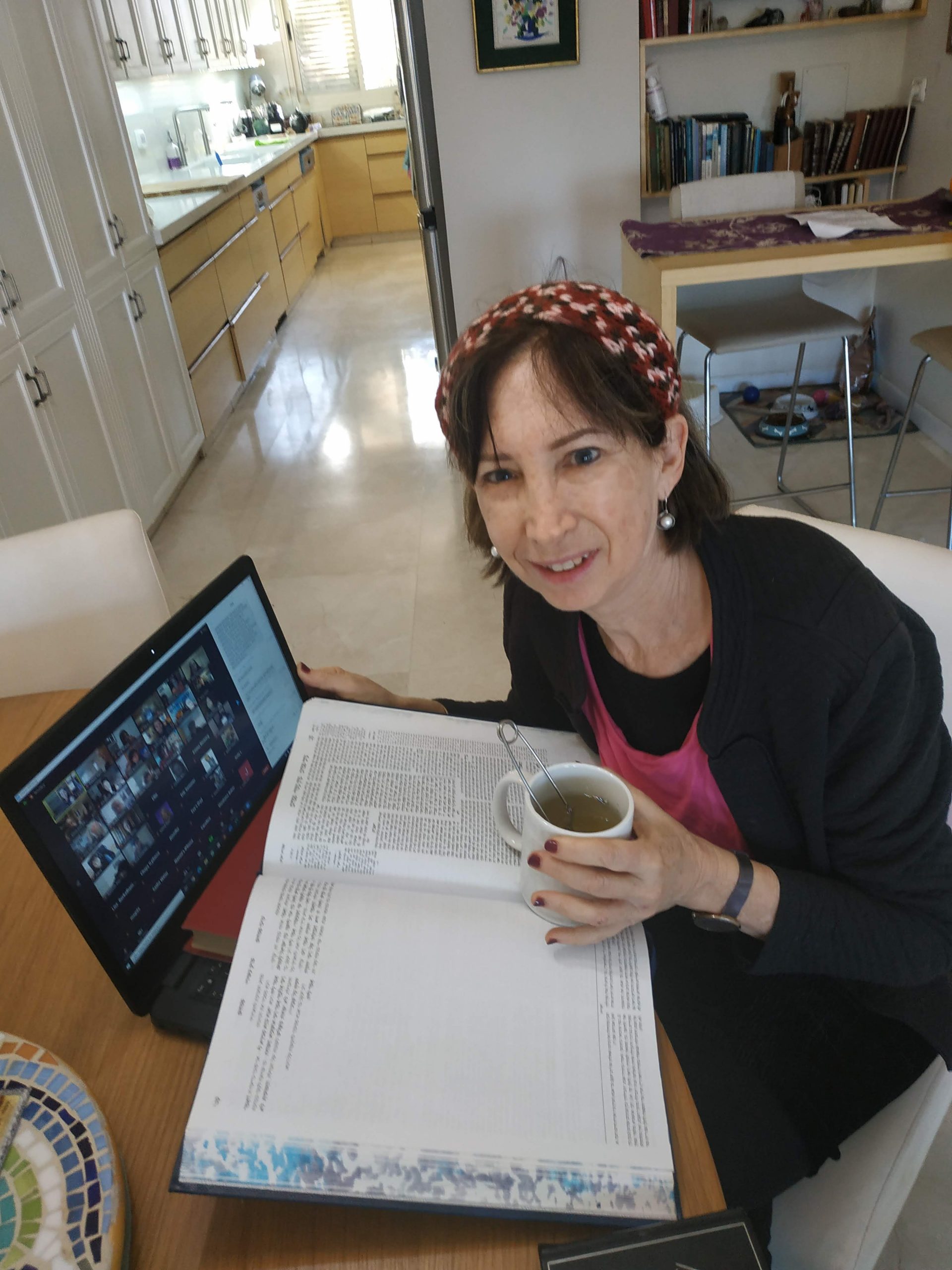
חשמונאים, ישראל
התחלתי ללמוד לפני 4.5 שנים, כשהודיה חברה שלי פתחה קבוצת ווטסאפ ללימוד דף יומי בתחילת מסכת סנהדרין. מאז לימוד הדף נכנס לתוך היום-יום שלי והפך לאחד ממגדירי הזהות שלי ממש.

ירושלים, ישראל
שמעתי על הסיום הענק של הדף היומי ע”י נשים בבנייני האומה. רציתי גם.
החלטתי להצטרף. התחלתי ושיכנעתי את בעלי ועוד שתי חברות להצטרף. עכשיו יש לי לימוד משותף איתו בשבת ומפגש חודשי איתן בנושא (והתכתבויות תדירות על דברים מיוחדים שקראנו). הצטרפנו לקבוצות שונות בווטסאפ. אנחנו ממש נהנות. אני שומעת את השיעור מידי יום (בד”כ מהרב יוני גוטמן) וקוראת ומצטרפת לסיומים של הדרן. גם מקפידה על דף משלהן (ונהנית מאד).

אפרת, ישראל
התחלתי ללמוד בשנת המדרשה במגדל עוז, בינתיים נהנית מאוד מהלימוד ומהגמרא, מעניין ומשמח מאוד!
משתדלת להצליח לעקוב כל יום, לפעמים משלימה קצת בהמשך השבוע.. מרגישה שיש עוגן מקובע ביום שלי והוא משמח מאוד!

חיפה , ישראל
התחלתי ללמוד דף יומי אחרי שחזרתי בתשובה ולמדתי במדרשה במגדל עוז. הלימוד טוב ומספק חומר למחשבה על נושאים הלכתיים ”קטנים” ועד לערכים גדולים ביהדות. חשוב לי להכיר את הגמרא לעומק. והצעד הקטן היום הוא ללמוד אותה בבקיאות, בעזרת השם, ומי יודע אולי גם אגיע לעיון בנושאים מעניינים. נושאים בגמרא מתחברים לחגים, לתפילה, ליחסים שבין אדם לחברו ולמקום ולשאר הדברים שמלווים באורח חיים דתי 🙂
מצפה יריחו, ישראל
התחלתי ללמוד את הדף היומי מעט אחרי שבני הקטן נולד. בהתחלה בשמיעה ולימוד באמצעות השיעור של הרבנית שפרבר. ובהמשך העזתי וקניתי לעצמי גמרא. מאז ממשיכה יום יום ללמוד עצמאית, ולפעמים בעזרת השיעור של הרבנית, כל יום. כל סיום של מסכת מביא לאושר גדול וסיפוק. הילדים בבית נהיו חלק מהלימוד, אני משתפת בסוגיות מעניינות ונהנית לשמוע את דעתם.
מעלה מכמש, ישראל
התחלתי ללמוד בעידוד שתי חברות אתן למדתי בעבר את הפרק היומי במסגרת 929.
בבית מתלהבים מאוד ובשבת אני לומדת את הדף עם בעלי שזה מפתיע ומשמח מאוד! לימוד הדף הוא חלק בלתי נפרד מהיום שלי. לומדת בצהריים ומחכה לזמן הזה מידי יום…

אפרת, ישראל
התחלתי ללמוד לפני 4.5 שנים, כשהודיה חברה שלי פתחה קבוצת ווטסאפ ללימוד דף יומי בתחילת מסכת סנהדרין. מאז לימוד הדף נכנס לתוך היום-יום שלי והפך לאחד ממגדירי הזהות שלי ממש.
ירושלים, ישראל
כבר סיפרתי בסיום של מועד קטן.
הלימוד מאוד משפיעה על היום שלי כי אני לומדת עם רבנית מישל על הבוקר בזום. זה נותן טון לכל היום – בסיס למחשבות שלי .זה זכות גדול להתחיל את היום בלימוד ובתפילה. תודה רבה !
ירושלים, ישראל
התחלתי מחוג במסכת קידושין שהעבירה הרבנית רייסנר במסגרת בית המדרש כלנה בגבעת שמואל; לאחר מכן התחיל סבב הדף היומי אז הצטרפתי. לסביבה לקח זמן לעכל אבל היום כולם תומכים ומשתתפים איתי. הלימוד לעתים מעניין ומעשיר ולעתים קשה ואף הזוי… אך אני ממשיכה קדימה. הוא משפיע על היומיום שלי קודם כל במרדף אחרי הדף, וגם במושגים הרבים שלמדתי ובידע שהועשרתי בו, חלקו ממש מעשי

ראש העין, ישראל
A friend in the SF Bay Area said in Dec 2019 that she might start listening on her morning drive to work. I mentioned to my husband and we decided to try the Daf when it began in Jan 2020 as part of our preparing to make Aliyah in the summer.
ירושלים, Israel
התחלתי בסיום הש”ס, יצאתי באורות. נשברתי פעמיים, ובשתיהם הרבנית מישל עודדה להמשיך איפה שכולם בסבב ולהשלים כשאוכל, וכך עשיתי וכיום השלמתי הכל. מדהים אותי שאני לומדת כל יום קצת, אפילו בחדר הלידה, בבידוד או בחו”ל. לאט לאט יותר נינוחה בסוגיות. לא כולם מבינים את הרצון, בפרט כפמניסטית. חשה סיפוק גדול להכיר את המושגים וצורת החשיבה. החלום זה להמשיך ולהתמיד ובמקביל ללמוד איך מהסוגיות נוצרה והתפתחה ההלכה.
מודיעין, ישראל
התחלתי בתחילת הסבב, והתמכרתי. זה נותן משמעות נוספת ליומיום ומאוד מחזק לתת לזה מקום בתוך כל שגרת הבית-עבודה השוטפת.
בית שמש, ישראל
הייתי לפני שנתיים בסיום הדרן נשים בבנייני האומה והחלטתי להתחיל. אפילו רק כמה דפים, אולי רק פרק, אולי רק מסכת… בינתיים סיימתי רבע שס ותכף את כל סדר מועד בה.
הסביבה תומכת ומפרגנת. אני בת יחידה עם ארבעה אחים שכולם לומדים דף יומי. מדי פעם אנחנו עושים סיומים יחד באירועים משפחתיים. ממש מרגש. מסכת שבת סיימנו כולנו יחד עם אבא שלנו!
אני שומעת כל יום פודקאסט בהליכה או בנסיעה ואחכ לומדת את הגמרא.
מרכז שפירא, ישראל
הצטרפתי ללומדות בתחילת מסכת תענית. ההתרגשות שלי ושל המשפחה היתה גדולה מאוד, והיא הולכת וגוברת עם כל סיום שאני זוכה לו. במשך שנים רבות רציתי להצטרף ומשום מה זה לא קרה… ב”ה מצאתי לפני מספר חודשים פרסום של הדרן, ומיד הצטרפתי והתאהבתי. הדף היומי שינה את חיי ממש והפך כל יום- ליום של תורה. מודה לכן מקרב ליבי ומאחלת לכולנו לימוד פורה מתוך אהבת התורה ולומדיה.
חיספין רמת הגולן, ישראל
כתובות יט
חֲזָקָה אֵין הָעֵדִים חוֹתְמִין עַל הַשְּׁטָר אֶלָּא אִם כֵּן נַעֲשָׂה בְּגָדוֹל. אֶלָּא אֲנוּסִין, מַאי טַעְמָא?
There is a presumption that witnesses sign on the document only if the transaction was made when both parties to the transaction are adults. A corollary of that presumption is that each party would sign only adult witnesses to the document. However, if their testimony was that they were compelled to sign the document, what is the reason that Rabbi Meir rules that their testimony is not accepted?
אָמַר רַב חִסְדָּא, קָסָבַר רַבִּי מֵאִיר: עֵדִים שֶׁאָמְרוּ לָהֶם ״חִתְמוּ שֶׁקֶר וְאַל תֵּהָרְגוּ״ — יֵהָרְגוּ וְאַל יַחְתְּמוּ שֶׁקֶר.
Rav Ḥisda said that Rabbi Meir maintains: Witnesses that others said to them: Sign a document containing a falsehood and you will not be killed, should allow themselves to be killed and they should not sign a document containing a falsehood. Therefore, even when they testify that they were compelled to sign the document due to a threat to their lives, they are incriminating themselves.
אֲמַר לֵיהּ רָבָא: הַשְׁתָּא אִילּוּ אָתוּ לְקַמַּן לְאִמְּלוֹכֵי, אָמְרִינַן לְהוּ: זִילוּ חֲתוּמוּ וְלָא תִּתְקַטְּלוּן, דְּאָמַר מָר: אֵין לְךָ דָּבָר שֶׁעוֹמֵד בִּפְנֵי פִּיקּוּחַ נֶפֶשׁ אֶלָּא עֲבוֹדָה זָרָה, וְגִלּוּי עֲרָיוֹת, וּשְׁפִיכוּת דָּמִים בִּלְבָד. הַשְׁתָּא דַּחֲתַמוּ, אָמְרִינַן לְהוּ: אַמַּאי חָתְמִיתוּ?
Rava said to him: Now, if the witnesses came before us to consult with the Sages, we say to them: Go sign the document and you should not be killed, as the Master said: You have no matter that stands before saving a life, other than idol worship, forbidden sexual relations, and murder. Now that they signed, do we say to them: Why did you sign? Only in those three cases, when faced with a choice between violating the prohibition and being killed, must one be killed rather than violate the prohibition. Signing a false document does not fall into that category. Why then, according to Rabbi Meir, is their testimony that they were compelled to sign the document not accepted?
אֶלָּא: טַעְמָא דְּרַבִּי מֵאִיר כִּדְרַב הוּנָא אָמַר רַב. דְּאָמַר רַב הוּנָא אָמַר רַב: מוֹדֶה בִּשְׁטָר שֶׁכְּתָבוֹ — אֵין צָרִיךְ לְקַיְּימוֹ.
Rather, the reason for the opinion of Rabbi Meir is in accordance with the statement that Rav Huna said that Rav said, as Rav Huna said that Rav said: In the case of a borrower who admits with regard to a document that he wrote it, the lender need not ratify the document in court. Once the borrower admits that he wrote the document, he cannot then claim that it is forged or that the debt was repaid. Similarly, once the witnesses testify that they signed the document, it is a credible document that they cannot then invalidate (Tosafot).
גּוּפָא. אָמַר רַב הוּנָא אָמַר רַב: מוֹדֶה בִּשְׁטָר שֶׁכְּתָבוֹ — אֵין צָרִיךְ לְקַיְּימוֹ. אֲמַר לֵיהּ רַב נַחְמָן: גַּנּוֹבָא גַּנּוֹבֵי לְמָה לָךְ. אִי סְבִירָא לָךְ כְּרַבִּי מֵאִיר, אֵימָא הֲלָכָה כְּרַבִּי מֵאִיר.
§ With regard to the matter itself, Rav Huna said that Rav said: In the case of a borrower who admits with regard to a document that he wrote it, the lender need not ratify the document in court. Rav Naḥman said to Rav Huna: Why do you need to conceal the reason for your opinion like a thief? If you hold in accordance with the opinion of Rabbi Meir, say: The halakha is in accordance with the opinion of Rabbi Meir. Do not state your opinion in a manner that obscures its connection to a tannaitic dispute.
אֲמַר לֵיהּ: וּמָר הֵיכִי סְבִירָא לֵיהּ? אֲמַר לֵיהּ: כִּי אָתוּ לְקַמַּן לְדִינָא, אָמְרִינַן לְהוּ: ״זִילוּ קַיִּימוּ שְׁטָרַיְיכוּ וְחוּתוּ לְדִינָא״.
Rav Huna said to him: And what does the Master hold in a case where the borrower admits that he wrote the document? Rav Naḥman said to him: When lenders come before us for judgment, we say to them: Go and ratify your documents and descend and stand before us for judgment. If a lender relies solely on the confession of the borrower, the borrower could claim that although he wrote the document, he then repaid the loan. However, if the document was ratified by the court based on the testimony of the witnesses who signed it, the borrower’s claim that he repaid the loan is not accepted.
אָמַר רַב יְהוּדָה אָמַר רַב: הָאוֹמֵר ״שְׁטַר אֲמָנָה הוּא זֶה״ — אֵינוֹ נֶאֱמָן.
§ Rav Yehuda said that Rav said: One who says with regard to a document: This is a document of trust, is not deemed credible. If one claims that the document is a valid document but that no loan actually took place, and instead the borrower trusted the lender and gave him the document in order to borrow money in the future, or as security, he is not deemed credible.
דְּקָאָמַר מַאן? אִילֵימָא דְּקָאָמַר לֹוֶה — פְּשִׁיטָא, כָּל כְּמִינֵּיהּ?! וְאֶלָּא דְּקָאָמַר מַלְוֶה — תָּבוֹא עָלָיו בְּרָכָה. אֶלָּא דְּקָאָמְרִי עֵדִים. אִי דִּכְתַב יָדָם יוֹצֵא מִמָּקוֹם אַחֵר — פְּשִׁיטָא דְּלָא מְהֵימְנִי. וְאִי דְּאֵין כְּתַב יָדָם יוֹצֵא מִמָּקוֹם אַחֵר — אַמַּאי לָא מְהֵימְנִי?
The Gemara asks: In the case to which Rav’s statement is referring, who is saying that the document was a document of trust? If you say that it is the borrower who is saying so, it is obvious that he is not deemed credible. Is it within the power of the borrower to establish that the document is not genuine? But rather, say it is the lender who is saying that it is a document of trust. In that case, not only is he deemed credible, but let a blessing come upon him for admitting that a debt may not be collected with this document. Rather, say it is the witnesses who are saying that it is a document of trust. If so, the question arises: If it is a case where their handwriting emerges from another place, it is obvious that they are not deemed credible, as the document is ratified. And if it is a case where their handwriting does not emerge from another place, and the witnesses themselves testify that it is their signatures on the document, but that it was a document of trust, why are they not deemed credible? This is a clear case of: The mouth that prohibited is the mouth that permitted.
(סִימָן בָּאֵ״שׁ) אָמַר רָבָא: לְעוֹלָם דְּקָאָמַר לֹוֶה, וְכִדְרַב הוּנָא. דְּאָמַר רַב הוּנָא אָמַר רַב: מוֹדֶה בִּשְׁטָר שֶׁכְּתָבוֹ — אֵין צָרִיךְ לְקַיְּימוֹ.
The Gemara provides a mnemonic for the names of the amora’im who seek to explain Rav’s statement and resolve the problem: Beit, the second letter in the name of Rava; alef, the first letter in Abaye; and shin, the second letter in the name of Rav Ashi. Rava said: Actually, it is the borrower who is saying it, and it can be explained in accordance with the statement of Rav Huna, as Rav Huna said that Rav said: In the case of a borrower who admits with regard to a document that he wrote it, the lender need not ratify the document in court. In this case, the borrower admits that he wrote the document and had witnesses sign the document. Rav Yehuda teaches the novel halakha that although the borrower later contends that it was a document of trust, once he admits that he wrote the document, that contention is not accepted.
אַבָּיֵי אָמַר: לְעוֹלָם דְּאָמַר מַלְוֶה, וּכְגוֹן שֶׁחָב לַאֲחֵרִים, וְכִדְרַבִּי נָתָן.
Abaye said: Actually, it is the lender who said it, and it is in a case where he causes loss to others by invalidating the document and relinquishing his debt. If the lender owes money to others and lacks funds to repay his debt, then his invalidation of the document creates a situation where his creditor is unable to collect the debt. This is in accordance with the opinion of Rabbi Natan.
דְּתַנְיָא, רַבִּי נָתָן אוֹמֵר: מִנַּיִן לַנּוֹשֶׁה בַּחֲבֵירוֹ מָנֶה, וַחֲבֵירוֹ בַּחֲבֵירוֹ — מִנַּיִן שֶׁמּוֹצִיאִין מִזֶּה וְנוֹתְנִין לָזֶה — תַּלְמוּד לוֹמַר: ״וְנָתַן לַאֲשֶׁר אָשַׁם לוֹ״.
As it is taught in a baraita that Rabbi Natan says: From where is it derived that in a case where a creditor seeks to collect a debt of one hundred dinars from another, and the other person seeks to collect a debt from another, from where is it derived that one takes money from this second debtor and gives it to the first creditor without the money passing through the debtor of the first, who is the creditor of the third? It is derived as the verse states: “And he shall give to the one to whom he is guilty” (Numbers 5:7). One pays the person to whom the money is owed, even if he did not borrow the money directly from him. When the debtor of the first who is the creditor of the third invalidates the document, he causes a loss to his own creditor.
רַב אָשֵׁי אָמַר: לְעוֹלָם דְּקָאָמְרִי עֵדִים. וּדְאֵין כְּתַב יָדָם יוֹצֵא מִמָּקוֹם אַחֵר. וּדְקָאָמְרַתְּ אַמַּאי לָא מְהֵימְנִי — כִּדְרַב כָּהֲנָא. דְּאָמַר רַב כָּהֲנָא: אָסוּר לוֹ לָאָדָם שֶׁיְּשַׁהֶה שְׁטַר אֲמָנָה בְּתוֹךְ בֵּיתוֹ, מִשּׁוּם שֶׁנֶּאֱמַר: ״אַל תַּשְׁכֵּן בְּאֹהָלֶיךָ עַוְלָה״.
Rav Ashi said: Actually, it is the witnesses who are saying it, and it is a case where their handwriting does not emerge from another place. And with regard to that which you are saying: Why are they not deemed credible, it is in accordance with the opinion of Rav Kahana, as Rav Kahana said: It is prohibited for a person to keep a document of trust in his house, as it is stated: “And let not injustice dwell in your tents” (Job 11:14). This false document is likely to engender injustice when the lender seeks to collect payment with it.
וְאָמַר רַב שֵׁשֶׁת בְּרֵיהּ דְּרַב אִידִי: שְׁמַע מִינַּהּ מִדְּרַב כָּהֲנָא, עֵדִים שֶׁאָמְרוּ ״אֲמָנָה הָיוּ דְּבָרֵינוּ״ — אֵין נֶאֱמָנִין. מַאי טַעְמָא? כֵּיוָן דְּעַוְלָה הוּא — אַעַוְלָה לָא חָתְמִי.
And Rav Sheshet, son of Rav Idi, says: Conclude from the statement of Rav Kahana that witnesses who said: Our statement was a statement of trust, and the document we signed was a document of trust, are not deemed credible. What is the reason? Since that document is an injustice, they would not sign a document of injustice. Their contention that they signed the document would incriminate them and is therefore not accepted.
אָמַר רַבִּי יְהוֹשֻׁעַ בֶּן לֵוִי: אָסוּר לוֹ לָאָדָם שֶׁיְּשַׁהֶה שְׁטָר פָּרוּעַ בְּתוֹךְ בֵּיתוֹ, מִשּׁוּם שֶׁנֶּאֱמַר: ״אַל תַּשְׁכֵּן בְּאֹהָלֶיךָ עַוְלָה״. בְּמַעְרְבָא מִשְּׁמֵיהּ דְּרַב אָמְרִי: ״אִם אָוֶן בְּיָדְךָ הַרְחִיקֵהוּ״ — זֶה שְׁטַר אֲמָנָה וּשְׁטַר פַּסִּים. ״וְאַל תַּשְׁכֵּן בְּאֹהָלֶיךָ עַוְלָה״ — זֶה שְׁטָר פָּרוּעַ.
Rabbi Yehoshua ben Levi said: It is prohibited for a person to keep a repaid document within his house, due to the fact that the verse states: “And let not injustice dwell in your tents” (Job 11:14). Even if he does not use the document to collect payment, the concern is that it might fall into the hands of one who will use it illegally to collect payment. In the West, in Eretz Yisrael, they say in the name of Rav: With regard to the first half of the verse: “If iniquity be in your hand, put it far away” (Job 11:14), this is referring to a document of trust and a document of security [passim]. With regard to the second half of the verse: “And let not injustice dwell in your tents,” this is referring to a repaid document.
מַאן דְּאָמַר שְׁטָר פָּרוּעַ, כׇּל שֶׁכֵּן שְׁטַר אֲמָנָה. וּמַאן דְּאָמַר שְׁטַר אֲמָנָה — אֲבָל שְׁטָר פָּרוּעַ לָא, דְּזִמְנִין דִּמְשַׁהֵי לֵיהּ אַפְּשִׁיטֵי דְסָפְרָא.
They note: With regard to the one who said that a repaid document is the injustice referred to in the verse, all the more so a document of trust is an injustice and may not be kept, as a document of trust is fundamentally false. And with regard to the one who said that a document of trust is the injustice referred to in the verse, however, with regard to a repaid document, perhaps it is permitted to keep it, as, at times people keep it and do not return it to the borrower. This is because in those cases it serves as security for the coins of the scribe, whose fee has not yet been paid by the borrower, who is legally responsible to pay the scribe for writing the document.
אִתְּמַר: סֵפֶר שֶׁאֵינוֹ מוּגָּהּ, אָמַר רַבִּי אַמֵּי: עַד שְׁלֹשִׁים יוֹם מוּתָּר לְשַׁהוֹתוֹ, מִכָּאן וְאֵילָךְ אָסוּר לְשַׁהוֹתוֹ, מִשּׁוּם שֶׁנֶּאֱמַר: ״אַל תַּשְׁכֵּן בְּאֹהָלֶיךָ עַוְלָה״.
On a similar note it is stated, with regard to keeping items with potential to lead to transgression: With regard to a Torah scroll that is not proofread and therefore contains errors, Rabbi Ami says: It is permitted to keep it without emending the mistakes for up to thirty days, and from that time onward it is prohibited to keep it, as it is stated: “And let not injustice dwell in your tents” (Job 11:14).
אָמַר רַב נַחְמָן: עֵדִים שֶׁאָמְרוּ אֲמָנָה הָיוּ דְּבָרֵינוּ — אֵין נֶאֱמָנִין. מוֹדָעָא הָיוּ דְּבָרֵינוּ — אֵין נֶאֱמָנִין. מָר בַּר רַב אָשֵׁי אָמַר: אֲמָנָה הָיוּ דְּבָרֵינוּ — אֵין נֶאֱמָנִין, מוֹדָעָא הָיוּ דְּבָרֵינוּ — נֶאֱמָנִין. מַאי טַעְמָא? הַאי — נִיתַּן לִיכָּתֵב. וְהַאי — לֹא נִיתַּן לִיכָּתֵב.
§ Rav Naḥman said that witnesses who say: Our statement was a statement of trust and we signed a document of trust, are not deemed credible. Similarly, witnesses who said: Our statement was a statement accompanied by a declaration by the person who is rendered a debtor by this document that he was coerced into the agreement, thereby invalidating the document, are not deemed credible. Mar bar Rav Ashi said that witnesses who said: Our statement was a statement of trust, are not deemed credible, but witnesses who said: Our statement was a statement accompanied by a declaration, are deemed credible. What is the reason for the difference between the cases? This document, which was accompanied by a declaration, may be written, as it is written under duress. And this document of trust may not be written, as it is fundamentally unjust.
בְּעָא מִינֵּיהּ רָבָא מֵרַב נַחְמָן: תְּנַאי הָיוּ דְּבָרֵינוּ, מַהוּ? מוֹדָעָא וַאֲמָנָה, הַיְינוּ טַעְמָא — דְּקָא עָקְרִי לֵיהּ לִשְׁטָרָא, וְהַאי נָמֵי קָא עָקַר לִשְׁטָרָא. אוֹ דִלְמָא: תְּנַאי מִילְּתָא אַחֲרִיתִי הִיא? אֲמַר לֵיהּ: כִּי אָתוּ לְקַמַּן לְדִינָא, אָמְרִינַן לְהוּ: זִילוּ קַיִּימוּ תְּנָאַיְיכוּ וְחוּתוּ לְדִינָא.
Rava raised a dilemma before Rav Naḥman: In a case where the witnesses say: Our statement was a conditional statement, i.e., they verify their signatures, but add that the transaction was contingent upon fulfillment of an unwritten condition, what is the ruling? Perhaps it is similar to the cases of a statement accompanied by a declaration and a statement of trust. In those latter cases, this is the reason that their statement is rejected, as in doing so they undermine the document, and in this case too, he undermines the document. Or perhaps a condition is a different matter, as it does not necessarily undermine the document. Rav Naḥman said to him: When people come before us for judgment in this latter case, we say to them: Go and fulfill your conditions, and then descend before us for judgment.
עֵד אוֹמֵר ״תְּנַאי״, וְעֵד אוֹמֵר ״אֵינוֹ תְּנַאי״. אָמַר רַב פָּפָּא: תַּרְוַיְיהוּ בִּשְׁטָרָא מְעַלְּיָא קָא מַסְהֲדִי, וְהַאי דְּקָאָמַר: ״תְּנַאי״ — הָוֵה לֵיהּ חַד, וְאֵין דְּבָרָיו שֶׁל אֶחָד בִּמְקוֹם שְׁנַיִם.
The Gemara asks: What is the ruling in a case where one witness says: There is a condition attached to the transaction and one witness says: There is no condition? Rav Pappa says: Both are testifying that it is a valid document, and that witness who says: There was a condition attached, is only one witness whose testimony challenges that validity. And the statement of one witness has no validity in a place where there are two witnesses.
מַתְקֵיף לַהּ רַב הוּנָא בְּרֵיהּ דְּרַב יְהוֹשֻׁעַ: אִי הָכִי, אֲפִילּוּ תַּרְוַיְיהוּ נָמֵי? אֶלָּא אָמְרִינַן: הָנֵי לְמִיעְקַר סָהֲדוּתַיְיהוּ קָאָתוּ, הַאי נָמֵי לְמִיעְקַר סָהֲדוּתֵיהּ קָאָתֵי: וְהִלְכְתָא כְּרַב הוּנָא בְּרֵיהּ דְּרַב יְהוֹשֻׁעַ.
Rav Huna, son of Rav Yehoshua, strongly objects to this: If it is so that testifying that there is a condition is considered to undermine the document, then even if both of the witnesses testify that there was a condition, their testimony should also not be accepted. Once they testified that the document is valid, they cannot give additional testimony that contradicts their original testimony. Rather, we say: These two witnesses are coming to undermine their testimony that the document is valid. These are not two separate testimonies, one that the document is valid and one with regard to the condition. Rather, the second testimony revokes the first. Similarly, this single witness is coming to undermine his testimony as well. Therefore, there is only one witness testifying that the document is valid. The Gemara concludes: The halakha is in accordance with the opinion of Rav Huna, son of Rav Yehoshua, and the testimony of even one witness who says that there was a condition attached to the transaction is accepted.
תָּנוּ רַבָּנַן: שְׁנַיִם חֲתוּמִין עַל הַשְּׁטָר וּמֵתוּ, וּבָאוּ שְׁנַיִם מִן הַשּׁוּק וְאָמְרוּ: יָדַעְנוּ שֶׁכְּתַב יָדָם הוּא, אֲבָל אֲנוּסִים הָיוּ, קְטַנִּים הָיוּ, פְּסוּלֵי עֵדוּת הָיוּ — הֲרֵי אֵלּוּ נֶאֱמָנִים. וְאִם יֵשׁ עֵדִים שֶׁכְּתַב יָדָם הוּא זֶה, אוֹ שֶׁהָיָה כְּתַב יָדָם יוֹצֵא מִמָּקוֹם אַחֵר מִשְּׁטָר שֶׁקָּרָא עָלָיו עַרְעָר וְהוּחְזַק בְּבֵית דִּין — אֵין אֵלּוּ נֶאֱמָנִין.
§ The Sages taught: If two witnesses were signatories on a document and they died, and two strangers from the marketplace came and said: We know that this is their handwriting, but they were coerced into signing the document, or if they said that they were minors when they signed the document, or if they said that they were disqualified witnesses when they signed the document, these strangers are deemed credible, as the mouth that prohibited and ratified the document is the mouth that permitted and undermined the document. However, if there are other witnesses who testify that it is their handwriting, or if their handwriting emerges from another place, from a document that one challenged and that was deemed valid in court, these witnesses from the marketplace are not deemed credible and their testimony does not undermine the validity of the document.
וּמַגְבֵּינַן בֵּיהּ כְּבִשְׁטָרָא מְעַלְּיָא? וְאַמַּאי? תְּרֵי וּתְרֵי נִינְהוּ!
The Gemara asks: And if the testimony of these witnesses is not accepted, is that to say that we collect debts with that document as one would collect debts with a valid document? And why would that be the case? Aren’t the two signatories whose signatures were ratified and the two witnesses from the marketplace whose testimony invalidates the document contradictory witnesses? Therefore, the document cannot be used to collect payment.
אָמַר רַב שֵׁשֶׁת, זֹאת אוֹמֶרֶת: הַכְחָשָׁה — תְּחִלַּת הֲזָמָה הִיא,
Rav Sheshet said: That is to say that contradiction of their testimony is the first stage in rendering them false, conspiring witnesses, in the sense that certain restrictions that apply to the latter apply to the former as well.

