חיפוש

כתובות כב

רוצה להקדיש לימוד?

podcast placeholder

0:00
0:00


תקציר

הדף היום מוקדש על ידי טובה ודוד קסטנבאום לכבוד האירוסין של בנם, גלעד, לנועה גולדריץ’.

הדף היום מוקדש ע”י מנס וסילביה קוגן לכבוד ילדיהם, דניאלה, אילן ואבי. "יהי רצון שה׳ ימלא משאלות לבכם לטובה.”

מועלים מספר מצבים שבהם דיינים מעידים זה על זה ולא מאמינים להם או שיש מצב שיחתמו על אשרתא ויכול להיראות כשקר. אם אשה אומרת שהיא הייתה נשואה אבל נתגרשה או שהיא נלקחה בשבי אבל לא נאנסה על ידי אינו יהודי, באילו נסיבות מאמינים/לא מאמינים לה? אם היו עדים שהיא אשת איש/נלקחה בשבי, אין מאמינים לה. אבל אם היא כבר הייתה נשואה בשנית על פי דבריה, אנחנו מאפשרים לה להישאר נשואה. מה המקור לדין שהפה שאסר הוא הפה שהתיר? אם אשה אמרה שהיא נשואה ואז אמרה שהיא רווקה, אנחנו לא מאמינים לה, אלא אם כן היא יכולה לספק לנו סיבה טובה למה היא אמרה שהיא נשואה (אמתלא), כמו במקרה של אשה שניסתה להימנע מלהתחתן עם אנשים לא מתאימים שרצו להתחתן איתה. יש ויכוח לגבי מקרה שבו יש עדות סותרת האם הבעל מת או גירשה – אם כבר נישאה בשנית, האם היא יכולה להישאר נשואה? רבי יוחנן מבחין בין מקרה מוות לגירושין – מדוע? מובאים שלושה הסברים שונים.

כתובות כב

תְּרֵי וּתְרֵי נִינְהוּ. אִי עַרְעָר דִּפְגַם מִשְׁפָּחָה, גִּלּוּי מִלְּתָא בְּעָלְמָא הוּא. לְעוֹלָם אֵימָא לָךְ עַרְעָר דְּגַזְלָנוּתָא, וְקָאָמְרִי הָנֵי: יָדְעִינַן בֵּיהּ דַּעֲבַד תְּשׁוּבָה.

the witnesses who testified that he is unfit and the judges who testified that he is fit are two witnesses and two witnesses who contradict them, and in that case, the allegation of theft is not completely eliminated. If it was a challenge based on an allegation of flawed lineage, e.g., he is a Canaanite slave and therefore unfit to serve as a judge, that is a mere revealing of a matter that will ultimately be revealed in any case and does not require actual testimony. Therefore, there is no conflict of interest preventing the judges from asserting his fitness after they signed. The Gemara concludes: Actually, I will say to you that it was a challenge based on an allegation of theft, and these judges say: We know about him that he repented and is now fit to serve as a judge. In that case, their testimony does not contradict the original testimony that he was guilty of theft.

אָמַר רַבִּי זֵירָא: הָא מִלְּתָא מֵרַבִּי אַבָּא שְׁמִיעַ לִי, וְאִי לָאו רַבִּי אַבָּא דְּמִן עַכּוֹ, שְׁכַחְתַּהּ: שְׁלֹשָׁה שֶׁיָּשְׁבוּ לְקַיֵּים אֶת הַשְּׁטָר וּמֵת אֶחָד מֵהֶם — צְרִיכִין לְמִיכְתַּב: ״בְּמוֹתַב תְּלָתָא הֲוֵינָא, וְחַד לֵיתוֹהִי״.

§ Rabbi Zeira said: This matter, I heard from Rabbi Abba, and if it was not for Rabbi Abba of Akko, I would have forgotten it. With regard to a case of three judges who convened as a tribunal to ratify a document, and one of them died before signing the ratification, the surviving judges must emend the standard formula of the ratification and write: We were convened in a session of three judges, and one of the judges is no longer alive. In that way it is clear that although only two judges signed, the document was ratified by three judges.

אָמַר רַב נַחְמָן בַּר יִצְחָק: וְאִי כְּתַב בֵּיהּ: שְׁטָרָא דְּנַן נְפַק לִקְדָמַנָא בֵּי דִינָא — תּוּ לָא צְרִיךְ. וְדִלְמָא בֵּית דִּין חָצוּף הוּא, וּכְדִשְׁמוּאֵל. דְּאָמַר שְׁמוּאֵל: שְׁנַיִם שֶׁדָּנוּ, דִּינֵיהֶם דִּין, אֶלָּא שֶׁנִּקְרָא בֵּית דִּין חָצוּף.

Rav Naḥman bar Yitzḥak said: And if the judges wrote in the ratification: This document was produced before us, the court; they no longer need to add that they were three judges, as, when unmodified, the term court connotes a tribunal of three judges. The Gemara asks: And perhaps it was an impudent court, and that is in accordance with the opinion of Shmuel, as Shmuel said: Two judges who convened a tribunal and judged, their verdict is a binding verdict; however, because they contravened the rabbinic ordinance mandating that a court be comprised of three judges, they are called an impudent court. Therefore, writing: Before us, the court, does not rule out the possibility that the document was ratified by fewer than three judges.

דִּכְתִיב בֵּיהּ: ״בֵּי דִינָא דְּרַבַּנָא אָשֵׁי״. וְדִלְמָא רַבָּנַן דְּבֵי רַב אָשֵׁי כְּדִשְׁמוּאֵל סְבִירָא לְהוּ! דִּכְתִיב בֵּיהּ: ״וְאָמַר לַנָא רַבַּנָא אָשֵׁי״.

The Gemara answers: It is clear that the document was ratified by the requisite three judges, as it is written in the ratification: Before us, the court of our teacher Rav Ashi, which presumably conforms to rabbinic protocol. The Gemara asks: And perhaps the Rabbis of the court of Rav Ashi hold in accordance with the opinion of Shmuel and they convened an impudent court, whose ruling is binding. The Gemara answers: It is clear, as it is written in the ratification: Before us, the court of our teacher Rav Ashi, and our teacher Rav Ashi said to us how to ratify the document.

מַתְנִי׳ הָאִשָּׁה שֶׁאָמְרָה: ״אֵשֶׁת אִישׁ הָיִיתִי וּגְרוּשָׁה אֲנִי״ — נֶאֱמֶנֶת. שֶׁהַפֶּה שֶׁאָסַר, הוּא הַפֶּה שֶׁהִתִּיר. וְאִם יֵשׁ עֵדִים שֶׁהָיְתָה אֵשֶׁת אִישׁ, וְהִיא אוֹמֶרֶת: ״גְּרוּשָׁה אֲנִי״, אֵינָהּ נֶאֱמֶנֶת. אָמְרָה: ״נִשְׁבֵּיתִי, וּטְהוֹרָה אֲנִי״ — נֶאֱמֶנֶת. שֶׁהַפֶּה שֶׁאָסַר, הוּא הַפֶּה שֶׁהִתִּיר. וְאִם יֵשׁ עֵדִים שֶׁנִּשְׁבֵּית, וְהִיא אוֹמֶרֶת: ״טְהוֹרָה אֲנִי״ — אֵינָהּ נֶאֱמֶנֶת. וְאִם מִשֶּׁנִּשֵּׂאת בָּאוּ עֵדִים — הֲרֵי זוֹ לֹא תֵּצֵא.

MISHNA: With regard to a woman who said: I was a married woman and now I am a divorcée, she is deemed credible and permitted to remarry, as the mouth that prohibited and established that she was married is the mouth that permitted, and established that she is divorced. However, if there are witnesses that she was a married woman, and she says: I am a divorcée, she is not deemed credible. Similarly, with regard to a woman who said: I was taken captive but I am pure, as I was not raped in captivity, she is deemed credible and permitted to marry a priest, as the mouth that prohibited and established that she was taken captive is the mouth that permitted and established that she was not defiled. But if there are witnesses that she was taken captive, and she says: I am pure, she is not deemed credible. And if witnesses came after she married, this woman need not leave her husband.

גְּמָ׳ אָמַר רַב אַסִּי: מִנַּיִן לְהַפֶּה שֶׁאָסַר הוּא הַפֶּה שֶׁהִתִּיר מִן הַתּוֹרָה? שֶׁנֶּאֱמַר: ״אֶת בִּתִּי נָתַתִּי לָאִישׁ הַזֶּה לְאִשָּׁה״. ״לָאִישׁ״ — אָסְרָה, ״הַזֶּה״ — הִתִּירָה.

GEMARA: Rav Asi said: From where in the Torah is the principle: The mouth that prohibited is the mouth that permitted, derived? It is derived as it is stated: “I gave my daughter to this man [la’ish hazeh] as a wife” (Deuteronomy 22:16). When the father said that he married her off “to the man [la’ish]” without revealing his identity, he rendered her forbidden to all men. When he then says “this [hazeh],” thereby identifying the man to whom he married her off, he renders her permitted to her husband.

לְמָה לִי קְרָא? סְבָרָא הִיא: הוּא אַסְרַהּ, וְהוּא שָׁרֵי לַהּ! אֶלָּא כִּי אִיצְטְרִיךְ קְרָא, לְכִדְרַב הוּנָא אָמַר רַב. דְּאָמַר רַב הוּנָא אָמַר רַב: מִנַּיִן לָאָב שֶׁנֶּאֱמָן לֶאֱסוֹר אֶת בִּתּוֹ מִן הַתּוֹרָה, שֶׁנֶּאֱמַר: ״אֶת בִּתִּי נָתַתִּי לָאִישׁ״. ״הַזֶּה״ לְמָה לִי?

The Gemara asks: Why do I need to derive this from the verse? It is based on logic: He rendered her forbidden and he rendered her permitted. Rather, where this verse is necessary, is in order to derive the halakha that Rav Huna said that Rav said, as Rav Huna said that Rav said: From where in the Torah is it derived that a father is deemed credible to render his daughter forbidden? It is derived as it is stated: “I gave my daughter to the man [la’ish]” (Deuteronomy 22:16). The Gemara asks: Why do I need the subsequent term “this [hazeh]”?

מִיבְּעֵי לֵיהּ לְכִדְתָנֵי רַבִּי יוֹנָה. דְּתָנֵי רַבִּי יוֹנָה: ״אֶת בִּתִּי נָתַתִּי לָאִישׁ הַזֶּה״. ״הַזֶּה״ — וְלֹא לַיָּבָם.

The Gemara explains: The verse is necessary to derive the halakha that Rabbi Yona taught; as Rabbi Yona taught in a baraita that in the verse: “I gave my daughter to this man,” written in the context of a husband slandering his wife, “this” is written to infer: The halakhot in this passage apply to a man who slanders his wife and not to the yavam, in the case of levirate marriage.

תָּנוּ רַבָּנַן: הָאִשָּׁה שֶׁאָמְרָה ״אֵשֶׁת אִישׁ אֲנִי״, וְחָזְרָה וְאָמְרָה ״פְּנוּיָה אֲנִי״ — נֶאֱמֶנֶת. וְהָא שַׁוְּויַהּ לְנַפְשַׁהּ חֲתִיכָה דְּאִיסּוּרָא? אָמַר רָבָא בַּר רַב הוּנָא: כְּגוֹן שֶׁנָּתְנָה אַמַּתְלָא לִדְבָרֶיהָ. תַּנְיָא נָמֵי הָכִי: אָמְרָה אֵשֶׁת אִישׁ אֲנִי, וְחָזְרָה וְאָמְרָה: פְּנוּיָה אֲנִי — אֵינָהּ נֶאֱמֶנֶת. וְאִם נָתְנָה אַמַּתְלָא לִדְבָרֶיהָ — נֶאֱמֶנֶת.

§ The Sages taught with regard to the woman who said: I am a married woman, and then said: I am unmarried, that she is deemed credible. The Gemara asks: But didn’t she render herself an entity of prohibition? When she said that she was married she rendered herself forbidden to all men. How then can she abrogate the prohibition? The Gemara answers that Rava bar Rav Huna said: It is referring to a case where she provided a rationale [amatla] for her initial statement and explained why she said that she was a married woman. That was also taught in a baraita with regard to the woman who said: I am a married woman, and then said: I am unmarried, that she is not deemed credible. And if she provided a rationale for her initial statement, she is deemed credible.

וּמַעֲשֶׂה נָמֵי בְּאִשָּׁה אַחַת גְּדוֹלָה שֶׁהָיְתָה גְּדוֹלָה בְּנוֹי, וְקָפְצוּ עָלֶיהָ בְּנֵי אָדָם לְקַדְּשָׁהּ. וְאָמְרָה לָהֶם: ״מְקוּדֶּשֶׁת אֲנִי״. לְיָמִים עָמְדָה וְקִידְּשָׁה אֶת עַצְמָהּ. אָמְרוּ לָהּ חֲכָמִים: מָה רָאִית לַעֲשׂוֹת כֵּן? אָמְרָה לָהֶם: בַּתְּחִלָּה שֶׁבָּאוּ עָלַי אֲנָשִׁים שֶׁאֵינָם מְהוּגָּנִים, אָמַרְתִּי: ״מְקוּדֶּשֶׁת אֲנִי״, עַכְשָׁיו שֶׁבָּאוּ עָלַי אֲנָשִׁים מְהוּגָּנִים, עָמַדְתִּי וְקִדַּשְׁתִּי אֶת עַצְמִי. וְזוֹ הֲלָכָה הֶעֱלָה רַב אַחָא שַׂר הַבִּירָה לִפְנֵי חֲכָמִים בְּאוּשָׁא, וְאָמְרוּ: אִם נָתְנָה אַמַּתְלָא לִדְבָרֶיהָ — נֶאֱמֶנֶת.

And there was also an incident involving an important woman who was outstanding in beauty, and many men were clamoring to betroth her. And she said to them: I am already betrothed. Sometime later she arose and betrothed herself to a man. The Sages said to her: What did you see that led you to do so? She said to them: Initially, when unscrupulous people approached me seeking to marry me, I said: I am betrothed. Now that scrupulous people approached me, I arose and betrothed myself to one of them. And the Gemara notes: This halakha was raised by Rav Aḥa Sar HaBira before the Sages in Usha, the seat of the Sanhedrin, and the Sages said: If she provided a rationale for her statement, she is deemed credible.

בְּעָא מִינֵּיהּ שְׁמוּאֵל מֵרַב: אָמְרָה ״טְמֵאָה אֲנִי״, וְחָזְרָה וְאָמְרָה ״טְהוֹרָה אֲנִי״, מַהוּ? אֲמַר לֵיהּ: אַף בְּזוֹ, אִם נָתְנָה

Shmuel raised a dilemma before Rav: If a woman said to her husband: I am ritually impure as I am menstruating, and then said: I am pure, what is the halakha? Is she permitted based on her latter statement, or did she render herself an entity of prohibition with her first statement and therefore remains forbidden? Rav said to him: Even in that case, if she provided a

אַמַּתְלָא לִדְבָרֶיהָ — נֶאֱמֶנֶת. תְּנָא מִינֵּיהּ אַרְבָּעִים זִימְנִין, וַאֲפִילּוּ הָכִי לָא עֲבַד שְׁמוּאֵל עוֹבָדָא בְּנַפְשֵׁיהּ.

rationale for her statement, she is deemed credible. The Gemara relates: Shmuel learned this halakha from him forty times to ensure that he would not forget it, and even so, when confronted with a similar situation, Shmuel did not rely on that lenient ruling and did not take action with regard to himself and his wife.

תָּנוּ רַבָּנַן: שְׁנַיִם אוֹמְרִים ״מֵת״, וּשְׁנַיִם אוֹמְרִים ״לֹא מֵת״. שְׁנַיִם אוֹמְרִים ״נִתְגָּרְשָׁה״, וּשְׁנַיִם אוֹמְרִים ״לֹא נִתְגָּרְשָׁה״ — הֲרֵי זוֹ לֹא תִּנָּשֵׂא, וְאִם נִשֵּׂאת — לֹא תֵּצֵא. רַבִּי מְנַחֵם בַּר יוֹסֵי אוֹמֵר: תֵּצֵא. אָמַר רַבִּי מְנַחֵם בַּר יוֹסֵי: אֵימָתַי אֲנִי אוֹמֵר תֵּצֵא, בִּזְמַן שֶׁבָּאוּ עֵדִים, וְאַחַר כָּךְ נִשֵּׂאת. אֲבָל נִשֵּׂאת וְאַחַר כָּךְ בָּאוּ עֵדִים — לֹא תֵּצֵא.

§ The Sages taught that if two witnesses say: The husband died, and two witnesses say: He did not die; or if two witnesses say: This woman was divorced, and two witnesses say: She was not divorced, this woman may not remarry as there is no unequivocal testimony that she is unmarried. And if she remarried, she need not leave her husband. Rabbi Menaḥem bar Yosei says: She must leave her husband. And Rabbi Menaḥem bar Yosei said: When do I say that she must leave her husband? It is in a case where witnesses came to testify that she is still married and she remarried thereafter. However, if she remarried and the witnesses came thereafter, she need not leave her husband based on the uncertainty created by contradictory witnesses.

מִכְּדֵי תְּרֵי וּתְרֵי נִינְהוּ, הַבָּא עָלֶיהָ בְּאָשָׁם תָּלוּי קָאֵי! אָמַר רַב שֵׁשֶׁת: כְּגוֹן שֶׁנִּשֵּׂאת לְאֶחָד מֵעֵדֶיהָ. הִיא גּוּפַהּ בְּאָשָׁם תָּלוּי קָיְימָא! בְּאוֹמֶרֶת: ״בָּרִי לִי״.

The Gemara asks: After all, they are two witnesses testifying that she is married and two witnesses testifying that she is not; how then can the ruling be that after remarrying she need not leave her husband? In that case, one who engages in intercourse with her stands liable to bring a guilt-offering for uncertainty. For any prohibition whose certain violation renders one liable to bring a sin-offering, its uncertain violation renders one liable to bring a guilt-offering for uncertainty. Rav Sheshet said: This is a case where she married one of her witnesses who testified that she is unmarried. As far as he is concerned, there is no uncertainty. The Gemara asks: She herself stands liable to bring a guilt-offering for uncertainty, as she has no independent knowledge whether her husband died. The Gemara answers that this is a case where she says: It is clear to me that he died.

אָמַר רַבִּי יוֹחָנָן, שְׁנַיִם אוֹמְרִים: ״מֵת״, וּשְׁנַיִם אוֹמְרִים: ״לֹא מֵת״ — הֲרֵי זוֹ לֹא תִּנָּשֵׂא, וְאִם נִשֵּׂאת — לֹא תֵּצֵא. שְׁנַיִם אוֹמְרִים ״נִתְגָּרְשָׁה״, וּשְׁנַיִם אוֹמְרִים ״לֹא נִתְגָּרְשָׁה״ — הֲרֵי זוֹ לֹא תִּנָּשֵׂא, וְאִם נִשֵּׂאת — תֵּצֵא.

§ Rabbi Yoḥanan said that if two witnesses say: The husband died, and two witnesses say: He did not die, this woman may not remarry. And if she remarried she need not leave her husband. If two witnesses say: This woman was divorced, and two witnesses say: She was not divorced, this woman may not remarry. And if she remarried she must leave her husband.

מַאי שְׁנָא רֵישָׁא וּמַאי שְׁנָא סֵיפָא? אָמַר אַבָּיֵי: תַּרְגְּמַהּ בְּעֵד אֶחָד. עֵד אֶחָד אוֹמֵר ״מֵת״, הֵימְנוּהוּ רַבָּנַן כְּבֵי תְרֵי, וְכִדְעוּלָּא. דְּאָמַר עוּלָּא: כׇּל מָקוֹם שֶׁהֶאֱמִינָה תּוֹרָה עֵד אֶחָד — הֲרֵי כָּאן שְׁנַיִם, וְהַאי דְּקָאָמַר ״לֹא מֵת״ — הָוֵה לֵיהּ חַד, וְאֵין דְּבָרָיו שֶׁל אֶחָד בִּמְקוֹם שְׁנַיִם.

The Gemara asks: What is different in the first clause of Rabbi Yoḥanan’s statement, where, if she remarried, she need not leave her husband, and what is the different in the second clause, where, if she remarried, she must leave her husband? Abaye said: Interpret Rabbi Yoḥanan’s statement in a case where each testimony was given by one witness. If one witness says: The husband died, the Sages instituted an ordinance and accorded him credibility like that of two witnesses in order to enable his wife to remarry. And that is in accordance with the opinion of Ulla, as Ulla said: Wherever the Torah deemed one witness credible, his legal status there is that of two witnesses. And the legal status of that second witness who says: He did not die, is that of one witness, and the statement of one witness has no validity in a place where there is the testimony of two witnesses. Therefore, she need not leave her husband.

אִי הָכִי, אֲפִילּוּ לְכַתְּחִלָּה נָמֵי! מִשּׁוּם דְּרַב אַסִּי. דְּאָמַר רַב אַסִּי: ״הָסֵר מִמְּךָ עִקְּשׁוּת פֶּה וּלְזוּת שְׂפָתַיִם הַרְחֵק מִמֶּךָּ״.

The Gemara asks: If so, that this is a case of the testimony of two witnesses against the testimony of one witness, it should be permitted for her to remarry even ab initio. The Gemara answers that she may not remarry ab initio due to the opinion of Rav Asi, as Rav Asi said that in any case of uncertainty, the verse “Remove from you a crooked mouth, and perverse lips put far from you” (Proverbs 4:24) applies. Although it is not a strictly prohibited action, it is, nevertheless, inappropriate.

סֵיפָא, עֵד אֶחָד אוֹמֵר ״נִתְגָּרְשָׁה״, וְעֵד אֶחָד אוֹמֵר ״לֹא נִתְגָּרְשָׁה״, תַּרְוַיְיהוּ בְּאֵשֶׁת אִישׁ קָמַסְהֲדִי. וְהַאי דְּקָאָמַר נִתְגָּרְשָׁה — הָוֵה לֵיהּ חַד, וְאֵין דְּבָרָיו שֶׁל אֶחָד בִּמְקוֹם שְׁנַיִם.

In the latter clause of Rabbi Yoḥanan’s statement, where one witness says: This woman was divorced, and one witness says: She was not divorced, both of them are testifying that she was a married woman, and that witness who says: She was divorced, is one witness, and the statement of one witness has no validity in a place where there is the testimony of two witnesses. Therefore, even if she remarried she must leave her husband.

רָבָא אָמַר: לְעוֹלָם תְּרֵי וּתְרֵי נִינְהוּ. וְרָאָה רַבִּי יוֹחָנָן דְּבָרָיו שֶׁל רַבִּי מְנַחֵם בַּר יוֹסֵי בְּגֵרוּשִׁין, וְלֹא רָאָה בְּמִיתָה. מַאי טַעְמָא? מִיתָה — אֵינָהּ יְכוֹלָה מַכְחַשְׁתּוֹ, גֵּרוּשִׁין — יְכוֹלָה מַכְחַשְׁתּוֹ.

Rava explained the difference between the two cases in Rabbi Yoḥanan’s statement and said: Actually it is a case where they are two witnesses testifying that she is married and two testifying that she is not, and Rabbi Yoḥanan saw the statement of Rabbi Menaḥem bar Yosei as correct in the case of divorce but did not see it as correct in the case of death. What is the reason that he distinguishes between the two cases? In the case of death, if ultimately her husband returns alive, she is unable to deny that he is alive. Therefore, the woman’s decision to remarry is credible, as if she were not certain that he was dead, she would not have remarried. However, in the case of divorce, if her husband returns and claims that he did not divorce her, she is able to deny his claim. Therefore, her decision to remarry is suspect, and the Sages penalized her and established that she must leave her husband.

וּמִי חֲצִיפָה כּוּלֵּי הַאי? וְהָאָמַר רַב הַמְנוּנָא: הָאִשָּׁה שֶׁאָמְרָה לְבַעְלָהּ ״גֵּרַשְׁתַּנִי״ — נֶאֱמֶנֶת. חֲזָקָה אֵין אִשָּׁה מְעִיזָּה פָּנֶיהָ בִּפְנֵי בַּעְלָהּ! הָנֵי מִילֵּי הֵיכָא דְּלֵיכָּא עֵדִים דְּקָא מְסַיְּיעִי לַהּ, אֲבָל הֵיכָא דְּאִיכָּא עֵדִים דְּקָא מְסַיְּיעִי לַהּ — מְעִיזָּה וּמְעִיזָּה.

The Gemara asks: And is the woman impudent to that extent, that she would lie in the presence of her husband and claim that he divorced her? But didn’t Rav Hamnuna say with regard to a woman who said to her husband: You divorced me, she is deemed credible, as there is a presumption that a woman is not insolent in the presence of her husband? The Gemara answers: This statement that she is not insolent applies only in a case where there are no witnesses who are supporting her; however, in a case where there are witnesses who are supporting her, she would certainly be insolent.

רַב אַסִּי אָמַר: כְּגוֹן דְּאָמְרִי עֵדִים ״עַכְשָׁיו מֵת״, ״עַכְשָׁיו גֵּירְשָׁהּ״. מִיתָה לֵיכָּא לְבָרוּרַהּ. גֵּירוּשִׁין אִיכָּא לְבָרוּרַהּ, דְּאָמְרִינַן לָהּ: אִם אִיתָא דְּהָכִי הֲוָה, אַחֲזִי לַן גִּיטִּיךְ.

Rav Asi explained the difference between the two cases in Rabbi Yoḥanan’s statement and said that it is a case where the witnesses say: He died now, or: He divorced her now. With regard to the husband’s death, there is no way to immediately clarify whether or not he is dead. With regard to divorce there is a way to immediately clarify whether or not he divorced her, as we say to the woman: If it is so that this is what happened, show us your bill of divorce. Since the testimony was that the divorce was now, it is not feasible that she lost the bill of divorce. If she fails to produce the bill of divorce, the witnesses that testify that she is divorced are apparently false witnesses. Therefore, even if she remarried she must leave her husband.

תָּנוּ רַבָּנַן: שְׁנַיִם אוֹמְרִים ״נִתְקַדְּשָׁה״, וּשְׁנַיִם אוֹמְרִים ״לֹא נִתְקַדְּשָׁה״ — הֲרֵי זוֹ לֹא תִּנָּשֵׂא, וְאִם נִשֵּׂאת לֹא תֵּצֵא. שְׁנַיִם אוֹמְרִים ״נִתְגָּרְשָׁה״, וּשְׁנַיִם אוֹמְרִים ״לֹא נִתְגָּרְשָׁה״ — הֲרֵי זו לֹא תִּנָּשֵׂא, וְאִם נִשֵּׂאת — תֵּצֵא.

§ The Sages taught: In a case where two witnesses say: This woman was betrothed, and two witnesses say: She was not betrothed, this woman may not marry another, and if she remarried, she need not leave her husband. In a case where two witnesses say: This woman was divorced, and two witnesses say: She was not divorced, this woman may not remarry. And if she remarried, she must leave her husband.

חדשה בלימוד הגמרא?

זה הדף הראשון שלך? איזו התרגשות עצומה! יש לנו בדיוק את התכנים והכלים שיעזרו לך לעשות את הצעדים הראשונים ללמידה בקצב וברמה שלך, כך תוכלי להרגיש בנוח גם בתוך הסוגיות המורכבות ומאתגרות.

פסיפס הלומדות שלנו

גלי את קהילת הלומדות שלנו, מגוון נשים, רקעים וסיפורים. כולן חלק מתנועה ומסע מרגש ועוצמתי.

בסוף הסבב הקודם ראיתי את השמחה הגדולה שבסיום הלימוד, בעלי סיים כבר בפעם השלישית וכמובן הסיום הנשי בבנייני האומה וחשבתי שאולי זו הזדמנות עבורי למשהו חדש.
למרות שאני שונה בסביבה שלי, מי ששומע על הלימוד שלי מפרגן מאוד.
אני מנסה ללמוד קצת בכל יום, גם אם לא את כל הדף ובסך הכל אני בדרך כלל עומדת בקצב.
הלימוד מעניק המון משמעות ליום יום ועושה סדר בלמוד תורה, שתמיד היה (ועדיין) שאיפה. אבל אין כמו קביעות

Racheli-Mendelson
רחלי מנדלסון

טל מנשה, ישראל

בתחילת הסבב הנוכחי הצטברו אצלי תחושות שאני לא מבינה מספיק מהי ההלכה אותה אני מקיימת בכל יום. כמו כן, כאמא לבנות רציתי לתת להן מודל נשי של לימוד תורה
שתי הסיבות האלו הובילו אותי להתחיל ללמוד. נתקלתי בתגובות מפרגנות וסקרניות איך אישה לומדת גמרא..
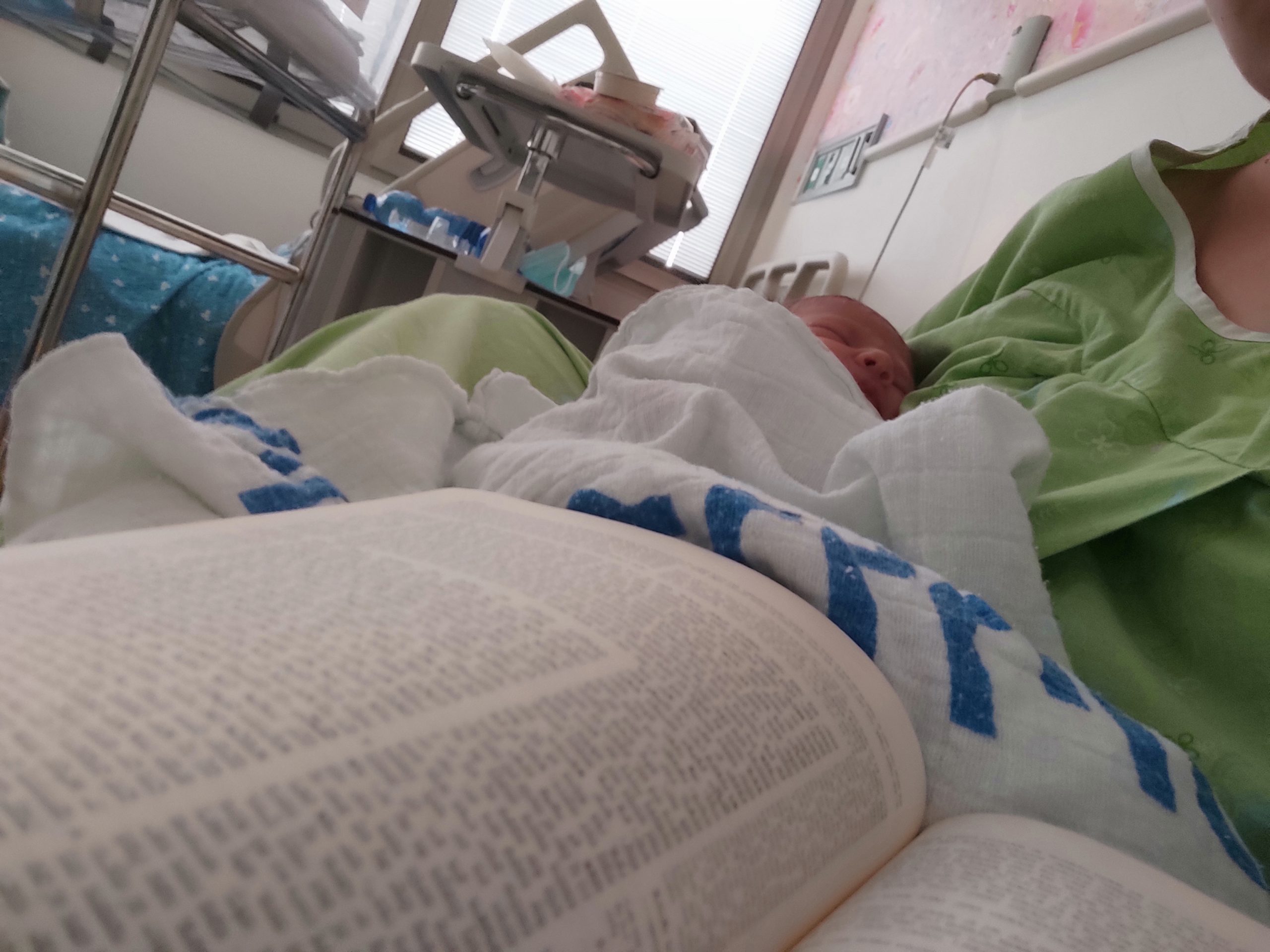
כמו שרואים בתמונה אני ממשיכה ללמוד גם היום ואפילו במחלקת יולדות אחרי לידת ביתי השלישית.

Noa Shiloh
נועה שילה

רבבה, ישראל

"
גם אני התחלתי בסבב הנוכחי וב””ה הצלחתי לסיים את רוב המסכתות . בזכות הרבנית מישל משתדלת לפתוח את היום בשיעור הזום בשעה 6:20 .הלימוד הפך להיות חלק משמעותי בחיי ויש ימים בהם אני מצליחה לחזור על הדף עם מלמדים נוספים ששיעוריהם נמצאים במרשתת. שמחה להיות חלק מקהילת לומדות ברחבי העולם. ובמיוחד לשמש דוגמה לנכדותיי שאי””ה יגדלו לדור שלימוד תורה לנשים יהיה משהו שבשגרה. "

Ronit Shavit
רונית שביט

נתניה, ישראל

"התחלתי ללמוד דף יומי במחזור הזה, בח’ בטבת תש””ף. לקחתי על עצמי את הלימוד כדי ליצור תחום של התמדה יומיומית בחיים, והצטרפתי לקבוצת הלומדים בבית הכנסת בכפר אדומים. המשפחה והסביבה מתפעלים ותומכים.
בלימוד שלי אני מתפעלת בעיקר מכך שכדי ללמוד גמרא יש לדעת ולהכיר את כל הגמרא. זו מעין צבת בצבת עשויה שהיא עצומה בהיקפה.”

Sarah Fox
שרה פוּקס

כפר אדומים, ישראל

ראיתי את הסיום הגדול בבנייני האומה וכל כך התרשמתי ורציתי לקחת חלק.. אבל לקח לי עוד כשנה וחצי )באמצע מסיכת שבת להצטרף..
הלימוד חשוב לי מאוד.. אני תמיד במרדף אחרי הדף וגונבת כל פעם חצי דף כשהילדים עסוקים ומשלימה אח”כ אחרי שכולם הלכו לישון..

Olga Mizrahi
אולגה מזרחי

ירושלים, ישראל

למדתי גמרא מכיתה ז- ט ב Maimonides School ואחרי העליה שלי בגיל 14 לימוד הגמרא, שלא היה כל כך מקובל בימים אלה, היה די ספוראדי. אחרי "ההתגלות” בבנייני האומה התחלתי ללמוד בעיקר בדרך הביתה למדתי מפוקקטסים שונים. לאט לאט ראיתי שאני תמיד חוזרת לרבנית מישל פרבר. באיזה שהוא שלב התחלתי ללמוד בזום בשעה 7:10 .
היום "אין מצב” שאני אתחיל את היום שלי ללא לימוד עם הרבנית מישל עם כוס הקפה שלי!!

selfie-scaled
דבי גביר

חשמונאים, ישראל

התחלתי ללמוד דף יומי אחרי שחזרתי בתשובה ולמדתי במדרשה במגדל עוז. הלימוד טוב ומספק חומר למחשבה על נושאים הלכתיים ”קטנים” ועד לערכים גדולים ביהדות. חשוב לי להכיר את הגמרא לעומק. והצעד הקטן היום הוא ללמוד אותה בבקיאות, בעזרת השם, ומי יודע אולי גם אגיע לעיון בנושאים מעניינים. נושאים בגמרא מתחברים לחגים, לתפילה, ליחסים שבין אדם לחברו ולמקום ולשאר הדברים שמלווים באורח חיים דתי 🙂

Gaia Divo
גאיה דיבו

מצפה יריחו, ישראל

התחלתי לפני כמה שנים אבל רק בסבב הזה זכיתי ללמוד יום יום ולסיים מסכתות

Sigal Tel
סיגל טל

רעננה, ישראל

התחלתי ללמוד דף יומי בסבב הקודם. זכיתי לסיים אותו במעמד המרגש של הדרן. בסבב הראשון ליווה אותי הספק, שאולי לא אצליח לעמוד בקצב ולהתמיד. בסבב השני אני לומדת ברוגע, מתוך אמונה ביכולתי ללמוד ולסיים. בסבב הלימוד הראשון ליוותה אותי חוויה מסויימת של בדידות. הדרן העניקה לי קהילת לימוד ואחוות נשים. החוויה של סיום הש”ס במעמד כה גדול כשנשים שאינן מכירות אותי, שמחות ומתרגשות עבורי , היתה חוויה מרוממת נפש

Ilanit Weil
אילנית ווייל

קיבוץ מגדל עוז, ישראל

My explorations into Gemara started a few days into the present cycle. I binged learnt and become addicted. I’m fascinated by the rich "tapestry” of intertwined themes, connections between Masechtot, conversations between generations of Rabbanim and learners past and present all over the world. My life has acquired a golden thread, linking generations with our amazing heritage.
Thank you.

Susan Kasdan
סוזן כשדן

חשמונאים, Israel

התחלתי מעט לפני תחילת הסבב הנוכחי. אני נהנית מהאתגר של להמשיך להתמיד, מרגעים של "אהה, מפה זה הגיע!” ומהאתגר האינטלקטואלי

Eilat-Chen and Deller
אילת-חן ודלר

לוד, ישראל

התחלתי ללמוד דף יומי שהתחילו מסכת כתובות, לפני 7 שנים, במסגרת קבוצת לימוד שהתפרקה די מהר, ומשם המשכתי לבד בתמיכת האיש שלי. נעזרתי בגמרת שטיינזלץ ובשיעורים מוקלטים.
הסביבה מאד תומכת ואני מקבלת המון מילים טובות לאורך כל הדרך. מאז הסיום הגדול יש תחושה שאני חלק מדבר גדול יותר.
אני לומדת בשיטת ה”7 דפים בשבוע” של הרבנית תרצה קלמן – כלומר, לא נורא אם לא הצלחת ללמוד כל יום, העיקר שגמרת ארבעה דפים בשבוע

Rachel Goldstein
רחל גולדשטיין

עתניאל, ישראל

התחלתי ללמוד דף יומי לפני שנתיים, עם מסכת שבת. בהתחלה ההתמדה היתה קשה אבל בזכות הקורונה והסגרים הצלחתי להדביק את הפערים בשבתות הארוכות, לסיים את מסכת שבת ולהמשיך עם המסכתות הבאות. עכשיו אני מסיימת בהתרגשות רבה את מסכת חגיגה וסדר מועד ומחכה לסדר הבא!

Ilana-Shachnowitz
אילנה שכנוביץ

מודיעין, ישראל

אני לומדת גמרא כעשור במסגרות שונות, ואת הדף היומי התחלתי כשחברה הציעה שאצטרף אליה לסיום בבנייני האומה. מאז אני לומדת עם פודקסט הדרן, משתדלת באופן יומי אך אם לא מספיקה, מדביקה פערים עד ערב שבת. בסבב הזה הלימוד הוא "ממעוף הציפור”, מקשיבה במהירות מוגברת תוך כדי פעילויות כמו בישול או נהיגה, וכך רוכשת היכרות עם הסוגיות ואופן ניתוחם על ידי חז”ל. בע”ה בסבב הבא, ואולי לפני, אצלול לתוכו באופן מעמיק יותר.

Yael Bir
יעל ביר

רמת גן, ישראל

התחלתי לפני 8 שנים במדרשה. לאחרונה סיימתי מסכת תענית בלמידה עצמית ועכשיו לקראת סיום מסכת מגילה.

Daniela Baruchim
דניאלה ברוכים

רעננה, ישראל

למדתי גמרא מכיתה ז- ט ב Maimonides School ואחרי העליה שלי בגיל 14 לימוד הגמרא, שלא היה כל כך מקובל בימים אלה, היה די ספוראדי. אחרי "ההתגלות” בבנייני האומה התחלתי ללמוד בעיקר בדרך הביתה למדתי מפוקקטסים שונים. לאט לאט ראיתי שאני תמיד חוזרת לרבנית מישל פרבר. באיזה שהוא שלב התחלתי ללמוד בזום בשעה 7:10 .
היום "אין מצב” שאני אתחיל את היום שלי ללא לימוד עם הרבנית מישל עם כוס הקפה שלי!!

selfie-scaled
דבי גביר

חשמונאים, ישראל

התחלתי בתחילת הסבב, והתמכרתי. זה נותן משמעות נוספת ליומיום ומאוד מחזק לתת לזה מקום בתוך כל שגרת הבית-עבודה השוטפת.

Reut Abrahami
רעות אברהמי

בית שמש, ישראל

התחלתי ללמוד דף לפני קצת יותר מ-5 שנים, כשלמדתי רבנות בישיבת מהר”ת בניו יורק. בדיעבד, עד אז, הייתי בלימוד הגמרא שלי כמו מישהו שאוסף חרוזים משרשרת שהתפזרה, פה משהו ושם משהו, ומאז נפתח עולם ומלואו…. הדף נותן לי לימוד בצורה מאורגנת, שיטתית, יום-יומית, ומלמד אותי לא רק ידע אלא את השפה ודרך החשיבה שלנו. לשמחתי, יש לי סביבה תומכת וההרגשה שלי היא כמו בציטוט שבחרתי: הדף משפיע לטובה על כל היום שלי.

Michal Kahana
מיכל כהנא

חיפה, ישראל

התחלתי ללמוד בעידוד שתי חברות אתן למדתי בעבר את הפרק היומי במסגרת 929.
בבית מתלהבים מאוד ובשבת אני לומדת את הדף עם בעלי שזה מפתיע ומשמח מאוד! לימוד הדף הוא חלק בלתי נפרד מהיום שלי. לומדת בצהריים ומחכה לזמן הזה מידי יום…

Miriam Wengerover
מרים ונגרובר

אפרת, ישראל

A friend in the SF Bay Area said in Dec 2019 that she might start listening on her morning drive to work. I mentioned to my husband and we decided to try the Daf when it began in Jan 2020 as part of our preparing to make Aliyah in the summer.

Hana Piotrkovsky
חנה פיוטרקובסקי

ירושלים, Israel

כתובות כב

תְּרֵי וּתְרֵי נִינְהוּ. אִי עַרְעָר דִּפְגַם מִשְׁפָּחָה, גִּלּוּי מִלְּתָא בְּעָלְמָא הוּא. לְעוֹלָם אֵימָא לָךְ עַרְעָר דְּגַזְלָנוּתָא, וְקָאָמְרִי הָנֵי: יָדְעִינַן בֵּיהּ דַּעֲבַד תְּשׁוּבָה.

the witnesses who testified that he is unfit and the judges who testified that he is fit are two witnesses and two witnesses who contradict them, and in that case, the allegation of theft is not completely eliminated. If it was a challenge based on an allegation of flawed lineage, e.g., he is a Canaanite slave and therefore unfit to serve as a judge, that is a mere revealing of a matter that will ultimately be revealed in any case and does not require actual testimony. Therefore, there is no conflict of interest preventing the judges from asserting his fitness after they signed. The Gemara concludes: Actually, I will say to you that it was a challenge based on an allegation of theft, and these judges say: We know about him that he repented and is now fit to serve as a judge. In that case, their testimony does not contradict the original testimony that he was guilty of theft.

אָמַר רַבִּי זֵירָא: הָא מִלְּתָא מֵרַבִּי אַבָּא שְׁמִיעַ לִי, וְאִי לָאו רַבִּי אַבָּא דְּמִן עַכּוֹ, שְׁכַחְתַּהּ: שְׁלֹשָׁה שֶׁיָּשְׁבוּ לְקַיֵּים אֶת הַשְּׁטָר וּמֵת אֶחָד מֵהֶם — צְרִיכִין לְמִיכְתַּב: ״בְּמוֹתַב תְּלָתָא הֲוֵינָא, וְחַד לֵיתוֹהִי״.

§ Rabbi Zeira said: This matter, I heard from Rabbi Abba, and if it was not for Rabbi Abba of Akko, I would have forgotten it. With regard to a case of three judges who convened as a tribunal to ratify a document, and one of them died before signing the ratification, the surviving judges must emend the standard formula of the ratification and write: We were convened in a session of three judges, and one of the judges is no longer alive. In that way it is clear that although only two judges signed, the document was ratified by three judges.

אָמַר רַב נַחְמָן בַּר יִצְחָק: וְאִי כְּתַב בֵּיהּ: שְׁטָרָא דְּנַן נְפַק לִקְדָמַנָא בֵּי דִינָא — תּוּ לָא צְרִיךְ. וְדִלְמָא בֵּית דִּין חָצוּף הוּא, וּכְדִשְׁמוּאֵל. דְּאָמַר שְׁמוּאֵל: שְׁנַיִם שֶׁדָּנוּ, דִּינֵיהֶם דִּין, אֶלָּא שֶׁנִּקְרָא בֵּית דִּין חָצוּף.

Rav Naḥman bar Yitzḥak said: And if the judges wrote in the ratification: This document was produced before us, the court; they no longer need to add that they were three judges, as, when unmodified, the term court connotes a tribunal of three judges. The Gemara asks: And perhaps it was an impudent court, and that is in accordance with the opinion of Shmuel, as Shmuel said: Two judges who convened a tribunal and judged, their verdict is a binding verdict; however, because they contravened the rabbinic ordinance mandating that a court be comprised of three judges, they are called an impudent court. Therefore, writing: Before us, the court, does not rule out the possibility that the document was ratified by fewer than three judges.

דִּכְתִיב בֵּיהּ: ״בֵּי דִינָא דְּרַבַּנָא אָשֵׁי״. וְדִלְמָא רַבָּנַן דְּבֵי רַב אָשֵׁי כְּדִשְׁמוּאֵל סְבִירָא לְהוּ! דִּכְתִיב בֵּיהּ: ״וְאָמַר לַנָא רַבַּנָא אָשֵׁי״.

The Gemara answers: It is clear that the document was ratified by the requisite three judges, as it is written in the ratification: Before us, the court of our teacher Rav Ashi, which presumably conforms to rabbinic protocol. The Gemara asks: And perhaps the Rabbis of the court of Rav Ashi hold in accordance with the opinion of Shmuel and they convened an impudent court, whose ruling is binding. The Gemara answers: It is clear, as it is written in the ratification: Before us, the court of our teacher Rav Ashi, and our teacher Rav Ashi said to us how to ratify the document.

מַתְנִי׳ הָאִשָּׁה שֶׁאָמְרָה: ״אֵשֶׁת אִישׁ הָיִיתִי וּגְרוּשָׁה אֲנִי״ — נֶאֱמֶנֶת. שֶׁהַפֶּה שֶׁאָסַר, הוּא הַפֶּה שֶׁהִתִּיר. וְאִם יֵשׁ עֵדִים שֶׁהָיְתָה אֵשֶׁת אִישׁ, וְהִיא אוֹמֶרֶת: ״גְּרוּשָׁה אֲנִי״, אֵינָהּ נֶאֱמֶנֶת. אָמְרָה: ״נִשְׁבֵּיתִי, וּטְהוֹרָה אֲנִי״ — נֶאֱמֶנֶת. שֶׁהַפֶּה שֶׁאָסַר, הוּא הַפֶּה שֶׁהִתִּיר. וְאִם יֵשׁ עֵדִים שֶׁנִּשְׁבֵּית, וְהִיא אוֹמֶרֶת: ״טְהוֹרָה אֲנִי״ — אֵינָהּ נֶאֱמֶנֶת. וְאִם מִשֶּׁנִּשֵּׂאת בָּאוּ עֵדִים — הֲרֵי זוֹ לֹא תֵּצֵא.

MISHNA: With regard to a woman who said: I was a married woman and now I am a divorcée, she is deemed credible and permitted to remarry, as the mouth that prohibited and established that she was married is the mouth that permitted, and established that she is divorced. However, if there are witnesses that she was a married woman, and she says: I am a divorcée, she is not deemed credible. Similarly, with regard to a woman who said: I was taken captive but I am pure, as I was not raped in captivity, she is deemed credible and permitted to marry a priest, as the mouth that prohibited and established that she was taken captive is the mouth that permitted and established that she was not defiled. But if there are witnesses that she was taken captive, and she says: I am pure, she is not deemed credible. And if witnesses came after she married, this woman need not leave her husband.

גְּמָ׳ אָמַר רַב אַסִּי: מִנַּיִן לְהַפֶּה שֶׁאָסַר הוּא הַפֶּה שֶׁהִתִּיר מִן הַתּוֹרָה? שֶׁנֶּאֱמַר: ״אֶת בִּתִּי נָתַתִּי לָאִישׁ הַזֶּה לְאִשָּׁה״. ״לָאִישׁ״ — אָסְרָה, ״הַזֶּה״ — הִתִּירָה.

GEMARA: Rav Asi said: From where in the Torah is the principle: The mouth that prohibited is the mouth that permitted, derived? It is derived as it is stated: “I gave my daughter to this man [la’ish hazeh] as a wife” (Deuteronomy 22:16). When the father said that he married her off “to the man [la’ish]” without revealing his identity, he rendered her forbidden to all men. When he then says “this [hazeh],” thereby identifying the man to whom he married her off, he renders her permitted to her husband.

לְמָה לִי קְרָא? סְבָרָא הִיא: הוּא אַסְרַהּ, וְהוּא שָׁרֵי לַהּ! אֶלָּא כִּי אִיצְטְרִיךְ קְרָא, לְכִדְרַב הוּנָא אָמַר רַב. דְּאָמַר רַב הוּנָא אָמַר רַב: מִנַּיִן לָאָב שֶׁנֶּאֱמָן לֶאֱסוֹר אֶת בִּתּוֹ מִן הַתּוֹרָה, שֶׁנֶּאֱמַר: ״אֶת בִּתִּי נָתַתִּי לָאִישׁ״. ״הַזֶּה״ לְמָה לִי?

The Gemara asks: Why do I need to derive this from the verse? It is based on logic: He rendered her forbidden and he rendered her permitted. Rather, where this verse is necessary, is in order to derive the halakha that Rav Huna said that Rav said, as Rav Huna said that Rav said: From where in the Torah is it derived that a father is deemed credible to render his daughter forbidden? It is derived as it is stated: “I gave my daughter to the man [la’ish]” (Deuteronomy 22:16). The Gemara asks: Why do I need the subsequent term “this [hazeh]”?

מִיבְּעֵי לֵיהּ לְכִדְתָנֵי רַבִּי יוֹנָה. דְּתָנֵי רַבִּי יוֹנָה: ״אֶת בִּתִּי נָתַתִּי לָאִישׁ הַזֶּה״. ״הַזֶּה״ — וְלֹא לַיָּבָם.

The Gemara explains: The verse is necessary to derive the halakha that Rabbi Yona taught; as Rabbi Yona taught in a baraita that in the verse: “I gave my daughter to this man,” written in the context of a husband slandering his wife, “this” is written to infer: The halakhot in this passage apply to a man who slanders his wife and not to the yavam, in the case of levirate marriage.

תָּנוּ רַבָּנַן: הָאִשָּׁה שֶׁאָמְרָה ״אֵשֶׁת אִישׁ אֲנִי״, וְחָזְרָה וְאָמְרָה ״פְּנוּיָה אֲנִי״ — נֶאֱמֶנֶת. וְהָא שַׁוְּויַהּ לְנַפְשַׁהּ חֲתִיכָה דְּאִיסּוּרָא? אָמַר רָבָא בַּר רַב הוּנָא: כְּגוֹן שֶׁנָּתְנָה אַמַּתְלָא לִדְבָרֶיהָ. תַּנְיָא נָמֵי הָכִי: אָמְרָה אֵשֶׁת אִישׁ אֲנִי, וְחָזְרָה וְאָמְרָה: פְּנוּיָה אֲנִי — אֵינָהּ נֶאֱמֶנֶת. וְאִם נָתְנָה אַמַּתְלָא לִדְבָרֶיהָ — נֶאֱמֶנֶת.

§ The Sages taught with regard to the woman who said: I am a married woman, and then said: I am unmarried, that she is deemed credible. The Gemara asks: But didn’t she render herself an entity of prohibition? When she said that she was married she rendered herself forbidden to all men. How then can she abrogate the prohibition? The Gemara answers that Rava bar Rav Huna said: It is referring to a case where she provided a rationale [amatla] for her initial statement and explained why she said that she was a married woman. That was also taught in a baraita with regard to the woman who said: I am a married woman, and then said: I am unmarried, that she is not deemed credible. And if she provided a rationale for her initial statement, she is deemed credible.

וּמַעֲשֶׂה נָמֵי בְּאִשָּׁה אַחַת גְּדוֹלָה שֶׁהָיְתָה גְּדוֹלָה בְּנוֹי, וְקָפְצוּ עָלֶיהָ בְּנֵי אָדָם לְקַדְּשָׁהּ. וְאָמְרָה לָהֶם: ״מְקוּדֶּשֶׁת אֲנִי״. לְיָמִים עָמְדָה וְקִידְּשָׁה אֶת עַצְמָהּ. אָמְרוּ לָהּ חֲכָמִים: מָה רָאִית לַעֲשׂוֹת כֵּן? אָמְרָה לָהֶם: בַּתְּחִלָּה שֶׁבָּאוּ עָלַי אֲנָשִׁים שֶׁאֵינָם מְהוּגָּנִים, אָמַרְתִּי: ״מְקוּדֶּשֶׁת אֲנִי״, עַכְשָׁיו שֶׁבָּאוּ עָלַי אֲנָשִׁים מְהוּגָּנִים, עָמַדְתִּי וְקִדַּשְׁתִּי אֶת עַצְמִי. וְזוֹ הֲלָכָה הֶעֱלָה רַב אַחָא שַׂר הַבִּירָה לִפְנֵי חֲכָמִים בְּאוּשָׁא, וְאָמְרוּ: אִם נָתְנָה אַמַּתְלָא לִדְבָרֶיהָ — נֶאֱמֶנֶת.

And there was also an incident involving an important woman who was outstanding in beauty, and many men were clamoring to betroth her. And she said to them: I am already betrothed. Sometime later she arose and betrothed herself to a man. The Sages said to her: What did you see that led you to do so? She said to them: Initially, when unscrupulous people approached me seeking to marry me, I said: I am betrothed. Now that scrupulous people approached me, I arose and betrothed myself to one of them. And the Gemara notes: This halakha was raised by Rav Aḥa Sar HaBira before the Sages in Usha, the seat of the Sanhedrin, and the Sages said: If she provided a rationale for her statement, she is deemed credible.

בְּעָא מִינֵּיהּ שְׁמוּאֵל מֵרַב: אָמְרָה ״טְמֵאָה אֲנִי״, וְחָזְרָה וְאָמְרָה ״טְהוֹרָה אֲנִי״, מַהוּ? אֲמַר לֵיהּ: אַף בְּזוֹ, אִם נָתְנָה

Shmuel raised a dilemma before Rav: If a woman said to her husband: I am ritually impure as I am menstruating, and then said: I am pure, what is the halakha? Is she permitted based on her latter statement, or did she render herself an entity of prohibition with her first statement and therefore remains forbidden? Rav said to him: Even in that case, if she provided a

אַמַּתְלָא לִדְבָרֶיהָ — נֶאֱמֶנֶת. תְּנָא מִינֵּיהּ אַרְבָּעִים זִימְנִין, וַאֲפִילּוּ הָכִי לָא עֲבַד שְׁמוּאֵל עוֹבָדָא בְּנַפְשֵׁיהּ.

rationale for her statement, she is deemed credible. The Gemara relates: Shmuel learned this halakha from him forty times to ensure that he would not forget it, and even so, when confronted with a similar situation, Shmuel did not rely on that lenient ruling and did not take action with regard to himself and his wife.

תָּנוּ רַבָּנַן: שְׁנַיִם אוֹמְרִים ״מֵת״, וּשְׁנַיִם אוֹמְרִים ״לֹא מֵת״. שְׁנַיִם אוֹמְרִים ״נִתְגָּרְשָׁה״, וּשְׁנַיִם אוֹמְרִים ״לֹא נִתְגָּרְשָׁה״ — הֲרֵי זוֹ לֹא תִּנָּשֵׂא, וְאִם נִשֵּׂאת — לֹא תֵּצֵא. רַבִּי מְנַחֵם בַּר יוֹסֵי אוֹמֵר: תֵּצֵא. אָמַר רַבִּי מְנַחֵם בַּר יוֹסֵי: אֵימָתַי אֲנִי אוֹמֵר תֵּצֵא, בִּזְמַן שֶׁבָּאוּ עֵדִים, וְאַחַר כָּךְ נִשֵּׂאת. אֲבָל נִשֵּׂאת וְאַחַר כָּךְ בָּאוּ עֵדִים — לֹא תֵּצֵא.

§ The Sages taught that if two witnesses say: The husband died, and two witnesses say: He did not die; or if two witnesses say: This woman was divorced, and two witnesses say: She was not divorced, this woman may not remarry as there is no unequivocal testimony that she is unmarried. And if she remarried, she need not leave her husband. Rabbi Menaḥem bar Yosei says: She must leave her husband. And Rabbi Menaḥem bar Yosei said: When do I say that she must leave her husband? It is in a case where witnesses came to testify that she is still married and she remarried thereafter. However, if she remarried and the witnesses came thereafter, she need not leave her husband based on the uncertainty created by contradictory witnesses.

מִכְּדֵי תְּרֵי וּתְרֵי נִינְהוּ, הַבָּא עָלֶיהָ בְּאָשָׁם תָּלוּי קָאֵי! אָמַר רַב שֵׁשֶׁת: כְּגוֹן שֶׁנִּשֵּׂאת לְאֶחָד מֵעֵדֶיהָ. הִיא גּוּפַהּ בְּאָשָׁם תָּלוּי קָיְימָא! בְּאוֹמֶרֶת: ״בָּרִי לִי״.

The Gemara asks: After all, they are two witnesses testifying that she is married and two witnesses testifying that she is not; how then can the ruling be that after remarrying she need not leave her husband? In that case, one who engages in intercourse with her stands liable to bring a guilt-offering for uncertainty. For any prohibition whose certain violation renders one liable to bring a sin-offering, its uncertain violation renders one liable to bring a guilt-offering for uncertainty. Rav Sheshet said: This is a case where she married one of her witnesses who testified that she is unmarried. As far as he is concerned, there is no uncertainty. The Gemara asks: She herself stands liable to bring a guilt-offering for uncertainty, as she has no independent knowledge whether her husband died. The Gemara answers that this is a case where she says: It is clear to me that he died.

אָמַר רַבִּי יוֹחָנָן, שְׁנַיִם אוֹמְרִים: ״מֵת״, וּשְׁנַיִם אוֹמְרִים: ״לֹא מֵת״ — הֲרֵי זוֹ לֹא תִּנָּשֵׂא, וְאִם נִשֵּׂאת — לֹא תֵּצֵא. שְׁנַיִם אוֹמְרִים ״נִתְגָּרְשָׁה״, וּשְׁנַיִם אוֹמְרִים ״לֹא נִתְגָּרְשָׁה״ — הֲרֵי זוֹ לֹא תִּנָּשֵׂא, וְאִם נִשֵּׂאת — תֵּצֵא.

§ Rabbi Yoḥanan said that if two witnesses say: The husband died, and two witnesses say: He did not die, this woman may not remarry. And if she remarried she need not leave her husband. If two witnesses say: This woman was divorced, and two witnesses say: She was not divorced, this woman may not remarry. And if she remarried she must leave her husband.

מַאי שְׁנָא רֵישָׁא וּמַאי שְׁנָא סֵיפָא? אָמַר אַבָּיֵי: תַּרְגְּמַהּ בְּעֵד אֶחָד. עֵד אֶחָד אוֹמֵר ״מֵת״, הֵימְנוּהוּ רַבָּנַן כְּבֵי תְרֵי, וְכִדְעוּלָּא. דְּאָמַר עוּלָּא: כׇּל מָקוֹם שֶׁהֶאֱמִינָה תּוֹרָה עֵד אֶחָד — הֲרֵי כָּאן שְׁנַיִם, וְהַאי דְּקָאָמַר ״לֹא מֵת״ — הָוֵה לֵיהּ חַד, וְאֵין דְּבָרָיו שֶׁל אֶחָד בִּמְקוֹם שְׁנַיִם.

The Gemara asks: What is different in the first clause of Rabbi Yoḥanan’s statement, where, if she remarried, she need not leave her husband, and what is the different in the second clause, where, if she remarried, she must leave her husband? Abaye said: Interpret Rabbi Yoḥanan’s statement in a case where each testimony was given by one witness. If one witness says: The husband died, the Sages instituted an ordinance and accorded him credibility like that of two witnesses in order to enable his wife to remarry. And that is in accordance with the opinion of Ulla, as Ulla said: Wherever the Torah deemed one witness credible, his legal status there is that of two witnesses. And the legal status of that second witness who says: He did not die, is that of one witness, and the statement of one witness has no validity in a place where there is the testimony of two witnesses. Therefore, she need not leave her husband.

אִי הָכִי, אֲפִילּוּ לְכַתְּחִלָּה נָמֵי! מִשּׁוּם דְּרַב אַסִּי. דְּאָמַר רַב אַסִּי: ״הָסֵר מִמְּךָ עִקְּשׁוּת פֶּה וּלְזוּת שְׂפָתַיִם הַרְחֵק מִמֶּךָּ״.

The Gemara asks: If so, that this is a case of the testimony of two witnesses against the testimony of one witness, it should be permitted for her to remarry even ab initio. The Gemara answers that she may not remarry ab initio due to the opinion of Rav Asi, as Rav Asi said that in any case of uncertainty, the verse “Remove from you a crooked mouth, and perverse lips put far from you” (Proverbs 4:24) applies. Although it is not a strictly prohibited action, it is, nevertheless, inappropriate.

סֵיפָא, עֵד אֶחָד אוֹמֵר ״נִתְגָּרְשָׁה״, וְעֵד אֶחָד אוֹמֵר ״לֹא נִתְגָּרְשָׁה״, תַּרְוַיְיהוּ בְּאֵשֶׁת אִישׁ קָמַסְהֲדִי. וְהַאי דְּקָאָמַר נִתְגָּרְשָׁה — הָוֵה לֵיהּ חַד, וְאֵין דְּבָרָיו שֶׁל אֶחָד בִּמְקוֹם שְׁנַיִם.

In the latter clause of Rabbi Yoḥanan’s statement, where one witness says: This woman was divorced, and one witness says: She was not divorced, both of them are testifying that she was a married woman, and that witness who says: She was divorced, is one witness, and the statement of one witness has no validity in a place where there is the testimony of two witnesses. Therefore, even if she remarried she must leave her husband.

רָבָא אָמַר: לְעוֹלָם תְּרֵי וּתְרֵי נִינְהוּ. וְרָאָה רַבִּי יוֹחָנָן דְּבָרָיו שֶׁל רַבִּי מְנַחֵם בַּר יוֹסֵי בְּגֵרוּשִׁין, וְלֹא רָאָה בְּמִיתָה. מַאי טַעְמָא? מִיתָה — אֵינָהּ יְכוֹלָה מַכְחַשְׁתּוֹ, גֵּרוּשִׁין — יְכוֹלָה מַכְחַשְׁתּוֹ.

Rava explained the difference between the two cases in Rabbi Yoḥanan’s statement and said: Actually it is a case where they are two witnesses testifying that she is married and two testifying that she is not, and Rabbi Yoḥanan saw the statement of Rabbi Menaḥem bar Yosei as correct in the case of divorce but did not see it as correct in the case of death. What is the reason that he distinguishes between the two cases? In the case of death, if ultimately her husband returns alive, she is unable to deny that he is alive. Therefore, the woman’s decision to remarry is credible, as if she were not certain that he was dead, she would not have remarried. However, in the case of divorce, if her husband returns and claims that he did not divorce her, she is able to deny his claim. Therefore, her decision to remarry is suspect, and the Sages penalized her and established that she must leave her husband.

וּמִי חֲצִיפָה כּוּלֵּי הַאי? וְהָאָמַר רַב הַמְנוּנָא: הָאִשָּׁה שֶׁאָמְרָה לְבַעְלָהּ ״גֵּרַשְׁתַּנִי״ — נֶאֱמֶנֶת. חֲזָקָה אֵין אִשָּׁה מְעִיזָּה פָּנֶיהָ בִּפְנֵי בַּעְלָהּ! הָנֵי מִילֵּי הֵיכָא דְּלֵיכָּא עֵדִים דְּקָא מְסַיְּיעִי לַהּ, אֲבָל הֵיכָא דְּאִיכָּא עֵדִים דְּקָא מְסַיְּיעִי לַהּ — מְעִיזָּה וּמְעִיזָּה.

The Gemara asks: And is the woman impudent to that extent, that she would lie in the presence of her husband and claim that he divorced her? But didn’t Rav Hamnuna say with regard to a woman who said to her husband: You divorced me, she is deemed credible, as there is a presumption that a woman is not insolent in the presence of her husband? The Gemara answers: This statement that she is not insolent applies only in a case where there are no witnesses who are supporting her; however, in a case where there are witnesses who are supporting her, she would certainly be insolent.

רַב אַסִּי אָמַר: כְּגוֹן דְּאָמְרִי עֵדִים ״עַכְשָׁיו מֵת״, ״עַכְשָׁיו גֵּירְשָׁהּ״. מִיתָה לֵיכָּא לְבָרוּרַהּ. גֵּירוּשִׁין אִיכָּא לְבָרוּרַהּ, דְּאָמְרִינַן לָהּ: אִם אִיתָא דְּהָכִי הֲוָה, אַחֲזִי לַן גִּיטִּיךְ.

Rav Asi explained the difference between the two cases in Rabbi Yoḥanan’s statement and said that it is a case where the witnesses say: He died now, or: He divorced her now. With regard to the husband’s death, there is no way to immediately clarify whether or not he is dead. With regard to divorce there is a way to immediately clarify whether or not he divorced her, as we say to the woman: If it is so that this is what happened, show us your bill of divorce. Since the testimony was that the divorce was now, it is not feasible that she lost the bill of divorce. If she fails to produce the bill of divorce, the witnesses that testify that she is divorced are apparently false witnesses. Therefore, even if she remarried she must leave her husband.

תָּנוּ רַבָּנַן: שְׁנַיִם אוֹמְרִים ״נִתְקַדְּשָׁה״, וּשְׁנַיִם אוֹמְרִים ״לֹא נִתְקַדְּשָׁה״ — הֲרֵי זוֹ לֹא תִּנָּשֵׂא, וְאִם נִשֵּׂאת לֹא תֵּצֵא. שְׁנַיִם אוֹמְרִים ״נִתְגָּרְשָׁה״, וּשְׁנַיִם אוֹמְרִים ״לֹא נִתְגָּרְשָׁה״ — הֲרֵי זו לֹא תִּנָּשֵׂא, וְאִם נִשֵּׂאת — תֵּצֵא.

§ The Sages taught: In a case where two witnesses say: This woman was betrothed, and two witnesses say: She was not betrothed, this woman may not marry another, and if she remarried, she need not leave her husband. In a case where two witnesses say: This woman was divorced, and two witnesses say: She was not divorced, this woman may not remarry. And if she remarried, she must leave her husband.

רוצה לעקוב אחרי התכנים ולהמשיך ללמוד?

ביצירת חשבון עוד היום ניתן לעקוב אחרי ההתקדמות שלך, לסמן מה למדת, ולעקוב אחרי השיעורים שמעניינים אותך.

לנקות את כל הפריטים מהרשימה?

פעולה זו תסיר את כל הפריטים בחלק זה כולל ההתקדמות וההיסטוריה. שימי לב: לא ניתן לשחזר פעולה זו.

ביטול
מחיקה

האם את/ה בטוח/ה שברצונך למחוק פריט זה?

תאבד/י את כל ההתקדמות או ההיסטוריה הקשורות לפריט זה.

ביטול
מחיקה