






רוצה להקדיש לימוד?


כתובות כו
בְּמֵסִיחַ לְפִי תּוּמּוֹ. כִּי הָא דְּאָמַר רַב יְהוּדָה אָמַר שְׁמוּאֵל: מַעֲשֶׂה בְּאָדָם אֶחָד שֶׁהָיָה מֵסִיחַ לְפִי תּוּמּוֹ, וְאָמַר: זְכוּרַנִי כְּשֶׁאֲנִי תִּינוֹק וּמוּרְכָּב עַל כְּתֵיפוֹ שֶׁל אַבָּא, וְהוֹצִיאוּנִי מִבֵּית הַסֵּפֶר, וְהִפְשִׁיטוּנִי אֶת כּוּתׇּנְתִּי, וְהַטְבִּילוּנִי לֶאֱכוֹל בִּתְרוּמָה לָעֶרֶב.
The Gemara answers: Rabbi Ḥiyya is speaking of a case where the brother speaks offhandedly in the context of a conversation about a different topic. It was understood from this that his brother is a Levite. This is similar to that which Rav Yehuda said that Shmuel said: There was an incident involving a person who was speaking offhandedly and said: I remember when I was a child and still young enough to be carried on my father’s shoulder, and they took me out of school, and removed my cloak, and immersed me to purify me from any possible ritual impurity, so that I would be able to partake of teruma that evening.
וְרַבִּי חִיָּיא מְסַיֵּים בַּהּ: וַחֲבֵירַי בְּדֵילִין מִמֶּנִּי, וְהָיוּ קוֹרִין אוֹתִי ״יוֹחָנָן אוֹכֵל חַלּוֹת״. וְהֶעֱלָהוּ רַבִּי לִכְהוּנָּה עַל פִּיו.
And Rabbi Ḥiyya, who related that incident, concluded the story and related that the man said: And my friends distanced themselves from me, and would call me: Yoḥanan who partakes of ḥallot, as it was prohibited for his friends, who were non-priests, to eat ḥalla and teruma. And Rabbi Yehuda HaNasi elevated him to priesthood based on his statement. Just as one’s offhanded statement is reliable, so too, is the offhanded statement of one’s brother.
תַּנְיָא, רַבִּי שִׁמְעוֹן בֶּן אֶלְעָזָר אוֹמֵר: כְּשֵׁם שֶׁתְּרוּמָה חֲזָקָה לִכְהוּנָּה — כָּךְ מַעֲשֵׂר רִאשׁוֹן חֲזָקָה לִכְהוּנָּה, וְהַחוֹלֵק בְּבֵית דִּין אֵינָהּ חֲזָקָה.
§ It is taught in a baraita that Rabbi Shimon ben Elazar says: Just as teruma establishes the presumptive status for priesthood, so too the first tithe establishes the presumptive status for priesthood. And one who receives a share of teruma in court does not establish the presumptive status of priesthood.
מַעֲשֵׂר רִאשׁוֹן דְּלֵוִי הוּא! כְּרַבִּי אֶלְעָזָר בֶּן עֲזַרְיָה. דְּתַנְיָא: תְּרוּמָה לְכֹהֵן, מַעֲשֵׂר רִאשׁוֹן לְלֵוִי, דִּבְרֵי רַבִּי עֲקִיבָא. רַבִּי אֶלְעָזָר בֶּן עֲזַרְיָה אוֹמֵר: מַעֲשֵׂר רִאשׁוֹן אַף לְכֹהֵן. אֵימוֹר דְּאָמַר רַבִּי אֶלְעָזָר בֶּן עֲזַרְיָה ״אַף לְכֹהֵן״, לְכֹהֵן וְלֹא לְלֵוִי מִי אָמַר?
The Gemara asks: First tithe is given to a Levite. How does it establish the presumptive status of priesthood? The Gemara answers: This is in accordance with the opinion of Rabbi Elazar ben Azarya, as it is taught in a baraita: Teruma is given to a priest, first tithe is given to a Levite; this is the statement of Rabbi Akiva. Rabbi Elazar ben Azarya says: First tithe is given to a priest as well. The Gemara asks: Say that Rabbi Elazar ben Azarya said: To a priest as well. Did he actually say to a priest and not to a Levite? Since it is given to both a Levite and a priest, first tithe cannot establish the presumptive status of priesthood.
אִין, בָּתַר דְּקַנְסִינְהוּ עֶזְרָא. וְדִלְמָא אִיקְּרוּ וְיָהֲבוּ לֵיהּ! אָמַר רַב חִסְדָּא: הָכָא בְּמַאי עָסְקִינַן — כְּגוֹן דְּמוּחְזָק לַן בַּאֲבוּהּ דְּהַאי דְּכֹהֵן הוּא, וּנְפַק עֲלֵיהּ קָלָא דְּבֶן גְּרוּשָׁה וּבֶן חֲלוּצָה הוּא, וַחֲלַקוּ לֵיהּ לְדִידֵיהּ מַעֲשֵׂר בְּבֵית הַגֳּרָנוֹת.
The Gemara answers: Yes, first tithe can establish the presumptive status of priesthood. After Ezra penalized the Levites for failure to return to Eretz Yisrael from Babylonia, he decreed that the people should not give them first tithe. Although by Torah law first tithe may be given to both Levites and priests, after that decree, it was given only to priests. The Gemara asks: How can the presumptive status of priesthood be established? But perhaps in this case he was actually a Levite, and by happenstance they gave him first tithe. Rav Ḥisda said: With what are we dealing here? It is a case where the father of that man established the presumptive status of priesthood before us, and a rumor emerged about the son that he is the son of a divorced woman or the son of a ḥalutza. As a ḥalal, who is disqualified from the priesthood, his legal status is that of an Israelite. And it was seen that the son himself received a share of first tithe at the threshing floor.
לֵוִי, דְּלָאו לֵוִי הוּא, מַאי אִיכָּא לְמֵימַר — בֶּן גְּרוּשָׁה אוֹ בֶּן חֲלוּצָה הוּא. לָא מִיבַּעְיָא לְמַאן דְּאָמַר מַעֲשֵׂר רִאשׁוֹן אָסוּר לְזָרִים, דְּלָא הֲווֹ יָהֲבִי לֵיהּ. אֶלָּא אֲפִילּוּ לְמַאן דְּאָמַר מַעֲשֵׂר רִאשׁוֹן מוּתָּר לְזָרִים, הָנֵי מִילֵּי לְמִיסְפָּא לְהוּ, אֲבָל בְּתוֹרַת חֲלוּקָּה לָא יָהֲבִי לֵיהּ.
Therefore, with regard to Levite status, it is clear that he is not a Levite, as his father is a priest. The Gemara asks: What then is there to say? Is it that he is the son of a divorced woman or the son of a ḥalutza? It is not necessary to say that according to the one who says that first tithe is forbidden to non-priests, they would not have given first tithe to the son of the divorcée, as his legal status is that of a non-priest. However, even according to the one who says that first tithe is permitted for non-priests, and therefore the fact that he received first tithe proves nothing, that halakha applies only to the fact that it is permitted for one to whom first tithe produce was distributed to provide it to non-priests. However, in the form of a share of first tithe at the threshing floor, one does not give it to a non-priest. Therefore, according to Rabbi Elazar ben Azarya, the fact that one receives a share at the threshing floor proves that he is a priest of unflawed lineage.
וְהַחוֹלֵק בְּבֵית דִּין אֵינָהּ חֲזָקָה. אִי בְּבֵית דִּין לָא הָוְיָא חֲזָקָה, הֵיכָא הָוְיָא חֲזָקָה?! אָמַר רַב שֵׁשֶׁת, הָכִי קָאָמַר: הַחוֹלֵק תְּרוּמָה בְּנִכְסֵי אָבִיו עִם אֶחָיו בְּבֵית דִּין — אֵינָהּ חֲזָקָה.
It is taught in the same baraita: And one who receives a share of teruma in court does not establish the presumptive status of priesthood. The Gemara asks: If in court it does not establish the presumptive status, where does it establish the presumptive status? Isn’t court the place where matters are optimally clarified? Rav Sheshet said that this is what the tanna is saying: One who receives a share of teruma from his father’s property with his brothers in court as his portion of the inheritance, in doing so does not establish presumptive status of priesthood. Even if he is a ḥalal and therefore a non-priest, it could be that he owns the teruma as part of his inheritance.
פְּשִׁיטָא! מַהוּ דְּתֵימָא: מִדְּהָנָךְ לַאֲכִילָה, הַאי נָמֵי לַאֲכִילָה, קָא מַשְׁמַע לַן: הָנָךְ לַאֲכִילָה, הַאי לְזַבּוֹנֵי.
The Gemara asks: It is obvious that receiving teruma in court does not establish the presumptive status. The Gemara answers: Lest you say that from the fact that these brothers receive the teruma to partake of it, it can be deduced that that brother also receives the teruma to partake of it, the tanna therefore teaches us that these brothers receive the teruma to partake of it and that brother receives it to sell it. The fact that he may not eat the teruma does not prevent him from selling it.
רַבִּי יְהוּדָה אוֹמֵר: אֵין מַעֲלִין לִכְהוּנָּה עַל פִּי עֵד אֶחָד וְכוּ׳. רַבָּן שִׁמְעוֹן בֶּן גַּמְלִיאֵל הַיְינוּ רַבִּי אֱלִיעֶזֶר! וְכִי תֵּימָא עַרְעָר חַד אִיכָּא בֵּינַיְיהוּ, דְּרַבִּי אֱלִיעֶזֶר סָבַר עַרְעָר חַד, וְרַבָּן שִׁמְעוֹן בֶּן גַּמְלִיאֵל סָבַר: עַרְעָר תְּרֵי. הָאָמַר רַבִּי יוֹחָנָן: דִּבְרֵי הַכֹּל, אֵין עַרְעָר פָּחוֹת מִשְּׁנַיִם!
§ We learned in the mishna that Rabbi Yehuda says: One does not elevate a man to priesthood on the basis of one witness. Rabbi Elazar says: In a case where there are no challengers, one elevates a man to priesthood on the basis of one witness. Rabban Shimon ben Gamliel says: One elevates a man to priesthood on the basis of one witness. The Gemara asks: The opinion of Rabban Shimon ben Gamliel is identical to the opinion of Rabbi Eliezer, as they agree that one elevates a man to priesthood on the basis of one witness when there are no challengers. And if you would say that there is a difference between them in a case where there is a challenge posed by one witness, as Rabbi Eliezer holds: A challenge posed by one witness is sufficient to undermine one’s presumptive status of priesthood and two witnesses are required to overcome that challenge, and Rabban Shimon ben Gamliel holds: An effective challenge requires two witnesses, didn’t Rabbi Yoḥanan say: Everyone agrees that there is no effective challenge with fewer than two witnesses?
אֶלָּא: הָכָא בְּמַאי עָסְקִינַן — דְּמוּחְזָק לַן בַּאֲבוּהּ דְּהַאי דְּכֹהֵן הוּא, וּנְפַק עֲלֵיהּ קָלָא דְּבֶן גְּרוּשָׁה אוֹ בֶּן חֲלוּצָה הוּא, וְאַחֲתִינֵּיהּ. וַאֲתָא עֵד אֶחָד וְאָמַר: יָדַעְנָא בֵּיהּ דְּכֹהֵן הוּא,
Rather, with what case are we dealing here? It is in a case where the father of that man established his presumptive status of priesthood before us, and a rumor emerged about the son that he is the son of a divorced woman or the son of a ḥalutza, and therefore we downgraded him from the presumptive status of priesthood. And one witness came and said: I know that he is a priest of unflawed lineage,
וְאַסְּקִינֵּיהּ. וַאֲתוֹ בֵּי תְרֵי וְאָמְרִי: בֶּן גְּרוּשָׁה וּבֶן חֲלוּצָה הוּא, וְאַחֲתִינֵּיהּ. וַאֲתָא עֵד אֶחָד וְאָמַר: יָדַעְנָא בֵּיהּ דְּכֹהֵן הוּא. וּדְכוּלֵּי עָלְמָא מִצְטָרְפִין לְעֵדוּת.
and therefore we elevated him back to the priesthood, as one witness is sufficient to negate the rumor. And then two witnesses came and said: He is the son of a divorced woman or the son of a ḥalutza, and then we downgraded him from the priesthood, as two witnesses negated the testimony of one witness. Then one witness came and said: I know that he is a priest of unflawed lineage. And everyone agrees that the two single witnesses join together and constitute two witnesses for the purpose of testimony that he is a priest of unflawed lineage, and fundamentally his presumptive status of priesthood should be restored.
וְהָכָא בְּמֵיחַשׁ לְזִילוּתָא דְבֵי דִינָא קָמִיפַּלְגִי. תַּנָּא קַמָּא סָבַר: כֵּיוָן דְּאַחֲתִינֵּיהּ, לָא מַסְּקִינַן לֵיהּ, חָיְישִׁינַן לְזִילוּתָא דְּבֵי דִינָא. וְרַבָּן שִׁמְעוֹן בֶּן גַּמְלִיאֵל סָבַר: אֲנַן אַחֲתִינַן לֵיהּ וַאֲנַן מַסְּקִינַן לֵיהּ, וּלְזִילוּתָא דְּבֵי דִינָא לָא חָיְישִׁינַן.
And here it is with regard to concern that it will lead to contempt for the court that they disagree. The first tanna, Rabbi Eliezer, holds: Once we downgraded him from the priesthood, we do not then elevate him. We are concerned that it will lead to contempt for the court, as the reversal in the court decisions create the impression that the court does not know what it is doing. And Rabban Shimon ben Gamliel holds: We downgrade him from the priesthood and we then elevate him, and as for the possibility that it will lead to contempt for the court, we are not concerned about it. The primary concern is that the matter be determined based on the relevant testimonies.
מַתְקֵיף לַהּ רַב אָשֵׁי: אִי הָכִי, אֲפִילּוּ תְּרֵי וּתְרֵי נָמֵי!
Rav Ashi strongly objects: If so, if they disagree with regard to contempt for the court, why is it necessary to establish the dispute in a case where the witnesses who testified that he is a priest of unflawed lineage came individually? If so, then even if two witnesses testify together that he is unfit for the priesthood, and the court downgraded him, and two witnesses testify together that he is fit for the priesthood, and the court elevated him, the tanna’im would also disagree, as the same concern for contempt of court applies.
אֶלָּא אָמַר רַב אָשֵׁי: בְּמִצְטָרְפִין לְעֵדוּת קָמִיפַּלְגִי, וּבִפְלוּגְתָּא דְּהָנֵי תַנָּאֵי. דְּתַנְיָא: אֵין עֵדוּתָן מִצְטָרֶפֶת עַד שֶׁיִּרְאוּ שְׁנֵיהֶם כְּאֶחָד. רַבִּי יְהוֹשֻׁעַ בֶּן קׇרְחָה אוֹמֵר: אֲפִילּוּ בָּזֶה אַחַר זֶה. וְאֵין עֵדוּתָן מִתְקַיֶּימֶת בְּבֵית דִּין עַד שֶׁיָּעִידוּ שְׁנֵיהֶם כְּאֶחָד.
Rather, Rav Ashi said: It is with regard to whether two single witnesses join together and constitute two witnesses for the purpose of testimony that they disagree, and it is in the dispute between these tanna’im that they disagree, as it is taught in a baraita: The testimony of individual witnesses merges into the testimony of two witnesses only if the two of them saw the incident transpire together, as one. Rabbi Yehoshua ben Korḥa says: Their testimony merges even in a case where this witness saw the incident after that witness; however, the testimony of witnesses is validated in court only if the two of them testify together as one.
רַבִּי נָתָן אוֹמֵר: שׁוֹמְעִין דְּבָרָיו שֶׁל זֶה הַיּוֹם, וּכְשֶׁיָּבֹא חֲבֵירוֹ לְמָחָר שׁוֹמְעִין דְּבָרָיו.
Rabbi Natan says: They need not even testify together, but even if the court hears the statement of this witness today, and when his fellow witness comes tomorrow the court hears his statement, their testimonies merge. Rabbi Eliezer holds in accordance with the opinion of Rabbi Yehoshua ben Korḥa, and therefore the testimony of the second witness cannot be merged with the testimony of the first witness and the person remains a ḥalal. Rabban Shimon ben Gamliel holds that the testimony of the two witnesses that he is a priest of unflawed lineage is merged, and his presumptive status of priesthood is restored, as it was already established that his father is a priest.
מַתְנִי׳ הָאִשָּׁה שֶׁנֶּחְבְּשָׁה בִּידֵי גוֹיִם, עַל יְדֵי מָמוֹן — מוּתֶּרֶת לְבַעְלָהּ. עַל יְדֵי נְפָשׁוֹת — אֲסוּרָה לְבַעְלָהּ.
MISHNA: In the case of a woman who was imprisoned by gentiles due to a monetary offense committed by her husband, once she is released after he pays his debt, she is permitted to her husband, even if he is a priest. There is no concern that they violated her because their objective is to coerce the husband to pay his debt in exchange for her release. Were they to abuse her, it is possible that he would be unwilling to pay. However, if a woman was imprisoned due to a capital offense and sentenced to death, once she is released she is forbidden to her husband even if he is not a priest due to the concern that perhaps her captors violated her, and she acquiesced to one of them.
גְּמָ׳ אָמַר רַב שְׁמוּאֵל בַּר רַב יִצְחָק אָמַר רַב: לֹא שָׁנוּ אֶלָּא שֶׁיַּד יִשְׂרָאֵל תַּקִּיפָה עַל אוּמּוֹת הָעוֹלָם, אֲבָל יַד אוּמּוֹת הָעוֹלָם תַּקִּיפָה עַל עַצְמָן, אֲפִילּוּ עַל יְדֵי מָמוֹן — אֲסוּרָה לְבַעְלָהּ.
GEMARA: Rav Shmuel bar Rav Yitzḥak said that Rav said: They taught this mishna only in a case where the authority of the Jewish people is dominant over the nations of the world, and the gentiles are law-abiding citizens. However, when the authority of the nations of the world is dominant over themselves, a euphemism for dominance over the Jewish people, even a woman who was imprisoned due to a monetary offense is forbidden to her husband, as there is nothing preventing her jailers from violating her.
מֵתִיב רָבָא: הֵעִיד רַבִּי יוֹסֵי הַכֹּהֵן וְרַבִּי זְכַרְיָה בֶּן הַקַּצָּב עַל בַּת יִשְׂרָאֵל שֶׁהוּרְהֲנָה בְּאַשְׁקְלוֹן, וְרִיחֲקוּהָ בְּנֵי מִשְׁפַּחְתָּהּ, וְעֵדֶיהָ מְעִידִים אוֹתָהּ שֶׁלֹּא נִסְתְּרָה וְשֶׁלֹּא נִטְמָאָה. וְאָמְרוּ לָהֶם חֲכָמִים: אִם אַתֶּם מַאֲמִינִים שֶׁהוּרְהֲנָה — הַאֲמִינוּ שֶׁלֹּא נִסְתְּרָה וְשֶׁלֹּא נִטְמָאָה, וְאִם אִי אַתֶּם מַאֲמִינִים שֶׁלֹּא נִסְתְּרָה וְשֶׁלֹּא נִטְמָאָה — אַל תַּאֲמִינוּ שֶׁהוּרְהֲנָה.
Rava raised an objection from a mishna (Eduyyot 8:2): Rabbi Yosei the priest and Rabbi Zekharya ben HaKatzav testified about a Jewish woman about whom witnesses testified that she was taken as collateral for a debt in Ashkelon. And the members of her family, who suspected that she engaged in intercourse there, distanced themselves from her, but her witnesses testified about her that she neither entered into seclusion nor was violated. And the Sages said to the members of the family: If you deem the witnesses credible to testify that she was taken as collateral, deem the witnesses credible to testify that she neither entered into seclusion nor was violated. And if you do not deem the witnesses credible to testify that she neither entered into seclusion nor was violated, do not deem the witnesses credible to testify that she was taken as collateral at all. In either case, she is permitted to her husband.
וְהָא אַשְׁקְלוֹן, דְּיַד אוּמּוֹת הָעוֹלָם תַּקִּיפָה עַל עַצְמָן, וְקָתָנֵי:
Rava asks: But this took place in Ashkelon, which is a place where the authority of the nations of the world is dominant over themselves, as it was a city of gentiles, and it is taught:

חדשה בלימוד הגמרא?
זה הדף הראשון שלך? איזו התרגשות עצומה! יש לנו בדיוק את התכנים והכלים שיעזרו לך לעשות את הצעדים הראשונים ללמידה בקצב וברמה שלך, כך תוכלי להרגיש בנוח גם בתוך הסוגיות המורכבות ומאתגרות.
פסיפס הלומדות שלנו
גלי את קהילת הלומדות שלנו, מגוון נשים, רקעים וסיפורים. כולן חלק מתנועה ומסע מרגש ועוצמתי.
A friend in the SF Bay Area said in Dec 2019 that she might start listening on her morning drive to work. I mentioned to my husband and we decided to try the Daf when it began in Jan 2020 as part of our preparing to make Aliyah in the summer.
ירושלים, Israel
כבר סיפרתי בסיום של מועד קטן.
הלימוד מאוד משפיעה על היום שלי כי אני לומדת עם רבנית מישל על הבוקר בזום. זה נותן טון לכל היום – בסיס למחשבות שלי .זה זכות גדול להתחיל את היום בלימוד ובתפילה. תודה רבה !

ירושלים, ישראל
התחלתי ללמוד גמרא בבית הספר בגיל צעיר והתאהבתי. המשכתי בכך כל חיי ואף היייתי מורה לגמרא בבית הספר שקד בשדה אליהו (בית הספר בו למדתי בילדותי)בתחילת מחזור דף יומי הנוכחי החלטתי להצטרף ובע”ה מקווה להתמיד ולהמשיך. אני אוהבת את המפגש עם הדף את "דרישות השלום ” שמקבלת מקשרים עם דפים אחרים שלמדתי את הסנכרון שמתחולל בין התכנים.

מעלה גלבוע, ישראל
התחלתי ללמוד דף יומי בתחילת מסכת ברכות, עוד לא ידעתי כלום. נחשפתי לסיום הש״ס, ובעצם להתחלה מחדש בתקשורת, הפתיע אותי לטובה שהיה מקום לעיסוק בתורה.
את המסכתות הראשונות למדתי, אבל לא סיימתי (חוץ מעירובין איכשהו). השנה כשהגעתי למדרשה, נכנסתי ללופ, ואני מצליחה להיות חלק, סיימתי עם החברותא שלי את כל המסכתות הקצרות, גם כשהיינו חולות קורונה ובבידודים, למדנו לבד, העיקר לא לצבור פער, ומחכות ליבמות 🙂

מזכרת בתיה, ישראל
באירוע של הדרן בנייני האומה. בהשראתה של אמי שלי שסיימה את הש”ס בסבב הקודם ובעידוד מאיר , אישי, וילדיי וחברותיי ללימוד במכון למנהיגות הלכתית של רשת אור תורה סטון ומורתיי הרבנית ענת נובוסלסקי והרבנית דבורה עברון, ראש המכון למנהיגות הלכתית.
הלימוד מעשיר את יומי, מחזיר אותי גם למסכתות שכבר סיימתי וידוע שאינו דומה מי ששונה פרקו מאה לשונה פרקו מאה ואחת במיוחד מרתקים אותי החיבורים בין המסכתות
מודיעין, ישראל
A life-changing journey started with a Chanukah family tiyul to Zippori, home of the Sanhedrin 2 years ago and continued with the Syum in Binanei Hauma where I was awed by the energy of 3000 women dedicated to learning daf Yomi. Opening my morning daily with a fresh daf, I am excited with the new insights I find enriching my life and opening new and deeper horizons for me.

Elazar gush etzion, Israel
התחלתי להשתתף בשיעור נשים פעם בשבוע, תכננתי ללמוד רק דפים בודדים, לא האמנתי שאצליח יותר מכך.
לאט לאט נשאבתי פנימה לעולם הלימוד .משתדלת ללמוד כל בוקר ומתחילה את היום בתחושה של מלאות ומתוך התכווננות נכונה יותר.
הלימוד של הדף היומי ממלא אותי בתחושה של חיבור עמוק לעם היהודי ולכל הלומדים בעבר ובהווה.

אפרת, ישראל
התחלתי ללמוד בעידוד שתי חברות אתן למדתי בעבר את הפרק היומי במסגרת 929.
בבית מתלהבים מאוד ובשבת אני לומדת את הדף עם בעלי שזה מפתיע ומשמח מאוד! לימוד הדף הוא חלק בלתי נפרד מהיום שלי. לומדת בצהריים ומחכה לזמן הזה מידי יום…

אפרת, ישראל
התחלתי ללמוד דף יומי שהתחילו מסכת כתובות, לפני 7 שנים, במסגרת קבוצת לימוד שהתפרקה די מהר, ומשם המשכתי לבד בתמיכת האיש שלי. נעזרתי בגמרת שטיינזלץ ובשיעורים מוקלטים.
הסביבה מאד תומכת ואני מקבלת המון מילים טובות לאורך כל הדרך. מאז הסיום הגדול יש תחושה שאני חלק מדבר גדול יותר.
אני לומדת בשיטת ה”7 דפים בשבוע” של הרבנית תרצה קלמן – כלומר, לא נורא אם לא הצלחת ללמוד כל יום, העיקר שגמרת ארבעה דפים בשבוע

עתניאל, ישראל
My explorations into Gemara started a few days into the present cycle. I binged learnt and become addicted. I’m fascinated by the rich "tapestry” of intertwined themes, connections between Masechtot, conversations between generations of Rabbanim and learners past and present all over the world. My life has acquired a golden thread, linking generations with our amazing heritage.
Thank you.

חשמונאים, Israel
התחלתי ללמוד דף יומי באמצע תקופת הקורונה, שאבא שלי סיפר לי על קבוצה של בנות שתיפתח ביישוב שלנו ותלמד דף יומי כל יום. הרבה זמן רציתי להצטרף לזה וזאת הייתה ההזדמנות בשבילי. הצטרפתי במסכת שקלים ובאמצע הייתה הפסקה קצרה. כיום אני כבר לומדת באולפנה ולומדת דף יומי לבד מתוך גמרא של טיינזלץ.

עתניאל, ישראל
התחלתי ללמוד דף יומי בסבב הקודם. זכיתי לסיים אותו במעמד המרגש של הדרן. בסבב הראשון ליווה אותי הספק, שאולי לא אצליח לעמוד בקצב ולהתמיד. בסבב השני אני לומדת ברוגע, מתוך אמונה ביכולתי ללמוד ולסיים. בסבב הלימוד הראשון ליוותה אותי חוויה מסויימת של בדידות. הדרן העניקה לי קהילת לימוד ואחוות נשים. החוויה של סיום הש”ס במעמד כה גדול כשנשים שאינן מכירות אותי, שמחות ומתרגשות עבורי , היתה חוויה מרוממת נפש

קיבוץ מגדל עוז, ישראל
התחלתי לפני כמה שנים אבל רק בסבב הזה זכיתי ללמוד יום יום ולסיים מסכתות

רעננה, ישראל
רציתי לקבל ידע בתחום שהרגשתי שהוא גדול וחשוב אך נעלם ממני. הלימוד מעניק אתגר וסיפוק ומעמיק את תחושת השייכות שלי לתורה וליהדות
עלי זהב – לשם, ישראל
התחלתי ללמוד את הדף היומי מעט אחרי שבני הקטן נולד. בהתחלה בשמיעה ולימוד באמצעות השיעור של הרבנית שפרבר. ובהמשך העזתי וקניתי לעצמי גמרא. מאז ממשיכה יום יום ללמוד עצמאית, ולפעמים בעזרת השיעור של הרבנית, כל יום. כל סיום של מסכת מביא לאושר גדול וסיפוק. הילדים בבית נהיו חלק מהלימוד, אני משתפת בסוגיות מעניינות ונהנית לשמוע את דעתם.

מעלה מכמש, ישראל
סיום השס לנשים נתן לי מוטביציה להתחיל ללמוד דף יומי. עד אז למדתי גמרא בשבתות ועשיתי כמה סיומים. אבל לימוד יומיומי זה שונה לגמרי ופתאום כל דבר שקורה בחיים מתקשר לדף היומי.
רתמים, ישראל
התחלתי ללמוד דף לפני קצת יותר מ-5 שנים, כשלמדתי רבנות בישיבת מהר”ת בניו יורק. בדיעבד, עד אז, הייתי בלימוד הגמרא שלי כמו מישהו שאוסף חרוזים משרשרת שהתפזרה, פה משהו ושם משהו, ומאז נפתח עולם ומלואו…. הדף נותן לי לימוד בצורה מאורגנת, שיטתית, יום-יומית, ומלמד אותי לא רק ידע אלא את השפה ודרך החשיבה שלנו. לשמחתי, יש לי סביבה תומכת וההרגשה שלי היא כמו בציטוט שבחרתי: הדף משפיע לטובה על כל היום שלי.

חיפה, ישראל
התחלתי כשהייתי בחופש, עם הפרסומים על תחילת המחזור, הסביבה קיבלה את זה כמשהו מתמיד ומשמעותי ובהערכה, הלימוד זה עוגן יציב ביום יום, יש שבועות יותר ויש שפחות אבל זה משהו שנמצא שם אמין ובעל משמעות בחיים שלי….

גמזו, ישראל
התחלתי ללמוד בסבב הנוכחי לפני כשנתיים .הסביבה מתפעלת ותומכת מאוד. אני משתדלת ללמוד מכל ההסכתים הנוספים שיש באתר הדרן. אני עורכת כל סיום מסכת שיעור בביתי לכ20 נשים שמחכות בקוצר רוח למפגשים האלו.
יהוד, ישראל
בתחילת הסבב הנוכחי הצטברו אצלי תחושות שאני לא מבינה מספיק מהי ההלכה אותה אני מקיימת בכל יום. כמו כן, כאמא לבנות רציתי לתת להן מודל נשי של לימוד תורה
שתי הסיבות האלו הובילו אותי להתחיל ללמוד. נתקלתי בתגובות מפרגנות וסקרניות איך אישה לומדת גמרא..
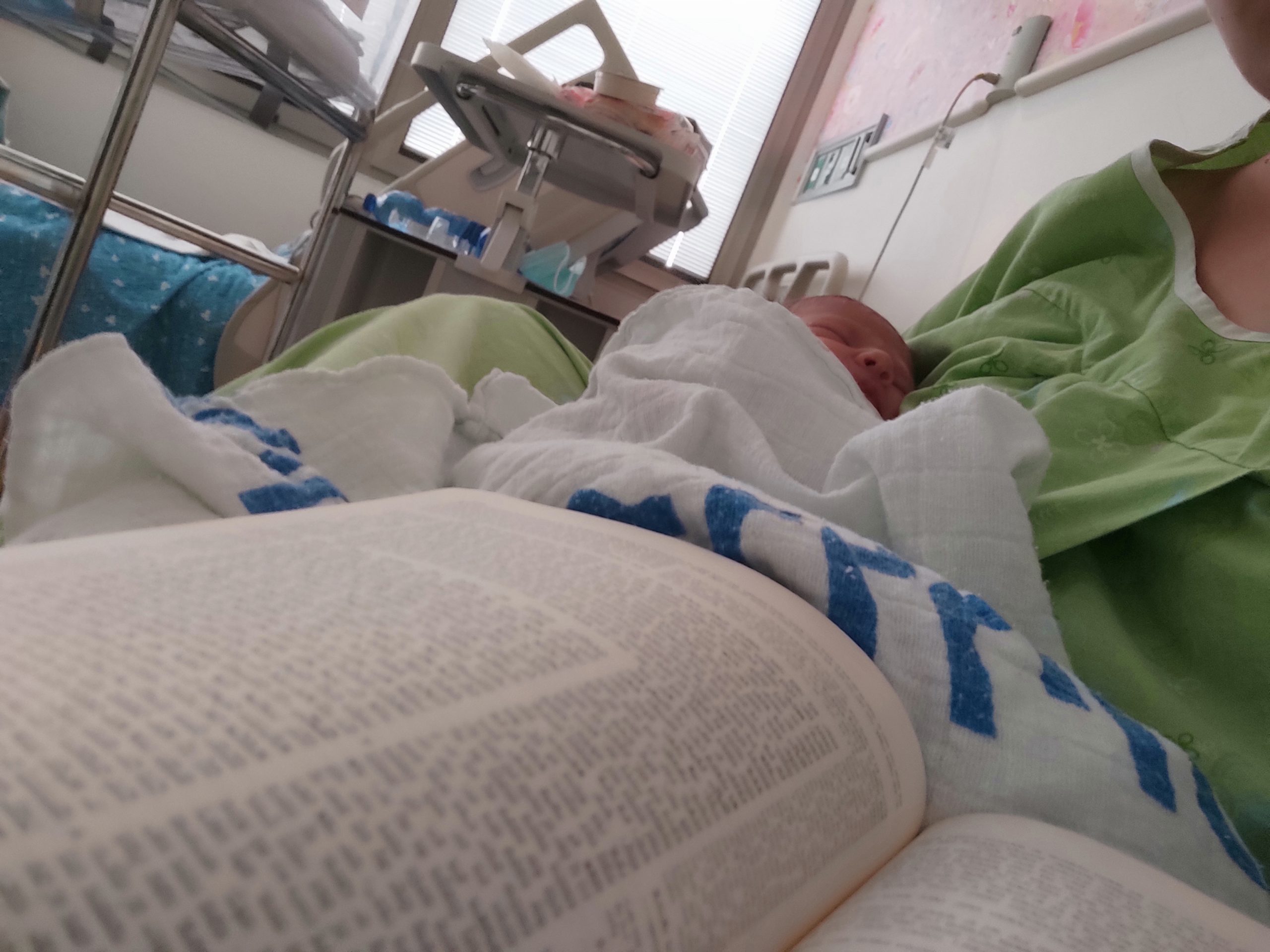
כמו שרואים בתמונה אני ממשיכה ללמוד גם היום ואפילו במחלקת יולדות אחרי לידת ביתי השלישית.
רבבה, ישראל
כתובות כו
בְּמֵסִיחַ לְפִי תּוּמּוֹ. כִּי הָא דְּאָמַר רַב יְהוּדָה אָמַר שְׁמוּאֵל: מַעֲשֶׂה בְּאָדָם אֶחָד שֶׁהָיָה מֵסִיחַ לְפִי תּוּמּוֹ, וְאָמַר: זְכוּרַנִי כְּשֶׁאֲנִי תִּינוֹק וּמוּרְכָּב עַל כְּתֵיפוֹ שֶׁל אַבָּא, וְהוֹצִיאוּנִי מִבֵּית הַסֵּפֶר, וְהִפְשִׁיטוּנִי אֶת כּוּתׇּנְתִּי, וְהַטְבִּילוּנִי לֶאֱכוֹל בִּתְרוּמָה לָעֶרֶב.
The Gemara answers: Rabbi Ḥiyya is speaking of a case where the brother speaks offhandedly in the context of a conversation about a different topic. It was understood from this that his brother is a Levite. This is similar to that which Rav Yehuda said that Shmuel said: There was an incident involving a person who was speaking offhandedly and said: I remember when I was a child and still young enough to be carried on my father’s shoulder, and they took me out of school, and removed my cloak, and immersed me to purify me from any possible ritual impurity, so that I would be able to partake of teruma that evening.
וְרַבִּי חִיָּיא מְסַיֵּים בַּהּ: וַחֲבֵירַי בְּדֵילִין מִמֶּנִּי, וְהָיוּ קוֹרִין אוֹתִי ״יוֹחָנָן אוֹכֵל חַלּוֹת״. וְהֶעֱלָהוּ רַבִּי לִכְהוּנָּה עַל פִּיו.
And Rabbi Ḥiyya, who related that incident, concluded the story and related that the man said: And my friends distanced themselves from me, and would call me: Yoḥanan who partakes of ḥallot, as it was prohibited for his friends, who were non-priests, to eat ḥalla and teruma. And Rabbi Yehuda HaNasi elevated him to priesthood based on his statement. Just as one’s offhanded statement is reliable, so too, is the offhanded statement of one’s brother.
תַּנְיָא, רַבִּי שִׁמְעוֹן בֶּן אֶלְעָזָר אוֹמֵר: כְּשֵׁם שֶׁתְּרוּמָה חֲזָקָה לִכְהוּנָּה — כָּךְ מַעֲשֵׂר רִאשׁוֹן חֲזָקָה לִכְהוּנָּה, וְהַחוֹלֵק בְּבֵית דִּין אֵינָהּ חֲזָקָה.
§ It is taught in a baraita that Rabbi Shimon ben Elazar says: Just as teruma establishes the presumptive status for priesthood, so too the first tithe establishes the presumptive status for priesthood. And one who receives a share of teruma in court does not establish the presumptive status of priesthood.
מַעֲשֵׂר רִאשׁוֹן דְּלֵוִי הוּא! כְּרַבִּי אֶלְעָזָר בֶּן עֲזַרְיָה. דְּתַנְיָא: תְּרוּמָה לְכֹהֵן, מַעֲשֵׂר רִאשׁוֹן לְלֵוִי, דִּבְרֵי רַבִּי עֲקִיבָא. רַבִּי אֶלְעָזָר בֶּן עֲזַרְיָה אוֹמֵר: מַעֲשֵׂר רִאשׁוֹן אַף לְכֹהֵן. אֵימוֹר דְּאָמַר רַבִּי אֶלְעָזָר בֶּן עֲזַרְיָה ״אַף לְכֹהֵן״, לְכֹהֵן וְלֹא לְלֵוִי מִי אָמַר?
The Gemara asks: First tithe is given to a Levite. How does it establish the presumptive status of priesthood? The Gemara answers: This is in accordance with the opinion of Rabbi Elazar ben Azarya, as it is taught in a baraita: Teruma is given to a priest, first tithe is given to a Levite; this is the statement of Rabbi Akiva. Rabbi Elazar ben Azarya says: First tithe is given to a priest as well. The Gemara asks: Say that Rabbi Elazar ben Azarya said: To a priest as well. Did he actually say to a priest and not to a Levite? Since it is given to both a Levite and a priest, first tithe cannot establish the presumptive status of priesthood.
אִין, בָּתַר דְּקַנְסִינְהוּ עֶזְרָא. וְדִלְמָא אִיקְּרוּ וְיָהֲבוּ לֵיהּ! אָמַר רַב חִסְדָּא: הָכָא בְּמַאי עָסְקִינַן — כְּגוֹן דְּמוּחְזָק לַן בַּאֲבוּהּ דְּהַאי דְּכֹהֵן הוּא, וּנְפַק עֲלֵיהּ קָלָא דְּבֶן גְּרוּשָׁה וּבֶן חֲלוּצָה הוּא, וַחֲלַקוּ לֵיהּ לְדִידֵיהּ מַעֲשֵׂר בְּבֵית הַגֳּרָנוֹת.
The Gemara answers: Yes, first tithe can establish the presumptive status of priesthood. After Ezra penalized the Levites for failure to return to Eretz Yisrael from Babylonia, he decreed that the people should not give them first tithe. Although by Torah law first tithe may be given to both Levites and priests, after that decree, it was given only to priests. The Gemara asks: How can the presumptive status of priesthood be established? But perhaps in this case he was actually a Levite, and by happenstance they gave him first tithe. Rav Ḥisda said: With what are we dealing here? It is a case where the father of that man established the presumptive status of priesthood before us, and a rumor emerged about the son that he is the son of a divorced woman or the son of a ḥalutza. As a ḥalal, who is disqualified from the priesthood, his legal status is that of an Israelite. And it was seen that the son himself received a share of first tithe at the threshing floor.
לֵוִי, דְּלָאו לֵוִי הוּא, מַאי אִיכָּא לְמֵימַר — בֶּן גְּרוּשָׁה אוֹ בֶּן חֲלוּצָה הוּא. לָא מִיבַּעְיָא לְמַאן דְּאָמַר מַעֲשֵׂר רִאשׁוֹן אָסוּר לְזָרִים, דְּלָא הֲווֹ יָהֲבִי לֵיהּ. אֶלָּא אֲפִילּוּ לְמַאן דְּאָמַר מַעֲשֵׂר רִאשׁוֹן מוּתָּר לְזָרִים, הָנֵי מִילֵּי לְמִיסְפָּא לְהוּ, אֲבָל בְּתוֹרַת חֲלוּקָּה לָא יָהֲבִי לֵיהּ.
Therefore, with regard to Levite status, it is clear that he is not a Levite, as his father is a priest. The Gemara asks: What then is there to say? Is it that he is the son of a divorced woman or the son of a ḥalutza? It is not necessary to say that according to the one who says that first tithe is forbidden to non-priests, they would not have given first tithe to the son of the divorcée, as his legal status is that of a non-priest. However, even according to the one who says that first tithe is permitted for non-priests, and therefore the fact that he received first tithe proves nothing, that halakha applies only to the fact that it is permitted for one to whom first tithe produce was distributed to provide it to non-priests. However, in the form of a share of first tithe at the threshing floor, one does not give it to a non-priest. Therefore, according to Rabbi Elazar ben Azarya, the fact that one receives a share at the threshing floor proves that he is a priest of unflawed lineage.
וְהַחוֹלֵק בְּבֵית דִּין אֵינָהּ חֲזָקָה. אִי בְּבֵית דִּין לָא הָוְיָא חֲזָקָה, הֵיכָא הָוְיָא חֲזָקָה?! אָמַר רַב שֵׁשֶׁת, הָכִי קָאָמַר: הַחוֹלֵק תְּרוּמָה בְּנִכְסֵי אָבִיו עִם אֶחָיו בְּבֵית דִּין — אֵינָהּ חֲזָקָה.
It is taught in the same baraita: And one who receives a share of teruma in court does not establish the presumptive status of priesthood. The Gemara asks: If in court it does not establish the presumptive status, where does it establish the presumptive status? Isn’t court the place where matters are optimally clarified? Rav Sheshet said that this is what the tanna is saying: One who receives a share of teruma from his father’s property with his brothers in court as his portion of the inheritance, in doing so does not establish presumptive status of priesthood. Even if he is a ḥalal and therefore a non-priest, it could be that he owns the teruma as part of his inheritance.
פְּשִׁיטָא! מַהוּ דְּתֵימָא: מִדְּהָנָךְ לַאֲכִילָה, הַאי נָמֵי לַאֲכִילָה, קָא מַשְׁמַע לַן: הָנָךְ לַאֲכִילָה, הַאי לְזַבּוֹנֵי.
The Gemara asks: It is obvious that receiving teruma in court does not establish the presumptive status. The Gemara answers: Lest you say that from the fact that these brothers receive the teruma to partake of it, it can be deduced that that brother also receives the teruma to partake of it, the tanna therefore teaches us that these brothers receive the teruma to partake of it and that brother receives it to sell it. The fact that he may not eat the teruma does not prevent him from selling it.
רַבִּי יְהוּדָה אוֹמֵר: אֵין מַעֲלִין לִכְהוּנָּה עַל פִּי עֵד אֶחָד וְכוּ׳. רַבָּן שִׁמְעוֹן בֶּן גַּמְלִיאֵל הַיְינוּ רַבִּי אֱלִיעֶזֶר! וְכִי תֵּימָא עַרְעָר חַד אִיכָּא בֵּינַיְיהוּ, דְּרַבִּי אֱלִיעֶזֶר סָבַר עַרְעָר חַד, וְרַבָּן שִׁמְעוֹן בֶּן גַּמְלִיאֵל סָבַר: עַרְעָר תְּרֵי. הָאָמַר רַבִּי יוֹחָנָן: דִּבְרֵי הַכֹּל, אֵין עַרְעָר פָּחוֹת מִשְּׁנַיִם!
§ We learned in the mishna that Rabbi Yehuda says: One does not elevate a man to priesthood on the basis of one witness. Rabbi Elazar says: In a case where there are no challengers, one elevates a man to priesthood on the basis of one witness. Rabban Shimon ben Gamliel says: One elevates a man to priesthood on the basis of one witness. The Gemara asks: The opinion of Rabban Shimon ben Gamliel is identical to the opinion of Rabbi Eliezer, as they agree that one elevates a man to priesthood on the basis of one witness when there are no challengers. And if you would say that there is a difference between them in a case where there is a challenge posed by one witness, as Rabbi Eliezer holds: A challenge posed by one witness is sufficient to undermine one’s presumptive status of priesthood and two witnesses are required to overcome that challenge, and Rabban Shimon ben Gamliel holds: An effective challenge requires two witnesses, didn’t Rabbi Yoḥanan say: Everyone agrees that there is no effective challenge with fewer than two witnesses?
אֶלָּא: הָכָא בְּמַאי עָסְקִינַן — דְּמוּחְזָק לַן בַּאֲבוּהּ דְּהַאי דְּכֹהֵן הוּא, וּנְפַק עֲלֵיהּ קָלָא דְּבֶן גְּרוּשָׁה אוֹ בֶּן חֲלוּצָה הוּא, וְאַחֲתִינֵּיהּ. וַאֲתָא עֵד אֶחָד וְאָמַר: יָדַעְנָא בֵּיהּ דְּכֹהֵן הוּא,
Rather, with what case are we dealing here? It is in a case where the father of that man established his presumptive status of priesthood before us, and a rumor emerged about the son that he is the son of a divorced woman or the son of a ḥalutza, and therefore we downgraded him from the presumptive status of priesthood. And one witness came and said: I know that he is a priest of unflawed lineage,
וְאַסְּקִינֵּיהּ. וַאֲתוֹ בֵּי תְרֵי וְאָמְרִי: בֶּן גְּרוּשָׁה וּבֶן חֲלוּצָה הוּא, וְאַחֲתִינֵּיהּ. וַאֲתָא עֵד אֶחָד וְאָמַר: יָדַעְנָא בֵּיהּ דְּכֹהֵן הוּא. וּדְכוּלֵּי עָלְמָא מִצְטָרְפִין לְעֵדוּת.
and therefore we elevated him back to the priesthood, as one witness is sufficient to negate the rumor. And then two witnesses came and said: He is the son of a divorced woman or the son of a ḥalutza, and then we downgraded him from the priesthood, as two witnesses negated the testimony of one witness. Then one witness came and said: I know that he is a priest of unflawed lineage. And everyone agrees that the two single witnesses join together and constitute two witnesses for the purpose of testimony that he is a priest of unflawed lineage, and fundamentally his presumptive status of priesthood should be restored.
וְהָכָא בְּמֵיחַשׁ לְזִילוּתָא דְבֵי דִינָא קָמִיפַּלְגִי. תַּנָּא קַמָּא סָבַר: כֵּיוָן דְּאַחֲתִינֵּיהּ, לָא מַסְּקִינַן לֵיהּ, חָיְישִׁינַן לְזִילוּתָא דְּבֵי דִינָא. וְרַבָּן שִׁמְעוֹן בֶּן גַּמְלִיאֵל סָבַר: אֲנַן אַחֲתִינַן לֵיהּ וַאֲנַן מַסְּקִינַן לֵיהּ, וּלְזִילוּתָא דְּבֵי דִינָא לָא חָיְישִׁינַן.
And here it is with regard to concern that it will lead to contempt for the court that they disagree. The first tanna, Rabbi Eliezer, holds: Once we downgraded him from the priesthood, we do not then elevate him. We are concerned that it will lead to contempt for the court, as the reversal in the court decisions create the impression that the court does not know what it is doing. And Rabban Shimon ben Gamliel holds: We downgrade him from the priesthood and we then elevate him, and as for the possibility that it will lead to contempt for the court, we are not concerned about it. The primary concern is that the matter be determined based on the relevant testimonies.
מַתְקֵיף לַהּ רַב אָשֵׁי: אִי הָכִי, אֲפִילּוּ תְּרֵי וּתְרֵי נָמֵי!
Rav Ashi strongly objects: If so, if they disagree with regard to contempt for the court, why is it necessary to establish the dispute in a case where the witnesses who testified that he is a priest of unflawed lineage came individually? If so, then even if two witnesses testify together that he is unfit for the priesthood, and the court downgraded him, and two witnesses testify together that he is fit for the priesthood, and the court elevated him, the tanna’im would also disagree, as the same concern for contempt of court applies.
אֶלָּא אָמַר רַב אָשֵׁי: בְּמִצְטָרְפִין לְעֵדוּת קָמִיפַּלְגִי, וּבִפְלוּגְתָּא דְּהָנֵי תַנָּאֵי. דְּתַנְיָא: אֵין עֵדוּתָן מִצְטָרֶפֶת עַד שֶׁיִּרְאוּ שְׁנֵיהֶם כְּאֶחָד. רַבִּי יְהוֹשֻׁעַ בֶּן קׇרְחָה אוֹמֵר: אֲפִילּוּ בָּזֶה אַחַר זֶה. וְאֵין עֵדוּתָן מִתְקַיֶּימֶת בְּבֵית דִּין עַד שֶׁיָּעִידוּ שְׁנֵיהֶם כְּאֶחָד.
Rather, Rav Ashi said: It is with regard to whether two single witnesses join together and constitute two witnesses for the purpose of testimony that they disagree, and it is in the dispute between these tanna’im that they disagree, as it is taught in a baraita: The testimony of individual witnesses merges into the testimony of two witnesses only if the two of them saw the incident transpire together, as one. Rabbi Yehoshua ben Korḥa says: Their testimony merges even in a case where this witness saw the incident after that witness; however, the testimony of witnesses is validated in court only if the two of them testify together as one.
רַבִּי נָתָן אוֹמֵר: שׁוֹמְעִין דְּבָרָיו שֶׁל זֶה הַיּוֹם, וּכְשֶׁיָּבֹא חֲבֵירוֹ לְמָחָר שׁוֹמְעִין דְּבָרָיו.
Rabbi Natan says: They need not even testify together, but even if the court hears the statement of this witness today, and when his fellow witness comes tomorrow the court hears his statement, their testimonies merge. Rabbi Eliezer holds in accordance with the opinion of Rabbi Yehoshua ben Korḥa, and therefore the testimony of the second witness cannot be merged with the testimony of the first witness and the person remains a ḥalal. Rabban Shimon ben Gamliel holds that the testimony of the two witnesses that he is a priest of unflawed lineage is merged, and his presumptive status of priesthood is restored, as it was already established that his father is a priest.
מַתְנִי׳ הָאִשָּׁה שֶׁנֶּחְבְּשָׁה בִּידֵי גוֹיִם, עַל יְדֵי מָמוֹן — מוּתֶּרֶת לְבַעְלָהּ. עַל יְדֵי נְפָשׁוֹת — אֲסוּרָה לְבַעְלָהּ.
MISHNA: In the case of a woman who was imprisoned by gentiles due to a monetary offense committed by her husband, once she is released after he pays his debt, she is permitted to her husband, even if he is a priest. There is no concern that they violated her because their objective is to coerce the husband to pay his debt in exchange for her release. Were they to abuse her, it is possible that he would be unwilling to pay. However, if a woman was imprisoned due to a capital offense and sentenced to death, once she is released she is forbidden to her husband even if he is not a priest due to the concern that perhaps her captors violated her, and she acquiesced to one of them.
גְּמָ׳ אָמַר רַב שְׁמוּאֵל בַּר רַב יִצְחָק אָמַר רַב: לֹא שָׁנוּ אֶלָּא שֶׁיַּד יִשְׂרָאֵל תַּקִּיפָה עַל אוּמּוֹת הָעוֹלָם, אֲבָל יַד אוּמּוֹת הָעוֹלָם תַּקִּיפָה עַל עַצְמָן, אֲפִילּוּ עַל יְדֵי מָמוֹן — אֲסוּרָה לְבַעְלָהּ.
GEMARA: Rav Shmuel bar Rav Yitzḥak said that Rav said: They taught this mishna only in a case where the authority of the Jewish people is dominant over the nations of the world, and the gentiles are law-abiding citizens. However, when the authority of the nations of the world is dominant over themselves, a euphemism for dominance over the Jewish people, even a woman who was imprisoned due to a monetary offense is forbidden to her husband, as there is nothing preventing her jailers from violating her.
מֵתִיב רָבָא: הֵעִיד רַבִּי יוֹסֵי הַכֹּהֵן וְרַבִּי זְכַרְיָה בֶּן הַקַּצָּב עַל בַּת יִשְׂרָאֵל שֶׁהוּרְהֲנָה בְּאַשְׁקְלוֹן, וְרִיחֲקוּהָ בְּנֵי מִשְׁפַּחְתָּהּ, וְעֵדֶיהָ מְעִידִים אוֹתָהּ שֶׁלֹּא נִסְתְּרָה וְשֶׁלֹּא נִטְמָאָה. וְאָמְרוּ לָהֶם חֲכָמִים: אִם אַתֶּם מַאֲמִינִים שֶׁהוּרְהֲנָה — הַאֲמִינוּ שֶׁלֹּא נִסְתְּרָה וְשֶׁלֹּא נִטְמָאָה, וְאִם אִי אַתֶּם מַאֲמִינִים שֶׁלֹּא נִסְתְּרָה וְשֶׁלֹּא נִטְמָאָה — אַל תַּאֲמִינוּ שֶׁהוּרְהֲנָה.
Rava raised an objection from a mishna (Eduyyot 8:2): Rabbi Yosei the priest and Rabbi Zekharya ben HaKatzav testified about a Jewish woman about whom witnesses testified that she was taken as collateral for a debt in Ashkelon. And the members of her family, who suspected that she engaged in intercourse there, distanced themselves from her, but her witnesses testified about her that she neither entered into seclusion nor was violated. And the Sages said to the members of the family: If you deem the witnesses credible to testify that she was taken as collateral, deem the witnesses credible to testify that she neither entered into seclusion nor was violated. And if you do not deem the witnesses credible to testify that she neither entered into seclusion nor was violated, do not deem the witnesses credible to testify that she was taken as collateral at all. In either case, she is permitted to her husband.
וְהָא אַשְׁקְלוֹן, דְּיַד אוּמּוֹת הָעוֹלָם תַּקִּיפָה עַל עַצְמָן, וְקָתָנֵי:
Rava asks: But this took place in Ashkelon, which is a place where the authority of the nations of the world is dominant over themselves, as it was a city of gentiles, and it is taught:

