




זה הדף של תשעה באב. לצפייה בדף של שבת, לחצו כאן.
הלימוד החודש מוקדש ע”י שושנה שור לרפואת מאירה בת זלדה זהבה.
מוכנים להתחיל?
Today’s Daf – זבחים נ״ו / 15.06.2026 / ל׳ בסיון תשפ״ו


מוכנים להתחיל?
רוצה להקדיש לימוד?

זה הדף של תשעה באב. לצפייה בדף של שבת, לחצו כאן.
הלימוד החודש מוקדש ע”י שושנה שור לרפואת מאירה בת זלדה זהבה.
וְקַיְימָא לַן דְּאֵינוֹ לוֹקֶה וּמְשַׁלֵּם. אָמַר עוּלָּא, לָא קַשְׁיָא: כָּאן בַּאֲחוֹתוֹ נַעֲרָה, כָּאן בַּאֲחוֹתוֹ בּוֹגֶרֶת.
And since we maintain in general that one is not both flogged and liable to pay, if one receives lashes for having relations with his sister, why must he pay the fine as well? Ulla said: This is not difficult; here, the halakha in the mishna is with regard to his sister who is a young woman, for whom one pays a fine and is not flogged, whereas there, the halakha in the mishna is with regard to his sister who is a grown woman, for whom one does not pay a fine.
אֲחוֹתוֹ בּוֹגֶרֶת נָמֵי, הָא אִיכָּא בּוֹשֶׁת וּפְגָם! בְּשׁוֹטָה. וְהָא אִיכָּא צַעֲרָא! בִּמְפוּתָּה.
The Gemara asks: In the case of one who has relations with his sister who is a grown woman, too, although he does not pay a fine, isn’t there compensation for humiliation and degradation? He should be exempt from lashes in that case as well. The Gemara answers: There, the halakha in the mishna is with regard to his sister who is an imbecile, with regard to whom there is no humiliation or degradation beyond her status as an imbecile. The Gemara asks: But isn’t there payment for pain even in the rape of an imbecile? The Gemara responds: The halakha is with regard to a seduced woman, who is not entitled to payment for pain, as she engaged in relations willingly.
הַשְׁתָּא דְּאָתֵית לְהָכִי, אֲפִילּוּ תֵּימָא אֲחוֹתוֹ נַעֲרָה, בִּיתוֹמָה וּמְפוּתָּה.
The Gemara comments: Now that you have arrived at this explanation that the mishna is referring to a seduced woman, the mishna can be understood even if you say it is referring to his sister who is a young woman. The reason that the seducer does not pay the fine is that the halakha is with regard to one who is an orphan and a seduced woman. Were her father alive, he would receive the payment. Because he died, the payment goes to her. Since she willingly participated in the relations, she relinquished her right to the payment, and the seducer is therefore liable to receive lashes.
אַלְמָא קָסָבַר עוּלָּא: כָּל הֵיכָא דְּאִיכָּא מָמוֹן וּמַלְקוֹת — מָמוֹנָא מְשַׁלֵּם, מִילְקָא לָא לָקֵי. מְנָא לֵיהּ לְעוּלָּא הָא? גָּמַר מֵחוֹבֵל בַּחֲבֵירוֹ: מָה חוֹבֵל בַּחֲבֵירוֹ דְּאִיכָּא מָמוֹן וּמַלְקוֹת — מָמוֹנָא מְשַׁלֵּם, מִילְקָא לָא לָקֵי; אַף כֹּל הֵיכָא דְּאִיכָּא מָמוֹן וּמַלְקוֹת — מָמוֹנָא מְשַׁלֵּם, מִילְקָא לָא לָקֵי.
The Gemara observes: Apparently, Ulla maintains that in any case where there is liability to both pay money and receive lashes, e.g., one who has forced relations with his sister who is a young woman, one pays money but is not flogged. The Gemara asks: From where does Ulla derive this principle? The Gemara answers: He derives it from the halakha of one who injures another. Just as with regard to one who injures another where there is liability to both pay money for the injury and receive lashes for violating the prohibition “Lest he continues to strike him” (Deuteronomy 25:3), the halakha there is that one pays money but is not flogged, so too, in any case where there is liability to both pay money and receive lashes, one pays money but is not flogged.
מָה לְחוֹבֵל בַּחֲבֵירוֹ — שֶׁכֵּן חַיָּיב בַּחֲמִשָּׁה דְּבָרִים. וְאִי מָמוֹנָא לְקוּלָּא — שֶׁכֵּן הוּתַּר מִכְּלָלוֹ בְּבֵית דִּין.
The Gemara asks: What is the basis for the comparison between other cases and the case of one who injures another? One who injures another cannot serve as a paradigm for cases of liability for both money and lashes because the case of one who injures another is particularly stringent, as he is liable to pay five types of indemnity: Injury, pain, medical costs, loss of livelihood, and humiliation. And if payment of money is a more lenient form of punishment than lashes, one could infer a fortiori: If in the stringent case of injuring another, one receives the more lenient punishment, all the more so would he receive the more lenient punishment in less stringent cases; nevertheless, one who injures another cannot serve as a paradigm for cases of liability for both money and lashes. The reason is that there is also a lenient aspect with regard to injuring another, as it is permitted, in departure from its norm, in court. The court administers lashes, injuring those convicted. The leniency is that its application is selective.
אֶלָּא גָּמַר מֵעֵדִים זוֹמְמִין: מָה עֵדִים זוֹמְמִין דְּאִיכָּא מָמוֹן וּמַלְקוֹת — מָמוֹנָא מְשַׁלֵּם, מִילְקָא לָא לָקֵי; אַף כֹּל הֵיכָא דְּאִיכָּא מָמוֹן וּמַלְקוֹת — מָמוֹנָא מְשַׁלֵּם, מִילְקָא לָא לָקֵי.
Rather, the Gemara states that Ulla derives this principle from the halakha of false, conspiring witnesses. Just as with regard to conspiring witnesses, where there is liability to both pay money, if they falsely testified to render one liable for payment, and receive lashes, for violating the prohibition “You shall not bear false witness against your neighbor” (Exodus 20:13), and the halakha is that one pays money but is not flogged, so too, in any case where there is liability to both pay money and receive lashes, one pays money but is not flogged.
מָה לְעֵדִים זוֹמְמִין — שֶׁכֵּן אֵינָן צְרִיכִים הַתְרָאָה. וְאִי מָמוֹנָא לְקוּלָּא הוּא — שֶׁכֵּן לֹא עָשׂוּ מַעֲשֶׂה!
The Gemara asks: What is the basis for the comparison of other cases to the case of conspiring witnesses? Conspiring witnesses cannot serve as a paradigm for cases of liability for both money and lashes because the case of conspiring witnesses is particularly stringent, as they do not require forewarning. As a rule, the courts administer punishment only to one who was forewarned not to perform the transgression. The fact that this is not a requirement in the case of conspiring witnesses indicates that it is a particularly stringent prohibition. Therefore, no proof can be cited from the case of conspiring witnesses to other cases with regard to monetary payment instead of lashes. And if payment of money is a more lenient form of punishment than lashes, the case of conspiring witnesses also has a lenient aspect, as they did not perform an action but merely spoke.
אֶלָּא גָּמַר מִתַּרְוַיְיהוּ: מָה הַצַּד הַשָּׁוֶה שֶׁבָּהֶן, דְּאִיכָּא מָמוֹן וּמַלְקוֹת — מָמוֹנָא מְשַׁלֵּם, מִילְקָא לָא לָקֵי; אַף כֹּל הֵיכָא דְּאִיכָּא מָמוֹן וּמַלְקוֹת — מָמוֹנָא מְשַׁלֵּם, מִילְקָא לָא לָקֵי. מָה לְהַצַּד הַשָּׁוֶה שֶׁבָּהֶן — שֶׁכֵּן יֵשׁ בָּהֶן צַד חָמוּר, וְאִי מָמוֹנָא לְקוּלָּא הוּא — שֶׁכֵּן יֵשׁ בָּהֶן צַד הַקַּל.
Rather, Ulla derives the principle from both of them, the cases of one who injures another and of conspiring witnesses. The common denominator of both cases is that there is liability to both pay money and receive lashes and the halakha is that one pays money but is not flogged; so too, in any case where there is liability to both pay money and receive lashes, one pays money but is not flogged. The Gemara asks: What is the basis for the comparison of other cases to the common denominator of both cases, as they have an element of stringency that does not exist in other prohibitions in that one who injures another pays five types of indemnity, and conspiring witnesses are flogged without forewarning? And if payment of money is a more lenient form of punishment than lashes, other cases cannot be derived from it, as they have an element of leniency that does not exist in other prohibitions. The prohibition in the case of one who injures another is selectively applied, as it is permitted, in departure from its norm, in court, and the case of conspiring witnesses is lenient because they performed no action.
אֶלָּא עוּלָּא ״תַּחַת״ ״תַּחַת״ גָּמַר. כְּתִיב הָכָא: ״תַּחַת אֲשֶׁר עִנָּהּ״, וּכְתִיב הָתָם: ״עַיִן תַּחַת עַיִן״. מָה הָתָם — מָמוֹנָא מְשַׁלֵּם, מִילְקָא לָא לָקֵי; אַף כֹּל הֵיכָא דְּאִיכָּא מָמוֹנָא וּמַלְקוֹת — מָמוֹנָא מְשַׁלֵּם, מִילְקָא לָא לָקֵי.
Rather, Ulla derives the fact that one pays and is not flogged by means of a verbal analogy between the terms for and for. The verse states with regard to rape: “And the man who lay with her shall give to the father of the young woman fifty shekels of silver, and to him she shall be as a wife, because [taḥat] he tormented her” (Deuteronomy 22:29), and it states there, with regard to injury: “An eye for [taḥat] an eye” (Exodus 21:24). Just as there, with regard to injury, one pays money and is not flogged, so too, in any case where there is liability to both pay money and receive lashes, one pays money but is not flogged.
רַבִּי יוֹחָנָן אָמַר, אֲפִילּוּ תֵּימָא אֲחוֹתוֹ נַעֲרָה: כָּאן שֶׁהִתְרוּ בּוֹ, כָּאן שֶׁלֹּא הִתְרוּ בּוֹ.
§ In proposing a different resolution to the apparent contradiction between the mishna here that rules that one pays a fine for raping his sister and the mishna in Makkot that rules that one is flogged in that case, Rabbi Yoḥanan said: Even if you say that both mishnayot are referring to his sister who is a young woman, there it is referring to a case where the witnesses forewarned him, and therefore the rapist is flogged; here, it is referring to a case where the witnesses did not forewarn him. Since no lashes are administered without forewarning, the rapist pays the fine.
אַלְמָא קָסָבַר רַבִּי יוֹחָנָן: כׇּל הֵיכָא דְּאִיכָּא מָמוֹן וּמַלְקוֹת וְאַתְרוֹ בֵּיהּ — מִילְקָא לָקֵי, מָמוֹנָא לָא מְשַׁלֵּם. מְנָא לֵיהּ לְרַבִּי יוֹחָנָן הָא? אָמַר קְרָא: ״כְּדֵי רִשְׁעָתוֹ״, מִשּׁוּם רִשְׁעָה אַחַת אַתָּה מְחַיְּיבוֹ, וְאִי אַתָּה מְחַיְּיבוֹ מִשּׁוּם שְׁתֵּי רִשְׁעָיוֹת. וּסְמִיךְ לֵיהּ ״אַרְבָּעִים יַכֶּנּוּ״.
The Gemara observes: Apparently, Rabbi Yoḥanan maintains that in any case where there is liability to both pay money and receive lashes, and the witnesses forewarned him, he is flogged but does not pay money. The Gemara asks: From where does Rabbi Yoḥanan derive this principle? The Gemara explains that he derives it from that which the verse states with regard to one sentenced to lashes in the court: “The judge shall cause him to lie down, and to be beaten before him, according to the measure of his wickedness” (Deuteronomy 25:2), from which it is inferred: For one act of wickedness, i.e., punishment, you can render him liable, but you cannot render him liable for two acts of wickedness. And juxtaposed to this it states: “Forty he shall strike him” (Deuteronomy 25:3), indicating that the punishment that is administered when one is liable to receive two punishments is lashes and not payment.
וַהֲרֵי חוֹבֵל בַּחֲבֵירוֹ, דְּאִיכָּא מָמוֹן וּמַלְקוֹת — מָמוֹנָא מְשַׁלֵּם, מִילְקָא לָא לָקֵי! וְכִי תֵּימָא: הָנֵי מִילֵּי הֵיכָא דְּלָא אַתְרוֹ בֵּיהּ, אֲבָל אַתְרוֹ בֵּיהּ — מִילְקָא לָקֵי, מָמוֹנָא לָא מְשַׁלֵּם, וְהָאָמַר רַבִּי אַמֵּי אָמַר רַבִּי יוֹחָנָן: הִכָּהוּ הַכָּאָה שֶׁאֵין בָּהּ שָׁוֶה פְּרוּטָה — לוֹקֶה. הֵיכִי דָמֵי? אִי דְּלָא אַתְרוֹ בֵּיהּ, אַמַּאי לוֹקֶה? אֶלָּא פְּשִׁיטָא דְּאַתְרוֹ בֵּיהּ, וְטַעְמָא — דְּלֵית בֵּהּ שָׁוֶה פְּרוּטָה, הָא אִית בֵּהּ שָׁוֶה פְּרוּטָה — מָמוֹנָא מְשַׁלֵּם, מִילְקָא לָא לָקֵי!
The Gemara asks: And what of the case of one who injures another where there is liability to both pay money and receive lashes, in which case one pays money but is not flogged? And lest you say that this applies only when the witnesses did not forewarn him, but if they forewarned him before he struck his friend he is flogged but does not pay money, didn’t Rabbi Ami say that Rabbi Yoḥanan said: If one struck another with a blow that does not cause damage that amounts to the value of a peruta, he is flogged? The Gemara asks: What are the circumstances of that case? If it is a case where the witnesses did not forewarn him, why is he flogged? No lashes are administered without forewarning. Rather, obviously it is a case where they forewarned him, and the reason he is flogged is that there is not damage that amounts to the value of a peruta. The damages are not quantifiable. The Gemara infers: However, if there is damage that amounts to the value of a peruta, he pays money and is not flogged, even though he was forewarned.
כִּדְאָמַר רַבִּי אִילְעָא: בְּפֵירוּשׁ רִיבְּתָה תּוֹרָה עֵדִים זוֹמְמִין לְתַשְׁלוּמִין, הָכָא נָמֵי: בְּפֵירוּשׁ רִיבְּתָה תּוֹרָה חוֹבֵל בַּחֲבֵירוֹ לְתַשְׁלוּמִין. וְהֵיכָא אִיתְּמַר דְּרַבִּי אִילְעָא — אַהָא: מְעִידִין אָנוּ אֶת אִישׁ פְּלוֹנִי שֶׁחַיָּיב לַחֲבֵירוֹ מָאתַיִם זוּז, וְנִמְצְאוּ זוֹמְמִין — לוֹקִין וּמְשַׁלְּמִין, שֶׁלֹּא הַשֵּׁם הַמְּבִיאָן לִידֵי מַכּוֹת מְבִיאָן לִידֵי תַּשְׁלוּמִין, דִּבְרֵי רַבִּי מֵאִיר. וַחֲכָמִים אוֹמְרִים: כׇּל הַמְשַׁלֵּם אֵינוֹ לוֹקֶה.
The Gemara answers that the fact that conspiring witnesses pay money can be explained in accordance with that which Rabbi Ile’a said in a different context: The Torah explicitly amplified the case of conspiring witnesses to include liability for payment. The Torah employed language indicating that conspiring witnesses who testified falsely in order to render one liable for payment must pay the sum and are not flogged. Here, too, with regard to injury, the Torah explicitly amplified the case of one who injures another to include liability for payment. The Gemara asks: And where is this statement of Rabbi Ile’a stated? The Gemara answers that it is stated concerning this mishna (Makkot 4a). If witnesses said: We testify that so-and-so owes another two hundred dinar, and these witnesses were discovered to be conspiring witnesses; they are flogged and pay, as the source [shem] that brings them to liability to receive lashes does not bring them to liability for payment. Each liability has an independent source; the source for lashes is: “You shall not bear false witness against your neighbor,” (Exodus 20:13) while the source for payment is: “You shall do unto him as he conspired” (Deuteronomy 19:19). This is the statement of Rabbi Meir. And the Rabbis say: Anyone who pays is not flogged.
וְנֵימָא: כׇּל הַלּוֹקֶה אֵינוֹ מְשַׁלֵּם! אָמַר רַבִּי אִילְעָא: בְּפֵירוּשׁ רִיבְּתָה תּוֹרָה עֵדִים זוֹמְמִין לְתַשְׁלוּמִין. הֵיכָן רִיבְּתָה תּוֹרָה? מִכְּדֵי כְּתִיב: ״וַעֲשִׂיתֶם לוֹ כַּאֲשֶׁר זָמַם לַעֲשׂוֹת לְאָחִיו״, ״יָד בְּיָד״ לְמָה לִי? דָּבָר הַנִּיתָּן מִיָּד לְיָד, וּמַאי נִיהוּ — מָמוֹן.
And with regard to that mishna, the Gemara asks: Let us say, on the contrary, that anyone who is flogged does not pay. Rabbi Ile’a said: The Torah explicitly amplified the case of conspiring witnesses for payment, not lashes. The Gemara asks: Where did the Torah amplify the case of conspiring witnesses? The Gemara explains: Now, since it states with regard to conspiring witnesses: “And you shall do unto him as he conspired to do unto his brother” (Deuteronomy 19:19); why do I require the Torah to state in his punishment: “A hand for a hand” (Deuteronomy 19:21)? This indicates that the punishment that takes precedence is one in which there is an item that is given from hand to hand, and what is that item? It is money.
חוֹבֵל בַּחֲבֵירוֹ נָמֵי, מִכְּדֵי כְּתִיב: ״כַּאֲשֶׁר עָשָׂה כֵּן יֵעָשֶׂה לוֹ״, ״כֵּן יִנָּתֵן בּוֹ״, לְמָה לִי? דָּבָר שֶׁיֵּשׁ בּוֹ נְתִינָה, וּמַאי נִיהוּ — מָמוֹן.
The same can be said with regard to one who injures another. Now, since it states: “And a man who places a blemish upon his counterpart, as he has done so shall be done to him” (Leviticus 24:19), why do I require the Torah to state: “As one who places a blemish upon a man, so shall be placed [yinnaten] upon him” (Leviticus 24:20)? This teaches that this is referring to an item that involves giving [netina], and what is that item? It is money.
וְרַבִּי יוֹחָנָן: מַאי טַעְמָא לָא אָמַר כְּעוּלָּא? אִם כֵּן, בִּטַּלְתָּ ״עֶרְוַת אֲחוֹתְךָ… לֹא תְגַלֶּה״.
The Gemara asks: And Rabbi Yoḥanan, what is the reason that he did not say the same halakha as Ulla, that where there is liability to both pay money and receive lashes, one pays money but is not flogged? The Gemara answers: If so, if that were the case, you have rendered moot the prohibition “The nakedness of your sister…you shall not uncover” (Leviticus 18:9) in that contrary to the standard prohibitions, no lashes would be administered for its violation.

זה הדף הראשון שלך? איזו התרגשות עצומה! יש לנו בדיוק את התכנים והכלים שיעזרו לך לעשות את הצעדים הראשונים ללמידה בקצב וברמה שלך, כך תוכלי להרגיש בנוח גם בתוך הסוגיות המורכבות ומאתגרות.
גלי את קהילת הלומדות שלנו, מגוון נשים, רקעים וסיפורים. כולן חלק מתנועה ומסע מרגש ועוצמתי.
למדתי גמרא מכיתה ז- ט ב Maimonides School ואחרי העליה שלי בגיל 14 לימוד הגמרא, שלא היה כל כך מקובל בימים אלה, היה די ספוראדי. אחרי "ההתגלות” בבנייני האומה התחלתי ללמוד בעיקר בדרך הביתה למדתי מפוקקטסים שונים. לאט לאט ראיתי שאני תמיד חוזרת לרבנית מישל פרבר. באיזה שהוא שלב התחלתי ללמוד בזום בשעה 7:10 .
היום "אין מצב” שאני אתחיל את היום שלי ללא לימוד עם הרבנית מישל עם כוס הקפה שלי!!

חשמונאים, ישראל
בסוף הסבב הקודם ראיתי את השמחה הגדולה שבסיום הלימוד, בעלי סיים כבר בפעם השלישית וכמובן הסיום הנשי בבנייני האומה וחשבתי שאולי זו הזדמנות עבורי למשהו חדש.
למרות שאני שונה בסביבה שלי, מי ששומע על הלימוד שלי מפרגן מאוד.
אני מנסה ללמוד קצת בכל יום, גם אם לא את כל הדף ובסך הכל אני בדרך כלל עומדת בקצב.
הלימוד מעניק המון משמעות ליום יום ועושה סדר בלמוד תורה, שתמיד היה (ועדיין) שאיפה. אבל אין כמו קביעות

טל מנשה, ישראל
רבנית מישל הציתה אש התלמוד בלבבות בביניני האומה ואני נדלקתי. היא פתחה פתח ותמכה במתחילות כמוני ואפשרה לנו להתקדם בצעדים נכונים וטובים. הקימה מערך שלם שמסובב את הלומדות בסביבה תומכת וכך נכנסתי למסלול לימוד מעשיר שאין כמוה. הדרן יצר קהילה גדולה וחזקה שמאפשרת התקדמות מכל נקודת מוצא. יש דיבוק לומדות שמחזק את ההתמדה של כולנו. כל פניה ושאלה נענית בזריזות ויסודיות. תודה גם למגי על כל העזרה.
נתניה, ישראל
התחלתי ללמוד בסבב הנוכחי לפני כשנתיים .הסביבה מתפעלת ותומכת מאוד. אני משתדלת ללמוד מכל ההסכתים הנוספים שיש באתר הדרן. אני עורכת כל סיום מסכת שיעור בביתי לכ20 נשים שמחכות בקוצר רוח למפגשים האלו.
יהוד, ישראל
התחלתי ללמוד דף יומי שהתחילו מסכת כתובות, לפני 7 שנים, במסגרת קבוצת לימוד שהתפרקה די מהר, ומשם המשכתי לבד בתמיכת האיש שלי. נעזרתי בגמרת שטיינזלץ ובשיעורים מוקלטים.
הסביבה מאד תומכת ואני מקבלת המון מילים טובות לאורך כל הדרך. מאז הסיום הגדול יש תחושה שאני חלק מדבר גדול יותר.
אני לומדת בשיטת ה”7 דפים בשבוע” של הרבנית תרצה קלמן – כלומר, לא נורא אם לא הצלחת ללמוד כל יום, העיקר שגמרת ארבעה דפים בשבוע

עתניאל, ישראל
התחלתי בסיום הש”ס, יצאתי באורות. נשברתי פעמיים, ובשתיהם הרבנית מישל עודדה להמשיך איפה שכולם בסבב ולהשלים כשאוכל, וכך עשיתי וכיום השלמתי הכל. מדהים אותי שאני לומדת כל יום קצת, אפילו בחדר הלידה, בבידוד או בחו”ל. לאט לאט יותר נינוחה בסוגיות. לא כולם מבינים את הרצון, בפרט כפמניסטית. חשה סיפוק גדול להכיר את המושגים וצורת החשיבה. החלום זה להמשיך ולהתמיד ובמקביל ללמוד איך מהסוגיות נוצרה והתפתחה ההלכה.

מודיעין, ישראל
בתחילת הסבב הנוכחי הצטברו אצלי תחושות שאני לא מבינה מספיק מהי ההלכה אותה אני מקיימת בכל יום. כמו כן, כאמא לבנות רציתי לתת להן מודל נשי של לימוד תורה
שתי הסיבות האלו הובילו אותי להתחיל ללמוד. נתקלתי בתגובות מפרגנות וסקרניות איך אישה לומדת גמרא..
כמו שרואים בתמונה אני ממשיכה ללמוד גם היום ואפילו במחלקת יולדות אחרי לידת ביתי השלישית.
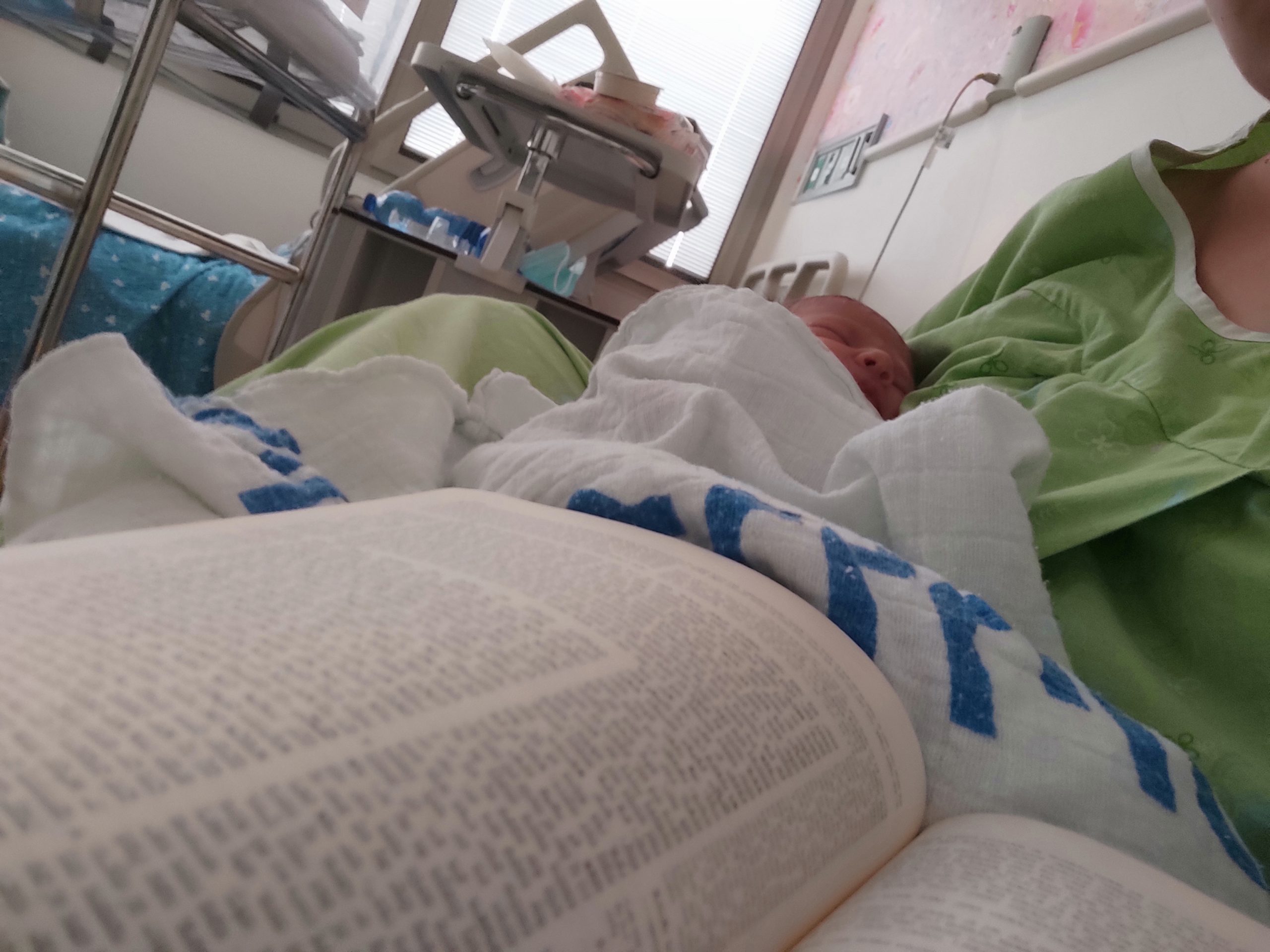
רבבה, ישראל
אחי, שלומד דף יומי ממסכת ברכות, חיפש חברותא ללימוד מסכת ראש השנה והציע לי. החברותא היתה מאתגרת טכנית ורוב הזמן נעשתה דרך הטלפון, כך שבסיום המסכת נפרדו דרכינו. אחי חזר ללמוד לבד, אבל אני כבר נכבשתי בקסם הגמרא ושכנעתי את האיש שלי להצטרף אלי למסכת ביצה. מאז המשכנו הלאה, ועכשיו אנחנו מתרגשים לקראתו של סדר נשים!

נוקדים, ישראל
שמעתי על הסיום הענק של הדף היומי ע”י נשים בבנייני האומה. רציתי גם.
החלטתי להצטרף. התחלתי ושיכנעתי את בעלי ועוד שתי חברות להצטרף. עכשיו יש לי לימוד משותף איתו בשבת ומפגש חודשי איתן בנושא (והתכתבויות תדירות על דברים מיוחדים שקראנו). הצטרפנו לקבוצות שונות בווטסאפ. אנחנו ממש נהנות. אני שומעת את השיעור מידי יום (בד”כ מהרב יוני גוטמן) וקוראת ומצטרפת לסיומים של הדרן. גם מקפידה על דף משלהן (ונהנית מאד).

אפרת, ישראל
אחרי שראיתי את הסיום הנשי של הדף היומי בבנייני האומה זה ריגש אותי ועורר בי את הרצון להצטרף. לא למדתי גמרא קודם לכן בכלל, אז הכל היה לי חדש, ולכן אני לומדת בעיקר מהשיעורים פה בהדרן, בשוטנשטיין או בחוברות ושיננתם.

בית שמש, ישראל
. לא תמיד נהניתי מלימוד גמרא כילדה.,בל כהתבגרתי התחלתי לאהוב את זה שוב. התחלתי ללמוד מסכת סוטה בדף היומי לפני כחמש עשרה שנה ואז הפסקתי.הגעתי לסיום הגדול של הדרן לפני שנתיים וזה נתן לי השראה. והתחלתי ללמוד למשך כמה ימים ואז היתה לי פריצת דיסק והפסקתי…עד אלול השנה. אז התחלתי עם מסכת ביצה וב”ה אני מצליחה לעמוד בקצב. המשפחה מאוד תומכת בי ויש כמה שגם לומדים את זה במקביל. אני אוהבת שיש עוגן כל יום.

בית שמש, ישראל
בתחילת הסבב הנוכחי של לימוד הדף היומי, נחשפתי לחגיגות המרגשות באירועי הסיום ברחבי העולם. והבטחתי לעצמי שבקרוב אצטרף גם למעגל הלומדות. הסבב התחיל כאשר הייתי בתחילת דרכי בתוכנית קרן אריאל להכשרת יועצות הלכה של נשמ”ת. לא הצלחתי להוסיף את ההתחייבות לדף היומי על הלימוד האינטנסיבי של תוכנית היועצות. בבוקר למחרת המבחן הסופי בנשמ”ת, התחלתי את לימוד הדף במסכת סוכה ומאז לא הפסקתי.

קרית גת, ישראל
A friend in the SF Bay Area said in Dec 2019 that she might start listening on her morning drive to work. I mentioned to my husband and we decided to try the Daf when it began in Jan 2020 as part of our preparing to make Aliyah in the summer.

ירושלים, Israel
אמא שלי למדה איתי ש”ס משנה, והתחילה ללמוד דף יומי. אני החלטתי שאני רוצה ללמוד גם. בהתחלה למדתי איתה, אח”כ הצטרפתי ללימוד דף יומי שהרב דני וינט מעביר לנוער בנים בעתניאל. במסכת עירובין עוד חברה הצטרפה אלי וכשהתחלנו פסחים הרב דני פתח לנו שעור דף יומי לבנות. מאז אנחנו לומדות איתו קבוע כל יום את הדף היומי (ובשבת אבא שלי מחליף אותו). אני נהנית מהלימוד, הוא מאתגר ומעניין

עתניאל, ישראל
הצטרפתי ללומדות בתחילת מסכת תענית. ההתרגשות שלי ושל המשפחה היתה גדולה מאוד, והיא הולכת וגוברת עם כל סיום שאני זוכה לו. במשך שנים רבות רציתי להצטרף ומשום מה זה לא קרה… ב”ה מצאתי לפני מספר חודשים פרסום של הדרן, ומיד הצטרפתי והתאהבתי. הדף היומי שינה את חיי ממש והפך כל יום- ליום של תורה. מודה לכן מקרב ליבי ומאחלת לכולנו לימוד פורה מתוך אהבת התורה ולומדיה.

חיספין רמת הגולן, ישראל
"
גם אני התחלתי בסבב הנוכחי וב””ה הצלחתי לסיים את רוב המסכתות . בזכות הרבנית מישל משתדלת לפתוח את היום בשיעור הזום בשעה 6:20 .הלימוד הפך להיות חלק משמעותי בחיי ויש ימים בהם אני מצליחה לחזור על הדף עם מלמדים נוספים ששיעוריהם נמצאים במרשתת. שמחה להיות חלק מקהילת לומדות ברחבי העולם. ובמיוחד לשמש דוגמה לנכדותיי שאי””ה יגדלו לדור שלימוד תורה לנשים יהיה משהו שבשגרה. "
נתניה, ישראל
הייתי לפני שנתיים בסיום הדרן נשים בבנייני האומה והחלטתי להתחיל. אפילו רק כמה דפים, אולי רק פרק, אולי רק מסכת… בינתיים סיימתי רבע שס ותכף את כל סדר מועד בה.
הסביבה תומכת ומפרגנת. אני בת יחידה עם ארבעה אחים שכולם לומדים דף יומי. מדי פעם אנחנו עושים סיומים יחד באירועים משפחתיים. ממש מרגש. מסכת שבת סיימנו כולנו יחד עם אבא שלנו!
אני שומעת כל יום פודקאסט בהליכה או בנסיעה ואחכ לומדת את הגמרא.

מרכז שפירא, ישראל
התחלתי ללמוד בשנת המדרשה במגדל עוז, בינתיים נהנית מאוד מהלימוד ומהגמרא, מעניין ומשמח מאוד!
משתדלת להצליח לעקוב כל יום, לפעמים משלימה קצת בהמשך השבוע.. מרגישה שיש עוגן מקובע ביום שלי והוא משמח מאוד!

חיפה , ישראל
"התחלתי ללמוד דף יומי במחזור הזה, בח’ בטבת תש””ף. לקחתי על עצמי את הלימוד כדי ליצור תחום של התמדה יומיומית בחיים, והצטרפתי לקבוצת הלומדים בבית הכנסת בכפר אדומים. המשפחה והסביבה מתפעלים ותומכים.
בלימוד שלי אני מתפעלת בעיקר מכך שכדי ללמוד גמרא יש לדעת ולהכיר את כל הגמרא. זו מעין צבת בצבת עשויה שהיא עצומה בהיקפה.”

כפר אדומים, ישראל
רבנית מישל הציתה אש התלמוד בלבבות בביניני האומה ואני נדלקתי. היא פתחה פתח ותמכה במתחילות כמוני ואפשרה לנו להתקדם בצעדים נכונים וטובים. הקימה מערך שלם שמסובב את הלומדות בסביבה תומכת וכך נכנסתי למסלול לימוד מעשיר שאין כמוה. הדרן יצר קהילה גדולה וחזקה שמאפשרת התקדמות מכל נקודת מוצא. יש דיבוק לומדות שמחזק את ההתמדה של כולנו. כל פניה ושאלה נענית בזריזות ויסודיות. תודה גם למגי על כל העזרה.
נתניה, ישראל
וְקַיְימָא לַן דְּאֵינוֹ לוֹקֶה וּמְשַׁלֵּם. אָמַר עוּלָּא, לָא קַשְׁיָא: כָּאן בַּאֲחוֹתוֹ נַעֲרָה, כָּאן בַּאֲחוֹתוֹ בּוֹגֶרֶת.
And since we maintain in general that one is not both flogged and liable to pay, if one receives lashes for having relations with his sister, why must he pay the fine as well? Ulla said: This is not difficult; here, the halakha in the mishna is with regard to his sister who is a young woman, for whom one pays a fine and is not flogged, whereas there, the halakha in the mishna is with regard to his sister who is a grown woman, for whom one does not pay a fine.
אֲחוֹתוֹ בּוֹגֶרֶת נָמֵי, הָא אִיכָּא בּוֹשֶׁת וּפְגָם! בְּשׁוֹטָה. וְהָא אִיכָּא צַעֲרָא! בִּמְפוּתָּה.
The Gemara asks: In the case of one who has relations with his sister who is a grown woman, too, although he does not pay a fine, isn’t there compensation for humiliation and degradation? He should be exempt from lashes in that case as well. The Gemara answers: There, the halakha in the mishna is with regard to his sister who is an imbecile, with regard to whom there is no humiliation or degradation beyond her status as an imbecile. The Gemara asks: But isn’t there payment for pain even in the rape of an imbecile? The Gemara responds: The halakha is with regard to a seduced woman, who is not entitled to payment for pain, as she engaged in relations willingly.
הַשְׁתָּא דְּאָתֵית לְהָכִי, אֲפִילּוּ תֵּימָא אֲחוֹתוֹ נַעֲרָה, בִּיתוֹמָה וּמְפוּתָּה.
The Gemara comments: Now that you have arrived at this explanation that the mishna is referring to a seduced woman, the mishna can be understood even if you say it is referring to his sister who is a young woman. The reason that the seducer does not pay the fine is that the halakha is with regard to one who is an orphan and a seduced woman. Were her father alive, he would receive the payment. Because he died, the payment goes to her. Since she willingly participated in the relations, she relinquished her right to the payment, and the seducer is therefore liable to receive lashes.
אַלְמָא קָסָבַר עוּלָּא: כָּל הֵיכָא דְּאִיכָּא מָמוֹן וּמַלְקוֹת — מָמוֹנָא מְשַׁלֵּם, מִילְקָא לָא לָקֵי. מְנָא לֵיהּ לְעוּלָּא הָא? גָּמַר מֵחוֹבֵל בַּחֲבֵירוֹ: מָה חוֹבֵל בַּחֲבֵירוֹ דְּאִיכָּא מָמוֹן וּמַלְקוֹת — מָמוֹנָא מְשַׁלֵּם, מִילְקָא לָא לָקֵי; אַף כֹּל הֵיכָא דְּאִיכָּא מָמוֹן וּמַלְקוֹת — מָמוֹנָא מְשַׁלֵּם, מִילְקָא לָא לָקֵי.
The Gemara observes: Apparently, Ulla maintains that in any case where there is liability to both pay money and receive lashes, e.g., one who has forced relations with his sister who is a young woman, one pays money but is not flogged. The Gemara asks: From where does Ulla derive this principle? The Gemara answers: He derives it from the halakha of one who injures another. Just as with regard to one who injures another where there is liability to both pay money for the injury and receive lashes for violating the prohibition “Lest he continues to strike him” (Deuteronomy 25:3), the halakha there is that one pays money but is not flogged, so too, in any case where there is liability to both pay money and receive lashes, one pays money but is not flogged.
מָה לְחוֹבֵל בַּחֲבֵירוֹ — שֶׁכֵּן חַיָּיב בַּחֲמִשָּׁה דְּבָרִים. וְאִי מָמוֹנָא לְקוּלָּא — שֶׁכֵּן הוּתַּר מִכְּלָלוֹ בְּבֵית דִּין.
The Gemara asks: What is the basis for the comparison between other cases and the case of one who injures another? One who injures another cannot serve as a paradigm for cases of liability for both money and lashes because the case of one who injures another is particularly stringent, as he is liable to pay five types of indemnity: Injury, pain, medical costs, loss of livelihood, and humiliation. And if payment of money is a more lenient form of punishment than lashes, one could infer a fortiori: If in the stringent case of injuring another, one receives the more lenient punishment, all the more so would he receive the more lenient punishment in less stringent cases; nevertheless, one who injures another cannot serve as a paradigm for cases of liability for both money and lashes. The reason is that there is also a lenient aspect with regard to injuring another, as it is permitted, in departure from its norm, in court. The court administers lashes, injuring those convicted. The leniency is that its application is selective.
אֶלָּא גָּמַר מֵעֵדִים זוֹמְמִין: מָה עֵדִים זוֹמְמִין דְּאִיכָּא מָמוֹן וּמַלְקוֹת — מָמוֹנָא מְשַׁלֵּם, מִילְקָא לָא לָקֵי; אַף כֹּל הֵיכָא דְּאִיכָּא מָמוֹן וּמַלְקוֹת — מָמוֹנָא מְשַׁלֵּם, מִילְקָא לָא לָקֵי.
Rather, the Gemara states that Ulla derives this principle from the halakha of false, conspiring witnesses. Just as with regard to conspiring witnesses, where there is liability to both pay money, if they falsely testified to render one liable for payment, and receive lashes, for violating the prohibition “You shall not bear false witness against your neighbor” (Exodus 20:13), and the halakha is that one pays money but is not flogged, so too, in any case where there is liability to both pay money and receive lashes, one pays money but is not flogged.
מָה לְעֵדִים זוֹמְמִין — שֶׁכֵּן אֵינָן צְרִיכִים הַתְרָאָה. וְאִי מָמוֹנָא לְקוּלָּא הוּא — שֶׁכֵּן לֹא עָשׂוּ מַעֲשֶׂה!
The Gemara asks: What is the basis for the comparison of other cases to the case of conspiring witnesses? Conspiring witnesses cannot serve as a paradigm for cases of liability for both money and lashes because the case of conspiring witnesses is particularly stringent, as they do not require forewarning. As a rule, the courts administer punishment only to one who was forewarned not to perform the transgression. The fact that this is not a requirement in the case of conspiring witnesses indicates that it is a particularly stringent prohibition. Therefore, no proof can be cited from the case of conspiring witnesses to other cases with regard to monetary payment instead of lashes. And if payment of money is a more lenient form of punishment than lashes, the case of conspiring witnesses also has a lenient aspect, as they did not perform an action but merely spoke.
אֶלָּא גָּמַר מִתַּרְוַיְיהוּ: מָה הַצַּד הַשָּׁוֶה שֶׁבָּהֶן, דְּאִיכָּא מָמוֹן וּמַלְקוֹת — מָמוֹנָא מְשַׁלֵּם, מִילְקָא לָא לָקֵי; אַף כֹּל הֵיכָא דְּאִיכָּא מָמוֹן וּמַלְקוֹת — מָמוֹנָא מְשַׁלֵּם, מִילְקָא לָא לָקֵי. מָה לְהַצַּד הַשָּׁוֶה שֶׁבָּהֶן — שֶׁכֵּן יֵשׁ בָּהֶן צַד חָמוּר, וְאִי מָמוֹנָא לְקוּלָּא הוּא — שֶׁכֵּן יֵשׁ בָּהֶן צַד הַקַּל.
Rather, Ulla derives the principle from both of them, the cases of one who injures another and of conspiring witnesses. The common denominator of both cases is that there is liability to both pay money and receive lashes and the halakha is that one pays money but is not flogged; so too, in any case where there is liability to both pay money and receive lashes, one pays money but is not flogged. The Gemara asks: What is the basis for the comparison of other cases to the common denominator of both cases, as they have an element of stringency that does not exist in other prohibitions in that one who injures another pays five types of indemnity, and conspiring witnesses are flogged without forewarning? And if payment of money is a more lenient form of punishment than lashes, other cases cannot be derived from it, as they have an element of leniency that does not exist in other prohibitions. The prohibition in the case of one who injures another is selectively applied, as it is permitted, in departure from its norm, in court, and the case of conspiring witnesses is lenient because they performed no action.
אֶלָּא עוּלָּא ״תַּחַת״ ״תַּחַת״ גָּמַר. כְּתִיב הָכָא: ״תַּחַת אֲשֶׁר עִנָּהּ״, וּכְתִיב הָתָם: ״עַיִן תַּחַת עַיִן״. מָה הָתָם — מָמוֹנָא מְשַׁלֵּם, מִילְקָא לָא לָקֵי; אַף כֹּל הֵיכָא דְּאִיכָּא מָמוֹנָא וּמַלְקוֹת — מָמוֹנָא מְשַׁלֵּם, מִילְקָא לָא לָקֵי.
Rather, Ulla derives the fact that one pays and is not flogged by means of a verbal analogy between the terms for and for. The verse states with regard to rape: “And the man who lay with her shall give to the father of the young woman fifty shekels of silver, and to him she shall be as a wife, because [taḥat] he tormented her” (Deuteronomy 22:29), and it states there, with regard to injury: “An eye for [taḥat] an eye” (Exodus 21:24). Just as there, with regard to injury, one pays money and is not flogged, so too, in any case where there is liability to both pay money and receive lashes, one pays money but is not flogged.
רַבִּי יוֹחָנָן אָמַר, אֲפִילּוּ תֵּימָא אֲחוֹתוֹ נַעֲרָה: כָּאן שֶׁהִתְרוּ בּוֹ, כָּאן שֶׁלֹּא הִתְרוּ בּוֹ.
§ In proposing a different resolution to the apparent contradiction between the mishna here that rules that one pays a fine for raping his sister and the mishna in Makkot that rules that one is flogged in that case, Rabbi Yoḥanan said: Even if you say that both mishnayot are referring to his sister who is a young woman, there it is referring to a case where the witnesses forewarned him, and therefore the rapist is flogged; here, it is referring to a case where the witnesses did not forewarn him. Since no lashes are administered without forewarning, the rapist pays the fine.
אַלְמָא קָסָבַר רַבִּי יוֹחָנָן: כׇּל הֵיכָא דְּאִיכָּא מָמוֹן וּמַלְקוֹת וְאַתְרוֹ בֵּיהּ — מִילְקָא לָקֵי, מָמוֹנָא לָא מְשַׁלֵּם. מְנָא לֵיהּ לְרַבִּי יוֹחָנָן הָא? אָמַר קְרָא: ״כְּדֵי רִשְׁעָתוֹ״, מִשּׁוּם רִשְׁעָה אַחַת אַתָּה מְחַיְּיבוֹ, וְאִי אַתָּה מְחַיְּיבוֹ מִשּׁוּם שְׁתֵּי רִשְׁעָיוֹת. וּסְמִיךְ לֵיהּ ״אַרְבָּעִים יַכֶּנּוּ״.
The Gemara observes: Apparently, Rabbi Yoḥanan maintains that in any case where there is liability to both pay money and receive lashes, and the witnesses forewarned him, he is flogged but does not pay money. The Gemara asks: From where does Rabbi Yoḥanan derive this principle? The Gemara explains that he derives it from that which the verse states with regard to one sentenced to lashes in the court: “The judge shall cause him to lie down, and to be beaten before him, according to the measure of his wickedness” (Deuteronomy 25:2), from which it is inferred: For one act of wickedness, i.e., punishment, you can render him liable, but you cannot render him liable for two acts of wickedness. And juxtaposed to this it states: “Forty he shall strike him” (Deuteronomy 25:3), indicating that the punishment that is administered when one is liable to receive two punishments is lashes and not payment.
וַהֲרֵי חוֹבֵל בַּחֲבֵירוֹ, דְּאִיכָּא מָמוֹן וּמַלְקוֹת — מָמוֹנָא מְשַׁלֵּם, מִילְקָא לָא לָקֵי! וְכִי תֵּימָא: הָנֵי מִילֵּי הֵיכָא דְּלָא אַתְרוֹ בֵּיהּ, אֲבָל אַתְרוֹ בֵּיהּ — מִילְקָא לָקֵי, מָמוֹנָא לָא מְשַׁלֵּם, וְהָאָמַר רַבִּי אַמֵּי אָמַר רַבִּי יוֹחָנָן: הִכָּהוּ הַכָּאָה שֶׁאֵין בָּהּ שָׁוֶה פְּרוּטָה — לוֹקֶה. הֵיכִי דָמֵי? אִי דְּלָא אַתְרוֹ בֵּיהּ, אַמַּאי לוֹקֶה? אֶלָּא פְּשִׁיטָא דְּאַתְרוֹ בֵּיהּ, וְטַעְמָא — דְּלֵית בֵּהּ שָׁוֶה פְּרוּטָה, הָא אִית בֵּהּ שָׁוֶה פְּרוּטָה — מָמוֹנָא מְשַׁלֵּם, מִילְקָא לָא לָקֵי!
The Gemara asks: And what of the case of one who injures another where there is liability to both pay money and receive lashes, in which case one pays money but is not flogged? And lest you say that this applies only when the witnesses did not forewarn him, but if they forewarned him before he struck his friend he is flogged but does not pay money, didn’t Rabbi Ami say that Rabbi Yoḥanan said: If one struck another with a blow that does not cause damage that amounts to the value of a peruta, he is flogged? The Gemara asks: What are the circumstances of that case? If it is a case where the witnesses did not forewarn him, why is he flogged? No lashes are administered without forewarning. Rather, obviously it is a case where they forewarned him, and the reason he is flogged is that there is not damage that amounts to the value of a peruta. The damages are not quantifiable. The Gemara infers: However, if there is damage that amounts to the value of a peruta, he pays money and is not flogged, even though he was forewarned.
כִּדְאָמַר רַבִּי אִילְעָא: בְּפֵירוּשׁ רִיבְּתָה תּוֹרָה עֵדִים זוֹמְמִין לְתַשְׁלוּמִין, הָכָא נָמֵי: בְּפֵירוּשׁ רִיבְּתָה תּוֹרָה חוֹבֵל בַּחֲבֵירוֹ לְתַשְׁלוּמִין. וְהֵיכָא אִיתְּמַר דְּרַבִּי אִילְעָא — אַהָא: מְעִידִין אָנוּ אֶת אִישׁ פְּלוֹנִי שֶׁחַיָּיב לַחֲבֵירוֹ מָאתַיִם זוּז, וְנִמְצְאוּ זוֹמְמִין — לוֹקִין וּמְשַׁלְּמִין, שֶׁלֹּא הַשֵּׁם הַמְּבִיאָן לִידֵי מַכּוֹת מְבִיאָן לִידֵי תַּשְׁלוּמִין, דִּבְרֵי רַבִּי מֵאִיר. וַחֲכָמִים אוֹמְרִים: כׇּל הַמְשַׁלֵּם אֵינוֹ לוֹקֶה.
The Gemara answers that the fact that conspiring witnesses pay money can be explained in accordance with that which Rabbi Ile’a said in a different context: The Torah explicitly amplified the case of conspiring witnesses to include liability for payment. The Torah employed language indicating that conspiring witnesses who testified falsely in order to render one liable for payment must pay the sum and are not flogged. Here, too, with regard to injury, the Torah explicitly amplified the case of one who injures another to include liability for payment. The Gemara asks: And where is this statement of Rabbi Ile’a stated? The Gemara answers that it is stated concerning this mishna (Makkot 4a). If witnesses said: We testify that so-and-so owes another two hundred dinar, and these witnesses were discovered to be conspiring witnesses; they are flogged and pay, as the source [shem] that brings them to liability to receive lashes does not bring them to liability for payment. Each liability has an independent source; the source for lashes is: “You shall not bear false witness against your neighbor,” (Exodus 20:13) while the source for payment is: “You shall do unto him as he conspired” (Deuteronomy 19:19). This is the statement of Rabbi Meir. And the Rabbis say: Anyone who pays is not flogged.
וְנֵימָא: כׇּל הַלּוֹקֶה אֵינוֹ מְשַׁלֵּם! אָמַר רַבִּי אִילְעָא: בְּפֵירוּשׁ רִיבְּתָה תּוֹרָה עֵדִים זוֹמְמִין לְתַשְׁלוּמִין. הֵיכָן רִיבְּתָה תּוֹרָה? מִכְּדֵי כְּתִיב: ״וַעֲשִׂיתֶם לוֹ כַּאֲשֶׁר זָמַם לַעֲשׂוֹת לְאָחִיו״, ״יָד בְּיָד״ לְמָה לִי? דָּבָר הַנִּיתָּן מִיָּד לְיָד, וּמַאי נִיהוּ — מָמוֹן.
And with regard to that mishna, the Gemara asks: Let us say, on the contrary, that anyone who is flogged does not pay. Rabbi Ile’a said: The Torah explicitly amplified the case of conspiring witnesses for payment, not lashes. The Gemara asks: Where did the Torah amplify the case of conspiring witnesses? The Gemara explains: Now, since it states with regard to conspiring witnesses: “And you shall do unto him as he conspired to do unto his brother” (Deuteronomy 19:19); why do I require the Torah to state in his punishment: “A hand for a hand” (Deuteronomy 19:21)? This indicates that the punishment that takes precedence is one in which there is an item that is given from hand to hand, and what is that item? It is money.
חוֹבֵל בַּחֲבֵירוֹ נָמֵי, מִכְּדֵי כְּתִיב: ״כַּאֲשֶׁר עָשָׂה כֵּן יֵעָשֶׂה לוֹ״, ״כֵּן יִנָּתֵן בּוֹ״, לְמָה לִי? דָּבָר שֶׁיֵּשׁ בּוֹ נְתִינָה, וּמַאי נִיהוּ — מָמוֹן.
The same can be said with regard to one who injures another. Now, since it states: “And a man who places a blemish upon his counterpart, as he has done so shall be done to him” (Leviticus 24:19), why do I require the Torah to state: “As one who places a blemish upon a man, so shall be placed [yinnaten] upon him” (Leviticus 24:20)? This teaches that this is referring to an item that involves giving [netina], and what is that item? It is money.
וְרַבִּי יוֹחָנָן: מַאי טַעְמָא לָא אָמַר כְּעוּלָּא? אִם כֵּן, בִּטַּלְתָּ ״עֶרְוַת אֲחוֹתְךָ… לֹא תְגַלֶּה״.
The Gemara asks: And Rabbi Yoḥanan, what is the reason that he did not say the same halakha as Ulla, that where there is liability to both pay money and receive lashes, one pays money but is not flogged? The Gemara answers: If so, if that were the case, you have rendered moot the prohibition “The nakedness of your sister…you shall not uncover” (Leviticus 18:9) in that contrary to the standard prohibitions, no lashes would be administered for its violation.
פעולה זו תסיר את כל הפריטים בחלק זה כולל ההתקדמות וההיסטוריה. שימי לב: לא ניתן לשחזר פעולה זו.
תאבד/י את כל ההתקדמות או ההיסטוריה הקשורות לפריט זה.

