







הלימוד החודש מוקדש ע”י משפחות קסלר, וולקנפלד וגרוסמן לזכר נשמת מיה רוז בת מתן יהושע ואילנה מלכה.
רוצה להקדיש לימוד?

0:00
0:00
תקציר
כתובות מא
מַתְנִי׳ הָאוֹמֵר: ״פִּתִּיתִי אֶת בִּתּוֹ שֶׁל פְּלוֹנִי״ — מְשַׁלֵּם בּוֹשֶׁת וּפְגָם עַל פִּי עַצְמוֹ, וְאֵין מְשַׁלֵּם קְנָס. הָאוֹמֵר: ״גָּנַבְתִּי״ — מְשַׁלֵּם אֶת הַקֶּרֶן עַל פִּי עַצְמוֹ, וְאֵין מְשַׁלֵּם תַּשְׁלוּמֵי כֶפֶל וְתַשְׁלוּמֵי אַרְבָּעָה וַחֲמִשָּׁה. ״הֵמִית שׁוֹרִי אֶת פְּלוֹנִי״, אוֹ ״שׁוֹרוֹ שֶׁל פְּלוֹנִי״ — הֲרֵי זֶה מְשַׁלֵּם עַל פִּי עַצְמוֹ. ״הֵמִית שׁוֹרִי עַבְדּוֹ שֶׁל פְּלוֹנִי״ — אֵין מְשַׁלֵּם עַל פִּי עַצְמוֹ. זֶה הַכְּלָל: כׇּל הַמְשַׁלֵּם יָתֵר עַל מַה שֶּׁהִזִּיק — אֵינוֹ מְשַׁלֵּם עַל פִּי עַצְמוֹ.
MISHNA: One who says: I seduced the daughter of so-and-so, pays compensation for humiliation and degradation based on his own admission, but does not pay the fine. Similarly, one who says: I stole, pays the principal, the value of the stolen goods, based on his own admission, but does not pay the double payment and the payment four and five times the principal for the slaughter or sale of the sheep or ox that he stole. Likewise if he confessed: My ox killed so-and-so, or: My ox killed an ox belonging to so-and-so, this owner pays based on his own admission. However, if he said: My ox killed a slave belonging to so-and-so, he does not pay based on his own admission as that payment is a fine. This is the principle: Anyone who pays more than what he damaged, the payments are fines and therefore he does not pay based on his own admission. He pays only based on the testimony of others.
גְּמָ׳ וְלִיתְנֵי ״אָנַסְתִּי״! לָא מִבַּעְיָא קָאָמַר: לָא מִבַּעְיָא ״אָנַסְתִּי״, דְּלָא קָא פָּגֵים לַהּ, דִּמְשַׁלֵּם בּוֹשֶׁת וּפְגָם עַל פִּי עַצְמוֹ, אֲבָל ״פִּתִּיתִי״, דְּקָא פָּגֵים לַהּ, אֵימָא: לָא מְשַׁלֵּם עַל פִּי עַצְמוֹ — קָא מַשְׁמַע לַן.
GEMARA: The Gemara asks: And let the tanna teach this halakha with regard to one who said: I raped the daughter of so-and-so. Why did the mishna cite the case of seduction? The Gemara answers: The tanna is speaking employing the style: It is not necessary. It is not necessary for the mishna to cite the case of one who says: I raped her, where he does not tarnish her reputation and merely incriminates himself, as it is obvious that he pays compensation for humiliation and degradation based on his own admission. However, in the case of one who says: I seduced her, where he tarnishes her reputation as he testifies that she willingly engaged in relations with him, and he is not deemed credible to do so, say that he does not pay based on his own admission. Therefore, the mishna teaches us that even in the case of seduction he pays compensation for humiliation and degradation based on his own admission.
מַתְנִיתִין דְּלָא כִּי הַאי תַּנָּא, דְּתַנְיָא: רַבִּי שִׁמְעוֹן בֶּן יְהוּדָה אוֹמֵר מִשּׁוּם רַבִּי שִׁמְעוֹן: אַף בּוֹשֶׁת וּפְגָם אֵינוֹ מְשַׁלֵּם עַל פִּי עַצְמוֹ — לֹא כׇּל הֵימֶנּוּ שֶׁיִּפְגּוֹם בִּתּוֹ שֶׁל פְּלוֹנִי.
The Gemara comments: The mishna is not in accordance with the opinion of this tanna, as it is taught in a baraita: Rabbi Shimon ben Yehuda says in the name of Rabbi Shimon: Even the payments of humiliation and degradation, he does not pay them based on his own admission as it is not within his power to tarnish the reputation of the daughter of so-and-so based merely on his confession. Consequently, unless his account is corroborated by the testimony of others, his admission that she was complicit in her seduction is rejected.
אֲמַר לֵיהּ רַב פָּפָּא לְאַבָּיֵי: נִיחָא לַהּ לְדִידַהּ, מַאי? דִּלְמָא לָא נִיחָא לֵיהּ לְאָבִיהָ. נִיחָא לֵיהּ לְאָבִיהָ, מַאי? דִּלְמָא לָא נִיחָא לְהוּ לִבְנֵי מִשְׁפָּחָה. נִיחָא לְהוּ לִבְנֵי מִשְׁפָּחָה, מַאי? אִי אֶפְשָׁר דְּלֵיכָּא חַד בִּמְדִינַת הַיָּם דְּלָא נִיחָא לֵיהּ.
Rav Pappa said to Abaye: According to Rabbi Shimon, if she herself is amenable to his claim, and admits that his version of the events is accurate, what is the halakha? Is he exempt from payments of humiliation and degradation in that case as well? Abaye responded: Perhaps her father is not amenable to his daughter’s reputation being tarnished. We therefore do not rely on his statement even in this case. Rav Pappa continued: If her father is also amenable to his claim, what is the halakha? Abaye responded: Perhaps her other family members are not amenable, as the reputation of the entire family would be tarnished. Rav Pappa asked: If the family members too are amenable, what is the halakha? Abaye answered: Even if all the local relatives are amenable, it is impossible that there will not be at least one relative in a country overseas who is not amenable to his claim.
הָאוֹמֵר גָּנַבְתִּי מְשַׁלֵּם אֶת הַקֶּרֶן וְכוּ׳. אִיתְּמַר, פַּלְגָא נִיזְקָא, רַב פָּפָּא אָמַר: פַּלְגָא נִיזְקָא — מָמוֹנָא. רַב הוּנָא בְּרֵיהּ דְּרַב יְהוֹשֻׁעַ אָמַר: פַּלְגָא נִיזְקָא — קְנָסָא.
The mishna continues. One who says: I stole, pays the principal, but does not pay the double payment and the payment four and five times the principal. It is stated that amora’im disagreed with regard to the payment of half the damage that the owner of an innocuous ox, which was not yet witnessed goring a person or an ox three times, must pay to the owner of the ox that he gored. Rav Pappa said: Half the damage is considered a payment of money, compensation for the damage caused. Rav Huna, son of Rav Yehoshua, said that half the damage is considered payment of a fine.
רַב פָּפָּא אָמַר פַּלְגָא נִיזְקָא מָמוֹנָא, קָסָבַר: סְתָם שְׁוָורִים לָאו בְּחֶזְקַת שִׁימּוּר קָיְימִי. וּבְדִין הוּא דִּמְשַׁלֵּם כּוּלֵּיהּ, וְרַחֲמָנָא הוּא דְּחָיֵיס עִלָּוֵיהּ, דְּאַכַּתִּי לָא אִיַּעַד תּוֹרָא. רַב הוּנָא בְּרֵיהּ דְּרַב יְהוֹשֻׁעַ אָמַר פַּלְגָא נִיזְקָא קְנָסָא, קָסָבַר: סְתָם שְׁוָורִים בְּחֶזְקַת שִׁימּוּר קָיְימִי. וּבְדִין הוּא דְּלָא לִישַׁלֵּם כְּלָל, וְרַחֲמָנָא הוּא דְּקַנְסֵיהּ, כִּי הֵיכִי דְּנִינְטְרֵיהּ לְתוֹרֵיהּ.
The Gemara elaborates. Rav Pappa said: Half the damage is considered a payment of money, as he maintains: Standard oxen do not exist in the presumptive status of safety, and therefore are likely to cause damage. And by right, the owner should pay the entire damage caused by his animal, and it is the Merciful One that has compassion on him, as his ox is not yet forewarned until it has gored a person or an animal three times. Fundamentally, the payment is for damage that the animal caused. Rav Huna, son of Rav Yehoshua, said that half the damage is payment of a fine, as he maintains: Standard oxen exist in the presumptive status of safety, and are not dangerous. And by right, the owner should not pay at all, as the ox goring could not have been anticipated, and therefore the owner bears no responsibility. And it is the Merciful One that penalized him so that he would guard his ox. The sum that he pays is a fine.
סִימָן: הִיזִּיק, מָה, וְהֵמִית, כְּלָל. תְּנַן: הַנִּיזָּק וְהַמַּזִּיק בְּתַשְׁלוּמִין. בִּשְׁלָמָא לְמַאן דְּאָמַר פַּלְגָא נִיזְקָא מָמוֹנָא, הַיְינוּ דְּשָׁיֵיךְ נִיזָּק בְּתַשְׁלוּמִין. אֶלָּא לְמַאן דְּאָמַר פַּלְגָא נִיזְקָא קְנָסָא, הַשְׁתָּא דְּלָאו דִּידֵיהּ קָא שָׁקֵיל, בְּתַשְׁלוּמִין אִיתֵיהּ?!
The Gemara provides a mnemonic for the proofs cited with regard to this dispute: Damaged; what; and killed; principle. We learned in a mishna that if an innocuous ox gored and killed another’s ox, both the damaged and the damager share in the payments. Granted, according to the one who said that half the damage is a payment of money; that is how the damaged party shares in the payments. By right, the owner of the dead ox should be compensated for his entire loss. However, since the ox that gored his ox was innocuous, the owner of the gored ox bears half the costs. The mishna characterizes him as sharing in the payments. However, according to he who said that half the damage is payment of a fine, by right, the injured party himself is entitled to nothing. Now, the owner takes half the damage that by right is not his; can he be characterized as sharing in the payments?
לֹא נִצְרְכָה אֶלָּא לִפְחַת נְבֵילָה. פְּחַת נְבֵילָה, תְּנֵינָא: תַּשְׁלוּמֵי נֶזֶק — מְלַמֵּד שֶׁהַבְּעָלִים מִטַּפְּלִין בַּנְּבֵילָה!
The Gemara answers: This halakha is necessary only for the degradation of the carcass. Initially, half the damage is assessed by calculating the difference between the value of a living ox and the value of its carcass when the owner of the ox that gored the other ox stands trial. The degradation in the value of the carcass from when it was gored until the owner is able to sell it is borne by the owner of the carcass. The owner thereby shares in the payment, as he loses that sum. The Gemara asks: We already learned the halakha with regard to the degradation of the carcass in a baraita in Bava Kamma (10b) in which it is taught that the passage in the mishna: I have become liable to pay payments of damage, teaches that the owners tend to the carcass and bear the costs of its degradation.
חֲדָא בְּתָם וַחֲדָא בְּמוּעָד. וּצְרִיכָא, דְּאִי אַשְׁמוֹעִינַן תָּם: מִשּׁוּם דְּאַכַּתִּי לָא אִיַּעַד, אֲבָל מוּעָד דְּאִיַּעַד — אֵימָא לָא. וְאִי אַשְׁמוֹעִינַן מוּעָד: מִשּׁוּם דְּקָא מְשַׁלֵּם כּוּלֵּיהּ, אֲבָל תָּם — אֵימָא לָא. צְרִיכָא.
The Gemara answers: One of these halakhot is with regard to an innocuous ox and one is with regard to a forewarned ox. The Gemara adds: And it is necessary to teach both halakhot, as if the mishna had taught us only with regard to an innocuous ox, one would understand that its owner is treated with leniency and the owner of the carcass bears the cost of degradation due to the fact that the ox has not yet been forewarned; however, with regard to a forewarned ox, that was forewarned, say no, the owner of the carcass does not bear the cost of degradation. And if the mishna had taught us only with regard to a forewarned ox, one would understand that its owner is treated with leniency and the owner of the carcass bears the cost of degradation due to the fact that he pays for the entire damage, and therefore, the relatively insignificant cost of degradation is overlooked. However, with regard to an innocuous ox, say no, since the owner pays only half the damage, he must bear the cost of degradation. Therefore, it was necessary to state the halakha in both cases. Therefore, there is no proof from this mishna whether half the damage is payment of money or payment of a fine.
תָּא שְׁמַע: מָה בֵּין תָּם לְמוּעָד, שֶׁהַתָּם מְשַׁלֵּם חֲצִי נֶזֶק מִגּוּפוֹ, וּמוּעָד מְשַׁלֵּם נֶזֶק שָׁלֵם מִן הָעֲלִיָּיה. וְלָא קָתָנֵי שֶׁהַתָּם אֵינוֹ מְשַׁלֵּם עַל פִּי עַצְמוֹ, וּמוּעָד מְשַׁלֵּם עַל פִּי עַצְמוֹ.
The Gemara continues. Come and hear an additional proof from a baraita: What is the difference between an innocuous and a forewarned ox? The difference is that the owner of an innocuous ox pays half of the damage from its body. Compensation for the damage may be collected only from the body of the ox that gored another ox. If the ox that gored another ox is worth less than half the damage, e.g., if an inexpensive ox killed an expensive one, the injured party receives less than half the damage. And the owner of a forewarned ox pays the entire damage from the owner’s property, and the value of the ox that gored another ox has no effect on the payment. The tanna did not teach an additional difference that the owner of an innocuous ox does not pay based on his own admission and the owner of a forewarned ox pays based on his own admission. Apparently, the half damage is a payment of money and not a fine.
תְּנָא וְשַׁיַּיר: מַאי שַׁיֵּיר דְּהַאי שַׁיַּיר! שַׁיַּיר חֲצִי כוֹפֶר. אִי מִשּׁוּם חֲצִי כוֹפֶר — לָאו שִׁיּוּרָא הוּא,
The Gemara refutes this claim: This baraita is no proof, as the tanna taught some cases and omitted others and did not list all the differences between innocuous and forewarned oxen. The Gemara asks: What else did he omit that he omitted this? The failure to include an item in a list can be deemed insignificant only if it is one of at least two omissions. If there is only one omission, apparently it was omitted advisedly. The Gemara replies: He omitted the halakha of the half ransom as well. If a forewarned ox killed a person, its owner pays a ransom, and if an innocuous ox killed a person, the owner does not pay even half the ransom. The Gemara rejects this claim: If it is due to the half ransom that the failure to list the difference with regard to payment based on one’s own admission is insignificant, it is not an omission.
הָא מַנִּי רַבִּי יוֹסֵי הַגְּלִילִי הִיא, דְּאָמַר: תָּם מְשַׁלֵּם חֲצִי כוֹפֶר.
As it can be explained: According to whose opinion is this baraita taught? It is according to the opinion of Rabbi Yosei HaGelili, who said: The owner of an innocuous ox pays half the ransom. According to his opinion, the only differences between innocuous and forewarned oxen are those specified in the mishna.
תָּא שְׁמַע: ״הֵמִית שׁוֹרִי אֶת פְּלוֹנִי״, אוֹ ״שׁוֹרוֹ שֶׁל פְּלוֹנִי״, הֲרֵי זֶה מְשַׁלֵּם עַל פִּי עַצְמוֹ. מַאי לָאו, בְּתָם! לָא, בְּמוּעָד.
The Gemara suggests: Come and hear an additional proof from the mishna. One who said: My ox killed so-and-so, or: My ox killed an ox belonging to so-and-so, this owner pays based on his own admission. What, is this not referring to an innocuous ox, for which he pays half the damage, proving that it is a payment of money and not a fine? The Gemara rejects the proof: No, the tanna is referring to a forewarned animal.
אֲבָל בְּתָם מַאי, אֵינוֹ מְשַׁלֵּם עַל פִּי עַצְמוֹ? אַדְּתָנֵי סֵיפָא: עַבְדּוֹ שֶׁל פְּלוֹנִי אֵינוֹ מְשַׁלֵּם עַל פִּי עַצְמוֹ, נִיפְלוֹג וְנִיתְנֵי בְּדִידַהּ: בַּמֶּה דְּבָרִים אֲמוּרִים — בְּמוּעָד, אֲבָל תָּם — אֵינוֹ מְשַׁלֵּם עַל פִּי עַצְמוֹ! כּוּלַּהּ בְּמוּעָד קָמַיְירֵי.
The Gemara asks: However, in the case of an innocuous ox, what is the halakha? If it is that he does not pay based on his own admission, then, rather than teaching the latter clause of the mishna: One whose ox killed a slave belonging to so-and-so does not pay based on his own admission, let him distinguish and teach the distinction within the case itself: In what case is this statement said? It is with regard to a forewarned ox; however, the owner of an innocuous ox does not pay based on his own admission. The Gemara rejects this proof: The entire mishna is speaking of a forewarned ox, and does not address the halakha of an innocuous ox at all. Therefore, no proof can be cited with regard to the nature of half the payment.
תָּא שְׁמַע, זֶה הַכְּלָל: כׇּל הַמְשַׁלֵּם יָתֵר עַל מַה שֶּׁהִזִּיק — אֵינוֹ מְשַׁלֵּם עַל פִּי עַצְמוֹ. הָא פָּחוֹת מִמַּה שֶּׁהִזִּיק — מְשַׁלֵּם עַל פִּי עַצְמוֹ. לָא תֵּימָא הָא פָּחוֹת מִמַּה שֶּׁהִזִּיק, אֶלָּא אֵימָא: הָא כְּמָה שֶׁהִזִּיק — מְשַׁלֵּם עַל פִּי עַצְמוֹ.
The Gemara suggests: Come and hear an additional proof from the mishna: This is the principle: Anyone who pays more than what he damaged, the payments are fines, and therefore he does not pay based on his own admission. The Gemara infers: If he pays less than what he damaged, he pays based on his own admission. Apparently, payment of half the damage is a payment of money, not a fine. The Gemara rejects this proof: Do not infer and say: If he pays less than what he damaged, he pays based on his own admission. Infer and say: If he pays precisely what he damaged, he pays based on his own admission.
אֲבָל פָּחוֹת מַאי, אֵינוֹ מְשַׁלֵּם עַל פִּי עַצְמוֹ? לִיתְנֵי, זֶה הַכְּלָל: כׇּל שֶׁאֵינוֹ מְשַׁלֵּם כְּמָה שֶׁהִזִּיק — אֵינוֹ מְשַׁלֵּם עַל פִּי עַצְמוֹ, דְּמַשְׁמַע פָּחוֹת וּמַשְׁמַע יָתֵר! תְּיוּבְתָּא.
The Gemara asks: But according to that explanation, if he pays less than the damage he caused, what is the halakha? If it is that he does not pay based on his own admission, let the tanna teach a more general principle: This is the principle: Anyone who does not pay the amount that he damaged does not pay based on his own admission, as that formulation both indicates one who pays less and indicates one who pays more than the damage he inflicted. The Gemara concludes: This is a conclusive refutation of the opinion of Rav Huna, son of Rav Yehoshua, that payment of half the damage is a fine.
וְהִלְכְתָא: פַּלְגָא נִיזְקָא קְנָסָא. תְּיוּבְתָּא וְהִלְכְתָא?! אִין: טַעְמָא מַאי אִיתּוֹתַב — מִשּׁוּם דְּלָא קָתָנֵי ״כְּמָה שֶׁהִזִּיק״, לָא פְּסִיקָא לֵיהּ. כֵּיוָן דְּאִיכָּא חֲצִי נֶזֶק צְרוֹרוֹת, דְּהִלְכְתָא גְּמִירִי לַהּ דְּמָמוֹנָא הוּא, מִשּׁוּם הָכִי לָא קָתָנֵי.
The Gemara further concludes: And the halakha is that payment of half the damage is a fine. The Gemara asks: Is there a conclusive refutation of the opinion of Rav Huna, son of Rav Yehoshua, and the halakha is in accordance with that opinion? The Gemara responds: Yes, the halakha is in accordance with his opinion, as, what is the reason that his opinion was conclusively refuted? It is because the tanna does not teach: This is the principle: Anyone who does not pay the amount that he damaged. However, the reason the tanna did not employ that formulation is not clear-cut for him, since there is the payment of half the damage caused by pebbles dispersed by an animal proceeding in its usual manner. As it is a halakha transmitted to Moses from Sinai that the payment for pebbles is a monetary payment, not a fine; it is due to that fact that the tanna did not teach the principle: Anyone who does not pay the amount that he damaged does not pay based on his own admission. In the case of pebbles, although he does not pay the amount that he damaged, he pays based on his own admission.
וְהַשְׁתָּא דְּאָמְרַתְּ פַּלְגָא נִיזְקָא קְנָסָא, הַאי כַּלְבָּא דְּאָכֵל אִימְּרֵי, וְשׁוּנָּרָא דְּאָכֵיל תַּרְנְגוֹלֵי רַבְרְבֵי, מְשׁוּנֶּה הוּא, וְלָא מַגְבֵּינַן בְּבָבֶל. אֲבָל זוּטְרֵי — אוֹרְחֵיהּ הוּא וּמַגְבֵּינַן.
Based on that ruling, the Gemara concludes: And now that you said that payment of half the damage is a fine, this dog that ate lambs, and a cat that ate large roosters, is unusual damage, for which the owner is liable to pay only half the damage if the animal was innocuous, and therefore, we do not collect it in Babylonia. The payment for unusual damage is a fine, and fines cannot be collected in Babylonia, as there are no ordained judges authorized to adjudicate cases involving fines. However, if the cat ate small roosters, that is its usual manner, and we collect the damages in Babylonia, as it is a payment of money.
וְאִי תְּפַס — לָא מַפְּקִינַן מִינֵּיהּ. וְאִי אָמַר: אַקְבְּעוּ לִי זִימְנָא לְאֶרֶץ יִשְׂרָאֵל — מַקְבְּעִינַן לֵיהּ. וְאִי לָא אָזֵיל — מְשַׁמְּתִינַן לֵיהּ.
The Gemara comments: And in cases of fines, if the injured party seized property from the offender in the amount of the fine, even in Babylonia we do not repossess it from him, as according to the letter of the law he is entitled to that payment, and the party from whom he seized the property cannot claim that he does not owe that payment. And if the injured party said: Set me a time to go to a court in Eretz Yisrael, where cases of fines are adjudicated, we set a time for him, and if the other disputant does not go to Israel as demanded, we excommunicate him.
בֵּין כָּךְ וּבֵין כָּךְ מְשַׁמְּתִינַן לֵיהּ. דְּאָמְרִינַן לֵיהּ: סַלֵּיק הֶזֵּיקָךְ, מִדְּרַבִּי נָתָן. דְּתַנְיָא, רַבִּי נָתָן אוֹמֵר: מִנַּיִן שֶׁלֹּא יְגַדֵּל אָדָם כֶּלֶב רַע בְּתוֹךְ בֵּיתוֹ, וְלֹא יַעֲמִיד סוּלָּם רָעוּעַ בְּתוֹךְ בֵּיתוֹ, שֶׁנֶּאֱמַר: ״וְלֹא תָשִׂים דָּמִים בְּבֵיתֶךָ״.
The Gemara adds: Either way, whether or not he agrees to go to Eretz Yisrael, if he keeps the cause of the damage, we in Babylonia excommunicate him, as we say to him: Remove your cause of damage, in accordance with the opinion of Rabbi Natan. As it is taught in a baraita that Rabbi Natan says: From where is it derived that a person may not raise a vicious dog in his house, and may not place an unsteady ladder in his house? It is as it is stated: “And you shall make a parapet for your roof that you shall not place blood in your house” (Deuteronomy 22:8). It is prohibited to leave a potentially dangerous object in one’s house, and one who refuses to remove it is excommunicated.
הֲדַרַן עֲלָךְ אֵלּוּ נְעָרוֹת
נַעֲרָה שֶׁנִּתְפַּתְּתָה — בּוֹשְׁתָּהּ וּפְגָמָהּ וּקְנָסָהּ שֶׁל אָבִיהָ, וְהַצַּעַר בִּתְפוּסָה. עָמְדָה בַּדִּין עַד שֶׁלֹּא מֵת הָאָב — הֲרֵי הֵן שֶׁל אָב. מֵת הָאָב — הֲרֵי הֵן שֶׁל אַחִין.
MISHNA: In the case of a young woman who was seduced, the compensation for her humiliation and her degradation and her fine belong to her father. And the same applies to the compensation for pain in the case of a woman who was raped. If the young woman stood trial against the seducer or rapist before the father died, these payments belong to her father, as stated above. If the father died before he collected the money from the offender, the payments belong to her brothers. As the father’s heirs, they inherit the money to which he was entitled before he passed away.
לֹא הִסְפִּיקָה לַעֲמוֹד בַּדִּין עַד שֶׁמֵּת הָאָב — הֲרֵי הֵן שֶׁל עַצְמָהּ, עָמְדָה בַּדִּין עַד שֶׁלֹּא בָּגְרָה — הֲרֵי הֵן שֶׁל אָב, מֵת הָאָב — הֲרֵי הֵן שֶׁל אַחִין. לֹא הִסְפִּיקָה לַעֲמוֹד בַּדִּין עַד שֶׁבָּגְרָה — הֲרֵי הֵן שֶׁל עַצְמָהּ. רַבִּי שִׁמְעוֹן אוֹמֵר: אִם לֹא הִסְפִּיקָה לִגְבּוֹת עַד שֶׁמֵּת הָאָב — הֲרֵי הֵן שֶׁל עַצְמָהּ,
However, if she did not manage to stand in judgment before the father died, and she was subsequently awarded the money, the compensation belongs to her, as she is now under her own jurisdiction due to the fact that she no longer has a father. If she stood trial before she reached majority, the payments belong to her father, and if the father died, they belong to her brothers, who inherit the money notwithstanding the fact that she has become a grown woman since the trial. If she did not manage to stand in judgment before she reached majority, the money belongs to her. Rabbi Shimon says: Even if she stood trial in her father’s lifetime but did not manage to collect the payments before the father died, the brothers do not inherit this money, as it belongs to her.
לעקוב 
חדשה בלימוד הגמרא?
זה הדף הראשון שלך? איזו התרגשות עצומה! יש לנו בדיוק את התכנים והכלים שיעזרו לך לעשות את הצעדים הראשונים ללמידה בקצב וברמה שלך, כך תוכלי להרגיש בנוח גם בתוך הסוגיות המורכבות ומאתגרות.
פסיפס הלומדות שלנו
גלי את קהילת הלומדות שלנו, מגוון נשים, רקעים וסיפורים. כולן חלק מתנועה ומסע מרגש ועוצמתי.
לפני 15 שנה, אחרי עשרות שנים של "ג’ינגול” בין משפחה לקריירה תובענית בהייטק, הצטרפתי לשיעורי גמרא במתן רעננה. הלימוד המעמיק והייחודי של הרבנית אושרה קורן יחד עם קבוצת הנשים המגוונת הייתה חוויה מאלפת ומעשירה. לפני כשמונה שנים כאשר מחזור הדף היומי הגיע למסכת תענית הצטרפתי כ”חברותא” לבעלי. זו השעה היומית שלנו ביחד כאשר דפי הגמרא משתלבים בחיי היום יום, משפיעים ומושפעים, וכשלא מספיקים תמיד משלימים בשבת
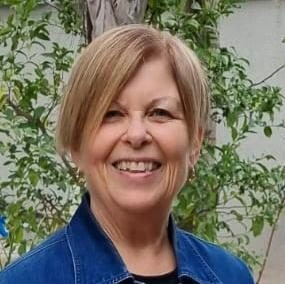
יודי אסקוף
רעננה, ישראל
A life-changing journey started with a Chanukah family tiyul to Zippori, home of the Sanhedrin 2 years ago and continued with the Syum in Binanei Hauma where I was awed by the energy of 3000 women dedicated to learning daf Yomi. Opening my morning daily with a fresh daf, I am excited with the new insights I find enriching my life and opening new and deeper horizons for me.

בקי גולדשטיין
Elazar gush etzion, Israel
התחלתי לפני 8 שנים במדרשה. לאחרונה סיימתי מסכת תענית בלמידה עצמית ועכשיו לקראת סיום מסכת מגילה.
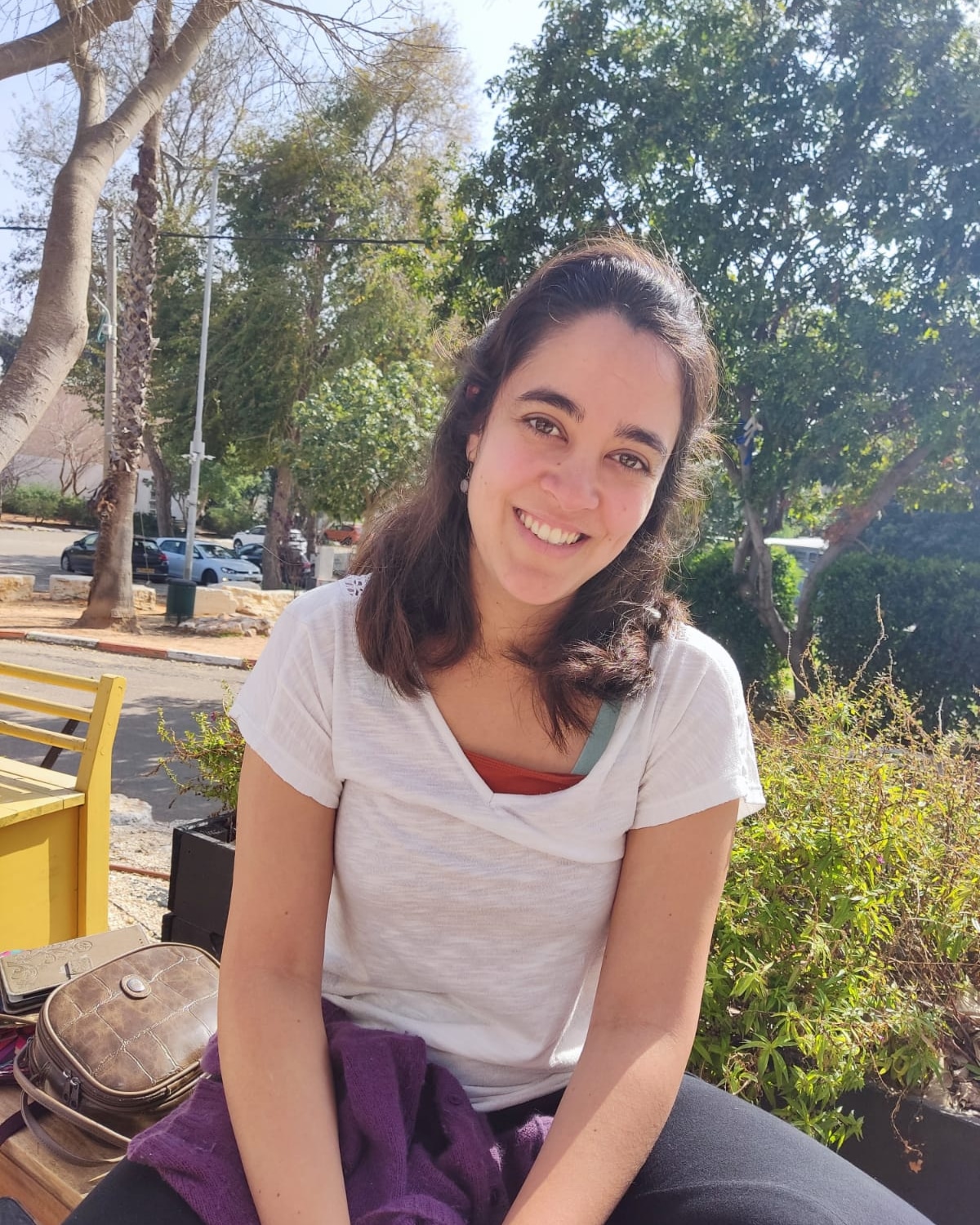
דניאלה ברוכים
רעננה, ישראל
התחלתי ללמוד דף לפני קצת יותר מ-5 שנים, כשלמדתי רבנות בישיבת מהר”ת בניו יורק. בדיעבד, עד אז, הייתי בלימוד הגמרא שלי כמו מישהו שאוסף חרוזים משרשרת שהתפזרה, פה משהו ושם משהו, ומאז נפתח עולם ומלואו…. הדף נותן לי לימוד בצורה מאורגנת, שיטתית, יום-יומית, ומלמד אותי לא רק ידע אלא את השפה ודרך החשיבה שלנו. לשמחתי, יש לי סביבה תומכת וההרגשה שלי היא כמו בציטוט שבחרתי: הדף משפיע לטובה על כל היום שלי.

מיכל כהנא
חיפה, ישראל
הצטרפתי ללומדות בתחילת מסכת תענית. ההתרגשות שלי ושל המשפחה היתה גדולה מאוד, והיא הולכת וגוברת עם כל סיום שאני זוכה לו. במשך שנים רבות רציתי להצטרף ומשום מה זה לא קרה… ב”ה מצאתי לפני מספר חודשים פרסום של הדרן, ומיד הצטרפתי והתאהבתי. הדף היומי שינה את חיי ממש והפך כל יום- ליום של תורה. מודה לכן מקרב ליבי ומאחלת לכולנו לימוד פורה מתוך אהבת התורה ולומדיה.

נעה רוזן
חיספין רמת הגולן, ישראל
כבר סיפרתי בסיום של מועד קטן.
הלימוד מאוד משפיעה על היום שלי כי אני לומדת עם רבנית מישל על הבוקר בזום. זה נותן טון לכל היום – בסיס למחשבות שלי .זה זכות גדול להתחיל את היום בלימוד ובתפילה. תודה רבה !

שרה ברלוביץ
ירושלים, ישראל
"התחלתי ללמוד דף יומי במחזור הזה, בח’ בטבת תש””ף. לקחתי על עצמי את הלימוד כדי ליצור תחום של התמדה יומיומית בחיים, והצטרפתי לקבוצת הלומדים בבית הכנסת בכפר אדומים. המשפחה והסביבה מתפעלים ותומכים.
בלימוד שלי אני מתפעלת בעיקר מכך שכדי ללמוד גמרא יש לדעת ולהכיר את כל הגמרא. זו מעין צבת בצבת עשויה שהיא עצומה בהיקפה.”

שרה פוּקס
כפר אדומים, ישראל
התחלתי בסיום הש”ס, יצאתי באורות. נשברתי פעמיים, ובשתיהם הרבנית מישל עודדה להמשיך איפה שכולם בסבב ולהשלים כשאוכל, וכך עשיתי וכיום השלמתי הכל. מדהים אותי שאני לומדת כל יום קצת, אפילו בחדר הלידה, בבידוד או בחו”ל. לאט לאט יותר נינוחה בסוגיות. לא כולם מבינים את הרצון, בפרט כפמניסטית. חשה סיפוק גדול להכיר את המושגים וצורת החשיבה. החלום זה להמשיך ולהתמיד ובמקביל ללמוד איך מהסוגיות נוצרה והתפתחה ההלכה.

קרן וינגרטן שרינגטון
מודיעין, ישראל
התחלתי ללמוד לפני כשנתיים בשאיפה לסיים לראשונה מסכת אחת במהלך חופשת הלידה.
אחרי מסכת אחת כבר היה קשה להפסיק…

נעה גלנט
ירוחם, ישראל
למדתי גמרא מכיתה ז- ט ב Maimonides School ואחרי העליה שלי בגיל 14 לימוד הגמרא, שלא היה כל כך מקובל בימים אלה, היה די ספוראדי. אחרי "ההתגלות” בבנייני האומה התחלתי ללמוד בעיקר בדרך הביתה למדתי מפוקקטסים שונים. לאט לאט ראיתי שאני תמיד חוזרת לרבנית מישל פרבר. באיזה שהוא שלב התחלתי ללמוד בזום בשעה 7:10 .
היום "אין מצב” שאני אתחיל את היום שלי ללא לימוד עם הרבנית מישל עם כוס הקפה שלי!!

דבי גביר
חשמונאים, ישראל
. לא תמיד נהניתי מלימוד גמרא כילדה.,בל כהתבגרתי התחלתי לאהוב את זה שוב. התחלתי ללמוד מסכת סוטה בדף היומי לפני כחמש עשרה שנה ואז הפסקתי.הגעתי לסיום הגדול של הדרן לפני שנתיים וזה נתן לי השראה. והתחלתי ללמוד למשך כמה ימים ואז היתה לי פריצת דיסק והפסקתי…עד אלול השנה. אז התחלתי עם מסכת ביצה וב”ה אני מצליחה לעמוד בקצב. המשפחה מאוד תומכת בי ויש כמה שגם לומדים את זה במקביל. אני אוהבת שיש עוגן כל יום.

רבקה דרשן
בית שמש, ישראל
הצטרפתי ללומדות בתחילת מסכת תענית. ההתרגשות שלי ושל המשפחה היתה גדולה מאוד, והיא הולכת וגוברת עם כל סיום שאני זוכה לו. במשך שנים רבות רציתי להצטרף ומשום מה זה לא קרה… ב”ה מצאתי לפני מספר חודשים פרסום של הדרן, ומיד הצטרפתי והתאהבתי. הדף היומי שינה את חיי ממש והפך כל יום- ליום של תורה. מודה לכן מקרב ליבי ומאחלת לכולנו לימוד פורה מתוך אהבת התורה ולומדיה.
נעה רוזן
חיספין רמת הגולן, ישראל
למדתי גמרא מכיתה ז- ט ב Maimonides School ואחרי העליה שלי בגיל 14 לימוד הגמרא, שלא היה כל כך מקובל בימים אלה, היה די ספוראדי. אחרי "ההתגלות” בבנייני האומה התחלתי ללמוד בעיקר בדרך הביתה למדתי מפוקקטסים שונים. לאט לאט ראיתי שאני תמיד חוזרת לרבנית מישל פרבר. באיזה שהוא שלב התחלתי ללמוד בזום בשעה 7:10 .
היום "אין מצב” שאני אתחיל את היום שלי ללא לימוד עם הרבנית מישל עם כוס הקפה שלי!!
דבי גביר
חשמונאים, ישראל
התחלתי ללמוד דף יומי אחרי שחזרתי בתשובה ולמדתי במדרשה במגדל עוז. הלימוד טוב ומספק חומר למחשבה על נושאים הלכתיים ”קטנים” ועד לערכים גדולים ביהדות. חשוב לי להכיר את הגמרא לעומק. והצעד הקטן היום הוא ללמוד אותה בבקיאות, בעזרת השם, ומי יודע אולי גם אגיע לעיון בנושאים מעניינים. נושאים בגמרא מתחברים לחגים, לתפילה, ליחסים שבין אדם לחברו ולמקום ולשאר הדברים שמלווים באורח חיים דתי 🙂
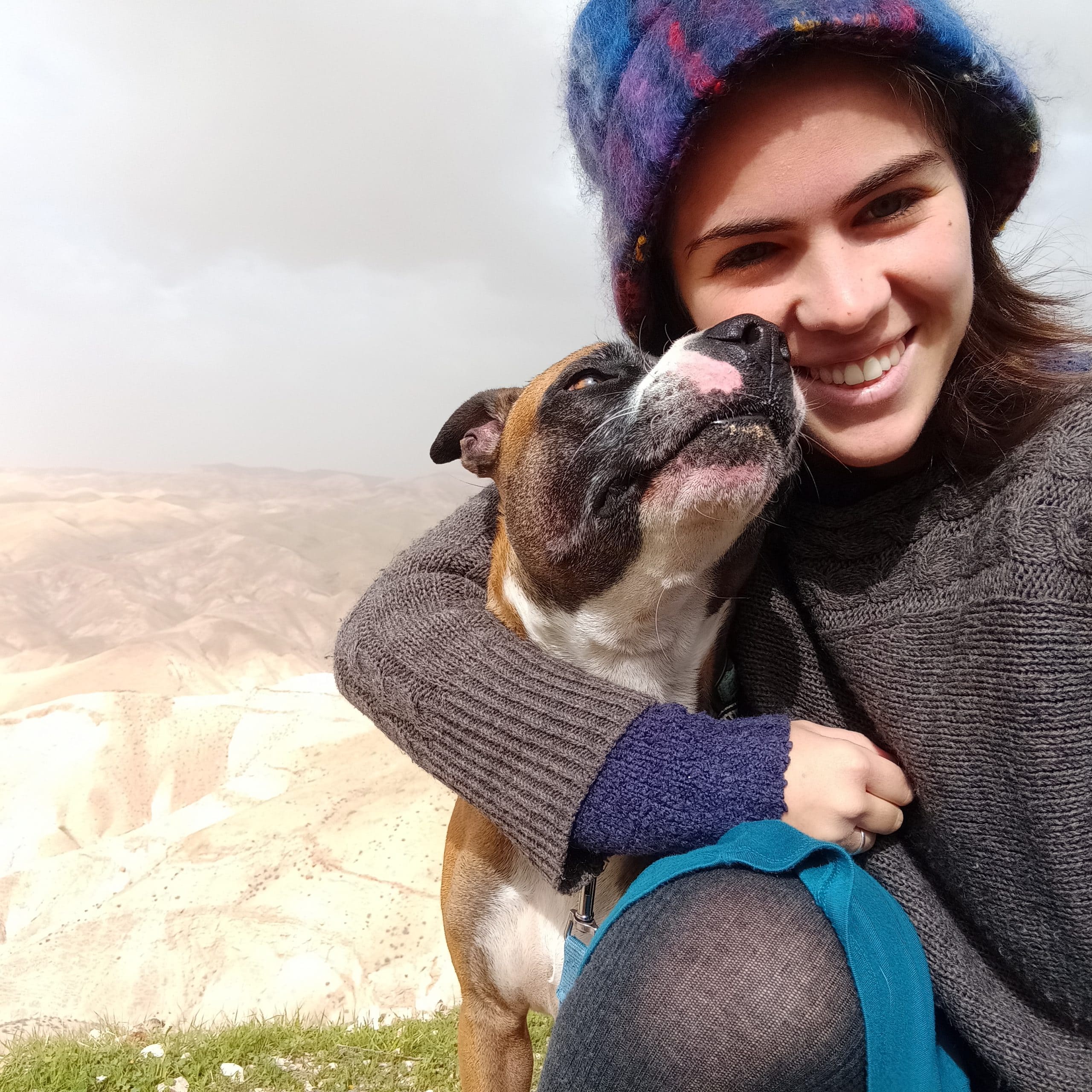
גאיה דיבו
מצפה יריחו, ישראל
אחרי שראיתי את הסיום הנשי של הדף היומי בבנייני האומה זה ריגש אותי ועורר בי את הרצון להצטרף. לא למדתי גמרא קודם לכן בכלל, אז הכל היה לי חדש, ולכן אני לומדת בעיקר מהשיעורים פה בהדרן, בשוטנשטיין או בחוברות ושיננתם.

רבקה שלוס
בית שמש, ישראל
סיום השס לנשים נתן לי מוטביציה להתחיל ללמוד דף יומי. עד אז למדתי גמרא בשבתות ועשיתי כמה סיומים. אבל לימוד יומיומי זה שונה לגמרי ופתאום כל דבר שקורה בחיים מתקשר לדף היומי.

קרן פוגל
רתמים, ישראל
התחלתי ללמוד דף יומי כאשר קיבלתי במייל ממכון שטיינזלץ את הדפים הראשונים של מסכת ברכות במייל. קודם לא ידעתי איך לקרוא אותם עד שנתתי להם להדריך אותי. הסביבה שלי לא מודעת לעניין כי אני לא מדברת על כך בפומבי. למדתי מהדפים דברים חדשים, כמו הקשר בין המבנה של בית המקדש והמשכן לגופו של האדם (יומא מה, ע”א) והקשר שלו למשפט מפורסם שמופיע בספר ההינדי "בהגוד-גיתא”. מתברר שזה רעיון כלל עולמי ולא רק יהודי
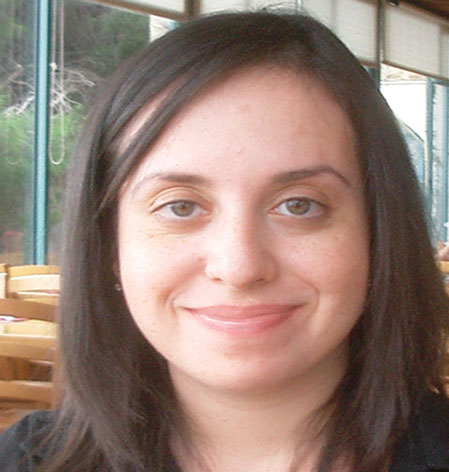
אלנה ארנבורג
נשר, ישראל
הייתי לפני שנתיים בסיום הדרן נשים בבנייני האומה והחלטתי להתחיל. אפילו רק כמה דפים, אולי רק פרק, אולי רק מסכת… בינתיים סיימתי רבע שס ותכף את כל סדר מועד בה.
הסביבה תומכת ומפרגנת. אני בת יחידה עם ארבעה אחים שכולם לומדים דף יומי. מדי פעם אנחנו עושים סיומים יחד באירועים משפחתיים. ממש מרגש. מסכת שבת סיימנו כולנו יחד עם אבא שלנו!
אני שומעת כל יום פודקאסט בהליכה או בנסיעה ואחכ לומדת את הגמרא.

עדנה גרוס
מרכז שפירא, ישראל
A life-changing journey started with a Chanukah family tiyul to Zippori, home of the Sanhedrin 2 years ago and continued with the Syum in Binanei Hauma where I was awed by the energy of 3000 women dedicated to learning daf Yomi. Opening my morning daily with a fresh daf, I am excited with the new insights I find enriching my life and opening new and deeper horizons for me.
בקי גולדשטיין
Elazar gush etzion, Israel
בתחילת הסבב הנוכחי הצטברו אצלי תחושות שאני לא מבינה מספיק מהי ההלכה אותה אני מקיימת בכל יום. כמו כן, כאמא לבנות רציתי לתת להן מודל נשי של לימוד תורה
שתי הסיבות האלו הובילו אותי להתחיל ללמוד. נתקלתי בתגובות מפרגנות וסקרניות איך אישה לומדת גמרא..
כמו שרואים בתמונה אני ממשיכה ללמוד גם היום ואפילו במחלקת יולדות אחרי לידת ביתי השלישית.
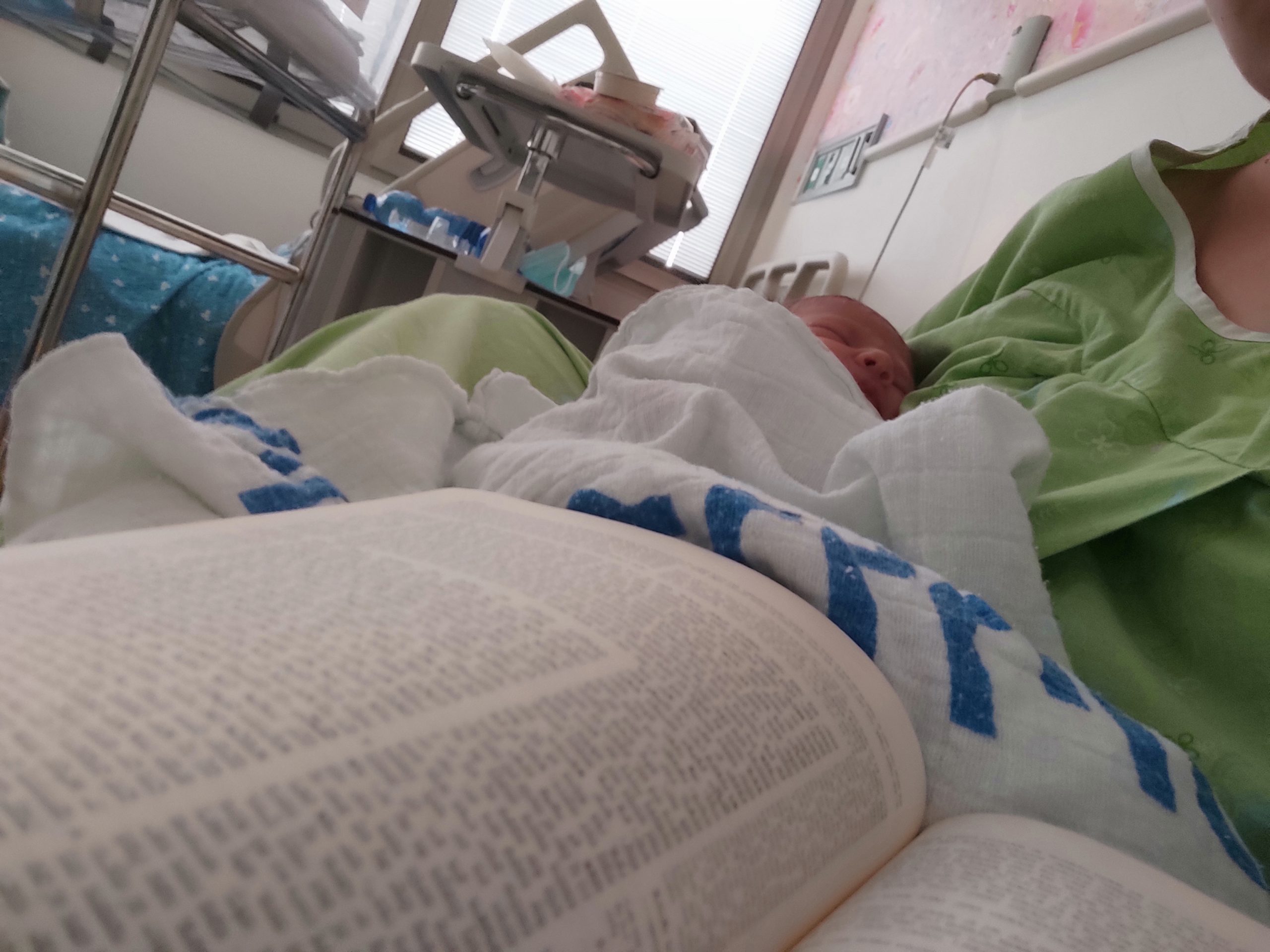
נועה שילה
רבבה, ישראל
כתובות מא
מַתְנִי׳ הָאוֹמֵר: ״פִּתִּיתִי אֶת בִּתּוֹ שֶׁל פְּלוֹנִי״ — מְשַׁלֵּם בּוֹשֶׁת וּפְגָם עַל פִּי עַצְמוֹ, וְאֵין מְשַׁלֵּם קְנָס. הָאוֹמֵר: ״גָּנַבְתִּי״ — מְשַׁלֵּם אֶת הַקֶּרֶן עַל פִּי עַצְמוֹ, וְאֵין מְשַׁלֵּם תַּשְׁלוּמֵי כֶפֶל וְתַשְׁלוּמֵי אַרְבָּעָה וַחֲמִשָּׁה. ״הֵמִית שׁוֹרִי אֶת פְּלוֹנִי״, אוֹ ״שׁוֹרוֹ שֶׁל פְּלוֹנִי״ — הֲרֵי זֶה מְשַׁלֵּם עַל פִּי עַצְמוֹ. ״הֵמִית שׁוֹרִי עַבְדּוֹ שֶׁל פְּלוֹנִי״ — אֵין מְשַׁלֵּם עַל פִּי עַצְמוֹ. זֶה הַכְּלָל: כׇּל הַמְשַׁלֵּם יָתֵר עַל מַה שֶּׁהִזִּיק — אֵינוֹ מְשַׁלֵּם עַל פִּי עַצְמוֹ.
MISHNA: One who says: I seduced the daughter of so-and-so, pays compensation for humiliation and degradation based on his own admission, but does not pay the fine. Similarly, one who says: I stole, pays the principal, the value of the stolen goods, based on his own admission, but does not pay the double payment and the payment four and five times the principal for the slaughter or sale of the sheep or ox that he stole. Likewise if he confessed: My ox killed so-and-so, or: My ox killed an ox belonging to so-and-so, this owner pays based on his own admission. However, if he said: My ox killed a slave belonging to so-and-so, he does not pay based on his own admission as that payment is a fine. This is the principle: Anyone who pays more than what he damaged, the payments are fines and therefore he does not pay based on his own admission. He pays only based on the testimony of others.
גְּמָ׳ וְלִיתְנֵי ״אָנַסְתִּי״! לָא מִבַּעְיָא קָאָמַר: לָא מִבַּעְיָא ״אָנַסְתִּי״, דְּלָא קָא פָּגֵים לַהּ, דִּמְשַׁלֵּם בּוֹשֶׁת וּפְגָם עַל פִּי עַצְמוֹ, אֲבָל ״פִּתִּיתִי״, דְּקָא פָּגֵים לַהּ, אֵימָא: לָא מְשַׁלֵּם עַל פִּי עַצְמוֹ — קָא מַשְׁמַע לַן.
GEMARA: The Gemara asks: And let the tanna teach this halakha with regard to one who said: I raped the daughter of so-and-so. Why did the mishna cite the case of seduction? The Gemara answers: The tanna is speaking employing the style: It is not necessary. It is not necessary for the mishna to cite the case of one who says: I raped her, where he does not tarnish her reputation and merely incriminates himself, as it is obvious that he pays compensation for humiliation and degradation based on his own admission. However, in the case of one who says: I seduced her, where he tarnishes her reputation as he testifies that she willingly engaged in relations with him, and he is not deemed credible to do so, say that he does not pay based on his own admission. Therefore, the mishna teaches us that even in the case of seduction he pays compensation for humiliation and degradation based on his own admission.
מַתְנִיתִין דְּלָא כִּי הַאי תַּנָּא, דְּתַנְיָא: רַבִּי שִׁמְעוֹן בֶּן יְהוּדָה אוֹמֵר מִשּׁוּם רַבִּי שִׁמְעוֹן: אַף בּוֹשֶׁת וּפְגָם אֵינוֹ מְשַׁלֵּם עַל פִּי עַצְמוֹ — לֹא כׇּל הֵימֶנּוּ שֶׁיִּפְגּוֹם בִּתּוֹ שֶׁל פְּלוֹנִי.
The Gemara comments: The mishna is not in accordance with the opinion of this tanna, as it is taught in a baraita: Rabbi Shimon ben Yehuda says in the name of Rabbi Shimon: Even the payments of humiliation and degradation, he does not pay them based on his own admission as it is not within his power to tarnish the reputation of the daughter of so-and-so based merely on his confession. Consequently, unless his account is corroborated by the testimony of others, his admission that she was complicit in her seduction is rejected.
אֲמַר לֵיהּ רַב פָּפָּא לְאַבָּיֵי: נִיחָא לַהּ לְדִידַהּ, מַאי? דִּלְמָא לָא נִיחָא לֵיהּ לְאָבִיהָ. נִיחָא לֵיהּ לְאָבִיהָ, מַאי? דִּלְמָא לָא נִיחָא לְהוּ לִבְנֵי מִשְׁפָּחָה. נִיחָא לְהוּ לִבְנֵי מִשְׁפָּחָה, מַאי? אִי אֶפְשָׁר דְּלֵיכָּא חַד בִּמְדִינַת הַיָּם דְּלָא נִיחָא לֵיהּ.
Rav Pappa said to Abaye: According to Rabbi Shimon, if she herself is amenable to his claim, and admits that his version of the events is accurate, what is the halakha? Is he exempt from payments of humiliation and degradation in that case as well? Abaye responded: Perhaps her father is not amenable to his daughter’s reputation being tarnished. We therefore do not rely on his statement even in this case. Rav Pappa continued: If her father is also amenable to his claim, what is the halakha? Abaye responded: Perhaps her other family members are not amenable, as the reputation of the entire family would be tarnished. Rav Pappa asked: If the family members too are amenable, what is the halakha? Abaye answered: Even if all the local relatives are amenable, it is impossible that there will not be at least one relative in a country overseas who is not amenable to his claim.
הָאוֹמֵר גָּנַבְתִּי מְשַׁלֵּם אֶת הַקֶּרֶן וְכוּ׳. אִיתְּמַר, פַּלְגָא נִיזְקָא, רַב פָּפָּא אָמַר: פַּלְגָא נִיזְקָא — מָמוֹנָא. רַב הוּנָא בְּרֵיהּ דְּרַב יְהוֹשֻׁעַ אָמַר: פַּלְגָא נִיזְקָא — קְנָסָא.
The mishna continues. One who says: I stole, pays the principal, but does not pay the double payment and the payment four and five times the principal. It is stated that amora’im disagreed with regard to the payment of half the damage that the owner of an innocuous ox, which was not yet witnessed goring a person or an ox three times, must pay to the owner of the ox that he gored. Rav Pappa said: Half the damage is considered a payment of money, compensation for the damage caused. Rav Huna, son of Rav Yehoshua, said that half the damage is considered payment of a fine.
רַב פָּפָּא אָמַר פַּלְגָא נִיזְקָא מָמוֹנָא, קָסָבַר: סְתָם שְׁוָורִים לָאו בְּחֶזְקַת שִׁימּוּר קָיְימִי. וּבְדִין הוּא דִּמְשַׁלֵּם כּוּלֵּיהּ, וְרַחֲמָנָא הוּא דְּחָיֵיס עִלָּוֵיהּ, דְּאַכַּתִּי לָא אִיַּעַד תּוֹרָא. רַב הוּנָא בְּרֵיהּ דְּרַב יְהוֹשֻׁעַ אָמַר פַּלְגָא נִיזְקָא קְנָסָא, קָסָבַר: סְתָם שְׁוָורִים בְּחֶזְקַת שִׁימּוּר קָיְימִי. וּבְדִין הוּא דְּלָא לִישַׁלֵּם כְּלָל, וְרַחֲמָנָא הוּא דְּקַנְסֵיהּ, כִּי הֵיכִי דְּנִינְטְרֵיהּ לְתוֹרֵיהּ.
The Gemara elaborates. Rav Pappa said: Half the damage is considered a payment of money, as he maintains: Standard oxen do not exist in the presumptive status of safety, and therefore are likely to cause damage. And by right, the owner should pay the entire damage caused by his animal, and it is the Merciful One that has compassion on him, as his ox is not yet forewarned until it has gored a person or an animal three times. Fundamentally, the payment is for damage that the animal caused. Rav Huna, son of Rav Yehoshua, said that half the damage is payment of a fine, as he maintains: Standard oxen exist in the presumptive status of safety, and are not dangerous. And by right, the owner should not pay at all, as the ox goring could not have been anticipated, and therefore the owner bears no responsibility. And it is the Merciful One that penalized him so that he would guard his ox. The sum that he pays is a fine.
סִימָן: הִיזִּיק, מָה, וְהֵמִית, כְּלָל. תְּנַן: הַנִּיזָּק וְהַמַּזִּיק בְּתַשְׁלוּמִין. בִּשְׁלָמָא לְמַאן דְּאָמַר פַּלְגָא נִיזְקָא מָמוֹנָא, הַיְינוּ דְּשָׁיֵיךְ נִיזָּק בְּתַשְׁלוּמִין. אֶלָּא לְמַאן דְּאָמַר פַּלְגָא נִיזְקָא קְנָסָא, הַשְׁתָּא דְּלָאו דִּידֵיהּ קָא שָׁקֵיל, בְּתַשְׁלוּמִין אִיתֵיהּ?!
The Gemara provides a mnemonic for the proofs cited with regard to this dispute: Damaged; what; and killed; principle. We learned in a mishna that if an innocuous ox gored and killed another’s ox, both the damaged and the damager share in the payments. Granted, according to the one who said that half the damage is a payment of money; that is how the damaged party shares in the payments. By right, the owner of the dead ox should be compensated for his entire loss. However, since the ox that gored his ox was innocuous, the owner of the gored ox bears half the costs. The mishna characterizes him as sharing in the payments. However, according to he who said that half the damage is payment of a fine, by right, the injured party himself is entitled to nothing. Now, the owner takes half the damage that by right is not his; can he be characterized as sharing in the payments?
לֹא נִצְרְכָה אֶלָּא לִפְחַת נְבֵילָה. פְּחַת נְבֵילָה, תְּנֵינָא: תַּשְׁלוּמֵי נֶזֶק — מְלַמֵּד שֶׁהַבְּעָלִים מִטַּפְּלִין בַּנְּבֵילָה!
The Gemara answers: This halakha is necessary only for the degradation of the carcass. Initially, half the damage is assessed by calculating the difference between the value of a living ox and the value of its carcass when the owner of the ox that gored the other ox stands trial. The degradation in the value of the carcass from when it was gored until the owner is able to sell it is borne by the owner of the carcass. The owner thereby shares in the payment, as he loses that sum. The Gemara asks: We already learned the halakha with regard to the degradation of the carcass in a baraita in Bava Kamma (10b) in which it is taught that the passage in the mishna: I have become liable to pay payments of damage, teaches that the owners tend to the carcass and bear the costs of its degradation.
חֲדָא בְּתָם וַחֲדָא בְּמוּעָד. וּצְרִיכָא, דְּאִי אַשְׁמוֹעִינַן תָּם: מִשּׁוּם דְּאַכַּתִּי לָא אִיַּעַד, אֲבָל מוּעָד דְּאִיַּעַד — אֵימָא לָא. וְאִי אַשְׁמוֹעִינַן מוּעָד: מִשּׁוּם דְּקָא מְשַׁלֵּם כּוּלֵּיהּ, אֲבָל תָּם — אֵימָא לָא. צְרִיכָא.
The Gemara answers: One of these halakhot is with regard to an innocuous ox and one is with regard to a forewarned ox. The Gemara adds: And it is necessary to teach both halakhot, as if the mishna had taught us only with regard to an innocuous ox, one would understand that its owner is treated with leniency and the owner of the carcass bears the cost of degradation due to the fact that the ox has not yet been forewarned; however, with regard to a forewarned ox, that was forewarned, say no, the owner of the carcass does not bear the cost of degradation. And if the mishna had taught us only with regard to a forewarned ox, one would understand that its owner is treated with leniency and the owner of the carcass bears the cost of degradation due to the fact that he pays for the entire damage, and therefore, the relatively insignificant cost of degradation is overlooked. However, with regard to an innocuous ox, say no, since the owner pays only half the damage, he must bear the cost of degradation. Therefore, it was necessary to state the halakha in both cases. Therefore, there is no proof from this mishna whether half the damage is payment of money or payment of a fine.
תָּא שְׁמַע: מָה בֵּין תָּם לְמוּעָד, שֶׁהַתָּם מְשַׁלֵּם חֲצִי נֶזֶק מִגּוּפוֹ, וּמוּעָד מְשַׁלֵּם נֶזֶק שָׁלֵם מִן הָעֲלִיָּיה. וְלָא קָתָנֵי שֶׁהַתָּם אֵינוֹ מְשַׁלֵּם עַל פִּי עַצְמוֹ, וּמוּעָד מְשַׁלֵּם עַל פִּי עַצְמוֹ.
The Gemara continues. Come and hear an additional proof from a baraita: What is the difference between an innocuous and a forewarned ox? The difference is that the owner of an innocuous ox pays half of the damage from its body. Compensation for the damage may be collected only from the body of the ox that gored another ox. If the ox that gored another ox is worth less than half the damage, e.g., if an inexpensive ox killed an expensive one, the injured party receives less than half the damage. And the owner of a forewarned ox pays the entire damage from the owner’s property, and the value of the ox that gored another ox has no effect on the payment. The tanna did not teach an additional difference that the owner of an innocuous ox does not pay based on his own admission and the owner of a forewarned ox pays based on his own admission. Apparently, the half damage is a payment of money and not a fine.
תְּנָא וְשַׁיַּיר: מַאי שַׁיֵּיר דְּהַאי שַׁיַּיר! שַׁיַּיר חֲצִי כוֹפֶר. אִי מִשּׁוּם חֲצִי כוֹפֶר — לָאו שִׁיּוּרָא הוּא,
The Gemara refutes this claim: This baraita is no proof, as the tanna taught some cases and omitted others and did not list all the differences between innocuous and forewarned oxen. The Gemara asks: What else did he omit that he omitted this? The failure to include an item in a list can be deemed insignificant only if it is one of at least two omissions. If there is only one omission, apparently it was omitted advisedly. The Gemara replies: He omitted the halakha of the half ransom as well. If a forewarned ox killed a person, its owner pays a ransom, and if an innocuous ox killed a person, the owner does not pay even half the ransom. The Gemara rejects this claim: If it is due to the half ransom that the failure to list the difference with regard to payment based on one’s own admission is insignificant, it is not an omission.
הָא מַנִּי רַבִּי יוֹסֵי הַגְּלִילִי הִיא, דְּאָמַר: תָּם מְשַׁלֵּם חֲצִי כוֹפֶר.
As it can be explained: According to whose opinion is this baraita taught? It is according to the opinion of Rabbi Yosei HaGelili, who said: The owner of an innocuous ox pays half the ransom. According to his opinion, the only differences between innocuous and forewarned oxen are those specified in the mishna.
תָּא שְׁמַע: ״הֵמִית שׁוֹרִי אֶת פְּלוֹנִי״, אוֹ ״שׁוֹרוֹ שֶׁל פְּלוֹנִי״, הֲרֵי זֶה מְשַׁלֵּם עַל פִּי עַצְמוֹ. מַאי לָאו, בְּתָם! לָא, בְּמוּעָד.
The Gemara suggests: Come and hear an additional proof from the mishna. One who said: My ox killed so-and-so, or: My ox killed an ox belonging to so-and-so, this owner pays based on his own admission. What, is this not referring to an innocuous ox, for which he pays half the damage, proving that it is a payment of money and not a fine? The Gemara rejects the proof: No, the tanna is referring to a forewarned animal.
אֲבָל בְּתָם מַאי, אֵינוֹ מְשַׁלֵּם עַל פִּי עַצְמוֹ? אַדְּתָנֵי סֵיפָא: עַבְדּוֹ שֶׁל פְּלוֹנִי אֵינוֹ מְשַׁלֵּם עַל פִּי עַצְמוֹ, נִיפְלוֹג וְנִיתְנֵי בְּדִידַהּ: בַּמֶּה דְּבָרִים אֲמוּרִים — בְּמוּעָד, אֲבָל תָּם — אֵינוֹ מְשַׁלֵּם עַל פִּי עַצְמוֹ! כּוּלַּהּ בְּמוּעָד קָמַיְירֵי.
The Gemara asks: However, in the case of an innocuous ox, what is the halakha? If it is that he does not pay based on his own admission, then, rather than teaching the latter clause of the mishna: One whose ox killed a slave belonging to so-and-so does not pay based on his own admission, let him distinguish and teach the distinction within the case itself: In what case is this statement said? It is with regard to a forewarned ox; however, the owner of an innocuous ox does not pay based on his own admission. The Gemara rejects this proof: The entire mishna is speaking of a forewarned ox, and does not address the halakha of an innocuous ox at all. Therefore, no proof can be cited with regard to the nature of half the payment.
תָּא שְׁמַע, זֶה הַכְּלָל: כׇּל הַמְשַׁלֵּם יָתֵר עַל מַה שֶּׁהִזִּיק — אֵינוֹ מְשַׁלֵּם עַל פִּי עַצְמוֹ. הָא פָּחוֹת מִמַּה שֶּׁהִזִּיק — מְשַׁלֵּם עַל פִּי עַצְמוֹ. לָא תֵּימָא הָא פָּחוֹת מִמַּה שֶּׁהִזִּיק, אֶלָּא אֵימָא: הָא כְּמָה שֶׁהִזִּיק — מְשַׁלֵּם עַל פִּי עַצְמוֹ.
The Gemara suggests: Come and hear an additional proof from the mishna: This is the principle: Anyone who pays more than what he damaged, the payments are fines, and therefore he does not pay based on his own admission. The Gemara infers: If he pays less than what he damaged, he pays based on his own admission. Apparently, payment of half the damage is a payment of money, not a fine. The Gemara rejects this proof: Do not infer and say: If he pays less than what he damaged, he pays based on his own admission. Infer and say: If he pays precisely what he damaged, he pays based on his own admission.
אֲבָל פָּחוֹת מַאי, אֵינוֹ מְשַׁלֵּם עַל פִּי עַצְמוֹ? לִיתְנֵי, זֶה הַכְּלָל: כׇּל שֶׁאֵינוֹ מְשַׁלֵּם כְּמָה שֶׁהִזִּיק — אֵינוֹ מְשַׁלֵּם עַל פִּי עַצְמוֹ, דְּמַשְׁמַע פָּחוֹת וּמַשְׁמַע יָתֵר! תְּיוּבְתָּא.
The Gemara asks: But according to that explanation, if he pays less than the damage he caused, what is the halakha? If it is that he does not pay based on his own admission, let the tanna teach a more general principle: This is the principle: Anyone who does not pay the amount that he damaged does not pay based on his own admission, as that formulation both indicates one who pays less and indicates one who pays more than the damage he inflicted. The Gemara concludes: This is a conclusive refutation of the opinion of Rav Huna, son of Rav Yehoshua, that payment of half the damage is a fine.
וְהִלְכְתָא: פַּלְגָא נִיזְקָא קְנָסָא. תְּיוּבְתָּא וְהִלְכְתָא?! אִין: טַעְמָא מַאי אִיתּוֹתַב — מִשּׁוּם דְּלָא קָתָנֵי ״כְּמָה שֶׁהִזִּיק״, לָא פְּסִיקָא לֵיהּ. כֵּיוָן דְּאִיכָּא חֲצִי נֶזֶק צְרוֹרוֹת, דְּהִלְכְתָא גְּמִירִי לַהּ דְּמָמוֹנָא הוּא, מִשּׁוּם הָכִי לָא קָתָנֵי.
The Gemara further concludes: And the halakha is that payment of half the damage is a fine. The Gemara asks: Is there a conclusive refutation of the opinion of Rav Huna, son of Rav Yehoshua, and the halakha is in accordance with that opinion? The Gemara responds: Yes, the halakha is in accordance with his opinion, as, what is the reason that his opinion was conclusively refuted? It is because the tanna does not teach: This is the principle: Anyone who does not pay the amount that he damaged. However, the reason the tanna did not employ that formulation is not clear-cut for him, since there is the payment of half the damage caused by pebbles dispersed by an animal proceeding in its usual manner. As it is a halakha transmitted to Moses from Sinai that the payment for pebbles is a monetary payment, not a fine; it is due to that fact that the tanna did not teach the principle: Anyone who does not pay the amount that he damaged does not pay based on his own admission. In the case of pebbles, although he does not pay the amount that he damaged, he pays based on his own admission.
וְהַשְׁתָּא דְּאָמְרַתְּ פַּלְגָא נִיזְקָא קְנָסָא, הַאי כַּלְבָּא דְּאָכֵל אִימְּרֵי, וְשׁוּנָּרָא דְּאָכֵיל תַּרְנְגוֹלֵי רַבְרְבֵי, מְשׁוּנֶּה הוּא, וְלָא מַגְבֵּינַן בְּבָבֶל. אֲבָל זוּטְרֵי — אוֹרְחֵיהּ הוּא וּמַגְבֵּינַן.
Based on that ruling, the Gemara concludes: And now that you said that payment of half the damage is a fine, this dog that ate lambs, and a cat that ate large roosters, is unusual damage, for which the owner is liable to pay only half the damage if the animal was innocuous, and therefore, we do not collect it in Babylonia. The payment for unusual damage is a fine, and fines cannot be collected in Babylonia, as there are no ordained judges authorized to adjudicate cases involving fines. However, if the cat ate small roosters, that is its usual manner, and we collect the damages in Babylonia, as it is a payment of money.
וְאִי תְּפַס — לָא מַפְּקִינַן מִינֵּיהּ. וְאִי אָמַר: אַקְבְּעוּ לִי זִימְנָא לְאֶרֶץ יִשְׂרָאֵל — מַקְבְּעִינַן לֵיהּ. וְאִי לָא אָזֵיל — מְשַׁמְּתִינַן לֵיהּ.
The Gemara comments: And in cases of fines, if the injured party seized property from the offender in the amount of the fine, even in Babylonia we do not repossess it from him, as according to the letter of the law he is entitled to that payment, and the party from whom he seized the property cannot claim that he does not owe that payment. And if the injured party said: Set me a time to go to a court in Eretz Yisrael, where cases of fines are adjudicated, we set a time for him, and if the other disputant does not go to Israel as demanded, we excommunicate him.
בֵּין כָּךְ וּבֵין כָּךְ מְשַׁמְּתִינַן לֵיהּ. דְּאָמְרִינַן לֵיהּ: סַלֵּיק הֶזֵּיקָךְ, מִדְּרַבִּי נָתָן. דְּתַנְיָא, רַבִּי נָתָן אוֹמֵר: מִנַּיִן שֶׁלֹּא יְגַדֵּל אָדָם כֶּלֶב רַע בְּתוֹךְ בֵּיתוֹ, וְלֹא יַעֲמִיד סוּלָּם רָעוּעַ בְּתוֹךְ בֵּיתוֹ, שֶׁנֶּאֱמַר: ״וְלֹא תָשִׂים דָּמִים בְּבֵיתֶךָ״.
The Gemara adds: Either way, whether or not he agrees to go to Eretz Yisrael, if he keeps the cause of the damage, we in Babylonia excommunicate him, as we say to him: Remove your cause of damage, in accordance with the opinion of Rabbi Natan. As it is taught in a baraita that Rabbi Natan says: From where is it derived that a person may not raise a vicious dog in his house, and may not place an unsteady ladder in his house? It is as it is stated: “And you shall make a parapet for your roof that you shall not place blood in your house” (Deuteronomy 22:8). It is prohibited to leave a potentially dangerous object in one’s house, and one who refuses to remove it is excommunicated.
הֲדַרַן עֲלָךְ אֵלּוּ נְעָרוֹת
נַעֲרָה שֶׁנִּתְפַּתְּתָה — בּוֹשְׁתָּהּ וּפְגָמָהּ וּקְנָסָהּ שֶׁל אָבִיהָ, וְהַצַּעַר בִּתְפוּסָה. עָמְדָה בַּדִּין עַד שֶׁלֹּא מֵת הָאָב — הֲרֵי הֵן שֶׁל אָב. מֵת הָאָב — הֲרֵי הֵן שֶׁל אַחִין.
MISHNA: In the case of a young woman who was seduced, the compensation for her humiliation and her degradation and her fine belong to her father. And the same applies to the compensation for pain in the case of a woman who was raped. If the young woman stood trial against the seducer or rapist before the father died, these payments belong to her father, as stated above. If the father died before he collected the money from the offender, the payments belong to her brothers. As the father’s heirs, they inherit the money to which he was entitled before he passed away.
לֹא הִסְפִּיקָה לַעֲמוֹד בַּדִּין עַד שֶׁמֵּת הָאָב — הֲרֵי הֵן שֶׁל עַצְמָהּ, עָמְדָה בַּדִּין עַד שֶׁלֹּא בָּגְרָה — הֲרֵי הֵן שֶׁל אָב, מֵת הָאָב — הֲרֵי הֵן שֶׁל אַחִין. לֹא הִסְפִּיקָה לַעֲמוֹד בַּדִּין עַד שֶׁבָּגְרָה — הֲרֵי הֵן שֶׁל עַצְמָהּ. רַבִּי שִׁמְעוֹן אוֹמֵר: אִם לֹא הִסְפִּיקָה לִגְבּוֹת עַד שֶׁמֵּת הָאָב — הֲרֵי הֵן שֶׁל עַצְמָהּ,
However, if she did not manage to stand in judgment before the father died, and she was subsequently awarded the money, the compensation belongs to her, as she is now under her own jurisdiction due to the fact that she no longer has a father. If she stood trial before she reached majority, the payments belong to her father, and if the father died, they belong to her brothers, who inherit the money notwithstanding the fact that she has become a grown woman since the trial. If she did not manage to stand in judgment before she reached majority, the money belongs to her. Rabbi Shimon says: Even if she stood trial in her father’s lifetime but did not manage to collect the payments before the father died, the brothers do not inherit this money, as it belongs to her.
לעקוב

