








מסופר על מקרה שנאבדה כתובתה של אשה, אחותו של רמי בר חמא. האם צריך לכתוב לה כתובה חדשה (כתובה דאירכסא)? הסיבה לכתוב לה כתובה חדשה זה על פי שיטת ר’ מאיר שמי שחושבת שאין לה כתובה מליאה, בעילת בעלה איתה זה בעילת זנות. יש מחלוקת בין רב דימי ורבין איך להבין מחלקות בין ר’ יהושע בן לוי ור’ יוחנן בהבנת המחלוקת בין ר’ יהודה ור’ יוסי – האם אשה יכולה להתנות על כתובתה ולהגיד בעל פה שקיבלה חלק כבר מהמאתיים זוז. ר’ אבהו מבין שרב דימי ורבין חולקים אבל ר’ יהושע בן לוי ור’ יוחנן לא חולקים. רב פפא אומר שהיה מעדיף לומר שרב דימי ורבין מסכימים ור’ יהושע בן לוי ור’ יוחנן לא חולקים – למה? כמה זמן משעת תביעה לנישואין אפשר לדחות את החתונה. מה ממשמעות לטווח זמן זה? מניין דורשים את זה מהתורה? למרות שהתורה מאפשרות אבא להשיא בתו כשהיא קטנה, הגמרא לא מאפשרת. למה ארוסה לא אוכלת בתרומה למרות שמדאורייתא היא ראויה לאכול בתרומה. הגמרא מביאה שתי סיבות – או משום שבני משפחתה יאכלו בטעות או משום שמא בעלה ימצא בה מום ויגרשה ואז יוצא למפרע שאכלה תרומה כשבאמת היא לא היתה מותרת.
רוצה להקדיש לימוד?
כתובות נז
אִירְכַס כְּתוּבְּתַהּ. אֲתוֹ לְקַמֵּיהּ דְּרַב יוֹסֵף, אֲמַר לְהוּ: הָכִי אָמַר רַב יְהוּדָה אָמַר שְׁמוּאֵל: זוֹ דִּבְרֵי רַבִּי מֵאִיר.
Her marriage contract was lost, and the woman and her husband came before Rav Yosef to ask what they should do. He said to them: This is what Rav Yehuda said that Shmuel said: That ruling, that if someone reduces his wife’s marriage contract by even a small amount, their marriage amounts to licentious sexual intercourse, is the statement of Rabbi Meir. According to that opinion, the husband and wife were forbidden to each other because she was not in possession of a valid marriage contract.
אֲבָל חֲכָמִים אוֹמְרִים: מְשַׁהֶא אָדָם אֶת אִשְׁתּוֹ שְׁתַּיִם וְשָׁלֹשׁ שָׁנִים בְּלֹא כְּתוּבָּה. אֲמַר לֵיהּ אַבָּיֵי: וְהָא אָמַר רַב נַחְמָן אָמַר שְׁמוּאֵל: הֲלָכָה כְּרַבִּי מֵאִיר בִּגְזֵירוֹתָיו! אִי הָכִי, זִיל כְּתוֹב לַהּ.
But the Rabbis say: Since the woman relies on the fact that she will eventually collect payment for her marriage contract, a man may maintain his wife for as long as two or three years without a written marriage contract. There is no urgent need to write a new one, since the husband’s obligation remains intact. Abaye said to him: But didn’t Rav Naḥman say that Shmuel said that the halakha is in accordance with the opinion of Rabbi Meir with regard to all of his decrees? Since Rabbi Meir’s statement about marriage contracts was a form of decree, the halakha should be in accordance with his opinion. Rav Yosef responded: If so, go and write her a new marriage contract.
כִּי אֲתָא רַב דִּימִי, אָמַר רַבִּי שִׁמְעוֹן בֶּן פַּזִּי אָמַר רַבִּי יְהוֹשֻׁעַ בֶּן לֵוִי מִשּׁוּם בַּר קַפָּרָא: מַחְלוֹקֶת בַּתְּחִלָּה, אֲבָל בַּסּוֹף — לְדִבְרֵי הַכֹּל אֵינָהּ מוֹחֶלֶת. וְרַבִּי יוֹחָנָן אָמַר: בֵּין בָּזוֹ וּבֵין בָּזוֹ מַחְלוֹקֶת. אָמַר רַבִּי אֲבָהוּ: לְדִידִי מִיפָּרְשָׁא לִי מִינֵּיהּ דְּרַבִּי יוֹחָנָן דַּאֲנָא וְרַבִּי יְהוֹשֻׁעַ בֶּן לֵוִי לָא פְּלִיגִינַן אַהֲדָדֵי:
§ The Gemara relates that when Rav Dimi came from Eretz Yisrael to Babylonia, he said that Rabbi Shimon ben Pazi said that Rabbi Yehoshua ben Levi said in the name of bar Kappara: This dispute between Rabbi Yehuda and Rabbi Yosei concerning whether one may make a verbal stipulation with a woman to reduce her marriage contract is referring only to the beginning of the process. But with regard to the end, all agree that she cannot waive her rights by verbal confirmation alone, and she must instead write a receipt. And Rabbi Yoḥanan said: Both in this case and in that case there is a dispute. Rabbi Abbahu said: This was explained to me personally by Rabbi Yoḥanan himself, who said: Rabbi Yehoshua ben Levi and I do not actually disagree with one another. We merely used different language to express the same halakha.
מַאי ״בַּתְּחִלָּה״ דְּקָאָמַר רַבִּי יְהוֹשֻׁעַ בֶּן לֵוִי — תְּחִלַּת חוּפָּה, וּמַאי ״סוֹף״ — סוֹף בִּיאָה. וְכִי קָאָמֵינָא אֲנָא בֵּין בָּזוֹ וּבֵין בָּזוֹ מַחְלוֹקֶת, תְּחִלַּת חוּפָּה וְסוֹף חוּפָּה, דְּהִיא תְּחִילַּת בִּיאָה.
What is the meaning of the term: To the beginning, which Rabbi Yehoshua ben Levi said? It is referring to the beginning of the wedding ceremony. And what is meant by the end? It is referring to the end of intercourse; Rabbi Yehoshua ben Levi’s opinion is that after the marriage has been consummated, Rabbi Yehuda and Rabbi Yosei agree that the wife cannot relinquish her rights verbally. And when I said that both in this case and in that case there is a dispute, I was referring to the beginning of the wedding ceremony and the end of the wedding ceremony, which is also the beginning of the time designated for intercourse. Consequently, according to Rav Dimi, Rabbi Yehoshua ben Levi and Rabbi Yoḥanan agree that the dispute between Rabbi Yehuda and Rabbi Yosei applies only until the consummation of the marriage. After that point, all agree that she cannot waive her rights verbally.
כִּי אֲתָא רָבִין, אָמַר רַבִּי שִׁמְעוֹן בֶּן פַּזִּי אָמַר רַבִּי יְהוֹשֻׁעַ בֶּן לֵוִי מִשּׁוּם בַּר קַפָּרָא: מַחְלוֹקֶת לְבַסּוֹף, אֲבָל בַּתְּחִלָּה — דִּבְרֵי הַכֹּל מוֹחֶלֶת, וְרַבִּי יוֹחָנָן אָמַר: בֵּין בָּזוֹ וּבֵין בָּזוֹ מַחְלוֹקֶת. אָמַר רַבִּי אֲבָהוּ: לְדִידִי מִיפָּרְשָׁא לִי מִינֵּיהּ דְּרַבִּי יוֹחָנָן, דַּאֲנָא וְרַבִּי יְהוֹשֻׁעַ בֶּן לֵוִי לָא פְּלִיגִינַן אַהֲדָדֵי: מַאי ״לְבַסּוֹף״ דְּאָמַר רַבִּי יְהוֹשֻׁעַ בֶּן לֵוִי — סוֹף חוּפָּה, וּמַאי ״תְּחִלָּה״ — תְּחִלַּת חוּפָּה. וְכִי קָאָמֵינָא אֲנָא בֵּין בָּזוֹ בֵּין בָּזוֹ מַחְלוֹקֶת — תְּחִלַּת בִּיאָה וְסוֹף בִּיאָה.
When Ravin came from Eretz Yisrael, he reported this matter differently than Rav Dimi did: Rabbi Shimon ben Pazi said that Rabbi Yehoshua ben Levi said in the name of bar Kappara: This dispute is referring only to the end of the process, but with regard to the beginning, all agree that she can waive her rights verbally. And Rabbi Yoḥanan said: Both in this case and in that case there is a dispute. Rabbi Abbahu said: This was explained to me personally by Rabbi Yoḥanan himself, who said: I and Rabbi Yehoshua ben Levi do not disagree with one another. What is the meaning of: The end, which Rabbi Yehoshua ben Levi said? The end of the wedding ceremony. And what is the meaning of the beginning? The beginning of the wedding ceremony. And when I said that both in this case and in that case there is a dispute, I was referring to the beginning of intercourse and the end of intercourse.
אָמַר רַב פָּפָּא: אִי לָאו דְּאָמַר רַבִּי אֲבָהוּ ״לְדִידִי מִיפָּרְשָׁא לִי מִינֵּיהּ דְּרַבִּי יוֹחָנָן דַּאֲנָא וְרַבִּי יְהוֹשֻׁעַ בֶּן לֵוִי לָא פְּלִיגִינַן אַהֲדָדֵי״, הֲוָה אָמֵינָא: רַבִּי יוֹחָנָן וְרַבִּי יְהוֹשֻׁעַ בֶּן לֵוִי פְּלִיגִי, רַב דִּימִי וְרָבִין לָא פְּלִיגִי.
Consequently, according to Ravin, Rabbi Yehoshua ben Levi and Rabbi Yoḥanan agree that at the time of the wedding ceremony the wife can verbally waive her rights, and the dispute of the tanna’im is referring to the time after the ceremony, which is also the beginning of the time for consummation of the marriage. Rav Pappa said: Had Rabbi Abbahu not said: This was explained to me personally by Rabbi Yoḥanan himself, that I, i.e. Rabbi Yoḥanan, and Rabbi Yehoshua ben Levi do not disagree with one another, I, i.e., Rav Pappa, would have said that the way to understand the various texts is that Rabbi Yoḥanan and Rabbi Yehoshua ben Levi do disagree with one another, whereas Rav Dimi and Ravin do not disagree with one another, but rather they both cited the same tradition from Eretz Yisrael.
מַאי ״סוֹף״ דְּקָאָמַר רָבִין — סוֹף חוּפָּה, וּמַאי ״תְּחִלָּה״ דְּקָאָמַר רַב דִּימִי — תְּחִלַּת בִּיאָה.
I would have explained it in the following manner: What is the meaning of the word end, which Ravin said? It is referring to the end of the wedding ceremony. And what is the meaning of the word beginning, which Rav Dimi said? It is referring to the beginning of the time designated for intercourse, which begins at the end of the wedding ceremony. It would then follow that Rabbi Yehoshua ben Levi and Rabbi Yoḥanan disagreed about the explanation of the dispute between Rabbi Yehuda and Rabbi Yosei, whereas Rav Dimi and Ravin both said the same thing.
מַאי קָא מַשְׁמַע לַן?
What is Rav Pappa teaching us? Since he accepts Rabbi Abbahu’s statement, he acknowledges that his alternate way of reading the sources is not correct. What, then, is the point of telling us that he would have explained Rabbi Yehoshua ben Levi’s and Rabbi Yoḥanan’s words differently?
הָא קָא מַשְׁמַע לַן, דִּפְלִיגִי תְּרֵי אָמוֹרָאֵי אַטַּעְמָא דְנַפְשַׁיְיהוּ, וְלָא פְּלִיגִי תְּרֵי אָמוֹרָאֵי אַלִּיבָּא דְּחַד אָמוֹרָא.
The Gemara explains: It teaches us this: If we were discussing the meaning of an amoraic dispute about which we have different traditions, it is better to explain that two amora’im disagree with regard to their own reasons and not that two amora’im disagree according to the opinion of another amora, as it is more plausible to say that there is a dispute about logical reasoning than that there is a dispute about the correct transmission of a halakhic tradition. Consequently, had Rabbi Abbahu not declared that he was told otherwise by Rabbi Yoḥanan, it would have been preferable to explain that there is a logical dispute between Rabbi Yehoshua ben Levi and Rabbi Yoḥanan, rather than saying that the dispute is about the details of the tradition received by Rav Dimi and Ravin.
מַתְנִי׳ נוֹתְנִין לַבְּתוּלָה שְׁנֵים עָשָׂר חוֹדֶשׁ מִשֶּׁתְּבָעָהּ הַבַּעַל, לְפַרְנֵס אֶת עַצְמָהּ. וּכְשֵׁם שֶׁנּוֹתְנִין לָאִשָּׁה — כָּךְ נוֹתְנִין לָאִישׁ לְפַרְנֵס אֶת עַצְמוֹ. וּלְאַלְמָנָה שְׁלֹשִׁים יוֹם. הִגִּיעַ זְמַן וְלֹא נִישְּׂאוּ — אוֹכְלוֹת מִשֶּׁלּוֹ, וְאוֹכְלוֹת בִּתְרוּמָה.
MISHNA: One gives a virgin twelve months from the time the husband asked to marry her after having betrothed her, in order to prepare herself with clothes and jewelry for the marriage. And just as one gives a woman this amount of time, so too does one give a man an equivalent period of time to prepare himself, as he too needs time to prepare for the marriage. However, in the case of a widow, who already has items available from her previous marriage, she is given only thirty days to prepare. If the appointed time for the wedding arrived and they did not get married due to some delay on the part of the husband, then the woman may partake of his food. And if her husband is a priest, she may partake of teruma, even if she is an Israelite woman.
רַבִּי טַרְפוֹן אוֹמֵר: נוֹתְנִין לָהּ הַכֹּל תְּרוּמָה. רַבִּי עֲקִיבָא אוֹמֵר: מֶחֱצָה חוּלִּין וּמֶחֱצָה תְּרוּמָה.
The tanna’im disagree about the permission granted to a priest to sustain his betrothed with teruma before she is married to him. Rabbi Tarfon says: He may give her all of her required sustenance from teruma. During her periods of impurity, e.g., menstruation, when she cannot partake of teruma, she may sell the teruma to a priest and use the proceeds to buy non-sacred food. Rabbi Akiva says: He must give her half of her needs from non-sacred food and half may be from teruma, so that she can eat from the non-sacred food when she is ritually impure.
הַיָּבָם אֵינוֹ מַאֲכִיל בִּתְרוּמָה. עָשְׂתָה שִׁשָּׁה חֳדָשִׁים בִּפְנֵי הַבַּעַל וְשִׁשָּׁה חֳדָשִׁים בִּפְנֵי הַיָּבָם, וַאֲפִילּוּ כּוּלָּן בִּפְנֵי הַבַּעַל חָסֵר יוֹם אֶחָד בִּפְנֵי הַיָּבָם, אוֹ כּוּלָּן בִּפְנֵי הַיָּבָם חָסֵר יוֹם אֶחָד בִּפְנֵי הַבַּעַל — אֵינָהּ אוֹכֶלֶת בִּתְרוּמָה.
The mishna continues: A priest who is a yavam, i.e., his brother died childless after betrothing a woman, does not enable his yevama to partake of teruma by virtue of her relationship with him. If she had completed six months of the twelve-month wait for marriage under the aegis of the husband, and then he died, and she waited six more months under the aegis of the yavam; or even if she completed all of the necessary time under the aegis of the husband except for one day that she was under the aegis of the yavam; or if she completed all of the necessary time under the aegis of the yavam except for one day that she was under the aegis of the husband, she still may not partake of teruma.
זוֹ מִשְׁנָה רִאשׁוֹנָה. בֵּית דִּין שֶׁל אַחֲרֵיהֶן אָמְרוּ:
This set of rulings, concerning the permission granted a betrothed woman whose wedding date has arrived to partake of teruma, is in accordance with the initial version of the mishna. However, a court that convened after them, in a later generation, said:
אֵין הָאִשָּׁה אוֹכֶלֶת בִּתְרוּמָה עַד שֶׁתִּכָּנֵס לַחוּפָּה.
A woman may not partake of teruma until she has actually entered the wedding canopy.
גְּמָ׳ מְנָא הָנֵי מִילֵּי? אָמַר רַב חִסְדָּא, דְּאָמַר קְרָא: ״וַיֹּאמֶר אָחִיהָ וְאִמָּהּ תֵּשֵׁב הַנַּעֲרָה אִתָּנוּ יָמִים אוֹ עָשׂוֹר״.
GEMARA: The Gemara asks: From where are these matters derived, that a virgin is given twelve months to prepare for her wedding? Rav Ḥisda said it is based on the fact that the verse states with regard to Rebecca: “And her brother and mother said: Let the damsel abide with us for days, or ten” (Genesis 24:55).
מַאי ״יָמִים״? אִילֵּימָא תְּרֵי יוֹמֵי, מִשְׁתַּעֵי אִינִישׁ הָכִי? אֲמַרוּ לֵיהּ: תְּרֵי יוֹמֵי, אֲמַר לְהוּ: לָא. אֲמַרוּ לֵיהּ עַשְׂרָה יוֹמֵי?! אֶלָּא מַאי ״יָמִים״ — שָׁנָה, דִּכְתִיב: ״יָמִים תִּהְיֶה גְּאוּלָּתוֹ״.
The Gemara first analyzes the language of the verse: What is the meaning of “days”? If we say two days, the minimum number justifying the use of the plural, does a person really speak like this? Rebecca’s relatives said to Abraham’s servant that they wanted her to stay for two days, after which he said to them no, as he did not want to wait even that long. If so, is it possible that after that they said to him that they wanted her to stay for ten days? Consequently, it is impossible to explain the word “days” as two days and “ten” as ten days. Rather, what is the meaning of “days”? It means: A year, as it is written: “For days he shall have redemption” (Leviticus 25:29), and there it is explained that “days” is referring to a year. Consequently, in the verse “And her brother and mother said: Let the damsel abide with us for days, or ten” (Genesis 24:55), “days” refers to a year, and “ten” refers to a shorter period of similar magnitude, i.e. ten months, in order to prepare for her wedding.
וְאֵימָא חֹדֶשׁ, דִּכְתִיב ״עַד חֹדֶשׁ יָמִים״. אָמְרִי: דָּנִין ״יָמִים״ סְתָם מִ״יָּמִים״ סְתָם, וְאֵין דָּנִין ״יָמִים״ סְתָם מִ״יָּמִים״ שֶׁנֶּאֱמַר בָּהֶן חֹדֶשׁ.
The Gemara asks: And let us say that “days” means a month, as it is written: “But a whole month of days” (Numbers 11:20), and the verse about Rebecca might then have meant that her family wanted to wait for a month, or at least for ten days. They say: One derives the meaning of an unspecified use of the term “days” from another unspecified instance of the term “days,” which means a year. And one does not derive the meaning of an unspecified use of the term “days” from an instance of the term “days,” about which the term “month” is stated. Consequently, it can be derived from the verse that the ordinary amount of time required for a virgin to prepare for marriage is twelve months.
אָמַר רַבִּי זֵירָא, תָּנָא: קְטַנָּה, בֵּין הִיא וּבֵין אָבִיהָ יְכוֹלִין לְעַכֵּב. בִּשְׁלָמָא אִיהִי מָצֵי מְעַכְּבָא, אֶלָּא אָבִיהָ — אִי אִיהִי נִיחָא לַהּ, אָבִיהָ מַאי נָפְקָא לֵיהּ מִינַּהּ? סָבַר: הַשְׁתָּא לָא יָדְעָה, לִמְחַר מִימַּרְדָא וְנָפְקָא, וְאָתְיָא וְנָפְלָה עִילָּוַאי.
§ Rabbi Zeira said: It was taught in the Tosefta (Ketubot 5:1) with regard to a minor girl: Either she or her father may delay the wedding until she has reached majority. The Gemara asks: Granted, she, the girl herself, may delay the wedding if she feels she is not ready, as she is the one who will be directly affected, but why should her father be allowed to delay her wedding? If it is suitable for her to get married, what difference does it make to her father? The Gemara answers: He thinks: Perhaps she agrees to get married now because she does not fully know what she is doing. But tomorrow, she will realize the marriage was a mistake, rebel, and leave her husband, and then she will come back and become a burden to me. Therefore, her father prefers that she wait until she has reached majority and marry when she is completely aware of what is involved.
אָמַר רַבִּי אַבָּא בַּר לֵוִי: אֵין פּוֹסְקִין עַל הַקְּטַנָּה לְהַשִּׂיאָהּ כְּשֶׁהִיא קְטַנָּה, אֲבָל פּוֹסְקִין עַל הַקְּטַנָּה לְהַשִּׂיאָהּ כְּשֶׁהִיא גְּדוֹלָה. פְּשִׁיטָא? מַהוּ דְּתֵימָא: לֵיחוּשׁ דִּלְמָא מְעַיְּילָא פַּחְדָּא מֵהַשְׁתָּא וְחָלְשָׁה, קָא מַשְׁמַע לַן.
Rabbi Abba bar Levi said: One may not finalize an agreement to marry a minor girl in order to marry her while she is still a minor, but one may finalize an agreement to marry a minor girl in order to marry her when she becomes an adult woman. With regard to the latter halakha, the Gemara asks: Isn’t that obvious? If he will marry her when she becomes an adult woman, there is nothing unusual about this case. The Gemara answers: Lest you say that one should be concerned that she might become afraid of marriage from making plans now, and this will cause her resolve to weaken, and then even when she becomes an adult she will maintain reservations about the matter, Rabbi Abba bar Levi therefore teaches us that one need not be concerned about this. One may finalize an agreement to marry her as an adult even when she is a minor girl.
אָמַר רַב הוּנָא: בָּגְרָה יוֹם אֶחָד וְנִתְקַדְּשָׁה — נוֹתְנִין לָהּ שְׁלֹשִׁים יוֹם, כְּאַלְמָנָה. מֵיתִיבִי: בָּגְרָה הֲרֵי הִיא כִּתְבוּעָה. מַאי לָאו, כִּתְבוּעָה דִּבְתוּלָה? לָא, כִּתְבוּעָה דְּאַלְמָנָה.
§ Rav Huna said: If she has reached her majority, even for just one day, and then she is betrothed, she is given her thirty days to prepare for her wedding, like a widow, since prior to reaching adulthood she presumably had already prepared everything needed for her marriage. The Gemara raises an objection from a baraita: If she grew up, she is similar to a betrothed woman who has been asked to marry her betrothed. What, is it not that she is similar to a virgin who has been asked to marry, and she has twelve months to prepare? The Gemara answers: No, it means that she is similar to a widow who has been asked to marry her betrothed, who gets only thirty days to prepare. Only young women who have not reached majority and who are virgins get a year to prepare; after majority, all women, regardless of whether they are virgins, get thirty days.
תָּא שְׁמַע: בּוֹגֶרֶת שֶׁשָּׁהֲתָה שְׁנֵים עָשָׂר חֹדֶשׁ, רַבִּי אֱלִיעֶזֶר אוֹמֵר: הוֹאִיל וְחַיָּיב בַּעְלָהּ בִּמְזוֹנוֹתֶיהָ — יָפֵר! אֵימָא: בּוֹגֶרֶת וְשֶׁשָּׁהֲתָה שְׁנֵים עָשָׂר חוֹדֶשׁ, רַבִּי אֱלִיעֶזֶר אוֹמֵר: הוֹאִיל ובַעְלָהּ חַיָּיב בִּמְזוֹנוֹתֶיהָ — יָפֵר.
The Gemara attempts another refutation of Rav Huna’s statement: Come and hear a proof from a mishna (Nedarim 73b): If a grown woman waited twelve months since betrothal and is still not married, Rabbi Eliezer says: Since her husband is obligated to provide for her sustenance, he may also nullify her vows (see Numbers, chapter 30). It can be inferred from this that the waiting period for a grown woman is also twelve months. The Gemara responds by emending the text of the mishna: Say that if a grown woman waited thirty days or a young woman waited twelve months, Rabbi Eliezer says: Since her husband is obligated to provide for her sustenance, he may nullify her vows.
תָּא שְׁמַע: הַמְאָרֵס אֶת הַבְּתוּלָה, בֵּין שֶׁתְּבָעָהּ הַבַּעַל וְהִיא מְעַכֶּבֶת, וּבֵין שֶׁתָּבְעָה הִיא וּבַעַל מְעַכֵּב — נוֹתְנִין לָהּ שְׁנֵים עָשָׂר חֹדֶשׁ מִשְּׁעַת תְּבִיעָה, אֲבָל לֹא מִשְּׁעַת אֵירוּסִין. וּבָגְרָה, הֲרֵי הִיא כִּתְבוּעָה. כֵּיצַד: בָּגְרָה יוֹם אֶחָד וְנִתְקַדְּשָׁה — נוֹתְנִין לָהּ שְׁנֵים עָשָׂר חֹדֶשׁ, וְלַאֲרוּסָה שְׁלֹשִׁים יוֹם. תְּיוּבְתָּא דְרַב הוּנָא תְּיוּבְתָּא.
The Gemara attempts another refutation of Rav Huna’s statement: Come and hear a baraita: If someone betrothed a virgin, whether the husband asks to marry her and she delays the process because she says that she requires more time or whether she asks to marry him and the husband delays the process because he is not yet ready, she is given twelve months from the time the request was issued but not from the time of the betrothal, even if that was much earlier, and a grown woman is similar to one who has been asked to marry. How is this so? If she has reached her majority for one day, and she is then betrothed, she is given twelve months from the day of her betrothal, because it is the same as the day of her majority. One who was already a betrothed woman when she reached majority is given thirty days. Therefore, the refutation of the opinion of Rav Huna is a conclusive refutation.
מַאי ״וְלַאֲרוּסָה שְׁלֹשִׁים יוֹם״? אָמַר רַב פָּפָּא, הָכִי קָאָמַר: בּוֹגֶרֶת שֶׁעָבְרוּ עָלֶיהָ שְׁנֵים עָשָׂר חֹדֶשׁ בְּבַגְרוּת וְנִתְקַדְּשָׁה — נוֹתְנִין לָהּ שְׁלֹשִׁים יוֹם כְּאַלְמָנָה.
The Gemara asks: What is meant by the words: And one who was already a betrothed woman is given thirty days? Rav Pappa said: This is what it is saying: With regard to a grown woman who has been an adult for twelve months and is then betrothed, she is given thirty days, like a widow, and not another twelve months.
הִגִּיעַ זְמַן וְלֹא נִישְּׂאוּ. אָמַר עוּלָּא: דְּבַר תּוֹרָה, אֲרוּסָה בַּת יִשְׂרָאֵל אוֹכֶלֶת בִּתְרוּמָה, שֶׁנֶּאֱמַר: ״וְכֹהֵן כִּי יִקְנֶה נֶפֶשׁ קִנְיַן כַּסְפּוֹ״, וְהַאי נָמֵי קִנְיַן כַּסְפּוֹ הוּא. מָה טַעַם אָמְרוּ אֵינָהּ אוֹכֶלֶת — שֶׁמָּא יִמְזְגוּ לָהּ כּוֹס בְּבֵית אָבִיהָ, וְתַשְׁקֶה לְאָחִיהָ וְלַאֲחוֹתָהּ.
§ The mishna states: If the appointed time for the wedding arrived and they did not get married, she may partake of teruma. Ulla said: By Torah law, the daughter of a non-priest betrothed to a priest may partake of teruma immediately, even before the wedding date arrives, as it is stated: “If a priest buy any soul, the acquisition of his money, he may eat of it” (Leviticus 22:11), and this woman is also an acquisition of his money through the betrothal. Therefore, she is entitled to partake of teruma. What, then, is the reason the Sages said that she may not partake? It is lest someone pour her a cup of teruma wine while she is in her father’s house. Although she may drink it as the betrothed of a priest, since she is still living in her father’s house there is a concern that she will give her brother or sister to drink from the wine, which is prohibited, as they are non-priests.
אִי הָכִי, הִגִּיעַ זְמַן וְלֹא נִישְּׂאוּ נָמֵי! הָתָם, דּוּכְתָּא מְיַיחֵד לַהּ.
The Gemara asks: If so, then if the time arrived and they did not get married, there should also be concern that she might give it to members of her family, as she is still in her father’s house. Why, then, does the mishna say that she is permitted to partake of teruma at that time? The Gemara answers: There, after the time for the wedding has arrived, he designates a specific place for her. Since her husband is obligated to provide for her sustenance, he will want to ensure that she receives her food in a particular place so that she not use it to feed her family. This mitigates the concern that she may inadvertently give it to her brother or sister to drink.
אֶלָּא מֵעַתָּה, לָקִיט כֹּהֵן לְיִשְׂרָאֵל לָא לֵיכוֹל בִּתְרוּמָה, דִּלְמָא אָתוּ לְמֵיכַל בַּהֲדֵיהּ! הַשְׁתָּא מִדִּידְהוּ סָפוּ לֵיהּ — מִדִּידֵיהּ אָכְלִי?!
The Gemara asks: However, if that is so, then the halakha should also be that a gleaner who is a priest and is employed by an Israelite may not partake of teruma, lest the other members of the household come to eat with him from the teruma. The Gemara rejects this: Now, even though the members of the Israelite household feed the priest from their food, as he is their employee, would they eat from his food? They would not. Therefore, there is no reason for concern and no reason to prohibit him from eating teruma. This is Ulla’s opinion.
רַב שְׁמוּאֵל בַּר רַב יְהוּדָה אָמַר: מִשּׁוּם סִימְפּוֹן.
However, Rav Shmuel bar Rav Yehuda said: The reason for the rabbinic decree is due to abrogation [simfon], cancellation of the contract. It may become known after the betrothal that she has blemishes that can retroactively annul the betrothal, and it would then become apparent that she had partaken of teruma unlawfully.
אִי הָכִי, נִכְנְסָה לְחוּפָּה וְלֹא נִבְעֲלָה נָמֵי! הָתָם, מִיבְדָּק בָּדֵיק לַהּ וַהֲדַר מְעַיֵּיל.
The Gemara asks: If so, if the rabbinic decree that prohibits a woman betrothed to a priest from partaking of teruma is due to concern for possible abrogation of the marriage, then a woman who entered the wedding canopy but has not yet engaged in sexual intercourse should also be prohibited from partaking of teruma, as the husband does not yet know whether she has blemishes. The Gemara answers: There, in that situation, he investigates her through the agency of his female relatives and only then enters the wedding canopy. Consequently, there is no longer any concern about abrogation.
אֶלָּא מֵעַתָּה, עֶבֶד כֹּהֵן שֶׁלְּקָחוֹ מִיִּשְׂרָאֵל לָא לֵיכוֹל בִּתְרוּמָה, מִשּׁוּם סִימְפּוֹן! סִימְפּוֹן בַּעֲבָדִים לֵיכָּא, דְּאִי דְּאַבָּרַאי — הָא קָחָזֵי לֵיהּ. וְאִי דְּגַוַּאי — לִמְלָאכָה קָא בָּעֵי, וְשֶׁבַּסֵּתֶר לָא אִיכְפַּת לֵיהּ. נִמְצָא גַּנָּב אוֹ
The Gemara asks: However, if that is so, then according to this rationale, a priest’s slave whom the priest purchased from an Israelite should not partake of teruma, due to concern of abrogation. Perhaps the priest will discover a defect in the slave, resulting in the retroactive cancellation of the acquisition and causing the slave to return to his Israelite master after he had mistakenly eaten teruma. The Gemara answers: There is no abrogation with regard to slaves, since no type of defect could cause the cancellation of the transaction. The reason for this is that if the defect is external, then he sees it at the point of sale and accepts it. And if the defect is internal, since he needs him for labor, concealed defects do not concern him. With regard to other types of defects, e.g., if he was discovered to be a thief or

חדשה בלימוד הגמרא?
זה הדף הראשון שלך? איזו התרגשות עצומה! יש לנו בדיוק את התכנים והכלים שיעזרו לך לעשות את הצעדים הראשונים ללמידה בקצב וברמה שלך, כך תוכלי להרגיש בנוח גם בתוך הסוגיות המורכבות ומאתגרות.
פסיפס הלומדות שלנו
גלי את קהילת הלומדות שלנו, מגוון נשים, רקעים וסיפורים. כולן חלק מתנועה ומסע מרגש ועוצמתי.
התחלתי ללמוד לפני כשנתיים בשאיפה לסיים לראשונה מסכת אחת במהלך חופשת הלידה.
אחרי מסכת אחת כבר היה קשה להפסיק…
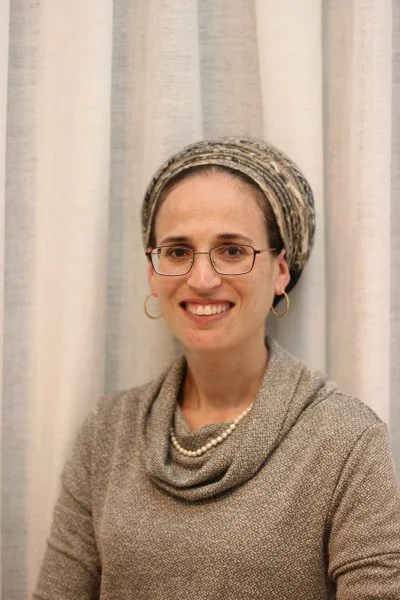
ירוחם, ישראל
באירוע של הדרן בנייני האומה. בהשראתה של אמי שלי שסיימה את הש”ס בסבב הקודם ובעידוד מאיר , אישי, וילדיי וחברותיי ללימוד במכון למנהיגות הלכתית של רשת אור תורה סטון ומורתיי הרבנית ענת נובוסלסקי והרבנית דבורה עברון, ראש המכון למנהיגות הלכתית.
הלימוד מעשיר את יומי, מחזיר אותי גם למסכתות שכבר סיימתי וידוע שאינו דומה מי ששונה פרקו מאה לשונה פרקו מאה ואחת במיוחד מרתקים אותי החיבורים בין המסכתות
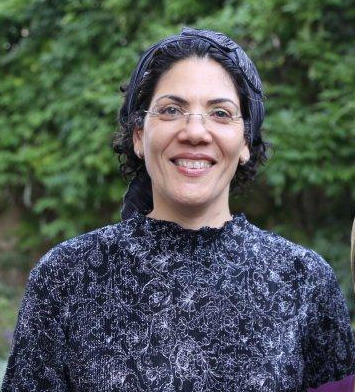
מודיעין, ישראל
כבר סיפרתי בסיום של מועד קטן.
הלימוד מאוד משפיעה על היום שלי כי אני לומדת עם רבנית מישל על הבוקר בזום. זה נותן טון לכל היום – בסיס למחשבות שלי .זה זכות גדול להתחיל את היום בלימוד ובתפילה. תודה רבה !

ירושלים, ישראל
התחלתי מחוג במסכת קידושין שהעבירה הרבנית רייסנר במסגרת בית המדרש כלנה בגבעת שמואל; לאחר מכן התחיל סבב הדף היומי אז הצטרפתי. לסביבה לקח זמן לעכל אבל היום כולם תומכים ומשתתפים איתי. הלימוד לעתים מעניין ומעשיר ולעתים קשה ואף הזוי… אך אני ממשיכה קדימה. הוא משפיע על היומיום שלי קודם כל במרדף אחרי הדף, וגם במושגים הרבים שלמדתי ובידע שהועשרתי בו, חלקו ממש מעשי

ראש העין, ישראל
התחלתי ללמוד דף לפני קצת יותר מ-5 שנים, כשלמדתי רבנות בישיבת מהר”ת בניו יורק. בדיעבד, עד אז, הייתי בלימוד הגמרא שלי כמו מישהו שאוסף חרוזים משרשרת שהתפזרה, פה משהו ושם משהו, ומאז נפתח עולם ומלואו…. הדף נותן לי לימוד בצורה מאורגנת, שיטתית, יום-יומית, ומלמד אותי לא רק ידע אלא את השפה ודרך החשיבה שלנו. לשמחתי, יש לי סביבה תומכת וההרגשה שלי היא כמו בציטוט שבחרתי: הדף משפיע לטובה על כל היום שלי.
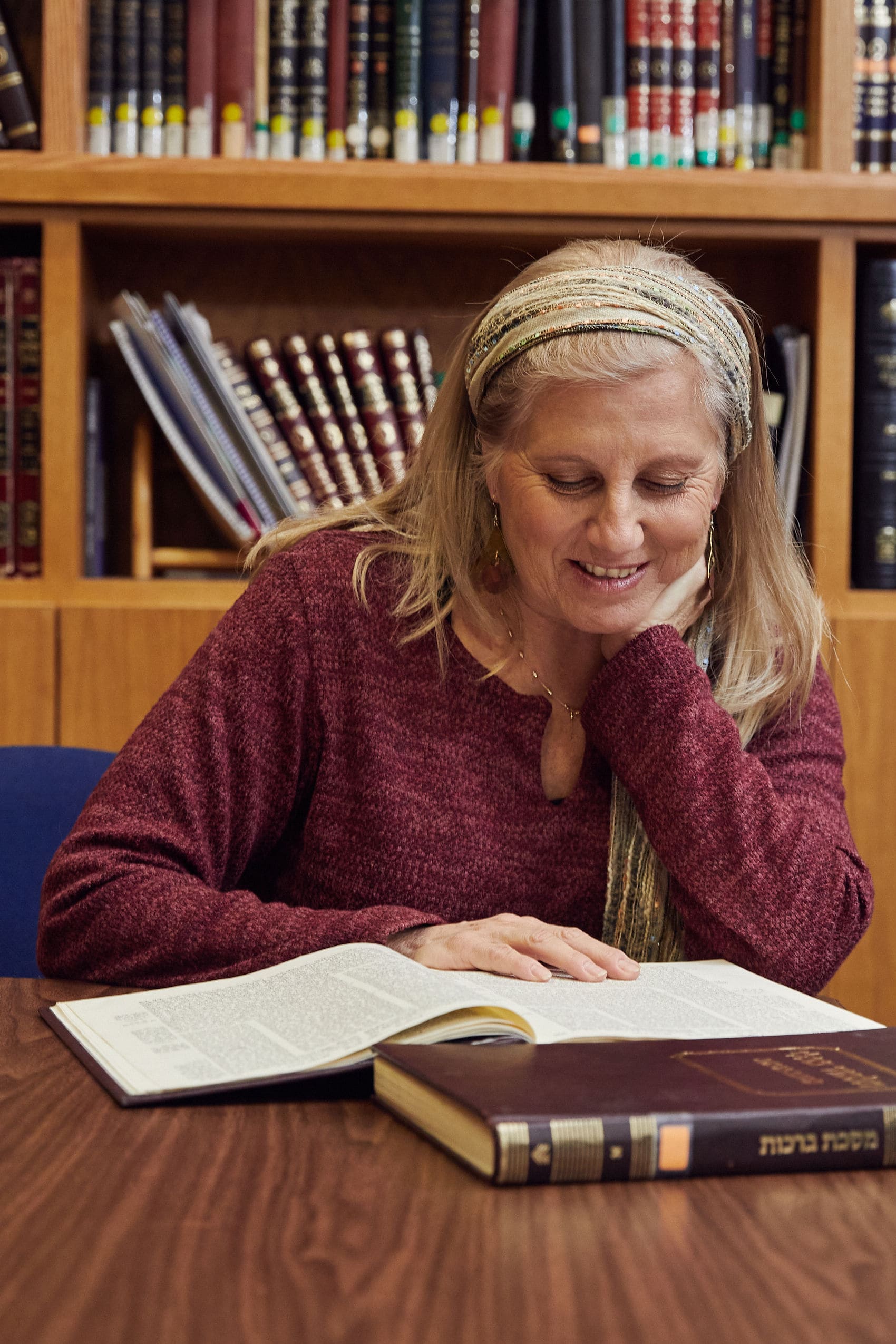
חיפה, ישראל
התחלתי לפני כמה שנים אבל רק בסבב הזה זכיתי ללמוד יום יום ולסיים מסכתות

רעננה, ישראל
"התחלתי ללמוד דף יומי במחזור הזה, בח’ בטבת תש””ף. לקחתי על עצמי את הלימוד כדי ליצור תחום של התמדה יומיומית בחיים, והצטרפתי לקבוצת הלומדים בבית הכנסת בכפר אדומים. המשפחה והסביבה מתפעלים ותומכים.
בלימוד שלי אני מתפעלת בעיקר מכך שכדי ללמוד גמרא יש לדעת ולהכיר את כל הגמרא. זו מעין צבת בצבת עשויה שהיא עצומה בהיקפה.”

כפר אדומים, ישראל
התחלתי להשתתף בשיעור נשים פעם בשבוע, תכננתי ללמוד רק דפים בודדים, לא האמנתי שאצליח יותר מכך.
לאט לאט נשאבתי פנימה לעולם הלימוד .משתדלת ללמוד כל בוקר ומתחילה את היום בתחושה של מלאות ומתוך התכווננות נכונה יותר.
הלימוד של הדף היומי ממלא אותי בתחושה של חיבור עמוק לעם היהודי ולכל הלומדים בעבר ובהווה.

אפרת, ישראל
התחלתי ללמוד בעידוד שתי חברות אתן למדתי בעבר את הפרק היומי במסגרת 929.
בבית מתלהבים מאוד ובשבת אני לומדת את הדף עם בעלי שזה מפתיע ומשמח מאוד! לימוד הדף הוא חלק בלתי נפרד מהיום שלי. לומדת בצהריים ומחכה לזמן הזה מידי יום…

אפרת, ישראל
בתחילת הסבב הנוכחי הצטברו אצלי תחושות שאני לא מבינה מספיק מהי ההלכה אותה אני מקיימת בכל יום. כמו כן, כאמא לבנות רציתי לתת להן מודל נשי של לימוד תורה
שתי הסיבות האלו הובילו אותי להתחיל ללמוד. נתקלתי בתגובות מפרגנות וסקרניות איך אישה לומדת גמרא..
כמו שרואים בתמונה אני ממשיכה ללמוד גם היום ואפילו במחלקת יולדות אחרי לידת ביתי השלישית.
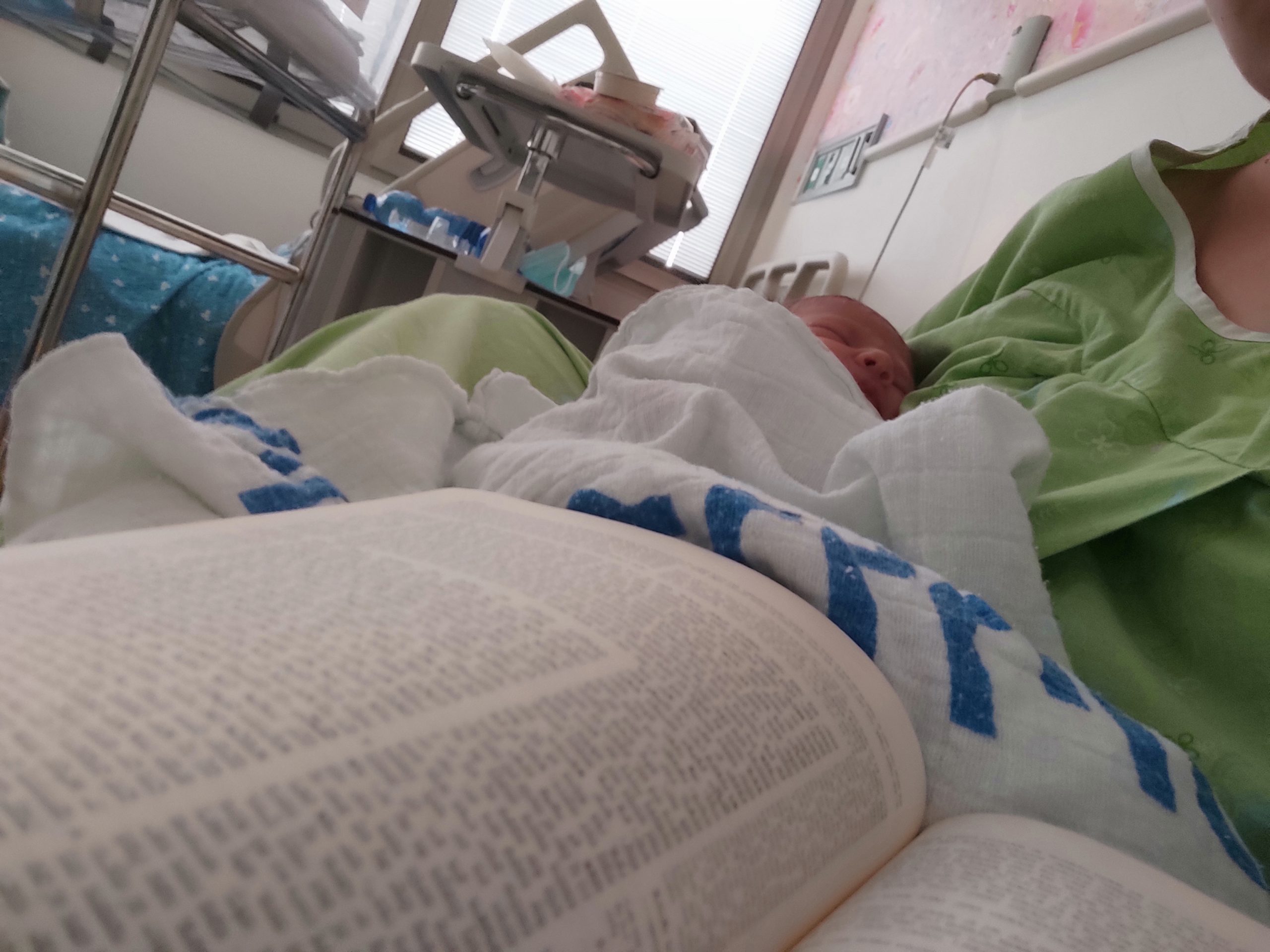
רבבה, ישראל
התחלתי ללמוד דף לפני קצת יותר מ-5 שנים, כשלמדתי רבנות בישיבת מהר”ת בניו יורק. בדיעבד, עד אז, הייתי בלימוד הגמרא שלי כמו מישהו שאוסף חרוזים משרשרת שהתפזרה, פה משהו ושם משהו, ומאז נפתח עולם ומלואו…. הדף נותן לי לימוד בצורה מאורגנת, שיטתית, יום-יומית, ומלמד אותי לא רק ידע אלא את השפה ודרך החשיבה שלנו. לשמחתי, יש לי סביבה תומכת וההרגשה שלי היא כמו בציטוט שבחרתי: הדף משפיע לטובה על כל היום שלי.
חיפה, ישראל
בתחילת הסבב הנוכחי הצטברו אצלי תחושות שאני לא מבינה מספיק מהי ההלכה אותה אני מקיימת בכל יום. כמו כן, כאמא לבנות רציתי לתת להן מודל נשי של לימוד תורה
שתי הסיבות האלו הובילו אותי להתחיל ללמוד. נתקלתי בתגובות מפרגנות וסקרניות איך אישה לומדת גמרא..
כמו שרואים בתמונה אני ממשיכה ללמוד גם היום ואפילו במחלקת יולדות אחרי לידת ביתי השלישית.
רבבה, ישראל
התחלתי כשהייתי בחופש, עם הפרסומים על תחילת המחזור, הסביבה קיבלה את זה כמשהו מתמיד ומשמעותי ובהערכה, הלימוד זה עוגן יציב ביום יום, יש שבועות יותר ויש שפחות אבל זה משהו שנמצא שם אמין ובעל משמעות בחיים שלי….

גמזו, ישראל
A life-changing journey started with a Chanukah family tiyul to Zippori, home of the Sanhedrin 2 years ago and continued with the Syum in Binanei Hauma where I was awed by the energy of 3000 women dedicated to learning daf Yomi. Opening my morning daily with a fresh daf, I am excited with the new insights I find enriching my life and opening new and deeper horizons for me.

Elazar gush etzion, Israel
רבנית מישל הציתה אש התלמוד בלבבות בביניני האומה ואני נדלקתי. היא פתחה פתח ותמכה במתחילות כמוני ואפשרה לנו להתקדם בצעדים נכונים וטובים. הקימה מערך שלם שמסובב את הלומדות בסביבה תומכת וכך נכנסתי למסלול לימוד מעשיר שאין כמוה. הדרן יצר קהילה גדולה וחזקה שמאפשרת התקדמות מכל נקודת מוצא. יש דיבוק לומדות שמחזק את ההתמדה של כולנו. כל פניה ושאלה נענית בזריזות ויסודיות. תודה גם למגי על כל העזרה.
נתניה, ישראל
התחלתי ללמוד דף יומי לפני שנתיים, עם מסכת שבת. בהתחלה ההתמדה היתה קשה אבל בזכות הקורונה והסגרים הצלחתי להדביק את הפערים בשבתות הארוכות, לסיים את מסכת שבת ולהמשיך עם המסכתות הבאות. עכשיו אני מסיימת בהתרגשות רבה את מסכת חגיגה וסדר מועד ומחכה לסדר הבא!

מודיעין, ישראל
לצערי גדלתי בדור שבו לימוד גמרא לנשים לא היה דבר שבשגרה ושנים שאני חולמת להשלים את הפער הזה.. עד שלפני מספר שבועות, כמעט במקרה, נתקלתי במודעת פרסומת הקוראת להצטרף ללימוד מסכת תענית. כשקראתי את המודעה הרגשתי שהיא כאילו נכתבה עבורי – "תמיד חלמת ללמוד גמרא ולא ידעת איך להתחיל”, "בואי להתנסות במסכת קצרה וקלה” (רק היה חסר שהמודעה תיפתח במילים "מיכי שלום”..). קפצתי למים ו- ב”ה אני בדרך להגשמת החלום:)

מורשת, ישראל
שמעתי על הסיום הענק של הדף היומי ע”י נשים בבנייני האומה. רציתי גם.
החלטתי להצטרף. התחלתי ושיכנעתי את בעלי ועוד שתי חברות להצטרף. עכשיו יש לי לימוד משותף איתו בשבת ומפגש חודשי איתן בנושא (והתכתבויות תדירות על דברים מיוחדים שקראנו). הצטרפנו לקבוצות שונות בווטסאפ. אנחנו ממש נהנות. אני שומעת את השיעור מידי יום (בד”כ מהרב יוני גוטמן) וקוראת ומצטרפת לסיומים של הדרן. גם מקפידה על דף משלהן (ונהנית מאד).

אפרת, ישראל
סיום השס לנשים נתן לי מוטביציה להתחיל ללמוד דף יומי. עד אז למדתי גמרא בשבתות ועשיתי כמה סיומים. אבל לימוד יומיומי זה שונה לגמרי ופתאום כל דבר שקורה בחיים מתקשר לדף היומי.
רתמים, ישראל
התחלתי ללמוד דף יומי בתחילת מסכת ברכות, עוד לא ידעתי כלום. נחשפתי לסיום הש״ס, ובעצם להתחלה מחדש בתקשורת, הפתיע אותי לטובה שהיה מקום לעיסוק בתורה.
את המסכתות הראשונות למדתי, אבל לא סיימתי (חוץ מעירובין איכשהו). השנה כשהגעתי למדרשה, נכנסתי ללופ, ואני מצליחה להיות חלק, סיימתי עם החברותא שלי את כל המסכתות הקצרות, גם כשהיינו חולות קורונה ובבידודים, למדנו לבד, העיקר לא לצבור פער, ומחכות ליבמות 🙂

מזכרת בתיה, ישראל
כתובות נז
אִירְכַס כְּתוּבְּתַהּ. אֲתוֹ לְקַמֵּיהּ דְּרַב יוֹסֵף, אֲמַר לְהוּ: הָכִי אָמַר רַב יְהוּדָה אָמַר שְׁמוּאֵל: זוֹ דִּבְרֵי רַבִּי מֵאִיר.
Her marriage contract was lost, and the woman and her husband came before Rav Yosef to ask what they should do. He said to them: This is what Rav Yehuda said that Shmuel said: That ruling, that if someone reduces his wife’s marriage contract by even a small amount, their marriage amounts to licentious sexual intercourse, is the statement of Rabbi Meir. According to that opinion, the husband and wife were forbidden to each other because she was not in possession of a valid marriage contract.
אֲבָל חֲכָמִים אוֹמְרִים: מְשַׁהֶא אָדָם אֶת אִשְׁתּוֹ שְׁתַּיִם וְשָׁלֹשׁ שָׁנִים בְּלֹא כְּתוּבָּה. אֲמַר לֵיהּ אַבָּיֵי: וְהָא אָמַר רַב נַחְמָן אָמַר שְׁמוּאֵל: הֲלָכָה כְּרַבִּי מֵאִיר בִּגְזֵירוֹתָיו! אִי הָכִי, זִיל כְּתוֹב לַהּ.
But the Rabbis say: Since the woman relies on the fact that she will eventually collect payment for her marriage contract, a man may maintain his wife for as long as two or three years without a written marriage contract. There is no urgent need to write a new one, since the husband’s obligation remains intact. Abaye said to him: But didn’t Rav Naḥman say that Shmuel said that the halakha is in accordance with the opinion of Rabbi Meir with regard to all of his decrees? Since Rabbi Meir’s statement about marriage contracts was a form of decree, the halakha should be in accordance with his opinion. Rav Yosef responded: If so, go and write her a new marriage contract.
כִּי אֲתָא רַב דִּימִי, אָמַר רַבִּי שִׁמְעוֹן בֶּן פַּזִּי אָמַר רַבִּי יְהוֹשֻׁעַ בֶּן לֵוִי מִשּׁוּם בַּר קַפָּרָא: מַחְלוֹקֶת בַּתְּחִלָּה, אֲבָל בַּסּוֹף — לְדִבְרֵי הַכֹּל אֵינָהּ מוֹחֶלֶת. וְרַבִּי יוֹחָנָן אָמַר: בֵּין בָּזוֹ וּבֵין בָּזוֹ מַחְלוֹקֶת. אָמַר רַבִּי אֲבָהוּ: לְדִידִי מִיפָּרְשָׁא לִי מִינֵּיהּ דְּרַבִּי יוֹחָנָן דַּאֲנָא וְרַבִּי יְהוֹשֻׁעַ בֶּן לֵוִי לָא פְּלִיגִינַן אַהֲדָדֵי:
§ The Gemara relates that when Rav Dimi came from Eretz Yisrael to Babylonia, he said that Rabbi Shimon ben Pazi said that Rabbi Yehoshua ben Levi said in the name of bar Kappara: This dispute between Rabbi Yehuda and Rabbi Yosei concerning whether one may make a verbal stipulation with a woman to reduce her marriage contract is referring only to the beginning of the process. But with regard to the end, all agree that she cannot waive her rights by verbal confirmation alone, and she must instead write a receipt. And Rabbi Yoḥanan said: Both in this case and in that case there is a dispute. Rabbi Abbahu said: This was explained to me personally by Rabbi Yoḥanan himself, who said: Rabbi Yehoshua ben Levi and I do not actually disagree with one another. We merely used different language to express the same halakha.
מַאי ״בַּתְּחִלָּה״ דְּקָאָמַר רַבִּי יְהוֹשֻׁעַ בֶּן לֵוִי — תְּחִלַּת חוּפָּה, וּמַאי ״סוֹף״ — סוֹף בִּיאָה. וְכִי קָאָמֵינָא אֲנָא בֵּין בָּזוֹ וּבֵין בָּזוֹ מַחְלוֹקֶת, תְּחִלַּת חוּפָּה וְסוֹף חוּפָּה, דְּהִיא תְּחִילַּת בִּיאָה.
What is the meaning of the term: To the beginning, which Rabbi Yehoshua ben Levi said? It is referring to the beginning of the wedding ceremony. And what is meant by the end? It is referring to the end of intercourse; Rabbi Yehoshua ben Levi’s opinion is that after the marriage has been consummated, Rabbi Yehuda and Rabbi Yosei agree that the wife cannot relinquish her rights verbally. And when I said that both in this case and in that case there is a dispute, I was referring to the beginning of the wedding ceremony and the end of the wedding ceremony, which is also the beginning of the time designated for intercourse. Consequently, according to Rav Dimi, Rabbi Yehoshua ben Levi and Rabbi Yoḥanan agree that the dispute between Rabbi Yehuda and Rabbi Yosei applies only until the consummation of the marriage. After that point, all agree that she cannot waive her rights verbally.
כִּי אֲתָא רָבִין, אָמַר רַבִּי שִׁמְעוֹן בֶּן פַּזִּי אָמַר רַבִּי יְהוֹשֻׁעַ בֶּן לֵוִי מִשּׁוּם בַּר קַפָּרָא: מַחְלוֹקֶת לְבַסּוֹף, אֲבָל בַּתְּחִלָּה — דִּבְרֵי הַכֹּל מוֹחֶלֶת, וְרַבִּי יוֹחָנָן אָמַר: בֵּין בָּזוֹ וּבֵין בָּזוֹ מַחְלוֹקֶת. אָמַר רַבִּי אֲבָהוּ: לְדִידִי מִיפָּרְשָׁא לִי מִינֵּיהּ דְּרַבִּי יוֹחָנָן, דַּאֲנָא וְרַבִּי יְהוֹשֻׁעַ בֶּן לֵוִי לָא פְּלִיגִינַן אַהֲדָדֵי: מַאי ״לְבַסּוֹף״ דְּאָמַר רַבִּי יְהוֹשֻׁעַ בֶּן לֵוִי — סוֹף חוּפָּה, וּמַאי ״תְּחִלָּה״ — תְּחִלַּת חוּפָּה. וְכִי קָאָמֵינָא אֲנָא בֵּין בָּזוֹ בֵּין בָּזוֹ מַחְלוֹקֶת — תְּחִלַּת בִּיאָה וְסוֹף בִּיאָה.
When Ravin came from Eretz Yisrael, he reported this matter differently than Rav Dimi did: Rabbi Shimon ben Pazi said that Rabbi Yehoshua ben Levi said in the name of bar Kappara: This dispute is referring only to the end of the process, but with regard to the beginning, all agree that she can waive her rights verbally. And Rabbi Yoḥanan said: Both in this case and in that case there is a dispute. Rabbi Abbahu said: This was explained to me personally by Rabbi Yoḥanan himself, who said: I and Rabbi Yehoshua ben Levi do not disagree with one another. What is the meaning of: The end, which Rabbi Yehoshua ben Levi said? The end of the wedding ceremony. And what is the meaning of the beginning? The beginning of the wedding ceremony. And when I said that both in this case and in that case there is a dispute, I was referring to the beginning of intercourse and the end of intercourse.
אָמַר רַב פָּפָּא: אִי לָאו דְּאָמַר רַבִּי אֲבָהוּ ״לְדִידִי מִיפָּרְשָׁא לִי מִינֵּיהּ דְּרַבִּי יוֹחָנָן דַּאֲנָא וְרַבִּי יְהוֹשֻׁעַ בֶּן לֵוִי לָא פְּלִיגִינַן אַהֲדָדֵי״, הֲוָה אָמֵינָא: רַבִּי יוֹחָנָן וְרַבִּי יְהוֹשֻׁעַ בֶּן לֵוִי פְּלִיגִי, רַב דִּימִי וְרָבִין לָא פְּלִיגִי.
Consequently, according to Ravin, Rabbi Yehoshua ben Levi and Rabbi Yoḥanan agree that at the time of the wedding ceremony the wife can verbally waive her rights, and the dispute of the tanna’im is referring to the time after the ceremony, which is also the beginning of the time for consummation of the marriage. Rav Pappa said: Had Rabbi Abbahu not said: This was explained to me personally by Rabbi Yoḥanan himself, that I, i.e. Rabbi Yoḥanan, and Rabbi Yehoshua ben Levi do not disagree with one another, I, i.e., Rav Pappa, would have said that the way to understand the various texts is that Rabbi Yoḥanan and Rabbi Yehoshua ben Levi do disagree with one another, whereas Rav Dimi and Ravin do not disagree with one another, but rather they both cited the same tradition from Eretz Yisrael.
מַאי ״סוֹף״ דְּקָאָמַר רָבִין — סוֹף חוּפָּה, וּמַאי ״תְּחִלָּה״ דְּקָאָמַר רַב דִּימִי — תְּחִלַּת בִּיאָה.
I would have explained it in the following manner: What is the meaning of the word end, which Ravin said? It is referring to the end of the wedding ceremony. And what is the meaning of the word beginning, which Rav Dimi said? It is referring to the beginning of the time designated for intercourse, which begins at the end of the wedding ceremony. It would then follow that Rabbi Yehoshua ben Levi and Rabbi Yoḥanan disagreed about the explanation of the dispute between Rabbi Yehuda and Rabbi Yosei, whereas Rav Dimi and Ravin both said the same thing.
מַאי קָא מַשְׁמַע לַן?
What is Rav Pappa teaching us? Since he accepts Rabbi Abbahu’s statement, he acknowledges that his alternate way of reading the sources is not correct. What, then, is the point of telling us that he would have explained Rabbi Yehoshua ben Levi’s and Rabbi Yoḥanan’s words differently?
הָא קָא מַשְׁמַע לַן, דִּפְלִיגִי תְּרֵי אָמוֹרָאֵי אַטַּעְמָא דְנַפְשַׁיְיהוּ, וְלָא פְּלִיגִי תְּרֵי אָמוֹרָאֵי אַלִּיבָּא דְּחַד אָמוֹרָא.
The Gemara explains: It teaches us this: If we were discussing the meaning of an amoraic dispute about which we have different traditions, it is better to explain that two amora’im disagree with regard to their own reasons and not that two amora’im disagree according to the opinion of another amora, as it is more plausible to say that there is a dispute about logical reasoning than that there is a dispute about the correct transmission of a halakhic tradition. Consequently, had Rabbi Abbahu not declared that he was told otherwise by Rabbi Yoḥanan, it would have been preferable to explain that there is a logical dispute between Rabbi Yehoshua ben Levi and Rabbi Yoḥanan, rather than saying that the dispute is about the details of the tradition received by Rav Dimi and Ravin.
מַתְנִי׳ נוֹתְנִין לַבְּתוּלָה שְׁנֵים עָשָׂר חוֹדֶשׁ מִשֶּׁתְּבָעָהּ הַבַּעַל, לְפַרְנֵס אֶת עַצְמָהּ. וּכְשֵׁם שֶׁנּוֹתְנִין לָאִשָּׁה — כָּךְ נוֹתְנִין לָאִישׁ לְפַרְנֵס אֶת עַצְמוֹ. וּלְאַלְמָנָה שְׁלֹשִׁים יוֹם. הִגִּיעַ זְמַן וְלֹא נִישְּׂאוּ — אוֹכְלוֹת מִשֶּׁלּוֹ, וְאוֹכְלוֹת בִּתְרוּמָה.
MISHNA: One gives a virgin twelve months from the time the husband asked to marry her after having betrothed her, in order to prepare herself with clothes and jewelry for the marriage. And just as one gives a woman this amount of time, so too does one give a man an equivalent period of time to prepare himself, as he too needs time to prepare for the marriage. However, in the case of a widow, who already has items available from her previous marriage, she is given only thirty days to prepare. If the appointed time for the wedding arrived and they did not get married due to some delay on the part of the husband, then the woman may partake of his food. And if her husband is a priest, she may partake of teruma, even if she is an Israelite woman.
רַבִּי טַרְפוֹן אוֹמֵר: נוֹתְנִין לָהּ הַכֹּל תְּרוּמָה. רַבִּי עֲקִיבָא אוֹמֵר: מֶחֱצָה חוּלִּין וּמֶחֱצָה תְּרוּמָה.
The tanna’im disagree about the permission granted to a priest to sustain his betrothed with teruma before she is married to him. Rabbi Tarfon says: He may give her all of her required sustenance from teruma. During her periods of impurity, e.g., menstruation, when she cannot partake of teruma, she may sell the teruma to a priest and use the proceeds to buy non-sacred food. Rabbi Akiva says: He must give her half of her needs from non-sacred food and half may be from teruma, so that she can eat from the non-sacred food when she is ritually impure.
הַיָּבָם אֵינוֹ מַאֲכִיל בִּתְרוּמָה. עָשְׂתָה שִׁשָּׁה חֳדָשִׁים בִּפְנֵי הַבַּעַל וְשִׁשָּׁה חֳדָשִׁים בִּפְנֵי הַיָּבָם, וַאֲפִילּוּ כּוּלָּן בִּפְנֵי הַבַּעַל חָסֵר יוֹם אֶחָד בִּפְנֵי הַיָּבָם, אוֹ כּוּלָּן בִּפְנֵי הַיָּבָם חָסֵר יוֹם אֶחָד בִּפְנֵי הַבַּעַל — אֵינָהּ אוֹכֶלֶת בִּתְרוּמָה.
The mishna continues: A priest who is a yavam, i.e., his brother died childless after betrothing a woman, does not enable his yevama to partake of teruma by virtue of her relationship with him. If she had completed six months of the twelve-month wait for marriage under the aegis of the husband, and then he died, and she waited six more months under the aegis of the yavam; or even if she completed all of the necessary time under the aegis of the husband except for one day that she was under the aegis of the yavam; or if she completed all of the necessary time under the aegis of the yavam except for one day that she was under the aegis of the husband, she still may not partake of teruma.
זוֹ מִשְׁנָה רִאשׁוֹנָה. בֵּית דִּין שֶׁל אַחֲרֵיהֶן אָמְרוּ:
This set of rulings, concerning the permission granted a betrothed woman whose wedding date has arrived to partake of teruma, is in accordance with the initial version of the mishna. However, a court that convened after them, in a later generation, said:
אֵין הָאִשָּׁה אוֹכֶלֶת בִּתְרוּמָה עַד שֶׁתִּכָּנֵס לַחוּפָּה.
A woman may not partake of teruma until she has actually entered the wedding canopy.
גְּמָ׳ מְנָא הָנֵי מִילֵּי? אָמַר רַב חִסְדָּא, דְּאָמַר קְרָא: ״וַיֹּאמֶר אָחִיהָ וְאִמָּהּ תֵּשֵׁב הַנַּעֲרָה אִתָּנוּ יָמִים אוֹ עָשׂוֹר״.
GEMARA: The Gemara asks: From where are these matters derived, that a virgin is given twelve months to prepare for her wedding? Rav Ḥisda said it is based on the fact that the verse states with regard to Rebecca: “And her brother and mother said: Let the damsel abide with us for days, or ten” (Genesis 24:55).
מַאי ״יָמִים״? אִילֵּימָא תְּרֵי יוֹמֵי, מִשְׁתַּעֵי אִינִישׁ הָכִי? אֲמַרוּ לֵיהּ: תְּרֵי יוֹמֵי, אֲמַר לְהוּ: לָא. אֲמַרוּ לֵיהּ עַשְׂרָה יוֹמֵי?! אֶלָּא מַאי ״יָמִים״ — שָׁנָה, דִּכְתִיב: ״יָמִים תִּהְיֶה גְּאוּלָּתוֹ״.
The Gemara first analyzes the language of the verse: What is the meaning of “days”? If we say two days, the minimum number justifying the use of the plural, does a person really speak like this? Rebecca’s relatives said to Abraham’s servant that they wanted her to stay for two days, after which he said to them no, as he did not want to wait even that long. If so, is it possible that after that they said to him that they wanted her to stay for ten days? Consequently, it is impossible to explain the word “days” as two days and “ten” as ten days. Rather, what is the meaning of “days”? It means: A year, as it is written: “For days he shall have redemption” (Leviticus 25:29), and there it is explained that “days” is referring to a year. Consequently, in the verse “And her brother and mother said: Let the damsel abide with us for days, or ten” (Genesis 24:55), “days” refers to a year, and “ten” refers to a shorter period of similar magnitude, i.e. ten months, in order to prepare for her wedding.
וְאֵימָא חֹדֶשׁ, דִּכְתִיב ״עַד חֹדֶשׁ יָמִים״. אָמְרִי: דָּנִין ״יָמִים״ סְתָם מִ״יָּמִים״ סְתָם, וְאֵין דָּנִין ״יָמִים״ סְתָם מִ״יָּמִים״ שֶׁנֶּאֱמַר בָּהֶן חֹדֶשׁ.
The Gemara asks: And let us say that “days” means a month, as it is written: “But a whole month of days” (Numbers 11:20), and the verse about Rebecca might then have meant that her family wanted to wait for a month, or at least for ten days. They say: One derives the meaning of an unspecified use of the term “days” from another unspecified instance of the term “days,” which means a year. And one does not derive the meaning of an unspecified use of the term “days” from an instance of the term “days,” about which the term “month” is stated. Consequently, it can be derived from the verse that the ordinary amount of time required for a virgin to prepare for marriage is twelve months.
אָמַר רַבִּי זֵירָא, תָּנָא: קְטַנָּה, בֵּין הִיא וּבֵין אָבִיהָ יְכוֹלִין לְעַכֵּב. בִּשְׁלָמָא אִיהִי מָצֵי מְעַכְּבָא, אֶלָּא אָבִיהָ — אִי אִיהִי נִיחָא לַהּ, אָבִיהָ מַאי נָפְקָא לֵיהּ מִינַּהּ? סָבַר: הַשְׁתָּא לָא יָדְעָה, לִמְחַר מִימַּרְדָא וְנָפְקָא, וְאָתְיָא וְנָפְלָה עִילָּוַאי.
§ Rabbi Zeira said: It was taught in the Tosefta (Ketubot 5:1) with regard to a minor girl: Either she or her father may delay the wedding until she has reached majority. The Gemara asks: Granted, she, the girl herself, may delay the wedding if she feels she is not ready, as she is the one who will be directly affected, but why should her father be allowed to delay her wedding? If it is suitable for her to get married, what difference does it make to her father? The Gemara answers: He thinks: Perhaps she agrees to get married now because she does not fully know what she is doing. But tomorrow, she will realize the marriage was a mistake, rebel, and leave her husband, and then she will come back and become a burden to me. Therefore, her father prefers that she wait until she has reached majority and marry when she is completely aware of what is involved.
אָמַר רַבִּי אַבָּא בַּר לֵוִי: אֵין פּוֹסְקִין עַל הַקְּטַנָּה לְהַשִּׂיאָהּ כְּשֶׁהִיא קְטַנָּה, אֲבָל פּוֹסְקִין עַל הַקְּטַנָּה לְהַשִּׂיאָהּ כְּשֶׁהִיא גְּדוֹלָה. פְּשִׁיטָא? מַהוּ דְּתֵימָא: לֵיחוּשׁ דִּלְמָא מְעַיְּילָא פַּחְדָּא מֵהַשְׁתָּא וְחָלְשָׁה, קָא מַשְׁמַע לַן.
Rabbi Abba bar Levi said: One may not finalize an agreement to marry a minor girl in order to marry her while she is still a minor, but one may finalize an agreement to marry a minor girl in order to marry her when she becomes an adult woman. With regard to the latter halakha, the Gemara asks: Isn’t that obvious? If he will marry her when she becomes an adult woman, there is nothing unusual about this case. The Gemara answers: Lest you say that one should be concerned that she might become afraid of marriage from making plans now, and this will cause her resolve to weaken, and then even when she becomes an adult she will maintain reservations about the matter, Rabbi Abba bar Levi therefore teaches us that one need not be concerned about this. One may finalize an agreement to marry her as an adult even when she is a minor girl.
אָמַר רַב הוּנָא: בָּגְרָה יוֹם אֶחָד וְנִתְקַדְּשָׁה — נוֹתְנִין לָהּ שְׁלֹשִׁים יוֹם, כְּאַלְמָנָה. מֵיתִיבִי: בָּגְרָה הֲרֵי הִיא כִּתְבוּעָה. מַאי לָאו, כִּתְבוּעָה דִּבְתוּלָה? לָא, כִּתְבוּעָה דְּאַלְמָנָה.
§ Rav Huna said: If she has reached her majority, even for just one day, and then she is betrothed, she is given her thirty days to prepare for her wedding, like a widow, since prior to reaching adulthood she presumably had already prepared everything needed for her marriage. The Gemara raises an objection from a baraita: If she grew up, she is similar to a betrothed woman who has been asked to marry her betrothed. What, is it not that she is similar to a virgin who has been asked to marry, and she has twelve months to prepare? The Gemara answers: No, it means that she is similar to a widow who has been asked to marry her betrothed, who gets only thirty days to prepare. Only young women who have not reached majority and who are virgins get a year to prepare; after majority, all women, regardless of whether they are virgins, get thirty days.
תָּא שְׁמַע: בּוֹגֶרֶת שֶׁשָּׁהֲתָה שְׁנֵים עָשָׂר חֹדֶשׁ, רַבִּי אֱלִיעֶזֶר אוֹמֵר: הוֹאִיל וְחַיָּיב בַּעְלָהּ בִּמְזוֹנוֹתֶיהָ — יָפֵר! אֵימָא: בּוֹגֶרֶת וְשֶׁשָּׁהֲתָה שְׁנֵים עָשָׂר חוֹדֶשׁ, רַבִּי אֱלִיעֶזֶר אוֹמֵר: הוֹאִיל ובַעְלָהּ חַיָּיב בִּמְזוֹנוֹתֶיהָ — יָפֵר.
The Gemara attempts another refutation of Rav Huna’s statement: Come and hear a proof from a mishna (Nedarim 73b): If a grown woman waited twelve months since betrothal and is still not married, Rabbi Eliezer says: Since her husband is obligated to provide for her sustenance, he may also nullify her vows (see Numbers, chapter 30). It can be inferred from this that the waiting period for a grown woman is also twelve months. The Gemara responds by emending the text of the mishna: Say that if a grown woman waited thirty days or a young woman waited twelve months, Rabbi Eliezer says: Since her husband is obligated to provide for her sustenance, he may nullify her vows.
תָּא שְׁמַע: הַמְאָרֵס אֶת הַבְּתוּלָה, בֵּין שֶׁתְּבָעָהּ הַבַּעַל וְהִיא מְעַכֶּבֶת, וּבֵין שֶׁתָּבְעָה הִיא וּבַעַל מְעַכֵּב — נוֹתְנִין לָהּ שְׁנֵים עָשָׂר חֹדֶשׁ מִשְּׁעַת תְּבִיעָה, אֲבָל לֹא מִשְּׁעַת אֵירוּסִין. וּבָגְרָה, הֲרֵי הִיא כִּתְבוּעָה. כֵּיצַד: בָּגְרָה יוֹם אֶחָד וְנִתְקַדְּשָׁה — נוֹתְנִין לָהּ שְׁנֵים עָשָׂר חֹדֶשׁ, וְלַאֲרוּסָה שְׁלֹשִׁים יוֹם. תְּיוּבְתָּא דְרַב הוּנָא תְּיוּבְתָּא.
The Gemara attempts another refutation of Rav Huna’s statement: Come and hear a baraita: If someone betrothed a virgin, whether the husband asks to marry her and she delays the process because she says that she requires more time or whether she asks to marry him and the husband delays the process because he is not yet ready, she is given twelve months from the time the request was issued but not from the time of the betrothal, even if that was much earlier, and a grown woman is similar to one who has been asked to marry. How is this so? If she has reached her majority for one day, and she is then betrothed, she is given twelve months from the day of her betrothal, because it is the same as the day of her majority. One who was already a betrothed woman when she reached majority is given thirty days. Therefore, the refutation of the opinion of Rav Huna is a conclusive refutation.
מַאי ״וְלַאֲרוּסָה שְׁלֹשִׁים יוֹם״? אָמַר רַב פָּפָּא, הָכִי קָאָמַר: בּוֹגֶרֶת שֶׁעָבְרוּ עָלֶיהָ שְׁנֵים עָשָׂר חֹדֶשׁ בְּבַגְרוּת וְנִתְקַדְּשָׁה — נוֹתְנִין לָהּ שְׁלֹשִׁים יוֹם כְּאַלְמָנָה.
The Gemara asks: What is meant by the words: And one who was already a betrothed woman is given thirty days? Rav Pappa said: This is what it is saying: With regard to a grown woman who has been an adult for twelve months and is then betrothed, she is given thirty days, like a widow, and not another twelve months.
הִגִּיעַ זְמַן וְלֹא נִישְּׂאוּ. אָמַר עוּלָּא: דְּבַר תּוֹרָה, אֲרוּסָה בַּת יִשְׂרָאֵל אוֹכֶלֶת בִּתְרוּמָה, שֶׁנֶּאֱמַר: ״וְכֹהֵן כִּי יִקְנֶה נֶפֶשׁ קִנְיַן כַּסְפּוֹ״, וְהַאי נָמֵי קִנְיַן כַּסְפּוֹ הוּא. מָה טַעַם אָמְרוּ אֵינָהּ אוֹכֶלֶת — שֶׁמָּא יִמְזְגוּ לָהּ כּוֹס בְּבֵית אָבִיהָ, וְתַשְׁקֶה לְאָחִיהָ וְלַאֲחוֹתָהּ.
§ The mishna states: If the appointed time for the wedding arrived and they did not get married, she may partake of teruma. Ulla said: By Torah law, the daughter of a non-priest betrothed to a priest may partake of teruma immediately, even before the wedding date arrives, as it is stated: “If a priest buy any soul, the acquisition of his money, he may eat of it” (Leviticus 22:11), and this woman is also an acquisition of his money through the betrothal. Therefore, she is entitled to partake of teruma. What, then, is the reason the Sages said that she may not partake? It is lest someone pour her a cup of teruma wine while she is in her father’s house. Although she may drink it as the betrothed of a priest, since she is still living in her father’s house there is a concern that she will give her brother or sister to drink from the wine, which is prohibited, as they are non-priests.
אִי הָכִי, הִגִּיעַ זְמַן וְלֹא נִישְּׂאוּ נָמֵי! הָתָם, דּוּכְתָּא מְיַיחֵד לַהּ.
The Gemara asks: If so, then if the time arrived and they did not get married, there should also be concern that she might give it to members of her family, as she is still in her father’s house. Why, then, does the mishna say that she is permitted to partake of teruma at that time? The Gemara answers: There, after the time for the wedding has arrived, he designates a specific place for her. Since her husband is obligated to provide for her sustenance, he will want to ensure that she receives her food in a particular place so that she not use it to feed her family. This mitigates the concern that she may inadvertently give it to her brother or sister to drink.
אֶלָּא מֵעַתָּה, לָקִיט כֹּהֵן לְיִשְׂרָאֵל לָא לֵיכוֹל בִּתְרוּמָה, דִּלְמָא אָתוּ לְמֵיכַל בַּהֲדֵיהּ! הַשְׁתָּא מִדִּידְהוּ סָפוּ לֵיהּ — מִדִּידֵיהּ אָכְלִי?!
The Gemara asks: However, if that is so, then the halakha should also be that a gleaner who is a priest and is employed by an Israelite may not partake of teruma, lest the other members of the household come to eat with him from the teruma. The Gemara rejects this: Now, even though the members of the Israelite household feed the priest from their food, as he is their employee, would they eat from his food? They would not. Therefore, there is no reason for concern and no reason to prohibit him from eating teruma. This is Ulla’s opinion.
רַב שְׁמוּאֵל בַּר רַב יְהוּדָה אָמַר: מִשּׁוּם סִימְפּוֹן.
However, Rav Shmuel bar Rav Yehuda said: The reason for the rabbinic decree is due to abrogation [simfon], cancellation of the contract. It may become known after the betrothal that she has blemishes that can retroactively annul the betrothal, and it would then become apparent that she had partaken of teruma unlawfully.
אִי הָכִי, נִכְנְסָה לְחוּפָּה וְלֹא נִבְעֲלָה נָמֵי! הָתָם, מִיבְדָּק בָּדֵיק לַהּ וַהֲדַר מְעַיֵּיל.
The Gemara asks: If so, if the rabbinic decree that prohibits a woman betrothed to a priest from partaking of teruma is due to concern for possible abrogation of the marriage, then a woman who entered the wedding canopy but has not yet engaged in sexual intercourse should also be prohibited from partaking of teruma, as the husband does not yet know whether she has blemishes. The Gemara answers: There, in that situation, he investigates her through the agency of his female relatives and only then enters the wedding canopy. Consequently, there is no longer any concern about abrogation.
אֶלָּא מֵעַתָּה, עֶבֶד כֹּהֵן שֶׁלְּקָחוֹ מִיִּשְׂרָאֵל לָא לֵיכוֹל בִּתְרוּמָה, מִשּׁוּם סִימְפּוֹן! סִימְפּוֹן בַּעֲבָדִים לֵיכָּא, דְּאִי דְּאַבָּרַאי — הָא קָחָזֵי לֵיהּ. וְאִי דְּגַוַּאי — לִמְלָאכָה קָא בָּעֵי, וְשֶׁבַּסֵּתֶר לָא אִיכְפַּת לֵיהּ. נִמְצָא גַּנָּב אוֹ
The Gemara asks: However, if that is so, then according to this rationale, a priest’s slave whom the priest purchased from an Israelite should not partake of teruma, due to concern of abrogation. Perhaps the priest will discover a defect in the slave, resulting in the retroactive cancellation of the acquisition and causing the slave to return to his Israelite master after he had mistakenly eaten teruma. The Gemara answers: There is no abrogation with regard to slaves, since no type of defect could cause the cancellation of the transaction. The reason for this is that if the defect is external, then he sees it at the point of sale and accepts it. And if the defect is internal, since he needs him for labor, concealed defects do not concern him. With regard to other types of defects, e.g., if he was discovered to be a thief or

