







בית שמאי ובית הלל מסכימים שאם קיבלה אשה נכסי מלוג בטרם התארסה, יש לה את הזכות למכור אותם או לתתם במתנה. אך חלוקים בעניין רכושה של אישה המגיעה לרשותה כשהיא מאורסת. האם היא יכולה למכור את זה? ואם התשובה היא לא, אם היא עושה זאת בכל זאת (בדיעבד), האם המכירה תקפה? לדברי רבי יהודה, התנהל דיון בין החכמים לבין רבן גמליאל שהתלבטו האם הבעל בזמן האירוסין יוכל למנוע מאשתו למכור את רכושה. במקרה בו היא מקבלת נכסי מלוג במהלך הנישואין, כולם מסכימים שאם הייתה מוכרת אותם, המכירה אינה תקפה. אולם רבן גמליאל סבור שאם קיבלה את הנכס במהלך האירוסין או לפני ומכרה אותם לאחר שנישאה, המכירה תקפה. רבי חנינא בן עקביא הסביר כי התנהל דיון בין החכמים לבין רבן גמליאל האם הבעל במהלך הנישואין צריך לקבל את מלוא הזכויות ברכוש שירשה קודם לכן או לא. רבי שמעון מבחין בין נכסים שהבעל ידע עליהם (מכירה אינה תקפה) לבין נכסים שלא ידע עליהם (מכירה תקפה, למרות שלכתחילה, היא לא יכולה למכור אותם). מדוע בית שמאי ובית הלל מסכימים במקרה שאישה שמכרה לפני האירוסין אך חולקים לאחר האירוסין? האם תיאורו של רבי יהודה בדיון בין רבן גמליאל לרבנים התייחס ליכולתה למכור את הנכס מלכתחילה או בדיעבד (לארח מעשה)? כדי לענות על השאלה מביאים את התוספתא כתובות ח:א. באותו מקור מצוטט שם רבי חנינא עם גרסה אחרת של קו הטיעון של רבן גמליאל נגד חכמים. גם שם יש לו דעה שונה לגבי מכירת רכוש שהתקבל לפני החתונה אך נמכר במהלך הנישואין – הוא אומר שהיא יכולה למכור לכתחילה. זה סותר את משנתנו שאומרת שהמכירה תקפה רק לאחר מעשה, אבל לכתחילה, היא לא יכולה למכור אותם. הסתירה נפתרת על ידי הסבר שרבי יהודה (המשנה) ורבי חנינא (התוספתא) חלוקים על מה שקבע רבן גמליאל במקרה זה. לרב ושמואל יש גישה שלישית לפיה במקרה זה, המכירה לא תפקה אפילו בדיעבד. מכיוון שזה לא מסתדר עם אף דעה שראינו עד כה, איך הם יכולים לומר זאת? ברגע שהיא נשואה ויורשת נכסים בזמן הנישואין, כולם מסכימים שהמכירה אינה תקפה. האם זה אותו דבר במוזכר בתקנת אושא? למה התכוון רבי שמעון ב”ידועים” ו”אינם ידוע”? מובאים שני הסברים.
רוצה להקדיש לימוד?

תקציר
כתובות עח
הָאִשָּׁה שֶׁנָּפְלוּ לָהּ נְכָסִים עַד שֶׁלֹּא תִּתְאָרֵס — מוֹדִים בֵּית שַׁמַּאי וּבֵית הִלֵּל שֶׁמּוֹכֶרֶת וְנוֹתֶנֶת וְקַיָּים. נָפְלוּ לָהּ מִשֶּׁנִּתְאָרְסָה — בֵּית שַׁמַּאי אוֹמְרִים: תִּמְכּוֹר, וּבֵית הִלֵּל אוֹמְרִים: לֹא תִּמְכּוֹר. אֵלּוּ וָאֵלּוּ מוֹדִים שֶׁאִם מָכְרָה וְנָתְנָה קַיָּים.
MISHNA: With regard to a woman to whom property was bequeathed before she was betrothed, and she was then betrothed, Beit Shammai and Beit Hillel agree that she may sell or give the property as a gift, and the transaction is valid. However, if the property was bequeathed to her after she was betrothed, Beit Shammai say: She may sell it as long as she is betrothed, and Beit Hillel say: She may not sell it. Both these, Beit Shammai, and those, Beit Hillel, agree that if she sold it or gave it away as a gift, the transaction is valid.
אָמַר רַבִּי יְהוּדָה: אָמְרוּ חֲכָמִים לִפְנֵי רַבָּן גַּמְלִיאֵל: הוֹאִיל וְזָכָה בָּאִשָּׁה, לֹא יִזְכֶּה בַּנְּכָסִים? אָמַר לָהֶם: עַל הַחֲדָשִׁים אָנוּ בּוֹשִׁים, אֶלָּא שֶׁאַתֶּם מְגַלְגְּלִין עָלֵינוּ אֶת הַיְּשָׁנִים?!
Rabbi Yehuda said that the Sages said before Rabban Gamliel: Since he acquired the woman herself through betrothal, will he not acquire the property from the moment of their betrothal? Why, then, is her transaction valid? Rabban Gamliel said to them: With regard to the new property that she inherited after marriage, we are ashamed, because it is unclear why she cannot sell it, as it is hers; and you also seek to impose upon us a prohibition with regard to the old property that she owned beforehand?
נָפְלוּ לָהּ מִשֶּׁנִּשֵּׂאת, אֵלּוּ וְאֵלּוּ מוֹדִים שֶׁאִם מָכְרָה וְנָתְנָה, שֶׁהַבַּעַל מוֹצִיא מִיַּד הַלָּקוֹחוֹת. עַד שֶׁלֹּא נִשֵּׂאת וְנִשֵּׂאת, רַבָּן גַּמְלִיאֵל אוֹמֵר: אִם מָכְרָה וְנָתְנָה — קַיָּים. אָמַר רַבִּי חֲנִינָא בֶּן עֲקַבְיָא, אָמְרוּ לִפְנֵי רַבָּן גַּמְלִיאֵל: הוֹאִיל וְזָכָה בָּאִשָּׁה, לֹא יִזְכֶּה בַּנְּכָסִים? אָמַר לָהֶם: עַל הַחֲדָשִׁים אָנוּ בּוֹשִׁים, אֶלָּא שֶׁאַתֶּם מְגַלְגְּלִין עָלֵינוּ הַיְּשָׁנִים?!
If the property was bequeathed to her after she was married, both these, Beit Shammai, and those, Beit Hillel, agree that if she sold the property or gave it away, the husband may repossess it from the purchasers. If she inherited the property before she was married and then was married, Rabban Gamliel says: If she sold or gave the property away, the transaction is valid. Rabbi Ḥanina ben Akavya said that the Sages said before Rabban Gamliel: Since he acquired the woman through marriage, will he not acquire the property? Rabban Gamliel said to them: With regard to the new property we are ashamed, and you also seek to impose upon us a prohibition with regard to the old property?
רַבִּי שִׁמְעוֹן חוֹלֵק בֵּין נְכָסִים לִנְכָסִים, נְכָסִים הַיְּדוּעִין לַבַּעַל — לֹא תִּמְכּוֹר, וְאִם מָכְרָה וְנָתְנָה — בָּטֵל. שֶׁאֵינָן יְדוּעִין לַבַּעַל — לֹא תִּמְכּוֹר, וְאִם מָכְרָה וְנָתְנָה — קַיָּים.
Rabbi Shimon distinguishes between one type of property and another type of property: Property that is known to the husband she may not sell once she is married, and if she sold it or gave it away, the transaction is void. Property that is unknown to the husband she may not sell, but if she sold it or gave it away, the transaction is valid.
גְּמָ׳ מַאי שְׁנָא רֵישָׁא דְּלָא פְּלִיגִי, וּמַאי שְׁנָא סֵיפָא דִּפְלִיגִי?
GEMARA: The Gemara asks: What is different in the first clause of the mishna, when she inherited property before she was betrothed, such that Beit Shammai and Beit Hillel do not disagree, and what is different in the latter clause, when she inherited property after betrothal, such that they disagree? If the dispute concerns the right to her property after she is betrothed, what difference does it make whether her ownership began before or after the betrothal?
אָמְרִי דְּבֵי רַבִּי יַנַּאי: רֵישָׁא — בִּזְכוּתָהּ נָפְלוּ. סֵיפָא — בִּזְכוּתוֹ נָפְלוּ.
The Gemara answers that the Sages of the school of Rabbi Yannai say: In the first clause, where she inherited the property before her betrothal, the inheritance was bequeathed to her during a period when she had rights to her property, whereas in the latter clause, the inheritance was bequeathed to her during a period when he had rights to her property.
אִם בִּזְכוּתוֹ נָפְלוּ, כִּי מָכְרָה וְנָתְנָה אַמַּאי קַיָּים? אֶלָּא: רֵישָׁא — וַדַּאי בִּזְכוּתָהּ נָפְלוּ. סֵיפָא — אֵימַר בִּזְכוּתָהּ, אֵימַר בִּזְכוּתוֹ. לְכַתְּחִלָּה לֹא תִּמְכּוֹר, אִם מָכְרָה וְנָתְנָה — קַיָּים.
The Gemara raises a difficulty: If, in the latter clause the property was bequeathed to her when he had rights to it, why is the transaction valid when she sold it or gave it away? Rather, in the first clause, where she inherited the property before her betrothal, it certainly was bequeathed to her when she had rights to it and it therefore fully belongs to her. However, in the latter clause, where she inherited it after her betrothal, one can say that perhaps during this time she has rights to it, or say that perhaps during this time he has rights to it. Since the ownership of the property is a matter of uncertainty, Beit Hillel rule that she may not sell ab initio, but if she sold it or gave it away, the transaction is valid.
אָמַר רַבִּי יְהוּדָה, אָמְרוּ לִפְנֵי רַבָּן גַּמְלִיאֵל. אִיבַּעְיָא לְהוּ, רַבִּי יְהוּדָה אַלְּכַתְּחִלָּה, אוֹ אַדִּיעֲבַד?
§ The mishna states that Rabbi Yehuda said that the Sages said before Rabban Gamliel: Since he acquired the woman herself through betrothal, will he not acquire the property from the moment of their betrothal? A dilemma was raised before the Sages: When Rabbi Yehuda cited this question of the Sages, was he referring to her selling the property ab initio, which is permitted only according to Beit Shammai, or was he referring to the sale after the fact, which is valid even according to Beit Hillel?
תָּא שְׁמַע, דְּתַנְיָא, אָמַר רַבִּי יְהוּדָה: אָמְרוּ לִפְנֵי רַבָּן גַּמְלִיאֵל: הוֹאִיל וְזוֹ אִשְׁתּוֹ וְזוֹ אִשְׁתּוֹ — זוֹ מִכְרָהּ בָּטֵל, אַף זוֹ מִכְרָהּ בָּטֵל! אָמַר לָהֶן: עַל הַחֲדָשִׁים אָנוּ בּוֹשִׁים, אֶלָּא שֶׁאַתֶּם מְגַלְגְּלִים עָלֵינוּ אֶת הַיְּשָׁנִים? שְׁמַע מִינַּהּ דִּיעֲבַד קָאָמַר: שְׁמַע מִינַּהּ.
The Gemara replies: Come and hear an answer to this question, as it is taught in a baraita: Rabbi Yehuda said that they said before Rabban Gamliel: Since this one, when she is fully married, is legally his wife, and that one, when she is merely betrothed, is legally his wife, therefore, just as for this married one her sale is void, so too, for this betrothed one her sale should be void. Rabban Gamliel said to them: With regard to the new property, which she inherited after marriage, we are ashamed of this ruling, while you seek to impose upon us the same ruling even with regard to the old property that she owned beforehand? Learn from this that Rabbi Yehuda stated his question with regard to the halakha of a case brought after the fact, as they claim that the sale should be void. The Gemara concludes: Indeed, learn from this that it is so.
תַּנְיָא, אָמַר רַבִּי חֲנִינָא בֶּן עֲקַבְיָא: לֹא כָּךְ הֱשִׁיבָן רַבָּן גַּמְלִיאֵל לַחֲכָמִים, אֶלָּא כָּךְ הֱשִׁיבָן: לֹא אִם אֲמַרְתֶּם בִּנְשׂוּאָה — שֶׁכֵּן בַּעְלָהּ זַכַּאי בִּמְצִיאָתָהּ וּבְמַעֲשֵׂה יָדֶיהָ וּבַהֲפָרַת נְדָרֶיהָ, תֹּאמְרוּ בַּאֲרוּסָה שֶׁאֵין בַּעְלָהּ זַכַּאי לֹא בִּמְצִיאָתָהּ וְלֹא בְּמַעֲשֵׂה יָדֶיהָ וְלֹא בַּהֲפָרַת נְדָרֶיהָ!
It is taught in a baraita: Rabbi Ḥanina ben Akavya said that Rabban Gamliel did not respond to the Sages in that manner. Rather, this is what he replied to them: No, if you said that the sale is void with regard to a married woman, concerning whom the husband has many rights, as her husband is entitled to items she has found and to her earnings and to the right to nullify her vows, will you say the same with regard to a betrothed woman, whose husband is not entitled to items she has found, nor to her earnings, nor to the right of nullification of her vows?
אָמְרוּ לוֹ: רַבִּי, מָכְרָה לָהּ עַד שֶׁלֹּא נִשֵּׂאת, נִשֵּׂאת וְאַחַר כָּךְ מָכְרָה, מַהוּ? אֲמַר לְהוּ: אַף זוֹ מוֹכֶרֶת וְנוֹתֶנֶת וְקַיָּים. אָמְרוּ לוֹ: הוֹאִיל וְזָכָה בָּאִשָּׁה, לֹא יִזְכֶּה בַּנְּכָסִים?! אָמַר לָהֶם: עַל הַחֲדָשִׁים אָנוּ בּוֹשִׁין, אֶלָּא שֶׁאַתֶּם מְגַלְגְּלִין עָלֵינוּ אֶת הַיְּשָׁנִים?!
The Sages said to him: My teacher, this reasoning is accepted if she sold it for herself before she was married, but if she was married and afterward sold the property she had earlier inherited, what is the halakha? Rabban Gamliel said to them: Even this one may sell the property and give it away, and her action is valid. They said to him: Since he acquired the woman, will he not acquire the property? He said to them: With regard to the new property she inherited later we are ashamed, and now you impose upon us the old property?
וְהָאֲנַן תְּנַן: עַד שֶׁלֹּא נִשֵּׂאת וְנִשֵּׂאת, רַבָּן גַּמְלִיאֵל אוֹמֵר: אִם מָכְרָה וְנָתְנָה — קַיָּים.
The Gemara raises a difficulty: But didn’t we learn in the mishna: If she inherited property before she was married and was later married, Rabban Gamliel says: If she sold it or gave the property away, the transaction is valid. The wording of the baraita, in contrast, indicates that she may sell or give the property away ab initio.
אָמַר רַב זְבִיד, תְּנִי: מוֹכֶרֶת וְנוֹתֶנֶת וְקַיָּים. רַב פָּפָּא אָמַר, לָא קַשְׁיָא: הָא רַבִּי יְהוּדָה אַלִּיבָּא דְּרַבָּן גַּמְלִיאֵל, הָא רַבִּי חֲנִינָא בֶּן עֲקַבְיָא אַלִּיבָּא דְּרַבָּן גַּמְלִיאֵל. וְרַבִּי חֲנִינָא בֶּן עֲקַבְיָא כְּבֵית שַׁמַּאי? הָכִי קָאָמַר: לֹא נֶחְלְקוּ בֵּית שַׁמַּאי וּבֵית הִלֵּל עַל דָּבָר זֶה.
Rav Zevid said: Teach the text of the mishna as follows: She may sell and give away the property, and her transaction is valid. Rav Pappa stated another answer: This is not difficult, as this mishna is consistent with the opinion of Rabbi Yehuda according to the opinion of Rabban Gamliel, but that baraita is consistent with the opinion of Rabbi Ḥanina ben Akavya according to the opinion of Rabban Gamliel. The Gemara poses a question: If so, then apparently Rabbi Ḥanina ben Akavya agrees with Beit Shammai, as Beit Hillel maintain that she may not sell the property ab initio even while she is betrothed; yet it is well known that the halakha is ruled in accordance with the opinion of Beit Hillel. The Gemara answers: This is what Rabbi Ḥanina is saying: Beit Shammai and Beit Hillel did not disagree with regard to this matter of property that a woman inherited before marriage, as they agree she may sell it ab initio.
רַב וּשְׁמוּאֵל דְּאָמְרִי תַּרְוַיְיהוּ: בֵּין שֶׁנָּפְלוּ לָהּ נְכָסִים עַד שֶׁלֹּא נִתְאָרְסָה, בֵּין שֶׁנָּפְלוּ לָהּ נְכָסִים מִשֶּׁנִּתְאָרְסָה, וְנִיסֵּת — הַבַּעַל מוֹצִיא מִיַּד הַלָּקוֹחוֹת.
The Gemara cites the opinions of Rav and Shmuel, who both say: Whether property was bequeathed to her before she was betrothed, or whether property was bequeathed to her after she was betrothed and she was then married, and after her marriage she sold it or gave it away, the husband may repossess the property from the purchasers.
כְּמַאן? דְּלֹא כְּרַבִּי יְהוּדָה וְלֹא כְּרַבִּי חֲנִינָא בֶּן עֲקַבְיָא! אִינְהוּ דְּאָמְרִי כְּרַבּוֹתֵינוּ. דְּתַנְיָא, רַבּוֹתֵינוּ חָזְרוּ וְנִמְנוּ: בֵּין שֶׁנָּפְלוּ לָהּ עַד שֶׁלֹּא תִּתְאָרֵס, וּבֵין שֶׁנָּפְלוּ לָהּ מִשֶּׁנִּתְאָרְסָה וְנִיסֵּת — הַבַּעַל מוֹצִיא מִיַּד הַלָּקוֹחוֹת.
The Gemara asks: According to whose opinion was this stated? It is not in accordance with the opinion of Rabbi Yehuda and not in accordance with the opinion of Rabbi Ḥanina ben Akavya, who both maintain that the sale is valid. The Gemara answers: They, i.e., Rav and Shmuel, say so, in accordance with the opinion of our Rabbis. As it is taught in a baraita: Our Rabbis returned and voted after discussing this issue and decided that whether property was bequeathed to her before she was betrothed, or whether property was bequeathed to her after she was betrothed and she was subsequently married, the husband may repossess it from the purchasers.
מִשֶּׁנִּיסֵּת אֵלּוּ וְאֵלּוּ מוֹדִים. לֵימָא תְּנֵינָא לְתַקָּנַת אוּשָׁא? דְּאָמַר רַבִּי יוֹסֵי בְּרַבִּי חֲנִינָא, בְּאוּשָׁא הִתְקִינוּ: הָאִשָּׁה שֶׁמָּכְרָה בְּנִכְסֵי מְלוֹג בְּחַיֵּי בַּעְלָהּ וּמֵתָה — הַבַּעַל מוֹצִיא מִיַּד הַלָּקוֹחוֹת.
§ It was taught in the mishna that if she inherited the property after she was married, both these, Beit Shammai, and those, Beit Hillel, agree that the husband may repossess it from the buyers. The Gemara comments: Let us say that we already learned in the mishna about the rabbinic ordinance instituted in Usha. As Rabbi Yosei, son of Rabbi Ḥanina, said: In Usha they instituted an ordinance that in the case of a woman who sold her usufruct property, i.e., property that she alone owns and her husband benefits only from the dividends, in her husband’s lifetime and then died, the husband repossesses it from the purchasers. This appears to be the same halakha stated by the mishna.
מַתְנִיתִין — בְּחַיֶּיהָ וּלְפֵירוֹת, תַּקָּנַת אוּשָׁא — בְּגוּפָהּ שֶׁל קַרְקַע וּלְאַחַר מִיתָה.
The Gemara responds: This is not so, as the mishna is discussing the husband’s claim during her lifetime, and it is referring only to the value of the produce that the husband collects from the purchasers if she sold the land during their marriage, as the produce of usufruct property belongs to him but the land itself remains fully in the possession of the buyer. The ordinance of Usha, in contrast, applies even to the land itself, and even after the death of his wife he may repossess it because he inherits it.
רַבִּי שִׁמְעוֹן חוֹלֵק בֵּין נְכָסִים. אֵלּוּ הֵן יְדוּעִין וְאֵלּוּ הֵן שֶׁאֵינָן יְדוּעִין? אָמַר רַבִּי יוֹסֵי בְּרַבִּי חֲנִינָא: יְדוּעִין — מְקַרְקְעֵי. שֶׁאֵינָן יְדוּעִין — מִטַּלְטְלִין. וְרַבִּי יוֹחָנָן אָמַר: אֵלּוּ וָאֵלּוּ יְדוּעִין הֵן. וְאֵלּוּ הֵן שֶׁאֵינָן יְדוּעִין — כֹּל שֶׁיּוֹשֶׁבֶת כָּאן וְנָפְלוּ לָהּ נְכָסִים בִּמְדִינַת הַיָּם.
§ The mishna further taught that Rabbi Shimon distinguishes between property that is known to the husband and property that is unknown to him. The Gemara asks: Which properties are deemed known and which properties are deemed unknown? Rabbi Yosei, son of Rabbi Ḥanina, said: Property that is known is referring to land, which cannot be concealed. The husband knew that she would inherit it, and he married her with the intention of using its produce. Property that is unknown is referring to movable property. And Rabbi Yoḥanan said: Both these, land, and those, movable property, are deemed known property. And these are unknown properties: They are properties in any case where she resides here and property was bequeathed to her overseas. Since the husband did not consider this property when marrying her, the sale is binding after the fact.
תַּנְיָא נָמֵי הָכִי: אֵלּוּ הֵן שֶׁאֵינָן יְדוּעִין — כֹּל שֶׁיּוֹשֶׁבֶת כָּאן וְנָפְלוּ לָהּ נְכָסִים בִּמְדִינַת הַיָּם.
The Gemara comments: That opinion is also taught in a baraita. The baraita states: These are unknown properties: They are properties in any case where she resides here and property was bequeathed to her overseas.
הָהִיא אִיתְּתָא דְּבָעֲיָא דְּתַבְרְחִינְהוּ לְנִכְסַהּ מִגַּבְרַהּ, כְּתַבְתִּינְהוּ לִבְרַתַּהּ. אִינְּסִיבָה וְאִיגָּרַשָׁה.
The Gemara relates: There was a certain woman who was about to remarry after she was divorced or widowed, who sought to distance the rights to her property from her future husband. She therefore wrote a document stipulating that her property be given as a gift to her daughter before marriage. Ultimately, the mother was married and then divorced. She wanted her daughter to return the property, and her daughter claimed that it was given to her as a gift.

חדשה בלימוד הגמרא?
זה הדף הראשון שלך? איזו התרגשות עצומה! יש לנו בדיוק את התכנים והכלים שיעזרו לך לעשות את הצעדים הראשונים ללמידה בקצב וברמה שלך, כך תוכלי להרגיש בנוח גם בתוך הסוגיות המורכבות ומאתגרות.
פסיפס הלומדות שלנו
גלי את קהילת הלומדות שלנו, מגוון נשים, רקעים וסיפורים. כולן חלק מתנועה ומסע מרגש ועוצמתי.
התחלתי ללמוד את הדף היומי מעט אחרי שבני הקטן נולד. בהתחלה בשמיעה ולימוד באמצעות השיעור של הרבנית שפרבר. ובהמשך העזתי וקניתי לעצמי גמרא. מאז ממשיכה יום יום ללמוד עצמאית, ולפעמים בעזרת השיעור של הרבנית, כל יום. כל סיום של מסכת מביא לאושר גדול וסיפוק. הילדים בבית נהיו חלק מהלימוד, אני משתפת בסוגיות מעניינות ונהנית לשמוע את דעתם.

מעלה מכמש, ישראל
התחלתי ללמוד דף יומי באמצע תקופת הקורונה, שאבא שלי סיפר לי על קבוצה של בנות שתיפתח ביישוב שלנו ותלמד דף יומי כל יום. הרבה זמן רציתי להצטרף לזה וזאת הייתה ההזדמנות בשבילי. הצטרפתי במסכת שקלים ובאמצע הייתה הפסקה קצרה. כיום אני כבר לומדת באולפנה ולומדת דף יומי לבד מתוך גמרא של טיינזלץ.
עתניאל, ישראל
התחלתי ללמוד גמרא בבית הספר בגיל צעיר והתאהבתי. המשכתי בכך כל חיי ואף היייתי מורה לגמרא בבית הספר שקד בשדה אליהו (בית הספר בו למדתי בילדותי)בתחילת מחזור דף יומי הנוכחי החלטתי להצטרף ובע”ה מקווה להתמיד ולהמשיך. אני אוהבת את המפגש עם הדף את "דרישות השלום ” שמקבלת מקשרים עם דפים אחרים שלמדתי את הסנכרון שמתחולל בין התכנים.
מעלה גלבוע, ישראל
התחלתי ללמוד לפני 4.5 שנים, כשהודיה חברה שלי פתחה קבוצת ווטסאפ ללימוד דף יומי בתחילת מסכת סנהדרין. מאז לימוד הדף נכנס לתוך היום-יום שלי והפך לאחד ממגדירי הזהות שלי ממש.

ירושלים, ישראל
התחלתי ללמוד דף יומי לפני שנתיים, עם מסכת שבת. בהתחלה ההתמדה היתה קשה אבל בזכות הקורונה והסגרים הצלחתי להדביק את הפערים בשבתות הארוכות, לסיים את מסכת שבת ולהמשיך עם המסכתות הבאות. עכשיו אני מסיימת בהתרגשות רבה את מסכת חגיגה וסדר מועד ומחכה לסדר הבא!

מודיעין, ישראל
אמא שלי למדה איתי ש”ס משנה, והתחילה ללמוד דף יומי. אני החלטתי שאני רוצה ללמוד גם. בהתחלה למדתי איתה, אח”כ הצטרפתי ללימוד דף יומי שהרב דני וינט מעביר לנוער בנים בעתניאל. במסכת עירובין עוד חברה הצטרפה אלי וכשהתחלנו פסחים הרב דני פתח לנו שעור דף יומי לבנות. מאז אנחנו לומדות איתו קבוע כל יום את הדף היומי (ובשבת אבא שלי מחליף אותו). אני נהנית מהלימוד, הוא מאתגר ומעניין
עתניאל, ישראל
"התחלתי ללמוד דף יומי במחזור הזה, בח’ בטבת תש””ף. לקחתי על עצמי את הלימוד כדי ליצור תחום של התמדה יומיומית בחיים, והצטרפתי לקבוצת הלומדים בבית הכנסת בכפר אדומים. המשפחה והסביבה מתפעלים ותומכים.
בלימוד שלי אני מתפעלת בעיקר מכך שכדי ללמוד גמרא יש לדעת ולהכיר את כל הגמרא. זו מעין צבת בצבת עשויה שהיא עצומה בהיקפה.”

כפר אדומים, ישראל
באירוע של הדרן בנייני האומה. בהשראתה של אמי שלי שסיימה את הש”ס בסבב הקודם ובעידוד מאיר , אישי, וילדיי וחברותיי ללימוד במכון למנהיגות הלכתית של רשת אור תורה סטון ומורתיי הרבנית ענת נובוסלסקי והרבנית דבורה עברון, ראש המכון למנהיגות הלכתית.
הלימוד מעשיר את יומי, מחזיר אותי גם למסכתות שכבר סיימתי וידוע שאינו דומה מי ששונה פרקו מאה לשונה פרקו מאה ואחת במיוחד מרתקים אותי החיבורים בין המסכתות
מודיעין, ישראל
לצערי גדלתי בדור שבו לימוד גמרא לנשים לא היה דבר שבשגרה ושנים שאני חולמת להשלים את הפער הזה.. עד שלפני מספר שבועות, כמעט במקרה, נתקלתי במודעת פרסומת הקוראת להצטרף ללימוד מסכת תענית. כשקראתי את המודעה הרגשתי שהיא כאילו נכתבה עבורי – "תמיד חלמת ללמוד גמרא ולא ידעת איך להתחיל”, "בואי להתנסות במסכת קצרה וקלה” (רק היה חסר שהמודעה תיפתח במילים "מיכי שלום”..). קפצתי למים ו- ב”ה אני בדרך להגשמת החלום:)
מורשת, ישראל
לפני 15 שנה, אחרי עשרות שנים של "ג’ינגול” בין משפחה לקריירה תובענית בהייטק, הצטרפתי לשיעורי גמרא במתן רעננה. הלימוד המעמיק והייחודי של הרבנית אושרה קורן יחד עם קבוצת הנשים המגוונת הייתה חוויה מאלפת ומעשירה. לפני כשמונה שנים כאשר מחזור הדף היומי הגיע למסכת תענית הצטרפתי כ”חברותא” לבעלי. זו השעה היומית שלנו ביחד כאשר דפי הגמרא משתלבים בחיי היום יום, משפיעים ומושפעים, וכשלא מספיקים תמיד משלימים בשבת

רעננה, ישראל
התחלתי ללמוד דף יומי באמצע תקופת הקורונה, שאבא שלי סיפר לי על קבוצה של בנות שתיפתח ביישוב שלנו ותלמד דף יומי כל יום. הרבה זמן רציתי להצטרף לזה וזאת הייתה ההזדמנות בשבילי. הצטרפתי במסכת שקלים ובאמצע הייתה הפסקה קצרה. כיום אני כבר לומדת באולפנה ולומדת דף יומי לבד מתוך גמרא של טיינזלץ.
עתניאל, ישראל
התחלתי ללמוד דף יומי בתחילת מסכת ברכות, עוד לא ידעתי כלום. נחשפתי לסיום הש״ס, ובעצם להתחלה מחדש בתקשורת, הפתיע אותי לטובה שהיה מקום לעיסוק בתורה.
את המסכתות הראשונות למדתי, אבל לא סיימתי (חוץ מעירובין איכשהו). השנה כשהגעתי למדרשה, נכנסתי ללופ, ואני מצליחה להיות חלק, סיימתי עם החברותא שלי את כל המסכתות הקצרות, גם כשהיינו חולות קורונה ובבידודים, למדנו לבד, העיקר לא לצבור פער, ומחכות ליבמות 🙂

מזכרת בתיה, ישראל
התחלתי ללמוד דף יומי אחרי שחזרתי בתשובה ולמדתי במדרשה במגדל עוז. הלימוד טוב ומספק חומר למחשבה על נושאים הלכתיים ”קטנים” ועד לערכים גדולים ביהדות. חשוב לי להכיר את הגמרא לעומק. והצעד הקטן היום הוא ללמוד אותה בבקיאות, בעזרת השם, ומי יודע אולי גם אגיע לעיון בנושאים מעניינים. נושאים בגמרא מתחברים לחגים, לתפילה, ליחסים שבין אדם לחברו ולמקום ולשאר הדברים שמלווים באורח חיים דתי 🙂

מצפה יריחו, ישראל
A life-changing journey started with a Chanukah family tiyul to Zippori, home of the Sanhedrin 2 years ago and continued with the Syum in Binanei Hauma where I was awed by the energy of 3000 women dedicated to learning daf Yomi. Opening my morning daily with a fresh daf, I am excited with the new insights I find enriching my life and opening new and deeper horizons for me.

Elazar gush etzion, Israel
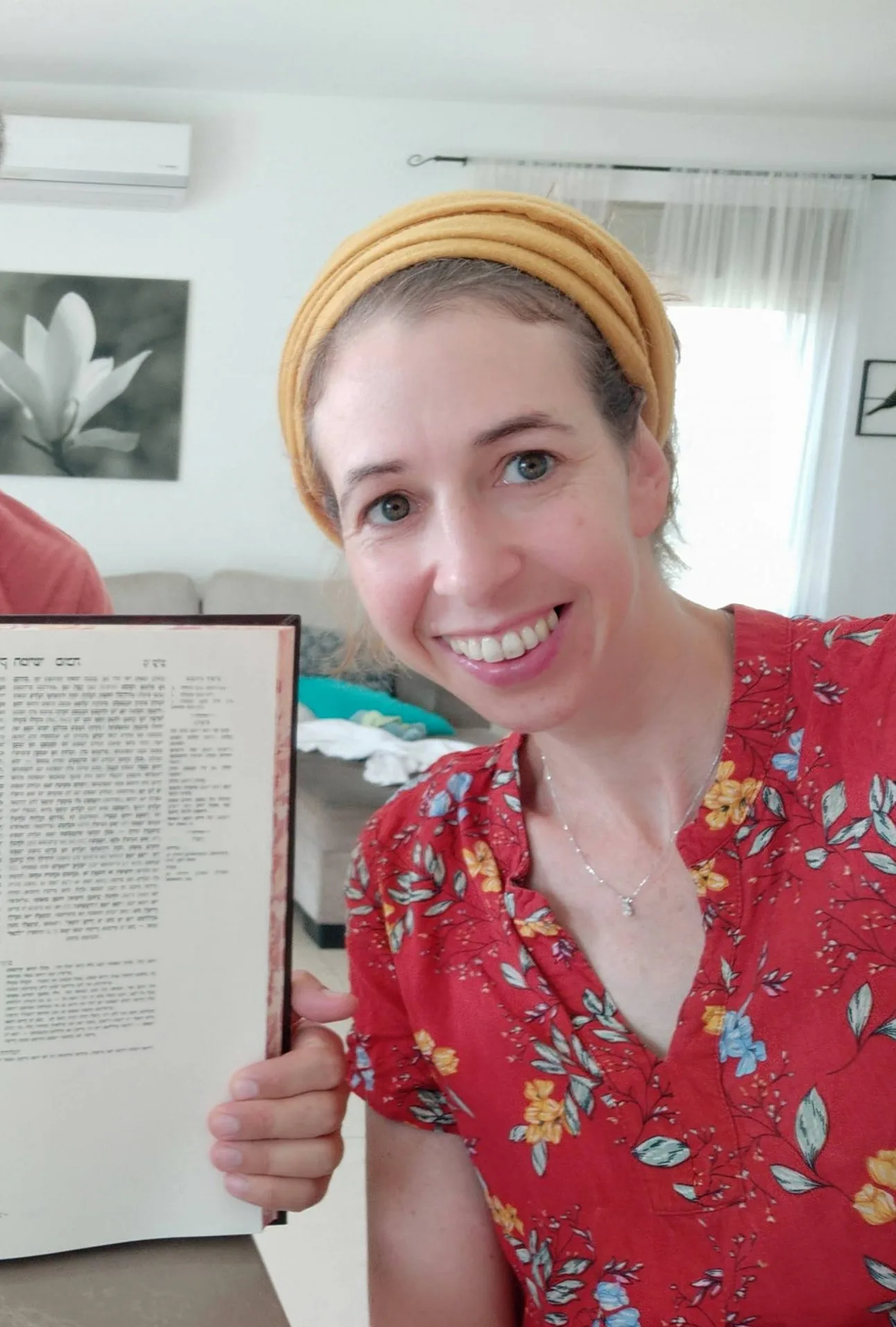
רציתי לקבל ידע בתחום שהרגשתי שהוא גדול וחשוב אך נעלם ממני. הלימוד מעניק אתגר וסיפוק ומעמיק את תחושת השייכות שלי לתורה וליהדות
עלי זהב – לשם, ישראל
"התחלתי ללמוד דף יומי במחזור הזה, בח’ בטבת תש””ף. לקחתי על עצמי את הלימוד כדי ליצור תחום של התמדה יומיומית בחיים, והצטרפתי לקבוצת הלומדים בבית הכנסת בכפר אדומים. המשפחה והסביבה מתפעלים ותומכים.
בלימוד שלי אני מתפעלת בעיקר מכך שכדי ללמוד גמרא יש לדעת ולהכיר את כל הגמרא. זו מעין צבת בצבת עשויה שהיא עצומה בהיקפה.”
כפר אדומים, ישראל
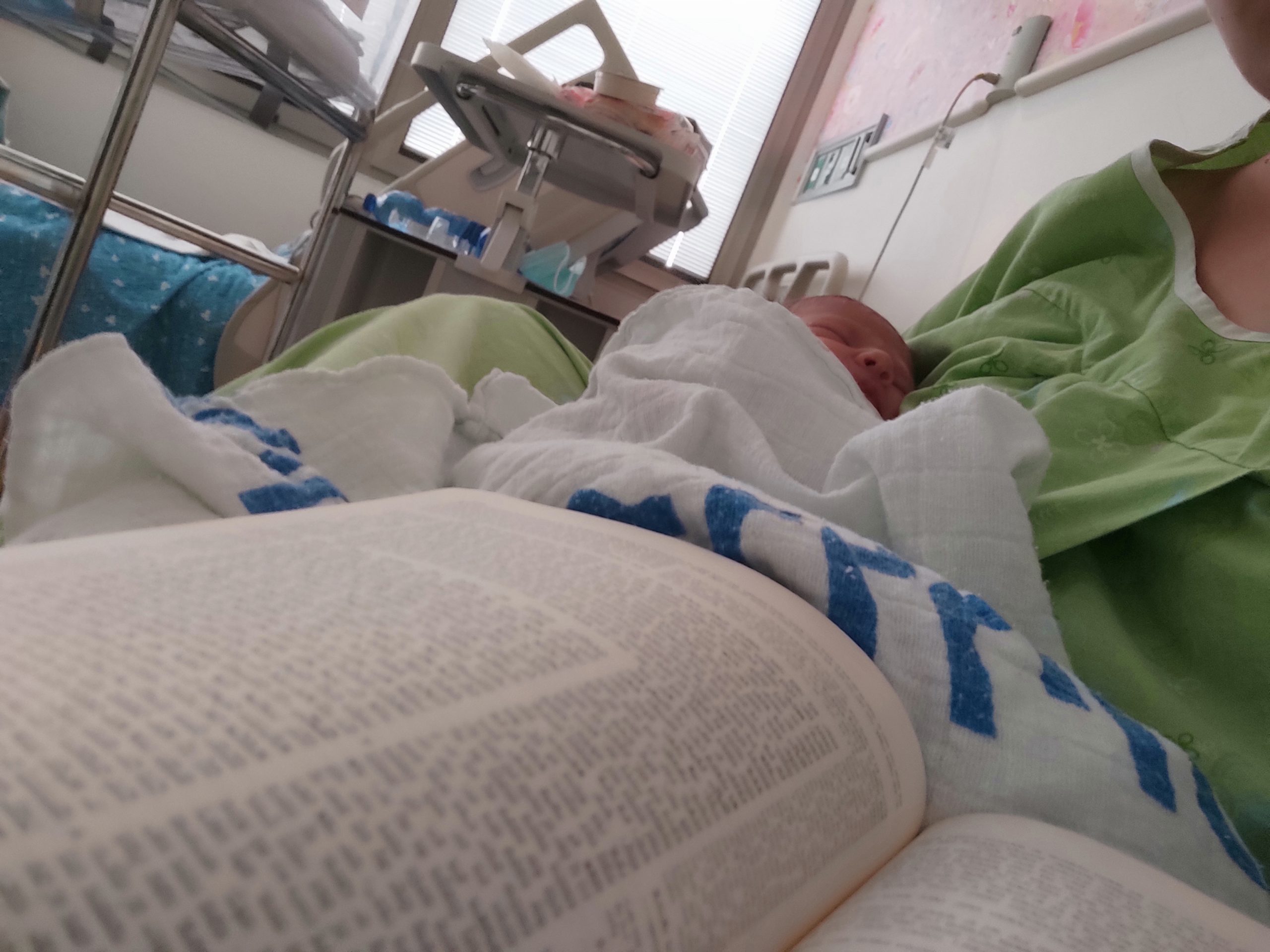
בתחילת הסבב הנוכחי הצטברו אצלי תחושות שאני לא מבינה מספיק מהי ההלכה אותה אני מקיימת בכל יום. כמו כן, כאמא לבנות רציתי לתת להן מודל נשי של לימוד תורה
שתי הסיבות האלו הובילו אותי להתחיל ללמוד. נתקלתי בתגובות מפרגנות וסקרניות איך אישה לומדת גמרא..
כמו שרואים בתמונה אני ממשיכה ללמוד גם היום ואפילו במחלקת יולדות אחרי לידת ביתי השלישית.
רבבה, ישראל
התחלתי מעט לפני תחילת הסבב הנוכחי. אני נהנית מהאתגר של להמשיך להתמיד, מרגעים של "אהה, מפה זה הגיע!” ומהאתגר האינטלקטואלי

לוד, ישראל
התחלתי ללמוד בשנת המדרשה במגדל עוז, בינתיים נהנית מאוד מהלימוד ומהגמרא, מעניין ומשמח מאוד!
משתדלת להצליח לעקוב כל יום, לפעמים משלימה קצת בהמשך השבוע.. מרגישה שיש עוגן מקובע ביום שלי והוא משמח מאוד!

חיפה , ישראל
הייתי לפני שנתיים בסיום הדרן נשים בבנייני האומה והחלטתי להתחיל. אפילו רק כמה דפים, אולי רק פרק, אולי רק מסכת… בינתיים סיימתי רבע שס ותכף את כל סדר מועד בה.
הסביבה תומכת ומפרגנת. אני בת יחידה עם ארבעה אחים שכולם לומדים דף יומי. מדי פעם אנחנו עושים סיומים יחד באירועים משפחתיים. ממש מרגש. מסכת שבת סיימנו כולנו יחד עם אבא שלנו!
אני שומעת כל יום פודקאסט בהליכה או בנסיעה ואחכ לומדת את הגמרא.
מרכז שפירא, ישראל
כתובות עח
הָאִשָּׁה שֶׁנָּפְלוּ לָהּ נְכָסִים עַד שֶׁלֹּא תִּתְאָרֵס — מוֹדִים בֵּית שַׁמַּאי וּבֵית הִלֵּל שֶׁמּוֹכֶרֶת וְנוֹתֶנֶת וְקַיָּים. נָפְלוּ לָהּ מִשֶּׁנִּתְאָרְסָה — בֵּית שַׁמַּאי אוֹמְרִים: תִּמְכּוֹר, וּבֵית הִלֵּל אוֹמְרִים: לֹא תִּמְכּוֹר. אֵלּוּ וָאֵלּוּ מוֹדִים שֶׁאִם מָכְרָה וְנָתְנָה קַיָּים.
MISHNA: With regard to a woman to whom property was bequeathed before she was betrothed, and she was then betrothed, Beit Shammai and Beit Hillel agree that she may sell or give the property as a gift, and the transaction is valid. However, if the property was bequeathed to her after she was betrothed, Beit Shammai say: She may sell it as long as she is betrothed, and Beit Hillel say: She may not sell it. Both these, Beit Shammai, and those, Beit Hillel, agree that if she sold it or gave it away as a gift, the transaction is valid.
אָמַר רַבִּי יְהוּדָה: אָמְרוּ חֲכָמִים לִפְנֵי רַבָּן גַּמְלִיאֵל: הוֹאִיל וְזָכָה בָּאִשָּׁה, לֹא יִזְכֶּה בַּנְּכָסִים? אָמַר לָהֶם: עַל הַחֲדָשִׁים אָנוּ בּוֹשִׁים, אֶלָּא שֶׁאַתֶּם מְגַלְגְּלִין עָלֵינוּ אֶת הַיְּשָׁנִים?!
Rabbi Yehuda said that the Sages said before Rabban Gamliel: Since he acquired the woman herself through betrothal, will he not acquire the property from the moment of their betrothal? Why, then, is her transaction valid? Rabban Gamliel said to them: With regard to the new property that she inherited after marriage, we are ashamed, because it is unclear why she cannot sell it, as it is hers; and you also seek to impose upon us a prohibition with regard to the old property that she owned beforehand?
נָפְלוּ לָהּ מִשֶּׁנִּשֵּׂאת, אֵלּוּ וְאֵלּוּ מוֹדִים שֶׁאִם מָכְרָה וְנָתְנָה, שֶׁהַבַּעַל מוֹצִיא מִיַּד הַלָּקוֹחוֹת. עַד שֶׁלֹּא נִשֵּׂאת וְנִשֵּׂאת, רַבָּן גַּמְלִיאֵל אוֹמֵר: אִם מָכְרָה וְנָתְנָה — קַיָּים. אָמַר רַבִּי חֲנִינָא בֶּן עֲקַבְיָא, אָמְרוּ לִפְנֵי רַבָּן גַּמְלִיאֵל: הוֹאִיל וְזָכָה בָּאִשָּׁה, לֹא יִזְכֶּה בַּנְּכָסִים? אָמַר לָהֶם: עַל הַחֲדָשִׁים אָנוּ בּוֹשִׁים, אֶלָּא שֶׁאַתֶּם מְגַלְגְּלִין עָלֵינוּ הַיְּשָׁנִים?!
If the property was bequeathed to her after she was married, both these, Beit Shammai, and those, Beit Hillel, agree that if she sold the property or gave it away, the husband may repossess it from the purchasers. If she inherited the property before she was married and then was married, Rabban Gamliel says: If she sold or gave the property away, the transaction is valid. Rabbi Ḥanina ben Akavya said that the Sages said before Rabban Gamliel: Since he acquired the woman through marriage, will he not acquire the property? Rabban Gamliel said to them: With regard to the new property we are ashamed, and you also seek to impose upon us a prohibition with regard to the old property?
רַבִּי שִׁמְעוֹן חוֹלֵק בֵּין נְכָסִים לִנְכָסִים, נְכָסִים הַיְּדוּעִין לַבַּעַל — לֹא תִּמְכּוֹר, וְאִם מָכְרָה וְנָתְנָה — בָּטֵל. שֶׁאֵינָן יְדוּעִין לַבַּעַל — לֹא תִּמְכּוֹר, וְאִם מָכְרָה וְנָתְנָה — קַיָּים.
Rabbi Shimon distinguishes between one type of property and another type of property: Property that is known to the husband she may not sell once she is married, and if she sold it or gave it away, the transaction is void. Property that is unknown to the husband she may not sell, but if she sold it or gave it away, the transaction is valid.
גְּמָ׳ מַאי שְׁנָא רֵישָׁא דְּלָא פְּלִיגִי, וּמַאי שְׁנָא סֵיפָא דִּפְלִיגִי?
GEMARA: The Gemara asks: What is different in the first clause of the mishna, when she inherited property before she was betrothed, such that Beit Shammai and Beit Hillel do not disagree, and what is different in the latter clause, when she inherited property after betrothal, such that they disagree? If the dispute concerns the right to her property after she is betrothed, what difference does it make whether her ownership began before or after the betrothal?
אָמְרִי דְּבֵי רַבִּי יַנַּאי: רֵישָׁא — בִּזְכוּתָהּ נָפְלוּ. סֵיפָא — בִּזְכוּתוֹ נָפְלוּ.
The Gemara answers that the Sages of the school of Rabbi Yannai say: In the first clause, where she inherited the property before her betrothal, the inheritance was bequeathed to her during a period when she had rights to her property, whereas in the latter clause, the inheritance was bequeathed to her during a period when he had rights to her property.
אִם בִּזְכוּתוֹ נָפְלוּ, כִּי מָכְרָה וְנָתְנָה אַמַּאי קַיָּים? אֶלָּא: רֵישָׁא — וַדַּאי בִּזְכוּתָהּ נָפְלוּ. סֵיפָא — אֵימַר בִּזְכוּתָהּ, אֵימַר בִּזְכוּתוֹ. לְכַתְּחִלָּה לֹא תִּמְכּוֹר, אִם מָכְרָה וְנָתְנָה — קַיָּים.
The Gemara raises a difficulty: If, in the latter clause the property was bequeathed to her when he had rights to it, why is the transaction valid when she sold it or gave it away? Rather, in the first clause, where she inherited the property before her betrothal, it certainly was bequeathed to her when she had rights to it and it therefore fully belongs to her. However, in the latter clause, where she inherited it after her betrothal, one can say that perhaps during this time she has rights to it, or say that perhaps during this time he has rights to it. Since the ownership of the property is a matter of uncertainty, Beit Hillel rule that she may not sell ab initio, but if she sold it or gave it away, the transaction is valid.
אָמַר רַבִּי יְהוּדָה, אָמְרוּ לִפְנֵי רַבָּן גַּמְלִיאֵל. אִיבַּעְיָא לְהוּ, רַבִּי יְהוּדָה אַלְּכַתְּחִלָּה, אוֹ אַדִּיעֲבַד?
§ The mishna states that Rabbi Yehuda said that the Sages said before Rabban Gamliel: Since he acquired the woman herself through betrothal, will he not acquire the property from the moment of their betrothal? A dilemma was raised before the Sages: When Rabbi Yehuda cited this question of the Sages, was he referring to her selling the property ab initio, which is permitted only according to Beit Shammai, or was he referring to the sale after the fact, which is valid even according to Beit Hillel?
תָּא שְׁמַע, דְּתַנְיָא, אָמַר רַבִּי יְהוּדָה: אָמְרוּ לִפְנֵי רַבָּן גַּמְלִיאֵל: הוֹאִיל וְזוֹ אִשְׁתּוֹ וְזוֹ אִשְׁתּוֹ — זוֹ מִכְרָהּ בָּטֵל, אַף זוֹ מִכְרָהּ בָּטֵל! אָמַר לָהֶן: עַל הַחֲדָשִׁים אָנוּ בּוֹשִׁים, אֶלָּא שֶׁאַתֶּם מְגַלְגְּלִים עָלֵינוּ אֶת הַיְּשָׁנִים? שְׁמַע מִינַּהּ דִּיעֲבַד קָאָמַר: שְׁמַע מִינַּהּ.
The Gemara replies: Come and hear an answer to this question, as it is taught in a baraita: Rabbi Yehuda said that they said before Rabban Gamliel: Since this one, when she is fully married, is legally his wife, and that one, when she is merely betrothed, is legally his wife, therefore, just as for this married one her sale is void, so too, for this betrothed one her sale should be void. Rabban Gamliel said to them: With regard to the new property, which she inherited after marriage, we are ashamed of this ruling, while you seek to impose upon us the same ruling even with regard to the old property that she owned beforehand? Learn from this that Rabbi Yehuda stated his question with regard to the halakha of a case brought after the fact, as they claim that the sale should be void. The Gemara concludes: Indeed, learn from this that it is so.
תַּנְיָא, אָמַר רַבִּי חֲנִינָא בֶּן עֲקַבְיָא: לֹא כָּךְ הֱשִׁיבָן רַבָּן גַּמְלִיאֵל לַחֲכָמִים, אֶלָּא כָּךְ הֱשִׁיבָן: לֹא אִם אֲמַרְתֶּם בִּנְשׂוּאָה — שֶׁכֵּן בַּעְלָהּ זַכַּאי בִּמְצִיאָתָהּ וּבְמַעֲשֵׂה יָדֶיהָ וּבַהֲפָרַת נְדָרֶיהָ, תֹּאמְרוּ בַּאֲרוּסָה שֶׁאֵין בַּעְלָהּ זַכַּאי לֹא בִּמְצִיאָתָהּ וְלֹא בְּמַעֲשֵׂה יָדֶיהָ וְלֹא בַּהֲפָרַת נְדָרֶיהָ!
It is taught in a baraita: Rabbi Ḥanina ben Akavya said that Rabban Gamliel did not respond to the Sages in that manner. Rather, this is what he replied to them: No, if you said that the sale is void with regard to a married woman, concerning whom the husband has many rights, as her husband is entitled to items she has found and to her earnings and to the right to nullify her vows, will you say the same with regard to a betrothed woman, whose husband is not entitled to items she has found, nor to her earnings, nor to the right of nullification of her vows?
אָמְרוּ לוֹ: רַבִּי, מָכְרָה לָהּ עַד שֶׁלֹּא נִשֵּׂאת, נִשֵּׂאת וְאַחַר כָּךְ מָכְרָה, מַהוּ? אֲמַר לְהוּ: אַף זוֹ מוֹכֶרֶת וְנוֹתֶנֶת וְקַיָּים. אָמְרוּ לוֹ: הוֹאִיל וְזָכָה בָּאִשָּׁה, לֹא יִזְכֶּה בַּנְּכָסִים?! אָמַר לָהֶם: עַל הַחֲדָשִׁים אָנוּ בּוֹשִׁין, אֶלָּא שֶׁאַתֶּם מְגַלְגְּלִין עָלֵינוּ אֶת הַיְּשָׁנִים?!
The Sages said to him: My teacher, this reasoning is accepted if she sold it for herself before she was married, but if she was married and afterward sold the property she had earlier inherited, what is the halakha? Rabban Gamliel said to them: Even this one may sell the property and give it away, and her action is valid. They said to him: Since he acquired the woman, will he not acquire the property? He said to them: With regard to the new property she inherited later we are ashamed, and now you impose upon us the old property?
וְהָאֲנַן תְּנַן: עַד שֶׁלֹּא נִשֵּׂאת וְנִשֵּׂאת, רַבָּן גַּמְלִיאֵל אוֹמֵר: אִם מָכְרָה וְנָתְנָה — קַיָּים.
The Gemara raises a difficulty: But didn’t we learn in the mishna: If she inherited property before she was married and was later married, Rabban Gamliel says: If she sold it or gave the property away, the transaction is valid. The wording of the baraita, in contrast, indicates that she may sell or give the property away ab initio.
אָמַר רַב זְבִיד, תְּנִי: מוֹכֶרֶת וְנוֹתֶנֶת וְקַיָּים. רַב פָּפָּא אָמַר, לָא קַשְׁיָא: הָא רַבִּי יְהוּדָה אַלִּיבָּא דְּרַבָּן גַּמְלִיאֵל, הָא רַבִּי חֲנִינָא בֶּן עֲקַבְיָא אַלִּיבָּא דְּרַבָּן גַּמְלִיאֵל. וְרַבִּי חֲנִינָא בֶּן עֲקַבְיָא כְּבֵית שַׁמַּאי? הָכִי קָאָמַר: לֹא נֶחְלְקוּ בֵּית שַׁמַּאי וּבֵית הִלֵּל עַל דָּבָר זֶה.
Rav Zevid said: Teach the text of the mishna as follows: She may sell and give away the property, and her transaction is valid. Rav Pappa stated another answer: This is not difficult, as this mishna is consistent with the opinion of Rabbi Yehuda according to the opinion of Rabban Gamliel, but that baraita is consistent with the opinion of Rabbi Ḥanina ben Akavya according to the opinion of Rabban Gamliel. The Gemara poses a question: If so, then apparently Rabbi Ḥanina ben Akavya agrees with Beit Shammai, as Beit Hillel maintain that she may not sell the property ab initio even while she is betrothed; yet it is well known that the halakha is ruled in accordance with the opinion of Beit Hillel. The Gemara answers: This is what Rabbi Ḥanina is saying: Beit Shammai and Beit Hillel did not disagree with regard to this matter of property that a woman inherited before marriage, as they agree she may sell it ab initio.
רַב וּשְׁמוּאֵל דְּאָמְרִי תַּרְוַיְיהוּ: בֵּין שֶׁנָּפְלוּ לָהּ נְכָסִים עַד שֶׁלֹּא נִתְאָרְסָה, בֵּין שֶׁנָּפְלוּ לָהּ נְכָסִים מִשֶּׁנִּתְאָרְסָה, וְנִיסֵּת — הַבַּעַל מוֹצִיא מִיַּד הַלָּקוֹחוֹת.
The Gemara cites the opinions of Rav and Shmuel, who both say: Whether property was bequeathed to her before she was betrothed, or whether property was bequeathed to her after she was betrothed and she was then married, and after her marriage she sold it or gave it away, the husband may repossess the property from the purchasers.
כְּמַאן? דְּלֹא כְּרַבִּי יְהוּדָה וְלֹא כְּרַבִּי חֲנִינָא בֶּן עֲקַבְיָא! אִינְהוּ דְּאָמְרִי כְּרַבּוֹתֵינוּ. דְּתַנְיָא, רַבּוֹתֵינוּ חָזְרוּ וְנִמְנוּ: בֵּין שֶׁנָּפְלוּ לָהּ עַד שֶׁלֹּא תִּתְאָרֵס, וּבֵין שֶׁנָּפְלוּ לָהּ מִשֶּׁנִּתְאָרְסָה וְנִיסֵּת — הַבַּעַל מוֹצִיא מִיַּד הַלָּקוֹחוֹת.
The Gemara asks: According to whose opinion was this stated? It is not in accordance with the opinion of Rabbi Yehuda and not in accordance with the opinion of Rabbi Ḥanina ben Akavya, who both maintain that the sale is valid. The Gemara answers: They, i.e., Rav and Shmuel, say so, in accordance with the opinion of our Rabbis. As it is taught in a baraita: Our Rabbis returned and voted after discussing this issue and decided that whether property was bequeathed to her before she was betrothed, or whether property was bequeathed to her after she was betrothed and she was subsequently married, the husband may repossess it from the purchasers.
מִשֶּׁנִּיסֵּת אֵלּוּ וְאֵלּוּ מוֹדִים. לֵימָא תְּנֵינָא לְתַקָּנַת אוּשָׁא? דְּאָמַר רַבִּי יוֹסֵי בְּרַבִּי חֲנִינָא, בְּאוּשָׁא הִתְקִינוּ: הָאִשָּׁה שֶׁמָּכְרָה בְּנִכְסֵי מְלוֹג בְּחַיֵּי בַּעְלָהּ וּמֵתָה — הַבַּעַל מוֹצִיא מִיַּד הַלָּקוֹחוֹת.
§ It was taught in the mishna that if she inherited the property after she was married, both these, Beit Shammai, and those, Beit Hillel, agree that the husband may repossess it from the buyers. The Gemara comments: Let us say that we already learned in the mishna about the rabbinic ordinance instituted in Usha. As Rabbi Yosei, son of Rabbi Ḥanina, said: In Usha they instituted an ordinance that in the case of a woman who sold her usufruct property, i.e., property that she alone owns and her husband benefits only from the dividends, in her husband’s lifetime and then died, the husband repossesses it from the purchasers. This appears to be the same halakha stated by the mishna.
מַתְנִיתִין — בְּחַיֶּיהָ וּלְפֵירוֹת, תַּקָּנַת אוּשָׁא — בְּגוּפָהּ שֶׁל קַרְקַע וּלְאַחַר מִיתָה.
The Gemara responds: This is not so, as the mishna is discussing the husband’s claim during her lifetime, and it is referring only to the value of the produce that the husband collects from the purchasers if she sold the land during their marriage, as the produce of usufruct property belongs to him but the land itself remains fully in the possession of the buyer. The ordinance of Usha, in contrast, applies even to the land itself, and even after the death of his wife he may repossess it because he inherits it.
רַבִּי שִׁמְעוֹן חוֹלֵק בֵּין נְכָסִים. אֵלּוּ הֵן יְדוּעִין וְאֵלּוּ הֵן שֶׁאֵינָן יְדוּעִין? אָמַר רַבִּי יוֹסֵי בְּרַבִּי חֲנִינָא: יְדוּעִין — מְקַרְקְעֵי. שֶׁאֵינָן יְדוּעִין — מִטַּלְטְלִין. וְרַבִּי יוֹחָנָן אָמַר: אֵלּוּ וָאֵלּוּ יְדוּעִין הֵן. וְאֵלּוּ הֵן שֶׁאֵינָן יְדוּעִין — כֹּל שֶׁיּוֹשֶׁבֶת כָּאן וְנָפְלוּ לָהּ נְכָסִים בִּמְדִינַת הַיָּם.
§ The mishna further taught that Rabbi Shimon distinguishes between property that is known to the husband and property that is unknown to him. The Gemara asks: Which properties are deemed known and which properties are deemed unknown? Rabbi Yosei, son of Rabbi Ḥanina, said: Property that is known is referring to land, which cannot be concealed. The husband knew that she would inherit it, and he married her with the intention of using its produce. Property that is unknown is referring to movable property. And Rabbi Yoḥanan said: Both these, land, and those, movable property, are deemed known property. And these are unknown properties: They are properties in any case where she resides here and property was bequeathed to her overseas. Since the husband did not consider this property when marrying her, the sale is binding after the fact.
תַּנְיָא נָמֵי הָכִי: אֵלּוּ הֵן שֶׁאֵינָן יְדוּעִין — כֹּל שֶׁיּוֹשֶׁבֶת כָּאן וְנָפְלוּ לָהּ נְכָסִים בִּמְדִינַת הַיָּם.
The Gemara comments: That opinion is also taught in a baraita. The baraita states: These are unknown properties: They are properties in any case where she resides here and property was bequeathed to her overseas.
הָהִיא אִיתְּתָא דְּבָעֲיָא דְּתַבְרְחִינְהוּ לְנִכְסַהּ מִגַּבְרַהּ, כְּתַבְתִּינְהוּ לִבְרַתַּהּ. אִינְּסִיבָה וְאִיגָּרַשָׁה.
The Gemara relates: There was a certain woman who was about to remarry after she was divorced or widowed, who sought to distance the rights to her property from her future husband. She therefore wrote a document stipulating that her property be given as a gift to her daughter before marriage. Ultimately, the mother was married and then divorced. She wanted her daughter to return the property, and her daughter claimed that it was given to her as a gift.

