






רוצה להקדיש לימוד?


קידושין יב
לָא סָלְקָא דַּעְתָּךְ – דּוּמְיָא דְּיִיעוּד, מַה יִיעוּד, אַף עַל גַּב דְּאִי בָּעֵי מְיַיעֵד וְאִי בָּעֵי לָא מְיַיעֵד, כֹּל הֵיכָא דְּלָא מָצֵי מְיַיעֵד – לָא הָווּ זְבִינָא זְבִינֵי, הָכִי נָמֵי כֹּל הֵיכָא דְּלָא מָצְיָ[א] מְיגָרְעָא – לָא הָווּ זְבִינָא זְבִינֵי.
The Gemara rejects this suggestion: This cannot enter your mind, as the halakha of deduction must be similar to the halakha of designation, i.e., the process by which a master designates his Hebrew maidservant as a wife for him or his son (Exodus 21:8–9). Just as with designation, although the halakha is that if he desires, he may designate her and if he does not desire, he is not required to designate her, nevertheless anywhere that he cannot designate her, e.g., in a case where they are related and she is therefore forbidden to him, her sale is not a valid sale, so too here, with regard to her redemption, anywhere that she cannot deduct an amount from her purchase price, her sale is not a valid sale.
וְקִידּוּשֵׁי אִשָּׁה לְבֵית שַׁמַּאי נָפְקָא לְהוּ מֵאָמָה הָעִבְרִיָּה: מָה אָמָה הָעִבְרִיָּה בִּפְרוּטָה לָא מִקַּנְיָא, אַף אִשָּׁה בִּפְרוּטָה לָא מִיקַּדְּשָׁא.
The Gemara notes: And according to the opinion of Beit Shammai the mode of betrothal of a woman by money is derived from the case of a Hebrew maidservant, as follows: Just as a Hebrew maidservant cannot be acquired with one peruta, so too a woman cannot be betrothed with one peruta.
וְאֵימָא פַּלְגָא דְּדִינָר, וְאֵימָא שְׁתֵּי פְּרוּטוֹת! כֵּיוָן דְּאַפִּיקְתֵּיהּ מִפְּרוּטָה – אוֹקְמַהּ אַדִּינָר.
The Gemara asks: Even if Beit Shammai derive their opinion from here, how does this prove that a woman can be betrothed only with a minimum of one dinar? But why not say she can be betrothed with half a dinar, or say that she can be betrothed with two perutot, as it is possible to fulfill the redemption of a Hebrew maidservant if her sale was for either of these amounts? The Gemara answers: Since this comparison excludes betrothal with one peruta, as it indicates that a woman can be betrothed only with money of significant value, the Sages established the minimum amount at one dinar, which is a coin of substantial value.
רָבָא אָמַר: הַיְינוּ טַעְמָא דְּבֵית שַׁמַּאי: שֶׁלֹּא יְהוּ בְּנוֹת יִשְׂרָאֵל כְּהֶפְקֵר.
Rava said a different explanation: This is the reasoning of Beit Shammai, who hold that a woman can be betrothed only with a minimum of one dinar: The daughters of Israel should not be treated like ownerless property. Allowing women to be betrothed with such a small amount as one peruta is disrespectful to them.
וּבֵית הִלֵּל אוֹמְרִים בִּפְרוּטָה. סָבַר רַב יוֹסֵף לְמֵימַר: פְּרוּטָה כָּל דְּהוּ. אֲמַר לֵיהּ אַבָּיֵי: וְהָא עֲלַהּ קָתָנֵי: כַּמָּה הִיא פְּרוּטָה – אֶחָד מִשְּׁמֹנָה בָּאִיסָּר הָאִיטַלְקִי.
§ The mishna teaches: And Beit Hillel say that a woman can be betrothed with one peruta, or with any item that is worth one peruta. Rav Yosef thought to say: One peruta means any amount. There is no defined value, as a woman may be betrothed with one peruta regardless of its value at the time. Abaye said to him: But isn’t it taught with regard to this in the mishna itself: How much is one peruta? It is one-eighth of the Italian issar. This shows there is a defined value for one peruta.
וְכִי תֵּימָא: הָנֵי מִילֵּי בְּדוֹרוֹ שֶׁל מֹשֶׁה, אֲבָל הָכָא כְּדַחֲשִׁבָה לְהוּ לְאִינָשֵׁי – וְהָא כִּי אֲתָא רַב דִּימִי אָמַר: שִׁיעֵר רַבִּי סִימַאי בְּדוֹרוֹ כַּמָּה הִיא פְּרוּטָה: אֶחָד מִשְּׁמֹנָה בָּאִיסָּר הָאִיטַלְקִי, וְכִי אֲתָא רָבִין אָמַר: רַבִּי דּוֹסְתַּאי וְרַבִּי יַנַּאי וְרַבִּי אוֹשַׁעְיָא שִׁיעֲרוּ כַּמָּה הָוֵי פְּרוּטָה – אֶחָד מִשִּׁשָּׁה בְּאִיסָּר הָאִיטַלְקִי!
And if you would say: This statement applies only to the generation of Moses, i.e., this was the value of one peruta in the time of the Torah, but now, at any later time, its value is determined by that which people consider one peruta, that claim cannot be correct. As when Rav Dimi came from Eretz Yisrael he said: Rabbi Simai estimated in his generation: How much is one peruta? It is one-eighth of the Italian issar. And when Ravin came from Eretz Yisrael to Babylonia he said that Rabbi Dostai and Rabbi Yannai and Rabbi Oshaya estimated: How much is one peruta? It is one-sixth of the Italian issar.
אֲמַר לֵיהּ רַב יוֹסֵף: אִי הָכִי, הַיְינוּ דְּתָנֵינָא: ״צֵא וַחֲשׁוֹב כַּמָּה פְּרוּטוֹת בִּשְׁנֵי סְלָעִים – יוֹתֵר מֵאַלְפַּיִם״ – הַשְׁתָּא אַלְפַּיִם לָא הָוְיָין, יָתֵר מֵאַלְפַּיִם קָרֵי לְהוּ? אֲמַר לְהוּ הַהוּא סָבָא: אֲנָא תְּנֵינָא לַהּ: ״קָרוֹב לְאַלְפַּיִם״. סוֹף סוֹף אַלְפָּא וַחֲמֵשׁ מְאָה וּתְלָתִין וְשִׁיתָּא הוּא דְּהָוְיָין! כֵּיוָן דְּנָפְקָא לְהוּ מִפַּלְגָא – קָרוֹב לְאַלְפַּיִם קָרֵי לֵיהּ.
Rav Yosef said to Abaye: If so, then this is in conflict with that which we learned in a baraita: Go and calculate how many perutot there are in two sela: More than two thousand. Now there are not even two thousand, and you call them: More than two thousand? Rather, the peruta is certainly worth less than one-eighth of the Italian issar. A certain old man said to them: I teach this baraita as saying: Close to two thousand. The Gemara asks: Ultimately, according to the calculation of one-eighth of an issar, the number of perutot in two sela is 1,536, which is nowhere near two thousand. The Gemara answers: Since it passes half of the second thousand it is called: Close to two thousand.
גּוּפָא, כִּי אֲתָא רַב דִּימִי אָמַר: שִׁיעֵר רַבִּי סִימַאי בְּדוֹרוֹ כַּמָּה הִיא פְּרוּטָה – אֶחָד מִשְּׁמֹנָה בָּאִיסָּר הָאִיטַלְקִי, וְכִי אֲתָא רָבִין אָמַר: שִׁיעֲרוּ רַבִּי דּוֹסְתַּאי וְרַבִּי יַנַּאי וְרַבִּי אוֹשַׁעְיָא כַּמָּה הִיא פְּרוּטָה – אֶחָד מִשִּׁשָּׁה בָּאִיסָּר הָאִיטַלְקִי. אָמַר לֵיהּ אַבָּיֵי לְרַב דִּימִי: נֵימָא, אַתְּ וְרָבִין בִּפְלוּגְתָּא דְהָנֵי תַּנָּאֵי קָא מִיפַּלְגִיתוּ,
The Gemara discusses the matter itself. When Rav Dimi came from Eretz Yisrael he said: Rabbi Simai estimated in his generation: How much is one peruta? It is one-eighth of the Italian issar. And when Ravin came he said that Rabbi Dostai and Rabbi Yannai and Rabbi Oshaya estimated: How much is one peruta? It is one-sixth of the Italian issar. Abaye said to Rav Dimi: Shall we say that you and Ravin disagree with regard to the issue that is the subject of the dispute between these tanna’im.
דְּתַנְיָא: פְּרוּטָה שֶׁאָמְרוּ חֲכָמִים – אֶחָד מִשְּׁמֹנָה בָּאִיסָּר הָאִיטַלְקִי, שֵׁשׁ מָעָה כֶּסֶף – דִּינָר, מָעָה – שְׁנֵי פּוּנְדְּיוֹנִין, פּוּנְדְּיוֹן – שְׁנֵי אִיסָּרִין, אִיסָּר – שְׁנֵי מִסְמֵיסִים, מִסְמֵס – שְׁנֵי קוּנְטְרוֹנְקִין, קוּנְטְרֹנְק – שְׁתֵּי פְרוּטוֹת. נִמְצָא, פְּרוּטָה – אֶחָד מִשְּׁמֹנָה בָּאִיסָּר הָאִיטַלְקִי.
As it is taught in a baraita: The peruta mentioned by the Sages is one-eighth of the Italian issar. Six silver ma’a are one dinar, and one ma’a is worth two pundeyon. In a pundeyon there are two issar, and an issar is two masmas. A masmas is worth two konterank, and a konterank is two perutot. By this calculation, one finds that one peruta is one-eighth of the Italian issar.
רַבָּן שִׁמְעוֹן בֶּן גַּמְלִיאֵל אוֹמֵר: שְׁלֹשָׁה הַדְרֵסִין לְמָעָה, שְׁנֵי הַנְצִין לְהַדְרֵיס, שְׁנֵי שְׁמֵנִין לַהֲנֵץ, שְׁתֵּי פְרוּטוֹת לְשָׁמֵין, נִמְצָא, פְּרוּטָה – אֶחָד מִשִּׁשָּׁה בְּאִיסָּר הָאִיטַלְקִי. לֵימָא דְּמָר אָמַר כְּתַנָּא קַמָּא וְרָבִין דְּאָמַר כְּרַבָּן שִׁמְעוֹן בֶּן גַּמְלִיאֵל?
Rabban Shimon ben Gamliel says: This is not the case; rather, there are three hadreis to a ma’a, two henetz to a hadreis, two shamin to a henetz, and two perutot to a shamin. Consequently, one finds that one peruta is one-sixth of the Italian issar. Shall we say that one Master agrees with the first tanna, and Ravin, who said his ruling in the name of Rabbi Dostai and Rabbi Yannai and Rabbi Oshaya, agrees with Rabban Shimon ben Gamliel?
אֲמַר לֵיהּ: בֵּין דִּידִי וּבֵין רָבִין אַלִּיבָּא דְּתַנָּא קַמָּא, וְלָא קַשְׁיָא: הָא – דְּאִיַּקּוּר אִיסּוּרֵי, הָא – דְּזוּל אִיסּוּרֵי. הָא דְּאִיַּקּוּר אִיסּוּרֵי – קוּם עֶשְׂרִים וְאַרְבַּע בְּזוּזָא, הָא דְּזוּל – קוּם תְּלָתִין וּתְרֵין בְּזוּזָא.
Rav Dimi said to Abaye: Both my statement and that of Ravin are in accordance with the opinion of the first tanna, and it is not difficult. This statement of mine is referring to when the issar increased in value in relation to silver coins, and this statement of Ravin is referring to when the issar decreased in value. The Gemara elaborates: When the issar increased in value, twenty-four issar stood at one dinar; when they decreased in value, thirty-two issar stood at one dinar. If so, there is a set ratio between the value of a peruta and the value of silver, and there are 192 perutot in one dinar. By contrast, the ratio between the value of a copper issar and silver dinars fluctuates, so that sometimes an issar will be worth eight perutot while at other times it is worth only six.
אָמַר שְׁמוּאֵל: קִידְּשָׁהּ בִּתְמָרָה, אֲפִילּוּ עוֹמֵד כּוֹר תְּמָרִים בְּדִינָר – מְקוּדֶּשֶׁת; חָיְישִׁינַן שֶׁמָּא שָׁוֶה פְּרוּטָה בְּמָדַי.
§ Shmuel says: If man betrothed a woman with a date, she is betrothed even if a kor of dates is worth one dinar, which would mean that one date is worth much less than one peruta. The reason is that although a date has little value here, we are concerned that perhaps it is worth one peruta in Media or in some other distant place where dates are expensive. Therefore, she is betrothed in this location as well.
וְהָא אֲנַן תְּנַן: בֵּית הִלֵּל אוֹמְרִים בִּפְרוּטָה וּבְשָׁוֶה פְּרוּטָה! לָא קַשְׁיָא, הָא בְּקִידּוּשֵׁי וַדַּאי, הָא בְּקִידּוּשֵׁי סָפֵק.
The Gemara asks: But didn’t we learn in the mishna that Beit Hillel say: With one peruta or with an item worth one peruta, but not less? The Gemara explains: This is not difficult. This statement in the mishna is referring to betrothal whose status is certain. Betrothal with one peruta or an item worth one peruta is certainly valid. Conversely, this case stated by Shmuel is referring to betrothal whose status is uncertain. Although the item is not worth one peruta here, there is a concern that the betrothal might nevertheless be valid.
הָהוּא גַּבְרָא דְּאקַדֵּישׁ בִּזְווֹדָא דְּאוּדְרֵי, יָתֵיב רַב שִׁימִי בַּר חִיָּיא קַמֵּיהּ דְּרַב וְקָא מְעַיֵּין בַּהּ, אִי אִית בַּהּ שָׁוֶה פְּרוּטָה – אִין, אִי לָא – לָא. וְאִי לֵית בַּהּ שָׁוֶה פְּרוּטָה לָא? וְהָאָמַר שְׁמוּאֵל: חָיְישִׁינַן! לָא קַשְׁיָא, הָא בְּקִידּוּשֵׁי וַדַּאי, הָא בְּקִידּוּשֵׁי סָפֵק.
The Gemara relates: There was a certain man who betrothed a woman with a bundle of rags [zavda de’urdei]. Rav Shimi bar Ḥiyya sat before Rav and examined the bundle to see if it had the value of one peruta. If it was worth one peruta, yes, she was betrothed, and if not, no, she was not betrothed. The Gemara asks: And if it does not have the value of one peruta, is she not betrothed? But didn’t Shmuel say that we are concerned that the item might be worth one peruta in Media? The Gemara explains: This is not difficult. This ruling of Rav Shimi bar Ḥiyya is referring to betrothal whose status is certain, whereas this statement of Shmuel is referring to betrothal whose status is uncertain.
הָהוּא גַּבְרָא דְּאקַדֵּישׁ בְּאַבְנָא דְכוּחְלָא, יָתֵיב רַב חִסְדָּא וְקָא מְשַׁעֵר לַיהּ, אִי אִית בַּהּ שָׁוֶה פְּרוּטָה – אִין, וְאִי לָא – לָא. וְאִי לֵית בַּהּ שָׁוֶה פְּרוּטָה לָא? וְהָא אָמַר שְׁמוּאֵל: חָיְישִׁינַן! רַב חִסְדָּא לָא סָבַר לֵיהּ דִּשְׁמוּאֵל.
The Gemara further relates: There was a certain man who betrothed a woman with a blue marble stone. Rav Ḥisda sat and estimated whether it was worth one peruta. If it was worth one peruta, yes, she was betrothed, and if not, no, she was not betrothed. The Gemara asks: And if it does not have the value of one peruta, is she not betrothed? But didn’t Shmuel say that we are concerned that the item might be worth one peruta in Media? The Gemara answers: Rav Ḥisda does not hold in accordance with that opinion of Shmuel, as he holds that if the item is not worth one peruta in the place where the betrothal occurred, the betrothal is invalid.
אֲמַרָה לֵיהּ אִימֵּיהּ: וְהָא הָהוּא יוֹמָא דְּקַדְּשַׁהּ הֲוָה בַּהּ שָׁוֶה פְּרוּטָה! אֲמַר לַהּ: לָאו כָּל כְּמִינָּךְ דְּאָסְרַתְּ לַהּ אַבָּתְרָא.
The mother of the man who offered the betrothal said to Rav Ḥisda: But on that day that he betrothed her it was worth one peruta. He said to the mother: It is not in your power to render her forbidden to a later man. If another comes and betroths her, his betrothal is not dismissed due to this earlier act. Since the marble stone is not worth one peruta now, the betrothal of the second man may be valid.
לָאו הַיְינוּ דִּיהוּדִית דְּבֵיתְהוּ דְּרַבִּי חִיָּיא, (דַּהֲוֵית) [דַּהֲוָה] לַהּ צַעַר לֵידָה, אֲמַרָה לֵיהּ: אֲמַרָה לִי אֵם: קַבֵּיל בִּיךְ אֲבוּךְ קִידּוּשֵׁי כִּי זוּטְרַתְּ. אֲמַר לַהּ: לָאו כָּל כְּמִינַּהּ דְּאִימָּךְ דְּאָסְרָה לִיךְ עִילָּוַאי.
Rav Ḥisda explained: Is this not similar to the case of Yehudit, wife of Rabbi Ḥiyya, who would have painful childbirths and therefore wished to leave Rabbi Ḥiyya? She said to Rabbi Ḥiyya: My mother told me: When you were young your father accepted betrothal on your behalf from another man, which would render Yehudit forbidden to Rabbi Ḥiyya. He said to her: It is not in your mother’s power to render you forbidden to me, as this testimony is insufficient.
אָמְרִי לֵיהּ רַבָּנַן לְרַב חִסְדָּא: אַמַּאי? הָא אִיכָּא סָהֲדִי בְּאִידִית, דְּיָדְעִי דִּבְהָהוּא יוֹמָא הֲוָה בַּיהּ שָׁוֶה פְּרוּטָה! הַשְׁתָּא מִיהָא לָא לֵיתַנְהוּ קַמַּן.
Returning to the incident with the blue marble stone, the Gemara relates that the Sages said to Rav Ḥisda: Why do you say that she is not betrothed because the item is not worth one peruta in the place where the betrothal occurred? After all, there are witnesses in Idit who know that on that day it had the value of one peruta. Rav Ḥisda said to them: Now, in any event, they are not here, and therefore their potential testimony is disregarded.
לָאו הַיְינוּ דְּרַבִּי חֲנִינָא, דְּאָמַר רַבִּי חֲנִינָא: עֵידֶיהָ בְּצַד אַסְתָּן, וְתֵיאָסֵר?!
Rav Ḥisda cites a proof for his statement: Isn’t this the same as the opinion of Rabbi Ḥanina? In the case of a woman who appeared before the court and said that she was taken captive but remained undefiled, if there are no witnesses that she was captured, her entire claim must be accepted, and therefore she is permitted to her husband. Although there are witnesses elsewhere who can testify that she was taken captive, and consequently, the court need not rely on her statement alone, as Rabbi Ḥanina says: When her witnesses are far away in the north [istan], will she be forbidden?
אַבָּיֵי וְרָבָא לָא סְבִירָא לְהוּ לְהָא דְּרַב חִסְדָּא. אִם הֵקֵילּוּ בִּשְׁבוּיָה, דִּמְנַוְּולָה נַפְשַׁהּ גַּבֵּי שַׁבַּאי, נָיקֵיל בְּאֵשֶׁת אִישׁ?!
The Gemara comments: Abaye and Rava do not hold in accordance with this statement of Rav Ḥisda with regard to betrothal. In their opinion one cannot learn the halakha here from Rabbi Ḥanina’s statement, as there is a difference between the cases: If in the case of Rabbi Ḥanina the Sages were lenient with regard to a captive woman, who makes herself appear repulsive before her captor so that he will not rape her, and it is therefore believable that she was not violated, shall we be lenient with regard to the serious prohibition of a married woman?
אִישְׁתְּאַר מֵהַהִיא מִשְׁפָּחָה בְּסוּרָא, וּפְרַשׁוּ רַבָּנַן מִינַּהּ. וְלָאו מִשּׁוּם דִּסְבִירָא לְהוּ דִּשְׁמוּאֵל, אֶלָּא מִשּׁוּם דִּסְבִירָא לְהוּ כְּאַבָּיֵי וְרָבָא.
The Gemara reports: Descendants of the family of the woman who had been betrothed with a blue marble stone remained in Sura, as after Rav Ḥisda ruled that that woman’s first betrothal was invalid, she married another man and had children. But the Sages avoided the family and refused to marry into it due to the concern that it was founded on a possibly adulterous relationship, which would render the descendants of the family mamzerim. The Gemara comments: And it was not because they maintained, in accordance with the opinion of Shmuel, that there is a concern that any item might be worth one peruta somewhere else. Rather, it was because they held in accordance with the opinion of Abaye and Rava, who said: Since there are witnesses in a different place, one must take them into account.
הָהוּא גַּבְרָא דְּאקַדֵּישׁ בְּשׁוּטִיתָא דְאָסָא בְּשׁוּקָא, שַׁלְחַהּ רַב אַחָא בַּר הוּנָא לְקַמֵּיהּ דְּרַב יוֹסֵף: כְּהַאי גַּוְונָא מַאי? שְׁלַח לֵיהּ: נַגְּדֵיהּ כְּרַב, וְאַצְרֵיךְ גִּיטָּא כִּשְׁמוּאֵל.
§ The Gemara relates: There was a certain man who betrothed a woman with a myrtle branch in the marketplace. Rav Aḥa bar Huna sent this dilemma before Rav Yosef: In a case like this, what is the halakha? Rav Yosef sent a response to him: Flog him, in accordance with the opinion of Rav, and require her to receive a bill of divorce, in accordance with the opinion of Shmuel, in case the myrtle branch is worth one peruta somewhere else.
דְּרַב מְנַגֵּיד עַל דִּמְקַדֵּשׁ בְּשׁוּקָא, וְעַל דִּמְקַדֵּשׁ בְּבִיאָה, וְעַל דִּמְקַדֵּשׁ בְּלָא שִׁידּוּכֵי.
The Gemara explains that Rav would flog a man for betrothing a woman in the marketplace, because this is disrespectful and crude, and for betrothing a woman through sexual intercourse, as it is unsavory to invite witnesses to observe a man and woman enter a room to engage in intercourse. And he would also flog a man for betrothing a woman without an arrangement [shiddukhei], i.e., if he did not discuss betrothal with the woman before betrothing her. Each of these acts is considered indecent behavior.
וְעַל דִּמְבַטֵּיל גִּיטָּא, וְעַל דְּמָסַר מוֹדָעָא אַגִּיטָּא, וְעַל דִּמְצַעַר שְׁלוּחָא דְרַבָּנַן, וְעַל דְּחָלָה שַׁמְתָּא עִילָּוֵיהּ תְּלָתִין יוֹמִין,
And likewise, Rav would flog a man for nullifying a bill of divorce he has already sent to his wife, and for issuing a declaration preemptively invalidating a bill of divorce. The latter case is referring to one who announces before giving a bill of divorce that he is divorcing his wife against his will, thereby rendering the document ineffective. This behavior might lead to a grave sin if the wife marries another man under the mistaken impression that she is divorced. And similarly, Rav would flog anyone for tormenting a messenger of the Sages, as this indicates a lack of regard for the Sages. And Rav would flog one who had an excommunication take effect on him for thirty days and yet does not repent or appeal to the Sages to annul his censure.
וְעַל חַתְנָא דְּדָיַיר בֵּי חֲמוּהּ. דְּדָיַיר – אִין, חָלֵיף – לָא?! וְהָא הָהוּא חַתְנָא דַּחֲלֵיף אַבָּבָא דְּבֵי חֲמוּהּ וְנַגְּדֵיהּ רַב שֵׁשֶׁת! הָהוּא מֵידָם הֲוָת דָּיְימָא חֲמָתֵיהּ מִינֵּיהּ.
And Rav would flog a son-in-law who lives in his father-in-law’s house, as there is a concern that he might sin with his mother-in-law. The Gemara comments: This indicates that with regard to one who lives in his father-in-law’s house permanently, yes, he is flogged, whereas with regard to one who only passes by his father-in-law’s house, no, he is not flogged. But there was a certain son-in-law who passed by the entrance of his father-in-law’s house and Rav Sheshet flogged him due to licentiousness. The Gemara explains: In that case, there were suspicions [dayma] about him and his mother-in-law, i.e., about rumors of intimacy between them. In walking by the house he contributed to these rumors, which is why he was flogged.
נְהַרְדָּעֵי אָמְרִי: בְּכוּלְּהוּ, לָא מְנַגֵּיד רַב אֶלָּא עַל דִּמְקַדֵּשׁ בְּבִיאָה בְּלָא שִׁידּוּכֵי. וְאִיכָּא דְּאָמְרִי: וַאֲפִילּוּ בְּשִׁידּוּכֵי נָמֵי מִשּׁוּם פְּרִיצוּתָא.
The Sages of Neharde’a say: Rav would not flog a violator in all of the cases listed, but he would in fact flog a man for betrothing a woman through sexual intercourse without a prior arrangement. And there are those who say: Even if there was an arrangement beforehand, he would also flog a man for betrothing a woman with intercourse, due to licentiousness, as it is indecent to have witnesses observe a man and woman enter a room to engage in intercourse.
הָהוּא גַּבְרָא דְּקַדֵּישׁ בְּצִיפְּתָא דְאָסָא, אֲמַרוּ לֵיהּ: וְהָא לֵית בַּהּ שָׁוֶה פְּרוּטָה! אֲמַר לְהוּ: תִּיקְדּוֹשׁ בְּאַרְבַּע זוּזֵי דְּאִית בַּהּ. שְׁקַלְתַּהּ וְאִישְׁתִּיקָא. אָמַר רָבָא: הָוֵה שְׁתִיקוּתָא דִּלְאַחַר מַתַּן מָעוֹת, וְכֹל שְׁתִיקוּתָא דִּלְאַחַר מַתַּן מָעוֹת, לָאו כְּלוּם הִיא.
§ The Gemara relates: There was a certain man who betrothed a woman with a mat of myrtle branches. People who were present said to him: But it is not worth one peruta. He said to them: If so, let her be betrothed with the four dinars that are wrapped in the mat. The woman took the mat and was silent. Rava said: This is silence after the money is given, and any silence after the money is given is nothing. Since it was assumed at the time that he gave her an item worth less than one peruta, there is no proof that she acted in accordance with his subsequent statement. It is possible that she ignored him and did not intend to become betrothed with the four dinars.
אָמַר רָבָא: מְנָא אָמֵינָא לַהּ, דְּתַנְיָא: אָמַר לָהּ: כִּנְסִי סֶלַע זוֹ בְּפִקָּדוֹן, וְחָזַר וְאָמַר לָהּ: הִתְקַדְּשִׁי לִי בּוֹ. בִּשְׁעַת מַתַּן מָעוֹת – מְקוּדֶּשֶׁת, לְאַחַר מַתַּן מָעוֹת, רָצְתָה – מְקוּדֶּשֶׁת, לֹא רָצְתָה – אֵינָהּ מְקוּדֶּשֶׁת.
Rava said: From where do I state this opinion? As it is taught in a baraita that in a case where a man said to a woman: Take this sela as a deposit, and he subsequently went back and said to her: Be betrothed to me with it, if he said this at the time the money was given, she is betrothed. In a case where he said this after the money was given, then if she wanted to be betrothed in this manner, she is betrothed. If she did not want it, she is not betrothed.
מַאי ״רָצְתָה״ וּמַאי ״לֹא רָצְתָה״? אִילֵימָא ״רָצְתָה״ – דְּאָמְרָה: ״אִין״, לֹא רָצְתָה דְּאָמְרָה: ״לָא״, מִכְּלָל דְּרֵישָׁא,
The Gemara inquires: What is the meaning of: She wanted, and what is the meaning of: She did not want? If we say that: She wanted, means that she said yes, she wishes to be betrothed, and: She did not want, means that she explicitly said no, one can learn by inference that in the first clause of the baraita, when he spoke as he gave her the money and no difference is suggested between her wanting or not wanting,

חדשה בלימוד הגמרא?
זה הדף הראשון שלך? איזו התרגשות עצומה! יש לנו בדיוק את התכנים והכלים שיעזרו לך לעשות את הצעדים הראשונים ללמידה בקצב וברמה שלך, כך תוכלי להרגיש בנוח גם בתוך הסוגיות המורכבות ומאתגרות.
פסיפס הלומדות שלנו
גלי את קהילת הלומדות שלנו, מגוון נשים, רקעים וסיפורים. כולן חלק מתנועה ומסע מרגש ועוצמתי.
התחלתי ללמוד בעידוד שתי חברות אתן למדתי בעבר את הפרק היומי במסגרת 929.
בבית מתלהבים מאוד ובשבת אני לומדת את הדף עם בעלי שזה מפתיע ומשמח מאוד! לימוד הדף הוא חלק בלתי נפרד מהיום שלי. לומדת בצהריים ומחכה לזמן הזה מידי יום…

אפרת, ישראל
שמעתי על הסיום הענק של הדף היומי ע”י נשים בבנייני האומה. רציתי גם.
החלטתי להצטרף. התחלתי ושיכנעתי את בעלי ועוד שתי חברות להצטרף. עכשיו יש לי לימוד משותף איתו בשבת ומפגש חודשי איתן בנושא (והתכתבויות תדירות על דברים מיוחדים שקראנו). הצטרפנו לקבוצות שונות בווטסאפ. אנחנו ממש נהנות. אני שומעת את השיעור מידי יום (בד”כ מהרב יוני גוטמן) וקוראת ומצטרפת לסיומים של הדרן. גם מקפידה על דף משלהן (ונהנית מאד).

אפרת, ישראל
"
גם אני התחלתי בסבב הנוכחי וב””ה הצלחתי לסיים את רוב המסכתות . בזכות הרבנית מישל משתדלת לפתוח את היום בשיעור הזום בשעה 6:20 .הלימוד הפך להיות חלק משמעותי בחיי ויש ימים בהם אני מצליחה לחזור על הדף עם מלמדים נוספים ששיעוריהם נמצאים במרשתת. שמחה להיות חלק מקהילת לומדות ברחבי העולם. ובמיוחד לשמש דוגמה לנכדותיי שאי””ה יגדלו לדור שלימוד תורה לנשים יהיה משהו שבשגרה. "
נתניה, ישראל
אמא שלי למדה איתי ש”ס משנה, והתחילה ללמוד דף יומי. אני החלטתי שאני רוצה ללמוד גם. בהתחלה למדתי איתה, אח”כ הצטרפתי ללימוד דף יומי שהרב דני וינט מעביר לנוער בנים בעתניאל. במסכת עירובין עוד חברה הצטרפה אלי וכשהתחלנו פסחים הרב דני פתח לנו שעור דף יומי לבנות. מאז אנחנו לומדות איתו קבוע כל יום את הדף היומי (ובשבת אבא שלי מחליף אותו). אני נהנית מהלימוד, הוא מאתגר ומעניין
עתניאל, ישראל
הצטרפתי ללומדות בתחילת מסכת תענית. ההתרגשות שלי ושל המשפחה היתה גדולה מאוד, והיא הולכת וגוברת עם כל סיום שאני זוכה לו. במשך שנים רבות רציתי להצטרף ומשום מה זה לא קרה… ב”ה מצאתי לפני מספר חודשים פרסום של הדרן, ומיד הצטרפתי והתאהבתי. הדף היומי שינה את חיי ממש והפך כל יום- ליום של תורה. מודה לכן מקרב ליבי ומאחלת לכולנו לימוד פורה מתוך אהבת התורה ולומדיה.

חיספין רמת הגולן, ישראל
אני לומדת גמרא כעשור במסגרות שונות, ואת הדף היומי התחלתי כשחברה הציעה שאצטרף אליה לסיום בבנייני האומה. מאז אני לומדת עם פודקסט הדרן, משתדלת באופן יומי אך אם לא מספיקה, מדביקה פערים עד ערב שבת. בסבב הזה הלימוד הוא "ממעוף הציפור”, מקשיבה במהירות מוגברת תוך כדי פעילויות כמו בישול או נהיגה, וכך רוכשת היכרות עם הסוגיות ואופן ניתוחם על ידי חז”ל. בע”ה בסבב הבא, ואולי לפני, אצלול לתוכו באופן מעמיק יותר.

רמת גן, ישראל
סיום השס לנשים נתן לי מוטביציה להתחיל ללמוד דף יומי. עד אז למדתי גמרא בשבתות ועשיתי כמה סיומים. אבל לימוד יומיומי זה שונה לגמרי ופתאום כל דבר שקורה בחיים מתקשר לדף היומי.
רתמים, ישראל
התחלתי בתחילת הסבב, והתמכרתי. זה נותן משמעות נוספת ליומיום ומאוד מחזק לתת לזה מקום בתוך כל שגרת הבית-עבודה השוטפת.
בית שמש, ישראל
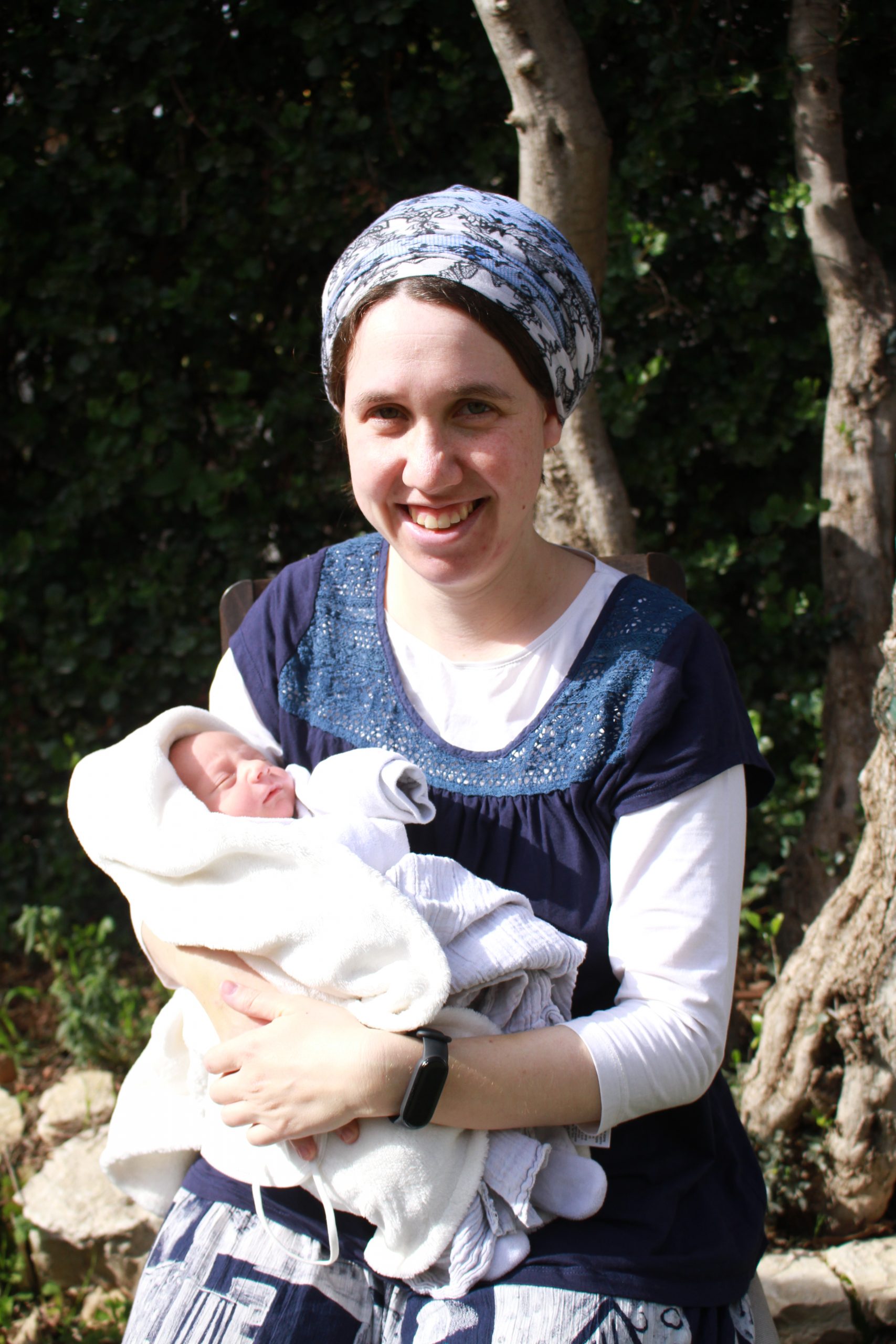
בתחילת הסבב הנוכחי הצטברו אצלי תחושות שאני לא מבינה מספיק מהי ההלכה אותה אני מקיימת בכל יום. כמו כן, כאמא לבנות רציתי לתת להן מודל נשי של לימוד תורה
שתי הסיבות האלו הובילו אותי להתחיל ללמוד. נתקלתי בתגובות מפרגנות וסקרניות איך אישה לומדת גמרא..
כמו שרואים בתמונה אני ממשיכה ללמוד גם היום ואפילו במחלקת יולדות אחרי לידת ביתי השלישית.
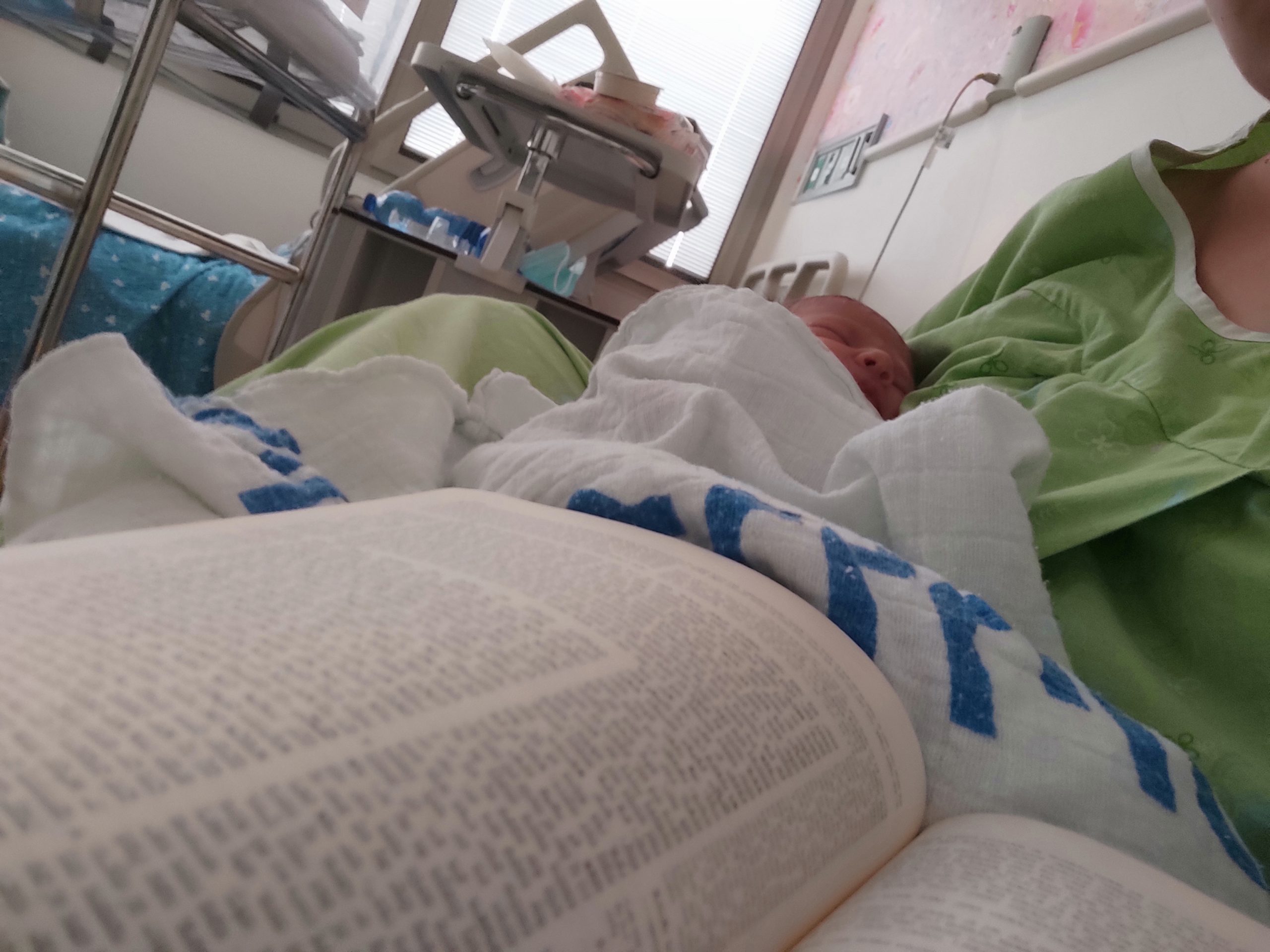
רבבה, ישראל
התחלתי ללמוד דף יומי בסבב הקודם. זכיתי לסיים אותו במעמד המרגש של הדרן. בסבב הראשון ליווה אותי הספק, שאולי לא אצליח לעמוד בקצב ולהתמיד. בסבב השני אני לומדת ברוגע, מתוך אמונה ביכולתי ללמוד ולסיים. בסבב הלימוד הראשון ליוותה אותי חוויה מסויימת של בדידות. הדרן העניקה לי קהילת לימוד ואחוות נשים. החוויה של סיום הש”ס במעמד כה גדול כשנשים שאינן מכירות אותי, שמחות ומתרגשות עבורי , היתה חוויה מרוממת נפש

קיבוץ מגדל עוז, ישראל
התחלתי ללמוד בשנת המדרשה במגדל עוז, בינתיים נהנית מאוד מהלימוד ומהגמרא, מעניין ומשמח מאוד!
משתדלת להצליח לעקוב כל יום, לפעמים משלימה קצת בהמשך השבוע.. מרגישה שיש עוגן מקובע ביום שלי והוא משמח מאוד!

חיפה , ישראל
ראיתי את הסיום הגדול בבנייני האומה וכל כך התרשמתי ורציתי לקחת חלק.. אבל לקח לי עוד כשנה וחצי )באמצע מסיכת שבת להצטרף..
הלימוד חשוב לי מאוד.. אני תמיד במרדף אחרי הדף וגונבת כל פעם חצי דף כשהילדים עסוקים ומשלימה אח”כ אחרי שכולם הלכו לישון..

ירושלים, ישראל
סיום השס לנשים נתן לי מוטביציה להתחיל ללמוד דף יומי. עד אז למדתי גמרא בשבתות ועשיתי כמה סיומים. אבל לימוד יומיומי זה שונה לגמרי ופתאום כל דבר שקורה בחיים מתקשר לדף היומי.
רתמים, ישראל
רבנית מישל הציתה אש התלמוד בלבבות בביניני האומה ואני נדלקתי. היא פתחה פתח ותמכה במתחילות כמוני ואפשרה לנו להתקדם בצעדים נכונים וטובים. הקימה מערך שלם שמסובב את הלומדות בסביבה תומכת וכך נכנסתי למסלול לימוד מעשיר שאין כמוה. הדרן יצר קהילה גדולה וחזקה שמאפשרת התקדמות מכל נקודת מוצא. יש דיבוק לומדות שמחזק את ההתמדה של כולנו. כל פניה ושאלה נענית בזריזות ויסודיות. תודה גם למגי על כל העזרה.
נתניה, ישראל
"התחלתי ללמוד דף יומי במחזור הזה, בח’ בטבת תש””ף. לקחתי על עצמי את הלימוד כדי ליצור תחום של התמדה יומיומית בחיים, והצטרפתי לקבוצת הלומדים בבית הכנסת בכפר אדומים. המשפחה והסביבה מתפעלים ותומכים.
בלימוד שלי אני מתפעלת בעיקר מכך שכדי ללמוד גמרא יש לדעת ולהכיר את כל הגמרא. זו מעין צבת בצבת עשויה שהיא עצומה בהיקפה.”

כפר אדומים, ישראל
התחלתי ללמוד בעידוד שתי חברות אתן למדתי בעבר את הפרק היומי במסגרת 929.
בבית מתלהבים מאוד ובשבת אני לומדת את הדף עם בעלי שזה מפתיע ומשמח מאוד! לימוד הדף הוא חלק בלתי נפרד מהיום שלי. לומדת בצהריים ומחכה לזמן הזה מידי יום…
אפרת, ישראל
. לא תמיד נהניתי מלימוד גמרא כילדה.,בל כהתבגרתי התחלתי לאהוב את זה שוב. התחלתי ללמוד מסכת סוטה בדף היומי לפני כחמש עשרה שנה ואז הפסקתי.הגעתי לסיום הגדול של הדרן לפני שנתיים וזה נתן לי השראה. והתחלתי ללמוד למשך כמה ימים ואז היתה לי פריצת דיסק והפסקתי…עד אלול השנה. אז התחלתי עם מסכת ביצה וב”ה אני מצליחה לעמוד בקצב. המשפחה מאוד תומכת בי ויש כמה שגם לומדים את זה במקביל. אני אוהבת שיש עוגן כל יום.

בית שמש, ישראל
התחלתי ללמוד בסבב הנוכחי לפני כשנתיים .הסביבה מתפעלת ותומכת מאוד. אני משתדלת ללמוד מכל ההסכתים הנוספים שיש באתר הדרן. אני עורכת כל סיום מסכת שיעור בביתי לכ20 נשים שמחכות בקוצר רוח למפגשים האלו.
יהוד, ישראל
למדתי גמרא מכיתה ז- ט ב Maimonides School ואחרי העליה שלי בגיל 14 לימוד הגמרא, שלא היה כל כך מקובל בימים אלה, היה די ספוראדי. אחרי "ההתגלות” בבנייני האומה התחלתי ללמוד בעיקר בדרך הביתה למדתי מפוקקטסים שונים. לאט לאט ראיתי שאני תמיד חוזרת לרבנית מישל פרבר. באיזה שהוא שלב התחלתי ללמוד בזום בשעה 7:10 .
היום "אין מצב” שאני אתחיל את היום שלי ללא לימוד עם הרבנית מישל עם כוס הקפה שלי!!

חשמונאים, ישראל
התחלתי מעט לפני תחילת הסבב הנוכחי. אני נהנית מהאתגר של להמשיך להתמיד, מרגעים של "אהה, מפה זה הגיע!” ומהאתגר האינטלקטואלי

לוד, ישראל
קידושין יב
לָא סָלְקָא דַּעְתָּךְ – דּוּמְיָא דְּיִיעוּד, מַה יִיעוּד, אַף עַל גַּב דְּאִי בָּעֵי מְיַיעֵד וְאִי בָּעֵי לָא מְיַיעֵד, כֹּל הֵיכָא דְּלָא מָצֵי מְיַיעֵד – לָא הָווּ זְבִינָא זְבִינֵי, הָכִי נָמֵי כֹּל הֵיכָא דְּלָא מָצְיָ[א] מְיגָרְעָא – לָא הָווּ זְבִינָא זְבִינֵי.
The Gemara rejects this suggestion: This cannot enter your mind, as the halakha of deduction must be similar to the halakha of designation, i.e., the process by which a master designates his Hebrew maidservant as a wife for him or his son (Exodus 21:8–9). Just as with designation, although the halakha is that if he desires, he may designate her and if he does not desire, he is not required to designate her, nevertheless anywhere that he cannot designate her, e.g., in a case where they are related and she is therefore forbidden to him, her sale is not a valid sale, so too here, with regard to her redemption, anywhere that she cannot deduct an amount from her purchase price, her sale is not a valid sale.
וְקִידּוּשֵׁי אִשָּׁה לְבֵית שַׁמַּאי נָפְקָא לְהוּ מֵאָמָה הָעִבְרִיָּה: מָה אָמָה הָעִבְרִיָּה בִּפְרוּטָה לָא מִקַּנְיָא, אַף אִשָּׁה בִּפְרוּטָה לָא מִיקַּדְּשָׁא.
The Gemara notes: And according to the opinion of Beit Shammai the mode of betrothal of a woman by money is derived from the case of a Hebrew maidservant, as follows: Just as a Hebrew maidservant cannot be acquired with one peruta, so too a woman cannot be betrothed with one peruta.
וְאֵימָא פַּלְגָא דְּדִינָר, וְאֵימָא שְׁתֵּי פְּרוּטוֹת! כֵּיוָן דְּאַפִּיקְתֵּיהּ מִפְּרוּטָה – אוֹקְמַהּ אַדִּינָר.
The Gemara asks: Even if Beit Shammai derive their opinion from here, how does this prove that a woman can be betrothed only with a minimum of one dinar? But why not say she can be betrothed with half a dinar, or say that she can be betrothed with two perutot, as it is possible to fulfill the redemption of a Hebrew maidservant if her sale was for either of these amounts? The Gemara answers: Since this comparison excludes betrothal with one peruta, as it indicates that a woman can be betrothed only with money of significant value, the Sages established the minimum amount at one dinar, which is a coin of substantial value.
רָבָא אָמַר: הַיְינוּ טַעְמָא דְּבֵית שַׁמַּאי: שֶׁלֹּא יְהוּ בְּנוֹת יִשְׂרָאֵל כְּהֶפְקֵר.
Rava said a different explanation: This is the reasoning of Beit Shammai, who hold that a woman can be betrothed only with a minimum of one dinar: The daughters of Israel should not be treated like ownerless property. Allowing women to be betrothed with such a small amount as one peruta is disrespectful to them.
וּבֵית הִלֵּל אוֹמְרִים בִּפְרוּטָה. סָבַר רַב יוֹסֵף לְמֵימַר: פְּרוּטָה כָּל דְּהוּ. אֲמַר לֵיהּ אַבָּיֵי: וְהָא עֲלַהּ קָתָנֵי: כַּמָּה הִיא פְּרוּטָה – אֶחָד מִשְּׁמֹנָה בָּאִיסָּר הָאִיטַלְקִי.
§ The mishna teaches: And Beit Hillel say that a woman can be betrothed with one peruta, or with any item that is worth one peruta. Rav Yosef thought to say: One peruta means any amount. There is no defined value, as a woman may be betrothed with one peruta regardless of its value at the time. Abaye said to him: But isn’t it taught with regard to this in the mishna itself: How much is one peruta? It is one-eighth of the Italian issar. This shows there is a defined value for one peruta.
וְכִי תֵּימָא: הָנֵי מִילֵּי בְּדוֹרוֹ שֶׁל מֹשֶׁה, אֲבָל הָכָא כְּדַחֲשִׁבָה לְהוּ לְאִינָשֵׁי – וְהָא כִּי אֲתָא רַב דִּימִי אָמַר: שִׁיעֵר רַבִּי סִימַאי בְּדוֹרוֹ כַּמָּה הִיא פְּרוּטָה: אֶחָד מִשְּׁמֹנָה בָּאִיסָּר הָאִיטַלְקִי, וְכִי אֲתָא רָבִין אָמַר: רַבִּי דּוֹסְתַּאי וְרַבִּי יַנַּאי וְרַבִּי אוֹשַׁעְיָא שִׁיעֲרוּ כַּמָּה הָוֵי פְּרוּטָה – אֶחָד מִשִּׁשָּׁה בְּאִיסָּר הָאִיטַלְקִי!
And if you would say: This statement applies only to the generation of Moses, i.e., this was the value of one peruta in the time of the Torah, but now, at any later time, its value is determined by that which people consider one peruta, that claim cannot be correct. As when Rav Dimi came from Eretz Yisrael he said: Rabbi Simai estimated in his generation: How much is one peruta? It is one-eighth of the Italian issar. And when Ravin came from Eretz Yisrael to Babylonia he said that Rabbi Dostai and Rabbi Yannai and Rabbi Oshaya estimated: How much is one peruta? It is one-sixth of the Italian issar.
אֲמַר לֵיהּ רַב יוֹסֵף: אִי הָכִי, הַיְינוּ דְּתָנֵינָא: ״צֵא וַחֲשׁוֹב כַּמָּה פְּרוּטוֹת בִּשְׁנֵי סְלָעִים – יוֹתֵר מֵאַלְפַּיִם״ – הַשְׁתָּא אַלְפַּיִם לָא הָוְיָין, יָתֵר מֵאַלְפַּיִם קָרֵי לְהוּ? אֲמַר לְהוּ הַהוּא סָבָא: אֲנָא תְּנֵינָא לַהּ: ״קָרוֹב לְאַלְפַּיִם״. סוֹף סוֹף אַלְפָּא וַחֲמֵשׁ מְאָה וּתְלָתִין וְשִׁיתָּא הוּא דְּהָוְיָין! כֵּיוָן דְּנָפְקָא לְהוּ מִפַּלְגָא – קָרוֹב לְאַלְפַּיִם קָרֵי לֵיהּ.
Rav Yosef said to Abaye: If so, then this is in conflict with that which we learned in a baraita: Go and calculate how many perutot there are in two sela: More than two thousand. Now there are not even two thousand, and you call them: More than two thousand? Rather, the peruta is certainly worth less than one-eighth of the Italian issar. A certain old man said to them: I teach this baraita as saying: Close to two thousand. The Gemara asks: Ultimately, according to the calculation of one-eighth of an issar, the number of perutot in two sela is 1,536, which is nowhere near two thousand. The Gemara answers: Since it passes half of the second thousand it is called: Close to two thousand.
גּוּפָא, כִּי אֲתָא רַב דִּימִי אָמַר: שִׁיעֵר רַבִּי סִימַאי בְּדוֹרוֹ כַּמָּה הִיא פְּרוּטָה – אֶחָד מִשְּׁמֹנָה בָּאִיסָּר הָאִיטַלְקִי, וְכִי אֲתָא רָבִין אָמַר: שִׁיעֲרוּ רַבִּי דּוֹסְתַּאי וְרַבִּי יַנַּאי וְרַבִּי אוֹשַׁעְיָא כַּמָּה הִיא פְּרוּטָה – אֶחָד מִשִּׁשָּׁה בָּאִיסָּר הָאִיטַלְקִי. אָמַר לֵיהּ אַבָּיֵי לְרַב דִּימִי: נֵימָא, אַתְּ וְרָבִין בִּפְלוּגְתָּא דְהָנֵי תַּנָּאֵי קָא מִיפַּלְגִיתוּ,
The Gemara discusses the matter itself. When Rav Dimi came from Eretz Yisrael he said: Rabbi Simai estimated in his generation: How much is one peruta? It is one-eighth of the Italian issar. And when Ravin came he said that Rabbi Dostai and Rabbi Yannai and Rabbi Oshaya estimated: How much is one peruta? It is one-sixth of the Italian issar. Abaye said to Rav Dimi: Shall we say that you and Ravin disagree with regard to the issue that is the subject of the dispute between these tanna’im.
דְּתַנְיָא: פְּרוּטָה שֶׁאָמְרוּ חֲכָמִים – אֶחָד מִשְּׁמֹנָה בָּאִיסָּר הָאִיטַלְקִי, שֵׁשׁ מָעָה כֶּסֶף – דִּינָר, מָעָה – שְׁנֵי פּוּנְדְּיוֹנִין, פּוּנְדְּיוֹן – שְׁנֵי אִיסָּרִין, אִיסָּר – שְׁנֵי מִסְמֵיסִים, מִסְמֵס – שְׁנֵי קוּנְטְרוֹנְקִין, קוּנְטְרֹנְק – שְׁתֵּי פְרוּטוֹת. נִמְצָא, פְּרוּטָה – אֶחָד מִשְּׁמֹנָה בָּאִיסָּר הָאִיטַלְקִי.
As it is taught in a baraita: The peruta mentioned by the Sages is one-eighth of the Italian issar. Six silver ma’a are one dinar, and one ma’a is worth two pundeyon. In a pundeyon there are two issar, and an issar is two masmas. A masmas is worth two konterank, and a konterank is two perutot. By this calculation, one finds that one peruta is one-eighth of the Italian issar.
רַבָּן שִׁמְעוֹן בֶּן גַּמְלִיאֵל אוֹמֵר: שְׁלֹשָׁה הַדְרֵסִין לְמָעָה, שְׁנֵי הַנְצִין לְהַדְרֵיס, שְׁנֵי שְׁמֵנִין לַהֲנֵץ, שְׁתֵּי פְרוּטוֹת לְשָׁמֵין, נִמְצָא, פְּרוּטָה – אֶחָד מִשִּׁשָּׁה בְּאִיסָּר הָאִיטַלְקִי. לֵימָא דְּמָר אָמַר כְּתַנָּא קַמָּא וְרָבִין דְּאָמַר כְּרַבָּן שִׁמְעוֹן בֶּן גַּמְלִיאֵל?
Rabban Shimon ben Gamliel says: This is not the case; rather, there are three hadreis to a ma’a, two henetz to a hadreis, two shamin to a henetz, and two perutot to a shamin. Consequently, one finds that one peruta is one-sixth of the Italian issar. Shall we say that one Master agrees with the first tanna, and Ravin, who said his ruling in the name of Rabbi Dostai and Rabbi Yannai and Rabbi Oshaya, agrees with Rabban Shimon ben Gamliel?
אֲמַר לֵיהּ: בֵּין דִּידִי וּבֵין רָבִין אַלִּיבָּא דְּתַנָּא קַמָּא, וְלָא קַשְׁיָא: הָא – דְּאִיַּקּוּר אִיסּוּרֵי, הָא – דְּזוּל אִיסּוּרֵי. הָא דְּאִיַּקּוּר אִיסּוּרֵי – קוּם עֶשְׂרִים וְאַרְבַּע בְּזוּזָא, הָא דְּזוּל – קוּם תְּלָתִין וּתְרֵין בְּזוּזָא.
Rav Dimi said to Abaye: Both my statement and that of Ravin are in accordance with the opinion of the first tanna, and it is not difficult. This statement of mine is referring to when the issar increased in value in relation to silver coins, and this statement of Ravin is referring to when the issar decreased in value. The Gemara elaborates: When the issar increased in value, twenty-four issar stood at one dinar; when they decreased in value, thirty-two issar stood at one dinar. If so, there is a set ratio between the value of a peruta and the value of silver, and there are 192 perutot in one dinar. By contrast, the ratio between the value of a copper issar and silver dinars fluctuates, so that sometimes an issar will be worth eight perutot while at other times it is worth only six.
אָמַר שְׁמוּאֵל: קִידְּשָׁהּ בִּתְמָרָה, אֲפִילּוּ עוֹמֵד כּוֹר תְּמָרִים בְּדִינָר – מְקוּדֶּשֶׁת; חָיְישִׁינַן שֶׁמָּא שָׁוֶה פְּרוּטָה בְּמָדַי.
§ Shmuel says: If man betrothed a woman with a date, she is betrothed even if a kor of dates is worth one dinar, which would mean that one date is worth much less than one peruta. The reason is that although a date has little value here, we are concerned that perhaps it is worth one peruta in Media or in some other distant place where dates are expensive. Therefore, she is betrothed in this location as well.
וְהָא אֲנַן תְּנַן: בֵּית הִלֵּל אוֹמְרִים בִּפְרוּטָה וּבְשָׁוֶה פְּרוּטָה! לָא קַשְׁיָא, הָא בְּקִידּוּשֵׁי וַדַּאי, הָא בְּקִידּוּשֵׁי סָפֵק.
The Gemara asks: But didn’t we learn in the mishna that Beit Hillel say: With one peruta or with an item worth one peruta, but not less? The Gemara explains: This is not difficult. This statement in the mishna is referring to betrothal whose status is certain. Betrothal with one peruta or an item worth one peruta is certainly valid. Conversely, this case stated by Shmuel is referring to betrothal whose status is uncertain. Although the item is not worth one peruta here, there is a concern that the betrothal might nevertheless be valid.
הָהוּא גַּבְרָא דְּאקַדֵּישׁ בִּזְווֹדָא דְּאוּדְרֵי, יָתֵיב רַב שִׁימִי בַּר חִיָּיא קַמֵּיהּ דְּרַב וְקָא מְעַיֵּין בַּהּ, אִי אִית בַּהּ שָׁוֶה פְּרוּטָה – אִין, אִי לָא – לָא. וְאִי לֵית בַּהּ שָׁוֶה פְּרוּטָה לָא? וְהָאָמַר שְׁמוּאֵל: חָיְישִׁינַן! לָא קַשְׁיָא, הָא בְּקִידּוּשֵׁי וַדַּאי, הָא בְּקִידּוּשֵׁי סָפֵק.
The Gemara relates: There was a certain man who betrothed a woman with a bundle of rags [zavda de’urdei]. Rav Shimi bar Ḥiyya sat before Rav and examined the bundle to see if it had the value of one peruta. If it was worth one peruta, yes, she was betrothed, and if not, no, she was not betrothed. The Gemara asks: And if it does not have the value of one peruta, is she not betrothed? But didn’t Shmuel say that we are concerned that the item might be worth one peruta in Media? The Gemara explains: This is not difficult. This ruling of Rav Shimi bar Ḥiyya is referring to betrothal whose status is certain, whereas this statement of Shmuel is referring to betrothal whose status is uncertain.
הָהוּא גַּבְרָא דְּאקַדֵּישׁ בְּאַבְנָא דְכוּחְלָא, יָתֵיב רַב חִסְדָּא וְקָא מְשַׁעֵר לַיהּ, אִי אִית בַּהּ שָׁוֶה פְּרוּטָה – אִין, וְאִי לָא – לָא. וְאִי לֵית בַּהּ שָׁוֶה פְּרוּטָה לָא? וְהָא אָמַר שְׁמוּאֵל: חָיְישִׁינַן! רַב חִסְדָּא לָא סָבַר לֵיהּ דִּשְׁמוּאֵל.
The Gemara further relates: There was a certain man who betrothed a woman with a blue marble stone. Rav Ḥisda sat and estimated whether it was worth one peruta. If it was worth one peruta, yes, she was betrothed, and if not, no, she was not betrothed. The Gemara asks: And if it does not have the value of one peruta, is she not betrothed? But didn’t Shmuel say that we are concerned that the item might be worth one peruta in Media? The Gemara answers: Rav Ḥisda does not hold in accordance with that opinion of Shmuel, as he holds that if the item is not worth one peruta in the place where the betrothal occurred, the betrothal is invalid.
אֲמַרָה לֵיהּ אִימֵּיהּ: וְהָא הָהוּא יוֹמָא דְּקַדְּשַׁהּ הֲוָה בַּהּ שָׁוֶה פְּרוּטָה! אֲמַר לַהּ: לָאו כָּל כְּמִינָּךְ דְּאָסְרַתְּ לַהּ אַבָּתְרָא.
The mother of the man who offered the betrothal said to Rav Ḥisda: But on that day that he betrothed her it was worth one peruta. He said to the mother: It is not in your power to render her forbidden to a later man. If another comes and betroths her, his betrothal is not dismissed due to this earlier act. Since the marble stone is not worth one peruta now, the betrothal of the second man may be valid.
לָאו הַיְינוּ דִּיהוּדִית דְּבֵיתְהוּ דְּרַבִּי חִיָּיא, (דַּהֲוֵית) [דַּהֲוָה] לַהּ צַעַר לֵידָה, אֲמַרָה לֵיהּ: אֲמַרָה לִי אֵם: קַבֵּיל בִּיךְ אֲבוּךְ קִידּוּשֵׁי כִּי זוּטְרַתְּ. אֲמַר לַהּ: לָאו כָּל כְּמִינַּהּ דְּאִימָּךְ דְּאָסְרָה לִיךְ עִילָּוַאי.
Rav Ḥisda explained: Is this not similar to the case of Yehudit, wife of Rabbi Ḥiyya, who would have painful childbirths and therefore wished to leave Rabbi Ḥiyya? She said to Rabbi Ḥiyya: My mother told me: When you were young your father accepted betrothal on your behalf from another man, which would render Yehudit forbidden to Rabbi Ḥiyya. He said to her: It is not in your mother’s power to render you forbidden to me, as this testimony is insufficient.
אָמְרִי לֵיהּ רַבָּנַן לְרַב חִסְדָּא: אַמַּאי? הָא אִיכָּא סָהֲדִי בְּאִידִית, דְּיָדְעִי דִּבְהָהוּא יוֹמָא הֲוָה בַּיהּ שָׁוֶה פְּרוּטָה! הַשְׁתָּא מִיהָא לָא לֵיתַנְהוּ קַמַּן.
Returning to the incident with the blue marble stone, the Gemara relates that the Sages said to Rav Ḥisda: Why do you say that she is not betrothed because the item is not worth one peruta in the place where the betrothal occurred? After all, there are witnesses in Idit who know that on that day it had the value of one peruta. Rav Ḥisda said to them: Now, in any event, they are not here, and therefore their potential testimony is disregarded.
לָאו הַיְינוּ דְּרַבִּי חֲנִינָא, דְּאָמַר רַבִּי חֲנִינָא: עֵידֶיהָ בְּצַד אַסְתָּן, וְתֵיאָסֵר?!
Rav Ḥisda cites a proof for his statement: Isn’t this the same as the opinion of Rabbi Ḥanina? In the case of a woman who appeared before the court and said that she was taken captive but remained undefiled, if there are no witnesses that she was captured, her entire claim must be accepted, and therefore she is permitted to her husband. Although there are witnesses elsewhere who can testify that she was taken captive, and consequently, the court need not rely on her statement alone, as Rabbi Ḥanina says: When her witnesses are far away in the north [istan], will she be forbidden?
אַבָּיֵי וְרָבָא לָא סְבִירָא לְהוּ לְהָא דְּרַב חִסְדָּא. אִם הֵקֵילּוּ בִּשְׁבוּיָה, דִּמְנַוְּולָה נַפְשַׁהּ גַּבֵּי שַׁבַּאי, נָיקֵיל בְּאֵשֶׁת אִישׁ?!
The Gemara comments: Abaye and Rava do not hold in accordance with this statement of Rav Ḥisda with regard to betrothal. In their opinion one cannot learn the halakha here from Rabbi Ḥanina’s statement, as there is a difference between the cases: If in the case of Rabbi Ḥanina the Sages were lenient with regard to a captive woman, who makes herself appear repulsive before her captor so that he will not rape her, and it is therefore believable that she was not violated, shall we be lenient with regard to the serious prohibition of a married woman?
אִישְׁתְּאַר מֵהַהִיא מִשְׁפָּחָה בְּסוּרָא, וּפְרַשׁוּ רַבָּנַן מִינַּהּ. וְלָאו מִשּׁוּם דִּסְבִירָא לְהוּ דִּשְׁמוּאֵל, אֶלָּא מִשּׁוּם דִּסְבִירָא לְהוּ כְּאַבָּיֵי וְרָבָא.
The Gemara reports: Descendants of the family of the woman who had been betrothed with a blue marble stone remained in Sura, as after Rav Ḥisda ruled that that woman’s first betrothal was invalid, she married another man and had children. But the Sages avoided the family and refused to marry into it due to the concern that it was founded on a possibly adulterous relationship, which would render the descendants of the family mamzerim. The Gemara comments: And it was not because they maintained, in accordance with the opinion of Shmuel, that there is a concern that any item might be worth one peruta somewhere else. Rather, it was because they held in accordance with the opinion of Abaye and Rava, who said: Since there are witnesses in a different place, one must take them into account.
הָהוּא גַּבְרָא דְּאקַדֵּישׁ בְּשׁוּטִיתָא דְאָסָא בְּשׁוּקָא, שַׁלְחַהּ רַב אַחָא בַּר הוּנָא לְקַמֵּיהּ דְּרַב יוֹסֵף: כְּהַאי גַּוְונָא מַאי? שְׁלַח לֵיהּ: נַגְּדֵיהּ כְּרַב, וְאַצְרֵיךְ גִּיטָּא כִּשְׁמוּאֵל.
§ The Gemara relates: There was a certain man who betrothed a woman with a myrtle branch in the marketplace. Rav Aḥa bar Huna sent this dilemma before Rav Yosef: In a case like this, what is the halakha? Rav Yosef sent a response to him: Flog him, in accordance with the opinion of Rav, and require her to receive a bill of divorce, in accordance with the opinion of Shmuel, in case the myrtle branch is worth one peruta somewhere else.
דְּרַב מְנַגֵּיד עַל דִּמְקַדֵּשׁ בְּשׁוּקָא, וְעַל דִּמְקַדֵּשׁ בְּבִיאָה, וְעַל דִּמְקַדֵּשׁ בְּלָא שִׁידּוּכֵי.
The Gemara explains that Rav would flog a man for betrothing a woman in the marketplace, because this is disrespectful and crude, and for betrothing a woman through sexual intercourse, as it is unsavory to invite witnesses to observe a man and woman enter a room to engage in intercourse. And he would also flog a man for betrothing a woman without an arrangement [shiddukhei], i.e., if he did not discuss betrothal with the woman before betrothing her. Each of these acts is considered indecent behavior.
וְעַל דִּמְבַטֵּיל גִּיטָּא, וְעַל דְּמָסַר מוֹדָעָא אַגִּיטָּא, וְעַל דִּמְצַעַר שְׁלוּחָא דְרַבָּנַן, וְעַל דְּחָלָה שַׁמְתָּא עִילָּוֵיהּ תְּלָתִין יוֹמִין,
And likewise, Rav would flog a man for nullifying a bill of divorce he has already sent to his wife, and for issuing a declaration preemptively invalidating a bill of divorce. The latter case is referring to one who announces before giving a bill of divorce that he is divorcing his wife against his will, thereby rendering the document ineffective. This behavior might lead to a grave sin if the wife marries another man under the mistaken impression that she is divorced. And similarly, Rav would flog anyone for tormenting a messenger of the Sages, as this indicates a lack of regard for the Sages. And Rav would flog one who had an excommunication take effect on him for thirty days and yet does not repent or appeal to the Sages to annul his censure.
וְעַל חַתְנָא דְּדָיַיר בֵּי חֲמוּהּ. דְּדָיַיר – אִין, חָלֵיף – לָא?! וְהָא הָהוּא חַתְנָא דַּחֲלֵיף אַבָּבָא דְּבֵי חֲמוּהּ וְנַגְּדֵיהּ רַב שֵׁשֶׁת! הָהוּא מֵידָם הֲוָת דָּיְימָא חֲמָתֵיהּ מִינֵּיהּ.
And Rav would flog a son-in-law who lives in his father-in-law’s house, as there is a concern that he might sin with his mother-in-law. The Gemara comments: This indicates that with regard to one who lives in his father-in-law’s house permanently, yes, he is flogged, whereas with regard to one who only passes by his father-in-law’s house, no, he is not flogged. But there was a certain son-in-law who passed by the entrance of his father-in-law’s house and Rav Sheshet flogged him due to licentiousness. The Gemara explains: In that case, there were suspicions [dayma] about him and his mother-in-law, i.e., about rumors of intimacy between them. In walking by the house he contributed to these rumors, which is why he was flogged.
נְהַרְדָּעֵי אָמְרִי: בְּכוּלְּהוּ, לָא מְנַגֵּיד רַב אֶלָּא עַל דִּמְקַדֵּשׁ בְּבִיאָה בְּלָא שִׁידּוּכֵי. וְאִיכָּא דְּאָמְרִי: וַאֲפִילּוּ בְּשִׁידּוּכֵי נָמֵי מִשּׁוּם פְּרִיצוּתָא.
The Sages of Neharde’a say: Rav would not flog a violator in all of the cases listed, but he would in fact flog a man for betrothing a woman through sexual intercourse without a prior arrangement. And there are those who say: Even if there was an arrangement beforehand, he would also flog a man for betrothing a woman with intercourse, due to licentiousness, as it is indecent to have witnesses observe a man and woman enter a room to engage in intercourse.
הָהוּא גַּבְרָא דְּקַדֵּישׁ בְּצִיפְּתָא דְאָסָא, אֲמַרוּ לֵיהּ: וְהָא לֵית בַּהּ שָׁוֶה פְּרוּטָה! אֲמַר לְהוּ: תִּיקְדּוֹשׁ בְּאַרְבַּע זוּזֵי דְּאִית בַּהּ. שְׁקַלְתַּהּ וְאִישְׁתִּיקָא. אָמַר רָבָא: הָוֵה שְׁתִיקוּתָא דִּלְאַחַר מַתַּן מָעוֹת, וְכֹל שְׁתִיקוּתָא דִּלְאַחַר מַתַּן מָעוֹת, לָאו כְּלוּם הִיא.
§ The Gemara relates: There was a certain man who betrothed a woman with a mat of myrtle branches. People who were present said to him: But it is not worth one peruta. He said to them: If so, let her be betrothed with the four dinars that are wrapped in the mat. The woman took the mat and was silent. Rava said: This is silence after the money is given, and any silence after the money is given is nothing. Since it was assumed at the time that he gave her an item worth less than one peruta, there is no proof that she acted in accordance with his subsequent statement. It is possible that she ignored him and did not intend to become betrothed with the four dinars.
אָמַר רָבָא: מְנָא אָמֵינָא לַהּ, דְּתַנְיָא: אָמַר לָהּ: כִּנְסִי סֶלַע זוֹ בְּפִקָּדוֹן, וְחָזַר וְאָמַר לָהּ: הִתְקַדְּשִׁי לִי בּוֹ. בִּשְׁעַת מַתַּן מָעוֹת – מְקוּדֶּשֶׁת, לְאַחַר מַתַּן מָעוֹת, רָצְתָה – מְקוּדֶּשֶׁת, לֹא רָצְתָה – אֵינָהּ מְקוּדֶּשֶׁת.
Rava said: From where do I state this opinion? As it is taught in a baraita that in a case where a man said to a woman: Take this sela as a deposit, and he subsequently went back and said to her: Be betrothed to me with it, if he said this at the time the money was given, she is betrothed. In a case where he said this after the money was given, then if she wanted to be betrothed in this manner, she is betrothed. If she did not want it, she is not betrothed.
מַאי ״רָצְתָה״ וּמַאי ״לֹא רָצְתָה״? אִילֵימָא ״רָצְתָה״ – דְּאָמְרָה: ״אִין״, לֹא רָצְתָה דְּאָמְרָה: ״לָא״, מִכְּלָל דְּרֵישָׁא,
The Gemara inquires: What is the meaning of: She wanted, and what is the meaning of: She did not want? If we say that: She wanted, means that she said yes, she wishes to be betrothed, and: She did not want, means that she explicitly said no, one can learn by inference that in the first clause of the baraita, when he spoke as he gave her the money and no difference is suggested between her wanting or not wanting,

