חיפוש

קידושין כד

רוצה להקדיש לימוד?

podcast placeholder

0:00
0:00


תקציר

הדף היום מוקדש ע”י ג’ודי שפירא לע”נ אמה, דירה טייכמן. 

הדף היום מוקדש לרפואת שלמה גבריאל בן אסתר.

חכמים ורבי מאיר חלוקים לגבי עבד כנעני האם יש או אין דרך לתת לו כסף שלא יועבר אוטומטית לאדונו (כדי שישתמש בכסף להשתחרר). הגמרא מביאה מקור לגבי אשה הפודה מעשר מפירות של בעלה ומראה שדעותיהם של רבי מאיר וחכמים בסוגיה זו סותרות את דבריהם בסוגיה של העבד. אביי ורבא פותרים כל אחד את הסתירה בצורה שונה. עבד כנעני משתחרר אוטומטית אם האדון מוציא את שינו, עינו או אברים אחרים בגופו שלא יתרפאו. דין זה נדרש מהפסוקים בתורה. האם העבד גם צריך גט שחרור במקרה זה? האם העבד יוצא לחופשי אם העבד לא סומא לגמרי אלא חלקי? מה אם העין לא עבד במאה אחוז לפני שפגע בו האדון וסימאו לגמרי?

קידושין כד

אֵין אִשָּׁה פּוֹדָה מַעֲשֵׂר שֵׁנִי בְּלֹא חוֹמֶשׁ. רַבִּי שִׁמְעוֹן בֶּן אֶלְעָזָר אוֹמֵר מִשּׁוּם רַבִּי מֵאִיר: אִשָּׁה פּוֹדָה מַעֲשֵׂר שֵׁנִי בְּלֹא חוֹמֶשׁ. הֵיכִי דָּמֵי? אִילֵּימָא בְּזוּזֵי דְבַעַל, וּמַעֲשֵׂר דְּבַעַל – שְׁלִיחוּתֵיהּ דְּבַעַל קָא עָבְדָה?!

A woman may not redeem her husband’s second tithe without adding one-fifth of its value to the redemption money, as is required from all those who redeem their own second tithe. Rabbi Shimon ben Elazar said in the name of Rabbi Meir: A woman may redeem second tithe without adding one-fifth. The Gemara inquires: What are the circumstances? If we say that she redeems second tithe with her husband’s money, which he gave her for this purpose, and the tithe belongs to her husband, in this case she acts with the agency of her husband. Just as he is required to add one-fifth when he redeems his own second tithe, it is clear that she too must add one-fifth.

וְאֶלָּא בְּזוּזֵי דִידַהּ וּמַעֲשֵׂר דִּידֵיהּ – ״אִישׁ״ אָמַר רַחֲמָנָא, וְלֹא אִשָּׁה!

But rather, one might say that this is referring to a case where she uses her money and it is his tithe. This is also difficult, as in this case the Rabbis would agree that she is exempt from paying the additional fifth, as the Merciful One states: “And if a man shall redeem any of his tithe” (Leviticus 27:31). The emphasis of the term “man” teaches: This applies to a man, but this does not apply to a woman who redeems her husband’s tithe.

אֶלָּא לָאו כִּי הַאי גַוְונָא, דְּאַקְנִי לַהּ אַחֵר מָנֶה, וַאֲמַר לַהּ: ״עַל מְנָת שֶׁתִּפְדִּי בּוֹ אֶת הַמַּעֲשֵׂר״, וְאִיפְּכָא שְׁמַעְנָא לְהוּ!

Rather, is it not correct to say that we are dealing with a case like this following one: Where another person transferred one hundred dinars to her, and said to her: I am giving this to you on the condition that you redeem your husband’s tithe with it? And if so, we heard them say the opposite with regard to the issue of whether such a condition is effective. According to Rabbi Meir’s reasoning presented in the case of a slave, anything a woman acquires should be acquired by her husband, which would mean that it is as though her husband himself redeemed it. How, then, could Rabbi Meir rule that a woman redeems second tithe without adding one-fifth? Additionally, the Rabbis said that the money received by the slave is not immediately acquired by his master, and yet here they consider the money received by the wife as belonging to her husband.

אָמַר אַבָּיֵי: אֵיפוֹךְ. רָבָא אָמַר: לְעוֹלָם לָא תֵּיפוֹךְ, וְהָכָא בְּמַעֲשֵׂר דַּאֲתָא מִבֵּי נָשָׁא עָסְקִינַן, וְרַבִּי מֵאִיר לְטַעְמֵיהּ, דְּאָמַר: מַעֲשֵׂר מָמוֹן הֶקְדֵּשׁ הוּא, וְלָא קָנֵי לֵיהּ בַּעַל.

Abaye said: Reverse the opinions in the case of redemption of tithes. Rava said: Actually do not reverse them, and here, with regard to tithes, we are dealing with tithe she received from her father’s house as an inheritance. And Rabbi Meir conforms to his standard line of reasoning, as he says: Tithe is property that belongs to the Temple treasury, and therefore the husband does not acquire it, unlike the regular property a woman brings to her marriage. Consequently, a woman can redeem it with her husband’s money without adding one-fifth, as the husband is not the owner of the tithe.

וְרַבָּנַן לְטַעְמַיְיהוּ, דְּאָמְרִי: מָמוֹן הֶדְיוֹט הוּא, וְקָנֵי לֵיהּ בַּעַל, הִילְכָּךְ שְׁלִיחוּתָא דְבַעַל קָעָבְדָא.

And the Rabbis conform to their standard line of reasoning, as they say: Tithe is common, i.e., non-sacred, property. It is not owned by the Temple treasury. And consequently, the husband acquires it like other property of his wife, to whose profits he is entitled. Therefore, she performs with the agency of her husband and must add the fifth.

תָּנָא: יוֹצֵא בְּשֵׁן וָעַיִן וְרָאשֵׁי אֵבָרִים שֶׁאֵינָן חוֹזְרִים. בִּשְׁלָמָא שֵׁן וָעַיִן – כְּתִיבִי. אֶלָּא רָאשֵׁי אֵבָרִים מְנָלַן? דּוּמְיָא דְשֵׁן וָעַיִן, מָה שֵׁן וָעַיִן מוּמִין שֶׁבַּגָּלוּי וְאֵינָן חוֹזְרִין – אַף כֹּל מוּמִין שֶׁבַּגָּלוּי וְאֵינָן חוֹזְרִין.

§ A Sage taught: A Canaanite slave is emancipated through a tooth and an eye and through permanent damage to other extremities that do not regenerate if they are severed. The Gemara asks: Granted, a tooth and an eye, these body parts are explicitly written, as the Torah states clearly that if a master damages a tooth or blinds an eye the slave is emancipated (Exodus 21:26–27). But from where do we derive that if the master permanently damages other extremities the slave is likewise emancipated? The Gemara answers: These extremities are similar to a tooth and an eye: Just as the removal of a tooth and an eye leads to exposed, i.e., external, blemishes that do not regenerate, so too, the same applies to all blemishes caused by the slave’s master that are exposed and that do not regenerate.

וְאֵימָא נִיהְווֹ שֵׁן וָעַיִן כִּשְׁנֵי כְתוּבִים הַבָּאִים כְּאֶחָד, וְכֹל שְׁנֵי כְתוּבִים הַבָּאִים כְּאֶחָד אֵין מְלַמְּדִין! צְרִיכָא, דְּאִי כְּתַב רַחֲמָנָא ״שֵׁן״, הֲוָה אָמֵינָא אֲפִילּוּ

The Gemara asks: But one can say that the examples of a tooth and an eye are like two verses that come as one, i.e., they teach the same matter, and there is a principle that any two verses that come as one do not teach their halakha so that it can be applied to other cases. If so, a slave should be emancipated only for an injury to a tooth or an eye. The Gemara answers: It is necessary to mention both a tooth and an eye, as neither halakha could be derived from the other. Consequently, they are not considered to be like two verses that come as one. The Gemara elaborates: As, if the Merciful One had written only tooth, I would say that even

שֵׁן דְּחָלָב, כְּתַב רַחֲמָנָא ״עַיִן״. וְאִי כְּתַב רַחֲמָנָא ״עַיִן״ הֲוָה אָמֵינָא מָה עַיִן שֶׁנִּבְרָא עִמּוֹ – אַף כֹּל שֶׁנִּבְרָא עִמּוֹ, אֲבָל שֵׁן – לָא, צְרִיכָא.

a milk tooth, a child’s tooth that will eventually fall out to be replaced by another, is included in this halakha. Therefore the Merciful One writes “eye,” to teach that this halakha applies only to a body part that does not regenerate, like an eye. And if the Merciful One had written only “eye,” I would say that just as an eye was created with him in the womb, so too, this halakha applies to anything that was created with him in the womb. But with regard to a tooth, which grows later, perhaps he would not be emancipated if his master knocked it out. Therefore, it is necessary to mention both cases.

וְאֵימָא: ״כִּי יַכֶּה״ – כָּלַל, ״שֵׁן וָעַיִן״ – פָּרַט. כְּלָל וּפְרָט, אֵין בַּכְּלָל אֶלָּא מַה שֶּׁבַּפְּרָט. שֵׁן וָעַיִן – אִין, מִידֵּי אַחֲרִינָא – לָא!

The Gemara asks: But one can say the following argument: “If a man smites” (Exodus 21:26), is a generalization; “a tooth” and “an eye” are each a detail. If so, this should be read as a generalization and a detail, and the hermeneutical principle in a case of this kind is that the generalization includes only what is mentioned explicitly in the detail. Consequently, a tooth and an eye are included, but not other matters.

״לַחׇפְשִׁי יְשַׁלְּחֶנּוּ״ – חָזַר וְכָלַל. כְּלָל וּפְרָט וּכְלָל, אִי אַתָּה דָן אֶלָּא כְּעֵין הַפְּרָט, מָה הַפְּרָט מְפוֹרָשׁ מוּם שֶׁבַּגָּלוּי וְאֵינָן חוֹזְרִים – אַף כֹּל מוּמִין שֶׁבַּגָּלוּי וְאֵינָן חוֹזְרִין.

The Gemara answers that when each verse states: “To freedom shall he send him” (Exodus 21:26, 27), it then generalized again. Consequently, this should be read as a generalization and a detail and a generalization. In this case, the hermeneutical principle is that you may deduce that the verse is referring only to items similar to the detail: Just as the explicit detail is an exposed blemish that does not regenerate itself, so too, any body parts that are exposed blemishes and that do not regenerate themselves are included in this halakha.

אִי מָה הַפְּרָט מְפוֹרָשׁ – מוּמִין שֶׁבַּגָּלוּי וּבָטֵל מִמְּלַאכְתּוֹ וְאֵינוֹ חוֹזֵר – אַף כֹּל מוּמִין שֶׁבַּגָּלוּי וְאֵינוֹ חוֹזֵר וּבָטֵל מִמְּלַאכְתּוֹ. אַלְּמָה תַּנְיָא: תָּלַשׁ בִּזְקָנוֹ וְדִילְדֵּל בּוֹ עֶצֶם – עֶבֶד יוֹצֵא בָּהֶם לְחֵירוּת! ״לַחׇפְשִׁי יְשַׁלְּחֶנּוּ״ – רִיבּוּיָא הוּא.

The Gemara asks: If so, one can limit this category even further: Just as with the explicit details, they are referring to exposed blemishes and the body part is prevented from performing its regular function and does not regenerate, so too, a slave should be emancipated as a result of an injury to all exposed blemishes that do not regenerate and where the body part is prevented from performing its regular function. Why, then, is it taught in a baraita: If the master pulled out his beard and dislocated a bone in the slave’s jaw, the slave is emancipated by means of this injury. In this case there is no loss of function. The Gemara answers: “To freedom shall he send him” (Exodus 21:26–27), is an amplification, which includes an injury that is not exactly the same as the detail.

וְאִי רִיבּוּיָא הוּא, אֲפִילּוּ הִכָּהוּ עַל יָדוֹ וְצָמְתָה וְסוֹפָהּ לַחְזוֹר נָמֵי, אַלְּמָה תַּנְיָא: הִכָּהוּ עַל יָדוֹ וְצָמְתָה וְסוֹפָהּ לַחְזוֹר – אֵין עֶבֶד יוֹצֵא בָּהּ לְחֵירוּת? אִם כֵּן, שֵׁן וָעַיִן מַאי אַהֲנִי לֵיהּ?

The Gemara asks: But if it is an amplification, which includes additional injuries, the slave should also be emancipated even if he struck him on his hand and it withered, i.e., became temporarily paralyzed, but would eventually be expected to regenerate. Why, then, is it taught in a baraita: If he struck him on his hand and the hand withered but it will eventually regenerate, the slave is not emancipated by means of this injury? The Gemara answers: If so, that even limbs that will eventually regain their function are included in this halakha, what purpose do the examples of tooth and eye serve? These two items that are explicitly stated in the verse would not exclude anything. Rather, only injuries similar to the details of an tooth and an eye are included, but not temporary injuries.

תָּנוּ רַבָּנַן: בְּכוּלָּם, עֶבֶד יוֹצֵא בָּהֶם לְחֵירוּת, וְצָרִיךְ גֵּט שִׁחְרוּר, דִּבְרֵי רַבִּי שִׁמְעוֹן. רַבִּי מֵאִיר אוֹמֵר: אֵינוֹ צָרִיךְ. רַבִּי אֱלִיעֶזֶר אוֹמֵר: צָרִיךְ. רַבִּי טַרְפוֹן אוֹמֵר: אֵינוֹ צָרִיךְ. רַבִּי עֲקִיבָא אוֹמֵר: צָרִיךְ.

The Sages taught: With regard to any of the twenty-four extremities, if a master strikes his slave and injures him there, the slave is emancipated by means of these injuries, and he requires a bill of manumission from his master. This is the statement of Rabbi Shimon. Rabbi Meir says: He does not require a bill of manumission. Rabbi Eliezer says: He requires one. Rabbi Tarfon says: He does not require one. Rabbi Akiva says: He requires one.

הַמַּכְרִיעִים לִפְנֵי חֲכָמִים אוֹמְרִים: נִרְאִין דִּבְרֵי רַבִּי טַרְפוֹן בְּשֵׁן וָעַיִן, שֶׁהַתּוֹרָה זִכְּתָה לוֹ, וְדִבְרֵי רַבִּי עֲקִיבָא בִּשְׁאָר אֵבָרִים, הוֹאִיל וּקְנַס חֲכָמִים הוּא. קְנָס הוּא?! קְרָאֵי קָא דָרְשִׁינַן! אֶלָּא: הוֹאִיל וּמִדְרַשׁ חֲכָמִים הוּא.

Those who discuss matters and decide before the Sages say the following compromise: Rabbi Tarfon’s statement appears correct with regard to a tooth and an eye, since in these cases the Torah explicitly benefitted him. Because his right to emancipation is stated explicitly in the verse, the slave does not require a bill of manumission. And Rabbi Akiva’s statement is reasonable with regard to other limbs, since it is a rabbinic penalty. The Gemara is puzzled by this claim: Is it a rabbinic penalty? We interpret the verses, and therefore this halakha applies to the other limbs by Torah law. Rather, these Sages meant that is necessary to give a bill of manumission since it is a rabbinic interpretation and is not written explicitly in the Torah.

מַאי טַעְמָא דְּרַבִּי שִׁמְעוֹן? יָלֵיף ״שִׁילּוּחַ״ ״שִׁילּוּחַ״ מֵאִשָּׁה. מָה אִשָּׁה בִּשְׁטָר – אַף עֶבֶד נָמֵי בִּשְׁטָר. וְרַבִּי מֵאִיר: אִי כְּתַב ״חׇפְשִׁי״ לְבַסּוֹף – כִּדְקָאָמְרַתְּ. הַשְׁתָּא דִּכְתַב ״לַחׇפְשִׁי יְשַׁלְּחֶנּוּ״ – הֲוָה לֵיהּ חׇפְשִׁי מֵעִיקָּרָא.

The Gemara asks: What is the reason of Rabbi Shimon? He derives a verbal analogy between: Sending away, “to freedom shall he send him” (Exodus 21:26, 27), and: Sending away, “and sends her out of his house” (Deuteronomy 24:1), from the case of a woman. Just as a woman can be released from her husband only by means of a document, so too, a slave can also be released from his master only by means of a document. And Rabbi Meir would say that if the term “freedom” was written at the end of the phrase, i.e., if the verse had stated: He shall send him away to freedom, it would be as you said, that he must be given a bill of manumission before he can be emancipated. Now that it is written “to freedom shall he send him,” this indicates that he is free from the beginning, i.e., no additional act of emancipation is required.

תָּנוּ רַבָּנַן: הִכָּהוּ עַל עֵינוֹ וְסִמְּאָהּ, עַל אׇזְנוֹ וְחֵרְשָׁהּ – עֶבֶד יוֹצֵא בָּהֶן לְחֵירוּת. נֶגֶד עֵינוֹ וְאֵינוֹ רוֹאֶה, כְּנֶגֶד אׇזְנוֹ וְאֵינוֹ שׁוֹמֵעַ – אֵין עֶבֶד יוֹצֵא בָּהֶן לְחֵירוּת. אָמַר רַב שֶׁמֶן לְרַב אָשֵׁי: לְמֵימְרָא דְּקָלָא לָאו כְּלוּם הוּא?

The Sages taught in a baraita (Tosefta, Bava Kamma 9:26): If a slave owner struck his slave on his eye and blinded him, or on his ear and deafened him, the slave is emancipated by means of these injuries. If he struck near his eye and as a result he does not see, or near his ear and he does not hear, the slave is not emancipated by means of these injuries. Rav Shemen said to Rav Ashi: Is this to say that a sound that causes damage is nothing?

וְהָתָנֵי רָמֵי בַּר יְחֶזְקֵאל: תַּרְנְגוֹל שֶׁהוֹשִׁיט רֹאשׁוֹ לַאֲוִיר כְּלִי זְכוּכִית, וְתָקַע בּוֹ וּשְׁבָרוֹ מְשַׁלֵּם נֶזֶק שָׁלֵם. וְאָמַר רַב יוֹסֵף, אָמְרִי בֵּי רַב: סוּס שֶׁצָּנַף וַחֲמוֹר שֶׁנָּעַר, וְשָׁבְרוּ כֵּלִים בְּתוֹךְ הַבַּיִת – מְשַׁלְּמִים חֲצִי נֶזֶק.

But didn’t Rami bar Yeḥezkel teach a baraita: With regard to a rooster that stuck its head into the airspace of a glass vessel and crowed into it and the noise broke it, its owner pays the full cost of the damage like a regular case of damage. And Rav Yosef said that the Sages of Rav’s study hall say: With regard to a horse that neighed or a donkey that brayed and they thereby broke vessels in the house, their owners must pay for half of the damage. Although these two examples are different, as one results in full payment and the other in half payment, it is clear that sound can be a source of liability for damages.

אֲמַר לֵיהּ: שָׁאנֵי אָדָם, דְּכֵיוָן דְּבַר דַּעַת הוּא – אִיהוּ מְיבַעֵית נַפְשֵׁיהּ. כִּדְתַנְיָא: הַמַּבְעִית אֶת חֲבֵירוֹ – פָּטוּר מִדִּינֵי אָדָם וְחַיָּיב בְּדִינֵי שָׁמַיִם. כֵּיצַד? תָּקַע בְּאׇזְנוֹ וְחֵרְשׁוֹ – פָּטוּר, אֲחָזָהוּ וְתָקַע בְּאׇזְנוֹ וְחֵרְשׁוֹ – חַיָּיב.

Rav Ashi said to him: A person is different, as, since he is mentally competent it is he who frightened himself. It was not the physical sound that caused the damage but the slave’s subjective fear, which is not a direct result of the action. As it is taught in a baraita (Tosefta, Bava Kamma 6:16) that injury can result from being frightened: One who frightens another and causes him injury is exempt according to human laws but liable according to the laws of Heaven. How so? If one shouted into another’s ear and deafened him, he is exempt. But if he held him and shouted into his ear and deafened him, he is liable according to human laws as well, as he took physical hold of him. Once he physically took hold of him, he is liable for all the resultant damage.

תָּנוּ רַבָּנַן: הִכָּהוּ עַל עֵינוֹ וְכָהֲתָה, עַל שִׁינּוֹ וְנָדְדָה, אִם יָכוֹל לְהִשְׁתַּמֵּשׁ בָּהֶן עַכְשָׁיו – אֵין עֶבֶד יוֹצֵא בָּהֶן לְחֵירוּת, וְאִם לָאו – עֶבֶד יוֹצֵא בָּהֶן לְחֵירוּת. תַּנְיָא אִידַּךְ: הֲרֵי שֶׁהָיְתָה עֵינוֹ כְּהוּיָה וְסִמְּאָהּ, שִׁינּוֹ נְדוּדָה וְהִפִּילָהּ, אִם יָכוֹל לְהִשְׁתַּמֵּשׁ בָּהֶן כְּבָר – עֶבֶד יוֹצֵא בָּהֶן לְחֵירוּת, וְאִם לָאו – אֵין עֶבֶד יוֹצֵא בָּהֶן לְחֵירוּת.

The Sages taught in a baraita (Tosefta, Bava Kamma 9:9): In a case where the master struck him on his eye and weakened his vision without blinding him, or he struck him on his tooth and loosened it, if he can use the eye or the tooth now, the slave is not emancipated by means of them. And if he can no longer use them at all, then the slave is emancipated by means of them. It is taught in another clause in that baraita: In a case where the slave’s eye was weak prior to this incident, and the master blinded it entirely, or if the slave’s tooth was loose and his master knocked it out, if he was able to use them before the master struck him, the slave is emancipated by means of them, and if not, then the slave is not emancipated by means of them.

וּצְרִיכָא, דְּאִי אַשְׁמוֹעִינַן הָךְ קַמַּיְיתָא, מִשּׁוּם דְּמֵעִיקָּרָא נְהוֹרָא בְּרִיָּא וְהַשְׁתָּא נְהוֹרָא כְּחִישָׁא. אֲבָל הָכָא, דְּמֵעִיקָּרָא נָמֵי נְהוֹרָא כְּחִישָׁא – אֵימָא לָא.

The Gemara comments: And it is necessary to state both halakhot, despite the fact that they apparently teach the same halakha that a weakened eye is not considered a significant injury, as, if the tanna had taught us only this first halakha, I would say that he is emancipated, because at the outset his vision was strong and now his vision is weak. But here, in the second baraita, where his vision was also weak at the outset, I would say he is not emancipated if the master blinded him entirely, as his eye did not function properly even beforehand.

וְאִי אַשְׁמוֹעִינַן הָא, מִשּׁוּם דְּסַמְּיַהּ לִגְמָרֵי, אֲבָל הָתָם, דְּלָא סַמְּיַהּ לִגְמָרֵי אֵימָא לָא, צְרִיכָא.

And conversely, if the tanna had taught us only this second halakha, I would say that he is emancipated because he blinded him entirely. But there, where he did not blind him entirely I would say no, he is not emancipated, despite the fact that he weakened his vision. Therefore, it is necessary to state both halakhot.

תָּנוּ רַבָּנַן: הֲרֵי שֶׁהָיָה רַבּוֹ רוֹפֵא, וְאָמַר לוֹ לִכְחוֹל לוֹ עֵינוֹ וְסִמְּאָהּ, לַחְתּוֹר לוֹ שִׁינּוֹ וְהִפִּילָהּ – שִׂיחֵק בָּאָדוֹן, וְיָצָא לְחֵירוּת. רַבָּן שִׁמְעוֹן בֶּן גַּמְלִיאֵל אוֹמֵר: ״וְשִׁחֲתָהּ״ – עַד שֶׁיִּתְכַּוֵּין לְשַׁחֲתָהּ.

The Sages taught in a baraita (Tosefta, Bava Kamma 9:9): In a case where his master was a doctor and the slave said to him to paint his eye with a medicament, and the master blinded it in the process, or he asked him to drill his aching tooth, and the master knocked it out, the slave laughs at the master and is emancipated. Rabban Shimon ben Gamliel says that the verse: “And if a man smites the eye of his slave, or the eye of his maidservant, and destroys it, to freedom shall he send him for his eye’s sake” (Exodus 21:26), means that the slave is not emancipated unless the master intends to destroy it. If he intended to heal him, the slave is not freed, even if the master did, in fact, injure him.

וְרַבָּנַן, הַאי ״וְשִׁחֲתָהּ״, מַאי עָבְדִי לֵיהּ? מִיבְּעֵי לְהוּ לְכִדְתַנְיָא, רַבִּי אֶלְעָזָר אוֹמֵר: הֲרֵי שֶׁהוֹשִׁיט יָדוֹ לִמְעֵי שִׁפְחָתוֹ וְסִימֵּא עוּבָּר שֶׁבְּמֵעֶיהָ – פָּטוּר. מַאי טַעְמָא? דְּאָמַר קְרָא: ״וְשִׁחֲתָהּ״ – עַד שֶׁיְּכַוֵּין לְשַׁחֲתָהּ.

The Gemara asks: And the Rabbis, what do they do with this verse “and destroys it”? What do they derive from this phrase? The Gemara answers: They require it for that which is taught in a baraita: Rabbi Elazar says that in a case where the master stuck his hand into the womb of his maidservant to assist her in giving birth and he blinded the fetus in her womb, he is exempt and the fetus is not emancipated when born. What is the reason for this? As the verse states “and destroys it,” meaning unless he intends to destroy it, and in this case he did not mean to touch the fetus’s eye.

וְאִידָּךְ? מִ״וְשִׁחֵת״ ״שִׁחֲתָהּ״ נָפְקָא. וְאִידַּךְ? ״שִׁחֵת״ ״שִׁחֲתָהּ״ לָא דָּרֵישׁ.

And the other Sage, Rabban Shimon ben Gamliel, would say that that halakha is derived from the fact that the verse could have said: And destroys, and instead said “destroys it.” And the other Sage, i.e., the Rabbis, how do they respond to this argument? They do not expound the difference between “destroys” and “destroys it,” i.e., they maintain that this is not a significant deviation from which one can derive a halakha.

אָמַר רַב שֵׁשֶׁת: הֲרֵי שֶׁהָיְתָה עֵינוֹ סְמוּיָה, וַחֲטָטָהּ – עֶבֶד יוֹצֵא בָּהֶן לְחֵירוּת. מַאי טַעְמָא? מְחוּסָּר אֵבֶר הוּא.

Rav Sheshet says: In a case where the slave’s eye was blind and the master removed it entirely, the slave is emancipated by means of this injury. What is the reason for this? He is now lacking a limb, which is worse than a mere blemish.

וְתַנָּא תּוּנָא: תַּמּוּת וְזַכְרוּת בִּבְהֵמָה, וְאֵין תַּמּוּת וְזַכְרוּת בְּעוֹפוֹת.

And the tanna of a baraita also taught: The halakha of unblemished status, i.e., that an offering must not contain a blemish, and the halakha of male status apply to animal offerings, but the halakha of unblemished status and the halakha of male status do not apply to bird offerings.

יָכוֹל יָבְשָׁה גַּפָּהּ, נִקְטְעָה רַגְלָהּ, נֶחְטְטָה עֵינָהּ? תַּלְמוּד לוֹמַר: ״מִן הָעוֹף״ – וְלֹא כׇּל הָעוֹף.

The Gemara comments: One might have thought that if one brings a bird whose wing is dried, or whose leg is severed, or whose eye was removed, that it too is acceptable as an offering. Therefore, the verse states: “And if his offering to the Lord is a burnt-offering from birds” (Leviticus 1:14). This phrase indicates that only some birds can be sacrificed as offerings, but not all birds. This teaches that a bird can be disqualified due to a blemish. For example, if a significant part of the bird is missing, e.g., a limb, the bird is not acceptable as an offering. This indicates that the actual loss of an eye is considered a greater blemish than blindness. Consequently, if his master takes out the slave’s blind eye, he is emancipated.

אָמַר רַב חִיָּיא בַּר אָשֵׁי אָמַר רַב: הָיְתָה לוֹ

Rabbi Ḥiyya bar Ashi says that Rav says: If the slave had

חדשה בלימוד הגמרא?

זה הדף הראשון שלך? איזו התרגשות עצומה! יש לנו בדיוק את התכנים והכלים שיעזרו לך לעשות את הצעדים הראשונים ללמידה בקצב וברמה שלך, כך תוכלי להרגיש בנוח גם בתוך הסוגיות המורכבות ומאתגרות.

פסיפס הלומדות שלנו

גלי את קהילת הלומדות שלנו, מגוון נשים, רקעים וסיפורים. כולן חלק מתנועה ומסע מרגש ועוצמתי.

. לא תמיד נהניתי מלימוד גמרא כילדה.,בל כהתבגרתי התחלתי לאהוב את זה שוב. התחלתי ללמוד מסכת סוטה בדף היומי לפני כחמש עשרה שנה ואז הפסקתי.הגעתי לסיום הגדול של הדרן לפני שנתיים וזה נתן לי השראה. והתחלתי ללמוד למשך כמה ימים ואז היתה לי פריצת דיסק והפסקתי…עד אלול השנה. אז התחלתי עם מסכת ביצה וב”ה אני מצליחה לעמוד בקצב. המשפחה מאוד תומכת בי ויש כמה שגם לומדים את זה במקביל. אני אוהבת שיש עוגן כל יום.

Rebecca Darshan
רבקה דרשן

בית שמש, ישראל

התחלתי לפני 8 שנים במדרשה. לאחרונה סיימתי מסכת תענית בלמידה עצמית ועכשיו לקראת סיום מסכת מגילה.

Daniela Baruchim
דניאלה ברוכים

רעננה, ישראל

רציתי לקבל ידע בתחום שהרגשתי שהוא גדול וחשוב אך נעלם ממני. הלימוד מעניק אתגר וסיפוק ומעמיק את תחושת השייכות שלי לתורה וליהדות

Ruth Agiv
רות עגיב

עלי זהב – לשם, ישראל

אני לומדת גמרא כעשור במסגרות שונות, ואת הדף היומי התחלתי כשחברה הציעה שאצטרף אליה לסיום בבנייני האומה. מאז אני לומדת עם פודקסט הדרן, משתדלת באופן יומי אך אם לא מספיקה, מדביקה פערים עד ערב שבת. בסבב הזה הלימוד הוא "ממעוף הציפור”, מקשיבה במהירות מוגברת תוך כדי פעילויות כמו בישול או נהיגה, וכך רוכשת היכרות עם הסוגיות ואופן ניתוחם על ידי חז”ל. בע”ה בסבב הבא, ואולי לפני, אצלול לתוכו באופן מעמיק יותר.

Yael Bir
יעל ביר

רמת גן, ישראל

התחלתי מעט לפני תחילת הסבב הנוכחי. אני נהנית מהאתגר של להמשיך להתמיד, מרגעים של "אהה, מפה זה הגיע!” ומהאתגר האינטלקטואלי

Eilat-Chen and Deller
אילת-חן ודלר

לוד, ישראל

התחלתי ללמוד דף יומי בסבב הקודם. זכיתי לסיים אותו במעמד המרגש של הדרן. בסבב הראשון ליווה אותי הספק, שאולי לא אצליח לעמוד בקצב ולהתמיד. בסבב השני אני לומדת ברוגע, מתוך אמונה ביכולתי ללמוד ולסיים. בסבב הלימוד הראשון ליוותה אותי חוויה מסויימת של בדידות. הדרן העניקה לי קהילת לימוד ואחוות נשים. החוויה של סיום הש”ס במעמד כה גדול כשנשים שאינן מכירות אותי, שמחות ומתרגשות עבורי , היתה חוויה מרוממת נפש

Ilanit Weil
אילנית ווייל

קיבוץ מגדל עוז, ישראל

התחלתי ללמוד את הדף היומי מעט אחרי שבני הקטן נולד. בהתחלה בשמיעה ולימוד באמצעות השיעור של הרבנית שפרבר. ובהמשך העזתי וקניתי לעצמי גמרא. מאז ממשיכה יום יום ללמוד עצמאית, ולפעמים בעזרת השיעור של הרבנית, כל יום. כל סיום של מסכת מביא לאושר גדול וסיפוק. הילדים בבית נהיו חלק מהלימוד, אני משתפת בסוגיות מעניינות ונהנית לשמוע את דעתם.

Eliraz Blau
אלירז בלאו

מעלה מכמש, ישראל

שמעתי על הסיום הענק של הדף היומי ע”י נשים בבנייני האומה. רציתי גם.
החלטתי להצטרף. התחלתי ושיכנעתי את בעלי ועוד שתי חברות להצטרף. עכשיו יש לי לימוד משותף איתו בשבת ומפגש חודשי איתן בנושא (והתכתבויות תדירות על דברים מיוחדים שקראנו). הצטרפנו לקבוצות שונות בווטסאפ. אנחנו ממש נהנות. אני שומעת את השיעור מידי יום (בד”כ מהרב יוני גוטמן) וקוראת ומצטרפת לסיומים של הדרן. גם מקפידה על דף משלהן (ונהנית מאד).

Liat Citron
ליאת סיטרון

אפרת, ישראל

הייתי לפני שנתיים בסיום הדרן נשים בבנייני האומה והחלטתי להתחיל. אפילו רק כמה דפים, אולי רק פרק, אולי רק מסכת… בינתיים סיימתי רבע שס ותכף את כל סדר מועד בה.
הסביבה תומכת ומפרגנת. אני בת יחידה עם ארבעה אחים שכולם לומדים דף יומי. מדי פעם אנחנו עושים סיומים יחד באירועים משפחתיים. ממש מרגש. מסכת שבת סיימנו כולנו יחד עם אבא שלנו!
אני שומעת כל יום פודקאסט בהליכה או בנסיעה ואחכ לומדת את הגמרא.

Edna Gross
עדנה גרוס

מרכז שפירא, ישראל

באירוע של הדרן בנייני האומה. בהשראתה של אמי שלי שסיימה את הש”ס בסבב הקודם ובעידוד מאיר , אישי, וילדיי וחברותיי ללימוד במכון למנהיגות הלכתית של רשת אור תורה סטון ומורתיי הרבנית ענת נובוסלסקי והרבנית דבורה עברון, ראש המכון למנהיגות הלכתית.
הלימוד מעשיר את יומי, מחזיר אותי גם למסכתות שכבר סיימתי וידוע שאינו דומה מי ששונה פרקו מאה לשונה פרקו מאה ואחת במיוחד מרתקים אותי החיבורים בין המסכתות

Roit Kalech
רוית קלך

מודיעין, ישראל

התחלתי מחוג במסכת קידושין שהעבירה הרבנית רייסנר במסגרת בית המדרש כלנה בגבעת שמואל; לאחר מכן התחיל סבב הדף היומי אז הצטרפתי. לסביבה לקח זמן לעכל אבל היום כולם תומכים ומשתתפים איתי. הלימוד לעתים מעניין ומעשיר ולעתים קשה ואף הזוי… אך אני ממשיכה קדימה. הוא משפיע על היומיום שלי קודם כל במרדף אחרי הדף, וגם במושגים הרבים שלמדתי ובידע שהועשרתי בו, חלקו ממש מעשי

Abigail Chrissy
אביגיל כריסי

ראש העין, ישראל

התחלתי ללמוד לפני כשנתיים בשאיפה לסיים לראשונה מסכת אחת במהלך חופשת הלידה.
אחרי מסכת אחת כבר היה קשה להפסיק…

Noa Gallant
נעה גלנט

ירוחם, ישראל

התחלתי להשתתף בשיעור נשים פעם בשבוע, תכננתי ללמוד רק דפים בודדים, לא האמנתי שאצליח יותר מכך.
לאט לאט נשאבתי פנימה לעולם הלימוד .משתדלת ללמוד כל בוקר ומתחילה את היום בתחושה של מלאות ומתוך התכווננות נכונה יותר.
הלימוד של הדף היומי ממלא אותי בתחושה של חיבור עמוק לעם היהודי ולכל הלומדים בעבר ובהווה.

Neely Hayon
נילי חיון

אפרת, ישראל

התחלתי ללמוד דף יומי לפני שנתיים, עם מסכת שבת. בהתחלה ההתמדה היתה קשה אבל בזכות הקורונה והסגרים הצלחתי להדביק את הפערים בשבתות הארוכות, לסיים את מסכת שבת ולהמשיך עם המסכתות הבאות. עכשיו אני מסיימת בהתרגשות רבה את מסכת חגיגה וסדר מועד ומחכה לסדר הבא!

Ilana-Shachnowitz
אילנה שכנוביץ

מודיעין, ישראל

אמא שלי למדה איתי ש”ס משנה, והתחילה ללמוד דף יומי. אני החלטתי שאני רוצה ללמוד גם. בהתחלה למדתי איתה, אח”כ הצטרפתי ללימוד דף יומי שהרב דני וינט מעביר לנוער בנים בעתניאל. במסכת עירובין עוד חברה הצטרפה אלי וכשהתחלנו פסחים הרב דני פתח לנו שעור דף יומי לבנות. מאז אנחנו לומדות איתו קבוע כל יום את הדף היומי (ובשבת אבא שלי מחליף אותו). אני נהנית מהלימוד, הוא מאתגר ומעניין

Renana Hellman
רננה הלמן

עתניאל, ישראל

בתחילת הסבב הנוכחי הצטברו אצלי תחושות שאני לא מבינה מספיק מהי ההלכה אותה אני מקיימת בכל יום. כמו כן, כאמא לבנות רציתי לתת להן מודל נשי של לימוד תורה
שתי הסיבות האלו הובילו אותי להתחיל ללמוד. נתקלתי בתגובות מפרגנות וסקרניות איך אישה לומדת גמרא..
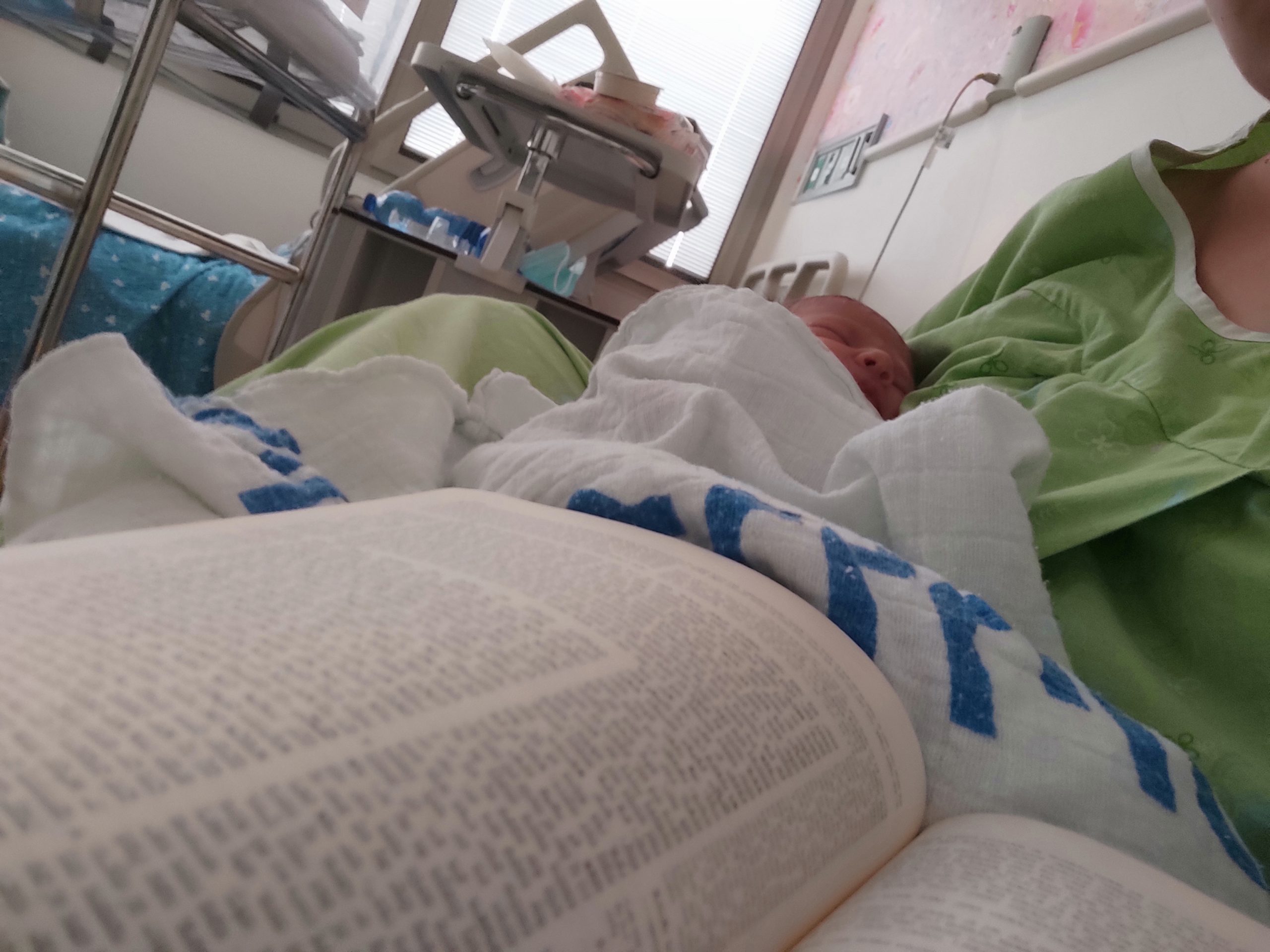
כמו שרואים בתמונה אני ממשיכה ללמוד גם היום ואפילו במחלקת יולדות אחרי לידת ביתי השלישית.

Noa Shiloh
נועה שילה

רבבה, ישראל

התחלתי ללמוד דף יומי שהתחילו מסכת כתובות, לפני 7 שנים, במסגרת קבוצת לימוד שהתפרקה די מהר, ומשם המשכתי לבד בתמיכת האיש שלי. נעזרתי בגמרת שטיינזלץ ובשיעורים מוקלטים.
הסביבה מאד תומכת ואני מקבלת המון מילים טובות לאורך כל הדרך. מאז הסיום הגדול יש תחושה שאני חלק מדבר גדול יותר.
אני לומדת בשיטת ה”7 דפים בשבוע” של הרבנית תרצה קלמן – כלומר, לא נורא אם לא הצלחת ללמוד כל יום, העיקר שגמרת ארבעה דפים בשבוע

Rachel Goldstein
רחל גולדשטיין

עתניאל, ישראל

התחלתי בסיום הש”ס, יצאתי באורות. נשברתי פעמיים, ובשתיהם הרבנית מישל עודדה להמשיך איפה שכולם בסבב ולהשלים כשאוכל, וכך עשיתי וכיום השלמתי הכל. מדהים אותי שאני לומדת כל יום קצת, אפילו בחדר הלידה, בבידוד או בחו”ל. לאט לאט יותר נינוחה בסוגיות. לא כולם מבינים את הרצון, בפרט כפמניסטית. חשה סיפוק גדול להכיר את המושגים וצורת החשיבה. החלום זה להמשיך ולהתמיד ובמקביל ללמוד איך מהסוגיות נוצרה והתפתחה ההלכה.

Weingarten Sherrington Foundation
קרן וינגרטן שרינגטון

מודיעין, ישראל

התחלתי ללמוד דף יומי באמצע תקופת הקורונה, שאבא שלי סיפר לי על קבוצה של בנות שתיפתח ביישוב שלנו ותלמד דף יומי כל יום. הרבה זמן רציתי להצטרף לזה וזאת הייתה ההזדמנות בשבילי. הצטרפתי במסכת שקלים ובאמצע הייתה הפסקה קצרה. כיום אני כבר לומדת באולפנה ולומדת דף יומי לבד מתוך גמרא של טיינזלץ.

Saturdays in Raleigh
שבות בראלי

עתניאל, ישראל

ראיתי את הסיום הגדול בבנייני האומה וכל כך התרשמתי ורציתי לקחת חלק.. אבל לקח לי עוד כשנה וחצי )באמצע מסיכת שבת להצטרף..
הלימוד חשוב לי מאוד.. אני תמיד במרדף אחרי הדף וגונבת כל פעם חצי דף כשהילדים עסוקים ומשלימה אח”כ אחרי שכולם הלכו לישון..

Olga Mizrahi
אולגה מזרחי

ירושלים, ישראל

קידושין כד

אֵין אִשָּׁה פּוֹדָה מַעֲשֵׂר שֵׁנִי בְּלֹא חוֹמֶשׁ. רַבִּי שִׁמְעוֹן בֶּן אֶלְעָזָר אוֹמֵר מִשּׁוּם רַבִּי מֵאִיר: אִשָּׁה פּוֹדָה מַעֲשֵׂר שֵׁנִי בְּלֹא חוֹמֶשׁ. הֵיכִי דָּמֵי? אִילֵּימָא בְּזוּזֵי דְבַעַל, וּמַעֲשֵׂר דְּבַעַל – שְׁלִיחוּתֵיהּ דְּבַעַל קָא עָבְדָה?!

A woman may not redeem her husband’s second tithe without adding one-fifth of its value to the redemption money, as is required from all those who redeem their own second tithe. Rabbi Shimon ben Elazar said in the name of Rabbi Meir: A woman may redeem second tithe without adding one-fifth. The Gemara inquires: What are the circumstances? If we say that she redeems second tithe with her husband’s money, which he gave her for this purpose, and the tithe belongs to her husband, in this case she acts with the agency of her husband. Just as he is required to add one-fifth when he redeems his own second tithe, it is clear that she too must add one-fifth.

וְאֶלָּא בְּזוּזֵי דִידַהּ וּמַעֲשֵׂר דִּידֵיהּ – ״אִישׁ״ אָמַר רַחֲמָנָא, וְלֹא אִשָּׁה!

But rather, one might say that this is referring to a case where she uses her money and it is his tithe. This is also difficult, as in this case the Rabbis would agree that she is exempt from paying the additional fifth, as the Merciful One states: “And if a man shall redeem any of his tithe” (Leviticus 27:31). The emphasis of the term “man” teaches: This applies to a man, but this does not apply to a woman who redeems her husband’s tithe.

אֶלָּא לָאו כִּי הַאי גַוְונָא, דְּאַקְנִי לַהּ אַחֵר מָנֶה, וַאֲמַר לַהּ: ״עַל מְנָת שֶׁתִּפְדִּי בּוֹ אֶת הַמַּעֲשֵׂר״, וְאִיפְּכָא שְׁמַעְנָא לְהוּ!

Rather, is it not correct to say that we are dealing with a case like this following one: Where another person transferred one hundred dinars to her, and said to her: I am giving this to you on the condition that you redeem your husband’s tithe with it? And if so, we heard them say the opposite with regard to the issue of whether such a condition is effective. According to Rabbi Meir’s reasoning presented in the case of a slave, anything a woman acquires should be acquired by her husband, which would mean that it is as though her husband himself redeemed it. How, then, could Rabbi Meir rule that a woman redeems second tithe without adding one-fifth? Additionally, the Rabbis said that the money received by the slave is not immediately acquired by his master, and yet here they consider the money received by the wife as belonging to her husband.

אָמַר אַבָּיֵי: אֵיפוֹךְ. רָבָא אָמַר: לְעוֹלָם לָא תֵּיפוֹךְ, וְהָכָא בְּמַעֲשֵׂר דַּאֲתָא מִבֵּי נָשָׁא עָסְקִינַן, וְרַבִּי מֵאִיר לְטַעְמֵיהּ, דְּאָמַר: מַעֲשֵׂר מָמוֹן הֶקְדֵּשׁ הוּא, וְלָא קָנֵי לֵיהּ בַּעַל.

Abaye said: Reverse the opinions in the case of redemption of tithes. Rava said: Actually do not reverse them, and here, with regard to tithes, we are dealing with tithe she received from her father’s house as an inheritance. And Rabbi Meir conforms to his standard line of reasoning, as he says: Tithe is property that belongs to the Temple treasury, and therefore the husband does not acquire it, unlike the regular property a woman brings to her marriage. Consequently, a woman can redeem it with her husband’s money without adding one-fifth, as the husband is not the owner of the tithe.

וְרַבָּנַן לְטַעְמַיְיהוּ, דְּאָמְרִי: מָמוֹן הֶדְיוֹט הוּא, וְקָנֵי לֵיהּ בַּעַל, הִילְכָּךְ שְׁלִיחוּתָא דְבַעַל קָעָבְדָא.

And the Rabbis conform to their standard line of reasoning, as they say: Tithe is common, i.e., non-sacred, property. It is not owned by the Temple treasury. And consequently, the husband acquires it like other property of his wife, to whose profits he is entitled. Therefore, she performs with the agency of her husband and must add the fifth.

תָּנָא: יוֹצֵא בְּשֵׁן וָעַיִן וְרָאשֵׁי אֵבָרִים שֶׁאֵינָן חוֹזְרִים. בִּשְׁלָמָא שֵׁן וָעַיִן – כְּתִיבִי. אֶלָּא רָאשֵׁי אֵבָרִים מְנָלַן? דּוּמְיָא דְשֵׁן וָעַיִן, מָה שֵׁן וָעַיִן מוּמִין שֶׁבַּגָּלוּי וְאֵינָן חוֹזְרִין – אַף כֹּל מוּמִין שֶׁבַּגָּלוּי וְאֵינָן חוֹזְרִין.

§ A Sage taught: A Canaanite slave is emancipated through a tooth and an eye and through permanent damage to other extremities that do not regenerate if they are severed. The Gemara asks: Granted, a tooth and an eye, these body parts are explicitly written, as the Torah states clearly that if a master damages a tooth or blinds an eye the slave is emancipated (Exodus 21:26–27). But from where do we derive that if the master permanently damages other extremities the slave is likewise emancipated? The Gemara answers: These extremities are similar to a tooth and an eye: Just as the removal of a tooth and an eye leads to exposed, i.e., external, blemishes that do not regenerate, so too, the same applies to all blemishes caused by the slave’s master that are exposed and that do not regenerate.

וְאֵימָא נִיהְווֹ שֵׁן וָעַיִן כִּשְׁנֵי כְתוּבִים הַבָּאִים כְּאֶחָד, וְכֹל שְׁנֵי כְתוּבִים הַבָּאִים כְּאֶחָד אֵין מְלַמְּדִין! צְרִיכָא, דְּאִי כְּתַב רַחֲמָנָא ״שֵׁן״, הֲוָה אָמֵינָא אֲפִילּוּ

The Gemara asks: But one can say that the examples of a tooth and an eye are like two verses that come as one, i.e., they teach the same matter, and there is a principle that any two verses that come as one do not teach their halakha so that it can be applied to other cases. If so, a slave should be emancipated only for an injury to a tooth or an eye. The Gemara answers: It is necessary to mention both a tooth and an eye, as neither halakha could be derived from the other. Consequently, they are not considered to be like two verses that come as one. The Gemara elaborates: As, if the Merciful One had written only tooth, I would say that even

שֵׁן דְּחָלָב, כְּתַב רַחֲמָנָא ״עַיִן״. וְאִי כְּתַב רַחֲמָנָא ״עַיִן״ הֲוָה אָמֵינָא מָה עַיִן שֶׁנִּבְרָא עִמּוֹ – אַף כֹּל שֶׁנִּבְרָא עִמּוֹ, אֲבָל שֵׁן – לָא, צְרִיכָא.

a milk tooth, a child’s tooth that will eventually fall out to be replaced by another, is included in this halakha. Therefore the Merciful One writes “eye,” to teach that this halakha applies only to a body part that does not regenerate, like an eye. And if the Merciful One had written only “eye,” I would say that just as an eye was created with him in the womb, so too, this halakha applies to anything that was created with him in the womb. But with regard to a tooth, which grows later, perhaps he would not be emancipated if his master knocked it out. Therefore, it is necessary to mention both cases.

וְאֵימָא: ״כִּי יַכֶּה״ – כָּלַל, ״שֵׁן וָעַיִן״ – פָּרַט. כְּלָל וּפְרָט, אֵין בַּכְּלָל אֶלָּא מַה שֶּׁבַּפְּרָט. שֵׁן וָעַיִן – אִין, מִידֵּי אַחֲרִינָא – לָא!

The Gemara asks: But one can say the following argument: “If a man smites” (Exodus 21:26), is a generalization; “a tooth” and “an eye” are each a detail. If so, this should be read as a generalization and a detail, and the hermeneutical principle in a case of this kind is that the generalization includes only what is mentioned explicitly in the detail. Consequently, a tooth and an eye are included, but not other matters.

״לַחׇפְשִׁי יְשַׁלְּחֶנּוּ״ – חָזַר וְכָלַל. כְּלָל וּפְרָט וּכְלָל, אִי אַתָּה דָן אֶלָּא כְּעֵין הַפְּרָט, מָה הַפְּרָט מְפוֹרָשׁ מוּם שֶׁבַּגָּלוּי וְאֵינָן חוֹזְרִים – אַף כֹּל מוּמִין שֶׁבַּגָּלוּי וְאֵינָן חוֹזְרִין.

The Gemara answers that when each verse states: “To freedom shall he send him” (Exodus 21:26, 27), it then generalized again. Consequently, this should be read as a generalization and a detail and a generalization. In this case, the hermeneutical principle is that you may deduce that the verse is referring only to items similar to the detail: Just as the explicit detail is an exposed blemish that does not regenerate itself, so too, any body parts that are exposed blemishes and that do not regenerate themselves are included in this halakha.

אִי מָה הַפְּרָט מְפוֹרָשׁ – מוּמִין שֶׁבַּגָּלוּי וּבָטֵל מִמְּלַאכְתּוֹ וְאֵינוֹ חוֹזֵר – אַף כֹּל מוּמִין שֶׁבַּגָּלוּי וְאֵינוֹ חוֹזֵר וּבָטֵל מִמְּלַאכְתּוֹ. אַלְּמָה תַּנְיָא: תָּלַשׁ בִּזְקָנוֹ וְדִילְדֵּל בּוֹ עֶצֶם – עֶבֶד יוֹצֵא בָּהֶם לְחֵירוּת! ״לַחׇפְשִׁי יְשַׁלְּחֶנּוּ״ – רִיבּוּיָא הוּא.

The Gemara asks: If so, one can limit this category even further: Just as with the explicit details, they are referring to exposed blemishes and the body part is prevented from performing its regular function and does not regenerate, so too, a slave should be emancipated as a result of an injury to all exposed blemishes that do not regenerate and where the body part is prevented from performing its regular function. Why, then, is it taught in a baraita: If the master pulled out his beard and dislocated a bone in the slave’s jaw, the slave is emancipated by means of this injury. In this case there is no loss of function. The Gemara answers: “To freedom shall he send him” (Exodus 21:26–27), is an amplification, which includes an injury that is not exactly the same as the detail.

וְאִי רִיבּוּיָא הוּא, אֲפִילּוּ הִכָּהוּ עַל יָדוֹ וְצָמְתָה וְסוֹפָהּ לַחְזוֹר נָמֵי, אַלְּמָה תַּנְיָא: הִכָּהוּ עַל יָדוֹ וְצָמְתָה וְסוֹפָהּ לַחְזוֹר – אֵין עֶבֶד יוֹצֵא בָּהּ לְחֵירוּת? אִם כֵּן, שֵׁן וָעַיִן מַאי אַהֲנִי לֵיהּ?

The Gemara asks: But if it is an amplification, which includes additional injuries, the slave should also be emancipated even if he struck him on his hand and it withered, i.e., became temporarily paralyzed, but would eventually be expected to regenerate. Why, then, is it taught in a baraita: If he struck him on his hand and the hand withered but it will eventually regenerate, the slave is not emancipated by means of this injury? The Gemara answers: If so, that even limbs that will eventually regain their function are included in this halakha, what purpose do the examples of tooth and eye serve? These two items that are explicitly stated in the verse would not exclude anything. Rather, only injuries similar to the details of an tooth and an eye are included, but not temporary injuries.

תָּנוּ רַבָּנַן: בְּכוּלָּם, עֶבֶד יוֹצֵא בָּהֶם לְחֵירוּת, וְצָרִיךְ גֵּט שִׁחְרוּר, דִּבְרֵי רַבִּי שִׁמְעוֹן. רַבִּי מֵאִיר אוֹמֵר: אֵינוֹ צָרִיךְ. רַבִּי אֱלִיעֶזֶר אוֹמֵר: צָרִיךְ. רַבִּי טַרְפוֹן אוֹמֵר: אֵינוֹ צָרִיךְ. רַבִּי עֲקִיבָא אוֹמֵר: צָרִיךְ.

The Sages taught: With regard to any of the twenty-four extremities, if a master strikes his slave and injures him there, the slave is emancipated by means of these injuries, and he requires a bill of manumission from his master. This is the statement of Rabbi Shimon. Rabbi Meir says: He does not require a bill of manumission. Rabbi Eliezer says: He requires one. Rabbi Tarfon says: He does not require one. Rabbi Akiva says: He requires one.

הַמַּכְרִיעִים לִפְנֵי חֲכָמִים אוֹמְרִים: נִרְאִין דִּבְרֵי רַבִּי טַרְפוֹן בְּשֵׁן וָעַיִן, שֶׁהַתּוֹרָה זִכְּתָה לוֹ, וְדִבְרֵי רַבִּי עֲקִיבָא בִּשְׁאָר אֵבָרִים, הוֹאִיל וּקְנַס חֲכָמִים הוּא. קְנָס הוּא?! קְרָאֵי קָא דָרְשִׁינַן! אֶלָּא: הוֹאִיל וּמִדְרַשׁ חֲכָמִים הוּא.

Those who discuss matters and decide before the Sages say the following compromise: Rabbi Tarfon’s statement appears correct with regard to a tooth and an eye, since in these cases the Torah explicitly benefitted him. Because his right to emancipation is stated explicitly in the verse, the slave does not require a bill of manumission. And Rabbi Akiva’s statement is reasonable with regard to other limbs, since it is a rabbinic penalty. The Gemara is puzzled by this claim: Is it a rabbinic penalty? We interpret the verses, and therefore this halakha applies to the other limbs by Torah law. Rather, these Sages meant that is necessary to give a bill of manumission since it is a rabbinic interpretation and is not written explicitly in the Torah.

מַאי טַעְמָא דְּרַבִּי שִׁמְעוֹן? יָלֵיף ״שִׁילּוּחַ״ ״שִׁילּוּחַ״ מֵאִשָּׁה. מָה אִשָּׁה בִּשְׁטָר – אַף עֶבֶד נָמֵי בִּשְׁטָר. וְרַבִּי מֵאִיר: אִי כְּתַב ״חׇפְשִׁי״ לְבַסּוֹף – כִּדְקָאָמְרַתְּ. הַשְׁתָּא דִּכְתַב ״לַחׇפְשִׁי יְשַׁלְּחֶנּוּ״ – הֲוָה לֵיהּ חׇפְשִׁי מֵעִיקָּרָא.

The Gemara asks: What is the reason of Rabbi Shimon? He derives a verbal analogy between: Sending away, “to freedom shall he send him” (Exodus 21:26, 27), and: Sending away, “and sends her out of his house” (Deuteronomy 24:1), from the case of a woman. Just as a woman can be released from her husband only by means of a document, so too, a slave can also be released from his master only by means of a document. And Rabbi Meir would say that if the term “freedom” was written at the end of the phrase, i.e., if the verse had stated: He shall send him away to freedom, it would be as you said, that he must be given a bill of manumission before he can be emancipated. Now that it is written “to freedom shall he send him,” this indicates that he is free from the beginning, i.e., no additional act of emancipation is required.

תָּנוּ רַבָּנַן: הִכָּהוּ עַל עֵינוֹ וְסִמְּאָהּ, עַל אׇזְנוֹ וְחֵרְשָׁהּ – עֶבֶד יוֹצֵא בָּהֶן לְחֵירוּת. נֶגֶד עֵינוֹ וְאֵינוֹ רוֹאֶה, כְּנֶגֶד אׇזְנוֹ וְאֵינוֹ שׁוֹמֵעַ – אֵין עֶבֶד יוֹצֵא בָּהֶן לְחֵירוּת. אָמַר רַב שֶׁמֶן לְרַב אָשֵׁי: לְמֵימְרָא דְּקָלָא לָאו כְּלוּם הוּא?

The Sages taught in a baraita (Tosefta, Bava Kamma 9:26): If a slave owner struck his slave on his eye and blinded him, or on his ear and deafened him, the slave is emancipated by means of these injuries. If he struck near his eye and as a result he does not see, or near his ear and he does not hear, the slave is not emancipated by means of these injuries. Rav Shemen said to Rav Ashi: Is this to say that a sound that causes damage is nothing?

וְהָתָנֵי רָמֵי בַּר יְחֶזְקֵאל: תַּרְנְגוֹל שֶׁהוֹשִׁיט רֹאשׁוֹ לַאֲוִיר כְּלִי זְכוּכִית, וְתָקַע בּוֹ וּשְׁבָרוֹ מְשַׁלֵּם נֶזֶק שָׁלֵם. וְאָמַר רַב יוֹסֵף, אָמְרִי בֵּי רַב: סוּס שֶׁצָּנַף וַחֲמוֹר שֶׁנָּעַר, וְשָׁבְרוּ כֵּלִים בְּתוֹךְ הַבַּיִת – מְשַׁלְּמִים חֲצִי נֶזֶק.

But didn’t Rami bar Yeḥezkel teach a baraita: With regard to a rooster that stuck its head into the airspace of a glass vessel and crowed into it and the noise broke it, its owner pays the full cost of the damage like a regular case of damage. And Rav Yosef said that the Sages of Rav’s study hall say: With regard to a horse that neighed or a donkey that brayed and they thereby broke vessels in the house, their owners must pay for half of the damage. Although these two examples are different, as one results in full payment and the other in half payment, it is clear that sound can be a source of liability for damages.

אֲמַר לֵיהּ: שָׁאנֵי אָדָם, דְּכֵיוָן דְּבַר דַּעַת הוּא – אִיהוּ מְיבַעֵית נַפְשֵׁיהּ. כִּדְתַנְיָא: הַמַּבְעִית אֶת חֲבֵירוֹ – פָּטוּר מִדִּינֵי אָדָם וְחַיָּיב בְּדִינֵי שָׁמַיִם. כֵּיצַד? תָּקַע בְּאׇזְנוֹ וְחֵרְשׁוֹ – פָּטוּר, אֲחָזָהוּ וְתָקַע בְּאׇזְנוֹ וְחֵרְשׁוֹ – חַיָּיב.

Rav Ashi said to him: A person is different, as, since he is mentally competent it is he who frightened himself. It was not the physical sound that caused the damage but the slave’s subjective fear, which is not a direct result of the action. As it is taught in a baraita (Tosefta, Bava Kamma 6:16) that injury can result from being frightened: One who frightens another and causes him injury is exempt according to human laws but liable according to the laws of Heaven. How so? If one shouted into another’s ear and deafened him, he is exempt. But if he held him and shouted into his ear and deafened him, he is liable according to human laws as well, as he took physical hold of him. Once he physically took hold of him, he is liable for all the resultant damage.

תָּנוּ רַבָּנַן: הִכָּהוּ עַל עֵינוֹ וְכָהֲתָה, עַל שִׁינּוֹ וְנָדְדָה, אִם יָכוֹל לְהִשְׁתַּמֵּשׁ בָּהֶן עַכְשָׁיו – אֵין עֶבֶד יוֹצֵא בָּהֶן לְחֵירוּת, וְאִם לָאו – עֶבֶד יוֹצֵא בָּהֶן לְחֵירוּת. תַּנְיָא אִידַּךְ: הֲרֵי שֶׁהָיְתָה עֵינוֹ כְּהוּיָה וְסִמְּאָהּ, שִׁינּוֹ נְדוּדָה וְהִפִּילָהּ, אִם יָכוֹל לְהִשְׁתַּמֵּשׁ בָּהֶן כְּבָר – עֶבֶד יוֹצֵא בָּהֶן לְחֵירוּת, וְאִם לָאו – אֵין עֶבֶד יוֹצֵא בָּהֶן לְחֵירוּת.

The Sages taught in a baraita (Tosefta, Bava Kamma 9:9): In a case where the master struck him on his eye and weakened his vision without blinding him, or he struck him on his tooth and loosened it, if he can use the eye or the tooth now, the slave is not emancipated by means of them. And if he can no longer use them at all, then the slave is emancipated by means of them. It is taught in another clause in that baraita: In a case where the slave’s eye was weak prior to this incident, and the master blinded it entirely, or if the slave’s tooth was loose and his master knocked it out, if he was able to use them before the master struck him, the slave is emancipated by means of them, and if not, then the slave is not emancipated by means of them.

וּצְרִיכָא, דְּאִי אַשְׁמוֹעִינַן הָךְ קַמַּיְיתָא, מִשּׁוּם דְּמֵעִיקָּרָא נְהוֹרָא בְּרִיָּא וְהַשְׁתָּא נְהוֹרָא כְּחִישָׁא. אֲבָל הָכָא, דְּמֵעִיקָּרָא נָמֵי נְהוֹרָא כְּחִישָׁא – אֵימָא לָא.

The Gemara comments: And it is necessary to state both halakhot, despite the fact that they apparently teach the same halakha that a weakened eye is not considered a significant injury, as, if the tanna had taught us only this first halakha, I would say that he is emancipated, because at the outset his vision was strong and now his vision is weak. But here, in the second baraita, where his vision was also weak at the outset, I would say he is not emancipated if the master blinded him entirely, as his eye did not function properly even beforehand.

וְאִי אַשְׁמוֹעִינַן הָא, מִשּׁוּם דְּסַמְּיַהּ לִגְמָרֵי, אֲבָל הָתָם, דְּלָא סַמְּיַהּ לִגְמָרֵי אֵימָא לָא, צְרִיכָא.

And conversely, if the tanna had taught us only this second halakha, I would say that he is emancipated because he blinded him entirely. But there, where he did not blind him entirely I would say no, he is not emancipated, despite the fact that he weakened his vision. Therefore, it is necessary to state both halakhot.

תָּנוּ רַבָּנַן: הֲרֵי שֶׁהָיָה רַבּוֹ רוֹפֵא, וְאָמַר לוֹ לִכְחוֹל לוֹ עֵינוֹ וְסִמְּאָהּ, לַחְתּוֹר לוֹ שִׁינּוֹ וְהִפִּילָהּ – שִׂיחֵק בָּאָדוֹן, וְיָצָא לְחֵירוּת. רַבָּן שִׁמְעוֹן בֶּן גַּמְלִיאֵל אוֹמֵר: ״וְשִׁחֲתָהּ״ – עַד שֶׁיִּתְכַּוֵּין לְשַׁחֲתָהּ.

The Sages taught in a baraita (Tosefta, Bava Kamma 9:9): In a case where his master was a doctor and the slave said to him to paint his eye with a medicament, and the master blinded it in the process, or he asked him to drill his aching tooth, and the master knocked it out, the slave laughs at the master and is emancipated. Rabban Shimon ben Gamliel says that the verse: “And if a man smites the eye of his slave, or the eye of his maidservant, and destroys it, to freedom shall he send him for his eye’s sake” (Exodus 21:26), means that the slave is not emancipated unless the master intends to destroy it. If he intended to heal him, the slave is not freed, even if the master did, in fact, injure him.

וְרַבָּנַן, הַאי ״וְשִׁחֲתָהּ״, מַאי עָבְדִי לֵיהּ? מִיבְּעֵי לְהוּ לְכִדְתַנְיָא, רַבִּי אֶלְעָזָר אוֹמֵר: הֲרֵי שֶׁהוֹשִׁיט יָדוֹ לִמְעֵי שִׁפְחָתוֹ וְסִימֵּא עוּבָּר שֶׁבְּמֵעֶיהָ – פָּטוּר. מַאי טַעְמָא? דְּאָמַר קְרָא: ״וְשִׁחֲתָהּ״ – עַד שֶׁיְּכַוֵּין לְשַׁחֲתָהּ.

The Gemara asks: And the Rabbis, what do they do with this verse “and destroys it”? What do they derive from this phrase? The Gemara answers: They require it for that which is taught in a baraita: Rabbi Elazar says that in a case where the master stuck his hand into the womb of his maidservant to assist her in giving birth and he blinded the fetus in her womb, he is exempt and the fetus is not emancipated when born. What is the reason for this? As the verse states “and destroys it,” meaning unless he intends to destroy it, and in this case he did not mean to touch the fetus’s eye.

וְאִידָּךְ? מִ״וְשִׁחֵת״ ״שִׁחֲתָהּ״ נָפְקָא. וְאִידַּךְ? ״שִׁחֵת״ ״שִׁחֲתָהּ״ לָא דָּרֵישׁ.

And the other Sage, Rabban Shimon ben Gamliel, would say that that halakha is derived from the fact that the verse could have said: And destroys, and instead said “destroys it.” And the other Sage, i.e., the Rabbis, how do they respond to this argument? They do not expound the difference between “destroys” and “destroys it,” i.e., they maintain that this is not a significant deviation from which one can derive a halakha.

אָמַר רַב שֵׁשֶׁת: הֲרֵי שֶׁהָיְתָה עֵינוֹ סְמוּיָה, וַחֲטָטָהּ – עֶבֶד יוֹצֵא בָּהֶן לְחֵירוּת. מַאי טַעְמָא? מְחוּסָּר אֵבֶר הוּא.

Rav Sheshet says: In a case where the slave’s eye was blind and the master removed it entirely, the slave is emancipated by means of this injury. What is the reason for this? He is now lacking a limb, which is worse than a mere blemish.

וְתַנָּא תּוּנָא: תַּמּוּת וְזַכְרוּת בִּבְהֵמָה, וְאֵין תַּמּוּת וְזַכְרוּת בְּעוֹפוֹת.

And the tanna of a baraita also taught: The halakha of unblemished status, i.e., that an offering must not contain a blemish, and the halakha of male status apply to animal offerings, but the halakha of unblemished status and the halakha of male status do not apply to bird offerings.

יָכוֹל יָבְשָׁה גַּפָּהּ, נִקְטְעָה רַגְלָהּ, נֶחְטְטָה עֵינָהּ? תַּלְמוּד לוֹמַר: ״מִן הָעוֹף״ – וְלֹא כׇּל הָעוֹף.

The Gemara comments: One might have thought that if one brings a bird whose wing is dried, or whose leg is severed, or whose eye was removed, that it too is acceptable as an offering. Therefore, the verse states: “And if his offering to the Lord is a burnt-offering from birds” (Leviticus 1:14). This phrase indicates that only some birds can be sacrificed as offerings, but not all birds. This teaches that a bird can be disqualified due to a blemish. For example, if a significant part of the bird is missing, e.g., a limb, the bird is not acceptable as an offering. This indicates that the actual loss of an eye is considered a greater blemish than blindness. Consequently, if his master takes out the slave’s blind eye, he is emancipated.

אָמַר רַב חִיָּיא בַּר אָשֵׁי אָמַר רַב: הָיְתָה לוֹ

Rabbi Ḥiyya bar Ashi says that Rav says: If the slave had

רוצה לעקוב אחרי התכנים ולהמשיך ללמוד?

ביצירת חשבון עוד היום ניתן לעקוב אחרי ההתקדמות שלך, לסמן מה למדת, ולעקוב אחרי השיעורים שמעניינים אותך.

לנקות את כל הפריטים מהרשימה?

פעולה זו תסיר את כל הפריטים בחלק זה כולל ההתקדמות וההיסטוריה. שימי לב: לא ניתן לשחזר פעולה זו.

ביטול
מחיקה

האם את/ה בטוח/ה שברצונך למחוק פריט זה?

תאבד/י את כל ההתקדמות או ההיסטוריה הקשורות לפריט זה.

ביטול
מחיקה