




סימניה למסכת קידושין
מסכת קידושין מוקדשת ע”י ג’ולי ומרטין מנדלסון לכבוד שני ילדיהם שזכו להתחתן השנה!
מוכנים להתחיל?
Today’s Daf – זבחים נ״ו / 12.06.2026 / כ״ז בסיון תשפ״ו

מוכנים להתחיל?
רוצה להקדיש לימוד?

מסכת קידושין מוקדשת ע”י ג’ולי ומרטין מנדלסון לכבוד שני ילדיהם שזכו להתחתן השנה!
הָאִשָּׁה נִקְנֵית בְּשָׁלֹשׁ דְּרָכִים, וְקוֹנָה אֶת עַצְמָהּ בִּשְׁתֵּי דְרָכִים. נִקְנֵית בְּכֶסֶף, בִּשְׁטָר, וּבְבִיאָה. בְּכֶסֶף: בֵּית שַׁמַּאי אוֹמְרִים בְּדִינָר וּבְשָׁוֶה דִּינָר, וּבֵית הִלֵּל אוֹמְרִים: בִּפְרוּטָה וּבְשָׁוֶה פְּרוּטָה. וְכַמָּה הִיא פְּרוּטָה – אֶחָד מִשְּׁמֹנָה בָּאִיסָּר הָאִיטַלְקִי.
MISHNA: A woman is acquired by, i.e., becomes betrothed to, a man to be his wife in three ways, and she acquires herself, i.e., she terminates her marriage, in two ways. The mishna elaborates: She is acquired through money, through a document, and through sexual intercourse. With regard to a betrothal through money, there is a dispute between tanna’im: Beit Shammai say that she can be acquired with one dinar or with anything that is worth one dinar. And Beit Hillel say: She can be acquired with one peruta, a small copper coin, or with anything that is worth one peruta. The mishna further clarifies: And how much is the value of one peruta, by the fixed value of silver? The mishna explains that it is one-eighth of the Italian issar, which is a small silver coin.
וְקוֹנָה אֶת עַצְמָהּ בְּגֵט וּבְמִיתַת הַבַּעַל. הַיְּבָמָה נִקְנֵית בְּבִיאָה, וְקוֹנָה אֶת עַצְמָהּ בַּחֲלִיצָה וּבְמִיתַת הַיָּבָם.
And a woman acquires herself through a bill of divorce or through the death of the husband. A woman whose husband, who had a brother, died childless [yevama], can be acquired by the deceased husband’s brother, the yavam, only through intercourse. And she acquires herself, i.e., she is released from her levirate bond, through ḥalitza or through the death of the yavam.
גְּמָ׳ הָאִשָּׁה נִקְנֵית. מַאי שְׁנָא הָכָא דְּתָנֵי ״הָאִשָּׁה נִקְנֵית״, וּמַאי שְׁנָא הָתָם דְּתָנֵי ״הָאִישׁ מְקַדֵּשׁ״? מִשּׁוּם דְּקָא בָּעֵי לְמִיתְנֵי כֶּסֶף,
GEMARA: The mishna teaches that a woman can be acquired in three ways. The Gemara asks: What is different here that this mishna teaches: A woman is acquired, using the language of acquisition, and what is different there, in the beginning of the next chapter (42a), which teaches: A man betroths, using the language of betrothal? The Gemara explains: In this mishna the tanna utilized the language of acquisition because he wanted to teach about betrothal through money, which is the standard means of exchange in an act of acquisition.
וְכֶסֶף מְנָא לַן – גָּמַר ״קִיחָה״ ״קִיחָה״ מִשְּׂדֵה עֶפְרוֹן. כְּתִיב הָכָא: ״כִּי יִקַּח אִישׁ אִשָּׁה״, וּכְתִיב הָתָם: ״נָתַתִּי כֶּסֶף הַשָּׂדֶה קַח מִמֶּנִּי״,
The Gemara continues its explanation: And from where do we derive that betrothal is accomplished by means of giving money? It is derived by means of a verbal analogy between the term expressing taking stated with regard to betrothal and from the term expressing taking with regard to the field of Ephron. How so? It is written here, with regard to marriage: “When a man takes a woman” (Deuteronomy 24:1), and it is written there, concerning Abraham’s purchase of the field of the Cave of Machpelah from Ephron the Hittite: “I will give money for the field; take it from me” (Genesis 23:13). This verbal analogy teaches that just as Ephron’s field was acquired with money, so too, a woman can be acquired with money.
וְקִיחָה אִיקְּרִי ״קִנְיָן״, דִּכְתִיב: ״הַשָּׂדֶה אֲשֶׁר קָנָה אַבְרָהָם״.
The Gemara continues: And the taking of Ephron’s field is called an acquisition in the Torah, as it is written with regard to the same issue: “The field which Abraham acquired” (Genesis 25:10).
אִי נָמֵי, ״שָׂדוֹת בַּכֶּסֶף יִקְנוּ״, תָּנֵי ״הָאִשָּׁה נִקְנֵית״.
Alternatively, it can be proven that purchasing a field with money is called an acquisition from the verse: “They shall acquire fields with money” (Jeremiah 32:44). Consequently, as the tanna wanted to teach that a woman can be betrothed with money, he taught: A woman is acquired. This explains why the terminology of acquisition is used in this mishna.
וְנִיתְנֵי הָתָם ״הָאִישׁ קוֹנֶה״! מֵעִיקָּרָא תָּנֵי לִישָּׁנָא דְאוֹרָיְיתָא, וּלְבַסּוֹף תָּנֵי לִישָּׁנָא דְרַבָּנַן, וּמַאי לִישָּׁנָא דְרַבָּנַן? – דְּאָסַר לַהּ אַכּוּלֵּי עָלְמָא כְּהֶקְדֵּשׁ.
The Gemara asks: But let the mishna teach there, in the next chapter: A man acquires. The Gemara explains: Initially, the mishna taught using the language of the Torah, in which betrothal is called taking. And ultimately, in the next chapter, it taught using the language of the Sages. And what is the reason that betrothal is called kiddushin, literally, consecration, in the language of the Sages? The reason is that through betrothal the husband renders her forbidden to everyone like consecrated property. Therefore, this act is referred to as consecration.
וְנִיתְנֵי הָכָא ״הָאִישׁ קוֹנֶה״! מִשּׁוּם דְּקָא בָּעֵי לְמִיתְנָא סֵיפָא: ״וְקוֹנָה אֶת עַצְמָהּ״ בְּדִידַהּ, תְּנָא נָמֵי רֵישָׁא בְּדִידַהּ.
The Gemara asks another question with regard to the difference in wording between the two mishnayot: And let it teach here, as in the following chapter: A man acquires. Why does this mishna teach: The woman is acquired, with the woman as the subject of the sentence? The Gemara answers: This is because the tanna wanted to teach in the latter clause of the mishna: And she acquires herself, which is stated with regard to her. Therefore, the tanna also taught the halakha stated with regard to her in the first clause.
וְנִיתְנֵי ״הָאִישׁ קוֹנֶה וּמַקְנֶה״! מִשּׁוּם דְּאִיכָּא מִיתַת הַבַּעַל, דְּלָאו אִיהוּ קָא מַקְנֵי – מִן שְׁמַיָּא הוּא דְּמַקְנִי לָהּ.
The Gemara further asks: But if this is the reason, the mishna could have been formulated entirely differently. Let it teach: The man can acquire a woman and transfer authority, i.e., grant her the release from marriage in the form of a bill of divorce. The Gemara answers: The mishna could not use the expression: Transfer, because there is the case of the husband’s death, in which it is not he who transfers authority. Rather, it is from Heaven that her freedom is transferred to her. Therefore, the mishna could not issue a general statement that the man can actively transfer to the woman her release from marriage.
וְאִי בָּעֵית אֵימָא: אִי תְּנָא ״קוֹנֶה״, הֲוָה אָמֵינָא אֲפִילּוּ בְּעַל כׇּרְחָהּ – תְּנָא ״הָאִשָּׁה נִקְנֵית״, דְּמִדַּעְתָּהּ – אִין, שֶׁלֹּא מִדַּעְתָּהּ – לָא.
And if you wish, say instead another explanation. If the mishna had taught: The man acquires the woman, I would say that he can acquire her even against her will, as indicated by the expression: He acquires. One might have assumed that the betrothal depends on the husband, without the need for the woman’s consent. Therefore the mishna taught: The woman is acquired, from which it may be inferred that with her consent, yes, he can acquire her as a wife, but when he acts without her consent, no, she is not betrothed to him.
וּמַאי אִירְיָא דְּתָנֵי ״שָׁלֹשׁ״? לִיתְנֵי ״שְׁלֹשָׁה״! מִשּׁוּם דְּקָא בָּעֵי לְמִיתְנֵי ״דֶּרֶךְ״ וְ״דֶרֶךְ״ לְשׁוֹן נְקֵבָה הוּא, דִּכְתִיב: ״וְהוֹדַעְתָּ לָהֶם אֶת הַדֶּרֶךְ יֵלְכוּ בָהּ״.
The Gemara continues to analyze the style of the mishna: And why does the tanna specifically teach: Three [shalosh] ways, formulated in the feminine? Let it teach: Three [shelosha] ways, formulated in the masculine. The Gemara explains: The mishna uses this form because it wants to teach the word way [derekh], and derekh is formulated in the feminine, as it is written: “And you shall show them the way [derekh] in which [bah] they must walk” (Exodus 18:20). The term bah, which is referring to derekh, is formulated in the feminine.
וְאֶלָּא הָא דְּתַנְיָא: ״בְּשִׁבְעָה דְּרָכִים בּוֹדְקִין אֶת הַזָּב״, נִיתְנֵי ״שֶׁבַע״! מִשּׁוּם דְּקָא בָּעֵי לְמִיתְנֵי ״דֶּרֶךְ״, וְאַשְׁכְּחַן ״דֶּרֶךְ״ דְּאִיקְּרִי לְשׁוֹן זָכָר, דִּכְתִיב: ״בְּדֶרֶךְ אֶחָד יֵצְאוּ אֵלֶיךָ וּבְשִׁבְעָה דְרָכִים יָנוּסוּ לְפָנֶיךָ״. אִי הָכִי, קָשׁוּ קְרָאֵי אַהֲדָדֵי! וְקַשְׁיָא נָמֵי מַתְנִיתִין אַהֲדָדֵי!
The Gemara challenges: But with regard to that which is taught in a mishna (Nazir 65b): One examines a zav in seven [shiva] ways [derakhim], where shiva is formulated in the masculine, let it teach: Seven [sheva] ways, formulated in the feminine. The Gemara answers: The mishna uses the masculine formulation of the term seven because it wanted to teach: Derekh, and we find that the word derekh is referred to in the masculine form, as it is written: “They shall come out against you one way [derekh], and shall flee before you seven [shiva] ways” (Deuteronomy 28:7). The Gemara asks: If so, the verses contradict each other, as in one verse the term derekh is masculine, and in the other verse it is feminine. And furthermore, the mishnayot contradict each other, as in one mishna derekh is masculine while in the other it is feminine.
קְרָאֵי אַהֲדָדֵי לָא קַשְׁיָין: הָכָא, דִּבְתוֹרָה קָאֵי, וְתוֹרָה אִיקְּרִי לְשׁוֹן נְקֵבָה, דִּכְתִיב: ״תּוֹרַת ה׳ תְּמִימָה מְשִׁיבַת נָפֶשׁ״ – כָּתַב לָהּ בִּלְשׁוֹן נְקֵבָה. הָתָם, דִּבְמִלְחָמָה קָאֵי, דְּדַרְכּוֹ שֶׁל אִישׁ לַעֲשׂוֹת מִלְחָמָה וְאֵין דַּרְכָּהּ שֶׁל אִשָּׁה לַעֲשׂוֹת מִלְחָמָה – כָּתַב לָהּ בִּלְשׁוֹן זָכָר.
The Gemara answers: The verses do not contradict each other. Here, that verse: “The way in which they must walk” (Exodus 18:20), is referring to the Torah, i.e., the way mentioned here is referring to the path of the Torah, and Torah is referred to in the feminine form, as it is written: “The Torah of the Lord is perfect [temima], restoring the soul” (Psalms 19:8). The word temima is in the feminine. Consequently, in reference to the Torah the verse writes: Derekh, formulated in the feminine. There, that verse: “Shall flee before you seven ways” (Deuteronomy 28:7), is referring to war, and as it is the way of a man to wage war and it is not the way of a woman to wage war, it is appropriate to speak in the masculine. Therefore, the verse writes the word derekh formulated in the masculine.
מַתְנִיתִין אַהֲדָדֵי לָא קַשְׁיָין: הָכָא, דִּלְגַבֵּי אִשָּׁה קָאֵי – קָתָנֵי לַהּ בִּלְשׁוֹן נְקֵבָה. הָתָם, דִּלְגַבֵּי אִישׁ קָאֵי, דְּדַרְכּוֹ שֶׁל אִישׁ לִיבָּדֵק וְאֵין דַּרְכָּהּ שֶׁל אִשָּׁה לִיבָּדֵק, דְּהָא אִשָּׁה נָמֵי בְּאוֹנֶס מִיטַּמְּאָהּ – תָּנֵי לְשׁוֹן זָכָר.
Likewise, the mishnayot do not contradict each other: Here, where it is referring to a woman, the mishna teaches derekh formulated in the feminine. There, with regard to the examination of a zav, where it is referring to a man, as it is common for a man to undergo an examination to determine if his emission has a cause other than a gonorrhea-like discharge [ziva] but it is not common for a woman to undergo an examination, since, unlike a man, a woman is rendered impure even by circumstances beyond her control, it taught and used the word derekh formulated in the masculine. Even if a woman has an emission of blood for a reason other than illness, she is still impure. Consequently, in her case there is no reason for an examination to see what might have caused her discharge.
מַאי טַעְמָא תָּנֵי ״שָׁלֹשׁ״ – מִשּׁוּם ״דְּרָכִים״? נִיתְנֵי ״דְּבָרִים״ וְנִיתְנֵי ״שְׁלֹשָׁה״! מִשּׁוּם דְּקָבָעֵי לְמִיתְנֵי ״בִּיאָה״, וּבִיאָה אִיקְּרִי ״דֶּרֶךְ״, דִּכְתִיב: ״וְדֶרֶךְ גֶּבֶר בְּעַלְמָה כֵּן דֶּרֶךְ אִשָּׁה מְנָאָפֶת״.
The Gemara asks another question with regard to the language of the mishna: What is the reason that the mishna teaches: Three [shalosh], formulated in the feminine? This is because it wanted to teach: Ways. But if so, let it teach instead the word: Matters, i.e., a woman can be acquired through three matters, and as this term is masculine, let it teach three [shelosha], in the masculine. The Gemara answers: The mishna did do so because it wanted to teach intercourse as one of these ways, and intercourse is called a way in the Torah, as it is written: “And the way of a man with a young woman, so is the way of an adulterous woman” (Proverbs 30:19-20). For this reason the mishna used the term ways rather than matters.
הָא תִּינַח ״בִּיאָה״, ״כֶּסֶף״ וּ״שְׁטָר״ מַאי אִיכָּא לְמֵימַר? מִשּׁוּם ״בִּיאָה״.
The Gemara raises a difficulty: This works out well with regard to intercourse, which is referred to as a way. But what is there to say concerning money and a document? The mishna could have used the word matters with regard to these modes of betrothal. The Gemara answers: Because it was necessary to mention intercourse, which is called a way, the mishna used the word way in reference to the other two modes as well.
וְתָנֵי תַּרְתֵּי אַטּוּ חֲדָא? הָנָךְ נָמֵי צוֹרֶךְ בִּיאָה נִינְהוּ.
The Gemara asks: And would the mishna teach two cases in a particular manner due to one? Since the word way suits only one of the three modes of betrothal, why didn’t the mishna use the term: Matters, on account of the other two? The Gemara answers: These, too, are for the sake of sexual intercourse. Since the marital relationship, in which intercourse is paramount, is the ultimate purpose of betrothal, the mishna considers this clause as the most important part of the halakha.
וְאִי בָּעֵית אֵימָא: הָא מַנִּי – רַבִּי שִׁמְעוֹן הִיא, דְּתַנְיָא, רַבִּי שִׁמְעוֹן אוֹמֵר: מִפְּנֵי מָה אָמְרָה תּוֹרָה ״כִּי יִקַּח אִישׁ אִשָּׁה״, וְלֹא כָּתַב ״כִּי תִּלָּקַח אִשָּׁה לְאִישׁ״? – מִפְּנֵי שֶׁדַּרְכּוֹ שֶׁל אִישׁ לְחַזֵּר עַל אִשָּׁה וְאֵין דַּרְכָּהּ שֶׁל אִשָּׁה לְחַזֵּר עַל אִישׁ. מָשָׁל לְאָדָם שֶׁאָבְדָה לוֹ אֲבֵידָה – מִי חוֹזֵר עַל מִי? בַּעַל אֲבֵידָה מְחַזֵּר עַל אֲבֵידָתוֹ.
And if you wish, say instead: In accordance with whose opinion is this mishna, which teaches derekh? It is in accordance with the opinion of Rabbi Shimon, as it is taught in a baraita that Rabbi Shimon says: For what reason did the Torah say: “When a man takes a woman” (Deuteronomy 22:13) and did not write: “When a woman is taken by a man? Because it is the way [derekh] of a man to pursue a woman, and it is not the way of a woman to pursue a man. The Gemara cites a parable of a man who lost an item. Who searches for what? Certainly the owner of the lost item searches for his lost item, not the other way around. Since woman was created from man’s lost side, the man seeks that which he has lost. To allude to this statement of Rabbi Shimon, the mishna employs the term derekh in this context.
וְהָא דִּתְנַן: ״בְּשִׁבְעָה דְּרָכִים בּוֹדְקִין אֶת הַזָּב״, לִיתְנֵי ״דְּבָרִים״! הָתָם הָא קָא מַשְׁמַע לַן, דְּדַרְכָּא דְּמֵיכְלָא יַתִּירָא לְאֵתוֹיֵי לִידֵי זִיבָה, וְדַרְכָּא דְּמִישְׁתְּיָא יַתִּירָא לְאֵתוֹיֵי לִידֵי זִיבָה.
The Gemara asks: But with regard to that which we learned in a mishna: One examines a zav in seven ways, why does it use this phraseology? Let it teach the word: Matters. The Gemara answers that the mishna there teaches us this halakha, that it is the way of excessive eating to lead to ziva, and likewise it is the way of excessive drinking to lead to ziva. Therefore, the mishna uses the phrase: Seven ways, to emphasize that there are ways of behavior that can cause the emission of a zav.
וְהָא דִּתְנַן: ״אֶתְרוֹג שָׁוֶה לָאִילָן בִּשְׁלֹשָׁה דְּרָכִים״, לִיתְנֵי ״דְּבָרִים״! מִשּׁוּם דְּבָעֵינַן מִתְנֵי סֵיפָא: ״וְלַיָּרָק בְּדֶרֶךְ אֶחָד״. סֵיפָא נָמֵי, נִיתְנֵי ״דָּבָר״!
The Gemara further challenges: And with regard to that which we learned in a mishna (Bikkurim 2:6): The halakhot of an etrog tree correspond to those of a tree in three ways. Let it teach instead: Three matters. The Gemara answers: Because it wants to teach in the latter clause: And the halakhot of an etrog tree correspond to those of a vegetable in one way, therefore the mishna uses the term: Ways, in the first clause as well. The Gemara asks: In the latter clause too, let the mishna teach: Matter, rather than: Way.

זה הדף הראשון שלך? איזו התרגשות עצומה! יש לנו בדיוק את התכנים והכלים שיעזרו לך לעשות את הצעדים הראשונים ללמידה בקצב וברמה שלך, כך תוכלי להרגיש בנוח גם בתוך הסוגיות המורכבות ומאתגרות.
גלי את קהילת הלומדות שלנו, מגוון נשים, רקעים וסיפורים. כולן חלק מתנועה ומסע מרגש ועוצמתי.
My explorations into Gemara started a few days into the present cycle. I binged learnt and become addicted. I’m fascinated by the rich "tapestry” of intertwined themes, connections between Masechtot, conversations between generations of Rabbanim and learners past and present all over the world. My life has acquired a golden thread, linking generations with our amazing heritage.
Thank you.
חשמונאים, Israel
סיום השס לנשים נתן לי מוטביציה להתחיל ללמוד דף יומי. עד אז למדתי גמרא בשבתות ועשיתי כמה סיומים. אבל לימוד יומיומי זה שונה לגמרי ופתאום כל דבר שקורה בחיים מתקשר לדף היומי.
רתמים, ישראל
התחלתי ללמוד דף יומי בתחילת מסכת ברכות, עוד לא ידעתי כלום. נחשפתי לסיום הש״ס, ובעצם להתחלה מחדש בתקשורת, הפתיע אותי לטובה שהיה מקום לעיסוק בתורה.
את המסכתות הראשונות למדתי, אבל לא סיימתי (חוץ מעירובין איכשהו). השנה כשהגעתי למדרשה, נכנסתי ללופ, ואני מצליחה להיות חלק, סיימתי עם החברותא שלי את כל המסכתות הקצרות, גם כשהיינו חולות קורונה ובבידודים, למדנו לבד, העיקר לא לצבור פער, ומחכות ליבמות 🙂

מזכרת בתיה, ישראל
התחלתי ללמוד דף יומי כאשר קיבלתי במייל ממכון שטיינזלץ את הדפים הראשונים של מסכת ברכות במייל. קודם לא ידעתי איך לקרוא אותם עד שנתתי להם להדריך אותי. הסביבה שלי לא מודעת לעניין כי אני לא מדברת על כך בפומבי. למדתי מהדפים דברים חדשים, כמו הקשר בין המבנה של בית המקדש והמשכן לגופו של האדם (יומא מה, ע”א) והקשר שלו למשפט מפורסם שמופיע בספר ההינדי "בהגוד-גיתא”. מתברר שזה רעיון כלל עולמי ולא רק יהודי

נשר, ישראל
לצערי גדלתי בדור שבו לימוד גמרא לנשים לא היה דבר שבשגרה ושנים שאני חולמת להשלים את הפער הזה.. עד שלפני מספר שבועות, כמעט במקרה, נתקלתי במודעת פרסומת הקוראת להצטרף ללימוד מסכת תענית. כשקראתי את המודעה הרגשתי שהיא כאילו נכתבה עבורי – "תמיד חלמת ללמוד גמרא ולא ידעת איך להתחיל”, "בואי להתנסות במסכת קצרה וקלה” (רק היה חסר שהמודעה תיפתח במילים "מיכי שלום”..). קפצתי למים ו- ב”ה אני בדרך להגשמת החלום:)
מורשת, ישראל
התחלתי מחוג במסכת קידושין שהעבירה הרבנית רייסנר במסגרת בית המדרש כלנה בגבעת שמואל; לאחר מכן התחיל סבב הדף היומי אז הצטרפתי. לסביבה לקח זמן לעכל אבל היום כולם תומכים ומשתתפים איתי. הלימוד לעתים מעניין ומעשיר ולעתים קשה ואף הזוי… אך אני ממשיכה קדימה. הוא משפיע על היומיום שלי קודם כל במרדף אחרי הדף, וגם במושגים הרבים שלמדתי ובידע שהועשרתי בו, חלקו ממש מעשי

ראש העין, ישראל
התחלתי ללמוד את הדף היומי מעט אחרי שבני הקטן נולד. בהתחלה בשמיעה ולימוד באמצעות השיעור של הרבנית שפרבר. ובהמשך העזתי וקניתי לעצמי גמרא. מאז ממשיכה יום יום ללמוד עצמאית, ולפעמים בעזרת השיעור של הרבנית, כל יום. כל סיום של מסכת מביא לאושר גדול וסיפוק. הילדים בבית נהיו חלק מהלימוד, אני משתפת בסוגיות מעניינות ונהנית לשמוע את דעתם.

מעלה מכמש, ישראל
התחלתי להשתתף בשיעור נשים פעם בשבוע, תכננתי ללמוד רק דפים בודדים, לא האמנתי שאצליח יותר מכך.
לאט לאט נשאבתי פנימה לעולם הלימוד .משתדלת ללמוד כל בוקר ומתחילה את היום בתחושה של מלאות ומתוך התכווננות נכונה יותר.
הלימוד של הדף היומי ממלא אותי בתחושה של חיבור עמוק לעם היהודי ולכל הלומדים בעבר ובהווה.

אפרת, ישראל
לפני 15 שנה, אחרי עשרות שנים של "ג’ינגול” בין משפחה לקריירה תובענית בהייטק, הצטרפתי לשיעורי גמרא במתן רעננה. הלימוד המעמיק והייחודי של הרבנית אושרה קורן יחד עם קבוצת הנשים המגוונת הייתה חוויה מאלפת ומעשירה. לפני כשמונה שנים כאשר מחזור הדף היומי הגיע למסכת תענית הצטרפתי כ”חברותא” לבעלי. זו השעה היומית שלנו ביחד כאשר דפי הגמרא משתלבים בחיי היום יום, משפיעים ומושפעים, וכשלא מספיקים תמיד משלימים בשבת

רעננה, ישראל
. לא תמיד נהניתי מלימוד גמרא כילדה.,בל כהתבגרתי התחלתי לאהוב את זה שוב. התחלתי ללמוד מסכת סוטה בדף היומי לפני כחמש עשרה שנה ואז הפסקתי.הגעתי לסיום הגדול של הדרן לפני שנתיים וזה נתן לי השראה. והתחלתי ללמוד למשך כמה ימים ואז היתה לי פריצת דיסק והפסקתי…עד אלול השנה. אז התחלתי עם מסכת ביצה וב”ה אני מצליחה לעמוד בקצב. המשפחה מאוד תומכת בי ויש כמה שגם לומדים את זה במקביל. אני אוהבת שיש עוגן כל יום.
בית שמש, ישראל
התחלתי ללמוד לפני כשנתיים בשאיפה לסיים לראשונה מסכת אחת במהלך חופשת הלידה.
אחרי מסכת אחת כבר היה קשה להפסיק…
ירוחם, ישראל
"
גם אני התחלתי בסבב הנוכחי וב””ה הצלחתי לסיים את רוב המסכתות . בזכות הרבנית מישל משתדלת לפתוח את היום בשיעור הזום בשעה 6:20 .הלימוד הפך להיות חלק משמעותי בחיי ויש ימים בהם אני מצליחה לחזור על הדף עם מלמדים נוספים ששיעוריהם נמצאים במרשתת. שמחה להיות חלק מקהילת לומדות ברחבי העולם. ובמיוחד לשמש דוגמה לנכדותיי שאי””ה יגדלו לדור שלימוד תורה לנשים יהיה משהו שבשגרה. "
נתניה, ישראל
התחלתי ללמוד דף יומי בתחילת מסכת ברכות, עוד לא ידעתי כלום. נחשפתי לסיום הש״ס, ובעצם להתחלה מחדש בתקשורת, הפתיע אותי לטובה שהיה מקום לעיסוק בתורה.
את המסכתות הראשונות למדתי, אבל לא סיימתי (חוץ מעירובין איכשהו). השנה כשהגעתי למדרשה, נכנסתי ללופ, ואני מצליחה להיות חלק, סיימתי עם החברותא שלי את כל המסכתות הקצרות, גם כשהיינו חולות קורונה ובבידודים, למדנו לבד, העיקר לא לצבור פער, ומחכות ליבמות 🙂
מזכרת בתיה, ישראל
לפני 15 שנה, אחרי עשרות שנים של "ג’ינגול” בין משפחה לקריירה תובענית בהייטק, הצטרפתי לשיעורי גמרא במתן רעננה. הלימוד המעמיק והייחודי של הרבנית אושרה קורן יחד עם קבוצת הנשים המגוונת הייתה חוויה מאלפת ומעשירה. לפני כשמונה שנים כאשר מחזור הדף היומי הגיע למסכת תענית הצטרפתי כ”חברותא” לבעלי. זו השעה היומית שלנו ביחד כאשר דפי הגמרא משתלבים בחיי היום יום, משפיעים ומושפעים, וכשלא מספיקים תמיד משלימים בשבת
רעננה, ישראל
"התחלתי ללמוד דף יומי במחזור הזה, בח’ בטבת תש””ף. לקחתי על עצמי את הלימוד כדי ליצור תחום של התמדה יומיומית בחיים, והצטרפתי לקבוצת הלומדים בבית הכנסת בכפר אדומים. המשפחה והסביבה מתפעלים ותומכים.
בלימוד שלי אני מתפעלת בעיקר מכך שכדי ללמוד גמרא יש לדעת ולהכיר את כל הגמרא. זו מעין צבת בצבת עשויה שהיא עצומה בהיקפה.”

כפר אדומים, ישראל
אמא שלי למדה איתי ש”ס משנה, והתחילה ללמוד דף יומי. אני החלטתי שאני רוצה ללמוד גם. בהתחלה למדתי איתה, אח”כ הצטרפתי ללימוד דף יומי שהרב דני וינט מעביר לנוער בנים בעתניאל. במסכת עירובין עוד חברה הצטרפה אלי וכשהתחלנו פסחים הרב דני פתח לנו שעור דף יומי לבנות. מאז אנחנו לומדות איתו קבוע כל יום את הדף היומי (ובשבת אבא שלי מחליף אותו). אני נהנית מהלימוד, הוא מאתגר ומעניין
עתניאל, ישראל
בסוף הסבב הקודם ראיתי את השמחה הגדולה שבסיום הלימוד, בעלי סיים כבר בפעם השלישית וכמובן הסיום הנשי בבנייני האומה וחשבתי שאולי זו הזדמנות עבורי למשהו חדש.
למרות שאני שונה בסביבה שלי, מי ששומע על הלימוד שלי מפרגן מאוד.
אני מנסה ללמוד קצת בכל יום, גם אם לא את כל הדף ובסך הכל אני בדרך כלל עומדת בקצב.
הלימוד מעניק המון משמעות ליום יום ועושה סדר בלמוד תורה, שתמיד היה (ועדיין) שאיפה. אבל אין כמו קביעות
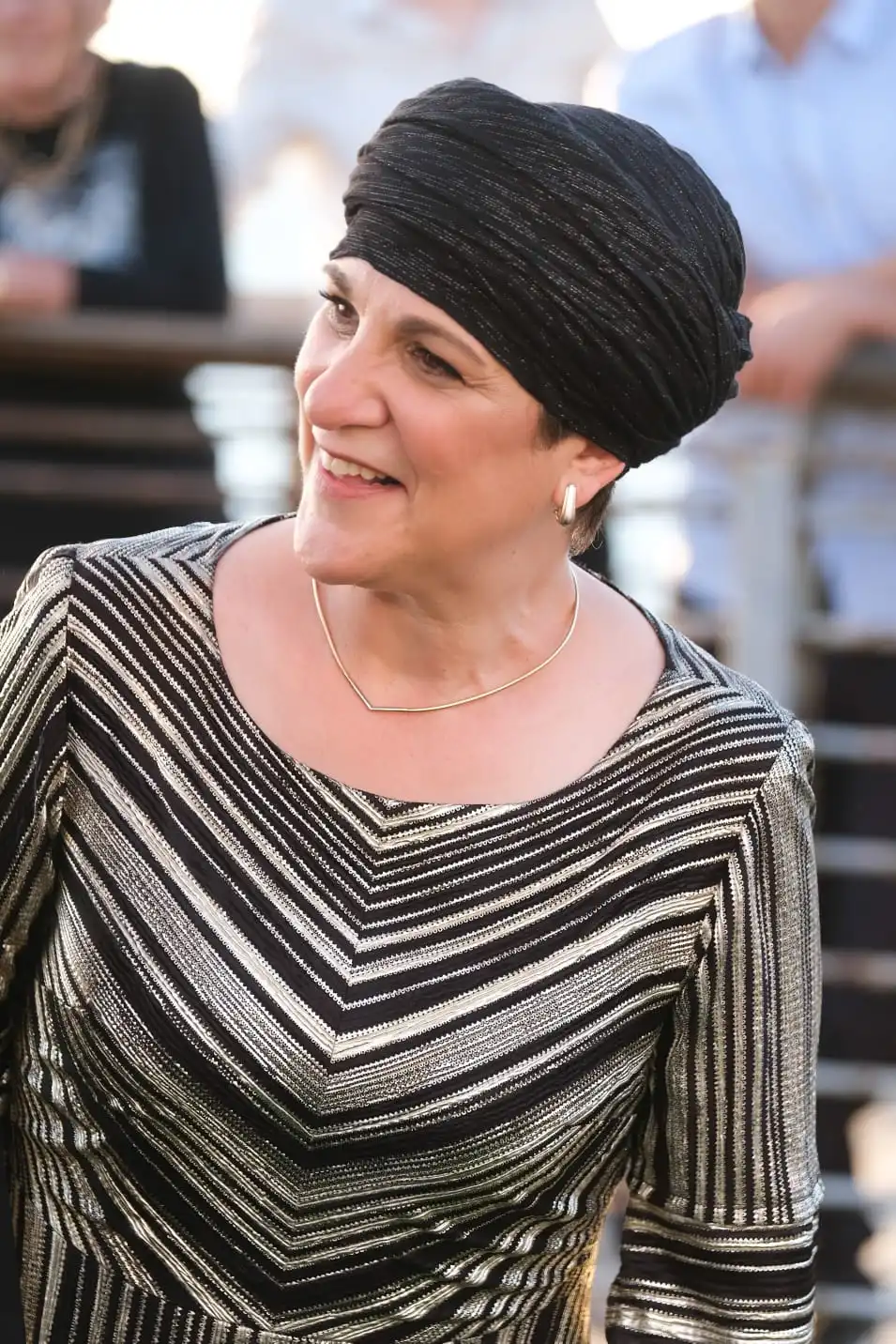
טל מנשה, ישראל
התחלתי ללמוד בשנת המדרשה במגדל עוז, בינתיים נהנית מאוד מהלימוד ומהגמרא, מעניין ומשמח מאוד!
משתדלת להצליח לעקוב כל יום, לפעמים משלימה קצת בהמשך השבוע.. מרגישה שיש עוגן מקובע ביום שלי והוא משמח מאוד!

חיפה , ישראל
התחלתי ללמוד בסבב הנוכחי לפני כשנתיים .הסביבה מתפעלת ותומכת מאוד. אני משתדלת ללמוד מכל ההסכתים הנוספים שיש באתר הדרן. אני עורכת כל סיום מסכת שיעור בביתי לכ20 נשים שמחכות בקוצר רוח למפגשים האלו.
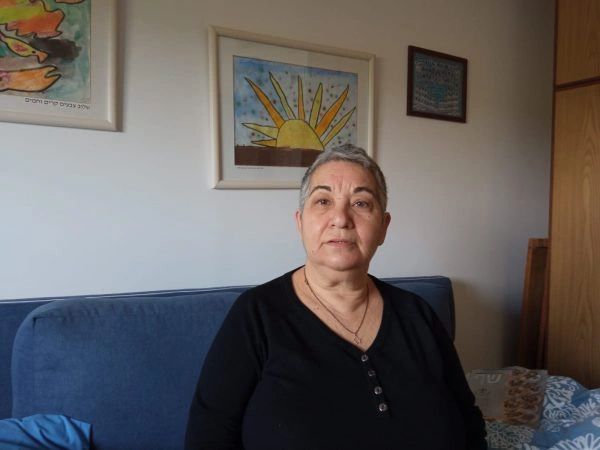
יהוד, ישראל
התחלתי ללמוד בעידוד שתי חברות אתן למדתי בעבר את הפרק היומי במסגרת 929.
בבית מתלהבים מאוד ובשבת אני לומדת את הדף עם בעלי שזה מפתיע ומשמח מאוד! לימוד הדף הוא חלק בלתי נפרד מהיום שלי. לומדת בצהריים ומחכה לזמן הזה מידי יום…
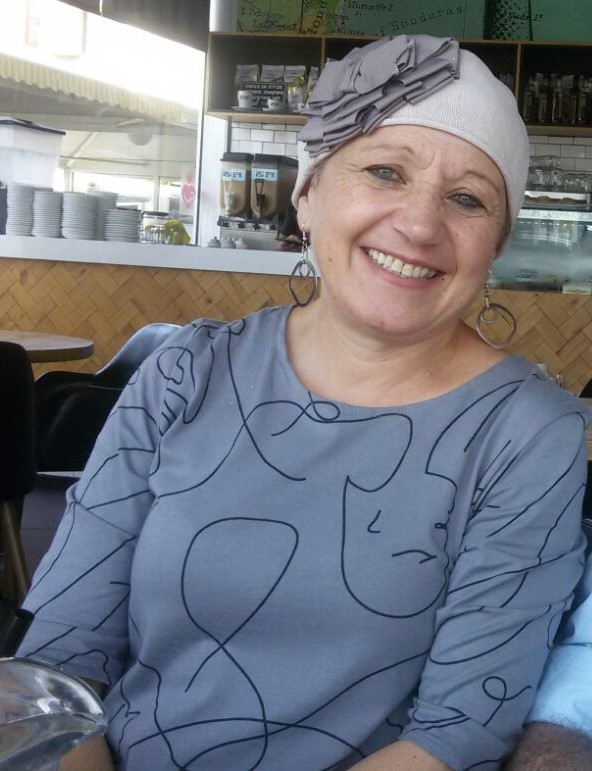
אפרת, ישראל
הָאִשָּׁה נִקְנֵית בְּשָׁלֹשׁ דְּרָכִים, וְקוֹנָה אֶת עַצְמָהּ בִּשְׁתֵּי דְרָכִים. נִקְנֵית בְּכֶסֶף, בִּשְׁטָר, וּבְבִיאָה. בְּכֶסֶף: בֵּית שַׁמַּאי אוֹמְרִים בְּדִינָר וּבְשָׁוֶה דִּינָר, וּבֵית הִלֵּל אוֹמְרִים: בִּפְרוּטָה וּבְשָׁוֶה פְּרוּטָה. וְכַמָּה הִיא פְּרוּטָה – אֶחָד מִשְּׁמֹנָה בָּאִיסָּר הָאִיטַלְקִי.
MISHNA: A woman is acquired by, i.e., becomes betrothed to, a man to be his wife in three ways, and she acquires herself, i.e., she terminates her marriage, in two ways. The mishna elaborates: She is acquired through money, through a document, and through sexual intercourse. With regard to a betrothal through money, there is a dispute between tanna’im: Beit Shammai say that she can be acquired with one dinar or with anything that is worth one dinar. And Beit Hillel say: She can be acquired with one peruta, a small copper coin, or with anything that is worth one peruta. The mishna further clarifies: And how much is the value of one peruta, by the fixed value of silver? The mishna explains that it is one-eighth of the Italian issar, which is a small silver coin.
וְקוֹנָה אֶת עַצְמָהּ בְּגֵט וּבְמִיתַת הַבַּעַל. הַיְּבָמָה נִקְנֵית בְּבִיאָה, וְקוֹנָה אֶת עַצְמָהּ בַּחֲלִיצָה וּבְמִיתַת הַיָּבָם.
And a woman acquires herself through a bill of divorce or through the death of the husband. A woman whose husband, who had a brother, died childless [yevama], can be acquired by the deceased husband’s brother, the yavam, only through intercourse. And she acquires herself, i.e., she is released from her levirate bond, through ḥalitza or through the death of the yavam.
גְּמָ׳ הָאִשָּׁה נִקְנֵית. מַאי שְׁנָא הָכָא דְּתָנֵי ״הָאִשָּׁה נִקְנֵית״, וּמַאי שְׁנָא הָתָם דְּתָנֵי ״הָאִישׁ מְקַדֵּשׁ״? מִשּׁוּם דְּקָא בָּעֵי לְמִיתְנֵי כֶּסֶף,
GEMARA: The mishna teaches that a woman can be acquired in three ways. The Gemara asks: What is different here that this mishna teaches: A woman is acquired, using the language of acquisition, and what is different there, in the beginning of the next chapter (42a), which teaches: A man betroths, using the language of betrothal? The Gemara explains: In this mishna the tanna utilized the language of acquisition because he wanted to teach about betrothal through money, which is the standard means of exchange in an act of acquisition.
וְכֶסֶף מְנָא לַן – גָּמַר ״קִיחָה״ ״קִיחָה״ מִשְּׂדֵה עֶפְרוֹן. כְּתִיב הָכָא: ״כִּי יִקַּח אִישׁ אִשָּׁה״, וּכְתִיב הָתָם: ״נָתַתִּי כֶּסֶף הַשָּׂדֶה קַח מִמֶּנִּי״,
The Gemara continues its explanation: And from where do we derive that betrothal is accomplished by means of giving money? It is derived by means of a verbal analogy between the term expressing taking stated with regard to betrothal and from the term expressing taking with regard to the field of Ephron. How so? It is written here, with regard to marriage: “When a man takes a woman” (Deuteronomy 24:1), and it is written there, concerning Abraham’s purchase of the field of the Cave of Machpelah from Ephron the Hittite: “I will give money for the field; take it from me” (Genesis 23:13). This verbal analogy teaches that just as Ephron’s field was acquired with money, so too, a woman can be acquired with money.
וְקִיחָה אִיקְּרִי ״קִנְיָן״, דִּכְתִיב: ״הַשָּׂדֶה אֲשֶׁר קָנָה אַבְרָהָם״.
The Gemara continues: And the taking of Ephron’s field is called an acquisition in the Torah, as it is written with regard to the same issue: “The field which Abraham acquired” (Genesis 25:10).
אִי נָמֵי, ״שָׂדוֹת בַּכֶּסֶף יִקְנוּ״, תָּנֵי ״הָאִשָּׁה נִקְנֵית״.
Alternatively, it can be proven that purchasing a field with money is called an acquisition from the verse: “They shall acquire fields with money” (Jeremiah 32:44). Consequently, as the tanna wanted to teach that a woman can be betrothed with money, he taught: A woman is acquired. This explains why the terminology of acquisition is used in this mishna.
וְנִיתְנֵי הָתָם ״הָאִישׁ קוֹנֶה״! מֵעִיקָּרָא תָּנֵי לִישָּׁנָא דְאוֹרָיְיתָא, וּלְבַסּוֹף תָּנֵי לִישָּׁנָא דְרַבָּנַן, וּמַאי לִישָּׁנָא דְרַבָּנַן? – דְּאָסַר לַהּ אַכּוּלֵּי עָלְמָא כְּהֶקְדֵּשׁ.
The Gemara asks: But let the mishna teach there, in the next chapter: A man acquires. The Gemara explains: Initially, the mishna taught using the language of the Torah, in which betrothal is called taking. And ultimately, in the next chapter, it taught using the language of the Sages. And what is the reason that betrothal is called kiddushin, literally, consecration, in the language of the Sages? The reason is that through betrothal the husband renders her forbidden to everyone like consecrated property. Therefore, this act is referred to as consecration.
וְנִיתְנֵי הָכָא ״הָאִישׁ קוֹנֶה״! מִשּׁוּם דְּקָא בָּעֵי לְמִיתְנָא סֵיפָא: ״וְקוֹנָה אֶת עַצְמָהּ״ בְּדִידַהּ, תְּנָא נָמֵי רֵישָׁא בְּדִידַהּ.
The Gemara asks another question with regard to the difference in wording between the two mishnayot: And let it teach here, as in the following chapter: A man acquires. Why does this mishna teach: The woman is acquired, with the woman as the subject of the sentence? The Gemara answers: This is because the tanna wanted to teach in the latter clause of the mishna: And she acquires herself, which is stated with regard to her. Therefore, the tanna also taught the halakha stated with regard to her in the first clause.
וְנִיתְנֵי ״הָאִישׁ קוֹנֶה וּמַקְנֶה״! מִשּׁוּם דְּאִיכָּא מִיתַת הַבַּעַל, דְּלָאו אִיהוּ קָא מַקְנֵי – מִן שְׁמַיָּא הוּא דְּמַקְנִי לָהּ.
The Gemara further asks: But if this is the reason, the mishna could have been formulated entirely differently. Let it teach: The man can acquire a woman and transfer authority, i.e., grant her the release from marriage in the form of a bill of divorce. The Gemara answers: The mishna could not use the expression: Transfer, because there is the case of the husband’s death, in which it is not he who transfers authority. Rather, it is from Heaven that her freedom is transferred to her. Therefore, the mishna could not issue a general statement that the man can actively transfer to the woman her release from marriage.
וְאִי בָּעֵית אֵימָא: אִי תְּנָא ״קוֹנֶה״, הֲוָה אָמֵינָא אֲפִילּוּ בְּעַל כׇּרְחָהּ – תְּנָא ״הָאִשָּׁה נִקְנֵית״, דְּמִדַּעְתָּהּ – אִין, שֶׁלֹּא מִדַּעְתָּהּ – לָא.
And if you wish, say instead another explanation. If the mishna had taught: The man acquires the woman, I would say that he can acquire her even against her will, as indicated by the expression: He acquires. One might have assumed that the betrothal depends on the husband, without the need for the woman’s consent. Therefore the mishna taught: The woman is acquired, from which it may be inferred that with her consent, yes, he can acquire her as a wife, but when he acts without her consent, no, she is not betrothed to him.
וּמַאי אִירְיָא דְּתָנֵי ״שָׁלֹשׁ״? לִיתְנֵי ״שְׁלֹשָׁה״! מִשּׁוּם דְּקָא בָּעֵי לְמִיתְנֵי ״דֶּרֶךְ״ וְ״דֶרֶךְ״ לְשׁוֹן נְקֵבָה הוּא, דִּכְתִיב: ״וְהוֹדַעְתָּ לָהֶם אֶת הַדֶּרֶךְ יֵלְכוּ בָהּ״.
The Gemara continues to analyze the style of the mishna: And why does the tanna specifically teach: Three [shalosh] ways, formulated in the feminine? Let it teach: Three [shelosha] ways, formulated in the masculine. The Gemara explains: The mishna uses this form because it wants to teach the word way [derekh], and derekh is formulated in the feminine, as it is written: “And you shall show them the way [derekh] in which [bah] they must walk” (Exodus 18:20). The term bah, which is referring to derekh, is formulated in the feminine.
וְאֶלָּא הָא דְּתַנְיָא: ״בְּשִׁבְעָה דְּרָכִים בּוֹדְקִין אֶת הַזָּב״, נִיתְנֵי ״שֶׁבַע״! מִשּׁוּם דְּקָא בָּעֵי לְמִיתְנֵי ״דֶּרֶךְ״, וְאַשְׁכְּחַן ״דֶּרֶךְ״ דְּאִיקְּרִי לְשׁוֹן זָכָר, דִּכְתִיב: ״בְּדֶרֶךְ אֶחָד יֵצְאוּ אֵלֶיךָ וּבְשִׁבְעָה דְרָכִים יָנוּסוּ לְפָנֶיךָ״. אִי הָכִי, קָשׁוּ קְרָאֵי אַהֲדָדֵי! וְקַשְׁיָא נָמֵי מַתְנִיתִין אַהֲדָדֵי!
The Gemara challenges: But with regard to that which is taught in a mishna (Nazir 65b): One examines a zav in seven [shiva] ways [derakhim], where shiva is formulated in the masculine, let it teach: Seven [sheva] ways, formulated in the feminine. The Gemara answers: The mishna uses the masculine formulation of the term seven because it wanted to teach: Derekh, and we find that the word derekh is referred to in the masculine form, as it is written: “They shall come out against you one way [derekh], and shall flee before you seven [shiva] ways” (Deuteronomy 28:7). The Gemara asks: If so, the verses contradict each other, as in one verse the term derekh is masculine, and in the other verse it is feminine. And furthermore, the mishnayot contradict each other, as in one mishna derekh is masculine while in the other it is feminine.
קְרָאֵי אַהֲדָדֵי לָא קַשְׁיָין: הָכָא, דִּבְתוֹרָה קָאֵי, וְתוֹרָה אִיקְּרִי לְשׁוֹן נְקֵבָה, דִּכְתִיב: ״תּוֹרַת ה׳ תְּמִימָה מְשִׁיבַת נָפֶשׁ״ – כָּתַב לָהּ בִּלְשׁוֹן נְקֵבָה. הָתָם, דִּבְמִלְחָמָה קָאֵי, דְּדַרְכּוֹ שֶׁל אִישׁ לַעֲשׂוֹת מִלְחָמָה וְאֵין דַּרְכָּהּ שֶׁל אִשָּׁה לַעֲשׂוֹת מִלְחָמָה – כָּתַב לָהּ בִּלְשׁוֹן זָכָר.
The Gemara answers: The verses do not contradict each other. Here, that verse: “The way in which they must walk” (Exodus 18:20), is referring to the Torah, i.e., the way mentioned here is referring to the path of the Torah, and Torah is referred to in the feminine form, as it is written: “The Torah of the Lord is perfect [temima], restoring the soul” (Psalms 19:8). The word temima is in the feminine. Consequently, in reference to the Torah the verse writes: Derekh, formulated in the feminine. There, that verse: “Shall flee before you seven ways” (Deuteronomy 28:7), is referring to war, and as it is the way of a man to wage war and it is not the way of a woman to wage war, it is appropriate to speak in the masculine. Therefore, the verse writes the word derekh formulated in the masculine.
מַתְנִיתִין אַהֲדָדֵי לָא קַשְׁיָין: הָכָא, דִּלְגַבֵּי אִשָּׁה קָאֵי – קָתָנֵי לַהּ בִּלְשׁוֹן נְקֵבָה. הָתָם, דִּלְגַבֵּי אִישׁ קָאֵי, דְּדַרְכּוֹ שֶׁל אִישׁ לִיבָּדֵק וְאֵין דַּרְכָּהּ שֶׁל אִשָּׁה לִיבָּדֵק, דְּהָא אִשָּׁה נָמֵי בְּאוֹנֶס מִיטַּמְּאָהּ – תָּנֵי לְשׁוֹן זָכָר.
Likewise, the mishnayot do not contradict each other: Here, where it is referring to a woman, the mishna teaches derekh formulated in the feminine. There, with regard to the examination of a zav, where it is referring to a man, as it is common for a man to undergo an examination to determine if his emission has a cause other than a gonorrhea-like discharge [ziva] but it is not common for a woman to undergo an examination, since, unlike a man, a woman is rendered impure even by circumstances beyond her control, it taught and used the word derekh formulated in the masculine. Even if a woman has an emission of blood for a reason other than illness, she is still impure. Consequently, in her case there is no reason for an examination to see what might have caused her discharge.
מַאי טַעְמָא תָּנֵי ״שָׁלֹשׁ״ – מִשּׁוּם ״דְּרָכִים״? נִיתְנֵי ״דְּבָרִים״ וְנִיתְנֵי ״שְׁלֹשָׁה״! מִשּׁוּם דְּקָבָעֵי לְמִיתְנֵי ״בִּיאָה״, וּבִיאָה אִיקְּרִי ״דֶּרֶךְ״, דִּכְתִיב: ״וְדֶרֶךְ גֶּבֶר בְּעַלְמָה כֵּן דֶּרֶךְ אִשָּׁה מְנָאָפֶת״.
The Gemara asks another question with regard to the language of the mishna: What is the reason that the mishna teaches: Three [shalosh], formulated in the feminine? This is because it wanted to teach: Ways. But if so, let it teach instead the word: Matters, i.e., a woman can be acquired through three matters, and as this term is masculine, let it teach three [shelosha], in the masculine. The Gemara answers: The mishna did do so because it wanted to teach intercourse as one of these ways, and intercourse is called a way in the Torah, as it is written: “And the way of a man with a young woman, so is the way of an adulterous woman” (Proverbs 30:19-20). For this reason the mishna used the term ways rather than matters.
הָא תִּינַח ״בִּיאָה״, ״כֶּסֶף״ וּ״שְׁטָר״ מַאי אִיכָּא לְמֵימַר? מִשּׁוּם ״בִּיאָה״.
The Gemara raises a difficulty: This works out well with regard to intercourse, which is referred to as a way. But what is there to say concerning money and a document? The mishna could have used the word matters with regard to these modes of betrothal. The Gemara answers: Because it was necessary to mention intercourse, which is called a way, the mishna used the word way in reference to the other two modes as well.
וְתָנֵי תַּרְתֵּי אַטּוּ חֲדָא? הָנָךְ נָמֵי צוֹרֶךְ בִּיאָה נִינְהוּ.
The Gemara asks: And would the mishna teach two cases in a particular manner due to one? Since the word way suits only one of the three modes of betrothal, why didn’t the mishna use the term: Matters, on account of the other two? The Gemara answers: These, too, are for the sake of sexual intercourse. Since the marital relationship, in which intercourse is paramount, is the ultimate purpose of betrothal, the mishna considers this clause as the most important part of the halakha.
וְאִי בָּעֵית אֵימָא: הָא מַנִּי – רַבִּי שִׁמְעוֹן הִיא, דְּתַנְיָא, רַבִּי שִׁמְעוֹן אוֹמֵר: מִפְּנֵי מָה אָמְרָה תּוֹרָה ״כִּי יִקַּח אִישׁ אִשָּׁה״, וְלֹא כָּתַב ״כִּי תִּלָּקַח אִשָּׁה לְאִישׁ״? – מִפְּנֵי שֶׁדַּרְכּוֹ שֶׁל אִישׁ לְחַזֵּר עַל אִשָּׁה וְאֵין דַּרְכָּהּ שֶׁל אִשָּׁה לְחַזֵּר עַל אִישׁ. מָשָׁל לְאָדָם שֶׁאָבְדָה לוֹ אֲבֵידָה – מִי חוֹזֵר עַל מִי? בַּעַל אֲבֵידָה מְחַזֵּר עַל אֲבֵידָתוֹ.
And if you wish, say instead: In accordance with whose opinion is this mishna, which teaches derekh? It is in accordance with the opinion of Rabbi Shimon, as it is taught in a baraita that Rabbi Shimon says: For what reason did the Torah say: “When a man takes a woman” (Deuteronomy 22:13) and did not write: “When a woman is taken by a man? Because it is the way [derekh] of a man to pursue a woman, and it is not the way of a woman to pursue a man. The Gemara cites a parable of a man who lost an item. Who searches for what? Certainly the owner of the lost item searches for his lost item, not the other way around. Since woman was created from man’s lost side, the man seeks that which he has lost. To allude to this statement of Rabbi Shimon, the mishna employs the term derekh in this context.
וְהָא דִּתְנַן: ״בְּשִׁבְעָה דְּרָכִים בּוֹדְקִין אֶת הַזָּב״, לִיתְנֵי ״דְּבָרִים״! הָתָם הָא קָא מַשְׁמַע לַן, דְּדַרְכָּא דְּמֵיכְלָא יַתִּירָא לְאֵתוֹיֵי לִידֵי זִיבָה, וְדַרְכָּא דְּמִישְׁתְּיָא יַתִּירָא לְאֵתוֹיֵי לִידֵי זִיבָה.
The Gemara asks: But with regard to that which we learned in a mishna: One examines a zav in seven ways, why does it use this phraseology? Let it teach the word: Matters. The Gemara answers that the mishna there teaches us this halakha, that it is the way of excessive eating to lead to ziva, and likewise it is the way of excessive drinking to lead to ziva. Therefore, the mishna uses the phrase: Seven ways, to emphasize that there are ways of behavior that can cause the emission of a zav.
וְהָא דִּתְנַן: ״אֶתְרוֹג שָׁוֶה לָאִילָן בִּשְׁלֹשָׁה דְּרָכִים״, לִיתְנֵי ״דְּבָרִים״! מִשּׁוּם דְּבָעֵינַן מִתְנֵי סֵיפָא: ״וְלַיָּרָק בְּדֶרֶךְ אֶחָד״. סֵיפָא נָמֵי, נִיתְנֵי ״דָּבָר״!
The Gemara further challenges: And with regard to that which we learned in a mishna (Bikkurim 2:6): The halakhot of an etrog tree correspond to those of a tree in three ways. Let it teach instead: Three matters. The Gemara answers: Because it wants to teach in the latter clause: And the halakhot of an etrog tree correspond to those of a vegetable in one way, therefore the mishna uses the term: Ways, in the first clause as well. The Gemara asks: In the latter clause too, let the mishna teach: Matter, rather than: Way.
פעולה זו תסיר את כל הפריטים בחלק זה כולל ההתקדמות וההיסטוריה. שימי לב: לא ניתן לשחזר פעולה זו.
תאבד/י את כל ההתקדמות או ההיסטוריה הקשורות לפריט זה.


