חיפוש

קידושין לו

רוצה להקדיש לימוד?

podcast placeholder

0:00
0:00


תקציר

הלימוד החודש מוקדש ע”י לאה גולדפורד לע”נ ציפורה בת יחזקאל, רבקה יודה בת דוד צבי, ברכה ביילה בת ברל, חיים גרשון בן צבי אריה, דבורה רבקה בת טוביה הכהן, אברהם באר בן מרדכי ושרון בת יעקב. יהי זכרם ברוך.

הדף היום מוקדש ע”י דבי בומגרטן קוזנץ לכבוד כלתה דבורנית זוסמן שוורץ.

ישנם שלושה הסברים שונים שניתנו כדי להסביר מדוע איסי הוסיף מקרה רביעי לרשימת המצוות לא תעשה שאינן חלות על נשים – האיסור להקריח כאות אבלות על אדם אהוב. מדוע כל אחד מהם אינו מקבל את ההסבר של האחרים? ישנן מספר פעולות שמתבצעות בבית המקדש הנוגעות לקרבנות שנהוג לעשותן על ידי גברים ולא נשים. המשנה מפרטת את הפעולות הללו והגמרא מסבירה מהיכן אנו דורשים מהפסוקים שדברים אלו נועדו לגברים בלבד. יש שני יוצאים מן הכלל – הנפת מנחת סוטה ומנחת הנזירה. מניין לנו שנשים מבצעות פעולות אלו?

קידושין לו

אַחַת הִיא.

are one prohibition.

אַבָּיֵי אָמַר: הַיְינוּ טַעְמָא דְּאִיסִי, דְּגָמַר ״קׇרְחָה״ ״קׇרְחָה״ מִבְּנֵי אַהֲרֹן, מָה לְהַלָּן נָשִׁים פְּטוּרוֹת – אַף כָּאן נָשִׁים פְּטוּרוֹת.

Abaye said that this is the reason of Isi for exempting women from the prohibition against baldness: As he learns the prohibition against causing baldness in grief over someone who is dead through a verbal analogy from the prohibition against causing baldness stated with regard to the sons of Aaron. The verse states with regard to priests: “They shall not make baldness upon their head” (Leviticus 21:5). Just as there, with regard to priests, women are exempt, as the expression “the sons of Aaron” serves to exclude the daughters of Aaron, so too here, women are exempt.

וְאִי סְבִירָא לַן דְּכִי כְּתִיב קְרָא, בְּכוּלֵּי עִנְיָינָא הוּא דִּכְתִיב, נִשְׁתּוֹק קְרָא מִינֵּיהּ וְתֵיתֵי בְּקַל וָחוֹמֶר, וַאֲנָא אָמֵינָא: וּמָה כֹּהֲנִים שֶׁרִיבָּה בָּהֶם הַכָּתוּב מִצְוֹת יְתֵירוֹת – ״בְּנֵי אַהֲרֹן״ – וְלֹא בְּנוֹת אַהֲרֹן, יִשְׂרָאֵל לֹא כׇּל שֶׁכֵּן?

The Gemara asks: But if we maintain that when the Merciful One writes: “The sons of Aaron” (Leviticus 21:1), it is written with regard to the entire matter of that chapter, including the prohibition against causing baldness, let the verse be silent about this prohibition concerning all Jews. And this halakha could be derived through an a fortiori inference, as I could say the following: If in the case of priests, for whom the verse includes additional mitzvot, the prohibition against causing baldness applies only to the sons of Aaron and not the daughters of Aaron, is it not all the more so the case with regard to Israelites, who have fewer mitzvot, that only the men should be obligated and not the women?

אִי לָאו גְּזֵרָה שָׁוָה הֲוָה אָמֵינָא: הִפְסִיק הָעִנְיָן.

The Gemara answers: Nevertheless, the verbal analogy is necessary. As, were it not for the verbal analogy I would say that the halakhot of ritual impurity concluded discussion of that matter, and the prohibition against causing baldness applies to all the descendants of Aaron, including women.

הַשְׁתָּא נָמֵי נֵימָא הִפְסִיק הָעִנְיָן, וְאִי מִשּׁוּם גְּזֵרָה שָׁוָה – מִיבְּעֵי לֵיהּ לְכִדְתַנְיָא: ״לֹא יִקְרְחוּ״, יָכוֹל אֲפִילּוּ קָרַח אַרְבַּע וְחָמֵשׁ קְרָחוֹת לֹא יְהֵא חַיָּיב אֶלָּא אַחַת? תַּלְמוּד לוֹמַר: ״קׇרְחָה״ – לְחַיֵּיב עַל כׇּל אַחַת וְאַחַת.

The Gemara asks: If so, now too, let us say that the halakhot of ritual impurity concluded discussion of that matter, and it is prohibited for the daughters of Aaron as well to cause baldness. And if you maintain that the reason the prohibition stated with regard to priests does not apply to women is due to the verbal analogy employing the term “make baldness,” which serves to connect the halakha stated with regard to priests with the halakha stated with regard to all Jews, this verbal analogy is necessary for that which is taught in a baraita: The verse states: “They shall not make baldness [yikreḥu korḥa]” (Leviticus 21:5). If the verse had stated only “yikreḥu,” one might have thought that even if one made four or five patches of baldness he would be obligated for only one violation, as there is only one prohibition against making a bald spot. Therefore the verse also states “korḥa,” to render him liable for each and every one of the bald spots.

״בְּרֹאשָׁם״ מָה תַּלְמוּד לוֹמַר? לְפִי שֶׁנֶּאֱמַר: ״לֹא תִתְגֹּדְדוּ וְלֹא תָשִׂימוּ קׇרְחָה בֵּין עֵינֵיכֶם לָמֵת״, יָכוֹל לֹא יְהֵא חַיָּיב אֶלָּא עַל בֵּין הָעֵינַיִם, מִנַּיִן לְרַבּוֹת כָּל הָרֹאשׁ? תַּלְמוּד לוֹמַר: ״בְּרֹאשָׁם״ – לְחַיֵּיב עַל הָרֹאשׁ כְּבֵין הָעֵינַיִם.

The baraita continues: What is the meaning when the verse states: “Upon their head” (Leviticus 21:5), with regard to the prohibition against a priest causing baldness? Because it is stated: “You shall not cut yourselves, nor make any baldness between your eyes for the dead” (Deuteronomy 14:1), one might have thought that he is obligated only for removing the hair between the eyes. From where is it derived to include the entire head in this prohibition? When the verse states “upon their head,” it serves to render a priest liable for removing hair on his entire head like the spot between the eyes.

וְאֵין לִי אֶלָּא כֹּהֲנִים, שֶׁרִיבָּה בָּהֶם הַכָּתוּב מִצְוֹת יְתֵירוֹת, יִשְׂרָאֵל מְנָלַן? – נֶאֱמַר כָּאן: ״קׇרְחָה״ וְנֶאֱמַר לְהַלָּן: ״קׇרְחָה״, מָה כָּאן חַיָּיב עַל כׇּל קׇרְחָה וְקׇרְחָה, וְחַיָּיב עַל הָרֹאשׁ כְּבֵין הָעֵינַיִם – אַף לְהַלָּן חַיָּיב עַל כׇּל קׇרְחָה וְקׇרְחָה, וְחַיָּיב עַל הָרֹאשׁ כְּבֵין הָעֵינַיִם.

The baraita continues: And I have derived only that this halakha applies to priests, for whom the verse includes additional mitzvot; from where do we derive that it applies to every Israelite, i.e., all Jews are liable for each and every bald spot and for the entire head? It is stated here, with regard to priests, “baldness,” and it is stated there, with regard to non-priests, “baldness.” Just as here, with regard to priests, one is obligated for each and every bald spot, and one is obligated for the entire head like the spot between the eyes, so too there, with regard to all Jews, one is obligated for each and every bald spot, and one is obligated for the entire head like the spot between the eyes.

וּמָה לְהַלָּן עַל מֵת, אַף כָּאן עַל מֵת. אִם כֵּן נִכְתּוֹב קְרָא ״קֹרַח״, מַאי ״קׇרְחָה״ – שָׁמְעַתְּ מִינַּהּ תַּרְתֵּי.

The baraita continues: And conversely, just as there, in the case of Israelites, it is referring specifically to causing baldness over someone who is dead, so too here, with regard to priests, it is prohibited to cause baldness only over someone who is dead, not in other circumstances. This baraita shows that the verbal analogy is required for the halakhot of bald spots. How, then, can it teach the exemption of women? The Gemara answers: If it is so that it may be used only for one purpose, let the verse be written merely bald [keraḥ]. What is meant by the term “baldness [korḥa]”? Conclude two conclusions from it, both the verbal analogy that exempts women and the halakha that each bald spot constitutes a separate violation.

רָבָא אָמַר: הַיְינוּ טַעְמָא דְּאִיסִי, דְּיָלֵיף ״בֵּין עֵינֵיכֶם״ מִתְּפִילִּין, מָה לְהַלָּן נָשִׁים פְּטוּרוֹת, אַף כָּאן נָשִׁים פְּטוּרוֹת. וְרָבָא מַאי טַעְמָא לָא אָמַר כְּאַבַּיֵּי? ״קֹרַח״ ״קׇרְחָה״ לָא מַשְׁמַע לֵיהּ.

Rava said that this is Isi’s reason, as he derives the verbal analogy of “between your eyes” with regard to baldness from phylacteries, concerning which it says: “And they shall be for frontlets between your eyes” (Deuteronomy 11:18): Just as there, with regard to phylacteries, women are exempt, so too here, in the case of baldness, women are exempt. The Gemara asks: And what is the reason that Rava did not state the same reason as Abaye? The Gemara answers: Rava does not learn anything from the distinction between keraḥ and korḥa, as he maintains that no halakha can be derived from this slight difference in language.

וְאַבָּיֵי מַאי טַעְמָא לָא אָמַר כְּרָבָא? אָמַר לָךְ: תְּפִילִּין גּוּפַיְיהוּ מֵהָכָא גָּמַר לַהּ: מָה לְהַלָּן מְקוֹם שֶׁעוֹשִׂים קׇרְחָה, בְּגוֹבַהּה שֶׁל רֹאשׁ, אַף כָּאן מְקוֹם הַנָּחָה בְּגוֹבַהּ הָרֹאשׁ.

The Gemara further asks: And what is the reason that Abaye did not state the same reason as Rava? The Gemara answers that Abaye could have said to you: Phylacteries themselves are derived from here, i.e., the meaning of the phrase “between your eyes” stated with regard to phylacteries is understood from the case of baldness: Just as there, with regard to a bald spot, “between your eyes” is referring to a place where baldness is formed, a spot where there is hair, which is on the upper part of the head but not actually between the eyes, so too, the place where phylacteries are donned is on the upper part of the head.

וּבֵין לְאַבָּיֵי וּבֵין לְרָבָא, הַאי ״בָּנִים אַתֶּם״, מַאי דָּרְשִׁי בֵּיהּ? הַאי מִיבְּעֵי לְכִדְתַנְיָא: ״בָּנִים אַתֶּם לַה׳ אֱלֹהֵיכֶם״, בִּזְמַן שֶׁאַתֶּם נוֹהֲגִים מִנְהַג בָּנִים – אַתֶּם קְרוּיִם בָּנִים, אֵין אַתֶּם נוֹהֲגִים מִנְהַג בָּנִים – אֵין אַתֶּם קְרוּיִם בָּנִים, דִּבְרֵי רַבִּי יְהוּדָה.

The Gemara asks: And both Abaye and Rava, what do they derive from this verse: “You are the sons to the Lord your God” (Deuteronomy 14:1)? According to the first explanation of Isi’s opinion, the exclusion of women is derived from this phrase, whereas they derive that halakha from a different source. The Gemara answers: This verse is necessary for that which is taught in a baraita: The verse: “You are the sons to the Lord your God,” indicates that when you act like sons and cleave to the Holy One, Blessed be He, you are called sons, but when you do not act like sons you are not called sons. This is the statement of Rabbi Yehuda.

רַבִּי מֵאִיר אוֹמֵר: בֵּין כָּךְ וּבֵין כָּךְ אַתֶּם קְרוּיִם בָּנִים, שֶׁנֶּאֱמַר: ״בָּנִים סְכָלִים הֵמָּה״, וְאוֹמֵר: ״בָּנִים לֹא אֵמֻן בָּם״, וְאוֹמֵר: ״זֶרַע מְרֵעִים בָּנִים מַשְׁחִיתִים״, וְאוֹמֵר: ״וְהָיָה בִּמְקוֹם אֲשֶׁר יֵאָמֵר לָהֶם לֹא עַמִּי אַתֶּם יֵאָמֵר לָהֶם בְּנֵי אֵל חָי״.

And Rabbi Meir says: Either way you are still called sons, as it is stated: “They are foolish sons” (Jeremiah 4:22). And it also states: “Sons in whom there is no faithfulness” (Deuteronomy 32:20). And it states: “A seed of evildoers, sons who deal corruptly” (Isaiah 1:4). And it states: “And it shall come to pass that, instead of what was said to them: You are not My people, it shall be said to them: Sons of the living God” (Hosea 2:1).

מַאי ״וְאוֹמֵר״? וְכִי תֵּימָא: סְכָלֵי הוּא דְּמִקְּרוּ בְּנֵי, כִּי לֵית בְּהוּ הֵימָנוּתַיְיהוּ לָא מִיקְּרוּ בְּנֵי – תָּא שְׁמַע, וְאוֹמֵר: ״בָּנִים לֹא אֵמֻן בָּם״,

The Gemara asks: Why is it necessary to cite these additional proofs introduced by the phrase: And it states? All these verses apparently make the same point. The Gemara explains why all the quotes are necessary. And if you would say: Granted, when they are foolish they are still called sons, as the verse states: “Foolish sons,” but when they do not have faithfulness they are not called sons; therefore, come and hear another verse. And that verse states: “Sons in whom there is no faithfulness.”

וְכִי תֵּימָא: כִּי לֵית בְּהוּ הֵימָנוּתָא הוּא דְּמִיקְּרוּ בָּנִים, כִּי פָּלְחוּ לַעֲבוֹדָה זָרָה לָא מִיקְּרוּ בָּנִים – תָּא שְׁמַע, וְאוֹמֵר: ״זֶרַע מְרֵעִים בָּנִים מַשְׁחִיתִים״. וְכִי תֵּימָא: ״בָּנִים מַשְׁחִיתִים״ הוּא דְּמִיקְּרוּ, בְּנֵי מְעַלְּיָיא לָא מִיקְּרוּ – תָּא שְׁמַע, וְאוֹמֵר: ״וְהָיָה בִּמְקוֹם אֲשֶׁר יֵאָמֵר לָהֶם לֹא עַמִּי אַתֶּם יֵאָמֵר לָהֶם בְּנֵי אֵל חָי״.

And if you would say: It is when they do not have faithfulness that they are called sons, as stated, but when they worship idols they are not called sons anymore; therefore, come and hear: And the verse states: “A seed of evildoers, sons who deal corruptly,” which alludes to the corruption of idol worship. And if you would say that although they are called “sons who deal corruptly,” they are no longer called full-fledged sons of God once they have sinned, come and hear: And the verse states: “And it shall come to pass that, instead of what was said to them: You are not My people, it shall be said to them: Sons of the living God.” This verse indicates that when the Jews repent they are again called full-fledged sons of God.

מַתְנִי׳, הַסְּמִיכוֹת, וְהַתְּנוּפוֹת, וְהַהַגָּשׁוֹת, וְהַקְּמִיצוֹת, וְהַ[הַ]קְטָרוֹת, וְהַמְּלִיקוֹת, וְהַקַּבָּלוֹת, וְהַזָּאוֹת – נוֹהֲגִים בַּאֲנָשִׁים וְלֹא בְּנָשִׁים, חוּץ מִמִּנְחַת סוֹטָה וּנְזִירָה שֶׁהֵן מְנִיפוֹת.

MISHNA: With regard to the placing of hands on the head of an offering, and the waving of certain offerings, and the bringing near of meal-offerings to the corner of the altar, and the removal of a handful from meal-offerings, and the burning of sacrificial parts on the altar, and the pinching of bird-offerings, and the collecting of blood of offerings in a vessel, and the sprinkling of blood, these apply to men and not to women. All these mitzvot apply specifically to men and not to women, except for the meal-offering of a sota, and the meal-offering of a nazirite woman, which these women wave.

גְּמָ׳ סְמִיכוֹת. דִּכְתִיב: ״דַּבֵּר אֶל בְּנֵי יִשְׂרָאֵל… וְסָמַךְ״ – בְּנֵי יִשְׂרָאֵל סוֹמְכִים, וְאֵין בְּנוֹת יִשְׂרָאֵל סוֹמְכוֹת.

GEMARA: From where is it derived that placing of hands on the head of an offering applies only to men? As it is written: “Speak to the sons of Israel…and he shall place his hand” (Leviticus 1:2–4), which indicates that the sons of Israel place hands on offerings, but the daughters of Israel do not place hands.

תְּנוּפוֹת. ״דַּבֵּר אֶל בְּנֵי יִשְׂרָאֵל… וְהֵנִיף״ – בְּנֵי יִשְׂרָאֵל מְנִיפִין, וְאֵין בְּנוֹת יִשְׂרָאֵל מְנִיפוֹת.

The Gemara explains that the halakha of waving is derived from the following verse: “Speak to the sons of Israel…and he shall wave” (see Leviticus 7:29–30), which likewise teaches that the sons of Israel wave, but the daughters of Israel do not wave.

הַגָּשׁוֹת. דִּכְתִיב: ״וְזֹאת תּוֹרַת הַמִּנְחָה… הַקְרֵב אֹתָהּ בְּנֵי אַהֲרֹן״ – בְּנֵי אַהֲרֹן, וְלֹא בְּנוֹת אַהֲרֹן.

§ With regard to bringing near, this is as it is written: “And this is the law of the meal-offering: The sons of Aaron shall bring it near” (Leviticus 6:7). This teaches that the sons of Aaron bring the meal-offering near, but not the daughters of Aaron.

קְמִיצוֹת. דִּכְתִיב: ״וֶהֱבִיאָהּ אֶל בְּנֵי אַהֲרֹן וְקָמַץ״ – בְּנֵי אַהֲרֹן, וְלֹא בְּנוֹת אַהֲרֹן.

With regard to the removal of a handful, this is as it is written: “And he shall bring it to the sons of Aaron, the priests, and he shall remove a handful” (Leviticus 2:2). This teaches that the sons of Aaron take a handful, but not the daughters of Aaron.

הַקְטָרוֹת. דִּכְתִיב: ״וְהִקְטִירוּ אֹתוֹ בְּנֵי אַהֲרֹן״ – בְּנֵי אַהֲרֹן, וְלֹא בְּנוֹת אַהֲרֹן.

With regard to the burning of sacrificial parts, this is as it is written: “And the sons of Aaron shall burn it” (Leviticus 3:5). This teaches that it is the sons of Aaron who burn the parts, but not the daughters of Aaron.

הַמְּלִיקוֹת. דִּכְתִיב: ״וּמָלַק… וְהִקְטִיר״, אִיתַּקַּשׁ מְלִיקָה לְהַקְטָרָה.

With regard to pinching, this is as it is written: “And he shall pinch…and he shall burn” (Leviticus 1:15). The verse juxtaposes killing to burning, and just as the burning of an offering must be performed by men, so too pinching may be performed only by men.

הַקַּבָּלוֹת. דִּכְתִיב: ״וְהִקְרִיבוּ בְּנֵי אַהֲרֹן״, וְאָמַר מָר:

With regard to receiving, this is as it is written: “And the sons of Aaron shall present the blood” (Leviticus 1:5). And the Master said in explanation of this verse:

״וְהִקְרִיבוּ״ – זוֹ קַבָּלַת הַדָּם.

“And the sons of Aaron shall present,” this is collecting the blood.

וְהַזָּאוֹת. הַזָּאָה דְּהֵיכָא? אִי דְּפָרָה, ״אֶלְעָזָר״ כְּתִיב בַּהּ. אִי דְּפָנִים, ״הַכֹּהֵן הַמָּשִׁיחַ״ כְּתִיב בַּהּ. אֶלָּא הַזָּאָה דְּבֶן עוֹף,

The Gemara discusses the mishna’s ruling that women do not perform sprinkling: To which sprinkling is this referring? If this is the sprinkling of the ashes of the red heifer, “Elazar” is written with regard to that action (Numbers 19:4), i.e., this sprinkling is performed by the deputy High Priest. If even other priests cannot perform it, certainly women cannot. If this is referring to the sprinkling performed inside the Holy of Holies, the phrase: “The anointed priest” (Leviticus 4:16), is written with regard to that rite, and consequently there is no question that women are ineligible. Rather, it is referring to sprinkling the blood of a bird-offering.

דְּאָתְיָא בְּקַל וָחוֹמֶר מִבֶּן צֹאן. וּמָה בֶּן צֹאן שֶׁלֹּא קָבַע לוֹ כֹּהֵן לִשְׁחִיטָתוֹ – קָבַע לוֹ כֹּהֵן לְהַזָּאָתוֹ, בֶּן עוֹף שֶׁקָּבַע לוֹ כֹּהֵן לִמְלִיקָתוֹ – אֵינוֹ דִּין שֶׁיִּקְבַּע לוֹ לְהַזָּאָתוֹ?

The Gemara explains that this is derived through an a fortiori inference from a sheep offering: If with regard to a sheep offering, concerning which the Torah did not establish a priest for its slaughter, since it may be slaughtered by anybody, the Torah nevertheless established a priest for its sprinkling, as the verse states: “And the sons of Aaron, the priests, shall sprinkle its blood” (Leviticus 1:11), is it not logical that with regard to a bird-offering, concerning which the Torah established a priest for its pinching, an act parallel to slaughtering a sheep, the Torah likewise established a priest for its sprinkling? This proves that the sprinkling of the blood of a bird-offering can be performed only by priests, not by women.

חוּץ מִמִּנְחַת סוֹטָה וּנְזִירָה. אֲמַר לֵיהּ רַבִּי אֶלְעָזָר לְרַבִּי יֹאשִׁיָּה דְּדָרֵיהּ: לָא תֵּיתֵיב אַכַּרְעָךְ עַד דְּאָמְרַתְּ לִי לְהָא שְׁמַעְתְּתָא: מִנַּיִן לְמִנְחַת סוֹטָה שֶׁטְּעוּנָה תְּנוּפָה? מְנָלַן?! בְּגוּפַהּ כְּתִיב: ״וְהֵנִיף אֶת הַמִּנְחָה״! אֶלָּא: תְּנוּפָה בִּבְעָלִים מְנָלַן?

§ The mishna teaches that these mitzvot apply specifically to men but not to women, except for the meal-offering of a sota and a nazirite woman, which these women wave. Rabbi Elazar said to Rabbi Yoshiya of his generation, i.e., the amora who was his contemporary, not the tanna with the same name who lived earlier: Do not sit down until you explain this statement to me; from where is it derived that the meal-offering of a sota requires waving? The Gemara expresses surprise: What is the meaning of the question: From where do we derive it? It is written in the chapter dealing with a sota itself: “And he shall wave the meal-offering” (Numbers 5:25). Rather, the question is as follows: From where do we derive that the waving is performed by the owners? Perhaps only the priest waves it?

אָתְיָא ״יָד״ ״יָד״ מִשְּׁלָמִים. כְּתִיב הָכָא: ״וְלָקַח הַכֹּהֵן מִיַּד הָאִשָּׁה״ וּכְתִיב הָתָם: ״יָדָיו תְּבִיאֶנָּה״.

Rabbi Yoshiya responded: This halakha is derived through the verbal analogy of the term “hand” stated with regard to a sota from the term “hand” stated with regard to a peace-offering. It is written here, with regard to the meal-offering of a sota: “And the priest shall take the meal-offering of jealousy from the woman’s hand and he shall wave the meal-offering” (Numbers 5:25), and it is written there: “His own hands shall bring the offerings of the Lord made by fire; the fat with the breast shall he bring, that the breast may be waved before the Lord” (Leviticus 7:30).

מָה כָּאן כֹּהֵן – אַף לְהַלָּן כֹּהֵן, מָה לְהַלָּן בְּעָלִים – אַף כָּאן בְּעָלִים. הָא כֵּיצַד? כֹּהֵן מַכְנִיס יָדוֹ תַּחַת יָד בְּעָלִים וּמֵנִיף.

Just as here, with regard to a sota, a priest performs the waving, so too there, with regard to a peace-offering, a priest performs the waving. And just as there, with regard to a peace-offering, the owner performs the waving, as indicated by the verse, so too here, with regard to a sota, the owner performs the waving. How so? How can both the priest and the owner perform the waving? The owner places his hands beneath the peace-offering, and the priest places his hand under the hand of the owner and waves it together with him.

אַשְׁכְּחַן סוֹטָה, נְזִירָה מְנָלַן? אָתְיָא: ״כַּף״ ״כַּף״ מִסּוֹטָה.

The Gemara asks: We found a source for the meal-offering of a sota; from where do we derive that a nazirite woman also waves her meal-offering? The Gemara answers: It is derived through a verbal analogy of the term “palm” stated with regard to naziriteship from the term “palm” stated with regard to a sota. The verse concerning naziriteship states: “And he shall place them upon the palms of the nazirite” (Numbers 6:19), and the verse concerning a sota states: “And he shall place it on her palms” (Numbers 5:18). Just as a sota waves her meal-offering, so too, a nazirite woman waves hers.

מַתְנִי׳ כׇּל מִצְוָה שֶׁהִיא תְּלוּיָה בָּאָרֶץ – אֵינָהּ נוֹהֶגֶת אֶלָּא בָּאָרֶץ, וְשֶׁאֵינָהּ תְּלוּיָה בָּאָרֶץ – נוֹהֶגֶת בֵּין בָּאָרֶץ בֵּין בְּחוּצָה לָאָרֶץ,

MISHNA: Any mitzva that is dependent on the land [aretz] applies only in Eretz Yisrael, and any mitzva that is not dependent on the land applies both in Eretz Yisrael and outside of Eretz Yisrael.

חדשה בלימוד הגמרא?

זה הדף הראשון שלך? איזו התרגשות עצומה! יש לנו בדיוק את התכנים והכלים שיעזרו לך לעשות את הצעדים הראשונים ללמידה בקצב וברמה שלך, כך תוכלי להרגיש בנוח גם בתוך הסוגיות המורכבות ומאתגרות.

פסיפס הלומדות שלנו

גלי את קהילת הלומדות שלנו, מגוון נשים, רקעים וסיפורים. כולן חלק מתנועה ומסע מרגש ועוצמתי.

לצערי גדלתי בדור שבו לימוד גמרא לנשים לא היה דבר שבשגרה ושנים שאני חולמת להשלים את הפער הזה.. עד שלפני מספר שבועות, כמעט במקרה, נתקלתי במודעת פרסומת הקוראת להצטרף ללימוד מסכת תענית. כשקראתי את המודעה הרגשתי שהיא כאילו נכתבה עבורי – "תמיד חלמת ללמוד גמרא ולא ידעת איך להתחיל”, "בואי להתנסות במסכת קצרה וקלה” (רק היה חסר שהמודעה תיפתח במילים "מיכי שלום”..). קפצתי למים ו- ב”ה אני בדרך להגשמת החלום:)

Micah Kadosh
מיכי קדוש

מורשת, ישראל

התחלתי ללמוד דף לפני קצת יותר מ-5 שנים, כשלמדתי רבנות בישיבת מהר”ת בניו יורק. בדיעבד, עד אז, הייתי בלימוד הגמרא שלי כמו מישהו שאוסף חרוזים משרשרת שהתפזרה, פה משהו ושם משהו, ומאז נפתח עולם ומלואו…. הדף נותן לי לימוד בצורה מאורגנת, שיטתית, יום-יומית, ומלמד אותי לא רק ידע אלא את השפה ודרך החשיבה שלנו. לשמחתי, יש לי סביבה תומכת וההרגשה שלי היא כמו בציטוט שבחרתי: הדף משפיע לטובה על כל היום שלי.

Michal Kahana
מיכל כהנא

חיפה, ישראל

בסוף הסבב הקודם ראיתי את השמחה הגדולה שבסיום הלימוד, בעלי סיים כבר בפעם השלישית וכמובן הסיום הנשי בבנייני האומה וחשבתי שאולי זו הזדמנות עבורי למשהו חדש.
למרות שאני שונה בסביבה שלי, מי ששומע על הלימוד שלי מפרגן מאוד.
אני מנסה ללמוד קצת בכל יום, גם אם לא את כל הדף ובסך הכל אני בדרך כלל עומדת בקצב.
הלימוד מעניק המון משמעות ליום יום ועושה סדר בלמוד תורה, שתמיד היה (ועדיין) שאיפה. אבל אין כמו קביעות

Racheli-Mendelson
רחלי מנדלסון

טל מנשה, ישראל

התחלתי ללמוד את הדף היומי מעט אחרי שבני הקטן נולד. בהתחלה בשמיעה ולימוד באמצעות השיעור של הרבנית שפרבר. ובהמשך העזתי וקניתי לעצמי גמרא. מאז ממשיכה יום יום ללמוד עצמאית, ולפעמים בעזרת השיעור של הרבנית, כל יום. כל סיום של מסכת מביא לאושר גדול וסיפוק. הילדים בבית נהיו חלק מהלימוד, אני משתפת בסוגיות מעניינות ונהנית לשמוע את דעתם.

Eliraz Blau
אלירז בלאו

מעלה מכמש, ישראל

ראיתי את הסיום הגדול בבנייני האומה וכל כך התרשמתי ורציתי לקחת חלק.. אבל לקח לי עוד כשנה וחצי )באמצע מסיכת שבת להצטרף..
הלימוד חשוב לי מאוד.. אני תמיד במרדף אחרי הדף וגונבת כל פעם חצי דף כשהילדים עסוקים ומשלימה אח”כ אחרי שכולם הלכו לישון..

Olga Mizrahi
אולגה מזרחי

ירושלים, ישראל

התחלתי ללמוד דף יומי לפני שנתיים, עם מסכת שבת. בהתחלה ההתמדה היתה קשה אבל בזכות הקורונה והסגרים הצלחתי להדביק את הפערים בשבתות הארוכות, לסיים את מסכת שבת ולהמשיך עם המסכתות הבאות. עכשיו אני מסיימת בהתרגשות רבה את מסכת חגיגה וסדר מועד ומחכה לסדר הבא!

Ilana-Shachnowitz
אילנה שכנוביץ

מודיעין, ישראל

בתחילת הסבב הנוכחי הצטברו אצלי תחושות שאני לא מבינה מספיק מהי ההלכה אותה אני מקיימת בכל יום. כמו כן, כאמא לבנות רציתי לתת להן מודל נשי של לימוד תורה
שתי הסיבות האלו הובילו אותי להתחיל ללמוד. נתקלתי בתגובות מפרגנות וסקרניות איך אישה לומדת גמרא..
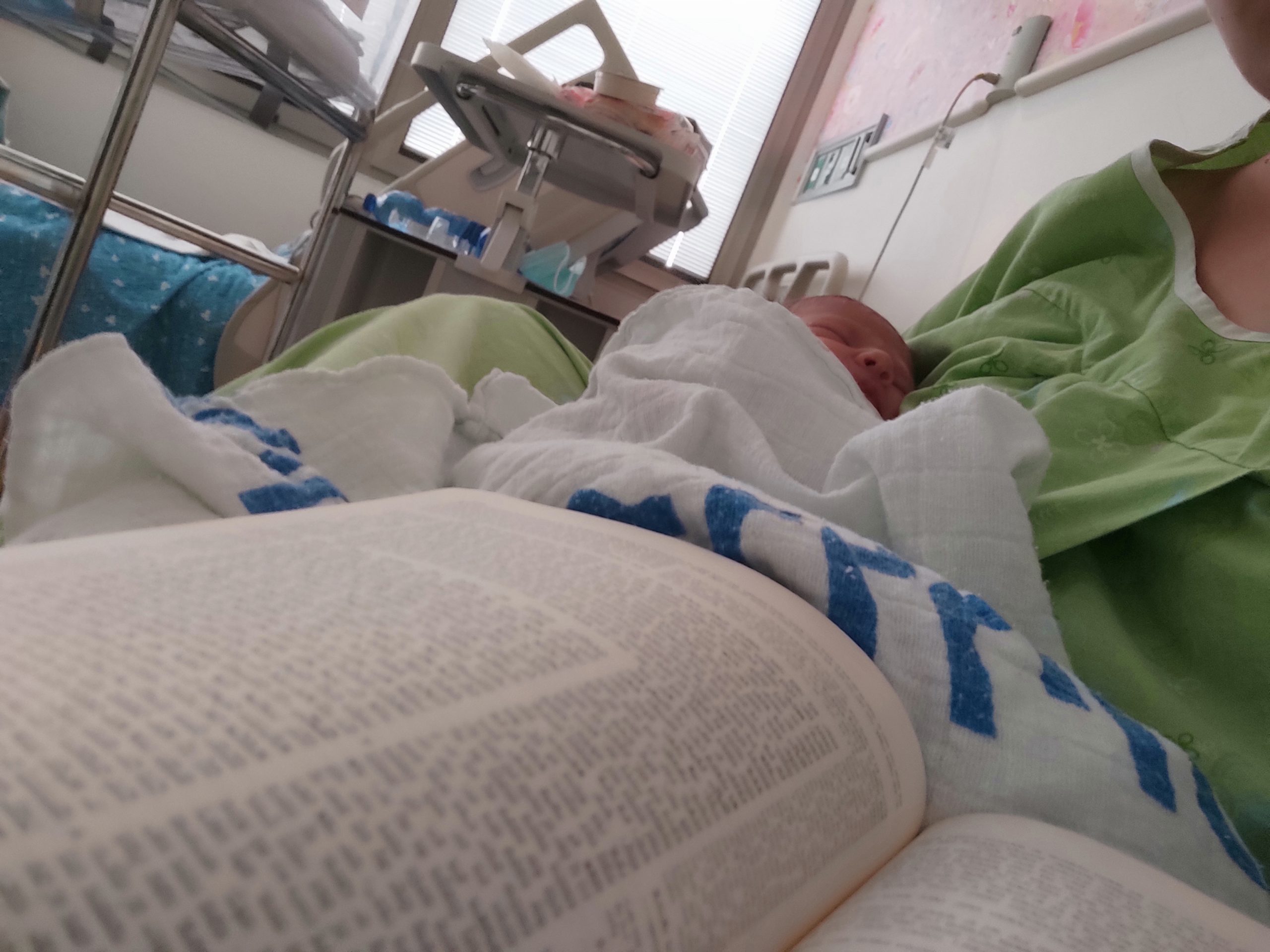
כמו שרואים בתמונה אני ממשיכה ללמוד גם היום ואפילו במחלקת יולדות אחרי לידת ביתי השלישית.

Noa Shiloh
נועה שילה

רבבה, ישראל

התחלתי לפני כמה שנים אבל רק בסבב הזה זכיתי ללמוד יום יום ולסיים מסכתות

Sigal Tel
סיגל טל

רעננה, ישראל

התחלתי ללמוד דף יומי בתחילת מסכת ברכות, עוד לא ידעתי כלום. נחשפתי לסיום הש״ס, ובעצם להתחלה מחדש בתקשורת, הפתיע אותי לטובה שהיה מקום לעיסוק בתורה.
את המסכתות הראשונות למדתי, אבל לא סיימתי (חוץ מעירובין איכשהו). השנה כשהגעתי למדרשה, נכנסתי ללופ, ואני מצליחה להיות חלק, סיימתי עם החברותא שלי את כל המסכתות הקצרות, גם כשהיינו חולות קורונה ובבידודים, למדנו לבד, העיקר לא לצבור פער, ומחכות ליבמות 🙂

Eden Yeshuron
עדן ישורון

מזכרת בתיה, ישראל

"
גם אני התחלתי בסבב הנוכחי וב””ה הצלחתי לסיים את רוב המסכתות . בזכות הרבנית מישל משתדלת לפתוח את היום בשיעור הזום בשעה 6:20 .הלימוד הפך להיות חלק משמעותי בחיי ויש ימים בהם אני מצליחה לחזור על הדף עם מלמדים נוספים ששיעוריהם נמצאים במרשתת. שמחה להיות חלק מקהילת לומדות ברחבי העולם. ובמיוחד לשמש דוגמה לנכדותיי שאי””ה יגדלו לדור שלימוד תורה לנשים יהיה משהו שבשגרה. "

Ronit Shavit
רונית שביט

נתניה, ישראל

התחלתי ללמוד דף יומי ממסכת נידה כי זה היה חומר הלימוד שלי אז. לאחר הסיום הגדול בבנייני האומה החלטתי להמשיך. וב”ה מאז עם הפסקות קטנות של קורונה ולידה אני משתדלת להמשיך ולהיות חלק.

זה משפיע מאוד על היום יום שלי ועל אף שאני עסוקה בלימודי הלכה ותורה כל יום, זאת המסגרת הקבועה והמחייבת ביותר שיש לי.

Moriah Taesan Michaeli
מוריה תעסן מיכאלי

גבעת הראל, ישראל

התחלתי ללמוד לפני כשנתיים בשאיפה לסיים לראשונה מסכת אחת במהלך חופשת הלידה.
אחרי מסכת אחת כבר היה קשה להפסיק…

Noa Gallant
נעה גלנט

ירוחם, ישראל

ראיתי את הסיום הגדול בבנייני האומה וכל כך התרשמתי ורציתי לקחת חלק.. אבל לקח לי עוד כשנה וחצי )באמצע מסיכת שבת להצטרף..
הלימוד חשוב לי מאוד.. אני תמיד במרדף אחרי הדף וגונבת כל פעם חצי דף כשהילדים עסוקים ומשלימה אח”כ אחרי שכולם הלכו לישון..

Olga Mizrahi
אולגה מזרחי

ירושלים, ישראל

שמעתי על הסיום הענק של הדף היומי ע”י נשים בבנייני האומה. רציתי גם.
החלטתי להצטרף. התחלתי ושיכנעתי את בעלי ועוד שתי חברות להצטרף. עכשיו יש לי לימוד משותף איתו בשבת ומפגש חודשי איתן בנושא (והתכתבויות תדירות על דברים מיוחדים שקראנו). הצטרפנו לקבוצות שונות בווטסאפ. אנחנו ממש נהנות. אני שומעת את השיעור מידי יום (בד”כ מהרב יוני גוטמן) וקוראת ומצטרפת לסיומים של הדרן. גם מקפידה על דף משלהן (ונהנית מאד).

Liat Citron
ליאת סיטרון

אפרת, ישראל

My explorations into Gemara started a few days into the present cycle. I binged learnt and become addicted. I’m fascinated by the rich "tapestry” of intertwined themes, connections between Masechtot, conversations between generations of Rabbanim and learners past and present all over the world. My life has acquired a golden thread, linking generations with our amazing heritage.
Thank you.

Susan Kasdan
סוזן כשדן

חשמונאים, Israel

התחלתי לפני 8 שנים במדרשה. לאחרונה סיימתי מסכת תענית בלמידה עצמית ועכשיו לקראת סיום מסכת מגילה.

Daniela Baruchim
דניאלה ברוכים

רעננה, ישראל

. לא תמיד נהניתי מלימוד גמרא כילדה.,בל כהתבגרתי התחלתי לאהוב את זה שוב. התחלתי ללמוד מסכת סוטה בדף היומי לפני כחמש עשרה שנה ואז הפסקתי.הגעתי לסיום הגדול של הדרן לפני שנתיים וזה נתן לי השראה. והתחלתי ללמוד למשך כמה ימים ואז היתה לי פריצת דיסק והפסקתי…עד אלול השנה. אז התחלתי עם מסכת ביצה וב”ה אני מצליחה לעמוד בקצב. המשפחה מאוד תומכת בי ויש כמה שגם לומדים את זה במקביל. אני אוהבת שיש עוגן כל יום.

Rebecca Darshan
רבקה דרשן

בית שמש, ישראל

התחלתי ללמוד את הדף היומי מעט אחרי שבני הקטן נולד. בהתחלה בשמיעה ולימוד באמצעות השיעור של הרבנית שפרבר. ובהמשך העזתי וקניתי לעצמי גמרא. מאז ממשיכה יום יום ללמוד עצמאית, ולפעמים בעזרת השיעור של הרבנית, כל יום. כל סיום של מסכת מביא לאושר גדול וסיפוק. הילדים בבית נהיו חלק מהלימוד, אני משתפת בסוגיות מעניינות ונהנית לשמוע את דעתם.

Eliraz Blau
אלירז בלאו

מעלה מכמש, ישראל

התחלתי ללמוד דף יומי כאשר קיבלתי במייל ממכון שטיינזלץ את הדפים הראשונים של מסכת ברכות במייל. קודם לא ידעתי איך לקרוא אותם עד שנתתי להם להדריך אותי. הסביבה שלי לא מודעת לעניין כי אני לא מדברת על כך בפומבי. למדתי מהדפים דברים חדשים, כמו הקשר בין המבנה של בית המקדש והמשכן לגופו של האדם (יומא מה, ע”א) והקשר שלו למשפט מפורסם שמופיע בספר ההינדי "בהגוד-גיתא”. מתברר שזה רעיון כלל עולמי ולא רק יהודי

Elena Arenburg
אלנה ארנבורג

נשר, ישראל

בתחילת הסבב הנוכחי של לימוד הדף היומי, נחשפתי לחגיגות המרגשות באירועי הסיום ברחבי העולם. והבטחתי לעצמי שבקרוב אצטרף גם למעגל הלומדות. הסבב התחיל כאשר הייתי בתחילת דרכי בתוכנית קרן אריאל להכשרת יועצות הלכה של נשמ”ת. לא הצלחתי להוסיף את ההתחייבות לדף היומי על הלימוד האינטנסיבי של תוכנית היועצות. בבוקר למחרת המבחן הסופי בנשמ”ת, התחלתי את לימוד הדף במסכת סוכה ומאז לא הפסקתי.

Hana Shaham-Rozby (Dr.)
חנה שחם-רוזבי (ד”ר)

קרית גת, ישראל

קידושין לו

אַחַת הִיא.

are one prohibition.

אַבָּיֵי אָמַר: הַיְינוּ טַעְמָא דְּאִיסִי, דְּגָמַר ״קׇרְחָה״ ״קׇרְחָה״ מִבְּנֵי אַהֲרֹן, מָה לְהַלָּן נָשִׁים פְּטוּרוֹת – אַף כָּאן נָשִׁים פְּטוּרוֹת.

Abaye said that this is the reason of Isi for exempting women from the prohibition against baldness: As he learns the prohibition against causing baldness in grief over someone who is dead through a verbal analogy from the prohibition against causing baldness stated with regard to the sons of Aaron. The verse states with regard to priests: “They shall not make baldness upon their head” (Leviticus 21:5). Just as there, with regard to priests, women are exempt, as the expression “the sons of Aaron” serves to exclude the daughters of Aaron, so too here, women are exempt.

וְאִי סְבִירָא לַן דְּכִי כְּתִיב קְרָא, בְּכוּלֵּי עִנְיָינָא הוּא דִּכְתִיב, נִשְׁתּוֹק קְרָא מִינֵּיהּ וְתֵיתֵי בְּקַל וָחוֹמֶר, וַאֲנָא אָמֵינָא: וּמָה כֹּהֲנִים שֶׁרִיבָּה בָּהֶם הַכָּתוּב מִצְוֹת יְתֵירוֹת – ״בְּנֵי אַהֲרֹן״ – וְלֹא בְּנוֹת אַהֲרֹן, יִשְׂרָאֵל לֹא כׇּל שֶׁכֵּן?

The Gemara asks: But if we maintain that when the Merciful One writes: “The sons of Aaron” (Leviticus 21:1), it is written with regard to the entire matter of that chapter, including the prohibition against causing baldness, let the verse be silent about this prohibition concerning all Jews. And this halakha could be derived through an a fortiori inference, as I could say the following: If in the case of priests, for whom the verse includes additional mitzvot, the prohibition against causing baldness applies only to the sons of Aaron and not the daughters of Aaron, is it not all the more so the case with regard to Israelites, who have fewer mitzvot, that only the men should be obligated and not the women?

אִי לָאו גְּזֵרָה שָׁוָה הֲוָה אָמֵינָא: הִפְסִיק הָעִנְיָן.

The Gemara answers: Nevertheless, the verbal analogy is necessary. As, were it not for the verbal analogy I would say that the halakhot of ritual impurity concluded discussion of that matter, and the prohibition against causing baldness applies to all the descendants of Aaron, including women.

הַשְׁתָּא נָמֵי נֵימָא הִפְסִיק הָעִנְיָן, וְאִי מִשּׁוּם גְּזֵרָה שָׁוָה – מִיבְּעֵי לֵיהּ לְכִדְתַנְיָא: ״לֹא יִקְרְחוּ״, יָכוֹל אֲפִילּוּ קָרַח אַרְבַּע וְחָמֵשׁ קְרָחוֹת לֹא יְהֵא חַיָּיב אֶלָּא אַחַת? תַּלְמוּד לוֹמַר: ״קׇרְחָה״ – לְחַיֵּיב עַל כׇּל אַחַת וְאַחַת.

The Gemara asks: If so, now too, let us say that the halakhot of ritual impurity concluded discussion of that matter, and it is prohibited for the daughters of Aaron as well to cause baldness. And if you maintain that the reason the prohibition stated with regard to priests does not apply to women is due to the verbal analogy employing the term “make baldness,” which serves to connect the halakha stated with regard to priests with the halakha stated with regard to all Jews, this verbal analogy is necessary for that which is taught in a baraita: The verse states: “They shall not make baldness [yikreḥu korḥa]” (Leviticus 21:5). If the verse had stated only “yikreḥu,” one might have thought that even if one made four or five patches of baldness he would be obligated for only one violation, as there is only one prohibition against making a bald spot. Therefore the verse also states “korḥa,” to render him liable for each and every one of the bald spots.

״בְּרֹאשָׁם״ מָה תַּלְמוּד לוֹמַר? לְפִי שֶׁנֶּאֱמַר: ״לֹא תִתְגֹּדְדוּ וְלֹא תָשִׂימוּ קׇרְחָה בֵּין עֵינֵיכֶם לָמֵת״, יָכוֹל לֹא יְהֵא חַיָּיב אֶלָּא עַל בֵּין הָעֵינַיִם, מִנַּיִן לְרַבּוֹת כָּל הָרֹאשׁ? תַּלְמוּד לוֹמַר: ״בְּרֹאשָׁם״ – לְחַיֵּיב עַל הָרֹאשׁ כְּבֵין הָעֵינַיִם.

The baraita continues: What is the meaning when the verse states: “Upon their head” (Leviticus 21:5), with regard to the prohibition against a priest causing baldness? Because it is stated: “You shall not cut yourselves, nor make any baldness between your eyes for the dead” (Deuteronomy 14:1), one might have thought that he is obligated only for removing the hair between the eyes. From where is it derived to include the entire head in this prohibition? When the verse states “upon their head,” it serves to render a priest liable for removing hair on his entire head like the spot between the eyes.

וְאֵין לִי אֶלָּא כֹּהֲנִים, שֶׁרִיבָּה בָּהֶם הַכָּתוּב מִצְוֹת יְתֵירוֹת, יִשְׂרָאֵל מְנָלַן? – נֶאֱמַר כָּאן: ״קׇרְחָה״ וְנֶאֱמַר לְהַלָּן: ״קׇרְחָה״, מָה כָּאן חַיָּיב עַל כׇּל קׇרְחָה וְקׇרְחָה, וְחַיָּיב עַל הָרֹאשׁ כְּבֵין הָעֵינַיִם – אַף לְהַלָּן חַיָּיב עַל כׇּל קׇרְחָה וְקׇרְחָה, וְחַיָּיב עַל הָרֹאשׁ כְּבֵין הָעֵינַיִם.

The baraita continues: And I have derived only that this halakha applies to priests, for whom the verse includes additional mitzvot; from where do we derive that it applies to every Israelite, i.e., all Jews are liable for each and every bald spot and for the entire head? It is stated here, with regard to priests, “baldness,” and it is stated there, with regard to non-priests, “baldness.” Just as here, with regard to priests, one is obligated for each and every bald spot, and one is obligated for the entire head like the spot between the eyes, so too there, with regard to all Jews, one is obligated for each and every bald spot, and one is obligated for the entire head like the spot between the eyes.

וּמָה לְהַלָּן עַל מֵת, אַף כָּאן עַל מֵת. אִם כֵּן נִכְתּוֹב קְרָא ״קֹרַח״, מַאי ״קׇרְחָה״ – שָׁמְעַתְּ מִינַּהּ תַּרְתֵּי.

The baraita continues: And conversely, just as there, in the case of Israelites, it is referring specifically to causing baldness over someone who is dead, so too here, with regard to priests, it is prohibited to cause baldness only over someone who is dead, not in other circumstances. This baraita shows that the verbal analogy is required for the halakhot of bald spots. How, then, can it teach the exemption of women? The Gemara answers: If it is so that it may be used only for one purpose, let the verse be written merely bald [keraḥ]. What is meant by the term “baldness [korḥa]”? Conclude two conclusions from it, both the verbal analogy that exempts women and the halakha that each bald spot constitutes a separate violation.

רָבָא אָמַר: הַיְינוּ טַעְמָא דְּאִיסִי, דְּיָלֵיף ״בֵּין עֵינֵיכֶם״ מִתְּפִילִּין, מָה לְהַלָּן נָשִׁים פְּטוּרוֹת, אַף כָּאן נָשִׁים פְּטוּרוֹת. וְרָבָא מַאי טַעְמָא לָא אָמַר כְּאַבַּיֵּי? ״קֹרַח״ ״קׇרְחָה״ לָא מַשְׁמַע לֵיהּ.

Rava said that this is Isi’s reason, as he derives the verbal analogy of “between your eyes” with regard to baldness from phylacteries, concerning which it says: “And they shall be for frontlets between your eyes” (Deuteronomy 11:18): Just as there, with regard to phylacteries, women are exempt, so too here, in the case of baldness, women are exempt. The Gemara asks: And what is the reason that Rava did not state the same reason as Abaye? The Gemara answers: Rava does not learn anything from the distinction between keraḥ and korḥa, as he maintains that no halakha can be derived from this slight difference in language.

וְאַבָּיֵי מַאי טַעְמָא לָא אָמַר כְּרָבָא? אָמַר לָךְ: תְּפִילִּין גּוּפַיְיהוּ מֵהָכָא גָּמַר לַהּ: מָה לְהַלָּן מְקוֹם שֶׁעוֹשִׂים קׇרְחָה, בְּגוֹבַהּה שֶׁל רֹאשׁ, אַף כָּאן מְקוֹם הַנָּחָה בְּגוֹבַהּ הָרֹאשׁ.

The Gemara further asks: And what is the reason that Abaye did not state the same reason as Rava? The Gemara answers that Abaye could have said to you: Phylacteries themselves are derived from here, i.e., the meaning of the phrase “between your eyes” stated with regard to phylacteries is understood from the case of baldness: Just as there, with regard to a bald spot, “between your eyes” is referring to a place where baldness is formed, a spot where there is hair, which is on the upper part of the head but not actually between the eyes, so too, the place where phylacteries are donned is on the upper part of the head.

וּבֵין לְאַבָּיֵי וּבֵין לְרָבָא, הַאי ״בָּנִים אַתֶּם״, מַאי דָּרְשִׁי בֵּיהּ? הַאי מִיבְּעֵי לְכִדְתַנְיָא: ״בָּנִים אַתֶּם לַה׳ אֱלֹהֵיכֶם״, בִּזְמַן שֶׁאַתֶּם נוֹהֲגִים מִנְהַג בָּנִים – אַתֶּם קְרוּיִם בָּנִים, אֵין אַתֶּם נוֹהֲגִים מִנְהַג בָּנִים – אֵין אַתֶּם קְרוּיִם בָּנִים, דִּבְרֵי רַבִּי יְהוּדָה.

The Gemara asks: And both Abaye and Rava, what do they derive from this verse: “You are the sons to the Lord your God” (Deuteronomy 14:1)? According to the first explanation of Isi’s opinion, the exclusion of women is derived from this phrase, whereas they derive that halakha from a different source. The Gemara answers: This verse is necessary for that which is taught in a baraita: The verse: “You are the sons to the Lord your God,” indicates that when you act like sons and cleave to the Holy One, Blessed be He, you are called sons, but when you do not act like sons you are not called sons. This is the statement of Rabbi Yehuda.

רַבִּי מֵאִיר אוֹמֵר: בֵּין כָּךְ וּבֵין כָּךְ אַתֶּם קְרוּיִם בָּנִים, שֶׁנֶּאֱמַר: ״בָּנִים סְכָלִים הֵמָּה״, וְאוֹמֵר: ״בָּנִים לֹא אֵמֻן בָּם״, וְאוֹמֵר: ״זֶרַע מְרֵעִים בָּנִים מַשְׁחִיתִים״, וְאוֹמֵר: ״וְהָיָה בִּמְקוֹם אֲשֶׁר יֵאָמֵר לָהֶם לֹא עַמִּי אַתֶּם יֵאָמֵר לָהֶם בְּנֵי אֵל חָי״.

And Rabbi Meir says: Either way you are still called sons, as it is stated: “They are foolish sons” (Jeremiah 4:22). And it also states: “Sons in whom there is no faithfulness” (Deuteronomy 32:20). And it states: “A seed of evildoers, sons who deal corruptly” (Isaiah 1:4). And it states: “And it shall come to pass that, instead of what was said to them: You are not My people, it shall be said to them: Sons of the living God” (Hosea 2:1).

מַאי ״וְאוֹמֵר״? וְכִי תֵּימָא: סְכָלֵי הוּא דְּמִקְּרוּ בְּנֵי, כִּי לֵית בְּהוּ הֵימָנוּתַיְיהוּ לָא מִיקְּרוּ בְּנֵי – תָּא שְׁמַע, וְאוֹמֵר: ״בָּנִים לֹא אֵמֻן בָּם״,

The Gemara asks: Why is it necessary to cite these additional proofs introduced by the phrase: And it states? All these verses apparently make the same point. The Gemara explains why all the quotes are necessary. And if you would say: Granted, when they are foolish they are still called sons, as the verse states: “Foolish sons,” but when they do not have faithfulness they are not called sons; therefore, come and hear another verse. And that verse states: “Sons in whom there is no faithfulness.”

וְכִי תֵּימָא: כִּי לֵית בְּהוּ הֵימָנוּתָא הוּא דְּמִיקְּרוּ בָּנִים, כִּי פָּלְחוּ לַעֲבוֹדָה זָרָה לָא מִיקְּרוּ בָּנִים – תָּא שְׁמַע, וְאוֹמֵר: ״זֶרַע מְרֵעִים בָּנִים מַשְׁחִיתִים״. וְכִי תֵּימָא: ״בָּנִים מַשְׁחִיתִים״ הוּא דְּמִיקְּרוּ, בְּנֵי מְעַלְּיָיא לָא מִיקְּרוּ – תָּא שְׁמַע, וְאוֹמֵר: ״וְהָיָה בִּמְקוֹם אֲשֶׁר יֵאָמֵר לָהֶם לֹא עַמִּי אַתֶּם יֵאָמֵר לָהֶם בְּנֵי אֵל חָי״.

And if you would say: It is when they do not have faithfulness that they are called sons, as stated, but when they worship idols they are not called sons anymore; therefore, come and hear: And the verse states: “A seed of evildoers, sons who deal corruptly,” which alludes to the corruption of idol worship. And if you would say that although they are called “sons who deal corruptly,” they are no longer called full-fledged sons of God once they have sinned, come and hear: And the verse states: “And it shall come to pass that, instead of what was said to them: You are not My people, it shall be said to them: Sons of the living God.” This verse indicates that when the Jews repent they are again called full-fledged sons of God.

מַתְנִי׳, הַסְּמִיכוֹת, וְהַתְּנוּפוֹת, וְהַהַגָּשׁוֹת, וְהַקְּמִיצוֹת, וְהַ[הַ]קְטָרוֹת, וְהַמְּלִיקוֹת, וְהַקַּבָּלוֹת, וְהַזָּאוֹת – נוֹהֲגִים בַּאֲנָשִׁים וְלֹא בְּנָשִׁים, חוּץ מִמִּנְחַת סוֹטָה וּנְזִירָה שֶׁהֵן מְנִיפוֹת.

MISHNA: With regard to the placing of hands on the head of an offering, and the waving of certain offerings, and the bringing near of meal-offerings to the corner of the altar, and the removal of a handful from meal-offerings, and the burning of sacrificial parts on the altar, and the pinching of bird-offerings, and the collecting of blood of offerings in a vessel, and the sprinkling of blood, these apply to men and not to women. All these mitzvot apply specifically to men and not to women, except for the meal-offering of a sota, and the meal-offering of a nazirite woman, which these women wave.

גְּמָ׳ סְמִיכוֹת. דִּכְתִיב: ״דַּבֵּר אֶל בְּנֵי יִשְׂרָאֵל… וְסָמַךְ״ – בְּנֵי יִשְׂרָאֵל סוֹמְכִים, וְאֵין בְּנוֹת יִשְׂרָאֵל סוֹמְכוֹת.

GEMARA: From where is it derived that placing of hands on the head of an offering applies only to men? As it is written: “Speak to the sons of Israel…and he shall place his hand” (Leviticus 1:2–4), which indicates that the sons of Israel place hands on offerings, but the daughters of Israel do not place hands.

תְּנוּפוֹת. ״דַּבֵּר אֶל בְּנֵי יִשְׂרָאֵל… וְהֵנִיף״ – בְּנֵי יִשְׂרָאֵל מְנִיפִין, וְאֵין בְּנוֹת יִשְׂרָאֵל מְנִיפוֹת.

The Gemara explains that the halakha of waving is derived from the following verse: “Speak to the sons of Israel…and he shall wave” (see Leviticus 7:29–30), which likewise teaches that the sons of Israel wave, but the daughters of Israel do not wave.

הַגָּשׁוֹת. דִּכְתִיב: ״וְזֹאת תּוֹרַת הַמִּנְחָה… הַקְרֵב אֹתָהּ בְּנֵי אַהֲרֹן״ – בְּנֵי אַהֲרֹן, וְלֹא בְּנוֹת אַהֲרֹן.

§ With regard to bringing near, this is as it is written: “And this is the law of the meal-offering: The sons of Aaron shall bring it near” (Leviticus 6:7). This teaches that the sons of Aaron bring the meal-offering near, but not the daughters of Aaron.

קְמִיצוֹת. דִּכְתִיב: ״וֶהֱבִיאָהּ אֶל בְּנֵי אַהֲרֹן וְקָמַץ״ – בְּנֵי אַהֲרֹן, וְלֹא בְּנוֹת אַהֲרֹן.

With regard to the removal of a handful, this is as it is written: “And he shall bring it to the sons of Aaron, the priests, and he shall remove a handful” (Leviticus 2:2). This teaches that the sons of Aaron take a handful, but not the daughters of Aaron.

הַקְטָרוֹת. דִּכְתִיב: ״וְהִקְטִירוּ אֹתוֹ בְּנֵי אַהֲרֹן״ – בְּנֵי אַהֲרֹן, וְלֹא בְּנוֹת אַהֲרֹן.

With regard to the burning of sacrificial parts, this is as it is written: “And the sons of Aaron shall burn it” (Leviticus 3:5). This teaches that it is the sons of Aaron who burn the parts, but not the daughters of Aaron.

הַמְּלִיקוֹת. דִּכְתִיב: ״וּמָלַק… וְהִקְטִיר״, אִיתַּקַּשׁ מְלִיקָה לְהַקְטָרָה.

With regard to pinching, this is as it is written: “And he shall pinch…and he shall burn” (Leviticus 1:15). The verse juxtaposes killing to burning, and just as the burning of an offering must be performed by men, so too pinching may be performed only by men.

הַקַּבָּלוֹת. דִּכְתִיב: ״וְהִקְרִיבוּ בְּנֵי אַהֲרֹן״, וְאָמַר מָר:

With regard to receiving, this is as it is written: “And the sons of Aaron shall present the blood” (Leviticus 1:5). And the Master said in explanation of this verse:

״וְהִקְרִיבוּ״ – זוֹ קַבָּלַת הַדָּם.

“And the sons of Aaron shall present,” this is collecting the blood.

וְהַזָּאוֹת. הַזָּאָה דְּהֵיכָא? אִי דְּפָרָה, ״אֶלְעָזָר״ כְּתִיב בַּהּ. אִי דְּפָנִים, ״הַכֹּהֵן הַמָּשִׁיחַ״ כְּתִיב בַּהּ. אֶלָּא הַזָּאָה דְּבֶן עוֹף,

The Gemara discusses the mishna’s ruling that women do not perform sprinkling: To which sprinkling is this referring? If this is the sprinkling of the ashes of the red heifer, “Elazar” is written with regard to that action (Numbers 19:4), i.e., this sprinkling is performed by the deputy High Priest. If even other priests cannot perform it, certainly women cannot. If this is referring to the sprinkling performed inside the Holy of Holies, the phrase: “The anointed priest” (Leviticus 4:16), is written with regard to that rite, and consequently there is no question that women are ineligible. Rather, it is referring to sprinkling the blood of a bird-offering.

דְּאָתְיָא בְּקַל וָחוֹמֶר מִבֶּן צֹאן. וּמָה בֶּן צֹאן שֶׁלֹּא קָבַע לוֹ כֹּהֵן לִשְׁחִיטָתוֹ – קָבַע לוֹ כֹּהֵן לְהַזָּאָתוֹ, בֶּן עוֹף שֶׁקָּבַע לוֹ כֹּהֵן לִמְלִיקָתוֹ – אֵינוֹ דִּין שֶׁיִּקְבַּע לוֹ לְהַזָּאָתוֹ?

The Gemara explains that this is derived through an a fortiori inference from a sheep offering: If with regard to a sheep offering, concerning which the Torah did not establish a priest for its slaughter, since it may be slaughtered by anybody, the Torah nevertheless established a priest for its sprinkling, as the verse states: “And the sons of Aaron, the priests, shall sprinkle its blood” (Leviticus 1:11), is it not logical that with regard to a bird-offering, concerning which the Torah established a priest for its pinching, an act parallel to slaughtering a sheep, the Torah likewise established a priest for its sprinkling? This proves that the sprinkling of the blood of a bird-offering can be performed only by priests, not by women.

חוּץ מִמִּנְחַת סוֹטָה וּנְזִירָה. אֲמַר לֵיהּ רַבִּי אֶלְעָזָר לְרַבִּי יֹאשִׁיָּה דְּדָרֵיהּ: לָא תֵּיתֵיב אַכַּרְעָךְ עַד דְּאָמְרַתְּ לִי לְהָא שְׁמַעְתְּתָא: מִנַּיִן לְמִנְחַת סוֹטָה שֶׁטְּעוּנָה תְּנוּפָה? מְנָלַן?! בְּגוּפַהּ כְּתִיב: ״וְהֵנִיף אֶת הַמִּנְחָה״! אֶלָּא: תְּנוּפָה בִּבְעָלִים מְנָלַן?

§ The mishna teaches that these mitzvot apply specifically to men but not to women, except for the meal-offering of a sota and a nazirite woman, which these women wave. Rabbi Elazar said to Rabbi Yoshiya of his generation, i.e., the amora who was his contemporary, not the tanna with the same name who lived earlier: Do not sit down until you explain this statement to me; from where is it derived that the meal-offering of a sota requires waving? The Gemara expresses surprise: What is the meaning of the question: From where do we derive it? It is written in the chapter dealing with a sota itself: “And he shall wave the meal-offering” (Numbers 5:25). Rather, the question is as follows: From where do we derive that the waving is performed by the owners? Perhaps only the priest waves it?

אָתְיָא ״יָד״ ״יָד״ מִשְּׁלָמִים. כְּתִיב הָכָא: ״וְלָקַח הַכֹּהֵן מִיַּד הָאִשָּׁה״ וּכְתִיב הָתָם: ״יָדָיו תְּבִיאֶנָּה״.

Rabbi Yoshiya responded: This halakha is derived through the verbal analogy of the term “hand” stated with regard to a sota from the term “hand” stated with regard to a peace-offering. It is written here, with regard to the meal-offering of a sota: “And the priest shall take the meal-offering of jealousy from the woman’s hand and he shall wave the meal-offering” (Numbers 5:25), and it is written there: “His own hands shall bring the offerings of the Lord made by fire; the fat with the breast shall he bring, that the breast may be waved before the Lord” (Leviticus 7:30).

מָה כָּאן כֹּהֵן – אַף לְהַלָּן כֹּהֵן, מָה לְהַלָּן בְּעָלִים – אַף כָּאן בְּעָלִים. הָא כֵּיצַד? כֹּהֵן מַכְנִיס יָדוֹ תַּחַת יָד בְּעָלִים וּמֵנִיף.

Just as here, with regard to a sota, a priest performs the waving, so too there, with regard to a peace-offering, a priest performs the waving. And just as there, with regard to a peace-offering, the owner performs the waving, as indicated by the verse, so too here, with regard to a sota, the owner performs the waving. How so? How can both the priest and the owner perform the waving? The owner places his hands beneath the peace-offering, and the priest places his hand under the hand of the owner and waves it together with him.

אַשְׁכְּחַן סוֹטָה, נְזִירָה מְנָלַן? אָתְיָא: ״כַּף״ ״כַּף״ מִסּוֹטָה.

The Gemara asks: We found a source for the meal-offering of a sota; from where do we derive that a nazirite woman also waves her meal-offering? The Gemara answers: It is derived through a verbal analogy of the term “palm” stated with regard to naziriteship from the term “palm” stated with regard to a sota. The verse concerning naziriteship states: “And he shall place them upon the palms of the nazirite” (Numbers 6:19), and the verse concerning a sota states: “And he shall place it on her palms” (Numbers 5:18). Just as a sota waves her meal-offering, so too, a nazirite woman waves hers.

מַתְנִי׳ כׇּל מִצְוָה שֶׁהִיא תְּלוּיָה בָּאָרֶץ – אֵינָהּ נוֹהֶגֶת אֶלָּא בָּאָרֶץ, וְשֶׁאֵינָהּ תְּלוּיָה בָּאָרֶץ – נוֹהֶגֶת בֵּין בָּאָרֶץ בֵּין בְּחוּצָה לָאָרֶץ,

MISHNA: Any mitzva that is dependent on the land [aretz] applies only in Eretz Yisrael, and any mitzva that is not dependent on the land applies both in Eretz Yisrael and outside of Eretz Yisrael.

רוצה לעקוב אחרי התכנים ולהמשיך ללמוד?

ביצירת חשבון עוד היום ניתן לעקוב אחרי ההתקדמות שלך, לסמן מה למדת, ולעקוב אחרי השיעורים שמעניינים אותך.

לנקות את כל הפריטים מהרשימה?

פעולה זו תסיר את כל הפריטים בחלק זה כולל ההתקדמות וההיסטוריה. שימי לב: לא ניתן לשחזר פעולה זו.

ביטול
מחיקה

האם את/ה בטוח/ה שברצונך למחוק פריט זה?

תאבד/י את כל ההתקדמות או ההיסטוריה הקשורות לפריט זה.

ביטול
מחיקה