חיפוש

קידושין לח

רוצה להקדיש לימוד?

podcast placeholder

0:00
0:00


תקציר

הדף היום מוקדש ע”י פרופסור יונתן בן עזרה לכבוד אשתו ד”ר רובין זייגר על השלמת חצי ש”ס ביחד היום!! "לחצי הטוב שלי, אני מצפה לסיים את החצי השני של המסע שלנו ביחד. תודה גם לרבנית מישל.”

כשנכנסו בני ישראל לארץ ישראל לאחר שהיו במדבר, הפסיקו לאכול את המן בט”ז בניסן והחלו לאכול מהתבואה החדשה. האם זה יכול להוות הוכחה שכאשר התורה כותבת "מושב” כפי שמופיעה לגבי איסור אכילת חדש, אין הכוונה לאחר שירשו והתיישבו בארץ? מובאים מספר ברייתות לגבי המן ותאריך לידתו ומותו של משה. רבי שמעון בר יוחאי מציע הסבר משלו שחדש, ערלה וכלאים חייבים בהם גם בחוץ לארץ – חדש, על בסיס המילה "מושבותיכם”, והאחרים על פי סברא (קל וחומר) מחדש. בנו, רבי אלעזר, חולק עליו לגבי שלושה יוצאים מן הכלל אלו ומציע במקום שני דינים אחרים שנוהגים בחו”ל על אף שתלויים בארץ – שמיטת כספים בשנת שמיטה ושחרור עבדים בשנת היובל. מדוע כל אחד מאותם מקרים נחשב לחלק מקטגוריית המצוות התלויות בארץ? המשנה בערלה ג:ט מסבירה שכל אחת משלושת ההלכות שהן חריגות וחלות מחוץ לישראל נגזרות באופנים שונים – אחת מהתורה, אחת הלכה ואחת מדרבנן. מה הכוונה ב’הלכה’? רב יהודה בשם שמואל אומר שהעם קיבלו את זה על עצמם (מנהג), ואילו עולא בשם ר’ יוחנן אומר שזו ‘הלכה למשה מסיני’. עולא מעלה קושי על רב יהודה מהחלק הראשון של המשנה בערלה ג:ט.

.

קידושין לח

אַקְרוּב עוֹמֶר וַהֲדַר אֲכוּל.

they sacrificed the omer and only afterward did they eat.

אֶלָּא לְמַאן דְּאָמַר לְאַחַר יְרוּשָּׁה וִישִׁיבָה, נֵיכוֹל לְאַלְתַּר! לָא הֲווֹ צְרִיכִי,

But according to the one who says that the term dwelling indicates that the prohibition of the new crop applies only after inheritance and settlement of Eretz Yisrael, let the Jews eat the produce of the land immediately. The Gemara answers: They did not need to eat the new produce, as they still had manna. Although they did not eat the new crop of Eretz Yisrael, the reason was not that it was prohibited.

דִּכְתִיב ״וּבְנֵי יִשְׂרָאֵל אָכְלוּ אֶת הַמָּן אַרְבָּעִים שָׁנָה עַד בֹּאָם אֶל אֶרֶץ נוֹשָׁבֶת, אֶת הַמָּן אָכְלוּ עַד בֹּאָם אֶל קְצֵה אֶרֶץ כְּנָעַן״. אִי אֶפְשָׁר לוֹמַר ״עַד בֹּאָם אֶל אֶרֶץ נוֹשָׁבֶת״, שֶׁכְּבָר נֶאֱמַר ״אֶל קְצֵה אֶרֶץ כְּנָעַן״. וְאִי אֶפְשָׁר לוֹמַר ״אֶל קְצֵה אֶרֶץ כְּנָעַן״, שֶׁהֲרֵי כְּבָר נֶאֱמַר: ״עַד בֹּאָם אֶל אֶרֶץ נוֹשָׁבֶת״. הָא כֵּיצַד? בְּשִׁבְעָה בַּאֲדָר מֵת מֹשֶׁה וּפָסַק מָן מִלֵּירֵד, וְהָיוּ מִסְתַּפְּקִין מִמָּן שֶׁבִּכְלֵיהֶם עַד שִׁשָּׁה עָשָׂר בְּנִיסָן.

This is as it is written: “And the children of Israel ate the manna forty years until they came to a settled land; they ate the manna until they came to the borders of the land of Canaan (Exodus 16:35). The Gemara analyzes this verse: One cannot say they ate “until they came to a settled land,” i.e., that they were still eating the manna when they entered Eretz Yisrael, as it is already stated: “To the borders of the land of Canaan,” which indicates that they stopped eating manna before entering Eretz Yisrael, on the plains of Moab. And one cannot say that they ate manna only until they reached “to the borders of the land of Canaan,” as it is already stated: “Until they came to a settled land.” How can these clauses be reconciled? Moses died on the seventh of Adar and the manna ceased falling, and they ate the manna that was left in their vessels until the sixteenth of Nisan, even after they entered Eretz Yisrael.

תַּנְיָא אִידַּךְ: ״וּבְנֵי יִשְׂרָאֵל אָכְלוּ אֶת הַמָּן אַרְבָּעִים שָׁנָה״. וְכִי אַרְבָּעִים שָׁנָה אָכְלוּ? וַהֲלֹא אַרְבָּעִים שָׁנָה חָסֵר שְׁלֹשִׁים יוֹם אָכְלוּ! אֶלָּא לוֹמַר לְךָ: עוּגוֹת שֶׁהוֹצִיאוּ מִמִּצְרַיִם, טָעֲמוּ בָּהֶם טַעַם מָן.

It is taught in another baraita with regard to the verse: “And the children of Israel ate the manna forty years” (Exodus 16:35). But did they really eat it for forty years? But didn’t they eat it for forty years less thirty days? The manna began to fall on the sixteenth of Iyyar in the first year in the wilderness, and they stopped eating it on the sixteenth of Nisan in the fortieth year. Rather, this verse comes to tell you that they tasted the taste of manna in the unleavened cakes that they took out from Egypt on the fifteenth of Nisan in their first year, and this sustained them until the manna fell.

תַּנְיָא אִידַּךְ: בְּשִׁבְעָה בַּאֲדָר מֵת מֹשֶׁה, וּבְשִׁבְעָה בַּאֲדָר נוֹלַד. מִנַּיִן שֶׁבְּשִׁבְעָה בַּאֲדָר מֵת – שֶׁנֶּאֱמַר: ״וַיָּמׇת שָׁם מֹשֶׁה עֶבֶד ה׳״, וּכְתִיב: ״וַיִּבְכּוּ בְנֵי יִשְׂרָאֵל אֶת מֹשֶׁה בְּעַרְבֹת מוֹאָב שְׁלֹשִׁים יוֹם״, וּכְתִיב: ״וַיְהִי אַחֲרֵי מוֹת מֹשֶׁה עֶבֶד ה׳״, וּכְתִיב: ״מֹשֶׁה עַבְדִּי מֵת וְעַתָּה קוּם עֲבֹר״

It is taught in another baraita: Moses died on the seventh of Adar, and he was likewise born on the seventh of Adar. From where is it derived that Moses died on the seventh of Adar? As it is stated: “So Moses, the servant of the Lord, died there” (Deuteronomy 34:5), and it is written: “And the children of Israel wept for Moses in the plains of Moab thirty days” (Deuteronomy 34:8). And it is written: “Now it came to pass after the death of Moses, the servant of the Lord” (Joshua 1:1), and it is written: “Moses, My servant, is dead; now arise, cross this Jordan” (Joshua 1:2).

וּכְתִיב: ״עִבְרוּ בְּקֶרֶב הַמַּחֲנֶה וְצַוּוּ אֶת הָעָם לֵאמֹר הָכִינוּ לָכֶם צֵדָה כִּי בְּעוֹד שְׁלֹשֶׁת יָמִים תַּעַבְרוּ אֶת הַיַּרְדֵּן״ וּכְתִיב: ״וְהָעָם עָלוּ מִן הַיַּרְדֵּן בֶּעָשׂוֹר לַחֹדֶשׁ הָרִאשׁוֹן״, צֵא מֵהֶן שְׁלֹשִׁים וּשְׁלֹשָׁה יָמִים לְמַפְרֵעַ, הָא לָמַדְתָּ שֶׁבְּשִׁבְעָה בַּאֲדָר מֵת מֹשֶׁה.

The baraita continues: And it is written: “Pass through the midst of the camp and command the people, saying: Prepare your victuals, for within three days you are to cross the Jordan” (Joshua 1:11). And it is written: “And the people came up out of the Jordan on the tenth day of the first month” (Joshua 4:19). Subtract retroactively from that date, the tenth of Nisan, the last thirty-three days, i.e., the thirty days of mourning for Moses and the three days of preparation before crossing the Jordan, and you learn from here that Moses died on the seventh of Adar.

וּמִנַּיִן שֶׁבְּשִׁבְעָה בַּאֲדָר נוֹלַד מֹשֶׁה – שֶׁנֶּאֱמַר: ״וַיֹּאמֶר אֲלֵהֶם בֶּן מֵאָה וְעֶשְׂרִים שָׁנָה אָנֹכִי הַיּוֹם לֹא אוּכַל עוֹד לָצֵאת וְלָבוֹא״, שֶׁאֵין תַּלְמוּד לוֹמַר ״הַיּוֹם״, מָה תַּלְמוּד לוֹמַר ״הַיּוֹם״? מְלַמֵּד שֶׁהַקָּדוֹשׁ בָּרוּךְ הוּא יוֹשֵׁב וּמְמַלֵּא שְׁנוֹתֵיהֶם שֶׁל צַדִּיקִים מִיּוֹם לְיוֹם וּמֵחֹדֶשׁ לְחֹדֶשׁ, שֶׁנֶּאֱמַר: ״אֶת מִסְפַּר יָמֶיךָ אֲמַלֵּא״.

The baraita continues: And from where is it derived that Moses was born on the seventh of Adar? It is as it is stated: “And he said to them, I am one hundred and twenty years old today; I can no more go out and come in” (Deuteronomy 31:2). As there is no need for the verse to state “today,” since Moses could have said simply: I am one hundred and twenty years old. What is the meaning when the verse states “today”? One can learn from it that Moses was born on that date, i.e., he was exactly one hundred and twenty years old. This teaches that the Holy One, Blessed be He, sits and completes the years of the righteous from day to day and from month to month, as it is stated: “The number of your days I will fulfill” (Exodus 23:26).

תַּנְיָא, רַבִּי שִׁמְעוֹן בֶּן יוֹחַי אוֹמֵר: שָׁלֹשׁ מִצְוֹת נִצְטַוּוּ יִשְׂרָאֵל בִּכְנִיסָתָן לָאָרֶץ, וְנוֹהֲגוֹת בֵּין בָּאָרֶץ בֵּין בְּחוּצָה לָאָרֶץ.

It is taught in a baraita that Rabbi Shimon ben Yoḥai says: The Jewish people were commanded to perform three mitzvot immediately upon entering Eretz Yisrael: The new crop, diverse kinds, and orla, and these apply both in Eretz Yisrael and outside of Eretz Yisrael.

וְהוּא הַדִּין שֶׁיִּנְהֲגוּ, וּמָה חָדָשׁ, שֶׁאֵין אִיסּוּרוֹ אִיסּוּר עוֹלָם, וְאֵין אִיסּוּרוֹ אִיסּוּר הֲנָאָה, וְיֵשׁ הֶיתֵּר לְאִיסּוּרוֹ, נוֹהֵג בֵּין בָּאָרֶץ בֵּין בְּחוּצָה לָאָרֶץ –

And it is logical, i.e., one can derive through an a fortiori argument that each of these mitzvot should apply everywhere. If the prohibition of the new crop, whose prohibition is not a permanent prohibition, as it does not apply to grain that grows after the omer has been sacrificed on the sixteenth of Nisan, and whose prohibition is not a prohibition against deriving benefit, since usages other than eating are permitted, and there is dissolution for its prohibition, i.e., grain that grew before the sixteenth of Nisan becomes permitted after the omer offering has been brought, applies both in Eretz Yisrael and outside of Eretz Yisrael, the same halakha should certainly apply to diverse kinds.

כִּלְאַיִם, שֶׁאִיסּוּרָן אִיסּוּר עוֹלָם, וְאִיסּוּרָן אִיסּוּר הֲנָאָה, וְאֵין הֶיתֵּר לְאִיסּוּרָן – אֵינוֹ דִּין שֶׁיִּנְהֲגוּ בֵּין בָּאָרֶץ בֵּין בְּחוּצָה לָאָרֶץ? וְהוּא הַדִּין לְעׇרְלָה בִּשְׁתַּיִם.

Rabbi Shimon ben Yoḥai elaborates: With regard to diverse kinds, whose prohibition is a permanent prohibition, as it never expires, and whose prohibition is a prohibition against deriving benefit, since one may not benefit in any manner from diverse kinds of the vine, and there is no dissolution for its prohibition, is it not logical that it should apply both in Eretz Yisrael and outside of Eretz Yisrael? And the same is true of orla with regard to two of those points. Orla is not a permanent prohibition, as it applies only for the first three years that a tree produces fruit, but one may not derive benefit from it, and produce from the first three years never becomes permitted.

רַבִּי אֶלְעָזָר בְּרַבִּי שִׁמְעוֹן אוֹמֵר:

Rabbi Elazar, son of Rabbi Shimon, says:

כׇּל מִצְוָה שֶׁנִּצְטַוּוּ יִשְׂרָאֵל קוֹדֶם כְּנִיסָתָן לָאָרֶץ – נוֹהֶגֶת בֵּין בָּאָרֶץ בֵּין בְּחוּצָה לָאָרֶץ. לְאַחַר כְּנִיסָתָן לָאָרֶץ – אֵינָהּ נוֹהֶגֶת אֶלָּא בָּאָרֶץ, חוּץ מִן הַשְׁמָטַת כְּסָפִים וְשִׁילּוּחַ עֲבָדִים, שֶׁאַף עַל פִּי שֶׁנִּצְטַוּוּ עֲלֵיהֶם לְאַחַר כְּנִיסָתָן לָאָרֶץ – נוֹהֶגֶת בֵּין בָּאָרֶץ בֵּין בְּחוּצָה לָאָרֶץ.

Any mitzva that the Jewish people were commanded to perform before entering Eretz Yisrael, i.e., it was not linked to entry into the land, applies both in Eretz Yisrael and outside of Eretz Yisrael. Conversely, any mitzva that they were commanded to perform after they entered Eretz Yisrael applies only in Eretz Yisrael, except for the abrogation of monetary debts in the Sabbatical Year (see Deuteronomy 15:1–2), and the emancipation of slaves in the Jubilee Year (see Leviticus 25:39–41). Even though the Jews were commanded with regard to these mitzvot that they were to perform them only after their entry into Eretz Yisrael, these mitzvot apply both in Eretz Yisrael and outside of Eretz Yisrael.

הַשְׁמָטַת כְּסָפִים חוֹבַת הַגּוּף הִיא!

The Gemara questions the need for this ruling: The abrogation of monetary debts is an obligation of the body. Since this mitzva is not referring to the land, what is the novelty of the ruling that it applies even outside of Eretz Yisrael?

לֹא נִצְרְכָא אֶלָּא לְכִדְתַנְיָא. דְּתַנְיָא, רַבִּי אוֹמֵר: ״וְזֶה דְּבַר הַשְּׁמִטָּה שָׁמוֹט״ – בִּשְׁתֵּי שְׁמִיטוֹת הַכָּתוּב מְדַבֵּר: אַחַת שְׁמִיטַּת קַרְקַע, וְאַחַת שְׁמִיטַּת כְּסָפִים. בִּזְמַן שֶׁאַתָּה מְשַׁמֵּט קַרְקַע – אַתָּה מְשַׁמֵּט כְּסָפִים, בִּזְמַן שֶׁאִי אַתָּה מְשַׁמֵּט קַרְקַע – אִי אַתָּה מְשַׁמֵּט כְּסָפִים.

The Gemara answers: It is necessary to mention the cancellation of debts only for that which is taught in a baraita. As it is taught in a baraita that Rabbi Yehuda HaNasi says: The verse states in the context of the cancellation of debts: “And this is the manner of the abrogation: He shall abrogate” (Deuteronomy 15:2). The verse speaks of two types of abrogation: One is the release of land and one is the abrogation of monetary debts. Since the two are juxtaposed, one can learn the following: At a time when you release land, when the Jubilee Year is practiced, you abrogate monetary debts; at a time when you do not release land, such as the present time, when the Jubilee Year is no longer practiced, you also do not abrogate monetary debts.

וְאֵימָא: בִּמְקוֹם שֶׁאַתָּה מְשַׁמֵּט קַרְקַע – אַתָּה מְשַׁמֵּט כְּסָפִים, וּבִמְקוֹם שֶׁאֵין אַתָּה מְשַׁמֵּט קַרְקַע – אֵין אַתָּה מְשַׁמֵּט כְּסָפִים! תַּלְמוּד לוֹמַר: ״כִּי קָרָא שְׁמִטָּה לַה׳״ מִכׇּל מָקוֹם.

The Gemara asks: But why not say that one can learn the following from this juxtaposition: In a place where you release land, i.e., in Eretz Yisrael, you abrogate monetary debts, and in a place where you do not release land, you do not abrogate monetary debts. If so, the abrogation of debts would apply only in Eretz Yisrael, despite the fact that this obligation is not related to the land. Therefore, the verse states: “Because the Lord’s abrogation has been proclaimed” (Deuteronomy 15:2), to indicate that this obligation applies in any case, even outside of Eretz Yisrael. This is the novelty of the statement of Rabbi Elazar, son of Rabbi Shimon.

שִׁילּוּחַ עֲבָדִים חוֹבַת הַגּוּף הִיא! סָלְקָא דַּעְתָּךְ אָמֵינָא: הוֹאִיל וּכְתִיב ״וּקְרָאתֶם דְּרוֹר בָּאָרֶץ״, בָּאָרֶץ – אִין, בְּחוּצָה לָאָרֶץ – לָא, תַּלְמוּד לוֹמַר: ״יוֹבֵל הִיא״ – מִכׇּל מָקוֹם.

The Gemara questions the need for the second ruling of Rabbi Elazar, son of Rabbi Shimon: The emancipation of slaves is also an obligation of the body, not one that applies to the land. What is novel about this ruling? The Gemara answers that it might enter your mind to say: Since it is written: “And proclaim liberty throughout the land unto all the inhabitants thereof” (Leviticus 25:10), one could say: “Throughout the land,” yes, this mitzva applies, but outside of Eretz Yisrael, no, the emancipation does not take effect. Therefore the same verse also states the seemingly superfluous phrase: “It shall be a Jubilee” (Leviticus 25:10), to indicate that it applies in any case, in all places.

אִם כֵּן מָה תַּלְמוּד לוֹמַר ״בָּאָרֶץ״? בִּזְמַן שֶׁהַדְּרוֹר נוֹהֵג בָּאָרֶץ – נוֹהֵג בְּחוּצָה לָאָרֶץ, אֵין דְּרוֹר נוֹהֵג בָּאָרֶץ – אֵינוֹ נוֹהֵג בְּחוּצָה לָאָרֶץ.

The Gemara asks: If so, what is the meaning when the verse states: “Throughout the land”? The Gemara answers that this phrase teaches: When the liberty of slaves applies in Eretz Yisrael, it also applies outside of Eretz Yisrael, and when the liberty of slaves does not apply in Eretz Yisrael, it does not apply outside of Eretz Yisrael. The mitzva depends on whether the Jubilee Year is in effect, not on the place in question.

תְּנַן הָתָם: הֶחָדָשׁ אָסוּר מִן הַתּוֹרָה בְּכׇל מָקוֹם, עׇרְלָה הֲלָכָה, וְהַכִּלְאַיִם מִדִּבְרֵי סוֹפְרִים. מַאי הֲלָכָה? אָמַר רַב יְהוּדָה אָמַר שְׁמוּאֵל: הִלְכְתָא מְדִינָה. עוּלָּא אָמַר רַבִּי יוֹחָנָן: הֲלָכָה לְמֹשֶׁה מִסִּינַי.

We learned in a mishna there (Orla 3:9): The new crop is forbidden by Torah law everywhere; orla is forbidden outside of Eretz Yisrael according to a halakha, as the Gemara will immediately explain; and diverse kinds are forbidden outside the land by rabbinic law. The Gemara asks: What is this halakha, mentioned with regard to orla? Rav Yehuda says that Shmuel says: It is the local halakha, i.e., this was the practice of Jews in places where they settled. Ulla says that Rabbi Yoḥanan says: It is a halakha transmitted to Moses from Sinai.

אֲמַר לֵיהּ עוּלָּא לְרַב יְהוּדָה: בִּשְׁלָמָא לְדִידִי, דְּאָמֵינָא הֲלָכָה לְמֹשֶׁה מִסִּינַי – הַיְינוּ דְּשָׁנֵי לַן בֵּין סְפֵק עׇרְלָה לִסְפֵק כִּלְאַיִם.

Ulla said to Rav Yehuda: Granted, according to my opinion, as I say in the name of Rabbi Yoḥanan that the mishna means that this is a halakha transmitted to Moses from Sinai, this is the reason why we distinguish between fruit whose status as orla is uncertain, which is forbidden outside of Eretz Yisrael according to the halakha transmitted to Moses from Sinai, and produce whose status as diverse kinds is uncertain, which is permitted outside of Eretz Yisrael, as the prohibition of diverse kinds applies outside of Eretz Yisrael only by rabbinic law.

דִּתְנַן: סְפֵק עׇרְלָה, בָּאָרֶץ – אָסוּר, בְּסוּרְיָא – מוּתָּר. בְּחוּצָה לָאָרֶץ יוֹרֵד וְלוֹקֵחַ, וּבִלְבַד שֶׁלֹּא יִרְאֶנּוּ לוֹקֵט.

This is as we learned in a mishna (Orla 3:9): Fruit whose status as orla is uncertain is forbidden in Eretz Yisrael, and it is permitted in Syria with no concern about its uncertain status. Outside of Eretz Yisrael, a Jew may go down into the gentile’s field and purchase fruit that is orla from the gentile, provided that the Jew does not see him gather it.

וְאִילּוּ גַּבֵּי כִלְאַיִם תְּנַן: כֶּרֶם הַנָּטוּעַ יָרָק, וְיָרָק נִמְכָּר חוּצָה לוֹ, בָּאָרֶץ – אָסוּר, בְּסוּרְיָא – מוּתָּר,

Nevertheless, we learned in a mishna with regard to the halakhot of diverse kinds (Orla 3:9): If a vineyard has vegetables planted in it, and there are vegetables being sold outside the vineyard, but there is no proof that these vegetables came from the vineyard, in Eretz Yisrael they are forbidden. The reason is that as it is possible that the vegetables came from the vineyard, the halakha is stringent in a case involving a prohibition by Torah law. In Syria these vegetables are permitted.

בְּחוּצָה לָאָרֶץ – יוֹרֵד וְלוֹקֵט. וּבִלְבַד שֶׁלֹּא יִלְקוֹט בַּיָּד.

Outside of Eretz Yisrael, if the gentile owner of a field containing diverse kinds goes down into his field and gathers produce, then, provided that the Jew does not gather it by hand, he may purchase the produce from the gentile. This indicates that outside of Eretz Yisrael there is a difference between orla of uncertain status and diverse kinds of uncertain status. This is understandable if orla is forbidden by a halakha transmitted to Moses from Sinai, while diverse kinds are forbidden by rabbinic law.

אֶלָּא לְדִידָךְ

But according to your opinion, that neither orla nor diverse kinds is forbidden by Torah law,

חדשה בלימוד הגמרא?

זה הדף הראשון שלך? איזו התרגשות עצומה! יש לנו בדיוק את התכנים והכלים שיעזרו לך לעשות את הצעדים הראשונים ללמידה בקצב וברמה שלך, כך תוכלי להרגיש בנוח גם בתוך הסוגיות המורכבות ומאתגרות.

פסיפס הלומדות שלנו

גלי את קהילת הלומדות שלנו, מגוון נשים, רקעים וסיפורים. כולן חלק מתנועה ומסע מרגש ועוצמתי.

אחי, שלומד דף יומי ממסכת ברכות, חיפש חברותא ללימוד מסכת ראש השנה והציע לי. החברותא היתה מאתגרת טכנית ורוב הזמן נעשתה דרך הטלפון, כך שבסיום המסכת נפרדו דרכינו. אחי חזר ללמוד לבד, אבל אני כבר נכבשתי בקסם הגמרא ושכנעתי את האיש שלי להצטרף אלי למסכת ביצה. מאז המשכנו הלאה, ועכשיו אנחנו מתרגשים לקראתו של סדר נשים!

Shulamit Saban
שולמית סבן

נוקדים, ישראל

התחלתי ללמוד דף יומי בתחילת מסכת ברכות, עוד לא ידעתי כלום. נחשפתי לסיום הש״ס, ובעצם להתחלה מחדש בתקשורת, הפתיע אותי לטובה שהיה מקום לעיסוק בתורה.
את המסכתות הראשונות למדתי, אבל לא סיימתי (חוץ מעירובין איכשהו). השנה כשהגעתי למדרשה, נכנסתי ללופ, ואני מצליחה להיות חלק, סיימתי עם החברותא שלי את כל המסכתות הקצרות, גם כשהיינו חולות קורונה ובבידודים, למדנו לבד, העיקר לא לצבור פער, ומחכות ליבמות 🙂

Eden Yeshuron
עדן ישורון

מזכרת בתיה, ישראל

ראיתי את הסיום הגדול בבנייני האומה וכל כך התרשמתי ורציתי לקחת חלק.. אבל לקח לי עוד כשנה וחצי )באמצע מסיכת שבת להצטרף..
הלימוד חשוב לי מאוד.. אני תמיד במרדף אחרי הדף וגונבת כל פעם חצי דף כשהילדים עסוקים ומשלימה אח”כ אחרי שכולם הלכו לישון..

Olga Mizrahi
אולגה מזרחי

ירושלים, ישראל

. לא תמיד נהניתי מלימוד גמרא כילדה.,בל כהתבגרתי התחלתי לאהוב את זה שוב. התחלתי ללמוד מסכת סוטה בדף היומי לפני כחמש עשרה שנה ואז הפסקתי.הגעתי לסיום הגדול של הדרן לפני שנתיים וזה נתן לי השראה. והתחלתי ללמוד למשך כמה ימים ואז היתה לי פריצת דיסק והפסקתי…עד אלול השנה. אז התחלתי עם מסכת ביצה וב”ה אני מצליחה לעמוד בקצב. המשפחה מאוד תומכת בי ויש כמה שגם לומדים את זה במקביל. אני אוהבת שיש עוגן כל יום.

Rebecca Darshan
רבקה דרשן

בית שמש, ישראל

התחלתי לפני 8 שנים במדרשה. לאחרונה סיימתי מסכת תענית בלמידה עצמית ועכשיו לקראת סיום מסכת מגילה.

Daniela Baruchim
דניאלה ברוכים

רעננה, ישראל

הייתי לפני שנתיים בסיום הדרן נשים בבנייני האומה והחלטתי להתחיל. אפילו רק כמה דפים, אולי רק פרק, אולי רק מסכת… בינתיים סיימתי רבע שס ותכף את כל סדר מועד בה.
הסביבה תומכת ומפרגנת. אני בת יחידה עם ארבעה אחים שכולם לומדים דף יומי. מדי פעם אנחנו עושים סיומים יחד באירועים משפחתיים. ממש מרגש. מסכת שבת סיימנו כולנו יחד עם אבא שלנו!
אני שומעת כל יום פודקאסט בהליכה או בנסיעה ואחכ לומדת את הגמרא.

Edna Gross
עדנה גרוס

מרכז שפירא, ישראל

אמא שלי למדה איתי ש”ס משנה, והתחילה ללמוד דף יומי. אני החלטתי שאני רוצה ללמוד גם. בהתחלה למדתי איתה, אח”כ הצטרפתי ללימוד דף יומי שהרב דני וינט מעביר לנוער בנים בעתניאל. במסכת עירובין עוד חברה הצטרפה אלי וכשהתחלנו פסחים הרב דני פתח לנו שעור דף יומי לבנות. מאז אנחנו לומדות איתו קבוע כל יום את הדף היומי (ובשבת אבא שלי מחליף אותו). אני נהנית מהלימוד, הוא מאתגר ומעניין

Renana Hellman
רננה הלמן

עתניאל, ישראל

התחלתי לפני כמה שנים אבל רק בסבב הזה זכיתי ללמוד יום יום ולסיים מסכתות

Sigal Tel
סיגל טל

רעננה, ישראל

אחרי שראיתי את הסיום הנשי של הדף היומי בבנייני האומה זה ריגש אותי ועורר בי את הרצון להצטרף. לא למדתי גמרא קודם לכן בכלל, אז הכל היה לי חדש, ולכן אני לומדת בעיקר מהשיעורים פה בהדרן, בשוטנשטיין או בחוברות ושיננתם.

Rebecca Schloss
רבקה שלוס

בית שמש, ישראל

התחלתי להשתתף בשיעור נשים פעם בשבוע, תכננתי ללמוד רק דפים בודדים, לא האמנתי שאצליח יותר מכך.
לאט לאט נשאבתי פנימה לעולם הלימוד .משתדלת ללמוד כל בוקר ומתחילה את היום בתחושה של מלאות ומתוך התכווננות נכונה יותר.
הלימוד של הדף היומי ממלא אותי בתחושה של חיבור עמוק לעם היהודי ולכל הלומדים בעבר ובהווה.

Neely Hayon
נילי חיון

אפרת, ישראל

התחלתי ללמוד דף יומי אחרי שחזרתי בתשובה ולמדתי במדרשה במגדל עוז. הלימוד טוב ומספק חומר למחשבה על נושאים הלכתיים ”קטנים” ועד לערכים גדולים ביהדות. חשוב לי להכיר את הגמרא לעומק. והצעד הקטן היום הוא ללמוד אותה בבקיאות, בעזרת השם, ומי יודע אולי גם אגיע לעיון בנושאים מעניינים. נושאים בגמרא מתחברים לחגים, לתפילה, ליחסים שבין אדם לחברו ולמקום ולשאר הדברים שמלווים באורח חיים דתי 🙂

Gaia Divo
גאיה דיבו

מצפה יריחו, ישראל

התחלתי ללמוד גמרא בבית הספר בגיל צעיר והתאהבתי. המשכתי בכך כל חיי ואף היייתי מורה לגמרא בבית הספר שקד בשדה אליהו (בית הספר בו למדתי בילדותי)בתחילת מחזור דף יומי הנוכחי החלטתי להצטרף ובע”ה מקווה להתמיד ולהמשיך. אני אוהבת את המפגש עם הדף את "דרישות השלום ” שמקבלת מקשרים עם דפים אחרים שלמדתי את הסנכרון שמתחולל בין התכנים.

Ariela Bigman
אריאלה ביגמן

מעלה גלבוע, ישראל

התחלתי ללמוד דף יומי ממסכת נידה כי זה היה חומר הלימוד שלי אז. לאחר הסיום הגדול בבנייני האומה החלטתי להמשיך. וב”ה מאז עם הפסקות קטנות של קורונה ולידה אני משתדלת להמשיך ולהיות חלק.

זה משפיע מאוד על היום יום שלי ועל אף שאני עסוקה בלימודי הלכה ותורה כל יום, זאת המסגרת הקבועה והמחייבת ביותר שיש לי.

Moriah Taesan Michaeli
מוריה תעסן מיכאלי

גבעת הראל, ישראל

אמא שלי למדה איתי ש”ס משנה, והתחילה ללמוד דף יומי. אני החלטתי שאני רוצה ללמוד גם. בהתחלה למדתי איתה, אח”כ הצטרפתי ללימוד דף יומי שהרב דני וינט מעביר לנוער בנים בעתניאל. במסכת עירובין עוד חברה הצטרפה אלי וכשהתחלנו פסחים הרב דני פתח לנו שעור דף יומי לבנות. מאז אנחנו לומדות איתו קבוע כל יום את הדף היומי (ובשבת אבא שלי מחליף אותו). אני נהנית מהלימוד, הוא מאתגר ומעניין

Renana Hellman
רננה הלמן

עתניאל, ישראל

"התחלתי ללמוד דף יומי במחזור הזה, בח’ בטבת תש””ף. לקחתי על עצמי את הלימוד כדי ליצור תחום של התמדה יומיומית בחיים, והצטרפתי לקבוצת הלומדים בבית הכנסת בכפר אדומים. המשפחה והסביבה מתפעלים ותומכים.
בלימוד שלי אני מתפעלת בעיקר מכך שכדי ללמוד גמרא יש לדעת ולהכיר את כל הגמרא. זו מעין צבת בצבת עשויה שהיא עצומה בהיקפה.”

Sarah Fox
שרה פוּקס

כפר אדומים, ישראל

הצטרפתי ללומדות בתחילת מסכת תענית. ההתרגשות שלי ושל המשפחה היתה גדולה מאוד, והיא הולכת וגוברת עם כל סיום שאני זוכה לו. במשך שנים רבות רציתי להצטרף ומשום מה זה לא קרה… ב”ה מצאתי לפני מספר חודשים פרסום של הדרן, ומיד הצטרפתי והתאהבתי. הדף היומי שינה את חיי ממש והפך כל יום- ליום של תורה. מודה לכן מקרב ליבי ומאחלת לכולנו לימוד פורה מתוך אהבת התורה ולומדיה.

Noa Rosen
נעה רוזן

חיספין רמת הגולן, ישראל

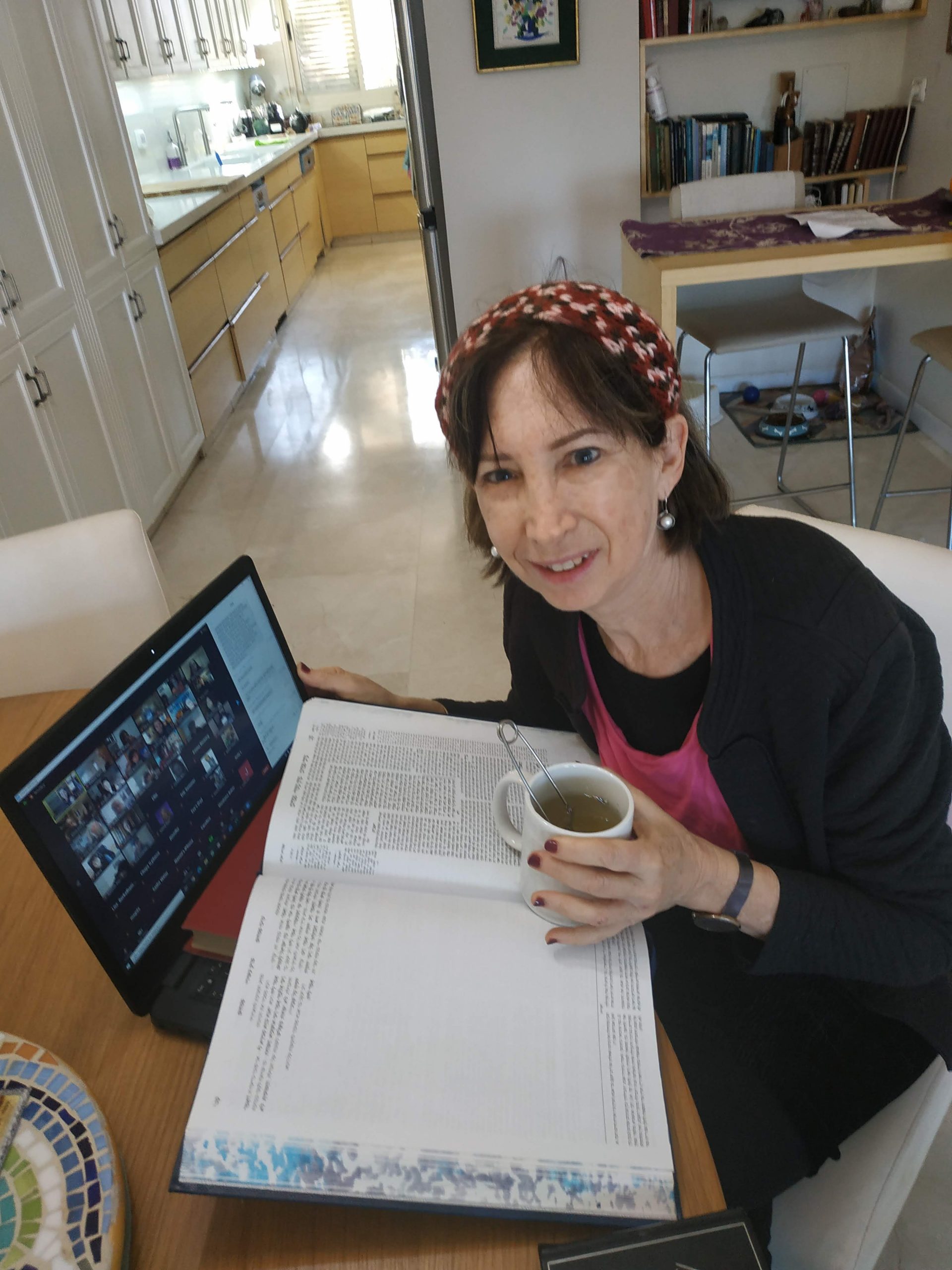
למדתי גמרא מכיתה ז- ט ב Maimonides School ואחרי העליה שלי בגיל 14 לימוד הגמרא, שלא היה כל כך מקובל בימים אלה, היה די ספוראדי. אחרי "ההתגלות” בבנייני האומה התחלתי ללמוד בעיקר בדרך הביתה למדתי מפוקקטסים שונים. לאט לאט ראיתי שאני תמיד חוזרת לרבנית מישל פרבר. באיזה שהוא שלב התחלתי ללמוד בזום בשעה 7:10 .
היום "אין מצב” שאני אתחיל את היום שלי ללא לימוד עם הרבנית מישל עם כוס הקפה שלי!!

selfie-scaled
דבי גביר

חשמונאים, ישראל

התחלתי ללמוד דף יומי שהתחילו מסכת כתובות, לפני 7 שנים, במסגרת קבוצת לימוד שהתפרקה די מהר, ומשם המשכתי לבד בתמיכת האיש שלי. נעזרתי בגמרת שטיינזלץ ובשיעורים מוקלטים.
הסביבה מאד תומכת ואני מקבלת המון מילים טובות לאורך כל הדרך. מאז הסיום הגדול יש תחושה שאני חלק מדבר גדול יותר.
אני לומדת בשיטת ה”7 דפים בשבוע” של הרבנית תרצה קלמן – כלומר, לא נורא אם לא הצלחת ללמוד כל יום, העיקר שגמרת ארבעה דפים בשבוע

Rachel Goldstein
רחל גולדשטיין

עתניאל, ישראל

אני לומדת גמרא כעשור במסגרות שונות, ואת הדף היומי התחלתי כשחברה הציעה שאצטרף אליה לסיום בבנייני האומה. מאז אני לומדת עם פודקסט הדרן, משתדלת באופן יומי אך אם לא מספיקה, מדביקה פערים עד ערב שבת. בסבב הזה הלימוד הוא "ממעוף הציפור”, מקשיבה במהירות מוגברת תוך כדי פעילויות כמו בישול או נהיגה, וכך רוכשת היכרות עם הסוגיות ואופן ניתוחם על ידי חז”ל. בע”ה בסבב הבא, ואולי לפני, אצלול לתוכו באופן מעמיק יותר.

Yael Bir
יעל ביר

רמת גן, ישראל

אחי, שלומד דף יומי ממסכת ברכות, חיפש חברותא ללימוד מסכת ראש השנה והציע לי. החברותא היתה מאתגרת טכנית ורוב הזמן נעשתה דרך הטלפון, כך שבסיום המסכת נפרדו דרכינו. אחי חזר ללמוד לבד, אבל אני כבר נכבשתי בקסם הגמרא ושכנעתי את האיש שלי להצטרף אלי למסכת ביצה. מאז המשכנו הלאה, ועכשיו אנחנו מתרגשים לקראתו של סדר נשים!

Shulamit Saban
שולמית סבן

נוקדים, ישראל

קידושין לח

אַקְרוּב עוֹמֶר וַהֲדַר אֲכוּל.

they sacrificed the omer and only afterward did they eat.

אֶלָּא לְמַאן דְּאָמַר לְאַחַר יְרוּשָּׁה וִישִׁיבָה, נֵיכוֹל לְאַלְתַּר! לָא הֲווֹ צְרִיכִי,

But according to the one who says that the term dwelling indicates that the prohibition of the new crop applies only after inheritance and settlement of Eretz Yisrael, let the Jews eat the produce of the land immediately. The Gemara answers: They did not need to eat the new produce, as they still had manna. Although they did not eat the new crop of Eretz Yisrael, the reason was not that it was prohibited.

דִּכְתִיב ״וּבְנֵי יִשְׂרָאֵל אָכְלוּ אֶת הַמָּן אַרְבָּעִים שָׁנָה עַד בֹּאָם אֶל אֶרֶץ נוֹשָׁבֶת, אֶת הַמָּן אָכְלוּ עַד בֹּאָם אֶל קְצֵה אֶרֶץ כְּנָעַן״. אִי אֶפְשָׁר לוֹמַר ״עַד בֹּאָם אֶל אֶרֶץ נוֹשָׁבֶת״, שֶׁכְּבָר נֶאֱמַר ״אֶל קְצֵה אֶרֶץ כְּנָעַן״. וְאִי אֶפְשָׁר לוֹמַר ״אֶל קְצֵה אֶרֶץ כְּנָעַן״, שֶׁהֲרֵי כְּבָר נֶאֱמַר: ״עַד בֹּאָם אֶל אֶרֶץ נוֹשָׁבֶת״. הָא כֵּיצַד? בְּשִׁבְעָה בַּאֲדָר מֵת מֹשֶׁה וּפָסַק מָן מִלֵּירֵד, וְהָיוּ מִסְתַּפְּקִין מִמָּן שֶׁבִּכְלֵיהֶם עַד שִׁשָּׁה עָשָׂר בְּנִיסָן.

This is as it is written: “And the children of Israel ate the manna forty years until they came to a settled land; they ate the manna until they came to the borders of the land of Canaan (Exodus 16:35). The Gemara analyzes this verse: One cannot say they ate “until they came to a settled land,” i.e., that they were still eating the manna when they entered Eretz Yisrael, as it is already stated: “To the borders of the land of Canaan,” which indicates that they stopped eating manna before entering Eretz Yisrael, on the plains of Moab. And one cannot say that they ate manna only until they reached “to the borders of the land of Canaan,” as it is already stated: “Until they came to a settled land.” How can these clauses be reconciled? Moses died on the seventh of Adar and the manna ceased falling, and they ate the manna that was left in their vessels until the sixteenth of Nisan, even after they entered Eretz Yisrael.

תַּנְיָא אִידַּךְ: ״וּבְנֵי יִשְׂרָאֵל אָכְלוּ אֶת הַמָּן אַרְבָּעִים שָׁנָה״. וְכִי אַרְבָּעִים שָׁנָה אָכְלוּ? וַהֲלֹא אַרְבָּעִים שָׁנָה חָסֵר שְׁלֹשִׁים יוֹם אָכְלוּ! אֶלָּא לוֹמַר לְךָ: עוּגוֹת שֶׁהוֹצִיאוּ מִמִּצְרַיִם, טָעֲמוּ בָּהֶם טַעַם מָן.

It is taught in another baraita with regard to the verse: “And the children of Israel ate the manna forty years” (Exodus 16:35). But did they really eat it for forty years? But didn’t they eat it for forty years less thirty days? The manna began to fall on the sixteenth of Iyyar in the first year in the wilderness, and they stopped eating it on the sixteenth of Nisan in the fortieth year. Rather, this verse comes to tell you that they tasted the taste of manna in the unleavened cakes that they took out from Egypt on the fifteenth of Nisan in their first year, and this sustained them until the manna fell.

תַּנְיָא אִידַּךְ: בְּשִׁבְעָה בַּאֲדָר מֵת מֹשֶׁה, וּבְשִׁבְעָה בַּאֲדָר נוֹלַד. מִנַּיִן שֶׁבְּשִׁבְעָה בַּאֲדָר מֵת – שֶׁנֶּאֱמַר: ״וַיָּמׇת שָׁם מֹשֶׁה עֶבֶד ה׳״, וּכְתִיב: ״וַיִּבְכּוּ בְנֵי יִשְׂרָאֵל אֶת מֹשֶׁה בְּעַרְבֹת מוֹאָב שְׁלֹשִׁים יוֹם״, וּכְתִיב: ״וַיְהִי אַחֲרֵי מוֹת מֹשֶׁה עֶבֶד ה׳״, וּכְתִיב: ״מֹשֶׁה עַבְדִּי מֵת וְעַתָּה קוּם עֲבֹר״

It is taught in another baraita: Moses died on the seventh of Adar, and he was likewise born on the seventh of Adar. From where is it derived that Moses died on the seventh of Adar? As it is stated: “So Moses, the servant of the Lord, died there” (Deuteronomy 34:5), and it is written: “And the children of Israel wept for Moses in the plains of Moab thirty days” (Deuteronomy 34:8). And it is written: “Now it came to pass after the death of Moses, the servant of the Lord” (Joshua 1:1), and it is written: “Moses, My servant, is dead; now arise, cross this Jordan” (Joshua 1:2).

וּכְתִיב: ״עִבְרוּ בְּקֶרֶב הַמַּחֲנֶה וְצַוּוּ אֶת הָעָם לֵאמֹר הָכִינוּ לָכֶם צֵדָה כִּי בְּעוֹד שְׁלֹשֶׁת יָמִים תַּעַבְרוּ אֶת הַיַּרְדֵּן״ וּכְתִיב: ״וְהָעָם עָלוּ מִן הַיַּרְדֵּן בֶּעָשׂוֹר לַחֹדֶשׁ הָרִאשׁוֹן״, צֵא מֵהֶן שְׁלֹשִׁים וּשְׁלֹשָׁה יָמִים לְמַפְרֵעַ, הָא לָמַדְתָּ שֶׁבְּשִׁבְעָה בַּאֲדָר מֵת מֹשֶׁה.

The baraita continues: And it is written: “Pass through the midst of the camp and command the people, saying: Prepare your victuals, for within three days you are to cross the Jordan” (Joshua 1:11). And it is written: “And the people came up out of the Jordan on the tenth day of the first month” (Joshua 4:19). Subtract retroactively from that date, the tenth of Nisan, the last thirty-three days, i.e., the thirty days of mourning for Moses and the three days of preparation before crossing the Jordan, and you learn from here that Moses died on the seventh of Adar.

וּמִנַּיִן שֶׁבְּשִׁבְעָה בַּאֲדָר נוֹלַד מֹשֶׁה – שֶׁנֶּאֱמַר: ״וַיֹּאמֶר אֲלֵהֶם בֶּן מֵאָה וְעֶשְׂרִים שָׁנָה אָנֹכִי הַיּוֹם לֹא אוּכַל עוֹד לָצֵאת וְלָבוֹא״, שֶׁאֵין תַּלְמוּד לוֹמַר ״הַיּוֹם״, מָה תַּלְמוּד לוֹמַר ״הַיּוֹם״? מְלַמֵּד שֶׁהַקָּדוֹשׁ בָּרוּךְ הוּא יוֹשֵׁב וּמְמַלֵּא שְׁנוֹתֵיהֶם שֶׁל צַדִּיקִים מִיּוֹם לְיוֹם וּמֵחֹדֶשׁ לְחֹדֶשׁ, שֶׁנֶּאֱמַר: ״אֶת מִסְפַּר יָמֶיךָ אֲמַלֵּא״.

The baraita continues: And from where is it derived that Moses was born on the seventh of Adar? It is as it is stated: “And he said to them, I am one hundred and twenty years old today; I can no more go out and come in” (Deuteronomy 31:2). As there is no need for the verse to state “today,” since Moses could have said simply: I am one hundred and twenty years old. What is the meaning when the verse states “today”? One can learn from it that Moses was born on that date, i.e., he was exactly one hundred and twenty years old. This teaches that the Holy One, Blessed be He, sits and completes the years of the righteous from day to day and from month to month, as it is stated: “The number of your days I will fulfill” (Exodus 23:26).

תַּנְיָא, רַבִּי שִׁמְעוֹן בֶּן יוֹחַי אוֹמֵר: שָׁלֹשׁ מִצְוֹת נִצְטַוּוּ יִשְׂרָאֵל בִּכְנִיסָתָן לָאָרֶץ, וְנוֹהֲגוֹת בֵּין בָּאָרֶץ בֵּין בְּחוּצָה לָאָרֶץ.

It is taught in a baraita that Rabbi Shimon ben Yoḥai says: The Jewish people were commanded to perform three mitzvot immediately upon entering Eretz Yisrael: The new crop, diverse kinds, and orla, and these apply both in Eretz Yisrael and outside of Eretz Yisrael.

וְהוּא הַדִּין שֶׁיִּנְהֲגוּ, וּמָה חָדָשׁ, שֶׁאֵין אִיסּוּרוֹ אִיסּוּר עוֹלָם, וְאֵין אִיסּוּרוֹ אִיסּוּר הֲנָאָה, וְיֵשׁ הֶיתֵּר לְאִיסּוּרוֹ, נוֹהֵג בֵּין בָּאָרֶץ בֵּין בְּחוּצָה לָאָרֶץ –

And it is logical, i.e., one can derive through an a fortiori argument that each of these mitzvot should apply everywhere. If the prohibition of the new crop, whose prohibition is not a permanent prohibition, as it does not apply to grain that grows after the omer has been sacrificed on the sixteenth of Nisan, and whose prohibition is not a prohibition against deriving benefit, since usages other than eating are permitted, and there is dissolution for its prohibition, i.e., grain that grew before the sixteenth of Nisan becomes permitted after the omer offering has been brought, applies both in Eretz Yisrael and outside of Eretz Yisrael, the same halakha should certainly apply to diverse kinds.

כִּלְאַיִם, שֶׁאִיסּוּרָן אִיסּוּר עוֹלָם, וְאִיסּוּרָן אִיסּוּר הֲנָאָה, וְאֵין הֶיתֵּר לְאִיסּוּרָן – אֵינוֹ דִּין שֶׁיִּנְהֲגוּ בֵּין בָּאָרֶץ בֵּין בְּחוּצָה לָאָרֶץ? וְהוּא הַדִּין לְעׇרְלָה בִּשְׁתַּיִם.

Rabbi Shimon ben Yoḥai elaborates: With regard to diverse kinds, whose prohibition is a permanent prohibition, as it never expires, and whose prohibition is a prohibition against deriving benefit, since one may not benefit in any manner from diverse kinds of the vine, and there is no dissolution for its prohibition, is it not logical that it should apply both in Eretz Yisrael and outside of Eretz Yisrael? And the same is true of orla with regard to two of those points. Orla is not a permanent prohibition, as it applies only for the first three years that a tree produces fruit, but one may not derive benefit from it, and produce from the first three years never becomes permitted.

רַבִּי אֶלְעָזָר בְּרַבִּי שִׁמְעוֹן אוֹמֵר:

Rabbi Elazar, son of Rabbi Shimon, says:

כׇּל מִצְוָה שֶׁנִּצְטַוּוּ יִשְׂרָאֵל קוֹדֶם כְּנִיסָתָן לָאָרֶץ – נוֹהֶגֶת בֵּין בָּאָרֶץ בֵּין בְּחוּצָה לָאָרֶץ. לְאַחַר כְּנִיסָתָן לָאָרֶץ – אֵינָהּ נוֹהֶגֶת אֶלָּא בָּאָרֶץ, חוּץ מִן הַשְׁמָטַת כְּסָפִים וְשִׁילּוּחַ עֲבָדִים, שֶׁאַף עַל פִּי שֶׁנִּצְטַוּוּ עֲלֵיהֶם לְאַחַר כְּנִיסָתָן לָאָרֶץ – נוֹהֶגֶת בֵּין בָּאָרֶץ בֵּין בְּחוּצָה לָאָרֶץ.

Any mitzva that the Jewish people were commanded to perform before entering Eretz Yisrael, i.e., it was not linked to entry into the land, applies both in Eretz Yisrael and outside of Eretz Yisrael. Conversely, any mitzva that they were commanded to perform after they entered Eretz Yisrael applies only in Eretz Yisrael, except for the abrogation of monetary debts in the Sabbatical Year (see Deuteronomy 15:1–2), and the emancipation of slaves in the Jubilee Year (see Leviticus 25:39–41). Even though the Jews were commanded with regard to these mitzvot that they were to perform them only after their entry into Eretz Yisrael, these mitzvot apply both in Eretz Yisrael and outside of Eretz Yisrael.

הַשְׁמָטַת כְּסָפִים חוֹבַת הַגּוּף הִיא!

The Gemara questions the need for this ruling: The abrogation of monetary debts is an obligation of the body. Since this mitzva is not referring to the land, what is the novelty of the ruling that it applies even outside of Eretz Yisrael?

לֹא נִצְרְכָא אֶלָּא לְכִדְתַנְיָא. דְּתַנְיָא, רַבִּי אוֹמֵר: ״וְזֶה דְּבַר הַשְּׁמִטָּה שָׁמוֹט״ – בִּשְׁתֵּי שְׁמִיטוֹת הַכָּתוּב מְדַבֵּר: אַחַת שְׁמִיטַּת קַרְקַע, וְאַחַת שְׁמִיטַּת כְּסָפִים. בִּזְמַן שֶׁאַתָּה מְשַׁמֵּט קַרְקַע – אַתָּה מְשַׁמֵּט כְּסָפִים, בִּזְמַן שֶׁאִי אַתָּה מְשַׁמֵּט קַרְקַע – אִי אַתָּה מְשַׁמֵּט כְּסָפִים.

The Gemara answers: It is necessary to mention the cancellation of debts only for that which is taught in a baraita. As it is taught in a baraita that Rabbi Yehuda HaNasi says: The verse states in the context of the cancellation of debts: “And this is the manner of the abrogation: He shall abrogate” (Deuteronomy 15:2). The verse speaks of two types of abrogation: One is the release of land and one is the abrogation of monetary debts. Since the two are juxtaposed, one can learn the following: At a time when you release land, when the Jubilee Year is practiced, you abrogate monetary debts; at a time when you do not release land, such as the present time, when the Jubilee Year is no longer practiced, you also do not abrogate monetary debts.

וְאֵימָא: בִּמְקוֹם שֶׁאַתָּה מְשַׁמֵּט קַרְקַע – אַתָּה מְשַׁמֵּט כְּסָפִים, וּבִמְקוֹם שֶׁאֵין אַתָּה מְשַׁמֵּט קַרְקַע – אֵין אַתָּה מְשַׁמֵּט כְּסָפִים! תַּלְמוּד לוֹמַר: ״כִּי קָרָא שְׁמִטָּה לַה׳״ מִכׇּל מָקוֹם.

The Gemara asks: But why not say that one can learn the following from this juxtaposition: In a place where you release land, i.e., in Eretz Yisrael, you abrogate monetary debts, and in a place where you do not release land, you do not abrogate monetary debts. If so, the abrogation of debts would apply only in Eretz Yisrael, despite the fact that this obligation is not related to the land. Therefore, the verse states: “Because the Lord’s abrogation has been proclaimed” (Deuteronomy 15:2), to indicate that this obligation applies in any case, even outside of Eretz Yisrael. This is the novelty of the statement of Rabbi Elazar, son of Rabbi Shimon.

שִׁילּוּחַ עֲבָדִים חוֹבַת הַגּוּף הִיא! סָלְקָא דַּעְתָּךְ אָמֵינָא: הוֹאִיל וּכְתִיב ״וּקְרָאתֶם דְּרוֹר בָּאָרֶץ״, בָּאָרֶץ – אִין, בְּחוּצָה לָאָרֶץ – לָא, תַּלְמוּד לוֹמַר: ״יוֹבֵל הִיא״ – מִכׇּל מָקוֹם.

The Gemara questions the need for the second ruling of Rabbi Elazar, son of Rabbi Shimon: The emancipation of slaves is also an obligation of the body, not one that applies to the land. What is novel about this ruling? The Gemara answers that it might enter your mind to say: Since it is written: “And proclaim liberty throughout the land unto all the inhabitants thereof” (Leviticus 25:10), one could say: “Throughout the land,” yes, this mitzva applies, but outside of Eretz Yisrael, no, the emancipation does not take effect. Therefore the same verse also states the seemingly superfluous phrase: “It shall be a Jubilee” (Leviticus 25:10), to indicate that it applies in any case, in all places.

אִם כֵּן מָה תַּלְמוּד לוֹמַר ״בָּאָרֶץ״? בִּזְמַן שֶׁהַדְּרוֹר נוֹהֵג בָּאָרֶץ – נוֹהֵג בְּחוּצָה לָאָרֶץ, אֵין דְּרוֹר נוֹהֵג בָּאָרֶץ – אֵינוֹ נוֹהֵג בְּחוּצָה לָאָרֶץ.

The Gemara asks: If so, what is the meaning when the verse states: “Throughout the land”? The Gemara answers that this phrase teaches: When the liberty of slaves applies in Eretz Yisrael, it also applies outside of Eretz Yisrael, and when the liberty of slaves does not apply in Eretz Yisrael, it does not apply outside of Eretz Yisrael. The mitzva depends on whether the Jubilee Year is in effect, not on the place in question.

תְּנַן הָתָם: הֶחָדָשׁ אָסוּר מִן הַתּוֹרָה בְּכׇל מָקוֹם, עׇרְלָה הֲלָכָה, וְהַכִּלְאַיִם מִדִּבְרֵי סוֹפְרִים. מַאי הֲלָכָה? אָמַר רַב יְהוּדָה אָמַר שְׁמוּאֵל: הִלְכְתָא מְדִינָה. עוּלָּא אָמַר רַבִּי יוֹחָנָן: הֲלָכָה לְמֹשֶׁה מִסִּינַי.

We learned in a mishna there (Orla 3:9): The new crop is forbidden by Torah law everywhere; orla is forbidden outside of Eretz Yisrael according to a halakha, as the Gemara will immediately explain; and diverse kinds are forbidden outside the land by rabbinic law. The Gemara asks: What is this halakha, mentioned with regard to orla? Rav Yehuda says that Shmuel says: It is the local halakha, i.e., this was the practice of Jews in places where they settled. Ulla says that Rabbi Yoḥanan says: It is a halakha transmitted to Moses from Sinai.

אֲמַר לֵיהּ עוּלָּא לְרַב יְהוּדָה: בִּשְׁלָמָא לְדִידִי, דְּאָמֵינָא הֲלָכָה לְמֹשֶׁה מִסִּינַי – הַיְינוּ דְּשָׁנֵי לַן בֵּין סְפֵק עׇרְלָה לִסְפֵק כִּלְאַיִם.

Ulla said to Rav Yehuda: Granted, according to my opinion, as I say in the name of Rabbi Yoḥanan that the mishna means that this is a halakha transmitted to Moses from Sinai, this is the reason why we distinguish between fruit whose status as orla is uncertain, which is forbidden outside of Eretz Yisrael according to the halakha transmitted to Moses from Sinai, and produce whose status as diverse kinds is uncertain, which is permitted outside of Eretz Yisrael, as the prohibition of diverse kinds applies outside of Eretz Yisrael only by rabbinic law.

דִּתְנַן: סְפֵק עׇרְלָה, בָּאָרֶץ – אָסוּר, בְּסוּרְיָא – מוּתָּר. בְּחוּצָה לָאָרֶץ יוֹרֵד וְלוֹקֵחַ, וּבִלְבַד שֶׁלֹּא יִרְאֶנּוּ לוֹקֵט.

This is as we learned in a mishna (Orla 3:9): Fruit whose status as orla is uncertain is forbidden in Eretz Yisrael, and it is permitted in Syria with no concern about its uncertain status. Outside of Eretz Yisrael, a Jew may go down into the gentile’s field and purchase fruit that is orla from the gentile, provided that the Jew does not see him gather it.

וְאִילּוּ גַּבֵּי כִלְאַיִם תְּנַן: כֶּרֶם הַנָּטוּעַ יָרָק, וְיָרָק נִמְכָּר חוּצָה לוֹ, בָּאָרֶץ – אָסוּר, בְּסוּרְיָא – מוּתָּר,

Nevertheless, we learned in a mishna with regard to the halakhot of diverse kinds (Orla 3:9): If a vineyard has vegetables planted in it, and there are vegetables being sold outside the vineyard, but there is no proof that these vegetables came from the vineyard, in Eretz Yisrael they are forbidden. The reason is that as it is possible that the vegetables came from the vineyard, the halakha is stringent in a case involving a prohibition by Torah law. In Syria these vegetables are permitted.

בְּחוּצָה לָאָרֶץ – יוֹרֵד וְלוֹקֵט. וּבִלְבַד שֶׁלֹּא יִלְקוֹט בַּיָּד.

Outside of Eretz Yisrael, if the gentile owner of a field containing diverse kinds goes down into his field and gathers produce, then, provided that the Jew does not gather it by hand, he may purchase the produce from the gentile. This indicates that outside of Eretz Yisrael there is a difference between orla of uncertain status and diverse kinds of uncertain status. This is understandable if orla is forbidden by a halakha transmitted to Moses from Sinai, while diverse kinds are forbidden by rabbinic law.

אֶלָּא לְדִידָךְ

But according to your opinion, that neither orla nor diverse kinds is forbidden by Torah law,

רוצה לעקוב אחרי התכנים ולהמשיך ללמוד?

ביצירת חשבון עוד היום ניתן לעקוב אחרי ההתקדמות שלך, לסמן מה למדת, ולעקוב אחרי השיעורים שמעניינים אותך.

לנקות את כל הפריטים מהרשימה?

פעולה זו תסיר את כל הפריטים בחלק זה כולל ההתקדמות וההיסטוריה. שימי לב: לא ניתן לשחזר פעולה זו.

ביטול
מחיקה

האם את/ה בטוח/ה שברצונך למחוק פריט זה?

תאבד/י את כל ההתקדמות או ההיסטוריה הקשורות לפריט זה.

ביטול
מחיקה