








ישנה מחלוקת בין רבי יהודה לחכמים אם נערה יכולה לקבל את גיטה או שרק אביה יכול. רבי יוחנן וריש לקיש חלוקים בשאלה האם המחלוקת ביניהם הוא גם לקידושין או ששניהם מסכימים שרק האב יכול לקבל את הקידושין. מה הסיבה לרבי יוחנן המבדיל בין גט לקידושין? יש ברייתא הקובעת שנערה יכולה לקבל מאמר (שזה כמו קידושין ביבמה). כיצד מוסברת ברייתא זו לפי עמדת רבי יוחנן וגם לפי עמדת ריש לקיש? משנתנו יכולה לשמש גם כקושי נגד עמדתו של ריש לקיש שכן רק האב יכול למנות שליח, לא הנערה. ההצעה הראשונה היא לשייך את משנתנו לשיטת רבי יהודה. אולם הצעה זו נדחית כיוון שהמשנה הבאה אינה מסתדרת עם שיטתו. המסקנה היא ששתי המשניות כרבי שמעון ונניח שהוא סובר כרבי יהודה לגבי הנערה. רב אבין העיד שהיה בבית המדרש כשהרבנים הצביעו לקבל את עמדתו של רבי יוחנן נגד ריש לקיש ולהתיר רק לאב לקבל את קידושיה של נערה. רבא שאל את רב נחמן: אם נערה יכולה לקבל את גיטה, האם היא יכולה למנות שליח שיקבל את הגט בעבורה או שרק האב יכול? על מה בדיוק מבוססת ההתלבטות של רבא? רב נחמן עונה שנערה לא יכולה למנות שליח שיקבל גיטה. מעלים קושי נגד פסיקתו ממשנה בגיטין, אבל פותרים אותו. אם קטנה קיבלה קידושיה בעצמה וכאשר אביה שמע, הוא שתק, האם זה מעיד שהוא קיבל את מעשיה והקידושין תקפים או לא?
רוצה להקדיש לימוד?
קידושין מד
קְטַנָּה מִן הָאֵירוּסִין – אֵין עוֹשִׂים בָּהּ מַאֲמָר אֶלָּא מִדַּעַת אָבִיהָ. וְהַנַּעֲרָה – בֵּין מִדַּעַת עַצְמָהּ בֵּין מִדַּעַת אָבִיהָ, (מַה שֶּׁאֵין כֵּן בְּקִידּוּשִׁין).
If a minor girl was widowed after her betrothal, a surviving brother of her betrothed can perform levirate betrothal only with the consent of her father. And in the case of a young woman, he can do so either with her consent [mida’at atzmah] or with the consent of her father, unlike the halakha with regard to standard betrothal. This indicates that a young woman can accept levirate betrothal on her own, despite the fact that it removes her from her father’s authority.
אֶלָּא אִי אִיתְּמַר, הָכִי אִיתְּמַר: אָמַר רַבִּי יוֹסֵי בְּרַבִּי חֲנִינָא: מַאי טַעְמֵיהּ דְּרַבִּי יוֹחָנָן אַלִּיבָּא דְּרַבָּנַן? קִידּוּשִׁין, דְּמִדַּעְתַּהּ – אָבִיהָ וְלָא הִיא. גֵּירוּשִׁין, דִּבְעַל כֻּרְחַהּ – בֵּין הִיא בֵּין אָבִיהָ.
Rather, if it was stated, it was stated like this: Rabbi Yosei, son of Rabbi Ḥanina, says: What is the reason of Rabbi Yoḥanan, in accordance with the opinion of the Rabbis? With regard to betrothal, which takes effect only with the consent of the one who accepts the betrothal, her father can accept it but not her, since betrothal requires his approval. With regard to a bill of divorce, which can be given without her consent, either she or her father can receive it.
הֲרֵי מַאֲמָר, דְּמִדַּעְתַּהּ, וְקָתָנֵי: בֵּין הִיא וּבֵין אָבִיהָ! הָתָם בְּמַאֲמָר דִּבְעַל כֻּרְחַהּ, וְרַבִּי הִיא. דְּתַנְיָא: הָעוֹשֶׂה מַאֲמָר בִּיבִמְתּוֹ שֶׁלֹּא מִדַּעְתָּהּ, רַבִּי אוֹמֵר: קָנָה, וַחֲכָמִים אוֹמְרִים לֹא קָנָה.
The Gemara asks: But isn’t levirate betrothal valid only with her consent, like other betrothals, and yet it teaches in the baraita that either she or her father can accept it? The Gemara answers: There it is referring to levirate betrothal that is performed against her will, and it is in accordance with the opinion of Rabbi Yehuda HaNasi. As it is taught in a baraita: If a yavam performs levirate betrothal with his yevama without her consent, Rabbi Yehuda HaNasi says: The yavam acquires her. And the Rabbis say: He does not acquire her.
מַאי טַעְמֵיהּ דְּרַבִּי? גָּמַר מִבִּיאָה דִיבָמָה, מָה בִּיאָה דִיבָמָה בְּעַל כֻּרְחַהּ – אַף הָכָא נָמֵי בְּעַל כֻּרְחַהּ. וְרַבָּנַן סָבְרִי: יָלְפִינַן מִקִּידּוּשִׁין, מָה קִידּוּשִׁין דְּמִדַּעְתַּהּ – אַף הָכָא נָמֵי דְּמִדַּעְתַּהּ.
The Gemara clarifies: What is the reason of Rabbi Yehuda HaNasi? He derives the halakha of levirate betrothal from the halakha of sexual intercourse that a yavam engages in with a yevama: Just as intercourse with the yevama renders her acquired even if it is done against her will, so too here, in the case of levirate betrothal, the yavam can betroth her against her will. And the Rabbis hold that we derive the halakha of levirate betrothal from standard betrothal: Just as betrothal can be performed only with her consent, so too here, levirate betrothal can be performed only with her consent.
בְּמַאי קָמִיפַּלְגִי? רַבִּי סָבַר: מִילֵּי דִיבָמָה מִיבָמָה הֲוָה לֵיהּ לְמֵילַף. וְרַבָּנַן סָבְרִי: קִידּוּשִׁין מִקִּידּוּשִׁין הֲוָה לֵיהּ לְמֵילַף.
The Gemara clarifies: With regard to what do they disagree? Rabbi Yehuda HaNasi holds that one should derive matters involving a yevama from other matters involving a yevama, and the marriage between a yevama and a yavam can be formalized against her will. And the Rabbis hold that one should derive matters involving betrothal from the halakhot of betrothal, as levirate betrothal is structured like standard betrothal in other respects.
הָכִי נָמֵי מִסְתַּבְּרָא כִּדְקָא מְתָרֵץ רַבִּי יוֹחָנָן, מִדְּקָתָנֵי סֵיפָא: ״מַה שֶּׁאֵין כֵּן בְּקִידּוּשִׁין״. אֶלָּא נֵימָא תֶּיהְוֵי תְּיוּבְתָּא דְּרֵישׁ לָקִישׁ? אָמַר לָךְ רֵישׁ לָקִישׁ: הָא מַנִּי – רַבִּי יְהוּדָה הִיא, דְּאָמַר: אֵין שְׁתֵּי יָדַיִם זוֹכוֹת כְּאַחַת.
The Gemara comments: So too, it is reasonable to rule with regard to betrothal as Rabbi Yoḥanan explains, that only the father can accept betrothal, from the fact that it teaches in the latter clause of the baraita that with regard to levirate betrothal, in the case of a young woman, the yavam can perform it either with her consent or with the consent of her father, unlike the halakha with regard to standard betrothal. This indicates that she can be betrothed in standard betrothal only with her father’s agreement. The Gemara asks: Then shall we say that this should be a conclusive refutation of the opinion of Reish Lakish, who holds that according to the Rabbis a young woman can also accept her own betrothal? The Gemara answers: Reish Lakish could have said to you: In accordance with whose opinion is this baraita? It is in accordance with the opinion of Rabbi Yehuda, who says: Two hands do not acquire an item as one.
אִי רַבִּי יְהוּדָה, מַה שֶּׁאֵין כֵּן בְּקִידּוּשִׁין?! מַה שֶּׁאֵין כֵּן בְּגֵירוּשִׁין מִיבְּעֵי לֵיהּ! אִין הָכִי נָמֵי, אַיְּידֵי דִּתְנָא מַאֲמָר דְּדָמֵי לְקִידּוּשִׁין, תְּנָא נָמֵי: מַה שֶּׁאֵין כֵּן בְּקִידּוּשִׁין.
The Gemara asks: If it is in accordance with the opinion of Rabbi Yehuda, why does the baraita state: Unlike the halakha with regard to standard betrothal? It should have stated: Unlike the halakha with regard to divorce, as Rabbi Yehuda stated his opinion in the mishna with regard to divorce, not betrothal. The Gemara answers: Yes, it is indeed so, it should have referred to divorce, but since it taught the halakha of levirate betrothal, which is similar to betrothal, it also taught: Unlike the halakha with regard to standard betrothal.
וְרַבִּי יְהוּדָה, מַאי שְׁנָא מַאֲמָר? הוֹאִיל וּזְקוּקָה וְעוֹמֶדֶת. הַשְׁתָּא דְּאָתֵית לְהָכִי, רַבִּי יוֹחָנָן נָמֵי לָא תִּיקְשֵׁי לָךְ מֵעִיקָּרָא: שָׁאנֵי מַאֲמָר, הוֹאִיל וּזְקוּקָה וְעוֹמֶדֶת.
The Gemara asks: And according to the opinion of Rabbi Yehuda, in what way is levirate betrothal different from divorce? Why can a young woman accept the former but not receive a bill of divorce, when both levirate betrothal and divorce can be performed without her consent? The Gemara answers: The halakha of levirate betrothal is different. Since she is bonded to the yavam and standing in wait for him, acceptance of the betrothal money by the yevama suffices to effect the levirate betrothal. The Gemara comments: Now that you have arrived at this explanation, the statement of Rabbi Yoḥanan also should not pose a difficulty for you from the outset. One cannot question his statement with regard to the Rabbis’ opinion in the case of betrothal. Levirate betrothal is different, since the yevama is bonded to the yavam and standing in wait for him.
תְּנַן: הָאִישׁ מְקַדֵּשׁ אֶת בִּתּוֹ כְּשֶׁהִיא נַעֲרָה, בּוֹ וּבִשְׁלוּחוֹ. בּוֹ וּבִשְׁלוּחוֹ – אִין, בָּהּ וּבִשְׁלוּחָהּ – לָא, תְּיוּבְתָּא דְּרֵישׁ לָקִישׁ! אָמַר לָךְ רֵישׁ לָקִישׁ: הָא נָמֵי רַבִּי יְהוּדָה הִיא.
We learned in the mishna that a man can betroth his daughter to a man when she is a young woman, by himself or by means of his agent. The Gemara analyzes this: Yes, he can betroth her by himself or by means of his agent, but no, she cannot become betrothed by herself or by means of her agent. This is a conclusive refutation of Reish Lakish, who holds that according to the opinion of the Rabbis a young woman can accept her own betrothal. The Gemara answers: Reish Lakish could have said to you: This mishna too is in accordance with the opinion of Rabbi Yehuda.
וּמִי מָצֵית מוֹקְמַתְּ לַהּ כְּרַבִּי יְהוּדָה? וְהָקָתָנֵי סֵיפָא: הָאוֹמֵר לְאִשָּׁה: ״הִתְקַדְּשִׁי לִי בִּתְמָרָה זוֹ״, ״הִתְקַדְּשִׁי לִי בָּזוֹ״ וְאָמְרִינַן: מַאן תַּנָּא ״הִתְקַדְּשִׁי״ ״הִתְקַדְּשִׁי״?
The Gemara asks: But can you establish this mishna in accordance with the opinion of Rabbi Yehuda? But the last clause, in the following mishna (46b), teaches: In the case of one who says to a woman: Be betrothed to me with this date and adds: Be betrothed to me with that date, she is betrothed only if one of them is worth one peruta on its own. And we say: Who is the tanna who taught that the two dates are valued separately only if he said: Become betrothed and: Become betrothed, in a separate statement when giving each date, but that if he said: Become betrothed, only once, the value of the two dates are added together?
וְאָמַר רַבָּה: רַבִּי שִׁמְעוֹן הִיא, דְּאָמַר: עַד שֶׁיֹּאמַר שְׁבוּעָה לְכׇל אֶחָד וְאֶחָד!
And Rabba said: It is Rabbi Shimon, who says that one is not liable to bring multiple offerings for taking false oaths to multiple people in the same utterance. For example, if one says: I take an oath that I do not have your item, nor yours, nor yours, he brings a single offering. This is the halakha unless one states an expression of an oath to each and every one of the plaintiffs, by stating: I take an oath I do not have yours; I take an oath I do not have yours, in which case he brings multiple offerings. Consequently, the tanna of this mishna is Rabbi Shimon, not Rabbi Yehuda.
וְכִי תֵּימָא כּוּלַּהּ רַבִּי יְהוּדָה, וּבִפְרָטֵי סָבַר לַהּ כְּרַבִּי שִׁמְעוֹן, וּמִי סָבַר לַהּ?
And if you would say that the tanna of the entire mishna concerning betrothal is Rabbi Yehuda, and that with regard to the specification of separate oaths he holds in accordance with the opinion of Rabbi Shimon, this cannot be. But does he in fact hold in accordance with the opinion of Rabbi Shimon with regard to the specification of separate oaths?
וְהָתַנְיָא: זֶה הַכְּלָל: כָּלַל – אֵינוֹ חַיָּיב אֶלָּא אַחַת, פָּרַט – חַיָּיב עַל כׇּל אַחַת וְאַחַת, דִּבְרֵי רַבִּי מֵאִיר. רַבִּי יְהוּדָה אוֹמֵר: ״שְׁבוּעָה לֹא לָךְ, לֹא לָךְ, לֹא לָךְ״ – חַיָּיב עַל כׇּל אַחַת וְאַחַת. רַבִּי אֱלִיעֶזֶר אוֹמֵר: ״לֹא לָךְ, לֹא לָךְ, לֹא לָךְ וְלֹא לָךְ שְׁבוּעָה״ – חַיָּיב עַל כׇּל אַחַת וְאַחַת. רַבִּי שִׁמְעוֹן אוֹמֵר: לְעוֹלָם אֵינוֹ חַיָּיב עַד שֶׁיֹּאמַר שְׁבוּעָה לְכׇל אֶחָד וְאֶחָד.
But isn’t it taught in a baraita: This is the principle with regard to one’s liability to bring offerings for a false oath: If he included all the statements in one oath he is liable for only one oath, but if he specified them, he is liable for each and every one; this is the statement of Rabbi Meir. Rabbi Yehuda says: If one said: I take an oath that I do not have your deposit, nor yours, nor yours, nor yours, and he was found to have taken a false oath, he is liable to bring an offering for each and every one. Rabbi Eliezer says: If he said: I do not have yours, nor yours, nor yours, and nor yours, I take an oath, then he is liable for each and every one. Since he stated the oath at the end, it refers back to each element of his statement. Rabbi Shimon says: He is liable to bring more than one offering only if he states an expression of an oath for each and every one. This indicates that Rabbi Yehuda disagrees with Rabbi Shimon with regard to the question of when oaths are considered distinct.
אֶלָּא: כּוּלַּהּ רַבִּי שִׁמְעוֹן הִיא, וּבִשְׁלִיחוּת סָבַר לַהּ כְּרַבִּי יְהוּדָה.
Rather, the Gemara explains in the opposite manner: The tanna of the entire mishna concerning betrothal is Rabbi Shimon, and with regard to the halakha of agency he holds in accordance with the opinion of Rabbi Yehuda, that only the father of a young woman can appoint an agent to accept her betrothal or receive her bill of divorce.
רַבִּי אַסִּי לָא עָל לְבֵי מִדְרְשָׁא. אַשְׁכְּחֵיהּ לְרַבִּי זֵירָא, אֲמַר לֵיהּ: מַאי אֲמוּר הָאִידָּנָא בֵּי מִדְרְשָׁא? אֲמַר לֵיהּ: אַף אֲנָא לָא עֲיַילִ[י], רַבִּי אָבִין הוּא דְּעָיֵיל וַאֲמַר: חַבְרוּתָא כּוּלַּהּ כְּרַבִּי יוֹחָנָן. וּצְוַוח רֵישׁ לָקִישׁ כִּי כְרוּכְיָא: ״וְיָצְאָה. וְהָיְתָה״, וְלֵיכָּא דְּאַשְׁגַּח בֵּיהּ. אֲמַר לֵיהּ: רַבִּי אָבִין בַּר סַמְכָא הוּא? אֲמַר לֵיהּ: אִין, כְּמִין יַמָּא לְטִיגְנֵי הוּא.
The Gemara relates: One day Rabbi Asi did not go to the study hall. He found Rabbi Zeira and said to him: What was said today in the study hall? Rabbi Zeira said to him: I too did not go, but Rabbi Avin is the one who went, and he said: The entire coterie sided with the opinion of Rabbi Yoḥanan that there is a difference between betrothal and divorce in the case of a young woman. And Reish Lakish screamed at them like a crane: Doesn’t the verse state: “And she departs out of his house and goes and becomes another man’s wife” (Deuteronomy 24:2), juxtaposing the halakhot of divorce and betrothal? But no one paid any attention to him. Rabbi Asi said to him: Is Rabbi Avin reliable? Can one be sure that he transmitted an accurate report? Rabbi Zeira said to him: Yes, in this case he can be trusted, since the elapsed time was only like the interval between catching a fish from the sea and bringing it to a frying pan [tignei].
אָמַר רַב נַחְמָן בַּר יִצְחָק: אֲנָא, לָא רַבִּי אָבִין בְּרַבִּי חִיָּיא, וְלָא רַבִּי אָבִין בַּר כָּהֲנָא, אֶלָּא רַבִּי אָבִין סְתָם. לְמַאי נָפְקָא מִינַּהּ? לְמִירְמֵא דִּידֵיהּ אַדִּידֵיהּ.
Rav Naḥman bar Yitzḥak says: When I quote this statement, I do not state it in the name of Rabbi Avin, son of Rabbi Ḥiyya, nor Rabbi Avin bar Kahana, but in the name of Rabbi Avin, without specification. The Gemara asks: What difference is there? Why does it matter which Rabbi Avin is cited as the source of this statement? The Gemara answers: It would matter if one were to raise a contradiction between one of his rulings and another one of his rulings. If there were to be a conflicting opinion attributed to a specific Rabbi Avin, e.g., Rabbi Avin, son of Rabbi Ḥiyya, it would not be a true contradiction, as this statement might have been issued by a different Rabbi Avin.
בְּעָא מִינֵּיהּ רָבָא מֵרַב נַחְמָן:
Rava asked Rav Naḥman:
נַעֲרָה, מַהוּ שֶׁתַּעֲשֶׂה שָׁלִיחַ לְקַבֵּל גִּיטָּהּ מִיַּד בַּעְלָהּ? כְּיַד אָבִיהָ דָּמְיָא, אוֹ כַּחֲצַר אָבִיהָ דָּמְיָא? כְּיַד אָבִיהָ דָּמְיָא, מָה אֲבִיָּה מְשַׁוֵּי שָׁלִיחַ – אַף הִיא נָמֵי מְשַׁוְּיָא שָׁלִיחַ. אוֹ דִילְמָא כַּחֲצַר אָבִיהָ דָּמְיָא, וְעַד דְּמָטֵיא גִּיטָּא לִידַהּ לָא מִיגָּרְשָׁה.
According to the Rabbis, who hold that a young woman can accept her own bill of divorce, what is the halakha with regard to the ability of a young woman to appoint an agent to receive her bill of divorce from the hand of her husband? The Gemara explains the two sides of this question: Since a young woman is under her father’s jurisdiction, is she, with regard to acquisitions, considered like an extension of her father’s hand, or is she considered like her father’s courtyard? The Gemara clarifies: She might be considered like her father’s hand, and just as her father can appoint an agent, so too she can appoint an agent. Or perhaps she is considered like her father’s courtyard, and therefore she is not divorced until the bill of divorce actually reaches her possession, as a courtyard cannot appoint an agent, but it can receive a bill of divorce, in the sense that a bill of divorce thrown in his courtyard is considered to be in his possession.
וּמִי מְסַפְּקָא לֵיהּ לְרָבָא הָא? וְהָאָמַר רָבָא: כָּתַב גֵּט וּנְתָנוֹ בְּיַד עַבְדָּהּ יָשֵׁן וּמְשַׁמַּרְתּוֹ – הֲרֵי זֶה גֵּט. נֵיעוֹר – אֵינוֹ גֵּט. נֵיעוֹר אַמַּאי אֵינוֹ גֵּט – דְּהָוְיָא לַהּ חָצֵר מִשְׁתַּמֶּרֶת שֶׁלֹּא לְדַעְתָּהּ. וְאִי סָלְקָא דַעְתָּךְ כַּחֲצַר אָבִיהָ דָּמְיָא, כִּי מְטָא גִּיטַּהּ לִידַהּ נָמֵי לָא תִּיגָּרַשׁ, דְּהָוְיָא לַהּ חָצֵר הַמִּשְׁתַּמֶּרֶת שֶׁלֹּא לְדַעַת אָבִיהָ!
The Gemara asks: And is Rava uncertain about this matter? But doesn’t Rava say: If one wrote a bill of divorce and placed it in the hand of his wife’s slave, who is sleeping, but she is guarding him, then it is a valid bill of divorce. If the slave was awake, then it is not a valid bill of divorce. Why is it not a valid bill of divorce if he is awake? It is because the slave is for her a courtyard that is not consciously secured by her, i.e., when the slave is awake, he is not fully controlled by her. And if it enters your mind that a young woman is considered like her father’s courtyard, then even when the bill of divorce reaches her possession she should not be divorced, since she is like a courtyard that is not consciously secured by her father.
אֶלָּא לְעוֹלָם פְּשִׁיטָא לֵיהּ דְּכִי יַד אָבִיהָ דָּמְיָא, וְהָכִי קָמִיבַּעְיָא לֵיהּ: מִי אַלִּימָא כְּיַד אָבִיהָ לְשַׁוּוֹיֵי אִיהִי שָׁלִיחַ, אוֹ לָא? אֲמַר לֵיהּ: אֵין עוֹשָׂה שָׁלִיחַ.
Rather, it is actually obvious to Rava that a young woman is considered like her father’s hand and not like his courtyard, and this is what he was asking: Is she just as strong as her father’s hand, to the extent that she can appoint an agent, or not? Rav Naḥman said to him: She cannot appoint an agent.
אֵיתִיבֵיהּ: קְטַנָּה שֶׁאָמְרָה: ״הִתְקַבֵּל לִי גִּיטִּי״ – אֵינוֹ גֵּט עַד שֶׁיַּגִּיעַ גֵּט לְיָדָהּ. הָא נַעֲרָה – הֲרֵי זֶה גֵּט! הָכָא בְּמַאי עָסְקִינַן – בְּשֶׁאֵין לַהּ אָב.
Rava raised an objection to him from a mishna (Gittin 65a): In the case of a minor girl who said to an agent: Receive my bill of divorce for me, it is not a valid bill of divorce until the bill of divorce reaches her possession, since a minor is not considered halakhically competent and cannot appoint an agent. Rava inferred from this: But in the case of a young woman, it is a bill of divorce, which indicates that a young woman can appoint an agent. The Gemara answers: With what are we dealing here? With a situation where she does not have a father, and she can appoint an agent since she is of age and is under her own authority. But a betrothed young woman whose father is still alive is under his authority and cannot appoint an agent.
הָא מִדְּקָתָנֵי סֵיפָא: אִם אָמַר אָבִיהָ: ״צֵא וְקַבֵּל גֵּט לְבִתִּי״, אִם רָצָה בַּעַל לַחֲזוֹר בּוֹ – לֹא יַחְזוֹר. מִכְּלָל דְּרֵישָׁא בִּדְיֵשׁ לָהּ אָב עָסְקִינַן! חַסּוֹרֵי מִיחַסְּרָא וְהָכִי קָתָנֵי: קְטַנָּה שֶׁאָמְרָה: ״הִתְקַבֵּל לִי גִּיטִּי״ – אֵינוֹ גֵּט, עַד שֶׁיַּגִּיעַ גֵּט לְיָדָהּ. הָא נַעֲרָה – הֲרֵי זֶה גֵּט. בַּמֶּה דְּבָרִים אֲמוּרִים – כְּשֶׁאֵין לָהּ אָב, אֲבָל יֵשׁ לָהּ אָב וְאָמַר אָבִיהָ: ״צֵא וְקַבֵּל לְבִתִּי גִּיטָּהּ״, וְרוֹצֶה בַּעַל לַחְזוֹר – לֹא יַחְזוֹר.
The Gemara asks: But from the fact that the latter clause of that same mishna teaches: If her father said to an agent: Go out and receive a bill of divorce for my daughter, then if the husband seeks to retract his decision after he has given the bill of divorce to the agent he cannot retract it, since it is as though the bill of divorce reached her possession, by inference, one can say that in the first clause we are dealing with a case where she has a father. The Gemara answers: The mishna is incomplete and this is what it is teaching: In the case of a minor girl who said: Receive my bill of divorce for me, it is not a bill of divorce until the bill of divorce reaches her possession. But in the case of a young woman, it is a bill of divorce as soon as it reaches her agent’s possession. In what case is this statement said? It is said when she does not have a father. But if she has a father, and her father said to an agent: Go out and receive my daughter’s bill of divorce on her behalf, and the husband seeks to retract his decision, he cannot retract it.
אִיתְּמַר: קְטַנָּה שֶׁנִּתְקַדְּשָׁה שֶׁלֹּא לְדַעַת אָבִיהָ, אָמַר שְׁמוּאֵל: צְרִיכָה גֵּט, וּצְרִיכָה מֵיאוּן. אָמַר קַרְנָא: דְּבָרִים בְּגוֹ: אִם גֵּט, לָמָּה מֵיאוּן? אִם מֵיאוּן, לָמָּה גֵּט?
§ It was stated that amora’im disagreed in the case of a minor who became betrothed without her father’s consent. Shmuel says: If her husband seeks to divorce her she requires a bill of divorce to sever the marriage, and she also requires refusal, which annuls a betrothal that is valid by rabbinic law but not by Torah law. Karna says: There are puzzling matters included within this statement, since it is self-contradictory: If she needs a bill of divorce, and the betrothal is evidently treated as a proper betrothal, why does she require refusal? Conversely, if she requires refusal, indicating that her betrothal was of no consequence by Torah law, why does she require a bill of divorce?
אֲמַרוּ לֵיהּ: הָא מָר עוּקְבָא וּבֵי דִינֵיהּ בְּכַפְרִי. אַפְכוּהָ, שַׁדְּרוּהָ לְקַמֵּיהּ דְּרַב. אֲמַר לְהוּ: הָאֱלֹהִים! צְרִיכָה גֵּט, וּצְרִיכָה מֵיאוּן. וְחַס לֵיהּ לְזַרְעֵיהּ דְּאַבָּא בַּר אַבָּא, דְּנֵימָא הָכִי.
The Sages said to him: Now that Mar Ukva and his court are in the town of Kafrei, let us pose the question to them. Furthermore, they reversed the names of the respective opinions of Shmuel and Karna and sent the question before Rav. He said to the messengers in the form of an oath: By God! She requires a bill of divorce and she requires refusal. And God forbid that the seed of Abba bar Abba, i.e., Shmuel, should say such a thing, that she does not require both.
וְטַעְמָא מַאי? אָמַר רַב אַחָא בְּרֵיהּ דְּרַב אִיקָא: צְרִיכָה גֵּט – שֶׁמָּא נִתְרַצָּה הָאָב בְּקִידּוּשִׁין, צְרִיכָה מֵיאוּן – שֶׁמָּא לֹא נִתְרַצָּה הָאָב בְּקִידּוּשִׁין, וְיֹאמְרוּ אֵין קִידּוּשִׁין תּוֹפְסִין בַּאֲחוֹתָהּ.
The Gemara asks: And what is the reason that there is a need for both a bill of divorce and refusal? Rav Aḥa, son of Rav Ika, said: She requires a bill of divorce because perhaps the father desired the betrothal, which would mean it would take effect retroactively. She also requires refusal because perhaps the father did not desire the betrothal, and it did not take effect. If she receives only a bill of divorce, and her former husband proceeds to betroth her sister, people will say that the betrothal does not take effect with her sister. The halakha is that betrothal can take effect with the sister of one’s wife or former wife only after the first wife has died. She is therefore required to perform refusal, to indicate that the validity of her betrothal was uncertain. If he later betroths her sister, he would be required to divorce her due to the uncertainty if this second betrothal took effect.
אָמַר רַב נַחְמָן: וְהוּא שֶׁשִּׁדְּכוּ.
Rav Naḥman said: And this concern that the father of a minor might later state that he desired her betrothal is relevant only when they arranged the match before she betrothed herself, as in that case it is likely that the father desired the betrothal.
עוּלָּא אָמַר: אֲפִילּוּ מֵיאוּן אֵינָהּ צְרִיכָה. אַף עַל גַּב דְּשִׁידְּכוּ? מַאן דְּמַתְנֵי הָא, לָא מַתְנֵי הָא. אִיכָּא דְּאָמְרִי אָמַר עוּלָּא: קְטַנָּה שֶׁנִּתְקַדְּשָׁה שֶׁלֹּא לְדַעַת אָבִיהָ – אֲפִילּוּ מֵיאוּן אֵינָהּ צְרִיכָה.
The Gemara quotes another opinion. Ulla said: If a minor accepted betrothal without her father’s consent, her betrothal does not take effect, and she does not even require refusal. The Gemara asks: Does Ulla’s statement apply even though they arranged the match? The Gemara answers: He who teaches this does not teach that. The one who cited Ulla’s statement does not hold that Shmuel’s ruling applies only in the case of an arranged match, rather it applies in all cases. According to this opinion, Ulla stated his halakha only in a case where the match was not arranged. There are those who say that Ulla says: If a minor became betrothed without her father’s consent, she does not even require refusal, including a case where the match was arranged.
מֵתִיב רַב כָּהֲנָא: וְכוּלָּן, אִם מֵתוּ, אוֹ מֵיאֲנוּ, אוֹ נִתְגָּרְשׁוּ, אוֹ שֶׁנִּמְצְאוּ אַיְילוֹנִיּוֹת – צָרוֹתֵיהֶן מוּתָּרוֹת.
Rav Kahana raises an objection: The mishna in Yevamot (2a) teaches that if a potential yevama is in one of the fifteen categories of women forbidden to the yavam as a relative, not only is she forbidden to him, but he also may not perform levirate marriage with any of her rival wives. The Sages then clarified this halakha: And if, before the husband had died, any of those forbidden women had died, or had performed refusal; or had been divorced; or had been found to be a sexually underdeveloped woman [ailonit], who is incapable of bearing children, then her rival wives are permitted to the yavam.
דְּקַדְּשַׁהּ מַאן? אִילֵימָא דְּקַדְּשַׁהּ אָבִיהָ, בְּמֵיאוּן סַגִּי לַהּ?! גֵּט מְעַלְּיָא בָּעֲיָא! אֶלָּא לָאו דְּקַדִּשָׁה אִיהִי נַפְשַׁהּ, וְקָתָנֵי דְּבָעֲיָא מֵיאוּן!
Rav Kahana focuses on the case of one who performed refusal: With regard to this refusal that she performed, what type of betrothal did it follow? When she was betrothed by whom? If we say that her father betrothed her to the brother who died, is refusal alone enough for her to dissolve the marriage? Doesn’t she require a proper bill of divorce? Rather, is it not referring to a case where she betrothed herself when she was a minor, and the mishna nevertheless teaches that she requires refusal. This presents a difficulty for Ulla, who holds that she does not need even refusal.
הוּא מוֹתֵיב לַהּ וְהוּא מְפָרֵק לַהּ: כְּגוֹן שֶׁנַּעֲשָׂה לָהּ מַעֲשֵׂה יְתוֹמָה בְּחַיֵּי הָאָב.
The Gemara comments: Rav Kahana raised the objection and he resolved it: The mishna refers to a case where she became like an orphan in her father’s lifetime, i.e., her father betrothed her to a man, and she was subsequently widowed or divorced while still a minor. In that case, the same halakha as that of an orphan applies to her, in that her father does not have the right to betroth her again, although he is still alive. If she then would betroth herself, her betrothal is not effective by Torah law, because she is still a minor. It does take effect by rabbinic law, and she can annul that marriage by performing refusal. This would not be a question for Ulla, as he stated his ruling in a case where it was the first betrothal of the minor.
מֵתִיב רַב הַמְנוּנָא: אֵין מוֹכְרָהּ לִקְרוֹבִים. מִשּׁוּם רַבִּי אֶלְעָזָר אָמְרוּ: מוֹכְרָהּ לִקְרוֹבִים.
Rav Hamnuna raises an objection: It is taught in a baraita with regard to a Hebrew maidservant: A father cannot sell his minor daughter as a Hebrew maidservant to her relatives because the Torah requires that the one who purchases a maidservant be able to marry her. The Sages said in the name of Rabbi Elazar: He can sell her even to her relatives, as sometimes a Hebrew maidservant serves only in that capacity, without marrying the master.

חדשה בלימוד הגמרא?
זה הדף הראשון שלך? איזו התרגשות עצומה! יש לנו בדיוק את התכנים והכלים שיעזרו לך לעשות את הצעדים הראשונים ללמידה בקצב וברמה שלך, כך תוכלי להרגיש בנוח גם בתוך הסוגיות המורכבות ומאתגרות.
פסיפס הלומדות שלנו
גלי את קהילת הלומדות שלנו, מגוון נשים, רקעים וסיפורים. כולן חלק מתנועה ומסע מרגש ועוצמתי.
התחלתי מעט לפני תחילת הסבב הנוכחי. אני נהנית מהאתגר של להמשיך להתמיד, מרגעים של "אהה, מפה זה הגיע!” ומהאתגר האינטלקטואלי

לוד, ישראל
התחלתי מחוג במסכת קידושין שהעבירה הרבנית רייסנר במסגרת בית המדרש כלנה בגבעת שמואל; לאחר מכן התחיל סבב הדף היומי אז הצטרפתי. לסביבה לקח זמן לעכל אבל היום כולם תומכים ומשתתפים איתי. הלימוד לעתים מעניין ומעשיר ולעתים קשה ואף הזוי… אך אני ממשיכה קדימה. הוא משפיע על היומיום שלי קודם כל במרדף אחרי הדף, וגם במושגים הרבים שלמדתי ובידע שהועשרתי בו, חלקו ממש מעשי

ראש העין, ישראל
בתחילת הסבב הנוכחי הצטברו אצלי תחושות שאני לא מבינה מספיק מהי ההלכה אותה אני מקיימת בכל יום. כמו כן, כאמא לבנות רציתי לתת להן מודל נשי של לימוד תורה
שתי הסיבות האלו הובילו אותי להתחיל ללמוד. נתקלתי בתגובות מפרגנות וסקרניות איך אישה לומדת גמרא..
כמו שרואים בתמונה אני ממשיכה ללמוד גם היום ואפילו במחלקת יולדות אחרי לידת ביתי השלישית.
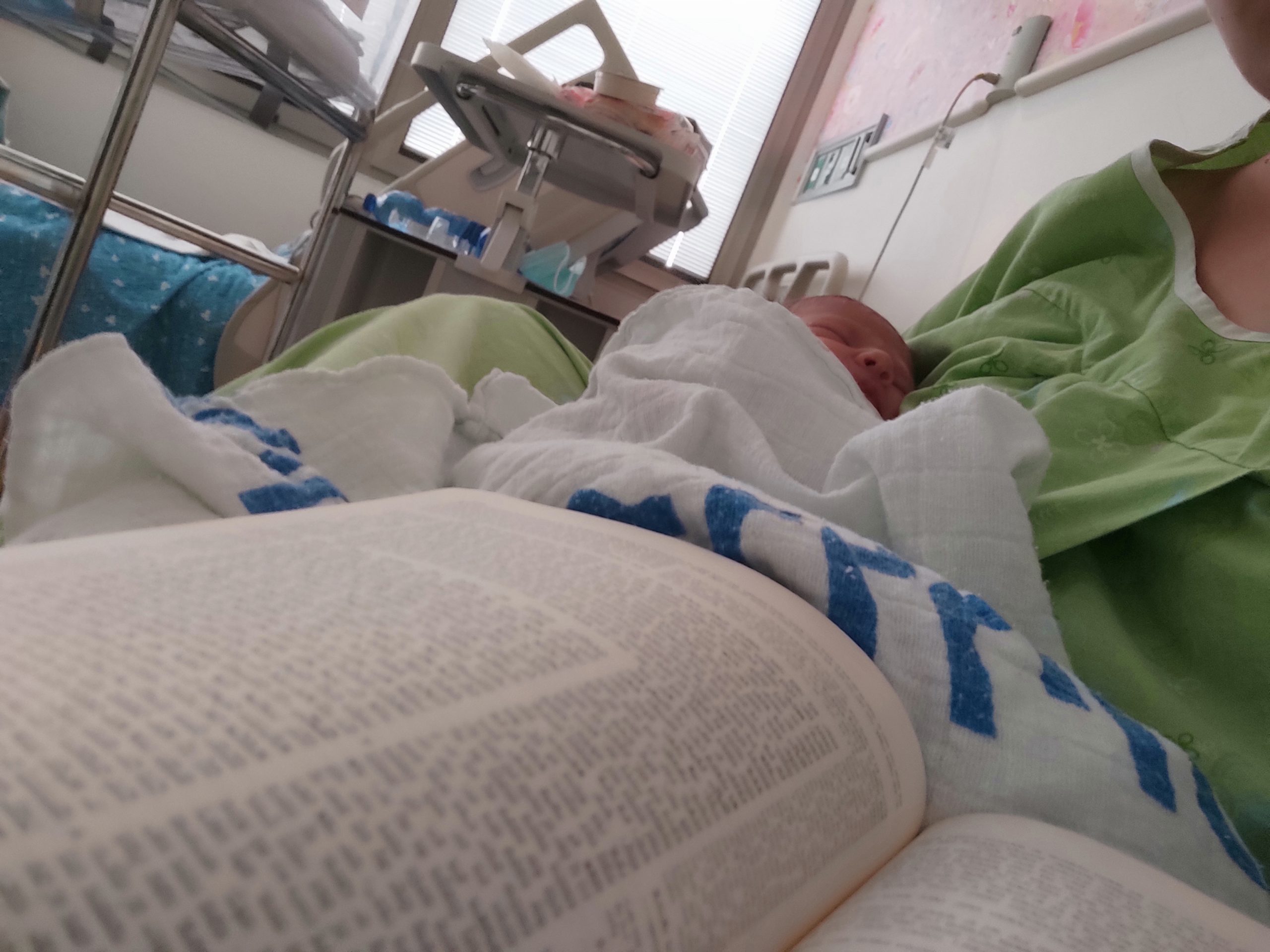
רבבה, ישראל
התחלתי ללמוד בסבב הנוכחי לפני כשנתיים .הסביבה מתפעלת ותומכת מאוד. אני משתדלת ללמוד מכל ההסכתים הנוספים שיש באתר הדרן. אני עורכת כל סיום מסכת שיעור בביתי לכ20 נשים שמחכות בקוצר רוח למפגשים האלו.
יהוד, ישראל
אני לומדת גמרא כעשור במסגרות שונות, ואת הדף היומי התחלתי כשחברה הציעה שאצטרף אליה לסיום בבנייני האומה. מאז אני לומדת עם פודקסט הדרן, משתדלת באופן יומי אך אם לא מספיקה, מדביקה פערים עד ערב שבת. בסבב הזה הלימוד הוא "ממעוף הציפור”, מקשיבה במהירות מוגברת תוך כדי פעילויות כמו בישול או נהיגה, וכך רוכשת היכרות עם הסוגיות ואופן ניתוחם על ידי חז”ל. בע”ה בסבב הבא, ואולי לפני, אצלול לתוכו באופן מעמיק יותר.

רמת גן, ישראל
באירוע של הדרן בנייני האומה. בהשראתה של אמי שלי שסיימה את הש”ס בסבב הקודם ובעידוד מאיר , אישי, וילדיי וחברותיי ללימוד במכון למנהיגות הלכתית של רשת אור תורה סטון ומורתיי הרבנית ענת נובוסלסקי והרבנית דבורה עברון, ראש המכון למנהיגות הלכתית.
הלימוד מעשיר את יומי, מחזיר אותי גם למסכתות שכבר סיימתי וידוע שאינו דומה מי ששונה פרקו מאה לשונה פרקו מאה ואחת במיוחד מרתקים אותי החיבורים בין המסכתות
מודיעין, ישראל
בסוף הסבב הקודם ראיתי את השמחה הגדולה שבסיום הלימוד, בעלי סיים כבר בפעם השלישית וכמובן הסיום הנשי בבנייני האומה וחשבתי שאולי זו הזדמנות עבורי למשהו חדש.
למרות שאני שונה בסביבה שלי, מי ששומע על הלימוד שלי מפרגן מאוד.
אני מנסה ללמוד קצת בכל יום, גם אם לא את כל הדף ובסך הכל אני בדרך כלל עומדת בקצב.
הלימוד מעניק המון משמעות ליום יום ועושה סדר בלמוד תורה, שתמיד היה (ועדיין) שאיפה. אבל אין כמו קביעות

טל מנשה, ישראל
התחלתי ללמוד דף יומי ממסכת נידה כי זה היה חומר הלימוד שלי אז. לאחר הסיום הגדול בבנייני האומה החלטתי להמשיך. וב”ה מאז עם הפסקות קטנות של קורונה ולידה אני משתדלת להמשיך ולהיות חלק.
זה משפיע מאוד על היום יום שלי ועל אף שאני עסוקה בלימודי הלכה ותורה כל יום, זאת המסגרת הקבועה והמחייבת ביותר שיש לי.

גבעת הראל, ישראל
התחלתי ללמוד דף יומי לפני שנתיים, עם מסכת שבת. בהתחלה ההתמדה היתה קשה אבל בזכות הקורונה והסגרים הצלחתי להדביק את הפערים בשבתות הארוכות, לסיים את מסכת שבת ולהמשיך עם המסכתות הבאות. עכשיו אני מסיימת בהתרגשות רבה את מסכת חגיגה וסדר מועד ומחכה לסדר הבא!

מודיעין, ישראל
התחלתי להשתתף בשיעור נשים פעם בשבוע, תכננתי ללמוד רק דפים בודדים, לא האמנתי שאצליח יותר מכך.
לאט לאט נשאבתי פנימה לעולם הלימוד .משתדלת ללמוד כל בוקר ומתחילה את היום בתחושה של מלאות ומתוך התכווננות נכונה יותר.
הלימוד של הדף היומי ממלא אותי בתחושה של חיבור עמוק לעם היהודי ולכל הלומדים בעבר ובהווה.

אפרת, ישראל
סיום השס לנשים נתן לי מוטביציה להתחיל ללמוד דף יומי. עד אז למדתי גמרא בשבתות ועשיתי כמה סיומים. אבל לימוד יומיומי זה שונה לגמרי ופתאום כל דבר שקורה בחיים מתקשר לדף היומי.
רתמים, ישראל
התחלתי בסיום הש”ס, יצאתי באורות. נשברתי פעמיים, ובשתיהם הרבנית מישל עודדה להמשיך איפה שכולם בסבב ולהשלים כשאוכל, וכך עשיתי וכיום השלמתי הכל. מדהים אותי שאני לומדת כל יום קצת, אפילו בחדר הלידה, בבידוד או בחו”ל. לאט לאט יותר נינוחה בסוגיות. לא כולם מבינים את הרצון, בפרט כפמניסטית. חשה סיפוק גדול להכיר את המושגים וצורת החשיבה. החלום זה להמשיך ולהתמיד ובמקביל ללמוד איך מהסוגיות נוצרה והתפתחה ההלכה.

מודיעין, ישראל
למדתי גמרא מכיתה ז- ט ב Maimonides School ואחרי העליה שלי בגיל 14 לימוד הגמרא, שלא היה כל כך מקובל בימים אלה, היה די ספוראדי. אחרי "ההתגלות” בבנייני האומה התחלתי ללמוד בעיקר בדרך הביתה למדתי מפוקקטסים שונים. לאט לאט ראיתי שאני תמיד חוזרת לרבנית מישל פרבר. באיזה שהוא שלב התחלתי ללמוד בזום בשעה 7:10 .
היום "אין מצב” שאני אתחיל את היום שלי ללא לימוד עם הרבנית מישל עם כוס הקפה שלי!!

חשמונאים, ישראל
התחלתי ללמוד דף יומי בסבב הקודם. זכיתי לסיים אותו במעמד המרגש של הדרן. בסבב הראשון ליווה אותי הספק, שאולי לא אצליח לעמוד בקצב ולהתמיד. בסבב השני אני לומדת ברוגע, מתוך אמונה ביכולתי ללמוד ולסיים. בסבב הלימוד הראשון ליוותה אותי חוויה מסויימת של בדידות. הדרן העניקה לי קהילת לימוד ואחוות נשים. החוויה של סיום הש”ס במעמד כה גדול כשנשים שאינן מכירות אותי, שמחות ומתרגשות עבורי , היתה חוויה מרוממת נפש

קיבוץ מגדל עוז, ישראל
התחלתי ללמוד גמרא בבית הספר בגיל צעיר והתאהבתי. המשכתי בכך כל חיי ואף היייתי מורה לגמרא בבית הספר שקד בשדה אליהו (בית הספר בו למדתי בילדותי)בתחילת מחזור דף יומי הנוכחי החלטתי להצטרף ובע”ה מקווה להתמיד ולהמשיך. אני אוהבת את המפגש עם הדף את "דרישות השלום ” שמקבלת מקשרים עם דפים אחרים שלמדתי את הסנכרון שמתחולל בין התכנים.

מעלה גלבוע, ישראל
My explorations into Gemara started a few days into the present cycle. I binged learnt and become addicted. I’m fascinated by the rich "tapestry” of intertwined themes, connections between Masechtot, conversations between generations of Rabbanim and learners past and present all over the world. My life has acquired a golden thread, linking generations with our amazing heritage.
Thank you.

חשמונאים, Israel
התחלתי לפני 8 שנים במדרשה. לאחרונה סיימתי מסכת תענית בלמידה עצמית ועכשיו לקראת סיום מסכת מגילה.

רעננה, ישראל
באירוע של הדרן בנייני האומה. בהשראתה של אמי שלי שסיימה את הש”ס בסבב הקודם ובעידוד מאיר , אישי, וילדיי וחברותיי ללימוד במכון למנהיגות הלכתית של רשת אור תורה סטון ומורתיי הרבנית ענת נובוסלסקי והרבנית דבורה עברון, ראש המכון למנהיגות הלכתית.
הלימוד מעשיר את יומי, מחזיר אותי גם למסכתות שכבר סיימתי וידוע שאינו דומה מי ששונה פרקו מאה לשונה פרקו מאה ואחת במיוחד מרתקים אותי החיבורים בין המסכתות
מודיעין, ישראל
התחלתי ללמוד בסבב הנוכחי לפני כשנתיים .הסביבה מתפעלת ותומכת מאוד. אני משתדלת ללמוד מכל ההסכתים הנוספים שיש באתר הדרן. אני עורכת כל סיום מסכת שיעור בביתי לכ20 נשים שמחכות בקוצר רוח למפגשים האלו.
יהוד, ישראל
אמא שלי למדה איתי ש”ס משנה, והתחילה ללמוד דף יומי. אני החלטתי שאני רוצה ללמוד גם. בהתחלה למדתי איתה, אח”כ הצטרפתי ללימוד דף יומי שהרב דני וינט מעביר לנוער בנים בעתניאל. במסכת עירובין עוד חברה הצטרפה אלי וכשהתחלנו פסחים הרב דני פתח לנו שעור דף יומי לבנות. מאז אנחנו לומדות איתו קבוע כל יום את הדף היומי (ובשבת אבא שלי מחליף אותו). אני נהנית מהלימוד, הוא מאתגר ומעניין

עתניאל, ישראל
קידושין מד
קְטַנָּה מִן הָאֵירוּסִין – אֵין עוֹשִׂים בָּהּ מַאֲמָר אֶלָּא מִדַּעַת אָבִיהָ. וְהַנַּעֲרָה – בֵּין מִדַּעַת עַצְמָהּ בֵּין מִדַּעַת אָבִיהָ, (מַה שֶּׁאֵין כֵּן בְּקִידּוּשִׁין).
If a minor girl was widowed after her betrothal, a surviving brother of her betrothed can perform levirate betrothal only with the consent of her father. And in the case of a young woman, he can do so either with her consent [mida’at atzmah] or with the consent of her father, unlike the halakha with regard to standard betrothal. This indicates that a young woman can accept levirate betrothal on her own, despite the fact that it removes her from her father’s authority.
אֶלָּא אִי אִיתְּמַר, הָכִי אִיתְּמַר: אָמַר רַבִּי יוֹסֵי בְּרַבִּי חֲנִינָא: מַאי טַעְמֵיהּ דְּרַבִּי יוֹחָנָן אַלִּיבָּא דְּרַבָּנַן? קִידּוּשִׁין, דְּמִדַּעְתַּהּ – אָבִיהָ וְלָא הִיא. גֵּירוּשִׁין, דִּבְעַל כֻּרְחַהּ – בֵּין הִיא בֵּין אָבִיהָ.
Rather, if it was stated, it was stated like this: Rabbi Yosei, son of Rabbi Ḥanina, says: What is the reason of Rabbi Yoḥanan, in accordance with the opinion of the Rabbis? With regard to betrothal, which takes effect only with the consent of the one who accepts the betrothal, her father can accept it but not her, since betrothal requires his approval. With regard to a bill of divorce, which can be given without her consent, either she or her father can receive it.
הֲרֵי מַאֲמָר, דְּמִדַּעְתַּהּ, וְקָתָנֵי: בֵּין הִיא וּבֵין אָבִיהָ! הָתָם בְּמַאֲמָר דִּבְעַל כֻּרְחַהּ, וְרַבִּי הִיא. דְּתַנְיָא: הָעוֹשֶׂה מַאֲמָר בִּיבִמְתּוֹ שֶׁלֹּא מִדַּעְתָּהּ, רַבִּי אוֹמֵר: קָנָה, וַחֲכָמִים אוֹמְרִים לֹא קָנָה.
The Gemara asks: But isn’t levirate betrothal valid only with her consent, like other betrothals, and yet it teaches in the baraita that either she or her father can accept it? The Gemara answers: There it is referring to levirate betrothal that is performed against her will, and it is in accordance with the opinion of Rabbi Yehuda HaNasi. As it is taught in a baraita: If a yavam performs levirate betrothal with his yevama without her consent, Rabbi Yehuda HaNasi says: The yavam acquires her. And the Rabbis say: He does not acquire her.
מַאי טַעְמֵיהּ דְּרַבִּי? גָּמַר מִבִּיאָה דִיבָמָה, מָה בִּיאָה דִיבָמָה בְּעַל כֻּרְחַהּ – אַף הָכָא נָמֵי בְּעַל כֻּרְחַהּ. וְרַבָּנַן סָבְרִי: יָלְפִינַן מִקִּידּוּשִׁין, מָה קִידּוּשִׁין דְּמִדַּעְתַּהּ – אַף הָכָא נָמֵי דְּמִדַּעְתַּהּ.
The Gemara clarifies: What is the reason of Rabbi Yehuda HaNasi? He derives the halakha of levirate betrothal from the halakha of sexual intercourse that a yavam engages in with a yevama: Just as intercourse with the yevama renders her acquired even if it is done against her will, so too here, in the case of levirate betrothal, the yavam can betroth her against her will. And the Rabbis hold that we derive the halakha of levirate betrothal from standard betrothal: Just as betrothal can be performed only with her consent, so too here, levirate betrothal can be performed only with her consent.
בְּמַאי קָמִיפַּלְגִי? רַבִּי סָבַר: מִילֵּי דִיבָמָה מִיבָמָה הֲוָה לֵיהּ לְמֵילַף. וְרַבָּנַן סָבְרִי: קִידּוּשִׁין מִקִּידּוּשִׁין הֲוָה לֵיהּ לְמֵילַף.
The Gemara clarifies: With regard to what do they disagree? Rabbi Yehuda HaNasi holds that one should derive matters involving a yevama from other matters involving a yevama, and the marriage between a yevama and a yavam can be formalized against her will. And the Rabbis hold that one should derive matters involving betrothal from the halakhot of betrothal, as levirate betrothal is structured like standard betrothal in other respects.
הָכִי נָמֵי מִסְתַּבְּרָא כִּדְקָא מְתָרֵץ רַבִּי יוֹחָנָן, מִדְּקָתָנֵי סֵיפָא: ״מַה שֶּׁאֵין כֵּן בְּקִידּוּשִׁין״. אֶלָּא נֵימָא תֶּיהְוֵי תְּיוּבְתָּא דְּרֵישׁ לָקִישׁ? אָמַר לָךְ רֵישׁ לָקִישׁ: הָא מַנִּי – רַבִּי יְהוּדָה הִיא, דְּאָמַר: אֵין שְׁתֵּי יָדַיִם זוֹכוֹת כְּאַחַת.
The Gemara comments: So too, it is reasonable to rule with regard to betrothal as Rabbi Yoḥanan explains, that only the father can accept betrothal, from the fact that it teaches in the latter clause of the baraita that with regard to levirate betrothal, in the case of a young woman, the yavam can perform it either with her consent or with the consent of her father, unlike the halakha with regard to standard betrothal. This indicates that she can be betrothed in standard betrothal only with her father’s agreement. The Gemara asks: Then shall we say that this should be a conclusive refutation of the opinion of Reish Lakish, who holds that according to the Rabbis a young woman can also accept her own betrothal? The Gemara answers: Reish Lakish could have said to you: In accordance with whose opinion is this baraita? It is in accordance with the opinion of Rabbi Yehuda, who says: Two hands do not acquire an item as one.
אִי רַבִּי יְהוּדָה, מַה שֶּׁאֵין כֵּן בְּקִידּוּשִׁין?! מַה שֶּׁאֵין כֵּן בְּגֵירוּשִׁין מִיבְּעֵי לֵיהּ! אִין הָכִי נָמֵי, אַיְּידֵי דִּתְנָא מַאֲמָר דְּדָמֵי לְקִידּוּשִׁין, תְּנָא נָמֵי: מַה שֶּׁאֵין כֵּן בְּקִידּוּשִׁין.
The Gemara asks: If it is in accordance with the opinion of Rabbi Yehuda, why does the baraita state: Unlike the halakha with regard to standard betrothal? It should have stated: Unlike the halakha with regard to divorce, as Rabbi Yehuda stated his opinion in the mishna with regard to divorce, not betrothal. The Gemara answers: Yes, it is indeed so, it should have referred to divorce, but since it taught the halakha of levirate betrothal, which is similar to betrothal, it also taught: Unlike the halakha with regard to standard betrothal.
וְרַבִּי יְהוּדָה, מַאי שְׁנָא מַאֲמָר? הוֹאִיל וּזְקוּקָה וְעוֹמֶדֶת. הַשְׁתָּא דְּאָתֵית לְהָכִי, רַבִּי יוֹחָנָן נָמֵי לָא תִּיקְשֵׁי לָךְ מֵעִיקָּרָא: שָׁאנֵי מַאֲמָר, הוֹאִיל וּזְקוּקָה וְעוֹמֶדֶת.
The Gemara asks: And according to the opinion of Rabbi Yehuda, in what way is levirate betrothal different from divorce? Why can a young woman accept the former but not receive a bill of divorce, when both levirate betrothal and divorce can be performed without her consent? The Gemara answers: The halakha of levirate betrothal is different. Since she is bonded to the yavam and standing in wait for him, acceptance of the betrothal money by the yevama suffices to effect the levirate betrothal. The Gemara comments: Now that you have arrived at this explanation, the statement of Rabbi Yoḥanan also should not pose a difficulty for you from the outset. One cannot question his statement with regard to the Rabbis’ opinion in the case of betrothal. Levirate betrothal is different, since the yevama is bonded to the yavam and standing in wait for him.
תְּנַן: הָאִישׁ מְקַדֵּשׁ אֶת בִּתּוֹ כְּשֶׁהִיא נַעֲרָה, בּוֹ וּבִשְׁלוּחוֹ. בּוֹ וּבִשְׁלוּחוֹ – אִין, בָּהּ וּבִשְׁלוּחָהּ – לָא, תְּיוּבְתָּא דְּרֵישׁ לָקִישׁ! אָמַר לָךְ רֵישׁ לָקִישׁ: הָא נָמֵי רַבִּי יְהוּדָה הִיא.
We learned in the mishna that a man can betroth his daughter to a man when she is a young woman, by himself or by means of his agent. The Gemara analyzes this: Yes, he can betroth her by himself or by means of his agent, but no, she cannot become betrothed by herself or by means of her agent. This is a conclusive refutation of Reish Lakish, who holds that according to the opinion of the Rabbis a young woman can accept her own betrothal. The Gemara answers: Reish Lakish could have said to you: This mishna too is in accordance with the opinion of Rabbi Yehuda.
וּמִי מָצֵית מוֹקְמַתְּ לַהּ כְּרַבִּי יְהוּדָה? וְהָקָתָנֵי סֵיפָא: הָאוֹמֵר לְאִשָּׁה: ״הִתְקַדְּשִׁי לִי בִּתְמָרָה זוֹ״, ״הִתְקַדְּשִׁי לִי בָּזוֹ״ וְאָמְרִינַן: מַאן תַּנָּא ״הִתְקַדְּשִׁי״ ״הִתְקַדְּשִׁי״?
The Gemara asks: But can you establish this mishna in accordance with the opinion of Rabbi Yehuda? But the last clause, in the following mishna (46b), teaches: In the case of one who says to a woman: Be betrothed to me with this date and adds: Be betrothed to me with that date, she is betrothed only if one of them is worth one peruta on its own. And we say: Who is the tanna who taught that the two dates are valued separately only if he said: Become betrothed and: Become betrothed, in a separate statement when giving each date, but that if he said: Become betrothed, only once, the value of the two dates are added together?
וְאָמַר רַבָּה: רַבִּי שִׁמְעוֹן הִיא, דְּאָמַר: עַד שֶׁיֹּאמַר שְׁבוּעָה לְכׇל אֶחָד וְאֶחָד!
And Rabba said: It is Rabbi Shimon, who says that one is not liable to bring multiple offerings for taking false oaths to multiple people in the same utterance. For example, if one says: I take an oath that I do not have your item, nor yours, nor yours, he brings a single offering. This is the halakha unless one states an expression of an oath to each and every one of the plaintiffs, by stating: I take an oath I do not have yours; I take an oath I do not have yours, in which case he brings multiple offerings. Consequently, the tanna of this mishna is Rabbi Shimon, not Rabbi Yehuda.
וְכִי תֵּימָא כּוּלַּהּ רַבִּי יְהוּדָה, וּבִפְרָטֵי סָבַר לַהּ כְּרַבִּי שִׁמְעוֹן, וּמִי סָבַר לַהּ?
And if you would say that the tanna of the entire mishna concerning betrothal is Rabbi Yehuda, and that with regard to the specification of separate oaths he holds in accordance with the opinion of Rabbi Shimon, this cannot be. But does he in fact hold in accordance with the opinion of Rabbi Shimon with regard to the specification of separate oaths?
וְהָתַנְיָא: זֶה הַכְּלָל: כָּלַל – אֵינוֹ חַיָּיב אֶלָּא אַחַת, פָּרַט – חַיָּיב עַל כׇּל אַחַת וְאַחַת, דִּבְרֵי רַבִּי מֵאִיר. רַבִּי יְהוּדָה אוֹמֵר: ״שְׁבוּעָה לֹא לָךְ, לֹא לָךְ, לֹא לָךְ״ – חַיָּיב עַל כׇּל אַחַת וְאַחַת. רַבִּי אֱלִיעֶזֶר אוֹמֵר: ״לֹא לָךְ, לֹא לָךְ, לֹא לָךְ וְלֹא לָךְ שְׁבוּעָה״ – חַיָּיב עַל כׇּל אַחַת וְאַחַת. רַבִּי שִׁמְעוֹן אוֹמֵר: לְעוֹלָם אֵינוֹ חַיָּיב עַד שֶׁיֹּאמַר שְׁבוּעָה לְכׇל אֶחָד וְאֶחָד.
But isn’t it taught in a baraita: This is the principle with regard to one’s liability to bring offerings for a false oath: If he included all the statements in one oath he is liable for only one oath, but if he specified them, he is liable for each and every one; this is the statement of Rabbi Meir. Rabbi Yehuda says: If one said: I take an oath that I do not have your deposit, nor yours, nor yours, nor yours, and he was found to have taken a false oath, he is liable to bring an offering for each and every one. Rabbi Eliezer says: If he said: I do not have yours, nor yours, nor yours, and nor yours, I take an oath, then he is liable for each and every one. Since he stated the oath at the end, it refers back to each element of his statement. Rabbi Shimon says: He is liable to bring more than one offering only if he states an expression of an oath for each and every one. This indicates that Rabbi Yehuda disagrees with Rabbi Shimon with regard to the question of when oaths are considered distinct.
אֶלָּא: כּוּלַּהּ רַבִּי שִׁמְעוֹן הִיא, וּבִשְׁלִיחוּת סָבַר לַהּ כְּרַבִּי יְהוּדָה.
Rather, the Gemara explains in the opposite manner: The tanna of the entire mishna concerning betrothal is Rabbi Shimon, and with regard to the halakha of agency he holds in accordance with the opinion of Rabbi Yehuda, that only the father of a young woman can appoint an agent to accept her betrothal or receive her bill of divorce.
רַבִּי אַסִּי לָא עָל לְבֵי מִדְרְשָׁא. אַשְׁכְּחֵיהּ לְרַבִּי זֵירָא, אֲמַר לֵיהּ: מַאי אֲמוּר הָאִידָּנָא בֵּי מִדְרְשָׁא? אֲמַר לֵיהּ: אַף אֲנָא לָא עֲיַילִ[י], רַבִּי אָבִין הוּא דְּעָיֵיל וַאֲמַר: חַבְרוּתָא כּוּלַּהּ כְּרַבִּי יוֹחָנָן. וּצְוַוח רֵישׁ לָקִישׁ כִּי כְרוּכְיָא: ״וְיָצְאָה. וְהָיְתָה״, וְלֵיכָּא דְּאַשְׁגַּח בֵּיהּ. אֲמַר לֵיהּ: רַבִּי אָבִין בַּר סַמְכָא הוּא? אֲמַר לֵיהּ: אִין, כְּמִין יַמָּא לְטִיגְנֵי הוּא.
The Gemara relates: One day Rabbi Asi did not go to the study hall. He found Rabbi Zeira and said to him: What was said today in the study hall? Rabbi Zeira said to him: I too did not go, but Rabbi Avin is the one who went, and he said: The entire coterie sided with the opinion of Rabbi Yoḥanan that there is a difference between betrothal and divorce in the case of a young woman. And Reish Lakish screamed at them like a crane: Doesn’t the verse state: “And she departs out of his house and goes and becomes another man’s wife” (Deuteronomy 24:2), juxtaposing the halakhot of divorce and betrothal? But no one paid any attention to him. Rabbi Asi said to him: Is Rabbi Avin reliable? Can one be sure that he transmitted an accurate report? Rabbi Zeira said to him: Yes, in this case he can be trusted, since the elapsed time was only like the interval between catching a fish from the sea and bringing it to a frying pan [tignei].
אָמַר רַב נַחְמָן בַּר יִצְחָק: אֲנָא, לָא רַבִּי אָבִין בְּרַבִּי חִיָּיא, וְלָא רַבִּי אָבִין בַּר כָּהֲנָא, אֶלָּא רַבִּי אָבִין סְתָם. לְמַאי נָפְקָא מִינַּהּ? לְמִירְמֵא דִּידֵיהּ אַדִּידֵיהּ.
Rav Naḥman bar Yitzḥak says: When I quote this statement, I do not state it in the name of Rabbi Avin, son of Rabbi Ḥiyya, nor Rabbi Avin bar Kahana, but in the name of Rabbi Avin, without specification. The Gemara asks: What difference is there? Why does it matter which Rabbi Avin is cited as the source of this statement? The Gemara answers: It would matter if one were to raise a contradiction between one of his rulings and another one of his rulings. If there were to be a conflicting opinion attributed to a specific Rabbi Avin, e.g., Rabbi Avin, son of Rabbi Ḥiyya, it would not be a true contradiction, as this statement might have been issued by a different Rabbi Avin.
בְּעָא מִינֵּיהּ רָבָא מֵרַב נַחְמָן:
Rava asked Rav Naḥman:
נַעֲרָה, מַהוּ שֶׁתַּעֲשֶׂה שָׁלִיחַ לְקַבֵּל גִּיטָּהּ מִיַּד בַּעְלָהּ? כְּיַד אָבִיהָ דָּמְיָא, אוֹ כַּחֲצַר אָבִיהָ דָּמְיָא? כְּיַד אָבִיהָ דָּמְיָא, מָה אֲבִיָּה מְשַׁוֵּי שָׁלִיחַ – אַף הִיא נָמֵי מְשַׁוְּיָא שָׁלִיחַ. אוֹ דִילְמָא כַּחֲצַר אָבִיהָ דָּמְיָא, וְעַד דְּמָטֵיא גִּיטָּא לִידַהּ לָא מִיגָּרְשָׁה.
According to the Rabbis, who hold that a young woman can accept her own bill of divorce, what is the halakha with regard to the ability of a young woman to appoint an agent to receive her bill of divorce from the hand of her husband? The Gemara explains the two sides of this question: Since a young woman is under her father’s jurisdiction, is she, with regard to acquisitions, considered like an extension of her father’s hand, or is she considered like her father’s courtyard? The Gemara clarifies: She might be considered like her father’s hand, and just as her father can appoint an agent, so too she can appoint an agent. Or perhaps she is considered like her father’s courtyard, and therefore she is not divorced until the bill of divorce actually reaches her possession, as a courtyard cannot appoint an agent, but it can receive a bill of divorce, in the sense that a bill of divorce thrown in his courtyard is considered to be in his possession.
וּמִי מְסַפְּקָא לֵיהּ לְרָבָא הָא? וְהָאָמַר רָבָא: כָּתַב גֵּט וּנְתָנוֹ בְּיַד עַבְדָּהּ יָשֵׁן וּמְשַׁמַּרְתּוֹ – הֲרֵי זֶה גֵּט. נֵיעוֹר – אֵינוֹ גֵּט. נֵיעוֹר אַמַּאי אֵינוֹ גֵּט – דְּהָוְיָא לַהּ חָצֵר מִשְׁתַּמֶּרֶת שֶׁלֹּא לְדַעְתָּהּ. וְאִי סָלְקָא דַעְתָּךְ כַּחֲצַר אָבִיהָ דָּמְיָא, כִּי מְטָא גִּיטַּהּ לִידַהּ נָמֵי לָא תִּיגָּרַשׁ, דְּהָוְיָא לַהּ חָצֵר הַמִּשְׁתַּמֶּרֶת שֶׁלֹּא לְדַעַת אָבִיהָ!
The Gemara asks: And is Rava uncertain about this matter? But doesn’t Rava say: If one wrote a bill of divorce and placed it in the hand of his wife’s slave, who is sleeping, but she is guarding him, then it is a valid bill of divorce. If the slave was awake, then it is not a valid bill of divorce. Why is it not a valid bill of divorce if he is awake? It is because the slave is for her a courtyard that is not consciously secured by her, i.e., when the slave is awake, he is not fully controlled by her. And if it enters your mind that a young woman is considered like her father’s courtyard, then even when the bill of divorce reaches her possession she should not be divorced, since she is like a courtyard that is not consciously secured by her father.
אֶלָּא לְעוֹלָם פְּשִׁיטָא לֵיהּ דְּכִי יַד אָבִיהָ דָּמְיָא, וְהָכִי קָמִיבַּעְיָא לֵיהּ: מִי אַלִּימָא כְּיַד אָבִיהָ לְשַׁוּוֹיֵי אִיהִי שָׁלִיחַ, אוֹ לָא? אֲמַר לֵיהּ: אֵין עוֹשָׂה שָׁלִיחַ.
Rather, it is actually obvious to Rava that a young woman is considered like her father’s hand and not like his courtyard, and this is what he was asking: Is she just as strong as her father’s hand, to the extent that she can appoint an agent, or not? Rav Naḥman said to him: She cannot appoint an agent.
אֵיתִיבֵיהּ: קְטַנָּה שֶׁאָמְרָה: ״הִתְקַבֵּל לִי גִּיטִּי״ – אֵינוֹ גֵּט עַד שֶׁיַּגִּיעַ גֵּט לְיָדָהּ. הָא נַעֲרָה – הֲרֵי זֶה גֵּט! הָכָא בְּמַאי עָסְקִינַן – בְּשֶׁאֵין לַהּ אָב.
Rava raised an objection to him from a mishna (Gittin 65a): In the case of a minor girl who said to an agent: Receive my bill of divorce for me, it is not a valid bill of divorce until the bill of divorce reaches her possession, since a minor is not considered halakhically competent and cannot appoint an agent. Rava inferred from this: But in the case of a young woman, it is a bill of divorce, which indicates that a young woman can appoint an agent. The Gemara answers: With what are we dealing here? With a situation where she does not have a father, and she can appoint an agent since she is of age and is under her own authority. But a betrothed young woman whose father is still alive is under his authority and cannot appoint an agent.
הָא מִדְּקָתָנֵי סֵיפָא: אִם אָמַר אָבִיהָ: ״צֵא וְקַבֵּל גֵּט לְבִתִּי״, אִם רָצָה בַּעַל לַחֲזוֹר בּוֹ – לֹא יַחְזוֹר. מִכְּלָל דְּרֵישָׁא בִּדְיֵשׁ לָהּ אָב עָסְקִינַן! חַסּוֹרֵי מִיחַסְּרָא וְהָכִי קָתָנֵי: קְטַנָּה שֶׁאָמְרָה: ״הִתְקַבֵּל לִי גִּיטִּי״ – אֵינוֹ גֵּט, עַד שֶׁיַּגִּיעַ גֵּט לְיָדָהּ. הָא נַעֲרָה – הֲרֵי זֶה גֵּט. בַּמֶּה דְּבָרִים אֲמוּרִים – כְּשֶׁאֵין לָהּ אָב, אֲבָל יֵשׁ לָהּ אָב וְאָמַר אָבִיהָ: ״צֵא וְקַבֵּל לְבִתִּי גִּיטָּהּ״, וְרוֹצֶה בַּעַל לַחְזוֹר – לֹא יַחְזוֹר.
The Gemara asks: But from the fact that the latter clause of that same mishna teaches: If her father said to an agent: Go out and receive a bill of divorce for my daughter, then if the husband seeks to retract his decision after he has given the bill of divorce to the agent he cannot retract it, since it is as though the bill of divorce reached her possession, by inference, one can say that in the first clause we are dealing with a case where she has a father. The Gemara answers: The mishna is incomplete and this is what it is teaching: In the case of a minor girl who said: Receive my bill of divorce for me, it is not a bill of divorce until the bill of divorce reaches her possession. But in the case of a young woman, it is a bill of divorce as soon as it reaches her agent’s possession. In what case is this statement said? It is said when she does not have a father. But if she has a father, and her father said to an agent: Go out and receive my daughter’s bill of divorce on her behalf, and the husband seeks to retract his decision, he cannot retract it.
אִיתְּמַר: קְטַנָּה שֶׁנִּתְקַדְּשָׁה שֶׁלֹּא לְדַעַת אָבִיהָ, אָמַר שְׁמוּאֵל: צְרִיכָה גֵּט, וּצְרִיכָה מֵיאוּן. אָמַר קַרְנָא: דְּבָרִים בְּגוֹ: אִם גֵּט, לָמָּה מֵיאוּן? אִם מֵיאוּן, לָמָּה גֵּט?
§ It was stated that amora’im disagreed in the case of a minor who became betrothed without her father’s consent. Shmuel says: If her husband seeks to divorce her she requires a bill of divorce to sever the marriage, and she also requires refusal, which annuls a betrothal that is valid by rabbinic law but not by Torah law. Karna says: There are puzzling matters included within this statement, since it is self-contradictory: If she needs a bill of divorce, and the betrothal is evidently treated as a proper betrothal, why does she require refusal? Conversely, if she requires refusal, indicating that her betrothal was of no consequence by Torah law, why does she require a bill of divorce?
אֲמַרוּ לֵיהּ: הָא מָר עוּקְבָא וּבֵי דִינֵיהּ בְּכַפְרִי. אַפְכוּהָ, שַׁדְּרוּהָ לְקַמֵּיהּ דְּרַב. אֲמַר לְהוּ: הָאֱלֹהִים! צְרִיכָה גֵּט, וּצְרִיכָה מֵיאוּן. וְחַס לֵיהּ לְזַרְעֵיהּ דְּאַבָּא בַּר אַבָּא, דְּנֵימָא הָכִי.
The Sages said to him: Now that Mar Ukva and his court are in the town of Kafrei, let us pose the question to them. Furthermore, they reversed the names of the respective opinions of Shmuel and Karna and sent the question before Rav. He said to the messengers in the form of an oath: By God! She requires a bill of divorce and she requires refusal. And God forbid that the seed of Abba bar Abba, i.e., Shmuel, should say such a thing, that she does not require both.
וְטַעְמָא מַאי? אָמַר רַב אַחָא בְּרֵיהּ דְּרַב אִיקָא: צְרִיכָה גֵּט – שֶׁמָּא נִתְרַצָּה הָאָב בְּקִידּוּשִׁין, צְרִיכָה מֵיאוּן – שֶׁמָּא לֹא נִתְרַצָּה הָאָב בְּקִידּוּשִׁין, וְיֹאמְרוּ אֵין קִידּוּשִׁין תּוֹפְסִין בַּאֲחוֹתָהּ.
The Gemara asks: And what is the reason that there is a need for both a bill of divorce and refusal? Rav Aḥa, son of Rav Ika, said: She requires a bill of divorce because perhaps the father desired the betrothal, which would mean it would take effect retroactively. She also requires refusal because perhaps the father did not desire the betrothal, and it did not take effect. If she receives only a bill of divorce, and her former husband proceeds to betroth her sister, people will say that the betrothal does not take effect with her sister. The halakha is that betrothal can take effect with the sister of one’s wife or former wife only after the first wife has died. She is therefore required to perform refusal, to indicate that the validity of her betrothal was uncertain. If he later betroths her sister, he would be required to divorce her due to the uncertainty if this second betrothal took effect.
אָמַר רַב נַחְמָן: וְהוּא שֶׁשִּׁדְּכוּ.
Rav Naḥman said: And this concern that the father of a minor might later state that he desired her betrothal is relevant only when they arranged the match before she betrothed herself, as in that case it is likely that the father desired the betrothal.
עוּלָּא אָמַר: אֲפִילּוּ מֵיאוּן אֵינָהּ צְרִיכָה. אַף עַל גַּב דְּשִׁידְּכוּ? מַאן דְּמַתְנֵי הָא, לָא מַתְנֵי הָא. אִיכָּא דְּאָמְרִי אָמַר עוּלָּא: קְטַנָּה שֶׁנִּתְקַדְּשָׁה שֶׁלֹּא לְדַעַת אָבִיהָ – אֲפִילּוּ מֵיאוּן אֵינָהּ צְרִיכָה.
The Gemara quotes another opinion. Ulla said: If a minor accepted betrothal without her father’s consent, her betrothal does not take effect, and she does not even require refusal. The Gemara asks: Does Ulla’s statement apply even though they arranged the match? The Gemara answers: He who teaches this does not teach that. The one who cited Ulla’s statement does not hold that Shmuel’s ruling applies only in the case of an arranged match, rather it applies in all cases. According to this opinion, Ulla stated his halakha only in a case where the match was not arranged. There are those who say that Ulla says: If a minor became betrothed without her father’s consent, she does not even require refusal, including a case where the match was arranged.
מֵתִיב רַב כָּהֲנָא: וְכוּלָּן, אִם מֵתוּ, אוֹ מֵיאֲנוּ, אוֹ נִתְגָּרְשׁוּ, אוֹ שֶׁנִּמְצְאוּ אַיְילוֹנִיּוֹת – צָרוֹתֵיהֶן מוּתָּרוֹת.
Rav Kahana raises an objection: The mishna in Yevamot (2a) teaches that if a potential yevama is in one of the fifteen categories of women forbidden to the yavam as a relative, not only is she forbidden to him, but he also may not perform levirate marriage with any of her rival wives. The Sages then clarified this halakha: And if, before the husband had died, any of those forbidden women had died, or had performed refusal; or had been divorced; or had been found to be a sexually underdeveloped woman [ailonit], who is incapable of bearing children, then her rival wives are permitted to the yavam.
דְּקַדְּשַׁהּ מַאן? אִילֵימָא דְּקַדְּשַׁהּ אָבִיהָ, בְּמֵיאוּן סַגִּי לַהּ?! גֵּט מְעַלְּיָא בָּעֲיָא! אֶלָּא לָאו דְּקַדִּשָׁה אִיהִי נַפְשַׁהּ, וְקָתָנֵי דְּבָעֲיָא מֵיאוּן!
Rav Kahana focuses on the case of one who performed refusal: With regard to this refusal that she performed, what type of betrothal did it follow? When she was betrothed by whom? If we say that her father betrothed her to the brother who died, is refusal alone enough for her to dissolve the marriage? Doesn’t she require a proper bill of divorce? Rather, is it not referring to a case where she betrothed herself when she was a minor, and the mishna nevertheless teaches that she requires refusal. This presents a difficulty for Ulla, who holds that she does not need even refusal.
הוּא מוֹתֵיב לַהּ וְהוּא מְפָרֵק לַהּ: כְּגוֹן שֶׁנַּעֲשָׂה לָהּ מַעֲשֵׂה יְתוֹמָה בְּחַיֵּי הָאָב.
The Gemara comments: Rav Kahana raised the objection and he resolved it: The mishna refers to a case where she became like an orphan in her father’s lifetime, i.e., her father betrothed her to a man, and she was subsequently widowed or divorced while still a minor. In that case, the same halakha as that of an orphan applies to her, in that her father does not have the right to betroth her again, although he is still alive. If she then would betroth herself, her betrothal is not effective by Torah law, because she is still a minor. It does take effect by rabbinic law, and she can annul that marriage by performing refusal. This would not be a question for Ulla, as he stated his ruling in a case where it was the first betrothal of the minor.
מֵתִיב רַב הַמְנוּנָא: אֵין מוֹכְרָהּ לִקְרוֹבִים. מִשּׁוּם רַבִּי אֶלְעָזָר אָמְרוּ: מוֹכְרָהּ לִקְרוֹבִים.
Rav Hamnuna raises an objection: It is taught in a baraita with regard to a Hebrew maidservant: A father cannot sell his minor daughter as a Hebrew maidservant to her relatives because the Torah requires that the one who purchases a maidservant be able to marry her. The Sages said in the name of Rabbi Elazar: He can sell her even to her relatives, as sometimes a Hebrew maidservant serves only in that capacity, without marrying the master.

