חיפוש

קידושין מו

רוצה להקדיש לימוד?

podcast placeholder

0:00
0:00


תקציר

הדף היום מוקדש ע”י גלנדה סאקס לכבוד שרי אסרמן ביום הולדתה ולע”נ אמא של שרי.

הדף היום מוקדש ע”י משפחת הדרן בזום לכבוד חברתן דליה לוי על נישואיהם של בנה אמיתי לוי לשירלי נוימן.

קטנה שנתקדשה ונישאה לכהן שלא מדעת אביה, האם היא יכולה לאכול בתרומה? איך שונה מקרה הזה מהמקרים הקודמים? מי שקידש אשה על ידי תמרים ועם כל תמר שנתן לה, אמר "התקדשי לי בזו,” צריך שיהא באחד מהם שווה פרוטה. אם אמר "התקדשי לי בזו ובזו ובזו,” אז צריך שווה פרוטה בין כולם. אם היא אכלה כל תמר בדיוק כשנתן לה, צריך שיהא באחד מהם שווה פרוטה. האם הדין האחרון הזה נאמר על המקרה הראשון או על המקרה השני ("התקדשי… התקדשי” או "בזו ובזו ובזו”? המקדש אחותו, האם הכסף ניתן לה כפקדון (והיא חייבת להחזיר) או כמתנה (והיא לא חייבת להחזיר)? רב ושמואל חולקים ורבינא מעלה קושי נגד שמואל ופותר את הקושי.

קידושין מו

נִרְאִין דִּבְרֵי תַלְמִיד. אָמַר רָבָא: מַאי טַעְמָא דְּרַב הוּנָא – הוֹאִיל וְנַעֲשָׂה בָּהּ מַעֲשֵׂה יְתוֹמָה בְּחַיֵּי הָאָב.

Rather, the statement of the student seems reasonable. Although Rav Yirmeya bar Abba was like a student compared with Rav Huna, his opinion makes more sense. Rava said: What is the reason of Rav Huna? Since an action was done with her that renders her like an orphan in the lifetime of her father, she is considered married and may partake of teruma. The fact that her father ignored both her betrothal and her marriage indicates that he has waived his rights to control whom she marries. She is therefore considered like an orphan, whose marriage is valid with her own consent.

אִיתְּמַר: קְטַנָּה שֶׁנִּתְקַדְּשָׁה שֶׁלֹּא לְדַעַת אָבִיהָ, אָמַר רַב: בֵּין הִיא וּבֵין אָבִיהָ יְכוֹלִין לְעַכֵּב. וְרַב אַסִּי אָמַר: אָבִיהָ וְלֹא הִיא. אֵיתִיבֵיהּ רַב הוּנָא לְרַב אַסִּי, וְאָמְרִי לַהּ חִיָּיא בַּר רַב לְרַב אַסִּי: ״אִם מָאֵן יְמָאֵן אָבִיהָ״, אֵין לִי אֶלָּא אָבִיהָ, הִיא עַצְמָהּ מִנַּיִן? תַּלְמוּד לוֹמַר: ״אִם מָאֵן יְמָאֵן״ – מִכׇּל מָקוֹם.

§ It was stated that amora’im disputed the following issue: In the case of a minor girl who became betrothed without her father’s consent, Rav says: Either she or her father is able to prevent the betrothal from taking effect. And Rav Asi says: Her father can prevent it but not she, since she initially agreed. Rav Huna raised an objection to Rav Asi, and some say it was Ḥiyya bar Rav who raised an objection to Rav Asi: The baraita states in the case of a seduced woman: “If her father refuses to give her to him, he shall pay money according to the dowry of virgins” (Exodus 22:16). The Sages expounded: I have derived only the halakha that her father can refuse to give her to the seducer in marriage; from where do I derive that she herself can also refuse? The verse states: “If he refuses [ma’en yema’en].” The repetition of the verb indicates that the right of refusal exists in any case. Despite the fact that she was seduced, she can change her mind and say that she does not want to marry him.

אֲמַר לְהוּ רַב: לָא תֵּיזְלוּ בָּתַר אִיפְּכָא. יָכֵול לְשַׁנּוֹיֵי לְכוּ: כְּגוֹן שֶׁפִּיתָּהּ שֶׁלֹּא לְשׁוּם אִישׁוּת. פִּיתָּהּ שֶׁלֹּא לְשׁוּם אִישׁוּת קְרָא בָּעֵי? אָמַר רַב נַחְמָן בַּר יִצְחָק: לוֹמַר שֶׁמְּשַׁלֵּם קְנָס כִּמְפוּתָּה.

Rav said to those who tried to offer support for his opinion: Do not go after the opposite, i.e., do not cite a proof from a source that could be understood in the opposite manner. Rav Asi can answer your argument by claiming that the baraita is referring to a case where he initially seduced her not for the sake of marriage. Their initial act of intercourse was not performed in order to effect betrothal, so they are not betrothed. The Gemara questions this: In the case of a seduction that is not for the sake of marriage, is a verse required to teach that she can refuse to marry him? Rav Naḥman bar Yitzḥak says: It serves to say that if she refuses to marry him despite her father’s consent to the match, the seducer nevertheless pays the fine like a standard case of a seduced woman. The obligation to pay the fine is not only for a case where her father refuses to let her marry the seducer.

אֲמַר לֵיהּ רַב יוֹסֵף: אִי הָכִי, הַיְינוּ דִּתְנֵינָא: ״מָהֹר יִמְהָרֶנָּה לּוֹ לְאִשָּׁה״ – שֶׁצְּרִיכָה הֵימֶנּוּ קִידּוּשִׁין. וְאִם פִּיתָּהּ לְשׁוּם אִישׁוּת, קִידּוּשִׁין לְמָה לִי? אֲמַר לֵיהּ אַבָּיֵי: צְרִיכָה קִידּוּשִׁין לְדַעַת אָבִיהָ.

Rav Yosef said to him: If so, if the baraita is discussing a case where intercourse was not performed to effect betrothal, this is what we learned in a baraita with regard to a seduced woman: “He shall pay a dowry for her to be his wife” (Exodus 22:15). This teaches that she requires betrothal from him. And if the verse is speaking of one who seduced her for the sake of marriage, why do I need betrothal? The act of intercourse can serve as the betrothal. Rather, the baraita must be referring to a case where he seduced her not for the sake of marriage. Abaye said to him: Even if he seduced her for the sake of marriage, she requires an additional betrothal with her father’s consent, since she is a minor and became betrothed without it.

מַתְנִי׳ הָאוֹמֵר לְאִשָּׁה ״הִתְקַדְּשִׁי לִי בִּתְמָרָה זוֹ״, ״הִתְקַדְּשִׁי לִי בָּזוֹ״ אִם יֵשׁ בְּאַחַת מֵהֶן שָׁוֶה פְּרוּטָה – מְקוּדֶּשֶׁת, וְאִם לָאו – אֵינָהּ מְקוּדֶּשֶׁת. ״בָּזוֹ וּבָזוֹ וּבָזוֹ״ אִם יֵשׁ שָׁוֶה פְּרוּטָה בְּכוּלָּן – מְקוּדֶּשֶׁת, וְאִם לָאו – אֵינָהּ מְקוּדֶּשֶׁת. הָיְתָה אוֹכֶלֶת רִאשׁוֹנָה רִאשׁוֹנָה – אֵינָהּ מְקוּדֶּשֶׁת, עַד שֶׁיְּהֵא בְּאַחַת מֵהֶן שָׁוֶה פְּרוּטָה.

MISHNA: In the case of one who says to a woman: Be betrothed to me with this date, and adds: Be betrothed to me with that one, then if one of the dates is worth one peruta she is betrothed, but if not, she is not betrothed, since he mentioned betrothal in connection with each date. But if he said: Be betrothed to me with this one, and with this one, and with this one, then even if all of them together are worth one peruta she is betrothed, but if not, she is not betrothed. If he gave her dates with the intention of betrothing her with them, and she was eating them one by one as she received them, she is not betrothed unless one of them is worth one peruta.

גְּמָ׳ מַאן תְּנָא ״הִתְקַדְּשִׁי״ ״הִתְקַדְּשִׁי״? אָמַר רַבָּה: רַבִּי שִׁמְעוֹן הִיא, דְּאָמַר עַד שֶׁיֹּאמַר שְׁבוּעָה לְכׇל אֶחָד וְאֶחָד.

GEMARA: Who is the tanna who taught that it is only if he says: Be betrothed to me, be betrothed to me, in connection with each date that each act of betrothal is considered distinct? Rabba says: It is the opinion of Rabbi Shimon, who said in the context of the laws of deposit oaths: He is never liable to bring more than one offering unless he will state an expression of an oath to each and every one.

״בָּזוֹ וּבָזוֹ וּבָזוֹ״ אִם יֵשׁ בְּכוּלָּן שָׁוֶה פְּרוּטָה כּוּ׳. אַהֵיָיא? אִילֵּימָא אַרֵישָׁא, מַאי אִירְיָא אוֹכֶלֶת? אֲפִילּוּ מִנְחַת נָמֵי, דְּהָא ״הִתְקַדְּשִׁי לִי בָּזוֹ״ קָאָמַר! אֶלָּא אַסֵּיפָא.

The mishna teaches: If one said: With this one, and with this one, and with this one, she is betrothed even if all of them together are worth one peruta. The mishna subsequently states that if she was eating the dates one by one, she is betrothed only if one of them is worth one peruta. The Gemara asks: To which clause of the mishna is the case of the woman eating the dates one by one referring? If we say it is referring to the first clause of the mishna, when he betrothed her separately with each date, why would the mishna specifically state that she ate them? Even if she placed them down without eating them the same halakha would also apply, as he said: Be betrothed to me with this date, so each date must be worth one peruta. Rather, it must be referring to the latter clause, when he said that he is betrothing her with all the dates. In such a situation, if she ate them one by one, she is betrothed only if one of them is worth one peruta.

וַאֲפִילּוּ בְּקַמַּיְיתָא? וְהָא מִלְוָה הִיא! אָמַר רַבִּי יוֹחָנָן: הֲרֵי שֻׁלְחָן, וַהֲרֵי בָּשָׂר, וַהֲרֵי סַכִּין, וְאֵין לָנוּ [פֶּה] לֶאֱכוֹל!

The Gemara proceeds to ask: And is she betrothed even if the first date is worth one peruta? But until he has given her all the dates for the betrothal, each individual date is considered to be a loan, because if he were to retract his betrothal before giving her all of the dates she would have to return them to him, and one cannot betroth a woman by giving her a loan. By the time he finishes giving her the dates, the first one has already been eaten, so it is not able to effect the betrothal. With regard to this difficulty Rabbi Yoḥanan says: There is a table, and there is meat, and there is a knife, and we have nothing to eat. In other words, everything in the mishna is explicit yet we cannot explain it.

רַב וּשְׁמוּאֵל אָמְרִי תַּרְוַיְיהוּ: לְעוֹלָם אַרֵישָׁא, וְלָא מִיבַּעְיָא קָאָמַר: לָא מִיבַּעְיָא מַנַּחַת, דְּאִי אִיכָּא שָׁוֶה פְּרוּטָה – אִין, אִי לָא – לָא. אֲבָל אוֹכֶלֶת, הוֹאִיל וּמִיקָּרְבָא הֲנָיָיתַהּ, אֵימָא גָּמְרָה וּמַקְנְיָא נַפְשַׁהּ, קָא מַשְׁמַע לַן.

Rav and Shmuel both said: Actually, the case of the woman eating the dates one by one is referring to the first clause of the mishna, where one betrothed the woman with each date separately, and it is speaking utilizing the style of: It is not necessary. The mishna stated, for stylistic reasons, a halakha that it did not need to state, and should be understood as follows: It is not necessary to state the halakha in the case of a woman who placed the dates down, that if one of them is worth one peruta, yes, she is betrothed, and if not, she is not betrothed. But in a case where she was eating them, one might think that since her benefit is immediate, say that she has decided to transfer herself to him by means of that date, although it is worth less than one peruta. The mishna therefore teaches us that she is nevertheless not betrothed.

רַבִּי אַמֵּי אָמַר: לְעוֹלָם אַסֵּיפָא, וּמַאי ״עַד שֶׁיְּהֵא בְּאַחַת מֵהֶן שָׁוֶה פְּרוּטָה״ – עַד שֶׁיְּהֵא בָּאַחֲרוֹנָה שָׁוֶה פְּרוּטָה.

Rabbi Ami said a different explanation: Actually, the case of the woman eating the dates one by one is referring to the latter clause of the mishna, where he betrothed her by giving her all of the dates. And what is the meaning of: Unless one of them is worth one peruta? It means: Unless the last of them is worth one peruta. But if one of the other dates is worth one peruta she is not betrothed, since they are considered a loan until all the dates have been given.

אָמַר רָבָא: שְׁמַע מִינַּהּ מִדְּרַבִּי אַמֵּי תְּלָת. שְׁמַע מִינַּהּ: הַמְקַדֵּשׁ בְּמִלְוָה אֵינָהּ מְקוּדֶּשֶׁת, וּשְׁמַע מִינַּהּ: הַמְקַדֵּשׁ בְּמִלְוָה וּפְרוּטָה, דַּעְתַּהּ אַפְּרוּטָה,

Rava says: Conclude three conclusions from this statement of Rabbi Ami: Conclude from it that in the case of one who betroths a woman with a loan, she is not betrothed, since she is not betrothed with a date that she has already eaten. And conclude from it that in the case of one who betroths a woman by forgiving a loan and giving her one peruta, her mind is focused on the peruta although the debt is far larger, and she will be betrothed. In the latter case, although the value of the dates she ate was more than the value of the last date, which was merely worth one peruta, she is nevertheless betrothed.

וּשְׁמַע מִינַּהּ: מָעוֹת בְּעָלְמָא – חוֹזְרִים.

And conclude from it that generally, money that was given for a betrothal that did not take effect is returned. It is not viewed as a gift, but as a loan that must be repaid. This is evident from the fact that all the dates except the last one are considered a loan that must be repaid.

אִיתְּמַר: הַמְקַדֵּשׁ אֲחוֹתוֹ, רַב אָמַר: מָעוֹת חוֹזְרִים. וּשְׁמוּאֵל אָמַר: מָעוֹת מַתָּנָה. רַב אָמַר: מָעוֹת חוֹזְרִים – אָדָם יוֹדֵעַ שֶׁאֵין קִידּוּשִׁין תּוֹפְסִין בַּאֲחוֹתוֹ, וְגָמַר וְנָתַן לְשׁוּם פִּקָּדוֹן. וְלֵימָא לַהּ לְשׁוּם פִּקָּדוֹן! סָבַר לָא מְקַבְּלָה.

§ It was stated: In the case of one who betroths his sister by giving her money, Rav says: The money of the betrothal must be returned by his sister, as this betrothal does not take effect. And Shmuel says: This money is considered to be a gift that she may keep. The Gemara clarifies their respective opinions. Rav says: The money must be returned, since a person knows that betrothal does not take effect with his sister, and he decided to give the money to her for the sake of a deposit. The Gemara raises a difficulty: And let him explicitly say to her that he is giving her the money for the sake of a deposit. The Gemara answers: He thought she would not accept it from him.

וּשְׁמוּאֵל סָבַר: מָעוֹת מַתָּנָה – אָדָם יוֹדֵעַ שֶׁאֵין קִידּוּשִׁין תּוֹפְסִין בַּאֲחוֹתוֹ, וְגָמַר וְנָתַן לְשׁוּם מַתָּנָה. וְנֵימָא לַהּ לְשׁוּם מַתָּנָה! סָבַר: כְּסִיפָא לַהּ מִילְּתָא.

And Shmuel maintains: The money is considered to be a gift, because a person knows that betrothal does not take effect with his sister, and he decided to give the money to her for the sake of a gift. The Gemara again raises a difficulty: And let him explicitly say to her that he is giving it to her for the sake of a gift. The Gemara answers: He thought it would be embarrassing to her and she would refuse to accept the money. He therefore attempted to give it to her by an alternative method.

מֵתִיב רָבִינָא: הַמַּפְרִישׁ חַלָּתוֹ קֶמַח – אֵינָהּ חַלָּה, וְגָזֵל בְּיַד כֹּהֵן. וְאַמַּאי גָּזֵל בְּיַד כֹּהֵן? נֵימָא: אָדָם יוֹדֵעַ שֶׁאֵין מַפְרִישִׁים חַלָּה קֶמַח, וְנָתַן לְשֵׁם מַתָּנָה!

Ravina raises an objection from a mishna (Ḥalla 2:5): In the case of one who separates his ḥalla, the portion of dough that must be given to a priest, from flour, before it has been made into dough, the portion he has separated is not ḥalla. Since the Torah states: “Of the first of your dough you shall set apart” (Numbers 15:20), ḥalla can be separated only from dough. And if the priest fails to return the flour it is considered stolen property in the priest’s possession. Ravina asks: And why is it stolen property in the priest’s possession? In this case too, let us say as Shmuel does: A person knows that one cannot separate ḥalla from flour, and he gave the flour for the sake of a gift.

שָׁאנֵי הָתָם, דְּנָפֵיק חוּרְבָּה מִינַּהּ – זִימְנִין דְּאִית לֵיהּ לְכֹהֵן פָּחוֹת מֵחָמֵשׁ רְבָעִים קֶמַח, וְהַאי אָלֵישׁ לֵיהּ בַּהֲדֵי הֲדָדֵי, וְקָסָבַר נִתַּקְּנָה עִיסָּתוֹ, וְאָתֵי לְמֵיכְלַהּ בְּטִיבְלַהּ.

The Gemara answers: There it is different. The priest must return the flour because otherwise a ruinous situation may emerge from it. How so? Sometimes the priest has, on his own, less than five-fourths of a kav of flour, i.e., he has less than the amount necessitating the separation of ḥalla, and he also has this flour, which gives him a total of more than five-fourths of a kav, the amount necessitating the separation of ḥalla. He will knead all this flour together and will think his dough has been made ready with regard to ḥalla, since he did not have enough of his own flour to require the separation of ḥalla and he had added flour that had been separated as ḥalla to it. And he will then come to eat it in its untithed state, as the flour he received was not in fact ḥalla. Therefore, the Sages required him to return the flour.

וְהָאָמְרַתְּ: אָדָם יוֹדֵעַ שֶׁאֵין מַפְרִישִׁים חַלָּה קֶמַח! יוֹדֵעַ וְאֵינוֹ יוֹדֵעַ. יוֹדֵעַ שֶׁאֵין מַפְרִישׁ חַלָּה קֶמַח, וְאֵינוֹ יוֹדֵעַ, דְּסָבַר: טַעְמַיְיהוּ מַאי – מִשּׁוּם טִירְחָא דְכֹהֵן וְטִירְחָא דְכֹהֵן אַחֵילְתֵּיהּ.

The Gemara asks: But didn’t you say that a person knows that one may not separate ḥalla from flour? How can the priest make such an error? The Gemara answers: He knows the halakha but he does not know the reason for the halakha. He knows that one cannot separate ḥalla from flour, but he does not know the reason, as he thinks: What is the reason one may not separate ḥalla from flour? Due to the labor of the priest, i.e., to prevent the priest from having to knead it himself. And as far as the labor of the priest goes, he thinks: I have relinquished the right to have the non-priest knead it for me.

וְתִיהְוֵי תְּרוּמָה, וְלֹא תֵּאָכֵל עַד שֶׁיּוֹצִיא עָלֶיהָ חַלָּה מִמָּקוֹם אַחֵר. מִי לָא תְּנַן: מִן הַנָּקוּב עַל שֶׁאֵינוֹ נָקוּב – תְּרוּמָה, וְלֹא תֵּאָכֵל עַד שֶׁיּוֹצִיא עָלֶיהָ תְּרוּמָה וּמַעֲשֵׂר מִמָּקוֹם אַחֵר?

The Gemara asks a question based on a comparison to a similar case: But why must the priest go to the effort of returning the flour to its owner? Let the separated flour be considered teruma, i.e., ḥalla, by rabbinic law, and it should not be eaten by the priest until he removes ḥalla for it from somewhere else, in order to make it ready to be eaten. Didn’t we learn in a mishna (Demai 5:10): If one separated teruma from produce grown in a perforated pot, which is obligated in terumot and tithes by Torah law, for produce that had grown in a non-perforated pot, which is not obligated in terumot and tithes according to Torah law; although the separating of teruma did not take effect, and the putative teruma is still untithed produce, it is considered to be teruma and remains in the possession of the priest, and it may not be eaten until he removes teruma and tithes for it from somewhere else. The same halakha should apply in the case of the ḥalla.

בִּתְרֵי מָנֵי – צָאֵית, בְּחַד מָנָא – לָא צָאֵית.

The Gemara answers: With regard to things that are in two separate containers, the priest will listen. Since the priest is well aware of the difference between a perforated and a non-perforated pot, he will accept the ruling of the Sages to separate teruma an additional time. With regard to something that is in one container, he will not listen. He does not see any difference between receiving flour or dough, and he will not accept the ruling of the Sages to separate ḥalla an additional time. Consequently, they required him to return the flour.

וְאִיבָּעֵית אֵימָא: לְעוֹלָם כֹּהֵן מֵיצָת צָיֵית, וְקָסָבַר בַּעַל הַבַּיִת נִתַּקְּנָה עִיסָּתוֹ, וְאָתֵי לְמֵיכַל בְּטִיבְלָא.

And if you wish, say that the tanna has a different concern: Actually, a priest will listen even with regard to something in a single container, and the concern is that the prior owner of the flour will think that his dough has been made ready to eat and he will come to eat it in its untithed state.

וְהָאָמְרַתְּ: אָדָם יוֹדֵעַ שֶׁאֵין מַפְרִישִׁין חַלָּה קֶמַח! יוֹדֵעַ וְאֵינוֹ יוֹדֵעַ. יוֹדֵעַ שֶׁאֵין מַפְרִישִׁין חַלָּה קֶמַח, וְאֵינוֹ יוֹדֵעַ, דְּסָבַר טַעְמָא מַאי – מִשּׁוּם טִירְחָא דְכֹהֵן, טִירְחָא דְכֹהֵן קַבְּלַהּ עֲלֵיהּ.

The Gemara asks: But didn’t you say that a person knows that one may not separate ḥalla from flour? The Gemara answers: He knows the halakha but he does not know the reason for the halakha. He knows that one cannot separate ḥalla from flour, but he does not know the reason, as he thinks: What is the reason one may not separate ḥalla from flour? It is due to the labor of the priest. And as far as the labor of the priest goes, he thinks: The priest has accepted that task upon himself.

וְתִיהְוֵי תְּרוּמָה, וְיַחְזוֹר וְיִתְרוֹם. מִי לָא תְּנַן: מִשֶּׁאֵינוֹ נָקוּב עַל הַנָּקוּב – תְּרוּמָה, וְיַחְזוֹר וְיִתְרוֹם! הָא אוֹקֵימְנָא: בִּתְרֵי מָאנֵי צָאֵית, בְּחַד מָנָא לָא צָאֵית.

The Gemara makes a suggestion based on a comparison to a similar case: But let it be teruma, i.e., ḥalla, and he should separate teruma again. Didn’t we learn a similar idea in a mishna (Demai 5:10): If one separated teruma from produce grown in a non-perforated pot for the produce of a perforated pot, it is teruma by rabbinic law, but he must separate teruma again to render the produce grown in the perforated pot ready to eat. The Gemara answers: We have already established that with regard to things that are in two separate containers, one will listen, but with regard to something that is in one container, one will not listen.

וְלָא צָאֵית?! וְהָתְנַן: הַתּוֹרֵם קִישּׁוּת וְנִמְצָא מָרָה, אֲבַטִּיחַ וְנִמְצֵאת סָרוּחַ – תְּרוּמָה, וְיַחֲזוֹר וְיִתְרוֹם! שָׁאנֵי הָתָם, דְּמִדְּאוֹרָיְיתָא תְּרוּמָה מְעַלְּיָא הִיא,

The Gemara questions this assumption: And will one not listen to a ruling to separate teruma a second time from a single container? But didn’t we learn in a mishna (Terumot 3:1): In the case of one who separated a cucumber as teruma to give to a priest, and that cucumber was found to be so bitter that it was inedible, or if he separated a melon and it was found to be spoiled, his separation is still teruma, but he must separate teruma again? The Gemara answers: There it is different, as it is full-fledged teruma by Torah law, and even if he does not listen and separate teruma again, no Torah law will be violated.

מִדְּרַבִּי אִלְעַאי. דְּאָמַר רַבִּי אִלְעַאי: מִנַּיִן לַתּוֹרֵם מִן הָרָעָה עַל הַיָּפָה שֶׁתְּרוּמָתוֹ תְּרוּמָה? שֶׁנֶּאֱמַר: ״וְלֹא תִשְׂאוּ עָלָיו חֵטְא בַּהֲרִימְכֶם אֶת חֶלְבּוֹ״ – אִם אֵינוֹ קָדוֹשׁ, נְשִׂיאוּת חֵטְא לָמָּה? מִכָּאן לַתּוֹרֵם מִן הָרָעָה עַל הַיָּפָה שֶׁתְּרוּמָתוֹ תְּרוּמָה.

What is the source from which it is extrapolated that it is full-fledged teruma by Torah law? It is from a statement of Rabbi Ilai, for Rabbi Ilai says: From where is it derived that one who separates teruma from poor-quality produce for superior-quality produce, i.e., in order to fulfill the obligation of separating teruma from the high-quality produce, that his teruma is teruma? As it is stated with regard to teruma: “And you shall bear no sin by reason of it, seeing that you have set apart from it the best thereof” (Numbers 18:32). The verse is saying to give the best part as teruma, and one who gives a bad portion has committed a transgression. Nevertheless, the verse indicates that the separated produce is teruma; if it were not sacred as teruma why would one bear a sin? If one’s action were to no effect, he has not sinned. From here it is derived that if one separates teruma from poor-quality produce for superior-quality produce, his teruma is teruma.

אָמַר רָבָא:

Rava said:

חדשה בלימוד הגמרא?

זה הדף הראשון שלך? איזו התרגשות עצומה! יש לנו בדיוק את התכנים והכלים שיעזרו לך לעשות את הצעדים הראשונים ללמידה בקצב וברמה שלך, כך תוכלי להרגיש בנוח גם בתוך הסוגיות המורכבות ומאתגרות.

פסיפס הלומדות שלנו

גלי את קהילת הלומדות שלנו, מגוון נשים, רקעים וסיפורים. כולן חלק מתנועה ומסע מרגש ועוצמתי.

לצערי גדלתי בדור שבו לימוד גמרא לנשים לא היה דבר שבשגרה ושנים שאני חולמת להשלים את הפער הזה.. עד שלפני מספר שבועות, כמעט במקרה, נתקלתי במודעת פרסומת הקוראת להצטרף ללימוד מסכת תענית. כשקראתי את המודעה הרגשתי שהיא כאילו נכתבה עבורי – "תמיד חלמת ללמוד גמרא ולא ידעת איך להתחיל”, "בואי להתנסות במסכת קצרה וקלה” (רק היה חסר שהמודעה תיפתח במילים "מיכי שלום”..). קפצתי למים ו- ב”ה אני בדרך להגשמת החלום:)

Micah Kadosh
מיכי קדוש

מורשת, ישראל

A life-changing journey started with a Chanukah family tiyul to Zippori, home of the Sanhedrin 2 years ago and continued with the Syum in Binanei Hauma where I was awed by the energy of 3000 women dedicated to learning daf Yomi. Opening my morning daily with a fresh daf, I am excited with the new insights I find enriching my life and opening new and deeper horizons for me.

Becky Goldstein
בקי גולדשטיין

Elazar gush etzion, Israel

בתחילת הסבב הנוכחי של לימוד הדף היומי, נחשפתי לחגיגות המרגשות באירועי הסיום ברחבי העולם. והבטחתי לעצמי שבקרוב אצטרף גם למעגל הלומדות. הסבב התחיל כאשר הייתי בתחילת דרכי בתוכנית קרן אריאל להכשרת יועצות הלכה של נשמ”ת. לא הצלחתי להוסיף את ההתחייבות לדף היומי על הלימוד האינטנסיבי של תוכנית היועצות. בבוקר למחרת המבחן הסופי בנשמ”ת, התחלתי את לימוד הדף במסכת סוכה ומאז לא הפסקתי.

Hana Shaham-Rozby (Dr.)
חנה שחם-רוזבי (ד”ר)

קרית גת, ישראל

התחלתי ללמוד בסבב הנוכחי לפני כשנתיים .הסביבה מתפעלת ותומכת מאוד. אני משתדלת ללמוד מכל ההסכתים הנוספים שיש באתר הדרן. אני עורכת כל סיום מסכת שיעור בביתי לכ20 נשים שמחכות בקוצר רוח למפגשים האלו.

Yael Asher
יעל אשר

יהוד, ישראל

למדתי גמרא מכיתה ז- ט ב Maimonides School ואחרי העליה שלי בגיל 14 לימוד הגמרא, שלא היה כל כך מקובל בימים אלה, היה די ספוראדי. אחרי "ההתגלות” בבנייני האומה התחלתי ללמוד בעיקר בדרך הביתה למדתי מפוקקטסים שונים. לאט לאט ראיתי שאני תמיד חוזרת לרבנית מישל פרבר. באיזה שהוא שלב התחלתי ללמוד בזום בשעה 7:10 .
היום "אין מצב” שאני אתחיל את היום שלי ללא לימוד עם הרבנית מישל עם כוס הקפה שלי!!

selfie-scaled
דבי גביר

חשמונאים, ישראל

התחלתי להשתתף בשיעור נשים פעם בשבוע, תכננתי ללמוד רק דפים בודדים, לא האמנתי שאצליח יותר מכך.
לאט לאט נשאבתי פנימה לעולם הלימוד .משתדלת ללמוד כל בוקר ומתחילה את היום בתחושה של מלאות ומתוך התכווננות נכונה יותר.
הלימוד של הדף היומי ממלא אותי בתחושה של חיבור עמוק לעם היהודי ולכל הלומדים בעבר ובהווה.

Neely Hayon
נילי חיון

אפרת, ישראל

"התחלתי ללמוד דף יומי במחזור הזה, בח’ בטבת תש””ף. לקחתי על עצמי את הלימוד כדי ליצור תחום של התמדה יומיומית בחיים, והצטרפתי לקבוצת הלומדים בבית הכנסת בכפר אדומים. המשפחה והסביבה מתפעלים ותומכים.
בלימוד שלי אני מתפעלת בעיקר מכך שכדי ללמוד גמרא יש לדעת ולהכיר את כל הגמרא. זו מעין צבת בצבת עשויה שהיא עצומה בהיקפה.”

Sarah Fox
שרה פוּקס

כפר אדומים, ישראל

My explorations into Gemara started a few days into the present cycle. I binged learnt and become addicted. I’m fascinated by the rich "tapestry” of intertwined themes, connections between Masechtot, conversations between generations of Rabbanim and learners past and present all over the world. My life has acquired a golden thread, linking generations with our amazing heritage.
Thank you.

Susan Kasdan
סוזן כשדן

חשמונאים, Israel

אני לומדת גמרא כעשור במסגרות שונות, ואת הדף היומי התחלתי כשחברה הציעה שאצטרף אליה לסיום בבנייני האומה. מאז אני לומדת עם פודקסט הדרן, משתדלת באופן יומי אך אם לא מספיקה, מדביקה פערים עד ערב שבת. בסבב הזה הלימוד הוא "ממעוף הציפור”, מקשיבה במהירות מוגברת תוך כדי פעילויות כמו בישול או נהיגה, וכך רוכשת היכרות עם הסוגיות ואופן ניתוחם על ידי חז”ל. בע”ה בסבב הבא, ואולי לפני, אצלול לתוכו באופן מעמיק יותר.

Yael Bir
יעל ביר

רמת גן, ישראל

התחלתי ללמוד דף יומי באמצע תקופת הקורונה, שאבא שלי סיפר לי על קבוצה של בנות שתיפתח ביישוב שלנו ותלמד דף יומי כל יום. הרבה זמן רציתי להצטרף לזה וזאת הייתה ההזדמנות בשבילי. הצטרפתי במסכת שקלים ובאמצע הייתה הפסקה קצרה. כיום אני כבר לומדת באולפנה ולומדת דף יומי לבד מתוך גמרא של טיינזלץ.

Saturdays in Raleigh
שבות בראלי

עתניאל, ישראל

התחלתי מעט לפני תחילת הסבב הנוכחי. אני נהנית מהאתגר של להמשיך להתמיד, מרגעים של "אהה, מפה זה הגיע!” ומהאתגר האינטלקטואלי

Eilat-Chen and Deller
אילת-חן ודלר

לוד, ישראל

התחלתי ללמוד גמרא בבית הספר בגיל צעיר והתאהבתי. המשכתי בכך כל חיי ואף היייתי מורה לגמרא בבית הספר שקד בשדה אליהו (בית הספר בו למדתי בילדותי)בתחילת מחזור דף יומי הנוכחי החלטתי להצטרף ובע”ה מקווה להתמיד ולהמשיך. אני אוהבת את המפגש עם הדף את "דרישות השלום ” שמקבלת מקשרים עם דפים אחרים שלמדתי את הסנכרון שמתחולל בין התכנים.

Ariela Bigman
אריאלה ביגמן

מעלה גלבוע, ישראל

התחלתי ללמוד דף יומי באמצע תקופת הקורונה, שאבא שלי סיפר לי על קבוצה של בנות שתיפתח ביישוב שלנו ותלמד דף יומי כל יום. הרבה זמן רציתי להצטרף לזה וזאת הייתה ההזדמנות בשבילי. הצטרפתי במסכת שקלים ובאמצע הייתה הפסקה קצרה. כיום אני כבר לומדת באולפנה ולומדת דף יומי לבד מתוך גמרא של טיינזלץ.

Saturdays in Raleigh
שבות בראלי

עתניאל, ישראל

למדתי גמרא מכיתה ז- ט ב Maimonides School ואחרי העליה שלי בגיל 14 לימוד הגמרא, שלא היה כל כך מקובל בימים אלה, היה די ספוראדי. אחרי "ההתגלות” בבנייני האומה התחלתי ללמוד בעיקר בדרך הביתה למדתי מפוקקטסים שונים. לאט לאט ראיתי שאני תמיד חוזרת לרבנית מישל פרבר. באיזה שהוא שלב התחלתי ללמוד בזום בשעה 7:10 .
היום "אין מצב” שאני אתחיל את היום שלי ללא לימוד עם הרבנית מישל עם כוס הקפה שלי!!

selfie-scaled
דבי גביר

חשמונאים, ישראל

התחלתי ללמוד דף יומי כאשר קיבלתי במייל ממכון שטיינזלץ את הדפים הראשונים של מסכת ברכות במייל. קודם לא ידעתי איך לקרוא אותם עד שנתתי להם להדריך אותי. הסביבה שלי לא מודעת לעניין כי אני לא מדברת על כך בפומבי. למדתי מהדפים דברים חדשים, כמו הקשר בין המבנה של בית המקדש והמשכן לגופו של האדם (יומא מה, ע”א) והקשר שלו למשפט מפורסם שמופיע בספר ההינדי "בהגוד-גיתא”. מתברר שזה רעיון כלל עולמי ולא רק יהודי

Elena Arenburg
אלנה ארנבורג

נשר, ישראל

רבנית מישל הציתה אש התלמוד בלבבות בביניני האומה ואני נדלקתי. היא פתחה פתח ותמכה במתחילות כמוני ואפשרה לנו להתקדם בצעדים נכונים וטובים. הקימה מערך שלם שמסובב את הלומדות בסביבה תומכת וכך נכנסתי למסלול לימוד מעשיר שאין כמוה. הדרן יצר קהילה גדולה וחזקה שמאפשרת התקדמות מכל נקודת מוצא. יש דיבוק לומדות שמחזק את ההתמדה של כולנו. כל פניה ושאלה נענית בזריזות ויסודיות. תודה גם למגי על כל העזרה.

Sarah Aber
שרה אבר

נתניה, ישראל

רציתי לקבל ידע בתחום שהרגשתי שהוא גדול וחשוב אך נעלם ממני. הלימוד מעניק אתגר וסיפוק ומעמיק את תחושת השייכות שלי לתורה וליהדות

Ruth Agiv
רות עגיב

עלי זהב – לשם, ישראל

התחלתי מחוג במסכת קידושין שהעבירה הרבנית רייסנר במסגרת בית המדרש כלנה בגבעת שמואל; לאחר מכן התחיל סבב הדף היומי אז הצטרפתי. לסביבה לקח זמן לעכל אבל היום כולם תומכים ומשתתפים איתי. הלימוד לעתים מעניין ומעשיר ולעתים קשה ואף הזוי… אך אני ממשיכה קדימה. הוא משפיע על היומיום שלי קודם כל במרדף אחרי הדף, וגם במושגים הרבים שלמדתי ובידע שהועשרתי בו, חלקו ממש מעשי

Abigail Chrissy
אביגיל כריסי

ראש העין, ישראל

התחלתי ללמוד דף יומי ממסכת נידה כי זה היה חומר הלימוד שלי אז. לאחר הסיום הגדול בבנייני האומה החלטתי להמשיך. וב”ה מאז עם הפסקות קטנות של קורונה ולידה אני משתדלת להמשיך ולהיות חלק.

זה משפיע מאוד על היום יום שלי ועל אף שאני עסוקה בלימודי הלכה ותורה כל יום, זאת המסגרת הקבועה והמחייבת ביותר שיש לי.

Moriah Taesan Michaeli
מוריה תעסן מיכאלי

גבעת הראל, ישראל

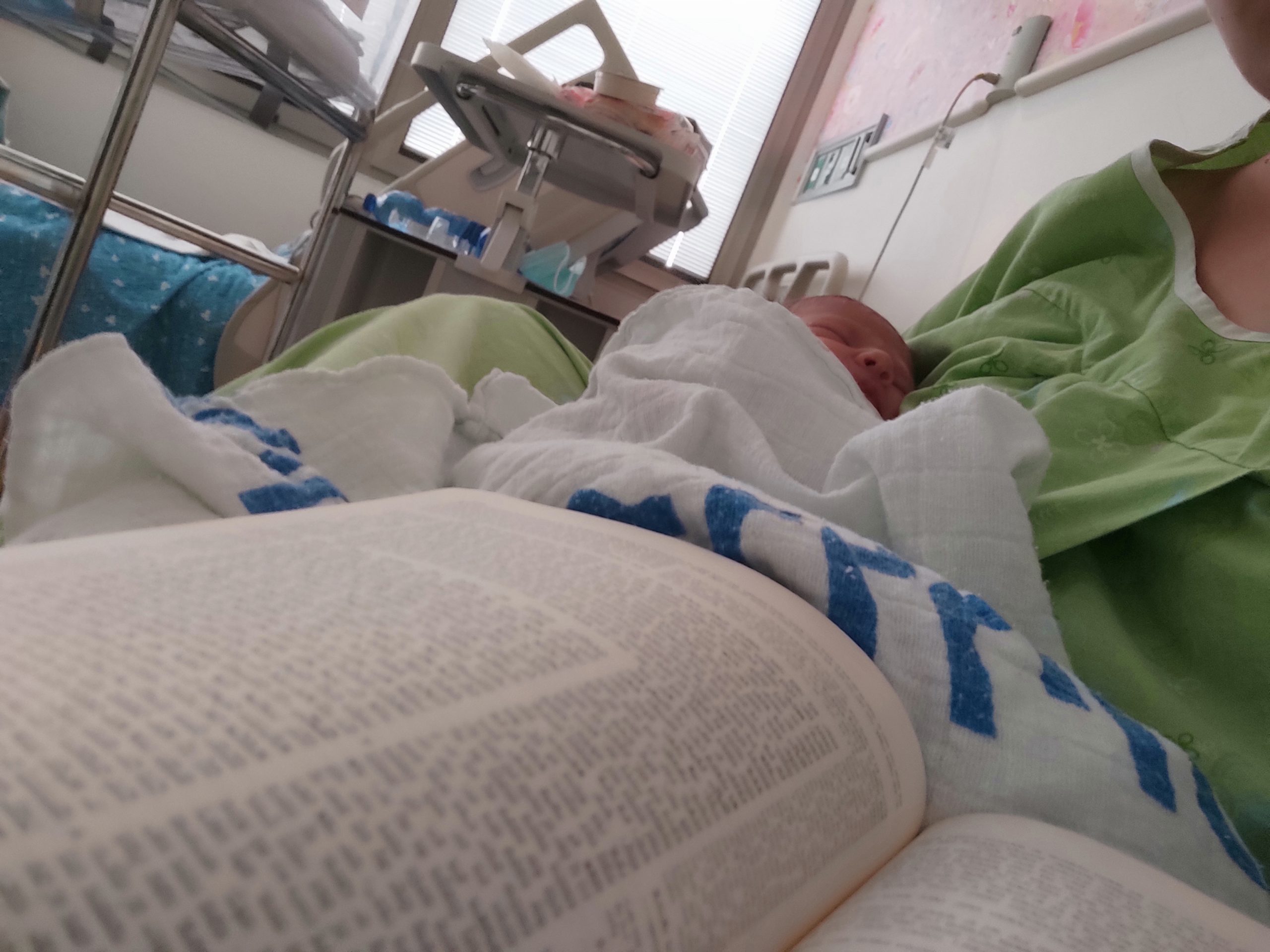
בתחילת הסבב הנוכחי הצטברו אצלי תחושות שאני לא מבינה מספיק מהי ההלכה אותה אני מקיימת בכל יום. כמו כן, כאמא לבנות רציתי לתת להן מודל נשי של לימוד תורה
שתי הסיבות האלו הובילו אותי להתחיל ללמוד. נתקלתי בתגובות מפרגנות וסקרניות איך אישה לומדת גמרא..
כמו שרואים בתמונה אני ממשיכה ללמוד גם היום ואפילו במחלקת יולדות אחרי לידת ביתי השלישית.

Noa Shiloh
נועה שילה

רבבה, ישראל

קידושין מו

נִרְאִין דִּבְרֵי תַלְמִיד. אָמַר רָבָא: מַאי טַעְמָא דְּרַב הוּנָא – הוֹאִיל וְנַעֲשָׂה בָּהּ מַעֲשֵׂה יְתוֹמָה בְּחַיֵּי הָאָב.

Rather, the statement of the student seems reasonable. Although Rav Yirmeya bar Abba was like a student compared with Rav Huna, his opinion makes more sense. Rava said: What is the reason of Rav Huna? Since an action was done with her that renders her like an orphan in the lifetime of her father, she is considered married and may partake of teruma. The fact that her father ignored both her betrothal and her marriage indicates that he has waived his rights to control whom she marries. She is therefore considered like an orphan, whose marriage is valid with her own consent.

אִיתְּמַר: קְטַנָּה שֶׁנִּתְקַדְּשָׁה שֶׁלֹּא לְדַעַת אָבִיהָ, אָמַר רַב: בֵּין הִיא וּבֵין אָבִיהָ יְכוֹלִין לְעַכֵּב. וְרַב אַסִּי אָמַר: אָבִיהָ וְלֹא הִיא. אֵיתִיבֵיהּ רַב הוּנָא לְרַב אַסִּי, וְאָמְרִי לַהּ חִיָּיא בַּר רַב לְרַב אַסִּי: ״אִם מָאֵן יְמָאֵן אָבִיהָ״, אֵין לִי אֶלָּא אָבִיהָ, הִיא עַצְמָהּ מִנַּיִן? תַּלְמוּד לוֹמַר: ״אִם מָאֵן יְמָאֵן״ – מִכׇּל מָקוֹם.

§ It was stated that amora’im disputed the following issue: In the case of a minor girl who became betrothed without her father’s consent, Rav says: Either she or her father is able to prevent the betrothal from taking effect. And Rav Asi says: Her father can prevent it but not she, since she initially agreed. Rav Huna raised an objection to Rav Asi, and some say it was Ḥiyya bar Rav who raised an objection to Rav Asi: The baraita states in the case of a seduced woman: “If her father refuses to give her to him, he shall pay money according to the dowry of virgins” (Exodus 22:16). The Sages expounded: I have derived only the halakha that her father can refuse to give her to the seducer in marriage; from where do I derive that she herself can also refuse? The verse states: “If he refuses [ma’en yema’en].” The repetition of the verb indicates that the right of refusal exists in any case. Despite the fact that she was seduced, she can change her mind and say that she does not want to marry him.

אֲמַר לְהוּ רַב: לָא תֵּיזְלוּ בָּתַר אִיפְּכָא. יָכֵול לְשַׁנּוֹיֵי לְכוּ: כְּגוֹן שֶׁפִּיתָּהּ שֶׁלֹּא לְשׁוּם אִישׁוּת. פִּיתָּהּ שֶׁלֹּא לְשׁוּם אִישׁוּת קְרָא בָּעֵי? אָמַר רַב נַחְמָן בַּר יִצְחָק: לוֹמַר שֶׁמְּשַׁלֵּם קְנָס כִּמְפוּתָּה.

Rav said to those who tried to offer support for his opinion: Do not go after the opposite, i.e., do not cite a proof from a source that could be understood in the opposite manner. Rav Asi can answer your argument by claiming that the baraita is referring to a case where he initially seduced her not for the sake of marriage. Their initial act of intercourse was not performed in order to effect betrothal, so they are not betrothed. The Gemara questions this: In the case of a seduction that is not for the sake of marriage, is a verse required to teach that she can refuse to marry him? Rav Naḥman bar Yitzḥak says: It serves to say that if she refuses to marry him despite her father’s consent to the match, the seducer nevertheless pays the fine like a standard case of a seduced woman. The obligation to pay the fine is not only for a case where her father refuses to let her marry the seducer.

אֲמַר לֵיהּ רַב יוֹסֵף: אִי הָכִי, הַיְינוּ דִּתְנֵינָא: ״מָהֹר יִמְהָרֶנָּה לּוֹ לְאִשָּׁה״ – שֶׁצְּרִיכָה הֵימֶנּוּ קִידּוּשִׁין. וְאִם פִּיתָּהּ לְשׁוּם אִישׁוּת, קִידּוּשִׁין לְמָה לִי? אֲמַר לֵיהּ אַבָּיֵי: צְרִיכָה קִידּוּשִׁין לְדַעַת אָבִיהָ.

Rav Yosef said to him: If so, if the baraita is discussing a case where intercourse was not performed to effect betrothal, this is what we learned in a baraita with regard to a seduced woman: “He shall pay a dowry for her to be his wife” (Exodus 22:15). This teaches that she requires betrothal from him. And if the verse is speaking of one who seduced her for the sake of marriage, why do I need betrothal? The act of intercourse can serve as the betrothal. Rather, the baraita must be referring to a case where he seduced her not for the sake of marriage. Abaye said to him: Even if he seduced her for the sake of marriage, she requires an additional betrothal with her father’s consent, since she is a minor and became betrothed without it.

מַתְנִי׳ הָאוֹמֵר לְאִשָּׁה ״הִתְקַדְּשִׁי לִי בִּתְמָרָה זוֹ״, ״הִתְקַדְּשִׁי לִי בָּזוֹ״ אִם יֵשׁ בְּאַחַת מֵהֶן שָׁוֶה פְּרוּטָה – מְקוּדֶּשֶׁת, וְאִם לָאו – אֵינָהּ מְקוּדֶּשֶׁת. ״בָּזוֹ וּבָזוֹ וּבָזוֹ״ אִם יֵשׁ שָׁוֶה פְּרוּטָה בְּכוּלָּן – מְקוּדֶּשֶׁת, וְאִם לָאו – אֵינָהּ מְקוּדֶּשֶׁת. הָיְתָה אוֹכֶלֶת רִאשׁוֹנָה רִאשׁוֹנָה – אֵינָהּ מְקוּדֶּשֶׁת, עַד שֶׁיְּהֵא בְּאַחַת מֵהֶן שָׁוֶה פְּרוּטָה.

MISHNA: In the case of one who says to a woman: Be betrothed to me with this date, and adds: Be betrothed to me with that one, then if one of the dates is worth one peruta she is betrothed, but if not, she is not betrothed, since he mentioned betrothal in connection with each date. But if he said: Be betrothed to me with this one, and with this one, and with this one, then even if all of them together are worth one peruta she is betrothed, but if not, she is not betrothed. If he gave her dates with the intention of betrothing her with them, and she was eating them one by one as she received them, she is not betrothed unless one of them is worth one peruta.

גְּמָ׳ מַאן תְּנָא ״הִתְקַדְּשִׁי״ ״הִתְקַדְּשִׁי״? אָמַר רַבָּה: רַבִּי שִׁמְעוֹן הִיא, דְּאָמַר עַד שֶׁיֹּאמַר שְׁבוּעָה לְכׇל אֶחָד וְאֶחָד.

GEMARA: Who is the tanna who taught that it is only if he says: Be betrothed to me, be betrothed to me, in connection with each date that each act of betrothal is considered distinct? Rabba says: It is the opinion of Rabbi Shimon, who said in the context of the laws of deposit oaths: He is never liable to bring more than one offering unless he will state an expression of an oath to each and every one.

״בָּזוֹ וּבָזוֹ וּבָזוֹ״ אִם יֵשׁ בְּכוּלָּן שָׁוֶה פְּרוּטָה כּוּ׳. אַהֵיָיא? אִילֵּימָא אַרֵישָׁא, מַאי אִירְיָא אוֹכֶלֶת? אֲפִילּוּ מִנְחַת נָמֵי, דְּהָא ״הִתְקַדְּשִׁי לִי בָּזוֹ״ קָאָמַר! אֶלָּא אַסֵּיפָא.

The mishna teaches: If one said: With this one, and with this one, and with this one, she is betrothed even if all of them together are worth one peruta. The mishna subsequently states that if she was eating the dates one by one, she is betrothed only if one of them is worth one peruta. The Gemara asks: To which clause of the mishna is the case of the woman eating the dates one by one referring? If we say it is referring to the first clause of the mishna, when he betrothed her separately with each date, why would the mishna specifically state that she ate them? Even if she placed them down without eating them the same halakha would also apply, as he said: Be betrothed to me with this date, so each date must be worth one peruta. Rather, it must be referring to the latter clause, when he said that he is betrothing her with all the dates. In such a situation, if she ate them one by one, she is betrothed only if one of them is worth one peruta.

וַאֲפִילּוּ בְּקַמַּיְיתָא? וְהָא מִלְוָה הִיא! אָמַר רַבִּי יוֹחָנָן: הֲרֵי שֻׁלְחָן, וַהֲרֵי בָּשָׂר, וַהֲרֵי סַכִּין, וְאֵין לָנוּ [פֶּה] לֶאֱכוֹל!

The Gemara proceeds to ask: And is she betrothed even if the first date is worth one peruta? But until he has given her all the dates for the betrothal, each individual date is considered to be a loan, because if he were to retract his betrothal before giving her all of the dates she would have to return them to him, and one cannot betroth a woman by giving her a loan. By the time he finishes giving her the dates, the first one has already been eaten, so it is not able to effect the betrothal. With regard to this difficulty Rabbi Yoḥanan says: There is a table, and there is meat, and there is a knife, and we have nothing to eat. In other words, everything in the mishna is explicit yet we cannot explain it.

רַב וּשְׁמוּאֵל אָמְרִי תַּרְוַיְיהוּ: לְעוֹלָם אַרֵישָׁא, וְלָא מִיבַּעְיָא קָאָמַר: לָא מִיבַּעְיָא מַנַּחַת, דְּאִי אִיכָּא שָׁוֶה פְּרוּטָה – אִין, אִי לָא – לָא. אֲבָל אוֹכֶלֶת, הוֹאִיל וּמִיקָּרְבָא הֲנָיָיתַהּ, אֵימָא גָּמְרָה וּמַקְנְיָא נַפְשַׁהּ, קָא מַשְׁמַע לַן.

Rav and Shmuel both said: Actually, the case of the woman eating the dates one by one is referring to the first clause of the mishna, where one betrothed the woman with each date separately, and it is speaking utilizing the style of: It is not necessary. The mishna stated, for stylistic reasons, a halakha that it did not need to state, and should be understood as follows: It is not necessary to state the halakha in the case of a woman who placed the dates down, that if one of them is worth one peruta, yes, she is betrothed, and if not, she is not betrothed. But in a case where she was eating them, one might think that since her benefit is immediate, say that she has decided to transfer herself to him by means of that date, although it is worth less than one peruta. The mishna therefore teaches us that she is nevertheless not betrothed.

רַבִּי אַמֵּי אָמַר: לְעוֹלָם אַסֵּיפָא, וּמַאי ״עַד שֶׁיְּהֵא בְּאַחַת מֵהֶן שָׁוֶה פְּרוּטָה״ – עַד שֶׁיְּהֵא בָּאַחֲרוֹנָה שָׁוֶה פְּרוּטָה.

Rabbi Ami said a different explanation: Actually, the case of the woman eating the dates one by one is referring to the latter clause of the mishna, where he betrothed her by giving her all of the dates. And what is the meaning of: Unless one of them is worth one peruta? It means: Unless the last of them is worth one peruta. But if one of the other dates is worth one peruta she is not betrothed, since they are considered a loan until all the dates have been given.

אָמַר רָבָא: שְׁמַע מִינַּהּ מִדְּרַבִּי אַמֵּי תְּלָת. שְׁמַע מִינַּהּ: הַמְקַדֵּשׁ בְּמִלְוָה אֵינָהּ מְקוּדֶּשֶׁת, וּשְׁמַע מִינַּהּ: הַמְקַדֵּשׁ בְּמִלְוָה וּפְרוּטָה, דַּעְתַּהּ אַפְּרוּטָה,

Rava says: Conclude three conclusions from this statement of Rabbi Ami: Conclude from it that in the case of one who betroths a woman with a loan, she is not betrothed, since she is not betrothed with a date that she has already eaten. And conclude from it that in the case of one who betroths a woman by forgiving a loan and giving her one peruta, her mind is focused on the peruta although the debt is far larger, and she will be betrothed. In the latter case, although the value of the dates she ate was more than the value of the last date, which was merely worth one peruta, she is nevertheless betrothed.

וּשְׁמַע מִינַּהּ: מָעוֹת בְּעָלְמָא – חוֹזְרִים.

And conclude from it that generally, money that was given for a betrothal that did not take effect is returned. It is not viewed as a gift, but as a loan that must be repaid. This is evident from the fact that all the dates except the last one are considered a loan that must be repaid.

אִיתְּמַר: הַמְקַדֵּשׁ אֲחוֹתוֹ, רַב אָמַר: מָעוֹת חוֹזְרִים. וּשְׁמוּאֵל אָמַר: מָעוֹת מַתָּנָה. רַב אָמַר: מָעוֹת חוֹזְרִים – אָדָם יוֹדֵעַ שֶׁאֵין קִידּוּשִׁין תּוֹפְסִין בַּאֲחוֹתוֹ, וְגָמַר וְנָתַן לְשׁוּם פִּקָּדוֹן. וְלֵימָא לַהּ לְשׁוּם פִּקָּדוֹן! סָבַר לָא מְקַבְּלָה.

§ It was stated: In the case of one who betroths his sister by giving her money, Rav says: The money of the betrothal must be returned by his sister, as this betrothal does not take effect. And Shmuel says: This money is considered to be a gift that she may keep. The Gemara clarifies their respective opinions. Rav says: The money must be returned, since a person knows that betrothal does not take effect with his sister, and he decided to give the money to her for the sake of a deposit. The Gemara raises a difficulty: And let him explicitly say to her that he is giving her the money for the sake of a deposit. The Gemara answers: He thought she would not accept it from him.

וּשְׁמוּאֵל סָבַר: מָעוֹת מַתָּנָה – אָדָם יוֹדֵעַ שֶׁאֵין קִידּוּשִׁין תּוֹפְסִין בַּאֲחוֹתוֹ, וְגָמַר וְנָתַן לְשׁוּם מַתָּנָה. וְנֵימָא לַהּ לְשׁוּם מַתָּנָה! סָבַר: כְּסִיפָא לַהּ מִילְּתָא.

And Shmuel maintains: The money is considered to be a gift, because a person knows that betrothal does not take effect with his sister, and he decided to give the money to her for the sake of a gift. The Gemara again raises a difficulty: And let him explicitly say to her that he is giving it to her for the sake of a gift. The Gemara answers: He thought it would be embarrassing to her and she would refuse to accept the money. He therefore attempted to give it to her by an alternative method.

מֵתִיב רָבִינָא: הַמַּפְרִישׁ חַלָּתוֹ קֶמַח – אֵינָהּ חַלָּה, וְגָזֵל בְּיַד כֹּהֵן. וְאַמַּאי גָּזֵל בְּיַד כֹּהֵן? נֵימָא: אָדָם יוֹדֵעַ שֶׁאֵין מַפְרִישִׁים חַלָּה קֶמַח, וְנָתַן לְשֵׁם מַתָּנָה!

Ravina raises an objection from a mishna (Ḥalla 2:5): In the case of one who separates his ḥalla, the portion of dough that must be given to a priest, from flour, before it has been made into dough, the portion he has separated is not ḥalla. Since the Torah states: “Of the first of your dough you shall set apart” (Numbers 15:20), ḥalla can be separated only from dough. And if the priest fails to return the flour it is considered stolen property in the priest’s possession. Ravina asks: And why is it stolen property in the priest’s possession? In this case too, let us say as Shmuel does: A person knows that one cannot separate ḥalla from flour, and he gave the flour for the sake of a gift.

שָׁאנֵי הָתָם, דְּנָפֵיק חוּרְבָּה מִינַּהּ – זִימְנִין דְּאִית לֵיהּ לְכֹהֵן פָּחוֹת מֵחָמֵשׁ רְבָעִים קֶמַח, וְהַאי אָלֵישׁ לֵיהּ בַּהֲדֵי הֲדָדֵי, וְקָסָבַר נִתַּקְּנָה עִיסָּתוֹ, וְאָתֵי לְמֵיכְלַהּ בְּטִיבְלַהּ.

The Gemara answers: There it is different. The priest must return the flour because otherwise a ruinous situation may emerge from it. How so? Sometimes the priest has, on his own, less than five-fourths of a kav of flour, i.e., he has less than the amount necessitating the separation of ḥalla, and he also has this flour, which gives him a total of more than five-fourths of a kav, the amount necessitating the separation of ḥalla. He will knead all this flour together and will think his dough has been made ready with regard to ḥalla, since he did not have enough of his own flour to require the separation of ḥalla and he had added flour that had been separated as ḥalla to it. And he will then come to eat it in its untithed state, as the flour he received was not in fact ḥalla. Therefore, the Sages required him to return the flour.

וְהָאָמְרַתְּ: אָדָם יוֹדֵעַ שֶׁאֵין מַפְרִישִׁים חַלָּה קֶמַח! יוֹדֵעַ וְאֵינוֹ יוֹדֵעַ. יוֹדֵעַ שֶׁאֵין מַפְרִישׁ חַלָּה קֶמַח, וְאֵינוֹ יוֹדֵעַ, דְּסָבַר: טַעְמַיְיהוּ מַאי – מִשּׁוּם טִירְחָא דְכֹהֵן וְטִירְחָא דְכֹהֵן אַחֵילְתֵּיהּ.

The Gemara asks: But didn’t you say that a person knows that one may not separate ḥalla from flour? How can the priest make such an error? The Gemara answers: He knows the halakha but he does not know the reason for the halakha. He knows that one cannot separate ḥalla from flour, but he does not know the reason, as he thinks: What is the reason one may not separate ḥalla from flour? Due to the labor of the priest, i.e., to prevent the priest from having to knead it himself. And as far as the labor of the priest goes, he thinks: I have relinquished the right to have the non-priest knead it for me.

וְתִיהְוֵי תְּרוּמָה, וְלֹא תֵּאָכֵל עַד שֶׁיּוֹצִיא עָלֶיהָ חַלָּה מִמָּקוֹם אַחֵר. מִי לָא תְּנַן: מִן הַנָּקוּב עַל שֶׁאֵינוֹ נָקוּב – תְּרוּמָה, וְלֹא תֵּאָכֵל עַד שֶׁיּוֹצִיא עָלֶיהָ תְּרוּמָה וּמַעֲשֵׂר מִמָּקוֹם אַחֵר?

The Gemara asks a question based on a comparison to a similar case: But why must the priest go to the effort of returning the flour to its owner? Let the separated flour be considered teruma, i.e., ḥalla, by rabbinic law, and it should not be eaten by the priest until he removes ḥalla for it from somewhere else, in order to make it ready to be eaten. Didn’t we learn in a mishna (Demai 5:10): If one separated teruma from produce grown in a perforated pot, which is obligated in terumot and tithes by Torah law, for produce that had grown in a non-perforated pot, which is not obligated in terumot and tithes according to Torah law; although the separating of teruma did not take effect, and the putative teruma is still untithed produce, it is considered to be teruma and remains in the possession of the priest, and it may not be eaten until he removes teruma and tithes for it from somewhere else. The same halakha should apply in the case of the ḥalla.

בִּתְרֵי מָנֵי – צָאֵית, בְּחַד מָנָא – לָא צָאֵית.

The Gemara answers: With regard to things that are in two separate containers, the priest will listen. Since the priest is well aware of the difference between a perforated and a non-perforated pot, he will accept the ruling of the Sages to separate teruma an additional time. With regard to something that is in one container, he will not listen. He does not see any difference between receiving flour or dough, and he will not accept the ruling of the Sages to separate ḥalla an additional time. Consequently, they required him to return the flour.

וְאִיבָּעֵית אֵימָא: לְעוֹלָם כֹּהֵן מֵיצָת צָיֵית, וְקָסָבַר בַּעַל הַבַּיִת נִתַּקְּנָה עִיסָּתוֹ, וְאָתֵי לְמֵיכַל בְּטִיבְלָא.

And if you wish, say that the tanna has a different concern: Actually, a priest will listen even with regard to something in a single container, and the concern is that the prior owner of the flour will think that his dough has been made ready to eat and he will come to eat it in its untithed state.

וְהָאָמְרַתְּ: אָדָם יוֹדֵעַ שֶׁאֵין מַפְרִישִׁין חַלָּה קֶמַח! יוֹדֵעַ וְאֵינוֹ יוֹדֵעַ. יוֹדֵעַ שֶׁאֵין מַפְרִישִׁין חַלָּה קֶמַח, וְאֵינוֹ יוֹדֵעַ, דְּסָבַר טַעְמָא מַאי – מִשּׁוּם טִירְחָא דְכֹהֵן, טִירְחָא דְכֹהֵן קַבְּלַהּ עֲלֵיהּ.

The Gemara asks: But didn’t you say that a person knows that one may not separate ḥalla from flour? The Gemara answers: He knows the halakha but he does not know the reason for the halakha. He knows that one cannot separate ḥalla from flour, but he does not know the reason, as he thinks: What is the reason one may not separate ḥalla from flour? It is due to the labor of the priest. And as far as the labor of the priest goes, he thinks: The priest has accepted that task upon himself.

וְתִיהְוֵי תְּרוּמָה, וְיַחְזוֹר וְיִתְרוֹם. מִי לָא תְּנַן: מִשֶּׁאֵינוֹ נָקוּב עַל הַנָּקוּב – תְּרוּמָה, וְיַחְזוֹר וְיִתְרוֹם! הָא אוֹקֵימְנָא: בִּתְרֵי מָאנֵי צָאֵית, בְּחַד מָנָא לָא צָאֵית.

The Gemara makes a suggestion based on a comparison to a similar case: But let it be teruma, i.e., ḥalla, and he should separate teruma again. Didn’t we learn a similar idea in a mishna (Demai 5:10): If one separated teruma from produce grown in a non-perforated pot for the produce of a perforated pot, it is teruma by rabbinic law, but he must separate teruma again to render the produce grown in the perforated pot ready to eat. The Gemara answers: We have already established that with regard to things that are in two separate containers, one will listen, but with regard to something that is in one container, one will not listen.

וְלָא צָאֵית?! וְהָתְנַן: הַתּוֹרֵם קִישּׁוּת וְנִמְצָא מָרָה, אֲבַטִּיחַ וְנִמְצֵאת סָרוּחַ – תְּרוּמָה, וְיַחֲזוֹר וְיִתְרוֹם! שָׁאנֵי הָתָם, דְּמִדְּאוֹרָיְיתָא תְּרוּמָה מְעַלְּיָא הִיא,

The Gemara questions this assumption: And will one not listen to a ruling to separate teruma a second time from a single container? But didn’t we learn in a mishna (Terumot 3:1): In the case of one who separated a cucumber as teruma to give to a priest, and that cucumber was found to be so bitter that it was inedible, or if he separated a melon and it was found to be spoiled, his separation is still teruma, but he must separate teruma again? The Gemara answers: There it is different, as it is full-fledged teruma by Torah law, and even if he does not listen and separate teruma again, no Torah law will be violated.

מִדְּרַבִּי אִלְעַאי. דְּאָמַר רַבִּי אִלְעַאי: מִנַּיִן לַתּוֹרֵם מִן הָרָעָה עַל הַיָּפָה שֶׁתְּרוּמָתוֹ תְּרוּמָה? שֶׁנֶּאֱמַר: ״וְלֹא תִשְׂאוּ עָלָיו חֵטְא בַּהֲרִימְכֶם אֶת חֶלְבּוֹ״ – אִם אֵינוֹ קָדוֹשׁ, נְשִׂיאוּת חֵטְא לָמָּה? מִכָּאן לַתּוֹרֵם מִן הָרָעָה עַל הַיָּפָה שֶׁתְּרוּמָתוֹ תְּרוּמָה.

What is the source from which it is extrapolated that it is full-fledged teruma by Torah law? It is from a statement of Rabbi Ilai, for Rabbi Ilai says: From where is it derived that one who separates teruma from poor-quality produce for superior-quality produce, i.e., in order to fulfill the obligation of separating teruma from the high-quality produce, that his teruma is teruma? As it is stated with regard to teruma: “And you shall bear no sin by reason of it, seeing that you have set apart from it the best thereof” (Numbers 18:32). The verse is saying to give the best part as teruma, and one who gives a bad portion has committed a transgression. Nevertheless, the verse indicates that the separated produce is teruma; if it were not sacred as teruma why would one bear a sin? If one’s action were to no effect, he has not sinned. From here it is derived that if one separates teruma from poor-quality produce for superior-quality produce, his teruma is teruma.

אָמַר רָבָא:

Rava said:

רוצה לעקוב אחרי התכנים ולהמשיך ללמוד?

ביצירת חשבון עוד היום ניתן לעקוב אחרי ההתקדמות שלך, לסמן מה למדת, ולעקוב אחרי השיעורים שמעניינים אותך.

לנקות את כל הפריטים מהרשימה?

פעולה זו תסיר את כל הפריטים בחלק זה כולל ההתקדמות וההיסטוריה. שימי לב: לא ניתן לשחזר פעולה זו.

ביטול
מחיקה

האם את/ה בטוח/ה שברצונך למחוק פריט זה?

תאבד/י את כל ההתקדמות או ההיסטוריה הקשורות לפריט זה.

ביטול
מחיקה