








בהקשר למחלוקת בין רבי מאיר לרבי יהודה, מביאה הגמרא משנה בשקלים ז:ד במה ניתן לעשות אם מוצאים בהמה מחוץ אבל קרוב לירושלים שכן יש חשד שהוקדשה להקרבה. המשנה מציעה הצעה מה ניתן לעשות אם המוצא רוצה לקחת את הבהמה לעצמו. אולם, רבי אושעיא מתקשה להבין פתרון זה. הוא ורבי יוחנן מציעים כל אחד הצעות שונות כיצד ניתן להבין את המקרה במשנה. ההסבר של רבי אושעיא מתאים לדבריו של רבי מאיר, שאם השתמש בהקדש המזיד, הוא יכול להפוך אותו לחולין. אך גם על זה מולעת קושי אך נפתרה. שאלות נוספות נשאלות על המשנה עד שמביאים הבנה מעודכנת של המשנה.
רוצה להקדיש לימוד?
קידושין נה
תְּנַן הָתָם: בְּהֵמָה שֶׁנִּמְצֵאת מִירוּשָׁלַיִם לְמִגְדַּל עֵדֶר וּכְמִדָּתָהּ לְכׇל רוּחַ, זְכָרִים – עוֹלוֹת, נְקֵבוֹת – זִבְחֵי שְׁלָמִים.
The Gemara continues its discussion of the desacralizing of consecrated property. We learned in a mishna there (Shekalim 20a): If there was an animal fit for the altar that was found straying, from Jerusalem and as far as Migdal Eder, and similarly if it was found within that distance from Jerusalem in any other direction, it is presumed that the animal came from Jerusalem. Most of the animals in Jerusalem were designated for offerings, and presumably this one was as well. Males are presumed to be burnt-offerings, as only males can be brought as burnt-offerings. Females are presumed to be peace-offerings, as it is permitted to bring a female peace-offering.
אֶלָּא זְכָרִים, עוֹלוֹת הוּא דְּהָווּ, זִבְחֵי שְׁלָמִים לָא הָווּ? אָמַר רַבִּי אוֹשַׁעְיָא: הָכָא בָּבָא לָחוּב בִּדְמֵיהֶן עָסְקִינַן, וְהָכִי קָאָמַר: חָיְישִׁינַן שֶׁמָּא עוֹלוֹת, וְרַבִּי מֵאִיר הִיא, דְּאָמַר: הֶקְדֵּשׁ בְּמֵזִיד מִתְחַלֵּל.
The Gemara questions this: But are males only burnt-offerings and not also peace-offerings? As peace-offerings can be male or female, a male animal that was found might have been designated as a peace-offering. Rabbi Oshaya said: We are not speaking here of bringing the animals themselves as offerings. Rather, we are dealing with one who comes to obligate himself to consecrate their value. The finder wants to consecrate the value of the animal in case it had been designated as an offering, thereby redeeming the animal and desacralizing it, and this is what the mishna is saying: In the case of males we are concerned that perhaps they are burnt-offerings, so the money must be consecrated for the purpose of burnt-offerings as well as peace-offerings. And this is in accordance with the opinion of Rabbi Meir, who says: Consecrated property is desacralized if it is misused intentionally. Therefore, he may redeem the animal and must use the money to purchase both a peace-offering and a burnt-offering, thereby avoiding all uncertainty.
וּקְדוּשַּׁת הַגּוּף מִי מִתְחַלֵּל? וְהָתְנַן: אֵין מוֹעֵל אַחַר מוֹעֵל בְּמוּקְדָּשִׁין אֶלָּא בִּבְהֵמָה וּבִכְלִי שָׁרֵת בִּלְבַד.
The Gemara asks: And can something that has inherent sanctity, such as an animal that has been designated as an offering, be desacralized? But didn’t we learn in a mishna (Me’ila 19b): There is no misuse after misuse with regard to consecrated property? This means that if one misuses consecrated property, the item is immediately desacralized and the prohibition of misuse no longer applies to it. This is so apart from the case of the misuse of an animal designated as an offering and apart from the case of the misuse of service vessels alone. These do not become desacralized when misused, because they have inherent sanctity.
כֵּיצַד? הָיָה רוֹכֵב עַל גַּבֵּי בְּהֵמָה, בָּא חֲבֵירוֹ וְרָכַב, בָּא חֲבֵירוֹ וְרָכַב – כּוּלָּם מָעֲלוּ. הָיָה שׁוֹתֶה בְּכוֹס שֶׁל זָהָב, בָּא חֲבֵירוֹ וְשָׁתָה, בָּא חֲבֵירוֹ וְשָׁתָה – כּוּלָּם מָעֲלוּ! הָהִיא – רַבִּי יְהוּדָה הִיא, הָא רַבִּי מֵאִיר.
That mishna continues: How so? If someone was riding on a consecrated animal, and another came after him and also rode on it, and yet another came and rode on it, they have all misused consecrated property. Similarly, if one was drinking from a golden cup used in the Temple service, and another came and drank from it, and yet another came and drank from it, they have all misused consecrated property. The Gemara asks: As this indicates that an item that has inherent sanctity is never desacralized, how can it be redeemed? The Gemara answers: That mishna, from tractate Me’ila, is in accordance with the opinion of Rabbi Yehuda, whereas this mishna, from tractate Shekalim, is in accordance with the opinion of Rabbi Meir.
מִדְּרַבִּי יְהוּדָה נִשְׁמַע לְרַבִּי מֵאִיר – לָאו אָמַר רַבִּי יְהוּדָה: הֶקְדֵּשׁ בְּשׁוֹגֵג מִתְחַלֵּל וּקְדוּשַּׁת הַגּוּף לָא מִתַּחֲלָא. לְרַבִּי מֵאִיר נָמֵי, אַף עַל גַּב דְּהֶקְדֵּשׁ בְּמֵזִיד מִתְחַלֵּל קְדוּשַּׁת הַגּוּף לָא מִתַּחֲלָא! הָתָם לָא קָא מְכַוֵּין לְאַפּוֹקִינְהוּ לְחוּלִּין. הָכָא – קָא מְכַוֵּין לְאַפּוֹקִינְהוּ לְחוּלִּין.
The Gemara asks: Let us hear, i.e., infer, from the opinion of Rabbi Yehuda to the opinion of Rabbi Meir: Didn’t Rabbi Yehuda say that consecrated property is desacralized if used unwittingly, and yet those items that have inherent sanctity are not desacralized. According to Rabbi Meir as well, although consecrated property is desacralized if used intentionally, items that have inherent sanctity should not be desacralized. The Gemara answers that there is a difference between the two opinions. There, in the case underlying Rabbi Yehuda’s opinion, the one who misuses the consecrated item unwittingly does not intend to withdraw it to a non-sacred state but merely to use it, which is why an item that has inherent sanctity is not desacralized; whereas here, in the case underlying Rabbi Meir’s opinion, one who acts intentionally does intend to withdraw it to a non-sacred state, so even an item that has inherent sanctity can be desacralized.
אֵימַר דְּשָׁמְעַתְּ לֵיהּ לְרַבִּי מֵאִיר בְּקׇדְשֵׁי קֳדָשִׁים, בְּקָדָשִׁים קַלִּים מִי שָׁמְעַתְּ לֵיהּ? – אֲמַר לֵיהּ הָהוּא מֵרַבָּנַן וְרַבִּי יַעֲקֹב שְׁמֵיהּ: קַל וָחוֹמֶר: קׇדְשֵׁי קֳדָשִׁים מִתְחַלְּלִים – קֳדָשִׁים קַלִּים לֹא כׇּל שֶׁכֵּן?!
The Gemara questions Rav Oshaya’s explanation of the mishna: Say that you have heard Rabbi Meir express the opinion that one can desacralize a consecrated item in the case of offerings of the most sacred order, but did you hear him express this opinion in the case of offerings of lesser sanctity, e.g., a peace-offering? If Rabbi Meir holds that offerings of lesser sanctity cannot be desacralized, the explanation of Rabbi Oshaya would be insufficient, as it does not account for the possibility that the animal is a peace-offering. One of the Sages, and his name was Rabbi Ya’akov, said to him: This is learned by means of an a fortiori inference: If offerings of the most sacred order can be desacralized, is it not all the more so the case that this halakha would apply to offerings of lesser sanctity?
אִיתְּמַר נָמֵי, אָמַר רַבִּי חָמָא בְּרַבִּי עֲקִיבָא, אָמַר רַבִּי יוֹסֵי בְּרַבִּי חֲנִינָא: אוֹמֵר הָיָה רַבִּי מֵאִיר: הֶקְדֵּשׁ בְּמֵזִיד – מִתְחַלֵּל, בְּשׁוֹגֵג – אֵין מִתְחַלֵּל, אֶחָד קׇדְשֵׁי קֳדָשִׁים וְאֶחָד קֳדָשִׁים קַלִּים. קַל וָחוֹמֶר: קׇדְשֵׁי קֳדָשִׁים מִתְחַלְּלִים – קֳדָשִׁים קַלִּים לֹא כׇּל שֶׁכֵּן?!
It was also stated: Rabbi Ḥama, son of Rabbi Akiva, says that Rabbi Yosei, son of Rabbi Ḥanina, says that Rabbi Meir would say: Consecrated property is desacralized when misused intentionally, but it is not desacralized when misused unwittingly. This applies both to offerings of the most sacred order and to offerings of lesser sanctity, by means of an a fortiori inference: If offerings of the most sacred order can be desacralized, is it not all the more so the case that this halakha would apply to offerings of lesser sanctity?
תָּהֵי בַּהּ רַבִּי יוֹחָנָן: וְכִי אוֹמְרִים לוֹ לָאָדָם: עֲמוֹד וַחֲטָא בִּשְׁבִיל שֶׁתִּזְכֶּה? אֶלָּא אָמַר רַבִּי יוֹחָנָן: מַמְתִּין לַהּ עַד שֶׁתּוּמַם, וּמַיְיתֵי שְׁתֵּי בְּהֵמוֹת וּמַתְנֶה.
Rabbi Yoḥanan wondered about Rabbi Oshaya’s explanation of the mishna: And does one say to a person: Arise and sin in order that you may gain? Even if consecrated property can be desacralized intentionally, one is not allowed to redeem an animal designated to be an offering. Rather, Rabbi Yoḥanan says: The mishna does not refer to redeeming an unblemished animal but to a case where the one who found the animal waits for it until it develops a blemish. At that point it would no longer have inherent sanctity but merely sanctity that inheres in its value, so the animal may be redeemed. And he brings two unblemished animals of the same value, and stipulates that if the animal he found was a burnt-offering, the first animal should be a burnt-offering in its stead while the other should be a voluntary peace-offering. And if the animal he found was a peace-offering, the second animal should be a peace-offering in its stead and the first should be a voluntary burnt-offering. After doing so he may eat the animal he found.
אָמַר מָר: זְכָרִים – עוֹלוֹת. דִּילְמָא תּוֹדָה הִיא? דְּמַיְיתֵי נָמֵי תּוֹדָה. וְהָא בָּעֲיָא לֶחֶם! דְּמַיְיתֵי נָמֵי לֶחֶם.
The Gemara continues to clarify the mishna. The Master says (55a): Males are presumed to be burnt-offerings, as only males may be brought as burnt-offerings. The Gemara asks: Why should a male necessarily be a burnt-offering; perhaps it is a thanks-offering, which can also be brought from a male animal? The Gemara answers: The mishna means that he must also bring a third animal and make a similar stipulation, that it should be either a thanks-offering in its stead or a voluntary one. The Gemara asks: But if he brings a third animal as a thanks-offering, doesn’t a thanks-offering require the bringing of bread as well? The Gemara answers: He brings bread as well.
וְדִילְמָא אָשָׁם הוּא? אָשָׁם בֶּן שְׁתֵּי שָׁנִים, וְאִישְׁתְּכַח בֶּן שָׁנָה. וְדִילְמָא אֲשַׁם מְצוֹרָע הוּא, אֲשַׁם נָזִיר הוּא? לָא שְׁכִיחִי.
The Gemara asks: But perhaps it is a guilt-offering, which is also brought only from male animals? The Gemara answers: The animal for a guilt-offering is in its second year, and the mishna is referring to a case where an animal in its first year was found. The Gemara asks: But perhaps it is the guilt-offering of a leper or the guilt-offering of a nazirite, which are brought from animals in their first year? The Gemara answers: Lepers and nazirites are not common, and there is no need to be concerned about that possibility.
וְדִילְמָא פֶּסַח הוּא? פֶּסַח בִּזְמַנּוֹ, מִזְהָר זְהִירִי בֵּיהּ, וְשֶׁלֹּא בִּזְמַנּוֹ – שְׁלָמִים הוּא.
The Gemara asks: But perhaps it is a Paschal offering, which is also brought from male animals? The Gemara answers: That is not likely, because with regard to a Paschal offering, if it is up to or in its time to be slaughtered, the owners carefully guard it to prevent it from going missing. And if it is a Paschal offering that is not offered in its proper time, but was left over and is offered later, it has the same halakha as a peace-offering.
וְדִילְמָא בְּכוֹר וּמַעֲשֵׂר נִינְהוּ? לְמַאי הִילְכְתָא, לְמֵיכְלִינְהוּ בְּמוּמָן? הָכִי נָמֵי בְּמוּמָן מִתְאַכְלִי!
The Gemara asks: And perhaps the animal he found is a firstborn animal, which can only be brought from male animals, or animal tithe, which can brought from male animals? The Gemara answers: With regard to which halakha would the possibility that it is a firstborn or animal tithe need to be taken into account? It is with regard to the halakha that one is permitted to eat them in their blemished state, as firstborns and animal tithes do not need to be redeemed if they develop a blemish, but are eaten as such. These found animals as well are eaten only in their blemished state, as one may not redeem and eat them until they develop a blemish, as explained previously.
אָמַר מָר: נְקֵבוֹת – זִבְחֵי שְׁלָמִים. דִּילְמָא תּוֹדָה הִיא? דְּמַיְיתֵי תּוֹדָה. וְהָא בָּעֲיָא לֶחֶם! דְּמַיְיתֵי נָמֵי לֶחֶם.
The Master says above: Females are presumed to be peace-offerings, as it is permitted to bring a female peace-offering. The Gemara asks: Perhaps it is a thanks-offering, which can also be brought from female animals? The Gemara answers: The mishna means that he must also bring a third animal and make a similar stipulation, that it is either a thanks-offering in the stead of the found animal, or a gift offering. The Gemara asks: But if he brings a third animal as a thanks-offering, doesn’t a thanks-offering require the bringing of bread as well? The Gemara answers: He brings bread as well.
וְדִילְמָא חַטָּאת הִיא? חַטָּאת בַּת שְׁנָתָהּ, וְאִישְׁתְּכַח בַּת שְׁתֵּי שָׁנִים. וְדִילְמָא חַטָּאת שֶׁעָבְרָה שְׁנָתָהּ! לָא שְׁכִיחַ.
The Gemara asks: But perhaps it is a sin-offering, as it is permitted to bring a female sin-offering? The Gemara answers: The animal for a sin-offering is always in its first year, and the mishna is referring to a case where an animal in its second year was found. The Gemara asks: But perhaps it was a sin-offering whose year had passed without having been sacrificed? The halakha in such a case is that the animal is left to die. The Gemara answers: Such a case is not common, and there is no need to be concerned about such a possibility.
אִשְׁתְּכַח בַּת שְׁנָתָהּ, מַאי? תַּנְיָא, חֲנַנְיָא בֶּן חֲכִינַאי אוֹמֵר: עֵז בַּת שְׁנָתָהּ לְחַטָּאת. לְחַטָּאת סָלְקָא דַּעְתָּךְ?! אֶלָּא אָמַר אַבָּיֵי: כְּחַטָּאת – כּוֹנְסָהּ לְכִיפָּה וְהִיא מֵתָה מֵאֵלֶיהָ.
The Gemara asks: This is the case if the animal was in its second year, but what is the halakha if it was found when it was in its first year? The Gemara answers: It is taught in a baraita: Ḥananya ben Ḥakhinai says: If one found a goat in its first year, it is brought as a sin-offering. The Gemara asks: Can it enter your mind that it is brought as a sin–offering? How can he sacrifice the animal as a sin-offering due to a mere possibility that it had been designated as a sin-offering? One cannot bring a voluntary sin-offering. Rather, Abaye says: He treats it as though it were a sin-offering, i.e., he conveys it into a cell and it dies on its own. Since it might be a lost sin-offering, it must be left to die.
תָּנוּ רַבָּנַן: אֵין לוֹקְחִים בְּהֵמָה בִּמְעוֹת מַעֲשֵׂר שֵׁנִי,
The Sages taught (Tosefta, Ma’aser Sheni 1:15): One may not purchase an animal with second-tithe money outside of Jerusalem,
לעקוב 
חדשה בלימוד הגמרא?
זה הדף הראשון שלך? איזו התרגשות עצומה! יש לנו בדיוק את התכנים והכלים שיעזרו לך לעשות את הצעדים הראשונים ללמידה בקצב וברמה שלך, כך תוכלי להרגיש בנוח גם בתוך הסוגיות המורכבות ומאתגרות.
פסיפס הלומדות שלנו
גלי את קהילת הלומדות שלנו, מגוון נשים, רקעים וסיפורים. כולן חלק מתנועה ומסע מרגש ועוצמתי.
. לא תמיד נהניתי מלימוד גמרא כילדה.,בל כהתבגרתי התחלתי לאהוב את זה שוב. התחלתי ללמוד מסכת סוטה בדף היומי לפני כחמש עשרה שנה ואז הפסקתי.הגעתי לסיום הגדול של הדרן לפני שנתיים וזה נתן לי השראה. והתחלתי ללמוד למשך כמה ימים ואז היתה לי פריצת דיסק והפסקתי…עד אלול השנה. אז התחלתי עם מסכת ביצה וב”ה אני מצליחה לעמוד בקצב. המשפחה מאוד תומכת בי ויש כמה שגם לומדים את זה במקביל. אני אוהבת שיש עוגן כל יום.

רבקה דרשן
בית שמש, ישראל
רציתי לקבל ידע בתחום שהרגשתי שהוא גדול וחשוב אך נעלם ממני. הלימוד מעניק אתגר וסיפוק ומעמיק את תחושת השייכות שלי לתורה וליהדות
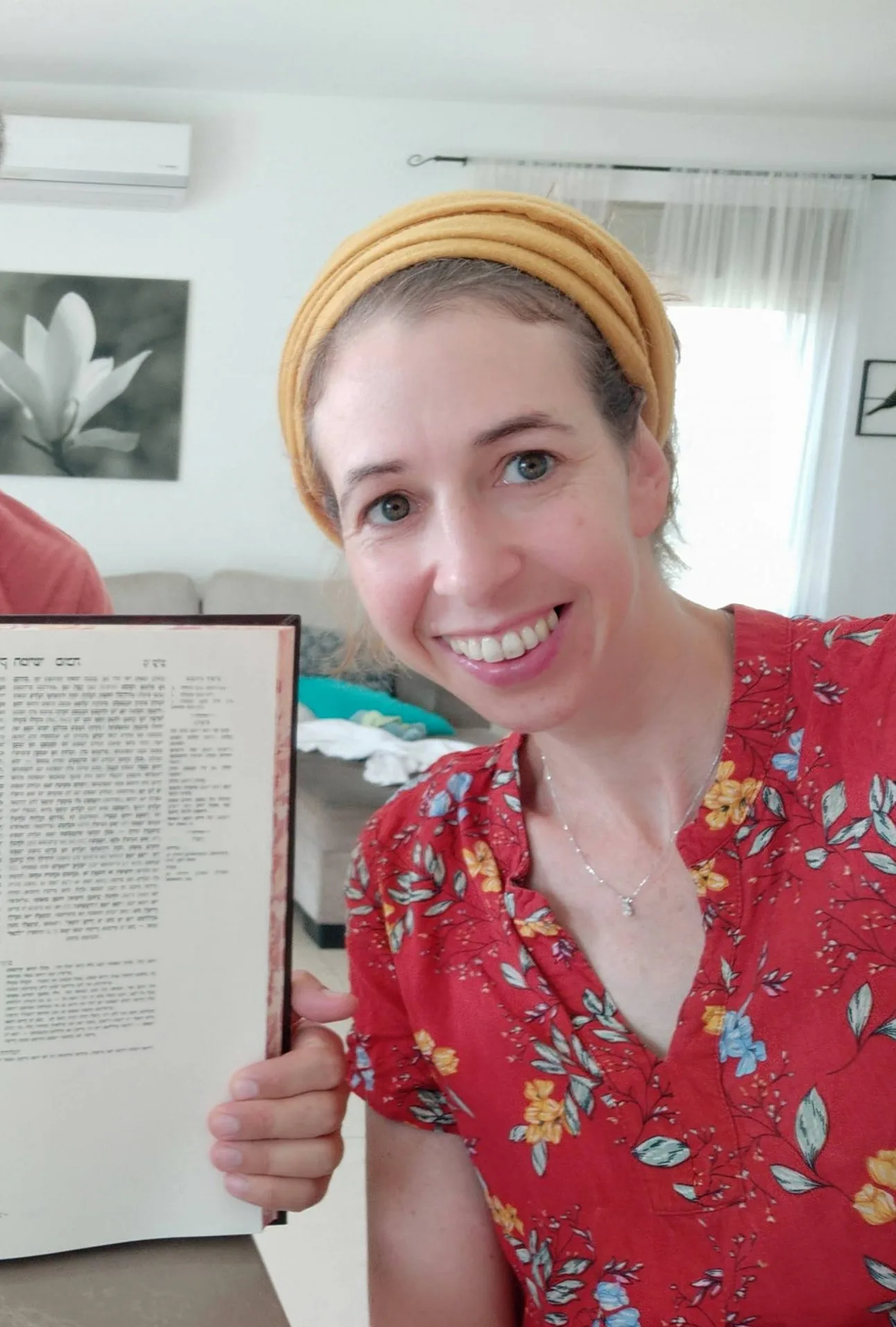
רות עגיב
עלי זהב – לשם, ישראל
התחלתי מעט לפני תחילת הסבב הנוכחי. אני נהנית מהאתגר של להמשיך להתמיד, מרגעים של "אהה, מפה זה הגיע!” ומהאתגר האינטלקטואלי

אילת-חן ודלר
לוד, ישראל
בסוף הסבב הקודם ראיתי את השמחה הגדולה שבסיום הלימוד, בעלי סיים כבר בפעם השלישית וכמובן הסיום הנשי בבנייני האומה וחשבתי שאולי זו הזדמנות עבורי למשהו חדש.
למרות שאני שונה בסביבה שלי, מי ששומע על הלימוד שלי מפרגן מאוד.
אני מנסה ללמוד קצת בכל יום, גם אם לא את כל הדף ובסך הכל אני בדרך כלל עומדת בקצב.
הלימוד מעניק המון משמעות ליום יום ועושה סדר בלמוד תורה, שתמיד היה (ועדיין) שאיפה. אבל אין כמו קביעות

רחלי מנדלסון
טל מנשה, ישראל
התחלתי ללמוד דף יומי בסבב הקודם. זכיתי לסיים אותו במעמד המרגש של הדרן. בסבב הראשון ליווה אותי הספק, שאולי לא אצליח לעמוד בקצב ולהתמיד. בסבב השני אני לומדת ברוגע, מתוך אמונה ביכולתי ללמוד ולסיים. בסבב הלימוד הראשון ליוותה אותי חוויה מסויימת של בדידות. הדרן העניקה לי קהילת לימוד ואחוות נשים. החוויה של סיום הש”ס במעמד כה גדול כשנשים שאינן מכירות אותי, שמחות ומתרגשות עבורי , היתה חוויה מרוממת נפש

אילנית ווייל
קיבוץ מגדל עוז, ישראל
למדתי גמרא מכיתה ז- ט ב Maimonides School ואחרי העליה שלי בגיל 14 לימוד הגמרא, שלא היה כל כך מקובל בימים אלה, היה די ספוראדי. אחרי "ההתגלות” בבנייני האומה התחלתי ללמוד בעיקר בדרך הביתה למדתי מפוקקטסים שונים. לאט לאט ראיתי שאני תמיד חוזרת לרבנית מישל פרבר. באיזה שהוא שלב התחלתי ללמוד בזום בשעה 7:10 .
היום "אין מצב” שאני אתחיל את היום שלי ללא לימוד עם הרבנית מישל עם כוס הקפה שלי!!

דבי גביר
חשמונאים, ישראל
רבנית מישל הציתה אש התלמוד בלבבות בביניני האומה ואני נדלקתי. היא פתחה פתח ותמכה במתחילות כמוני ואפשרה לנו להתקדם בצעדים נכונים וטובים. הקימה מערך שלם שמסובב את הלומדות בסביבה תומכת וכך נכנסתי למסלול לימוד מעשיר שאין כמוה. הדרן יצר קהילה גדולה וחזקה שמאפשרת התקדמות מכל נקודת מוצא. יש דיבוק לומדות שמחזק את ההתמדה של כולנו. כל פניה ושאלה נענית בזריזות ויסודיות. תודה גם למגי על כל העזרה.

שרה אבר
נתניה, ישראל
התחלתי מחוג במסכת קידושין שהעבירה הרבנית רייסנר במסגרת בית המדרש כלנה בגבעת שמואל; לאחר מכן התחיל סבב הדף היומי אז הצטרפתי. לסביבה לקח זמן לעכל אבל היום כולם תומכים ומשתתפים איתי. הלימוד לעתים מעניין ומעשיר ולעתים קשה ואף הזוי… אך אני ממשיכה קדימה. הוא משפיע על היומיום שלי קודם כל במרדף אחרי הדף, וגם במושגים הרבים שלמדתי ובידע שהועשרתי בו, חלקו ממש מעשי

אביגיל כריסי
ראש העין, ישראל
התחלתי ללמוד לפני כשנתיים בשאיפה לסיים לראשונה מסכת אחת במהלך חופשת הלידה.
אחרי מסכת אחת כבר היה קשה להפסיק…

נעה גלנט
ירוחם, ישראל
לפני 15 שנה, אחרי עשרות שנים של "ג’ינגול” בין משפחה לקריירה תובענית בהייטק, הצטרפתי לשיעורי גמרא במתן רעננה. הלימוד המעמיק והייחודי של הרבנית אושרה קורן יחד עם קבוצת הנשים המגוונת הייתה חוויה מאלפת ומעשירה. לפני כשמונה שנים כאשר מחזור הדף היומי הגיע למסכת תענית הצטרפתי כ”חברותא” לבעלי. זו השעה היומית שלנו ביחד כאשר דפי הגמרא משתלבים בחיי היום יום, משפיעים ומושפעים, וכשלא מספיקים תמיד משלימים בשבת

יודי אסקוף
רעננה, ישראל
רבנית מישל הציתה אש התלמוד בלבבות בביניני האומה ואני נדלקתי. היא פתחה פתח ותמכה במתחילות כמוני ואפשרה לנו להתקדם בצעדים נכונים וטובים. הקימה מערך שלם שמסובב את הלומדות בסביבה תומכת וכך נכנסתי למסלול לימוד מעשיר שאין כמוה. הדרן יצר קהילה גדולה וחזקה שמאפשרת התקדמות מכל נקודת מוצא. יש דיבוק לומדות שמחזק את ההתמדה של כולנו. כל פניה ושאלה נענית בזריזות ויסודיות. תודה גם למגי על כל העזרה.
שרה אבר
נתניה, ישראל
אמא שלי למדה איתי ש”ס משנה, והתחילה ללמוד דף יומי. אני החלטתי שאני רוצה ללמוד גם. בהתחלה למדתי איתה, אח”כ הצטרפתי ללימוד דף יומי שהרב דני וינט מעביר לנוער בנים בעתניאל. במסכת עירובין עוד חברה הצטרפה אלי וכשהתחלנו פסחים הרב דני פתח לנו שעור דף יומי לבנות. מאז אנחנו לומדות איתו קבוע כל יום את הדף היומי (ובשבת אבא שלי מחליף אותו). אני נהנית מהלימוד, הוא מאתגר ומעניין

רננה הלמן
עתניאל, ישראל
התחלתי בתחילת הסבב, והתמכרתי. זה נותן משמעות נוספת ליומיום ומאוד מחזק לתת לזה מקום בתוך כל שגרת הבית-עבודה השוטפת.

רעות אברהמי
בית שמש, ישראל
התחלתי ללמוד גמרא בבית הספר בגיל צעיר והתאהבתי. המשכתי בכך כל חיי ואף היייתי מורה לגמרא בבית הספר שקד בשדה אליהו (בית הספר בו למדתי בילדותי)בתחילת מחזור דף יומי הנוכחי החלטתי להצטרף ובע”ה מקווה להתמיד ולהמשיך. אני אוהבת את המפגש עם הדף את "דרישות השלום ” שמקבלת מקשרים עם דפים אחרים שלמדתי את הסנכרון שמתחולל בין התכנים.

אריאלה ביגמן
מעלה גלבוע, ישראל
אני לומדת גמרא כעשור במסגרות שונות, ואת הדף היומי התחלתי כשחברה הציעה שאצטרף אליה לסיום בבנייני האומה. מאז אני לומדת עם פודקסט הדרן, משתדלת באופן יומי אך אם לא מספיקה, מדביקה פערים עד ערב שבת. בסבב הזה הלימוד הוא "ממעוף הציפור”, מקשיבה במהירות מוגברת תוך כדי פעילויות כמו בישול או נהיגה, וכך רוכשת היכרות עם הסוגיות ואופן ניתוחם על ידי חז”ל. בע”ה בסבב הבא, ואולי לפני, אצלול לתוכו באופן מעמיק יותר.

יעל ביר
רמת גן, ישראל
My explorations into Gemara started a few days into the present cycle. I binged learnt and become addicted. I’m fascinated by the rich "tapestry” of intertwined themes, connections between Masechtot, conversations between generations of Rabbanim and learners past and present all over the world. My life has acquired a golden thread, linking generations with our amazing heritage.
Thank you.

סוזן כשדן
חשמונאים, Israel
הצטרפתי ללומדות בתחילת מסכת תענית. ההתרגשות שלי ושל המשפחה היתה גדולה מאוד, והיא הולכת וגוברת עם כל סיום שאני זוכה לו. במשך שנים רבות רציתי להצטרף ומשום מה זה לא קרה… ב”ה מצאתי לפני מספר חודשים פרסום של הדרן, ומיד הצטרפתי והתאהבתי. הדף היומי שינה את חיי ממש והפך כל יום- ליום של תורה. מודה לכן מקרב ליבי ומאחלת לכולנו לימוד פורה מתוך אהבת התורה ולומדיה.

נעה רוזן
חיספין רמת הגולן, ישראל
A life-changing journey started with a Chanukah family tiyul to Zippori, home of the Sanhedrin 2 years ago and continued with the Syum in Binanei Hauma where I was awed by the energy of 3000 women dedicated to learning daf Yomi. Opening my morning daily with a fresh daf, I am excited with the new insights I find enriching my life and opening new and deeper horizons for me.

בקי גולדשטיין
Elazar gush etzion, Israel
התחלתי ללמוד דף יומי ממסכת נידה כי זה היה חומר הלימוד שלי אז. לאחר הסיום הגדול בבנייני האומה החלטתי להמשיך. וב”ה מאז עם הפסקות קטנות של קורונה ולידה אני משתדלת להמשיך ולהיות חלק.
זה משפיע מאוד על היום יום שלי ועל אף שאני עסוקה בלימודי הלכה ותורה כל יום, זאת המסגרת הקבועה והמחייבת ביותר שיש לי.

מוריה תעסן מיכאלי
גבעת הראל, ישראל
"
גם אני התחלתי בסבב הנוכחי וב””ה הצלחתי לסיים את רוב המסכתות . בזכות הרבנית מישל משתדלת לפתוח את היום בשיעור הזום בשעה 6:20 .הלימוד הפך להיות חלק משמעותי בחיי ויש ימים בהם אני מצליחה לחזור על הדף עם מלמדים נוספים ששיעוריהם נמצאים במרשתת. שמחה להיות חלק מקהילת לומדות ברחבי העולם. ובמיוחד לשמש דוגמה לנכדותיי שאי””ה יגדלו לדור שלימוד תורה לנשים יהיה משהו שבשגרה. "

רונית שביט
נתניה, ישראל
קידושין נה
תְּנַן הָתָם: בְּהֵמָה שֶׁנִּמְצֵאת מִירוּשָׁלַיִם לְמִגְדַּל עֵדֶר וּכְמִדָּתָהּ לְכׇל רוּחַ, זְכָרִים – עוֹלוֹת, נְקֵבוֹת – זִבְחֵי שְׁלָמִים.
The Gemara continues its discussion of the desacralizing of consecrated property. We learned in a mishna there (Shekalim 20a): If there was an animal fit for the altar that was found straying, from Jerusalem and as far as Migdal Eder, and similarly if it was found within that distance from Jerusalem in any other direction, it is presumed that the animal came from Jerusalem. Most of the animals in Jerusalem were designated for offerings, and presumably this one was as well. Males are presumed to be burnt-offerings, as only males can be brought as burnt-offerings. Females are presumed to be peace-offerings, as it is permitted to bring a female peace-offering.
אֶלָּא זְכָרִים, עוֹלוֹת הוּא דְּהָווּ, זִבְחֵי שְׁלָמִים לָא הָווּ? אָמַר רַבִּי אוֹשַׁעְיָא: הָכָא בָּבָא לָחוּב בִּדְמֵיהֶן עָסְקִינַן, וְהָכִי קָאָמַר: חָיְישִׁינַן שֶׁמָּא עוֹלוֹת, וְרַבִּי מֵאִיר הִיא, דְּאָמַר: הֶקְדֵּשׁ בְּמֵזִיד מִתְחַלֵּל.
The Gemara questions this: But are males only burnt-offerings and not also peace-offerings? As peace-offerings can be male or female, a male animal that was found might have been designated as a peace-offering. Rabbi Oshaya said: We are not speaking here of bringing the animals themselves as offerings. Rather, we are dealing with one who comes to obligate himself to consecrate their value. The finder wants to consecrate the value of the animal in case it had been designated as an offering, thereby redeeming the animal and desacralizing it, and this is what the mishna is saying: In the case of males we are concerned that perhaps they are burnt-offerings, so the money must be consecrated for the purpose of burnt-offerings as well as peace-offerings. And this is in accordance with the opinion of Rabbi Meir, who says: Consecrated property is desacralized if it is misused intentionally. Therefore, he may redeem the animal and must use the money to purchase both a peace-offering and a burnt-offering, thereby avoiding all uncertainty.
וּקְדוּשַּׁת הַגּוּף מִי מִתְחַלֵּל? וְהָתְנַן: אֵין מוֹעֵל אַחַר מוֹעֵל בְּמוּקְדָּשִׁין אֶלָּא בִּבְהֵמָה וּבִכְלִי שָׁרֵת בִּלְבַד.
The Gemara asks: And can something that has inherent sanctity, such as an animal that has been designated as an offering, be desacralized? But didn’t we learn in a mishna (Me’ila 19b): There is no misuse after misuse with regard to consecrated property? This means that if one misuses consecrated property, the item is immediately desacralized and the prohibition of misuse no longer applies to it. This is so apart from the case of the misuse of an animal designated as an offering and apart from the case of the misuse of service vessels alone. These do not become desacralized when misused, because they have inherent sanctity.
כֵּיצַד? הָיָה רוֹכֵב עַל גַּבֵּי בְּהֵמָה, בָּא חֲבֵירוֹ וְרָכַב, בָּא חֲבֵירוֹ וְרָכַב – כּוּלָּם מָעֲלוּ. הָיָה שׁוֹתֶה בְּכוֹס שֶׁל זָהָב, בָּא חֲבֵירוֹ וְשָׁתָה, בָּא חֲבֵירוֹ וְשָׁתָה – כּוּלָּם מָעֲלוּ! הָהִיא – רַבִּי יְהוּדָה הִיא, הָא רַבִּי מֵאִיר.
That mishna continues: How so? If someone was riding on a consecrated animal, and another came after him and also rode on it, and yet another came and rode on it, they have all misused consecrated property. Similarly, if one was drinking from a golden cup used in the Temple service, and another came and drank from it, and yet another came and drank from it, they have all misused consecrated property. The Gemara asks: As this indicates that an item that has inherent sanctity is never desacralized, how can it be redeemed? The Gemara answers: That mishna, from tractate Me’ila, is in accordance with the opinion of Rabbi Yehuda, whereas this mishna, from tractate Shekalim, is in accordance with the opinion of Rabbi Meir.
מִדְּרַבִּי יְהוּדָה נִשְׁמַע לְרַבִּי מֵאִיר – לָאו אָמַר רַבִּי יְהוּדָה: הֶקְדֵּשׁ בְּשׁוֹגֵג מִתְחַלֵּל וּקְדוּשַּׁת הַגּוּף לָא מִתַּחֲלָא. לְרַבִּי מֵאִיר נָמֵי, אַף עַל גַּב דְּהֶקְדֵּשׁ בְּמֵזִיד מִתְחַלֵּל קְדוּשַּׁת הַגּוּף לָא מִתַּחֲלָא! הָתָם לָא קָא מְכַוֵּין לְאַפּוֹקִינְהוּ לְחוּלִּין. הָכָא – קָא מְכַוֵּין לְאַפּוֹקִינְהוּ לְחוּלִּין.
The Gemara asks: Let us hear, i.e., infer, from the opinion of Rabbi Yehuda to the opinion of Rabbi Meir: Didn’t Rabbi Yehuda say that consecrated property is desacralized if used unwittingly, and yet those items that have inherent sanctity are not desacralized. According to Rabbi Meir as well, although consecrated property is desacralized if used intentionally, items that have inherent sanctity should not be desacralized. The Gemara answers that there is a difference between the two opinions. There, in the case underlying Rabbi Yehuda’s opinion, the one who misuses the consecrated item unwittingly does not intend to withdraw it to a non-sacred state but merely to use it, which is why an item that has inherent sanctity is not desacralized; whereas here, in the case underlying Rabbi Meir’s opinion, one who acts intentionally does intend to withdraw it to a non-sacred state, so even an item that has inherent sanctity can be desacralized.
אֵימַר דְּשָׁמְעַתְּ לֵיהּ לְרַבִּי מֵאִיר בְּקׇדְשֵׁי קֳדָשִׁים, בְּקָדָשִׁים קַלִּים מִי שָׁמְעַתְּ לֵיהּ? – אֲמַר לֵיהּ הָהוּא מֵרַבָּנַן וְרַבִּי יַעֲקֹב שְׁמֵיהּ: קַל וָחוֹמֶר: קׇדְשֵׁי קֳדָשִׁים מִתְחַלְּלִים – קֳדָשִׁים קַלִּים לֹא כׇּל שֶׁכֵּן?!
The Gemara questions Rav Oshaya’s explanation of the mishna: Say that you have heard Rabbi Meir express the opinion that one can desacralize a consecrated item in the case of offerings of the most sacred order, but did you hear him express this opinion in the case of offerings of lesser sanctity, e.g., a peace-offering? If Rabbi Meir holds that offerings of lesser sanctity cannot be desacralized, the explanation of Rabbi Oshaya would be insufficient, as it does not account for the possibility that the animal is a peace-offering. One of the Sages, and his name was Rabbi Ya’akov, said to him: This is learned by means of an a fortiori inference: If offerings of the most sacred order can be desacralized, is it not all the more so the case that this halakha would apply to offerings of lesser sanctity?
אִיתְּמַר נָמֵי, אָמַר רַבִּי חָמָא בְּרַבִּי עֲקִיבָא, אָמַר רַבִּי יוֹסֵי בְּרַבִּי חֲנִינָא: אוֹמֵר הָיָה רַבִּי מֵאִיר: הֶקְדֵּשׁ בְּמֵזִיד – מִתְחַלֵּל, בְּשׁוֹגֵג – אֵין מִתְחַלֵּל, אֶחָד קׇדְשֵׁי קֳדָשִׁים וְאֶחָד קֳדָשִׁים קַלִּים. קַל וָחוֹמֶר: קׇדְשֵׁי קֳדָשִׁים מִתְחַלְּלִים – קֳדָשִׁים קַלִּים לֹא כׇּל שֶׁכֵּן?!
It was also stated: Rabbi Ḥama, son of Rabbi Akiva, says that Rabbi Yosei, son of Rabbi Ḥanina, says that Rabbi Meir would say: Consecrated property is desacralized when misused intentionally, but it is not desacralized when misused unwittingly. This applies both to offerings of the most sacred order and to offerings of lesser sanctity, by means of an a fortiori inference: If offerings of the most sacred order can be desacralized, is it not all the more so the case that this halakha would apply to offerings of lesser sanctity?
תָּהֵי בַּהּ רַבִּי יוֹחָנָן: וְכִי אוֹמְרִים לוֹ לָאָדָם: עֲמוֹד וַחֲטָא בִּשְׁבִיל שֶׁתִּזְכֶּה? אֶלָּא אָמַר רַבִּי יוֹחָנָן: מַמְתִּין לַהּ עַד שֶׁתּוּמַם, וּמַיְיתֵי שְׁתֵּי בְּהֵמוֹת וּמַתְנֶה.
Rabbi Yoḥanan wondered about Rabbi Oshaya’s explanation of the mishna: And does one say to a person: Arise and sin in order that you may gain? Even if consecrated property can be desacralized intentionally, one is not allowed to redeem an animal designated to be an offering. Rather, Rabbi Yoḥanan says: The mishna does not refer to redeeming an unblemished animal but to a case where the one who found the animal waits for it until it develops a blemish. At that point it would no longer have inherent sanctity but merely sanctity that inheres in its value, so the animal may be redeemed. And he brings two unblemished animals of the same value, and stipulates that if the animal he found was a burnt-offering, the first animal should be a burnt-offering in its stead while the other should be a voluntary peace-offering. And if the animal he found was a peace-offering, the second animal should be a peace-offering in its stead and the first should be a voluntary burnt-offering. After doing so he may eat the animal he found.
אָמַר מָר: זְכָרִים – עוֹלוֹת. דִּילְמָא תּוֹדָה הִיא? דְּמַיְיתֵי נָמֵי תּוֹדָה. וְהָא בָּעֲיָא לֶחֶם! דְּמַיְיתֵי נָמֵי לֶחֶם.
The Gemara continues to clarify the mishna. The Master says (55a): Males are presumed to be burnt-offerings, as only males may be brought as burnt-offerings. The Gemara asks: Why should a male necessarily be a burnt-offering; perhaps it is a thanks-offering, which can also be brought from a male animal? The Gemara answers: The mishna means that he must also bring a third animal and make a similar stipulation, that it should be either a thanks-offering in its stead or a voluntary one. The Gemara asks: But if he brings a third animal as a thanks-offering, doesn’t a thanks-offering require the bringing of bread as well? The Gemara answers: He brings bread as well.
וְדִילְמָא אָשָׁם הוּא? אָשָׁם בֶּן שְׁתֵּי שָׁנִים, וְאִישְׁתְּכַח בֶּן שָׁנָה. וְדִילְמָא אֲשַׁם מְצוֹרָע הוּא, אֲשַׁם נָזִיר הוּא? לָא שְׁכִיחִי.
The Gemara asks: But perhaps it is a guilt-offering, which is also brought only from male animals? The Gemara answers: The animal for a guilt-offering is in its second year, and the mishna is referring to a case where an animal in its first year was found. The Gemara asks: But perhaps it is the guilt-offering of a leper or the guilt-offering of a nazirite, which are brought from animals in their first year? The Gemara answers: Lepers and nazirites are not common, and there is no need to be concerned about that possibility.
וְדִילְמָא פֶּסַח הוּא? פֶּסַח בִּזְמַנּוֹ, מִזְהָר זְהִירִי בֵּיהּ, וְשֶׁלֹּא בִּזְמַנּוֹ – שְׁלָמִים הוּא.
The Gemara asks: But perhaps it is a Paschal offering, which is also brought from male animals? The Gemara answers: That is not likely, because with regard to a Paschal offering, if it is up to or in its time to be slaughtered, the owners carefully guard it to prevent it from going missing. And if it is a Paschal offering that is not offered in its proper time, but was left over and is offered later, it has the same halakha as a peace-offering.
וְדִילְמָא בְּכוֹר וּמַעֲשֵׂר נִינְהוּ? לְמַאי הִילְכְתָא, לְמֵיכְלִינְהוּ בְּמוּמָן? הָכִי נָמֵי בְּמוּמָן מִתְאַכְלִי!
The Gemara asks: And perhaps the animal he found is a firstborn animal, which can only be brought from male animals, or animal tithe, which can brought from male animals? The Gemara answers: With regard to which halakha would the possibility that it is a firstborn or animal tithe need to be taken into account? It is with regard to the halakha that one is permitted to eat them in their blemished state, as firstborns and animal tithes do not need to be redeemed if they develop a blemish, but are eaten as such. These found animals as well are eaten only in their blemished state, as one may not redeem and eat them until they develop a blemish, as explained previously.
אָמַר מָר: נְקֵבוֹת – זִבְחֵי שְׁלָמִים. דִּילְמָא תּוֹדָה הִיא? דְּמַיְיתֵי תּוֹדָה. וְהָא בָּעֲיָא לֶחֶם! דְּמַיְיתֵי נָמֵי לֶחֶם.
The Master says above: Females are presumed to be peace-offerings, as it is permitted to bring a female peace-offering. The Gemara asks: Perhaps it is a thanks-offering, which can also be brought from female animals? The Gemara answers: The mishna means that he must also bring a third animal and make a similar stipulation, that it is either a thanks-offering in the stead of the found animal, or a gift offering. The Gemara asks: But if he brings a third animal as a thanks-offering, doesn’t a thanks-offering require the bringing of bread as well? The Gemara answers: He brings bread as well.
וְדִילְמָא חַטָּאת הִיא? חַטָּאת בַּת שְׁנָתָהּ, וְאִישְׁתְּכַח בַּת שְׁתֵּי שָׁנִים. וְדִילְמָא חַטָּאת שֶׁעָבְרָה שְׁנָתָהּ! לָא שְׁכִיחַ.
The Gemara asks: But perhaps it is a sin-offering, as it is permitted to bring a female sin-offering? The Gemara answers: The animal for a sin-offering is always in its first year, and the mishna is referring to a case where an animal in its second year was found. The Gemara asks: But perhaps it was a sin-offering whose year had passed without having been sacrificed? The halakha in such a case is that the animal is left to die. The Gemara answers: Such a case is not common, and there is no need to be concerned about such a possibility.
אִשְׁתְּכַח בַּת שְׁנָתָהּ, מַאי? תַּנְיָא, חֲנַנְיָא בֶּן חֲכִינַאי אוֹמֵר: עֵז בַּת שְׁנָתָהּ לְחַטָּאת. לְחַטָּאת סָלְקָא דַּעְתָּךְ?! אֶלָּא אָמַר אַבָּיֵי: כְּחַטָּאת – כּוֹנְסָהּ לְכִיפָּה וְהִיא מֵתָה מֵאֵלֶיהָ.
The Gemara asks: This is the case if the animal was in its second year, but what is the halakha if it was found when it was in its first year? The Gemara answers: It is taught in a baraita: Ḥananya ben Ḥakhinai says: If one found a goat in its first year, it is brought as a sin-offering. The Gemara asks: Can it enter your mind that it is brought as a sin–offering? How can he sacrifice the animal as a sin-offering due to a mere possibility that it had been designated as a sin-offering? One cannot bring a voluntary sin-offering. Rather, Abaye says: He treats it as though it were a sin-offering, i.e., he conveys it into a cell and it dies on its own. Since it might be a lost sin-offering, it must be left to die.
תָּנוּ רַבָּנַן: אֵין לוֹקְחִים בְּהֵמָה בִּמְעוֹת מַעֲשֵׂר שֵׁנִי,
The Sages taught (Tosefta, Ma’aser Sheni 1:15): One may not purchase an animal with second-tithe money outside of Jerusalem,
לעקוב

