חיפוש

קידושין סא

רוצה להקדיש לימוד?

podcast placeholder

0:00
0:00


תקציר

הדף היום מוקדש למשפחות ההרוגים, הפצועים, הנעדרים והשבויים. לבנו איתכם.

אם גבר מקדש אישה בתנאי שבבעלותו חלקת אדמה בגודל מסוים או במקום מסוים, כיצד נקבע את המידה הזו – האם היא כוללת סלעים וחריצים או לא? המשנה מעלה מחלוקת בין רבי מאיר לרבי חנינא בן גמליאל לגבי תנאי – האם צריך לכפול תנאי (לבטא את שני הצדיים – אם כך, אז כך ואם לא כך, אז…) או האם מכלל לאו אתה שומע הן?

קידושין סא

הַמַּקְדִּישׁ שָׂדֵהוּ בִּשְׁעַת הַיּוֹבֵל, נוֹתֵן בְּזֶרַע חוֹמֶר שְׂעוֹרִים חֲמִשִּׁים שֶׁקֶל כָּסֶף. הָיוּ נְקָעִים עֲמוּקִּים עֲשָׂרָה טְפָחִים אוֹ סְלָעִים גְּבוֹהִים עֲשָׂרָה טְפָחִים – אֵין נִמְדָּדִין עִמָּהּ. פָּחוֹת מִכָּאן – נִמְדָּדִין עִמָּהּ.

With regard to one who consecrates his field during the time of the Jubilee Year, i.e., in an era when the halakhot of the Jubilee Year are observed, if he wishes to redeem it from the Temple treasury he gives fifty silver shekels for an area that yields a ḥomer, i.e., a kor, of barley seed. If the field had crevices, i.e., deep fissures in its surface, ten handbreadths deep, or boulders ten handbreadths high, they are not measured with it, i.e., in the calculation of land that requires redemption. If the crevices or boulders are less than that, they are measured with it.

וְהָוֵינַן בַּהּ: נְהִי דְּבַהֲדֵי אַרְעָא לֹא קָדְשׁוּ, נִקְדְּשׁוּ בְּאַפֵּי נַפְשַׁיְיהוּ! וְכִי תֵּימָא: כַּמָּה דְּלָא הָוֵי בֵּית כּוֹר לָא חֲשִׁיב, וּרְמִינְהוּ:

And we discussed the following problem: Granted, that these areas are not consecrated together with the field, as they are ten handbreadths higher or lower than the rest of the land; but let the crevices and boulders be consecrated by themselves, so that they should require their own redemption of fifty silver shekels per beit kor. And if you would say that as long as an area does not amount to a beit kor it is not important, the Gemara raises a contradiction against this claim from a baraita.

״שָׂדֶה״ מָה תַּלְמוּד לוֹמַר? – לְפִי שֶׁנֶּאֱמַר: ״זֶרַע חֹמֶר שְׂעֹרִים בַּחֲמִשִּׁים״, אֵין לִי אֶלָּא שֶׁהִקְדִּישׁ בָּעִנְיָן הַזֶּה, מִנַּיִן לְרַבּוֹת, לֶתֶךְ וַחֲצִי לֶתֶךְ, סְאָה, תַּרְקַב, וַחֲצִי תַּרְקַב, וַאֲפִילּוּ רוֹבַע מִנַּיִן? תַּלְמוּד לוֹמַר: ״שָׂדֶה״ – מִכׇּל מָקוֹם!

The verse states with regard to one who consecrates his field: “Part of a field of his possession” (Leviticus 27:16). What is the meaning when the verse states this? Since it is stated in the same verse: “The sowing of a ḥomer of barley shall be valued at fifty shekels of silver,” I have derived only that this halakha applies to one who consecrated in this manner, i.e., consecrated an area fit to sow a ḥomer of barley. From where do I derive that this halakha includes a smaller area, e.g., one suitable for sowing a half-kor, and half of a half-kor, and the area for a se’a, and a tarkav, which is half a se’a, and half a tarkav, and even the area of a quarterkav? The baraita restates its question: From where is it derived that these areas of land can also be consecrated and redeemed based on the fixed values of the Torah? The verse states “a field” in any case.

אָמַר מָר עוּקְבָא בַּר חָמָא: הָכָא בִּנְקָעִים מְלֵאִים מַיִם עָסְקִינַן, מִשּׁוּם דְּלָאו בְּנֵי זְרִיעָה נִינְהוּ. דַּיְקָא נָמֵי, דְּקָתָנֵי דּוּמְיָא דִסְלָעִים גְּבוֹהִים, שְׁמַע מִינַּהּ.

Therefore, the Gemara’s question remains: Why aren’t the crevices and boulders measured by themselves? Mar Ukva bar Ḥama said: Here we are dealing with crevices filled with water. Due to the fact that they are not fit for sowing, the crevices are not considered a field. The Gemara comments: The language of the mishna is also precise, as it teaches the case of crevices, similar to the case of high boulders, which are also unsuitable for sowing. The Gemara affirms: Learn from this comparison that this explanation is correct.

אִי הָכִי, אֲפִילּוּ פָּחוֹת מִיכֵּן נָמֵי! הָנְהוּ נְאגָנֵי דְאַרְעָא מִיקְּרוּ, שִׁדְרָא דְאַרְעָא מִקְּרוּ.

The Gemara asks: If so, i.e., if the crevices, like the boulders, are unfit for sowing, then even if there is a disparity of less than ten handbreadths as well, the crevices and boulders should likewise not be measured as part of the field. The Gemara answers: If they are separated from the field by less than ten handbreadths, these crevices are called the cracks in the ground. Similarly, boulders less than ten handbreadths high are called the spine of the ground. They are considered regular features of fields, which typically have a few pits and mounds.

גַּבֵּי מֶכֶר תְּנַן: הָאוֹמֵר לַחֲבֵירוֹ ״בֵּית כּוֹר עָפָר אֲנִי מוֹכֵר לָךְ״, וְהָיוּ שָׁם נְקָעִים עֲמוּקִּים עֲשָׂרָה טְפָחִים אוֹ סְלָעִים גְּבוֹהִים עֲשָׂרָה טְפָחִים – אֵין נִמְדָּדִים עִמָּהּ. פָּחוֹת מִכָּאן – נִמְדָּדִים עִמָּהּ. וְאָמַר מָר עוּקְבָא בַּר חָמָא: אַף עַל פִּי שֶׁאֵין מְלֵאִים מַיִם.

With regard to a sale of a field, we learned in a mishna (Bava Batra 102b): In the case of one who says to another: I am selling you a beit kor of earth, if there were crevices ten handbreadths deep or boulders ten handbreadths high in the field, they are not measured with it; if the crevices or boulders were less than that, they are measured with it. And Mar Ukva bar Ḥama says: Even if they are not filled with water, nevertheless they are not included.

מַאי טַעְמָא? אָמַר רַב פָּפָּא: לְפִי שֶׁאֵין אָדָם רוֹצֶה שֶׁיִּתֵּן אֶת מְעוֹתָיו בְּשָׂדֶה אַחַת וְיֵרָאֶה לוֹ כִּשְׁנַיִם וְכַשְּׁלֹשָׁה מְקוֹמוֹת.

The Gemara asks: What is the reason for this difference between the two rulings of Mar Ukva bar Ḥama? Why in the case of a sale are crevices not considered part of the field even if they are not filled with water? Rav Pappa says: Because a person who buys a field does not want to give his money for one field and yet it appears to him like two or three places. When purchasing a parcel of land, it is important to the purchaser that the land be one contiguous unit so as to enable farming it without difficulty. Therefore, these areas of ten handbreadths are not measured as part of the field regardless of whether or not they are filled with water.

הָכָא מַאי? לְהֶקְדֵּשׁ מְדַמֵּינַן לַהּ, אוֹ לְמֶכֶר מְדַמֵּינַן לַהּ? מִסְתַּבְּרָא לְהֶקְדֵּשׁ מְדַמֵּינַן לַהּ, דְּאָמַר לַהּ: אֲנָא טָרַחְנָא וְזָרַעְנָא וּמַיְיתֵינָא.

Having discussed the halakhot of a field with regard to consecration and sales, the Gemara asks: What is the halakha here, with regard to measuring a field to see if it fulfills the condition stipulated by one who betroths a woman, if it contains large crevices that are not filled with water? Do we compare it to the halakha of consecrated property and include these places, or do we compare it to the halakha of a sale, which means that they are not included? The Gemara answers: It stands to reason that we compare it to the case of consecrated property, as the husband can say to her: I will go to the trouble of sowing and bringing the produce from the lower or higher areas as well. Although the labor requires additional effort, he does possess a beit kor of land.

מַתְנִי׳ רַבִּי מֵאִיר אוֹמֵר: כׇּל תְּנַאי שֶׁאֵינוֹ כִּתְנַאי בְּנֵי גָּד וּבְנֵי רְאוּבֵן – אֵינוֹ תְּנַאי. שֶׁנֶּאֱמַר: ״וַיֹּאמֶר אֲלֵהֶם אִם יַעַבְרוּ בְנֵי גָד וּבְנֵי רְאוּבֵן״. וּכְתִיב: ״וְאִם לֹא יַעַבְרוּ חֲלוּצִים״.

MISHNA: Rabbi Meir says: Any condition that is not doubled, i.e., which does not specify both the result of fulfilling the condition and the result of the condition remaining unfulfilled, like the condition Moses stipulated with the children of Gad and the children of Reuben who sought to settle on the eastern side of the Jordan, is not a valid condition and is not taken into account at all. As it is stated: “And Moses said to them, if the children of Gad and the children of Reuben pass over the Jordan with you, every man armed for battle before the Lord, and the land shall be subdued before you, then you shall give them the land of Gilead for a possession” (Numbers 32:29). And it is written afterward: “But if they will not pass over armed with you, they shall receive a possession among you in the land of Canaan” (Numbers 32:30).

רַבִּי חֲנִינָא בֶּן גַּמְלִיאֵל אוֹמֵר: צָרִיךְ הַדָּבָר לְאוֹמְרוֹ, שֶׁאִלְמָלֵא כֵּן, יֵשׁ בַּמַּשְׁמָע שֶׁאֲפִילּוּ בְּאֶרֶץ כְּנַעַן לֹא יִנְחָלוּ.

Rabbi Ḥanina ben Gamliel says: One cannot derive the requirements of conditions in general from that particular case, as with regard to the nullification of the condition of the children of Gad and Reuben it was necessary to state the matter, as otherwise, if the verse had not specified both sides of the condition, it might have been thought it meant that they will not inherit even in the land of Canaan. One might have thought that if the tribes of Gad and Reuben would not fulfill the condition, they would forfeit their right to inherit anywhere. It was therefore necessary to specify that they would not lose their portion in Eretz Yisrael. Consequently, it is possible that with regard to a standard condition, where no such misunderstanding is likely to take place, it is not necessary to mention both sides.

גְּמָ׳ שַׁפִּיר קָאָמַר לֵיהּ רַבִּי חֲנִינָא בֶּן גַּמְלִיאֵל לְרַבִּי מֵאִיר! אָמַר לָךְ רַבִּי מֵאִיר: אִי סָלְקָא דַעְתָּךְ לָאו לִתְנַאי כָּפוּל הוּא דַּאֲתָא, לִכְתּוֹב: ״וְאִם לֹא יַעַבְרוּ וְנֹאחֲזוּ בְתֹכְכֶם״, ״בְּאֶרֶץ כְּנָעַן״

GEMARA: Rabbi Ḥanina ben Gamliel is saying well, i.e., presenting a reasonable objection, to Rabbi Meir. He apparently refuted Rabbi Meir’s opinion entirely. How would Rabbi Meir respond? The Gemara answers: Rabbi Meir could have said to you: If it enters your mind that the verse does not come to teach the requirement of a compound condition to stipulate both positive and negative outcomes, let it merely write: But if they will not pass over they shall receive a possession among you, which would indicate that they have a portion in the land. The verse actually proceeds to state: “In the land of Canaan.”

לְמָה לִי? שְׁמַע מִינַּהּ לִתְנַאי כָּפוּל הוּא דַּאֲתָא.

Why do I need this extra phrase? Conclude from it that it comes to teach the requirement of a compound condition.

וְרַבִּי חֲנִינָא בֶּן גַּמְלִיאֵל אָמַר: אִי לָא כְּתַב רַחֲמָנָא ״בְּאֶרֶץ כְּנַעַן״, הֲוָה אָמֵינָא ״וְנֹאחֲזוּ בְתֹכְכֶם״ – בְּאֶרֶץ גִּלְעָד, אֲבָל אֶרֶץ כְּנַעַן – כְּלָל לָא. וְרַבִּי מֵאִיר? ״בְתֹכְכֶם״ – כֹּל הֵיכָא דְּאִית לְכוּ מַשְׁמַע.

And Rabbi Ḥanina ben Gamliel says: If the Merciful One had not written: “In the land of Canaan,” I would say that the requirement: “They shall receive a possession among you” (Numbers 32:30) is referring to the land of Gilead, i.e., this land must be shared with the other tribes. But they would not inherit in the land of Canaan at all. The Gemara asks: And how does Rabbi Meir respond to this claim? He maintains that the expression: “Among you,” means anywhere that you have taken possession, including the land of Canaan. Therefore, the subsequent phrase “the land of Canaan” is superfluous and serves to teach that the condition must be doubled.

תַּנְיָא: אָמַר רַבִּי חֲנִינָא בֶּן גַּמְלִיאֵל: מָשָׁל לְמָה הַדָּבָר דּוֹמֶה – לְאָדָם שֶׁהָיָה מְחַלֵּק נְכָסָיו לְבָנָיו, אָמַר: פְּלוֹנִי בְּנִי יִירַשׁ שָׂדֶה פְּלוֹנִית, וּפְלוֹנִי בְּנִי יִירַשׁ שָׂדֶה פְּלוֹנִית, וּפְלוֹנִי בְּנִי יִתֵּן מָאתַיִם זוּז וְיִירַשׁ שָׂדֶה פְּלוֹנִית, וְאִם לֹא יִתֵּן – יִירַשׁ עִם אֶחָיו בִּשְׁאָר נְכָסִים.

It is taught in a baraita with regard to this issue that Rabbi Ḥanina ben Gamliel said: Hear a parable: To what is this matter, i.e., the condition of the children of Gad and Reuben, comparable? It is comparable to a person who was dividing up his property among his sons, and said: My son so-and-so shall inherit such and such a field; and my son so-and-so shall inherit such and such a field; and my son so-and-so shall give two hundred dinars and inherit such and such a field, and if he does not give the money he will inherit a part of the remainder of the property with his brothers.

מִי גָּרַם לוֹ לִירַשׁ עִם אֶחָיו בִּשְׁאָר נְכָסִים – כְּפֵילוֹ גָּרַם לוֹ.

What causes the last brother to inherit a part of the remainder of the property with his brothers? The father’s double formulation of the condition causes him to inherit in this manner. It was therefore necessary for the father to state both sides and explain what will happen if the third brother fails to give the money. Had the father not repeated the condition, upon failing to give the two hundred dinars the son would not have received any portion of the property.

וְהָא לָא דָּמְיָא מָשָׁל לְמַתְנִיתִין! הָתָם קָתָנֵי: יֵשׁ בַּמַּשְׁמָע שֶׁאֲפִילּוּ בְּאֶרֶץ כְּנַעַן לֹא יִנְחָלוּ, אַלְמָא כְּפֵילָה לְאֶרֶץ גִּלְעָד נָמֵי מַהֲנֵי.

The Gemara asks: But the parable is not similar to the mishna, as there the mishna teaches: It might have been thought it meant that if they do not fulfill the condition they will not inherit even in the land of Canaan, and certainly not in the land of Gilead. This apparently indicates that the double formulation is also effective for them to inherit the land of Gilead with the other tribes. Otherwise, the children of Gad and Reuben would not receive any part of the Gilead either.

וְהָכָא קָתָנֵי: מִי גָּרַם לוֹ לִירַשׁ עִם אֶחָיו בִּשְׁאָר נְכָסִים – כְּפֵילוֹ גָּרַם לוֹ, אַלְמָא כְּפֵילָה לִשְׁאָר נְכָסִים הוּא דְּקָמַהֲנֵי!

And yet here the baraita teaches: What causes the last brother to inherit a part of the remainder of the property with his brothers? The father’s double formulation causes him. This apparently indicates that the double formulation is effective for the rest of the property, whereas he would have received that portion of the field linked to the condition in any case. According to this reasoning, the children of Gad and Reuben would have been granted a portion in the land of Gilead even without the double formulation.

לָא קַשְׁיָא. הָא – מִקַּמֵּי דְּנֵימָא לֵיהּ רַבִּי מֵאִיר ״וְנֹאחֲזוּ״,

The Gemara answers: This is not difficult, as this case, referring to Rabbi Ḥanina ben Gamliel’s ruling in the mishna, was stated before Rabbi Meir said to him that the verse could simply have stated: “They shall receive a possession among you.” At that stage, Rabbi Ḥanina ben Gamliel maintained that if the two tribes did not fulfill the condition they would not inherit even in the land of Gilead, as indicated by his use of the term: Even, in the mishna.

הָא – לְבָתַר דְּנֵימָא לֵיהּ רַבִּי מֵאִיר ״וְנֹאחֲזוּ״.

Whereas that case, referring to the parable in the baraita, was taught after Rabbi Meir said to Rabbi Ḥanina ben Gamliel that when the phrase: “They shall receive a possession,” appears by itself it is referring to the land of Canaan. As stated previously, Rabbi Ḥanina ben Gamliel responded by explaining that had the verse not stated: “In the land of Canaan,” one would have said that the requirement: “They shall receive a possession among you” (Numbers 32:30), is referring to the land of Gilead, and they would not inherit in the land of Canaan. In other words, even without the compound condition they would have received a portion in Gilead, which is similar to the parable.

בִּשְׁלָמָא לְרַבִּי מֵאִיר, הַיְינוּ דִּכְתִיב: ״אִם תֵּיטִיב שְׂאֵת, וְאִם לֹא תֵיטִיב לַפֶּתַח חַטָּאת רֹבֵץ״. אֶלָּא לְרַבִּי חֲנִינָא לְמָה לִי? סָלְקָא דַּעְתָּךְ אָמֵינָא: אִם תֵּיטִיב – אַגְרָא, אִם לֹא תֵיטִיב – לָא אַגְרָא וְלָא דִּינָא, קָא מַשְׁמַע לַן.

§ The Gemara proceeds to analyze these two opinions: Granted, according to the opinion of Rabbi Meir, who requires a compound condition, this is the reason that it is written, with regard to God’s rebuke of Cain: “If you do well, shall it not be lifted up? And if you do not do well, sin crouches at the door” (Genesis 4:7). However, according to the opinion of Rabbi Ḥanina ben Gamliel, why do I need both sides of this stipulation to be specified? The Gemara answers: Were it not for the double formulation it might enter your mind to say that the verse means: If you do well shall you not receive a reward? And if you do not do well you will receive neither reward nor punishment. The double formulation of the verse teaches us that if Cain fails to do well he will be actively punished.

בִּשְׁלָמָא לְרַבִּי מֵאִיר, הַיְינוּ דִּכְתִיב: ״אָז תִּנָּקֶה מֵאָלָתִי״, אֶלָּא לְרַבִּי חֲנִינָא בֶּן גַּמְלִיאֵל לְמָה לִי?

The Gemara asks another question: Granted, according to the opinion of Rabbi Meir, this is the reason that it is written, with regard to Abraham’s instruction to Eliezer to bring a wife for Isaac: “Then you shall be clear from my oath…if they will not give her to you” (Genesis 24:41). However, according to the opinion of Rabbi Ḥanina ben Gamliel, why do I need this addition? The positive formulation of the oath already indicates the negative.

אִצְטְרִיךְ, סָלְקָא דַּעְתָּךְ אָמֵינָא: הֵיכָא דְּנִיחָא לַהּ לְדִידַהּ וְלָא נִיחָא לֵיהּ לְדִידְהוּ מַיְיתֵי בְּעַל כֻּרְחַיְיהוּ, קָא מַשְׁמַע לַן.

The Gemara answers: It was necessary for this to be stated; if Abraham had stated only: “And take a wife for my son” (Genesis 24:38), it might enter your mind to say: In a case where the arrangement is satisfactory for her, but not satisfactory for her family, he should bring her against their wishes. The verse therefore teaches us that Eliezer is not obligated to bring her against her family’s wishes.

״אִם לֹא תֹאבֶה הָאִשָּׁה״ לְמָה לִי? אִצְטְרִיךְ, סָלְקָא דַּעְתָּךְ אָמֵינָא: הֵיכָא דְּנִיחָא לְהוּ לְדִידְהוּ וְלָא נִיחָא לַהּ לְדִידַהּ – נַיְיתֵי בְּעַל כֻּרְחַהּ, קָא מַשְׁמַע לַן.

The Gemara inquires about another verse in that chapter: “If the woman is not willing to follow you” (Genesis 24:8). Why do I need this clause? The Gemara answers: It was necessary, since it might enter your mind to say: If it is satisfactory for them but not satisfactory for her, he should bring her against her wishes. The verse therefore teaches us that he should not bring her against her wishes.

בִּשְׁלָמָא לְרַבִּי מֵאִיר, הַיְינוּ דִּכְתִיב: ״אִם בְּחֻקֹּתַי תֵּלֵכוּ״, ״וְאִם בְּחֻקֹּתַי תִּמְאָסוּ״, אֶלָּא לְרַבִּי חֲנִינָא בֶּן גַּמְלִיאֵל לְמָה לִי? אִצְטְרִיךְ, סָלְקָא דַּעְתָּךְ אָמֵינָא: ״אִם בְּחֻקֹּתַי תֵּלֵכוּ״ – בְּרָכָה, ״אִם בְּחֻקֹּתַי תִּמְאָסוּ״ – לֹא בְּרָכָה וְלֹא קְלָלָה, קָא מַשְׁמַע לַן.

The Gemara asks a related question: Granted, according to the opinion of Rabbi Meir, this is the reason that it is written: “If you walk in My statutes” (Leviticus 26:3), you will receive blessings; conversely: “And if you shall reject My statutes” (Leviticus 26:15), you will receive curses. However, according to the opinion of Rabbi Ḥanina ben Gamliel, why do I need both of these clauses? The Gemara answers: They are both necessary, as it might enter your mind to say: If you follow My statutes you will receive a blessing, whereas if you reject My statutes you will receive neither a blessing nor a curse. The verse therefore teaches us that the rejection of God’s statutes warrants a curse.

בִּשְׁלָמָא לְרַבִּי מֵאִיר, הַיְינוּ דִּכְתִיב ״אִם תֹּאבוּ וּשְׁמַעְתֶּם וְגוֹ׳״, ״וְאִם תְּמָאֲנוּ וּמְרִיתֶם וְגוֹ׳״, אֶלָּא לְרַבִּי חֲנִינָא בֶּן גַּמְלִיאֵל לְמָה לִי? אִצְטְרִיךְ, סָלְקָא דַּעְתָּךְ אָמֵינָא: ״אִם תֹּאבוּ״ – טוֹבָה, ״וְאִם תְּמָאֲנוּ״ – לֹא טוֹבָה וְלֹא רָעָה, קָא מַשְׁמַע לַן.

The Gemara again inquires: Granted, according to the opinion of Rabbi Meir, this is the reason that it is written: “If you are willing and obedient you shall eat the good of the land” (Isaiah 1:19), whereas: “But if you refuse and rebel you shall be devoured by the sword” (Isaiah 1:20). But according to the opinion of Rabbi Ḥanina ben Gamliel, why do I need the double formulation? The Gemara answers in a similar fashion: It is necessary, as it might enter your mind to say: “If you are willing” you will receive good, i.e., reward, “but if you refuse” you will receive neither good nor bad. The verse therefore teaches us that this is not the case, and one who rebels will receive punishment.

מַאי

In connection with the verse from Isaiah, the Gemara asks: What is the meaning of the phrase:

חדשה בלימוד הגמרא?

זה הדף הראשון שלך? איזו התרגשות עצומה! יש לנו בדיוק את התכנים והכלים שיעזרו לך לעשות את הצעדים הראשונים ללמידה בקצב וברמה שלך, כך תוכלי להרגיש בנוח גם בתוך הסוגיות המורכבות ומאתגרות.

פסיפס הלומדות שלנו

גלי את קהילת הלומדות שלנו, מגוון נשים, רקעים וסיפורים. כולן חלק מתנועה ומסע מרגש ועוצמתי.

התחלתי לפני כמה שנים אבל רק בסבב הזה זכיתי ללמוד יום יום ולסיים מסכתות

Sigal Tel
סיגל טל

רעננה, ישראל

התחלתי ללמוד דף יומי באמצע תקופת הקורונה, שאבא שלי סיפר לי על קבוצה של בנות שתיפתח ביישוב שלנו ותלמד דף יומי כל יום. הרבה זמן רציתי להצטרף לזה וזאת הייתה ההזדמנות בשבילי. הצטרפתי במסכת שקלים ובאמצע הייתה הפסקה קצרה. כיום אני כבר לומדת באולפנה ולומדת דף יומי לבד מתוך גמרא של טיינזלץ.

Saturdays in Raleigh
שבות בראלי

עתניאל, ישראל

התחלתי מעט לפני תחילת הסבב הנוכחי. אני נהנית מהאתגר של להמשיך להתמיד, מרגעים של "אהה, מפה זה הגיע!” ומהאתגר האינטלקטואלי

Eilat-Chen and Deller
אילת-חן ודלר

לוד, ישראל

לצערי גדלתי בדור שבו לימוד גמרא לנשים לא היה דבר שבשגרה ושנים שאני חולמת להשלים את הפער הזה.. עד שלפני מספר שבועות, כמעט במקרה, נתקלתי במודעת פרסומת הקוראת להצטרף ללימוד מסכת תענית. כשקראתי את המודעה הרגשתי שהיא כאילו נכתבה עבורי – "תמיד חלמת ללמוד גמרא ולא ידעת איך להתחיל”, "בואי להתנסות במסכת קצרה וקלה” (רק היה חסר שהמודעה תיפתח במילים "מיכי שלום”..). קפצתי למים ו- ב”ה אני בדרך להגשמת החלום:)

Micah Kadosh
מיכי קדוש

מורשת, ישראל

בתחילת הסבב הנוכחי של לימוד הדף היומי, נחשפתי לחגיגות המרגשות באירועי הסיום ברחבי העולם. והבטחתי לעצמי שבקרוב אצטרף גם למעגל הלומדות. הסבב התחיל כאשר הייתי בתחילת דרכי בתוכנית קרן אריאל להכשרת יועצות הלכה של נשמ”ת. לא הצלחתי להוסיף את ההתחייבות לדף היומי על הלימוד האינטנסיבי של תוכנית היועצות. בבוקר למחרת המבחן הסופי בנשמ”ת, התחלתי את לימוד הדף במסכת סוכה ומאז לא הפסקתי.

Hana Shaham-Rozby (Dr.)
חנה שחם-רוזבי (ד”ר)

קרית גת, ישראל

אחי, שלומד דף יומי ממסכת ברכות, חיפש חברותא ללימוד מסכת ראש השנה והציע לי. החברותא היתה מאתגרת טכנית ורוב הזמן נעשתה דרך הטלפון, כך שבסיום המסכת נפרדו דרכינו. אחי חזר ללמוד לבד, אבל אני כבר נכבשתי בקסם הגמרא ושכנעתי את האיש שלי להצטרף אלי למסכת ביצה. מאז המשכנו הלאה, ועכשיו אנחנו מתרגשים לקראתו של סדר נשים!

Shulamit Saban
שולמית סבן

נוקדים, ישראל

בסוף הסבב הקודם ראיתי את השמחה הגדולה שבסיום הלימוד, בעלי סיים כבר בפעם השלישית וכמובן הסיום הנשי בבנייני האומה וחשבתי שאולי זו הזדמנות עבורי למשהו חדש.
למרות שאני שונה בסביבה שלי, מי ששומע על הלימוד שלי מפרגן מאוד.
אני מנסה ללמוד קצת בכל יום, גם אם לא את כל הדף ובסך הכל אני בדרך כלל עומדת בקצב.
הלימוד מעניק המון משמעות ליום יום ועושה סדר בלמוד תורה, שתמיד היה (ועדיין) שאיפה. אבל אין כמו קביעות

Racheli-Mendelson
רחלי מנדלסון

טל מנשה, ישראל

סיום השס לנשים נתן לי מוטביציה להתחיל ללמוד דף יומי. עד אז למדתי גמרא בשבתות ועשיתי כמה סיומים. אבל לימוד יומיומי זה שונה לגמרי ופתאום כל דבר שקורה בחיים מתקשר לדף היומי.

Fogel Foundation
קרן פוגל

רתמים, ישראל

הייתי לפני שנתיים בסיום הדרן נשים בבנייני האומה והחלטתי להתחיל. אפילו רק כמה דפים, אולי רק פרק, אולי רק מסכת… בינתיים סיימתי רבע שס ותכף את כל סדר מועד בה.
הסביבה תומכת ומפרגנת. אני בת יחידה עם ארבעה אחים שכולם לומדים דף יומי. מדי פעם אנחנו עושים סיומים יחד באירועים משפחתיים. ממש מרגש. מסכת שבת סיימנו כולנו יחד עם אבא שלנו!
אני שומעת כל יום פודקאסט בהליכה או בנסיעה ואחכ לומדת את הגמרא.

Edna Gross
עדנה גרוס

מרכז שפירא, ישראל

התחלתי בתחילת הסבב, והתמכרתי. זה נותן משמעות נוספת ליומיום ומאוד מחזק לתת לזה מקום בתוך כל שגרת הבית-עבודה השוטפת.

Reut Abrahami
רעות אברהמי

בית שמש, ישראל

התחלתי ללמוד לפני כשנתיים בשאיפה לסיים לראשונה מסכת אחת במהלך חופשת הלידה.
אחרי מסכת אחת כבר היה קשה להפסיק…

Noa Gallant
נעה גלנט

ירוחם, ישראל

סיום השס לנשים נתן לי מוטביציה להתחיל ללמוד דף יומי. עד אז למדתי גמרא בשבתות ועשיתי כמה סיומים. אבל לימוד יומיומי זה שונה לגמרי ופתאום כל דבר שקורה בחיים מתקשר לדף היומי.

Fogel Foundation
קרן פוגל

רתמים, ישראל

התחלתי ללמוד את הדף היומי מעט אחרי שבני הקטן נולד. בהתחלה בשמיעה ולימוד באמצעות השיעור של הרבנית שפרבר. ובהמשך העזתי וקניתי לעצמי גמרא. מאז ממשיכה יום יום ללמוד עצמאית, ולפעמים בעזרת השיעור של הרבנית, כל יום. כל סיום של מסכת מביא לאושר גדול וסיפוק. הילדים בבית נהיו חלק מהלימוד, אני משתפת בסוגיות מעניינות ונהנית לשמוע את דעתם.

Eliraz Blau
אלירז בלאו

מעלה מכמש, ישראל

אני לומדת גמרא כעשור במסגרות שונות, ואת הדף היומי התחלתי כשחברה הציעה שאצטרף אליה לסיום בבנייני האומה. מאז אני לומדת עם פודקסט הדרן, משתדלת באופן יומי אך אם לא מספיקה, מדביקה פערים עד ערב שבת. בסבב הזה הלימוד הוא "ממעוף הציפור”, מקשיבה במהירות מוגברת תוך כדי פעילויות כמו בישול או נהיגה, וכך רוכשת היכרות עם הסוגיות ואופן ניתוחם על ידי חז”ל. בע”ה בסבב הבא, ואולי לפני, אצלול לתוכו באופן מעמיק יותר.

Yael Bir
יעל ביר

רמת גן, ישראל

התחלתי ללמוד דף יומי באמצע תקופת הקורונה, שאבא שלי סיפר לי על קבוצה של בנות שתיפתח ביישוב שלנו ותלמד דף יומי כל יום. הרבה זמן רציתי להצטרף לזה וזאת הייתה ההזדמנות בשבילי. הצטרפתי במסכת שקלים ובאמצע הייתה הפסקה קצרה. כיום אני כבר לומדת באולפנה ולומדת דף יומי לבד מתוך גמרא של טיינזלץ.

Saturdays in Raleigh
שבות בראלי

עתניאל, ישראל

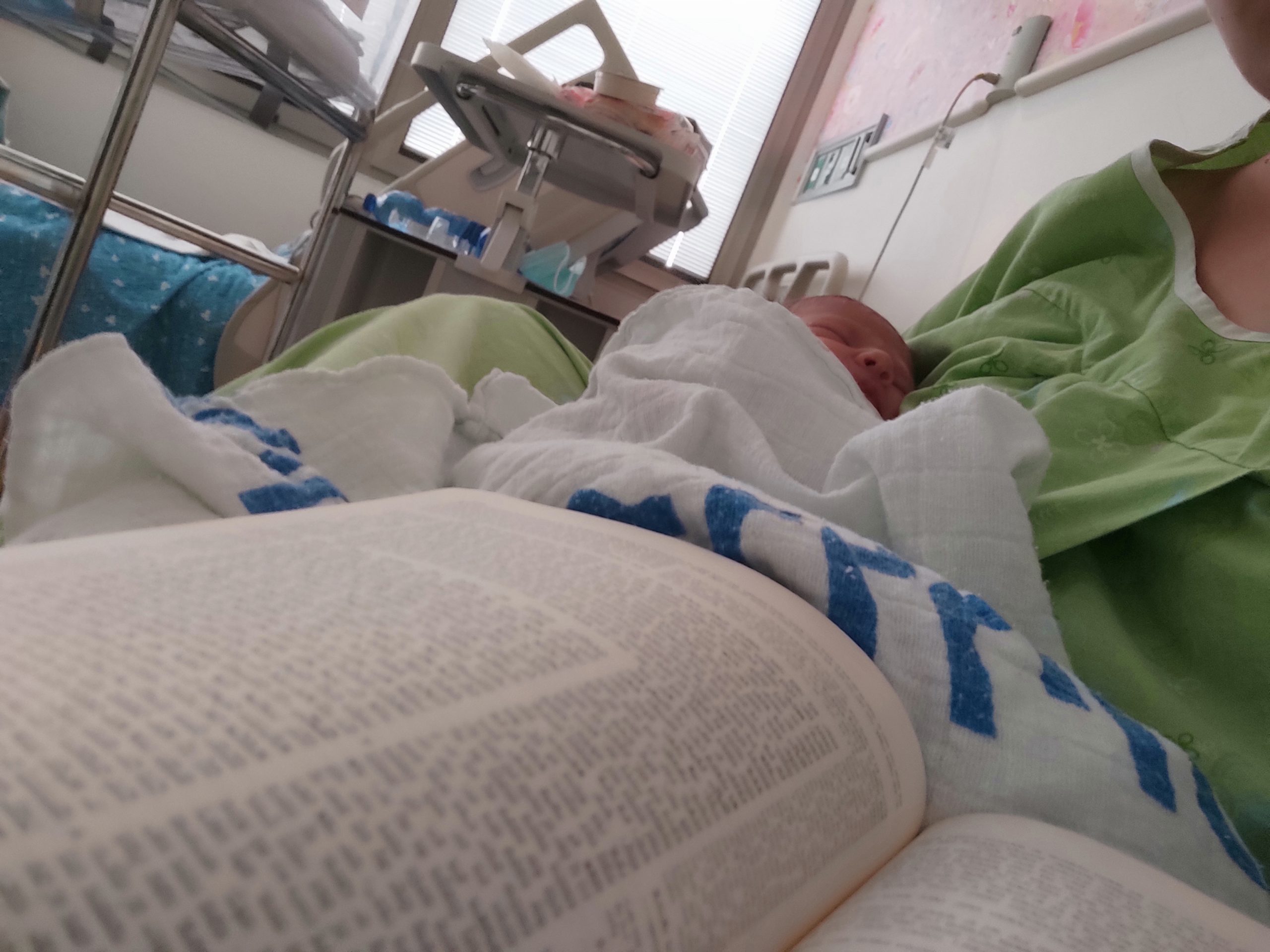
בתחילת הסבב הנוכחי הצטברו אצלי תחושות שאני לא מבינה מספיק מהי ההלכה אותה אני מקיימת בכל יום. כמו כן, כאמא לבנות רציתי לתת להן מודל נשי של לימוד תורה
שתי הסיבות האלו הובילו אותי להתחיל ללמוד. נתקלתי בתגובות מפרגנות וסקרניות איך אישה לומדת גמרא..
כמו שרואים בתמונה אני ממשיכה ללמוד גם היום ואפילו במחלקת יולדות אחרי לידת ביתי השלישית.

Noa Shiloh
נועה שילה

רבבה, ישראל

בתחילת הסבב הנוכחי של לימוד הדף היומי, נחשפתי לחגיגות המרגשות באירועי הסיום ברחבי העולם. והבטחתי לעצמי שבקרוב אצטרף גם למעגל הלומדות. הסבב התחיל כאשר הייתי בתחילת דרכי בתוכנית קרן אריאל להכשרת יועצות הלכה של נשמ”ת. לא הצלחתי להוסיף את ההתחייבות לדף היומי על הלימוד האינטנסיבי של תוכנית היועצות. בבוקר למחרת המבחן הסופי בנשמ”ת, התחלתי את לימוד הדף במסכת סוכה ומאז לא הפסקתי.

Hana Shaham-Rozby (Dr.)
חנה שחם-רוזבי (ד”ר)

קרית גת, ישראל

My explorations into Gemara started a few days into the present cycle. I binged learnt and become addicted. I’m fascinated by the rich "tapestry” of intertwined themes, connections between Masechtot, conversations between generations of Rabbanim and learners past and present all over the world. My life has acquired a golden thread, linking generations with our amazing heritage.
Thank you.

Susan Kasdan
סוזן כשדן

חשמונאים, Israel

התחלתי ללמוד דף יומי כאשר קיבלתי במייל ממכון שטיינזלץ את הדפים הראשונים של מסכת ברכות במייל. קודם לא ידעתי איך לקרוא אותם עד שנתתי להם להדריך אותי. הסביבה שלי לא מודעת לעניין כי אני לא מדברת על כך בפומבי. למדתי מהדפים דברים חדשים, כמו הקשר בין המבנה של בית המקדש והמשכן לגופו של האדם (יומא מה, ע”א) והקשר שלו למשפט מפורסם שמופיע בספר ההינדי "בהגוד-גיתא”. מתברר שזה רעיון כלל עולמי ולא רק יהודי

Elena Arenburg
אלנה ארנבורג

נשר, ישראל

A life-changing journey started with a Chanukah family tiyul to Zippori, home of the Sanhedrin 2 years ago and continued with the Syum in Binanei Hauma where I was awed by the energy of 3000 women dedicated to learning daf Yomi. Opening my morning daily with a fresh daf, I am excited with the new insights I find enriching my life and opening new and deeper horizons for me.

Becky Goldstein
בקי גולדשטיין

Elazar gush etzion, Israel

קידושין סא

הַמַּקְדִּישׁ שָׂדֵהוּ בִּשְׁעַת הַיּוֹבֵל, נוֹתֵן בְּזֶרַע חוֹמֶר שְׂעוֹרִים חֲמִשִּׁים שֶׁקֶל כָּסֶף. הָיוּ נְקָעִים עֲמוּקִּים עֲשָׂרָה טְפָחִים אוֹ סְלָעִים גְּבוֹהִים עֲשָׂרָה טְפָחִים – אֵין נִמְדָּדִין עִמָּהּ. פָּחוֹת מִכָּאן – נִמְדָּדִין עִמָּהּ.

With regard to one who consecrates his field during the time of the Jubilee Year, i.e., in an era when the halakhot of the Jubilee Year are observed, if he wishes to redeem it from the Temple treasury he gives fifty silver shekels for an area that yields a ḥomer, i.e., a kor, of barley seed. If the field had crevices, i.e., deep fissures in its surface, ten handbreadths deep, or boulders ten handbreadths high, they are not measured with it, i.e., in the calculation of land that requires redemption. If the crevices or boulders are less than that, they are measured with it.

וְהָוֵינַן בַּהּ: נְהִי דְּבַהֲדֵי אַרְעָא לֹא קָדְשׁוּ, נִקְדְּשׁוּ בְּאַפֵּי נַפְשַׁיְיהוּ! וְכִי תֵּימָא: כַּמָּה דְּלָא הָוֵי בֵּית כּוֹר לָא חֲשִׁיב, וּרְמִינְהוּ:

And we discussed the following problem: Granted, that these areas are not consecrated together with the field, as they are ten handbreadths higher or lower than the rest of the land; but let the crevices and boulders be consecrated by themselves, so that they should require their own redemption of fifty silver shekels per beit kor. And if you would say that as long as an area does not amount to a beit kor it is not important, the Gemara raises a contradiction against this claim from a baraita.

״שָׂדֶה״ מָה תַּלְמוּד לוֹמַר? – לְפִי שֶׁנֶּאֱמַר: ״זֶרַע חֹמֶר שְׂעֹרִים בַּחֲמִשִּׁים״, אֵין לִי אֶלָּא שֶׁהִקְדִּישׁ בָּעִנְיָן הַזֶּה, מִנַּיִן לְרַבּוֹת, לֶתֶךְ וַחֲצִי לֶתֶךְ, סְאָה, תַּרְקַב, וַחֲצִי תַּרְקַב, וַאֲפִילּוּ רוֹבַע מִנַּיִן? תַּלְמוּד לוֹמַר: ״שָׂדֶה״ – מִכׇּל מָקוֹם!

The verse states with regard to one who consecrates his field: “Part of a field of his possession” (Leviticus 27:16). What is the meaning when the verse states this? Since it is stated in the same verse: “The sowing of a ḥomer of barley shall be valued at fifty shekels of silver,” I have derived only that this halakha applies to one who consecrated in this manner, i.e., consecrated an area fit to sow a ḥomer of barley. From where do I derive that this halakha includes a smaller area, e.g., one suitable for sowing a half-kor, and half of a half-kor, and the area for a se’a, and a tarkav, which is half a se’a, and half a tarkav, and even the area of a quarterkav? The baraita restates its question: From where is it derived that these areas of land can also be consecrated and redeemed based on the fixed values of the Torah? The verse states “a field” in any case.

אָמַר מָר עוּקְבָא בַּר חָמָא: הָכָא בִּנְקָעִים מְלֵאִים מַיִם עָסְקִינַן, מִשּׁוּם דְּלָאו בְּנֵי זְרִיעָה נִינְהוּ. דַּיְקָא נָמֵי, דְּקָתָנֵי דּוּמְיָא דִסְלָעִים גְּבוֹהִים, שְׁמַע מִינַּהּ.

Therefore, the Gemara’s question remains: Why aren’t the crevices and boulders measured by themselves? Mar Ukva bar Ḥama said: Here we are dealing with crevices filled with water. Due to the fact that they are not fit for sowing, the crevices are not considered a field. The Gemara comments: The language of the mishna is also precise, as it teaches the case of crevices, similar to the case of high boulders, which are also unsuitable for sowing. The Gemara affirms: Learn from this comparison that this explanation is correct.

אִי הָכִי, אֲפִילּוּ פָּחוֹת מִיכֵּן נָמֵי! הָנְהוּ נְאגָנֵי דְאַרְעָא מִיקְּרוּ, שִׁדְרָא דְאַרְעָא מִקְּרוּ.

The Gemara asks: If so, i.e., if the crevices, like the boulders, are unfit for sowing, then even if there is a disparity of less than ten handbreadths as well, the crevices and boulders should likewise not be measured as part of the field. The Gemara answers: If they are separated from the field by less than ten handbreadths, these crevices are called the cracks in the ground. Similarly, boulders less than ten handbreadths high are called the spine of the ground. They are considered regular features of fields, which typically have a few pits and mounds.

גַּבֵּי מֶכֶר תְּנַן: הָאוֹמֵר לַחֲבֵירוֹ ״בֵּית כּוֹר עָפָר אֲנִי מוֹכֵר לָךְ״, וְהָיוּ שָׁם נְקָעִים עֲמוּקִּים עֲשָׂרָה טְפָחִים אוֹ סְלָעִים גְּבוֹהִים עֲשָׂרָה טְפָחִים – אֵין נִמְדָּדִים עִמָּהּ. פָּחוֹת מִכָּאן – נִמְדָּדִים עִמָּהּ. וְאָמַר מָר עוּקְבָא בַּר חָמָא: אַף עַל פִּי שֶׁאֵין מְלֵאִים מַיִם.

With regard to a sale of a field, we learned in a mishna (Bava Batra 102b): In the case of one who says to another: I am selling you a beit kor of earth, if there were crevices ten handbreadths deep or boulders ten handbreadths high in the field, they are not measured with it; if the crevices or boulders were less than that, they are measured with it. And Mar Ukva bar Ḥama says: Even if they are not filled with water, nevertheless they are not included.

מַאי טַעְמָא? אָמַר רַב פָּפָּא: לְפִי שֶׁאֵין אָדָם רוֹצֶה שֶׁיִּתֵּן אֶת מְעוֹתָיו בְּשָׂדֶה אַחַת וְיֵרָאֶה לוֹ כִּשְׁנַיִם וְכַשְּׁלֹשָׁה מְקוֹמוֹת.

The Gemara asks: What is the reason for this difference between the two rulings of Mar Ukva bar Ḥama? Why in the case of a sale are crevices not considered part of the field even if they are not filled with water? Rav Pappa says: Because a person who buys a field does not want to give his money for one field and yet it appears to him like two or three places. When purchasing a parcel of land, it is important to the purchaser that the land be one contiguous unit so as to enable farming it without difficulty. Therefore, these areas of ten handbreadths are not measured as part of the field regardless of whether or not they are filled with water.

הָכָא מַאי? לְהֶקְדֵּשׁ מְדַמֵּינַן לַהּ, אוֹ לְמֶכֶר מְדַמֵּינַן לַהּ? מִסְתַּבְּרָא לְהֶקְדֵּשׁ מְדַמֵּינַן לַהּ, דְּאָמַר לַהּ: אֲנָא טָרַחְנָא וְזָרַעְנָא וּמַיְיתֵינָא.

Having discussed the halakhot of a field with regard to consecration and sales, the Gemara asks: What is the halakha here, with regard to measuring a field to see if it fulfills the condition stipulated by one who betroths a woman, if it contains large crevices that are not filled with water? Do we compare it to the halakha of consecrated property and include these places, or do we compare it to the halakha of a sale, which means that they are not included? The Gemara answers: It stands to reason that we compare it to the case of consecrated property, as the husband can say to her: I will go to the trouble of sowing and bringing the produce from the lower or higher areas as well. Although the labor requires additional effort, he does possess a beit kor of land.

מַתְנִי׳ רַבִּי מֵאִיר אוֹמֵר: כׇּל תְּנַאי שֶׁאֵינוֹ כִּתְנַאי בְּנֵי גָּד וּבְנֵי רְאוּבֵן – אֵינוֹ תְּנַאי. שֶׁנֶּאֱמַר: ״וַיֹּאמֶר אֲלֵהֶם אִם יַעַבְרוּ בְנֵי גָד וּבְנֵי רְאוּבֵן״. וּכְתִיב: ״וְאִם לֹא יַעַבְרוּ חֲלוּצִים״.

MISHNA: Rabbi Meir says: Any condition that is not doubled, i.e., which does not specify both the result of fulfilling the condition and the result of the condition remaining unfulfilled, like the condition Moses stipulated with the children of Gad and the children of Reuben who sought to settle on the eastern side of the Jordan, is not a valid condition and is not taken into account at all. As it is stated: “And Moses said to them, if the children of Gad and the children of Reuben pass over the Jordan with you, every man armed for battle before the Lord, and the land shall be subdued before you, then you shall give them the land of Gilead for a possession” (Numbers 32:29). And it is written afterward: “But if they will not pass over armed with you, they shall receive a possession among you in the land of Canaan” (Numbers 32:30).

רַבִּי חֲנִינָא בֶּן גַּמְלִיאֵל אוֹמֵר: צָרִיךְ הַדָּבָר לְאוֹמְרוֹ, שֶׁאִלְמָלֵא כֵּן, יֵשׁ בַּמַּשְׁמָע שֶׁאֲפִילּוּ בְּאֶרֶץ כְּנַעַן לֹא יִנְחָלוּ.

Rabbi Ḥanina ben Gamliel says: One cannot derive the requirements of conditions in general from that particular case, as with regard to the nullification of the condition of the children of Gad and Reuben it was necessary to state the matter, as otherwise, if the verse had not specified both sides of the condition, it might have been thought it meant that they will not inherit even in the land of Canaan. One might have thought that if the tribes of Gad and Reuben would not fulfill the condition, they would forfeit their right to inherit anywhere. It was therefore necessary to specify that they would not lose their portion in Eretz Yisrael. Consequently, it is possible that with regard to a standard condition, where no such misunderstanding is likely to take place, it is not necessary to mention both sides.

גְּמָ׳ שַׁפִּיר קָאָמַר לֵיהּ רַבִּי חֲנִינָא בֶּן גַּמְלִיאֵל לְרַבִּי מֵאִיר! אָמַר לָךְ רַבִּי מֵאִיר: אִי סָלְקָא דַעְתָּךְ לָאו לִתְנַאי כָּפוּל הוּא דַּאֲתָא, לִכְתּוֹב: ״וְאִם לֹא יַעַבְרוּ וְנֹאחֲזוּ בְתֹכְכֶם״, ״בְּאֶרֶץ כְּנָעַן״

GEMARA: Rabbi Ḥanina ben Gamliel is saying well, i.e., presenting a reasonable objection, to Rabbi Meir. He apparently refuted Rabbi Meir’s opinion entirely. How would Rabbi Meir respond? The Gemara answers: Rabbi Meir could have said to you: If it enters your mind that the verse does not come to teach the requirement of a compound condition to stipulate both positive and negative outcomes, let it merely write: But if they will not pass over they shall receive a possession among you, which would indicate that they have a portion in the land. The verse actually proceeds to state: “In the land of Canaan.”

לְמָה לִי? שְׁמַע מִינַּהּ לִתְנַאי כָּפוּל הוּא דַּאֲתָא.

Why do I need this extra phrase? Conclude from it that it comes to teach the requirement of a compound condition.

וְרַבִּי חֲנִינָא בֶּן גַּמְלִיאֵל אָמַר: אִי לָא כְּתַב רַחֲמָנָא ״בְּאֶרֶץ כְּנַעַן״, הֲוָה אָמֵינָא ״וְנֹאחֲזוּ בְתֹכְכֶם״ – בְּאֶרֶץ גִּלְעָד, אֲבָל אֶרֶץ כְּנַעַן – כְּלָל לָא. וְרַבִּי מֵאִיר? ״בְתֹכְכֶם״ – כֹּל הֵיכָא דְּאִית לְכוּ מַשְׁמַע.

And Rabbi Ḥanina ben Gamliel says: If the Merciful One had not written: “In the land of Canaan,” I would say that the requirement: “They shall receive a possession among you” (Numbers 32:30) is referring to the land of Gilead, i.e., this land must be shared with the other tribes. But they would not inherit in the land of Canaan at all. The Gemara asks: And how does Rabbi Meir respond to this claim? He maintains that the expression: “Among you,” means anywhere that you have taken possession, including the land of Canaan. Therefore, the subsequent phrase “the land of Canaan” is superfluous and serves to teach that the condition must be doubled.

תַּנְיָא: אָמַר רַבִּי חֲנִינָא בֶּן גַּמְלִיאֵל: מָשָׁל לְמָה הַדָּבָר דּוֹמֶה – לְאָדָם שֶׁהָיָה מְחַלֵּק נְכָסָיו לְבָנָיו, אָמַר: פְּלוֹנִי בְּנִי יִירַשׁ שָׂדֶה פְּלוֹנִית, וּפְלוֹנִי בְּנִי יִירַשׁ שָׂדֶה פְּלוֹנִית, וּפְלוֹנִי בְּנִי יִתֵּן מָאתַיִם זוּז וְיִירַשׁ שָׂדֶה פְּלוֹנִית, וְאִם לֹא יִתֵּן – יִירַשׁ עִם אֶחָיו בִּשְׁאָר נְכָסִים.

It is taught in a baraita with regard to this issue that Rabbi Ḥanina ben Gamliel said: Hear a parable: To what is this matter, i.e., the condition of the children of Gad and Reuben, comparable? It is comparable to a person who was dividing up his property among his sons, and said: My son so-and-so shall inherit such and such a field; and my son so-and-so shall inherit such and such a field; and my son so-and-so shall give two hundred dinars and inherit such and such a field, and if he does not give the money he will inherit a part of the remainder of the property with his brothers.

מִי גָּרַם לוֹ לִירַשׁ עִם אֶחָיו בִּשְׁאָר נְכָסִים – כְּפֵילוֹ גָּרַם לוֹ.

What causes the last brother to inherit a part of the remainder of the property with his brothers? The father’s double formulation of the condition causes him to inherit in this manner. It was therefore necessary for the father to state both sides and explain what will happen if the third brother fails to give the money. Had the father not repeated the condition, upon failing to give the two hundred dinars the son would not have received any portion of the property.

וְהָא לָא דָּמְיָא מָשָׁל לְמַתְנִיתִין! הָתָם קָתָנֵי: יֵשׁ בַּמַּשְׁמָע שֶׁאֲפִילּוּ בְּאֶרֶץ כְּנַעַן לֹא יִנְחָלוּ, אַלְמָא כְּפֵילָה לְאֶרֶץ גִּלְעָד נָמֵי מַהֲנֵי.

The Gemara asks: But the parable is not similar to the mishna, as there the mishna teaches: It might have been thought it meant that if they do not fulfill the condition they will not inherit even in the land of Canaan, and certainly not in the land of Gilead. This apparently indicates that the double formulation is also effective for them to inherit the land of Gilead with the other tribes. Otherwise, the children of Gad and Reuben would not receive any part of the Gilead either.

וְהָכָא קָתָנֵי: מִי גָּרַם לוֹ לִירַשׁ עִם אֶחָיו בִּשְׁאָר נְכָסִים – כְּפֵילוֹ גָּרַם לוֹ, אַלְמָא כְּפֵילָה לִשְׁאָר נְכָסִים הוּא דְּקָמַהֲנֵי!

And yet here the baraita teaches: What causes the last brother to inherit a part of the remainder of the property with his brothers? The father’s double formulation causes him. This apparently indicates that the double formulation is effective for the rest of the property, whereas he would have received that portion of the field linked to the condition in any case. According to this reasoning, the children of Gad and Reuben would have been granted a portion in the land of Gilead even without the double formulation.

לָא קַשְׁיָא. הָא – מִקַּמֵּי דְּנֵימָא לֵיהּ רַבִּי מֵאִיר ״וְנֹאחֲזוּ״,

The Gemara answers: This is not difficult, as this case, referring to Rabbi Ḥanina ben Gamliel’s ruling in the mishna, was stated before Rabbi Meir said to him that the verse could simply have stated: “They shall receive a possession among you.” At that stage, Rabbi Ḥanina ben Gamliel maintained that if the two tribes did not fulfill the condition they would not inherit even in the land of Gilead, as indicated by his use of the term: Even, in the mishna.

הָא – לְבָתַר דְּנֵימָא לֵיהּ רַבִּי מֵאִיר ״וְנֹאחֲזוּ״.

Whereas that case, referring to the parable in the baraita, was taught after Rabbi Meir said to Rabbi Ḥanina ben Gamliel that when the phrase: “They shall receive a possession,” appears by itself it is referring to the land of Canaan. As stated previously, Rabbi Ḥanina ben Gamliel responded by explaining that had the verse not stated: “In the land of Canaan,” one would have said that the requirement: “They shall receive a possession among you” (Numbers 32:30), is referring to the land of Gilead, and they would not inherit in the land of Canaan. In other words, even without the compound condition they would have received a portion in Gilead, which is similar to the parable.

בִּשְׁלָמָא לְרַבִּי מֵאִיר, הַיְינוּ דִּכְתִיב: ״אִם תֵּיטִיב שְׂאֵת, וְאִם לֹא תֵיטִיב לַפֶּתַח חַטָּאת רֹבֵץ״. אֶלָּא לְרַבִּי חֲנִינָא לְמָה לִי? סָלְקָא דַּעְתָּךְ אָמֵינָא: אִם תֵּיטִיב – אַגְרָא, אִם לֹא תֵיטִיב – לָא אַגְרָא וְלָא דִּינָא, קָא מַשְׁמַע לַן.

§ The Gemara proceeds to analyze these two opinions: Granted, according to the opinion of Rabbi Meir, who requires a compound condition, this is the reason that it is written, with regard to God’s rebuke of Cain: “If you do well, shall it not be lifted up? And if you do not do well, sin crouches at the door” (Genesis 4:7). However, according to the opinion of Rabbi Ḥanina ben Gamliel, why do I need both sides of this stipulation to be specified? The Gemara answers: Were it not for the double formulation it might enter your mind to say that the verse means: If you do well shall you not receive a reward? And if you do not do well you will receive neither reward nor punishment. The double formulation of the verse teaches us that if Cain fails to do well he will be actively punished.

בִּשְׁלָמָא לְרַבִּי מֵאִיר, הַיְינוּ דִּכְתִיב: ״אָז תִּנָּקֶה מֵאָלָתִי״, אֶלָּא לְרַבִּי חֲנִינָא בֶּן גַּמְלִיאֵל לְמָה לִי?

The Gemara asks another question: Granted, according to the opinion of Rabbi Meir, this is the reason that it is written, with regard to Abraham’s instruction to Eliezer to bring a wife for Isaac: “Then you shall be clear from my oath…if they will not give her to you” (Genesis 24:41). However, according to the opinion of Rabbi Ḥanina ben Gamliel, why do I need this addition? The positive formulation of the oath already indicates the negative.

אִצְטְרִיךְ, סָלְקָא דַּעְתָּךְ אָמֵינָא: הֵיכָא דְּנִיחָא לַהּ לְדִידַהּ וְלָא נִיחָא לֵיהּ לְדִידְהוּ מַיְיתֵי בְּעַל כֻּרְחַיְיהוּ, קָא מַשְׁמַע לַן.

The Gemara answers: It was necessary for this to be stated; if Abraham had stated only: “And take a wife for my son” (Genesis 24:38), it might enter your mind to say: In a case where the arrangement is satisfactory for her, but not satisfactory for her family, he should bring her against their wishes. The verse therefore teaches us that Eliezer is not obligated to bring her against her family’s wishes.

״אִם לֹא תֹאבֶה הָאִשָּׁה״ לְמָה לִי? אִצְטְרִיךְ, סָלְקָא דַּעְתָּךְ אָמֵינָא: הֵיכָא דְּנִיחָא לְהוּ לְדִידְהוּ וְלָא נִיחָא לַהּ לְדִידַהּ – נַיְיתֵי בְּעַל כֻּרְחַהּ, קָא מַשְׁמַע לַן.

The Gemara inquires about another verse in that chapter: “If the woman is not willing to follow you” (Genesis 24:8). Why do I need this clause? The Gemara answers: It was necessary, since it might enter your mind to say: If it is satisfactory for them but not satisfactory for her, he should bring her against her wishes. The verse therefore teaches us that he should not bring her against her wishes.

בִּשְׁלָמָא לְרַבִּי מֵאִיר, הַיְינוּ דִּכְתִיב: ״אִם בְּחֻקֹּתַי תֵּלֵכוּ״, ״וְאִם בְּחֻקֹּתַי תִּמְאָסוּ״, אֶלָּא לְרַבִּי חֲנִינָא בֶּן גַּמְלִיאֵל לְמָה לִי? אִצְטְרִיךְ, סָלְקָא דַּעְתָּךְ אָמֵינָא: ״אִם בְּחֻקֹּתַי תֵּלֵכוּ״ – בְּרָכָה, ״אִם בְּחֻקֹּתַי תִּמְאָסוּ״ – לֹא בְּרָכָה וְלֹא קְלָלָה, קָא מַשְׁמַע לַן.

The Gemara asks a related question: Granted, according to the opinion of Rabbi Meir, this is the reason that it is written: “If you walk in My statutes” (Leviticus 26:3), you will receive blessings; conversely: “And if you shall reject My statutes” (Leviticus 26:15), you will receive curses. However, according to the opinion of Rabbi Ḥanina ben Gamliel, why do I need both of these clauses? The Gemara answers: They are both necessary, as it might enter your mind to say: If you follow My statutes you will receive a blessing, whereas if you reject My statutes you will receive neither a blessing nor a curse. The verse therefore teaches us that the rejection of God’s statutes warrants a curse.

בִּשְׁלָמָא לְרַבִּי מֵאִיר, הַיְינוּ דִּכְתִיב ״אִם תֹּאבוּ וּשְׁמַעְתֶּם וְגוֹ׳״, ״וְאִם תְּמָאֲנוּ וּמְרִיתֶם וְגוֹ׳״, אֶלָּא לְרַבִּי חֲנִינָא בֶּן גַּמְלִיאֵל לְמָה לִי? אִצְטְרִיךְ, סָלְקָא דַּעְתָּךְ אָמֵינָא: ״אִם תֹּאבוּ״ – טוֹבָה, ״וְאִם תְּמָאֲנוּ״ – לֹא טוֹבָה וְלֹא רָעָה, קָא מַשְׁמַע לַן.

The Gemara again inquires: Granted, according to the opinion of Rabbi Meir, this is the reason that it is written: “If you are willing and obedient you shall eat the good of the land” (Isaiah 1:19), whereas: “But if you refuse and rebel you shall be devoured by the sword” (Isaiah 1:20). But according to the opinion of Rabbi Ḥanina ben Gamliel, why do I need the double formulation? The Gemara answers in a similar fashion: It is necessary, as it might enter your mind to say: “If you are willing” you will receive good, i.e., reward, “but if you refuse” you will receive neither good nor bad. The verse therefore teaches us that this is not the case, and one who rebels will receive punishment.

מַאי

In connection with the verse from Isaiah, the Gemara asks: What is the meaning of the phrase:

רוצה לעקוב אחרי התכנים ולהמשיך ללמוד?

ביצירת חשבון עוד היום ניתן לעקוב אחרי ההתקדמות שלך, לסמן מה למדת, ולעקוב אחרי השיעורים שמעניינים אותך.

לנקות את כל הפריטים מהרשימה?

פעולה זו תסיר את כל הפריטים בחלק זה כולל ההתקדמות וההיסטוריה. שימי לב: לא ניתן לשחזר פעולה זו.

ביטול
מחיקה

האם את/ה בטוח/ה שברצונך למחוק פריט זה?

תאבד/י את כל ההתקדמות או ההיסטוריה הקשורות לפריט זה.

ביטול
מחיקה