חיפוש

מגילה לא

רוצה להקדיש לימוד?

podcast placeholder

0:00
0:00


תקציר

משנה מפרטת איזה קטעים בתורה קוראים בימים שונים בשנה. מובאת ברייתא המפרטת גם את קריאות התורה ומוסיפה את קריאות ההפטרה. הגמרא קוטעת את הברייתא כמה פעמים כדי להסביר דברים שאינם ברורים או לעדכן לגבי קריאה שאולי השתנתה מזמן הברייתא ועד זמן האמוראים. מדוע אנו קוראים על בריאת העולם בתפילת המעמדות? למה אנחנו לא מחלקים את הקללות ליותר מעלייה אחת? האם כך לגבי הקללות בויקרא ובדברים? בדרך כלל אנו קוראים את הקללות בויקרא לפני חג השבועות ואת אלו שבדברים לפני ראש השנה – מדוע? יש מחלוקת תנאים אם הקריאה בשבת אחר הצהריים, ובימי שני וחמישי מתחילה מהנקודה האחרונה שהפסיקה בקריאה הקודמת לה או שמא אנו קוראים אותו דבר בכל אחת מקריאות אלו.


מגילה לא

בְּרָכוֹת וּקְלָלוֹת. אֵין מַפְסִיקִין בִּקְלָלוֹת, אֶלָּא אֶחָד קוֹרֵא אֶת כּוּלָּן.

they read the portion of blessings and curses (Leviticus, chapter 26). One should not interrupt the reading of the curses by having two different people read them. Rather, one person reads all of them.

בְּשֵׁנִי וּבַחֲמִישִׁי, בַּשַּׁבָּת בַּמִּנְחָה — קוֹרִין כְּסִדְרָן, וְאֵין עוֹלִים לָהֶם מִן הַחֶשְׁבּוֹן.

On Mondays, and on Thursdays, and on Shabbat during the afternoon service, they read in accordance with the regular weekly order, i.e., they proceed to read the first section of the Torah portion that follows the portion that was read on the previous Shabbat morning. However, these readings are not counted as a progression in the reckoning of reading the Torah portions, i.e., they do not proceed on Monday to read the section that immediately follows the section read on Shabbat during the afternoon, and then the following section on Thursday. Rather, until the reading on the following Shabbat morning, they return to and read the same first section of the Torah portion that follows the portion that was read on the previous Shabbat morning.

שֶׁנֶּאֱמַר: ״וַיְדַבֵּר מֹשֶׁה אֶת מוֹעֲדֵי ה׳ אֶל בְּנֵי יִשְׂרָאֵל״, מִצְוָתָן שֶׁיְּהוּ קוֹרִין כׇּל אֶחָד וְאֶחָד בִּזְמַנּוֹ.

On Festivals and holidays, they read a portion relating to the character of the day, as it is stated: “And Moses declared to the children of Israel the appointed seasons of the Lord” (Leviticus 23:44), which indicates that part of the mitzva of the Festivals is that the people should read the portion relating to them, each one in its appointed time.

גְּמָ׳ תָּנוּ רַבָּנַן: בְּפֶסַח קוֹרִין בְּפָרָשַׁת מוֹעֲדוֹת וּמַפְטִירִין בְּפֶסַח גִּלְגָּל, וְהָאִידָּנָא דְּאִיכָּא תְּרֵי יוֹמֵי, יוֹמָא קַמָּא — בְּפֶסַח גִּלְגָּל, וּלְמָחָר — בְּפֶסַח יֹאשִׁיָּהוּ.

GEMARA: The Sages taught in a baraita: On the first day of Passover, the congregation reads from the portion of the Festivals (Leviticus 22:26–23:44), and they read as the haftara the account of the Passover celebrated at Gilgal (Joshua 5:2–14). The Gemara comments: And nowadays, in the Diaspora, when there are two Festival days of Passover, on the first day they read as the haftara the account of the Passover celebrated at Gilgal, and on the next day they read from the account of the Passover observed by Josiah (II Kings 23).

וּשְׁאָר יְמוֹת הַפֶּסַח מְלַקֵּט וְקוֹרֵא מֵעִנְיָנוֹ שֶׁל פֶּסַח. מַאי הִיא? אָמַר רַב פָּפָּא: מֵאַפּ״‎וֹ סִימָן.

The baraita continues: And on the other days of Passover, one collects and reads from various Torah portions of matters relating to Passover. The Gemara asks: What are these portions? Rav Pappa said: A mnemonic for them is mem, alef, peh vav. Each letter stands for a different reading: Mem for the portion of: “Draw out [mishkhu] and take your lambs” (Exodus 12:21–51); alef for the portion of “If [im] you lend money to any of My people” (Exodus 22:24–23:19); peh for the portion of “Hew [pesol] for yourself” (Exodus 34:1–26); and vav for the portion “And the Lord spoke [vaydabber]” (Numbers 9:1–14).

יוֹם טוֹב הָאַחֲרוֹן שֶׁל פֶּסַח קוֹרִין ״וַיְהִי בְּשַׁלַּח״, וּמַפְטִירִין ״וַיְדַבֵּר דָּוִד״. וּלְמָחָר ״כׇּל הַבְּכוֹר״, וּמַפְטִירִין ״עוֹד הַיּוֹם״.

The baraita continues: On the last Festival day of Passover, they read the portion of “And it came to pass, when Pharaoh let the people go” (Exodus 13:17–15:26), because it includes the account of the splitting of the Red Sea, and they read as the haftara the portion “And David spoke” (II Samuel 22), which is the song of David. And in the Diaspora, on the next day, the eighth day of Passover, they read the portion “All the firstborns” (Deuteronomy 15:19–16:17), and they read as the haftara the portion of “This very day” (Isaiah 10:32–12:6), because it discusses the downfall of Sennacherib, which occurred on the night of Passover.

אָמַר אַבָּיֵי, וְהָאִידָּנָא נְהוּג עָלְמָא לְמִיקְרֵי: מְשַׁךְ תּוֹרָא, קַדֵּשׁ בְּכַסְפָּא, פְּסַל בְּמַדְבְּרָא, שַׁלַּח בּוּכְרָא.

Abaye said: And nowadays, on the eight days of Passover in the Diaspora, everyone is accustomed to read portions that are indicated by the mnemonic phrase: Draw the bull, sanctify with money, hew in the wilderness, send the firstborn. This alludes to the following portions: “Draw out and take your lambs” (Exodus 12:21–51) and “A bull or a sheep” (Leviticus 22:26–23:44); “Sanctify to Me all the firstborn” (Exodus 13:1–16) and “If you lend money to any of My people” (Exodus 22:24–23:19); “Hew for yourself” (Exodus 34:1–26) and “And the Lord spoke to Moses in the wilderness of Sinai” (Numbers 9:1–14); “And it came to pass, when Pharaoh let the people go” (Exodus 13:17–15:26) and “All the firstborns” (Deuteronomy 15:19–16:17).

בָּעֲצֶרֶת ״שִׁבְעָה שָׁבוּעוֹת״, וּמַפְטִירִין בַּחֲבַקּוּק. אֲחֵרִים אוֹמְרִים: ״בַּחֹדֶשׁ הַשְּׁלִישִׁי״, וּמַפְטִירִין בַּמֶּרְכָּבָה. וְהָאִידָּנָא דְּאִיכָּא תְּרֵי יוֹמֵי, עָבְדִינַן כְּתַרְוַיְיהוּ וְאִיפְכָּא.

The baraita continues: On Shavuot they read the portion of “Seven weeks,” and they read as the haftara from Habakkuk, chapter 2, since it mentions the giving of the Torah at Sinai. Others say: They read the portion of “In the third month” (Exodus 19:1–20:23), which describes the giving of the Torah, and they read as the haftara from the account of the Divine Chariot (Ezekiel 1). The Gemara comments: And nowadays, in the Diaspora, when there are two days of Shavuot, we act in accordance with both opinions, but in the reverse order. On the first day they read the portion of “In the third month,” and on the second day they read the portion of “Seven weeks.”

בְּרֹאשׁ הַשָּׁנָה: ״בַּחֹדֶשׁ הַשְּׁבִיעִי״, וּמַפְטִירִין: ״הֲבֵן יַקִּיר לִי אֶפְרַיִם״. וְיֵשׁ אוֹמְרִים: ״וַה׳ פָּקַד אֶת שָׂרָה״, וּמַפְטִירִין בְּחַנָּה.

The baraita continues: On Rosh HaShana they read the portion of “On the seventh month on the first of the month” (Numbers 29:1–6) and they read as the haftara “Is Ephraim My dear son?” (Jeremiah 31:1–20), as it contains the verse: “I earnestly remember him still,” which recalls God’s love for His people. And some say that they read “And the Lord visited Sarah (Genesis 21), which describes how God blessed her that she should have a child, and, according to tradition, God blessed her on Rosh HaShana. And they read as the haftara from the account of Hannah (I Samuel 1:1–2:10), who, according to tradition, was also blessed on Rosh HaShana that she should have a child.

וְהָאִידָּנָא דְּאִיכָּא תְּרֵי יוֹמֵי — יוֹמָא קַמָּא כְּיֵשׁ אוֹמְרִים, לִמְחַר: ״וְהָאֱלֹהִים נִסָּה אֶת אַבְרָהָם״, וּמַפְטִירִין ״הֲבֵן יַקִּיר״.

The Gemara comments: And nowadays, when there are two days of Rosh HaShana, on the first day they read Genesis 21 in accordance with the opinion cited as: Some say. And on the next day they read “And God tested Abraham (Genesis 22), in order to mention the merit of the binding of Isaac on the day of God’s judgment, and they read as the haftara “Is Ephraim My dear son?”

בְּיוֹם הַכִּפּוּרִים קוֹרִין ״אַחֲרֵי מוֹת״, וּמַפְטִירִין ״כִּי כֹה אָמַר רָם וְנִשָּׂא״. וּבַמִּנְחָה קוֹרִין בָּעֲרָיוֹת וּמַפְטִירִין בְּיוֹנָה.

The baraita continues: On Yom Kippur they read the portion of “After the death” (Leviticus 16), and they read as the haftara the portion of “For thus says the High and Lofty One” (Isaiah 57:14–58:14), which deals with fasting and repentance. And during the afternoon service they read from the portion detailing forbidden sexual relations (Leviticus 18) to convey the severity of these transgressions, so that if anyone transgressed any of these prohibitions he will repent on Yom Kippur. And they read as the haftara the book of Jonah, which mentions the repentance of the people of Nineveh.

אָמַר רַבִּי יוֹחָנָן: כׇּל מָקוֹם שֶׁאַתָּה מוֹצֵא גְּבוּרָתוֹ שֶׁל הַקָּדוֹשׁ בָּרוּךְ הוּא, אַתָּה מוֹצֵא עִנְוְותָנוּתוֹ. דָּבָר זֶה כָּתוּב בַּתּוֹרָה, וְשָׁנוּי בַּנְּבִיאִים, וּמְשׁוּלָּשׁ בַּכְּתוּבִים.

Having mentioned the haftara read on Yom Kippur, the Gemara cites that which Rabbi Yoḥanan said: Wherever you find a reference in the Bible to the might of the Holy One, Blessed be He, you also find a reference to His humility adjacent to it. Evidence of this fact is written in the Torah, repeated in the Prophets, and stated a third time in the Writings.

כָּתוּב בַּתּוֹרָה: ״כִּי ה׳ אֱלֹהֵיכֶם הוּא אֱלֹהֵי הָאֱלֹהִים וַאֲדוֹנֵי הָאֲדוֹנִים״, וּכְתִיב בָּתְרֵיהּ: ״עוֹשֶׂה מִשְׁפַּט יָתוֹם וְאַלְמָנָה״. שָׁנוּי בַּנְּבִיאִים: ״כֹה אָמַר רָם וְנִשָּׂא שׁוֹכֵן עַד וְקָדוֹשׁ וְגוֹ׳״, וּכְתִיב בָּתְרֵיהּ: ״וְאֶת דַּכָּא וּשְׁפַל רוּחַ״, מְשׁוּלָּשׁ בַּכְּתוּבִים, דִּכְתִיב: ״סוֹלּוּ לָרוֹכֵב בָּעֲרָבוֹת בְּיָהּ שְׁמוֹ״, וּכְתִיב בָּתְרֵיהּ: ״אֲבִי יְתוֹמִים וְדַיַּין אַלְמָנוֹת״.

It is written in the Torah: “For the Lord your God is the God of gods and the Lord of lords” (Deuteronomy 10:17), and it is written immediately afterward: “He executes the judgment of the fatherless and widow” (Deuteronomy 10:18), displaying his humility in caring for even the weakest parts of society. It is repeated in the Prophets: “For thus says the High and Lofty One that inhabits eternity, Whose name is sacred” (Isaiah 57:15), and it is written immediately afterward: “In the high and holy place I dwell with him that is of a contrite and humble spirit, to revive the spirit of the humble, and to revive the heart of the contrite ones” (Isaiah 57:15). It is stated a third time in the Writings, as it is written: “Extol Him Who rides upon the clouds, Whose name is the Lord” (Psalms 68:5), and it is written immediately afterward: “A father of the fatherless, and a judge of widows” (Psalms 68:6).

יוֹם טוֹב הָרִאשׁוֹן שֶׁל חַג קוֹרִין בְּפָרָשַׁת מוֹעֲדוֹת שֶׁבְּתוֹרַת כֹּהֲנִים, וּמַפְטִירִין ״הִנֵּה יוֹם בָּא לַה׳״. וְהָאִידָּנָא דְּאִיכָּא תְּרֵי יוֹמֵי, לִמְחַר מִיקְרָא הָכִי נָמֵי קָרֵינַן, אַפְטוֹרֵי מַאי מַפְטִירִין — ״וַיִּקָּהֲלוּ אֶל הַמֶּלֶךְ שְׁלֹמֹה״.

The baraita continues: On the first Festival day of Sukkot, they read from the portion of the Festivals found in Leviticus (Leviticus 22:26–23:44), and they read as the haftara the portion of “Behold the day of the Lord comes” (Zechariah 14), which mentions the festival of Sukkot. The Gemara comments: And nowadays, in the Diaspora, when there are two Festival days of Sukkot, on the next day, they read the same Torah portion. But what do they read as the haftara? They read the portion of “And all the men of Israel assembled themselves to King Solomon (I Kings 8:2–21), which describes events that took place on the festival of Sukkot.

וּשְׁאָר כׇּל יְמוֹת הַחַג קוֹרִין בְּקׇרְבְּנוֹת הֶחָג. יוֹם טוֹב הָאַחֲרוֹן קוֹרִין ״כׇּל הַבְּכוֹר״, מִצְוֹת וְחוּקִּים וּבְכוֹר, וּמַפְטִירִין ״וַיְהִי כְּכַלּוֹת שְׁלֹמֹה״. לְמָחָר קוֹרִין ״וְזֹאת הַבְּרָכָה״, וּמַפְטִירִין ״וַיַּעֲמֹד שְׁלֹמֹה״.

The baraita continues: And on all the other days of Sukkot, they read selections from the portion of the offerings of Sukkot found in the book of Numbers, chapter 29. On the last Festival day of Sukkot, i.e., the Eighth Day of Assembly, they read the portion of “All the firstborns,” starting with the portion of “You shall tithe,” since it includes many mitzvot and statutes relating to gifts for the poor, who should be helped during this period of rejoicing, and it concludes with the halakhot governing firstborns (Deuteronomy 14:22–16:17). And they read as the haftara the portion of “And it was so, that when Solomon had made an end of praying” (I Kings 8:54–9:1), which occurred on that day. On the next day, the second day of the Eighth Day of Assembly in the Diaspora, they read the portion of “And this is the blessing” (Deuteronomy, chapters 33–34) until the end of the Torah, and they read as the haftara “And Solomon stood” (I Kings 8:22–53).

אָמַר רַב הוּנָא אָמַר רַב: שַׁבָּת שֶׁחָל לִהְיוֹת בְּחוּלּוֹ שֶׁל מוֹעֵד, בֵּין בַּפֶּסַח, בֵּין בַּסּוּכּוֹת — מִקְרָא קָרֵינַן ״רְאֵה אַתָּה״. אַפְטוֹרֵי, בַּפֶּסַח — ״הָעֲצָמוֹת הַיְּבֵשׁוֹת״. וּבַסּוּכּוֹת — ״בְּיוֹם בֹּא גוֹג״.

Rav Huna said that Rav said: When Shabbat occurs on one of the intermediate days of a Festival, whether on Passover or on Sukkot, they read the Torah portion of “See, You say to me” (Exodus 33:12–34:26), as it includes the halakhot of the Festivals and the intermediate days. They read as the haftara, on Passover, from the portion of the dry bones (Ezekiel 37:1–14), which portrays redemption from servitude, and on Sukkot they read “And it shall come to pass on that day when Gog shall come” (Ezekiel 38:18–39:16), which speaks of the future redemption.

בַּחֲנוּכָּה — בַּנְּשִׂיאִים, וּמַפְטִירִין בְּנֵרוֹת דִּזְכַרְיָה. וְאִי מִיקַּלְעִי שְׁתֵּי שַׁבָּתוֹת — קַמַּיְיתָא בְּנֵרוֹת דִּזְכַרְיָה, בָּתְרָיְיתָא בְּנֵרוֹת שְׁלֹמֹה.

The baraita continues: On each day of Hanukkah they read a selection from the portion of the dedication of the altar by the tribal princes (Numbers 7), and they read as the haftara from the portion of the lamps of Zechariah (Zechariah 2:14–4:7). The Gemara comments: And if it occurs that there are two Shabbatot during Hanukkah, on the first Shabbat they read from the portion of the lamps of Zechariah, and on the latter one they read from the portion of the lamps of Solomon (I Kings 7:40–50), which discusses the lamps in the Temple.

בַּפּוּרִים — ״וַיָּבֹא עֲמָלֵק״. בְּרָאשֵׁי חֳדָשִׁים — ״וּבְרָאשֵׁי חׇדְשֵׁיכֶם״. רֹאשׁ חֹדֶשׁ שֶׁחָל לִהְיוֹת בְּשַׁבָּת, מַפְטִירִין ״וְהָיָה מִדֵּי חֹדֶשׁ בְּחׇדְשׁוֹ״. חָל לִהְיוֹת בְּאֶחָד בַּשַּׁבָּת, מֵאֶתְמוֹל מַפְטִירִין ״וַיֹּאמֶר לוֹ יְהוֹנָתָן מָחָר חֹדֶשׁ״.

The baraita continues: On Purim they read the portion of “And Amalek came” (Exodus 17:8–16). On the New Moon they read the portion of “And in the beginnings of your month” (Numbers 28:11–15). When the New Moon occurs on Shabbat, they read as the haftara the portion that concludes with “And it shall come to pass that every New Moon, and every Shabbat, shall all flesh come to bow down on the ground before Me” (Isaiah 66), as it mentions both Shabbat and the New Moon. When the New Moon occurs on Sunday, on the previous day, i.e., Shabbat, they read as the haftara the portion of “And Jonathan said to him: Tomorrow is the New Moon” (I Samuel 20:18–42), which describes events that took place on the eve of the New Moon.

אָמַר רַב הוּנָא:

Rav Huna said:

רֹאשׁ חֹדֶשׁ אָב שֶׁחָל לִהְיוֹת בְּשַׁבָּת, מַפְטִירִין ״חׇדְשֵׁיכֶם וּמוֹעֲדֵיכֶם שָׂנְאָה נַפְשִׁי הָיוּ עָלַי לָטוֹרַח״. מַאי ״הָיוּ עָלַי לָטוֹרַח״? אָמַר הַקָּדוֹשׁ בָּרוּךְ הוּא: לֹא דַּיָּין לָהֶם לְיִשְׂרָאֵל שֶׁחוֹטְאִין לְפָנַי, אֶלָּא שֶׁמַּטְרִיחִין אוֹתִי לֵידַע אֵיזוֹ גְּזֵירָה קָשָׁה אָבִיא עֲלֵיהֶם.

When the New Moon of Av occurs on Shabbat, they read as the haftara the portion that includes the verse “Your New Moons and your Festivals, My soul hated; they were a burden to Me” (Isaiah 1:14). The Gemara asks: What is the meaning of: “They were a burden to Me”? The Gemara explains: The Holy One, Blessed be He, said: It is not enough for the Jewish people that they sin before Me, but in addition, they burden Me to reconsider what harsh decree I shall bring upon them, for they are petitioning Me to annul those decrees.

בְּתִשְׁעָה בְּאָב גּוּפֵיהּ מַאי מַפְטְרִינַן? אָמַר רַב: ״אֵיכָה הָיְתָה לְזוֹנָה״. מִקְרָא מַאי? תַּנְיָא, אֲחֵרִים אוֹמְרִים: ״וְאִם לֹא תִשְׁמְעוּ לִי״, רַבִּי נָתָן בַּר יוֹסֵף אוֹמֵר: ״עַד אָנָה יְנַאֲצוּנִי הָעָם הַזֶּה״, וְיֵשׁ אוֹמְרִים: ״עַד מָתַי לָעֵדָה הָרָעָה הַזֹּאת״. אָמַר אַבָּיֵי: הָאִידָּנָא נְהוּג עָלְמָא לְמִיקְרֵי ״כִּי תוֹלִיד בָּנִים״, וּמַפְטִירִין ״אָסוֹף אֲסִיפֵם״.

The Gemara asks: On the Ninth of Av itself, what do we read as the haftara? Rav said: The portion containing the verse “How did the faithful city become a harlot?” (Isaiah 1:21). The Gemara asks: What Torah portion do they read? It is taught in a baraita that others say: They read the portion containing the verse “But if you will not hearken to me” (Leviticus 26:14). Rabbi Natan bar Yosef said: They read the portion containing the verse: “How long will this people provoke me?” (Numbers 14:11). And some say: They read the portion containing the verse: “How long shall I bear with this evil congregation?” (Numbers 14:27). The Gemara comments that Abaye said: Nowadays, everyone is accustomed to read the portion of “When you shall beget children” (Deuteronomy 4:25–40), and they read as the haftara the portion of “I will utterly consume them” (Jeremiah 8:13–9:23).

[בְּמַעֲמָדוֹת] בְּמַעֲשֵׂה בְרֵאשִׁית וְכוּ׳. מְנָהָנֵי מִילֵּי? אָמַר רַבִּי אַמֵּי: אִלְמָלֵא מַעֲמָדוֹת לֹא נִתְקַיְּימוּ שָׁמַיִם וָאָרֶץ, שֶׁנֶּאֱמַר: ״אִם לֹא בְרִיתִי יוֹמָם וָלָיְלָה חוּקּוֹת שָׁמַיִם וָאָרֶץ לֹא שָׂמְתִּי״.

§ The mishna states: In the non-priestly watches they read the act of Creation. The Gemara asks: From where are these matters derived, i.e., why do they read the account of Creation? Rabbi Ami said: To allude to the fact that were it not for the non-priestly watches, heaven and earth would not endure, as it is stated: “Were it not for My covenant day and night, I would not have set the statutes of heaven and earth” (Jeremiah 33:25). God’s covenant is referring to the offerings sacrificed in the Temple, which sustain the world.

וּכְתִיב: ״וַיֹּאמַר ה׳ אֱלֹהִים בַּמָּה אֵדַע כִּי אִירָשֶׁנָּה״, אָמַר אַבְרָהָם לִפְנֵי הַקָּדוֹשׁ בָּרוּךְ הוּא: רִבּוֹנוֹ שֶׁל עוֹלָם, שֶׁמָּא חַס וְשָׁלוֹם יִשְׂרָאֵל חוֹטְאִים לְפָנֶיךָ וְאַתָּה עוֹשֶׂה לָהֶם כְּדוֹר הַמַּבּוּל וּכְדוֹר הַפְּלַגָּה? אָמַר לוֹ: לָאו.

And with regard to Abraham it is written: “And he said, O Lord God, by what shall I know that I shall inherit it?” (Genesis 15:8). Abraham said before the Holy One, Blessed be He: Master of the Universe, perhaps, Heaven forbid, the Jewish people will sin before You, and You will do to them as You did to the generation of the Flood and as You did to the generation of the Dispersion, i.e., You will completely destroy them? God said to him: No, I will not do that.

אָמַר לְפָנָיו: רִבּוֹנוֹ שֶׁל עוֹלָם, ״בַּמֶּה אֵדַע״? אָמַר לוֹ: ״קְחָה לִי עֶגְלָה מְשׁוּלֶּשֶׁת וְגוֹ׳״. אָמַר לְפָנָיו: רִבּוֹנוֹ שֶׁל עוֹלָם, תִּינַח בִּזְמַן שֶׁבֵּית הַמִּקְדָּשׁ קַיָּים. בִּזְמַן שֶׁאֵין בֵּית הַמִּקְדָּשׁ קַיָּים מָה תְּהֵא עֲלֵיהֶם? אָמַר לוֹ: כְּבָר תִּקַּנְתִּי לָהֶם סֵדֶר קׇרְבָּנוֹת, כׇּל זְמַן שֶׁקּוֹרְאִין בָּהֶן מַעֲלֶה אֲנִי עֲלֵיהֶן כְּאִילּוּ מַקְרִיבִין לְפָנַי קׇרְבָּן, וּמוֹחֵל אֲנִי עַל כׇּל עֲוֹנוֹתֵיהֶם.

Abraham then said before Him: Master of the Universe: “By what shall I know this?” God said to him: “Take Me a heifer of three years old” (Genesis 15:9). With this, God intimated to Abraham that even if his descendants will sin, they will be able to achieve atonement through sacrificing offerings. Abraham said before Him: Master of the Universe, this works out well when the Temple is standing and offerings can be brought to achieve atonement, but when the Temple will no longer be standing, what will become of them? God said to him: I have already established for them the order of offerings, i.e., the verses of the Torah pertaining to the halakhot of the offerings. Whenever they read those portions, I will deem it as if they sacrificed an offering before Me, and I will pardon them for all of their iniquities.

בְּתַעֲנִיּוֹת בְּרָכוֹת וּקְלָלוֹת, וְאֵין מַפְסִיקִין בַּקְּלָלוֹת. מְנָא הָנֵי מִילֵּי? אָמַר רַבִּי חִיָּיא בַּר גַּמָּדָא אָמַר רַבִּי אַסִּי: דְּאָמַר קְרָא ״מוּסַר ה׳ בְּנִי אַל תִּמְאָס״.

§ The mishna states: On fast days the congregation reads the portion of blessings and curses (Leviticus, chapter 16), and one may not interrupt the reading of the curses by having two different people read them. Rather, one person reads all of them. The Gemara asks: From where are these matters derived? Why does one not interrupt the reading of the curses? Rabbi Ḥiyya bar Gamda said that Rabbi Asi said: For the verse states: “My son, do not despise the chastening of the Lord, nor be weary of His correction” (Proverbs 3:11). If one makes a break in the middle of the curses, it appears as if he loathes rebuke.

רֵישׁ לָקִישׁ אָמַר: לְפִי שֶׁאֵין אוֹמְרִים בְּרָכָה עַל הַפּוּרְעָנוּת: אֶלָּא הֵיכִי עָבֵיד? תָּנָא: כְּשֶׁהוּא מַתְחִיל — מַתְחִיל בַּפָּסוּק שֶׁלִּפְנֵיהֶם, וּכְשֶׁהוּא מְסַיֵּים — מְסַיֵּים בַּפָּסוּק שֶׁלְּאַחֲרֵיהֶן.

Reish Lakish said a different answer: It is because one does not say a blessing over a calamity. If a second person were to begin to read in the middle of the portion of the curses, the blessing upon his reading would be considered a blessing over a calamity. Rather, what does one do? It is taught in a baraita: When one begins the reading, one begins with the verse before the curses, and when one concludes the reading, one concludes with the verse after them. In this way, neither the blessing before the reading nor after it relates directly to verses of calamity.

אָמַר אַבָּיֵי: לֹא שָׁנוּ אֶלָּא בִּקְלָלוֹת שֶׁבְּתוֹרַת כֹּהֲנִים, אֲבָל קְלָלוֹת שֶׁבְּמִשְׁנֵה תוֹרָה — פּוֹסֵק. מַאי טַעְמָא — הַלָּלוּ בִּלְשׁוֹן רַבִּים אֲמוּרוֹת, וּמֹשֶׁה מִפִּי הַגְּבוּרָה אֲמָרָן, וְהַלָּלוּ בִּלְשׁוֹן יָחִיד אֲמוּרוֹת, וּמֹשֶׁה מִפִּי עַצְמוֹ אֲמָרָן.

Abaye said: They taught this only with regard to the curses that are recorded in Leviticus, but with regard to the curses that are recorded in Deuteronomy, one may interrupt them by having two different people read them. What is the reason for this distinction? These curses in Leviticus are stated in the plural, and Moses pronounced them from the mouth of the Almighty. As such, they are more severe. However, these curses in Deuteronomy are stated in the singular, and Moses said them on his own, like the rest of the book of Deuteronomy. They are therefore less harsh and may be interrupted.

לֵוִי בַּר בּוּטֵי הֲוָה קָרֵי וְקָא מְגַמְגֵּם קַמֵּיהּ דְּרַב הוּנָא בַּאֲרוּרֵי. אָמַר לוֹ: אַכְּנַפְשָׁךְ. לֹא שָׁנוּ אֶלָּא קְלָלוֹת שֶׁבְּתוֹרַת כֹּהֲנִים, אֲבָל שֶׁבְּמִשְׁנֵה תוֹרָה — פּוֹסֵק.

It was related that Levi bar Buti was once reading the portion of the curses before Rav Huna, and he was stammering in his reading, as it was difficult for him to utter such harsh pronouncements. Rav Huna said to him: If you wish, you may stop where you are and a different reader will continue, for they taught one may not have two people read the curses only with regard to the curses that are recorded in Leviticus. But with regard to the curses that are recorded in Deuteronomy, one may interrupt them by having two different people read them.

תַּנְיָא, רַבִּי שִׁמְעוֹן בֶּן אֶלְעָזָר אוֹמֵר: עֶזְרָא תִּיקֵּן לָהֶן לְיִשְׂרָאֵל שֶׁיְּהוּ קוֹרִין קְלָלוֹת שֶׁבְּתוֹרַת כֹּהֲנִים קוֹדֶם עֲצֶרֶת, וְשֶׁבְּמִשְׁנֵה תוֹרָה קוֹדֶם רֹאשׁ הַשָּׁנָה. מַאי טַעְמָא? אָמַר אַבָּיֵי וְאִיתֵּימָא רֵישׁ לָקִישׁ: כְּדֵי שֶׁתִּכְלֶה הַשָּׁנָה וְקִלְלוֹתֶיהָ.

It is taught in a baraita: Rabbi Shimon ben Elazar said: Ezra enacted for the Jewish people that they should read the portion of the curses that are recorded in Leviticus before Shavuot and the portion of the curses that are recorded in Deuteronomy before Rosh HaShana. The Gemara asks: What is the reason for this? Abaye said, and some say that it was Reish Lakish who said: In order that the year may conclude together with its curses, and the new year may begin without the ominous reading of the curses.

בִּשְׁלָמָא שֶׁבְּמִשְׁנֵה תוֹרָה, אִיכָּא כְּדֵי שֶׁתִּכְלֶה שָׁנָה וְקִלְלוֹתֶיהָ. אֶלָּא שֶׁבְּתוֹרַת כֹּהֲנִים, אַטּוּ עֲצֶרֶת רֹאשׁ הַשָּׁנָה הִיא? אִין, עֲצֶרֶת נָמֵי רֹאשׁ הַשָּׁנָה הִיא. דִּתְנַן: וּבַעֲצֶרֶת עַל פֵּירוֹת הָאִילָן.

The Gemara asks: Granted, with regard to the curses that are recorded in Deuteronomy, there is relevance to the reason: In order that the year may conclude together with its curses, for Rosh HaShana is clearly the beginning of a new year. However, with regard to the curses that are recorded in Leviticus, what relevance does that reason have? Is that to say Shavuot is a new year? The Gemara answers: Yes, indeed, Shavuot is also a new year, as we learned in a mishna (Rosh HaShana 16a): And on Shavuot, divine judgment is made concerning the fruit of the trees, which indicates that Shavuot also has the status of a new year.

תַּנְיָא, רַבִּי שִׁמְעוֹן בֶּן אֶלְעָזָר אוֹמֵר: אִם יֹאמְרוּ לָךְ זְקֵנִים ״סְתוֹר״ וִילָדִים ״בְּנֵה״ — סְתוֹר וְאַל תִּבְנֶה, מִפְּנֵי שֶׁסְּתִירַת זְקֵנִים בִּנְיָן, וּבִנְיַן נְעָרִים סְתִירָה. וְסִימָן לַדָּבָר — רְחַבְעָם בֶּן שְׁלֹמֹה.

It is taught in a baraita: Rabbi Shimon ben Elazar says: If old men say to you: Demolish, and children say to you: Build, then demolish and do not build, because the demolishing of old men is ultimately as constructive as building, despite the fact that it appears destructive, and the building of children is as destructive as demolishing. An indication of this matter is Rehoboam, son of Solomon. He ignored the advice of the Elders and did not lower himself before his people, which ultimately led to the people rebelling against him.

תָּנוּ רַבָּנַן: מָקוֹם שֶׁמַּפְסִיקִין בַּשַּׁבָּת שַׁחֲרִית — שָׁם קוֹרִין בְּמִנְחָה, בְּמִנְחָה — שָׁם קוֹרִין בְּשֵׁנִי, בְּשֵׁנִי — שָׁם קוֹרִין בַּחֲמִישִׁי, בַּחֲמִישִׁי — שָׁם קוֹרִין לַשַּׁבָּת הַבָּאָה, דִּבְרֵי רַבִּי מֵאִיר. רַבִּי יְהוּדָה אוֹמֵר: מָקוֹם שֶׁמַּפְסִיקִין בַּשַּׁבָּת שַׁחֲרִית — שָׁם קוֹרִין בְּמִנְחָה, וּבַשֵּׁנִי וּבַחֲמִישִׁי, וְלַשַּׁבָּת הַבָּאָה.

The Sages taught in a baraita: With regard to the place in the Torah where the congregation concludes the reading on Shabbat morning, it is from there that they continue to read in the afternoon service on Shabbat. Where they conclude in the afternoon service on Shabbat, from there they continue to read on Monday morning. Where they conclude on Monday, from there they continue to read on Thursday morning. Where they conclude on Thursday, from there they continue to read on the coming Shabbat. This is the statement of Rabbi Meir. Rabbi Yehuda says: With regard to the place in the Torah where they conclude the reading on Shabbat morning, it is from there that they continue to read in the afternoon service on Shabbat. And from that same place they continue to read on Monday morning, and on Thursday morning, and on the coming Shabbat.

אָמַר רַבִּי זֵירָא: הֲלָכָה, מָקוֹם שֶׁמַּפְסִיקִין בַּשַּׁבָּת שַׁחֲרִית — שָׁם קוֹרִין בְּמִנְחָה, וּבְשֵׁנִי וּבַחֲמִישִׁי, וְלַשַּׁבָּת הַבָּאָה. וְלֵימָא: הֲלָכָה כְּרַבִּי יְהוּדָה!

The Gemara notes that Rabbi Zeira said: The halakha is that with regard to the place where they conclude the reading on Shabbat morning, it is from there that they continue to read in the afternoon service on Shabbat. And from that same place they continue to read on Monday morning, and on Thursday morning, and on the coming Shabbat. The Gemara asks: If so, let him simply say: The halakha is in accordance with the opinion of Rabbi Yehuda. Why did he have to explicitly state the whole halakha?

חדשה בלימוד הגמרא?

זה הדף הראשון שלך? איזו התרגשות עצומה! יש לנו בדיוק את התכנים והכלים שיעזרו לך לעשות את הצעדים הראשונים ללמידה בקצב וברמה שלך, כך תוכלי להרגיש בנוח גם בתוך הסוגיות המורכבות ומאתגרות.

פסיפס הלומדות שלנו

גלי את קהילת הלומדות שלנו, מגוון נשים, רקעים וסיפורים. כולן חלק מתנועה ומסע מרגש ועוצמתי.

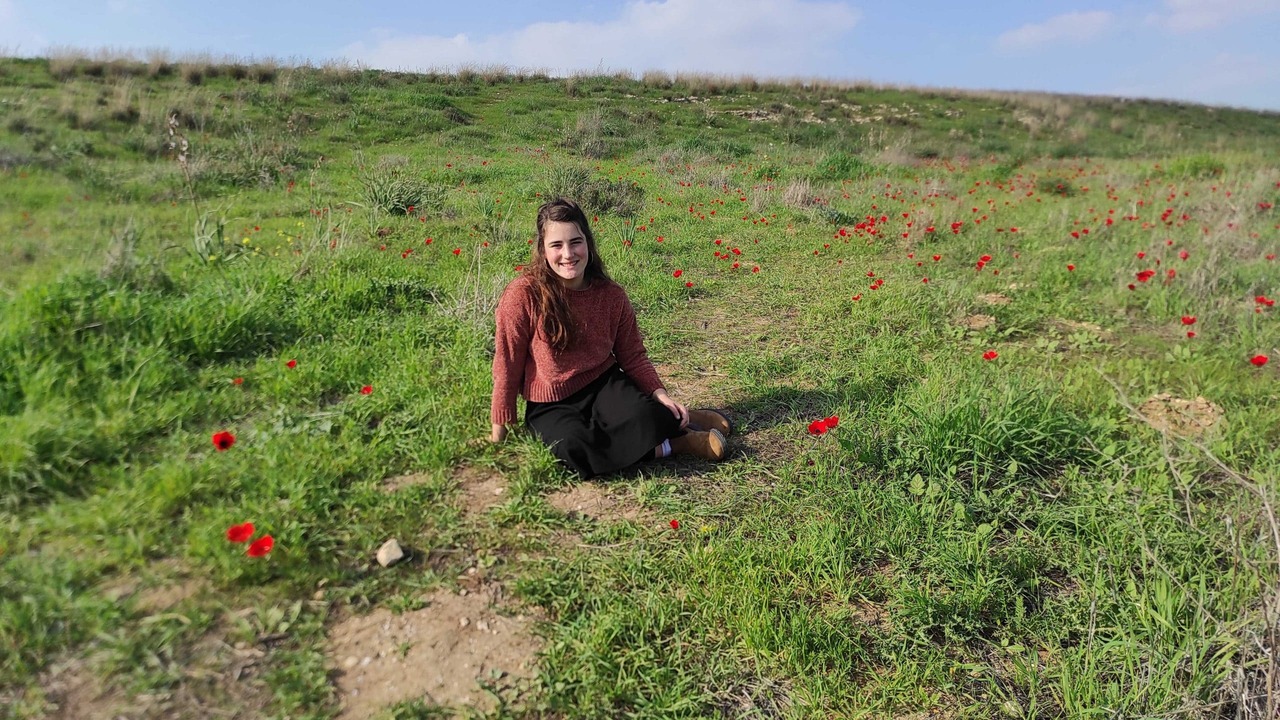
התחלתי ללמוד דף יומי ממסכת נידה כי זה היה חומר הלימוד שלי אז. לאחר הסיום הגדול בבנייני האומה החלטתי להמשיך. וב”ה מאז עם הפסקות קטנות של קורונה ולידה אני משתדלת להמשיך ולהיות חלק.

זה משפיע מאוד על היום יום שלי ועל אף שאני עסוקה בלימודי הלכה ותורה כל יום, זאת המסגרת הקבועה והמחייבת ביותר שיש לי.

Moriah Taesan Michaeli
מוריה תעסן מיכאלי

גבעת הראל, ישראל

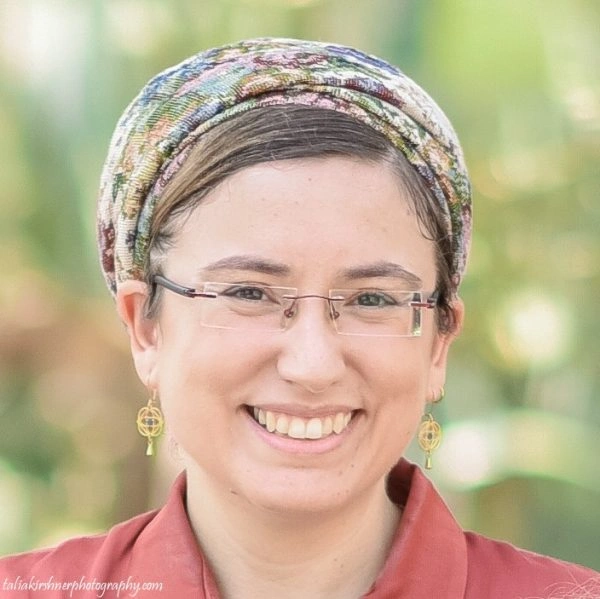
התחלתי בתחילת הסבב, והתמכרתי. זה נותן משמעות נוספת ליומיום ומאוד מחזק לתת לזה מקום בתוך כל שגרת הבית-עבודה השוטפת.

Reut Abrahami
רעות אברהמי

בית שמש, ישראל

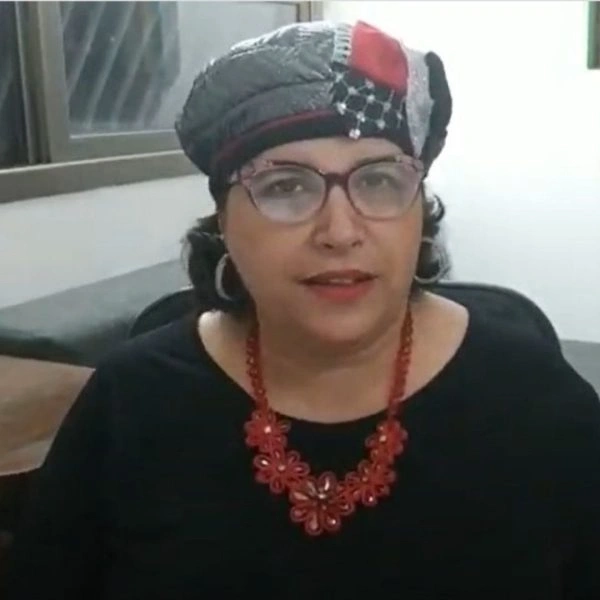
אחי, שלומד דף יומי ממסכת ברכות, חיפש חברותא ללימוד מסכת ראש השנה והציע לי. החברותא היתה מאתגרת טכנית ורוב הזמן נעשתה דרך הטלפון, כך שבסיום המסכת נפרדו דרכינו. אחי חזר ללמוד לבד, אבל אני כבר נכבשתי בקסם הגמרא ושכנעתי את האיש שלי להצטרף אלי למסכת ביצה. מאז המשכנו הלאה, ועכשיו אנחנו מתרגשים לקראתו של סדר נשים!

Shulamit Saban
שולמית סבן

נוקדים, ישראל

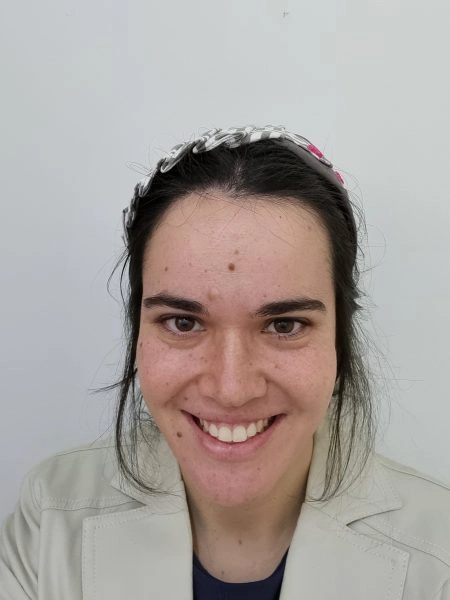
התחלתי ללמוד לפני כשנתיים בשאיפה לסיים לראשונה מסכת אחת במהלך חופשת הלידה.
אחרי מסכת אחת כבר היה קשה להפסיק…

Noa Gallant
נעה גלנט

ירוחם, ישראל

התחלתי ללמוד דף יומי לפני שנתיים, עם מסכת שבת. בהתחלה ההתמדה היתה קשה אבל בזכות הקורונה והסגרים הצלחתי להדביק את הפערים בשבתות הארוכות, לסיים את מסכת שבת ולהמשיך עם המסכתות הבאות. עכשיו אני מסיימת בהתרגשות רבה את מסכת חגיגה וסדר מועד ומחכה לסדר הבא!

Ilana-Shachnowitz
אילנה שכנוביץ

מודיעין, ישראל

התחלתי ללמוד דף יומי בסבב הקודם. זכיתי לסיים אותו במעמד המרגש של הדרן. בסבב הראשון ליווה אותי הספק, שאולי לא אצליח לעמוד בקצב ולהתמיד. בסבב השני אני לומדת ברוגע, מתוך אמונה ביכולתי ללמוד ולסיים. בסבב הלימוד הראשון ליוותה אותי חוויה מסויימת של בדידות. הדרן העניקה לי קהילת לימוד ואחוות נשים. החוויה של סיום הש”ס במעמד כה גדול כשנשים שאינן מכירות אותי, שמחות ומתרגשות עבורי , היתה חוויה מרוממת נפש

Ilanit Weil
אילנית ווייל

קיבוץ מגדל עוז, ישראל

לצערי גדלתי בדור שבו לימוד גמרא לנשים לא היה דבר שבשגרה ושנים שאני חולמת להשלים את הפער הזה.. עד שלפני מספר שבועות, כמעט במקרה, נתקלתי במודעת פרסומת הקוראת להצטרף ללימוד מסכת תענית. כשקראתי את המודעה הרגשתי שהיא כאילו נכתבה עבורי – "תמיד חלמת ללמוד גמרא ולא ידעת איך להתחיל”, "בואי להתנסות במסכת קצרה וקלה” (רק היה חסר שהמודעה תיפתח במילים "מיכי שלום”..). קפצתי למים ו- ב”ה אני בדרך להגשמת החלום:)

Micah Kadosh
מיכי קדוש

מורשת, ישראל

התחלתי ללמוד לפני 4.5 שנים, כשהודיה חברה שלי פתחה קבוצת ווטסאפ ללימוד דף יומי בתחילת מסכת סנהדרין. מאז לימוד הדף נכנס לתוך היום-יום שלי והפך לאחד ממגדירי הזהות שלי ממש.

Rosenberg Foundation
קרן רוזנברג

ירושלים, ישראל

אני לומדת גמרא כעשור במסגרות שונות, ואת הדף היומי התחלתי כשחברה הציעה שאצטרף אליה לסיום בבנייני האומה. מאז אני לומדת עם פודקסט הדרן, משתדלת באופן יומי אך אם לא מספיקה, מדביקה פערים עד ערב שבת. בסבב הזה הלימוד הוא "ממעוף הציפור”, מקשיבה במהירות מוגברת תוך כדי פעילויות כמו בישול או נהיגה, וכך רוכשת היכרות עם הסוגיות ואופן ניתוחם על ידי חז”ל. בע”ה בסבב הבא, ואולי לפני, אצלול לתוכו באופן מעמיק יותר.

Yael Bir
יעל ביר

רמת גן, ישראל

"התחלתי ללמוד דף יומי במחזור הזה, בח’ בטבת תש””ף. לקחתי על עצמי את הלימוד כדי ליצור תחום של התמדה יומיומית בחיים, והצטרפתי לקבוצת הלומדים בבית הכנסת בכפר אדומים. המשפחה והסביבה מתפעלים ותומכים.
בלימוד שלי אני מתפעלת בעיקר מכך שכדי ללמוד גמרא יש לדעת ולהכיר את כל הגמרא. זו מעין צבת בצבת עשויה שהיא עצומה בהיקפה.”

Sarah Fox
שרה פוּקס

כפר אדומים, ישראל

התחלתי ללמוד לפני 4.5 שנים, כשהודיה חברה שלי פתחה קבוצת ווטסאפ ללימוד דף יומי בתחילת מסכת סנהדרין. מאז לימוד הדף נכנס לתוך היום-יום שלי והפך לאחד ממגדירי הזהות שלי ממש.

Rosenberg Foundation
קרן רוזנברג

ירושלים, ישראל

התחלתי ללמוד את הדף היומי מעט אחרי שבני הקטן נולד. בהתחלה בשמיעה ולימוד באמצעות השיעור של הרבנית שפרבר. ובהמשך העזתי וקניתי לעצמי גמרא. מאז ממשיכה יום יום ללמוד עצמאית, ולפעמים בעזרת השיעור של הרבנית, כל יום. כל סיום של מסכת מביא לאושר גדול וסיפוק. הילדים בבית נהיו חלק מהלימוד, אני משתפת בסוגיות מעניינות ונהנית לשמוע את דעתם.

Eliraz Blau
אלירז בלאו

מעלה מכמש, ישראל

התחלתי ללמוד דף יומי לפני שנתיים, עם מסכת שבת. בהתחלה ההתמדה היתה קשה אבל בזכות הקורונה והסגרים הצלחתי להדביק את הפערים בשבתות הארוכות, לסיים את מסכת שבת ולהמשיך עם המסכתות הבאות. עכשיו אני מסיימת בהתרגשות רבה את מסכת חגיגה וסדר מועד ומחכה לסדר הבא!

Ilana-Shachnowitz
אילנה שכנוביץ

מודיעין, ישראל

התחלתי ללמוד דף יומי באמצע תקופת הקורונה, שאבא שלי סיפר לי על קבוצה של בנות שתיפתח ביישוב שלנו ותלמד דף יומי כל יום. הרבה זמן רציתי להצטרף לזה וזאת הייתה ההזדמנות בשבילי. הצטרפתי במסכת שקלים ובאמצע הייתה הפסקה קצרה. כיום אני כבר לומדת באולפנה ולומדת דף יומי לבד מתוך גמרא של טיינזלץ.

Saturdays in Raleigh
שבות בראלי

עתניאל, ישראל

בתחילת הסבב הנוכחי של לימוד הדף היומי, נחשפתי לחגיגות המרגשות באירועי הסיום ברחבי העולם. והבטחתי לעצמי שבקרוב אצטרף גם למעגל הלומדות. הסבב התחיל כאשר הייתי בתחילת דרכי בתוכנית קרן אריאל להכשרת יועצות הלכה של נשמ”ת. לא הצלחתי להוסיף את ההתחייבות לדף היומי על הלימוד האינטנסיבי של תוכנית היועצות. בבוקר למחרת המבחן הסופי בנשמ”ת, התחלתי את לימוד הדף במסכת סוכה ומאז לא הפסקתי.

Hana Shaham-Rozby (Dr.)
חנה שחם-רוזבי (ד”ר)

קרית גת, ישראל

התחלתי בתחילת הסבב, והתמכרתי. זה נותן משמעות נוספת ליומיום ומאוד מחזק לתת לזה מקום בתוך כל שגרת הבית-עבודה השוטפת.

Reut Abrahami
רעות אברהמי

בית שמש, ישראל

"
גם אני התחלתי בסבב הנוכחי וב””ה הצלחתי לסיים את רוב המסכתות . בזכות הרבנית מישל משתדלת לפתוח את היום בשיעור הזום בשעה 6:20 .הלימוד הפך להיות חלק משמעותי בחיי ויש ימים בהם אני מצליחה לחזור על הדף עם מלמדים נוספים ששיעוריהם נמצאים במרשתת. שמחה להיות חלק מקהילת לומדות ברחבי העולם. ובמיוחד לשמש דוגמה לנכדותיי שאי””ה יגדלו לדור שלימוד תורה לנשים יהיה משהו שבשגרה. "

Ronit Shavit
רונית שביט

נתניה, ישראל

התחלתי בסיום הש”ס, יצאתי באורות. נשברתי פעמיים, ובשתיהם הרבנית מישל עודדה להמשיך איפה שכולם בסבב ולהשלים כשאוכל, וכך עשיתי וכיום השלמתי הכל. מדהים אותי שאני לומדת כל יום קצת, אפילו בחדר הלידה, בבידוד או בחו”ל. לאט לאט יותר נינוחה בסוגיות. לא כולם מבינים את הרצון, בפרט כפמניסטית. חשה סיפוק גדול להכיר את המושגים וצורת החשיבה. החלום זה להמשיך ולהתמיד ובמקביל ללמוד איך מהסוגיות נוצרה והתפתחה ההלכה.

Weingarten Sherrington Foundation
קרן וינגרטן שרינגטון

מודיעין, ישראל

התחלתי ללמוד דף יומי בתחילת מסכת ברכות, עוד לא ידעתי כלום. נחשפתי לסיום הש״ס, ובעצם להתחלה מחדש בתקשורת, הפתיע אותי לטובה שהיה מקום לעיסוק בתורה.
את המסכתות הראשונות למדתי, אבל לא סיימתי (חוץ מעירובין איכשהו). השנה כשהגעתי למדרשה, נכנסתי ללופ, ואני מצליחה להיות חלק, סיימתי עם החברותא שלי את כל המסכתות הקצרות, גם כשהיינו חולות קורונה ובבידודים, למדנו לבד, העיקר לא לצבור פער, ומחכות ליבמות 🙂

Eden Yeshuron
עדן ישורון

מזכרת בתיה, ישראל

שמעתי על הסיום הענק של הדף היומי ע”י נשים בבנייני האומה. רציתי גם.
החלטתי להצטרף. התחלתי ושיכנעתי את בעלי ועוד שתי חברות להצטרף. עכשיו יש לי לימוד משותף איתו בשבת ומפגש חודשי איתן בנושא (והתכתבויות תדירות על דברים מיוחדים שקראנו). הצטרפנו לקבוצות שונות בווטסאפ. אנחנו ממש נהנות. אני שומעת את השיעור מידי יום (בד”כ מהרב יוני גוטמן) וקוראת ומצטרפת לסיומים של הדרן. גם מקפידה על דף משלהן (ונהנית מאד).

Liat Citron
ליאת סיטרון

אפרת, ישראל

מגילה לא

בְּרָכוֹת וּקְלָלוֹת. אֵין מַפְסִיקִין בִּקְלָלוֹת, אֶלָּא אֶחָד קוֹרֵא אֶת כּוּלָּן.

they read the portion of blessings and curses (Leviticus, chapter 26). One should not interrupt the reading of the curses by having two different people read them. Rather, one person reads all of them.

בְּשֵׁנִי וּבַחֲמִישִׁי, בַּשַּׁבָּת בַּמִּנְחָה — קוֹרִין כְּסִדְרָן, וְאֵין עוֹלִים לָהֶם מִן הַחֶשְׁבּוֹן.

On Mondays, and on Thursdays, and on Shabbat during the afternoon service, they read in accordance with the regular weekly order, i.e., they proceed to read the first section of the Torah portion that follows the portion that was read on the previous Shabbat morning. However, these readings are not counted as a progression in the reckoning of reading the Torah portions, i.e., they do not proceed on Monday to read the section that immediately follows the section read on Shabbat during the afternoon, and then the following section on Thursday. Rather, until the reading on the following Shabbat morning, they return to and read the same first section of the Torah portion that follows the portion that was read on the previous Shabbat morning.

שֶׁנֶּאֱמַר: ״וַיְדַבֵּר מֹשֶׁה אֶת מוֹעֲדֵי ה׳ אֶל בְּנֵי יִשְׂרָאֵל״, מִצְוָתָן שֶׁיְּהוּ קוֹרִין כׇּל אֶחָד וְאֶחָד בִּזְמַנּוֹ.

On Festivals and holidays, they read a portion relating to the character of the day, as it is stated: “And Moses declared to the children of Israel the appointed seasons of the Lord” (Leviticus 23:44), which indicates that part of the mitzva of the Festivals is that the people should read the portion relating to them, each one in its appointed time.

גְּמָ׳ תָּנוּ רַבָּנַן: בְּפֶסַח קוֹרִין בְּפָרָשַׁת מוֹעֲדוֹת וּמַפְטִירִין בְּפֶסַח גִּלְגָּל, וְהָאִידָּנָא דְּאִיכָּא תְּרֵי יוֹמֵי, יוֹמָא קַמָּא — בְּפֶסַח גִּלְגָּל, וּלְמָחָר — בְּפֶסַח יֹאשִׁיָּהוּ.

GEMARA: The Sages taught in a baraita: On the first day of Passover, the congregation reads from the portion of the Festivals (Leviticus 22:26–23:44), and they read as the haftara the account of the Passover celebrated at Gilgal (Joshua 5:2–14). The Gemara comments: And nowadays, in the Diaspora, when there are two Festival days of Passover, on the first day they read as the haftara the account of the Passover celebrated at Gilgal, and on the next day they read from the account of the Passover observed by Josiah (II Kings 23).

וּשְׁאָר יְמוֹת הַפֶּסַח מְלַקֵּט וְקוֹרֵא מֵעִנְיָנוֹ שֶׁל פֶּסַח. מַאי הִיא? אָמַר רַב פָּפָּא: מֵאַפּ״‎וֹ סִימָן.

The baraita continues: And on the other days of Passover, one collects and reads from various Torah portions of matters relating to Passover. The Gemara asks: What are these portions? Rav Pappa said: A mnemonic for them is mem, alef, peh vav. Each letter stands for a different reading: Mem for the portion of: “Draw out [mishkhu] and take your lambs” (Exodus 12:21–51); alef for the portion of “If [im] you lend money to any of My people” (Exodus 22:24–23:19); peh for the portion of “Hew [pesol] for yourself” (Exodus 34:1–26); and vav for the portion “And the Lord spoke [vaydabber]” (Numbers 9:1–14).

יוֹם טוֹב הָאַחֲרוֹן שֶׁל פֶּסַח קוֹרִין ״וַיְהִי בְּשַׁלַּח״, וּמַפְטִירִין ״וַיְדַבֵּר דָּוִד״. וּלְמָחָר ״כׇּל הַבְּכוֹר״, וּמַפְטִירִין ״עוֹד הַיּוֹם״.

The baraita continues: On the last Festival day of Passover, they read the portion of “And it came to pass, when Pharaoh let the people go” (Exodus 13:17–15:26), because it includes the account of the splitting of the Red Sea, and they read as the haftara the portion “And David spoke” (II Samuel 22), which is the song of David. And in the Diaspora, on the next day, the eighth day of Passover, they read the portion “All the firstborns” (Deuteronomy 15:19–16:17), and they read as the haftara the portion of “This very day” (Isaiah 10:32–12:6), because it discusses the downfall of Sennacherib, which occurred on the night of Passover.

אָמַר אַבָּיֵי, וְהָאִידָּנָא נְהוּג עָלְמָא לְמִיקְרֵי: מְשַׁךְ תּוֹרָא, קַדֵּשׁ בְּכַסְפָּא, פְּסַל בְּמַדְבְּרָא, שַׁלַּח בּוּכְרָא.

Abaye said: And nowadays, on the eight days of Passover in the Diaspora, everyone is accustomed to read portions that are indicated by the mnemonic phrase: Draw the bull, sanctify with money, hew in the wilderness, send the firstborn. This alludes to the following portions: “Draw out and take your lambs” (Exodus 12:21–51) and “A bull or a sheep” (Leviticus 22:26–23:44); “Sanctify to Me all the firstborn” (Exodus 13:1–16) and “If you lend money to any of My people” (Exodus 22:24–23:19); “Hew for yourself” (Exodus 34:1–26) and “And the Lord spoke to Moses in the wilderness of Sinai” (Numbers 9:1–14); “And it came to pass, when Pharaoh let the people go” (Exodus 13:17–15:26) and “All the firstborns” (Deuteronomy 15:19–16:17).

בָּעֲצֶרֶת ״שִׁבְעָה שָׁבוּעוֹת״, וּמַפְטִירִין בַּחֲבַקּוּק. אֲחֵרִים אוֹמְרִים: ״בַּחֹדֶשׁ הַשְּׁלִישִׁי״, וּמַפְטִירִין בַּמֶּרְכָּבָה. וְהָאִידָּנָא דְּאִיכָּא תְּרֵי יוֹמֵי, עָבְדִינַן כְּתַרְוַיְיהוּ וְאִיפְכָּא.

The baraita continues: On Shavuot they read the portion of “Seven weeks,” and they read as the haftara from Habakkuk, chapter 2, since it mentions the giving of the Torah at Sinai. Others say: They read the portion of “In the third month” (Exodus 19:1–20:23), which describes the giving of the Torah, and they read as the haftara from the account of the Divine Chariot (Ezekiel 1). The Gemara comments: And nowadays, in the Diaspora, when there are two days of Shavuot, we act in accordance with both opinions, but in the reverse order. On the first day they read the portion of “In the third month,” and on the second day they read the portion of “Seven weeks.”

בְּרֹאשׁ הַשָּׁנָה: ״בַּחֹדֶשׁ הַשְּׁבִיעִי״, וּמַפְטִירִין: ״הֲבֵן יַקִּיר לִי אֶפְרַיִם״. וְיֵשׁ אוֹמְרִים: ״וַה׳ פָּקַד אֶת שָׂרָה״, וּמַפְטִירִין בְּחַנָּה.

The baraita continues: On Rosh HaShana they read the portion of “On the seventh month on the first of the month” (Numbers 29:1–6) and they read as the haftara “Is Ephraim My dear son?” (Jeremiah 31:1–20), as it contains the verse: “I earnestly remember him still,” which recalls God’s love for His people. And some say that they read “And the Lord visited Sarah (Genesis 21), which describes how God blessed her that she should have a child, and, according to tradition, God blessed her on Rosh HaShana. And they read as the haftara from the account of Hannah (I Samuel 1:1–2:10), who, according to tradition, was also blessed on Rosh HaShana that she should have a child.

וְהָאִידָּנָא דְּאִיכָּא תְּרֵי יוֹמֵי — יוֹמָא קַמָּא כְּיֵשׁ אוֹמְרִים, לִמְחַר: ״וְהָאֱלֹהִים נִסָּה אֶת אַבְרָהָם״, וּמַפְטִירִין ״הֲבֵן יַקִּיר״.

The Gemara comments: And nowadays, when there are two days of Rosh HaShana, on the first day they read Genesis 21 in accordance with the opinion cited as: Some say. And on the next day they read “And God tested Abraham (Genesis 22), in order to mention the merit of the binding of Isaac on the day of God’s judgment, and they read as the haftara “Is Ephraim My dear son?”

בְּיוֹם הַכִּפּוּרִים קוֹרִין ״אַחֲרֵי מוֹת״, וּמַפְטִירִין ״כִּי כֹה אָמַר רָם וְנִשָּׂא״. וּבַמִּנְחָה קוֹרִין בָּעֲרָיוֹת וּמַפְטִירִין בְּיוֹנָה.

The baraita continues: On Yom Kippur they read the portion of “After the death” (Leviticus 16), and they read as the haftara the portion of “For thus says the High and Lofty One” (Isaiah 57:14–58:14), which deals with fasting and repentance. And during the afternoon service they read from the portion detailing forbidden sexual relations (Leviticus 18) to convey the severity of these transgressions, so that if anyone transgressed any of these prohibitions he will repent on Yom Kippur. And they read as the haftara the book of Jonah, which mentions the repentance of the people of Nineveh.

אָמַר רַבִּי יוֹחָנָן: כׇּל מָקוֹם שֶׁאַתָּה מוֹצֵא גְּבוּרָתוֹ שֶׁל הַקָּדוֹשׁ בָּרוּךְ הוּא, אַתָּה מוֹצֵא עִנְוְותָנוּתוֹ. דָּבָר זֶה כָּתוּב בַּתּוֹרָה, וְשָׁנוּי בַּנְּבִיאִים, וּמְשׁוּלָּשׁ בַּכְּתוּבִים.

Having mentioned the haftara read on Yom Kippur, the Gemara cites that which Rabbi Yoḥanan said: Wherever you find a reference in the Bible to the might of the Holy One, Blessed be He, you also find a reference to His humility adjacent to it. Evidence of this fact is written in the Torah, repeated in the Prophets, and stated a third time in the Writings.

כָּתוּב בַּתּוֹרָה: ״כִּי ה׳ אֱלֹהֵיכֶם הוּא אֱלֹהֵי הָאֱלֹהִים וַאֲדוֹנֵי הָאֲדוֹנִים״, וּכְתִיב בָּתְרֵיהּ: ״עוֹשֶׂה מִשְׁפַּט יָתוֹם וְאַלְמָנָה״. שָׁנוּי בַּנְּבִיאִים: ״כֹה אָמַר רָם וְנִשָּׂא שׁוֹכֵן עַד וְקָדוֹשׁ וְגוֹ׳״, וּכְתִיב בָּתְרֵיהּ: ״וְאֶת דַּכָּא וּשְׁפַל רוּחַ״, מְשׁוּלָּשׁ בַּכְּתוּבִים, דִּכְתִיב: ״סוֹלּוּ לָרוֹכֵב בָּעֲרָבוֹת בְּיָהּ שְׁמוֹ״, וּכְתִיב בָּתְרֵיהּ: ״אֲבִי יְתוֹמִים וְדַיַּין אַלְמָנוֹת״.

It is written in the Torah: “For the Lord your God is the God of gods and the Lord of lords” (Deuteronomy 10:17), and it is written immediately afterward: “He executes the judgment of the fatherless and widow” (Deuteronomy 10:18), displaying his humility in caring for even the weakest parts of society. It is repeated in the Prophets: “For thus says the High and Lofty One that inhabits eternity, Whose name is sacred” (Isaiah 57:15), and it is written immediately afterward: “In the high and holy place I dwell with him that is of a contrite and humble spirit, to revive the spirit of the humble, and to revive the heart of the contrite ones” (Isaiah 57:15). It is stated a third time in the Writings, as it is written: “Extol Him Who rides upon the clouds, Whose name is the Lord” (Psalms 68:5), and it is written immediately afterward: “A father of the fatherless, and a judge of widows” (Psalms 68:6).

יוֹם טוֹב הָרִאשׁוֹן שֶׁל חַג קוֹרִין בְּפָרָשַׁת מוֹעֲדוֹת שֶׁבְּתוֹרַת כֹּהֲנִים, וּמַפְטִירִין ״הִנֵּה יוֹם בָּא לַה׳״. וְהָאִידָּנָא דְּאִיכָּא תְּרֵי יוֹמֵי, לִמְחַר מִיקְרָא הָכִי נָמֵי קָרֵינַן, אַפְטוֹרֵי מַאי מַפְטִירִין — ״וַיִּקָּהֲלוּ אֶל הַמֶּלֶךְ שְׁלֹמֹה״.

The baraita continues: On the first Festival day of Sukkot, they read from the portion of the Festivals found in Leviticus (Leviticus 22:26–23:44), and they read as the haftara the portion of “Behold the day of the Lord comes” (Zechariah 14), which mentions the festival of Sukkot. The Gemara comments: And nowadays, in the Diaspora, when there are two Festival days of Sukkot, on the next day, they read the same Torah portion. But what do they read as the haftara? They read the portion of “And all the men of Israel assembled themselves to King Solomon (I Kings 8:2–21), which describes events that took place on the festival of Sukkot.

וּשְׁאָר כׇּל יְמוֹת הַחַג קוֹרִין בְּקׇרְבְּנוֹת הֶחָג. יוֹם טוֹב הָאַחֲרוֹן קוֹרִין ״כׇּל הַבְּכוֹר״, מִצְוֹת וְחוּקִּים וּבְכוֹר, וּמַפְטִירִין ״וַיְהִי כְּכַלּוֹת שְׁלֹמֹה״. לְמָחָר קוֹרִין ״וְזֹאת הַבְּרָכָה״, וּמַפְטִירִין ״וַיַּעֲמֹד שְׁלֹמֹה״.

The baraita continues: And on all the other days of Sukkot, they read selections from the portion of the offerings of Sukkot found in the book of Numbers, chapter 29. On the last Festival day of Sukkot, i.e., the Eighth Day of Assembly, they read the portion of “All the firstborns,” starting with the portion of “You shall tithe,” since it includes many mitzvot and statutes relating to gifts for the poor, who should be helped during this period of rejoicing, and it concludes with the halakhot governing firstborns (Deuteronomy 14:22–16:17). And they read as the haftara the portion of “And it was so, that when Solomon had made an end of praying” (I Kings 8:54–9:1), which occurred on that day. On the next day, the second day of the Eighth Day of Assembly in the Diaspora, they read the portion of “And this is the blessing” (Deuteronomy, chapters 33–34) until the end of the Torah, and they read as the haftara “And Solomon stood” (I Kings 8:22–53).

אָמַר רַב הוּנָא אָמַר רַב: שַׁבָּת שֶׁחָל לִהְיוֹת בְּחוּלּוֹ שֶׁל מוֹעֵד, בֵּין בַּפֶּסַח, בֵּין בַּסּוּכּוֹת — מִקְרָא קָרֵינַן ״רְאֵה אַתָּה״. אַפְטוֹרֵי, בַּפֶּסַח — ״הָעֲצָמוֹת הַיְּבֵשׁוֹת״. וּבַסּוּכּוֹת — ״בְּיוֹם בֹּא גוֹג״.

Rav Huna said that Rav said: When Shabbat occurs on one of the intermediate days of a Festival, whether on Passover or on Sukkot, they read the Torah portion of “See, You say to me” (Exodus 33:12–34:26), as it includes the halakhot of the Festivals and the intermediate days. They read as the haftara, on Passover, from the portion of the dry bones (Ezekiel 37:1–14), which portrays redemption from servitude, and on Sukkot they read “And it shall come to pass on that day when Gog shall come” (Ezekiel 38:18–39:16), which speaks of the future redemption.

בַּחֲנוּכָּה — בַּנְּשִׂיאִים, וּמַפְטִירִין בְּנֵרוֹת דִּזְכַרְיָה. וְאִי מִיקַּלְעִי שְׁתֵּי שַׁבָּתוֹת — קַמַּיְיתָא בְּנֵרוֹת דִּזְכַרְיָה, בָּתְרָיְיתָא בְּנֵרוֹת שְׁלֹמֹה.

The baraita continues: On each day of Hanukkah they read a selection from the portion of the dedication of the altar by the tribal princes (Numbers 7), and they read as the haftara from the portion of the lamps of Zechariah (Zechariah 2:14–4:7). The Gemara comments: And if it occurs that there are two Shabbatot during Hanukkah, on the first Shabbat they read from the portion of the lamps of Zechariah, and on the latter one they read from the portion of the lamps of Solomon (I Kings 7:40–50), which discusses the lamps in the Temple.

בַּפּוּרִים — ״וַיָּבֹא עֲמָלֵק״. בְּרָאשֵׁי חֳדָשִׁים — ״וּבְרָאשֵׁי חׇדְשֵׁיכֶם״. רֹאשׁ חֹדֶשׁ שֶׁחָל לִהְיוֹת בְּשַׁבָּת, מַפְטִירִין ״וְהָיָה מִדֵּי חֹדֶשׁ בְּחׇדְשׁוֹ״. חָל לִהְיוֹת בְּאֶחָד בַּשַּׁבָּת, מֵאֶתְמוֹל מַפְטִירִין ״וַיֹּאמֶר לוֹ יְהוֹנָתָן מָחָר חֹדֶשׁ״.

The baraita continues: On Purim they read the portion of “And Amalek came” (Exodus 17:8–16). On the New Moon they read the portion of “And in the beginnings of your month” (Numbers 28:11–15). When the New Moon occurs on Shabbat, they read as the haftara the portion that concludes with “And it shall come to pass that every New Moon, and every Shabbat, shall all flesh come to bow down on the ground before Me” (Isaiah 66), as it mentions both Shabbat and the New Moon. When the New Moon occurs on Sunday, on the previous day, i.e., Shabbat, they read as the haftara the portion of “And Jonathan said to him: Tomorrow is the New Moon” (I Samuel 20:18–42), which describes events that took place on the eve of the New Moon.

אָמַר רַב הוּנָא:

Rav Huna said:

רֹאשׁ חֹדֶשׁ אָב שֶׁחָל לִהְיוֹת בְּשַׁבָּת, מַפְטִירִין ״חׇדְשֵׁיכֶם וּמוֹעֲדֵיכֶם שָׂנְאָה נַפְשִׁי הָיוּ עָלַי לָטוֹרַח״. מַאי ״הָיוּ עָלַי לָטוֹרַח״? אָמַר הַקָּדוֹשׁ בָּרוּךְ הוּא: לֹא דַּיָּין לָהֶם לְיִשְׂרָאֵל שֶׁחוֹטְאִין לְפָנַי, אֶלָּא שֶׁמַּטְרִיחִין אוֹתִי לֵידַע אֵיזוֹ גְּזֵירָה קָשָׁה אָבִיא עֲלֵיהֶם.

When the New Moon of Av occurs on Shabbat, they read as the haftara the portion that includes the verse “Your New Moons and your Festivals, My soul hated; they were a burden to Me” (Isaiah 1:14). The Gemara asks: What is the meaning of: “They were a burden to Me”? The Gemara explains: The Holy One, Blessed be He, said: It is not enough for the Jewish people that they sin before Me, but in addition, they burden Me to reconsider what harsh decree I shall bring upon them, for they are petitioning Me to annul those decrees.

בְּתִשְׁעָה בְּאָב גּוּפֵיהּ מַאי מַפְטְרִינַן? אָמַר רַב: ״אֵיכָה הָיְתָה לְזוֹנָה״. מִקְרָא מַאי? תַּנְיָא, אֲחֵרִים אוֹמְרִים: ״וְאִם לֹא תִשְׁמְעוּ לִי״, רַבִּי נָתָן בַּר יוֹסֵף אוֹמֵר: ״עַד אָנָה יְנַאֲצוּנִי הָעָם הַזֶּה״, וְיֵשׁ אוֹמְרִים: ״עַד מָתַי לָעֵדָה הָרָעָה הַזֹּאת״. אָמַר אַבָּיֵי: הָאִידָּנָא נְהוּג עָלְמָא לְמִיקְרֵי ״כִּי תוֹלִיד בָּנִים״, וּמַפְטִירִין ״אָסוֹף אֲסִיפֵם״.

The Gemara asks: On the Ninth of Av itself, what do we read as the haftara? Rav said: The portion containing the verse “How did the faithful city become a harlot?” (Isaiah 1:21). The Gemara asks: What Torah portion do they read? It is taught in a baraita that others say: They read the portion containing the verse “But if you will not hearken to me” (Leviticus 26:14). Rabbi Natan bar Yosef said: They read the portion containing the verse: “How long will this people provoke me?” (Numbers 14:11). And some say: They read the portion containing the verse: “How long shall I bear with this evil congregation?” (Numbers 14:27). The Gemara comments that Abaye said: Nowadays, everyone is accustomed to read the portion of “When you shall beget children” (Deuteronomy 4:25–40), and they read as the haftara the portion of “I will utterly consume them” (Jeremiah 8:13–9:23).

[בְּמַעֲמָדוֹת] בְּמַעֲשֵׂה בְרֵאשִׁית וְכוּ׳. מְנָהָנֵי מִילֵּי? אָמַר רַבִּי אַמֵּי: אִלְמָלֵא מַעֲמָדוֹת לֹא נִתְקַיְּימוּ שָׁמַיִם וָאָרֶץ, שֶׁנֶּאֱמַר: ״אִם לֹא בְרִיתִי יוֹמָם וָלָיְלָה חוּקּוֹת שָׁמַיִם וָאָרֶץ לֹא שָׂמְתִּי״.

§ The mishna states: In the non-priestly watches they read the act of Creation. The Gemara asks: From where are these matters derived, i.e., why do they read the account of Creation? Rabbi Ami said: To allude to the fact that were it not for the non-priestly watches, heaven and earth would not endure, as it is stated: “Were it not for My covenant day and night, I would not have set the statutes of heaven and earth” (Jeremiah 33:25). God’s covenant is referring to the offerings sacrificed in the Temple, which sustain the world.

וּכְתִיב: ״וַיֹּאמַר ה׳ אֱלֹהִים בַּמָּה אֵדַע כִּי אִירָשֶׁנָּה״, אָמַר אַבְרָהָם לִפְנֵי הַקָּדוֹשׁ בָּרוּךְ הוּא: רִבּוֹנוֹ שֶׁל עוֹלָם, שֶׁמָּא חַס וְשָׁלוֹם יִשְׂרָאֵל חוֹטְאִים לְפָנֶיךָ וְאַתָּה עוֹשֶׂה לָהֶם כְּדוֹר הַמַּבּוּל וּכְדוֹר הַפְּלַגָּה? אָמַר לוֹ: לָאו.

And with regard to Abraham it is written: “And he said, O Lord God, by what shall I know that I shall inherit it?” (Genesis 15:8). Abraham said before the Holy One, Blessed be He: Master of the Universe, perhaps, Heaven forbid, the Jewish people will sin before You, and You will do to them as You did to the generation of the Flood and as You did to the generation of the Dispersion, i.e., You will completely destroy them? God said to him: No, I will not do that.

אָמַר לְפָנָיו: רִבּוֹנוֹ שֶׁל עוֹלָם, ״בַּמֶּה אֵדַע״? אָמַר לוֹ: ״קְחָה לִי עֶגְלָה מְשׁוּלֶּשֶׁת וְגוֹ׳״. אָמַר לְפָנָיו: רִבּוֹנוֹ שֶׁל עוֹלָם, תִּינַח בִּזְמַן שֶׁבֵּית הַמִּקְדָּשׁ קַיָּים. בִּזְמַן שֶׁאֵין בֵּית הַמִּקְדָּשׁ קַיָּים מָה תְּהֵא עֲלֵיהֶם? אָמַר לוֹ: כְּבָר תִּקַּנְתִּי לָהֶם סֵדֶר קׇרְבָּנוֹת, כׇּל זְמַן שֶׁקּוֹרְאִין בָּהֶן מַעֲלֶה אֲנִי עֲלֵיהֶן כְּאִילּוּ מַקְרִיבִין לְפָנַי קׇרְבָּן, וּמוֹחֵל אֲנִי עַל כׇּל עֲוֹנוֹתֵיהֶם.

Abraham then said before Him: Master of the Universe: “By what shall I know this?” God said to him: “Take Me a heifer of three years old” (Genesis 15:9). With this, God intimated to Abraham that even if his descendants will sin, they will be able to achieve atonement through sacrificing offerings. Abraham said before Him: Master of the Universe, this works out well when the Temple is standing and offerings can be brought to achieve atonement, but when the Temple will no longer be standing, what will become of them? God said to him: I have already established for them the order of offerings, i.e., the verses of the Torah pertaining to the halakhot of the offerings. Whenever they read those portions, I will deem it as if they sacrificed an offering before Me, and I will pardon them for all of their iniquities.

בְּתַעֲנִיּוֹת בְּרָכוֹת וּקְלָלוֹת, וְאֵין מַפְסִיקִין בַּקְּלָלוֹת. מְנָא הָנֵי מִילֵּי? אָמַר רַבִּי חִיָּיא בַּר גַּמָּדָא אָמַר רַבִּי אַסִּי: דְּאָמַר קְרָא ״מוּסַר ה׳ בְּנִי אַל תִּמְאָס״.

§ The mishna states: On fast days the congregation reads the portion of blessings and curses (Leviticus, chapter 16), and one may not interrupt the reading of the curses by having two different people read them. Rather, one person reads all of them. The Gemara asks: From where are these matters derived? Why does one not interrupt the reading of the curses? Rabbi Ḥiyya bar Gamda said that Rabbi Asi said: For the verse states: “My son, do not despise the chastening of the Lord, nor be weary of His correction” (Proverbs 3:11). If one makes a break in the middle of the curses, it appears as if he loathes rebuke.

רֵישׁ לָקִישׁ אָמַר: לְפִי שֶׁאֵין אוֹמְרִים בְּרָכָה עַל הַפּוּרְעָנוּת: אֶלָּא הֵיכִי עָבֵיד? תָּנָא: כְּשֶׁהוּא מַתְחִיל — מַתְחִיל בַּפָּסוּק שֶׁלִּפְנֵיהֶם, וּכְשֶׁהוּא מְסַיֵּים — מְסַיֵּים בַּפָּסוּק שֶׁלְּאַחֲרֵיהֶן.

Reish Lakish said a different answer: It is because one does not say a blessing over a calamity. If a second person were to begin to read in the middle of the portion of the curses, the blessing upon his reading would be considered a blessing over a calamity. Rather, what does one do? It is taught in a baraita: When one begins the reading, one begins with the verse before the curses, and when one concludes the reading, one concludes with the verse after them. In this way, neither the blessing before the reading nor after it relates directly to verses of calamity.

אָמַר אַבָּיֵי: לֹא שָׁנוּ אֶלָּא בִּקְלָלוֹת שֶׁבְּתוֹרַת כֹּהֲנִים, אֲבָל קְלָלוֹת שֶׁבְּמִשְׁנֵה תוֹרָה — פּוֹסֵק. מַאי טַעְמָא — הַלָּלוּ בִּלְשׁוֹן רַבִּים אֲמוּרוֹת, וּמֹשֶׁה מִפִּי הַגְּבוּרָה אֲמָרָן, וְהַלָּלוּ בִּלְשׁוֹן יָחִיד אֲמוּרוֹת, וּמֹשֶׁה מִפִּי עַצְמוֹ אֲמָרָן.

Abaye said: They taught this only with regard to the curses that are recorded in Leviticus, but with regard to the curses that are recorded in Deuteronomy, one may interrupt them by having two different people read them. What is the reason for this distinction? These curses in Leviticus are stated in the plural, and Moses pronounced them from the mouth of the Almighty. As such, they are more severe. However, these curses in Deuteronomy are stated in the singular, and Moses said them on his own, like the rest of the book of Deuteronomy. They are therefore less harsh and may be interrupted.

לֵוִי בַּר בּוּטֵי הֲוָה קָרֵי וְקָא מְגַמְגֵּם קַמֵּיהּ דְּרַב הוּנָא בַּאֲרוּרֵי. אָמַר לוֹ: אַכְּנַפְשָׁךְ. לֹא שָׁנוּ אֶלָּא קְלָלוֹת שֶׁבְּתוֹרַת כֹּהֲנִים, אֲבָל שֶׁבְּמִשְׁנֵה תוֹרָה — פּוֹסֵק.

It was related that Levi bar Buti was once reading the portion of the curses before Rav Huna, and he was stammering in his reading, as it was difficult for him to utter such harsh pronouncements. Rav Huna said to him: If you wish, you may stop where you are and a different reader will continue, for they taught one may not have two people read the curses only with regard to the curses that are recorded in Leviticus. But with regard to the curses that are recorded in Deuteronomy, one may interrupt them by having two different people read them.

תַּנְיָא, רַבִּי שִׁמְעוֹן בֶּן אֶלְעָזָר אוֹמֵר: עֶזְרָא תִּיקֵּן לָהֶן לְיִשְׂרָאֵל שֶׁיְּהוּ קוֹרִין קְלָלוֹת שֶׁבְּתוֹרַת כֹּהֲנִים קוֹדֶם עֲצֶרֶת, וְשֶׁבְּמִשְׁנֵה תוֹרָה קוֹדֶם רֹאשׁ הַשָּׁנָה. מַאי טַעְמָא? אָמַר אַבָּיֵי וְאִיתֵּימָא רֵישׁ לָקִישׁ: כְּדֵי שֶׁתִּכְלֶה הַשָּׁנָה וְקִלְלוֹתֶיהָ.

It is taught in a baraita: Rabbi Shimon ben Elazar said: Ezra enacted for the Jewish people that they should read the portion of the curses that are recorded in Leviticus before Shavuot and the portion of the curses that are recorded in Deuteronomy before Rosh HaShana. The Gemara asks: What is the reason for this? Abaye said, and some say that it was Reish Lakish who said: In order that the year may conclude together with its curses, and the new year may begin without the ominous reading of the curses.

בִּשְׁלָמָא שֶׁבְּמִשְׁנֵה תוֹרָה, אִיכָּא כְּדֵי שֶׁתִּכְלֶה שָׁנָה וְקִלְלוֹתֶיהָ. אֶלָּא שֶׁבְּתוֹרַת כֹּהֲנִים, אַטּוּ עֲצֶרֶת רֹאשׁ הַשָּׁנָה הִיא? אִין, עֲצֶרֶת נָמֵי רֹאשׁ הַשָּׁנָה הִיא. דִּתְנַן: וּבַעֲצֶרֶת עַל פֵּירוֹת הָאִילָן.

The Gemara asks: Granted, with regard to the curses that are recorded in Deuteronomy, there is relevance to the reason: In order that the year may conclude together with its curses, for Rosh HaShana is clearly the beginning of a new year. However, with regard to the curses that are recorded in Leviticus, what relevance does that reason have? Is that to say Shavuot is a new year? The Gemara answers: Yes, indeed, Shavuot is also a new year, as we learned in a mishna (Rosh HaShana 16a): And on Shavuot, divine judgment is made concerning the fruit of the trees, which indicates that Shavuot also has the status of a new year.

תַּנְיָא, רַבִּי שִׁמְעוֹן בֶּן אֶלְעָזָר אוֹמֵר: אִם יֹאמְרוּ לָךְ זְקֵנִים ״סְתוֹר״ וִילָדִים ״בְּנֵה״ — סְתוֹר וְאַל תִּבְנֶה, מִפְּנֵי שֶׁסְּתִירַת זְקֵנִים בִּנְיָן, וּבִנְיַן נְעָרִים סְתִירָה. וְסִימָן לַדָּבָר — רְחַבְעָם בֶּן שְׁלֹמֹה.

It is taught in a baraita: Rabbi Shimon ben Elazar says: If old men say to you: Demolish, and children say to you: Build, then demolish and do not build, because the demolishing of old men is ultimately as constructive as building, despite the fact that it appears destructive, and the building of children is as destructive as demolishing. An indication of this matter is Rehoboam, son of Solomon. He ignored the advice of the Elders and did not lower himself before his people, which ultimately led to the people rebelling against him.

תָּנוּ רַבָּנַן: מָקוֹם שֶׁמַּפְסִיקִין בַּשַּׁבָּת שַׁחֲרִית — שָׁם קוֹרִין בְּמִנְחָה, בְּמִנְחָה — שָׁם קוֹרִין בְּשֵׁנִי, בְּשֵׁנִי — שָׁם קוֹרִין בַּחֲמִישִׁי, בַּחֲמִישִׁי — שָׁם קוֹרִין לַשַּׁבָּת הַבָּאָה, דִּבְרֵי רַבִּי מֵאִיר. רַבִּי יְהוּדָה אוֹמֵר: מָקוֹם שֶׁמַּפְסִיקִין בַּשַּׁבָּת שַׁחֲרִית — שָׁם קוֹרִין בְּמִנְחָה, וּבַשֵּׁנִי וּבַחֲמִישִׁי, וְלַשַּׁבָּת הַבָּאָה.

The Sages taught in a baraita: With regard to the place in the Torah where the congregation concludes the reading on Shabbat morning, it is from there that they continue to read in the afternoon service on Shabbat. Where they conclude in the afternoon service on Shabbat, from there they continue to read on Monday morning. Where they conclude on Monday, from there they continue to read on Thursday morning. Where they conclude on Thursday, from there they continue to read on the coming Shabbat. This is the statement of Rabbi Meir. Rabbi Yehuda says: With regard to the place in the Torah where they conclude the reading on Shabbat morning, it is from there that they continue to read in the afternoon service on Shabbat. And from that same place they continue to read on Monday morning, and on Thursday morning, and on the coming Shabbat.

אָמַר רַבִּי זֵירָא: הֲלָכָה, מָקוֹם שֶׁמַּפְסִיקִין בַּשַּׁבָּת שַׁחֲרִית — שָׁם קוֹרִין בְּמִנְחָה, וּבְשֵׁנִי וּבַחֲמִישִׁי, וְלַשַּׁבָּת הַבָּאָה. וְלֵימָא: הֲלָכָה כְּרַבִּי יְהוּדָה!

The Gemara notes that Rabbi Zeira said: The halakha is that with regard to the place where they conclude the reading on Shabbat morning, it is from there that they continue to read in the afternoon service on Shabbat. And from that same place they continue to read on Monday morning, and on Thursday morning, and on the coming Shabbat. The Gemara asks: If so, let him simply say: The halakha is in accordance with the opinion of Rabbi Yehuda. Why did he have to explicitly state the whole halakha?

רוצה לעקוב אחרי התכנים ולהמשיך ללמוד?

ביצירת חשבון עוד היום ניתן לעקוב אחרי ההתקדמות שלך, לסמן מה למדת, ולעקוב אחרי השיעורים שמעניינים אותך.

לנקות את כל הפריטים מהרשימה?

פעולה זו תסיר את כל הפריטים בחלק זה כולל ההתקדמות וההיסטוריה. שימי לב: לא ניתן לשחזר פעולה זו.

ביטול
מחיקה

האם את/ה בטוח/ה שברצונך למחוק פריט זה?

תאבד/י את כל ההתקדמות או ההיסטוריה הקשורות לפריט זה.

ביטול
מחיקה